Birds in Oxfordshire
Explore 174 species found in this region.
Oxfordshire is home to a remarkably diverse range of birdlife, with 172 species recorded across the county's varied habitats. From the wetlands of the Thames Valley, which attract species such as Common Shelduck, Northern Pintail and Common Sandpiper, to the ancient woodlands sheltering Eurasian Woodcock and Mandarin Duck, the county offers excellent birding opportunities year-round. Notable sightings include scarcer visitors like the Bluethroat alongside familiar garden favourites such as the Great Tit and Magpie.
Visiting in July? Look out for Black-tailed Godwit and Common Gull arriving this month, and Barnacle Goose and Common Shelduck depart for the season.


Showing 116–138 of 174 species
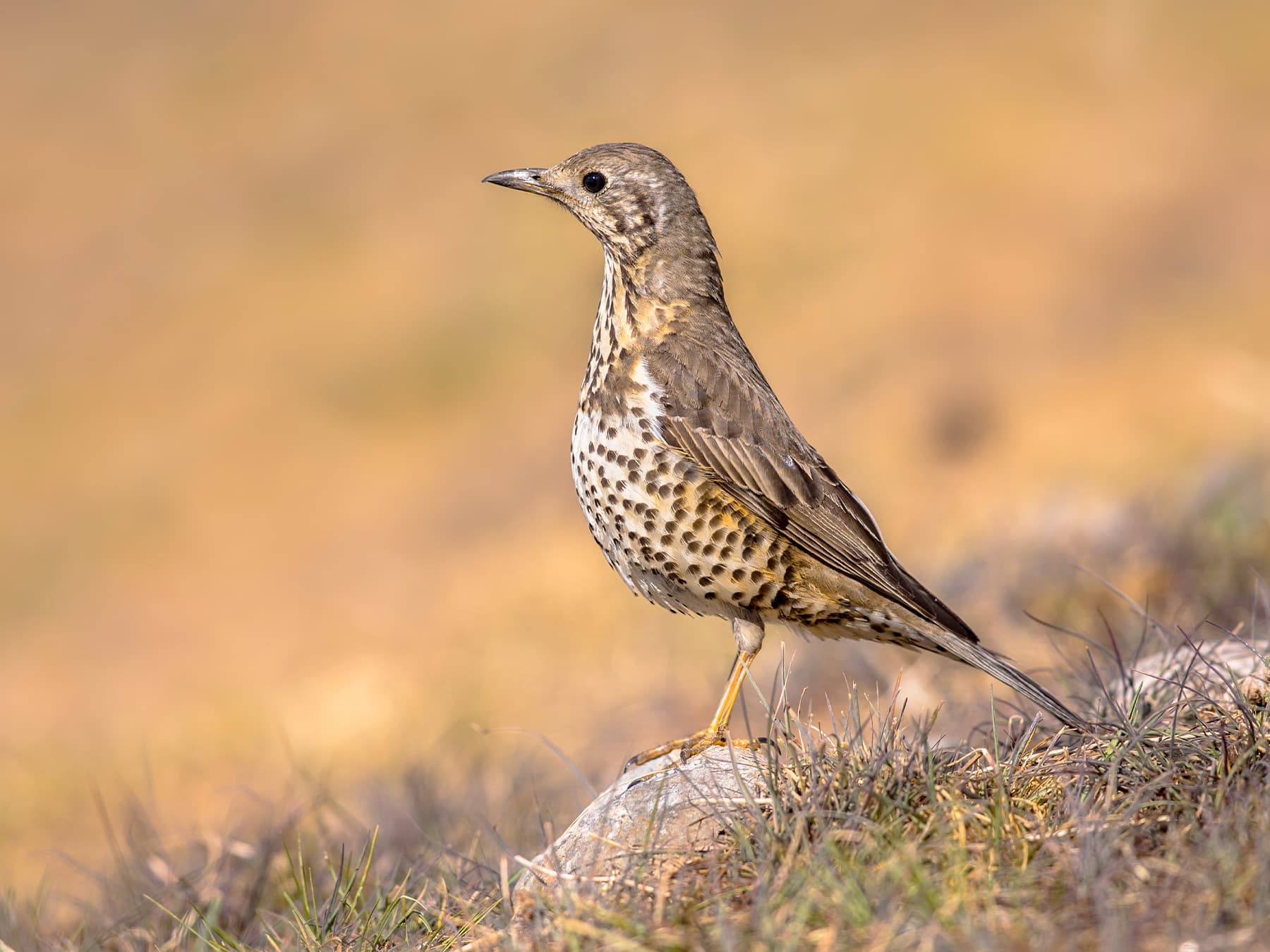
Mistle Thrush
Turdus viscivorusLC
An uncommon resident of parkland, orchards and open woodland, often singing from prominent treetops even in midwinter. Defends berry-laden trees aggressively in autumn.
Year-round
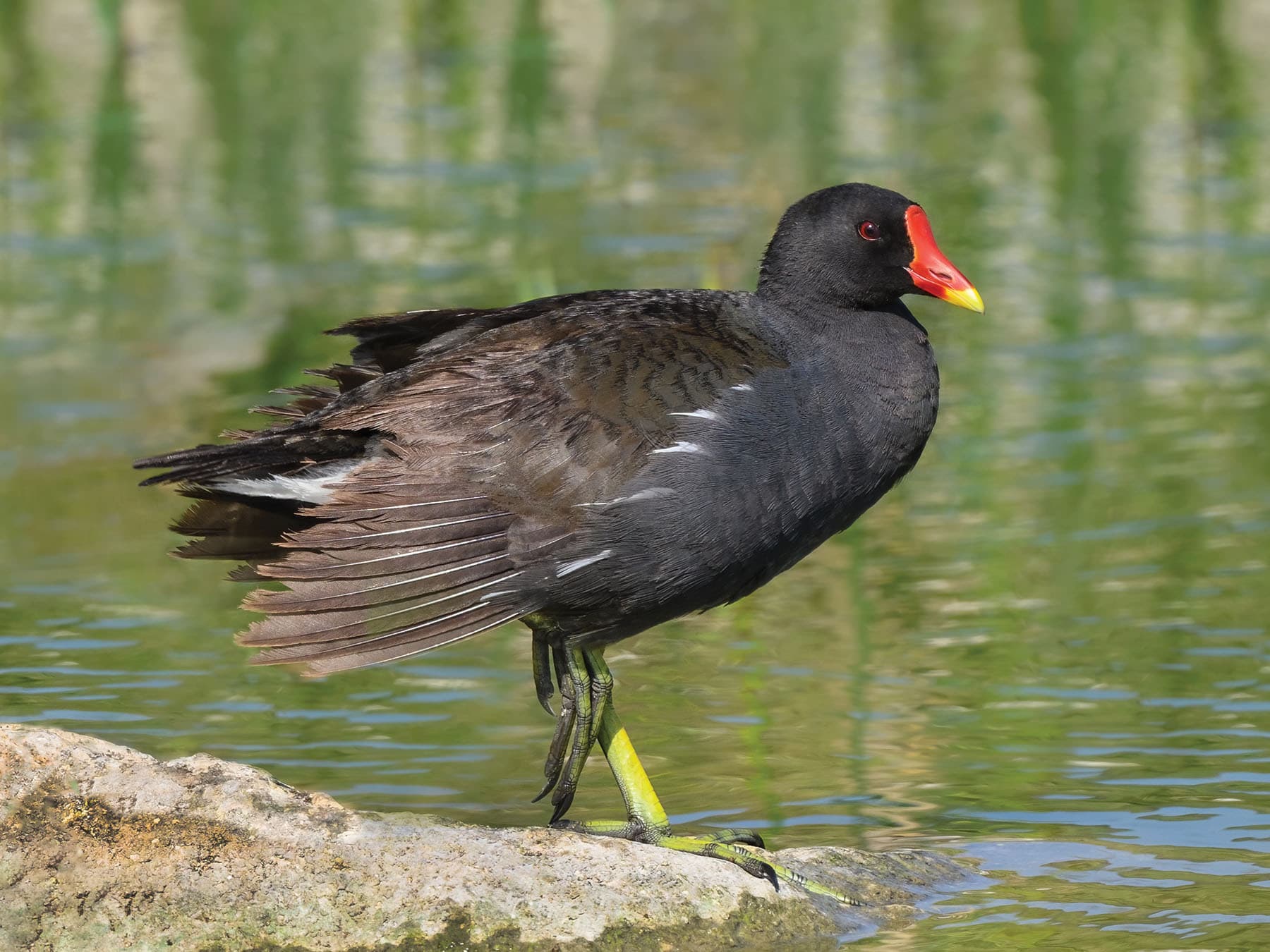
Moorhen
Gallinula chloropusLC
A common resident of ponds, streams, and ditches across the county. Readily seen in parks, gardens, and along the Thames.
Year-round
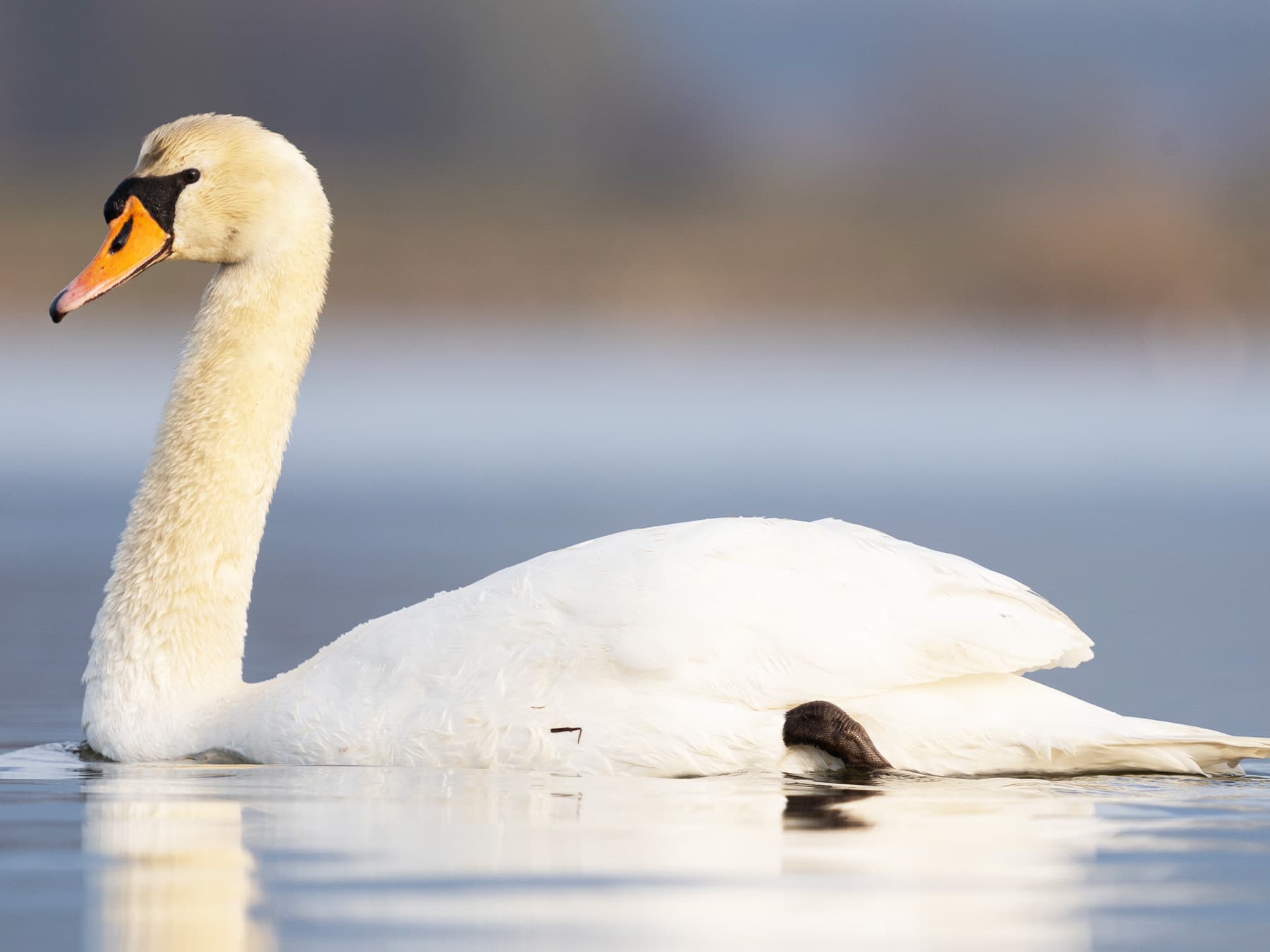
Mute Swan
Cygnus olorLC
A familiar year-round resident, gracing the Thames and its tributaries, Oxford's college ponds, and gravel pit lakes across the county.
Year-round
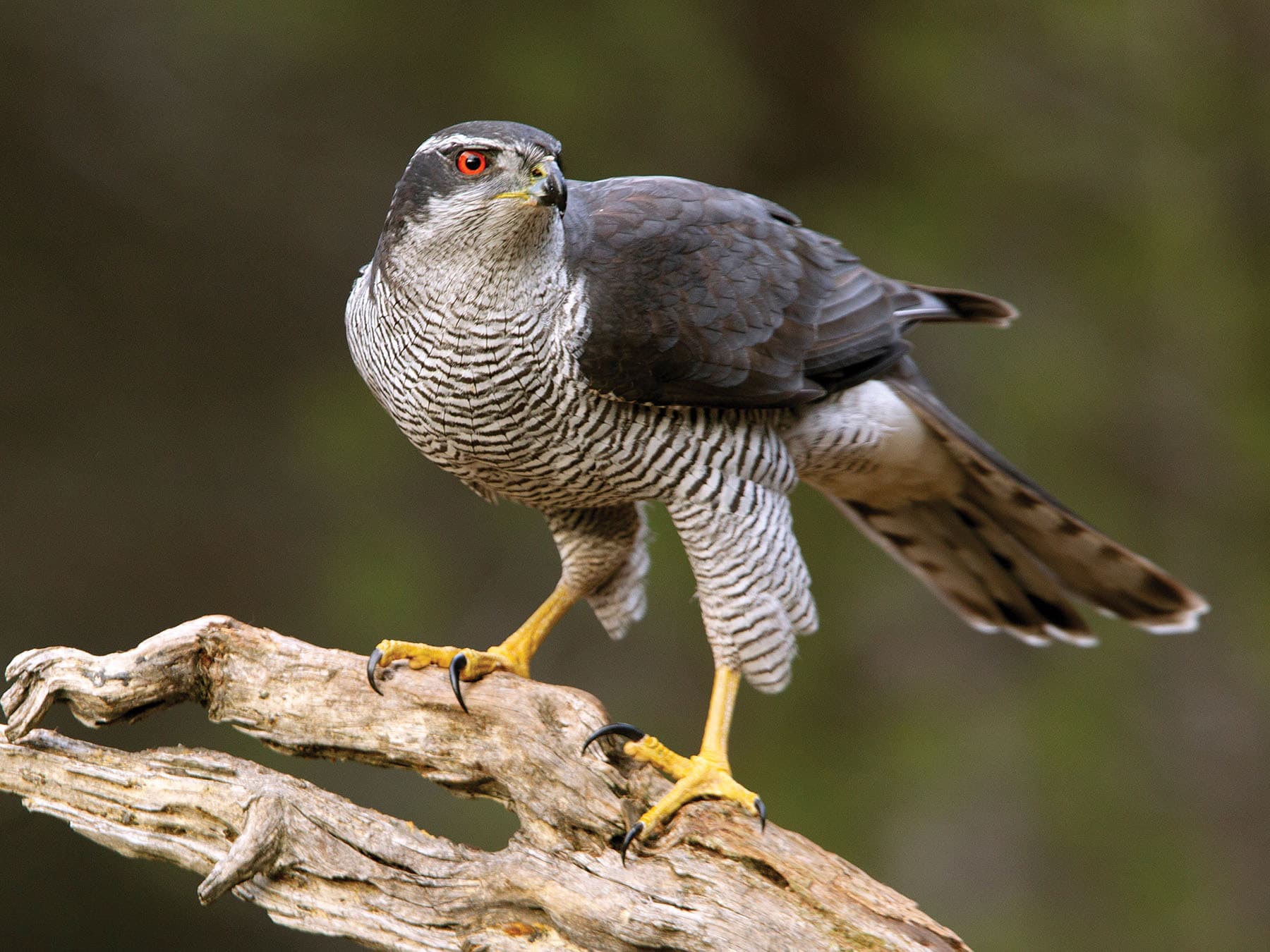
Northern Goshawk
Accipiter gentilisLC
A rare passage visitor, with records mainly in March. Secretive and elusive, most likely seen near larger woodland blocks such as in the Chilterns.
Mar
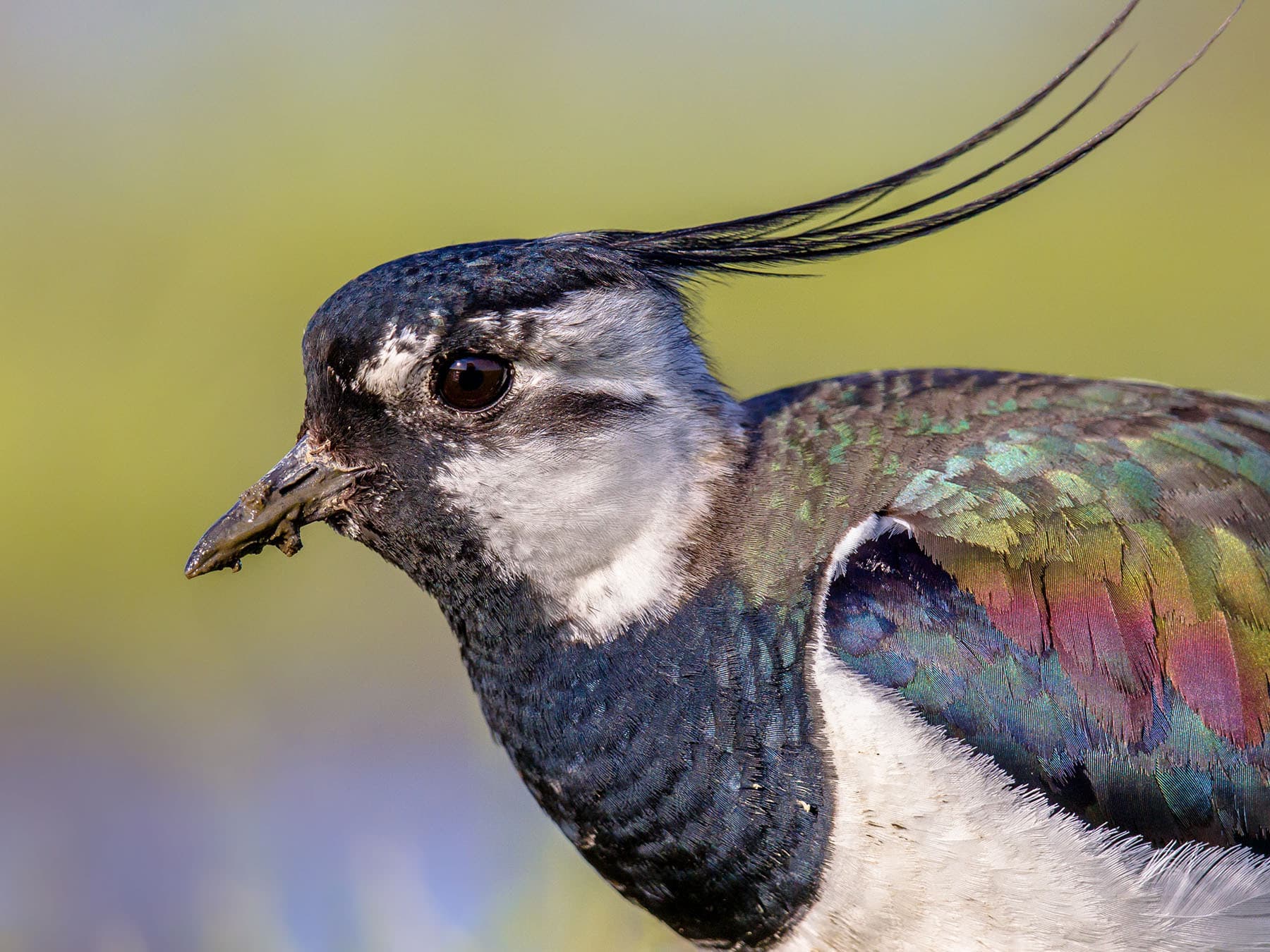
Northern Lapwing
Vanellus vanellusNT
An uncommon but year-round resident of farmland and wet meadows, with flocks swelling in winter. Breeding numbers have declined sharply.
Year-round
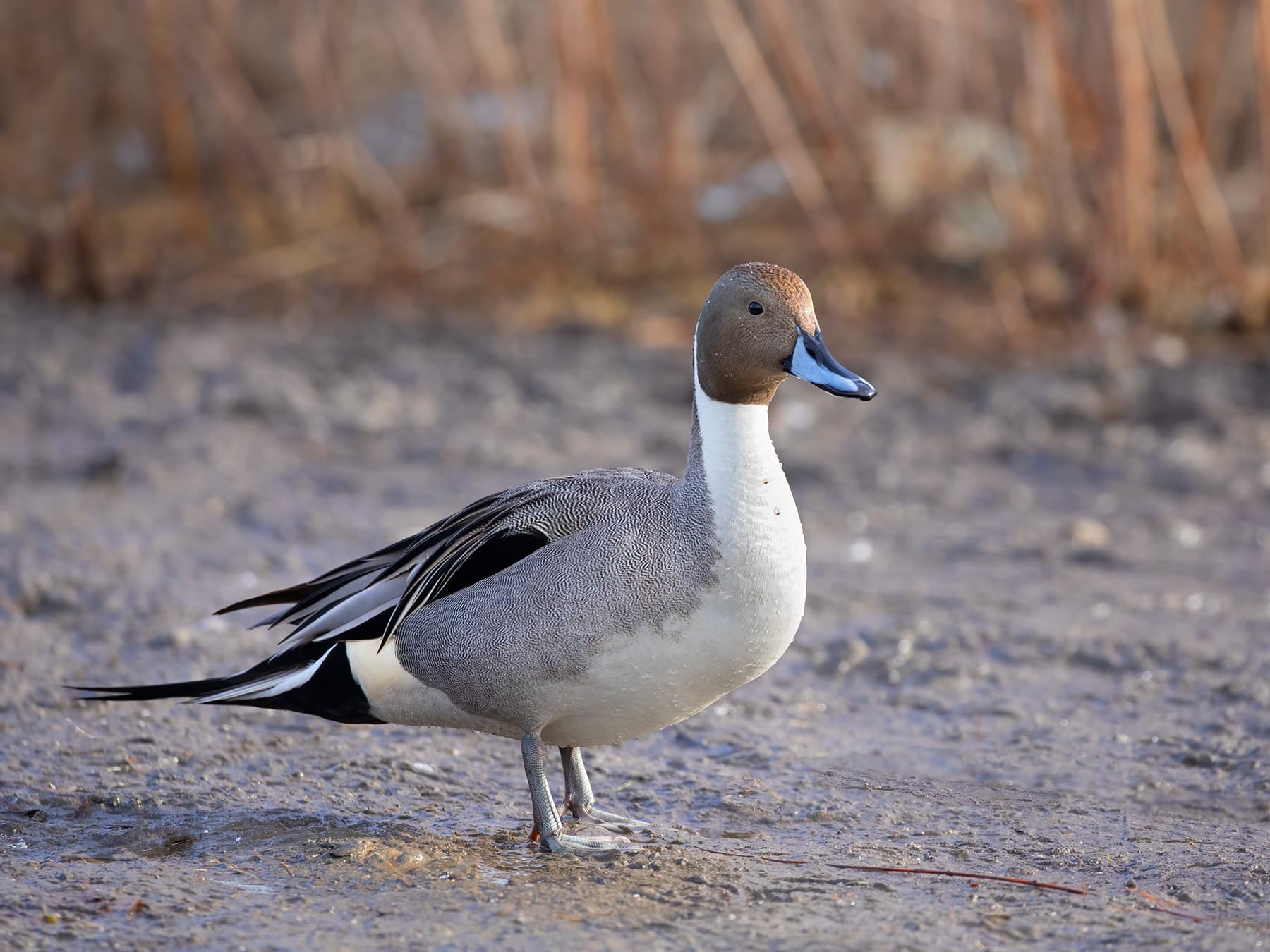
Northern Pintail
Anas acutaLC
An uncommon winter visitor and scarce breeder, favouring flooded meadows and reservoir margins. Numbers peak from autumn to early spring.
Sep–Jun
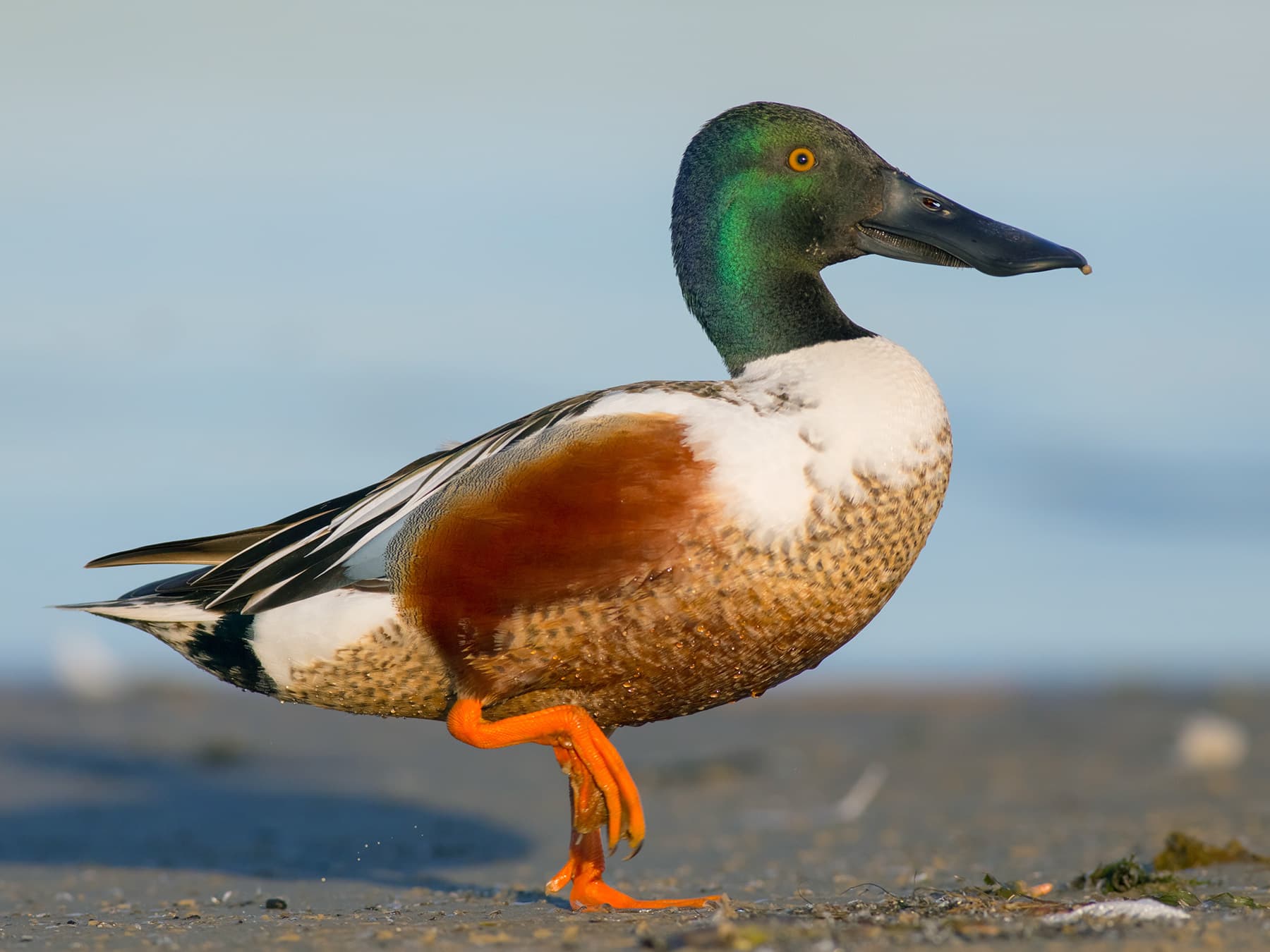
Northern Shoveler
Spatula clypeataLC
Present year-round on lakes and reservoirs, with numbers boosted in winter. Favours shallow, muddy-edged waterbodies for feeding.
Year-round
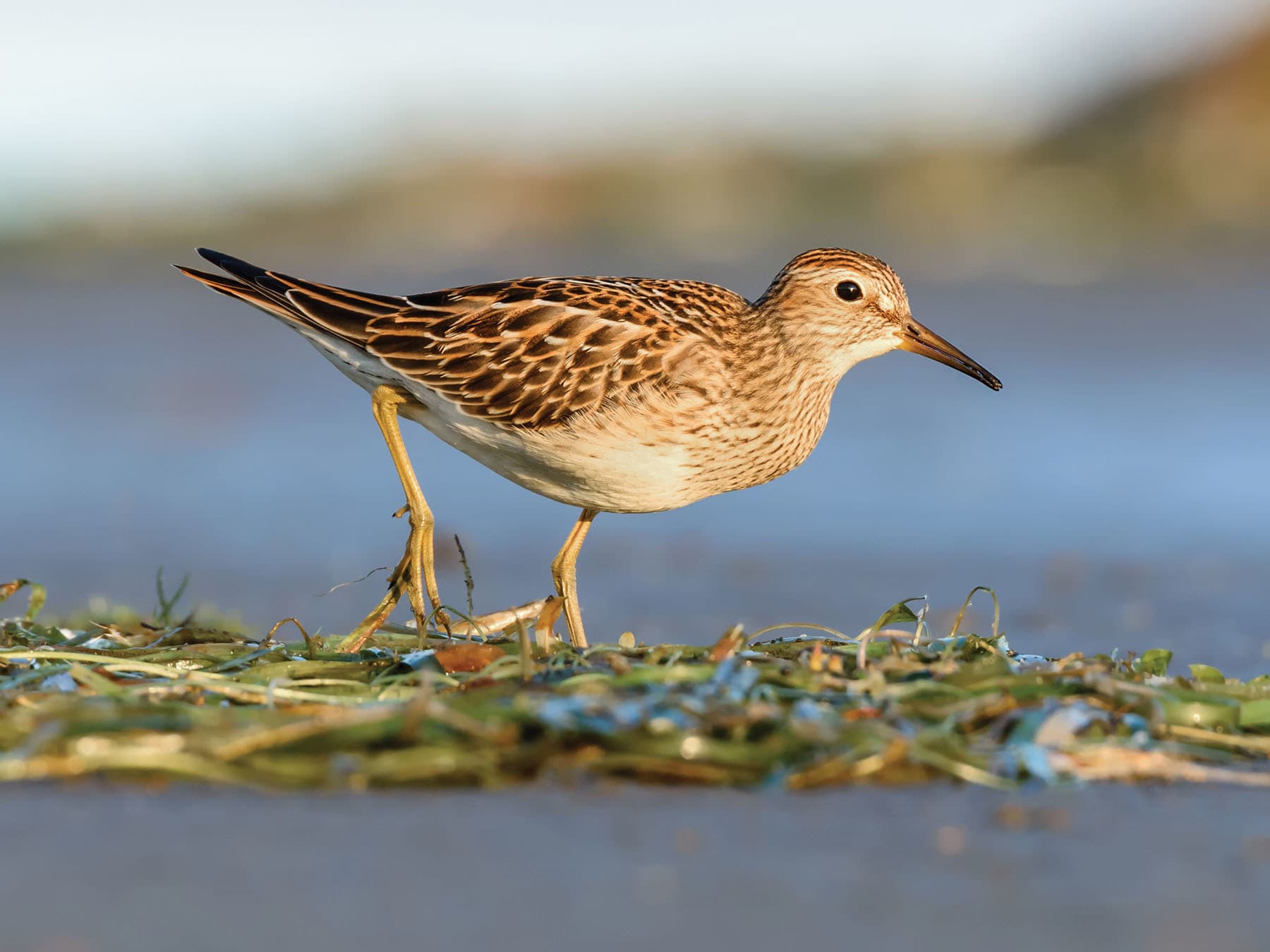
Pectoral Sandpiper
Calidris melanotosLC
A rare Nearctic passage wader, occasionally appearing at muddy gravel pit edges in October. A sought-after county record.
Oct
Spotted something?
Upload a photo to identify it
Identify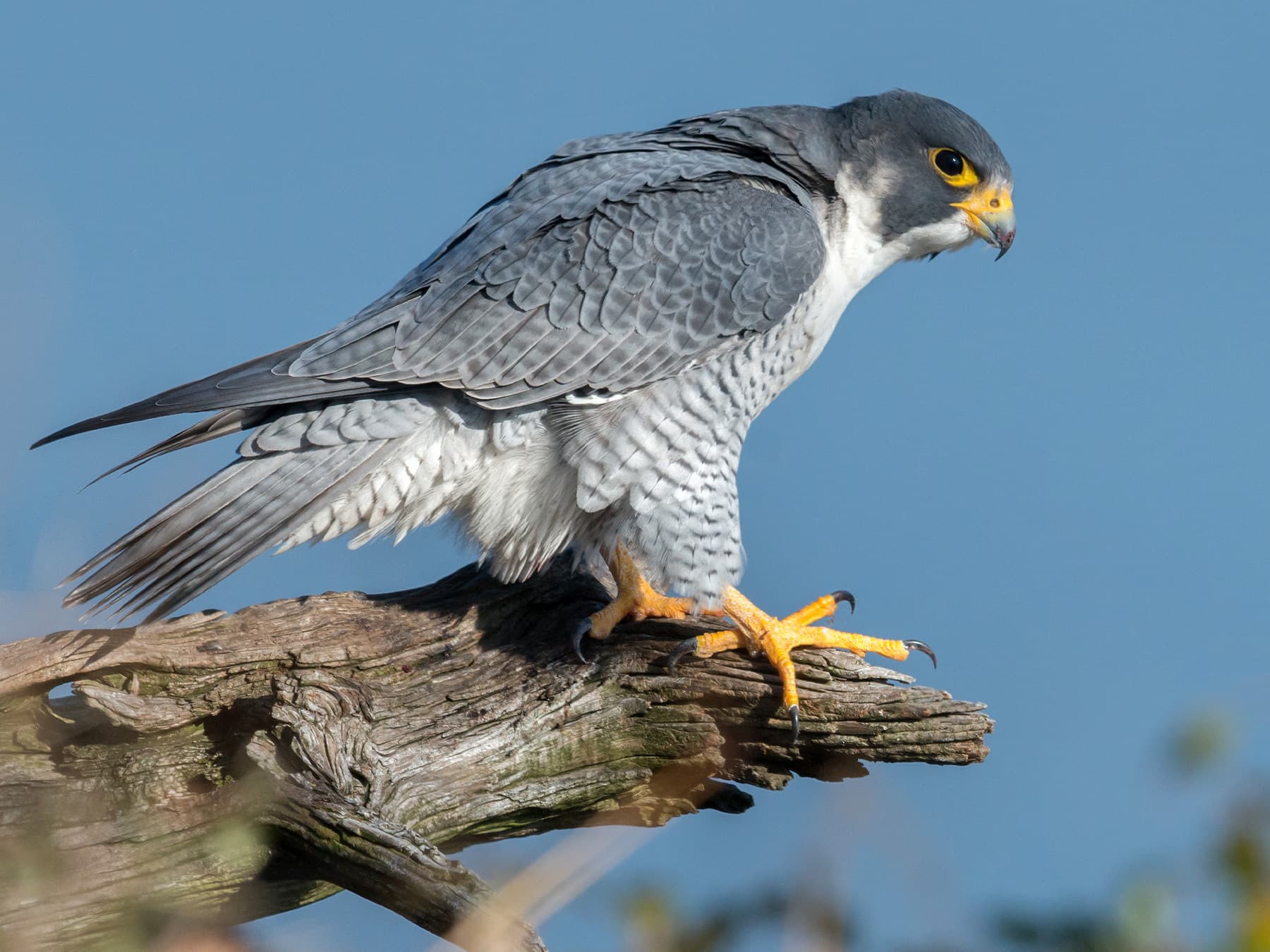
Peregrine Falcon
Falco peregrinusLC
A rare but year-round resident, increasingly seen around Oxford's tall buildings and church spires, as well as hunting over open countryside.
Year-round
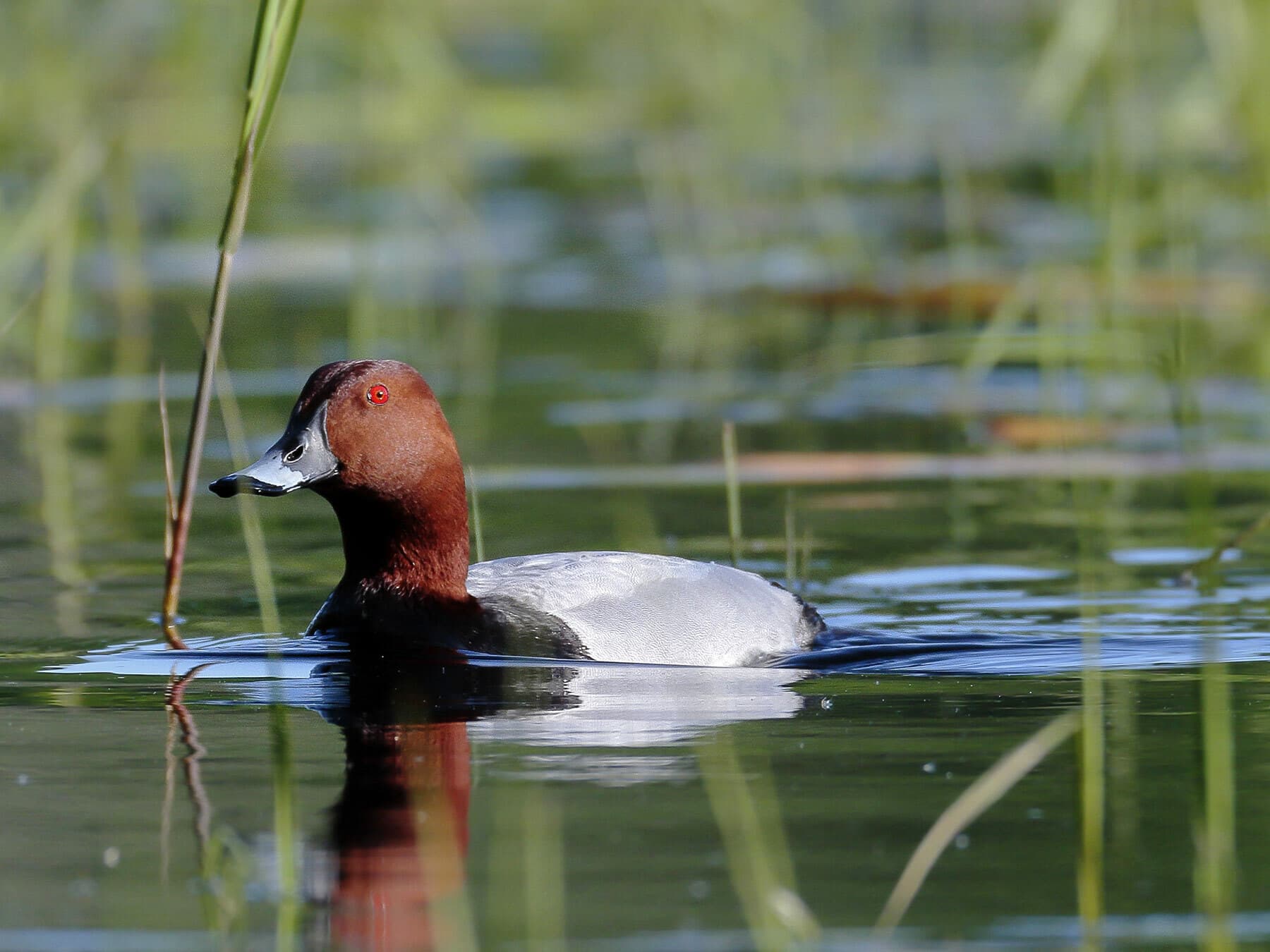
Pochard
Aythya ferinaVU
An uncommon resident on deeper lakes and gravel pits, with numbers declining nationally. Winter flocks form at key sites.
Year-round
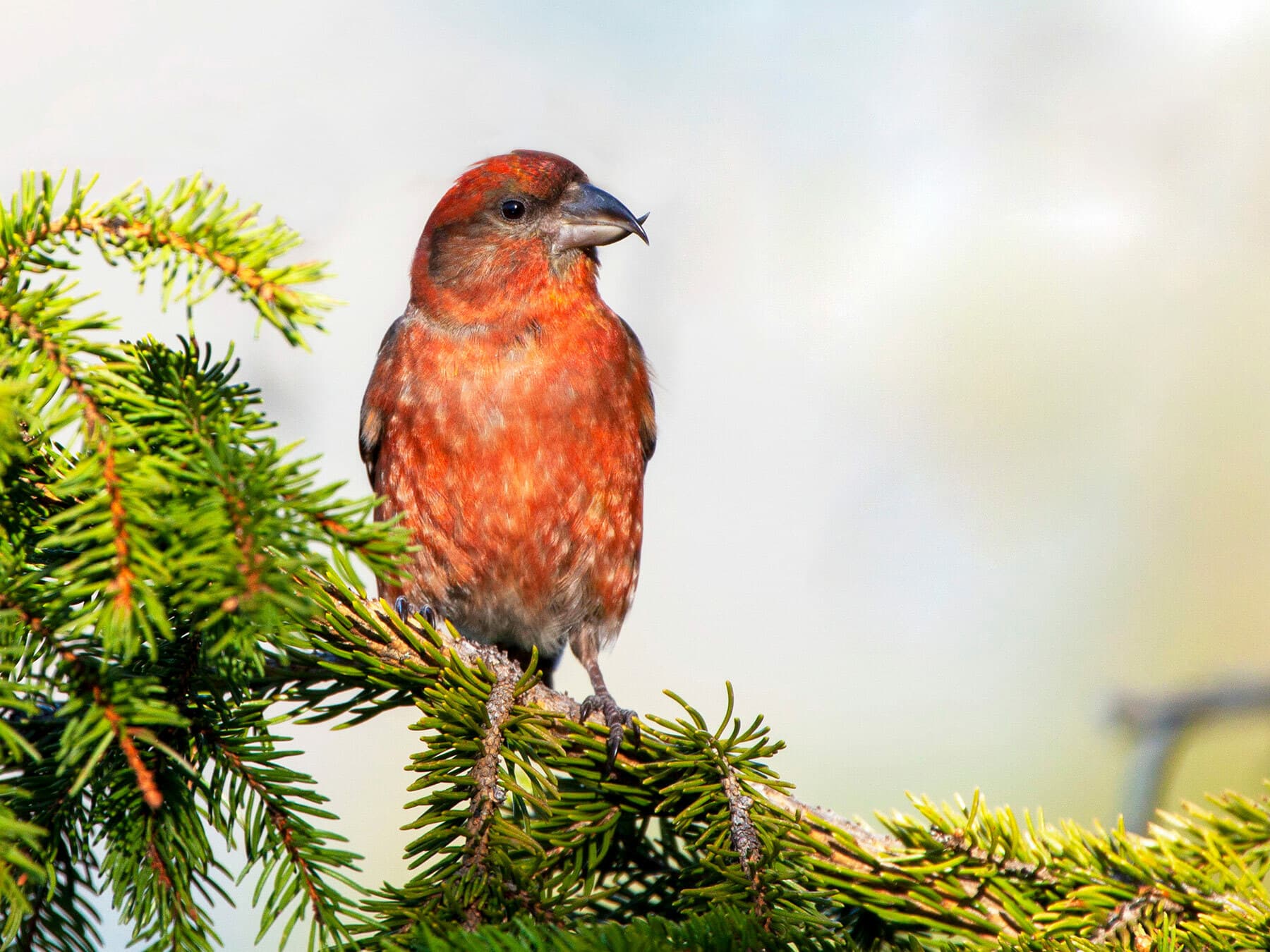
Red Crossbill
Loxia curvirostraLC
An irruptive visitor occasionally appearing in late autumn in conifer plantations, with numbers varying greatly between years.
Oct–Dec
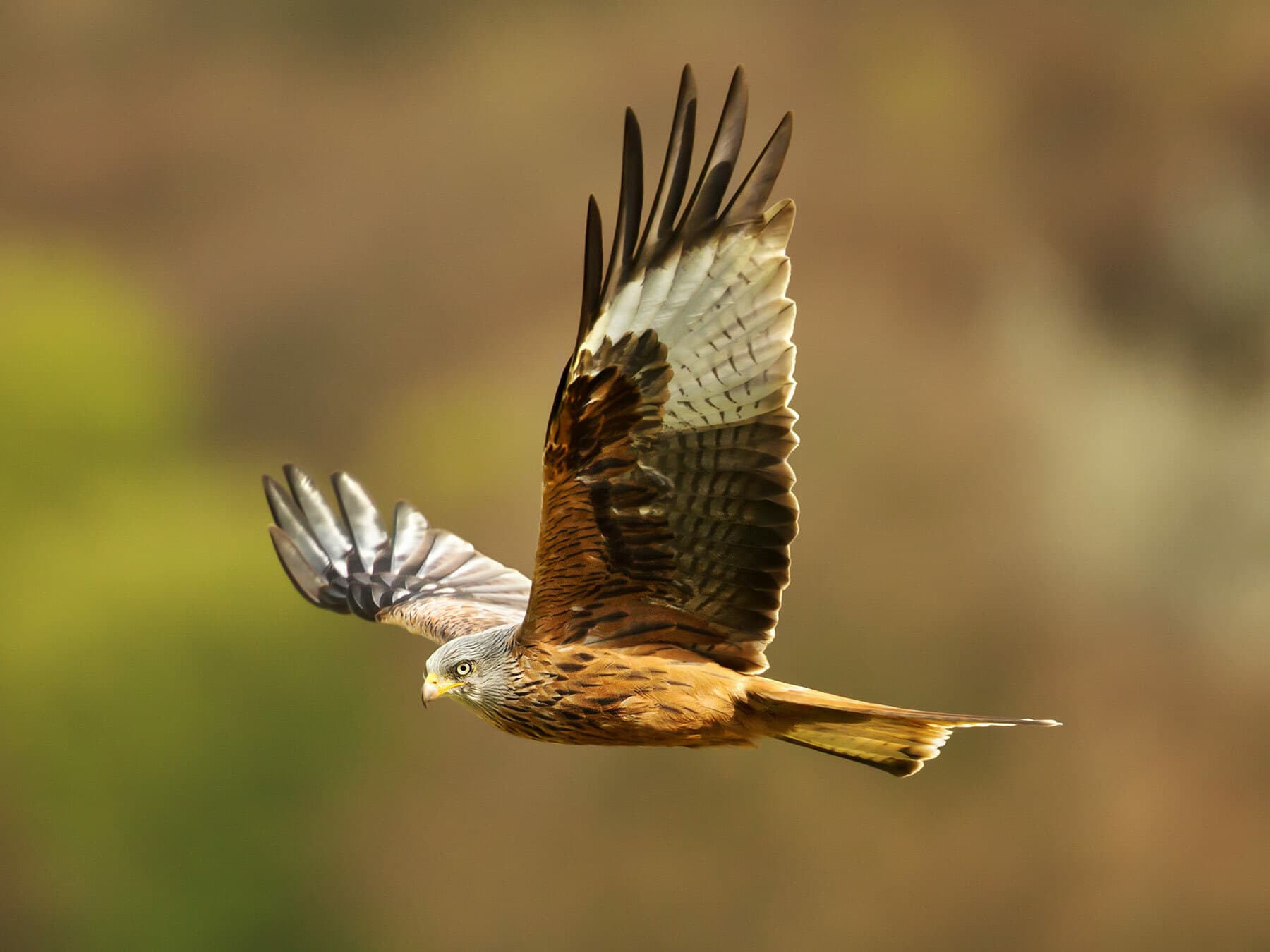
Red Kite
Milvus milvusLC
An Oxfordshire success story following the Chilterns reintroduction, now a common and iconic sight soaring over towns and countryside alike.
Year-round
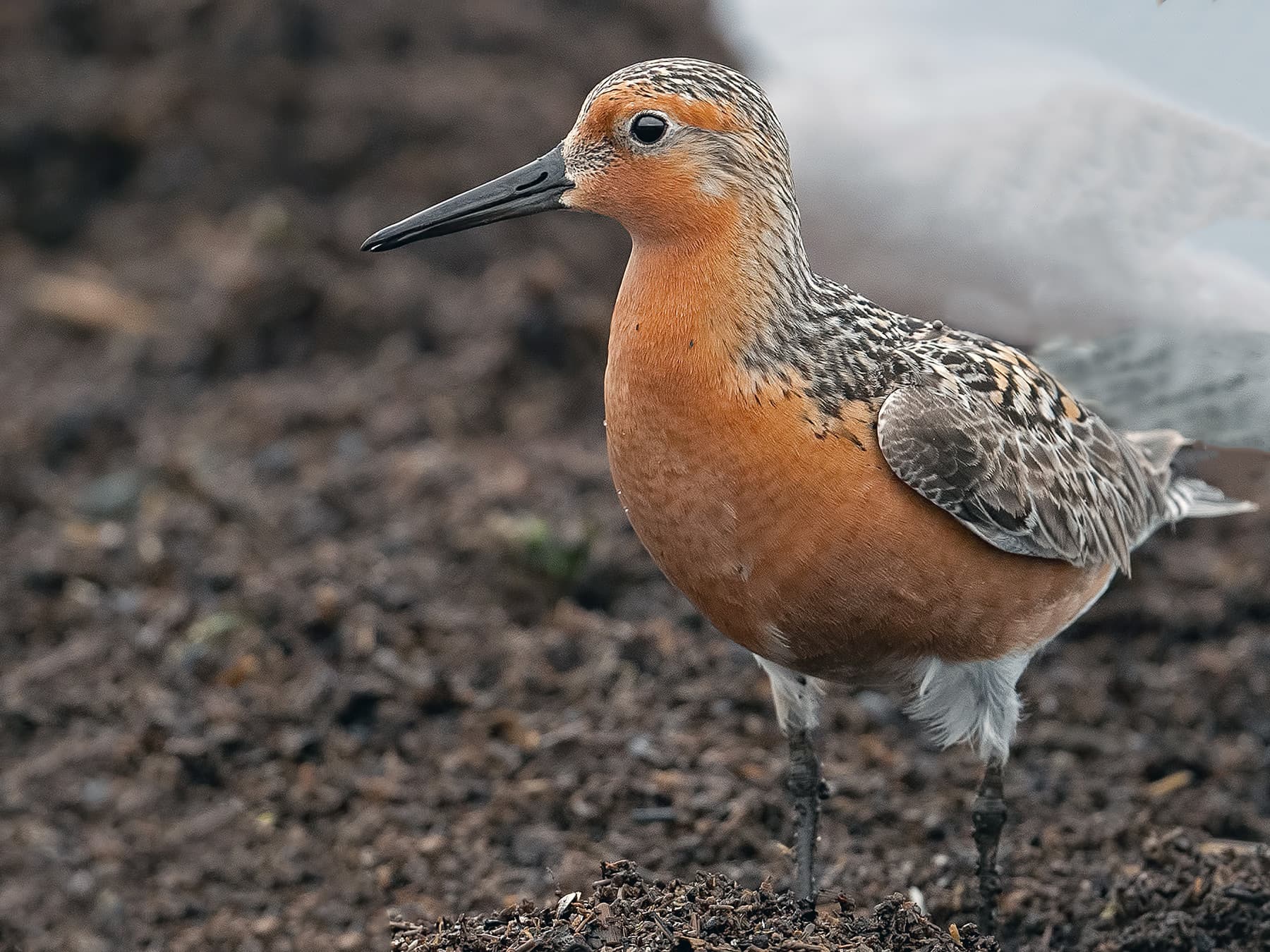
Red Knot
Calidris canutusNT
A rare passage visitor, occasionally recorded in January. Primarily a coastal species, making any inland Oxfordshire record notable.
Jan
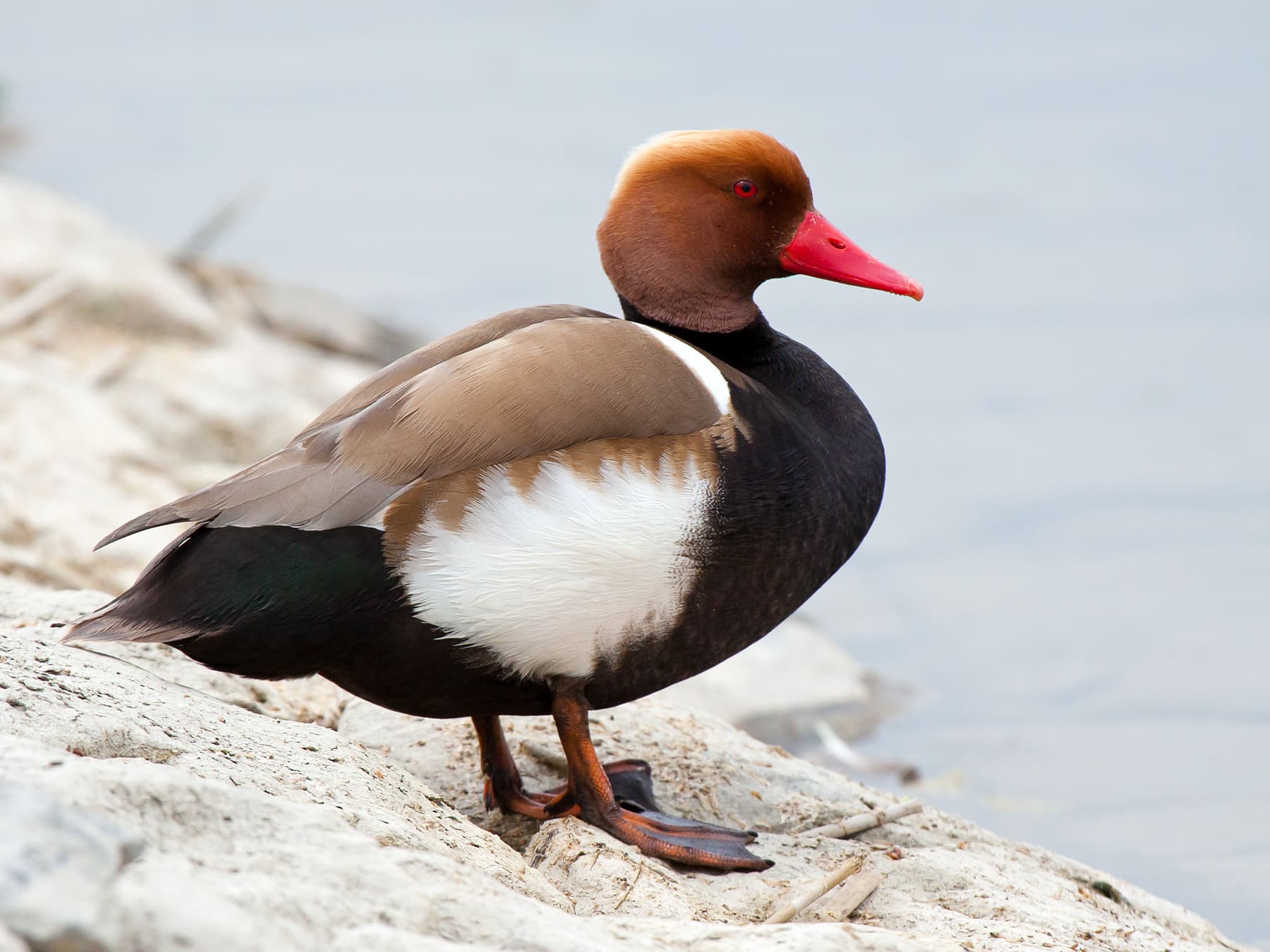
Red-crested Pochard
Netta rufinaLC
A rare year-round resident, likely originating from feral populations. Occasionally seen on larger gravel pits and lakes.
Year-round
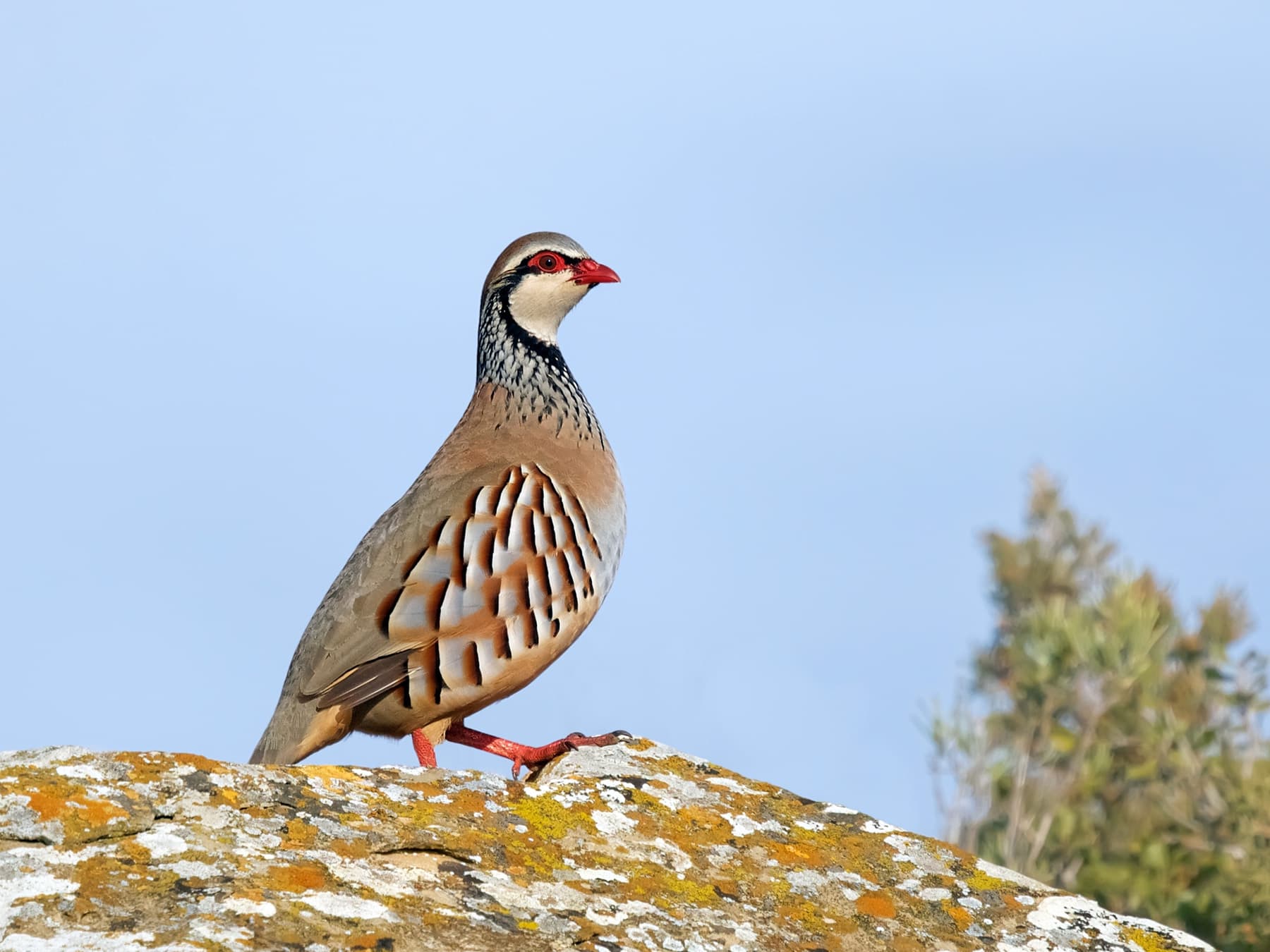
Red-legged Partridge
Alectoris rufaNT
A rare resident of arable farmland and field margins. Numbers have declined significantly, making sightings increasingly noteworthy.
Year-round
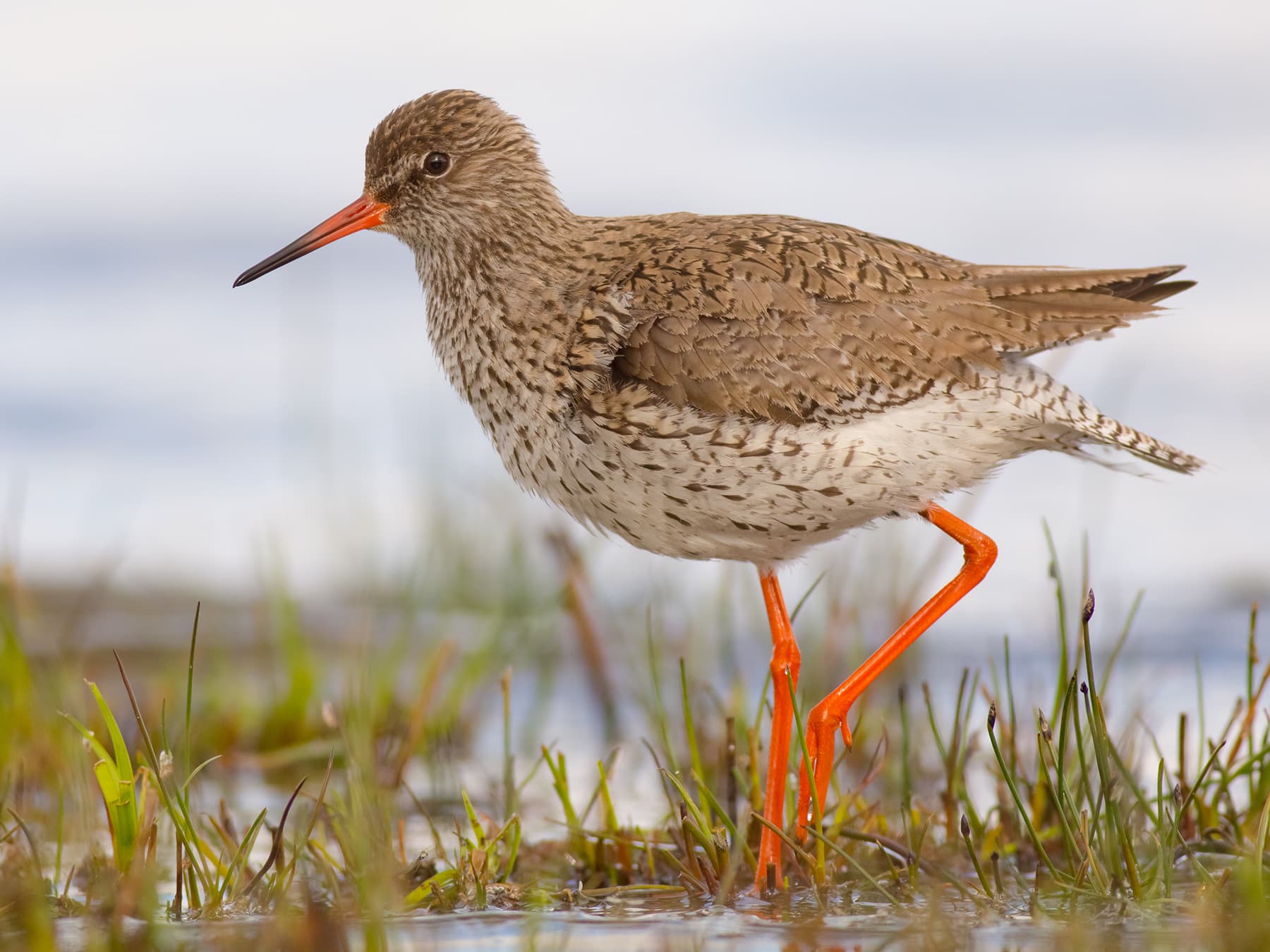
Redshank
Tringa totanusLC
An uncommon resident found on wet meadows and reservoir margins, with noisy, piping calls drawing attention at sites like Otmoor and the Thames floodplain.
Nov–Aug
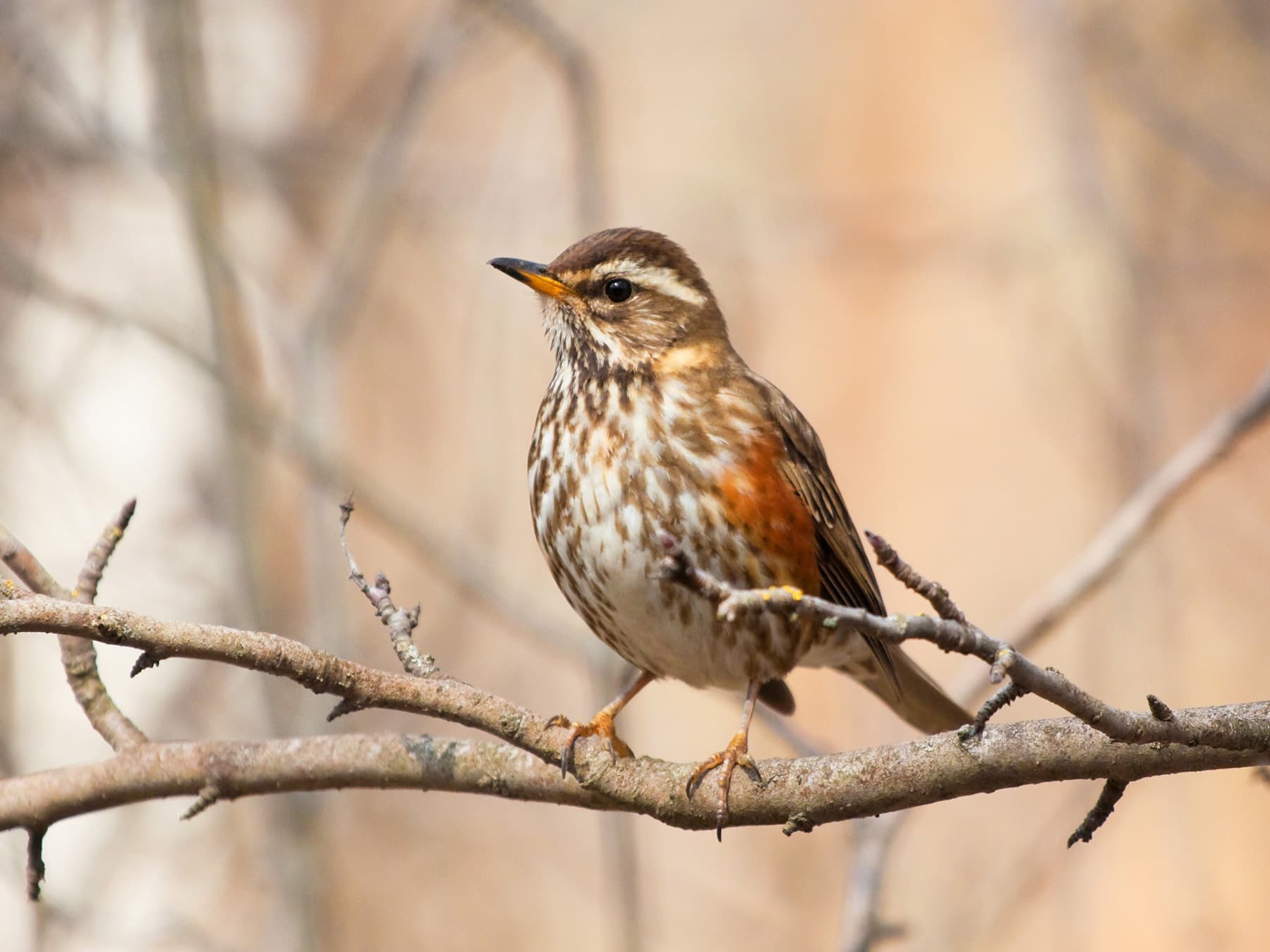
Redwing
Turdus iliacusNT
A common winter visitor from Scandinavia, arriving in October and foraging in hedgerows and fields. Often found alongside fieldfares in berry-rich areas.
Oct–Apr
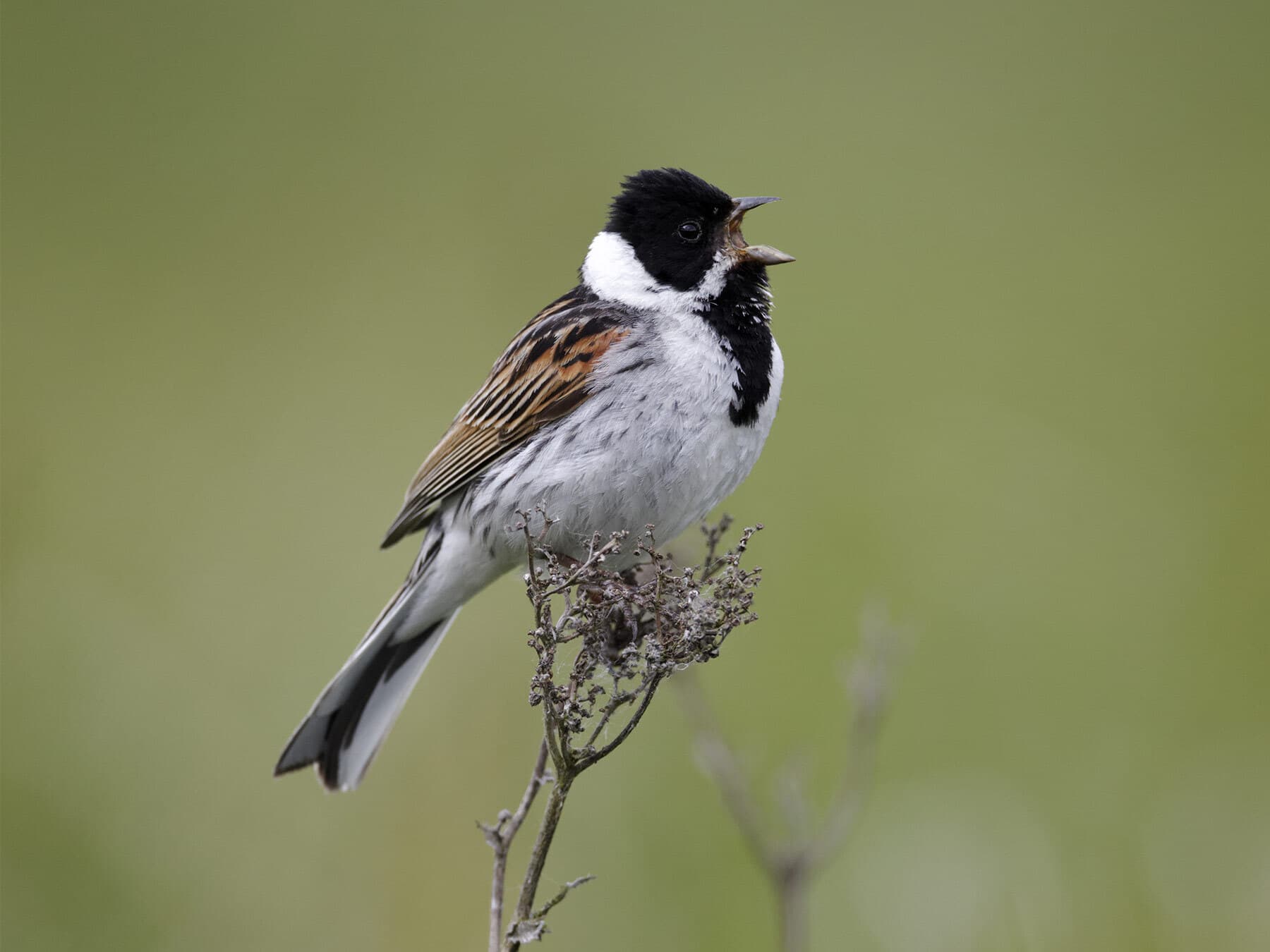
Reed Bunting
Emberiza schoeniclusLC
A year-round resident of reedbeds and damp ditches along the Thames floodplain and Otmoor, though less conspicuous in winter.
Year-round
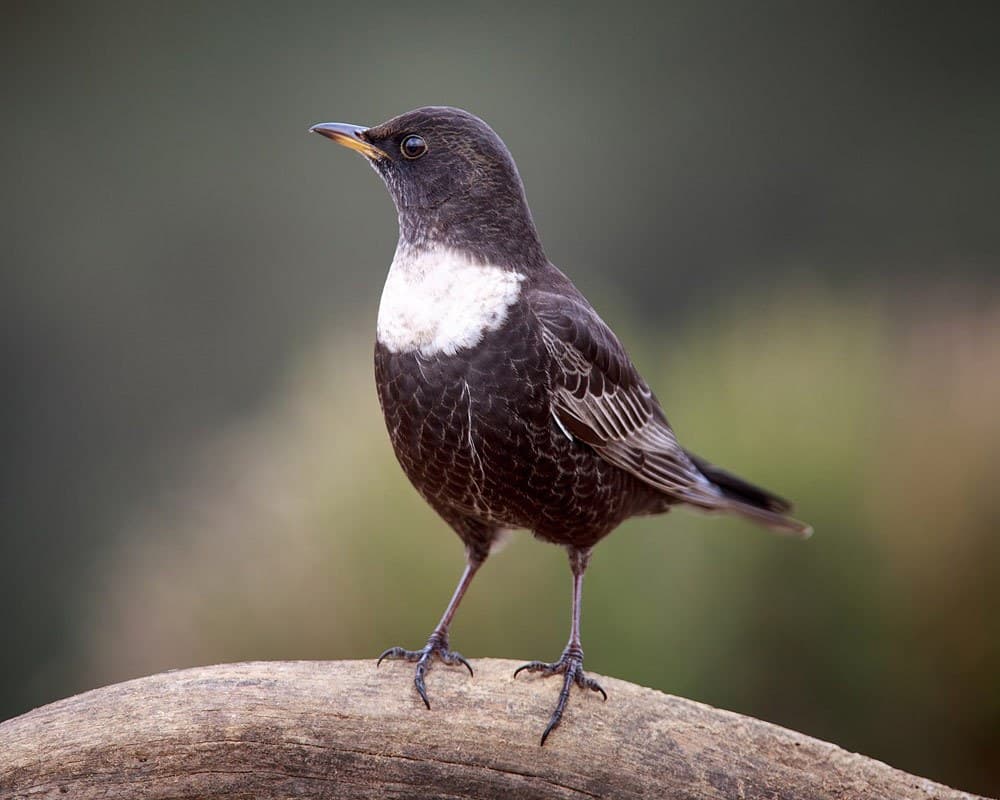
Ring Ouzel
Turdus torquatusLC
A rare spring passage migrant, briefly passing through Oxfordshire's hills and open ground in April en route to upland breeding sites.
Apr
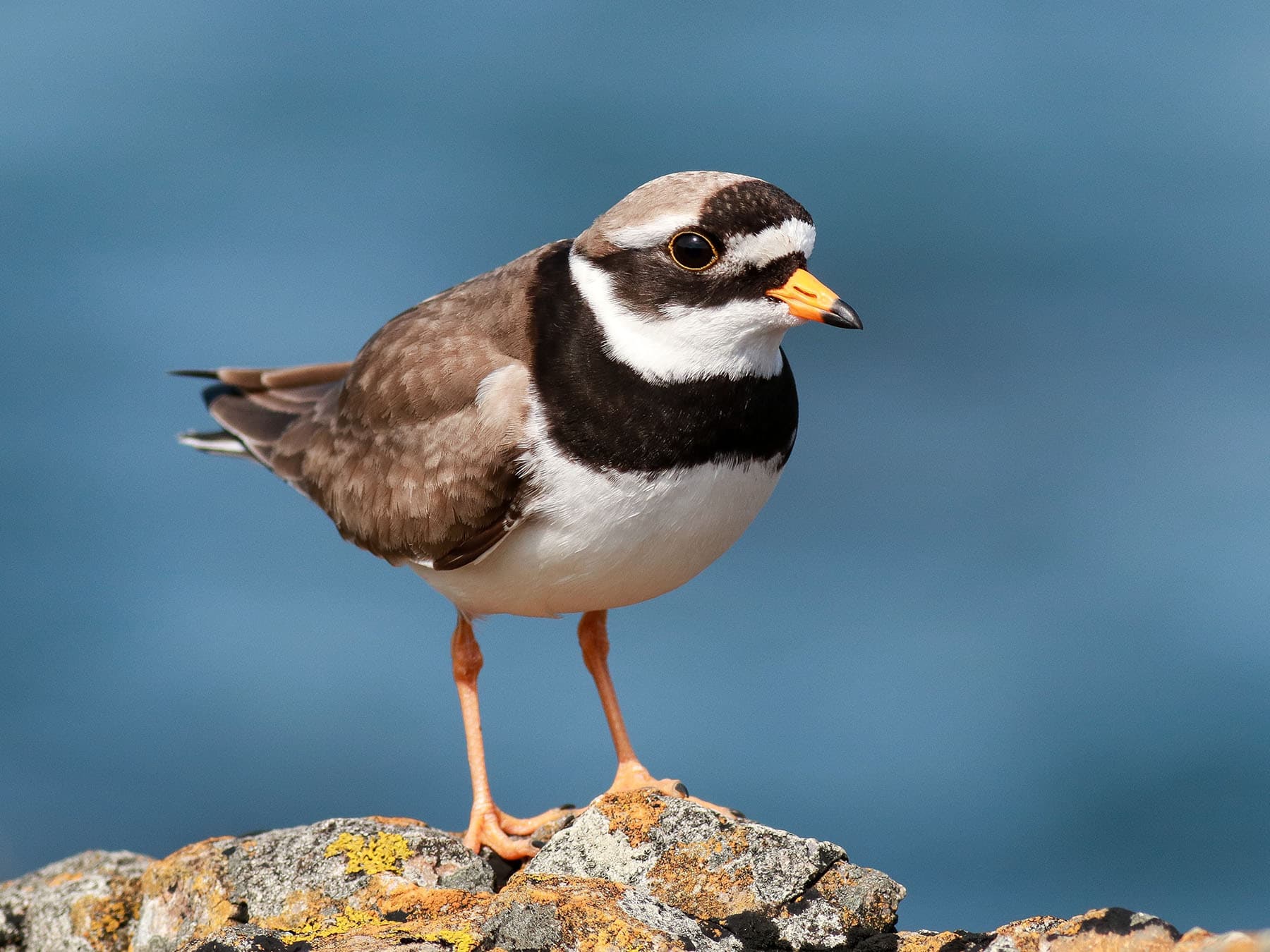
Ringed Plover
Charadrius hiaticulaLC
A rare breeder on bare shingle and gravel pit margins. Also seen on passage in late summer and autumn.
Apr–Oct
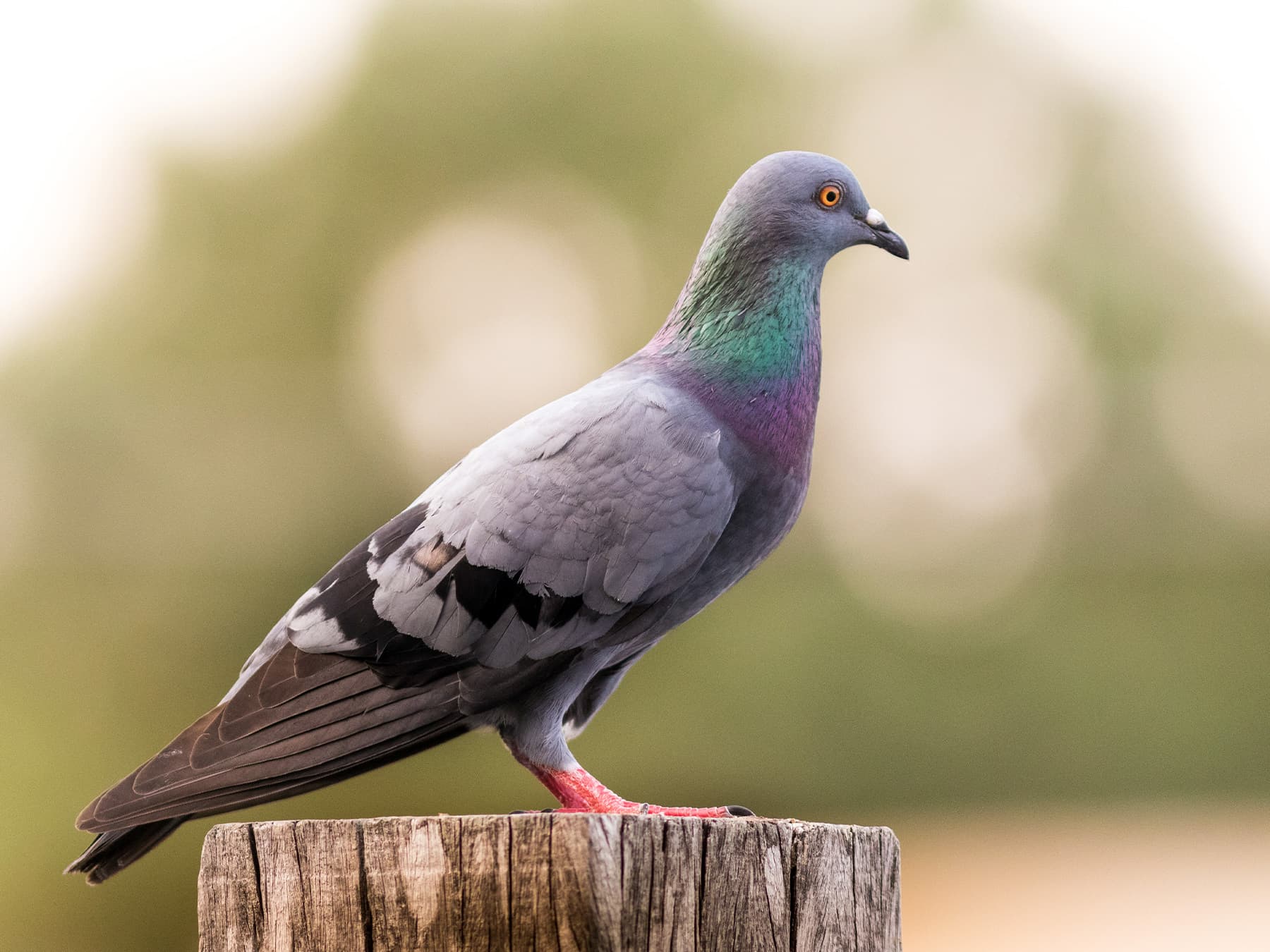
Rock Dove
Columba liviaLC
A common and familiar resident of towns and cities, nesting on buildings throughout Oxford and surrounding urban areas.
Year-round
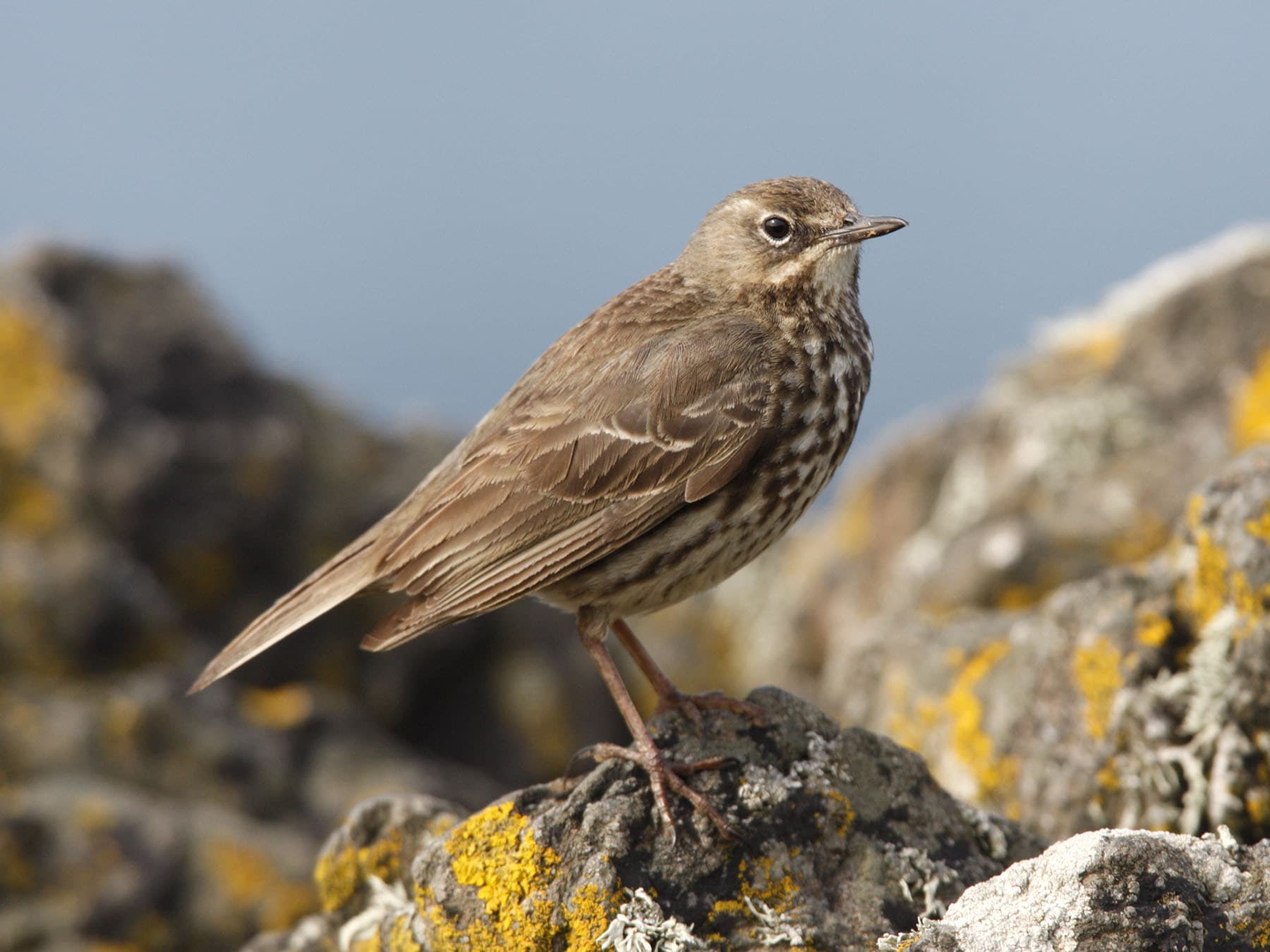
Rock Pipit
Anthus petrosusLC
A rare passage migrant, occasionally recorded at reservoirs and gravel pits in March and October. An unusual inland record for this typically coastal species.
Oct–Mar
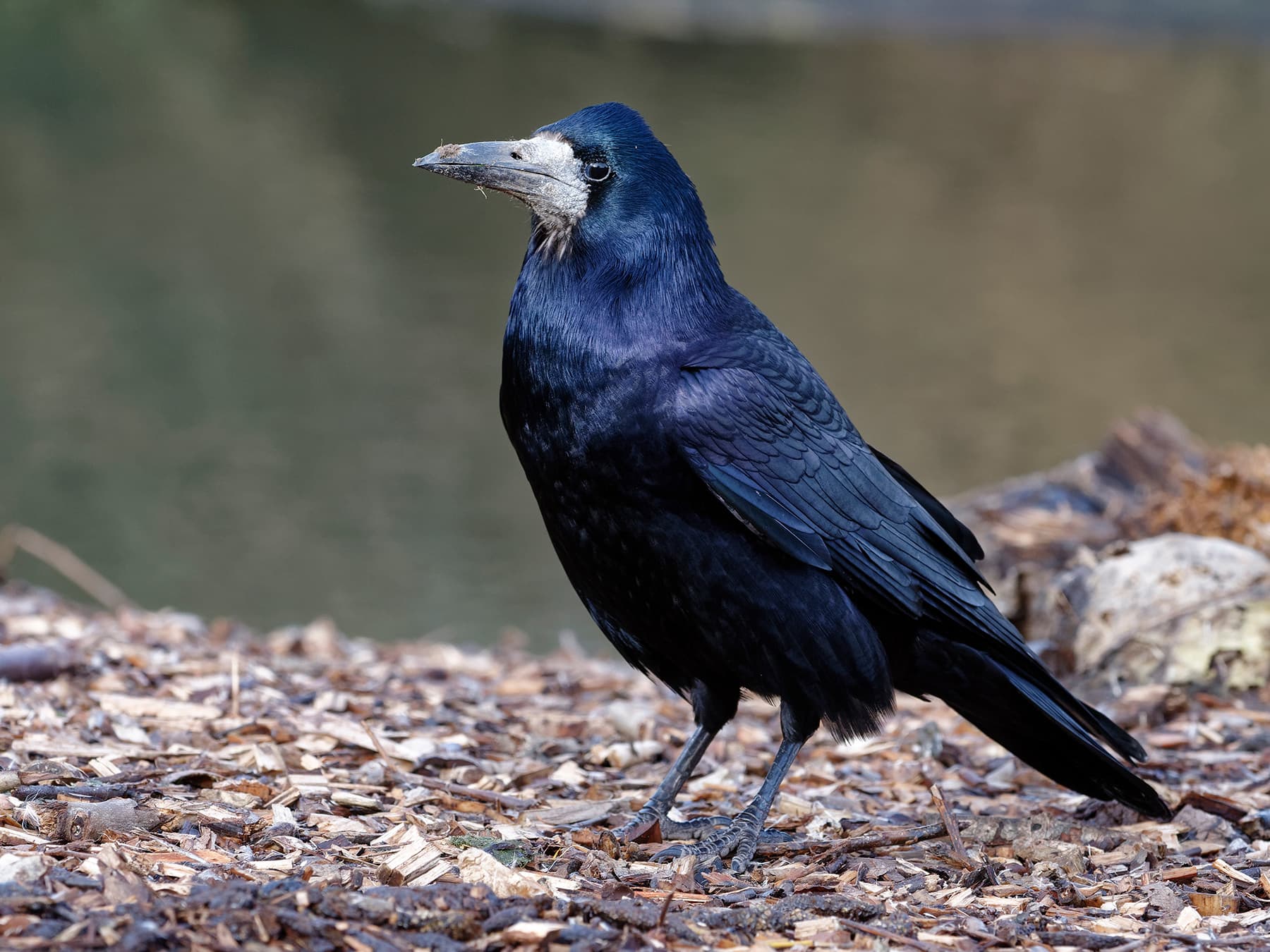
Rook
Corvus frugilegusLC
A familiar sight across Oxfordshire's arable farmland, nesting in noisy rookeries in tall trees. Large colonies are a characteristic feature of the rural landscape.
Year-round