Rare Birds in Oxfordshire
73 species matching this filter.
Oxfordshire may be a landlocked county, but its diverse habitats — from the Thames floodplain and gravel pit lakes to ancient woodlands and open farmland — attract a surprising variety of rare bird species. With 71 rare species recorded, patient observers may encounter anything from the elusive Eurasian Bittern lurking in reedbeds to passage waders such as Greenshank and Black-tailed Godwit stopping off at reservoirs and wetlands. Winter visitors like Brambling, Goldeneye, and Common Scoter add further excitement for birders willing to brave the colder months.


Showing 24–46 of 73 species
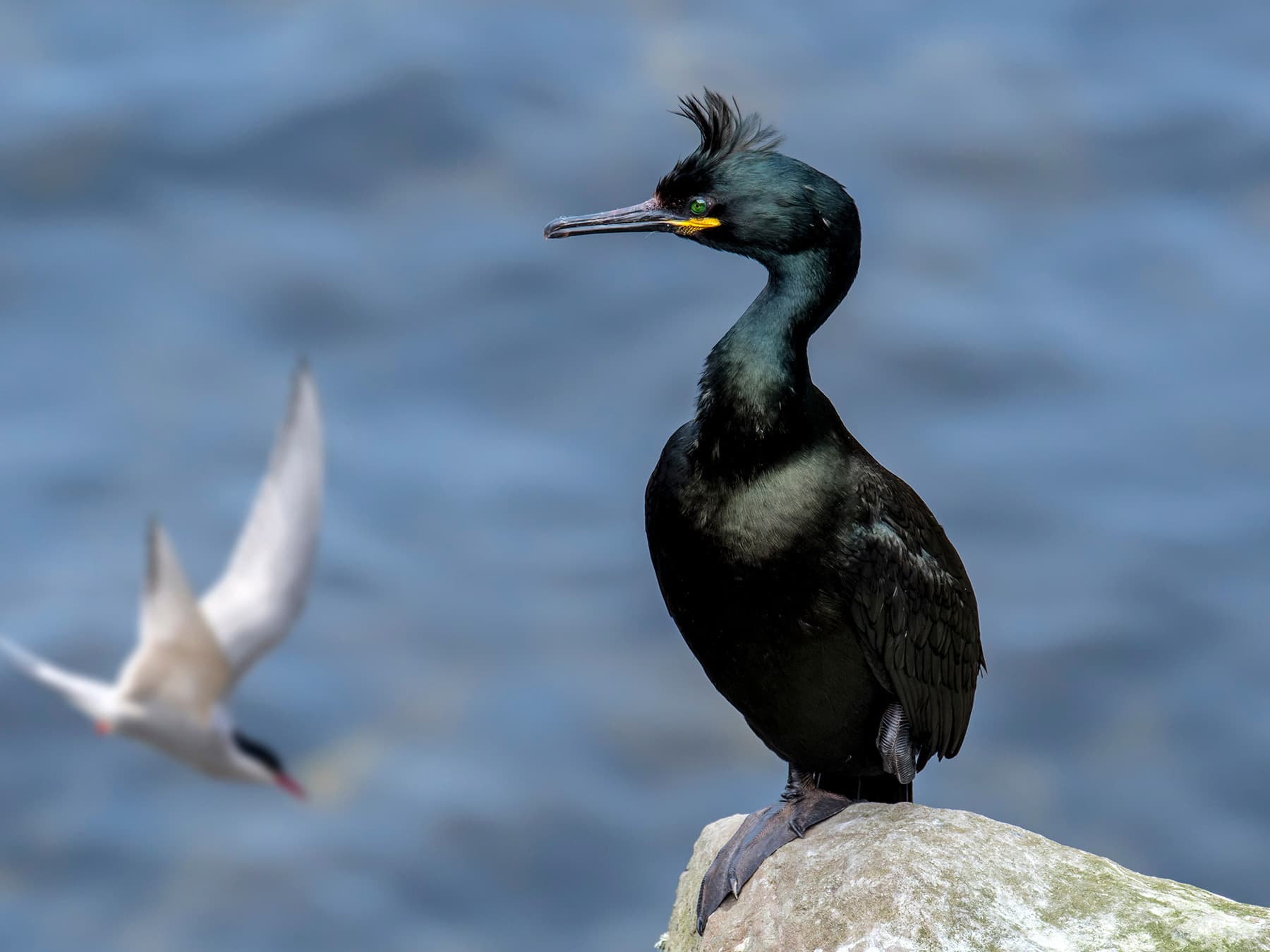
European Shag
Phalacrocorax aristotelisLC
A rare inland vagrant, occasionally appearing at reservoirs in late summer. Far more typical of rocky coasts, making any Oxfordshire record notable.
Aug–Sep
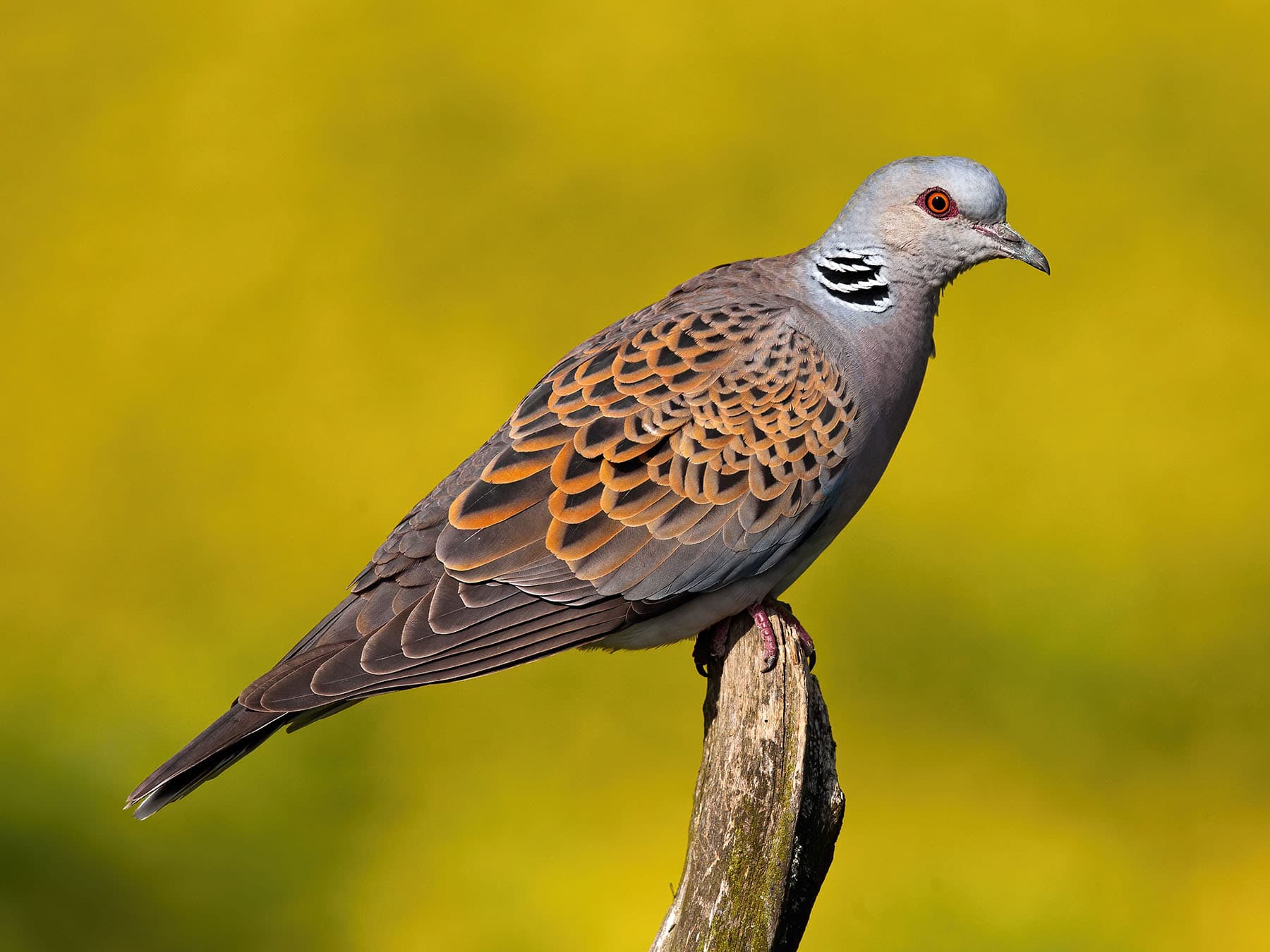
European Turtle-dove
Streptopelia turturVU
A rare and rapidly declining summer visitor, arriving in May to breed in farmland hedgerows. One of the UK's most threatened birds.
May–Jul
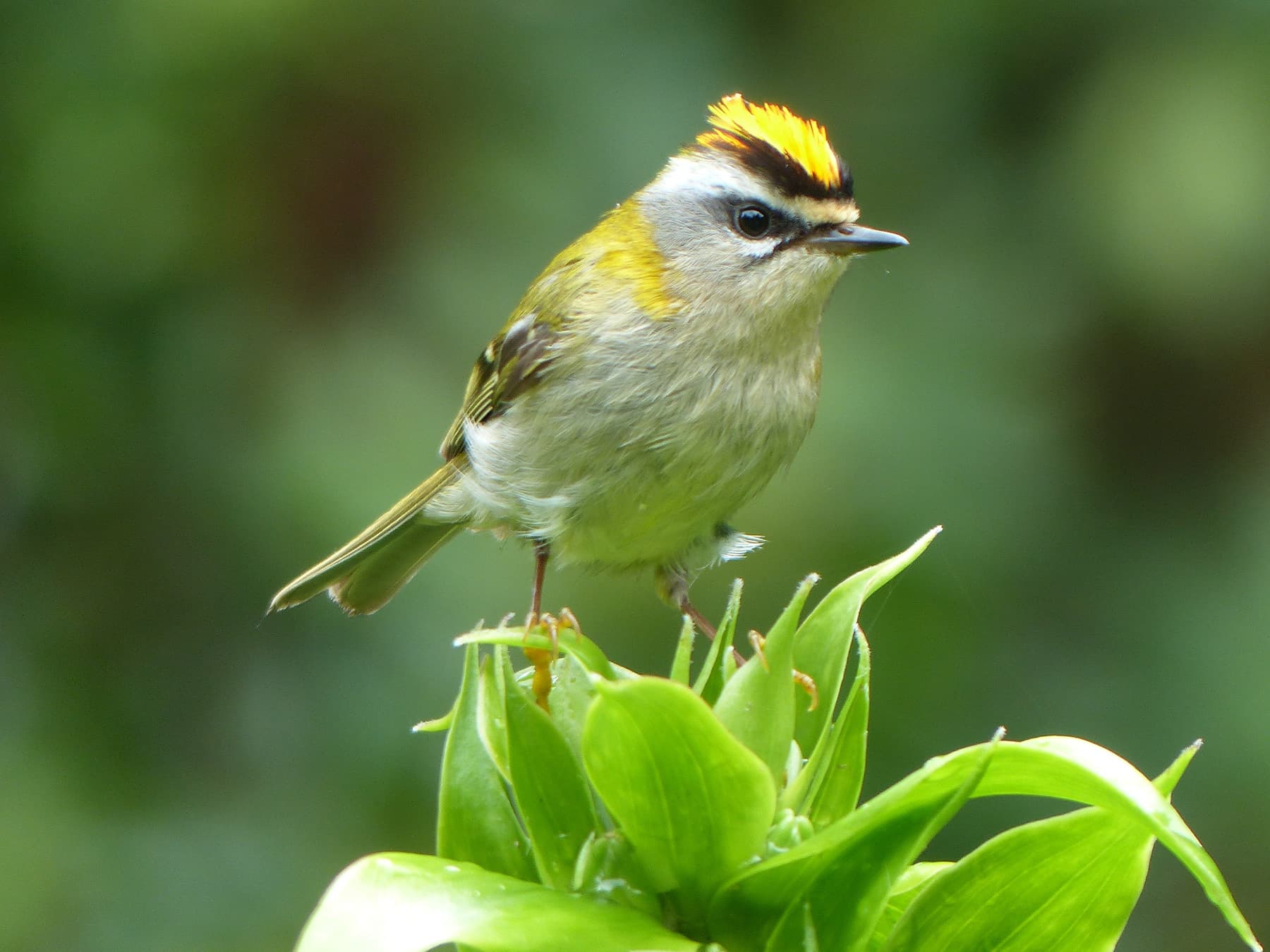
Firecrest
Regulus ignicapillaLC
A rare resident, scarce in Oxfordshire's coniferous and mixed woodland. Most likely encountered in mature plantations or churchyard yews.
Nov–Jun
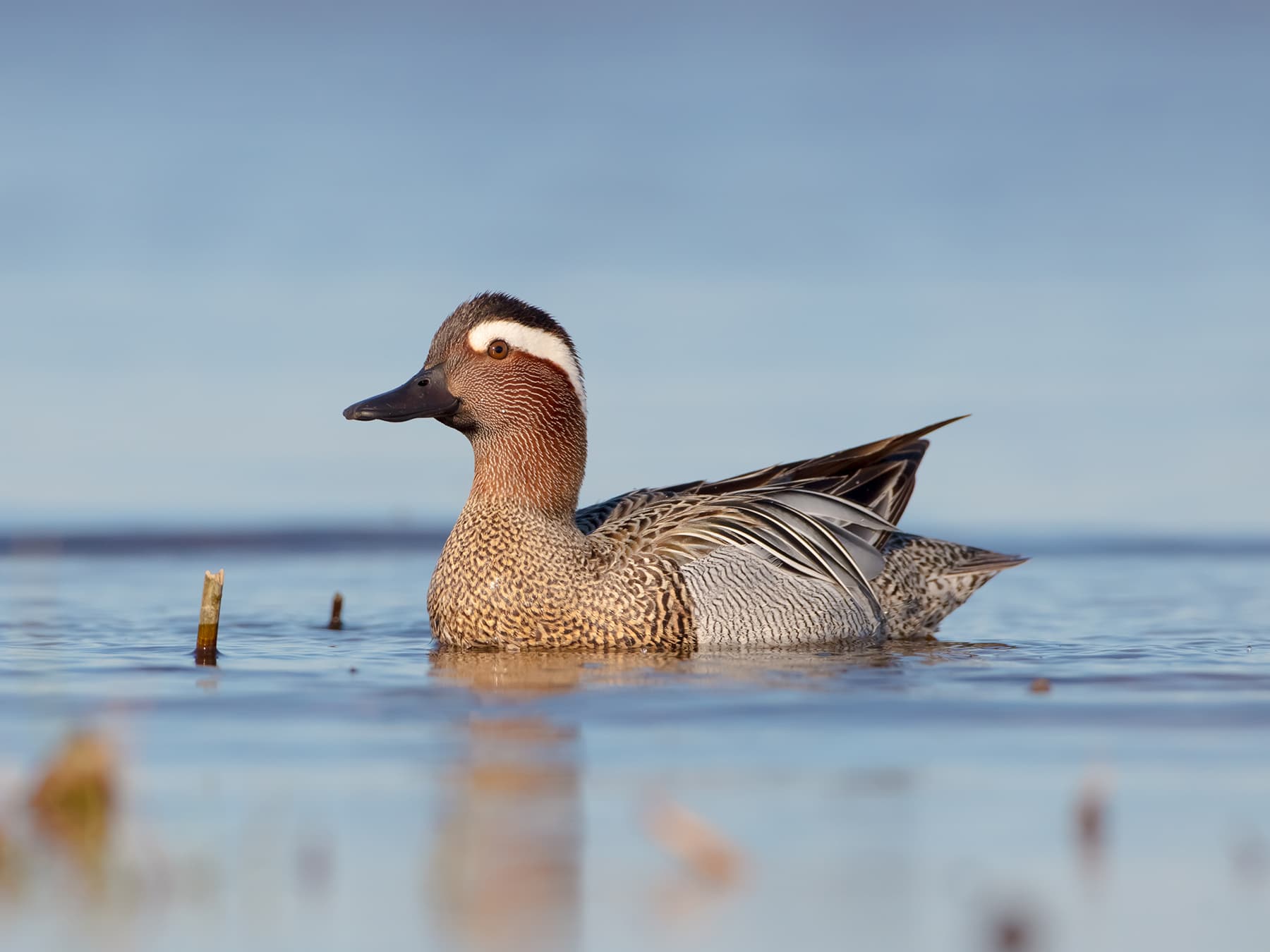
Garganey
Spatula querquedulaLC
A rare breeding summer visitor to wetlands and gravel pits, arriving in March and departing by September. A prized find for local birders.
Mar–Sep
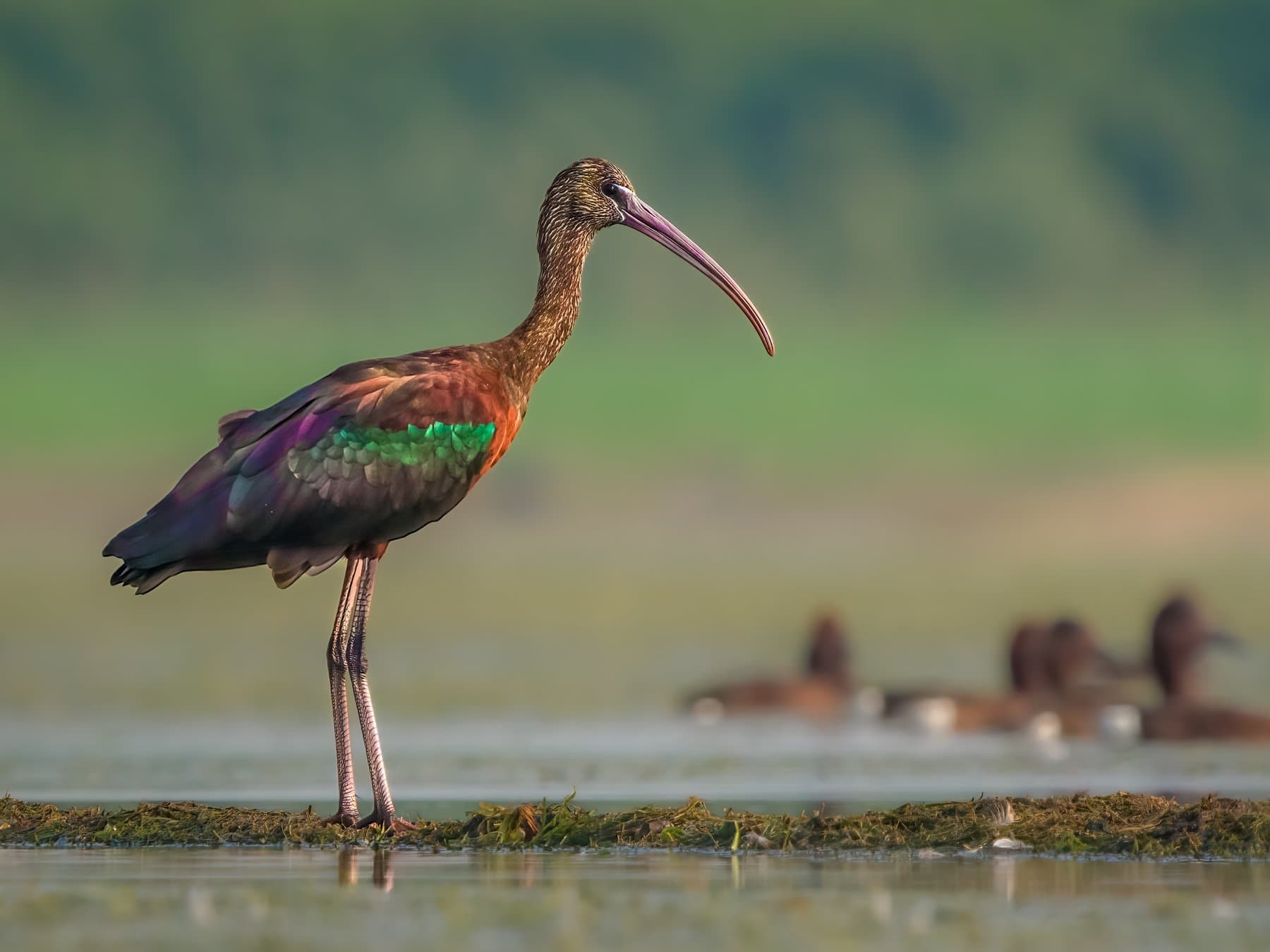
Glossy Ibis
Plegadis falcinellusLC
A rare and remarkable breeder, reflecting the species' recent expansion into southern England. Found at wetland sites from spring to autumn.
Mar–Sep
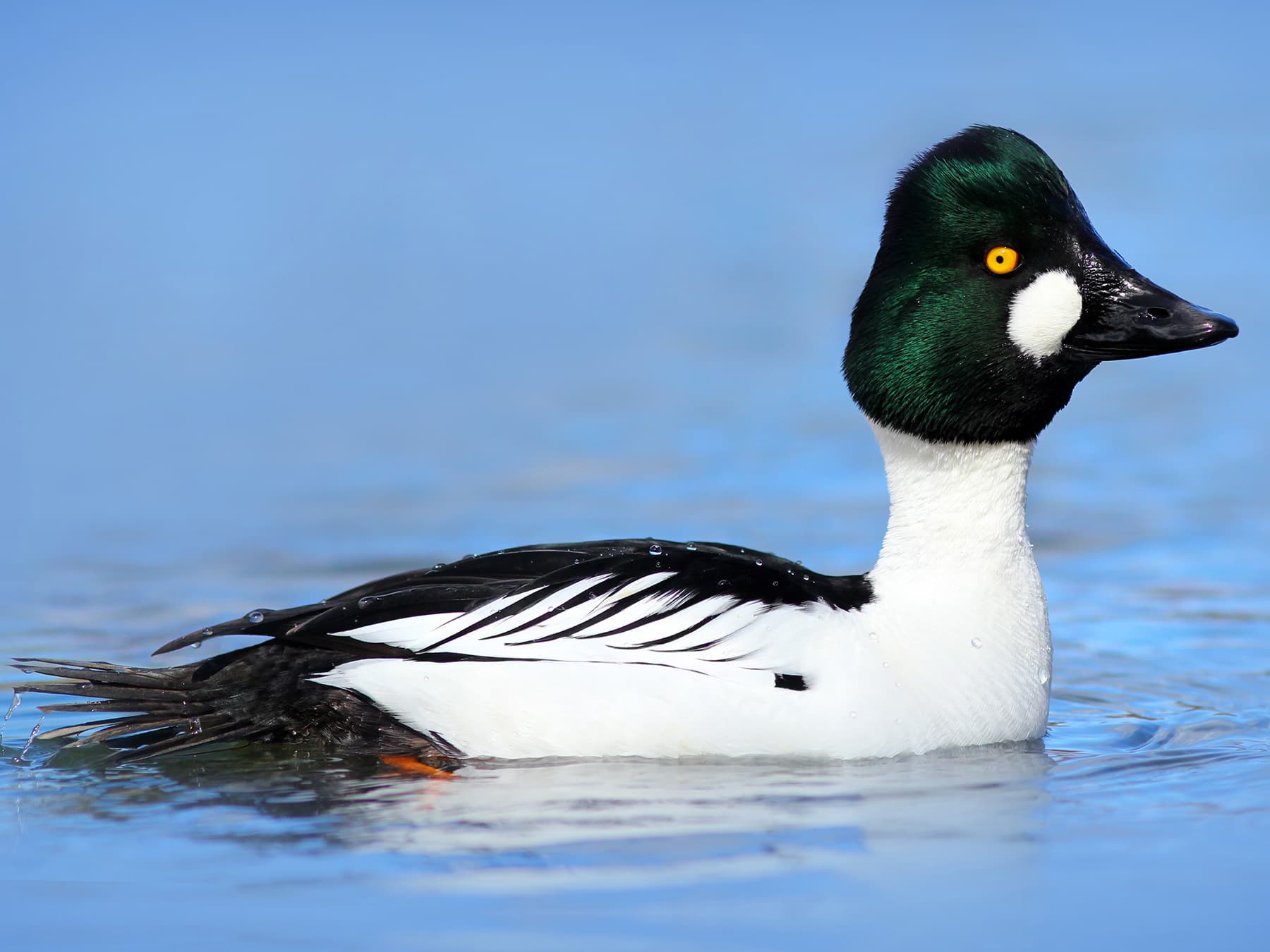
Goldeneye
Bucephala clangulaLC
A rare winter visitor to gravel pits and reservoirs from November to April. Small numbers favour deeper, open water bodies.
Nov–Apr
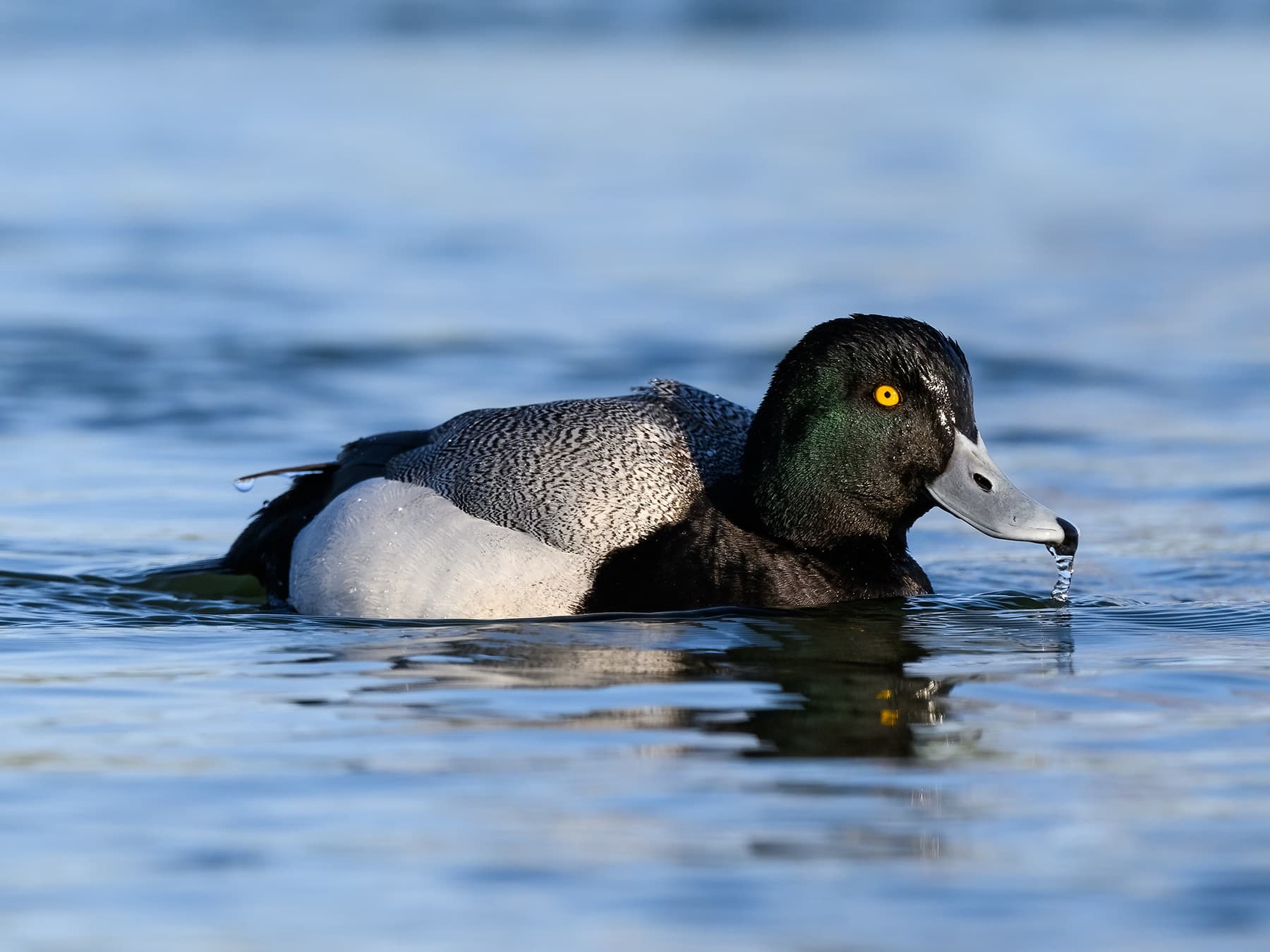
Greater Scaup
Aythya marilaLC
A rare non-breeding visitor to reservoirs and gravel pits from November to March, far scarcer inland than on the coast.
Nov–Mar
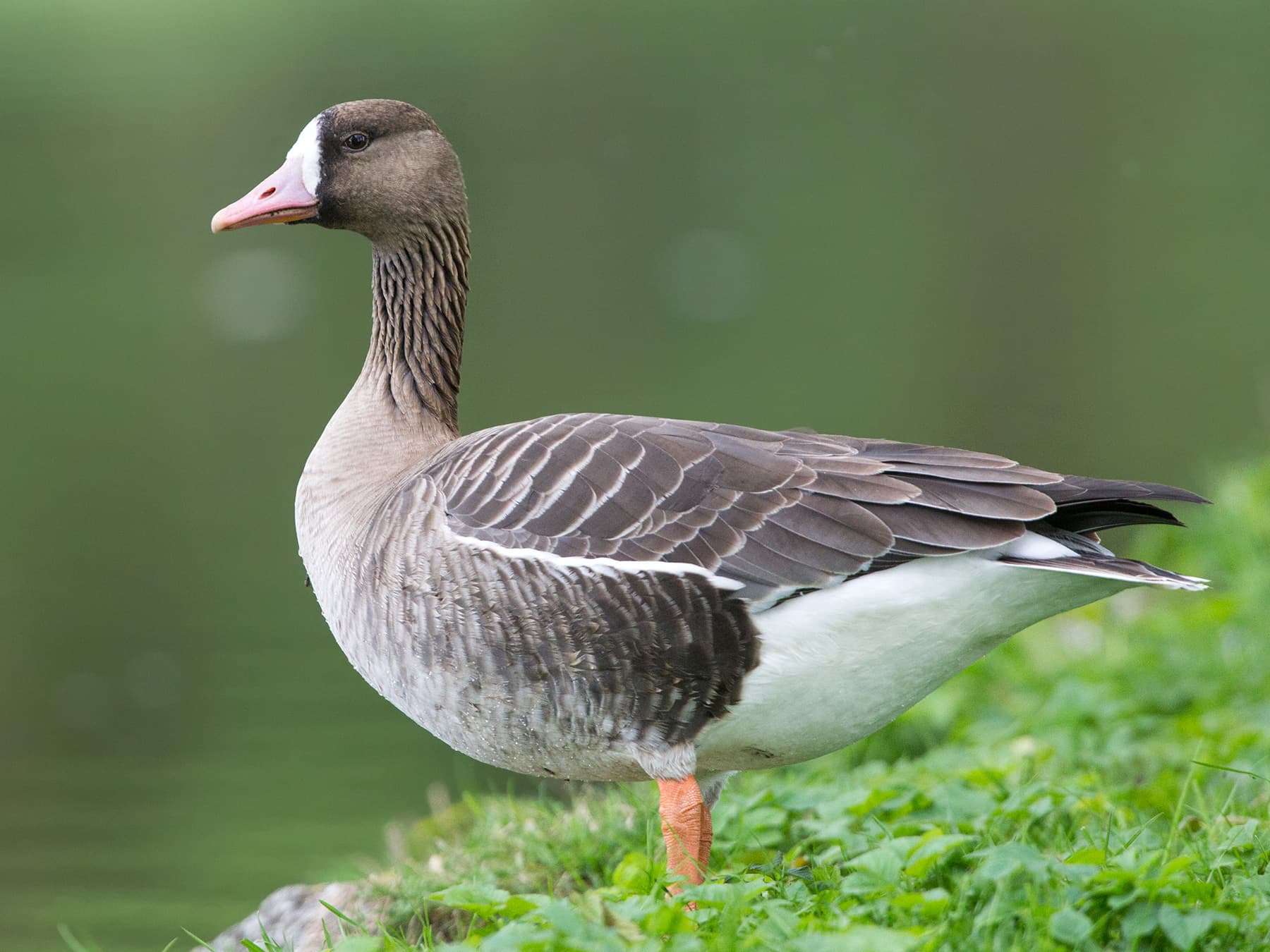
Greater White-fronted Goose
Anser albifronsLC
A rare winter visitor to the Thames valley floodplains, occasionally grazing wet meadows from December to April.
Dec–Apr
Spotted something?
Upload a photo to identify it
Identify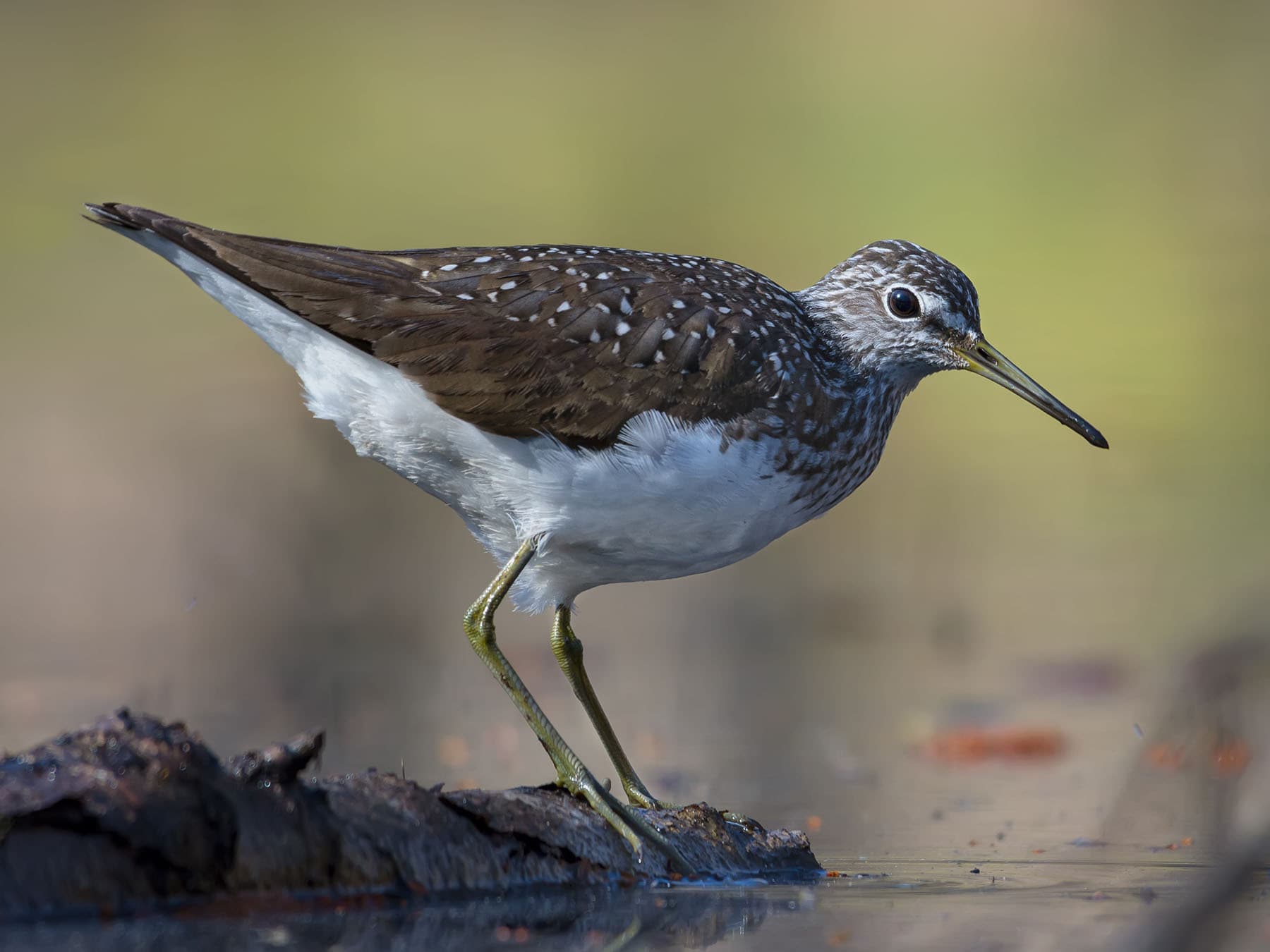
Green Sandpiper
Tringa ochropusLC
A rare but regular wader along muddy streams and watercress beds, most often seen on autumn passage and in winter at sites like Farmoor and the Cherwell valley.
Jul–Apr
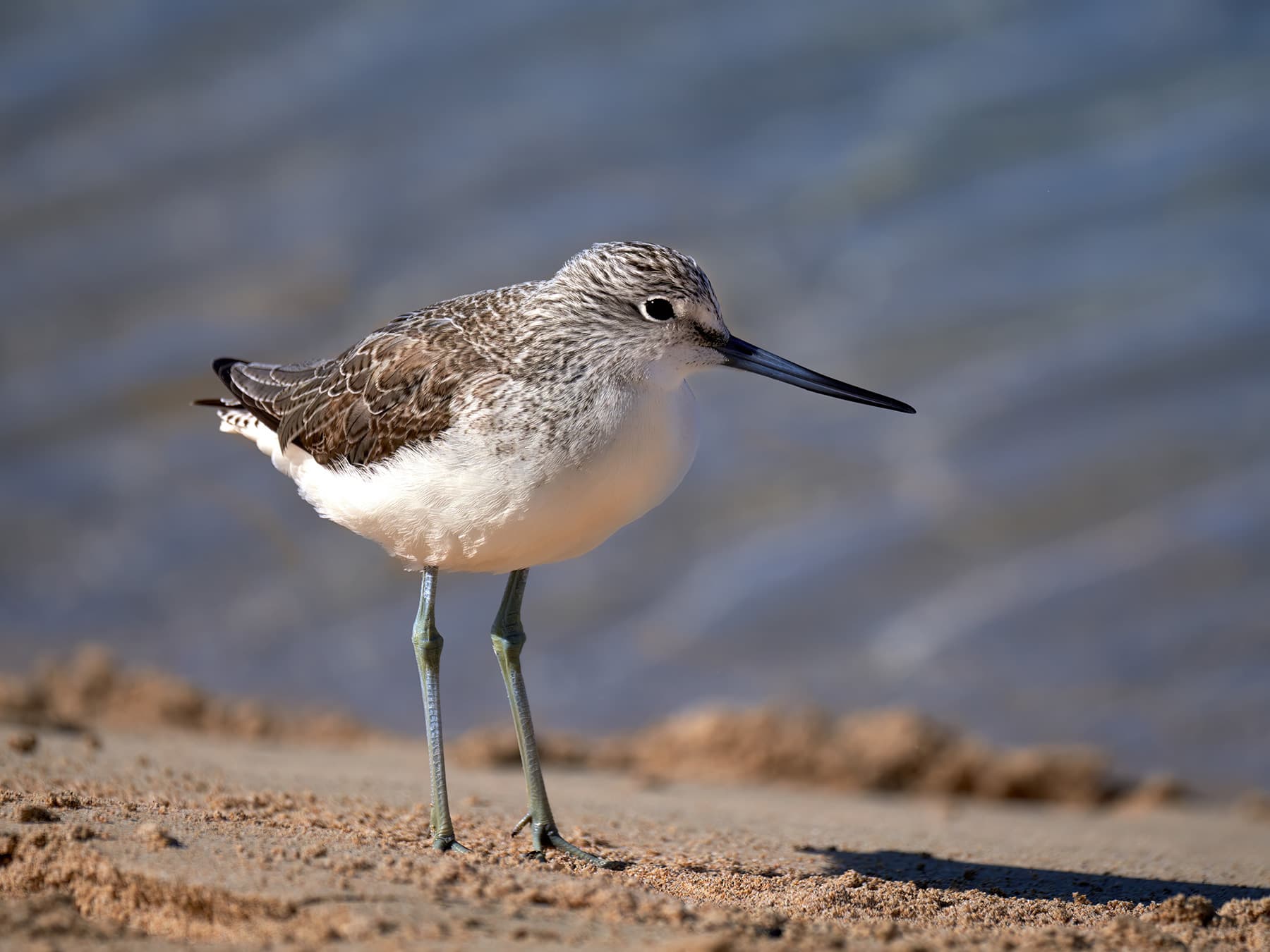
Greenshank
Tringa nebulariaLC
A rare breeding-season visitor, most likely seen on passage at gravel pits and reservoirs between April and September, often calling its distinctive ringing whistle.
Apr–Sep
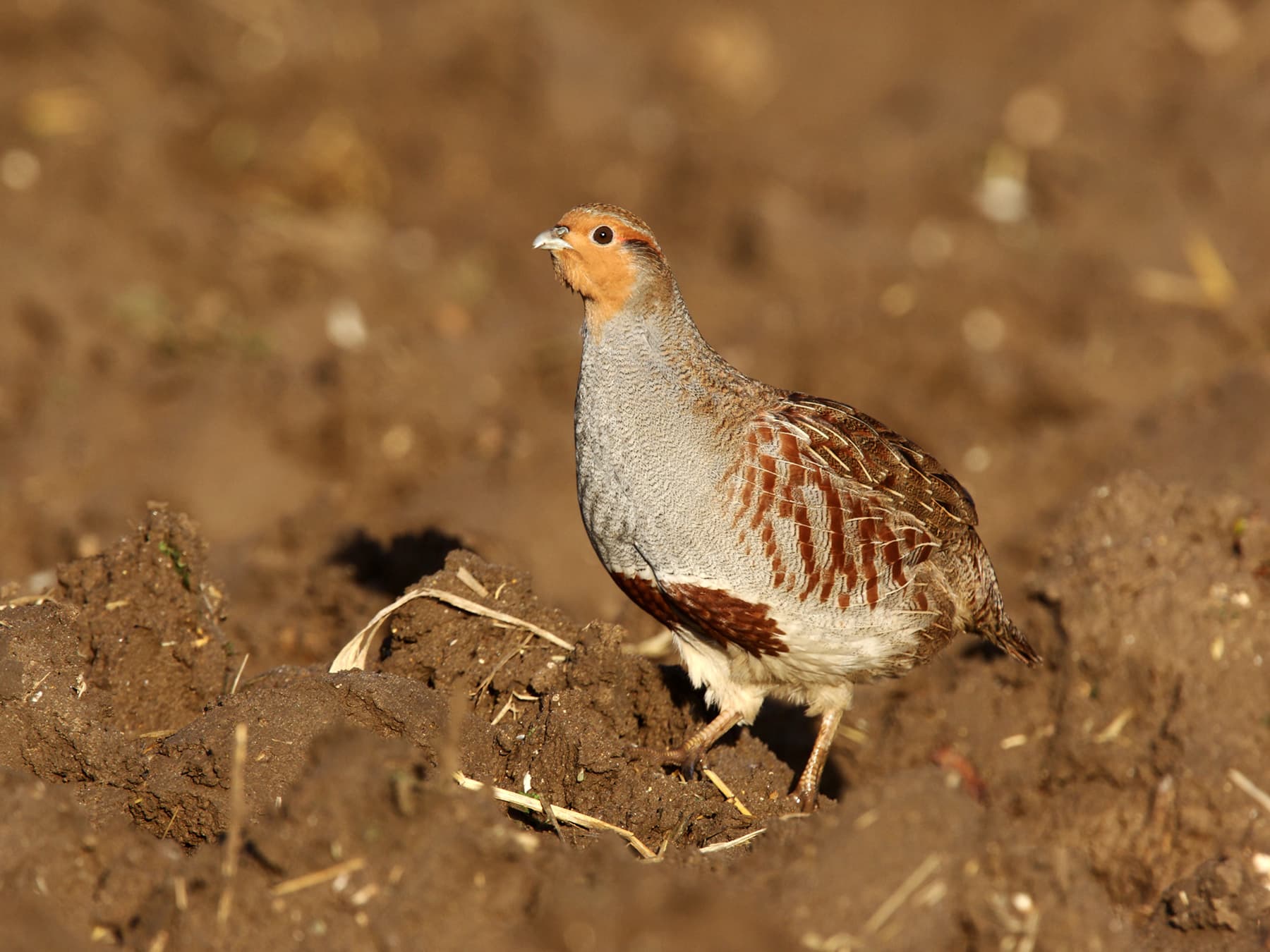
Grey Partridge
Perdix perdixLC
A rare and declining resident of arable farmland and field margins. Once widespread, now scarce across the county.
Year-round
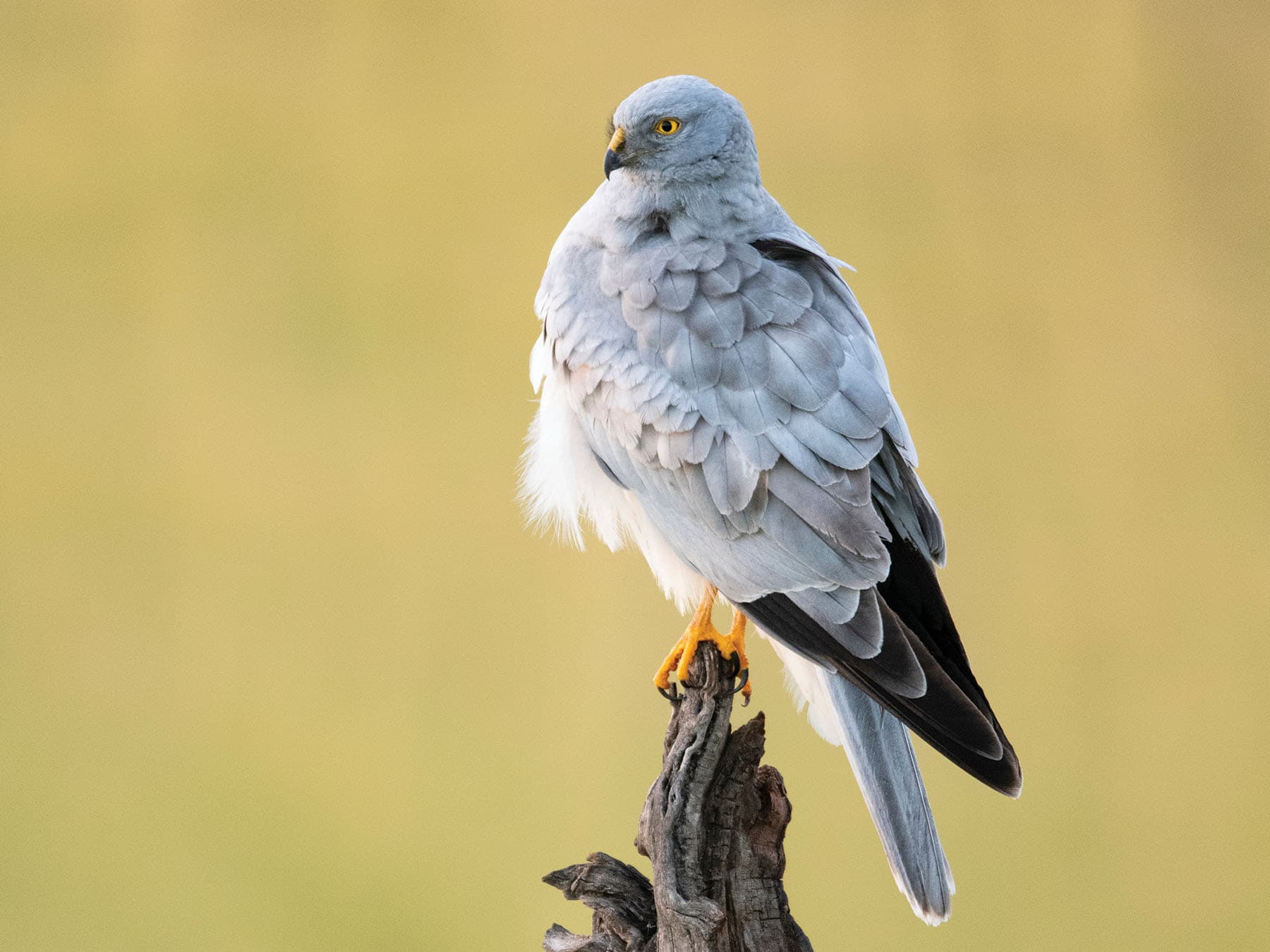
Hen Harrier
Circus cyaneusLC
A rare winter visitor to open farmland and marshes, occasionally seen quartering fields at Otmoor and other low-lying areas.
Dec–Mar
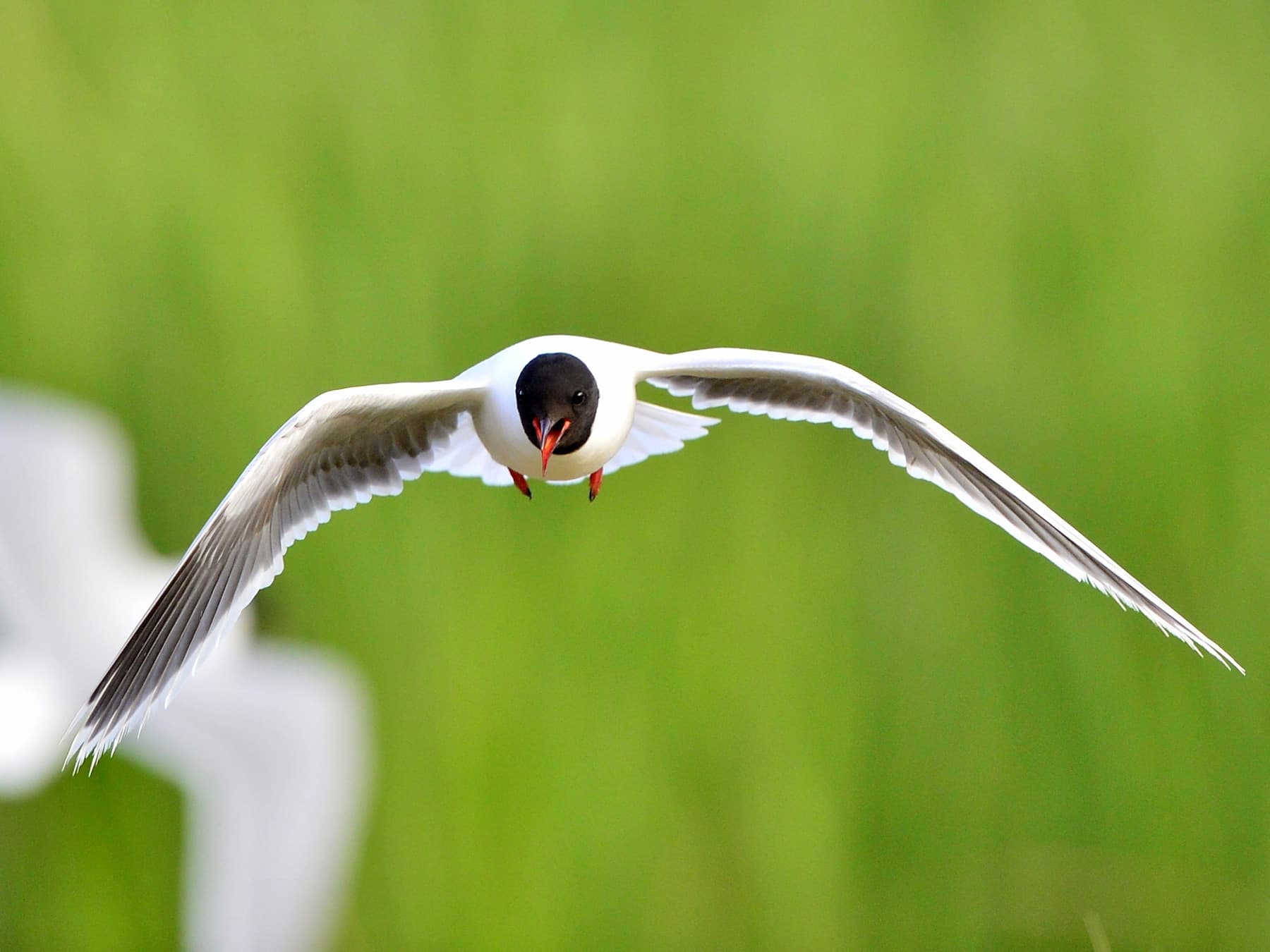
Little Gull
Hydrocoloeus minutusLC
A rare spring passage migrant, occasionally spotted over Farmoor Reservoir in March and April among flocks of commoner gulls.
Mar–Apr
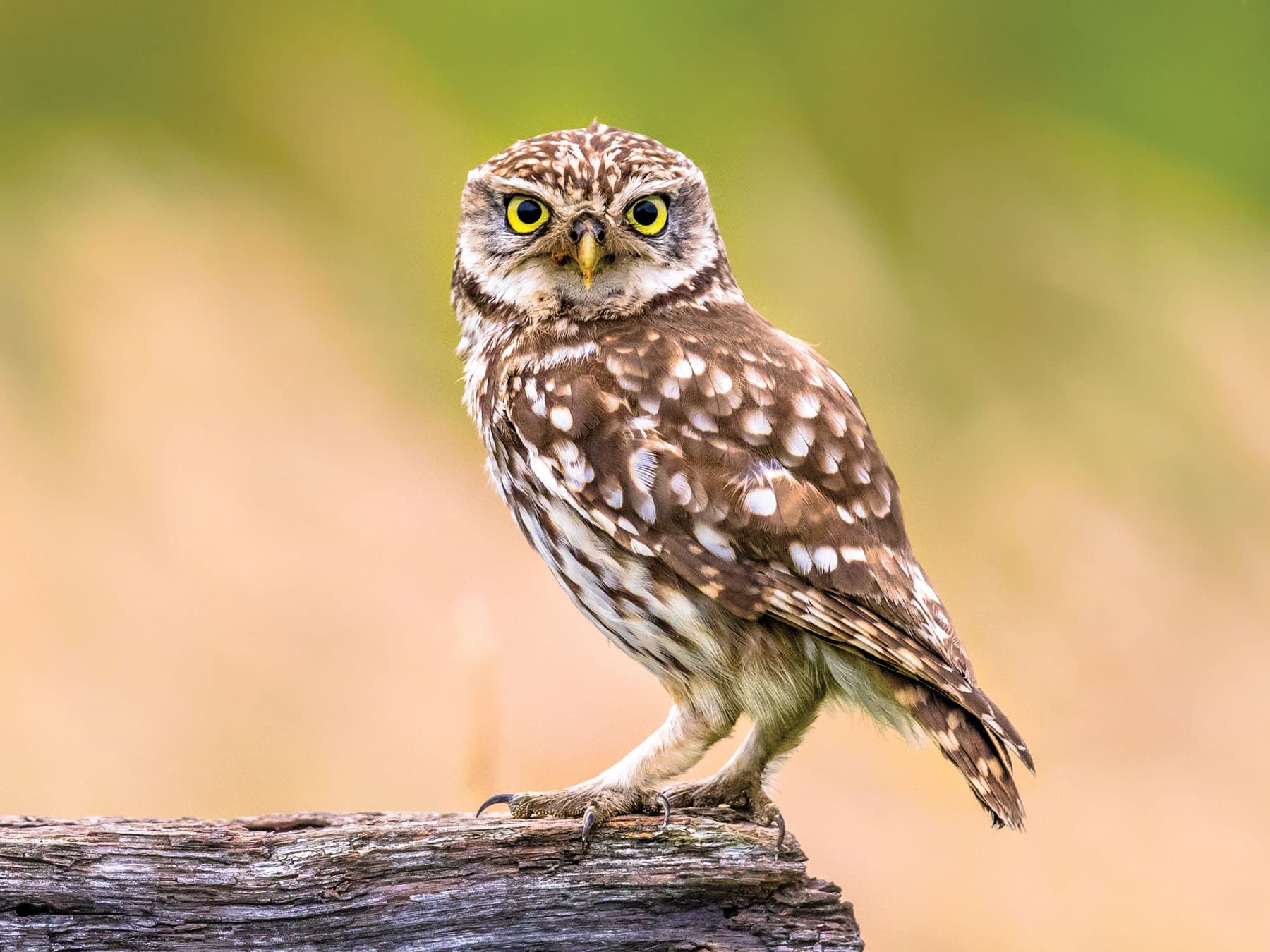
Little Owl
Athene noctuaLC
A rare and declining species in the county, occasionally noted around farmland and old buildings in summer. Once widespread, now a conservation concern.
Jun–Jul
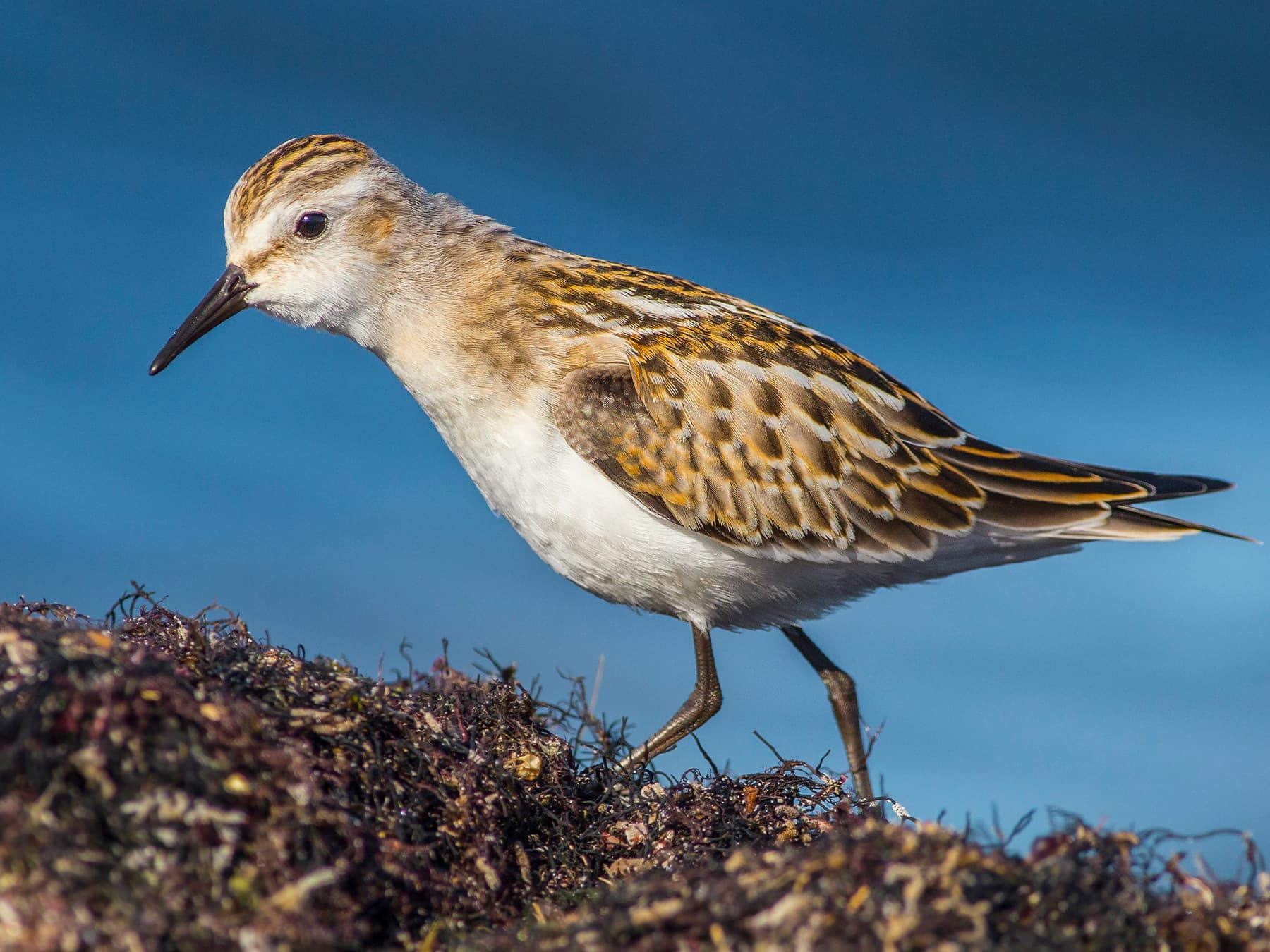
Little Stint
Calidris minutaLC
A rare autumn passage wader, occasionally stopping at reservoir edges and muddy scrapes in August and September on its southward migration.
Aug–Sep
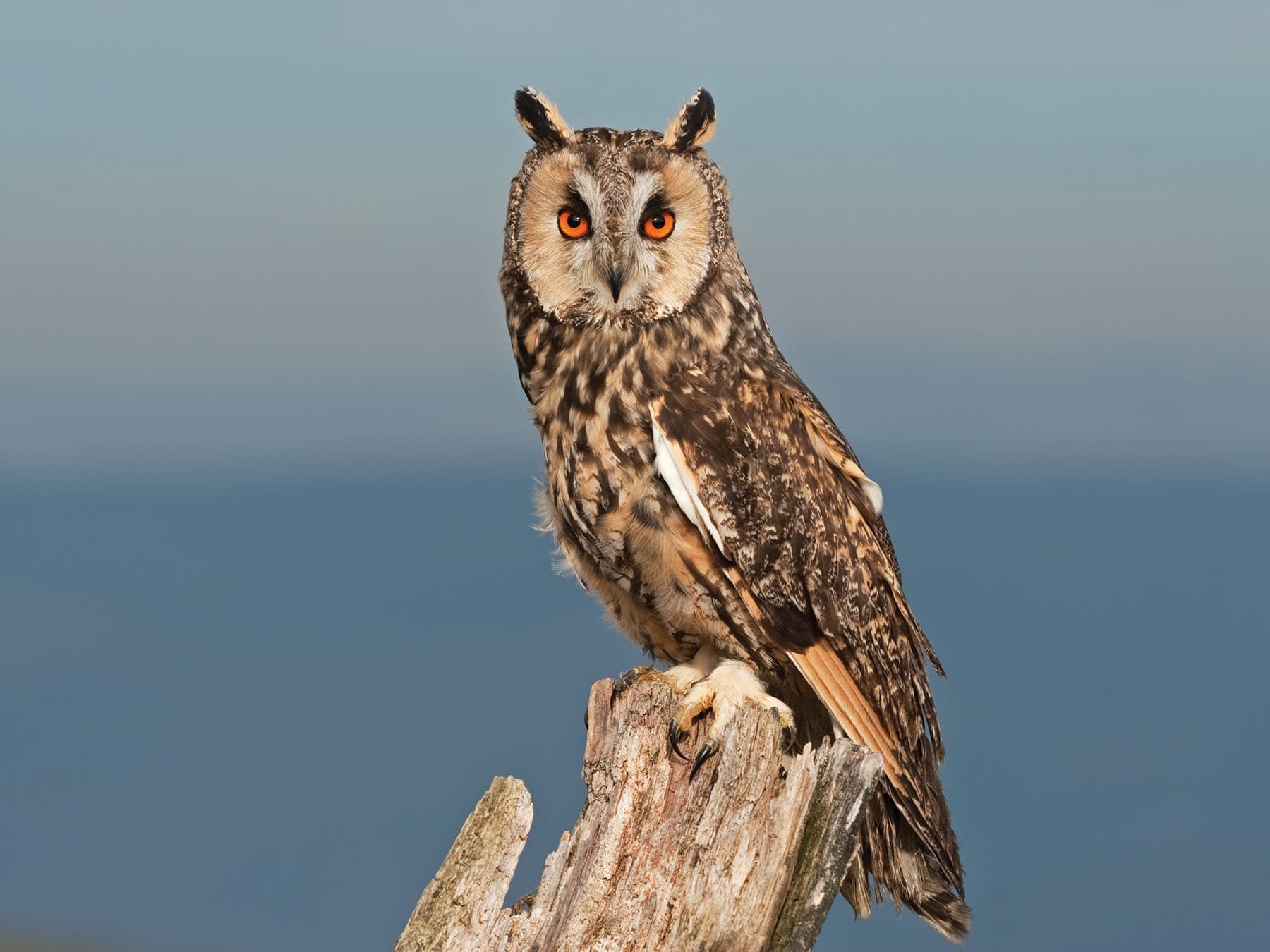
Long-eared Owl
Asio otusLC
A rare and secretive passage visitor, very occasionally recorded in Oxfordshire. Dense conifer stands offer the best chance of an encounter.
Feb
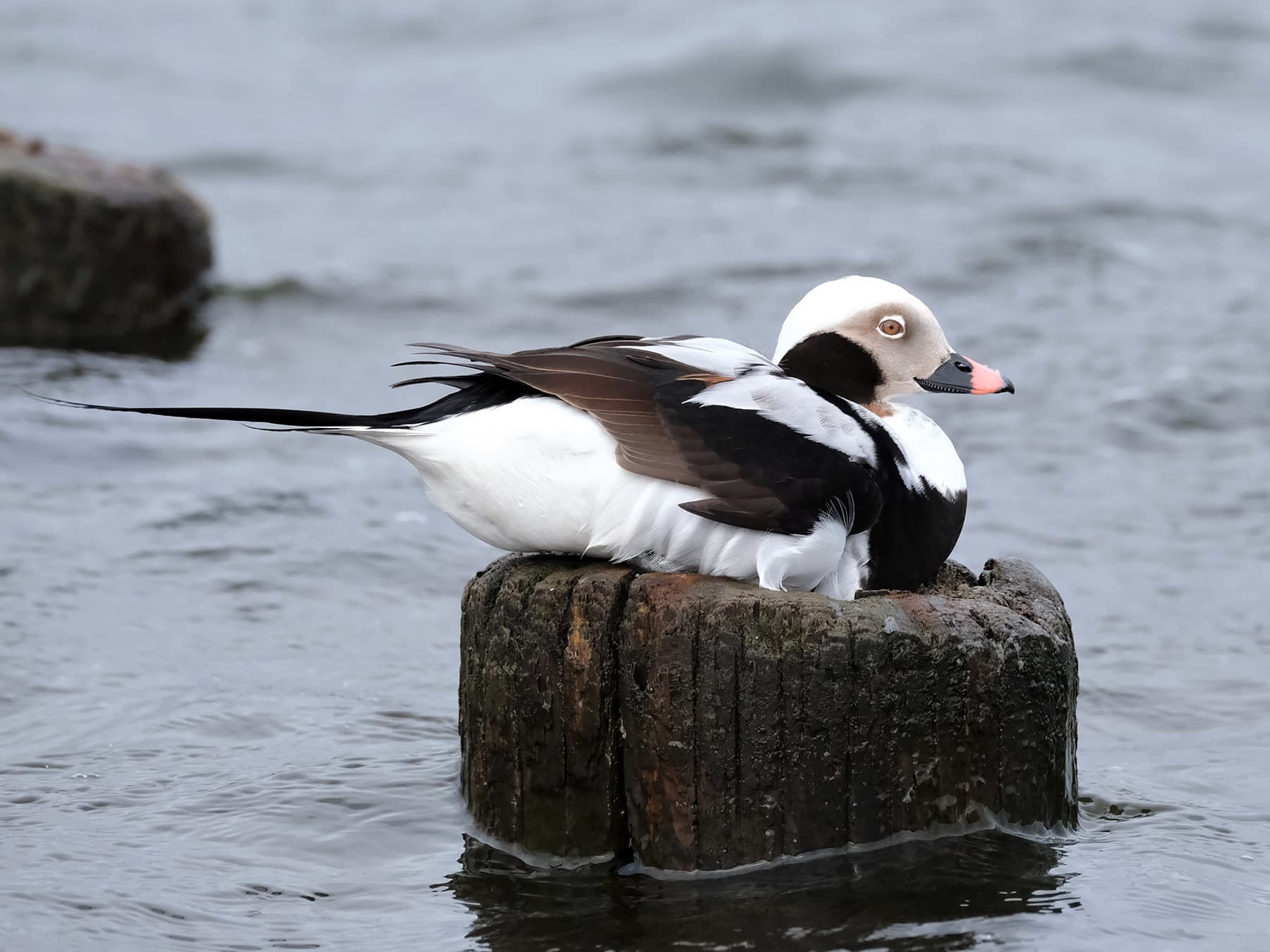
Long-tailed Duck
Clangula hyemalisVU
A rare and fleeting visitor, with records mainly in February. An exciting find on any Oxfordshire reservoir or gravel pit.
Feb
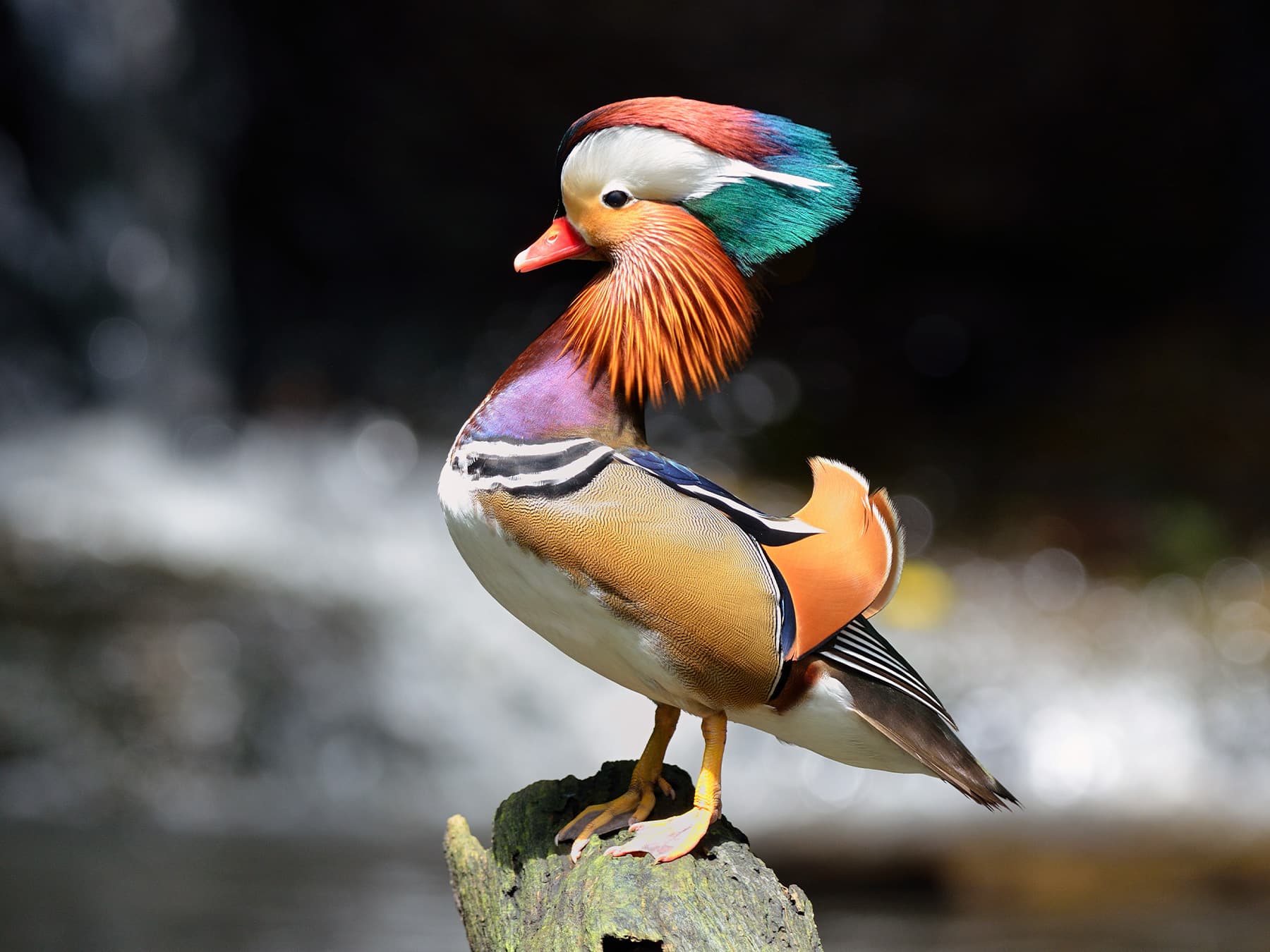
Mandarin Duck
Aix galericulataLC
A rare but striking resident of wooded rivers and lakes, most likely seen spring to autumn on quiet stretches with overhanging trees.
Apr–Oct
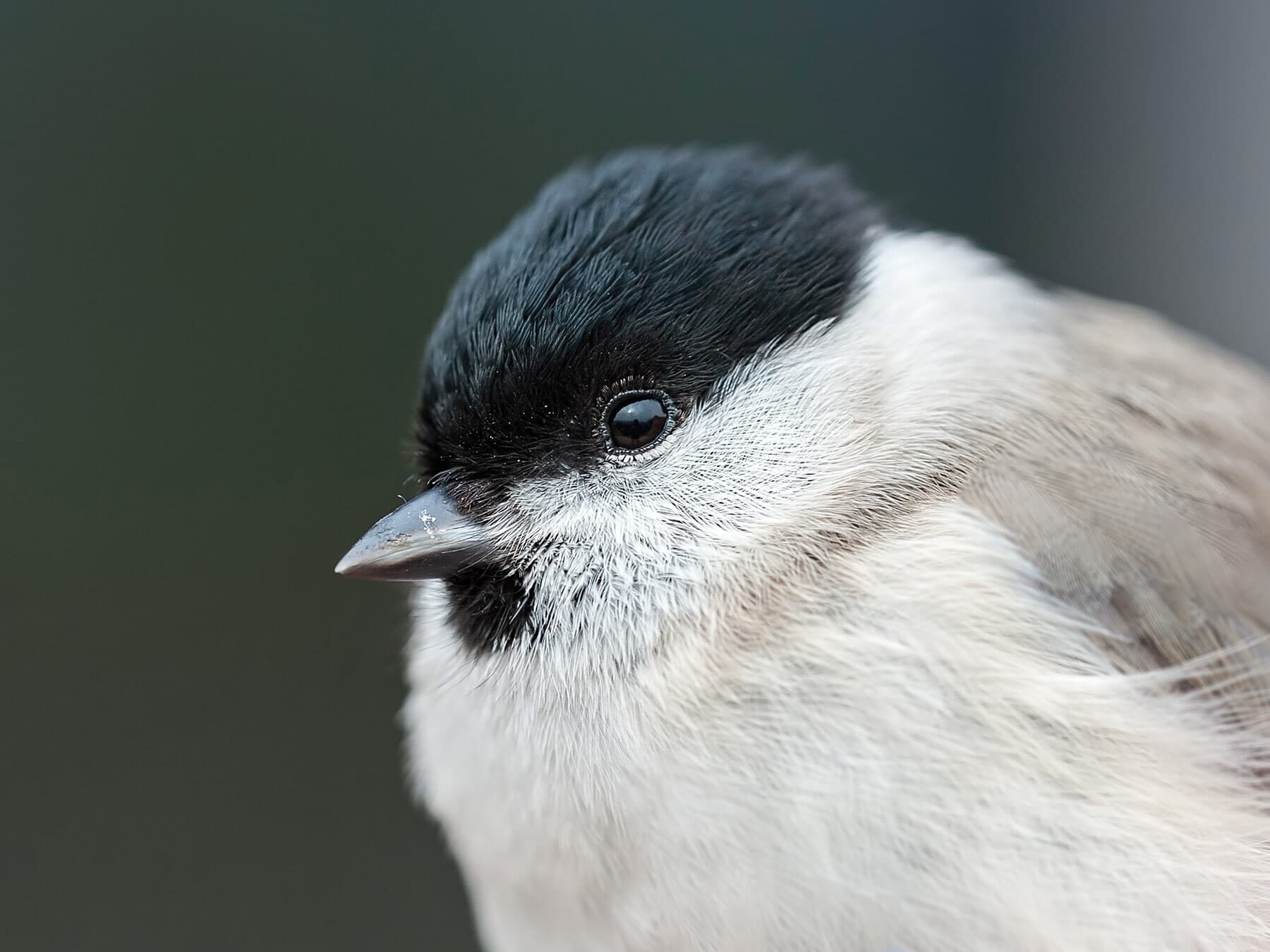
Marsh Tit
Poecile palustrisLC
A rare and declining resident of mature deciduous woodland. Oxfordshire's ancient woods, such as Wytham, remain important strongholds.
Year-round
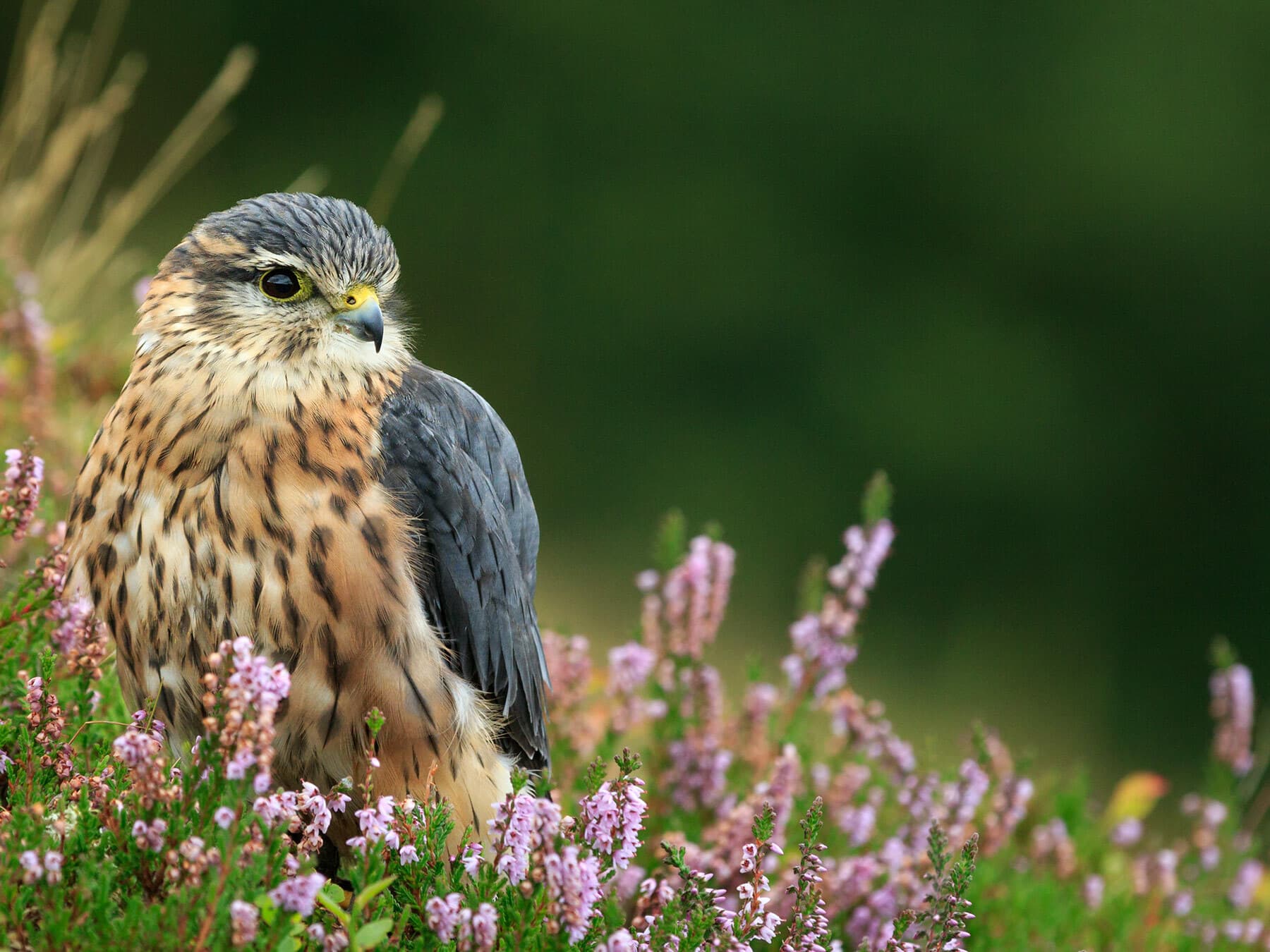
Merlin
Falco columbariusLC
A rare winter visitor to open farmland and downland, occasionally seen dashing low over fields in pursuit of small birds between October and February.
Oct–Feb
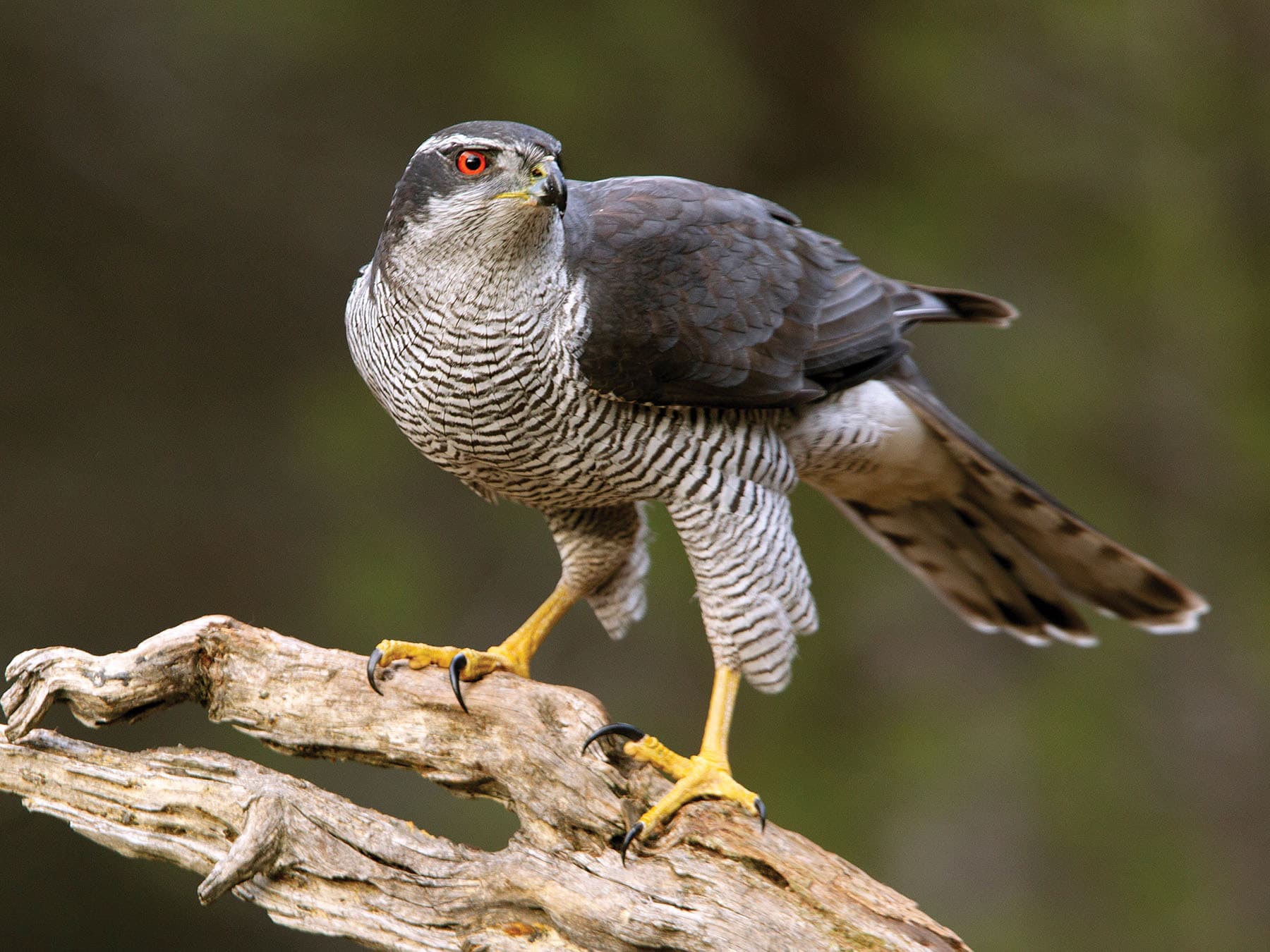
Northern Goshawk
Accipiter gentilisLC
A rare passage visitor, with records mainly in March. Secretive and elusive, most likely seen near larger woodland blocks such as in the Chilterns.
Mar
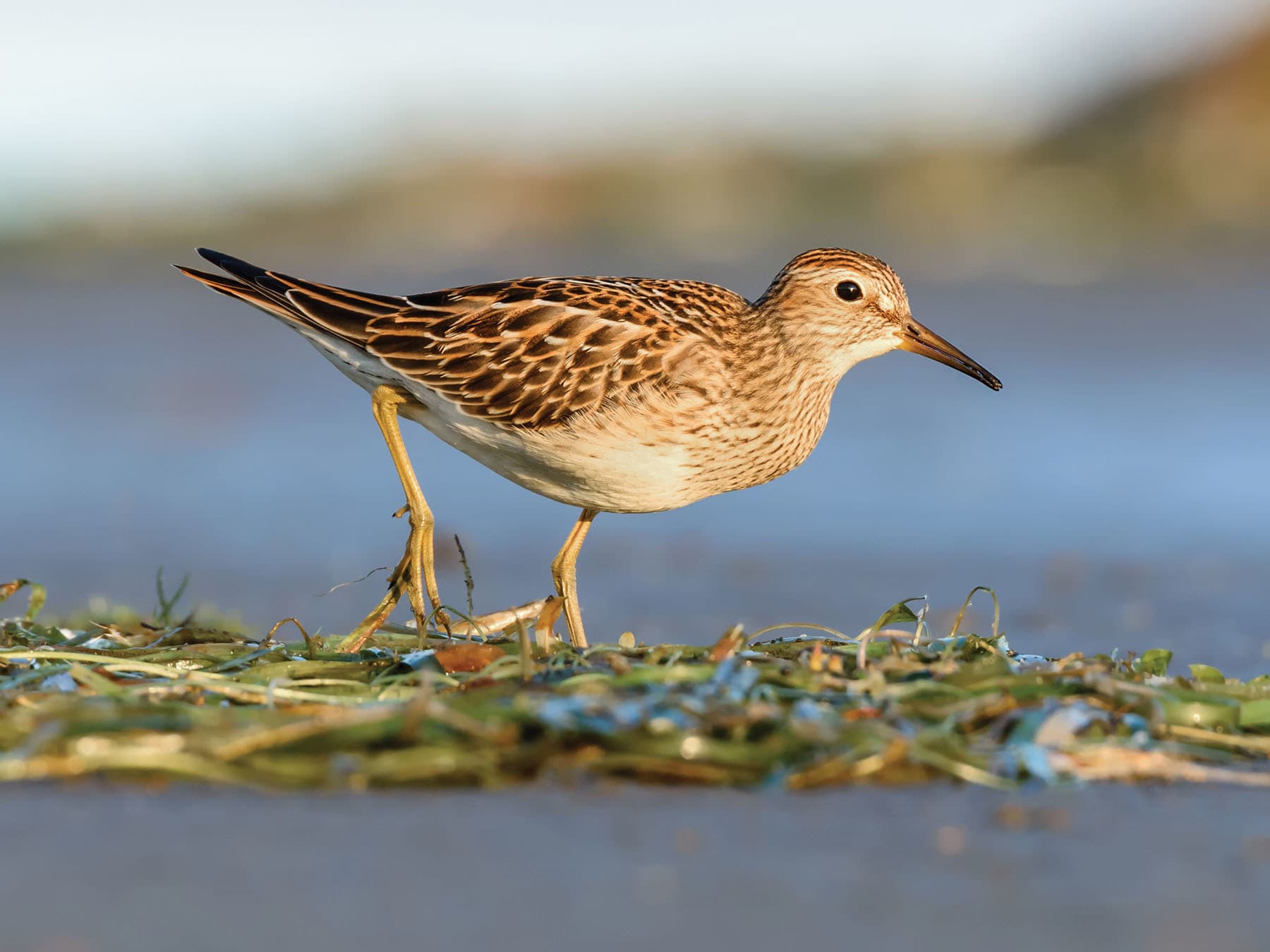
Pectoral Sandpiper
Calidris melanotosLC
A rare Nearctic passage wader, occasionally appearing at muddy gravel pit edges in October. A sought-after county record.
Oct
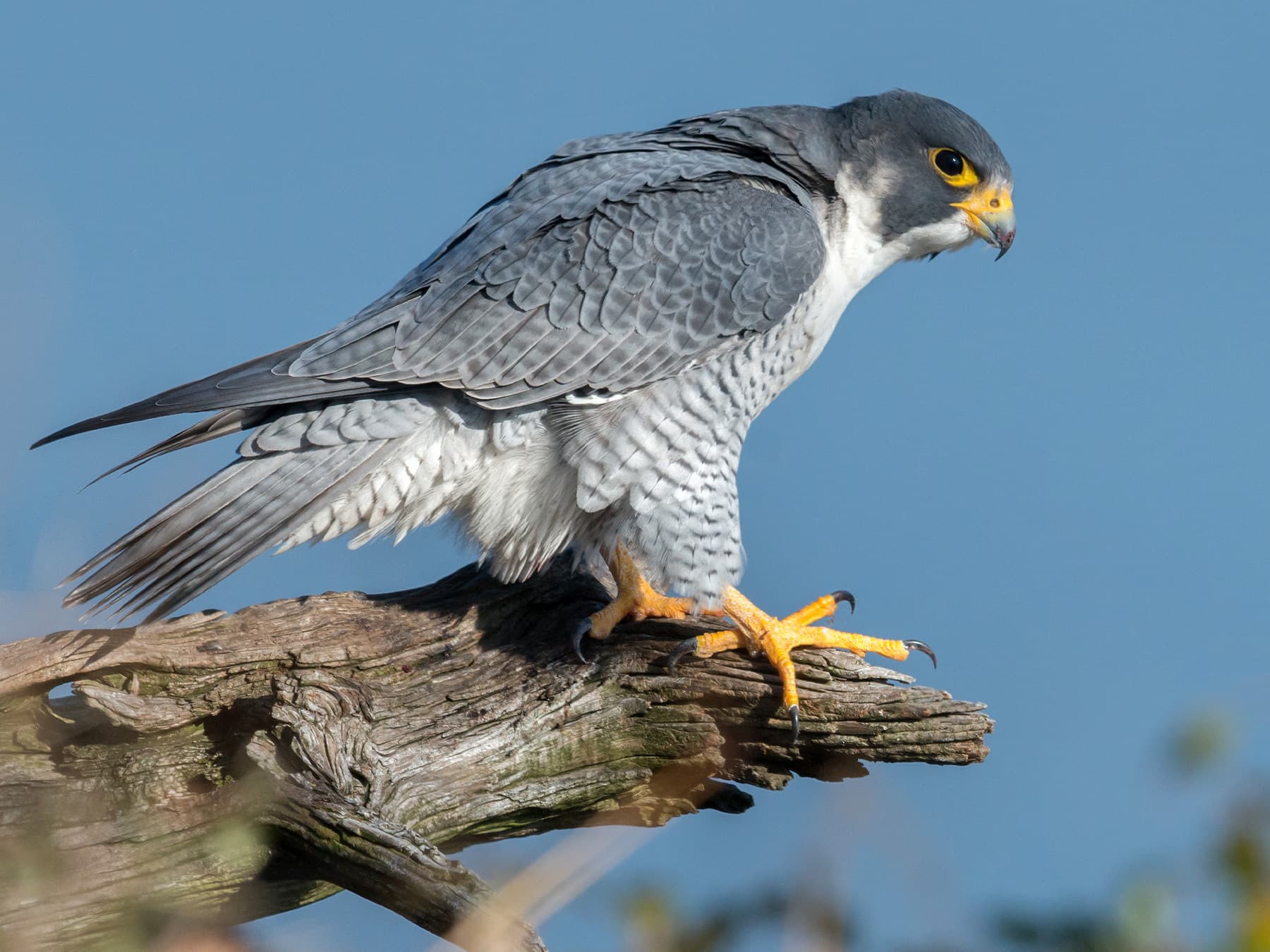
Peregrine Falcon
Falco peregrinusLC
A rare but year-round resident, increasingly seen around Oxford's tall buildings and church spires, as well as hunting over open countryside.
Year-round