Birds in Nottinghamshire
Explore 180 species found in this region.
Nottinghamshire supports a rich diversity of birdlife, with 177 species recorded across the county's varied habitats, from the ancient woodlands of Sherwood Forest to the wetlands of the Trent Valley. The county's rivers, reservoirs, and gravel pits attract notable species such as Common Merganser, Northern Pintail, and Mandarin Duck, while farmland and heathland provide important habitat for Northern Lapwing and Eurasian Woodcock. Whether you're exploring urban parks where Great Tits and Magpies thrive or venturing to wilder areas in search of scarcer visitors like the Great Grey Shrike, Nottinghamshire offers rewarding birding throughout the year.
Visiting in September? Look out for Common Merganser and Curlew Sandpiper arriving this month, and Avocet and Common Redstart depart for the season.


Showing 70–92 of 180 species
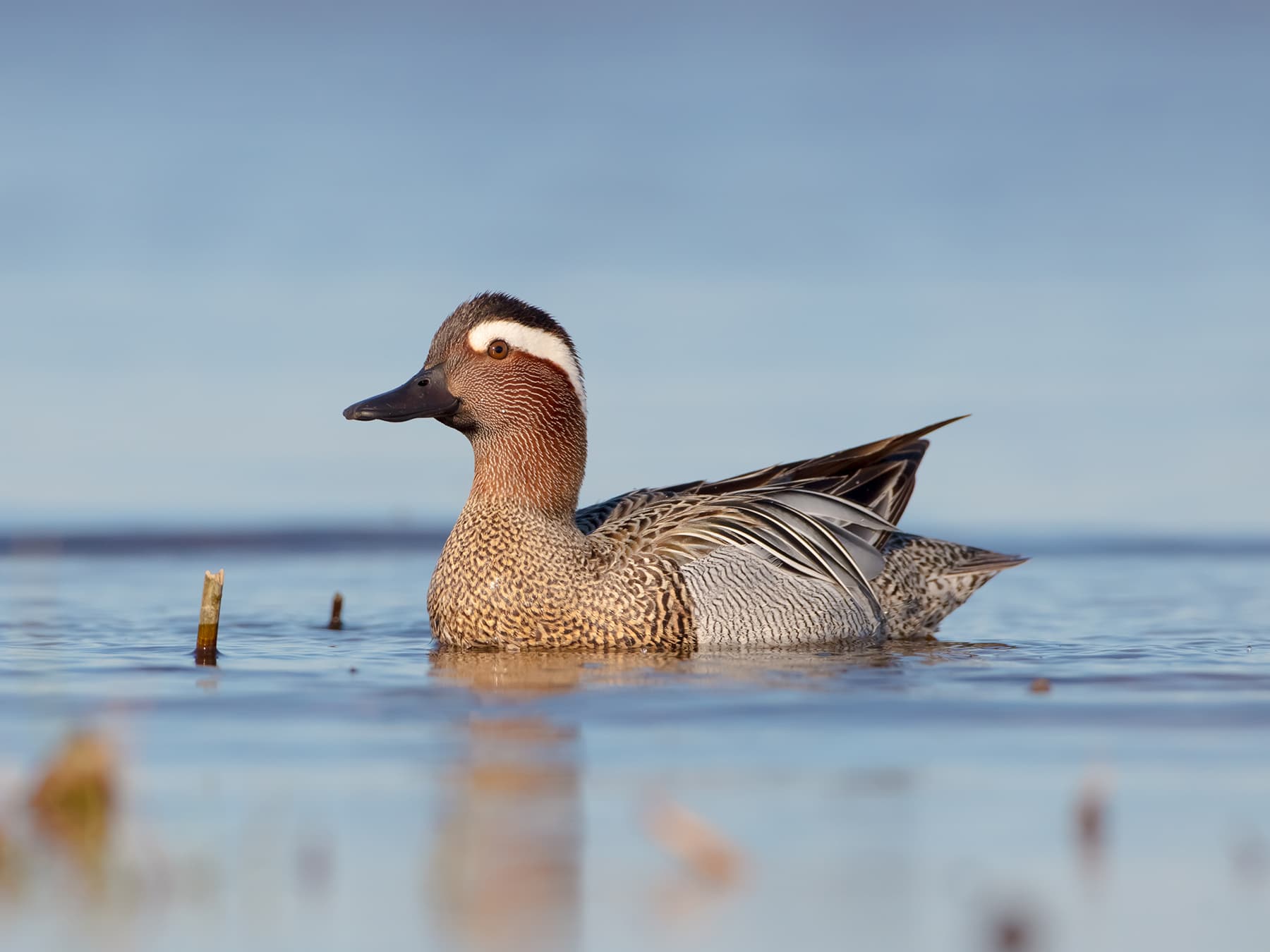
Garganey
Spatula querquedulaLC
A rare and declining summer passage migrant, occasionally seen at marshy pools in spring and autumn. A prized find at Idle valley wetlands.
Apr–Sep
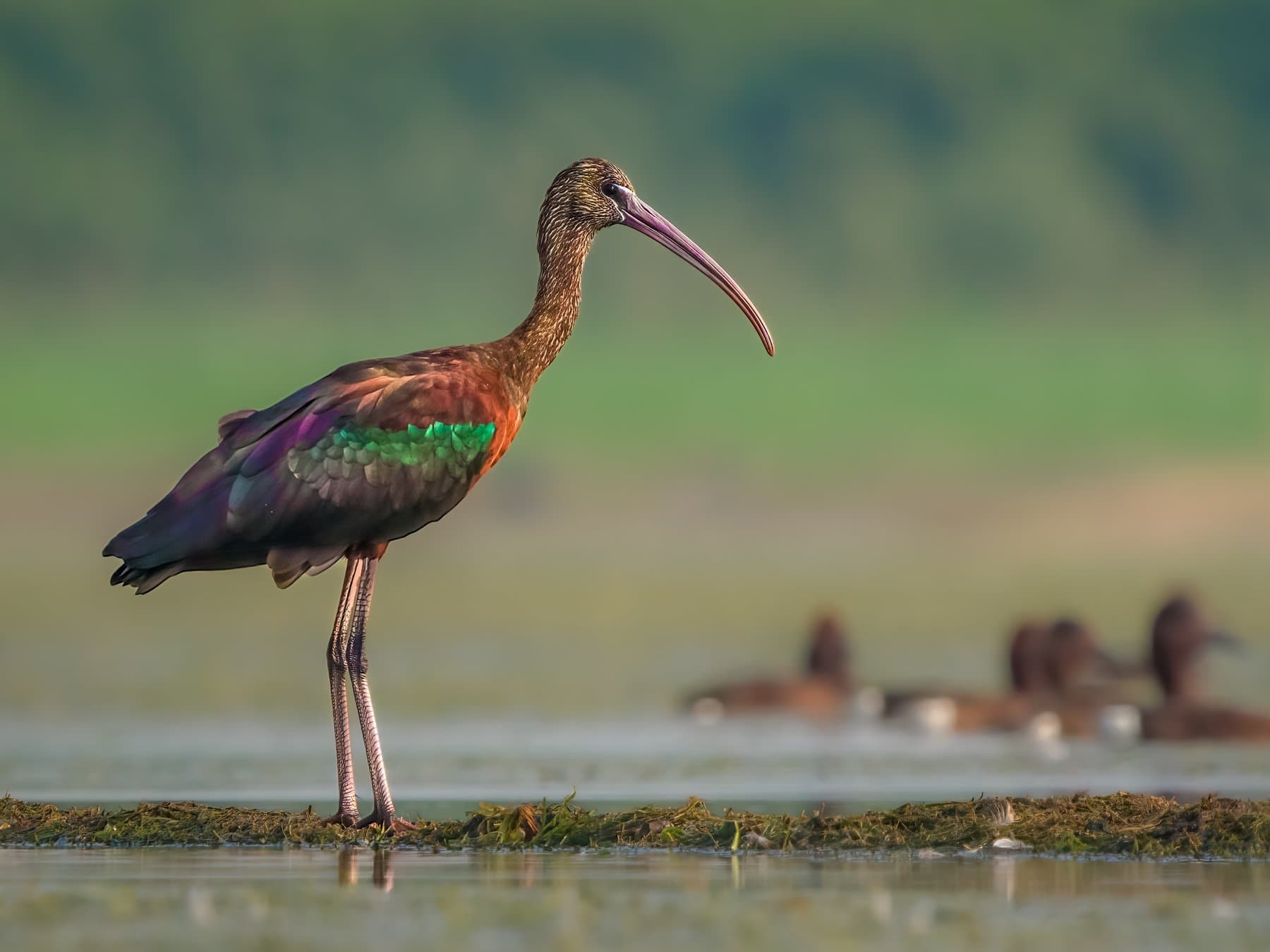
Glossy Ibis
Plegadis falcinellusLC
A rare autumn vagrant in November, with occasional records at marshy wetlands as the species expands its European range.
Nov
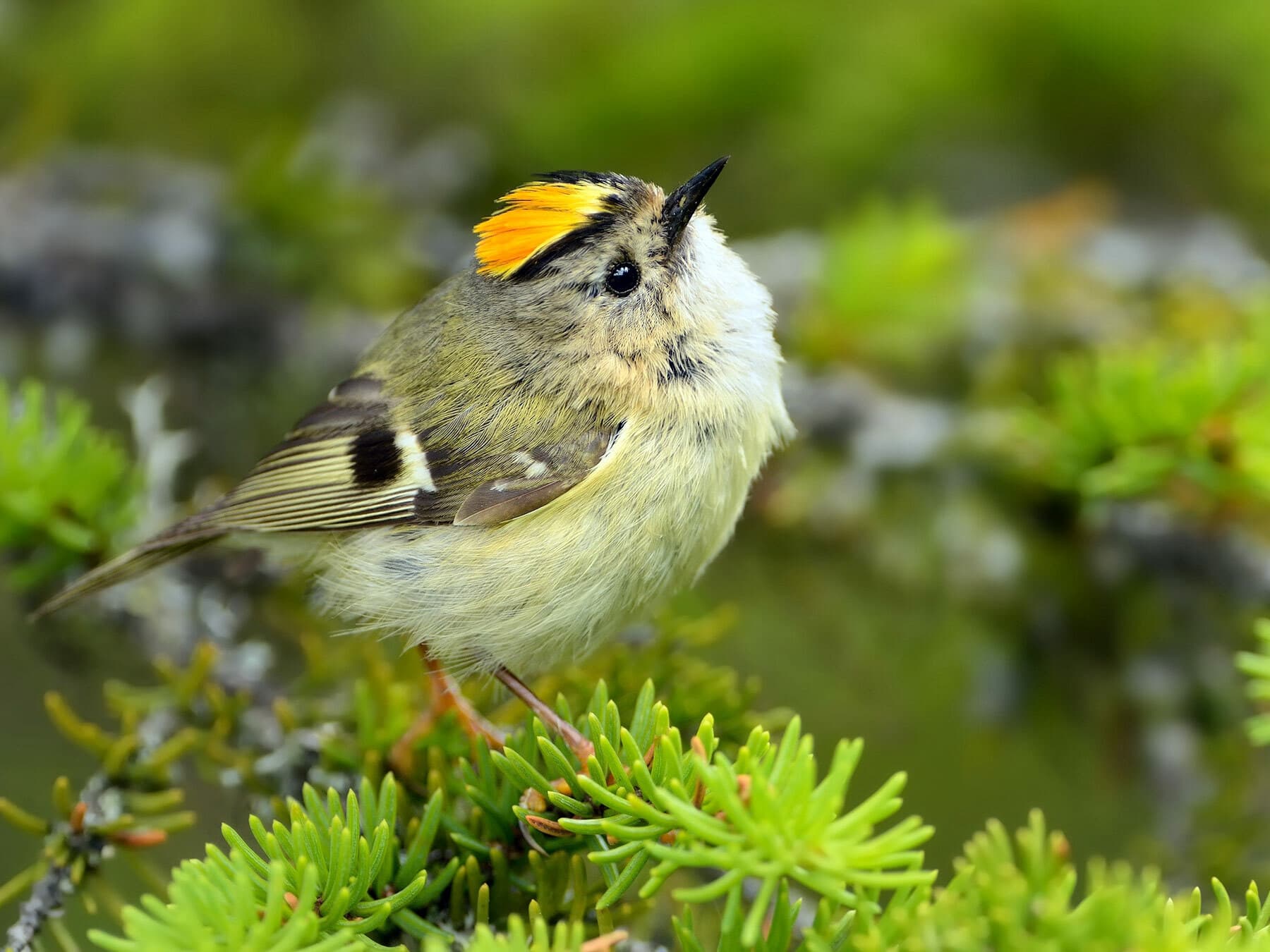
Goldcrest
Regulus regulusLC
Britain's smallest bird, resident year-round in coniferous and mixed woodland. Numbers swell in autumn with continental migrants.
Year-round
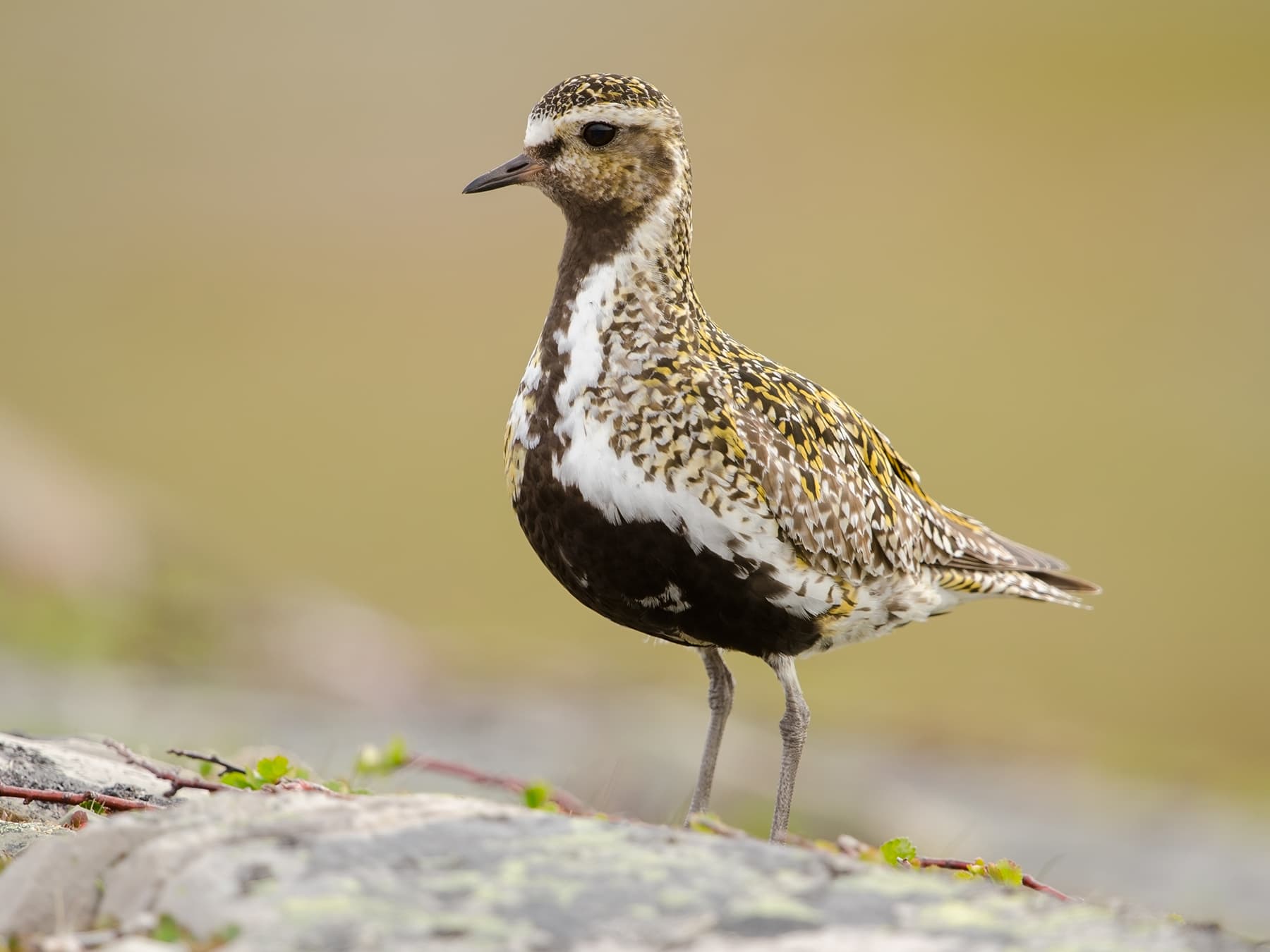
Golden Plover
Pluvialis apricariaLC
A rare non-breeding visitor forming flocks on arable fields and wet grassland from autumn through winter, often alongside lapwings.
Sep–Mar
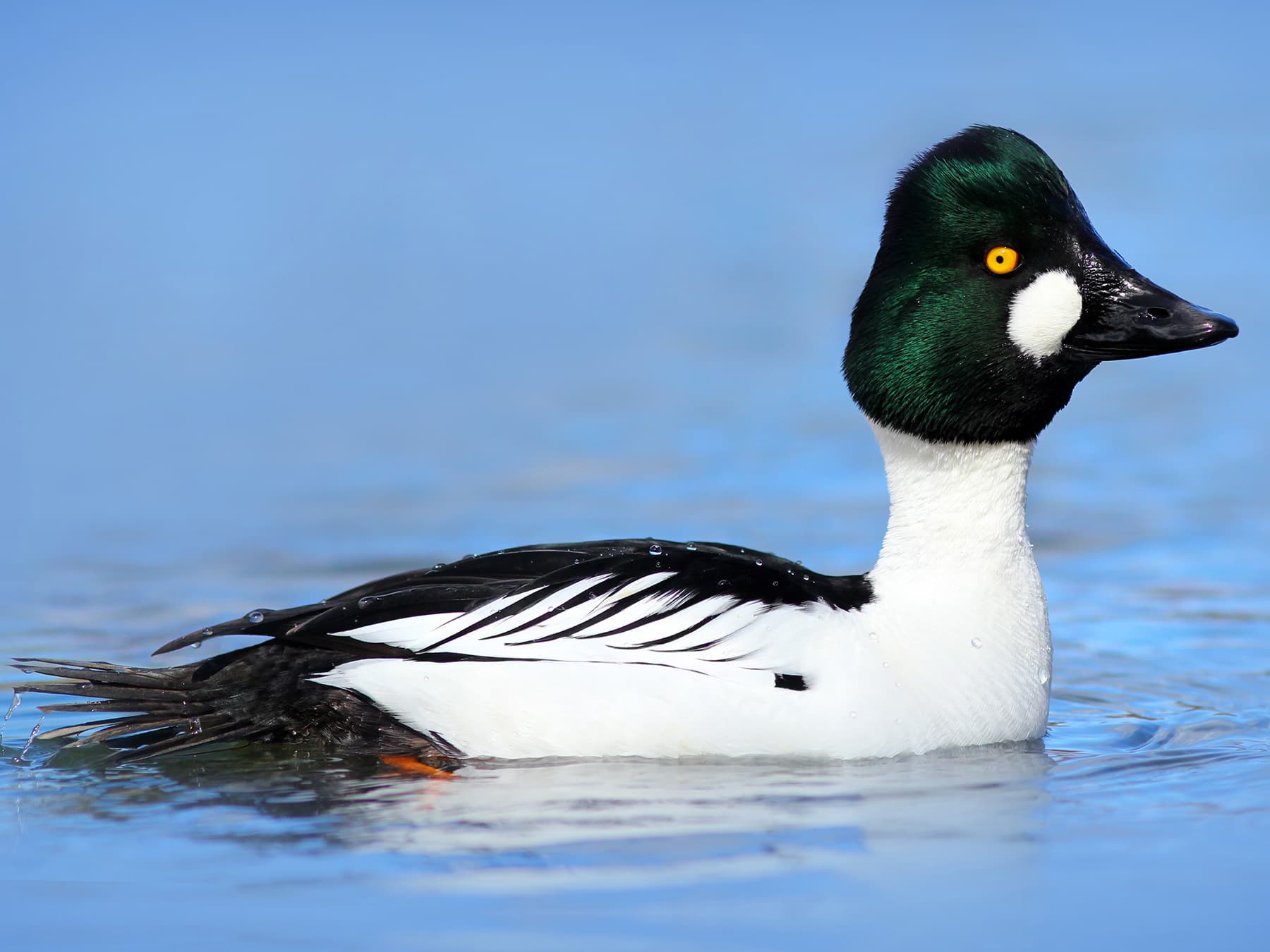
Goldeneye
Bucephala clangulaLC
An uncommon but regular visitor, mainly present from autumn through spring on gravel pits and reservoirs. Diving birds catch the eye on calm waters.
Jul–May
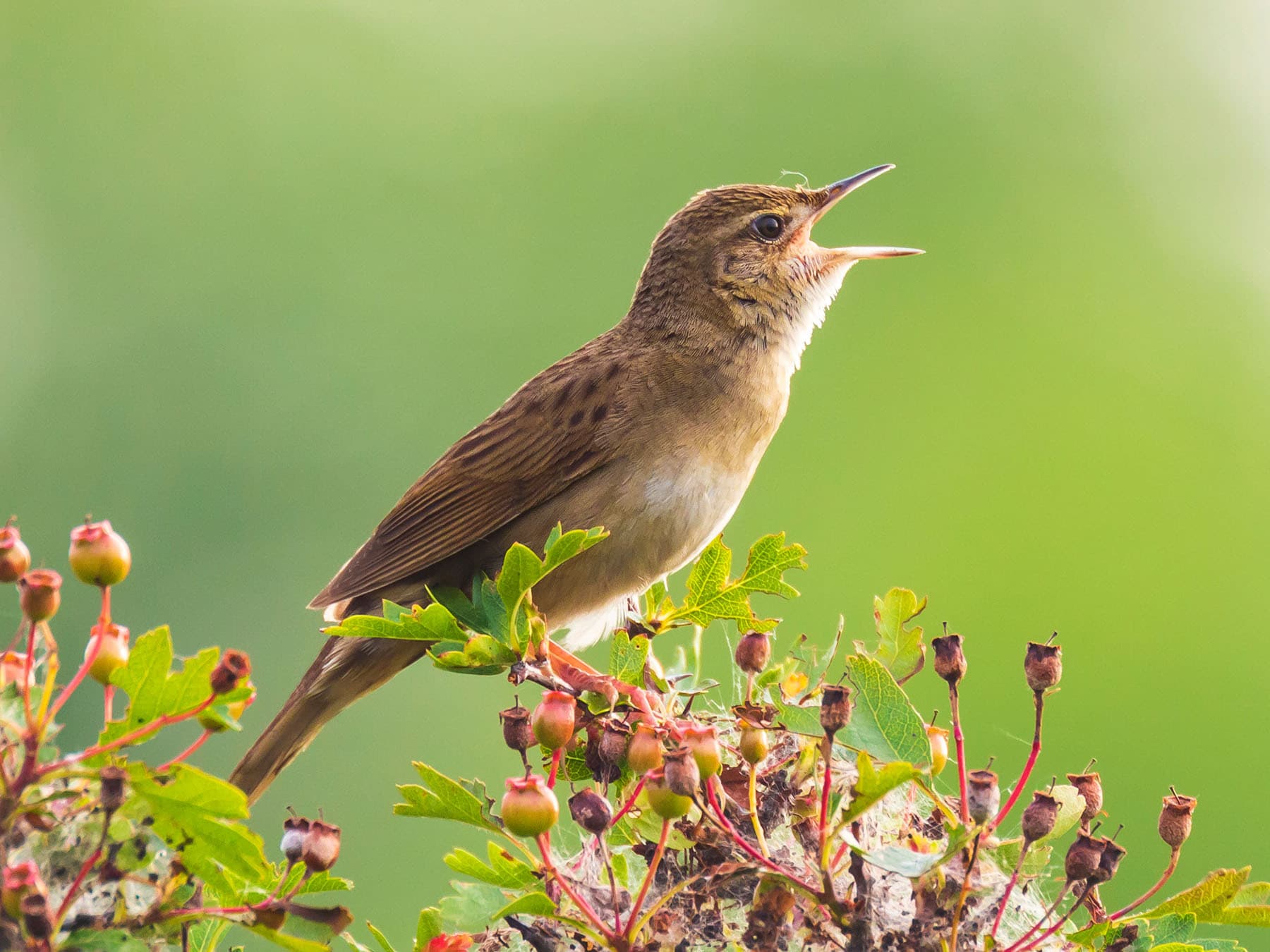
Grasshopper Warbler
Locustella naeviaLC
A rare and secretive summer breeder, more often heard than seen. Its insect-like reeling song emanates from dense scrub and young plantations.
Apr–Aug
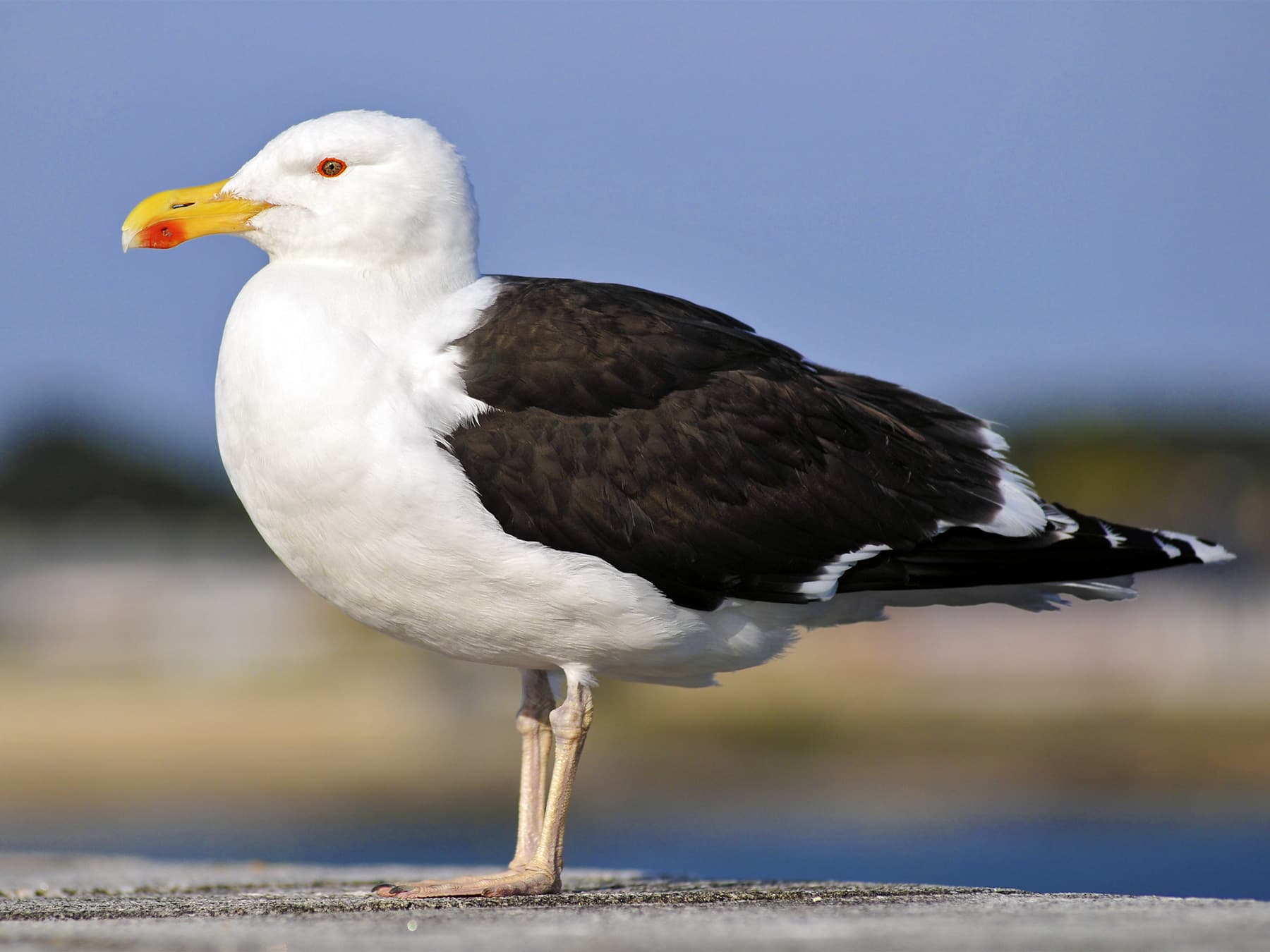
Great Black-backed Gull
Larus marinusLC
An uncommon year-round resident, seen at reservoirs, landfill sites and gravel pits, often loafing among other large gulls.
Year-round
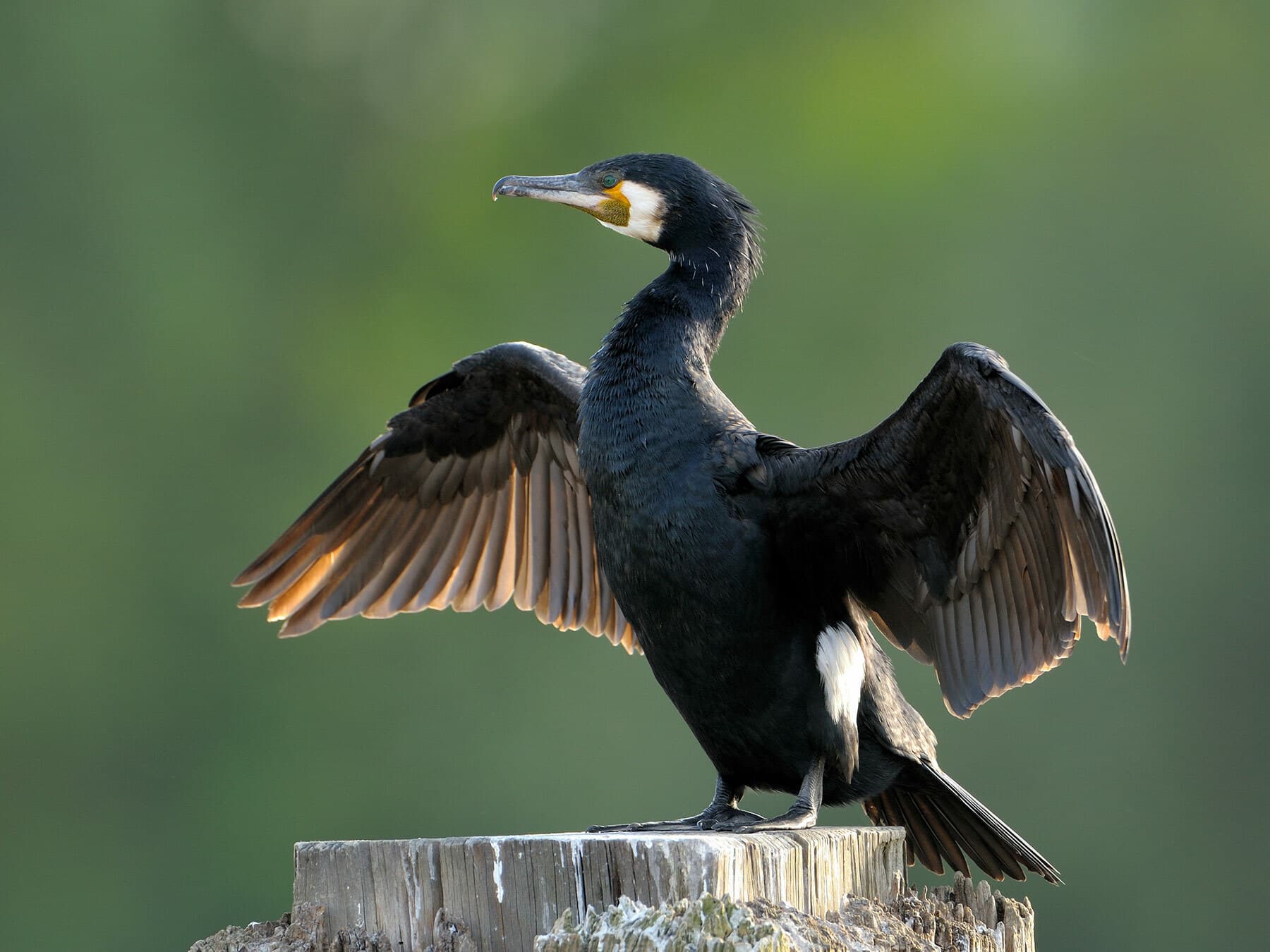
Great Cormorant
Phalacrocorax carboLC
A common year-round resident, often seen drying outstretched wings beside rivers and gravel pits. Numbers have increased significantly in recent decades.
Year-round
Spotted something?
Upload a photo to identify it
Identify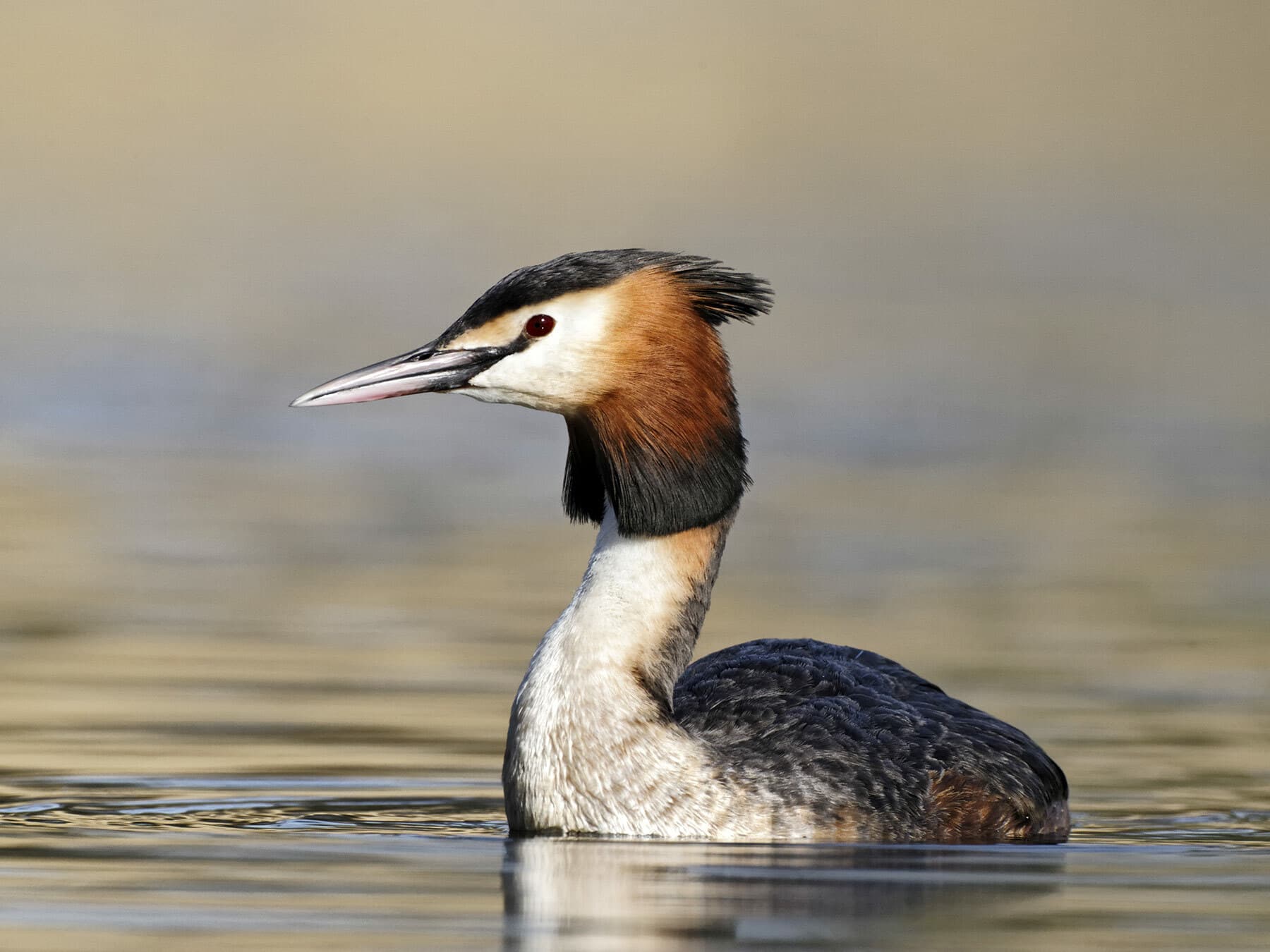
Great Crested Grebe
Podiceps cristatusLC
A common resident on larger lakes and gravel pits. Its elaborate head-shaking courtship display is a highlight of spring at Trent Valley waters.
Year-round
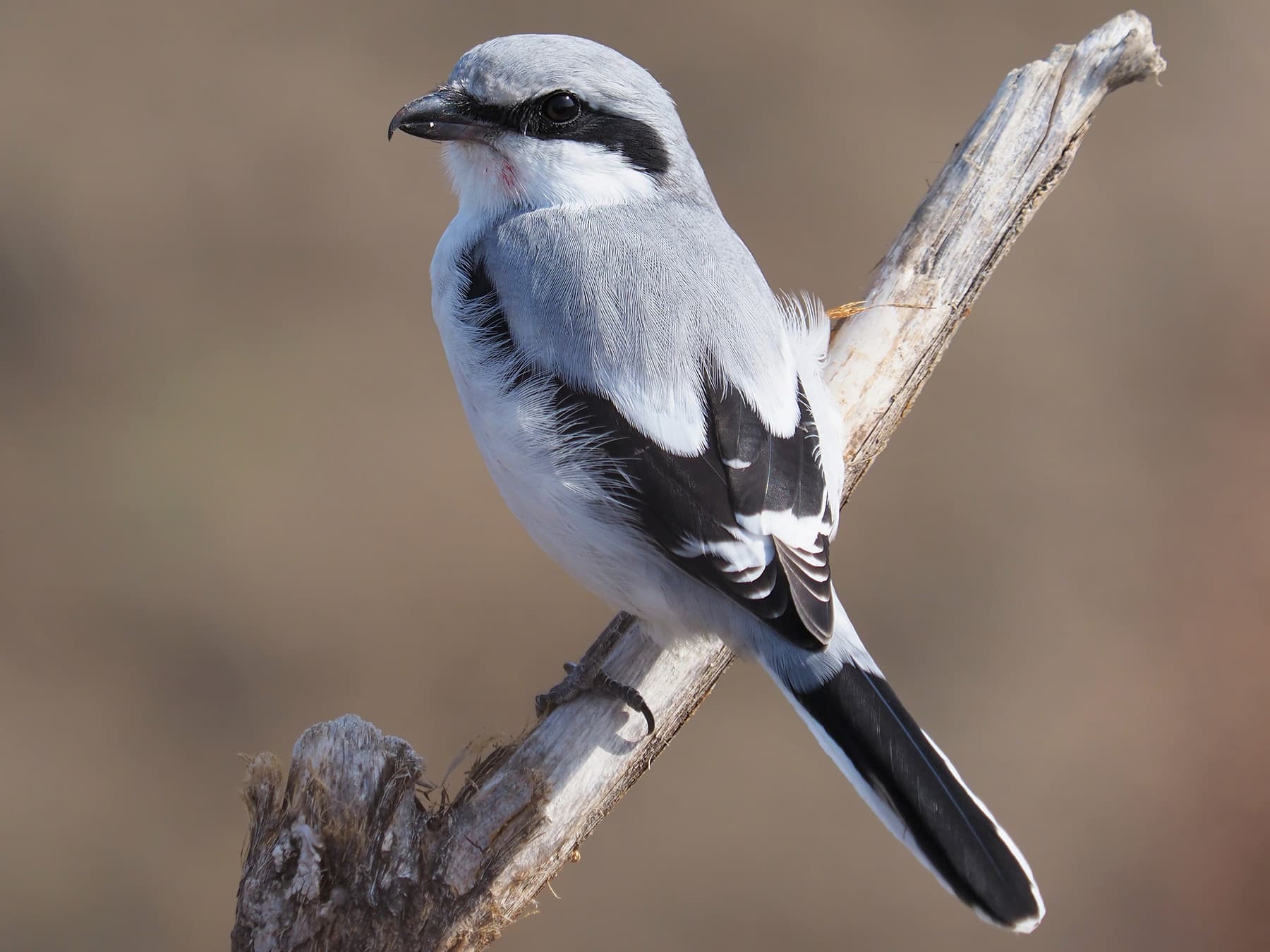
Great Grey Shrike
Lanius excubitorLC
A rare winter visitor, occasionally turning up on heathland and scrubby edges. Most records fall in late autumn and early spring on passage.
Nov–Mar
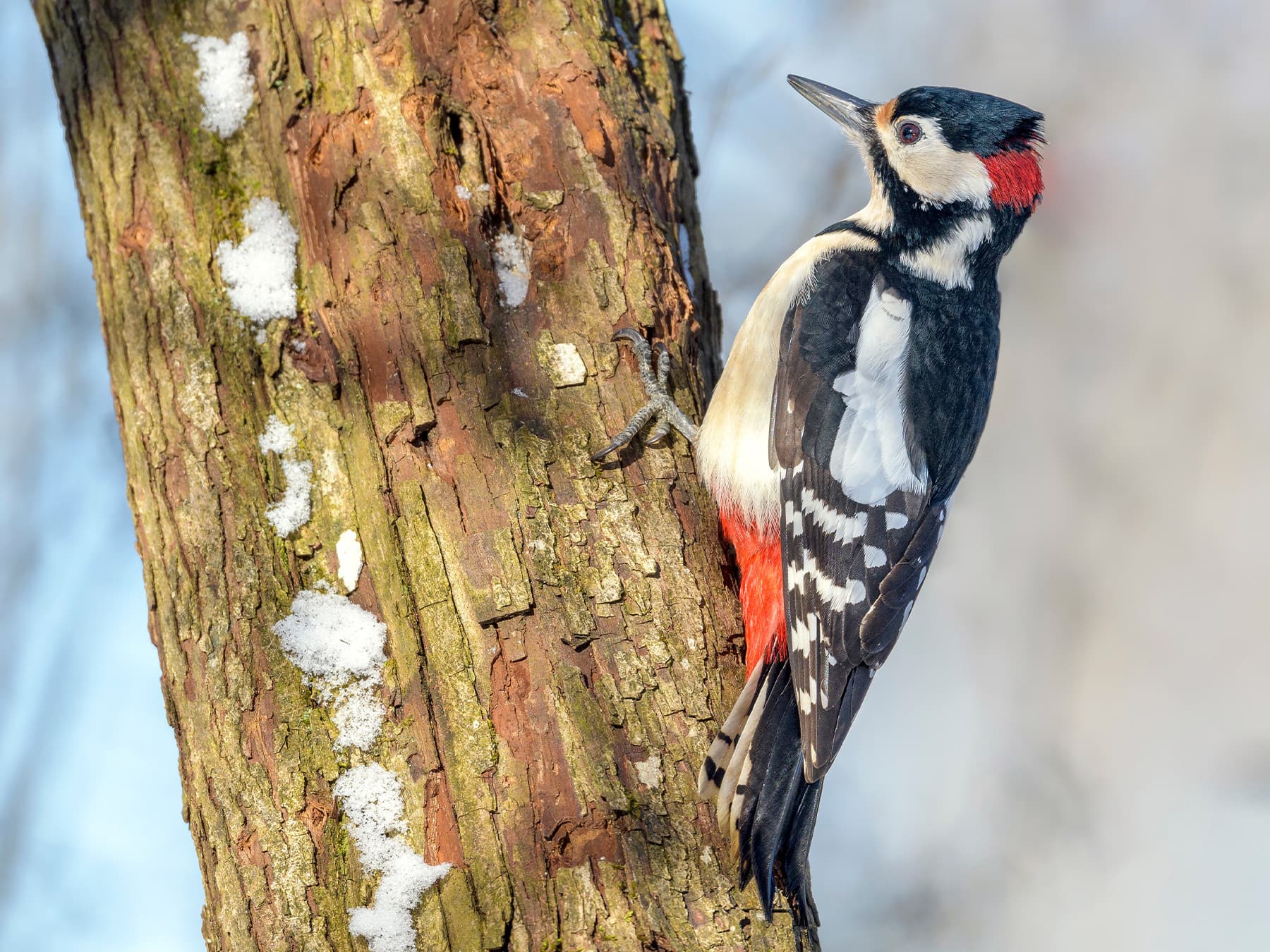
Great Spotted Woodpecker
Dendrocopos majorLC
An uncommon but widespread resident of mature woodland and parks. Its loud drumming is a familiar spring sound in Sherwood Forest.
Year-round
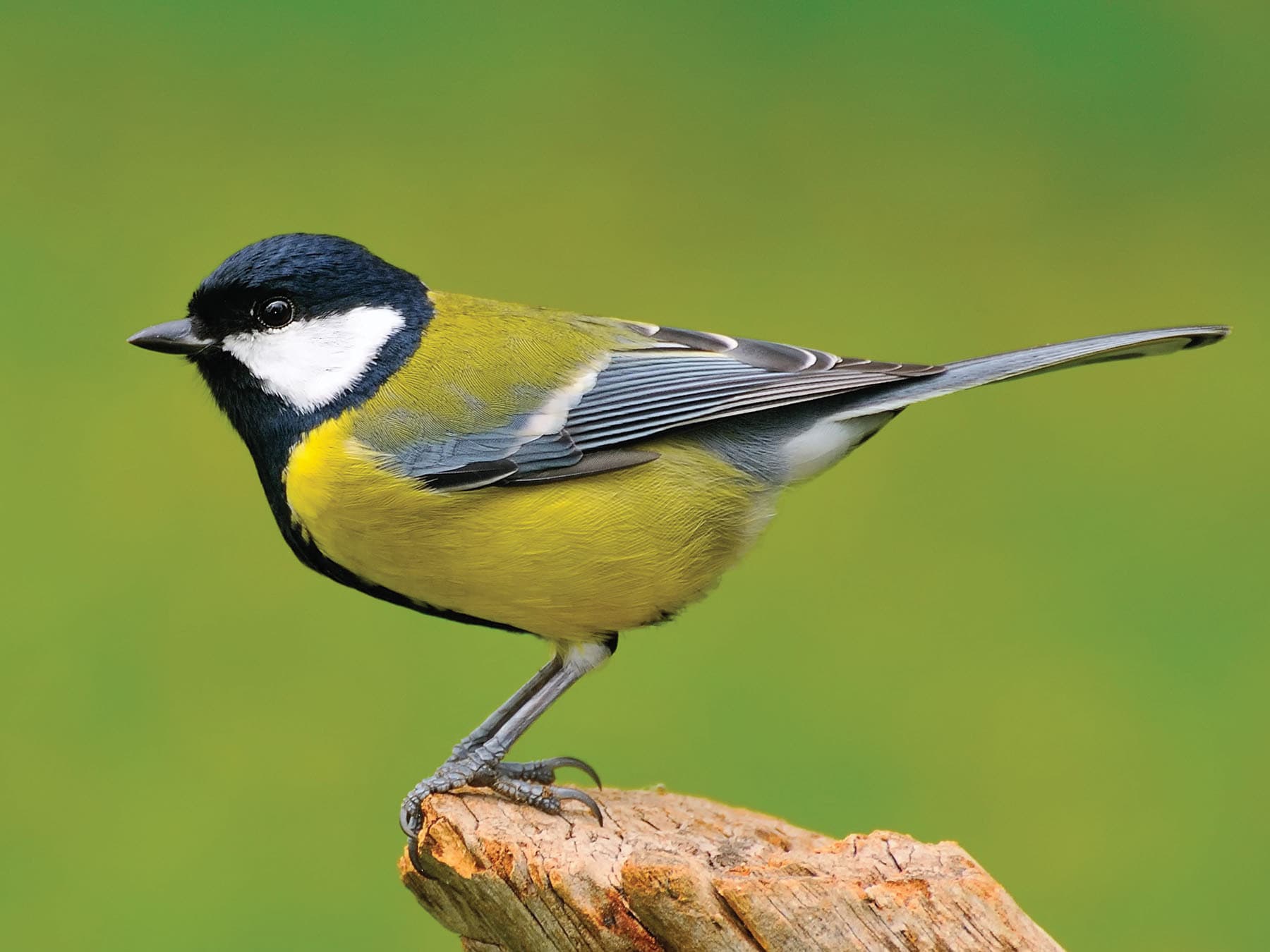
Great Tit
Parus majorLC
One of the county's most familiar garden birds, present year-round. Bold and vocal, it readily visits feeders in parks and gardens across Nottinghamshire.
Year-round
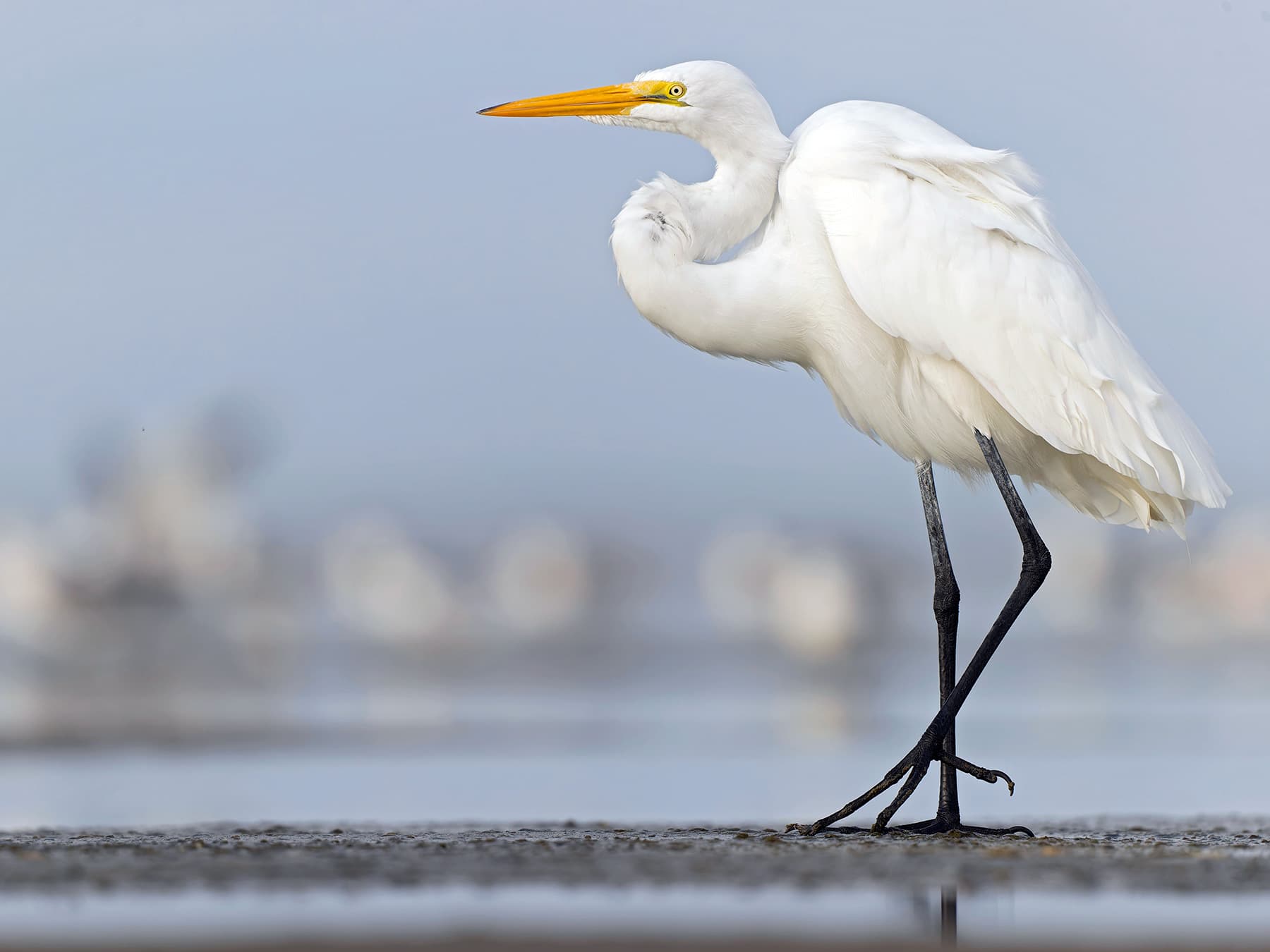
Great White Egret
Ardea albaLC
An increasingly regular resident at wetland reserves, part of a wider UK range expansion. Often seen at Attenborough and the Trent Valley.
Year-round
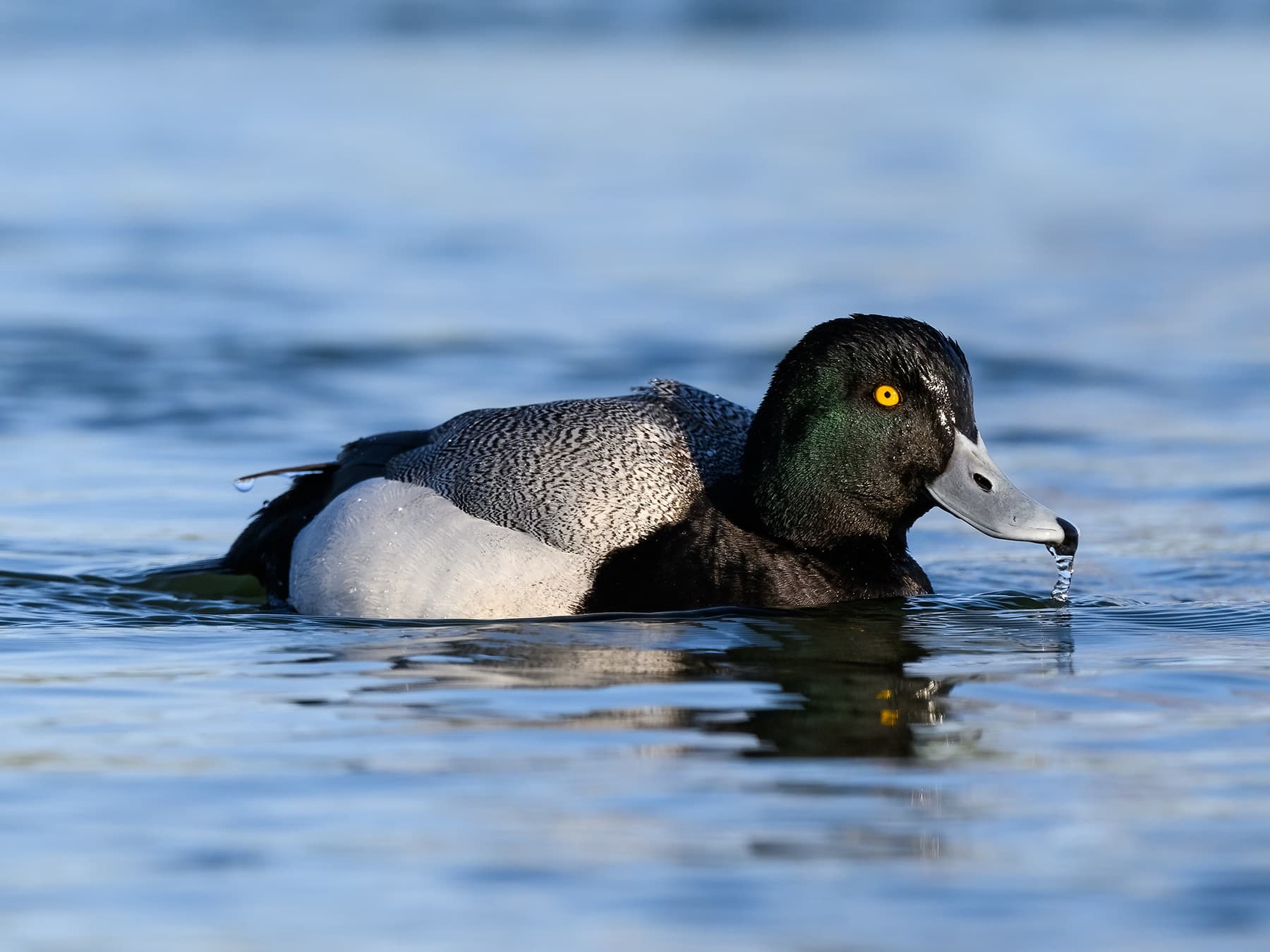
Greater Scaup
Aythya marilaLC
A rare non-breeding visitor to larger reservoirs and gravel pits from late autumn to early spring. Usually found among Tufted Duck flocks.
Nov–Apr
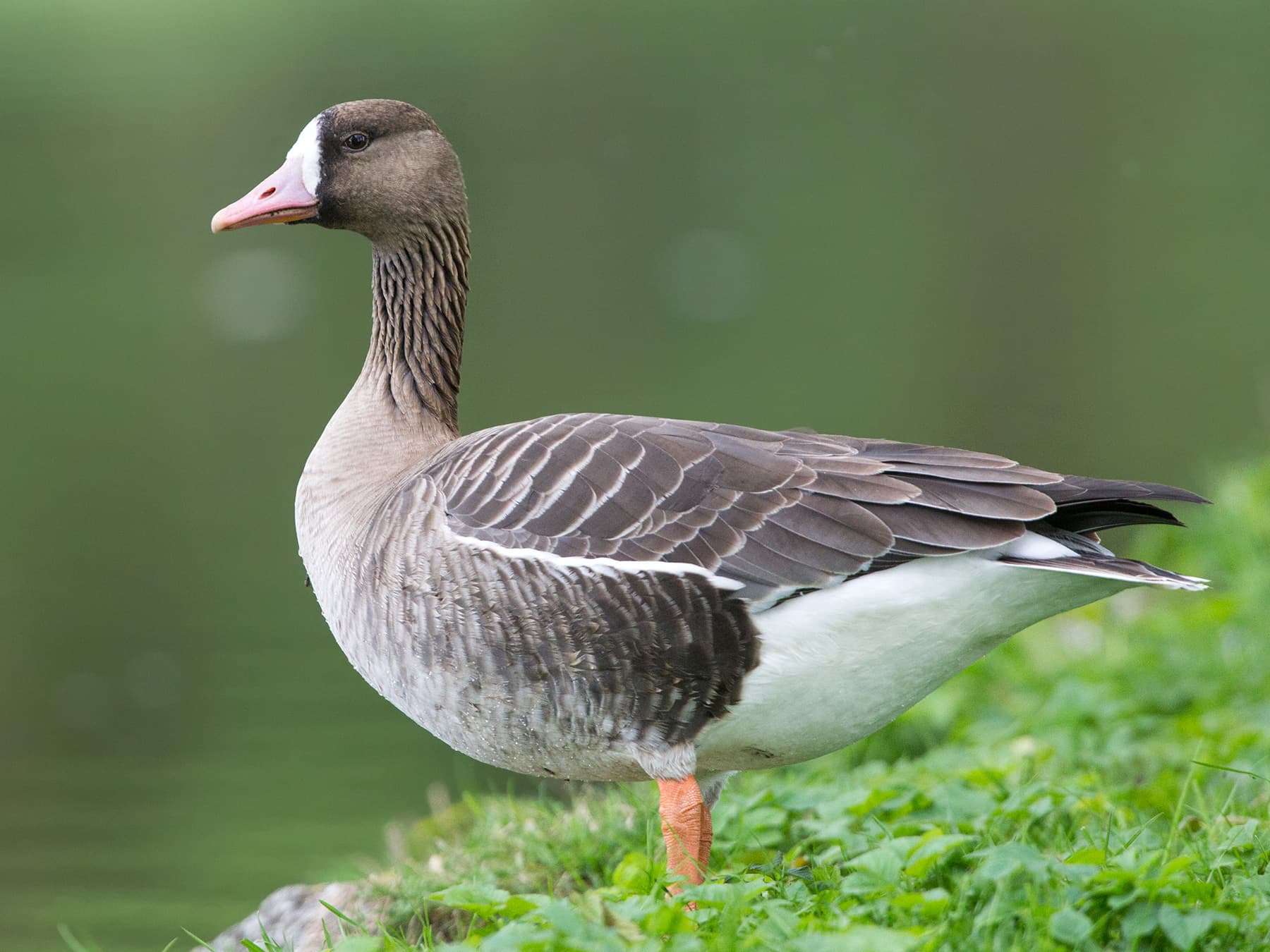
Greater White-fronted Goose
Anser albifronsLC
A rare passage visitor, occasionally recorded in midwinter among other goose flocks on the Trent floodplain and larger wetlands.
Jan
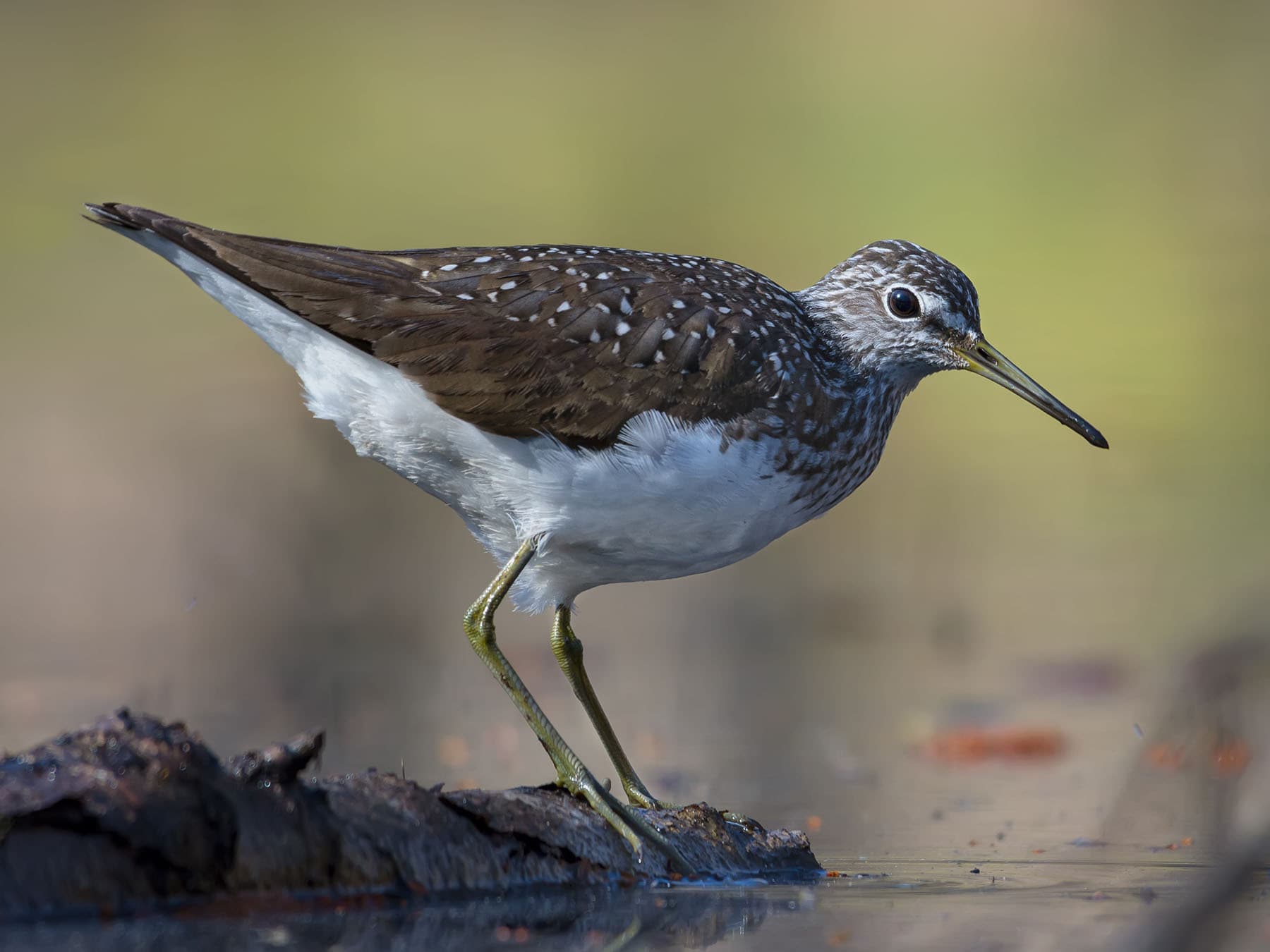
Green Sandpiper
Tringa ochropusLC
An uncommon but year-round visitor to muddy ditches and watercress beds. Often bobs along stream edges, flushing with a distinctive white rump.
Jun–Apr
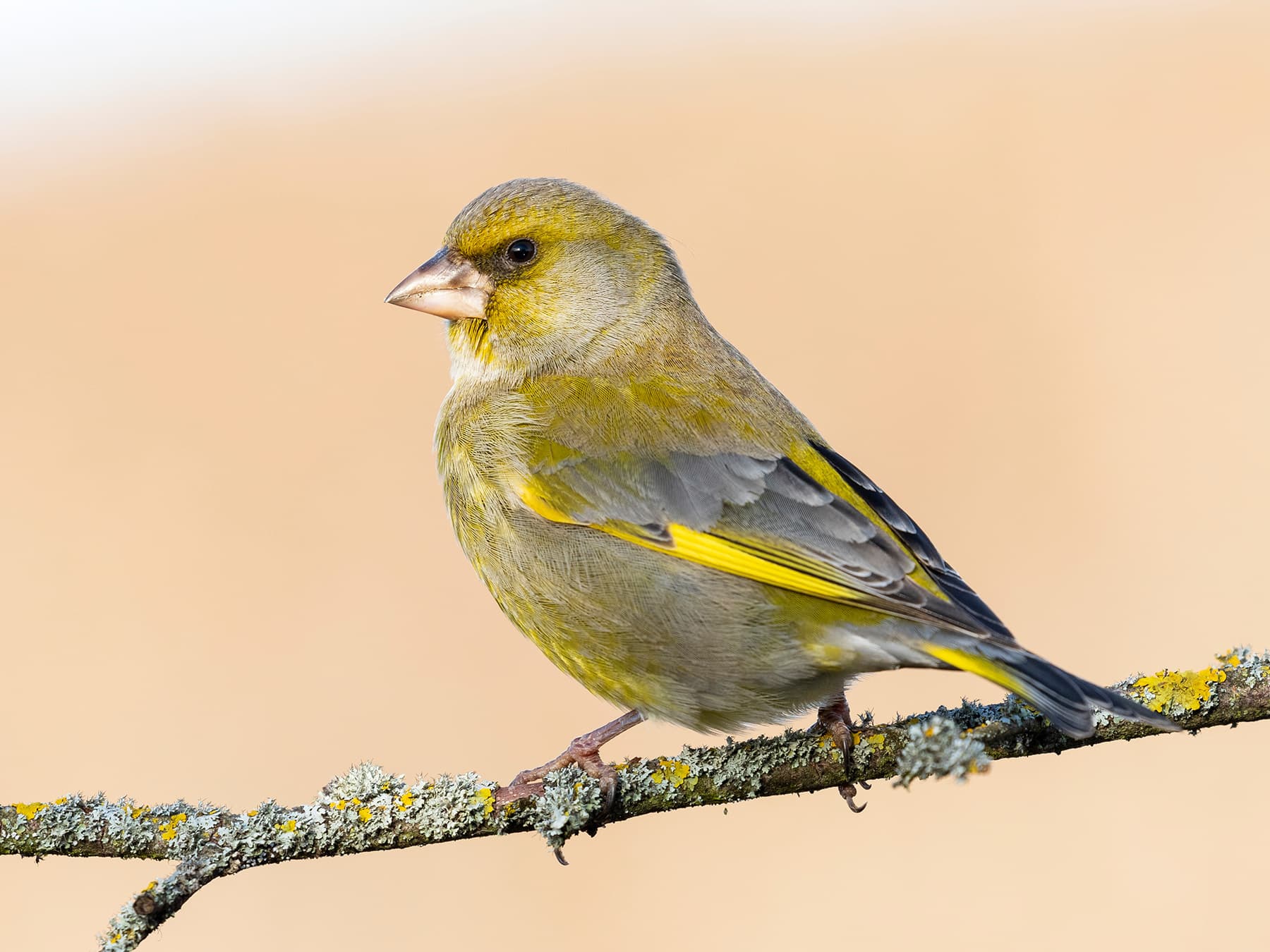
Greenfinch
Chloris chlorisLC
A common resident of gardens, parks, and farmland hedgerows, though numbers have declined sharply due to disease. Its wheezy song is a familiar sound.
Year-round
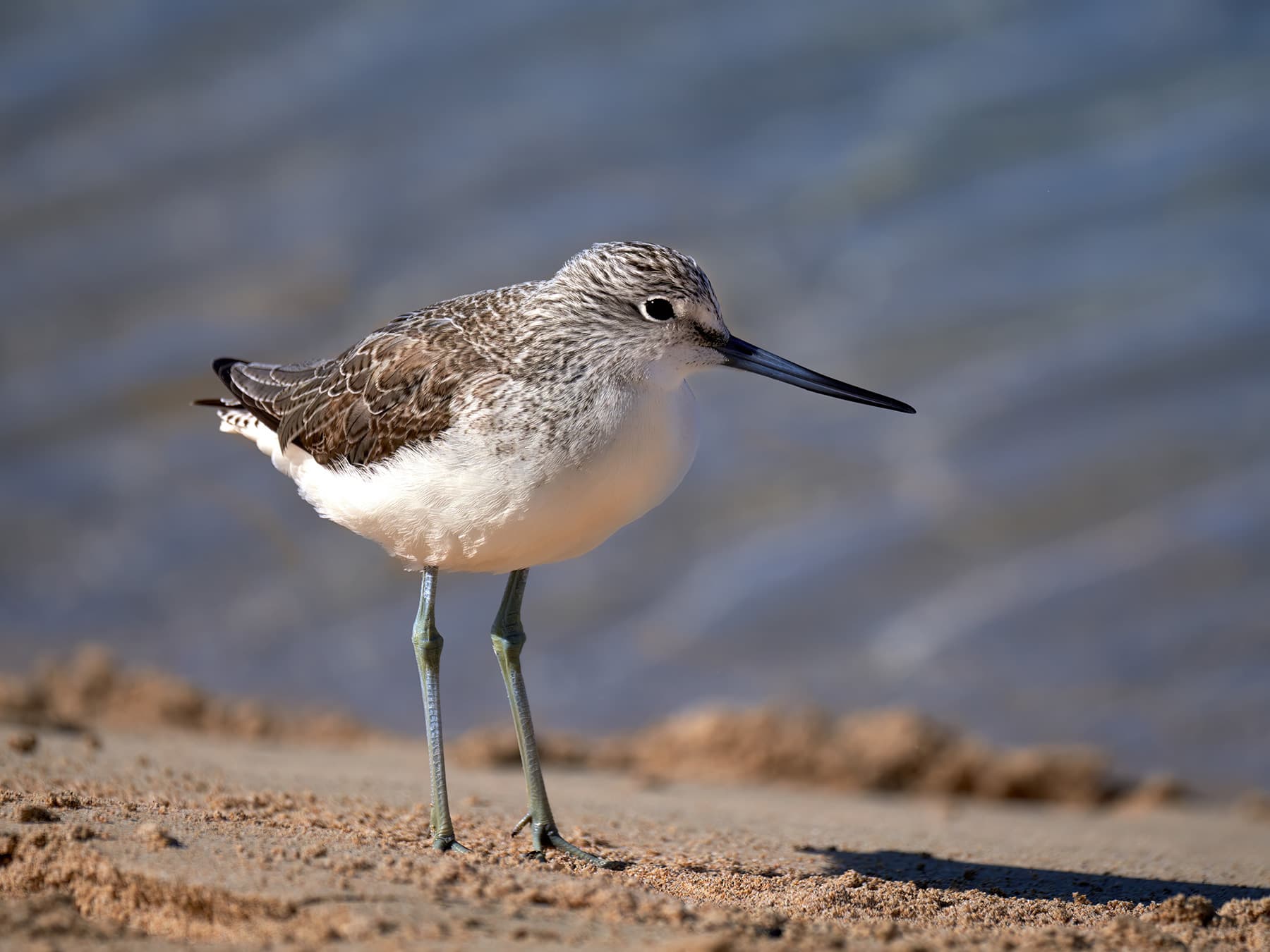
Greenshank
Tringa nebulariaLC
A rare breeder present from April to September, favouring gravel pits and reservoir margins. Its ringing call carries across the Trent Valley wetlands.
Apr–Sep
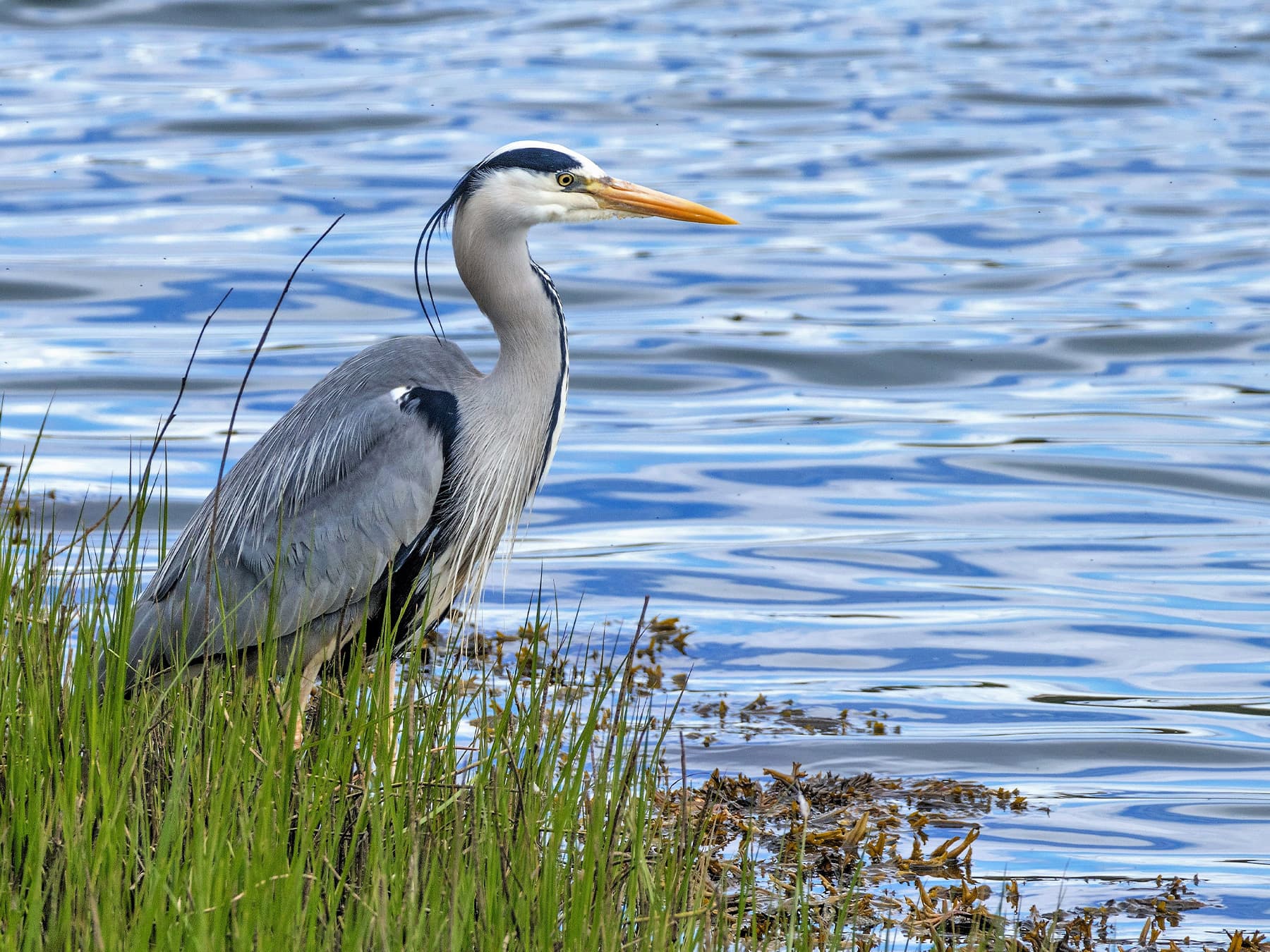
Grey Heron
Ardea cinereaLC
A familiar year-round resident, standing sentinel at rivers, gravel pits and garden ponds across the county.
Year-round
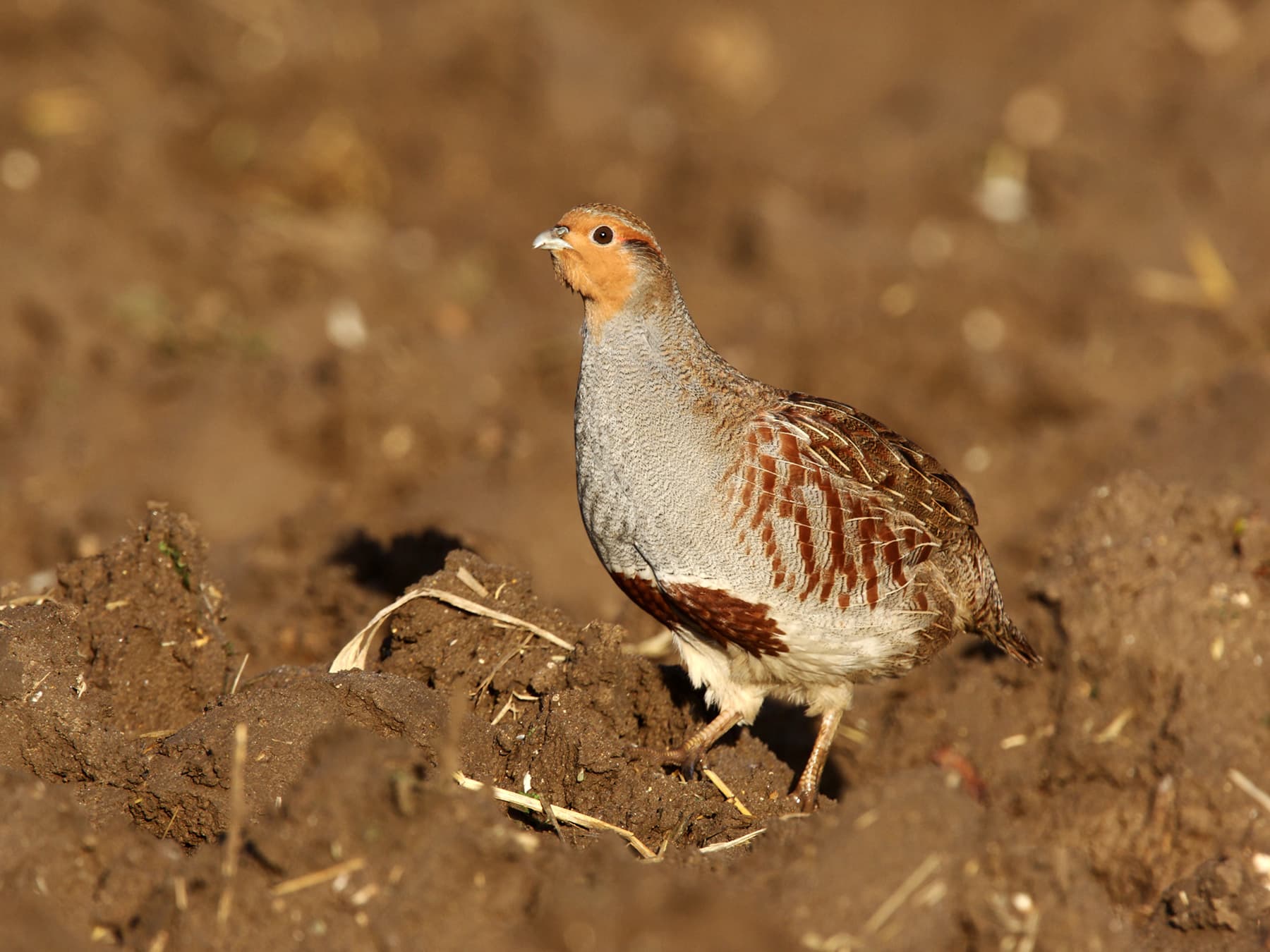
Grey Partridge
Perdix perdixLC
A rare and declining resident of arable farmland. Once widespread, it now clings on in small numbers on traditional mixed farms across the county.
Year-round
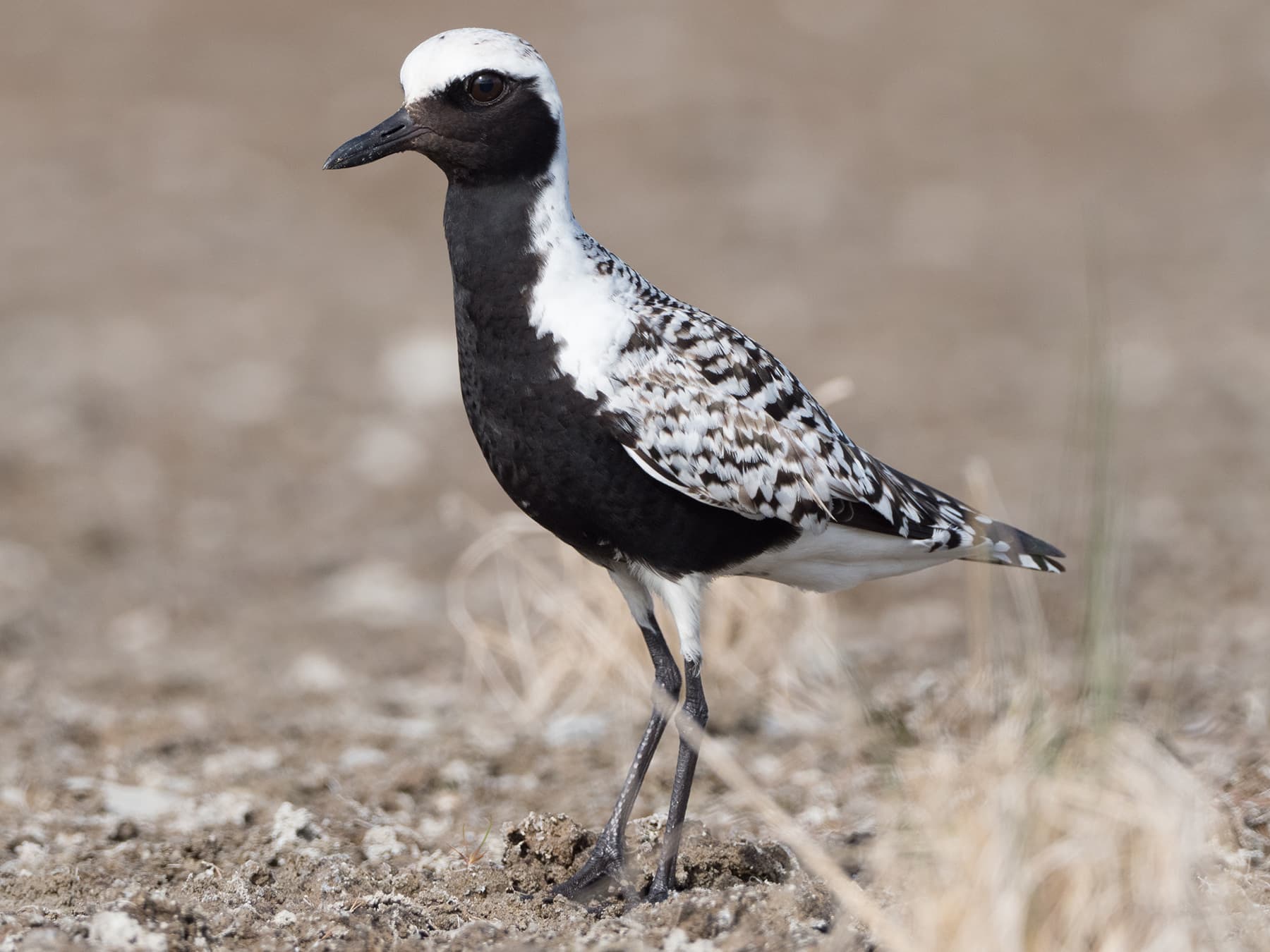
Grey Plover
Pluvialis squatarolaLC
A rare passage visitor, occasionally stopping at Trent valley gravel pits and flooded fields in spring on its way to Arctic breeding grounds.
May
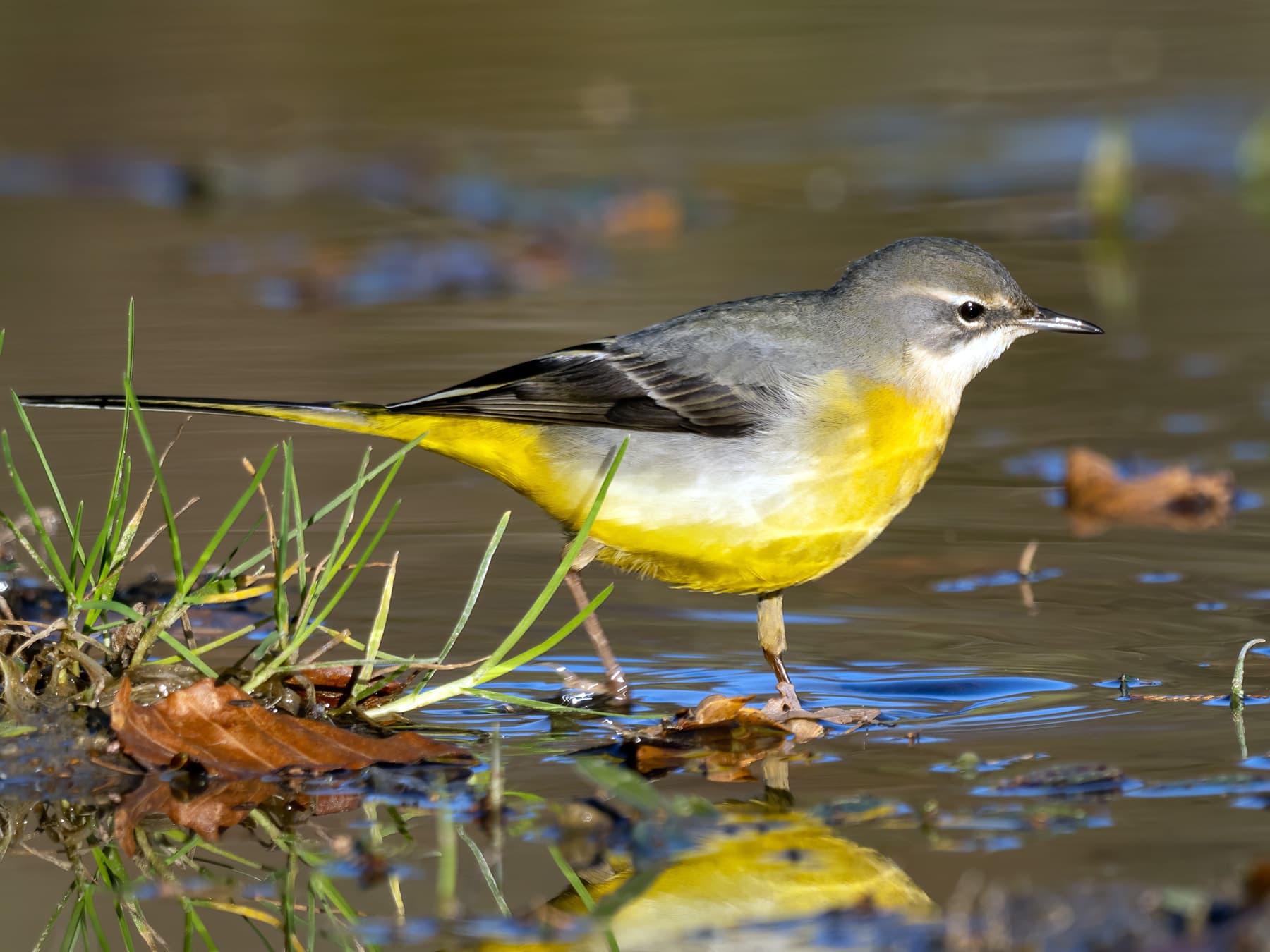
Grey Wagtail
Motacilla cinereaLC
An uncommon year-round resident, favouring streams and waterways. Often bobs its long tail on rocks along the Trent and its tributaries.
Year-round
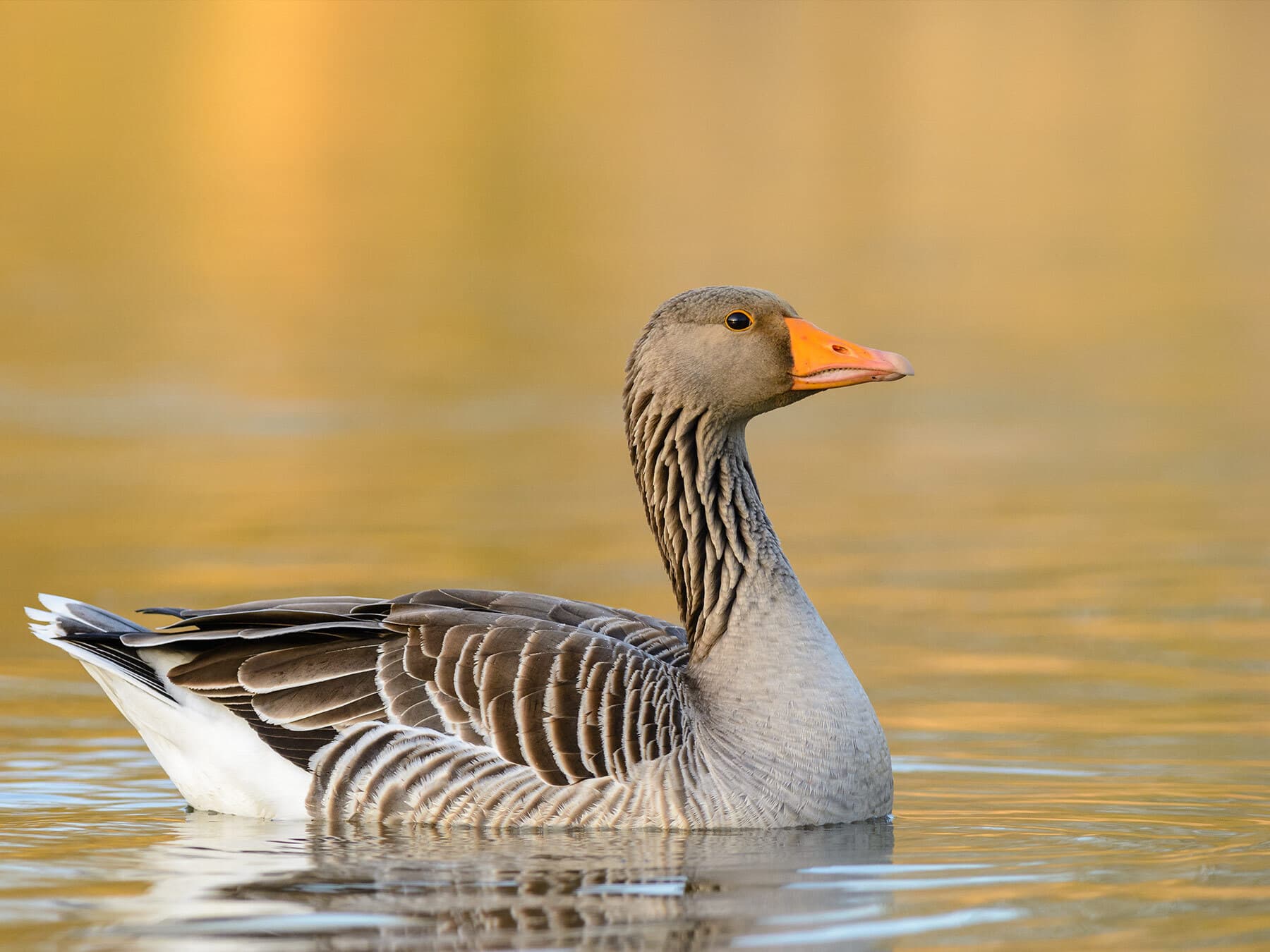
Greylag Goose
Anser anserLC
A common year-round resident found on lakes, gravel pits and the Trent floodplain. Feral and wild populations mix, with numbers boosted by winter arrivals.
Year-round