Rare Birds in Nottinghamshire
79 species matching this filter.
Nottinghamshire may be a landlocked county, but its diverse habitats — from the wetlands of the Idle Valley and Attenborough Nature Reserve to the ancient woodlands of Sherwood Forest — attract a surprising variety of rare bird species. With 76 species classified as rare, patient birdwatchers may be rewarded with sightings of elusive visitors such as Bohemian Waxwing, Eurasian Bittern, Hawfinch, and passage migrants like Arctic Tern and Greenshank. The county's gravel pits, reservoirs, and river corridors serve as vital stopover points for scarce migrants and occasional winter wanderers.


Showing 1–23 of 79 species
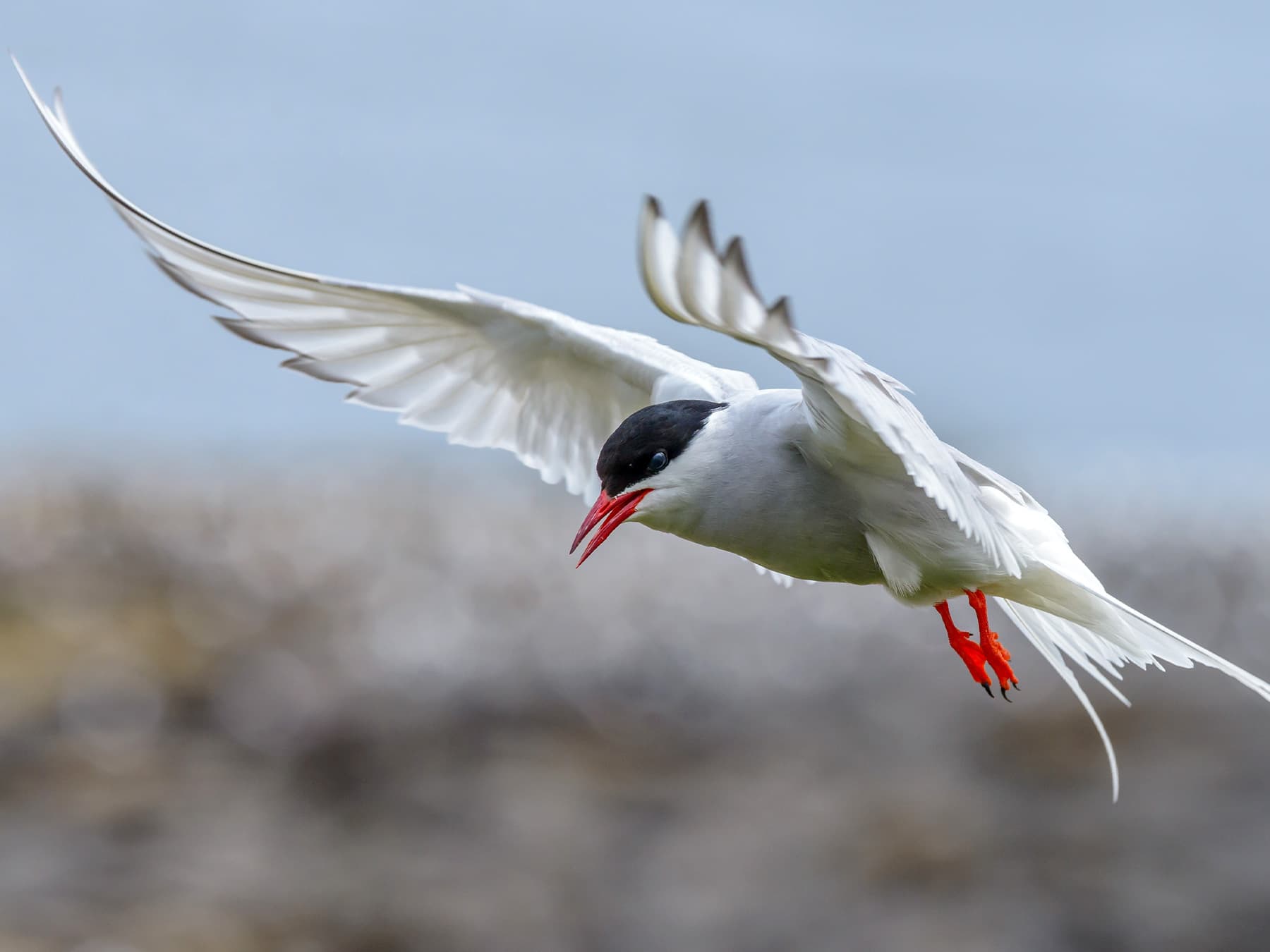
Arctic Tern
Sterna paradisaeaLC
A rare spring passage migrant in April and May, occasionally seen over gravel pits and reservoirs heading north.
Apr–May
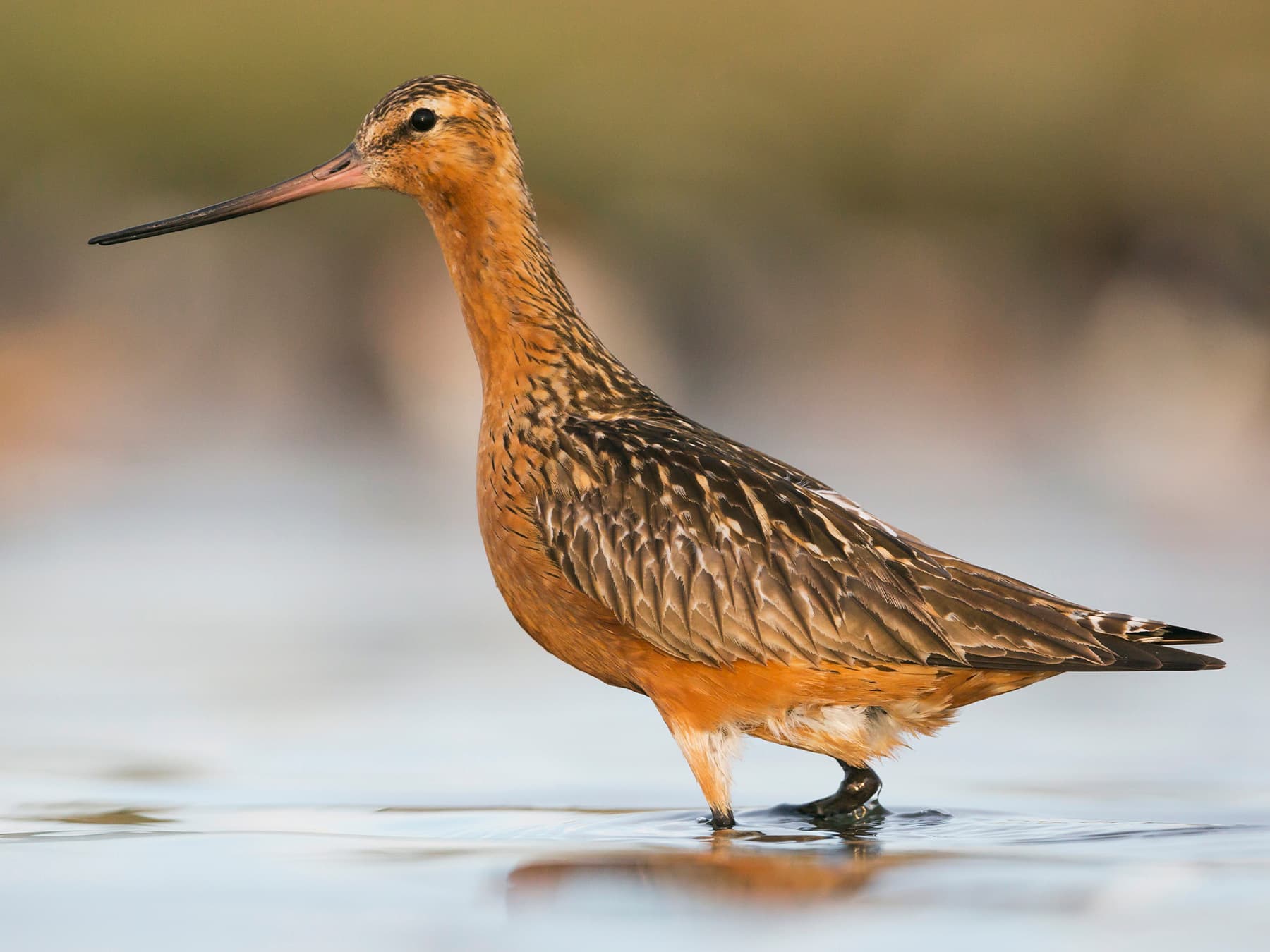
Bar-tailed Godwit
Limosa lapponicaNT
A rare spring passage visitor, occasionally stopping at wetland reserves like Attenborough in April on its way to Arctic breeding grounds.
Apr
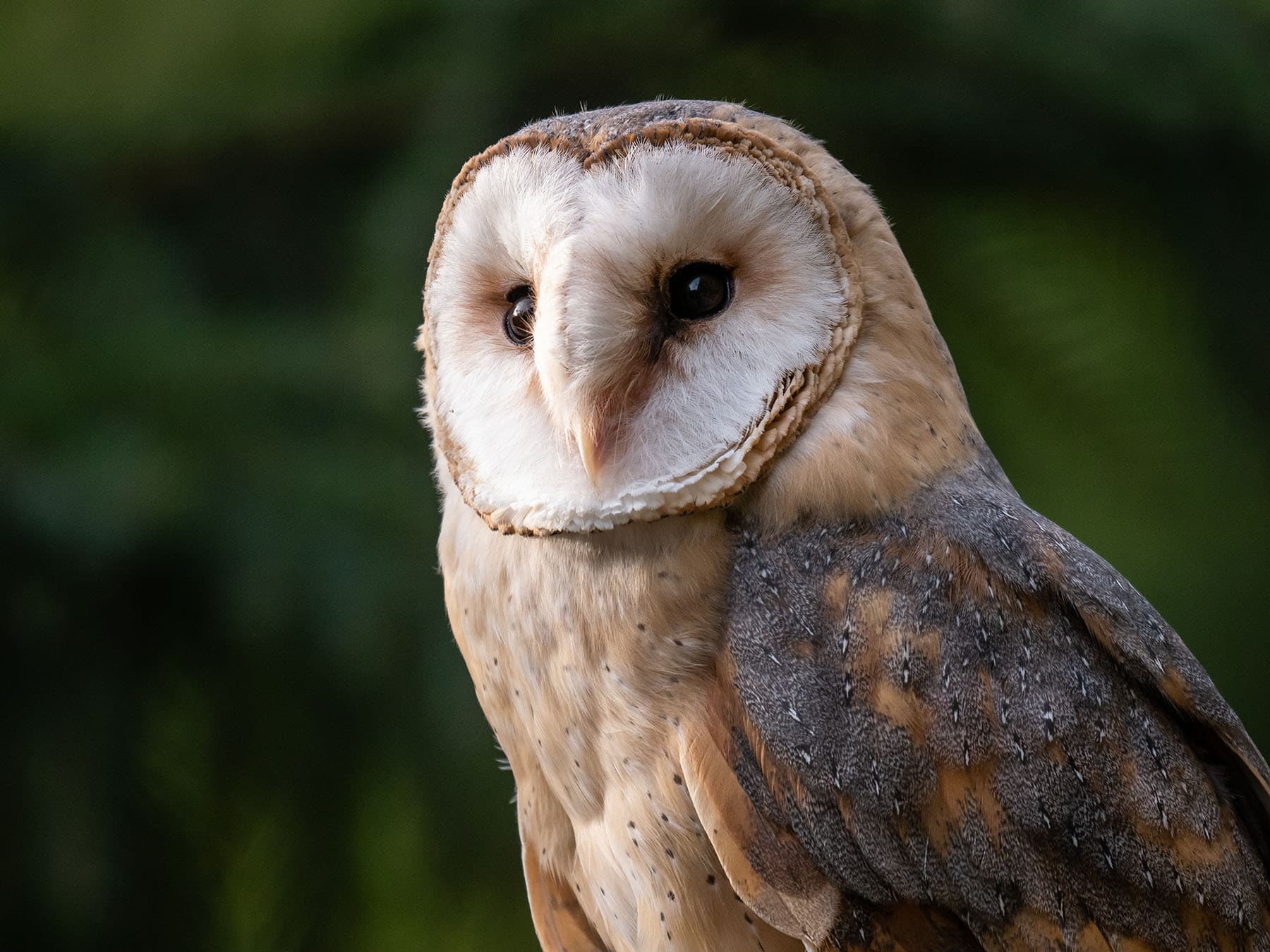
Barn Owl
Tyto albaLC
A scarce resident favouring the county's farmland and river valleys. Nest box schemes along the Trent corridor have helped support this ghostly hunter.
Year-round
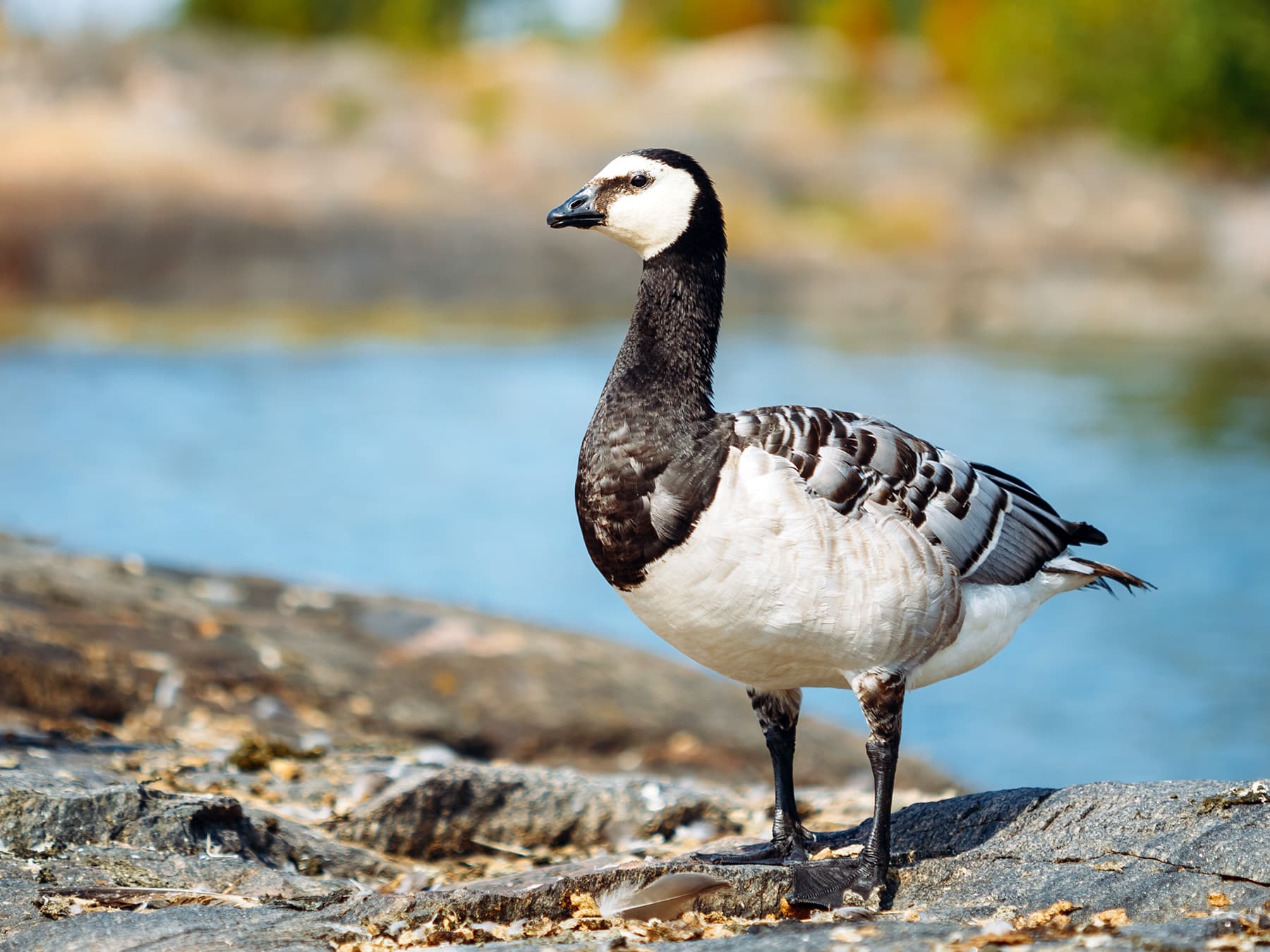
Barnacle Goose
Branta leucopsisLC
Rare resident, with most birds likely of feral origin. Small numbers frequent parkland lakes and gravel pits, mainly from autumn through spring.
Jan–Sep
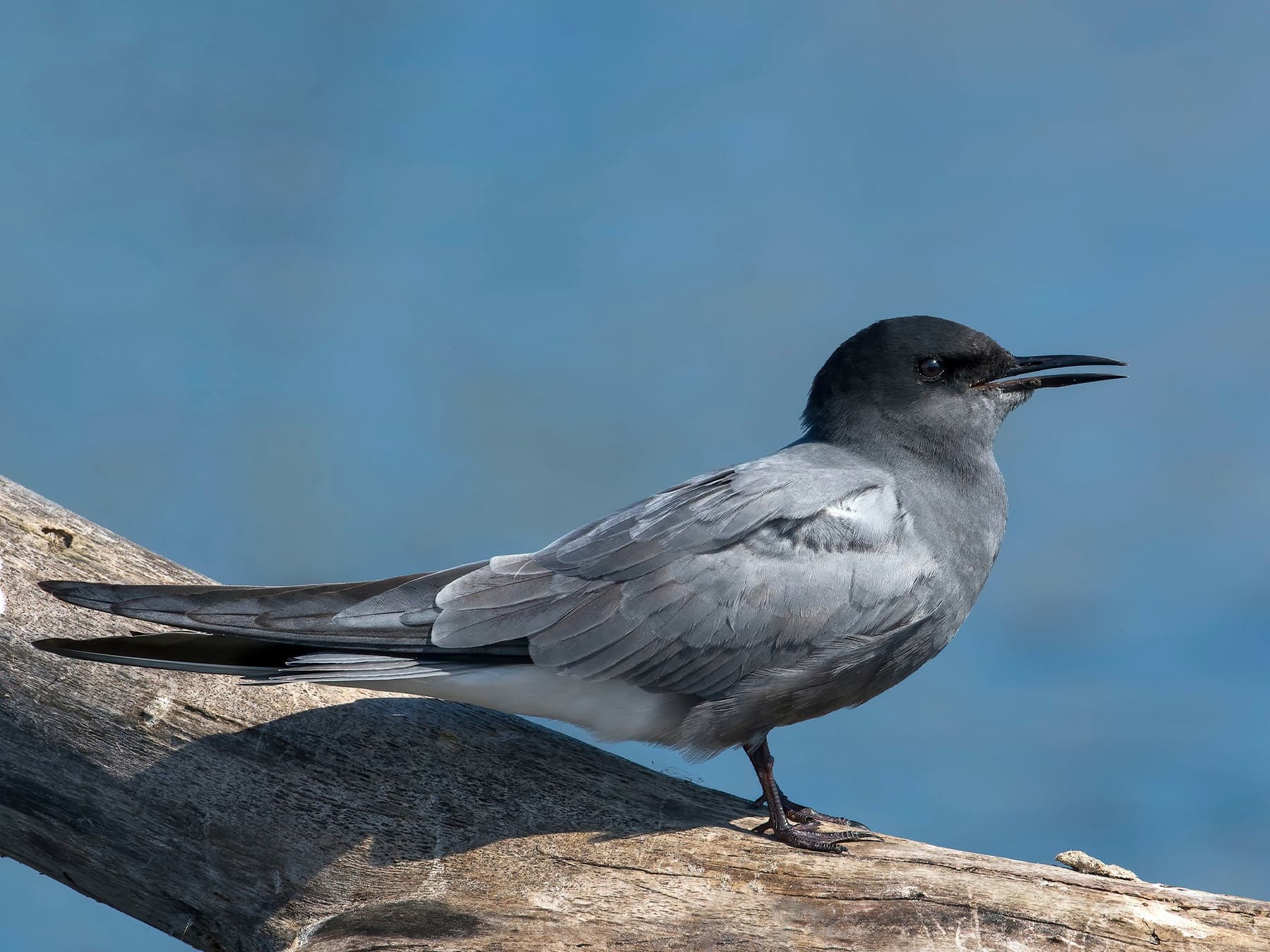
Black Tern
Chlidonias nigerLC
A rare passage migrant in spring and autumn, hawking insects over gravel pits and reservoirs. A graceful sight at Attenborough or Langford Lowfields.
Apr–Sep
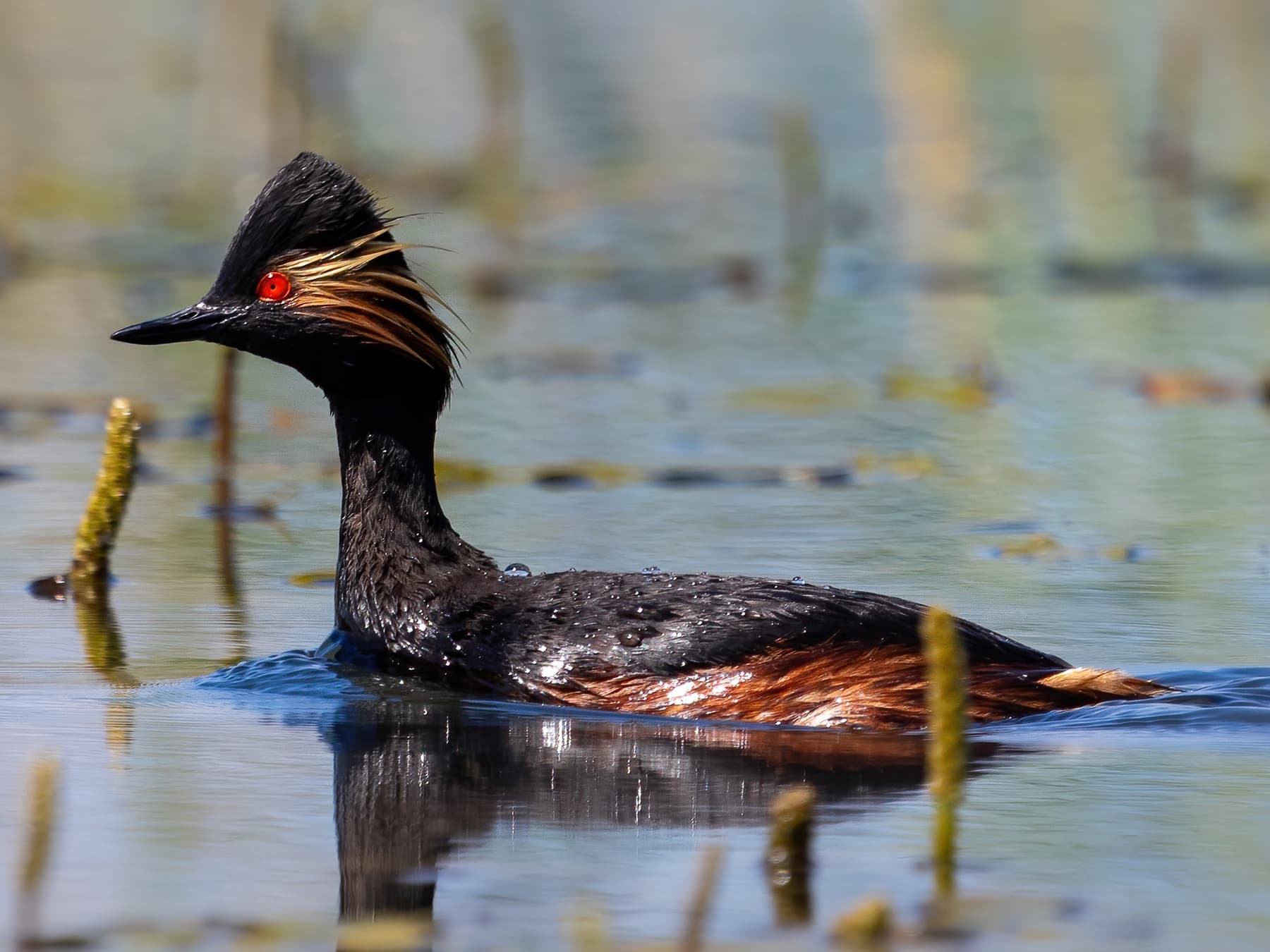
Black-necked Grebe
Podiceps nigricollisLC
A rare breeder present from March to October at sheltered lakes and gravel pits, with Attenborough a favoured site.
Mar–Oct
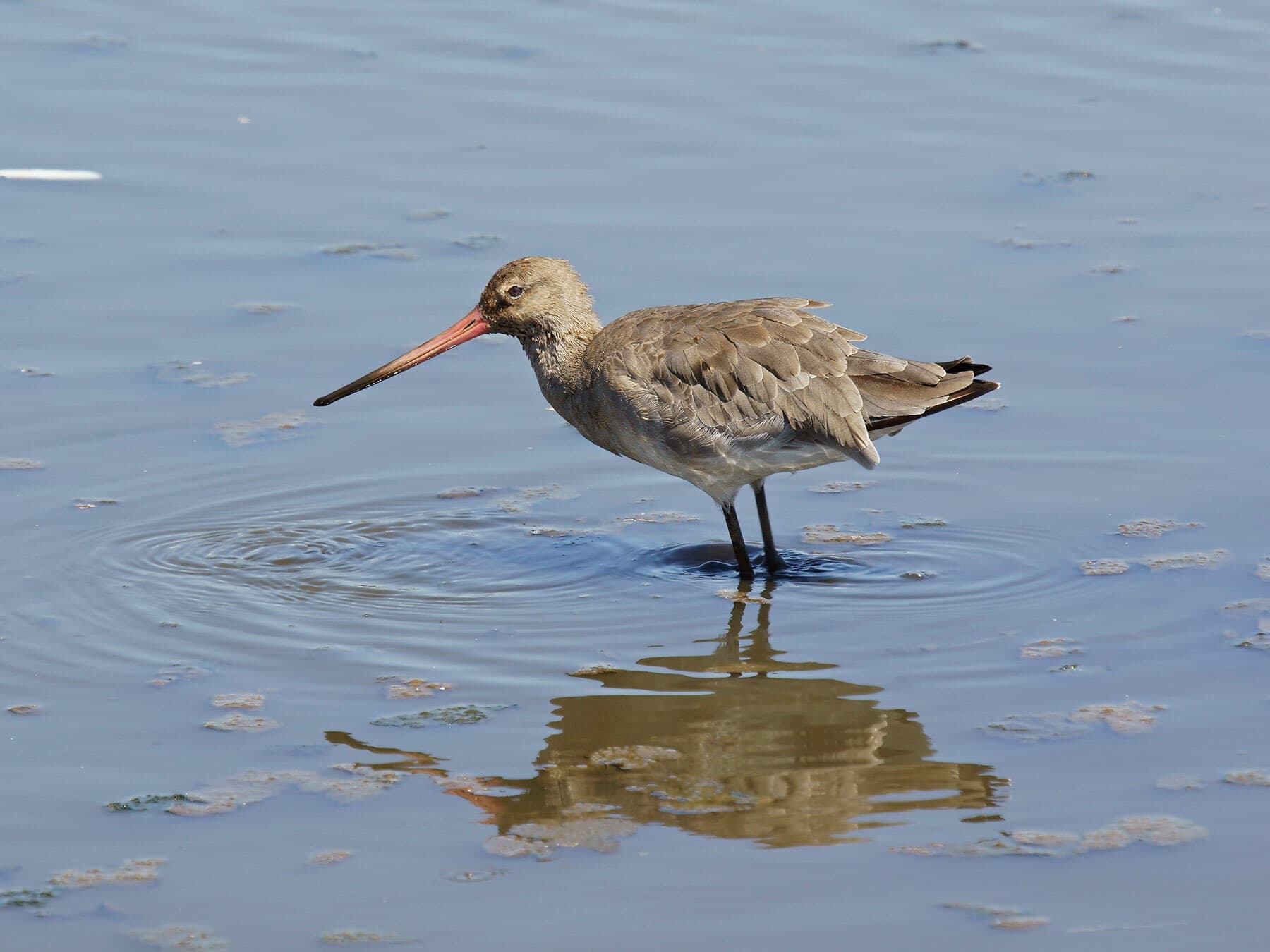
Black-tailed Godwit
Limosa limosaNT
A rare breeder at managed wetland reserves, present from April to October. Langford Lowfields is a key county site.
Apr–Oct
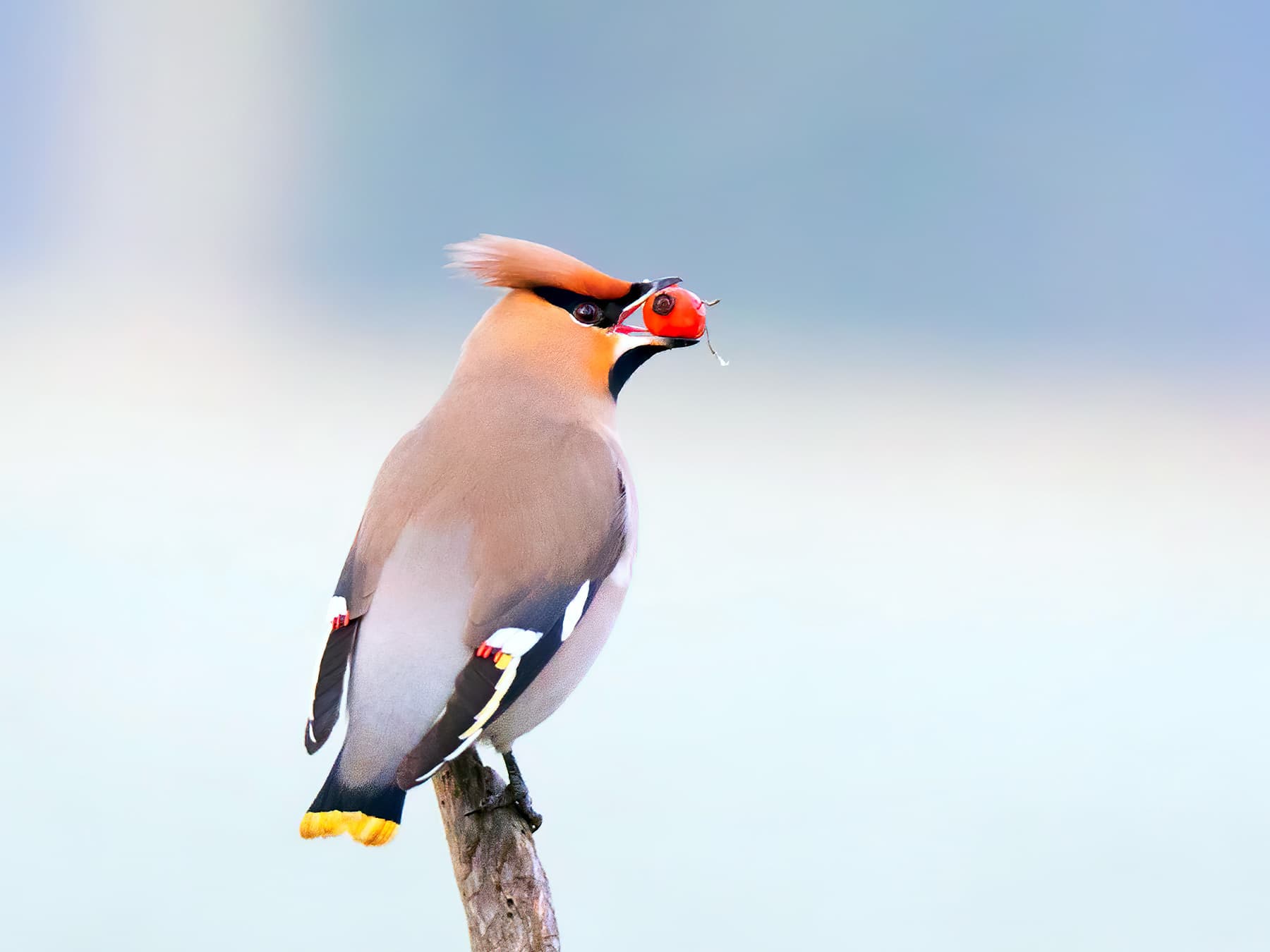
Bohemian Waxwing
Bombycilla garrulusLC
A rare irruptive winter visitor, occasionally descending on berry-laden trees in Nottingham's suburbs. Most likely in January and February during invasion years.
Jan–Feb
Spotted something?
Upload a photo to identify it
Identify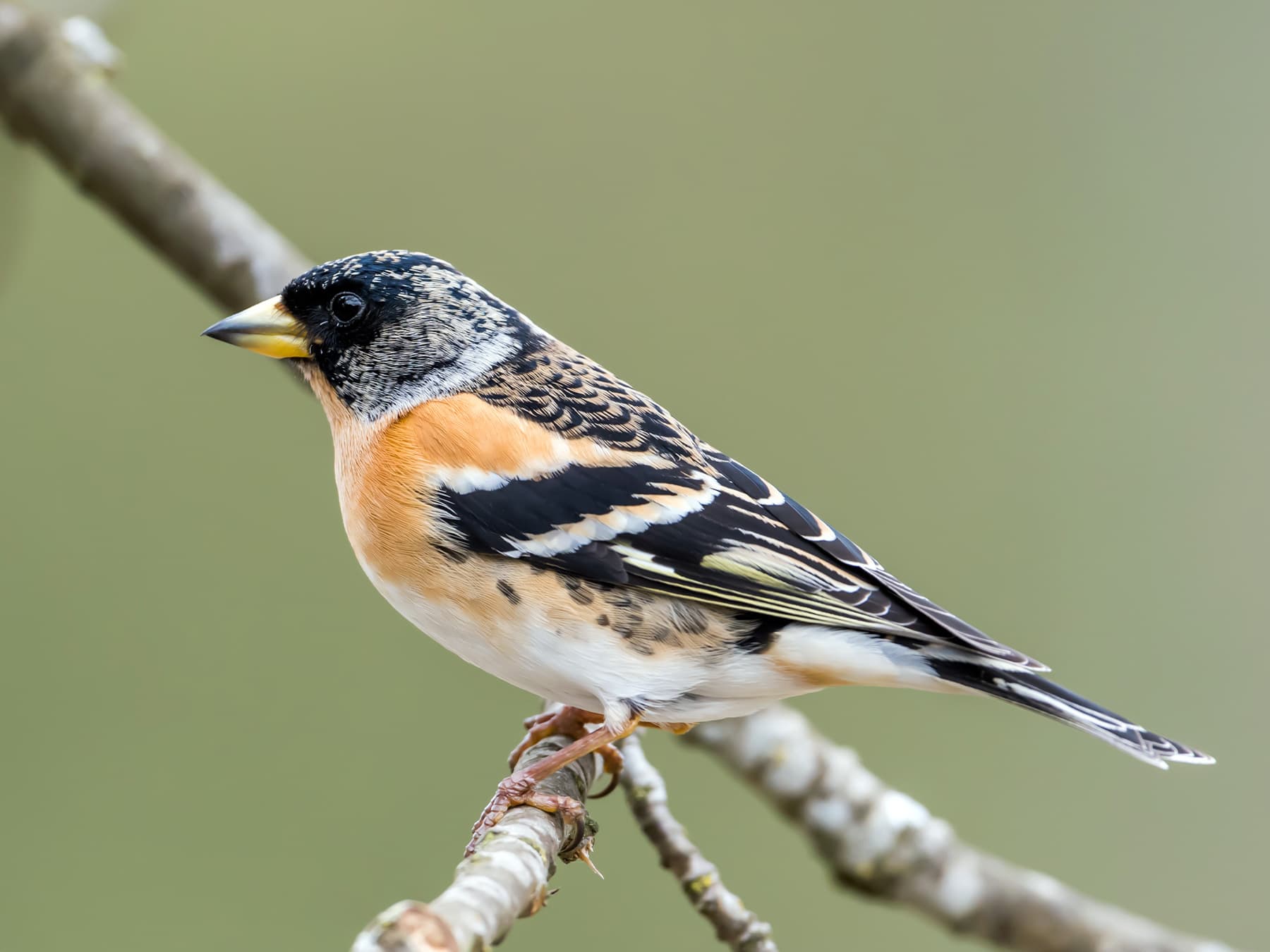
Brambling
Fringilla montifringillaLC
A rare winter visitor from Scandinavia, sometimes joining Chaffinch flocks in beech woodland and farmland. Numbers vary greatly between years.
Oct–Apr
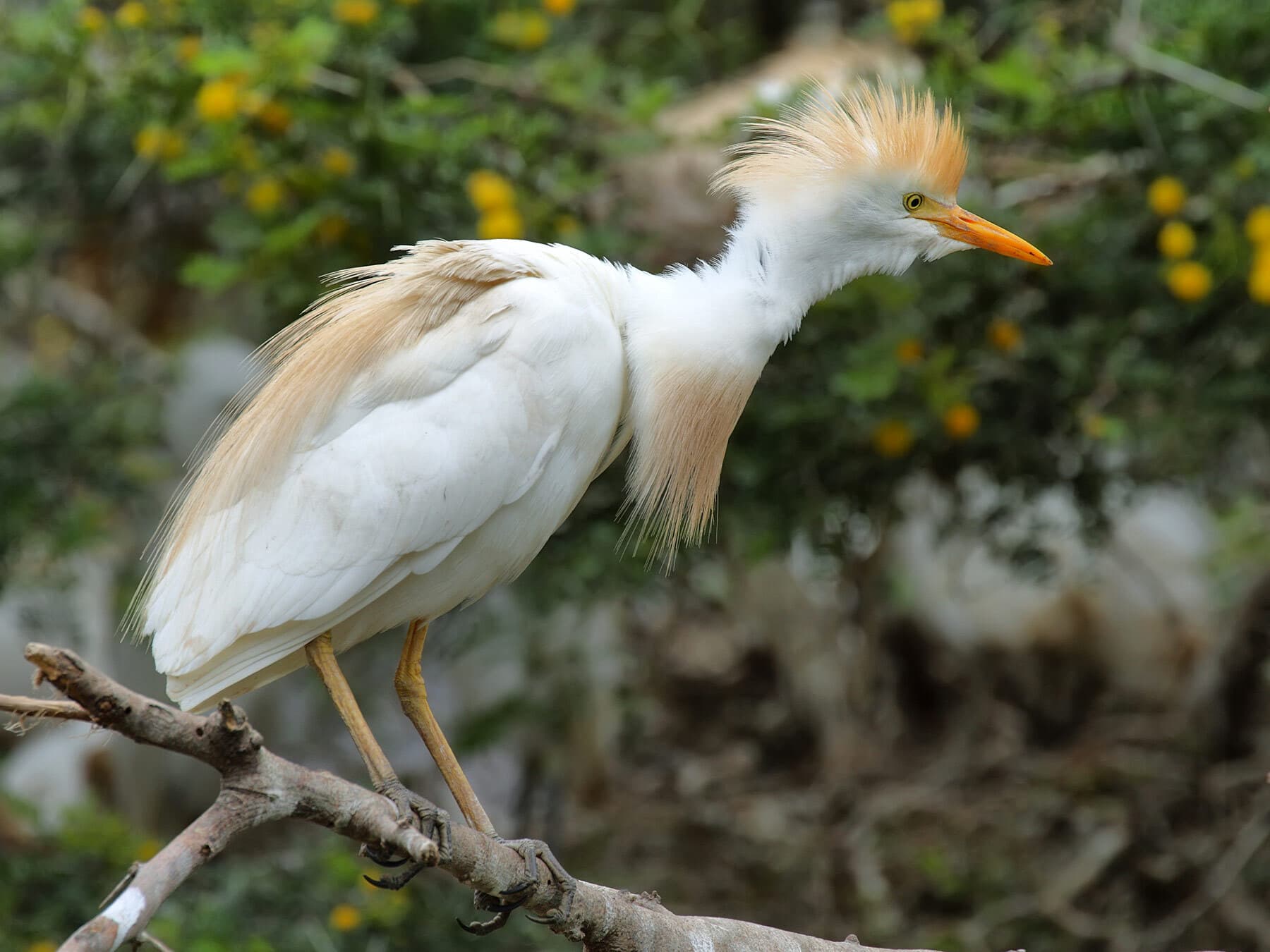
Cattle Egret
Bubulcus ibisLC
A rare but increasingly recorded species, reflecting a national range expansion. Favours damp pastures near livestock.
Jul–May
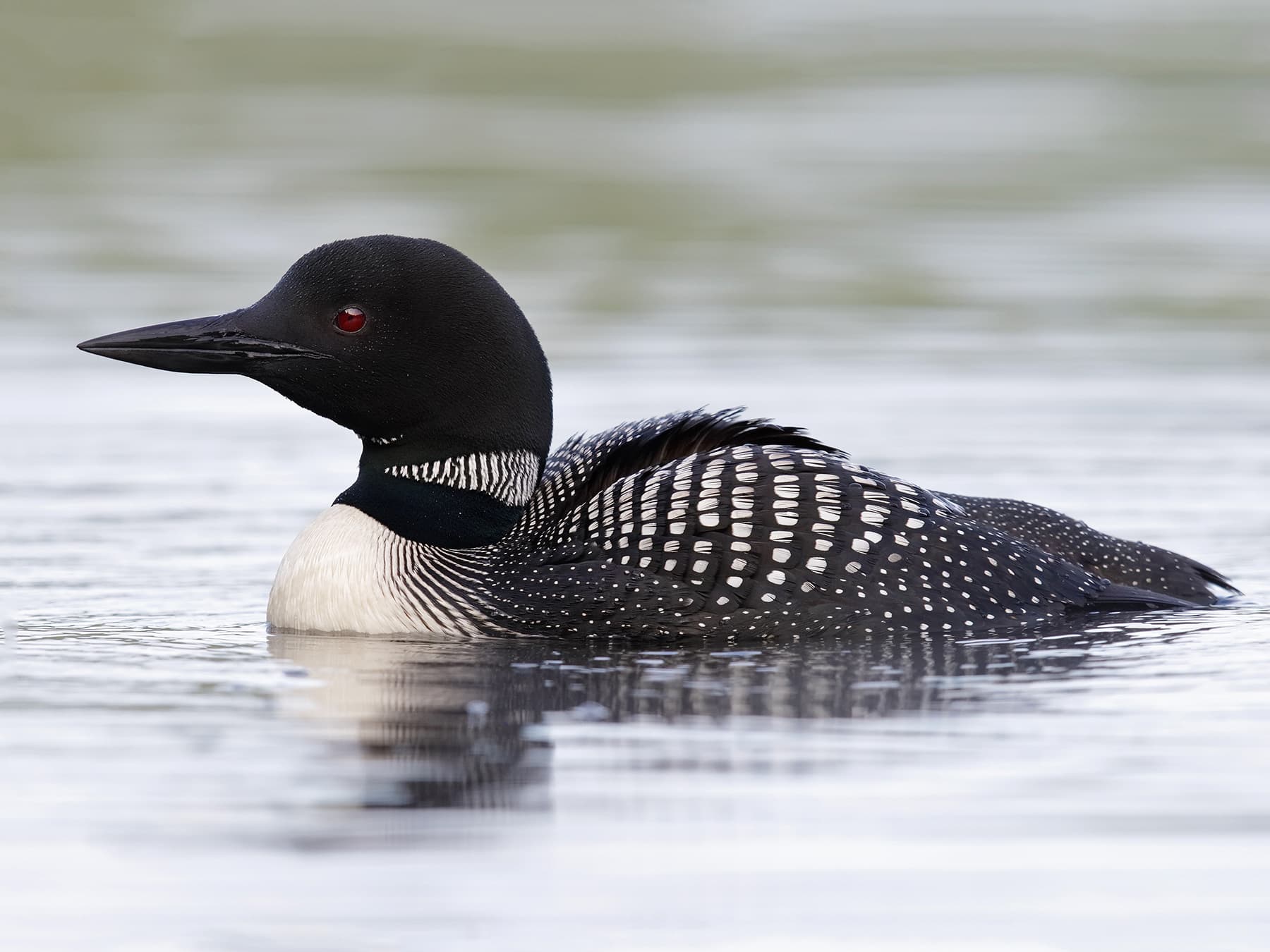
Common Loon
Gavia immerLC
A rare midwinter vagrant occasionally found on large reservoirs. Any record inland in Nottinghamshire is highly noteworthy.
Jan
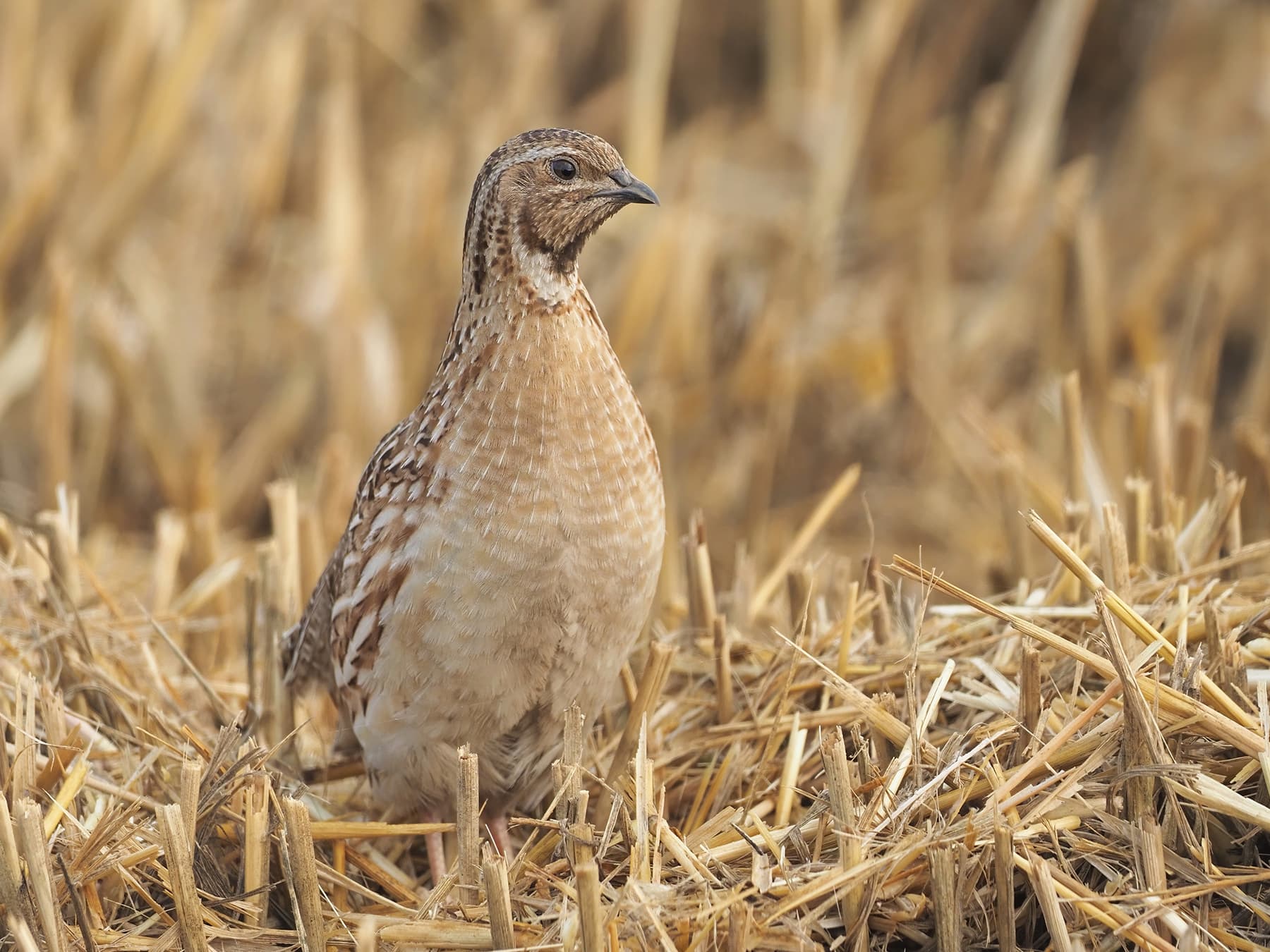
Common Quail
Coturnix coturnixLC
A rare and elusive passage visitor in June, more often heard calling from cereal fields than seen.
Jun
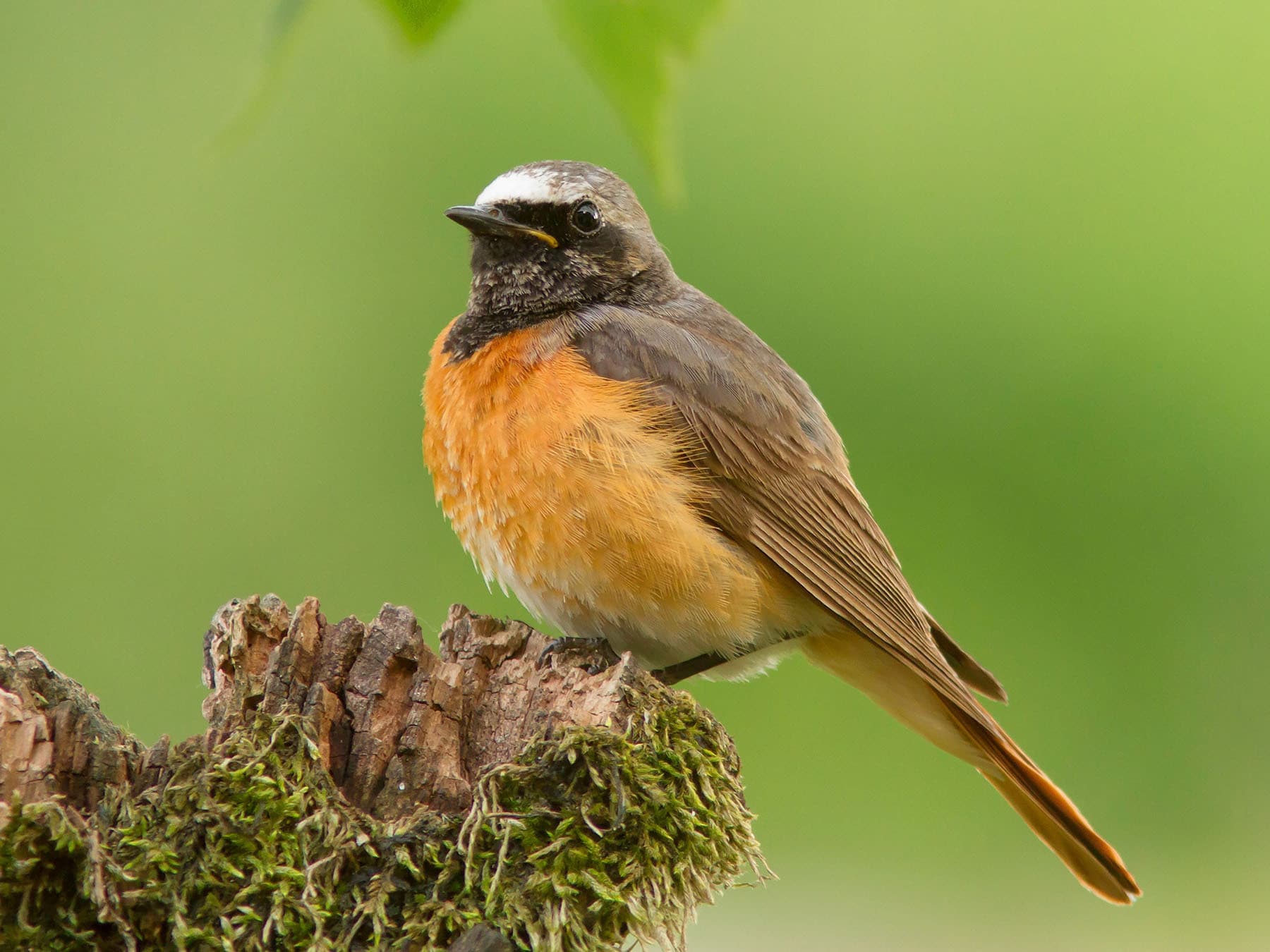
Common Redstart
Phoenicurus phoenicurusLC
A rare summer breeder favouring mature oak woodland, with Sherwood Forest and Clumber Park among the best local sites for this striking bird.
Apr–Aug
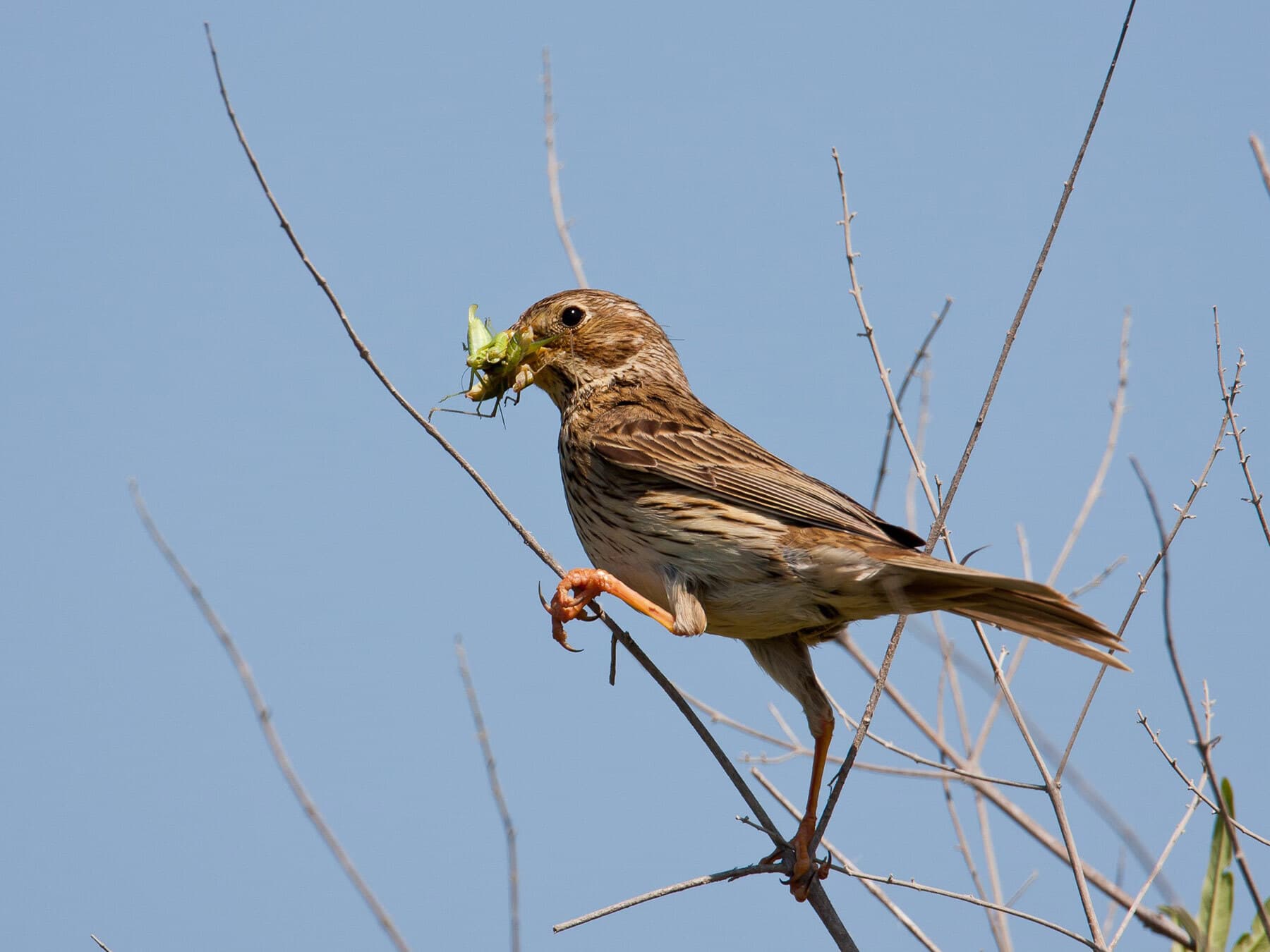
Corn Bunting
Emberiza calandraLC
A rare and declining resident of open arable farmland, now confined to a few scattered sites in the county.
Nov–Jul
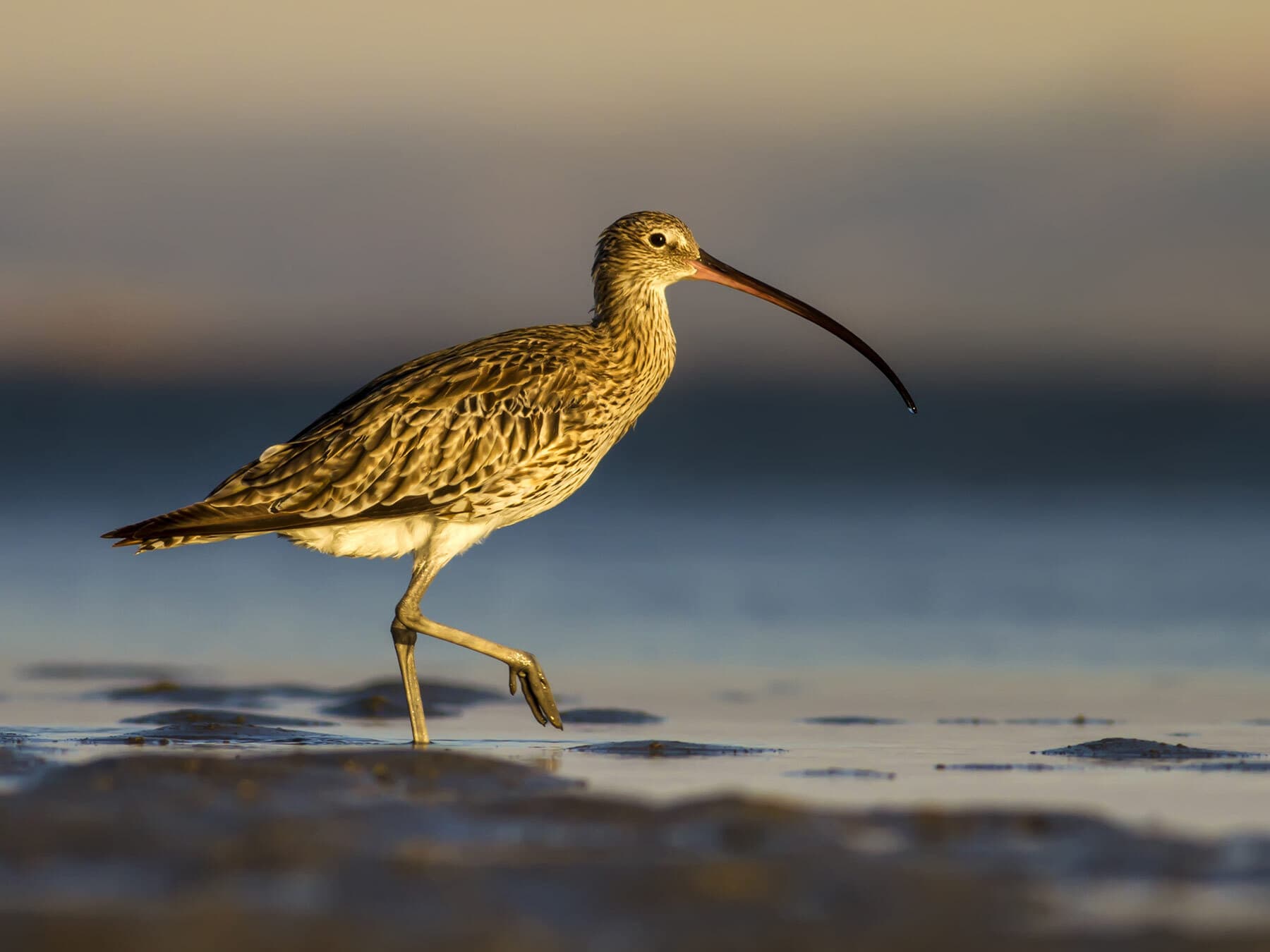
Curlew
Numenius arquataNT
A rare and declining resident, breeding on damp pastures in the north of the county. Passage birds visit Trent Valley wetlands.
Mar–Jan
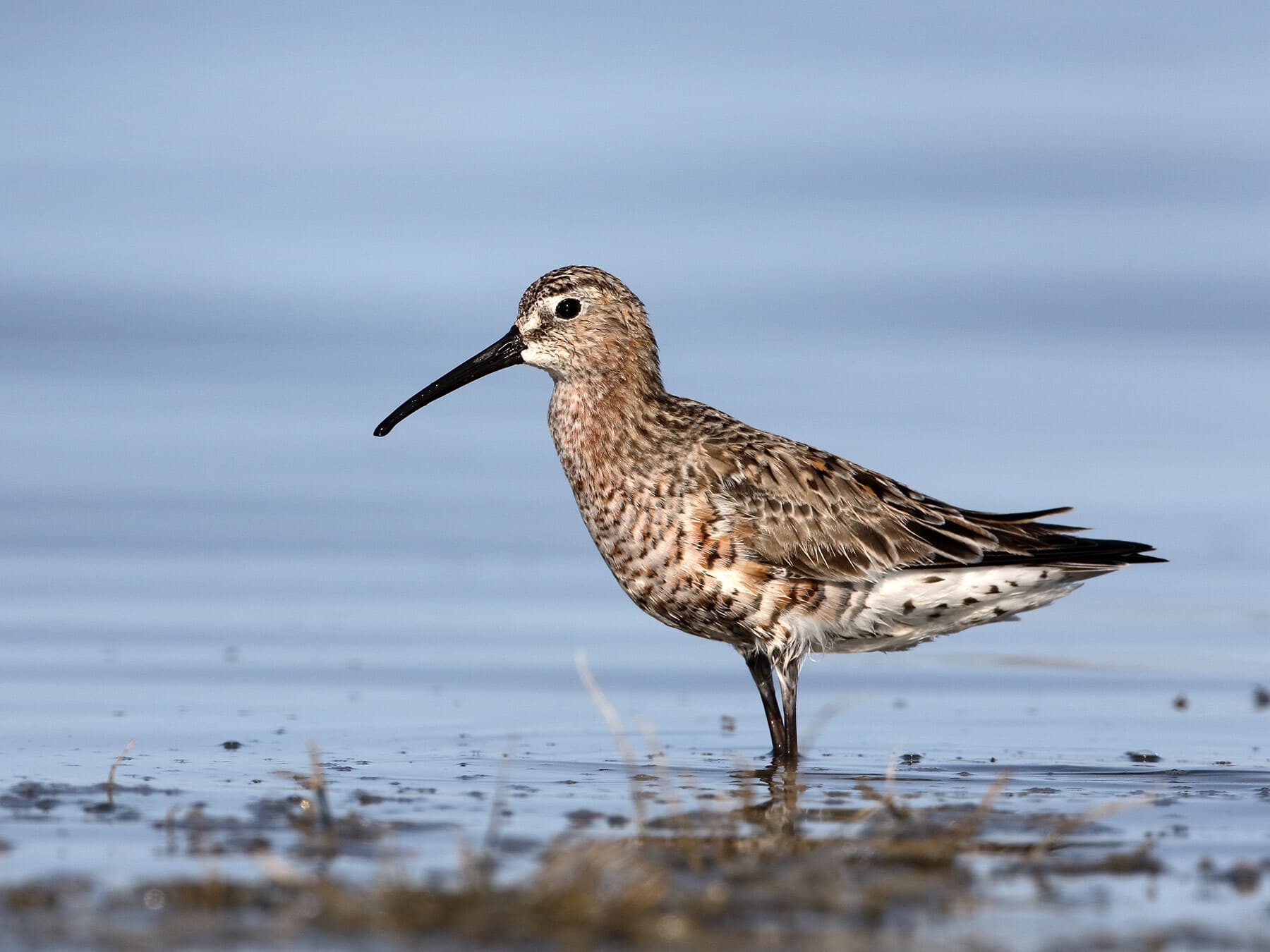
Curlew Sandpiper
Calidris ferrugineaNT
A rare passage wader in September and October, favouring exposed mud at reservoirs and gravel pits along the Trent Valley.
Sep–Oct
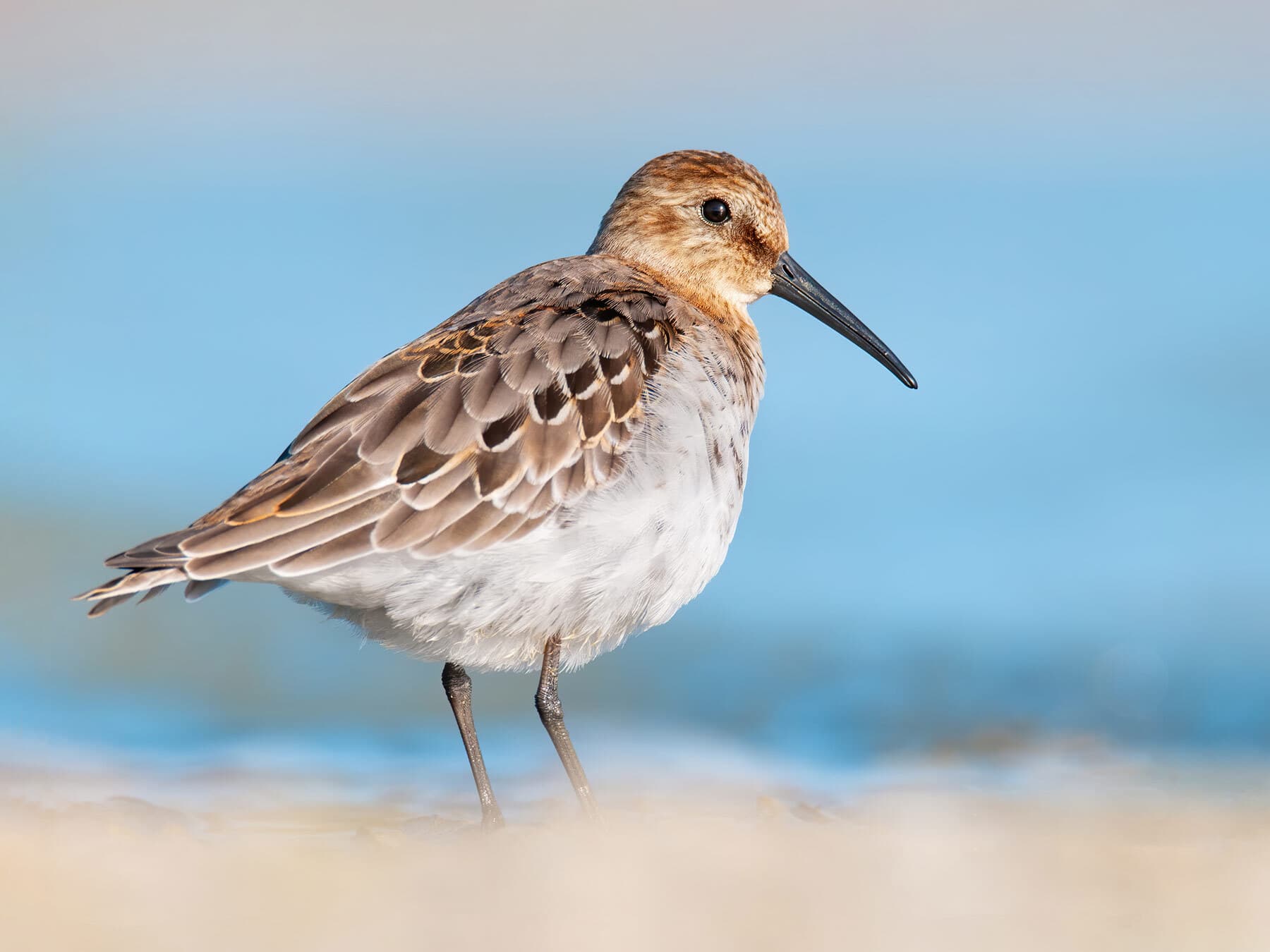
Dunlin
Calidris alpinaLC
A rare year-round presence at wetland sites, most often seen on passage or in winter at muddy reservoir margins.
Year-round
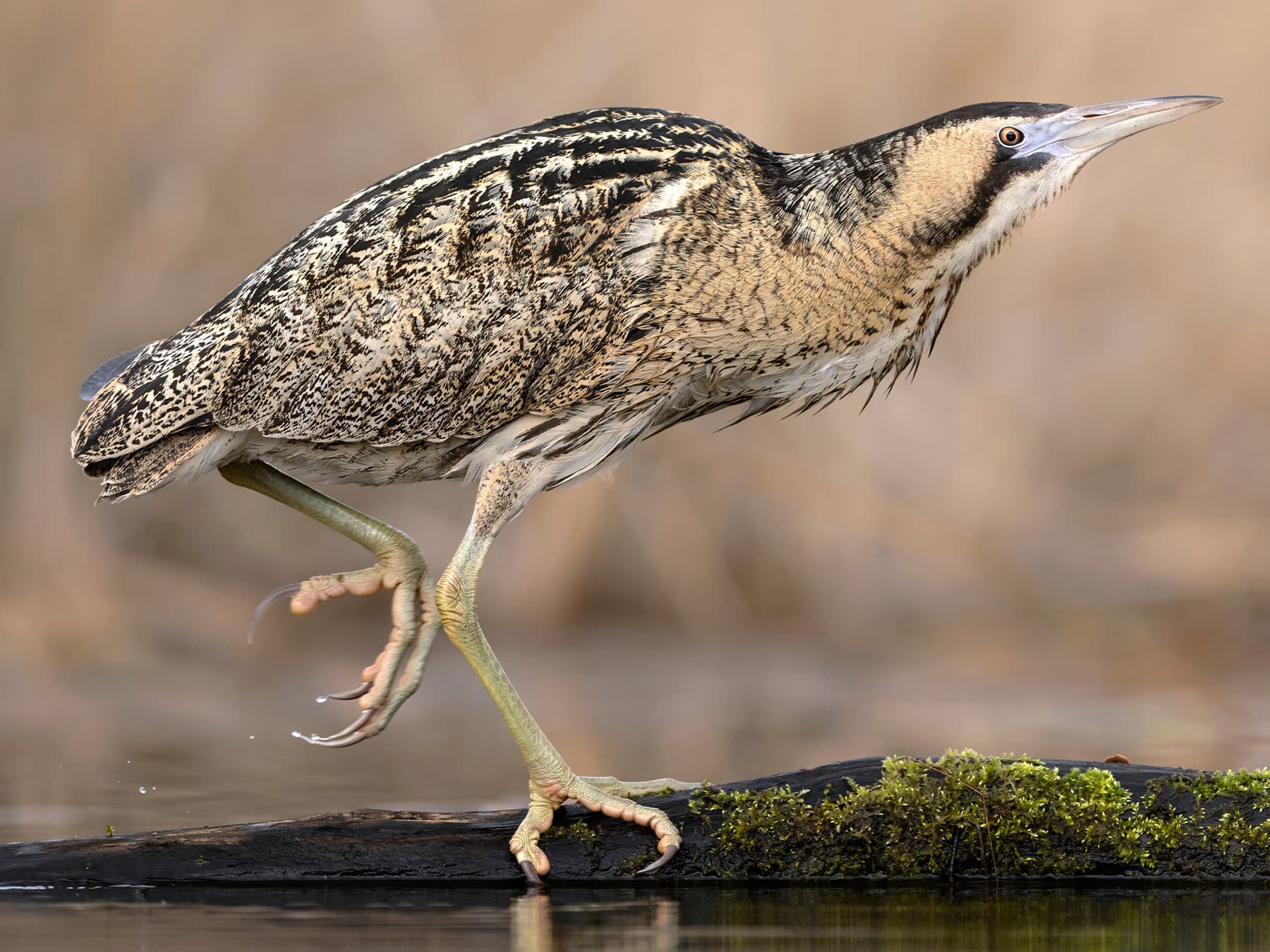
Eurasian Bittern
Botaurus stellarisLC
A rare but increasing resident of extensive reedbeds, with sites like Attenborough and Lound offering the best chances of a sighting.
Oct–Aug
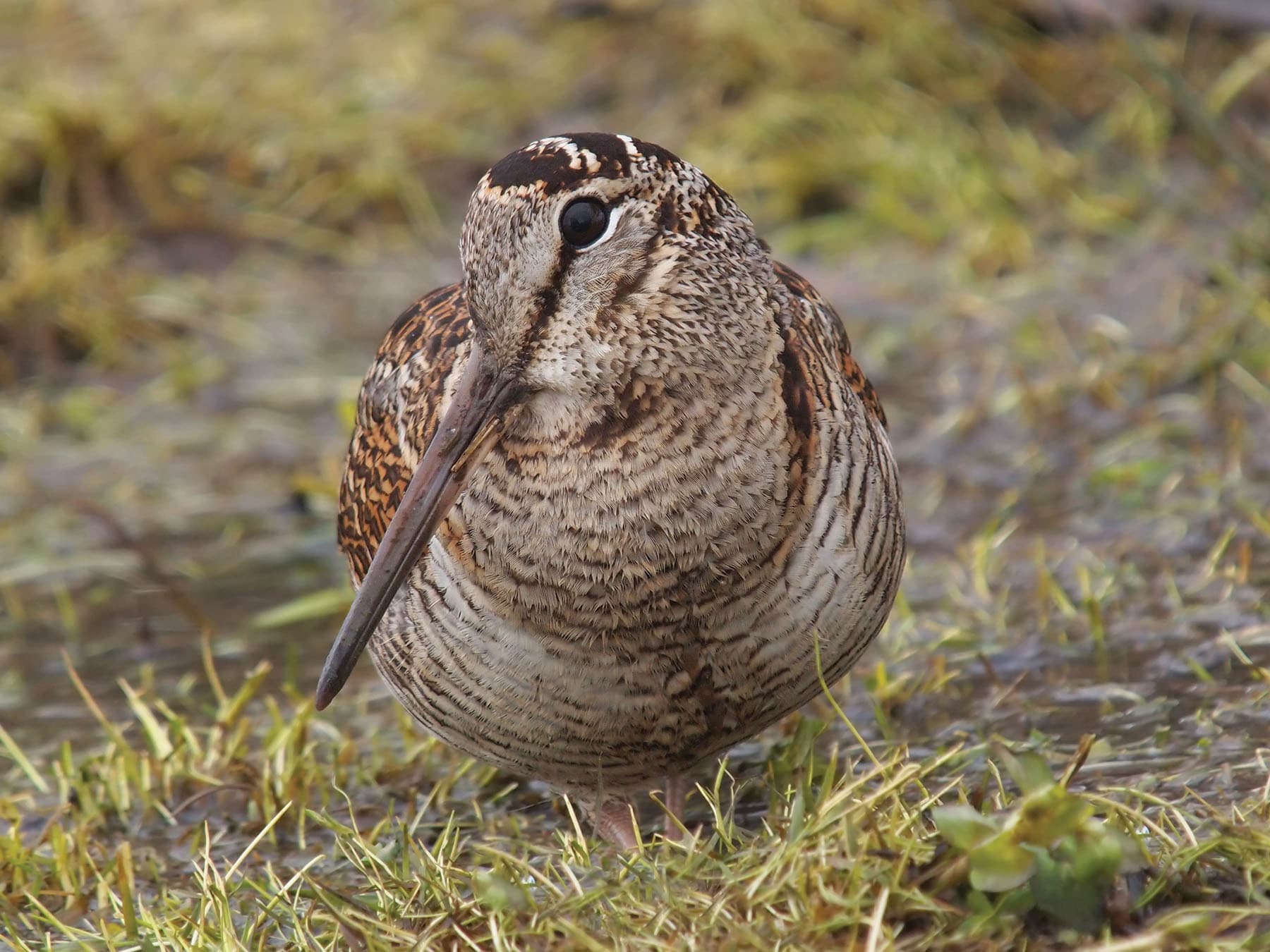
Eurasian Woodcock
Scolopax rusticolaLC
A secretive resident of damp woodland, most often encountered during winter when continental birds arrive and roding displays in spring.
Dec–Jul
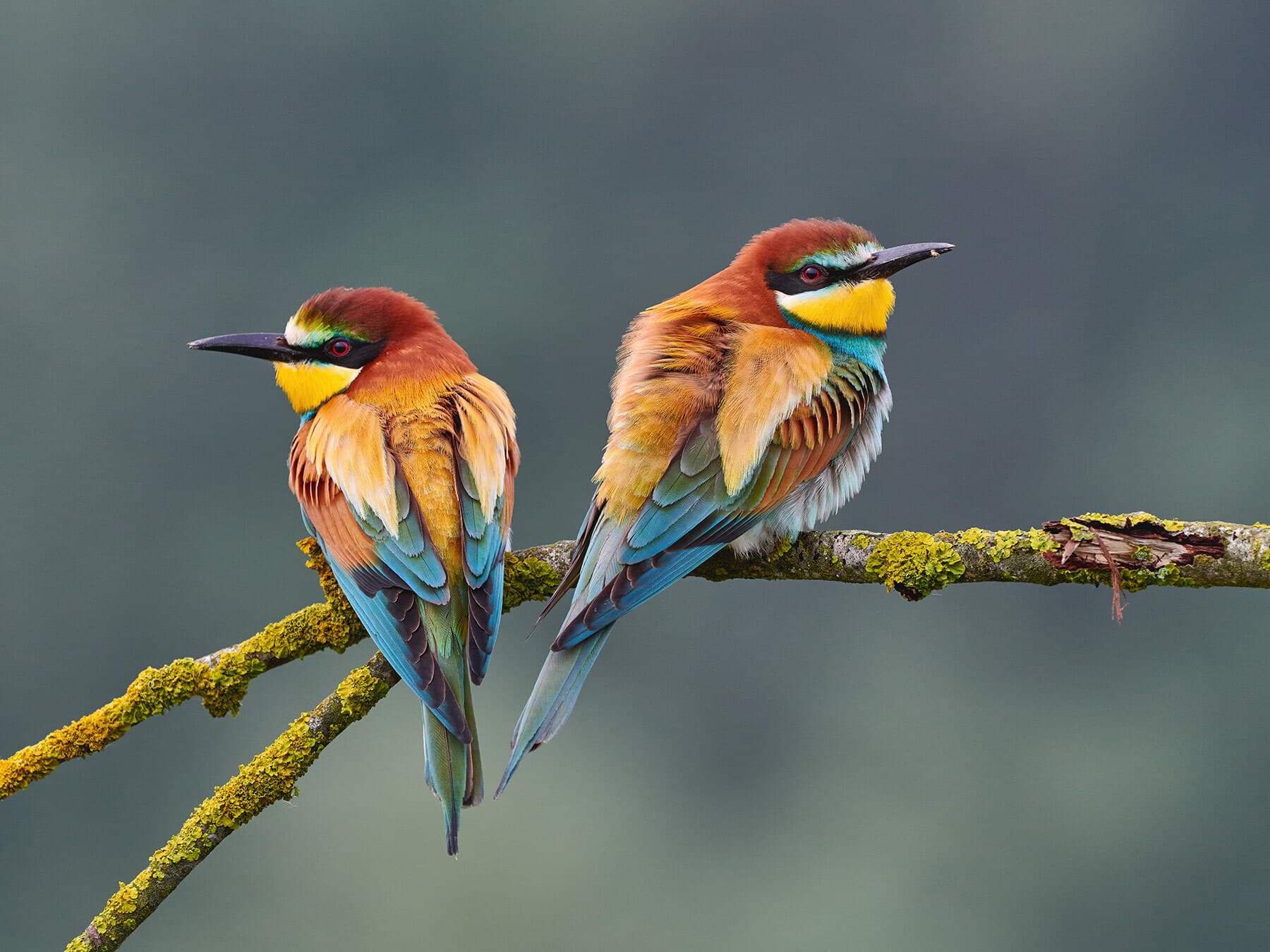
European Bee-eater
Merops apiasterLC
A rare and exciting passage vagrant, occasionally overshooting from southern Europe in midsummer. Any sighting draws considerable local attention.
Jul
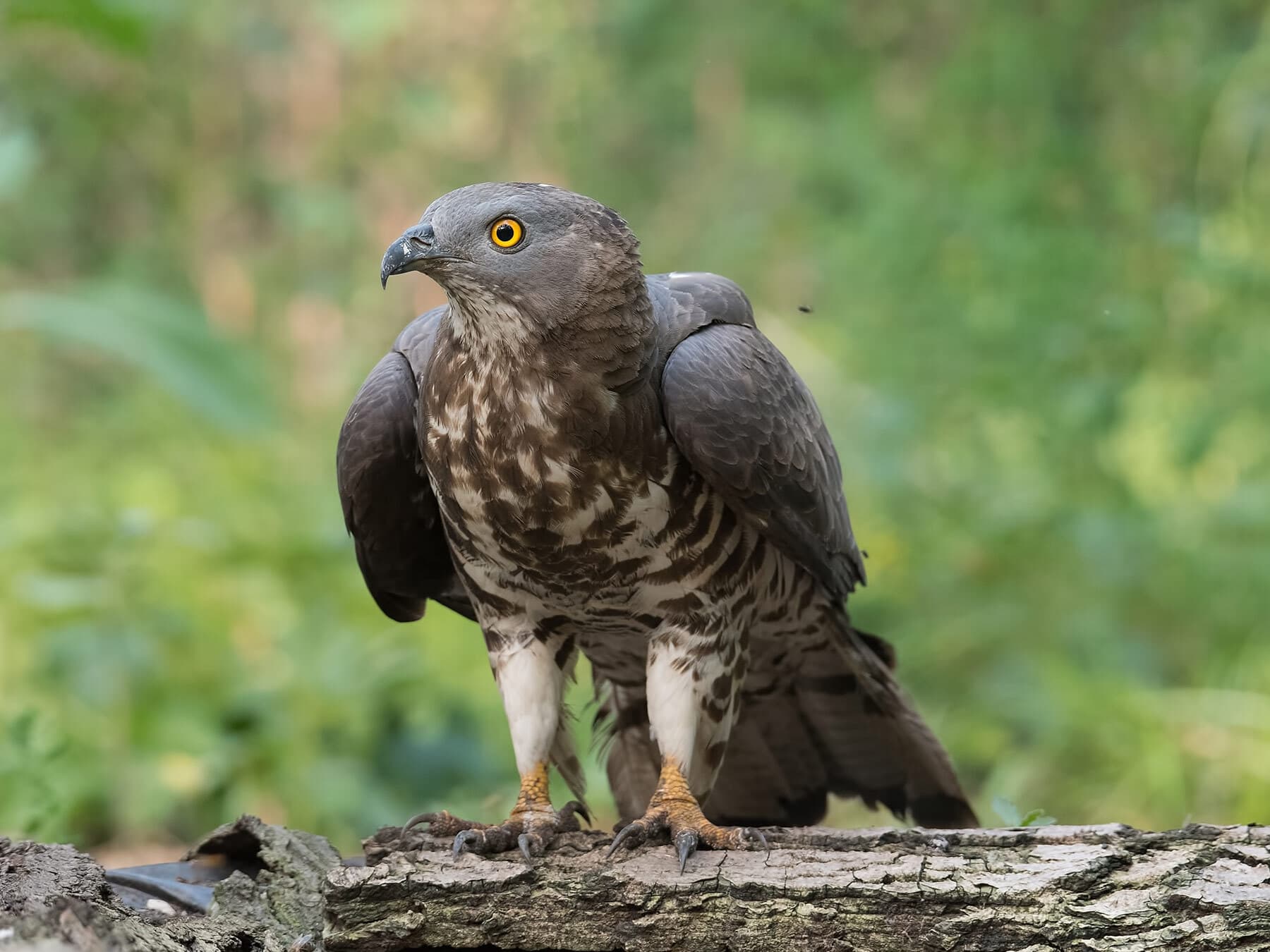
European Honey-buzzard
Pernis apivorusLC
A rare and secretive summer breeder in mature woodland, particularly around Sherwood Forest, present from May to August.
May–Aug
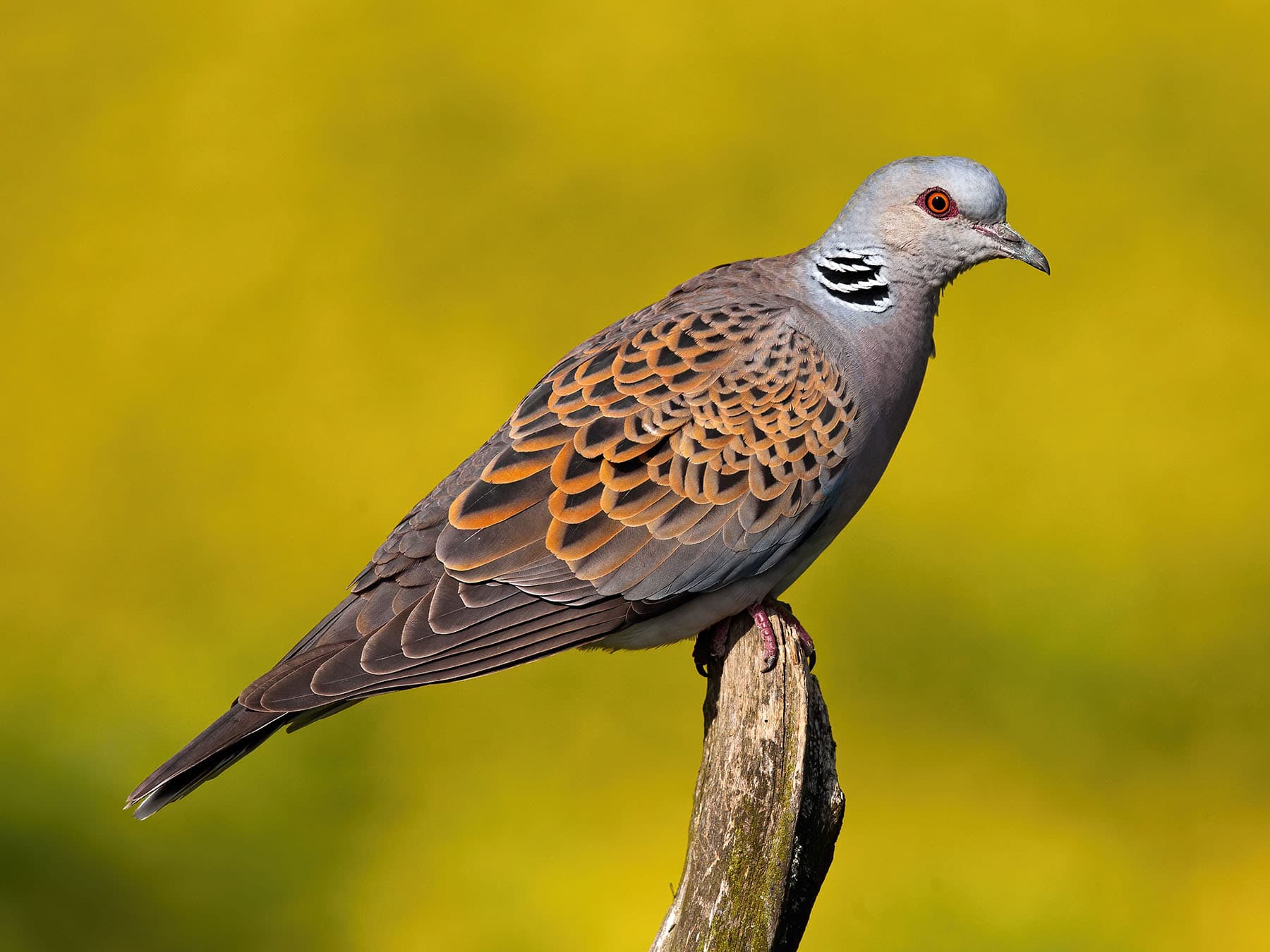
European Turtle-dove
Streptopelia turturVU
A rare and rapidly declining summer breeder, arriving in May. One of the UK's most threatened birds, clinging on at a few farmland sites in the county.
May–Sep
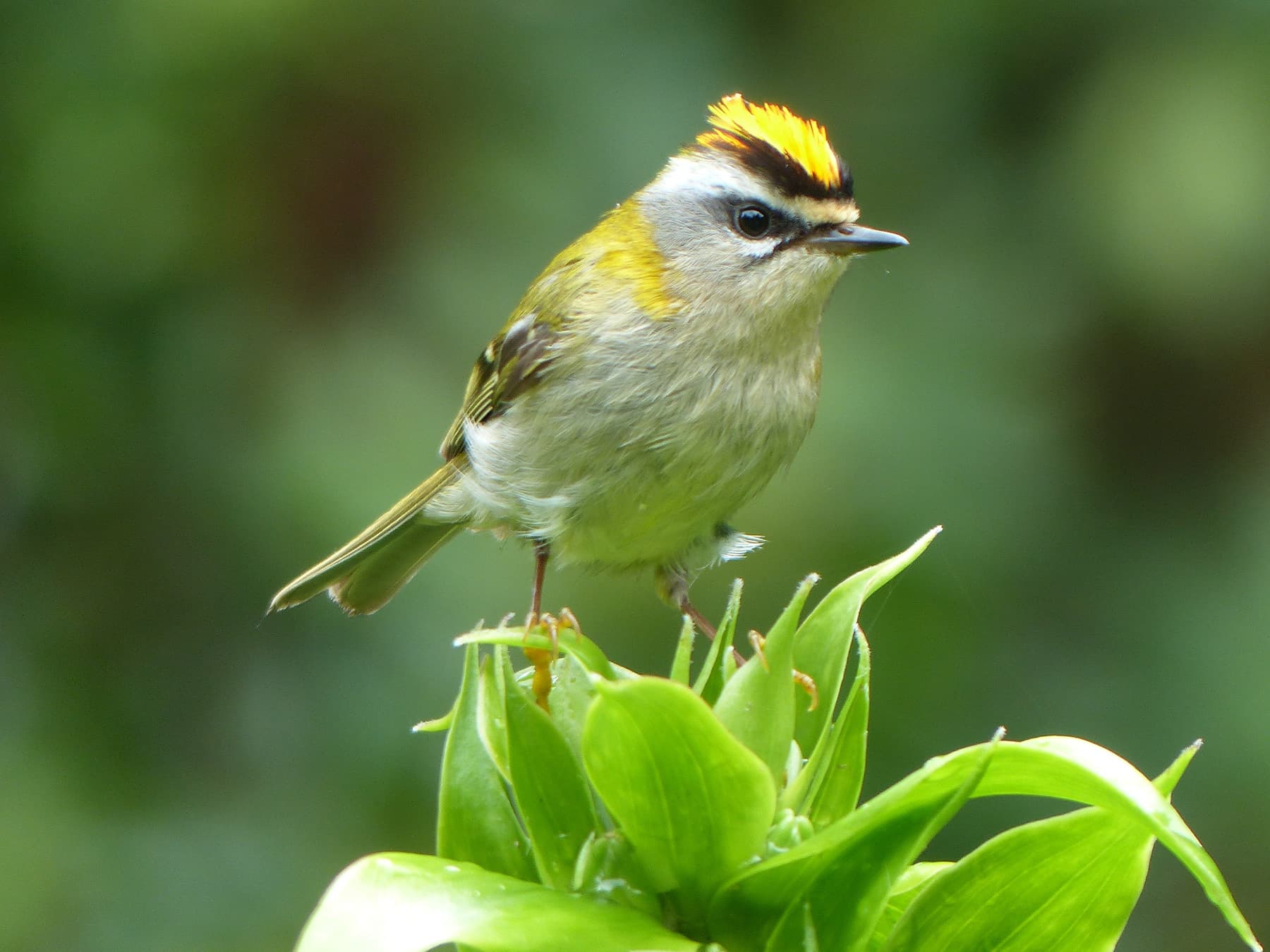
Firecrest
Regulus ignicapillaLC
A rare passage visitor, occasionally wintering. This tiny jewel-like bird is a scarce but exciting find in the county.
Jan