Uncommon Birds in North Yorkshire
82 species matching this filter.
North Yorkshire's diverse landscapes — from the rugged moorlands of the Dales and North York Moors to its sweeping coastline and river valleys — support an impressive array of uncommon bird species. With 82 species classified as uncommon in the county, birders can encounter everything from the ghostly Barn Owl hunting over farmland at dusk to Arctic Jaegers passing along the coast and Greenshanks probing the margins of upland pools. These less frequently seen species reward patient observers who explore the region's varied wetlands, woodlands, and estuaries throughout the year.


Showing 24–46 of 82 species
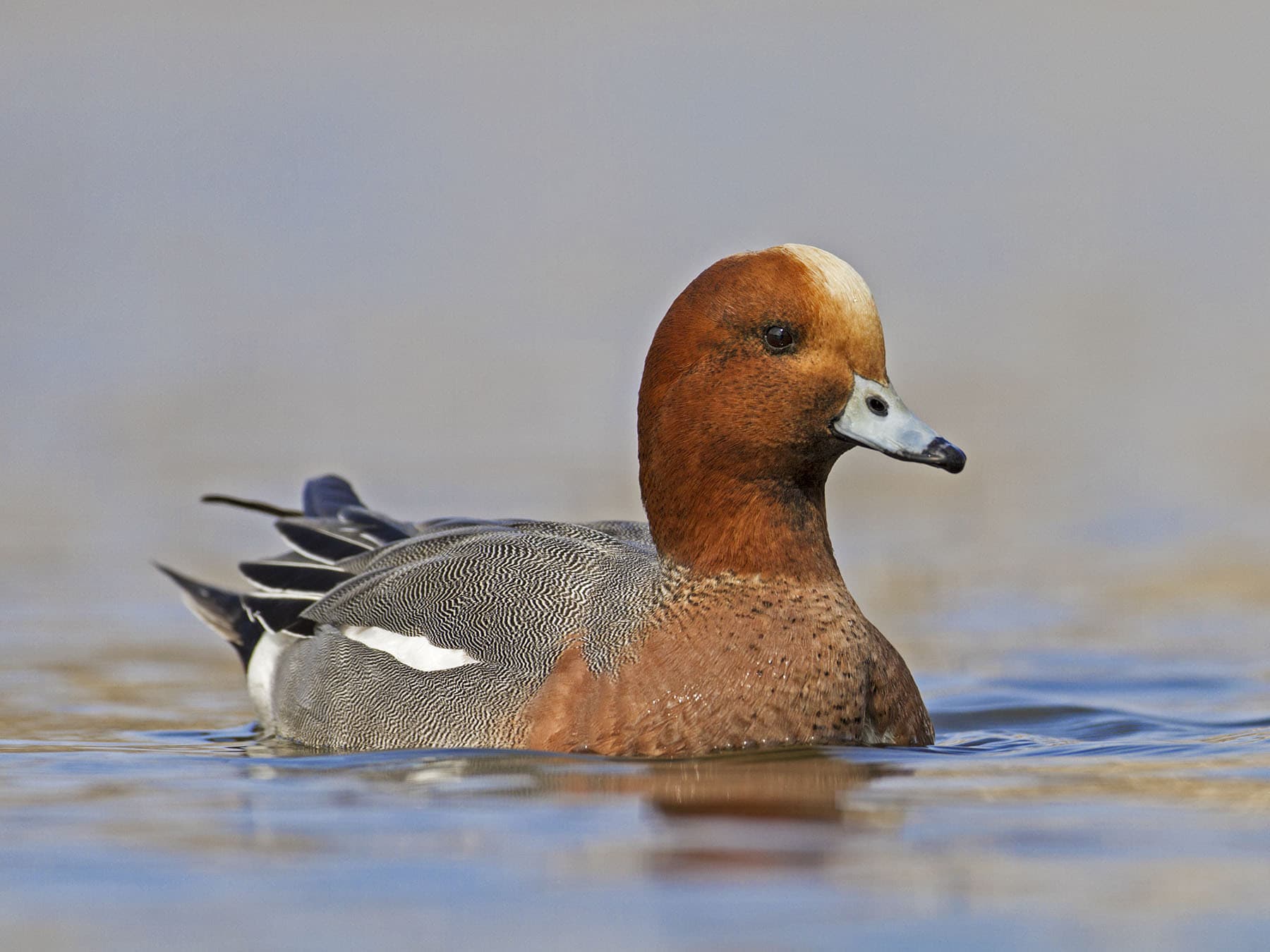
Eurasian Wigeon
Mareca penelopeLC
Present year-round on reservoirs, lakes and coastal wetlands. Numbers swell in winter with continental arrivals joining small resident populations.
Year-round
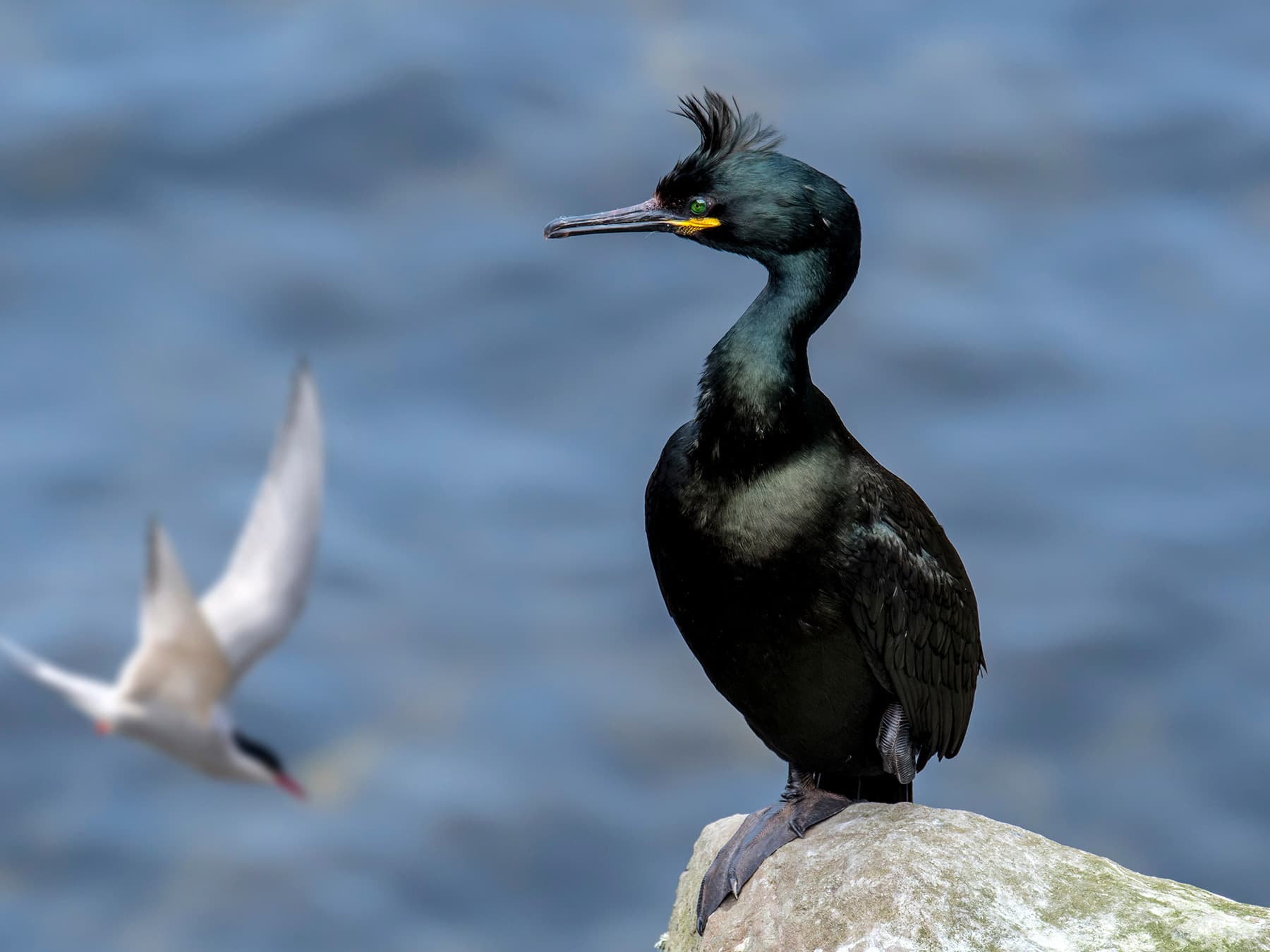
European Shag
Phalacrocorax aristotelisLC
An uncommon resident of rocky coastlines, breeding on cliffs at Flamborough and Staithes. Stays closer inshore than its cormorant cousin.
Year-round
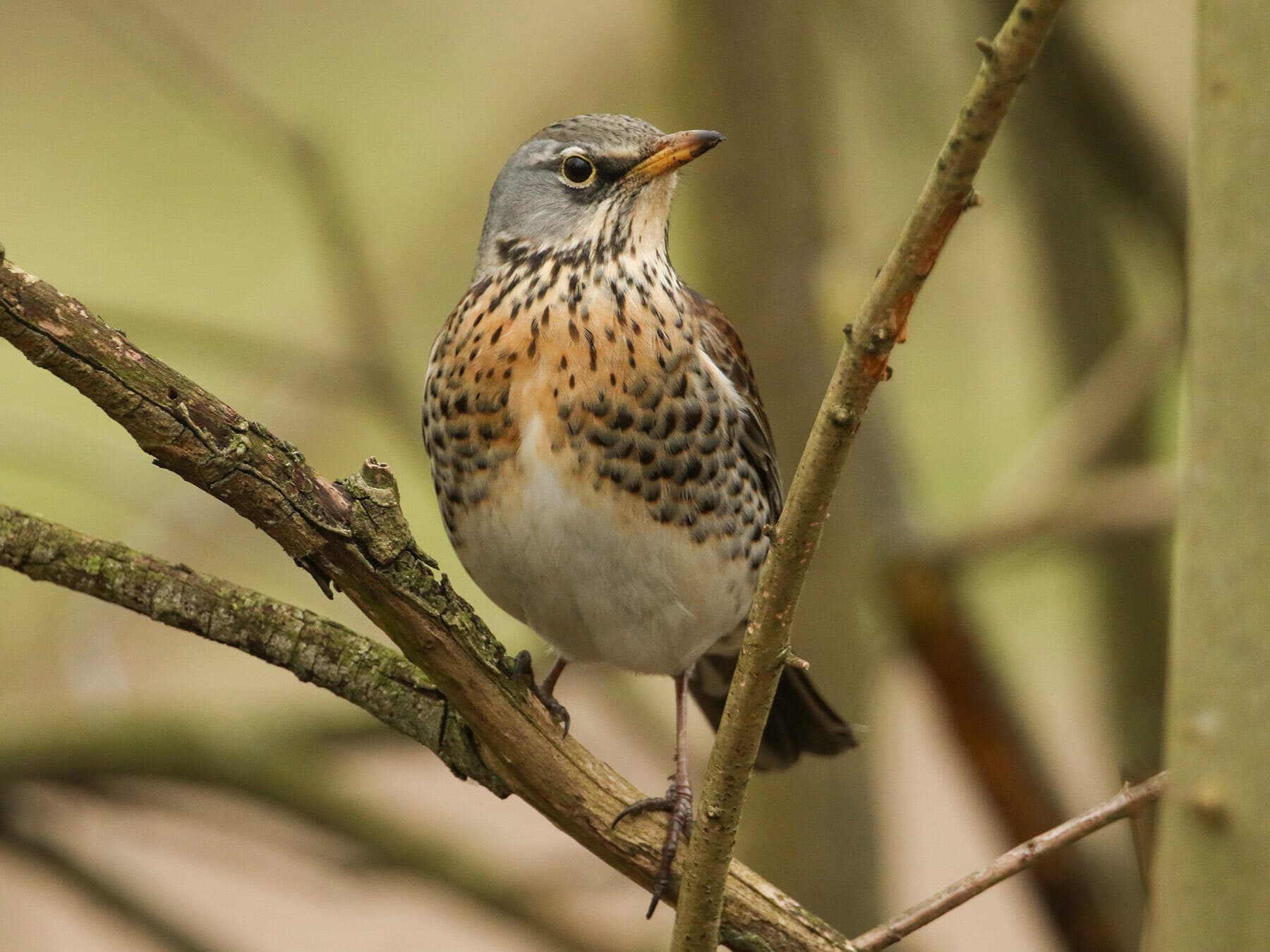
Fieldfare
Turdus pilarisLC
A winter thrush arriving from Scandinavia, present from October to April. Flocks roam farmland and hedgerows feeding on berries alongside Redwings.
Oct–May
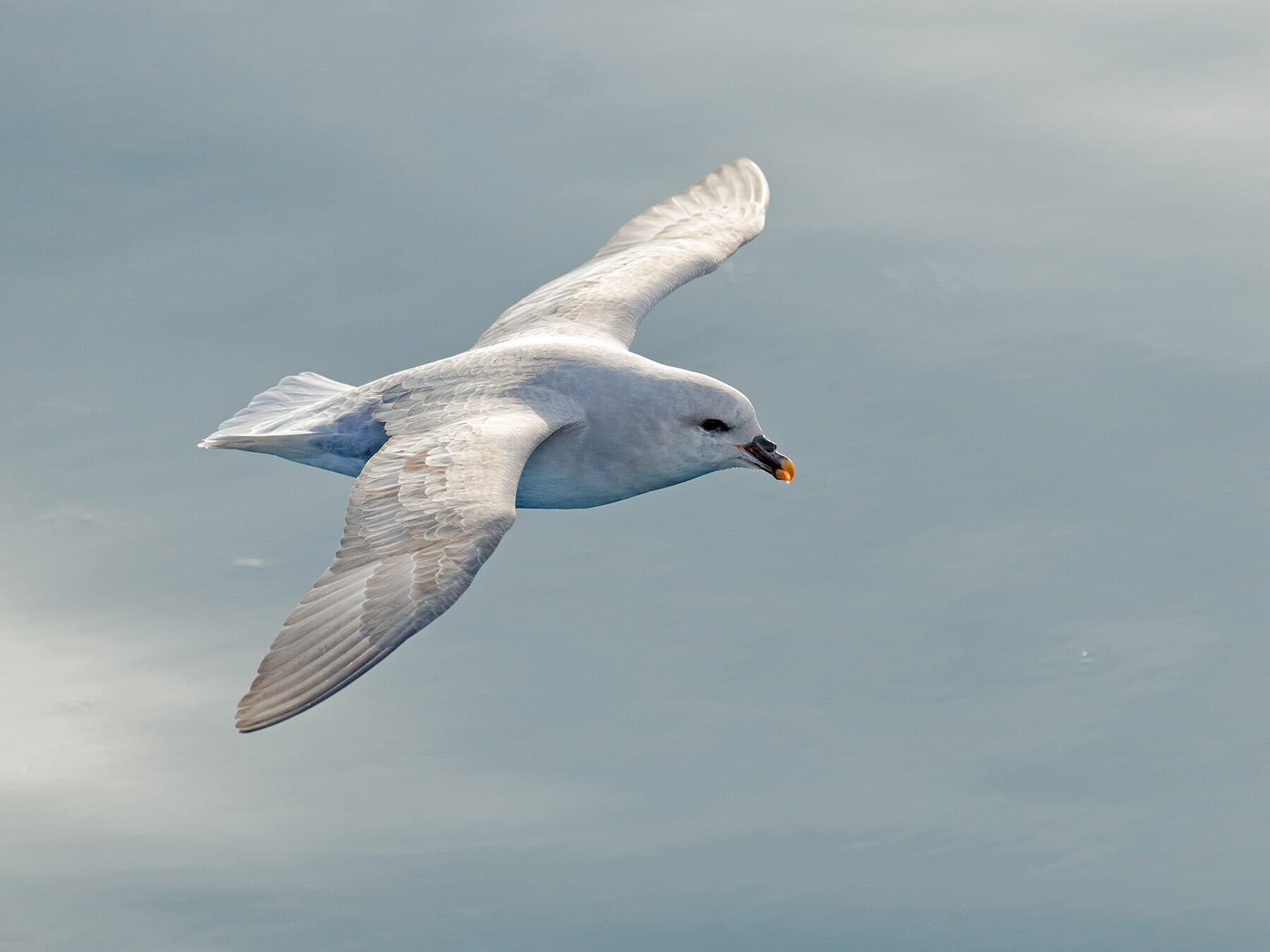
Fulmar
Fulmarus glacialisLC
Nests on the dramatic sea cliffs at Bempton and Flamborough, present year-round and often seen gliding stiffly on outstretched wings.
Year-round
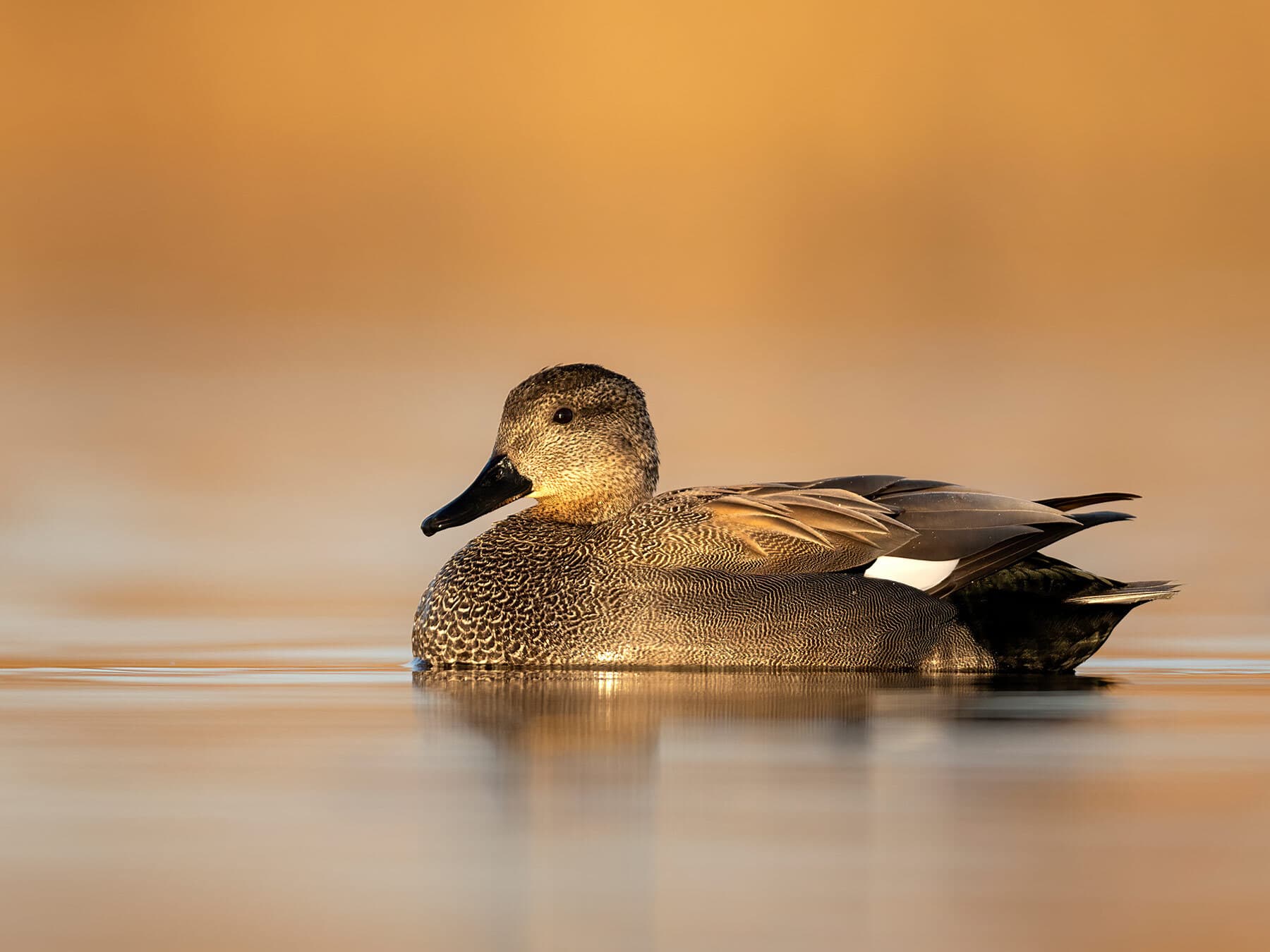
Gadwall
Mareca streperaLC
An uncommon year-round resident of lowland lakes and reservoirs. Quieter and less conspicuous than its close relative the Mallard.
Year-round
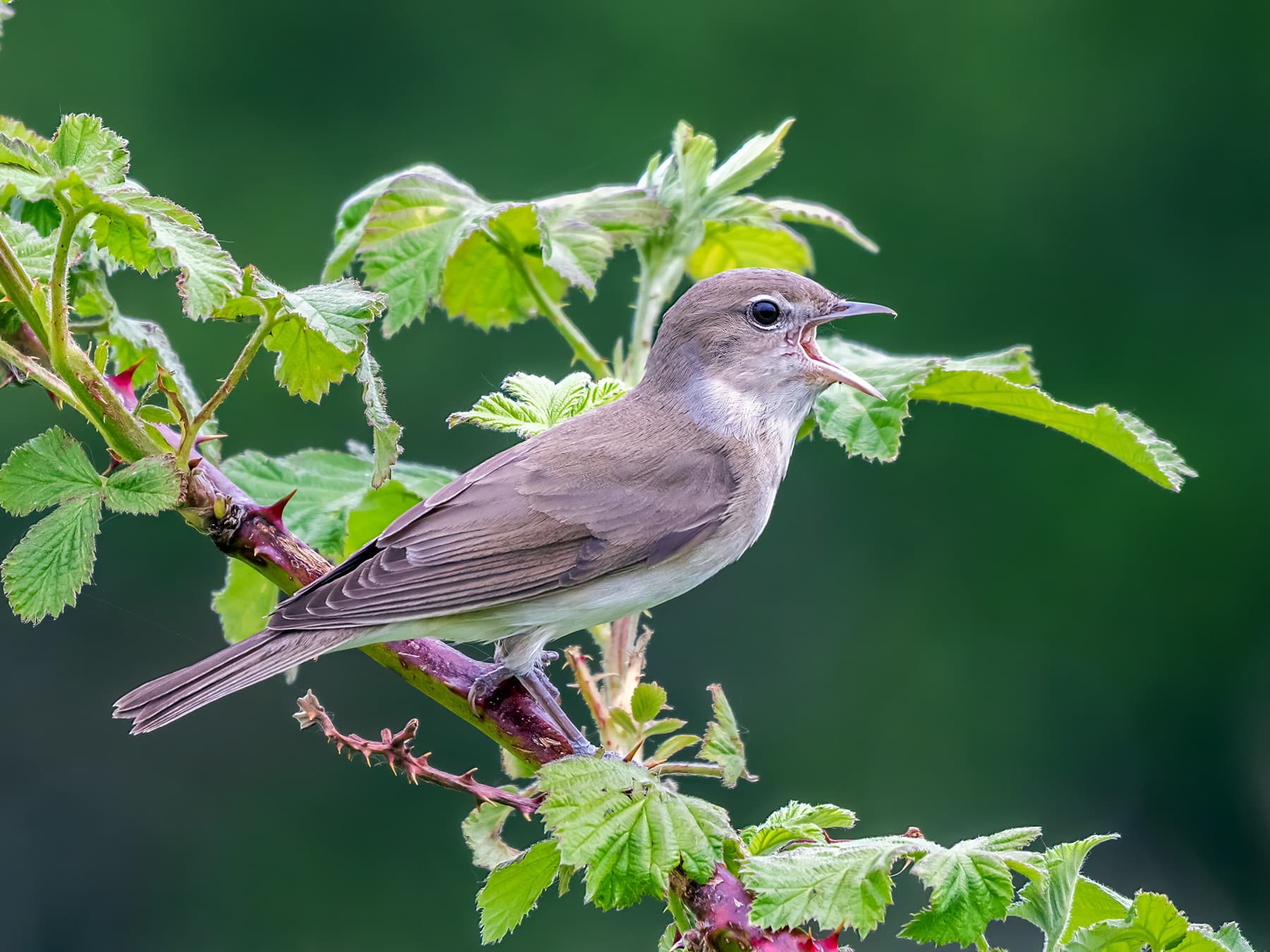
Garden Warbler
Sylvia borinLC
An uncommon summer breeder in dense woodland understorey, arriving in late April and easily overlooked despite its rich song.
Apr–Oct
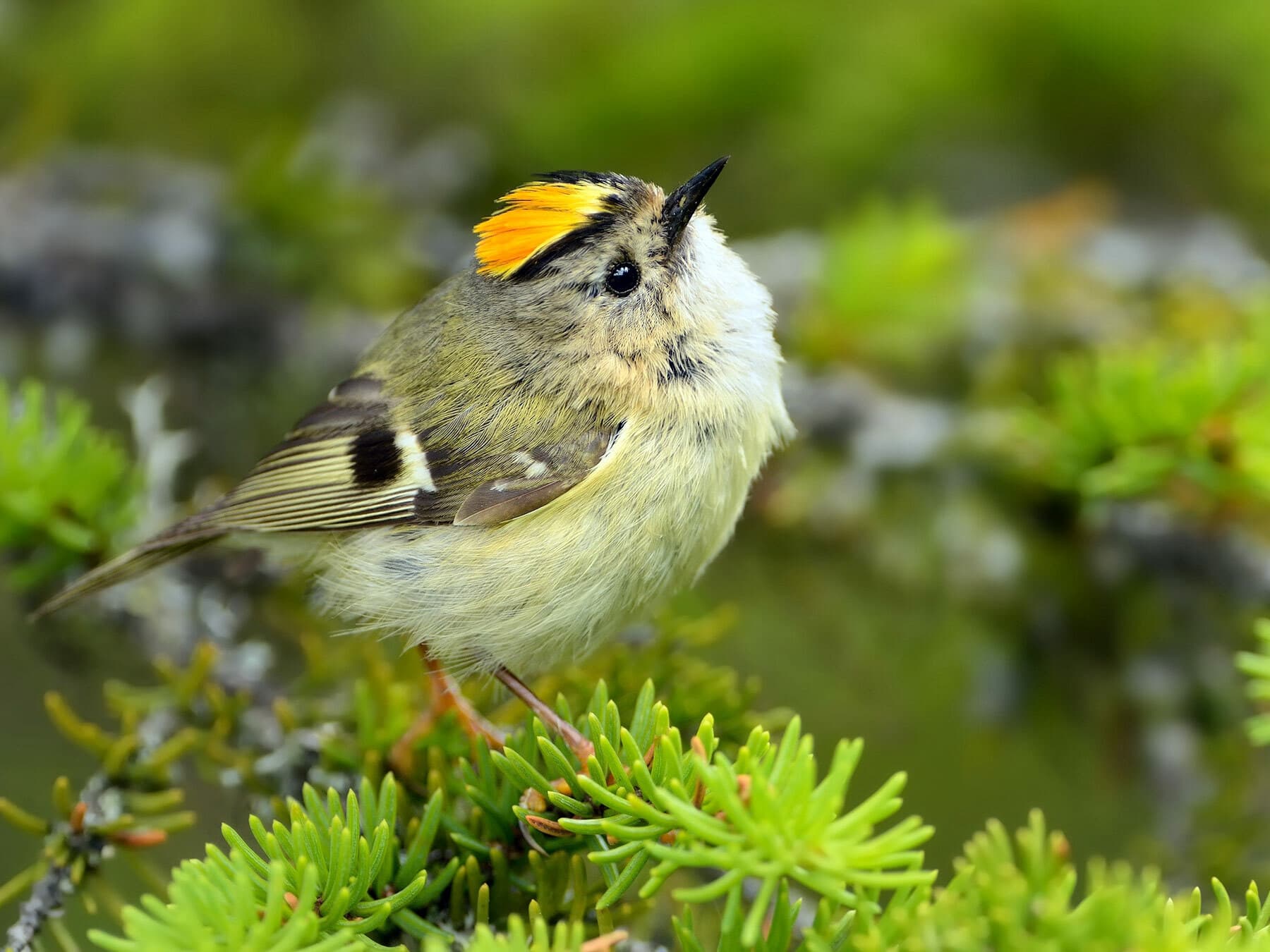
Goldcrest
Regulus regulusLC
Britain's smallest bird, resident year-round in coniferous and mixed woodland. High-pitched calls betray its presence in spruce plantations across the Dales and moors.
Year-round
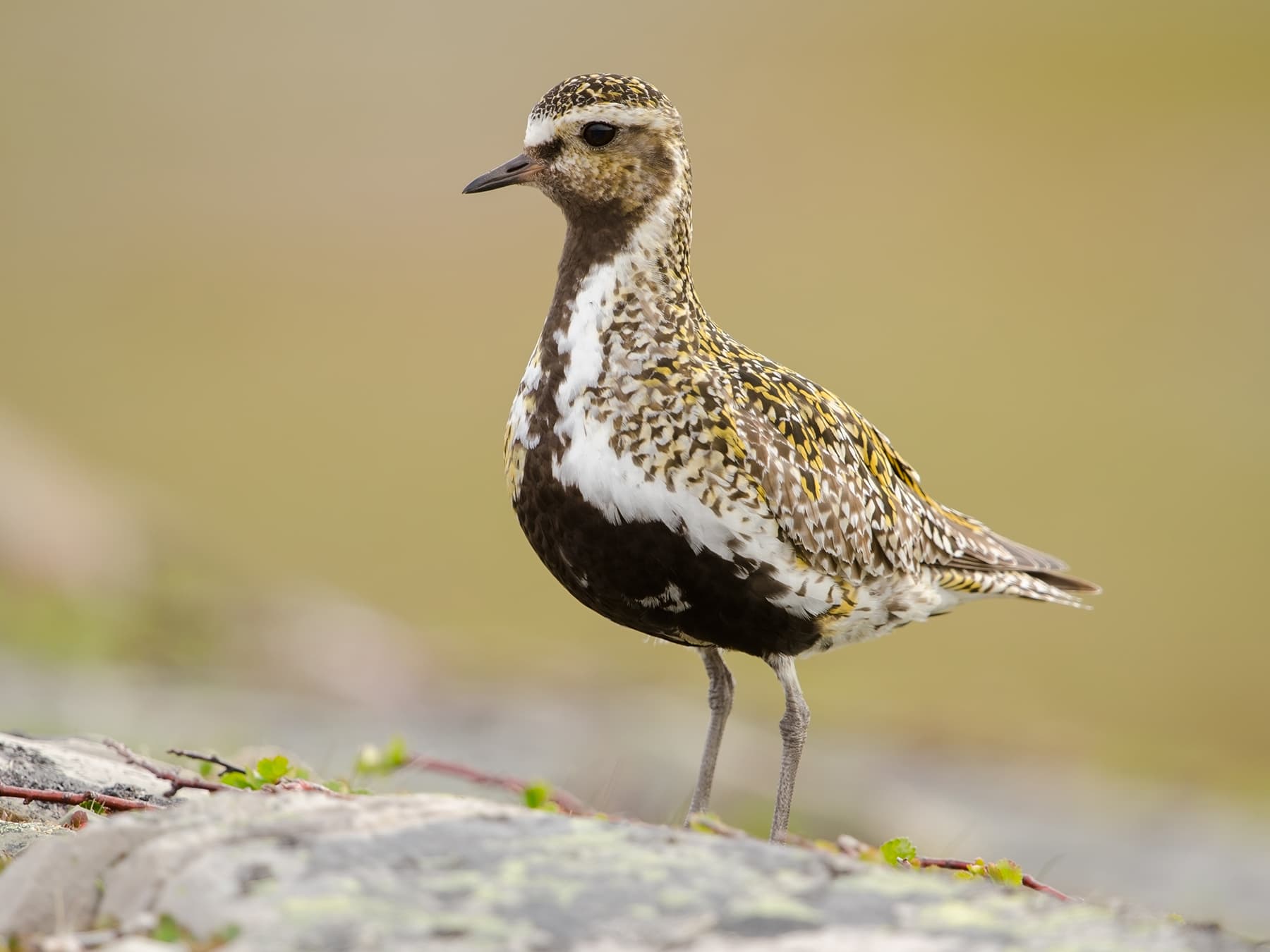
Golden Plover
Pluvialis apricariaLC
Breeds on upland moorland in summer, then forms large flocks on lowland fields in winter. Its plaintive call is iconic across the Dales.
Year-round
Spotted something?
Upload a photo to identify it
Identify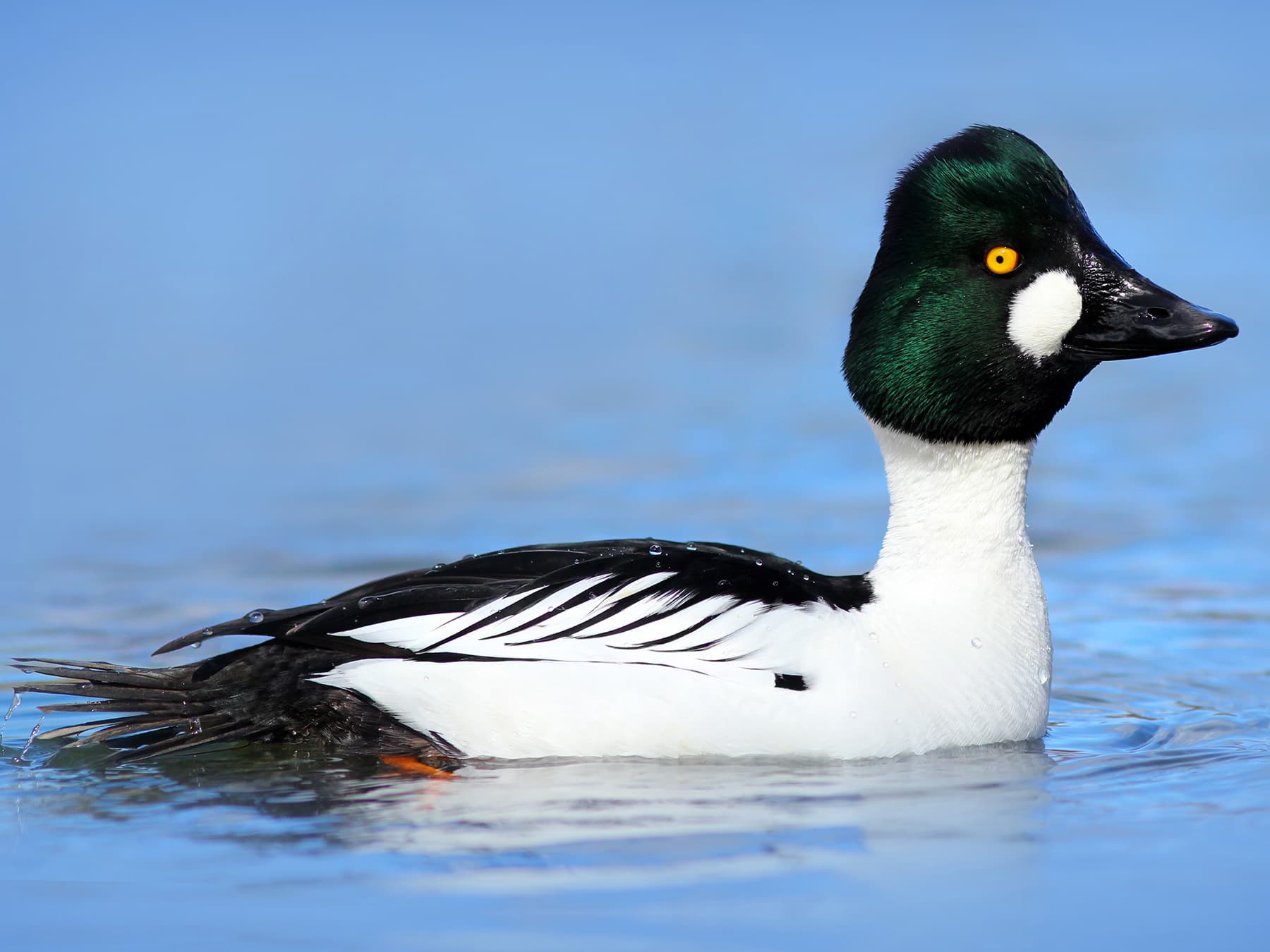
Goldeneye
Bucephala clangulaLC
An uncommon winter visitor to reservoirs and rivers from October to April. Males are striking with their glossy green heads and bright golden eyes.
Oct–Apr
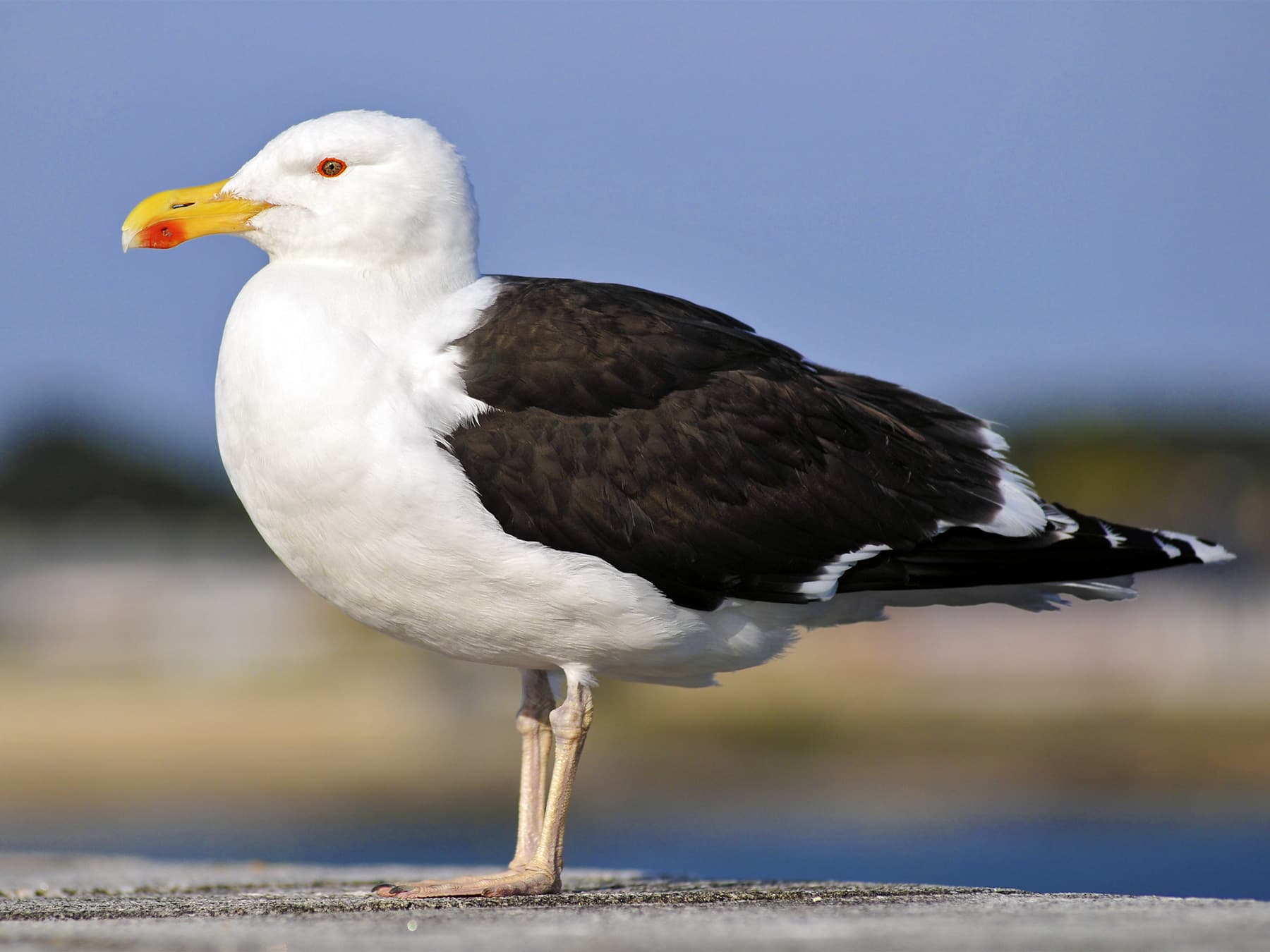
Great Black-backed Gull
Larus marinusLC
Present year-round along the coast, this powerful gull frequents harbours, cliffs and estuaries, often dominating smaller species.
Year-round
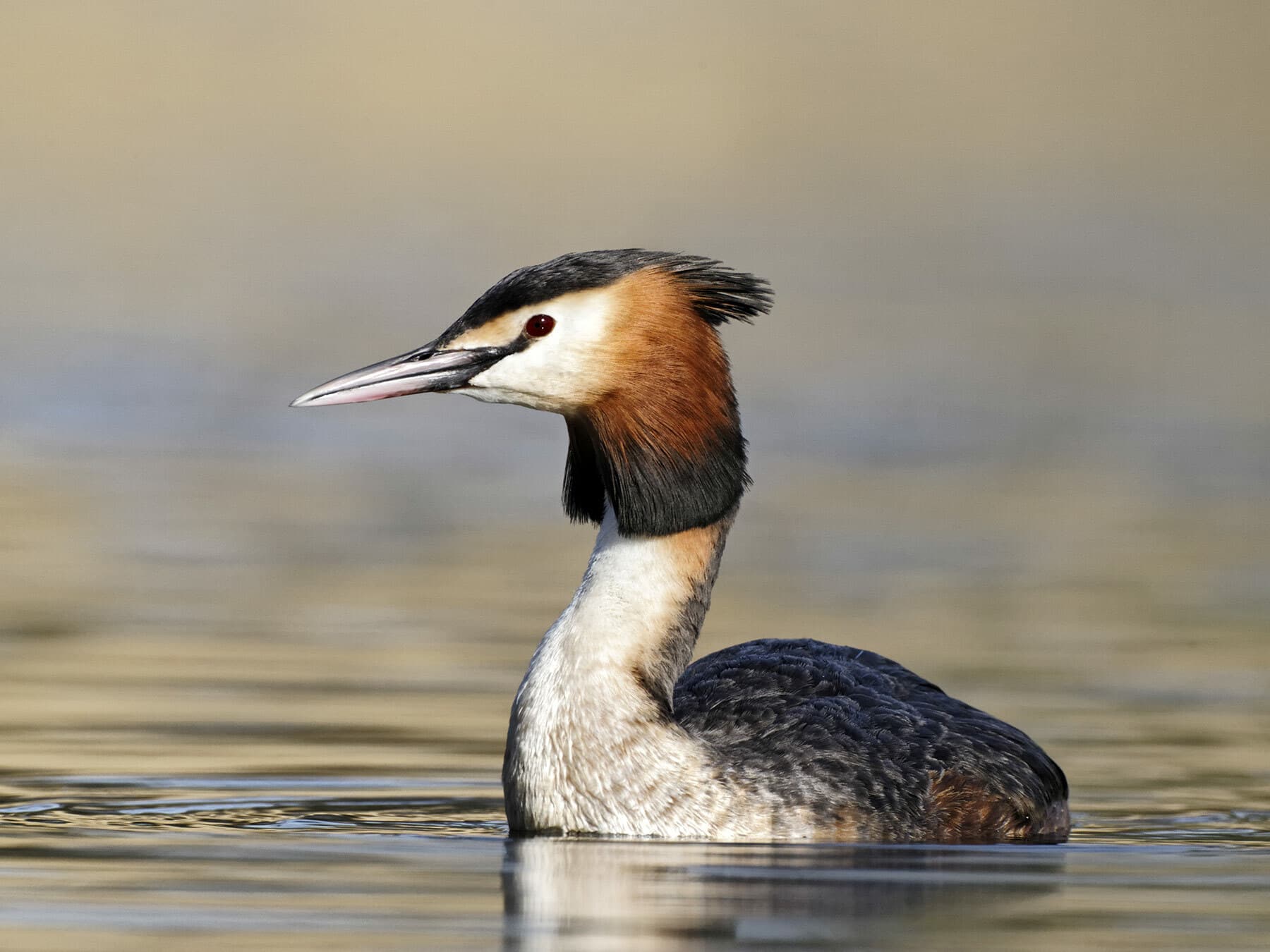
Great Crested Grebe
Podiceps cristatusLC
An elegant resident of larger lakes and reservoirs, performing its elaborate courtship display in spring at sites across the region.
Year-round
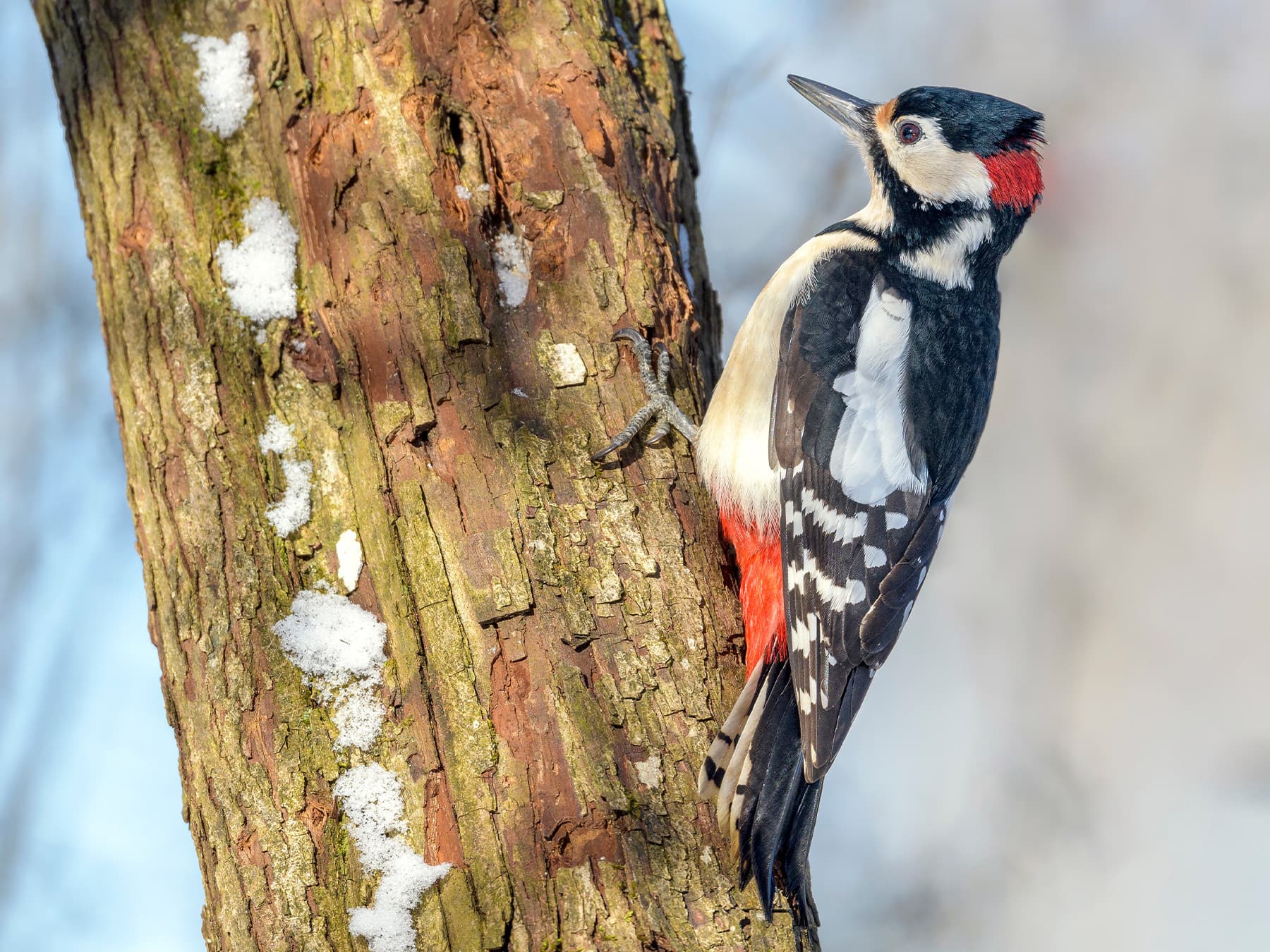
Great Spotted Woodpecker
Dendrocopos majorLC
An uncommon but year-round resident of mature woodland, its loud drumming a familiar spring sound in North Yorkshire.
Year-round
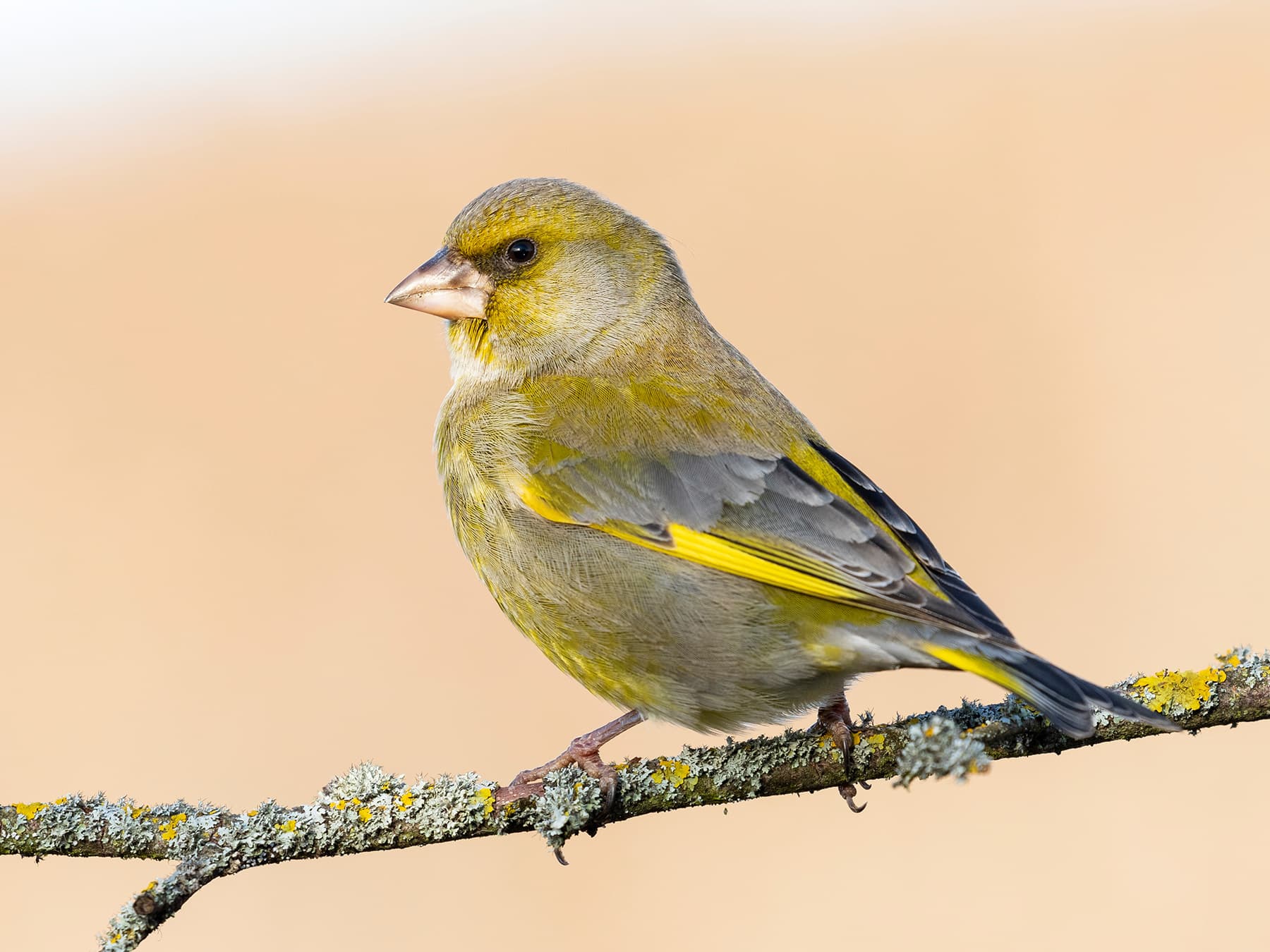
Greenfinch
Chloris chlorisLC
An uncommon resident of gardens, hedgerows and farmland, declining due to disease. Year-round but less numerous than in previous decades.
Year-round
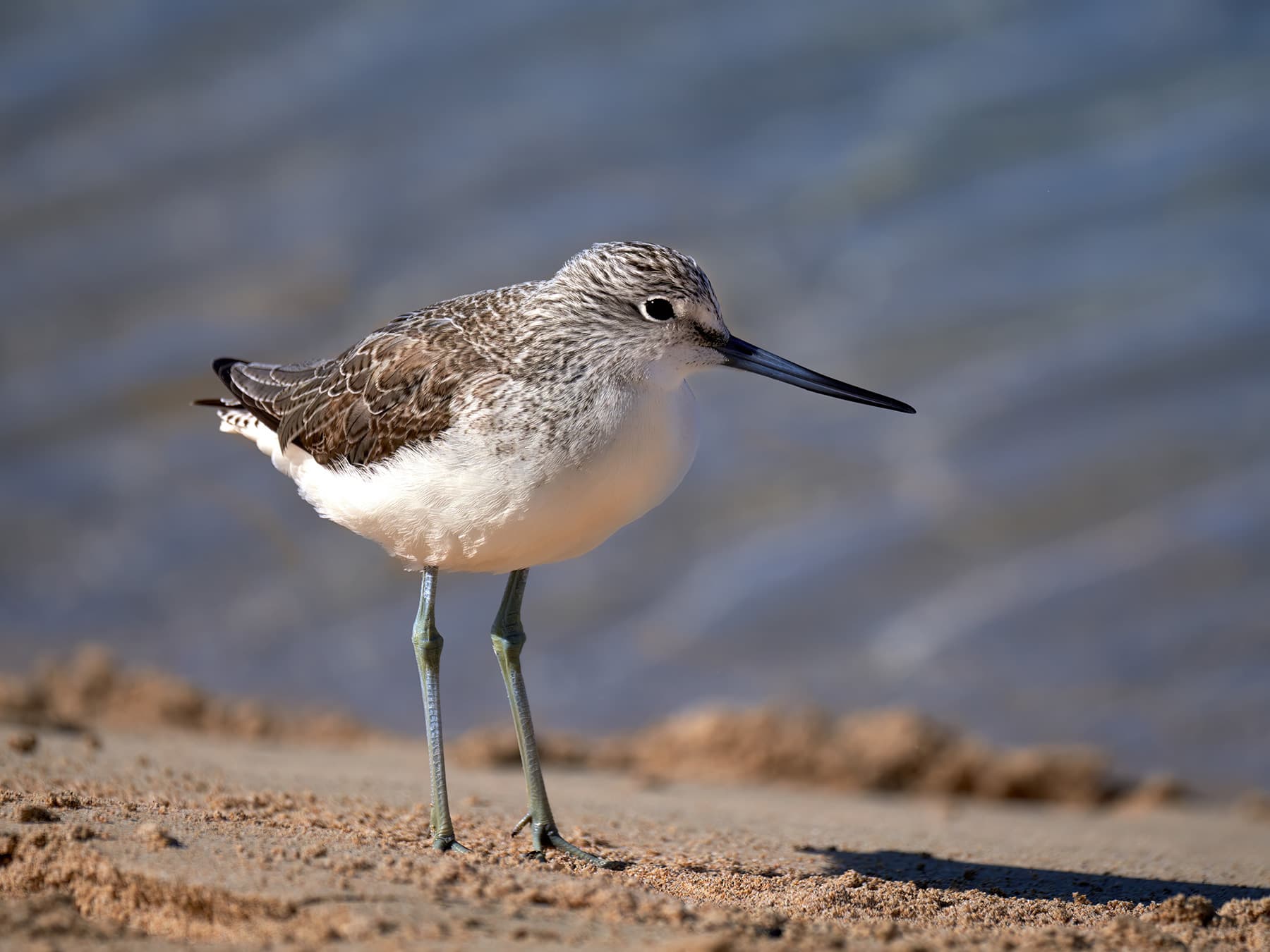
Greenshank
Tringa nebulariaLC
An uncommon visitor from April to September, favouring reservoir edges and coastal pools on passage. Its ringing 'tew-tew-tew' call carries far.
Apr–Sep
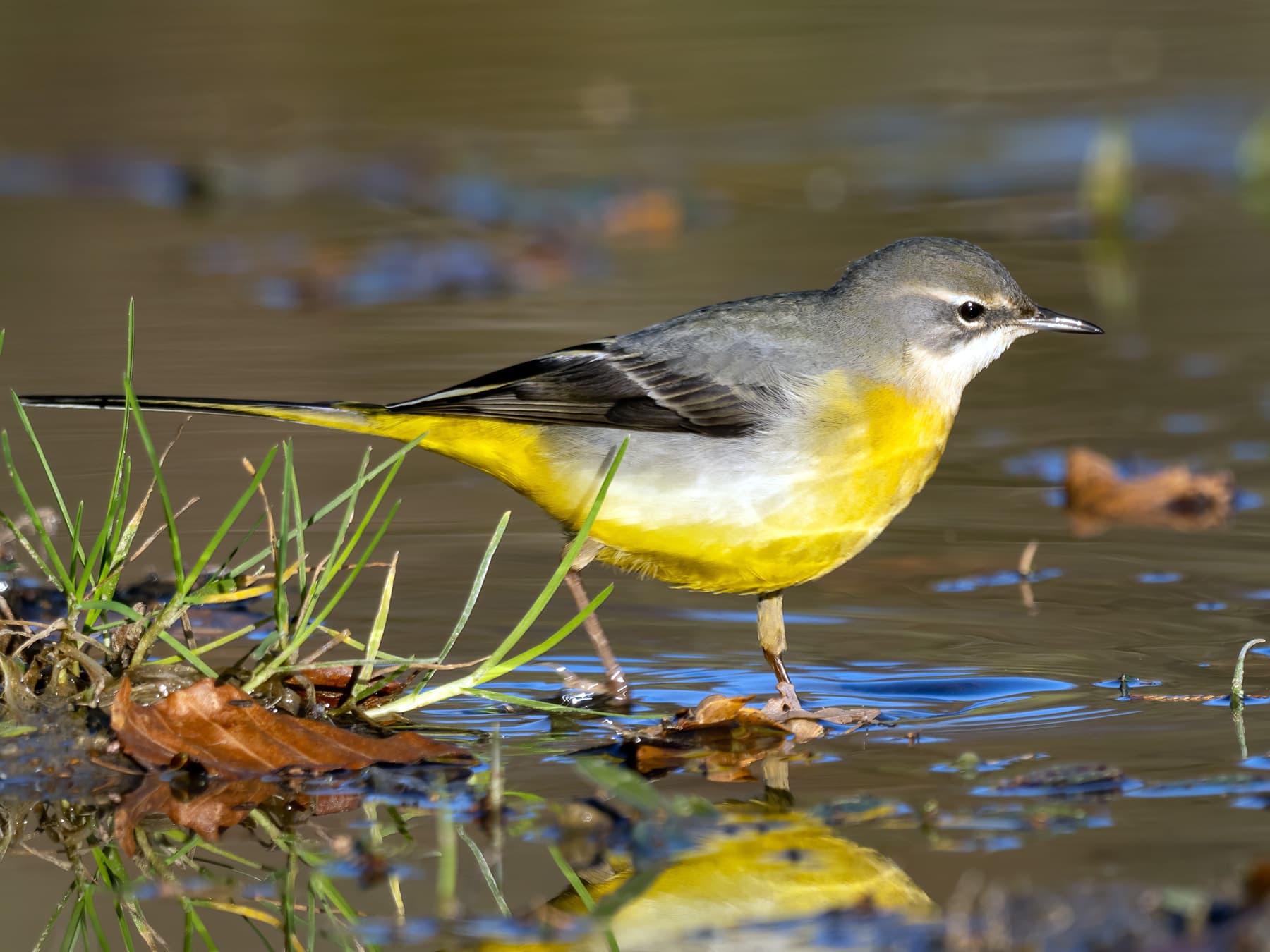
Grey Wagtail
Motacilla cinereaLC
An elegant resident of fast-flowing streams and rivers across the Dales and moors. Bobs its long tail on rocks, sometimes visiting lowland areas in winter.
Year-round
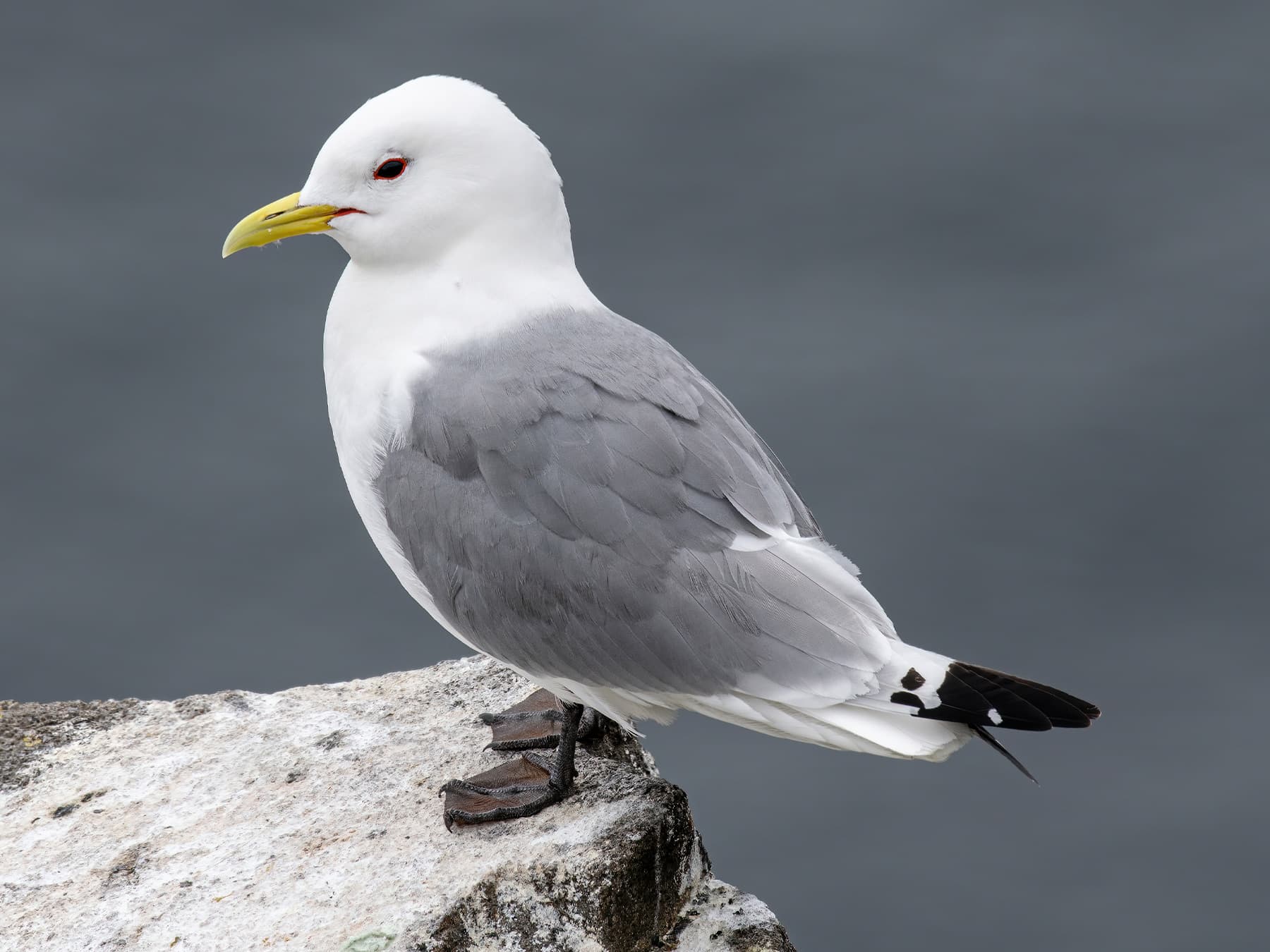
Kittiwake
Rissa tridactylaVU
Nests in large colonies on coastal cliffs, notably at Bempton. Numbers are declining sharply due to food shortages, making it a conservation priority.
Year-round
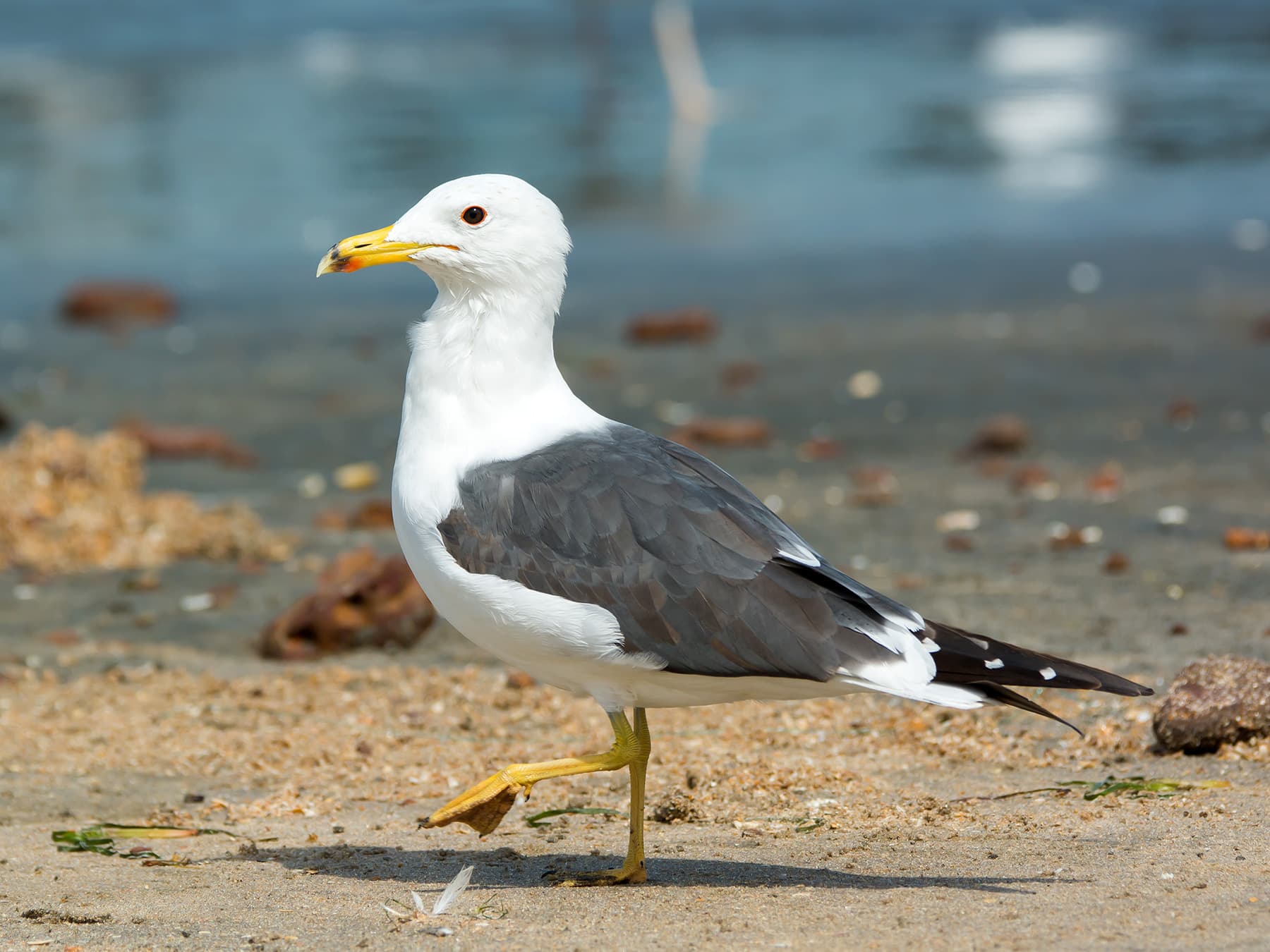
Lesser Black-backed Gull
Larus fuscusLC
An uncommon year-round resident, often seen at reservoirs, tips, and farmland. Smaller and darker-backed than the Herring Gull.
Year-round
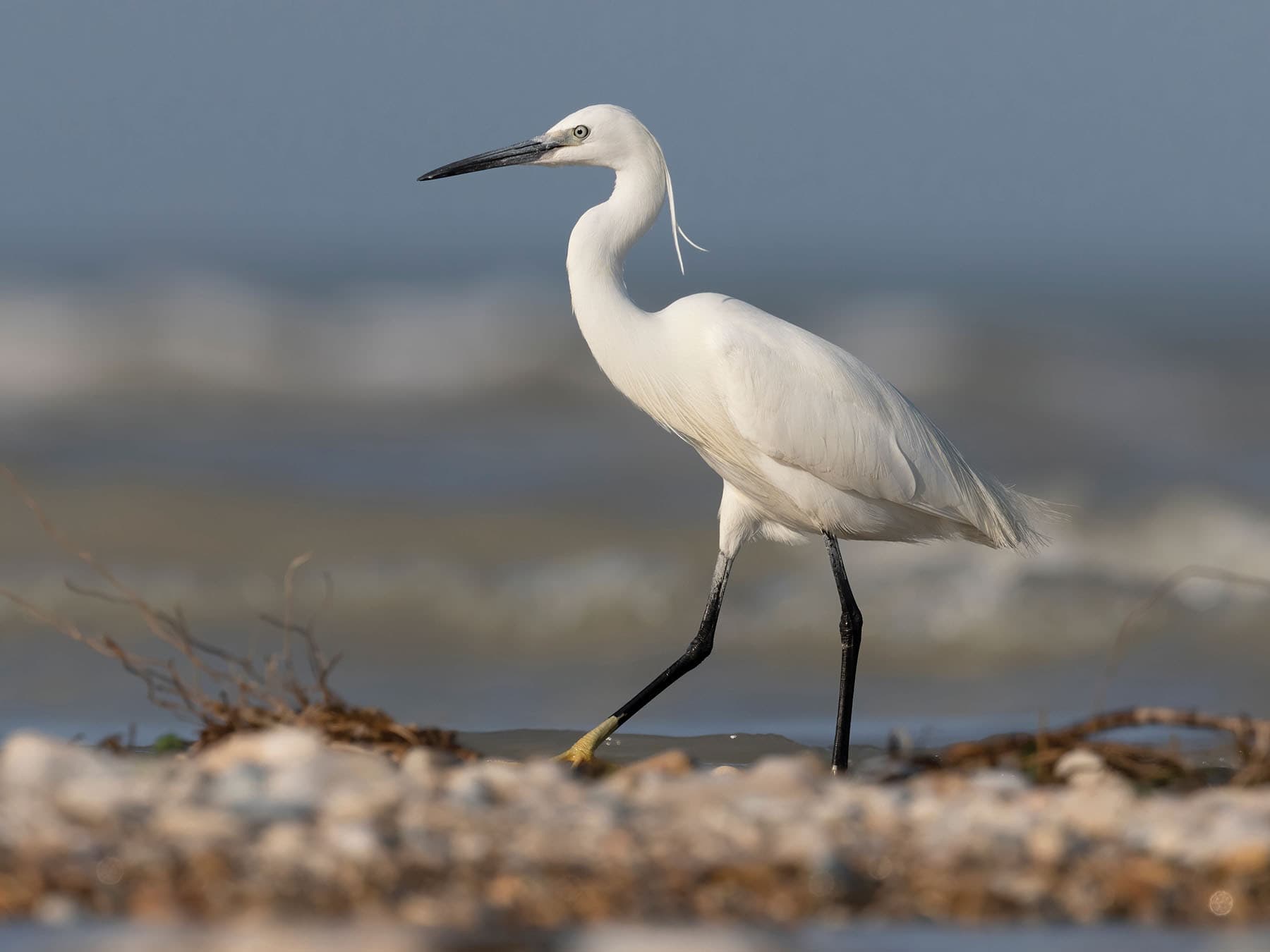
Little Egret
Egretta garzettaLC
An uncommon but increasing resident, favouring estuaries, rivers, and wetlands. A relatively recent coloniser of North Yorkshire.
Year-round
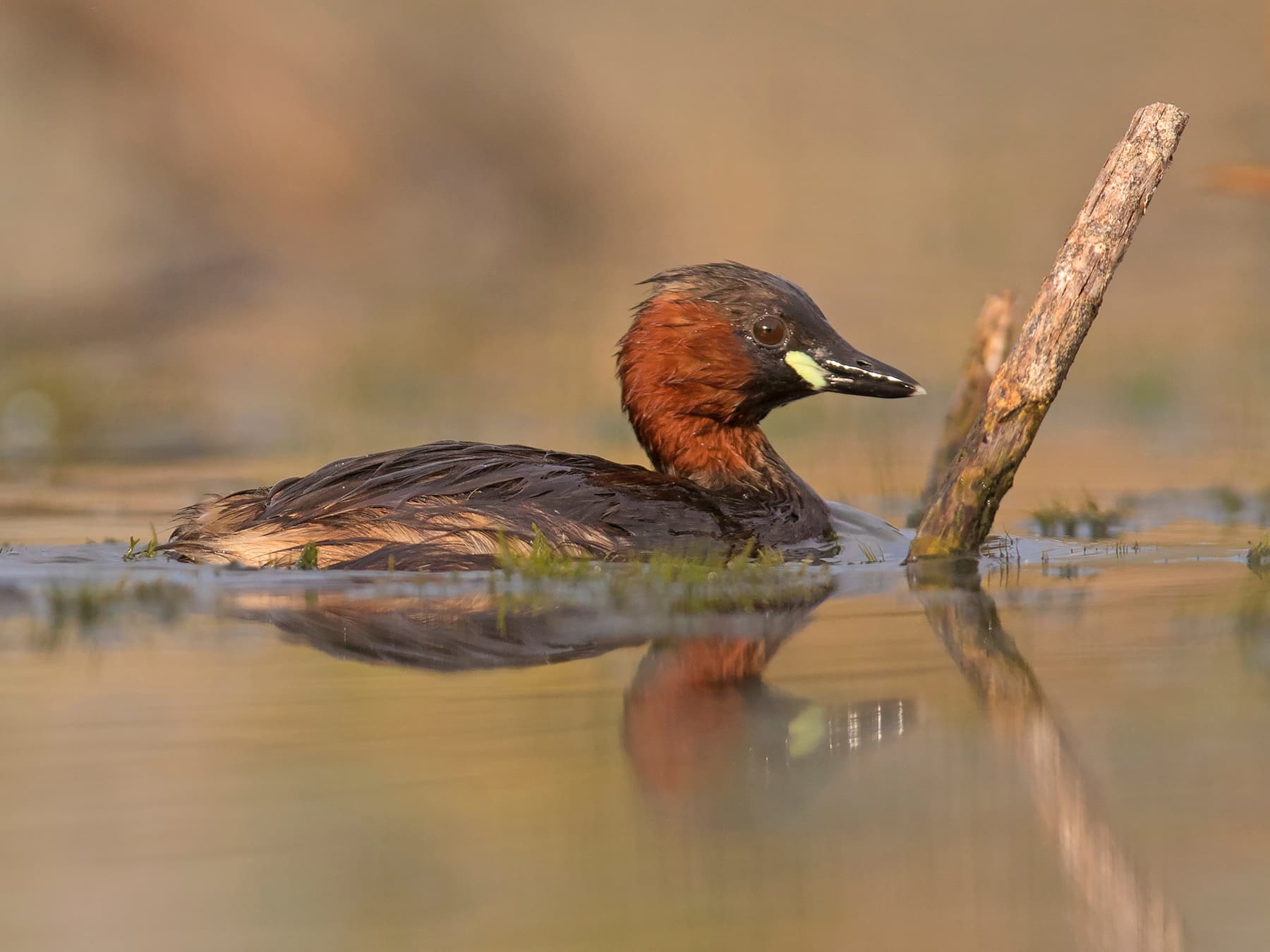
Little Grebe
Tachybaptus ruficollisLC
A shy, uncommon resident on ponds, lakes, and slow rivers. Its distinctive whinnying trill often reveals its presence before it is seen.
Year-round
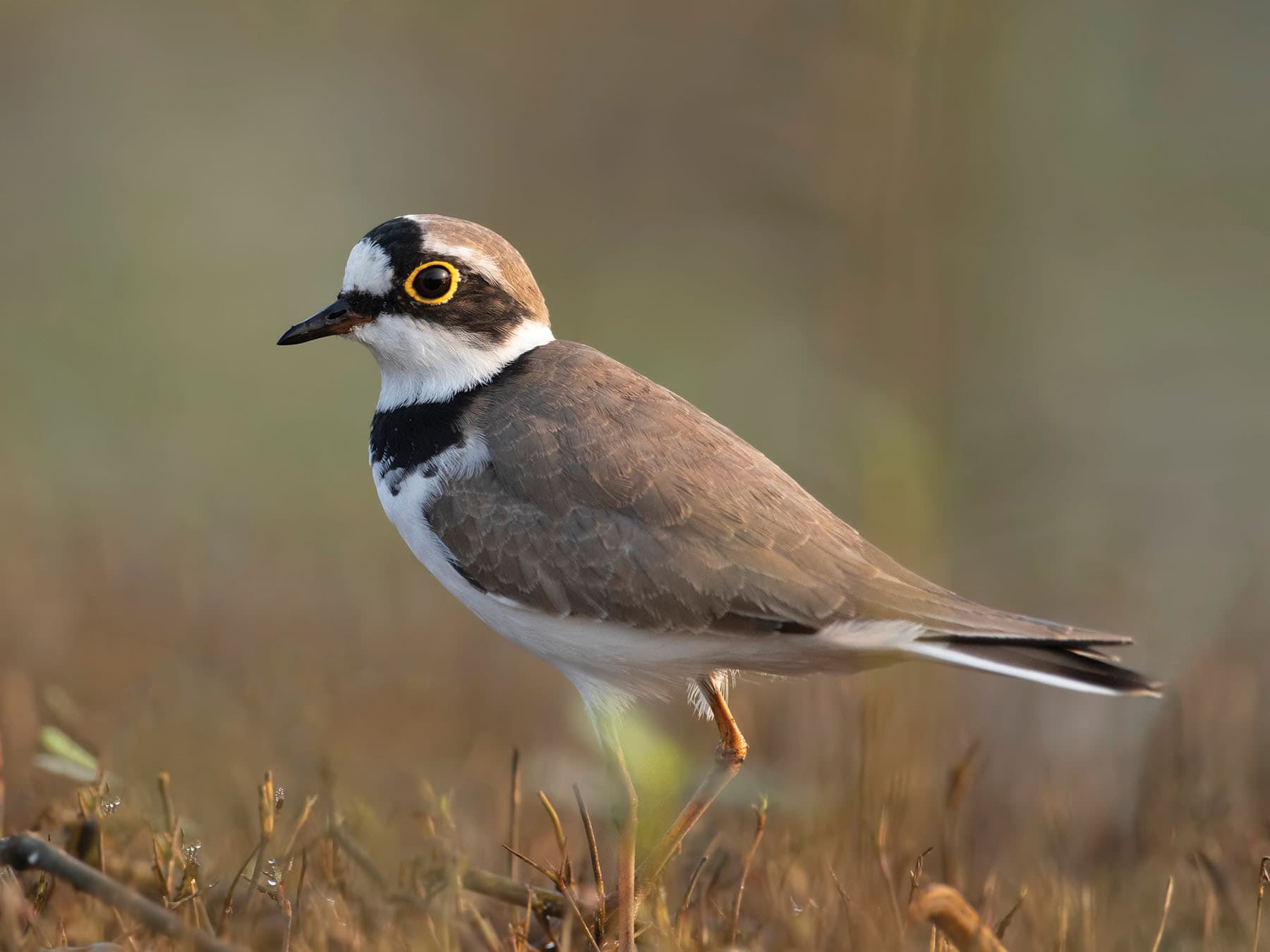
Little Ringed Plover
Charadrius dubiusLC
An uncommon summer breeder favouring gravel pits, reservoir margins and river shingle, present from March to September.
Mar–Sep
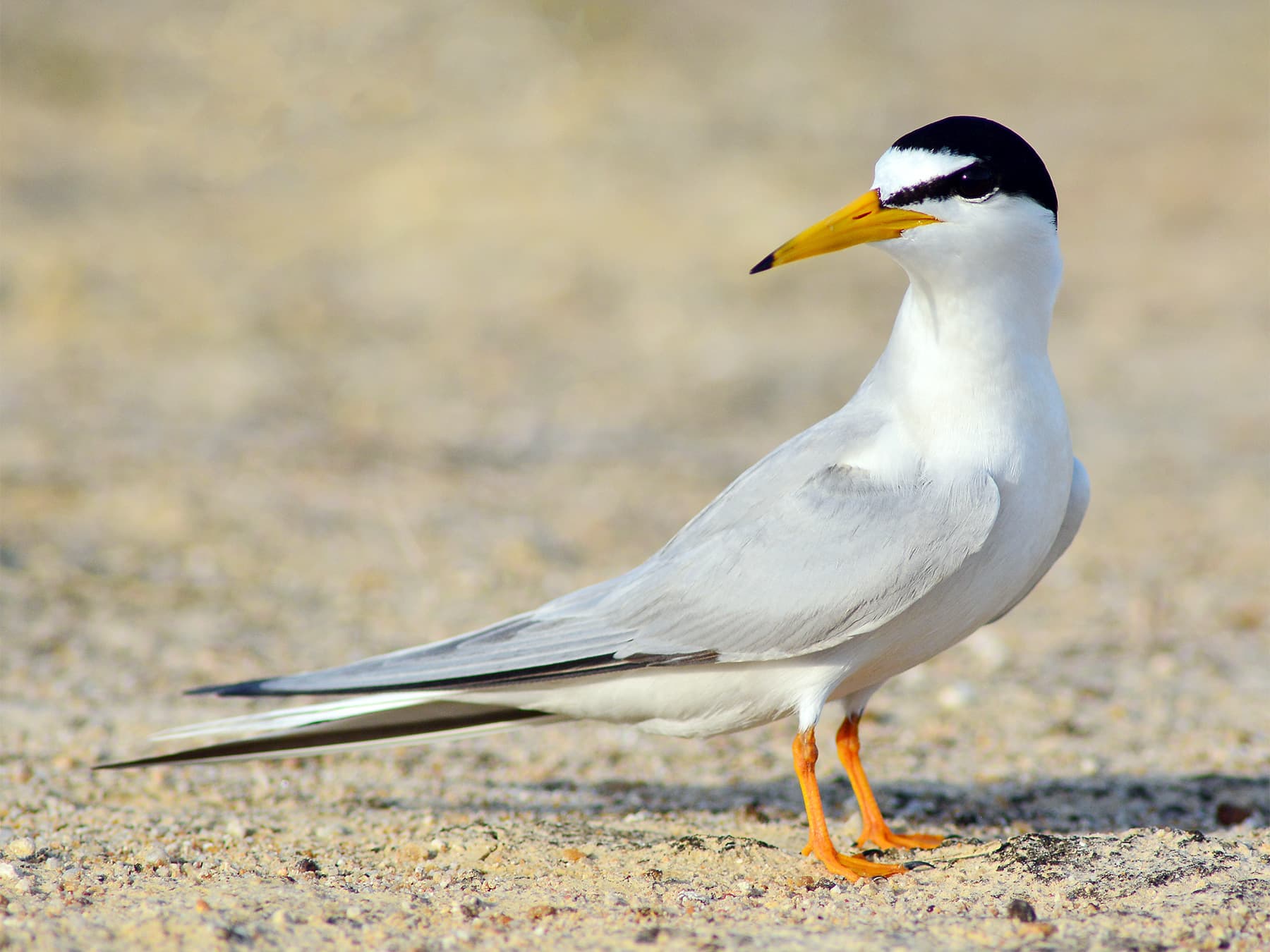
Little Tern
Sternula albifronsLC
Scarce summer breeder on shingle beaches along the coast, present from May to August. A Schedule 1 protected species vulnerable to disturbance.
May–Aug
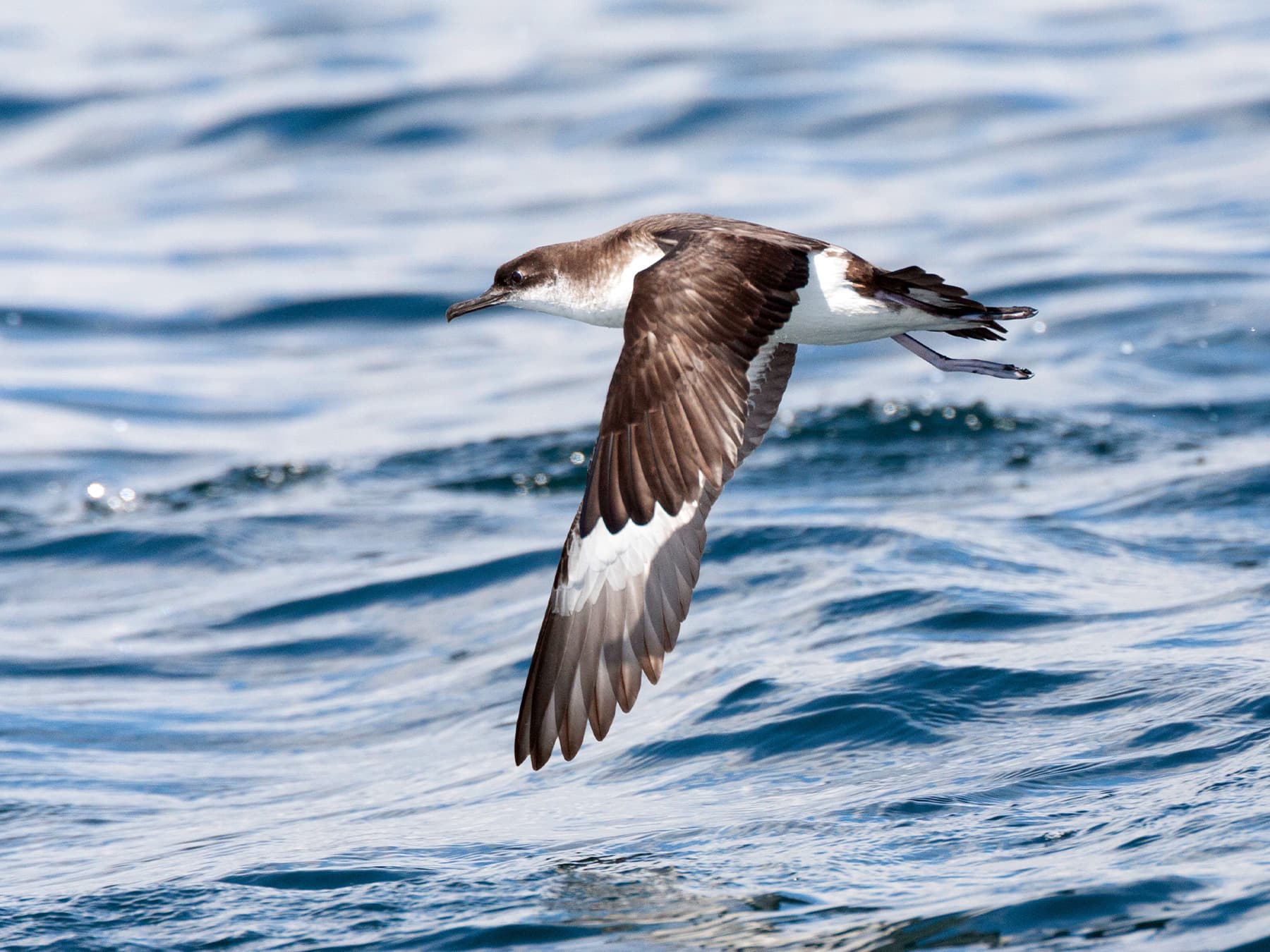
Manx Shearwater
Puffinus puffinusLC
An uncommon breeder seen offshore from May to October. Best spotted during seawatches from headlands like Flamborough and Filey Brigg.
May–Oct
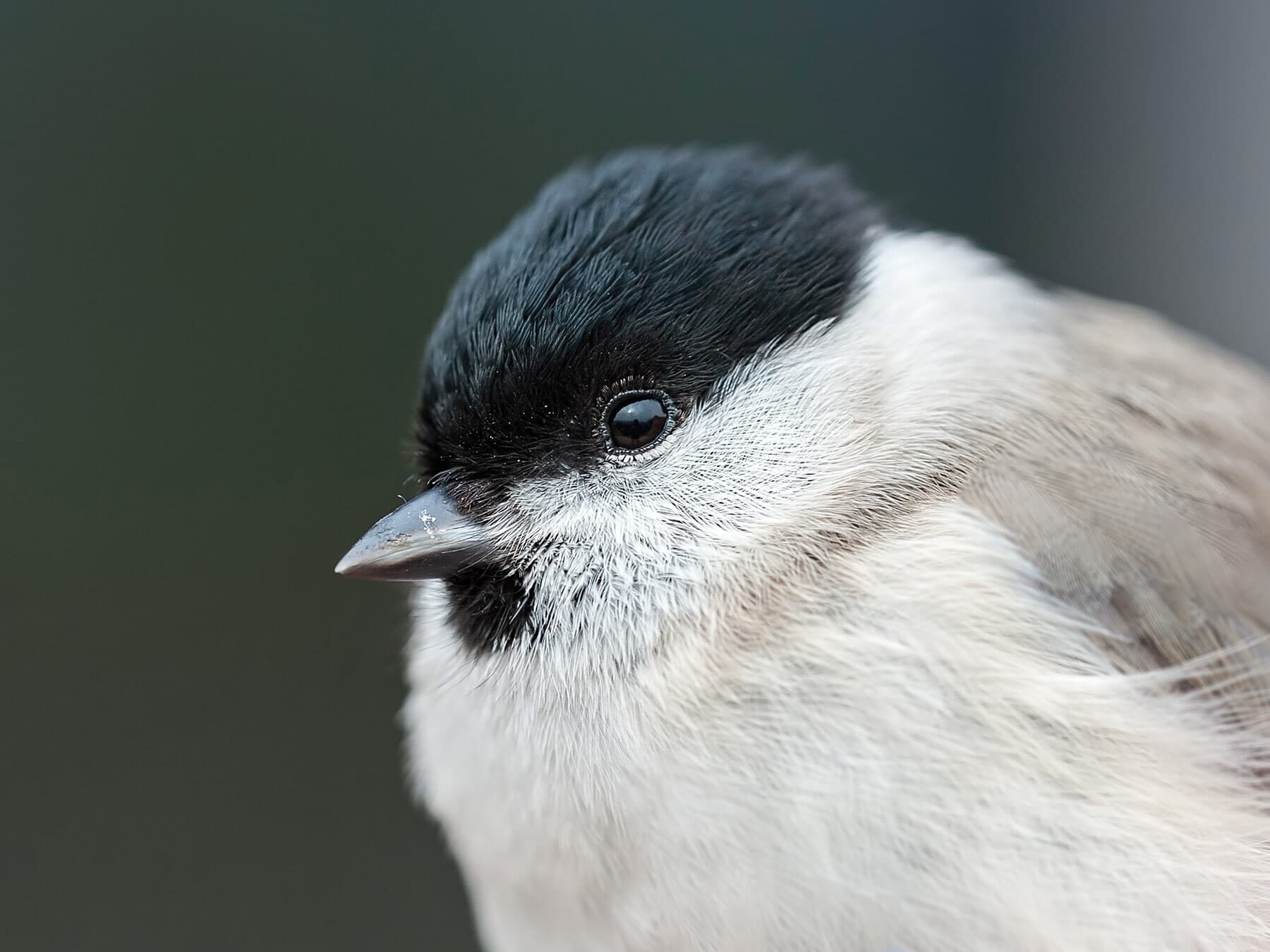
Marsh Tit
Poecile palustrisLC
An uncommon resident of mature deciduous woodland, declining nationally but still found in parts of the Dales and Howardian Hills.
Year-round