Rare Birds in North Yorkshire
92 species matching this filter.
North Yorkshire's diverse landscapes — from the rugged moorlands of the North York Moors and Yorkshire Dales to its dramatic coastline and sheltered river valleys — provide habitat for an impressive array of rare bird species. With 91 species classified as rare in the county, patient observers may encounter elusive residents such as Black Grouse on upland heath edges, Little Owl in lowland farmland, and European Green Woodpecker in mature deciduous woodlands. Coastal areas and passage periods also bring scarce visitors including Arctic Loon, Great Skua, Iceland Gull, and Little Stint, making North Yorkshire a rewarding destination for birders seeking something out of the ordinary.


Showing 24–46 of 92 species
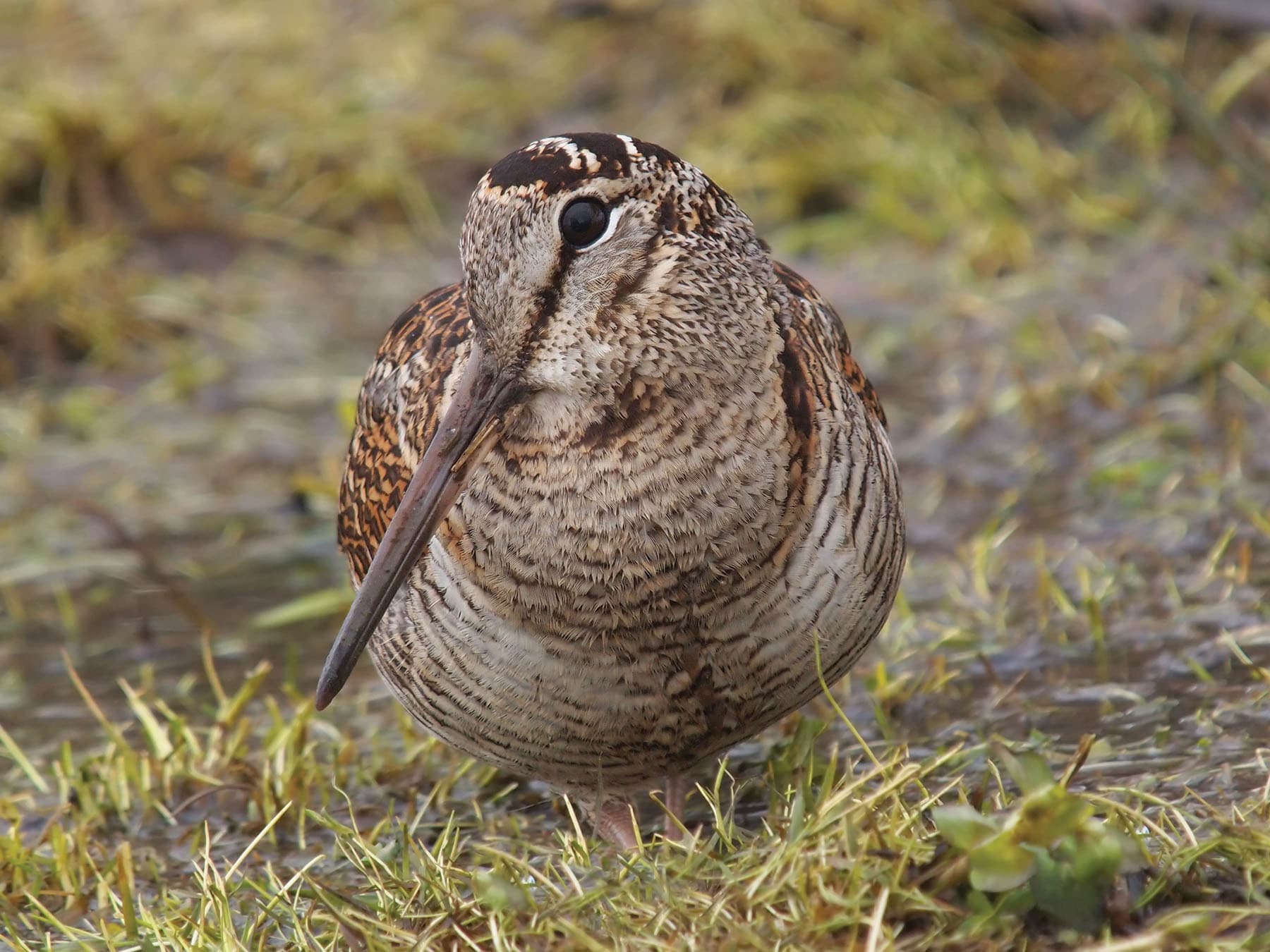
Eurasian Woodcock
Scolopax rusticolaLC
A secretive resident of damp woodland floors, most often glimpsed during its roding display flights at dusk in spring and summer.
Oct–Jun
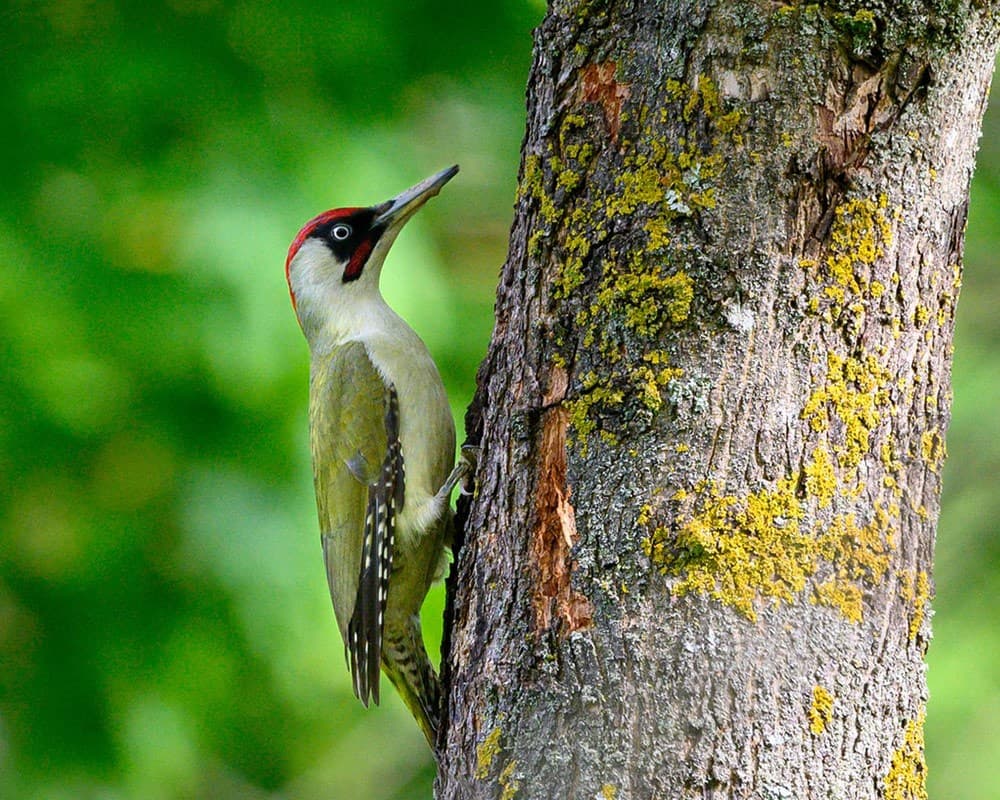
European Green Woodpecker
Picus viridisLC
A scarce resident found in parkland and woodland edges, often heard giving its distinctive laughing call. Near its northern range limit here.
Year-round
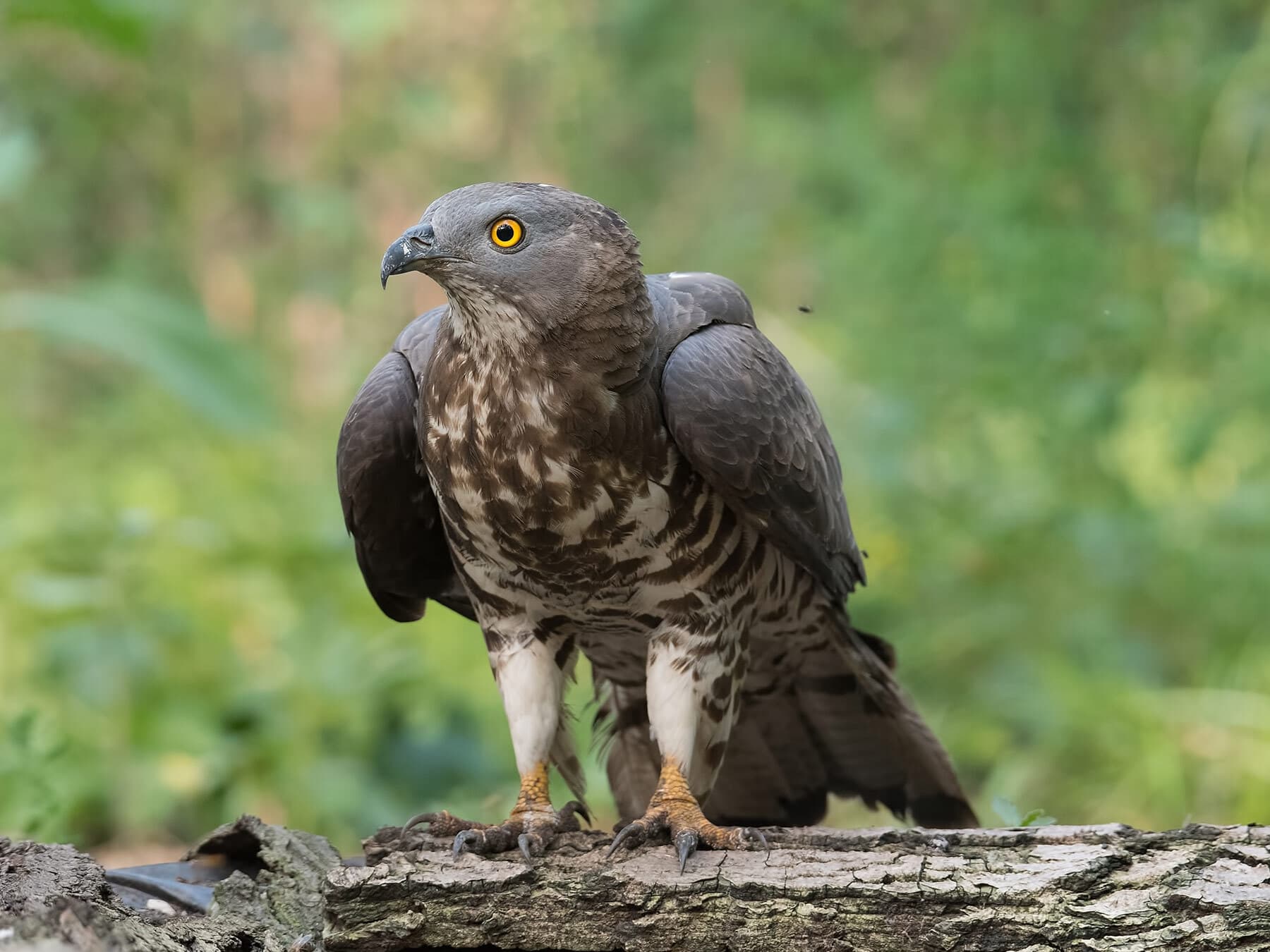
European Honey-buzzard
Pernis apivorusLC
A rare and secretive summer breeder in mature woodlands, feeding largely on wasp and bee nests. Present May to July.
May–Jul
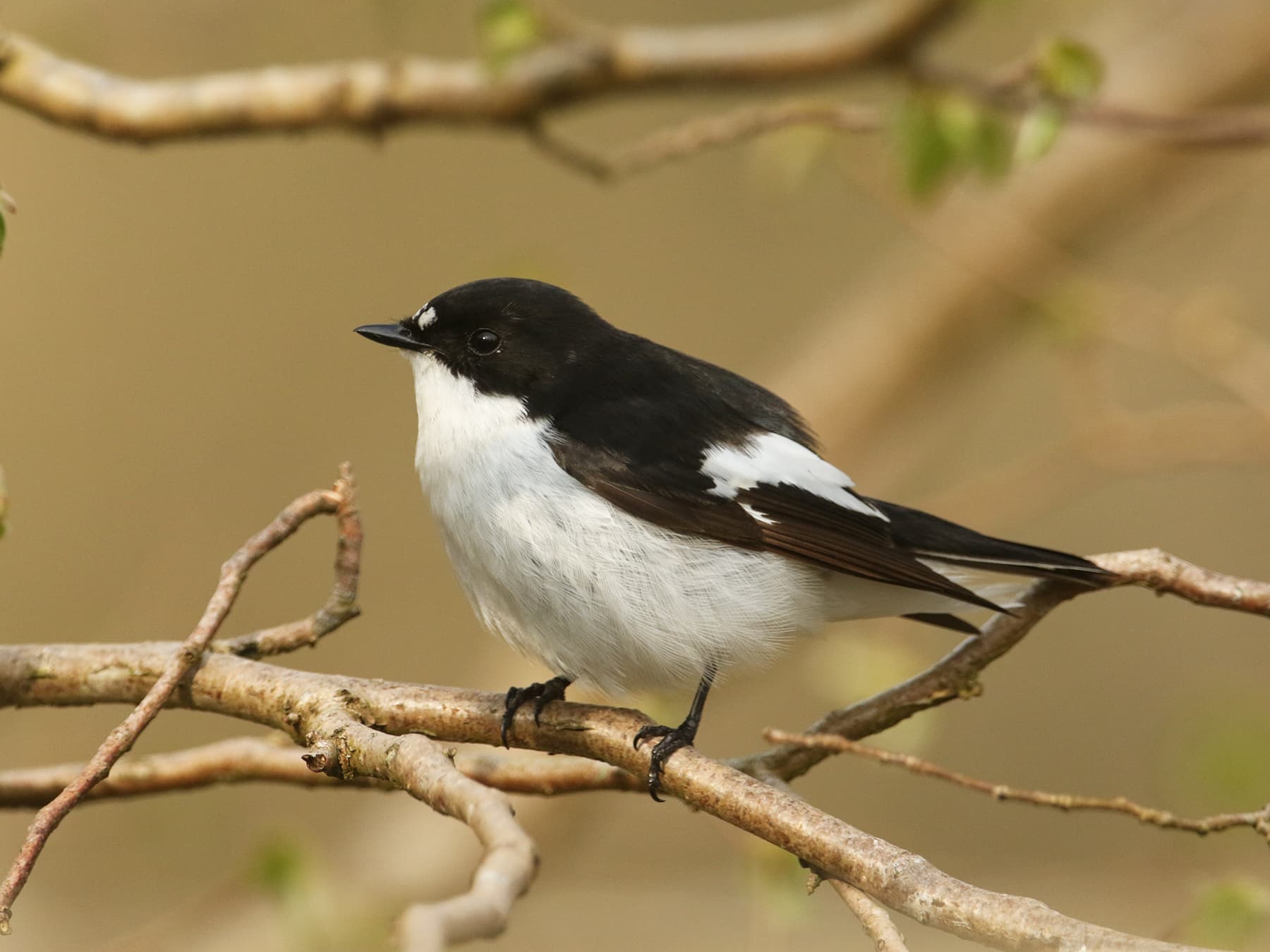
European Pied Flycatcher
Ficedula hypoleucaLC
A rare breeding visitor to oak woodlands, particularly in the western dales. Readily takes to nestboxes where provided from April to September.
Apr–Sep
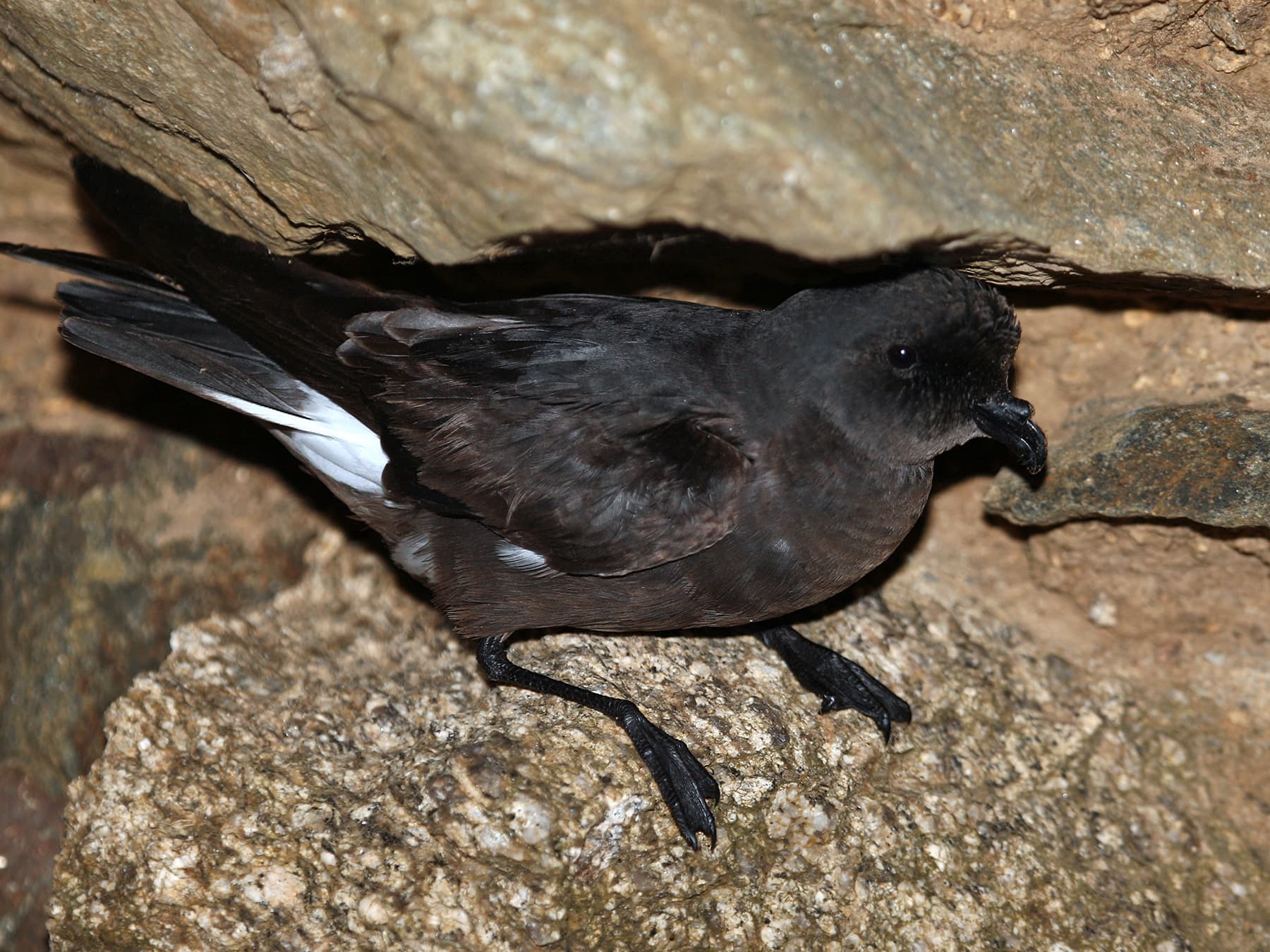
European Storm-petrel
Hydrobates pelagicusLC
A rare summer passage visitor, occasionally detected during seawatches from Flamborough Head and Filey Brigg in July and August.
Jul–Aug
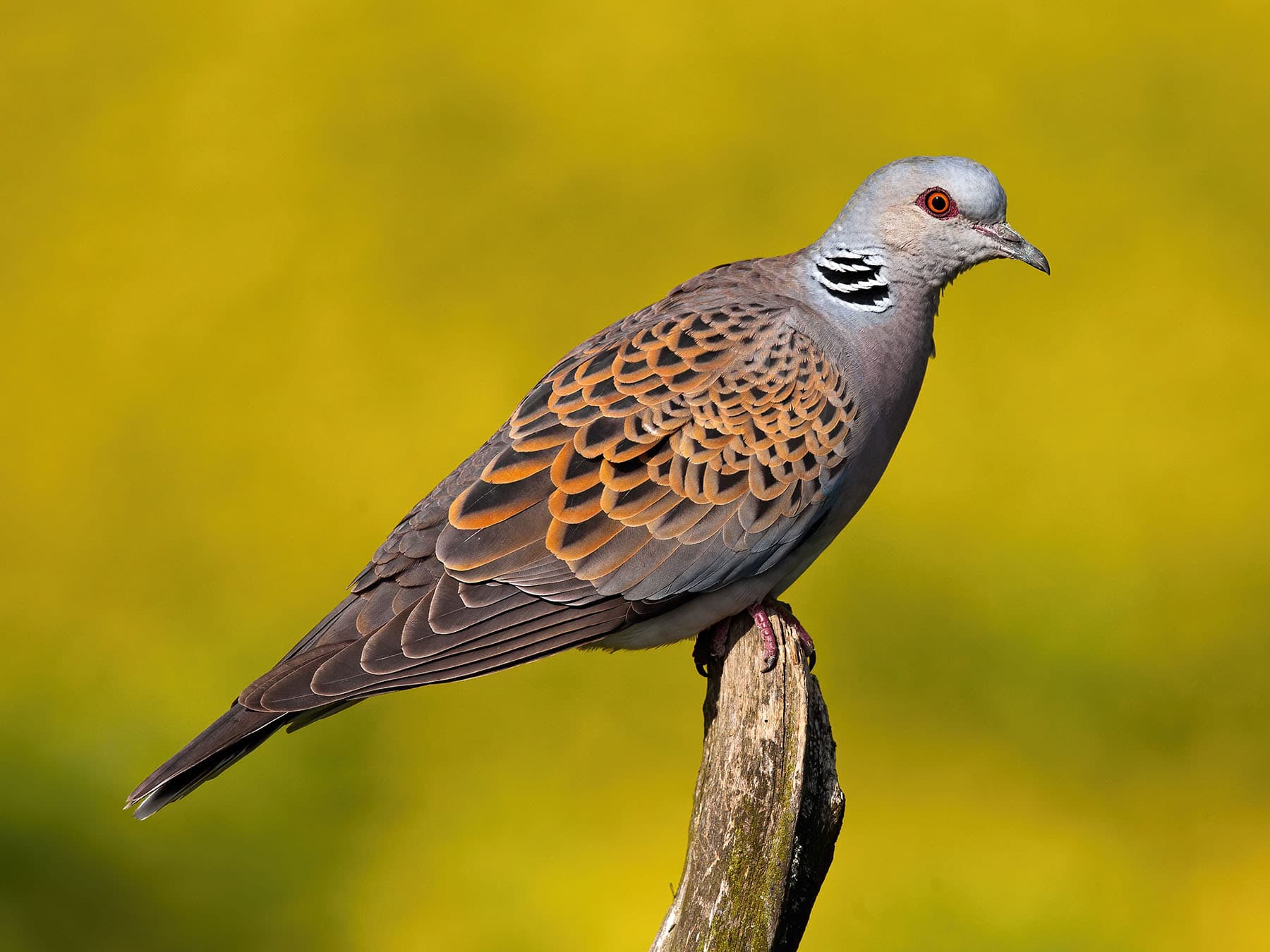
European Turtle-dove
Streptopelia turturVU
A rare and rapidly declining summer breeder, arriving in May. One of the UK's most threatened farmland birds, favouring hedgerow scrub.
May–Jul
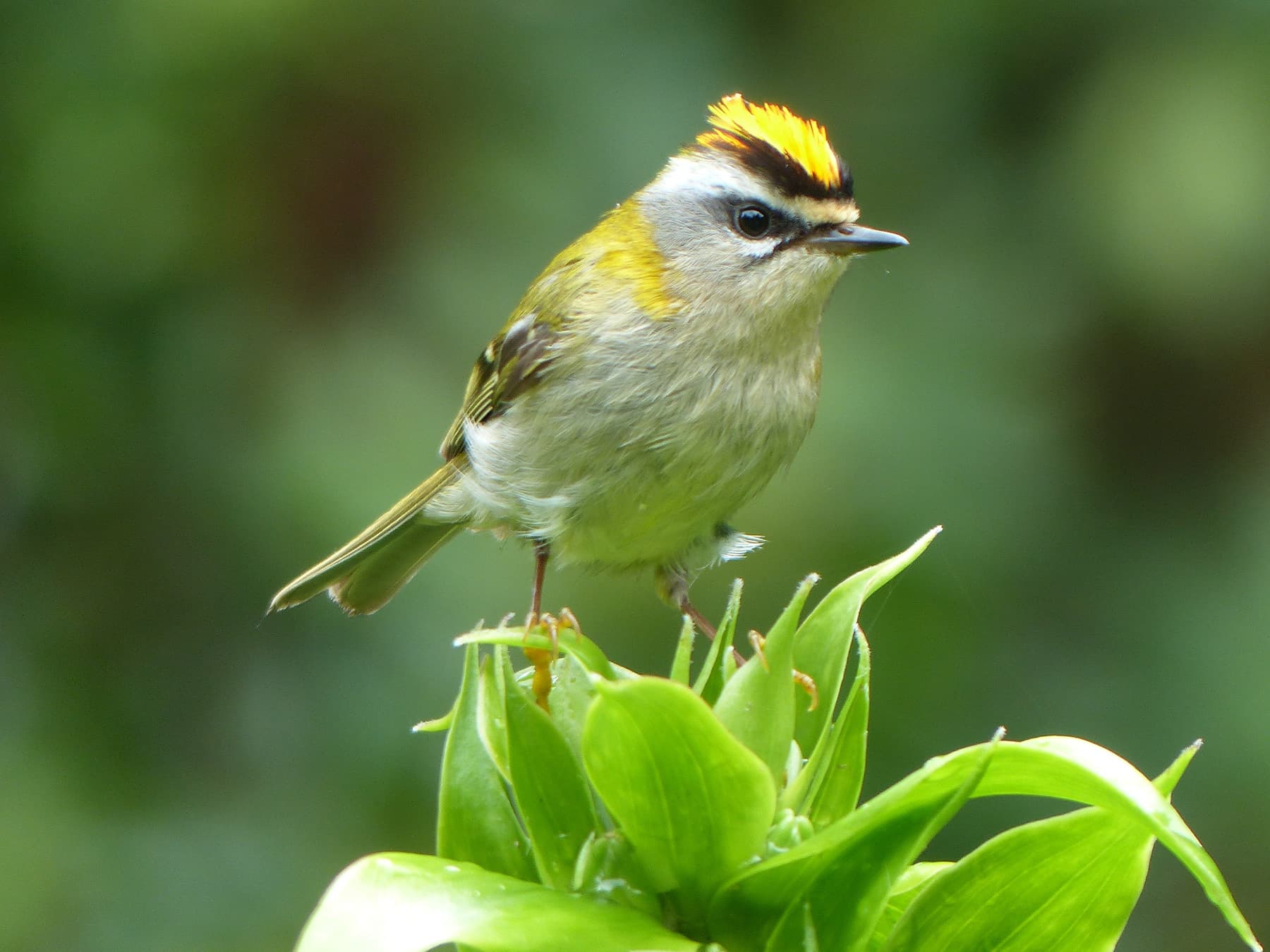
Firecrest
Regulus ignicapillaLC
A rare passage migrant in April and October, most often found in coastal scrub alongside commoner Goldcrests.
Oct–Apr
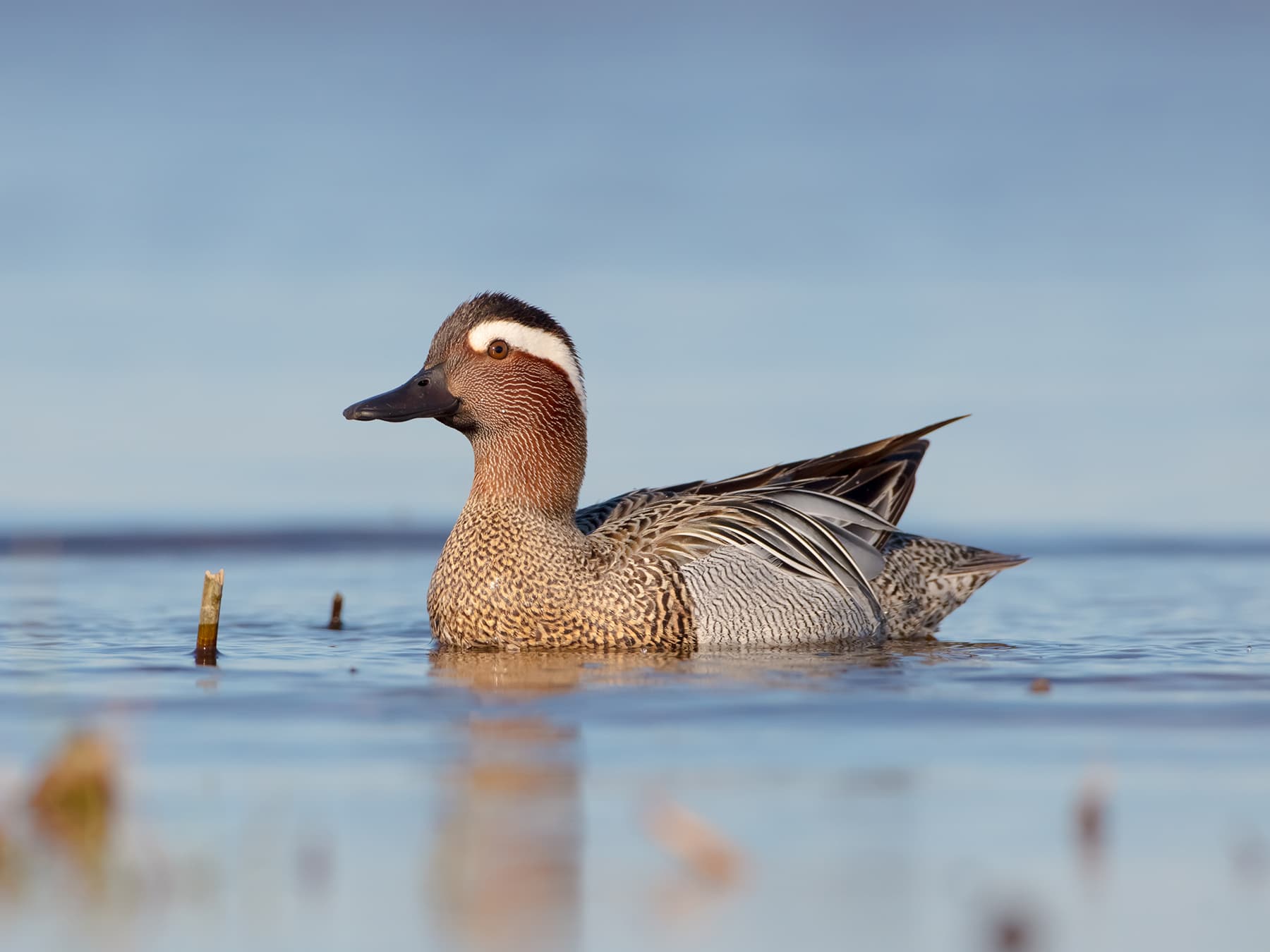
Garganey
Spatula querquedulaLC
A rare summer breeder arriving in spring, favouring shallow wetlands with emergent vegetation. One of the UK's scarcest breeding ducks.
Apr–Sep
Spotted something?
Upload a photo to identify it
Identify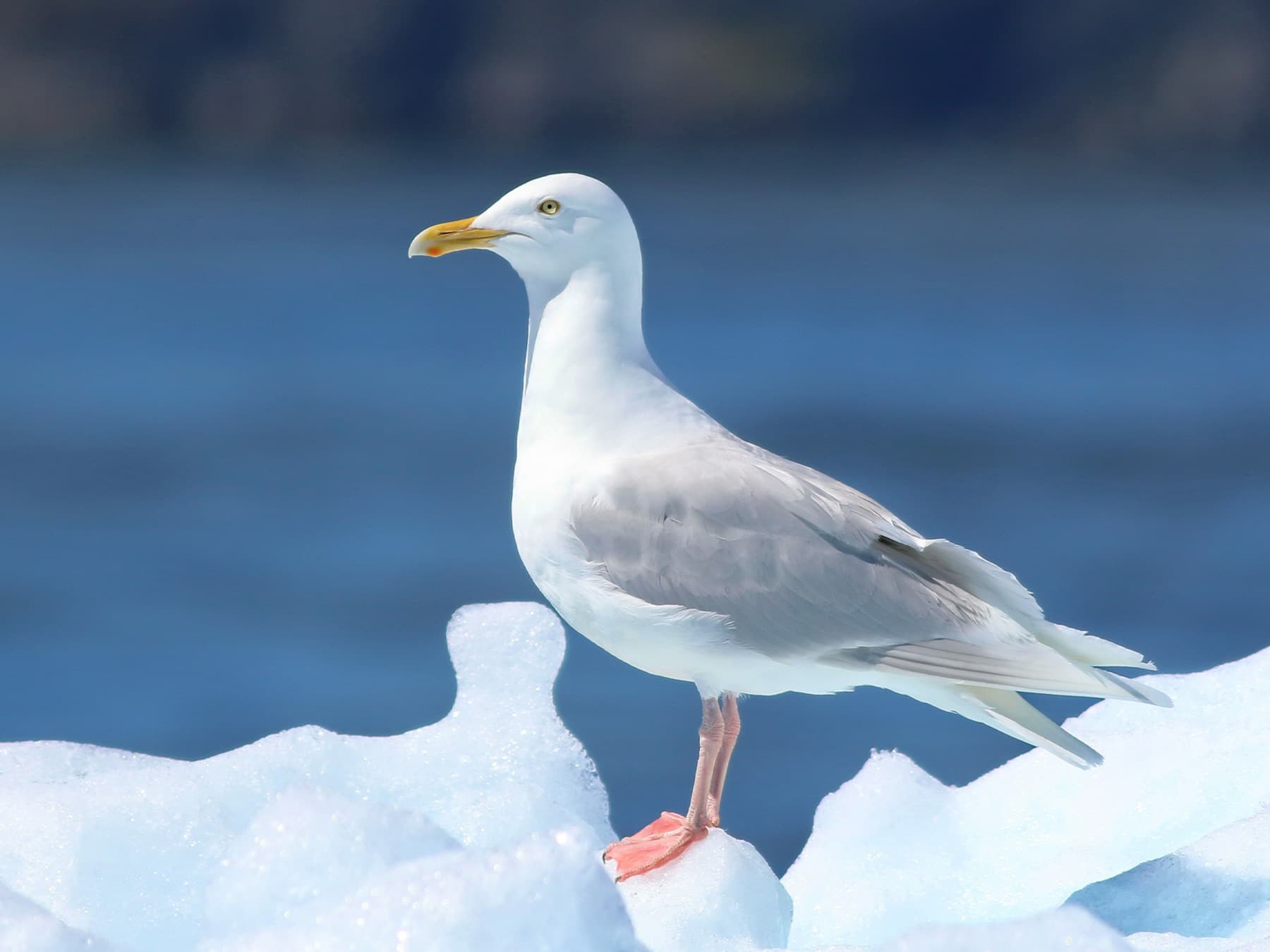
Glaucous Gull
Larus hyperboreusLC
A rare winter visitor from the Arctic, occasionally spotted among gull flocks at harbours and coastal roosts in January and February.
Jan–Feb
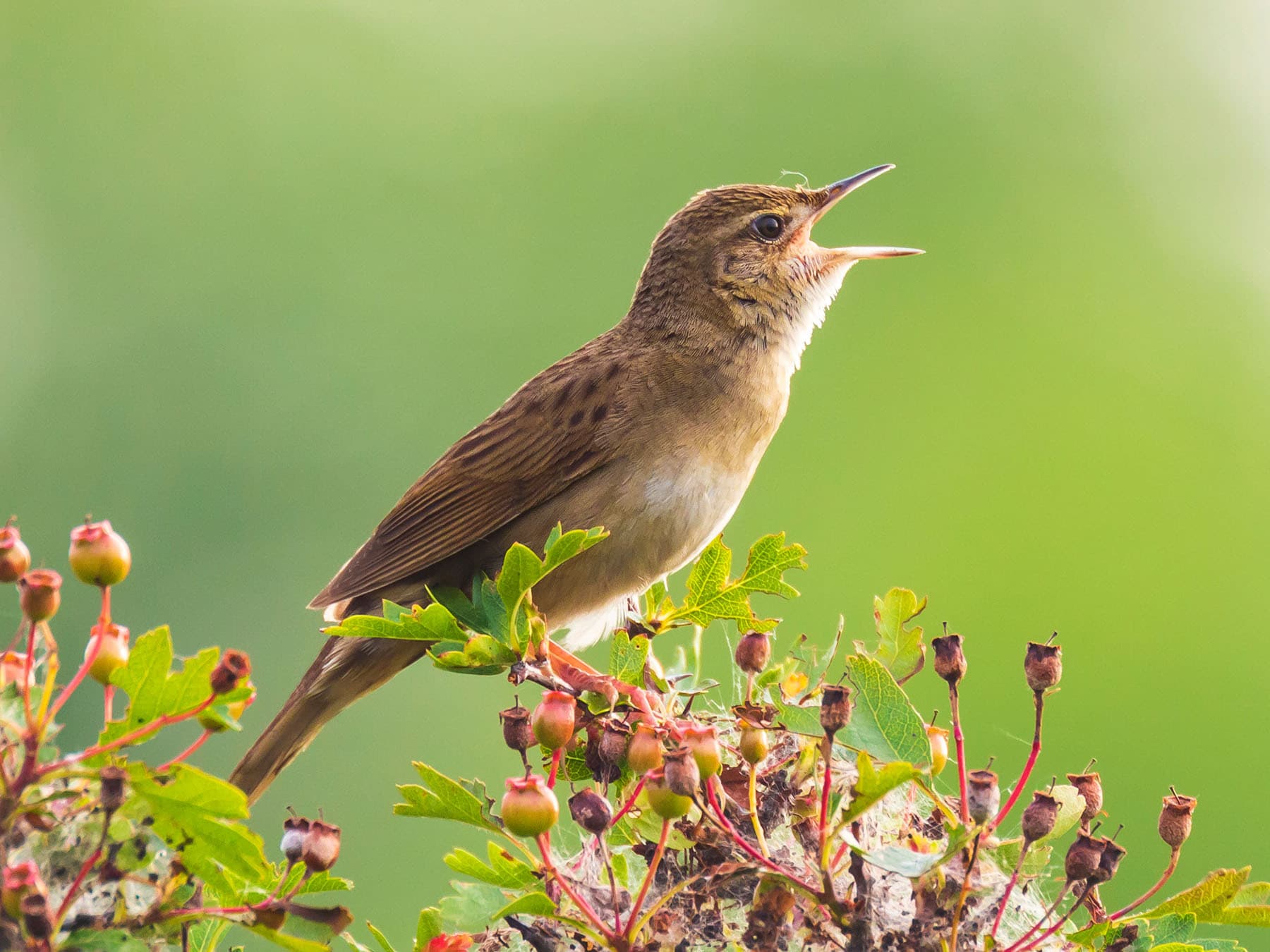
Grasshopper Warbler
Locustella naeviaLC
A scarce summer breeder, arriving in April and delivering its insect-like reeling song from dense scrub on moorland edges and marshes.
Apr–Jul
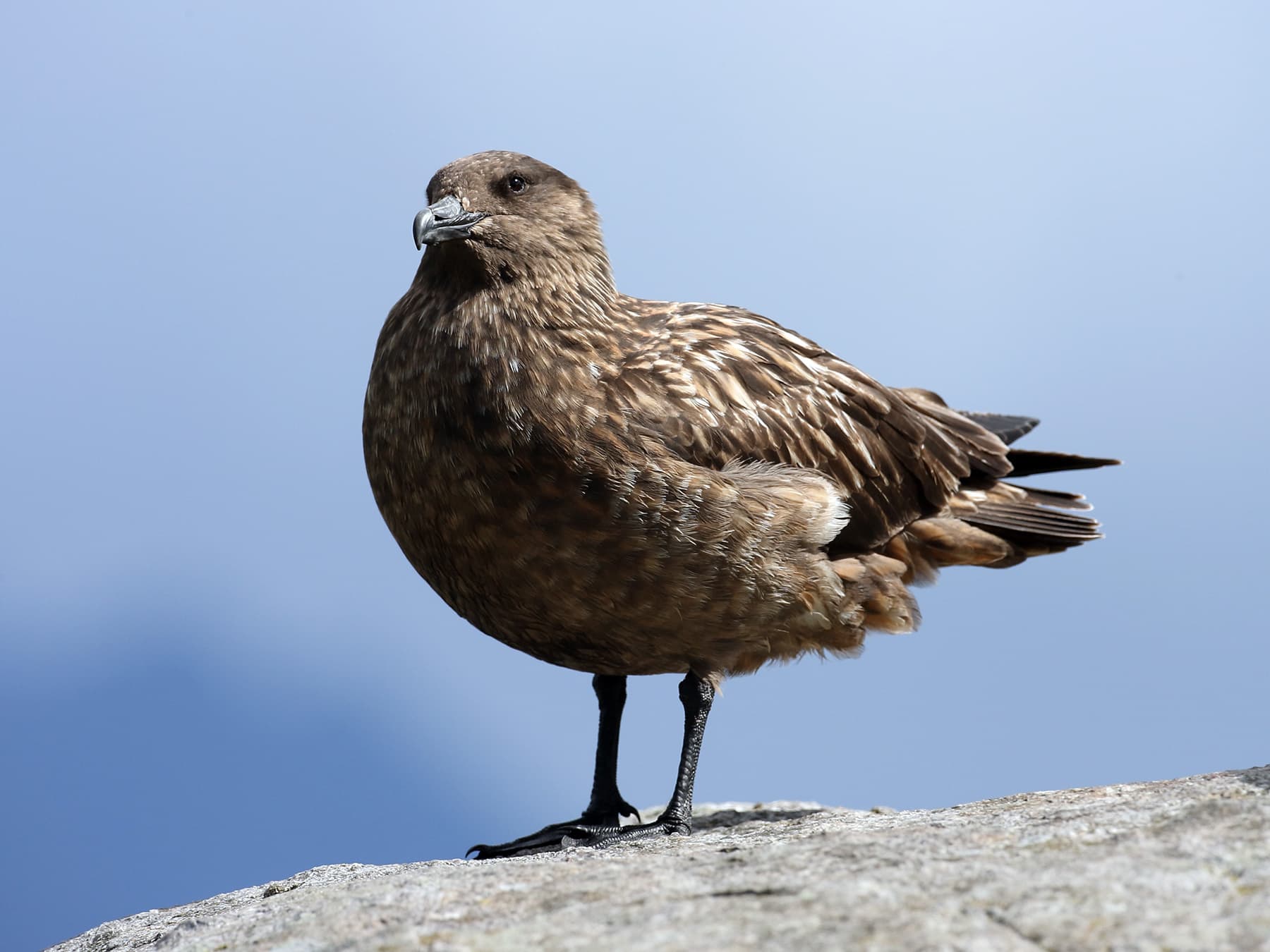
Great Skua
Catharacta skuaLC
Scarce but regular off the coast from summer through autumn, best seen during seawatches at Flamborough Head and Filey Brigg.
Jun–Nov
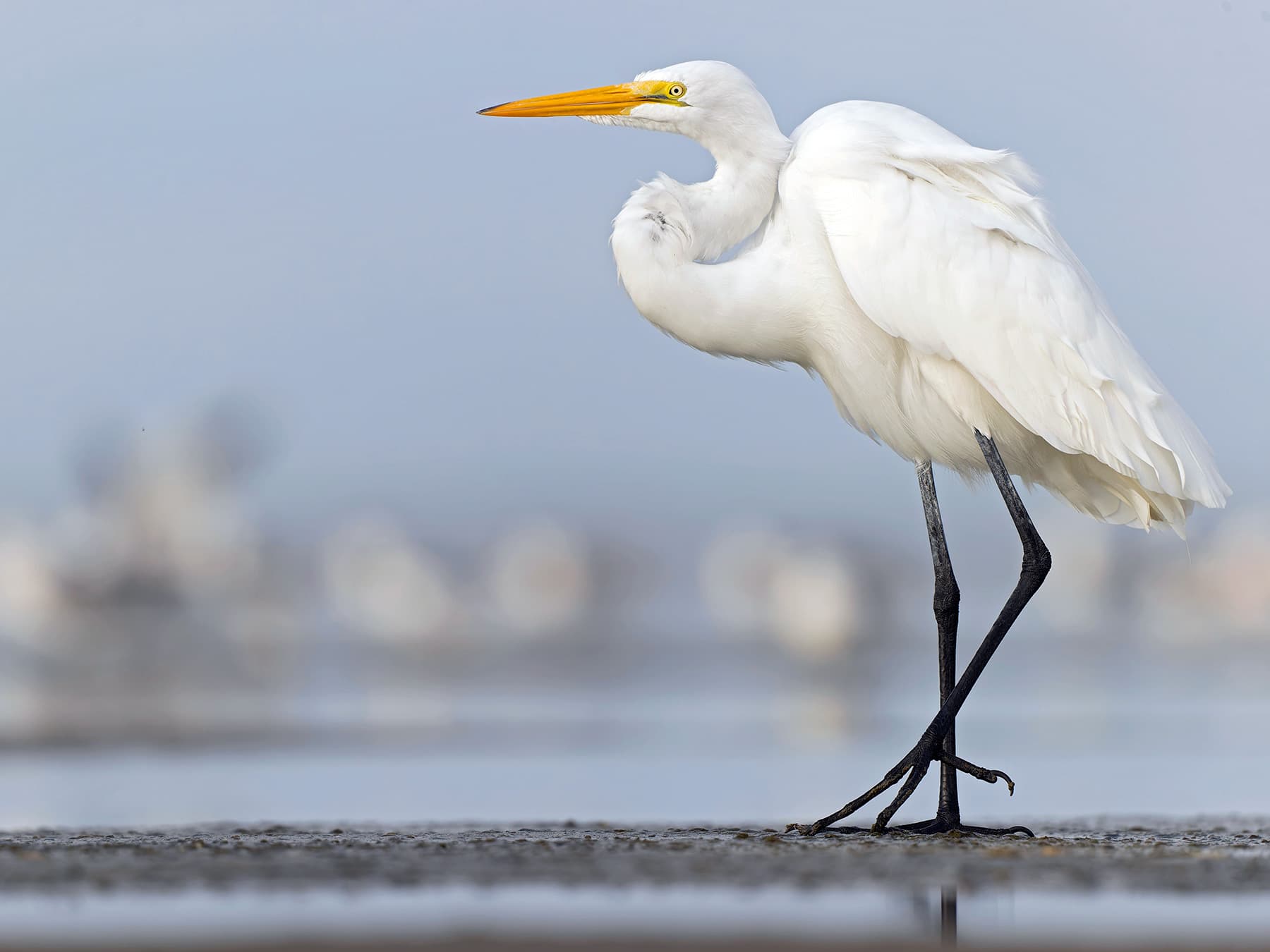
Great White Egret
Ardea albaLC
A rare but increasingly recorded resident at wetland sites, reflecting a national range expansion northwards into Yorkshire.
Year-round
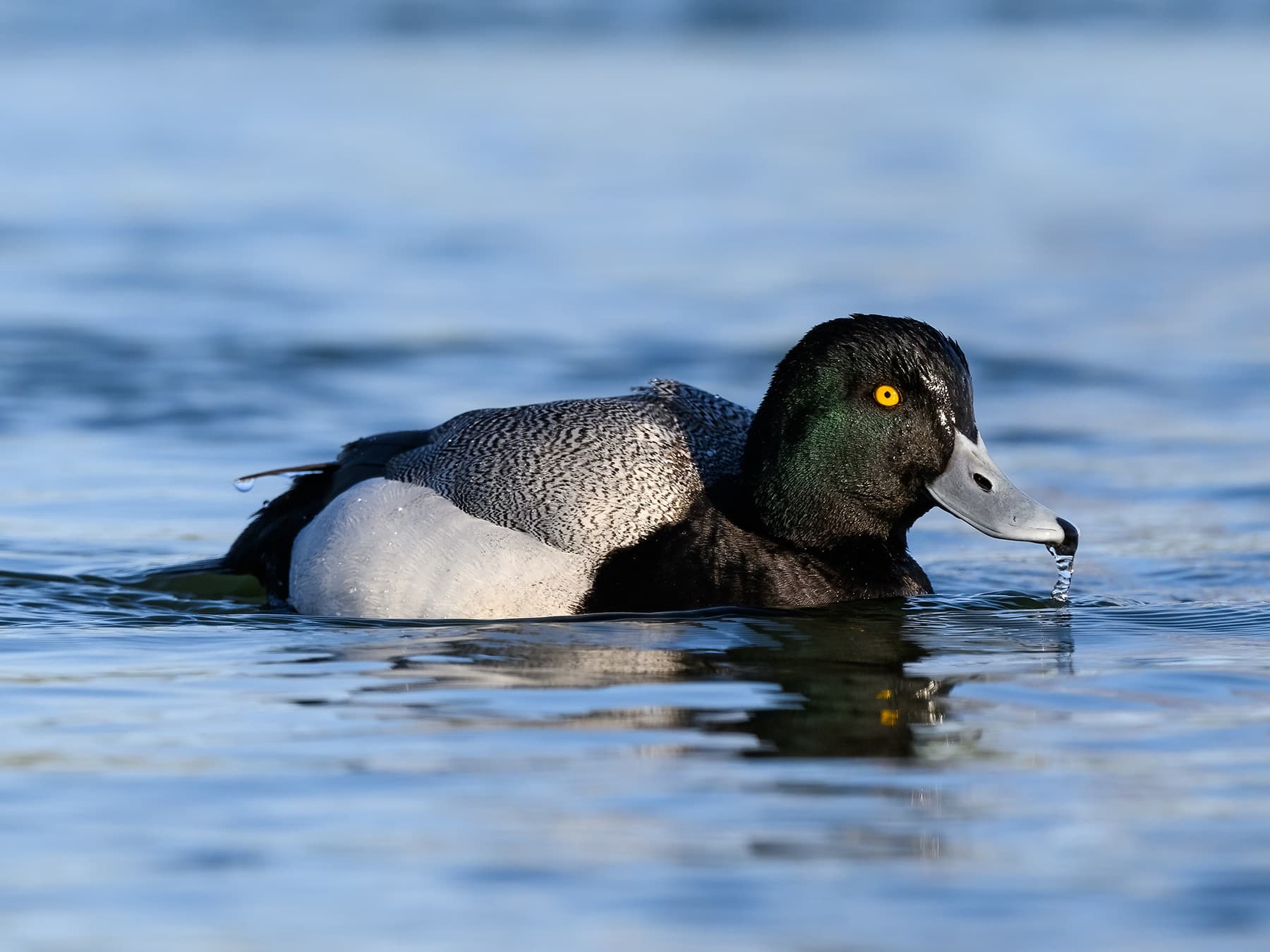
Greater Scaup
Aythya marilaLC
A rare winter visitor from October to March. Small numbers appear on coastal waters and occasionally on larger inland reservoirs.
Oct–Mar
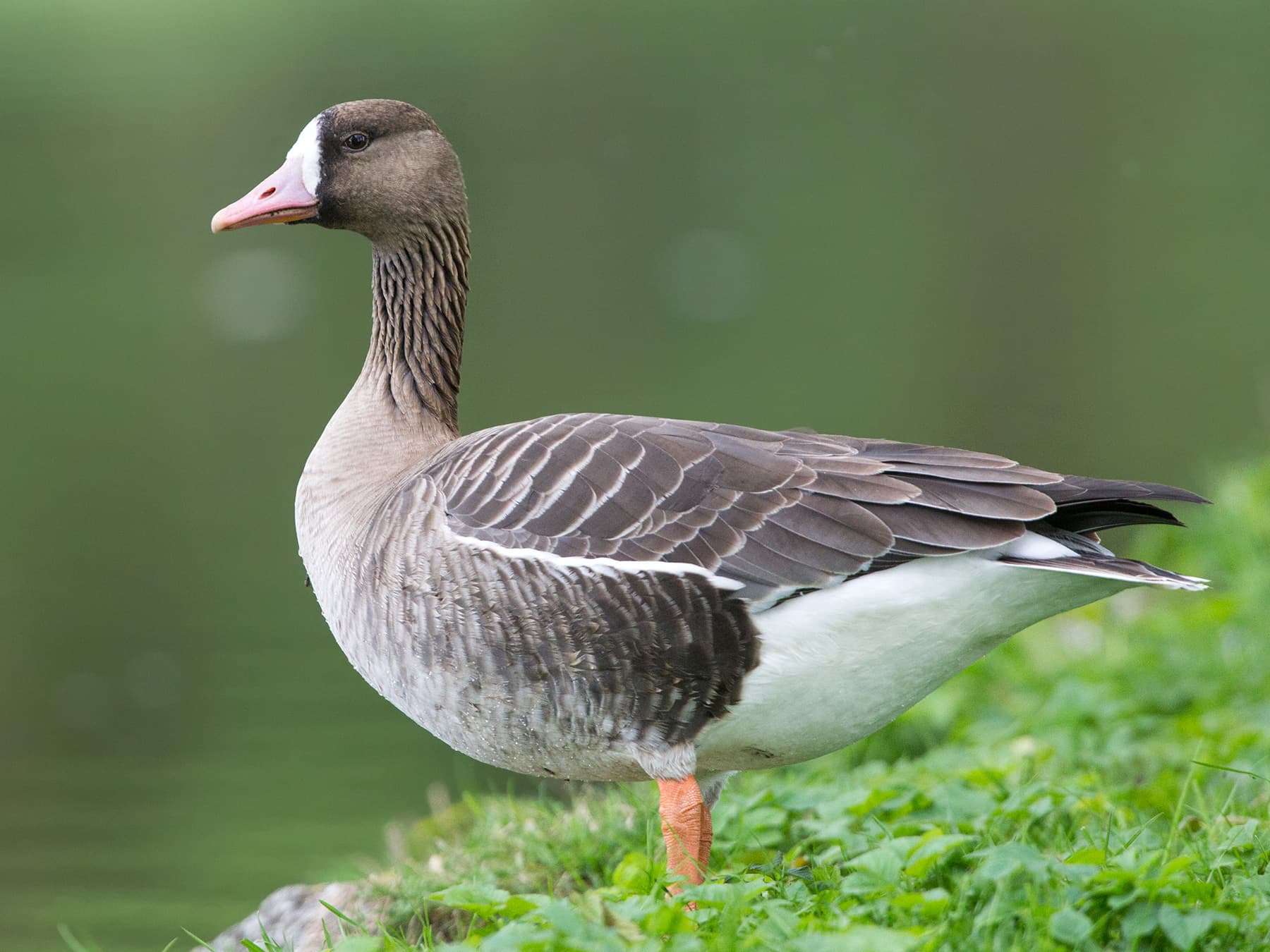
Greater White-fronted Goose
Anser albifronsLC
A rare winter visitor to lowland fields and wetlands, occasionally joining flocks of other grey geese between December and March.
Dec–Mar
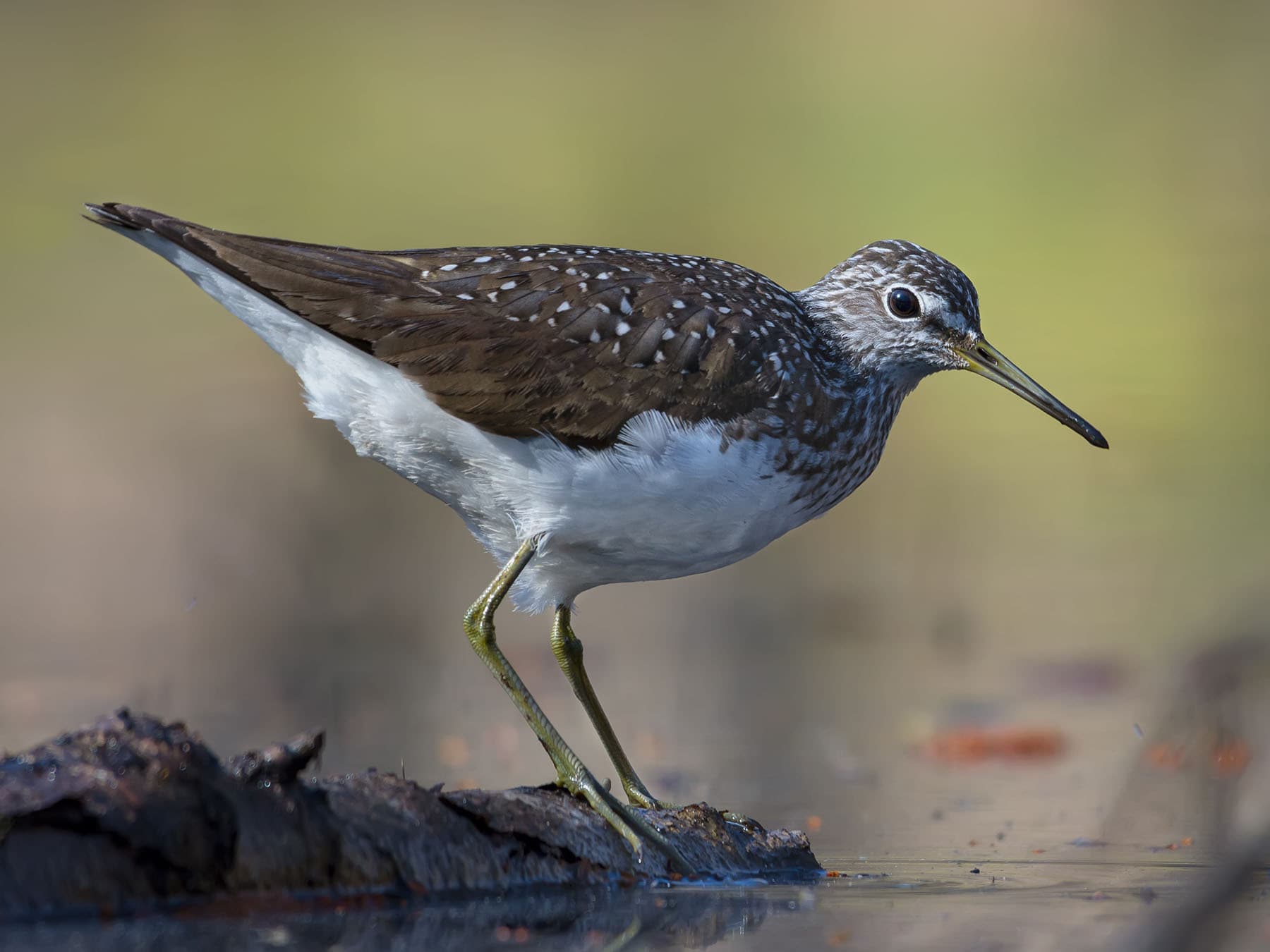
Green Sandpiper
Tringa ochropusLC
A rare breeder, most often glimpsed at freshwater pools and reservoir margins during autumn passage. Bobs distinctively when flushed.
Apr–Nov
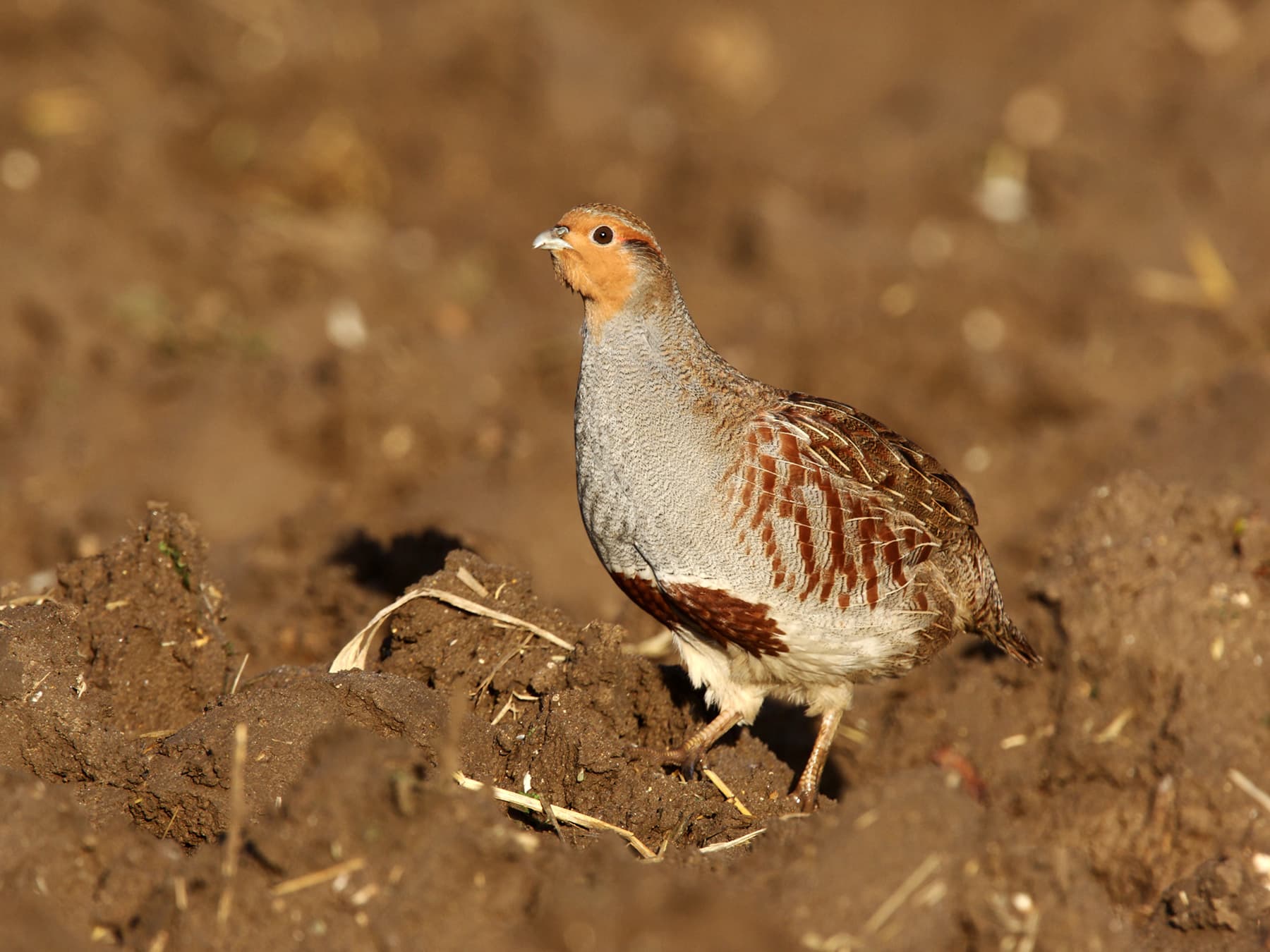
Grey Partridge
Perdix perdixLC
A declining resident of arable farmland and rough grassland. Once widespread, now rare due to agricultural intensification.
Year-round
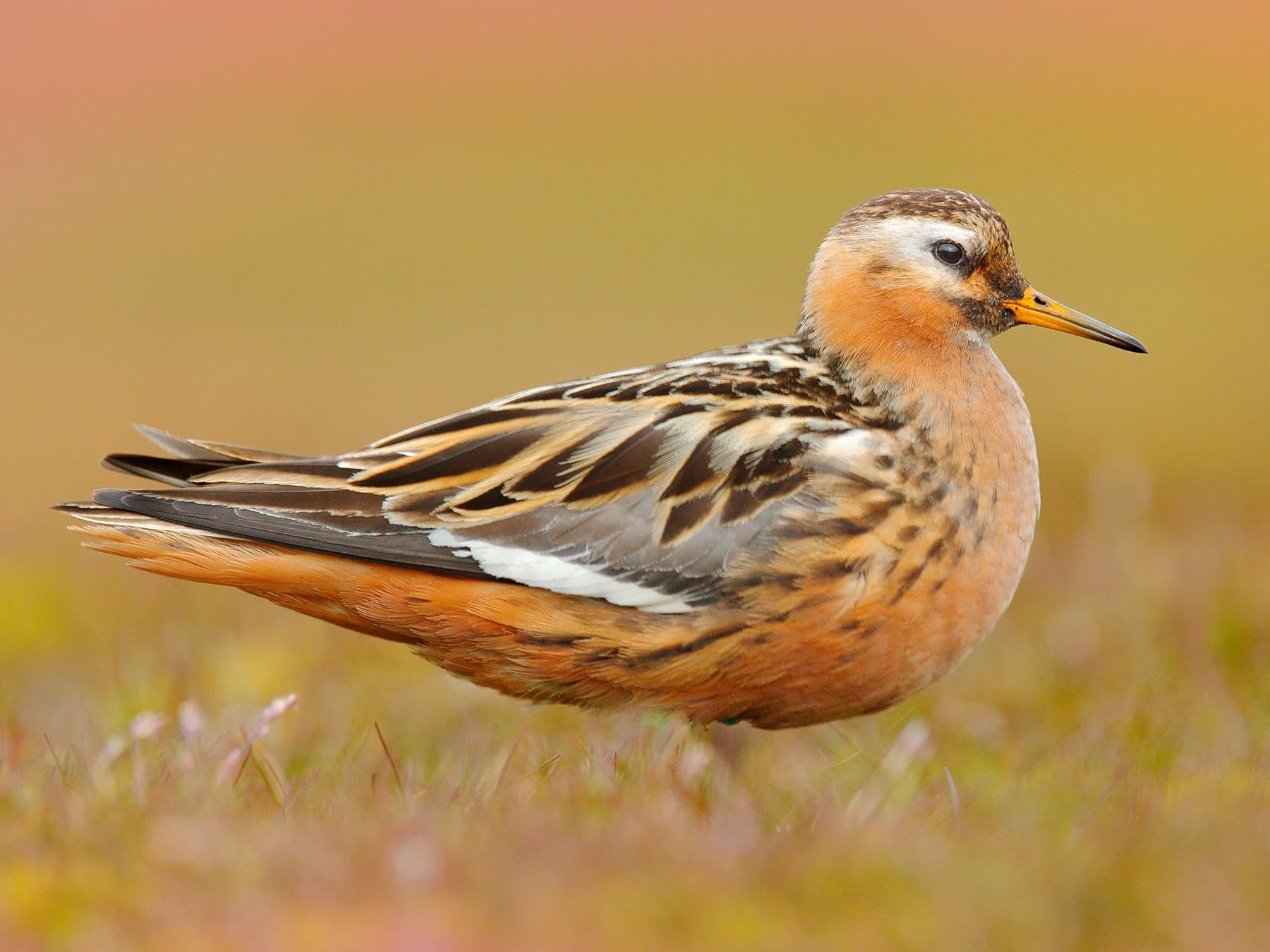
Grey Phalarope
Phalaropus fulicariusLC
A rare autumn passage visitor, occasionally driven to the coast at Filey or Scarborough by strong westerly gales in October and November.
Oct–Nov
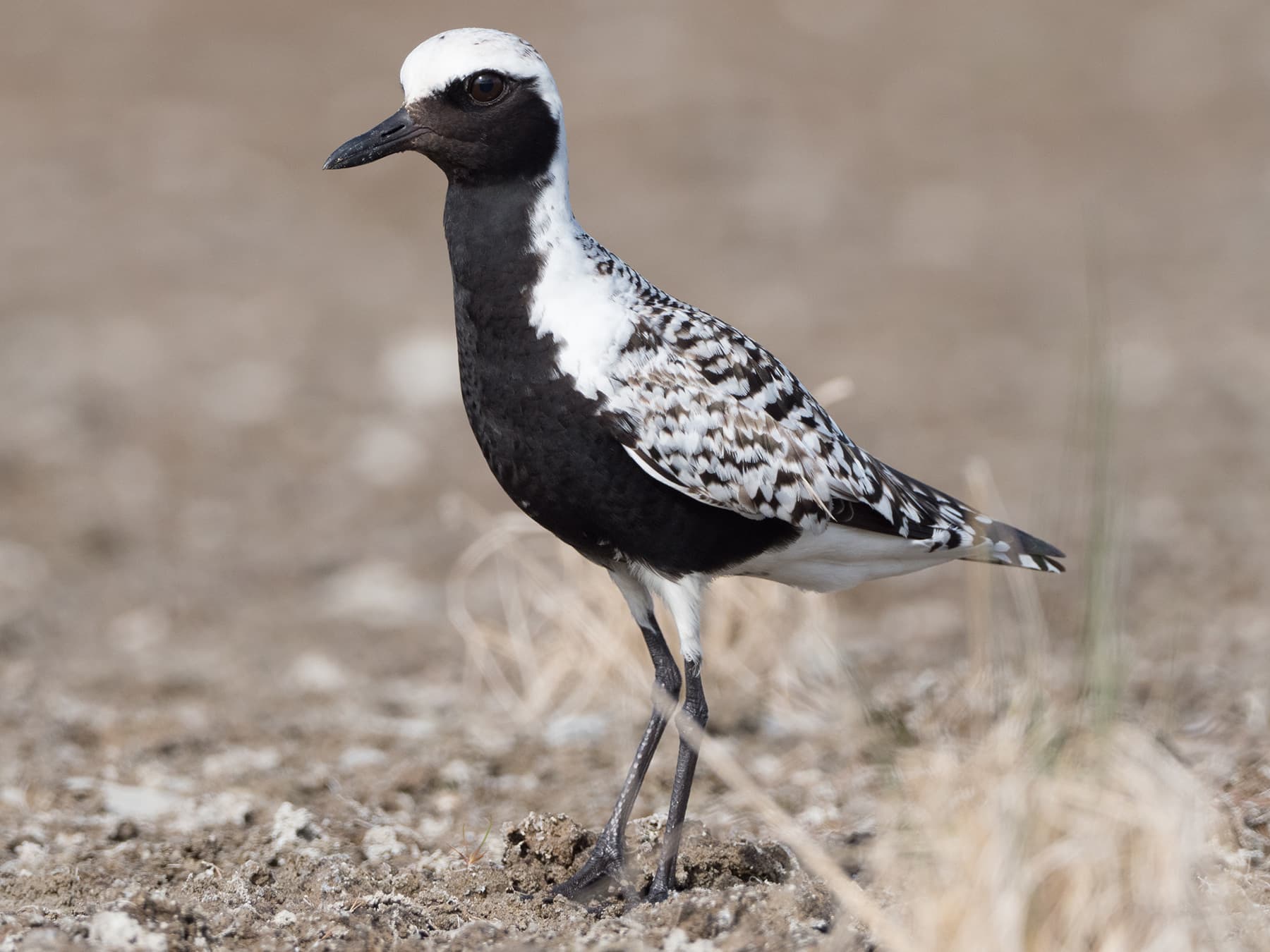
Grey Plover
Pluvialis squatarolaLC
A rare non-breeding visitor to the coast from autumn to spring. Look for its stocky build and black axillaries in flight.
Aug–Mar
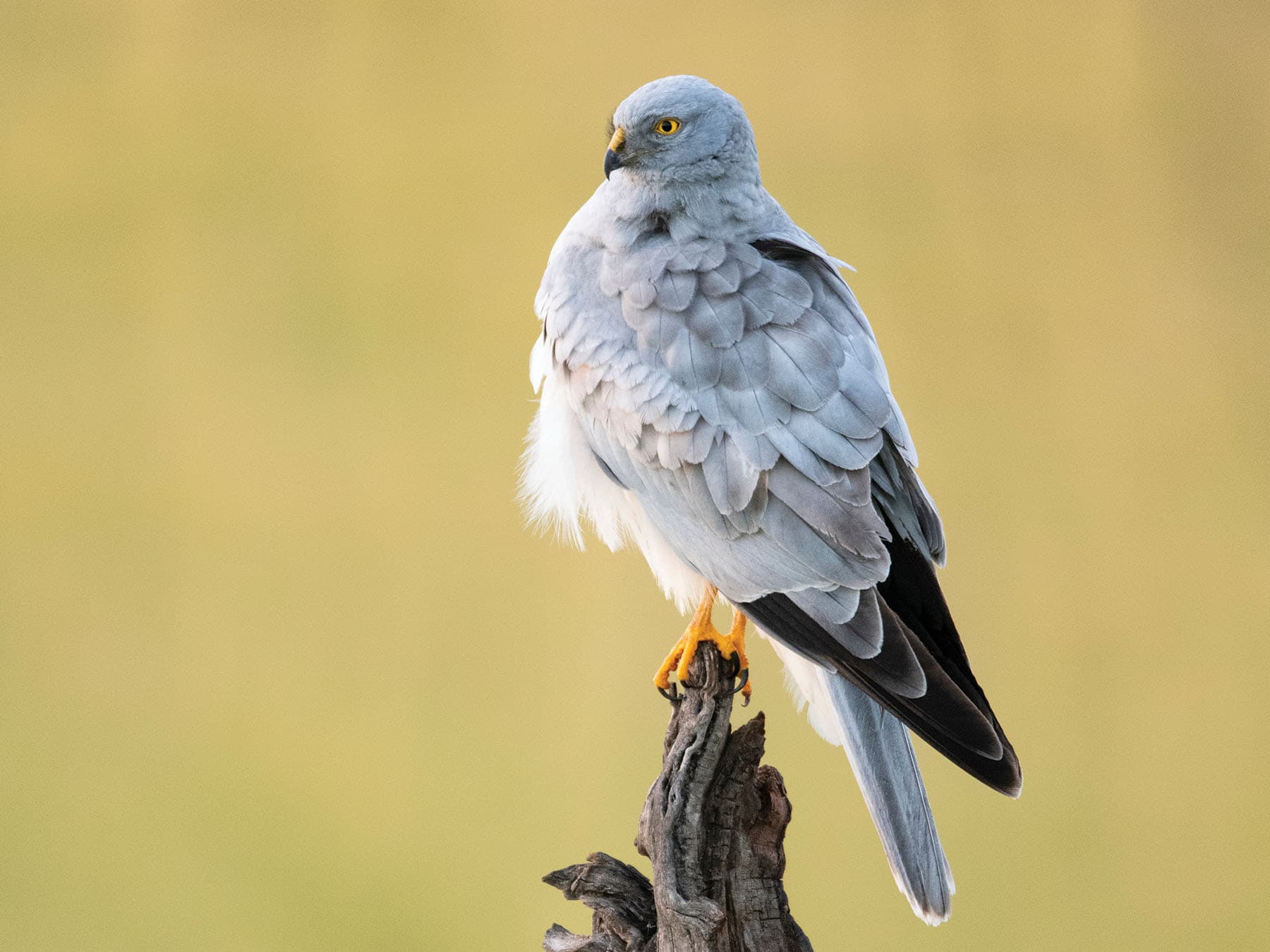
Hen Harrier
Circus cyaneusLC
A rare winter visitor to the moorlands and dales, occasionally quartering heather uplands from late autumn. A persecuted species still struggling in this region.
Nov–Feb
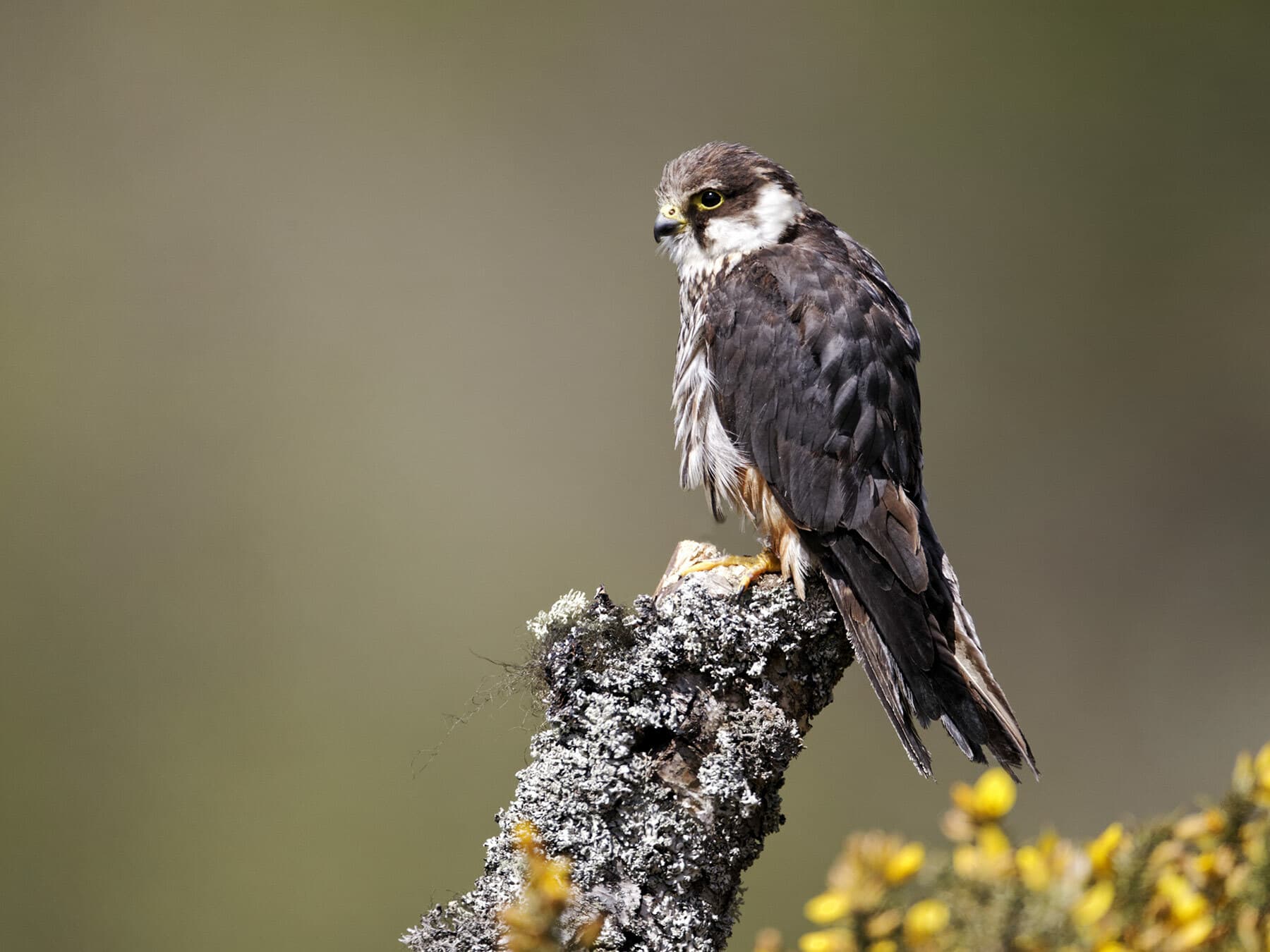
Hobby
Falco subbuteoLC
A rare summer breeder, this agile falcon hunts dragonflies and small birds over lowland heaths and wetlands.
May–Sep
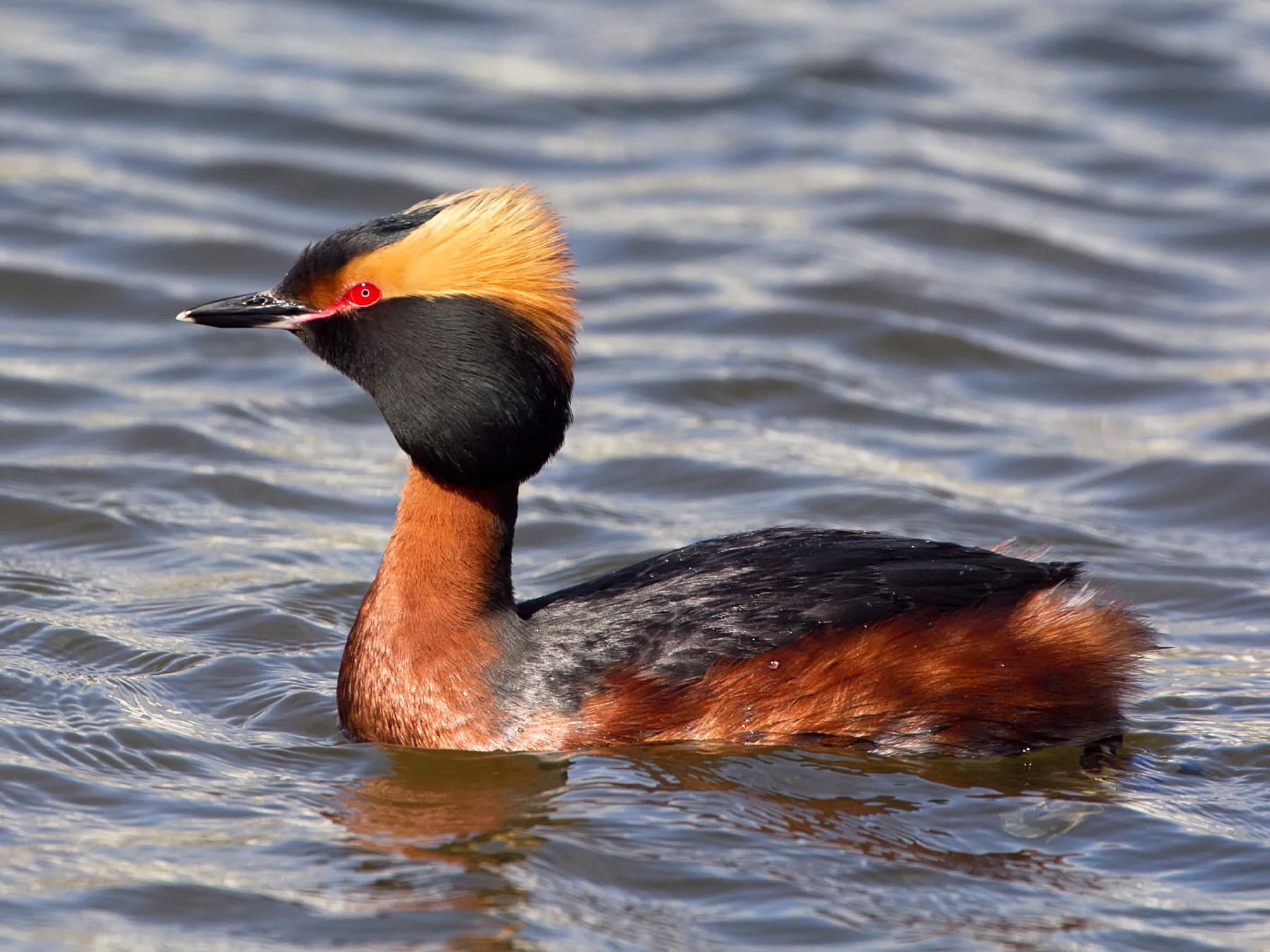
Horned Grebe
Podiceps auritusVU
A rare non-breeding visitor to sheltered coastal bays and reservoirs in winter, sometimes lingering into early spring.
Oct–Feb
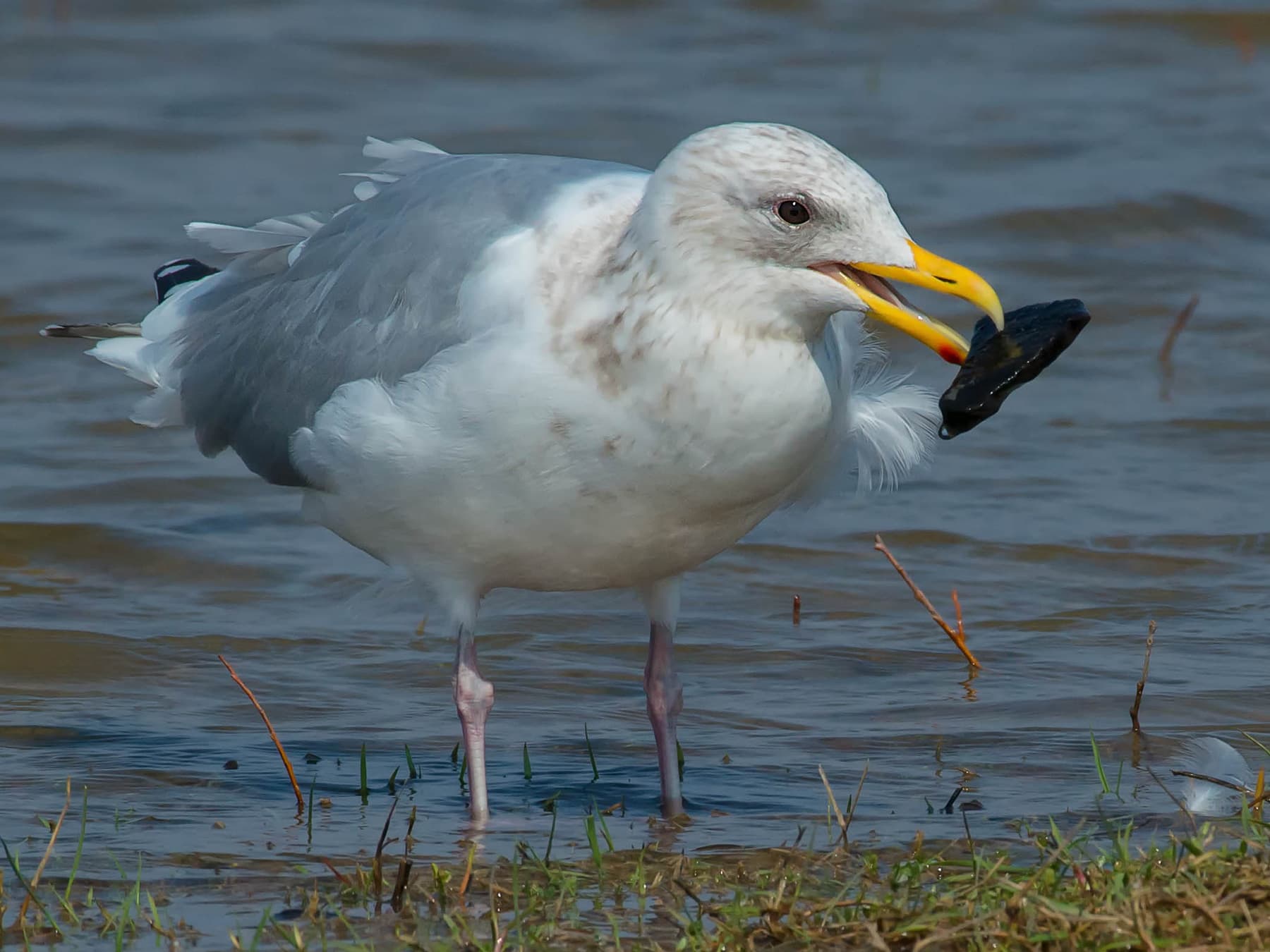
Iceland Gull
Larus glaucoidesLC
A rare late-winter visitor, typically found among large gull gatherings at harbours or landfill sites. Most records fall in February.
Feb
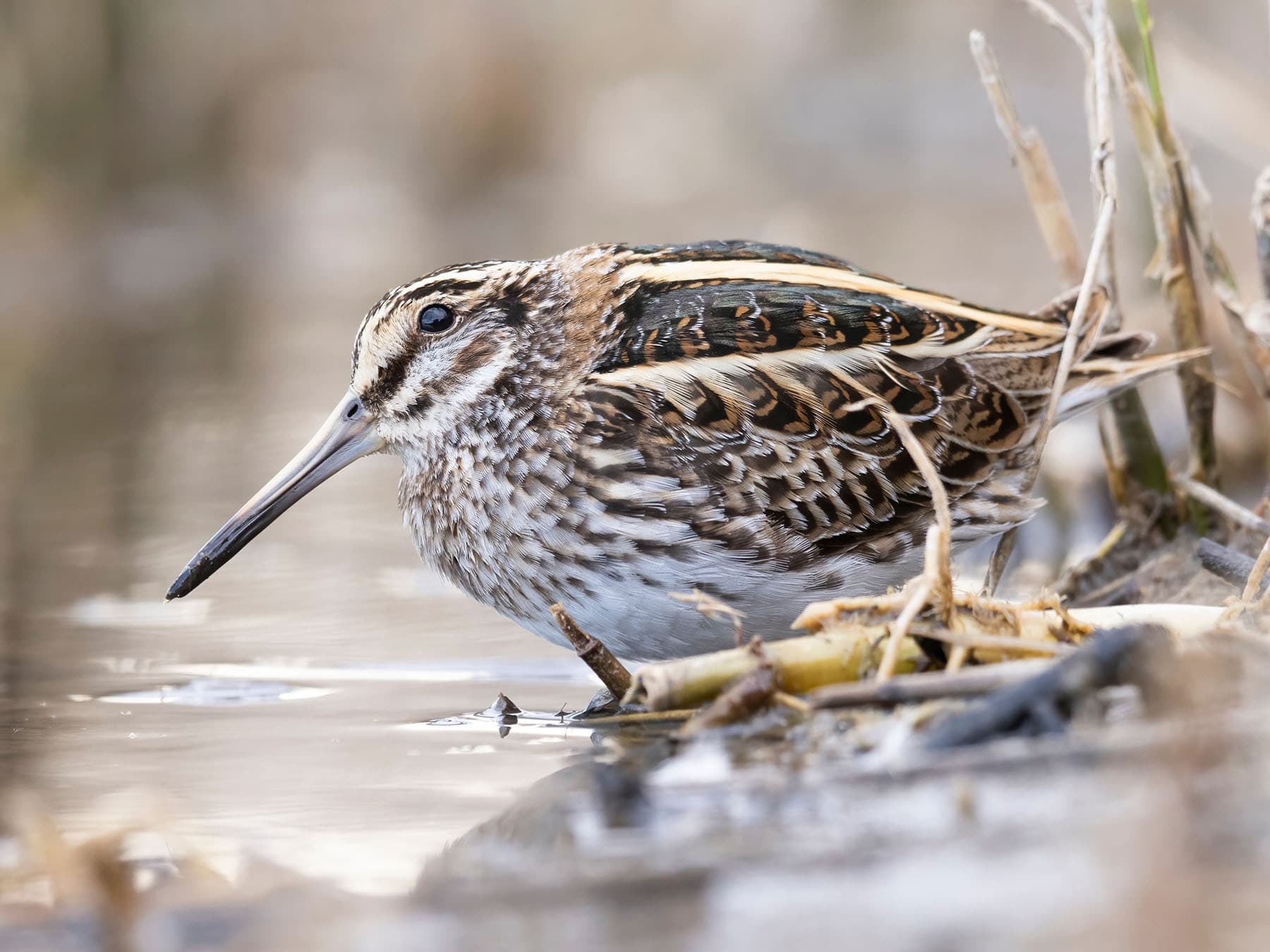
Jack Snipe
Lymnocryptes minimusLC
A rare and secretive winter visitor from October to March. Favours boggy margins and wet meadows, flushing only at close range.
Oct–Mar