Ducks, Geese & Swans in Isle of Wight
24 species matching this filter.
The Isle of Wight's diverse wetland habitats, sheltered estuaries, and coastal mudflats provide vital feeding and wintering grounds for a remarkable variety of ducks, geese, and swans. With 24 species recorded, birdwatchers can enjoy sightings ranging from wintering Brent Geese and Eurasian Wigeon on the Newtown Estuary to resident populations of Common Shelduck and Canada Goose. Notable visitors such as the Barnacle Goose, Greater White-fronted Goose, and the striking Black Swan add further interest throughout the year.


Showing 1–23 of 24 species
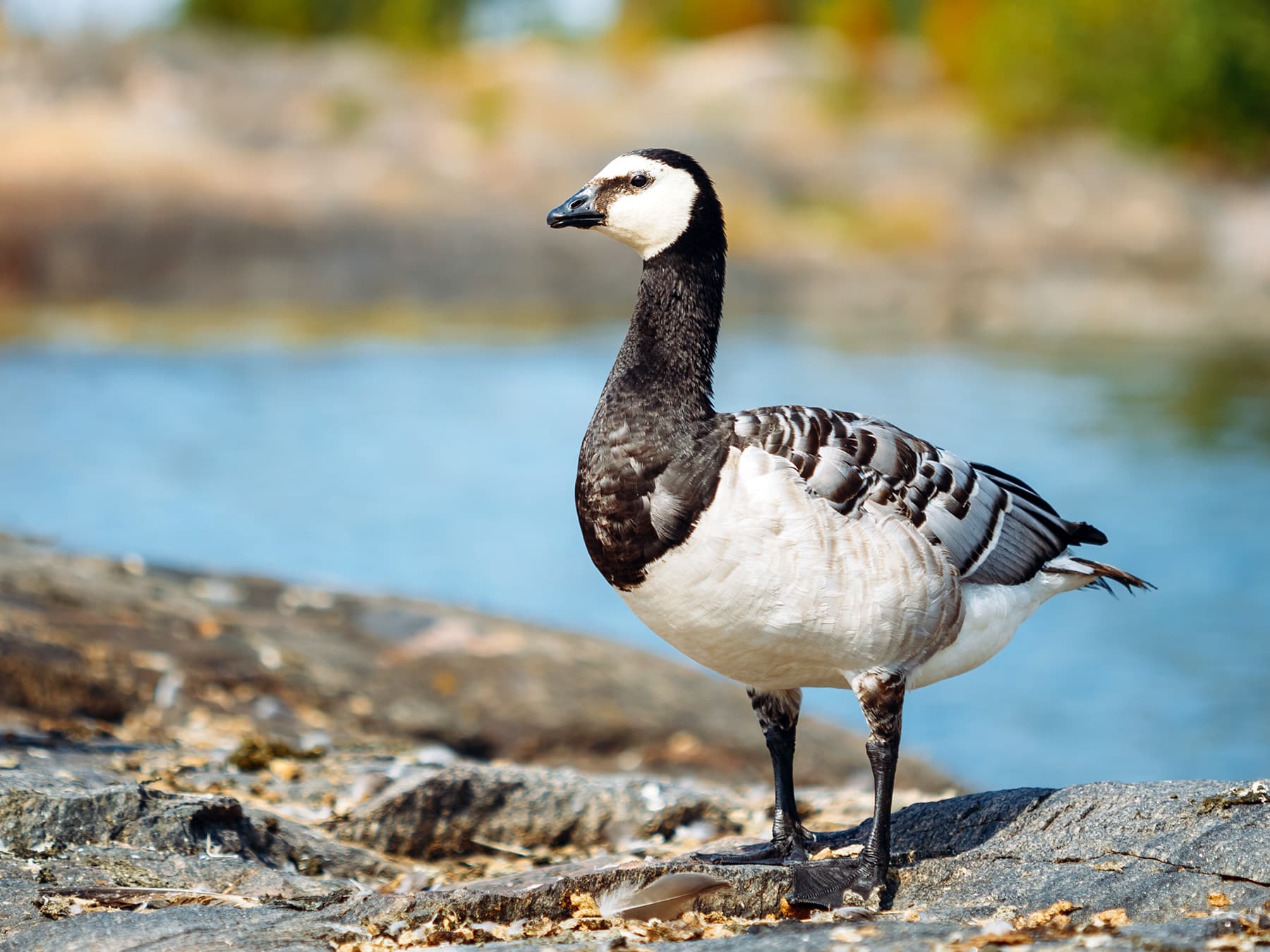
Barnacle Goose
Branta leucopsisLC
A rare resident, likely originating from feral populations. Occasionally seen grazing coastal fields and marshes alongside other geese.
Oct–Aug
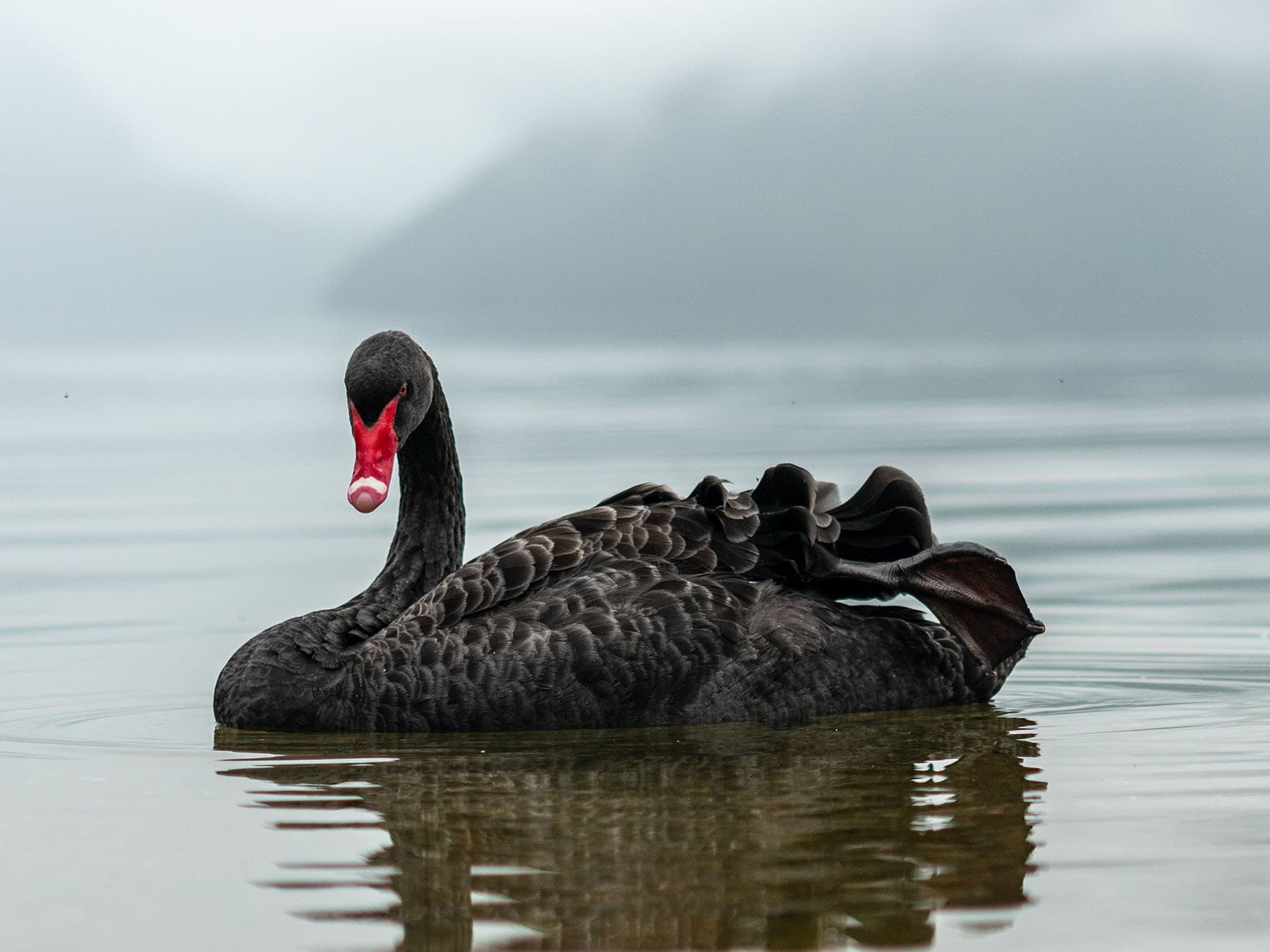
Black Swan
Cygnus atratusLC
A rare passage record, likely an escapee from a captive collection. This Australian native is not established in the wild here.
Dec
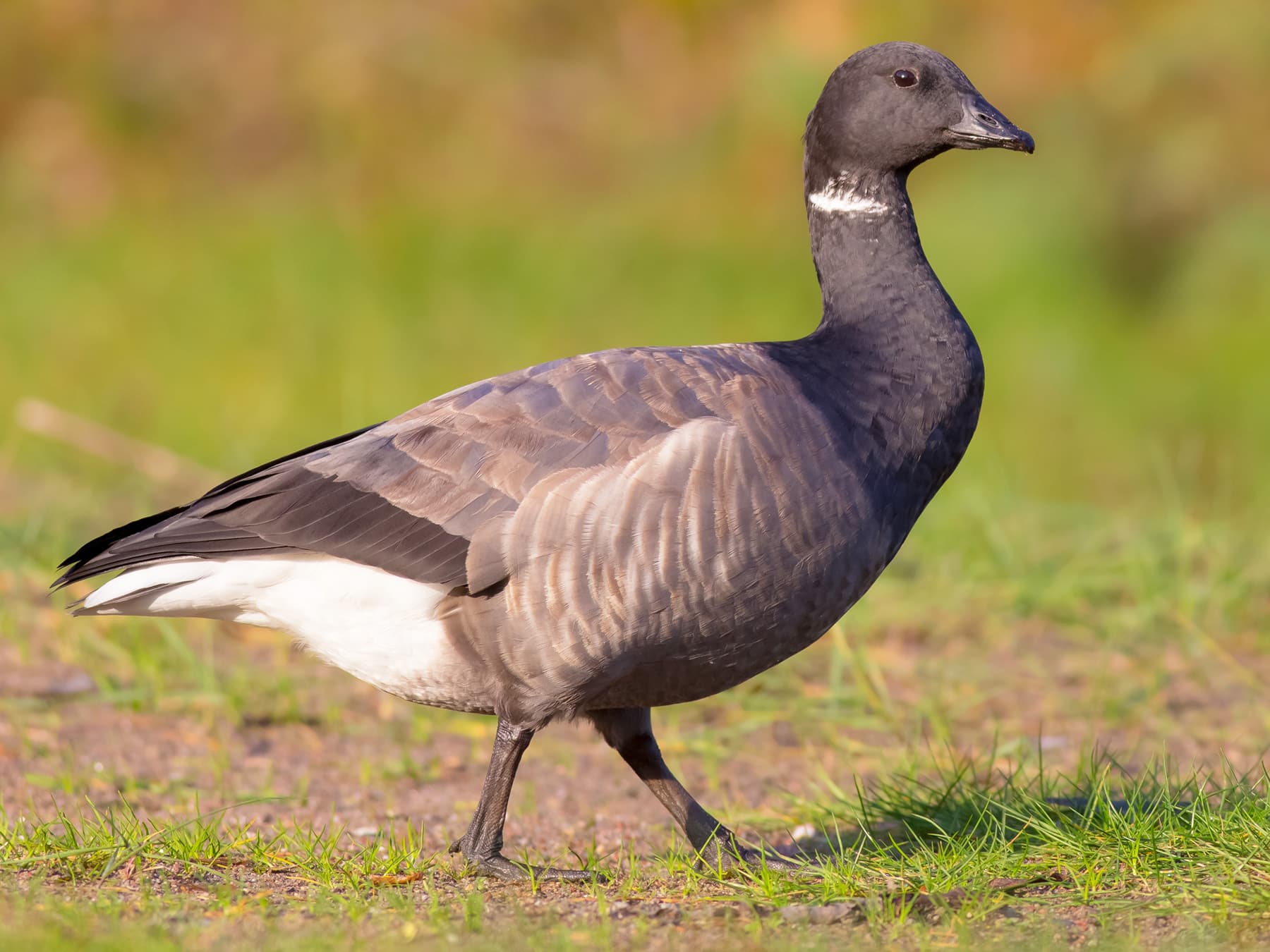
Brent Goose
Branta berniclaLC
Common on sheltered harbours and estuaries, especially around Newtown and the north coast. Dark-bellied birds winter in good numbers.
Sep–Jun
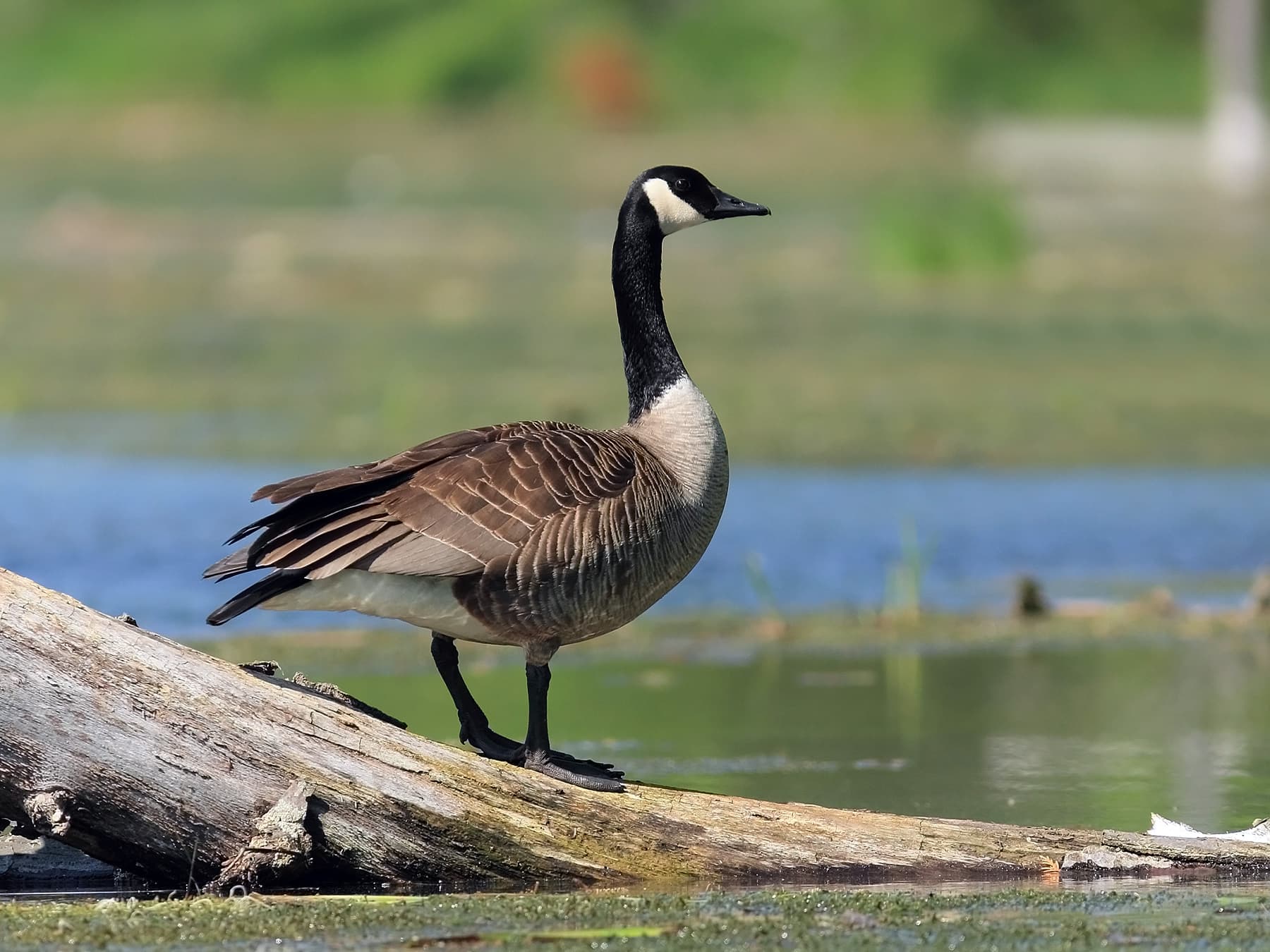
Canada Goose
Branta canadensisLC
Common and widespread year-round on lakes, rivers and marshes. Large flocks gather on grassland and at sites like Newtown.
Year-round
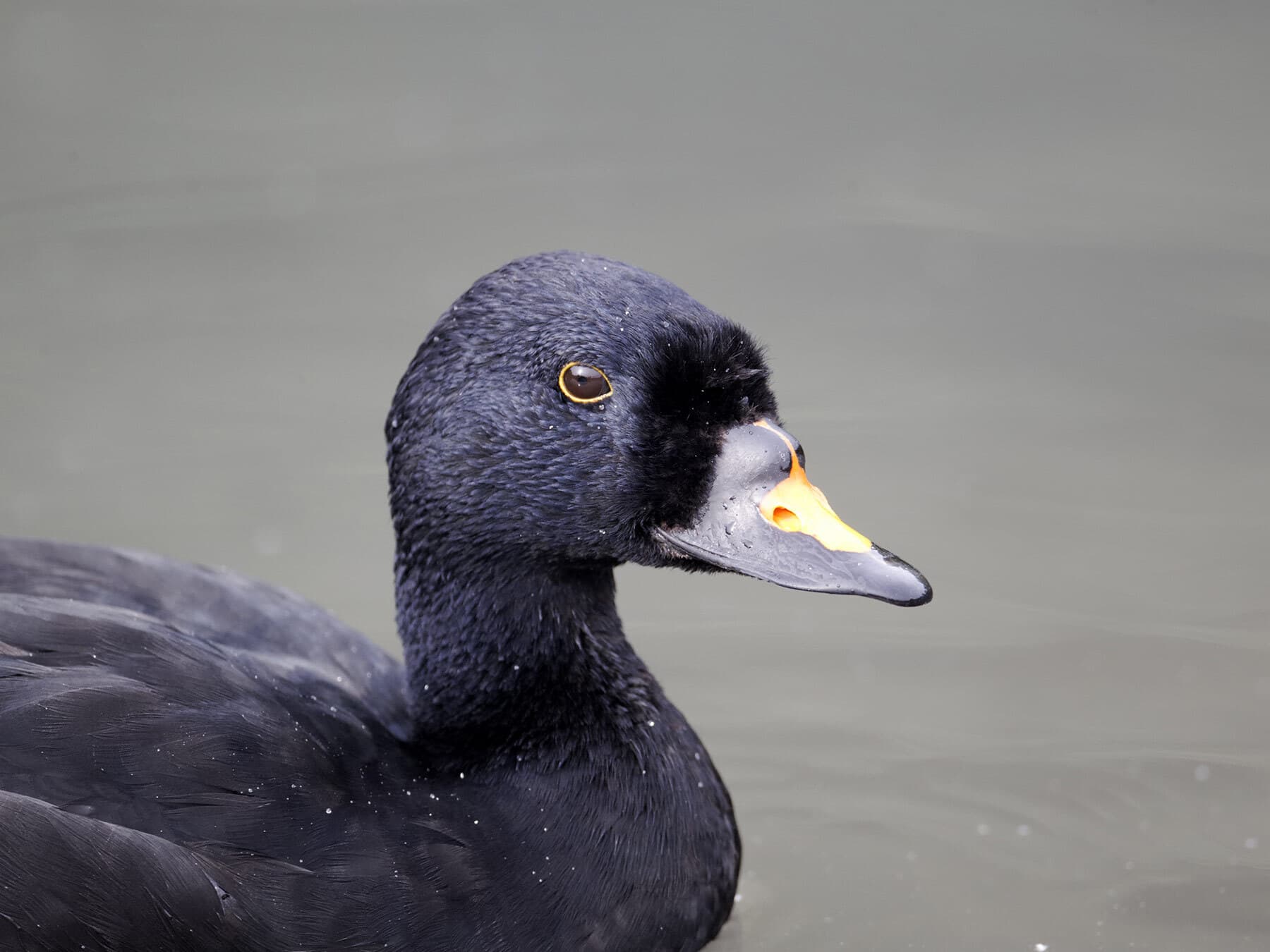
Common Scoter
Melanitta nigraLC
A rare sea duck, occasionally seen in small groups offshore during winter and spring, especially in the eastern Solent.
Dec–May
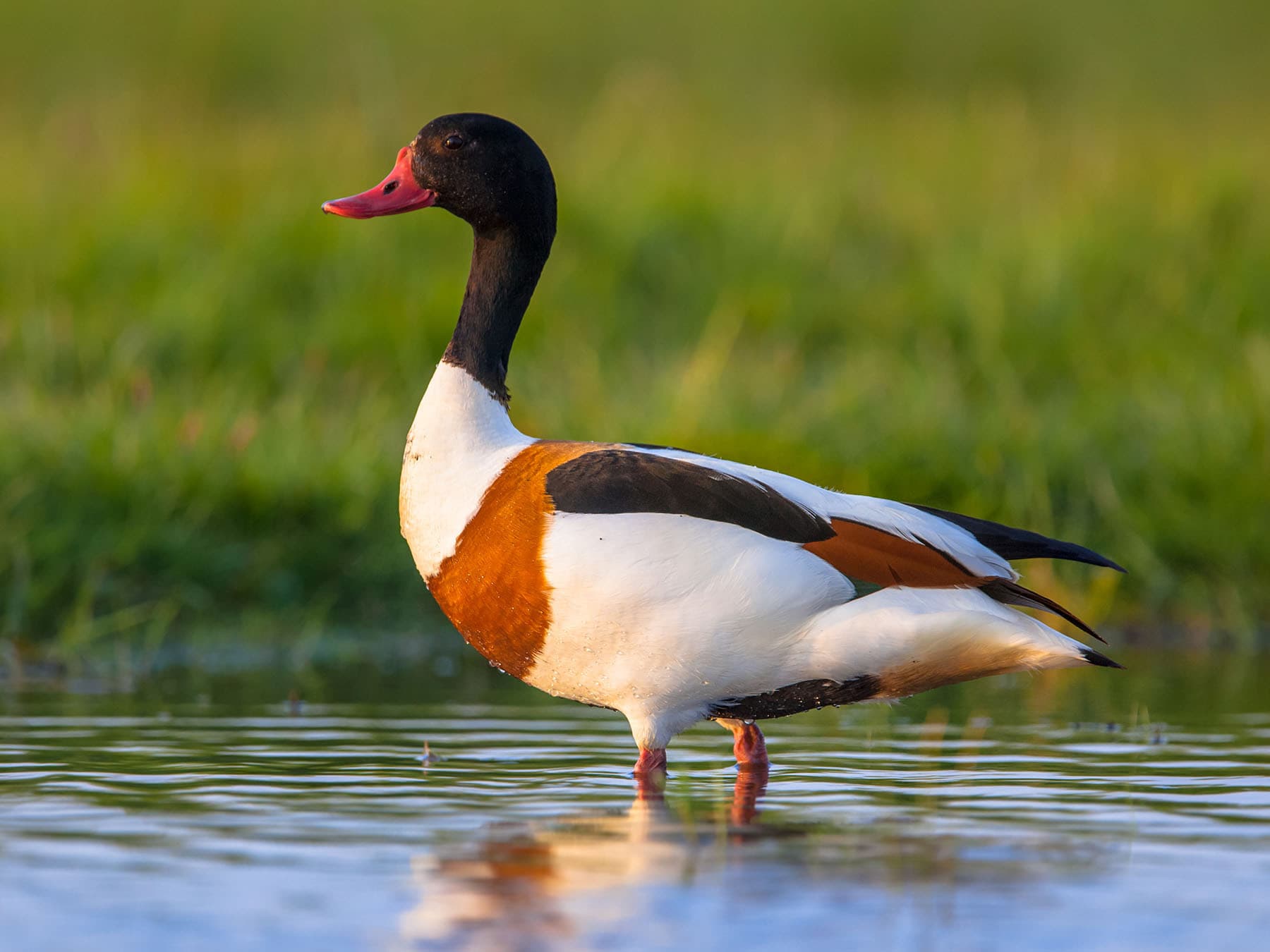
Common Shelduck
Tadorna tadornaLC
An uncommon year-round resident breeding on estuaries and mudflats. Newtown Harbour and the Eastern Yar are favoured sites.
Year-round
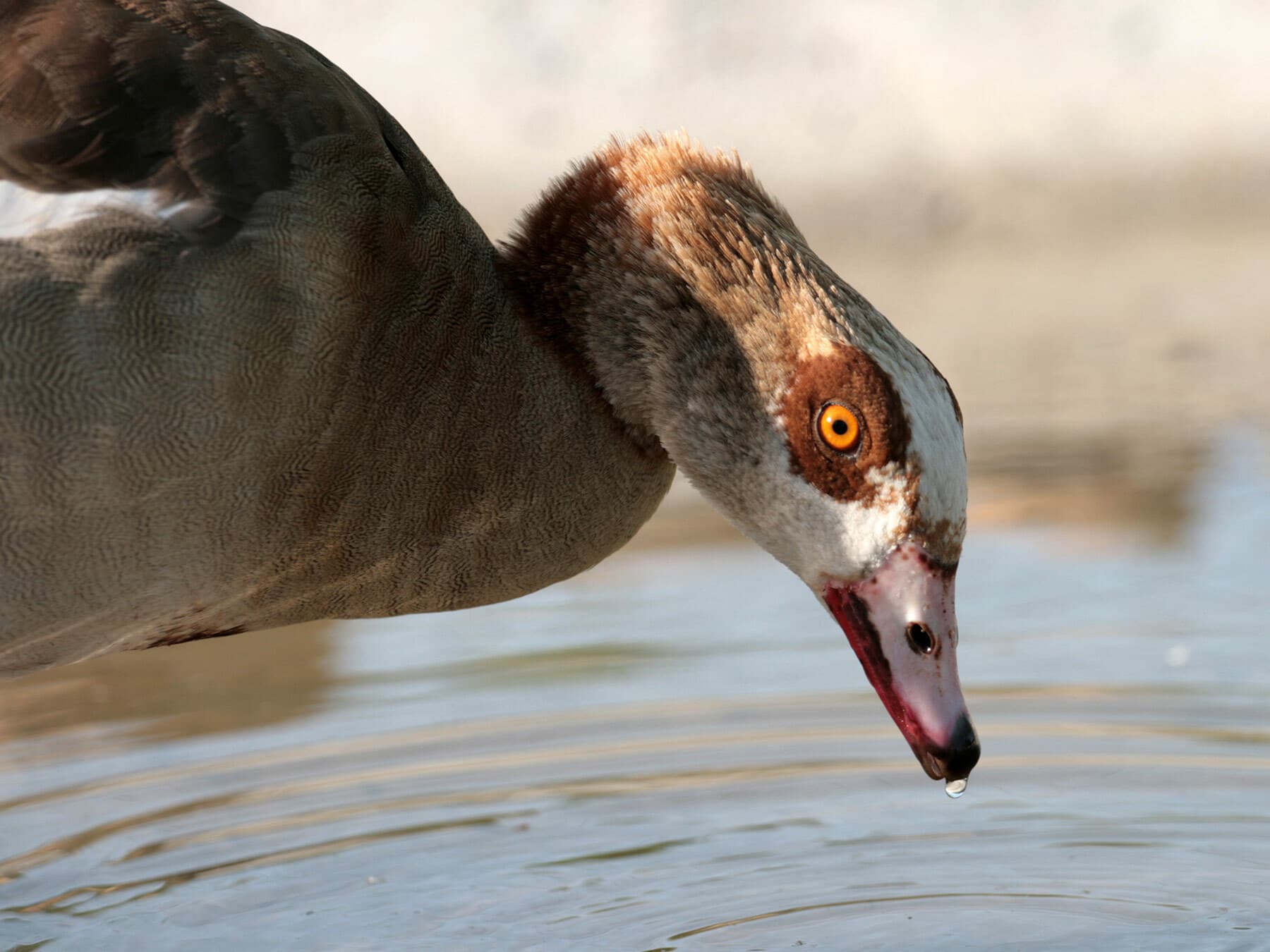
Egyptian Goose
Alopochen aegyptiacaLC
An uncommon but increasing non-native resident, found around freshwater lakes and parkland. Absent during late summer moult period.
Oct–Jul
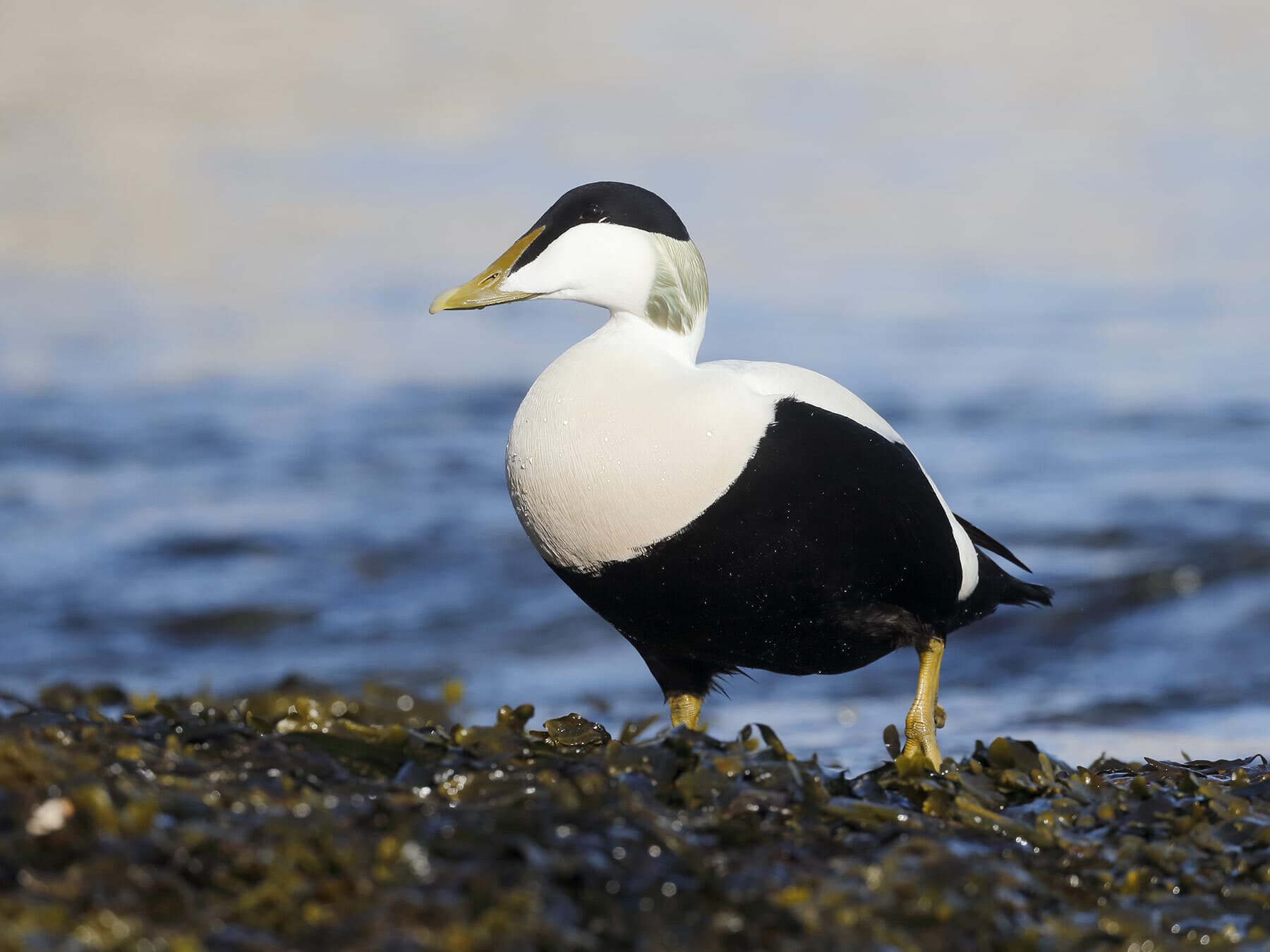
Eider
Somateria mollissimaNT
A rare passage visitor, occasionally spotted offshore or in sheltered bays during the early months of the year.
Jan–Mar
Spotted something?
Upload a photo to identify it
Identify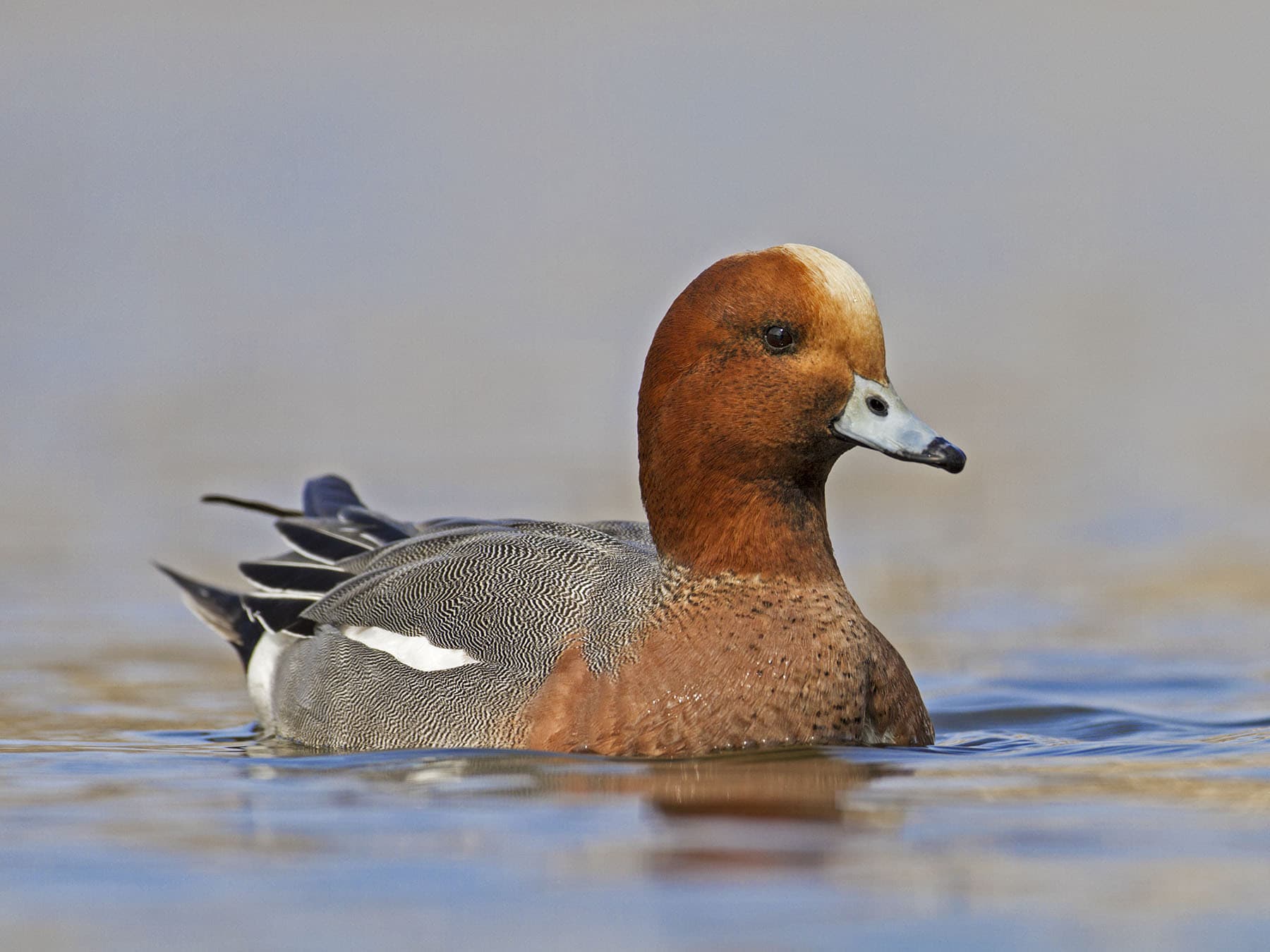
Eurasian Wigeon
Mareca penelopeLC
Common on the island's estuaries and flooded grasslands from autumn through spring, with large flocks gathering on the Newtown and Medina estuaries.
Sep–May
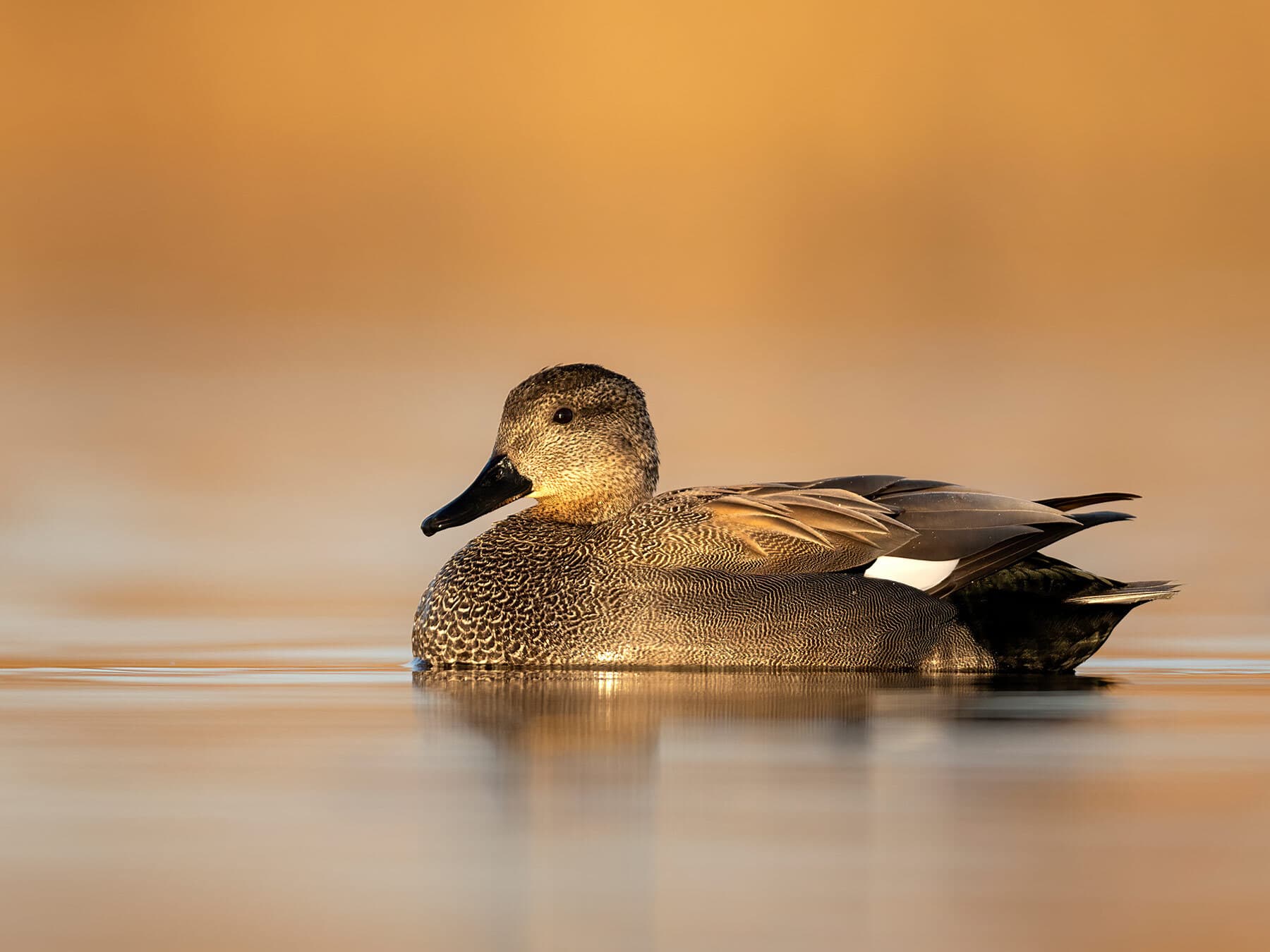
Gadwall
Mareca streperaLC
An uncommon resident found on freshwater lakes and marshes year-round. Brading Marshes and similar wetlands offer the best chances.
Year-round
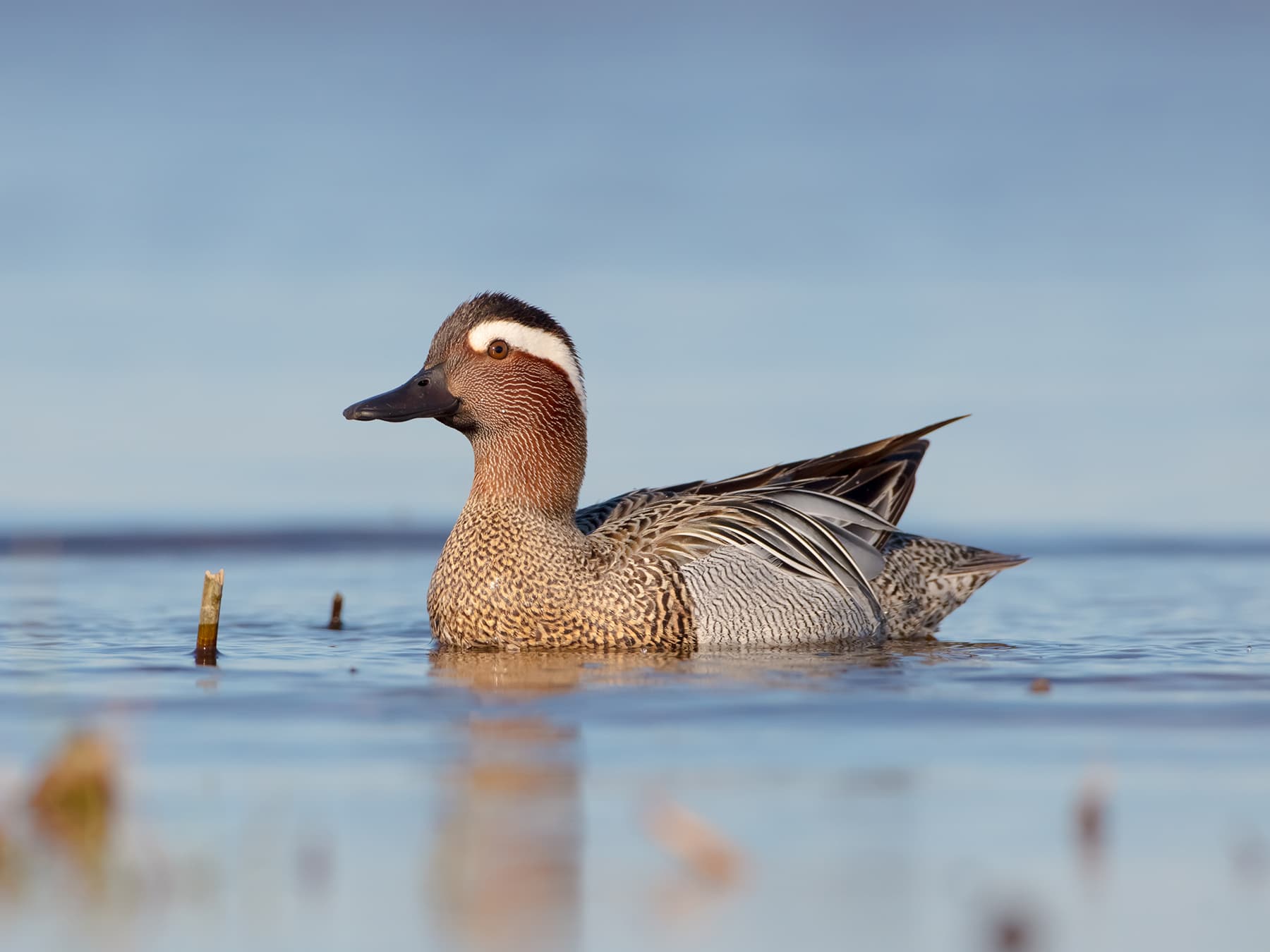
Garganey
Spatula querquedulaLC
A rare spring passage migrant, occasionally seen on freshwater pools and marshes between March and May.
Mar–May
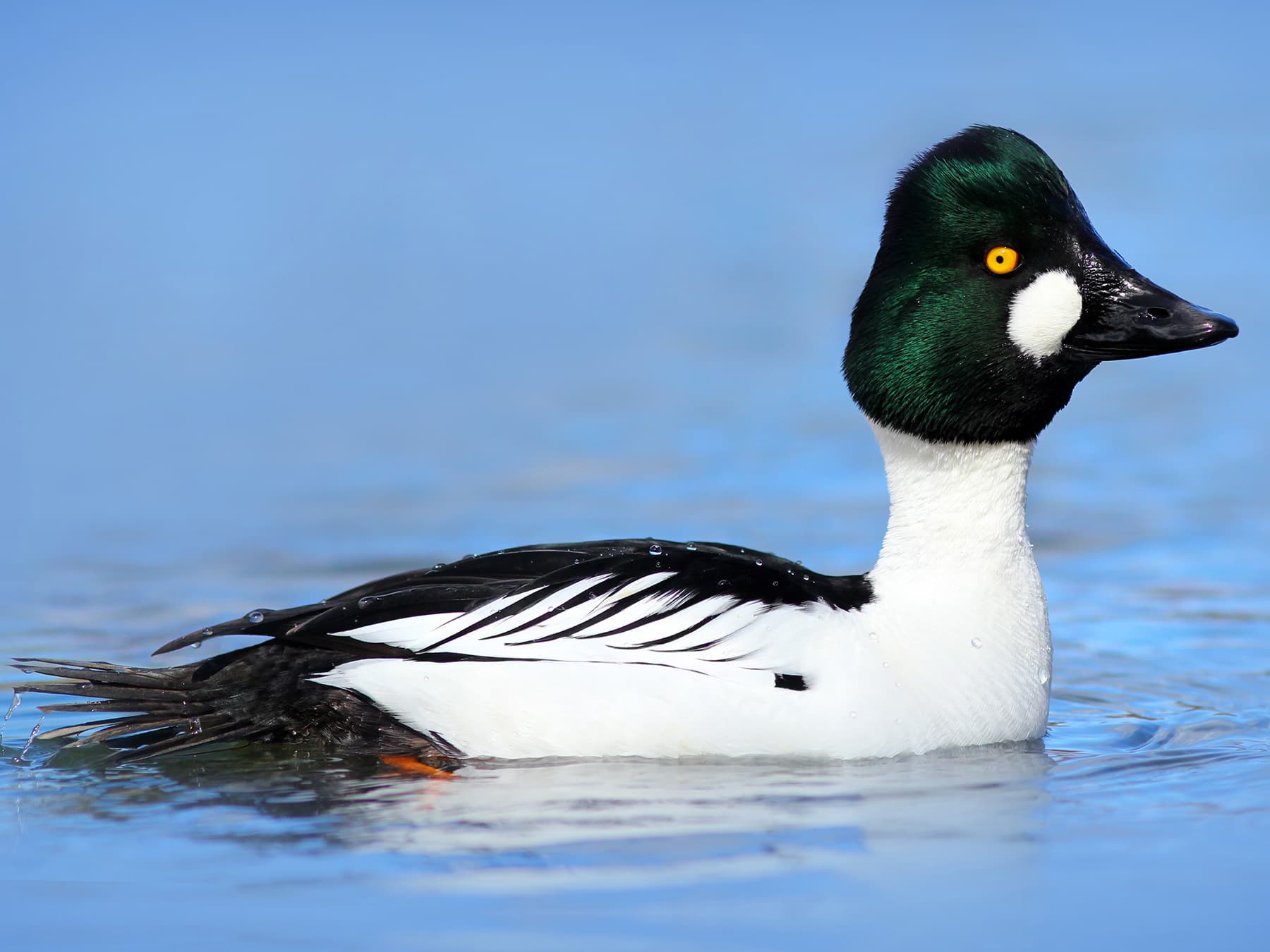
Goldeneye
Bucephala clangulaLC
A rare passage visitor, occasionally recorded in February and December on sheltered freshwater or coastal waters.
Dec–Feb
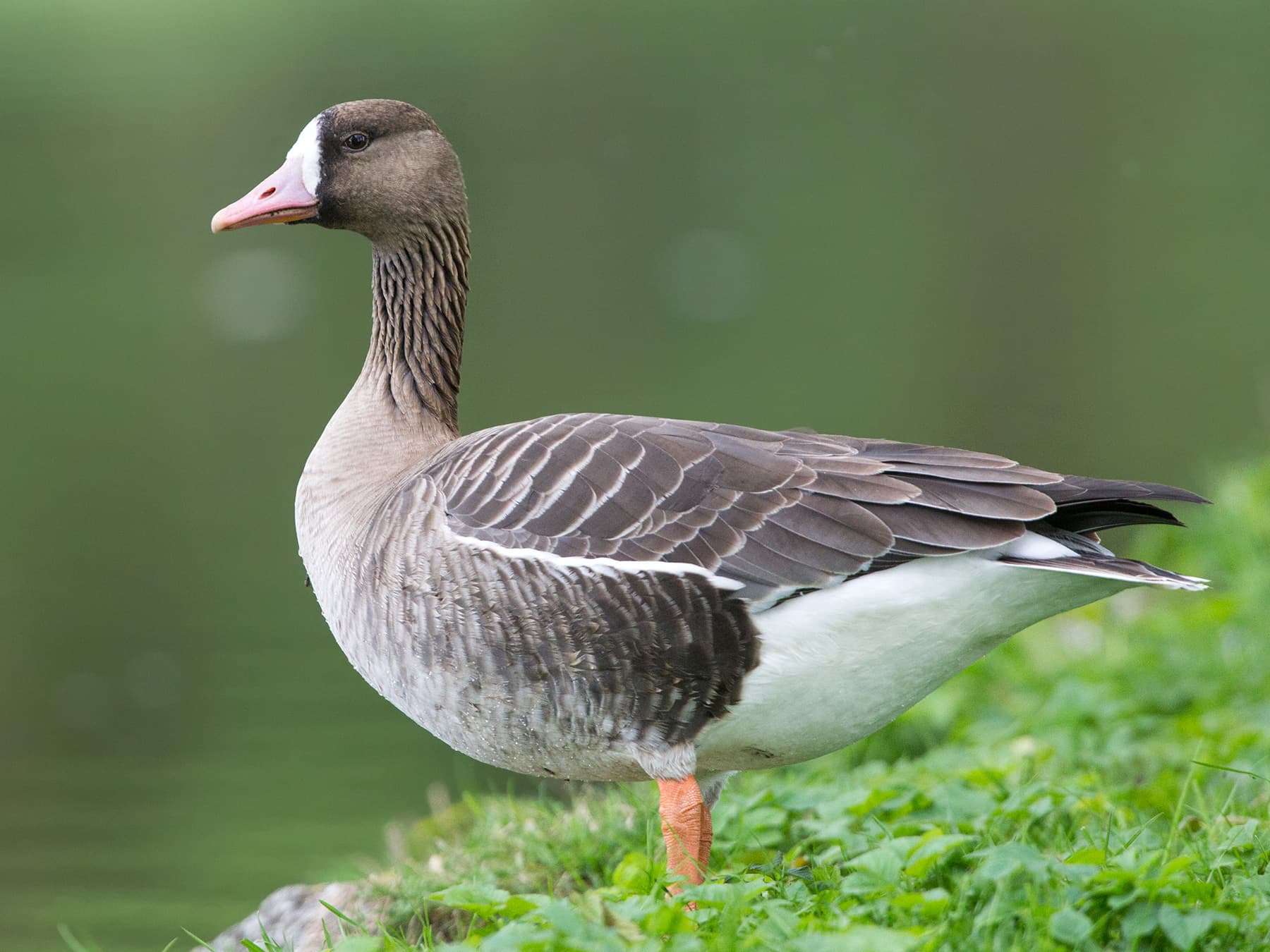
Greater White-fronted Goose
Anser albifronsLC
A rare non-breeding visitor in midwinter, occasionally joining flocks of other geese on coastal grazing marshes and fields.
Dec–Mar
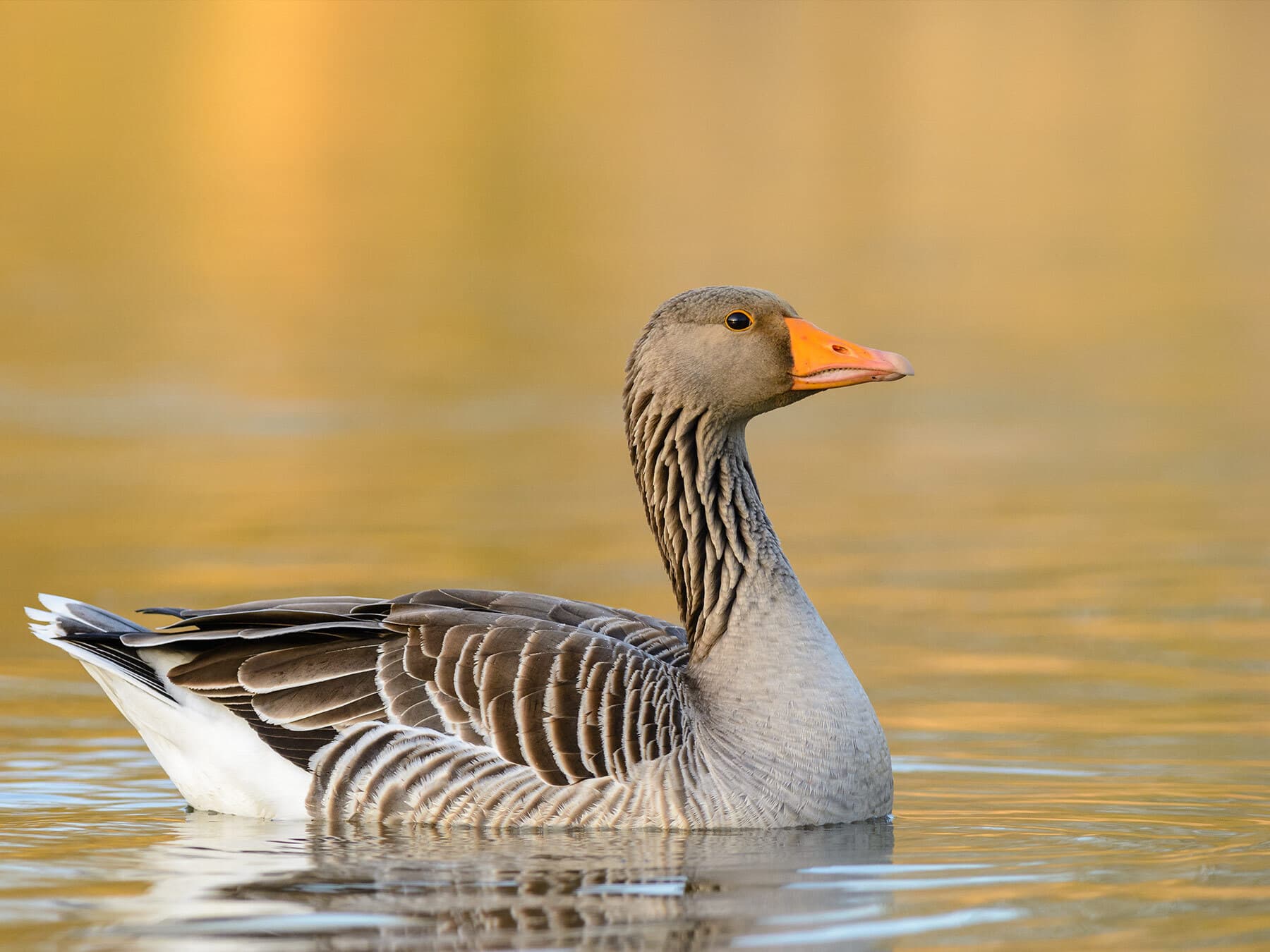
Greylag Goose
Anser anserLC
An uncommon resident found on freshwater marshes and grazing fields. Feral populations breed locally, with numbers boosted in autumn.
Sep–Jul
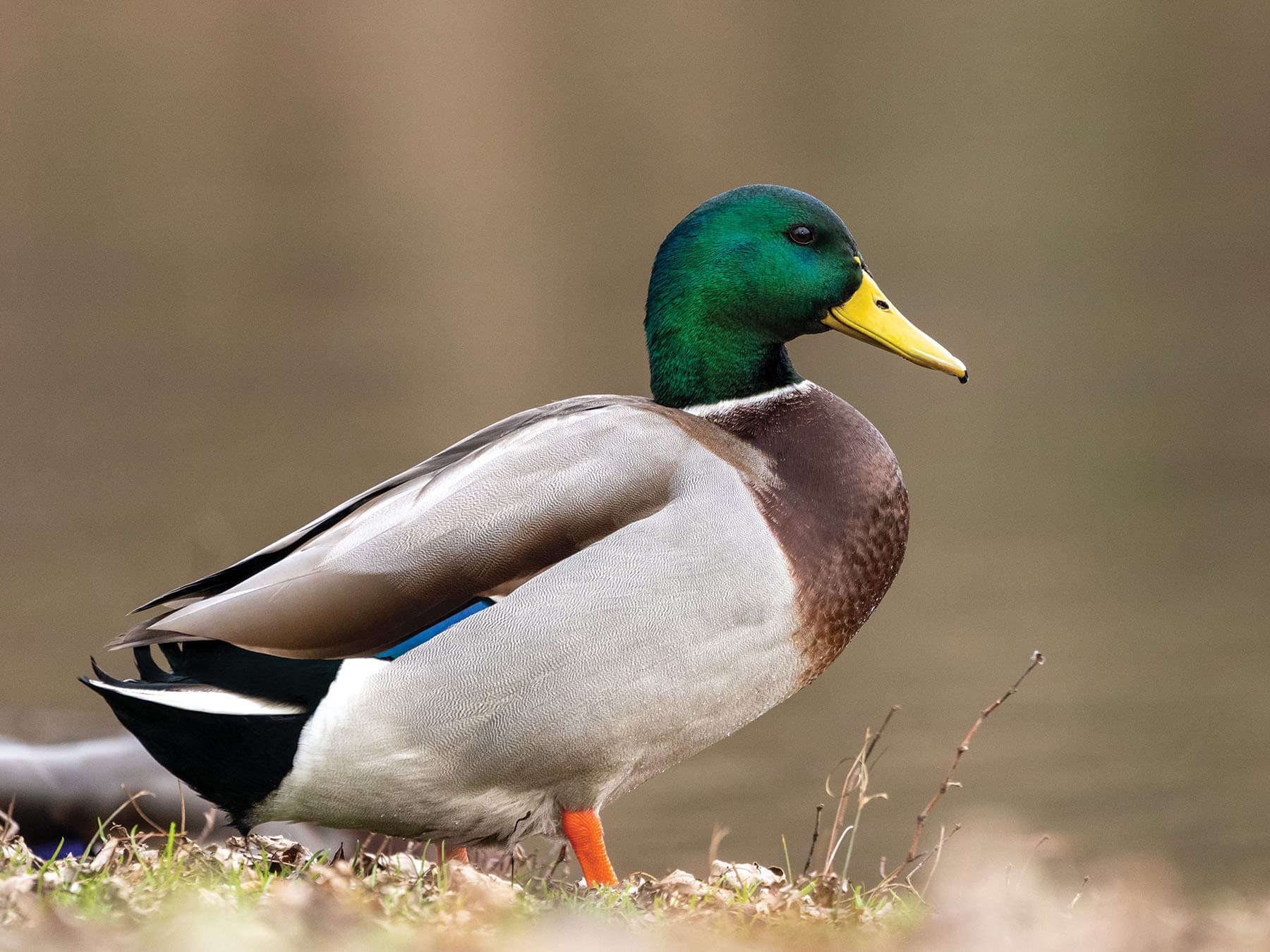
Mallard
Anas platyrhynchosLC
Common and widespread year-round on virtually any waterbody, from village ponds to coastal marshes and estuaries across the island.
Year-round
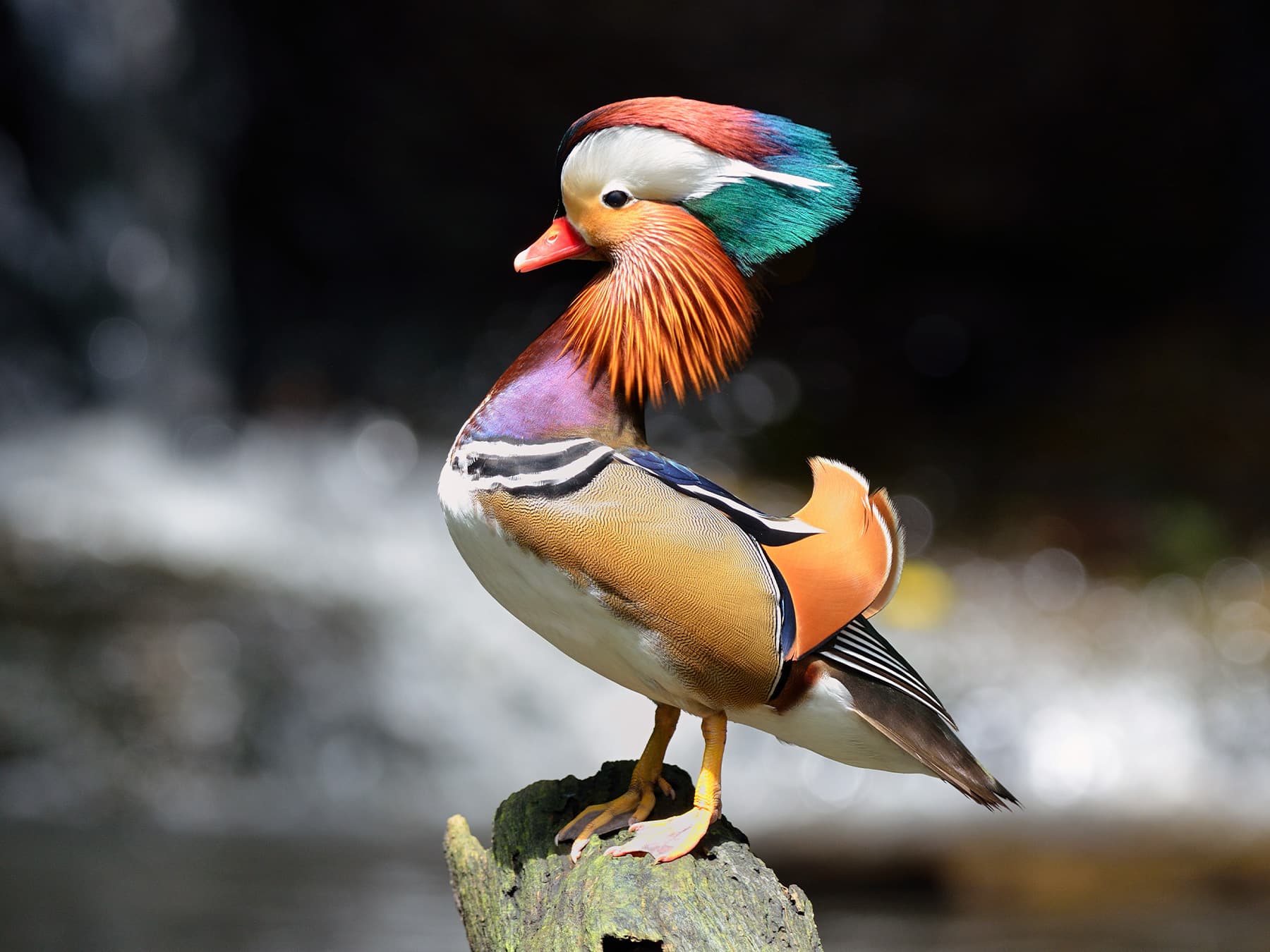
Mandarin Duck
Aix galericulataLC
A rare non-breeding visitor in late autumn and winter. This colourful duck occasionally wanders to the island from mainland populations.
Nov–Jan
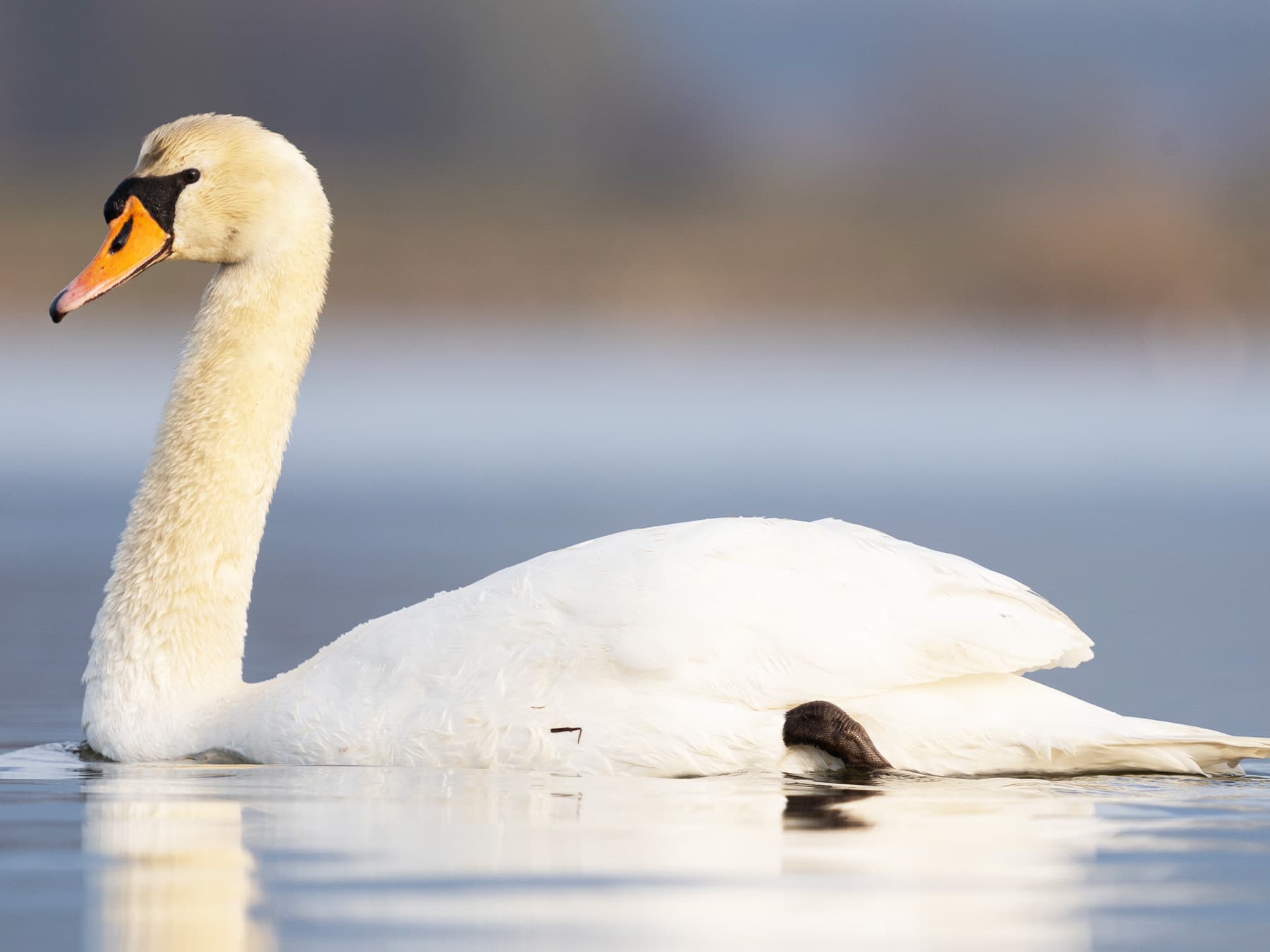
Mute Swan
Cygnus olorLC
A familiar sight year-round on the island's rivers, ponds and estuaries. Breeds on freshwater sites and often seen on the Eastern Yar.
Year-round
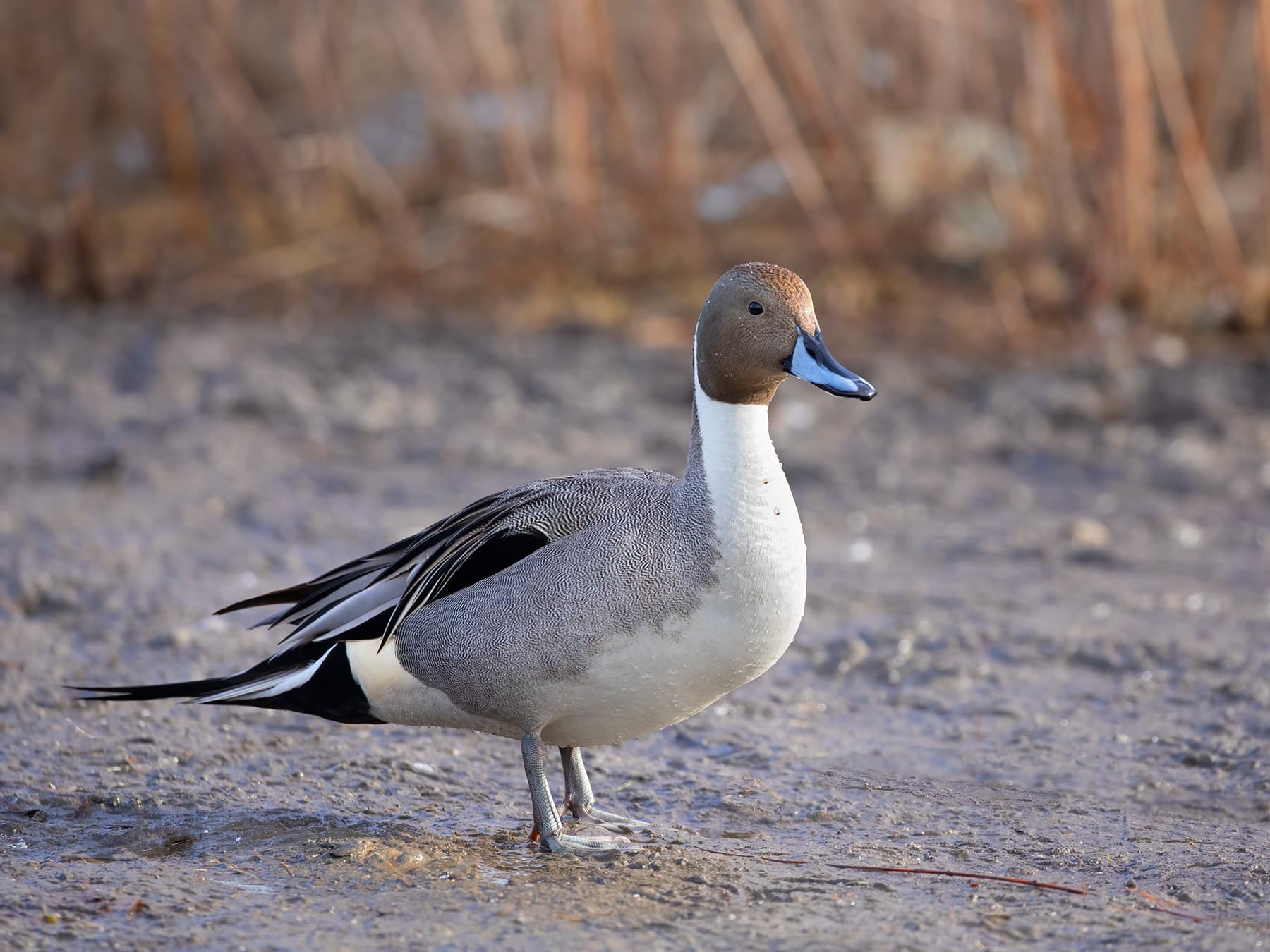
Northern Pintail
Anas acutaLC
An uncommon winter visitor to the island's estuaries and harbours, with elegant long-necked silhouettes on sheltered mudflats from autumn through early spring.
Sep–Mar
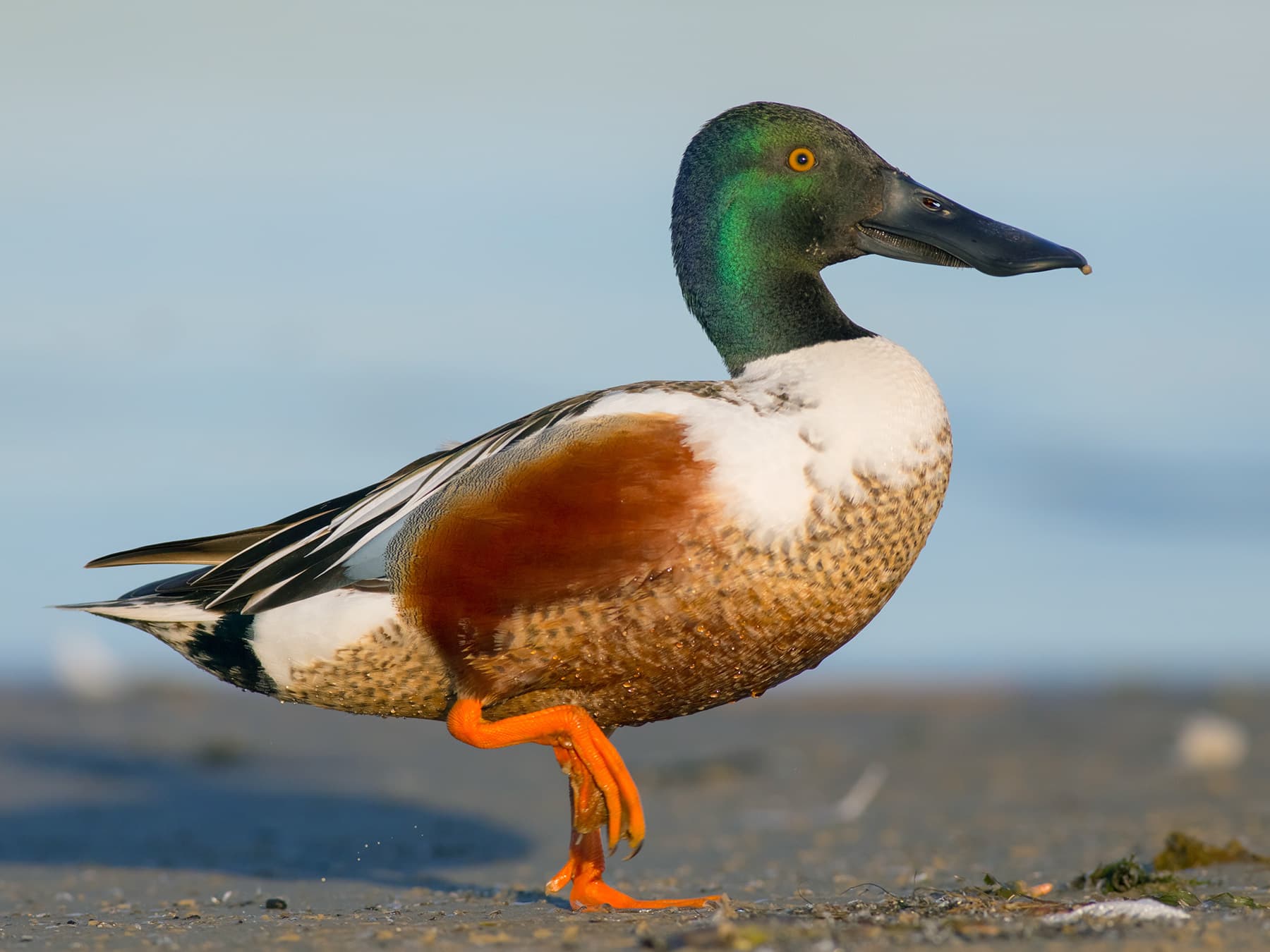
Northern Shoveler
Spatula clypeataLC
An uncommon resident of shallow freshwater wetlands, using its distinctive broad bill to filter-feed. Numbers peak in winter.
Aug–Jun
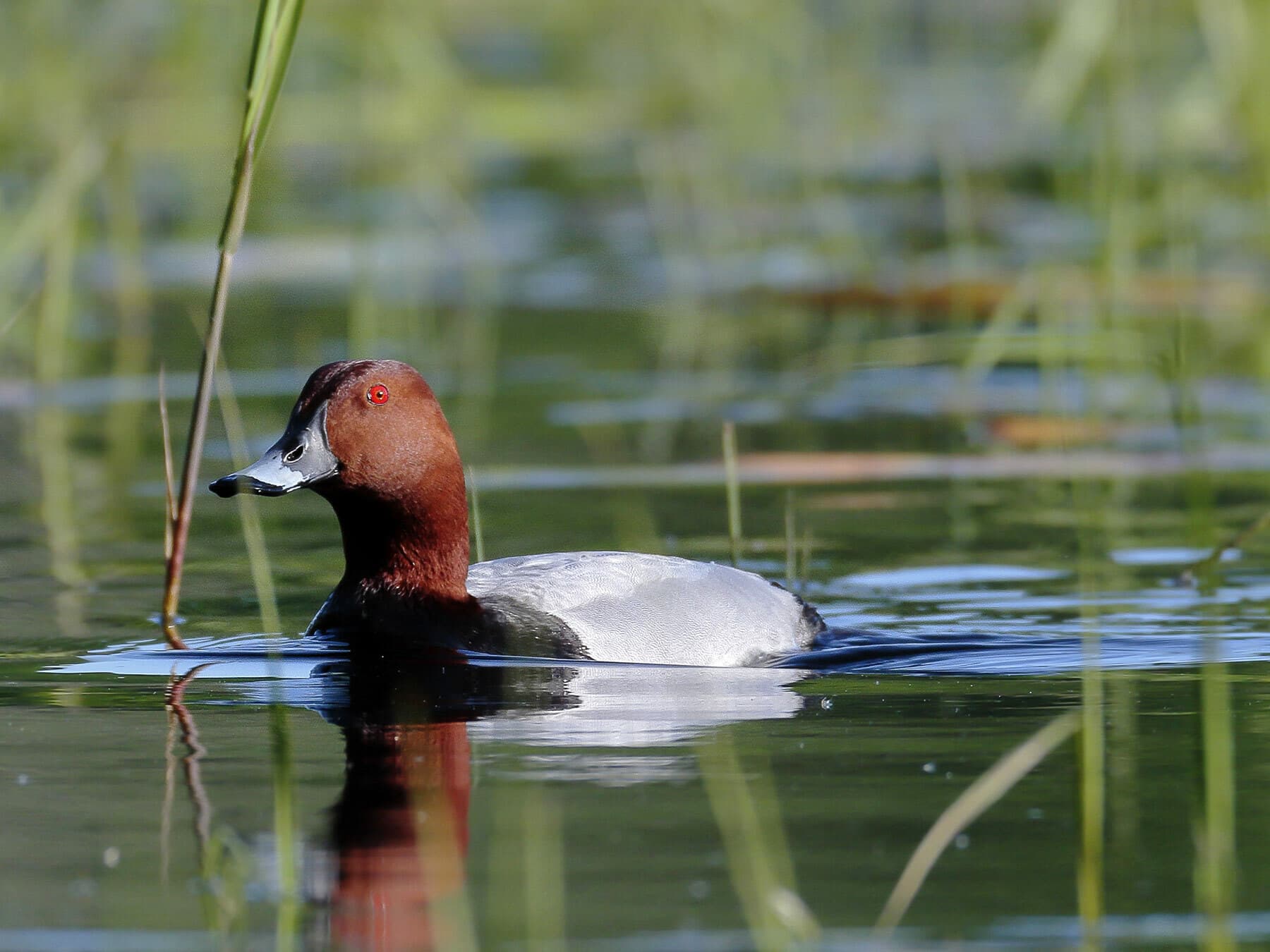
Pochard
Aythya ferinaVU
A rare resident found on freshwater lakes and reservoirs, most likely at sites like Brading Marshes. Numbers have declined significantly across the UK.
Oct–Aug
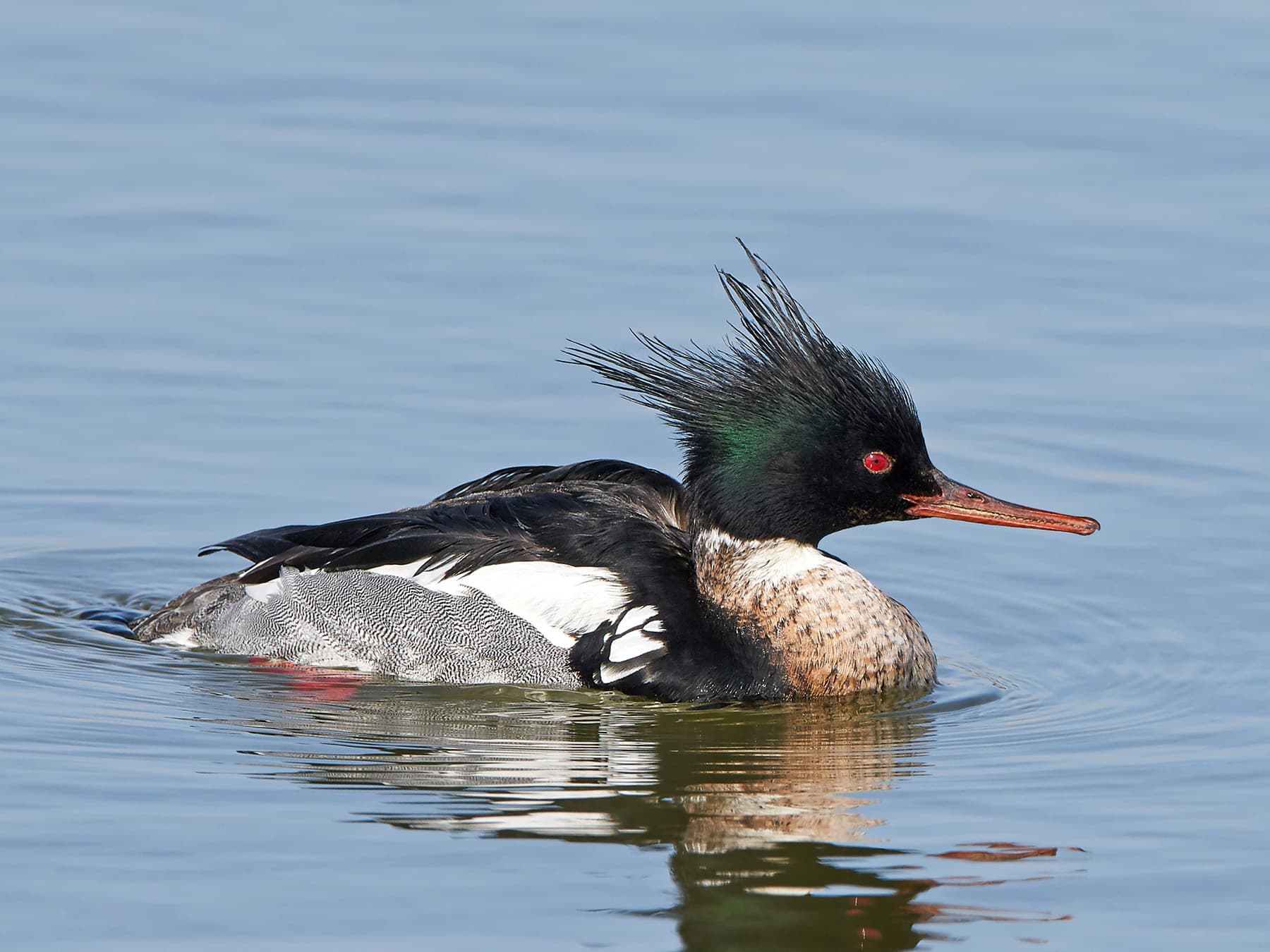
Red-breasted Merganser
Mergus serratorLC
An uncommon non-breeding visitor to sheltered coastal waters from autumn to spring. Often seen diving in harbours and estuaries.
Oct–Apr
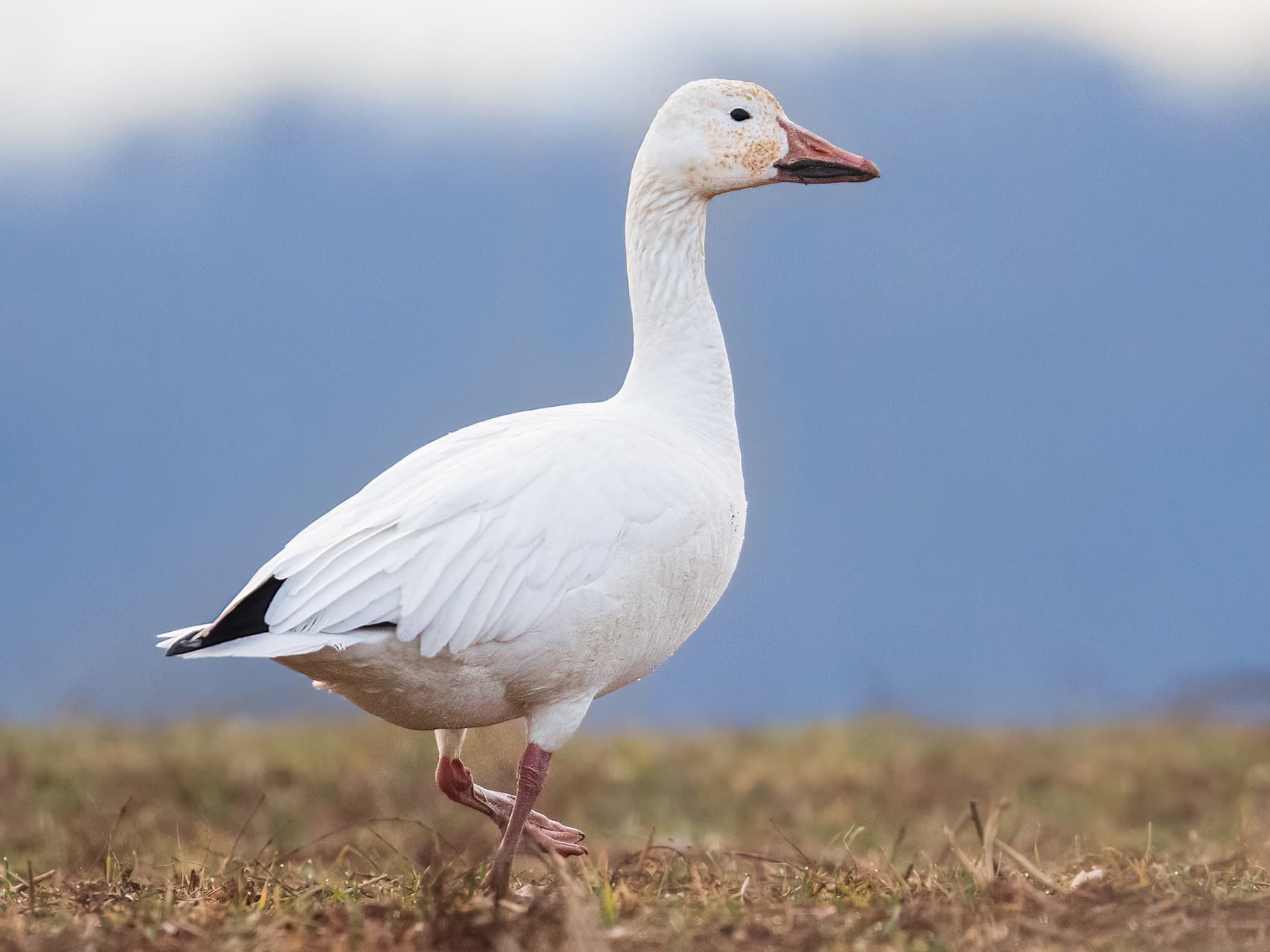
Snow Goose
Anser caerulescensLC
A rare winter visitor, with sightings most likely involving escapees from captive collections rather than genuine wild vagrants.
Oct–Jan
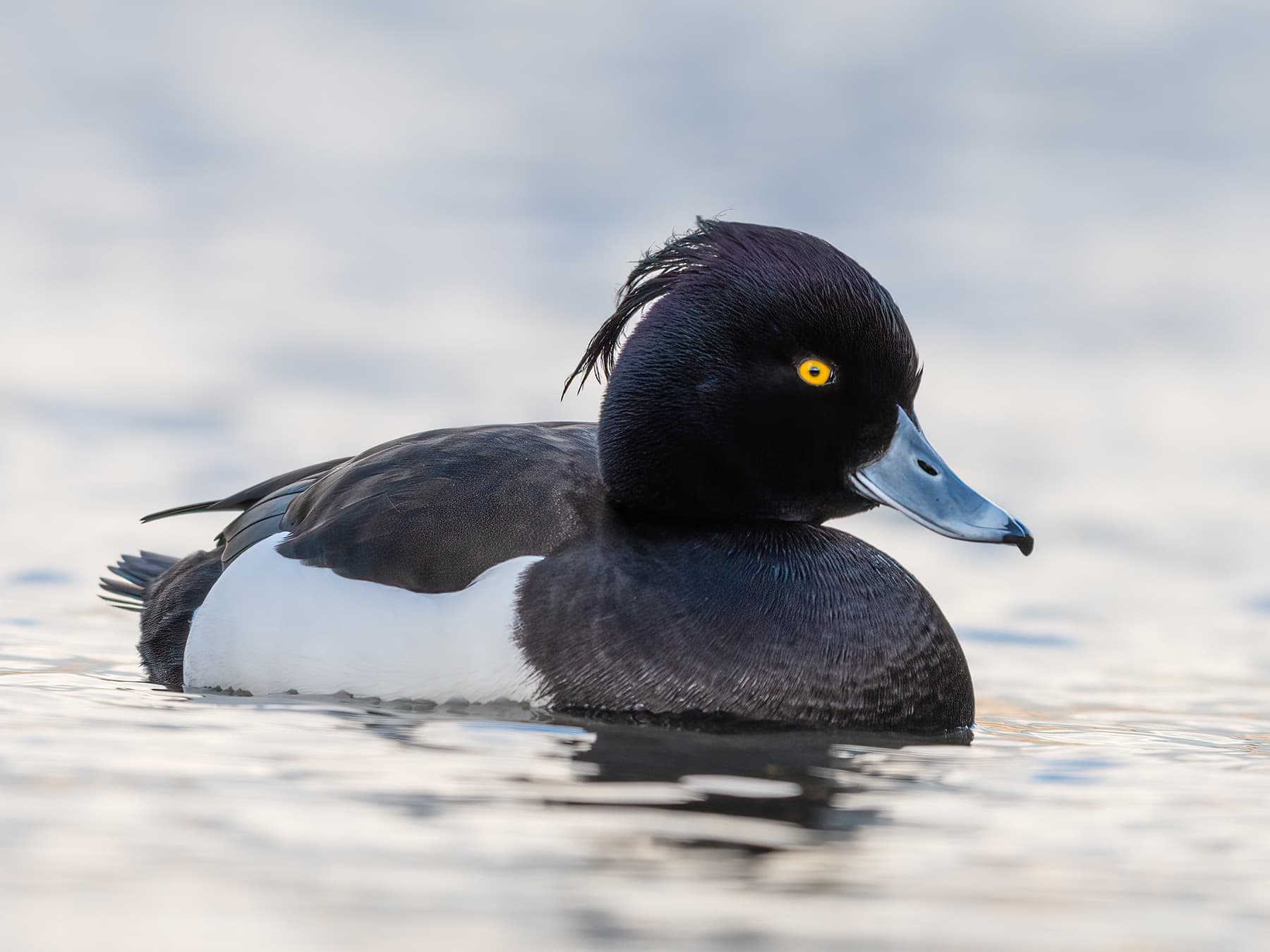
Tufted Duck
Aythya fuligulaLC
An uncommon resident on freshwater lakes and reservoirs. Breeds locally and can be found diving for invertebrates year-round.
Year-round