Birds in Hertfordshire
Explore 153 species found in this region.
Hertfordshire's diverse landscape of reservoirs, river valleys, ancient woodlands, and farmland supports an impressive array of 153 recorded bird species. From the striking Mandarin Duck and Red-crested Pochard found on the county's lakes and waterways to familiar garden visitors like the Great Tit and Magpie, the region offers rewarding birdwatching throughout the year. Notable wetland sites attract waders such as the Northern Lapwing and Common Sandpiper, while the Eurasian Woodcock can be encountered in the county's wooded areas.
Visiting in September? Look out for Barn Owl and Eurasian Siskin arriving this month, and Black-tailed Godwit and Common Quail depart for the season.


Showing 47–69 of 153 species
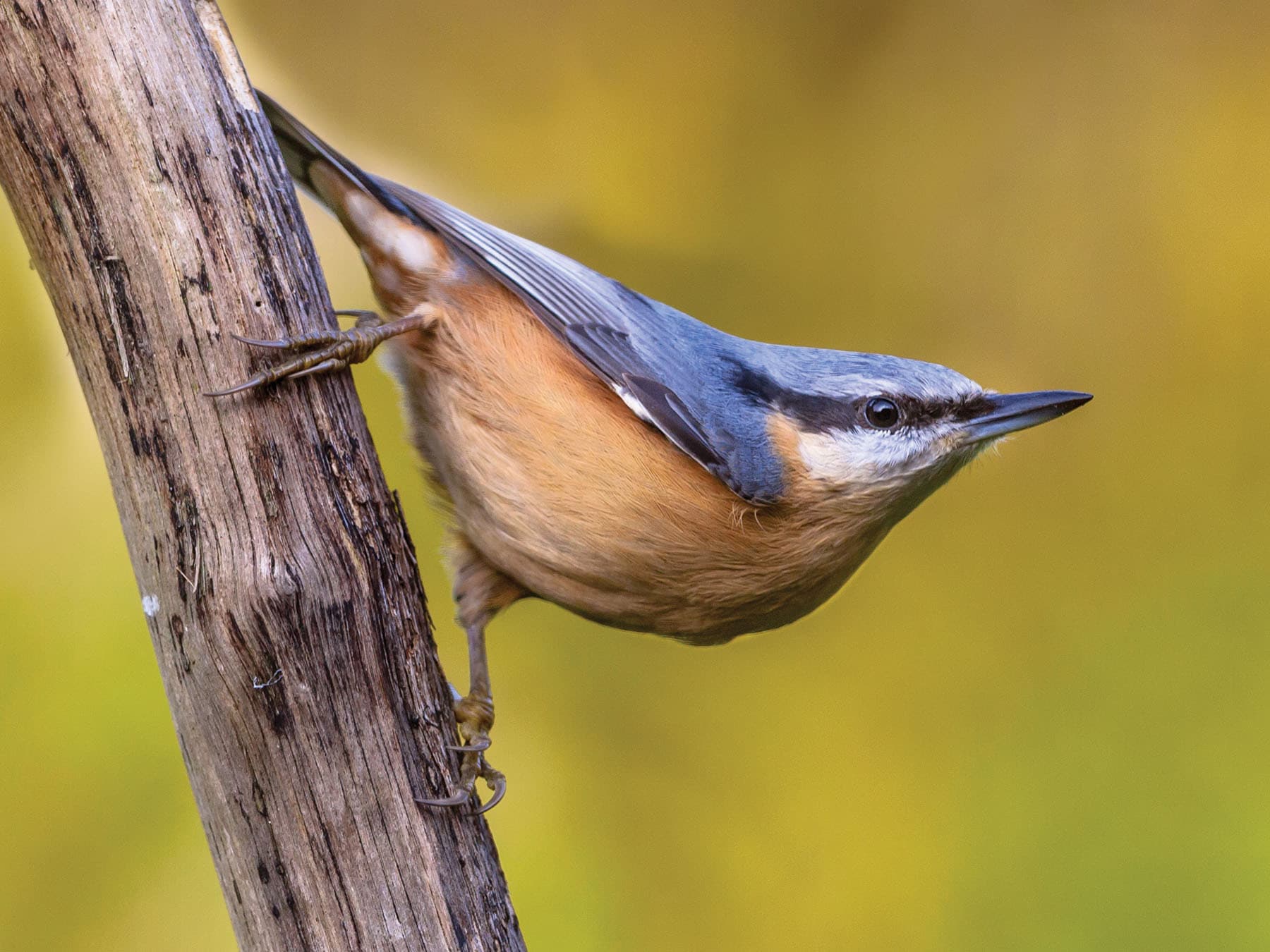
Eurasian Nuthatch
Sitta europaeaLC
An uncommon resident of mature deciduous woodland and parkland, often heard giving its loud ringing call.
Year-round
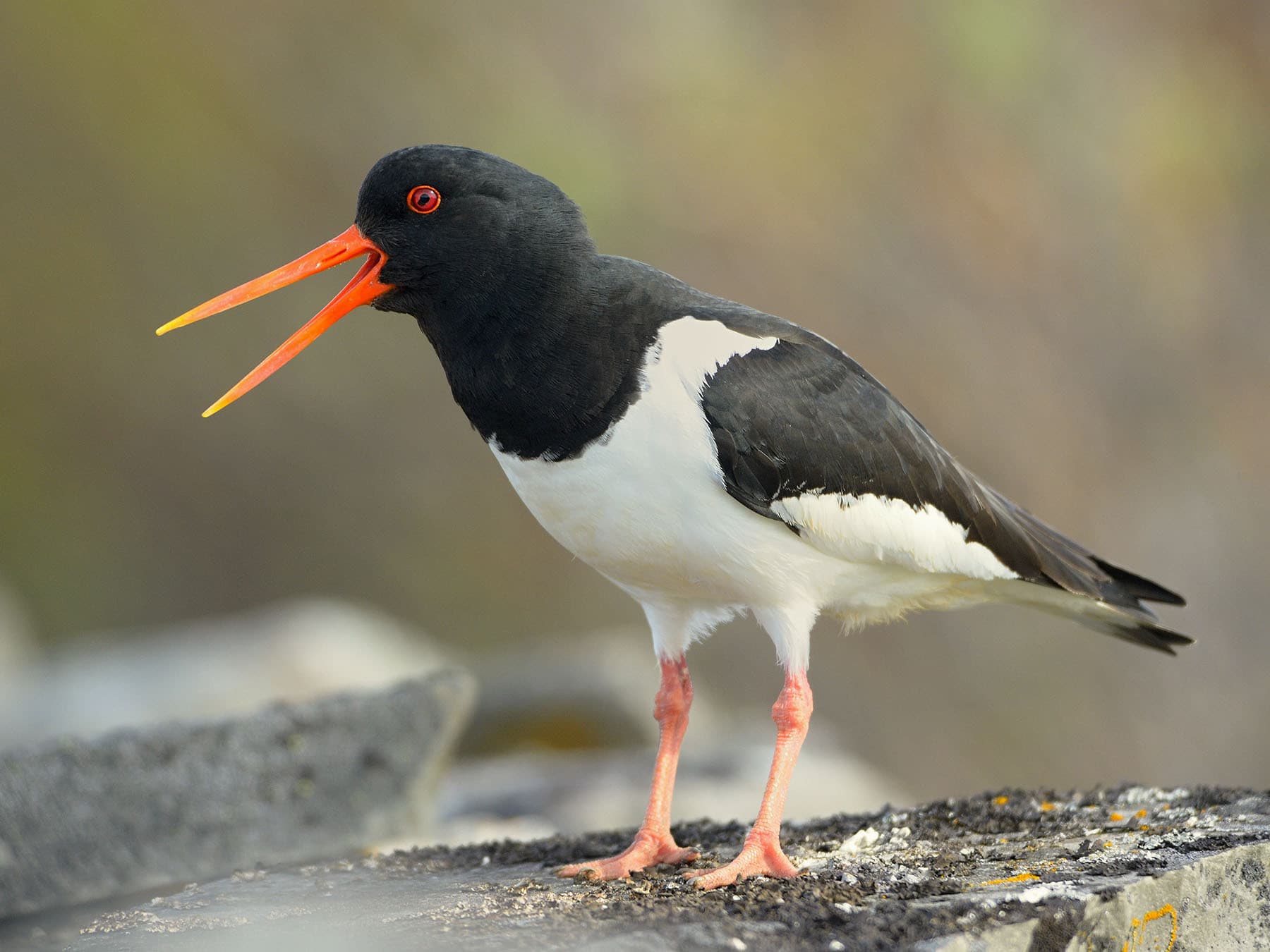
Eurasian Oystercatcher
Haematopus ostralegusNT
An uncommon breeding visitor, increasingly nesting inland on gravel pits and reservoir margins. Present from February to August before returning to the coast.
Feb–Aug
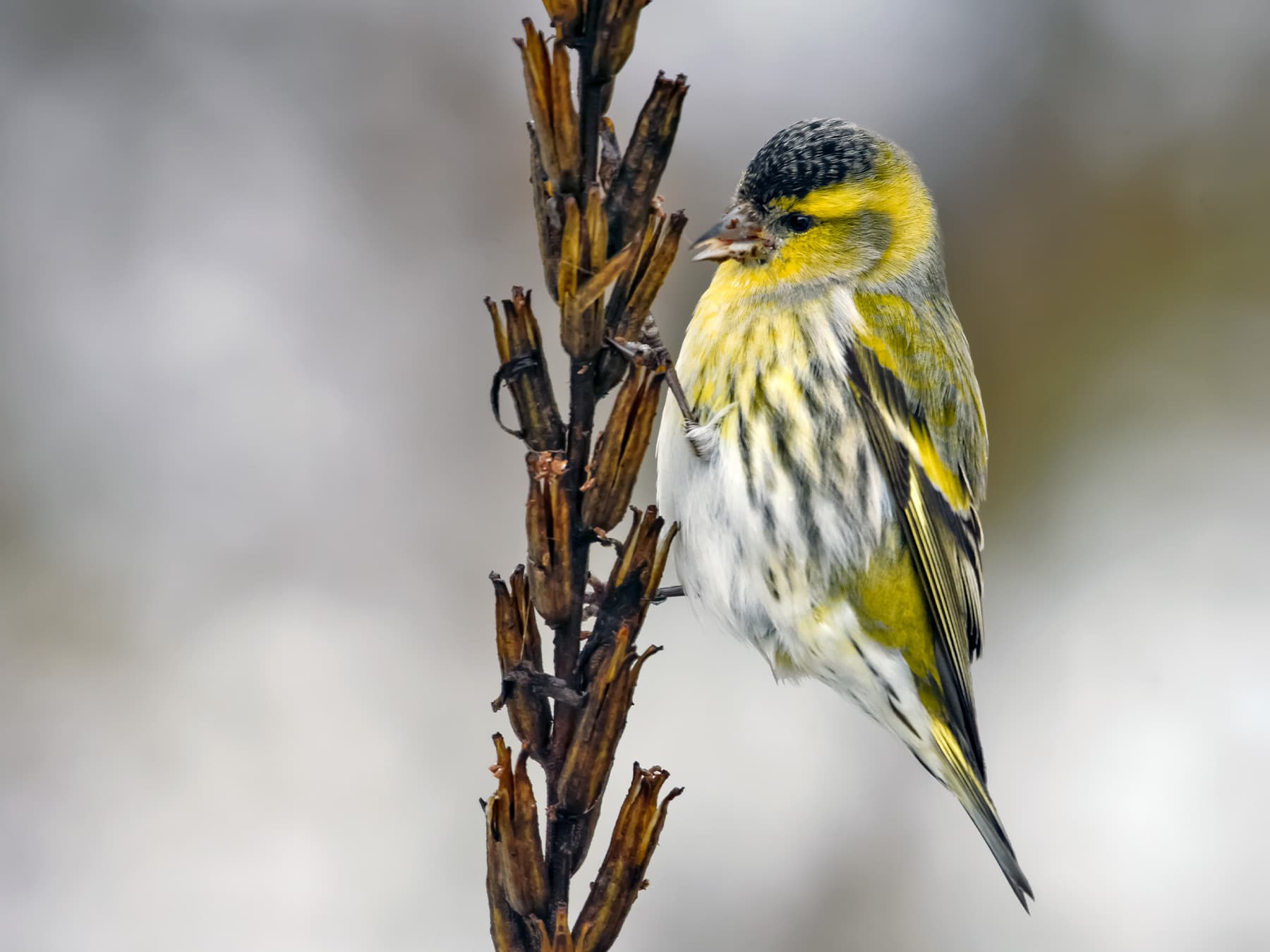
Eurasian Siskin
Spinus spinusLC
An uncommon winter visitor favouring alder and birch trees near water. Often seen in small flocks at garden nyjer seed feeders.
Sep–Apr
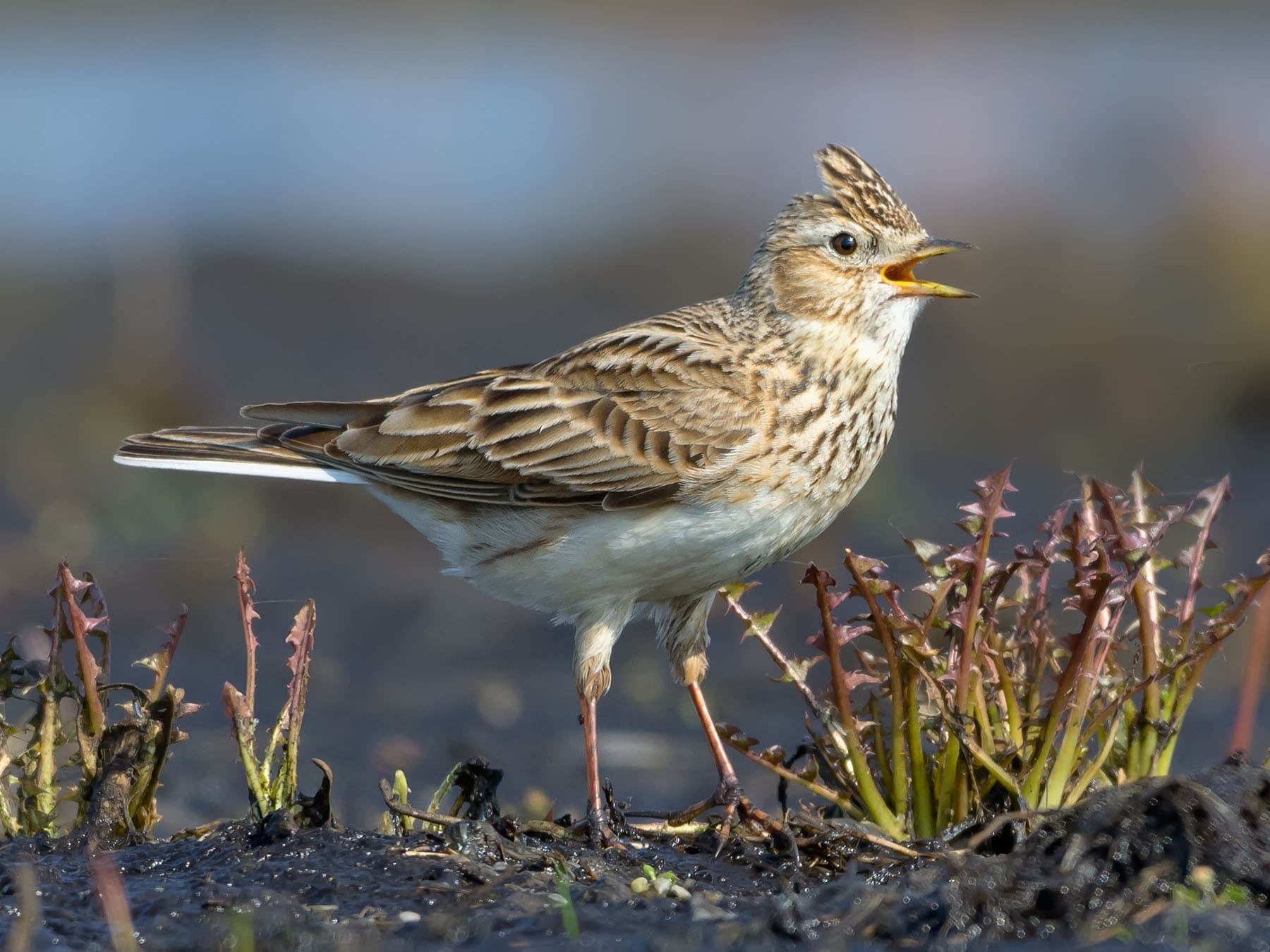
Eurasian Skylark
Alauda arvensisLC
An uncommon resident of open farmland and grassland, declining due to agricultural intensification. Its soaring song flight can still be heard over arable fields.
Year-round
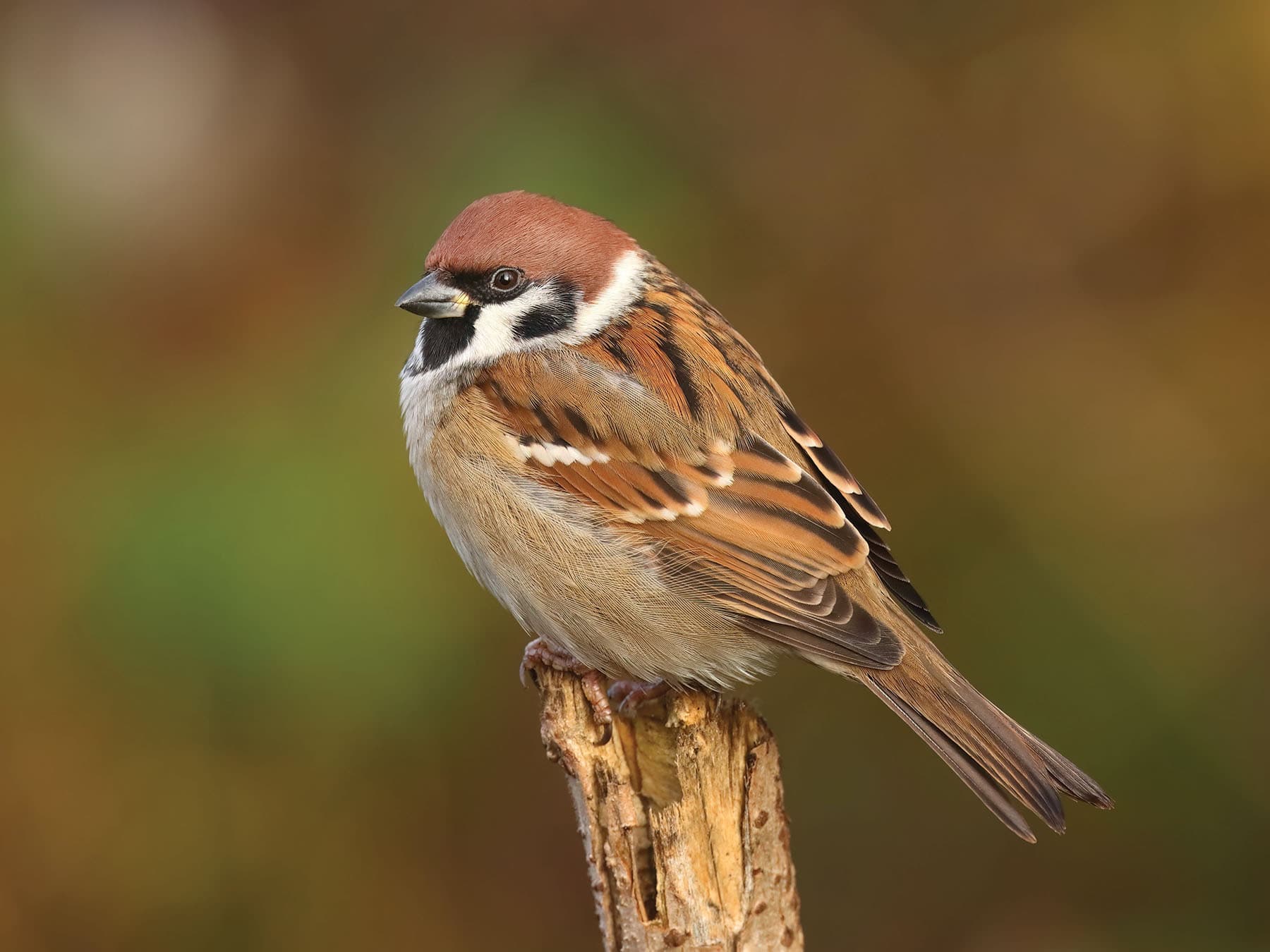
Eurasian Tree Sparrow
Passer montanusLC
A rare and localised resident, clinging on at a few farmland sites with hedgerows and old buildings in the county.
Dec–Jun
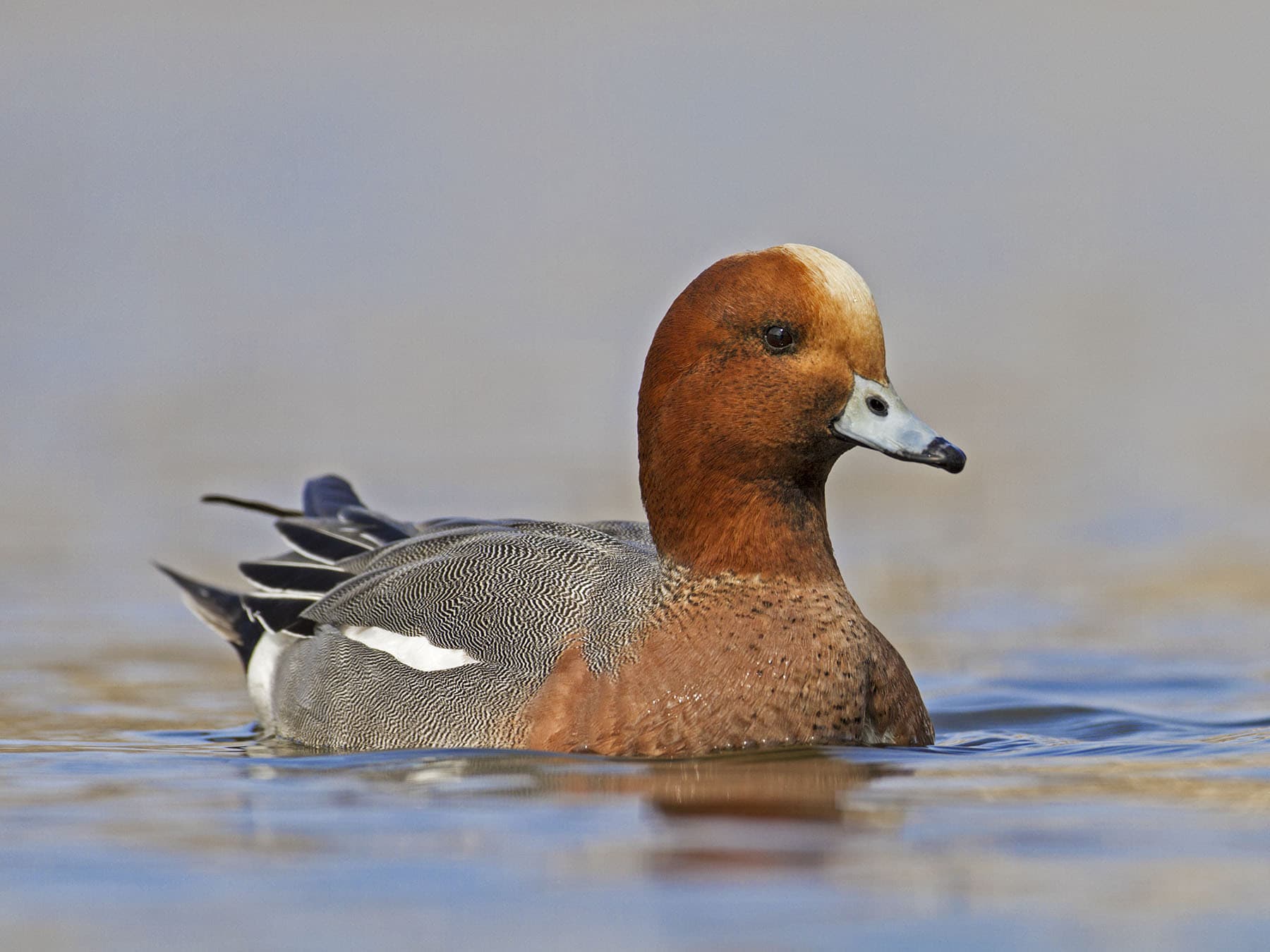
Eurasian Wigeon
Mareca penelopeLC
An uncommon but year-round resident, most conspicuous in winter when flocks graze waterside meadows. Listen for the male's whistling call.
Year-round
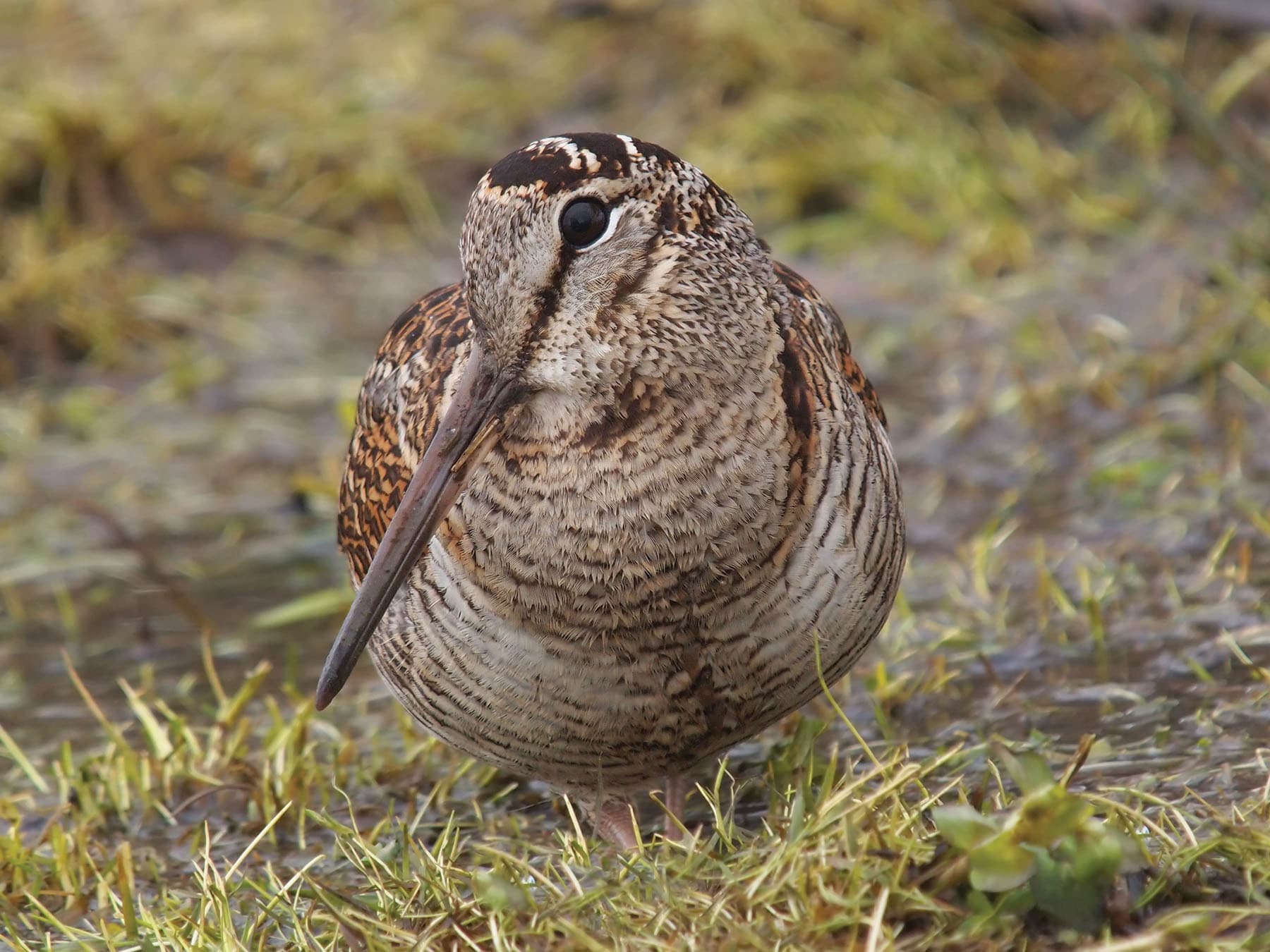
Eurasian Woodcock
Scolopax rusticolaLC
A rare and secretive winter visitor to damp woodland and hedgerows from November to March. Most often flushed unexpectedly from leaf litter.
Nov–Mar
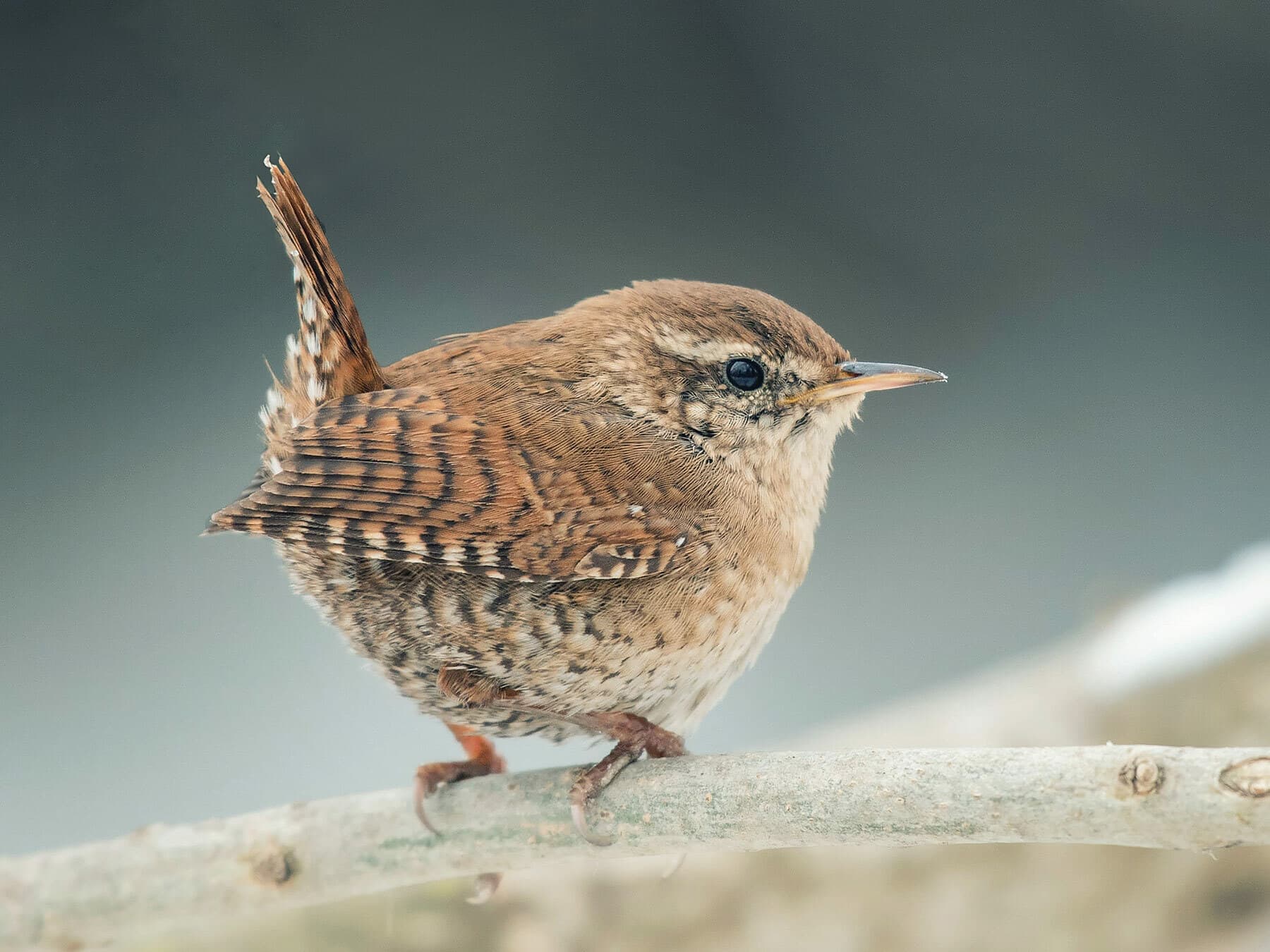
Eurasian Wren
Troglodytes troglodytesLC
A tiny but remarkably loud resident found in virtually every hedgerow, garden, and woodland. One of the county's most widespread breeding birds.
Year-round
Spotted something?
Upload a photo to identify it
Identify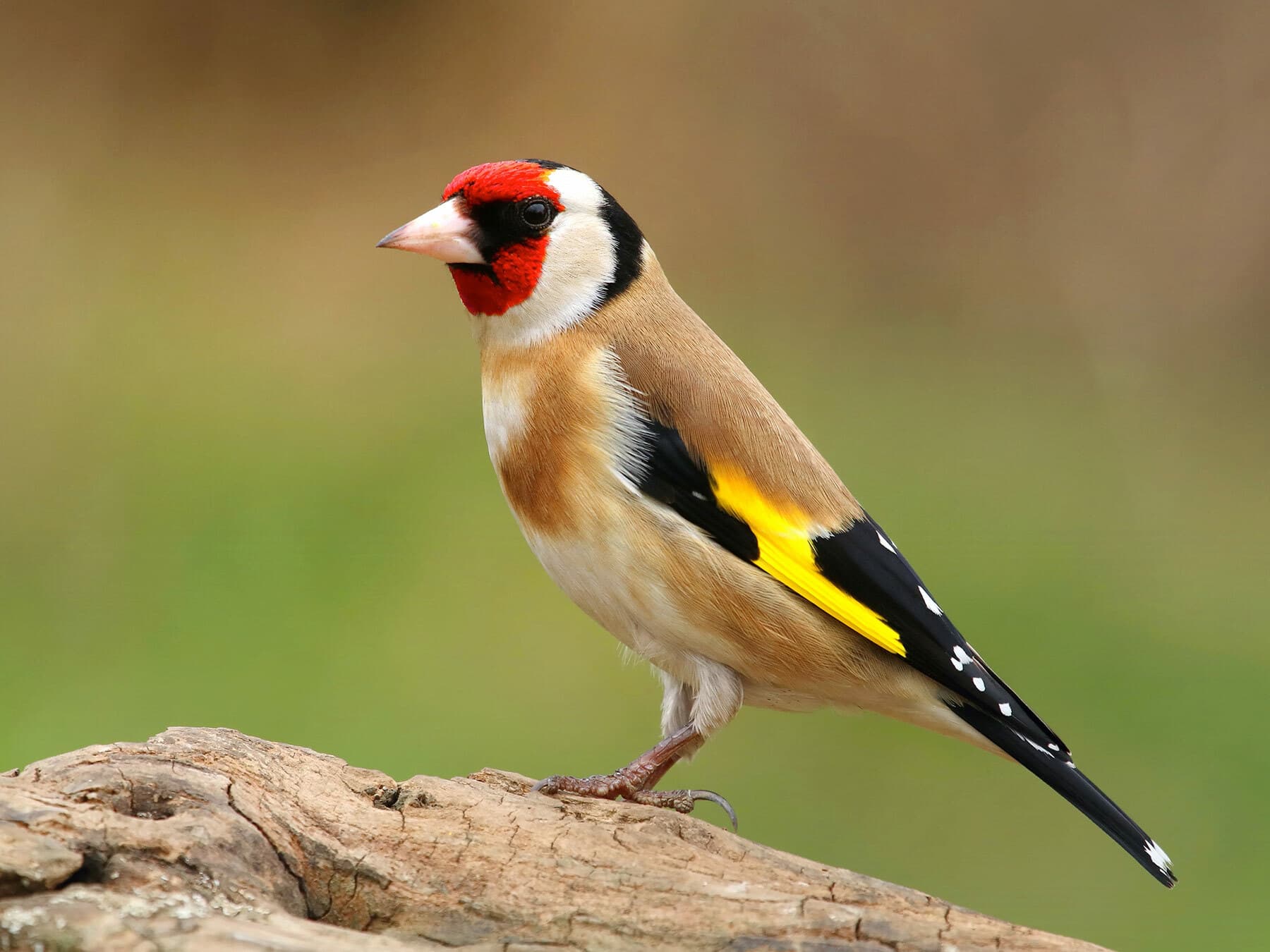
European Goldfinch
Carduelis carduelisLC
A colourful and common resident, increasingly visiting garden feeders. Flocks gather on seed-rich wasteland and field margins year-round.
Year-round
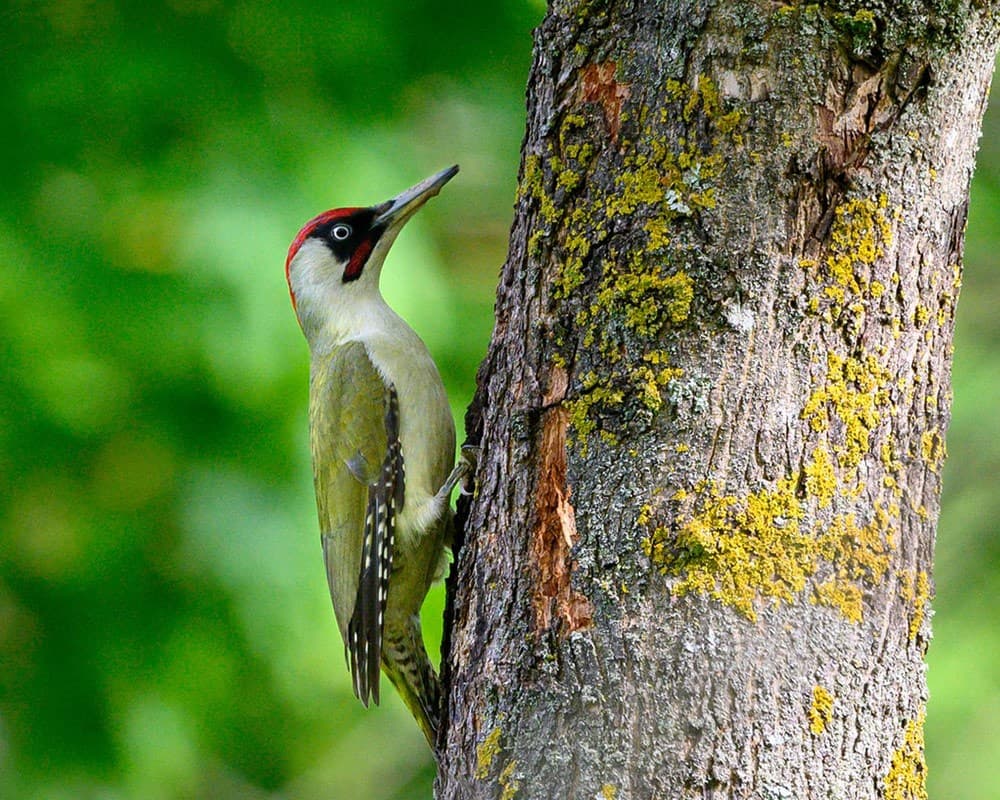
European Green Woodpecker
Picus viridisLC
A common resident of parkland, woodland edges, and large gardens. Its loud laughing call, or 'yaffle', is a familiar sound across the county year-round.
Year-round
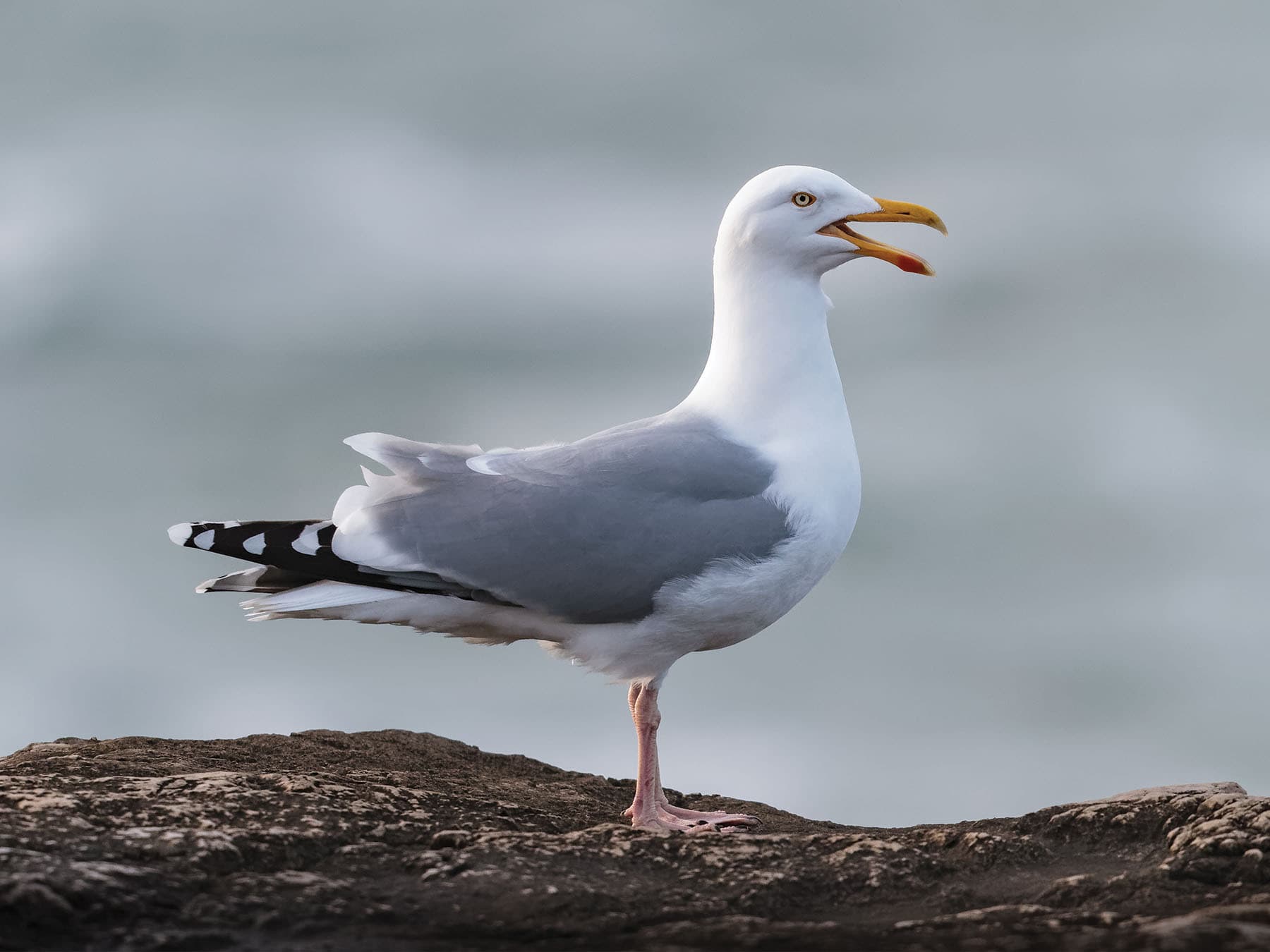
European Herring Gull
Larus argentatusLC
Common year-round, frequenting reservoirs, playing fields and landfill sites. Numbers peak in winter when joined by birds from further north.
Year-round
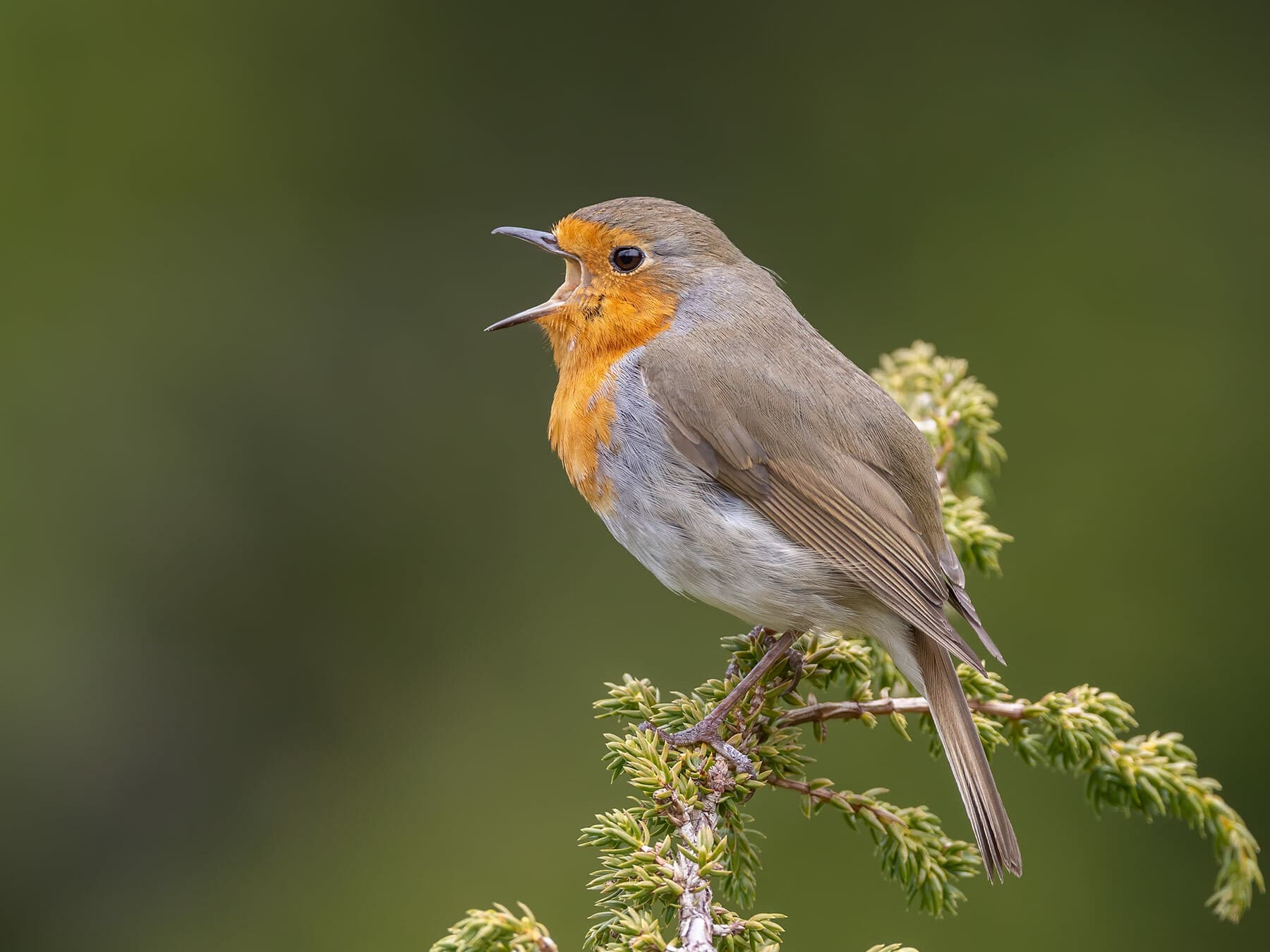
European Robin
Erithacus rubeculaLC
One of the county's most beloved residents, singing year-round in gardens, parks, and woodland. Boldly territorial and often confiding around people.
Year-round
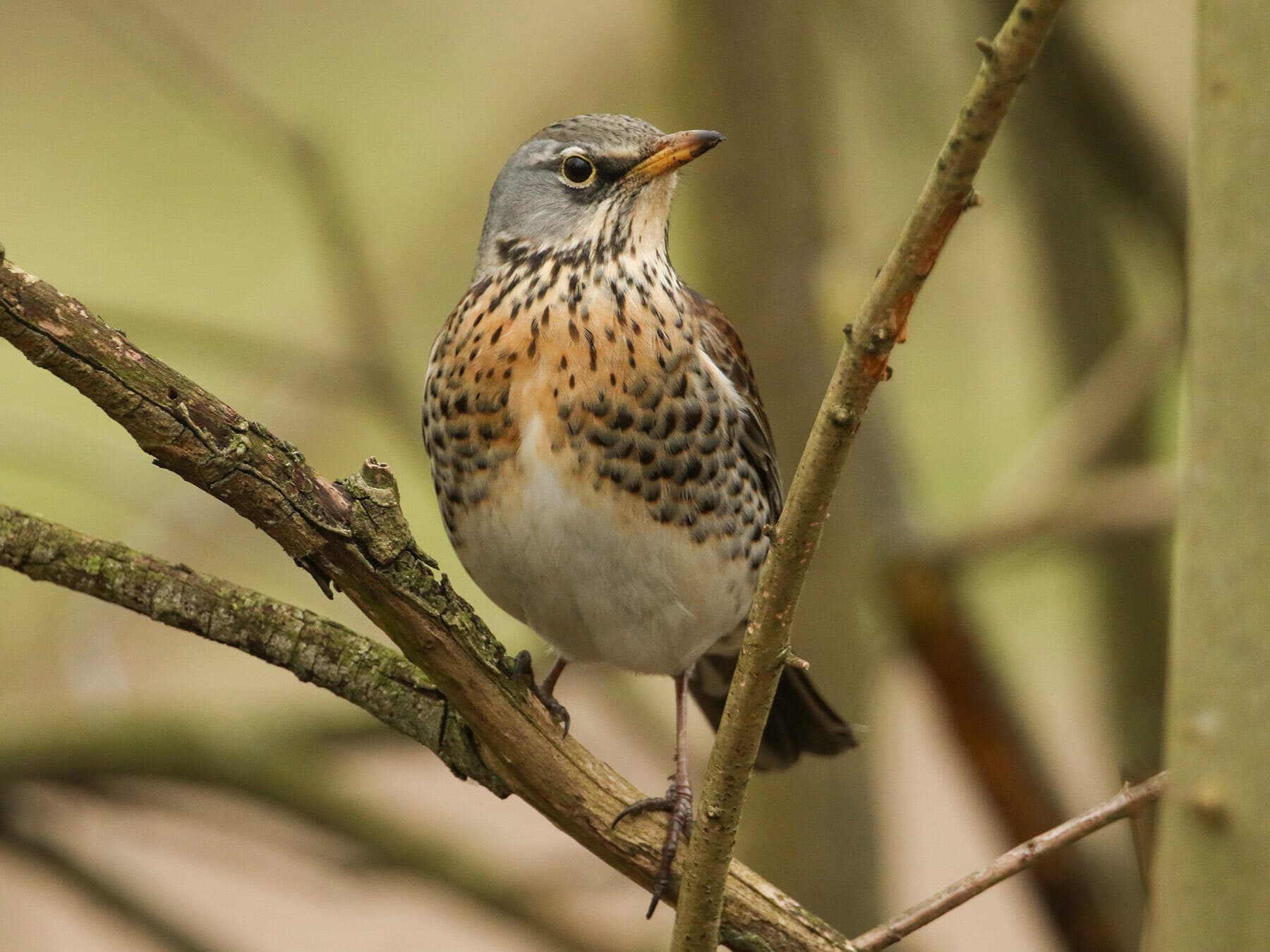
Fieldfare
Turdus pilarisLC
A winter visitor from Scandinavia, arriving from October and departing by April. Flocks feed on berries in hedgerows and open farmland.
Oct–Apr
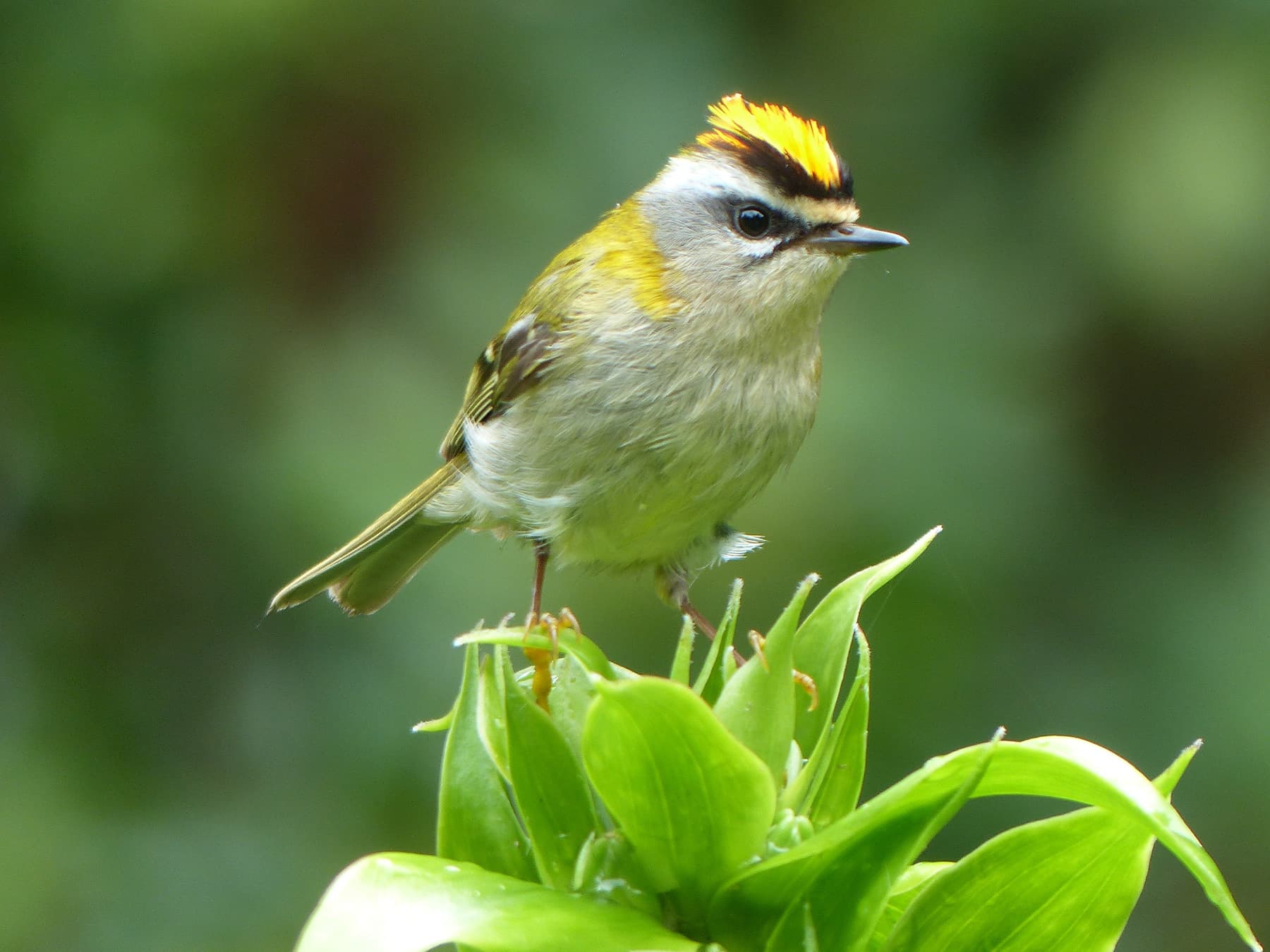
Firecrest
Regulus ignicapillaLC
A rare passage visitor, occasionally glimpsed in March or December in coniferous or mixed woodland. Easily overlooked among Goldcrest flocks.
Dec–Mar
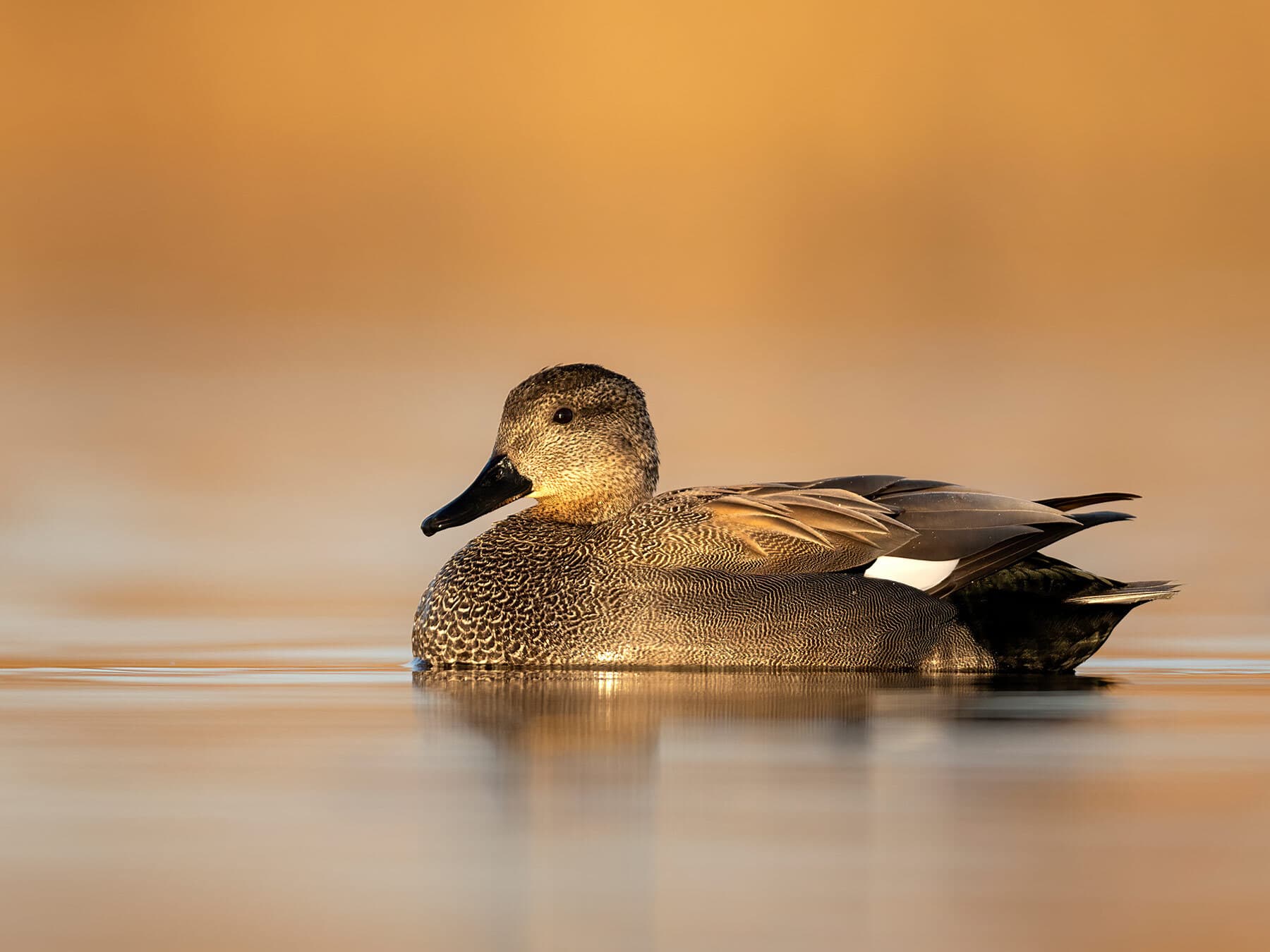
Gadwall
Mareca streperaLC
A common year-round resident found on reservoirs, gravel pits and lakes. Numbers bolstered in winter by Continental arrivals.
Year-round
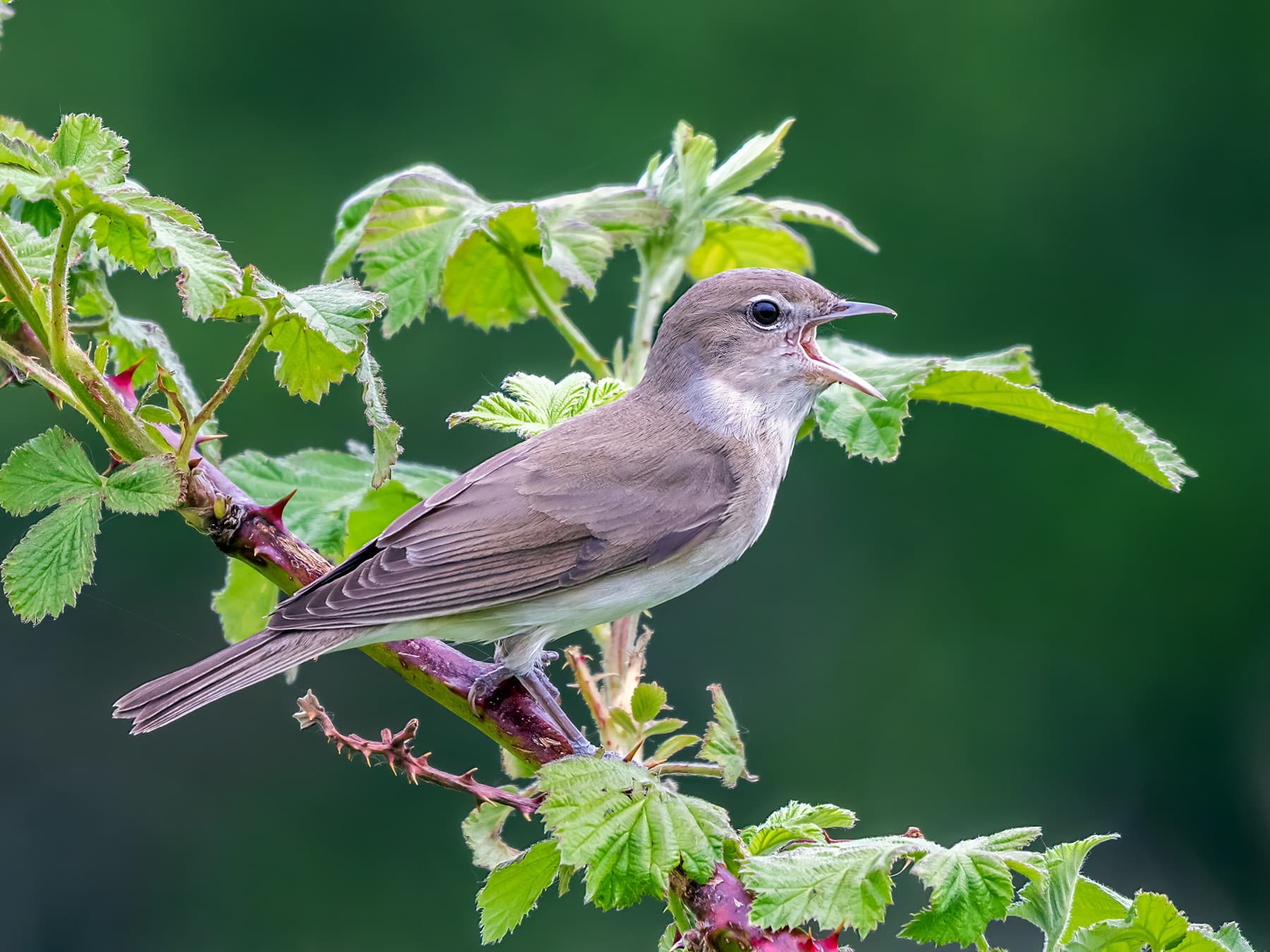
Garden Warbler
Sylvia borinLC
An uncommon summer breeder in mature deciduous woodland with dense understorey, present from April to September.
Apr–Sep
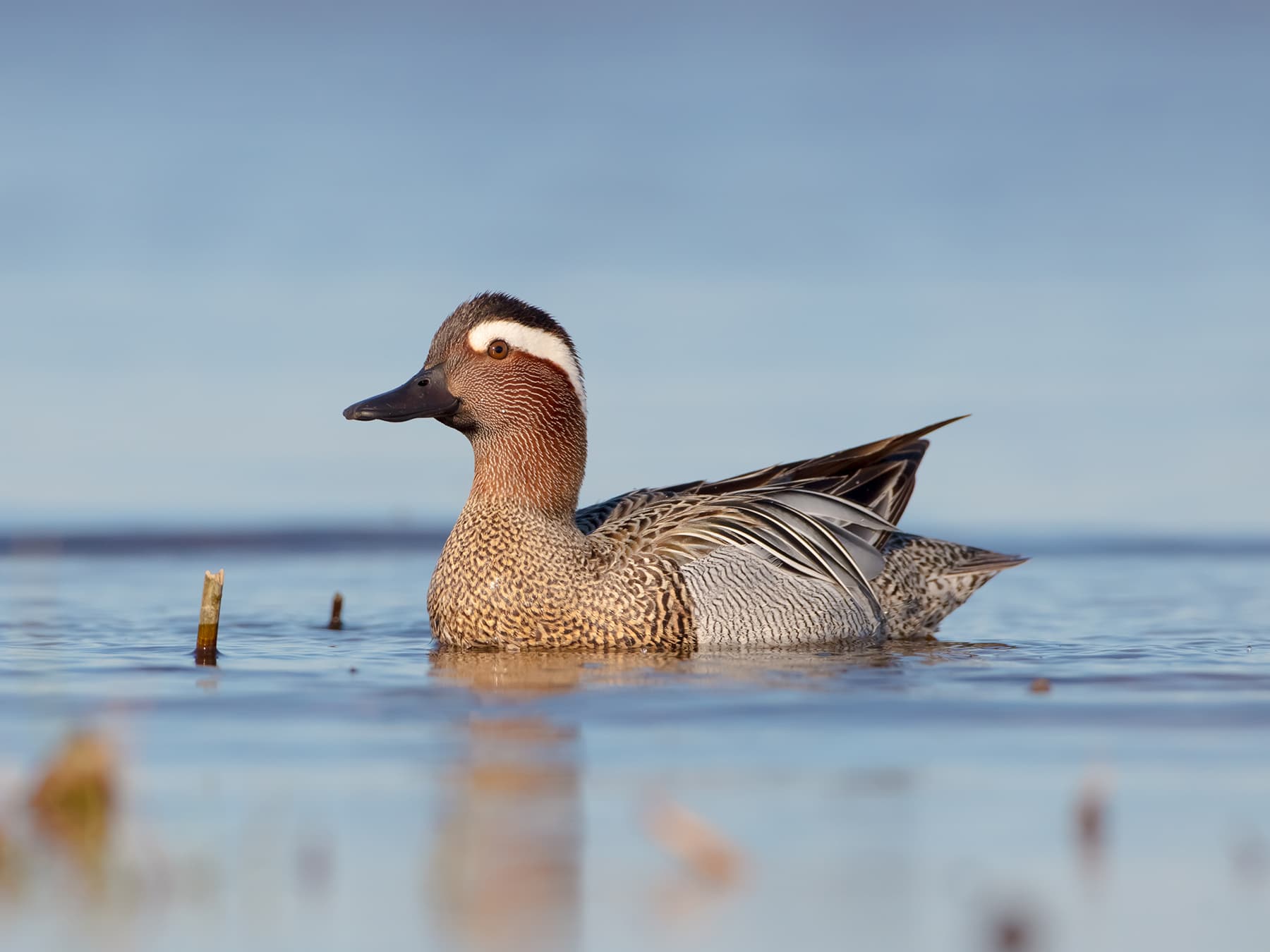
Garganey
Spatula querquedulaLC
A scarce summer visitor and rare breeder, arriving from April. Best looked for at Tring Reservoirs and the Lee Valley gravel pits.
Apr–Sep
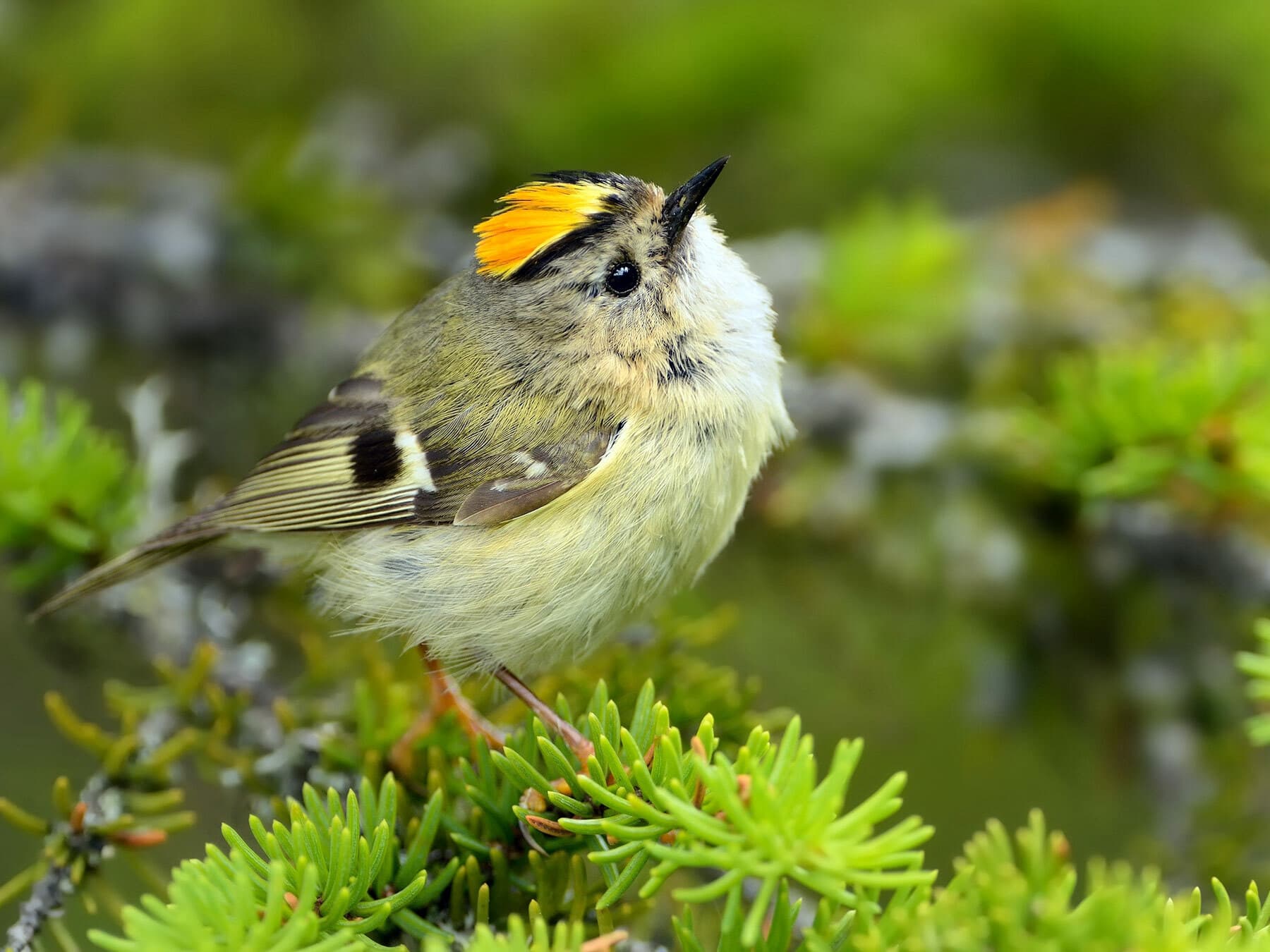
Goldcrest
Regulus regulusLC
Britain's smallest bird, resident in coniferous and mixed woodland across the county. Its thin, high-pitched call is easily overlooked.
Year-round
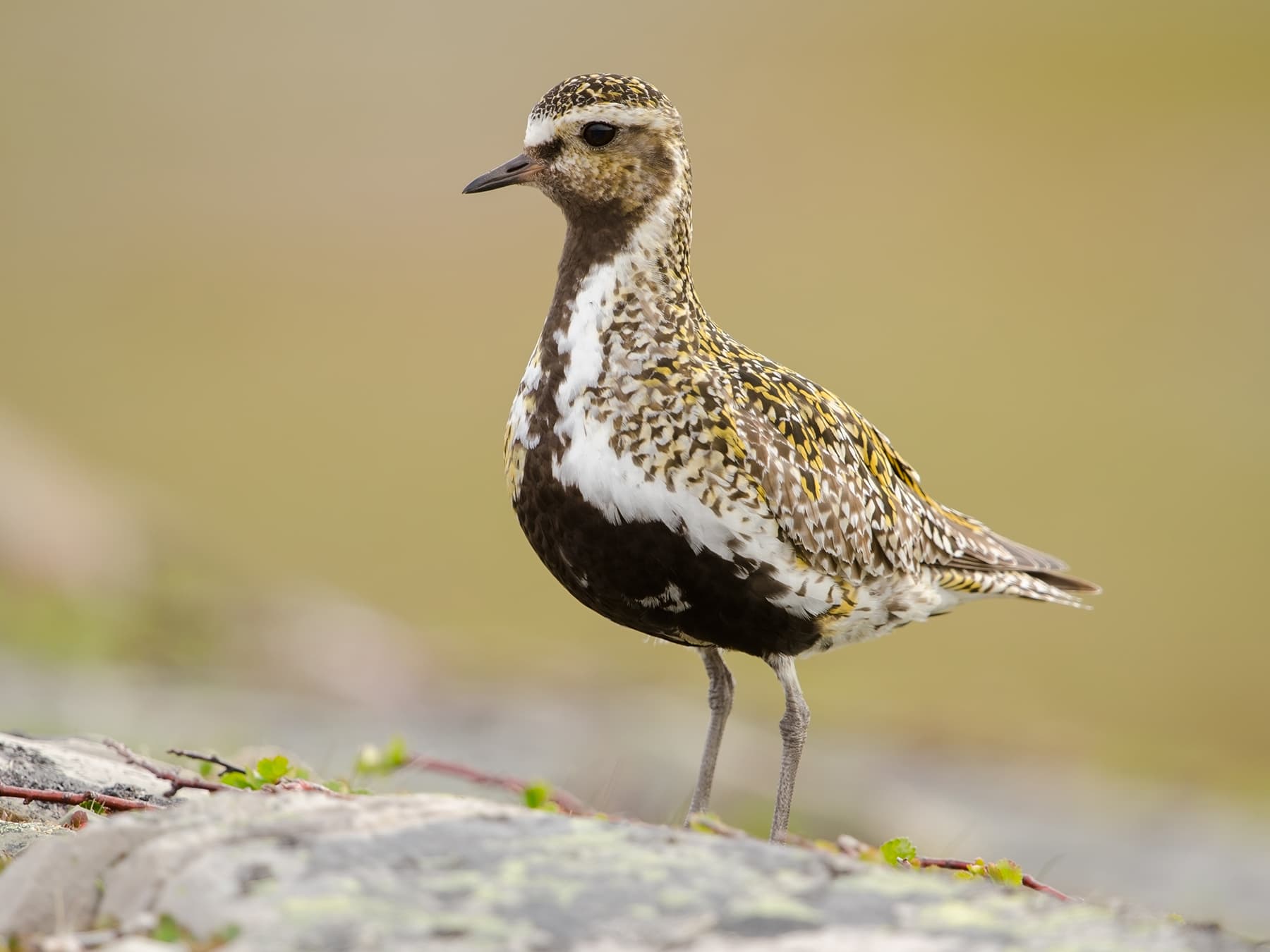
Golden Plover
Pluvialis apricariaLC
A rare non-breeding visitor to arable fields and wet grassland from October to March. Winter flocks are occasionally found on open farmland.
Oct–Mar
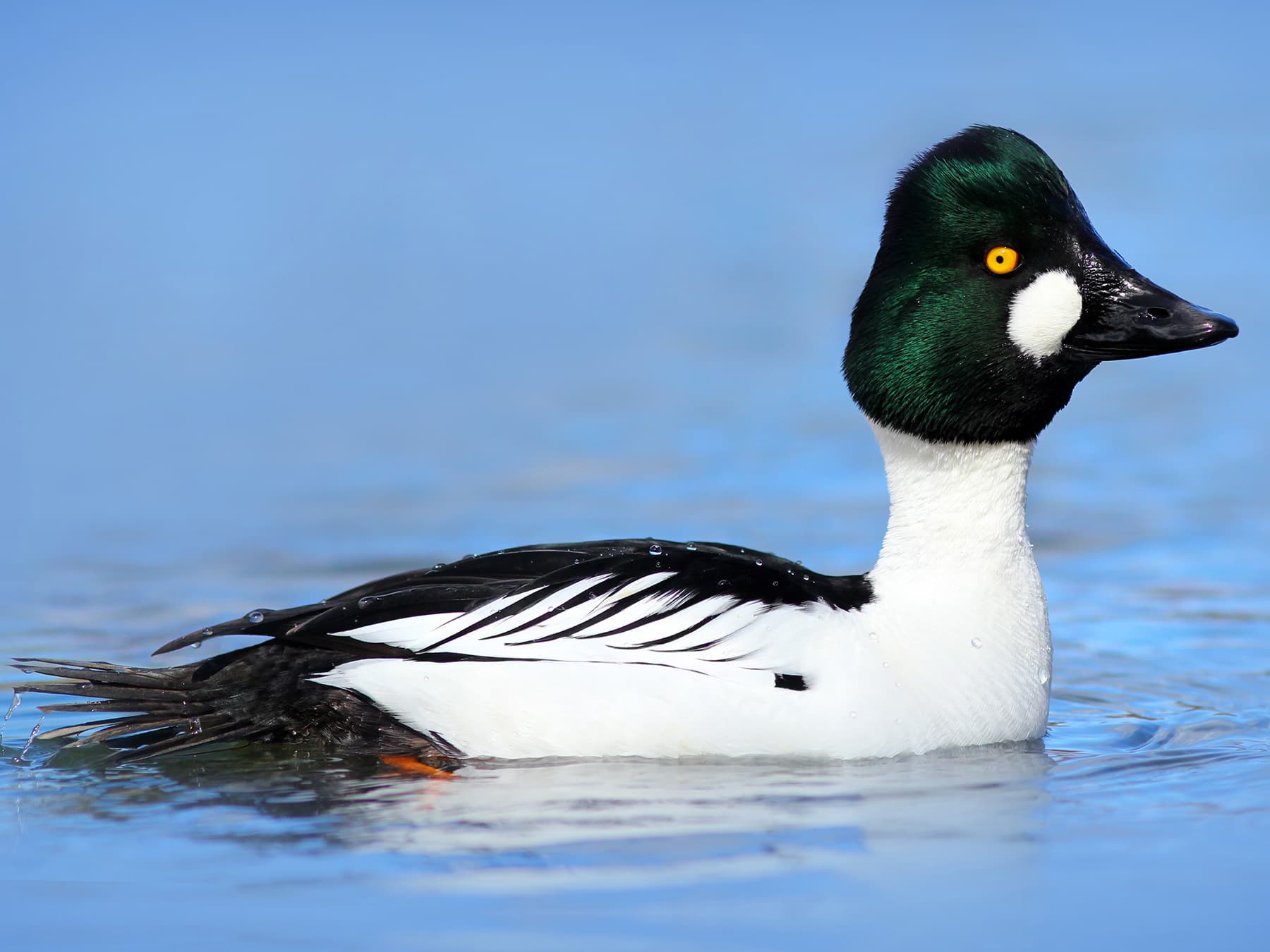
Goldeneye
Bucephala clangulaLC
An uncommon winter visitor to larger reservoirs and gravel pits, arriving from October and departing by April. Males show a bold white face patch.
Oct–May
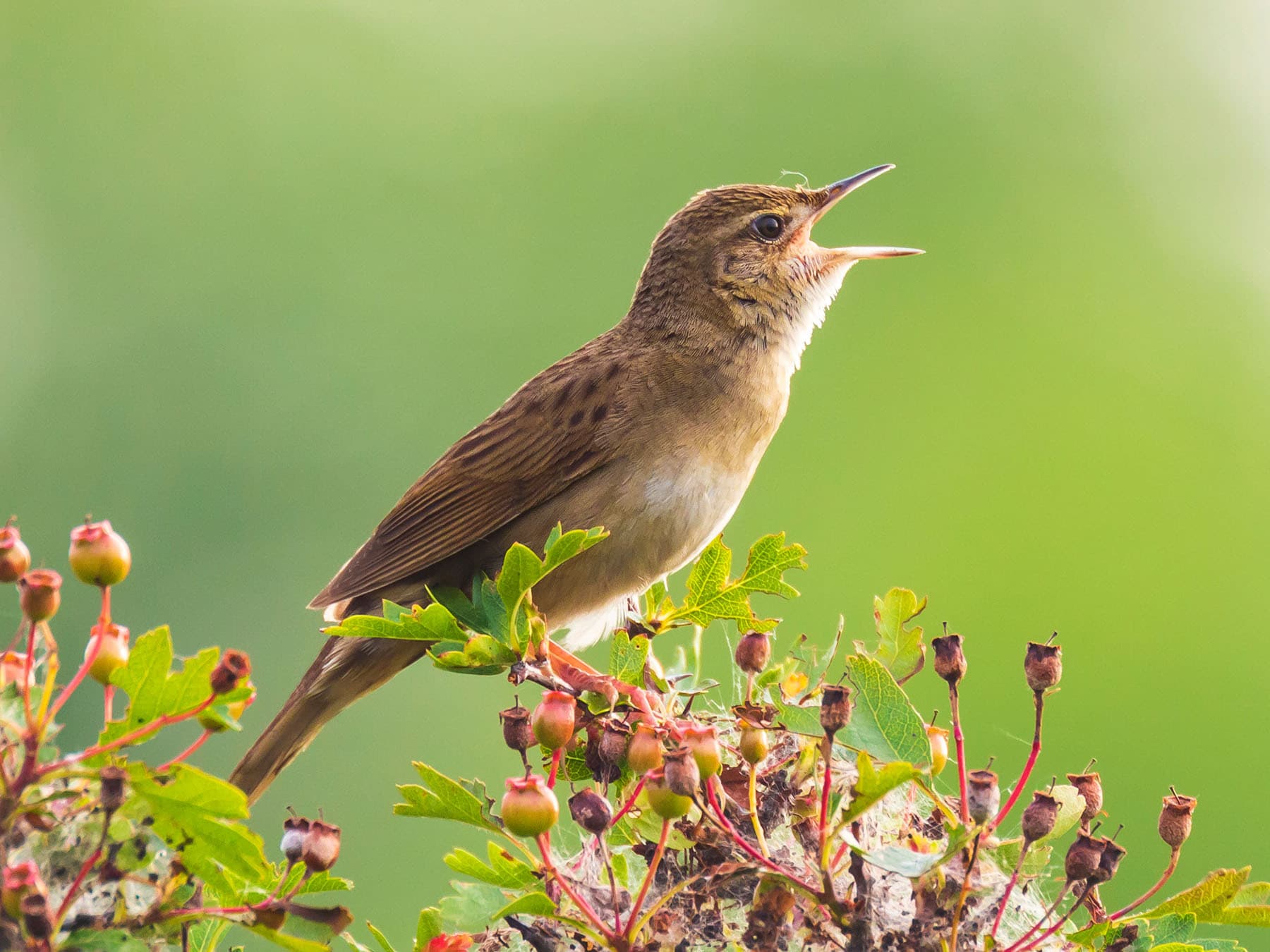
Grasshopper Warbler
Locustella naeviaLC
A rare and declining summer breeder with an insect-like reeling song, found in scrubby grassland and young plantations.
Apr–Jul
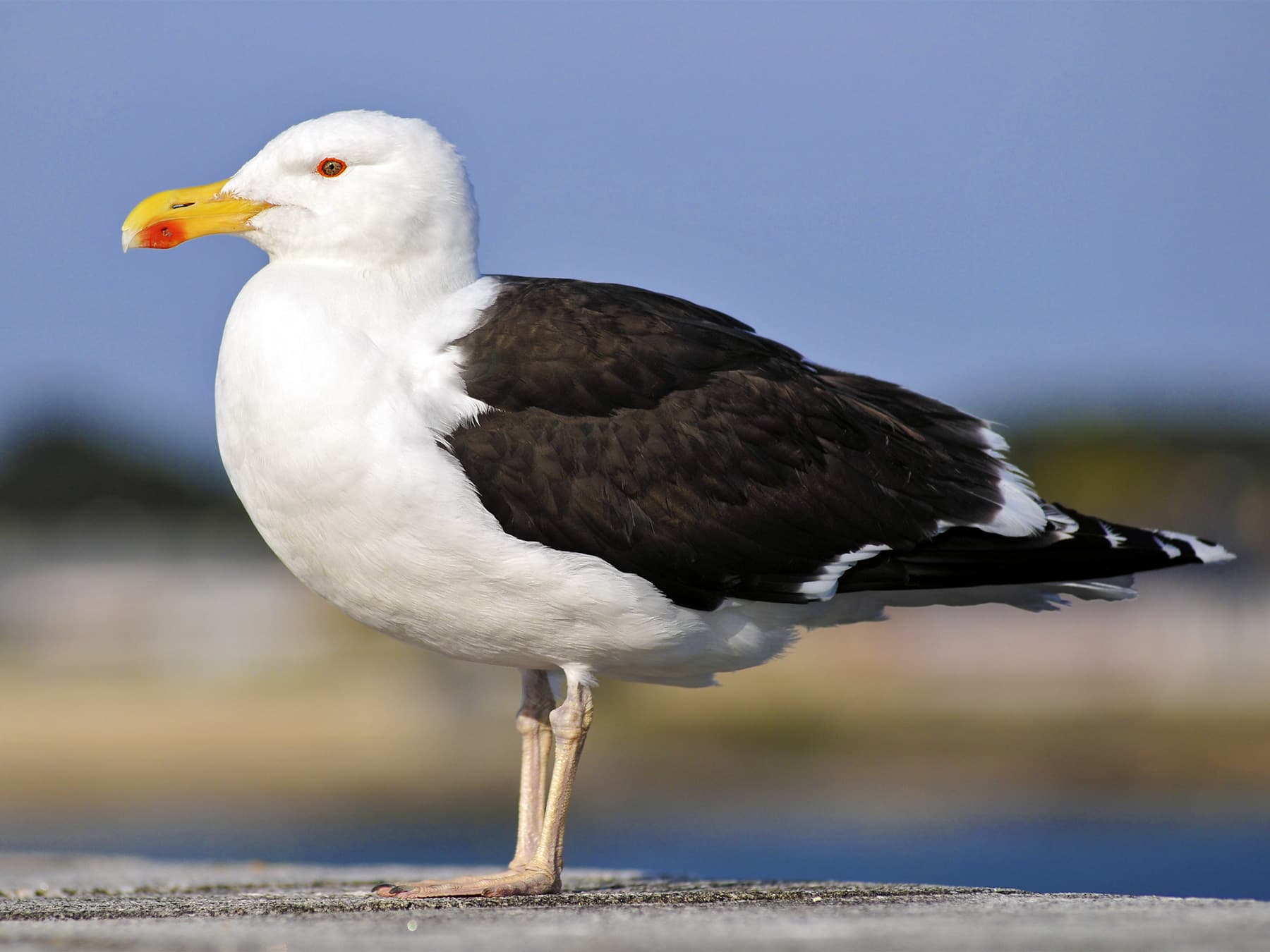
Great Black-backed Gull
Larus marinusLC
An uncommon but regular visitor to reservoirs and landfill sites, present most months except midsummer. Numbers peak during the winter period.
Aug–May
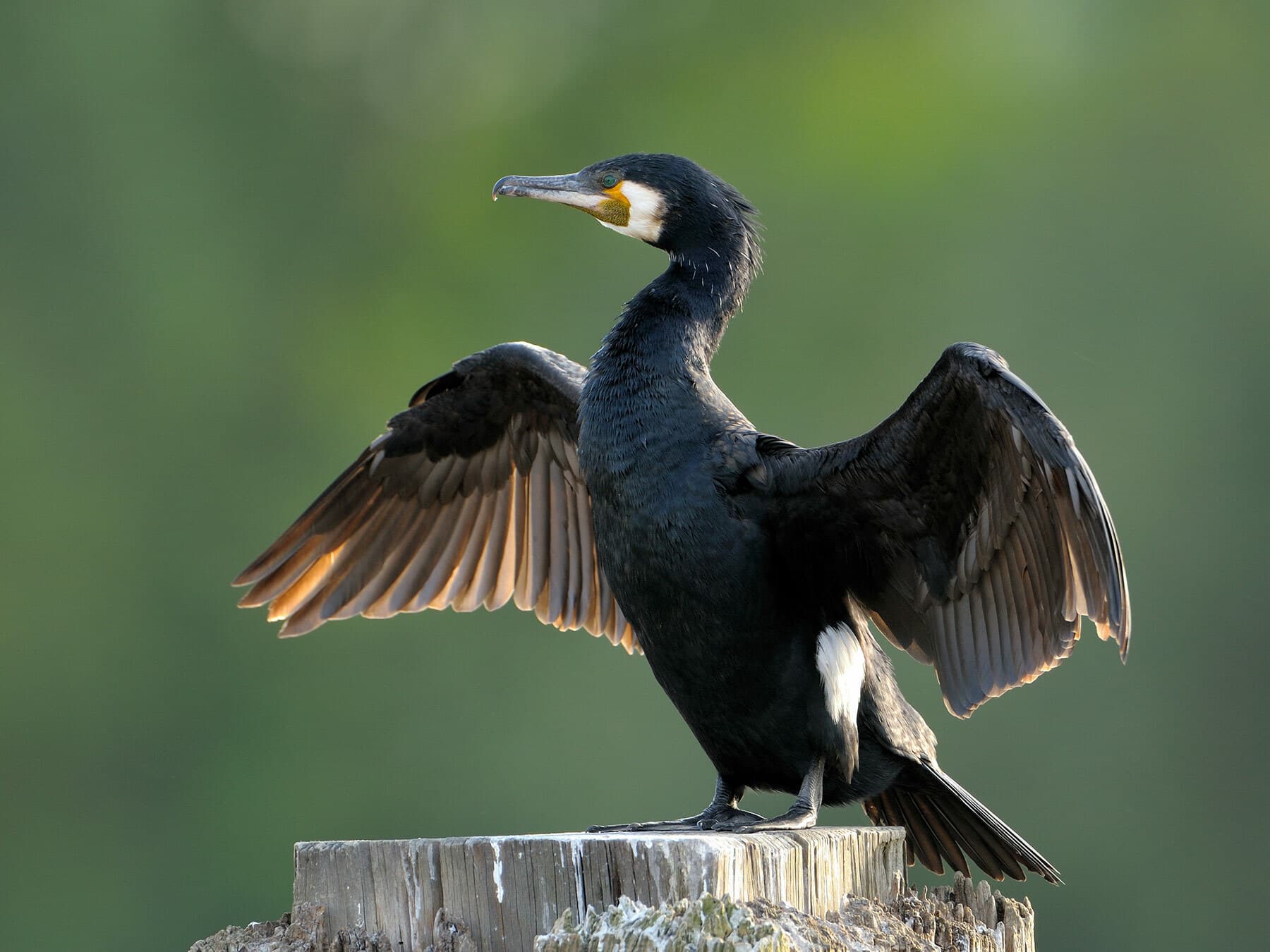
Great Cormorant
Phalacrocorax carboLC
A common sight at reservoirs, gravel pits, and rivers throughout the year. The Lee Valley provides important fishing and roosting sites for this species.
Year-round