Uncommon Birds in Hertfordshire
43 species matching this filter.
Hertfordshire's mix of river valleys, reservoirs, ancient woodlands and farmland supports a surprising variety of uncommon bird species. With 43 species classed as uncommon in the county, patient observers may encounter anything from the explosive song of the Cetti's Warbler along waterways to the dashing silhouette of a Hobby hunting over summer wetlands. Species such as Bullfinch, Grey Wagtail and Common Snipe reward those who explore the county's quieter corners and less-visited habitats.


Showing 1–23 of 43 species
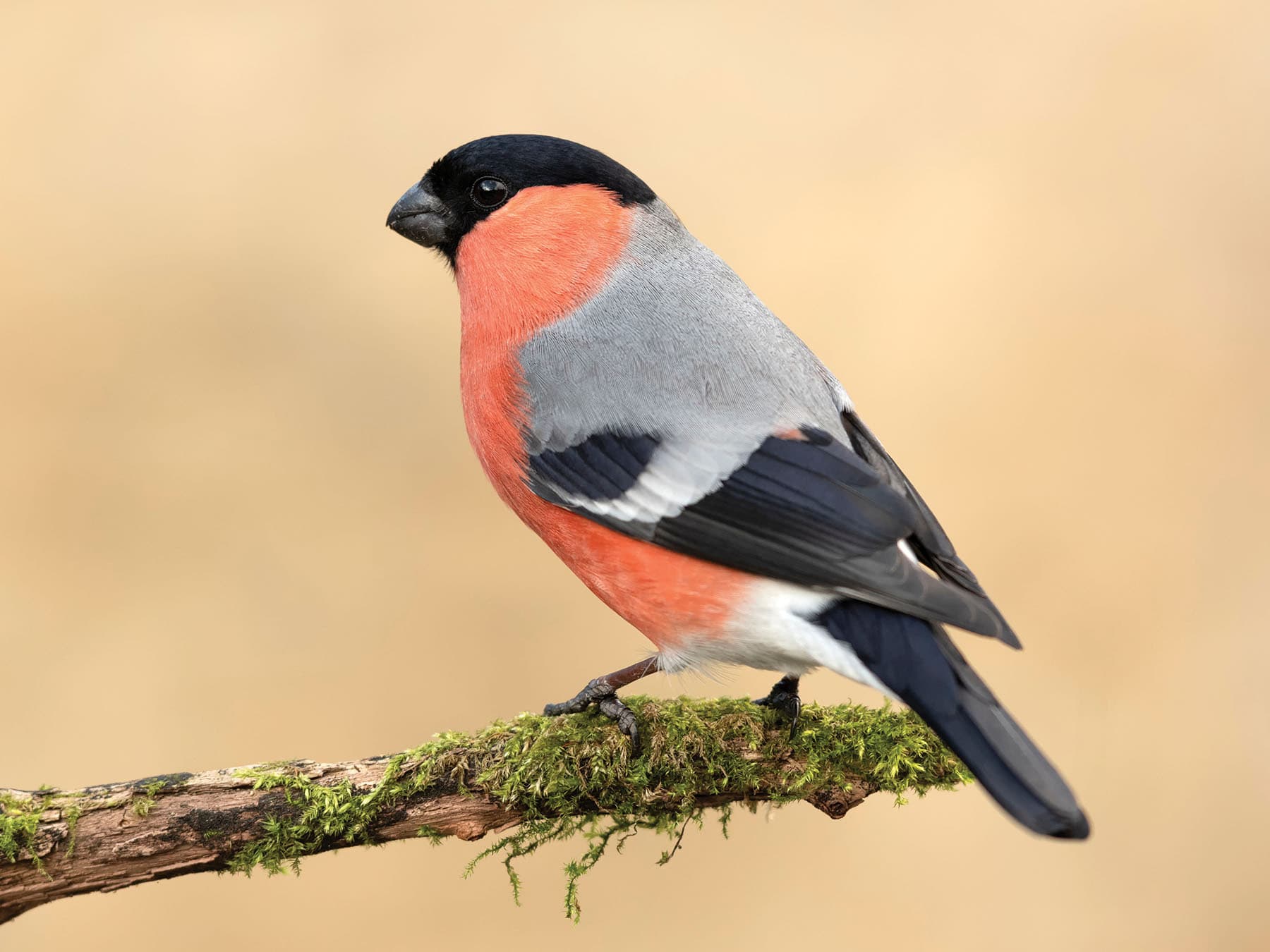
Bullfinch
Pyrrhula pyrrhulaLC
A shy resident of hedgerows, orchards and woodland edges. Often heard before seen, with a soft, melancholic call.
Year-round
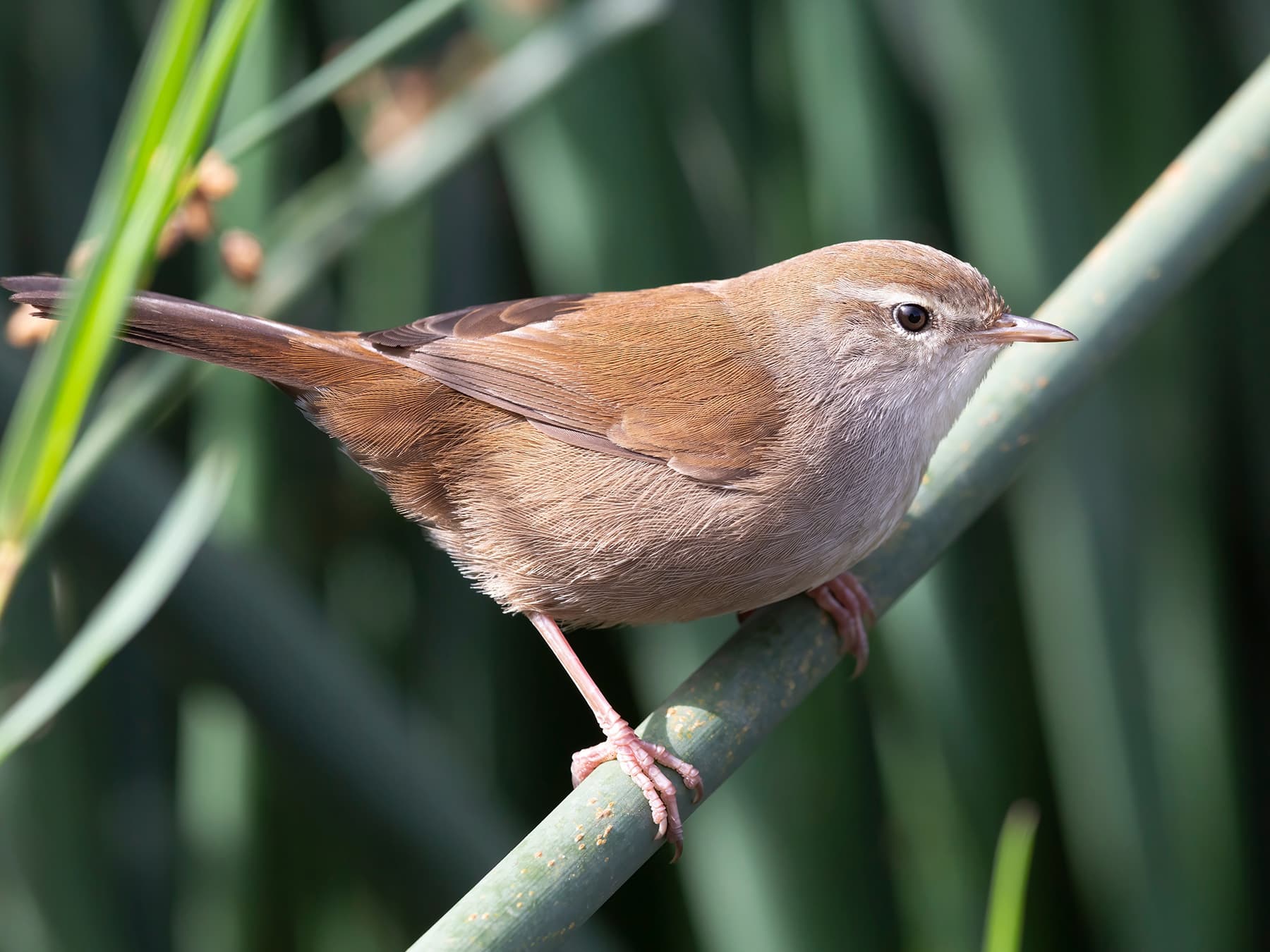
Cetti's Warbler
Cettia cettiLC
An uncommon but increasing resident of dense waterside scrub, more often heard than seen with its explosive song.
Year-round
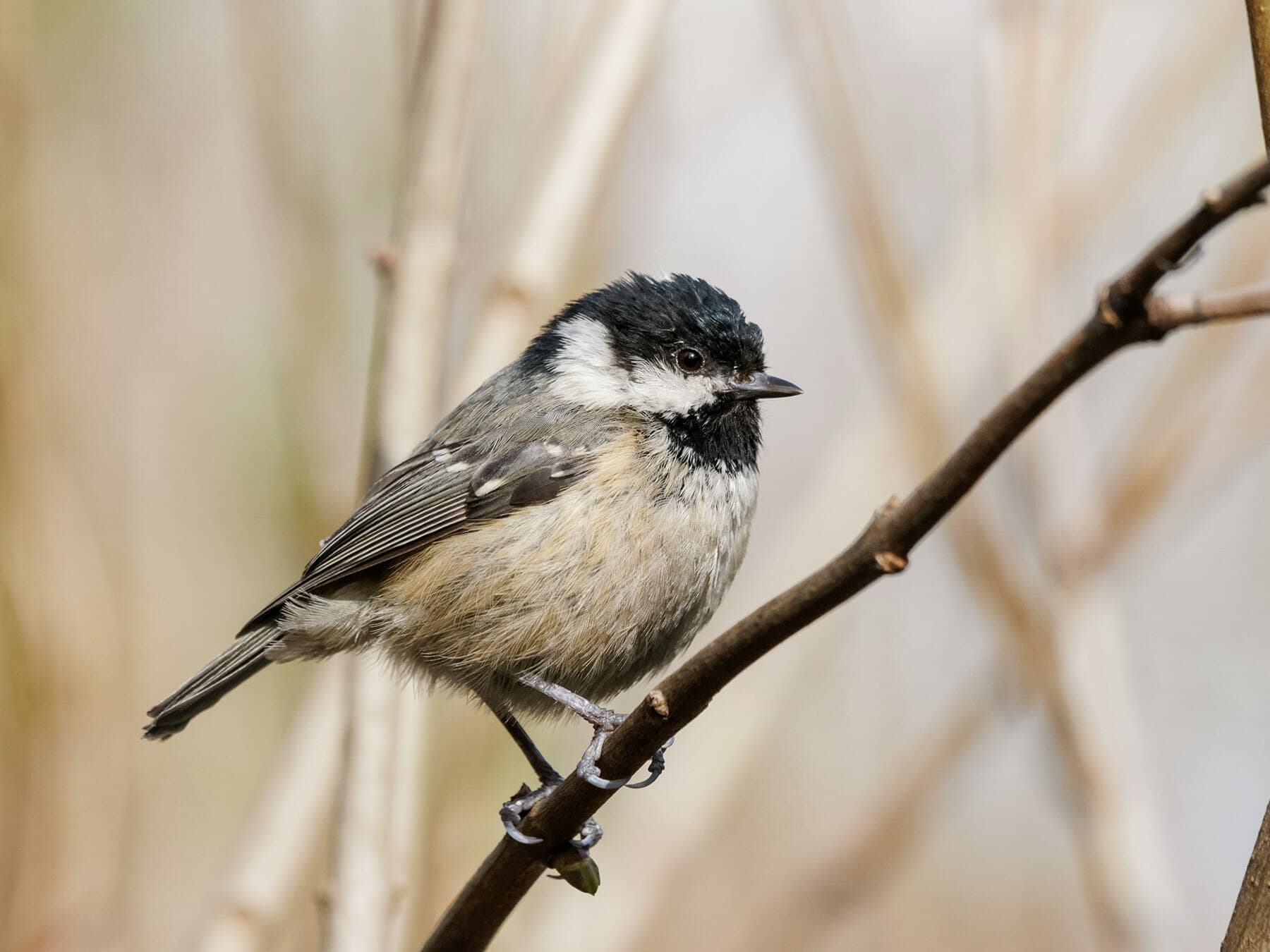
Coal Tit
Periparus aterLC
An uncommon resident favouring coniferous and mixed woodland. Visits garden feeders in winter but is less widespread than Blue or Great Tit.
Year-round
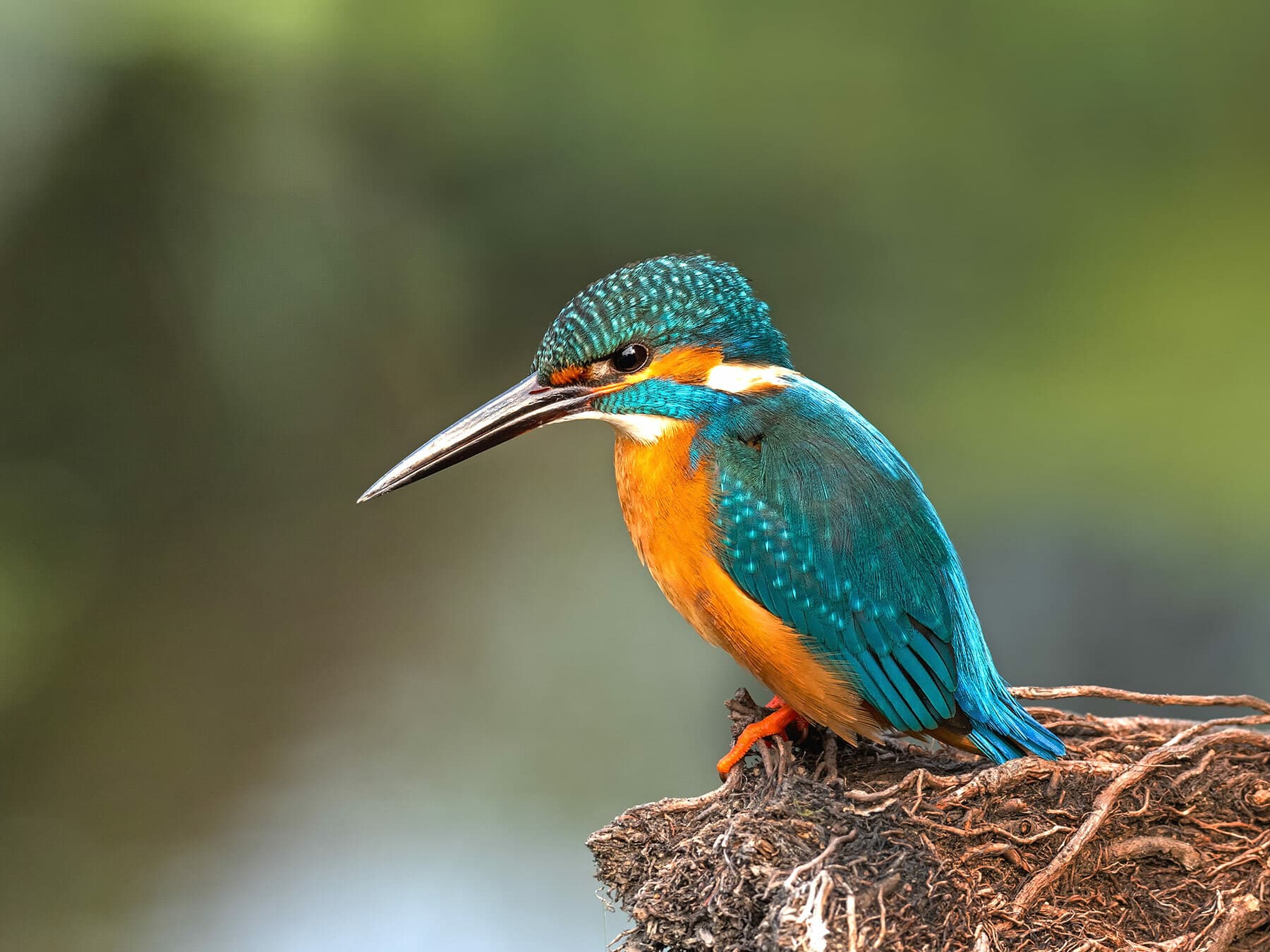
Common Kingfisher
Alcedo atthisLC
An uncommon but year-round resident along the Lea, Colne, and other clean waterways, nesting in riverbanks.
Year-round
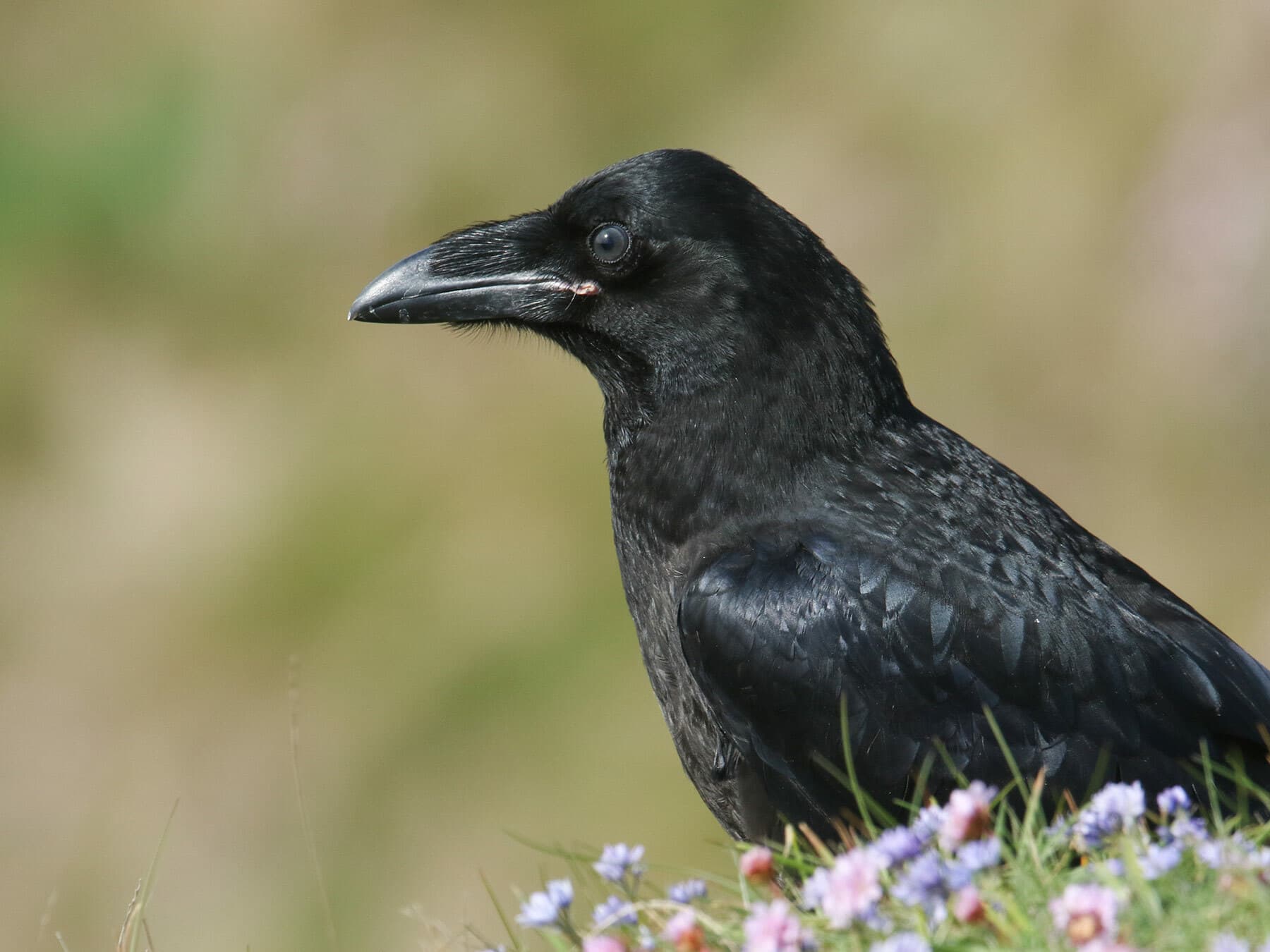
Common Raven
Corvus coraxLC
An uncommon but increasing resident, recolonising the county after a long absence; listen for its deep cronking call.
Year-round
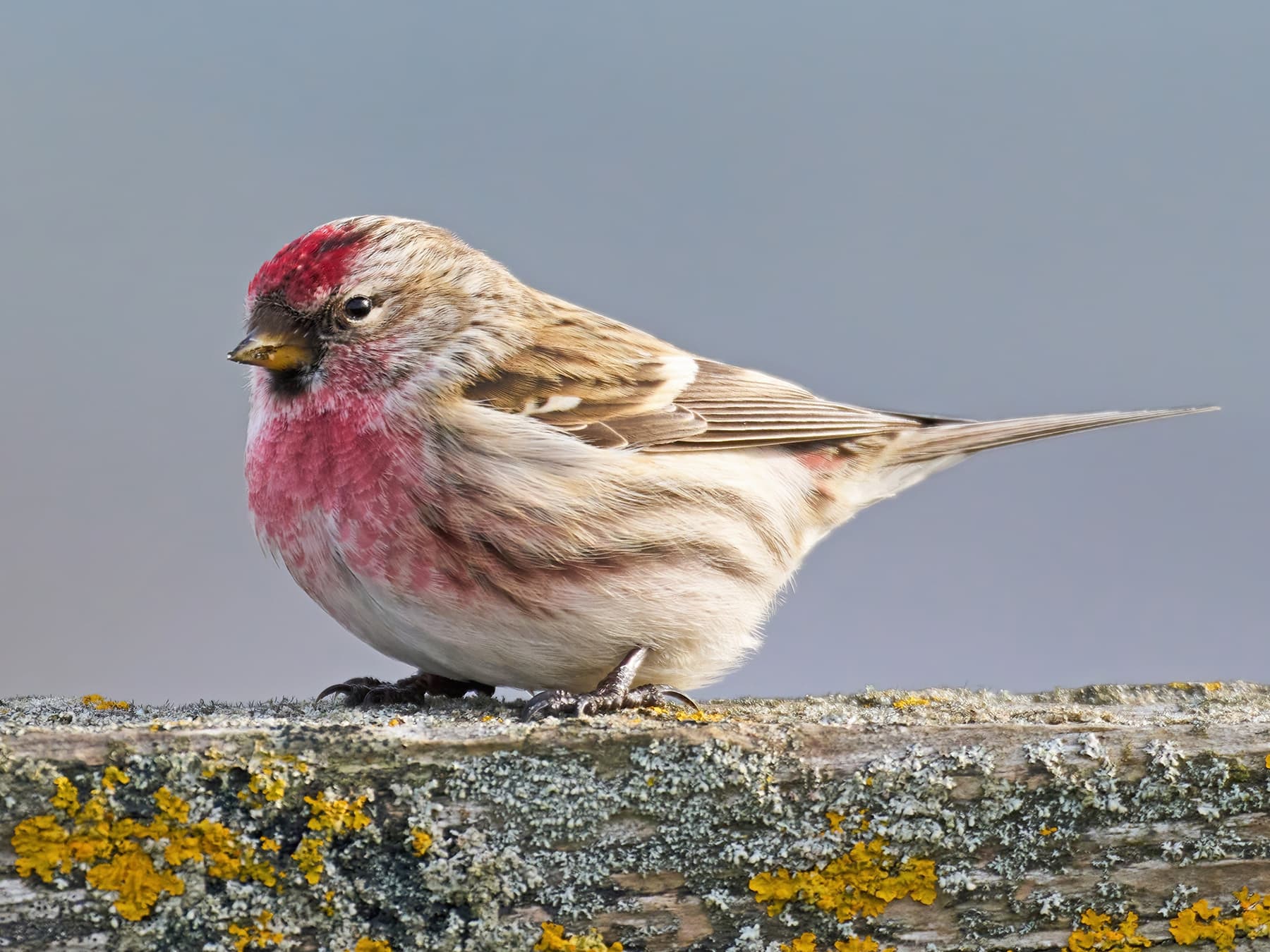
Common Redpoll
Acanthis flammeaLC
An uncommon winter visitor to birch and alder woodland. Small flocks may appear from October to April, often mixing with Siskins.
Oct–Apr
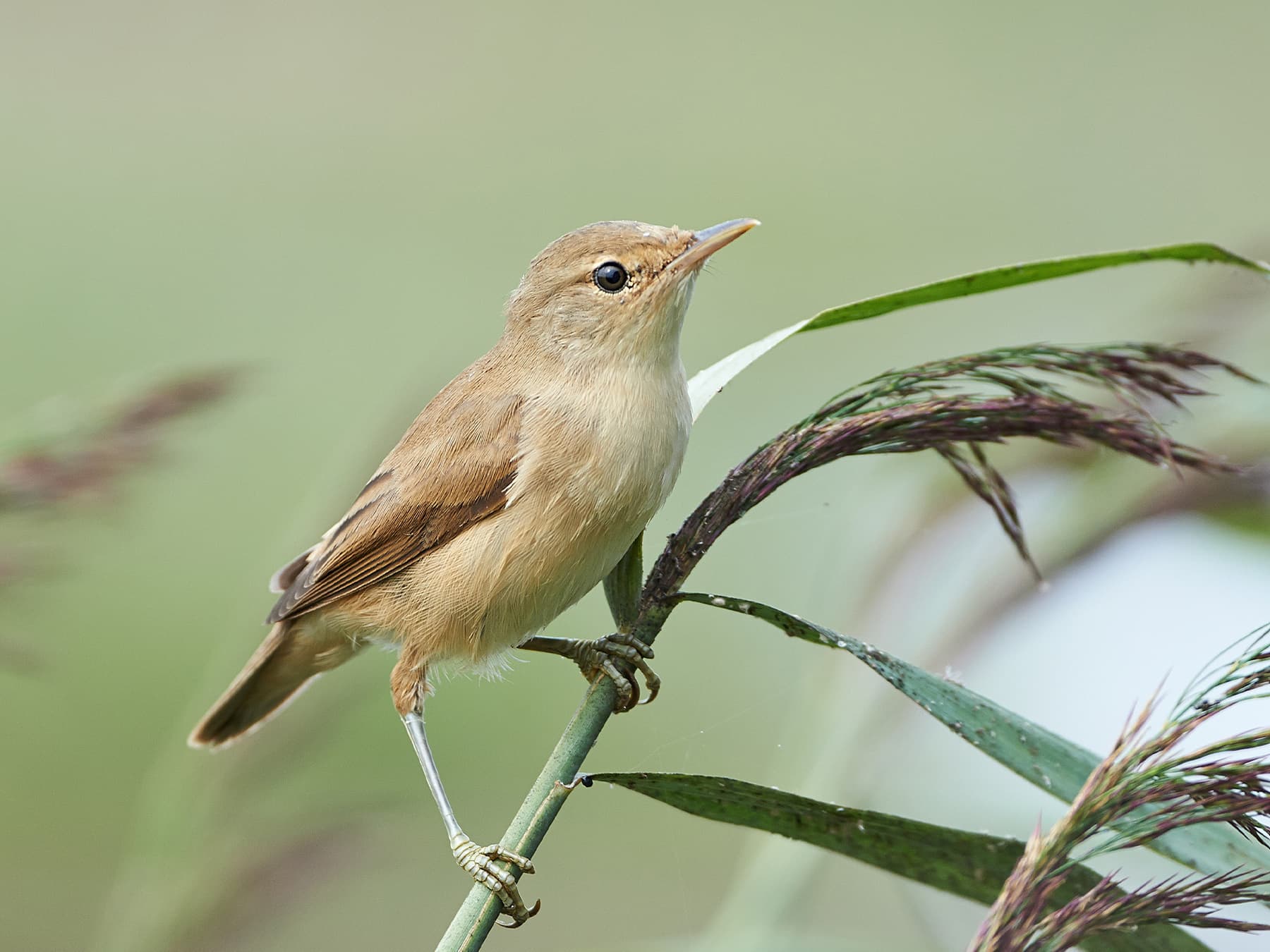
Common Reed-warbler
Acrocephalus scirpaceusLC
An uncommon summer breeder, favouring phragmites reedbeds at sites like Rye Meads and Tring Reservoirs.
Apr–Sep
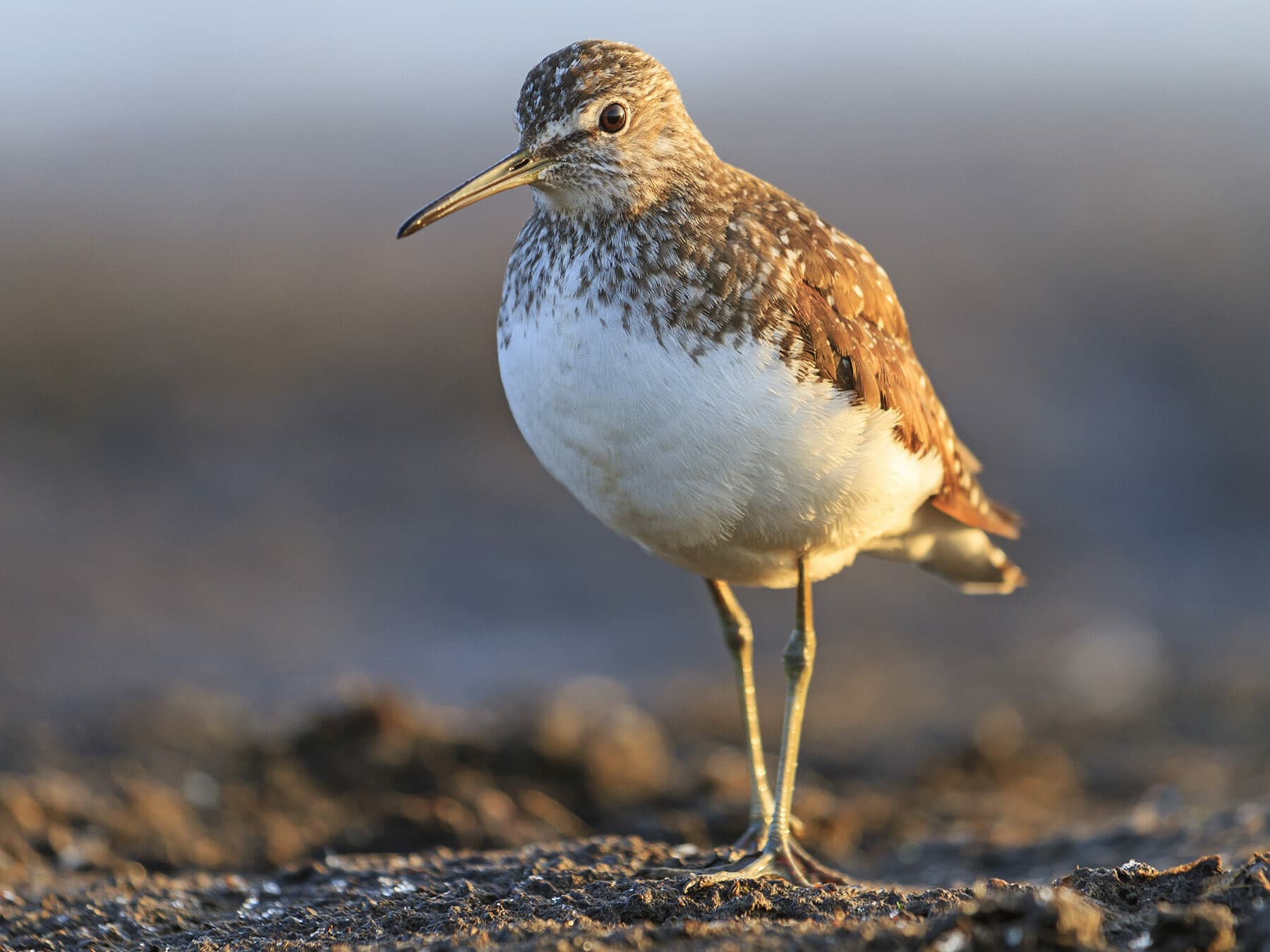
Common Sandpiper
Actitis hypoleucosLC
An uncommon summer visitor, bobbing along reservoir edges and gravel pit shores from April. Most often noted on passage.
Apr–Oct
Spotted something?
Upload a photo to identify it
Identify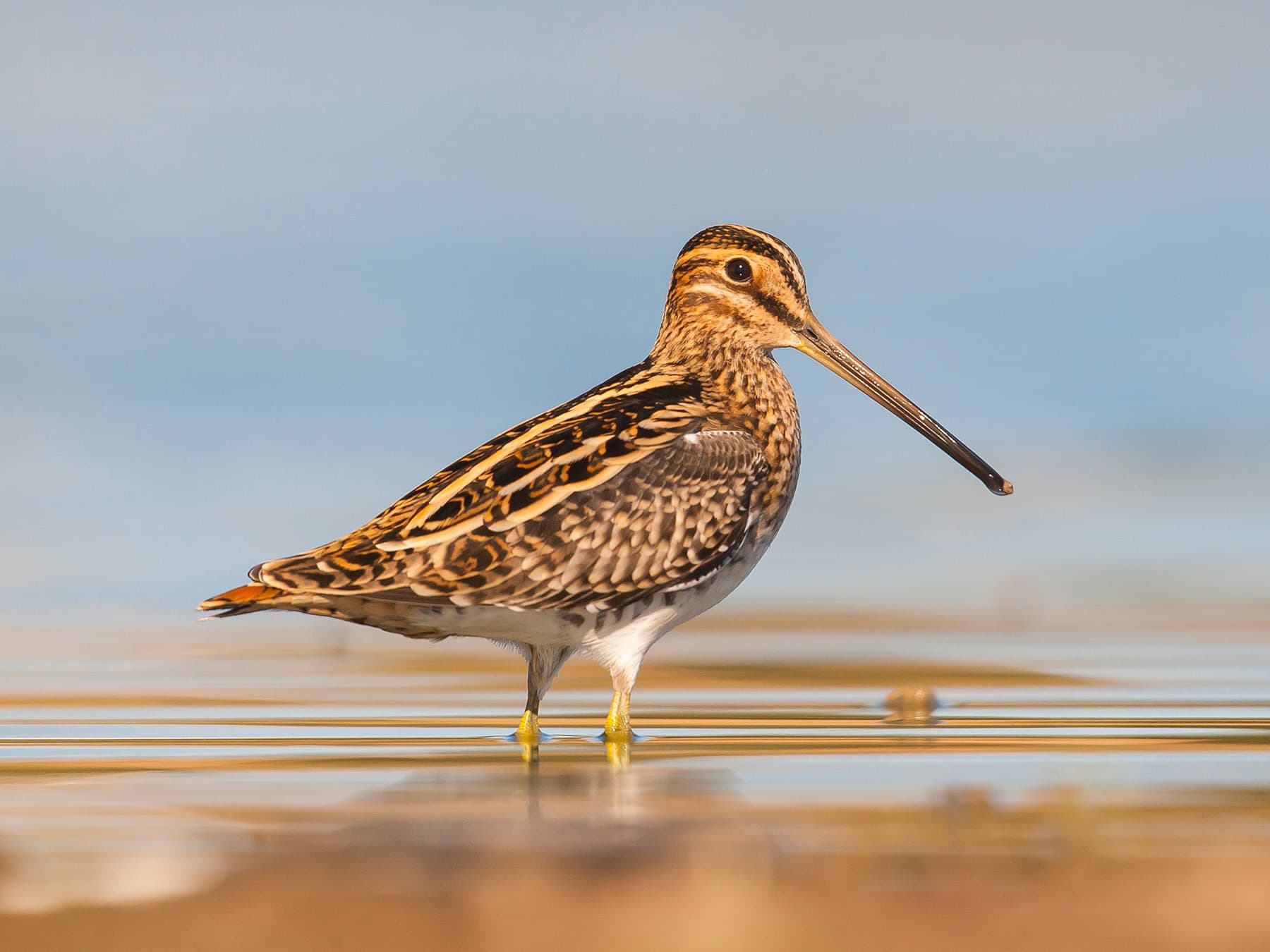
Common Snipe
Gallinago gallinagoLC
An uncommon resident of wet meadows and marshes, more easily found in winter. Its drumming display is rarely heard in the county.
Aug–Jun
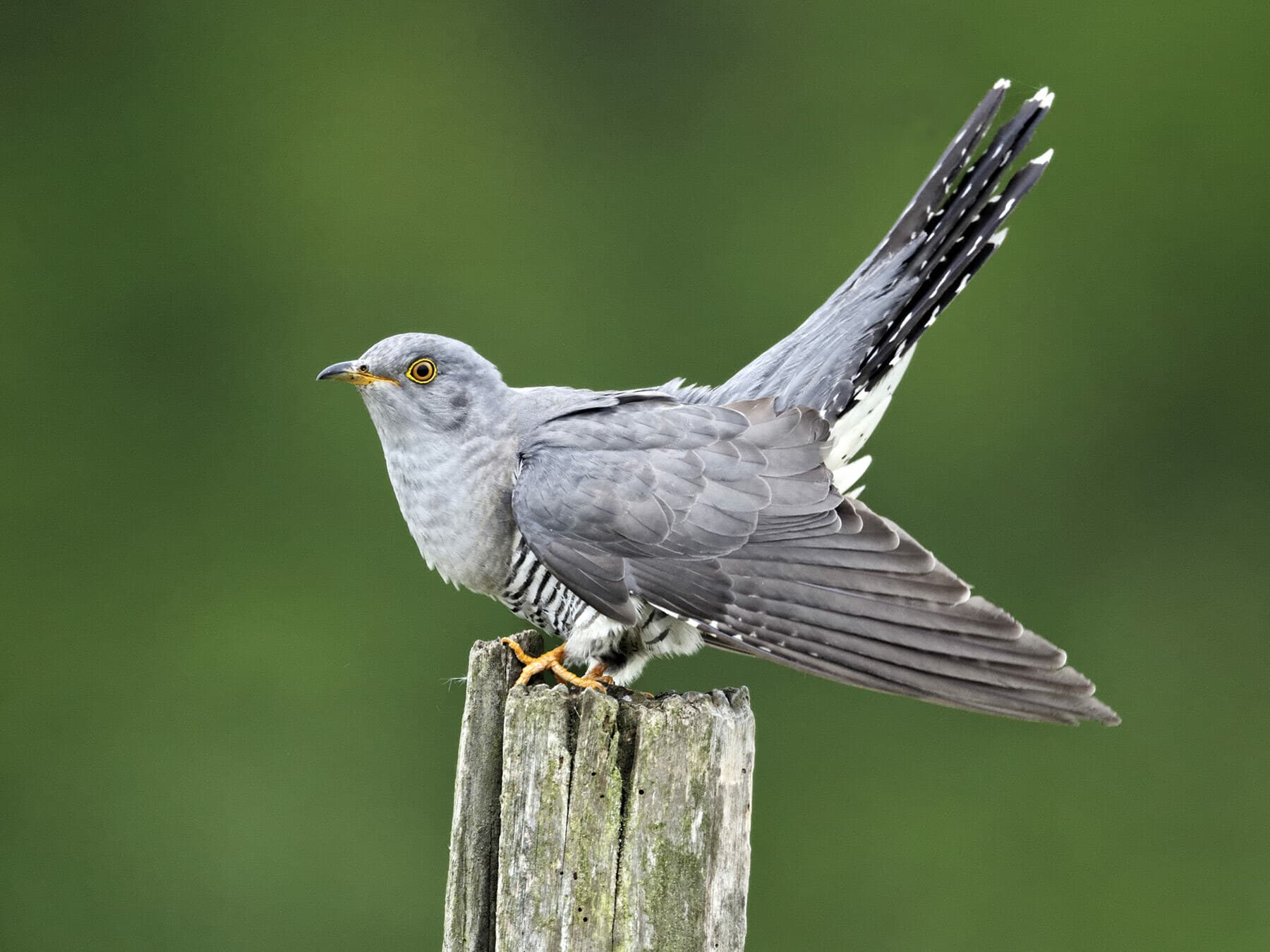
Cuckoo
Cuculus canorusLC
An uncommon summer visitor arriving in April, its distinctive call heard around woodland edges and reedbeds. Declining as a breeding bird in the county.
Apr–Jul
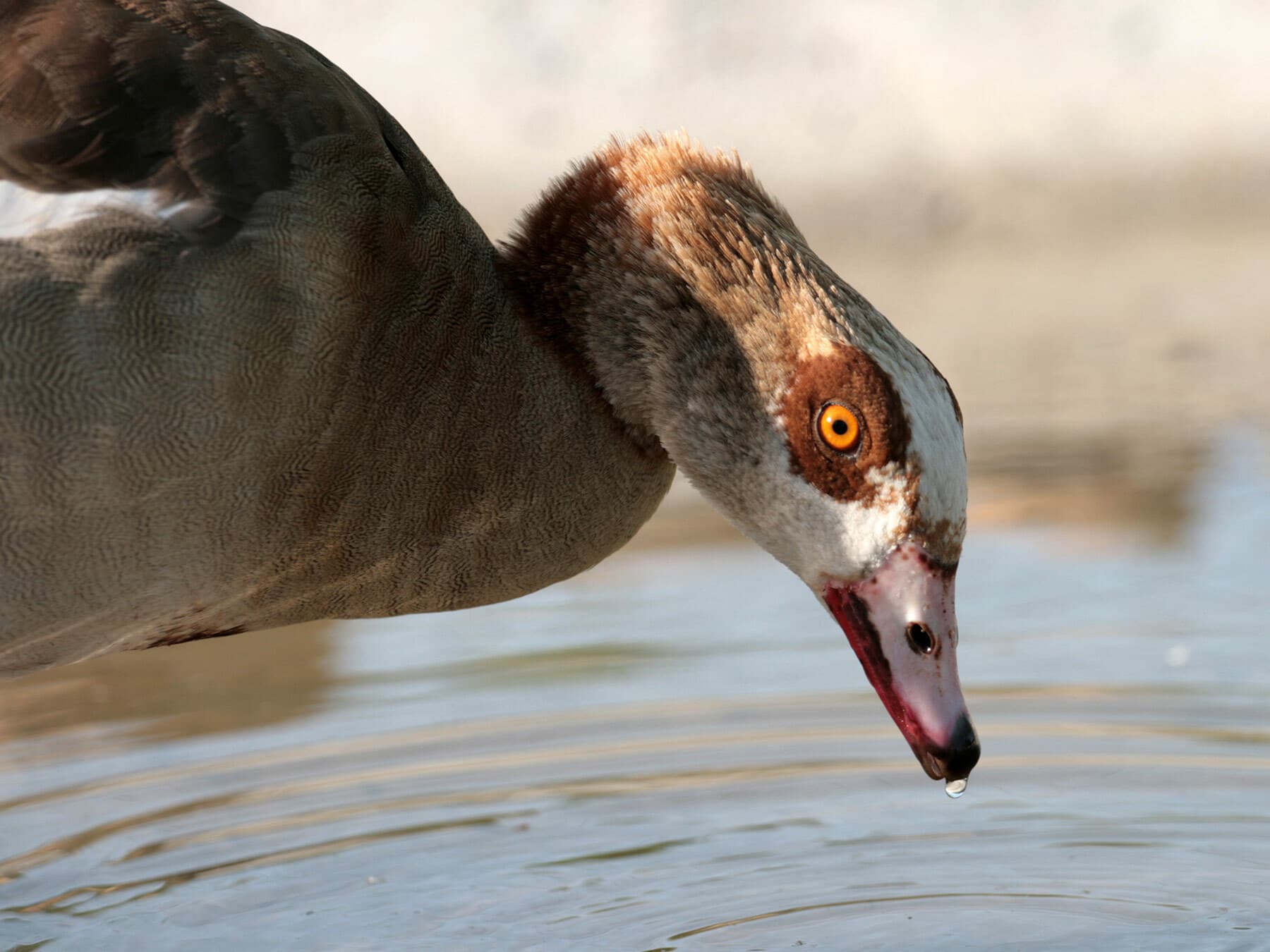
Egyptian Goose
Alopochen aegyptiacaLC
An established year-round resident, often seen around gravel pits and reservoirs. This naturalised African species has spread steadily across Hertfordshire in recent decades.
Year-round
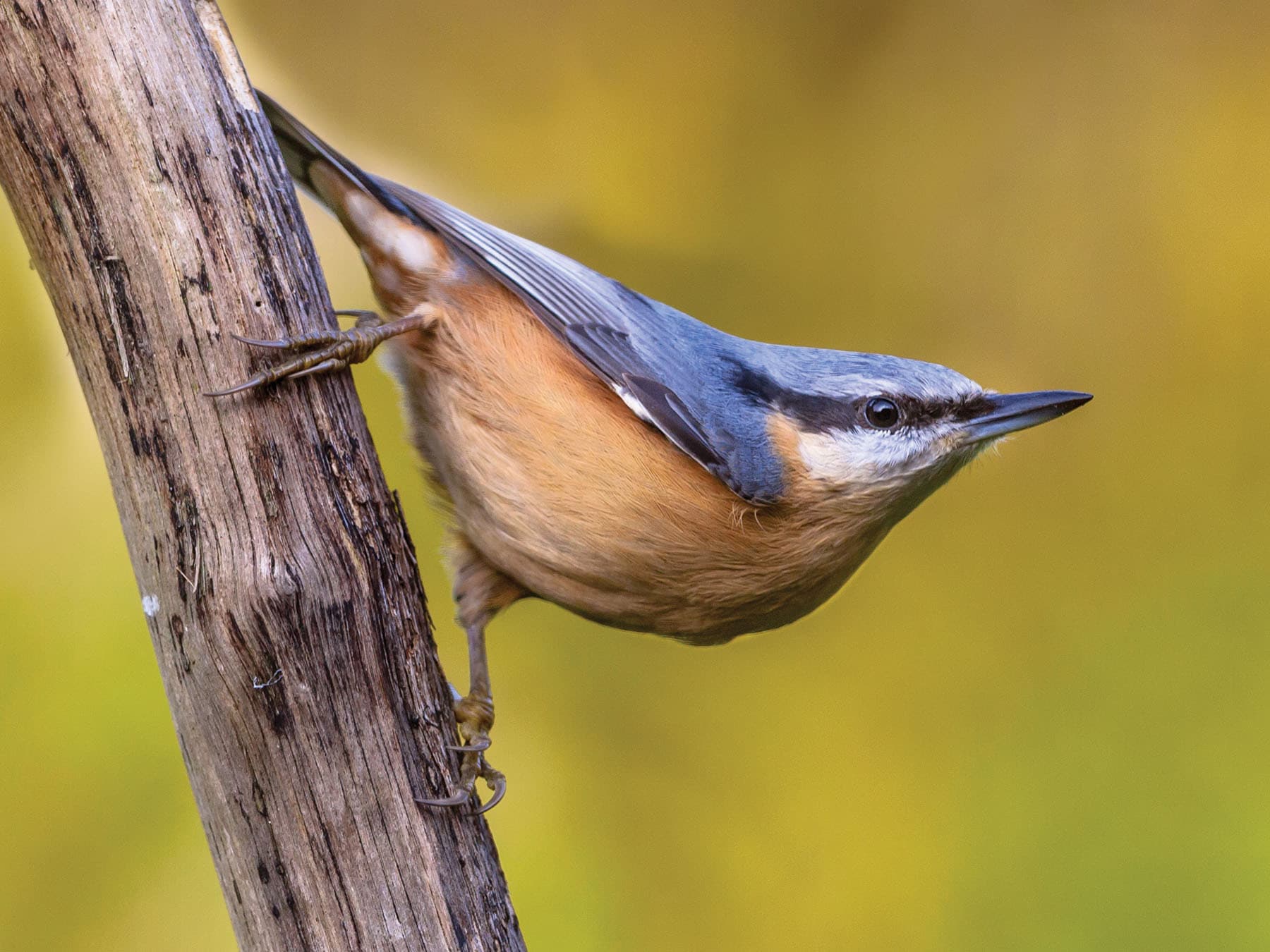
Eurasian Nuthatch
Sitta europaeaLC
An uncommon resident of mature deciduous woodland and parkland, often heard giving its loud ringing call.
Year-round
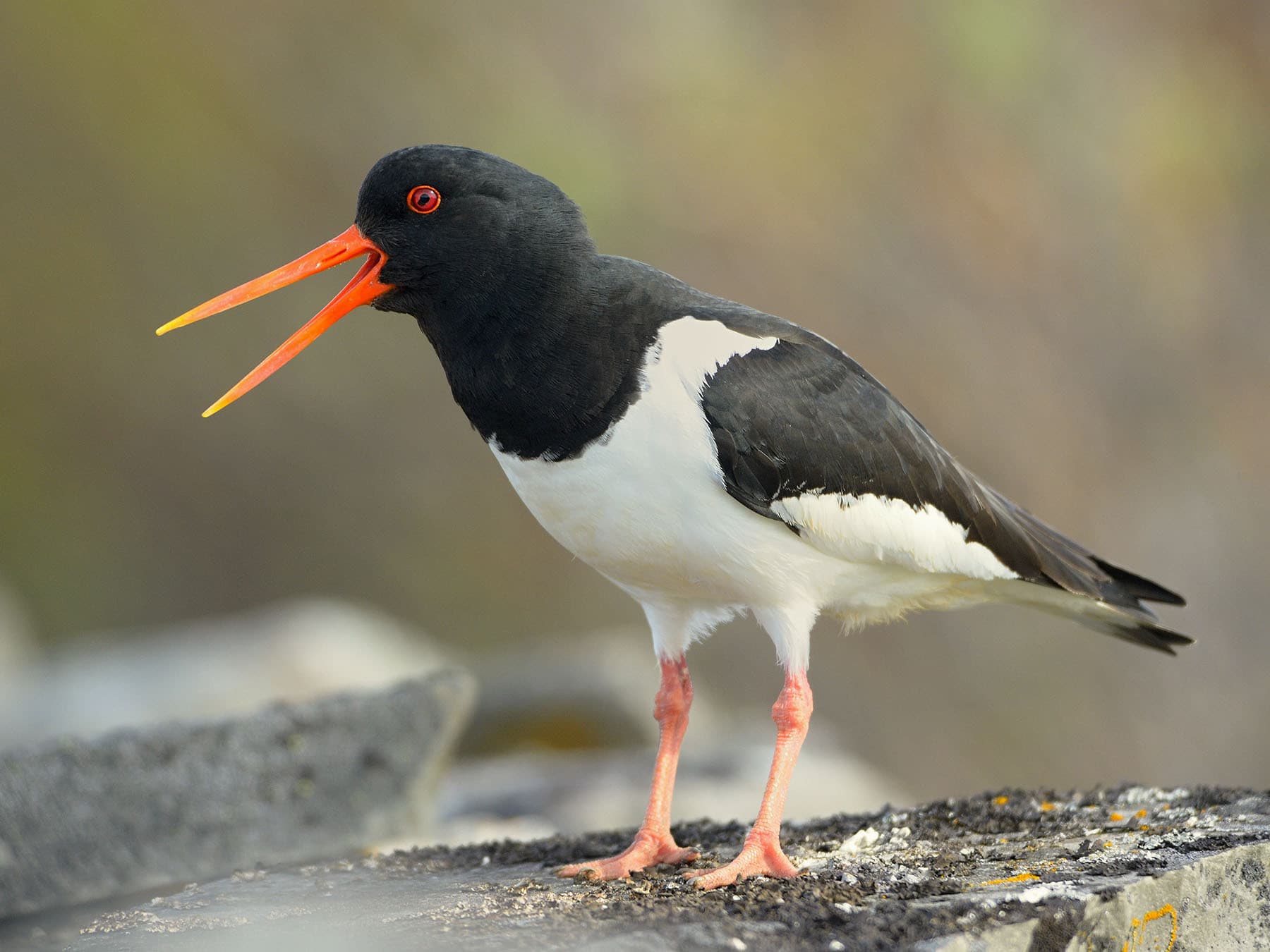
Eurasian Oystercatcher
Haematopus ostralegusNT
An uncommon breeding visitor, increasingly nesting inland on gravel pits and reservoir margins. Present from February to August before returning to the coast.
Feb–Aug
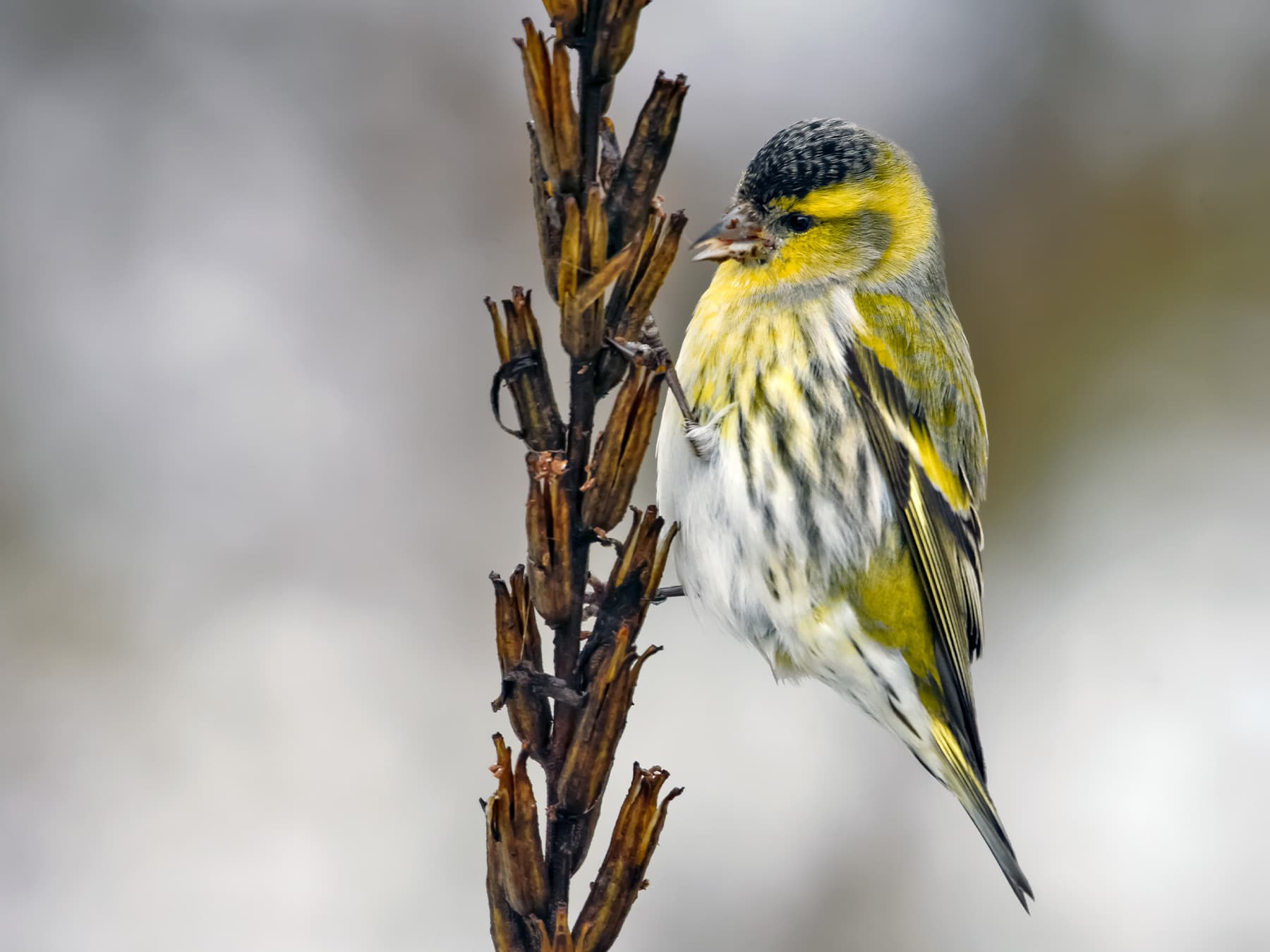
Eurasian Siskin
Spinus spinusLC
An uncommon winter visitor favouring alder and birch trees near water. Often seen in small flocks at garden nyjer seed feeders.
Sep–Apr
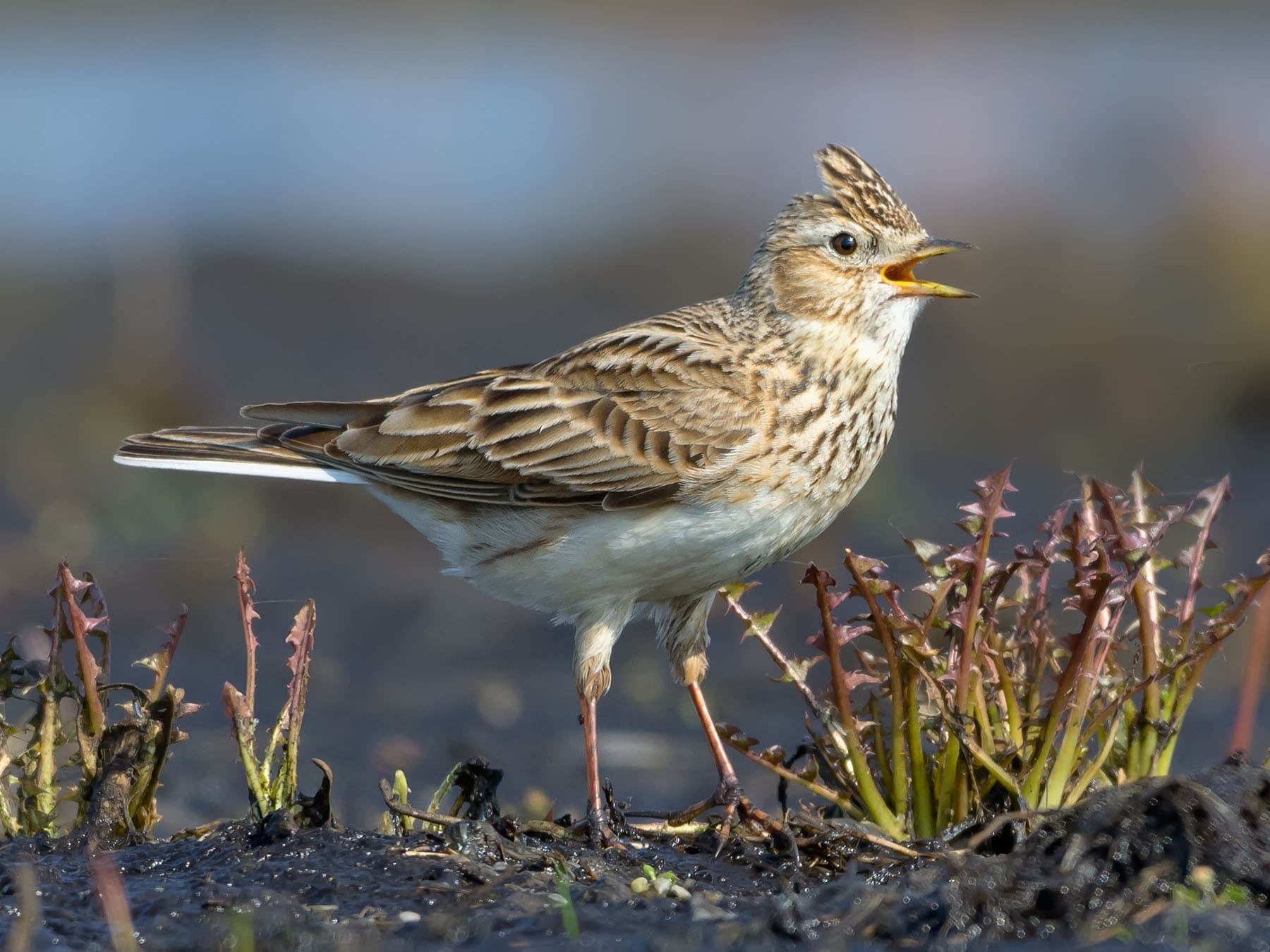
Eurasian Skylark
Alauda arvensisLC
An uncommon resident of open farmland and grassland, declining due to agricultural intensification. Its soaring song flight can still be heard over arable fields.
Year-round
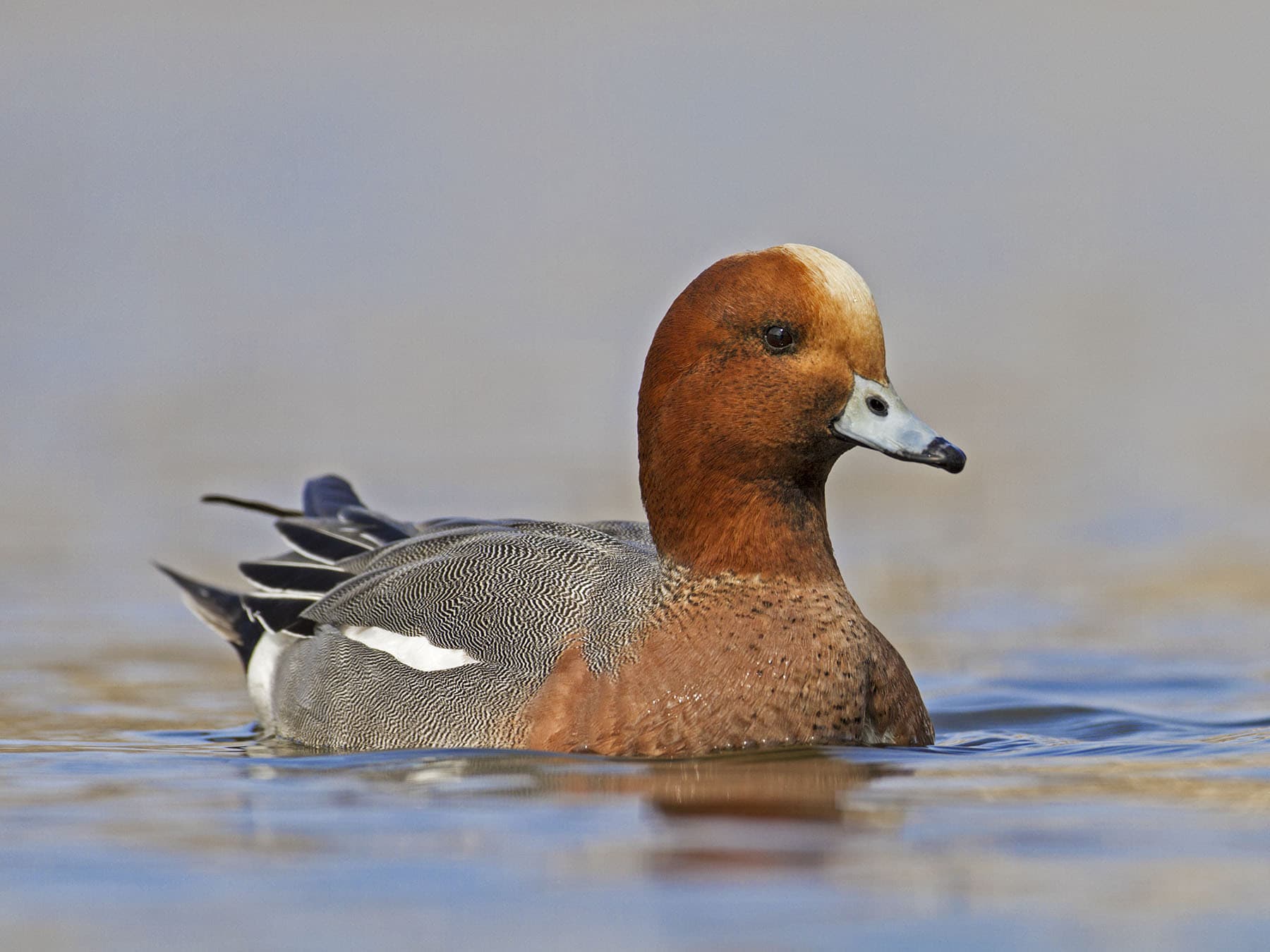
Eurasian Wigeon
Mareca penelopeLC
An uncommon but year-round resident, most conspicuous in winter when flocks graze waterside meadows. Listen for the male's whistling call.
Year-round
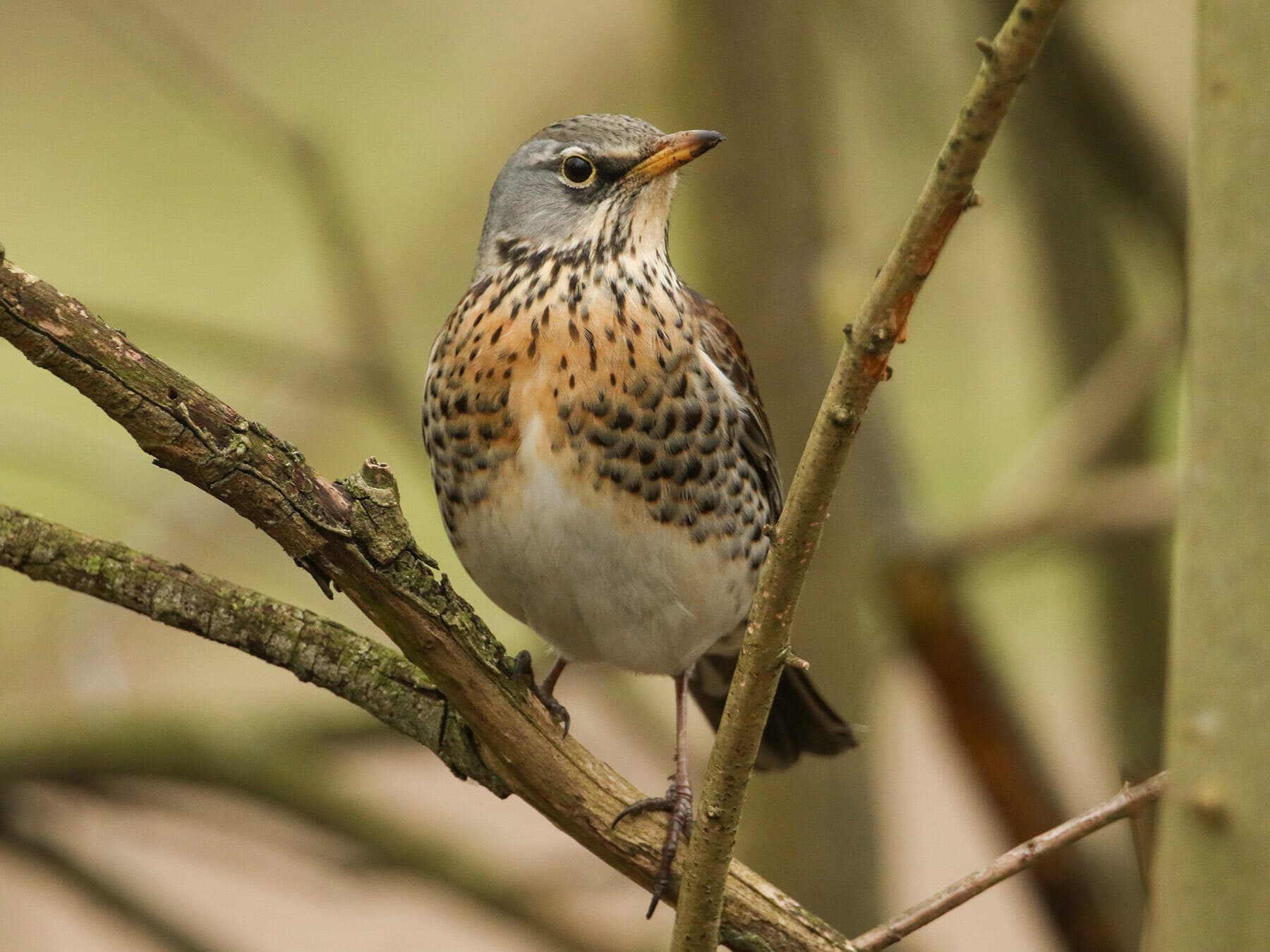
Fieldfare
Turdus pilarisLC
A winter visitor from Scandinavia, arriving from October and departing by April. Flocks feed on berries in hedgerows and open farmland.
Oct–Apr
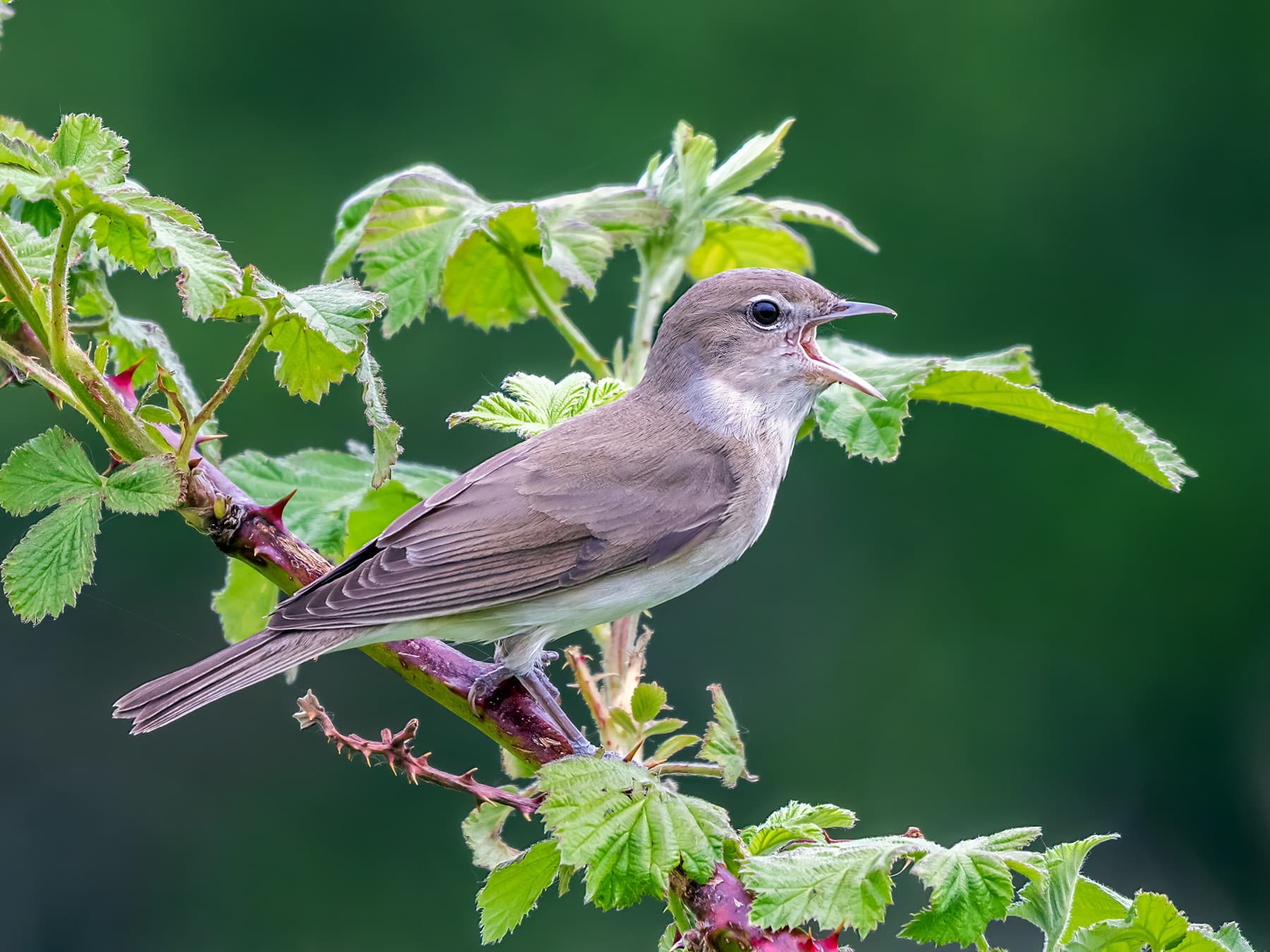
Garden Warbler
Sylvia borinLC
An uncommon summer breeder in mature deciduous woodland with dense understorey, present from April to September.
Apr–Sep
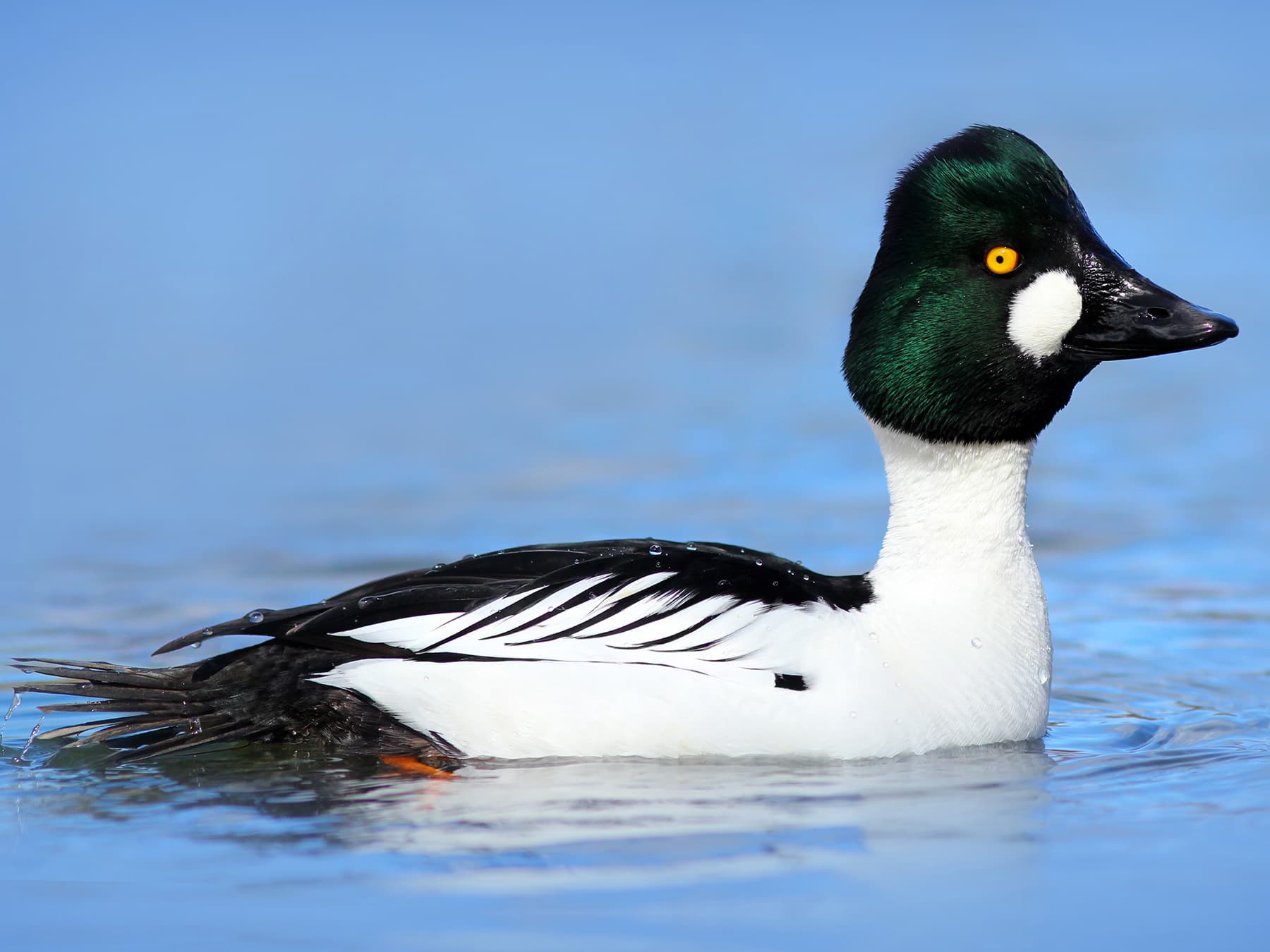
Goldeneye
Bucephala clangulaLC
An uncommon winter visitor to larger reservoirs and gravel pits, arriving from October and departing by April. Males show a bold white face patch.
Oct–May
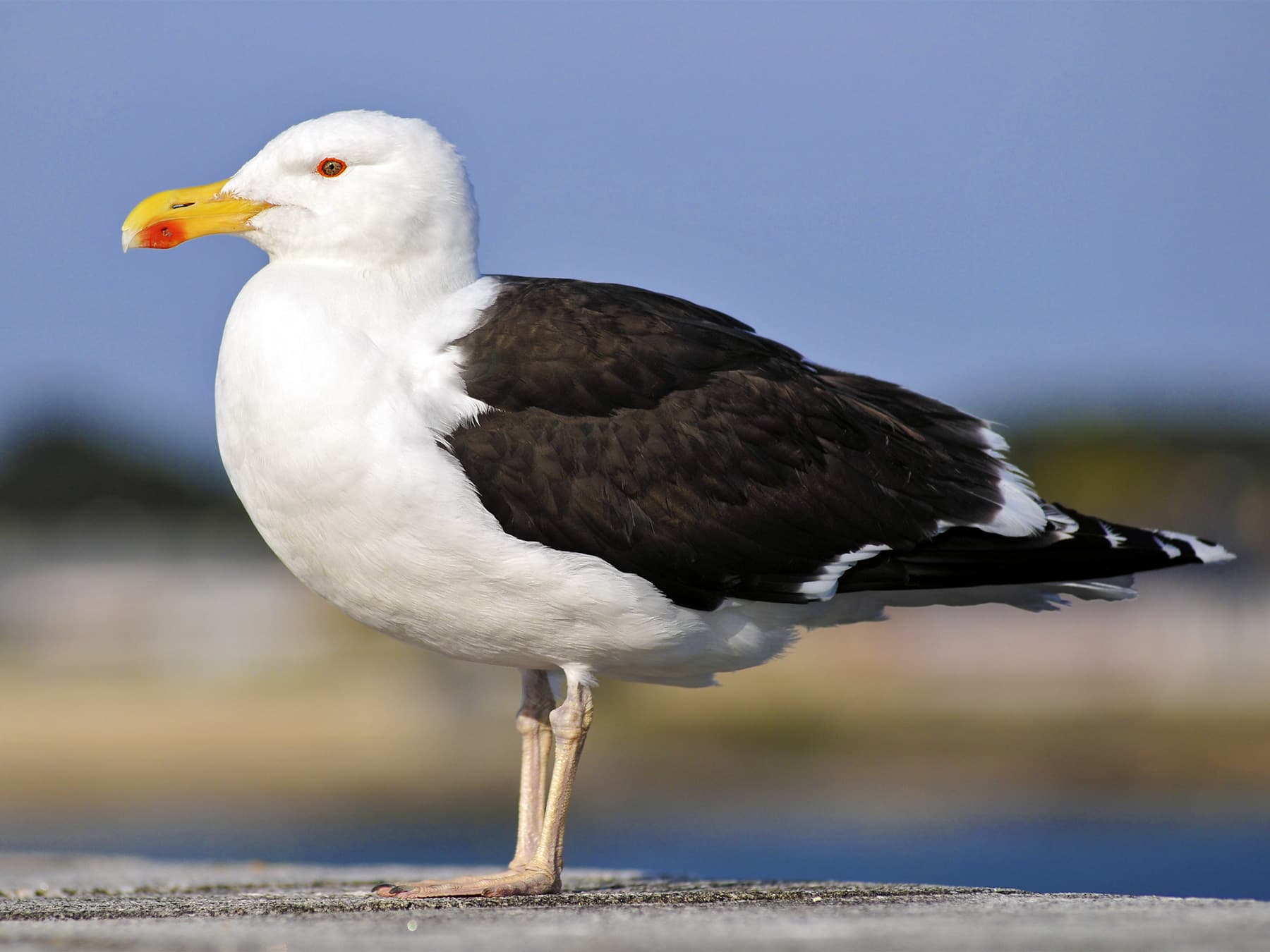
Great Black-backed Gull
Larus marinusLC
An uncommon but regular visitor to reservoirs and landfill sites, present most months except midsummer. Numbers peak during the winter period.
Aug–May
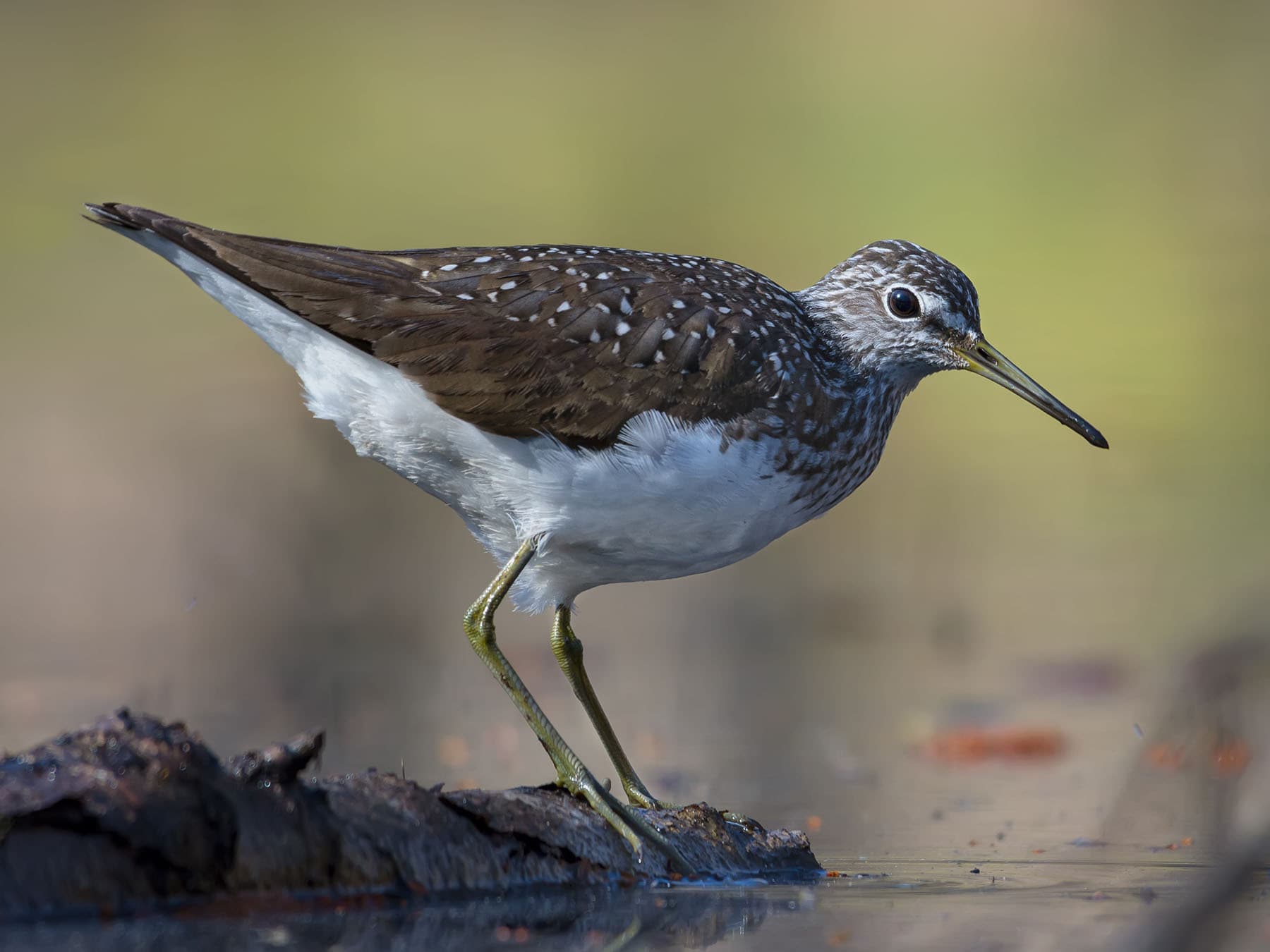
Green Sandpiper
Tringa ochropusLC
An uncommon but near year-round presence at watercress beds, streams and reservoir margins. Often seen bobbing along muddy edges before flying off.
Jun–Apr
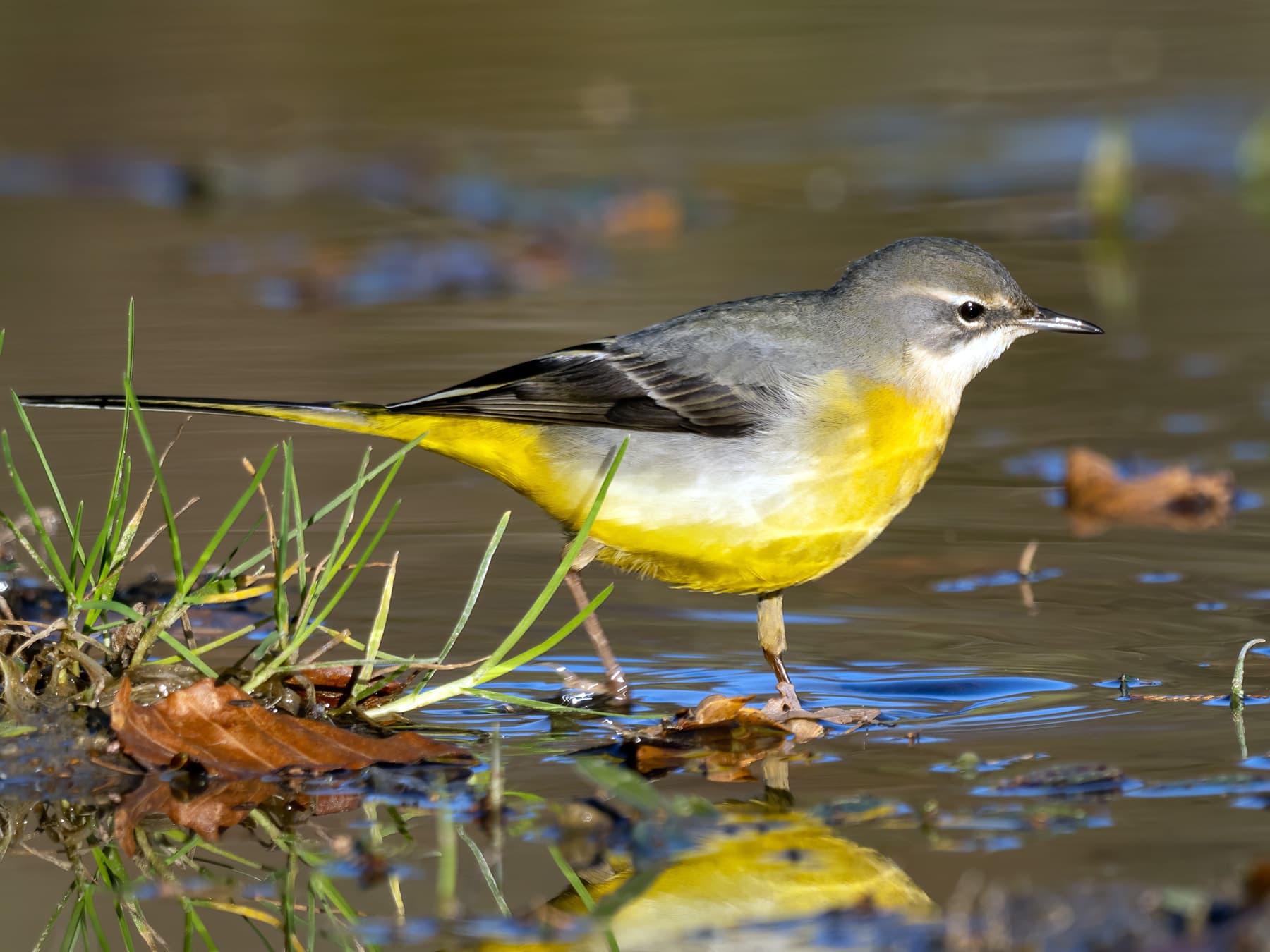
Grey Wagtail
Motacilla cinereaLC
An uncommon resident found along rivers and streams, bobbing its long tail on waterside rocks. Breeds near weirs and bridges in the county.
Year-round
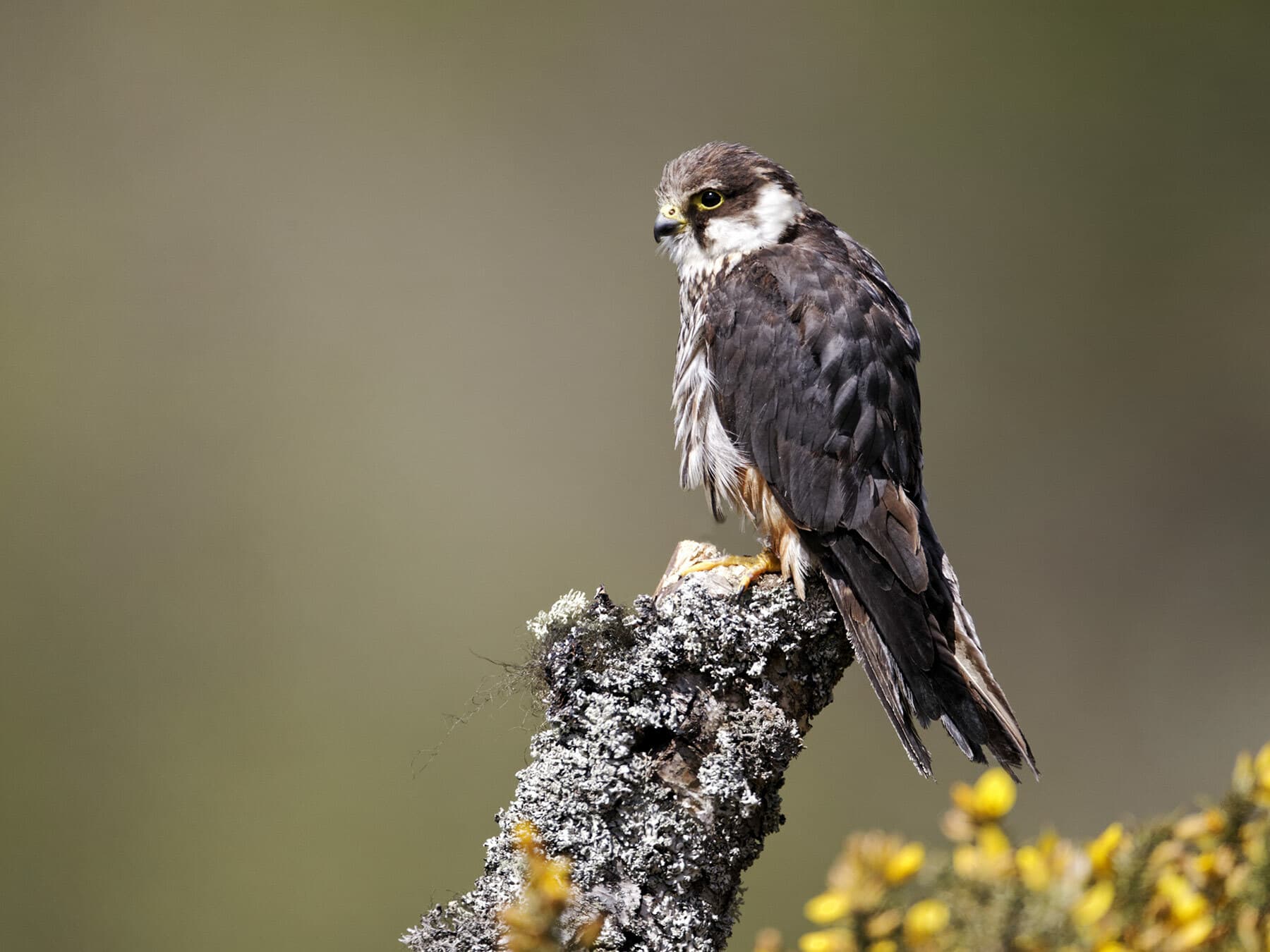
Hobby
Falco subbuteoLC
An uncommon summer breeder arriving in April, hunting dragonflies and hirundines over heathland and wetlands. Departs by October for African wintering grounds.
Apr–Oct