Uncommon Birds in Hertfordshire
43 species matching this filter.
Hertfordshire's mix of river valleys, reservoirs, ancient woodlands and farmland supports a surprising variety of uncommon bird species. With 43 species classed as uncommon in the county, patient observers may encounter anything from the explosive song of the Cetti's Warbler along waterways to the dashing silhouette of a Hobby hunting over summer wetlands. Species such as Bullfinch, Grey Wagtail and Common Snipe reward those who explore the county's quieter corners and less-visited habitats.


Showing 24–43 of 43 species
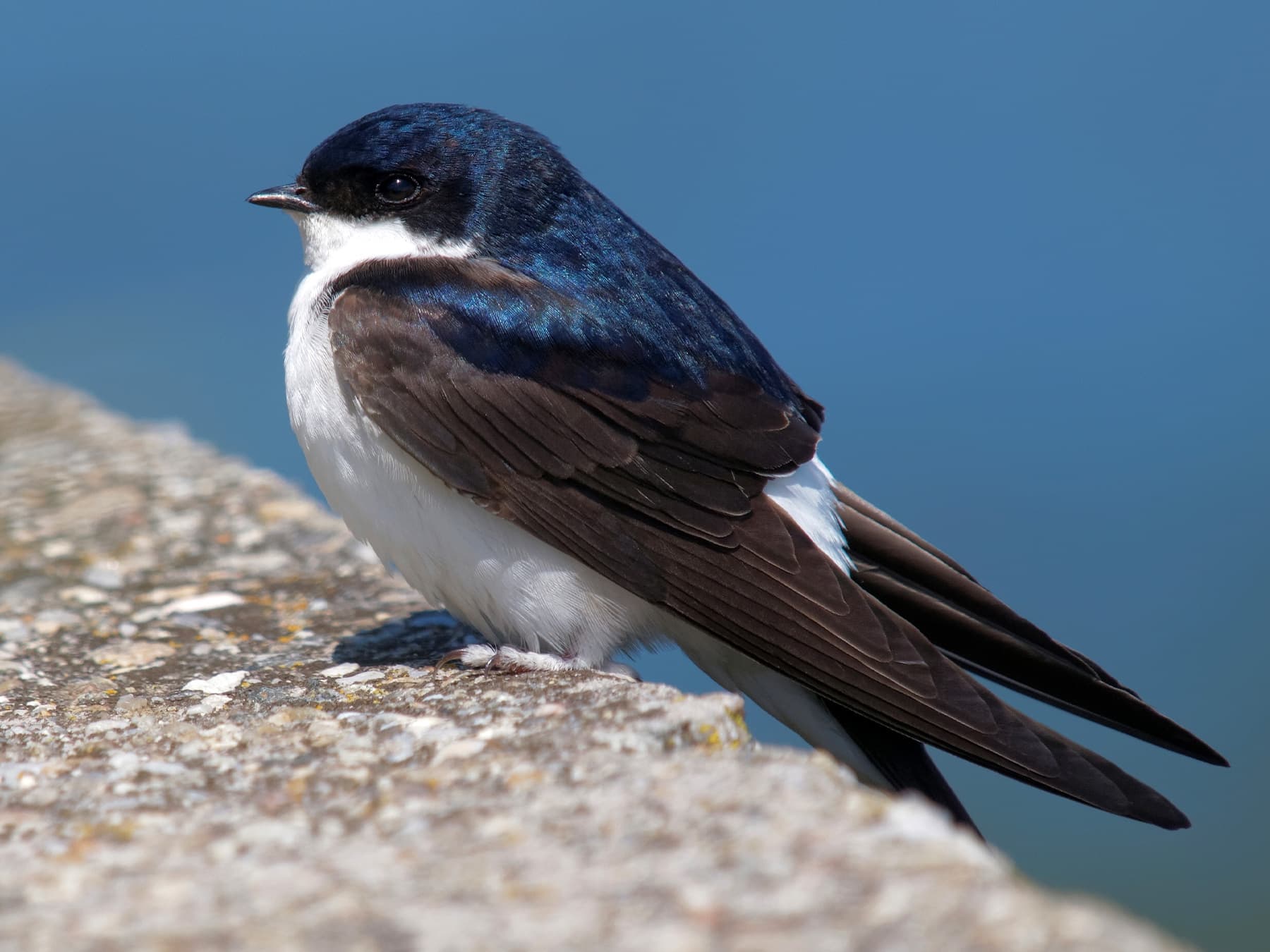
House Martin
Delichon urbicumLC
An uncommon summer visitor breeding under eaves in towns and villages, arriving in April and departing by October.
Apr–Oct
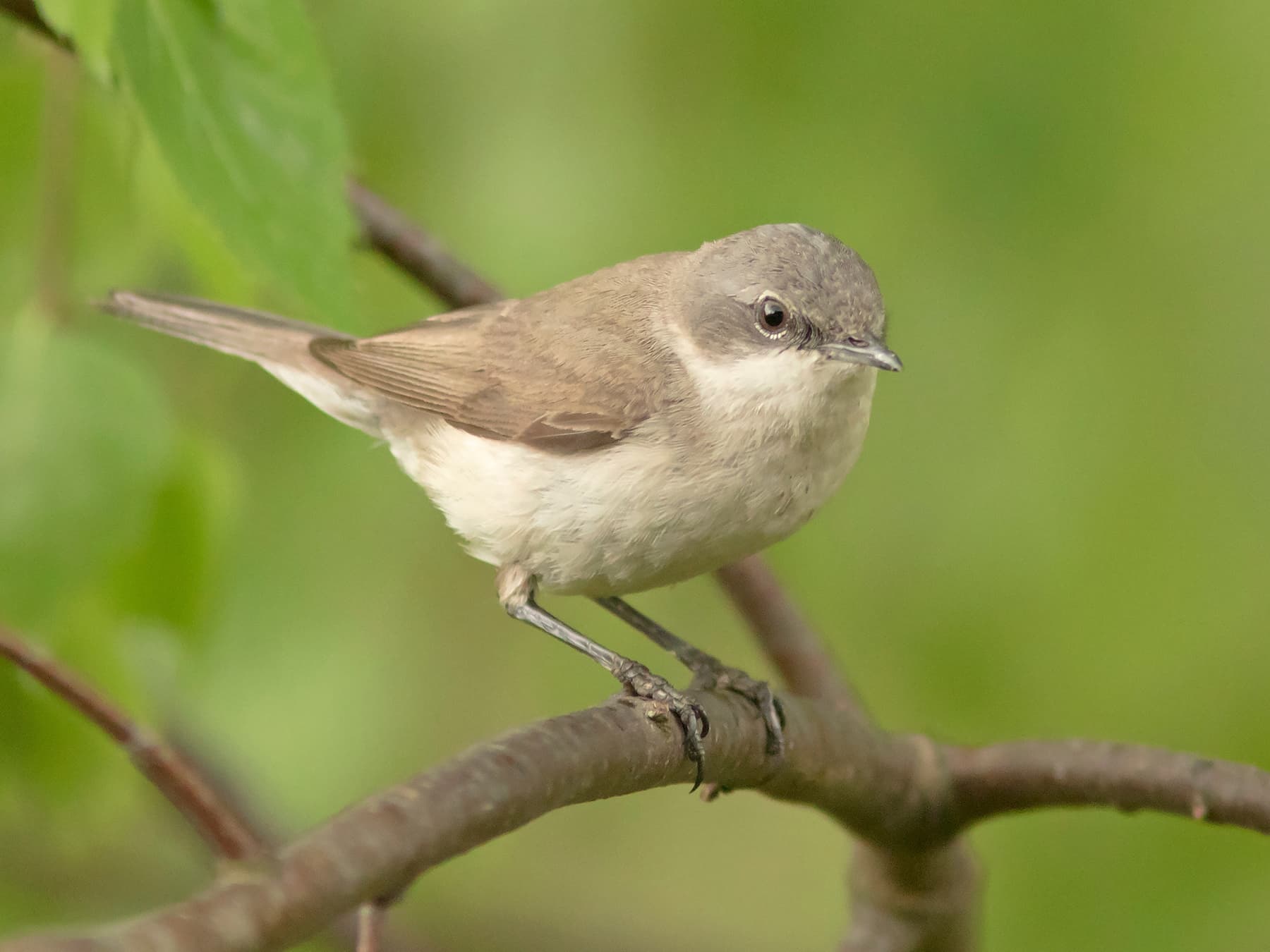
Lesser Whitethroat
Curruca currucaLC
An uncommon summer breeder favouring dense hedgerows and scrubby thickets. Its rattling song is heard from April but the bird often stays hidden.
Apr–Sep
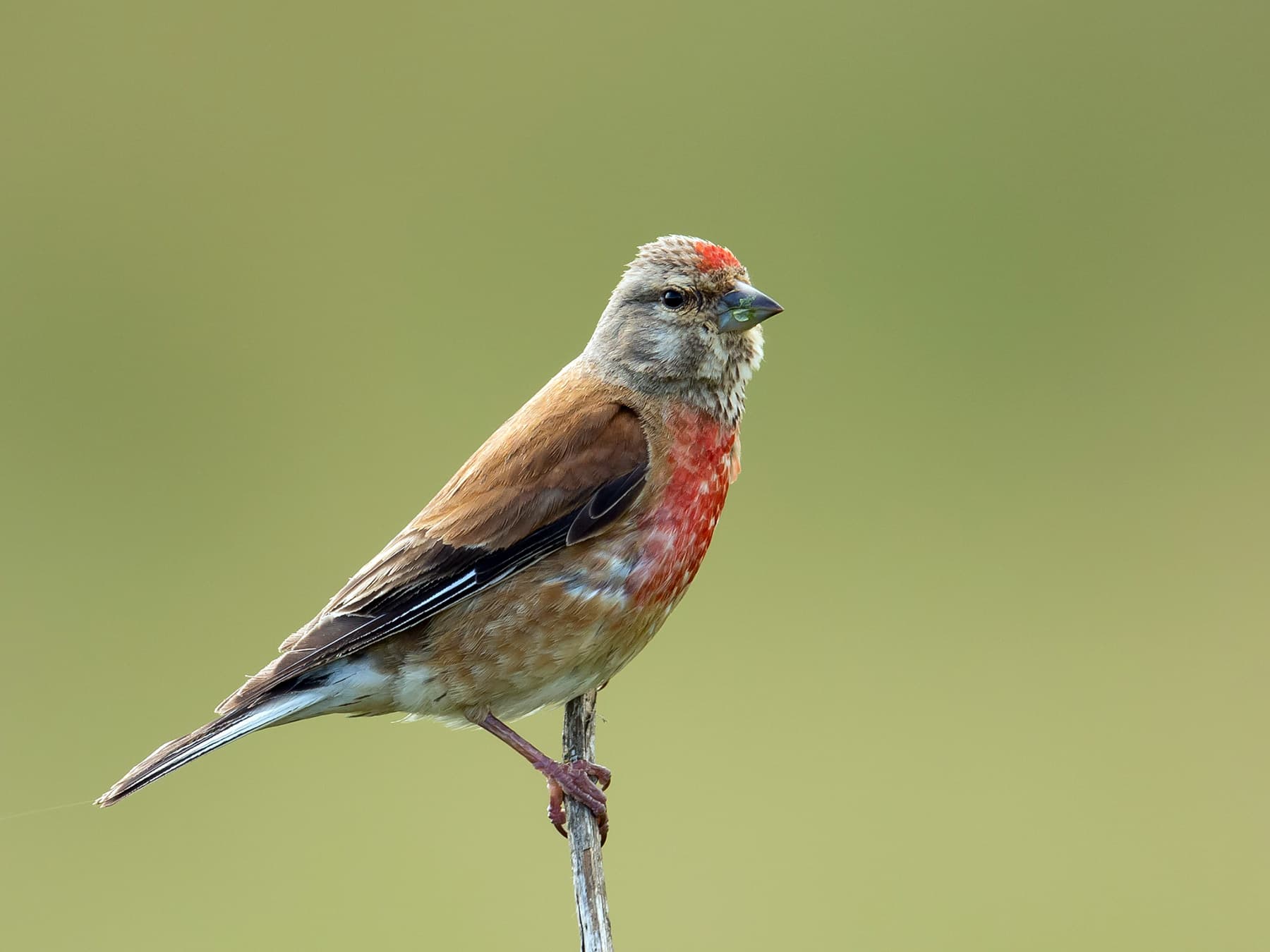
Linnet
Linaria cannabinaLC
An uncommon resident favouring farmland, rough grassland and scrubby margins. Often forms small flocks outside the breeding season.
Year-round
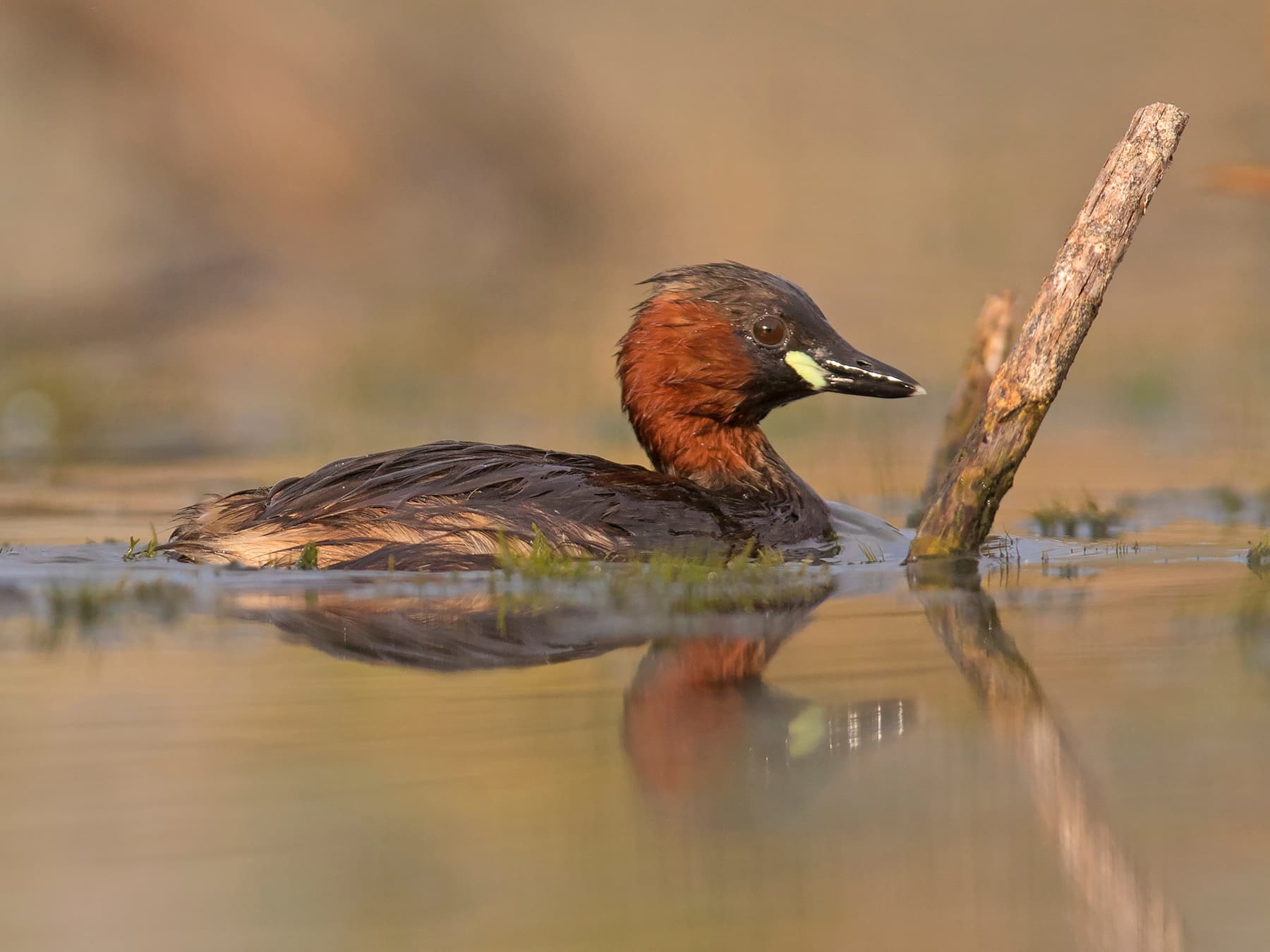
Little Grebe
Tachybaptus ruficollisLC
A resident year-round on ponds, canals and slow rivers across the county. Its whinnying trill is a familiar sound at smaller wetlands.
Year-round
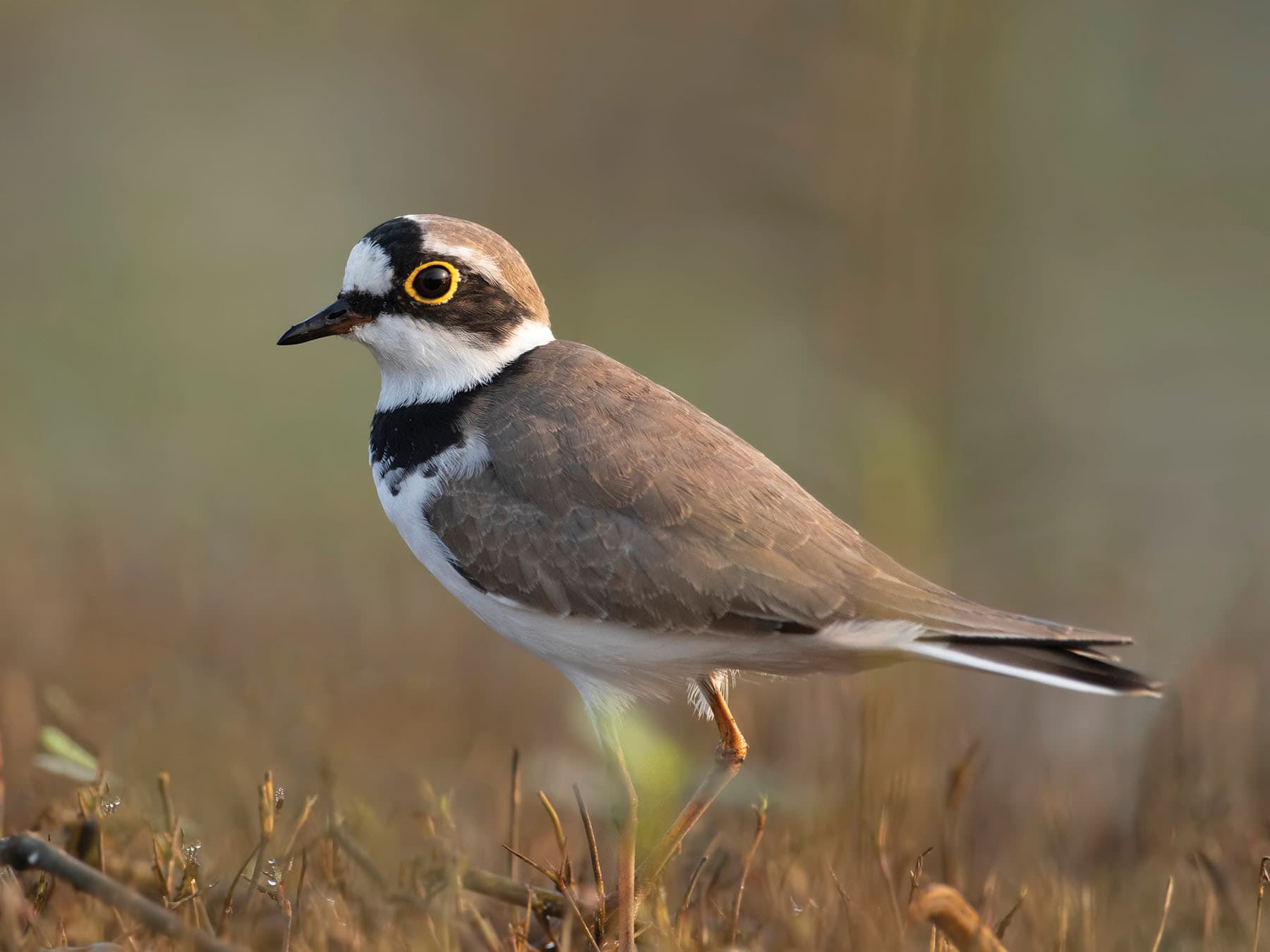
Little Ringed Plover
Charadrius dubiusLC
An uncommon summer breeder favouring gravel pits and reservoir margins in the Lea and Colne valleys. Arrives from March and departs by August.
Mar–Aug
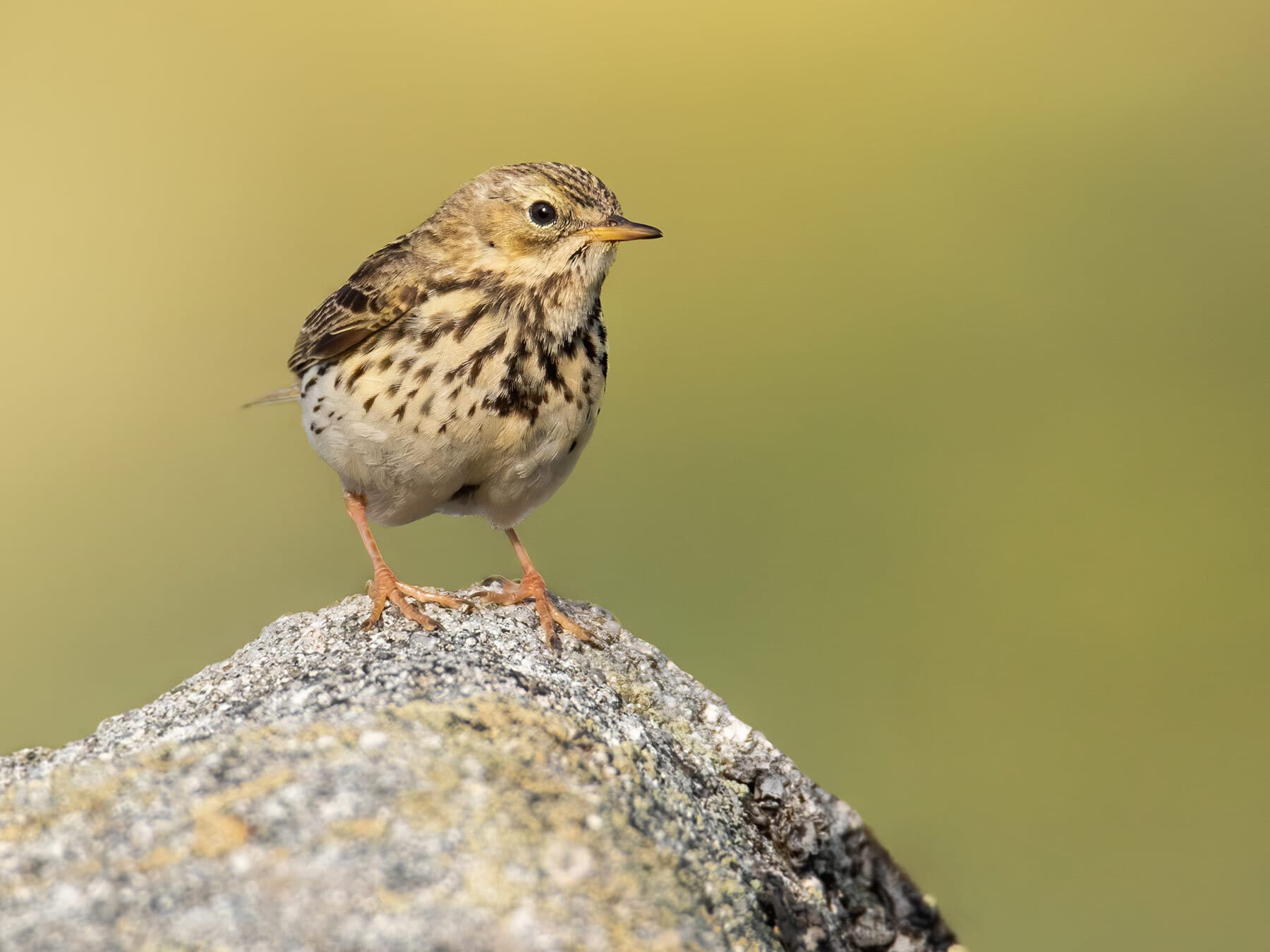
Meadow Pipit
Anthus pratensisLC
An uncommon resident of rough grassland and open farmland, more conspicuous in winter when numbers are supplemented.
Year-round
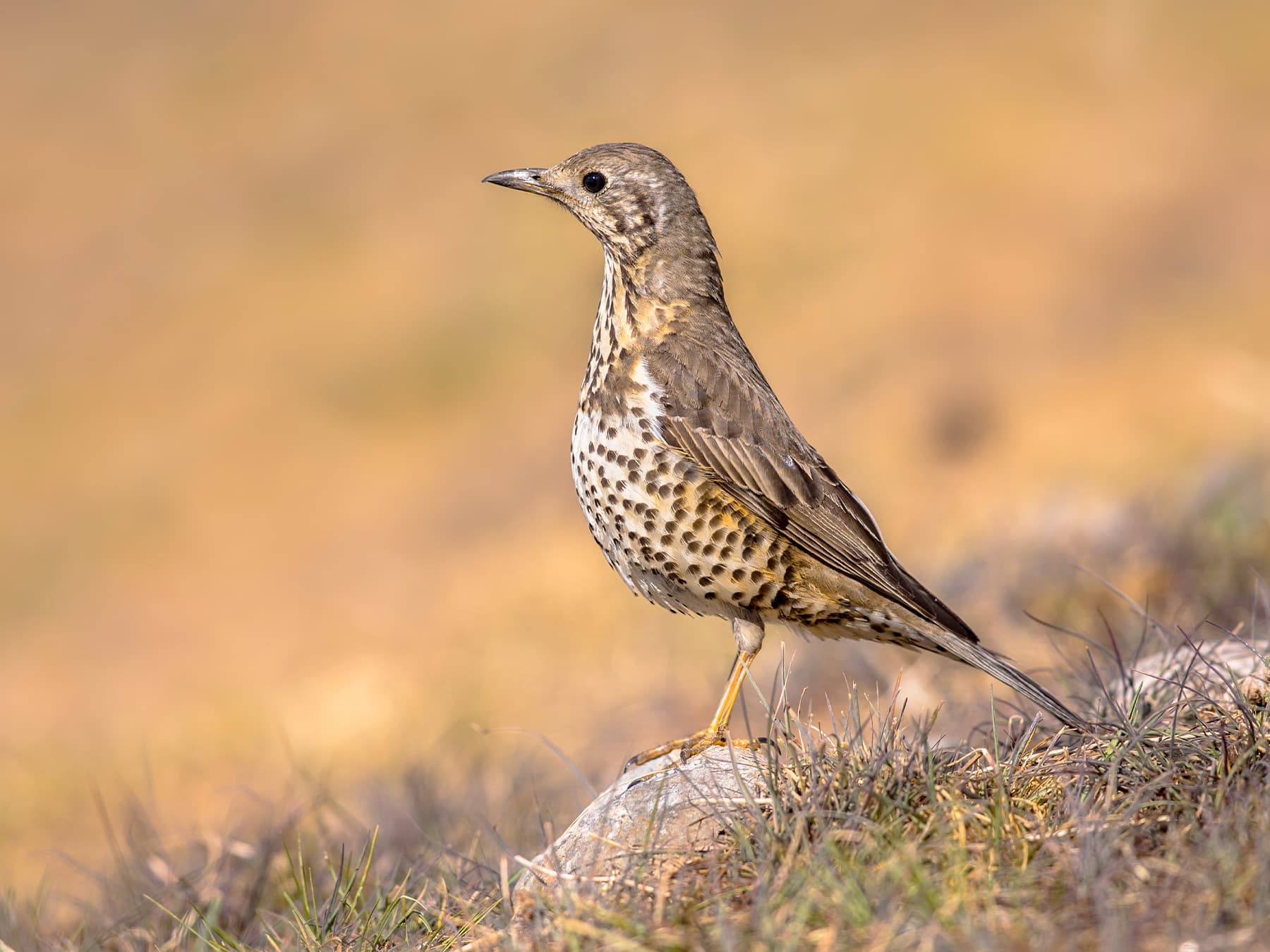
Mistle Thrush
Turdus viscivorusLC
An uncommon resident of parks, playing fields, and open woodland; one of the earliest songsters, singing from January.
Year-round
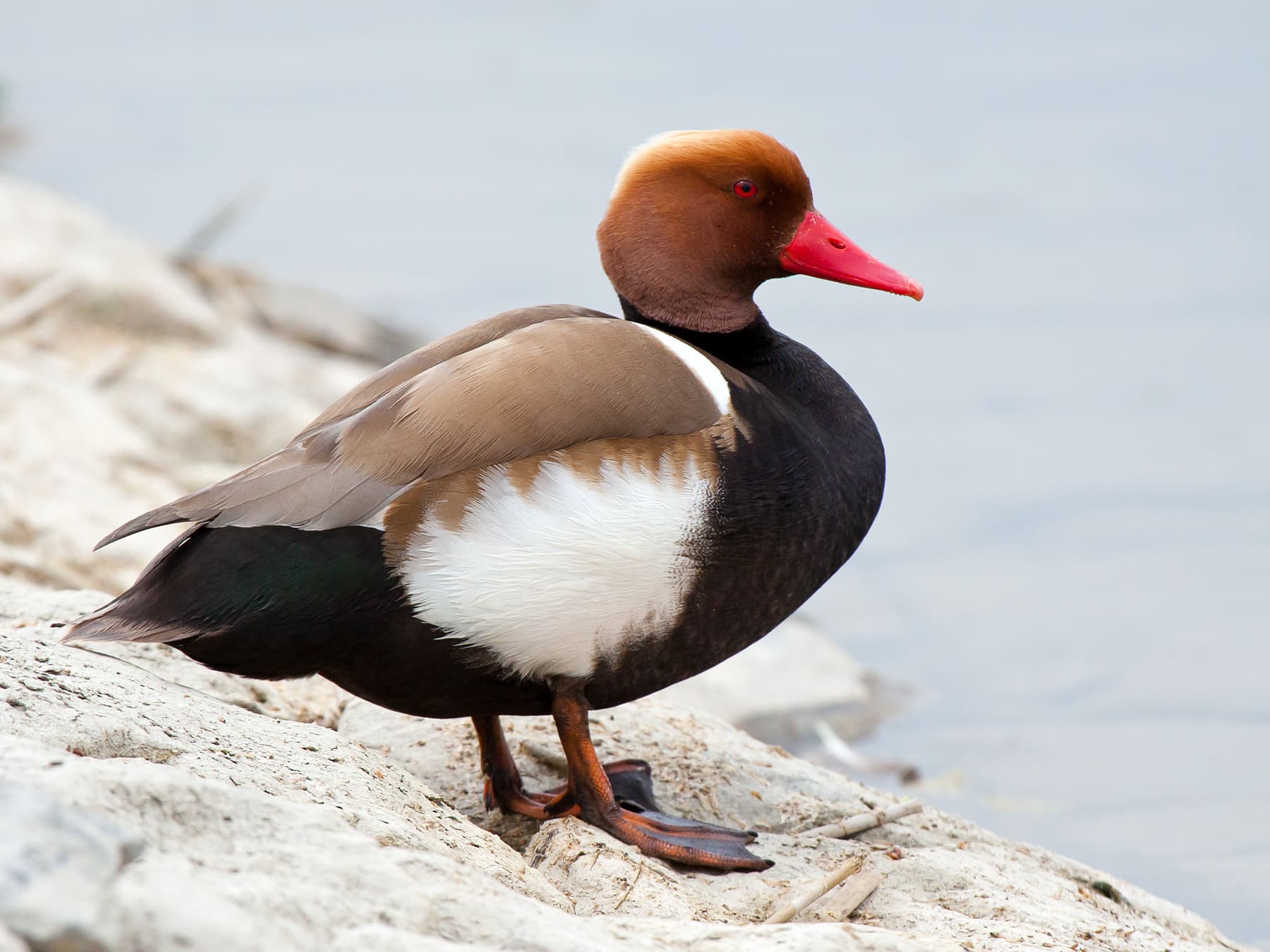
Red-crested Pochard
Netta rufinaLC
An uncommon but increasing resident, often seen at Tring Reservoirs and the Lee Valley. Likely of feral origin but now well established.
Year-round
Spotted something?
Upload a photo to identify it
Identify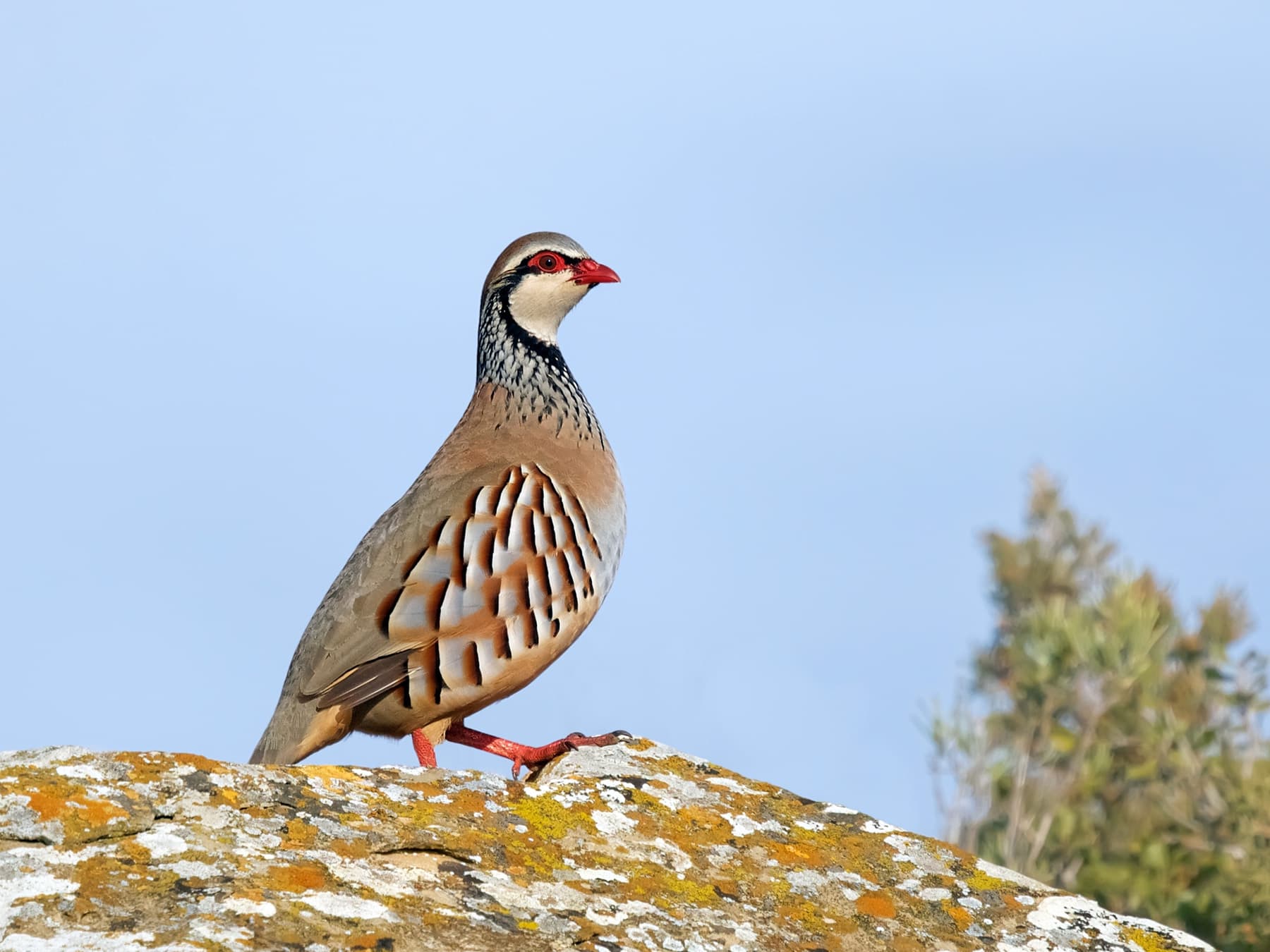
Red-legged Partridge
Alectoris rufaNT
An uncommon resident of arable farmland and field margins. Numbers are maintained largely through game releases across the county.
Year-round
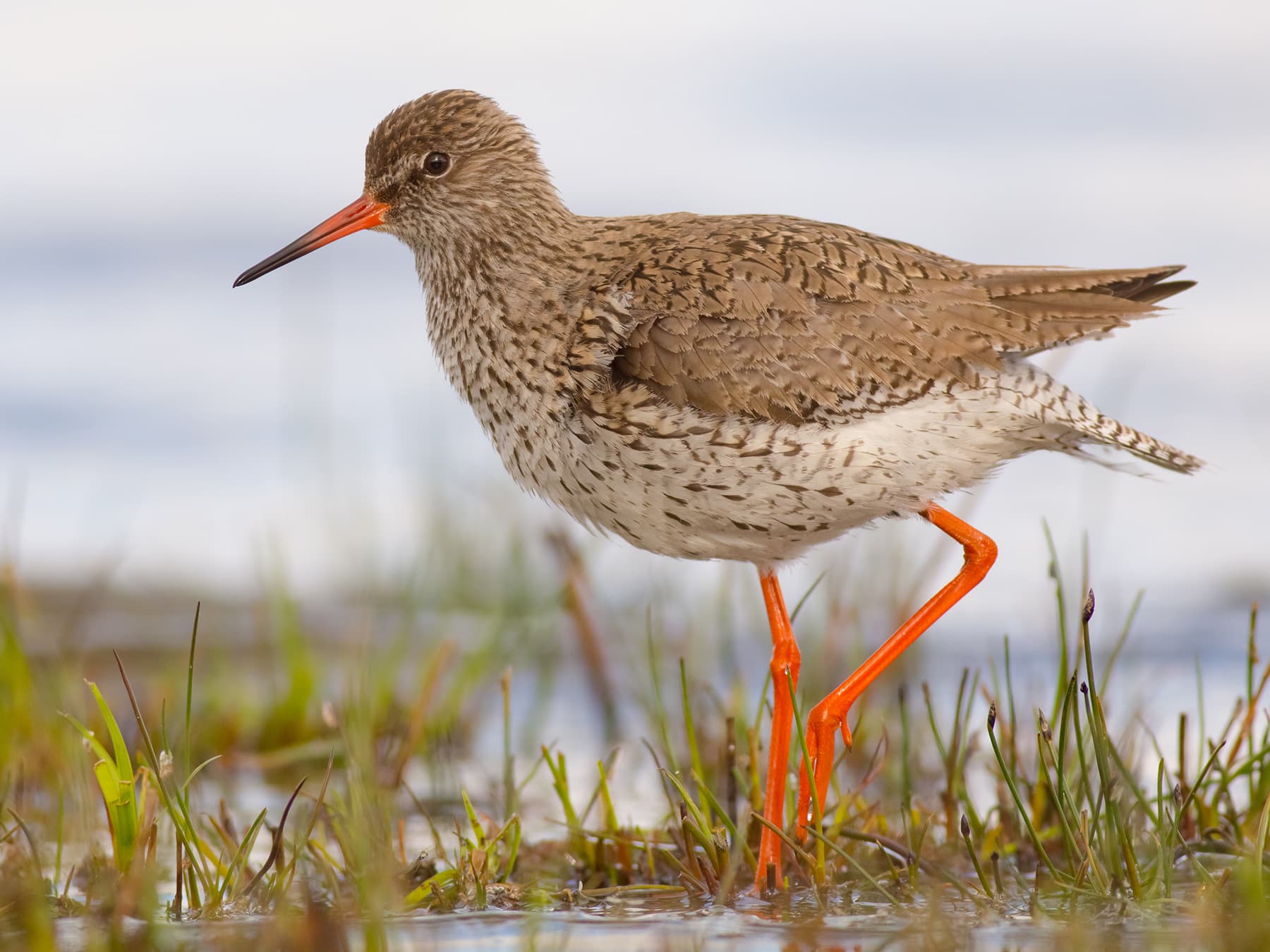
Redshank
Tringa totanusLC
An uncommon breeding visitor to wet meadows and marshes from March to July. The Lea Valley holds most of the county's nesting pairs.
Mar–Jul
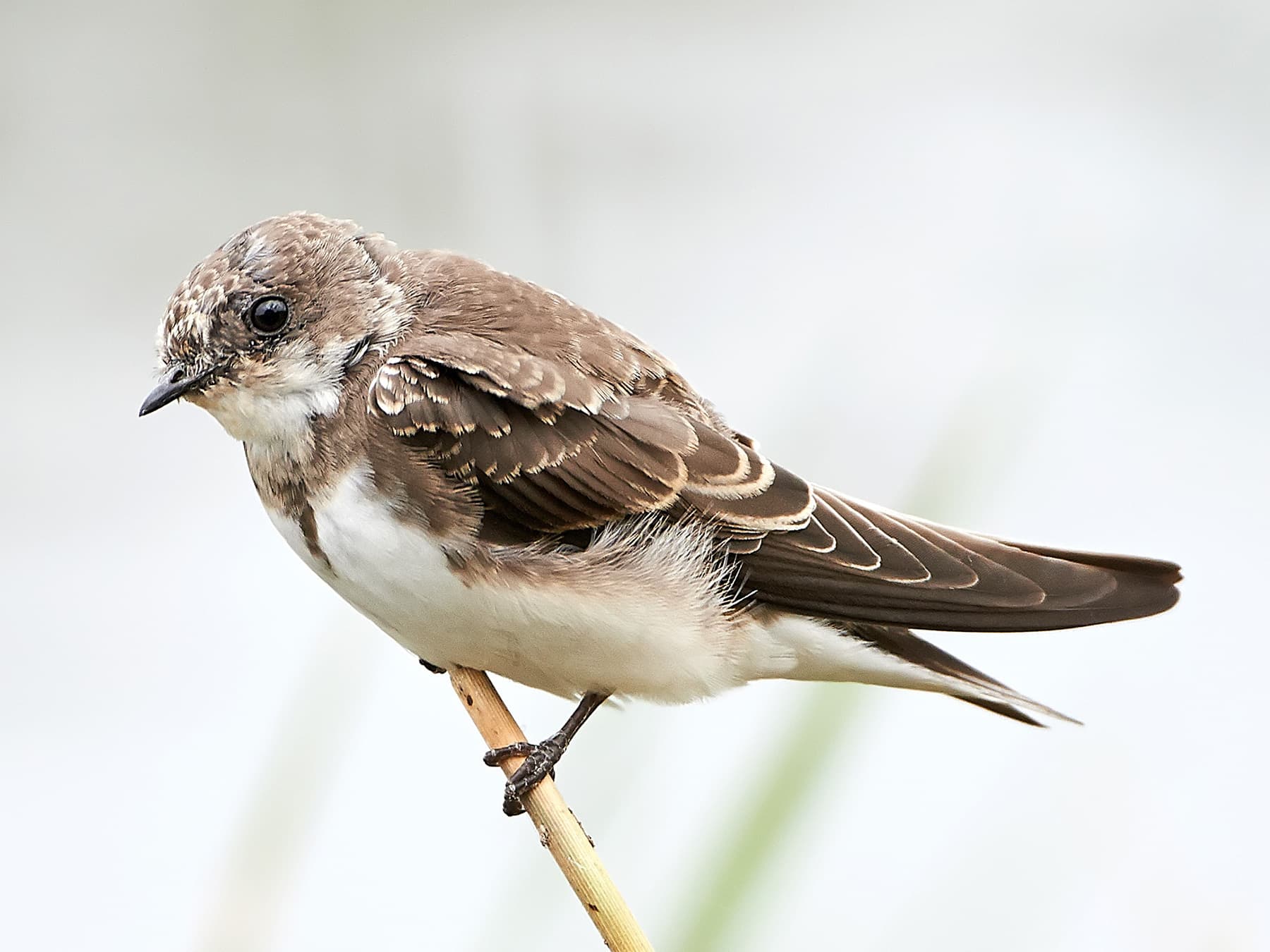
Sand Martin
Riparia ripariaLC
An uncommon summer breeder arriving from March, nesting in sandy riverbanks and gravel pits. Departs by September for African wintering grounds.
Mar–Sep
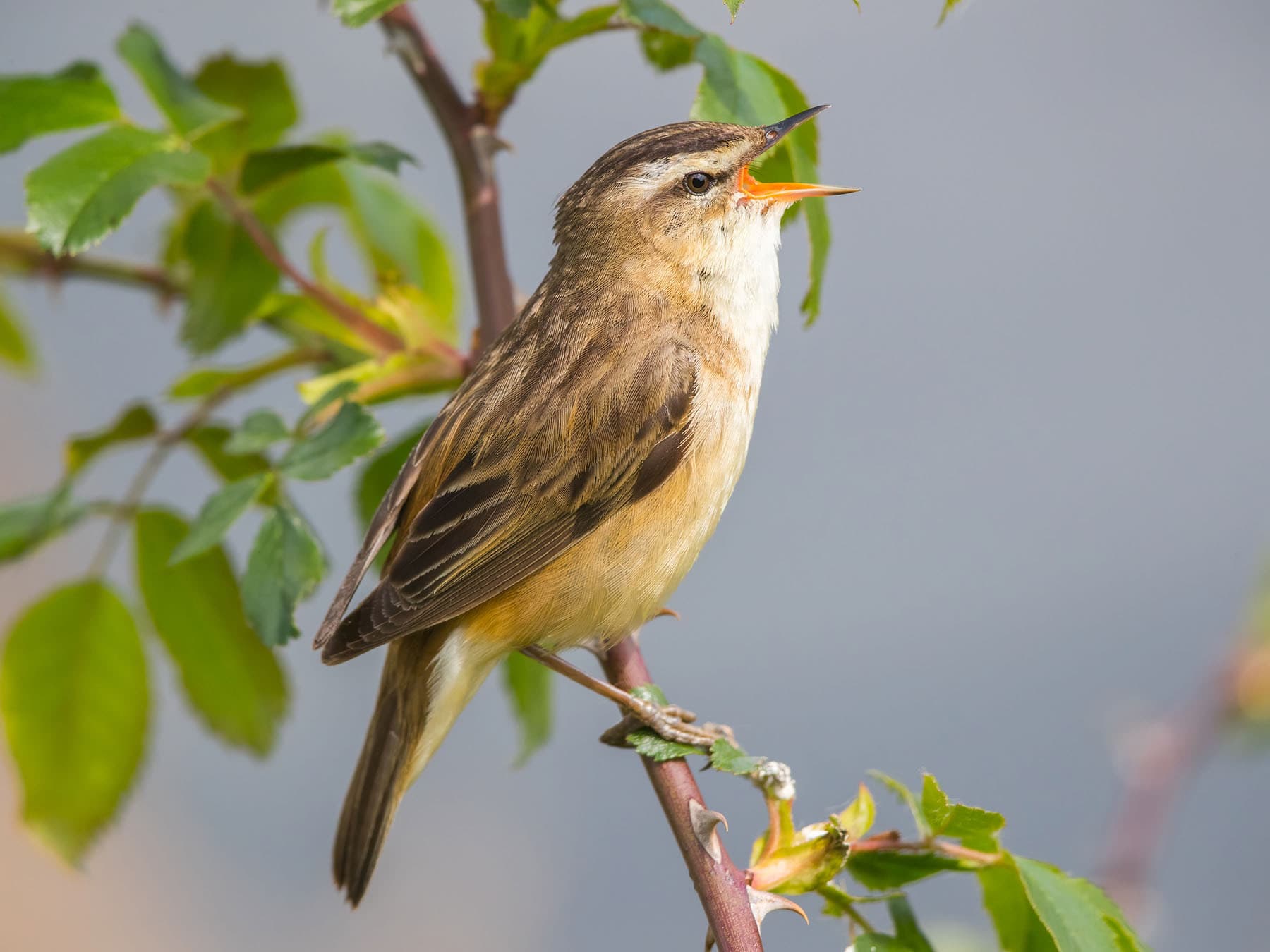
Sedge Warbler
Acrocephalus schoenobaenusLC
An uncommon summer breeder found in reedbeds and waterside scrub, arriving in April and departing by September.
Apr–Sep
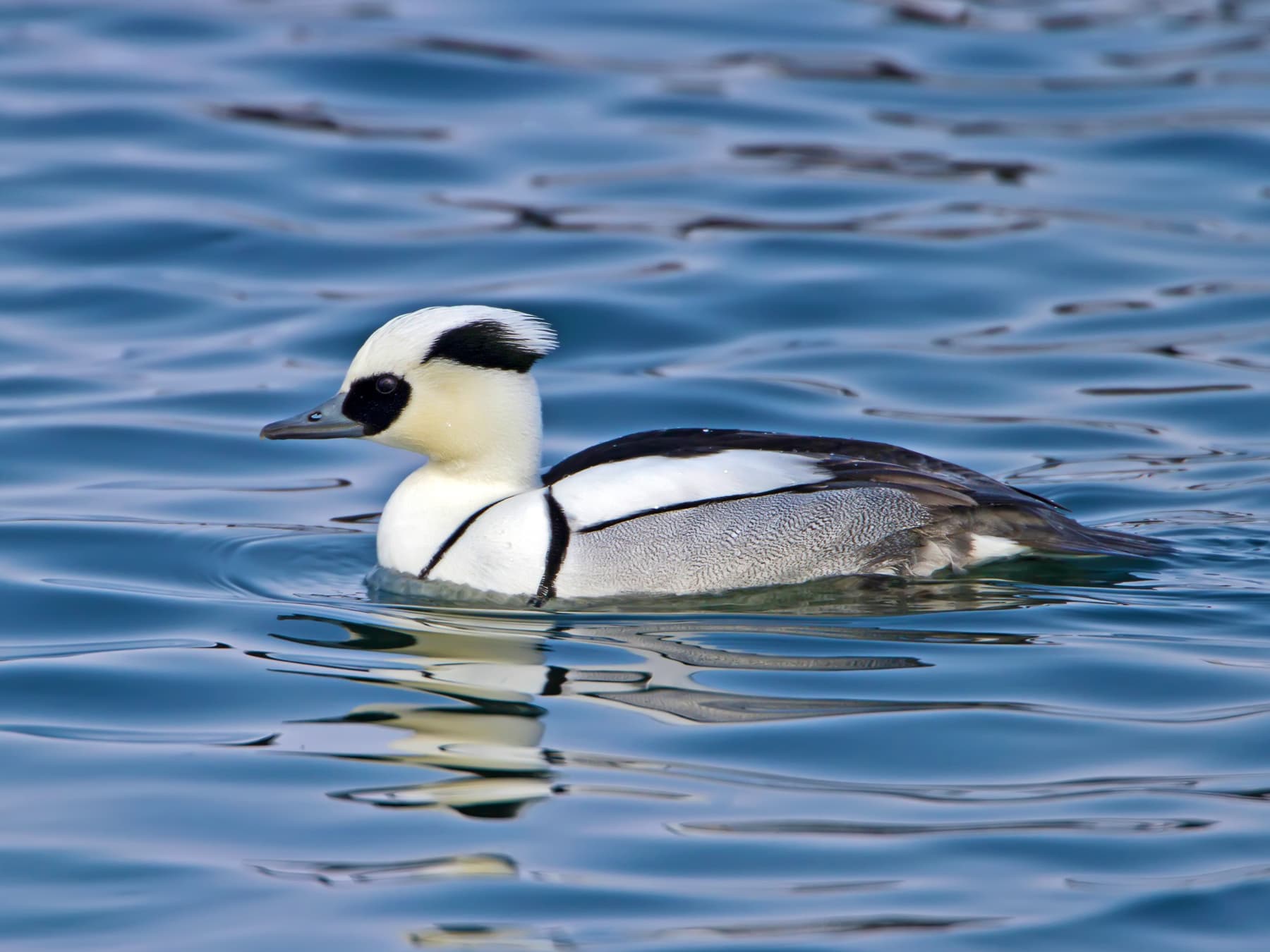
Smew
Mergellus albellusLC
An uncommon but prized winter visitor from northern Europe, arriving from November. The striking males are a highlight at Tring and Lee Valley reservoirs.
Nov–Mar
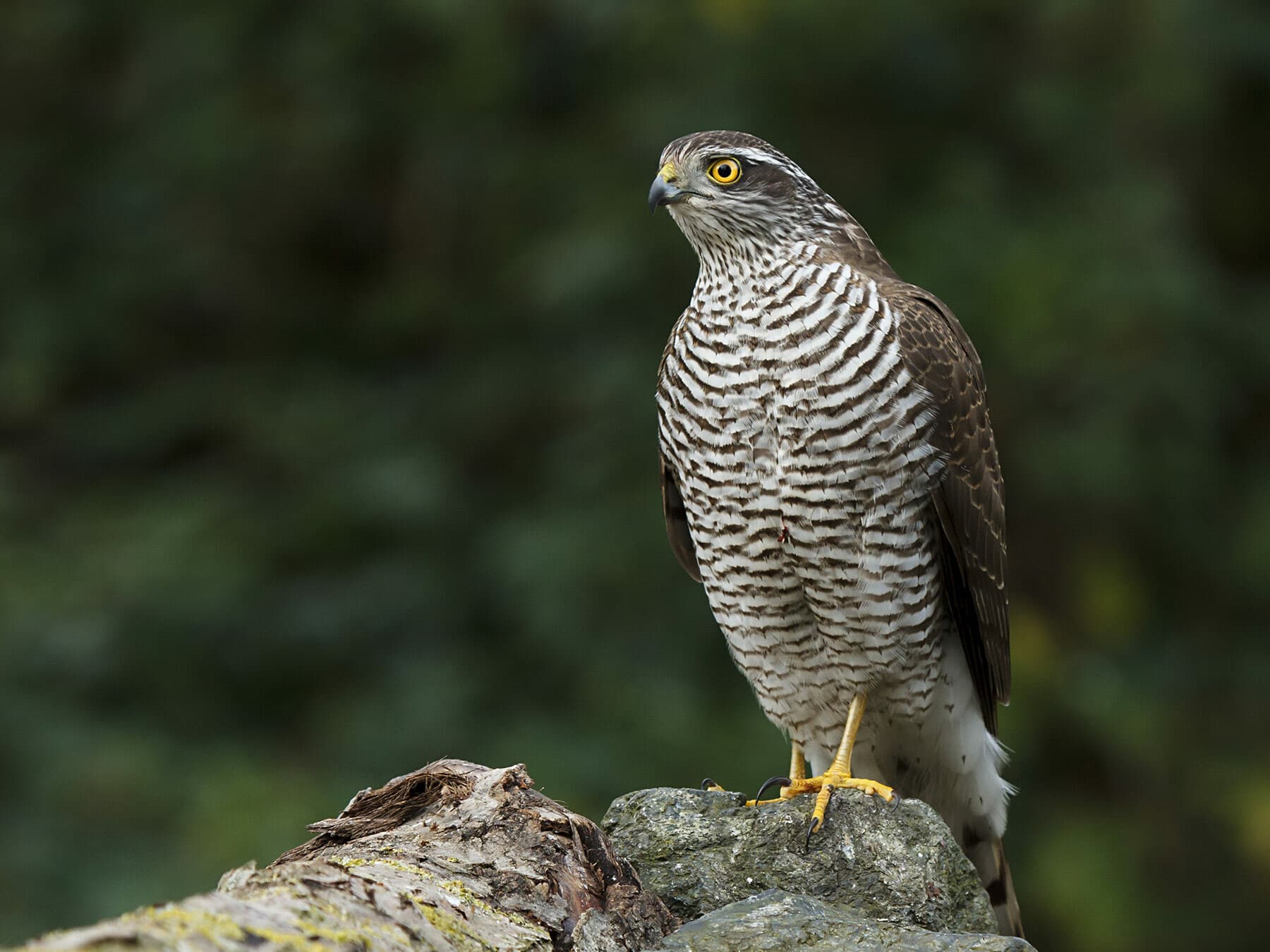
Sparrowhawk
Accipiter nisusLC
An uncommon but widespread resident, hunting small birds in woodland, farmland and suburban gardens. Often seen dashing along hedgerows at speed.
Year-round
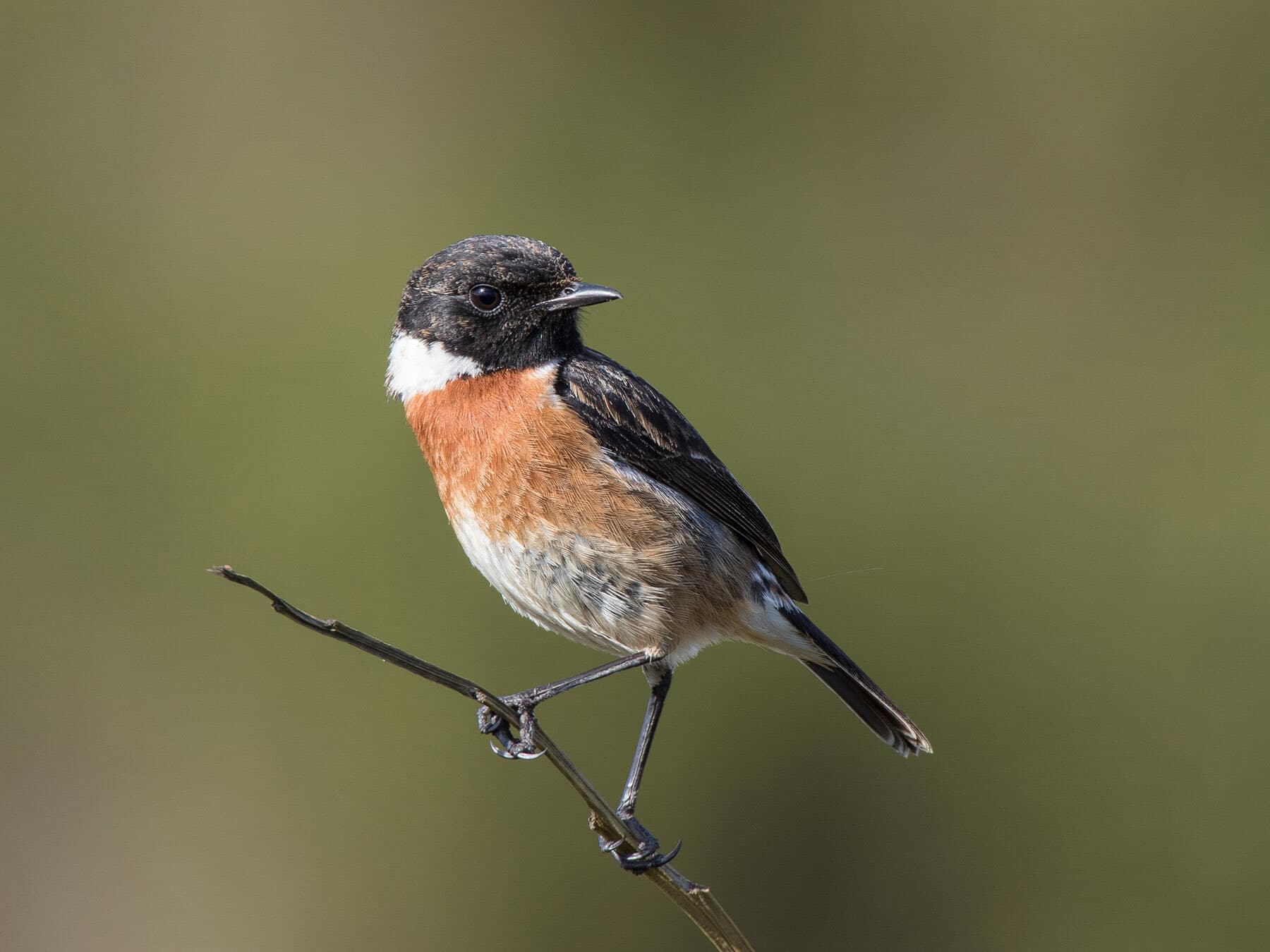
Stonechat
Saxicola torquatusLC
An uncommon non-breeding visitor to rough grassland and heathland edges. Most likely seen from autumn through early spring on open ground.
Sep–Mar
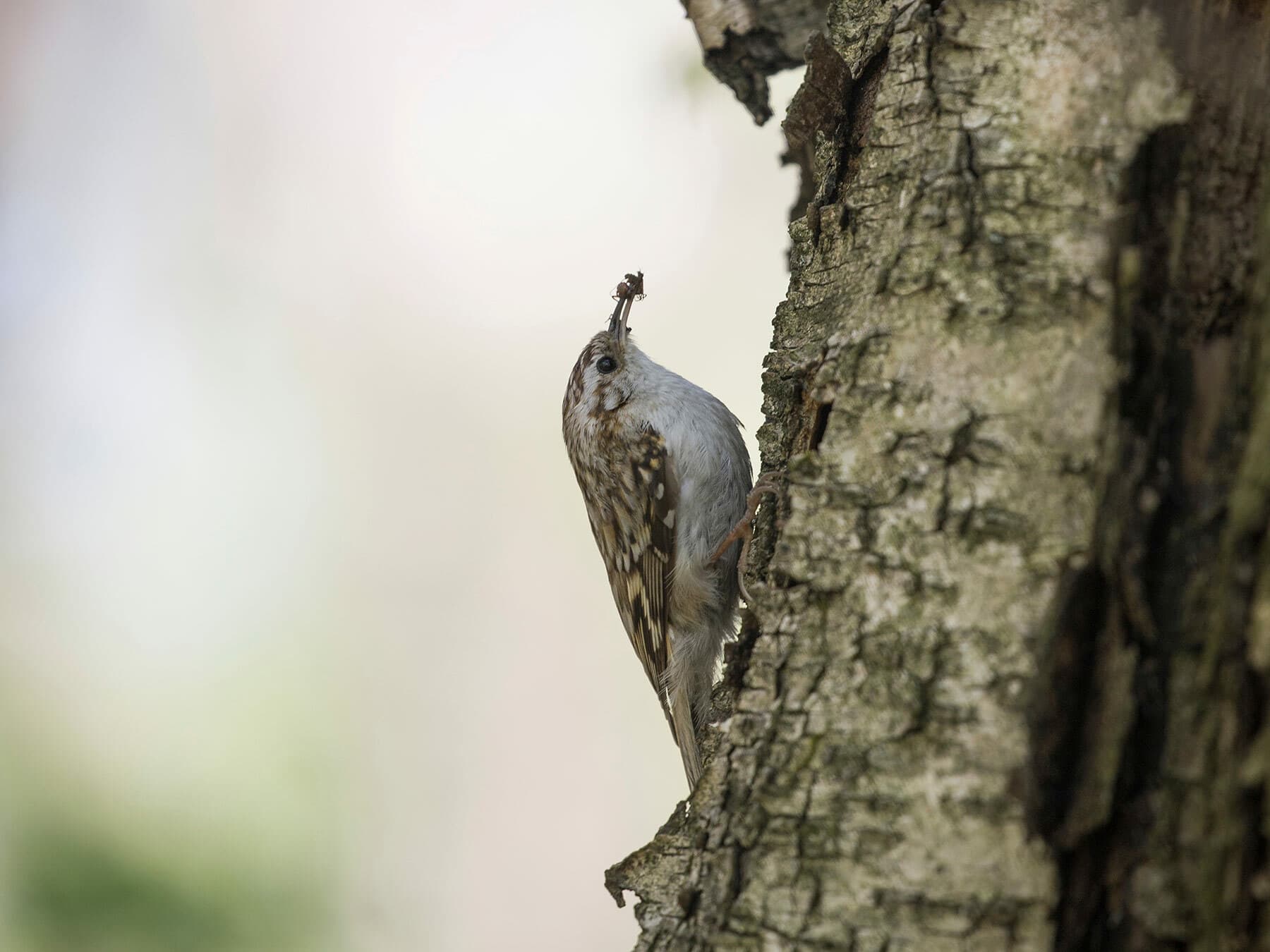
Treecreeper
Certhia familiarisLC
An unobtrusive resident that spirals up tree trunks in mature woodland. Uncommon but present year-round in well-wooded areas of the county.
Year-round
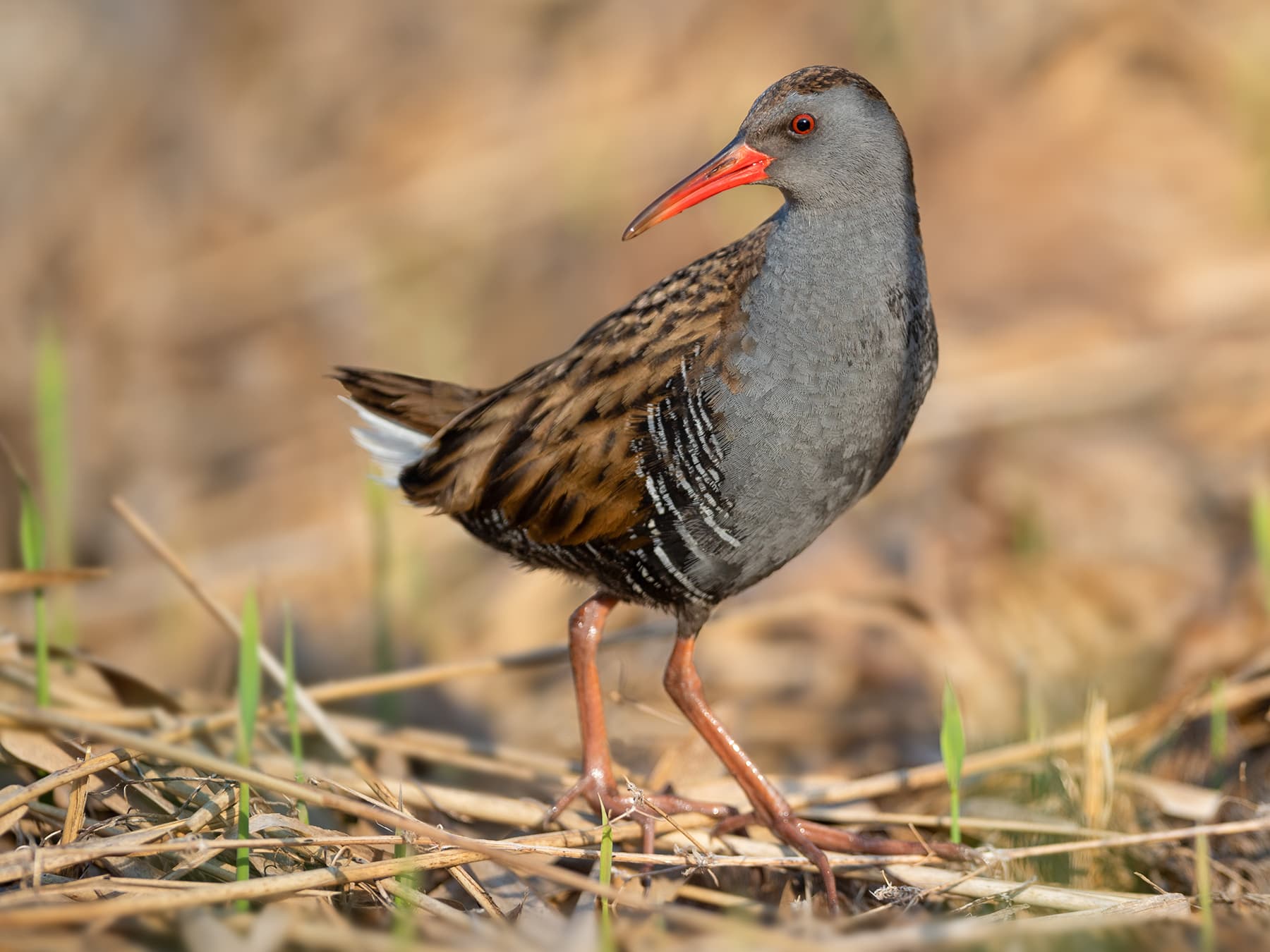
Water Rail
Rallus aquaticusLC
An uncommon but year-round resident of reedbeds and marshy wetlands. Secretive and more often heard squealing from dense cover than seen in the open.
Year-round
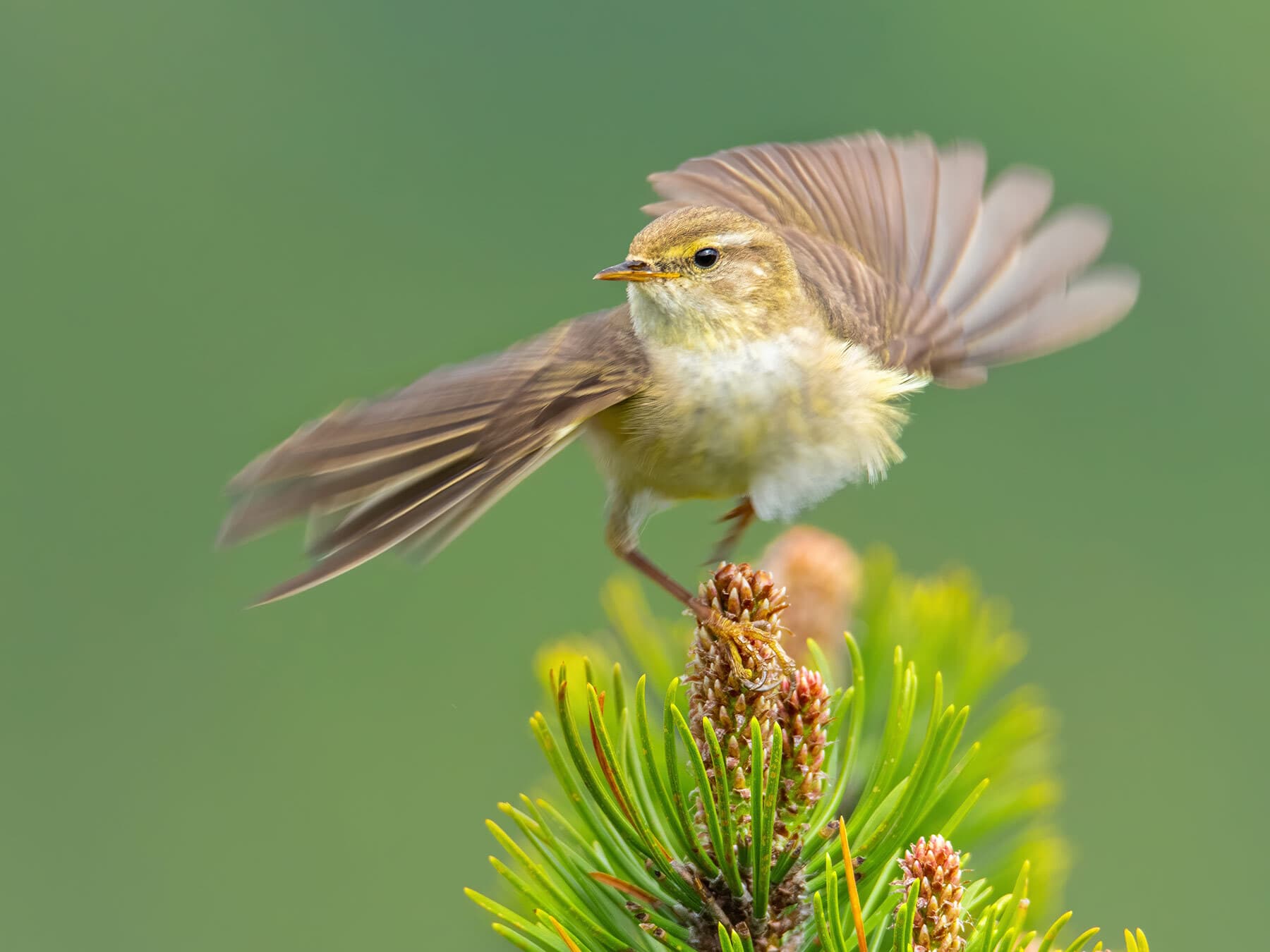
Willow Warbler
Phylloscopus trochilusLC
An uncommon summer visitor breeding in scrubby woodland and heathland edges. Has declined significantly in southern England in recent decades.
Apr–Sep
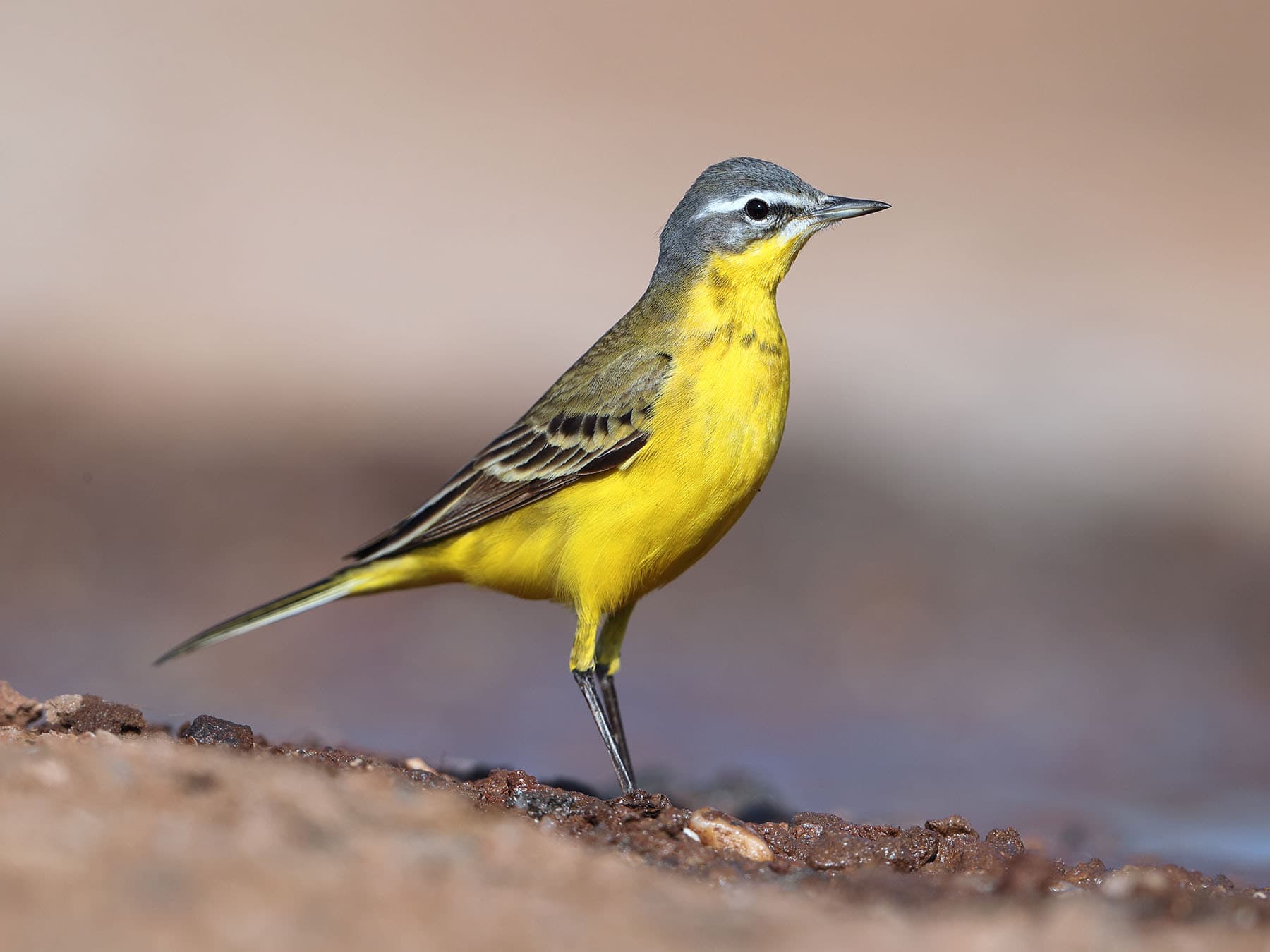
Yellow Wagtail
Motacilla flavaLC
An uncommon summer breeder on damp meadows and arable fields, declining significantly in the county. The Lee Valley and river floodplains remain key sites.
Apr–Sep
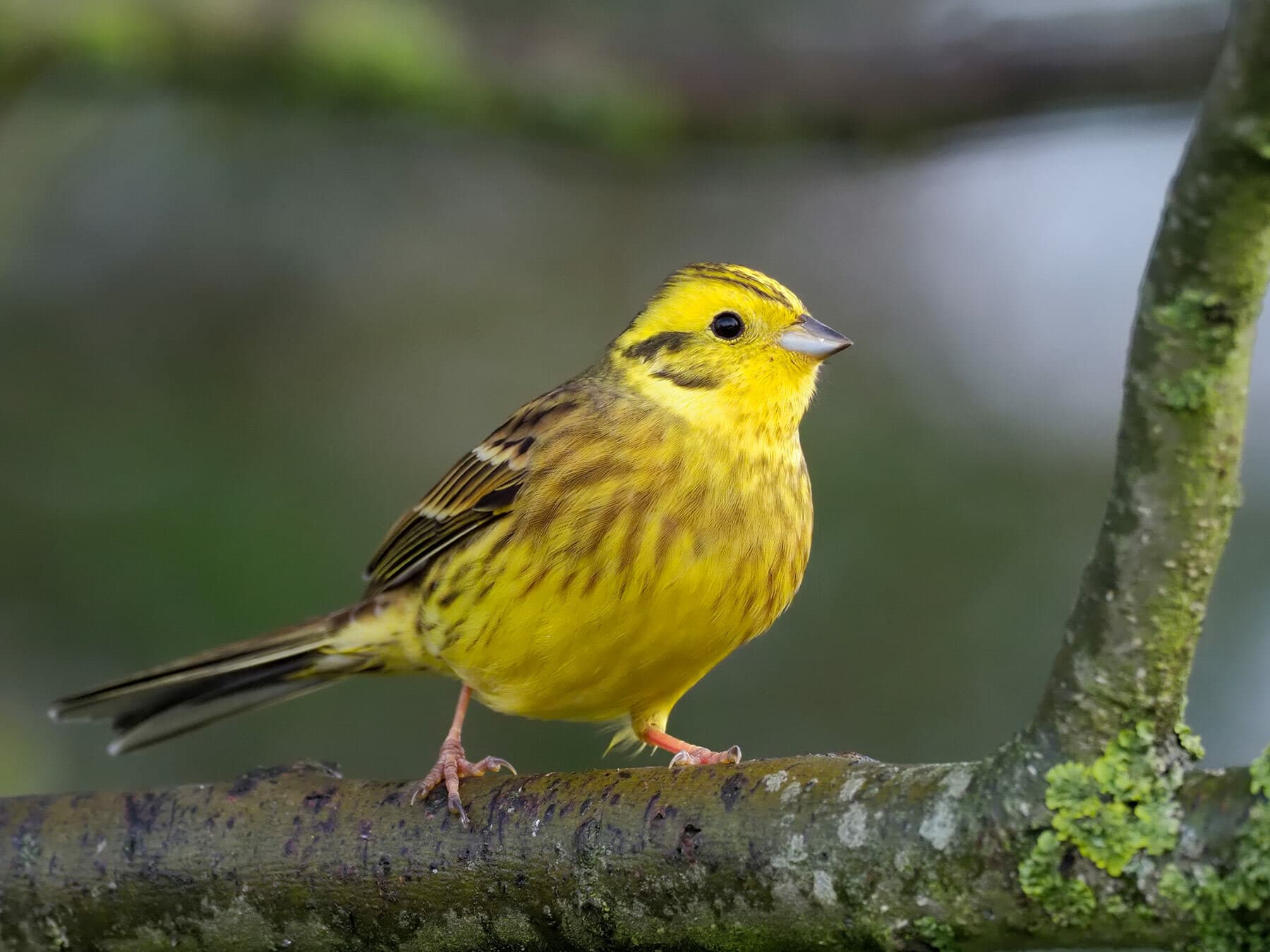
Yellowhammer
Emberiza citrinellaLC
An uncommon resident of arable farmland with hedgerows, declining across southern England. Its bright yellow head and jangling song are distinctive.
Year-round