Rare Birds in Hertfordshire
54 species matching this filter.
Hertfordshire may be a largely inland county, but its mix of reservoirs, chalk streams, ancient woodlands, and farmland attracts an impressive array of rare bird species. With 54 species classified as rare, patient observers may encounter elusive visitors such as Eurasian Bittern, Bohemian Waxwing, Aquatic Warbler, and Garganey. These sightings often coincide with seasonal migrations or harsh weather events that push uncommon species into the county's varied habitats.


Showing 1–23 of 54 species
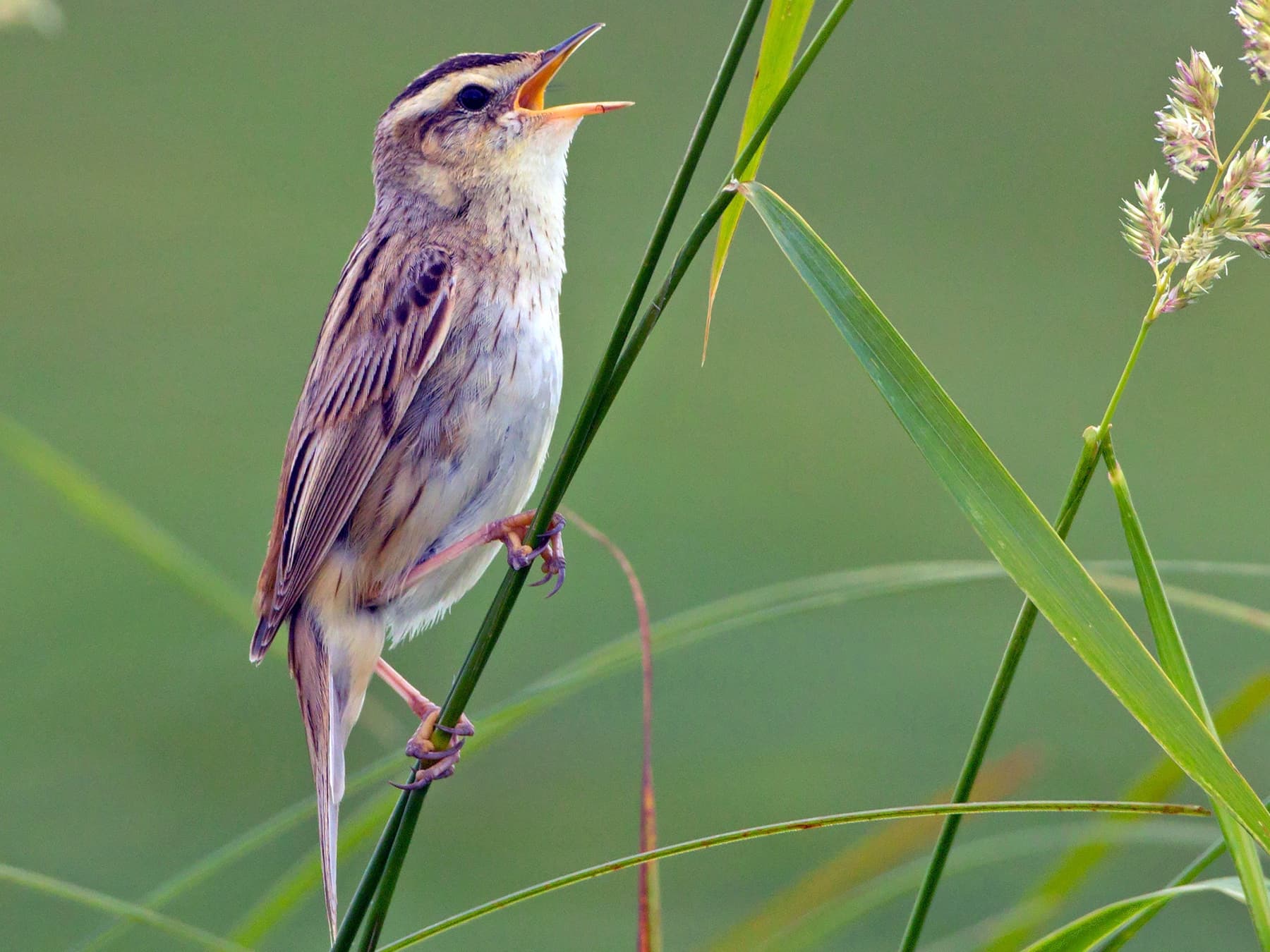
Aquatic Warbler
Acrocephalus paludicolaVU
An exceptionally rare passage visitor, globally threatened and only very occasionally recorded. Any sighting in Hertfordshire is a major county event.
Jun
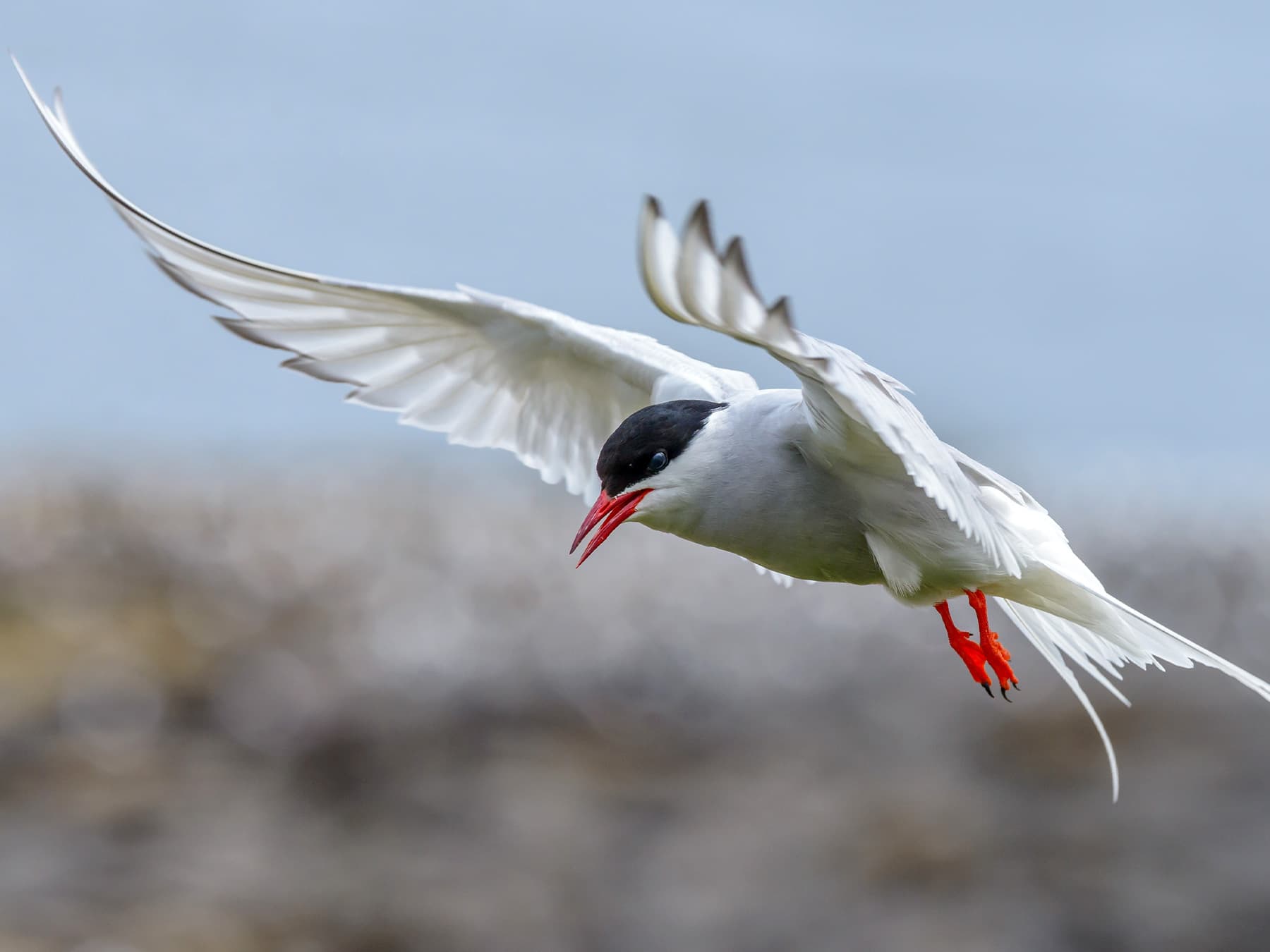
Arctic Tern
Sterna paradisaeaLC
A rare spring passage migrant, occasionally dropping in at reservoirs during April. Sightings are brief as birds continue their northward journey.
Apr
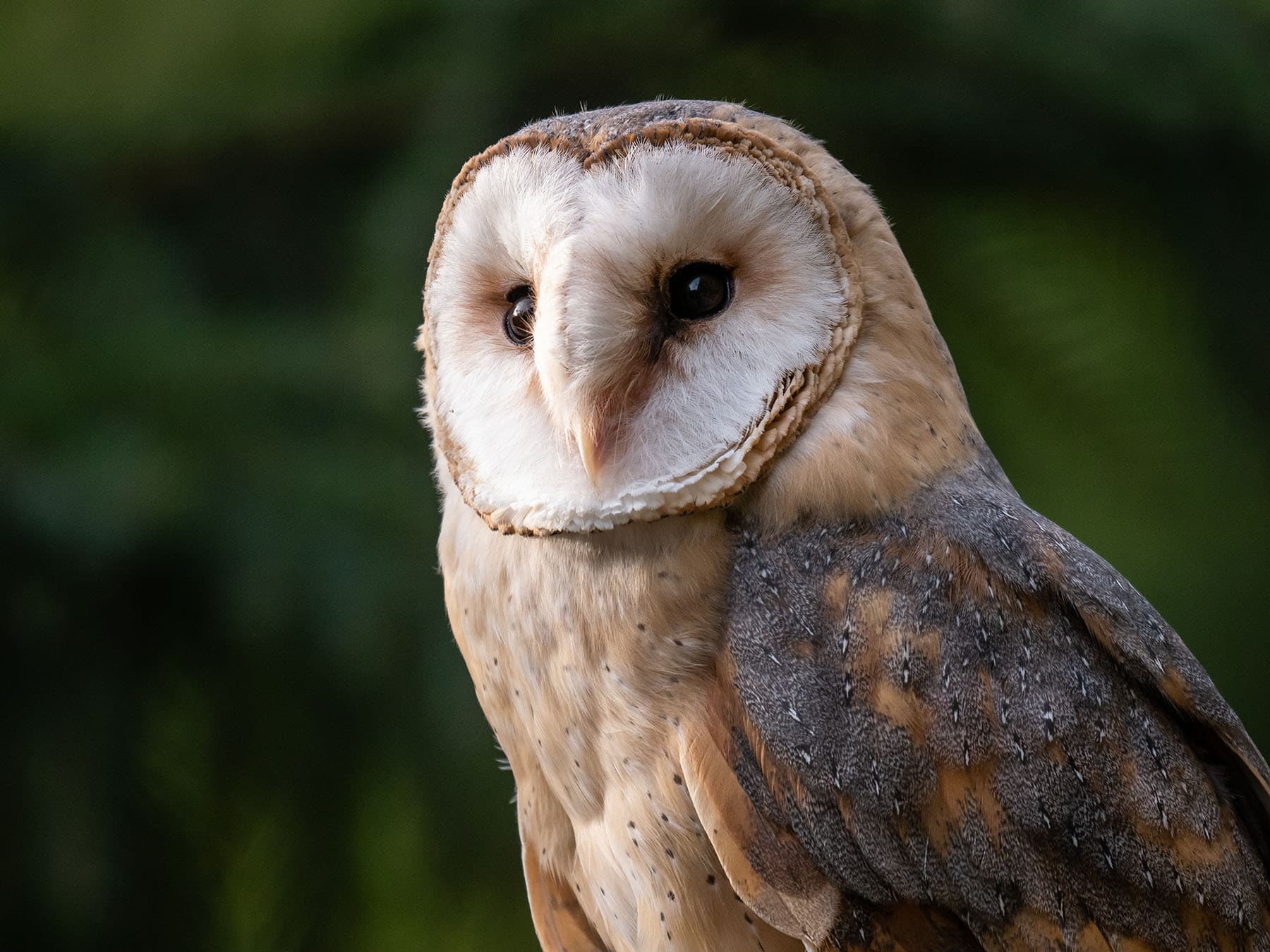
Barn Owl
Tyto albaLC
A rare but cherished resident, hunting over farmland and rough grassland at dusk. Nest box schemes have helped support the small Hertfordshire population.
Sep–Jul
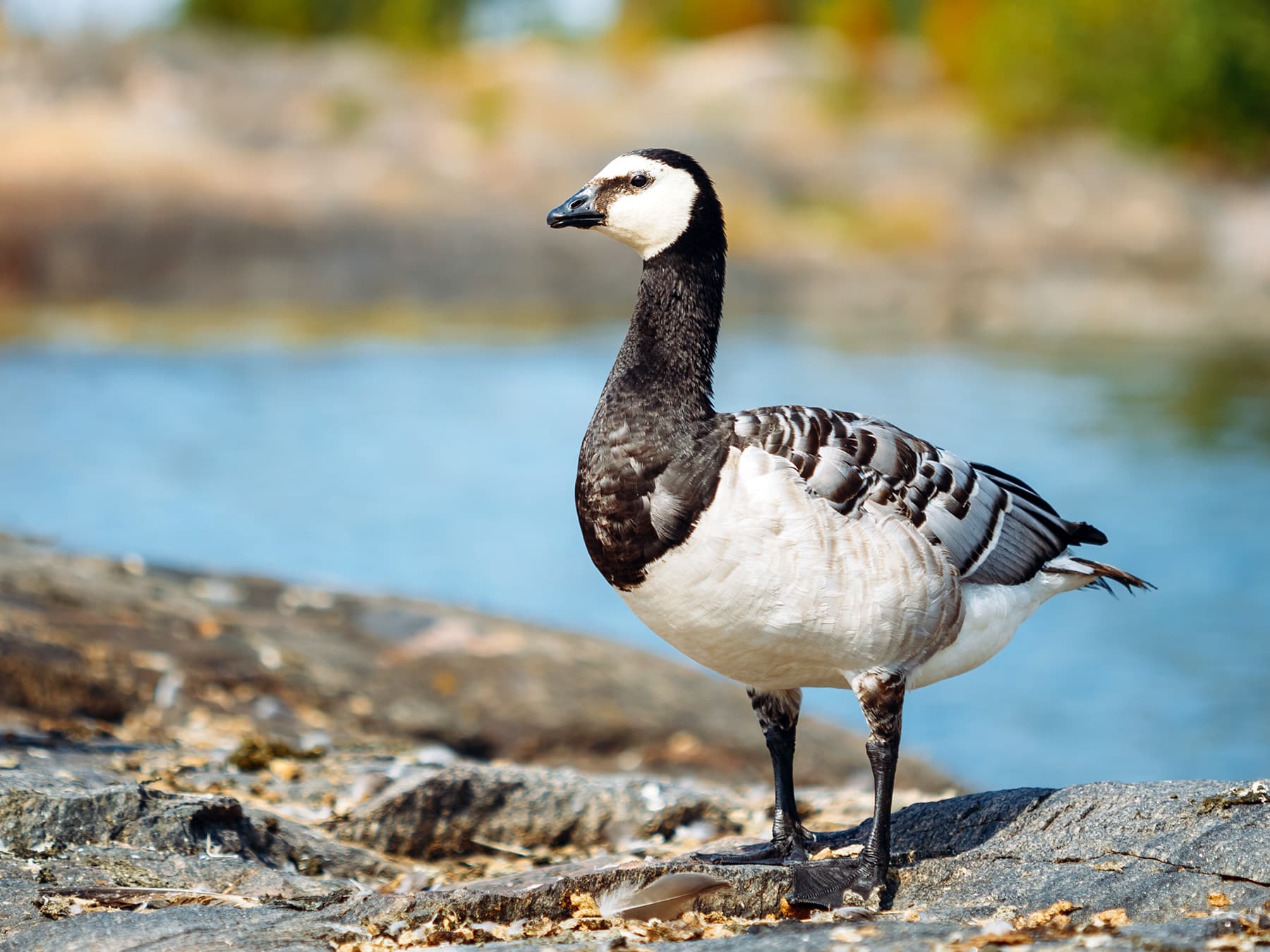
Barnacle Goose
Branta leucopsisLC
A rare and irregular resident, with sightings likely involving feral birds. Occasionally appears at gravel pits and reservoir margins.
Aug–Apr
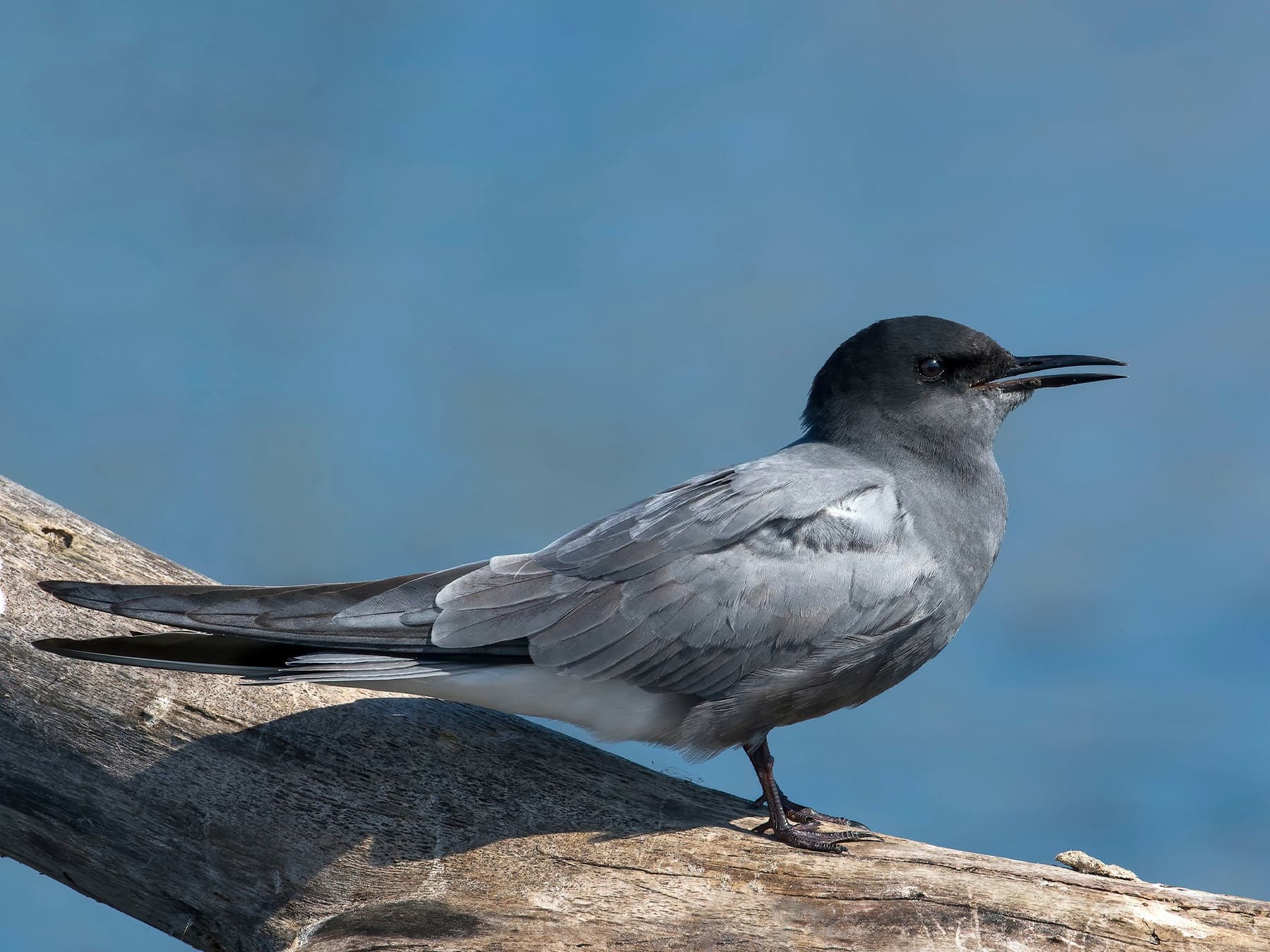
Black Tern
Chlidonias nigerLC
A rare spring passage migrant, occasionally seen hawking over reservoirs in May. An exciting find for Hertfordshire birders.
May
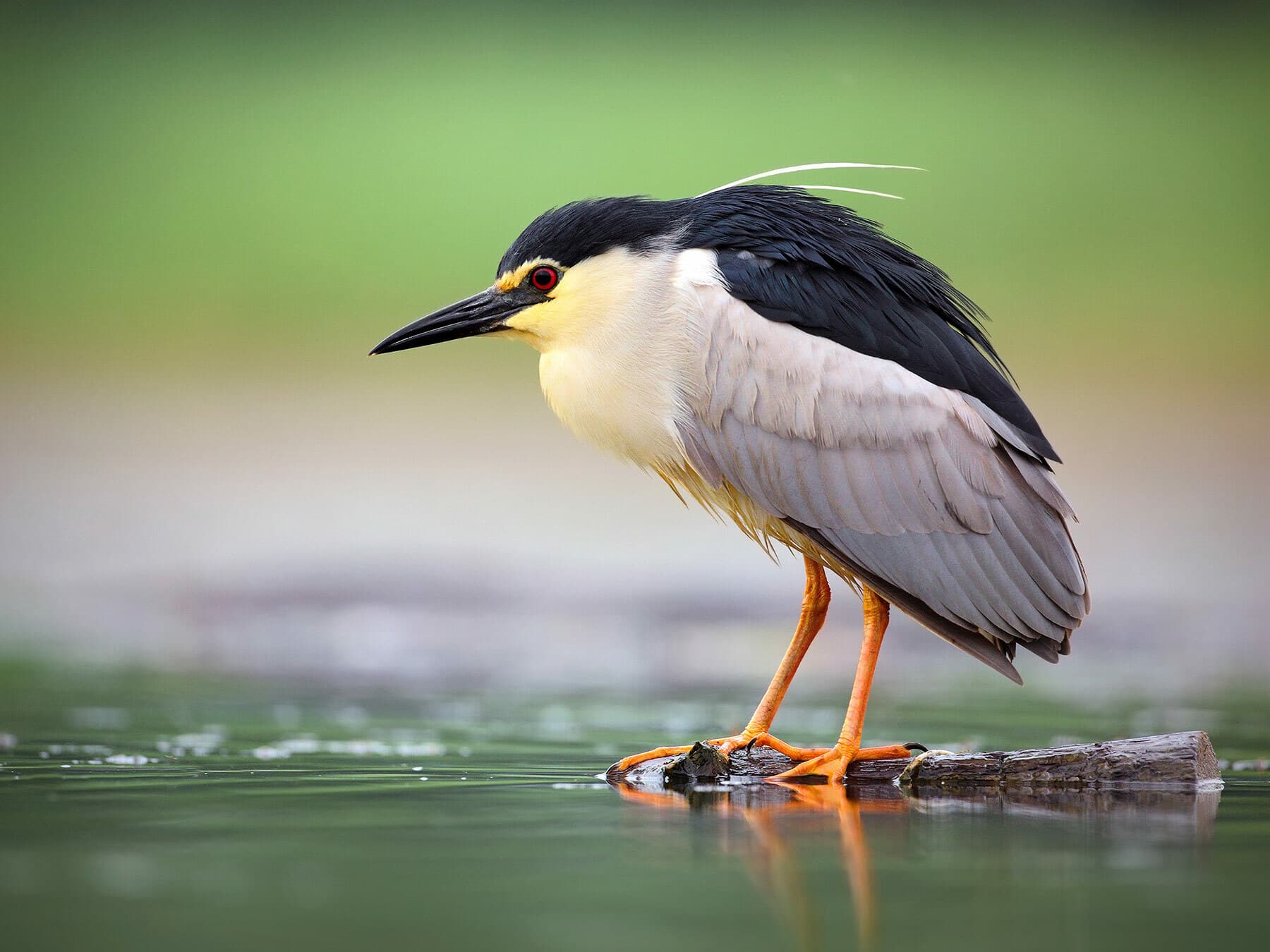
Black-crowned Night-heron
Nycticorax nycticoraxLC
A rare passage visitor with occasional July records. Any sighting in Hertfordshire is a notable event, likely involving a wandering continental bird.
Jul
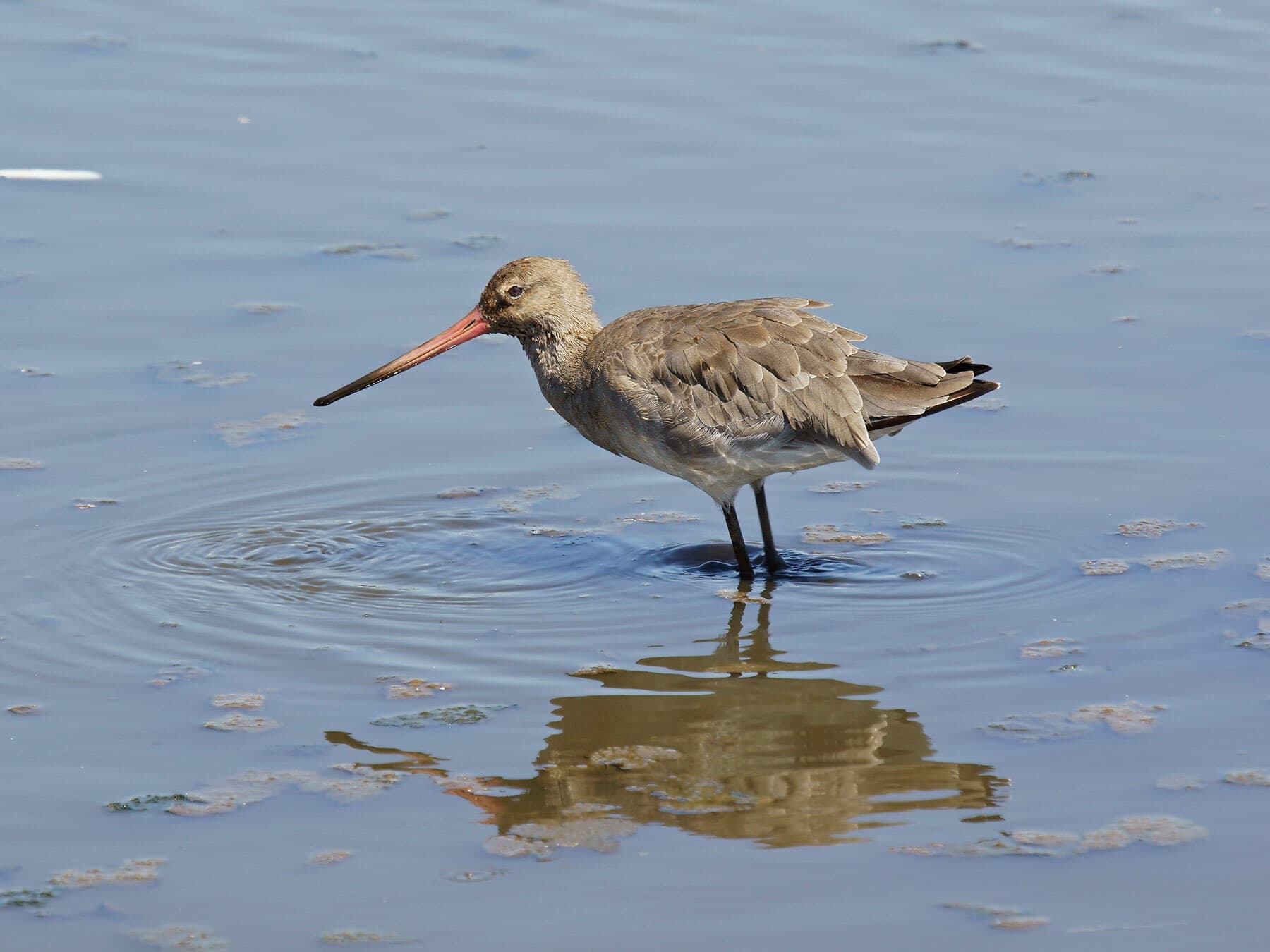
Black-tailed Godwit
Limosa limosaNT
A rare passage migrant pausing at wetlands in July and August. Most records come from the Lea Valley gravel pits and reservoir edges.
Jul–Aug
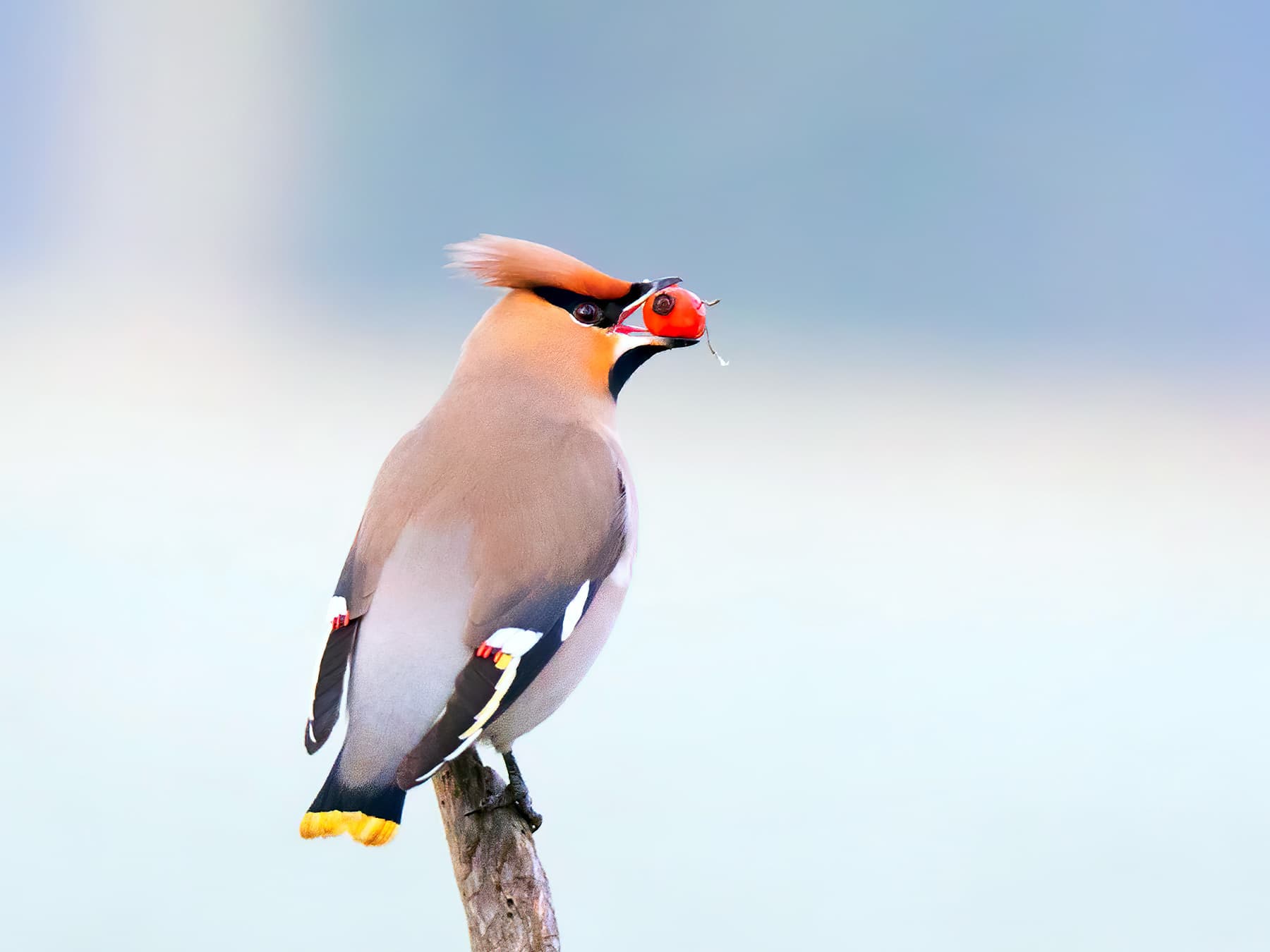
Bohemian Waxwing
Bombycilla garrulusLC
An irruptive winter visitor in some years, descending on berry-laden trees in towns and supermarket car parks.
Dec–Jan
Spotted something?
Upload a photo to identify it
Identify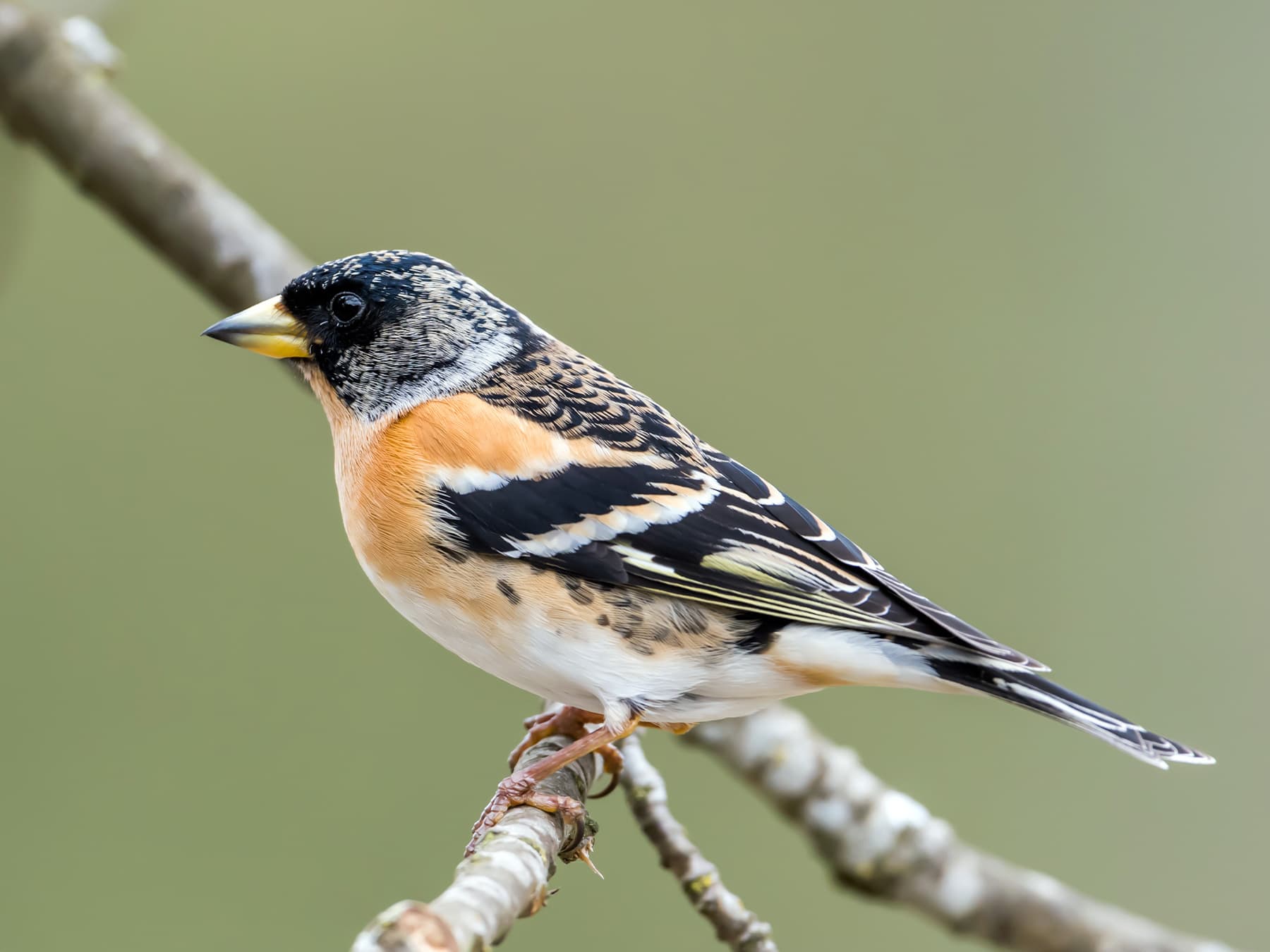
Brambling
Fringilla montifringillaLC
A rare winter visitor from northern Europe, sometimes joining Chaffinch flocks at woodland edges and farmland. Numbers vary greatly between years.
Oct–Apr
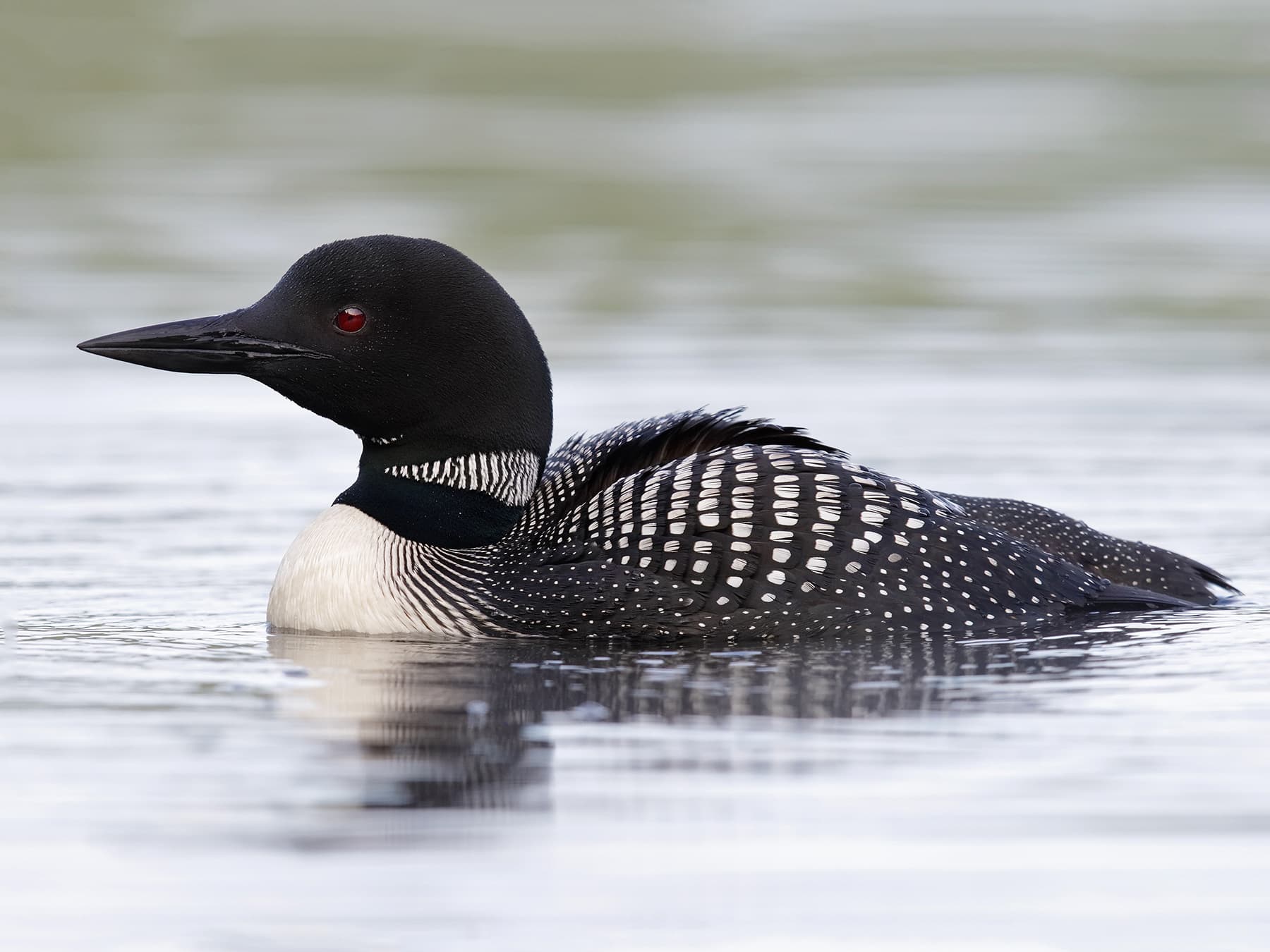
Common Loon
Gavia immerLC
A rare passage visitor, with occasional November records at larger reservoirs. Known as Great Northern Diver in Britain, always a notable county find.
Nov
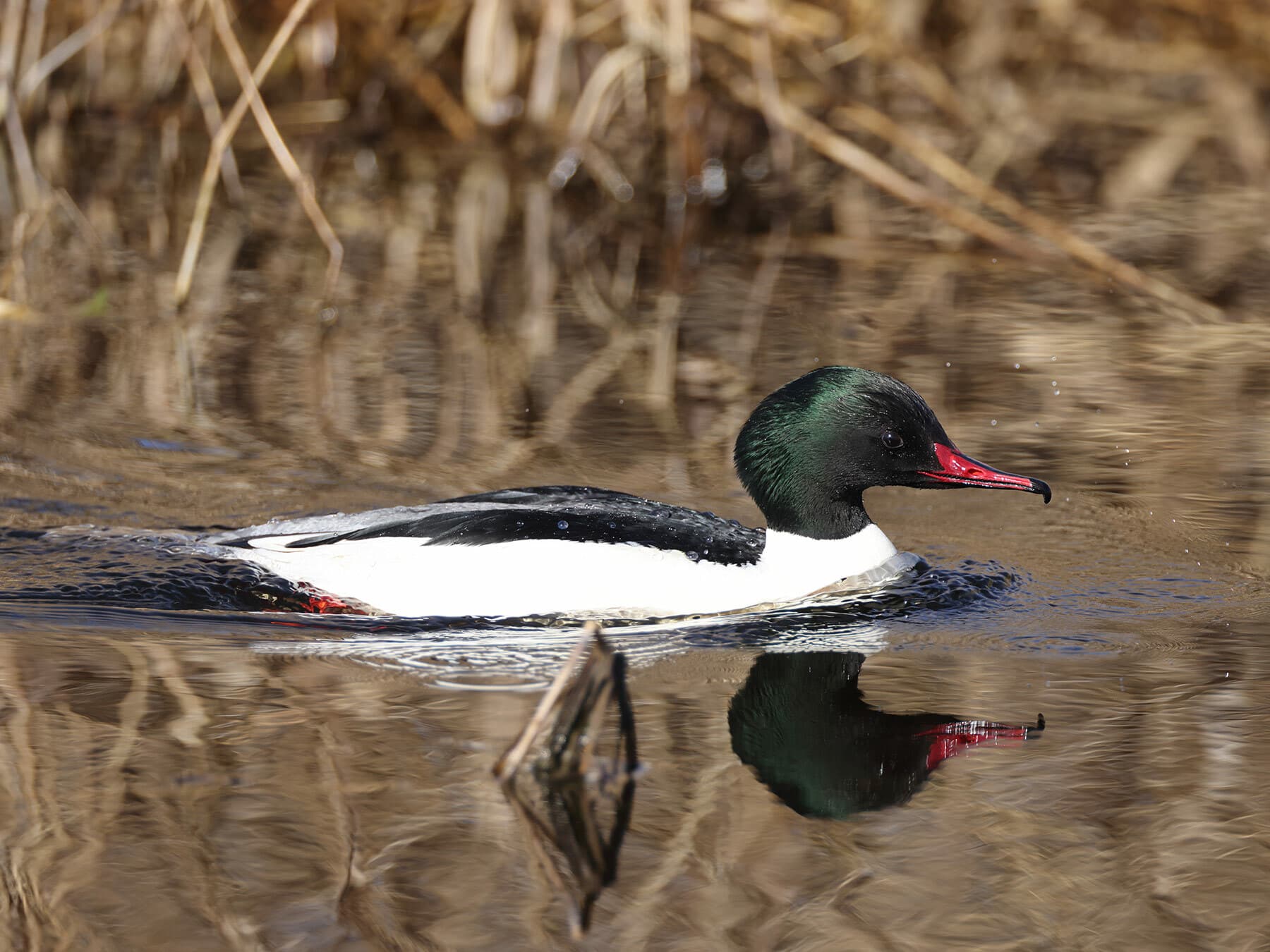
Common Merganser
Mergus merganserLC
A rare non-breeding visitor to rivers and reservoirs during winter months. Known locally as Goosander, occasionally seen on the Lea and Colne valleys.
Nov–Mar
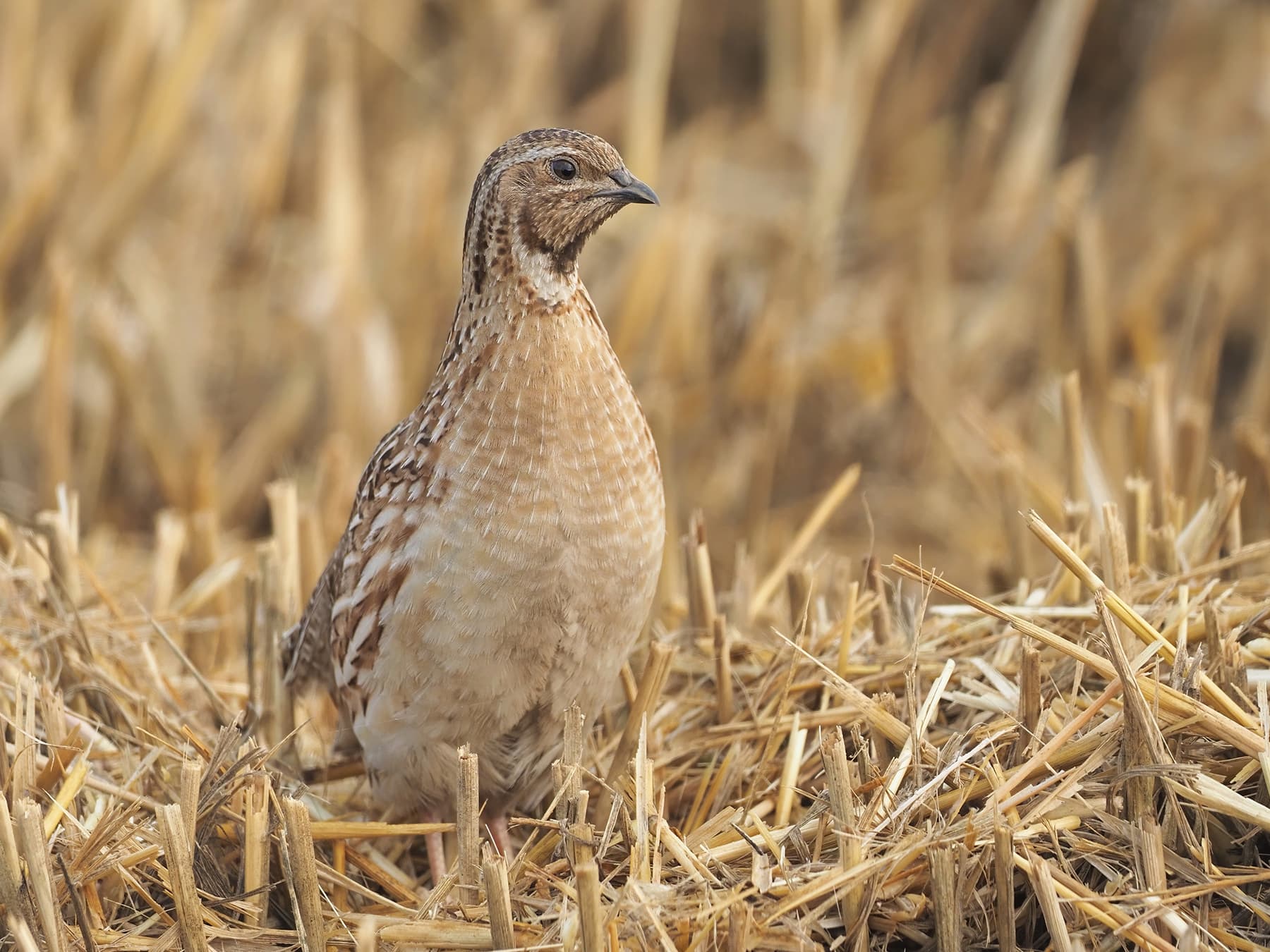
Common Quail
Coturnix coturnixLC
A rare and elusive passage visitor, occasionally heard calling from cereal fields in late summer. Far more often heard than seen.
Aug
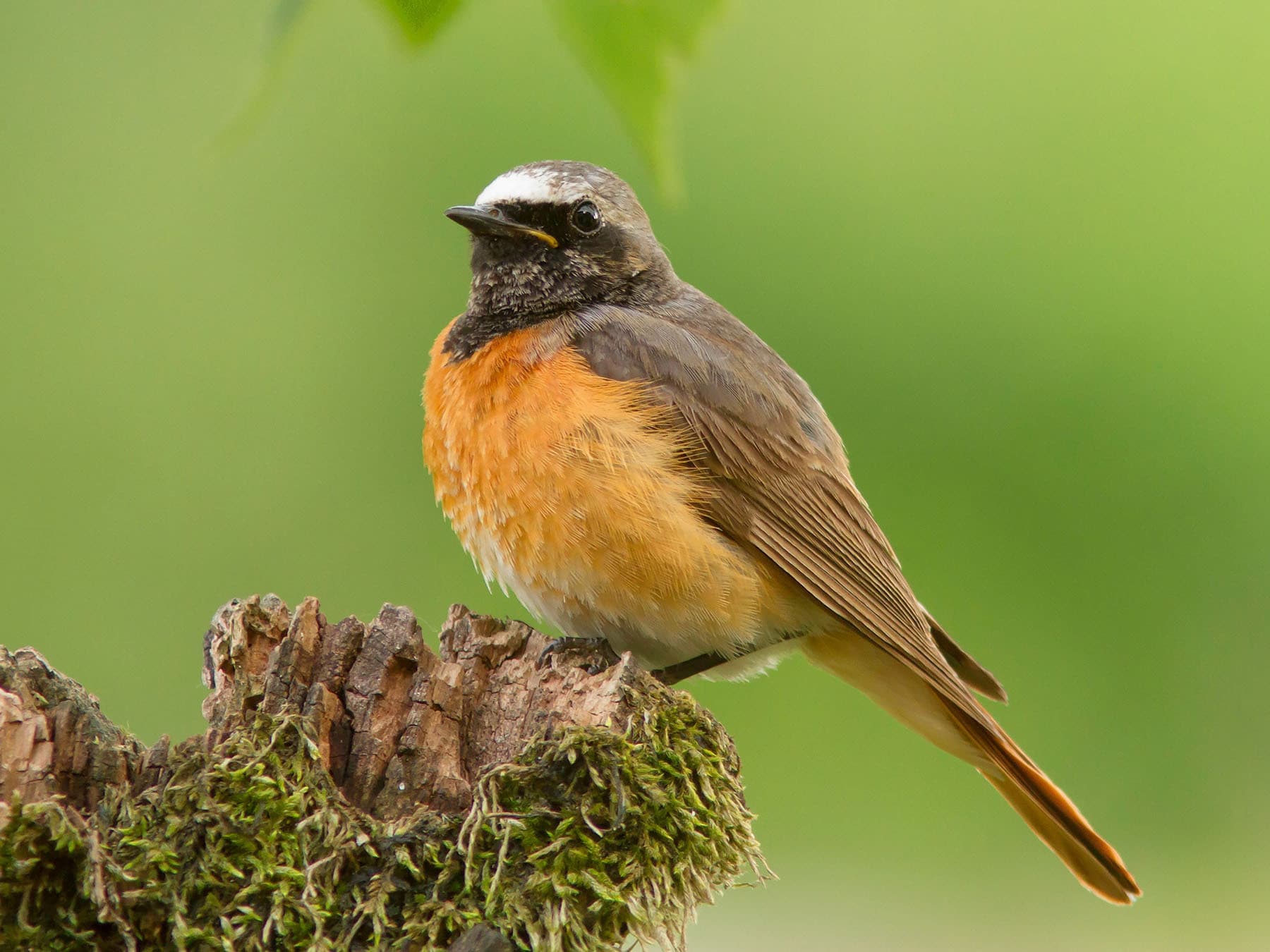
Common Redstart
Phoenicurus phoenicurusLC
A rare autumn passage migrant, occasionally glimpsed in scrubby habitats and hedgerows during August.
Aug
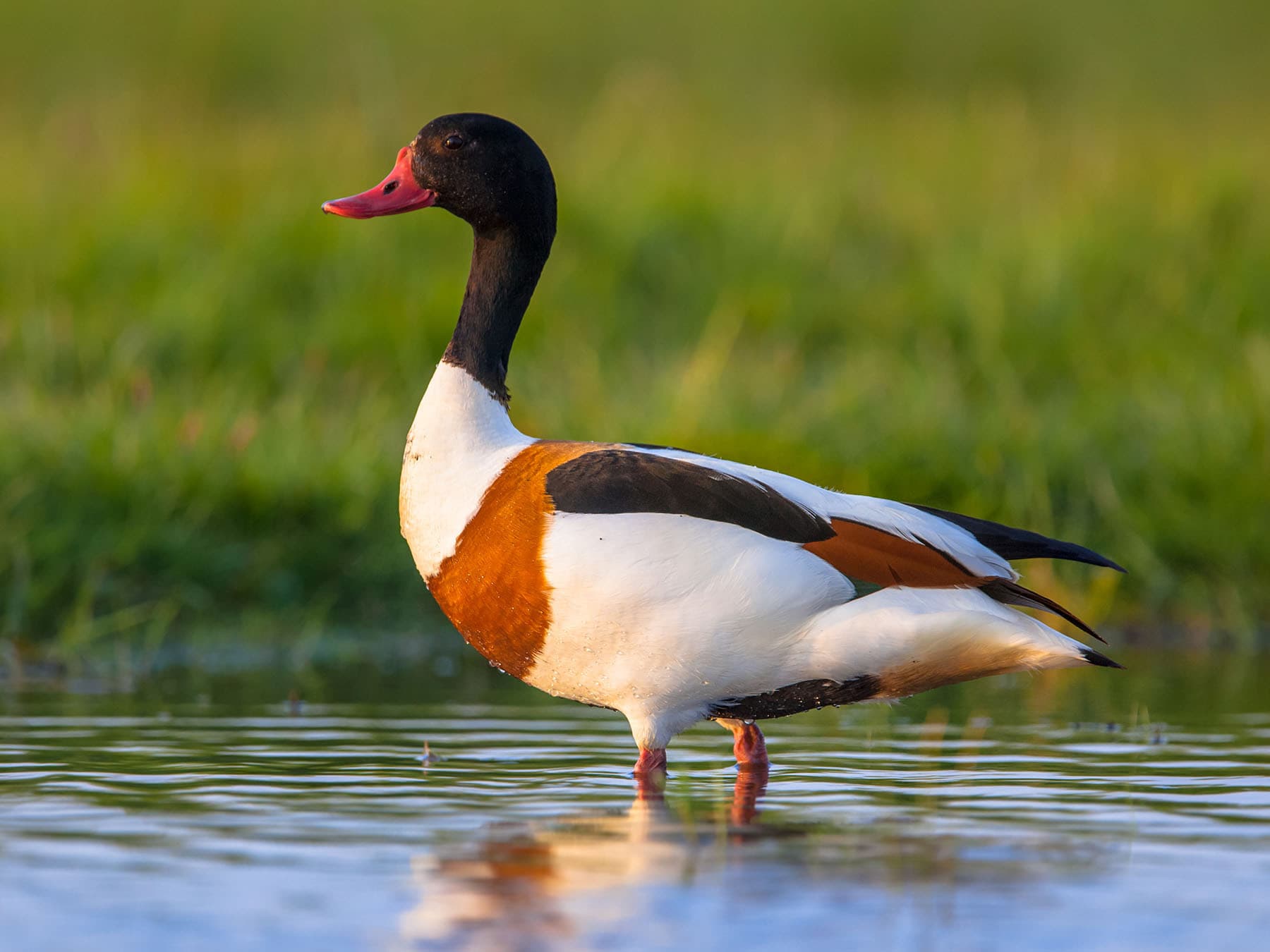
Common Shelduck
Tadorna tadornaLC
A rare visitor to Hertfordshire's larger waterbodies, mainly seen in winter and early spring. Occasionally breeds at reservoir margins.
Nov–Jun
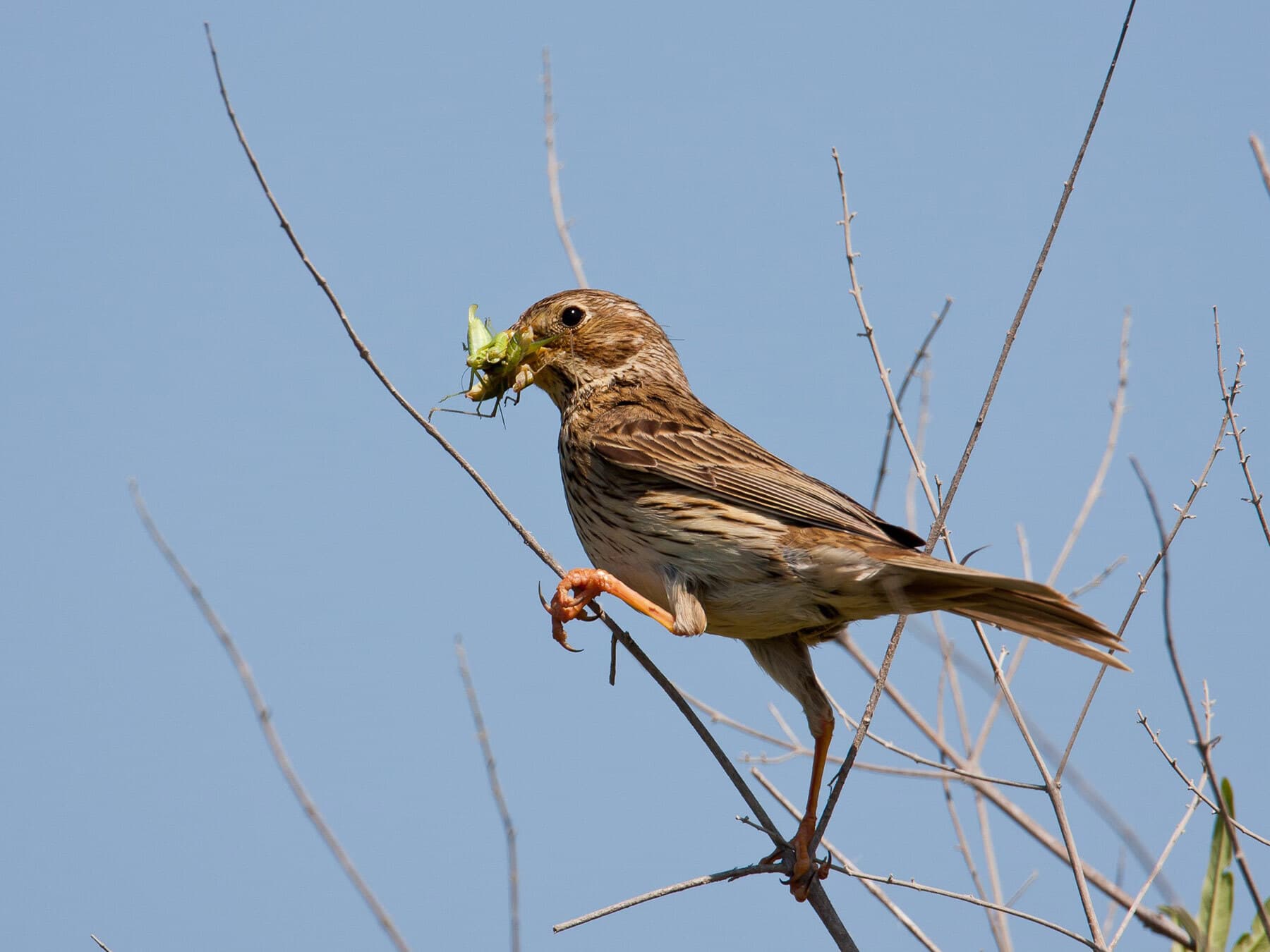
Corn Bunting
Emberiza calandraLC
A rare and declining resident of open arable farmland. One of the county's most threatened breeding birds.
Year-round
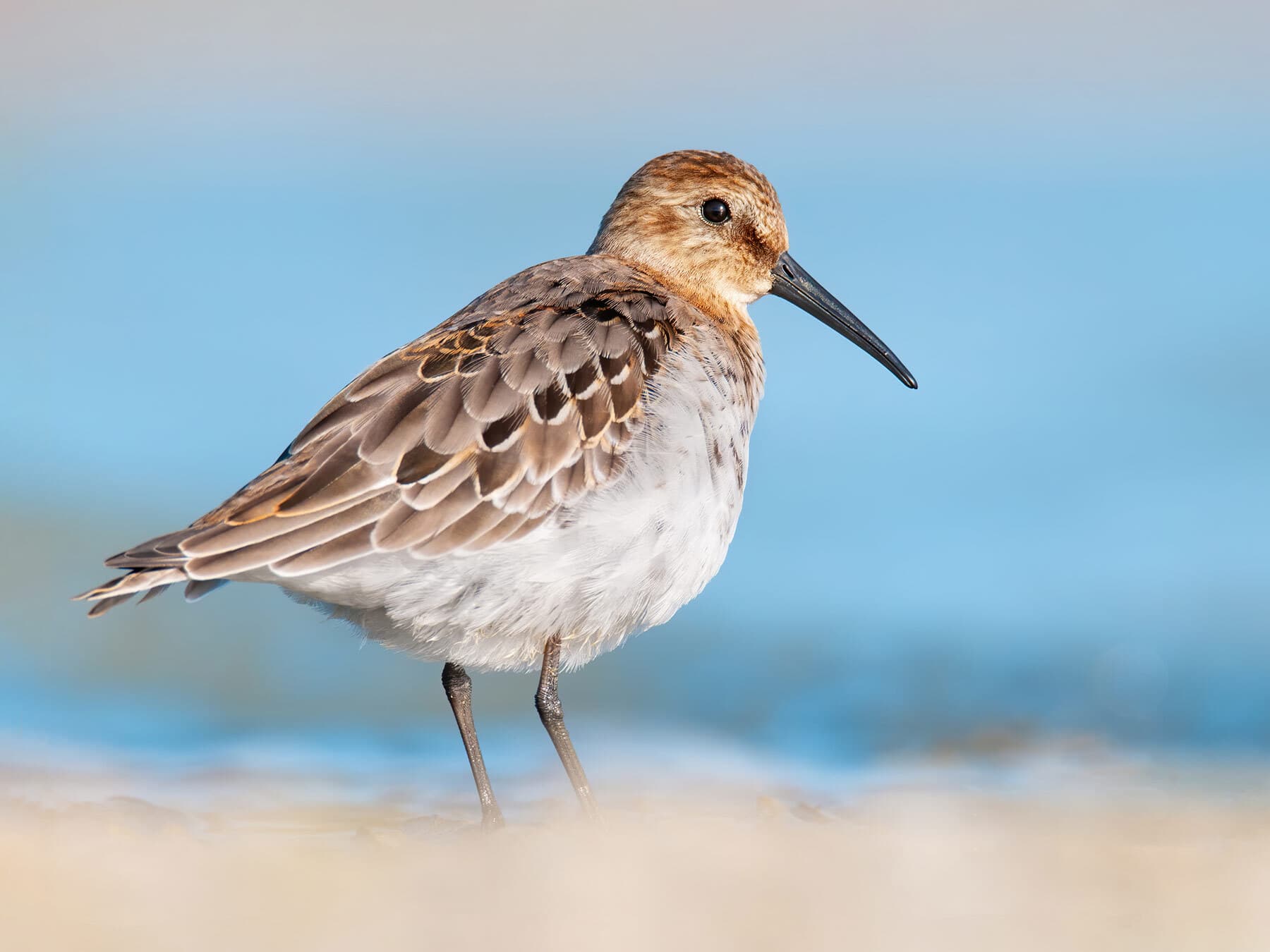
Dunlin
Calidris alpinaLC
A rare passage visitor to reservoir margins and muddy scrapes, mainly in spring and autumn. Typically seen in small numbers during migration stopovers.
Mar–Nov
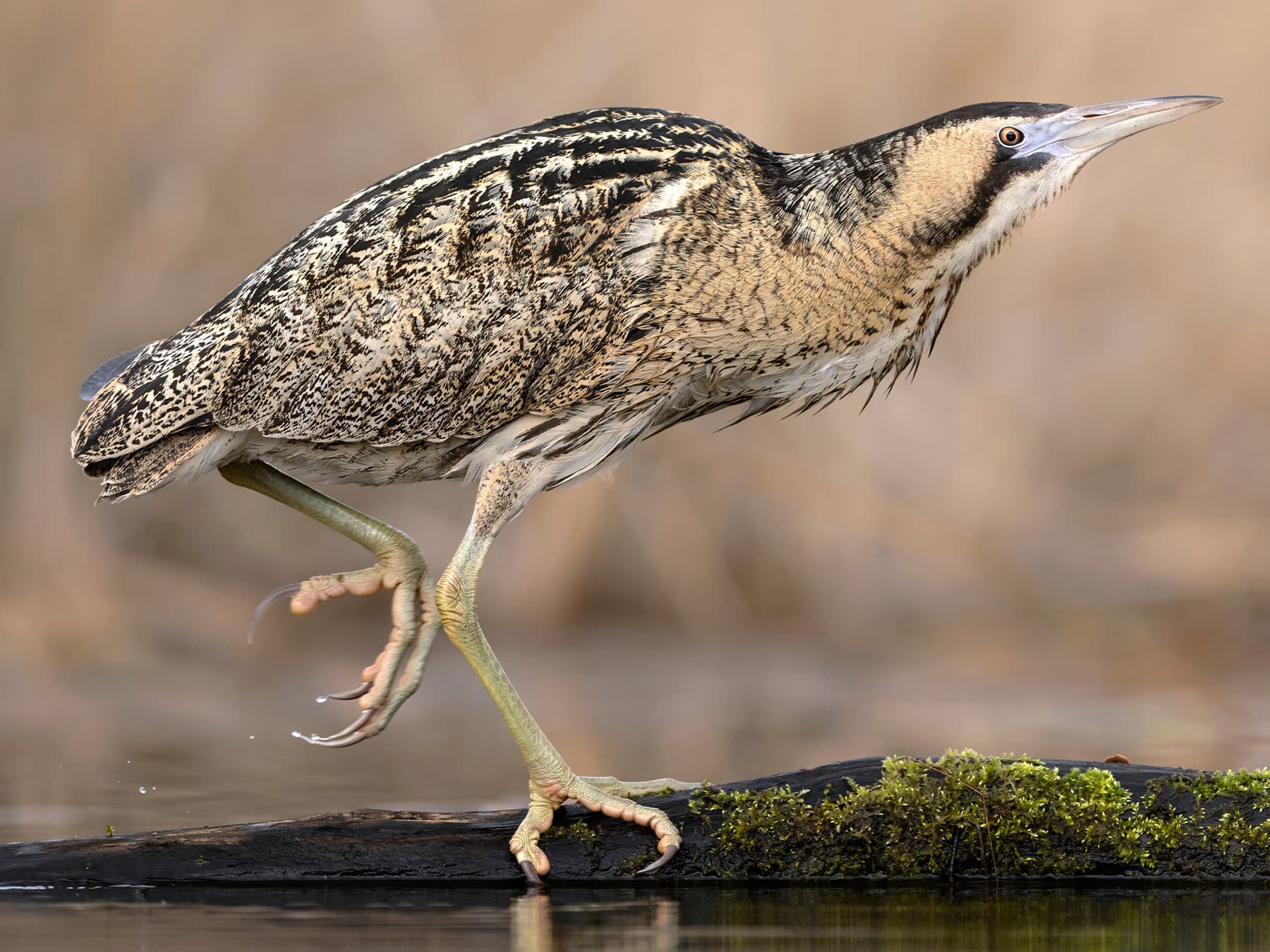
Eurasian Bittern
Botaurus stellarisLC
A rare non-breeding visitor to reedbeds and wetland reserves, mainly in winter. Sites like Rye Meads and Tring Reservoirs offer the best chances.
Aug–Mar
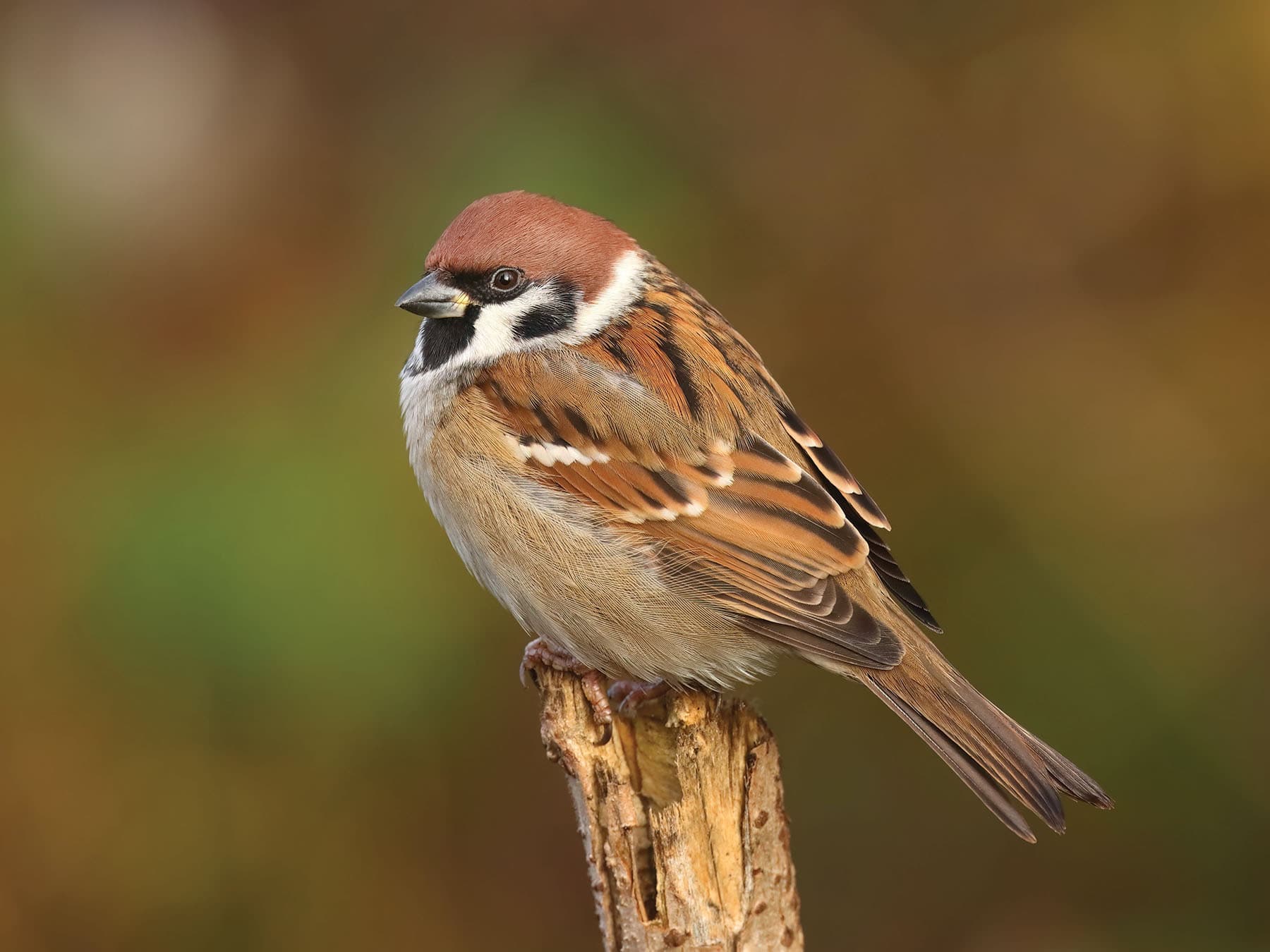
Eurasian Tree Sparrow
Passer montanusLC
A rare and localised resident, clinging on at a few farmland sites with hedgerows and old buildings in the county.
Dec–Jun
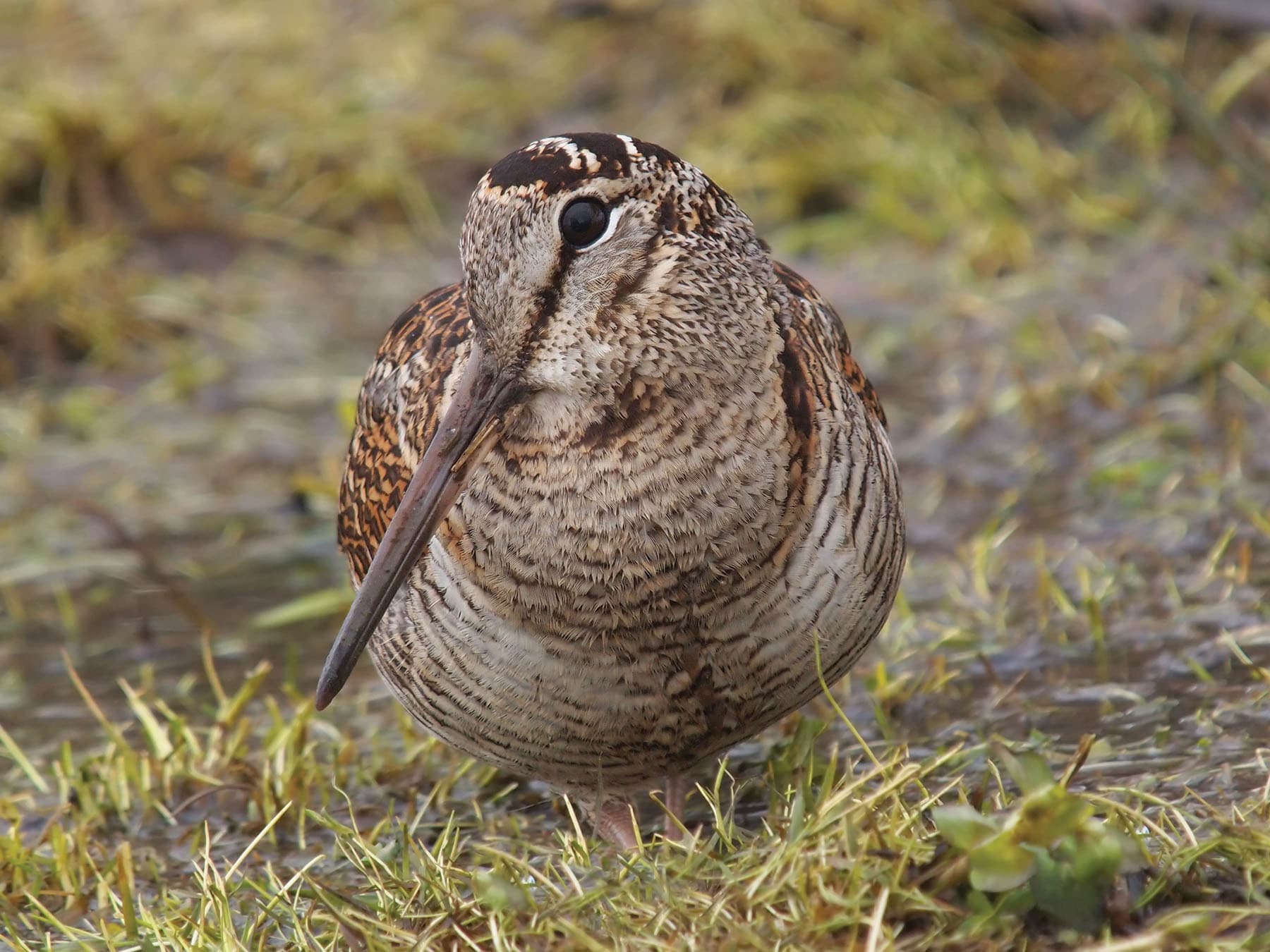
Eurasian Woodcock
Scolopax rusticolaLC
A rare and secretive winter visitor to damp woodland and hedgerows from November to March. Most often flushed unexpectedly from leaf litter.
Nov–Mar
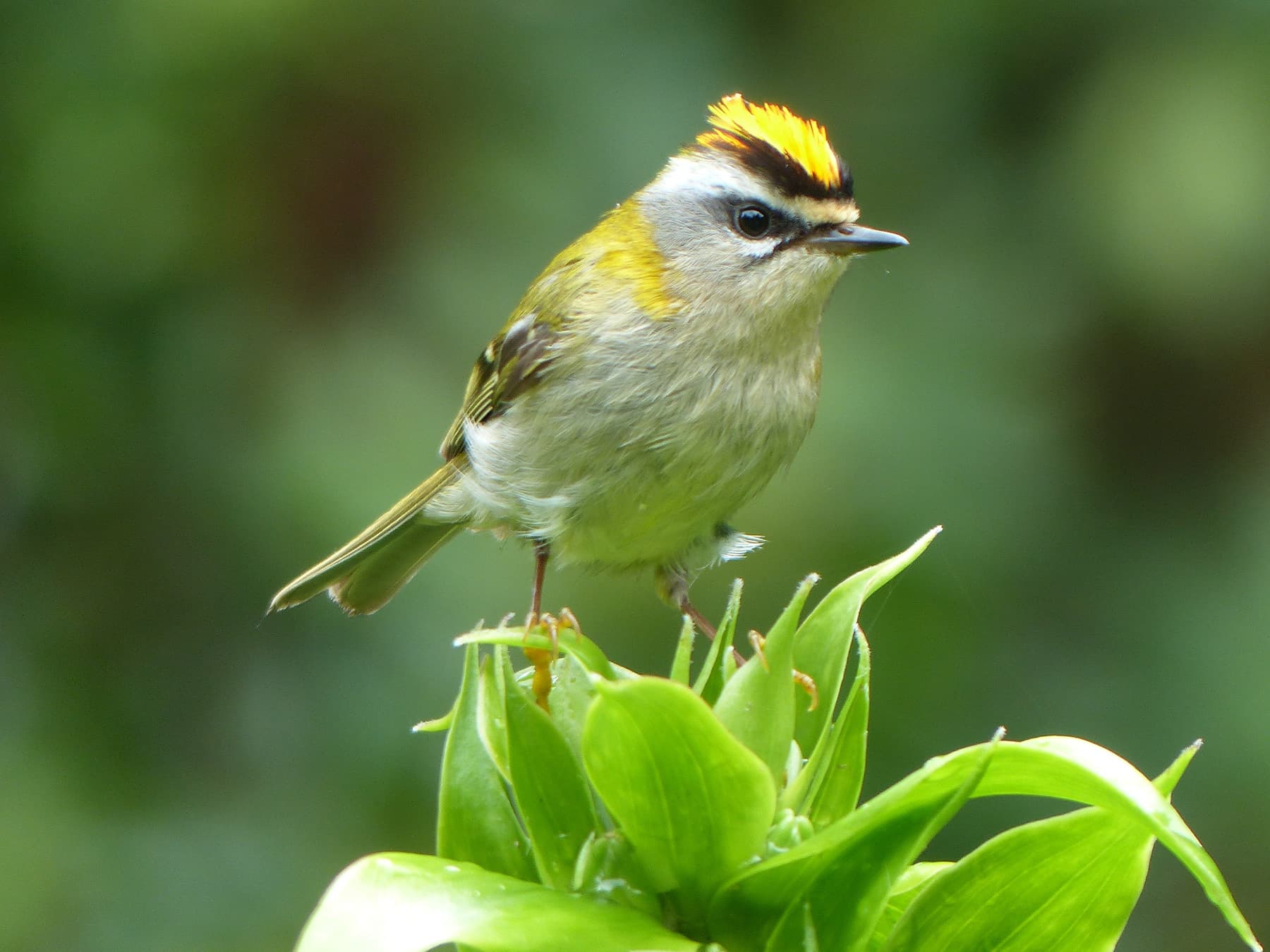
Firecrest
Regulus ignicapillaLC
A rare passage visitor, occasionally glimpsed in March or December in coniferous or mixed woodland. Easily overlooked among Goldcrest flocks.
Dec–Mar
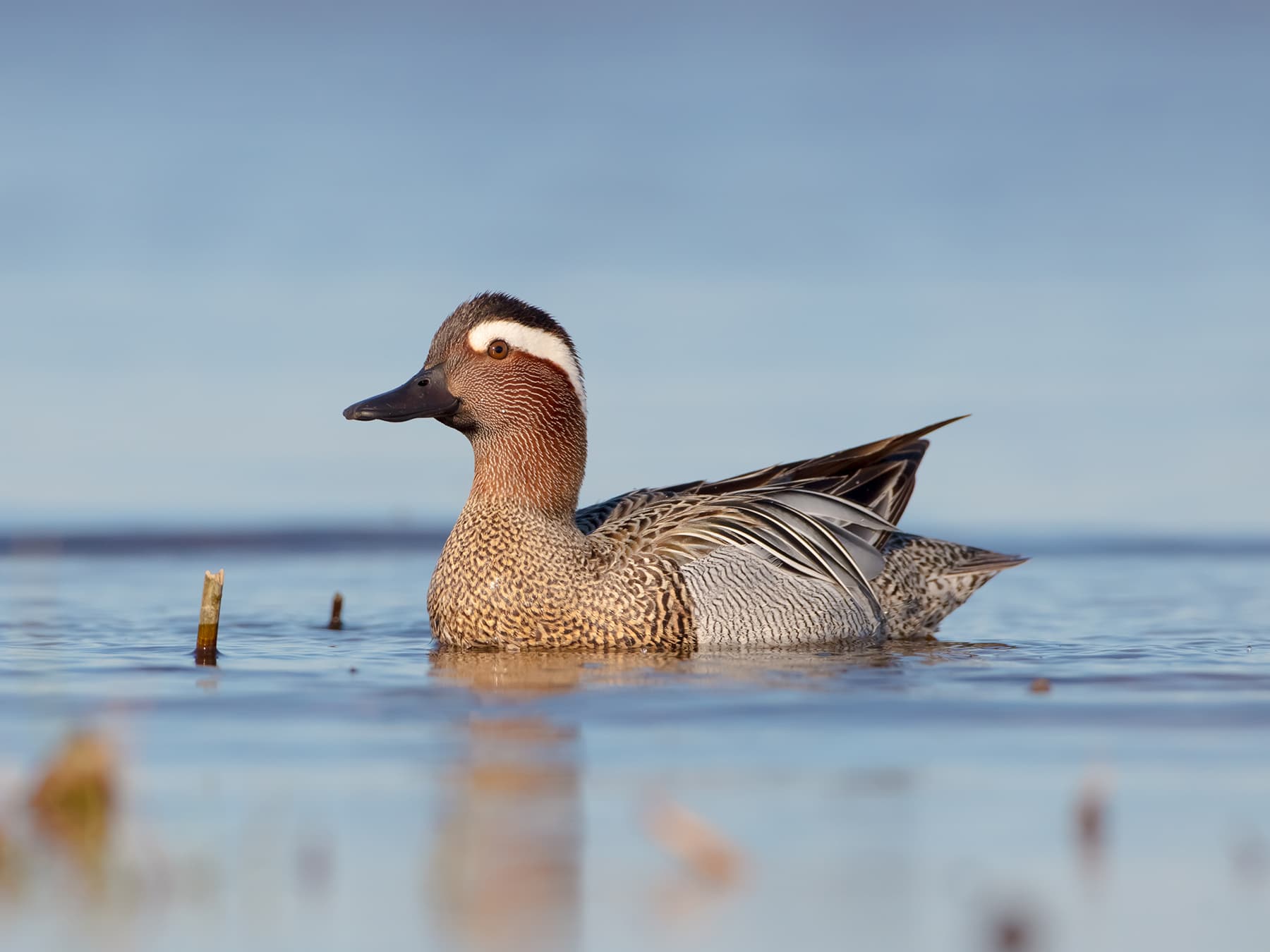
Garganey
Spatula querquedulaLC
A scarce summer visitor and rare breeder, arriving from April. Best looked for at Tring Reservoirs and the Lee Valley gravel pits.
Apr–Sep
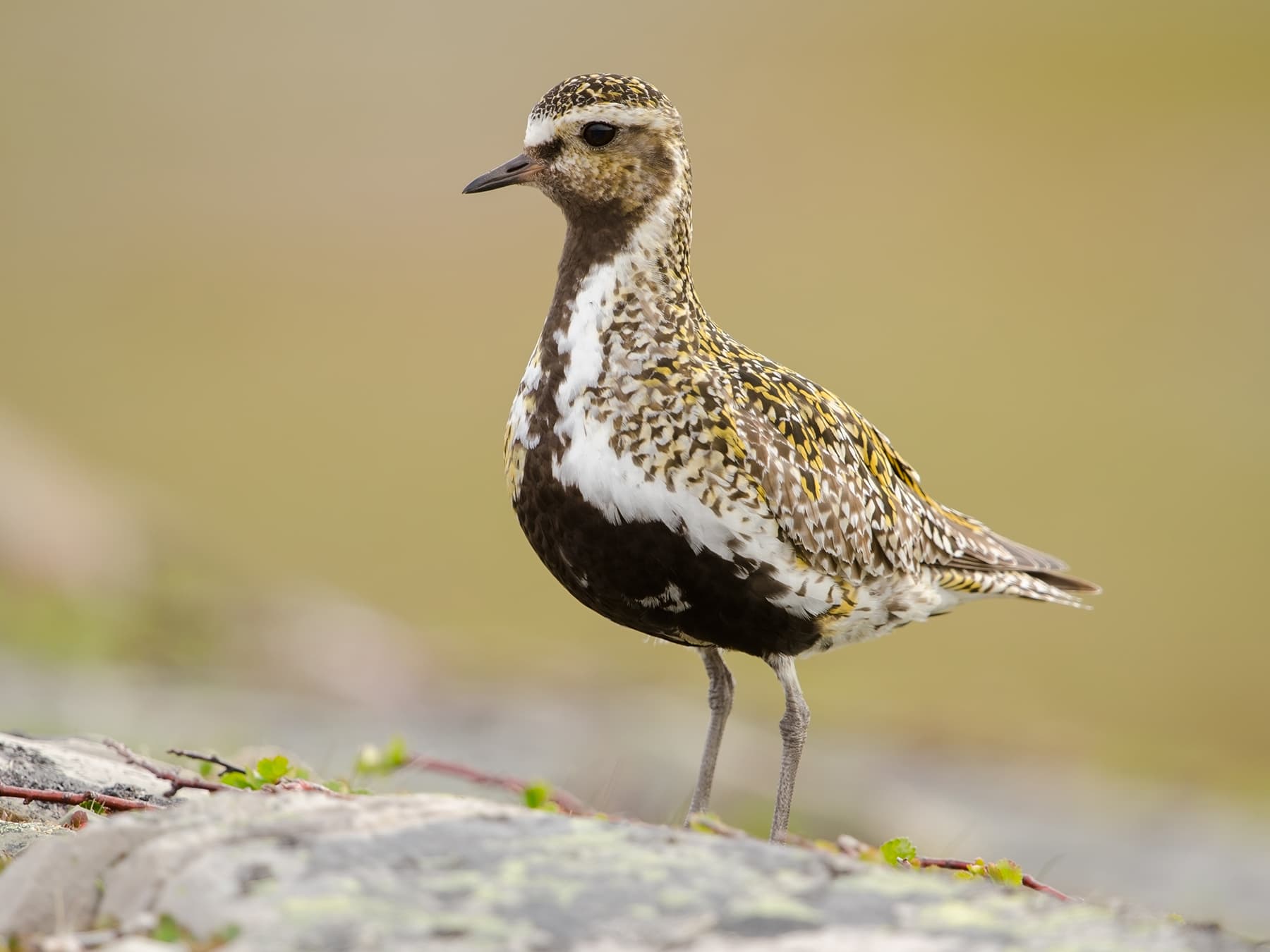
Golden Plover
Pluvialis apricariaLC
A rare non-breeding visitor to arable fields and wet grassland from October to March. Winter flocks are occasionally found on open farmland.
Oct–Mar
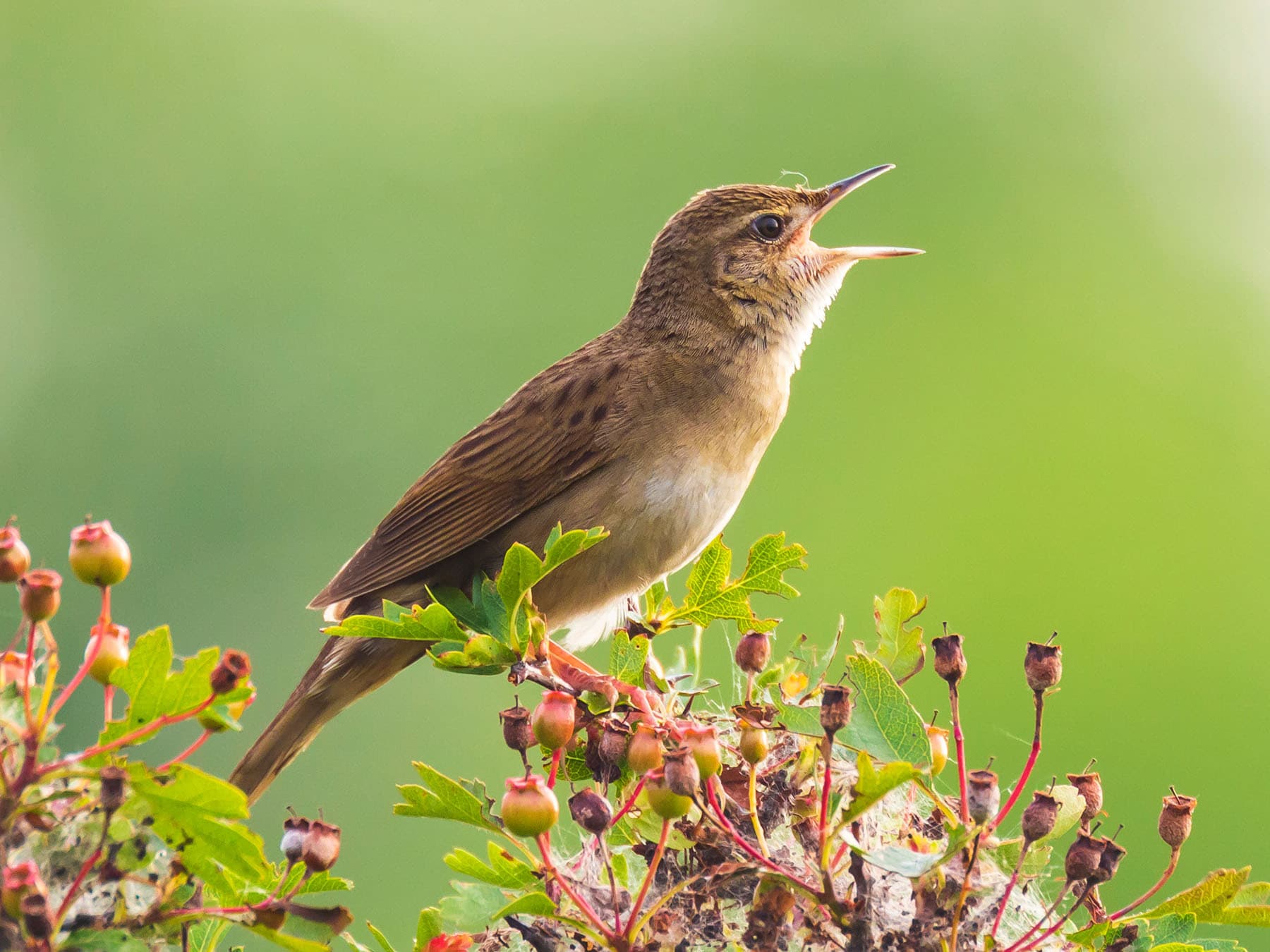
Grasshopper Warbler
Locustella naeviaLC
A rare and declining summer breeder with an insect-like reeling song, found in scrubby grassland and young plantations.
Apr–Jul