Common Birds in Gloucestershire
51 species matching this filter.
Gloucestershire is home to 51 commonly recorded bird species, reflecting the county's rich variety of habitats — from the rolling Cotswold hills and the Severn Estuary mudflats to the ancient woodlands of the Forest of Dean. Familiar garden visitors such as the Blackbird and Dunnock thrive alongside wetland species like the Black-tailed Godwit and Coot, while open farmland supports Eurasian Skylarks and Curlews. For a broader look at everyday species you might encounter, see our guide to 23 Common Garden Birds in the UK (Full Guide with Pictures) or explore Common Brown Birds of British Gardens.


Showing 24–46 of 51 species
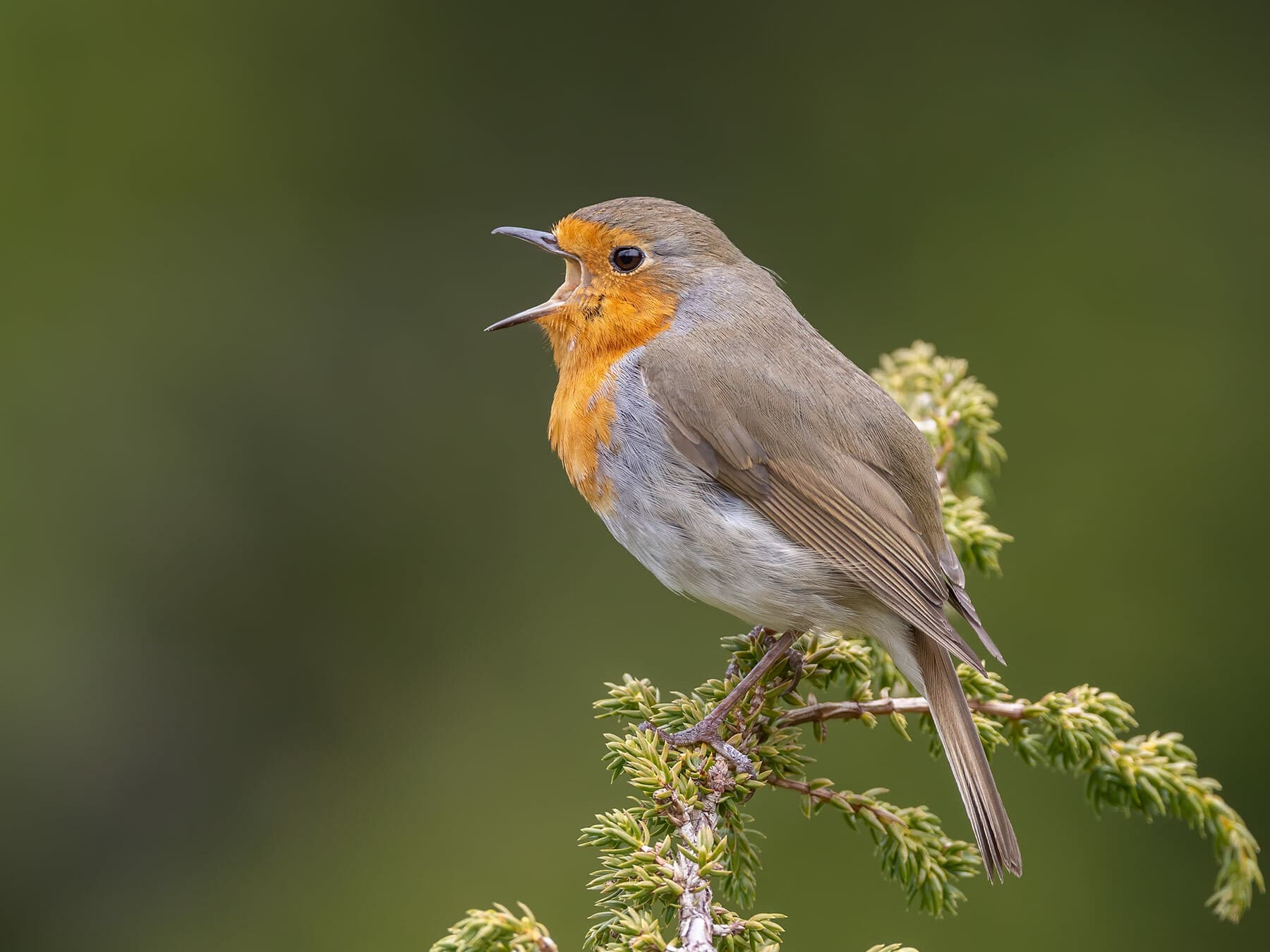
European Robin
Erithacus rubeculaLC
One of the county's most familiar garden birds, present year-round in hedgerows, woodlands and parks throughout Gloucestershire.
Year-round
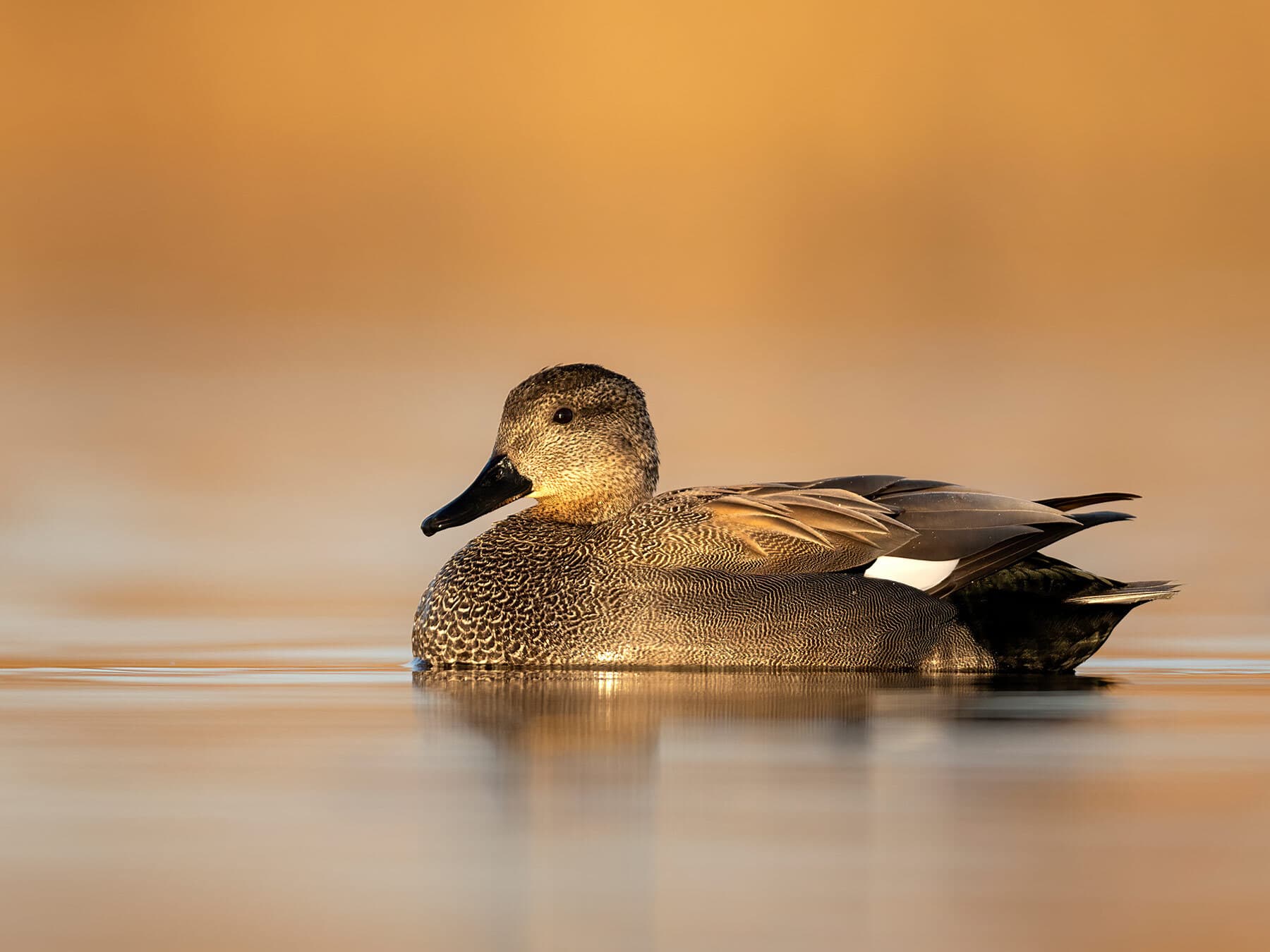
Gadwall
Mareca streperaLC
Common year-round on lakes and gravel pits, especially at the Cotswold Water Park and Slimbridge reserves.
Year-round
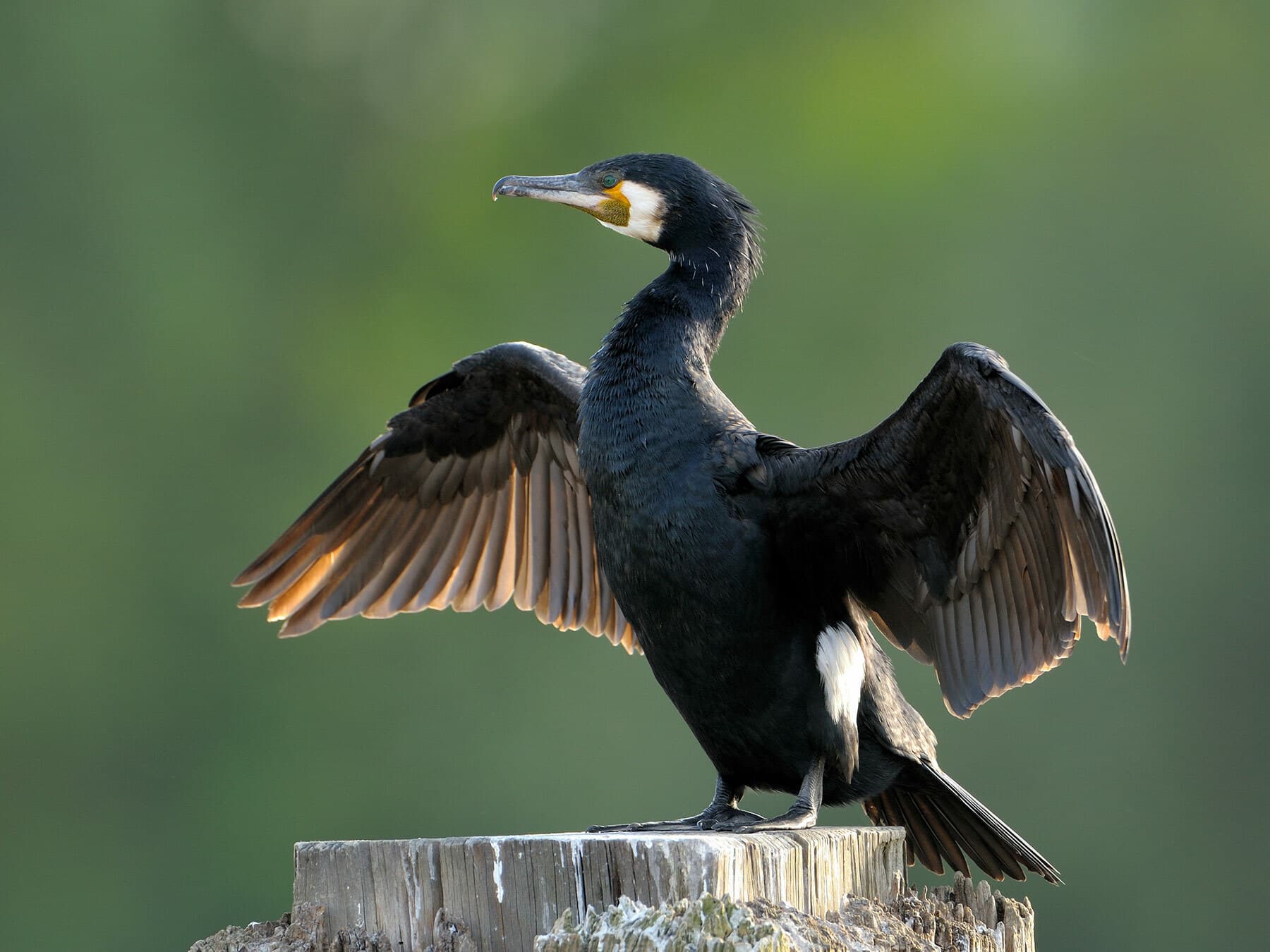
Great Cormorant
Phalacrocorax carboLC
A common resident along rivers, gravel pits and reservoirs. Often seen perched with wings outstretched on the Severn and its tributaries.
Year-round
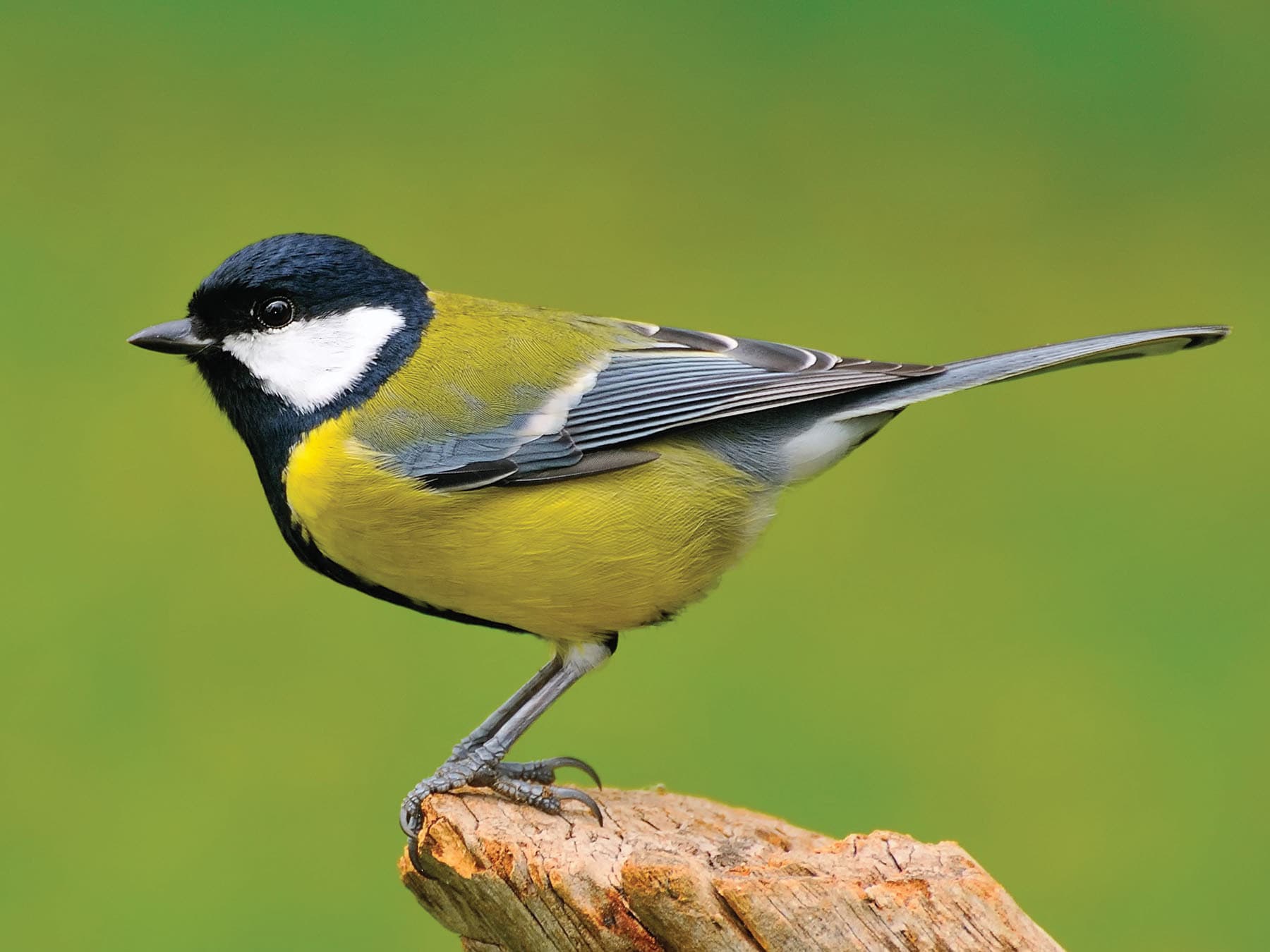
Great Tit
Parus majorLC
A common resident of gardens, parks and woodlands throughout the county, readily visiting feeders and nesting in nest boxes year-round.
Year-round
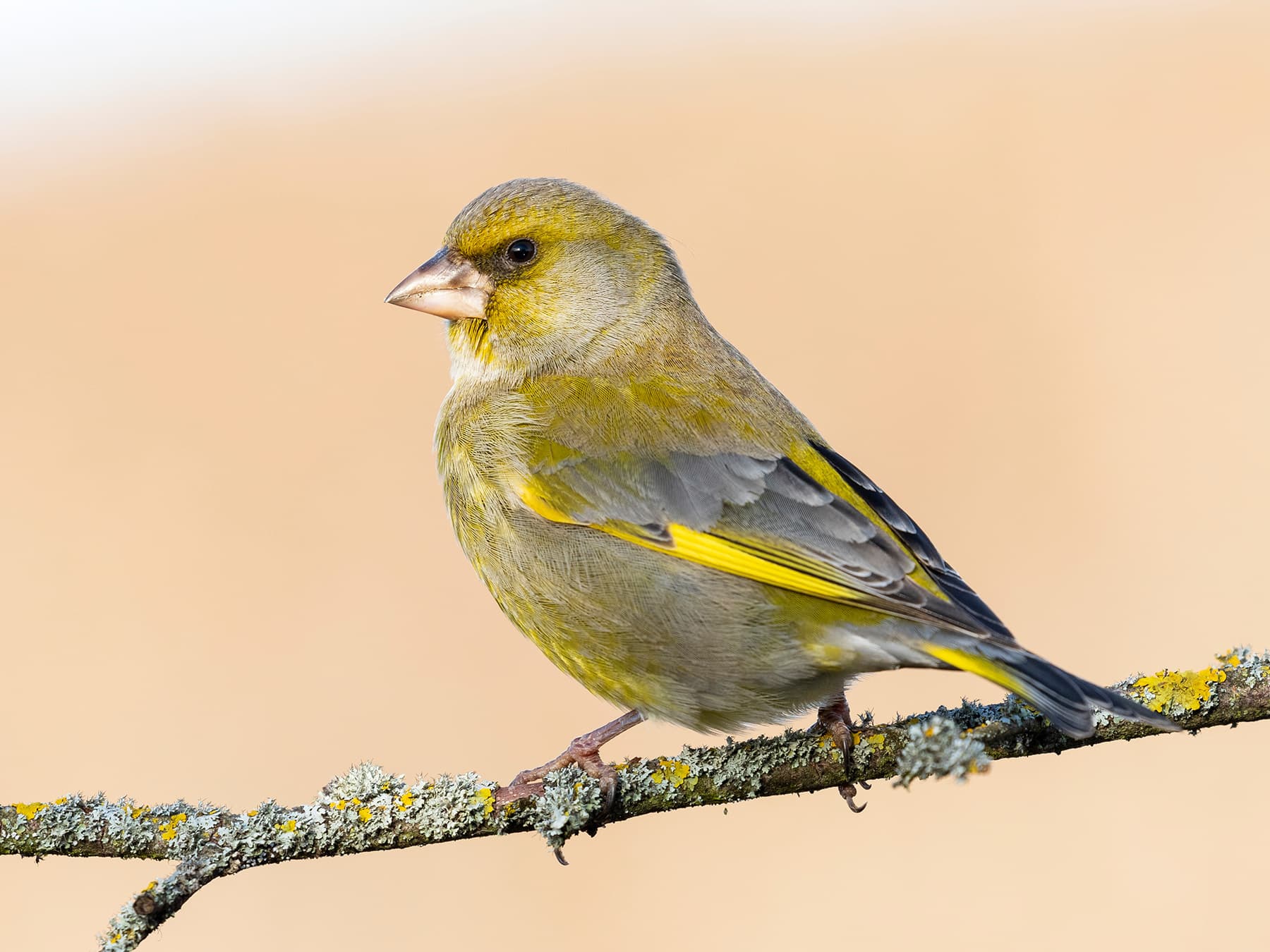
Greenfinch
Chloris chlorisLC
A common resident found year-round in gardens, hedgerows and farmland, though numbers have declined significantly due to trichomonosis disease.
Year-round
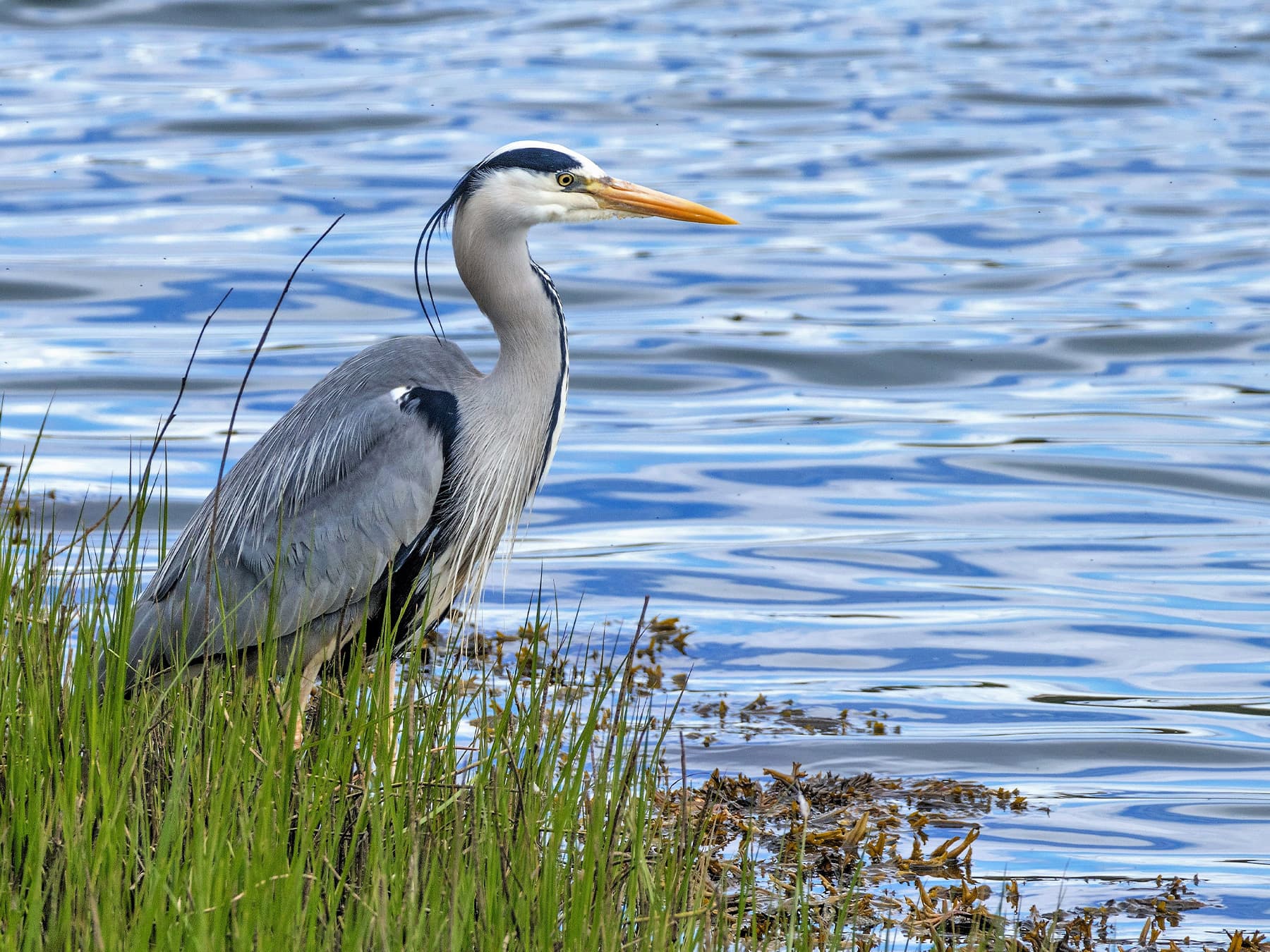
Grey Heron
Ardea cinereaLC
A common year-round resident, nesting in heronries in tall trees. Readily seen along rivers, lakes and wet meadows across the county.
Year-round
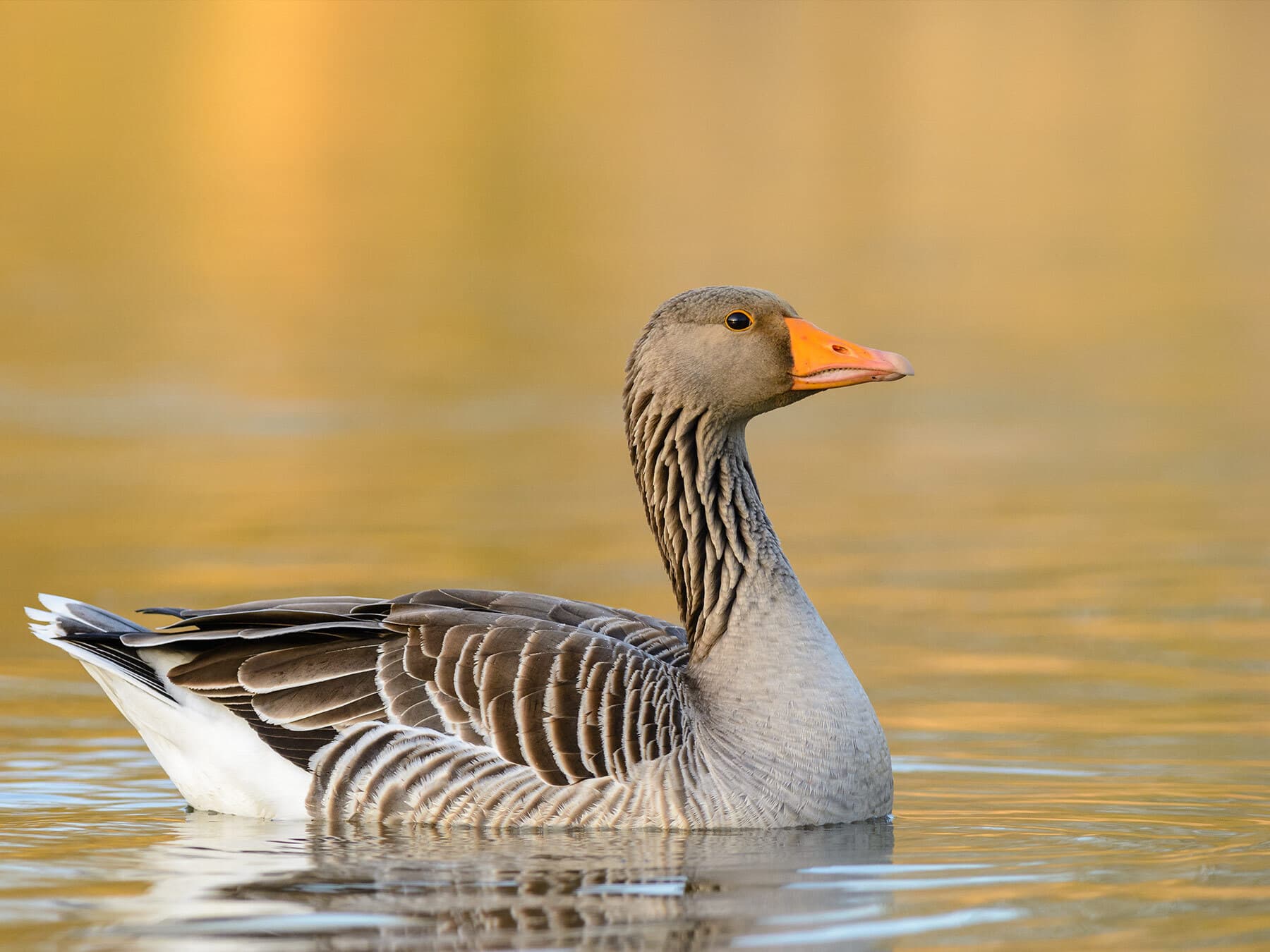
Greylag Goose
Anser anserLC
Common and resident, with large flocks grazing the Severn Vale. Feral populations bolster wild wintering birds.
Year-round
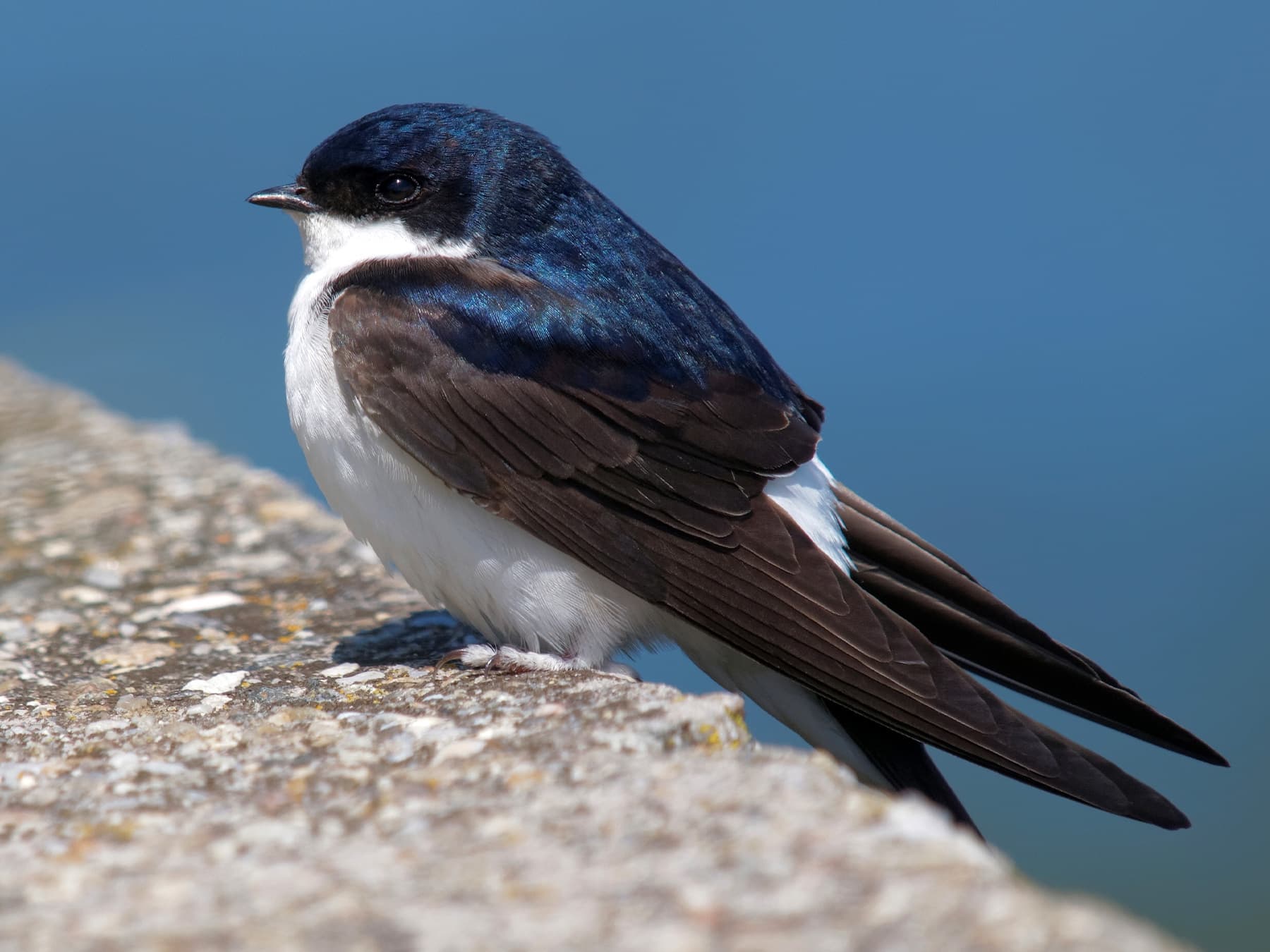
House Martin
Delichon urbicumLC
A common summer breeder arriving in April, nesting under eaves in towns and villages. Numbers have declined in recent years.
Apr–Oct
Spotted something?
Upload a photo to identify it
Identify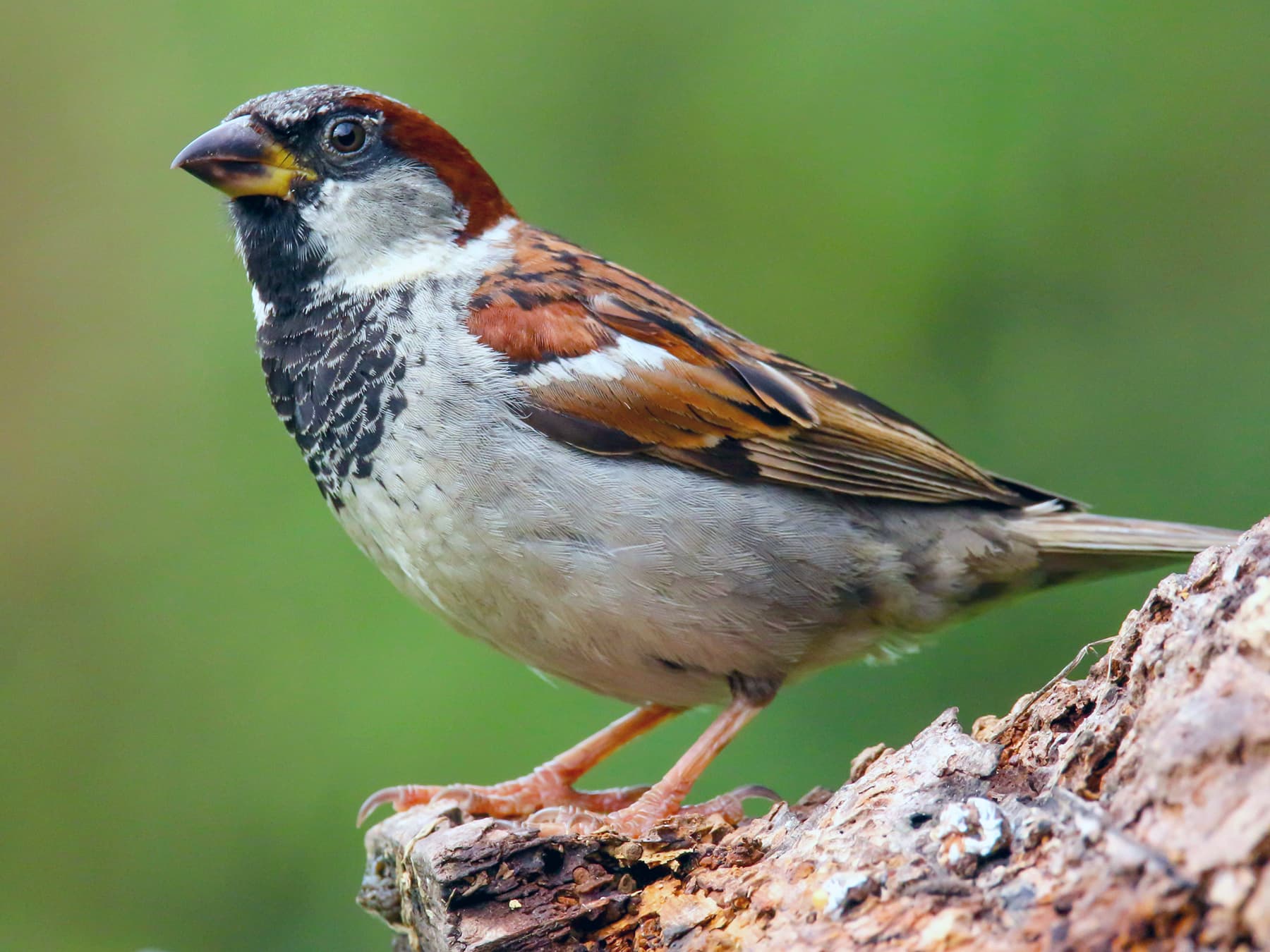
House Sparrow
Passer domesticusLC
A common year-round resident, nesting in roof spaces and hedges in towns and villages across the county.
Year-round
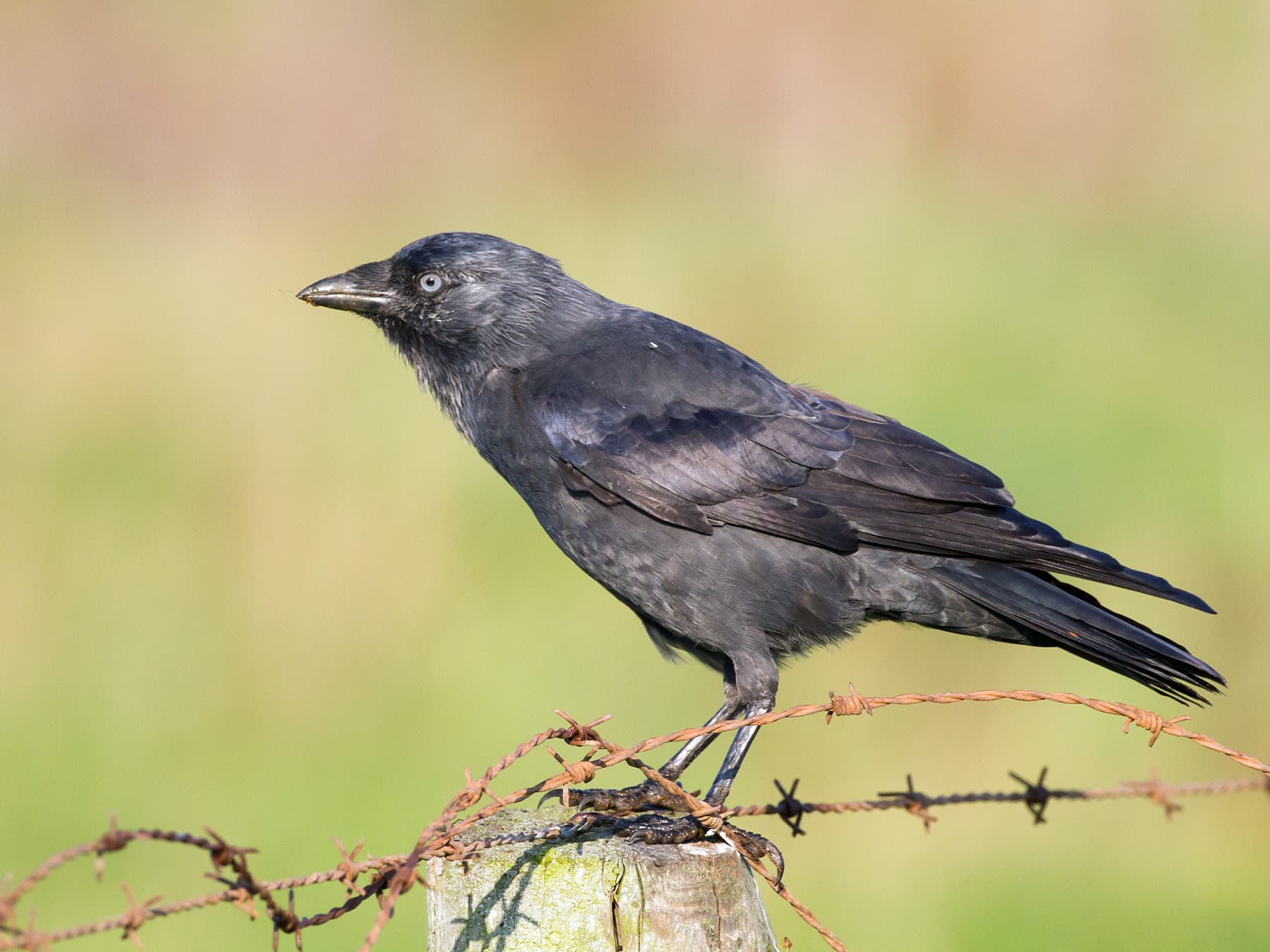
Jackdaw
Coloeus monedulaLC
A common and sociable resident, nesting in Cotswold stone buildings, church towers and old trees across the county in noisy, chattering colonies.
Year-round
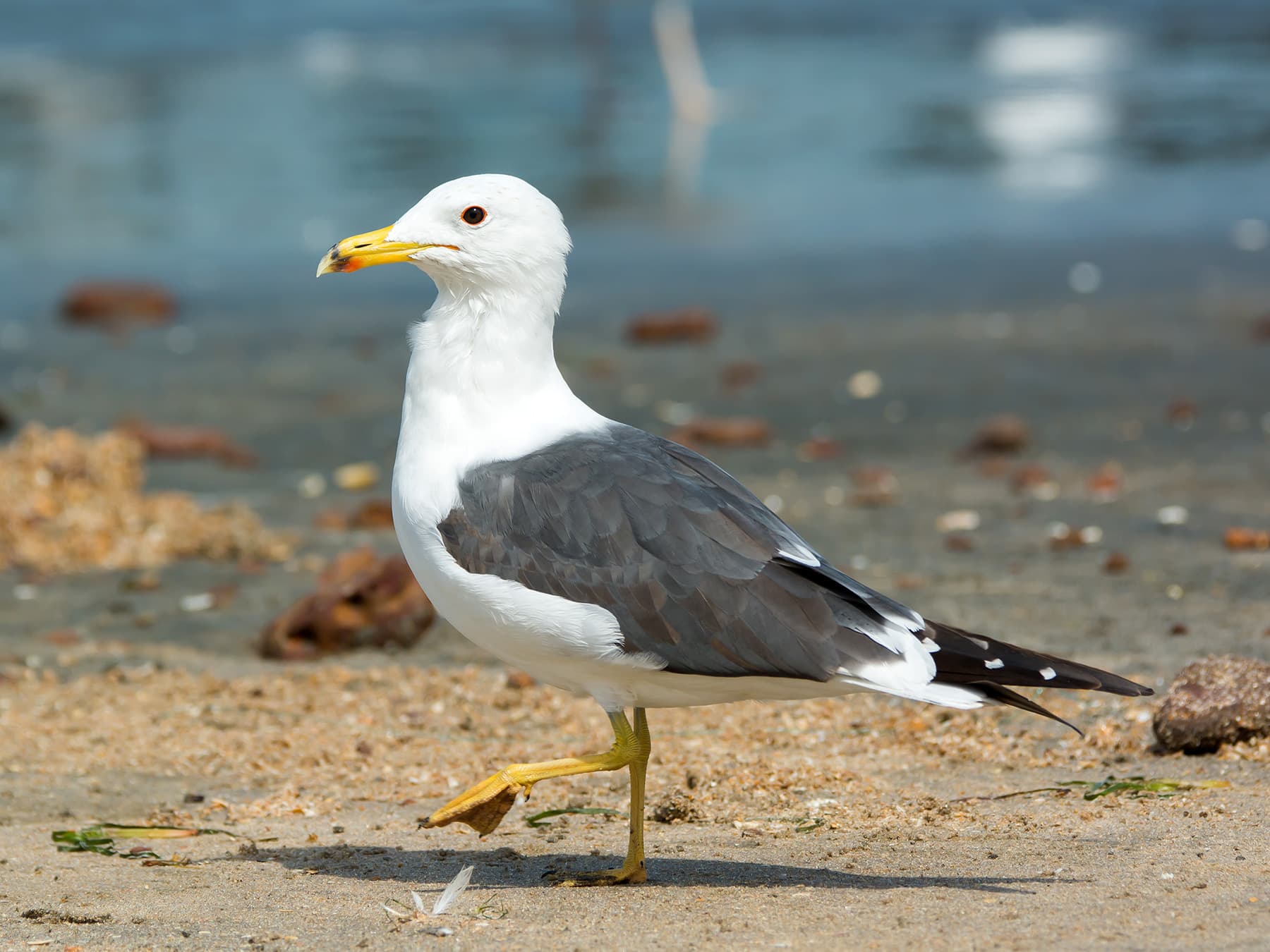
Lesser Black-backed Gull
Larus fuscusLC
Common year-round, frequenting landfill sites, reservoirs, and the Severn Estuary. Numbers peak in summer breeding colonies.
Year-round
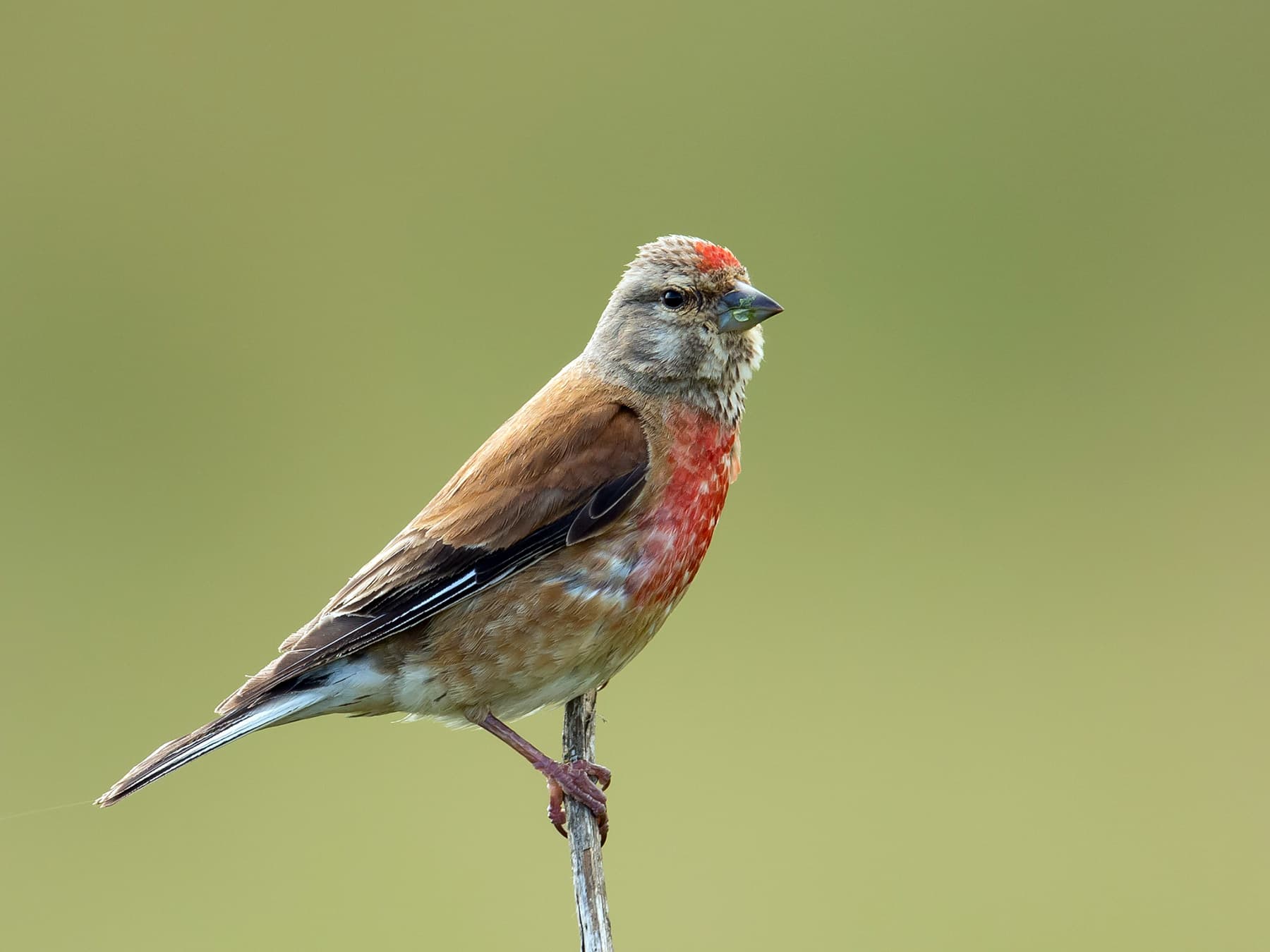
Linnet
Linaria cannabinaLC
A common resident of farmland, rough ground and hedgerows. Forms sociable flocks in winter, often mixing with other finches on stubble fields.
Year-round
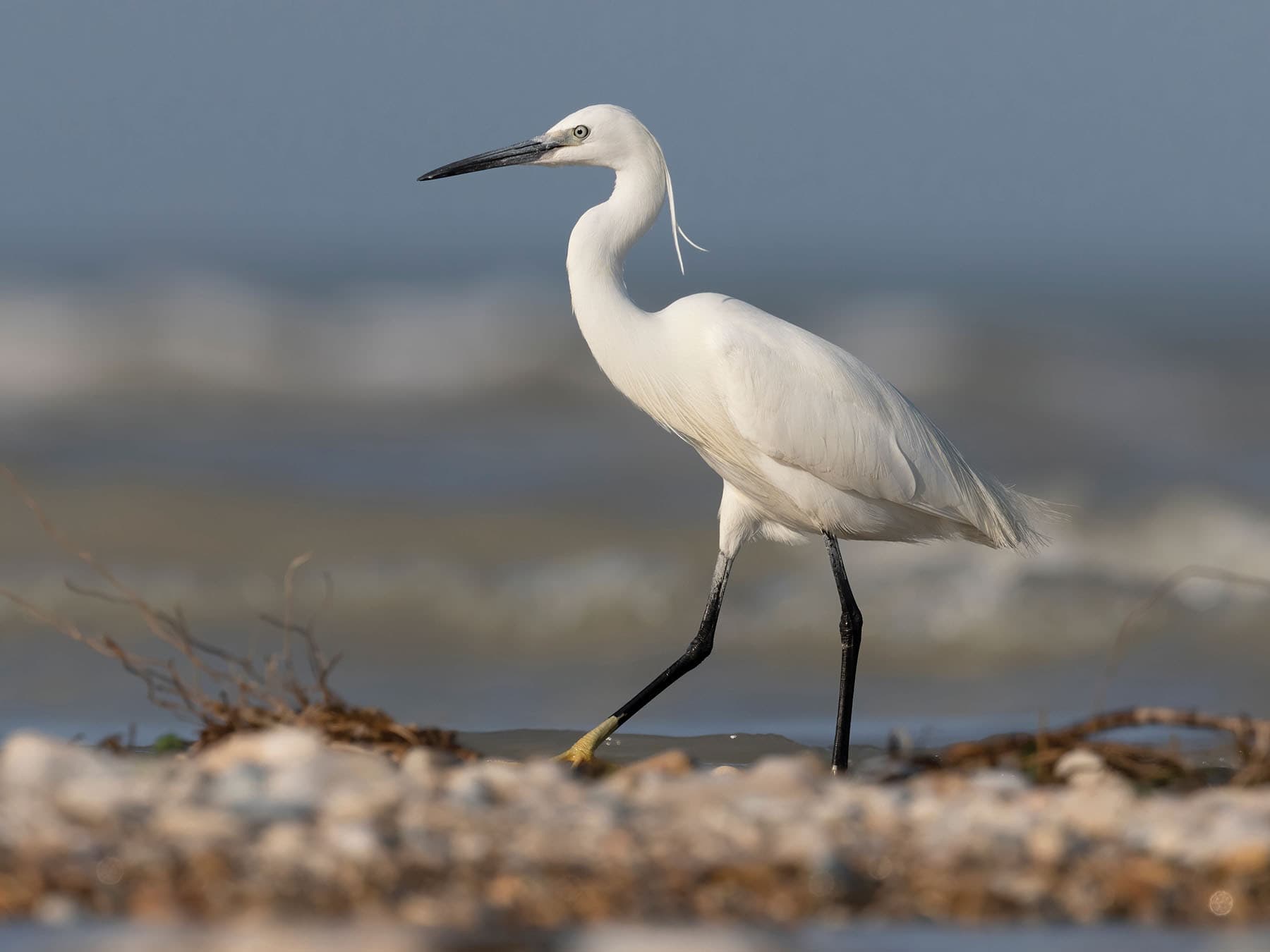
Little Egret
Egretta garzettaLC
Now a common sight along the Severn Estuary and Cotswold waterways year-round, having colonised the county since the 1990s.
Year-round
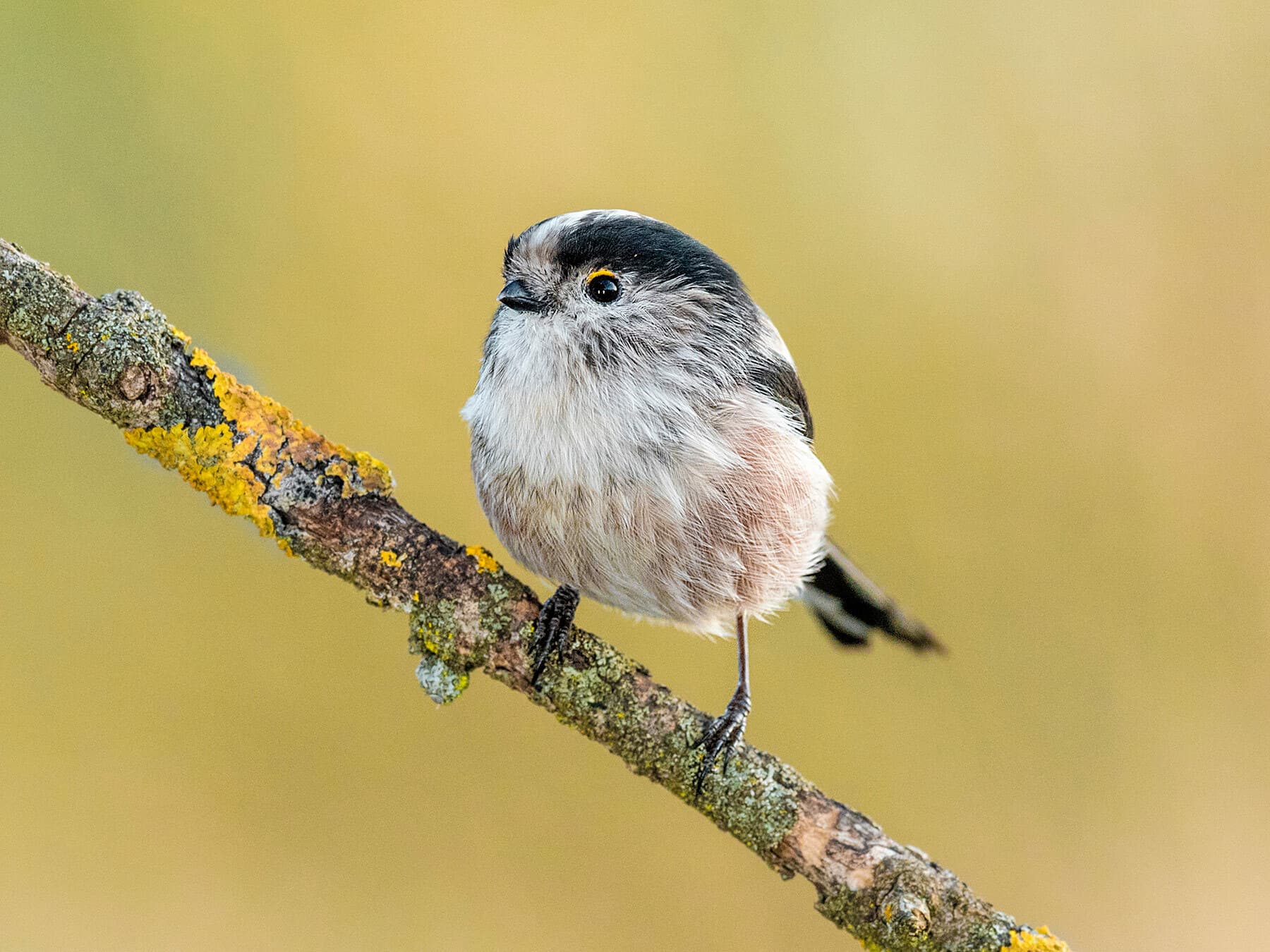
Long-tailed Tit
Aegithalos caudatusLC
A common resident forming noisy roving flocks through hedgerows and woodland. Builds elaborate domed nests in thorny scrub.
Year-round
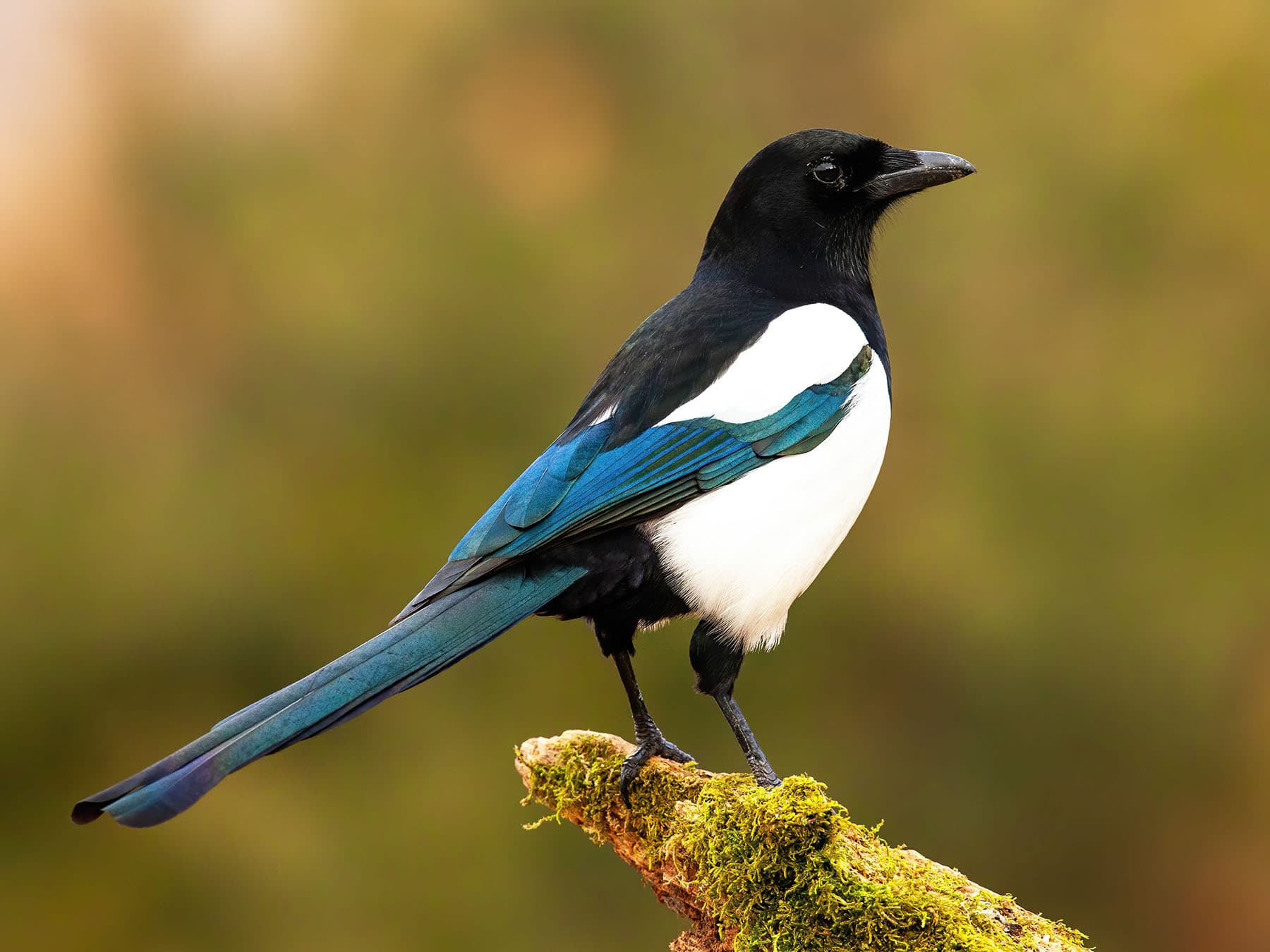
Magpie
Pica picaLC
A common and conspicuous resident throughout the county, found in gardens, farmland and parks, often seen in noisy territorial groups.
Year-round
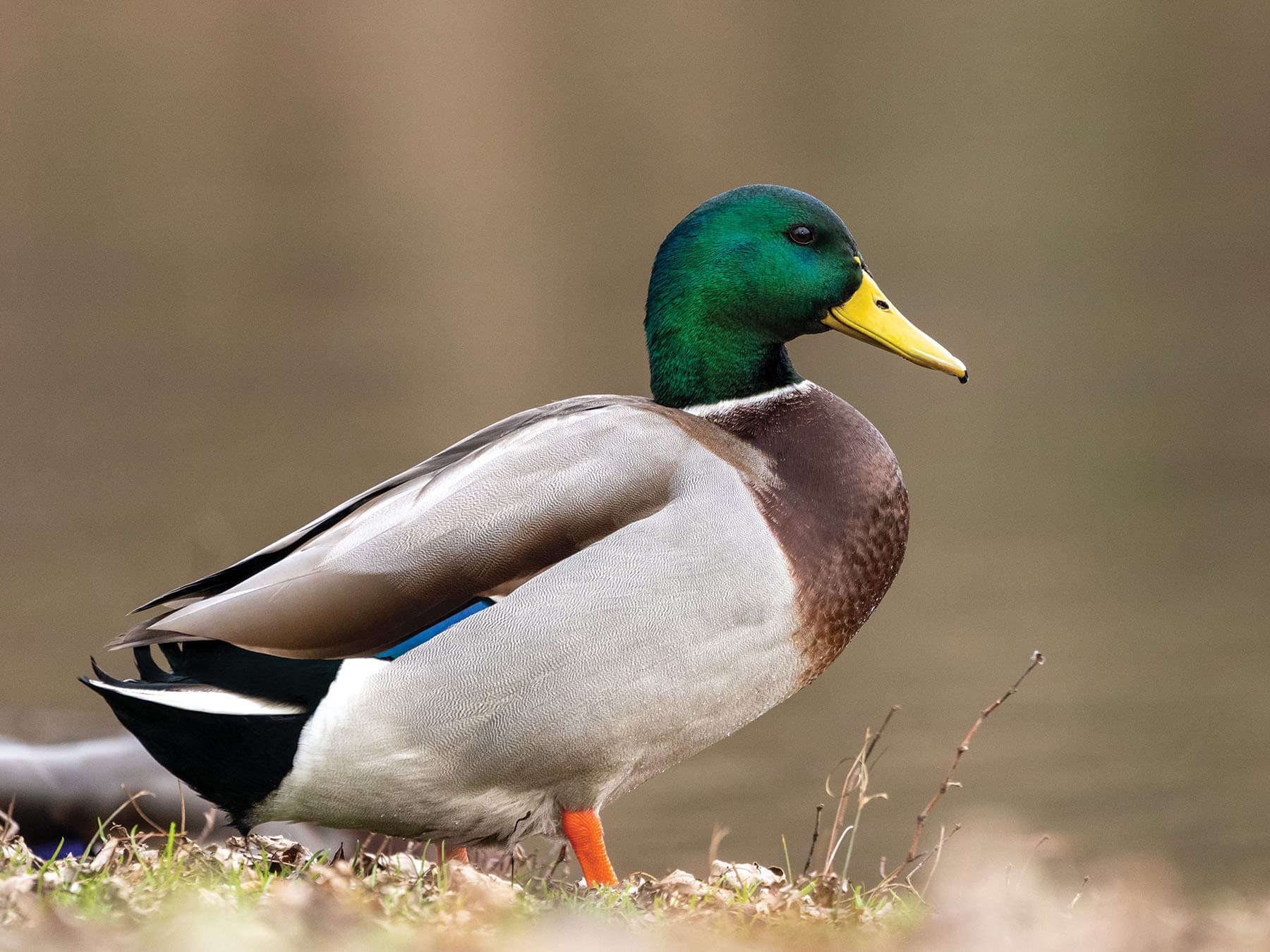
Mallard
Anas platyrhynchosLC
An abundant resident found on virtually any waterbody, from the Severn and its tributaries to farm ponds and urban park lakes.
Year-round
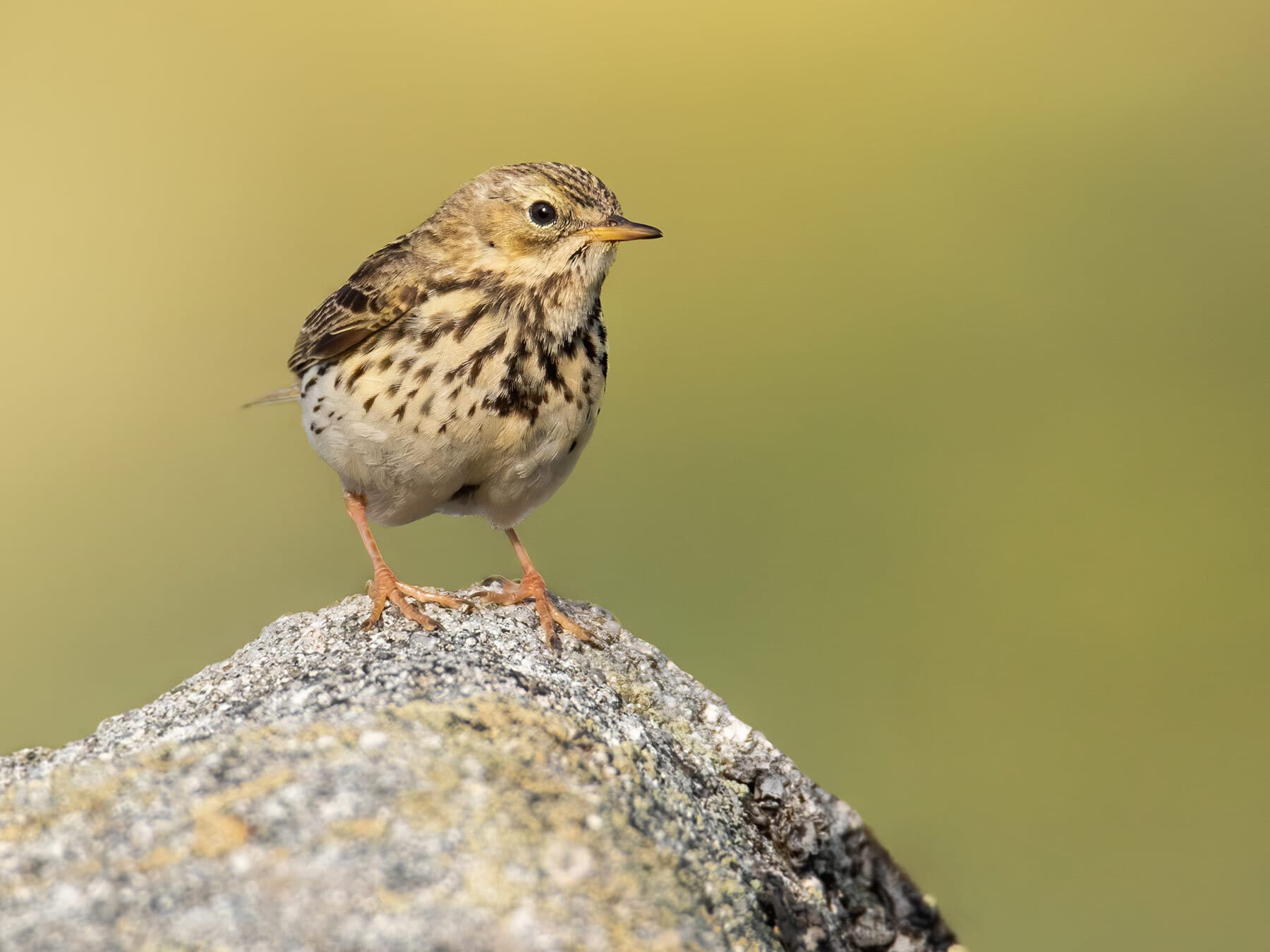
Meadow Pipit
Anthus pratensisLC
A common resident of upland grassland and rough pasture on the Cotswold hills, also widespread in winter lowlands.
Year-round
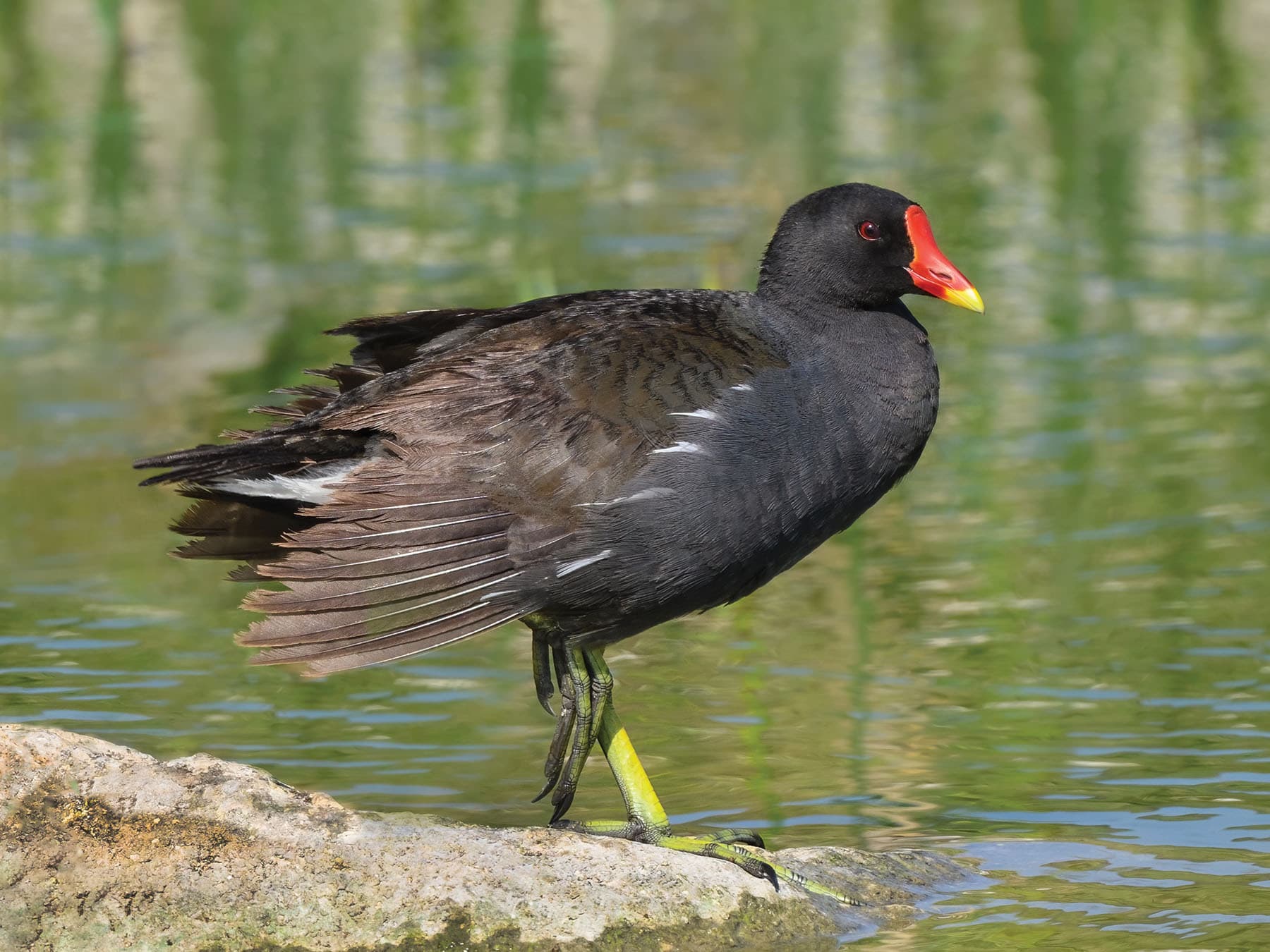
Moorhen
Gallinula chloropusLC
A common resident of ponds, streams and ditches throughout the county, often seen picking its way along muddy waterside margins.
Year-round
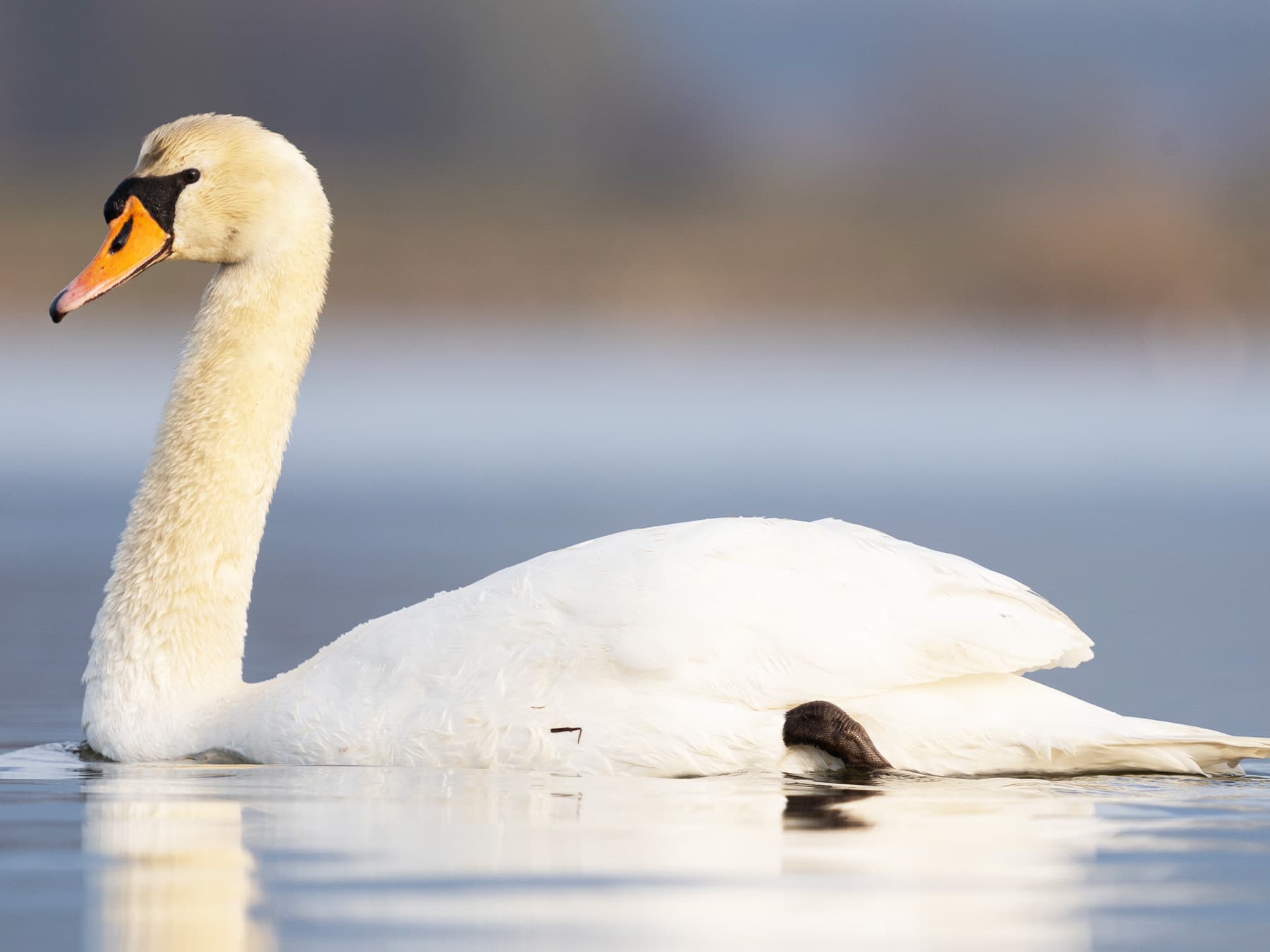
Mute Swan
Cygnus olorLC
A familiar resident on the county's rivers, lakes and gravel pits, often seen gliding along the Severn or nesting on canal banks year-round.
Year-round
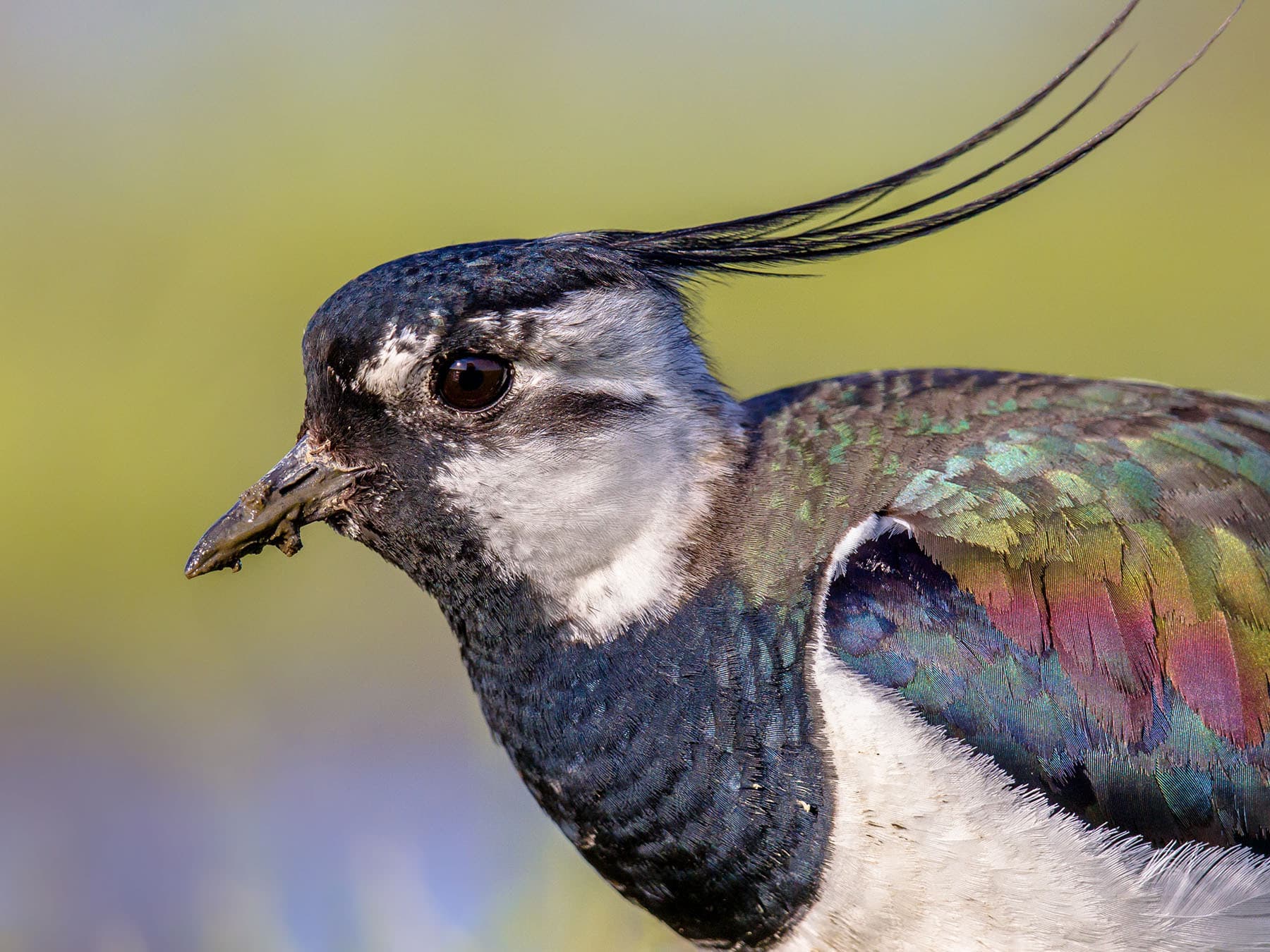
Northern Lapwing
Vanellus vanellusNT
Common year-round on wet grasslands and ploughed fields, with large winter flocks on the Severn floodplain.
Year-round
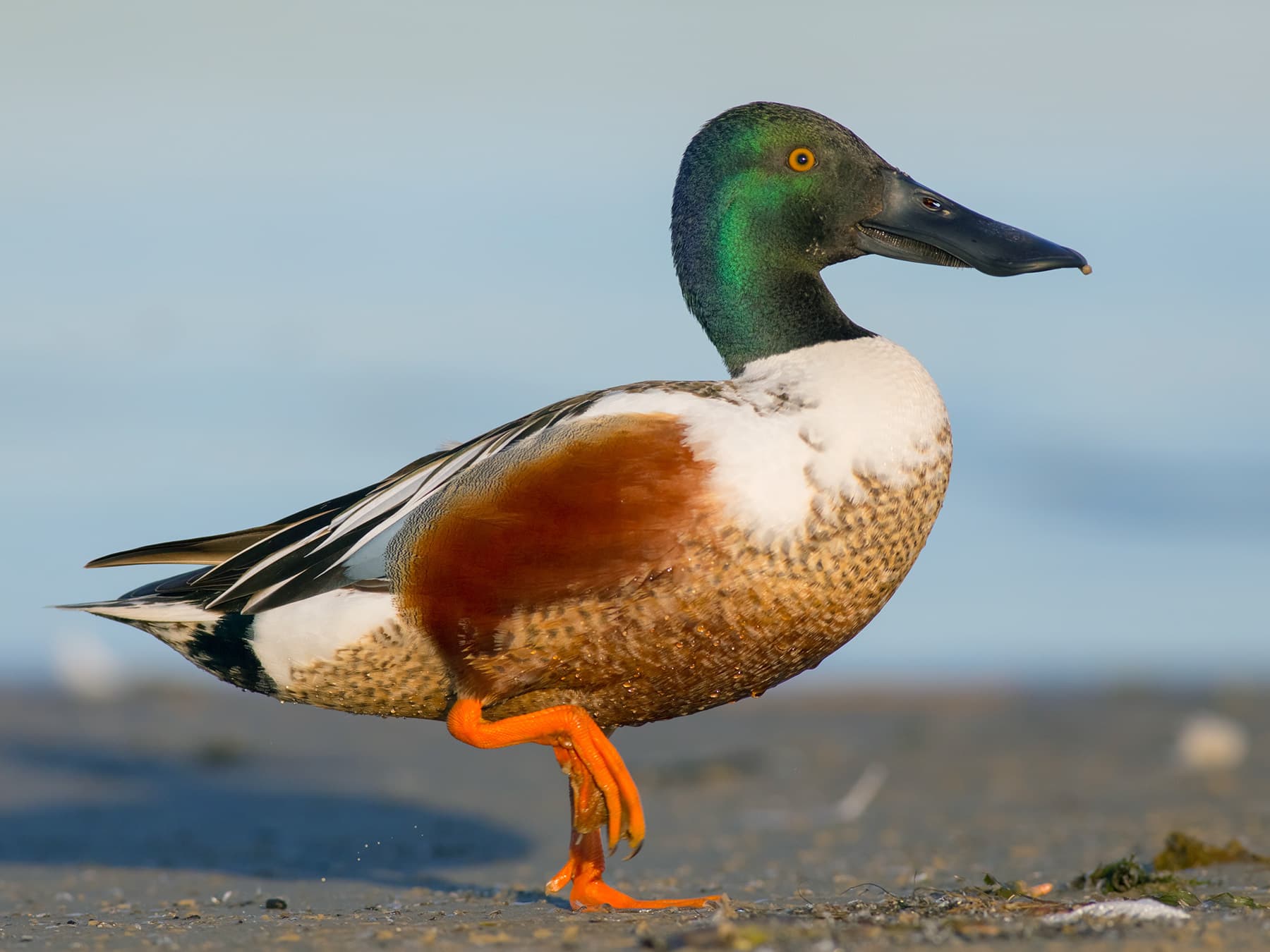
Northern Shoveler
Spatula clypeataLC
Common on shallow wetlands and flooded fields, especially around the Severn Vale. Numbers peak in winter with continental arrivals.
Year-round
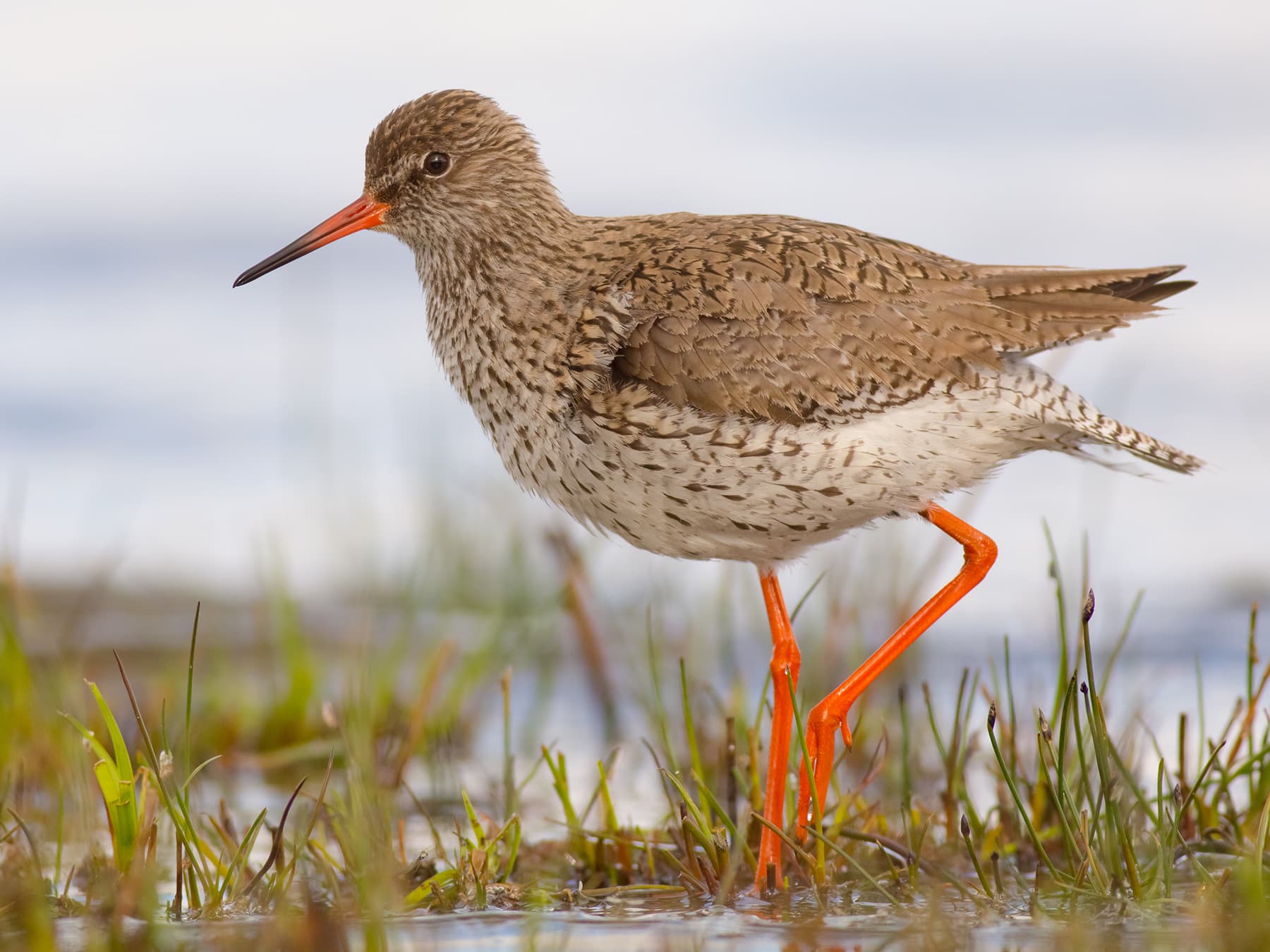
Redshank
Tringa totanusLC
Common year-round on the Severn Estuary and wet meadows, breeding on damp grasslands in spring.
Year-round
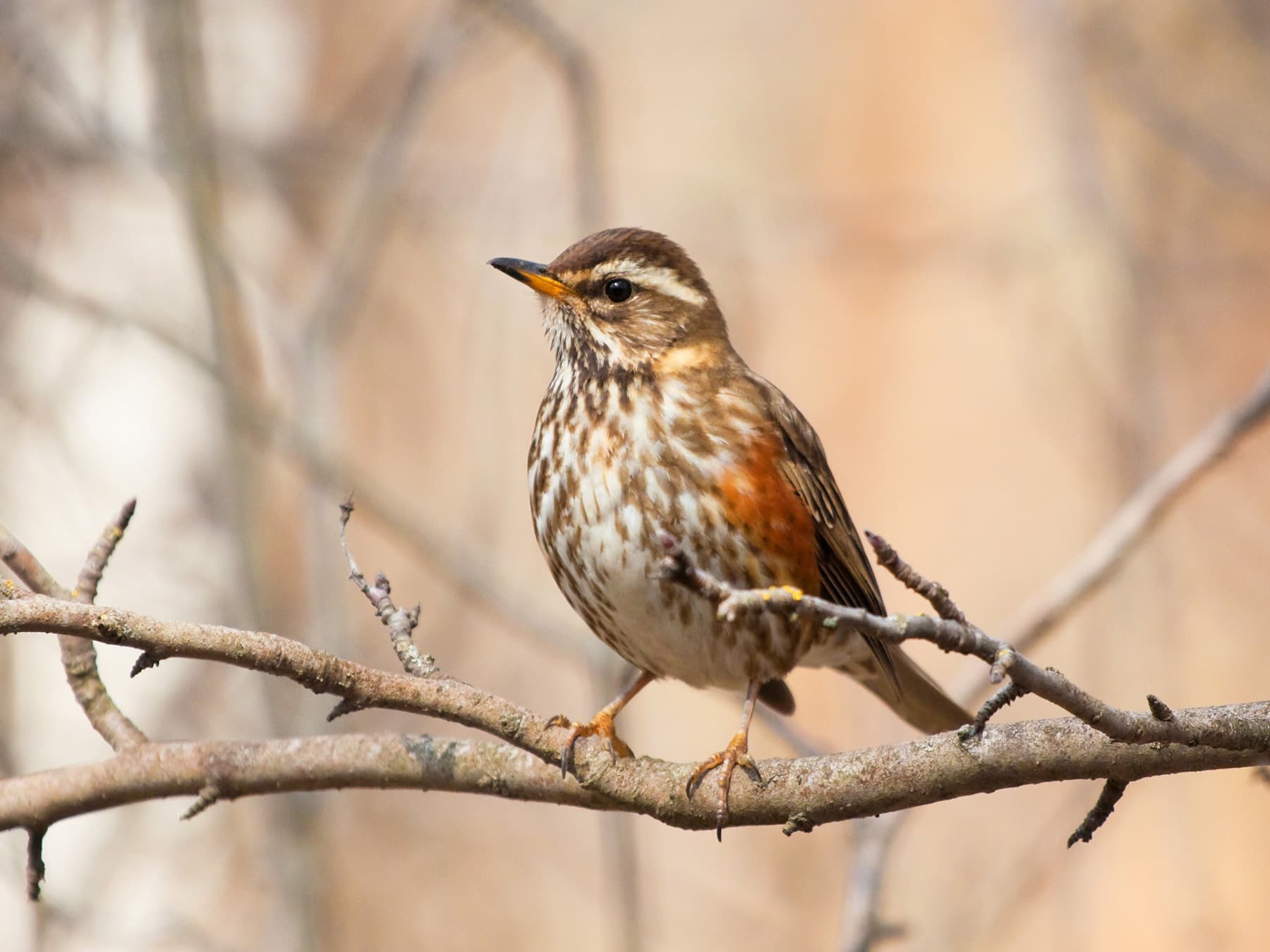
Redwing
Turdus iliacusNT
A common winter thrush arriving from Scandinavia, foraging in hedgerows and fields across the county from autumn through to spring.
Sep–Apr