Birds in Essex
Explore 212 species found in this region.
Essex is a remarkably rewarding county for birdwatching, with 208 recorded species found across its diverse mosaic of coastal marshes, estuaries, ancient woodlands and urban parklands. The Thames Estuary and the Blackwater and Colne estuaries provide internationally important habitat for wintering wildfowl and waders, including Brent Goose, Eurasian Wigeon and Northern Pintail. From scarce visitors like the Great Grey Shrike and Great Skua to established populations of Mandarin Duck and Common Shelduck, the county offers exceptional birding opportunities throughout the year.
Visiting in July? Look out for Black Tern and Common Snipe arriving this month, and Black-necked Grebe and Goldeneye depart for the season.


Showing 185–207 of 212 species
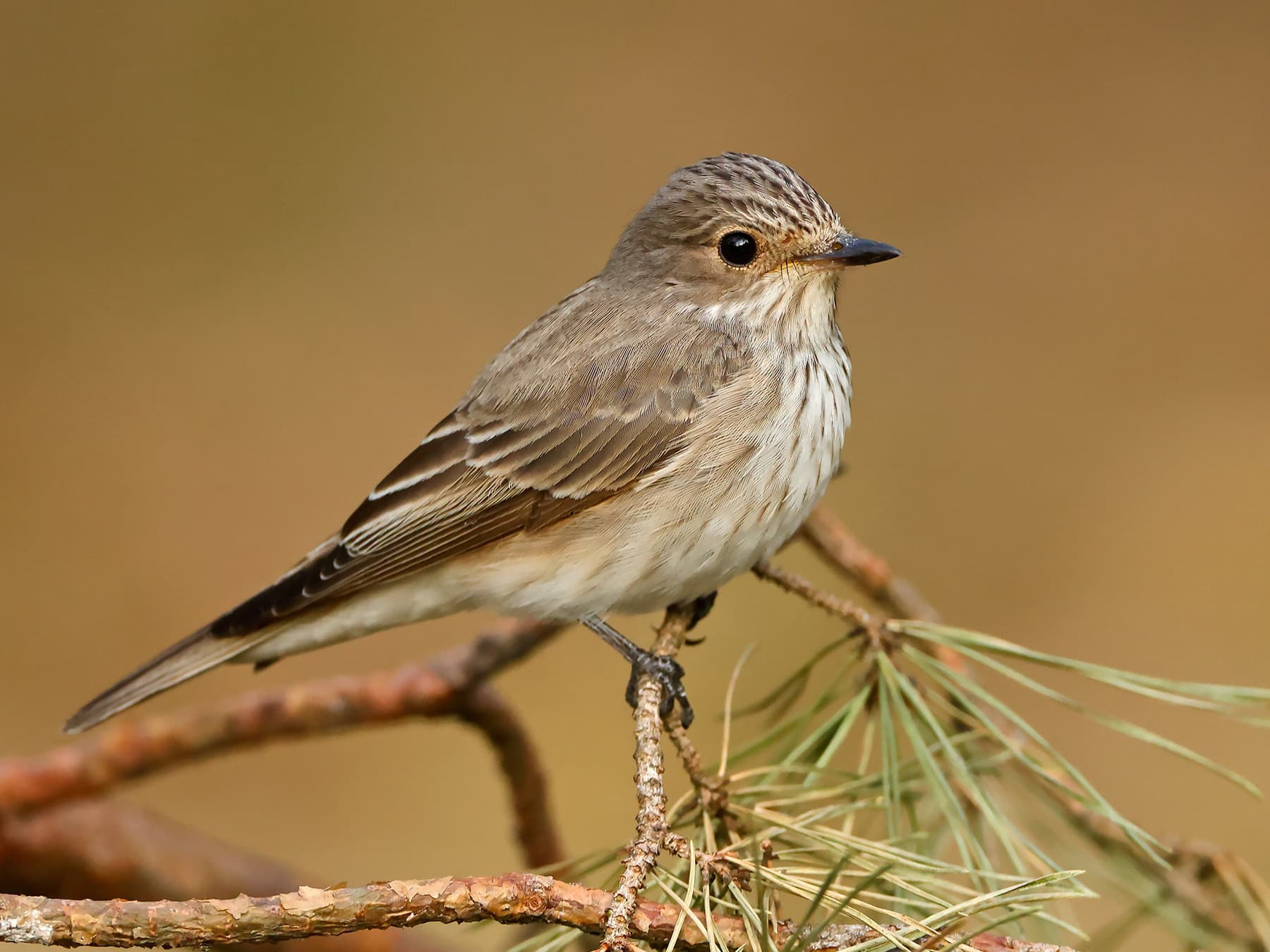
Spotted Flycatcher
Muscicapa striataLC
A rare and declining summer breeder, arriving in May. Favours woodland edges and mature gardens, sallying out from perches to catch insects.
May–Sep
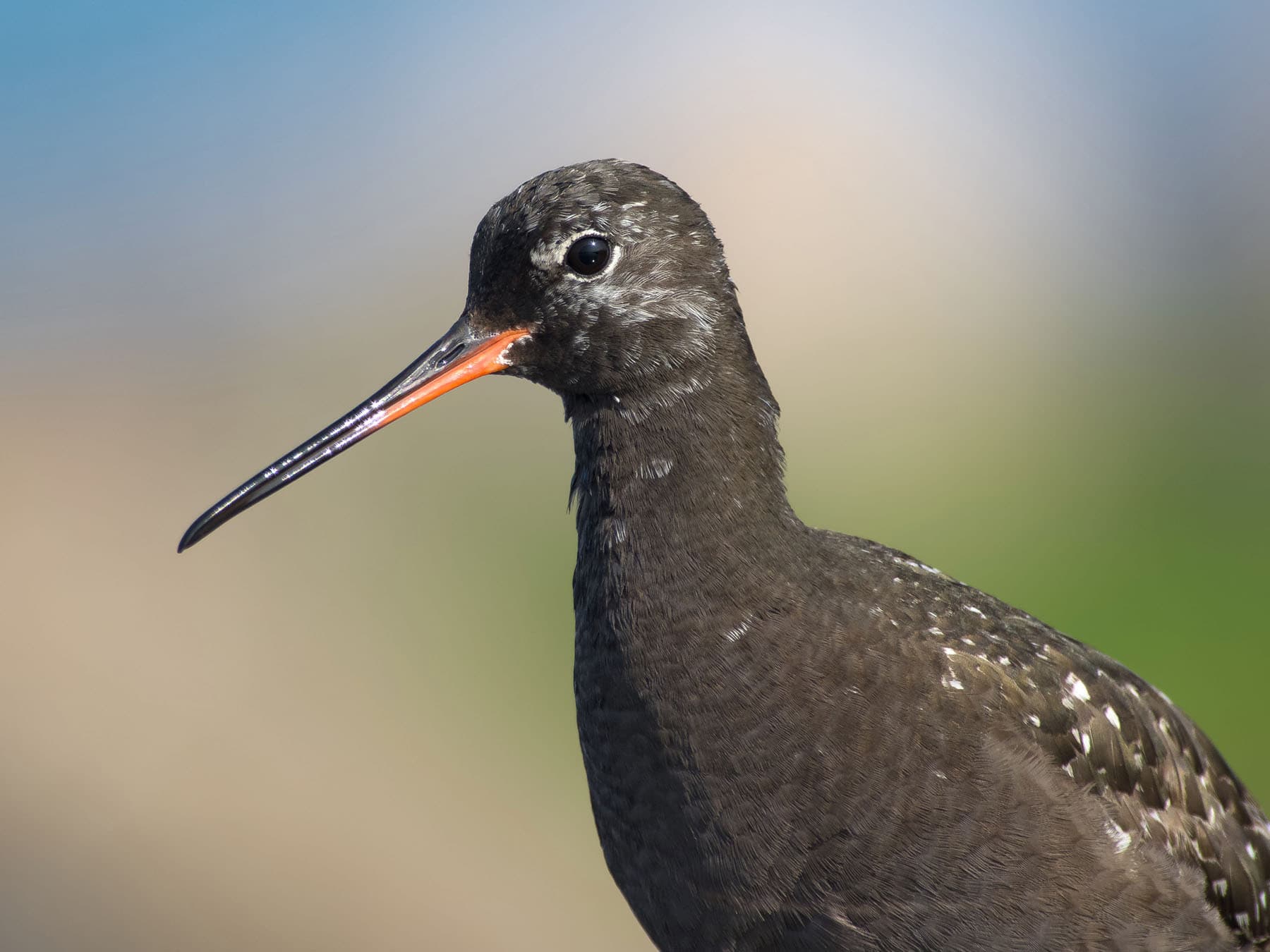
Spotted Redshank
Tringa erythropusLC
A rare but regular visitor to Essex estuaries, present most of the year. Often seen wading elegantly in channels alongside common redshanks.
Jan–Oct
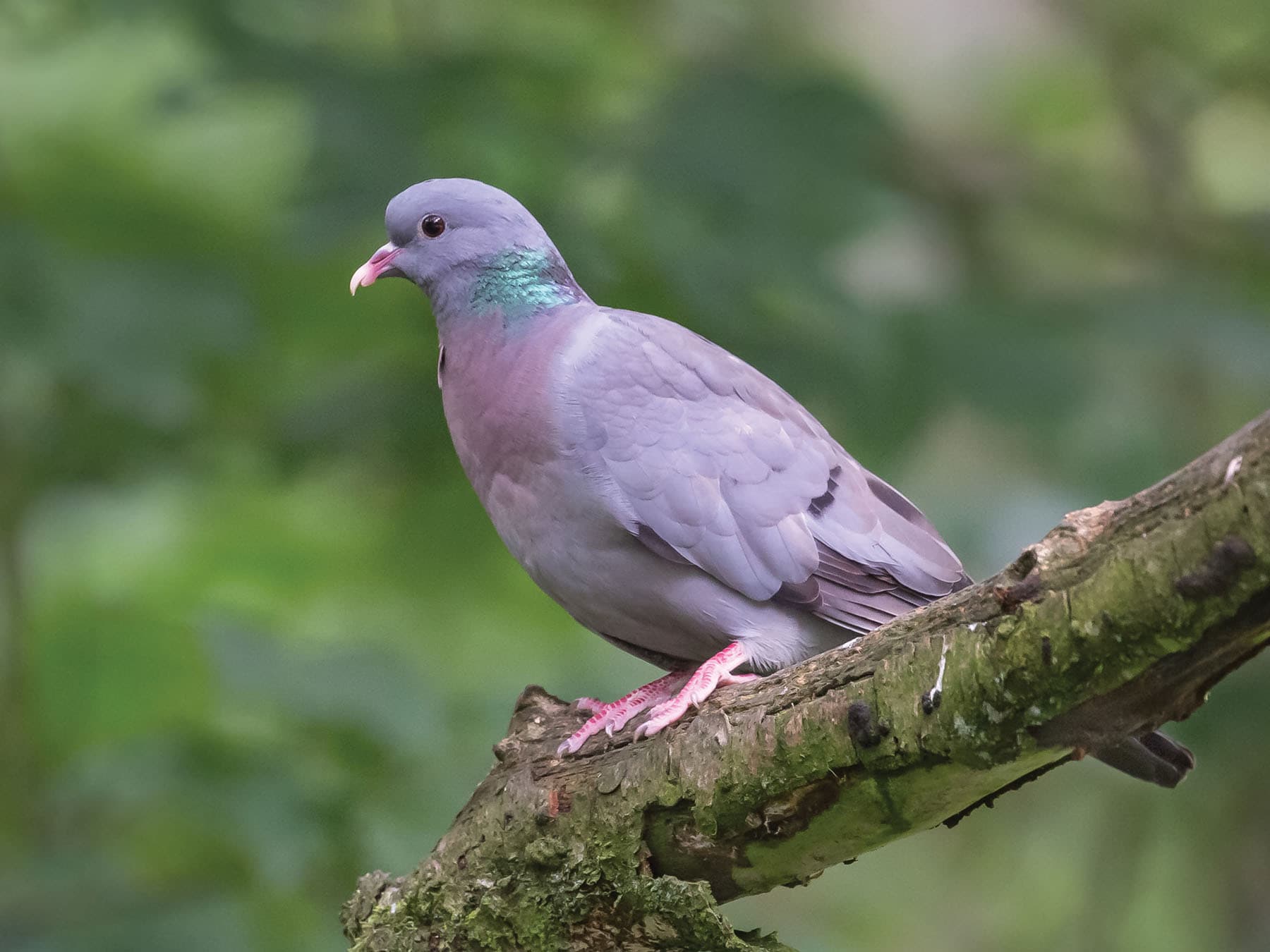
Stock Dove
Columba oenasLC
A common resident breeding in parkland, mature trees, and farmland. Often overlooked alongside the abundant Woodpigeon.
Year-round
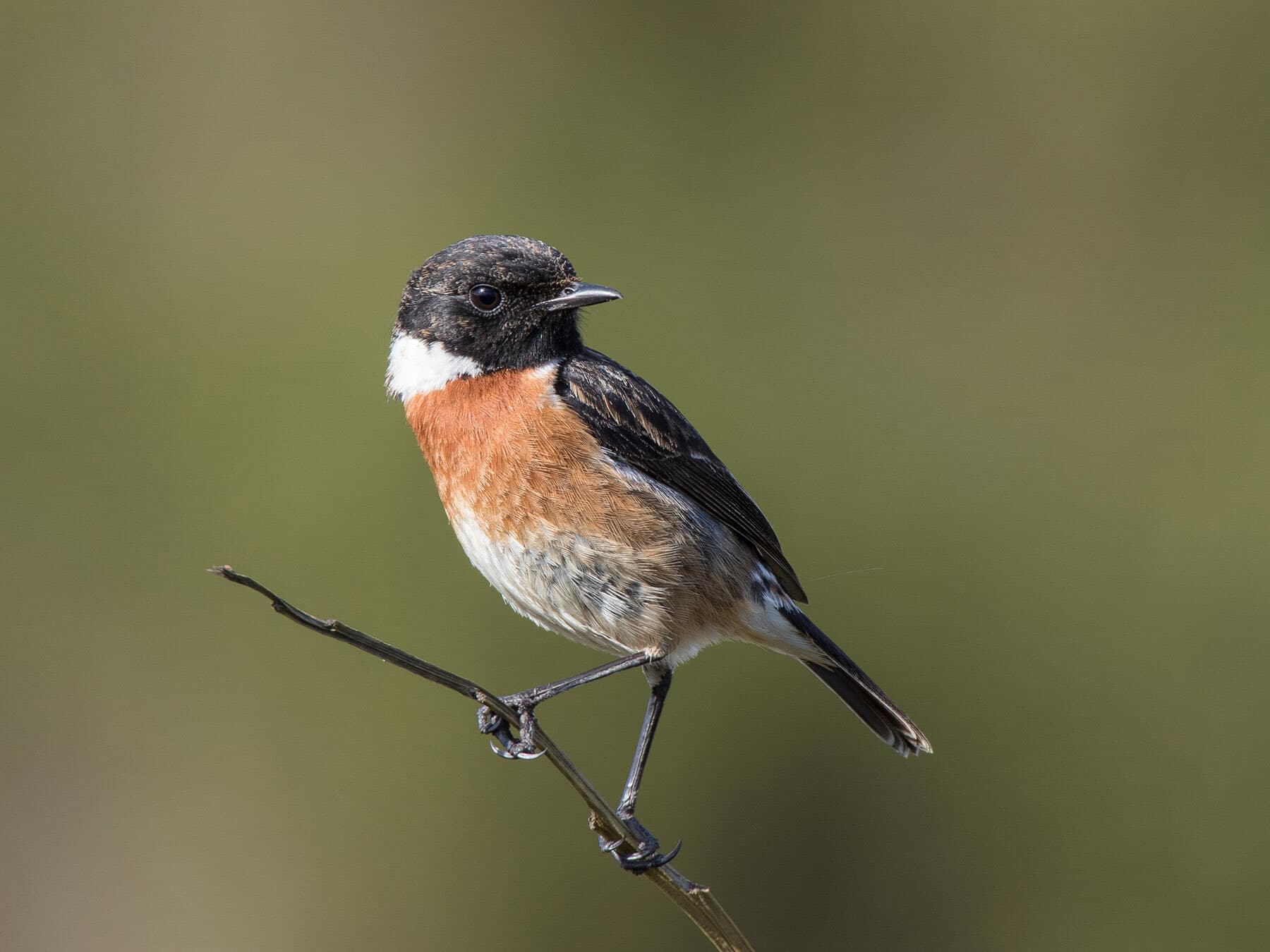
Stonechat
Saxicola torquatusLC
An uncommon resident favouring coastal scrub, heathland, and gorse. Essex's coastal marshes and rough grasslands support small breeding populations.
Year-round
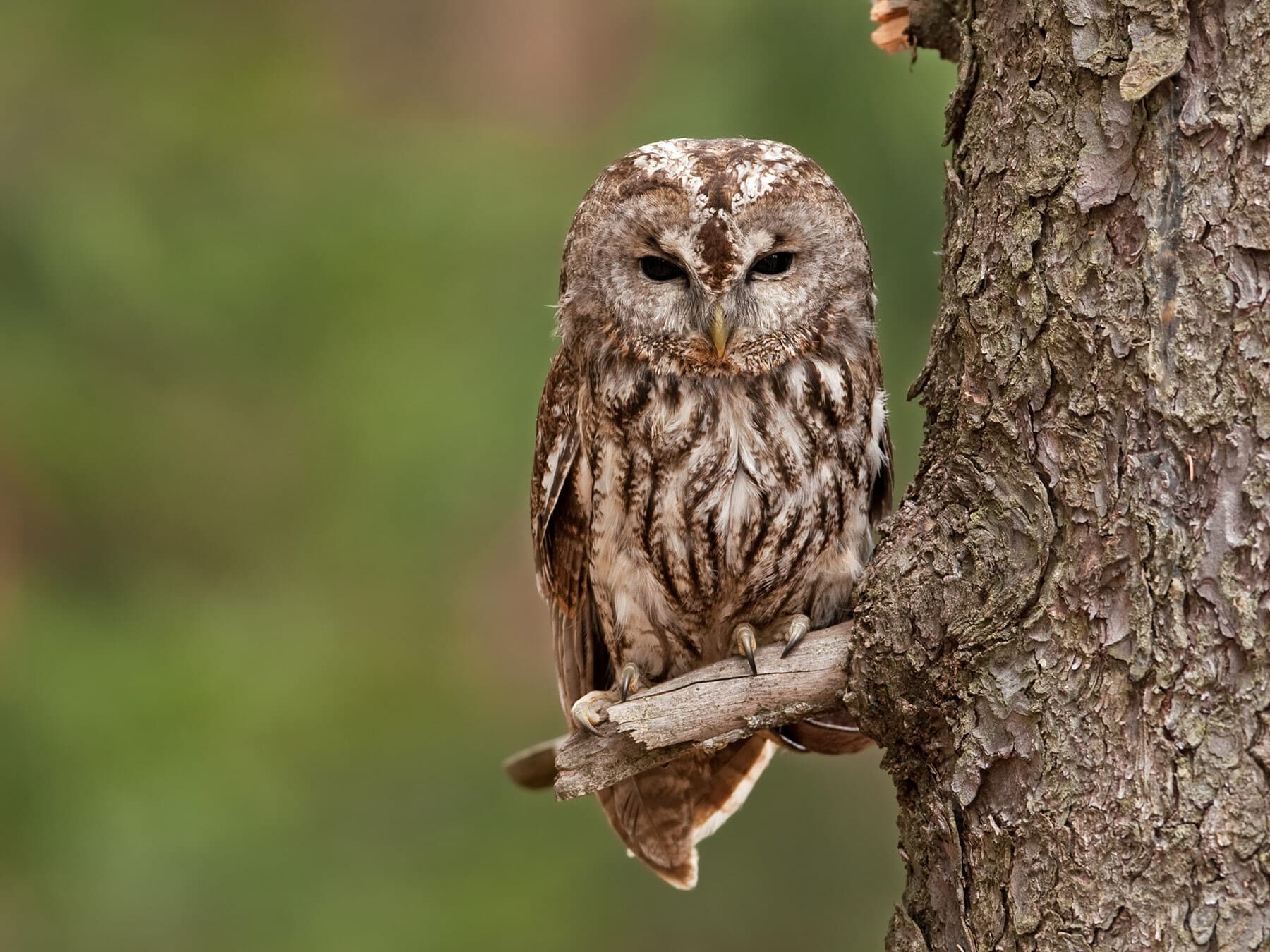
Tawny Owl
Strix alucoLC
A secretive resident of mature woodland, more often heard than seen. Scarce in Essex due to limited large forest tracts.
Aug–Jun
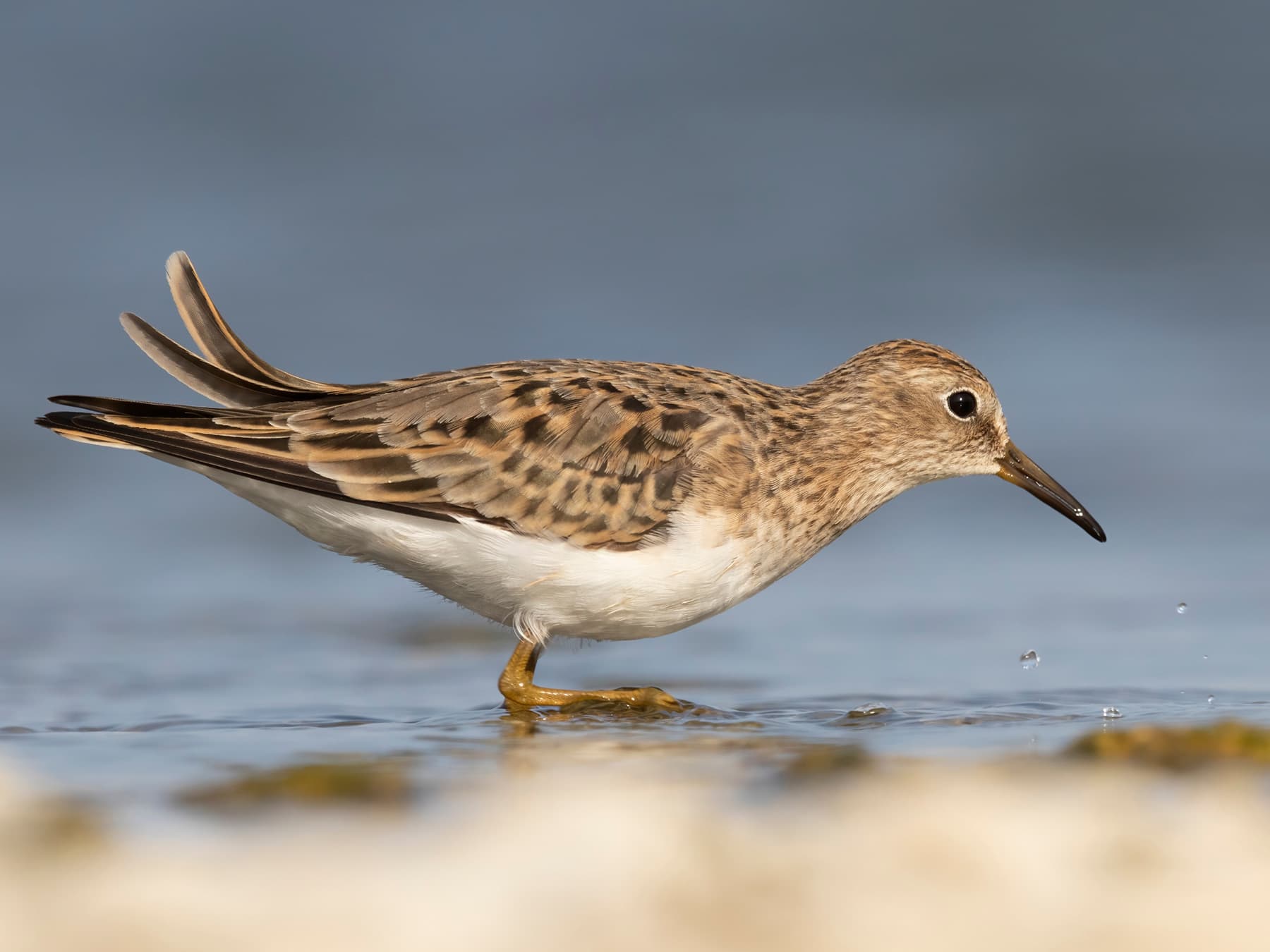
Temminck's Stint
Calidris temminckiiLC
A rare passage migrant, briefly visiting Essex scrapes and reservoir margins in May and again in August.
May–Aug
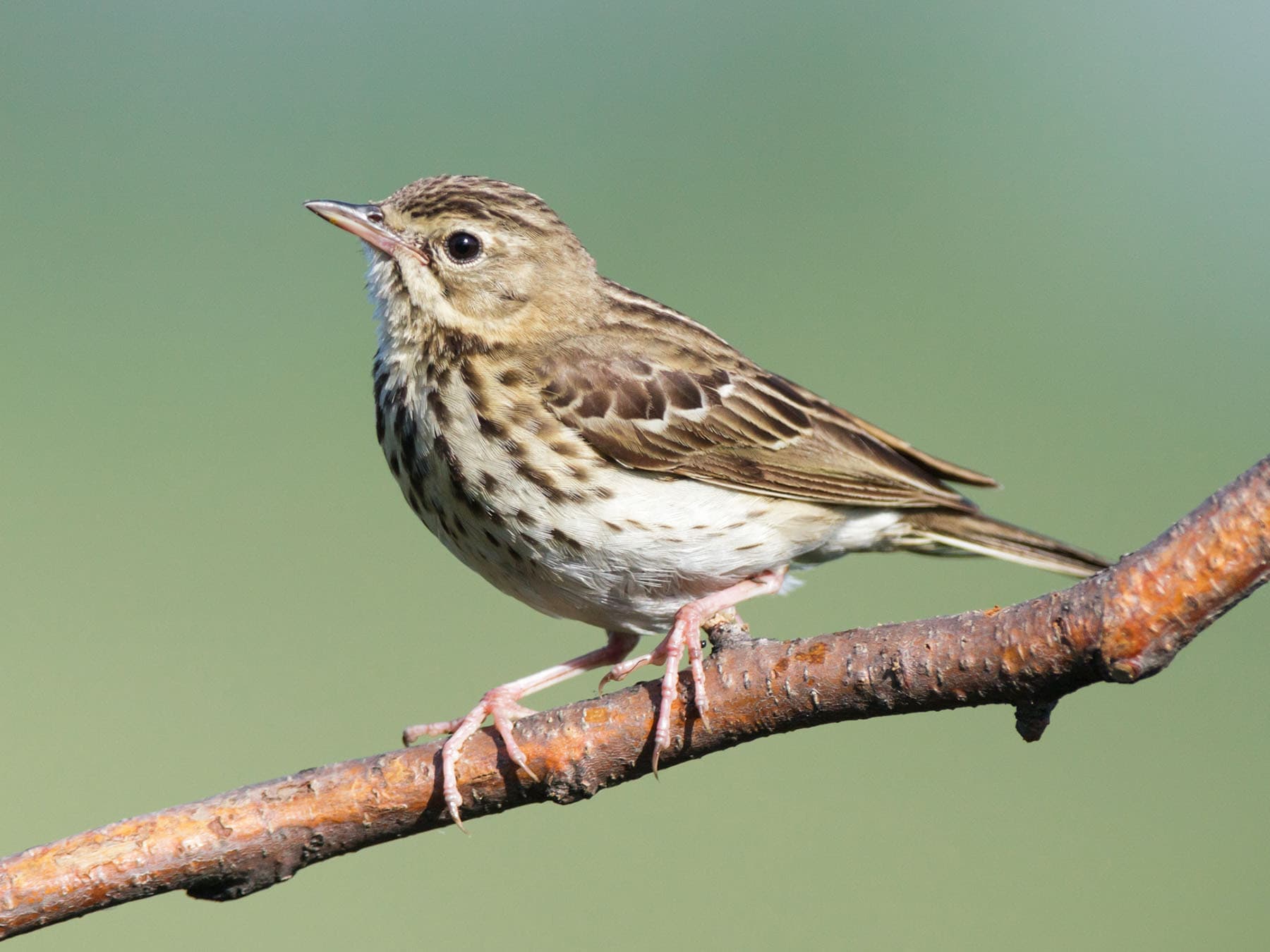
Tree Pipit
Anthus trivialisLC
A rare autumn passage migrant recorded briefly in August and September, typically at coastal sites and woodland clearings.
Aug–Sep
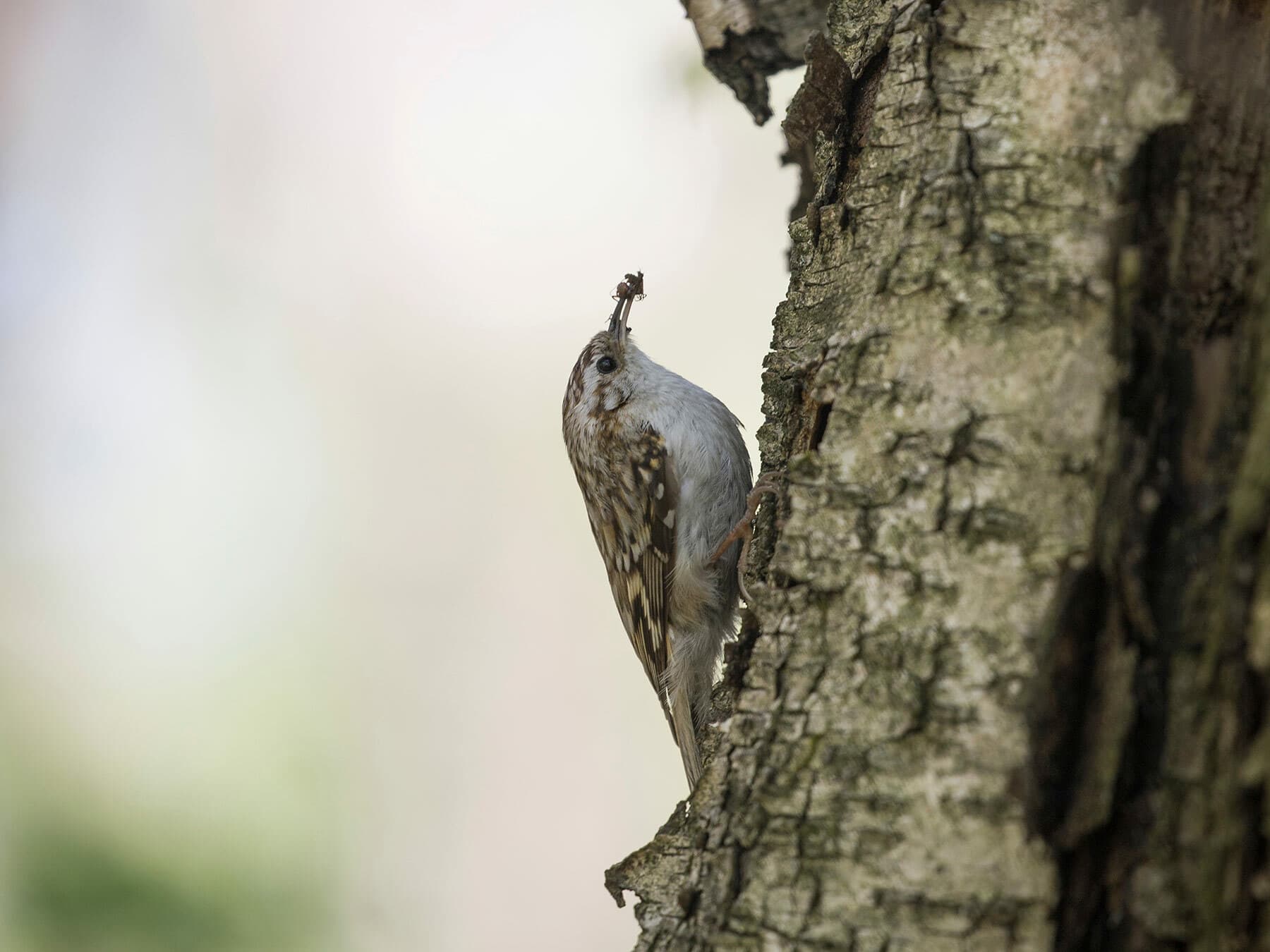
Treecreeper
Certhia familiarisLC
An uncommon but year-round resident, spiralling up tree trunks in mature woodland and occasionally visiting garden trees.
Year-round
Spotted something?
Upload a photo to identify it
Identify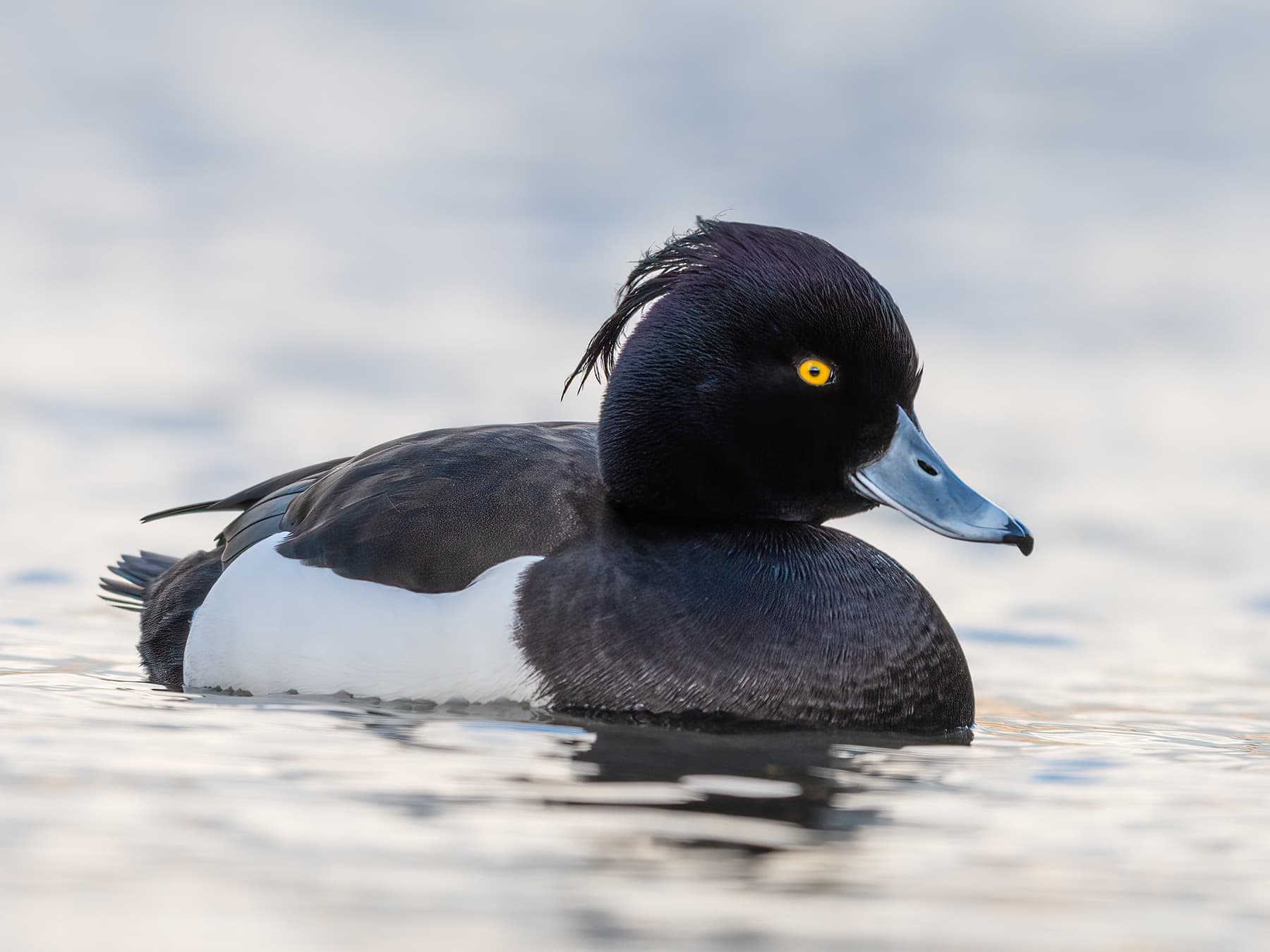
Tufted Duck
Aythya fuligulaLC
Common year-round on lakes, reservoirs, and gravel pits, often diving for food alongside Pochard.
Year-round
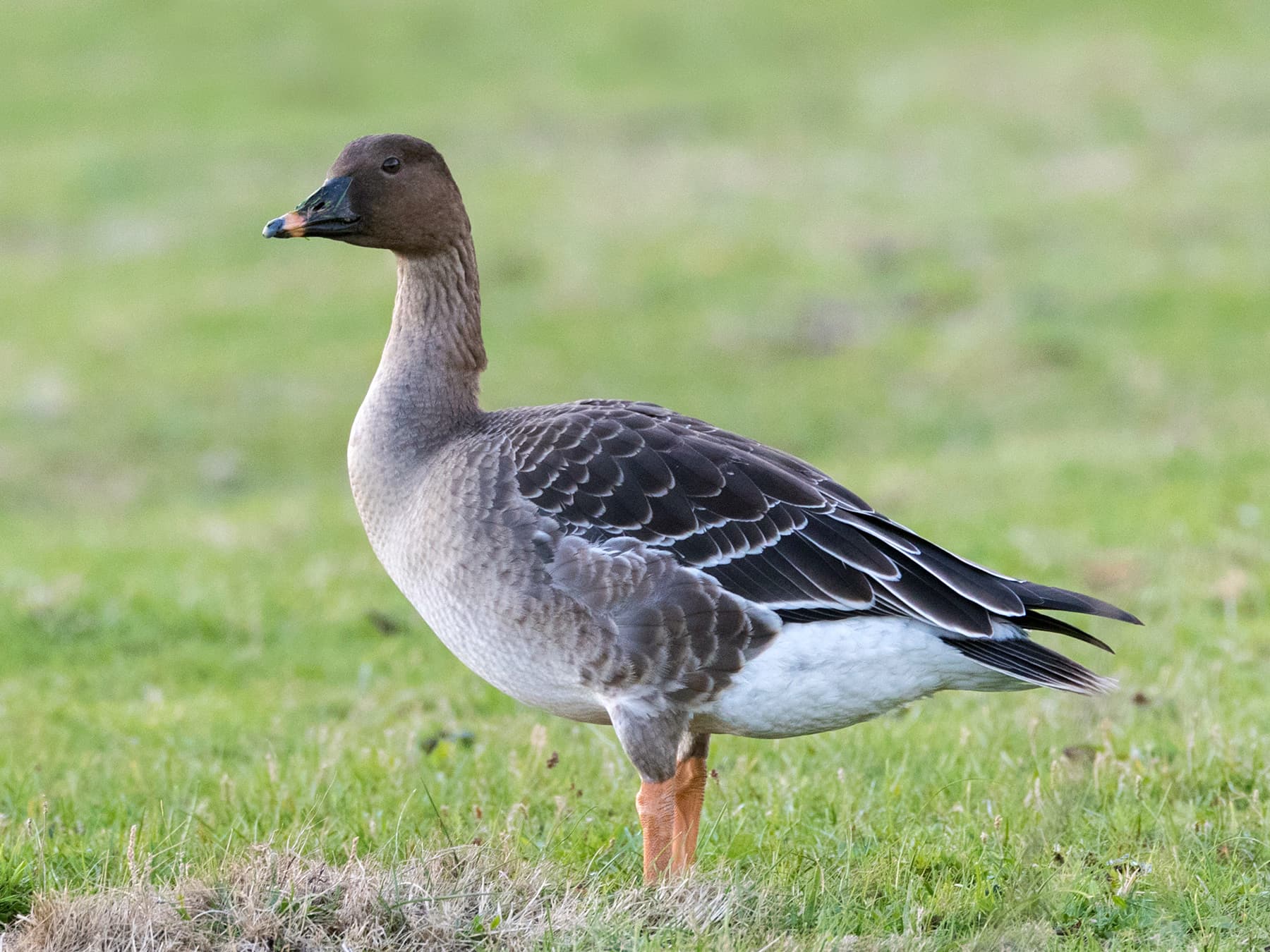
Tundra Bean Goose
Anser serrirostrisLC
A rare winter visitor, occasionally found on coastal marshes and arable fields. Most records come from December to February.
Dec–Feb
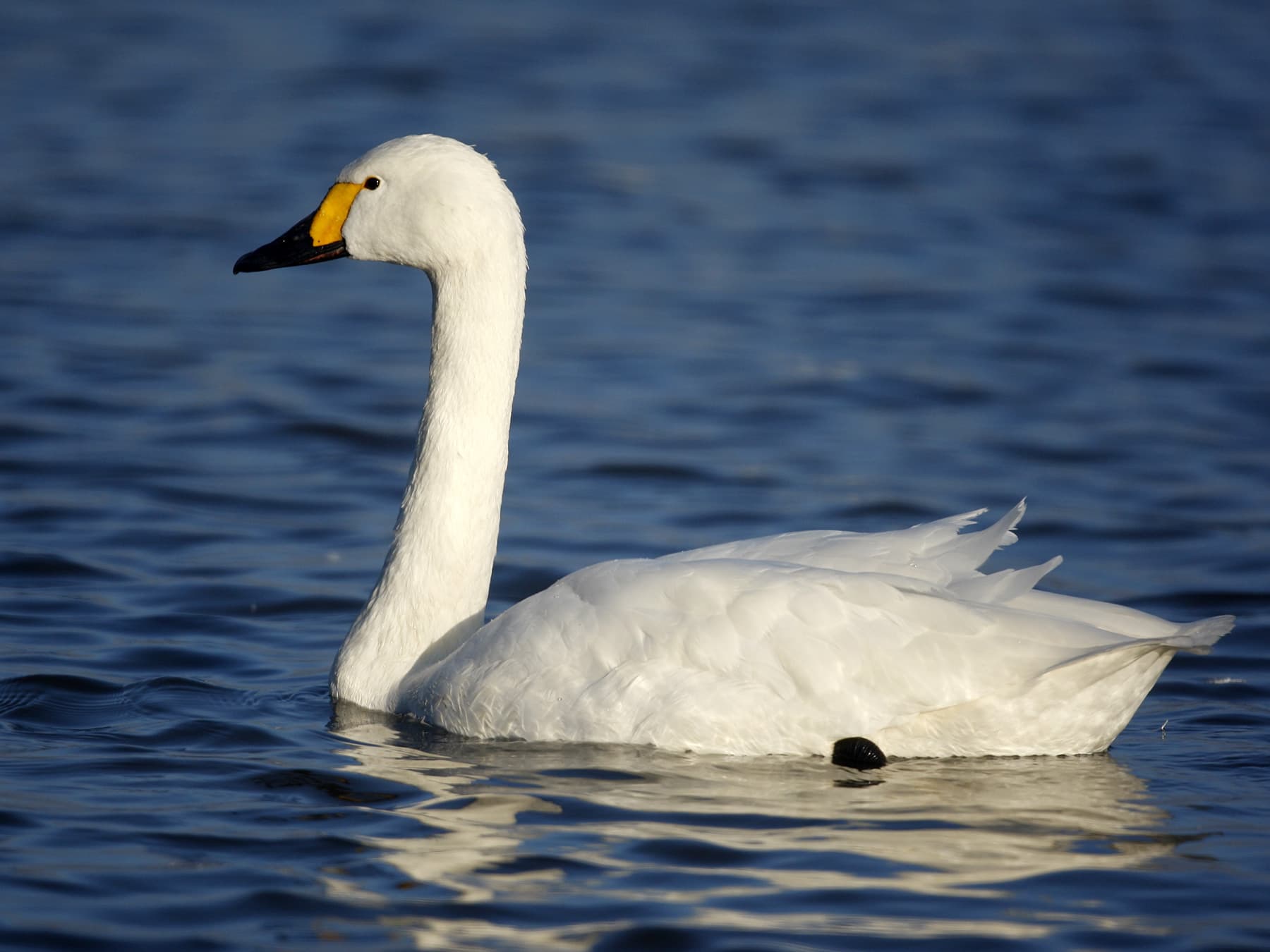
Tundra Swan
Cygnus columbianusLC
A rare winter visitor to Essex marshes and flooded fields, occasionally seen in small groups from November to February.
Nov–Feb
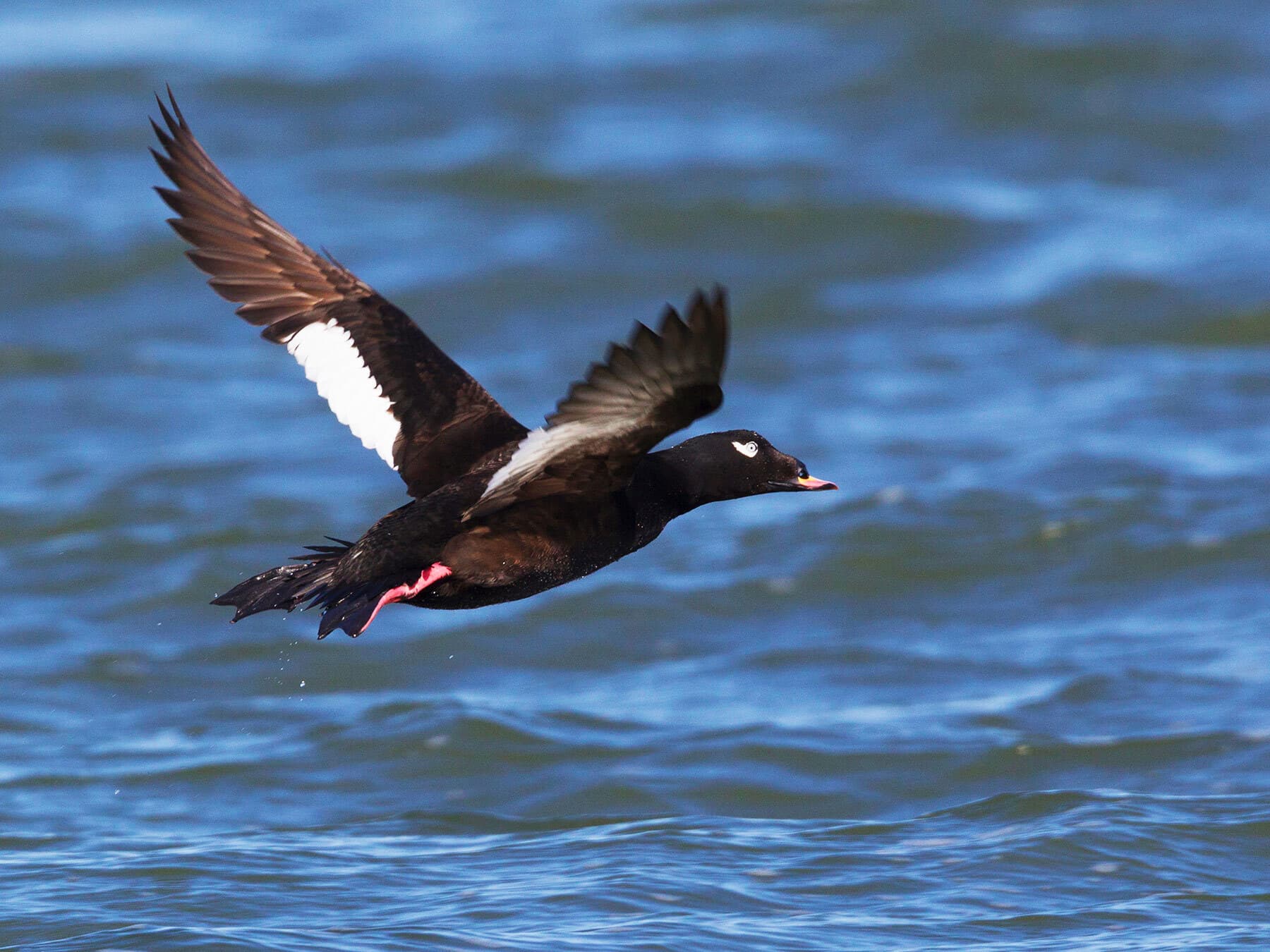
Velvet Scoter
Melanitta fuscaVU
A rare winter visitor to Essex coastal waters, occasionally seen off Southend or the Blackwater Estuary in late autumn and early winter.
Nov–Jan
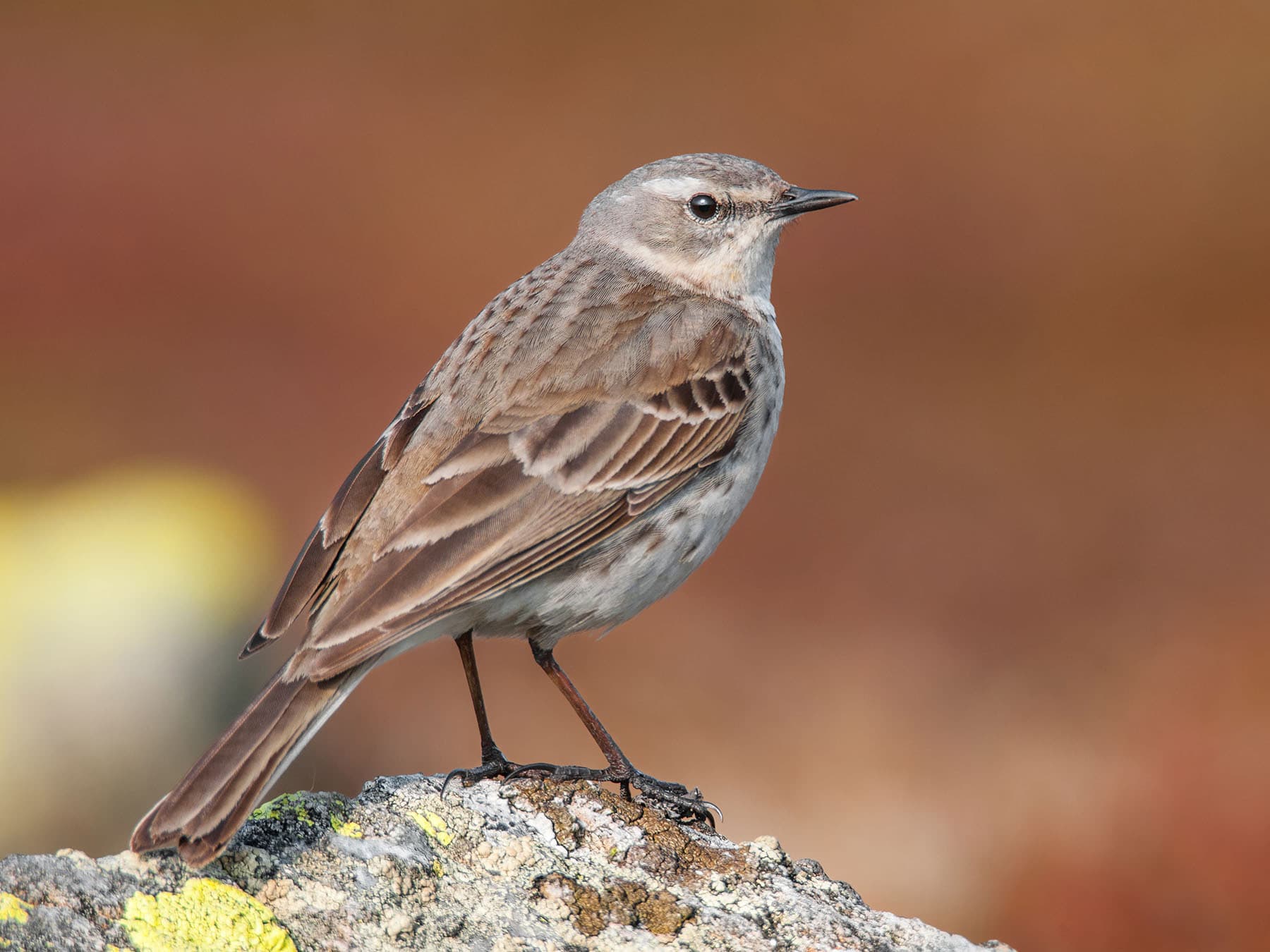
Water Pipit
Anthus spinolettaLC
A rare winter visitor to Essex, favouring watercress beds, reservoir margins and coastal marshes. Most reliably seen between October and March.
Oct–Mar
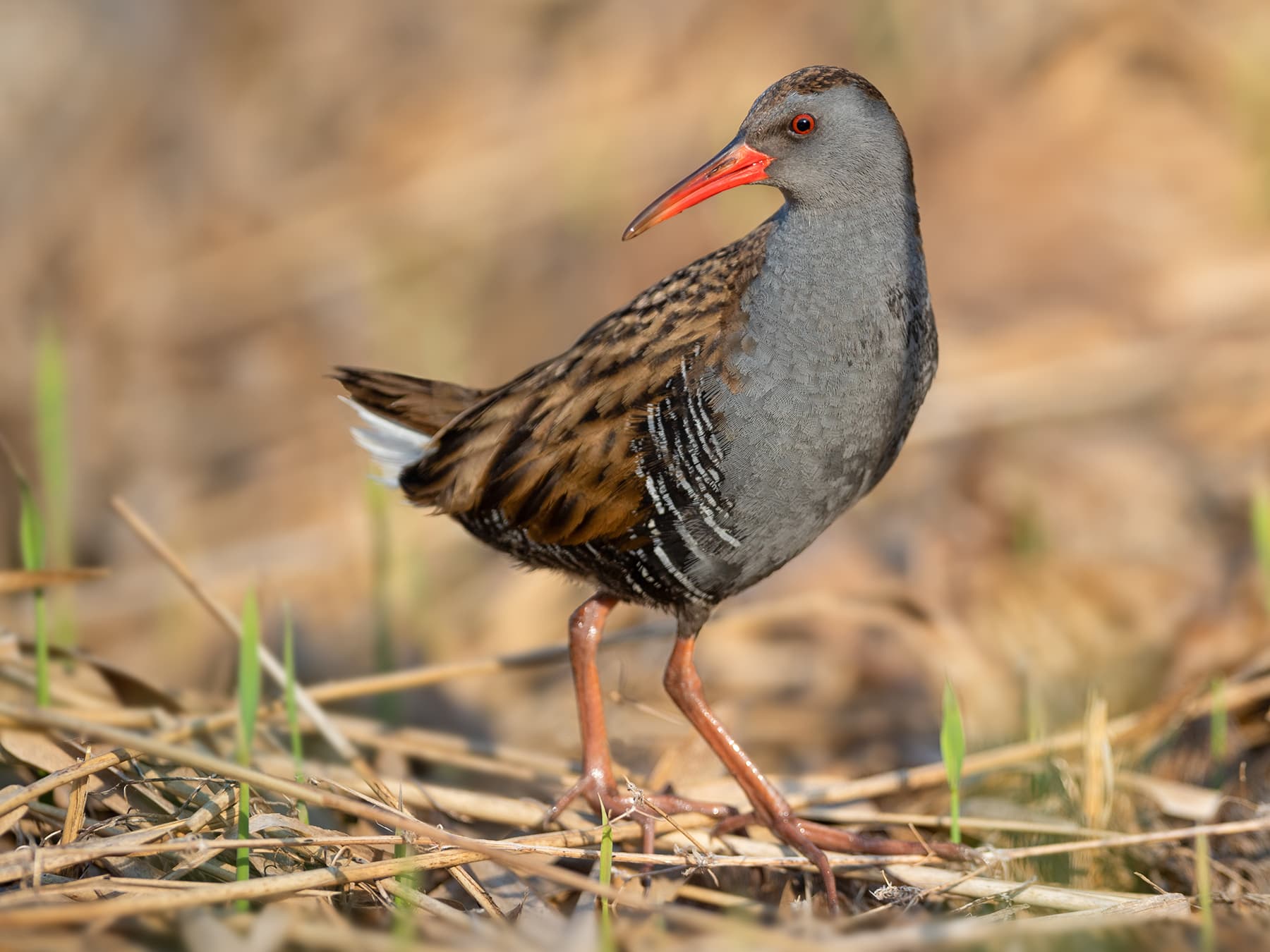
Water Rail
Rallus aquaticusLC
An uncommon but year-round resident of reedbeds and marshy ditches. More often heard squealing than seen at sites like Rainham.
Year-round
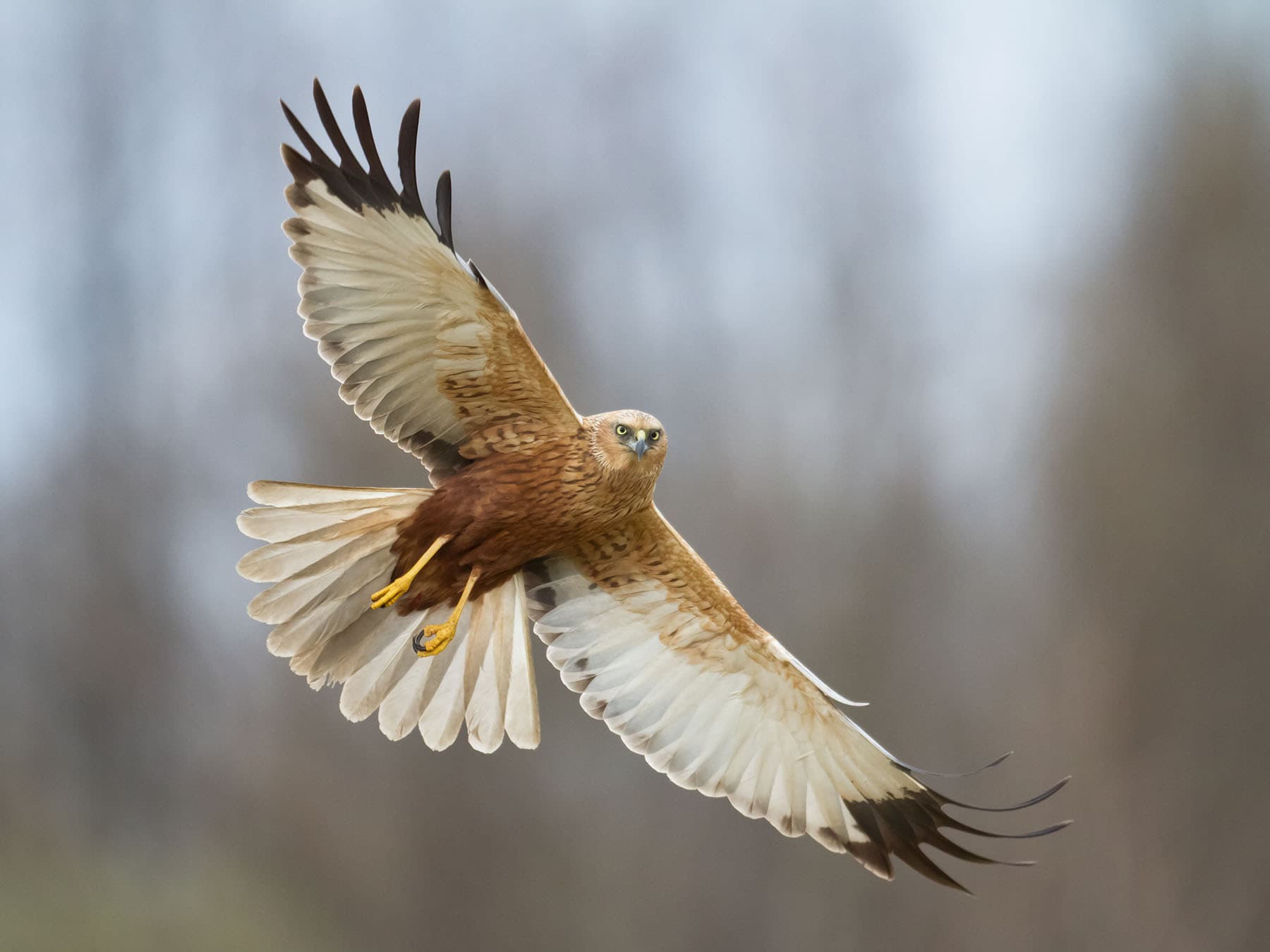
Western Marsh-harrier
Circus aeruginosusLC
A common resident of reedbeds and coastal marshes, quartering low over sites like Abberton and the Blackwater estuary.
Year-round
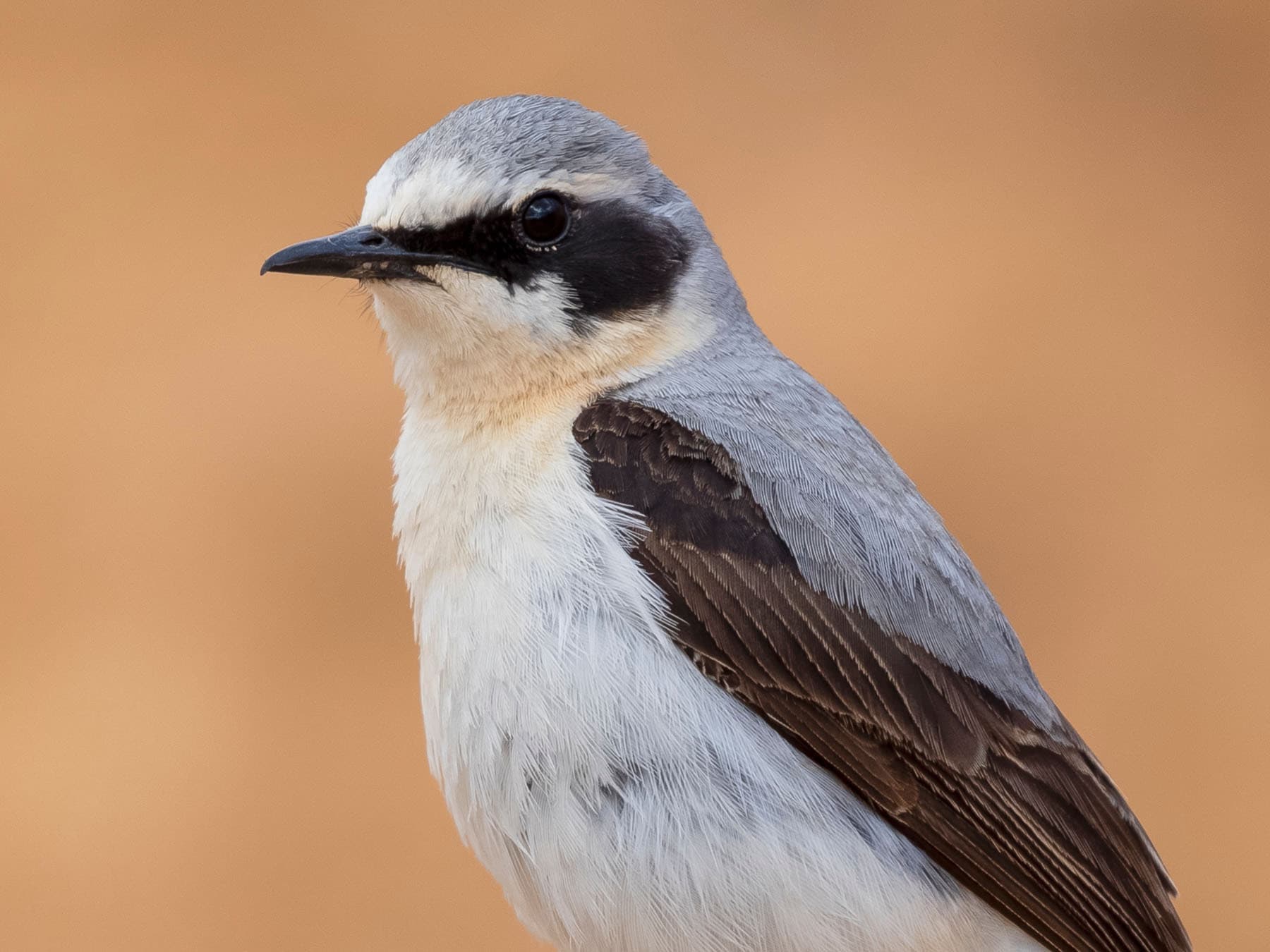
Wheatear
Oenanthe oenantheLC
An uncommon visitor to open coastal fields and sea walls during spring and autumn passage, occasionally lingering on short-grazed grassland.
Mar–Oct
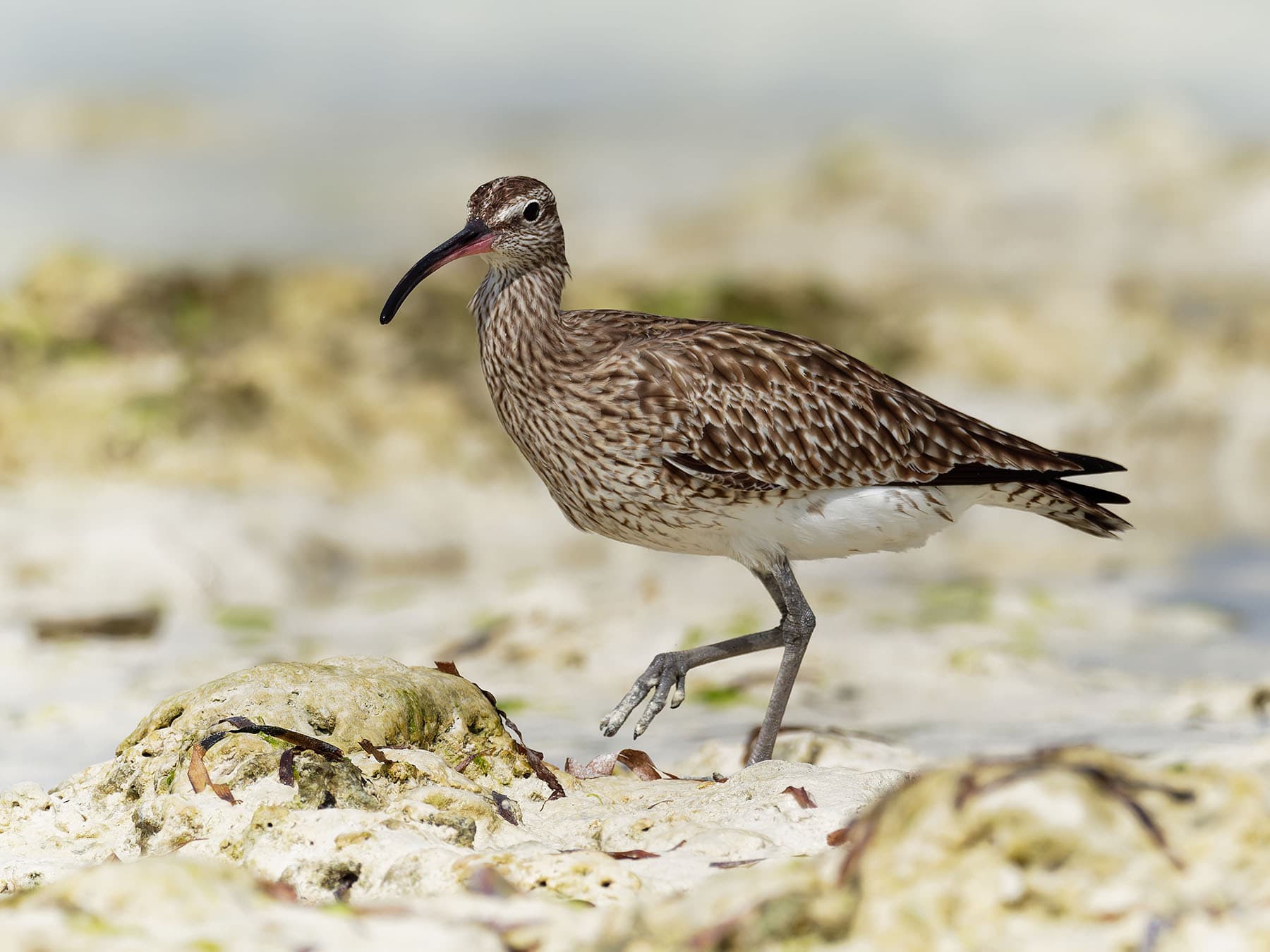
Whimbrel
Numenius phaeopusLC
An uncommon visitor to Essex estuaries and coastal marshes, most regularly noted on passage in spring and autumn.
Apr–Oct
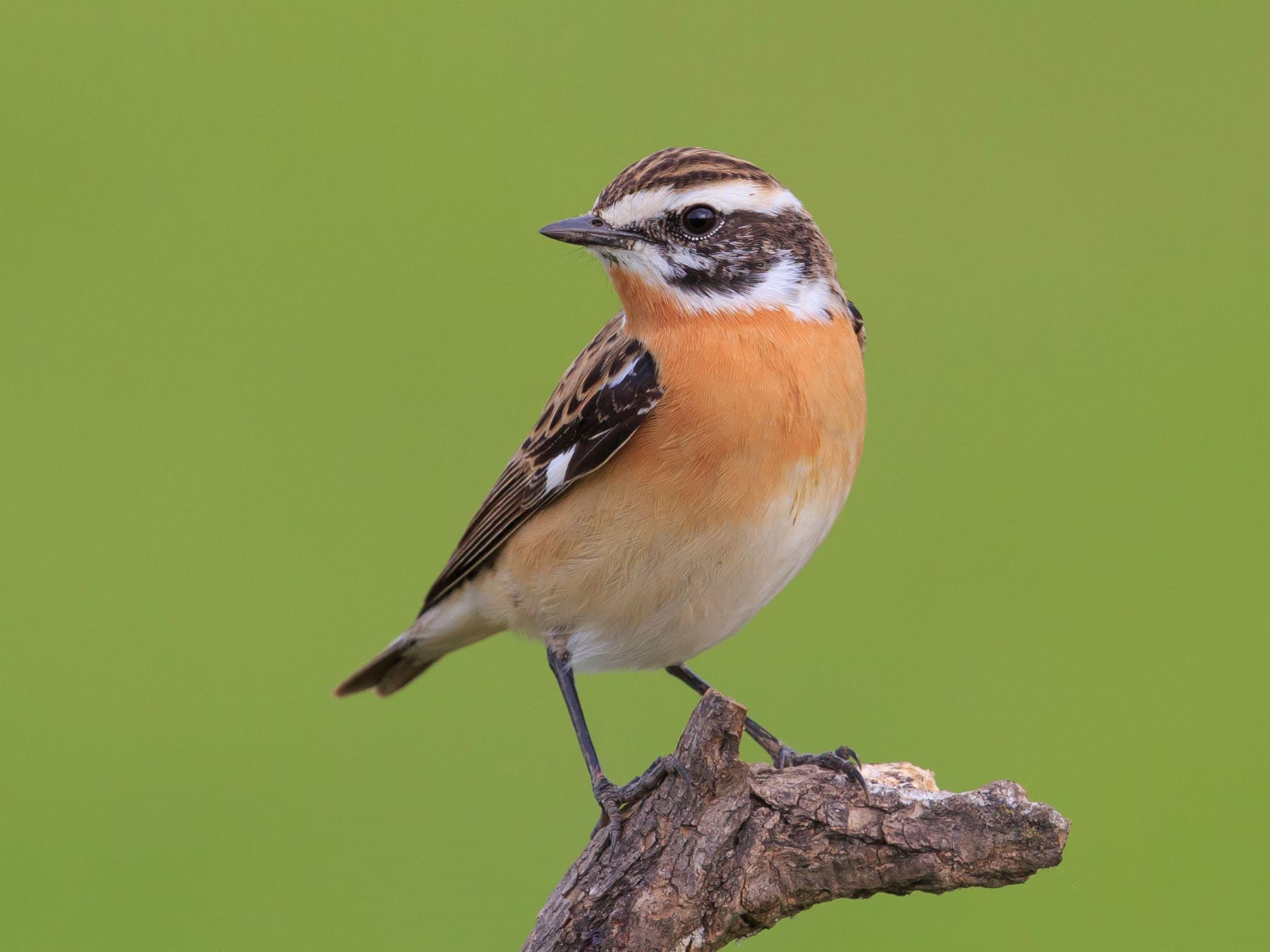
Whinchat
Saxicola rubetraLC
An uncommon autumn passage migrant passing through coastal marshes and rough grassland from August to October, often perching on fence posts.
Aug–Oct
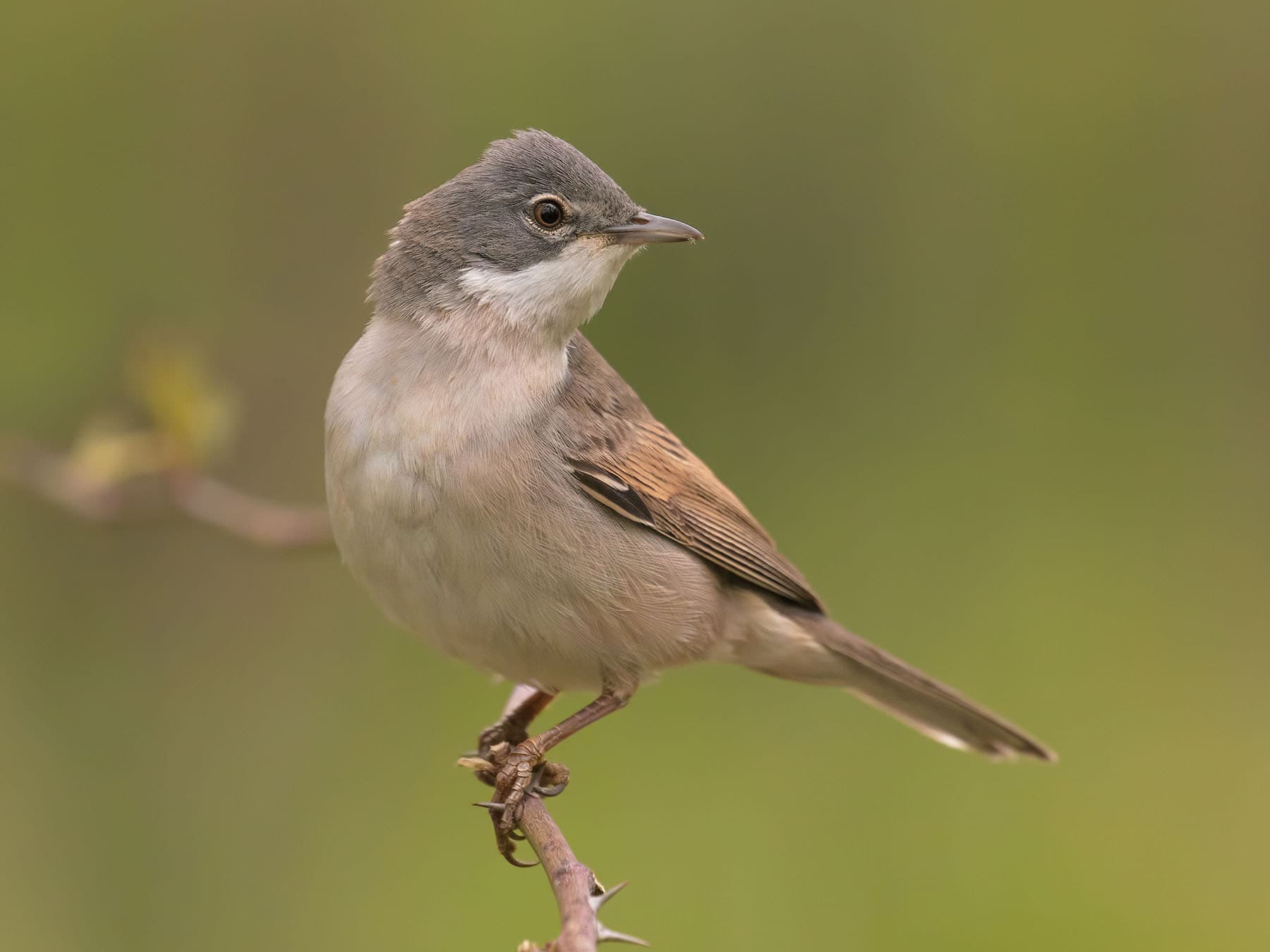
Whitethroat
Curruca communisLC
A common summer visitor breeding in hedgerows and scrubby margins from April to September, often seen delivering its scratchy song in a dancing display flight.
Apr–Sep
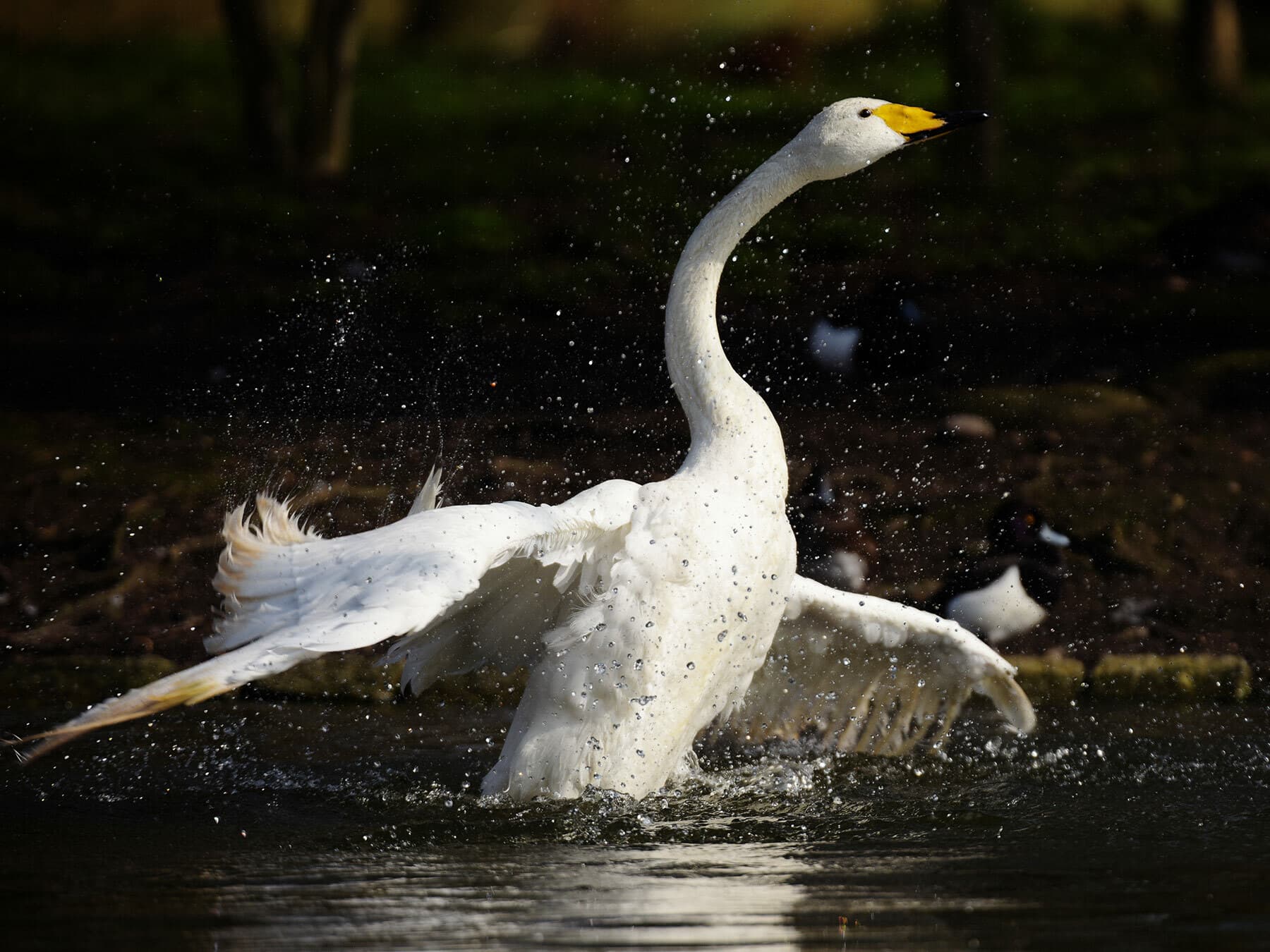
Whooper Swan
Cygnus cygnusLC
A rare passage visitor, occasionally noted in spring at reservoirs and coastal marshes. Far less regular here than in northern England.
Apr
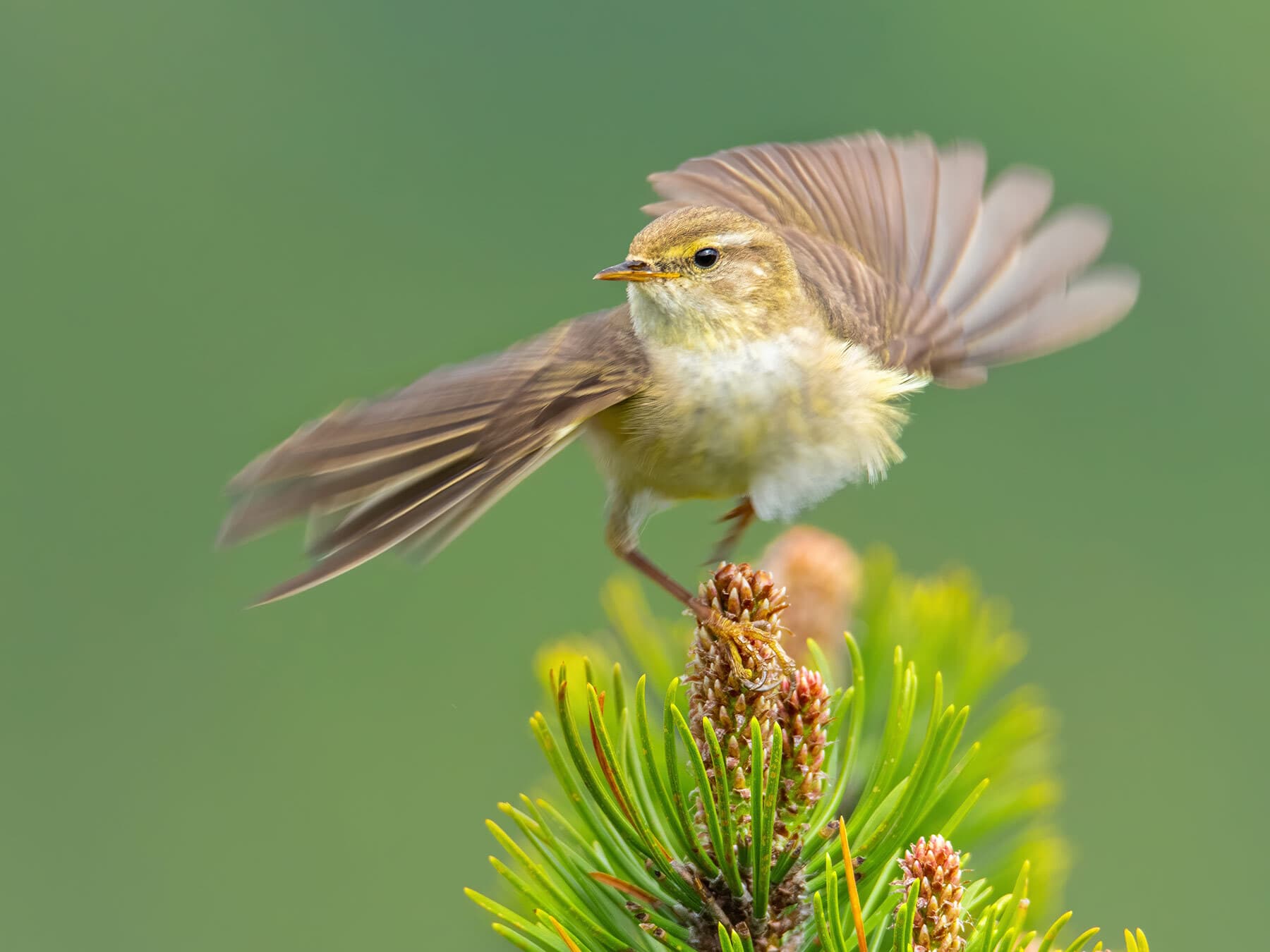
Willow Warbler
Phylloscopus trochilusLC
An uncommon summer breeder, favouring scrubby woodland and heathland edges. Has declined in lowland Essex in recent decades.
Apr–Oct
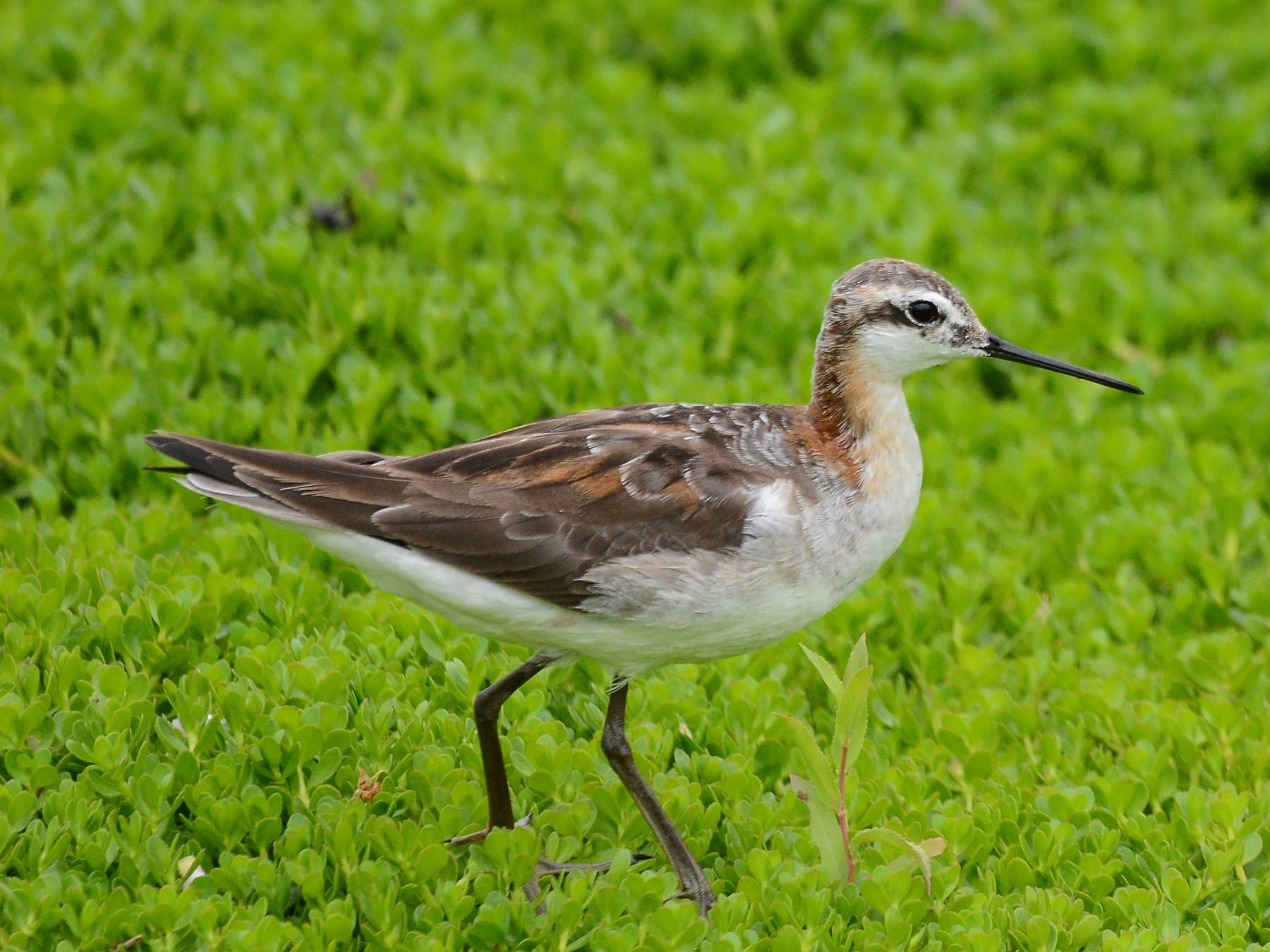
Wilson's Phalarope
Phalaropus tricolorLC
A rare Nearctic vagrant, occasionally turning up at coastal pools and marshes in September during autumn passage.
Sep
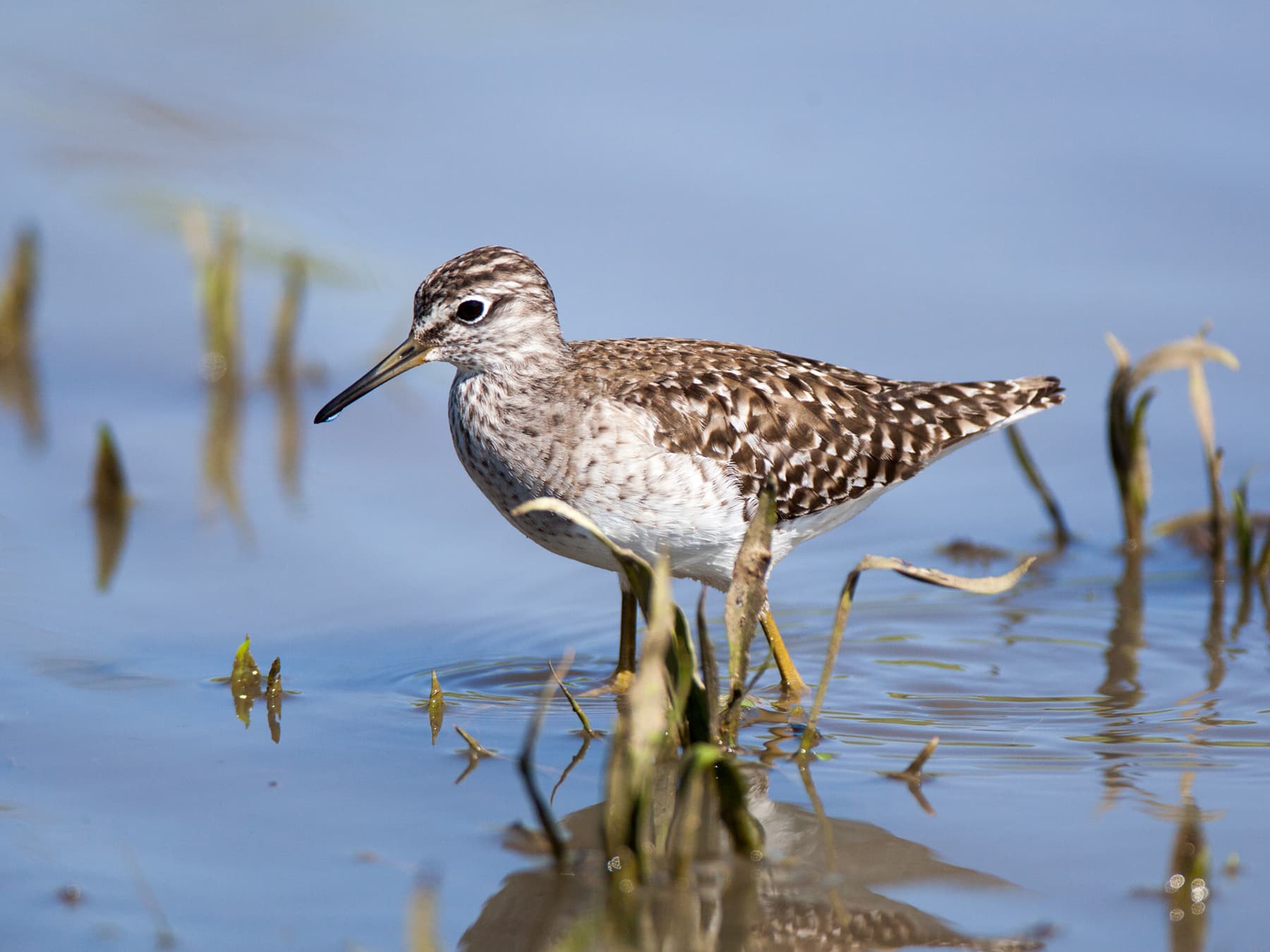
Wood Sandpiper
Tringa glareolaLC
A rare passage migrant visiting freshwater scrapes and marshes, mainly in late summer. Most records come from coastal reserves in July to September.
May–Sep