Birds in East Riding of Yorkshire
Explore 233 species found in this region.
The East Riding of Yorkshire supports an impressive diversity of birdlife, with around 230 species recorded across its varied landscapes. From the dramatic chalk cliffs of Flamborough Head and Bempton to the expansive wetlands of the Humber Estuary, the region offers habitats that attract everything from breeding seabird colonies to scarce migrants such as Bluethroat and Great Grey Shrike. Wading birds like Northern Lapwing and Dotterel, along with coastal specialists such as Common Shelduck, make this county a rewarding destination for birdwatchers year-round.
Visiting in September? Look out for Bluethroat and Brambling arriving this month, and Black-crowned Night-heron and Cuckoo depart for the season.


Showing 208–230 of 233 species
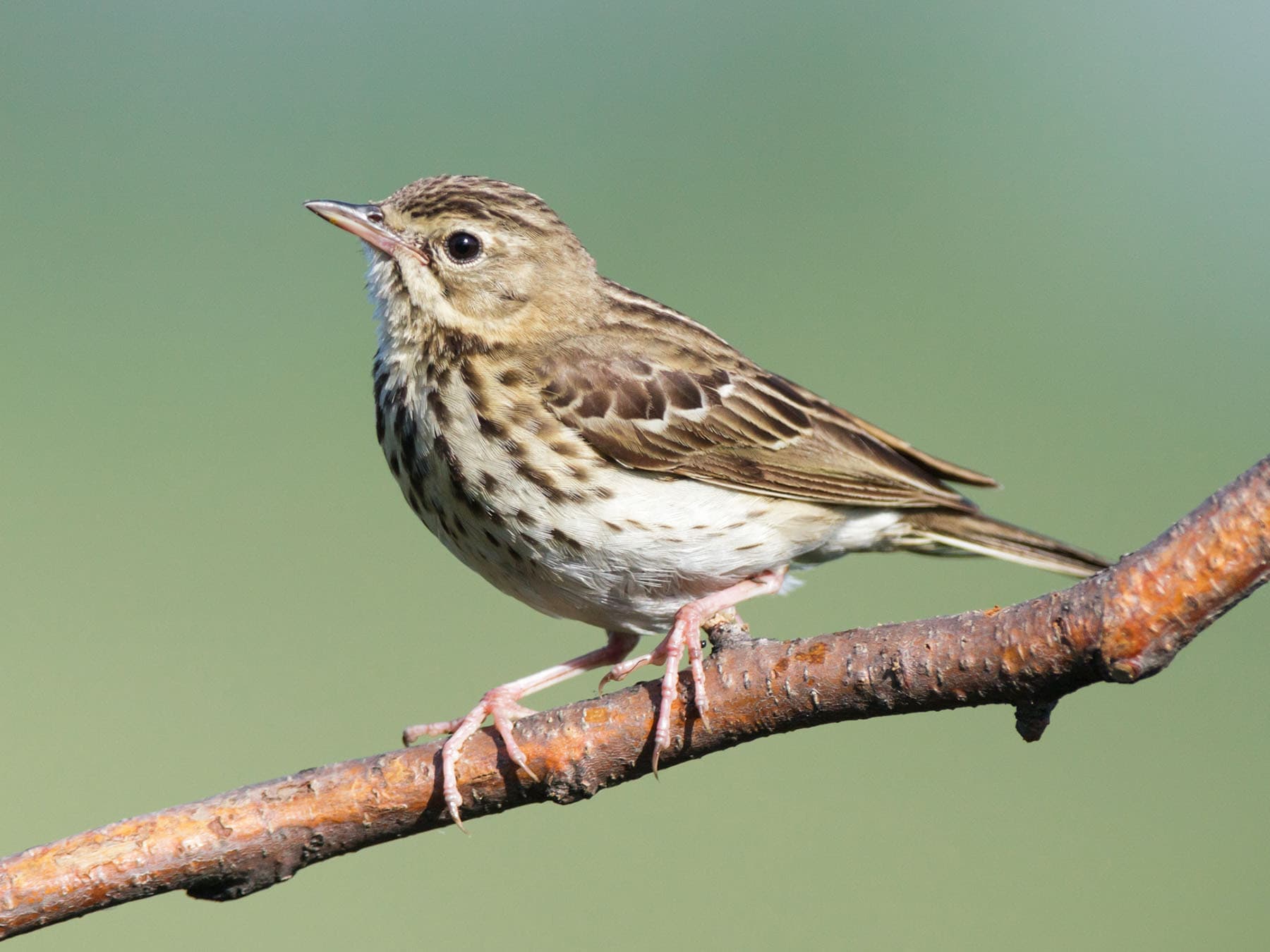
Tree Pipit
Anthus trivialisLC
A rare visitor, mainly noted on passage in spring and autumn at wooded coastal sites. Has declined significantly as a breeding species.
Apr–Oct
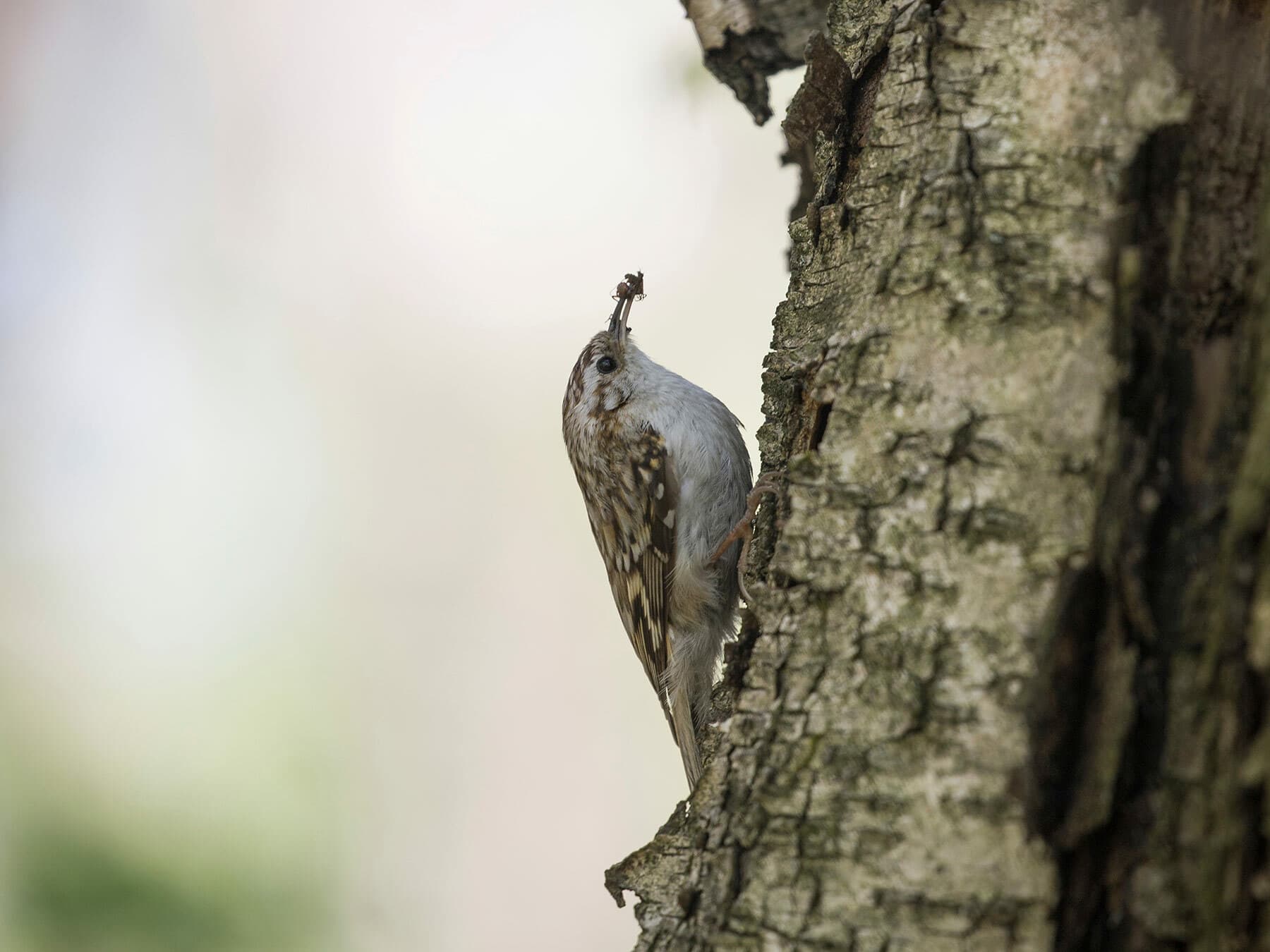
Treecreeper
Certhia familiarisLC
A rare but year-round resident, creeping up tree trunks in mature woodland. Easily overlooked due to its quiet habits and cryptic plumage.
Year-round
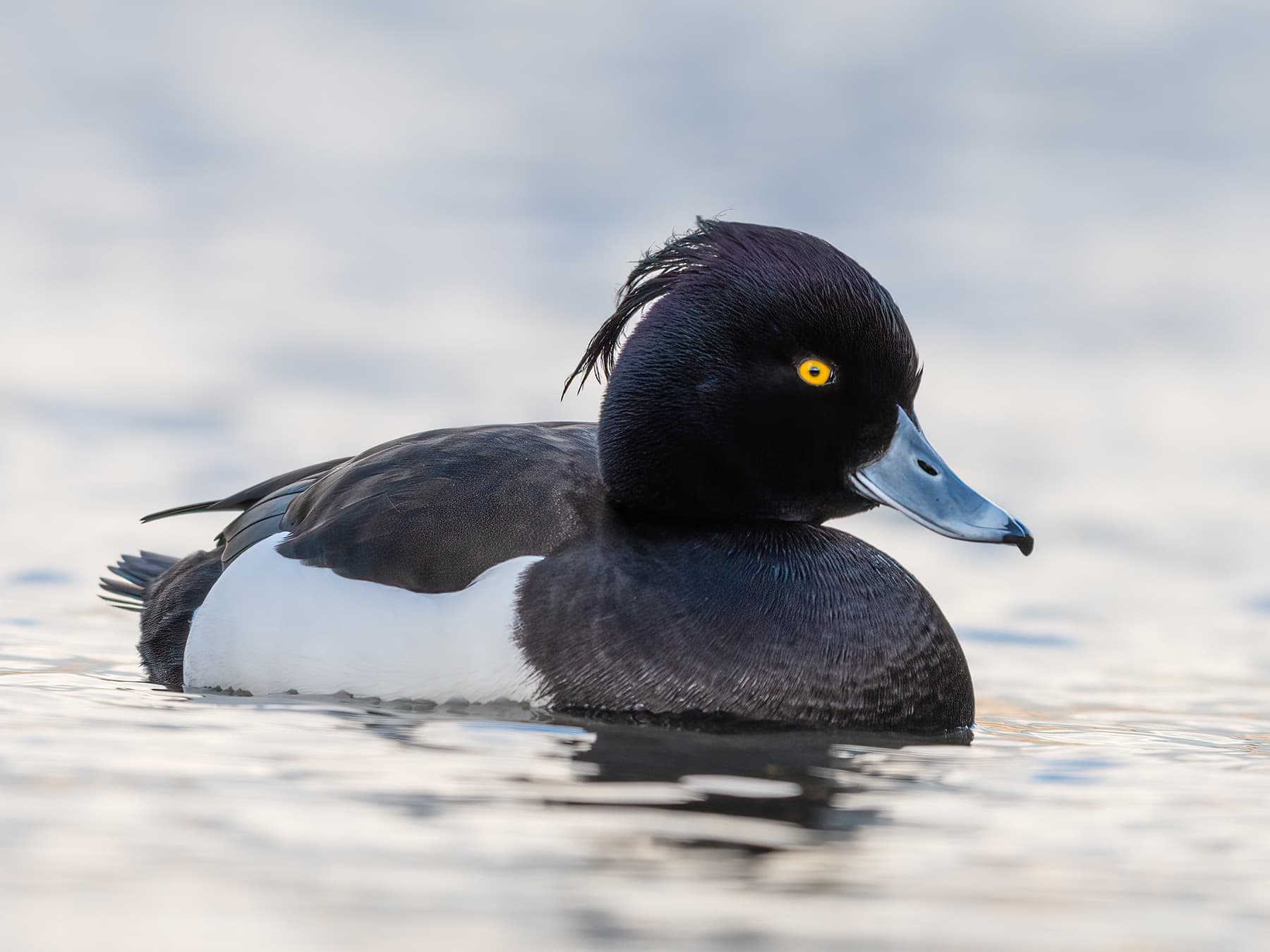
Tufted Duck
Aythya fuligulaLC
An uncommon but widespread resident, breeding on lakes and reservoirs. Numbers increase in winter with arrivals from northern Europe.
Year-round
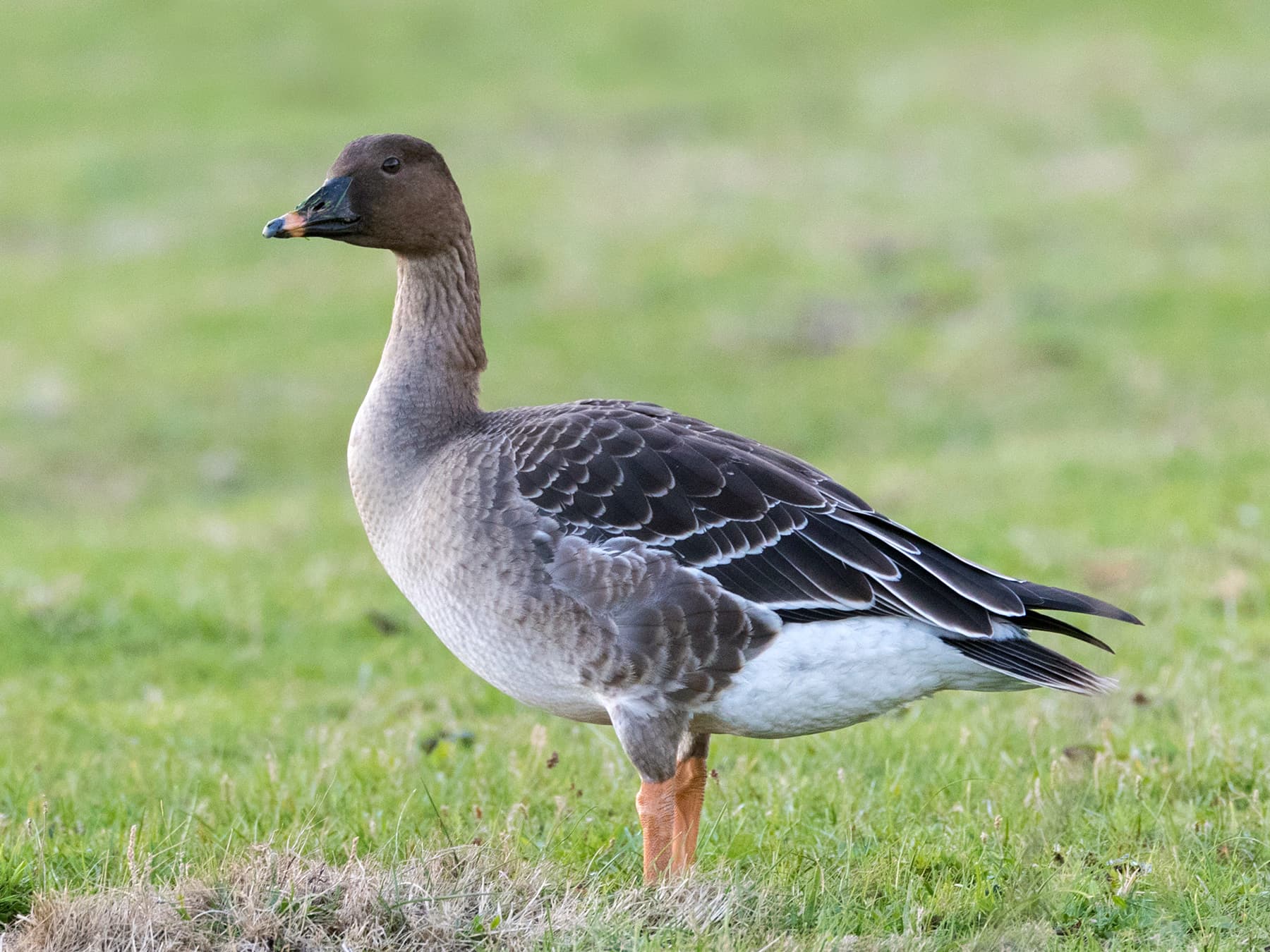
Tundra Bean Goose
Anser serrirostrisLC
A rare winter visitor occasionally found among other goose flocks on arable fields in January and February.
Jan–Feb
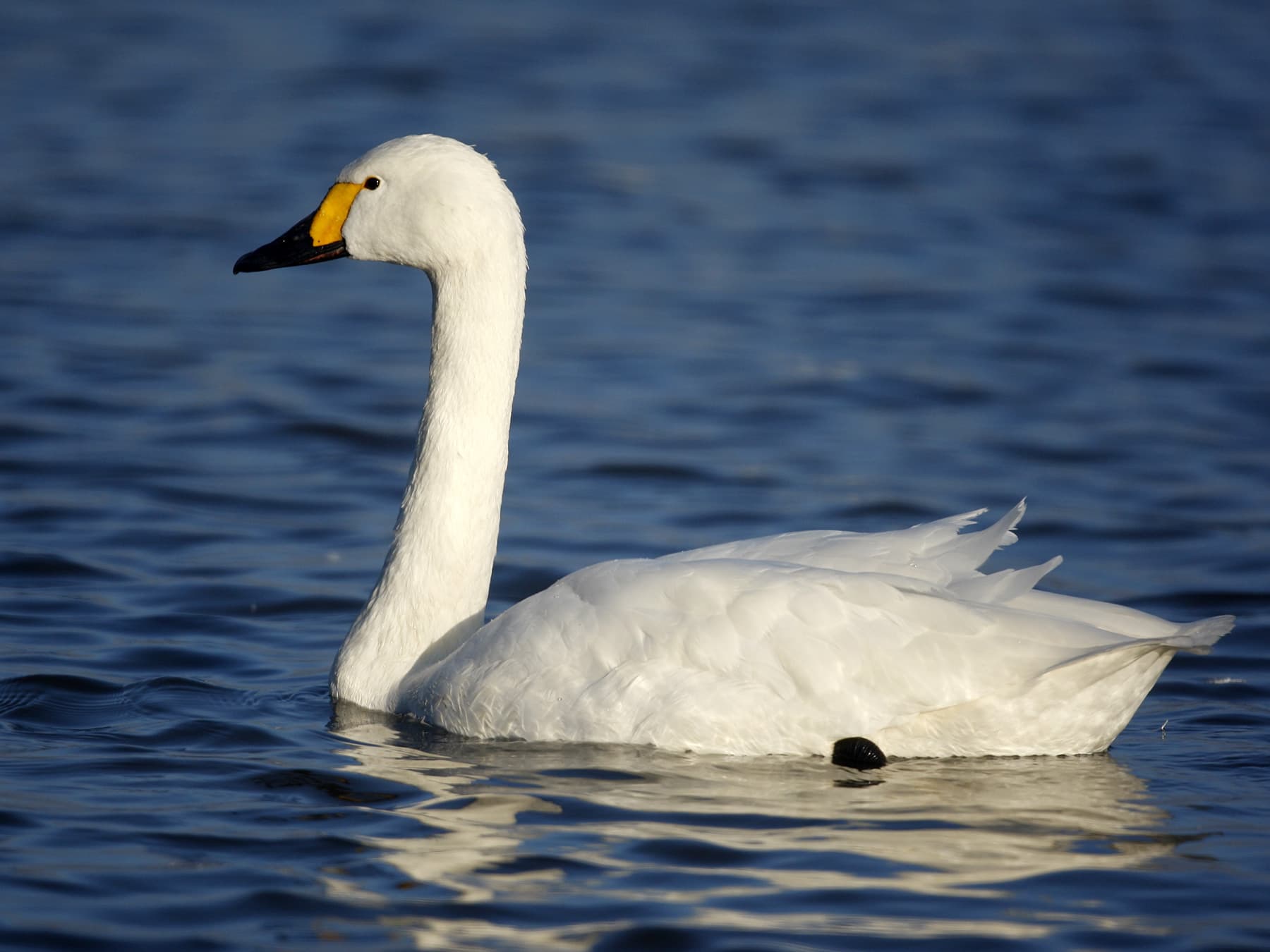
Tundra Swan
Cygnus columbianusLC
A rare passage visitor, occasionally recorded on wetlands and flooded fields during spring migration in March.
Mar
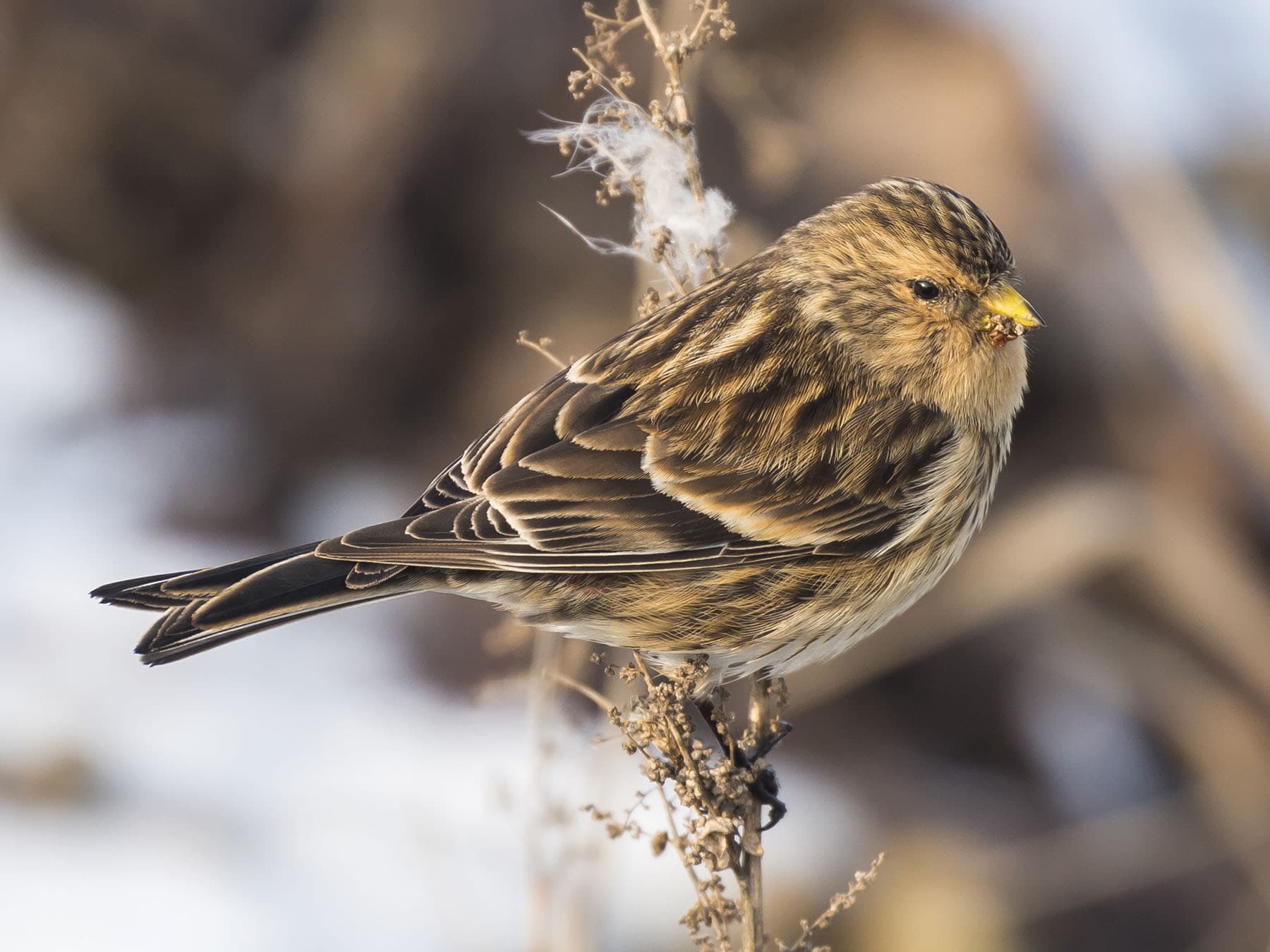
Twite
Linaria flavirostrisLC
A rare passage and winter visitor, occasionally found on coastal saltmarshes and stubble fields from late autumn into early spring.
Oct–Mar
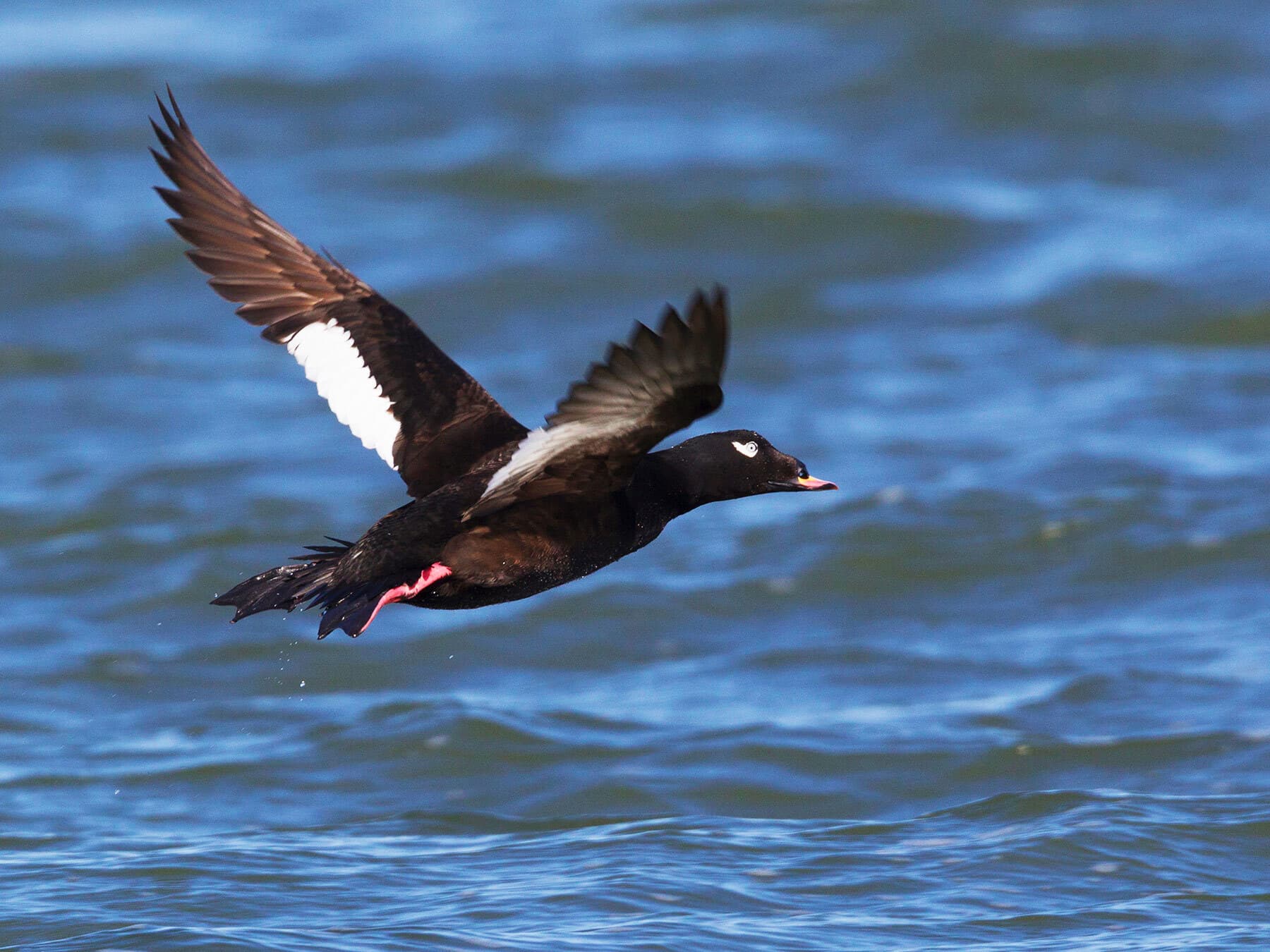
Velvet Scoter
Melanitta fuscaVU
A rare winter visitor to coastal waters, typically seen from October. Best looked for among Common Scoter flocks off the Holderness coast.
Oct–Jan
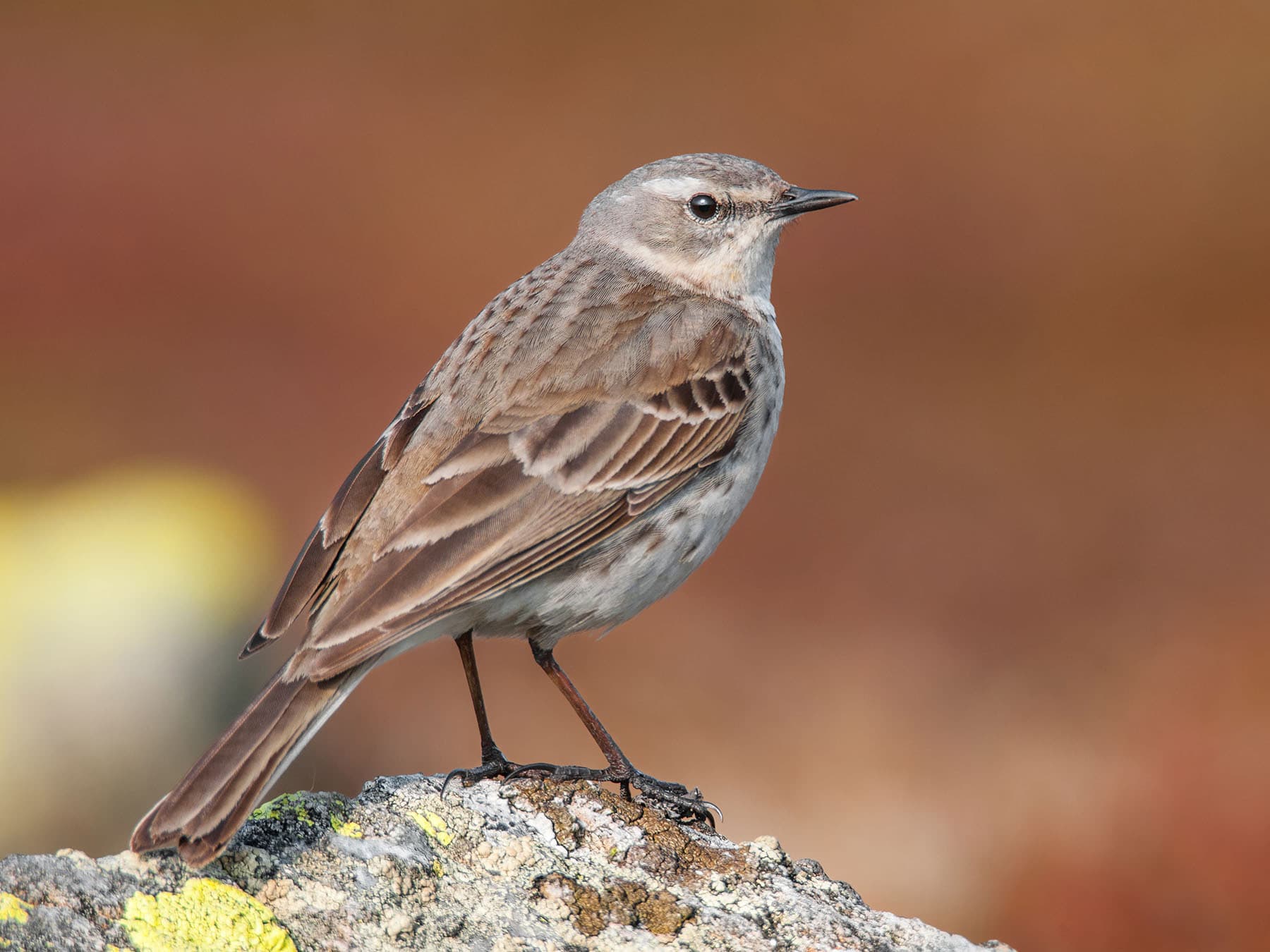
Water Pipit
Anthus spinolettaLC
A rare late autumn passage visitor, occasionally found at coastal wetlands and watercress beds. Easily overlooked among Rock Pipits.
Nov
Spotted something?
Upload a photo to identify it
Identify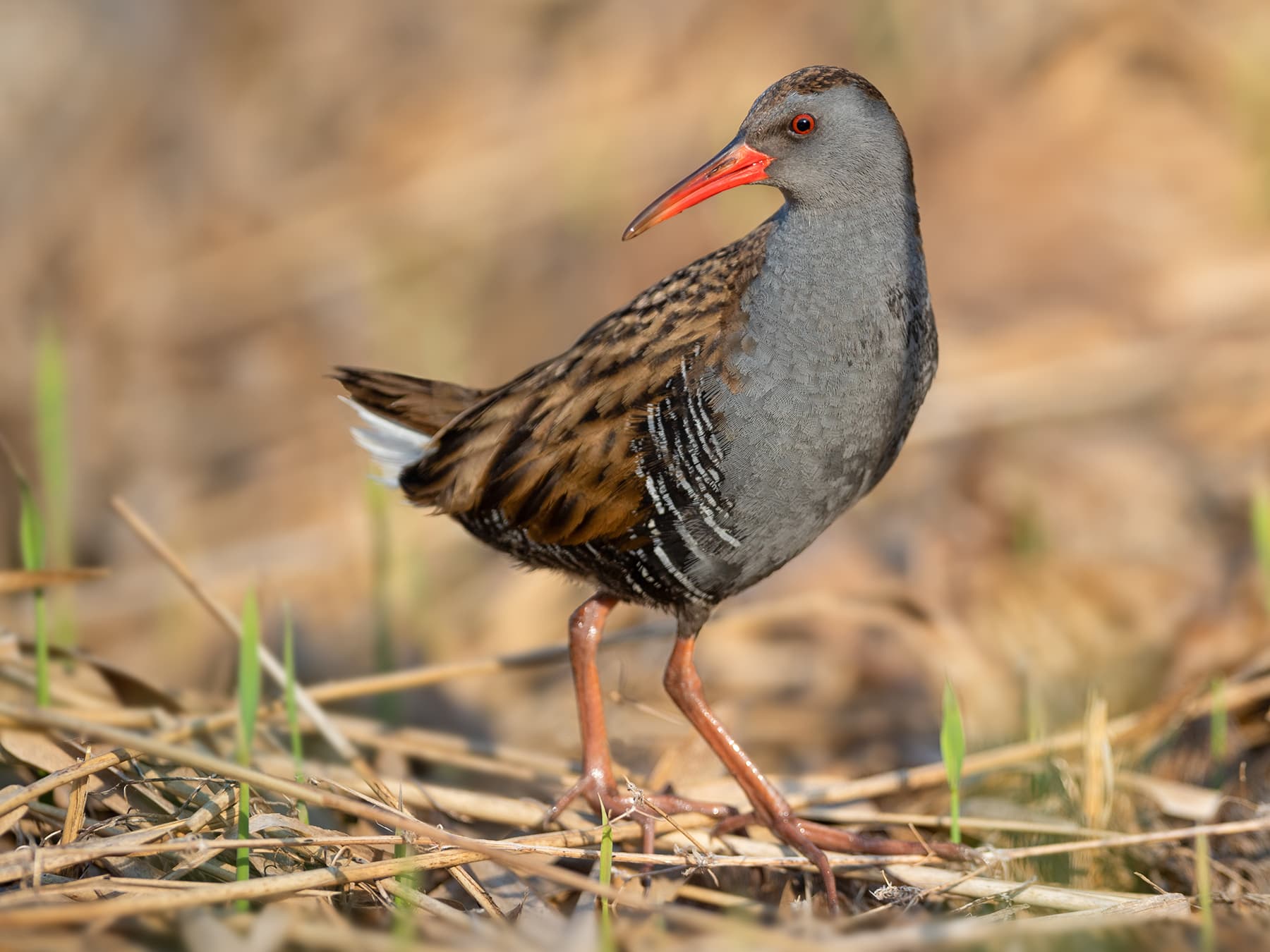
Water Rail
Rallus aquaticusLC
A secretive year-round resident of reedbeds and marshy ditches, more often heard squealing than seen. Wetlands around the Humber are key sites.
Year-round
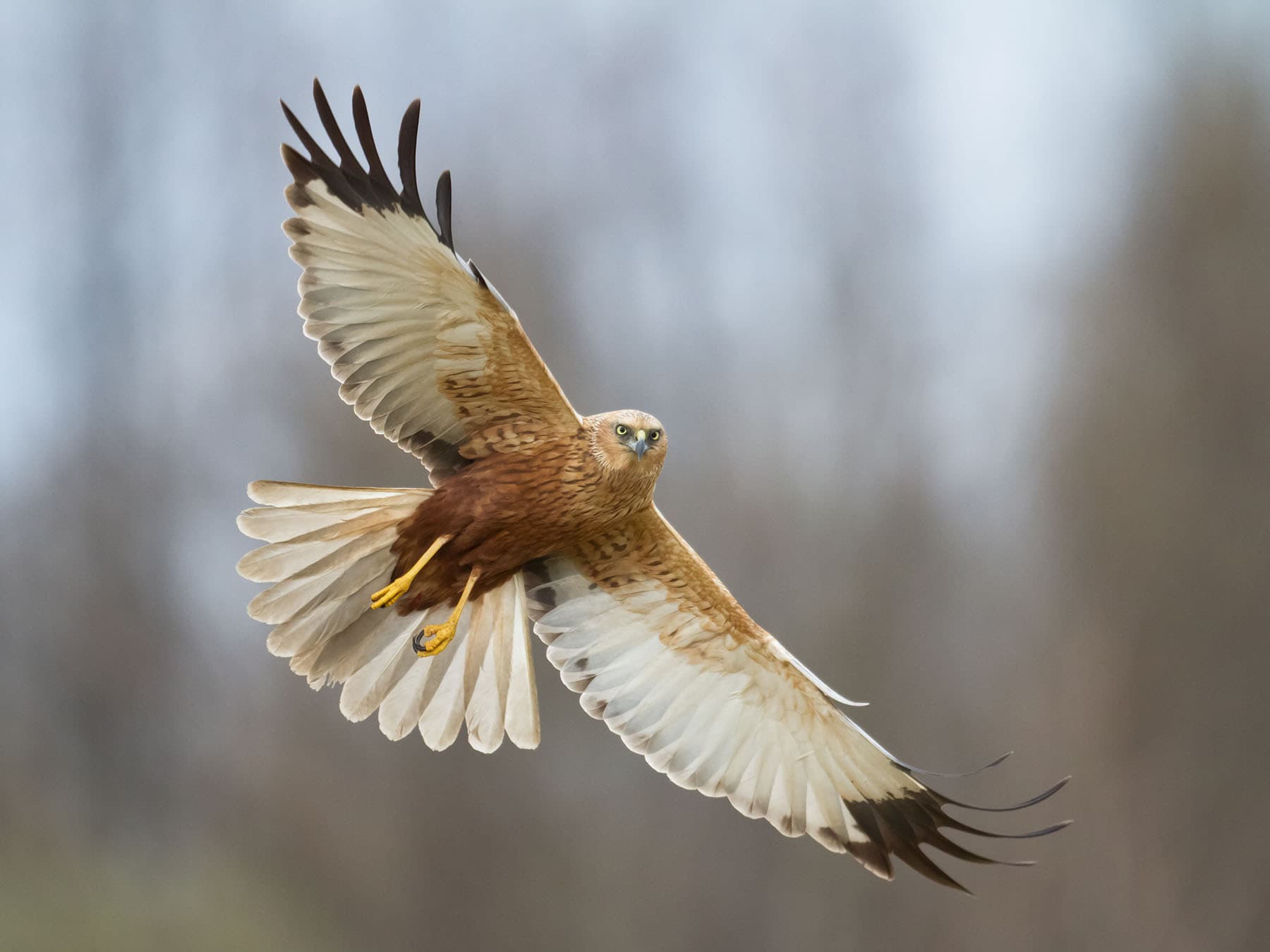
Western Marsh-harrier
Circus aeruginosusLC
An uncommon resident of lowland marshes and reedbeds, often quartering over wetlands at sites like Blacktoft Sands and Tophill Low.
Year-round
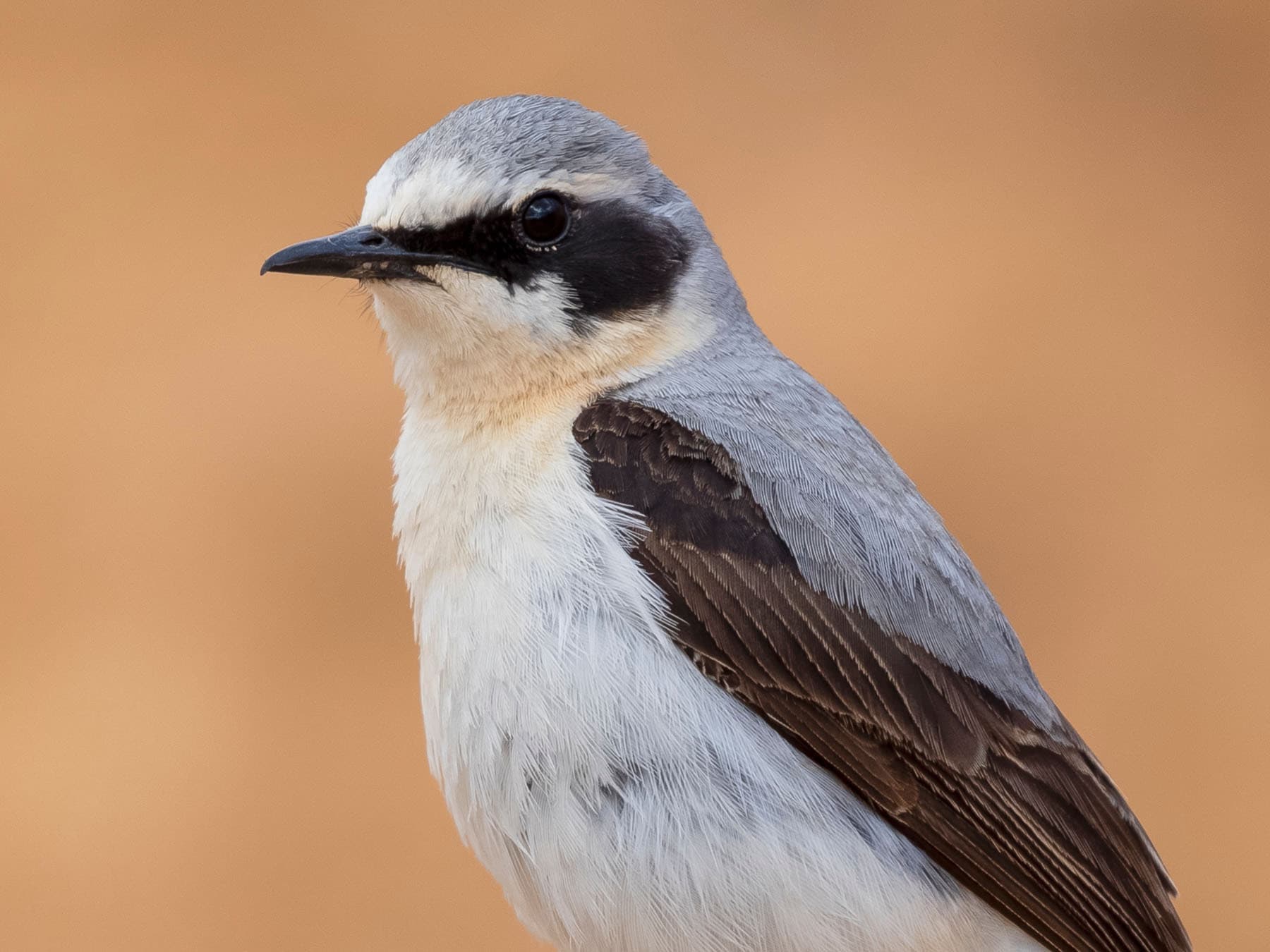
Wheatear
Oenanthe oenantheLC
An uncommon breeder on open ground along the chalk cliffs and Wolds. Passage birds are widespread along the coast from March to October.
Mar–Oct
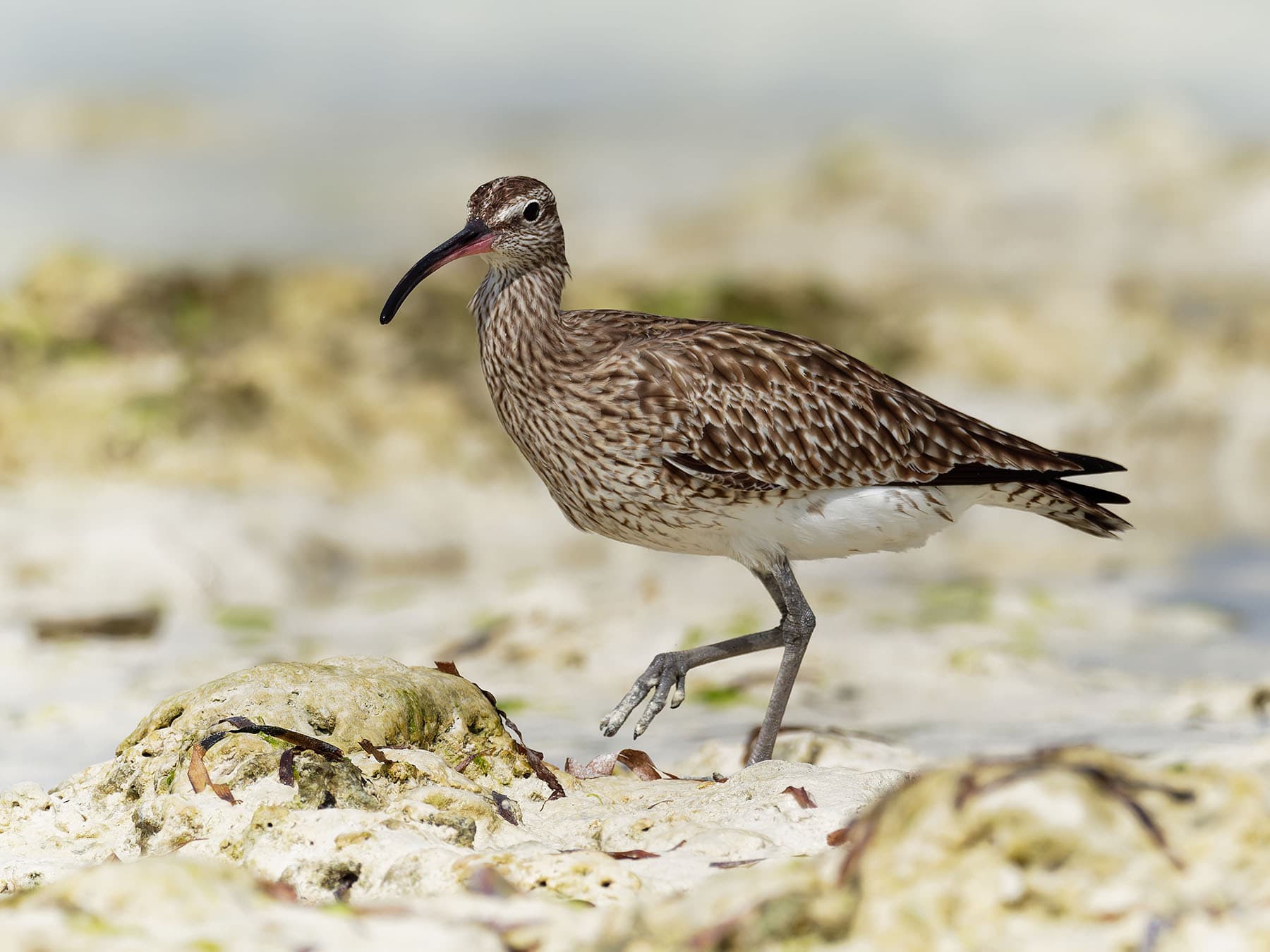
Whimbrel
Numenius phaeopusLC
An uncommon passage and coastal wader, most evident in spring and autumn. Its distinctive rippling call separates it from the larger Curlew.
Jan–Oct
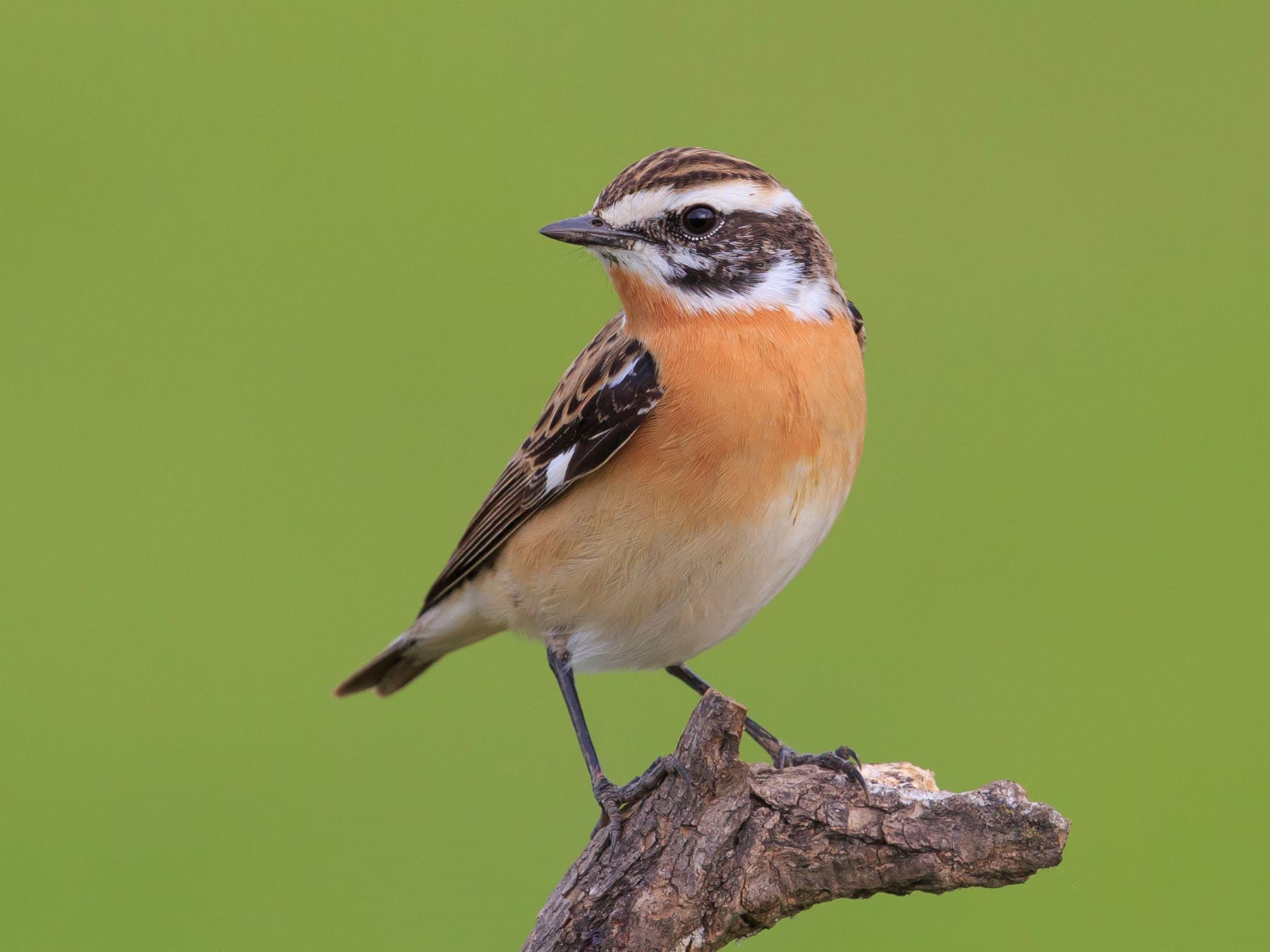
Whinchat
Saxicola rubetraLC
An uncommon passage migrant through scrubby coastal habitats in spring and autumn. Declining as a breeder across much of England.
Apr–Oct
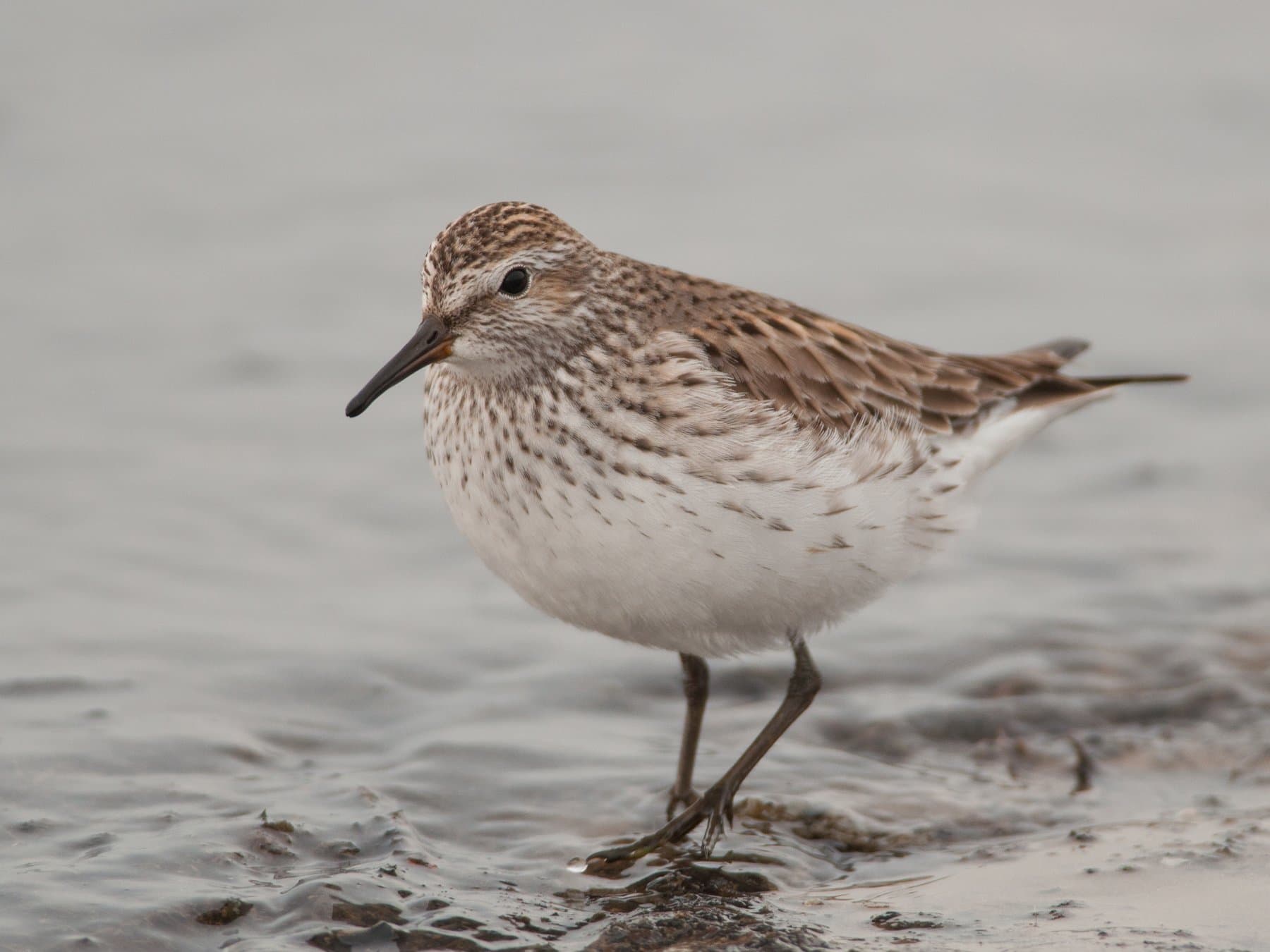
White-rumped Sandpiper
Calidris fuscicollisVU
A rare Nearctic wader occasionally found on coastal mudflats and pools from July to September during autumn passage.
Jul–Sep
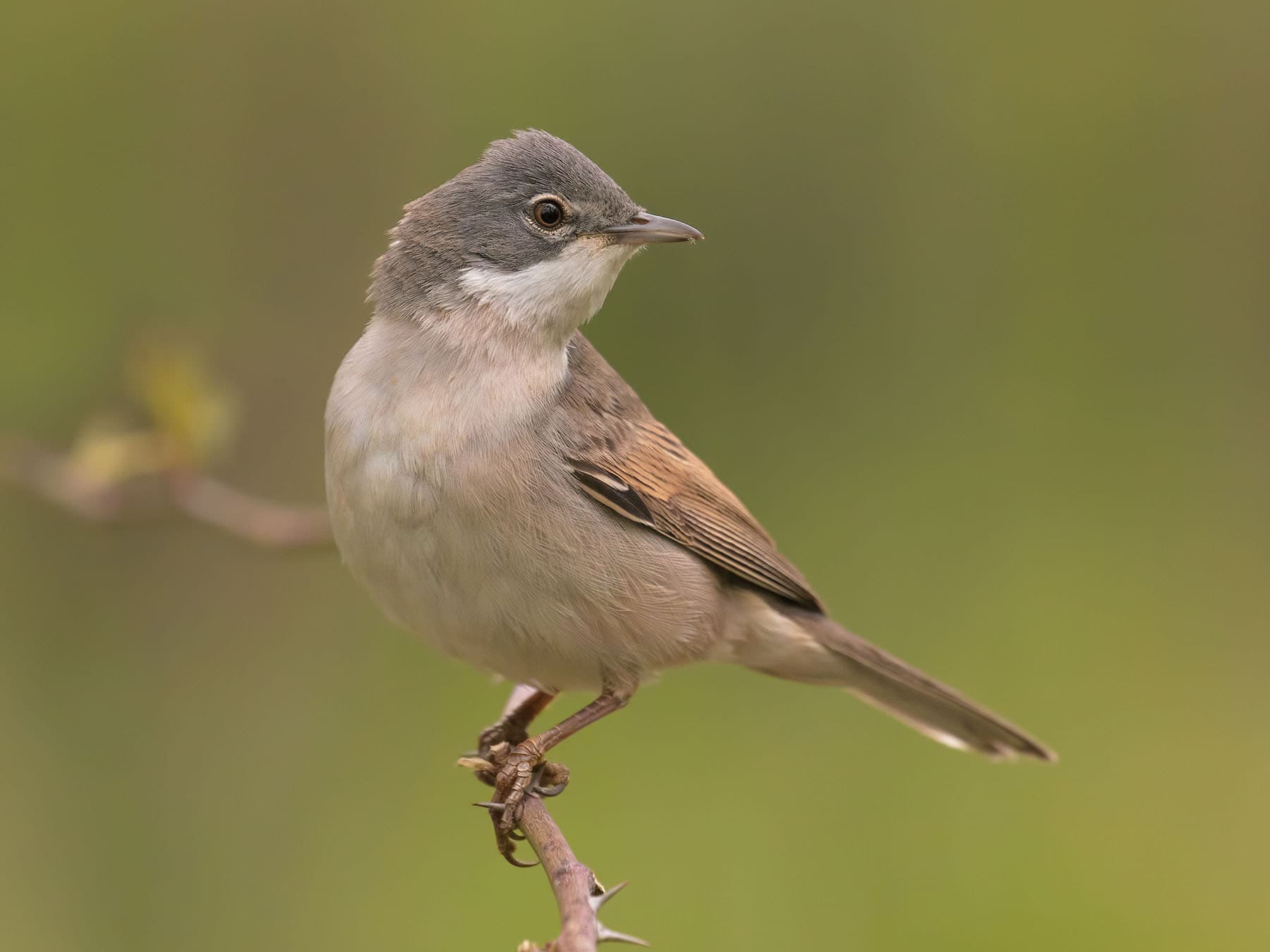
Whitethroat
Curruca communisLC
A common summer breeder found in hedgerows and scrubby field margins from April to October, delivering its scratchy song across the Wolds.
Apr–Oct
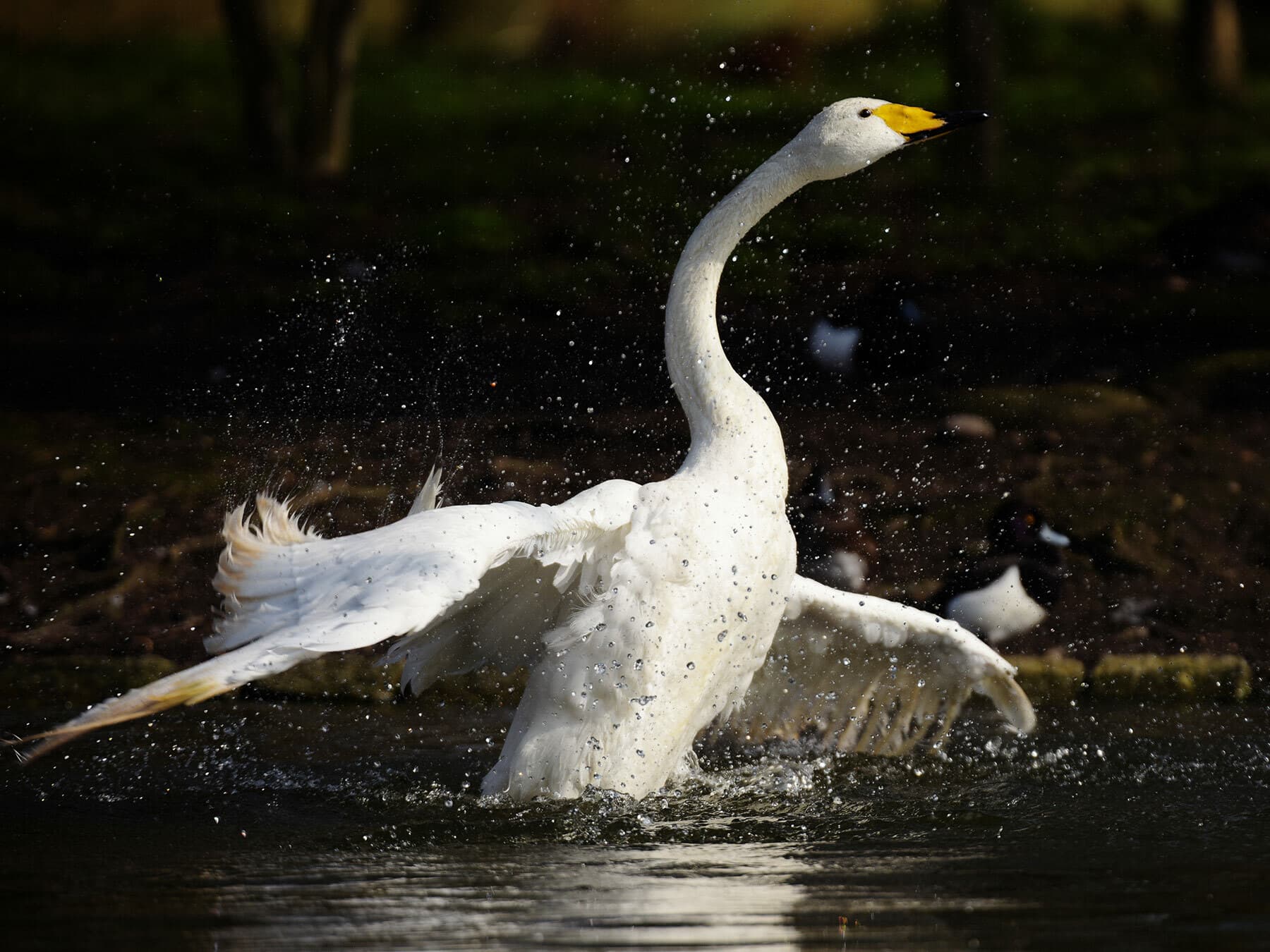
Whooper Swan
Cygnus cygnusLC
An uncommon winter visitor to wetlands and flooded fields, with bugling calls heard from October to April.
Oct–May
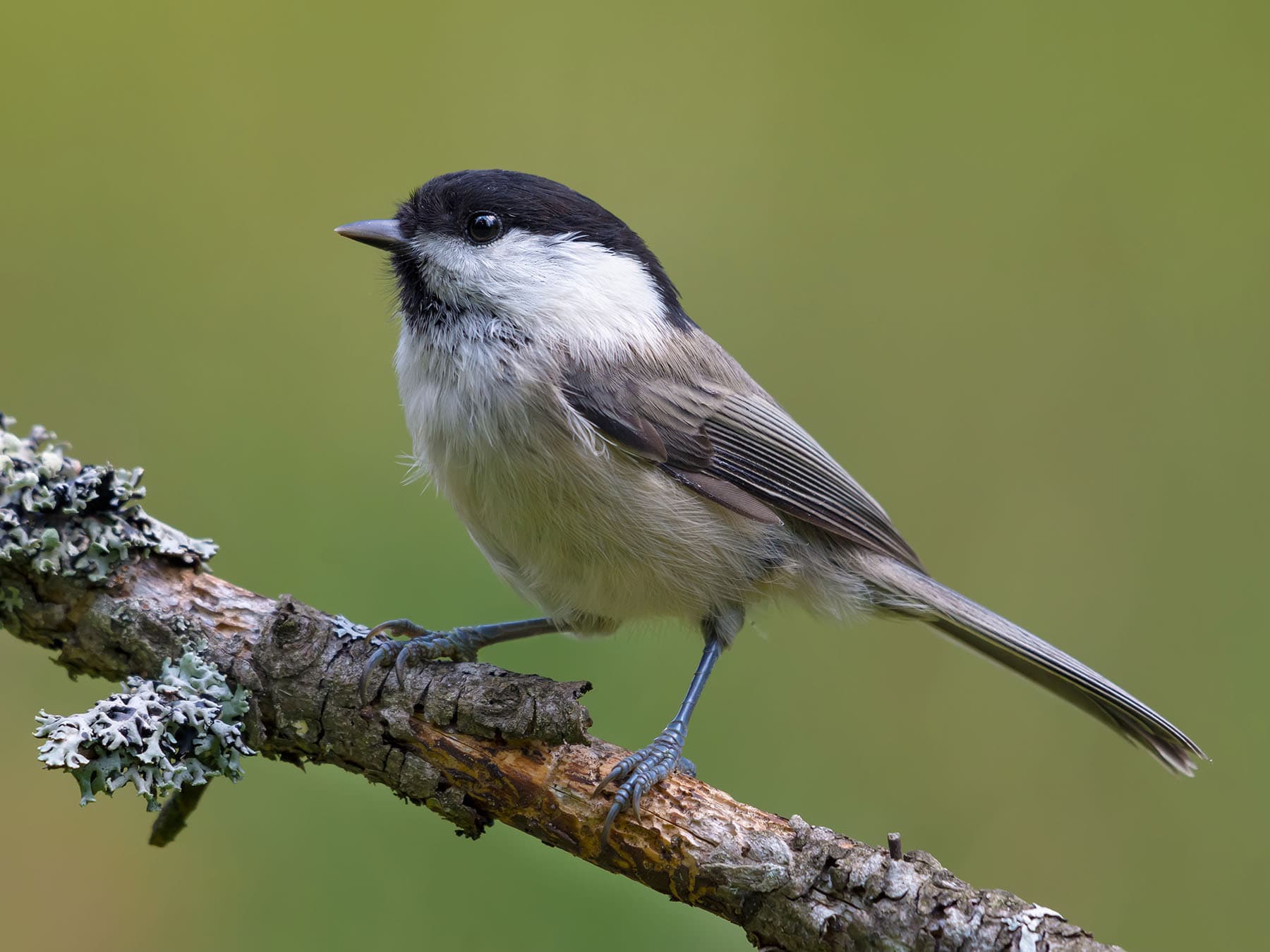
Willow Tit
Poecile montanusLC
A scarce and declining resident, found in damp woodland with dead birch and willow where it excavates its own nest holes.
Nov–Aug
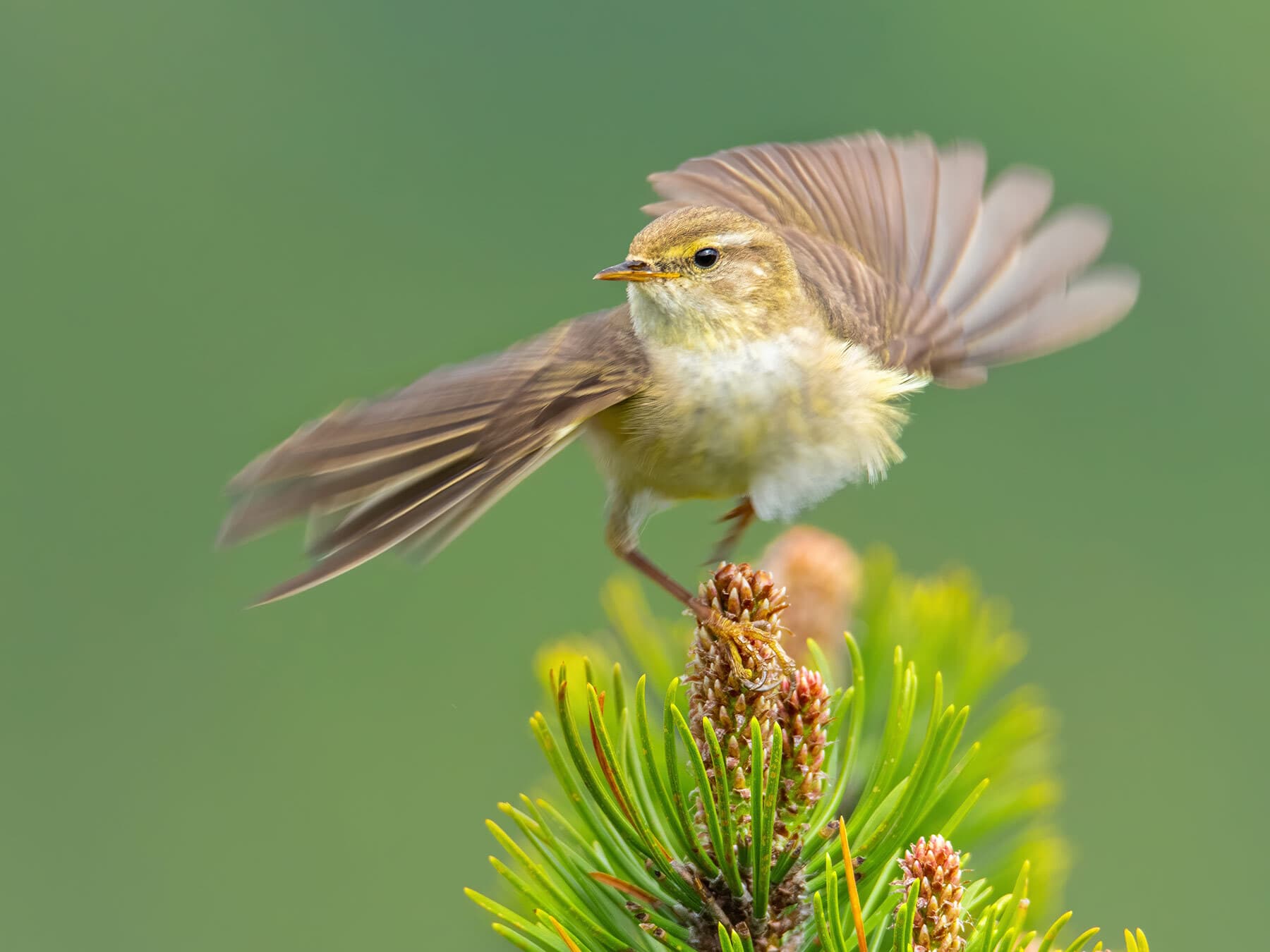
Willow Warbler
Phylloscopus trochilusLC
An uncommon summer breeder favouring scrubby woodland and hedgerows, with numbers declining in the region in recent decades.
Mar–Nov
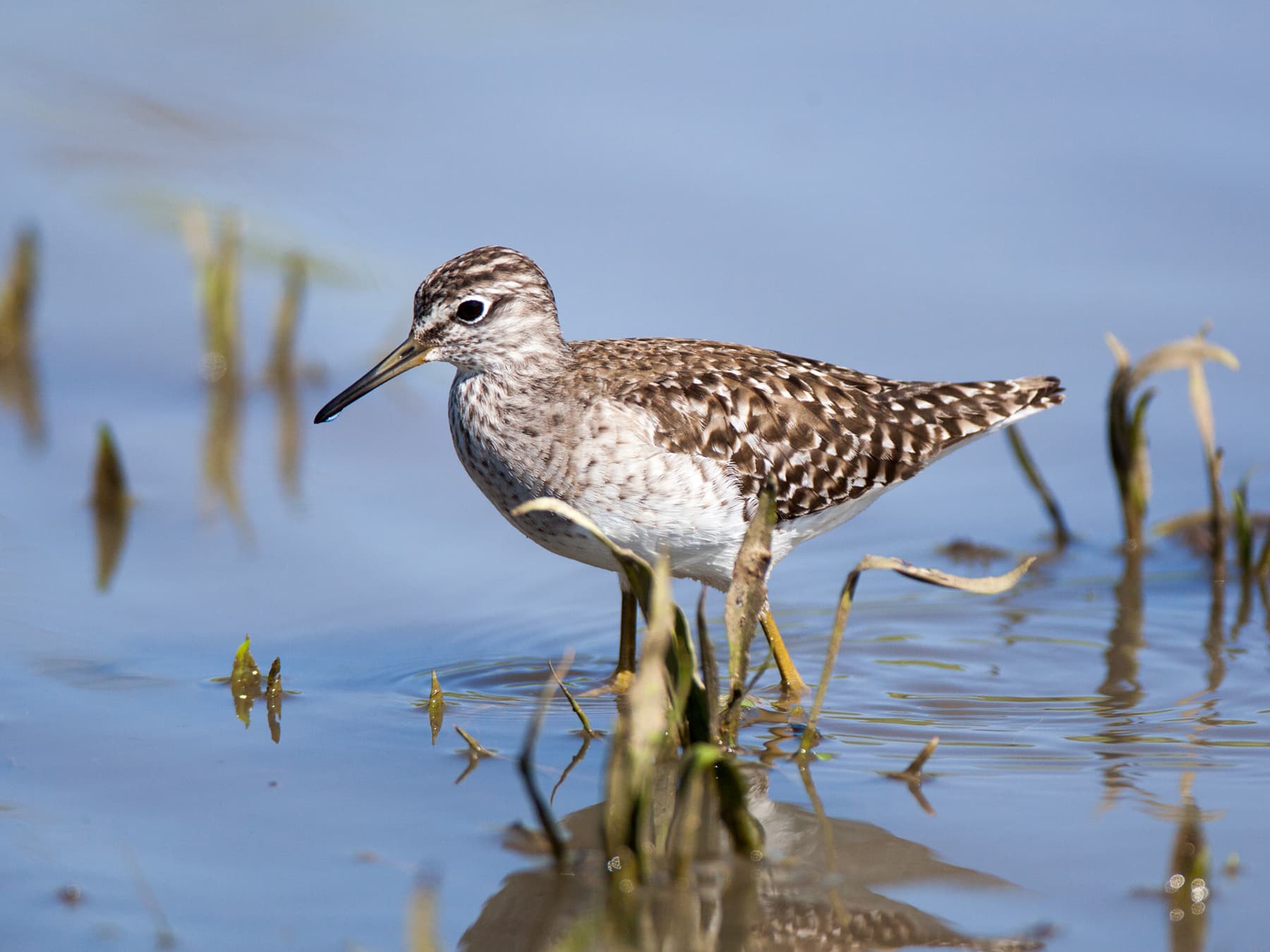
Wood Sandpiper
Tringa glareolaLC
A rare visitor from May to September, favouring freshwater marshes and flooded scrapes at sites like Tophill Low and the Humber wetlands.
May–Sep
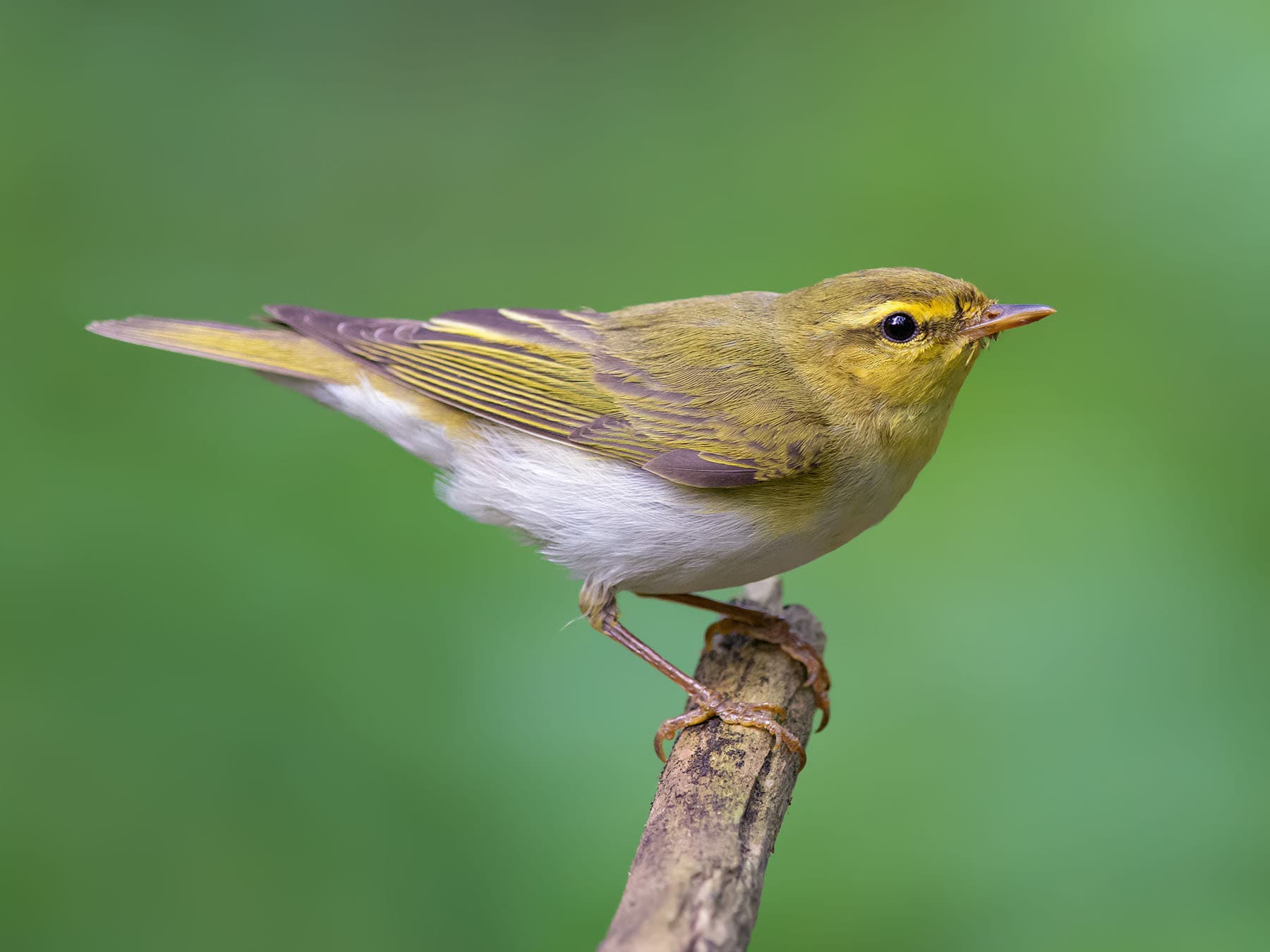
Wood Warbler
Phylloscopus sibilatrixLC
A rare autumn passage migrant, occasionally recorded at Spurn and Flamborough. Does not breed in the East Riding.
Sep
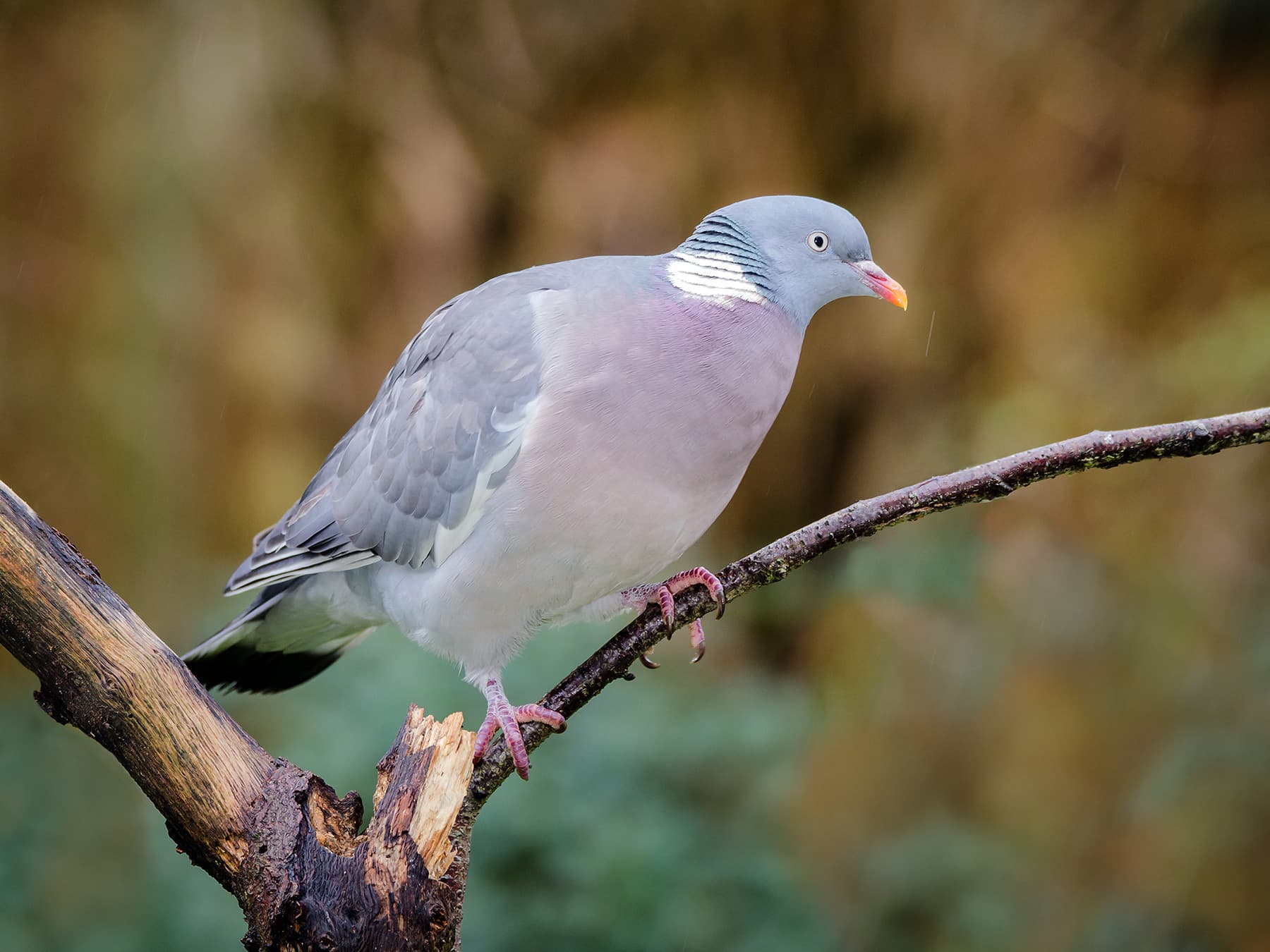
Woodpigeon
Columba palumbusLC
An abundant resident found in woodlands, parks, gardens and farmland throughout the region. Large flocks gather on arable fields in winter.
Year-round
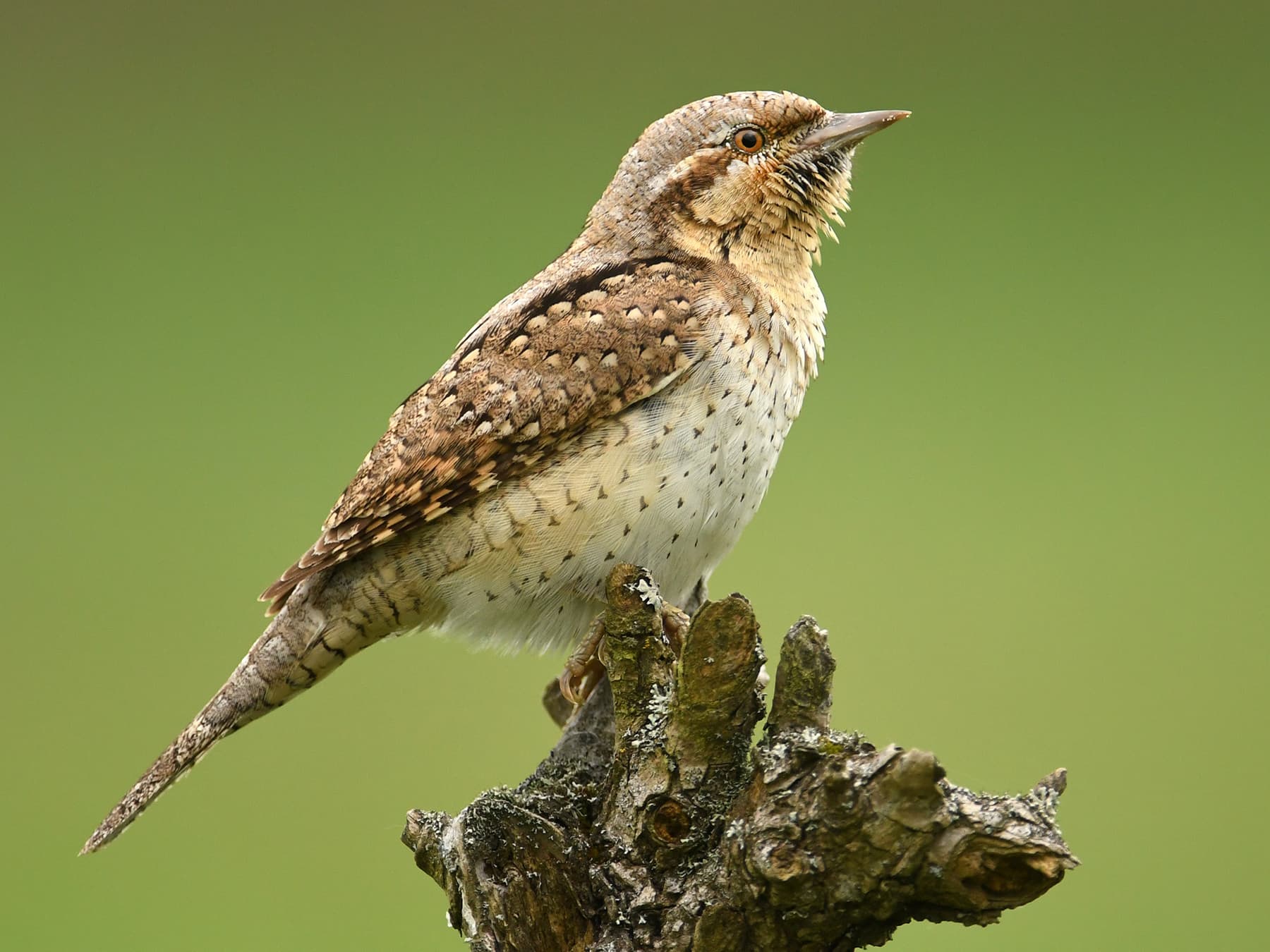
Wryneck
Jynx torquillaLC
A rare autumn passage migrant, mainly recorded at coastal sites like Spurn in August and September. A drift migrant from Scandinavia.
Aug–Sep
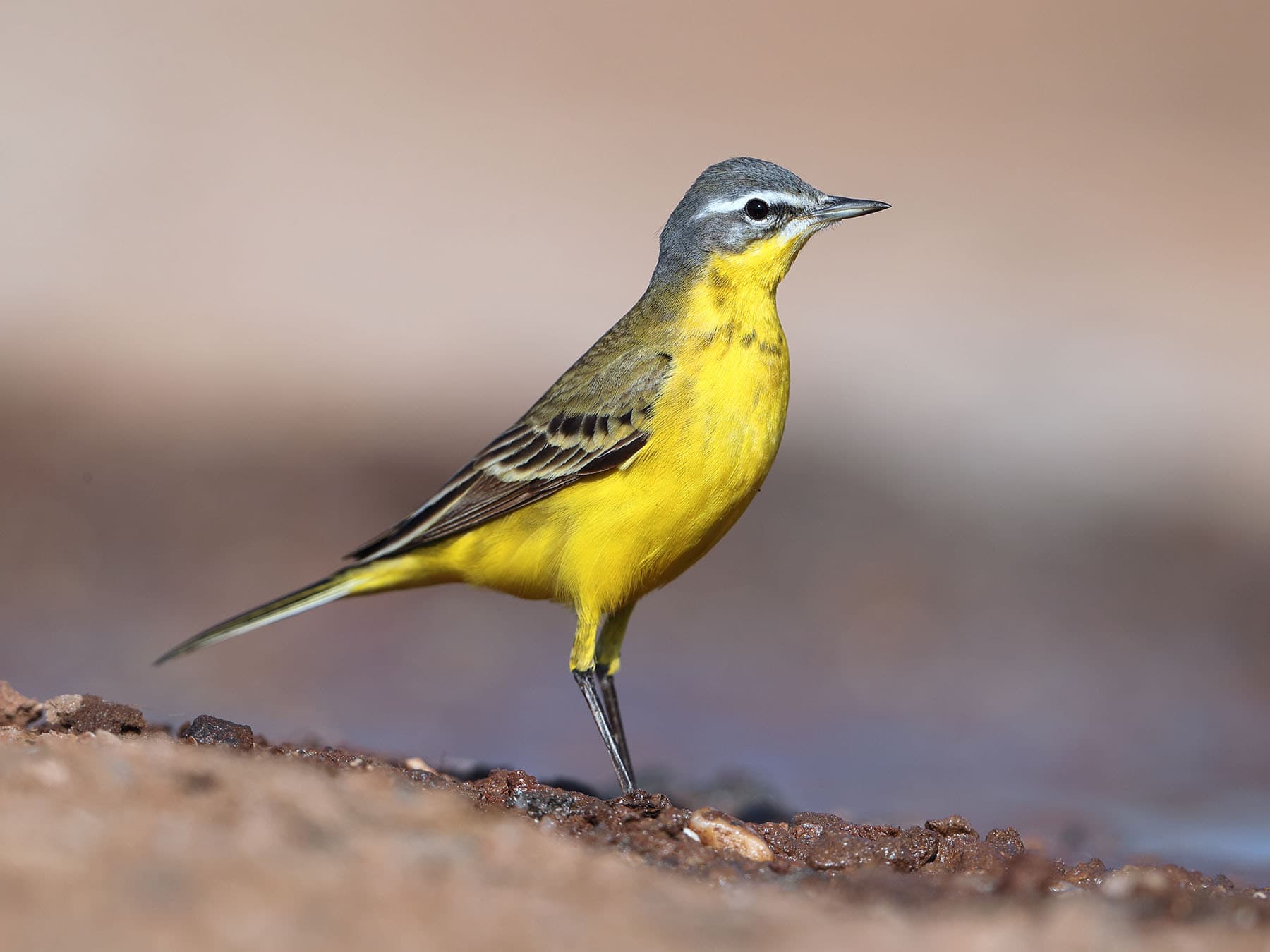
Yellow Wagtail
Motacilla flavaLC
A summer breeder on arable farmland and wet meadows, arriving in April. A declining species nationally; the lowlands here remain a stronghold.
Apr–Oct