Rare Birds in East Riding of Yorkshire
93 species matching this filter.
The East Riding of Yorkshire hosts an impressive array of rare bird species, with 90 uncommon visitors and residents recorded across its diverse landscapes. From the dramatic chalk cliffs of Flamborough Head to the expansive wetlands of the Humber Estuary, the region attracts scarce species such as Bluethroat, Great Grey Shrike, and Common Crane. Coastal headlands, mudflats, and sheltered estuarine habitats make this county a magnet for vagrant and passage birds that delight dedicated birdwatchers.


Showing 70–92 of 93 species
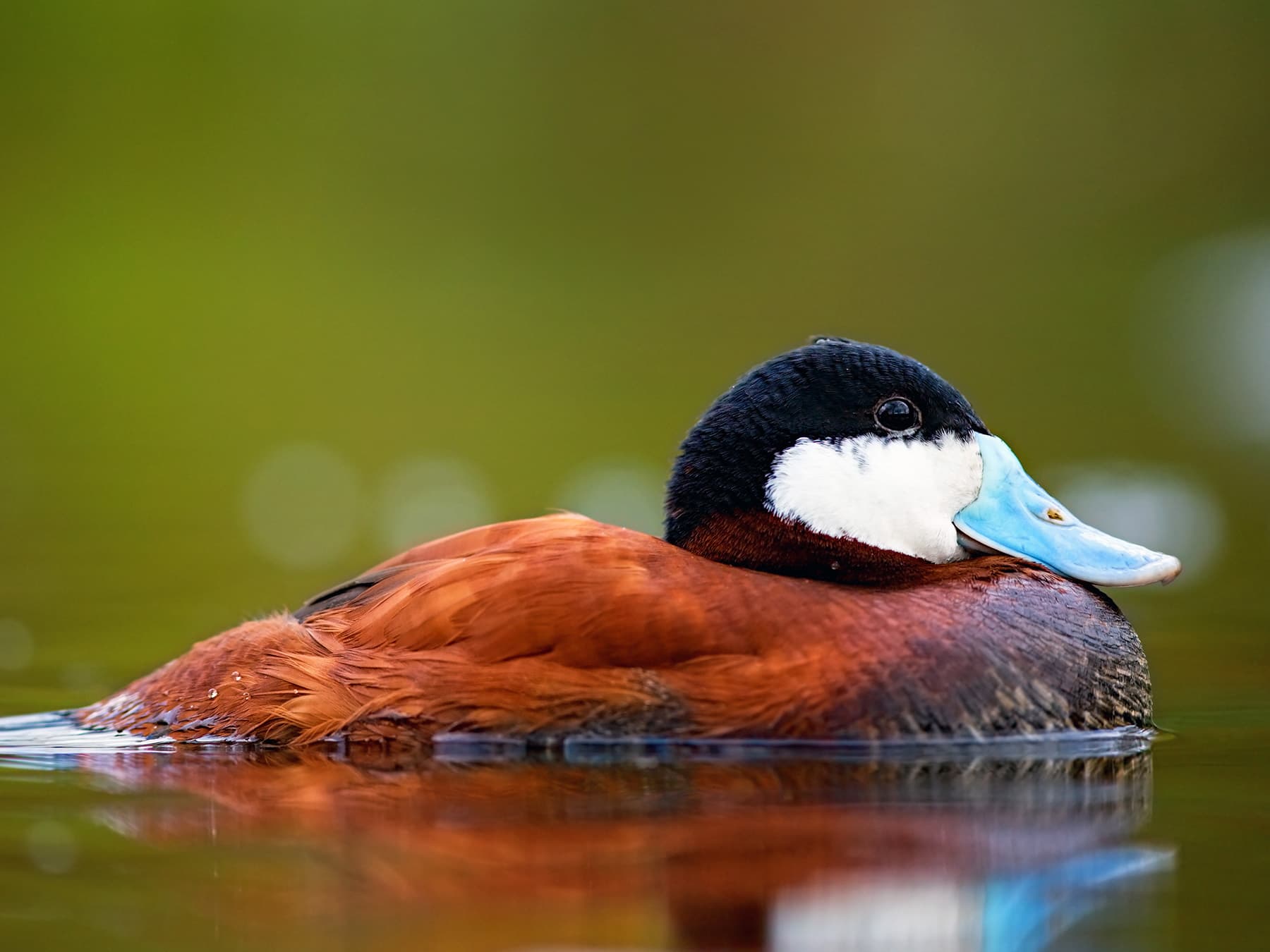
Ruddy Duck
Oxyura jamaicensisLC
A rare visitor, now extremely scarce following the national eradication programme. Occasional sightings still occur on inland waterbodies.
Jan–May
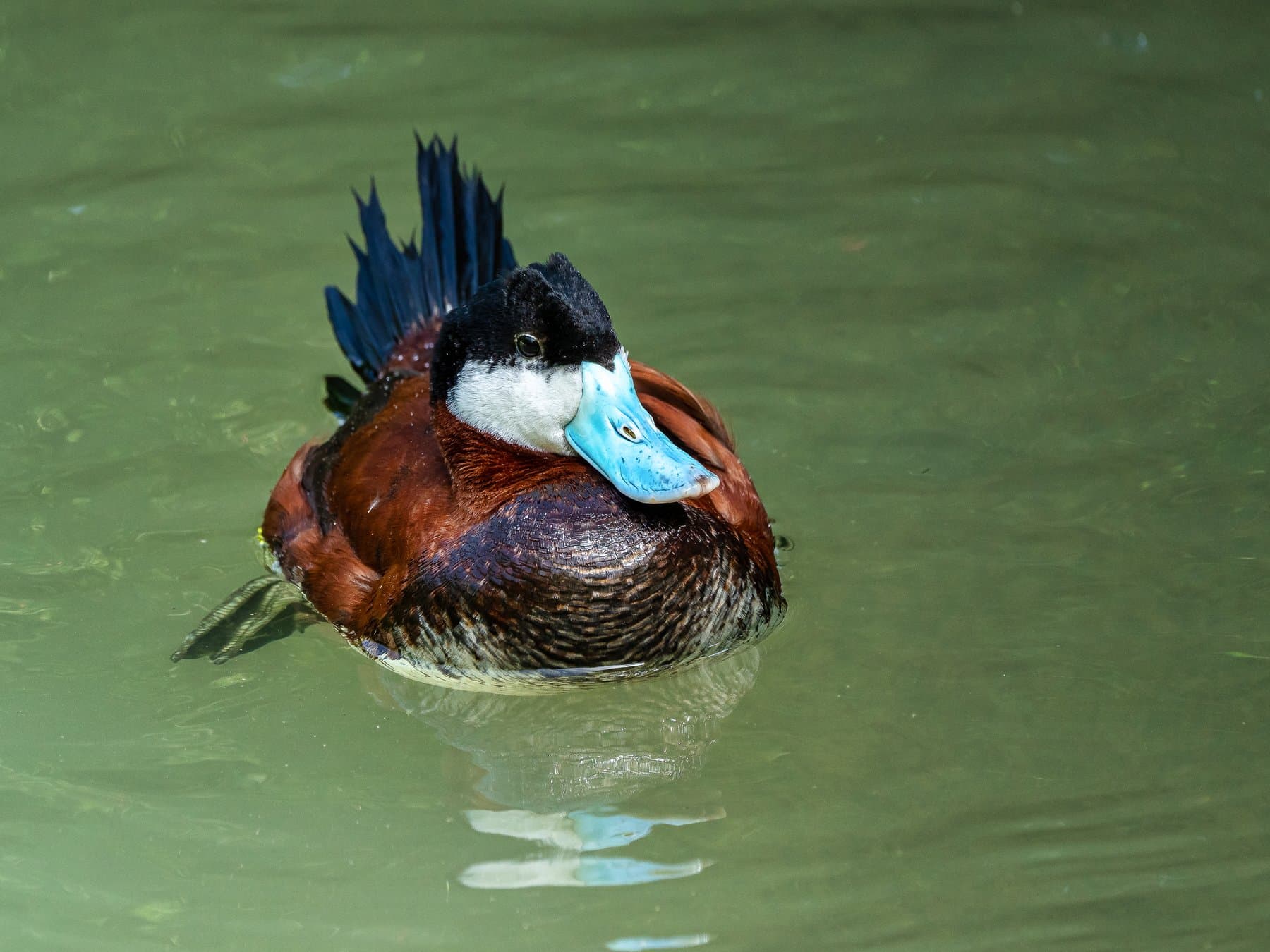
Ruddy Shelduck
Tadorna ferrugineaLC
A rare and striking vagrant, with July records possibly involving wild birds or escapees from collections.
Jul
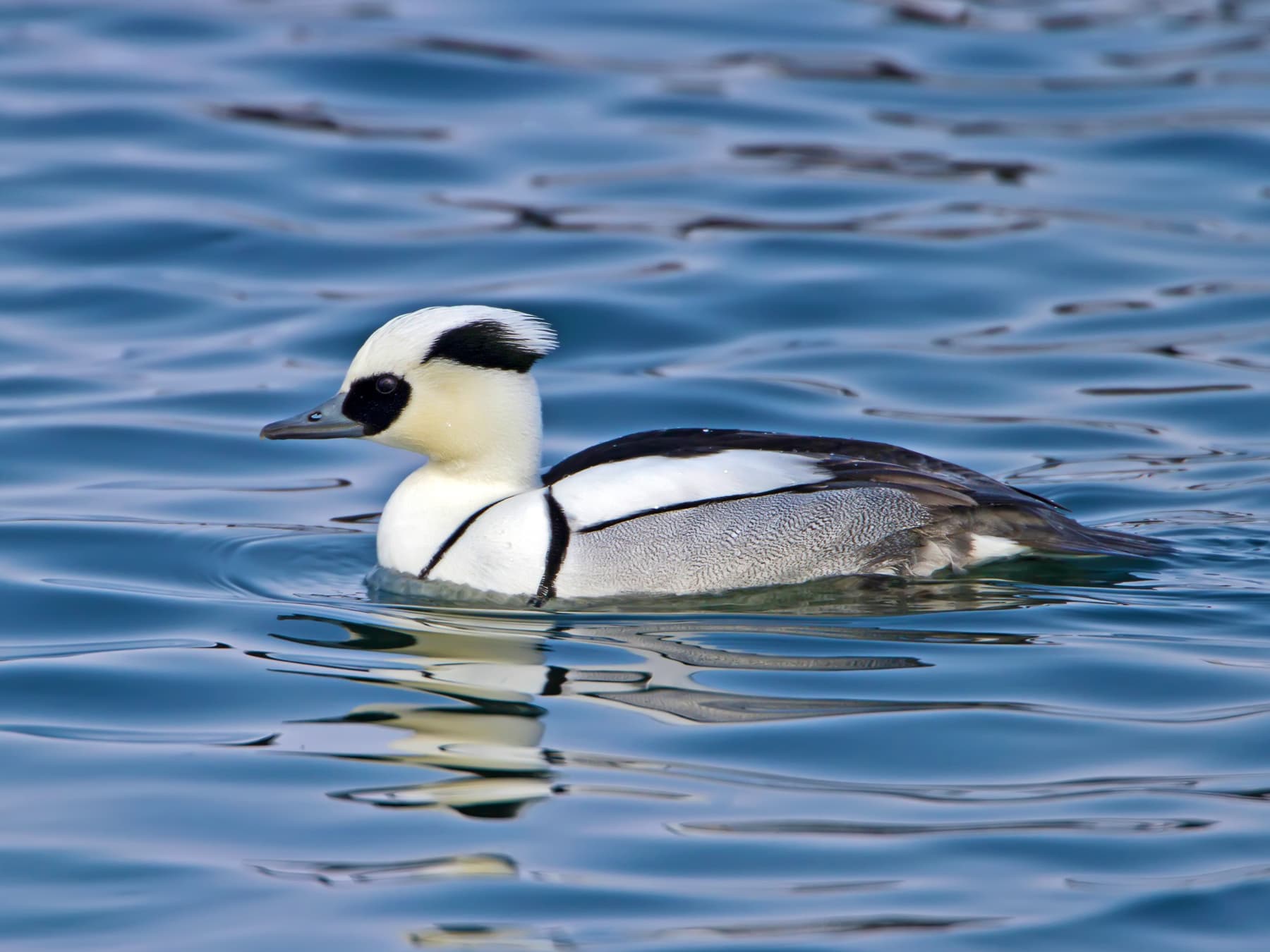
Smew
Mergellus albellusLC
A rare and prized winter visitor, occasionally appearing on inland lakes during cold spells. Most records fall between December and March.
Dec–Mar
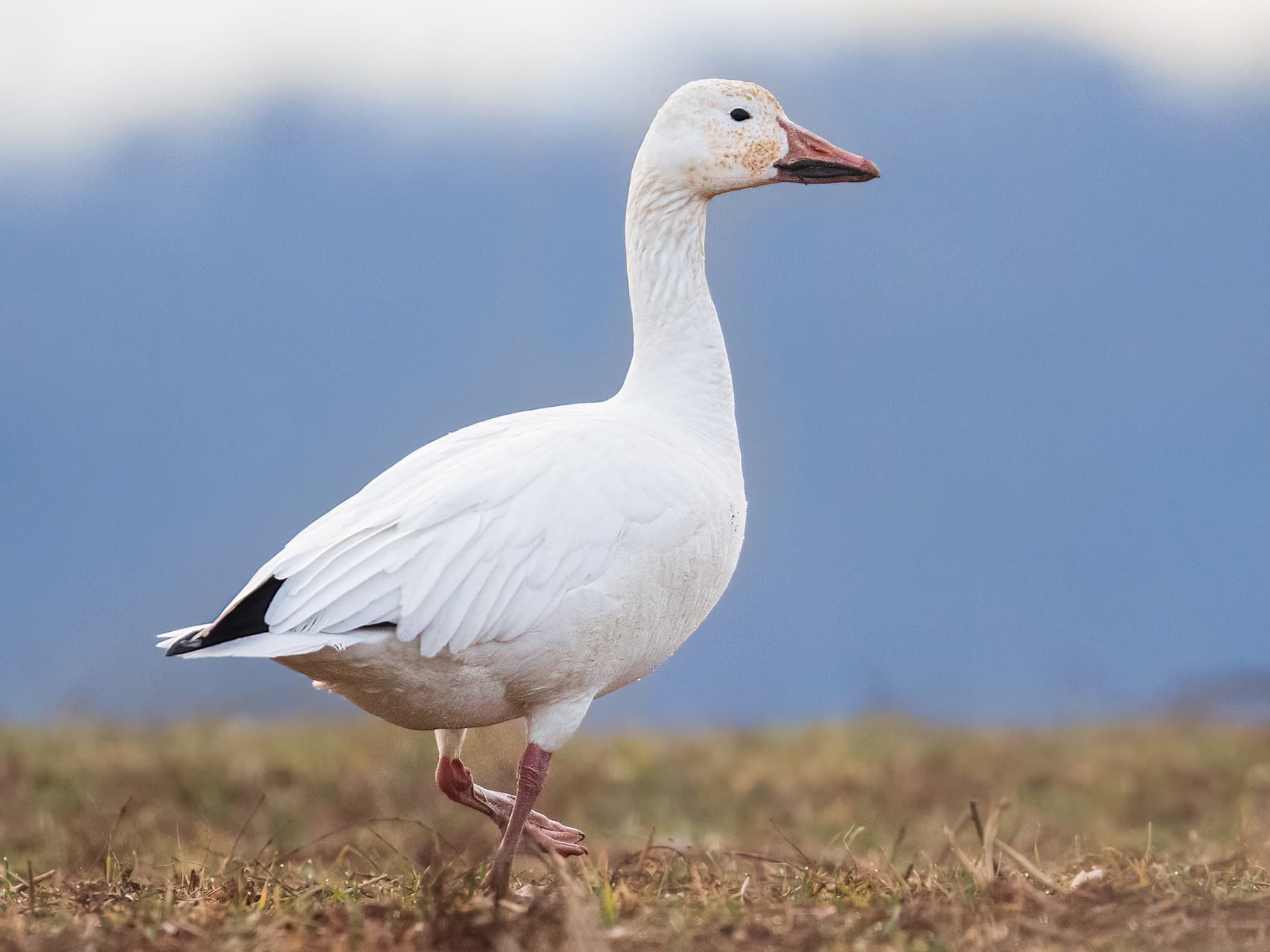
Snow Goose
Anser caerulescensLC
A rare visitor in late autumn and winter, sometimes associating with Pink-footed Goose flocks on farmland.
Nov–Dec
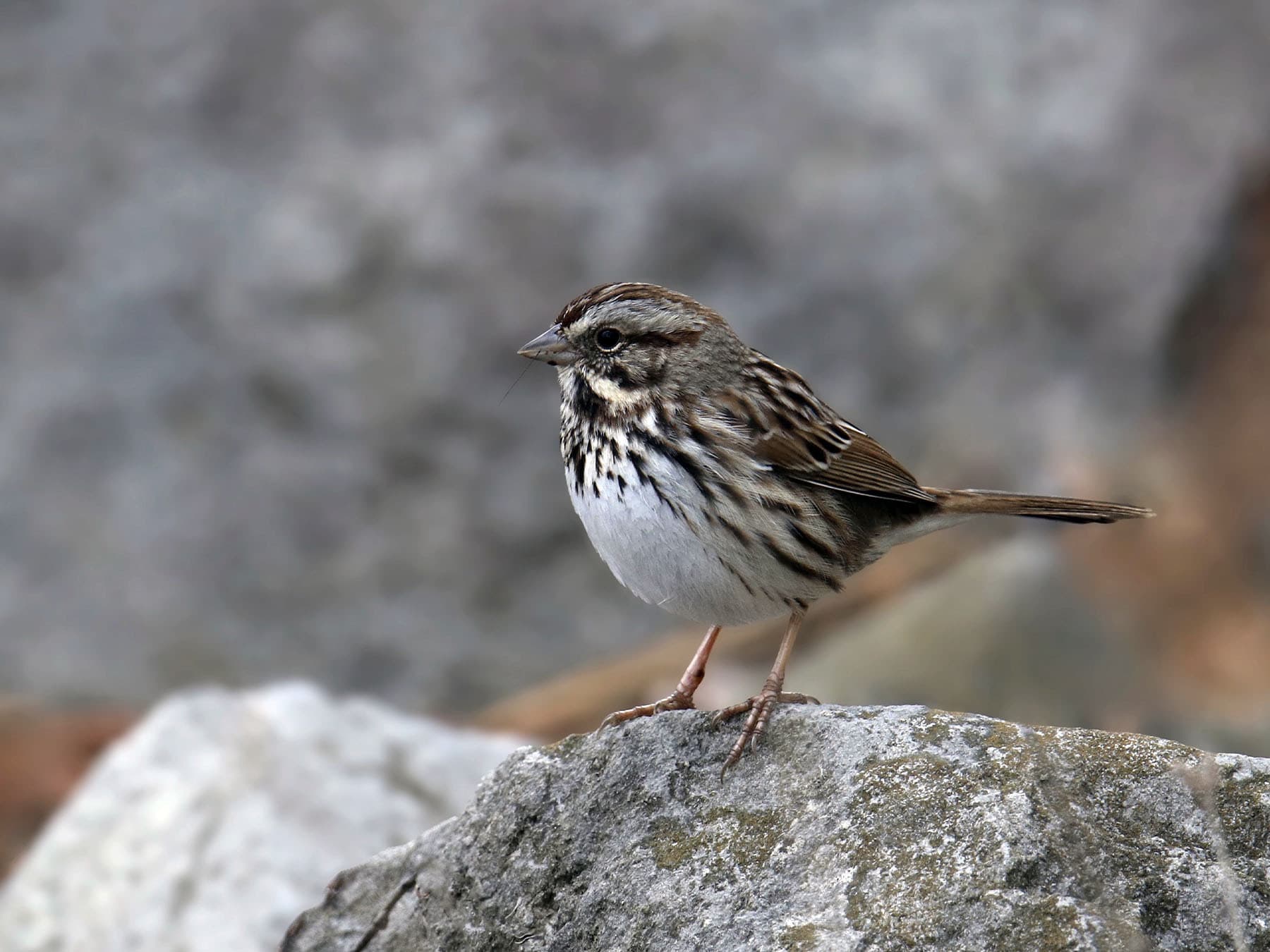
Song Sparrow
Melospiza melodiaLC
An exceptionally rare Nearctic vagrant. Any East Riding record represents a remarkable transatlantic crossing to the Yorkshire coast.
Jun
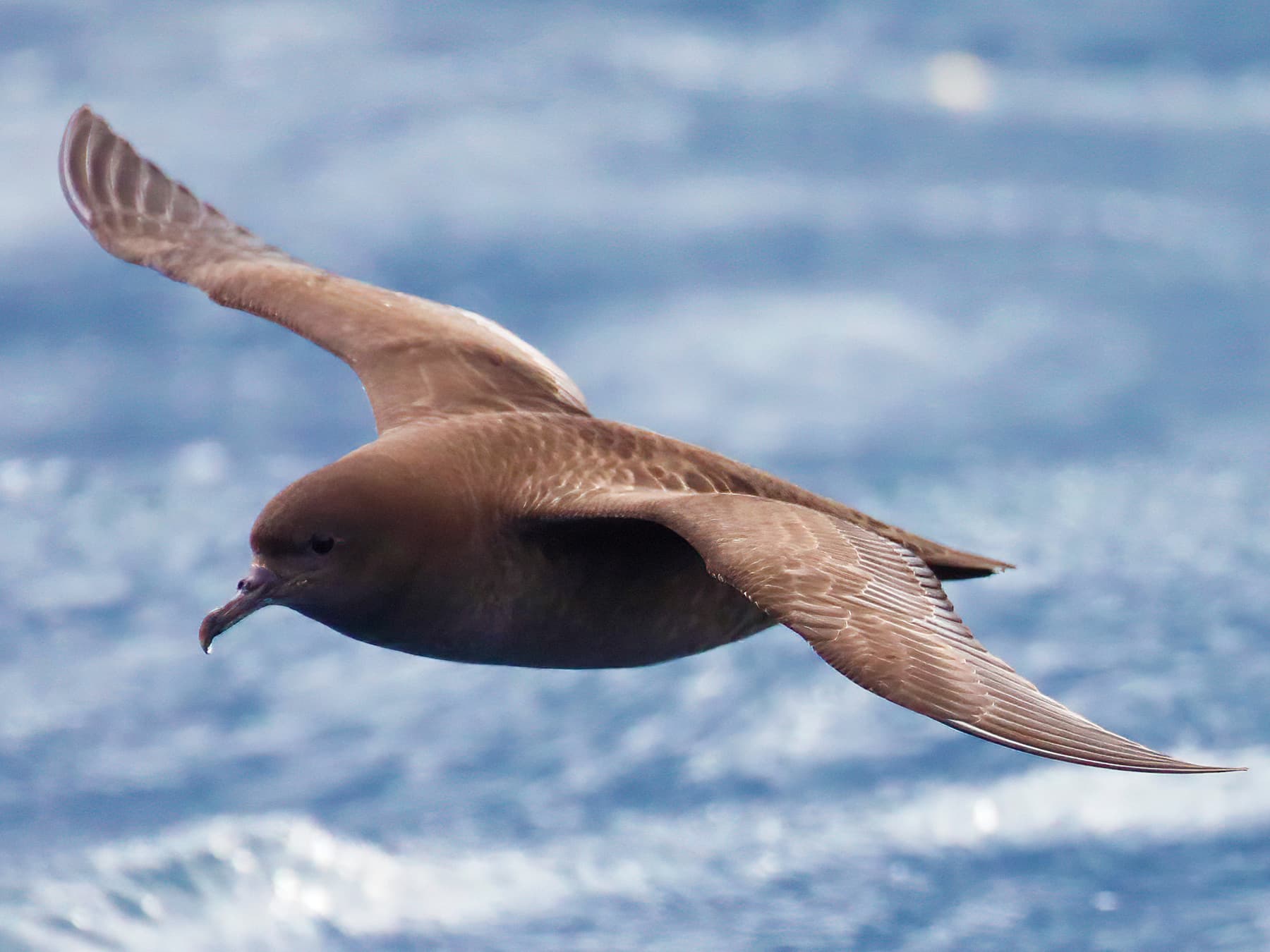
Sooty Shearwater
Ardenna griseaNT
Scarce seabird seen from headlands like Flamborough and Spurn during autumn seawatches, mainly August to November.
Aug–Nov
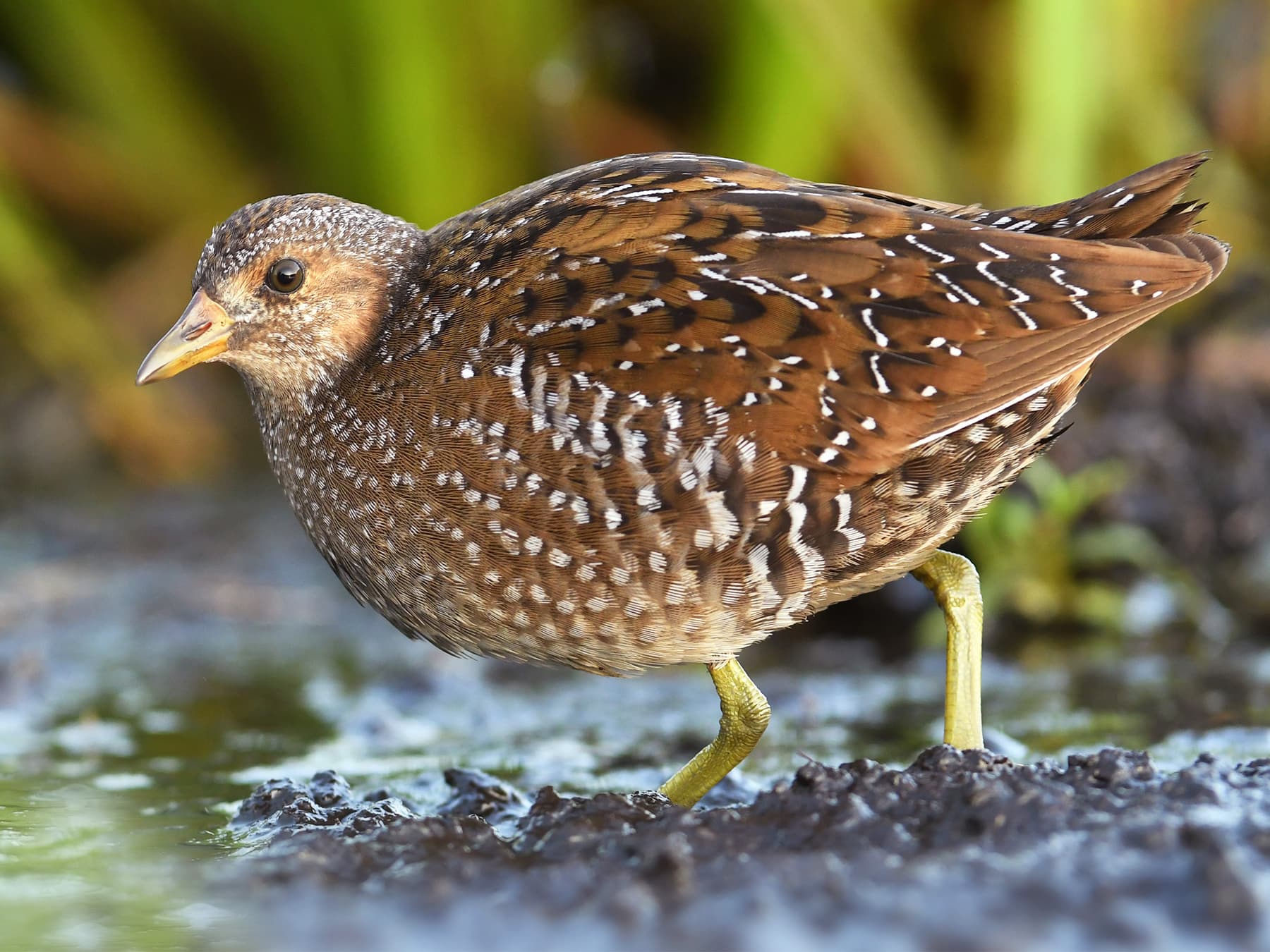
Spotted Crake
Porzana porzanaLC
A rare and secretive passage migrant through marshes and reedbeds in August, extremely difficult to observe in the region.
Aug
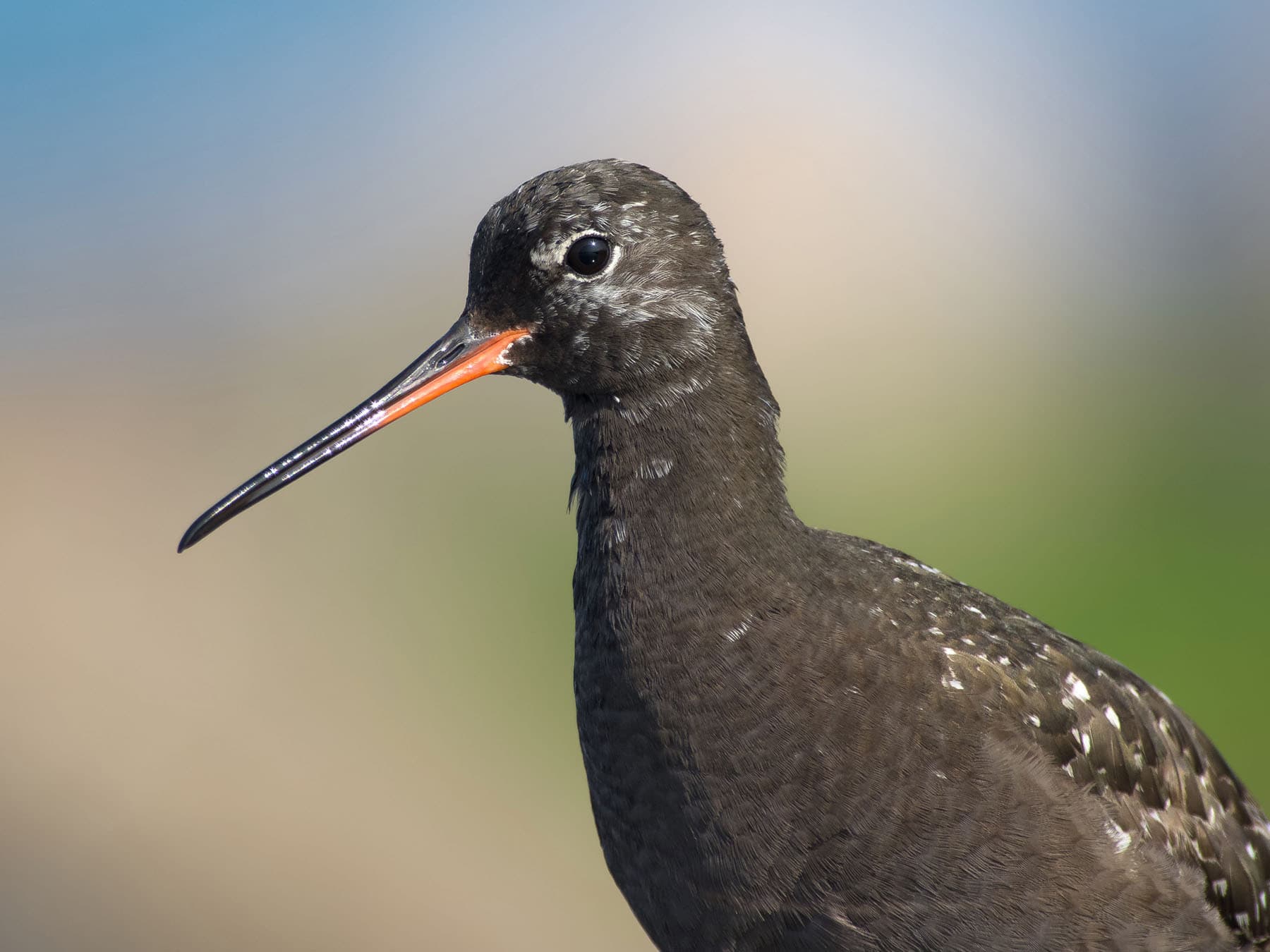
Spotted Redshank
Tringa erythropusLC
A rare visitor from spring through autumn, occasionally lingering into November at estuarine pools and coastal scrapes on the Humber.
Apr–Nov
Spotted something?
Upload a photo to identify it
Identify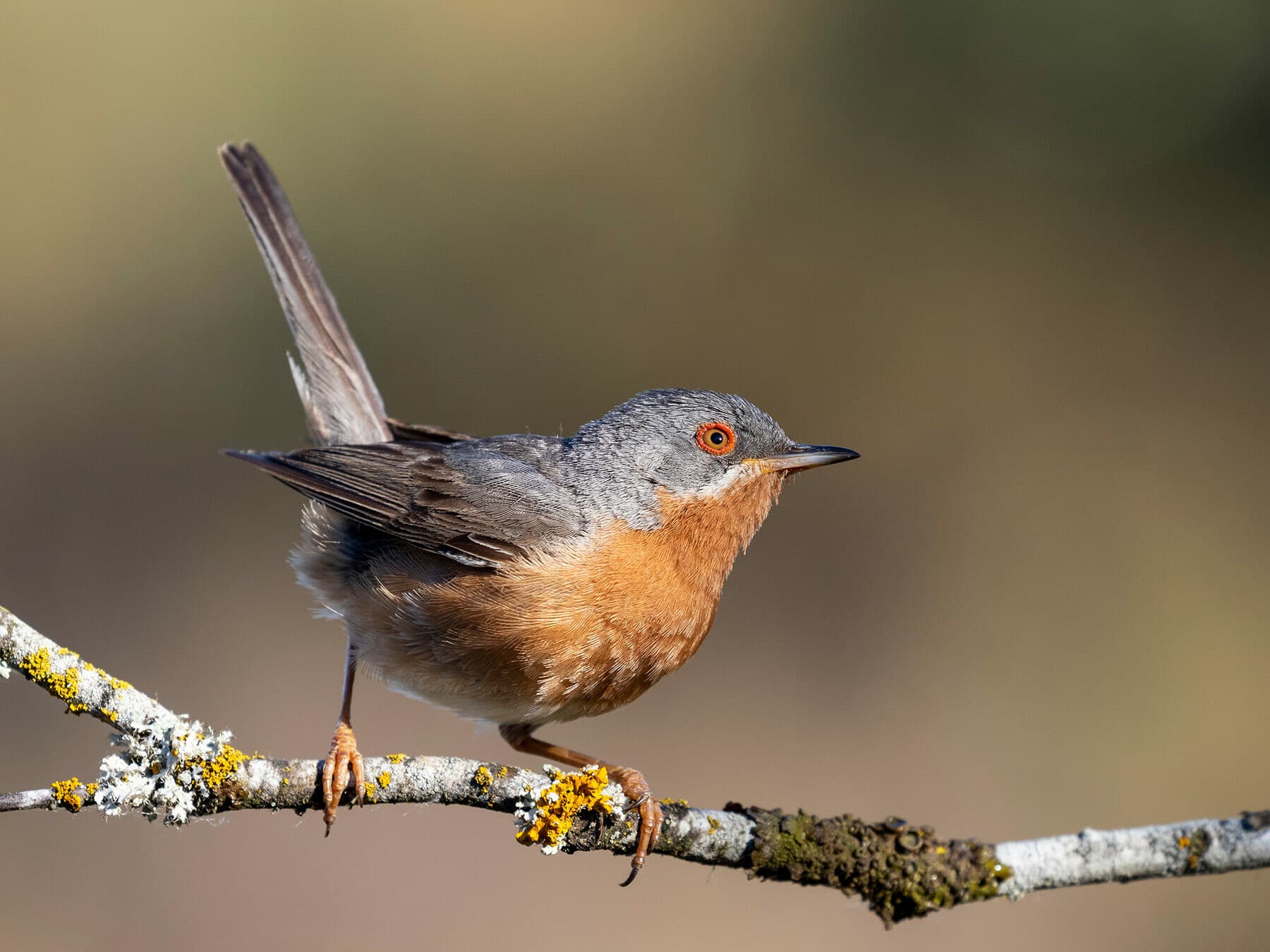
Subalpine Warbler
Curruca cantillansLC
A rare spring vagrant, occasionally recorded in May at coastal migration hotspots such as Spurn Point and Flamborough Head.
May
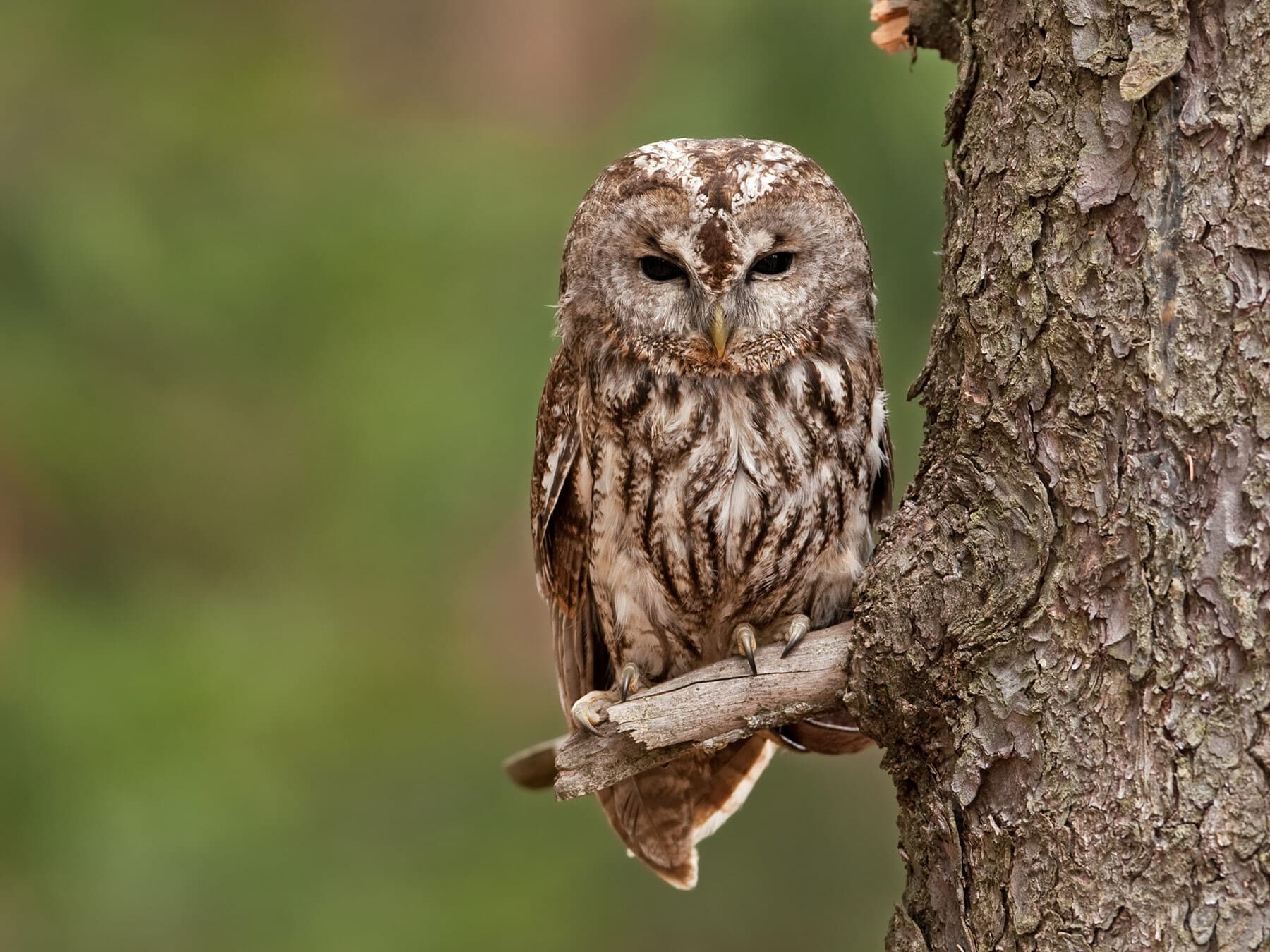
Tawny Owl
Strix alucoLC
A rare and nocturnal resident of mature woodland, more often heard hooting at night than seen in the East Riding.
Year-round
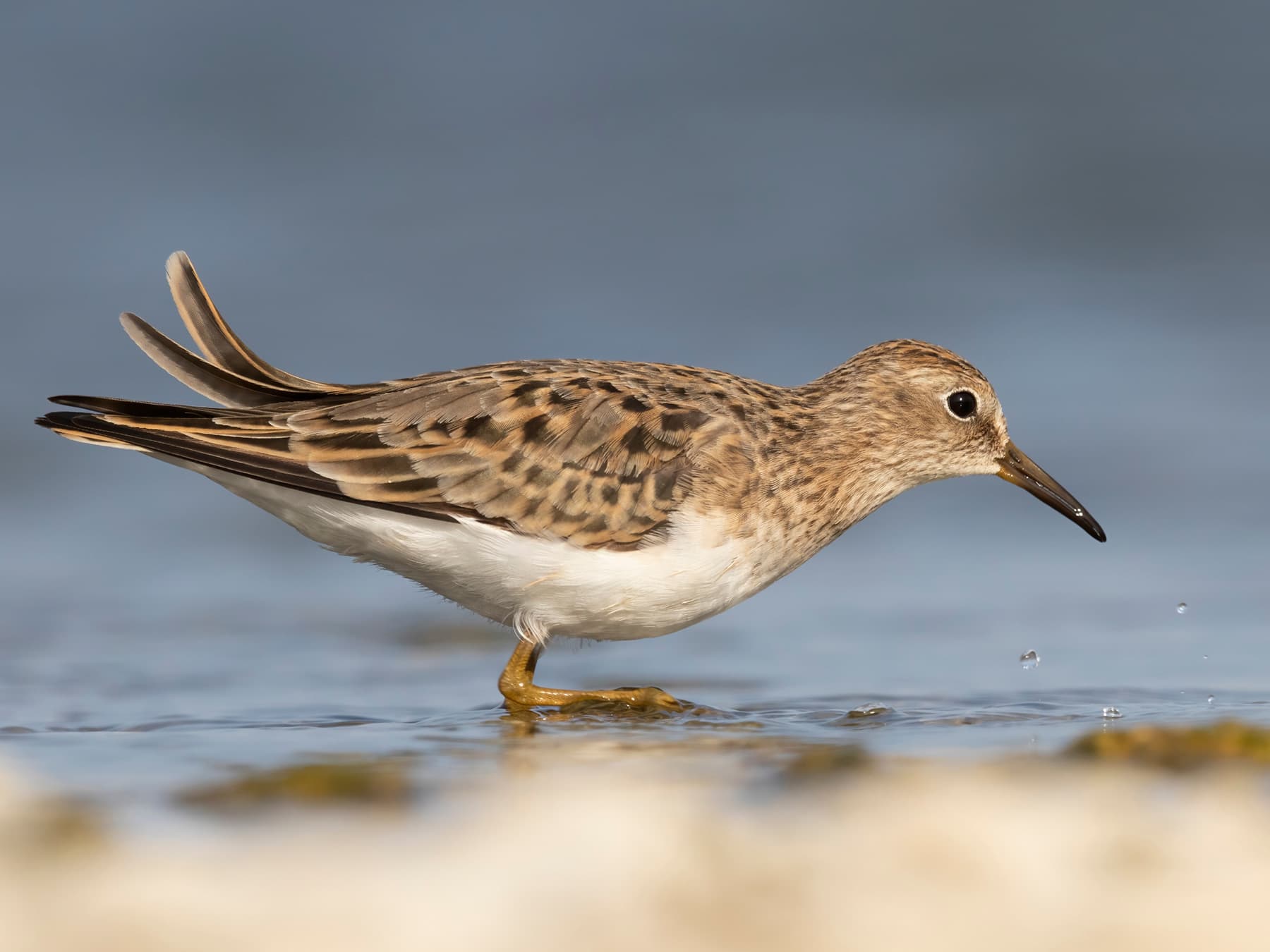
Temminck's Stint
Calidris temminckiiLC
A rare spring passage migrant, briefly appearing in May at freshwater pools and muddy scrape edges before continuing north.
May
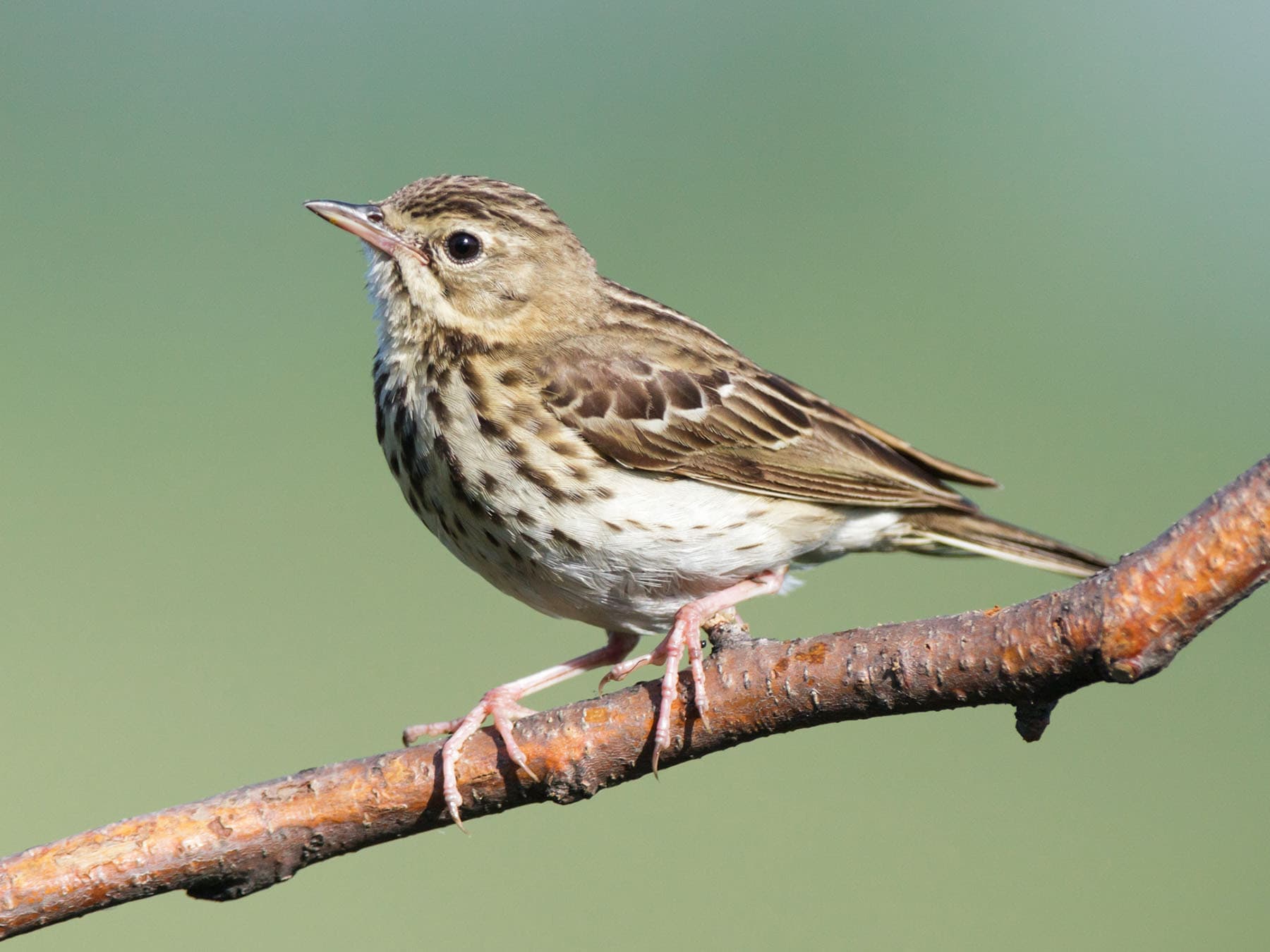
Tree Pipit
Anthus trivialisLC
A rare visitor, mainly noted on passage in spring and autumn at wooded coastal sites. Has declined significantly as a breeding species.
Apr–Oct
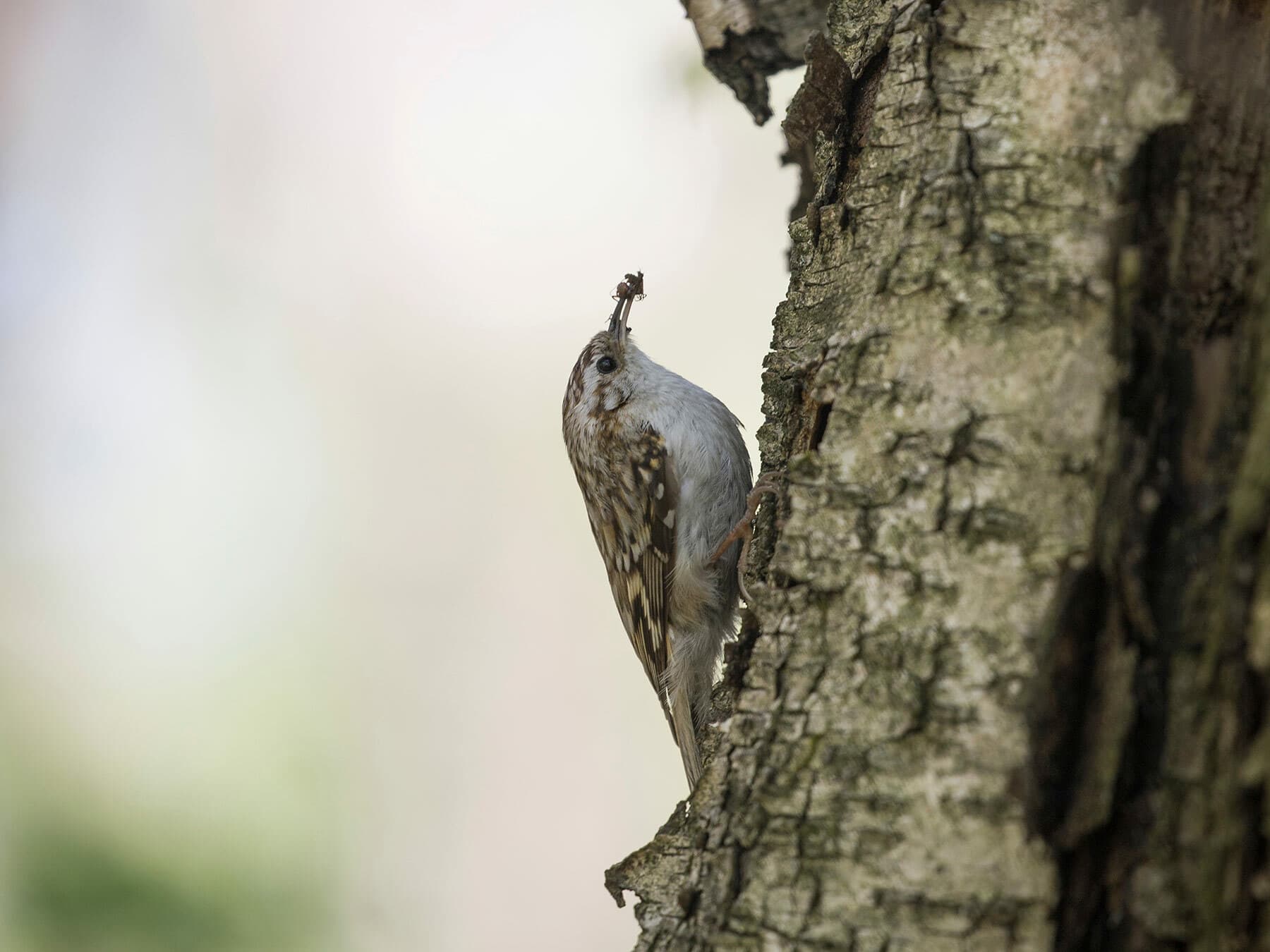
Treecreeper
Certhia familiarisLC
A rare but year-round resident, creeping up tree trunks in mature woodland. Easily overlooked due to its quiet habits and cryptic plumage.
Year-round
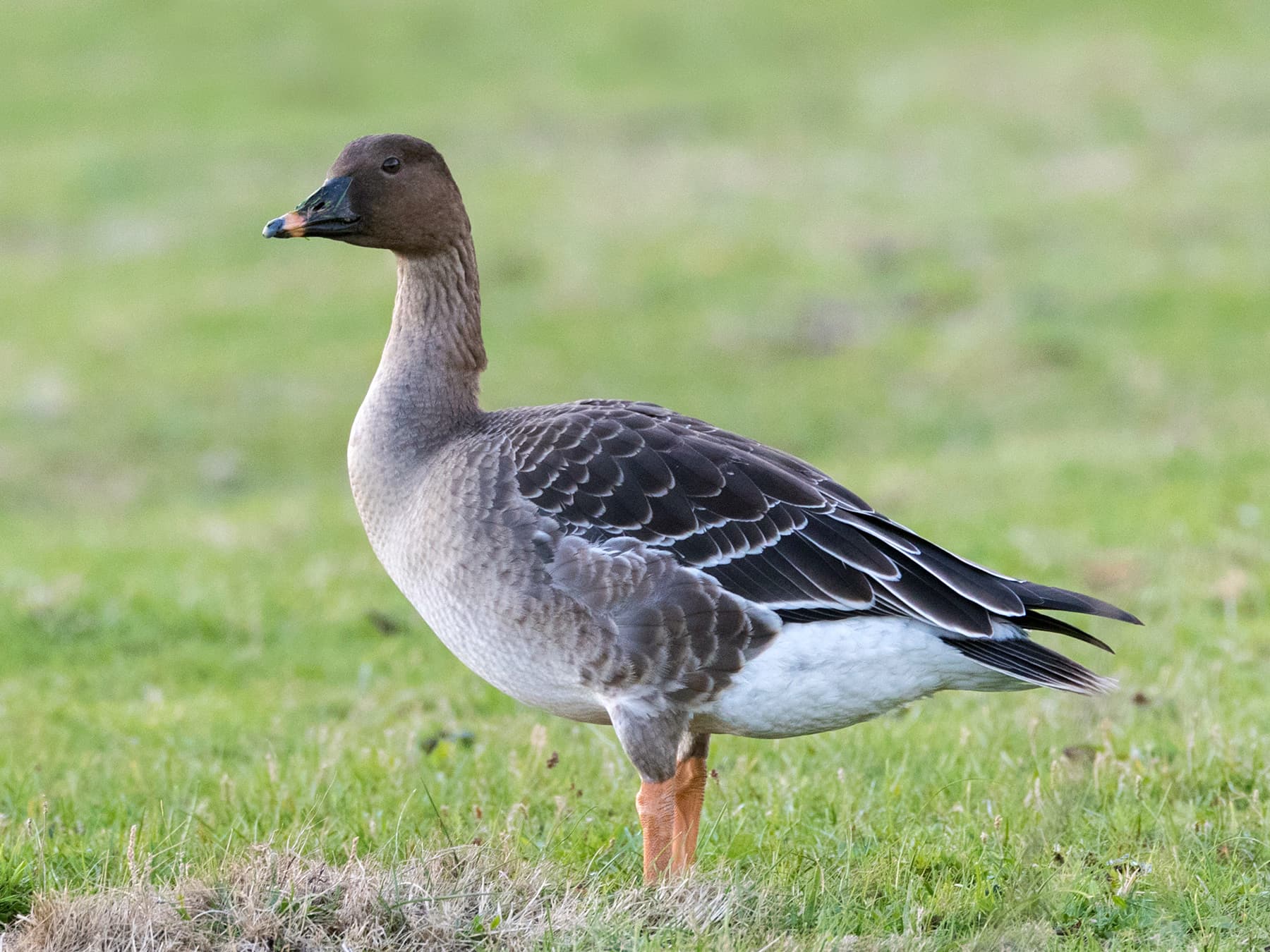
Tundra Bean Goose
Anser serrirostrisLC
A rare winter visitor occasionally found among other goose flocks on arable fields in January and February.
Jan–Feb
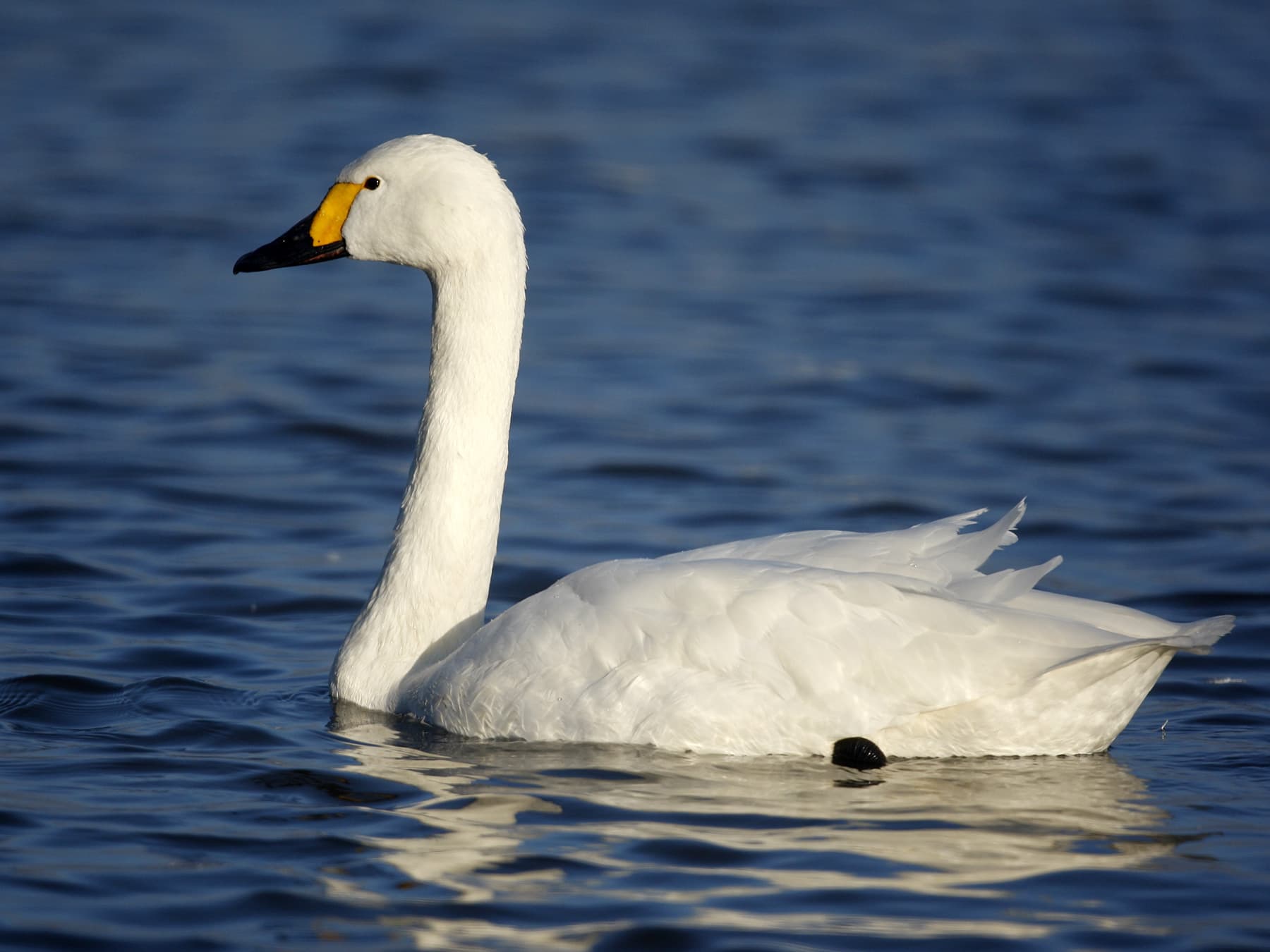
Tundra Swan
Cygnus columbianusLC
A rare passage visitor, occasionally recorded on wetlands and flooded fields during spring migration in March.
Mar
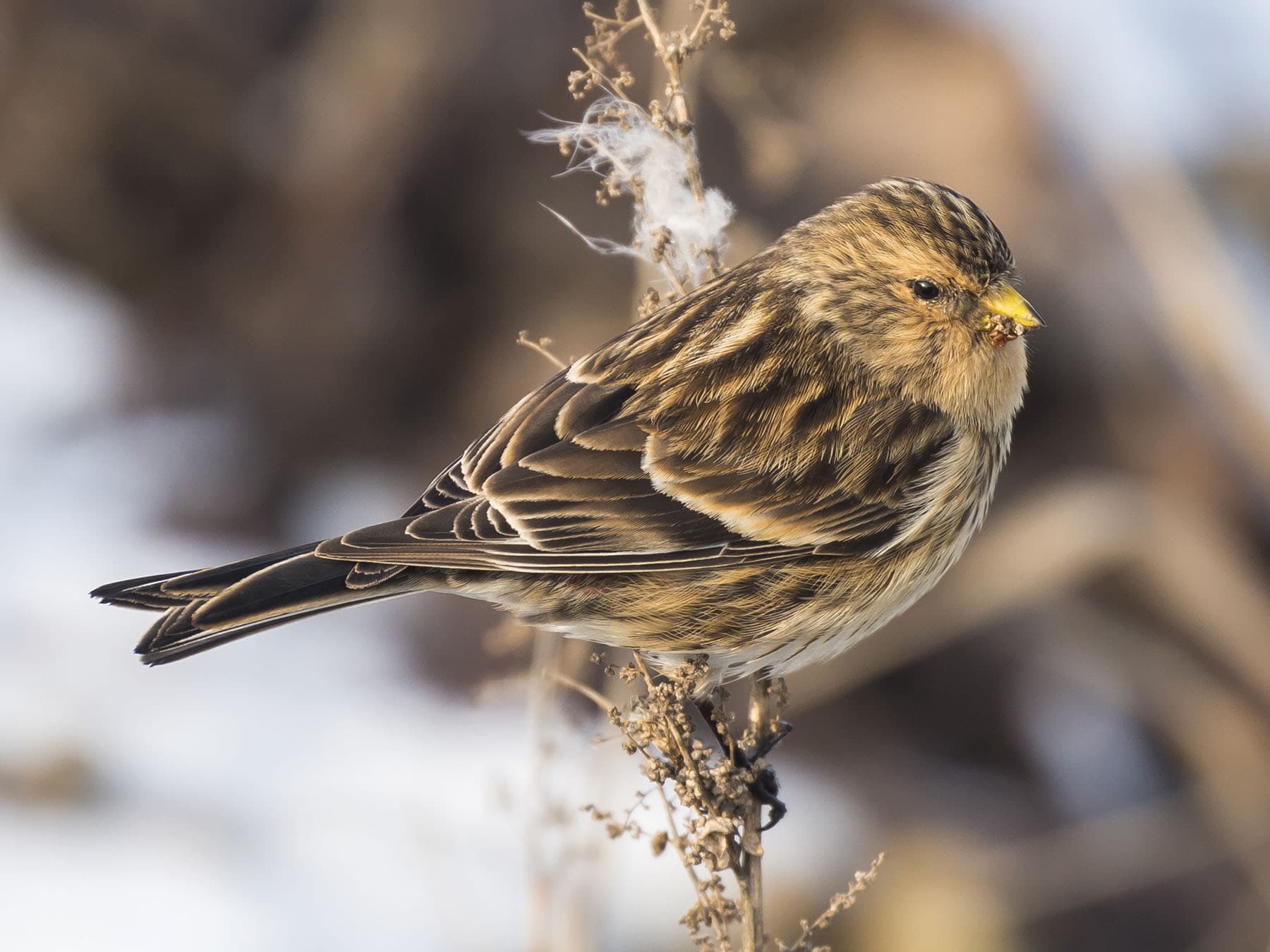
Twite
Linaria flavirostrisLC
A rare passage and winter visitor, occasionally found on coastal saltmarshes and stubble fields from late autumn into early spring.
Oct–Mar
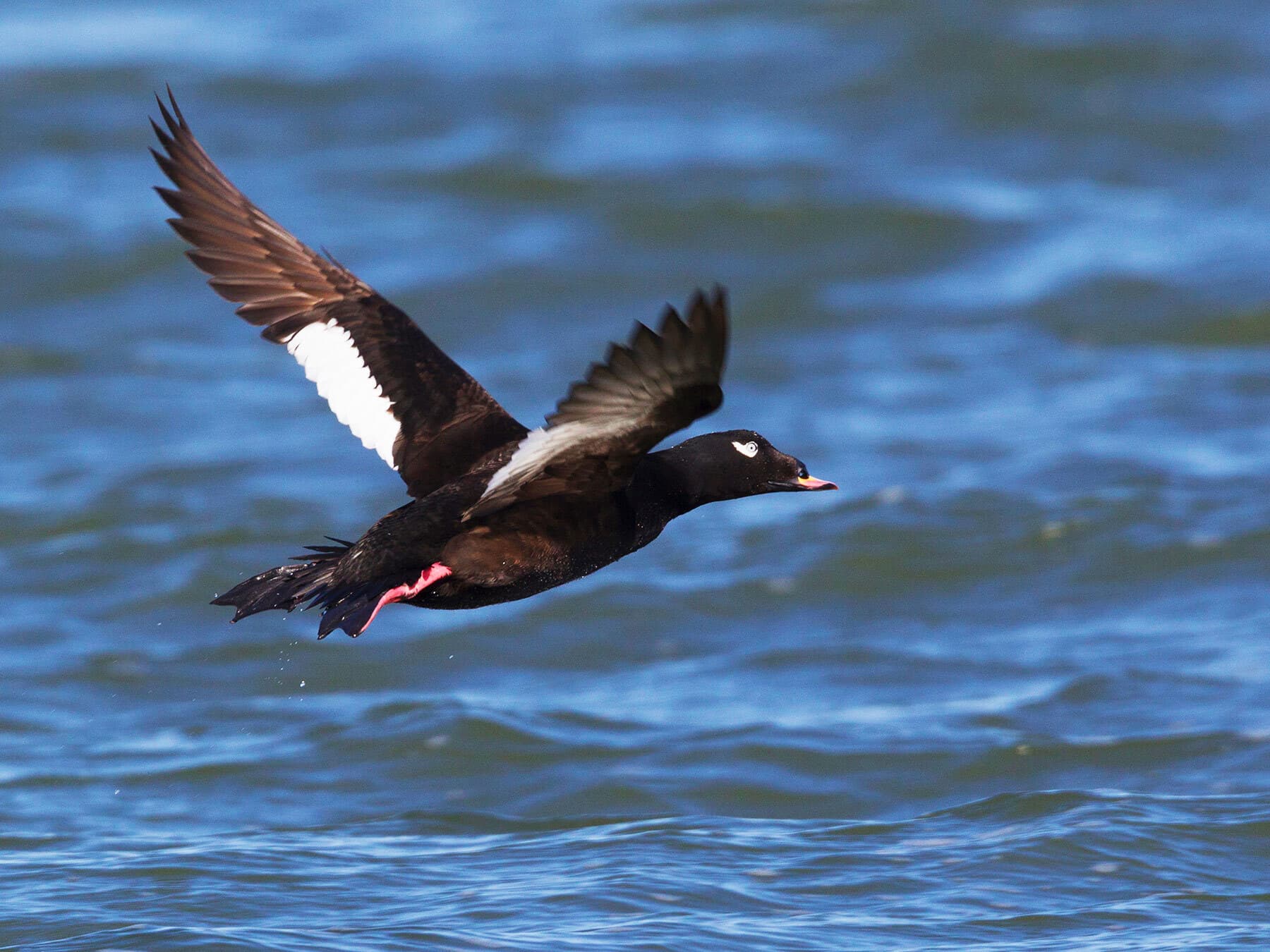
Velvet Scoter
Melanitta fuscaVU
A rare winter visitor to coastal waters, typically seen from October. Best looked for among Common Scoter flocks off the Holderness coast.
Oct–Jan
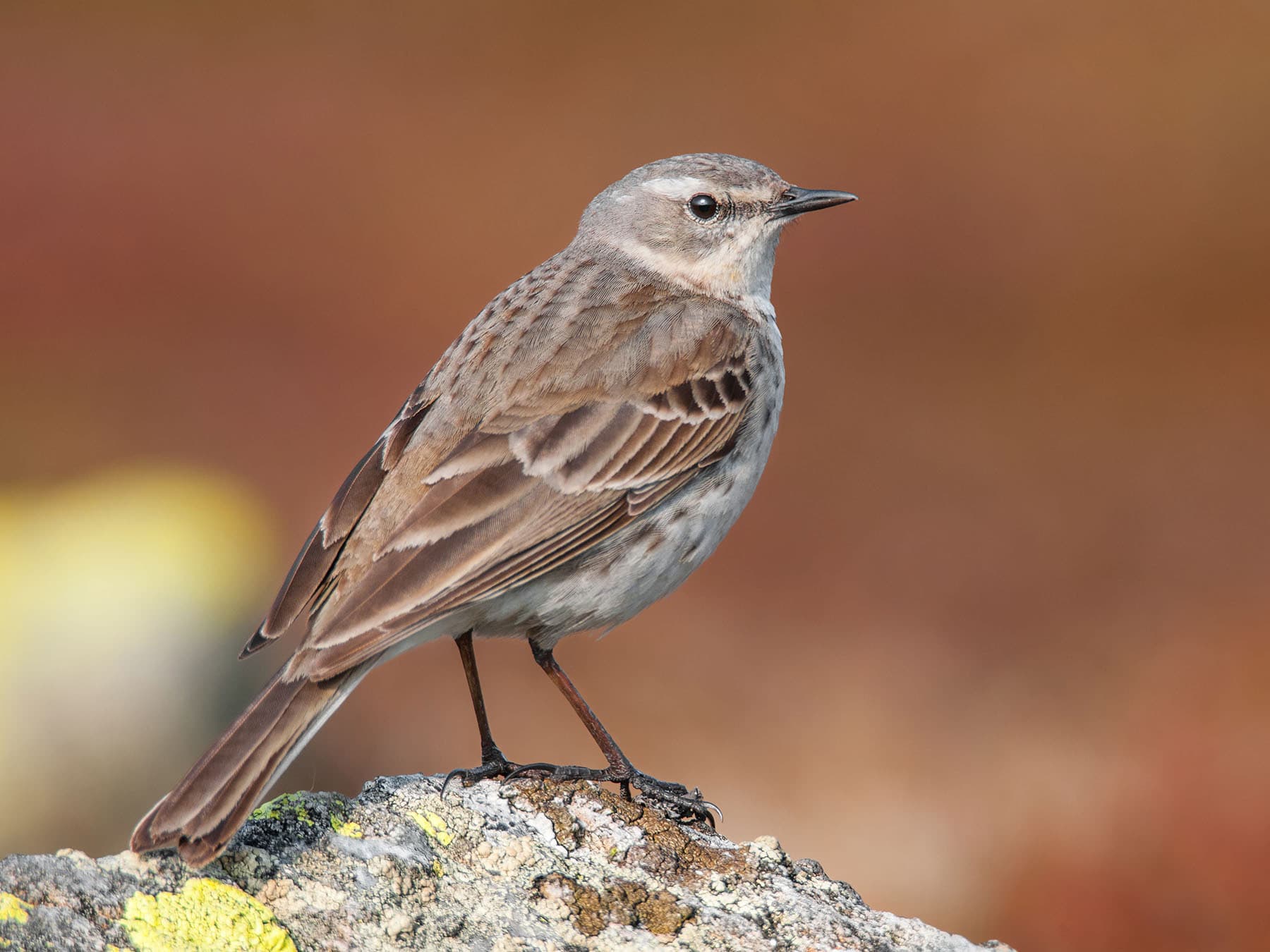
Water Pipit
Anthus spinolettaLC
A rare late autumn passage visitor, occasionally found at coastal wetlands and watercress beds. Easily overlooked among Rock Pipits.
Nov
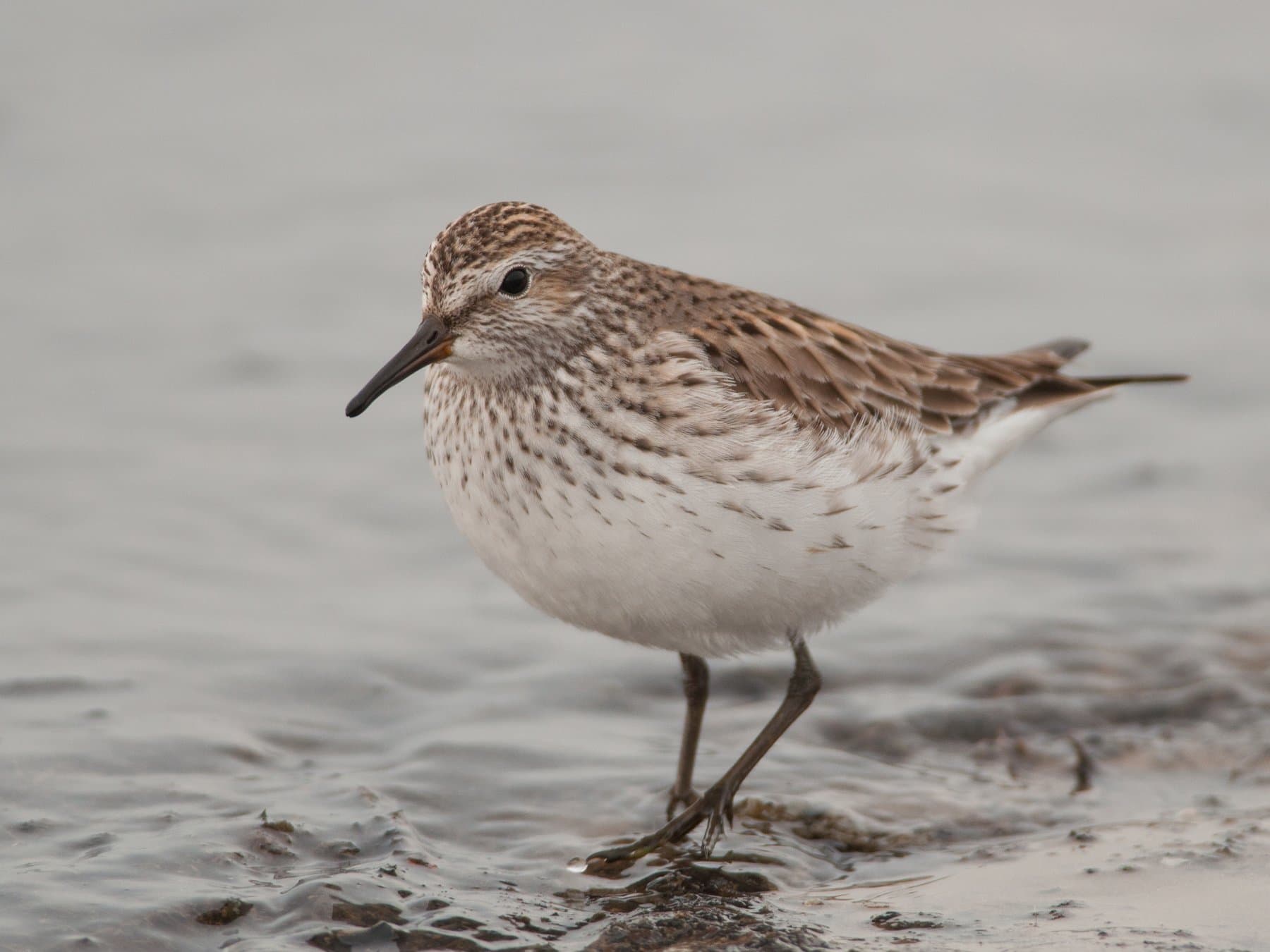
White-rumped Sandpiper
Calidris fuscicollisVU
A rare Nearctic wader occasionally found on coastal mudflats and pools from July to September during autumn passage.
Jul–Sep
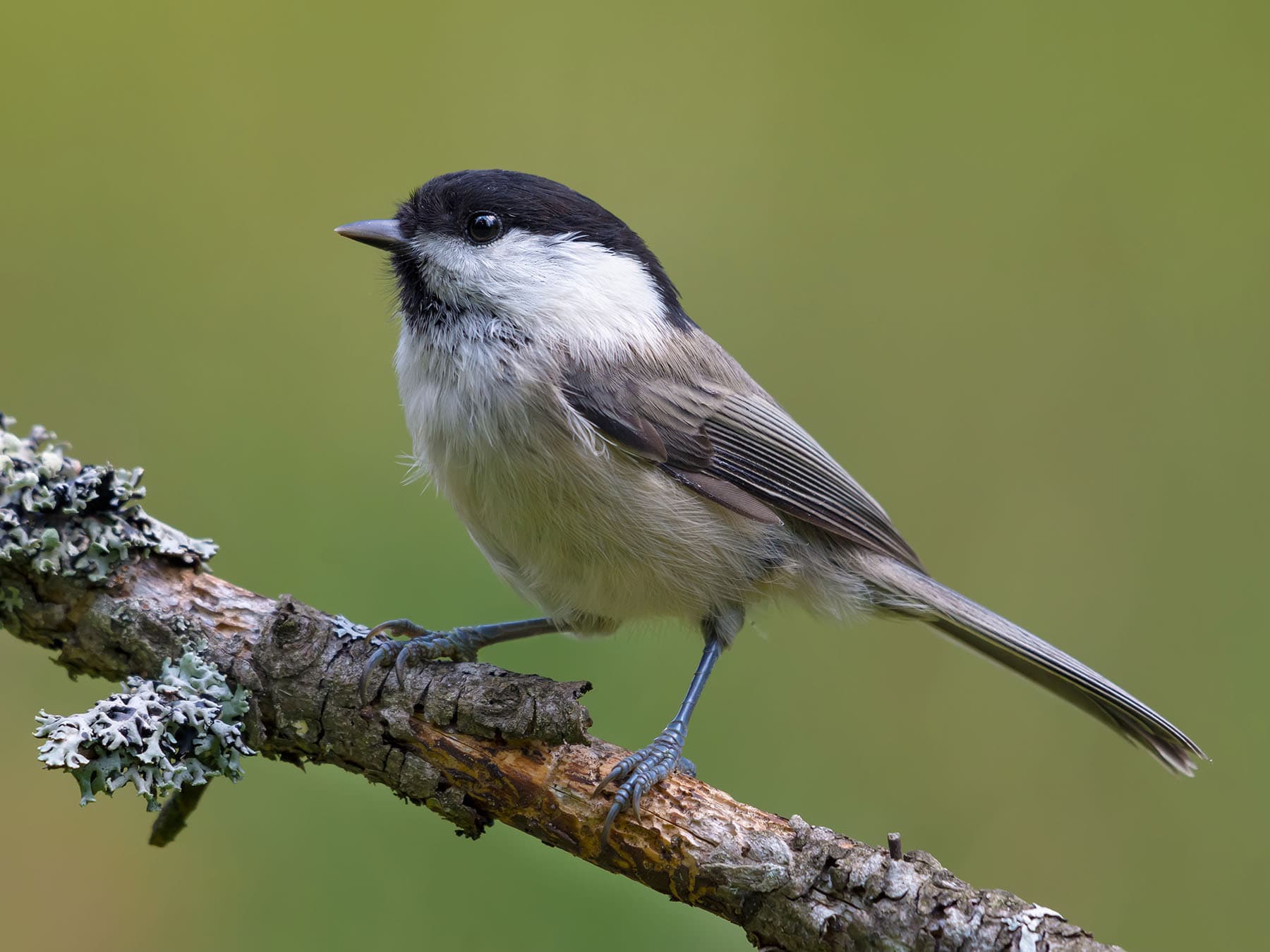
Willow Tit
Poecile montanusLC
A scarce and declining resident, found in damp woodland with dead birch and willow where it excavates its own nest holes.
Nov–Aug
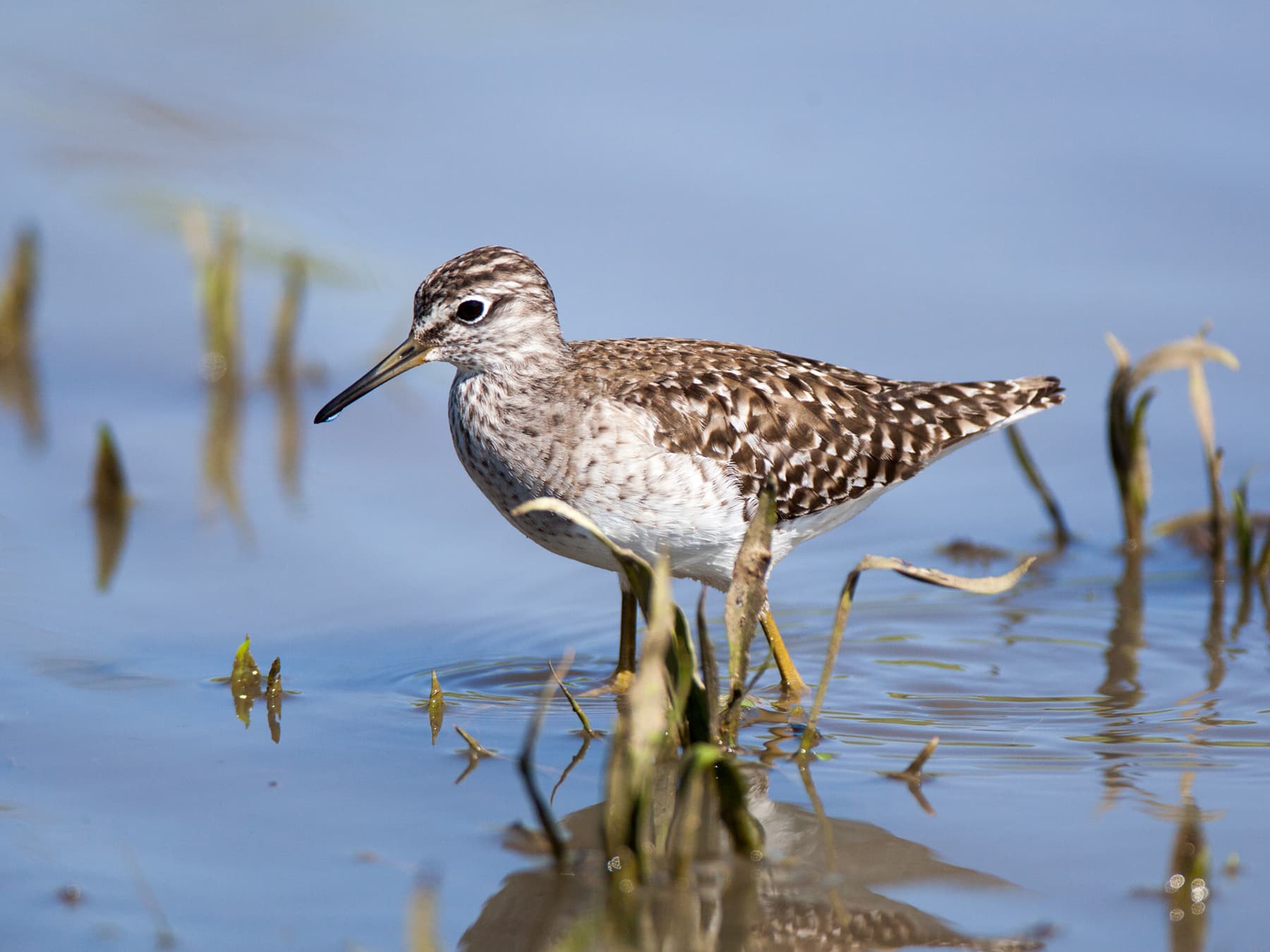
Wood Sandpiper
Tringa glareolaLC
A rare visitor from May to September, favouring freshwater marshes and flooded scrapes at sites like Tophill Low and the Humber wetlands.
May–Sep
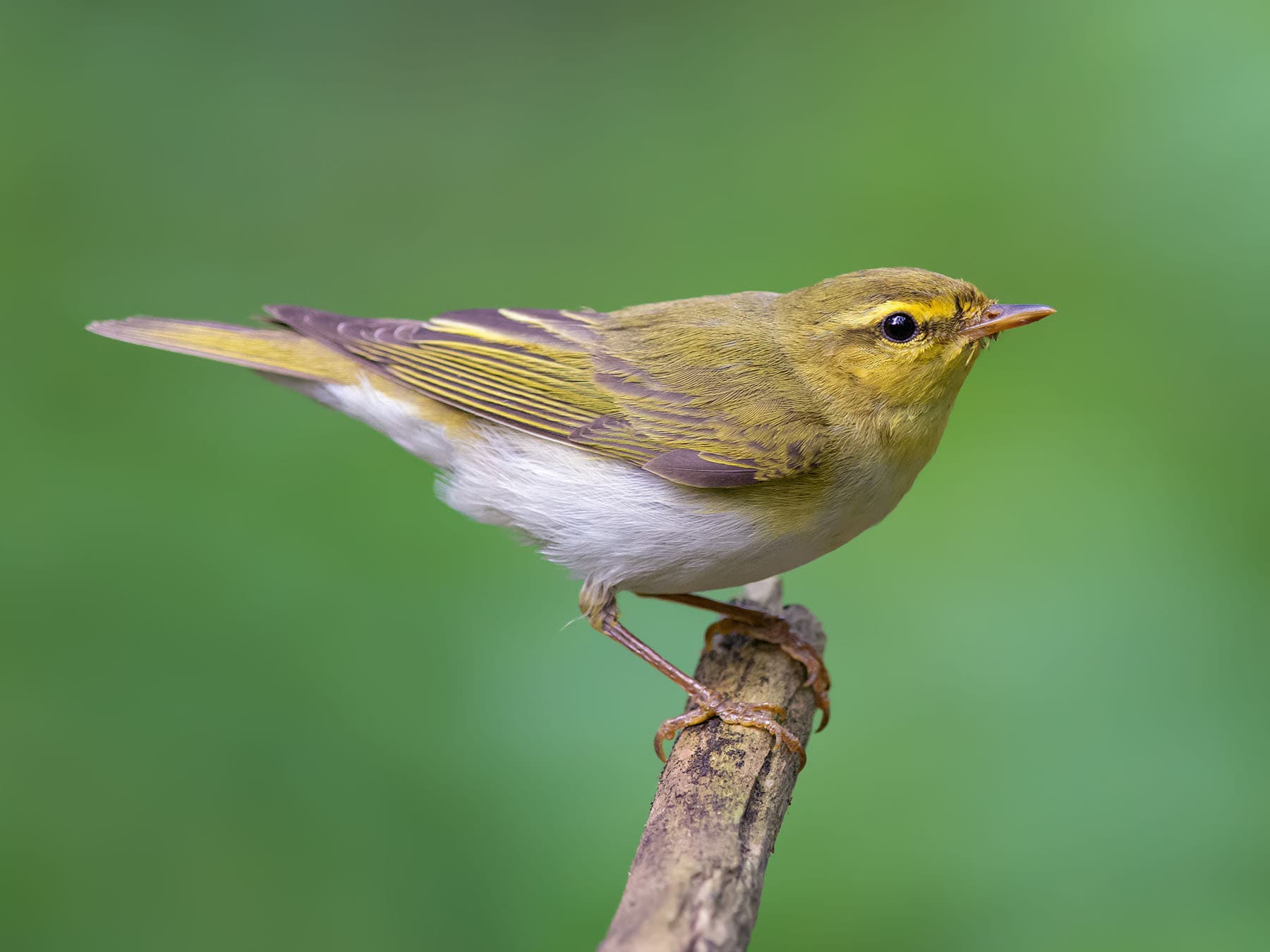
Wood Warbler
Phylloscopus sibilatrixLC
A rare autumn passage migrant, occasionally recorded at Spurn and Flamborough. Does not breed in the East Riding.
Sep
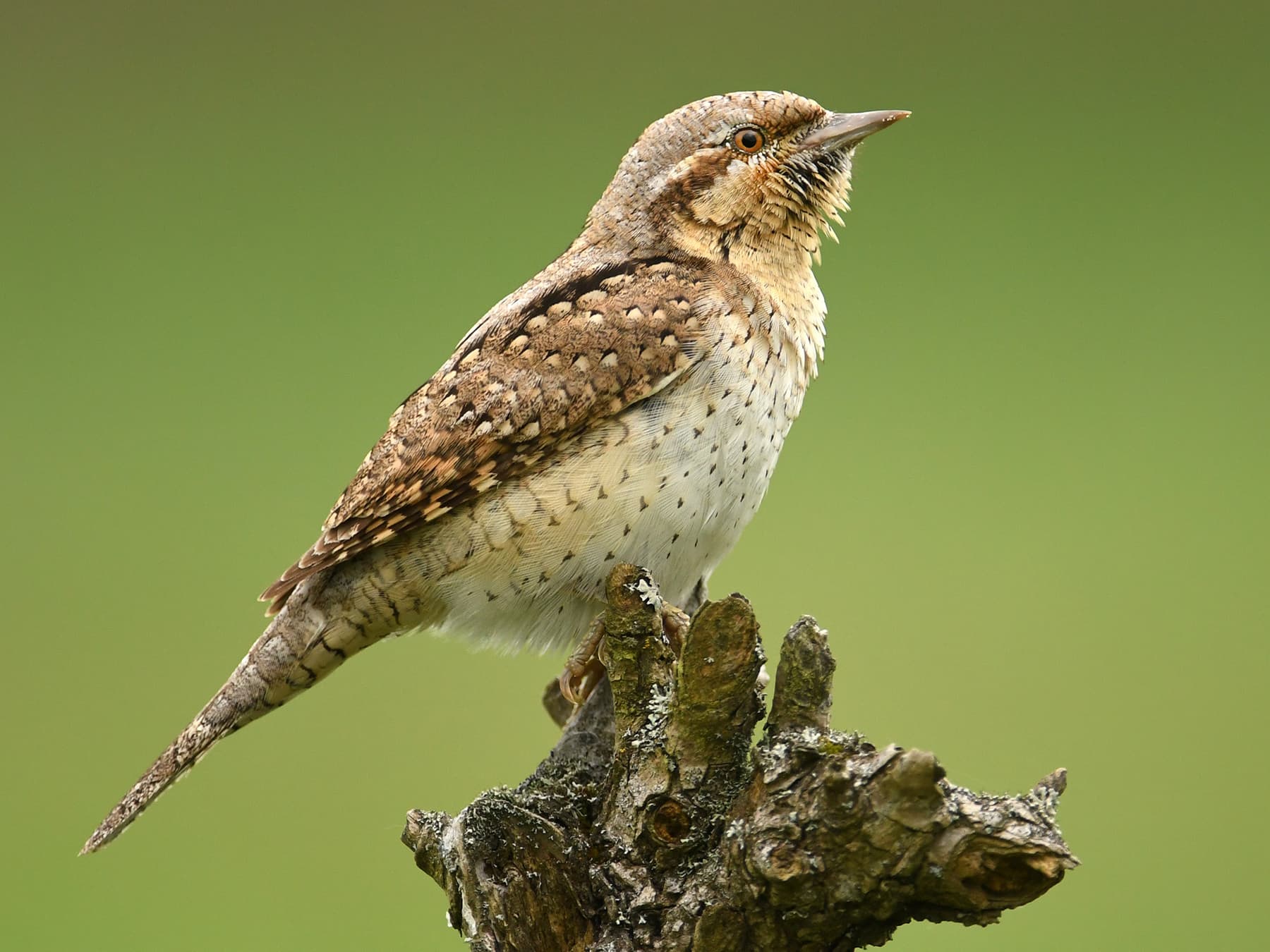
Wryneck
Jynx torquillaLC
A rare autumn passage migrant, mainly recorded at coastal sites like Spurn in August and September. A drift migrant from Scandinavia.
Aug–Sep