Birds in Derbyshire
Explore 169 species found in this region.
Derbyshire is a wonderfully diverse county for birdwatching, with 168 species recorded across its varied landscapes of Peak District moorlands, limestone dales, reservoirs, and lowland farmland. From the elegant Northern Lapwing displaying over upland fields to the striking Great Grey Shrike on rare winter visits, the county offers rewarding birding throughout the year. Notable species include Eurasian Woodcock in its ancient woodlands, Common Merganser along its rivers, and the eye-catching Mandarin Duck, which has established a growing presence in the region.
Visiting in July? Look out for Barnacle Goose and Black-tailed Godwit arriving this month, and Common Quail and Long-eared Owl depart for the season.


Showing 139–161 of 169 species
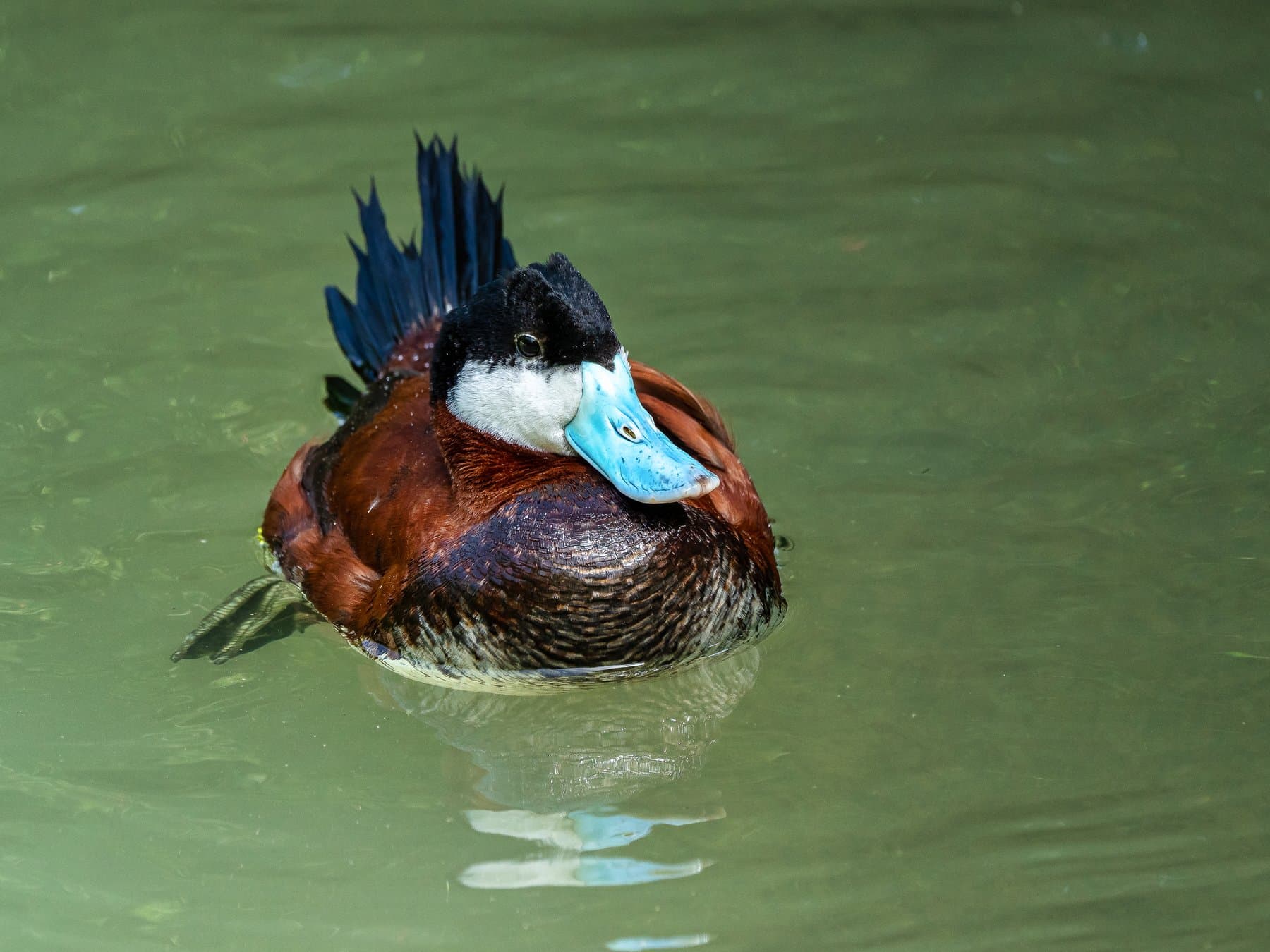
Ruddy Shelduck
Tadorna ferrugineaLC
A rare summer vagrant of uncertain origin, with occasional July records likely involving escaped or wandering birds.
Jul
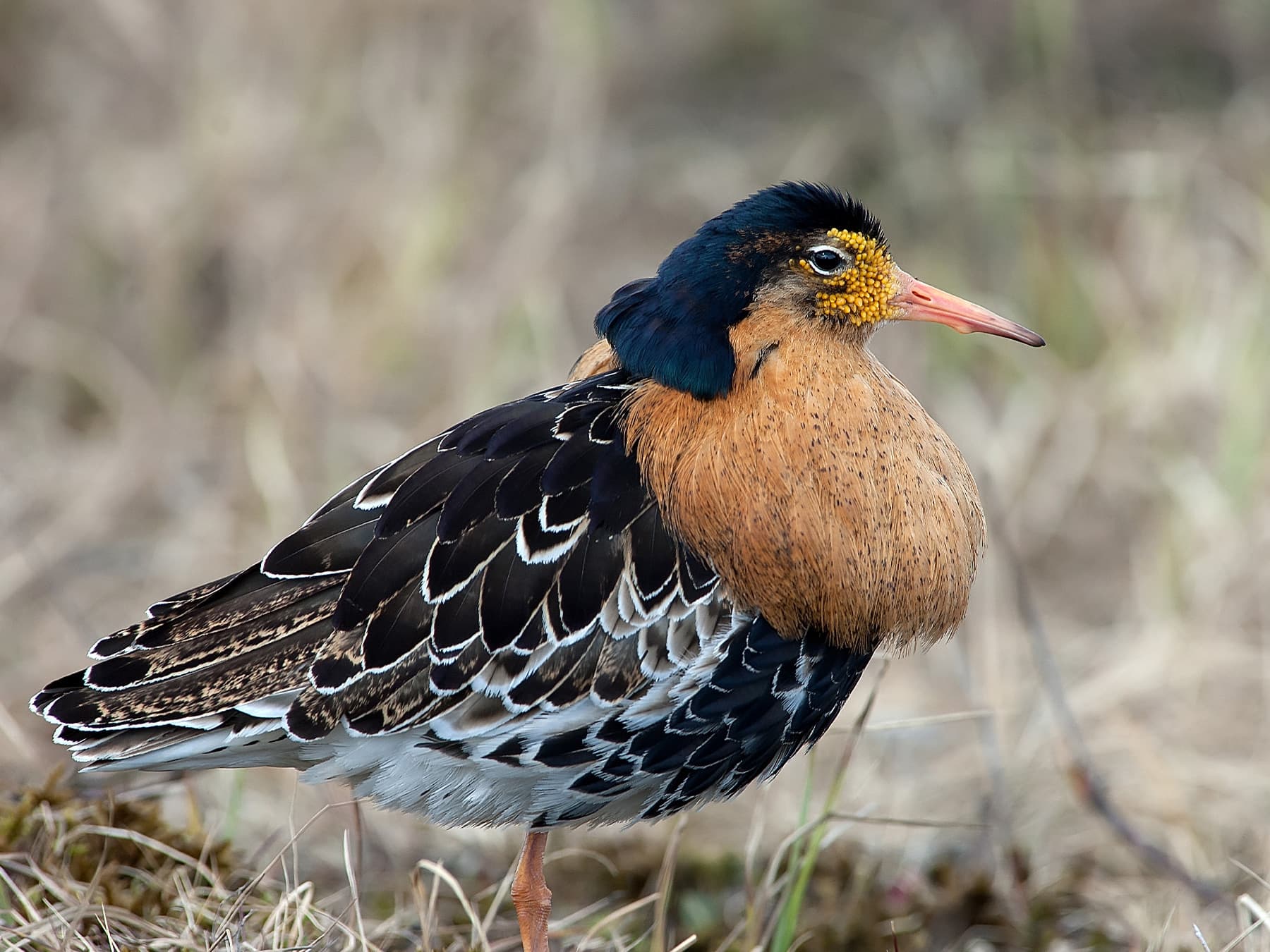
Ruff
Philomachus pugnaxLC
A rare passage visitor to muddy reservoir margins in late summer, typically seen in non-breeding plumage.
Aug–Sep
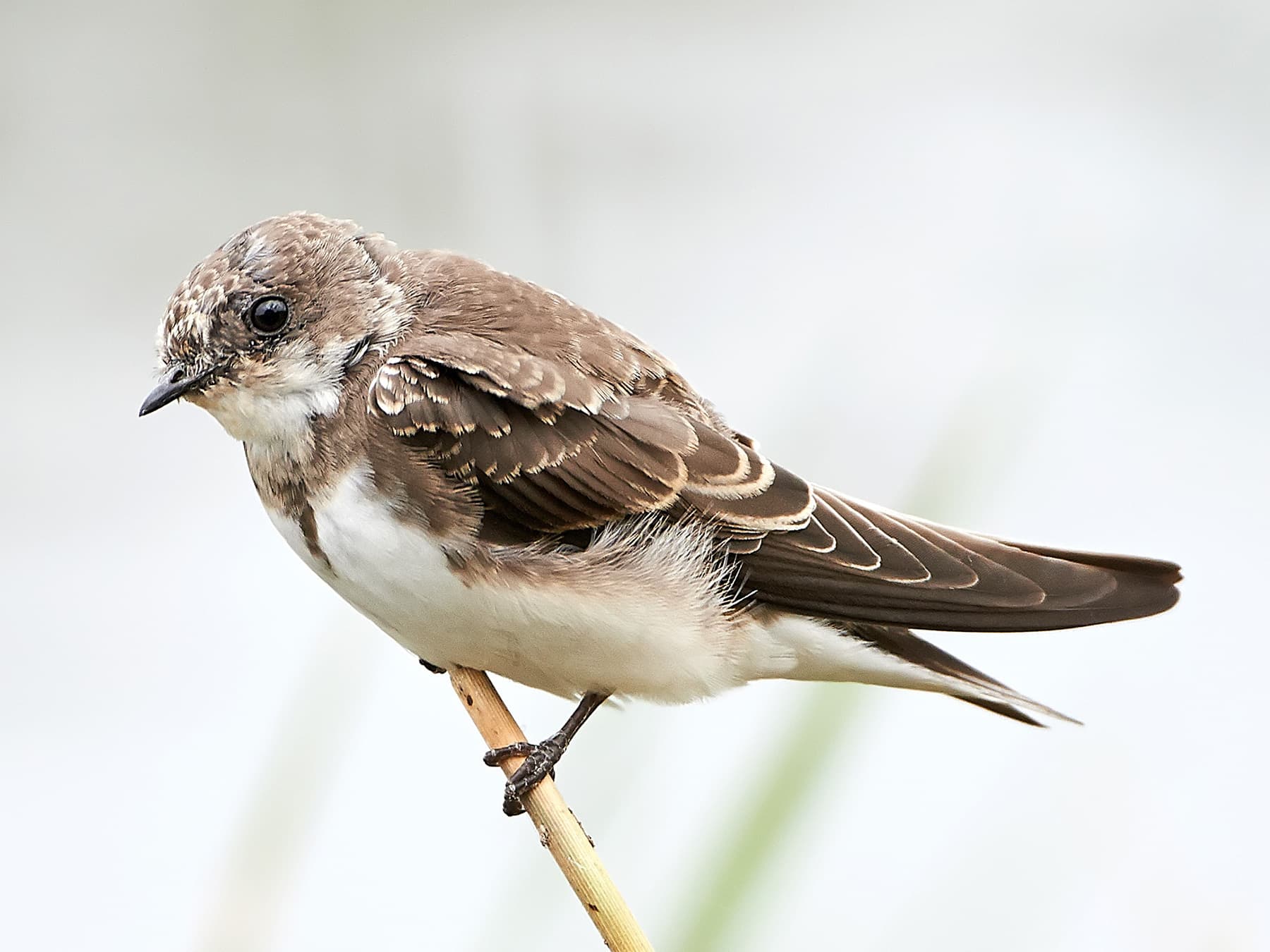
Sand Martin
Riparia ripariaLC
An uncommon summer visitor breeding in sandy riverbanks and quarry faces, often seen hawking insects over reservoirs.
Mar–Sep
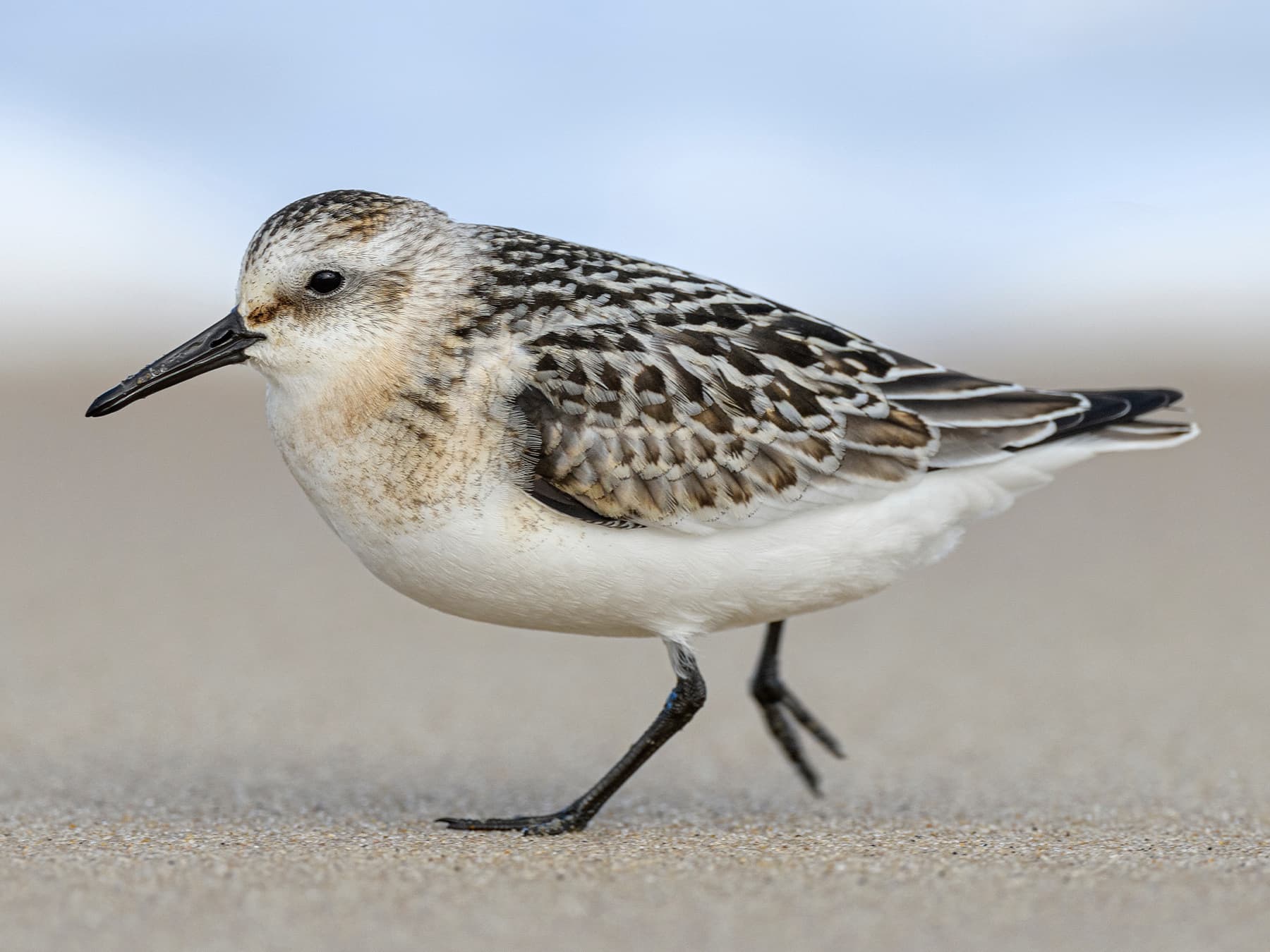
Sanderling
Calidris albaLC
A rare inland passage migrant, occasionally recorded at reservoir edges during May spring migration.
May
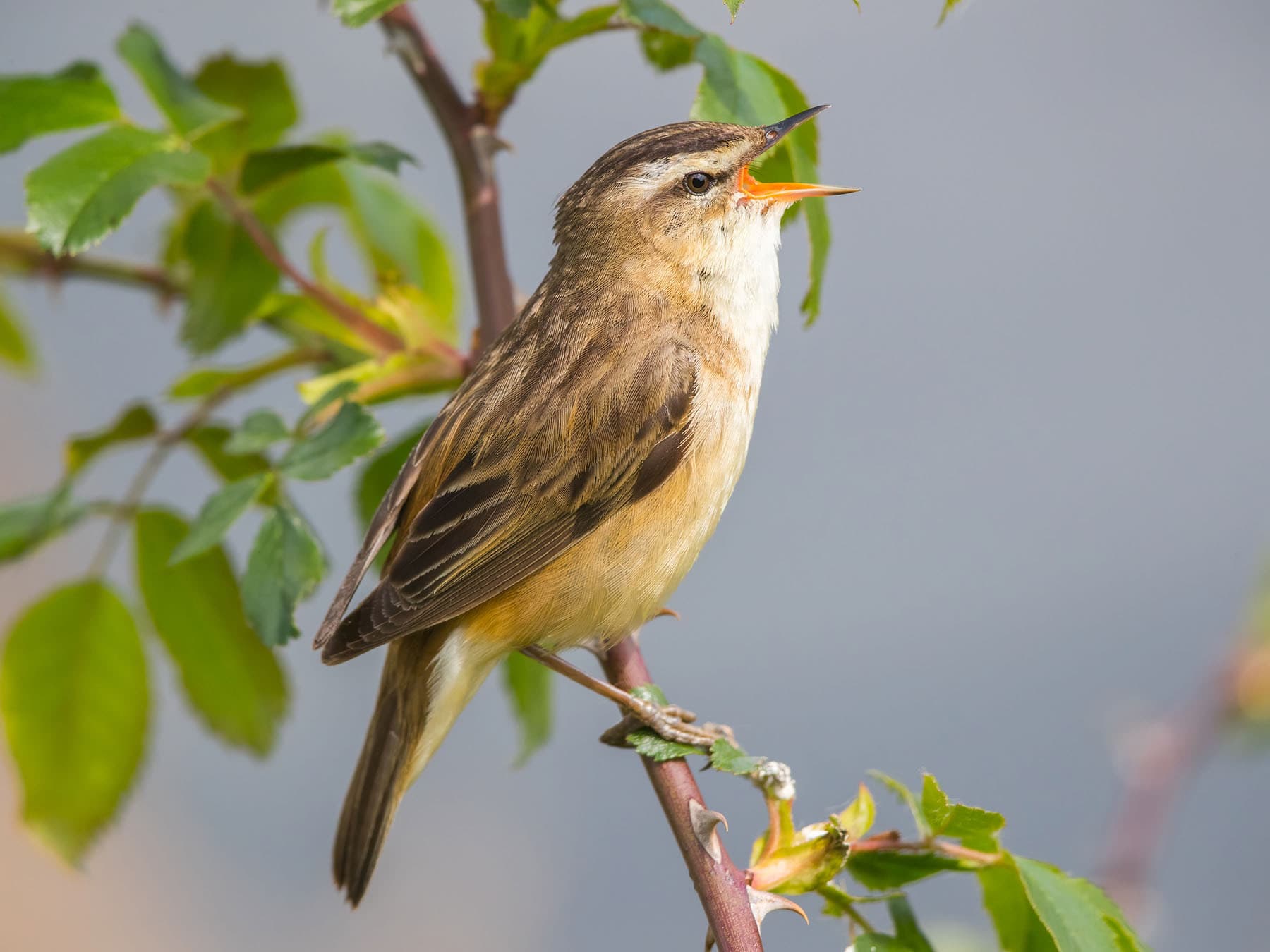
Sedge Warbler
Acrocephalus schoenobaenusLC
An uncommon summer breeder arriving in April, found in reedbeds and waterside vegetation at reservoirs and river margins.
Apr–Sep
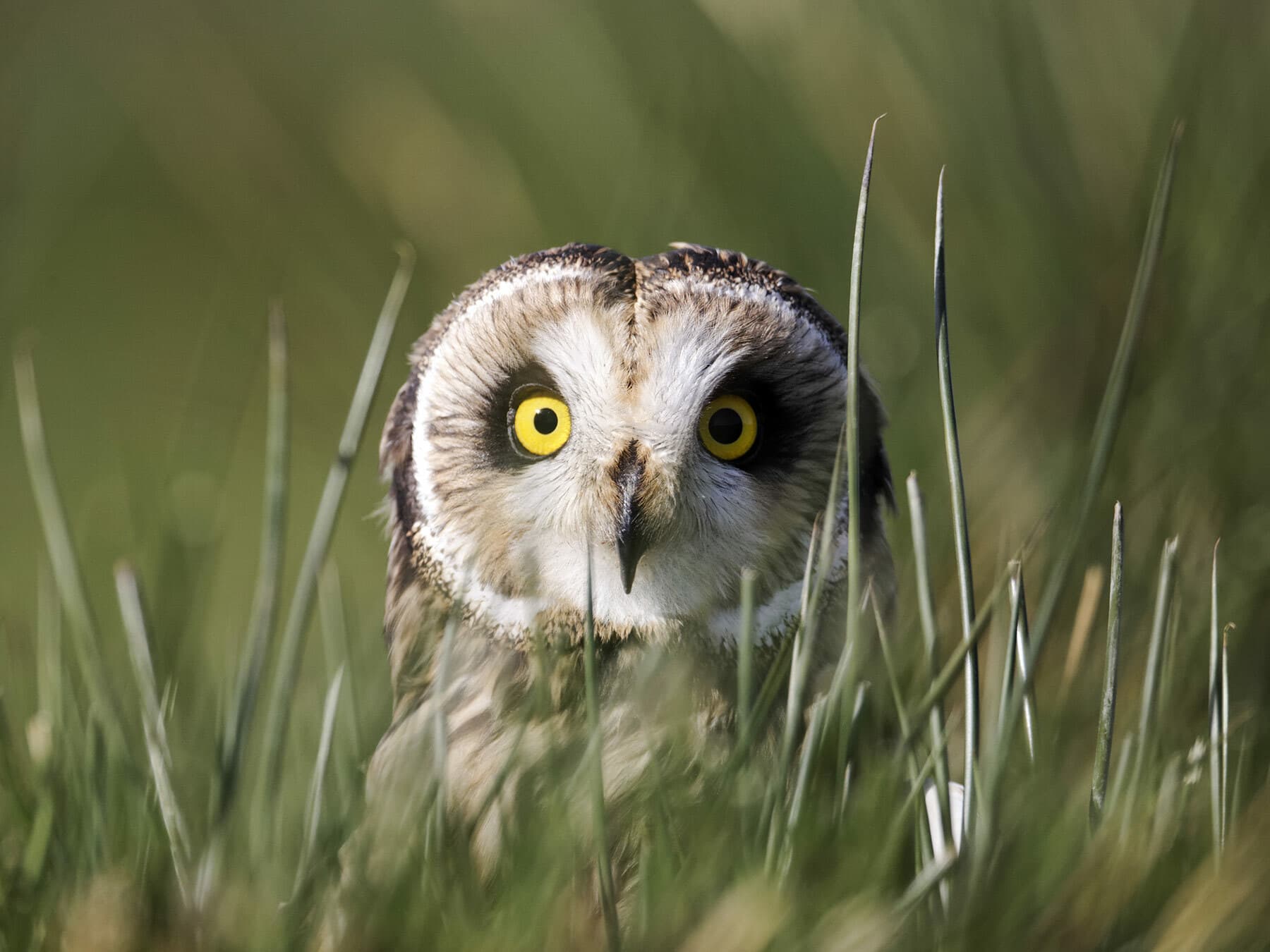
Short-eared Owl
Asio flammeusLC
A rare breeding visitor to Peak District moorlands, quartering rough grassland on long wings from April to July.
Apr–Jul
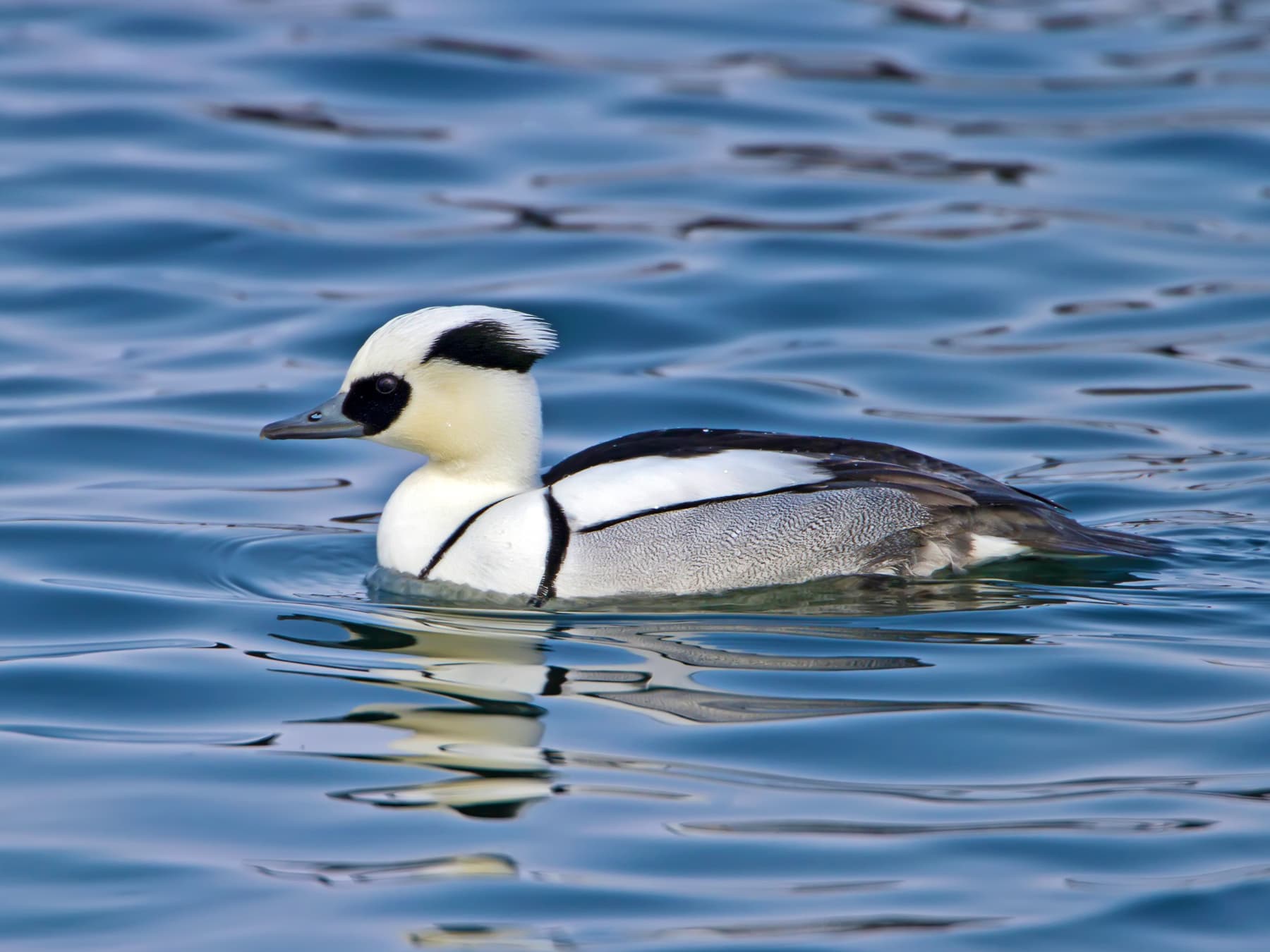
Smew
Mergellus albellusLC
A rare and prized winter visitor, occasionally appearing on Derbyshire reservoirs in January and February during cold spells from the continent.
Jan–Feb
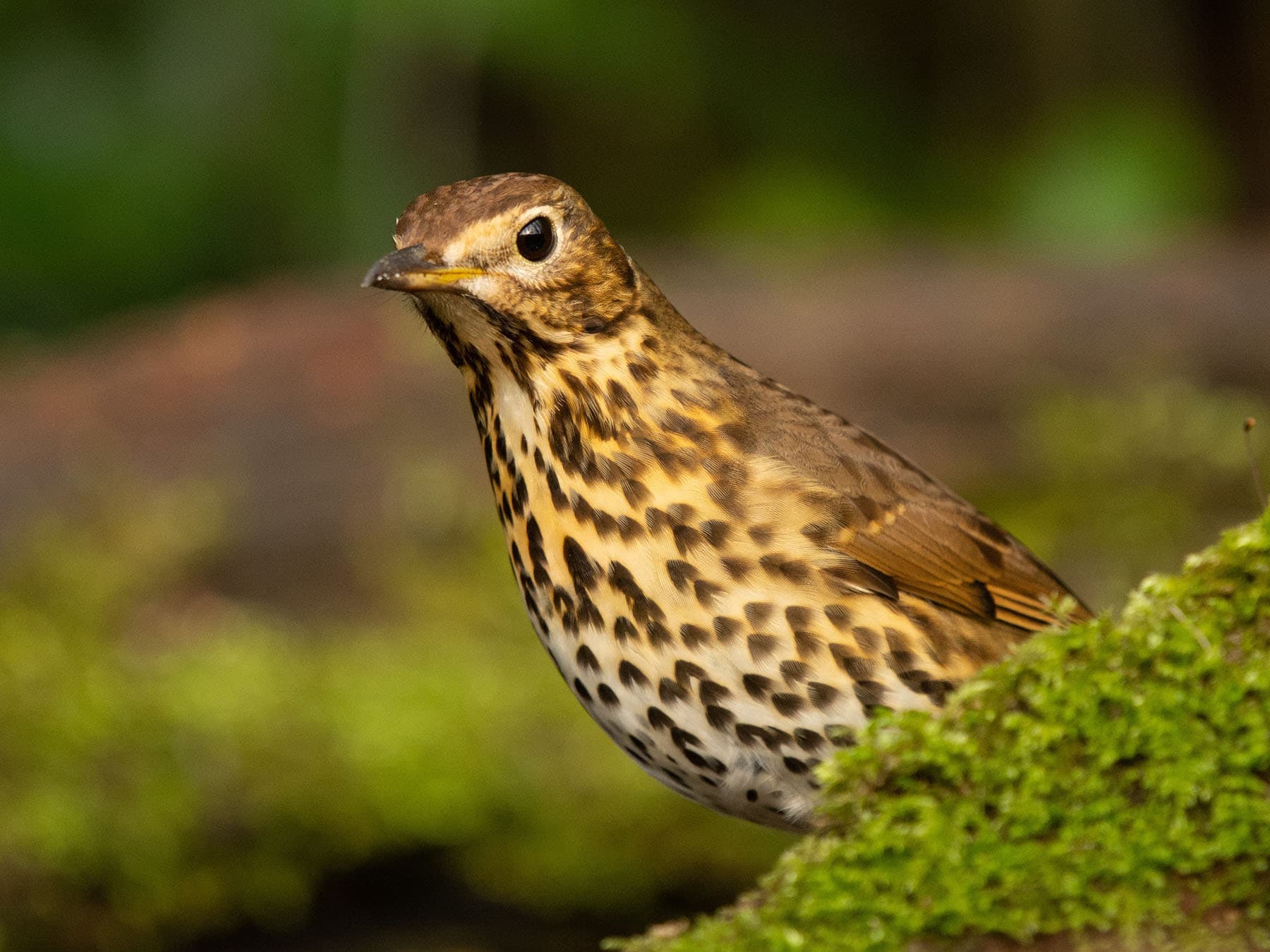
Song Thrush
Turdus philomelosLC
A common resident of gardens, hedgerows and woodland. Its rich, repeated song phrases are a familiar sound across the county year-round.
Year-round
Spotted something?
Upload a photo to identify it
Identify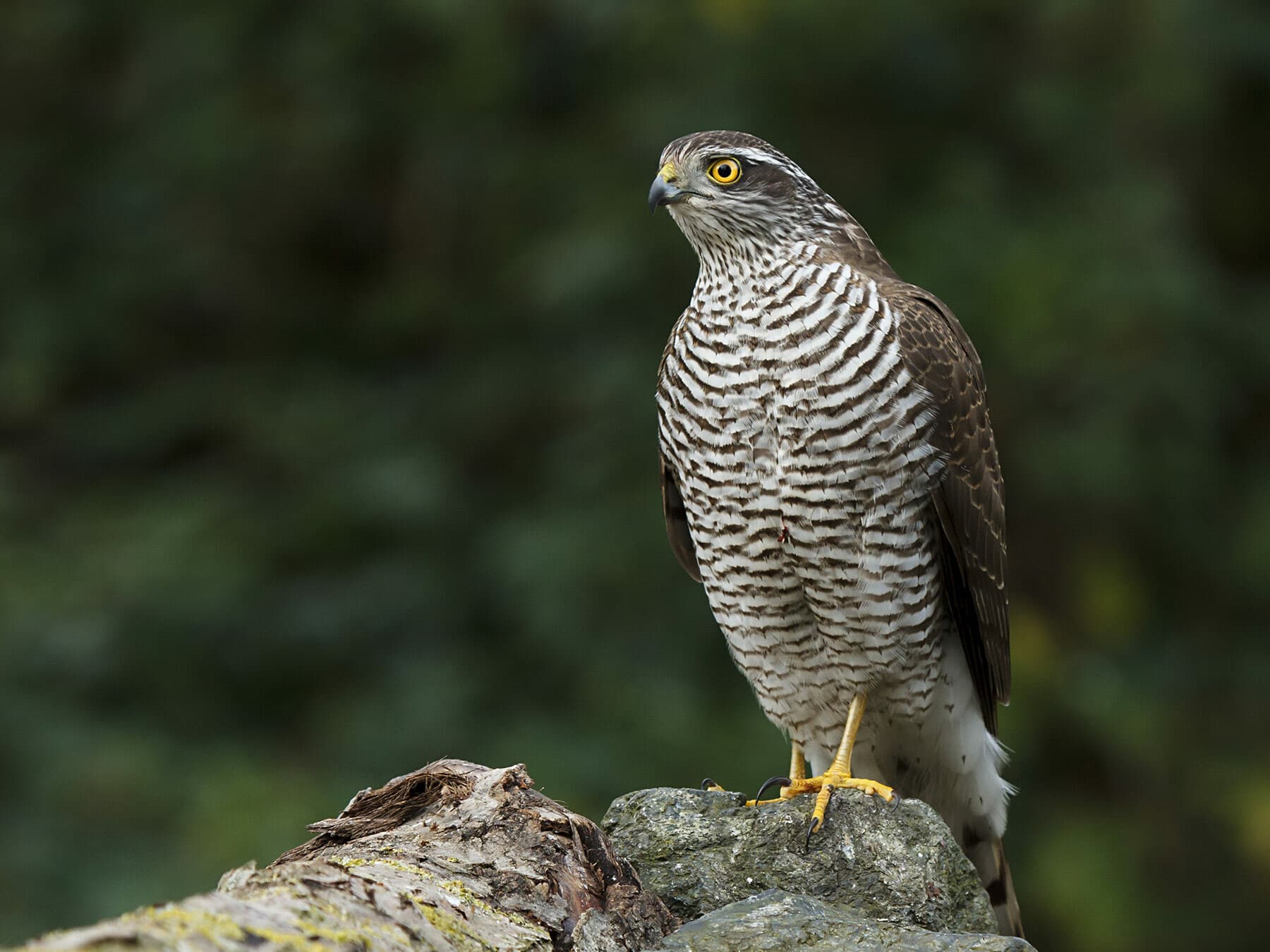
Sparrowhawk
Accipiter nisusLC
An uncommon but widespread resident, hunting small birds in woodlands, hedgerows and gardens throughout the county.
Year-round
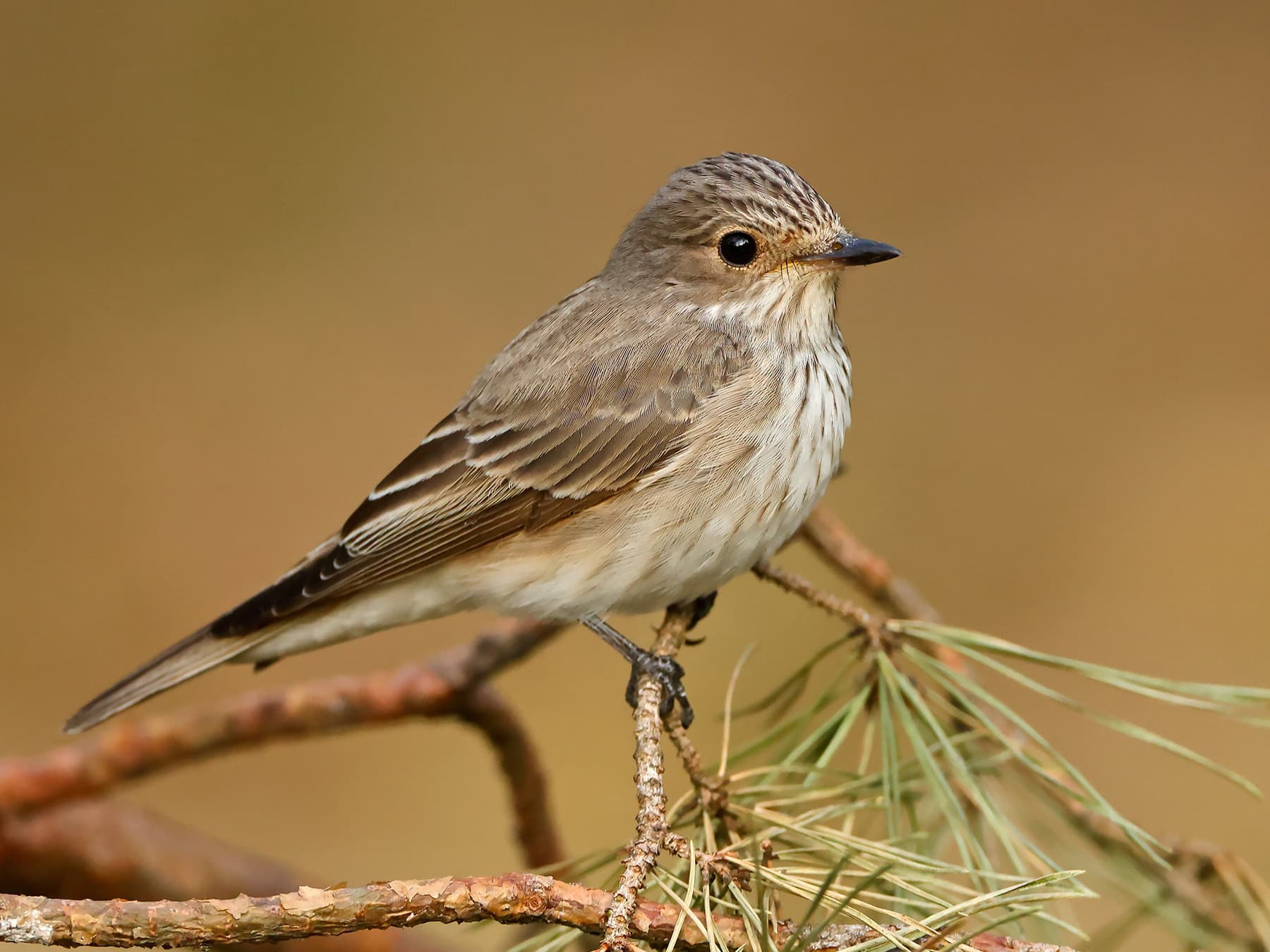
Spotted Flycatcher
Muscicapa striataLC
An uncommon and declining summer visitor to open woodland and parkland edges, arriving in May. Sallies from exposed perches to catch insects.
May–Sep
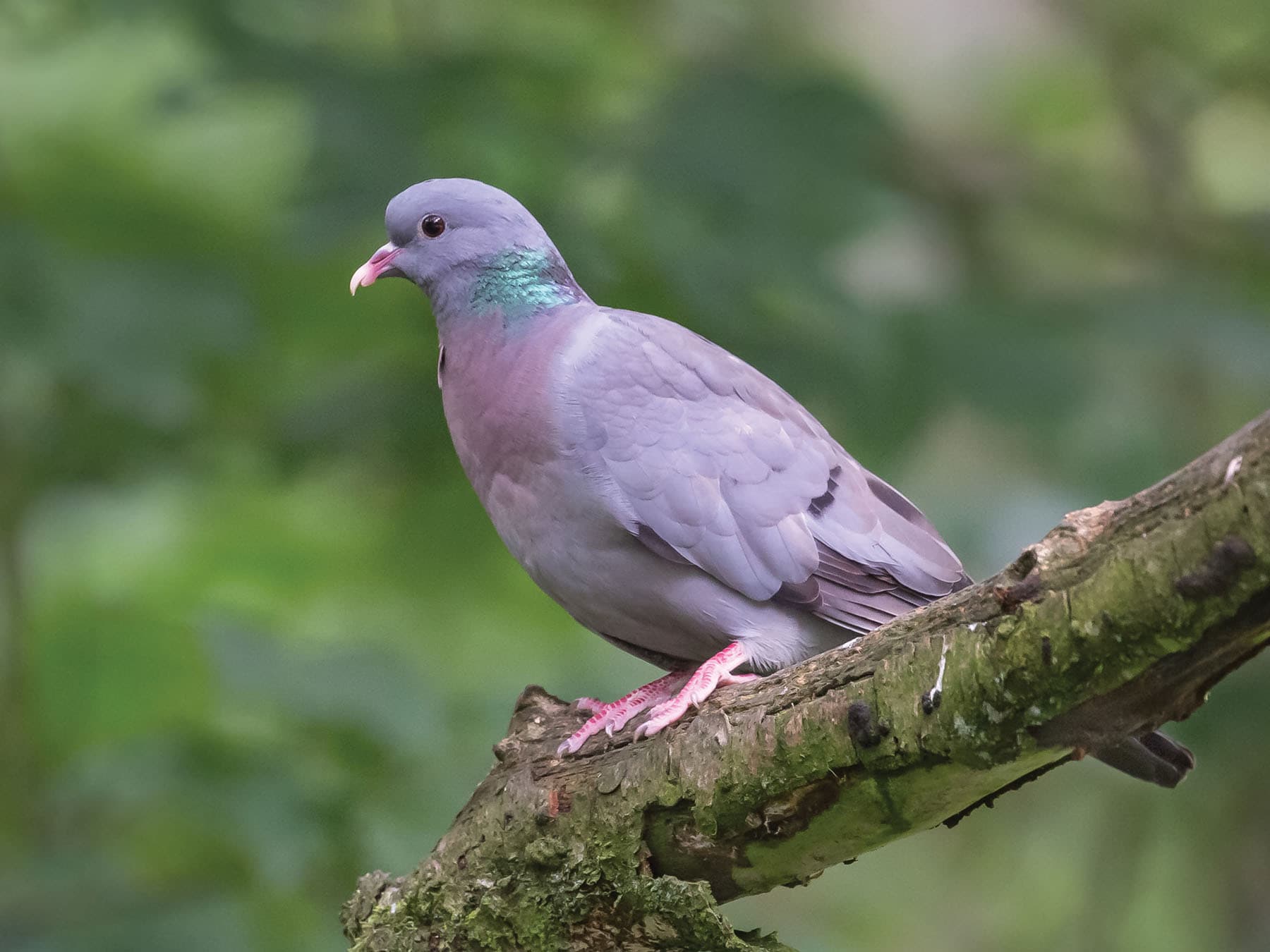
Stock Dove
Columba oenasLC
An uncommon but widespread resident, nesting in tree holes across farmland and parkland. Often overlooked among flocks of Woodpigeons.
Year-round
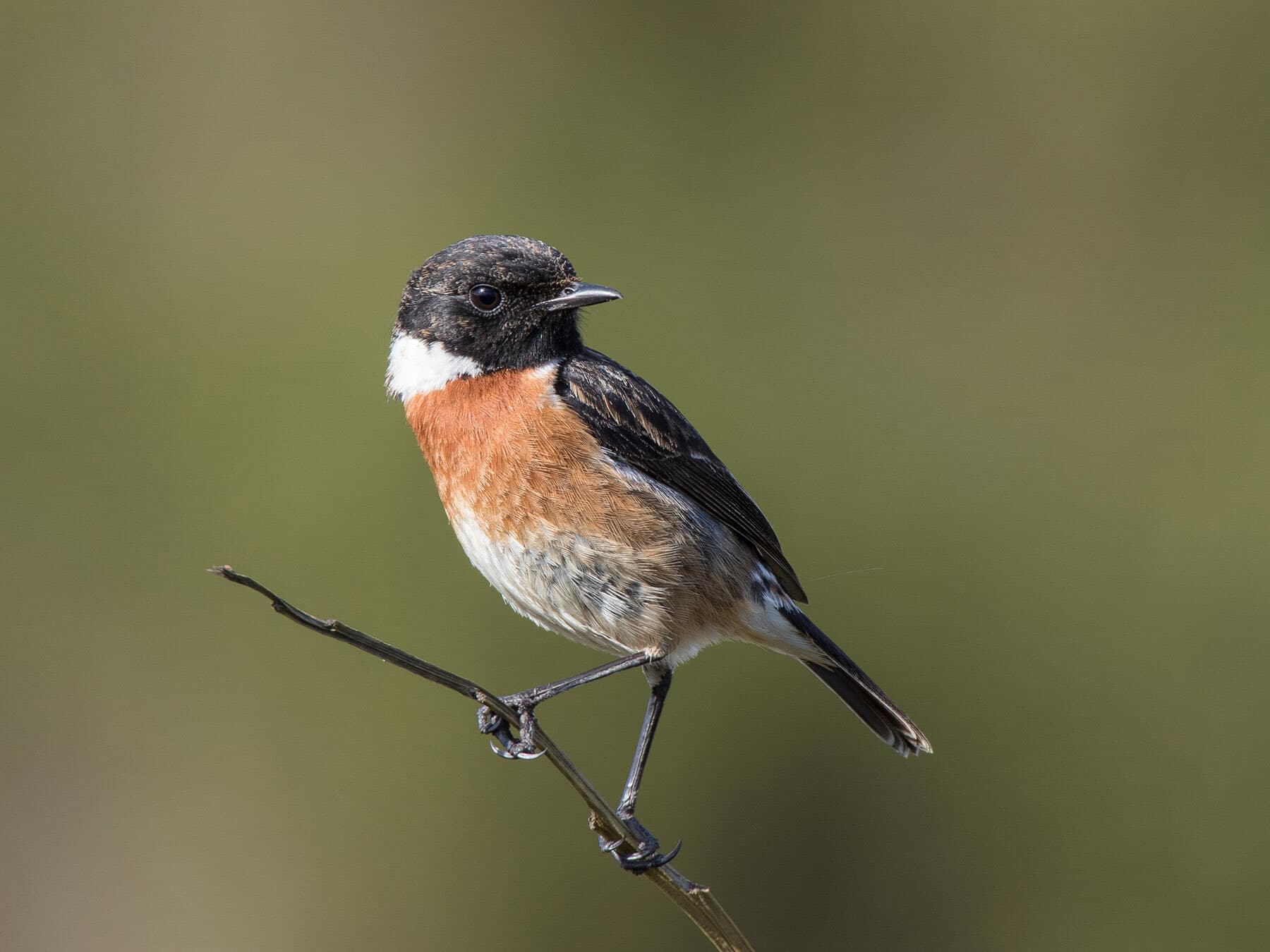
Stonechat
Saxicola torquatusLC
An uncommon resident found on gorse-clad moorland fringes and rough grassland year-round, often perching prominently on bushes.
Year-round
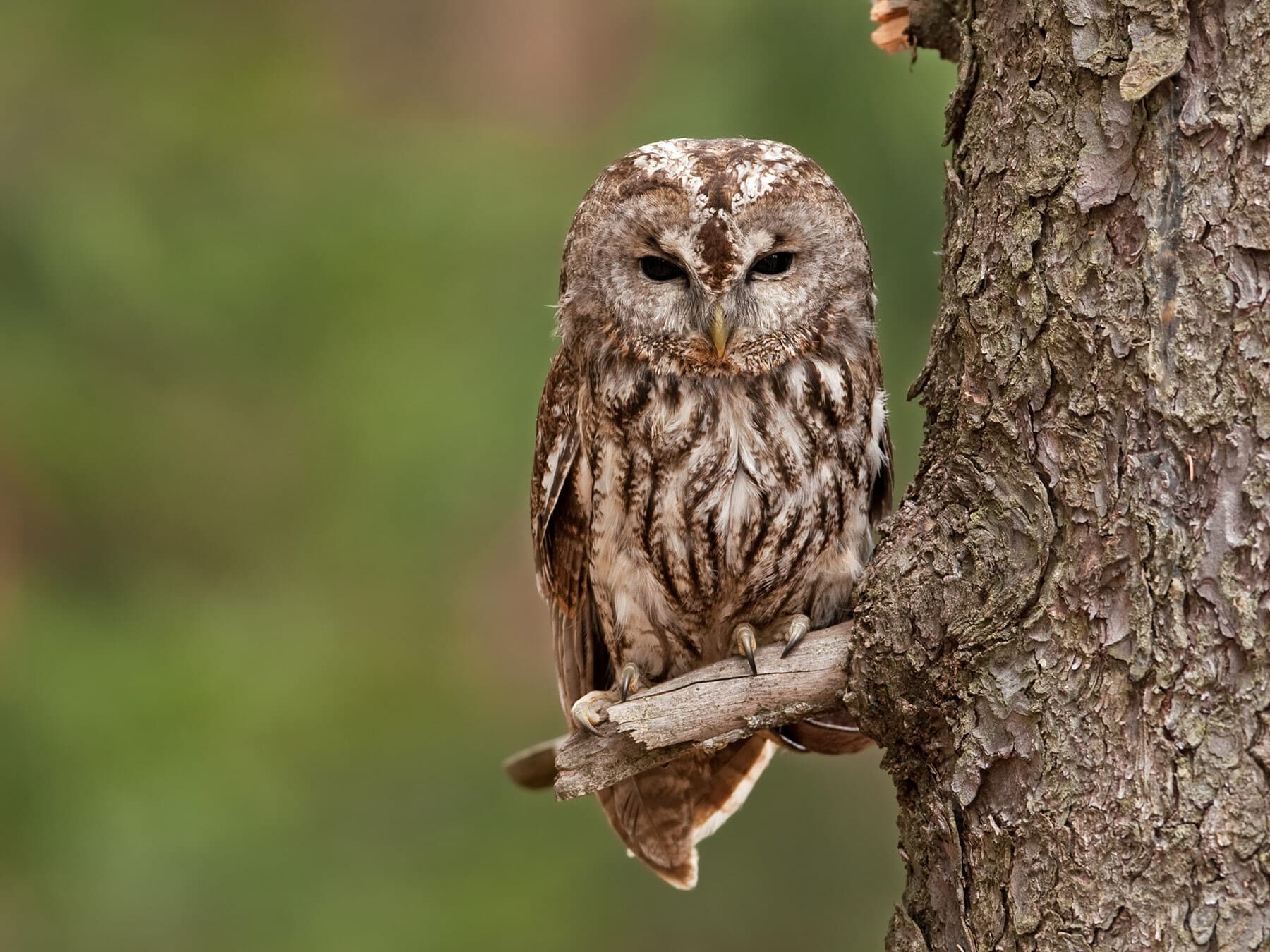
Tawny Owl
Strix alucoLC
A resident of mature woodlands across the county, more often heard hooting at night than seen during the day.
Year-round
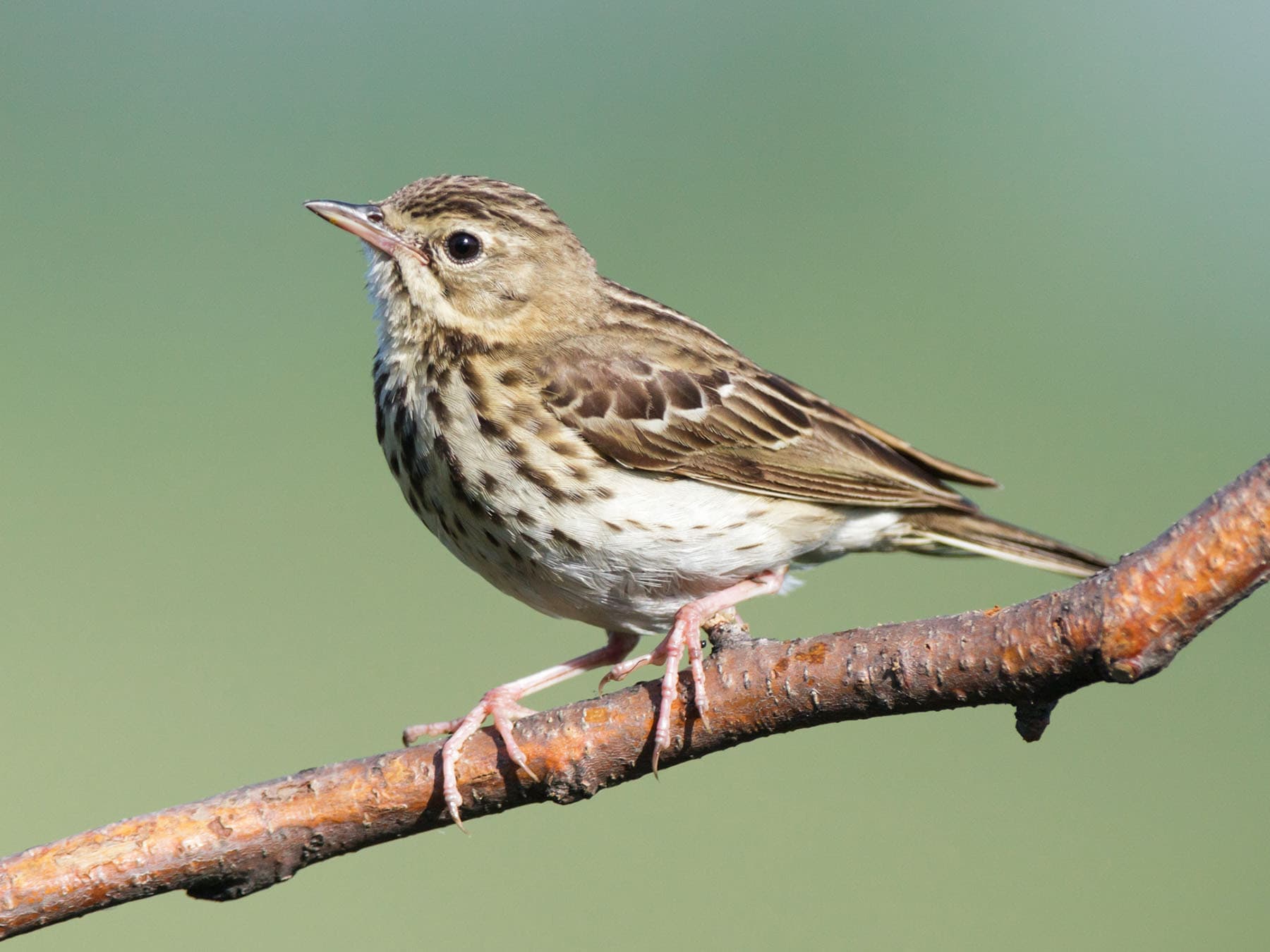
Tree Pipit
Anthus trivialisLC
An uncommon summer visitor to open woodland and heathland edges, recognised by its distinctive descending song flight from April to September.
Apr–Sep
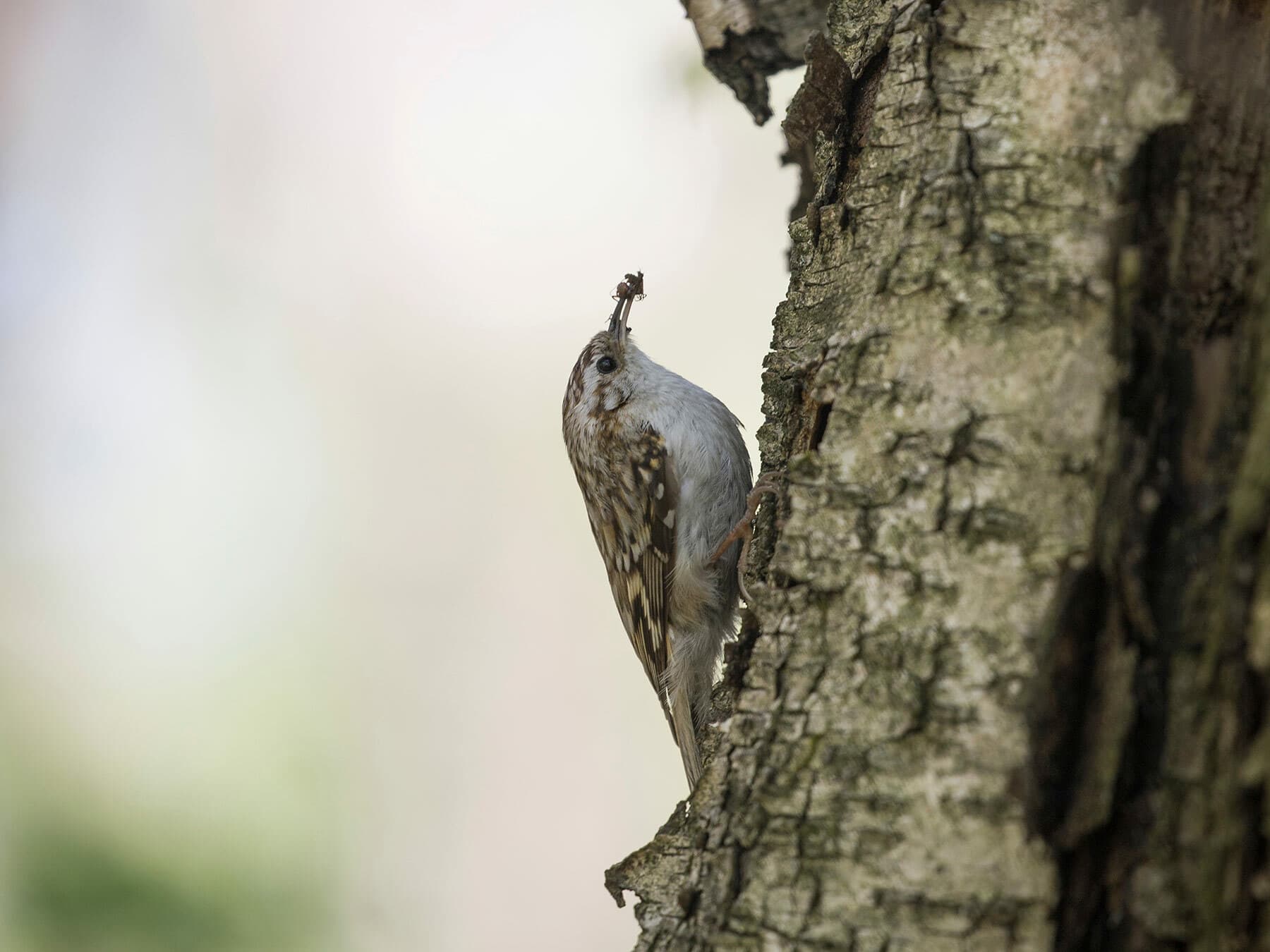
Treecreeper
Certhia familiarisLC
An unobtrusive resident spiralling up tree trunks in mature woodland. Favours oak and ash woods across the county year-round.
Year-round
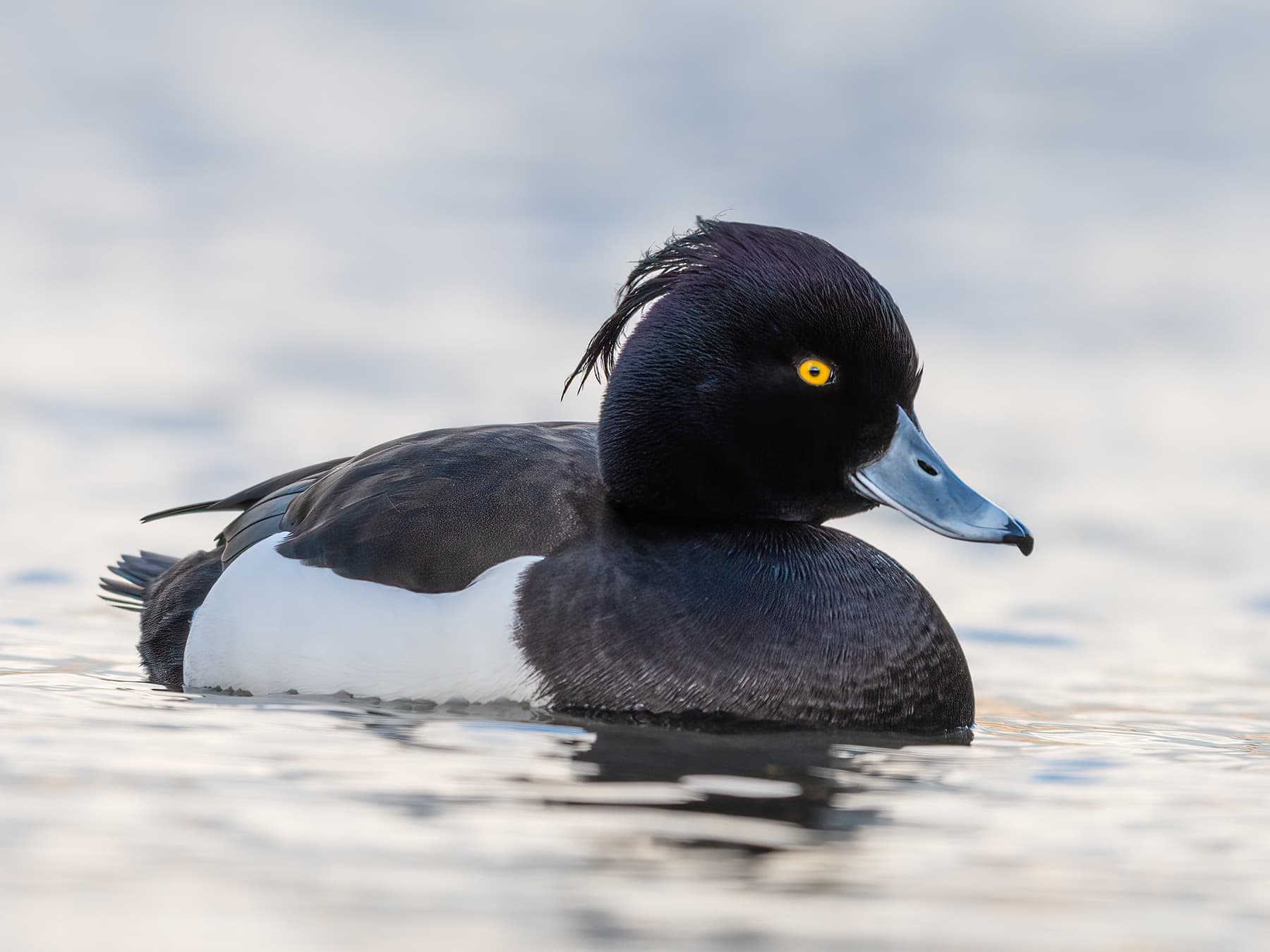
Tufted Duck
Aythya fuligulaLC
A common resident breeding on reservoirs, gravel pits and park lakes. Winter flocks can number in the hundreds.
Year-round
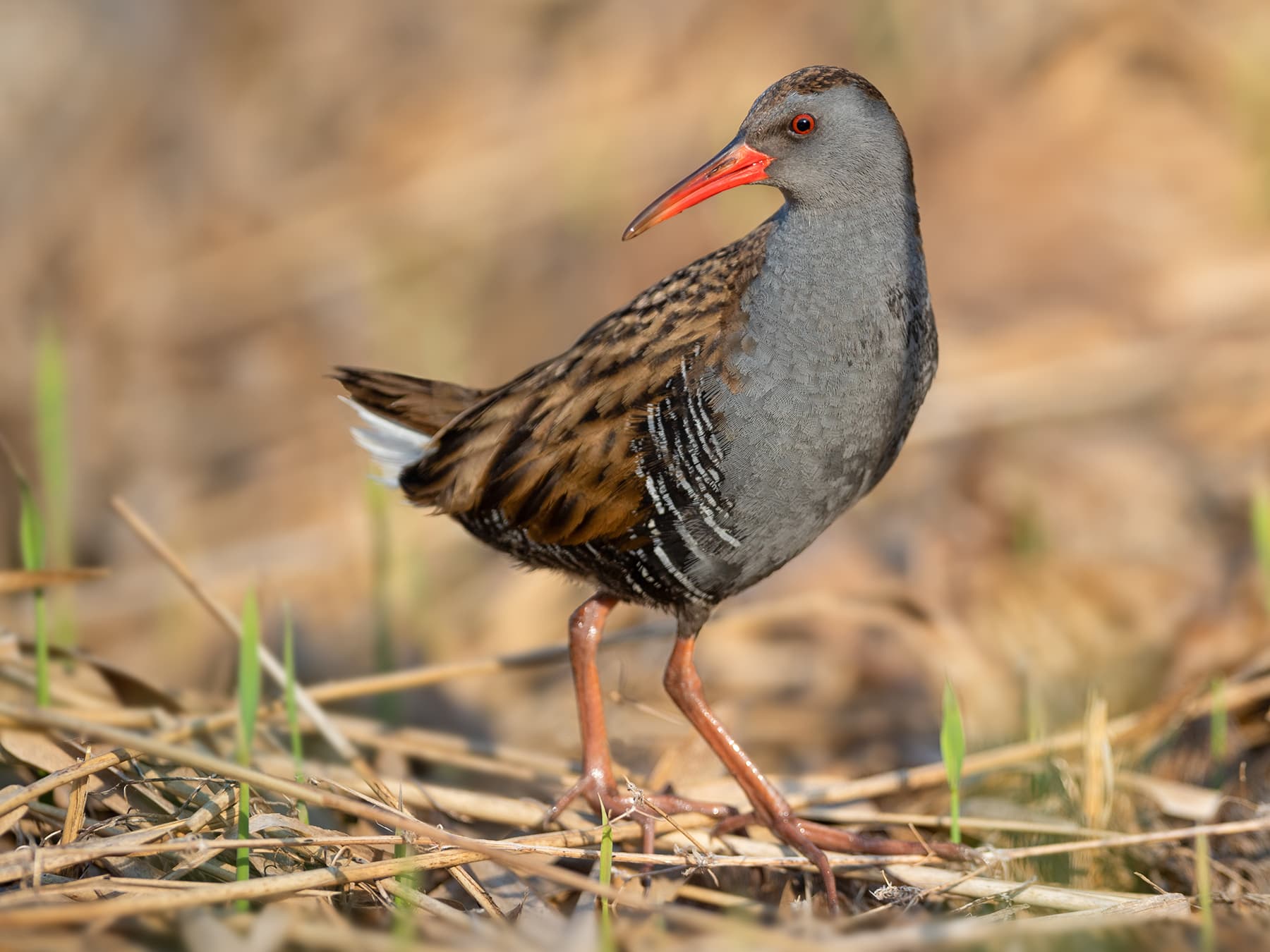
Water Rail
Rallus aquaticusLC
An uncommon and secretive resident of reedbeds and marshy margins. More often heard squealing from dense cover than seen in the open.
Year-round
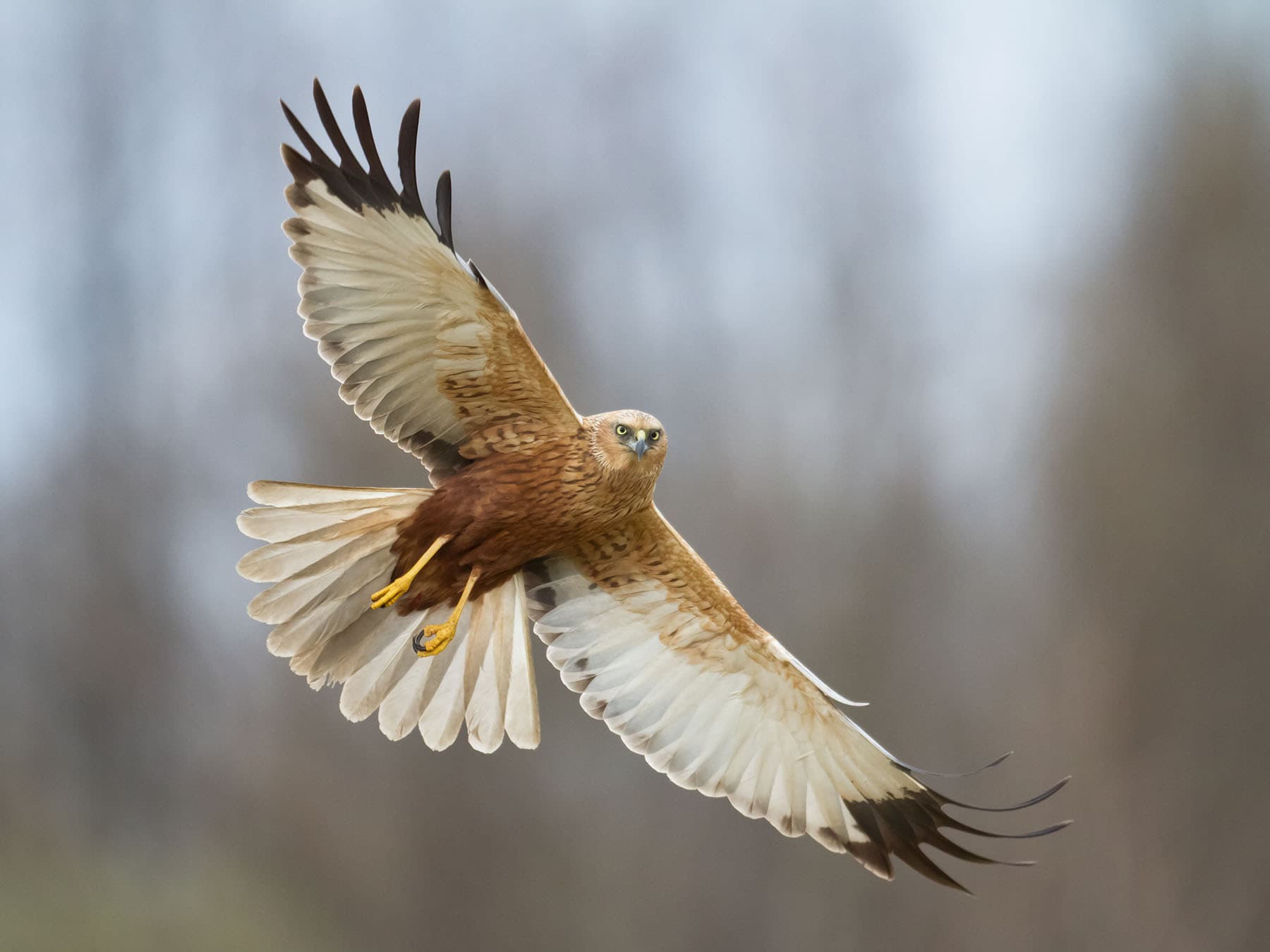
Western Marsh-harrier
Circus aeruginosusLC
A rare resident increasingly seen quartering reedbeds and wetland margins at lowland sites across Derbyshire.
Year-round
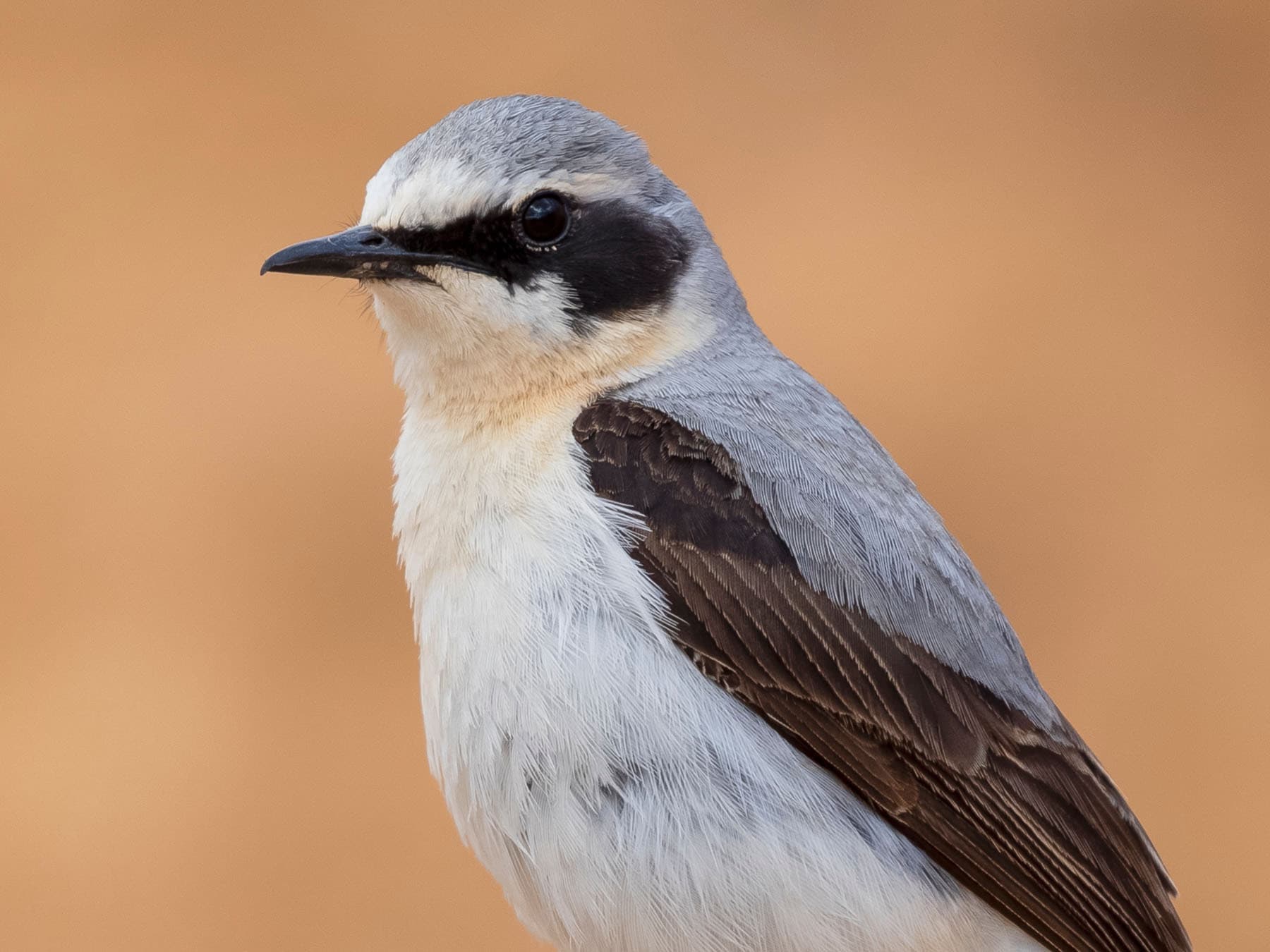
Wheatear
Oenanthe oenantheLC
An uncommon summer breeder on the gritstone edges and upland pastures of the Peak District, arriving from March and departing by October.
Mar–Oct
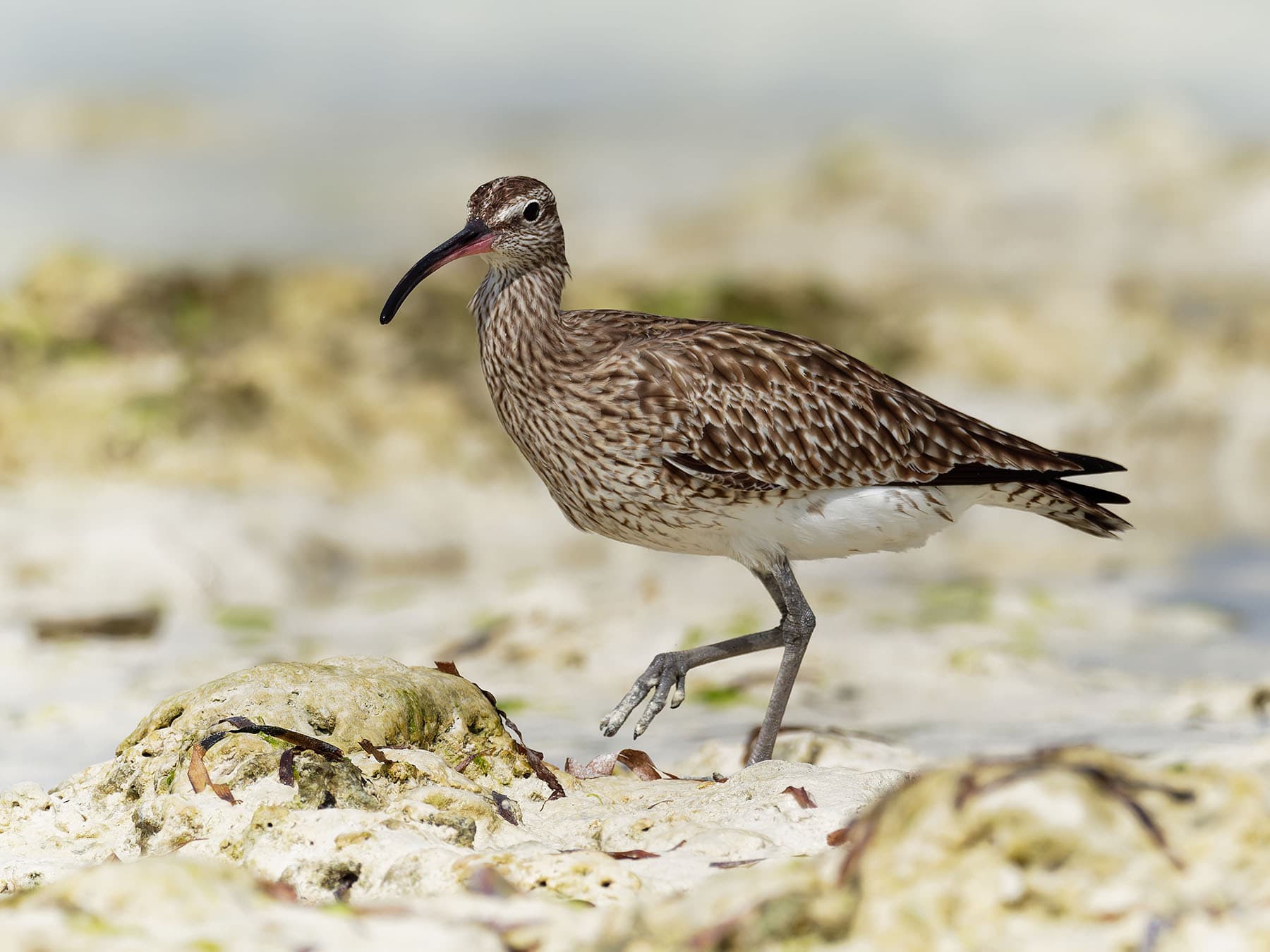
Whimbrel
Numenius phaeopusLC
A rare spring passage migrant, occasionally heard calling overhead or seen resting on moorland and reservoir edges in April and May.
Apr–May
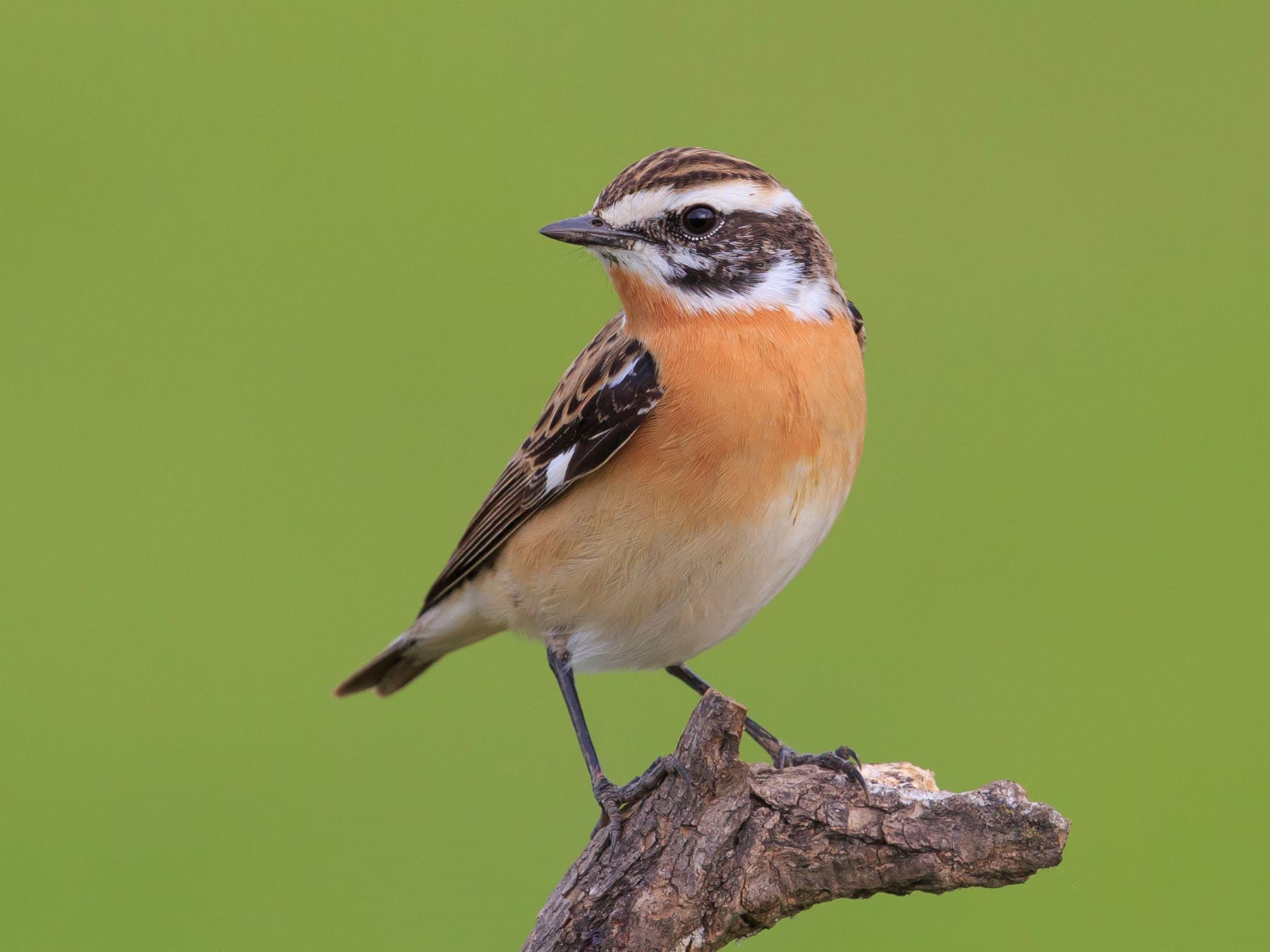
Whinchat
Saxicola rubetraLC
A rare and declining breeder on the moorland edges of the Peak District, favouring bracken-covered slopes from April to September.
Apr–Sep
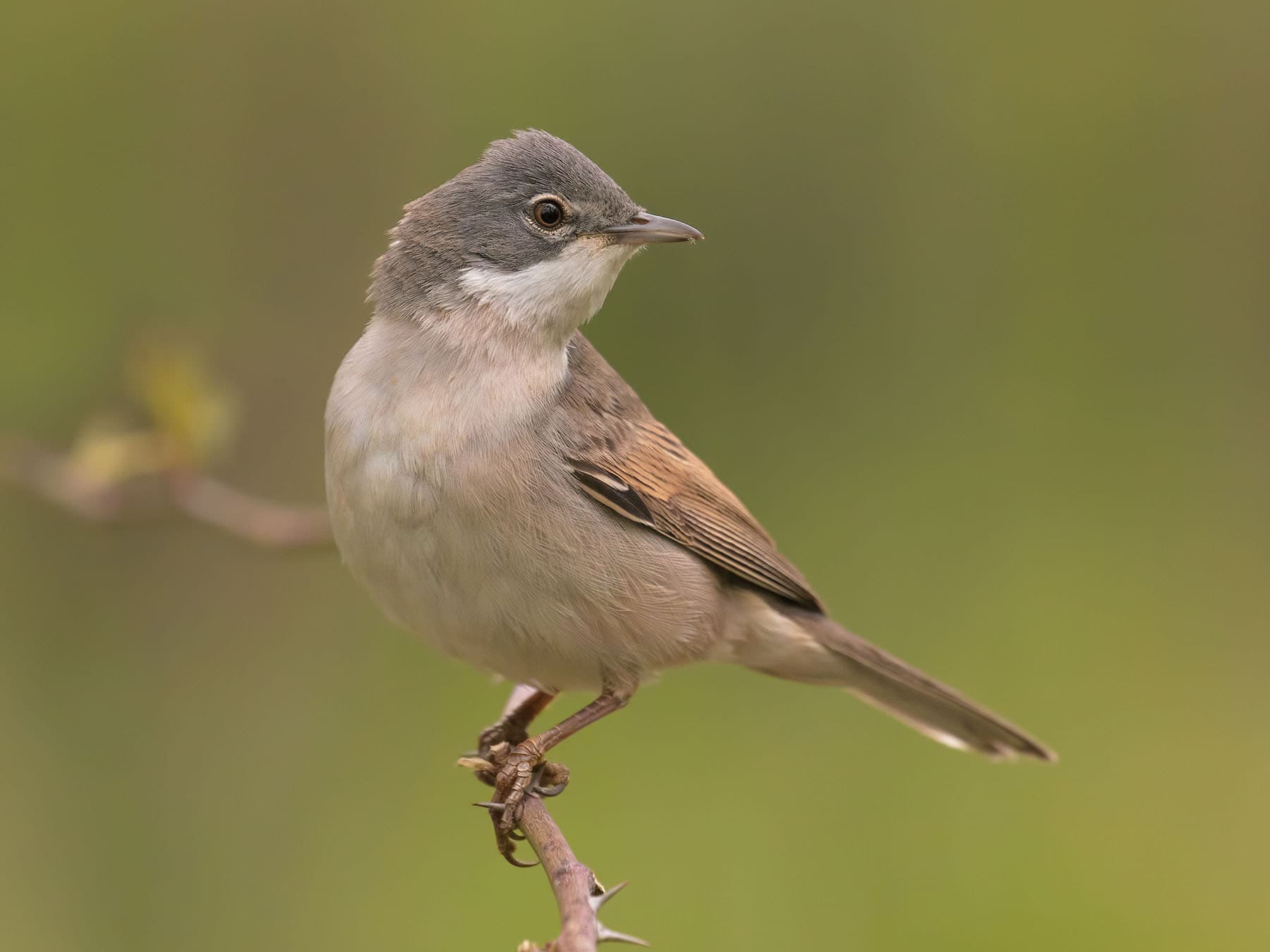
Whitethroat
Curruca communisLC
An uncommon summer visitor breeding in hedgerows and scrubby margins, often singing from exposed perches in the lowland farmland areas.
Apr–Sep
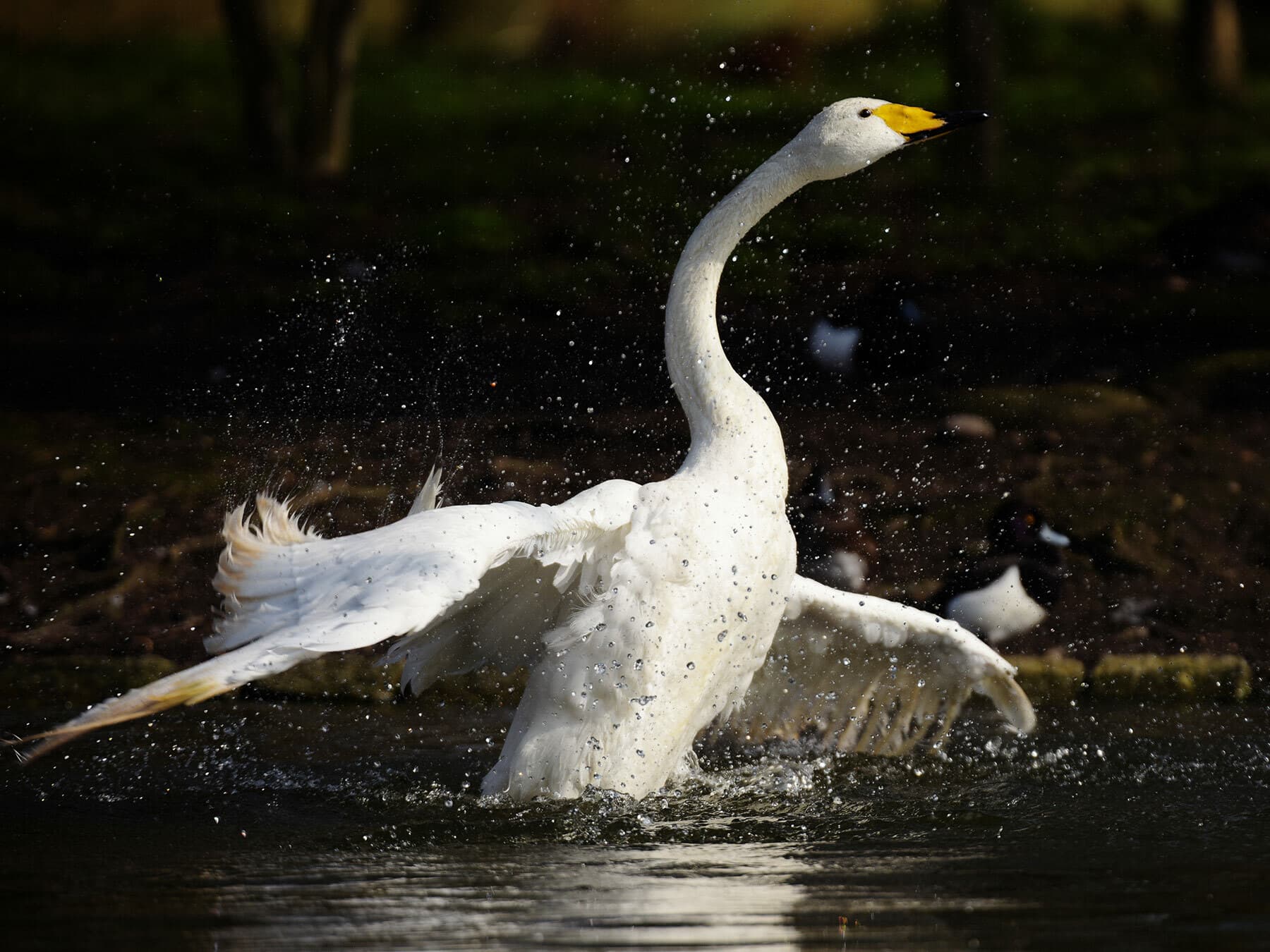
Whooper Swan
Cygnus cygnusLC
A rare winter visitor from Iceland, occasionally found on larger reservoirs and flooded fields between October and March.
Oct–Mar