Uncommon Birds in Cornwall
68 species matching this filter.
Cornwall's diverse coastal, estuarine and moorland habitats support a fascinating array of uncommon bird species, with 68 recorded in this category. From the dramatic cliffs where Kittiwakes nest to sheltered creeks hosting Greenshanks and Common Sandpipers, the county offers rewarding birdwatching throughout the year. Notable species such as Arctic Jaeger, Fieldfare and Common Shelduck reflect the region's importance as both a migration hotspot and a wintering ground for scarce visitors.


Showing 47–68 of 68 species
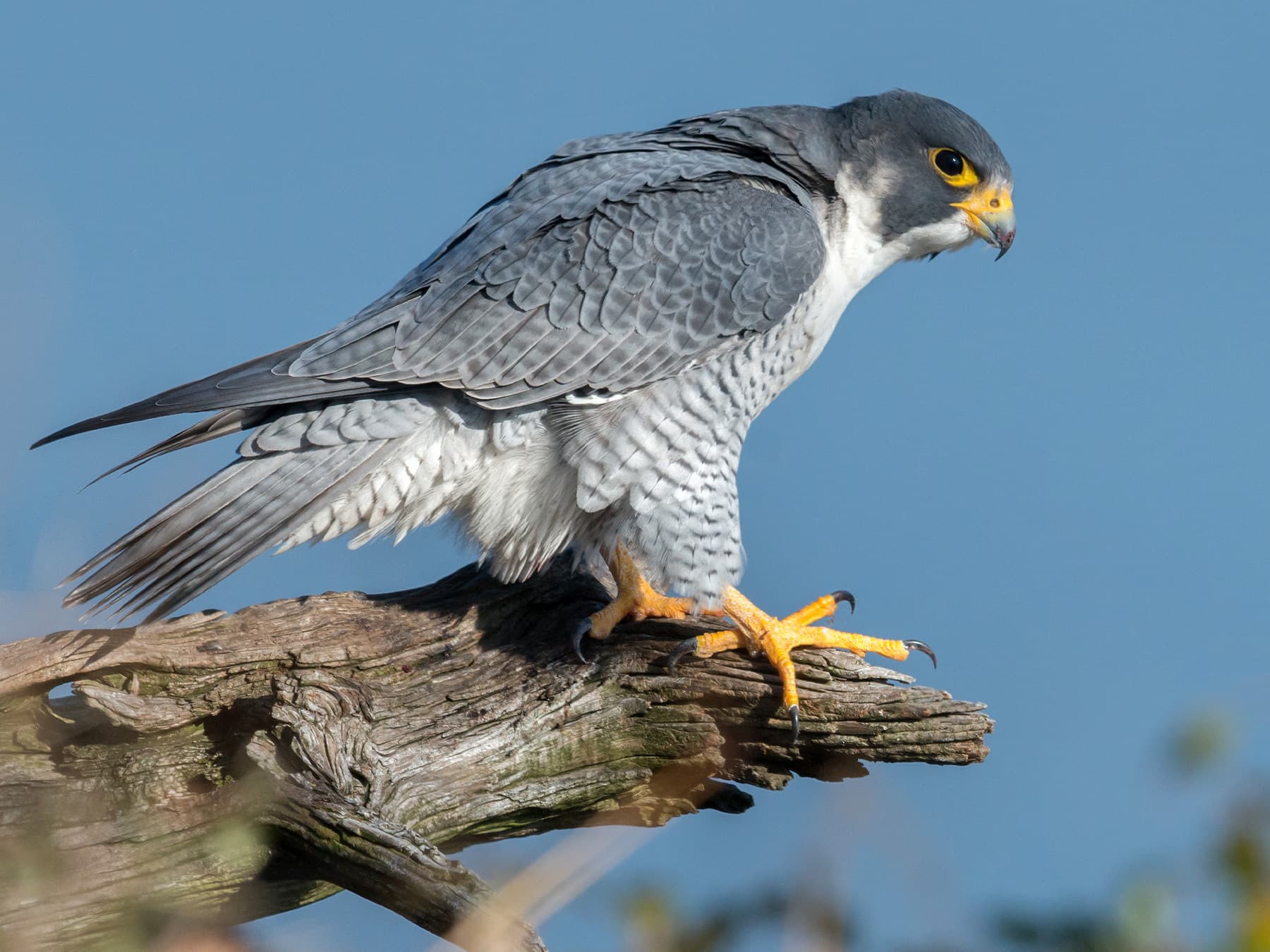
Peregrine Falcon
Falco peregrinusLC
An uncommon but thrilling resident, nesting on dramatic sea cliffs. Cornwall's rugged coastline provides ideal breeding habitat year-round.
Year-round
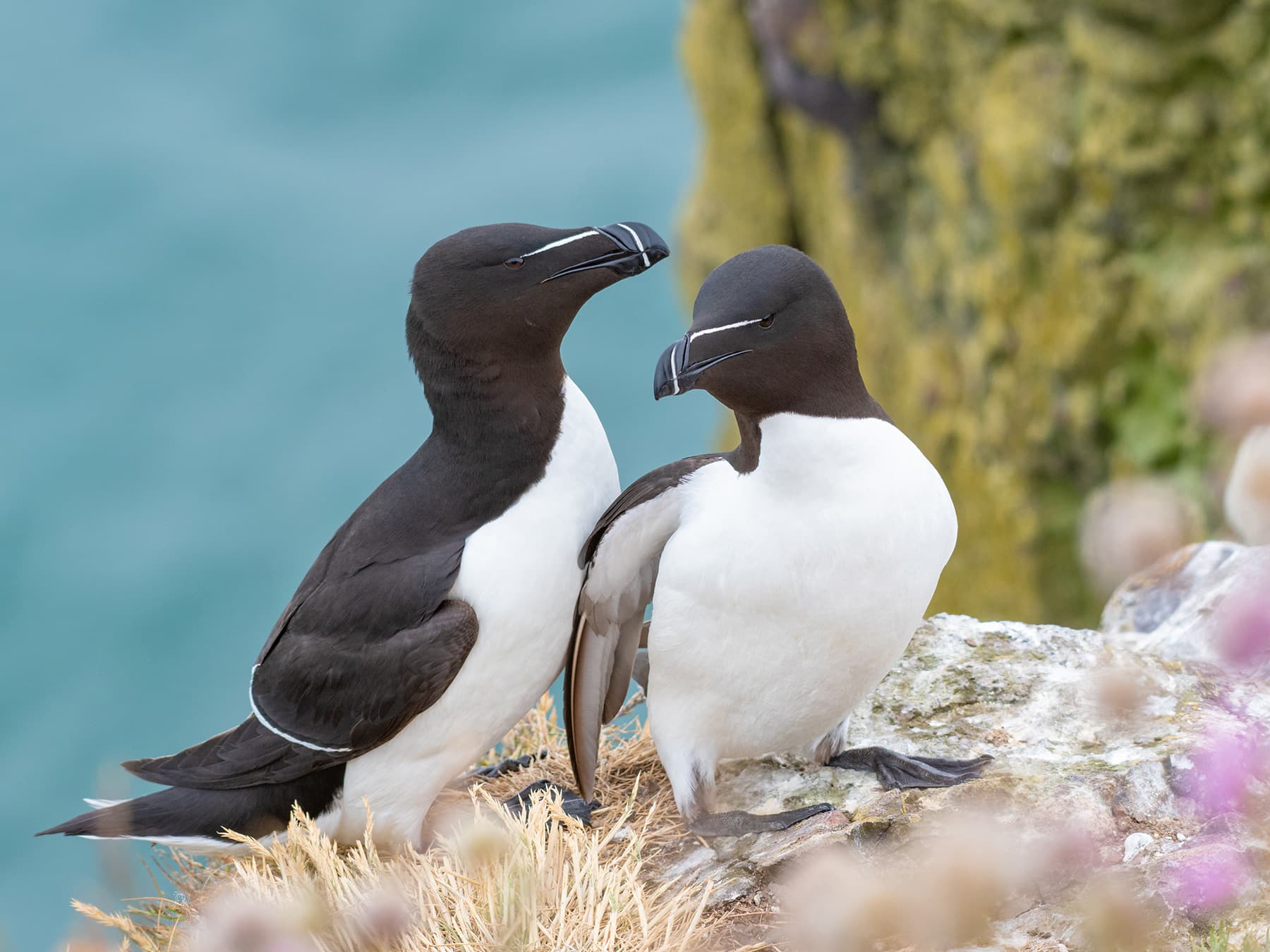
Razorbill
Alca tordaLC
Nests on sea cliffs and winters offshore, regularly seen from headlands and harbours throughout the year.
Year-round
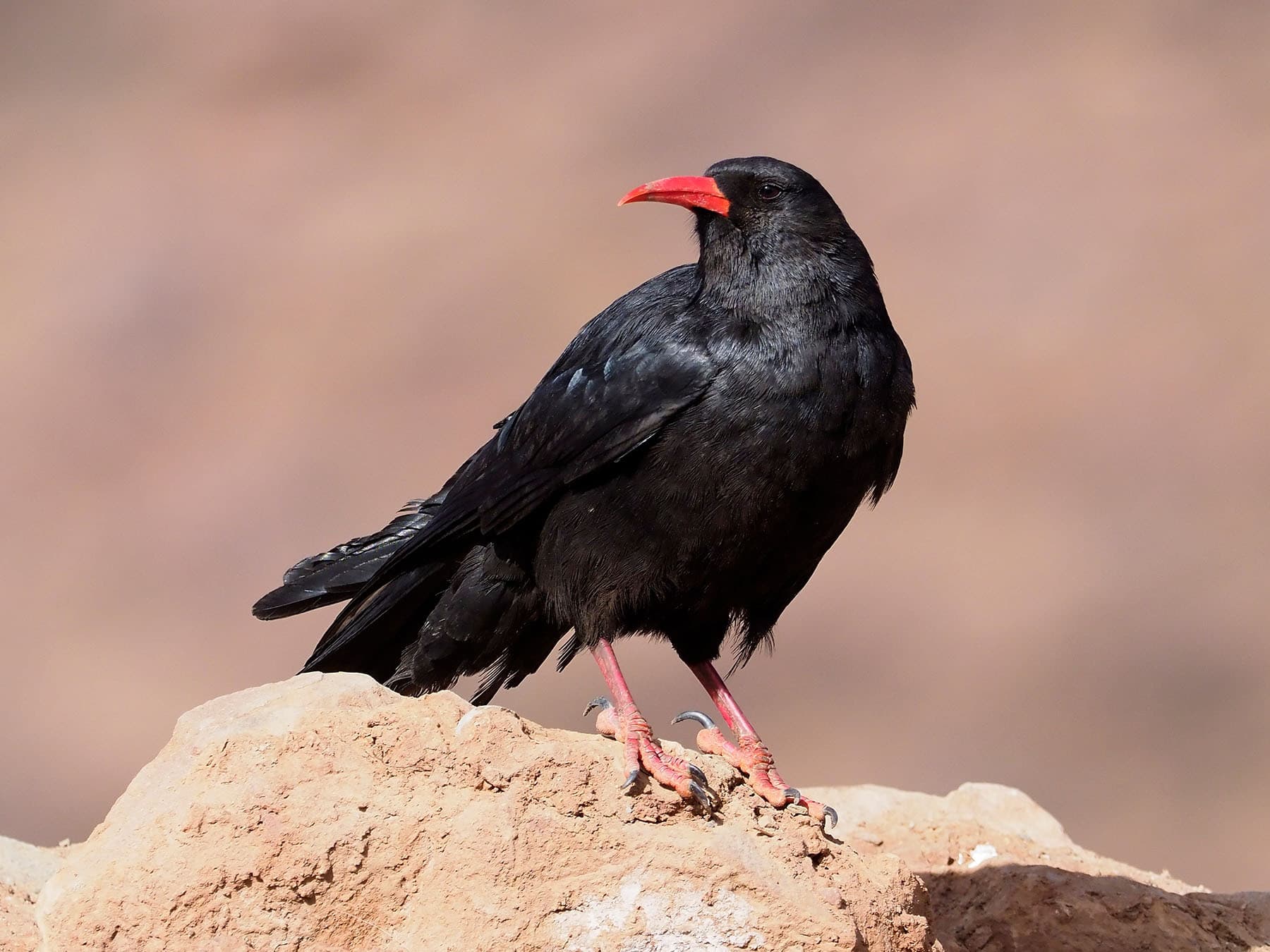
Red-billed Chough
Pyrrhocorax pyrrhocoraxLC
An iconic Cornish resident, recolonising coastal cliffs after local extinction. The county's chough population is a celebrated conservation success story.
Year-round
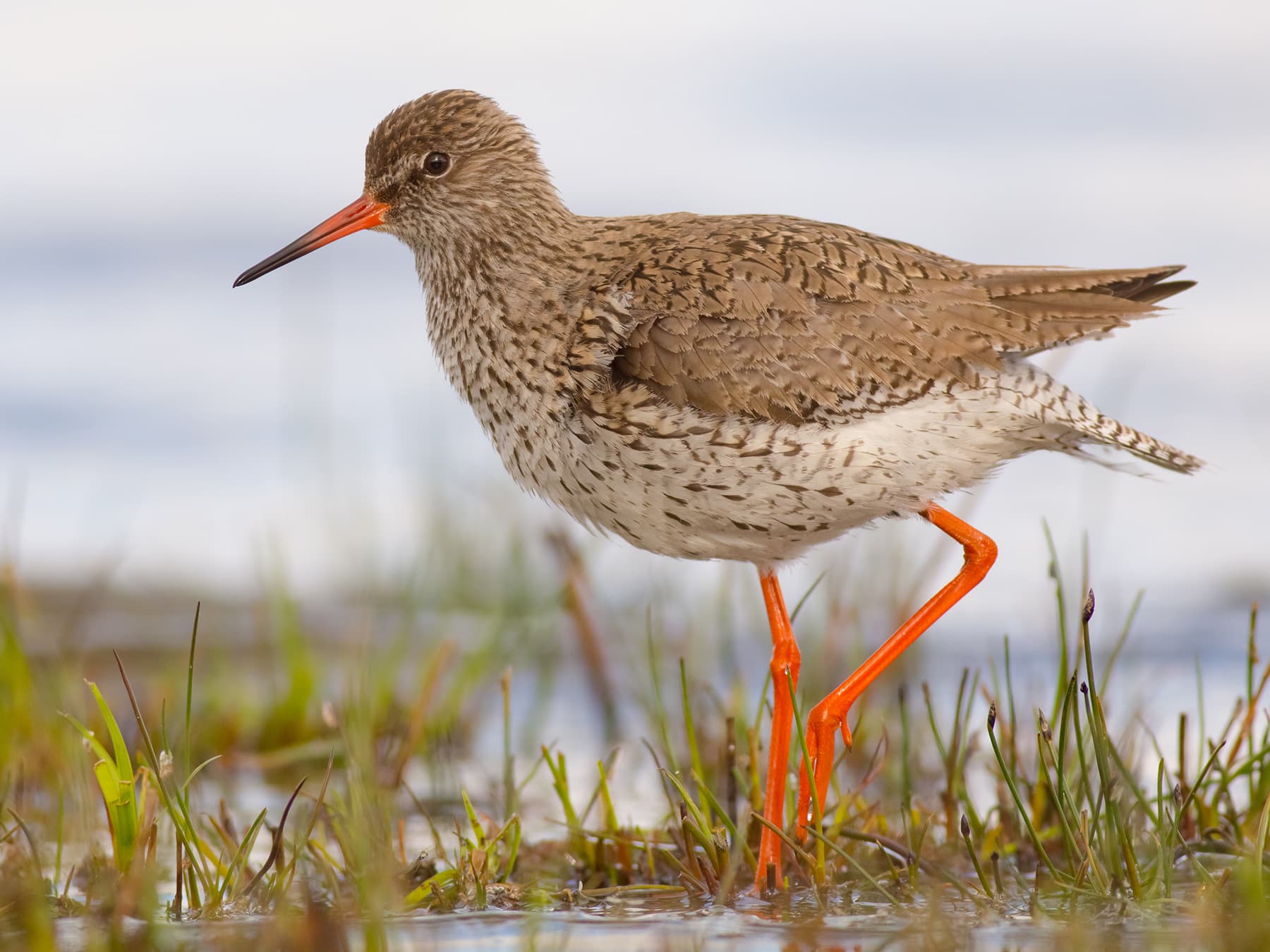
Redshank
Tringa totanusLC
Inhabits Cornish estuaries and saltmarshes year-round, its loud piping calls a familiar sound on tidal creeks.
Jun–Apr
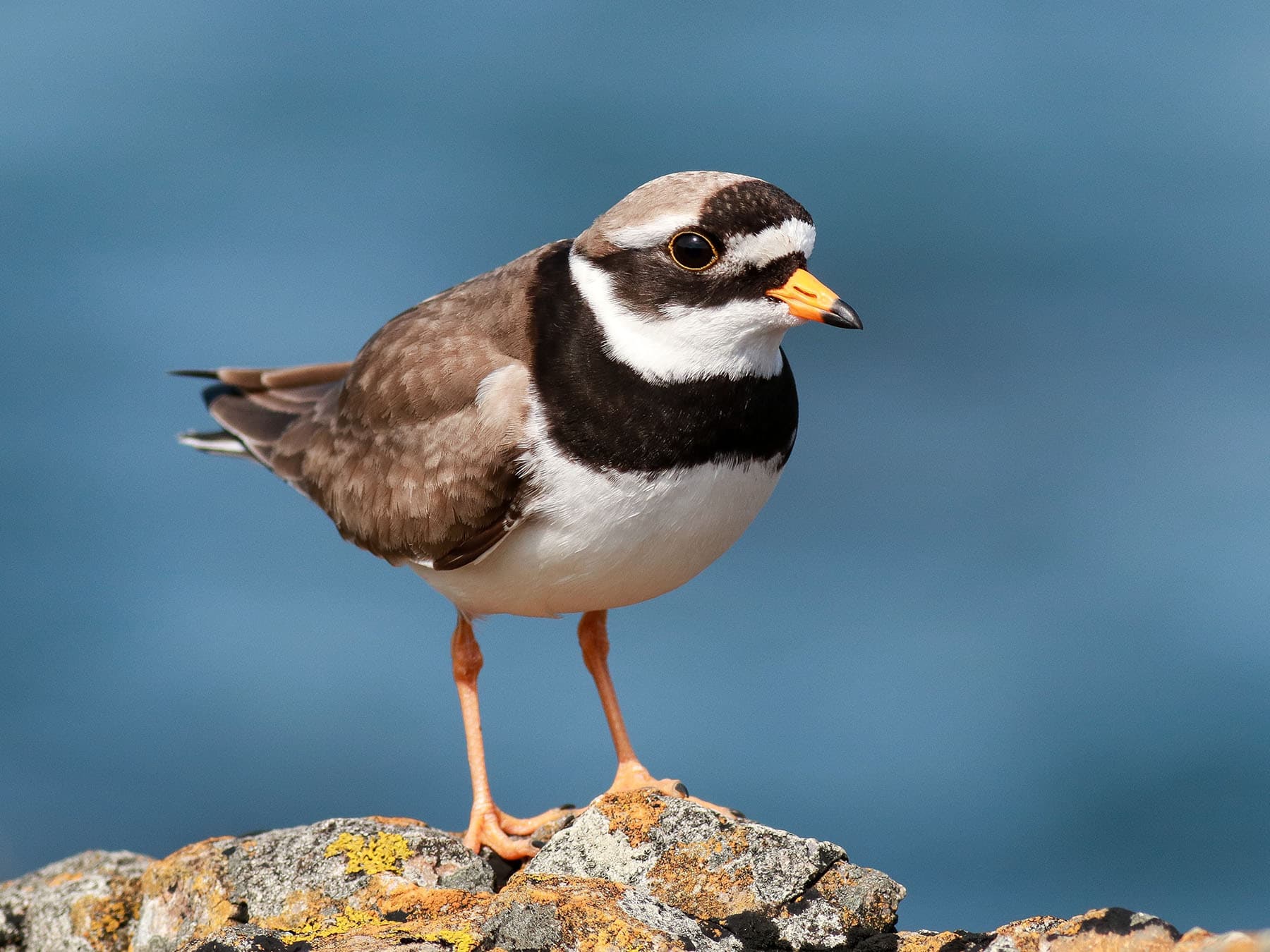
Ringed Plover
Charadrius hiaticulaLC
Breeds on sandy beaches and shingle, with year-round presence boosted by passage birds. Vulnerable to disturbance at nest sites.
Year-round
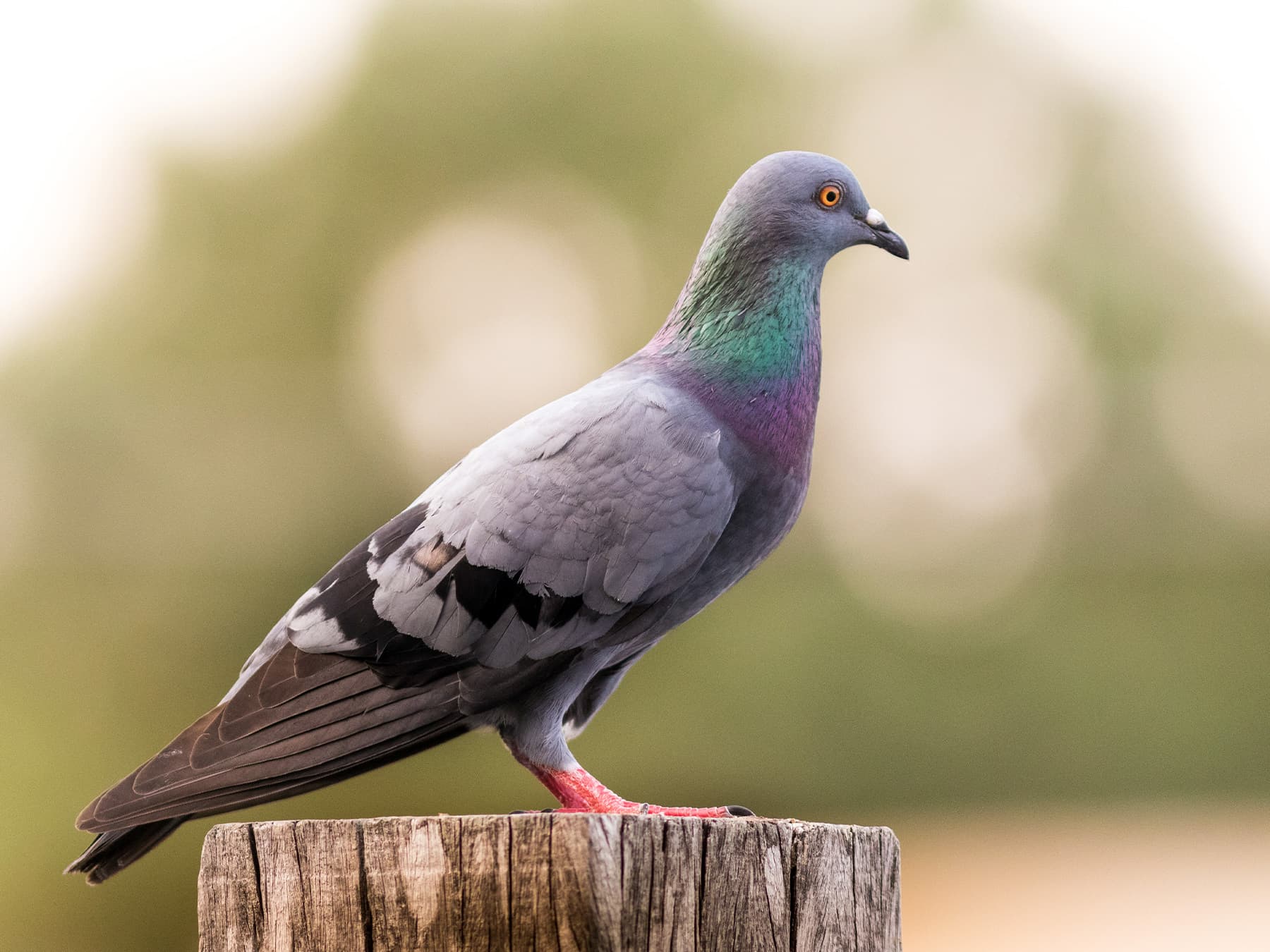
Rock Dove
Columba liviaLC
Feral populations inhabit Cornish sea cliffs, harbours, and towns year-round, alongside truly wild birds on remote headlands.
Year-round
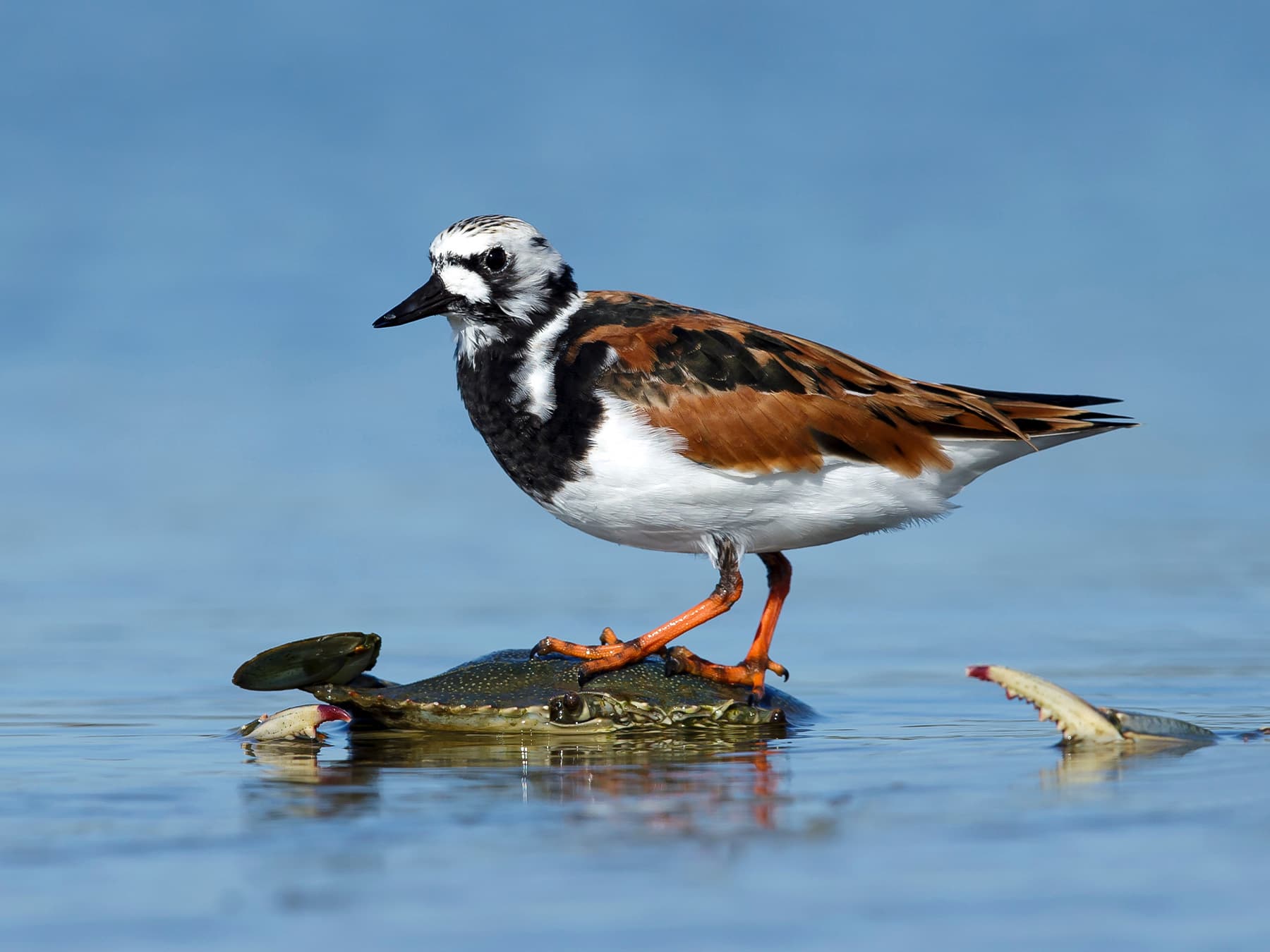
Ruddy Turnstone
Arenaria interpresLC
Present year-round on rocky shorelines and harbours, often seen flipping stones and seaweed to find invertebrates.
Year-round
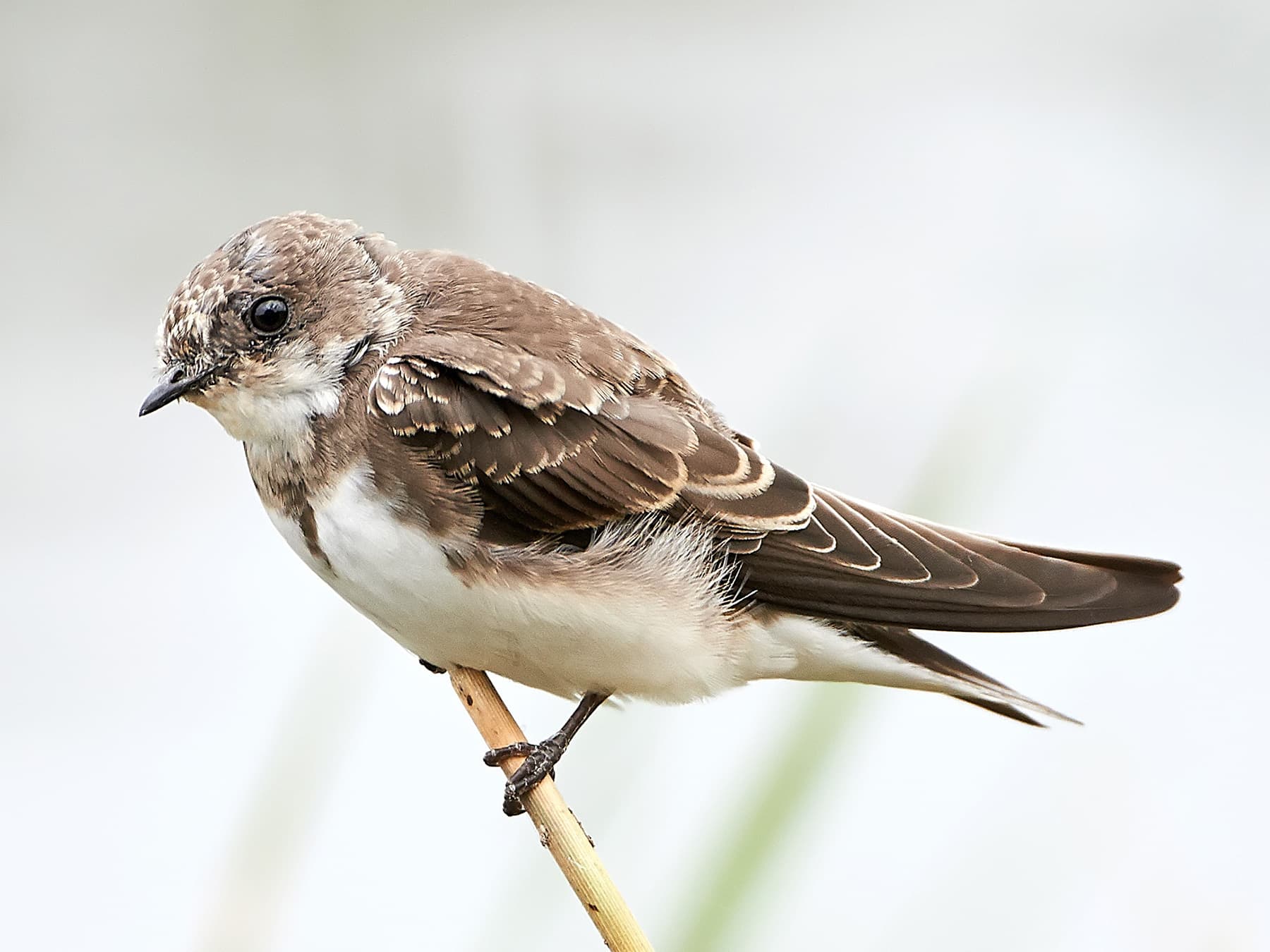
Sand Martin
Riparia ripariaLC
An uncommon summer breeder, nesting in sandy riverbanks and quarry faces. Arrives from March and gathers in flocks before autumn departure.
Mar–Oct
Spotted something?
Upload a photo to identify it
Identify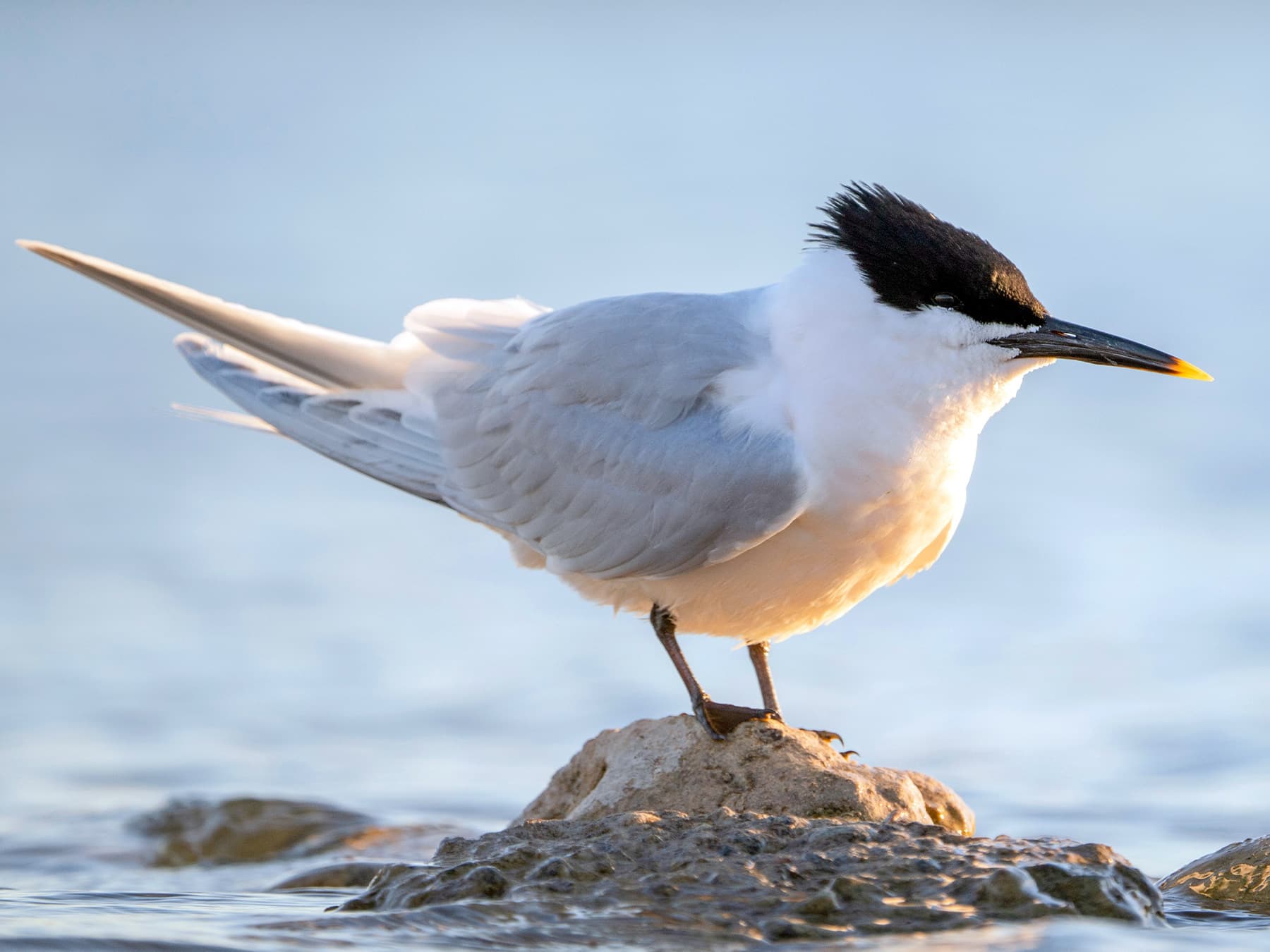
Sandwich Tern
Thalasseus sandvicensisLC
An uncommon breeding visitor to Cornish coasts from March to October. Its harsh call is a familiar sound at sandy estuaries.
Mar–Oct
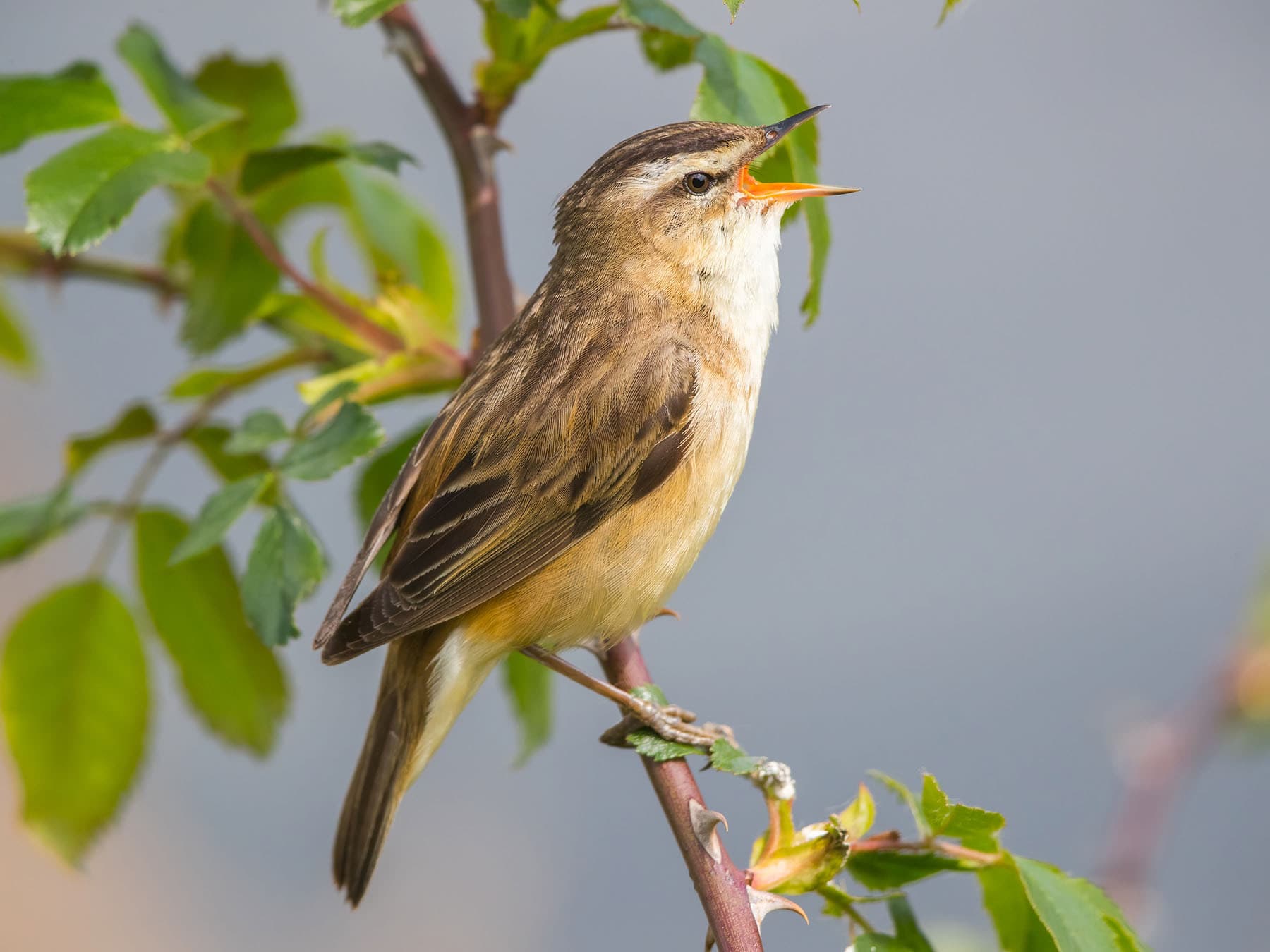
Sedge Warbler
Acrocephalus schoenobaenusLC
An uncommon summer breeder from April to September, favouring reedbeds and dense waterside vegetation. Its rapid, chattering song includes mimicry.
Apr–Sep
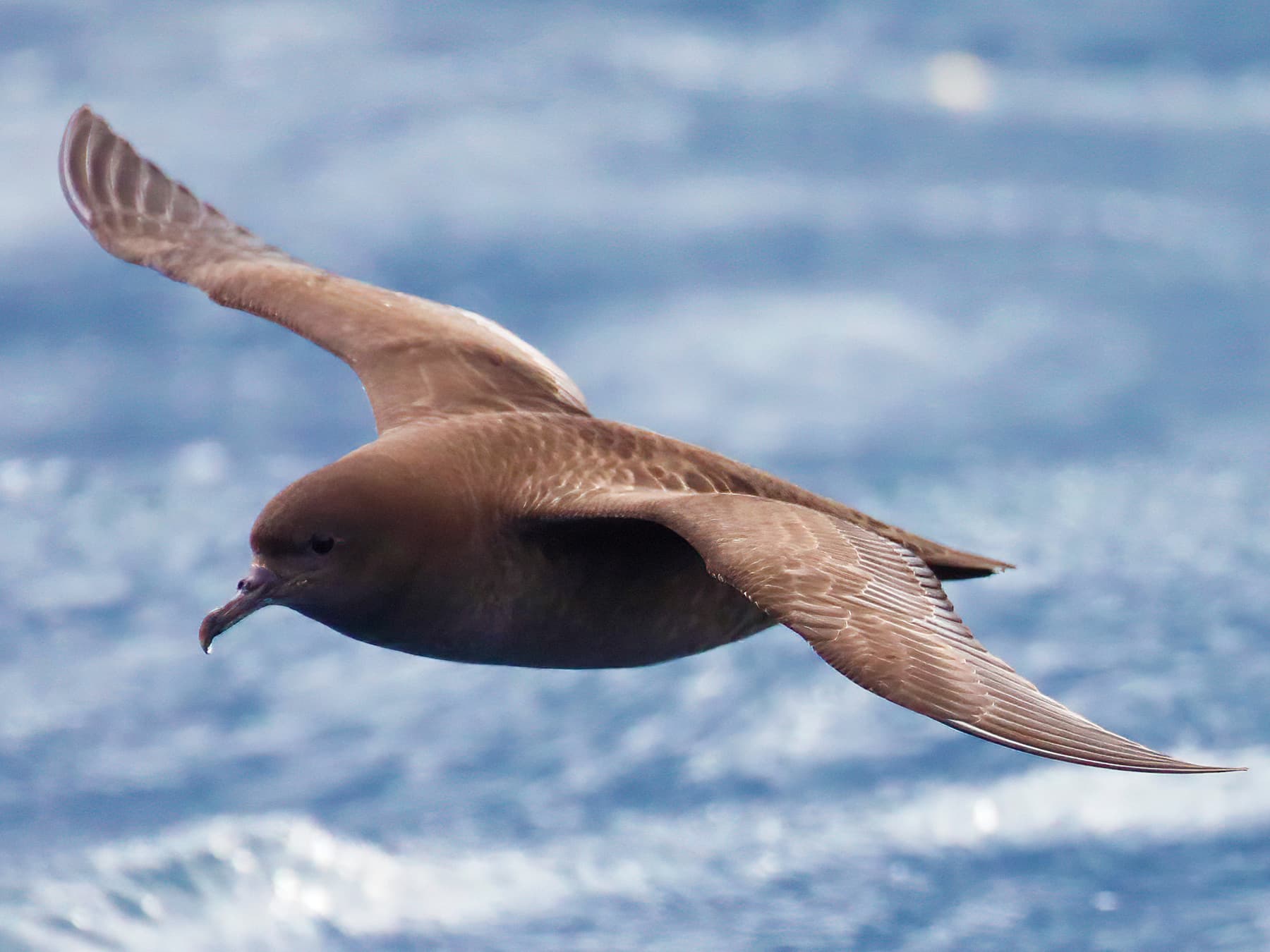
Sooty Shearwater
Ardenna griseaNT
An uncommon visitor to offshore waters from June to November, best spotted from headlands during seawatches.
Jun–Nov
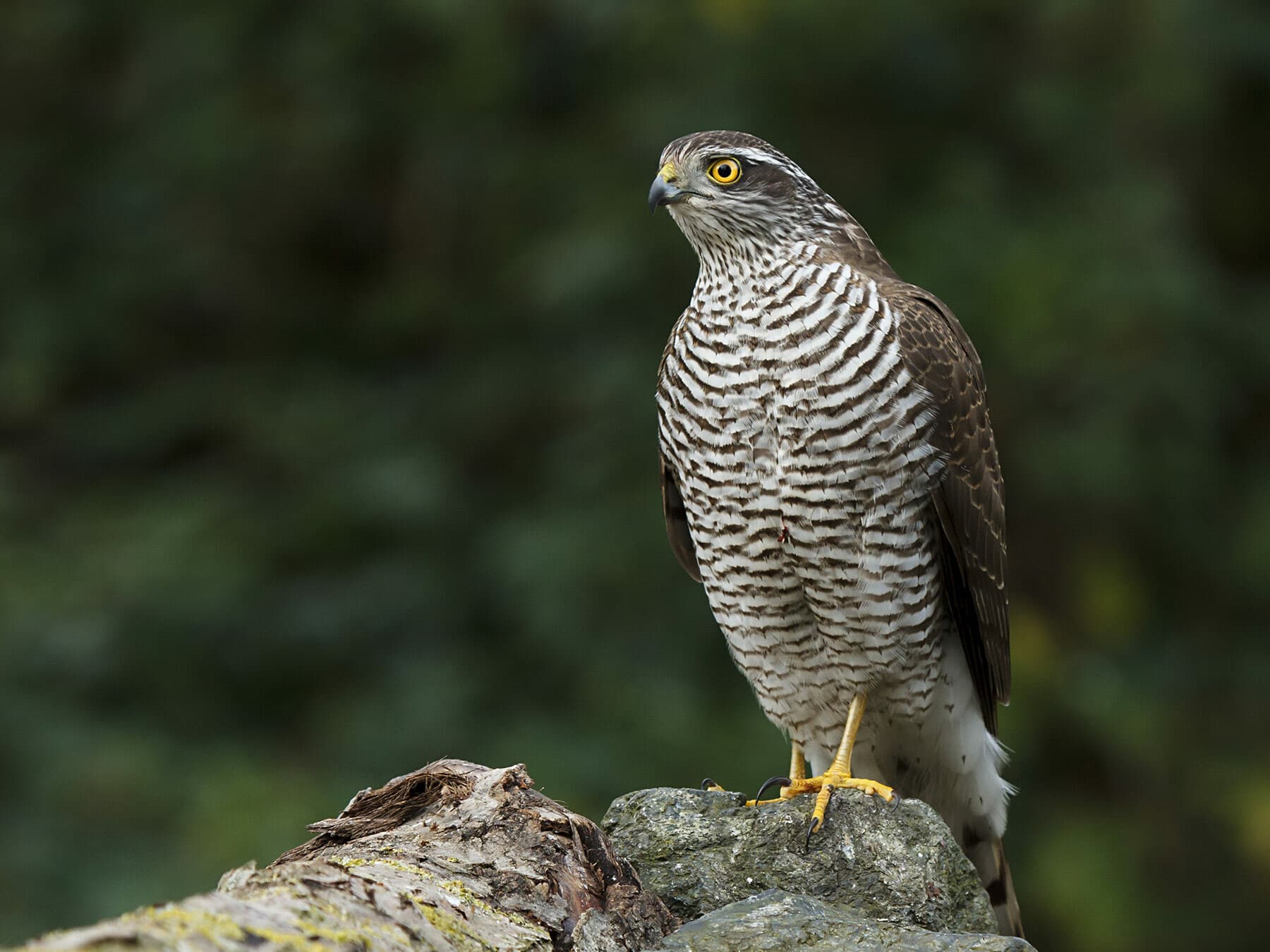
Sparrowhawk
Accipiter nisusLC
An uncommon but year-round resident, hunting small birds in woodland, hedgerows, and sometimes Cornish gardens.
Year-round
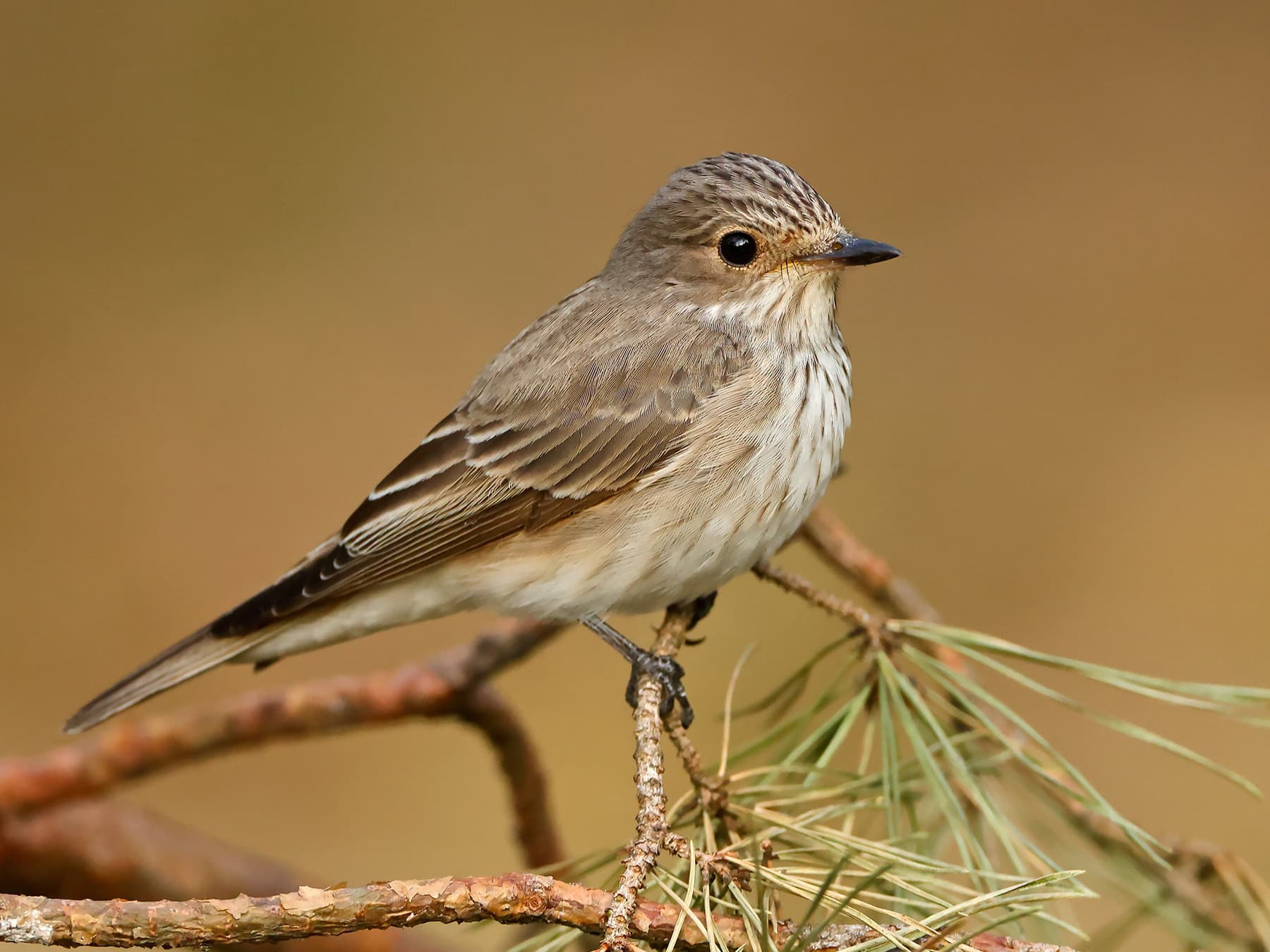
Spotted Flycatcher
Muscicapa striataLC
An uncommon and declining summer breeder, arriving in May. Favours woodland edges and churchyards, sallying for insects from exposed perches.
May–Oct
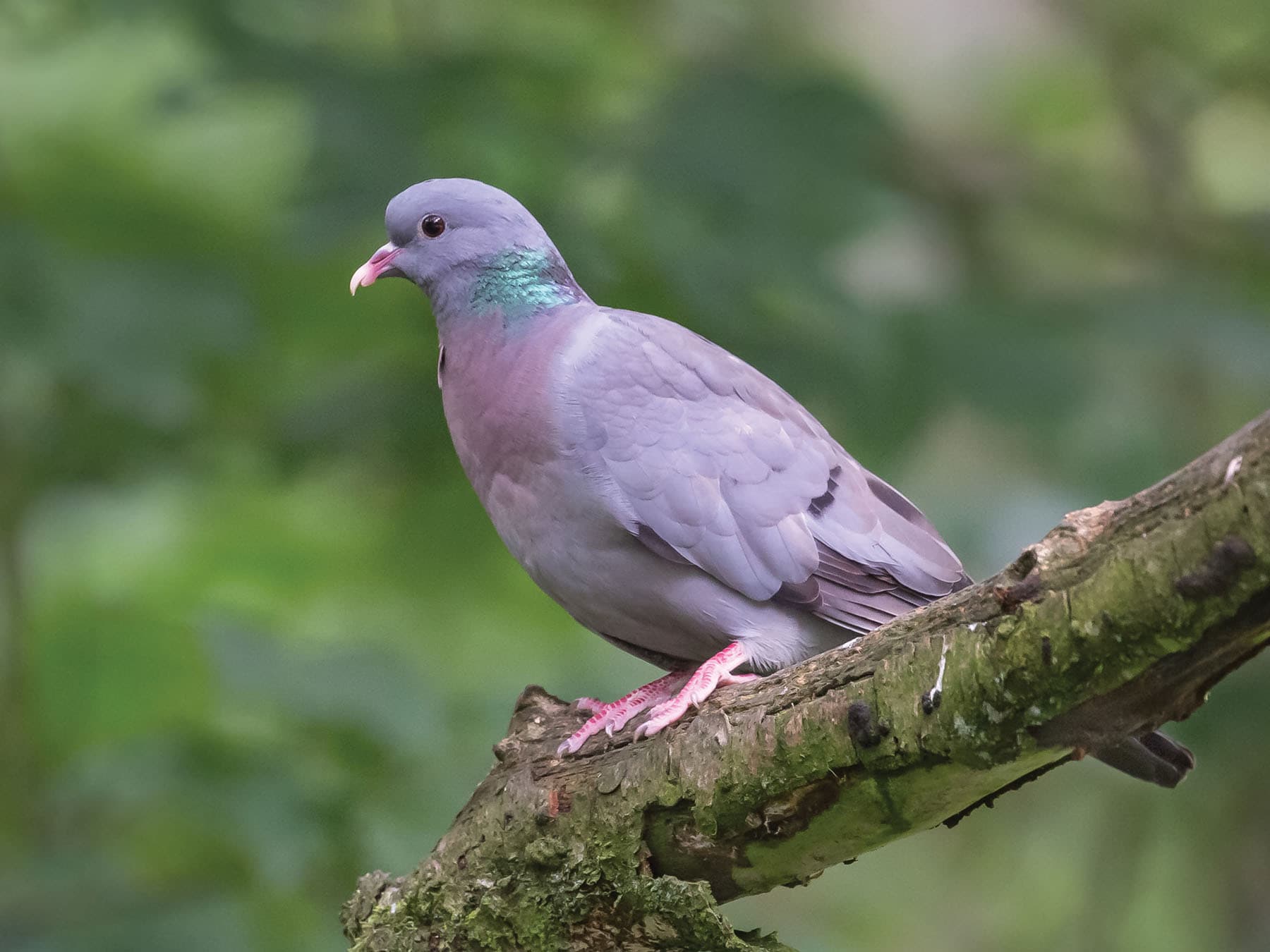
Stock Dove
Columba oenasLC
A year-round resident of farmland and parkland, often overlooked among Woodpigeons. Nests in tree holes and old buildings.
Year-round
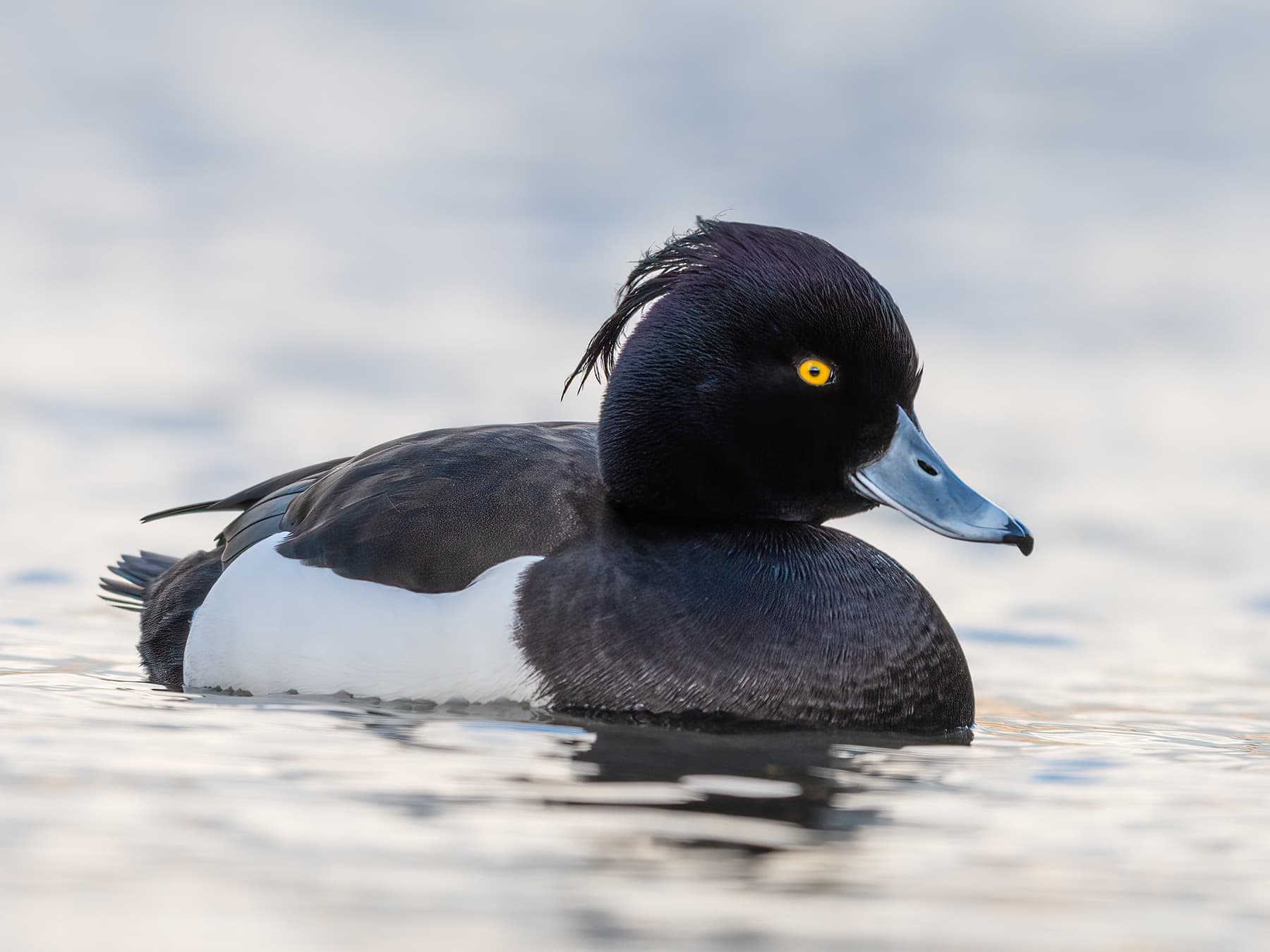
Tufted Duck
Aythya fuligulaLC
An uncommon year-round resident on freshwater lakes and reservoirs. Numbers may increase slightly in winter with visiting birds.
Year-round
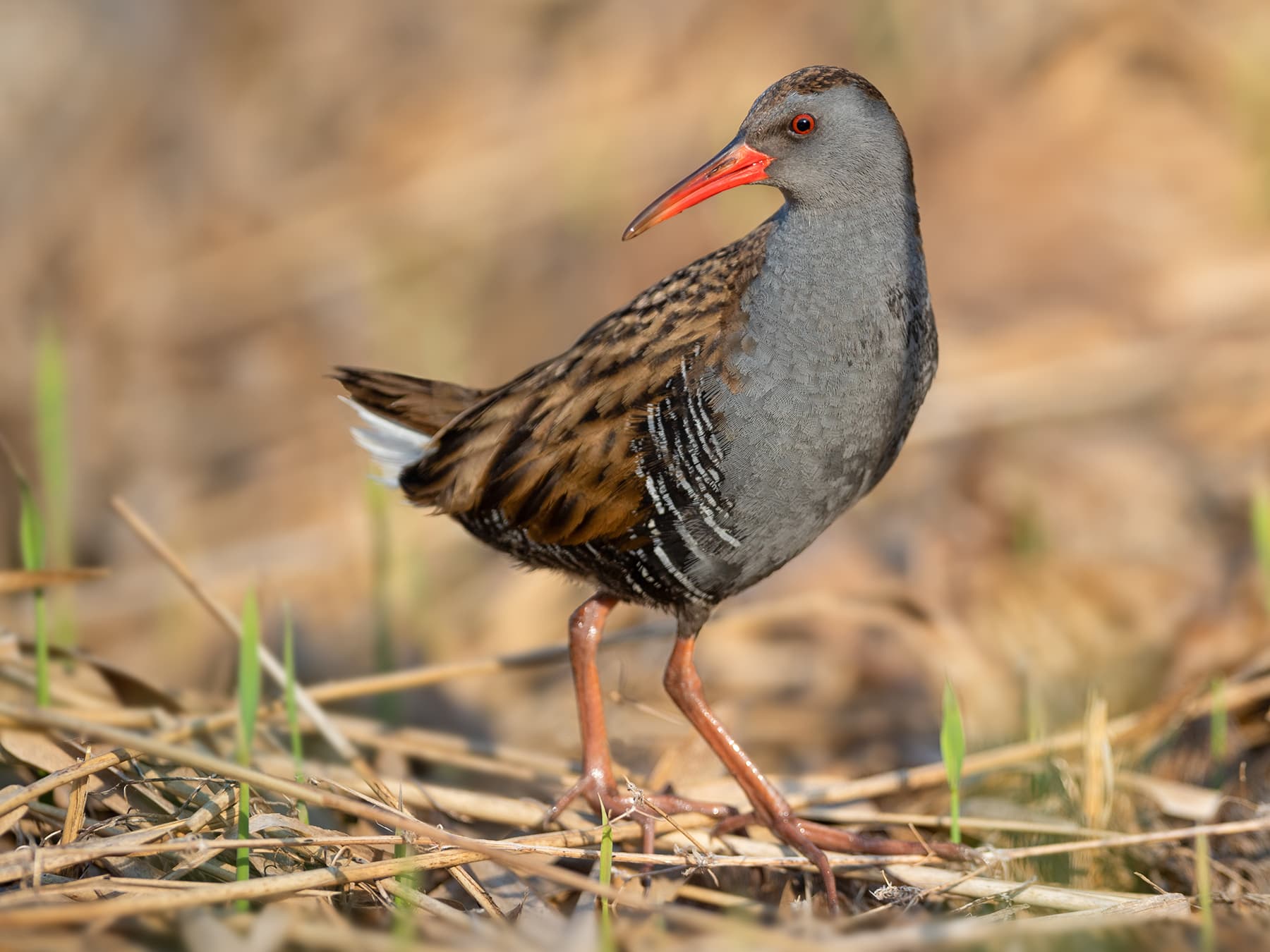
Water Rail
Rallus aquaticusLC
Skulks in reedbeds and marshy ditches, more often heard squealing than seen. Present mainly outside the breeding season.
Aug–Apr
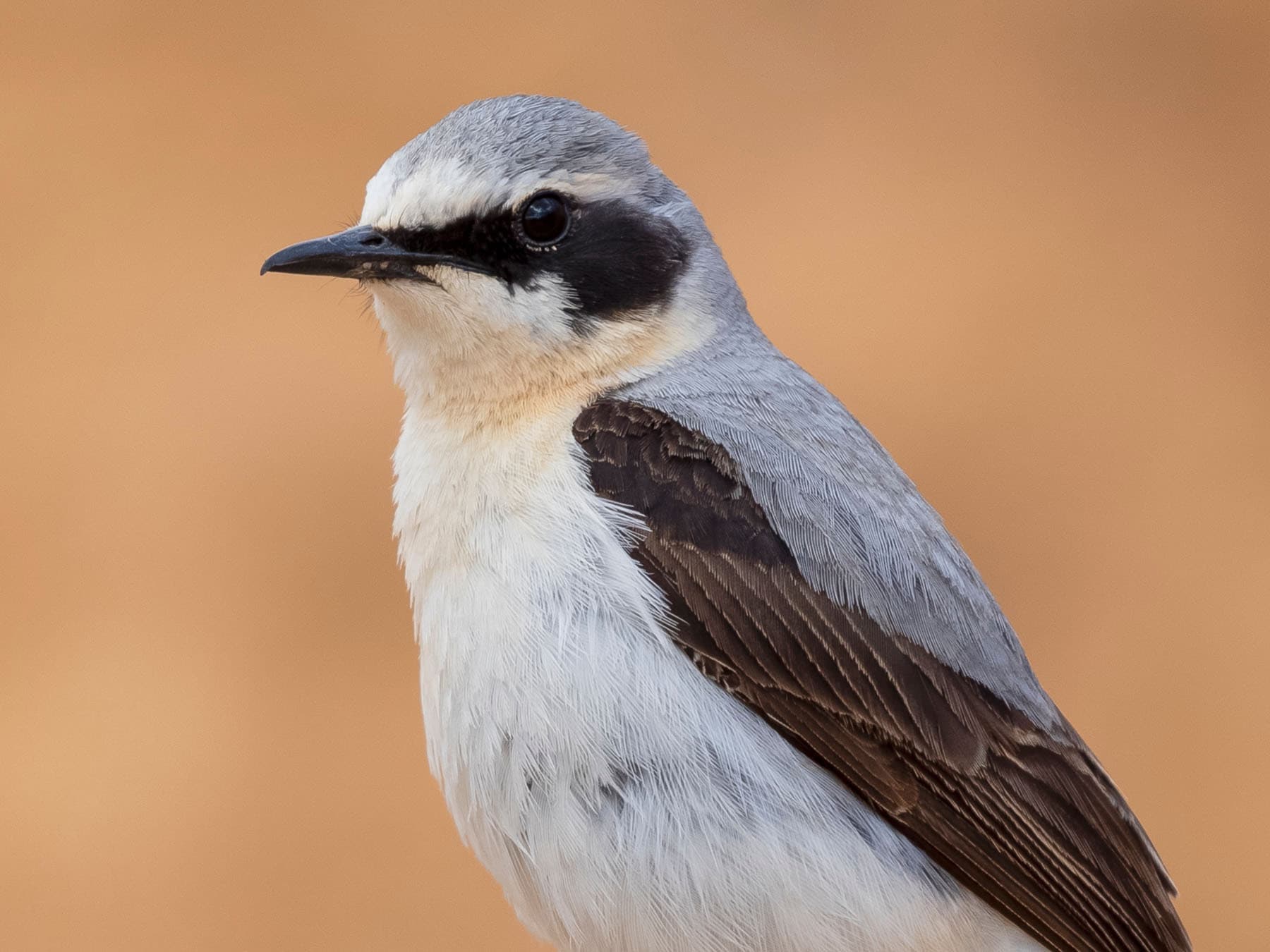
Wheatear
Oenanthe oenantheLC
An uncommon summer breeder on clifftops and moorland, arriving from March. Also seen on passage at coastal headlands into October.
Mar–Oct
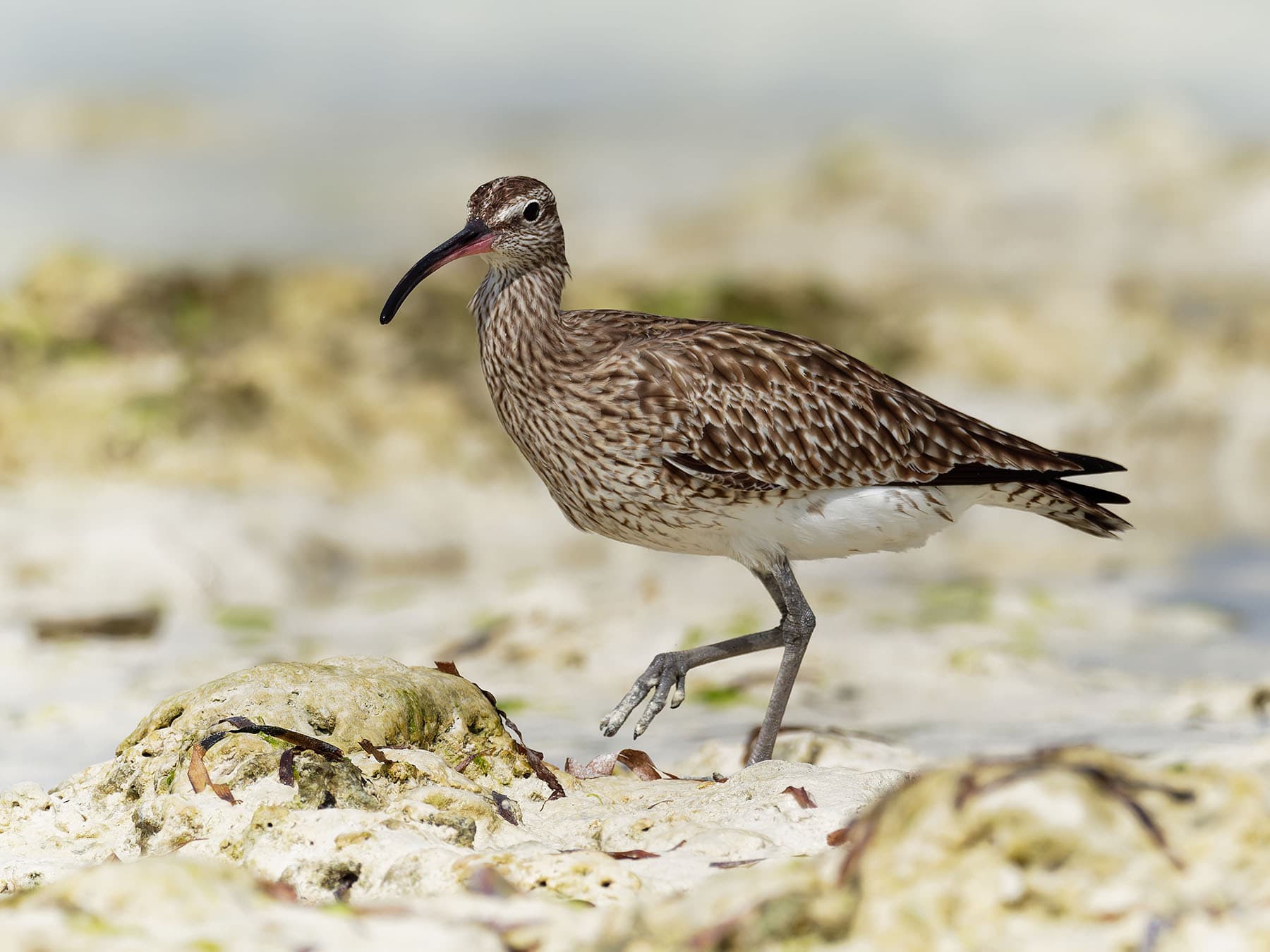
Whimbrel
Numenius phaeopusLC
Present year-round along Cornish estuaries and rocky shores, with numbers peaking during spring and autumn passage.
Year-round
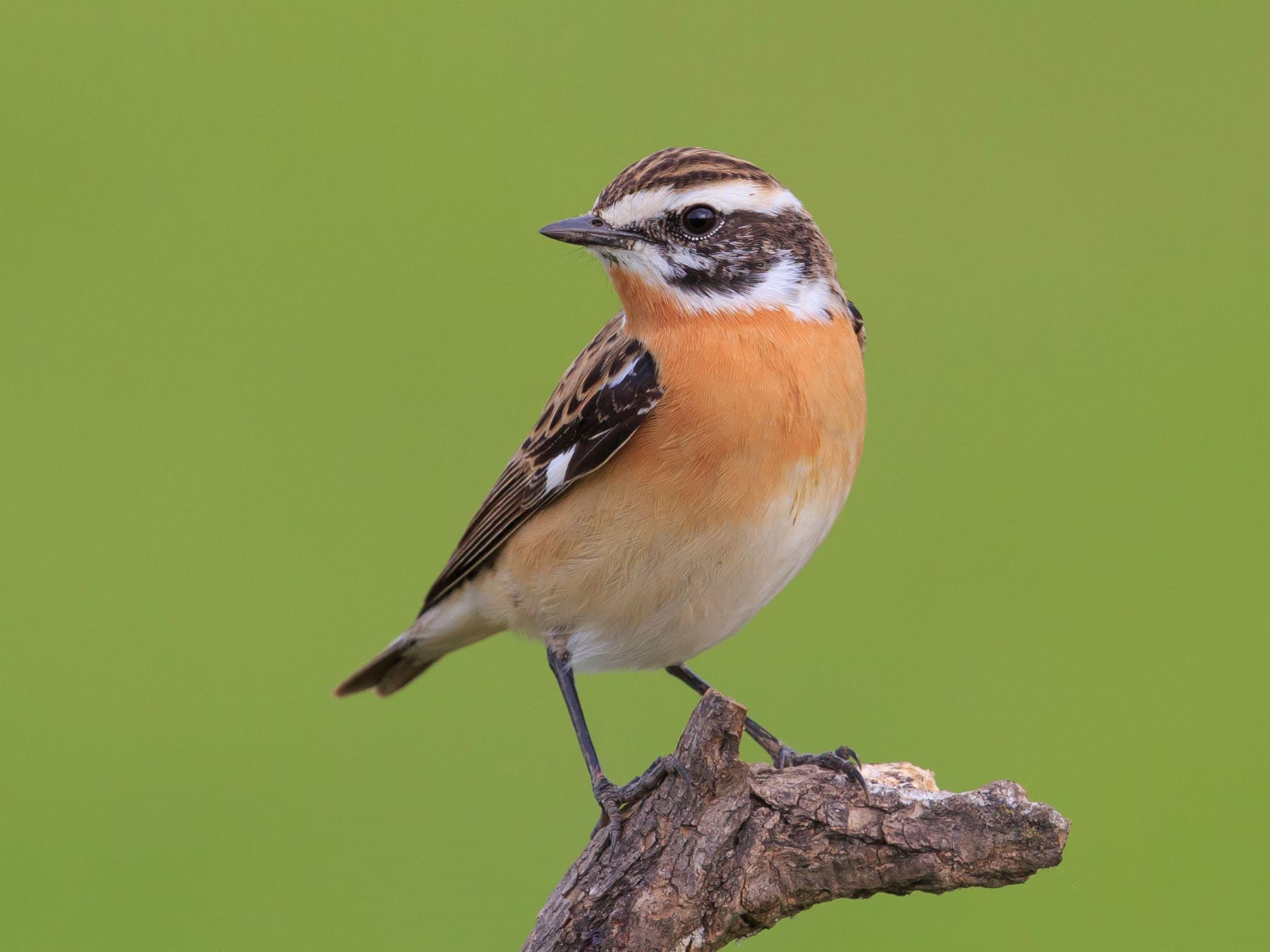
Whinchat
Saxicola rubetraLC
An uncommon passage migrant seen mainly in autumn on coastal scrub and rough grassland. Spring passage is briefer, peaking in May.
May–Oct
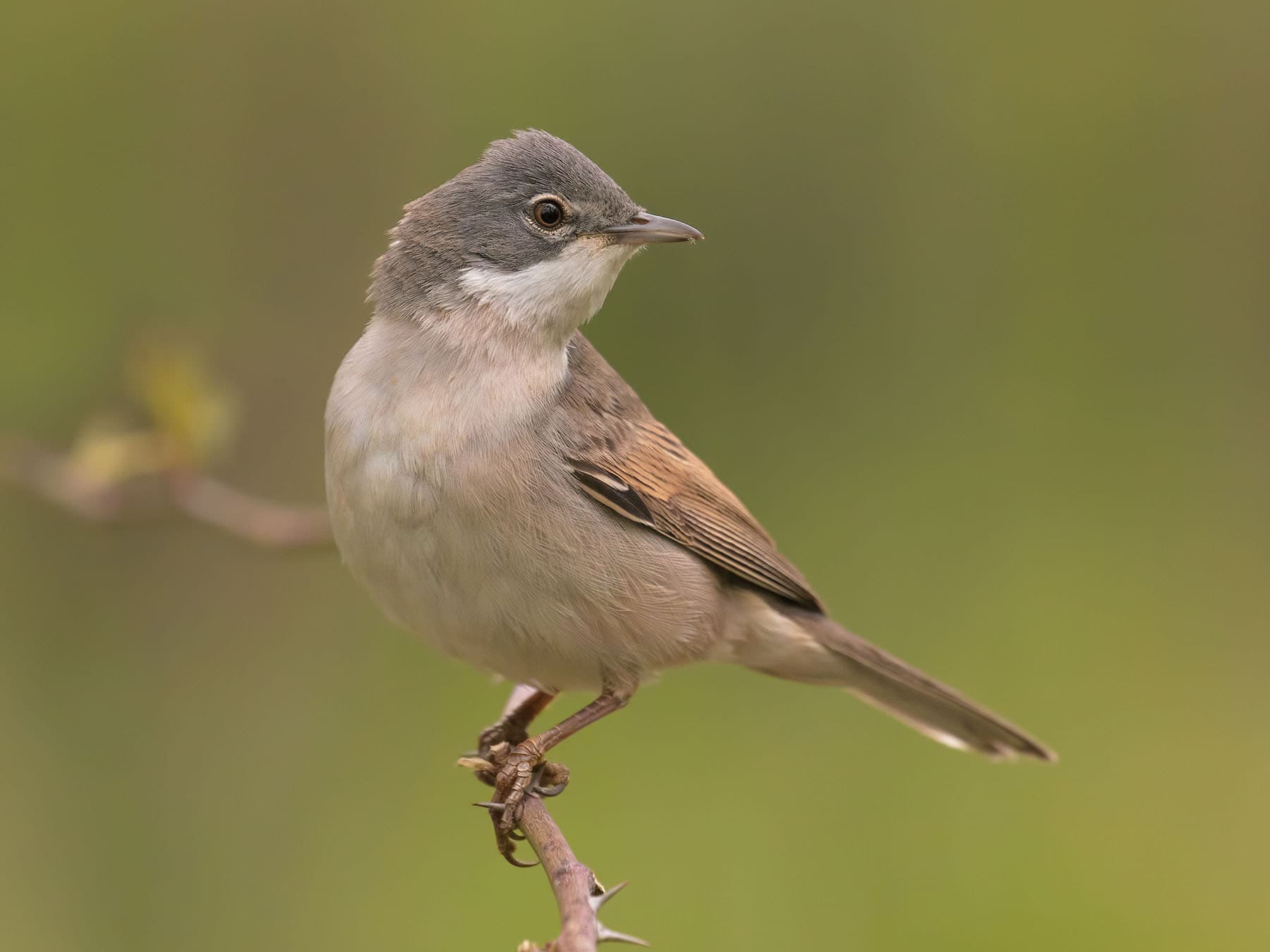
Whitethroat
Curruca communisLC
An uncommon summer breeder favouring scrubby hedgerows and gorse. Arrives in April and departs by October, singing from exposed perches.
Apr–Oct
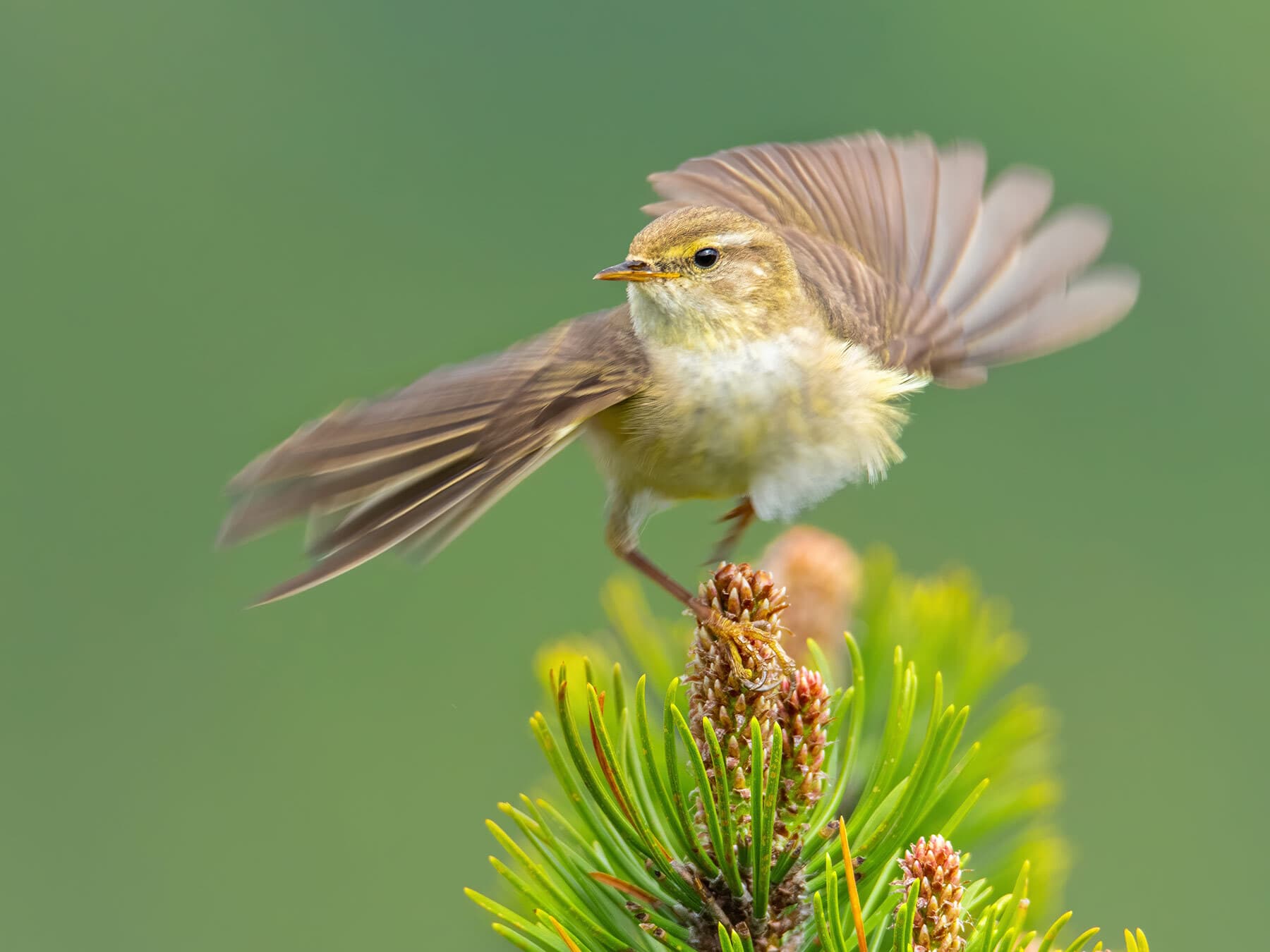
Willow Warbler
Phylloscopus trochilusLC
A summer breeder arriving from March, favouring willow scrub and woodland edges. Numbers have declined notably across Cornwall in recent decades.
Mar–Oct
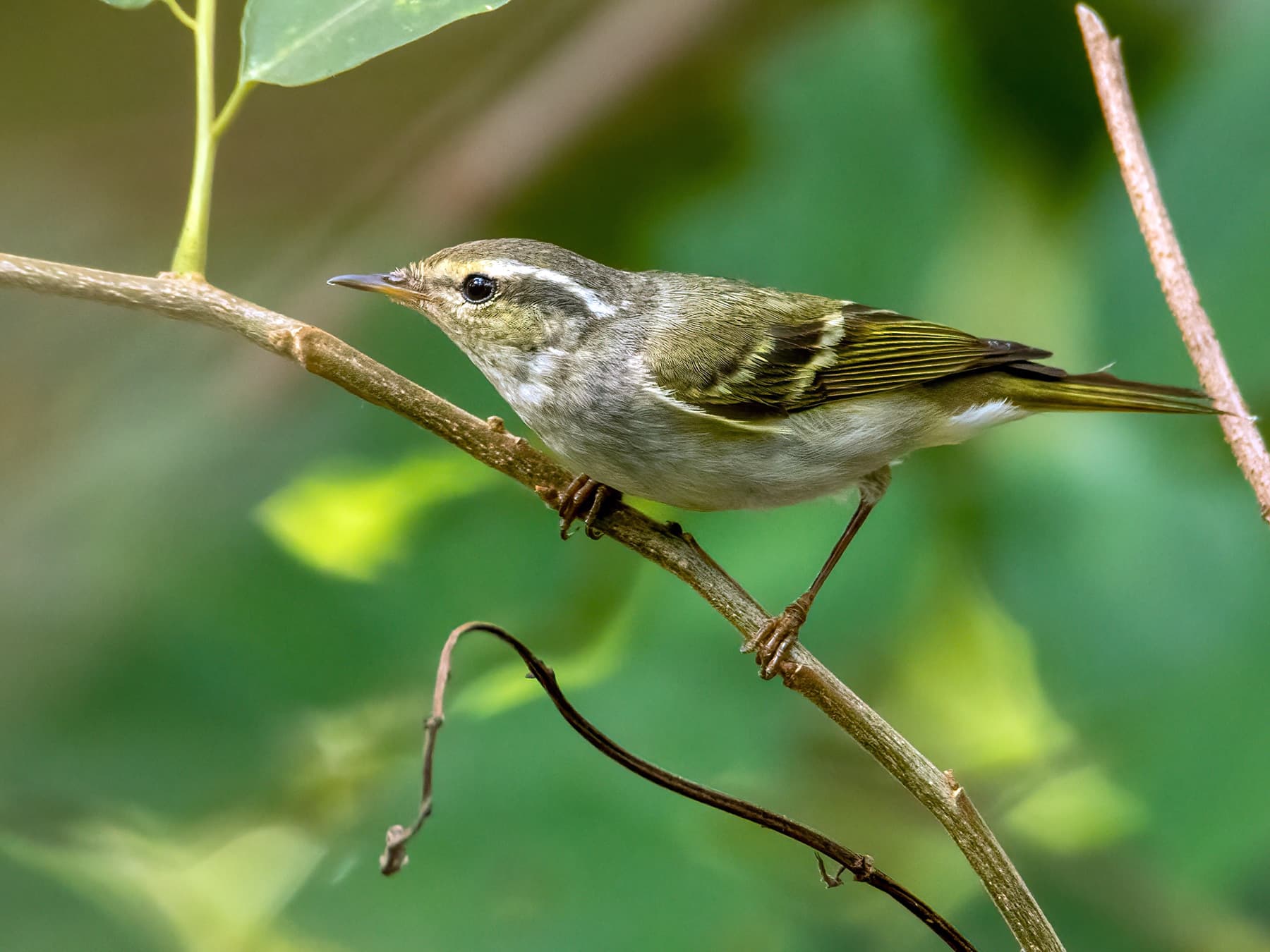
Yellow-browed Warbler
Phylloscopus inornatusLC
An increasingly regular autumn visitor from Siberia, peaking in October. Favours sheltered coastal scrub and gardens, sometimes lingering into winter.
Sep–Jan