Uncommon Birds in Buckinghamshire
53 species matching this filter.
Buckinghamshire supports a diverse range of uncommon bird species across its mix of rolling Chiltern Hills, ancient woodlands, farmland, and river valleys. With 53 species classified as uncommon in the county, birdwatchers may encounter anything from soaring Buzzards and striking European Green Woodpeckers in wooded areas to Gadwall and Common Mergansers along the Thames and its tributaries. Seasonal visitors such as Fieldfares in winter and Garden Warblers in summer add further variety to the county's birdlife throughout the year.


Showing 1–23 of 53 species
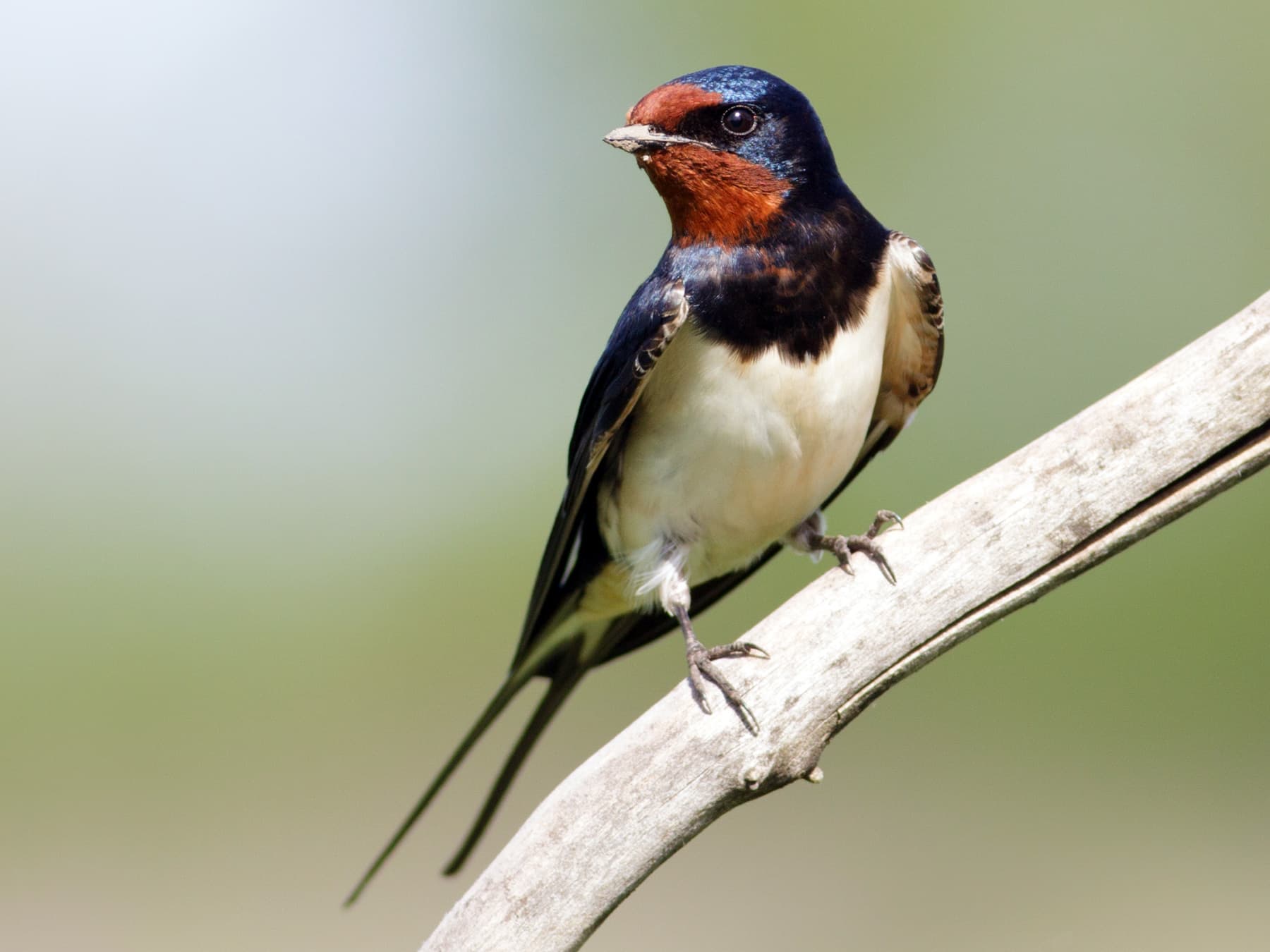
Barn Swallow
Hirundo rusticaLC
A summer visitor breeding around farms and rural buildings across Buckinghamshire from April to October. Declining nationally, making its graceful aerial foraging over fields an increasingly precious sight.
Apr–Oct
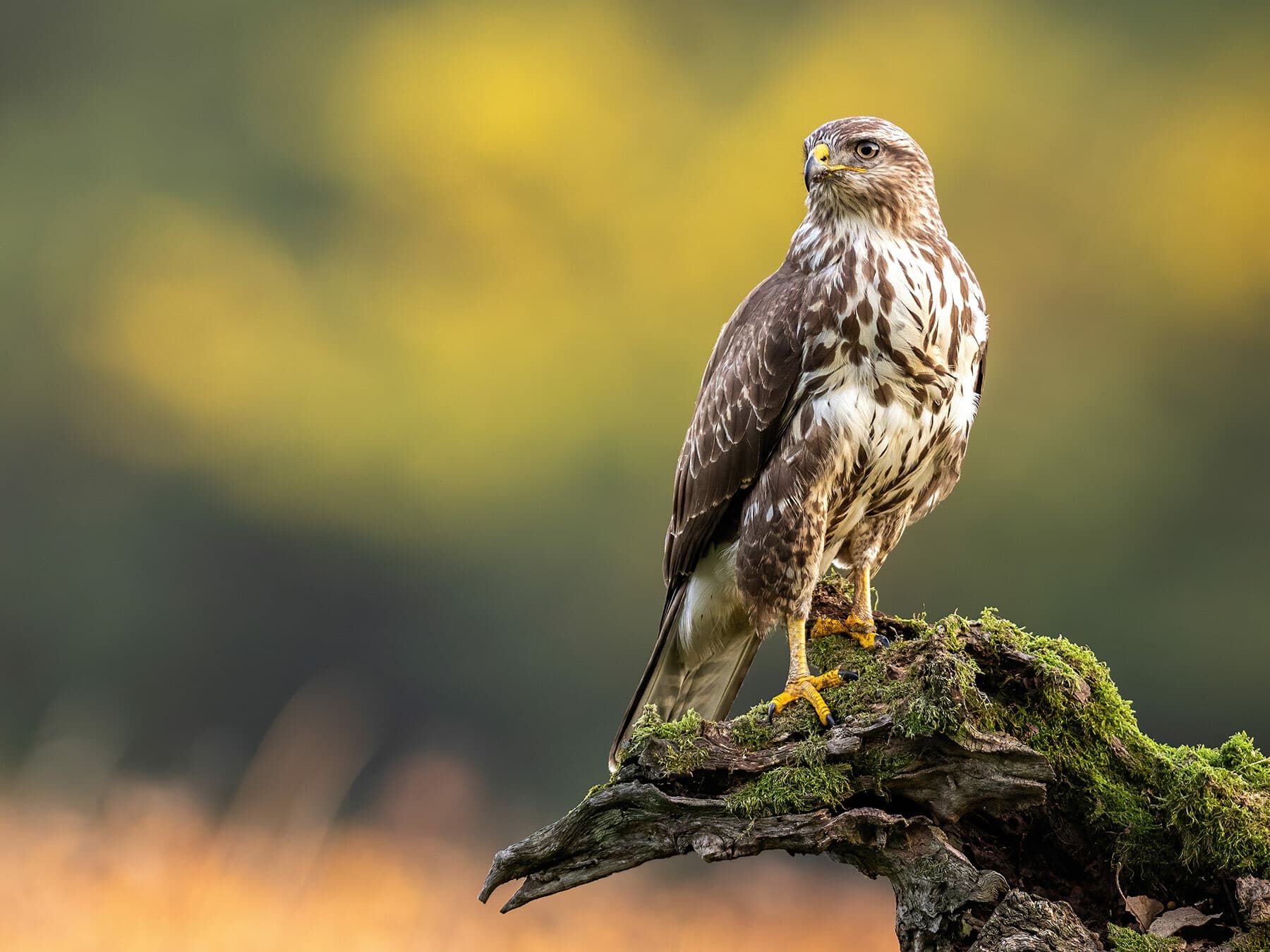
Buzzard
Buteo buteoLC
An uncommon but increasing resident, often seen soaring over farmland and woodland edges in the Chilterns and Aylesbury Vale.
Year-round
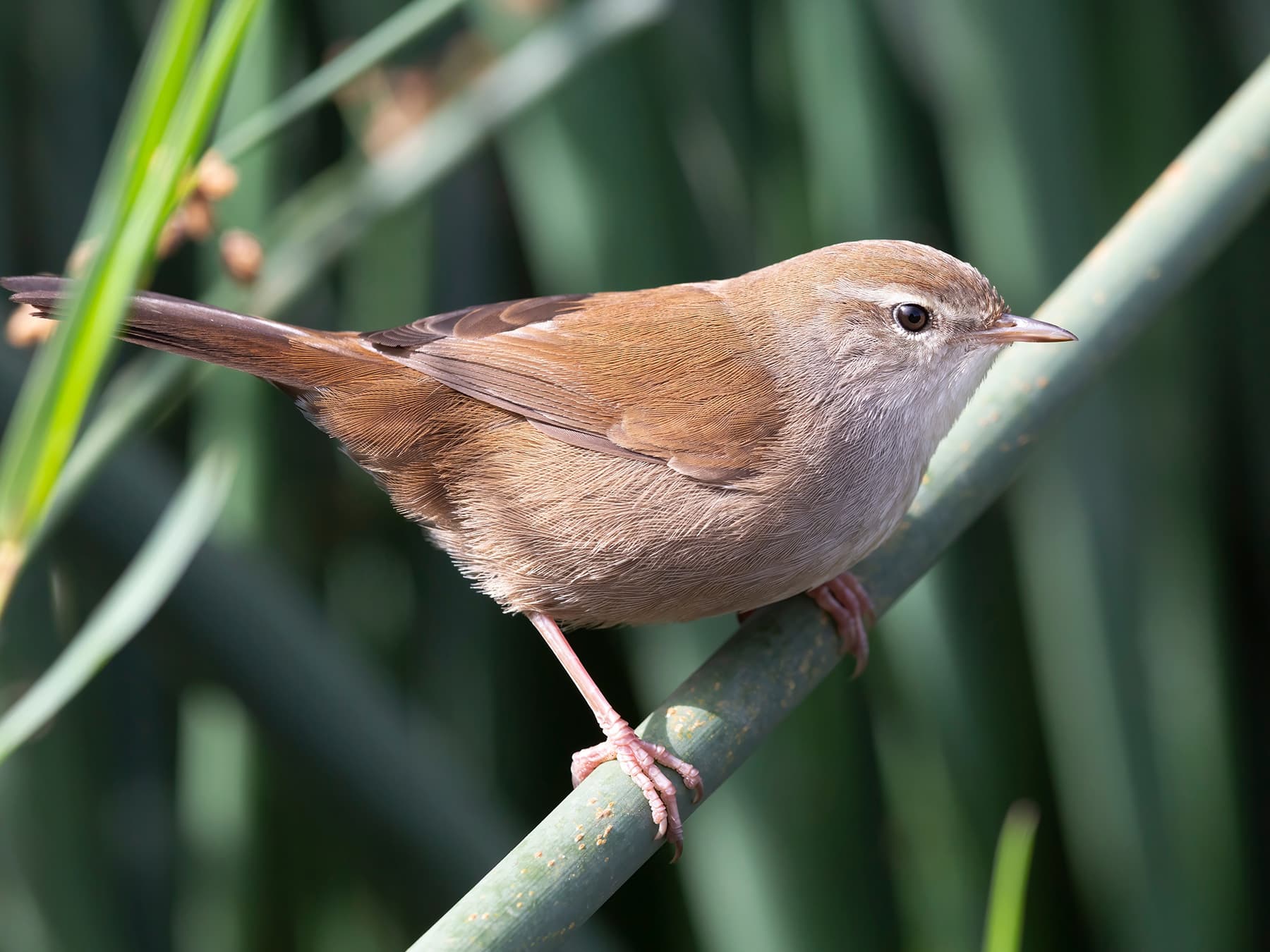
Cetti's Warbler
Cettia cettiLC
An uncommon but increasing resident of wetland margins and dense waterside vegetation. More often heard than seen, with its explosive burst of song.
Year-round
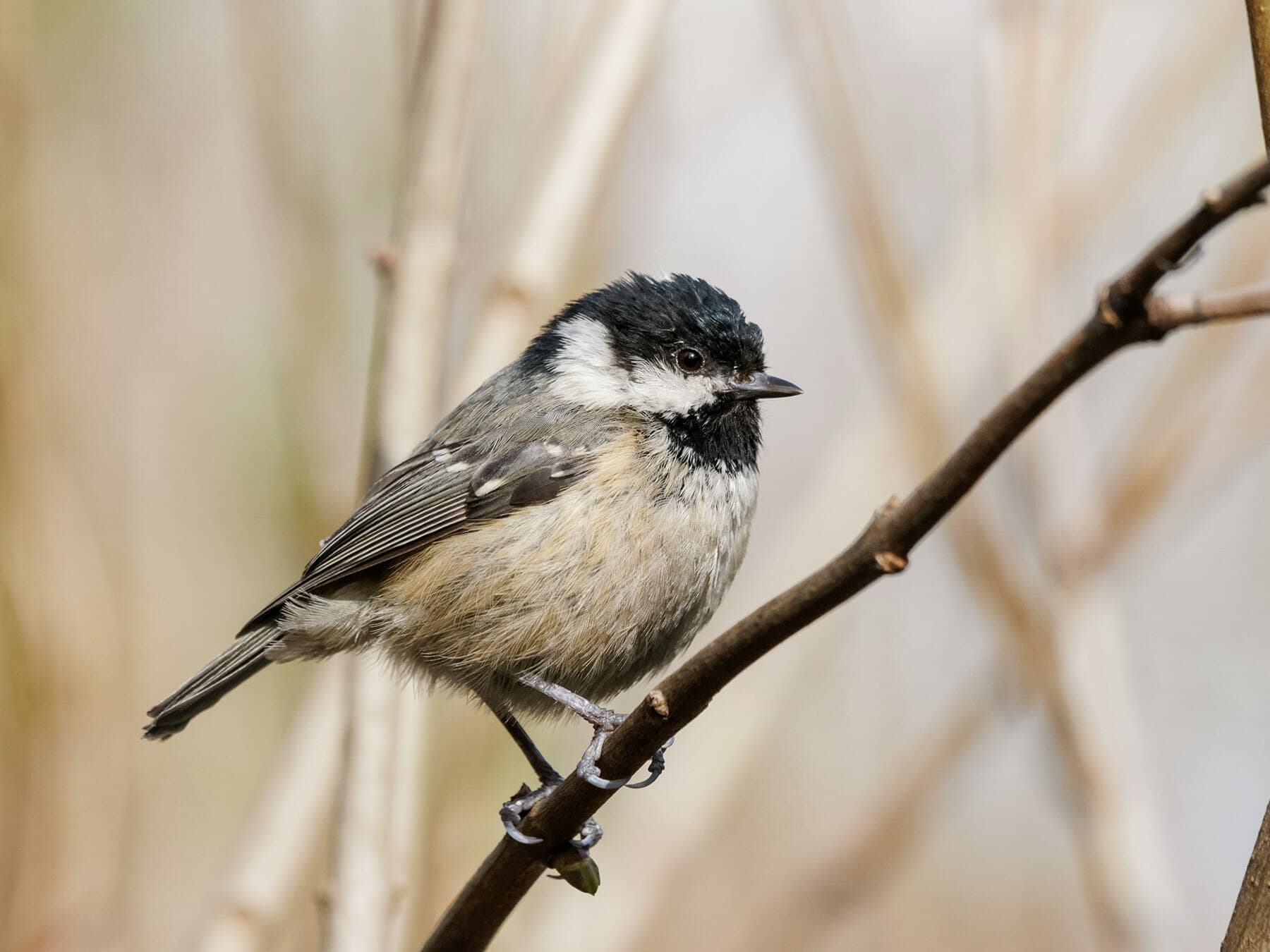
Coal Tit
Periparus aterLC
Favours coniferous and mixed woodland across the county, often visiting garden feeders in winter. Smaller and less conspicuous than the more familiar blue and great tits.
Year-round
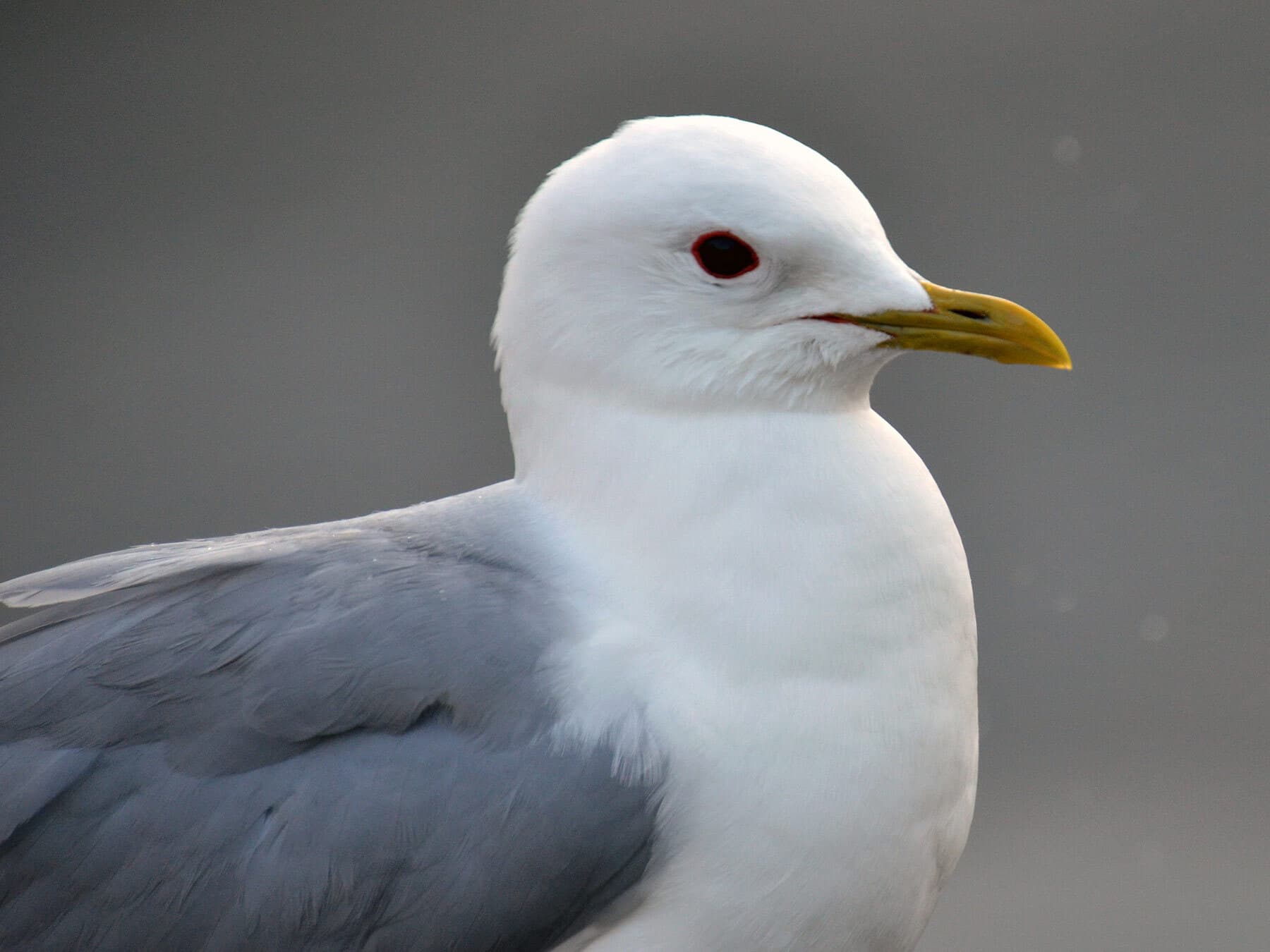
Common Gull
Larus canusLC
An uncommon resident found at reservoirs and farmland, scarcer in summer. Often mixes with Black-headed Gull flocks.
Jul–Apr
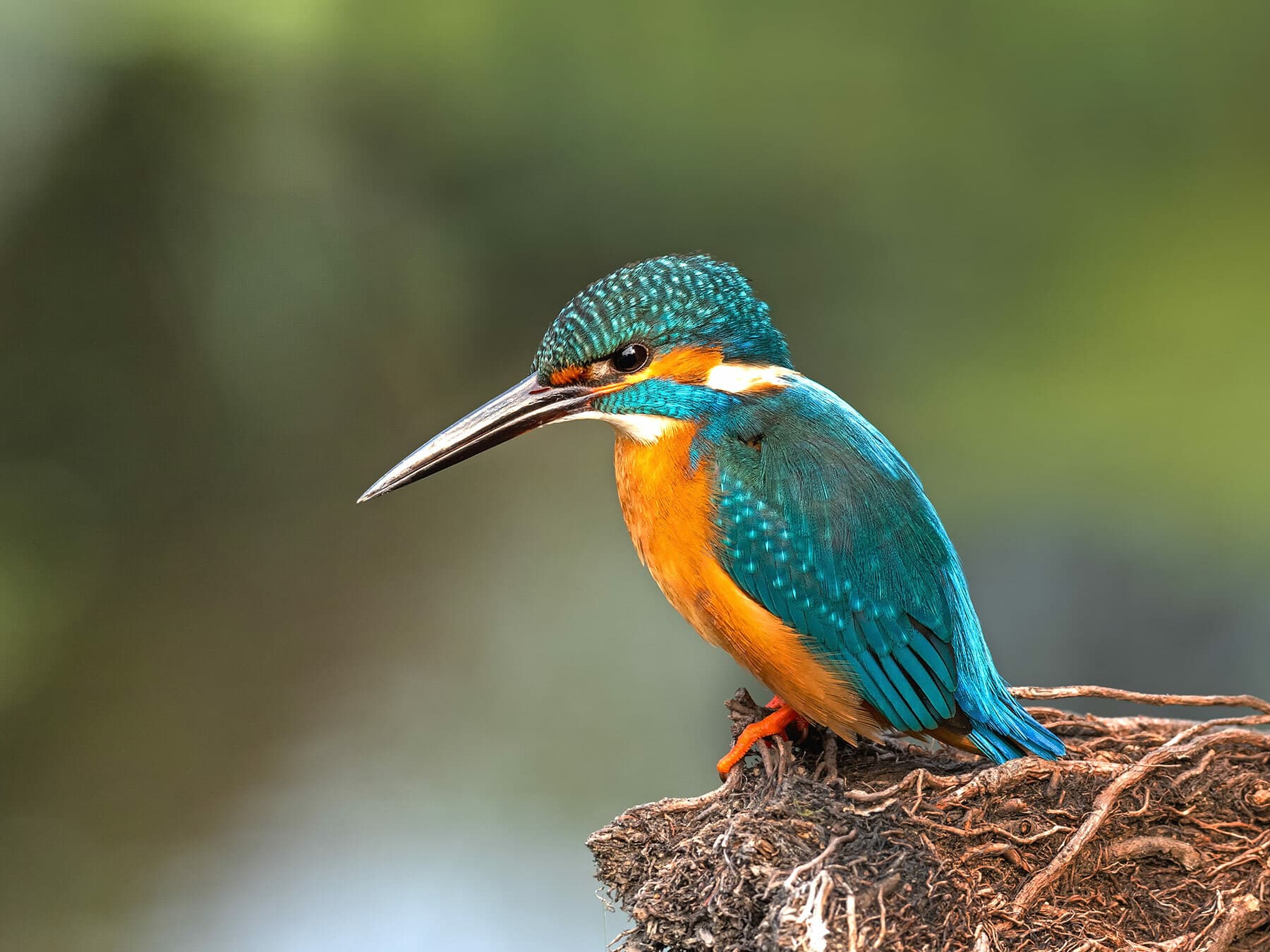
Common Kingfisher
Alcedo atthisLC
An uncommon year-round resident along clean rivers and streams. A flash of electric blue along the Thames and Chess is always a thrill.
Year-round
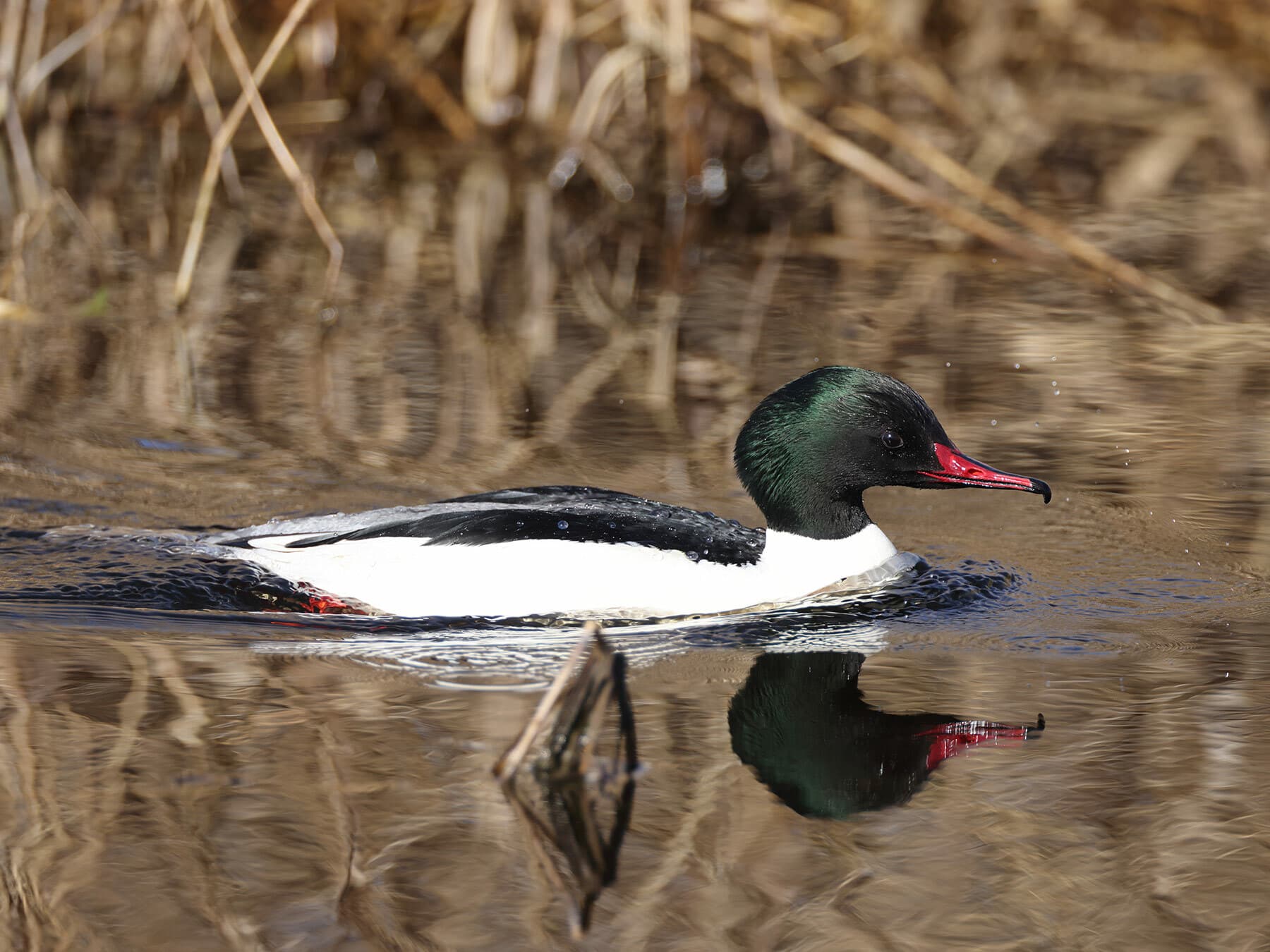
Common Merganser
Mergus merganserLC
An uncommon winter visitor to rivers and reservoirs from November to April. Most often seen on the Thames and larger gravel pits.
Nov–Apr
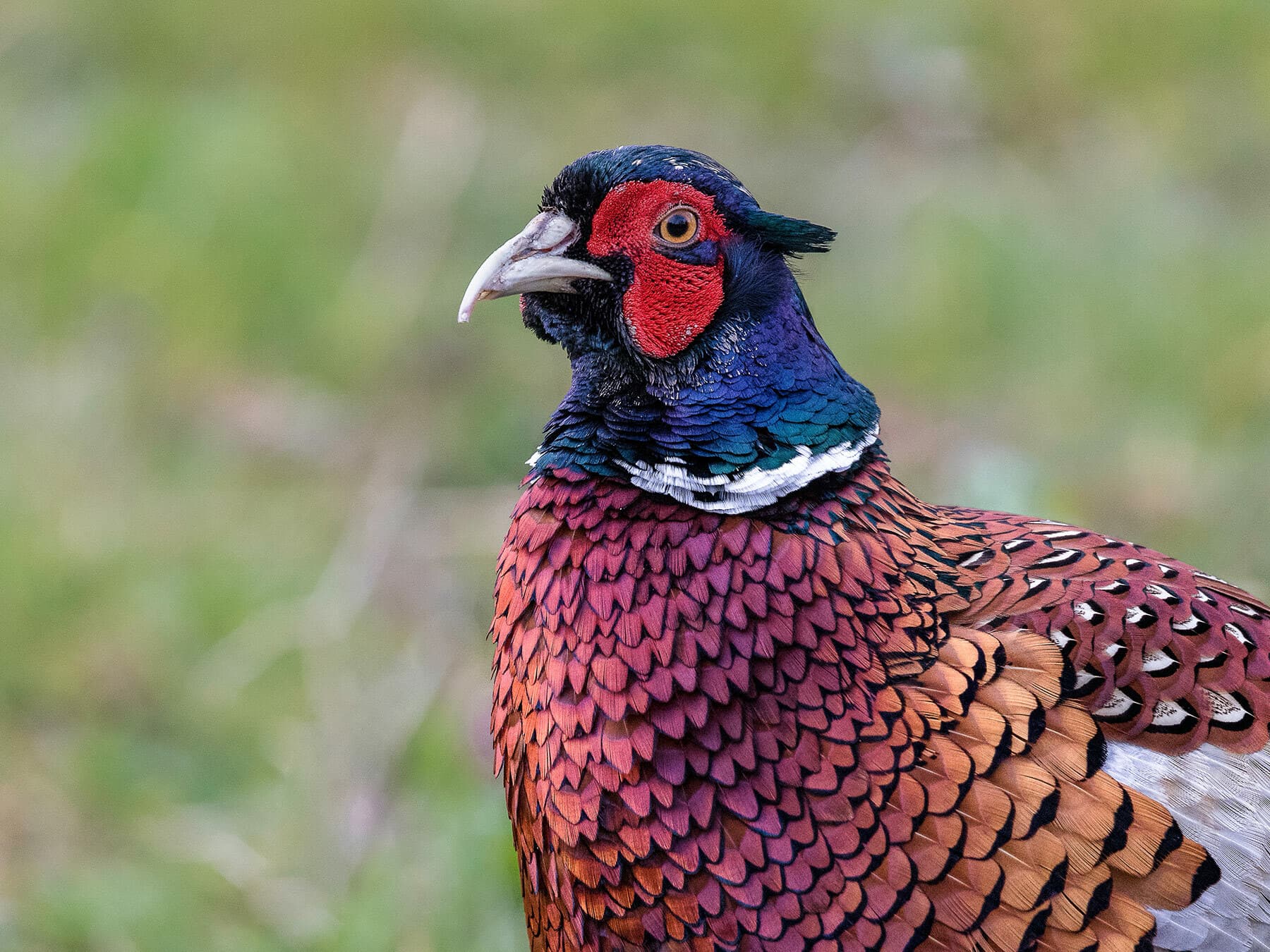
Common Pheasant
Phasianus colchicusLC
An uncommon year-round resident of farmland, hedgerows and woodland edges. Numbers sustained largely by annual releases for shooting.
Year-round
Spotted something?
Upload a photo to identify it
Identify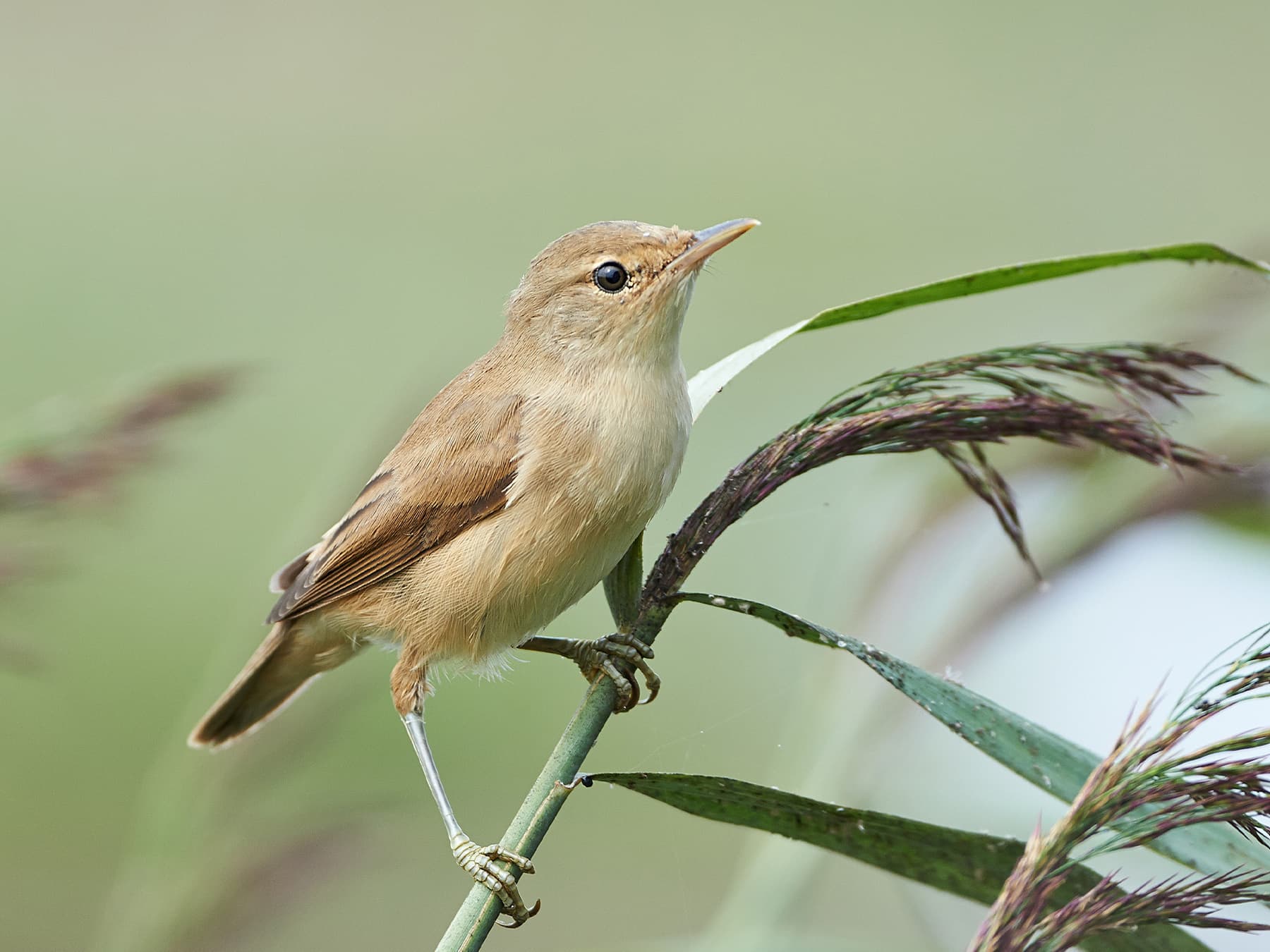
Common Reed-warbler
Acrocephalus scirpaceusLC
Breeds in reedbeds at sites such as College Lake and along the Thames corridor. A summer visitor arriving from Africa in late April, departing by September.
Apr–Sep
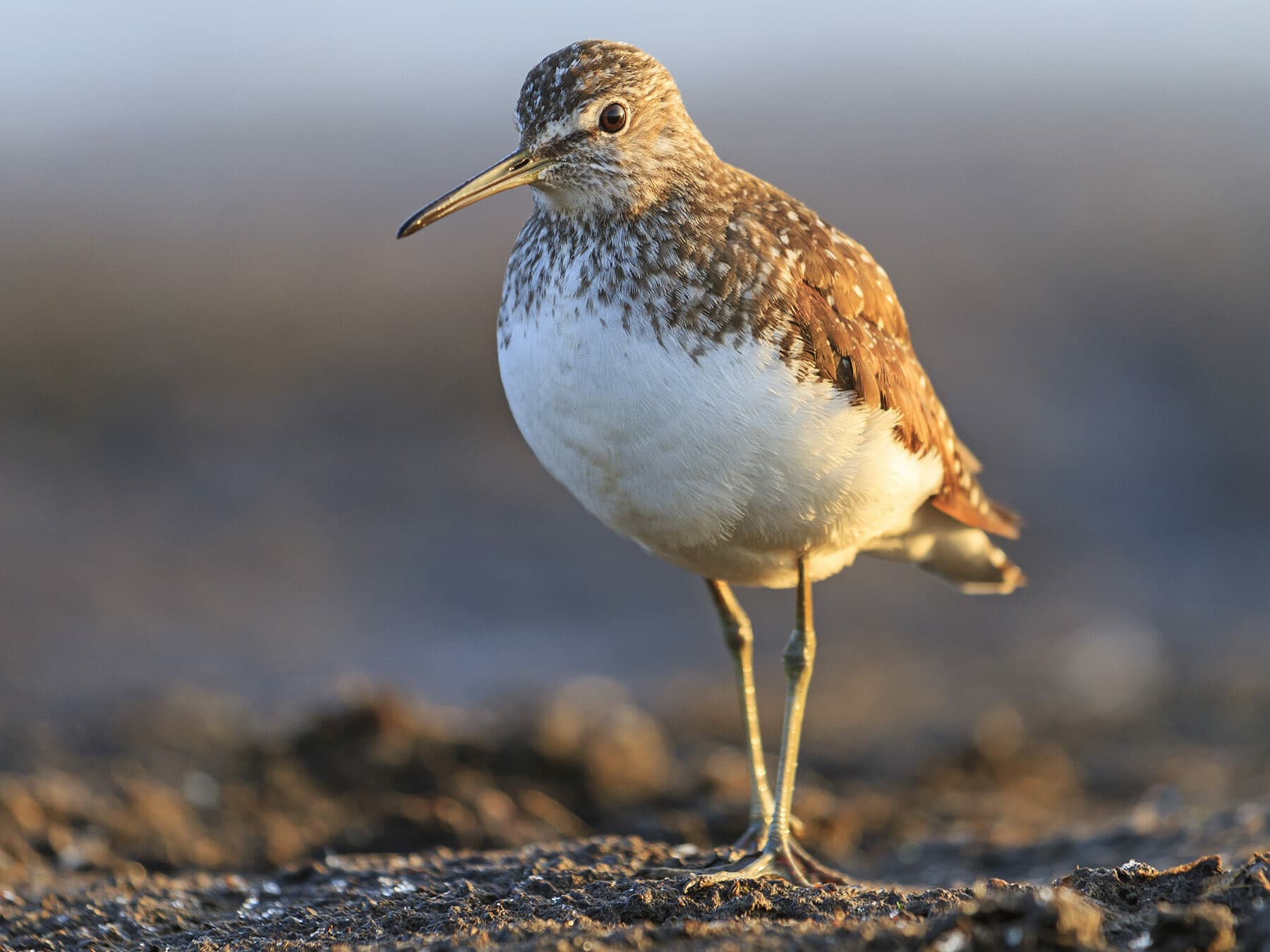
Common Sandpiper
Actitis hypoleucosLC
An uncommon visitor to reservoir edges and gravel pits, mainly on passage. Bobs its tail constantly along stony shores.
Apr–Oct
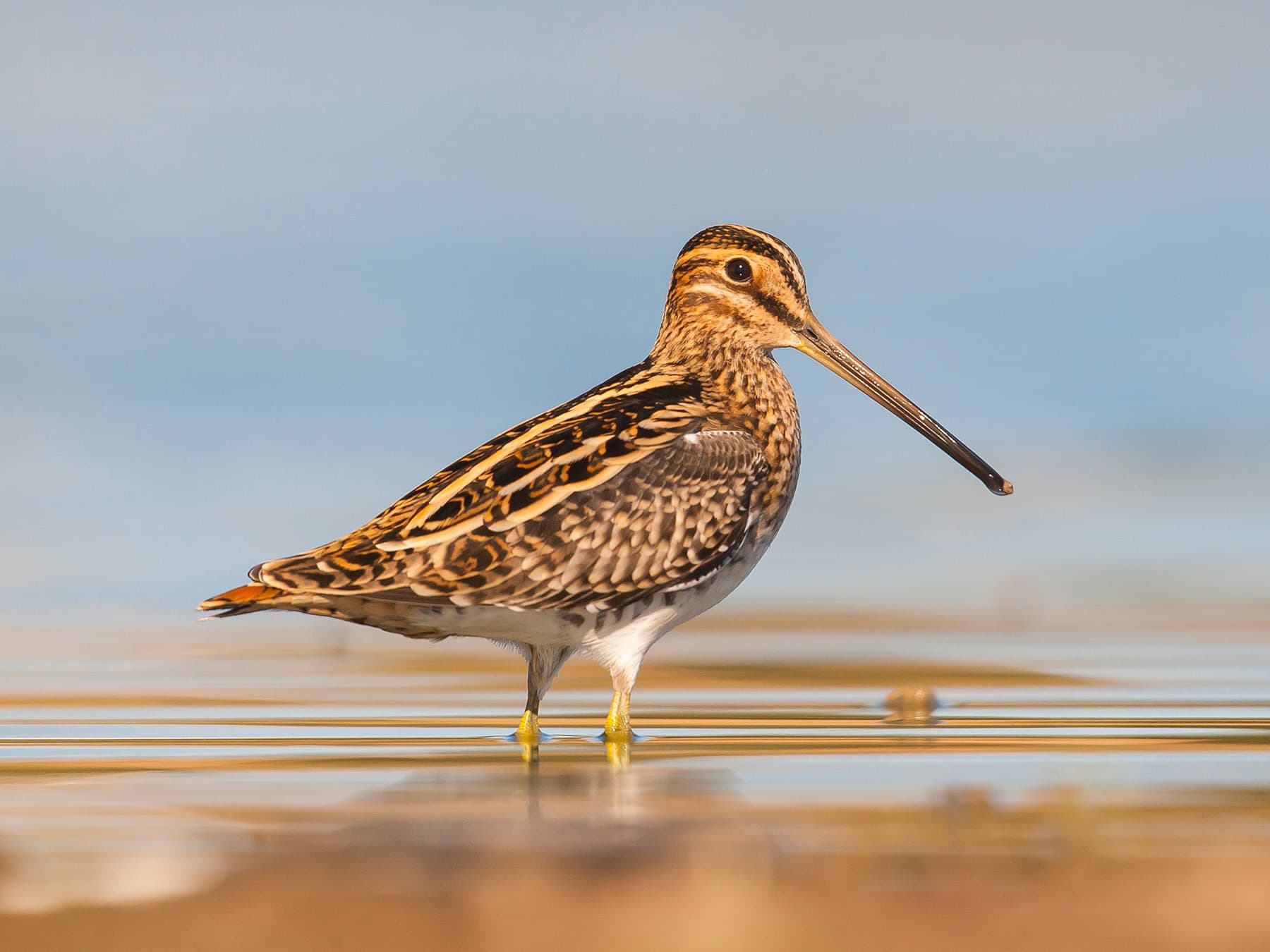
Common Snipe
Gallinago gallinagoLC
An uncommon non-breeding visitor to wet meadows and marshy margins, most numerous from autumn through to early spring.
Aug–Apr
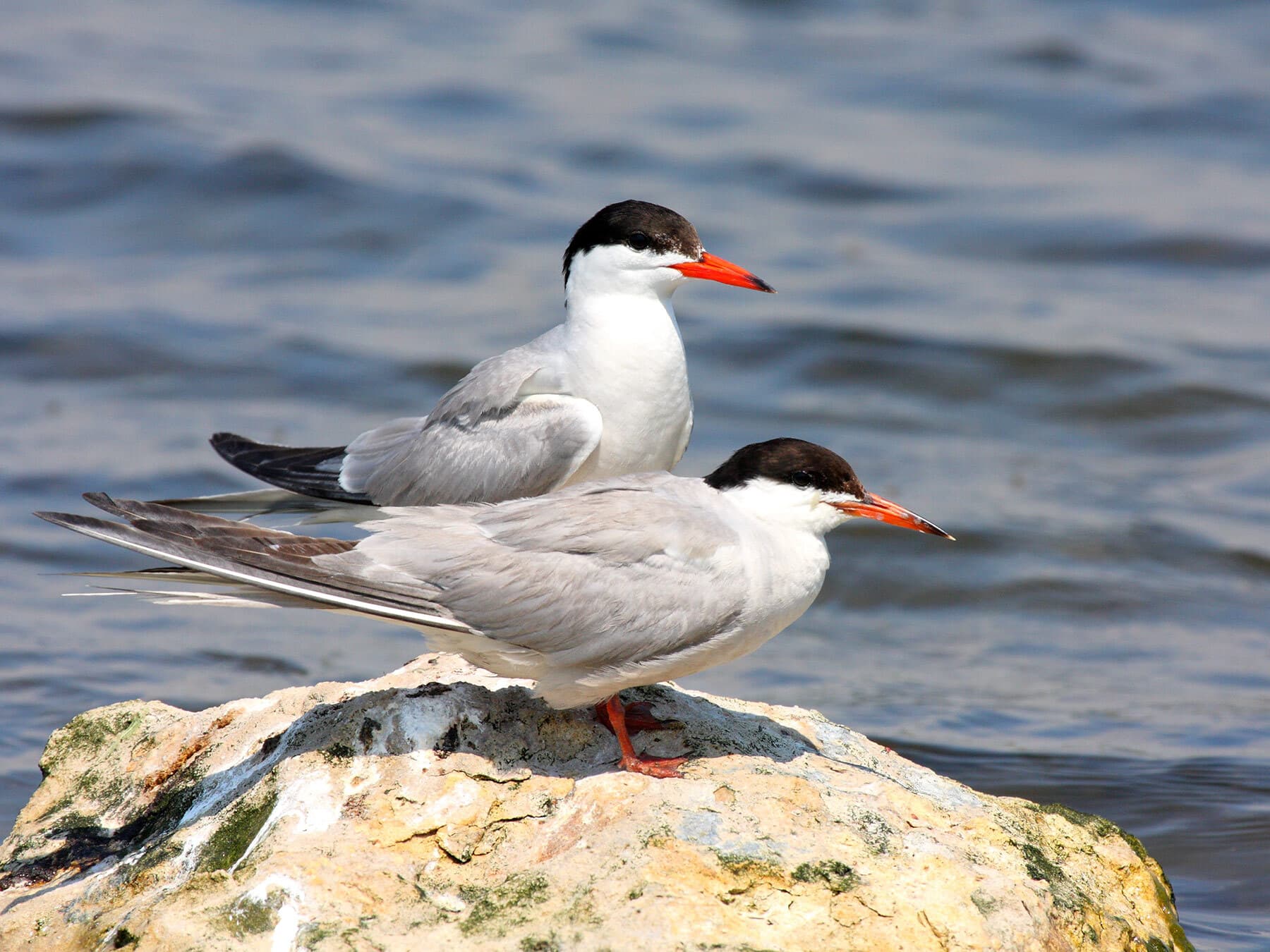
Common Tern
Sterna hirundoLC
An uncommon breeding visitor from April to September, nesting on islands and rafts at gravel pits and reservoirs.
Apr–Sep
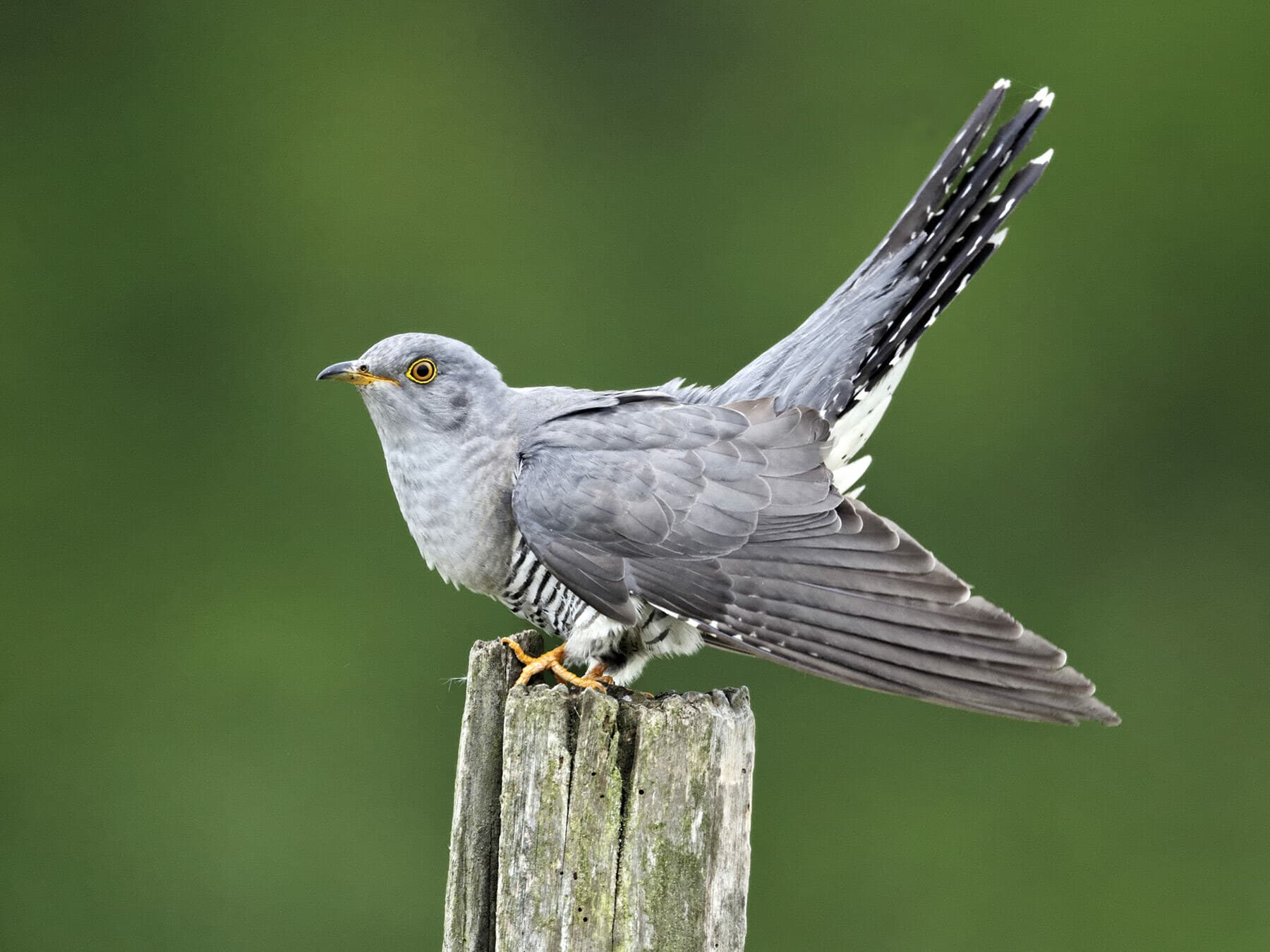
Cuckoo
Cuculus canorusLC
An uncommon and declining summer breeder arriving in April. Its distinctive call echoes from woodland edges and hedgerows.
Apr–Jun
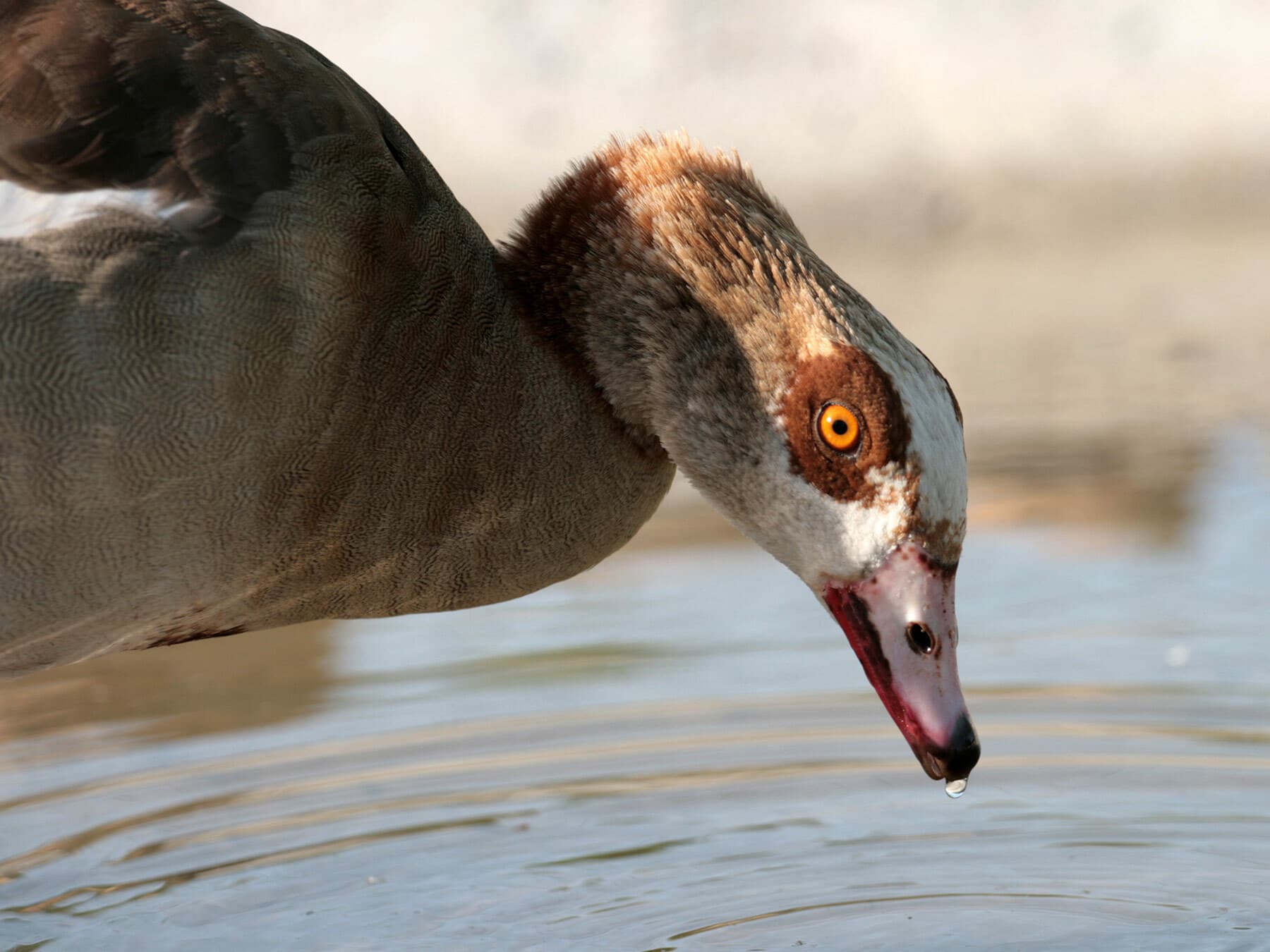
Egyptian Goose
Alopochen aegyptiacaLC
An uncommon but increasing resident, part of the expanding feral population in southern England. Nests near lakes and gravel pits.
Year-round
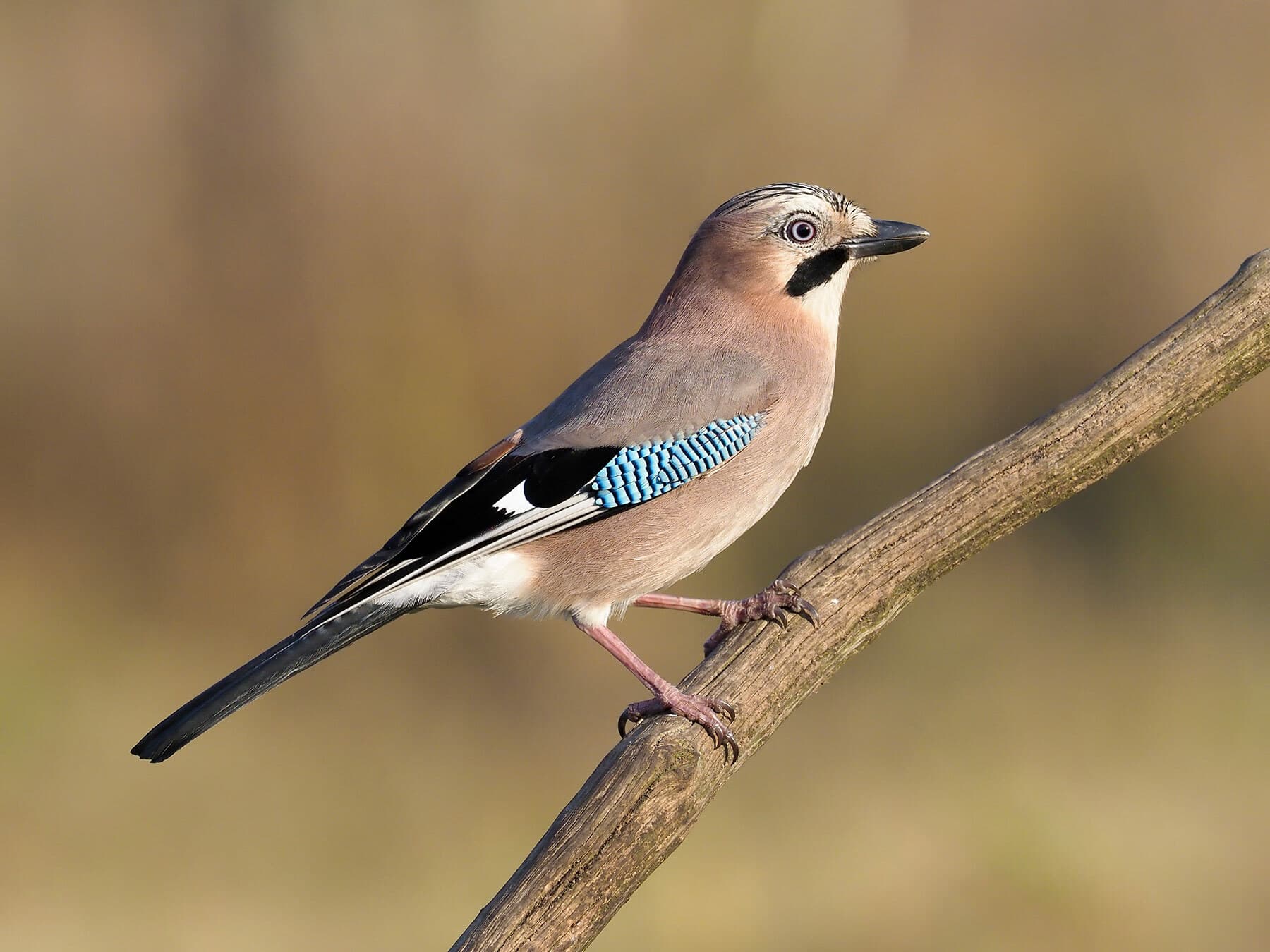
Eurasian Jay
Garrulus glandariusLC
A year-round resident of Buckinghamshire's mature woodlands, often detected by its harsh screeching call. Plays a key role in oak regeneration by caching acorns in autumn.
Year-round
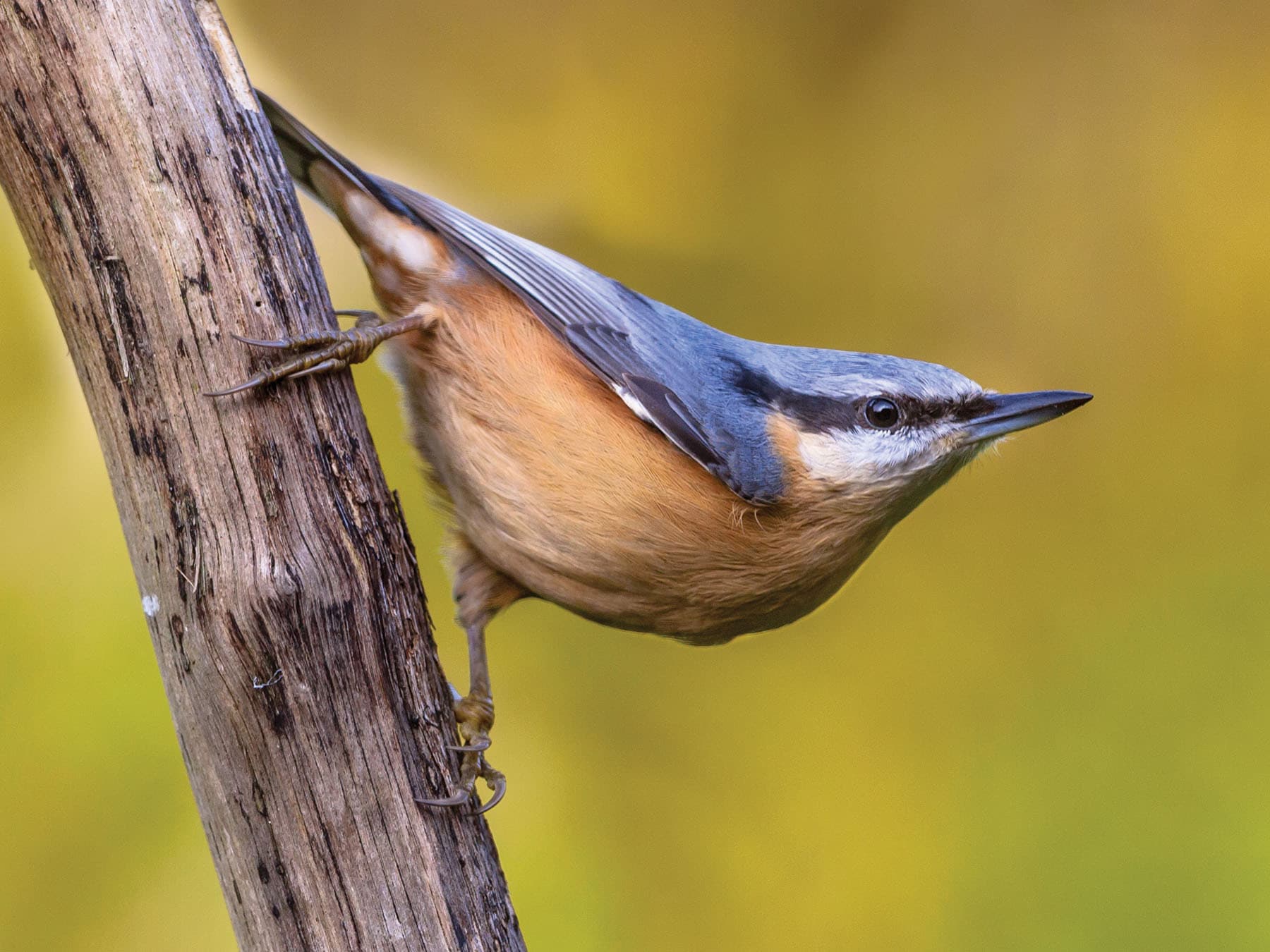
Eurasian Nuthatch
Sitta europaeaLC
A year-round resident of mature deciduous woodland, particularly the Chiltern beechwoods. Often heard giving its loud, ringing call as it spirals up tree trunks.
Year-round
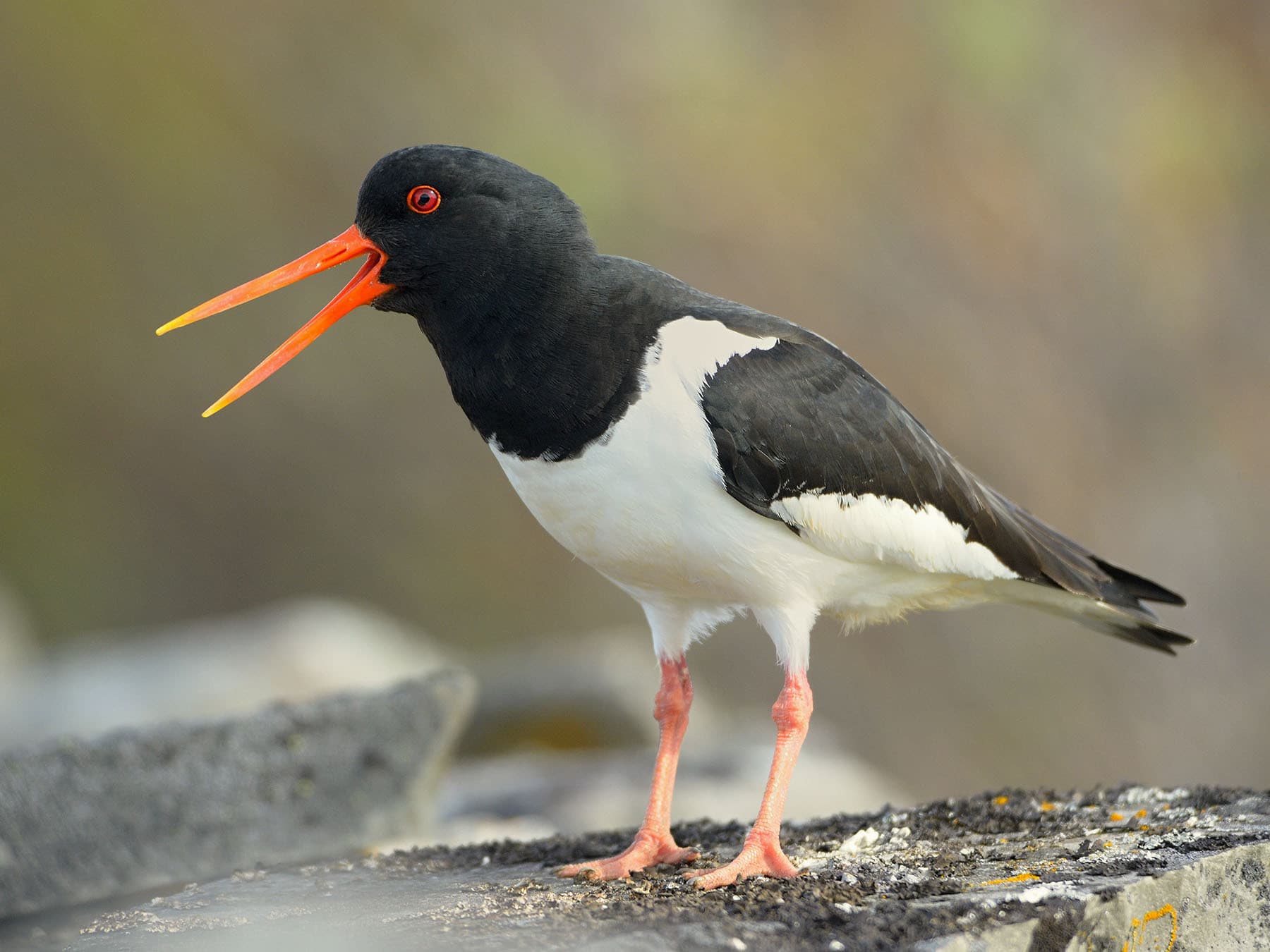
Eurasian Oystercatcher
Haematopus ostralegusNT
An uncommon breeder, increasingly nesting inland at gravel pits and reservoir margins from February to August.
Feb–Aug
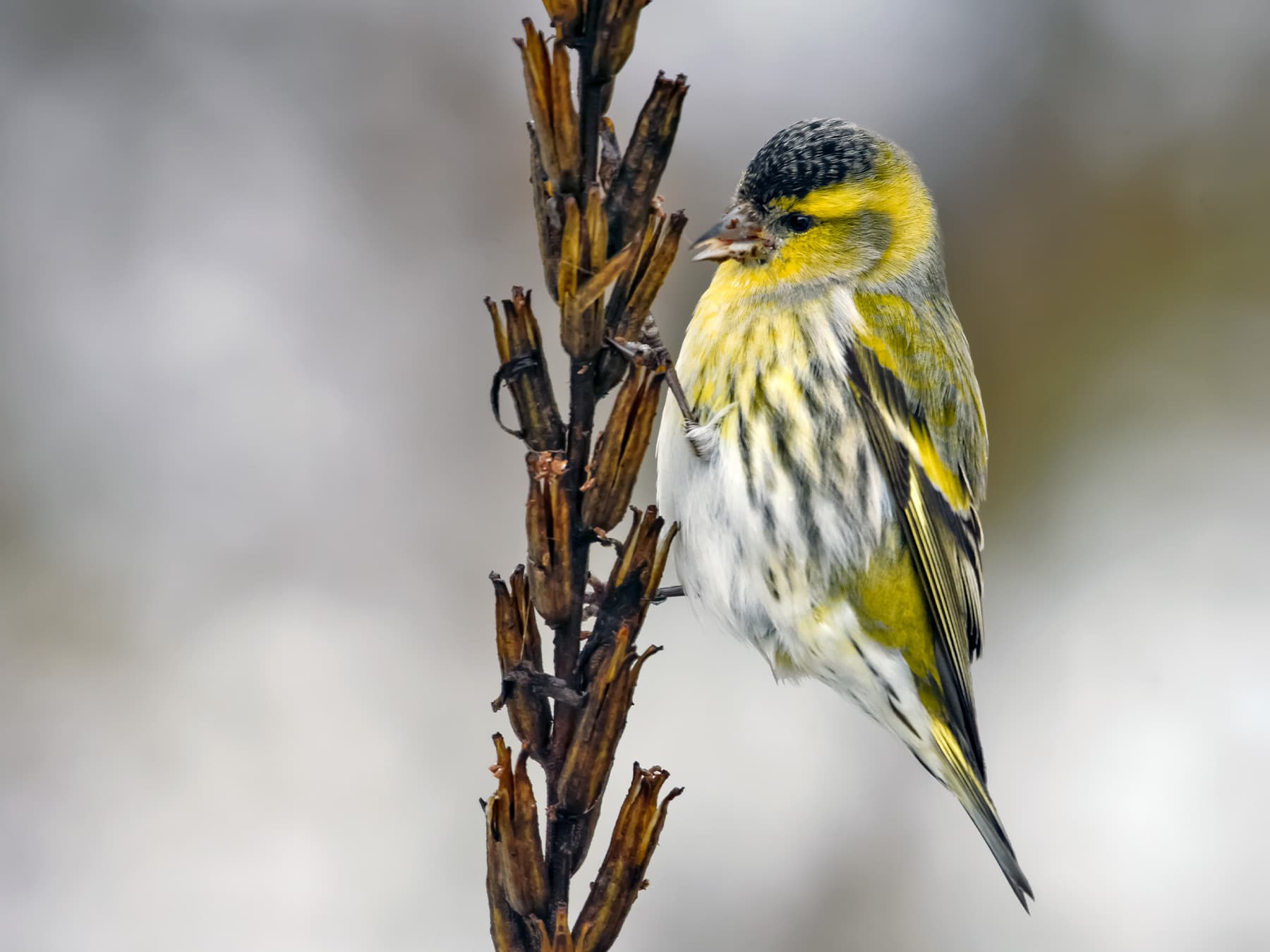
Eurasian Siskin
Spinus spinusLC
An uncommon winter visitor arriving from September, often seen in alder and birch trees along waterways or visiting nyjer seed feeders in gardens.
Sep–Mar
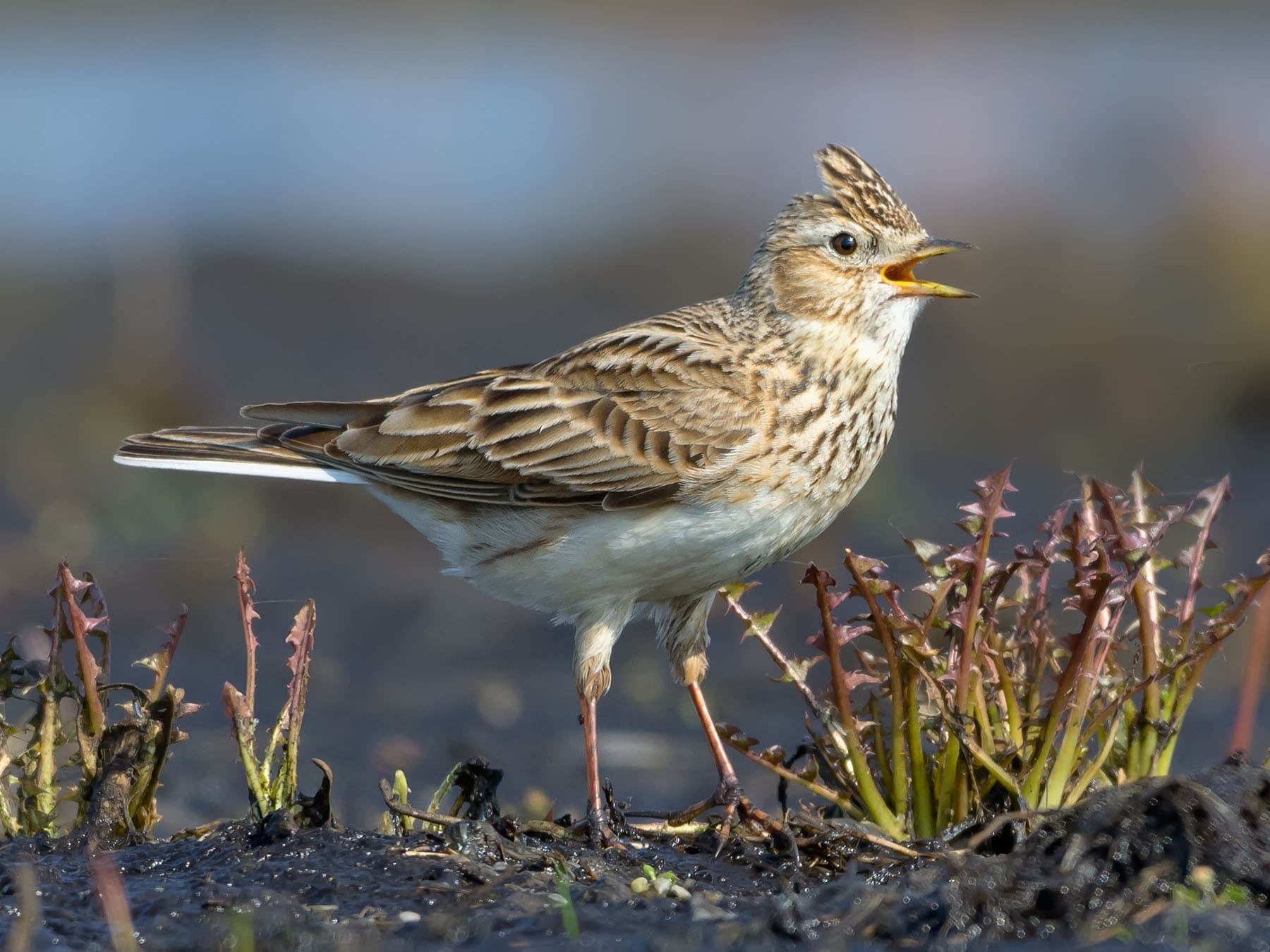
Eurasian Skylark
Alauda arvensisLC
Found on open farmland and grassland across the county, though declining due to agricultural intensification. Its soaring song flight is a characteristic sound of the Buckinghamshire countryside.
Year-round
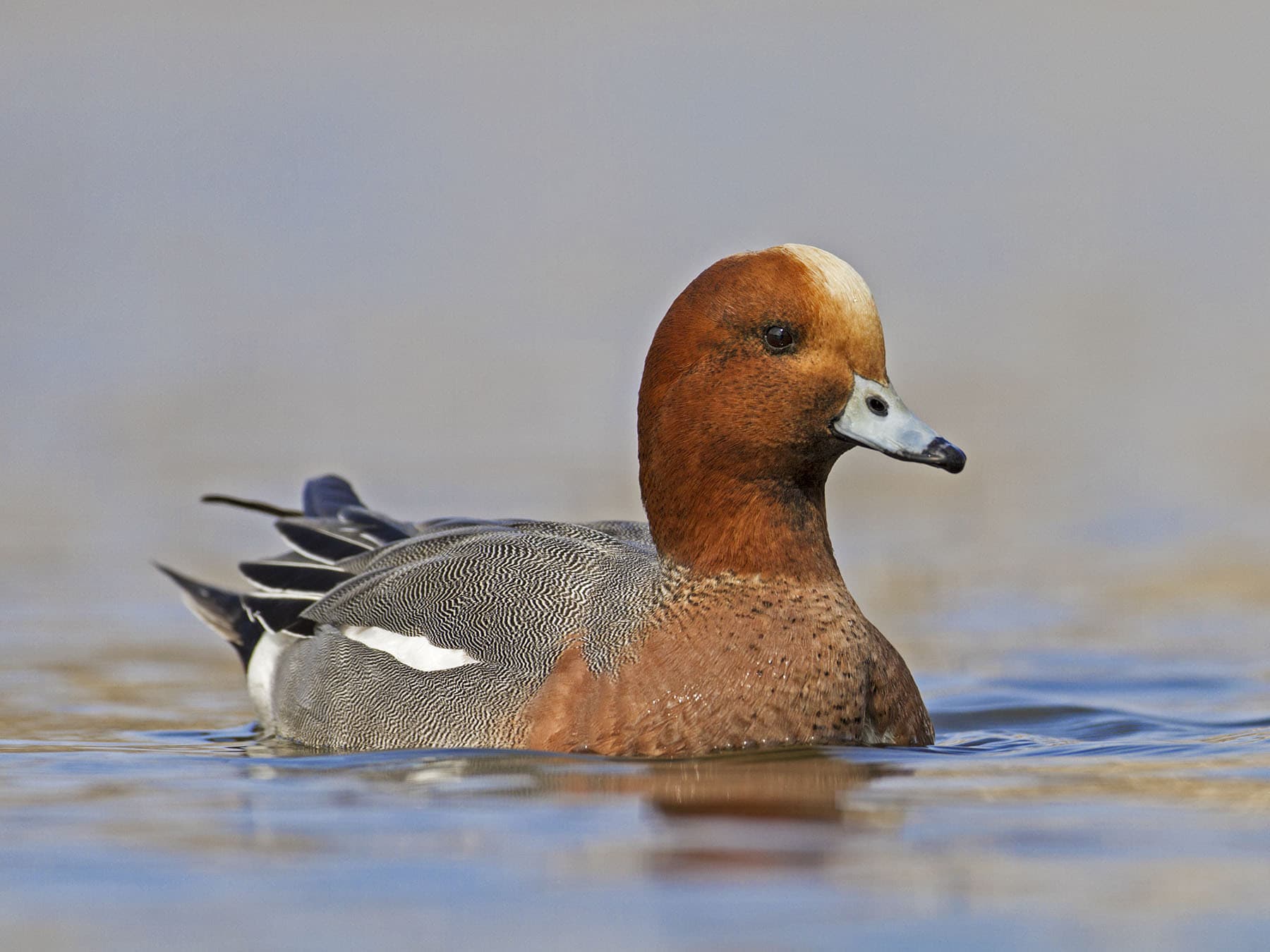
Eurasian Wigeon
Mareca penelopeLC
An uncommon winter visitor to flooded meadows and reservoirs. Present from autumn to early spring, often in small flocks.
Sep–Apr
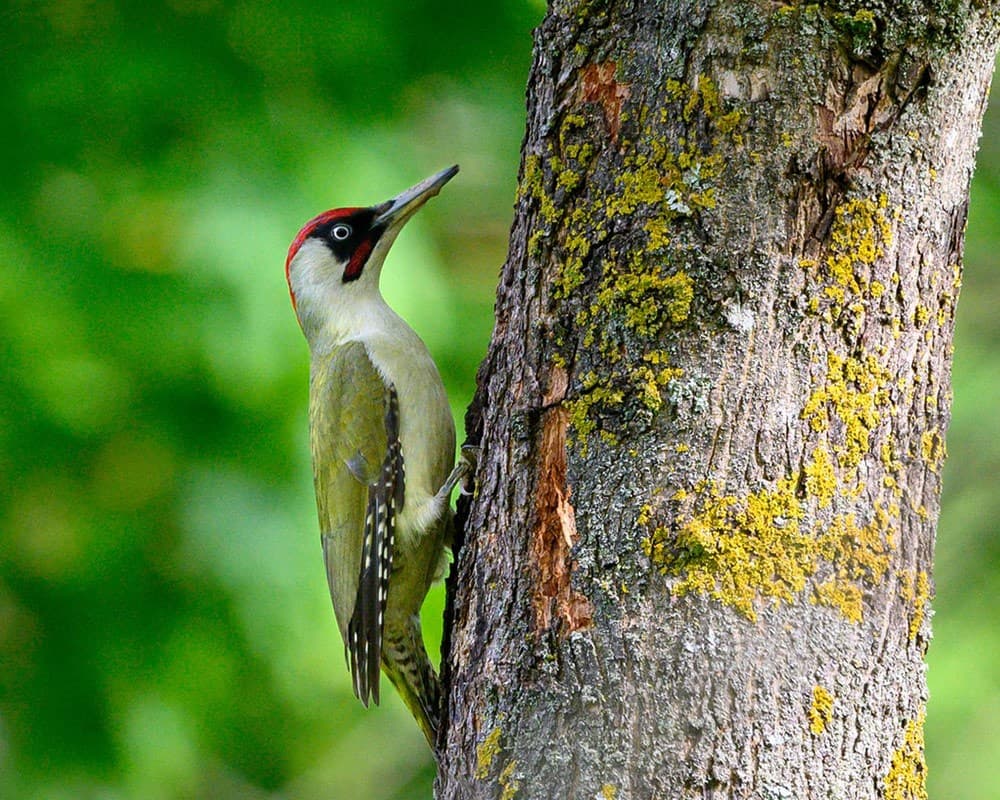
European Green Woodpecker
Picus viridisLC
An uncommon resident of parkland, orchards, and woodland edges. Its loud, laughing call echoes across the Chilterns and Aylesbury Vale.
Year-round
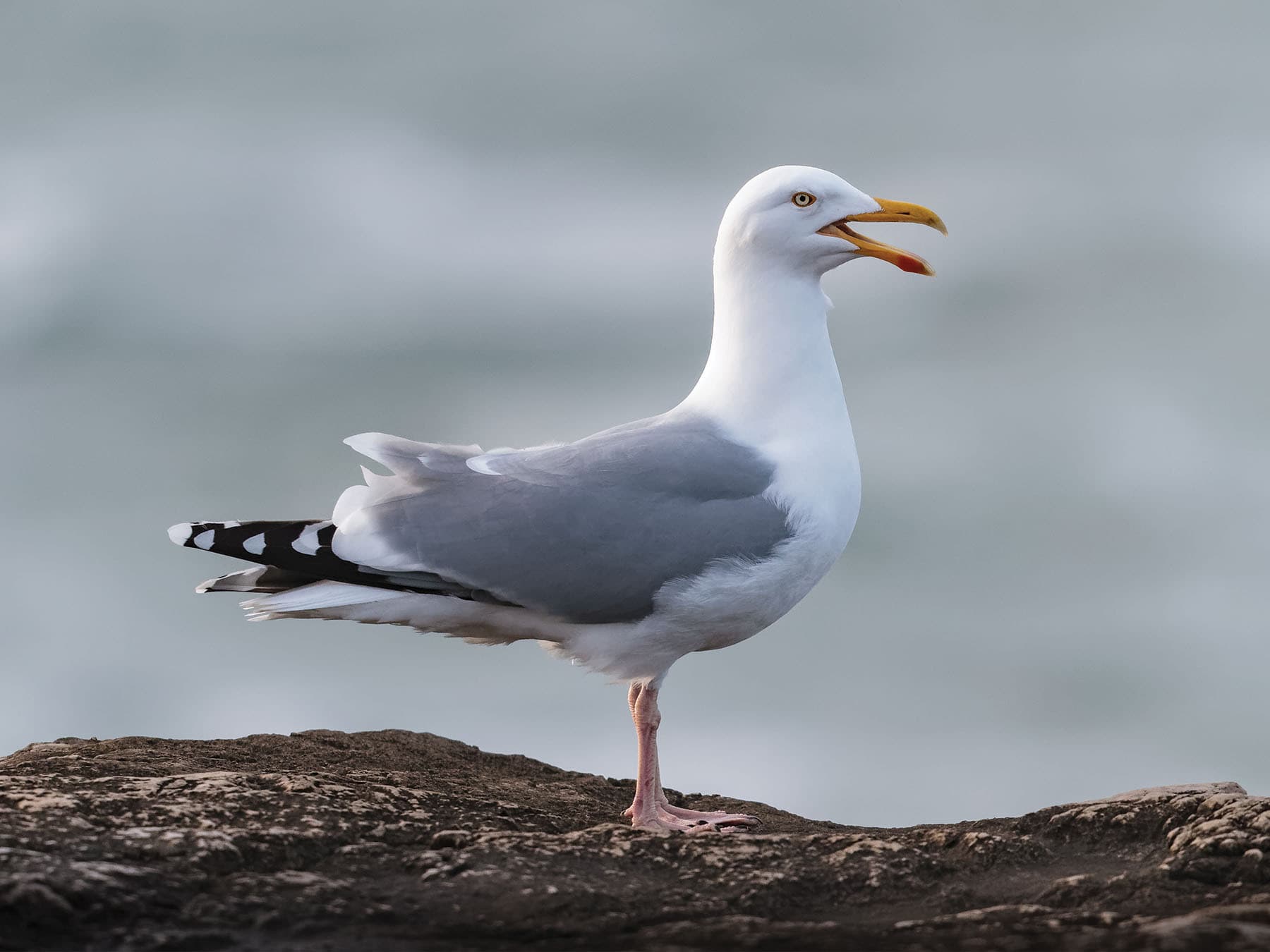
European Herring Gull
Larus argentatusLC
Present year-round but uncommon, often seen at reservoirs, landfill sites, and playing fields. Less numerous here than in coastal counties.
Year-round
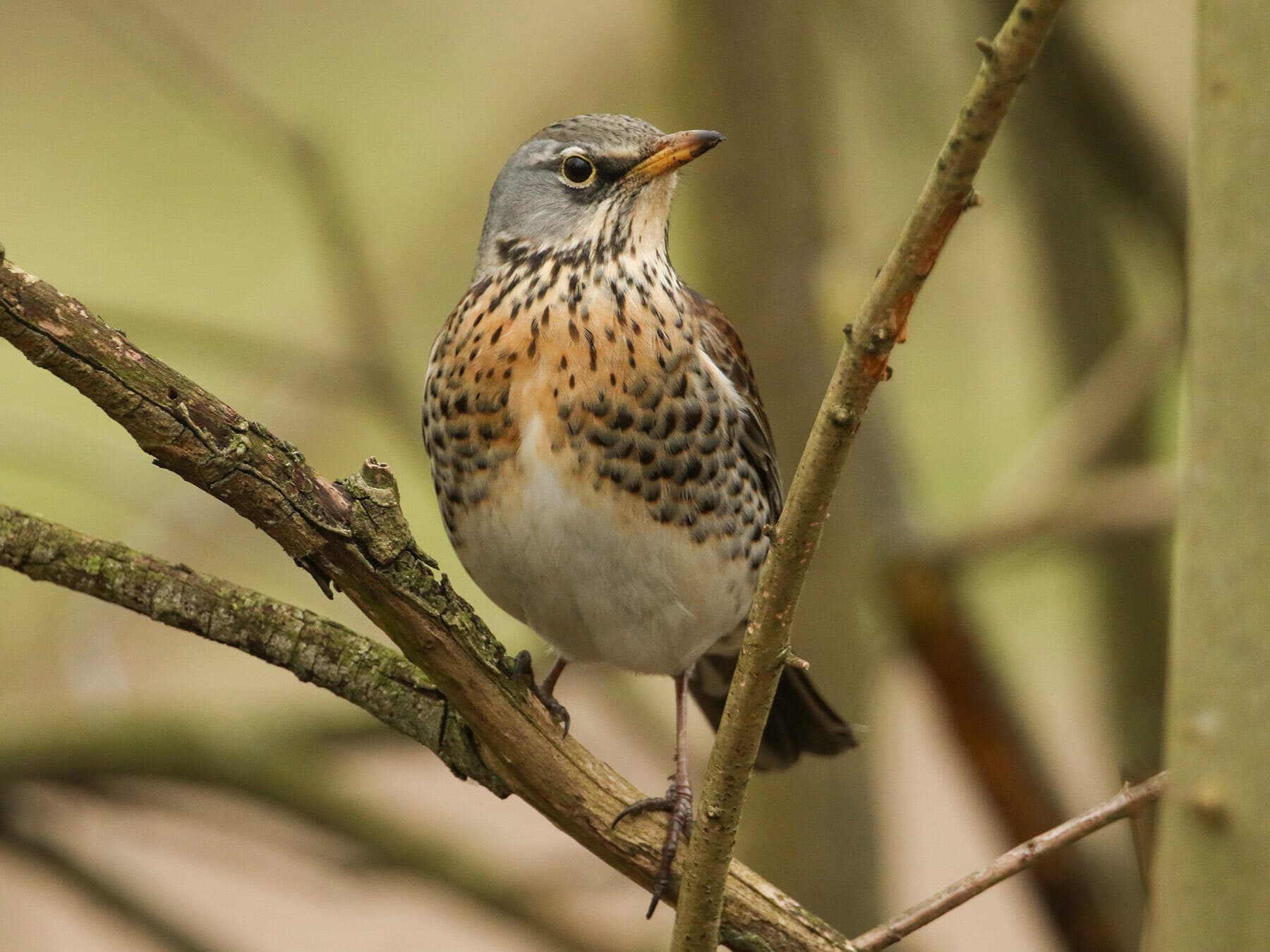
Fieldfare
Turdus pilarisLC
An uncommon winter visitor from northern Europe, foraging in flocks across open farmland and hedgerows from October to April alongside redwings.
Oct–Apr