Rare Birds in Bedfordshire
68 species matching this filter.
Bedfordshire may be one of England's smaller counties, but its diverse mix of wetlands, ancient woodlands, and farmland supports an impressive array of rare bird species. With 67 species classified as rare in the region, patient observers may be rewarded with sightings of elusive birds such as the Great Grey Shrike, Lesser Spotted Woodpecker, and Barn Owl. The county's river valleys, gravel pits, and nature reserves like the RSPB's The Lodge provide vital habitats for these uncommon visitors and residents alike.


Showing 47–68 of 68 species
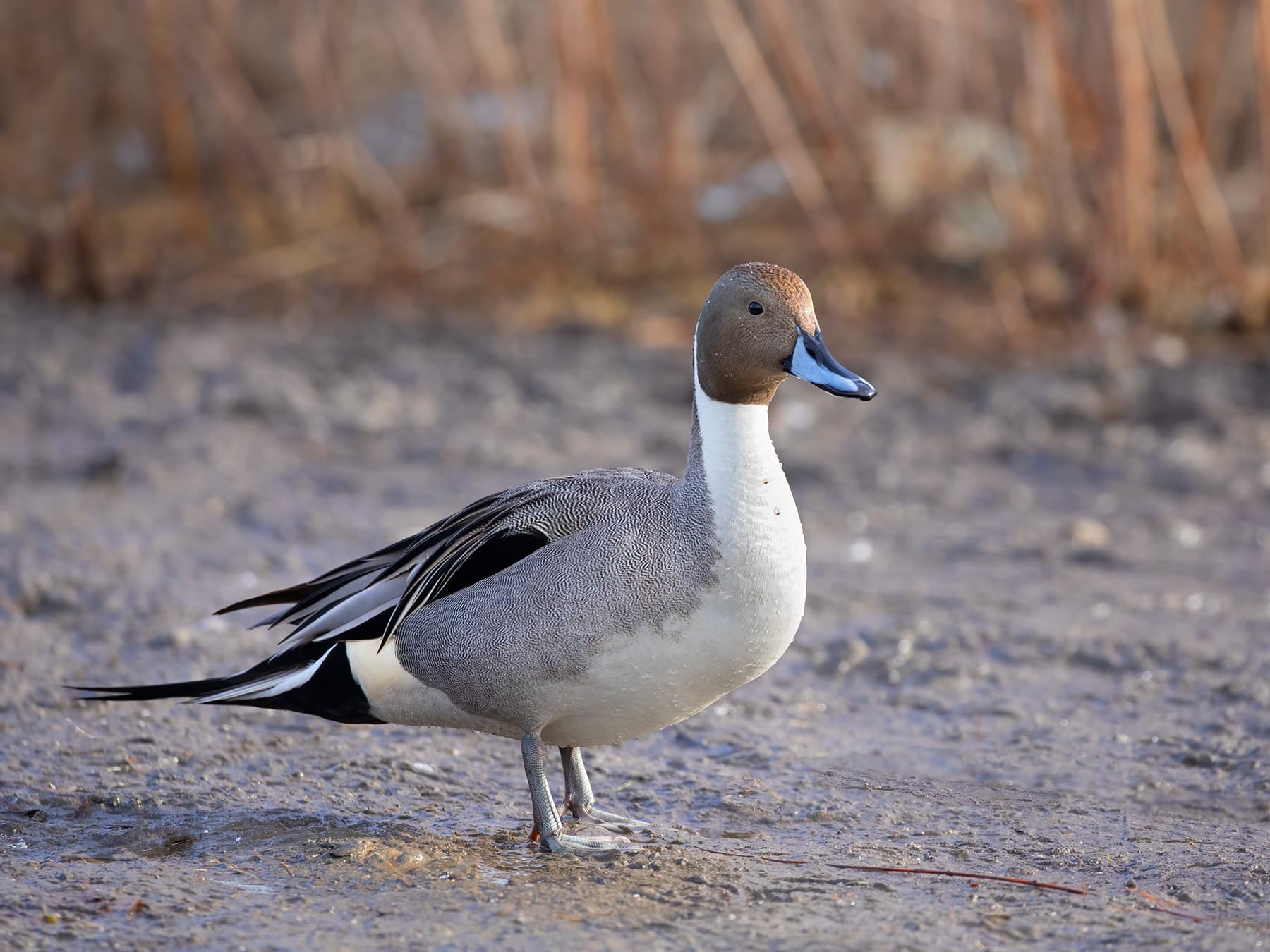
Northern Pintail
Anas acutaLC
A rare non-breeding visitor from autumn through to spring, favouring flooded fields and reservoir margins. An elegant duck always worth searching for.
Sep–Mar
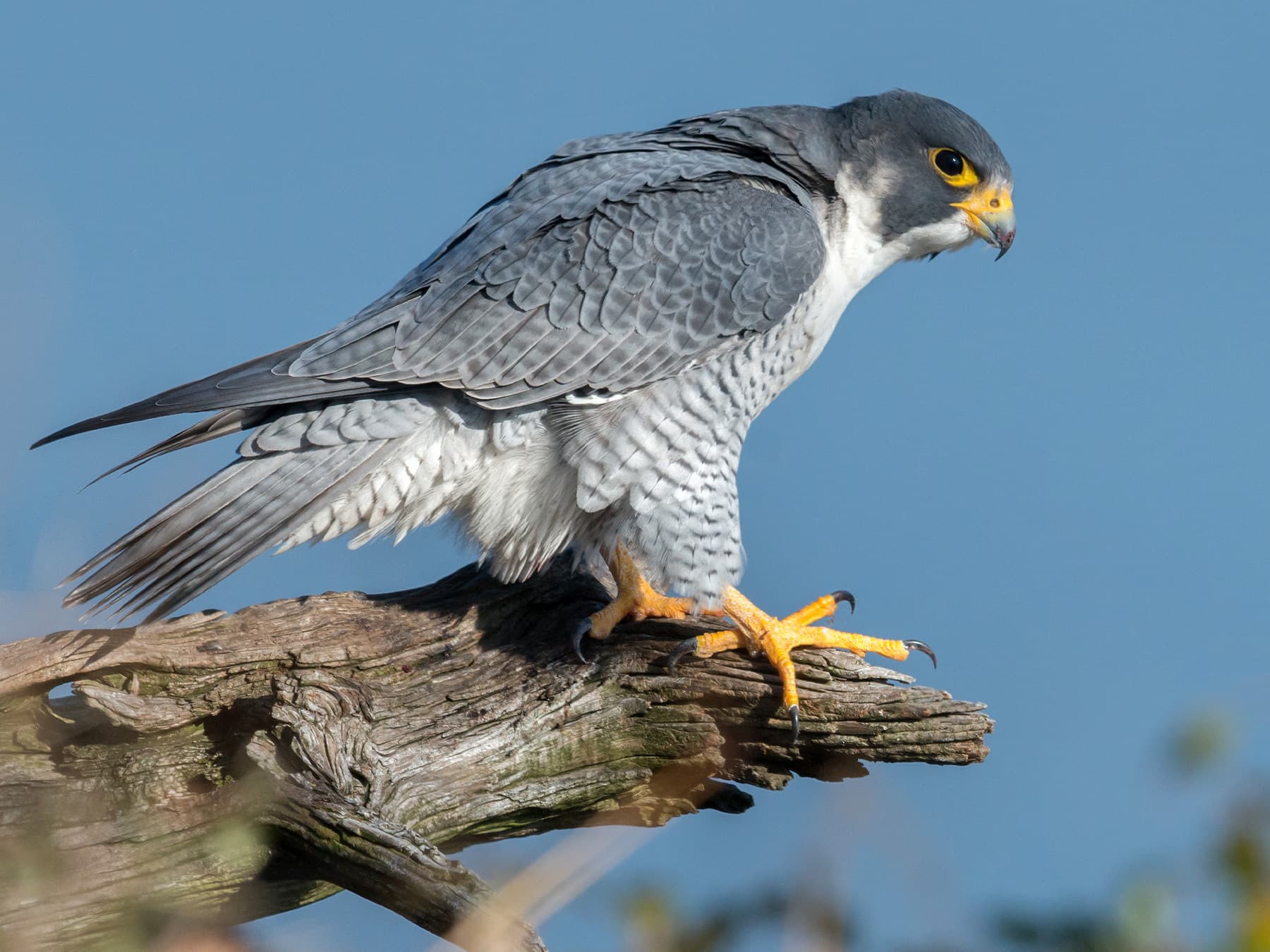
Peregrine Falcon
Falco peregrinusLC
A rare but increasingly seen resident, favouring tall structures for nesting. Recorded in most months, with a gap in midsummer.
Aug–Jun
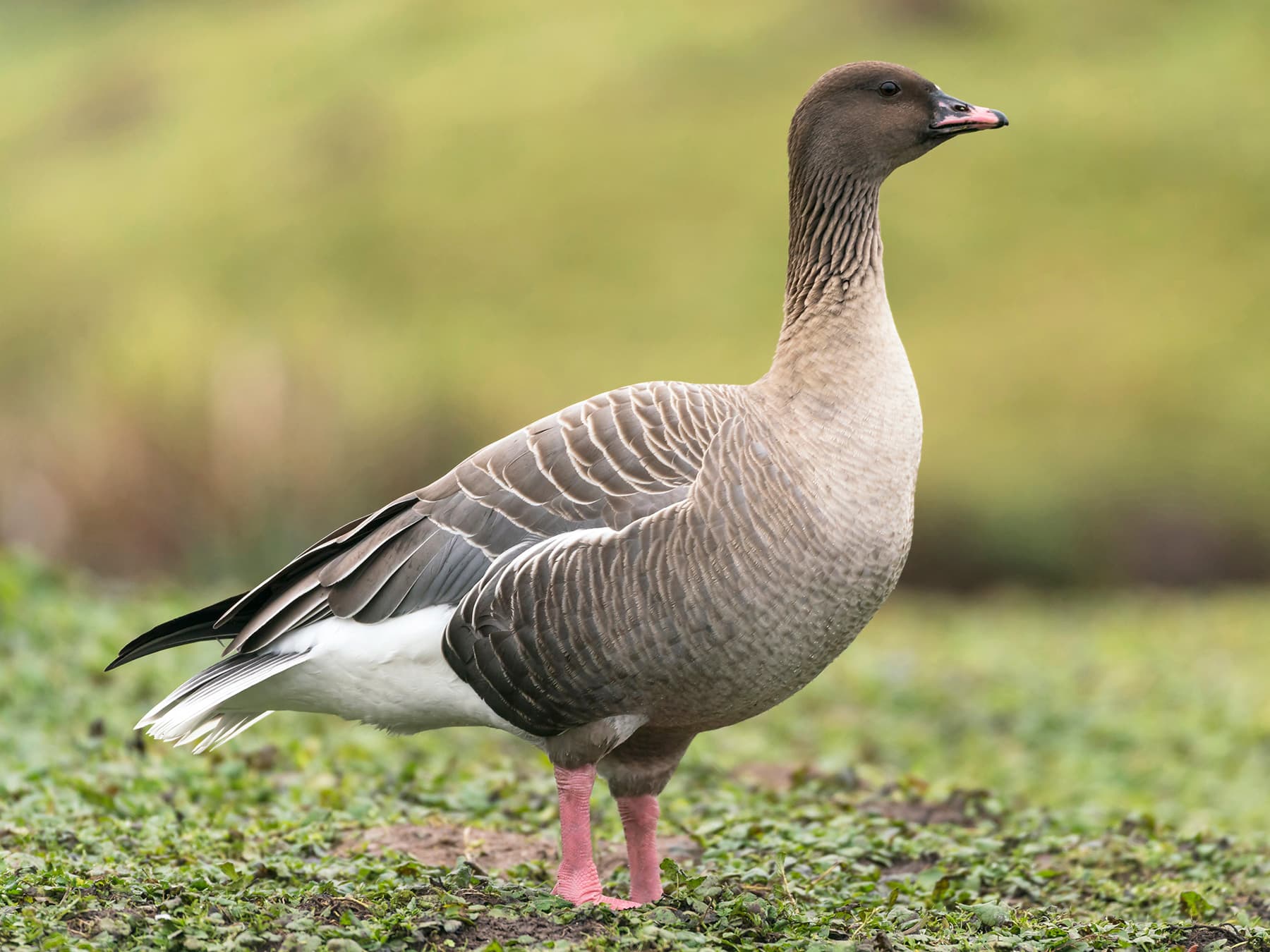
Pink-footed Goose
Anser brachyrhynchusLC
A rare passage visitor, occasionally noted in February. Bedfordshire lies south of this species' main wintering range in East Anglia and Lancashire.
Feb
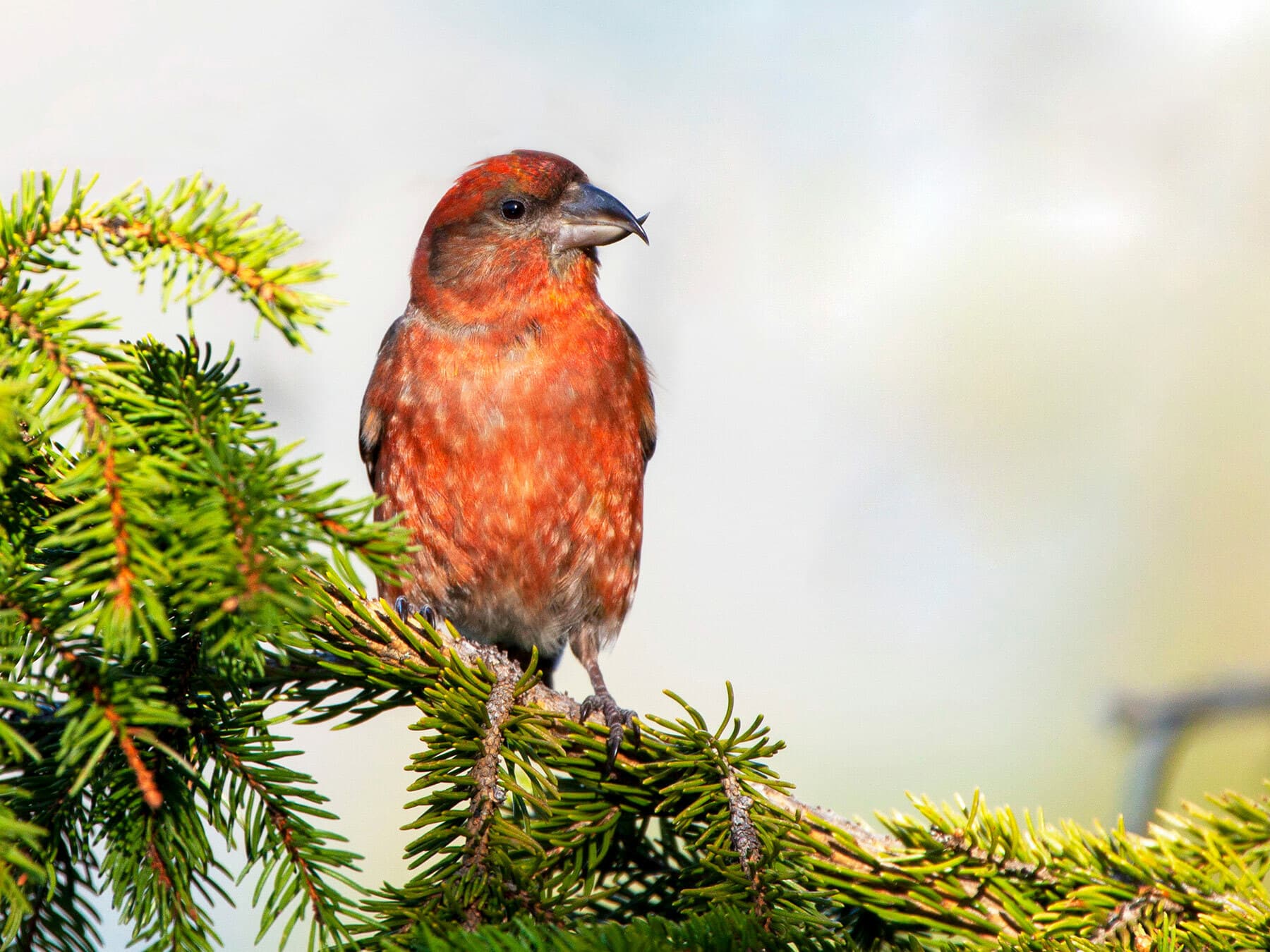
Red Crossbill
Loxia curvirostraLC
A rare non-breeding visitor, appearing irregularly in conifer plantations during irruption years, mainly in winter and late summer.
Jul–Mar
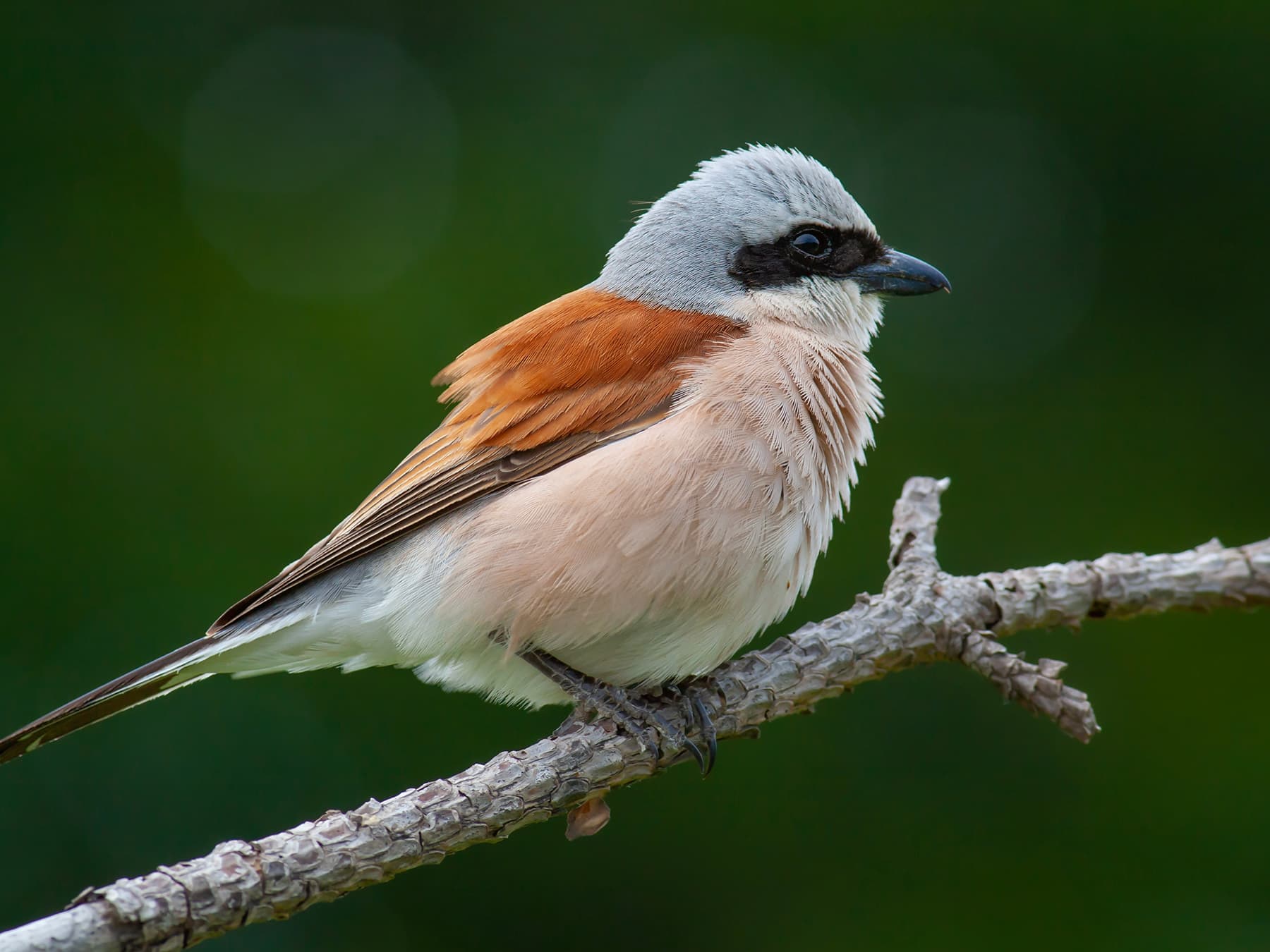
Red-backed Shrike
Lanius collurioLC
A rare autumn passage migrant recorded in September and October. Any sighting in Bedfordshire is a prized find for local birders.
Sep–Oct
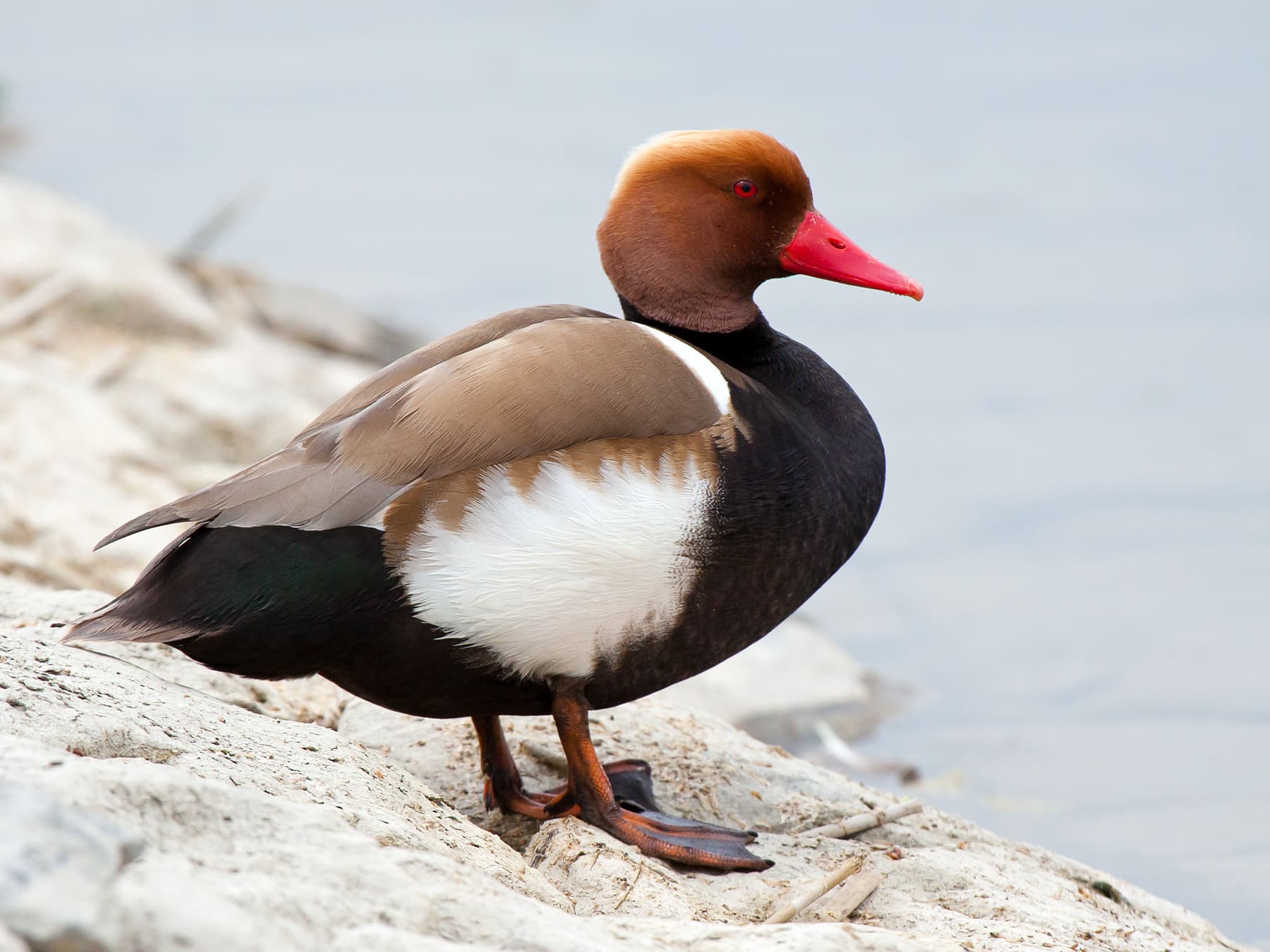
Red-crested Pochard
Netta rufinaLC
A rare non-breeding visitor in winter months. Records may involve wild continental birds or escapees, making provenance often uncertain.
Dec–Mar
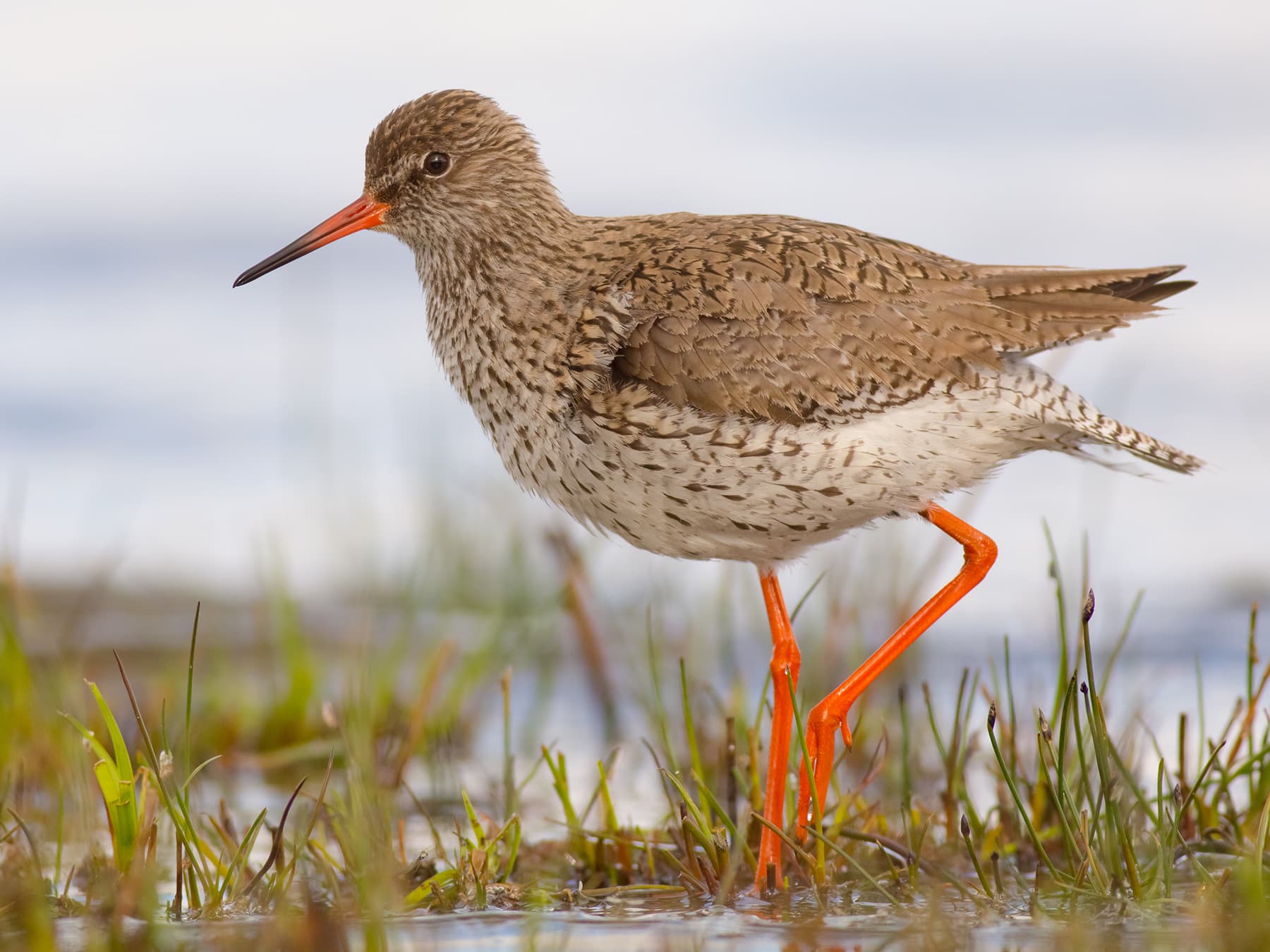
Redshank
Tringa totanusLC
A rare resident found at wet grassland and gravel pit edges, with numbers bolstered slightly during passage periods.
Dec–Aug
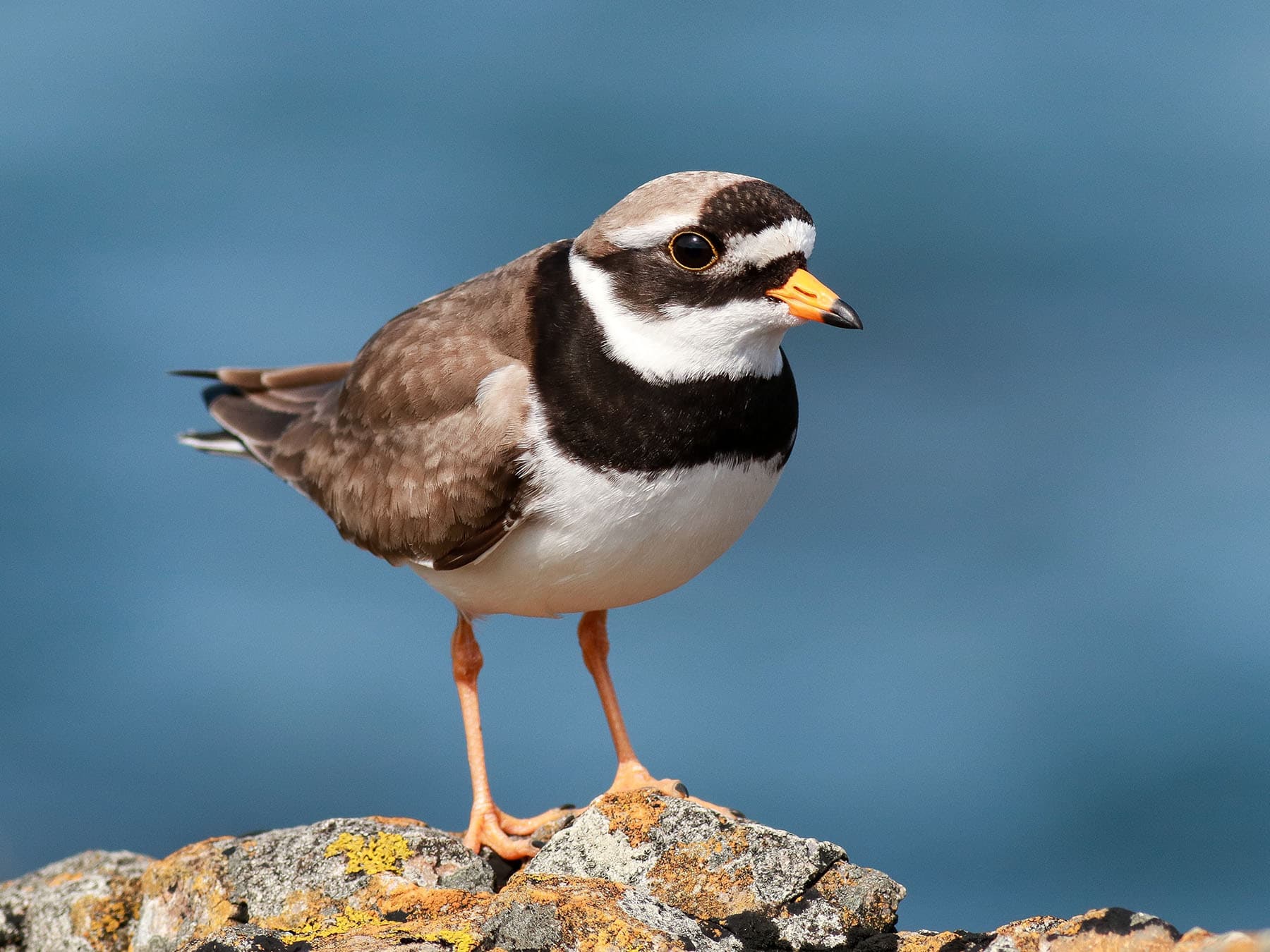
Ringed Plover
Charadrius hiaticulaLC
A rare breeder at gravel pits and reservoir margins from spring to early autumn. Nesting habitat is limited in the county.
Feb–Sep
Spotted something?
Upload a photo to identify it
Identify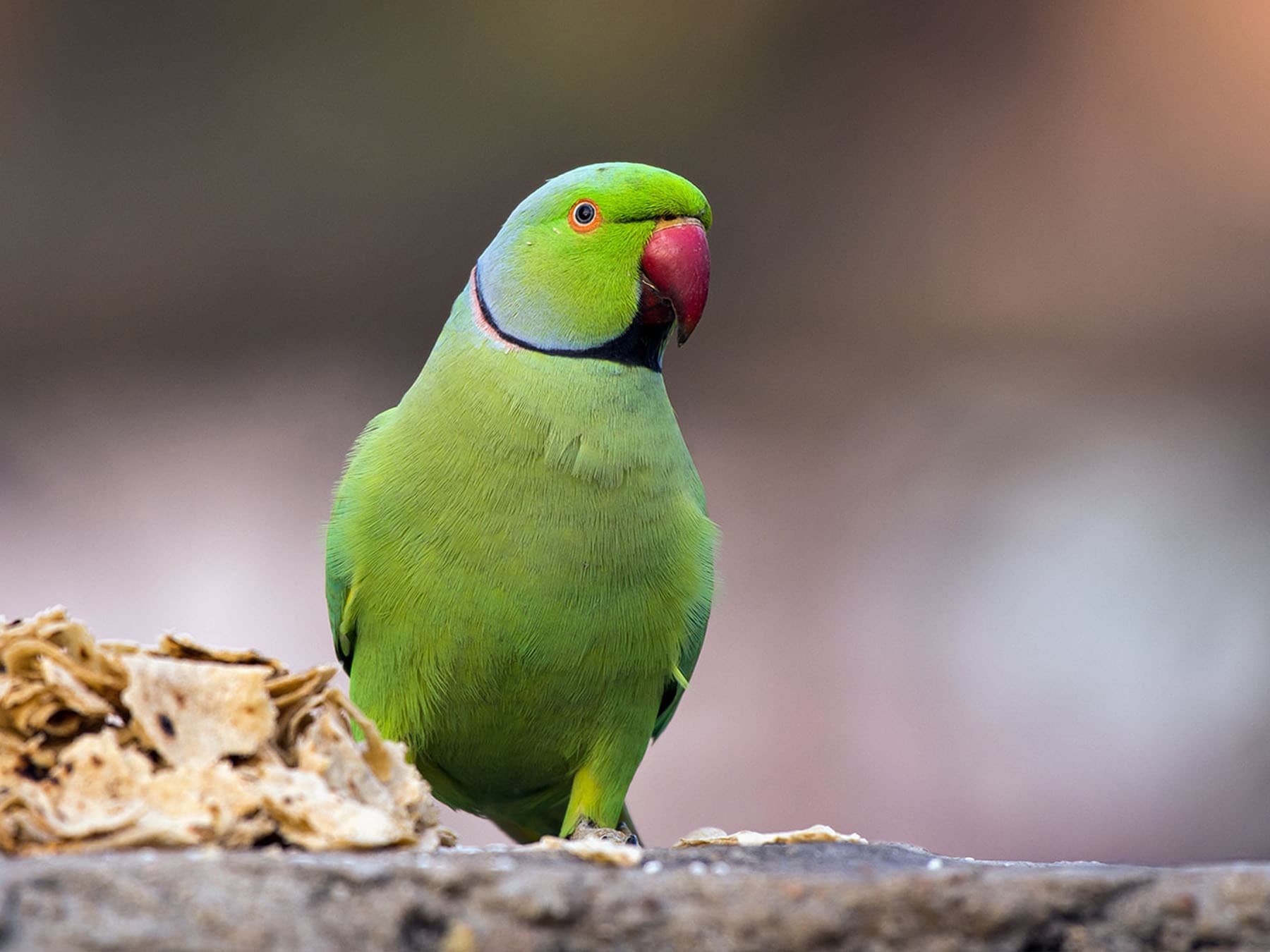
Rose-ringed Parakeet
Alexandrinus krameriLC
A rare passage visitor with scattered records across several months. Not yet established in the county unlike parts of southern England.
Oct–May
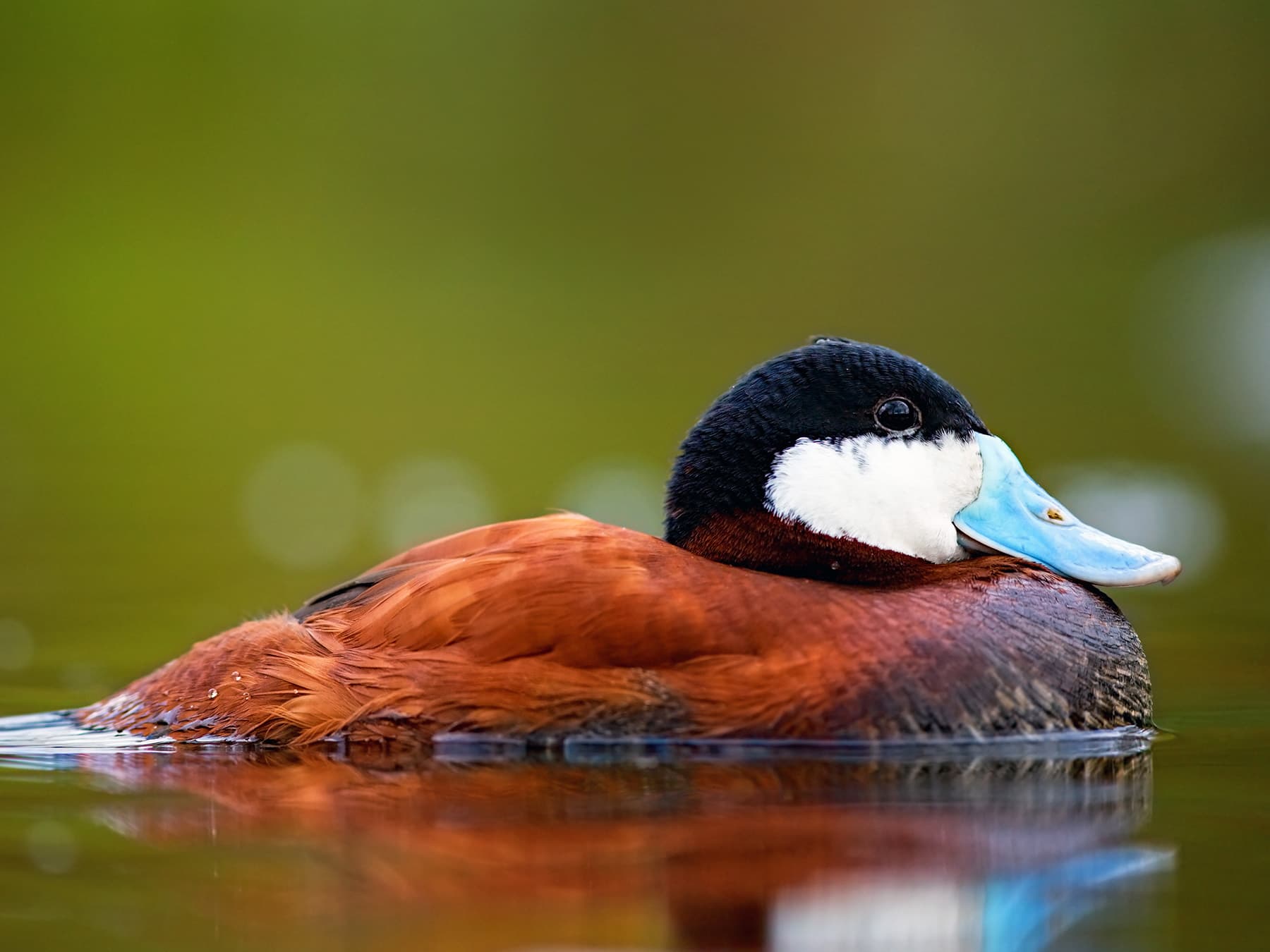
Ruddy Duck
Oxyura jamaicensisLC
Now extremely rare following the national eradication programme, with only occasional July passage records in the county.
Jul
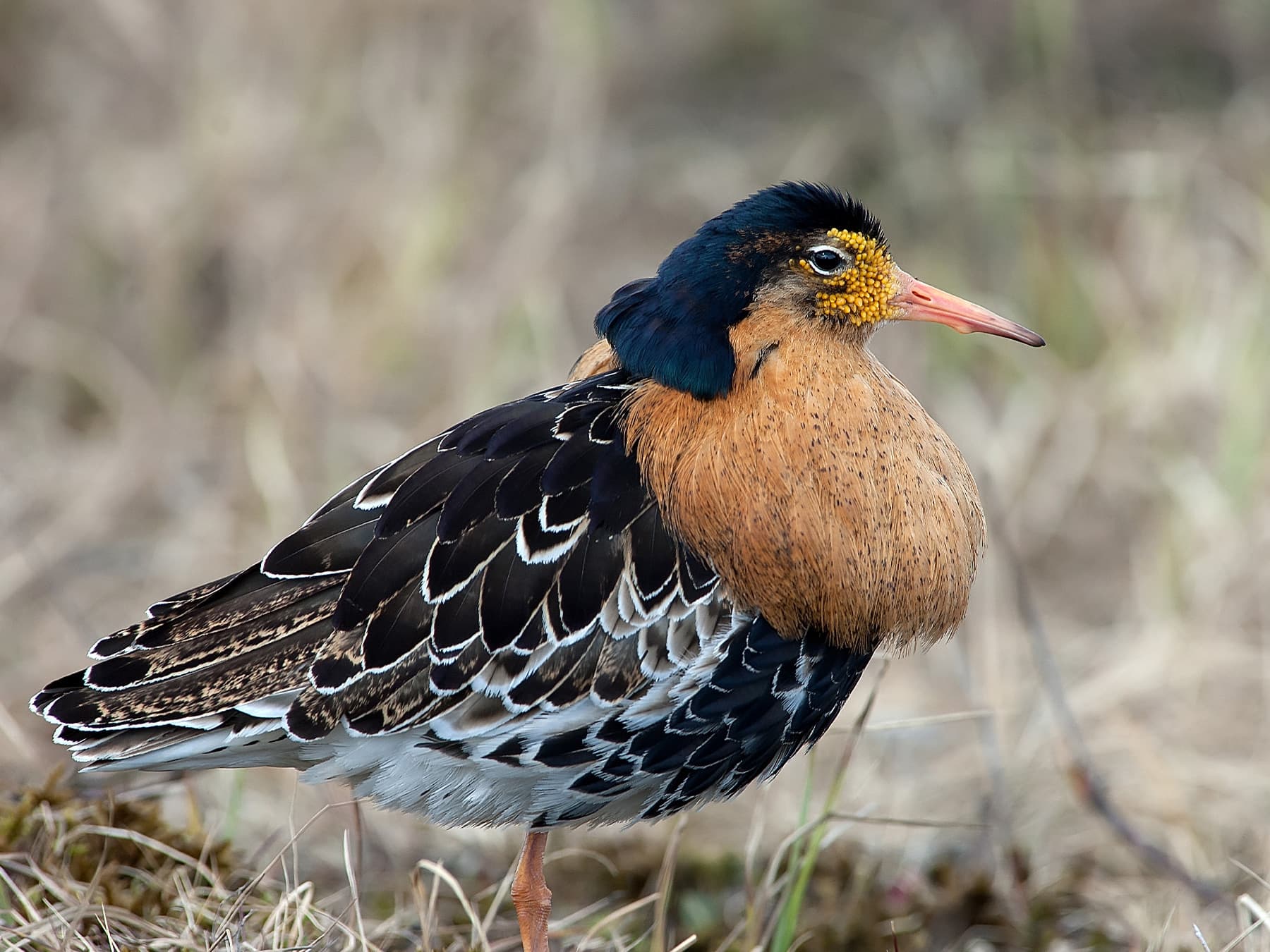
Ruff
Philomachus pugnaxLC
A rare autumn passage migrant seen at muddy reservoir margins and gravel pits from August to October.
Aug–Oct
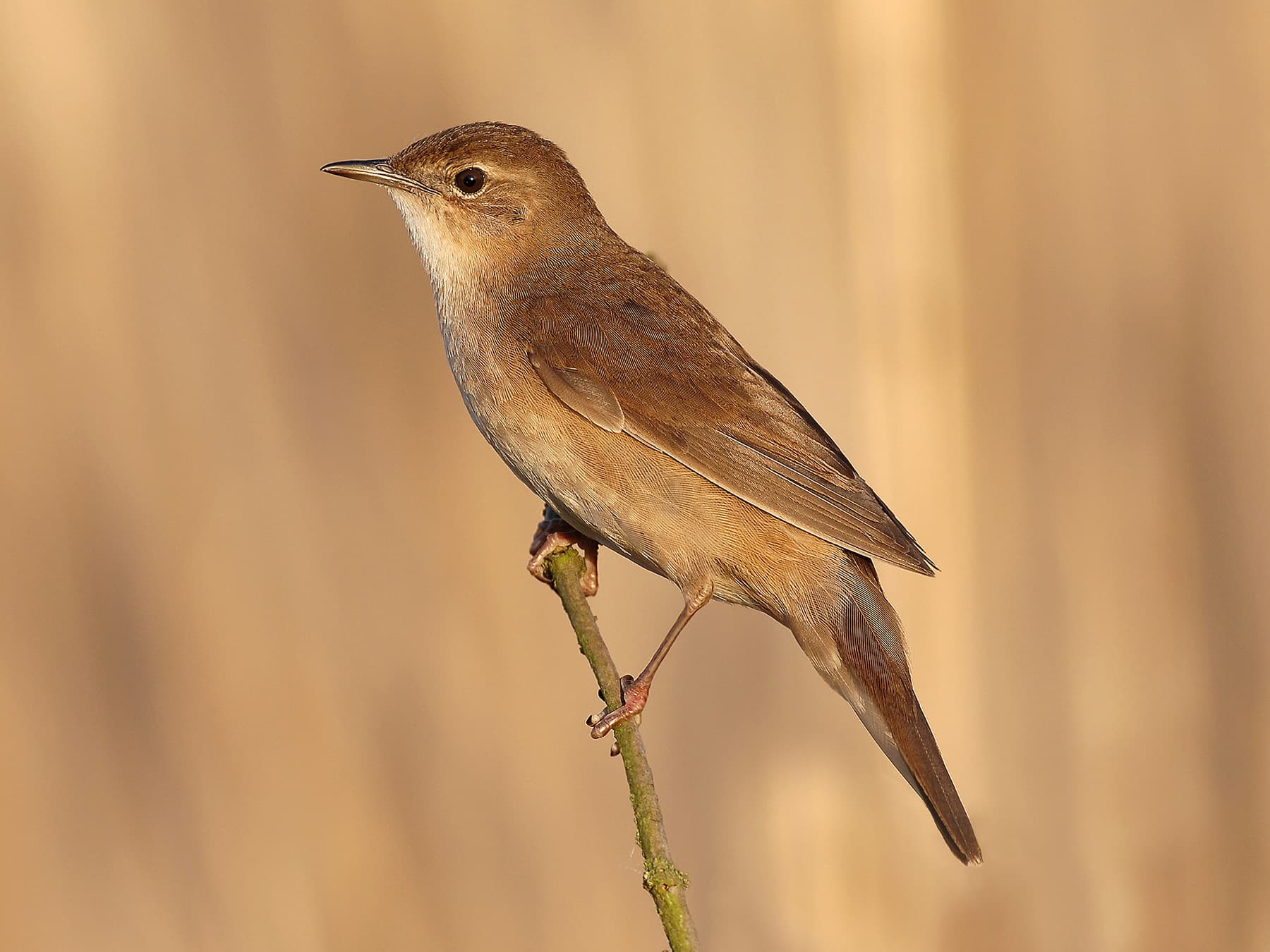
Savi's Warbler
Locustella luscinioidesLC
A rare passage visitor with occasional May records. Any singing bird in Bedfordshire's reedbeds is a major county find.
May
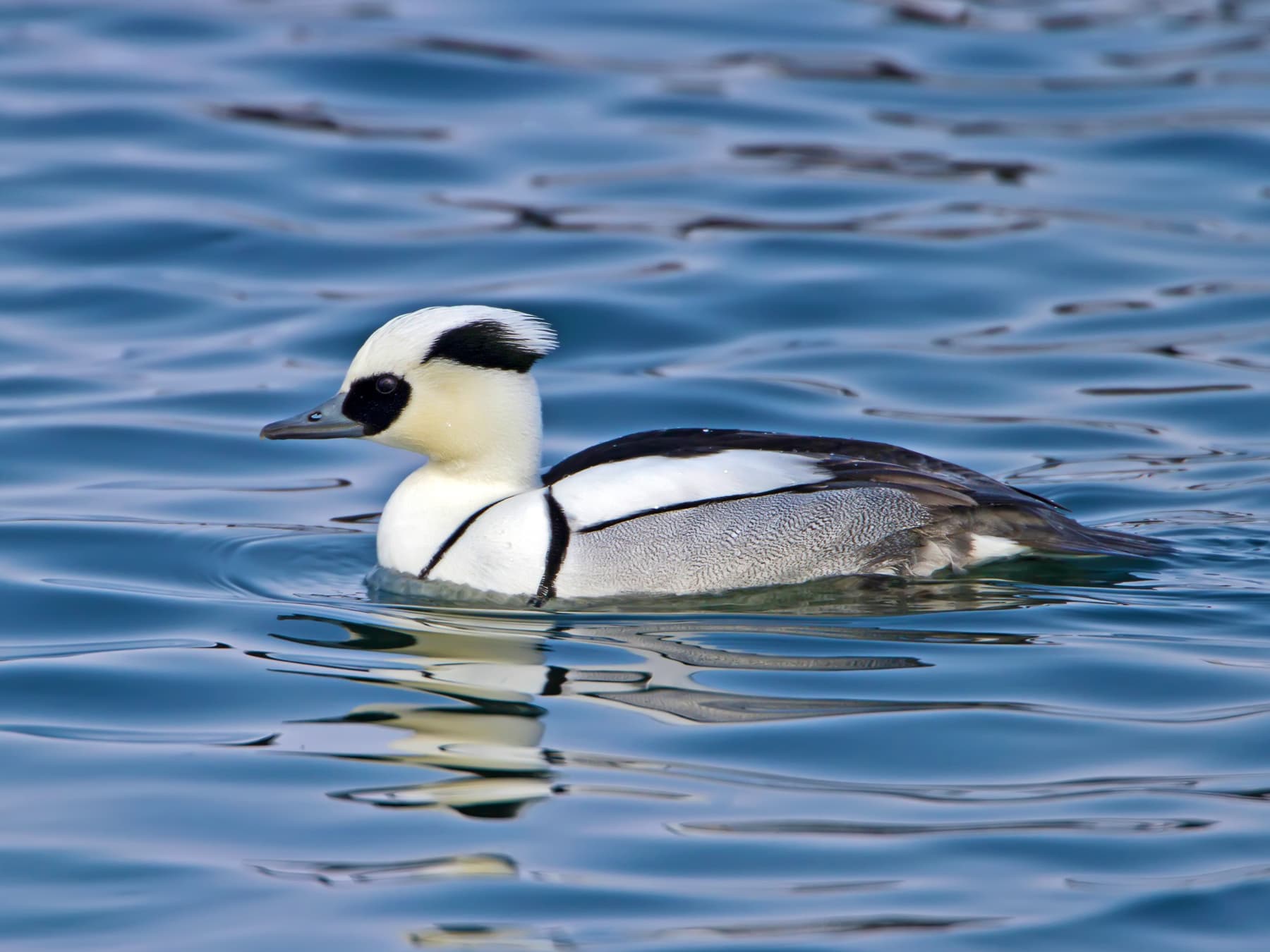
Smew
Mergellus albellusLC
A rare winter visitor, occasionally recorded in February on larger waterbodies. The striking 'white nun' males are highly prized sightings in the county.
Feb
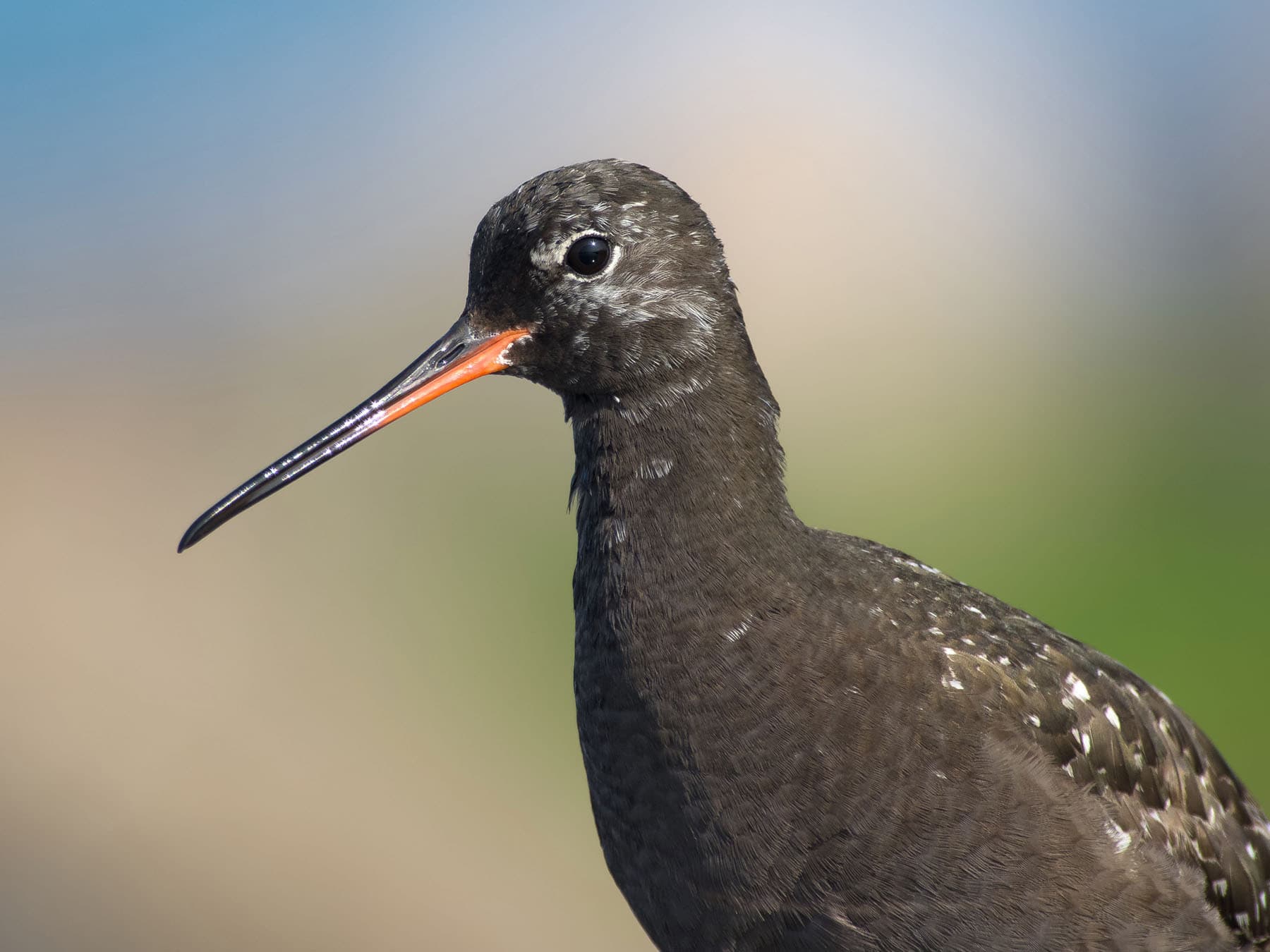
Spotted Redshank
Tringa erythropusLC
A rare autumn passage wader, recorded in September at wetland sites. A notable find at any of the county's reservoirs or pits.
Sep
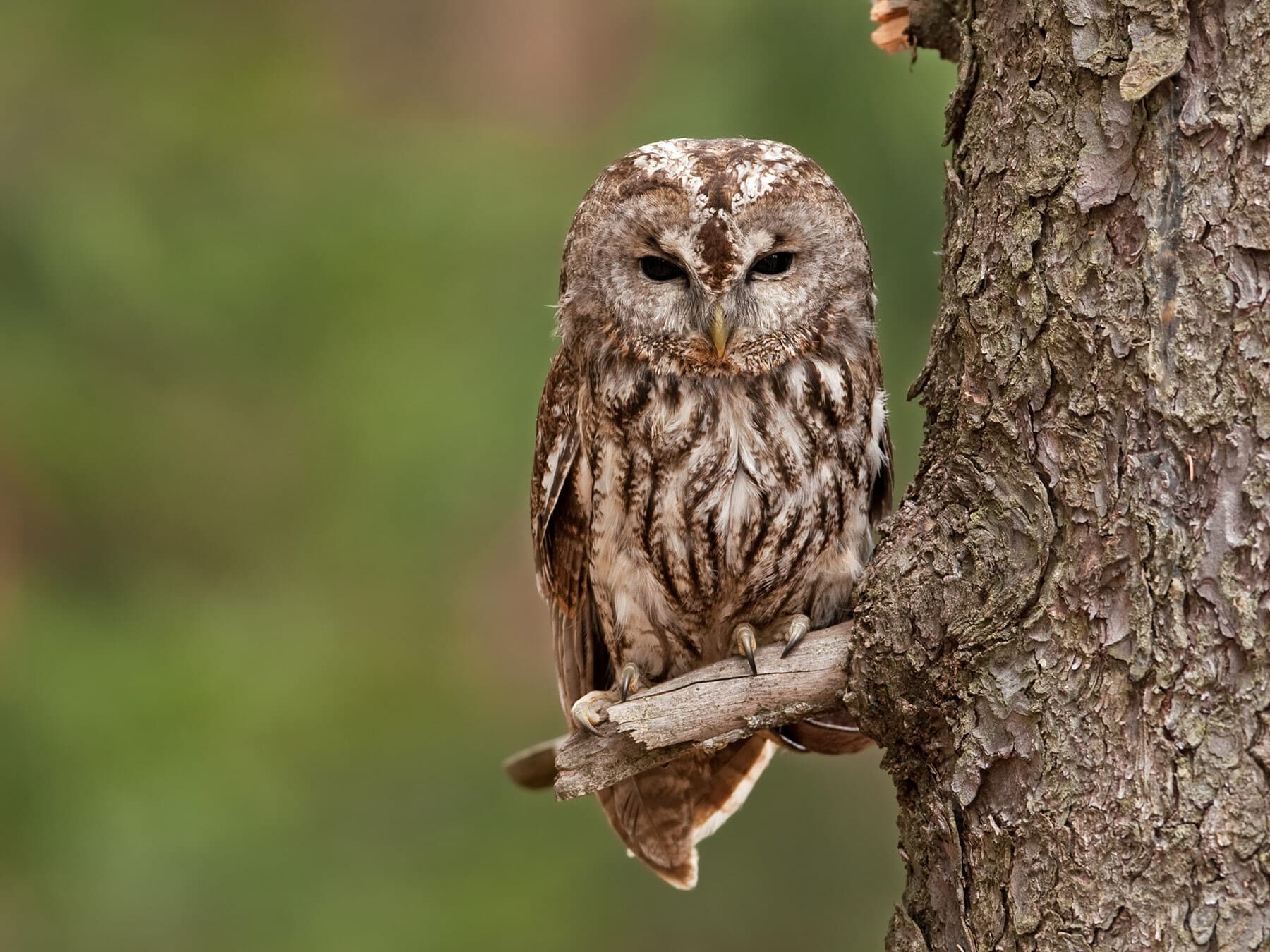
Tawny Owl
Strix alucoLC
A rare but resident owl of mature woodland and parkland, more often heard than seen with its familiar hooting call.
Jun–Apr
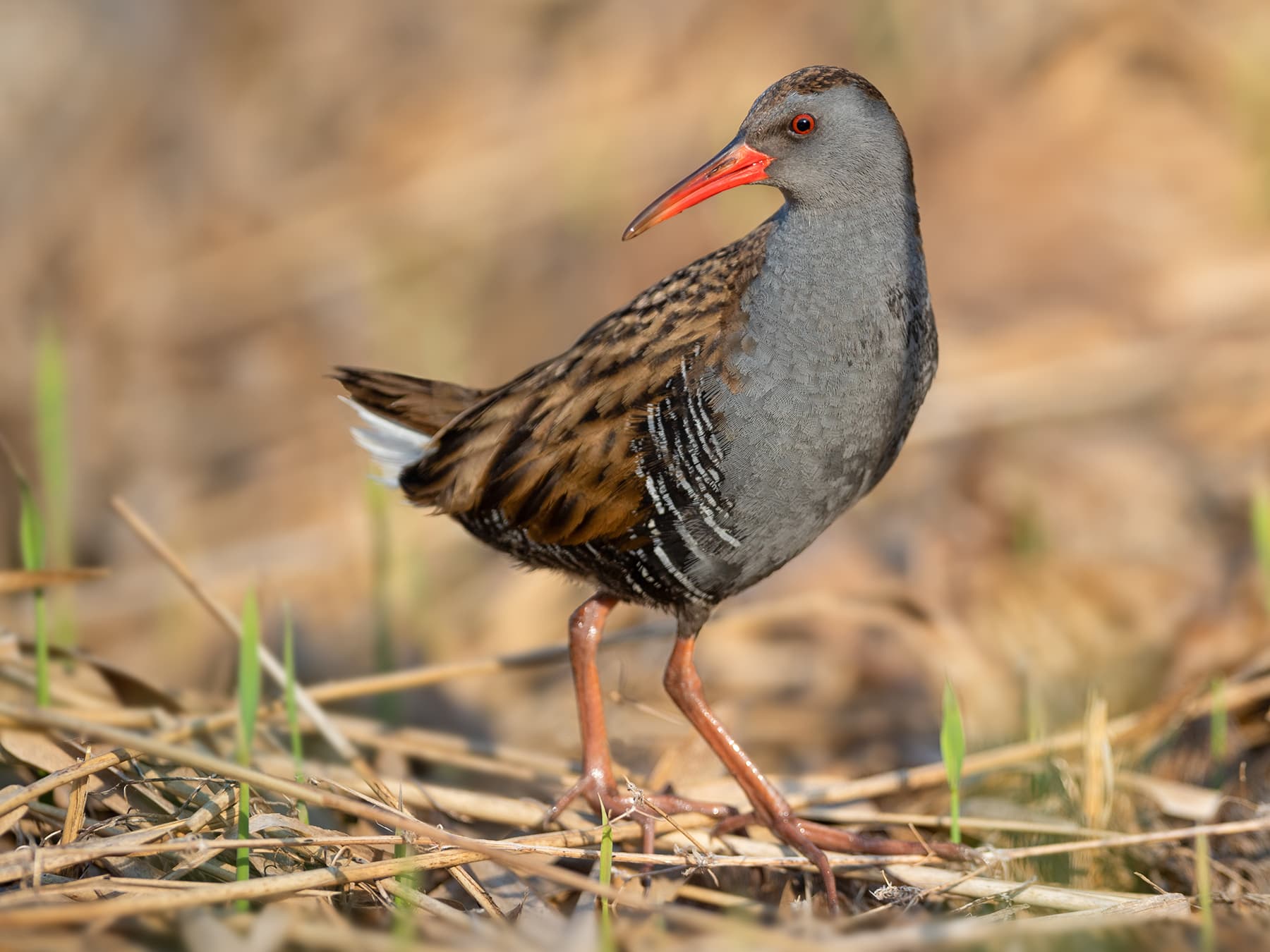
Water Rail
Rallus aquaticusLC
A rare non-breeding visitor to reedbeds and marshy margins from autumn to spring. Secretive and more often heard than seen.
Oct–Apr
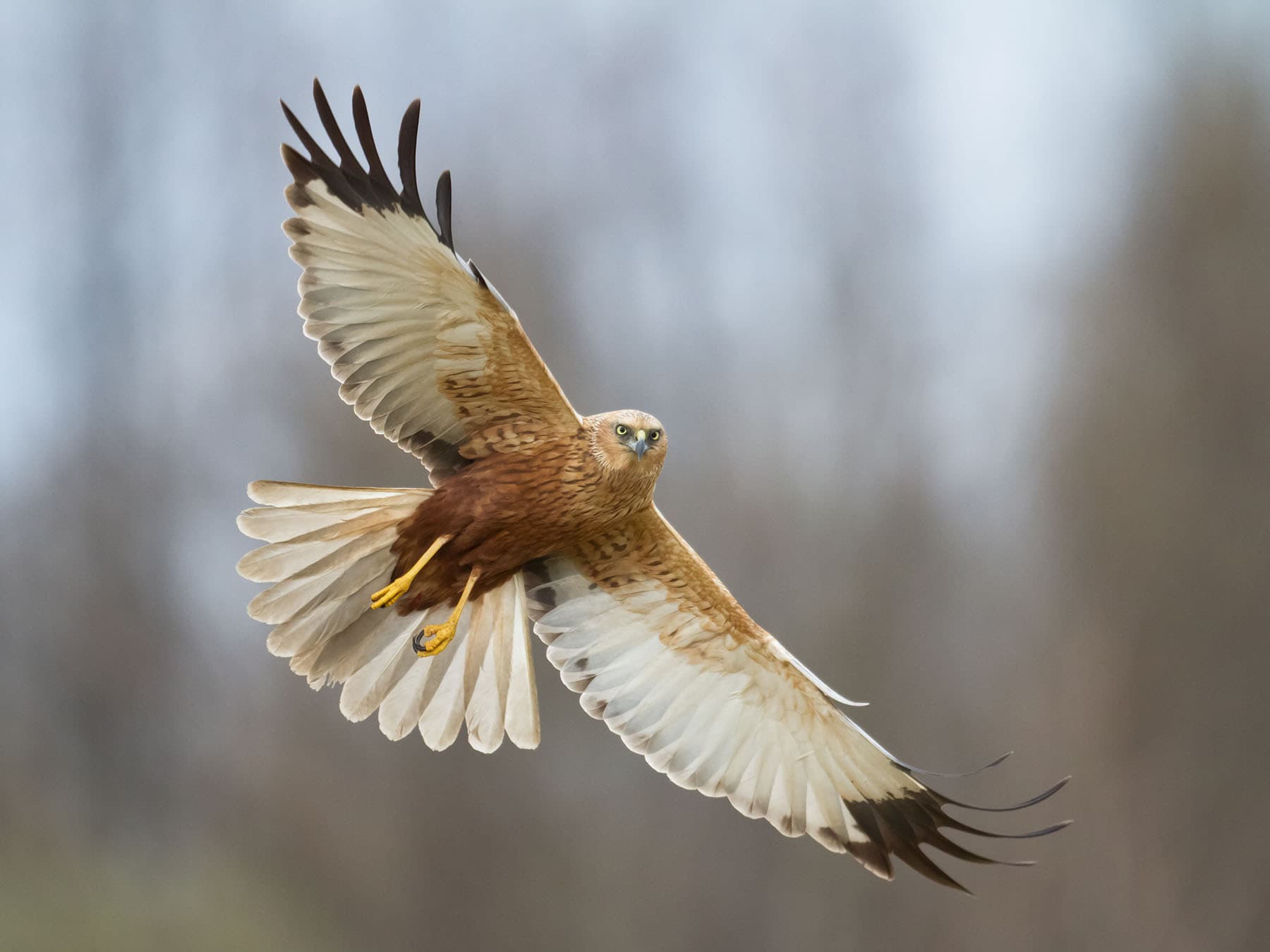
Western Marsh-harrier
Circus aeruginosusLC
A rare but increasingly regular resident, quartering reedbeds and wetlands. Part of a national range expansion.
Sep–Jul
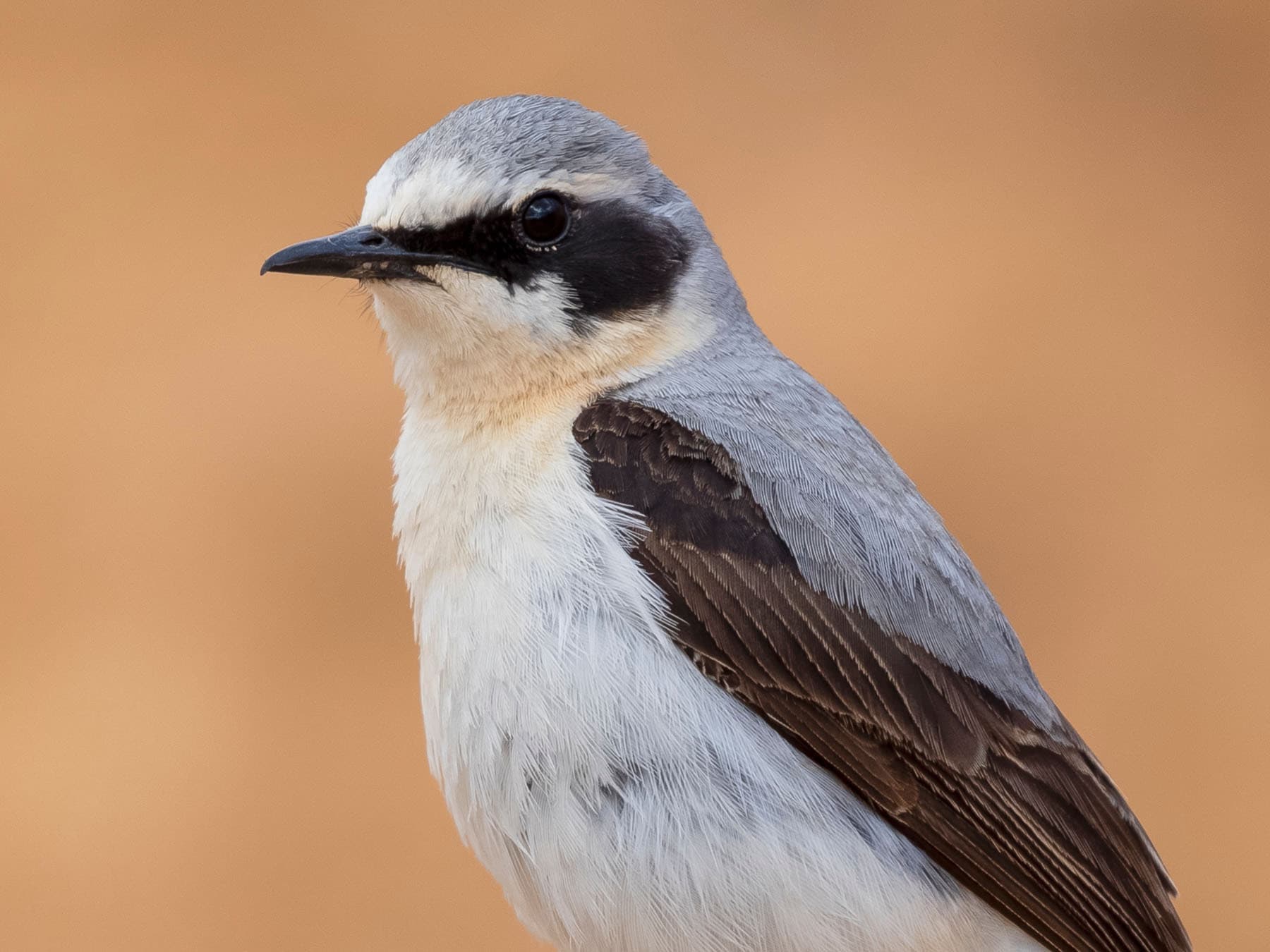
Wheatear
Oenanthe oenantheLC
A rare visitor to open farmland and chalk downland, mainly seen on spring and autumn passage across the county.
Mar–Sep
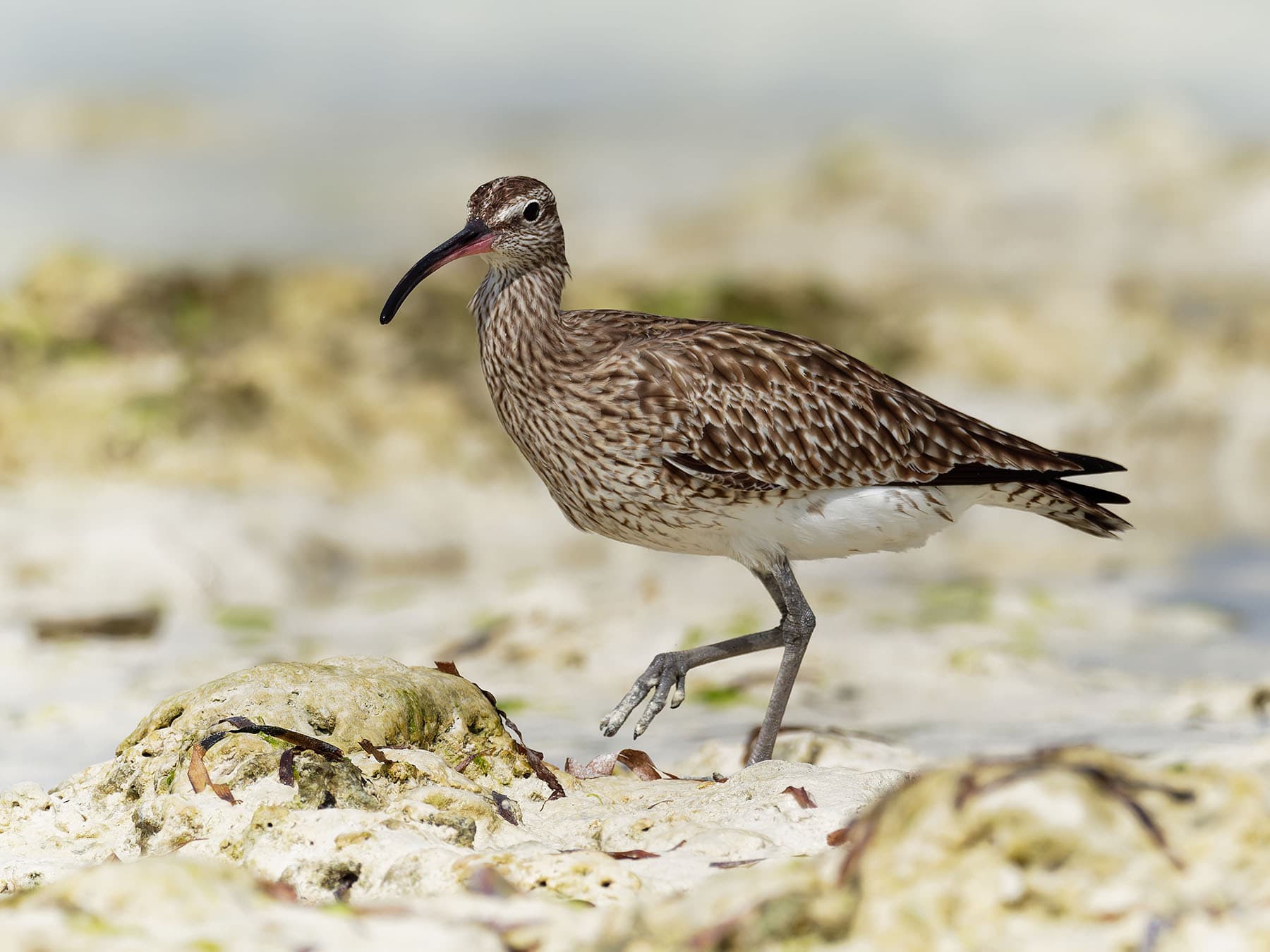
Whimbrel
Numenius phaeopusLC
A rare spring passage migrant, occasionally stopping at wetland sites in April on its northward migration.
Apr
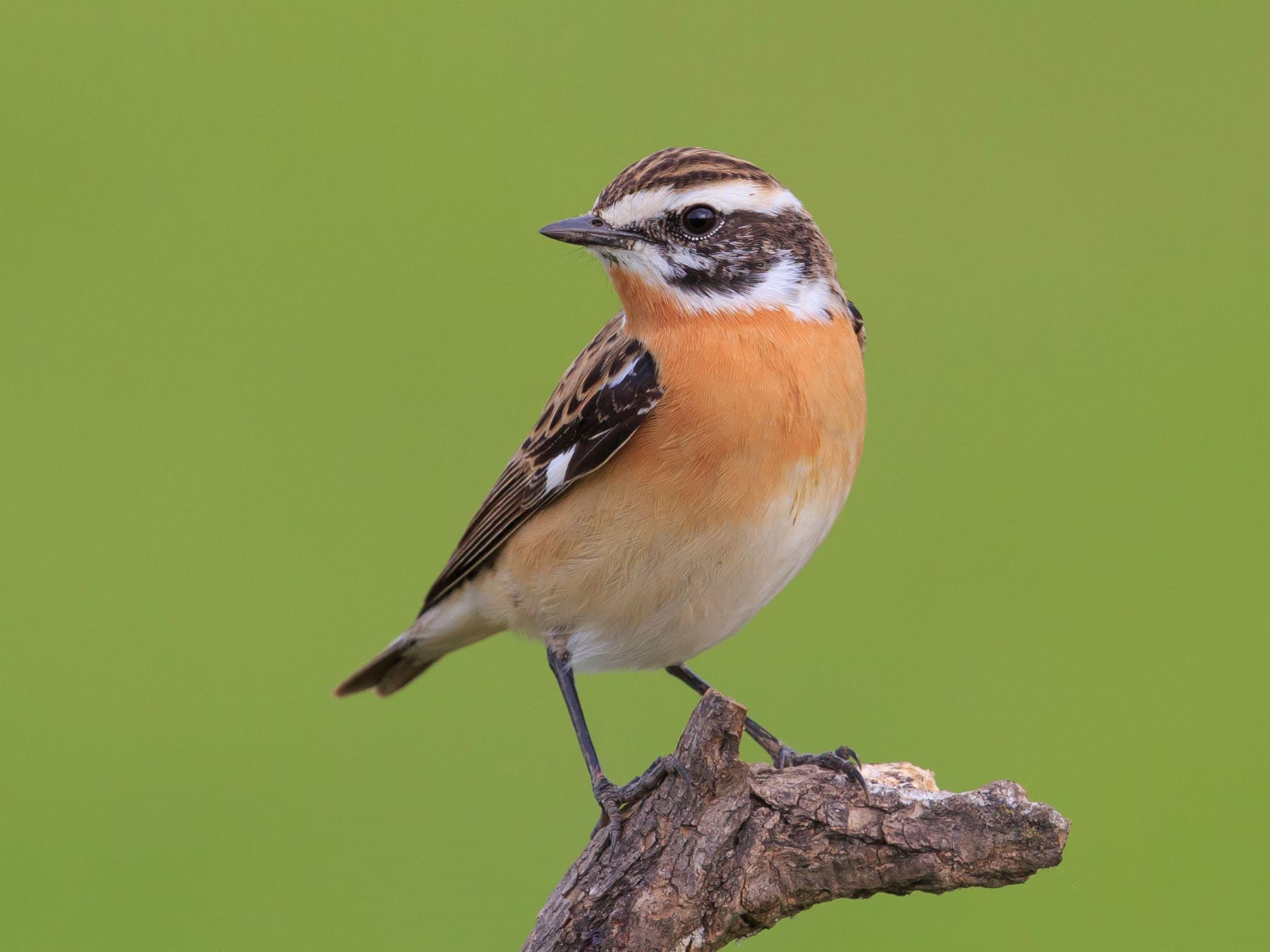
Whinchat
Saxicola rubetraLC
A rare autumn passage migrant from August to October, favouring rough grassland and scrubby field edges.
Aug–Oct
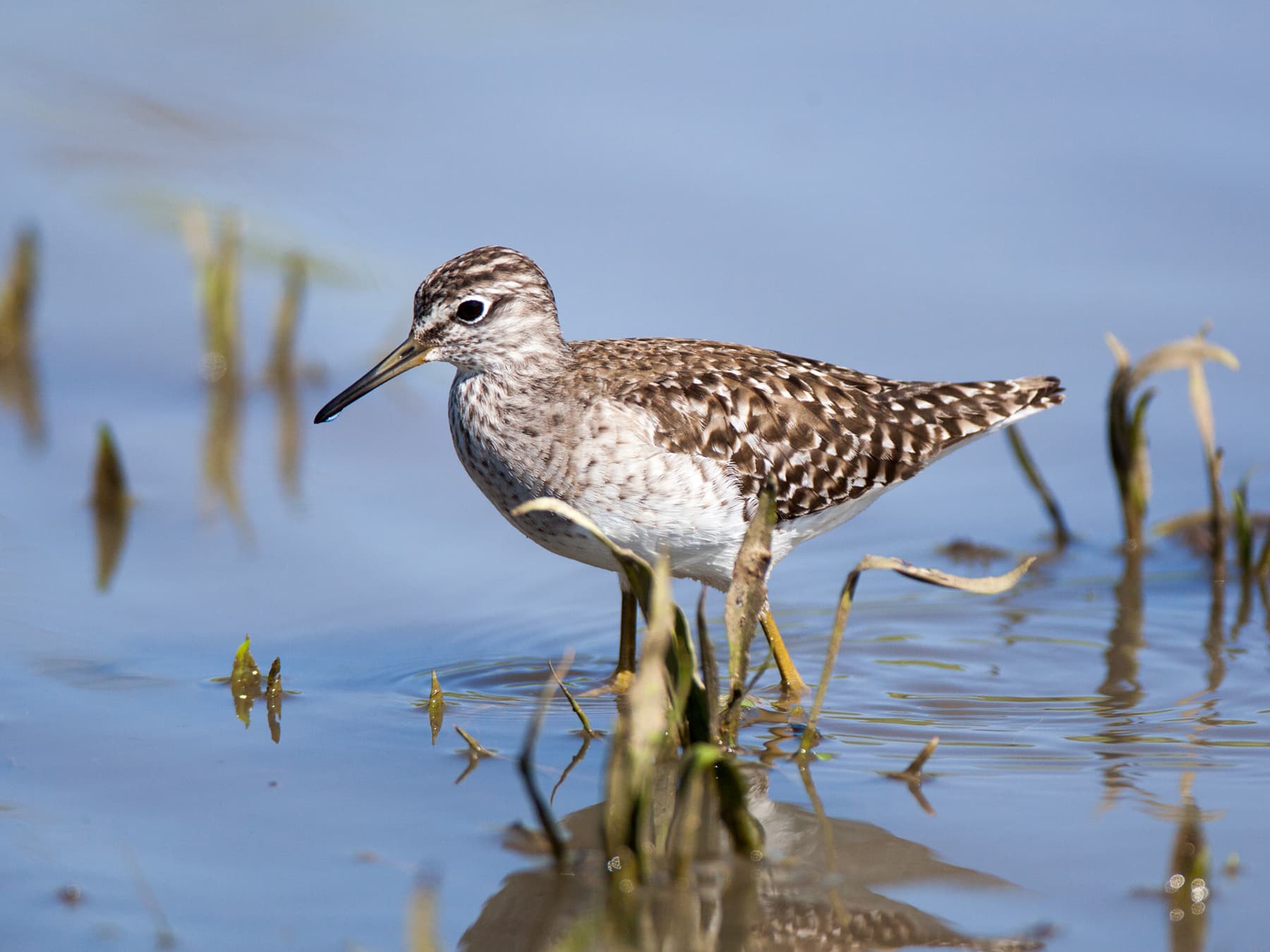
Wood Sandpiper
Tringa glareolaLC
A rare visitor to shallow pools and flooded gravel pits from spring to autumn. One of the scarcer waders recorded in the county.
Apr–Sep
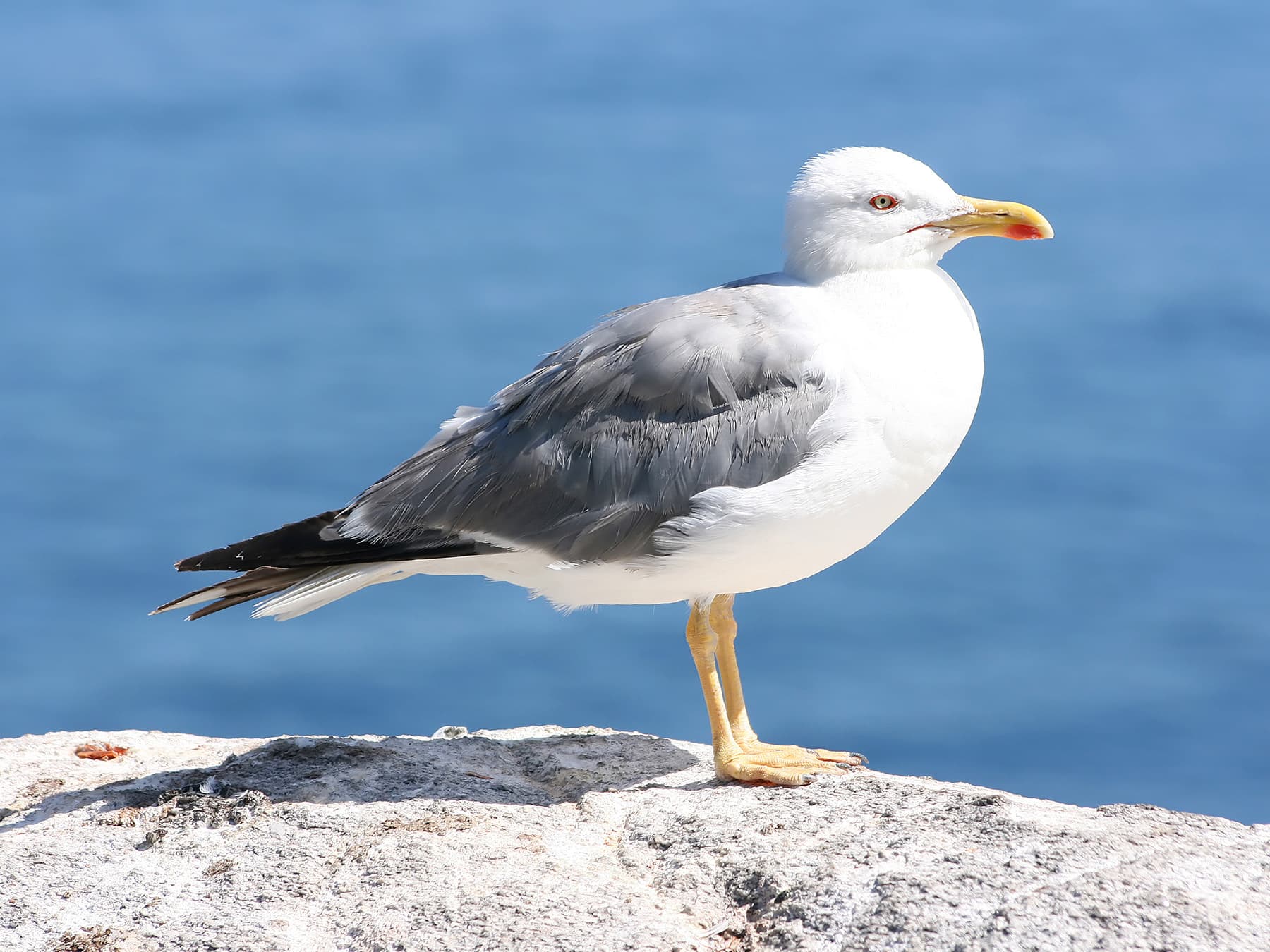
Yellow-legged Gull
Larus michahellisLC
A rare gull found mainly in late summer and autumn at reservoirs and tips, with peak numbers in August.
Jun–Jan