


Birds to See in Curaçao in June
20 bird species on our list for Curaçao are recorded regularly in June
Of these, the most often recorded are Common Tern, House Sparrow, Rock Dove, Great White Egret and Pied-billed Grebe.
On the move in June
GBIF · JunAt their peak
From Curaçao’s bird records, 2019–2024: arriving birds are regular this month but not last; leaving birds are regular this month but not next.
Other months
All 20 birds in June
20 birds
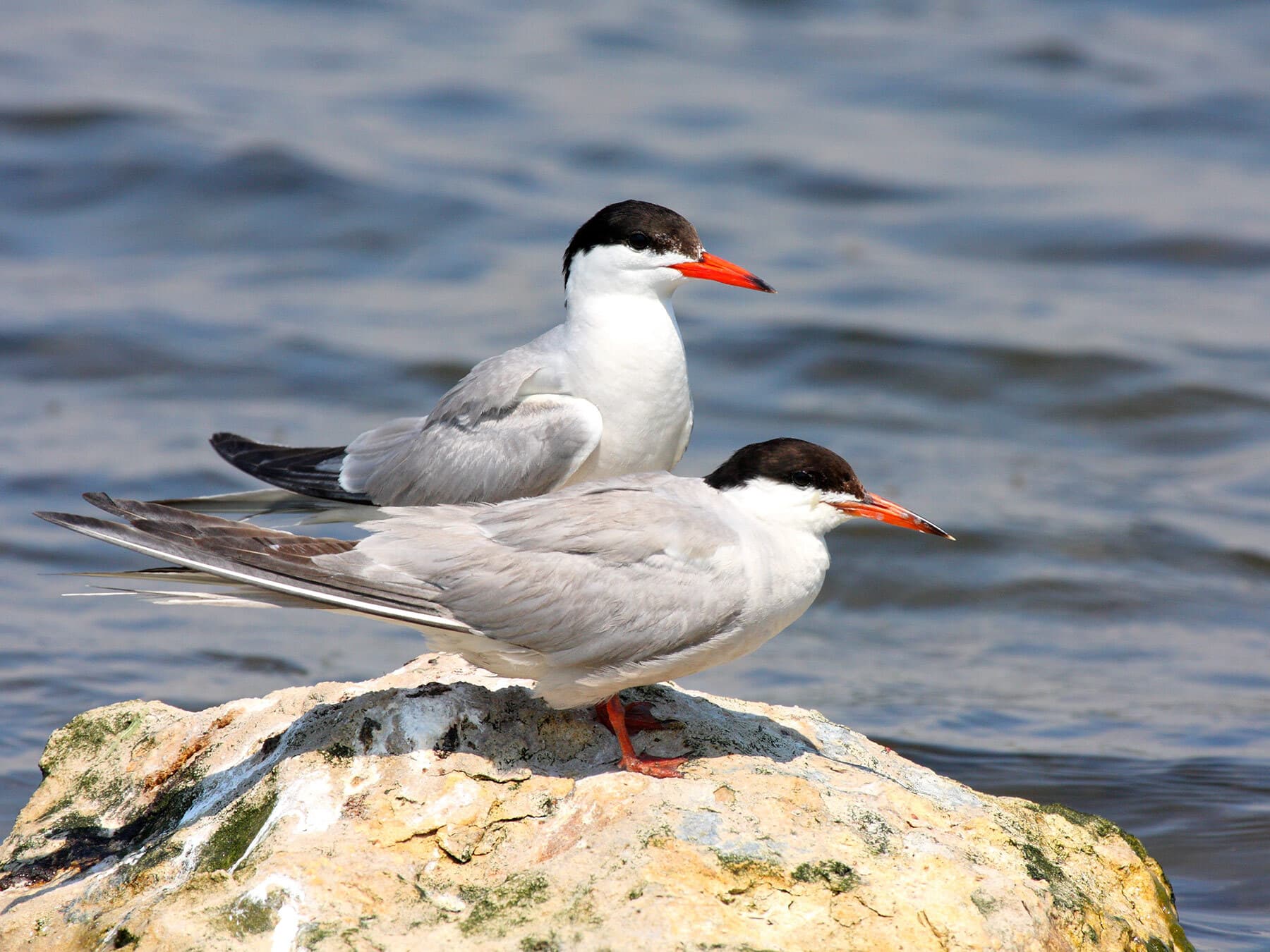 Common TernSterna hirundoSummer visitorCommon31–35 cmRegularly Apr–Oct · 2.46% in Jun
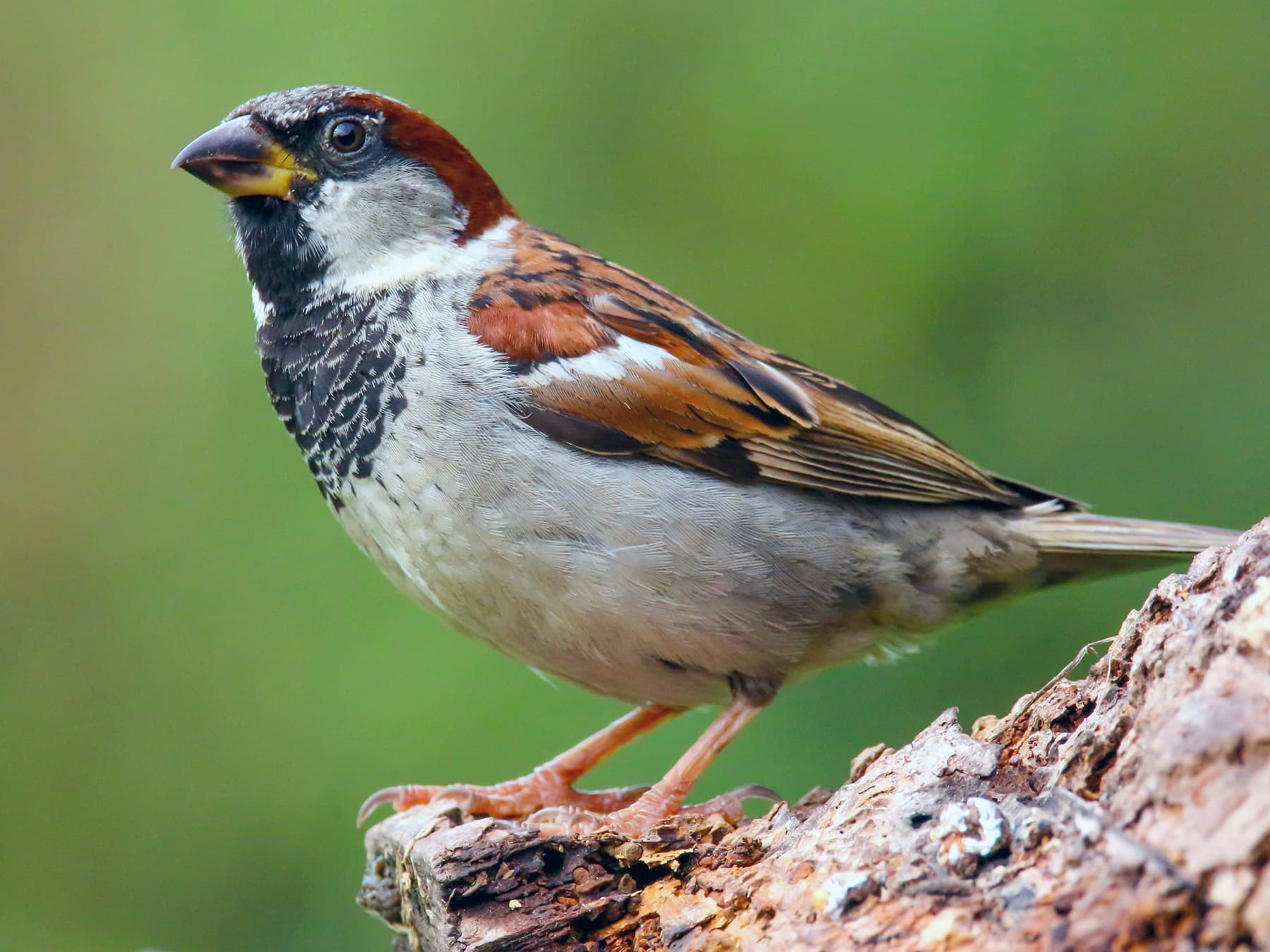 House SparrowPasser domesticusResidentCommon14–17 cmRecorded all year · 1.28% in Jun
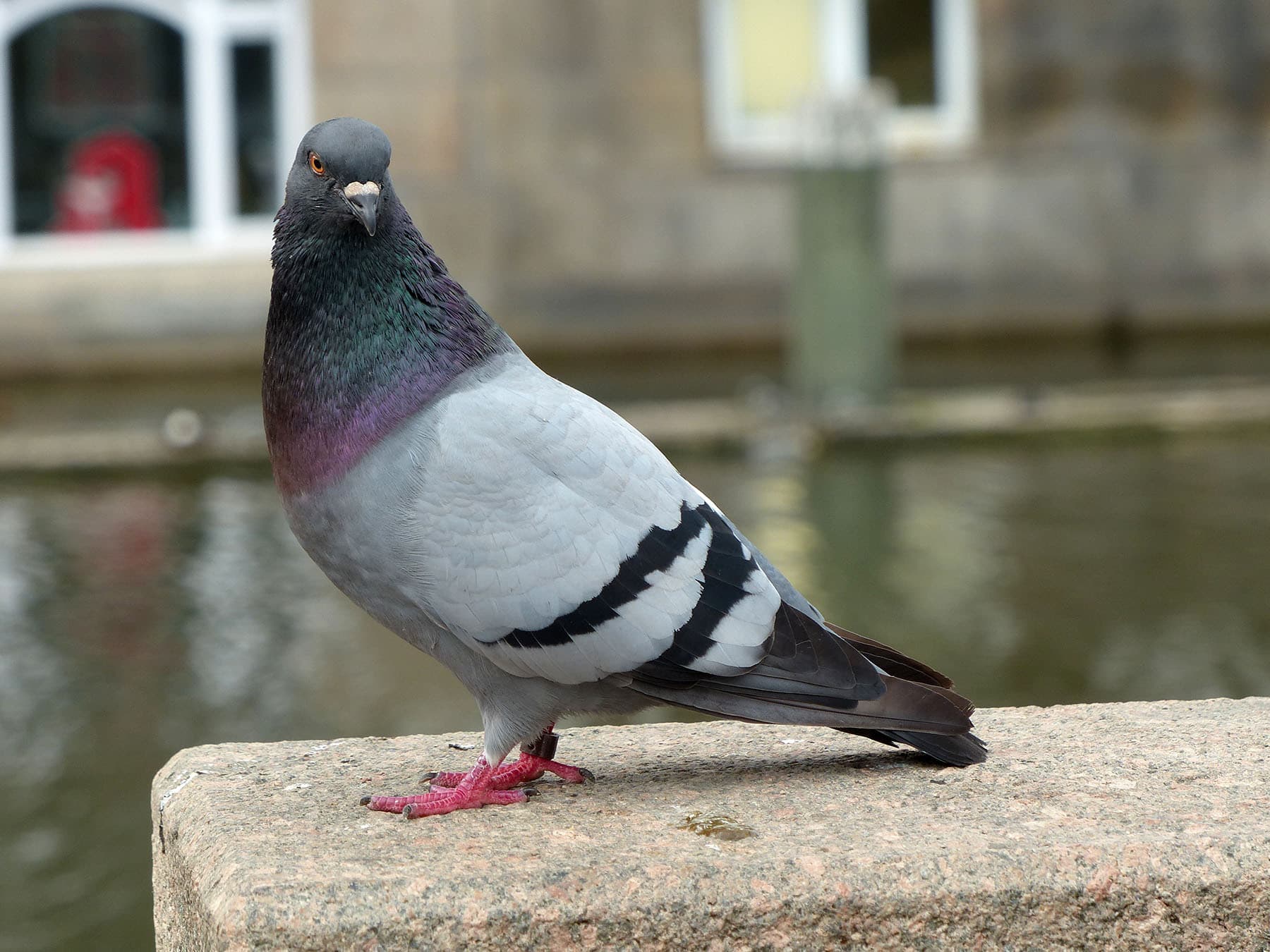 Rock DoveColumba liviaResidentCommon31–34 cmRecorded all year · 1.05% in Jun
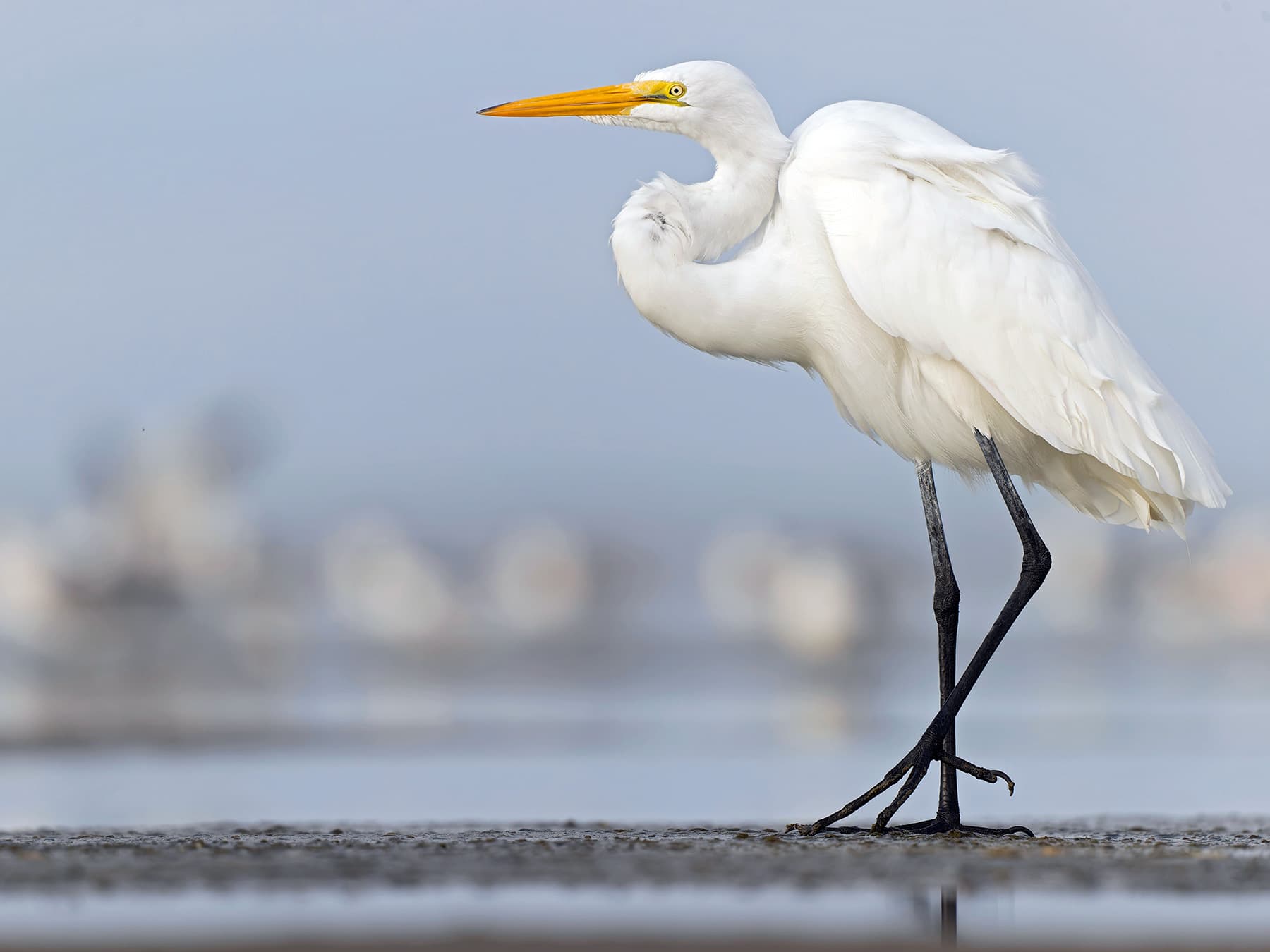 Great White EgretArdea albaResidentCommon80–104 cmRecorded all year · 0.79% in Jun
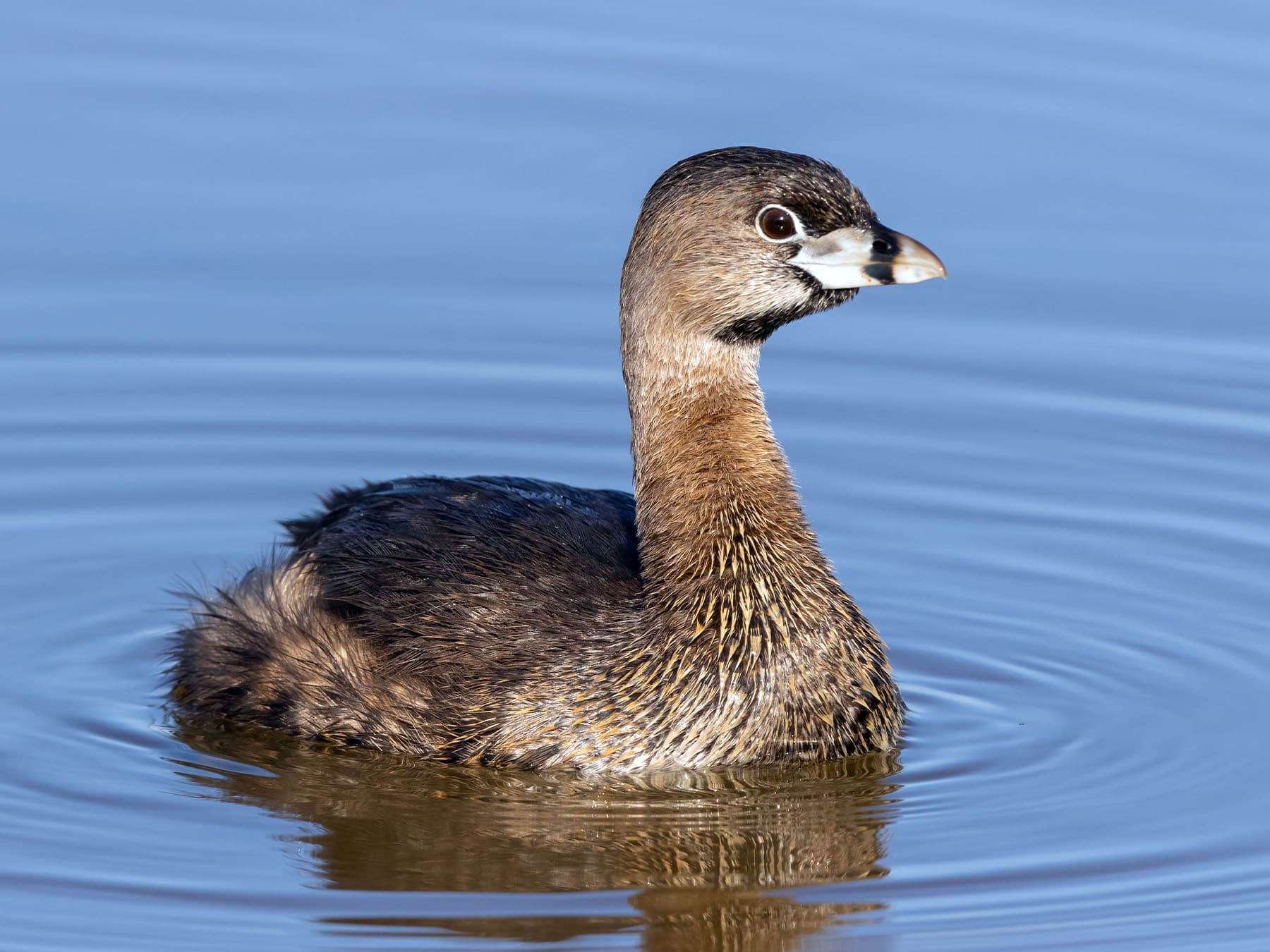 Pied-billed GrebePodilymbus podicepsResidentCommon31–38 cmRecorded all year · 0.75% in Jun
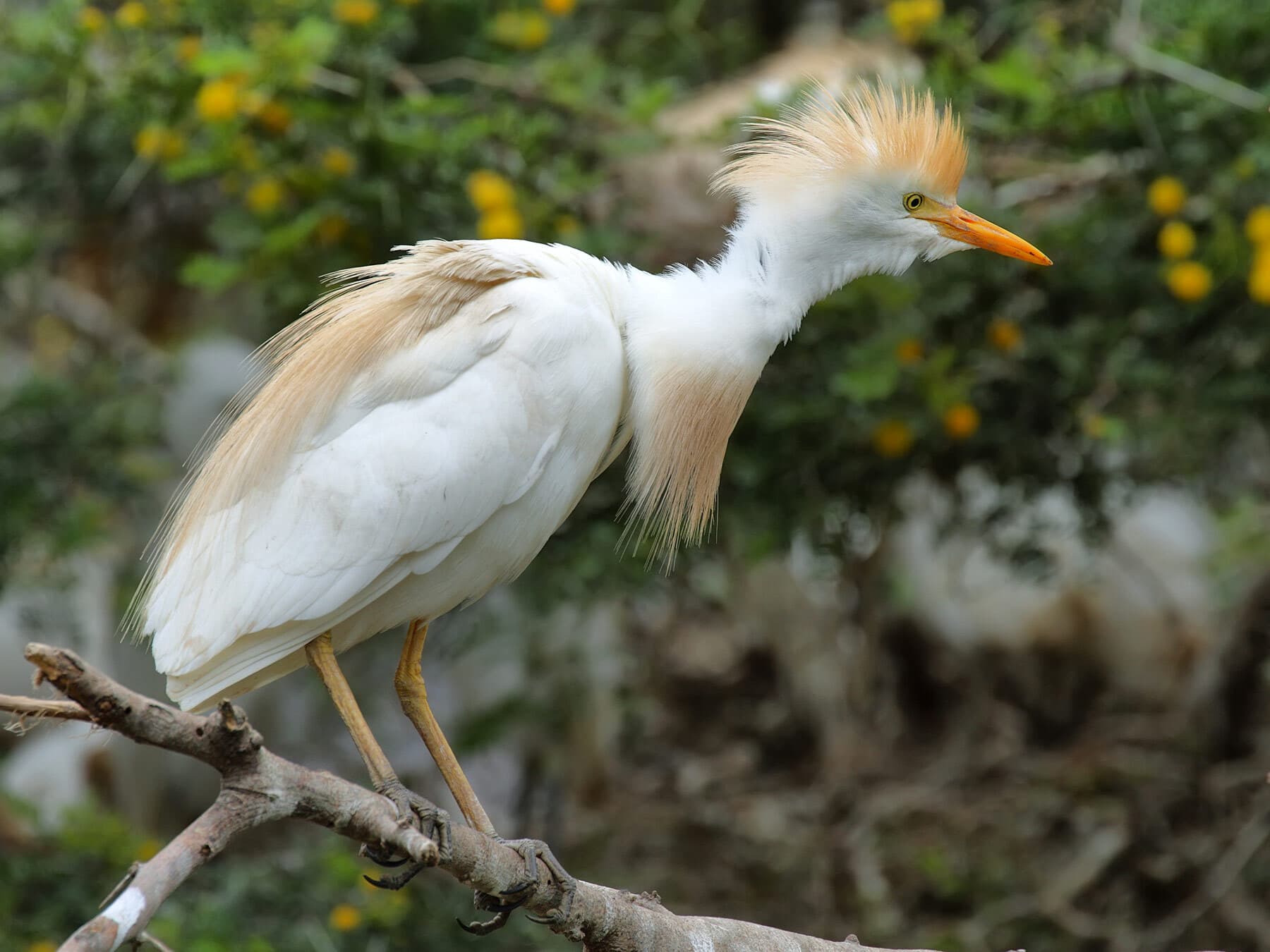 Cattle EgretArdea ibisResidentCommon46–56 cmRecorded all year · 0.72% in Jun
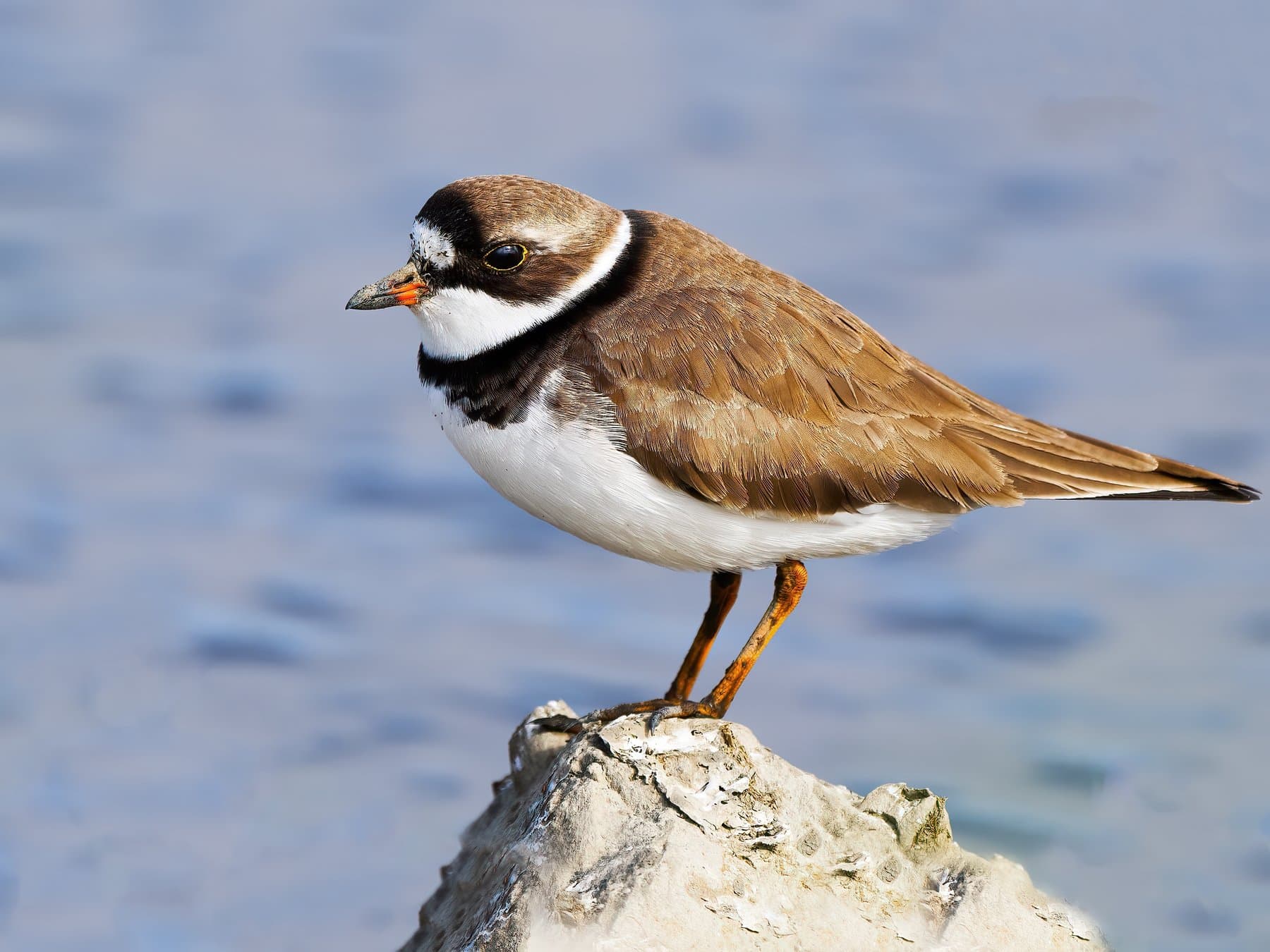 Semipalmated PloverCharadrius semipalmatusResidentCommon17–19 cmRecorded all year · 0.69% in Jun
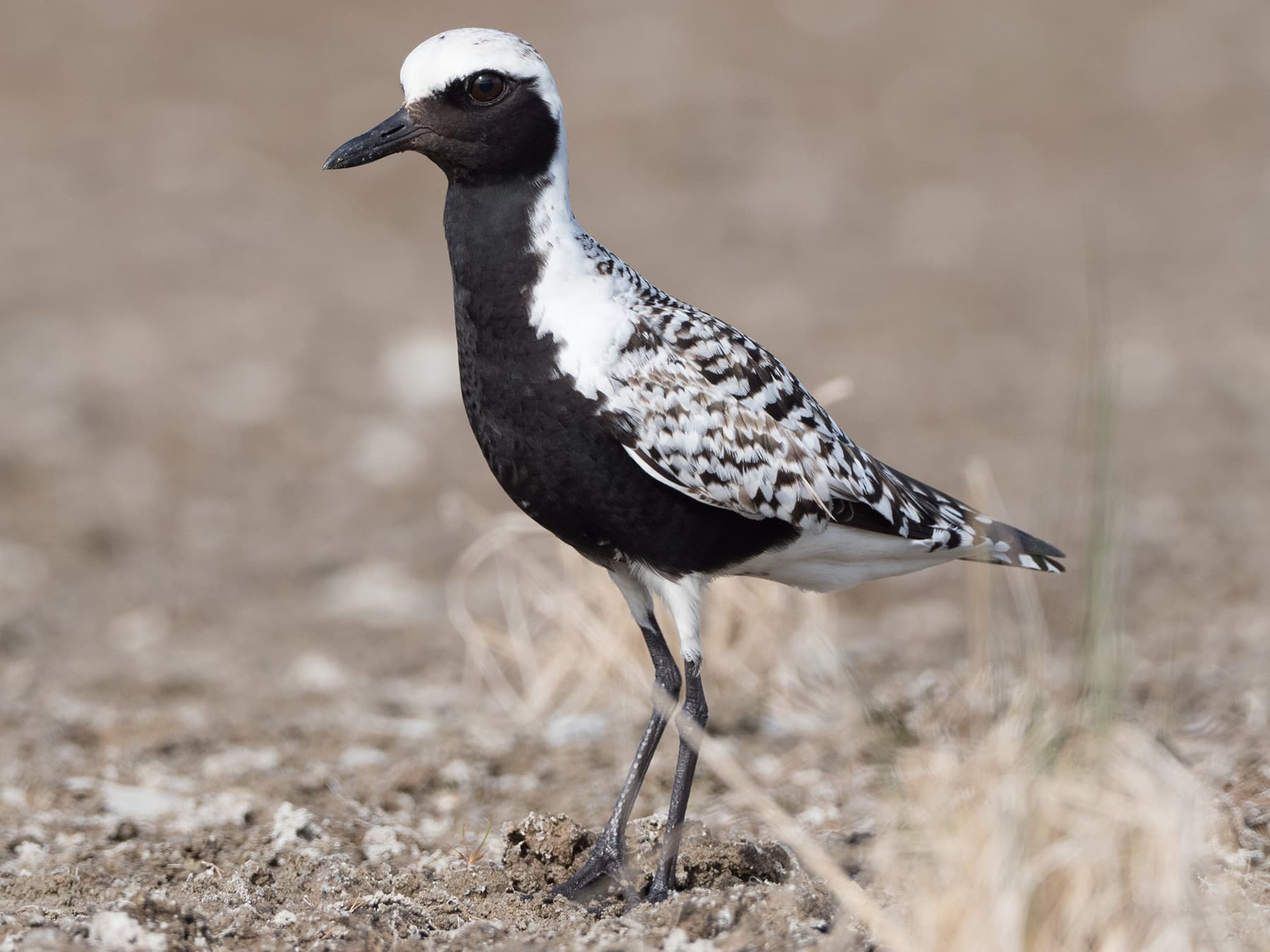 Grey PloverPluvialis squatarolaResidentCommon27–30 cmRecorded all year · 0.61% in Jun
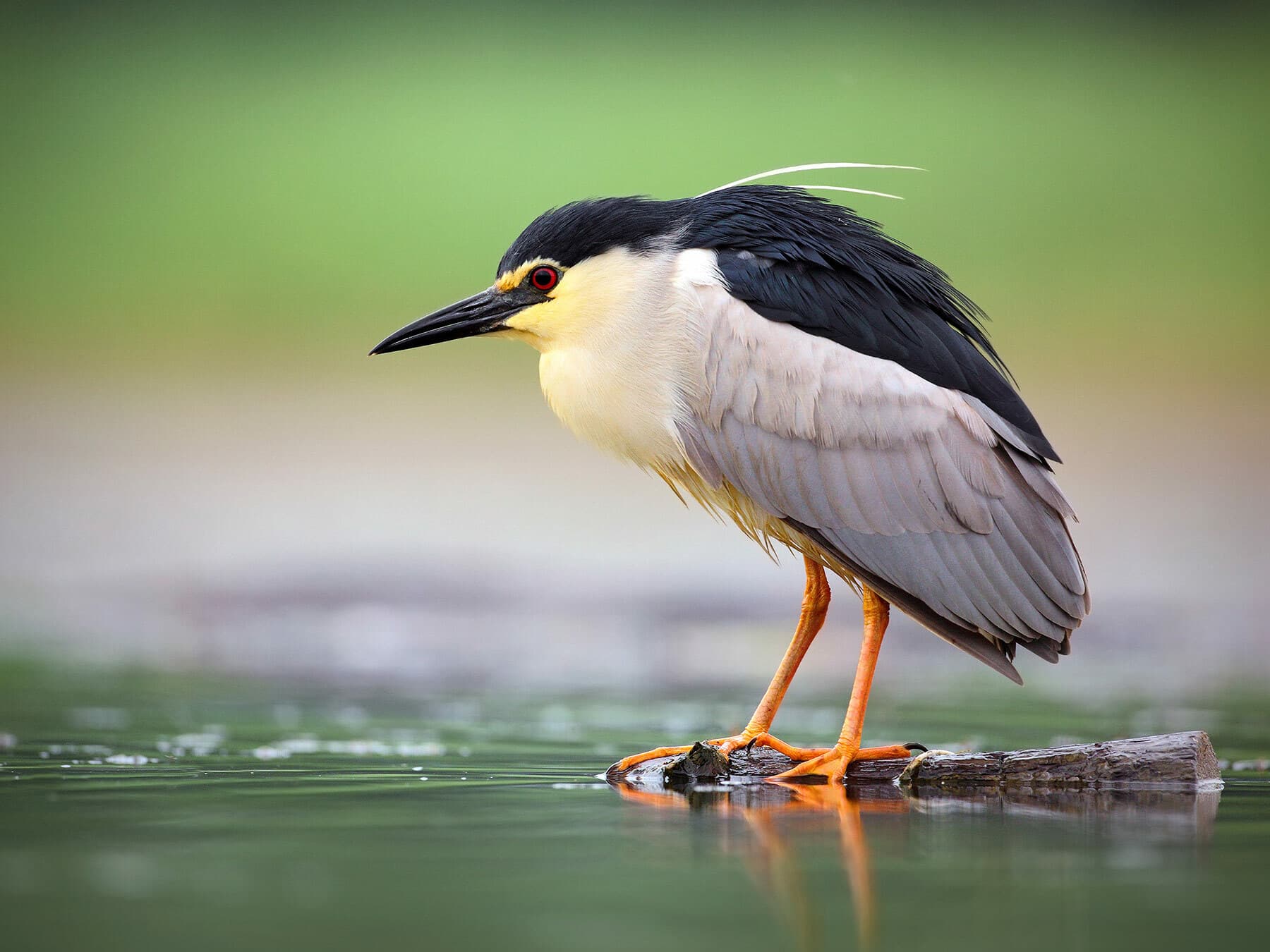 Black-crowned Night-heronNycticorax nycticoraxResidentCommon58–65 cmRecorded all year · 0.59% in Jun
 Ruddy TurnstoneArenaria interpresResidentCommon21–24 cmRecorded all year · 0.57% in Jun
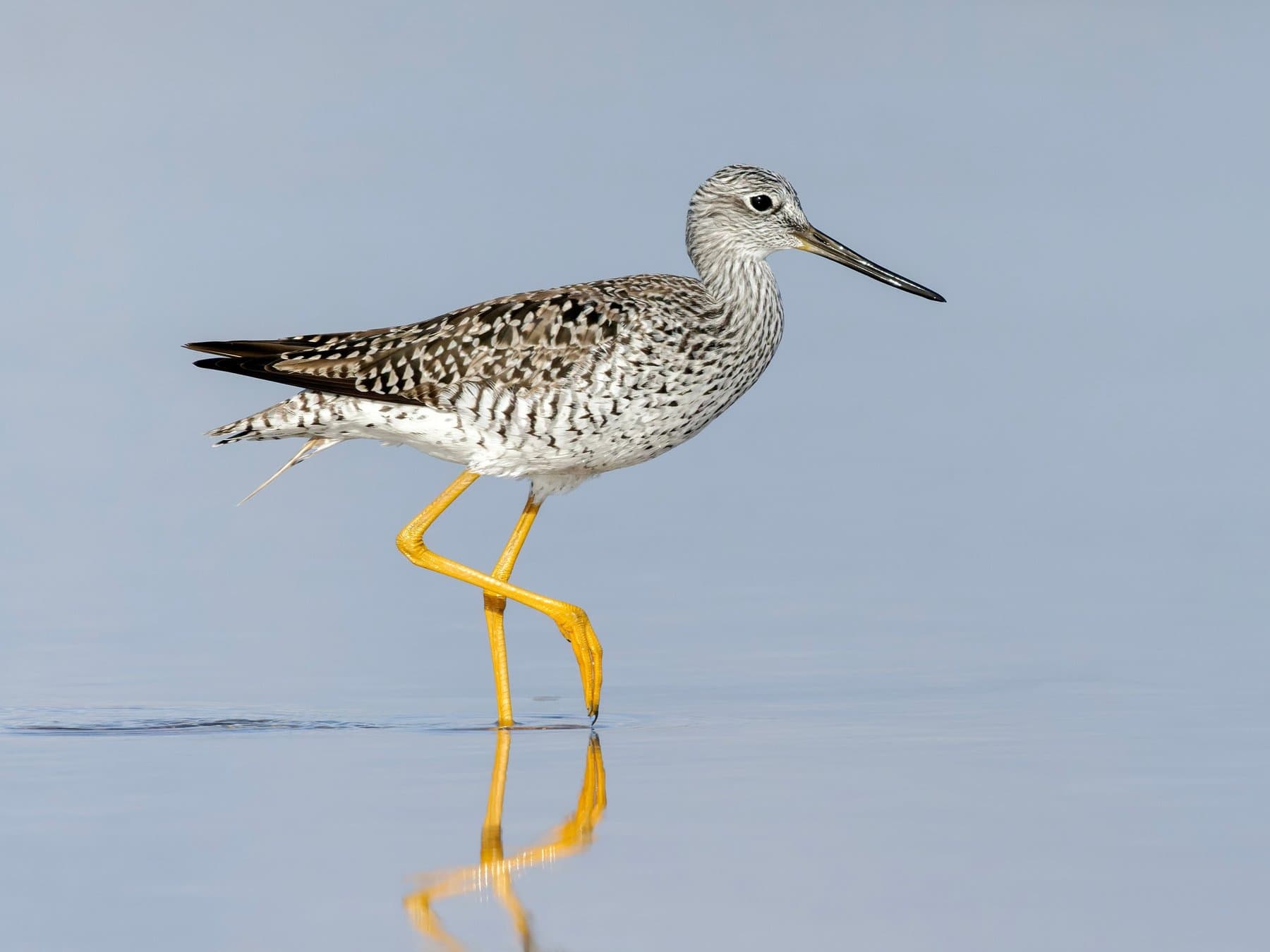 Greater YellowlegsTringa melanoleucaResidentCommon29–40 cmRecorded all year · 0.47% in Jun
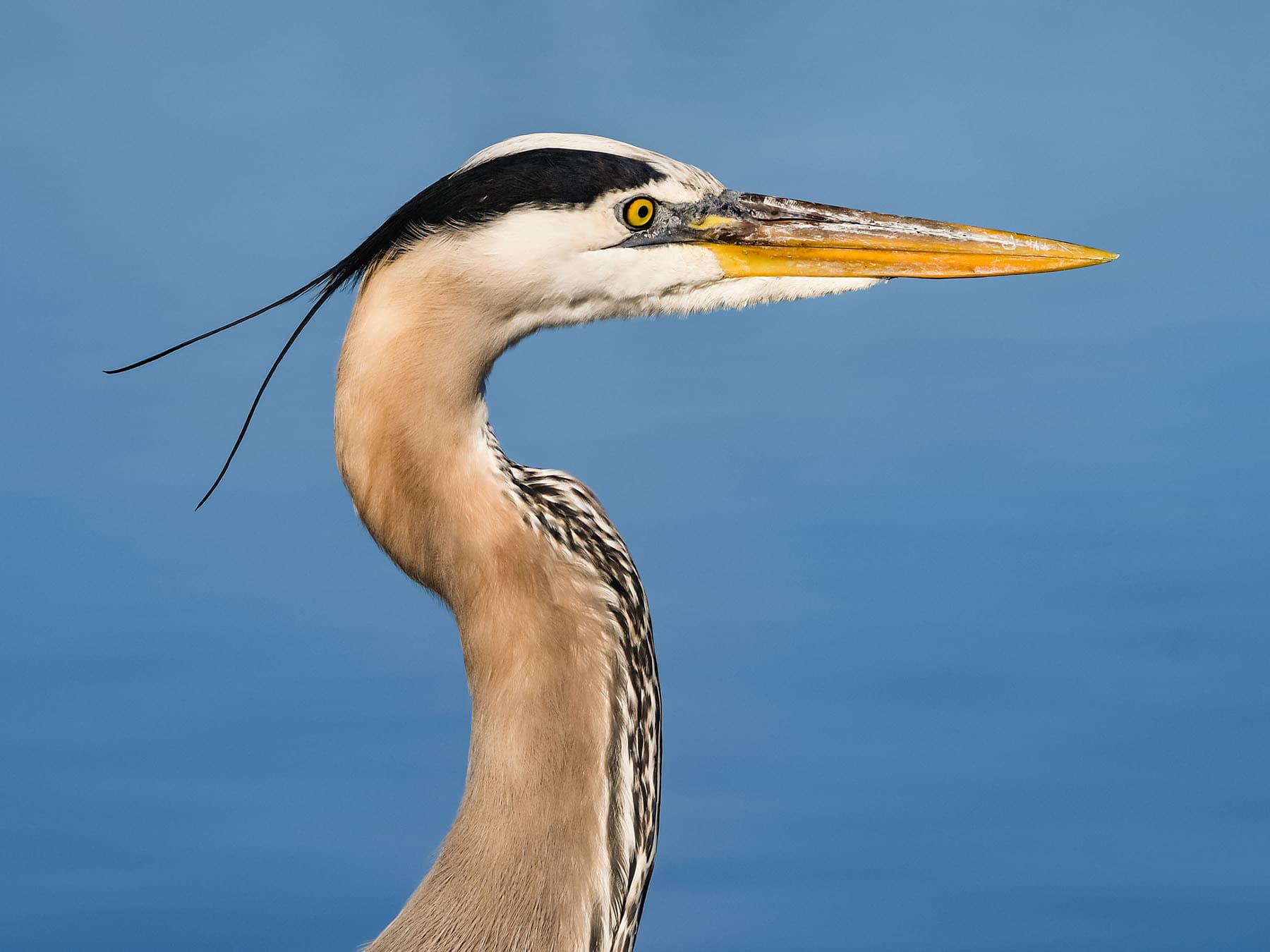 Great Blue HeronArdea herodiasResidentCommon91–137 cmRecorded all year · 0.45% in Jun
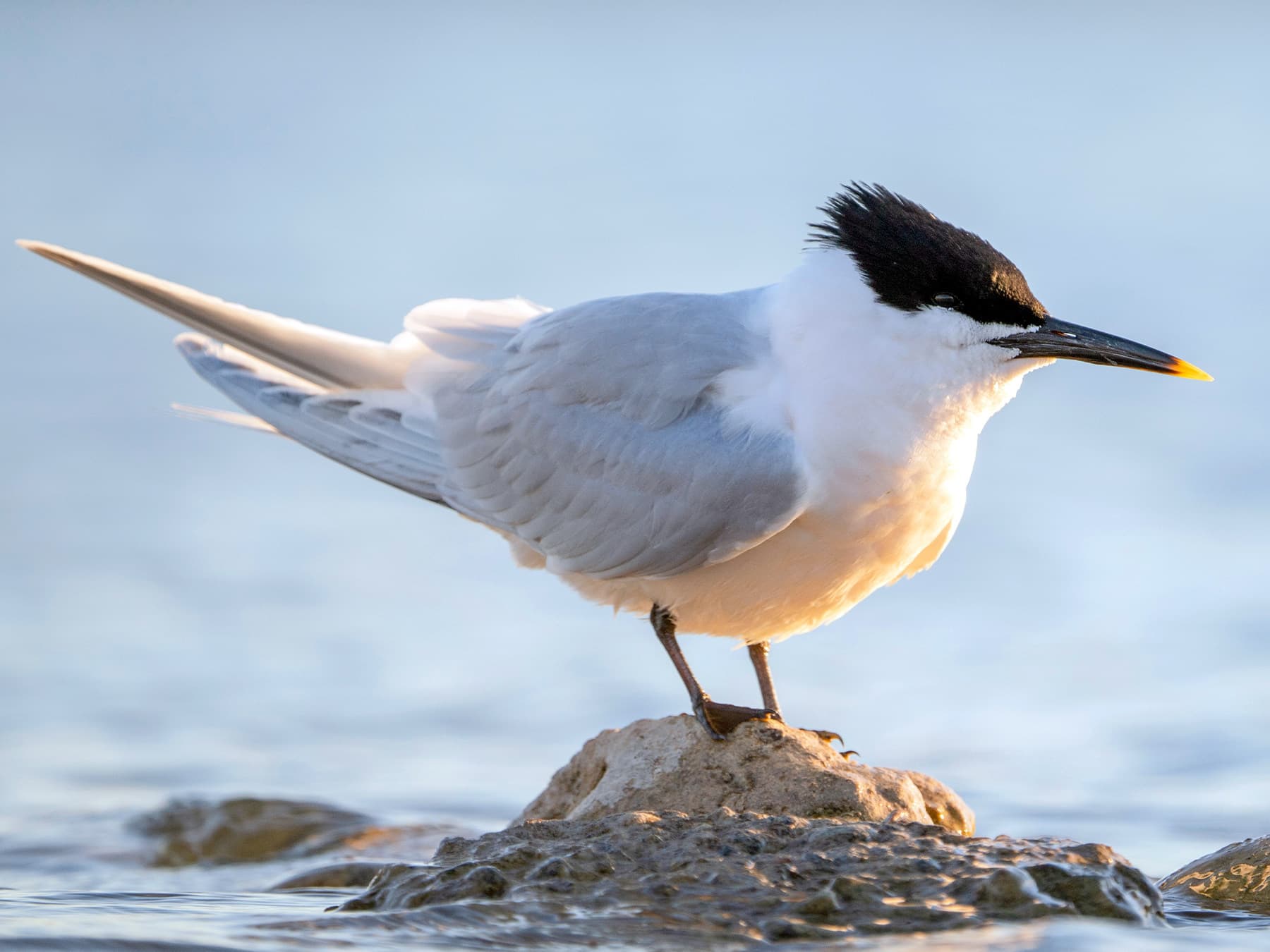 Sandwich TernThalasseus sandvicensisSummer visitorUncommon36–41 cmRegularly Dec–Oct · 0.37% in Jun
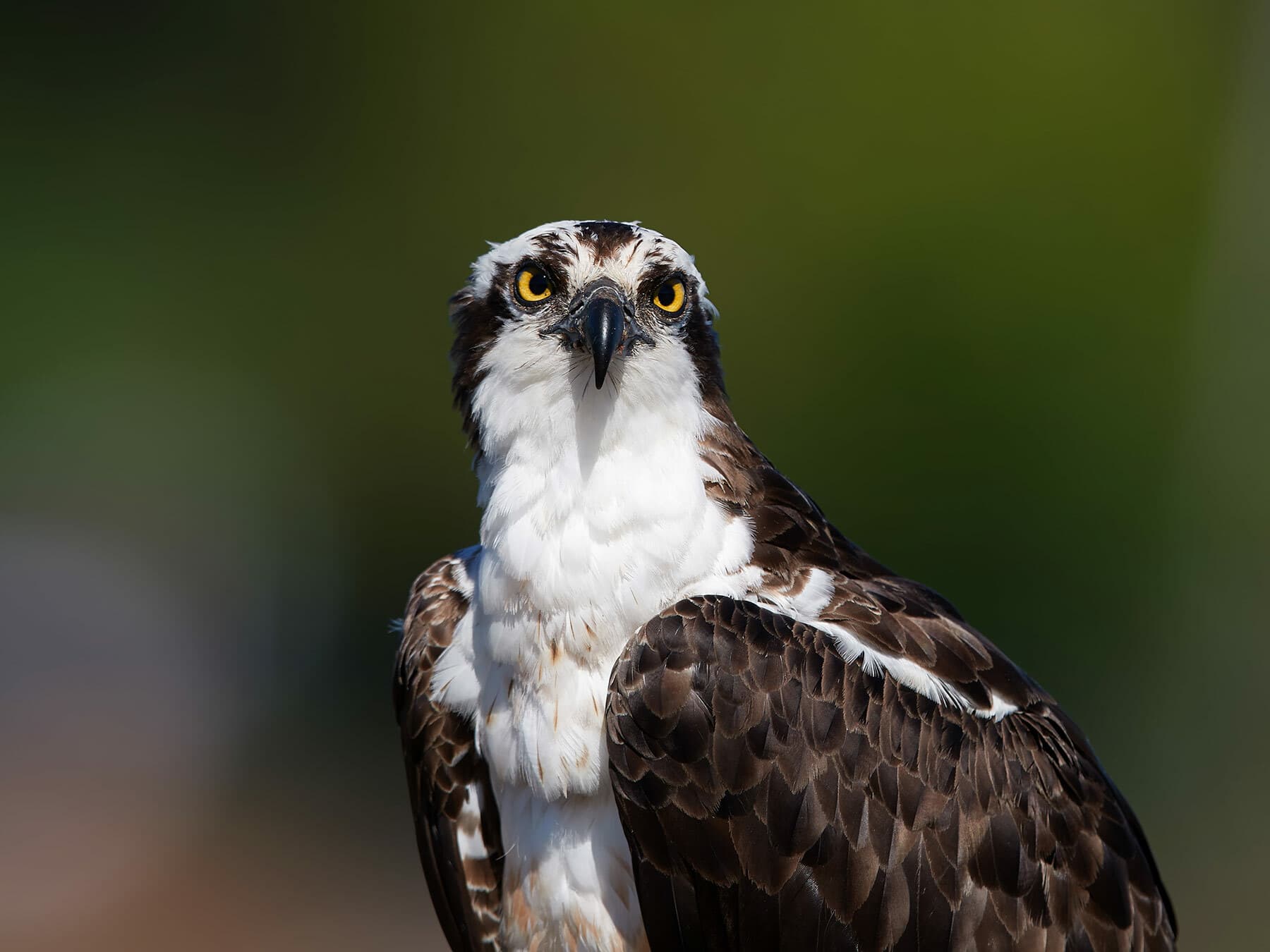 OspreyPandion haliaetusResidentCommon54–58 cmRecorded all year · 0.35% in Jun
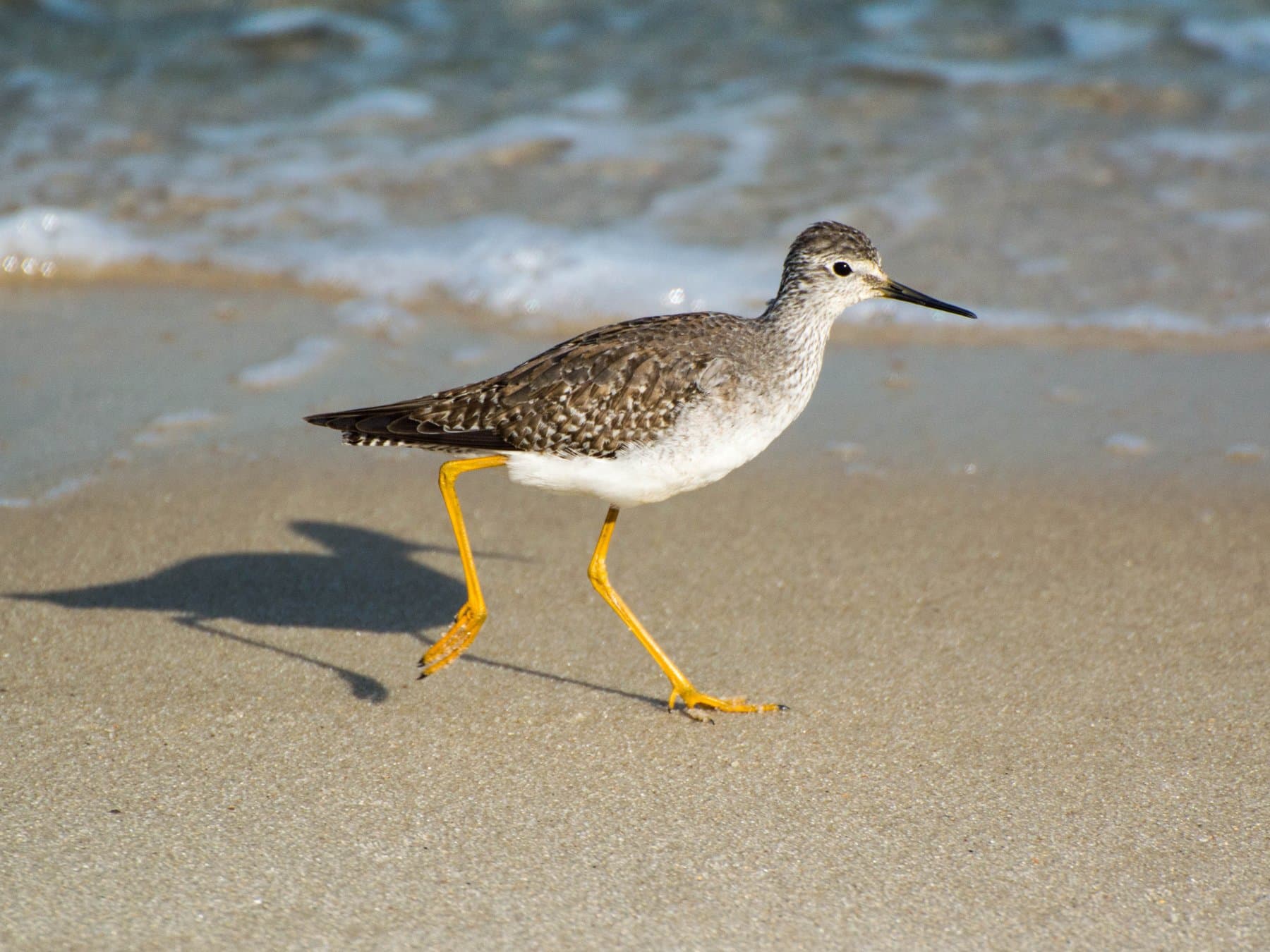 Lesser YellowlegsTringa flavipesWinter visitorCommon23–27 cmRecorded all year · 0.28% in Jun
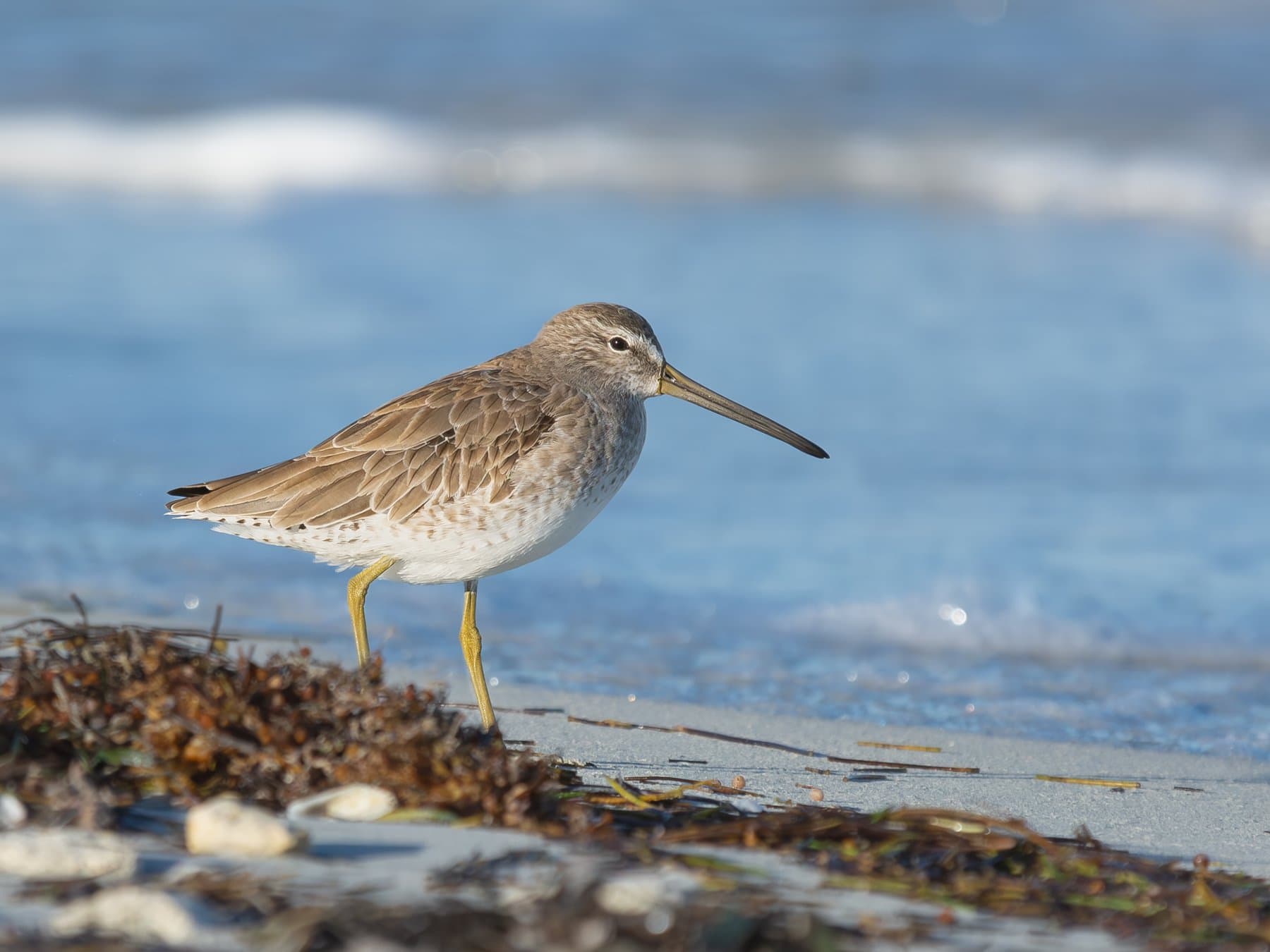 Short-billed DowitcherLimnodromus griseusWinter visitorCommon23–32 cmRecorded all year · 0.20% in Jun
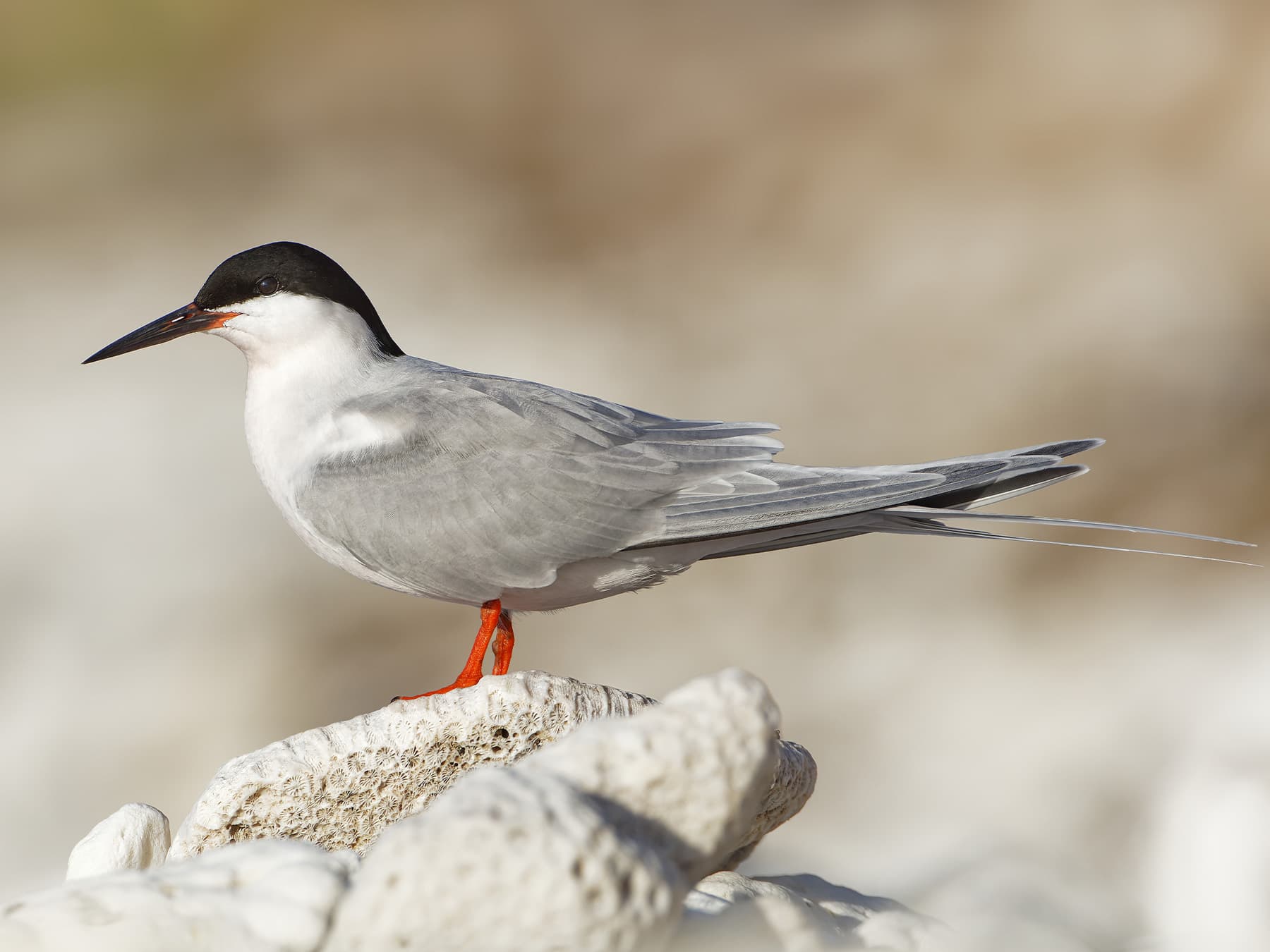 Roseate TernSterna dougalliiSummer visitorUncommon33–41 cmRegularly Apr–Sep · 0.16% in Jun
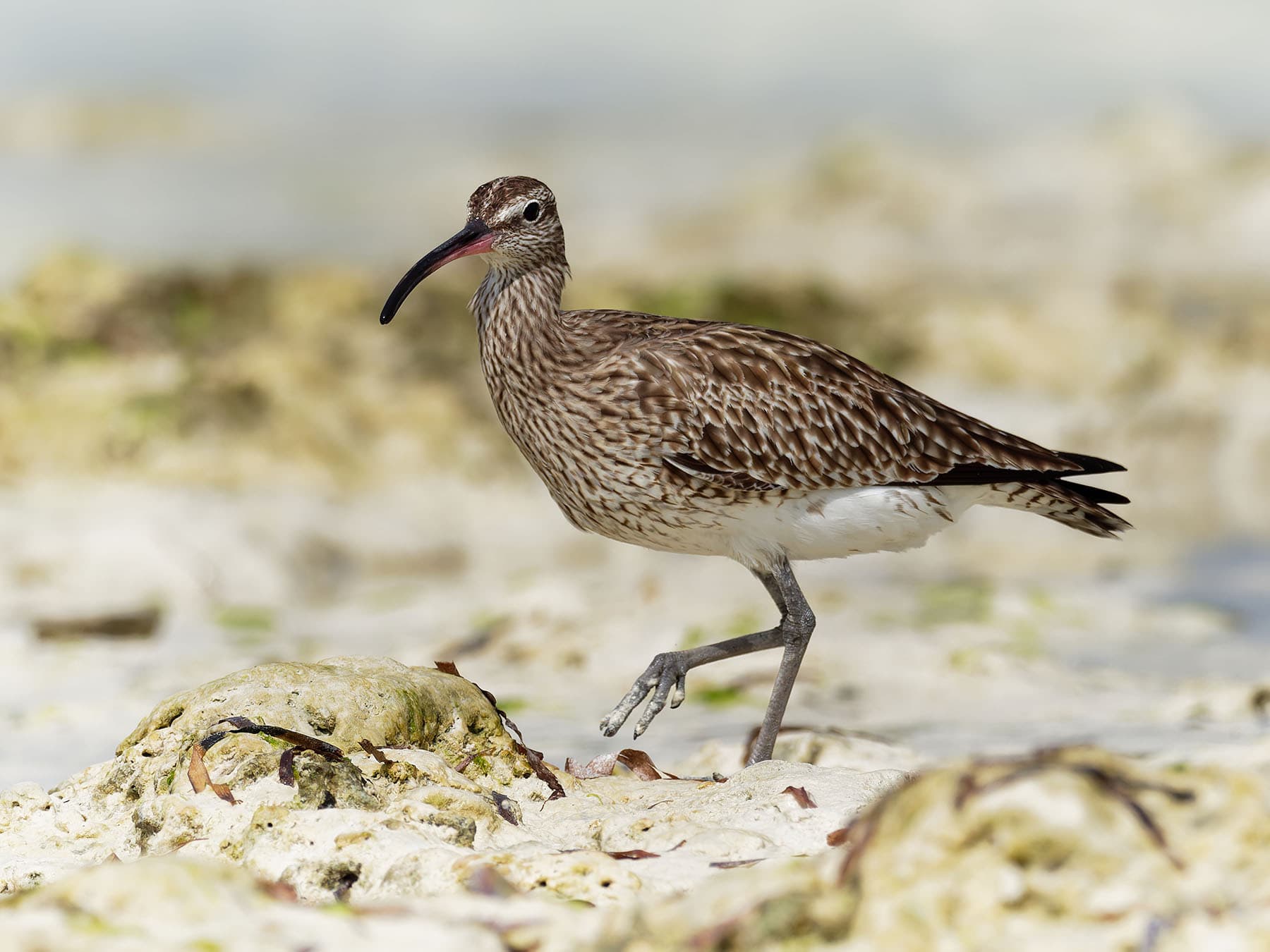 WhimbrelNumenius phaeopusResidentUncommon40–46 cmRecorded all year · 0.16% in Jun
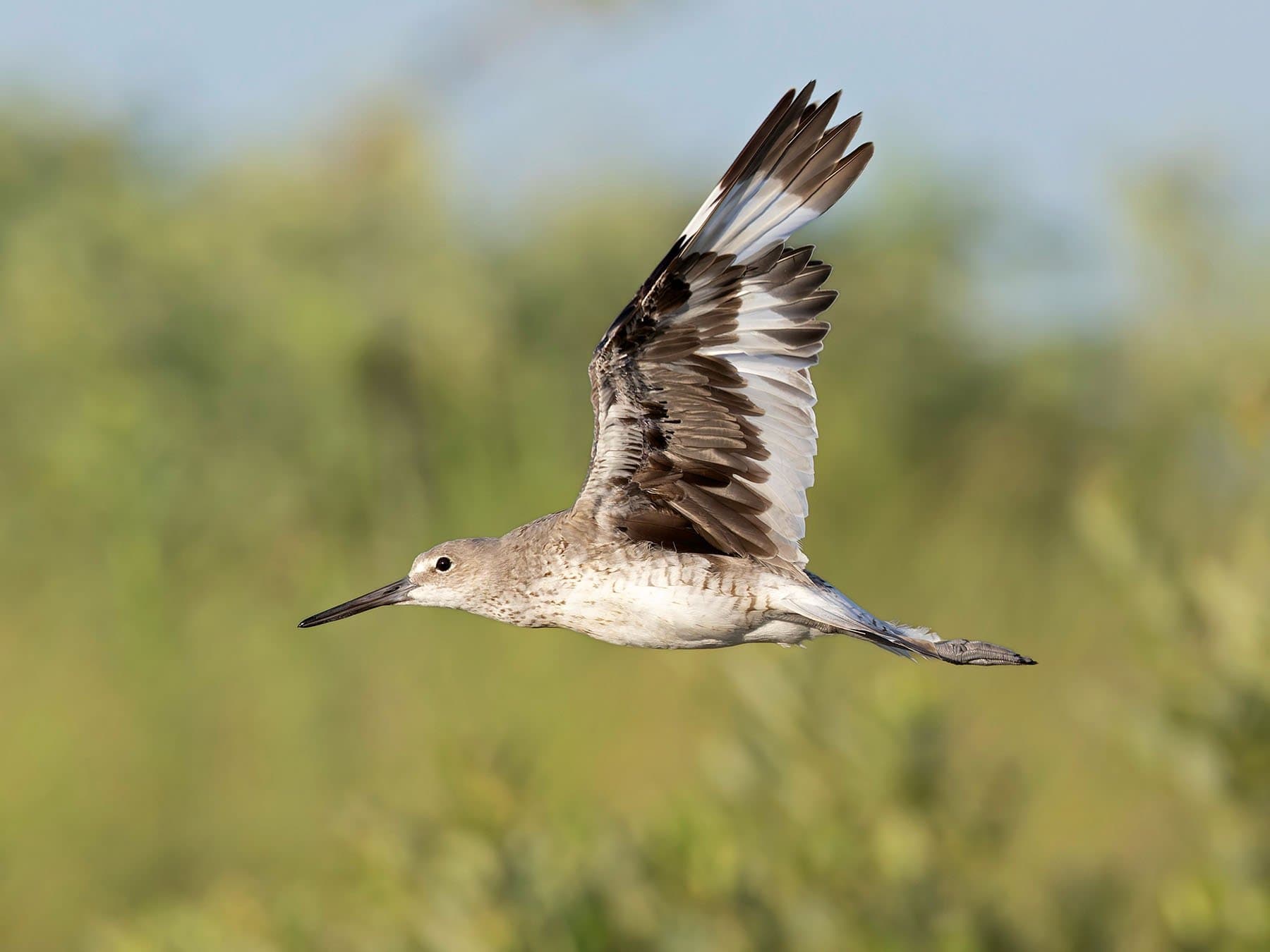 WilletTringa semipalmataResidentUncommon33–41 cmRecorded all year · 0.10% in Jun
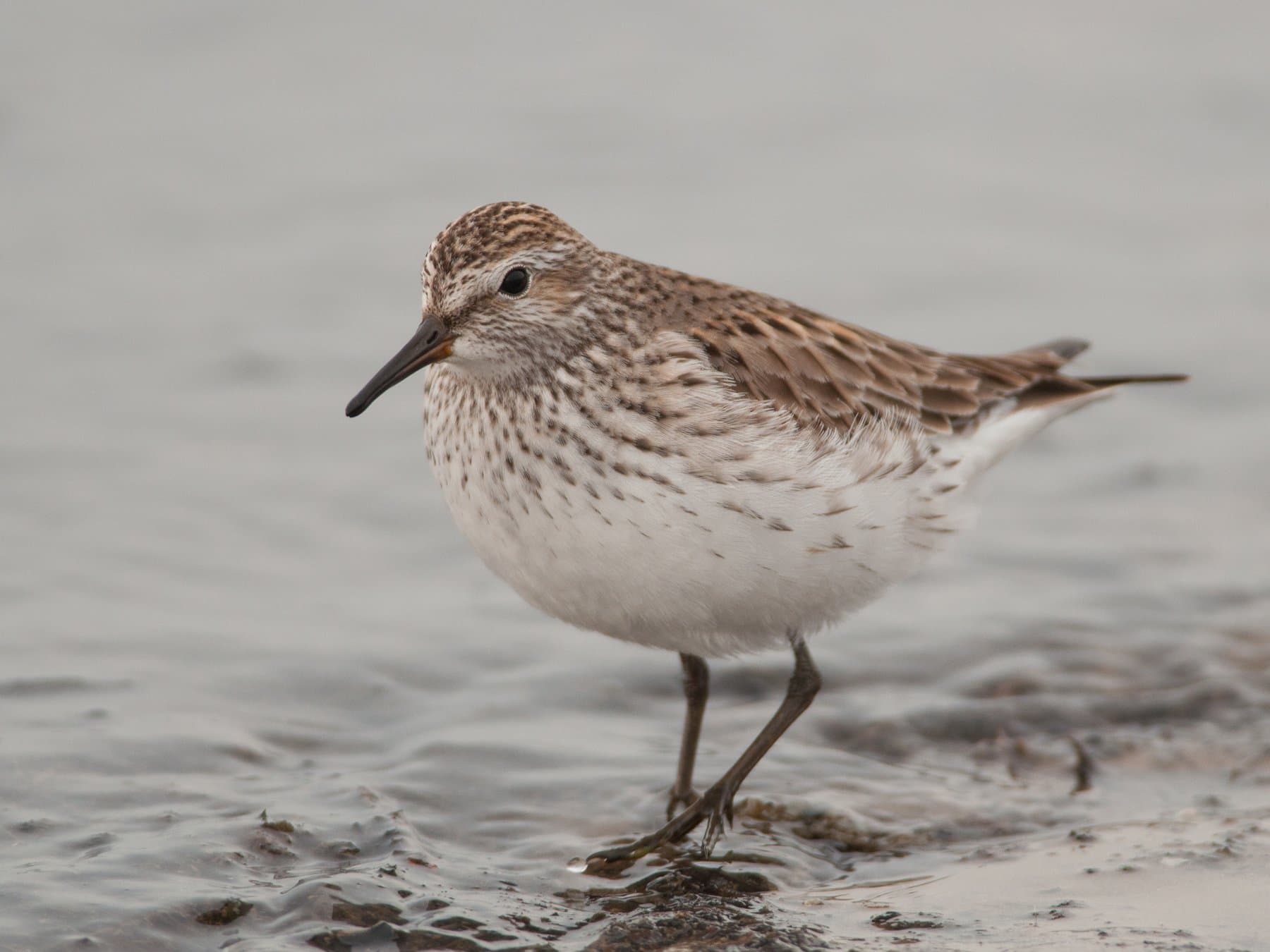 White-rumped SandpiperCalidris fuscicollisPassage migrantCommon15–18 cmRegularly May–Nov · 0.07% in Jun
Smallest to largest
Length, cm- House Sparrow 14–17 cm
- White-rumped Sandpiper 15–18 cm
- Semipalmated Plover 17–19 cm
- Ruddy Turnstone 21–24 cm
- Lesser Yellowlegs 23–27 cm
- Short-billed Dowitcher 23–32 cm
- Grey Plover 27–30 cm
- Rock Dove 31–34 cm
- Common Tern 31–35 cm
- Pied-billed Grebe 31–38 cm
- Greater Yellowlegs 29–40 cm
- Roseate Tern 33–41 cm
- Willet 33–41 cm
- Sandwich Tern 36–41 cm
- Whimbrel 40–46 cm
- Cattle Egret 46–56 cm
- Osprey 54–58 cm
- Black-crowned Night-heron 58–65 cm
- Great White Egret 80–104 cm
- Great Blue Heron 91–137 cm
Body length, bill to tail. Rare birds in grey.
Data: EOD – eBird Observation Dataset (Cornell Lab of Ornithology), accessed via GBIF.org, CC BY 4.0. Records from 2019–2024, aggregated and filtered by Birdfact. How these lists are made