Birds in Wales
Explore 203 species found in this region.
Wales is home to an impressive diversity of birdlife, with 199 recorded species found across its rugged coastlines, estuaries, upland moors, and ancient woodlands. From wintering wildfowl such as the Pink-footed Goose and Northern Pintail on coastal wetlands to woodland favourites like the Great Tit and Eurasian Woodcock, the country offers exceptional birding opportunities year-round. Wales's varied habitats also support notable waders including the Northern Lapwing and Common Sandpiper, alongside more unexpected residents such as the Mandarin Duck.
Visiting in September? Look out for Black Tern and Brent Goose arriving this month, and Atlantic Puffin and European Storm-petrel depart for the season.


Get a monthly guide to birds in Wales
Find out which birds are visiting your area this month, with seasonal tips and garden advice
Get Your Free DigestShowing 70–92 of 203 species
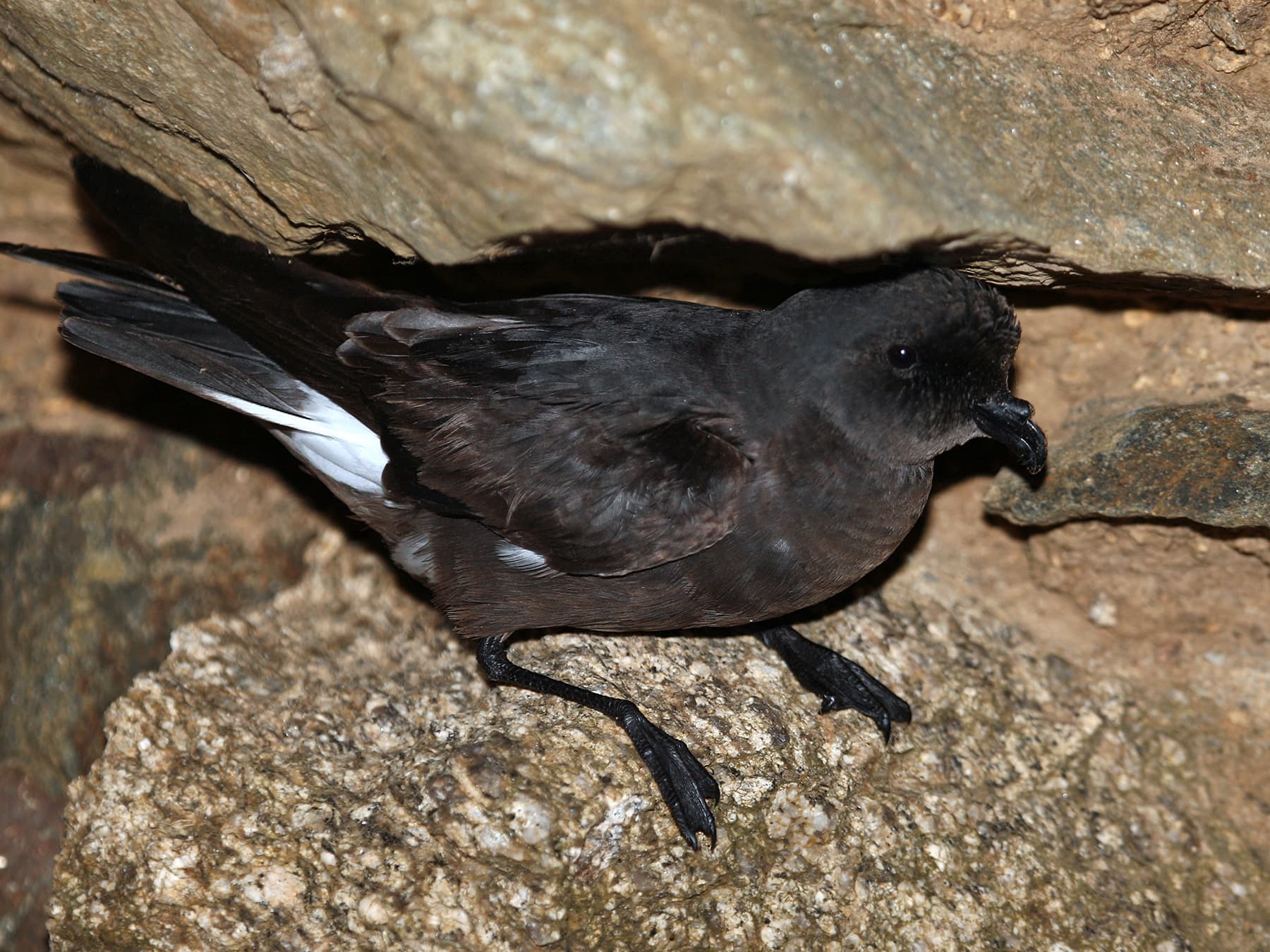
European Storm-petrel
Hydrobates pelagicusLC
A rare passage visitor in July and August, sometimes driven close to shore by storms. Breeds on islands off Pembrokeshire.
Jul–Aug
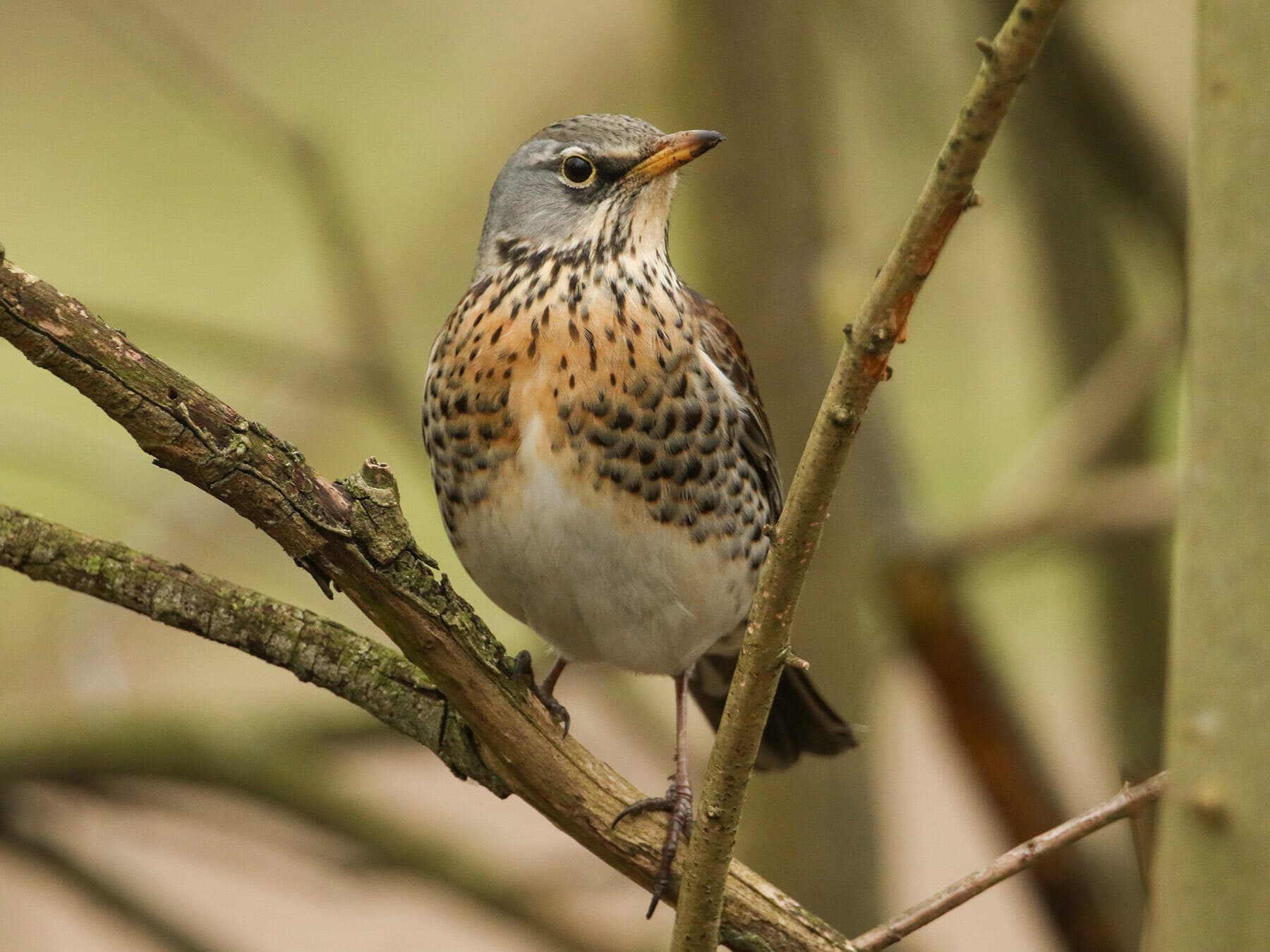
Fieldfare
Turdus pilarisLC
A winter thrush arriving from Scandinavia, often seen in noisy flocks feeding on berries in Welsh hedgerows and open fields.
Oct–Apr
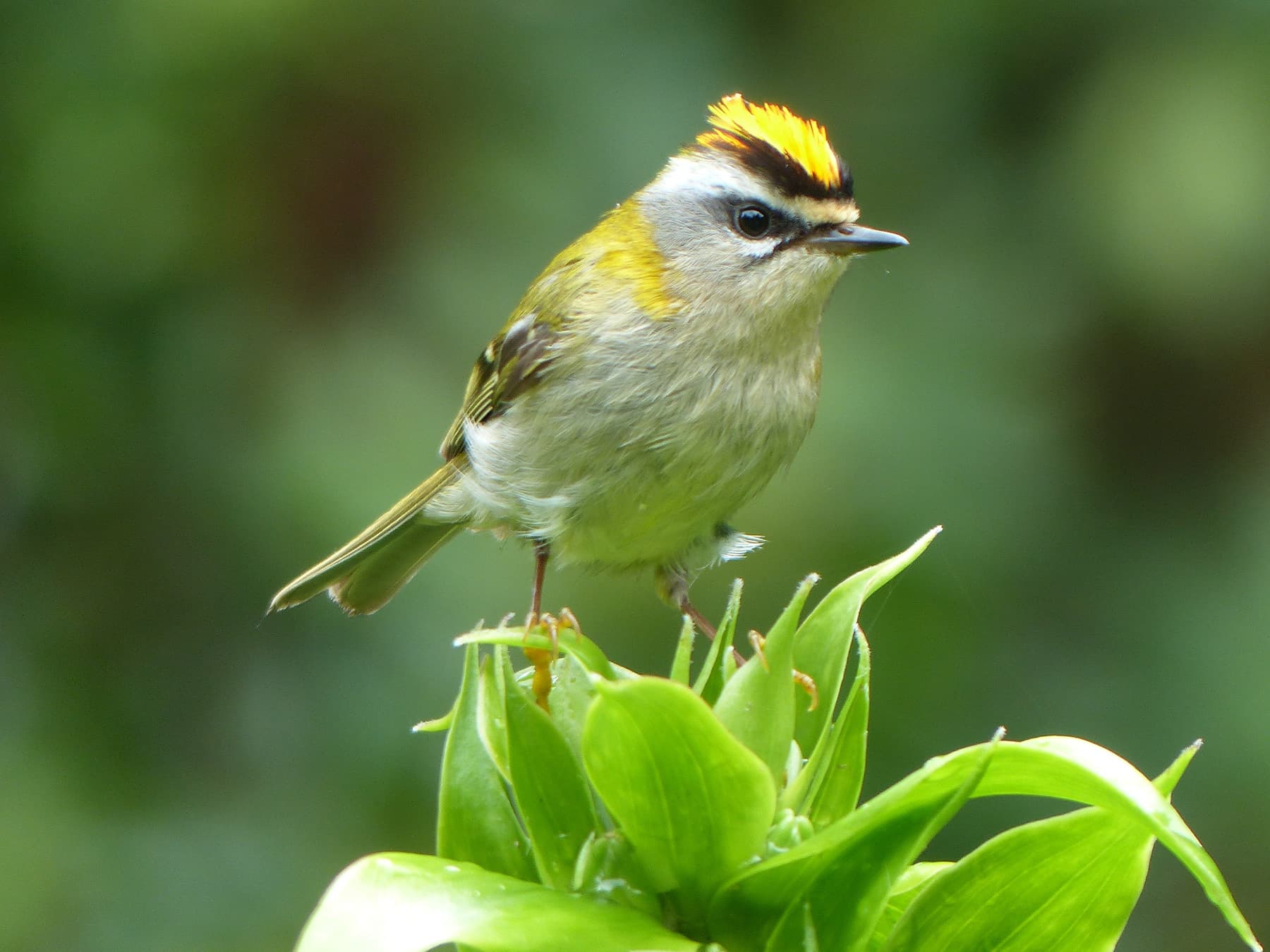
Firecrest
Regulus ignicapillaLC
A rare non-breeding visitor, mainly recorded from October to March. Look for its bold head stripes among coastal scrub and conifers.
Oct–Mar
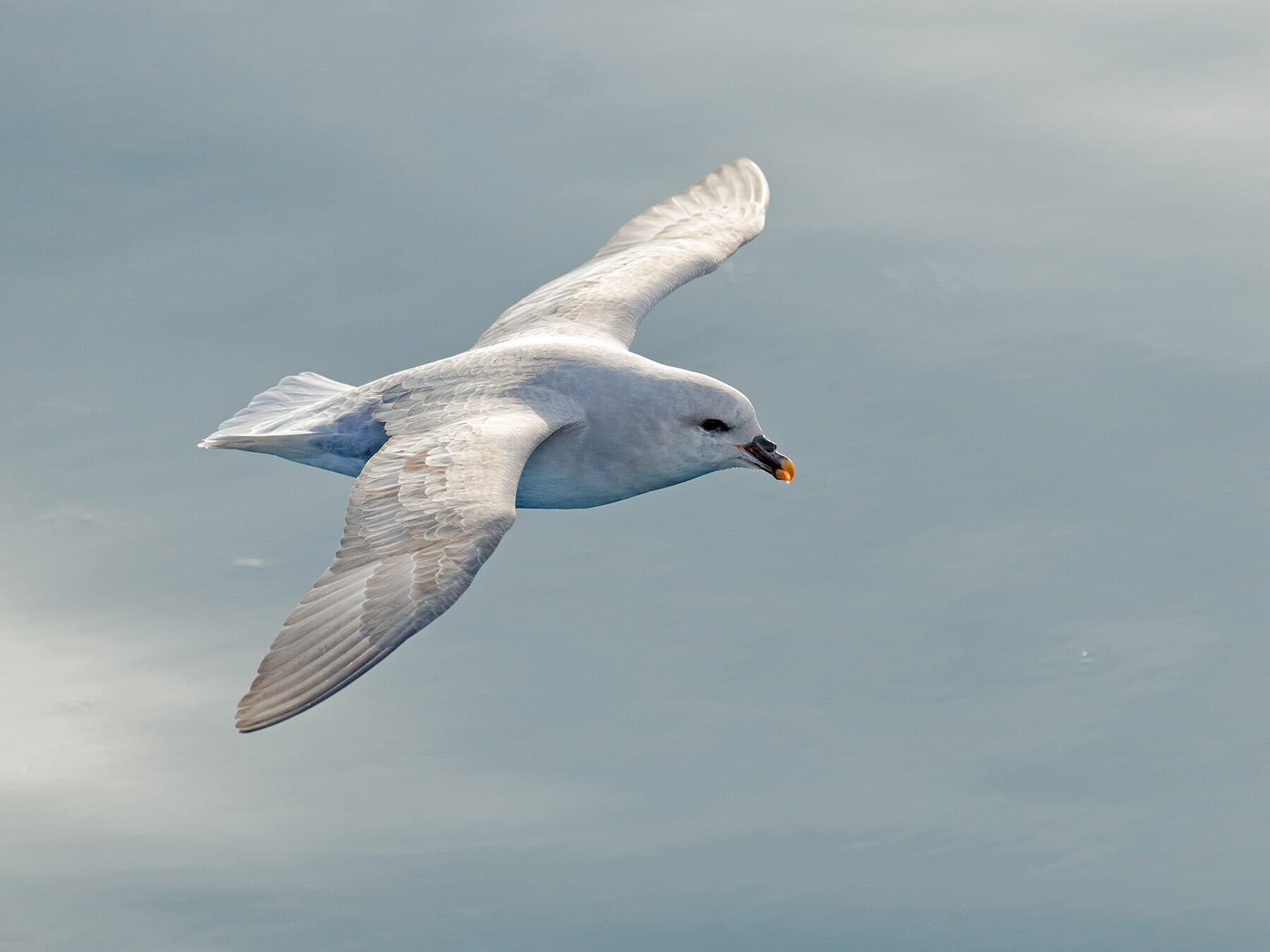
Fulmar
Fulmarus glacialisLC
An uncommon resident breeding on dramatic Welsh sea cliffs, particularly on Pembrokeshire's coast and Bardsey Island.
Year-round
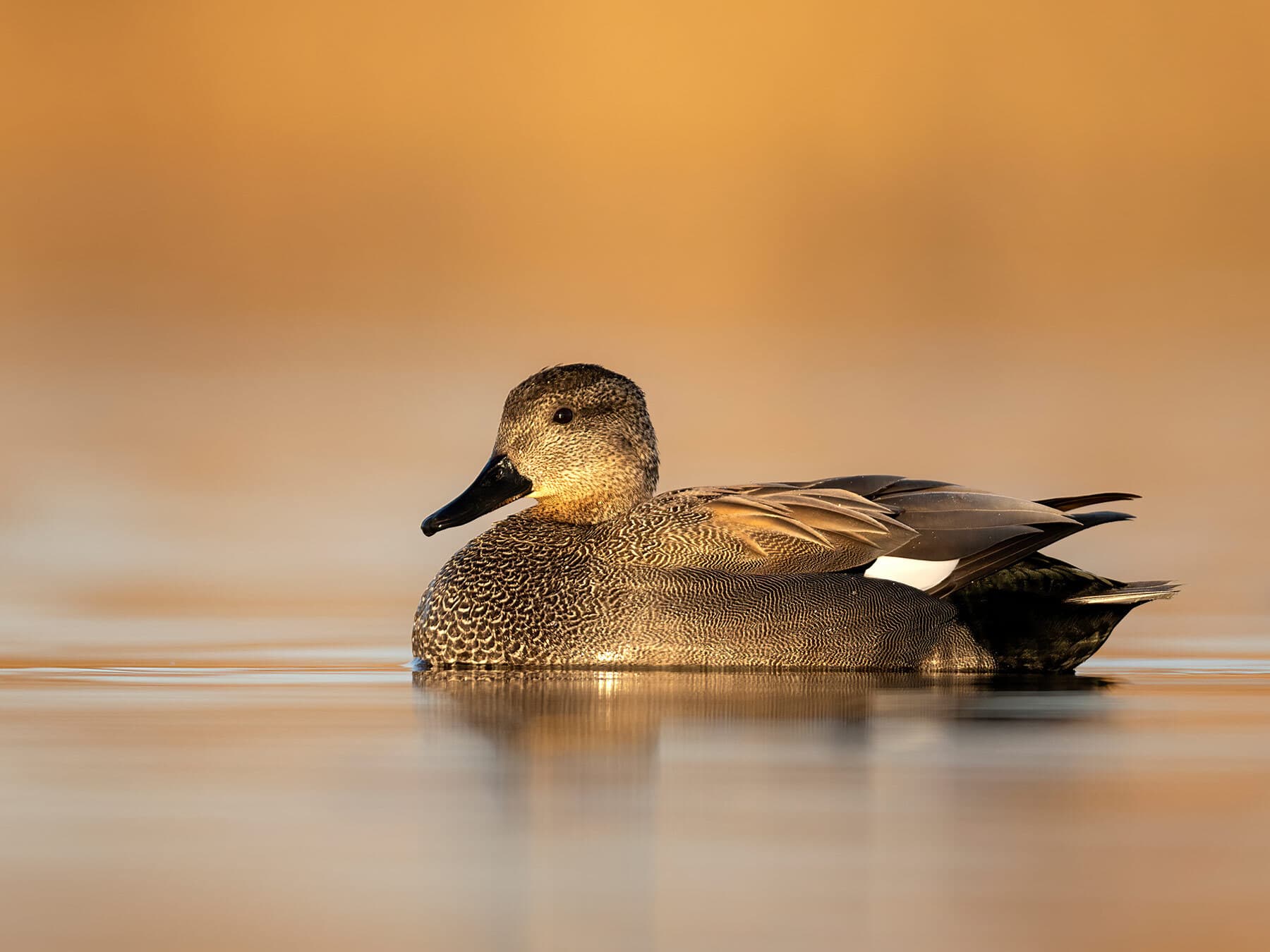
Gadwall
Mareca streperaLC
An uncommon but year-round resident, favouring lowland lakes and reservoirs. Often overlooked due to its subtle plumage compared to other dabbling ducks.
Year-round
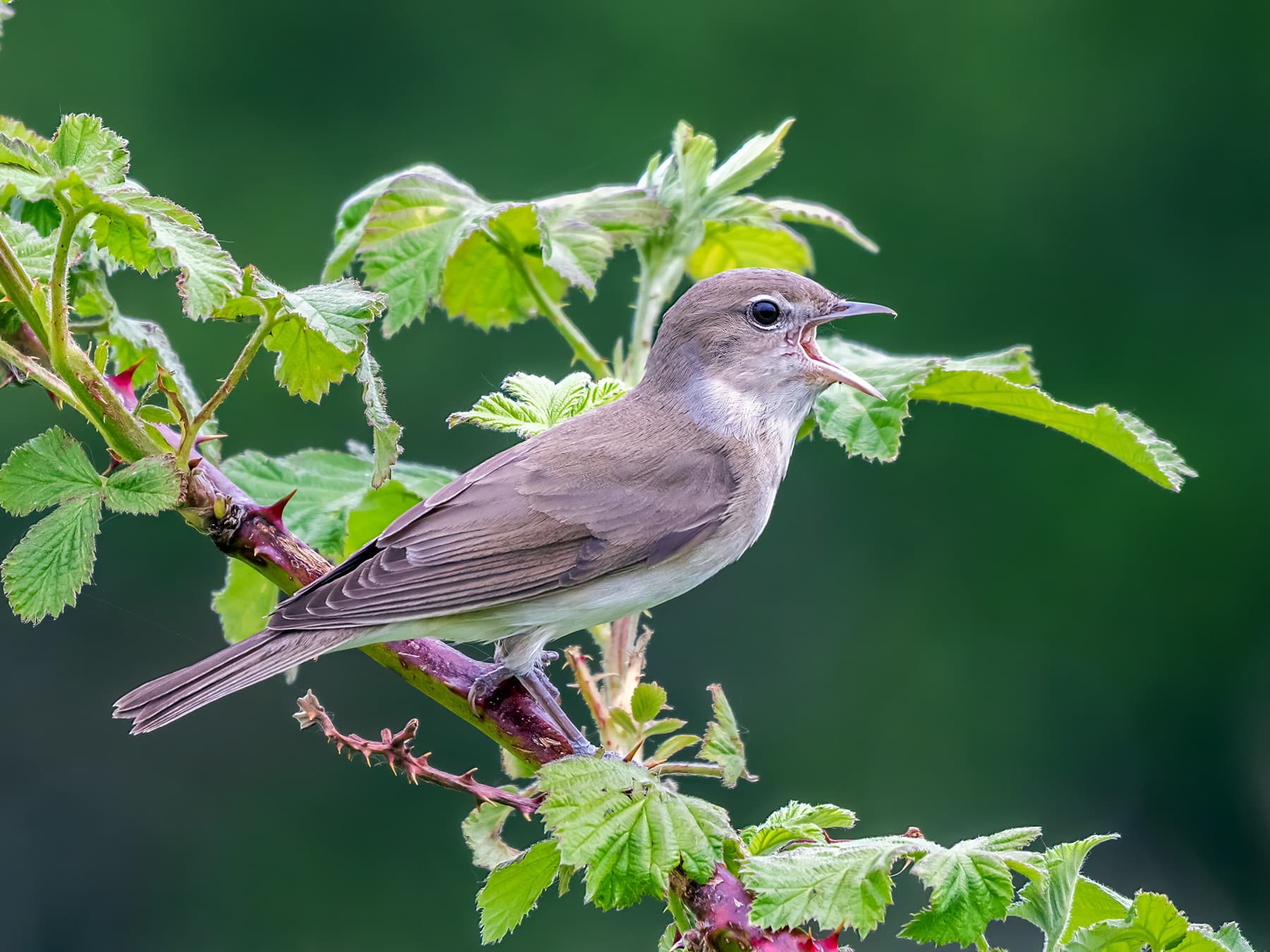
Garden Warbler
Sylvia borinLC
A rare summer breeder in dense deciduous woodland and scrub. Its unassuming song is easily overlooked from April to August.
Apr–Aug
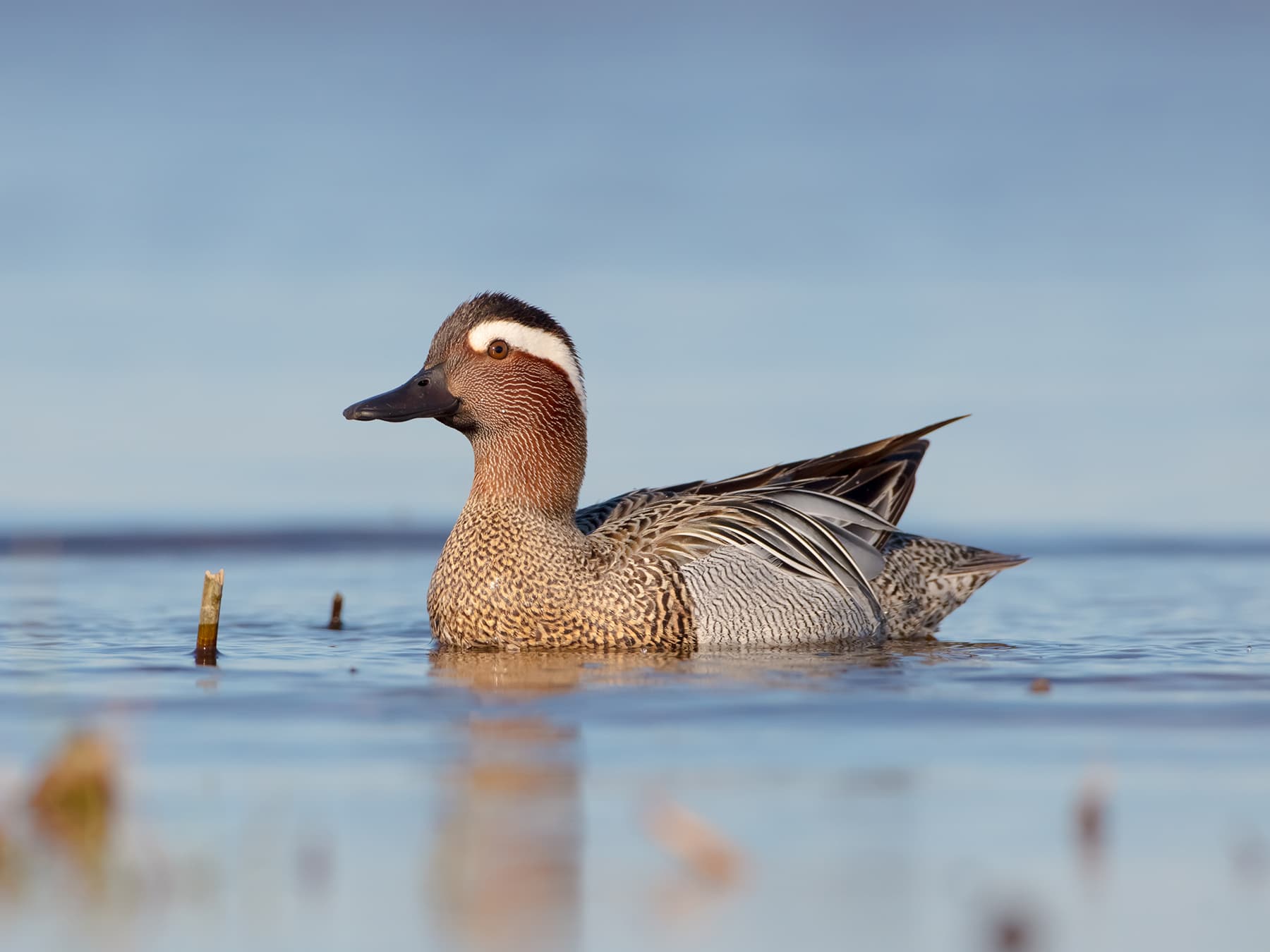
Garganey
Spatula querquedulaLC
A rare passage migrant through Wales in May and September, favouring shallow wetlands and marshy pools. One of the UK's scarcest breeding ducks.
May–Sep
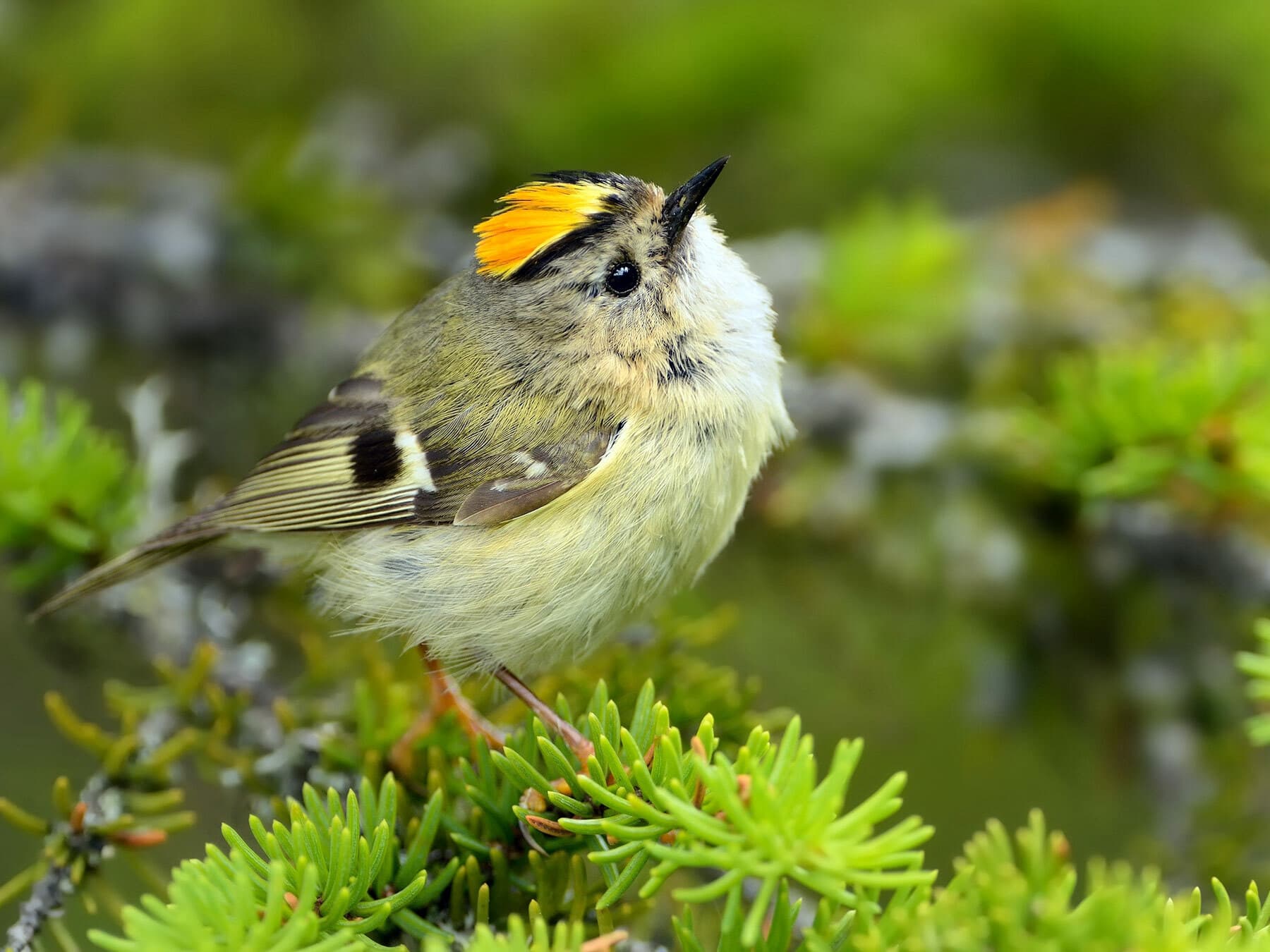
Goldcrest
Regulus regulusLC
A common resident of coniferous and mixed woodland. Britain's smallest bird, its high-pitched call rings through Welsh forests year-round.
Year-round
Spotted something?
Upload a photo to identify it
Identify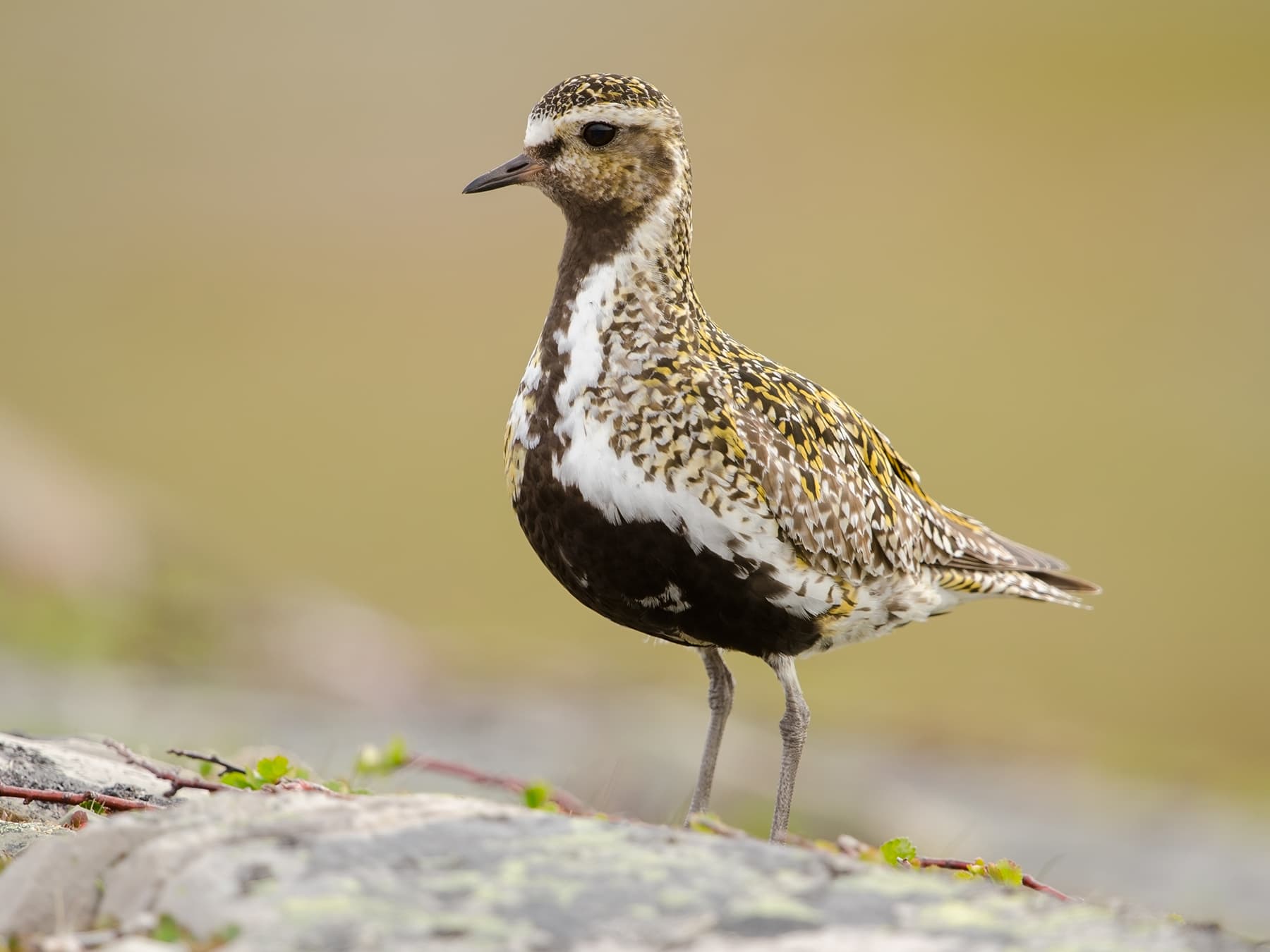
Golden Plover
Pluvialis apricariaLC
A rare winter visitor to Welsh farmland and estuaries. Flocks may gather on ploughed fields and coastal marshes from autumn through early spring.
Sep–Apr
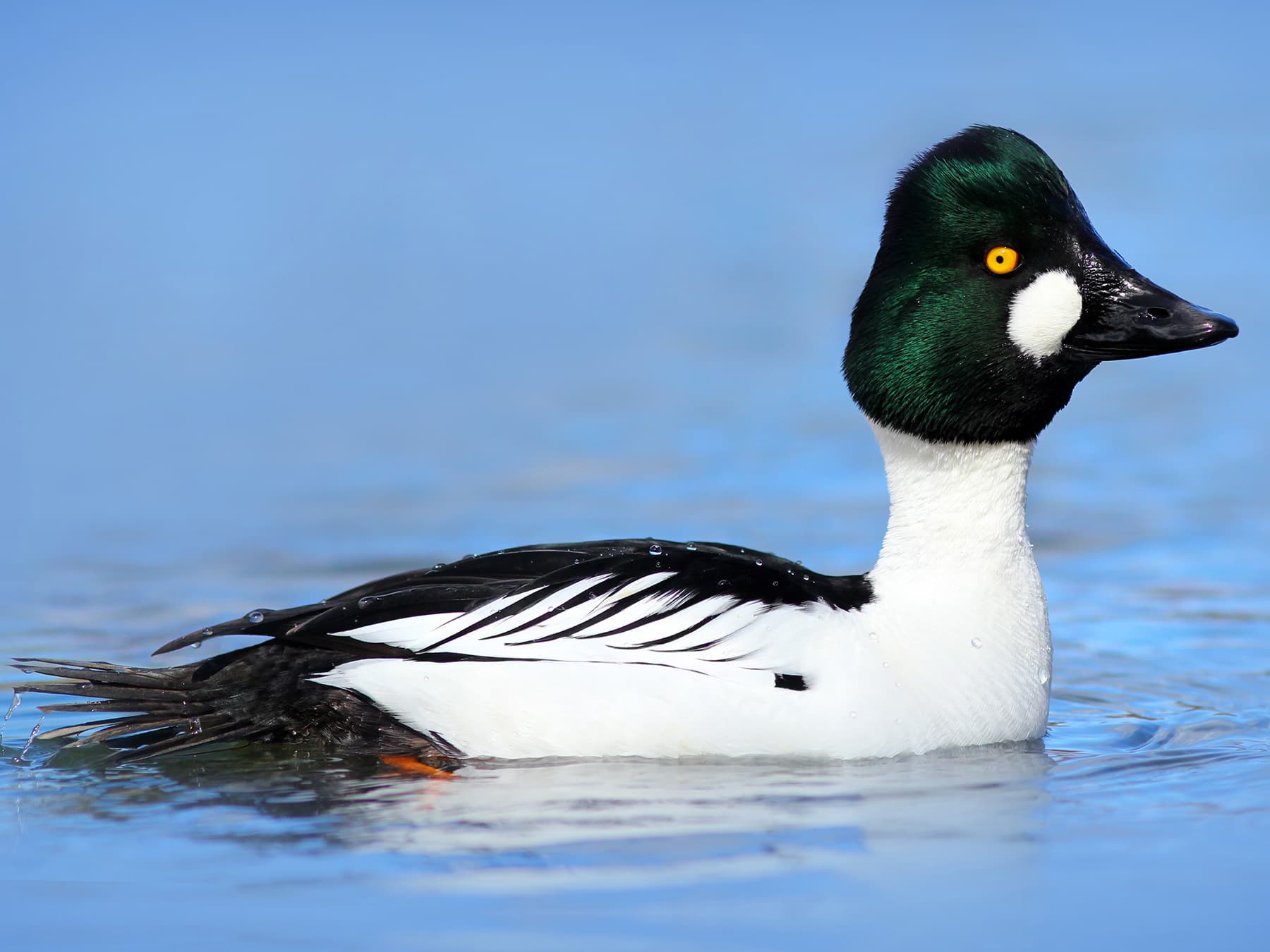
Goldeneye
Bucephala clangulaLC
An uncommon winter visitor to Welsh lakes and reservoirs from October to April. Males display striking black-and-white plumage with a greenish head sheen.
Oct–Apr
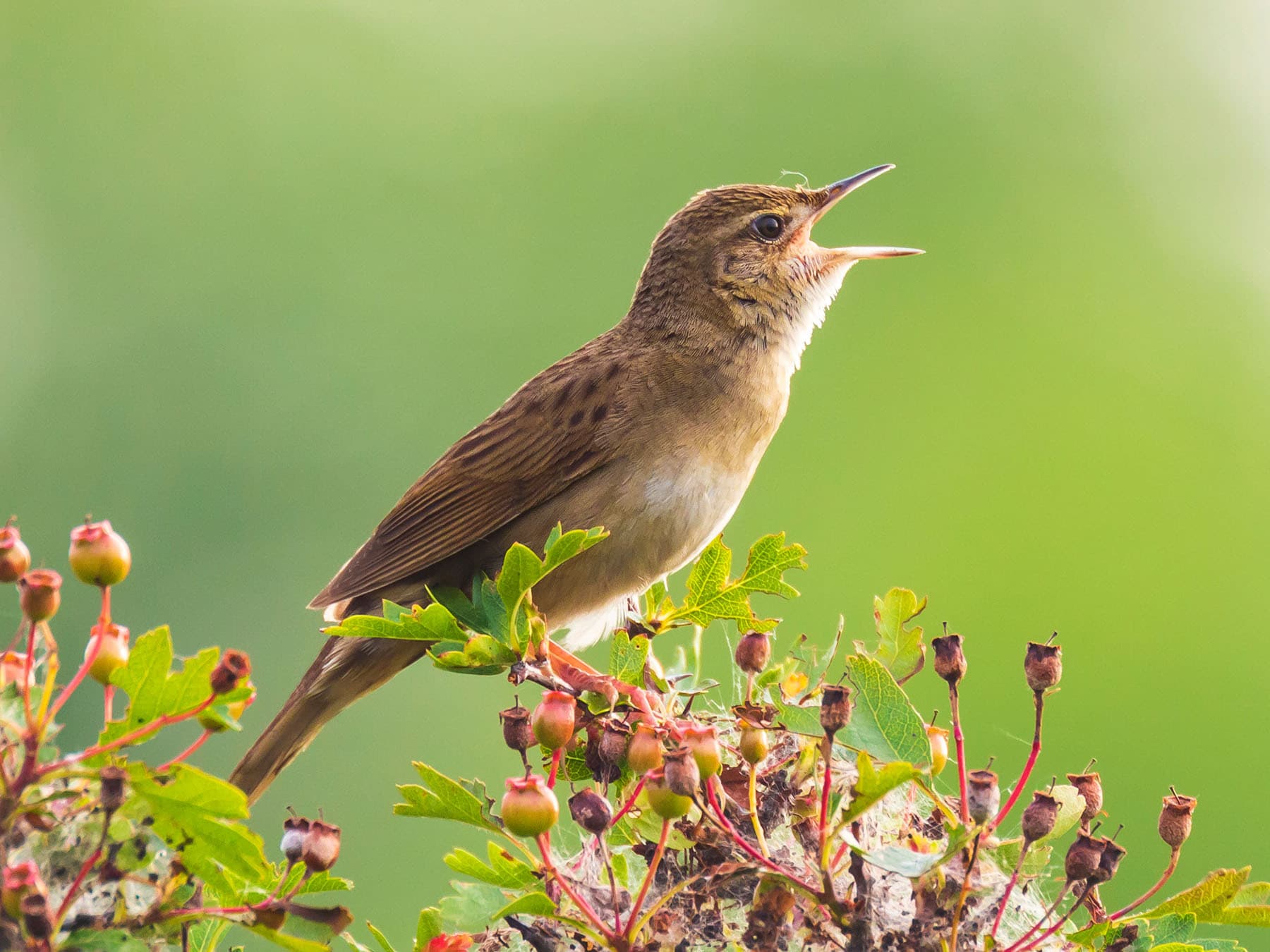
Grasshopper Warbler
Locustella naeviaLC
A rare and declining summer visitor, arriving in April. Its insect-like reeling song is heard from dense grassland and young plantations.
Apr–Jul
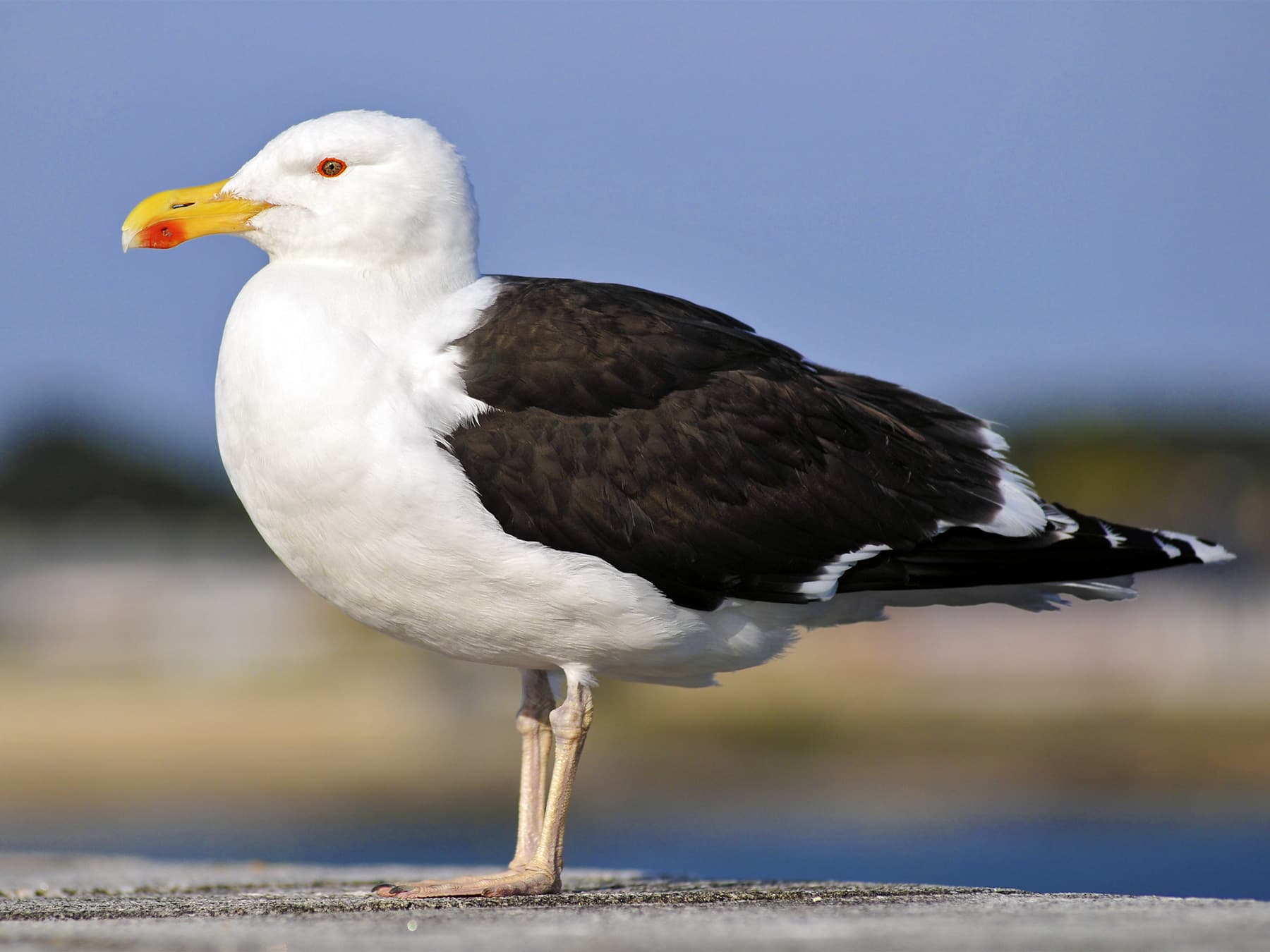
Great Black-backed Gull
Larus marinusLC
The largest resident gull, found year-round on Welsh coasts and harbours. A powerful predator often seen dominating other gulls.
Year-round
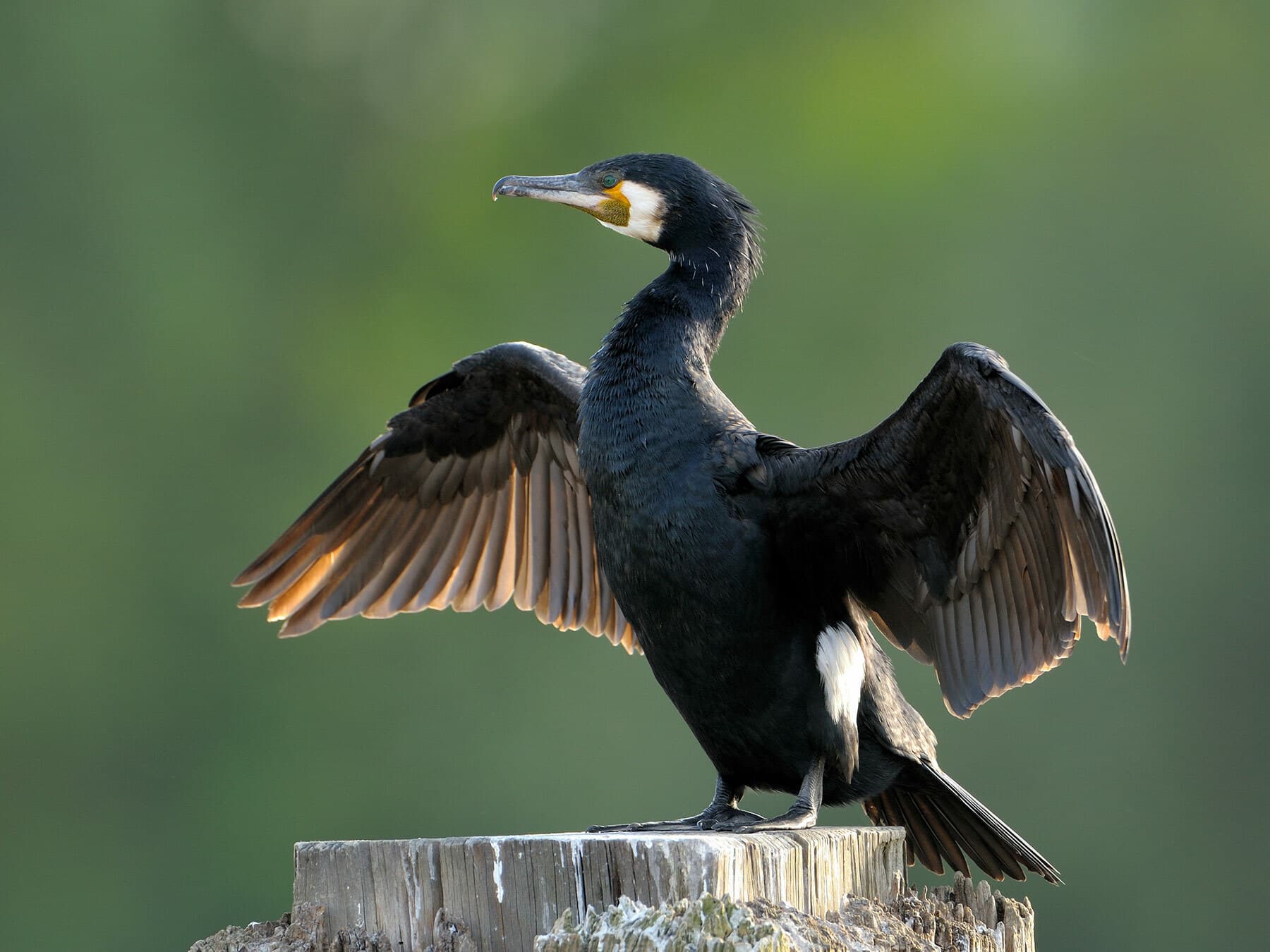
Great Cormorant
Phalacrocorax carboLC
A common resident found along rivers, lakes and coasts throughout Wales. Often seen perched with wings outstretched to dry.
Year-round
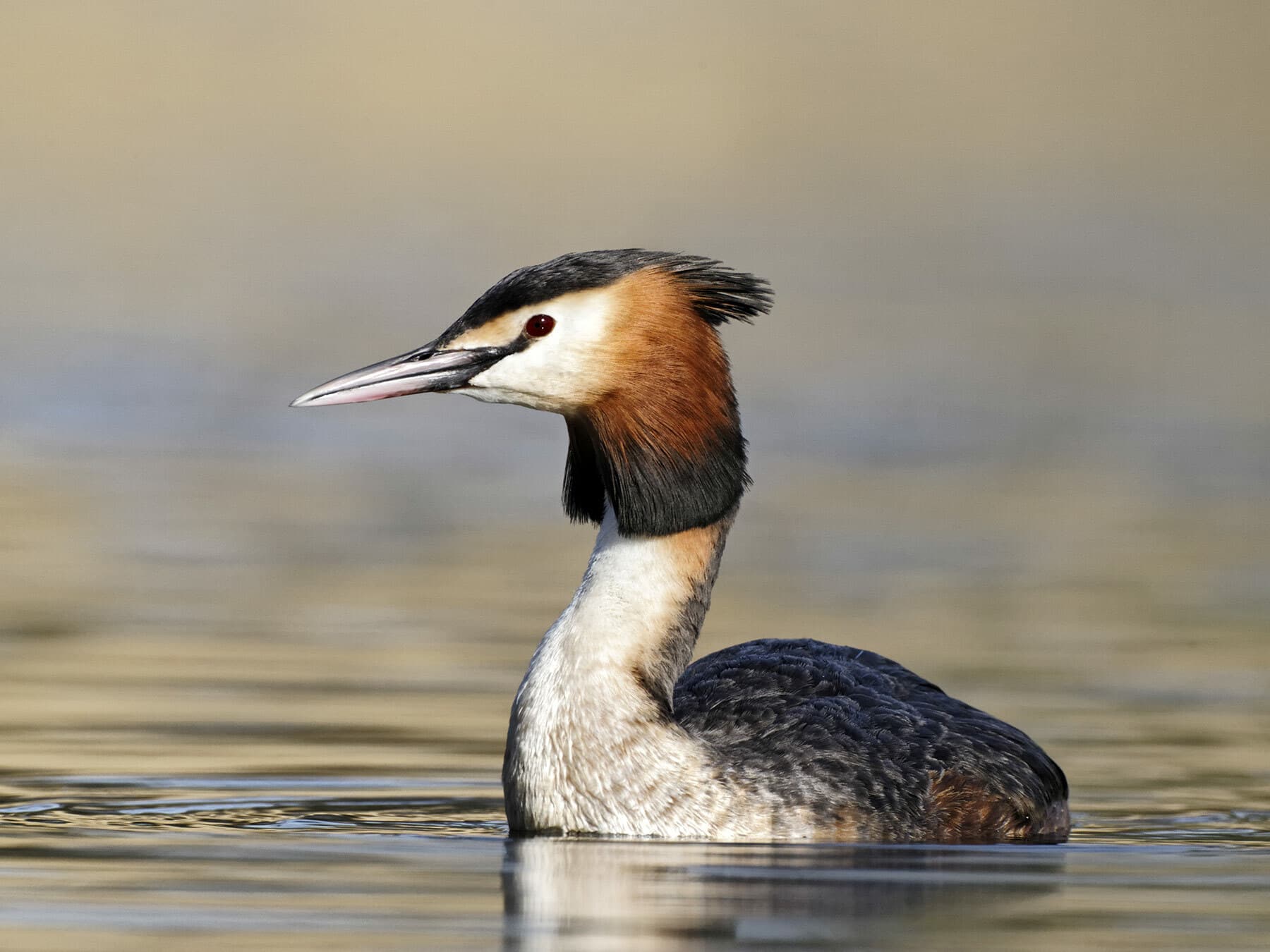
Great Crested Grebe
Podiceps cristatusLC
An uncommon year-round resident on larger lakes and reservoirs. Performs elaborate courtship displays with head-shaking in spring.
Year-round
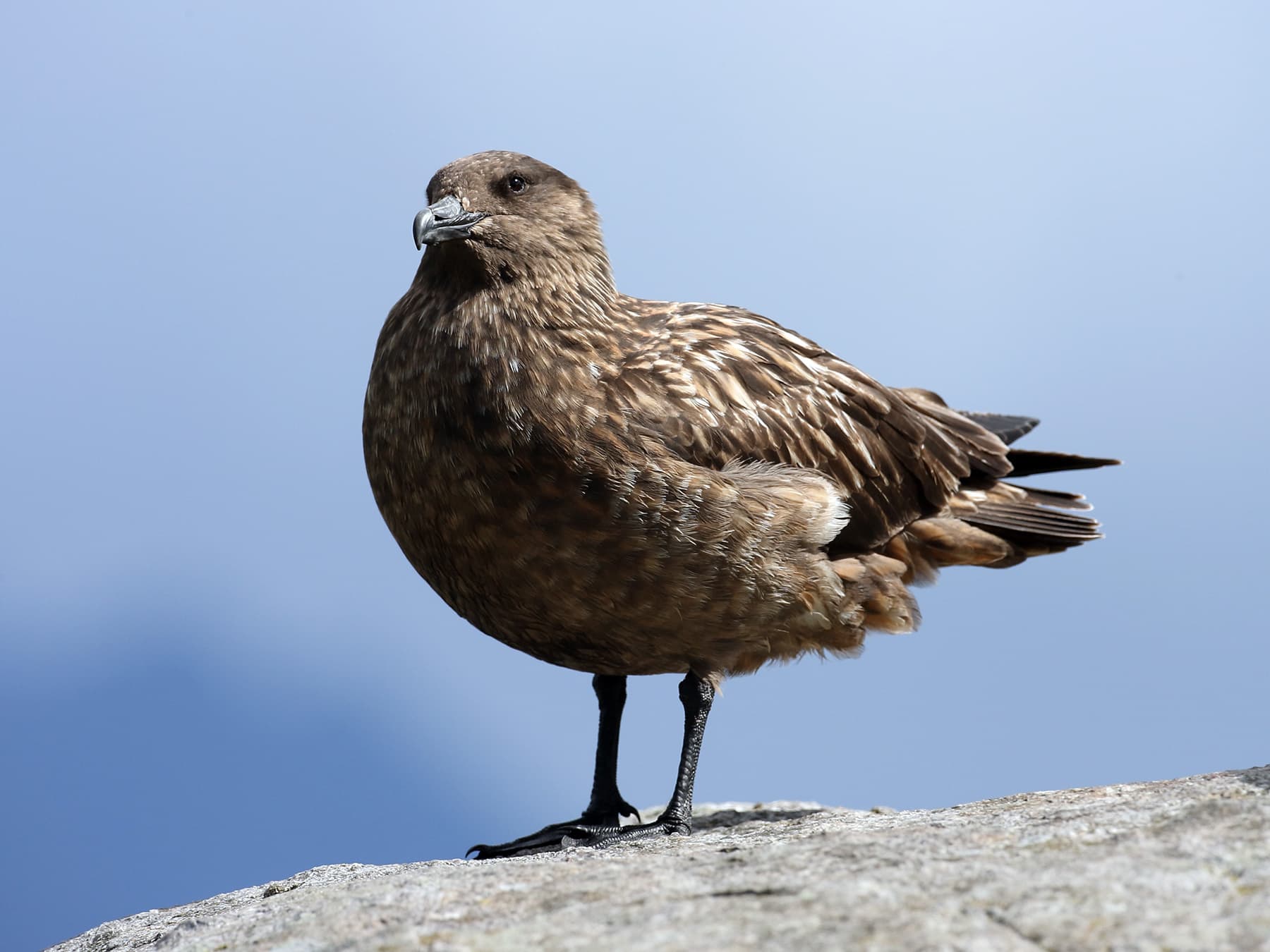
Great Skua
Catharacta skuaLC
A powerful seabird seen during autumn seawatches from Pembrokeshire and Anglesey headlands, sometimes harassing gannets offshore.
Aug–Sep
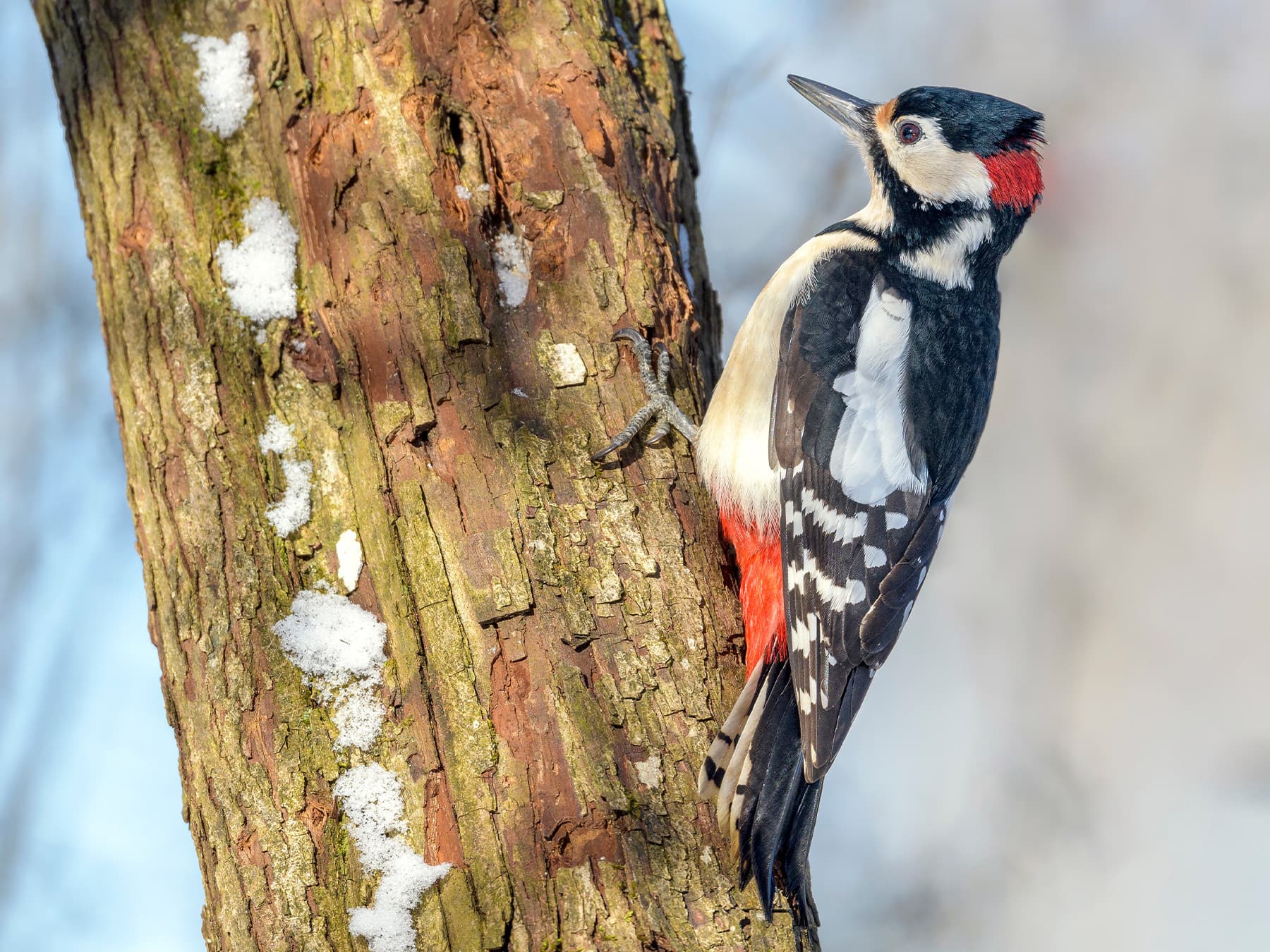
Great Spotted Woodpecker
Dendrocopos majorLC
A year-round resident of Welsh broadleaved and mixed woodlands. Its loud drumming in spring is a familiar sound in mature forests.
Year-round
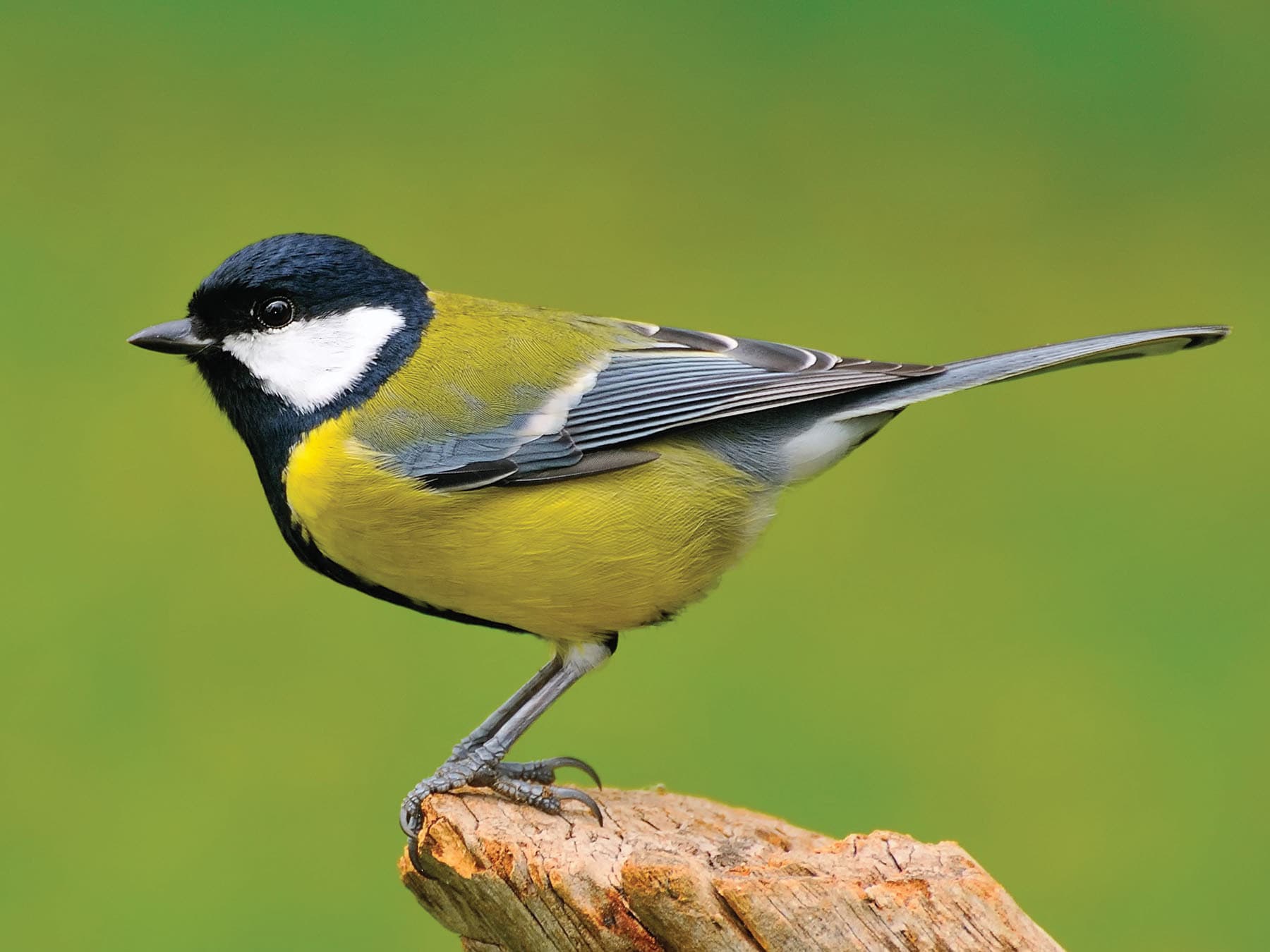
Great Tit
Parus majorLC
A common year-round resident of woodlands, hedgerows and gardens. Its bold 'teacher-teacher' song is heard across Wales from January.
Year-round
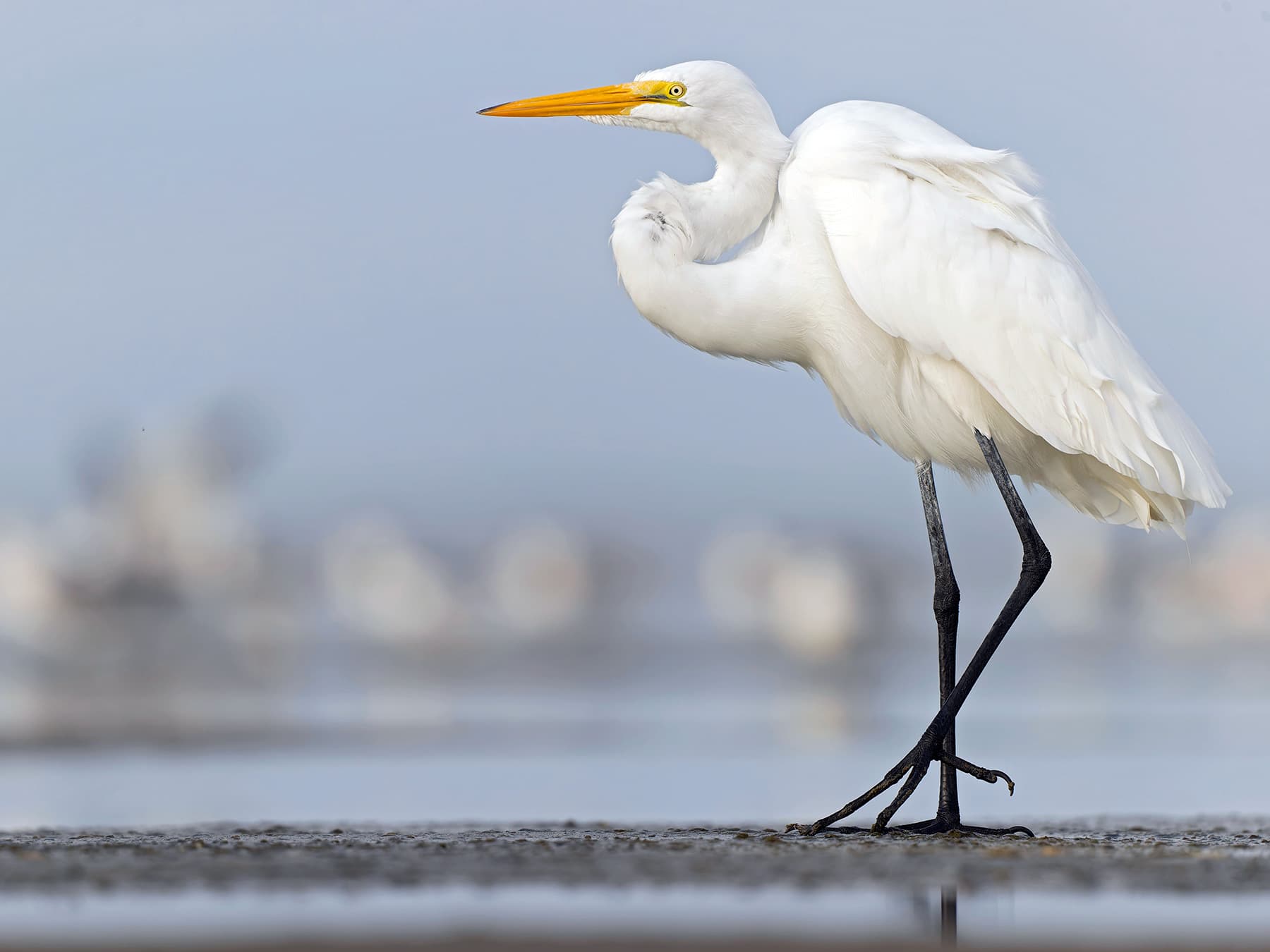
Great White Egret
Ardea albaLC
A rare but increasingly recorded resident at Welsh wetlands. Part of a wider range expansion across Britain in recent years.
Year-round
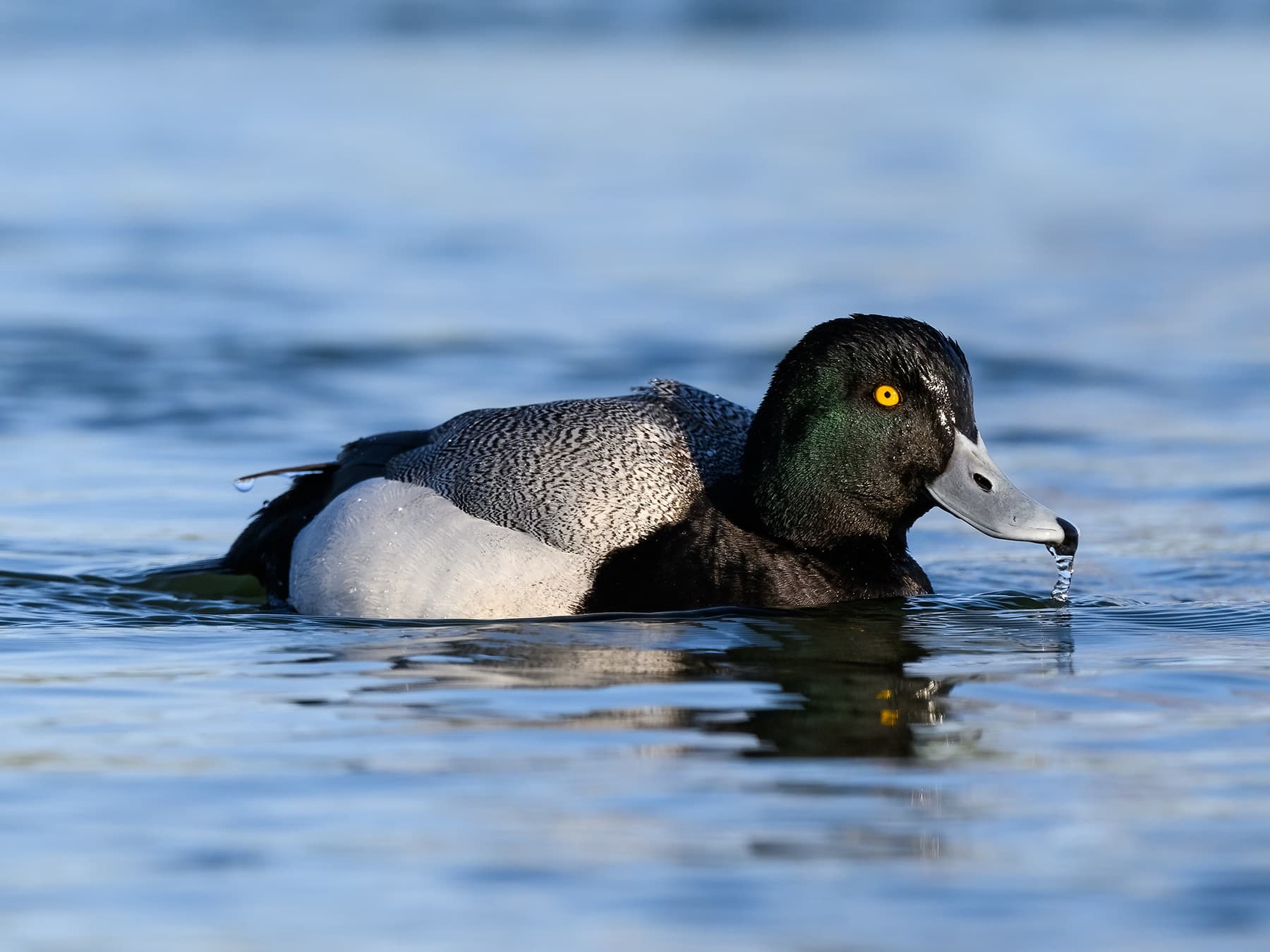
Greater Scaup
Aythya marilaLC
A rare winter visitor to Welsh coasts and estuaries from November to March. Small numbers occasionally appear on sheltered bays and harbours.
Nov–Mar
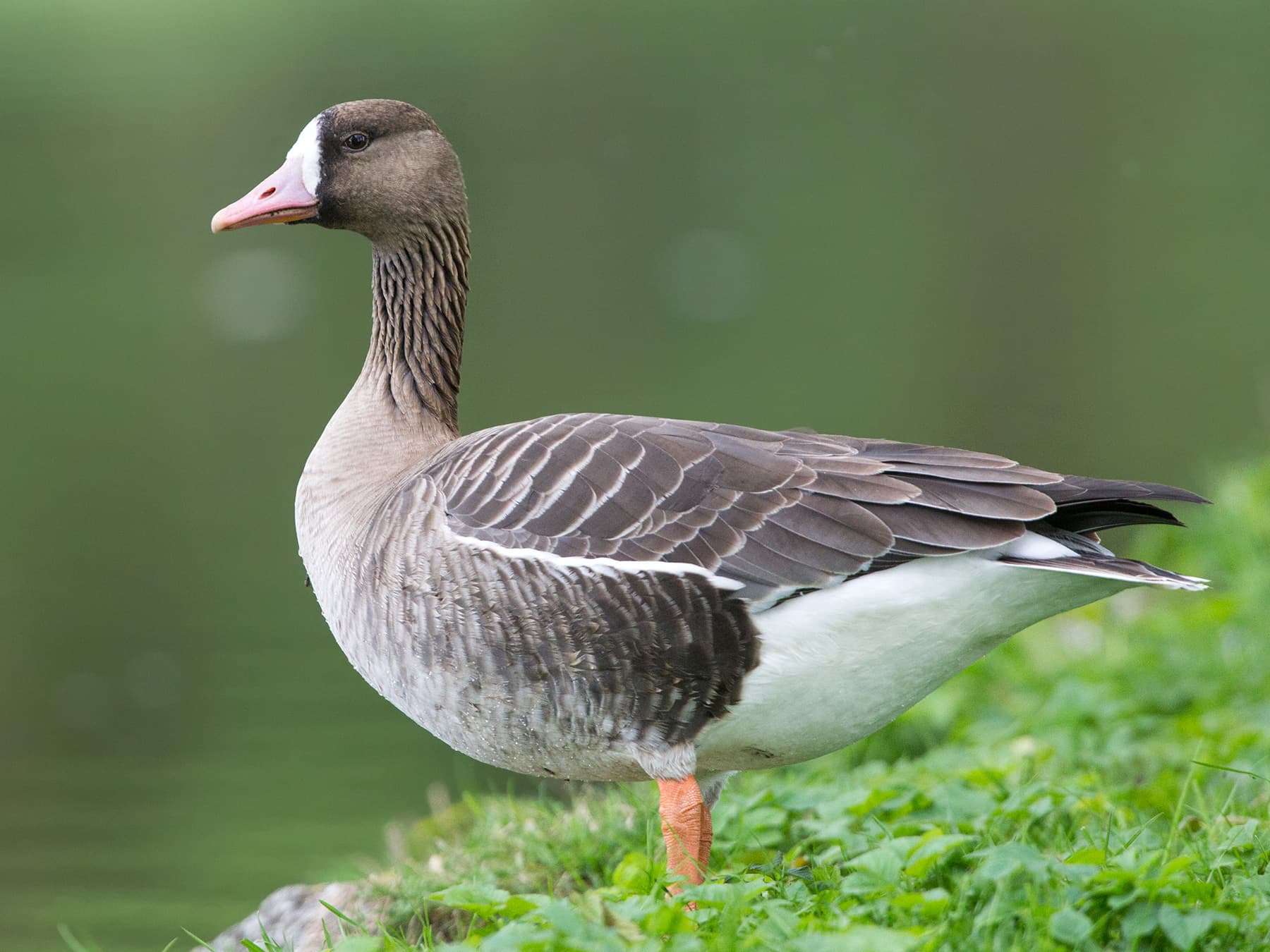
Greater White-fronted Goose
Anser albifronsLC
A rare passage visitor in midwinter, with small numbers occasionally recorded on coastal marshes. Historically associated with the Dyfi Estuary area.
Jan–Feb
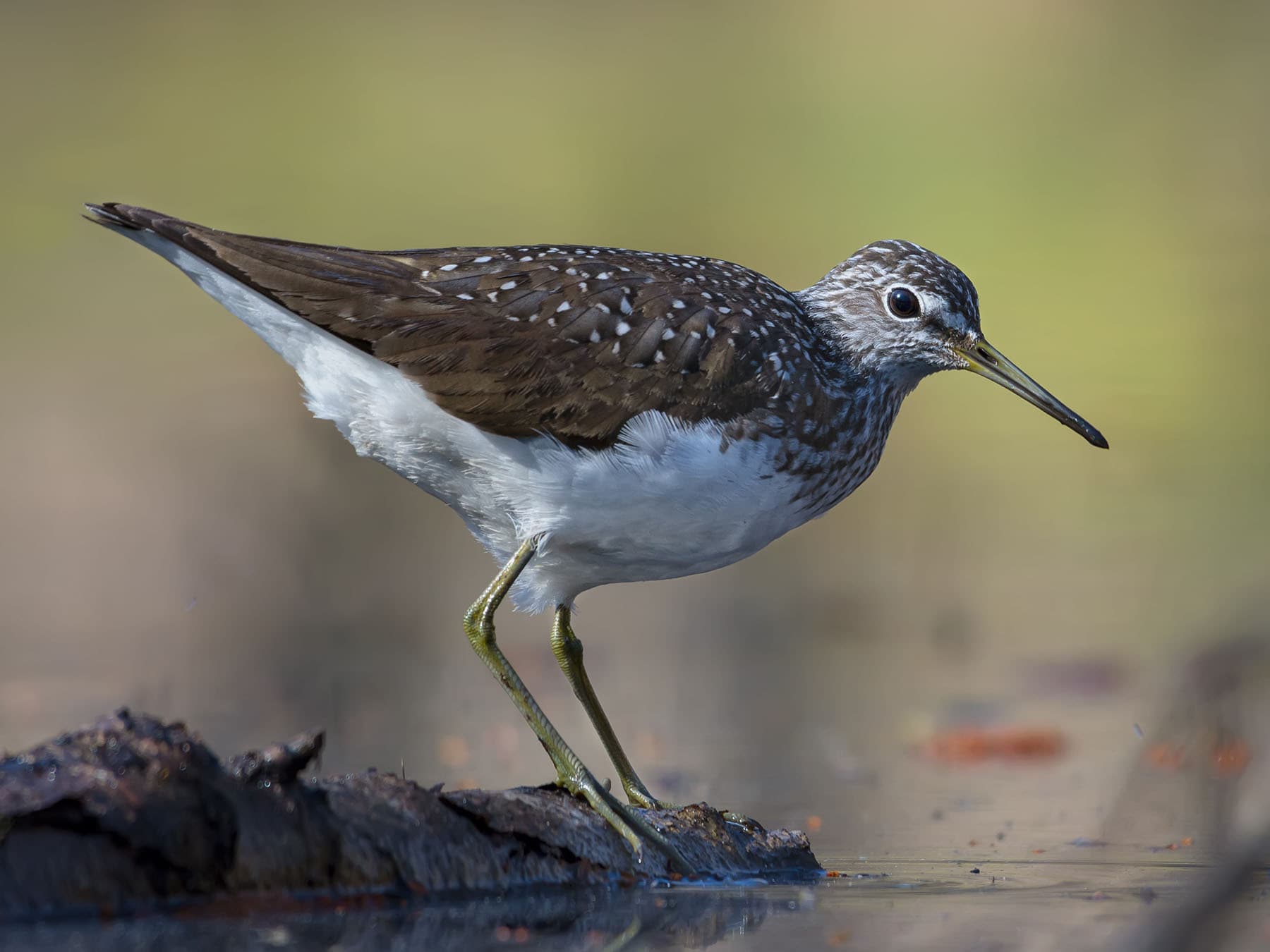
Green Sandpiper
Tringa ochropusLC
A rare non-breeding visitor to Welsh freshwater margins, mainly from July to winter. Often solitary and easily startled, flashing white on the rump in flight.
Jul–Jan
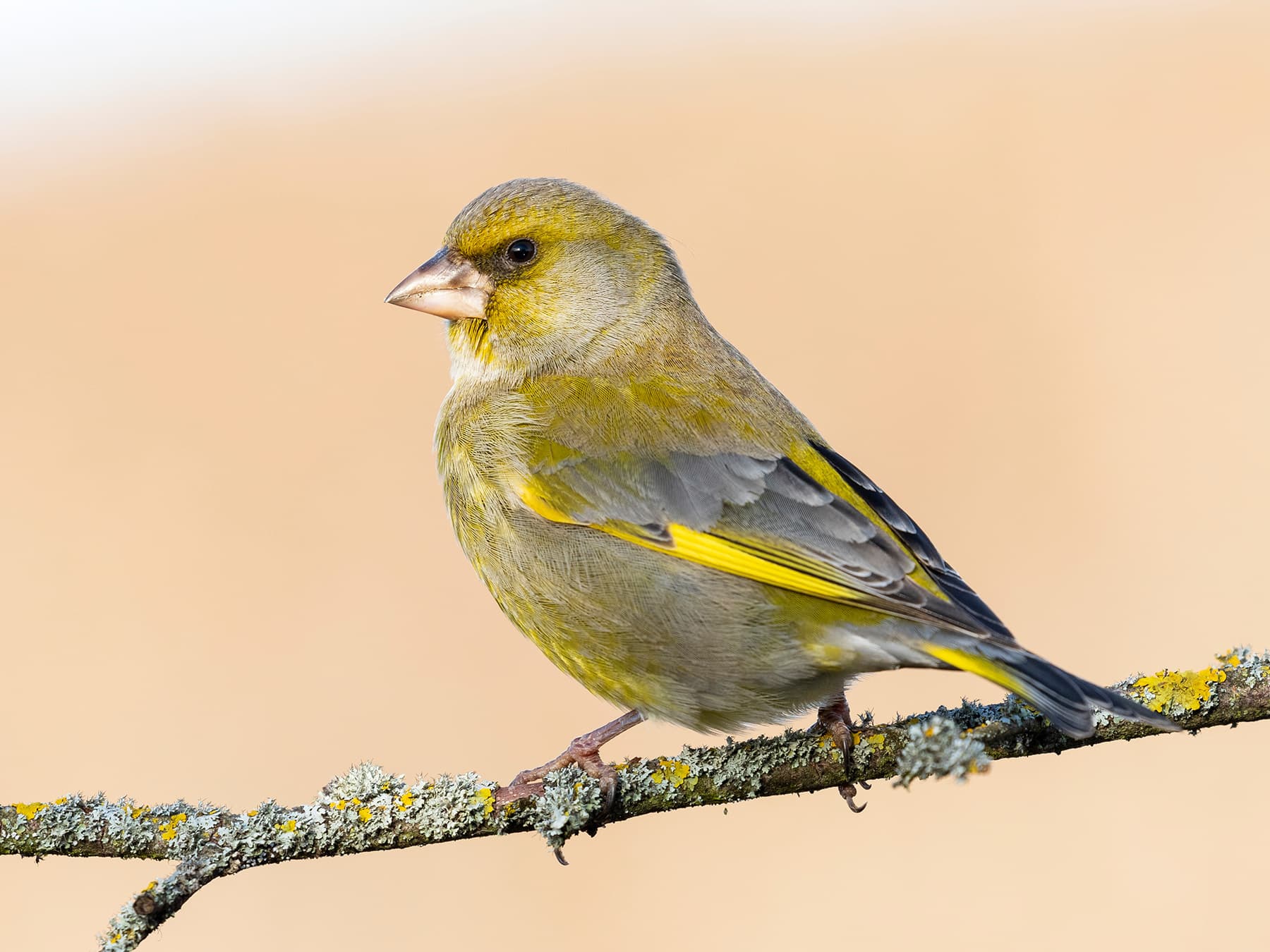
Greenfinch
Chloris chlorisLC
A resident of gardens, farmland, and hedgerows, though numbers have declined significantly due to trichomonosis disease. Still present year-round across Wales.
Year-round
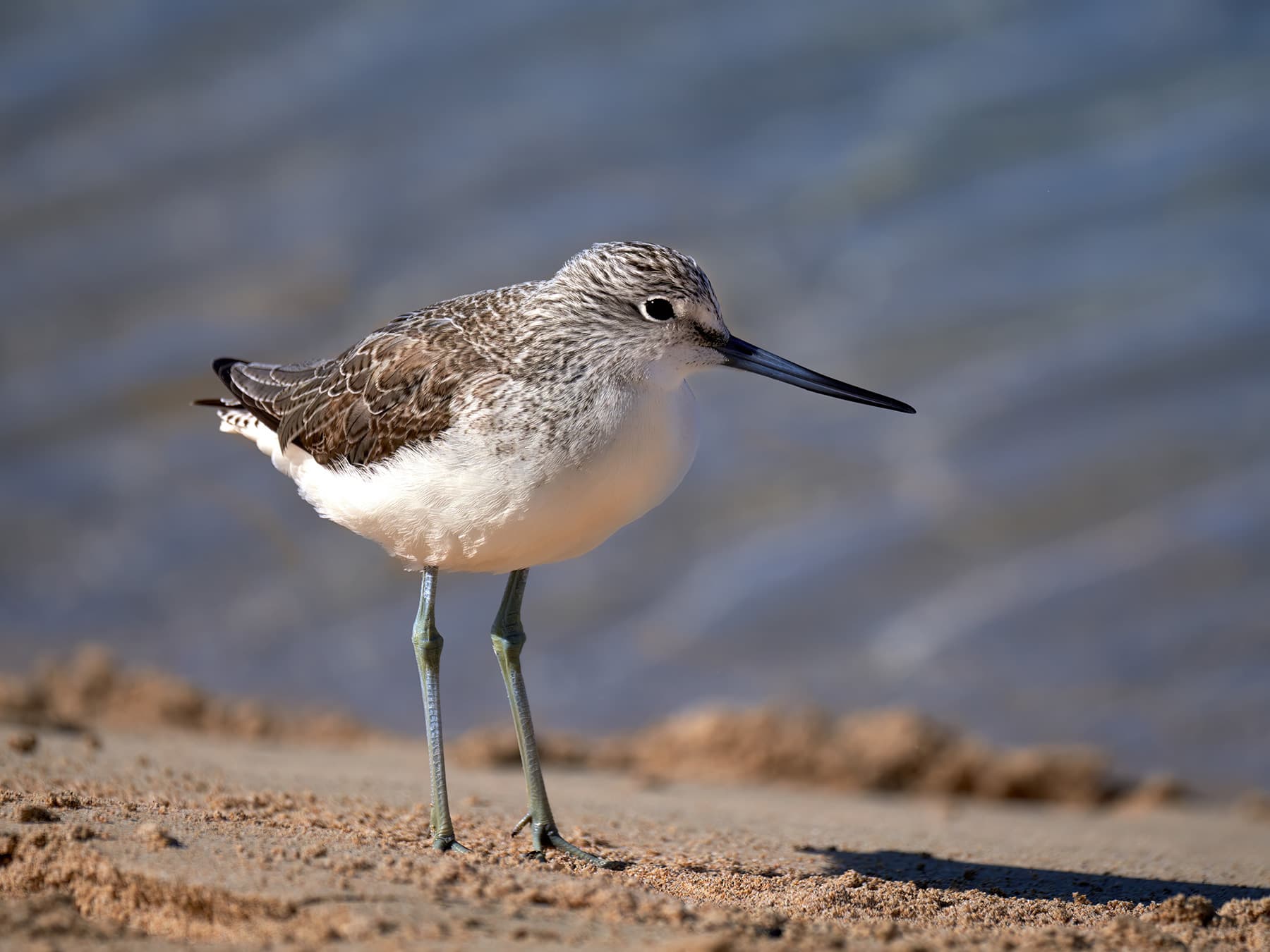
Greenshank
Tringa nebulariaLC
An uncommon resident of Welsh estuaries and coastal pools. Its ringing 'tew-tew-tew' call often draws attention as it feeds on tidal mudflats.
Jun–Apr