Uncommon Birds in Tyne and Wear
73 species matching this filter.
Tyne and Wear supports a diverse range of uncommon bird species across its varied habitats, from the North Sea coastline to urban parks, river valleys, and pockets of woodland. With 73 species classified as uncommon, birdwatchers can encounter exciting finds such as Arctic Tern along the coast, Bullfinch and Great Spotted Woodpecker in wooded areas, and Goldeneye on reservoirs and estuaries during winter. The county's mix of coastal, freshwater, and terrestrial habitats makes it a rewarding destination for those willing to look beyond the everyday species.


Showing 24–46 of 73 species
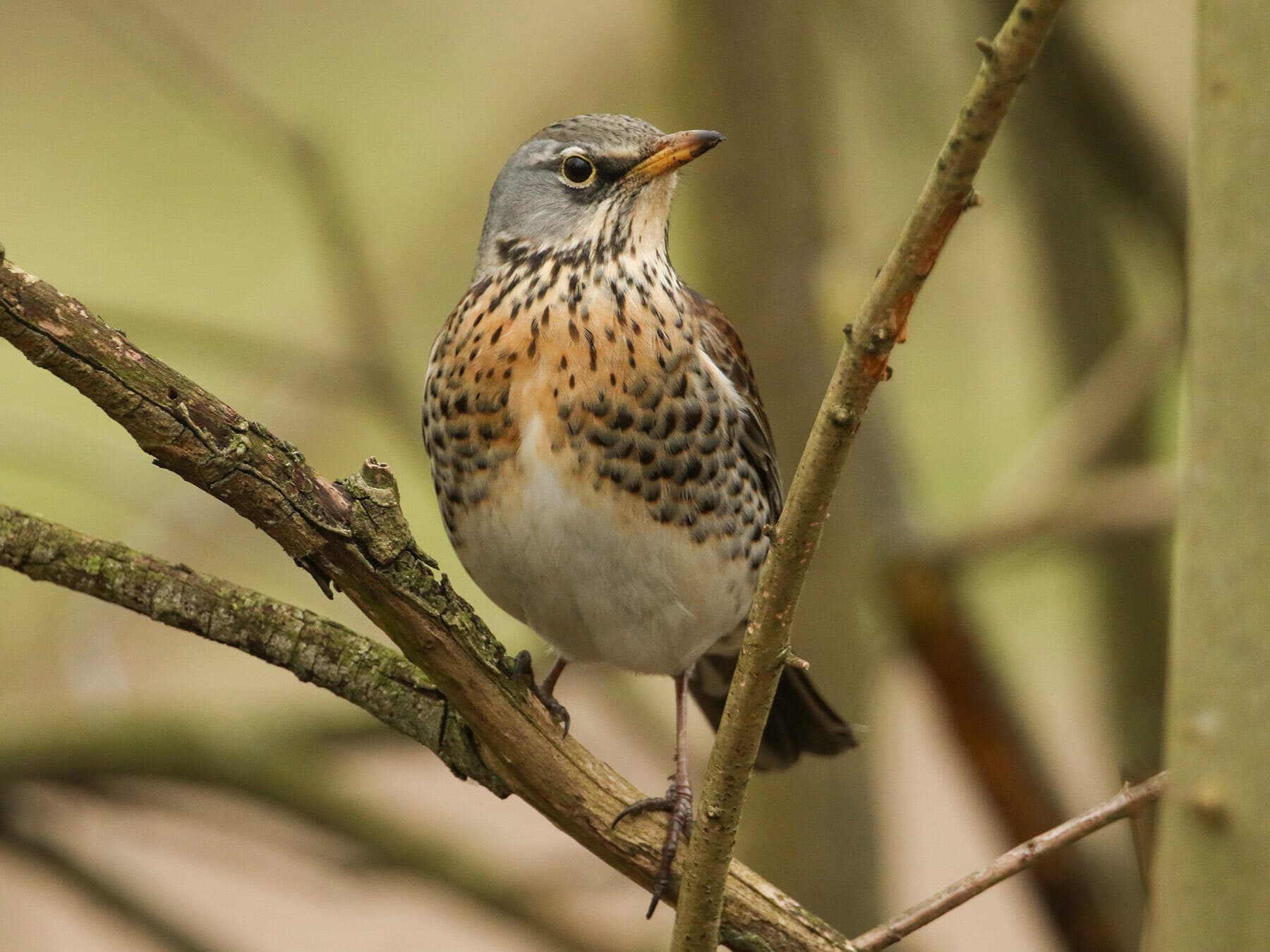
Fieldfare
Turdus pilarisLC
A winter visitor from Scandinavia, arriving from October and feeding in flocks on hedgerow berries across farmland and open countryside.
Oct–Apr
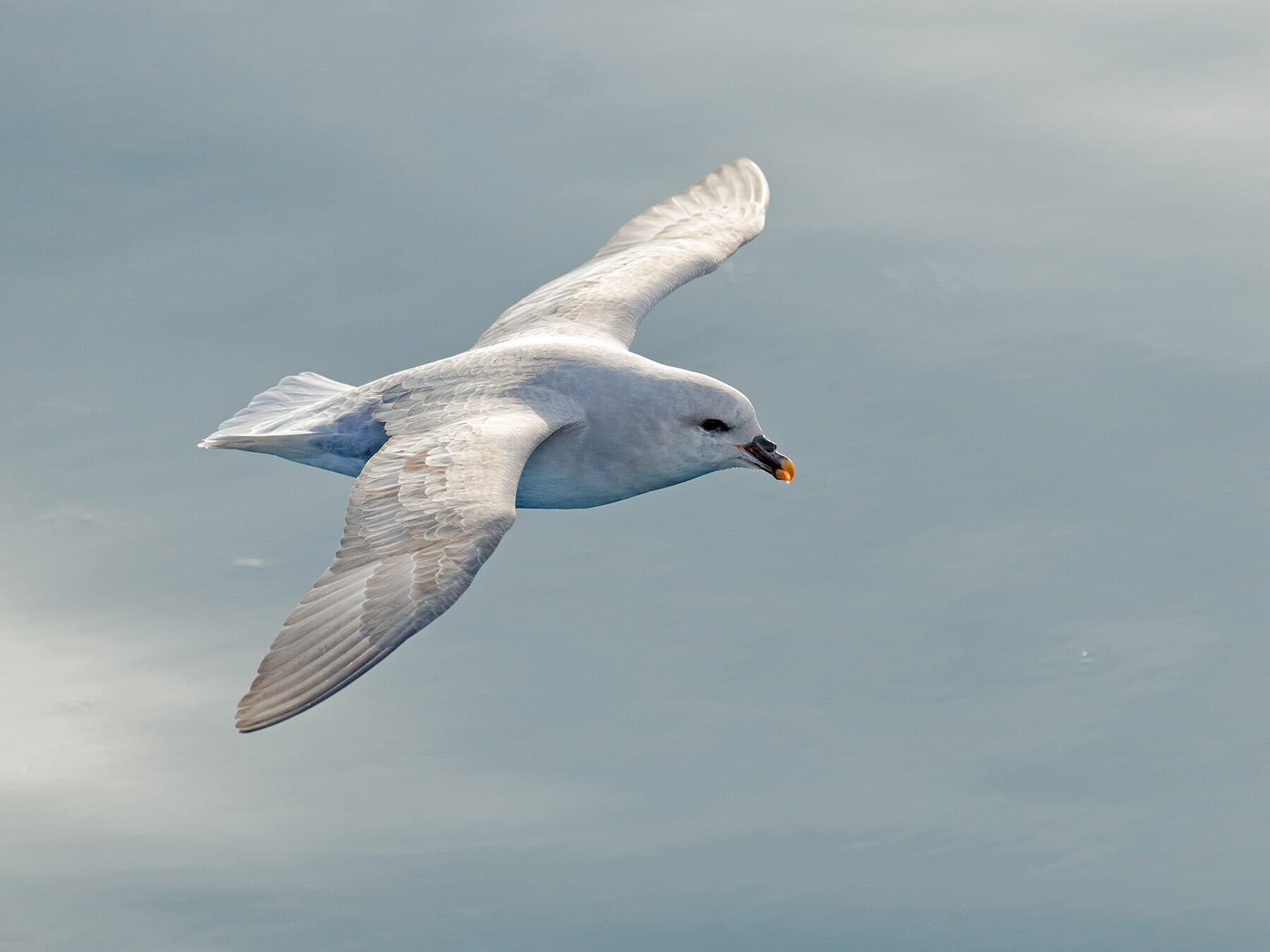
Fulmar
Fulmarus glacialisLC
An uncommon resident seen year-round along coastal cliffs. Breeds on ledges and is often spotted gliding stiff-winged offshore.
Year-round
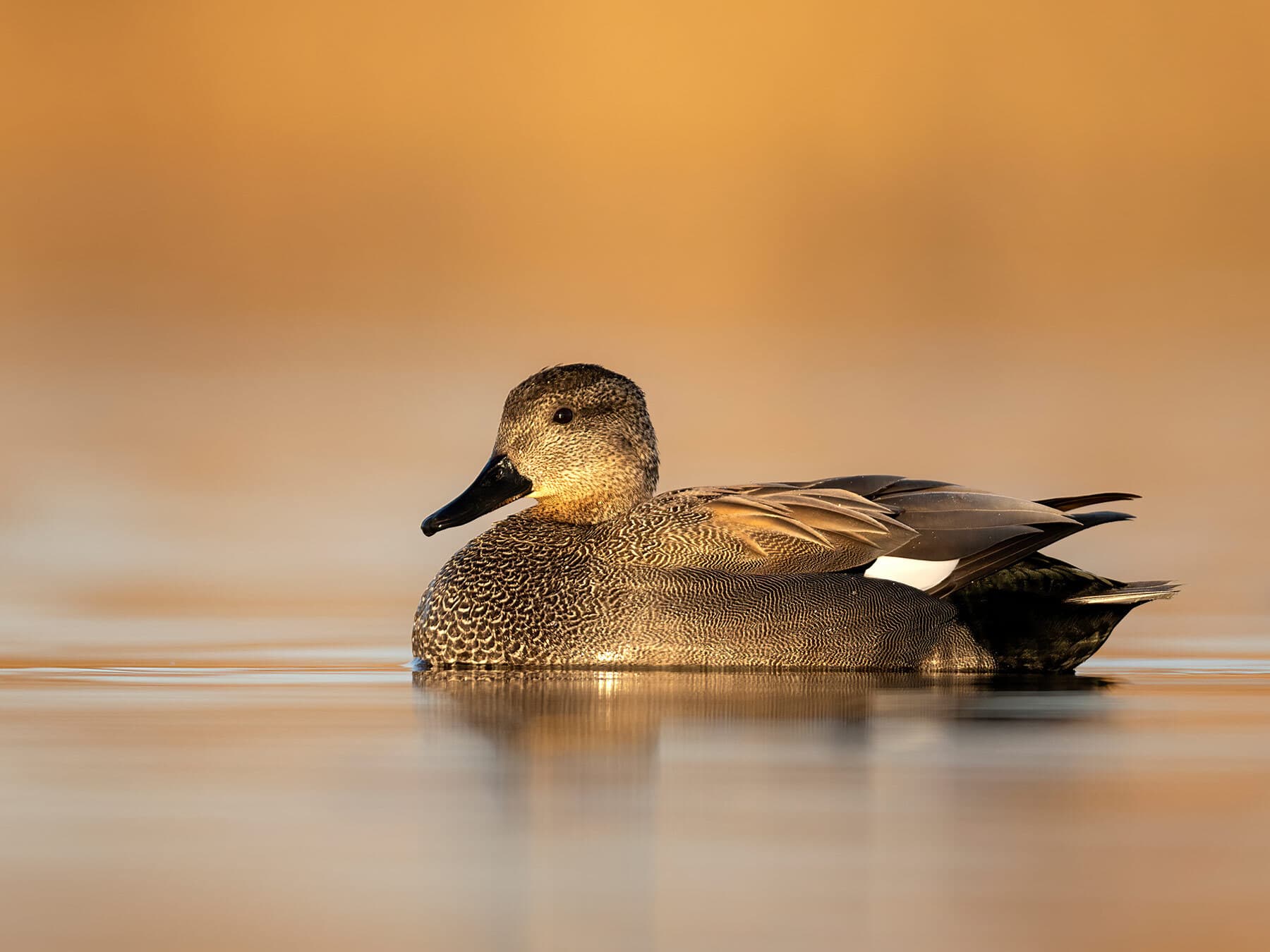
Gadwall
Mareca streperaLC
An uncommon resident breeding at wetland reserves. Washington WWT is a reliable site, with numbers boosted in winter.
Year-round
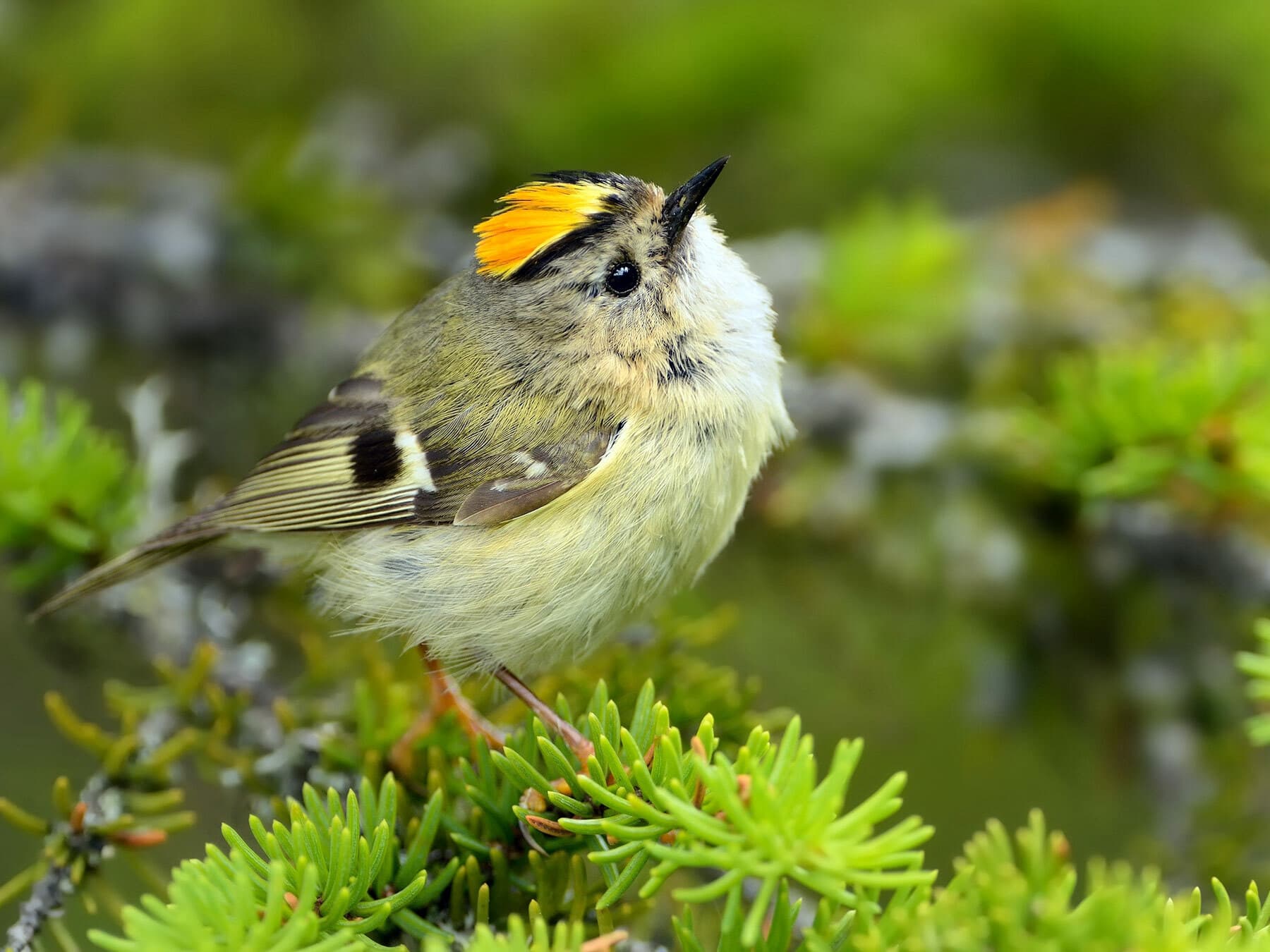
Goldcrest
Regulus regulusLC
Britain's smallest bird, resident year-round in coniferous and mixed woodland. Numbers swell in autumn with Continental migrants arriving along the coast.
Year-round
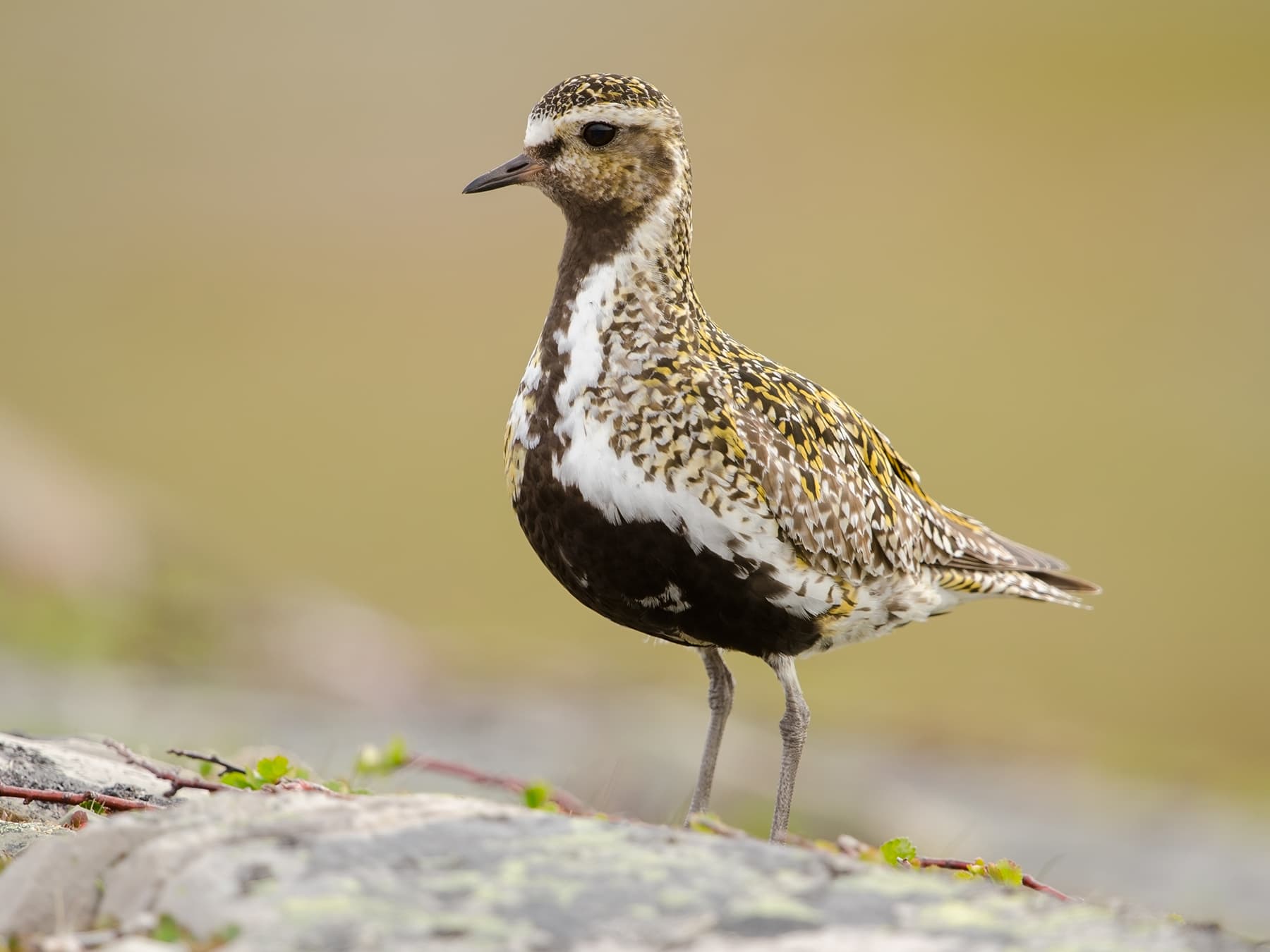
Golden Plover
Pluvialis apricariaLC
An uncommon resident found on upland moors in summer and lowland fields in winter, often forming large flocks.
Jun–Apr
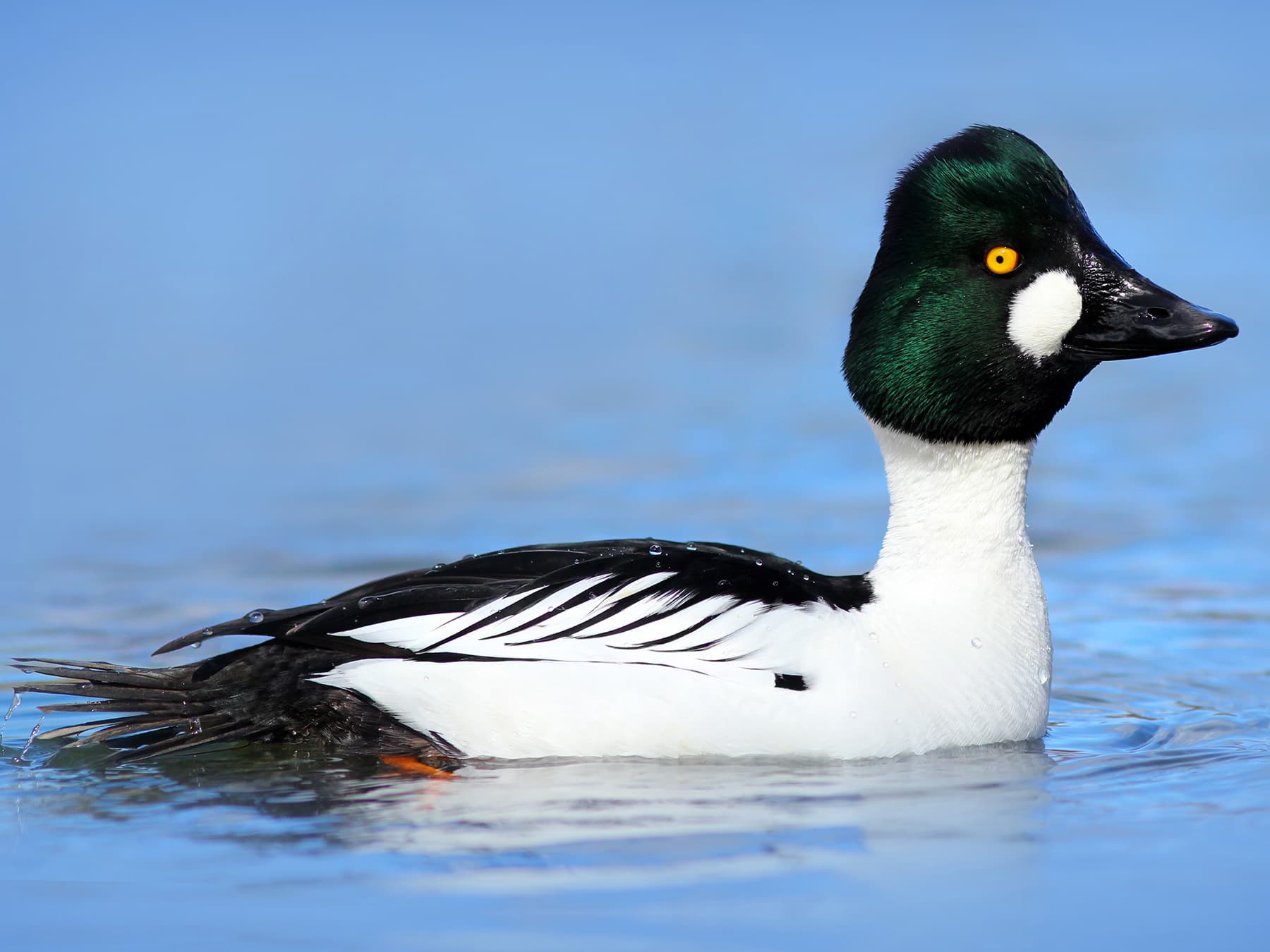
Goldeneye
Bucephala clangulaLC
An uncommon winter visitor to rivers and lakes, present from October to spring. The Tyne and larger reservoirs are favoured sites.
Oct–May
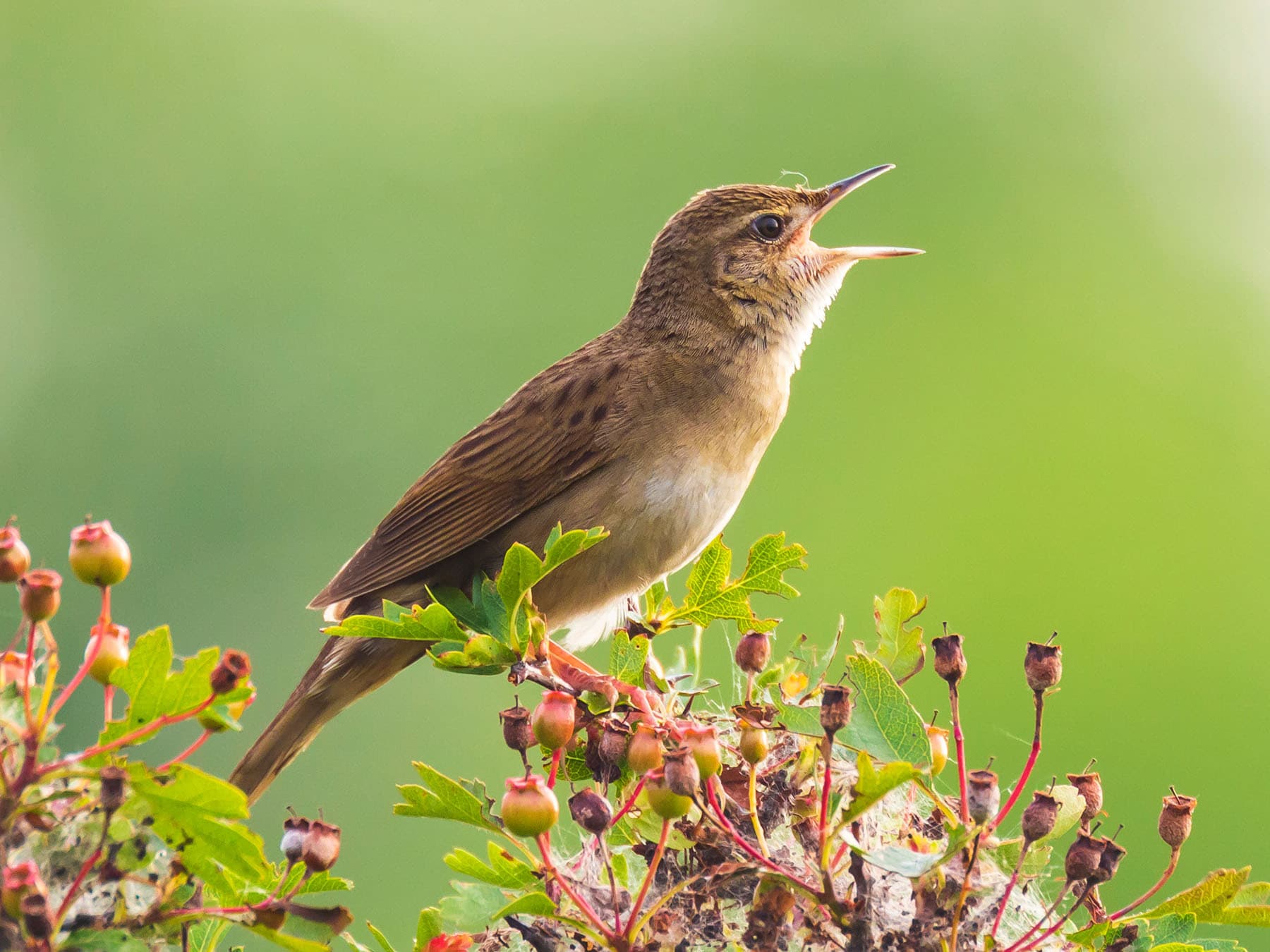
Grasshopper Warbler
Locustella naeviaLC
An uncommon summer breeder, arriving in April. Its insect-like reeling song carries across scrubby wetlands and rough grassland.
Apr–Jul
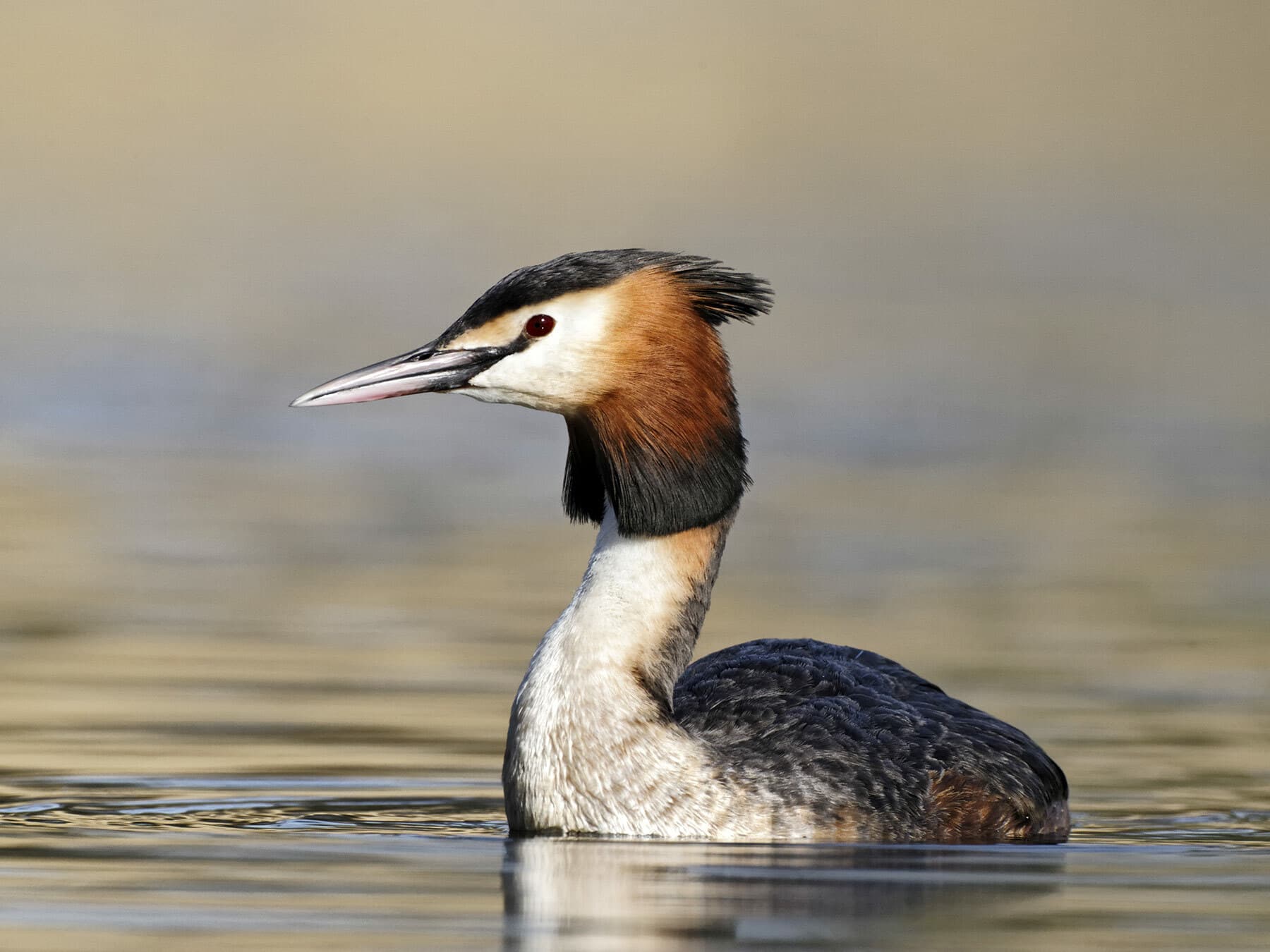
Great Crested Grebe
Podiceps cristatusLC
An uncommon resident on larger lakes and reservoirs, also moving to coastal waters in winter. Elegant courtship displays occur in spring.
Year-round
Spotted something?
Upload a photo to identify it
Identify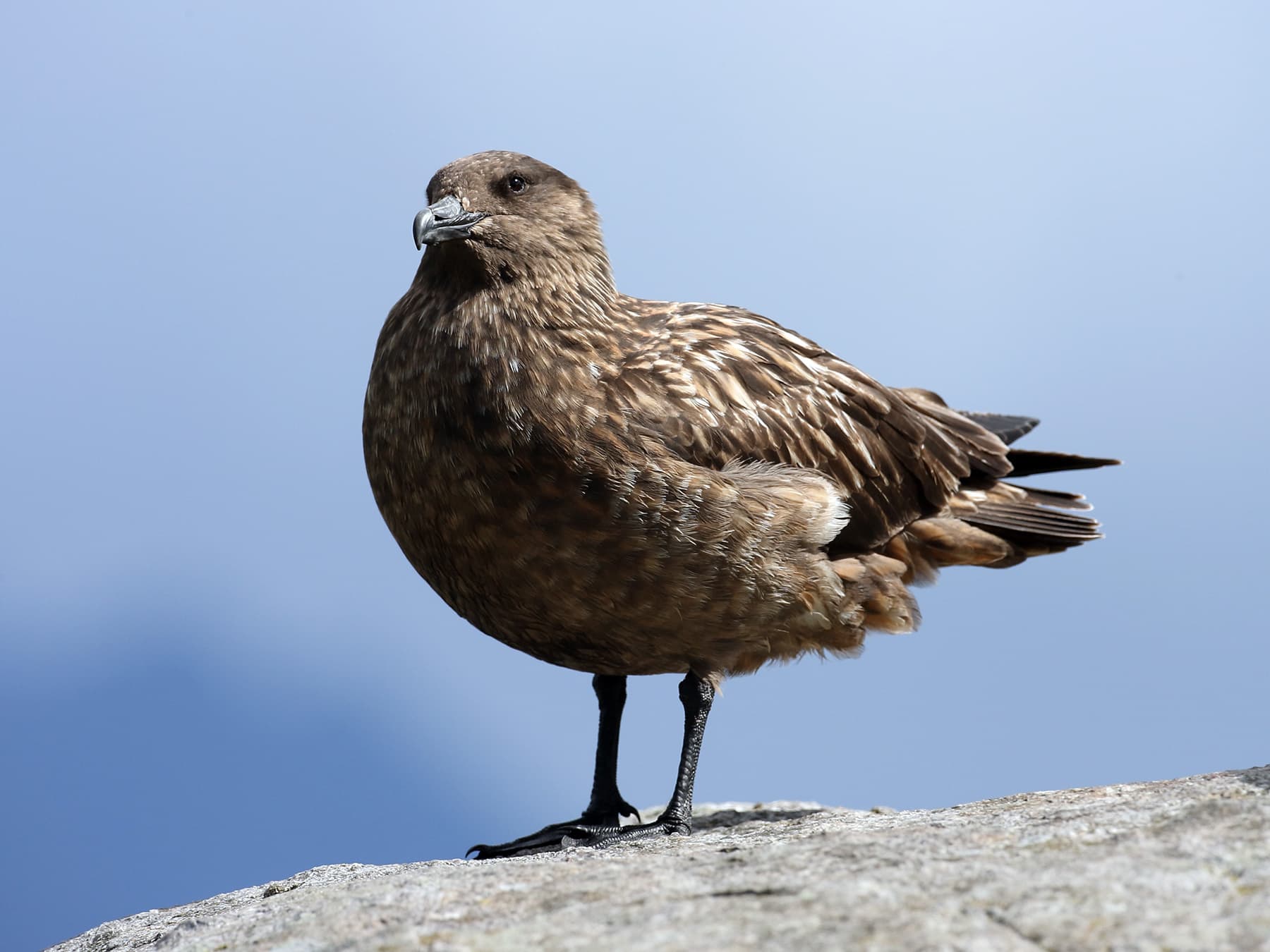
Great Skua
Catharacta skuaLC
An uncommon visitor seen offshore from late spring through autumn, sometimes harassing other seabirds close to shore during passage.
May–Nov
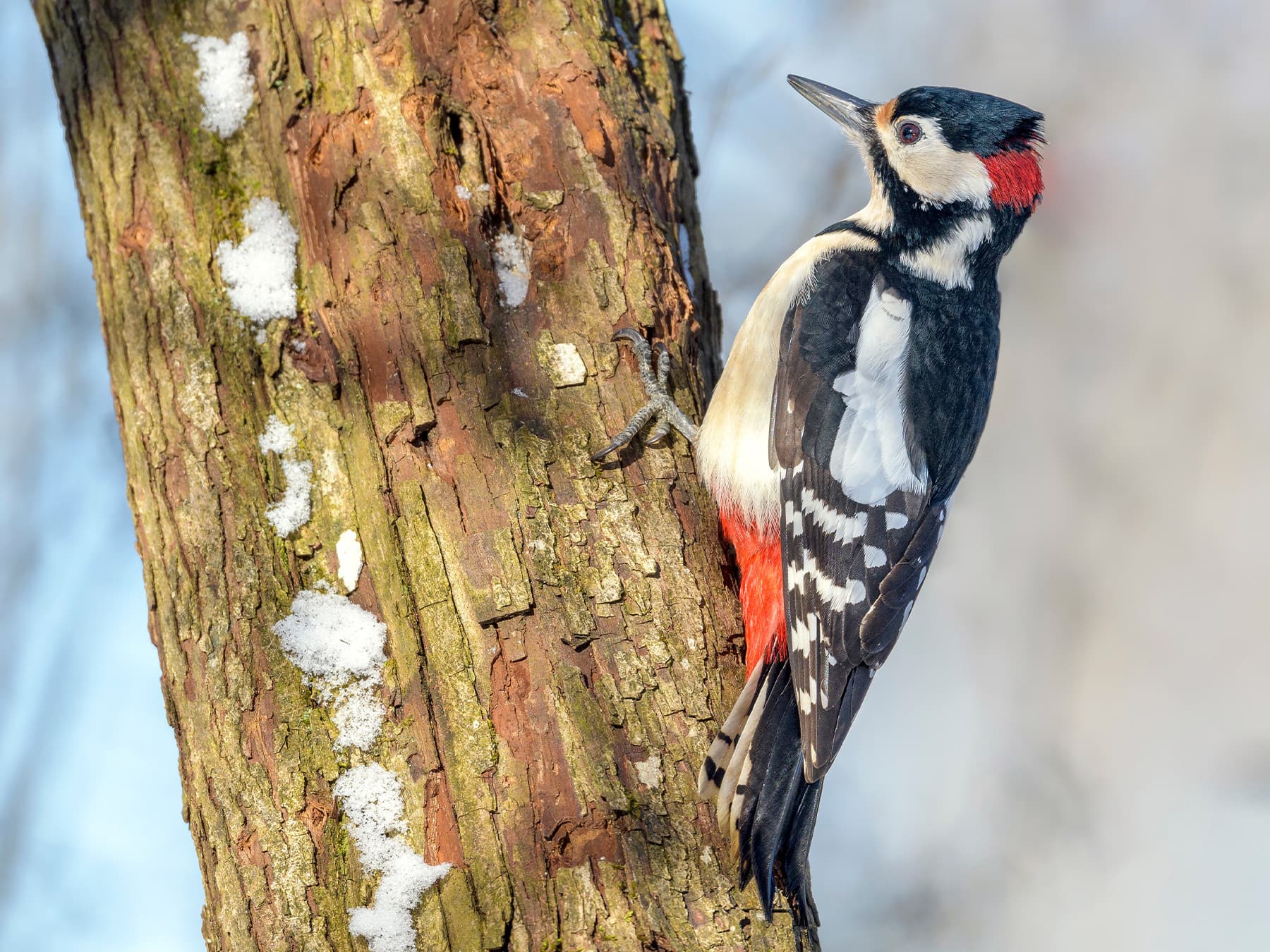
Great Spotted Woodpecker
Dendrocopos majorLC
An uncommon resident of mature woodland and parks, often heard drumming in spring across the region's wooded valleys.
Year-round
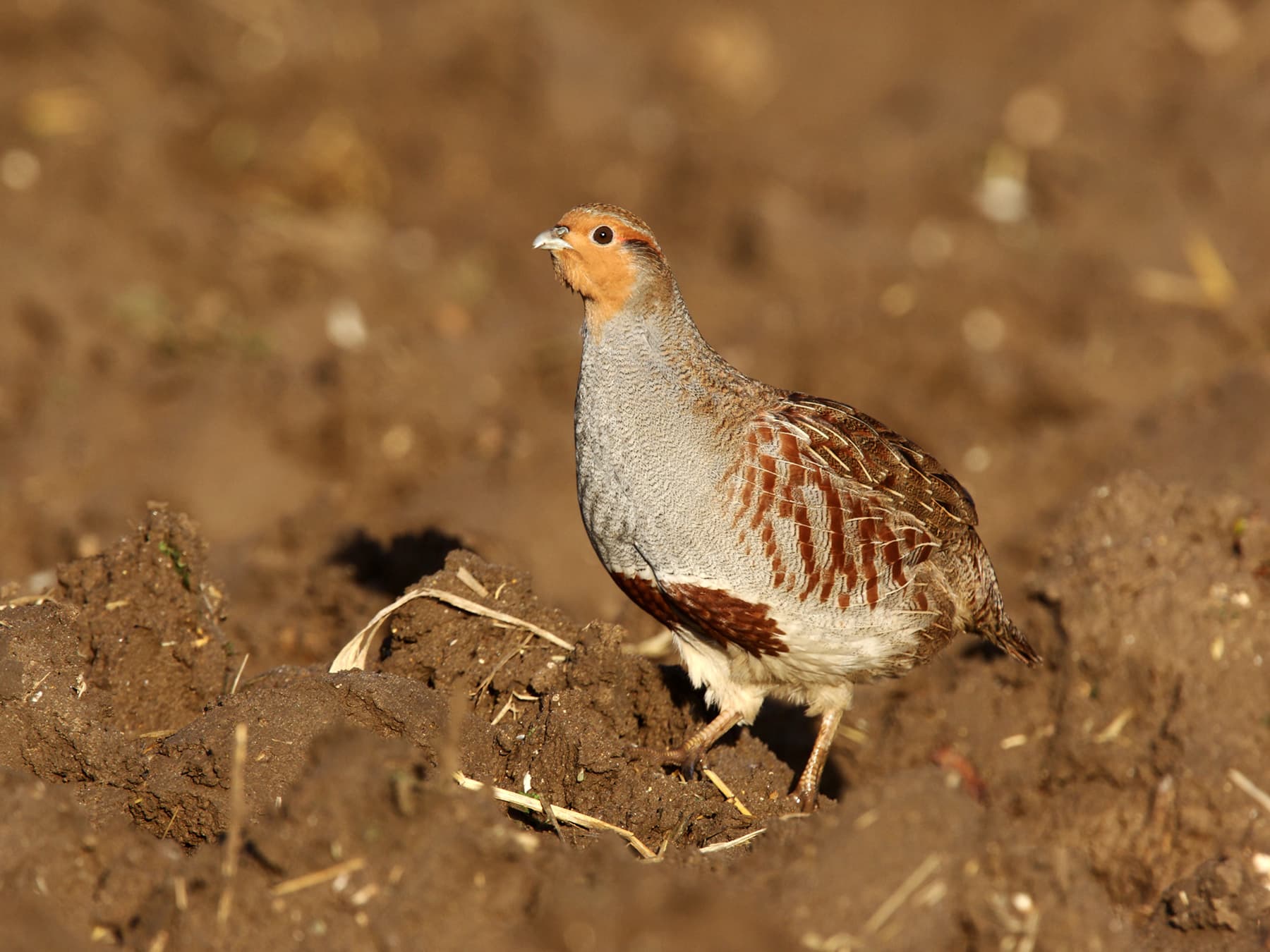
Grey Partridge
Perdix perdixLC
An uncommon and declining resident of arable farmland. Secretive and easily overlooked, favouring open fields with hedgerow margins.
Year-round
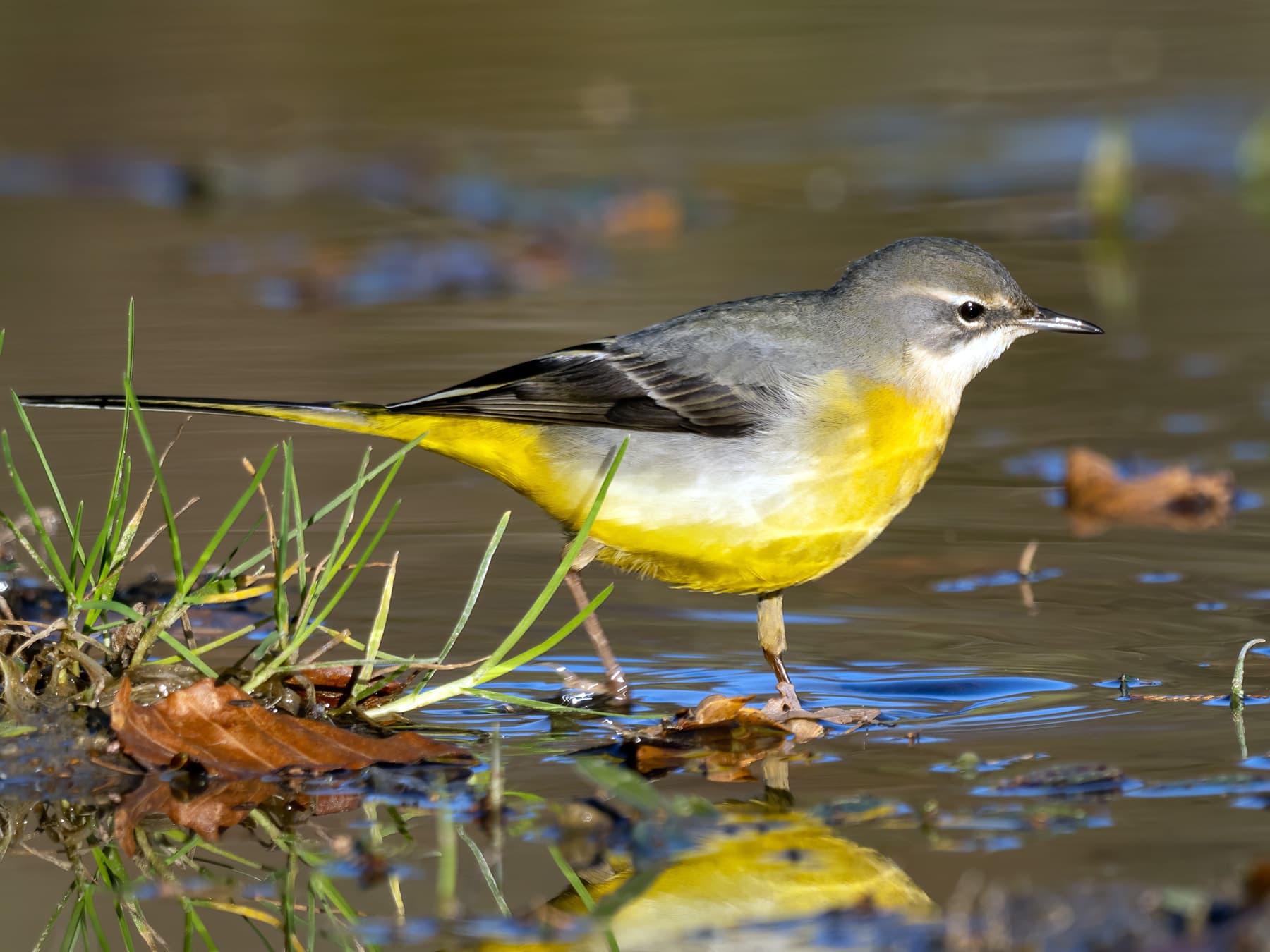
Grey Wagtail
Motacilla cinereaLC
An uncommon resident favouring fast-flowing streams and rivers such as the Derwent, often seen bobbing its tail on waterside rocks.
Year-round
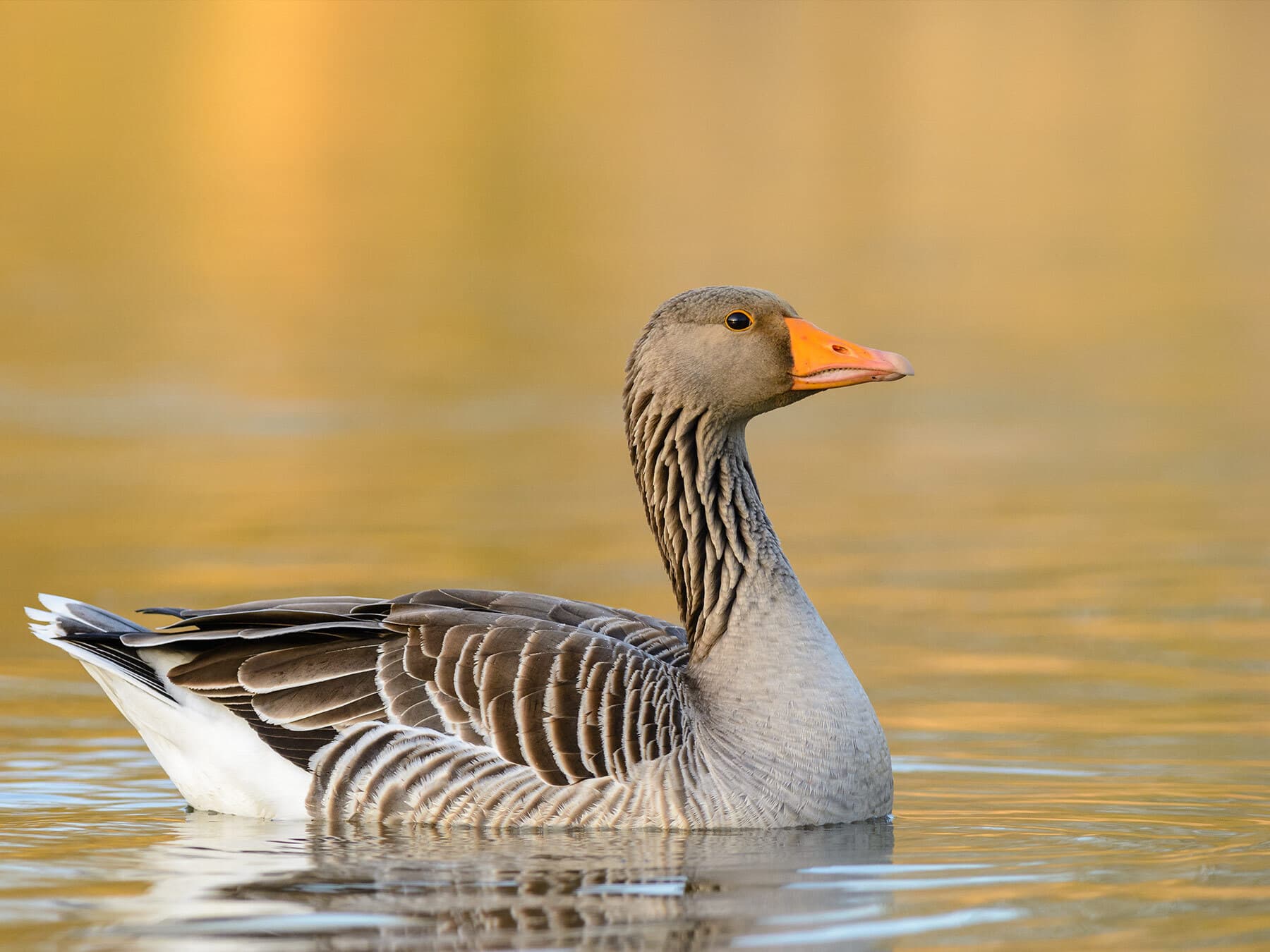
Greylag Goose
Anser anserLC
An uncommon resident found on lakes and farmland. Feral populations breed locally, with numbers supplemented by wild birds in winter.
Year-round
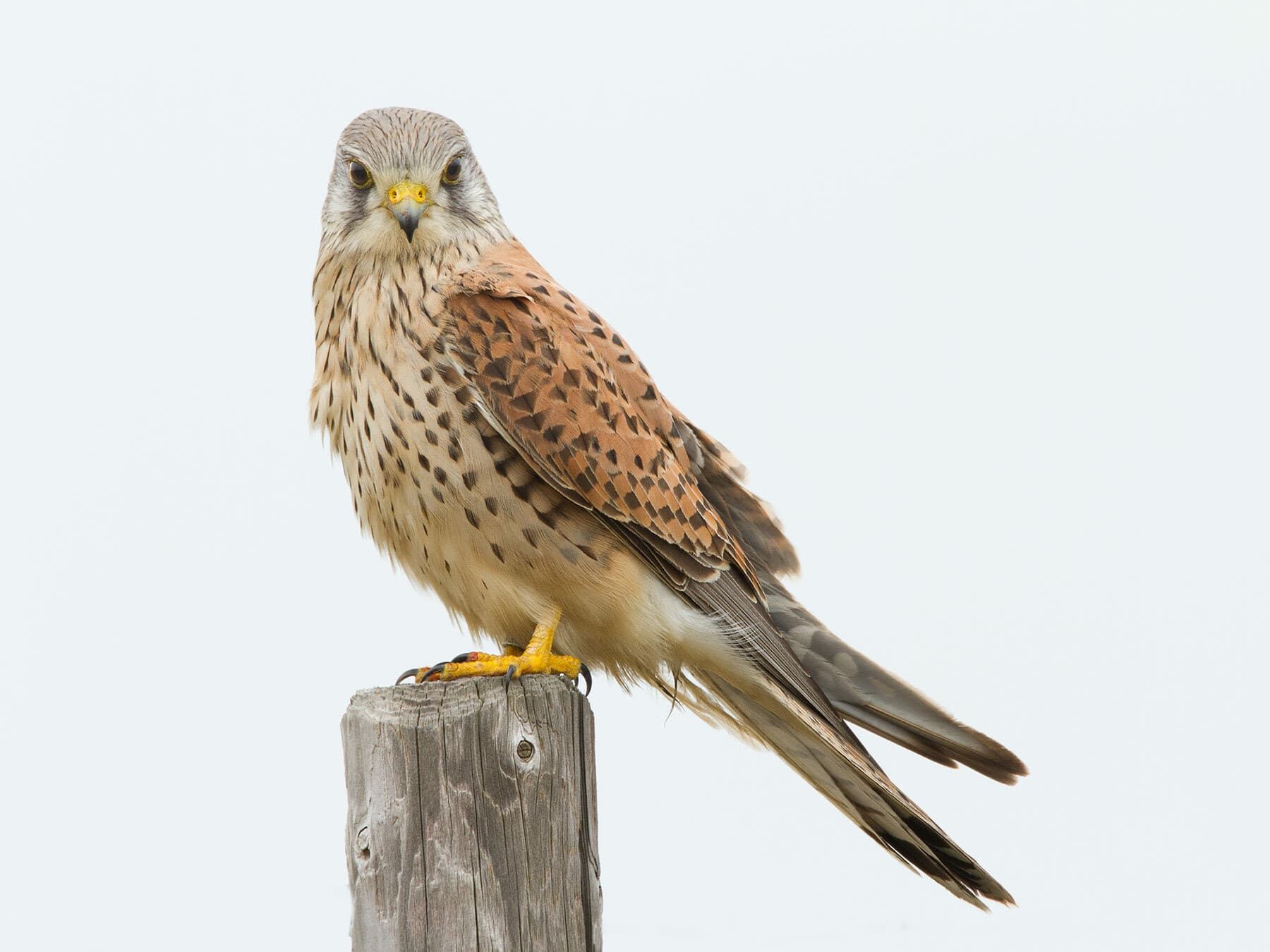
Kestrel
Falco tinnunculusLC
An uncommon resident seen hovering over roadside verges, farmland, and urban fringe areas throughout the year.
Year-round
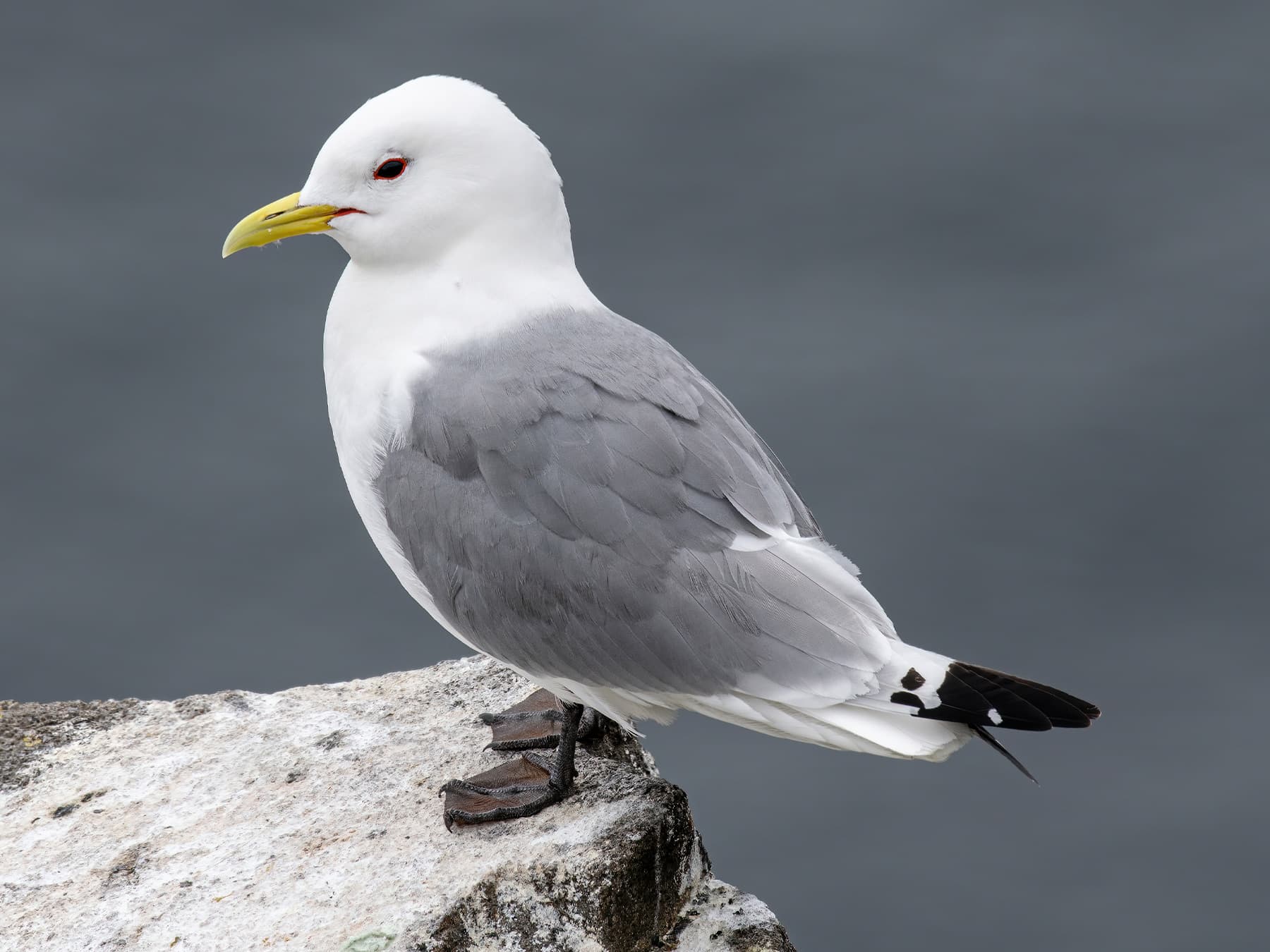
Kittiwake
Rissa tridactylaVU
An uncommon but iconic resident, nesting on buildings and cliffs along the Tyne. Numbers have declined sharply in recent decades.
Year-round
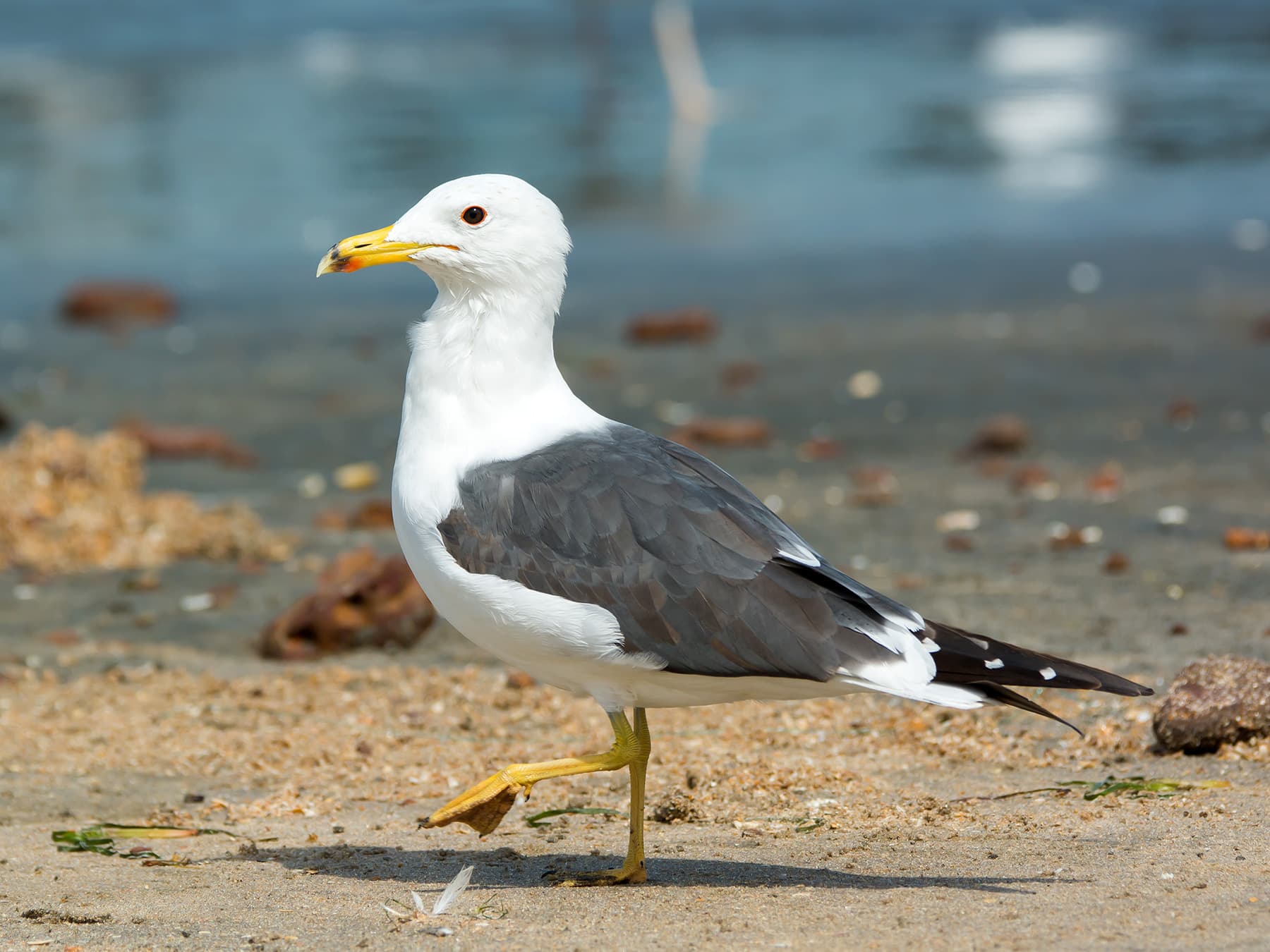
Lesser Black-backed Gull
Larus fuscusLC
An uncommon year-round resident, often seen at landfill sites, playing fields and along the coast. Less numerous than Herring Gulls locally.
Year-round
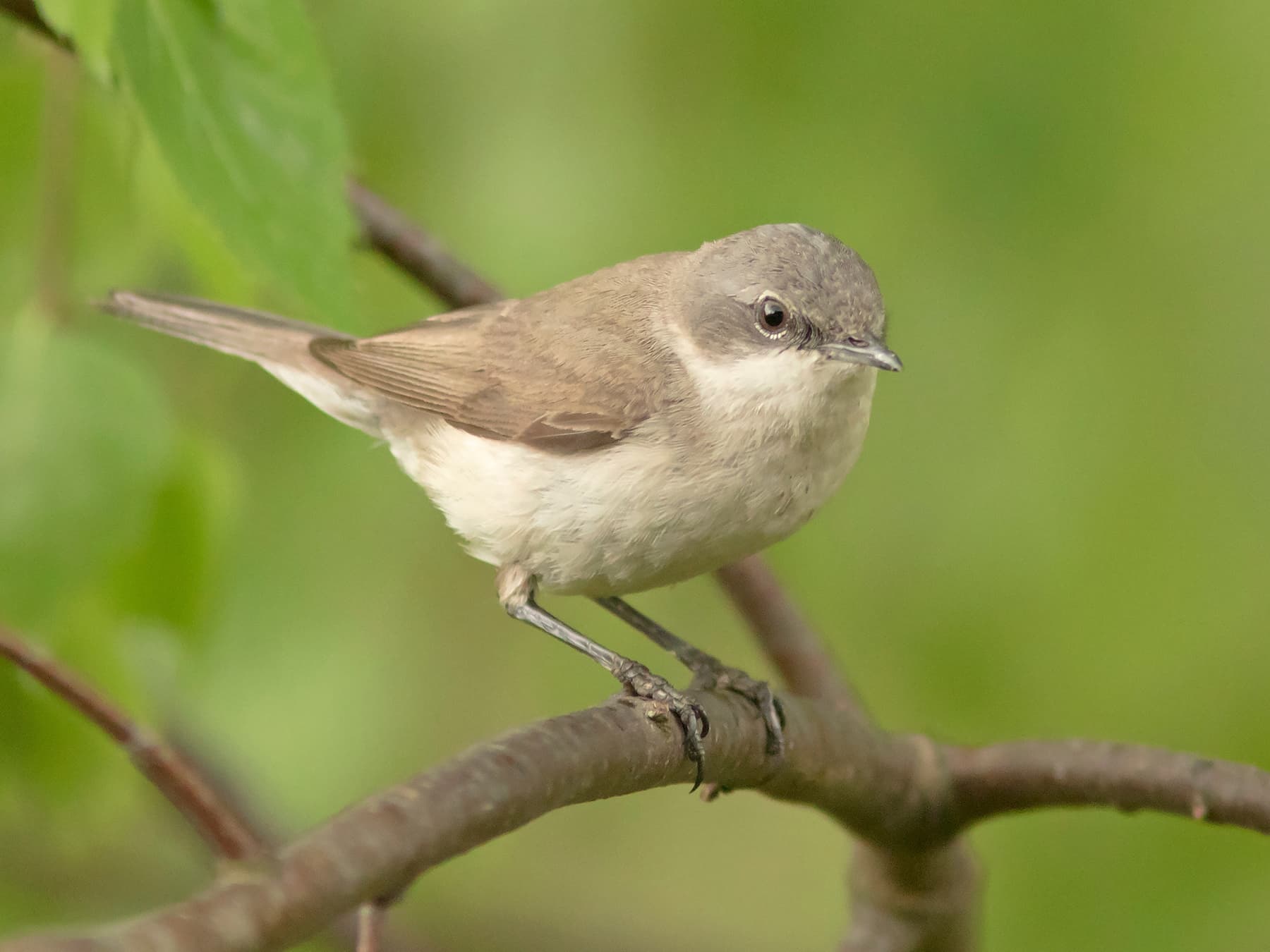
Lesser Whitethroat
Curruca currucaLC
An uncommon summer breeder arriving in April, favouring tall hedgerows and scrubby thickets across the region's lowlands.
Apr–Oct
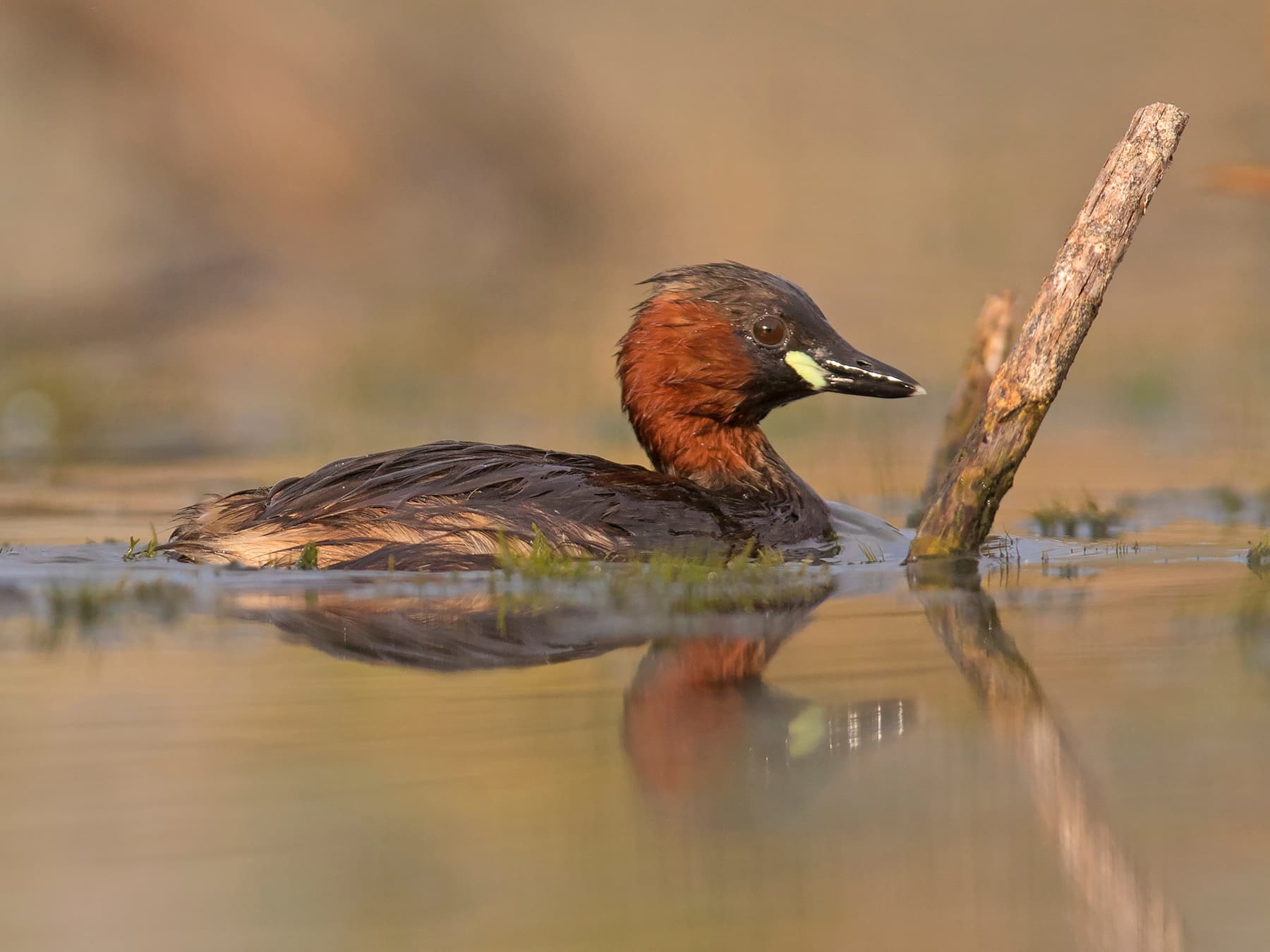
Little Grebe
Tachybaptus ruficollisLC
An uncommon but year-round resident on sheltered ponds, lakes, and slow rivers. Its whinnying trill is often heard before it is seen.
Year-round
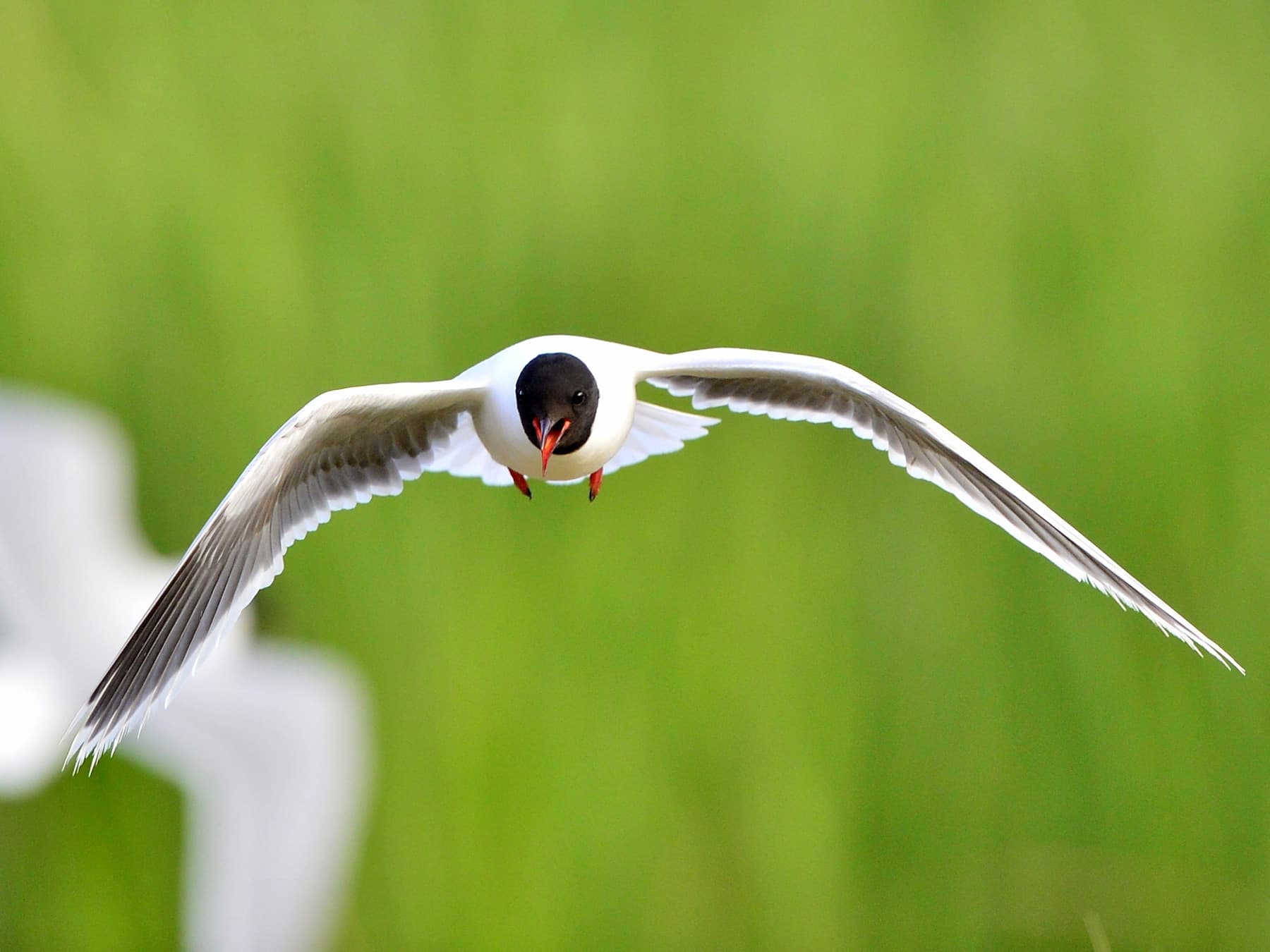
Little Gull
Hydrocoloeus minutusLC
An uncommon non-breeding visitor, seen at coastal sites from late summer through winter. Often noted during seawatches.
Jul–Feb
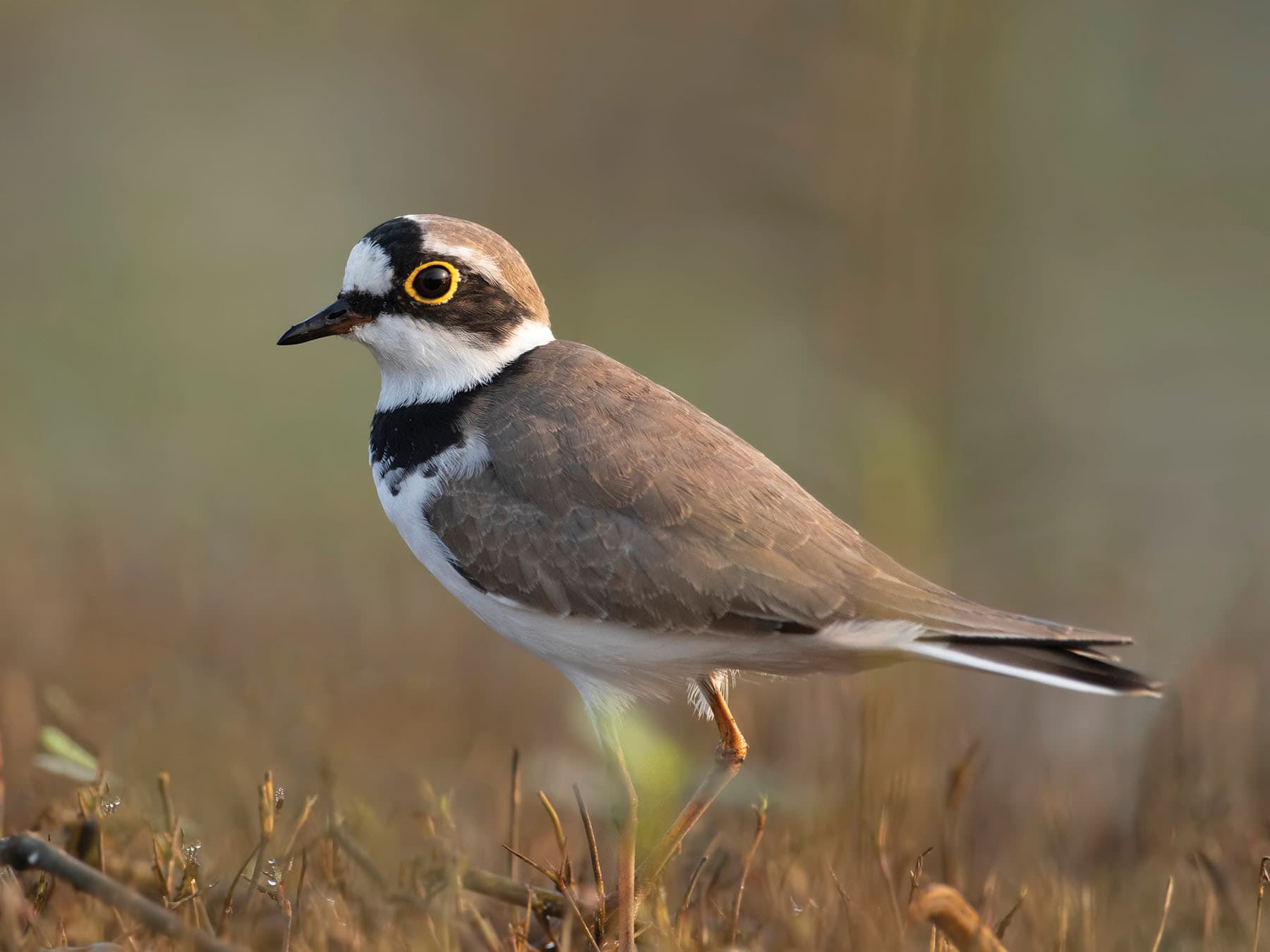
Little Ringed Plover
Charadrius dubiusLC
An uncommon summer breeder from March to August, nesting on bare ground near gravel pits and riverbanks.
Mar–Aug
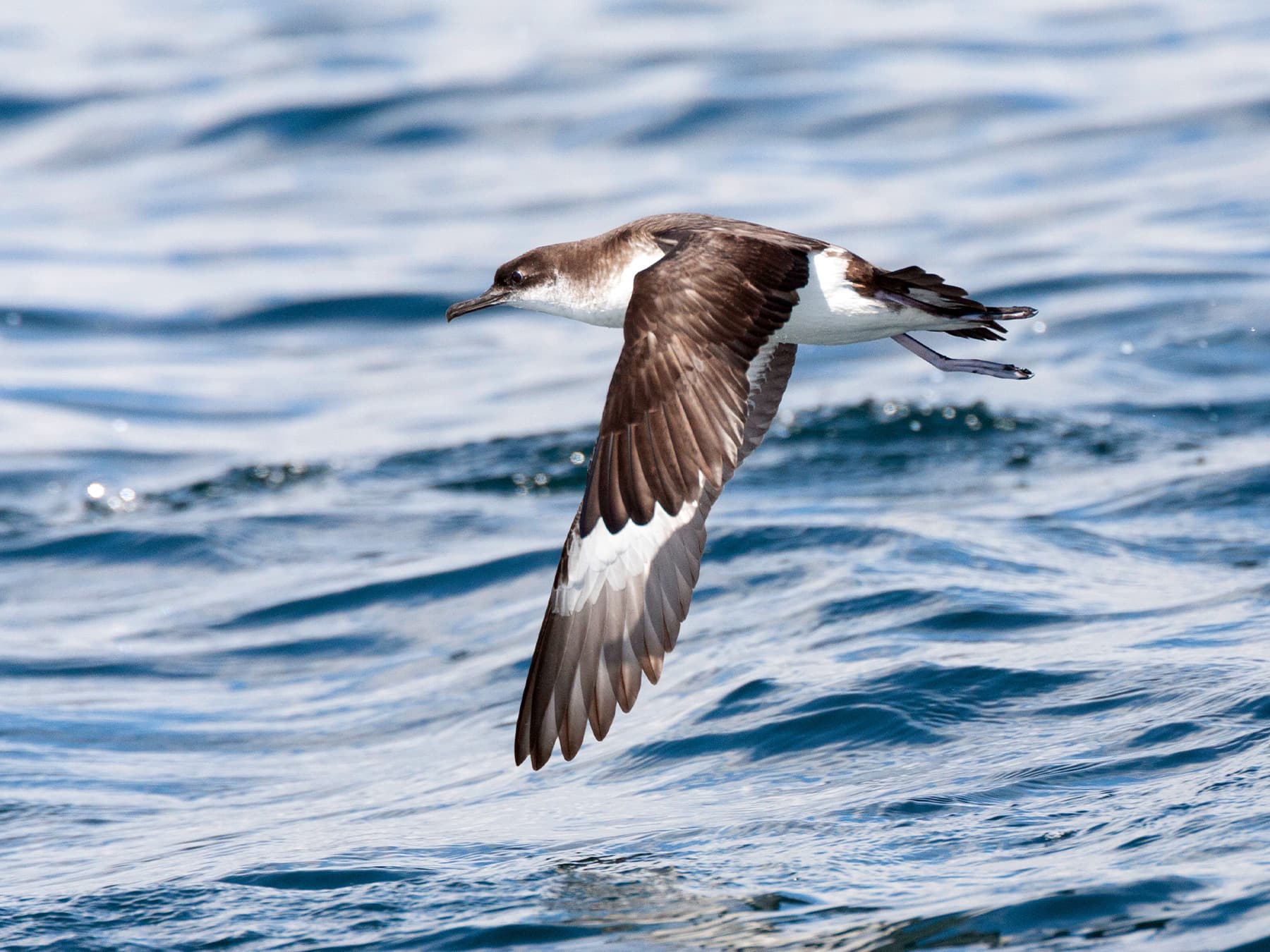
Manx Shearwater
Puffinus puffinusLC
Uncommon but regularly seen offshore from April to December during seawatches, often in small groups skimming the waves.
Apr–Dec
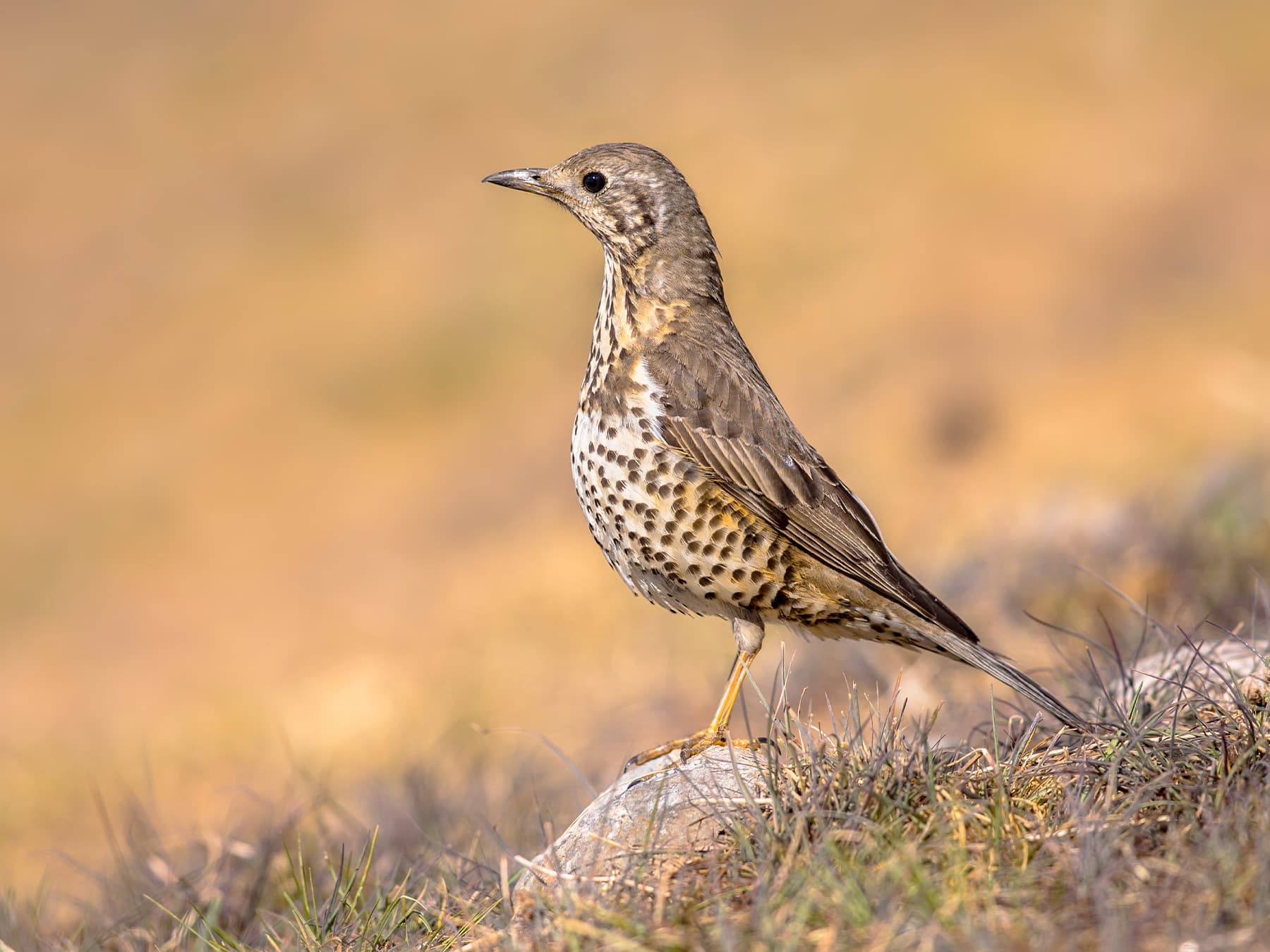
Mistle Thrush
Turdus viscivorusLC
An uncommon resident of parks, playing fields and open woodland, often seen defending berry-laden trees with rattling calls in winter.
Year-round
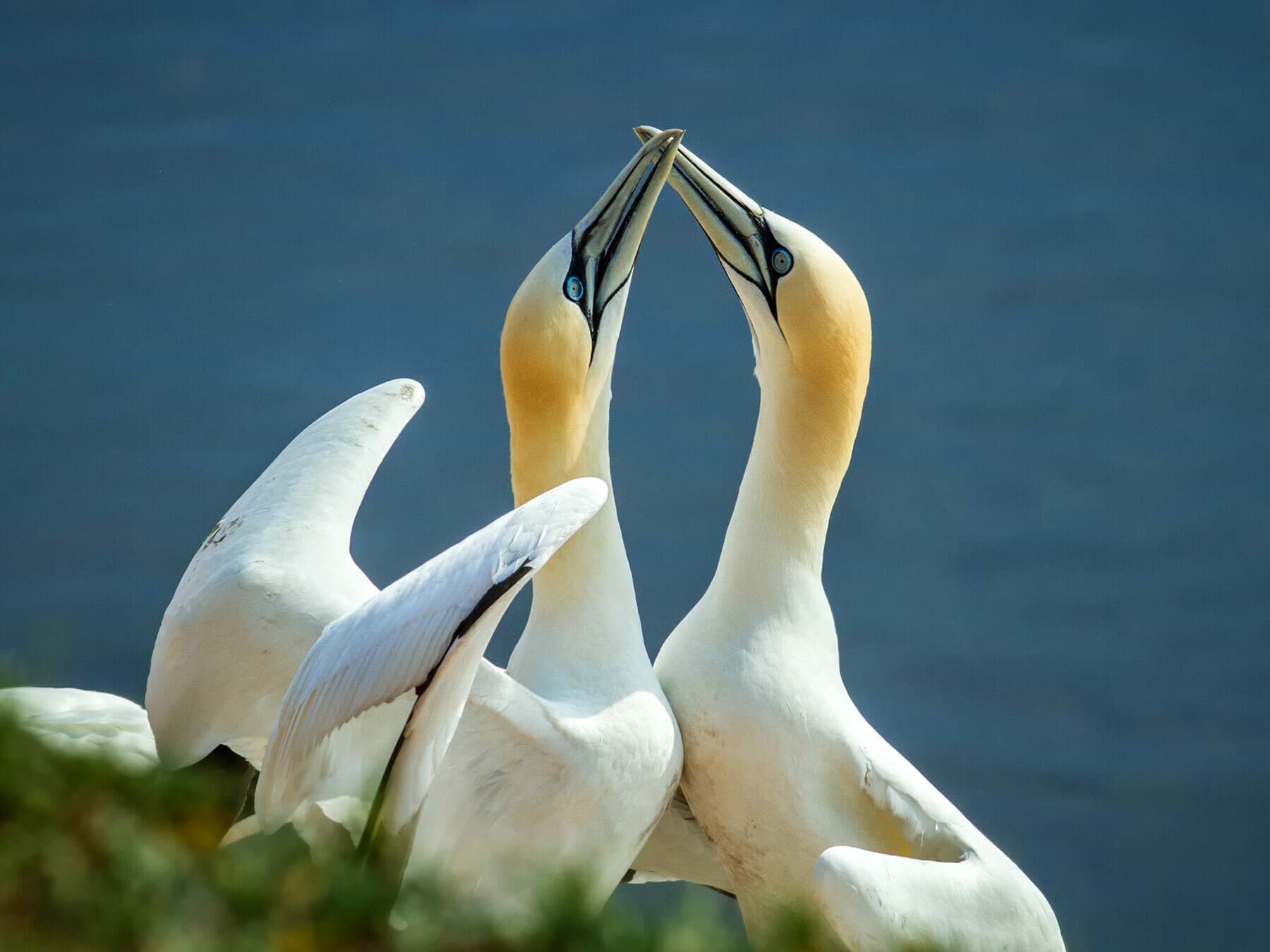
Northern Gannet
Morus bassanusLC
Present year-round offshore, often visible plunge-diving from coastal vantage points. Numbers peak during summer and autumn.
Year-round