Rare Birds in Tyne and Wear
91 species matching this filter.
Tyne and Wear may be one of England's most urbanised counties, but its diverse habitats — from the North Sea coastline and estuarine mudflats of the Tyne and Wear rivers to pockets of woodland and parkland — attract a surprising variety of rare bird species. With 89 species classified as rare in the region, patient observers may encounter anything from the elusive Barn Owl and Eurasian Woodcock in quieter rural fringes to scarce passage migrants such as Bluethroat, Little Stint and Greenshank along the coast. Notable winter visitors like the Iceland Gull and breeding-season specialities such as the Garden Warbler add further interest throughout the year.


Showing 70–91 of 91 species
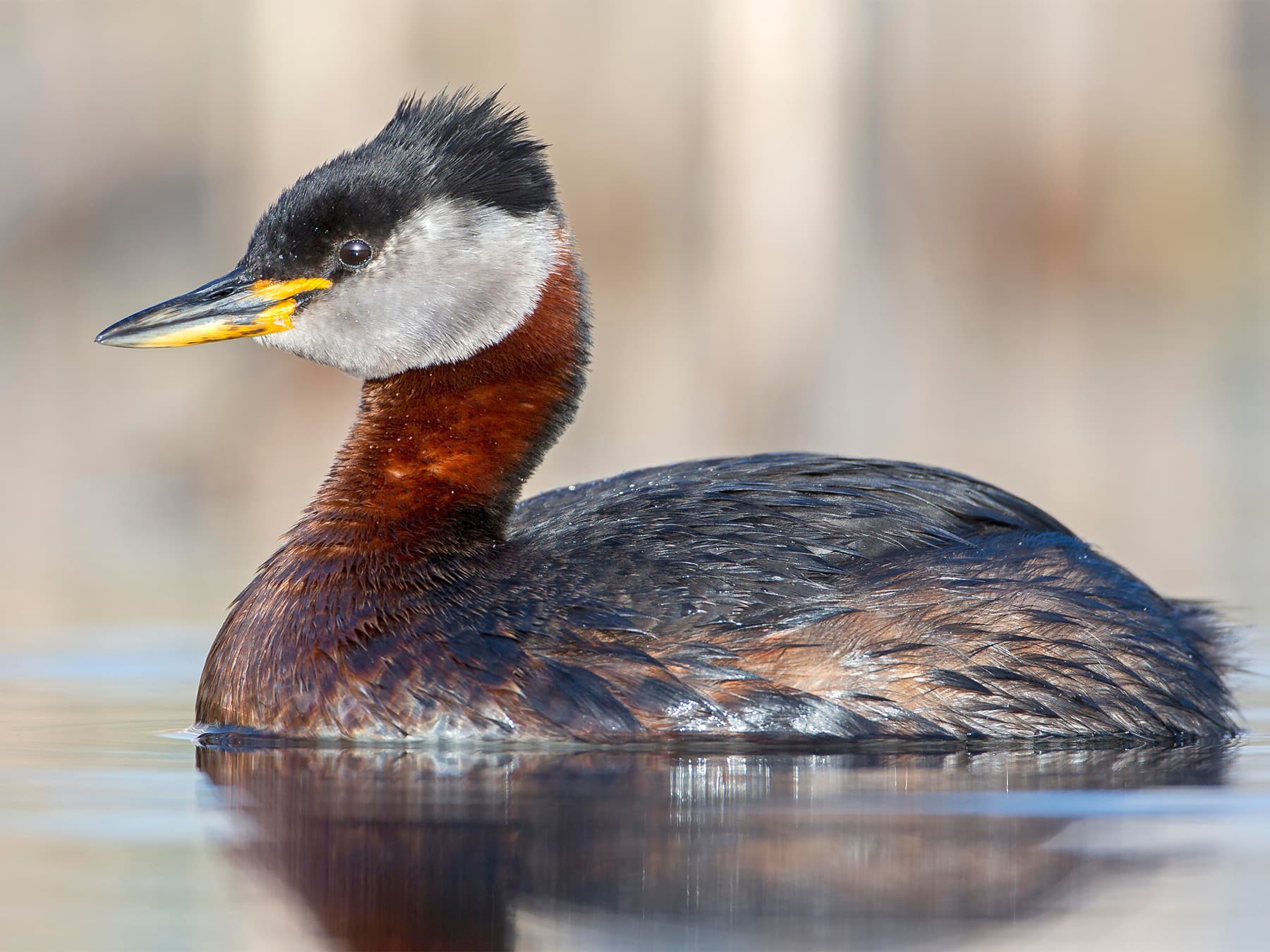
Red-necked Grebe
Podiceps grisegenaLC
A rare autumn and early winter passage visitor, occasionally seen offshore or in sheltered coastal waters from September.
Sep–Dec
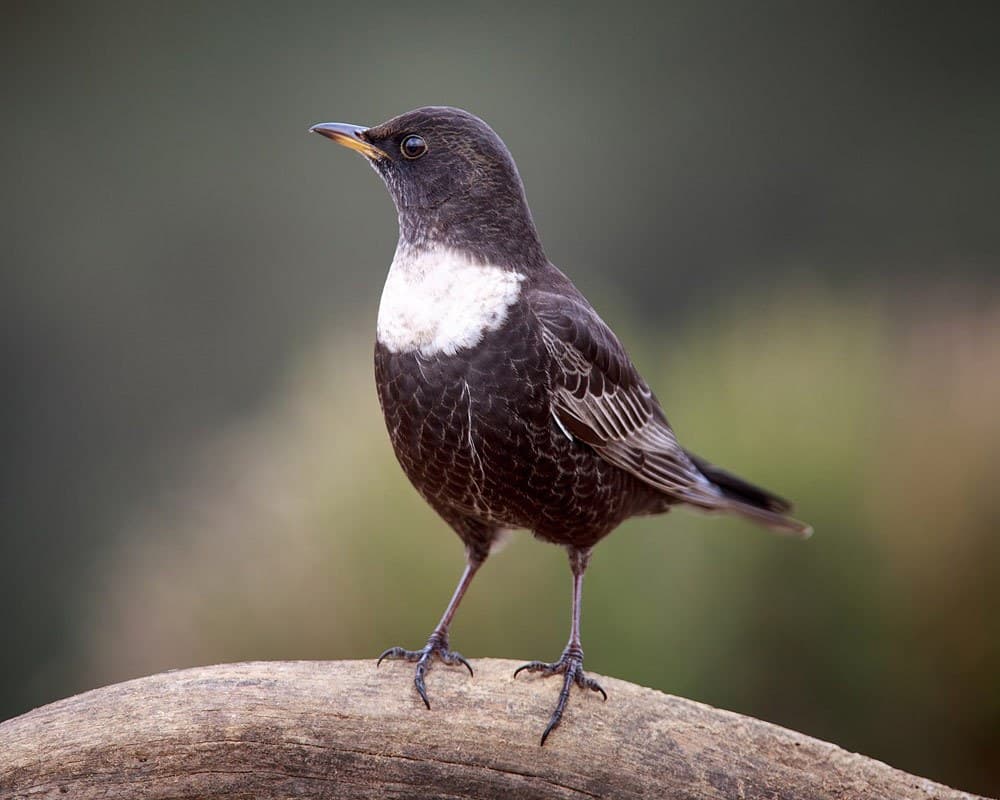
Ring Ouzel
Turdus torquatusLC
A rare passage migrant seen briefly in April and October, often on coastal scrub or upland edges while moving between breeding and wintering grounds.
Oct–Apr
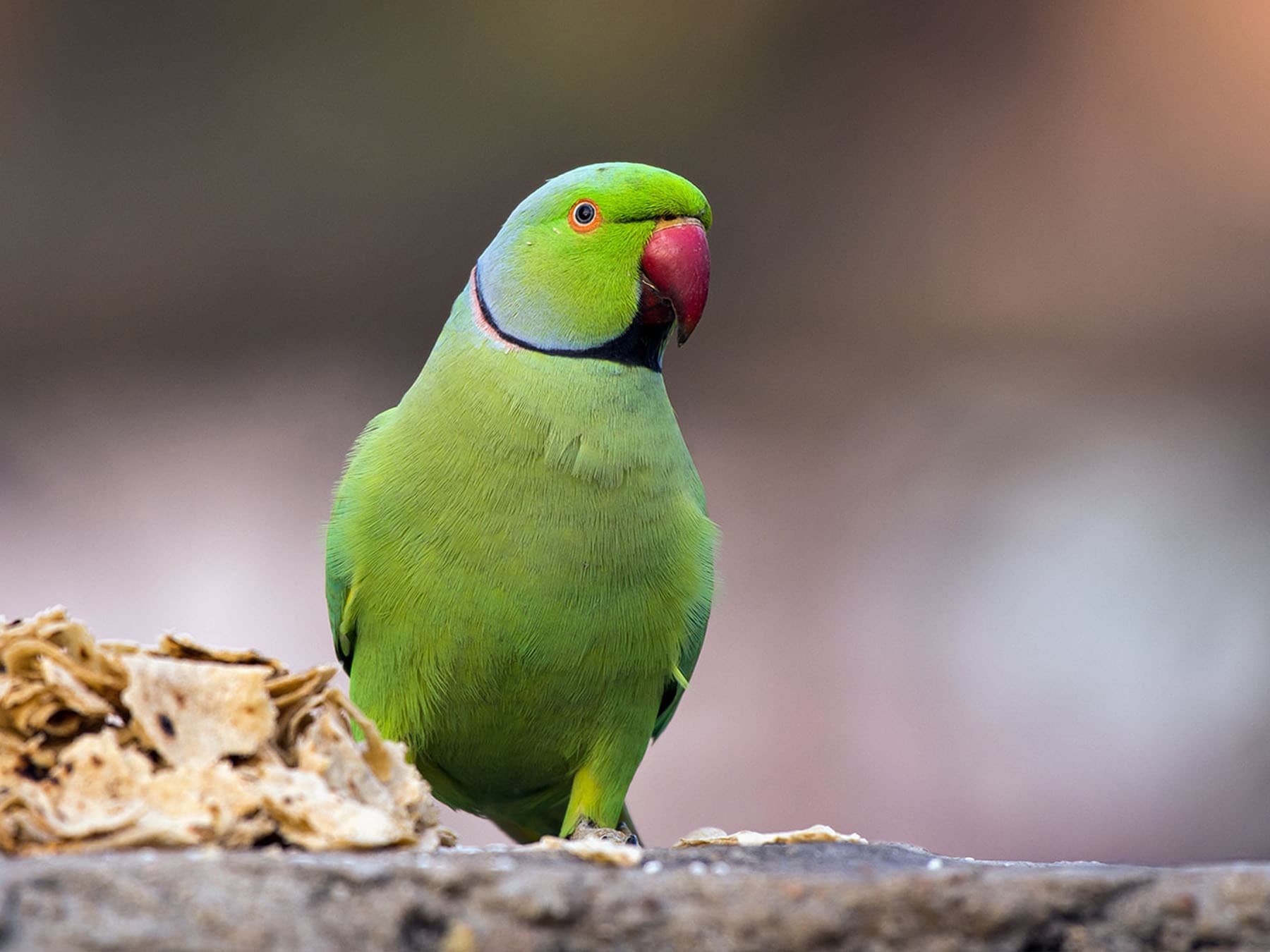
Rose-ringed Parakeet
Alexandrinus krameriLC
A rare but increasingly noted resident, part of the species' gradual northward spread from established southern populations.
Year-round
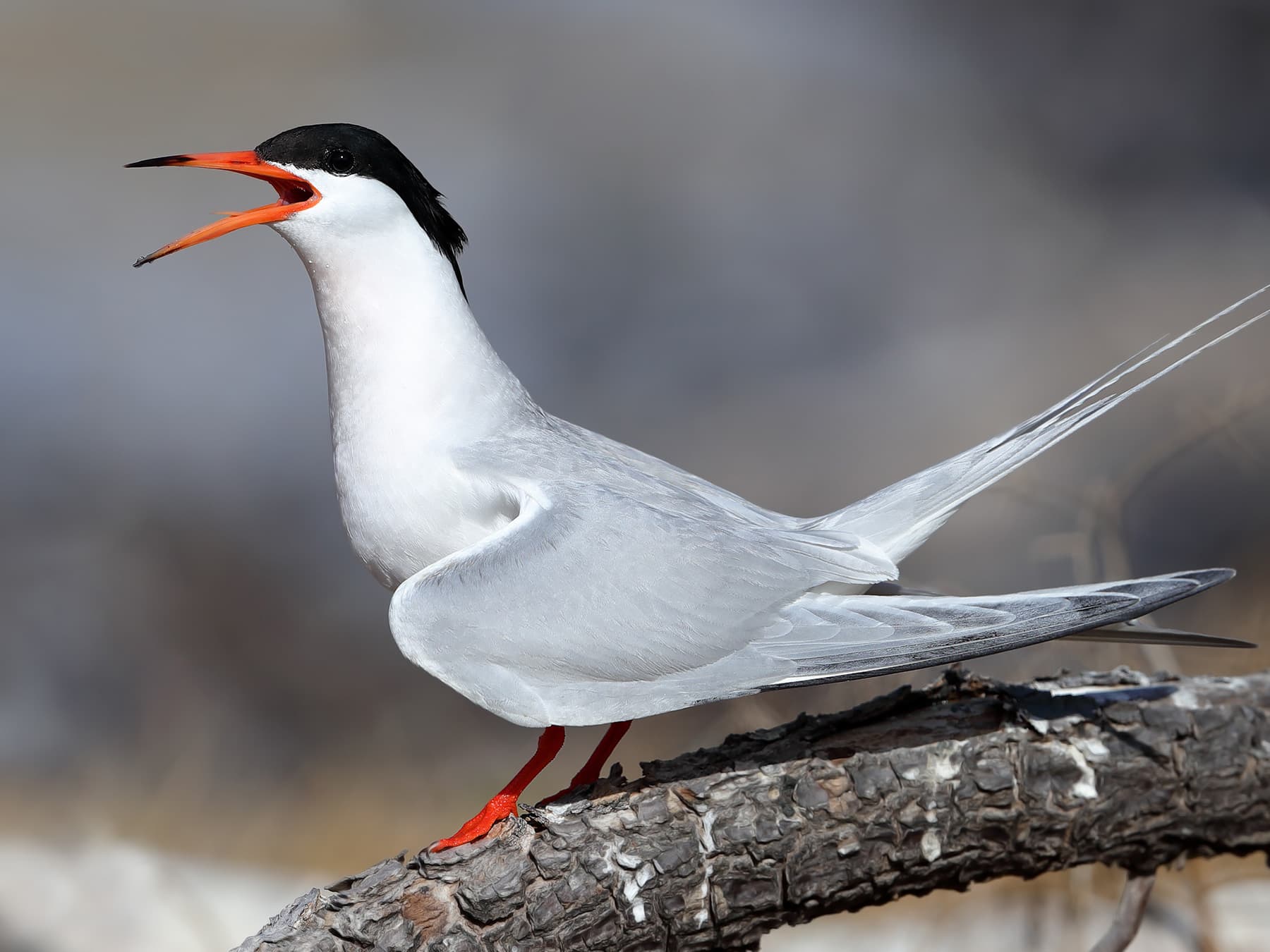
Roseate Tern
Sterna dougalliiLC
A rare passage migrant, most likely seen near tern colonies in late summer. The nearby Coquet Island hosts a key UK breeding colony.
May–Sep
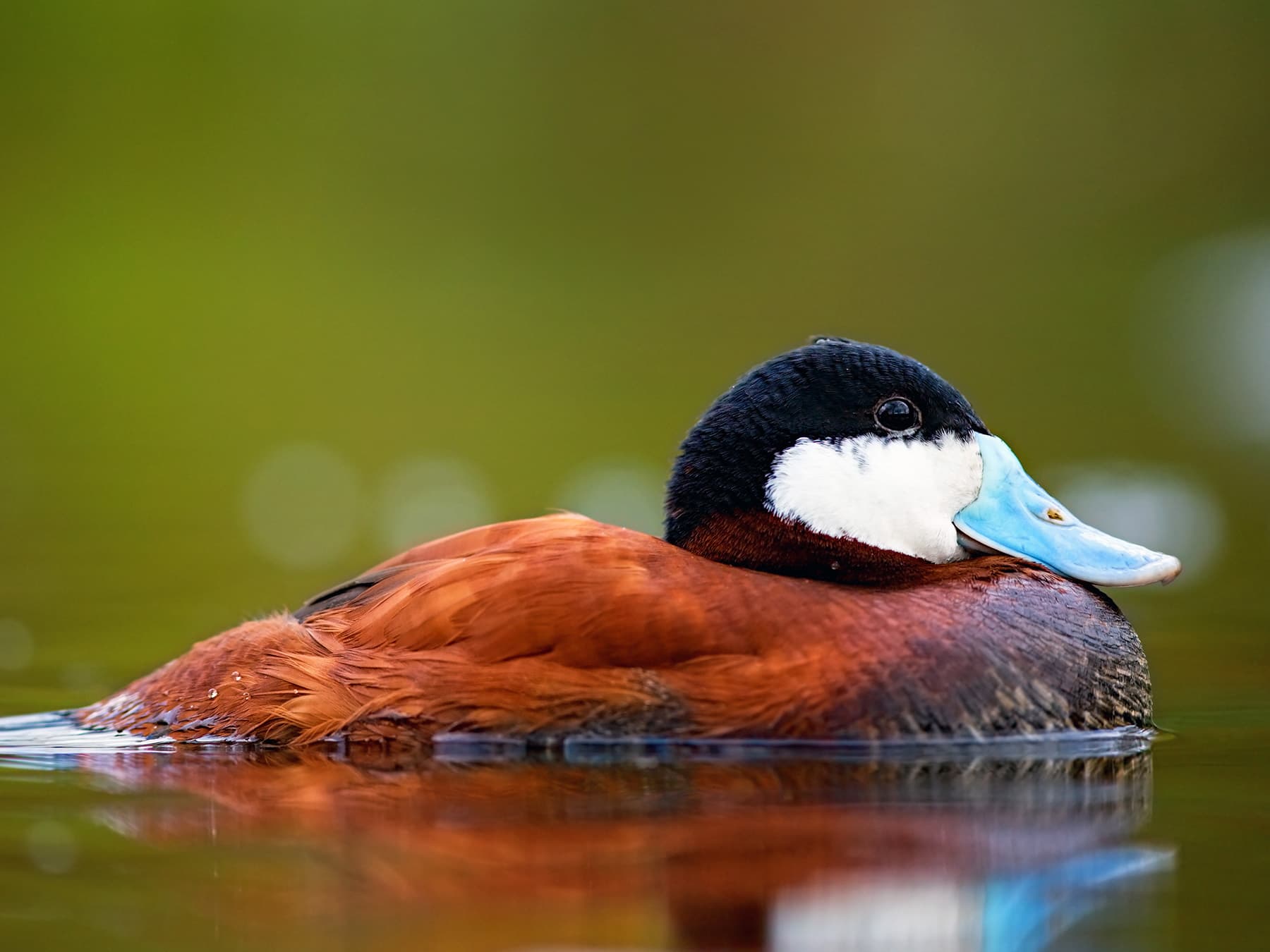
Ruddy Duck
Oxyura jamaicensisLC
A rare breeding visitor, now largely eradicated by national control programmes. Any sightings are increasingly exceptional.
Apr–Jun
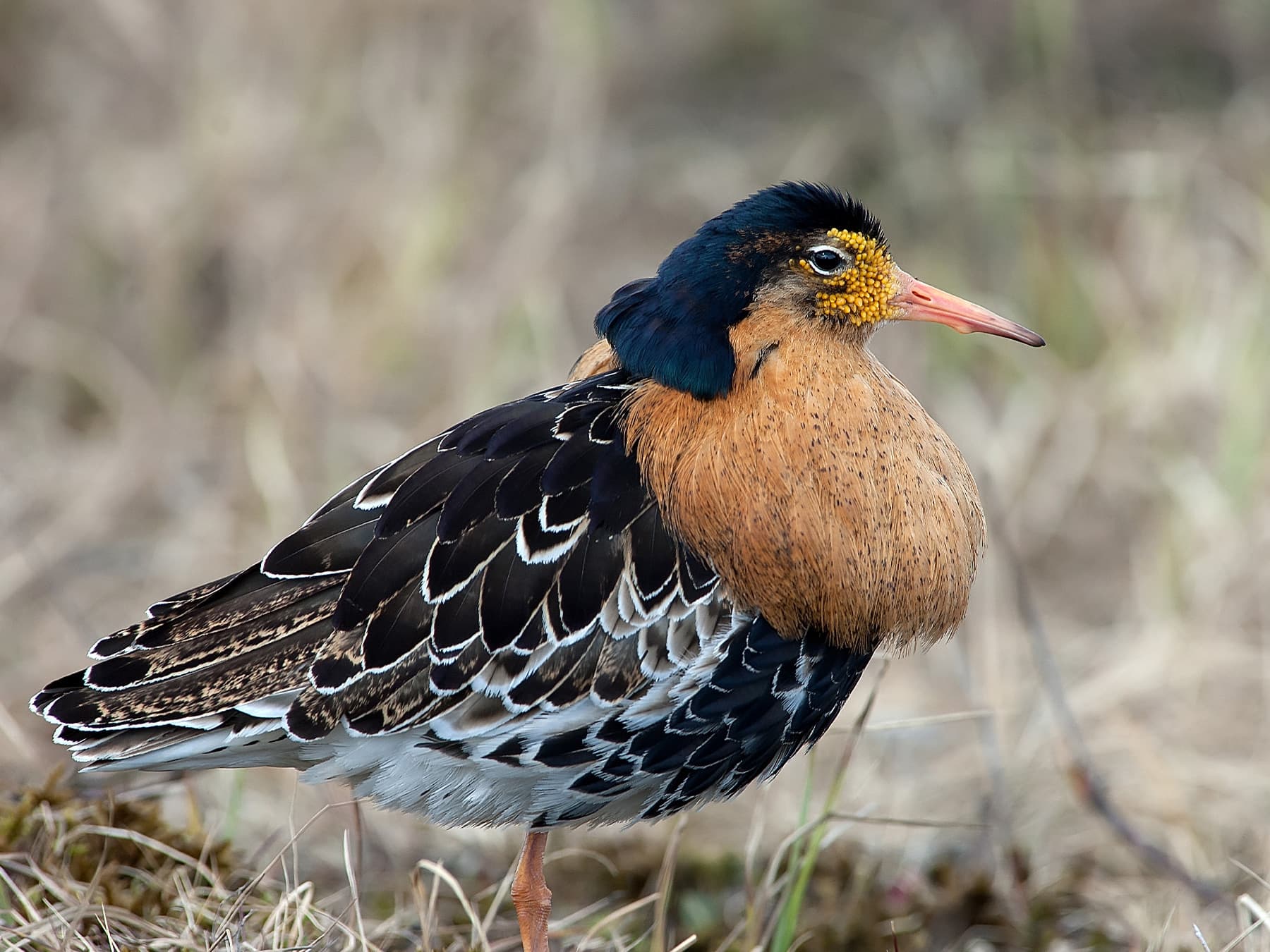
Ruff
Philomachus pugnaxLC
A rare autumn passage migrant from July to October. Occasionally stops at freshwater pools and muddy margins along the coast.
Jul–Oct
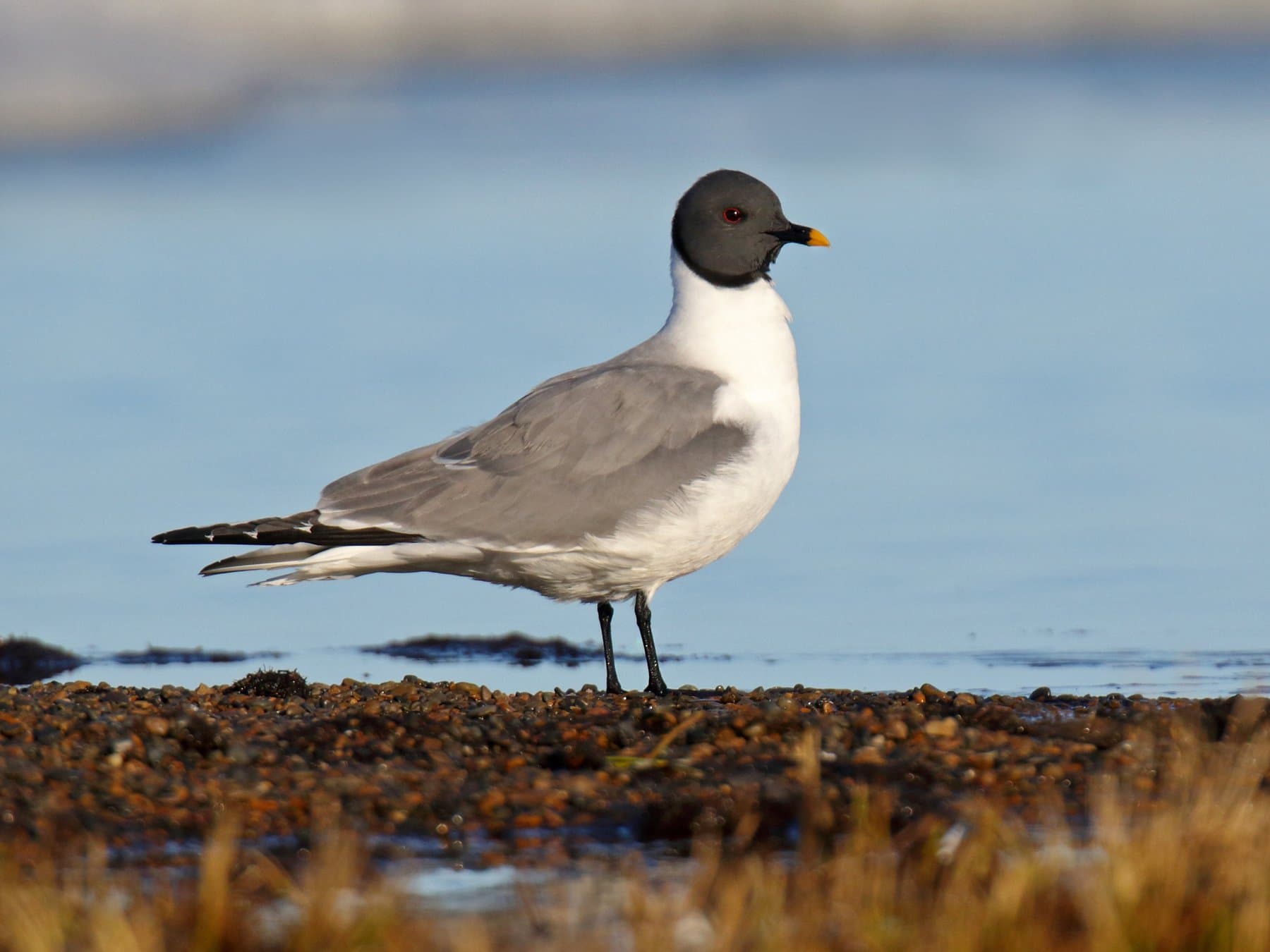
Sabine's Gull
Xema sabiniLC
A rare September passage migrant, typically spotted during autumn gales. Whitburn and other coastal vantage points are the prime locations.
Sep
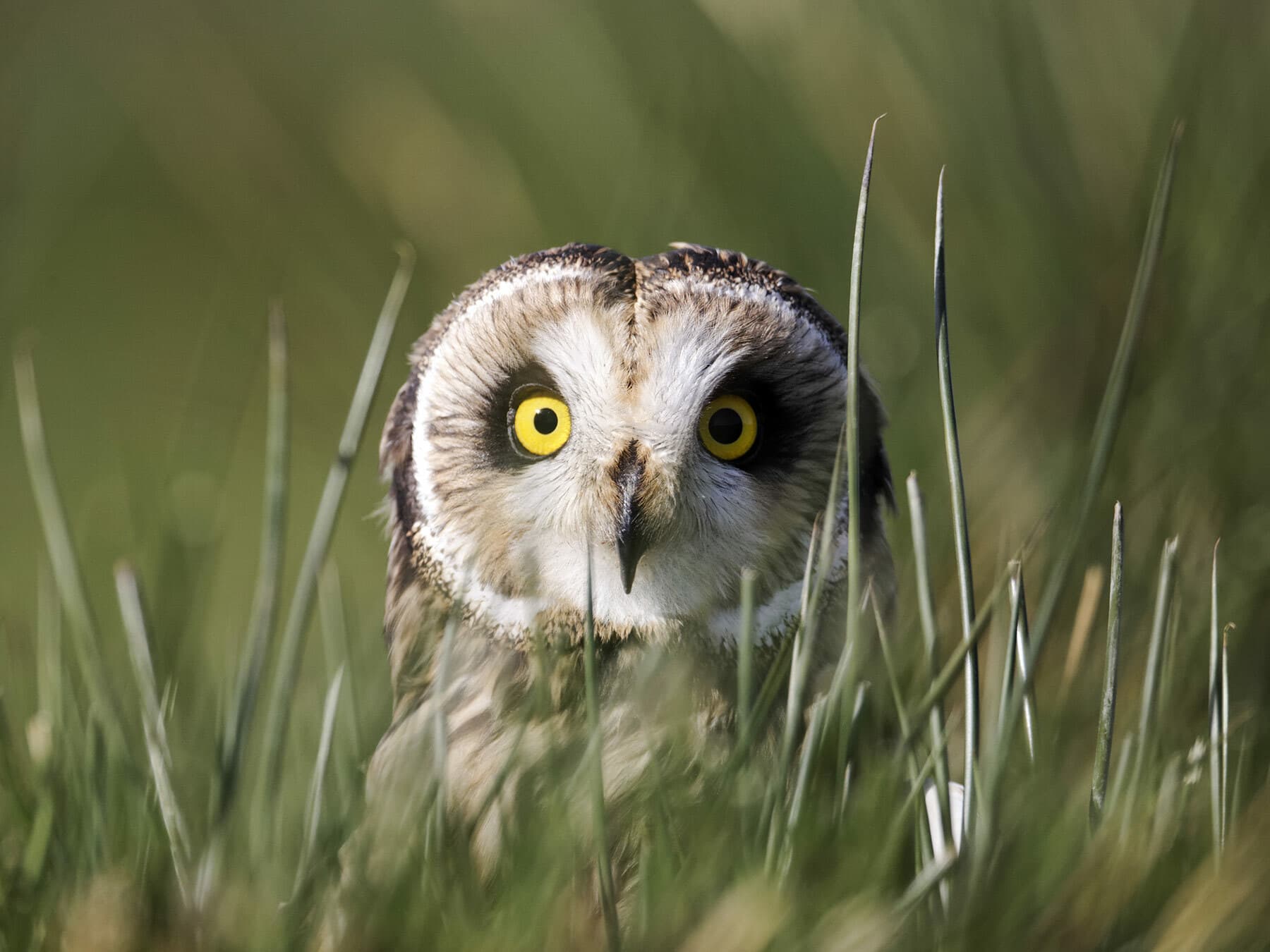
Short-eared Owl
Asio flammeusLC
A rare non-breeding visitor to open grassland and coastal fields, mainly seen from autumn through to early spring.
Sep–Apr
Spotted something?
Upload a photo to identify it
Identify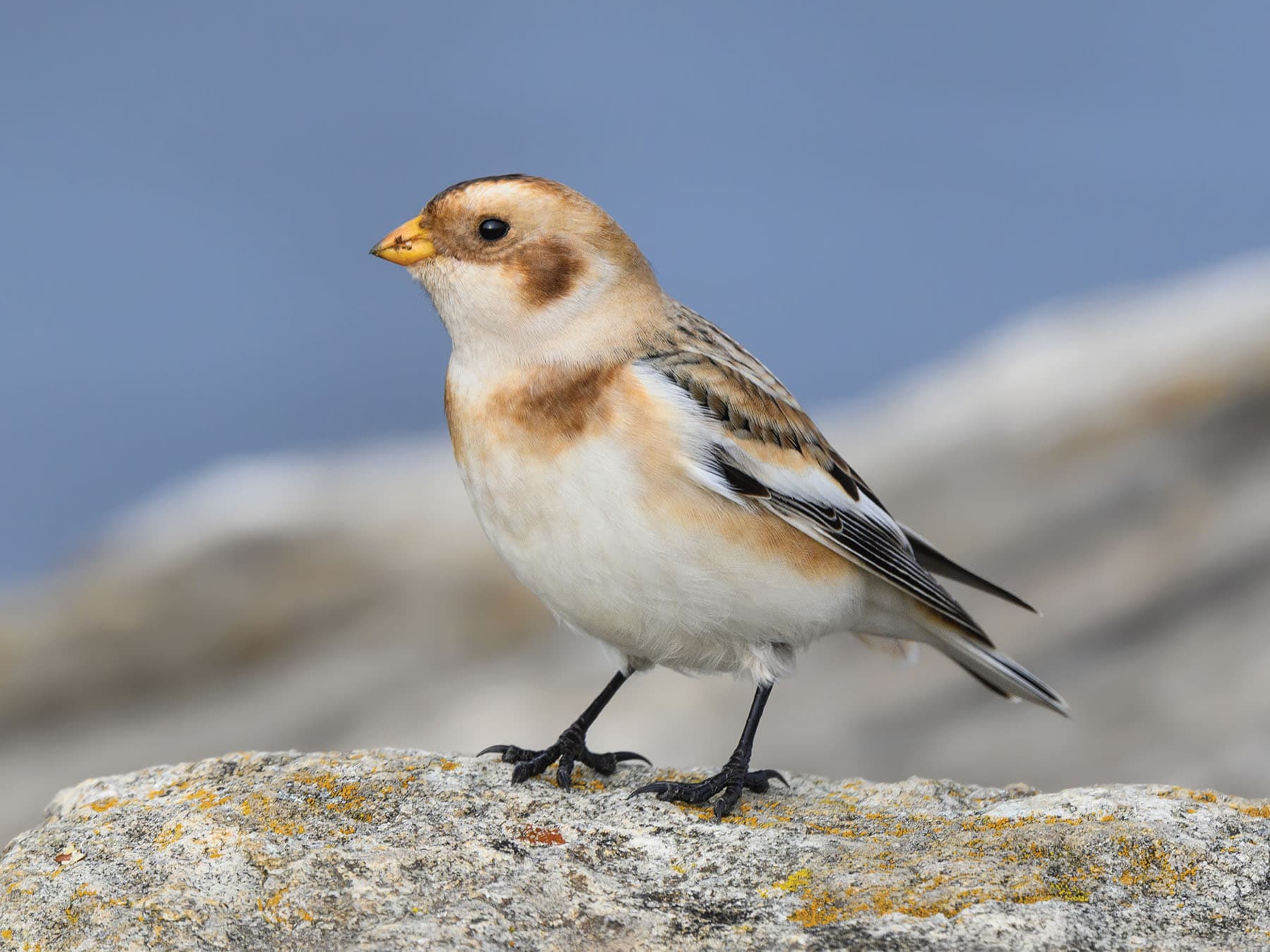
Snow Bunting
Plectrophenax nivalisLC
A rare winter visitor from Arctic breeding grounds, occasionally seen on beaches and coastal fields from October to March.
Oct–Mar
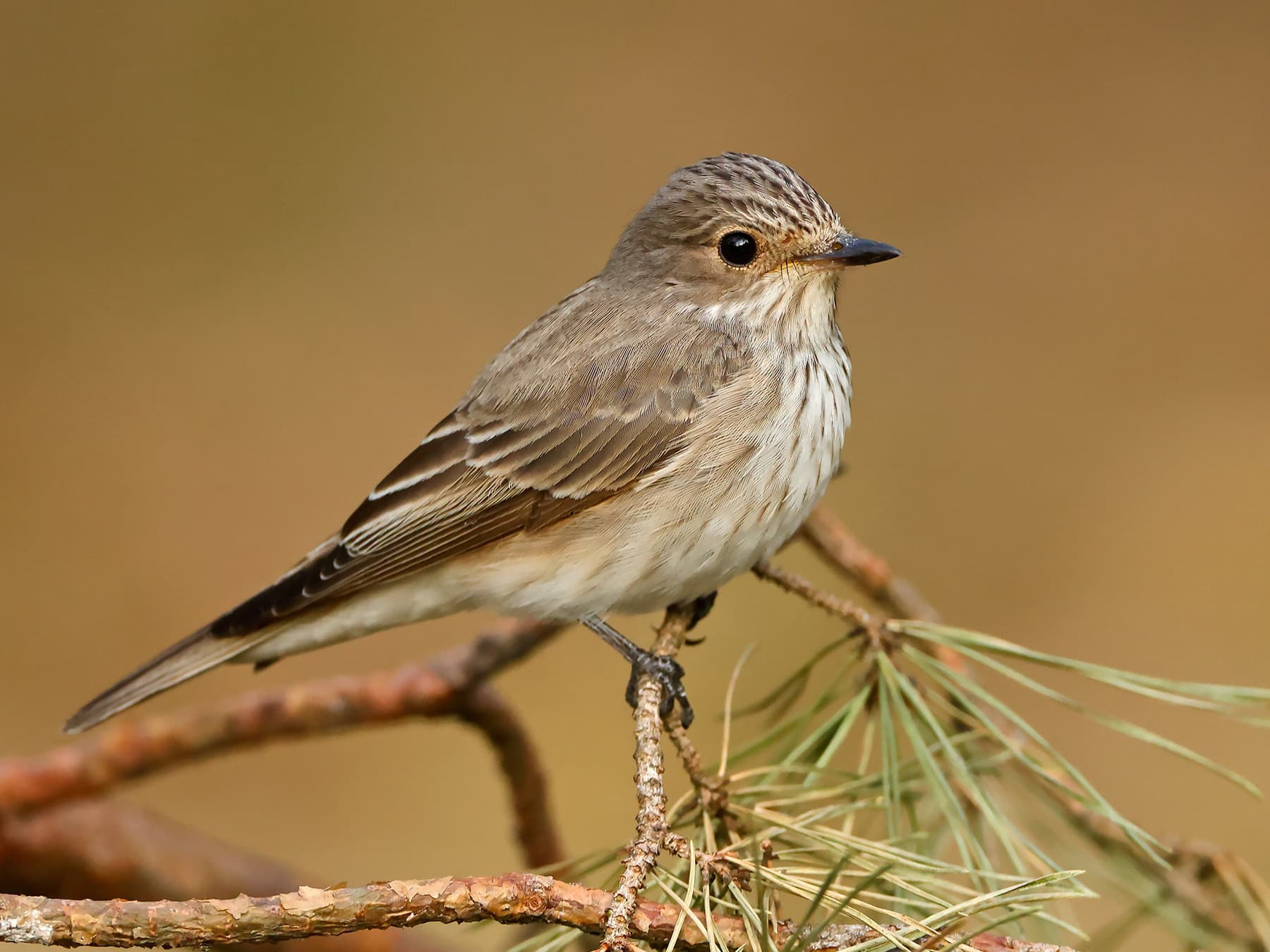
Spotted Flycatcher
Muscicapa striataLC
A rare passage visitor in May and late summer, perching prominently to catch insects in woodland clearings and coastal scrub.
May–Sep
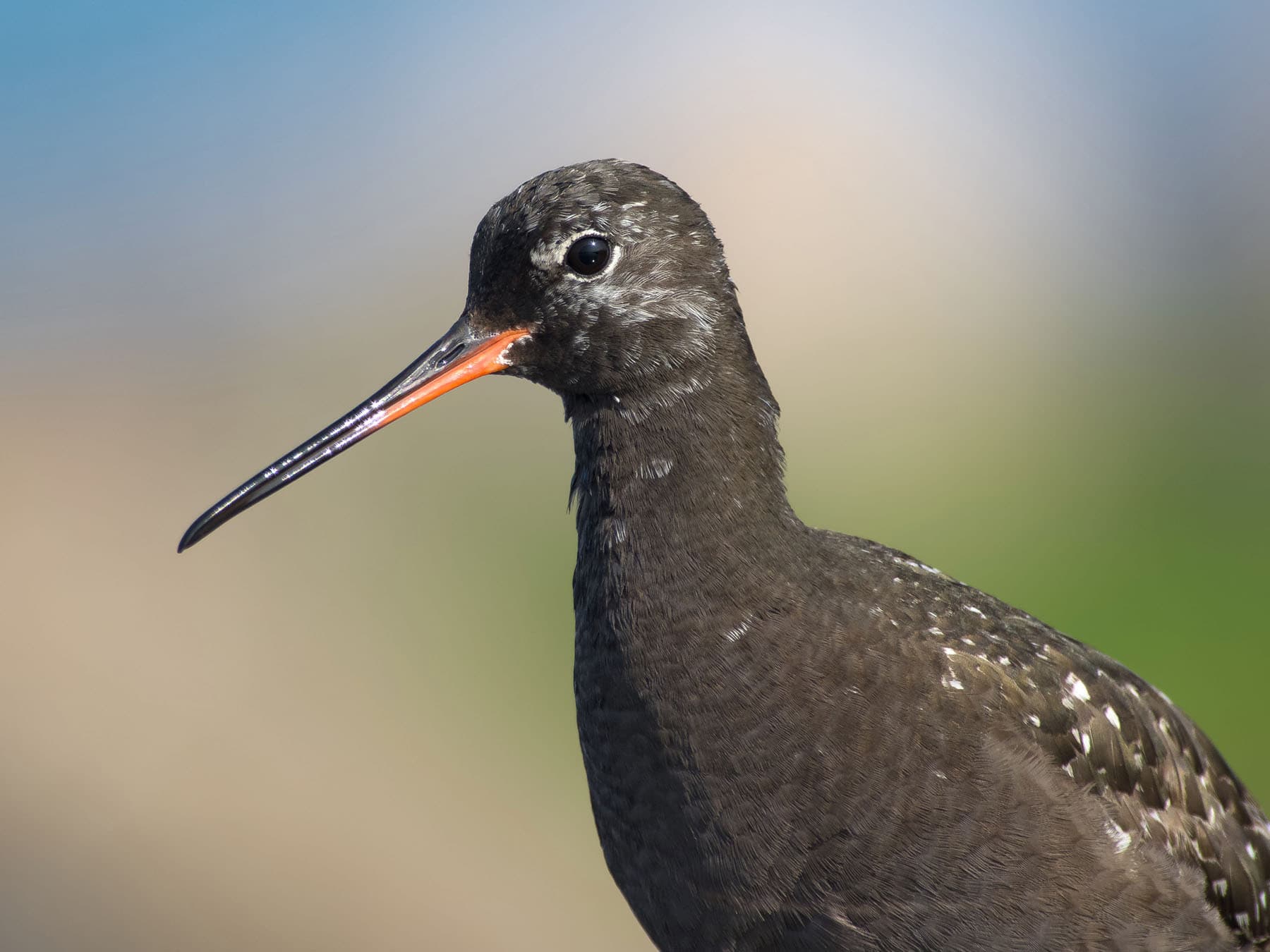
Spotted Redshank
Tringa erythropusLC
A rare autumn passage migrant, occasionally noted at coastal pools and estuarine mudflats in August and September.
Aug–Sep
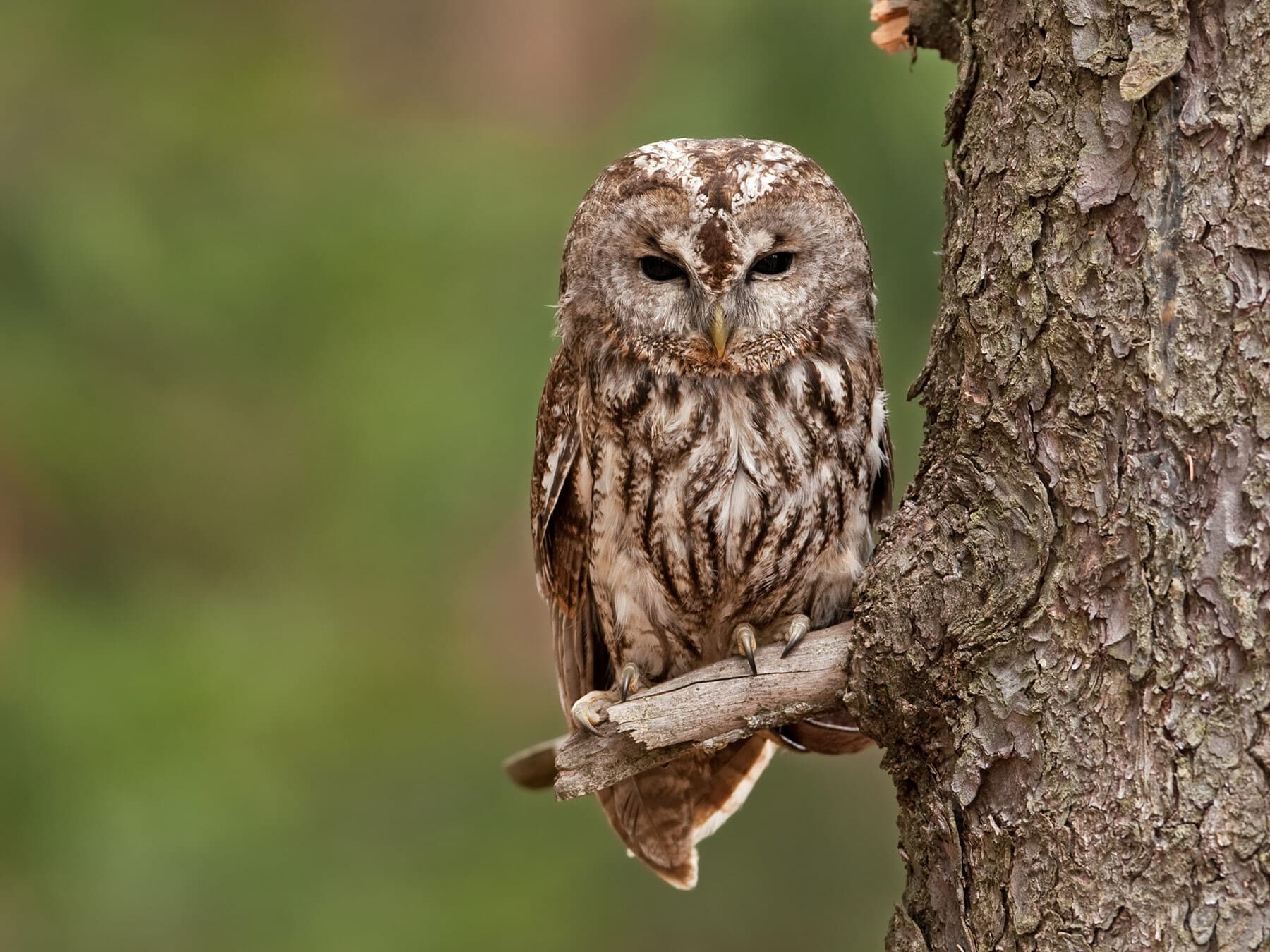
Tawny Owl
Strix alucoLC
A secretive resident of mature woodland and parks year-round. More often heard than seen, its hooting call carries through the region's wooded denes.
Year-round
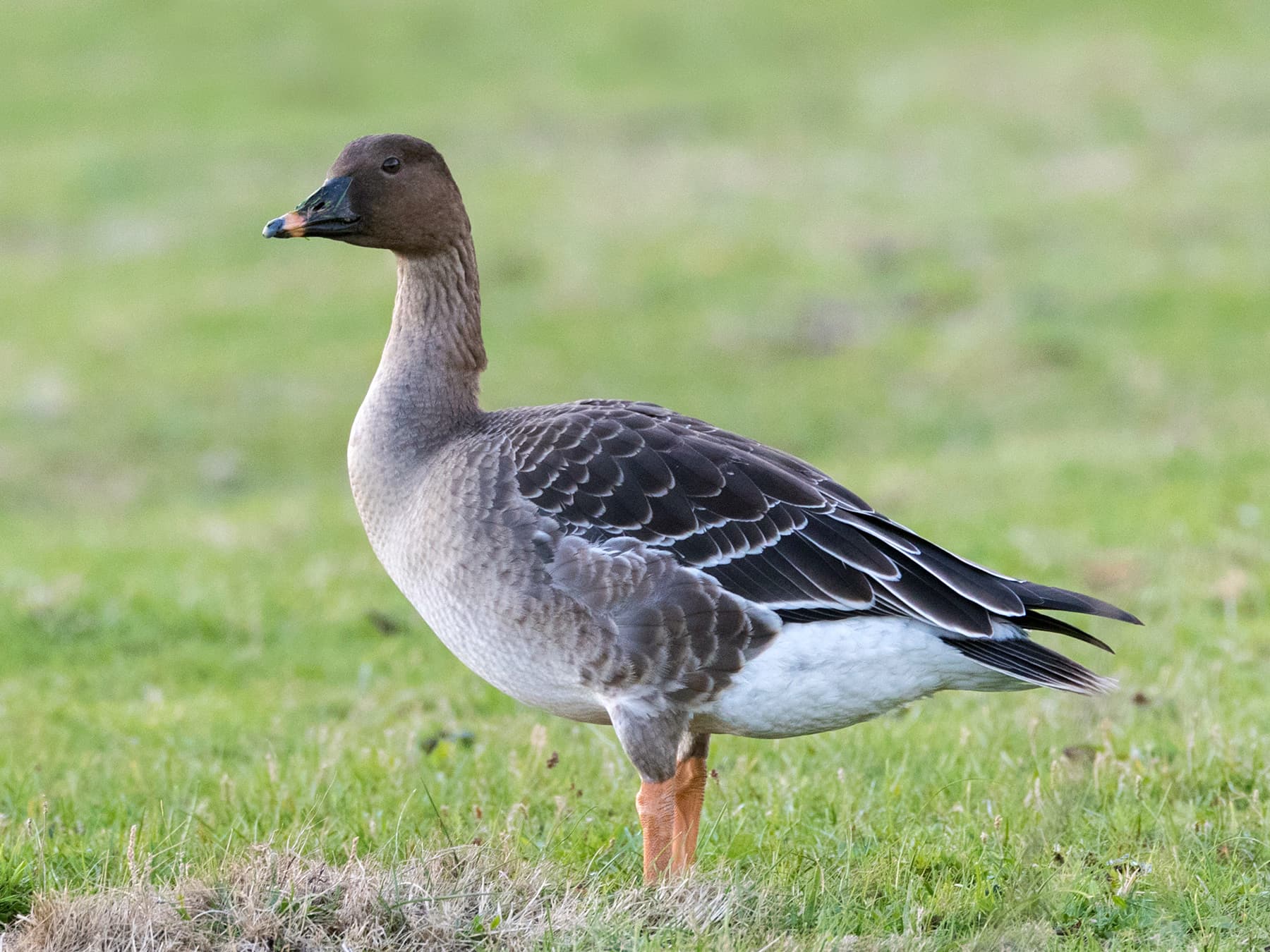
Tundra Bean Goose
Anser serrirostrisLC
A rare passage visitor, only occasionally recorded. Any sightings should be checked carefully among flocks of Pink-footed Geese.
Feb
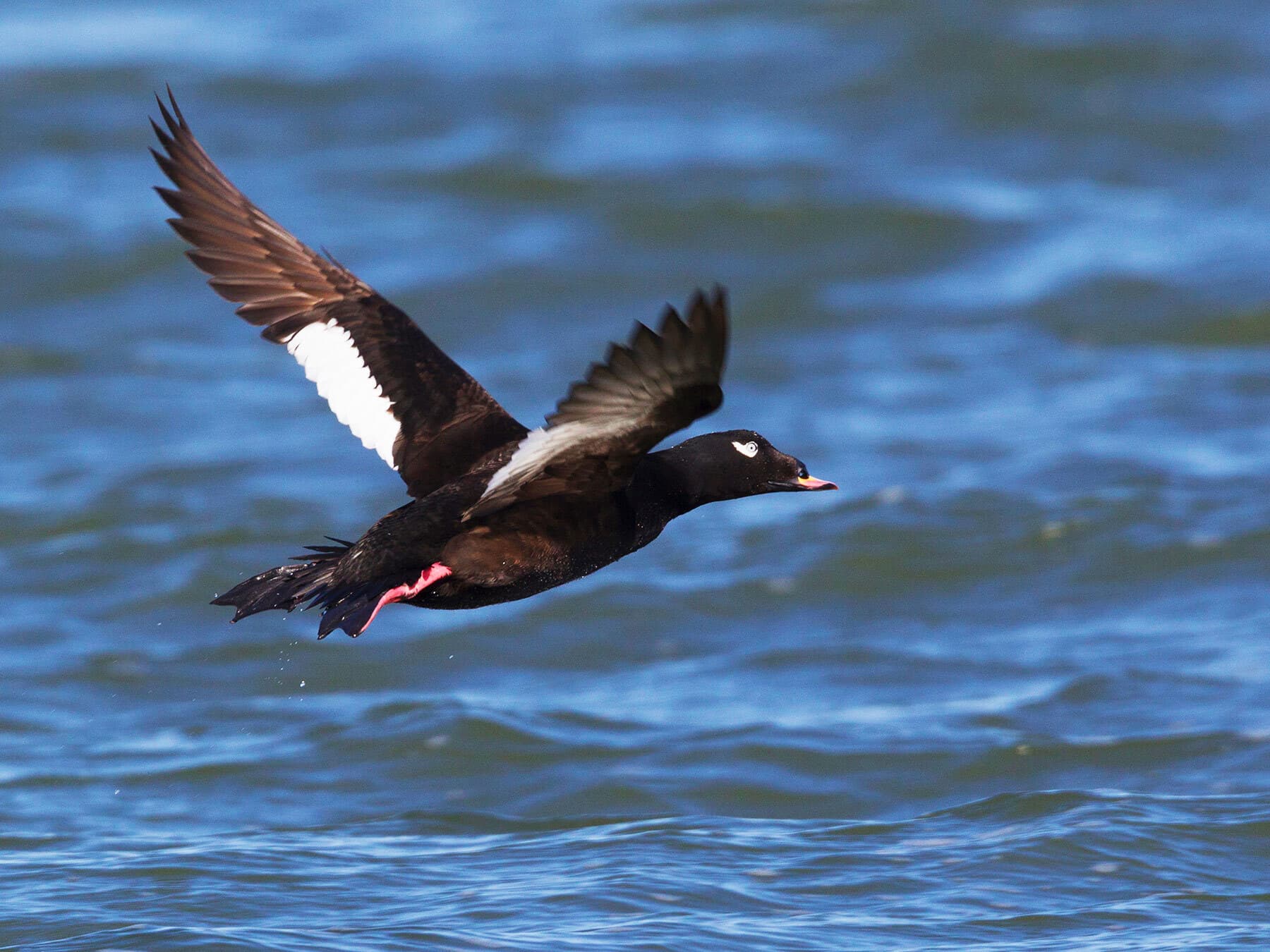
Velvet Scoter
Melanitta fuscaVU
A rare sea duck seen offshore, most often in winter. Small numbers linger along the coast, sometimes mixing with Common Scoter flocks.
Jun–Mar
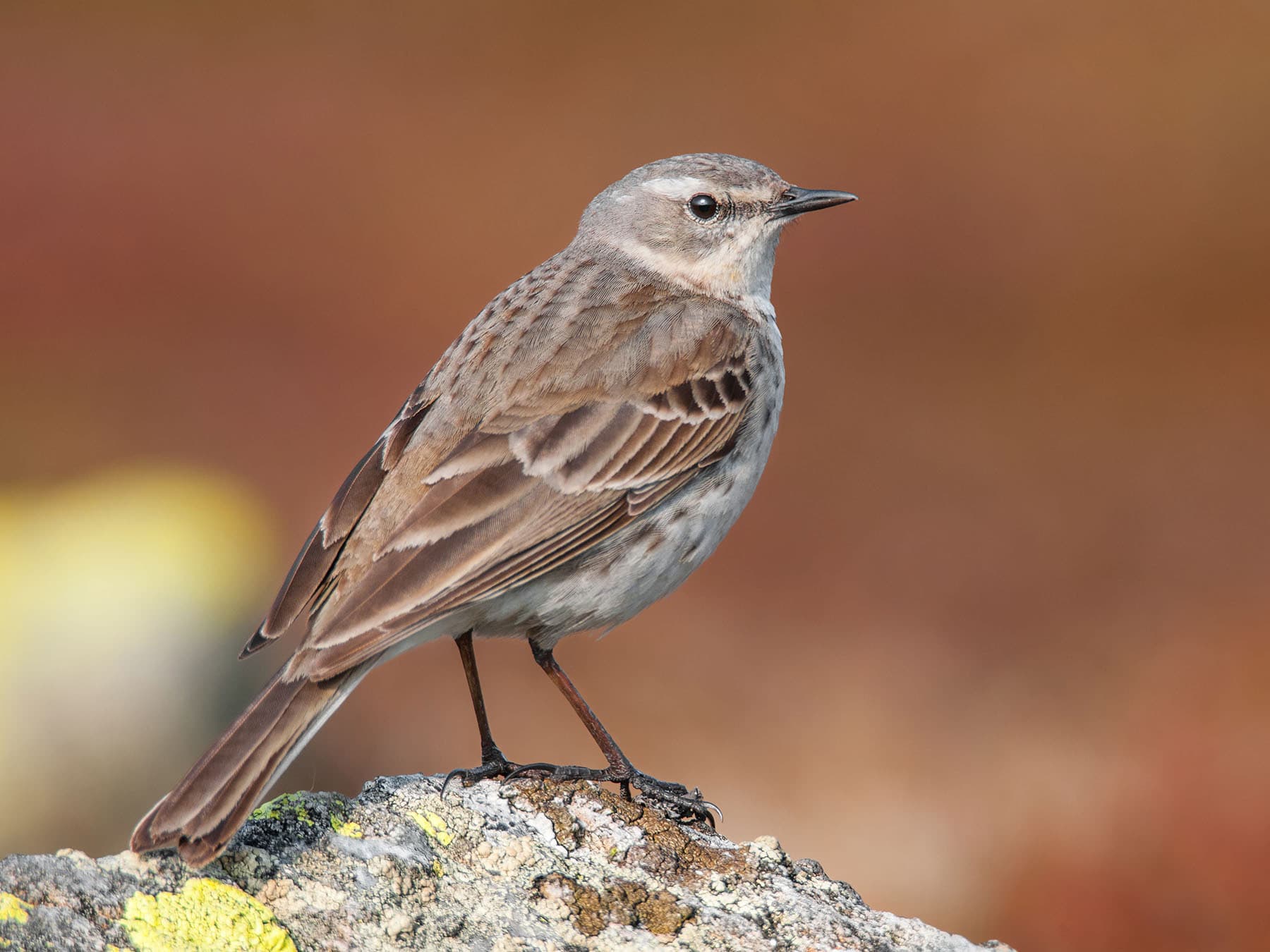
Water Pipit
Anthus spinolettaLC
A rare winter visitor to wetland margins and watercress beds from November to March. Easily overlooked among Meadow Pipits.
Nov–Mar
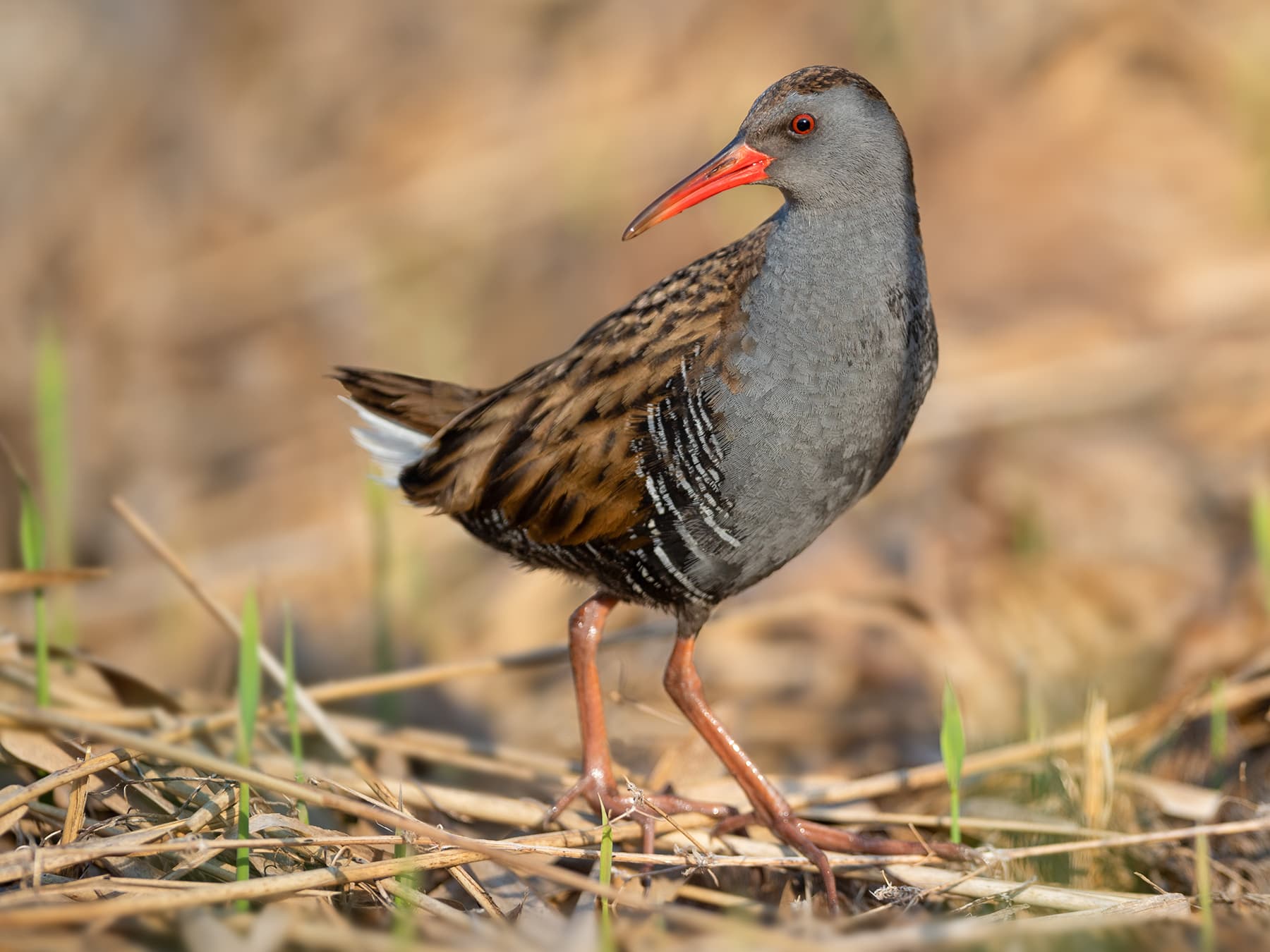
Water Rail
Rallus aquaticusLC
A secretive year-round resident of reedbeds and marshy wetlands, more often heard squealing than seen.
Year-round
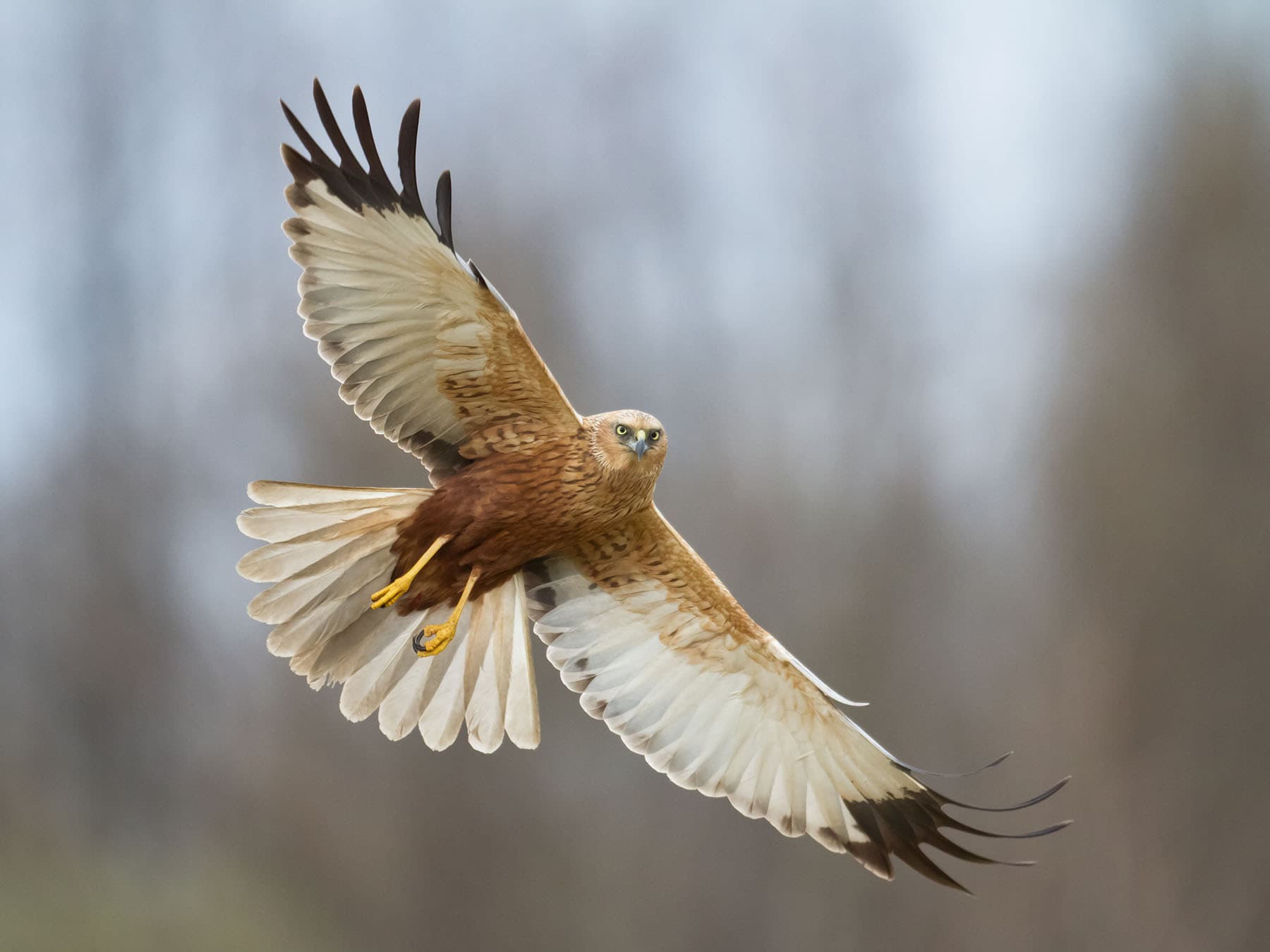
Western Marsh-harrier
Circus aeruginosusLC
A rare passage migrant in April and September, occasionally seen quartering over reedbeds and wetlands in the Tyne valley.
Apr–Sep
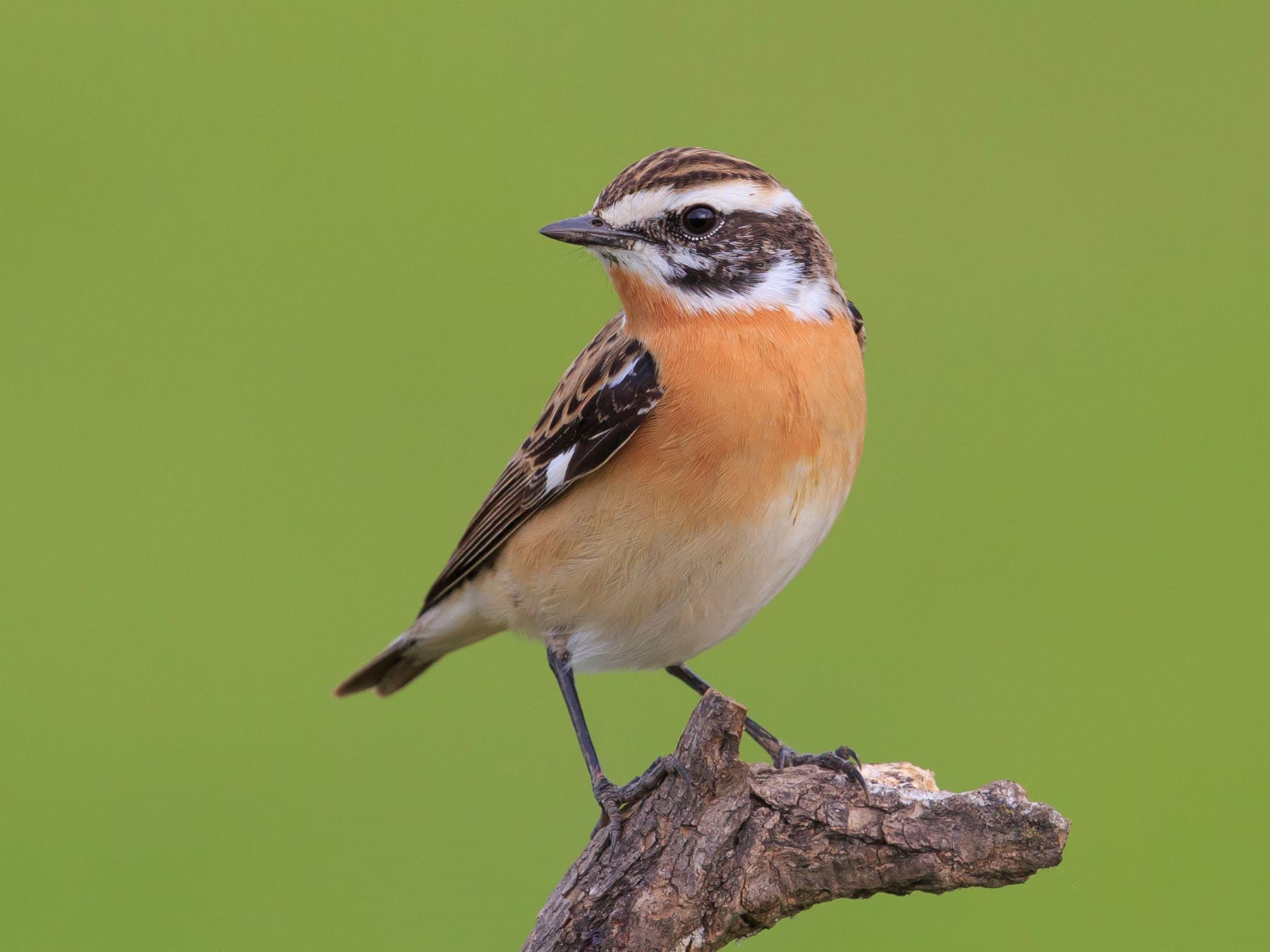
Whinchat
Saxicola rubetraLC
A rare passage visitor in spring and late summer, favouring rough grassland and scrubby coastal areas during brief stopovers.
May–Sep
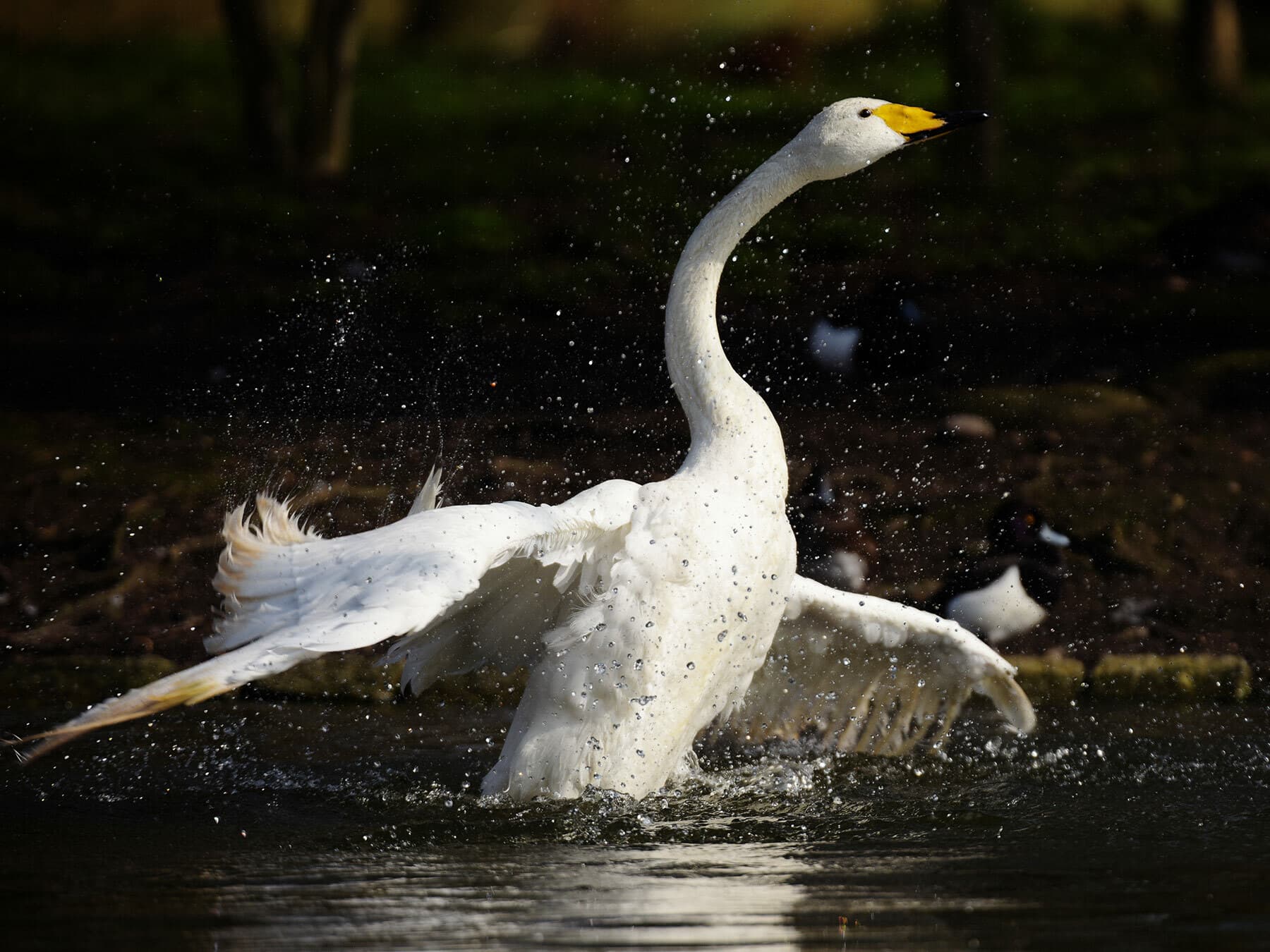
Whooper Swan
Cygnus cygnusLC
A rare winter visitor, occasionally seen on wetlands and estuaries from October to April, with bugling calls distinguishing it from Mute Swan.
Oct–Apr
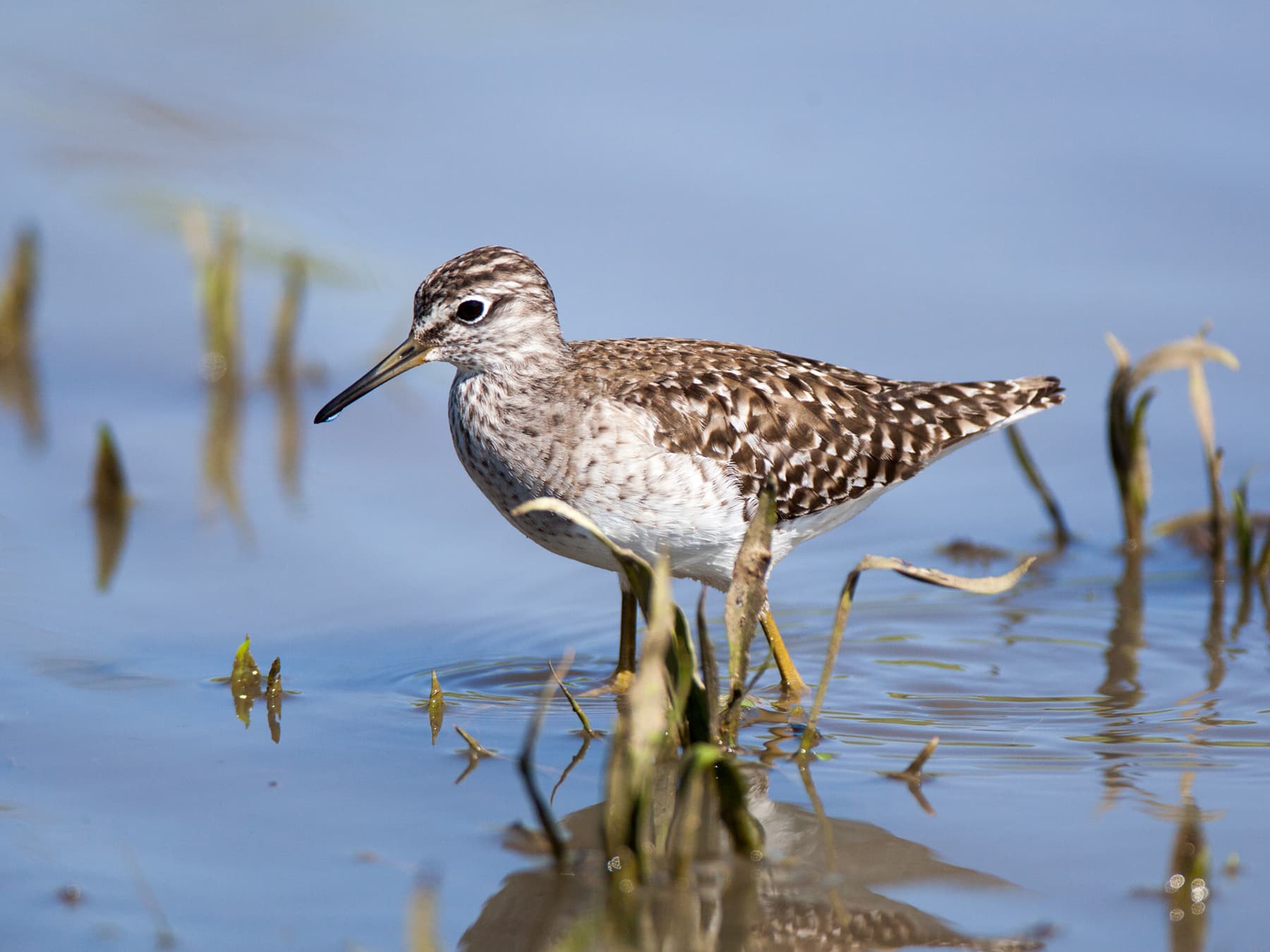
Wood Sandpiper
Tringa glareolaLC
A rare passage migrant seen briefly in May and again in July–August, favouring freshwater pools and marshy scrapes.
May–Aug
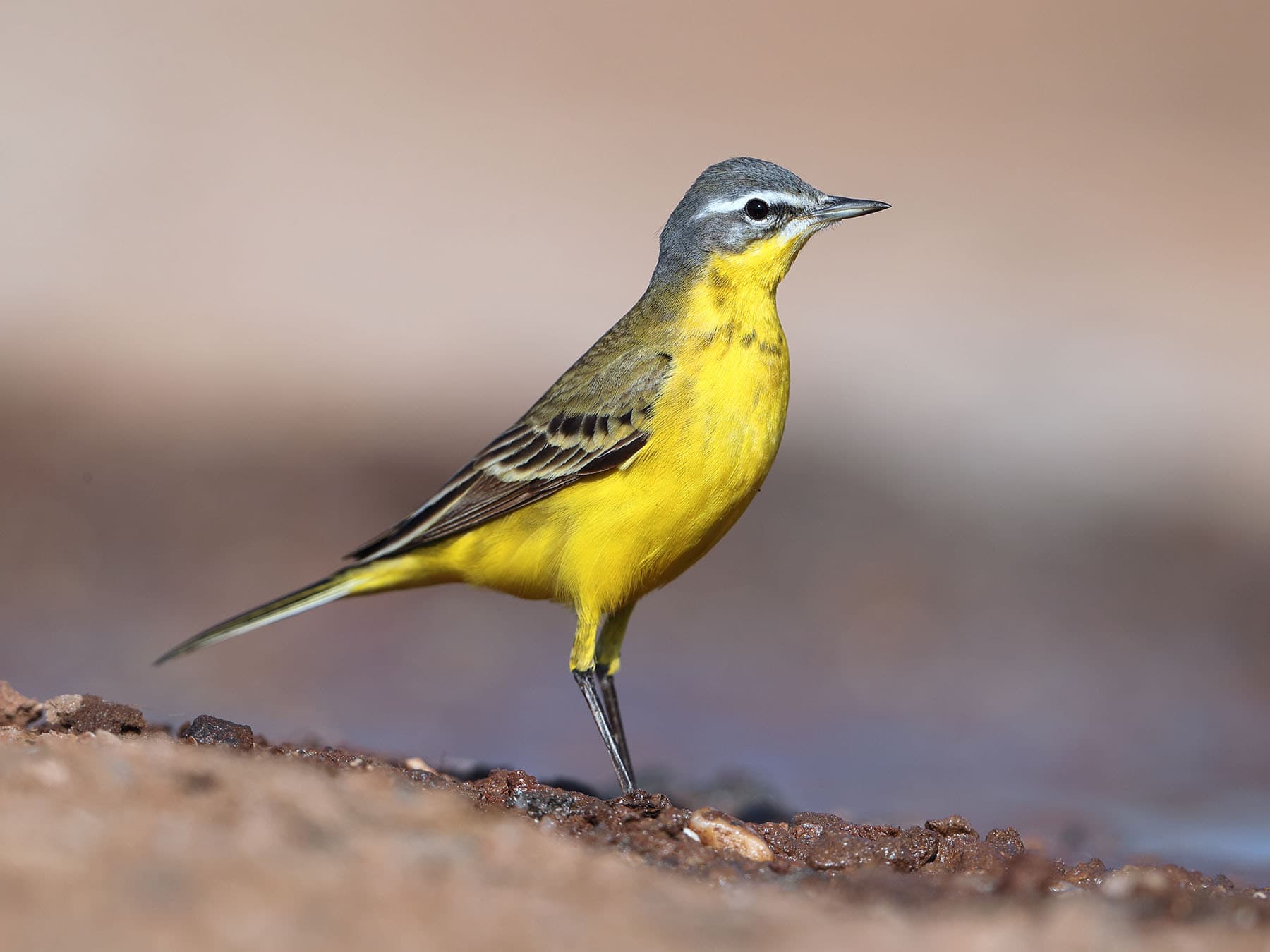
Yellow Wagtail
Motacilla flavaLC
A rare and declining breeder, found on lowland wet meadows and farmland from April to September. A species of conservation concern.
Apr–Sep
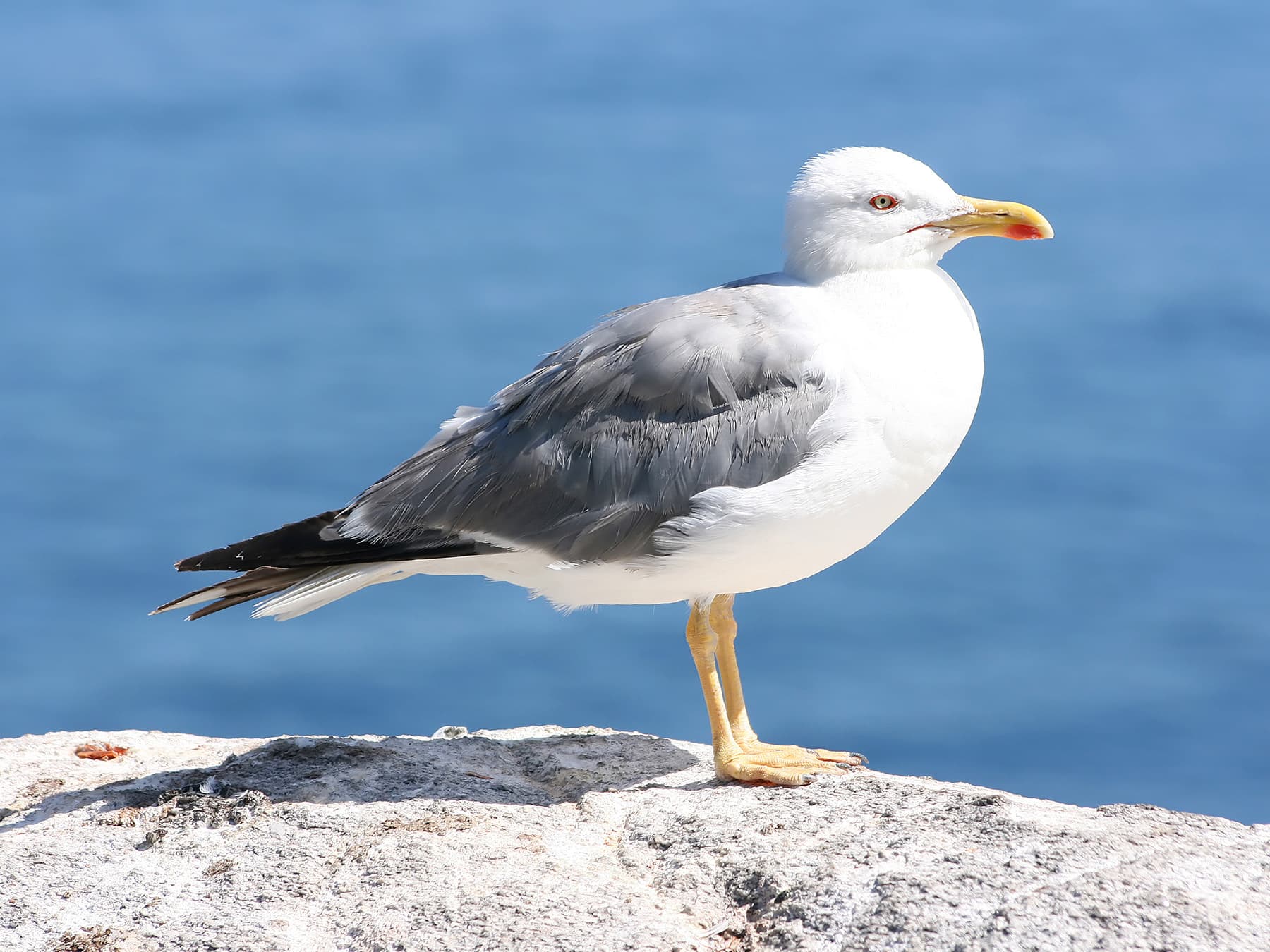
Yellow-legged Gull
Larus michahellisLC
A rare passage visitor in July and August, occasionally found among large gull flocks at coastal roosts and tips.
Jul–Aug