Sandpipers & Snipes in Merseyside
26 species matching this filter.
Merseyside's extensive coastline, estuaries, and wetlands make it an outstanding region for sandpipers and snipes, with 24 species recorded from this diverse family. The Dee and Mersey estuaries provide internationally important feeding grounds for waders such as Bar-tailed Godwit, Black-tailed Godwit, and Curlew, while inland marshes and waterways attract species like Common Snipe, Jack Snipe, and Green Sandpiper. Whether visiting the mudflats at high tide or exploring quieter freshwater habitats, birdwatchers in Merseyside can enjoy remarkable wader watching throughout the year.


Showing 1–23 of 26 species
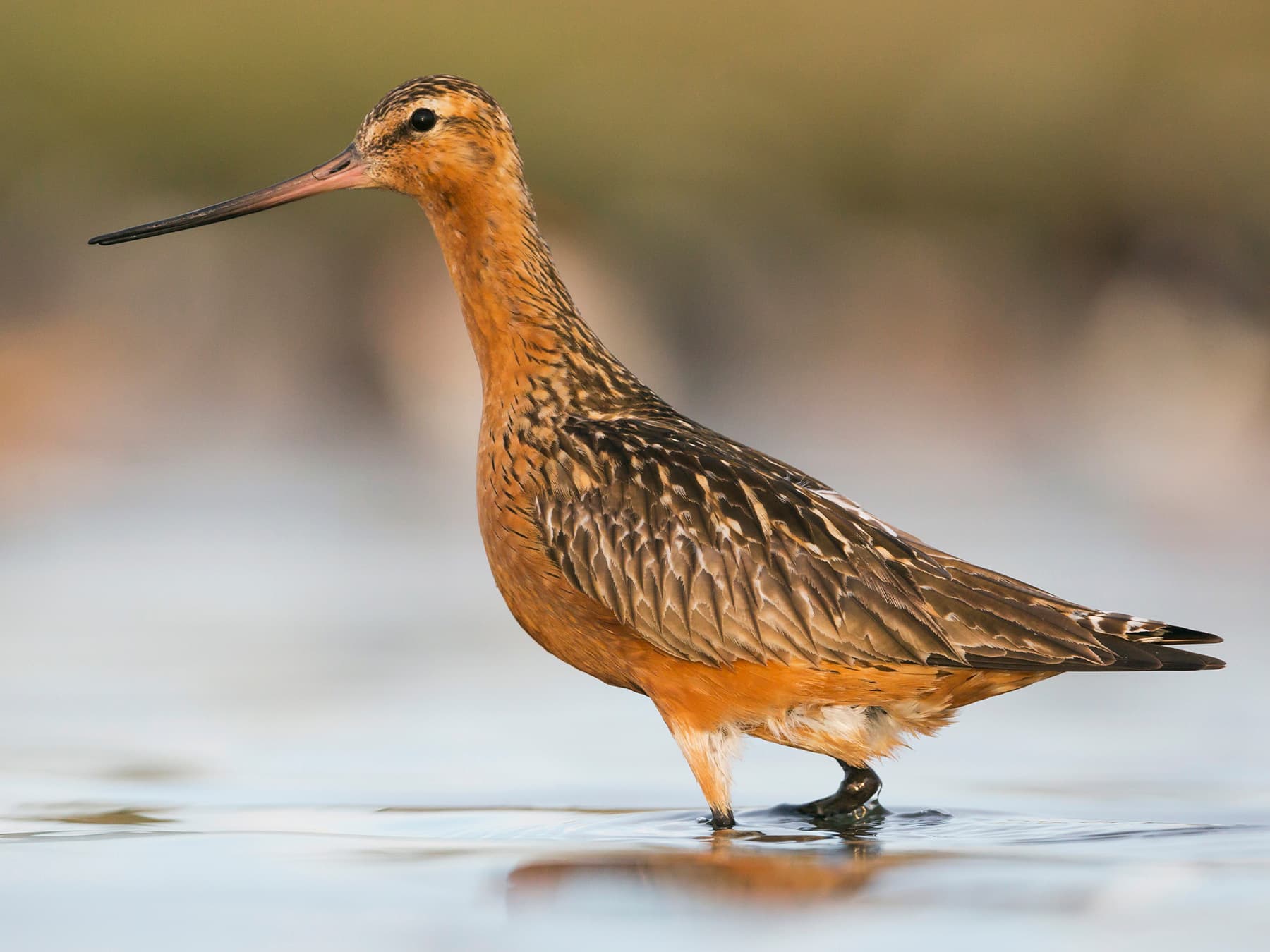
Bar-tailed Godwit
Limosa lapponicaNT
Found year-round on the Merseyside coast, favouring sandy estuarine shores. Numbers peak in winter on the Dee and Mersey estuaries.
Year-round
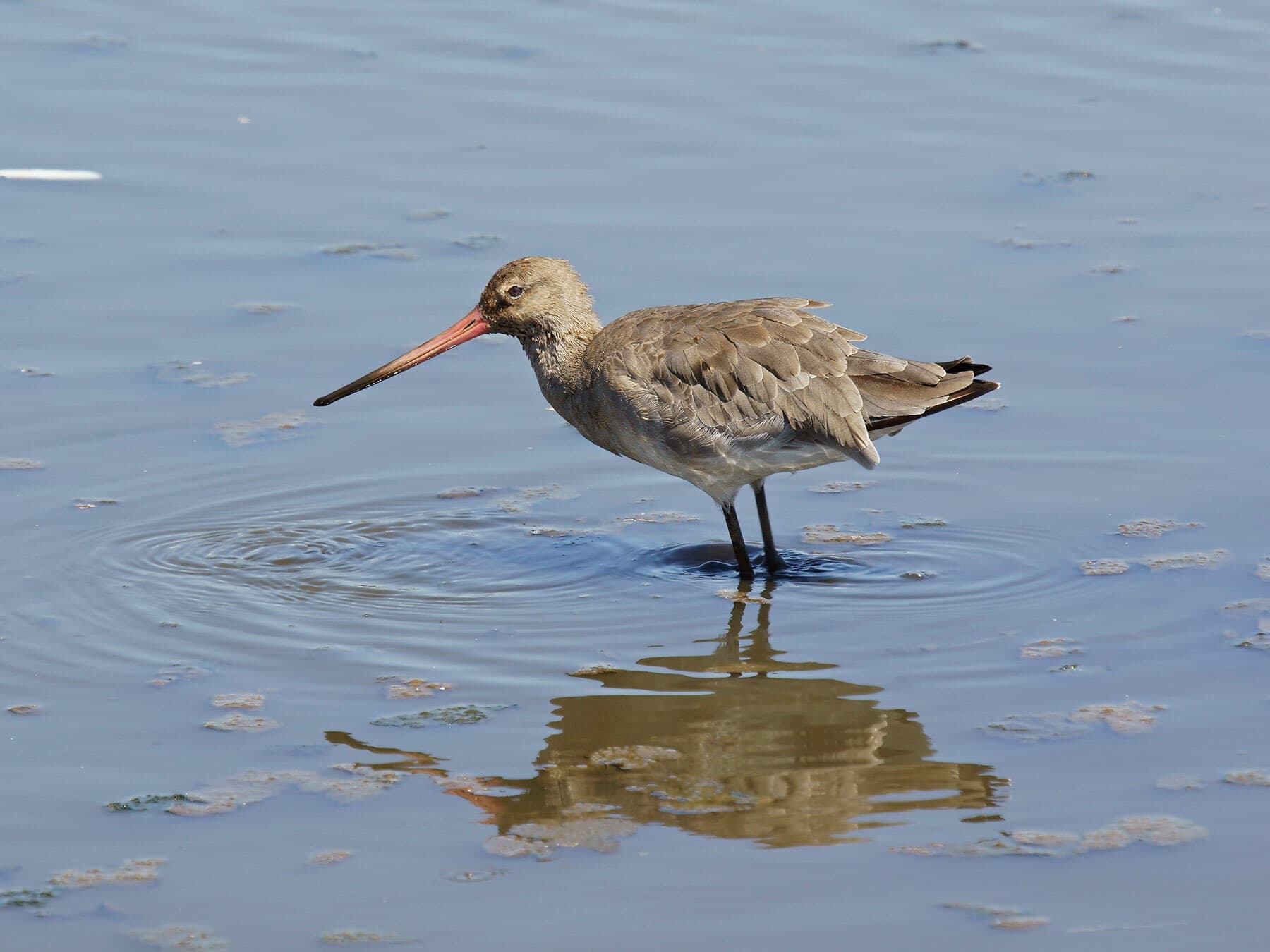
Black-tailed Godwit
Limosa limosaNT
A common sight on the Mersey and Dee estuaries year-round. Merseyside holds nationally important wintering numbers of this elegant, long-billed wader.
Year-round
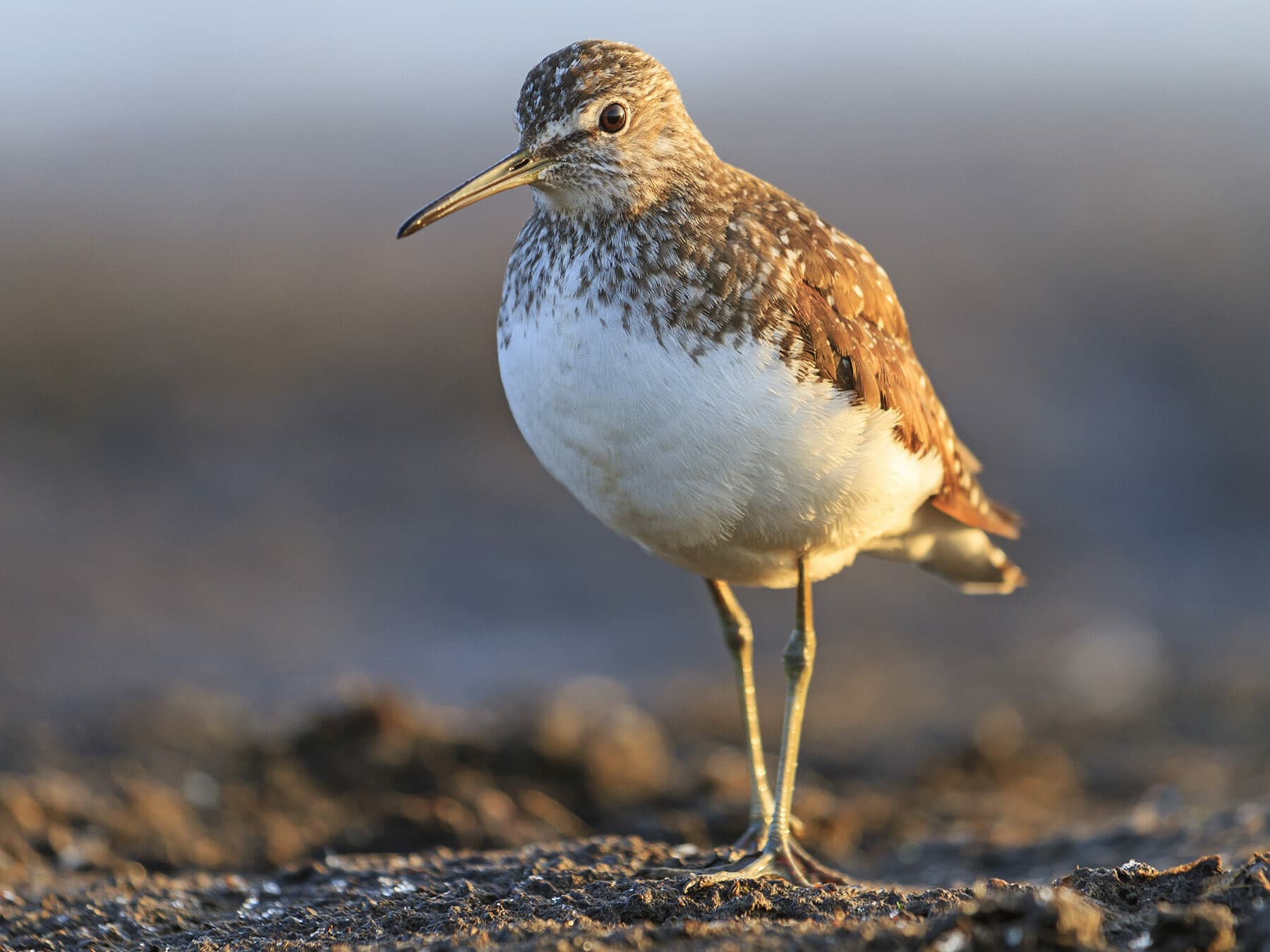
Common Sandpiper
Actitis hypoleucosLC
An uncommon wader found along Merseyside's waterways and reservoir edges, mainly from spring through autumn. Bobs its tail constantly while feeding along shorelines.
Apr–Feb
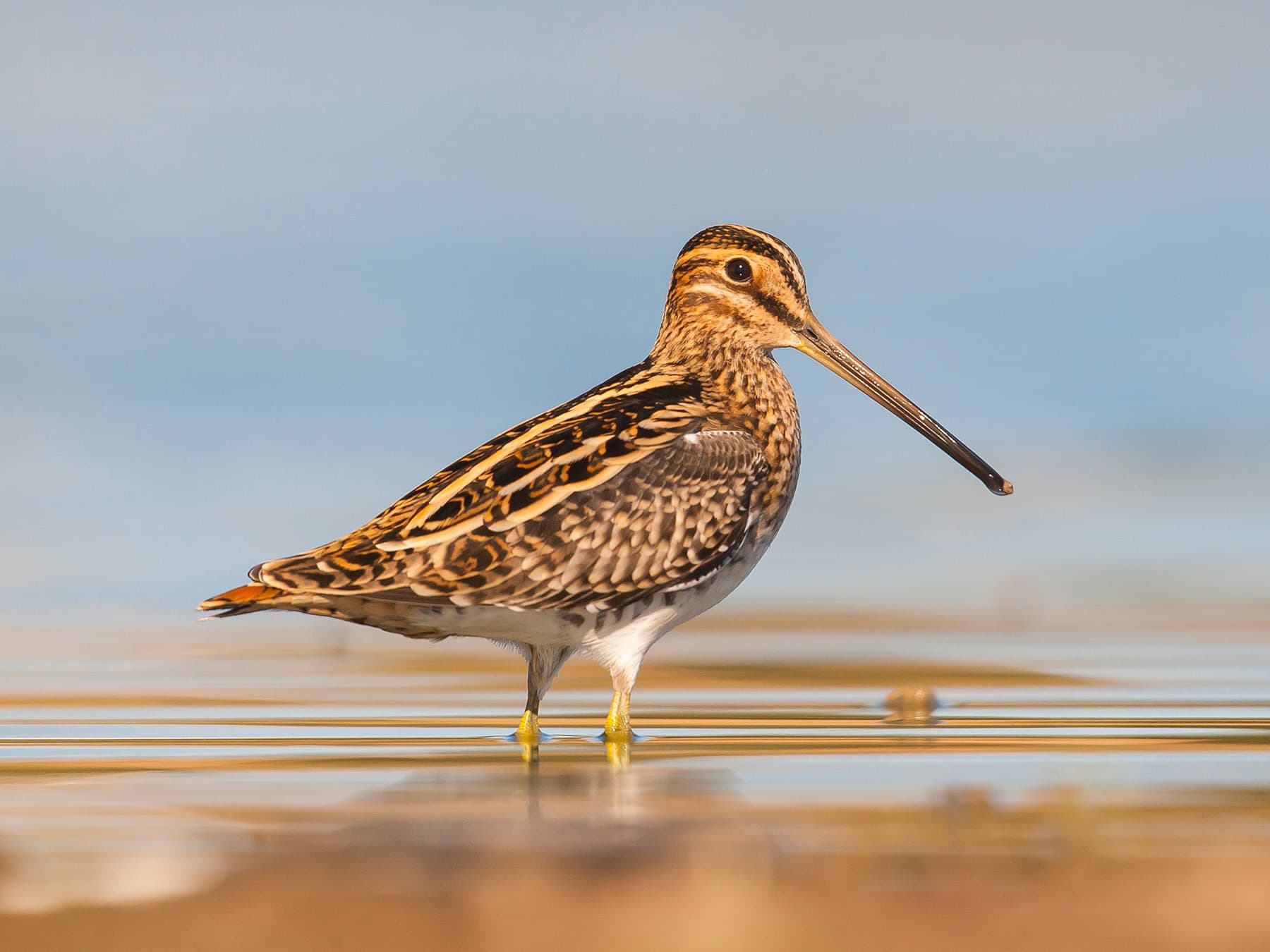
Common Snipe
Gallinago gallinagoLC
Probes soft ground on marshes and wet grasslands across Merseyside, most reliably seen in winter when numbers swell with continental migrants.
Jul–May
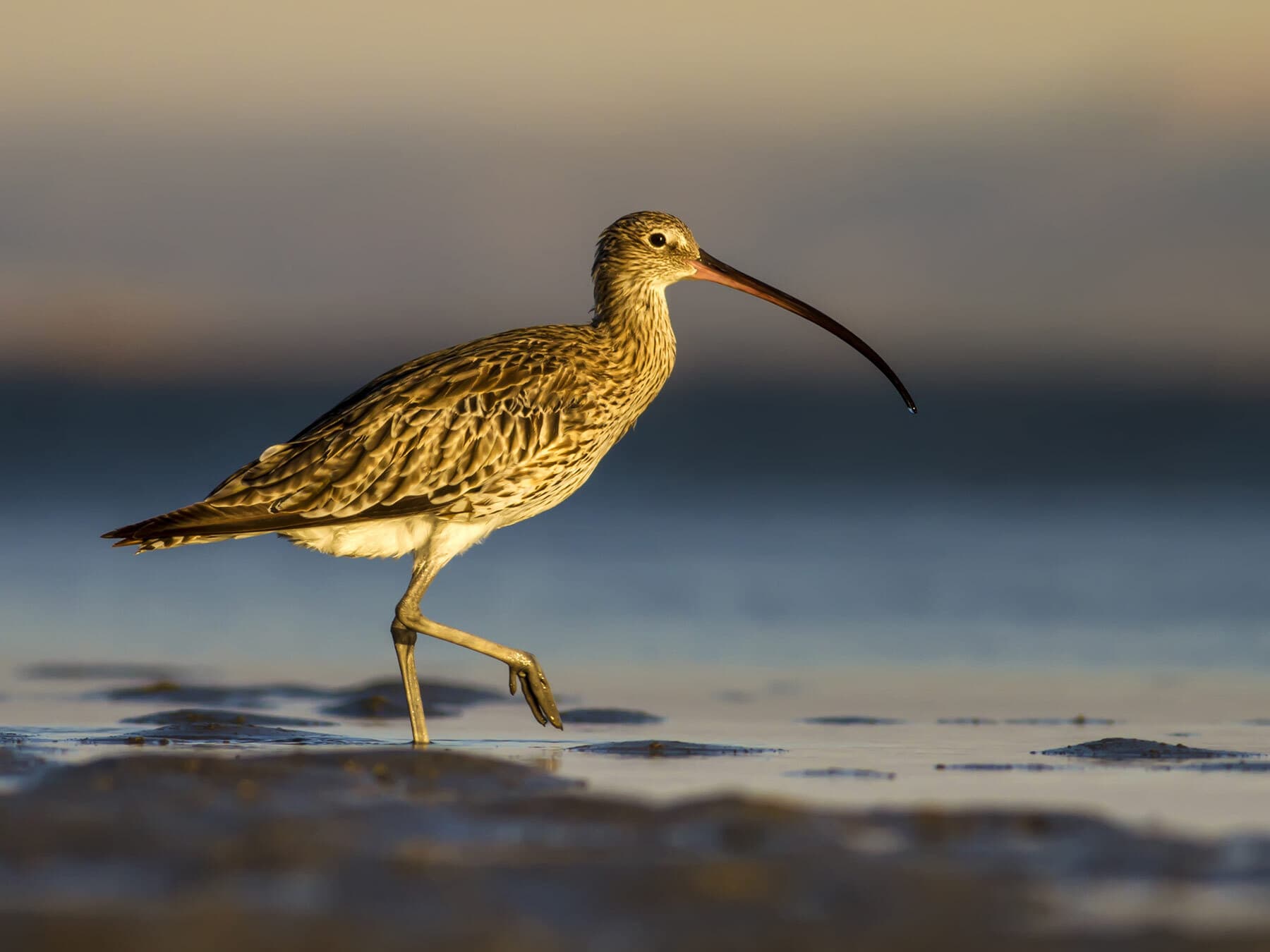
Curlew
Numenius arquataNT
A common resident of the Mersey estuary mudflats and surrounding farmland, with large wintering flocks and a distinctive call.
Year-round
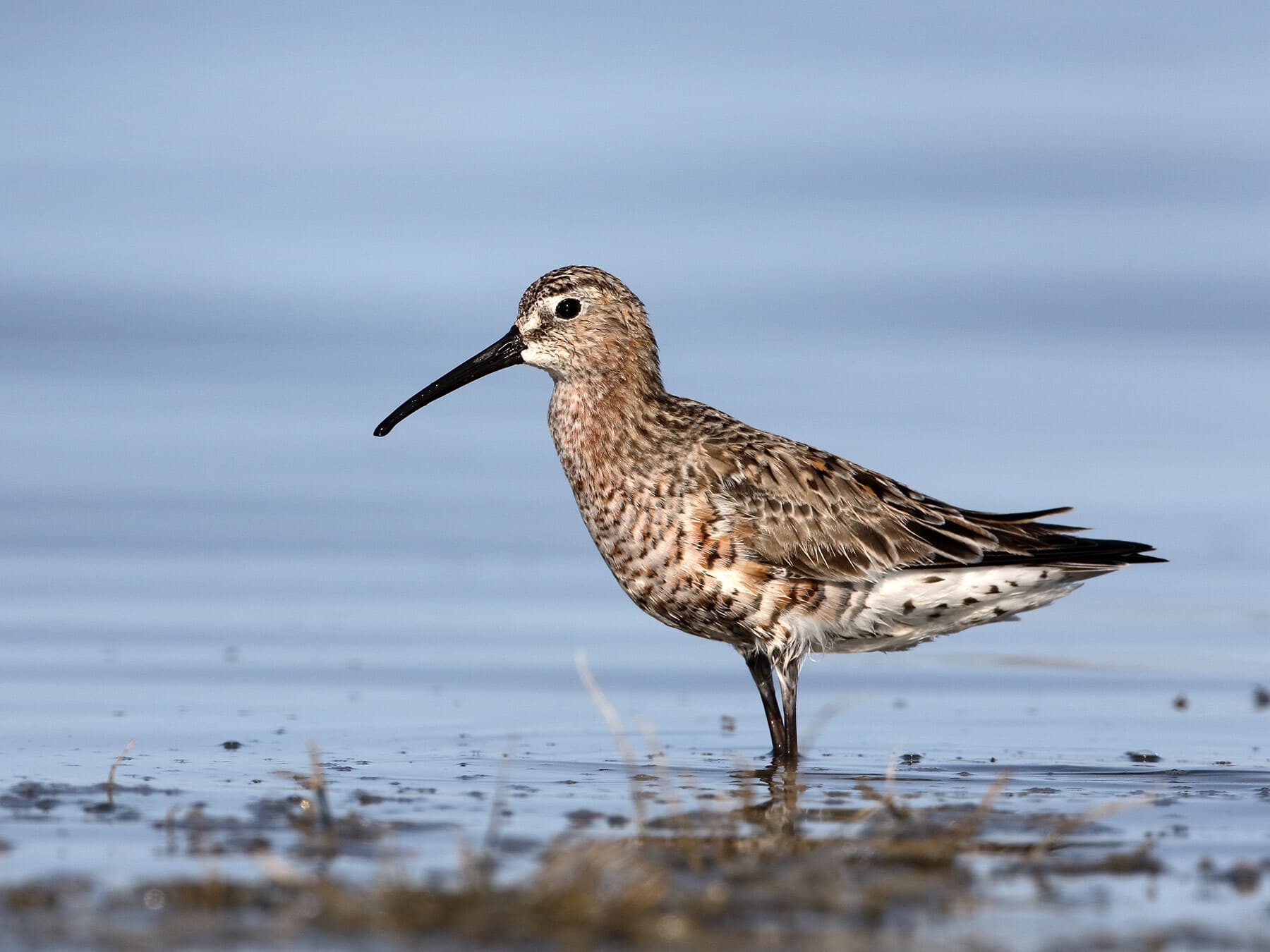
Curlew Sandpiper
Calidris ferrugineaNT
A rare passage wader visiting Merseyside's coastal pools and mudflats, mainly in late summer and autumn. Often found among flocks of dunlin at favoured sites.
May–Oct
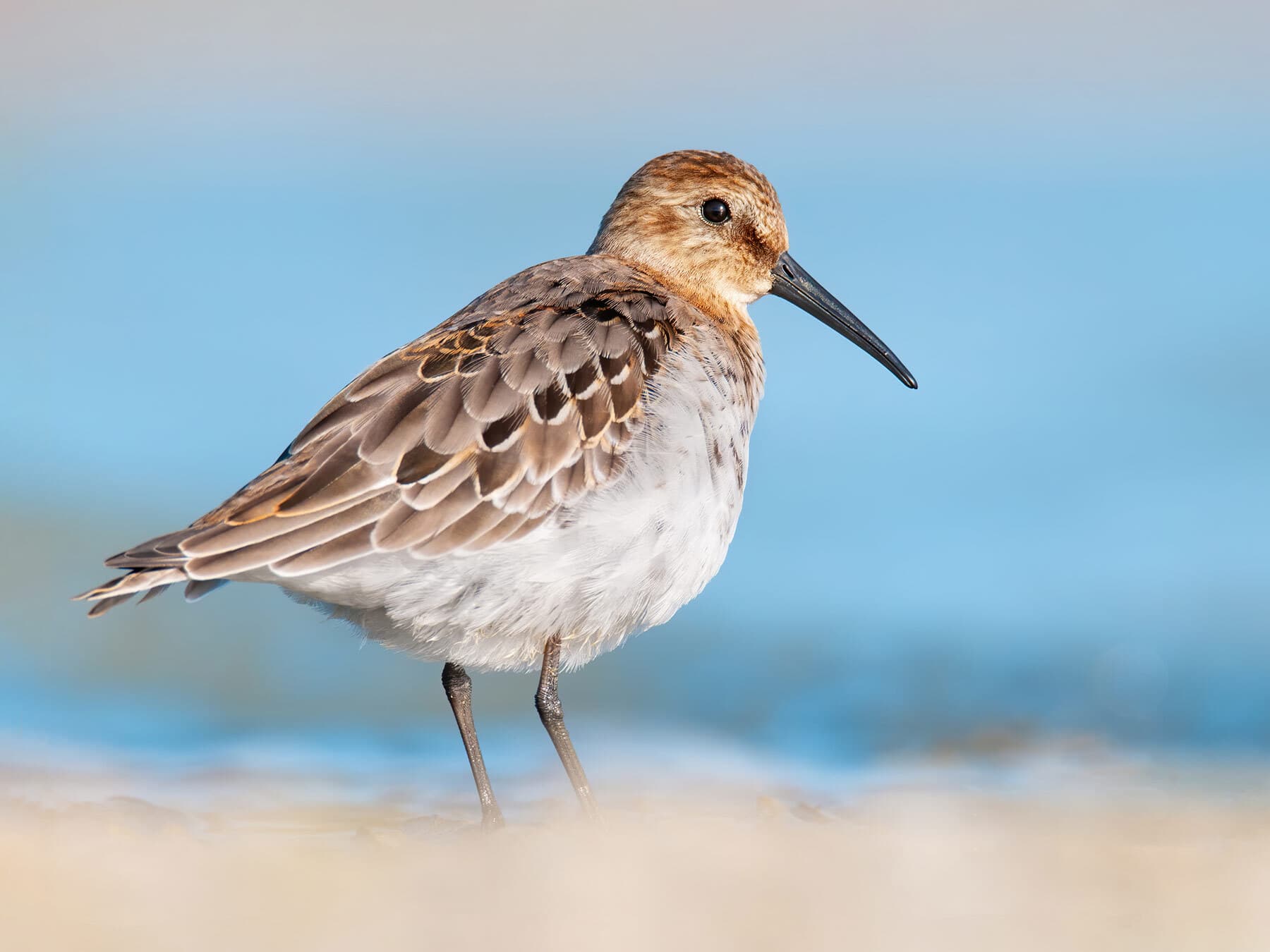
Dunlin
Calidris alpinaLC
A common resident wader, abundant on the Mersey and Dee estuaries. Huge winter flocks create spectacular aerial displays over mudflats.
Year-round
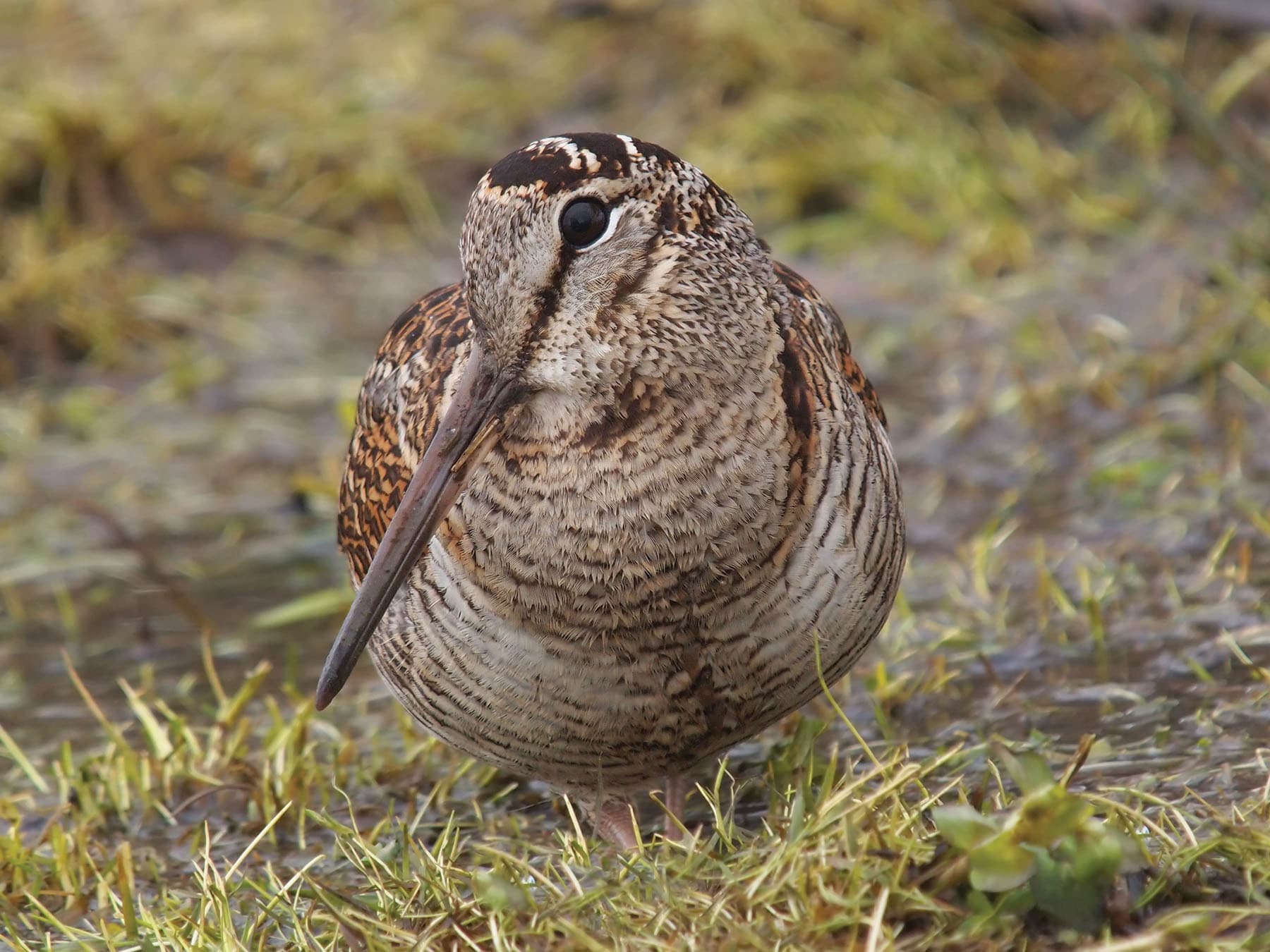
Eurasian Woodcock
Scolopax rusticolaLC
A rare non-breeding visitor to Merseyside's woodlands and gardens in winter. This secretive wader is most often flushed unexpectedly from damp leaf litter.
Nov–Feb
Spotted something?
Upload a photo to identify it
Identify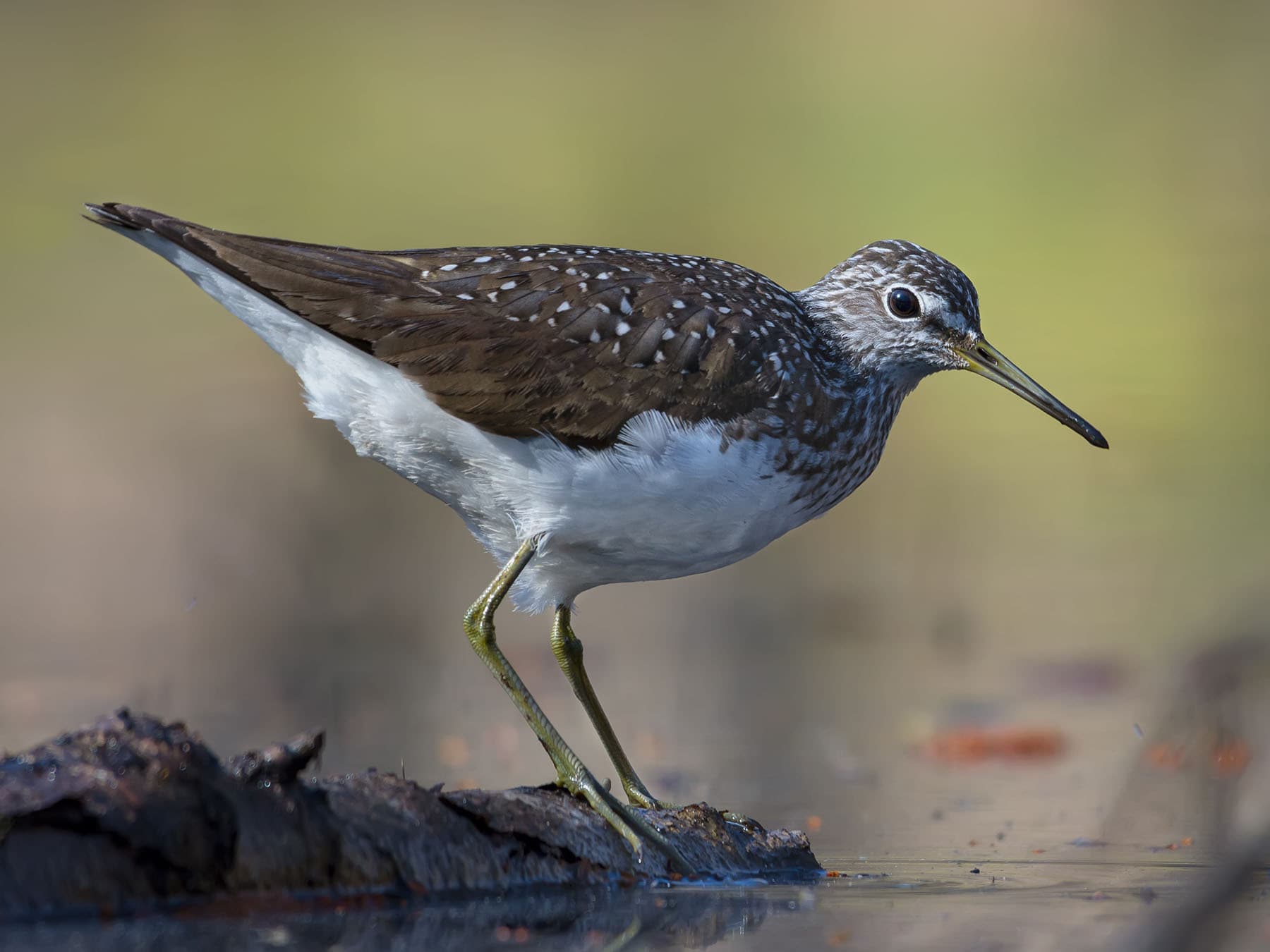
Green Sandpiper
Tringa ochropusLC
A scarce but regular visitor to freshwater pools and ditches, most often encountered on autumn passage at inland wetland sites.
Jun–Apr
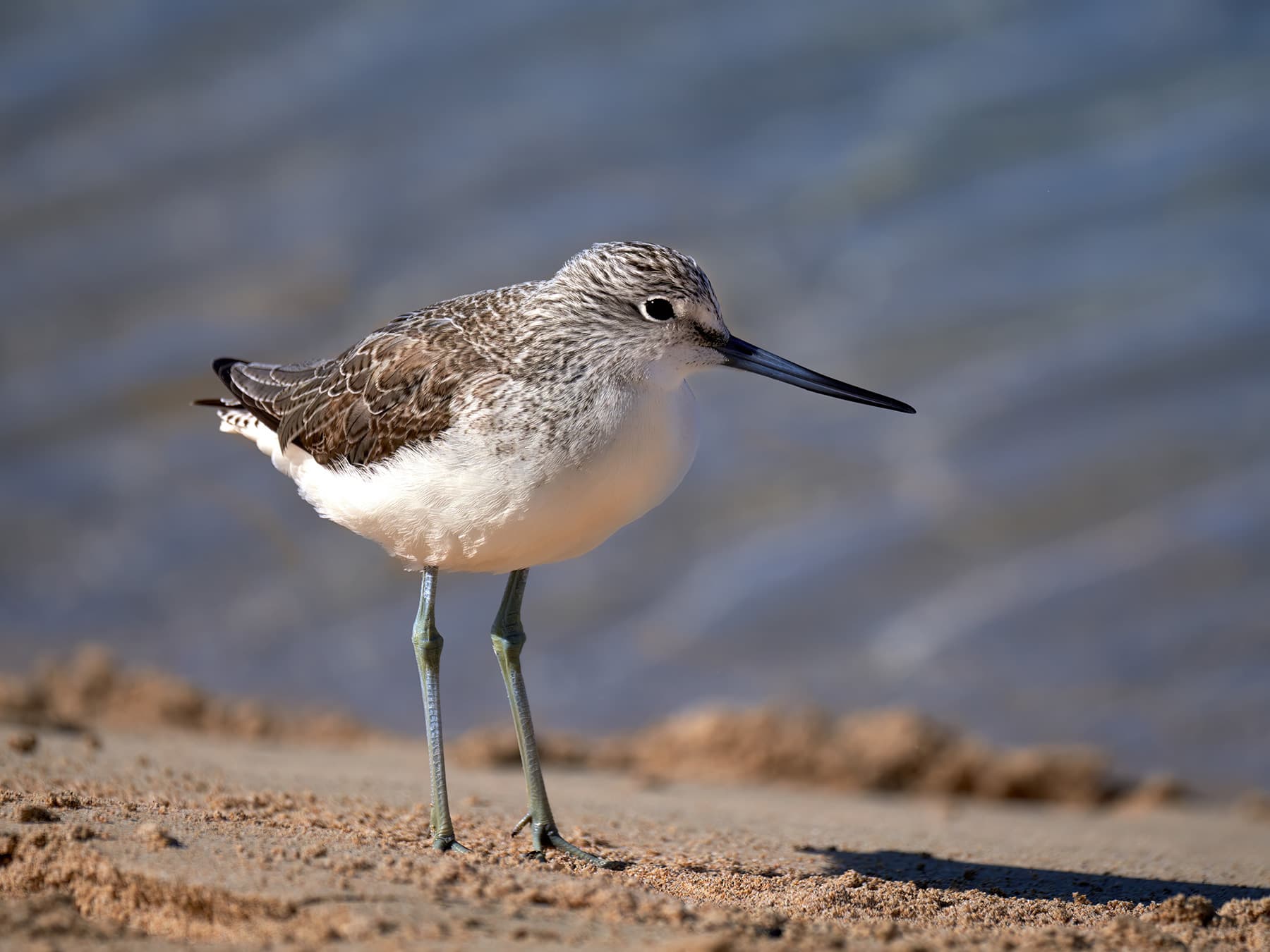
Greenshank
Tringa nebulariaLC
A scarce but year-round presence, favouring estuarine edges and coastal pools. Numbers peak on passage, with birds often seen singly.
Year-round
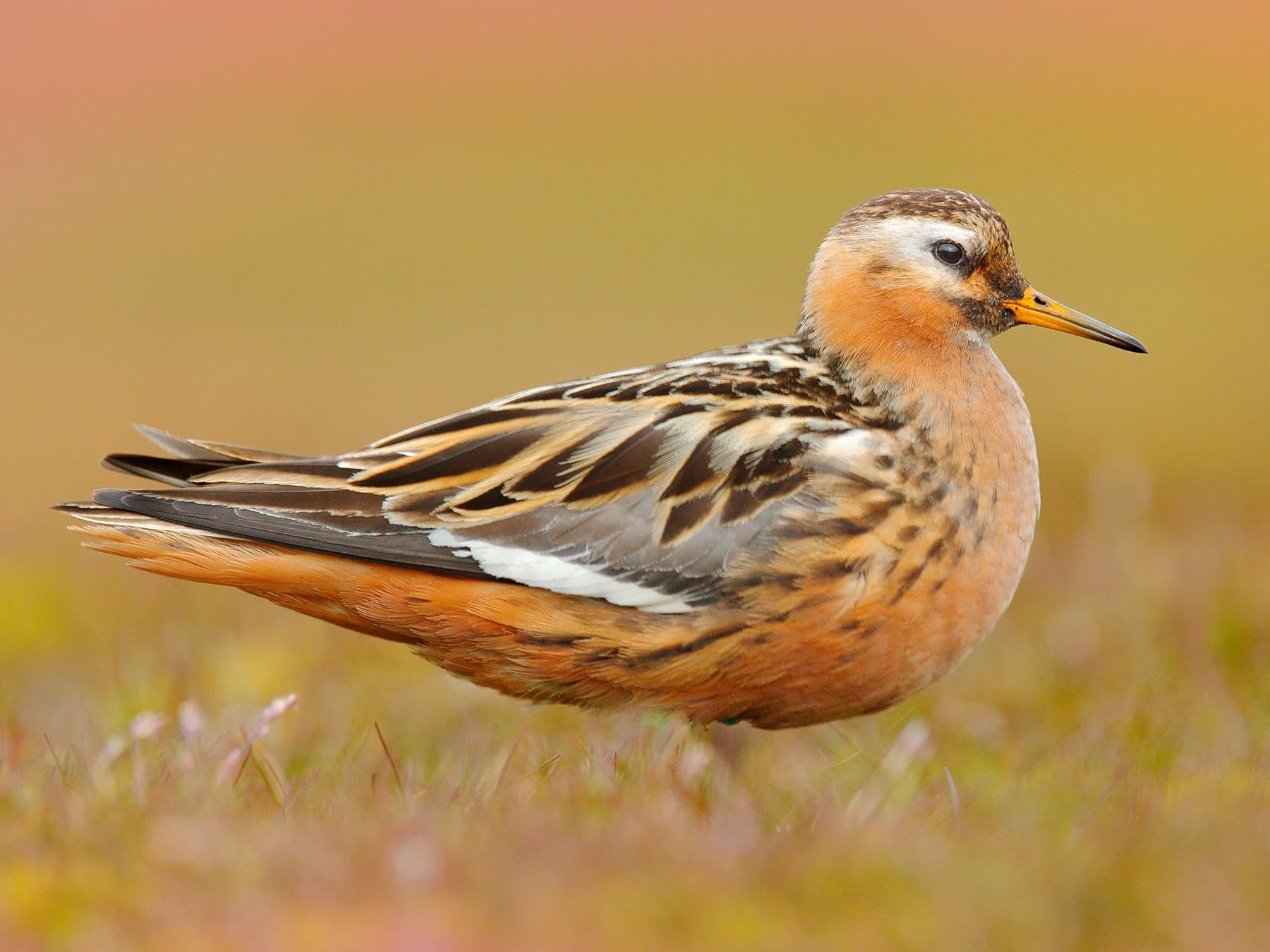
Grey Phalarope
Phalaropus fulicariusLC
A rare autumn passage visitor, occasionally driven close to Merseyside's shores by Atlantic storms in September and October. A prized find for local birders.
Sep–Oct
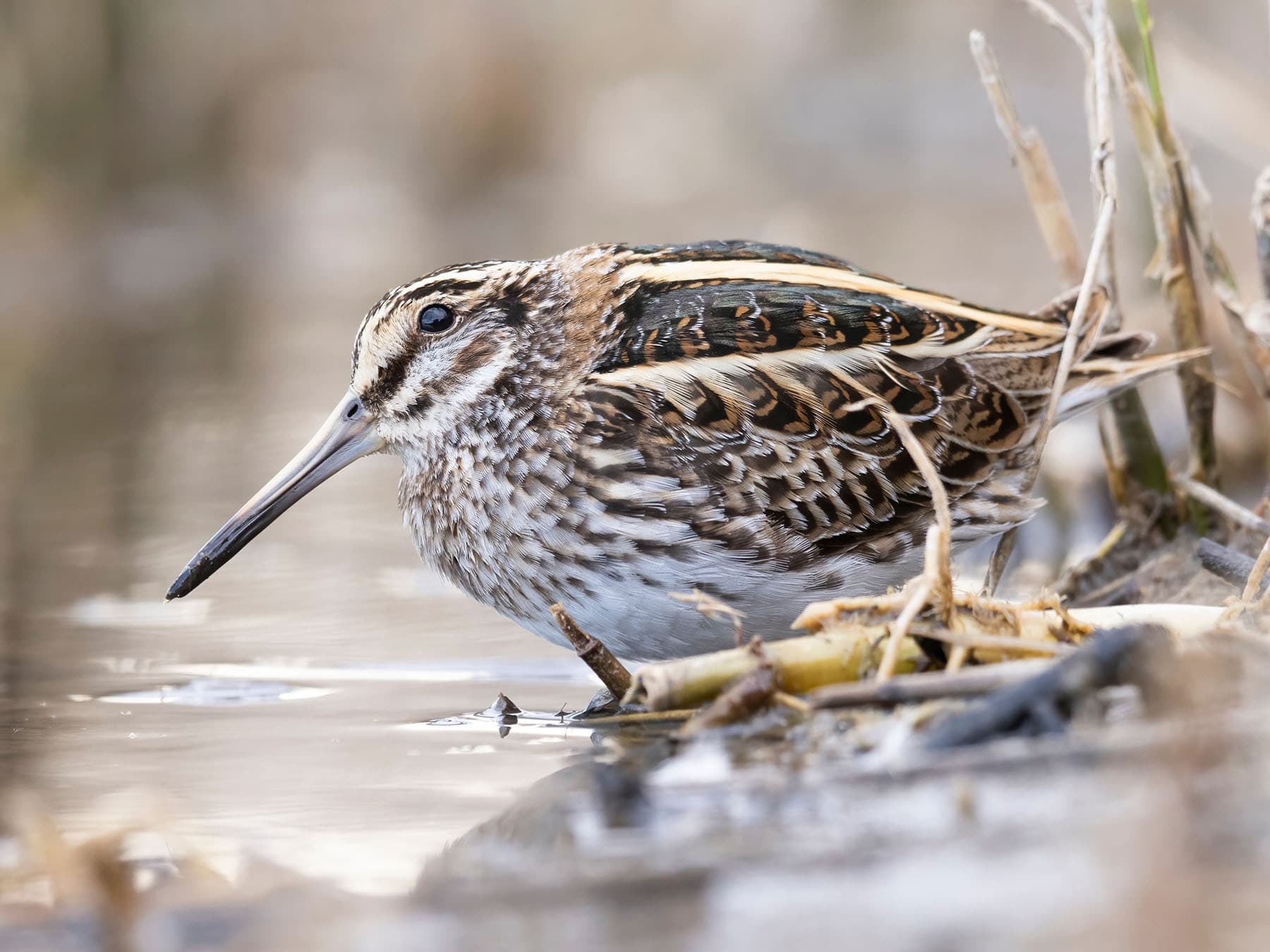
Jack Snipe
Lymnocryptes minimusLC
A secretive winter visitor to boggy marshes and wetland edges. Rarely seen, skulking in vegetation from October to March.
Oct–Mar
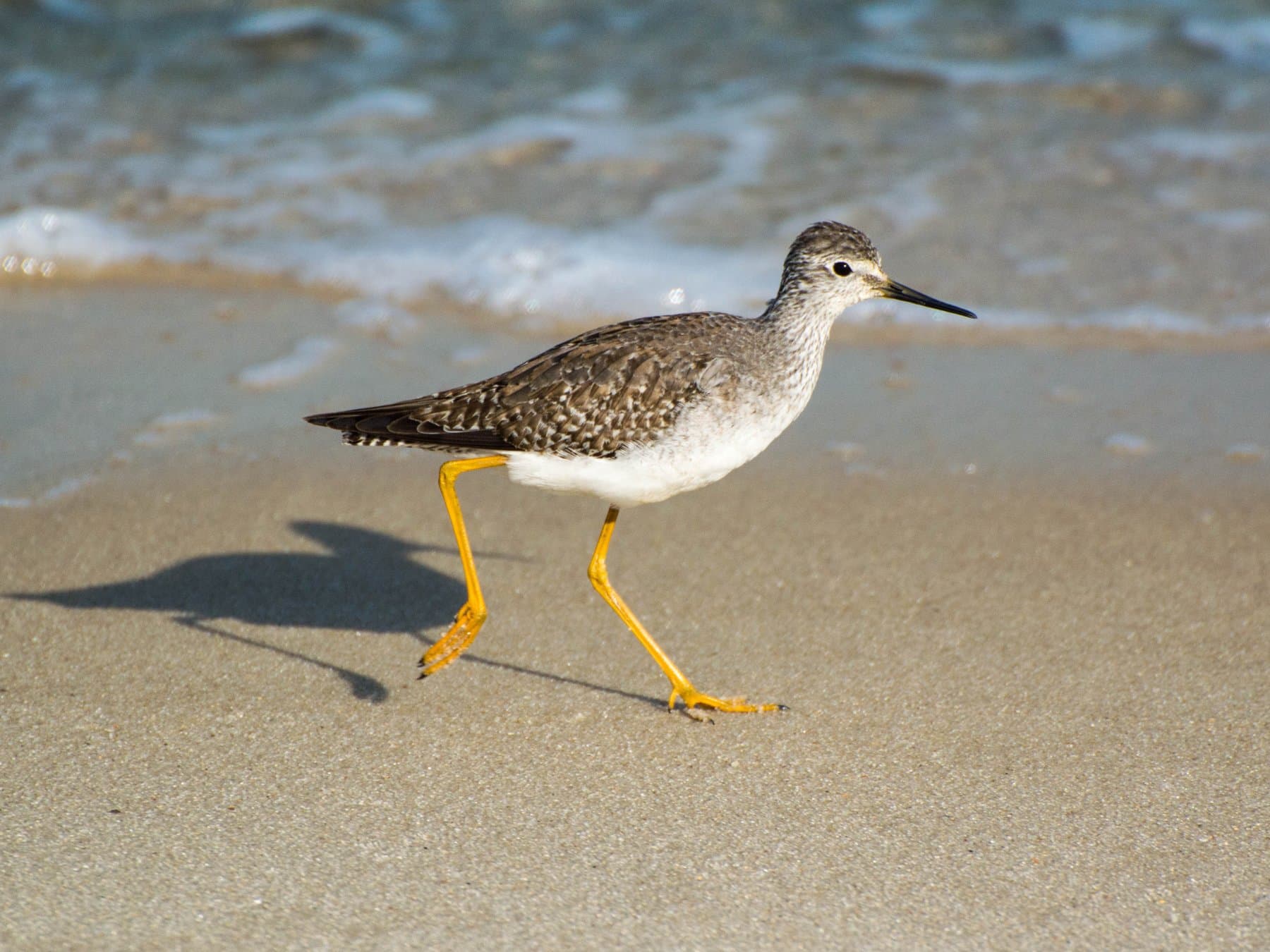
Lesser Yellowlegs
Tringa flavipesVU
A rare American wader turning up as an autumn vagrant, typically in October. Most records come from coastal marshes and pools.
Oct
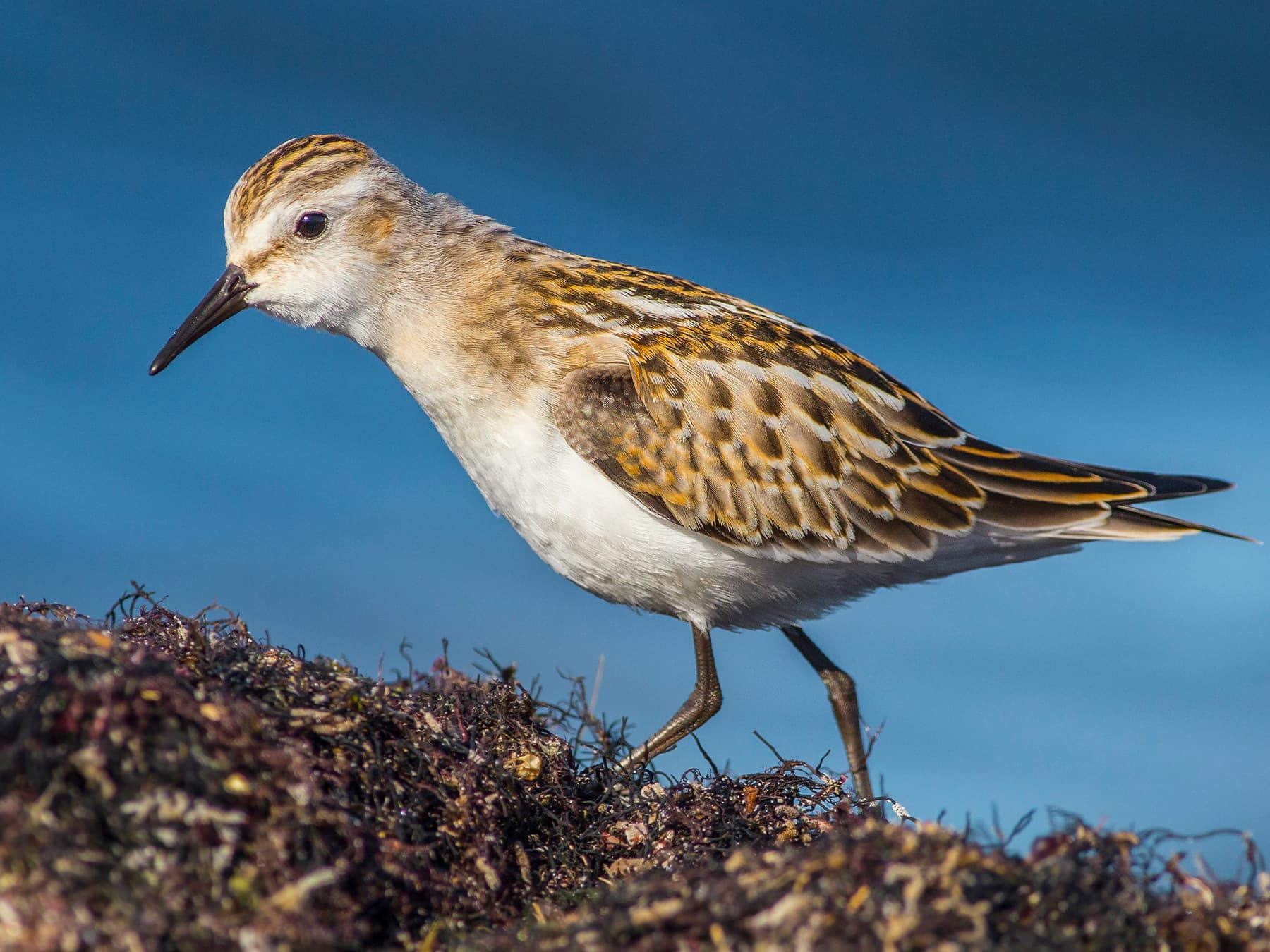
Little Stint
Calidris minutaLC
A rare passage migrant seen at coastal pools in spring and autumn. Tiny and easily missed among Dunlin flocks on the estuaries.
May–Oct
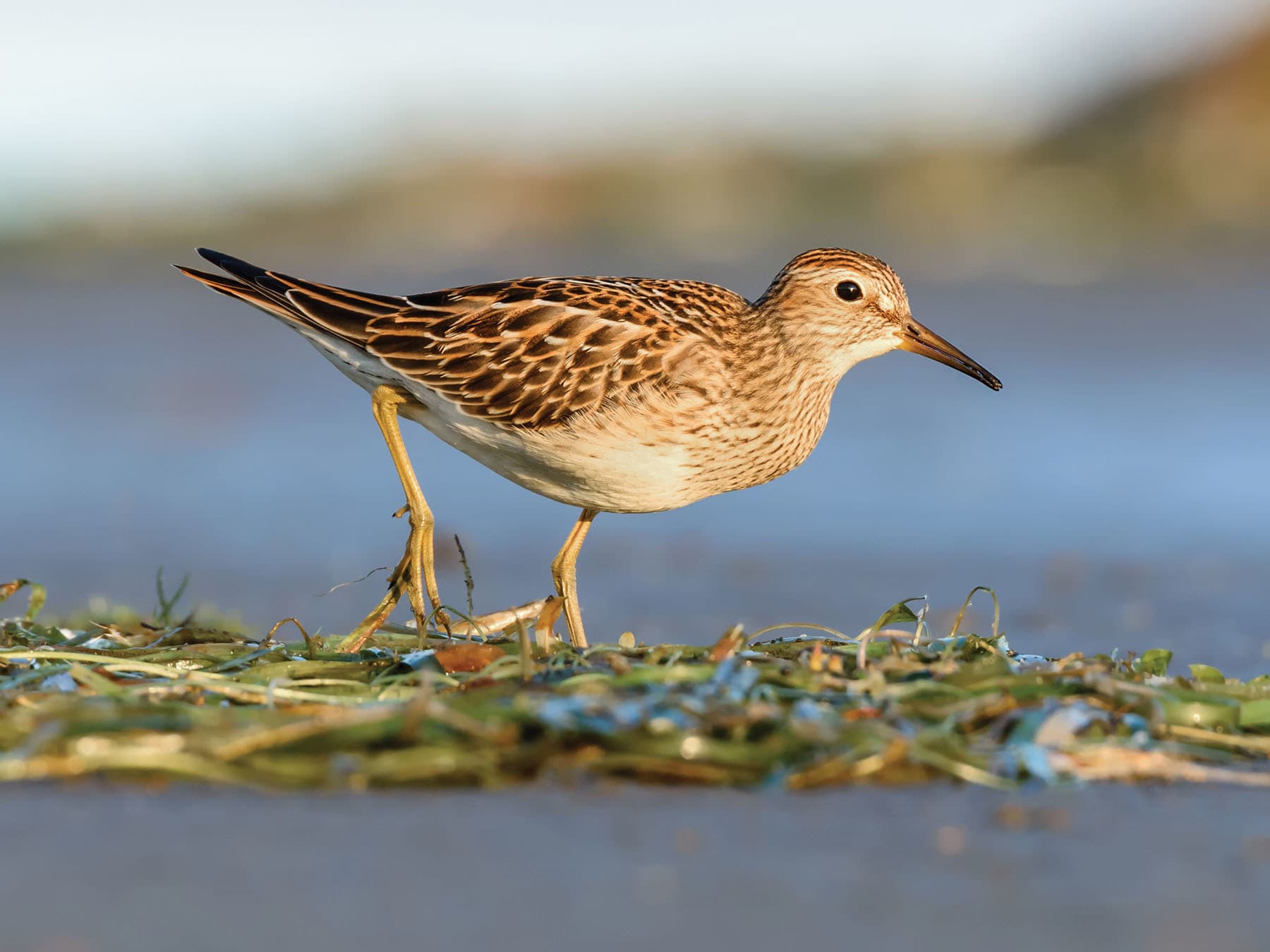
Pectoral Sandpiper
Calidris melanotosLC
A rare Nearctic vagrant, occasionally turning up on spring passage in May at coastal pools and marshes.
May
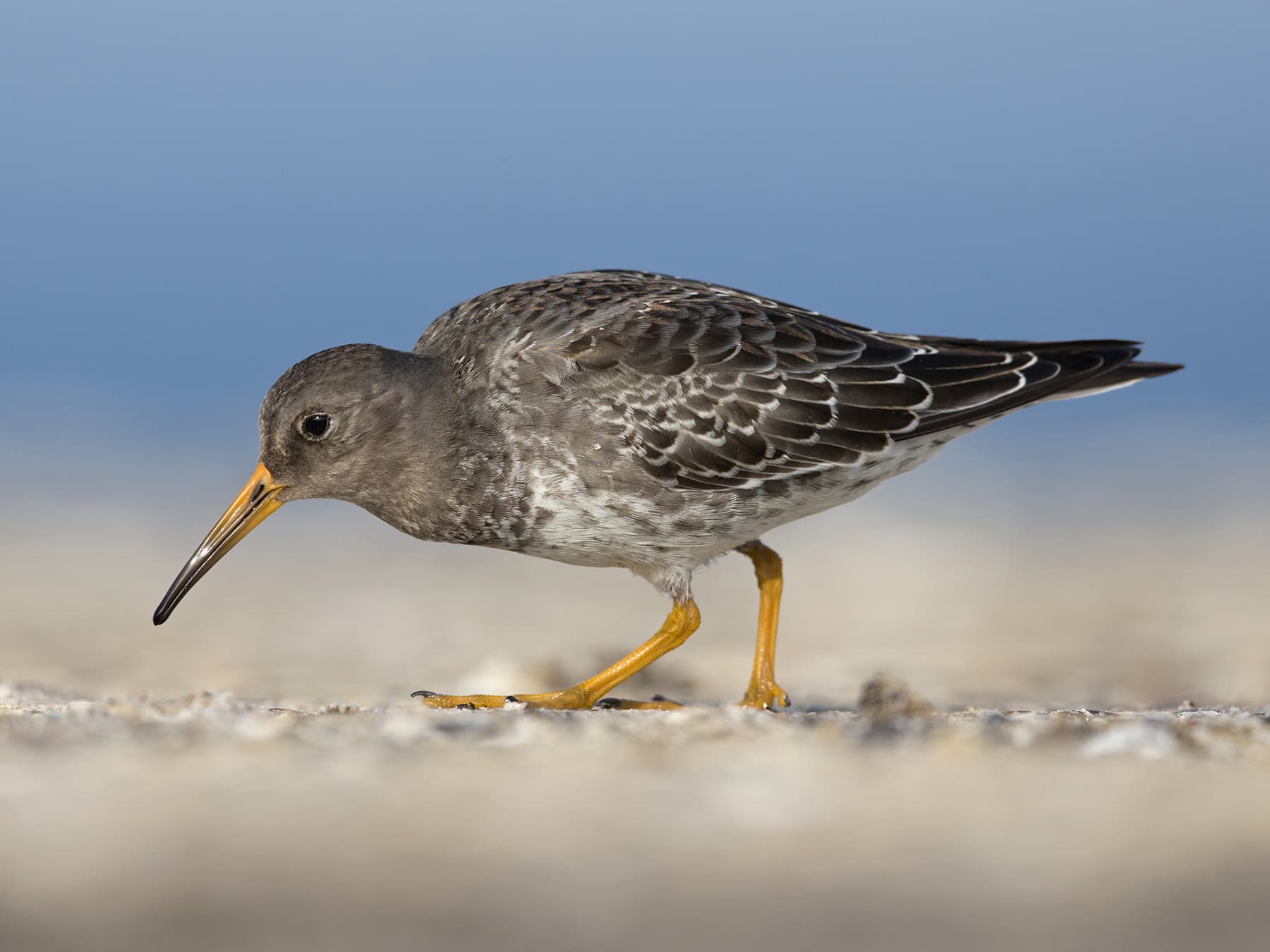
Purple Sandpiper
Calidris maritimaLC
A rare non-breeding visitor to Merseyside's rocky shorelines and sea walls from November to April. Favours wave-washed rocks at sites like New Brighton.
Nov–Apr
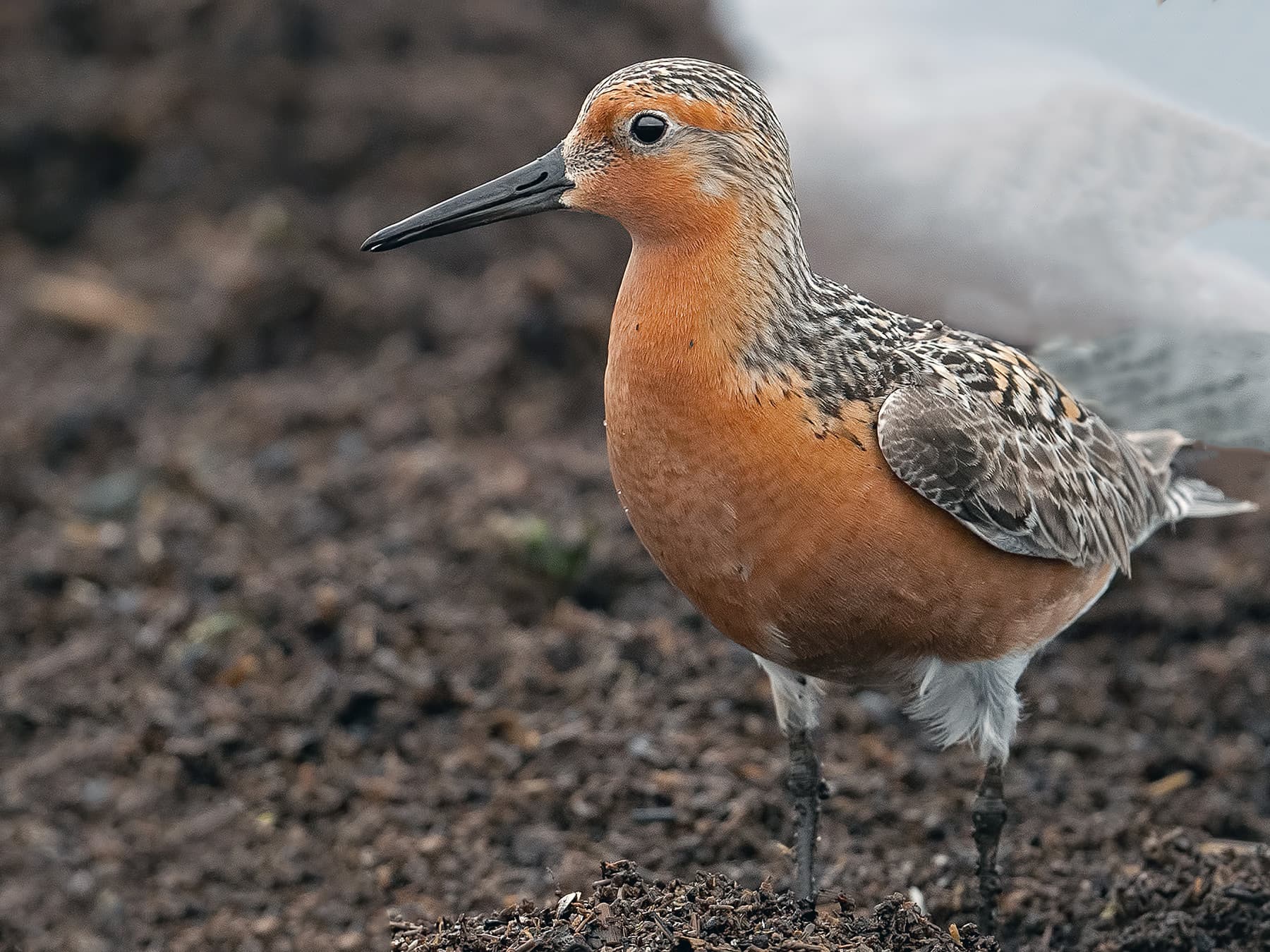
Red Knot
Calidris canutusNT
An uncommon but locally significant wader on Merseyside's estuaries. Large winter flocks gather on the Dee and at Seaforth, swirling in spectacular aerial displays.
Year-round
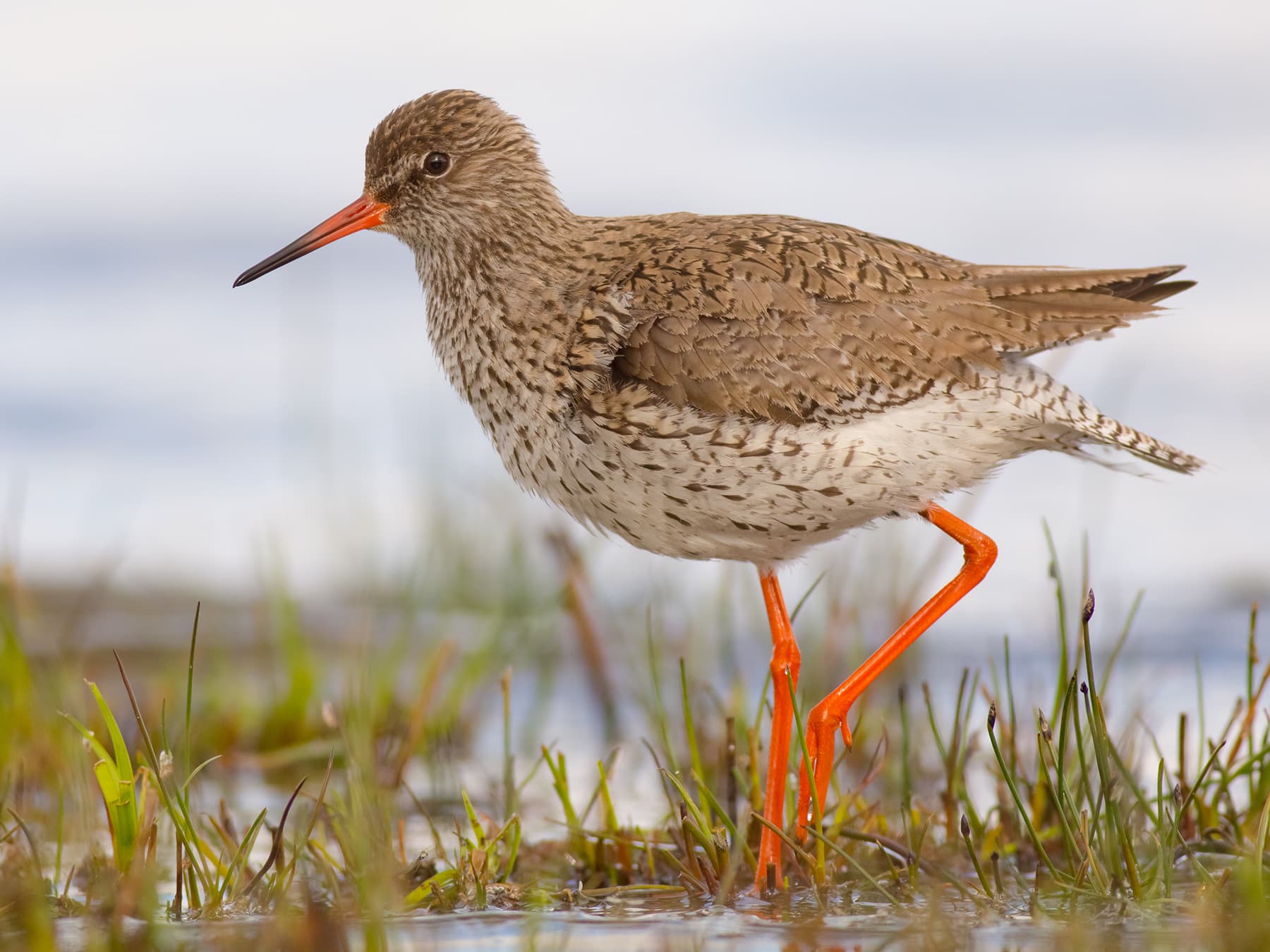
Redshank
Tringa totanusLC
A familiar wader year-round on the Mersey estuary and Ribble marshes, its piping calls a constant soundtrack to the region's mudflats.
Year-round
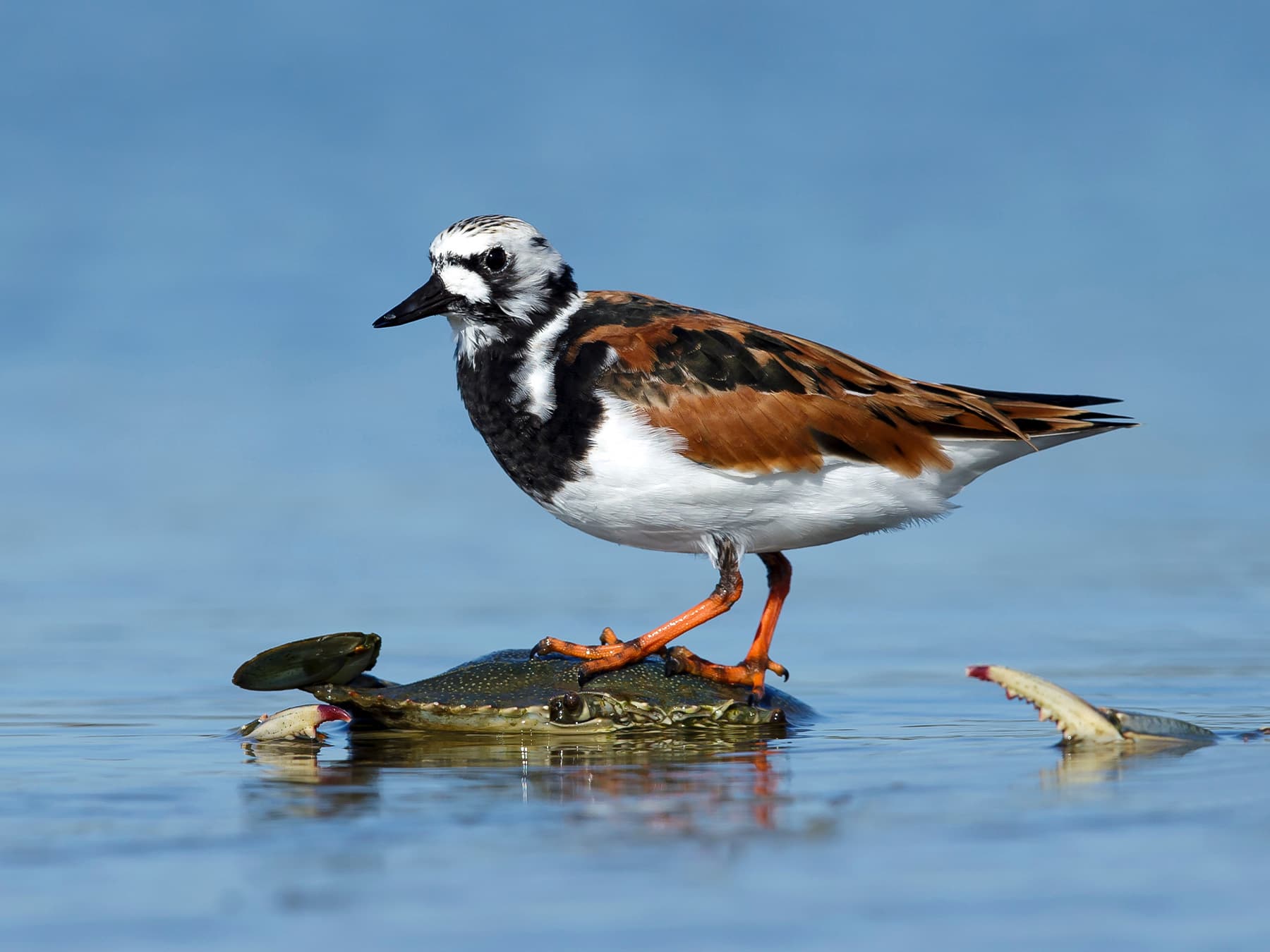
Ruddy Turnstone
Arenaria interpresLC
Present all year along rocky shores and promenades. Often seen flipping stones on Merseyside's sea walls and pier structures.
Year-round
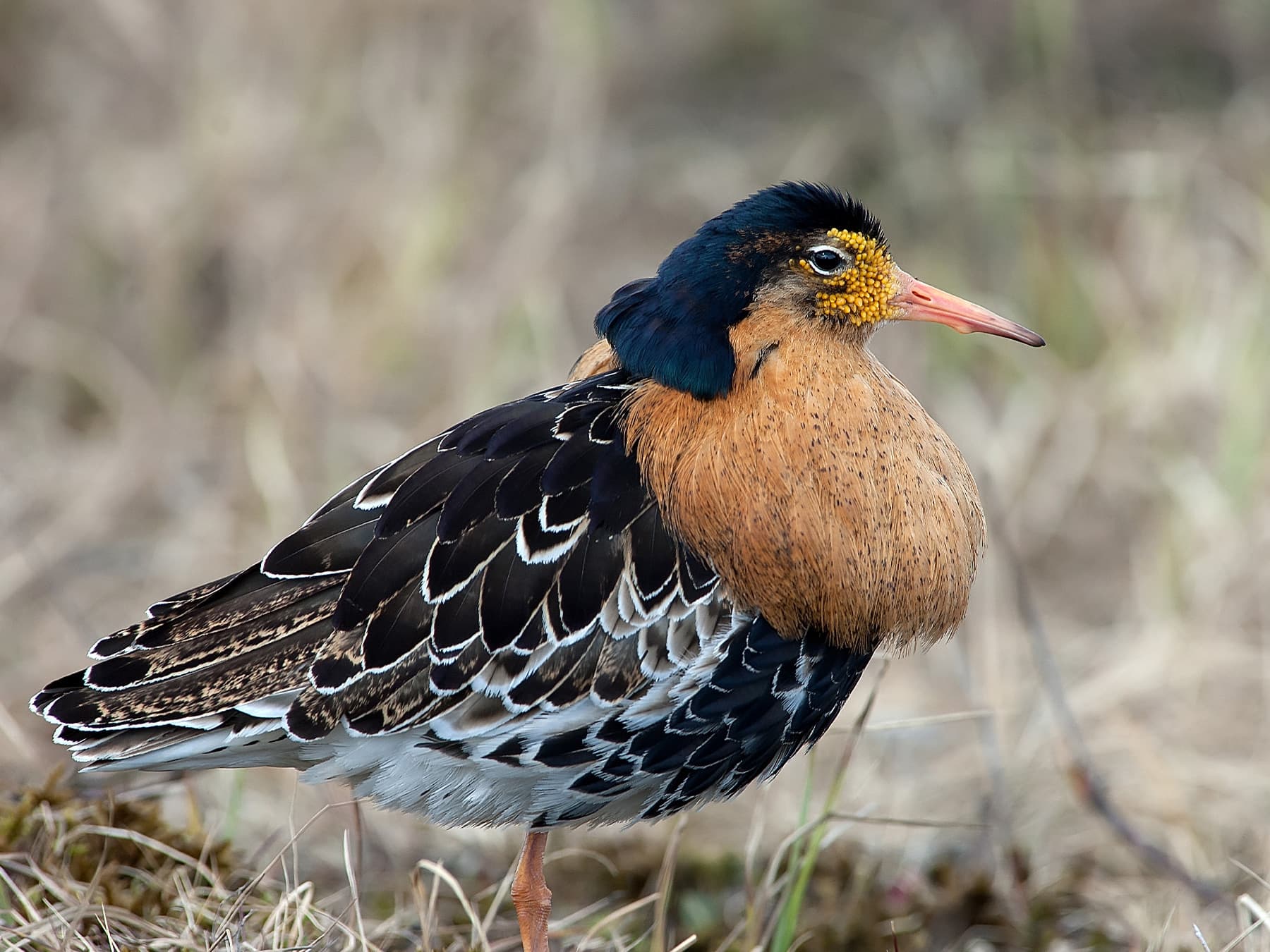
Ruff
Philomachus pugnaxLC
Found year-round on coastal marshes and pools, though uncommon. Marshside RSPB and similar wetlands offer the best chances.
Year-round
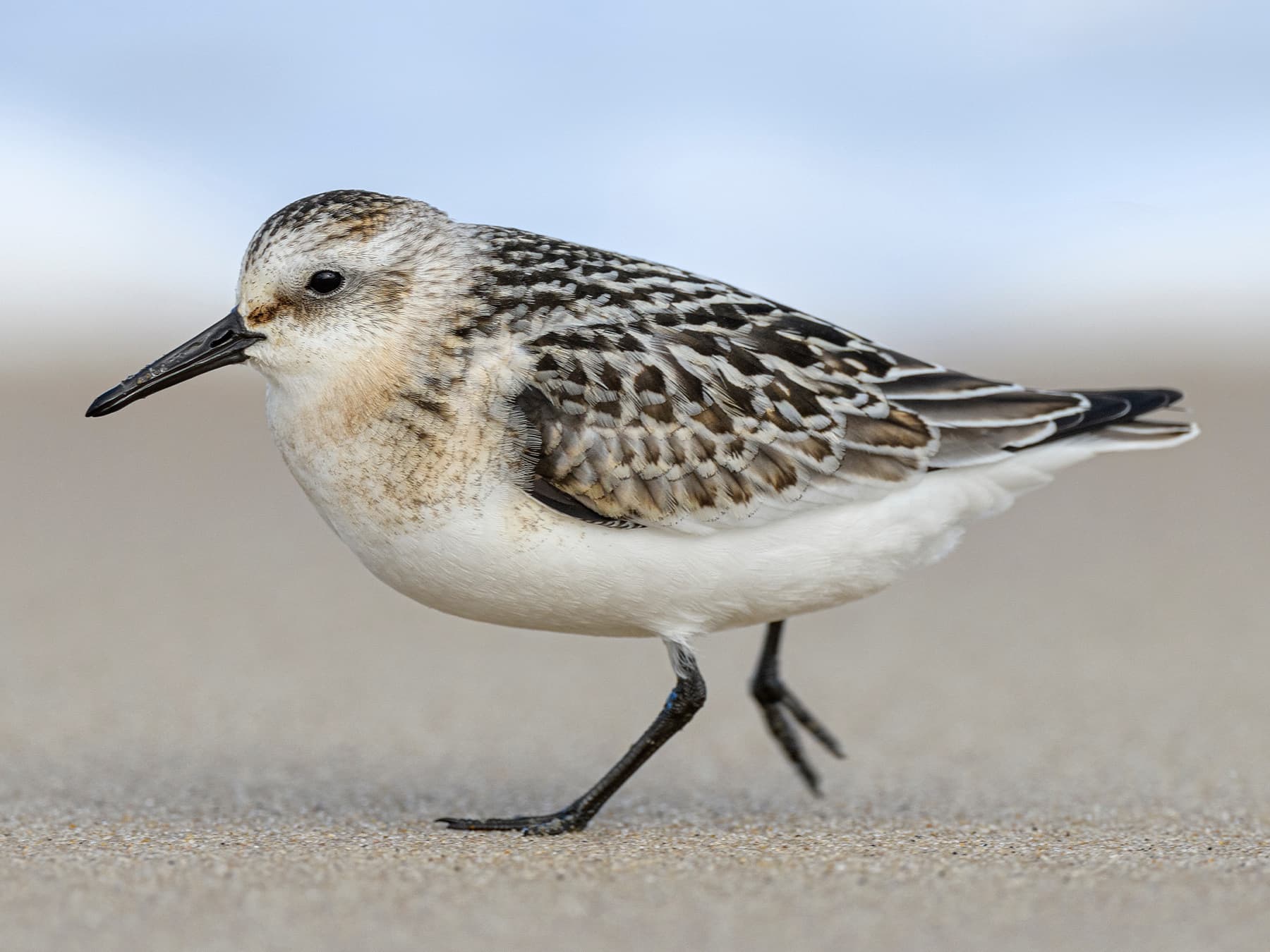
Sanderling
Calidris albaLC
Runs along sandy shores at Formby, Crosby and Ainsdale throughout the year, with flocks peaking in winter and on passage.
Year-round
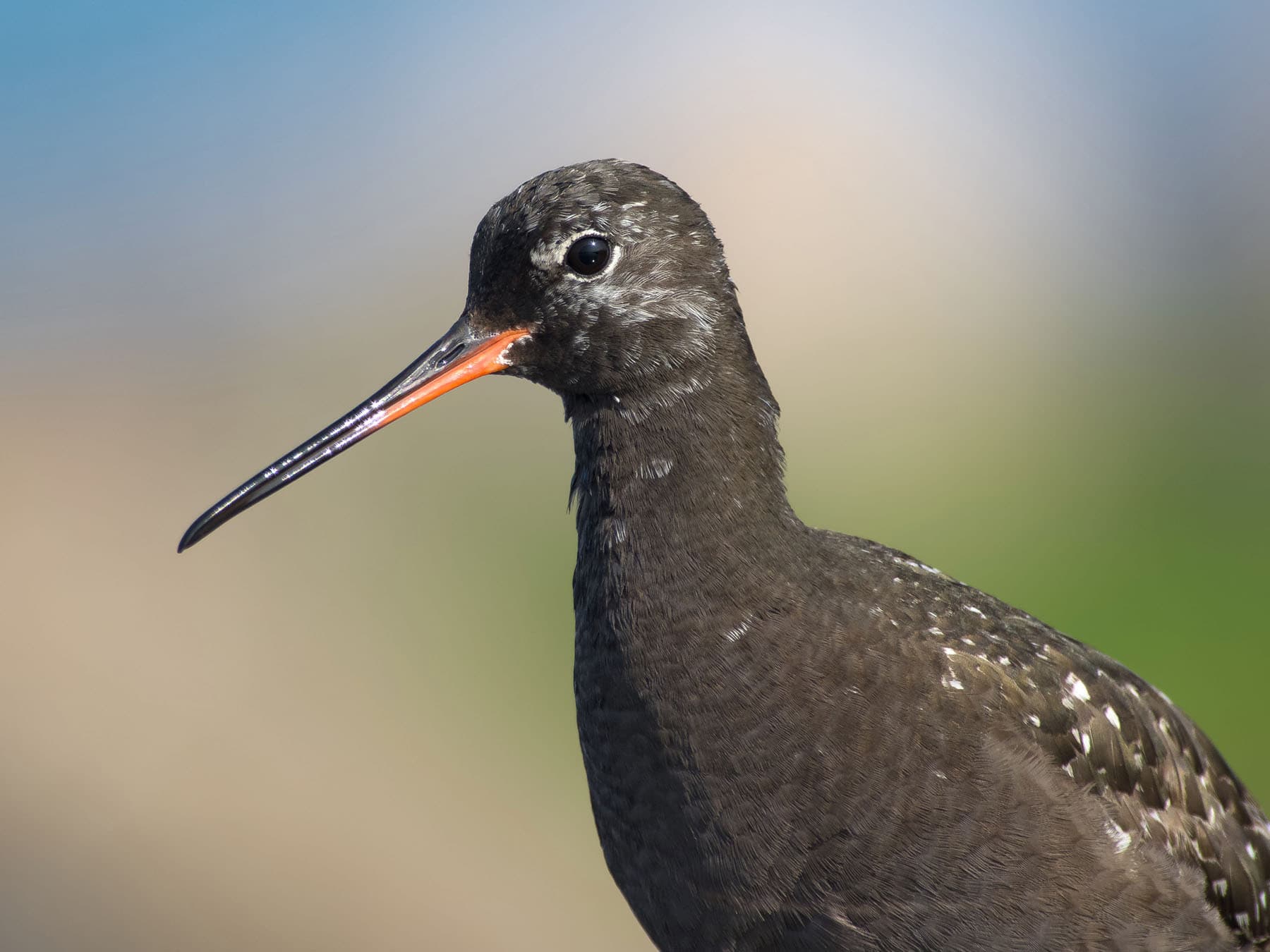
Spotted Redshank
Tringa erythropusLC
A rare wader found on Merseyside's estuarine mudflats, present in small numbers for much of the year. Often feeds alongside commoner redshank on tidal creeks.
Jun–Apr
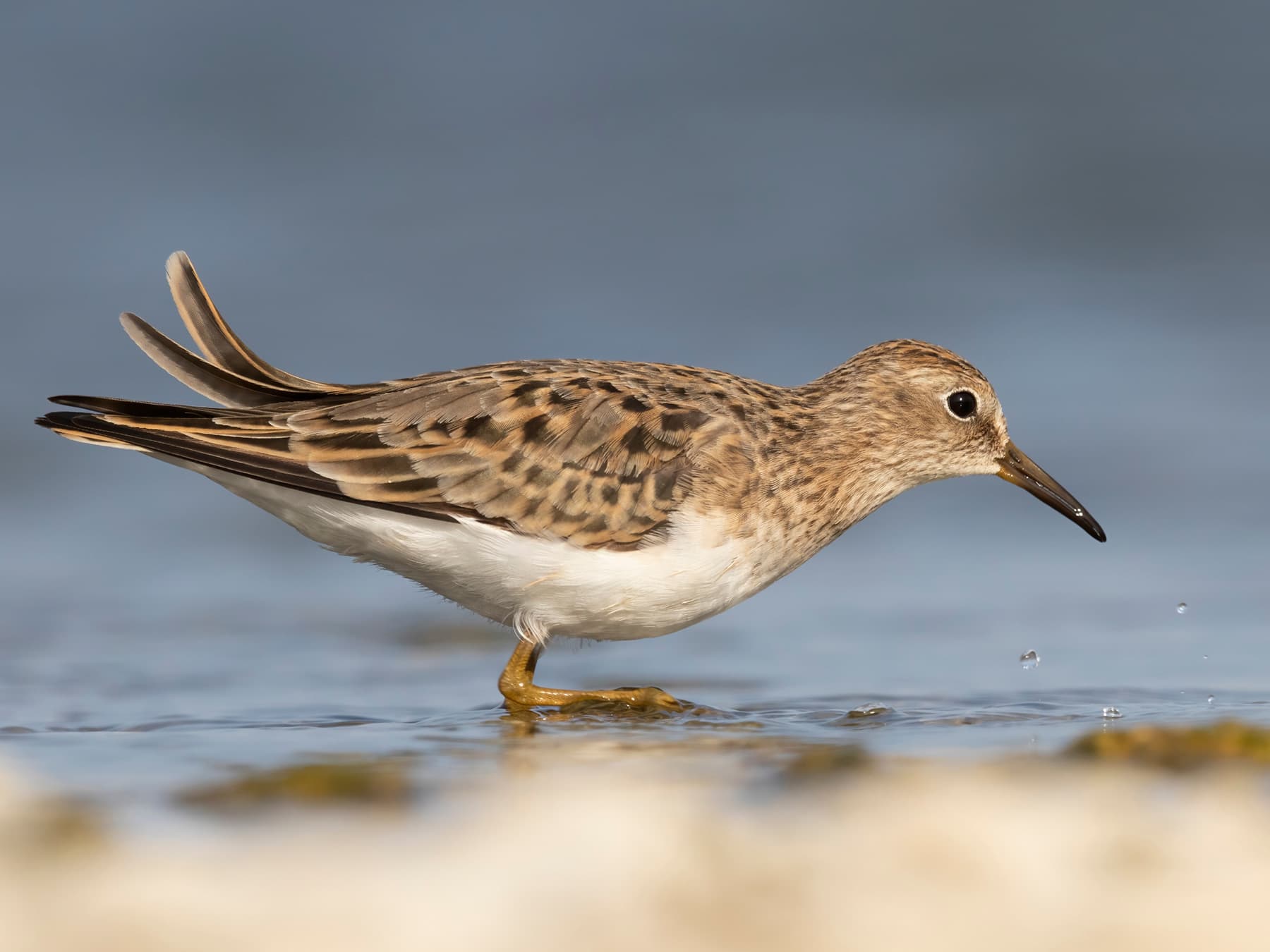
Temminck's Stint
Calidris temminckiiLC
A rare spring passage migrant, briefly recorded in May. Favours muddy pool edges and is easily overlooked among other stints.
May