


Common Birds in Lancashire
Our list for Lancashire has 95 common birds recorded regularly there: 70 residents, 13 summer visitors and 12 winter visitors
Most likely in October
GBIF · Oct
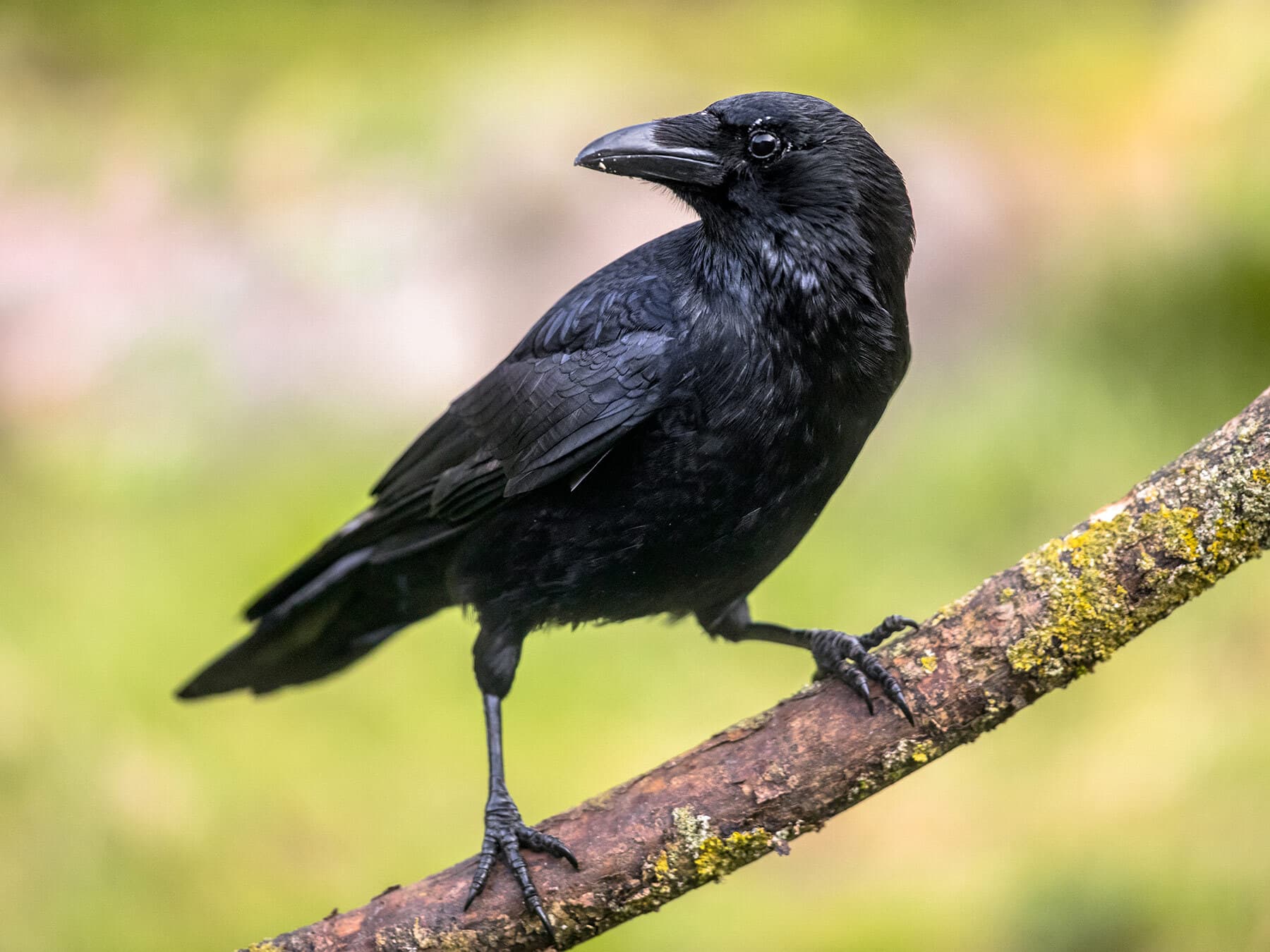
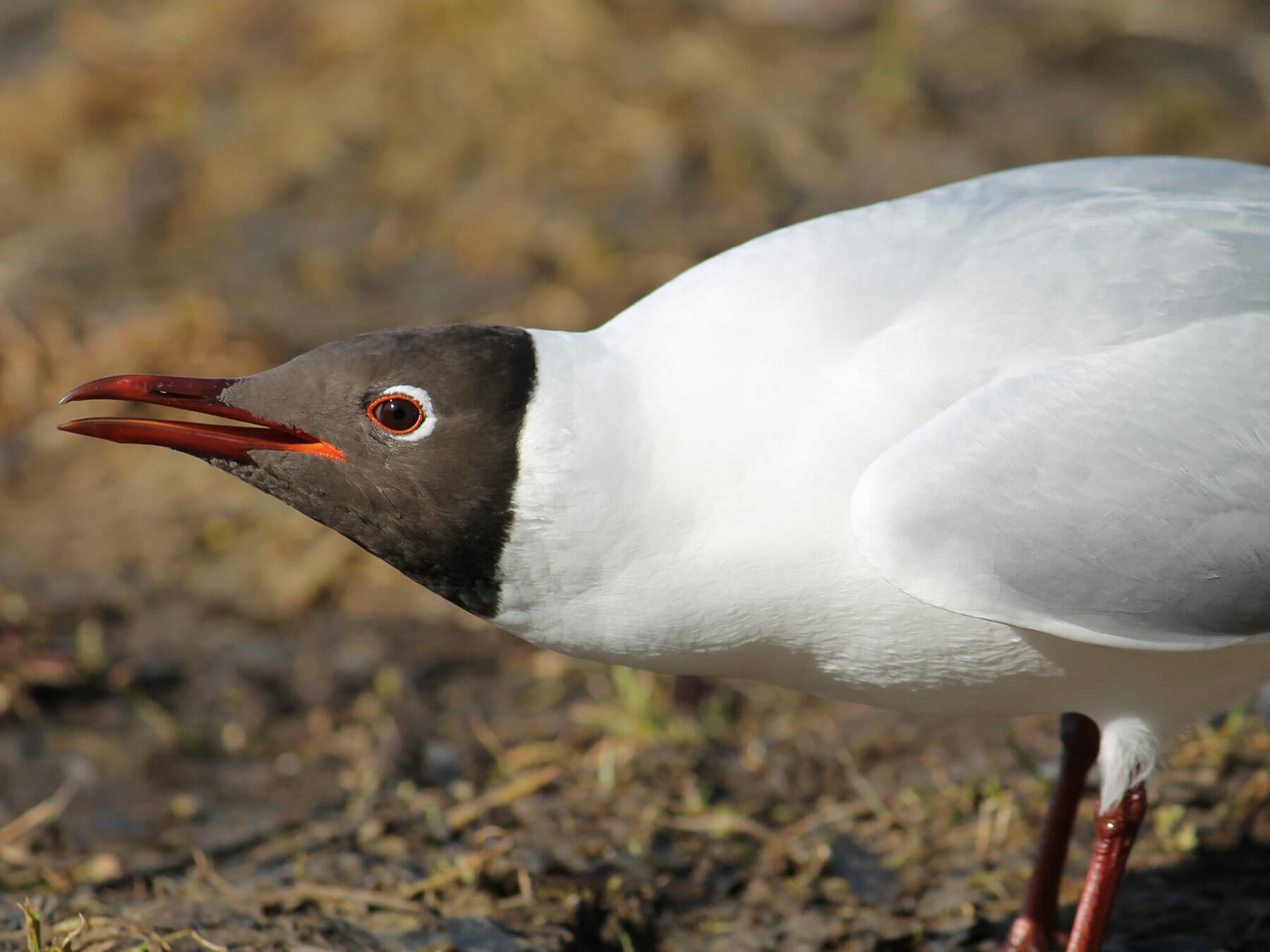
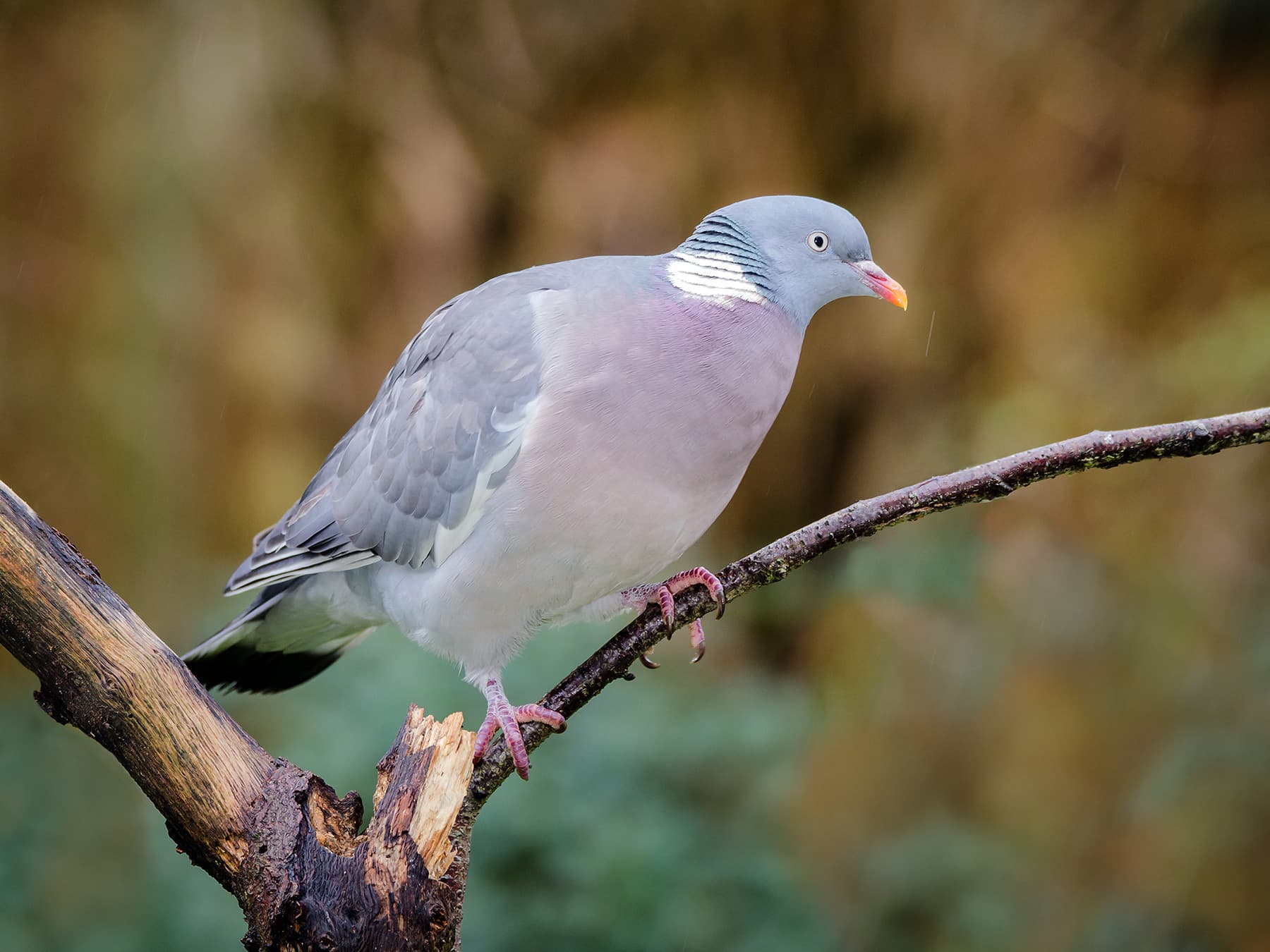
Share of all bird records in Lancashire in October, 2019–2024. Each month links to that month’s page.
All 95, most common first
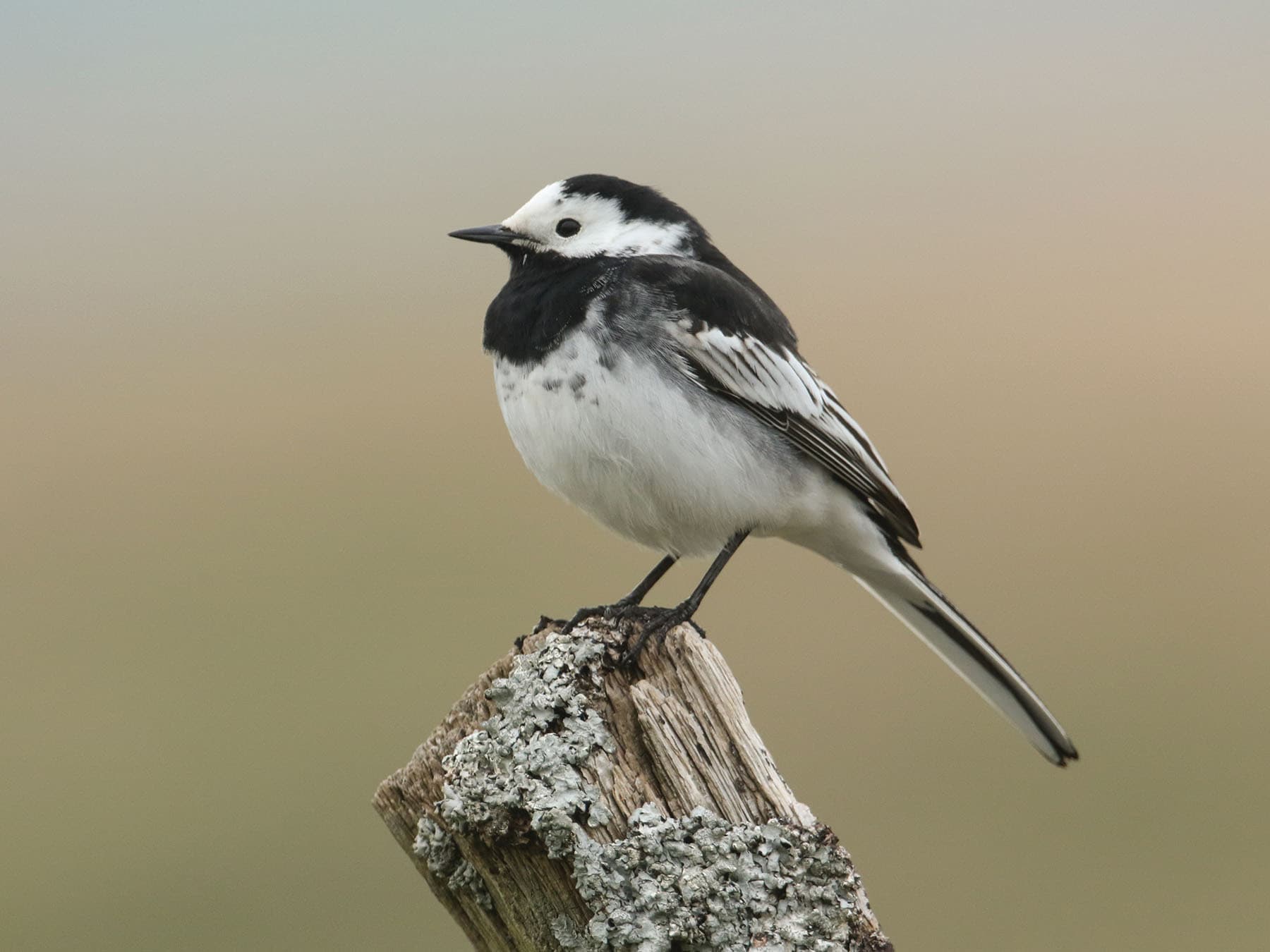 Pied WagtailMotacilla albaResidentCommon17–19 cmRecorded all year
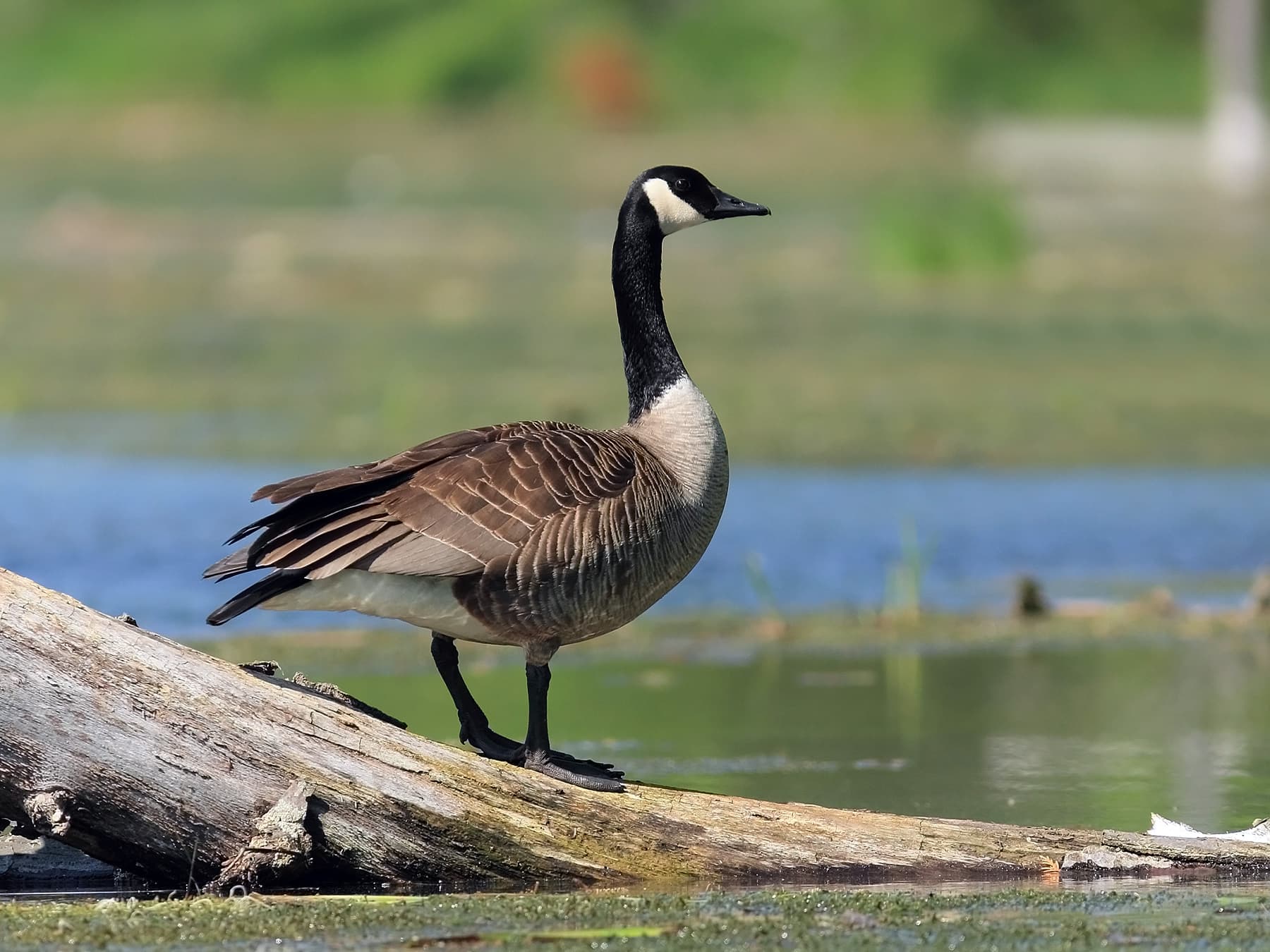 Canada GooseBranta canadensisResidentCommon76–110 cmRecorded all year
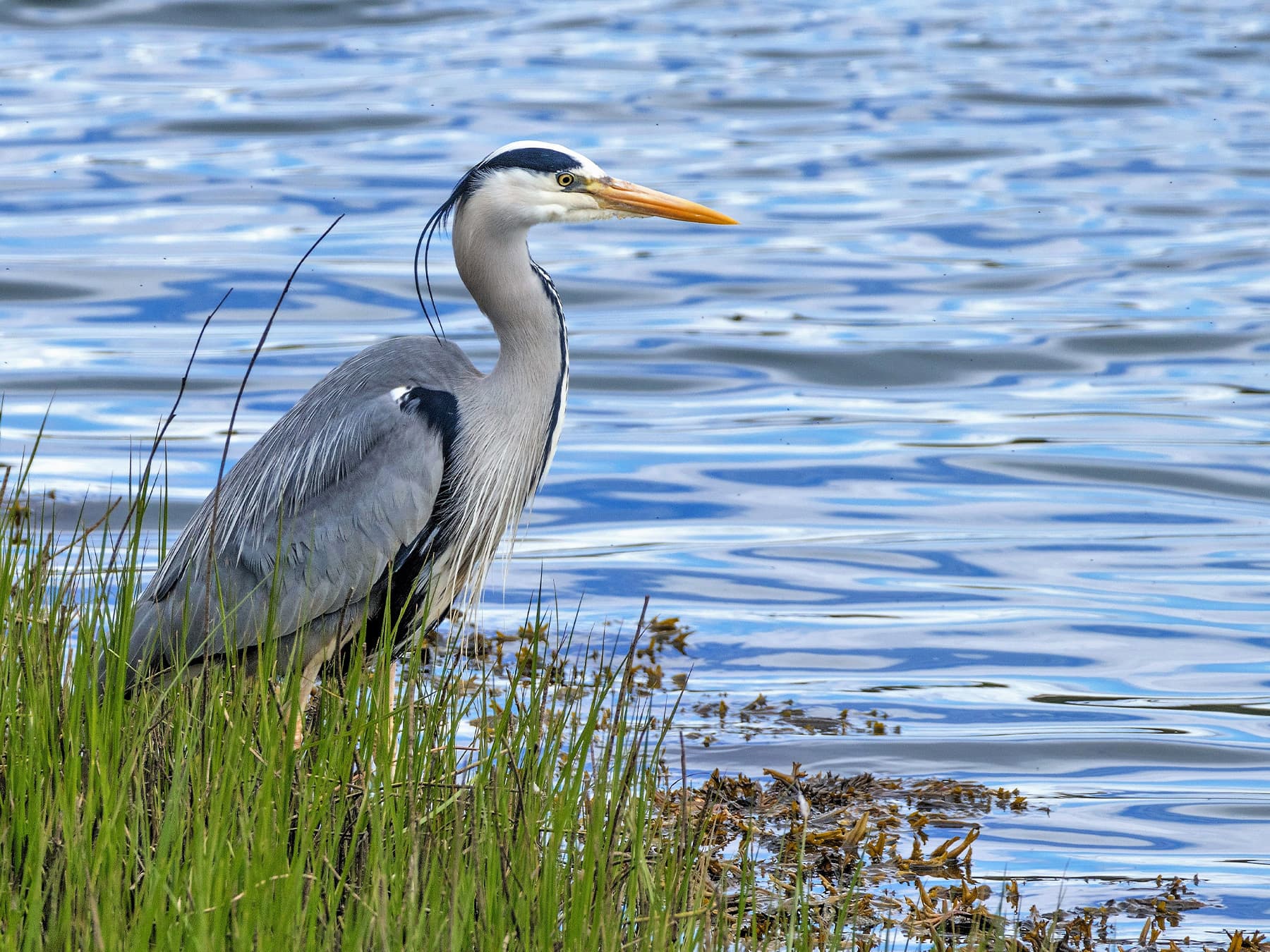 Grey HeronArdea cinereaResidentCommon90–98 cmRecorded all year
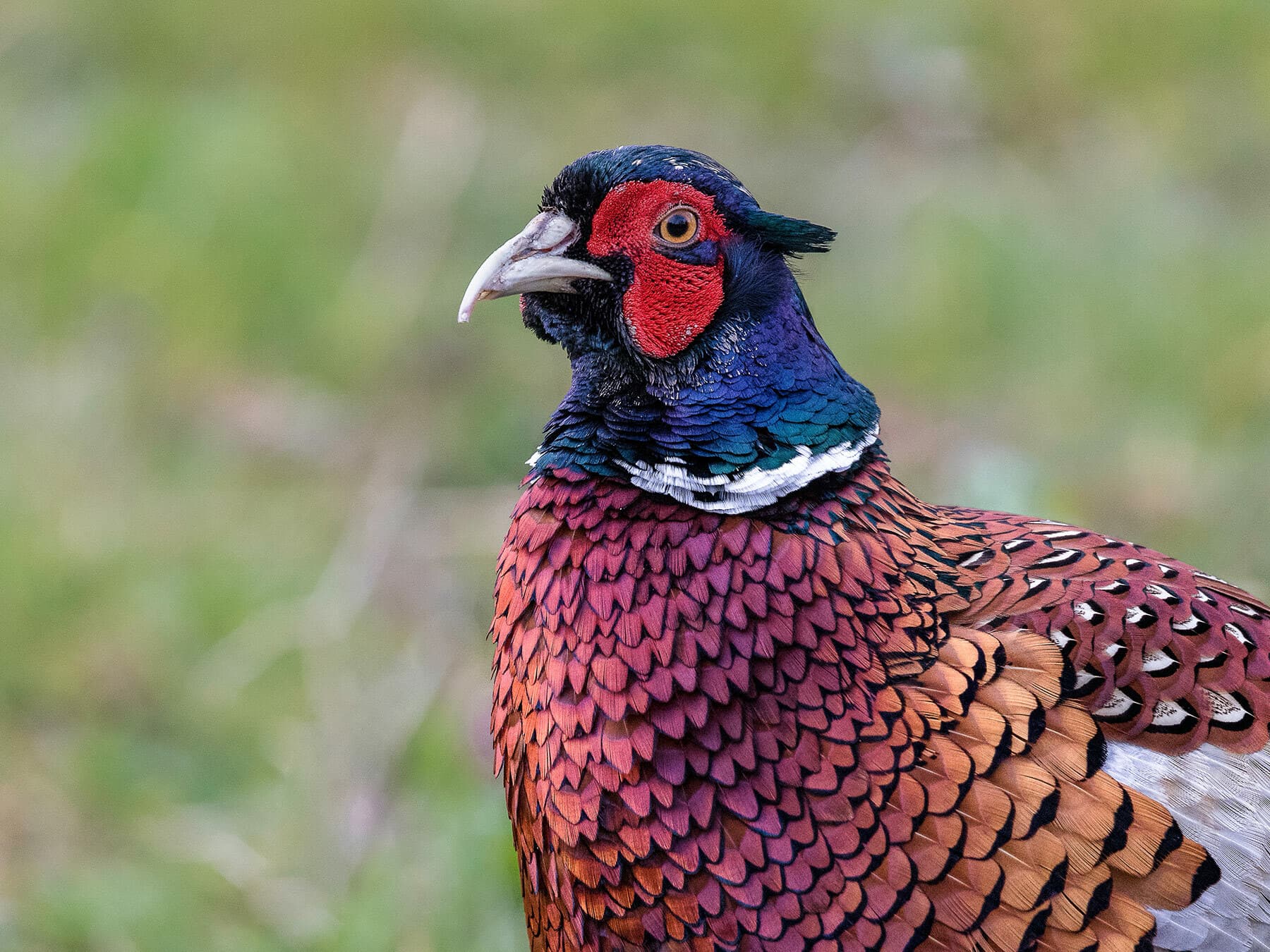 Common PheasantPhasianus colchicusResidentCommon50–90 cmRecorded all year
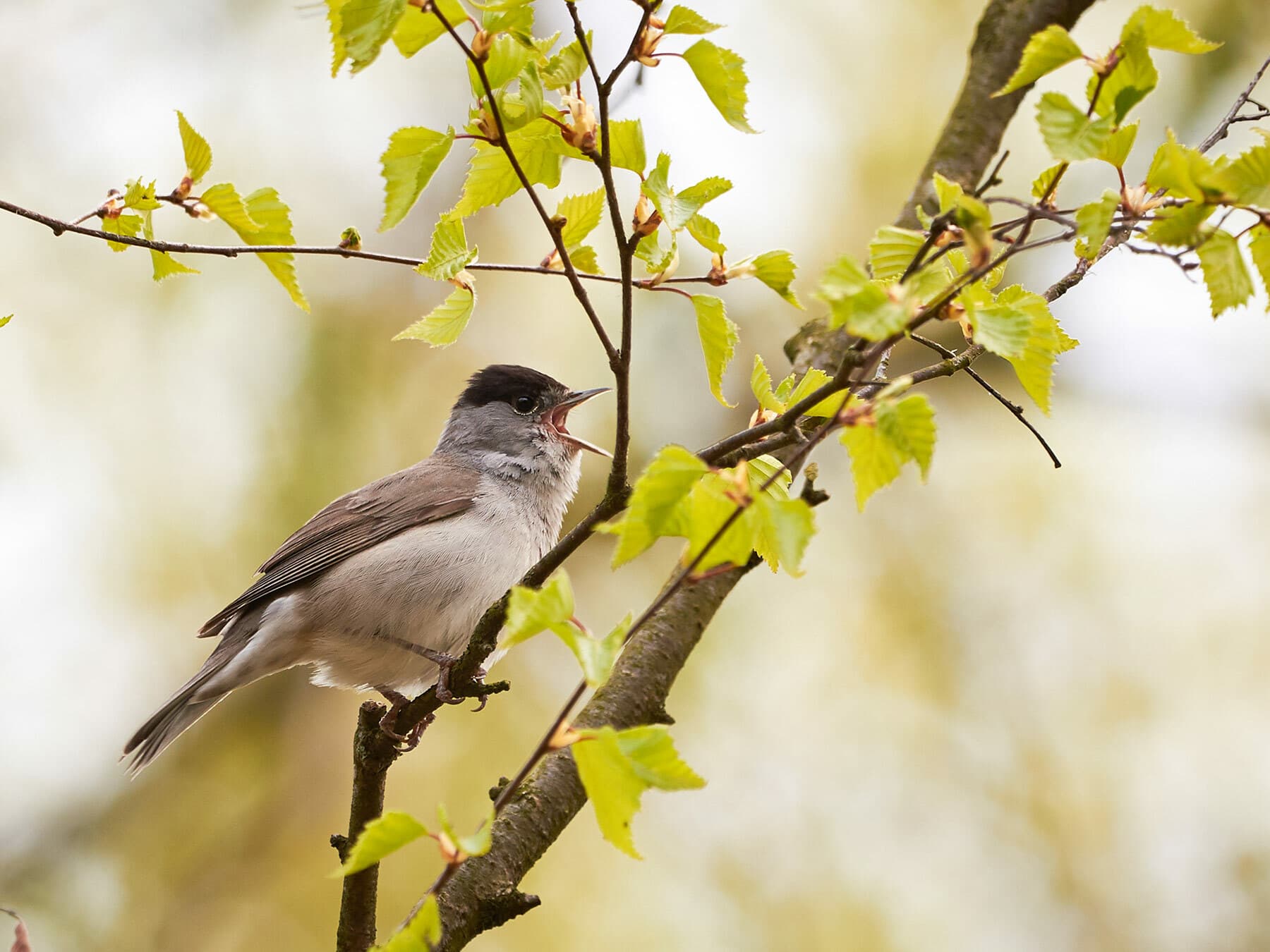 BlackcapSylvia atricapillaSummer visitorCommon13–15 cmRegularly Mar–Sep
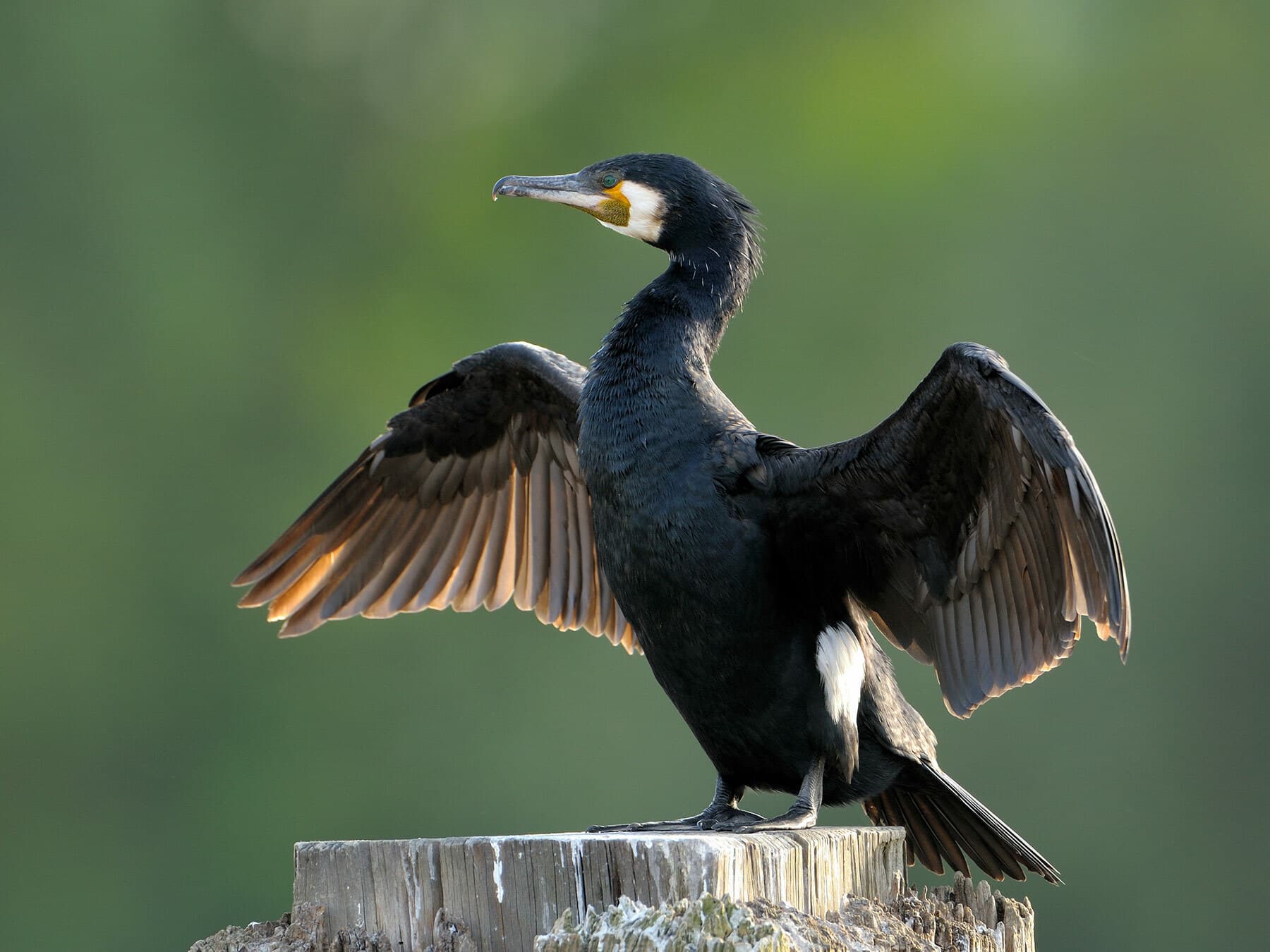 Great CormorantPhalacrocorax carboResidentCommon80–100 cmRecorded all year
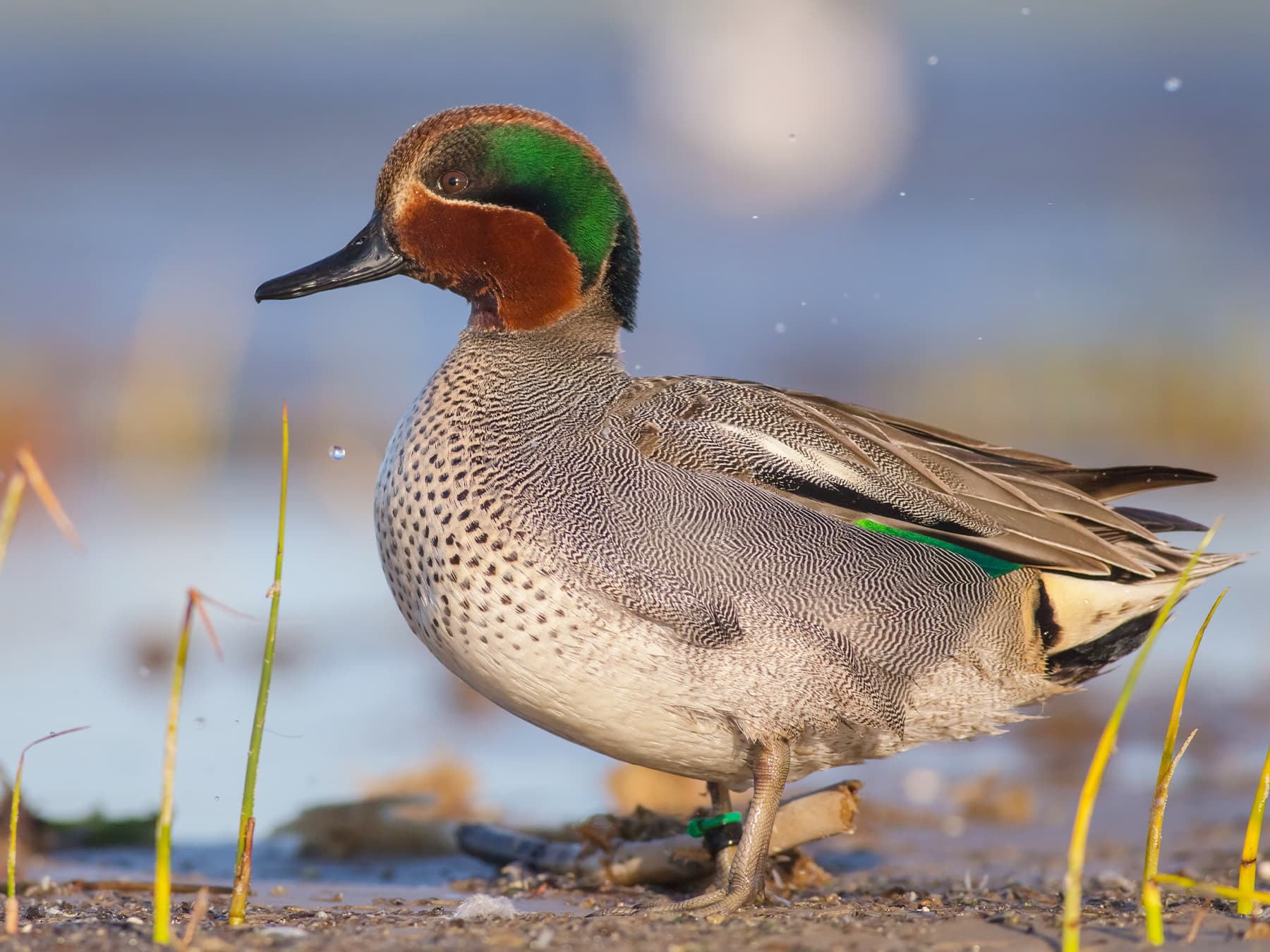 Eurasian TealAnas creccaWinter visitorCommon34–38 cmRecorded all year
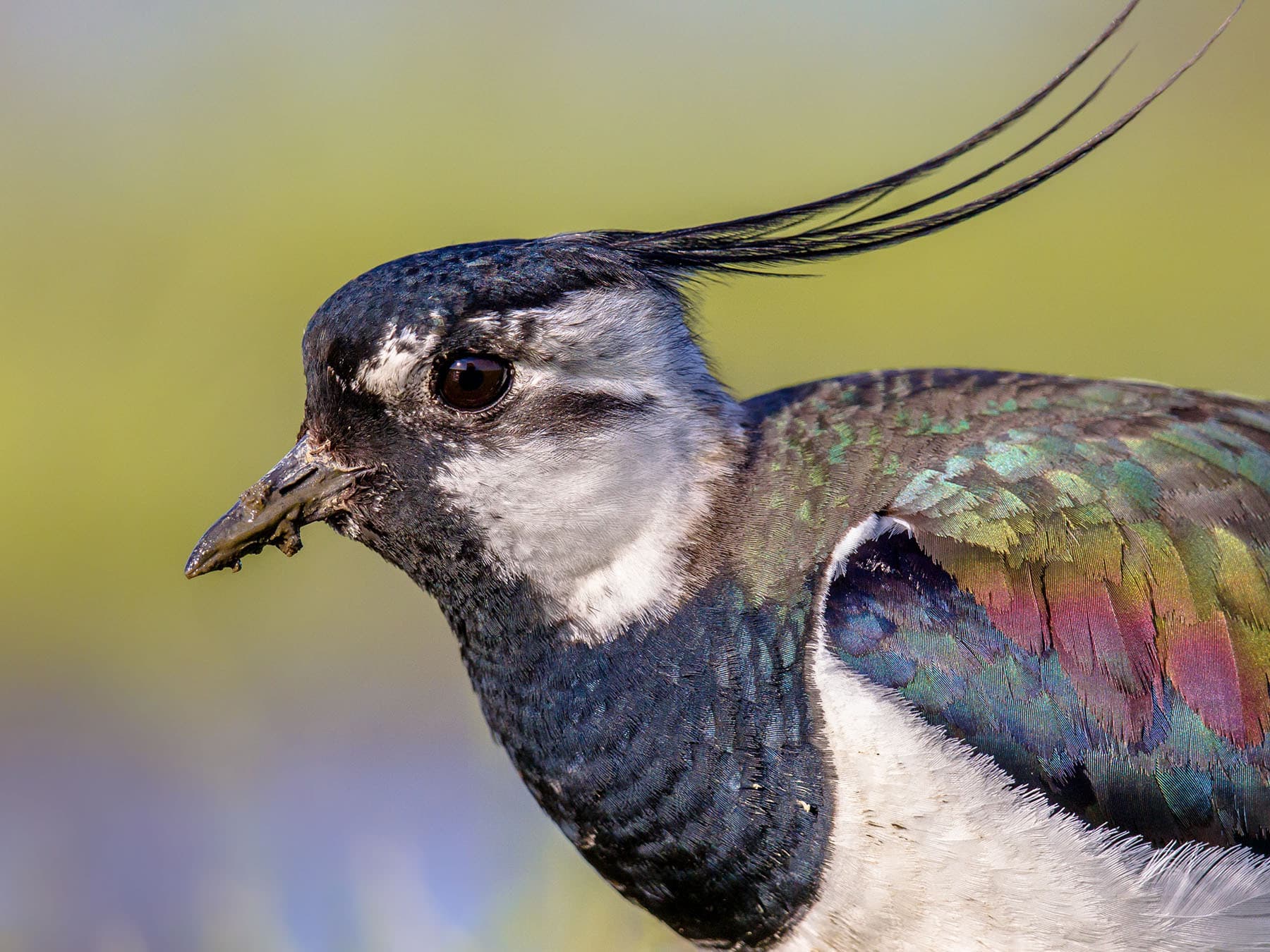 Northern LapwingVanellus vanellusResidentCommon28–31 cmRecorded all year
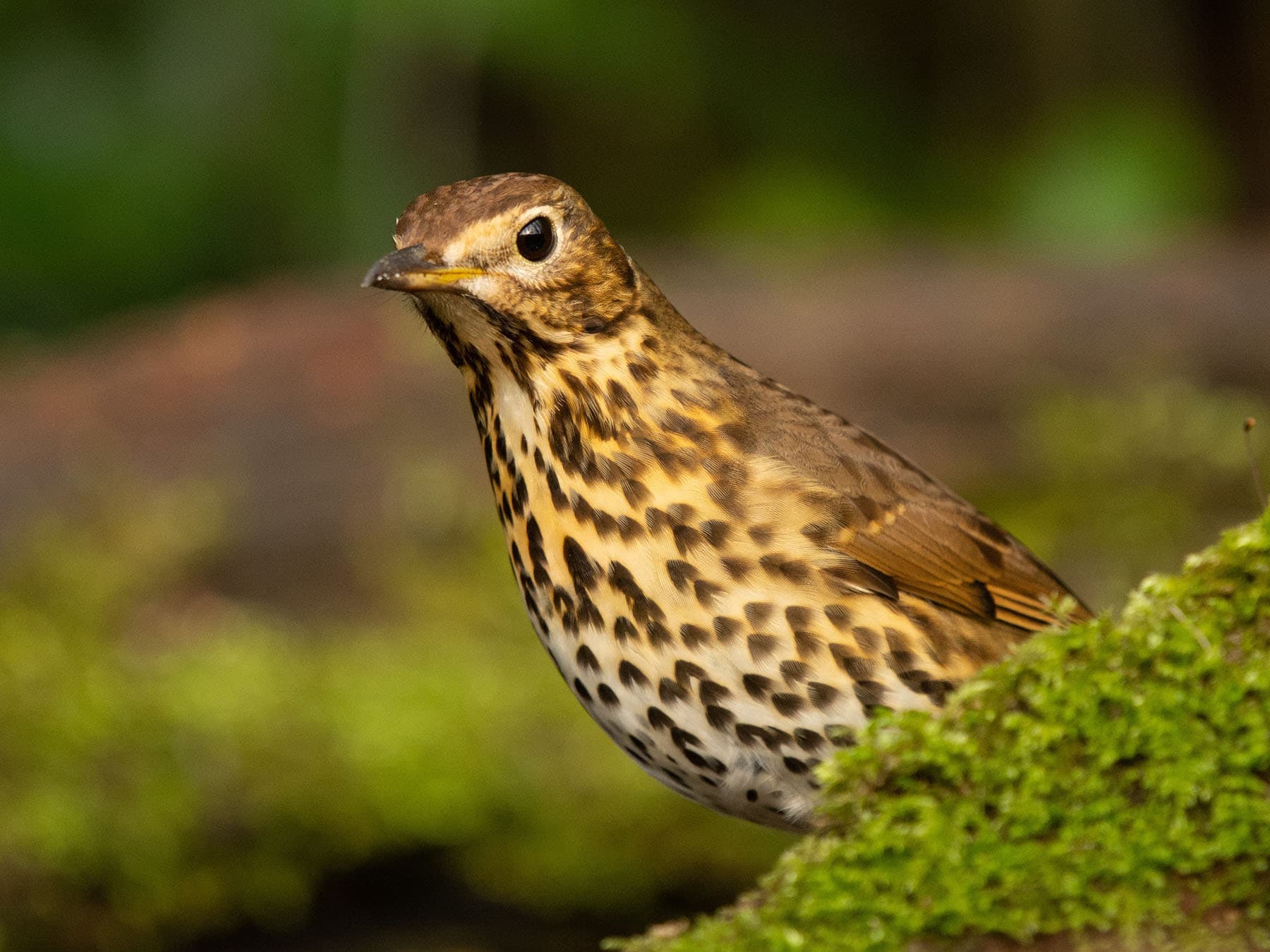 Song ThrushTurdus philomelosResidentCommon20–23 cmRecorded all year
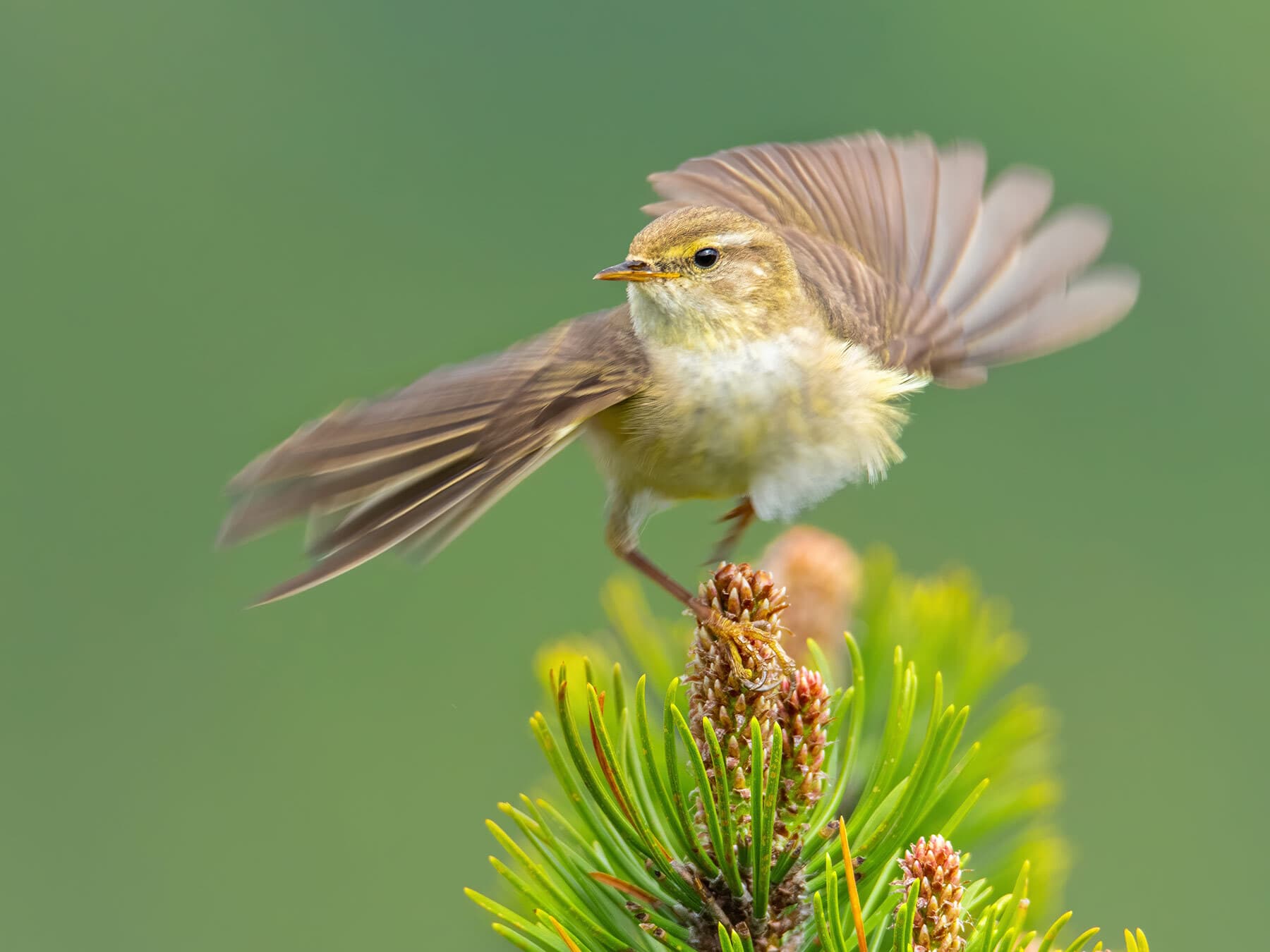 Willow WarblerPhylloscopus trochilusSummer visitorCommon11–13 cmRegularly Apr–Sep
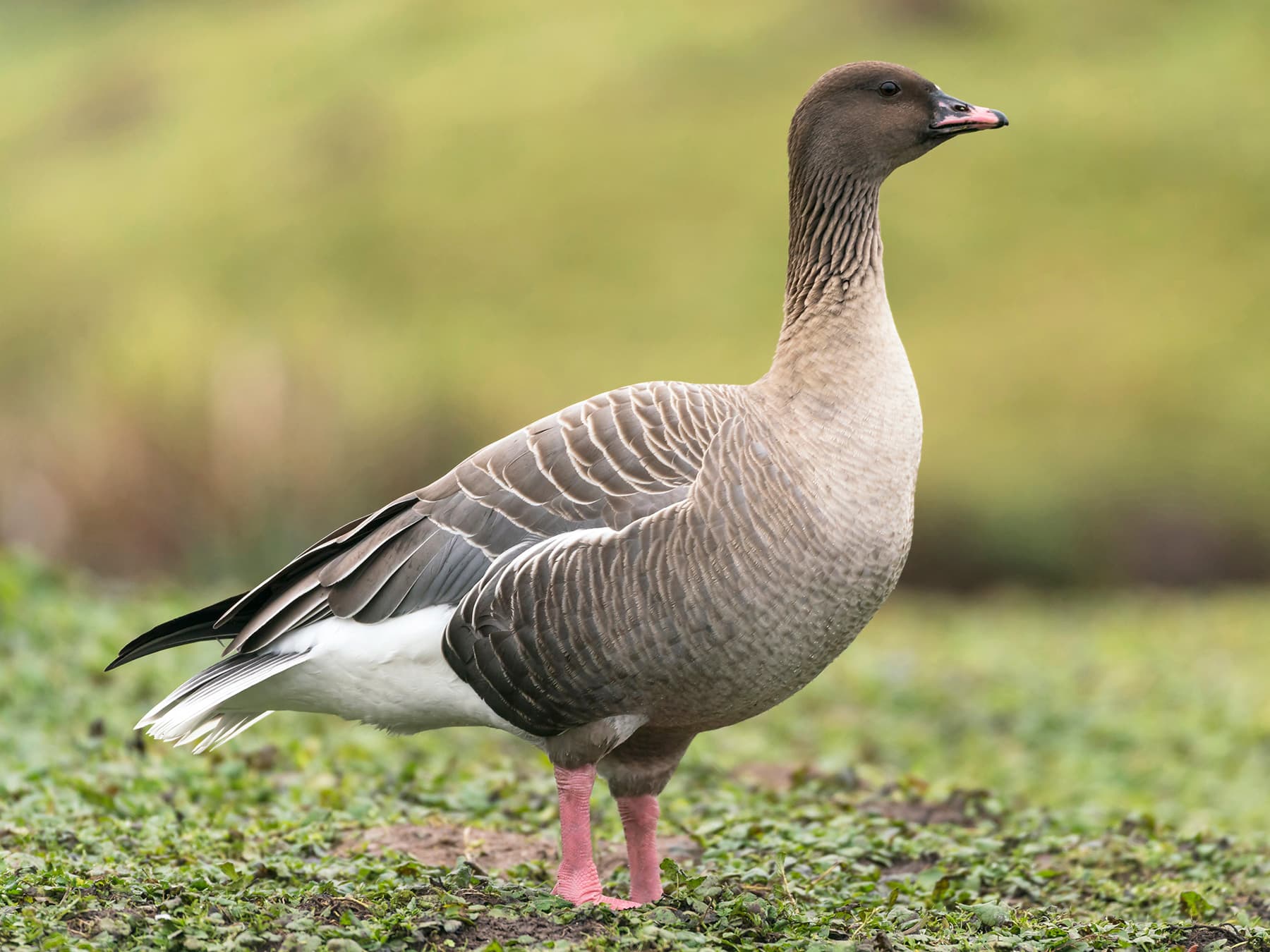 Pink-footed GooseAnser brachyrhynchusWinter visitorCommon60–75 cmRegularly Sep–May
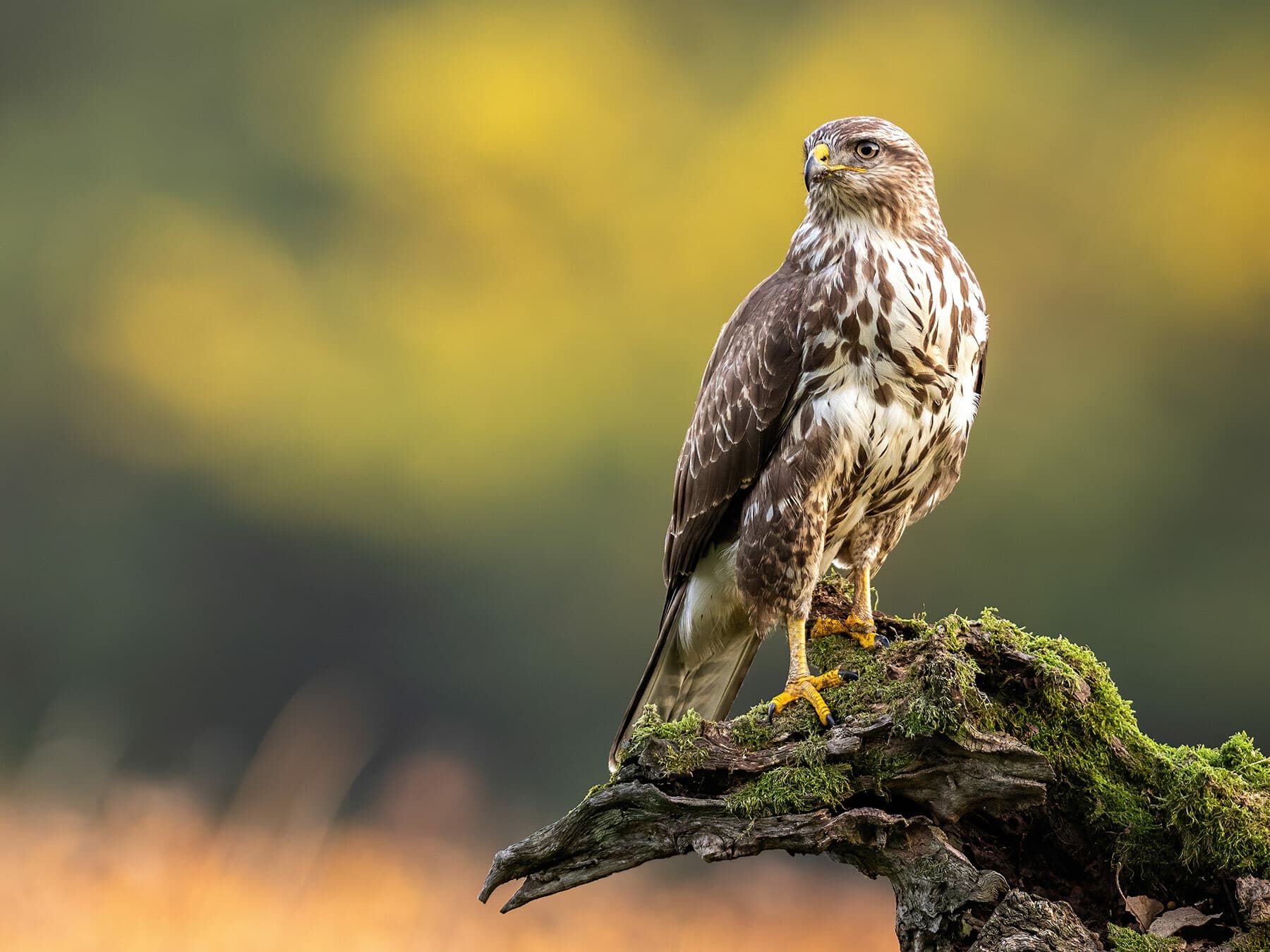 BuzzardButeo buteoResidentCommon51–57 cmRecorded all year
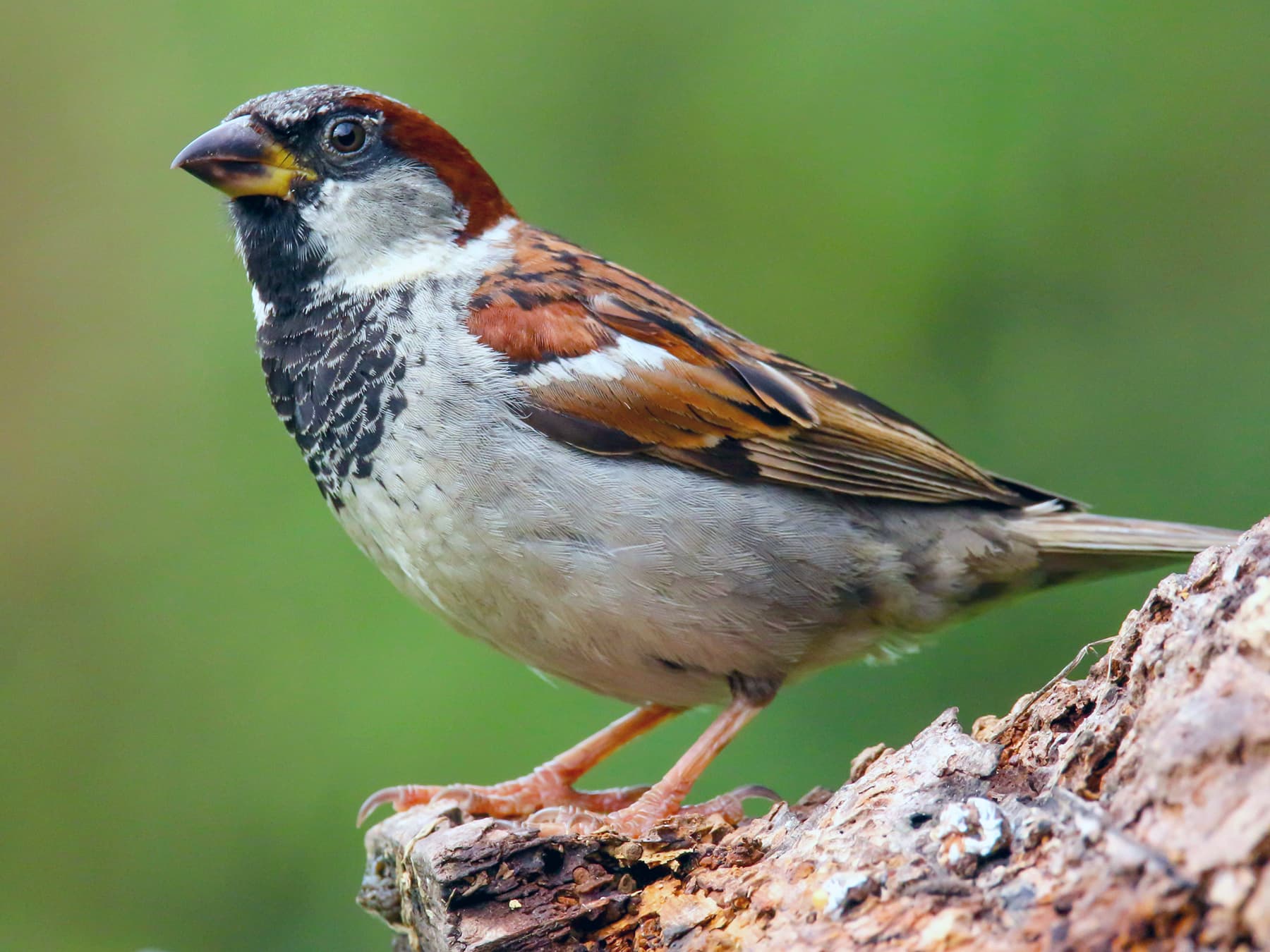 House SparrowPasser domesticusResidentCommon14–17 cmRecorded all year
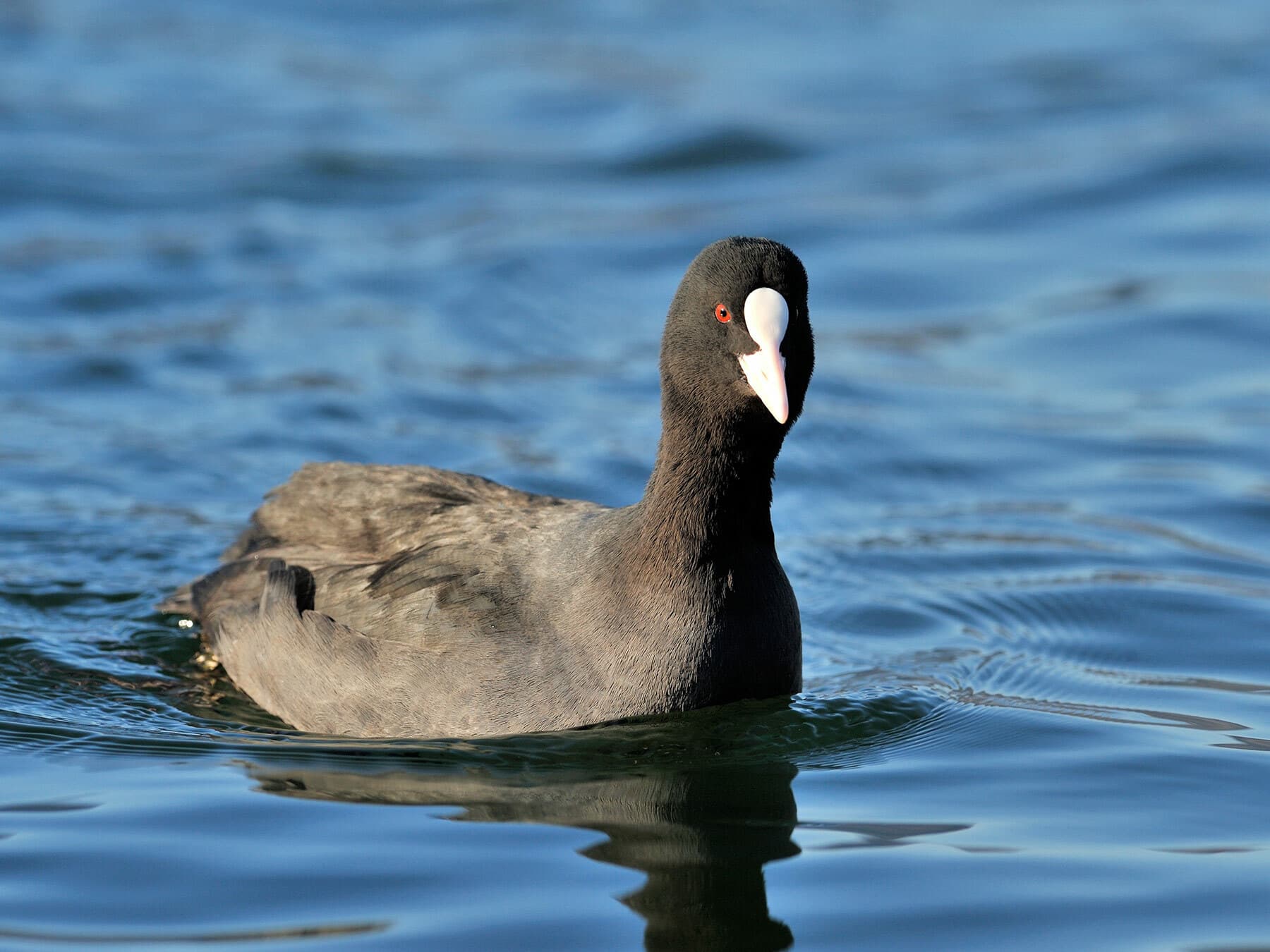 CootFulica atraResidentCommon36–42 cmRecorded all year
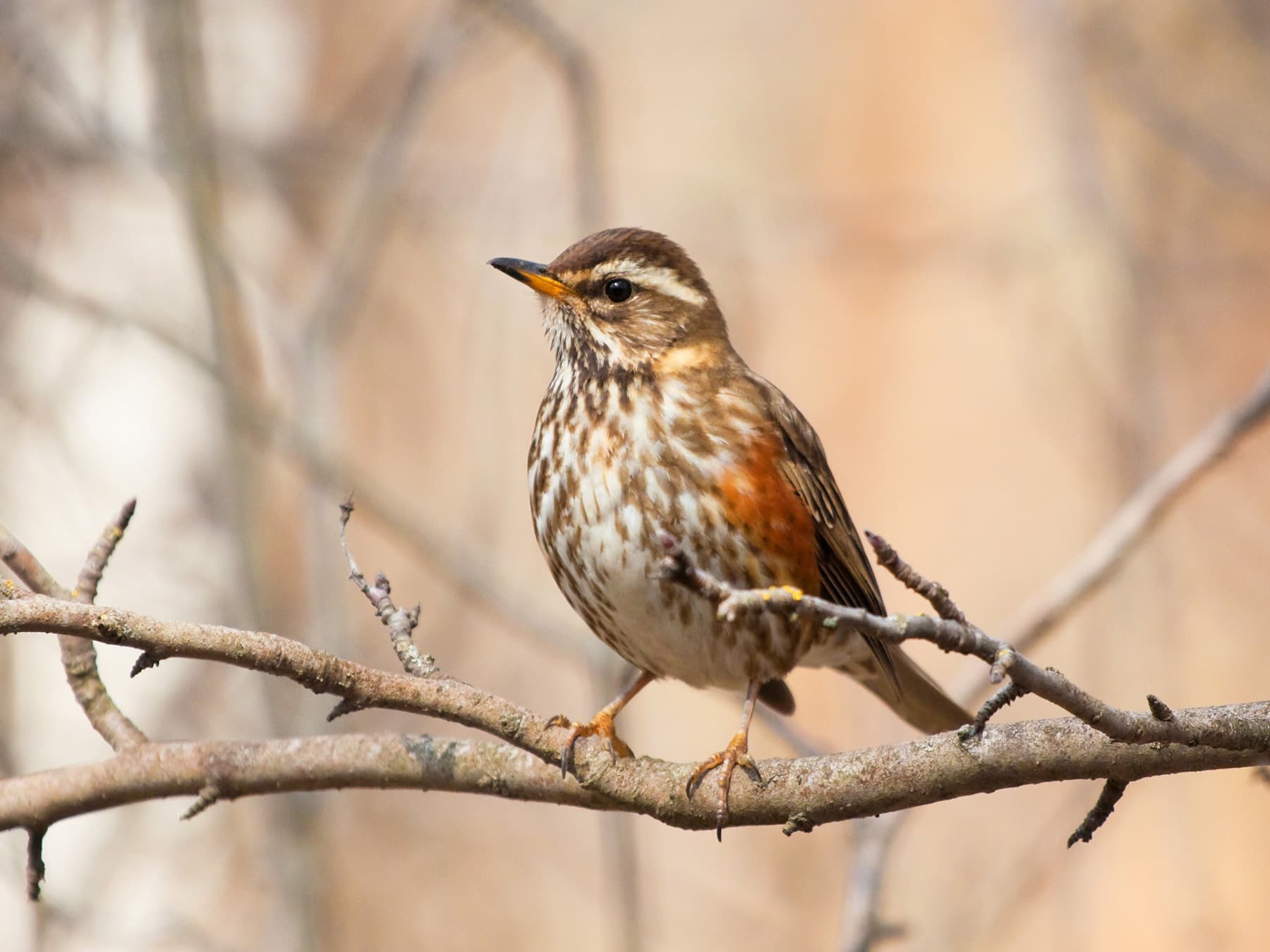 RedwingTurdus iliacusWinter visitorCommon20–24 cmRegularly Oct–Mar
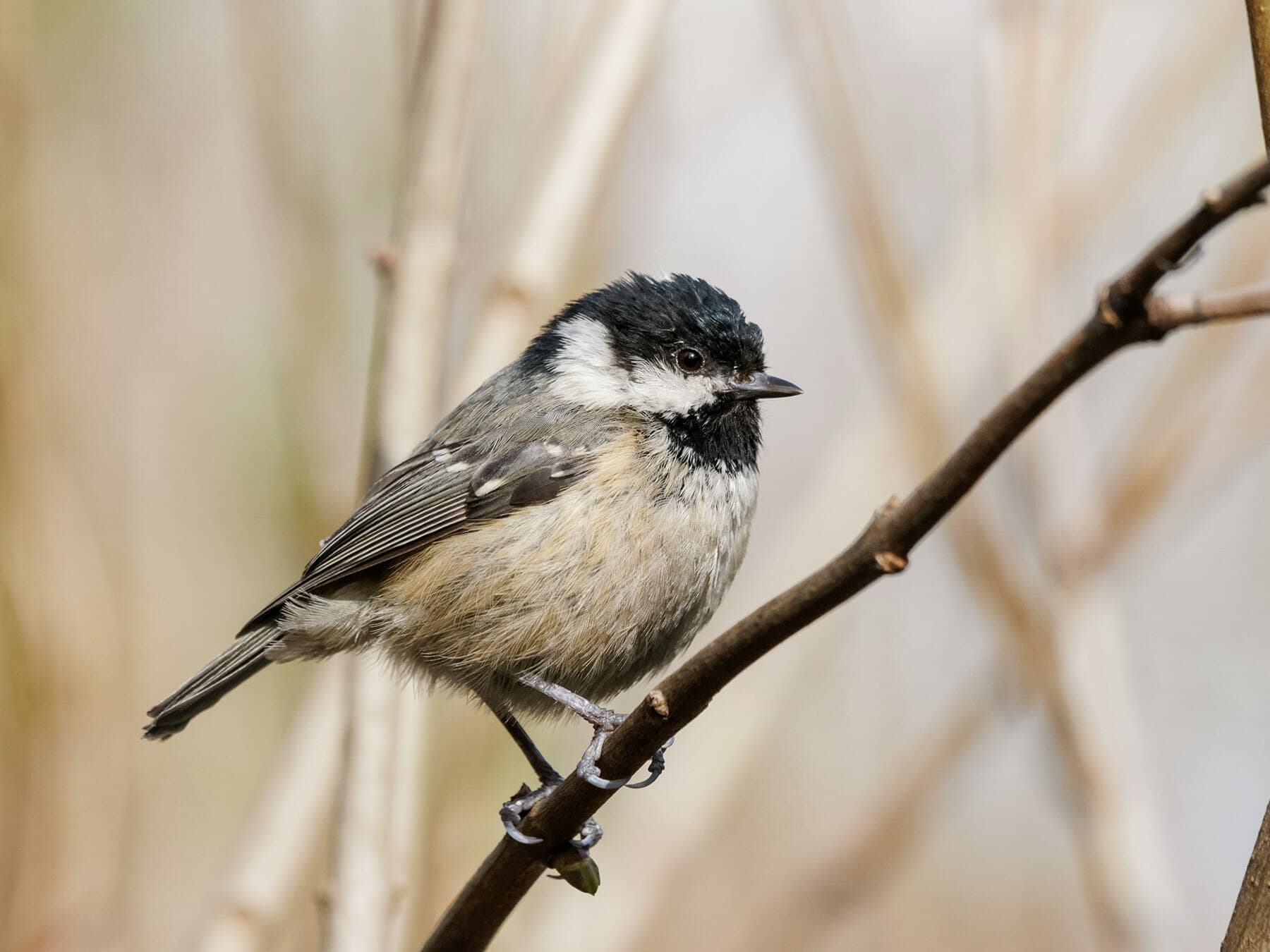 Coal TitPeriparus aterResidentCommon10–12 cmRecorded all year
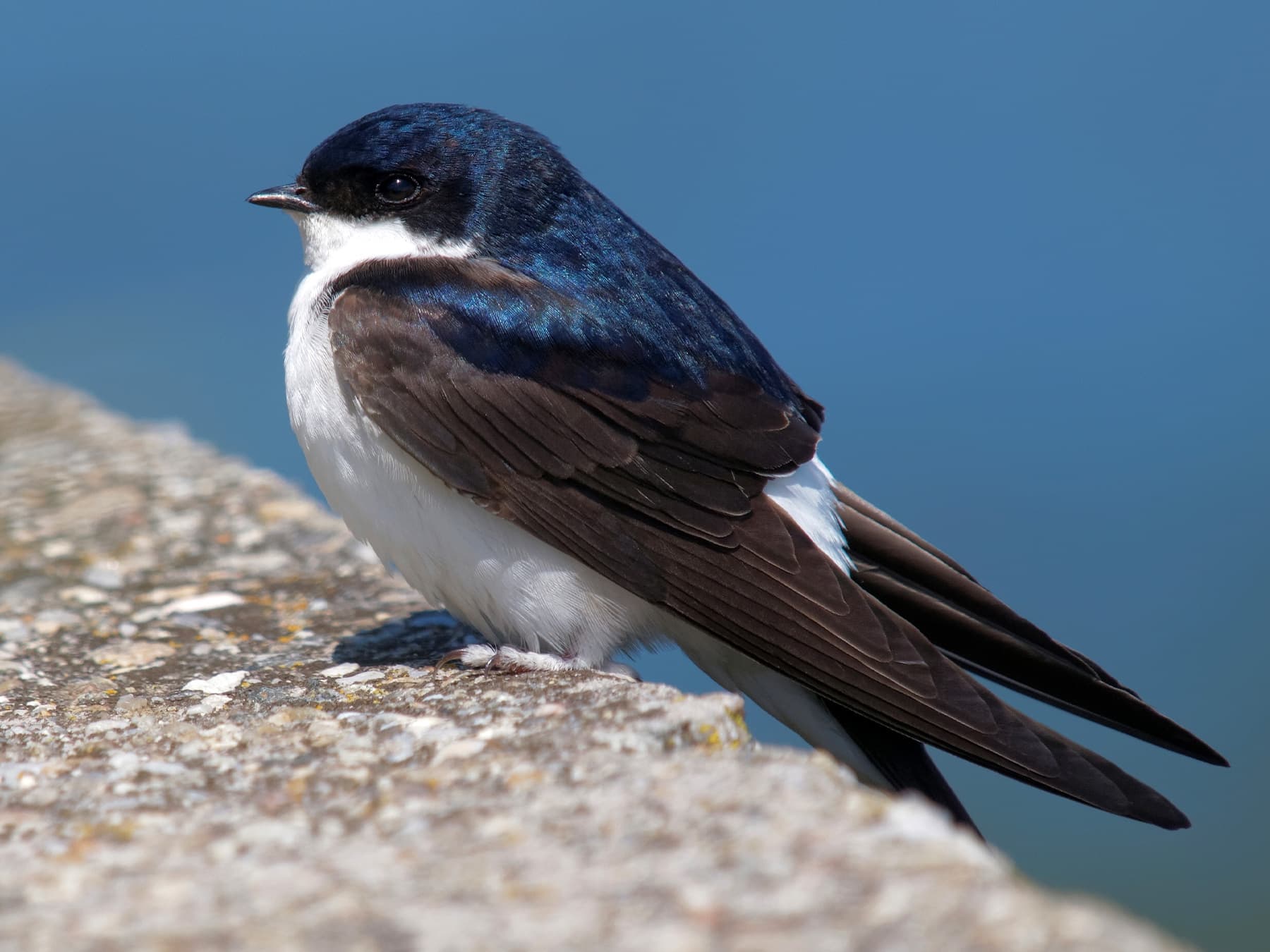 House MartinDelichon urbicumSummer visitorCommon13–15 cmRegularly Apr–Oct
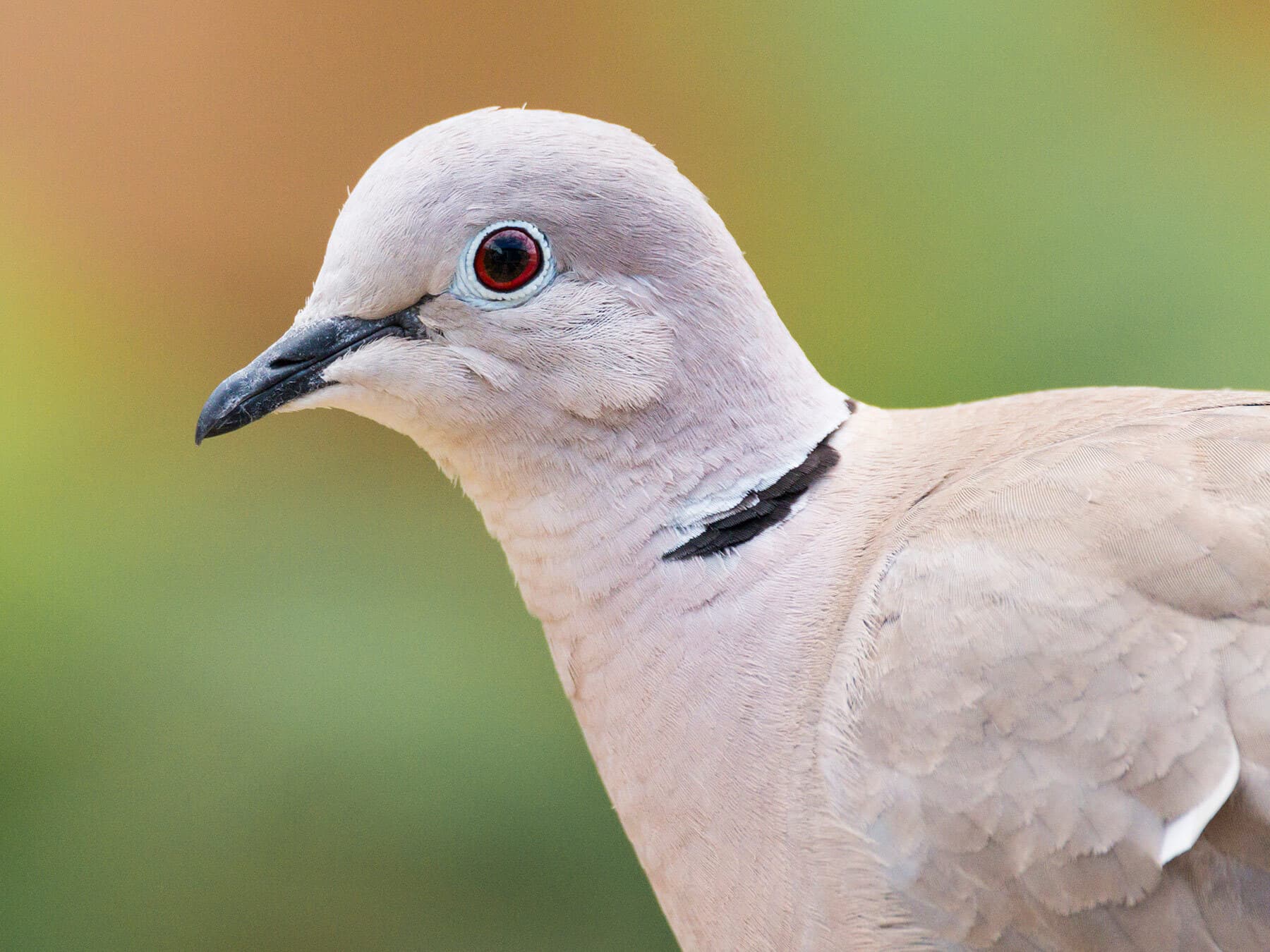 Eurasian Collared DoveStreptopelia decaoctoResidentCommon30–32 cmRecorded all year
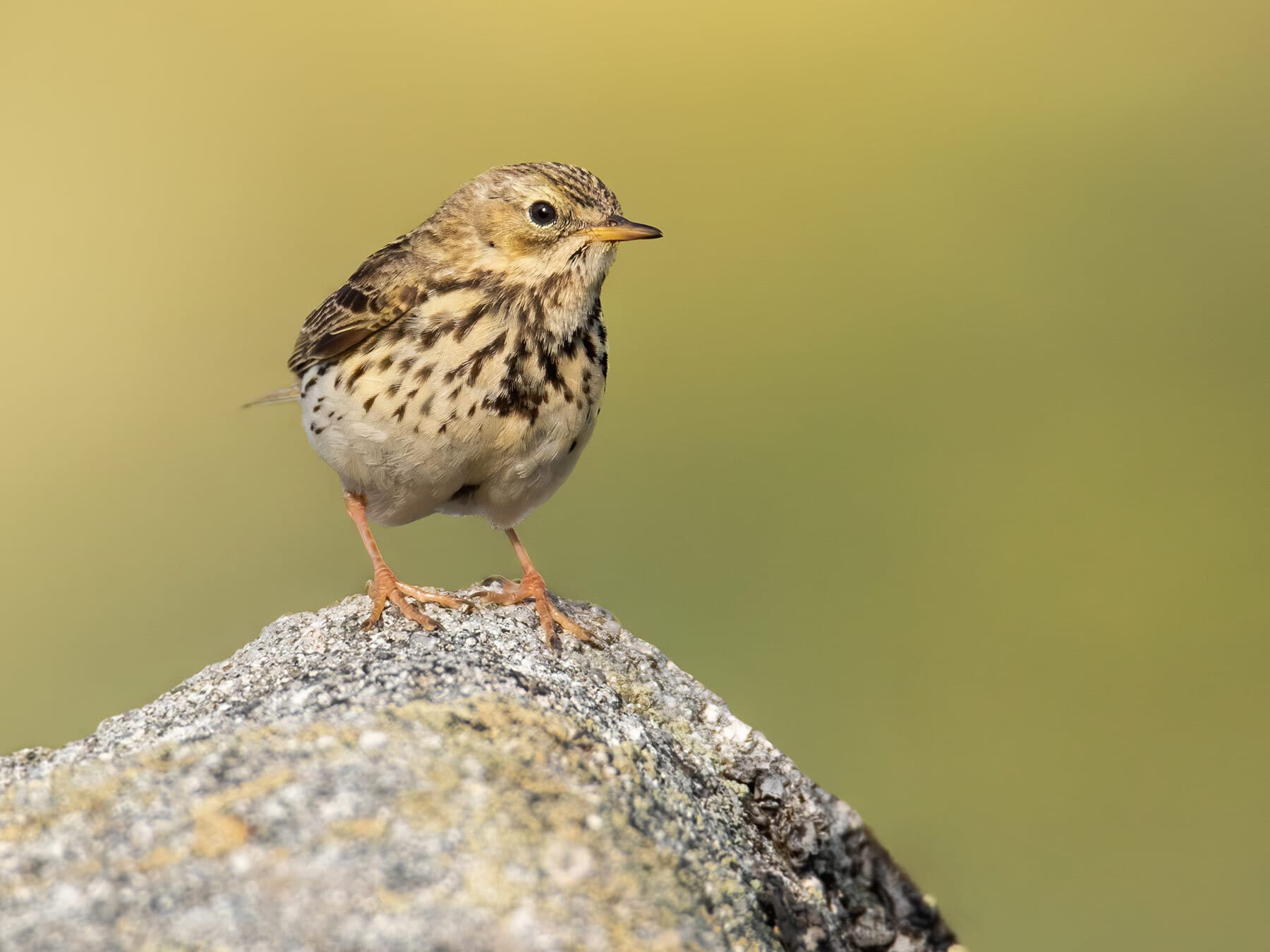 Meadow PipitAnthus pratensisResidentCommon14–15 cmRecorded all year
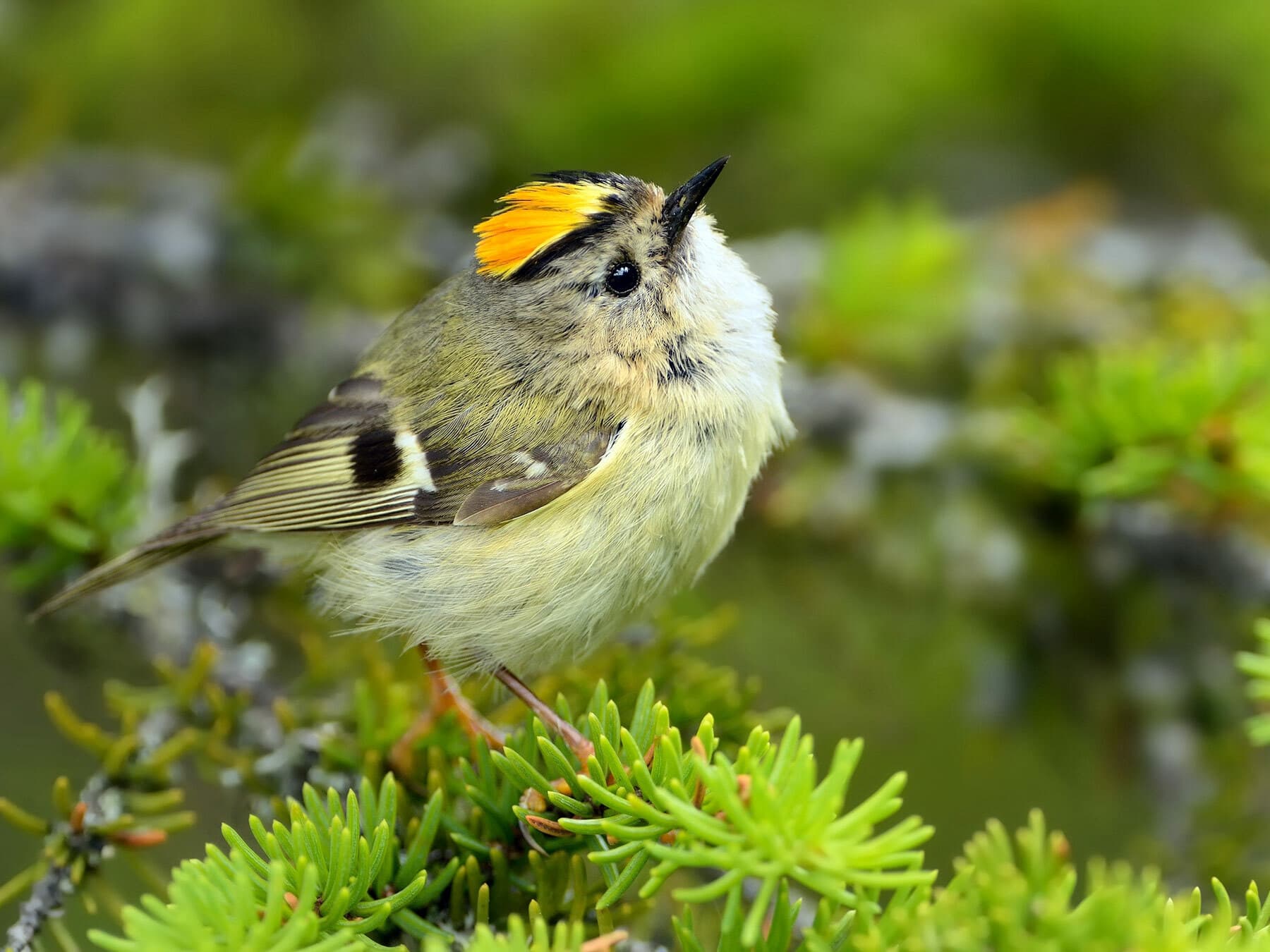 GoldcrestRegulus regulusResidentCommon9–10 cmRecorded all year
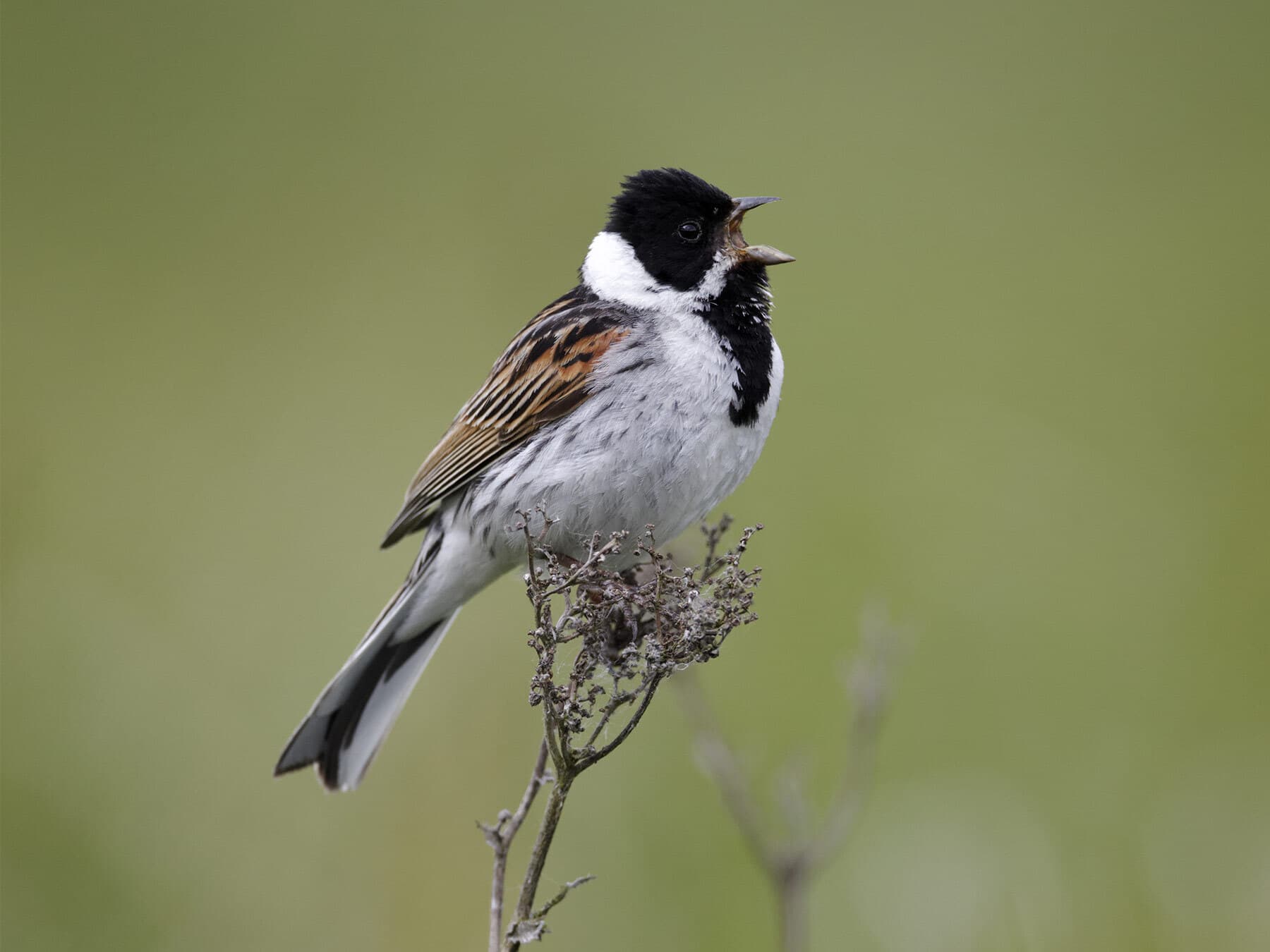 Reed BuntingEmberiza schoeniclusResidentCommon14–16 cmRecorded all year
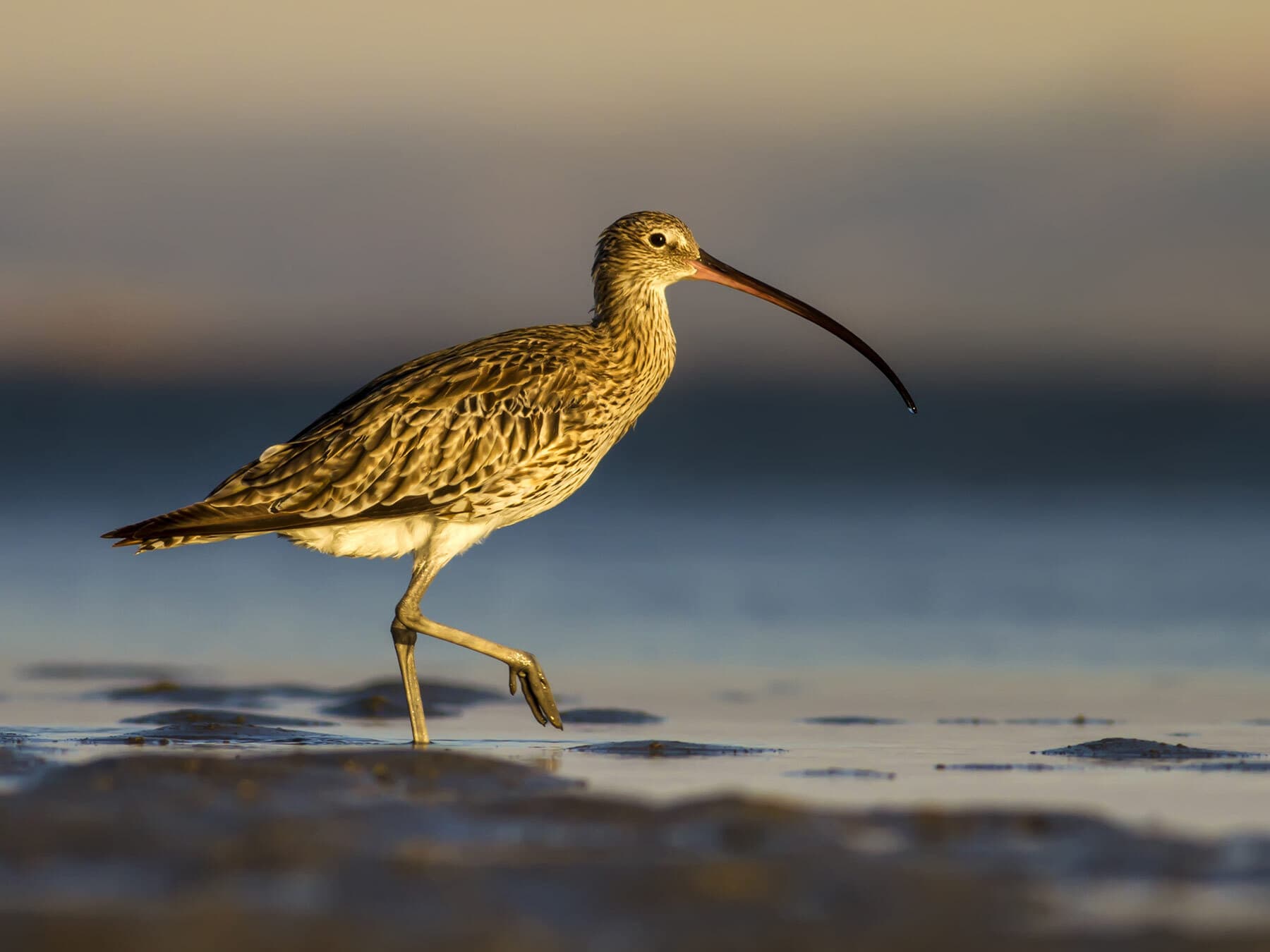 CurlewNumenius arquataResidentCommon50–60 cmRecorded all year
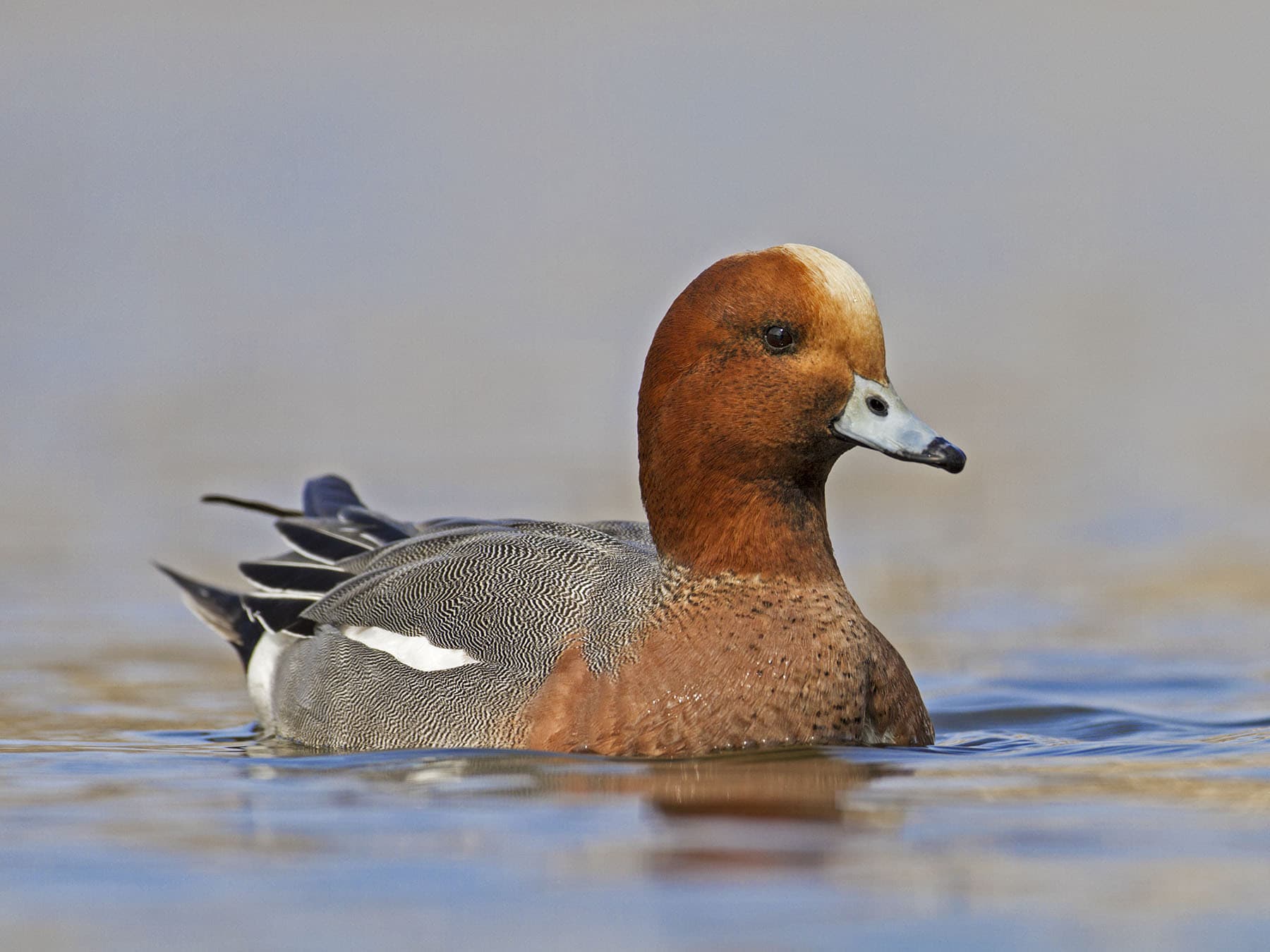 Eurasian WigeonMareca penelopeWinter visitorCommon42–51 cmRegularly Aug–Jun
Data: EOD – eBird Observation Dataset (Cornell Lab of Ornithology), accessed via GBIF.org, CC BY 4.0. Records from 2019–2024, aggregated and filtered by Birdfact. How these lists are made