Uncommon Birds in Isle of Wight
60 species matching this filter.
The Isle of Wight supports a rich variety of birdlife, with around 60 species classified as uncommon visitors or residents across the island's diverse habitats. From the mudflats and estuaries that attract waders such as Black-tailed Godwit and Greenshank, to the woodlands and hedgerows where Bullfinch and Goldcrest can be found, the island offers rewarding birdwatching opportunities for those willing to look a little harder. Notable species in this category also include the elegant Great White Egret, the agile Hobby, and the high-flying Common Swift.


Showing 1–23 of 60 species
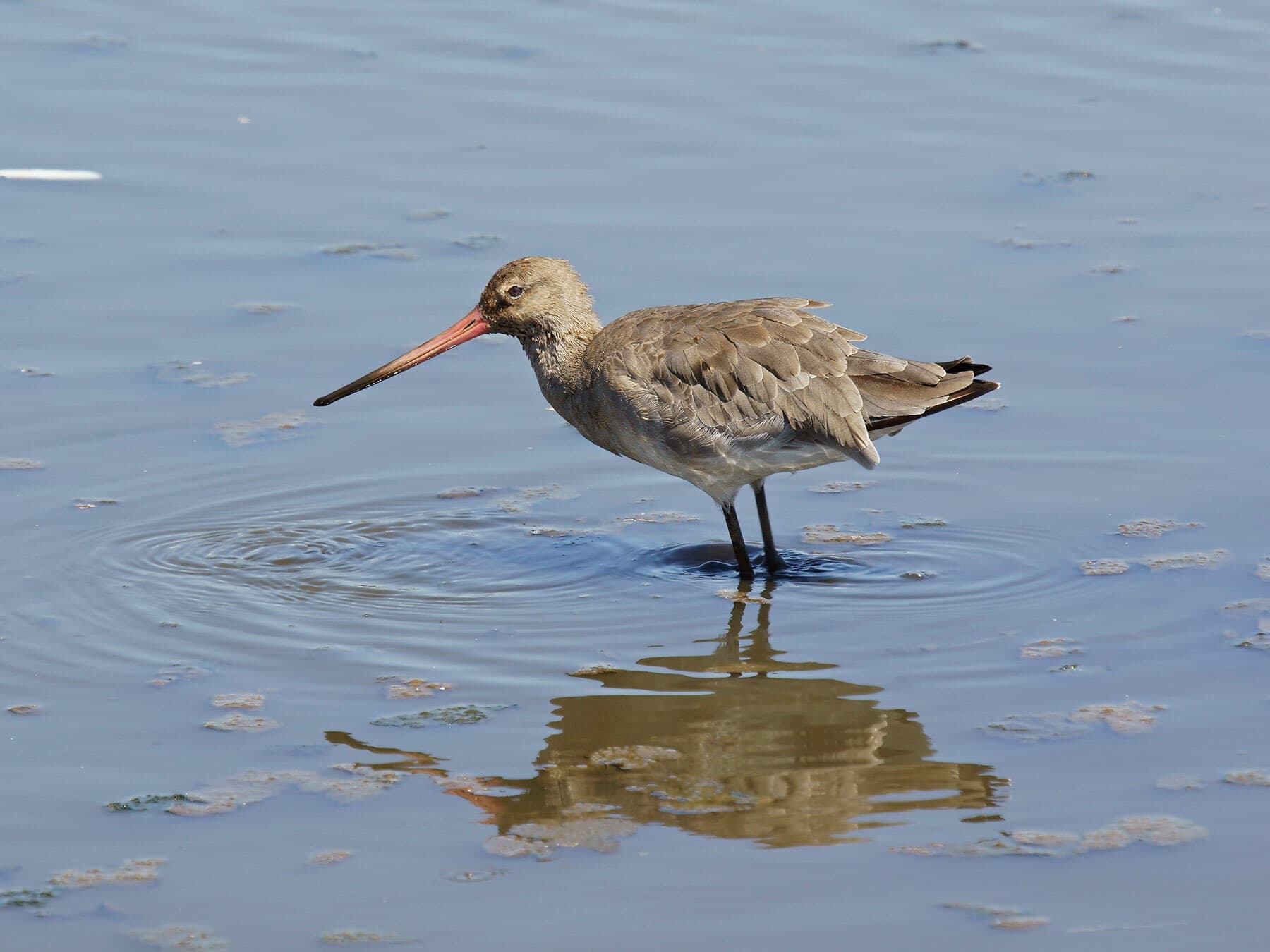
Black-tailed Godwit
Limosa limosaNT
An uncommon year-round resident of estuarine mudflats, with the Newtown and Brading marshes being key feeding sites.
Year-round
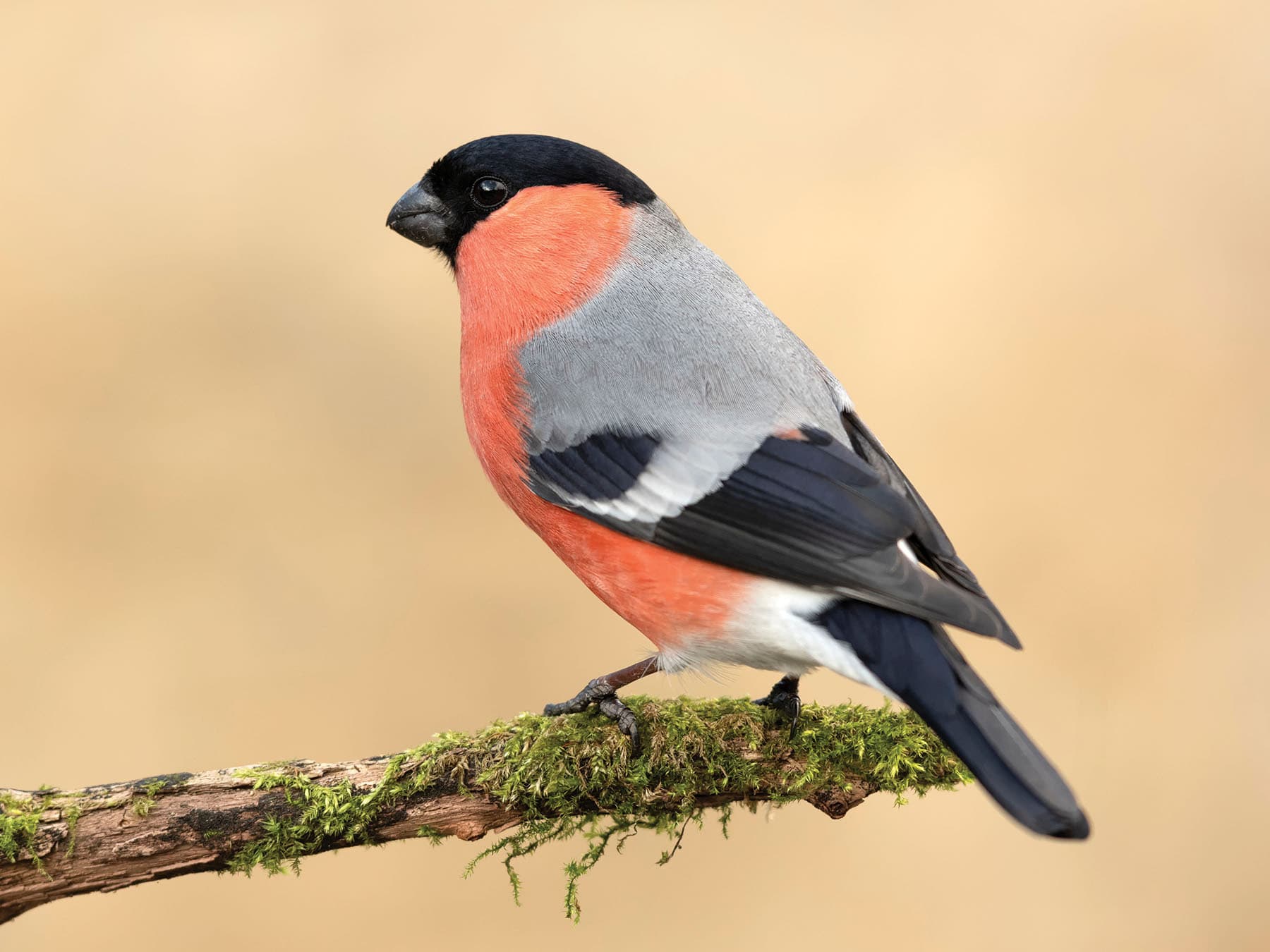
Bullfinch
Pyrrhula pyrrhulaLC
An uncommon but year-round resident of hedgerows, orchards, and woodland edges. Its soft piping call often betrays its presence.
Year-round
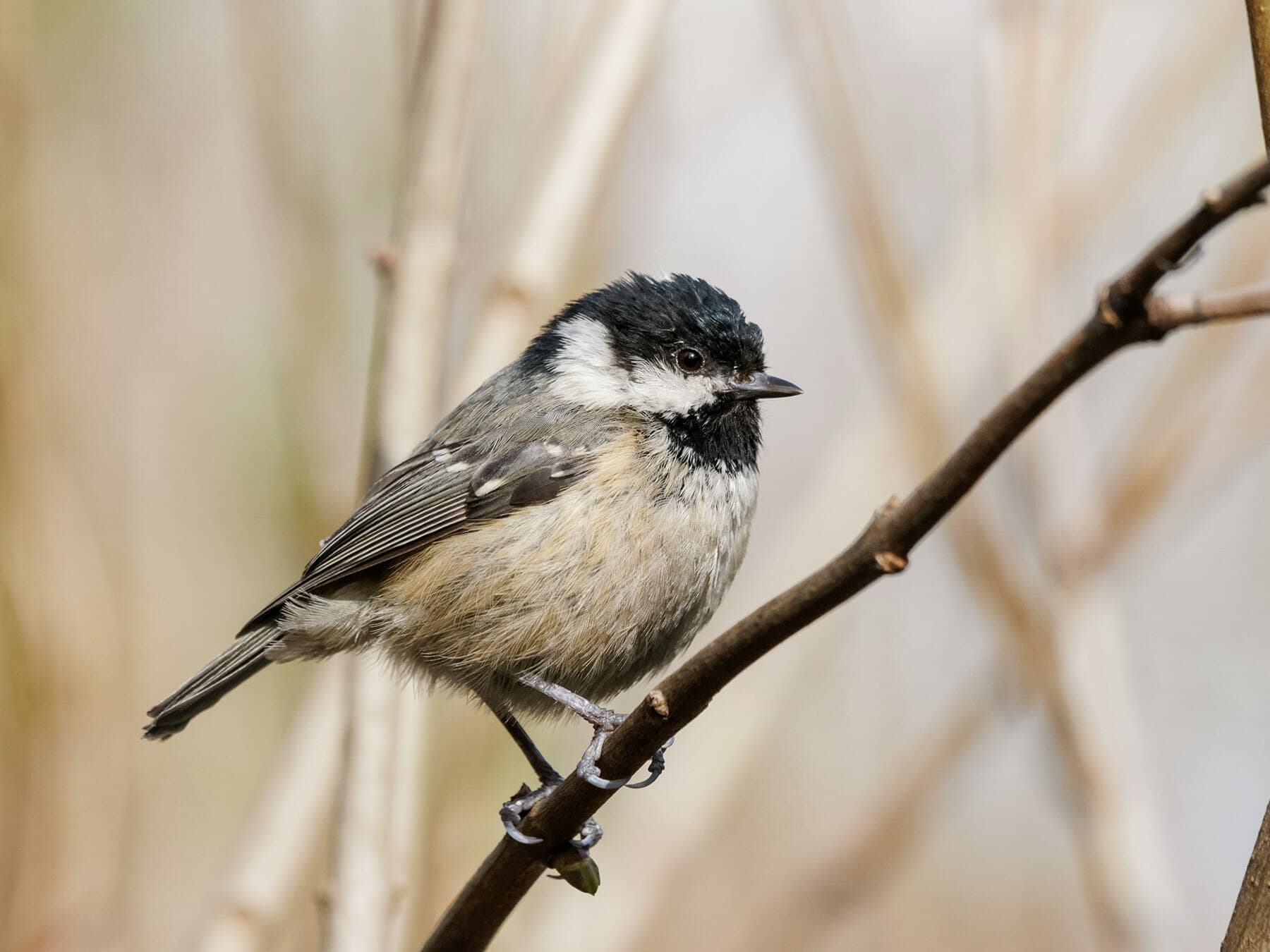
Coal Tit
Periparus aterLC
An uncommon year-round resident, favouring coniferous and mixed woodland across the island. Often visits garden feeders in winter.
Year-round
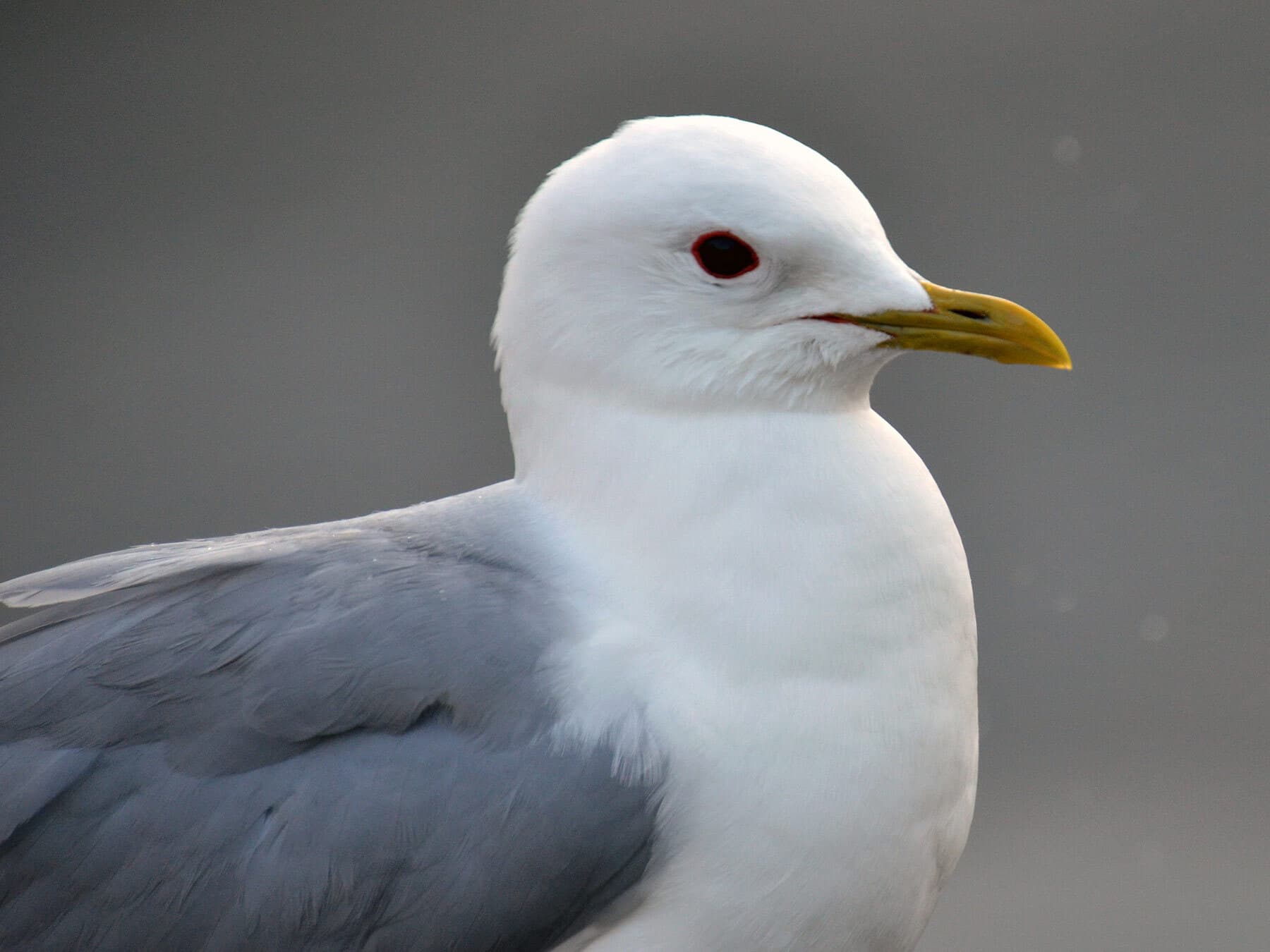
Common Gull
Larus canusLC
An uncommon resident found along the island's coasts and estuaries, present most of the year but scarce during June.
Jul–May
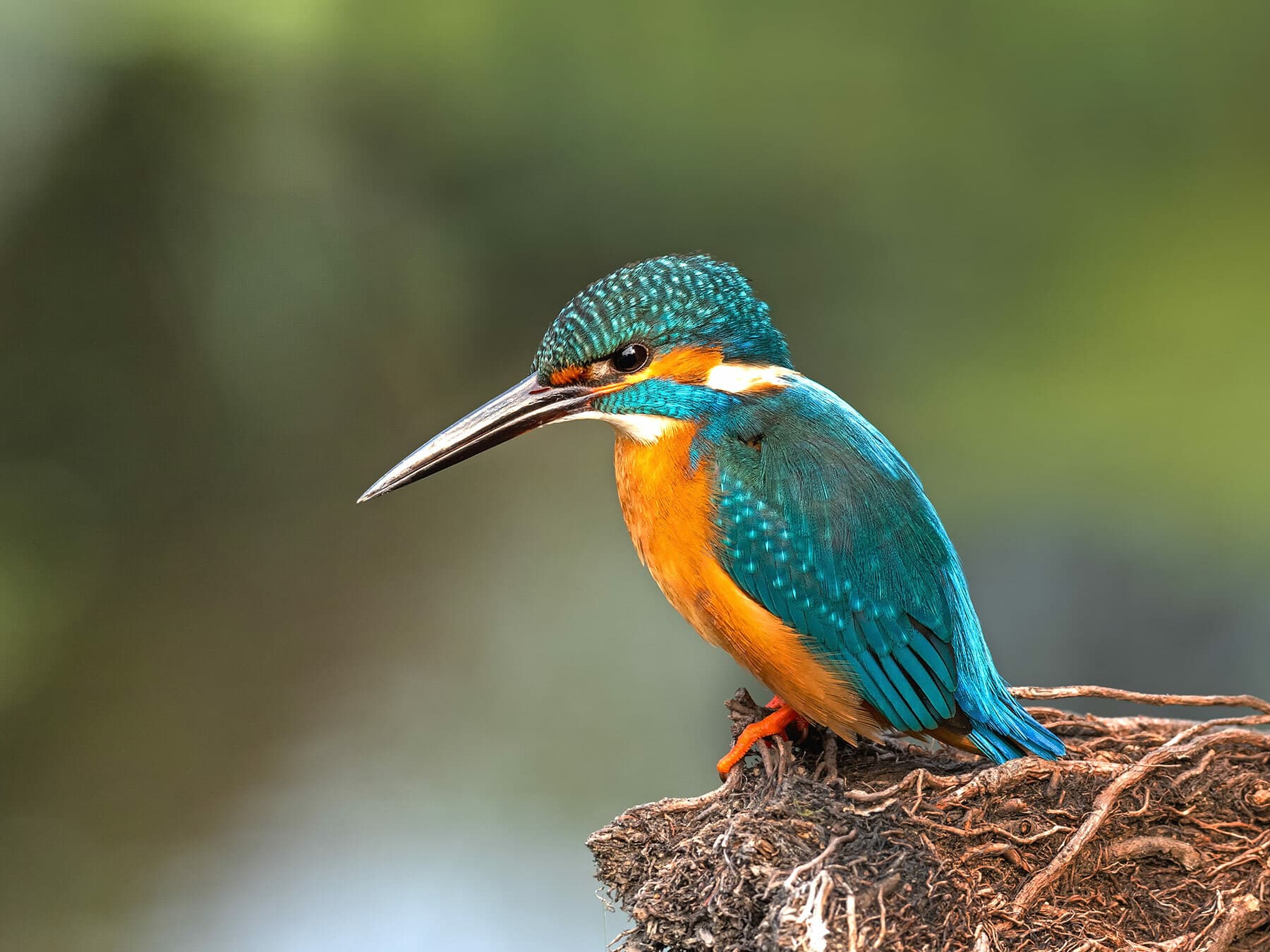
Common Kingfisher
Alcedo atthisLC
An uncommon but dazzling year-round resident along the island's rivers and sheltered coastal creeks.
Year-round
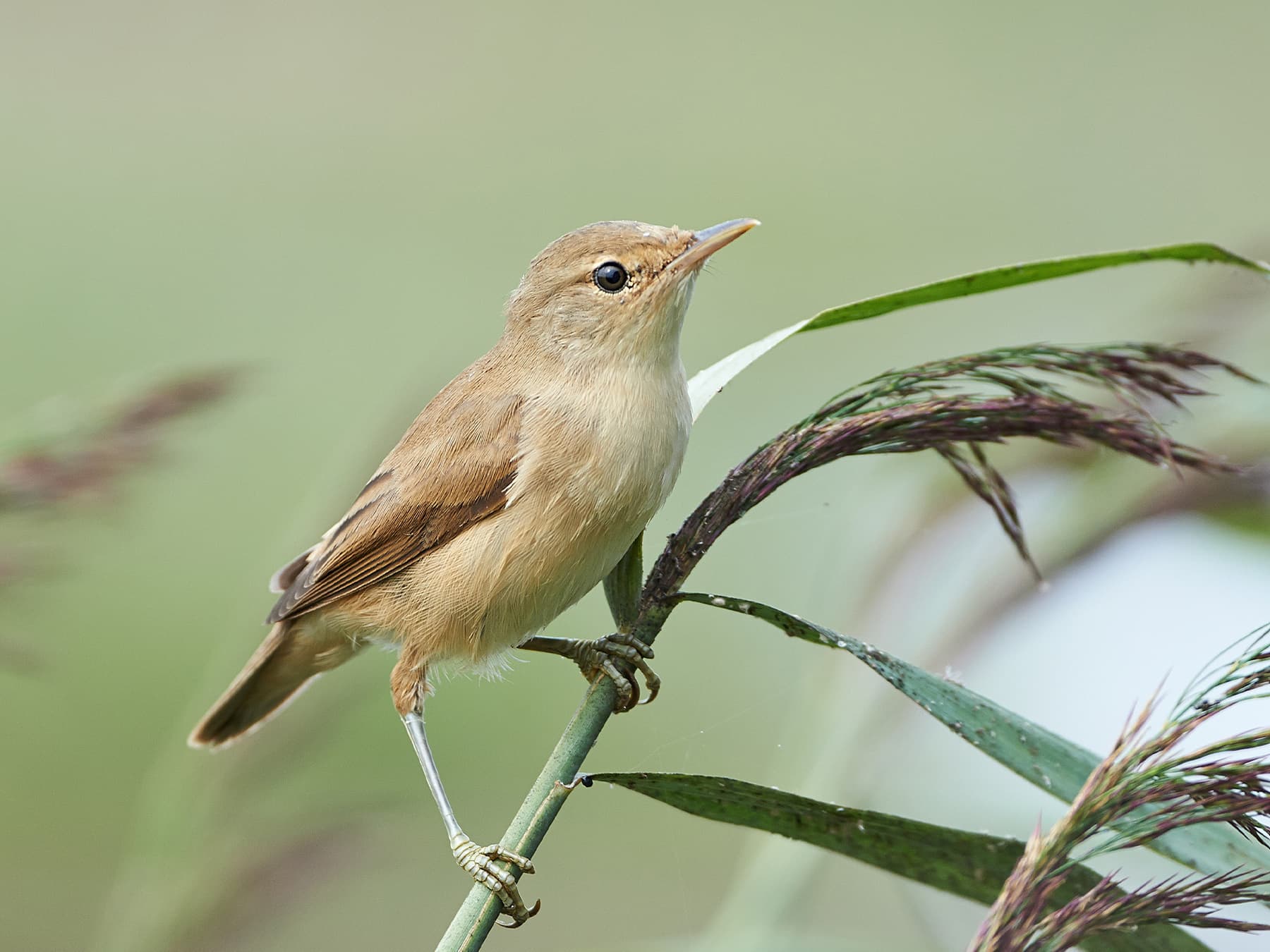
Common Reed-warbler
Acrocephalus scirpaceusLC
An uncommon summer visitor breeding in the island's reedbeds, its repetitive churring song rising from dense Phragmites stands.
Apr–Sep
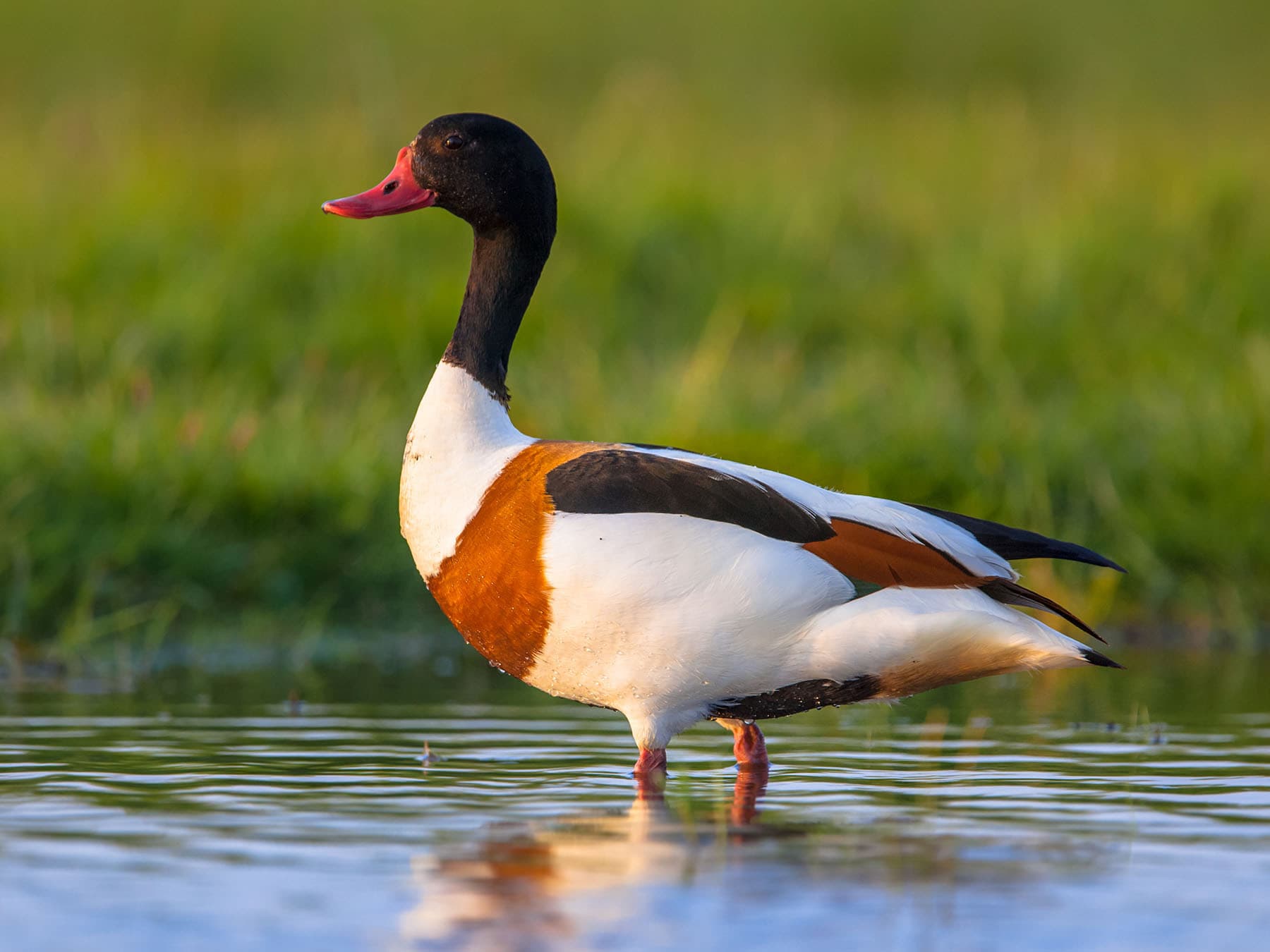
Common Shelduck
Tadorna tadornaLC
An uncommon year-round resident breeding on estuaries and mudflats. Newtown Harbour and the Eastern Yar are favoured sites.
Year-round
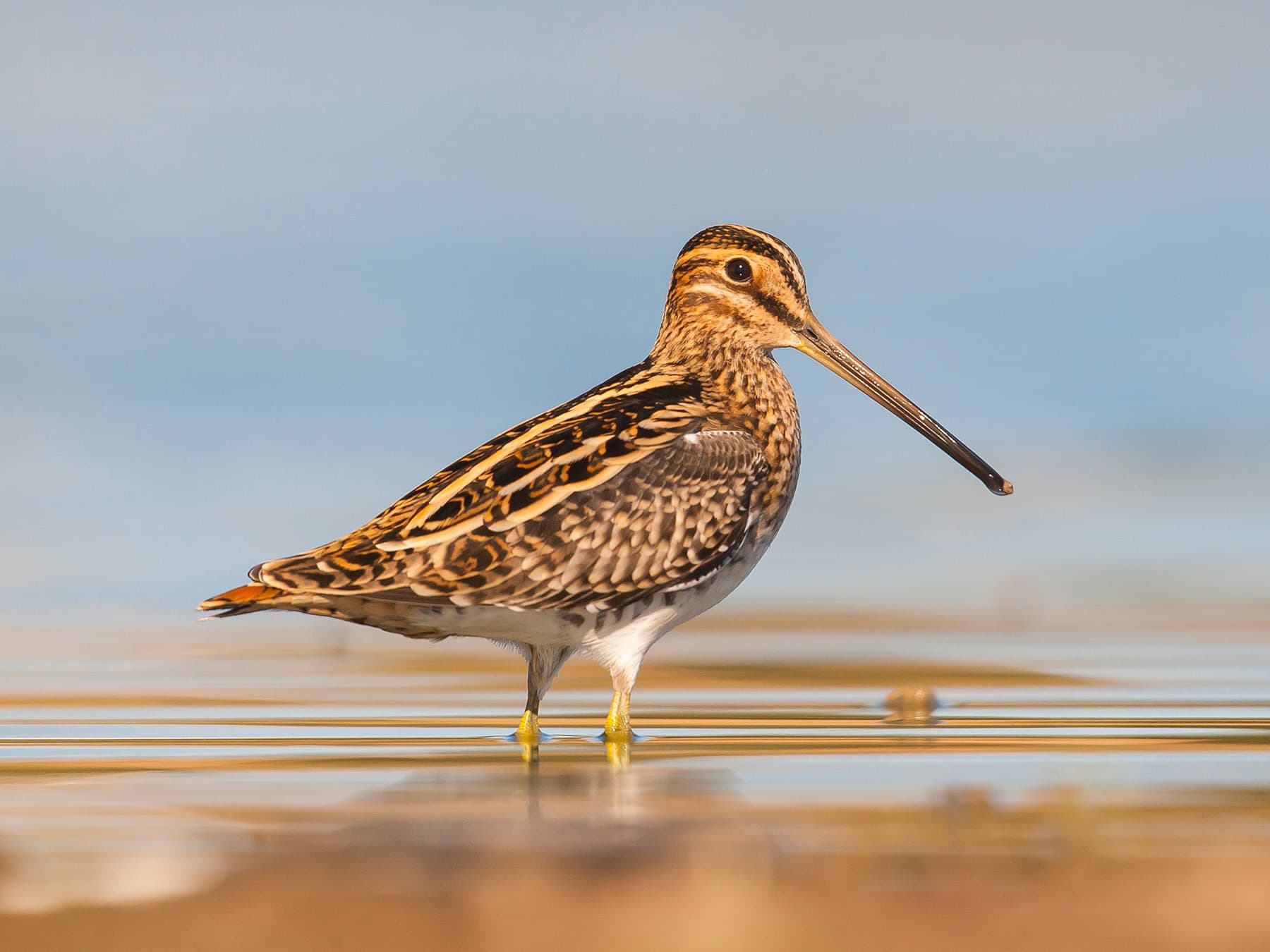
Common Snipe
Gallinago gallinagoLC
An uncommon non-breeding visitor to wet meadows and marshes, probing soft ground with its long bill from autumn through to spring.
Aug–Apr
Spotted something?
Upload a photo to identify it
Identify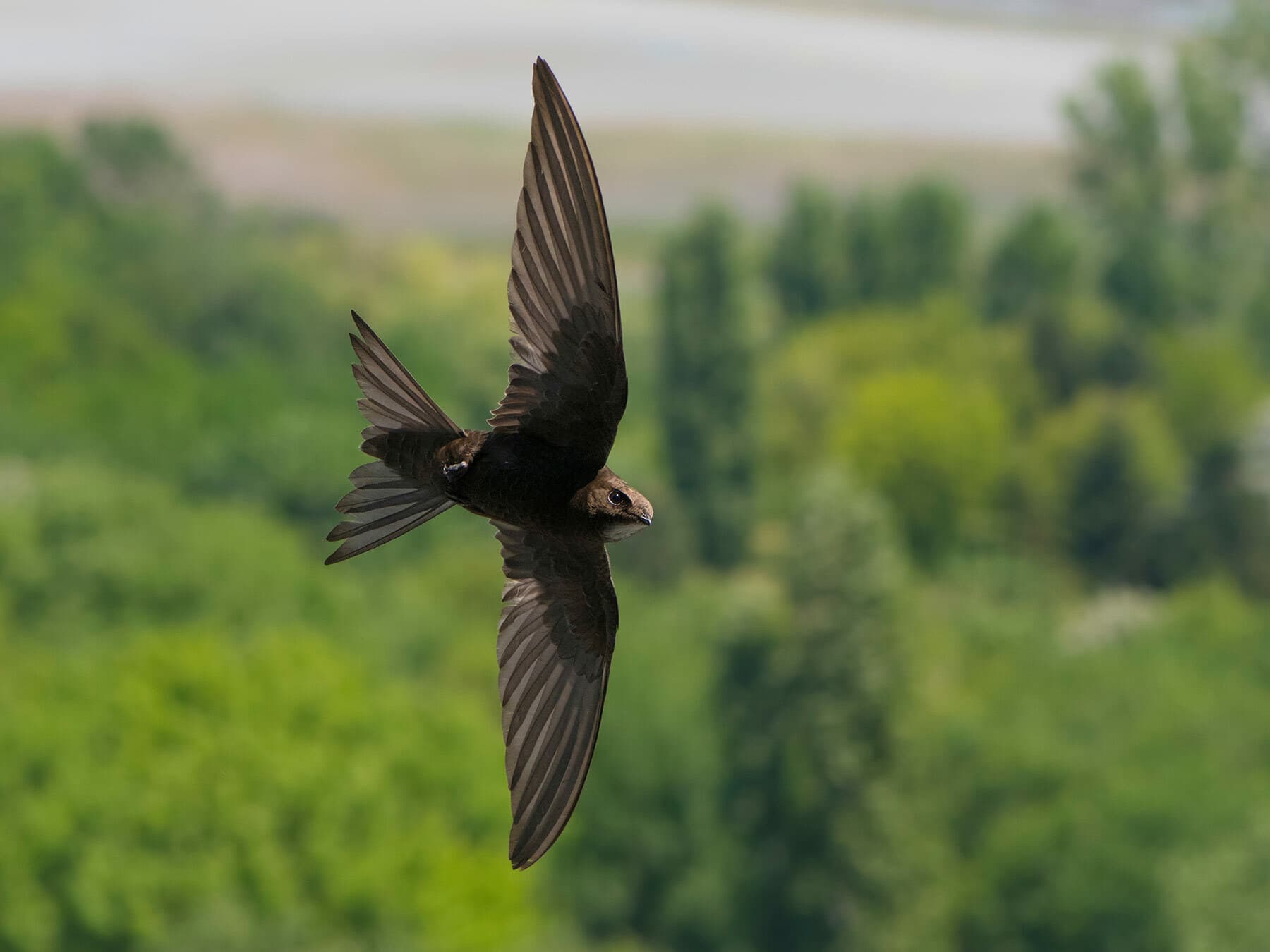
Common Swift
Apus apusLC
A summer breeder screaming over island towns from late April to September, though numbers have declined in recent years across southern England.
Apr–Sep
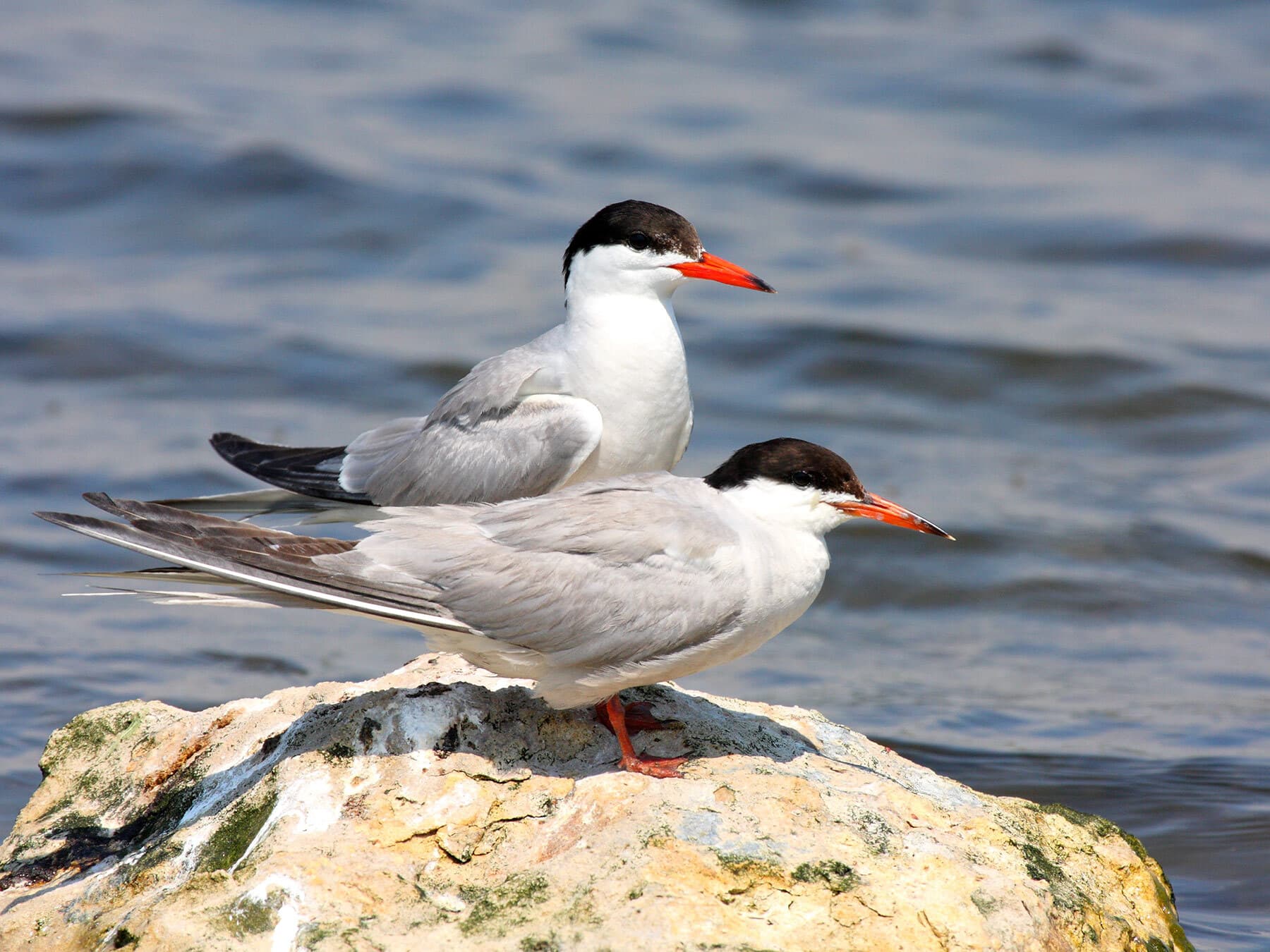
Common Tern
Sterna hirundoLC
An uncommon summer breeder, plunge-diving for fish in harbours and along the coast from spring through autumn before migrating south.
Mar–Oct
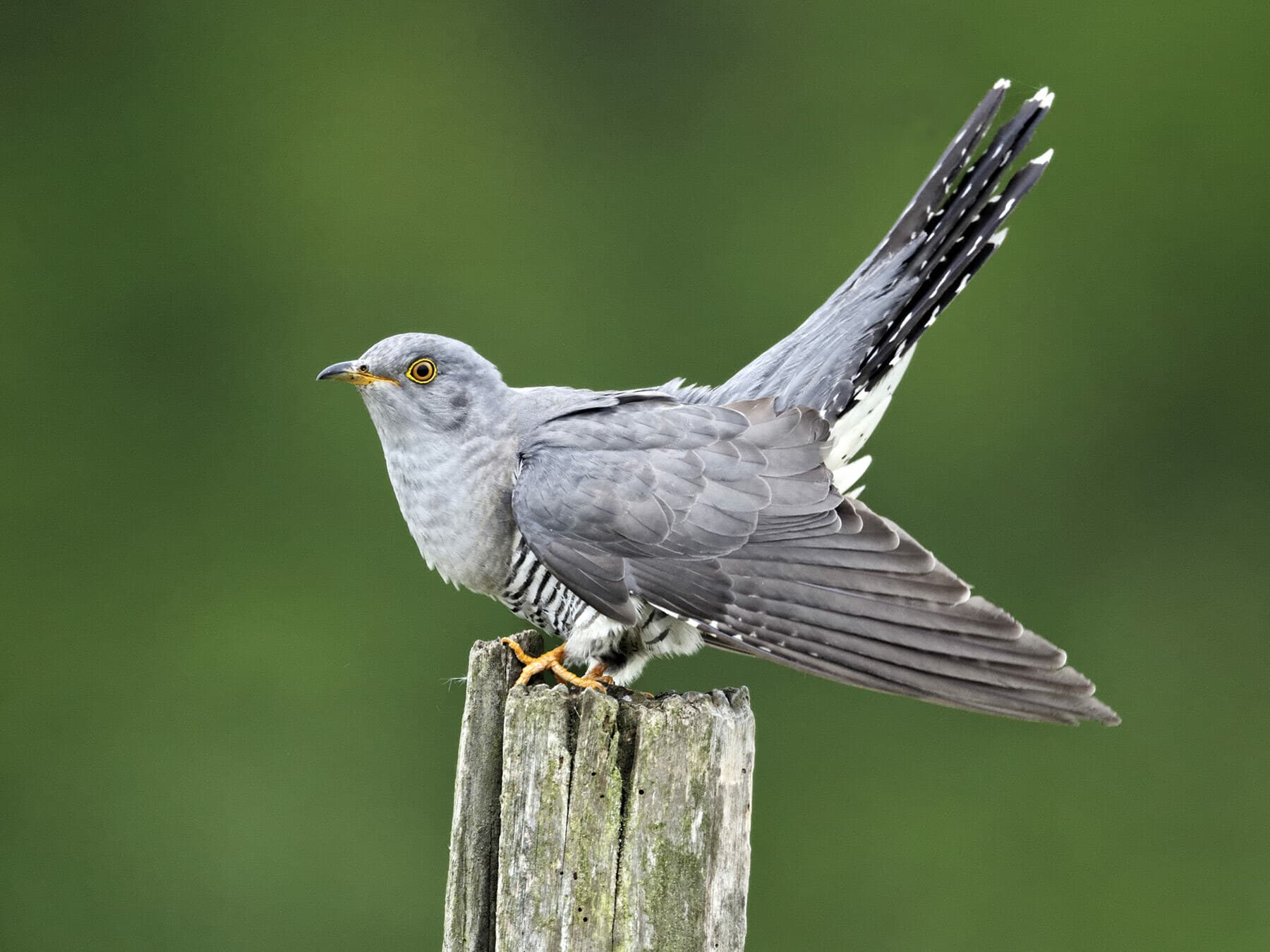
Cuckoo
Cuculus canorusLC
An uncommon summer breeder arriving in April, favouring downland and scrubby habitats where it parasitises Reed Warbler and Meadow Pipit nests.
Apr–Jul
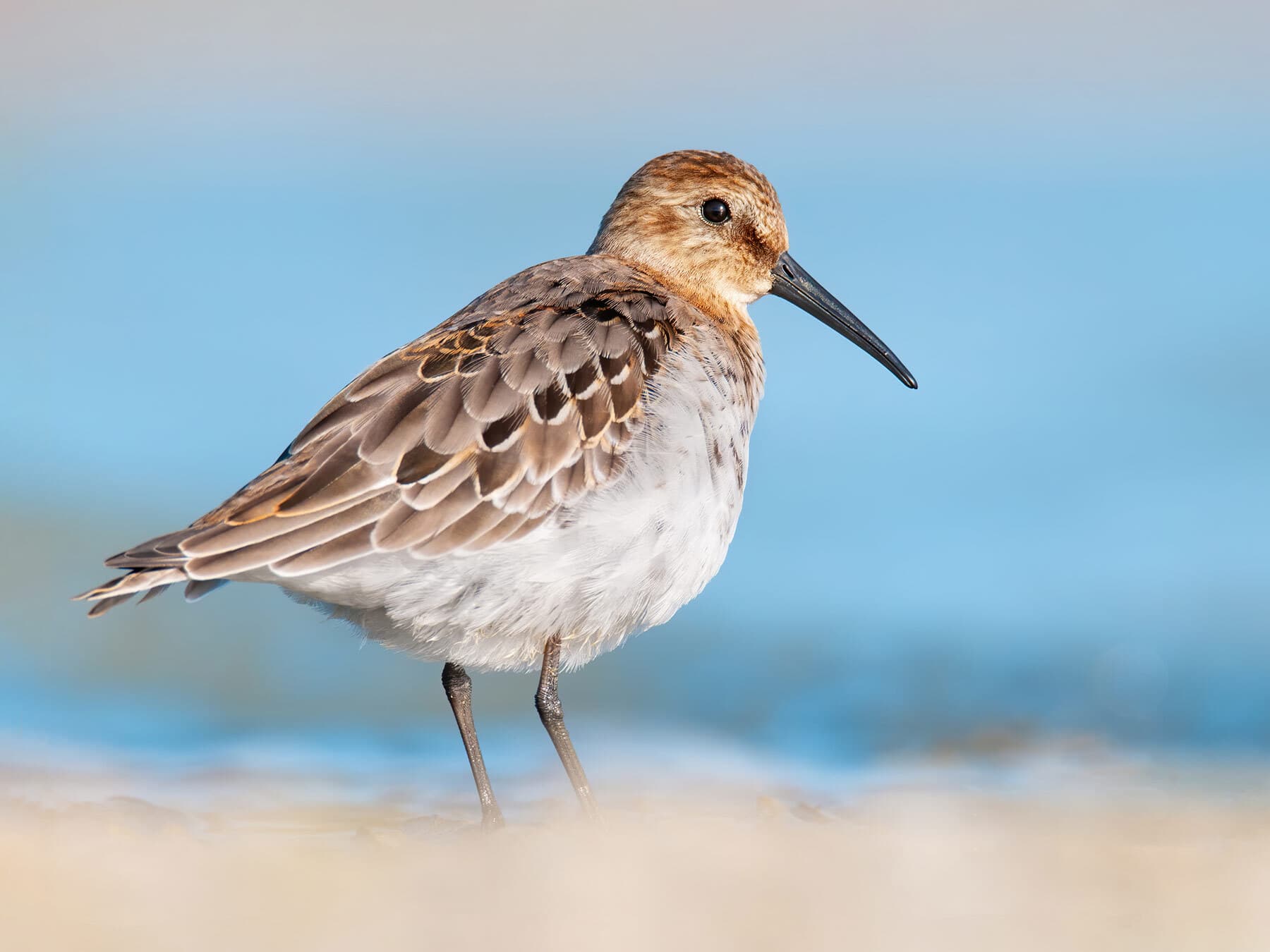
Dunlin
Calidris alpinaLC
An uncommon but year-round presence on the island's estuaries and mudflats, often seen in small flocks probing the shoreline.
Jul–May
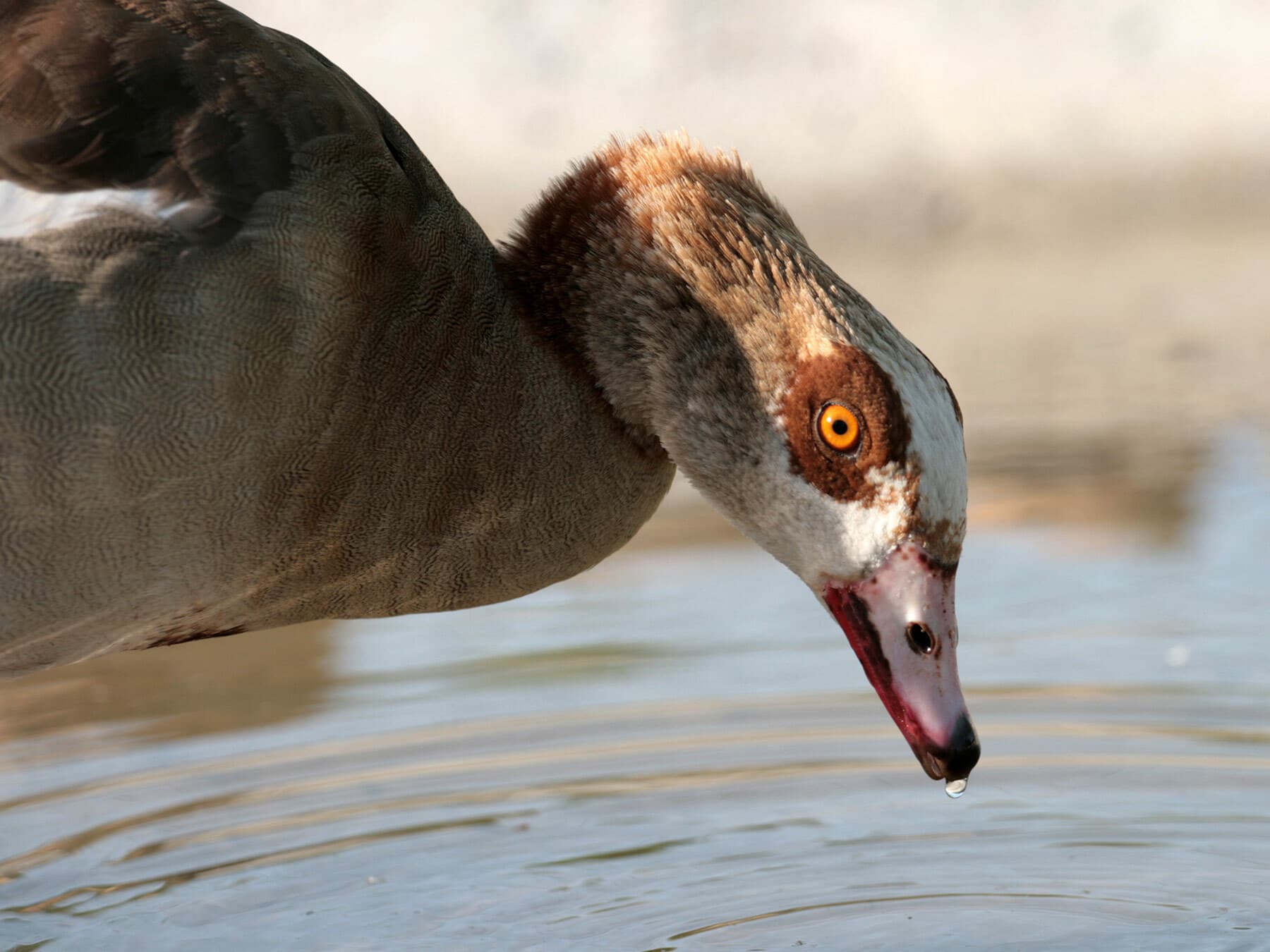
Egyptian Goose
Alopochen aegyptiacaLC
An uncommon but increasing non-native resident, found around freshwater lakes and parkland. Absent during late summer moult period.
Oct–Jul
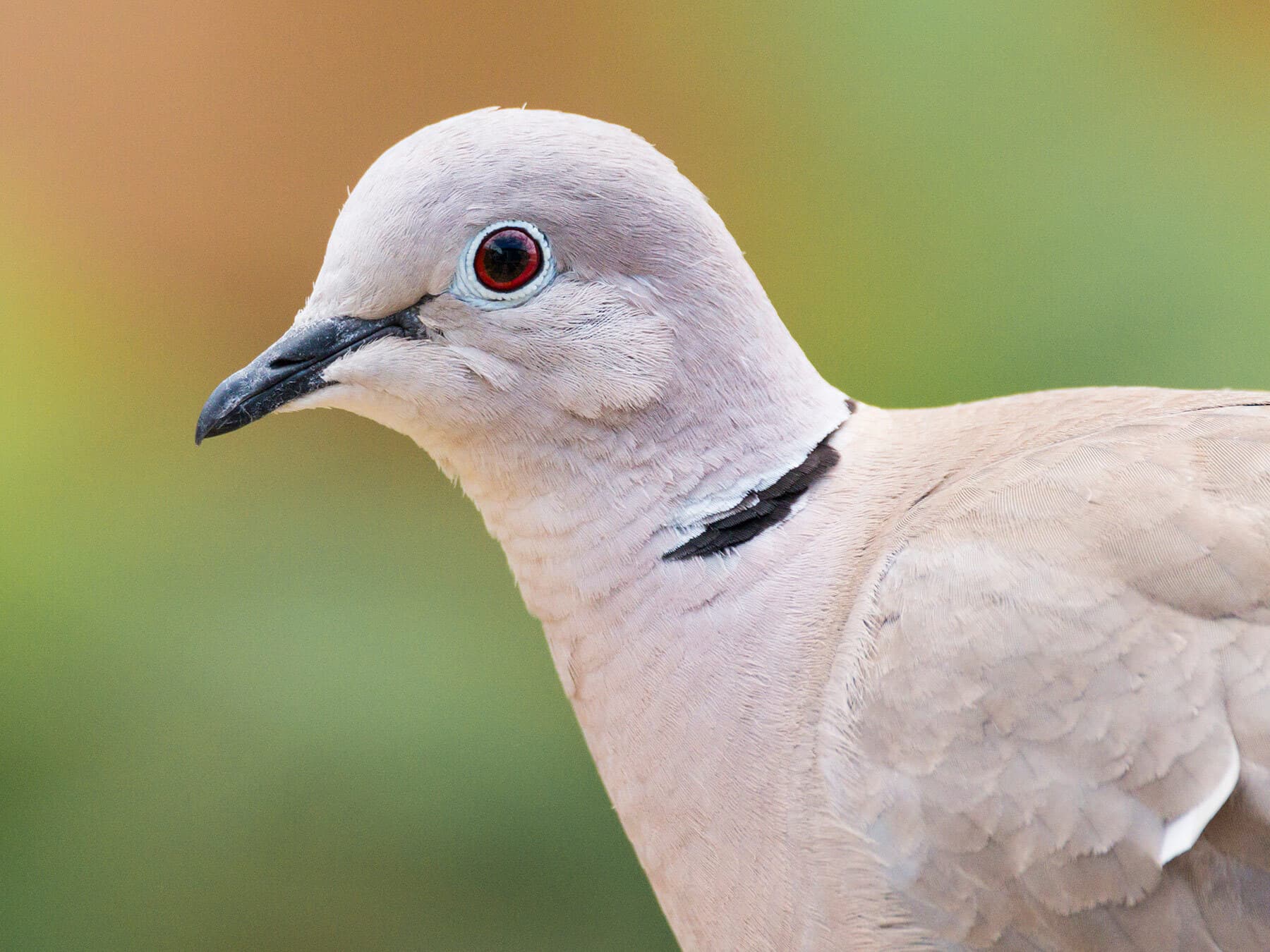
Eurasian Collared Dove
Streptopelia decaoctoLC
Resident in towns, villages and farmsteads across the island, its monotonous three-note call a familiar sound year-round.
Year-round
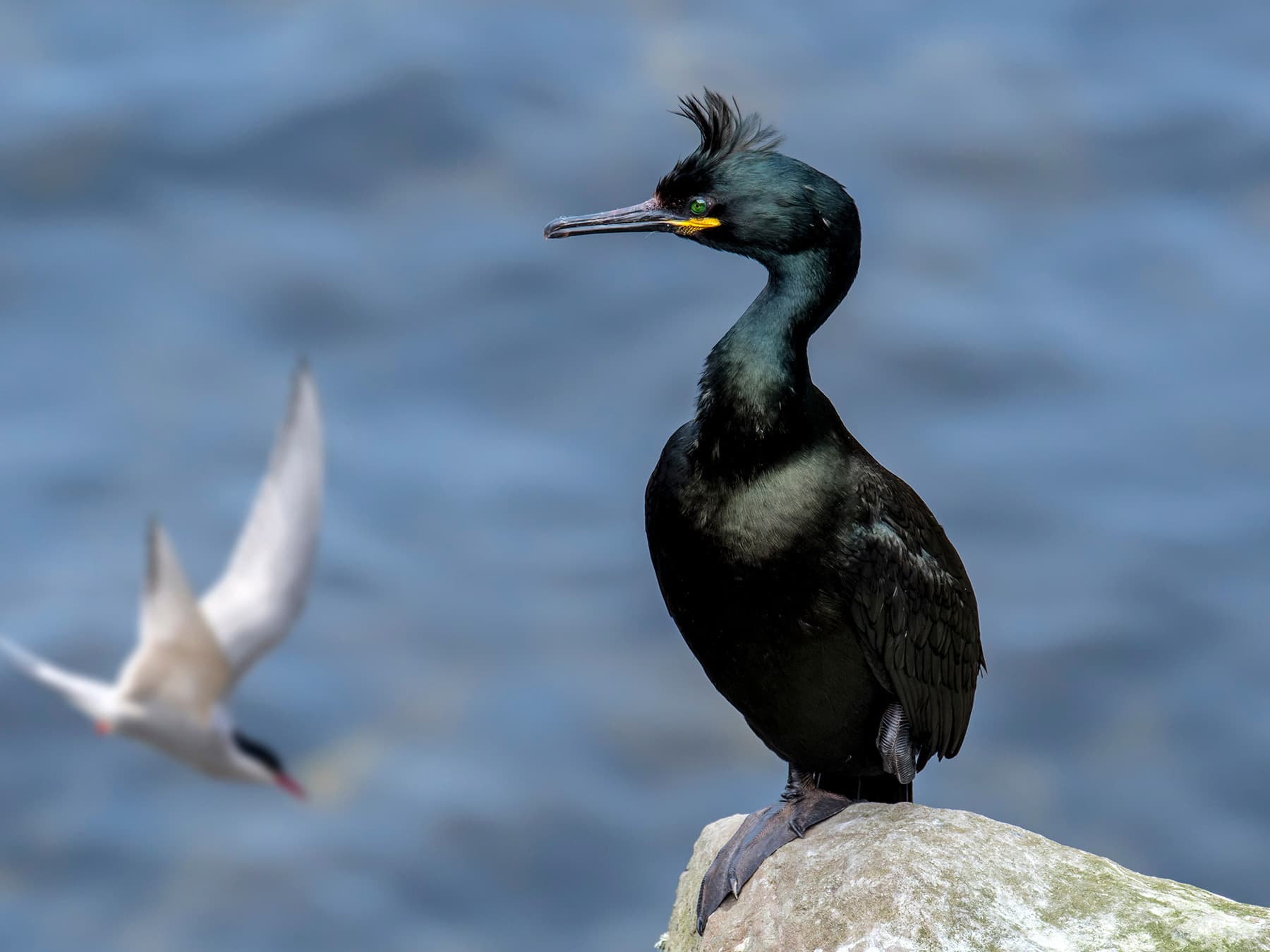
European Shag
Phalacrocorax aristotelisLC
An uncommon year-round resident breeding on the island's dramatic chalk cliffs, especially around the Needles.
Year-round
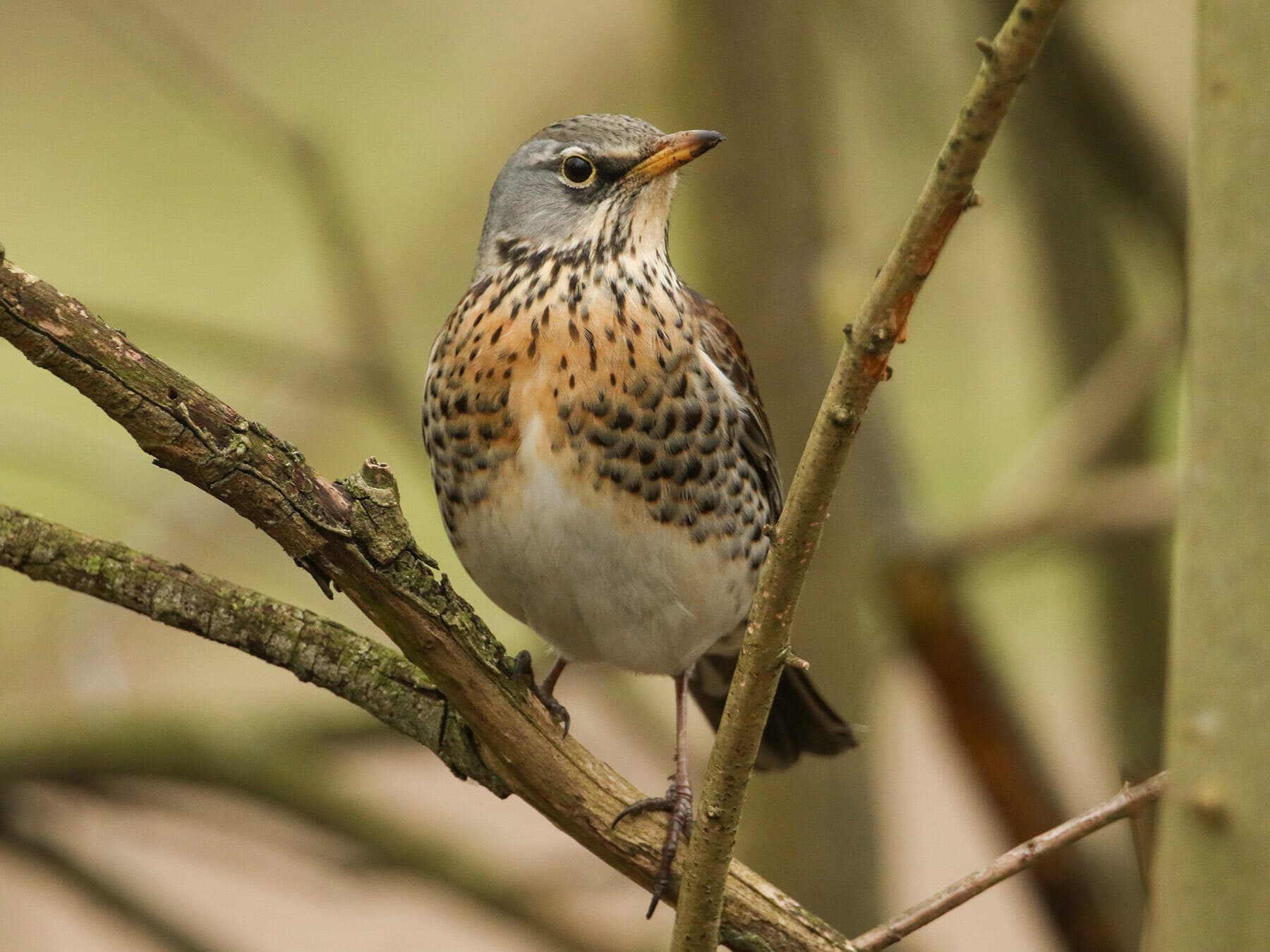
Fieldfare
Turdus pilarisLC
An uncommon winter visitor arriving from Scandinavia from October, feeding in flocks on berry-laden hedgerows and open farmland.
Oct–Mar
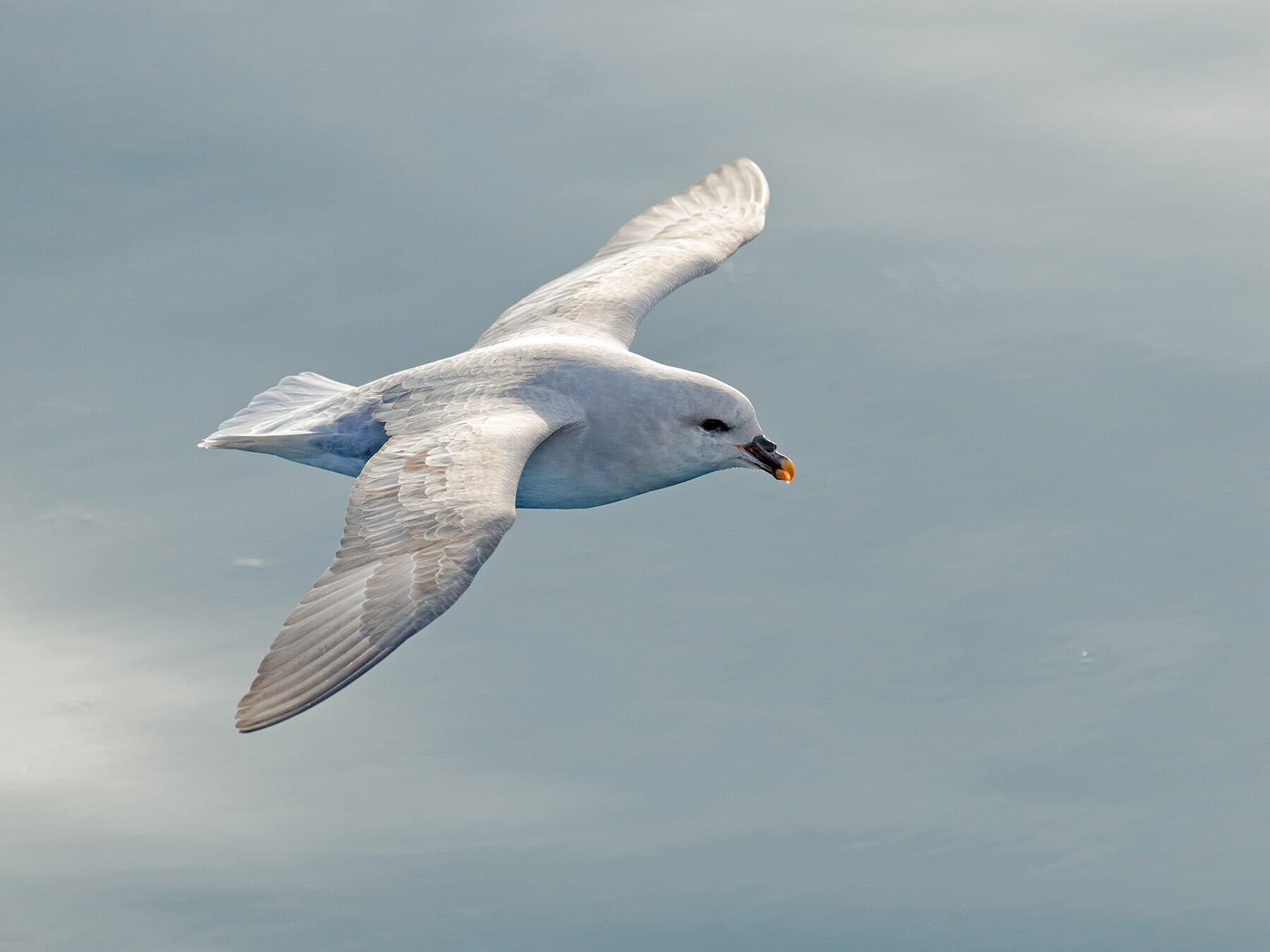
Fulmar
Fulmarus glacialisLC
Breeds on the island's dramatic chalk cliffs, particularly around Freshwater Bay. Absent from the coast in late autumn.
Dec–Sep
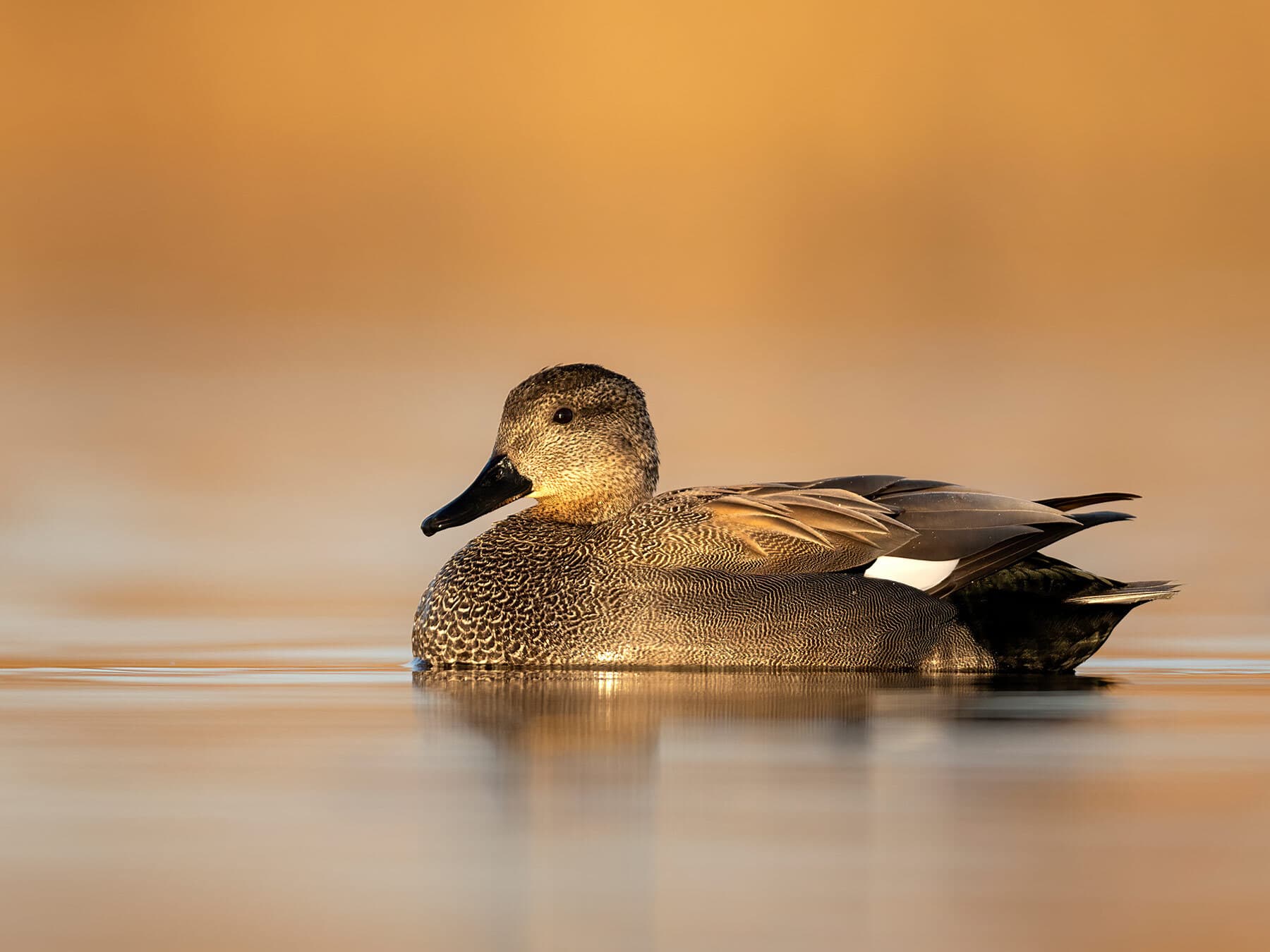
Gadwall
Mareca streperaLC
An uncommon resident found on freshwater lakes and marshes year-round. Brading Marshes and similar wetlands offer the best chances.
Year-round
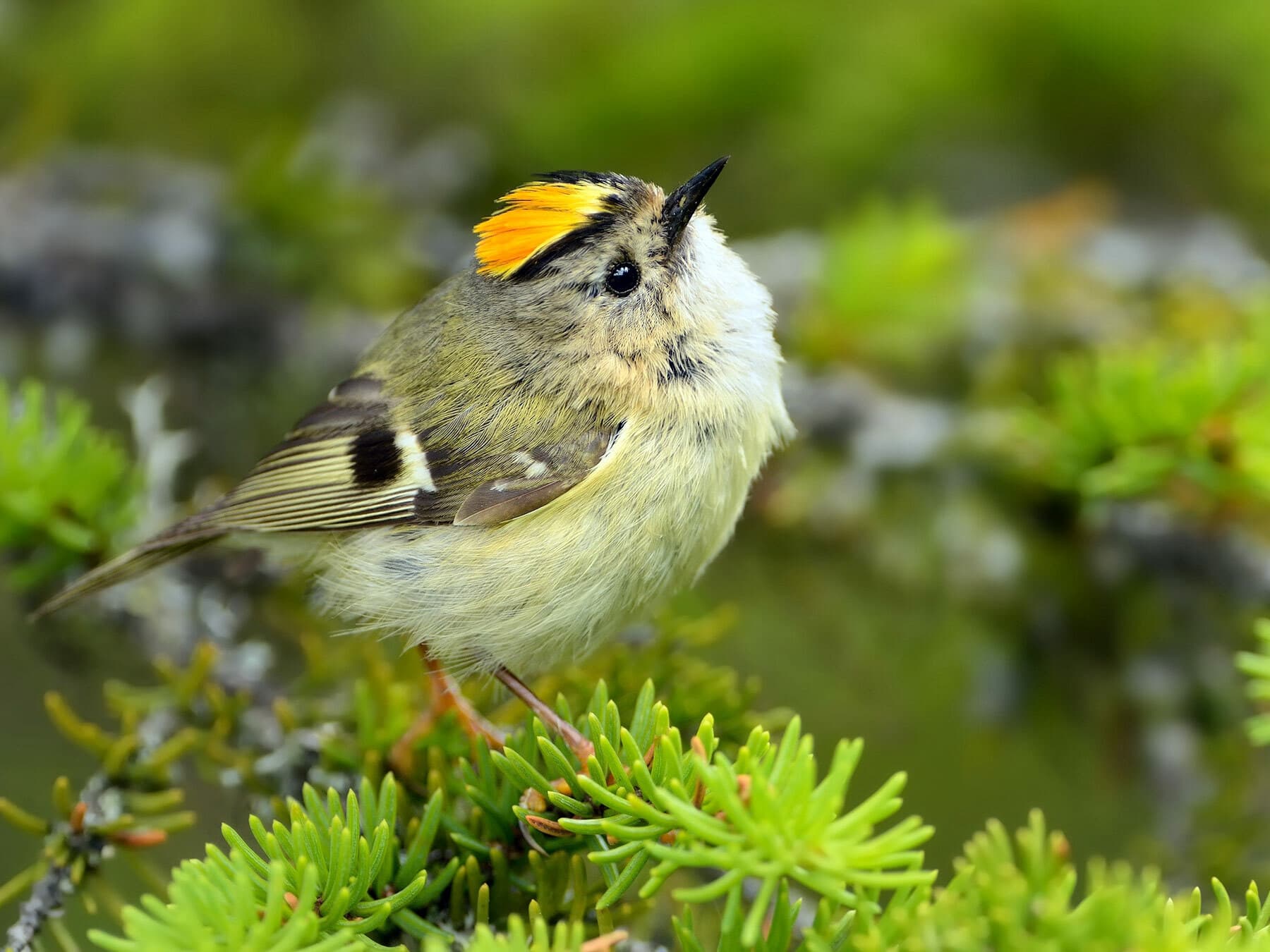
Goldcrest
Regulus regulusLC
An uncommon resident of coniferous and mixed woodland, this tiny bird is easily overlooked despite its high-pitched call among the island's trees.
Aug–Jun
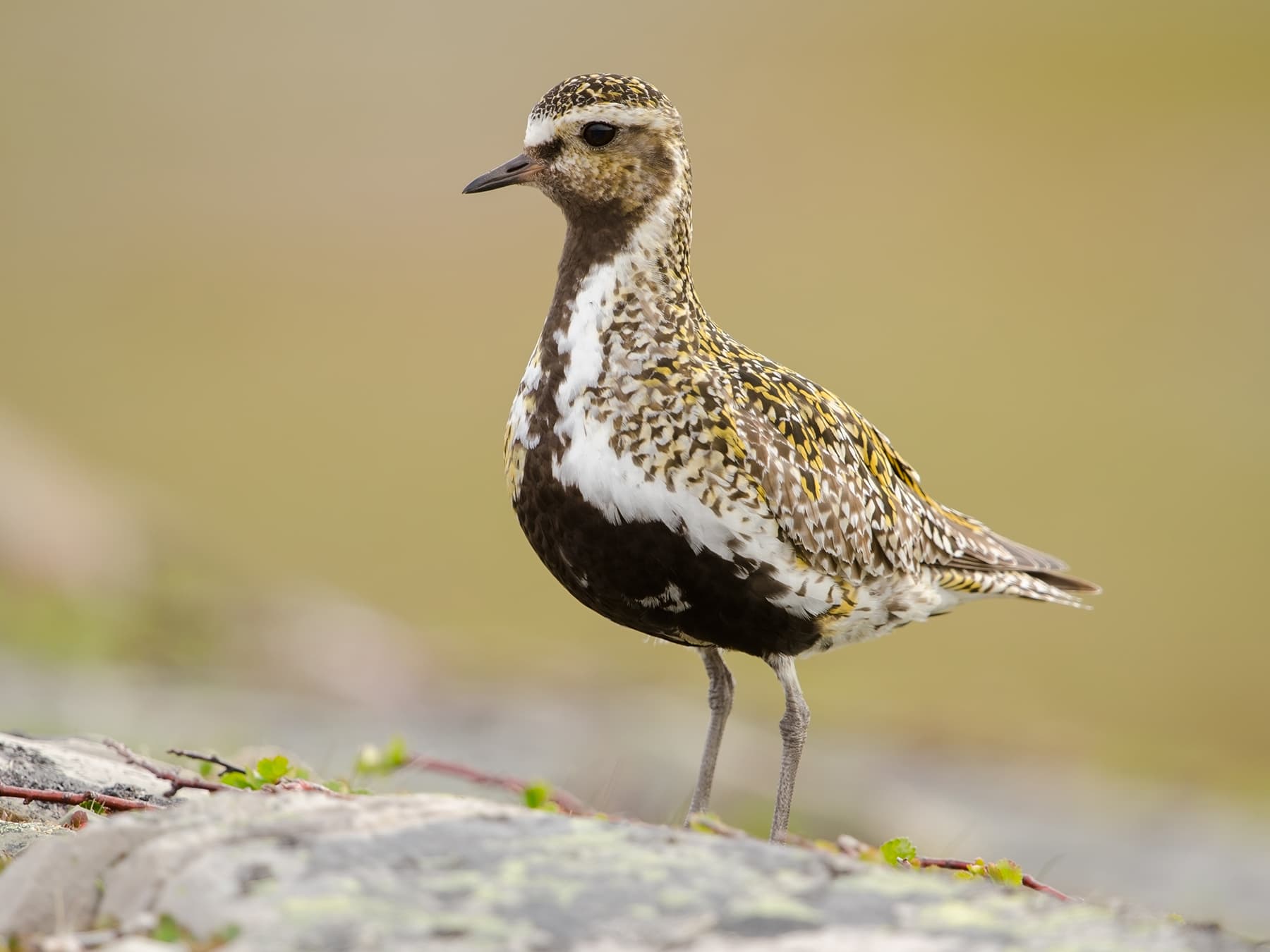
Golden Plover
Pluvialis apricariaLC
An uncommon non-breeding visitor to ploughed fields and coastal grassland from autumn to spring. Flocks favour open downland.
Sep–Apr
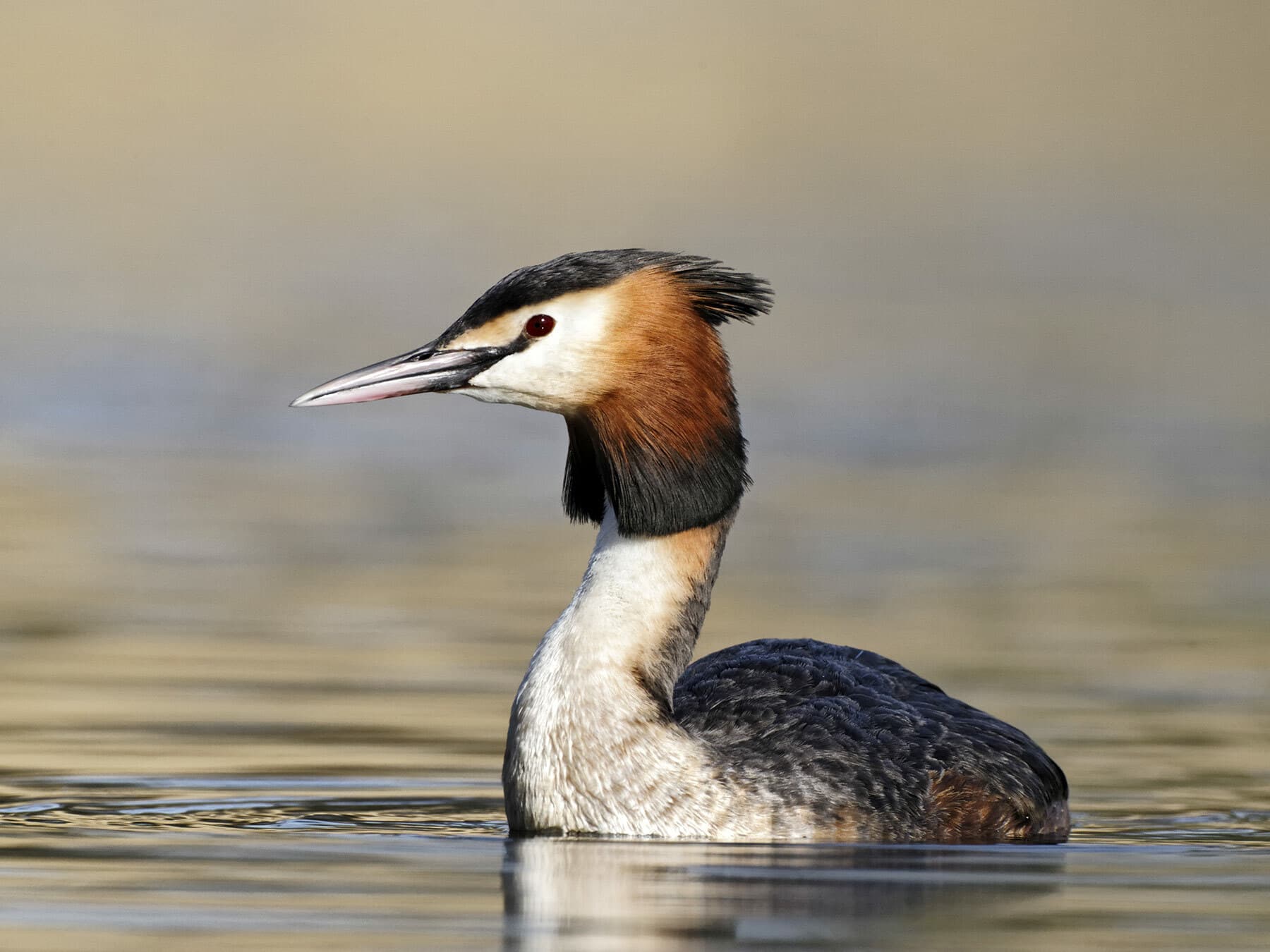
Great Crested Grebe
Podiceps cristatusLC
An elegant resident of larger lakes and reservoirs, performing its elaborate head-shaking courtship display in spring. Also seen in coastal waters in winter.
Year-round
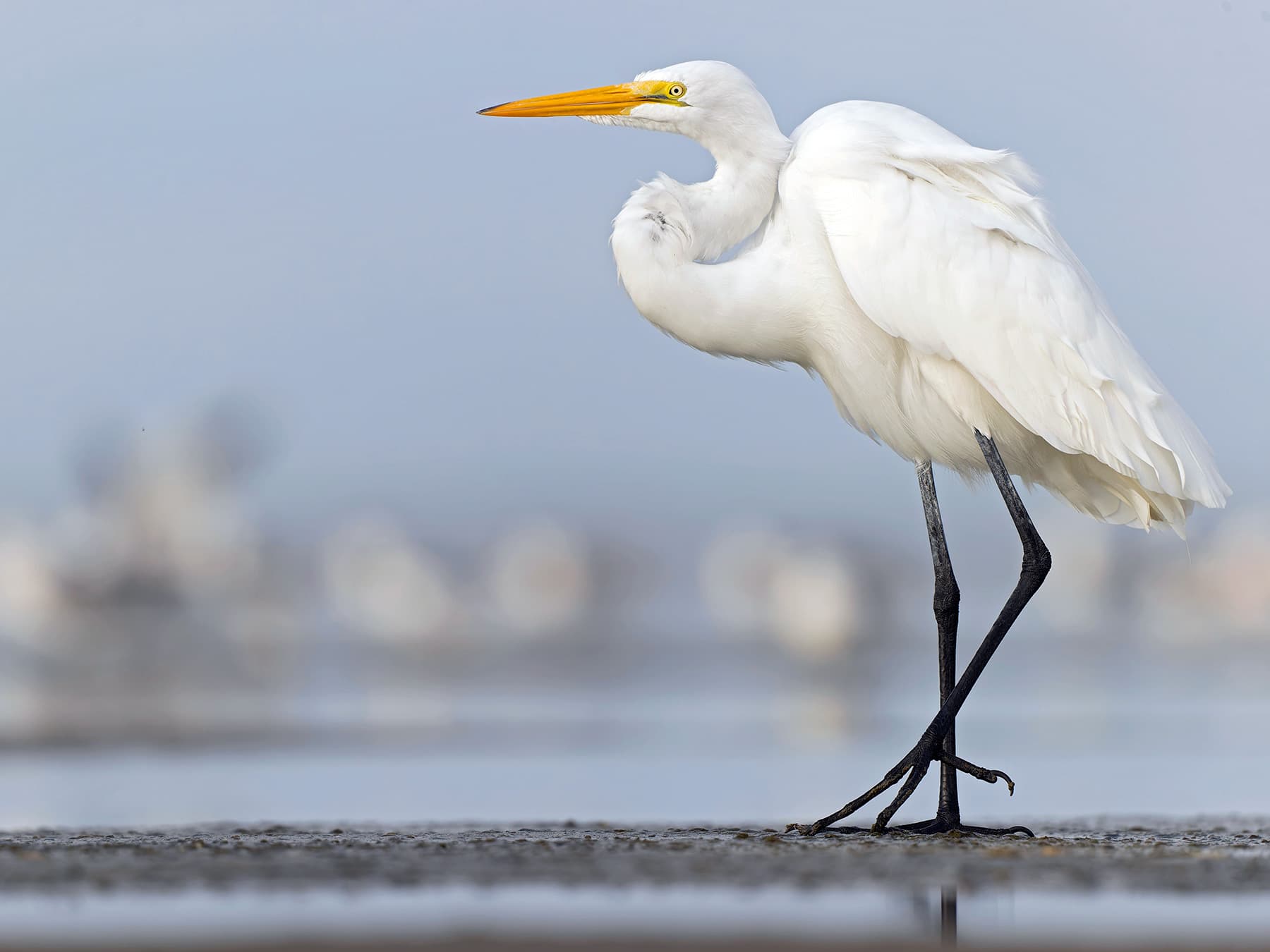
Great White Egret
Ardea albaLC
An uncommon but year-round resident of the island's wetlands and estuaries, part of a growing population spreading across southern England.
Year-round
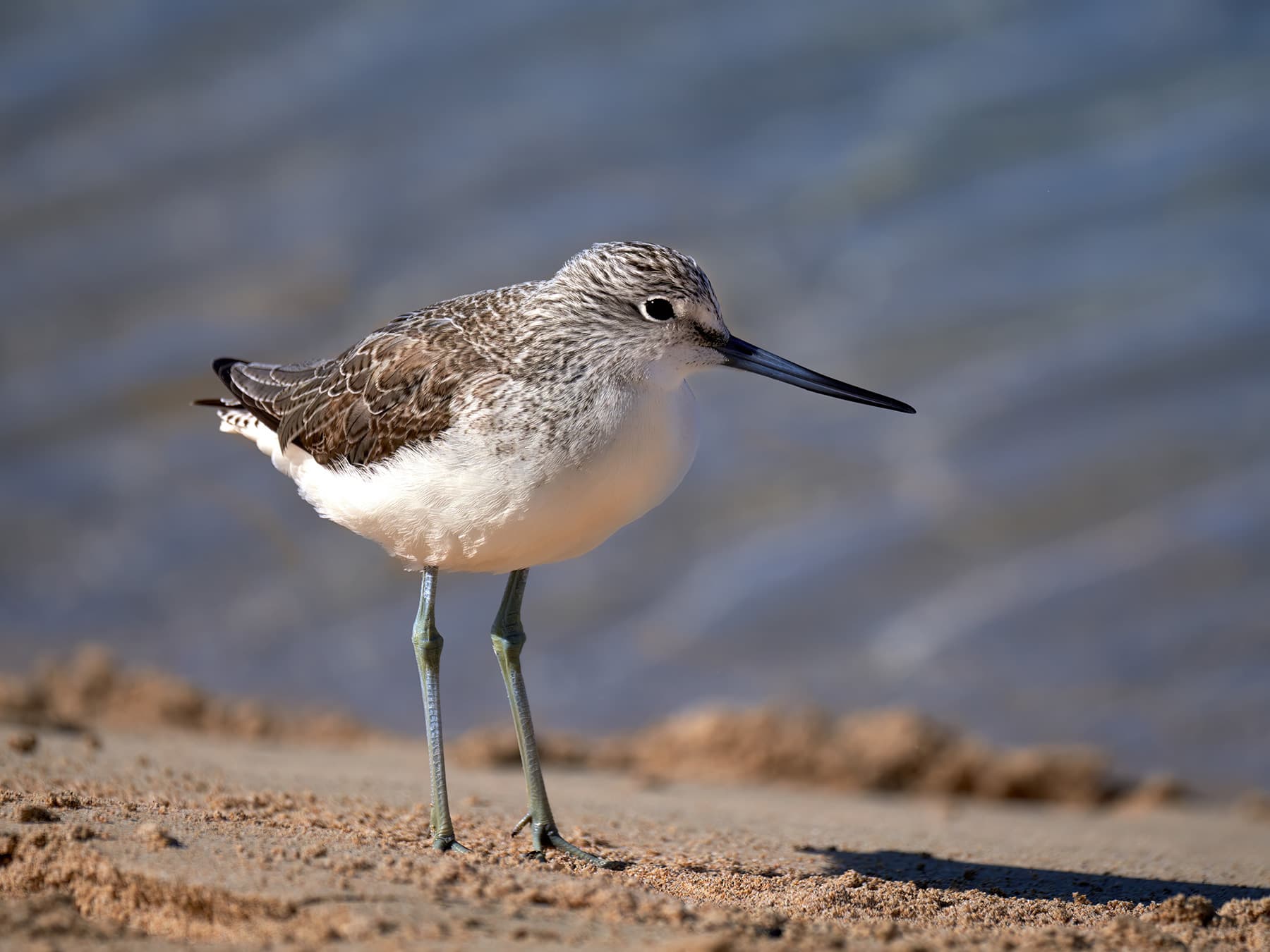
Greenshank
Tringa nebulariaLC
An uncommon but year-round presence on estuaries and tidal creeks, often feeding alone on mudflats with its distinctive upturned bill.
Year-round