Sandpipers & Snipes in Hampshire
27 species matching this filter.
Hampshire's diverse coastal and wetland habitats make it an outstanding county for observing sandpipers and snipes, with 23 species recorded from this family. The Solent shoreline, the mudflats of Langstone and Chichester Harbours, and the river valleys of the Test and Itchen provide vital feeding and roosting grounds for species such as Dunlin, Bar-tailed Godwit, Black-tailed Godwit, and Curlew. Inland sites including the New Forest and freshwater marshes also attract passage migrants like Green Sandpiper and Common Sandpiper, as well as wintering Eurasian Woodcock and Common Snipe.


Showing 1–23 of 27 species
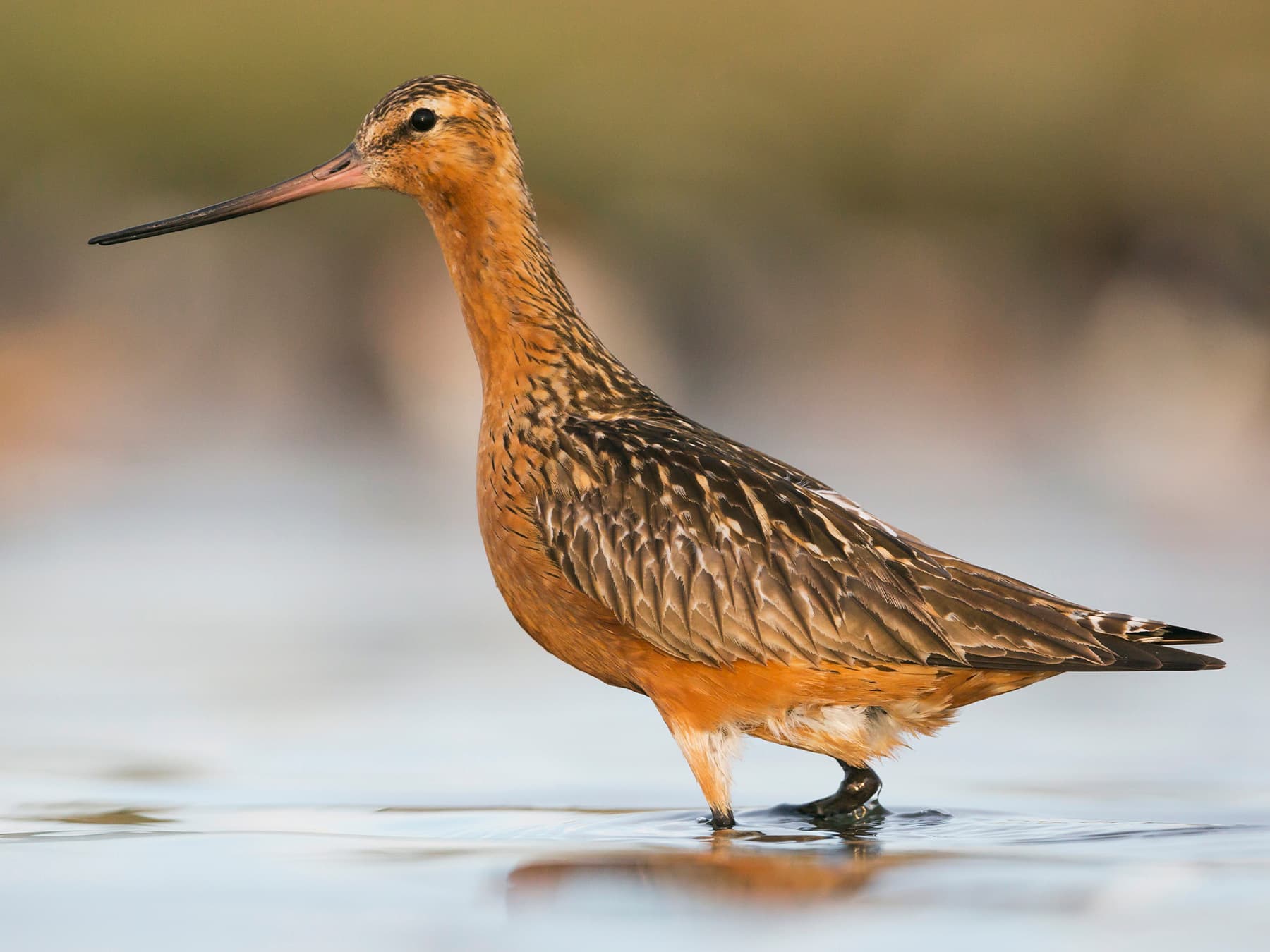
Bar-tailed Godwit
Limosa lapponicaNT
A rare but year-round presence on Hampshire's coastal mudflats, especially in the Solent harbours. Numbers peak during winter and passage periods.
Year-round
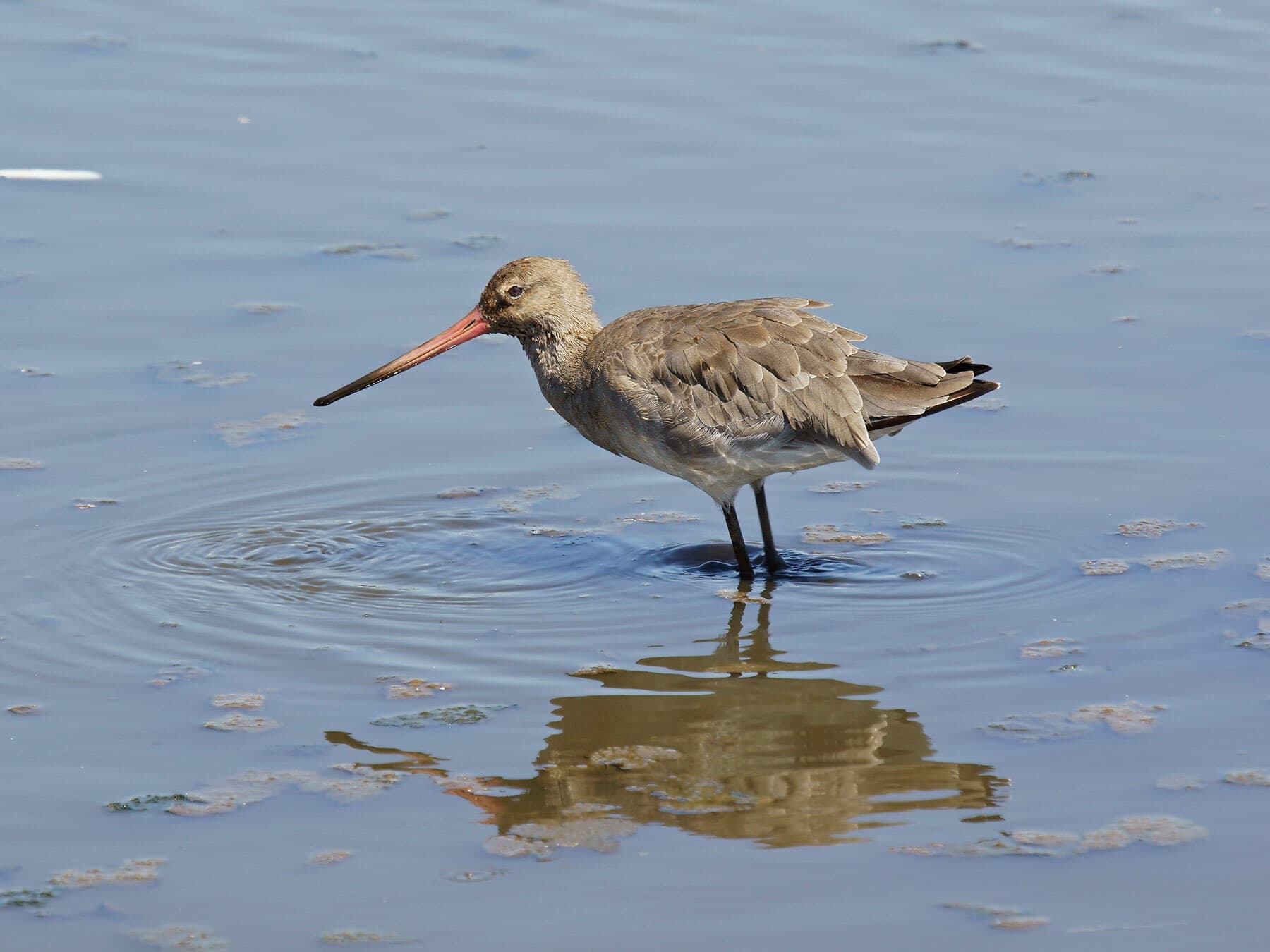
Black-tailed Godwit
Limosa limosaNT
Present year-round in small numbers, favouring the Solent harbours and coastal marshes. Hampshire hosts nationally important wintering flocks.
Year-round
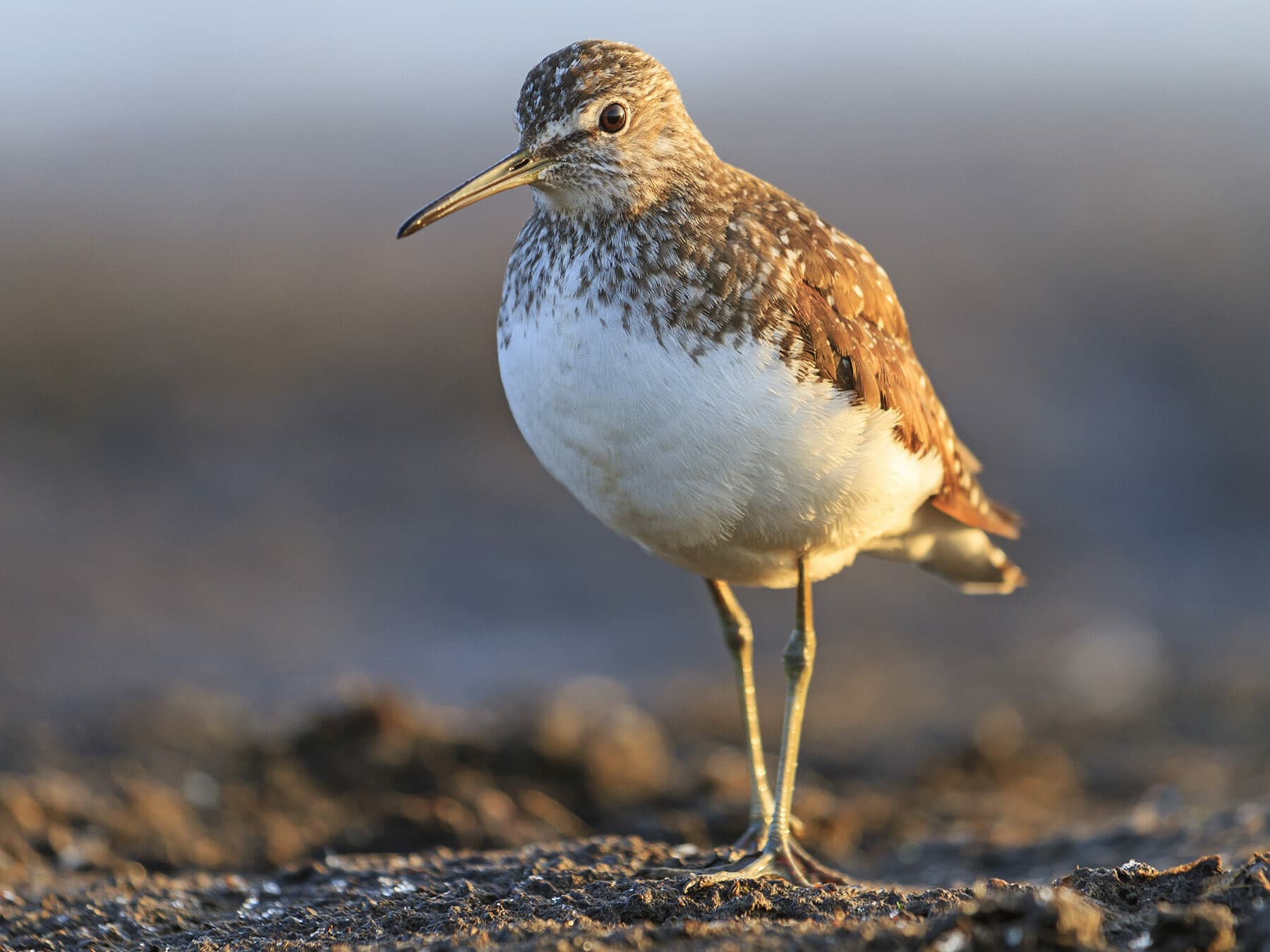
Common Sandpiper
Actitis hypoleucosLC
Found year-round along rivers, reservoirs and coastal margins, bobbing characteristically on rocks. Numbers peak during autumn passage.
Year-round
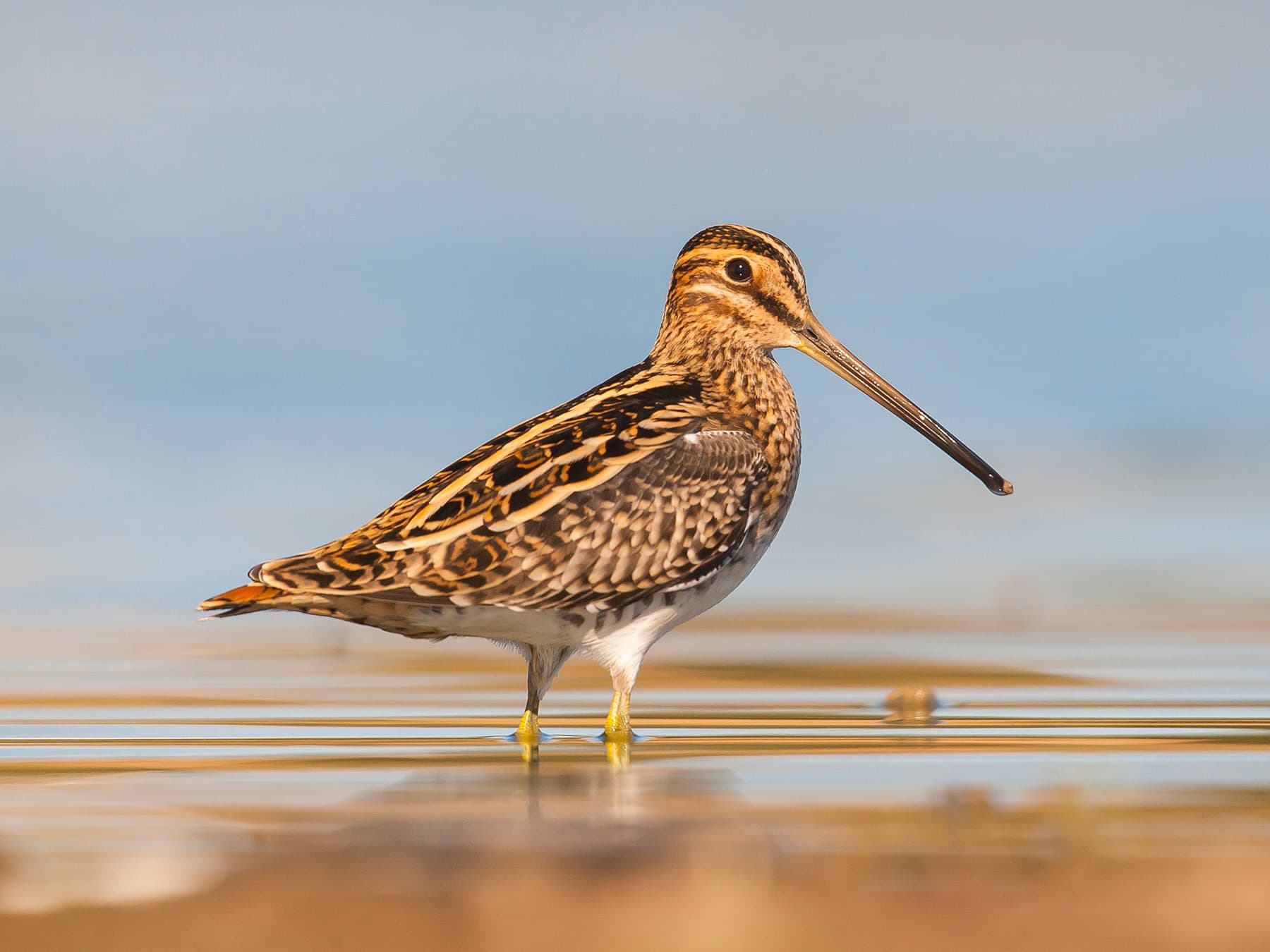
Common Snipe
Gallinago gallinagoLC
An uncommon resident of wet meadows, marshes and waterlogged fields. More conspicuous in winter when numbers are boosted by continental arrivals.
Year-round
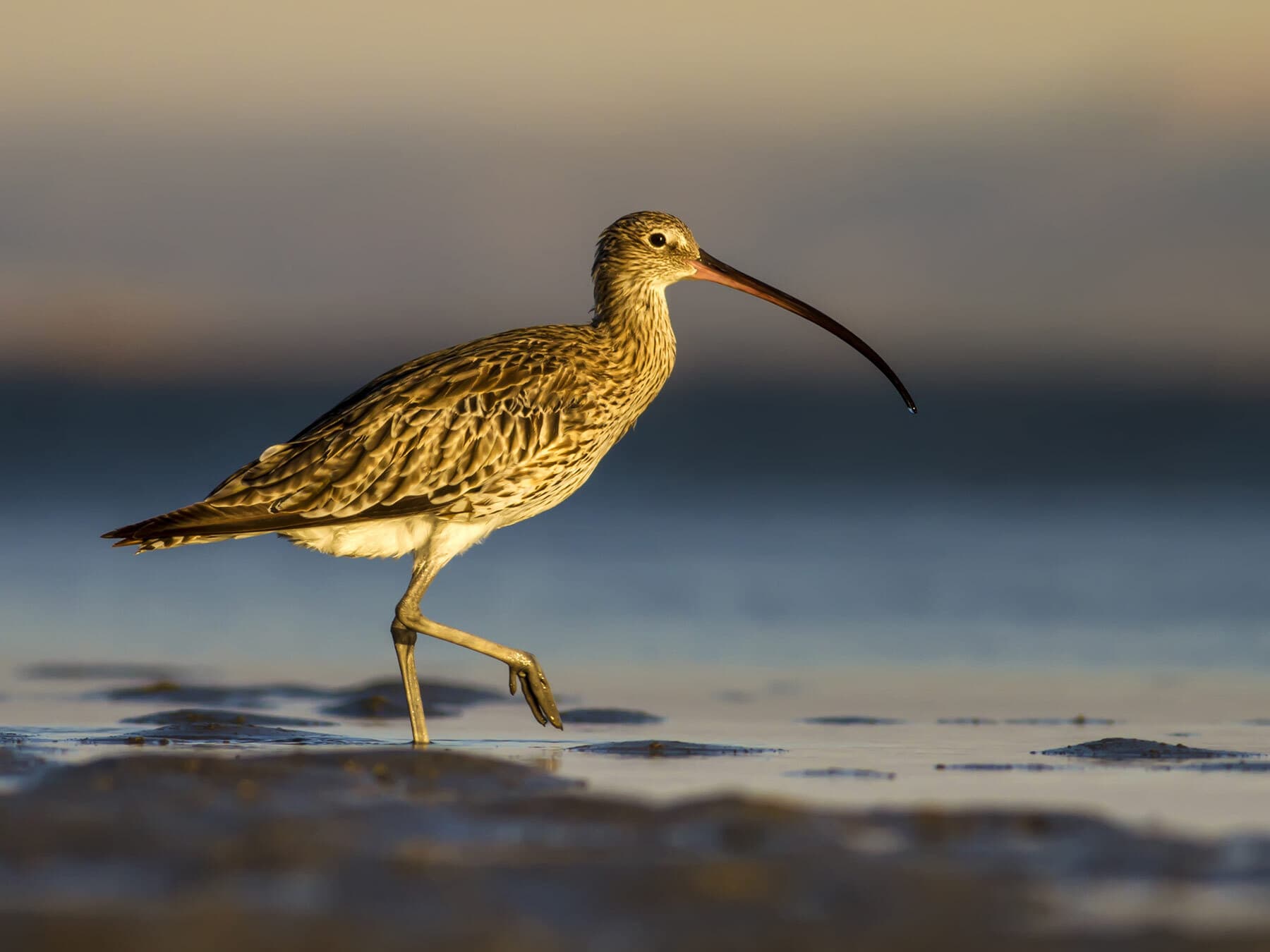
Curlew
Numenius arquataNT
A common year-round resident with its evocative call heard over estuaries, harbours, and farmland. Breeding numbers are declining nationally.
Year-round
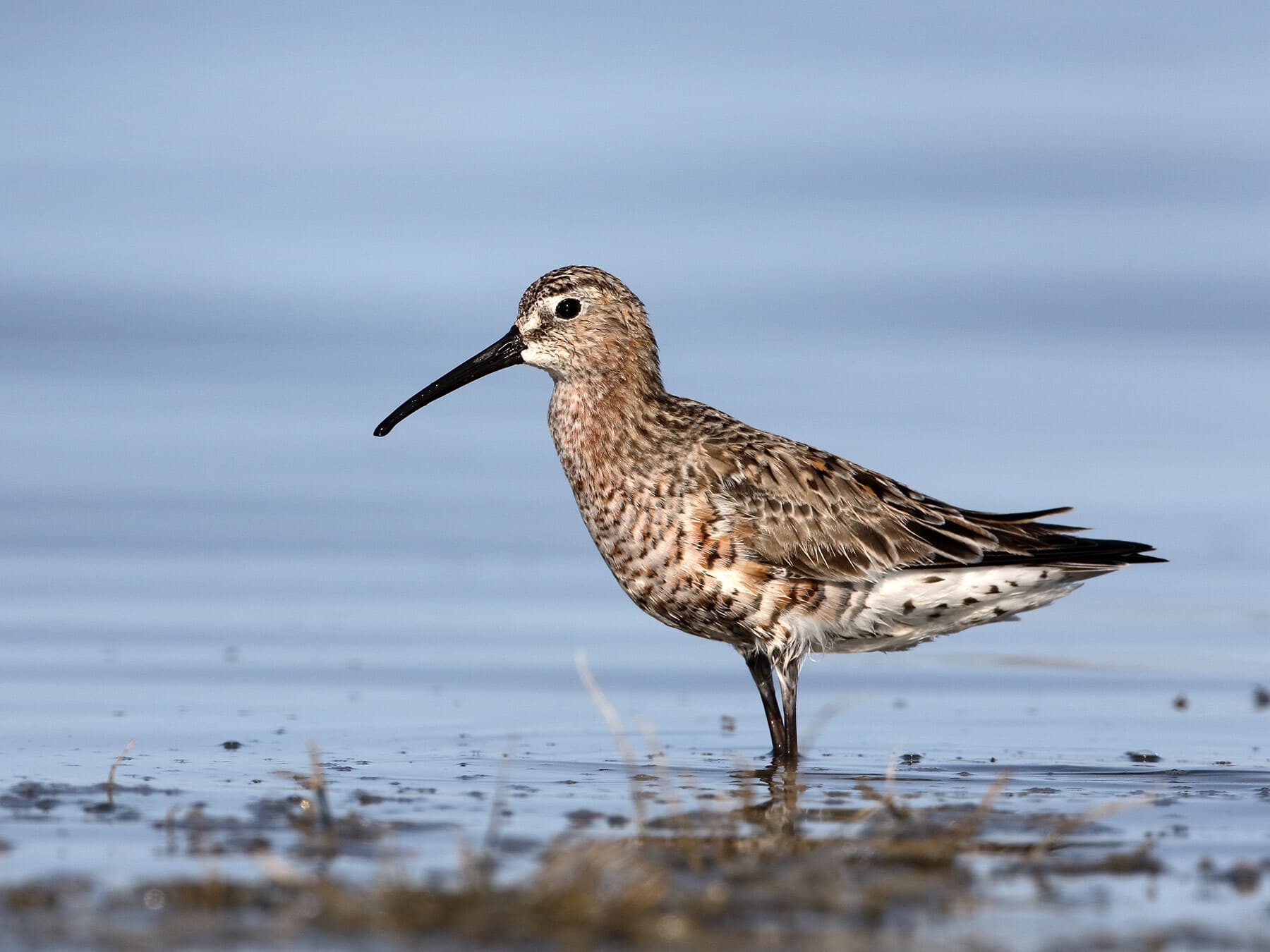
Curlew Sandpiper
Calidris ferrugineaNT
A rare passage wader seen on coastal pools and mudflats, mainly in late summer and autumn. Hampshire's harbours attract small numbers annually.
Apr–Oct
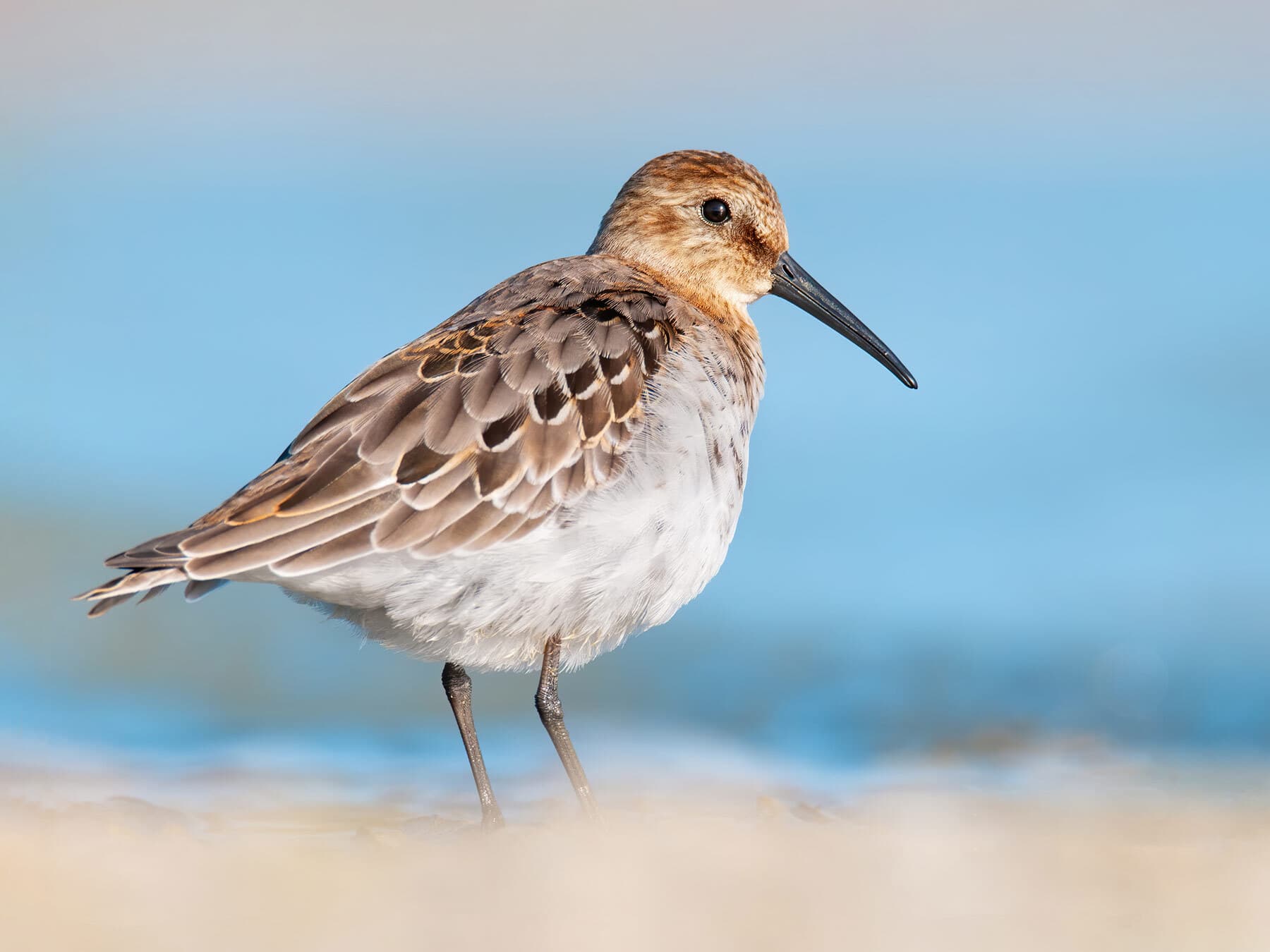
Dunlin
Calidris alpinaLC
Present year-round but uncommon, favouring coastal mudflats and estuaries. Numbers peak in winter at sites like Langstone Harbour.
Year-round
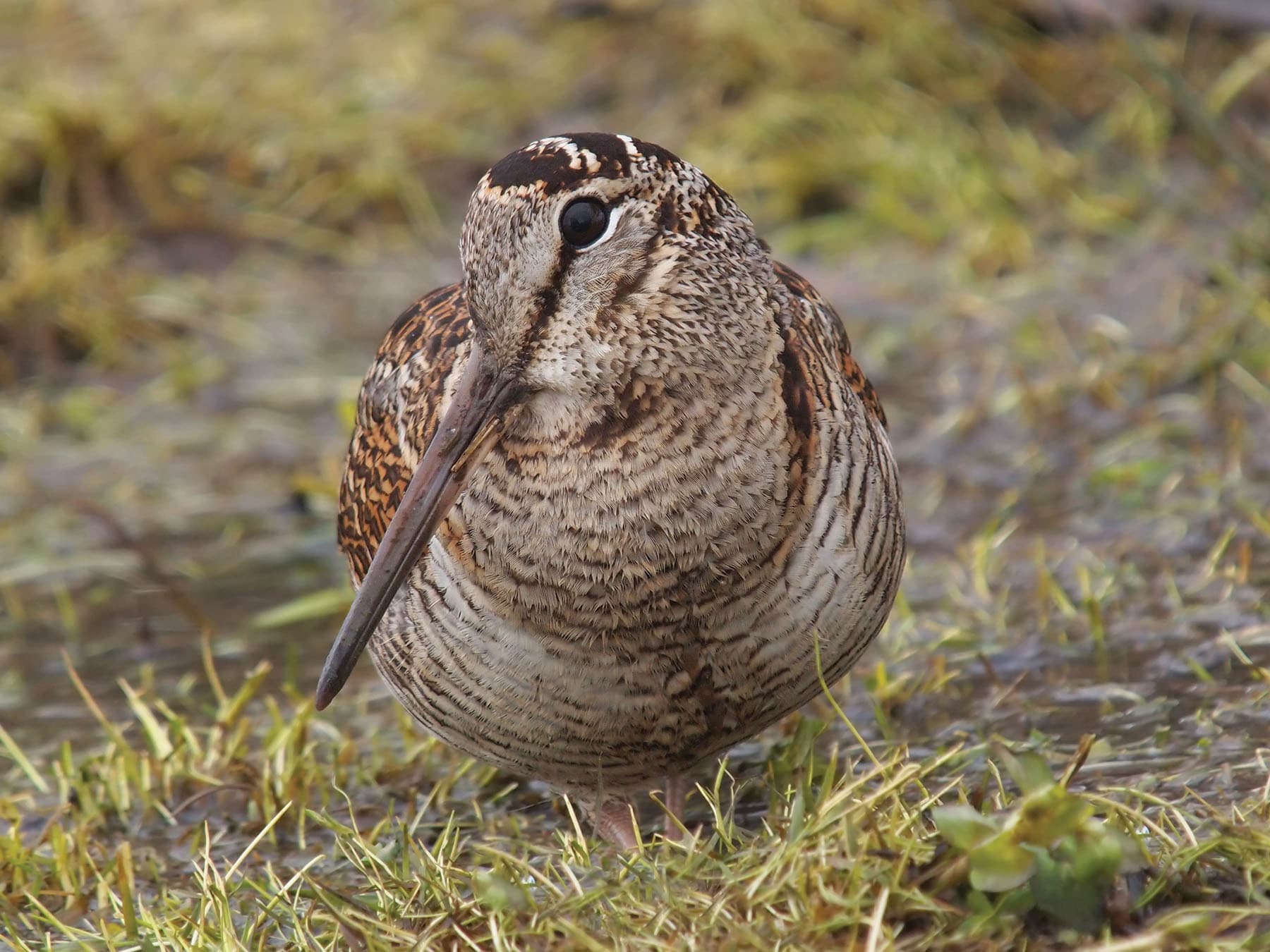
Eurasian Woodcock
Scolopax rusticolaLC
A rare passage visitor in spring, favouring damp woodland and heathland. Most likely encountered during roding flights at dusk.
Feb–Jun
Spotted something?
Upload a photo to identify it
Identify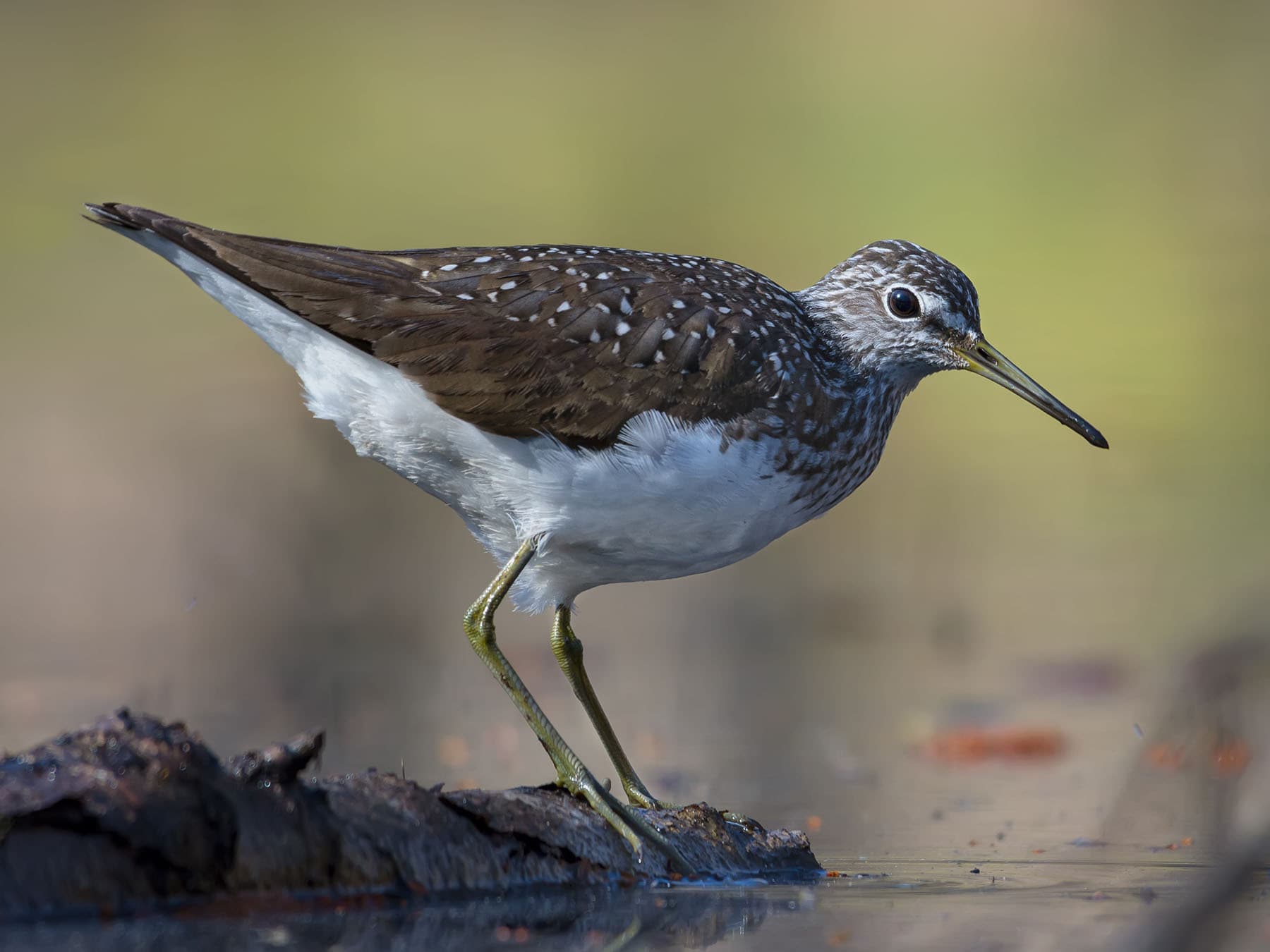
Green Sandpiper
Tringa ochropusLC
A rare but year-round visitor to watercress beds, streams and flooded fields. Often solitary and easily flushed from muddy margins.
Jun–Apr
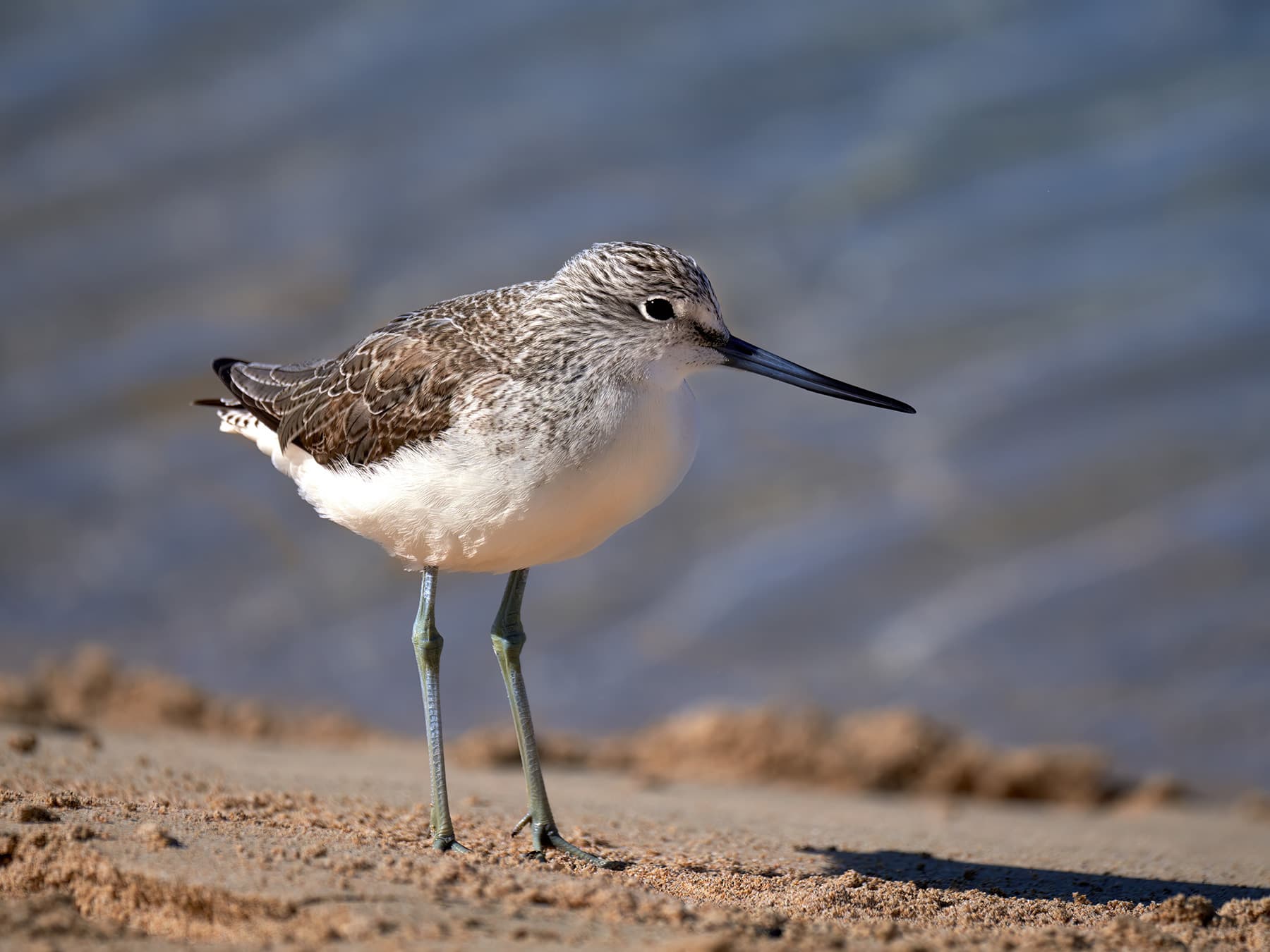
Greenshank
Tringa nebulariaLC
An uncommon but year-round presence on Hampshire's estuaries and harbours. Most frequently encountered during autumn passage on coastal mudflats.
Year-round
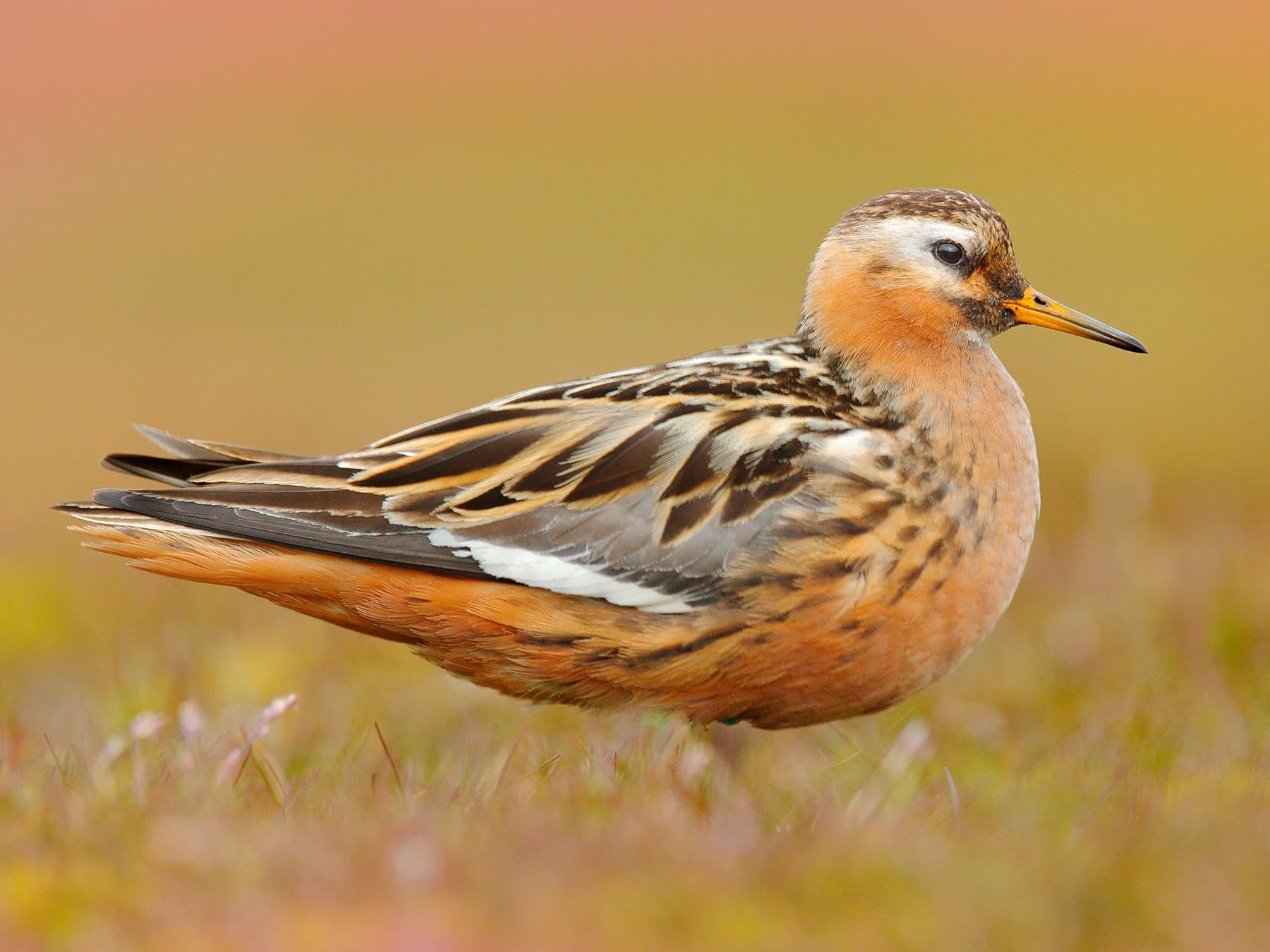
Grey Phalarope
Phalaropus fulicariusLC
A rare autumn passage visitor, occasionally appearing on coastal pools and sheltered harbours, mainly in September and October after Atlantic storms.
Sep–Dec
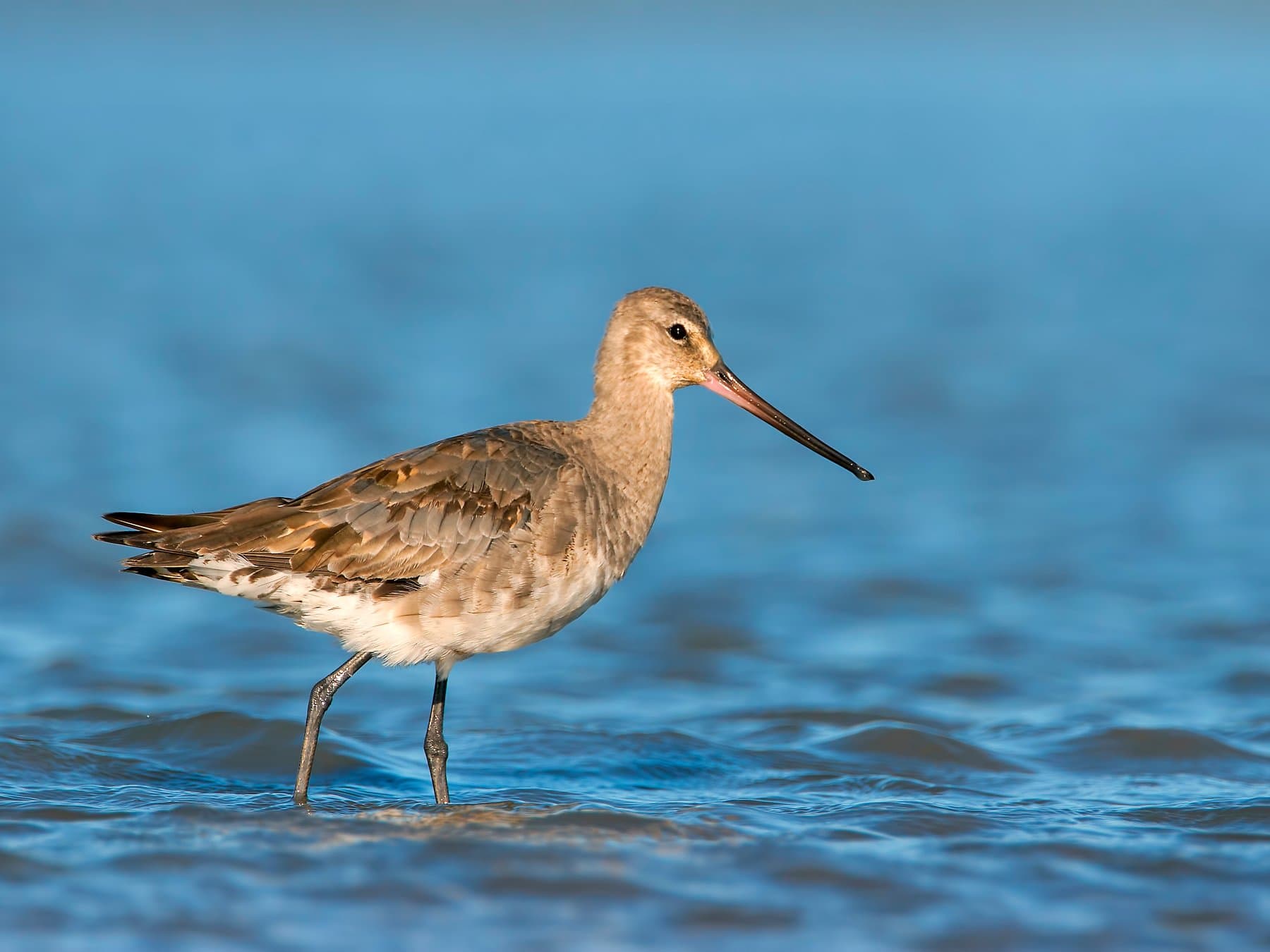
Hudsonian Godwit
Limosa haemasticaVU
An extremely rare transatlantic vagrant, occasionally recorded in May on coastal mudflats. A prized find among Hampshire's wader records.
May
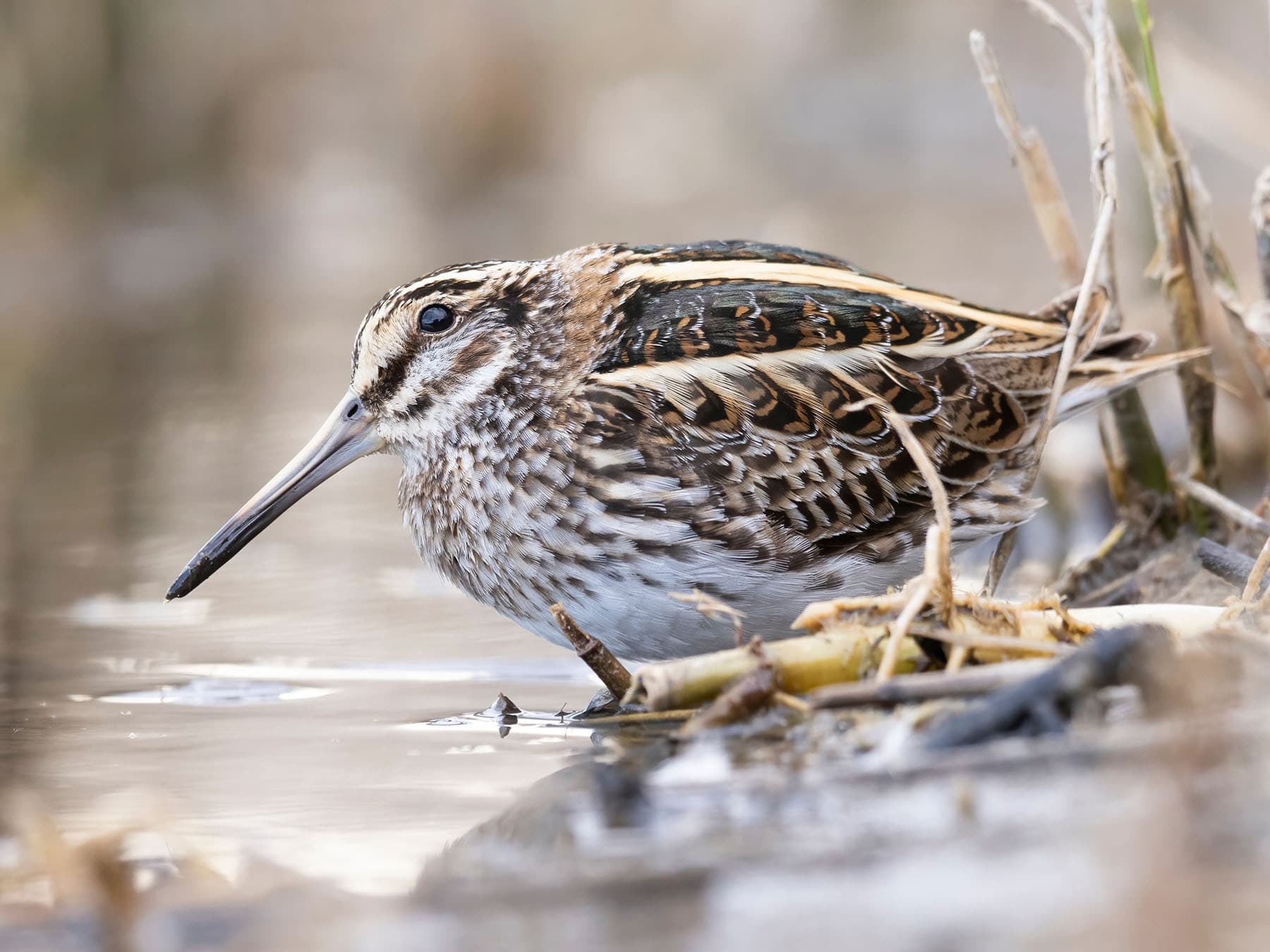
Jack Snipe
Lymnocryptes minimusLC
A secretive winter visitor to boggy marshes and watermeadows, rarely flushing until almost underfoot. Most reliably found from November to March.
Nov–Mar
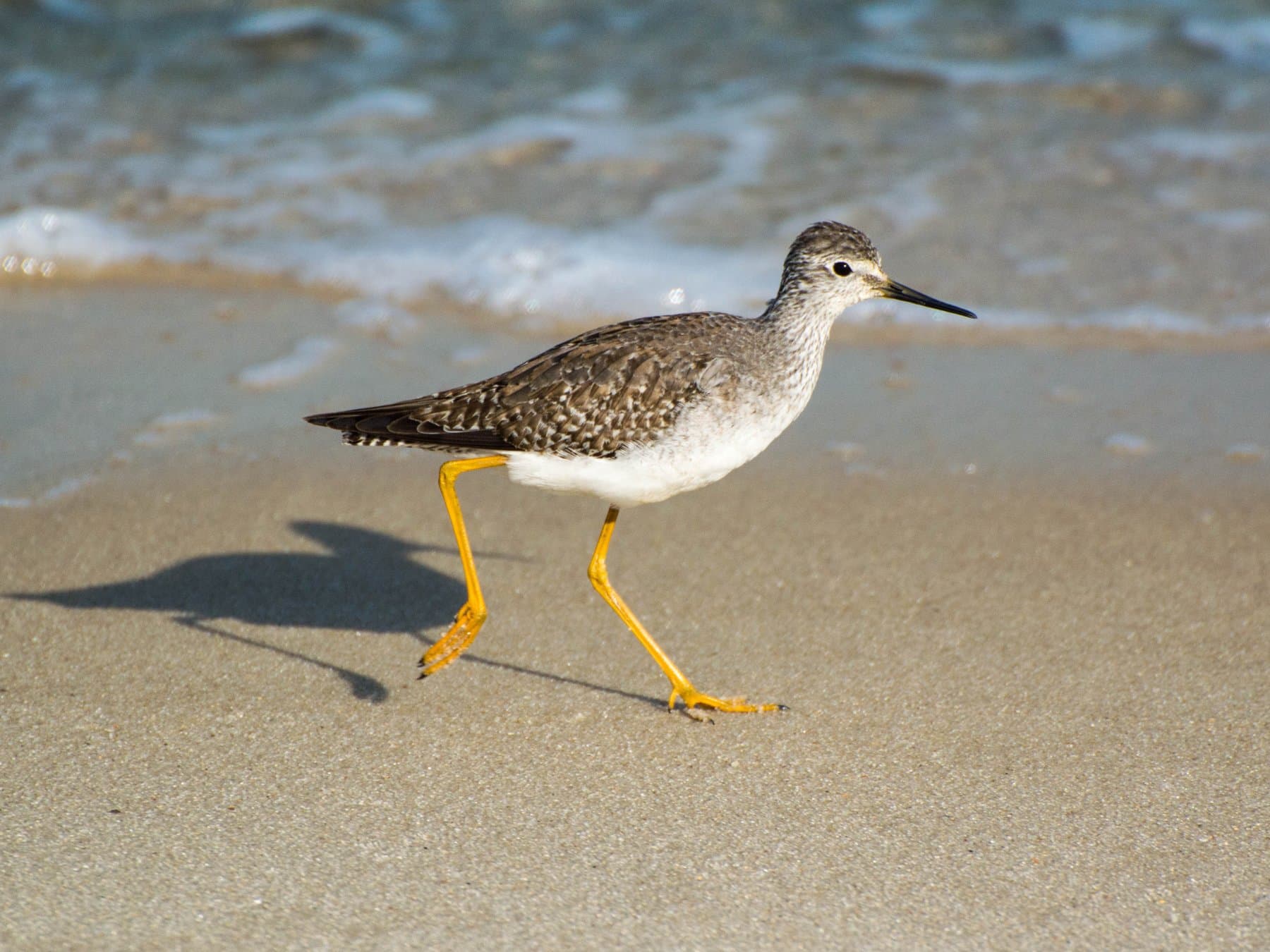
Lesser Yellowlegs
Tringa flavipesVU
A rare Nearctic vagrant occasionally recorded at coastal lagoons and freshwater pools. Any Hampshire sighting is a significant county event.
Jul–Jan
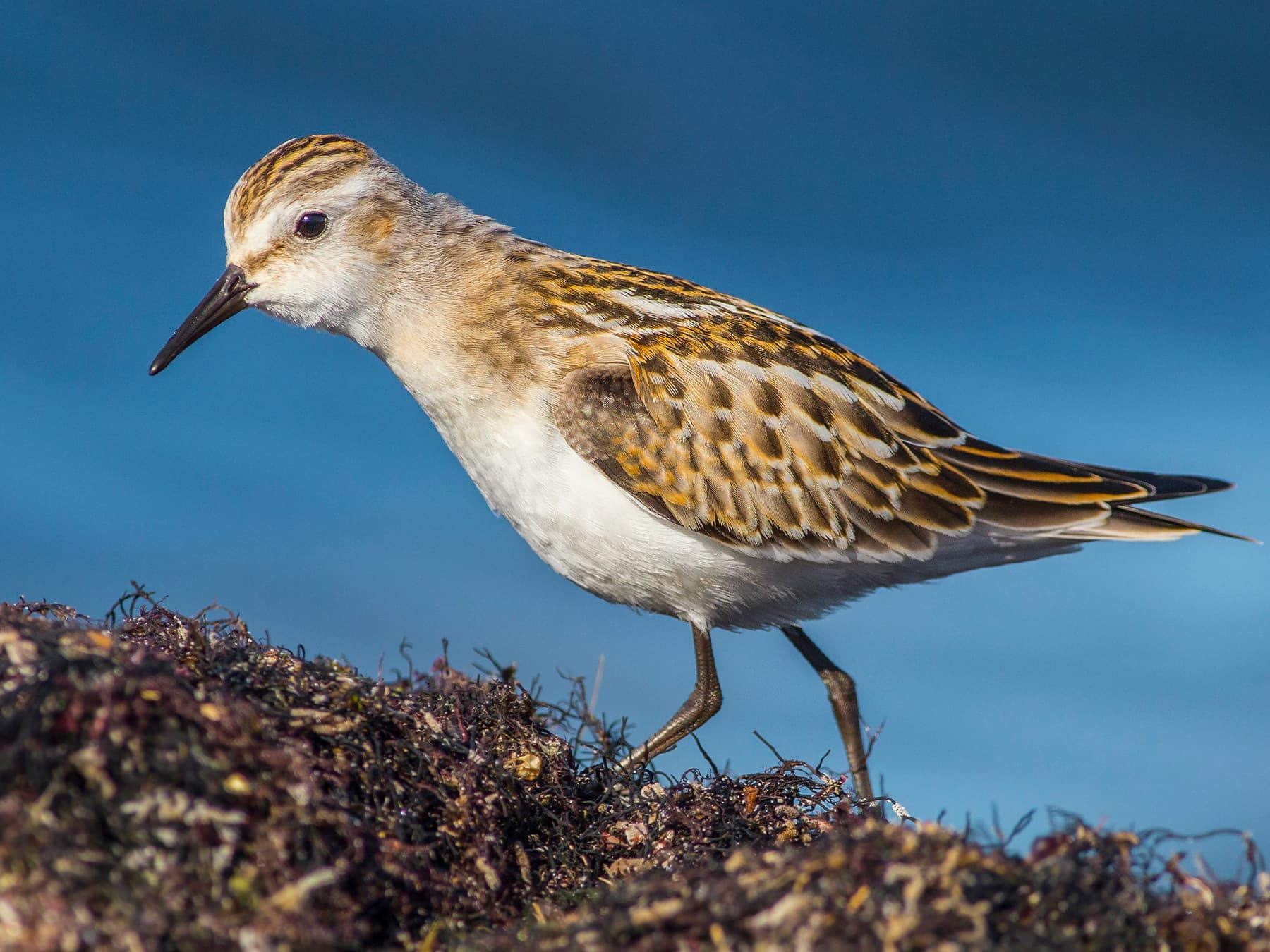
Little Stint
Calidris minutaLC
An uncommon autumn passage migrant from August to October, feeding on coastal scrapes and muddy pool edges at key wetland sites.
Aug–Oct
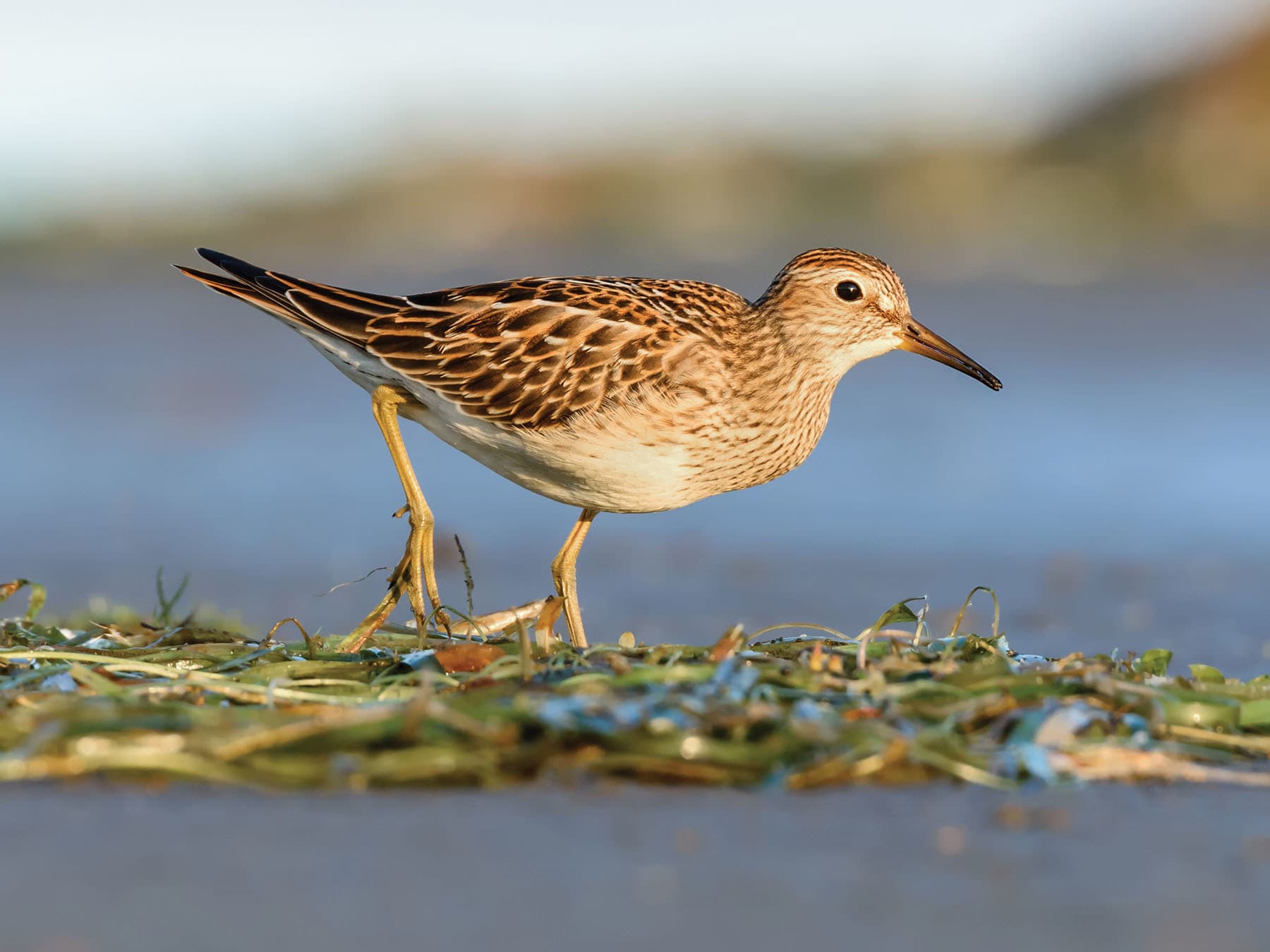
Pectoral Sandpiper
Calidris melanotosLC
A rare autumn passage migrant from the Americas, occasionally appearing at coastal pools and muddy scrapes in September.
Sep
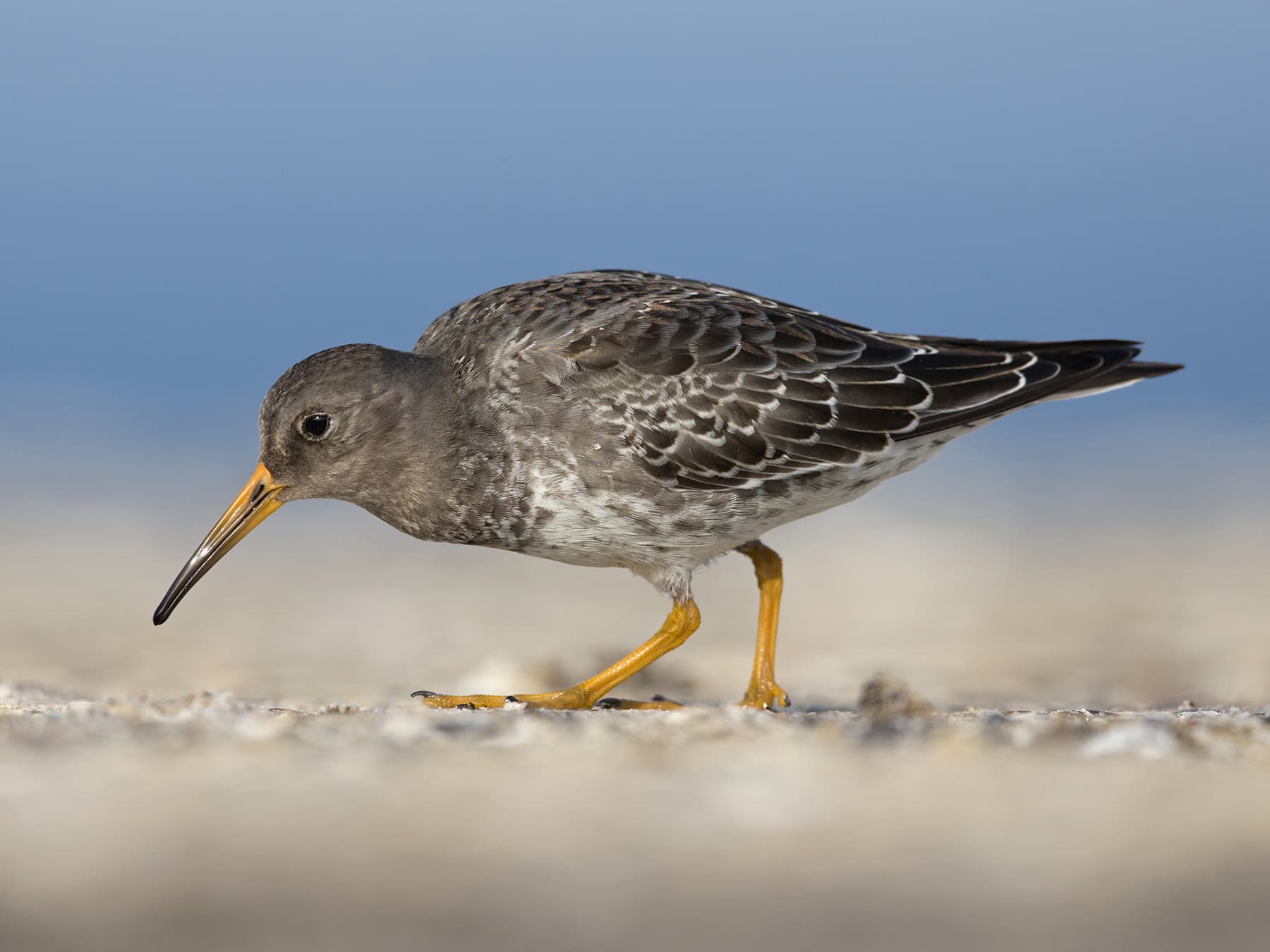
Purple Sandpiper
Calidris maritimaLC
A rare winter visitor to Hampshire's rocky coastal structures and groynes. Most likely seen at Hurst Spit or harbour walls in the coldest months.
Nov–Feb
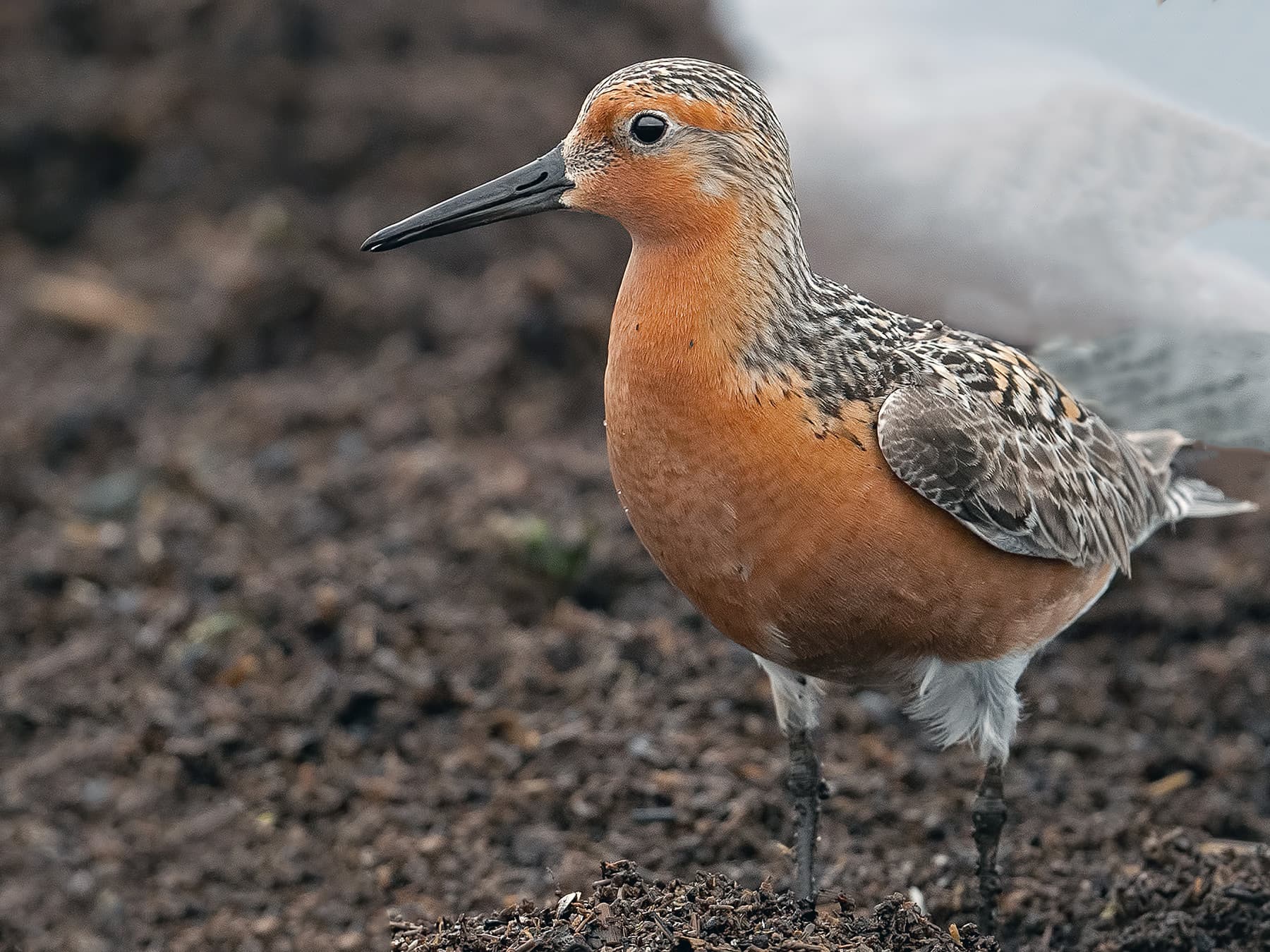
Red Knot
Calidris canutusNT
A rare wader found on Hampshire's coastal mudflats, mainly in winter. Small flocks occur in the Solent harbours, with a brief absence in early summer.
Jul–May
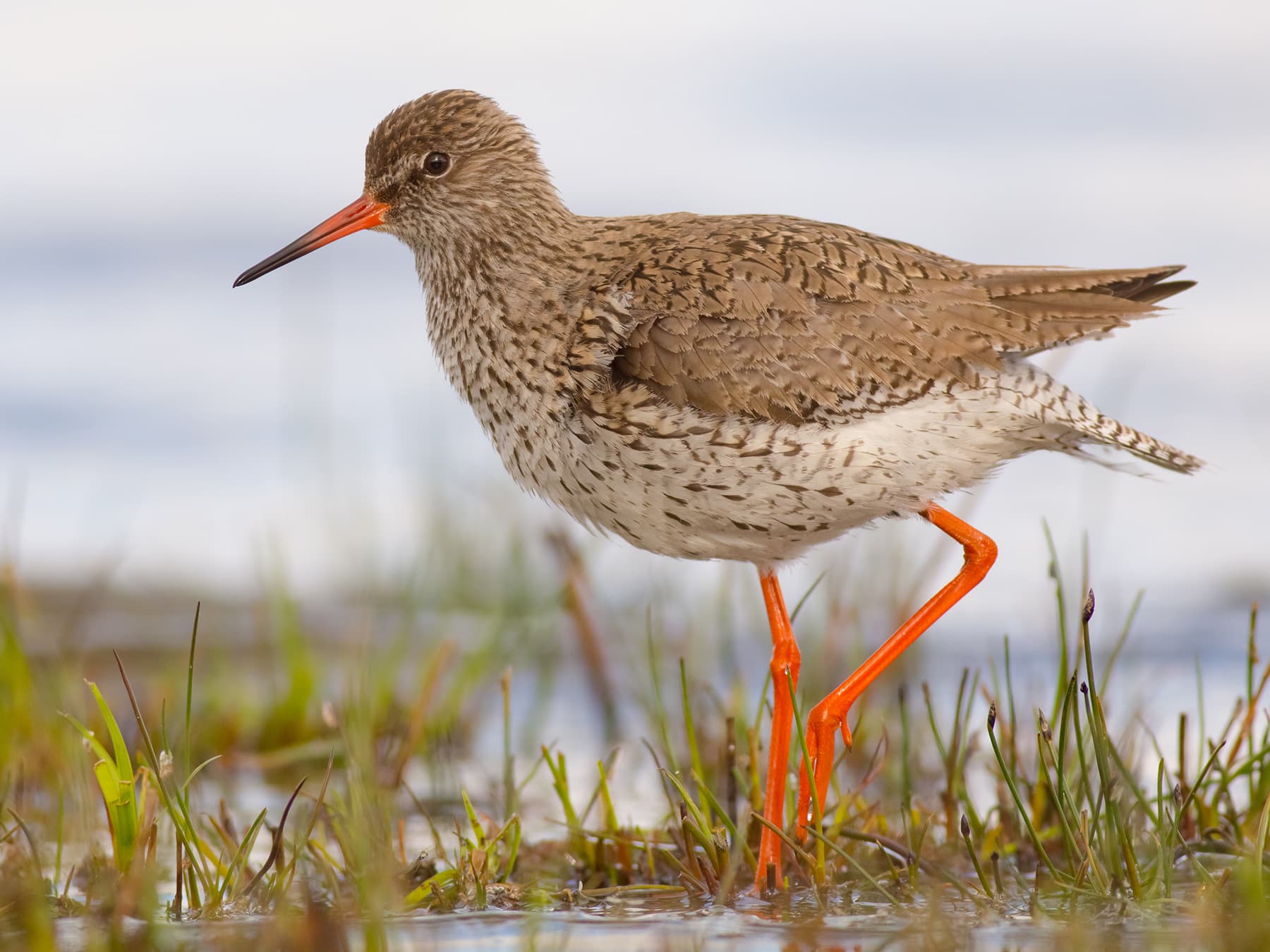
Redshank
Tringa totanusLC
Common on Hampshire's coastal marshes and estuaries throughout the year. Breeds on saltmarshes and its piping call is a familiar harbour sound.
Year-round
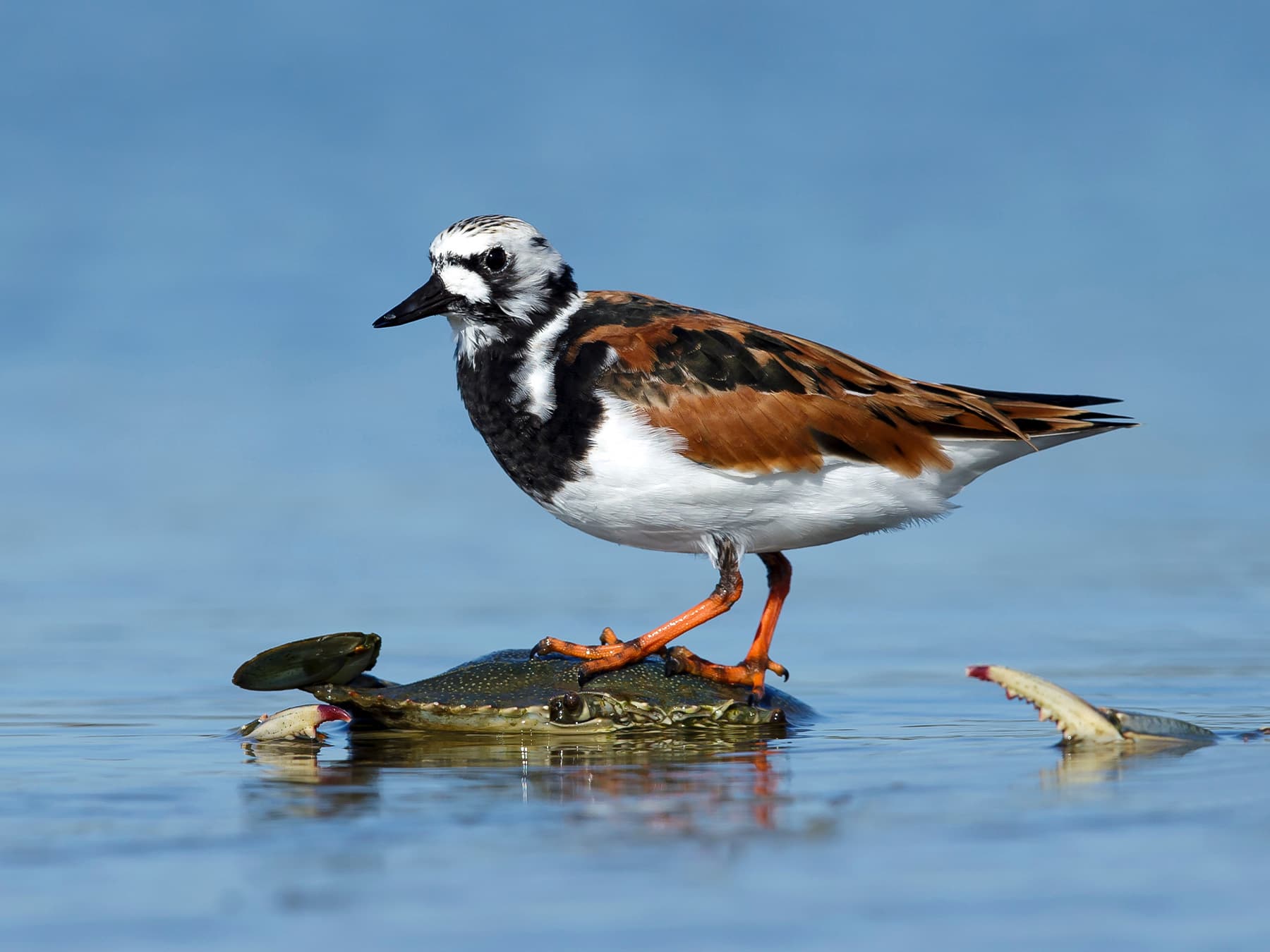
Ruddy Turnstone
Arenaria interpresLC
An uncommon but year-round resident along Hampshire's rocky and shingle shorelines, often seen flipping seaweed on the Solent coast.
Year-round
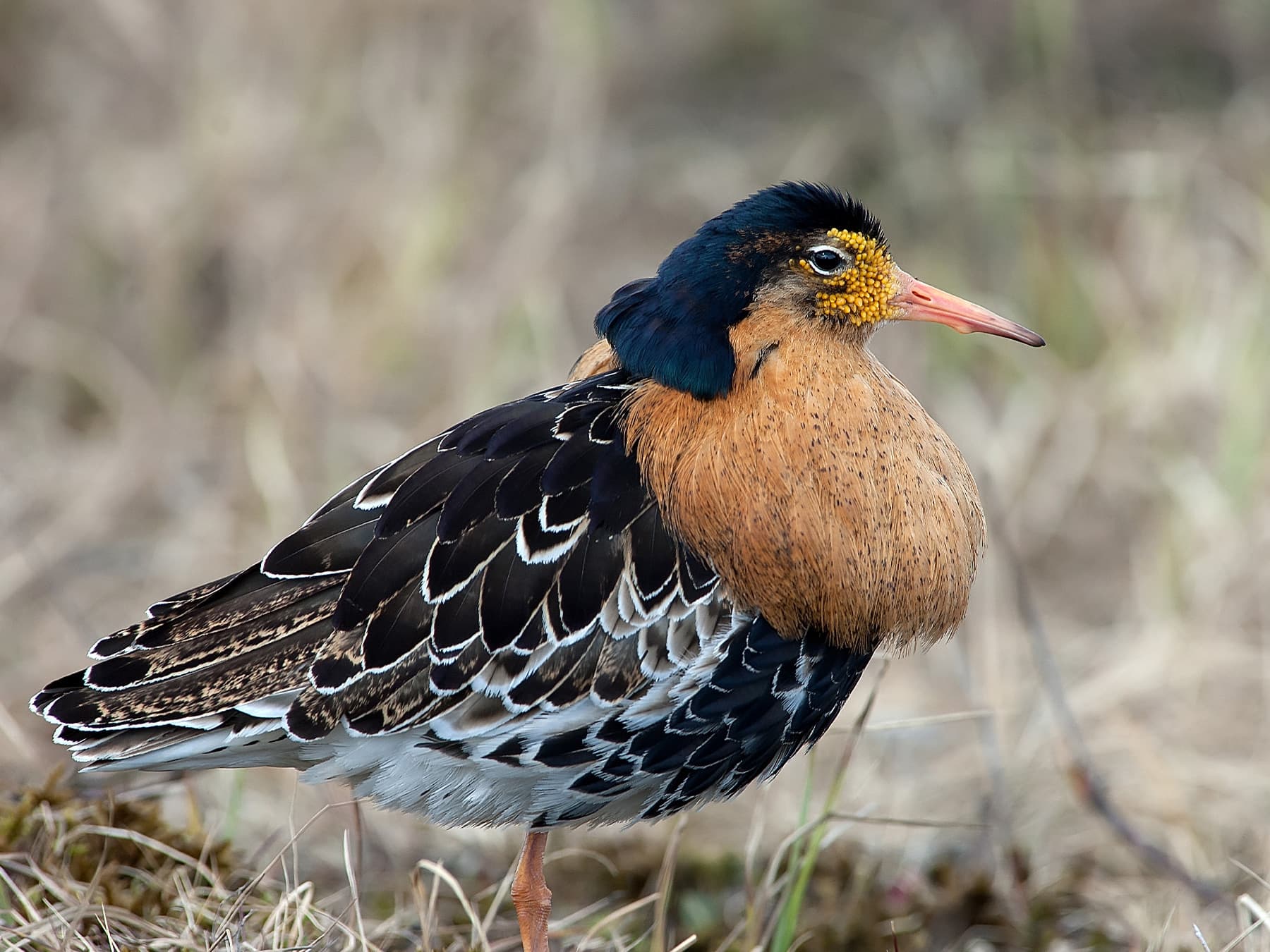
Ruff
Philomachus pugnaxLC
A rare non-breeding visitor to coastal marshes and flooded fields, most likely seen during autumn passage and winter months.
Aug–Apr
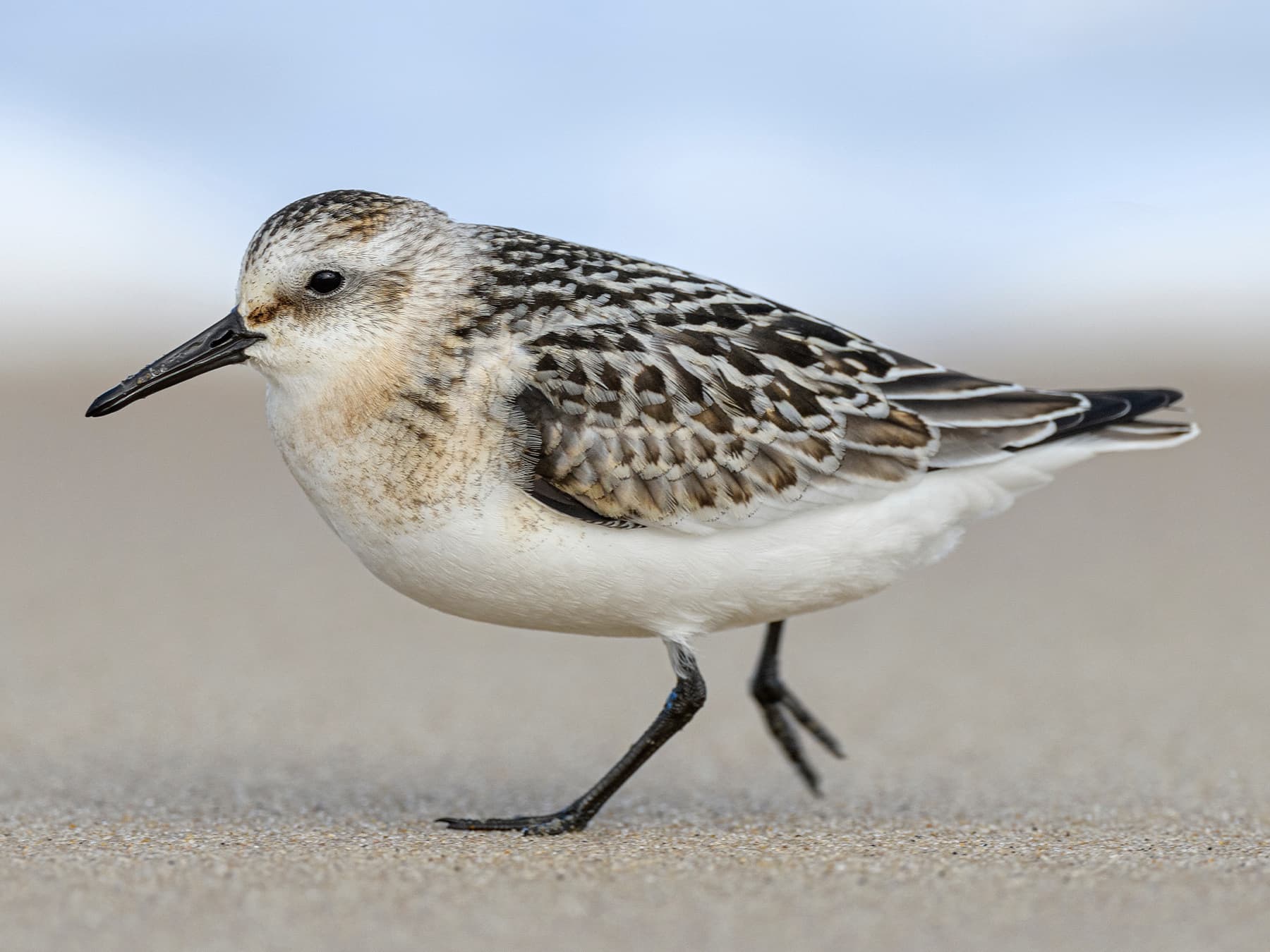
Sanderling
Calidris albaLC
A rare but regular visitor to sandy shores along the Hampshire coast, mostly seen outside summer. Often found in small flocks on open beaches.
Aug–May
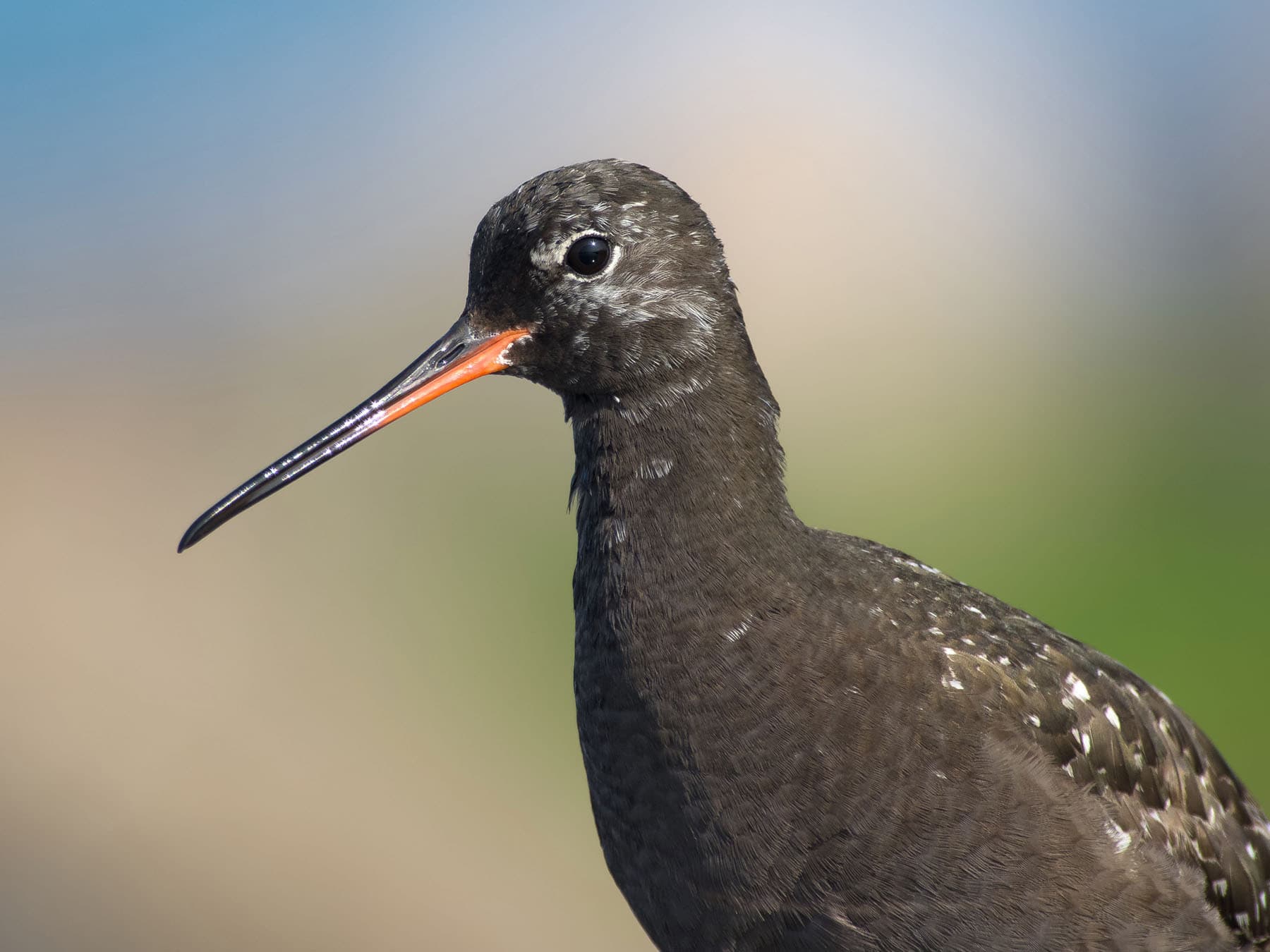
Spotted Redshank
Tringa erythropusLC
Present most of the year at coastal estuaries and harbours, though rare. Best looked for at Keyhaven and the Solent mudflats.
Jun–Apr