Sandpipers & Snipes in East Sussex
25 species matching this filter.
East Sussex is home to 23 recorded species from the Sandpipers & Snipes family, reflecting the county's rich mosaic of coastal mudflats, estuarine habitats, and inland wetlands. The sheltered bays and marshes around Pevensey Levels, Rye Harbour, and the Cuckmere estuary provide vital feeding and roosting grounds for waders such as Dunlin, Curlew, Bar-tailed Godwit, and Common Snipe. Scarcer visitors like Curlew Sandpiper and Greenshank add excitement during migration periods, making East Sussex a rewarding destination for wader enthusiasts year-round.


Showing 1–23 of 25 species
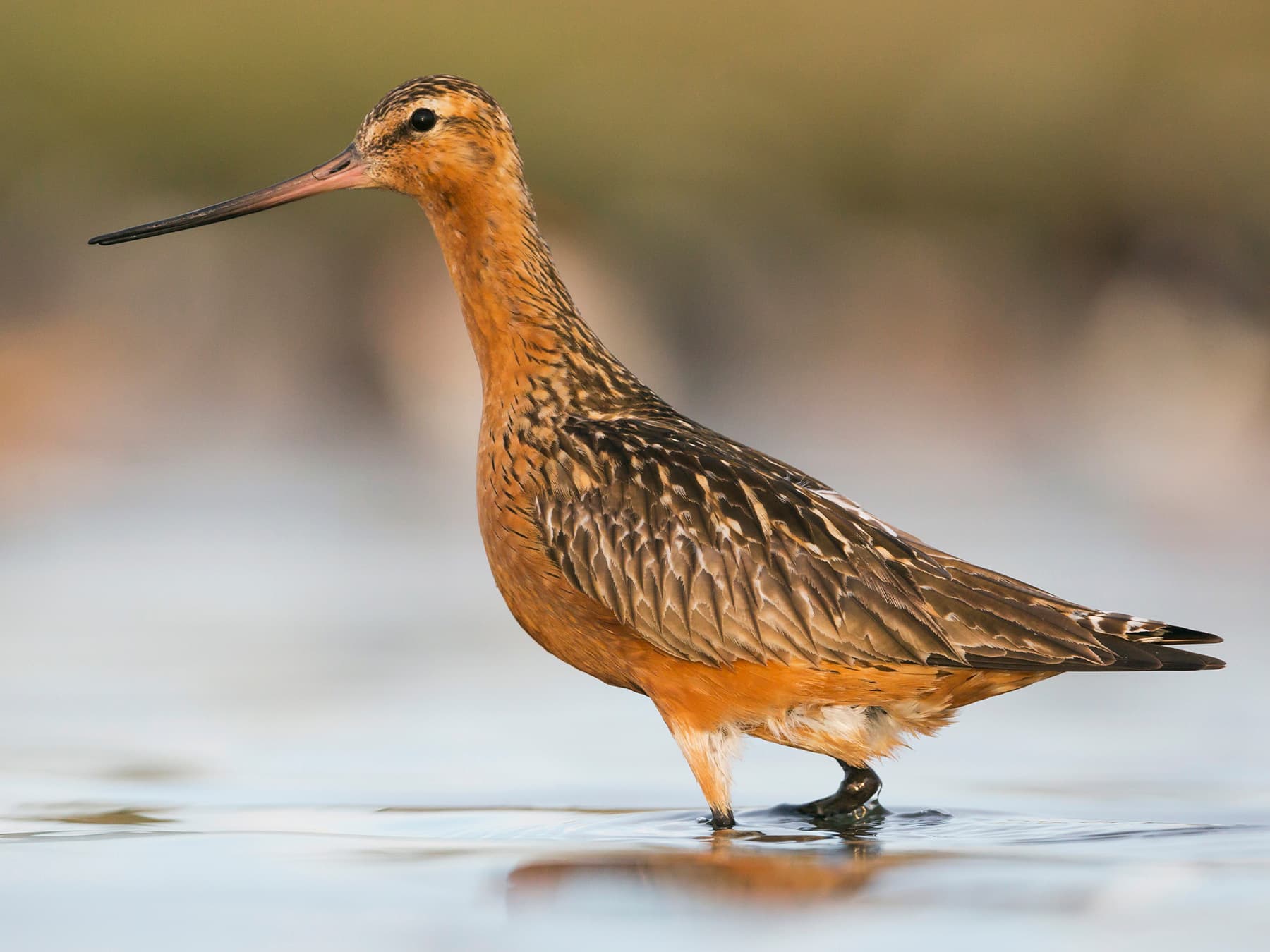
Bar-tailed Godwit
Limosa lapponicaNT
A rare but regular visitor to coastal mudflats and estuaries, with passage peaks in spring and autumn. Favours the Cuckmere and Rye areas.
Mar–Jan
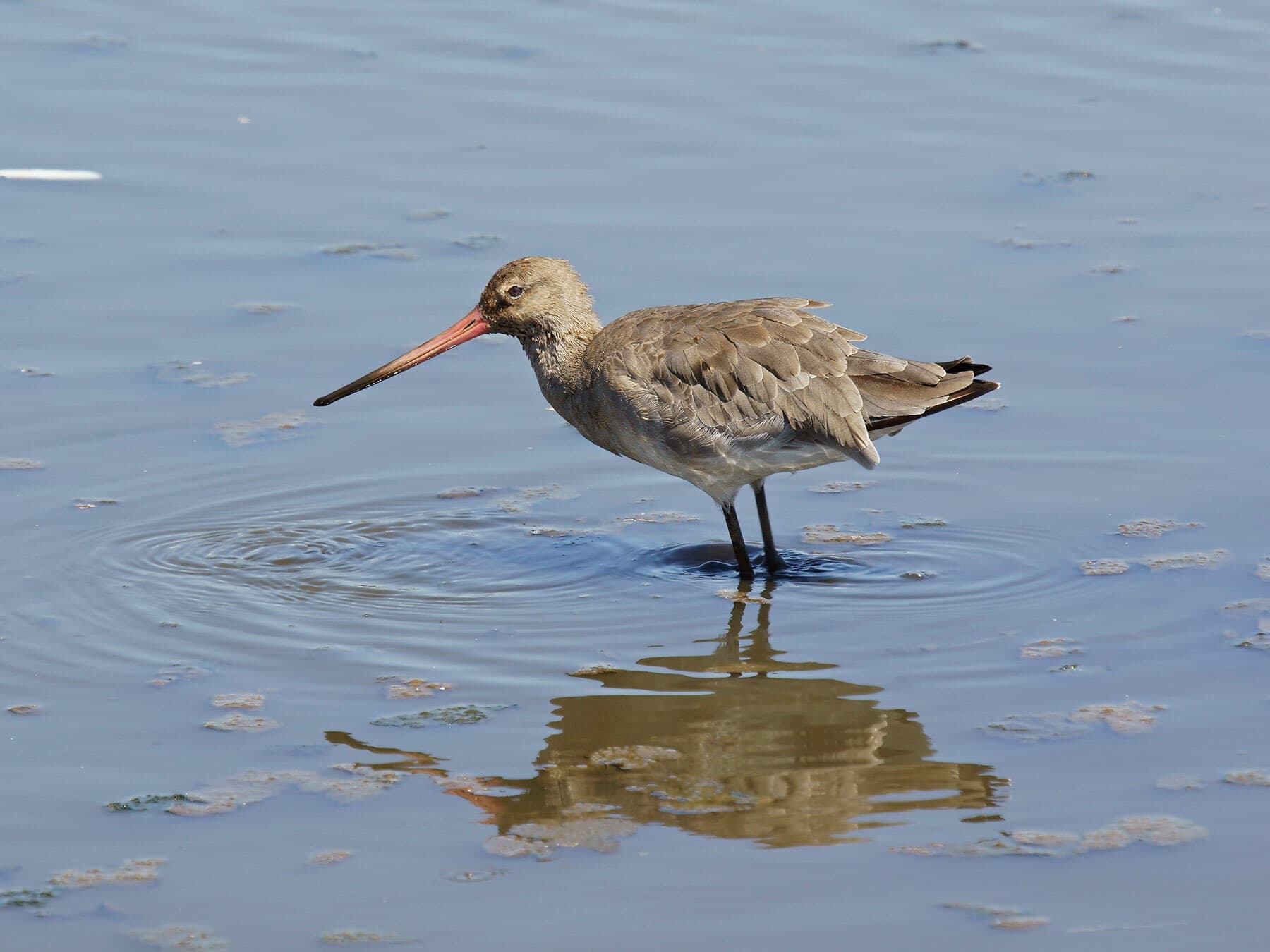
Black-tailed Godwit
Limosa limosaNT
A rare but increasingly regular wader at coastal pools and grazing marshes. Rye Harbour and the Pevensey Levels offer the best chances of sightings.
Mar–Jan
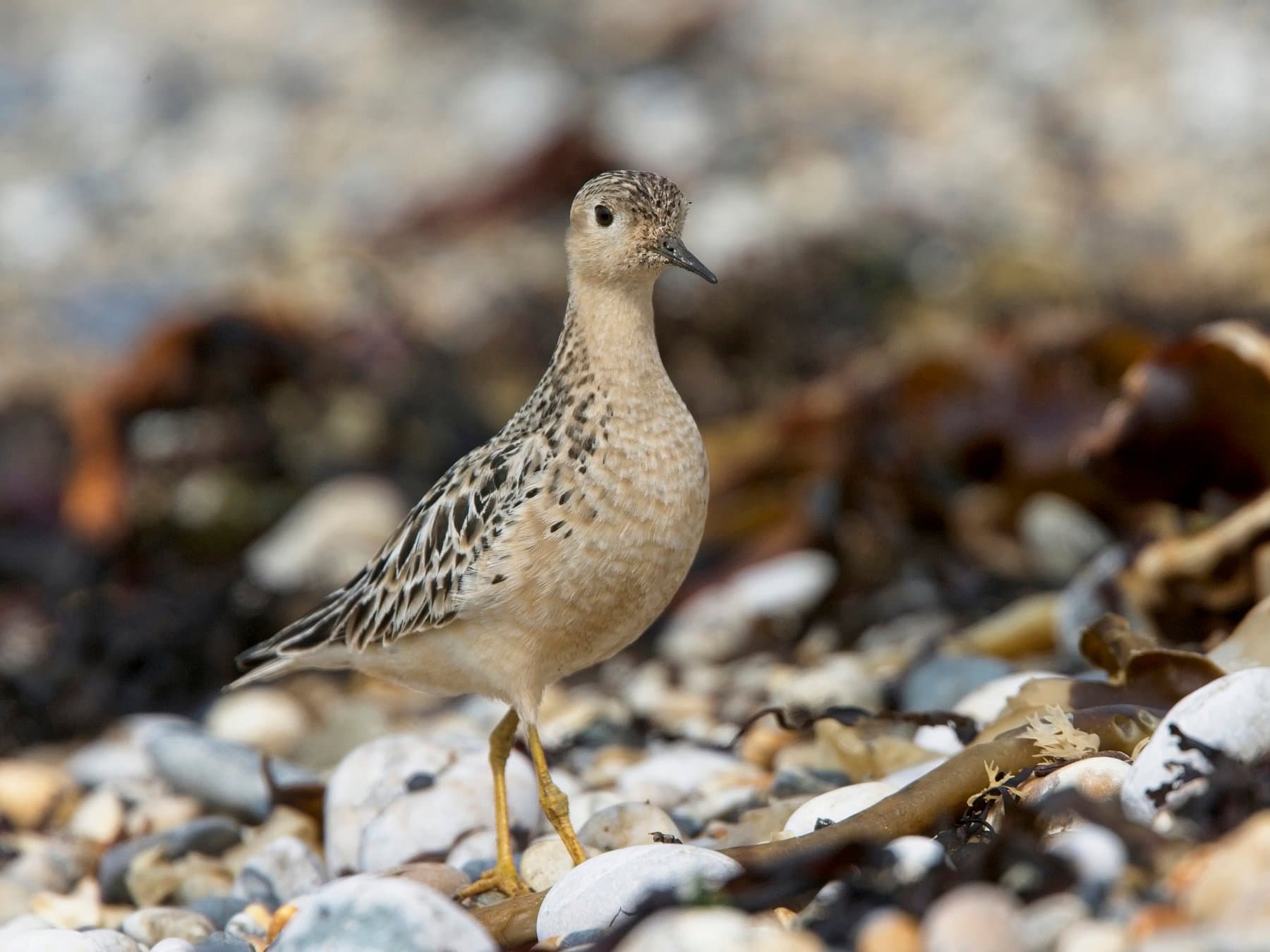
Buff-breasted Sandpiper
Calidris subruficollisVU
A rare Nearctic vagrant, very occasionally recorded on short grassland or coastal pools in September during Atlantic weather systems.
Sep
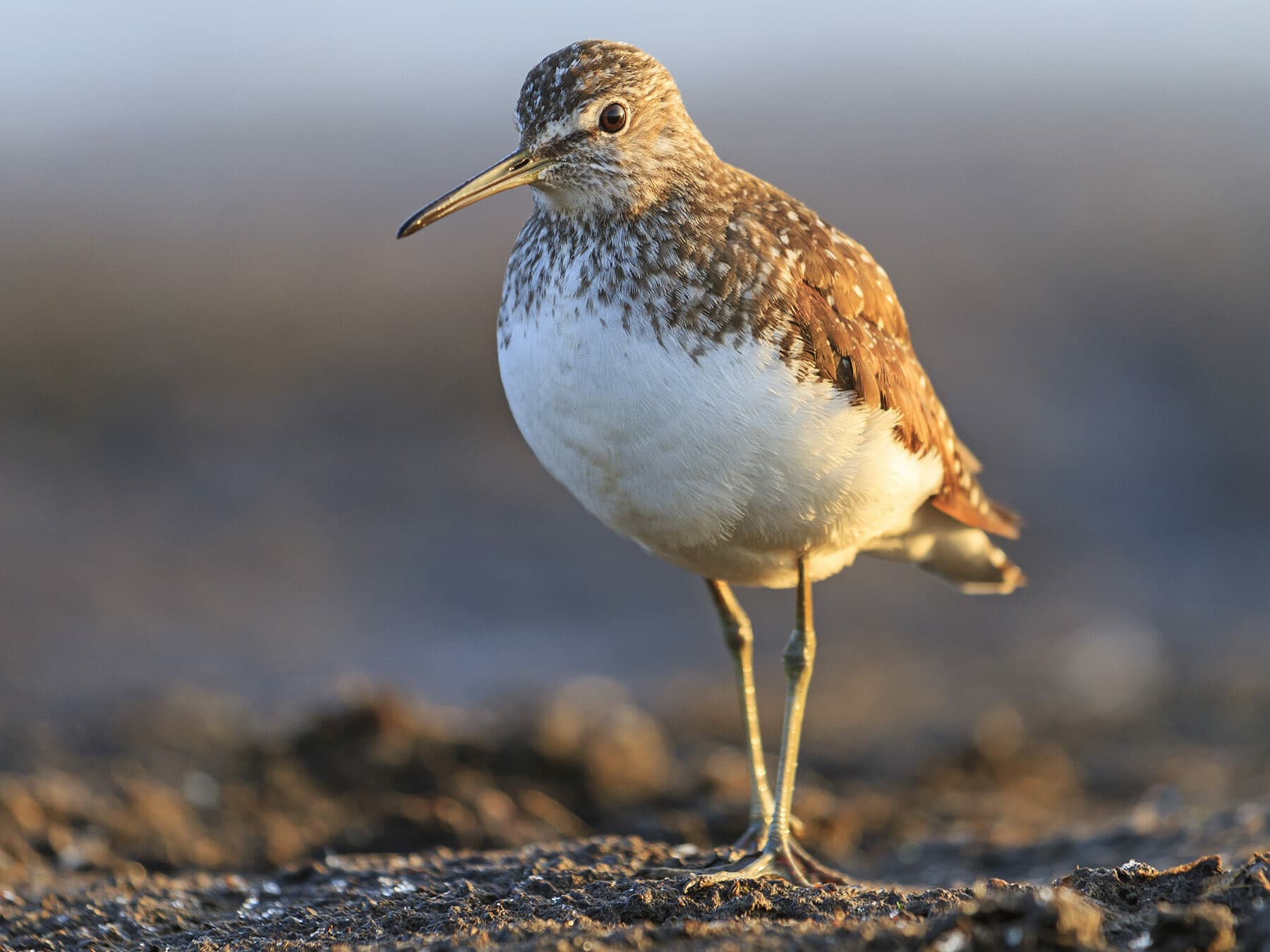
Common Sandpiper
Actitis hypoleucosLC
An uncommon wader found along rivers, reservoirs, and coastal pools. Most conspicuous on passage, bobbing along stony margins with a distinctive teetering gait.
Year-round
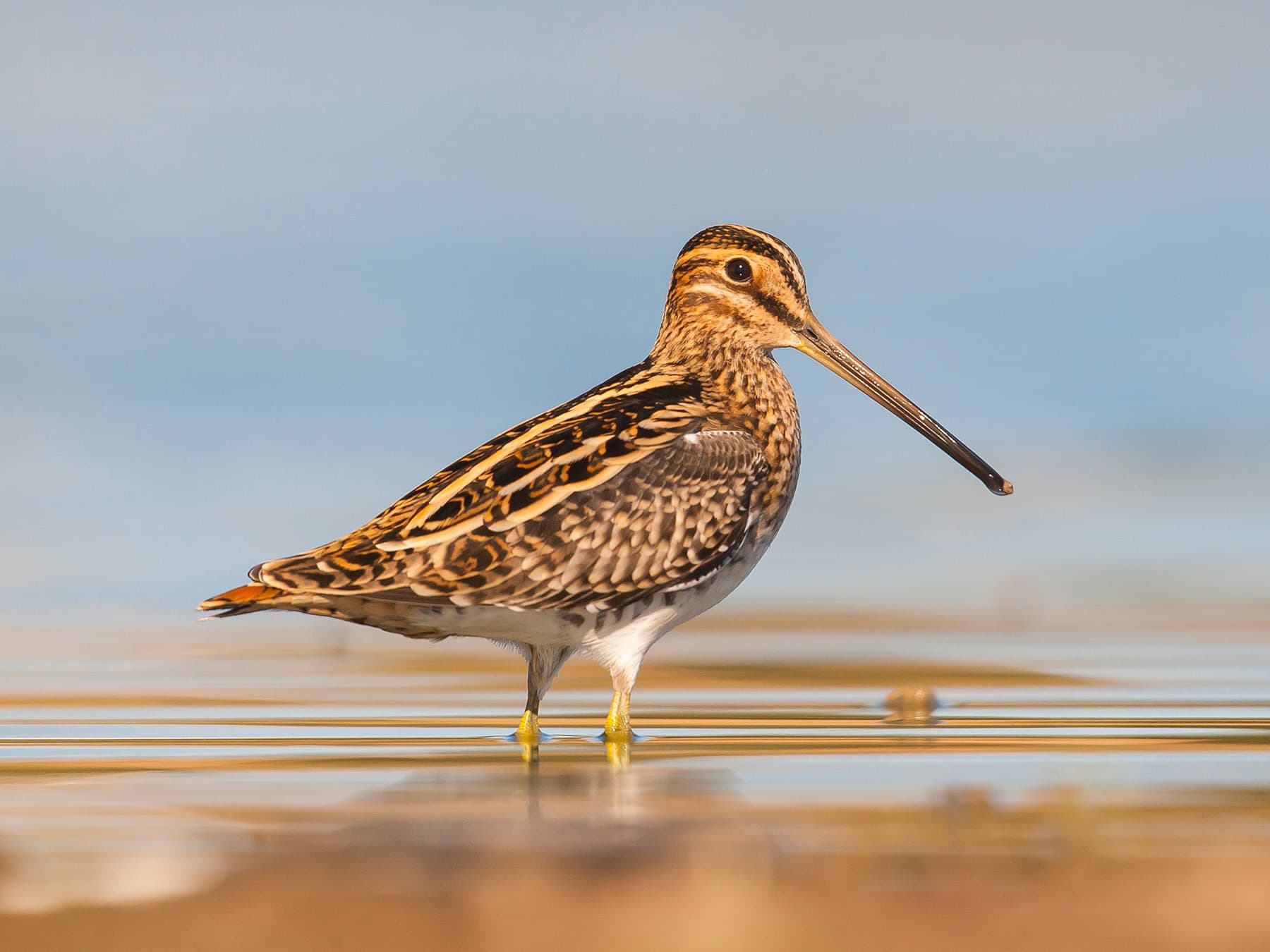
Common Snipe
Gallinago gallinagoLC
An uncommon resident of wet grasslands and marshes, most easily seen in winter when numbers are boosted by continental migrants.
Jul–May
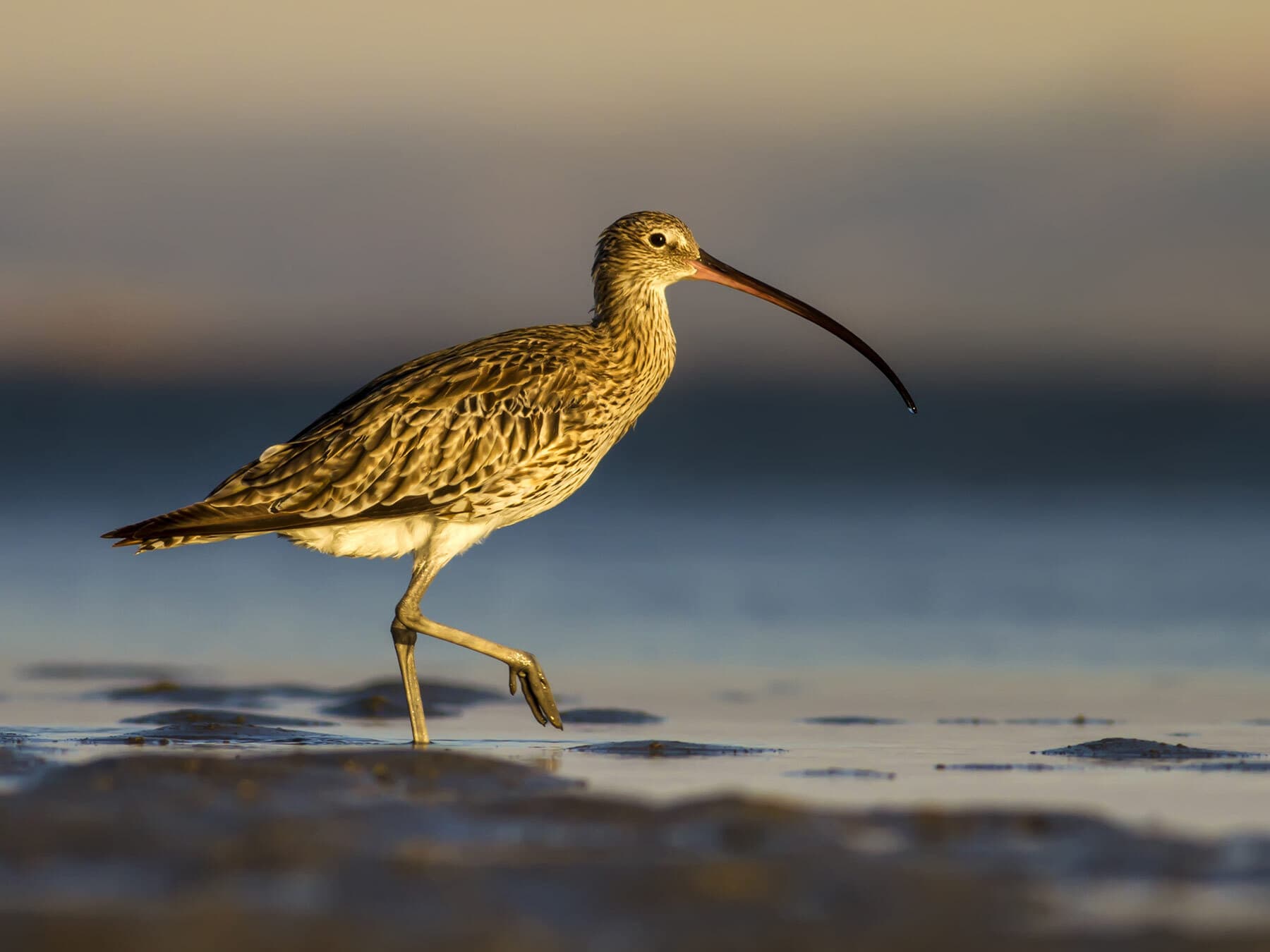
Curlew
Numenius arquataNT
An uncommon resident found on coastal marshes and the Pevensey Levels year-round. Numbers have declined as a breeding bird in the region.
Year-round
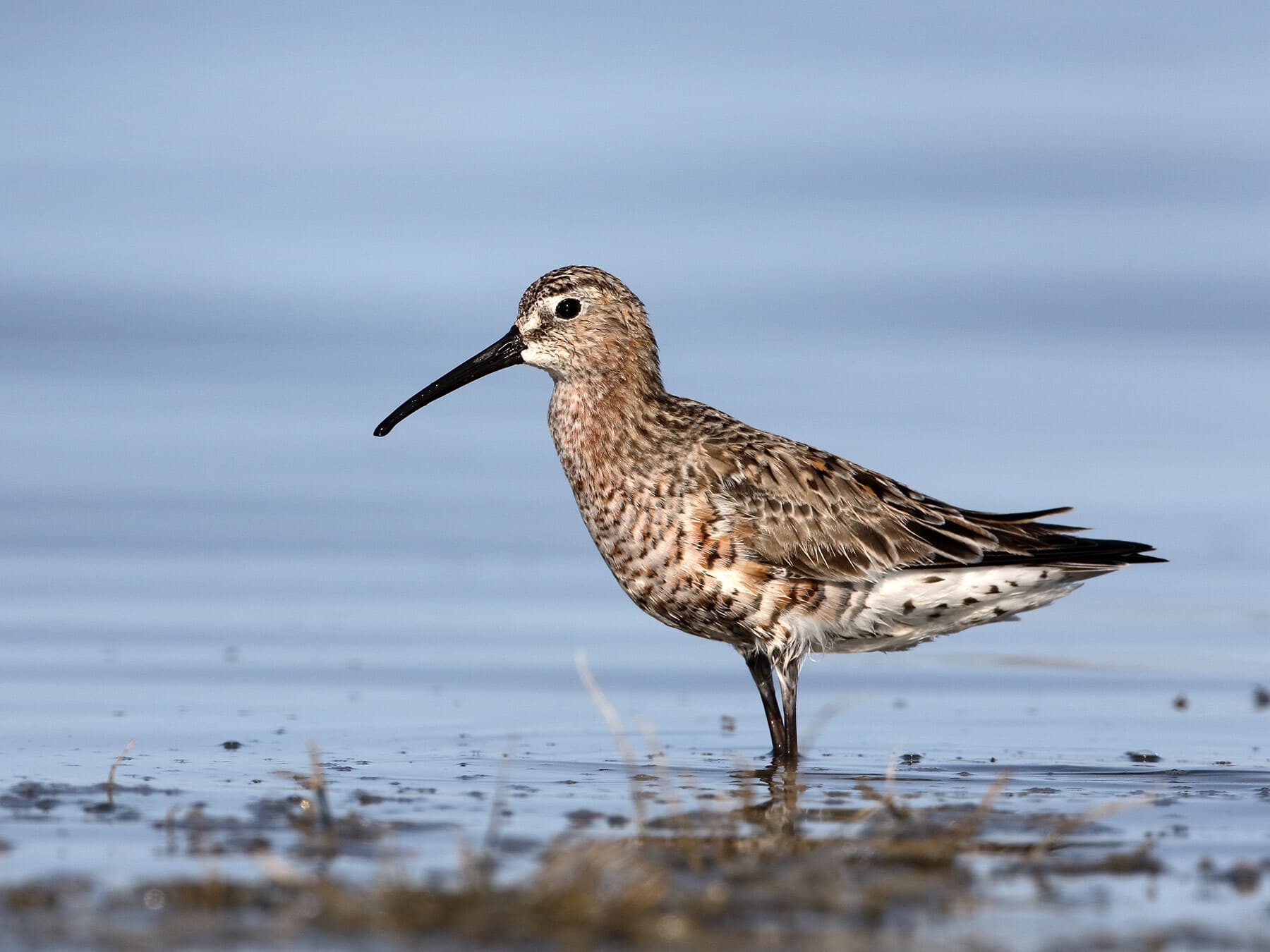
Curlew Sandpiper
Calidris ferrugineaNT
A rare but annual autumn passage migrant, typically seen on coastal scrapes from July to September, often alongside Dunlin.
Jul–Sep
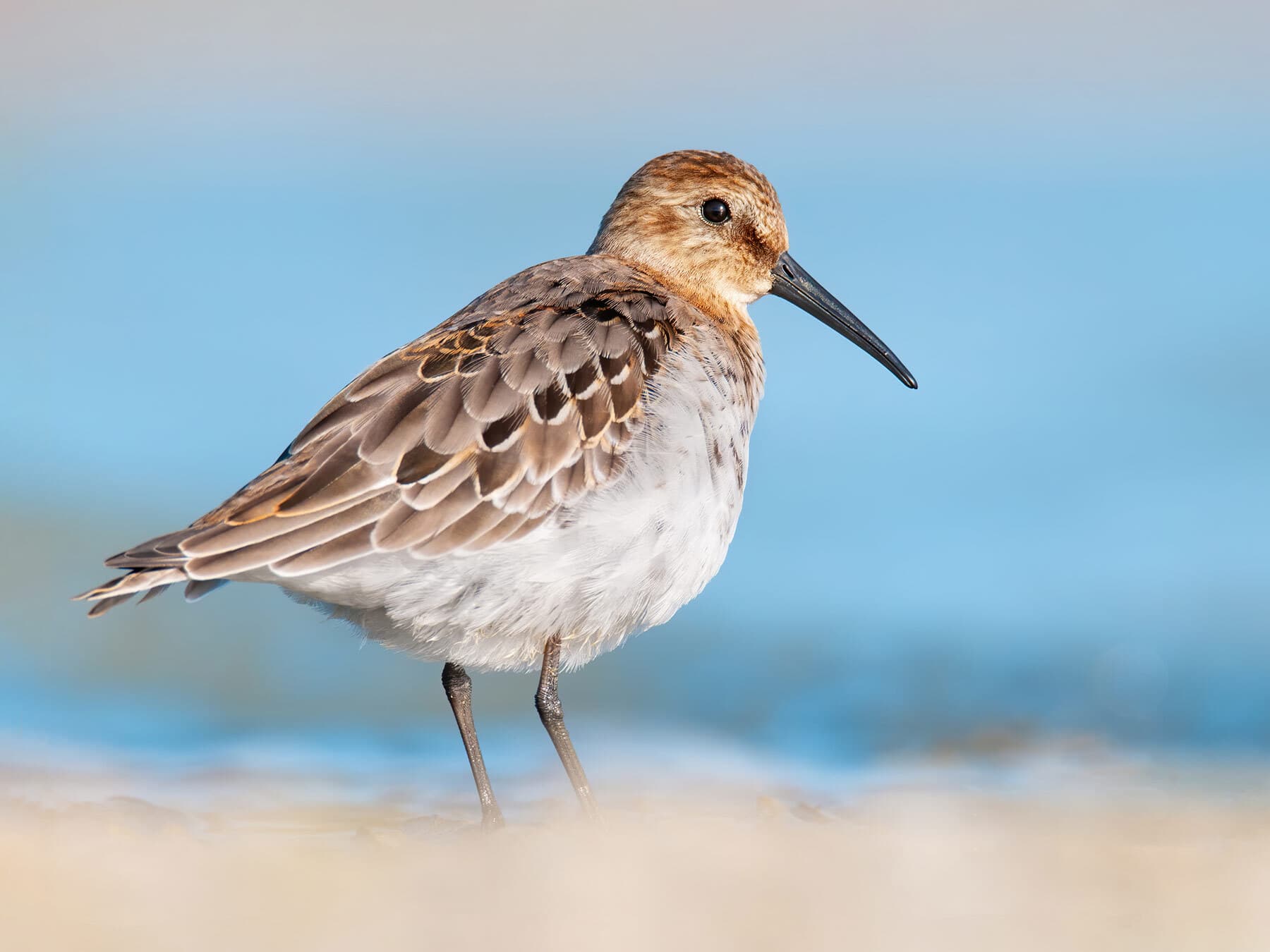
Dunlin
Calidris alpinaLC
Found on mudflats and coastal lagoons year-round, with numbers boosted in winter. Pevensey Levels and Rye Harbour are key sites.
Year-round
Spotted something?
Upload a photo to identify it
Identify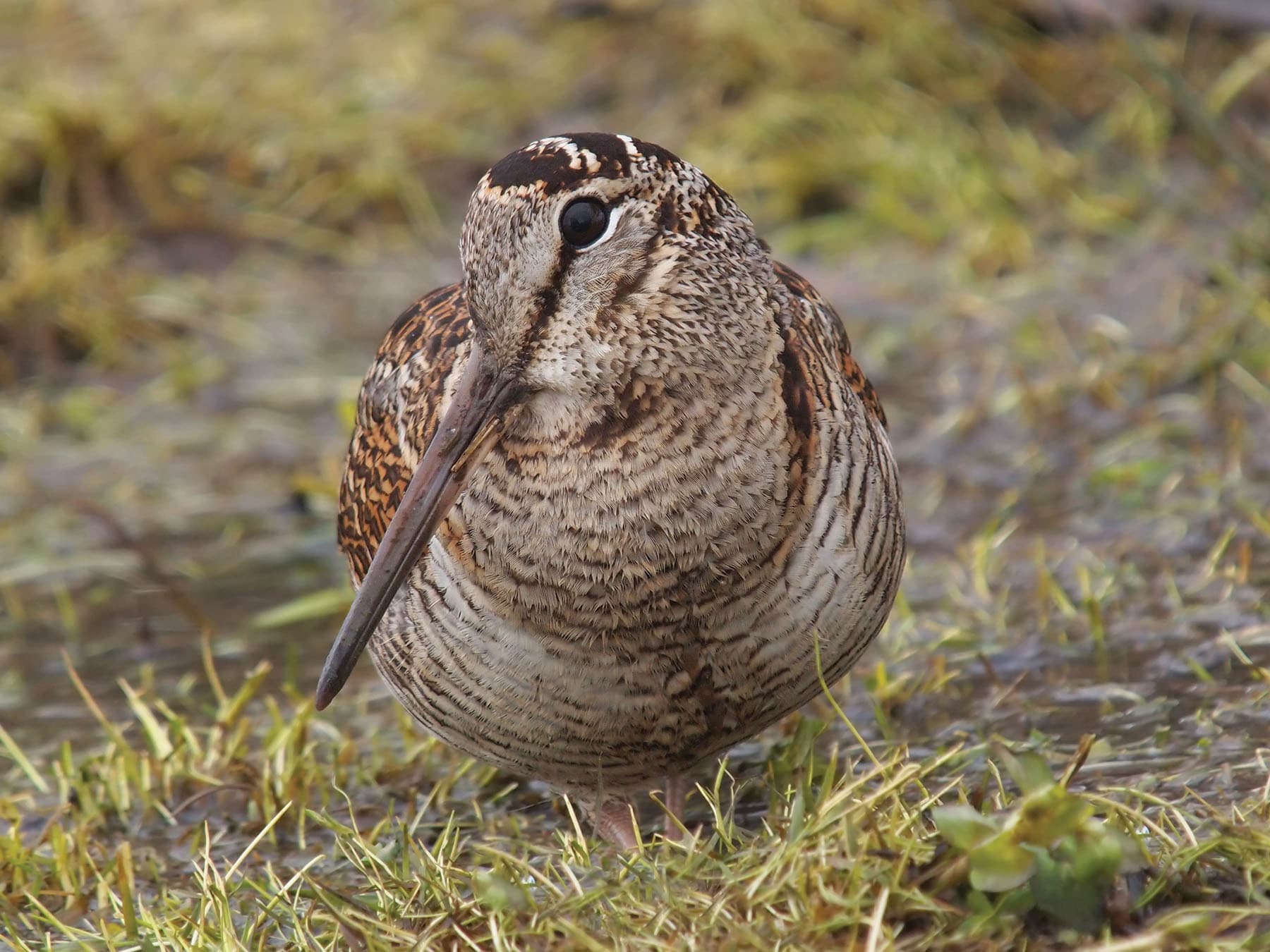
Eurasian Woodcock
Scolopax rusticolaLC
A secretive resident of damp woodland, most often flushed unexpectedly in winter. Breeds in small numbers in the county's larger woodlands.
Jan–Jun
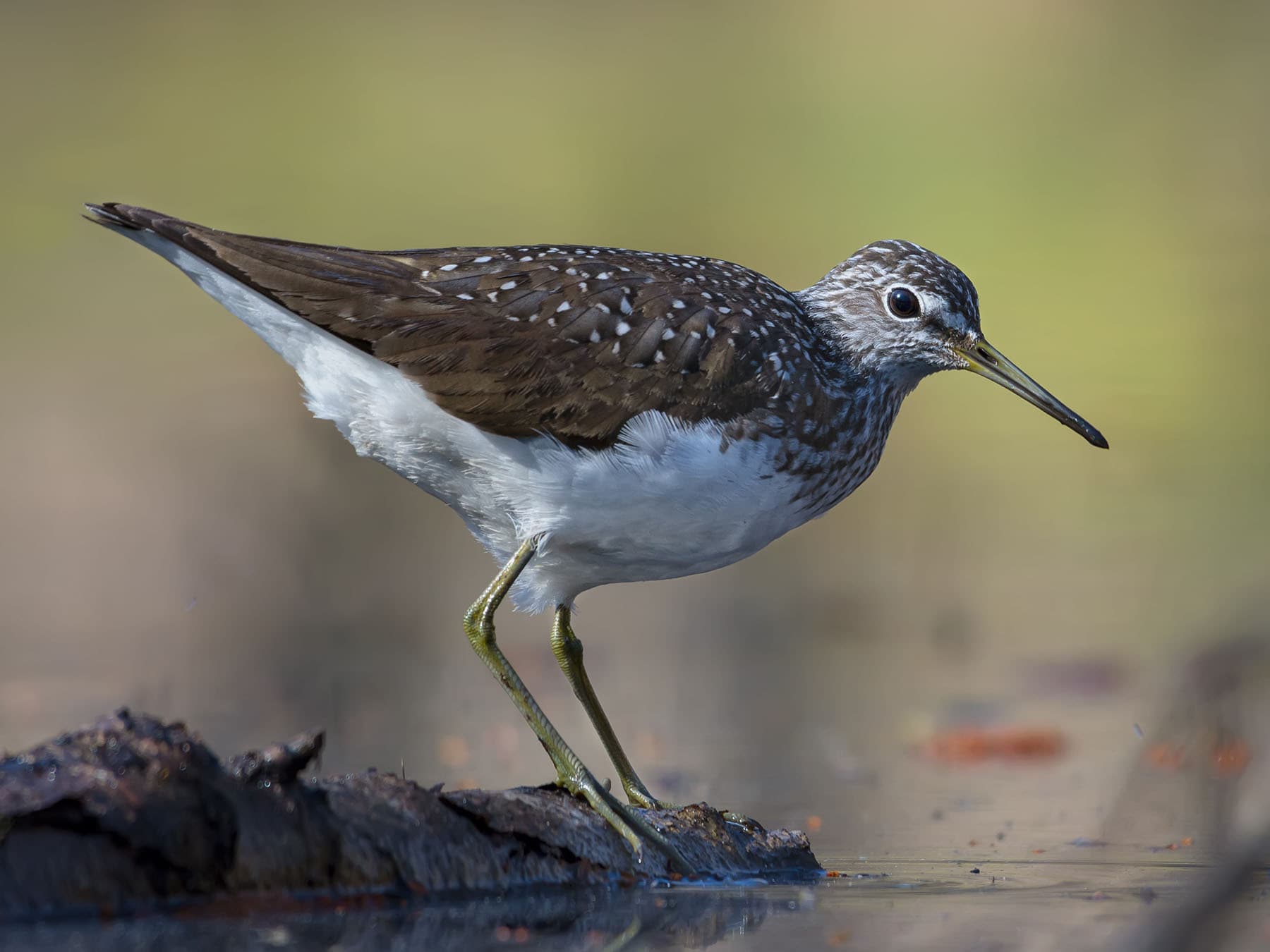
Green Sandpiper
Tringa ochropusLC
A rare but near year-round visitor to ditches, streams and watercress beds. Often detected by its sharp call as it flies up from cover.
Jun–Apr
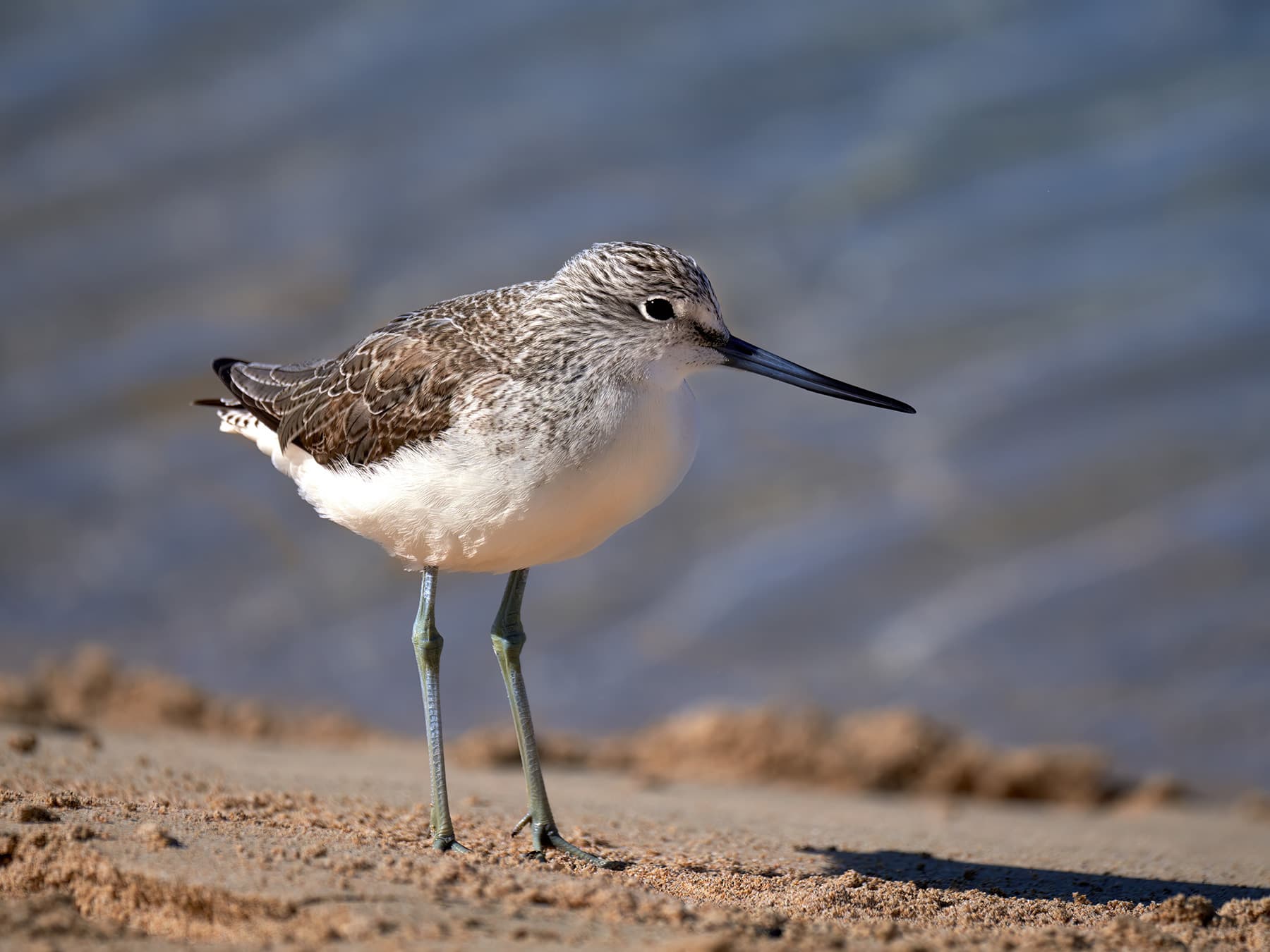
Greenshank
Tringa nebulariaLC
An uncommon visitor mainly on passage and in autumn, frequenting coastal pools and estuaries. Its ringing call often draws attention at Cuckmere Haven.
Apr–Nov
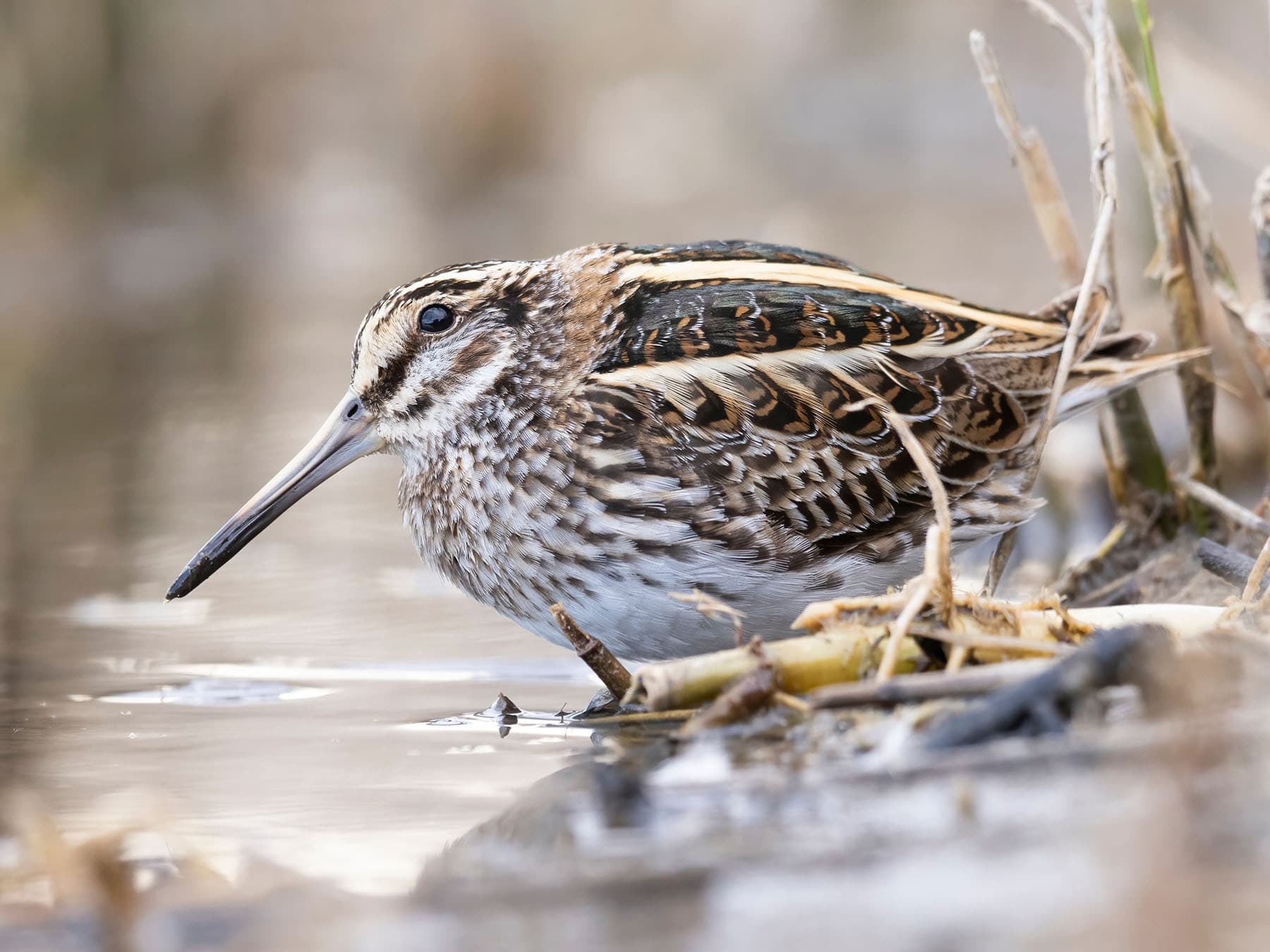
Jack Snipe
Lymnocryptes minimusLC
A rare and secretive passage visitor, most likely flushed from boggy margins in March. Easily overlooked due to its reluctance to fly.
Mar
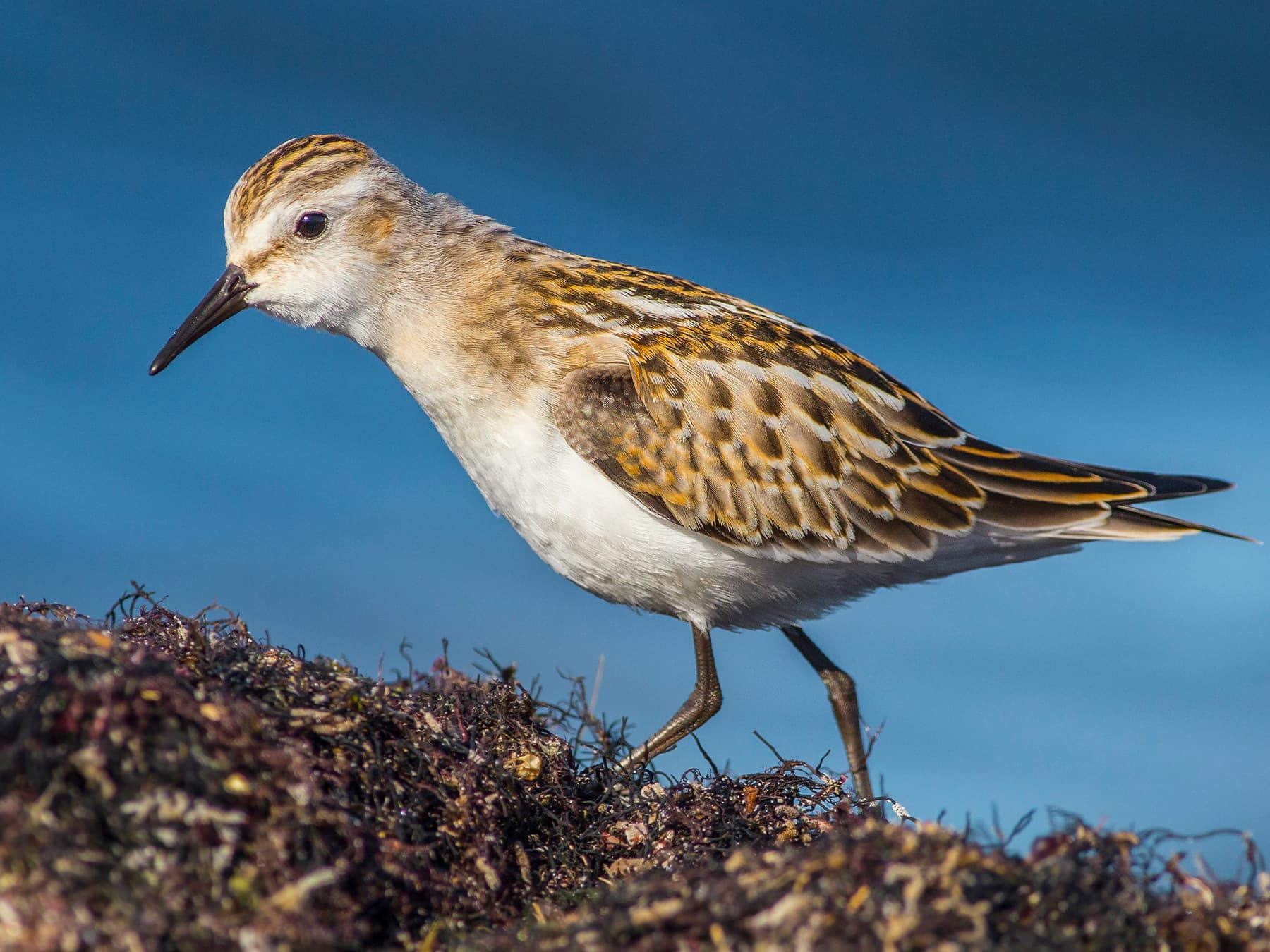
Little Stint
Calidris minutaLC
A rare autumn passage migrant, appearing briefly on coastal scrapes and pools from August to October. Rye Harbour is the most reliable site.
Aug–Oct
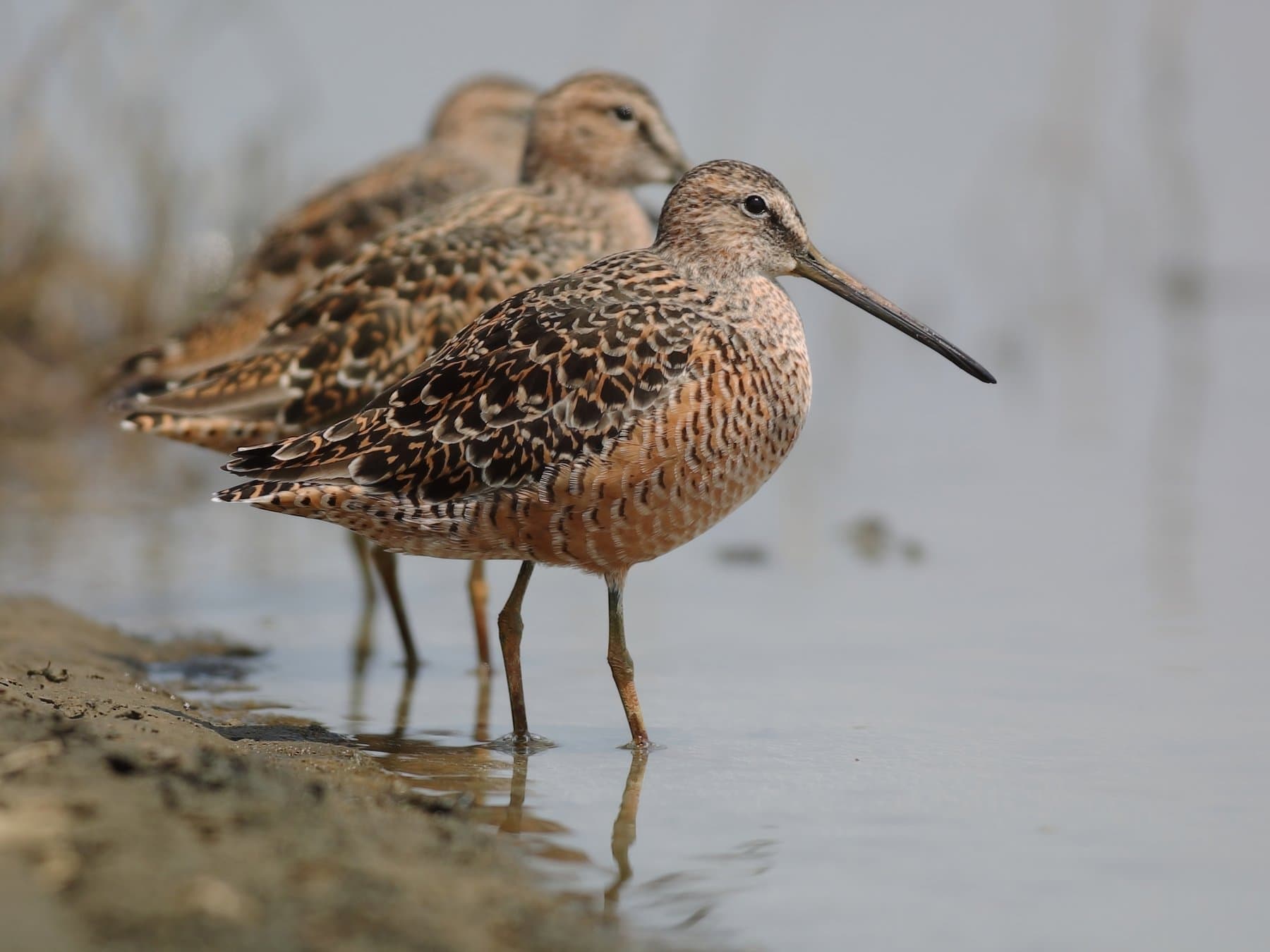
Long-billed Dowitcher
Limnodromus scolopaceusNT
A rare Nearctic vagrant occasionally recorded at coastal pools and marshes, mainly in autumn. A prized find for local birders.
Oct–Jan
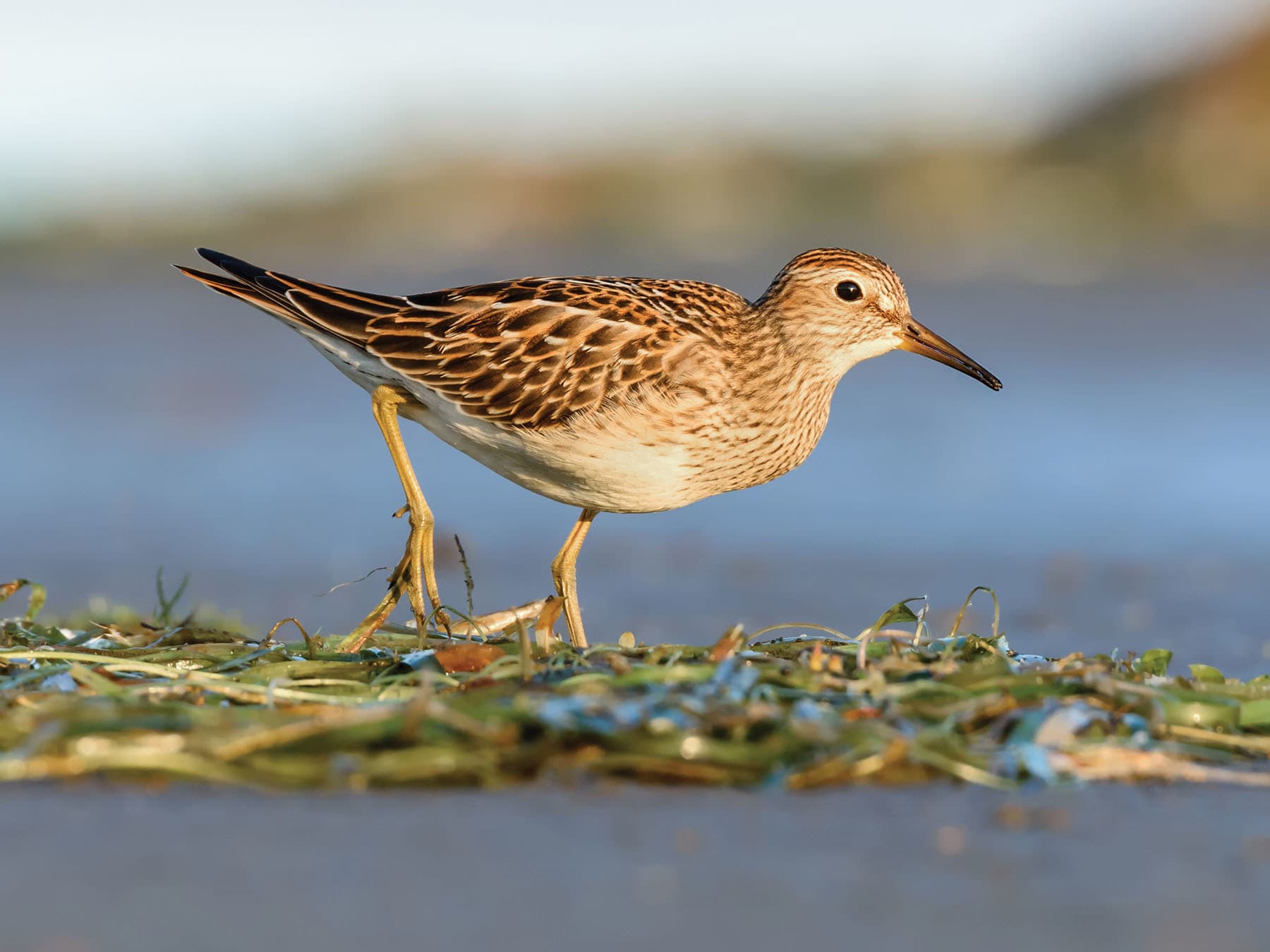
Pectoral Sandpiper
Calidris melanotosLC
A rare transatlantic vagrant, occasionally turning up at coastal pools in August. Most records come from sites like Pett Level or the Cuckmere.
Aug
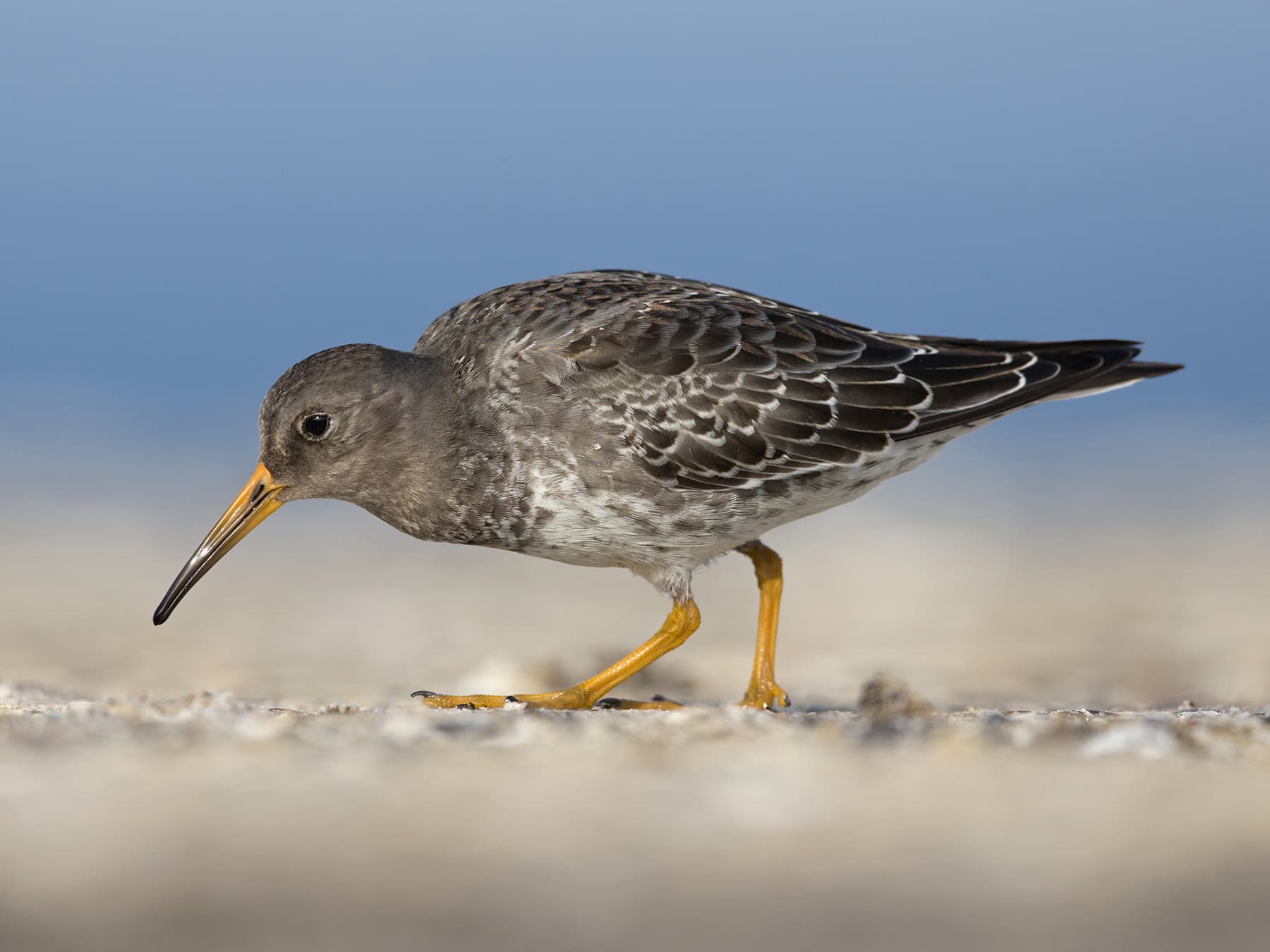
Purple Sandpiper
Calidris maritimaLC
A rare winter visitor favouring rocky groynes and harbour walls along the coast. Most reliably seen from November to March.
Nov–Mar
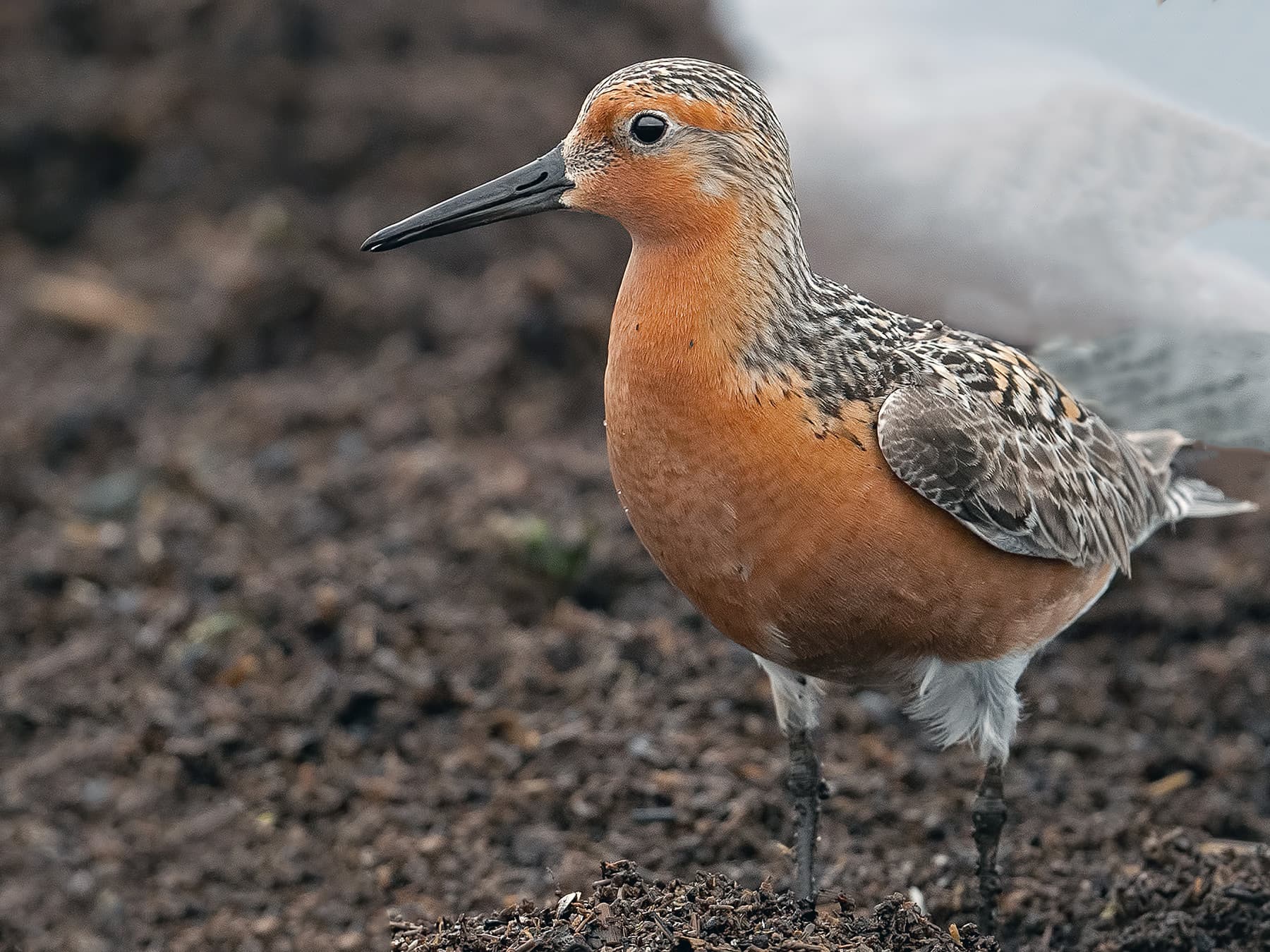
Red Knot
Calidris canutusNT
A rare visitor to mudflats and coastal lagoons, present mainly in winter and on passage. Small flocks occasionally visit Rye Harbour.
Aug–May
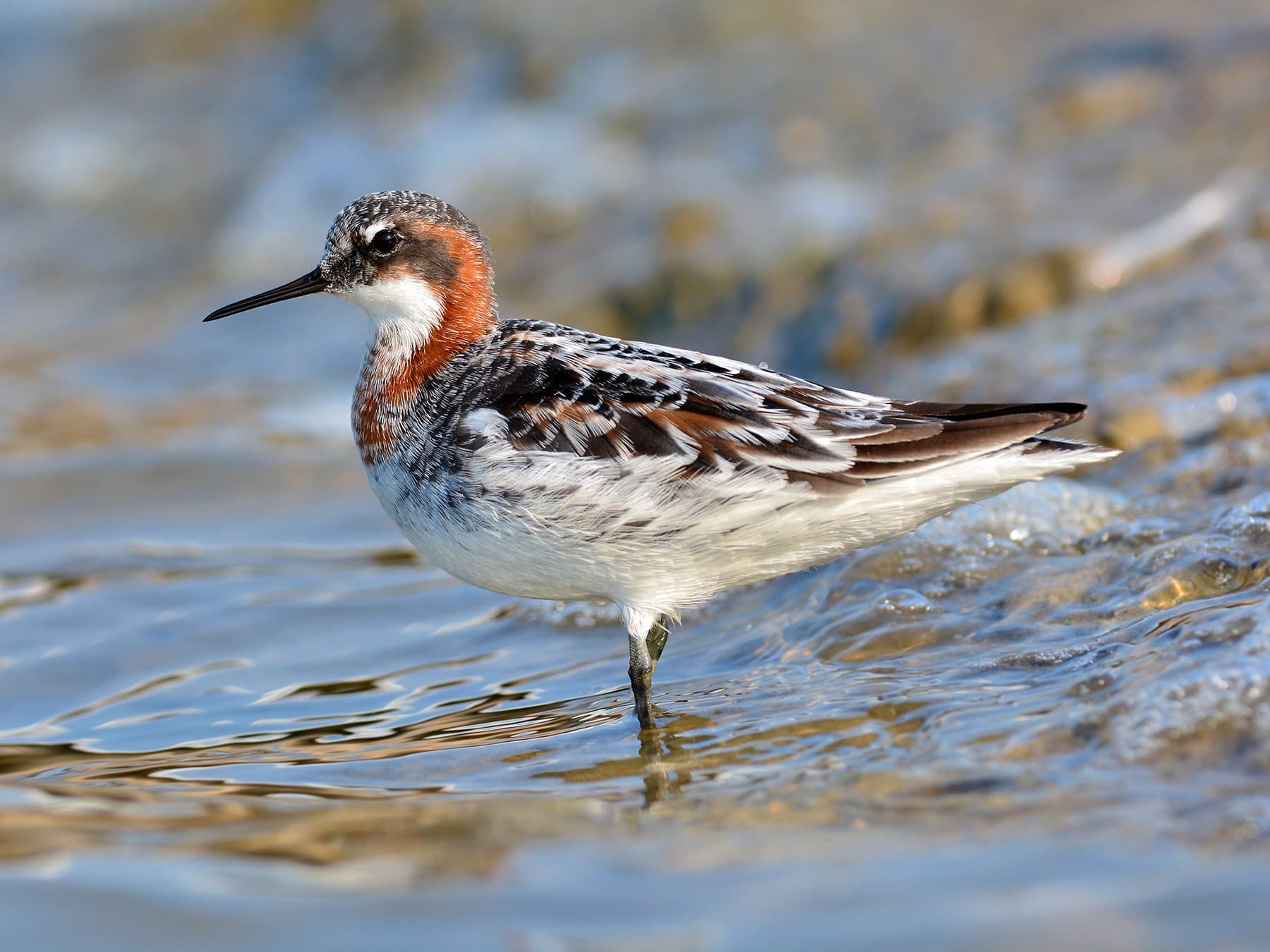
Red-necked Phalarope
Phalaropus lobatusLC
A rare autumn passage migrant, occasionally seen spinning on pools at coastal reserves such as Rye Harbour in September.
Sep
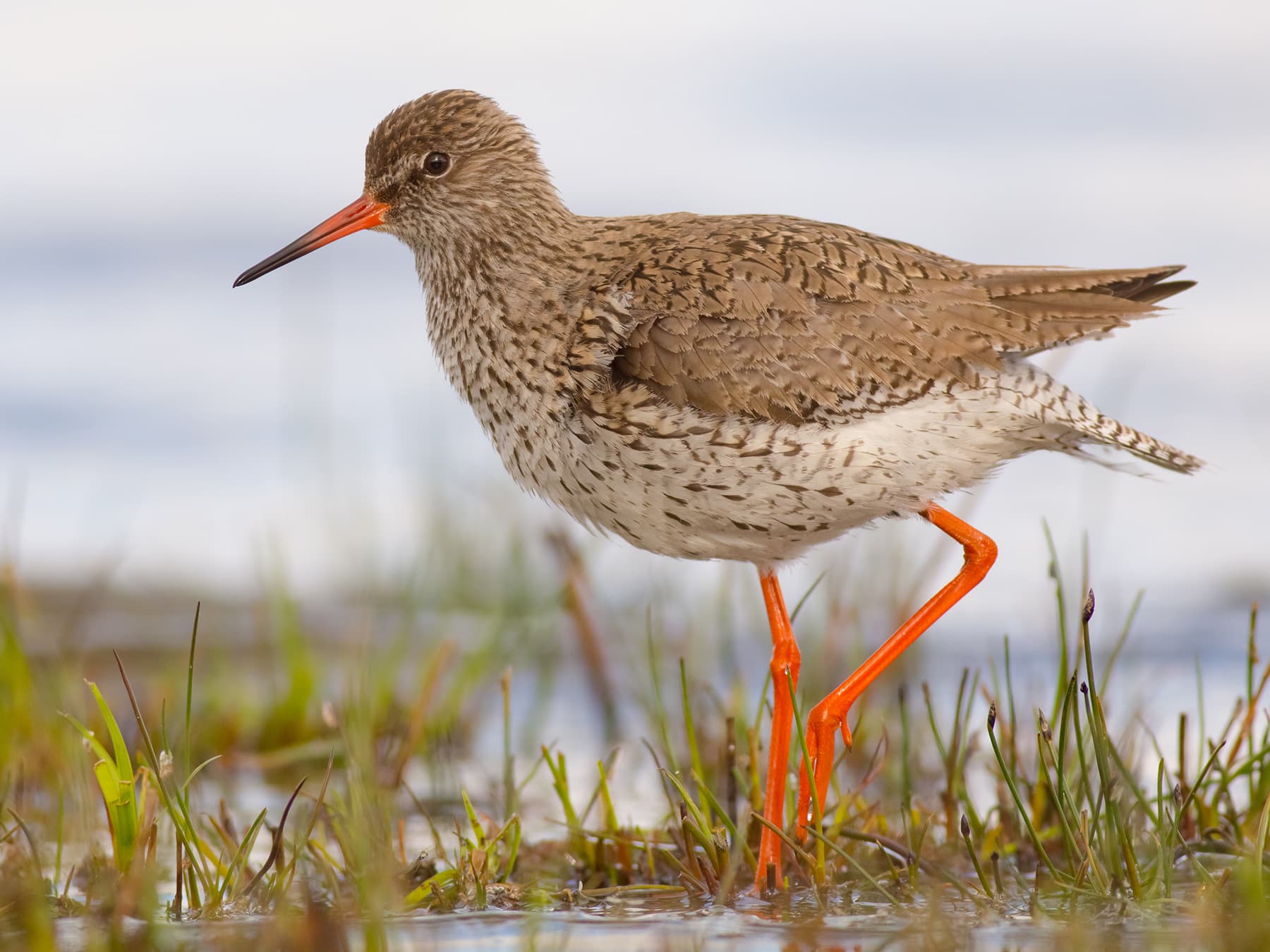
Redshank
Tringa totanusLC
An uncommon resident of coastal marshes and estuaries, breeding on grazing levels. Its loud piping call is characteristic of the Pevensey Levels.
Year-round
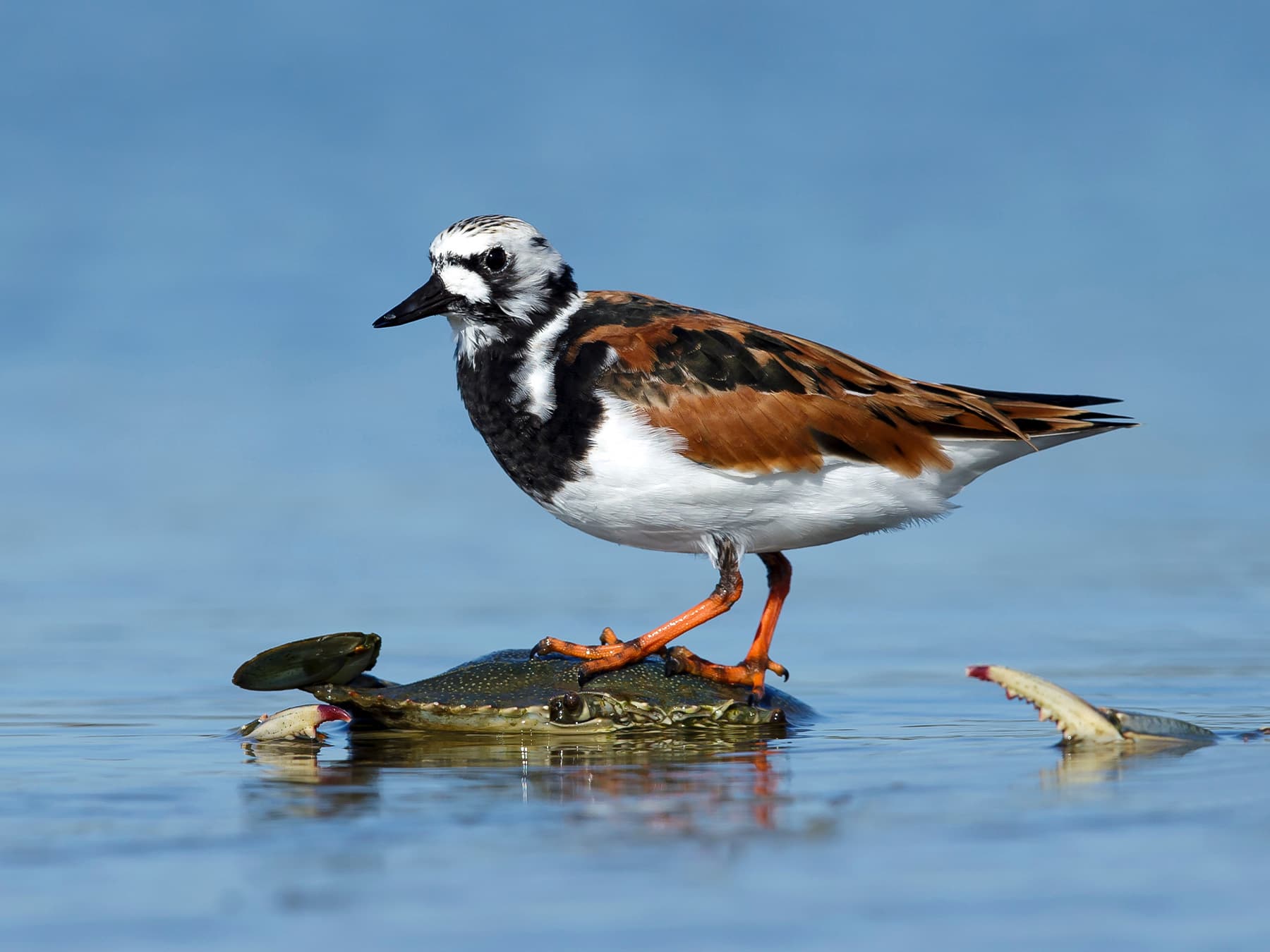
Ruddy Turnstone
Arenaria interpresLC
Forages along rocky shorelines and groynes, flipping stones for invertebrates. Present year-round but uncommon, favouring the coast at sites like Rye Harbour.
Year-round
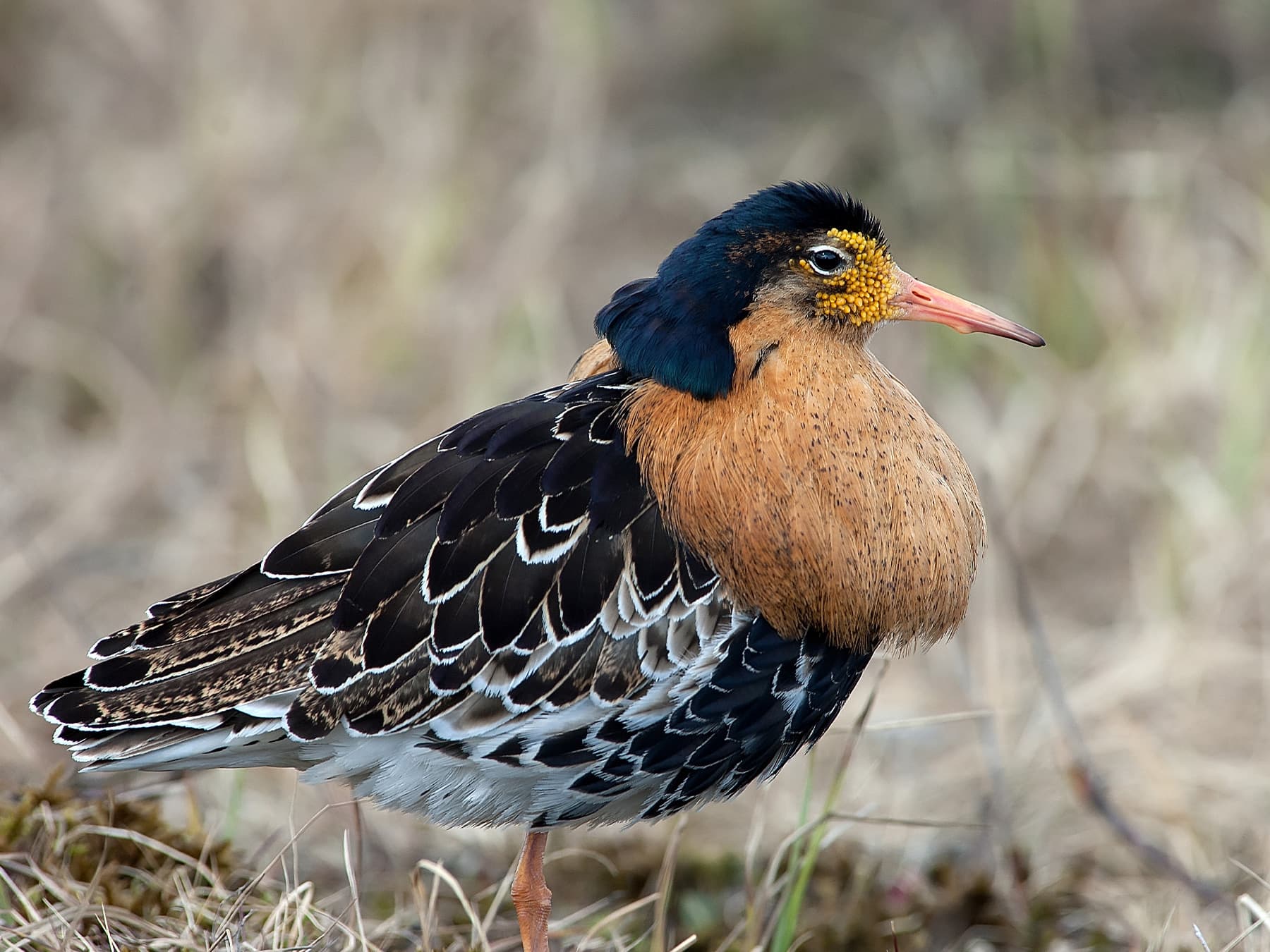
Ruff
Philomachus pugnaxLC
A rare wader found at coastal pools and marshes, most often seen on autumn passage. Breeding males sport extraordinary ruffs, but most sightings here involve plainer birds.
Jul–Apr
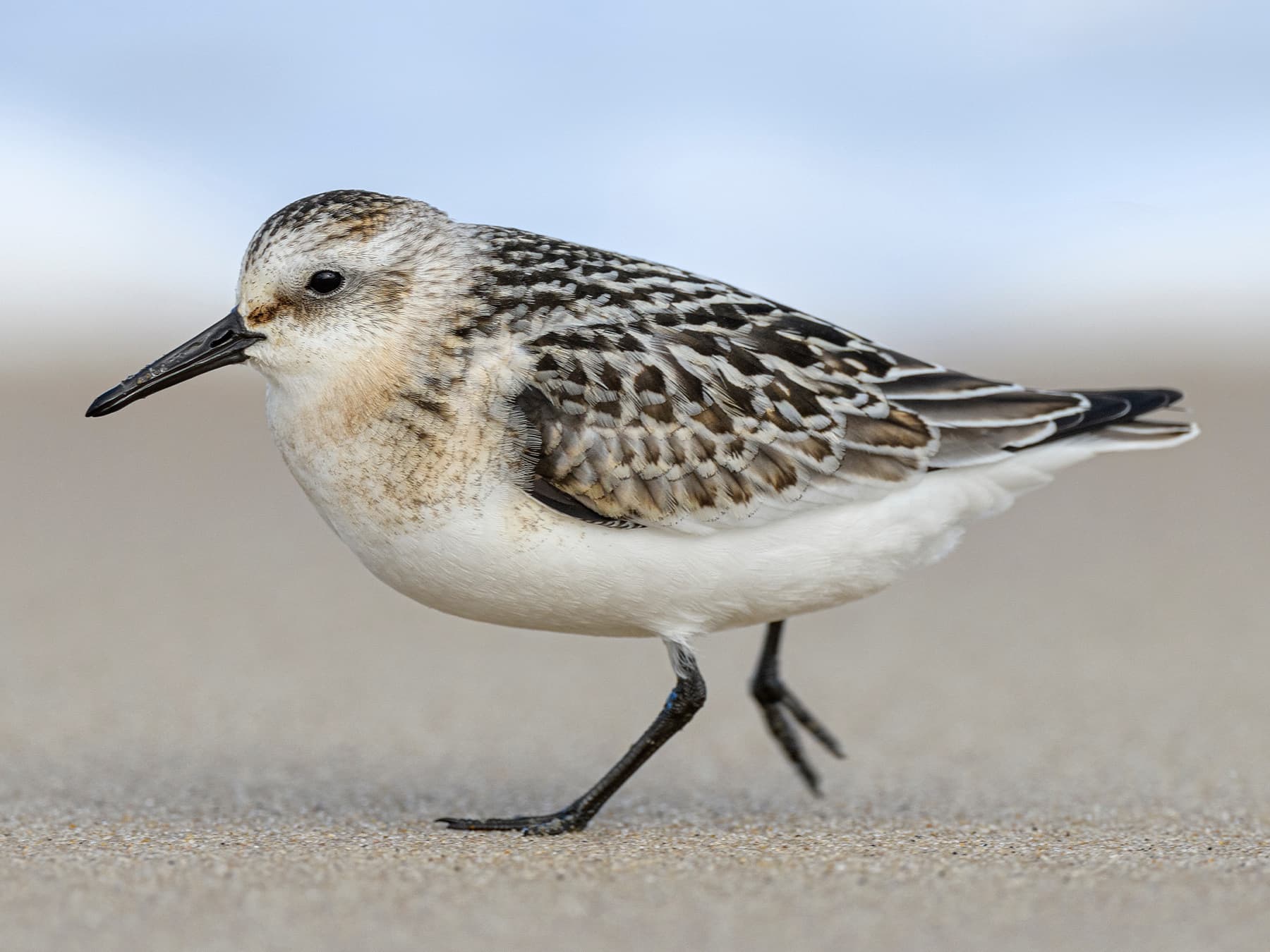
Sanderling
Calidris albaLC
Scarce along East Sussex's shingle and sandy shores, mainly seen in winter and on passage. Runs energetically at the tide edge, often in small flocks.
Aug–May
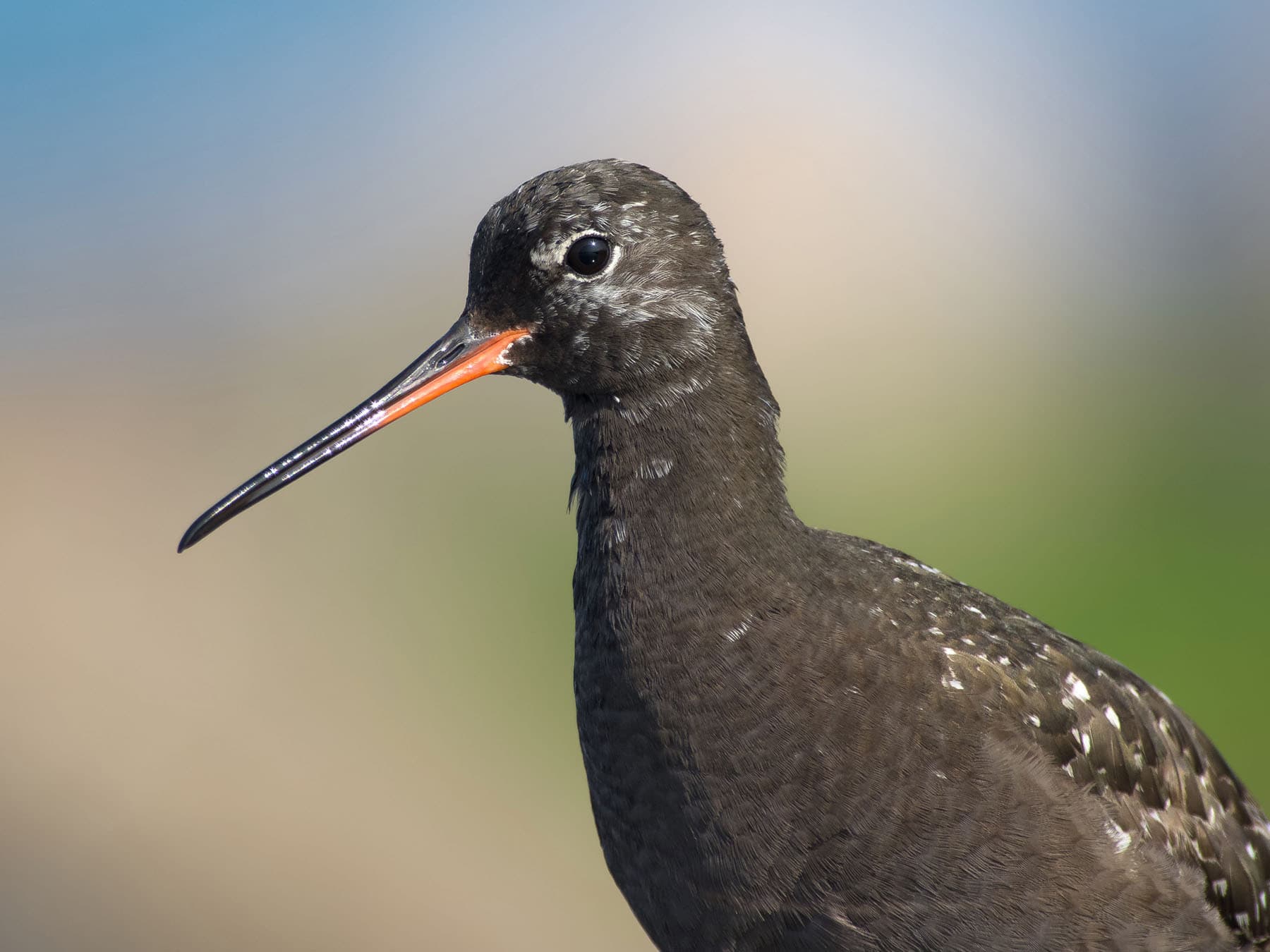
Spotted Redshank
Tringa erythropusLC
A rare non-breeding visitor to sheltered estuaries and coastal pools. Most often seen at Rye Harbour or Pagham-area marshes.
Aug–Apr