Sandpipers & Snipes in Durham
22 species matching this filter.
Durham's diverse coastal, estuarine, and upland habitats support an impressive 22 species from the Sandpipers & Snipes family. From the haunting call of the Curlew across the county's moorlands to flocks of Dunlin and Bar-tailed Godwit feeding along the Durham Heritage Coast, this group of wading birds is well represented throughout the seasons. Notable species such as Eurasian Woodcock, Common Snipe, and scarcer passage visitors like Curlew Sandpiper and Greenshank make Durham a rewarding destination for wader enthusiasts.


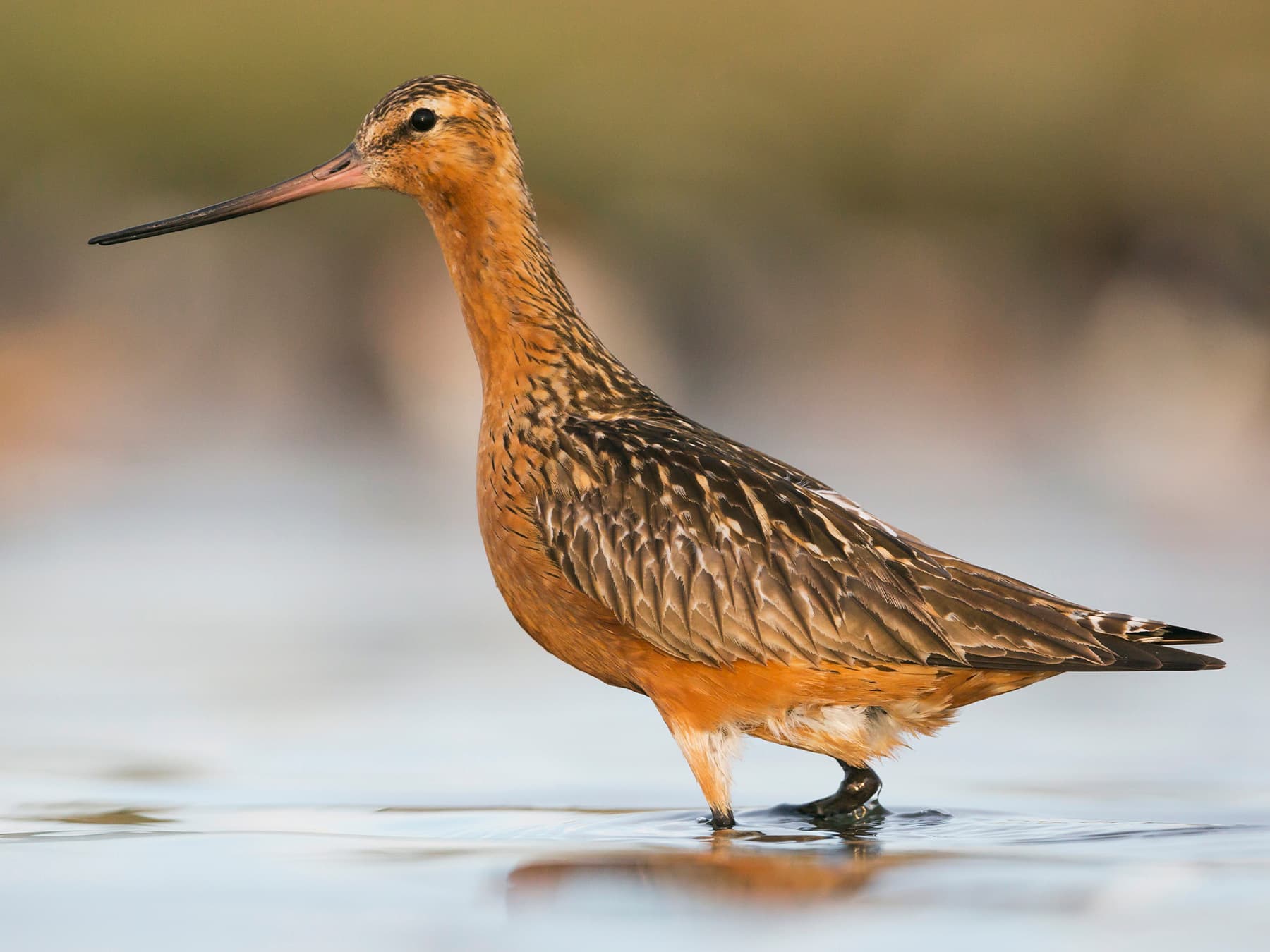
Bar-tailed Godwit
Limosa lapponicaNT
A rare non-breeding visitor to the Durham coast, mainly seen on passage at estuaries and rocky shores outside the summer months.
Jul–Mar
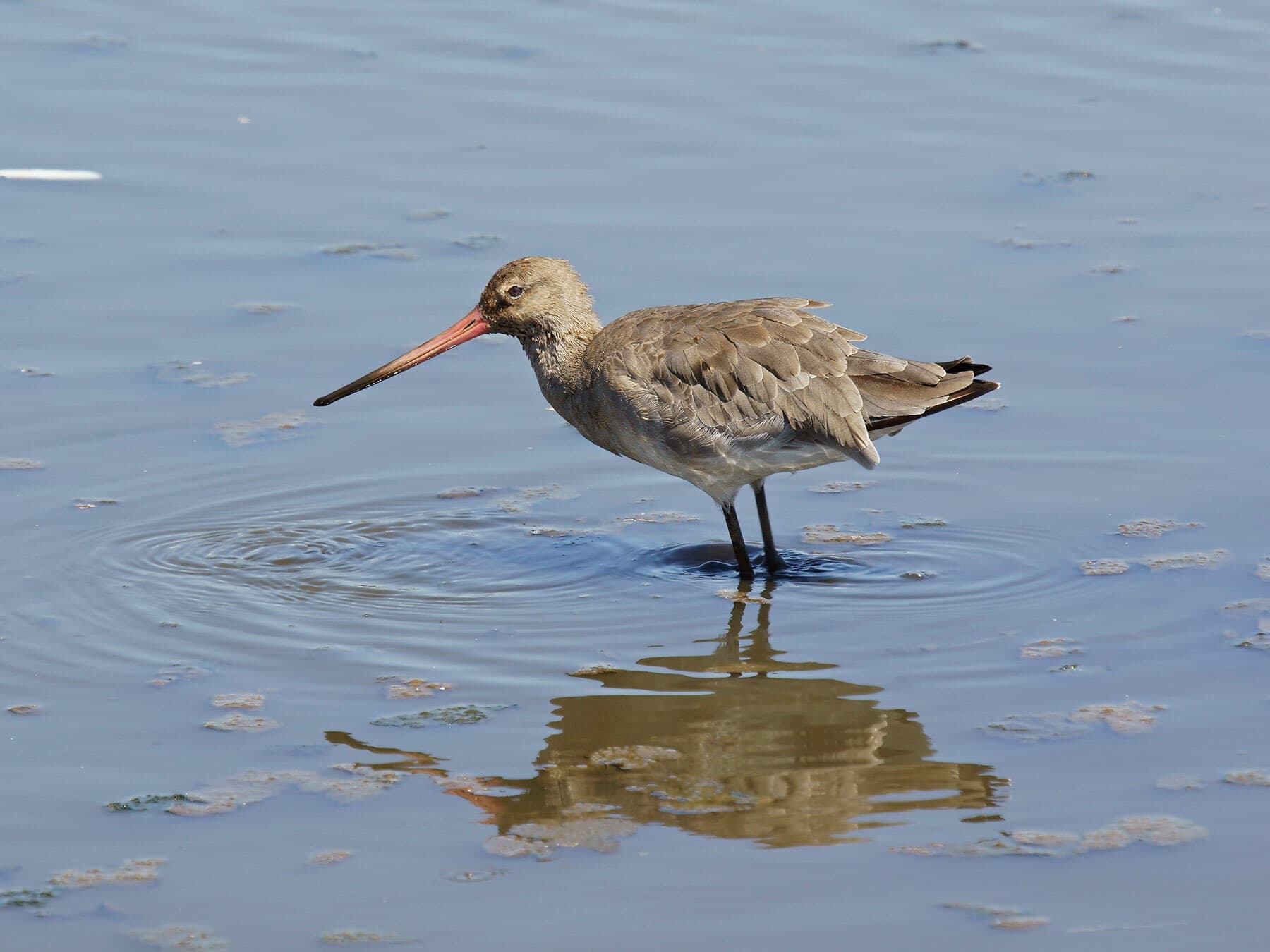
Black-tailed Godwit
Limosa limosaNT
A rare year-round visitor to Durham's wetlands and coastal mudflats. Numbers have increased nationally but sightings here remain scarce.
Jun–Apr
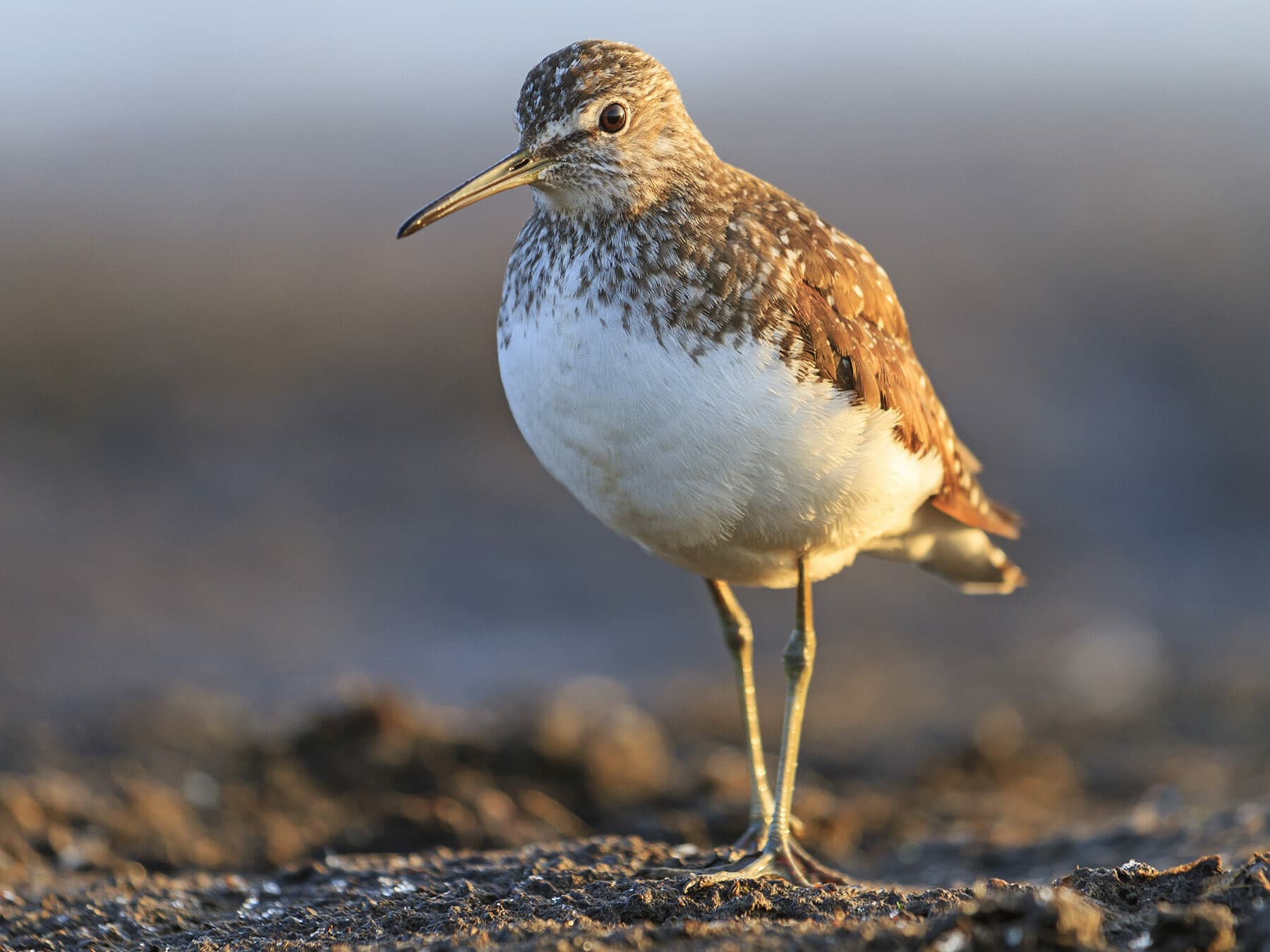
Common Sandpiper
Actitis hypoleucosLC
An uncommon summer breeder along Durham's rivers and reservoirs from April to September. Bobs constantly on waterside rocks and stones.
Apr–Sep
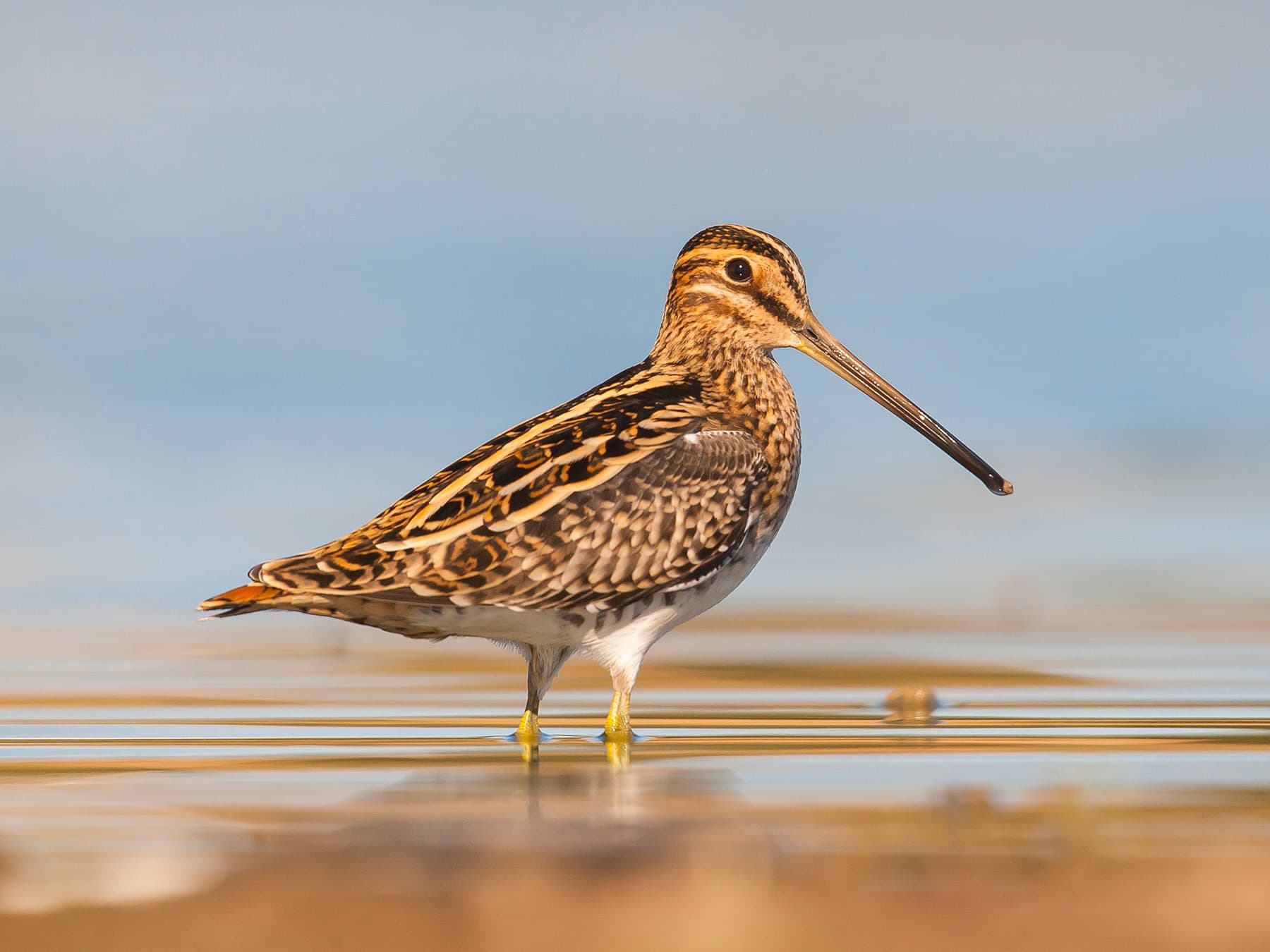
Common Snipe
Gallinago gallinagoLC
A scarce year-round resident of boggy moorland and wet meadows. Its drumming display in spring is heard on Durham's uplands but declining breeding numbers.
Year-round
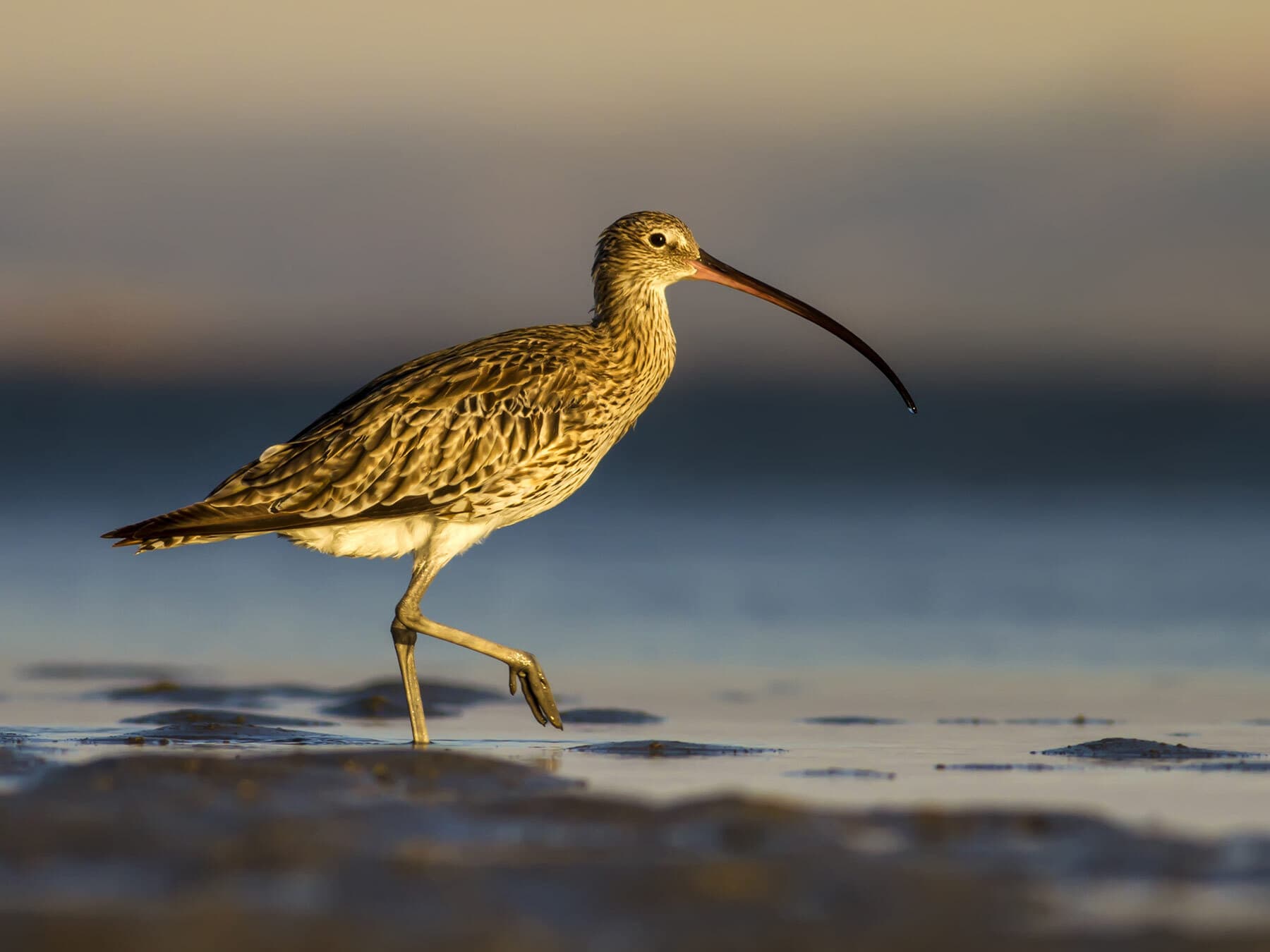
Curlew
Numenius arquataNT
A common resident breeding on Durham's upland moors and rough pastures. Its evocative bubbling call is a defining sound of the county's moorlands.
Year-round
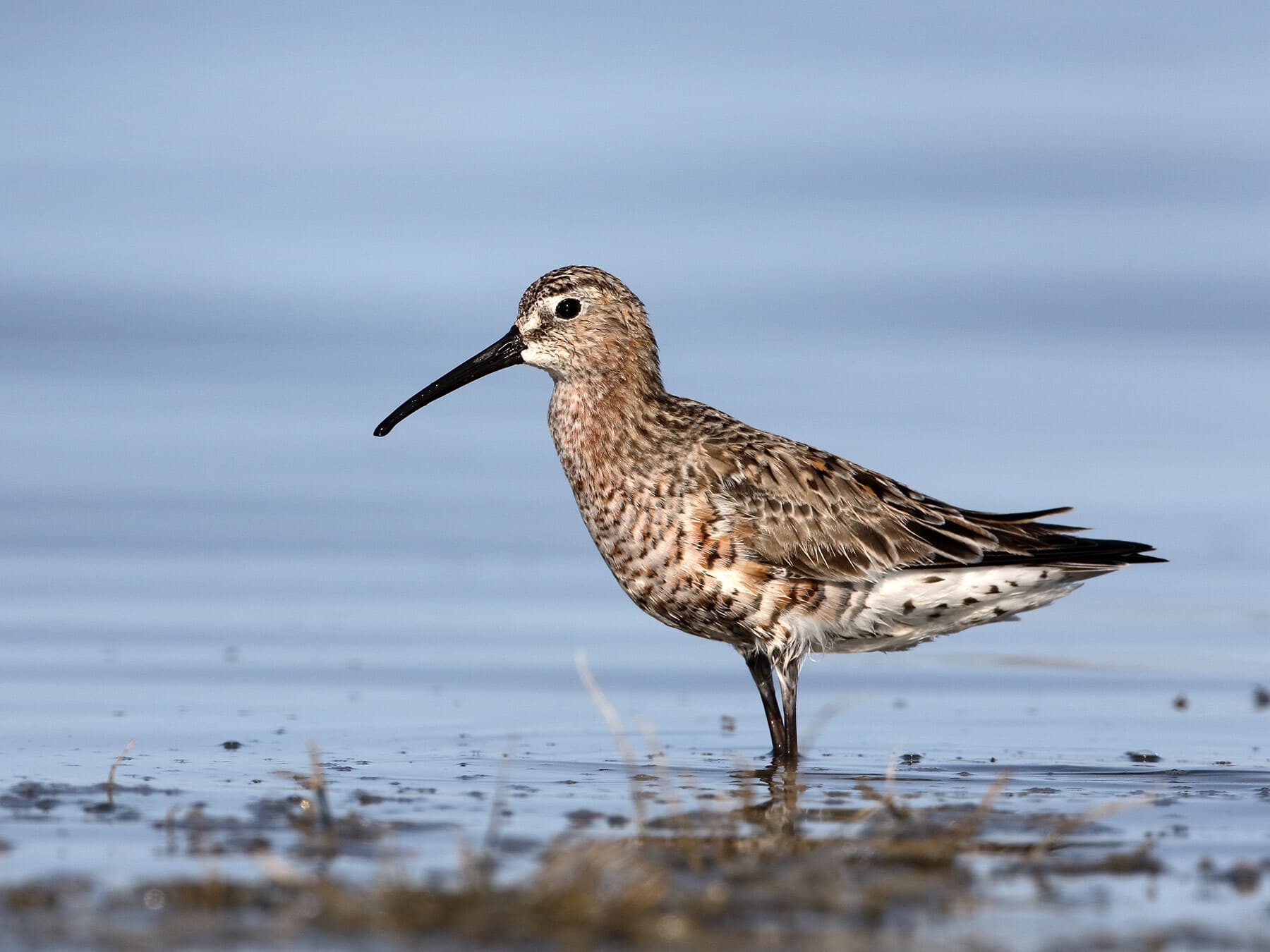
Curlew Sandpiper
Calidris ferrugineaNT
A rare autumn passage migrant, typically appearing at coastal pools and mudflats in August–September. Often found feeding alongside Dunlin.
Aug–Sep
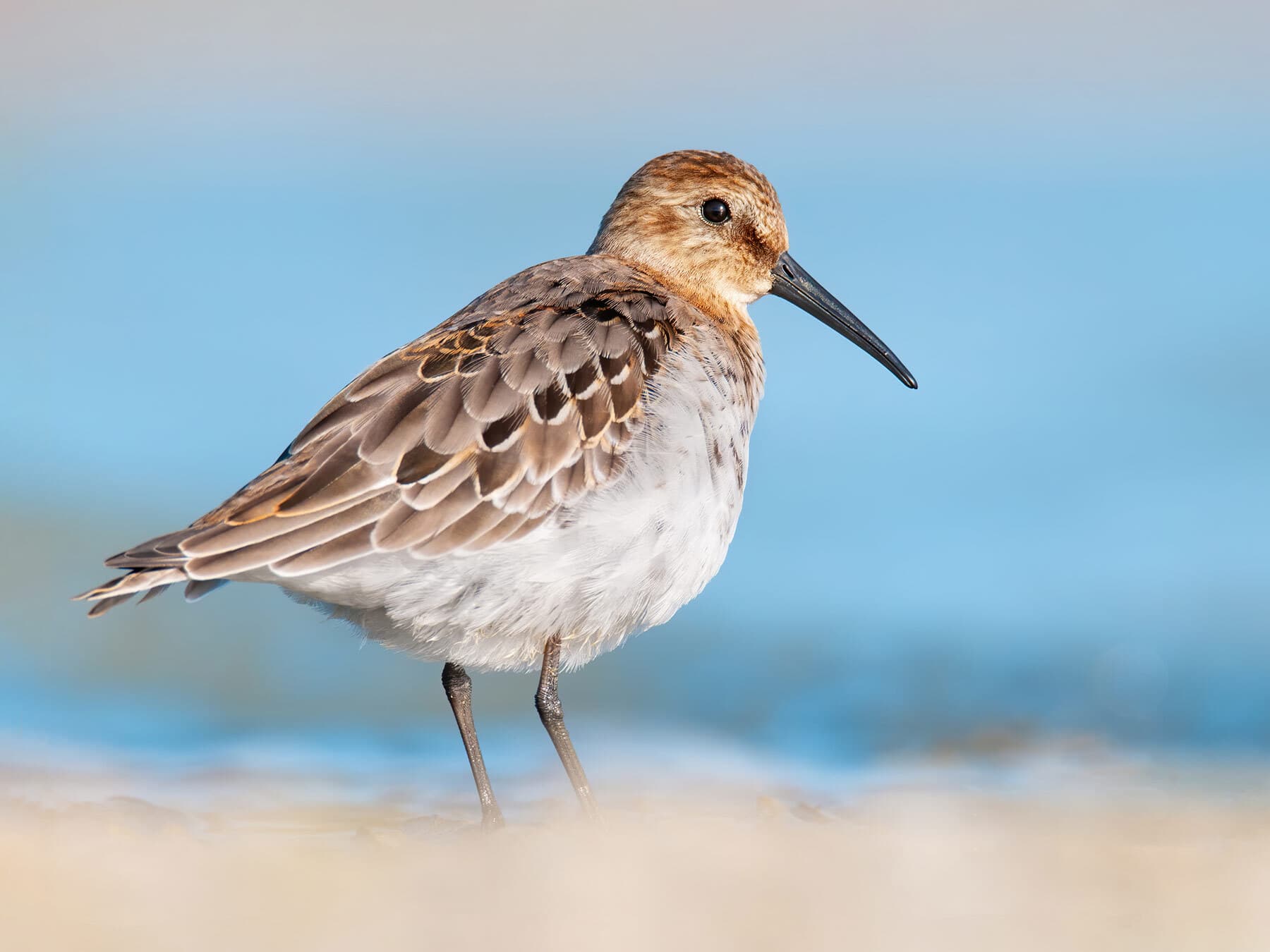
Dunlin
Calidris alpinaLC
An uncommon year-round resident found on coastal mudflats and upland moorland breeding sites. Numbers peak in autumn with passage birds.
Year-round
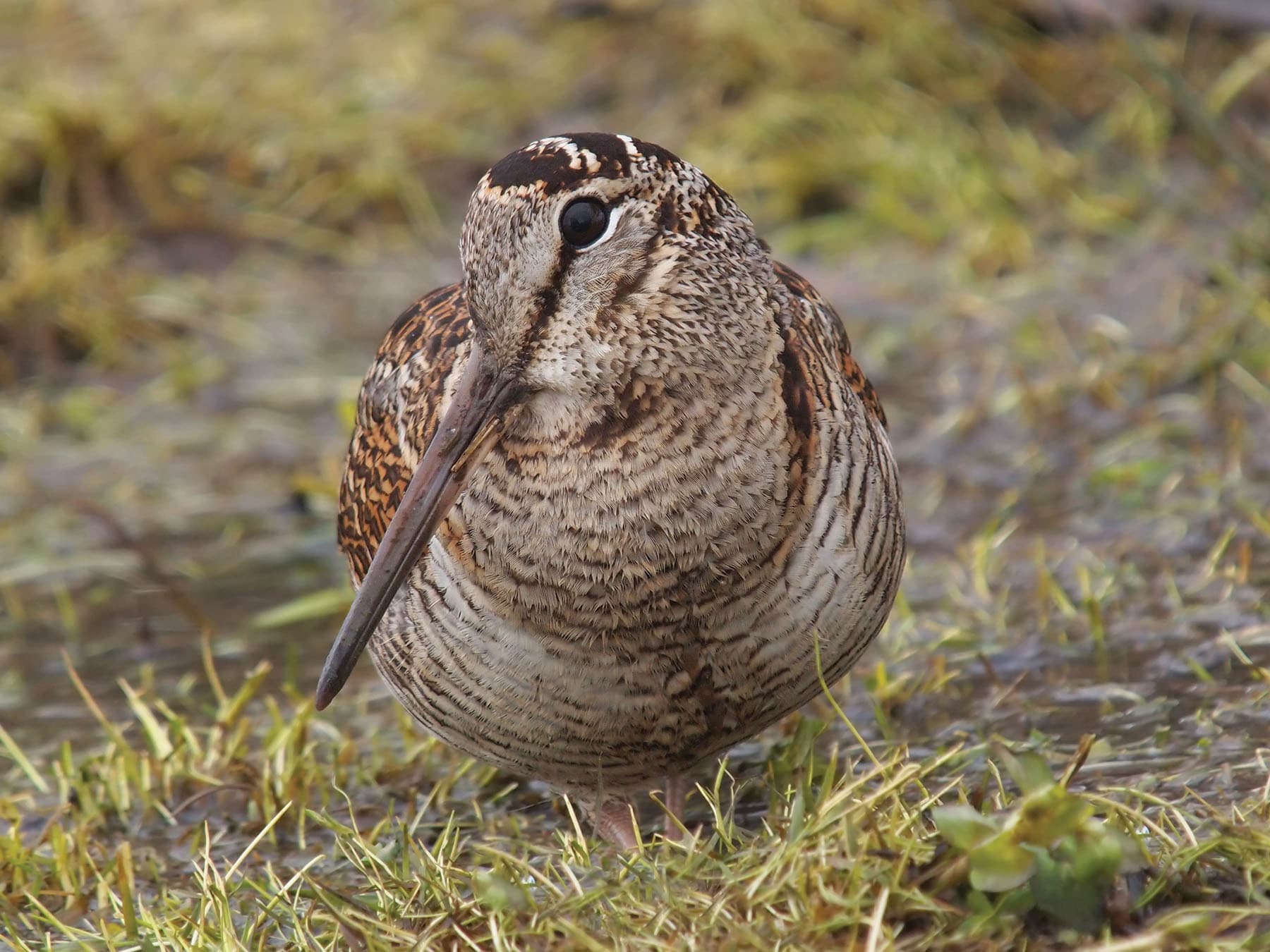
Eurasian Woodcock
Scolopax rusticolaLC
A scarce resident of Durham's mature woodlands, most often seen during its roding display flights at dusk in spring. Winter numbers boosted by continental arrivals.
Oct–Jun
Spotted something?
Upload a photo to identify it
Identify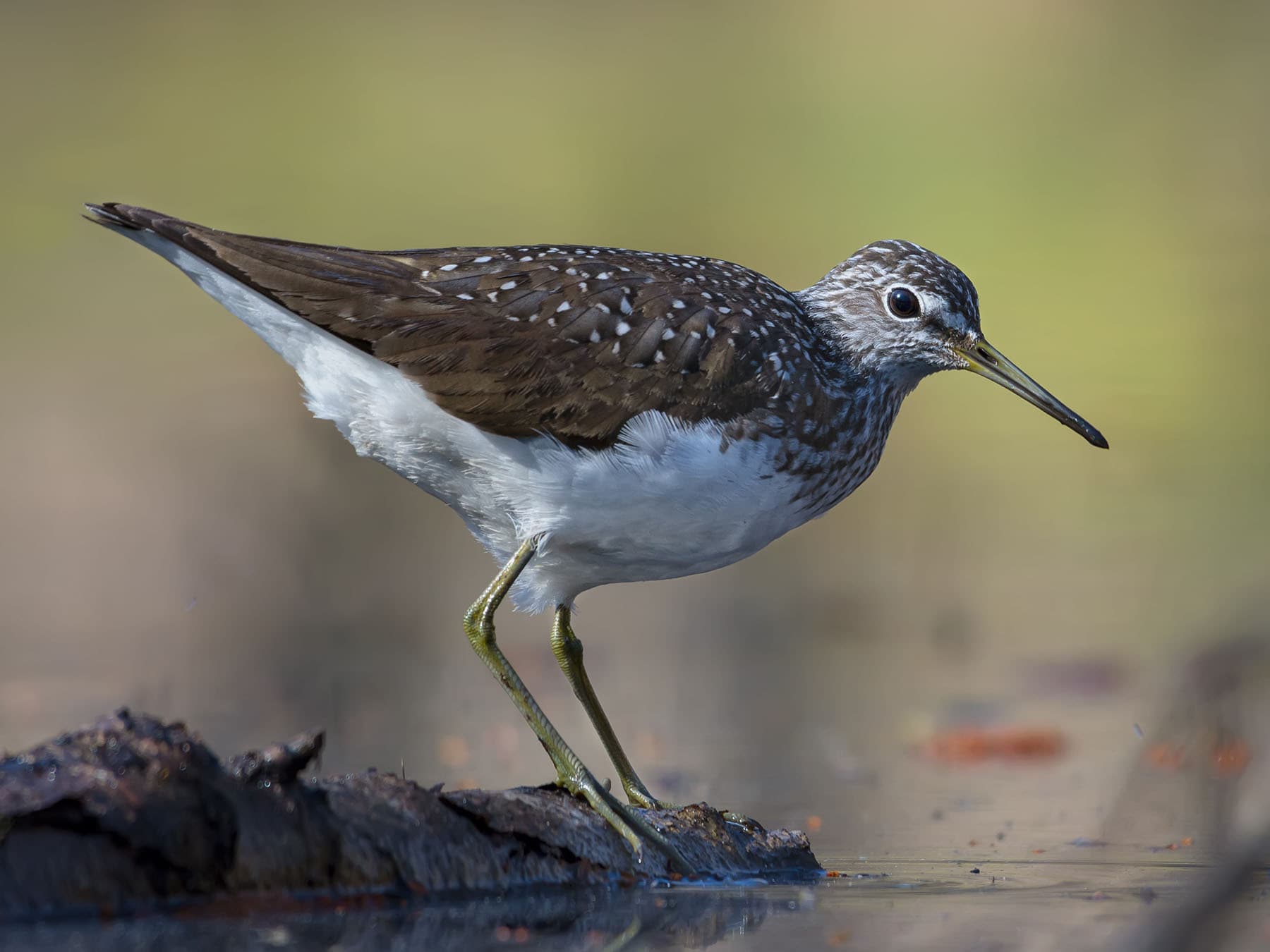
Green Sandpiper
Tringa ochropusLC
A rare autumn passage migrant, typically seen at freshwater pools and muddy margins in August and September. Often solitary and easily overlooked.
Aug–Sep
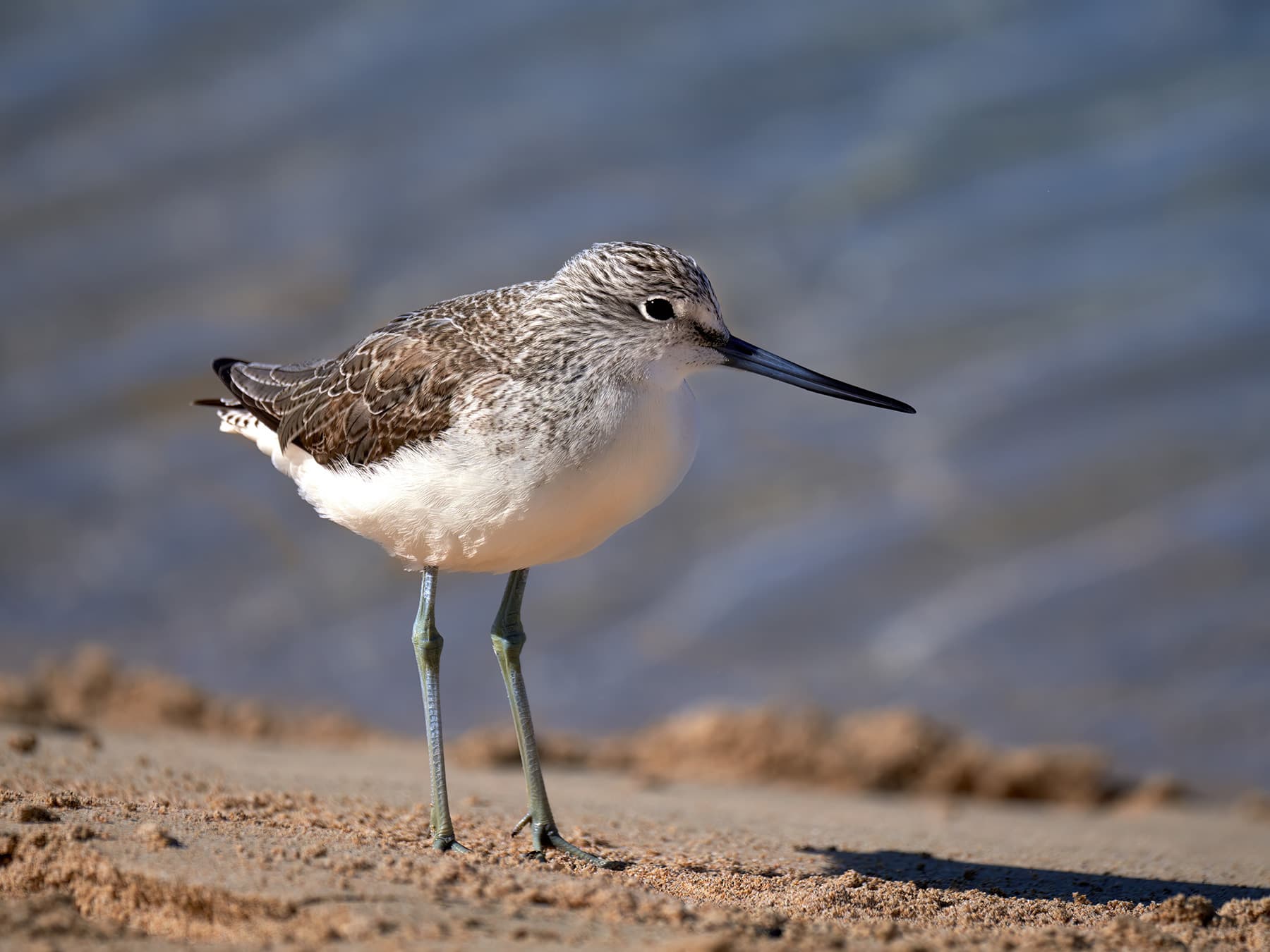
Greenshank
Tringa nebulariaLC
A rare but regular visitor, mainly on autumn passage from July to October at reservoirs and coastal wetlands. Distinctive ringing call aids identification.
Jul–Mar
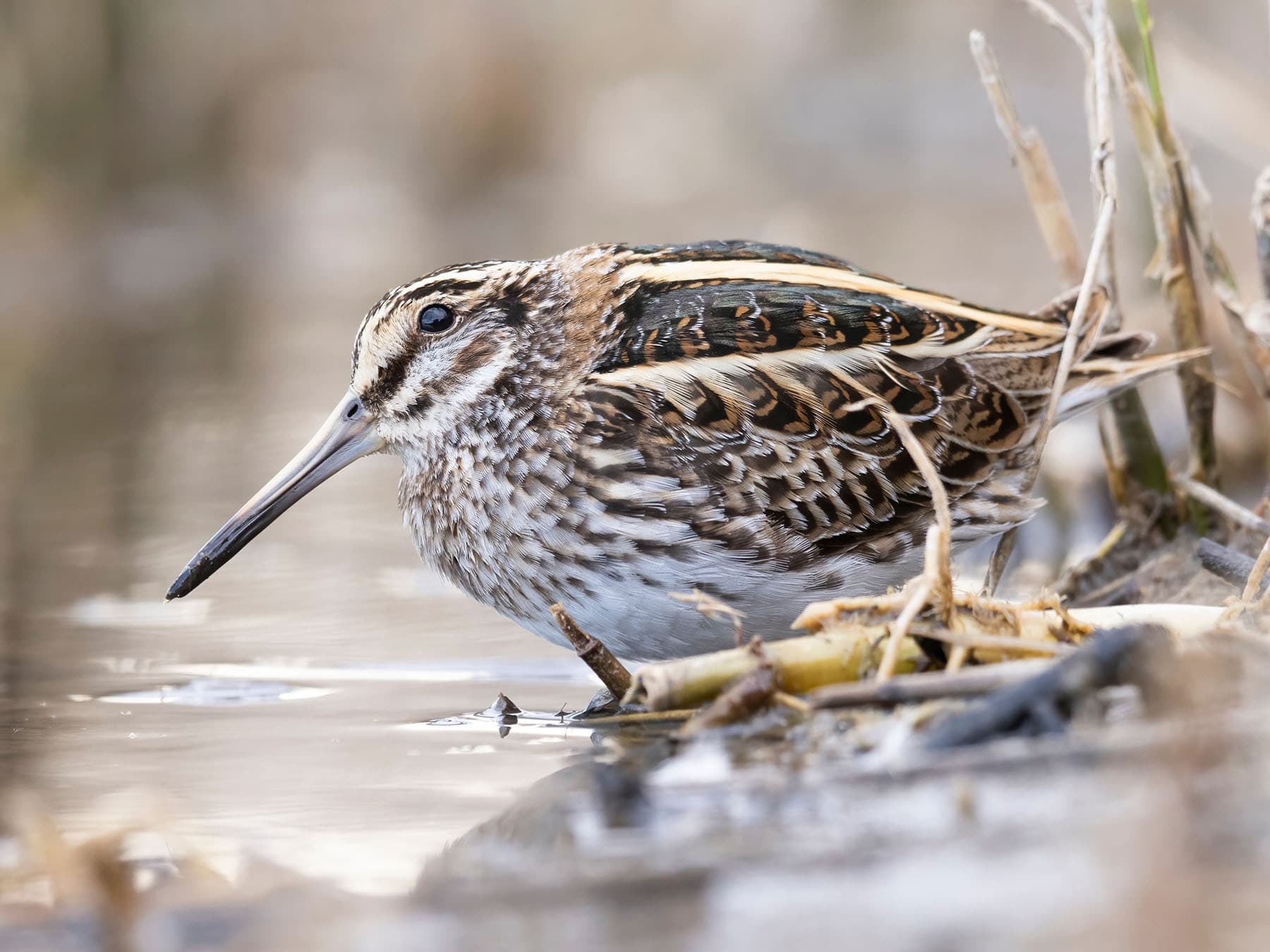
Jack Snipe
Lymnocryptes minimusLC
A secretive and rare passage visitor, occasionally flushed from boggy margins and wet meadows. Most likely encountered in late winter.
Feb
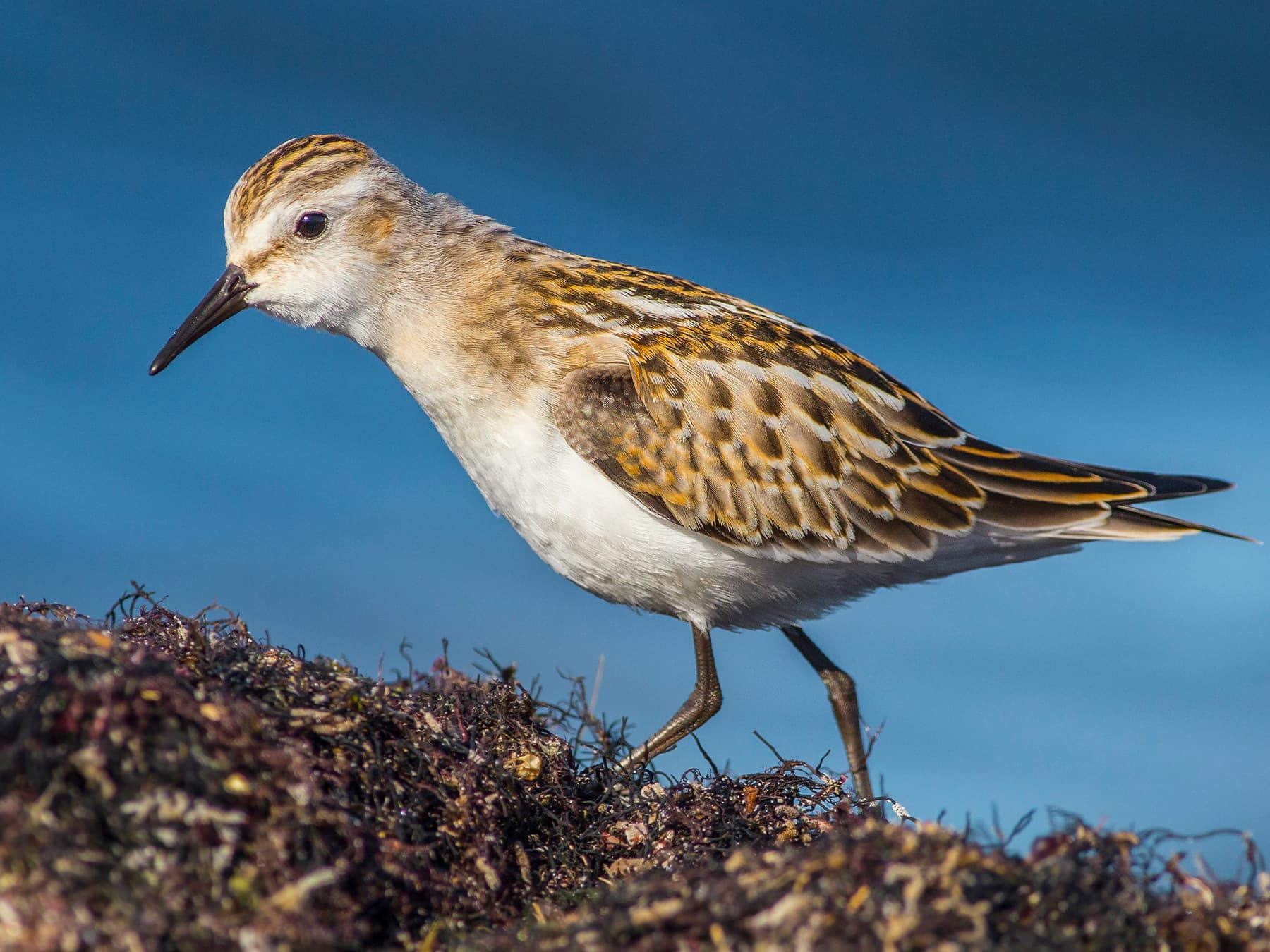
Little Stint
Calidris minutaLC
A rare autumn passage migrant in August–September, found at coastal scrapes and freshwater margins. Tiny size helps distinguish it from Dunlin.
Aug–Sep
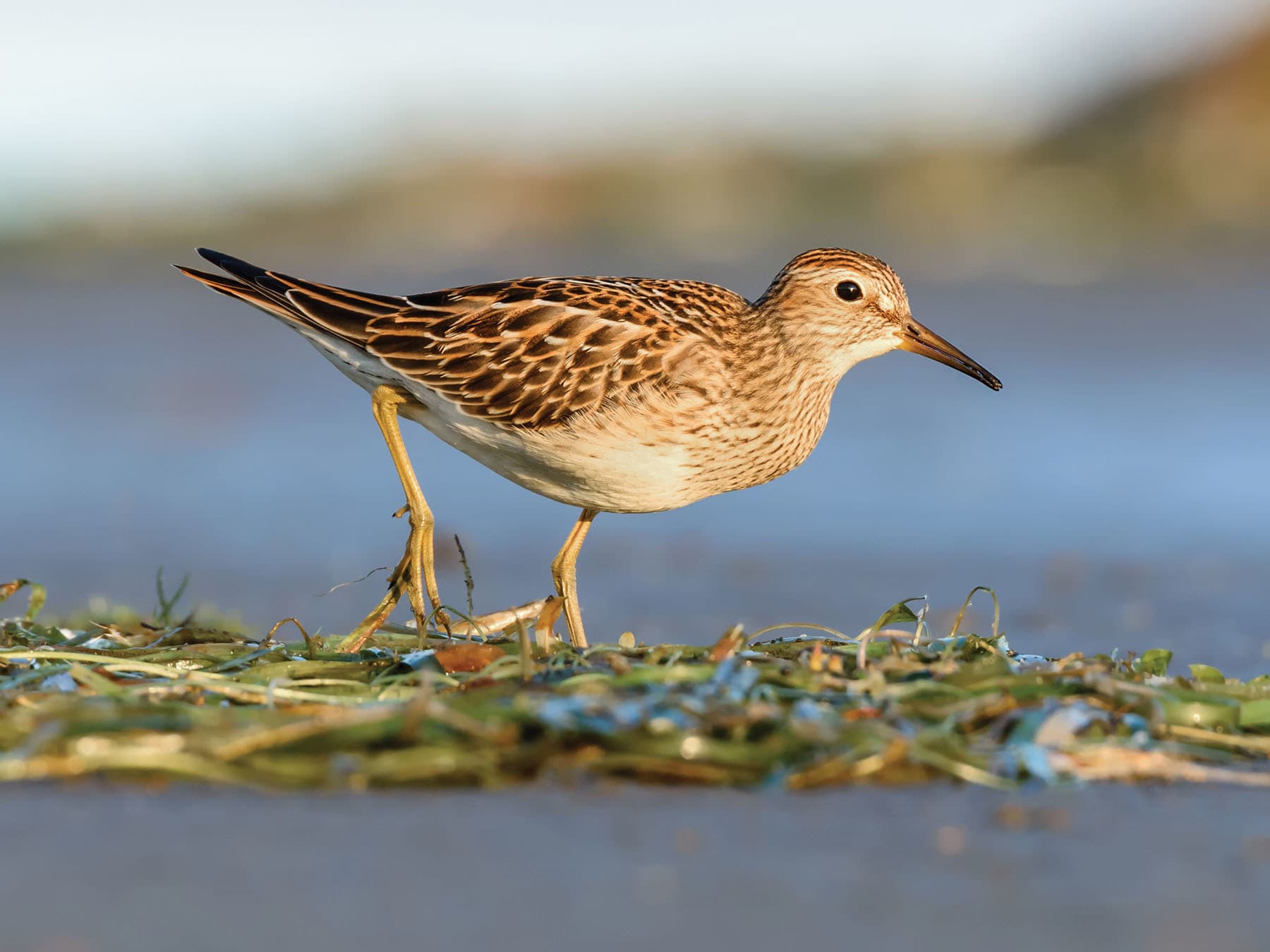
Pectoral Sandpiper
Calidris melanotosLC
A rare Nearctic vagrant, occasionally appearing at freshwater pools in September. A prized find for Durham's birdwatchers during autumn passage.
Sep
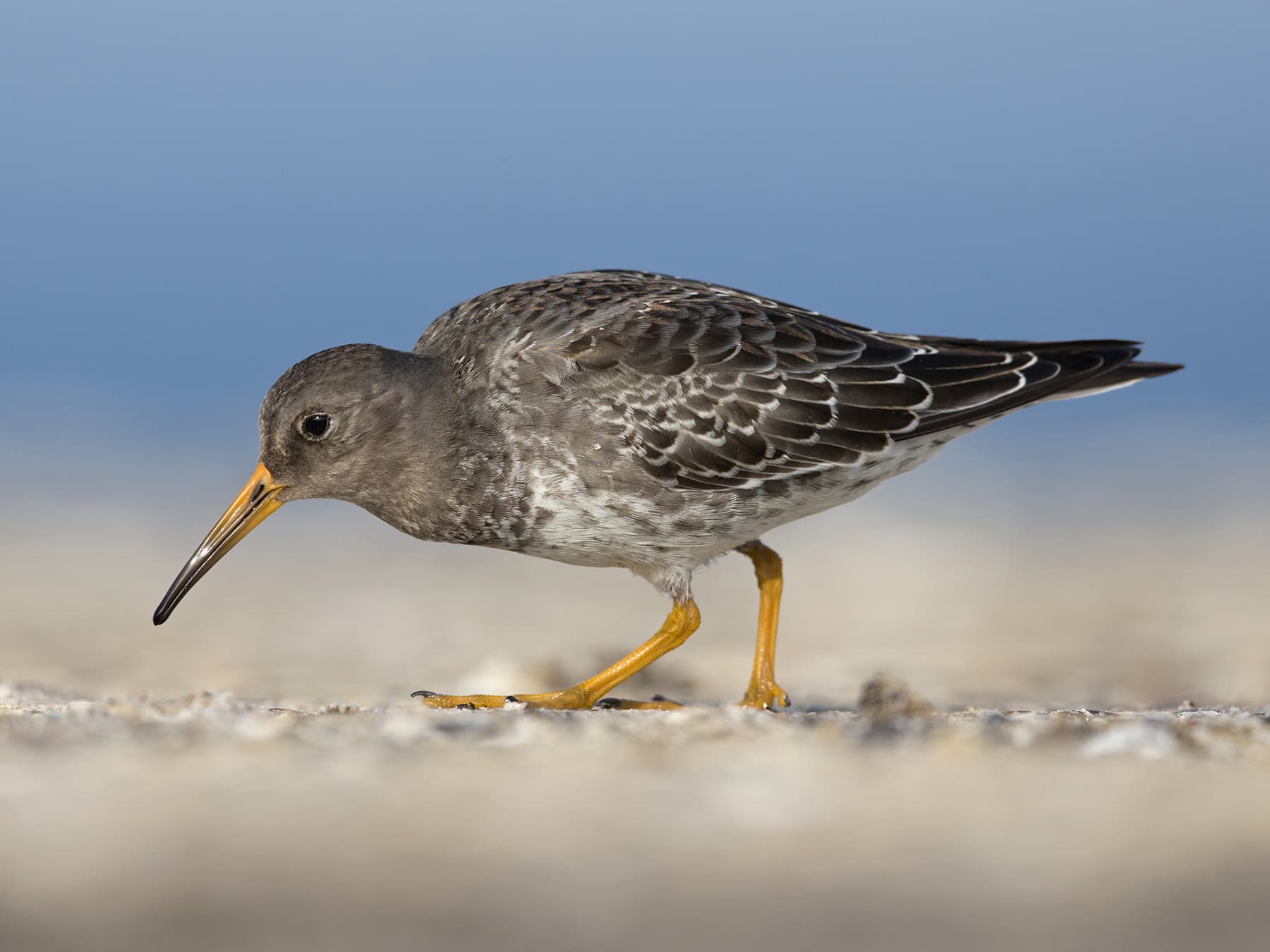
Purple Sandpiper
Calidris maritimaLC
A rare winter visitor to Durham's rocky coastline, favouring wave-washed piers and headlands. Departs by spring to breed in the Arctic.
Sep–Mar
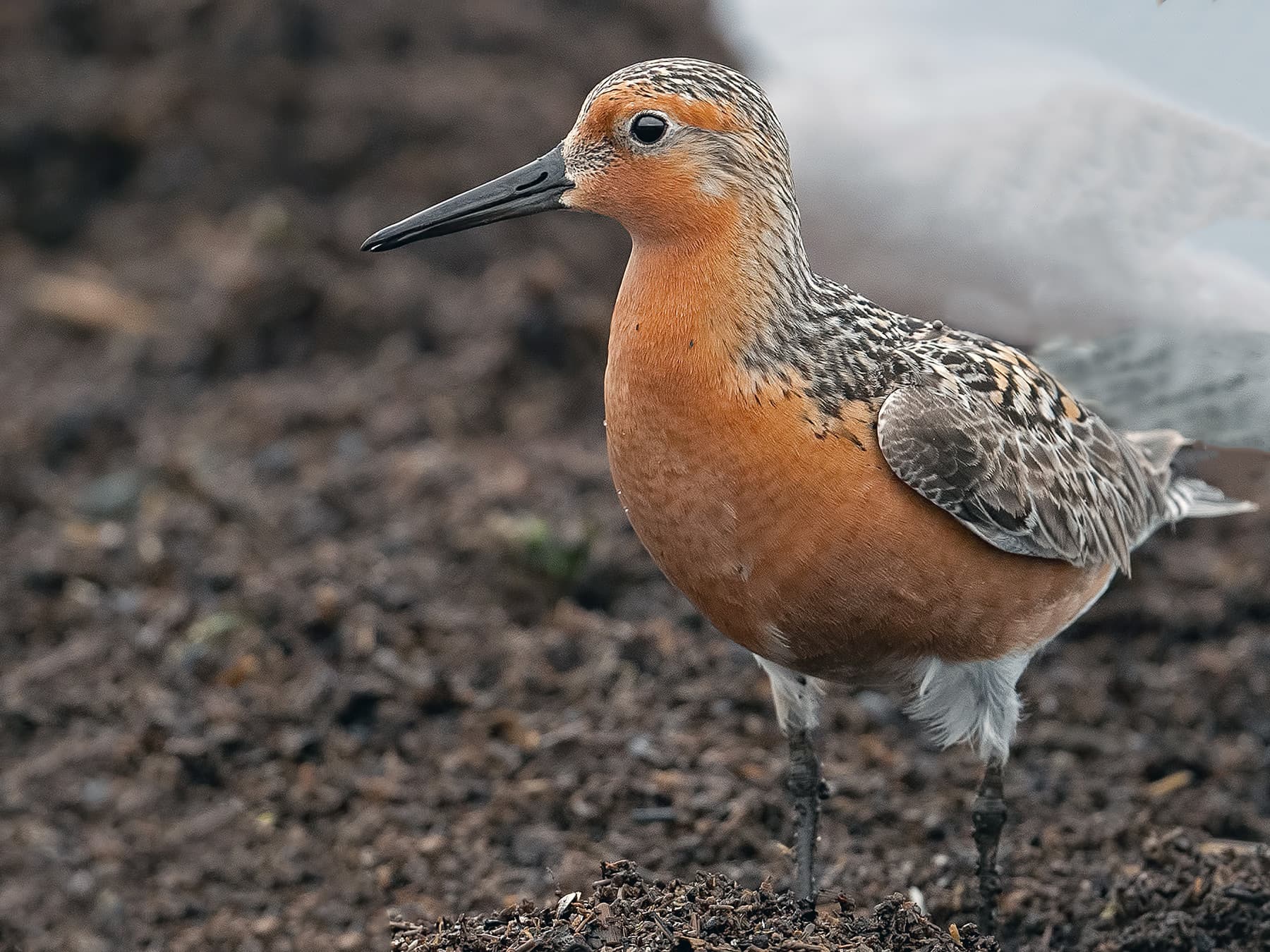
Red Knot
Calidris canutusNT
A rare non-breeding visitor to the Durham coast, occasionally seen in flocks on sandy beaches and estuarine mudflats outside the summer months.
Jul–Mar
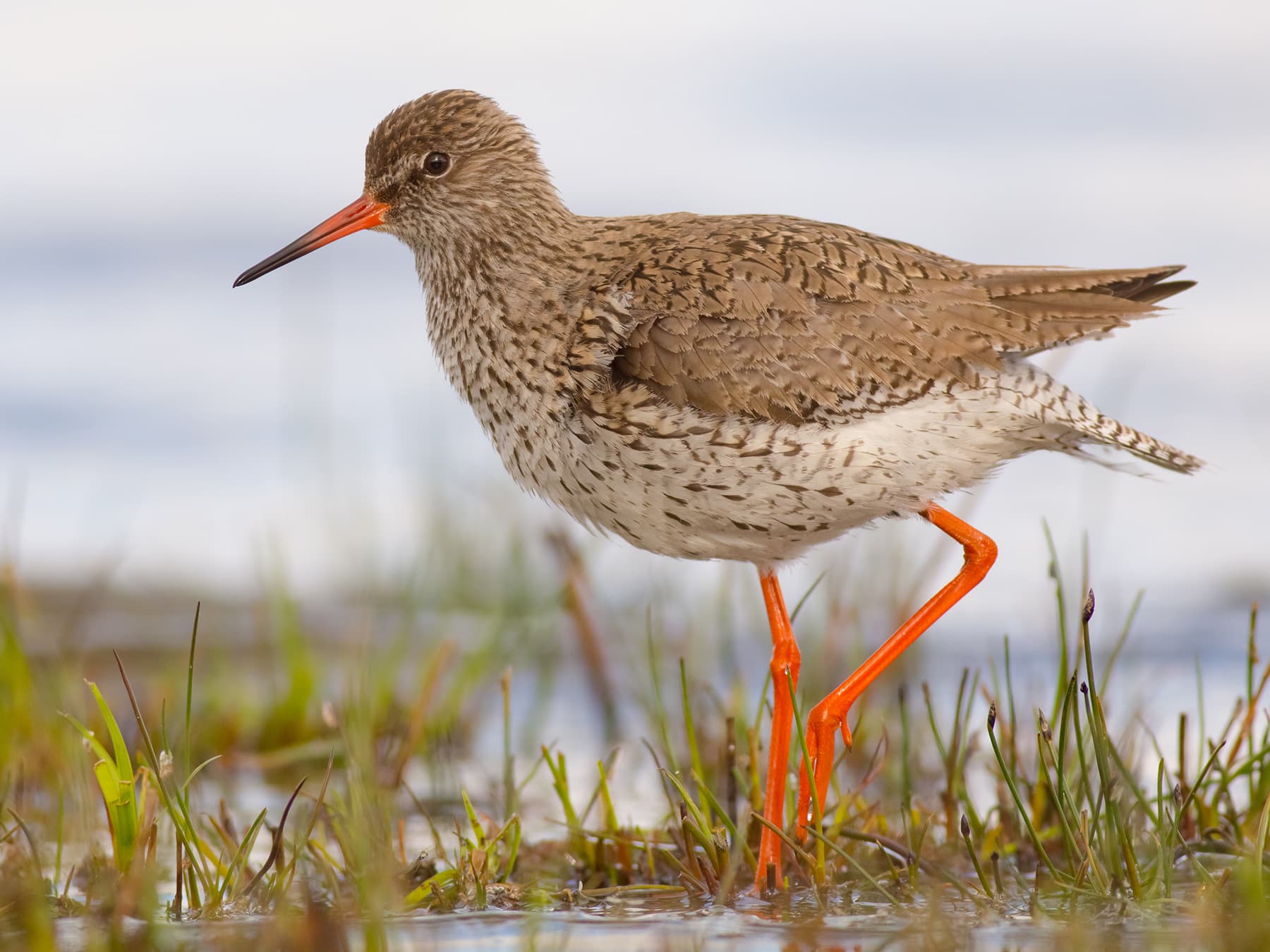
Redshank
Tringa totanusLC
An uncommon year-round resident found on coastal mudflats and inland wet grasslands. Its loud piping alarm call is distinctive at breeding sites.
Year-round
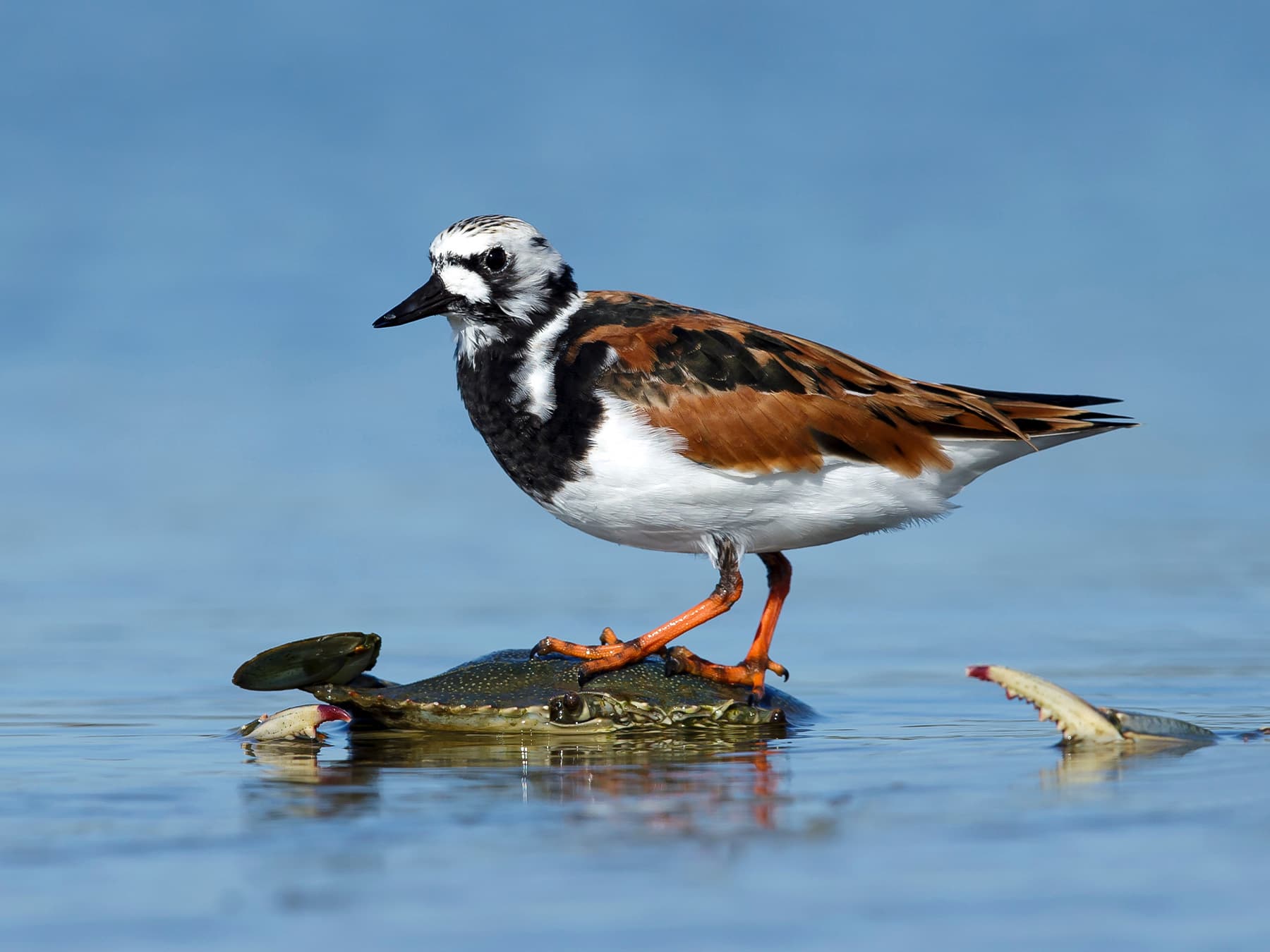
Ruddy Turnstone
Arenaria interpresLC
An uncommon but year-round presence on Durham's rocky shoreline, flipping stones and seaweed to find invertebrates. Most numerous outside summer.
Year-round
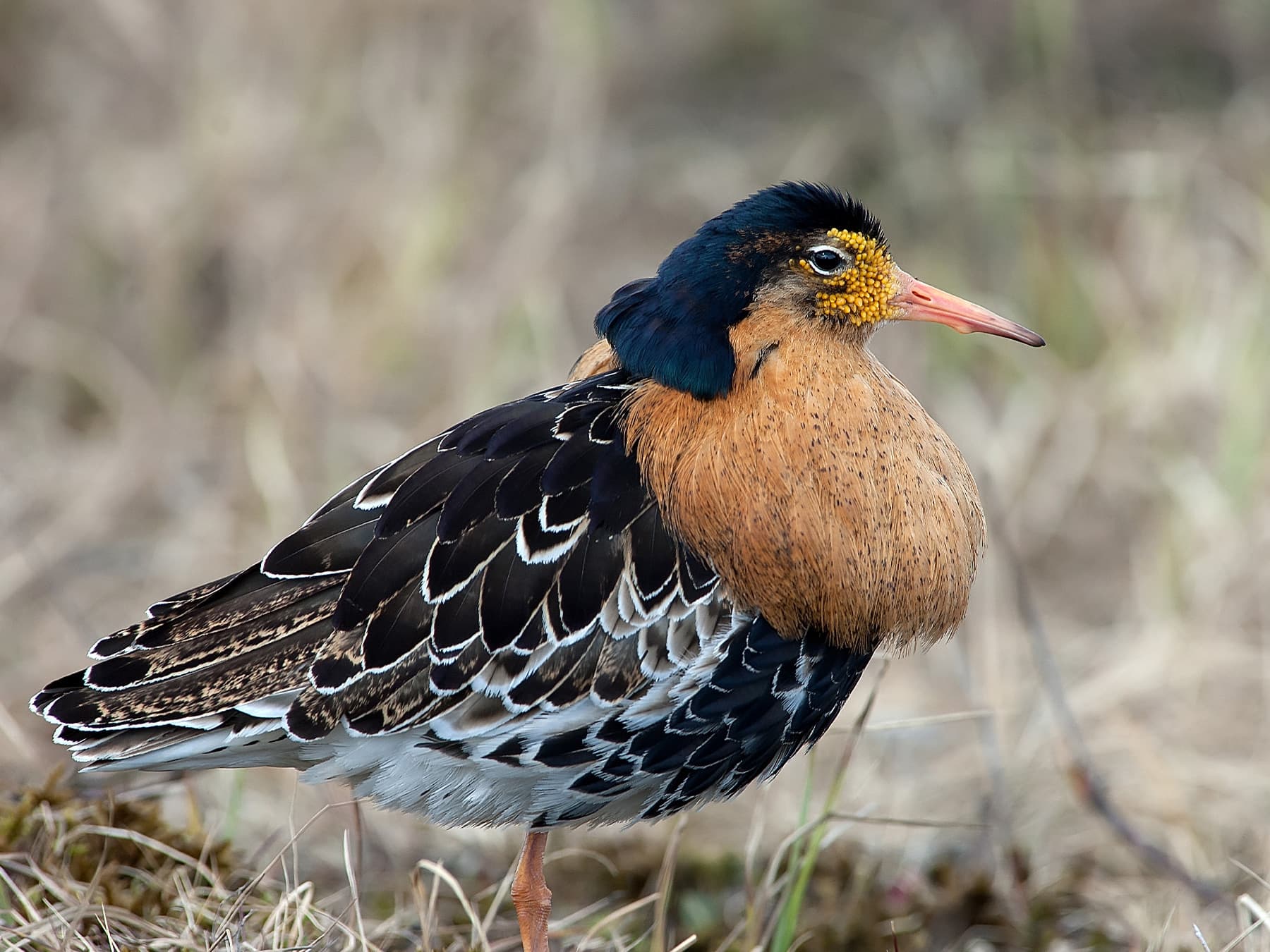
Ruff
Philomachus pugnaxLC
A rare autumn passage migrant, occasionally found at freshwater pools and flooded fields in August and September. Males in breeding plumage are seldom seen here.
Aug–Sep
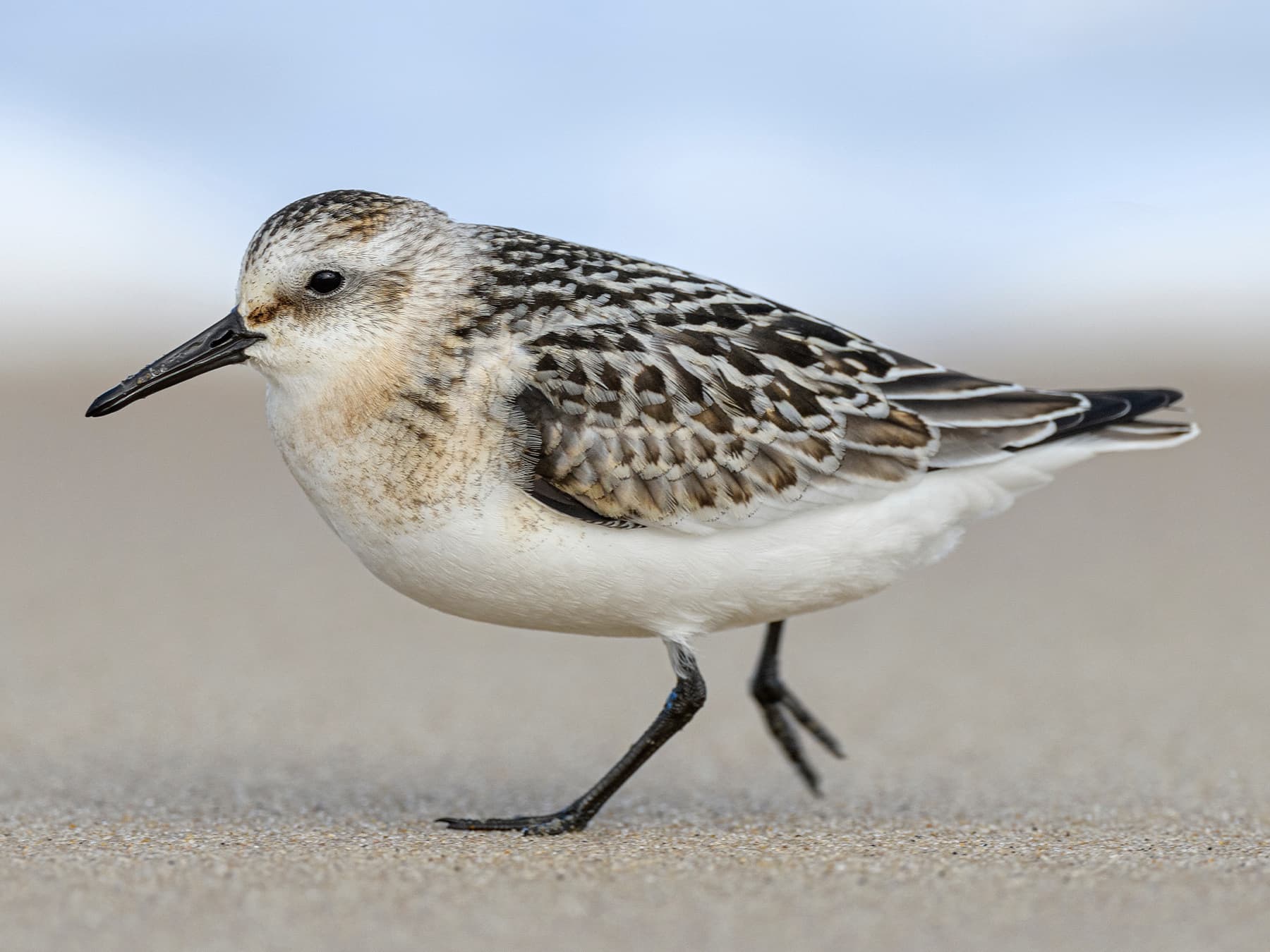
Sanderling
Calidris albaLC
A scarce but year-round visitor to Durham's sandy beaches, often seen in small flocks running along the tideline. Most numerous on passage.
May–Mar
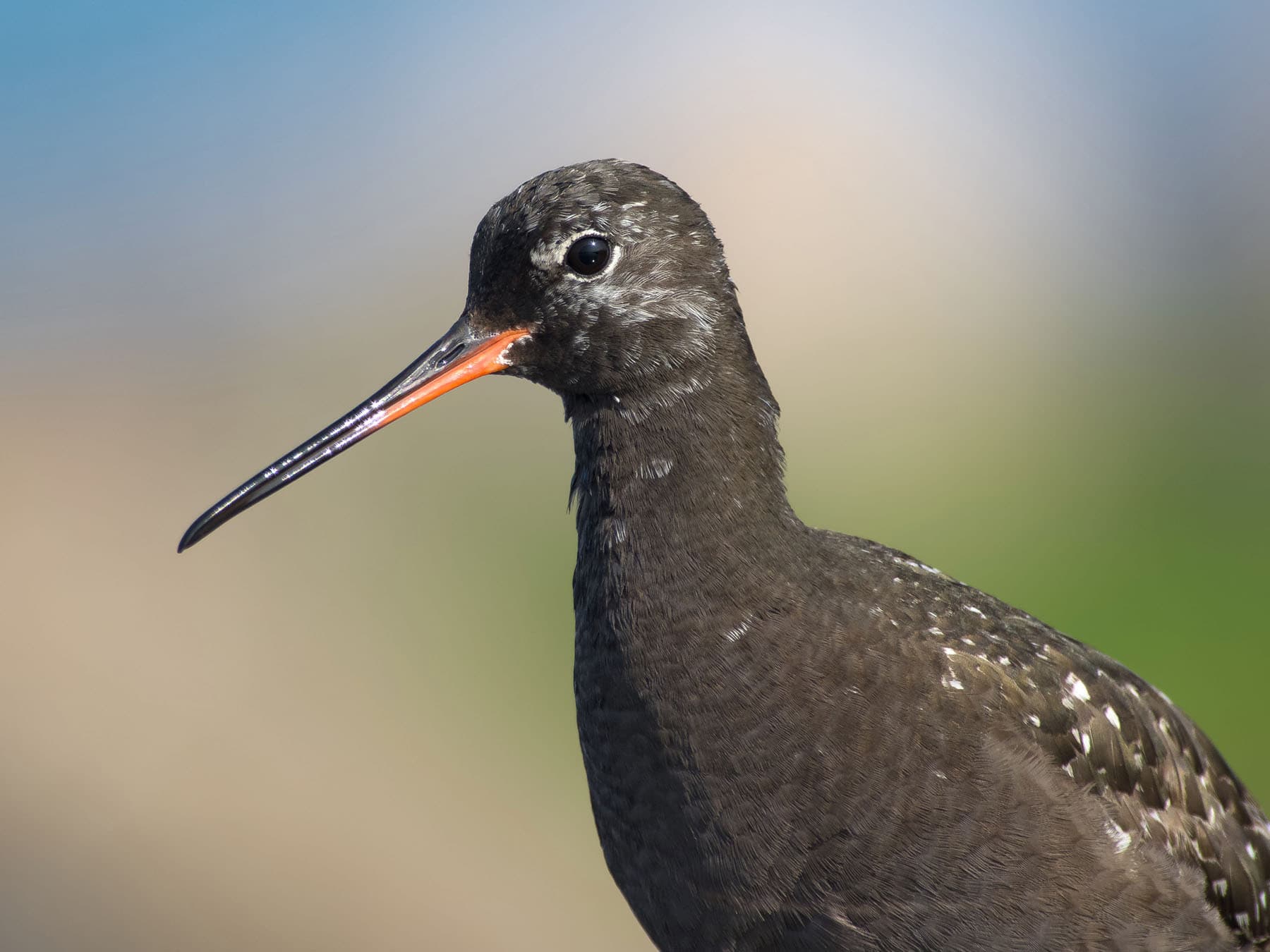
Spotted Redshank
Tringa erythropusLC
A rare passage migrant seen briefly in late winter and autumn at coastal pools and estuaries. Longer-legged and darker than the common Redshank.
Aug–Mar
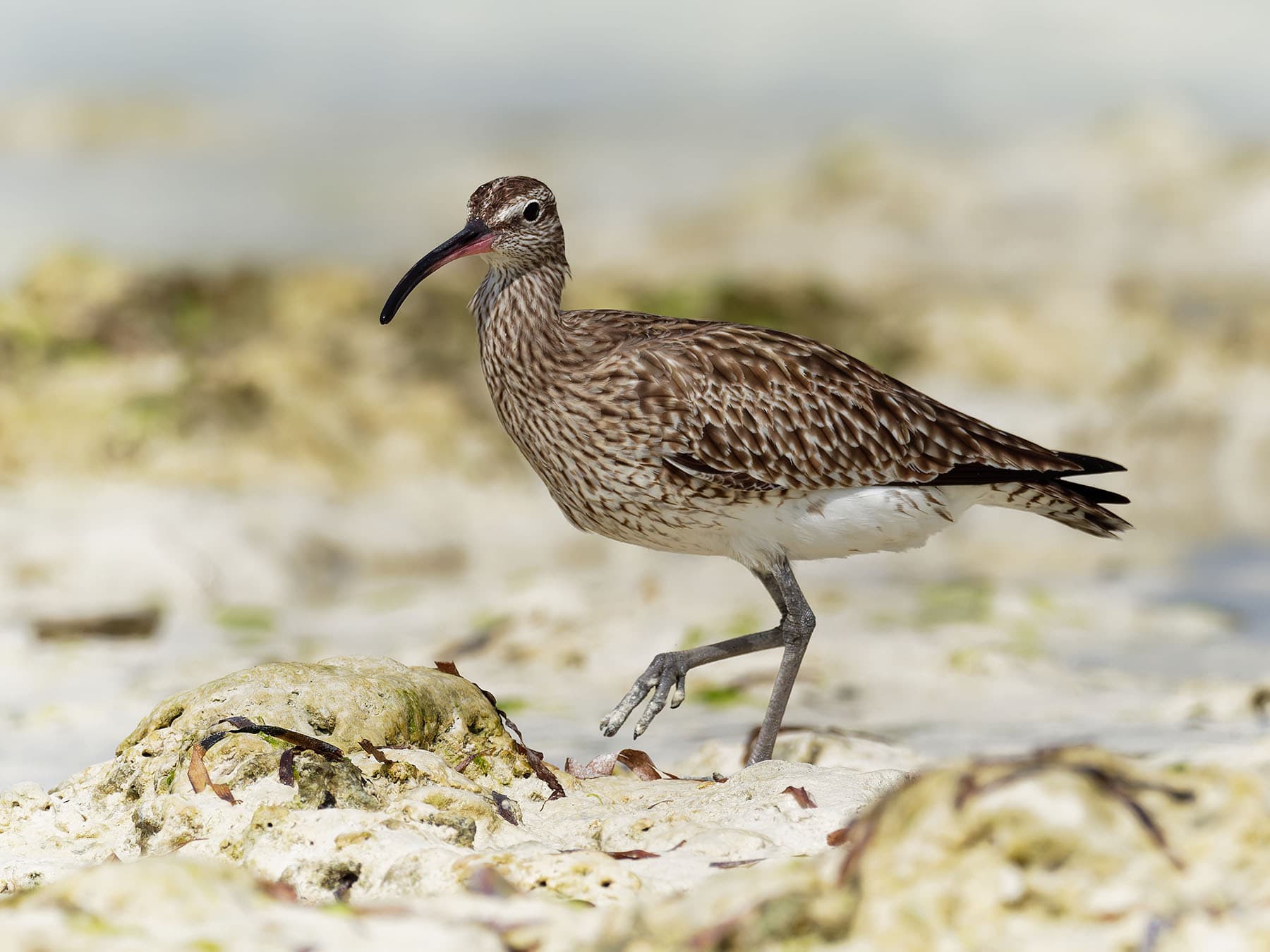
Whimbrel
Numenius phaeopusLC
A rare passage migrant, mainly seen in spring and late summer on the Durham coast or inland wetlands. Listen for its distinctive rippling whistle.
Apr–Sep
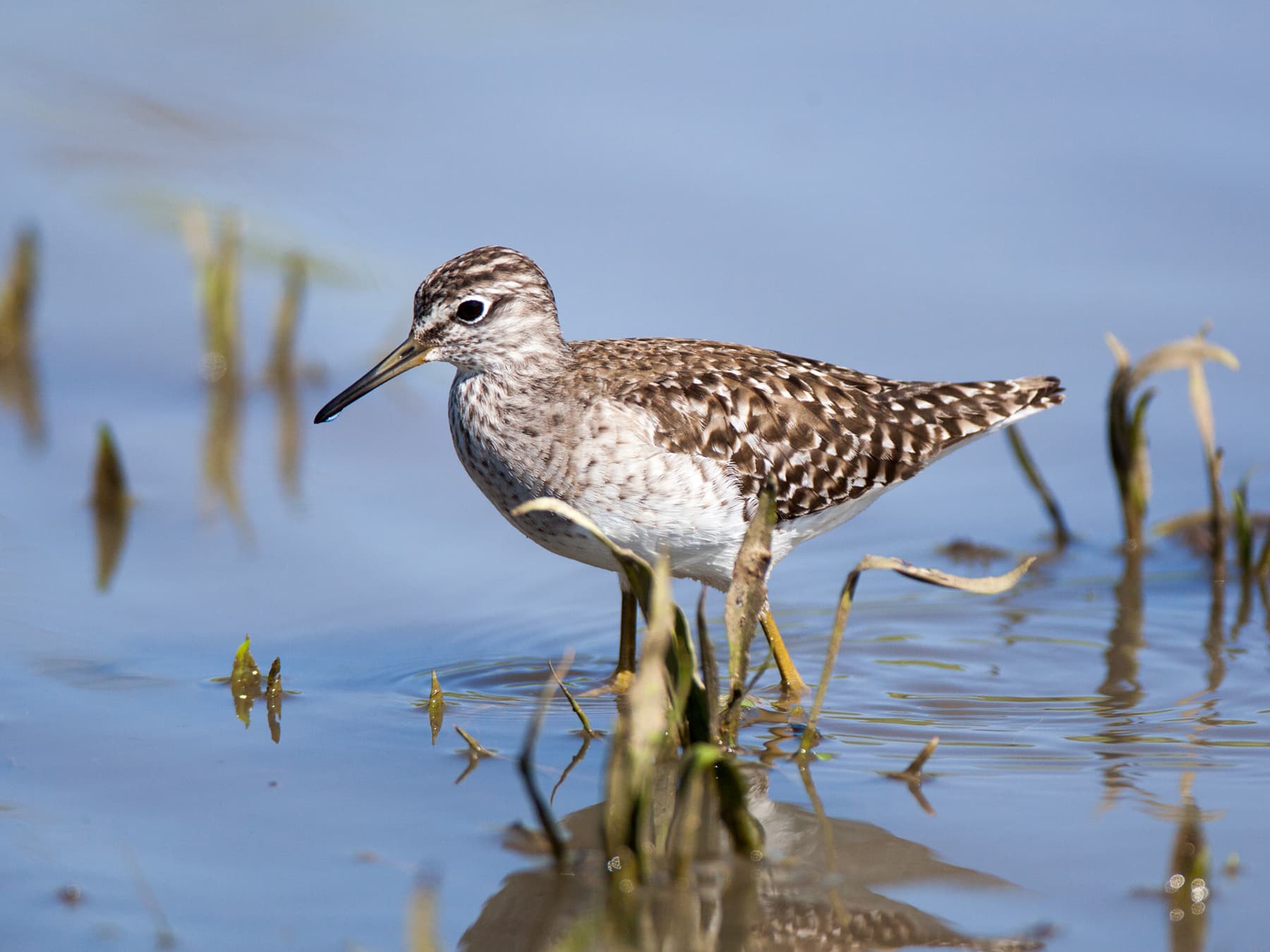
Wood Sandpiper
Tringa glareolaLC
A rare passage migrant in August, occasionally stopping at freshwater wetlands and flooded fields. One of the scarcer waders recorded in Durham.
Aug