Uncommon Birds in Devon
69 species matching this filter.
Devon's diverse landscapes — from the rugged coasts of Exmoor and the South Devon cliffs to the estuaries of the Exe and Taw — support a rich variety of birdlife, including 69 species classed as uncommon in the county. Among these are wetland specialists such as Black-tailed Godwit and Common Snipe, elusive songsters like Cetti's Warbler and Common Reed-warbler, and woodland birds including Bullfinch and European Green Woodpecker. Whether you're scanning mudflats, listening along reedbeds, or walking through ancient Devon hedgerows, these less frequently encountered species offer rewarding sightings for the patient observer.


Showing 24–46 of 69 species
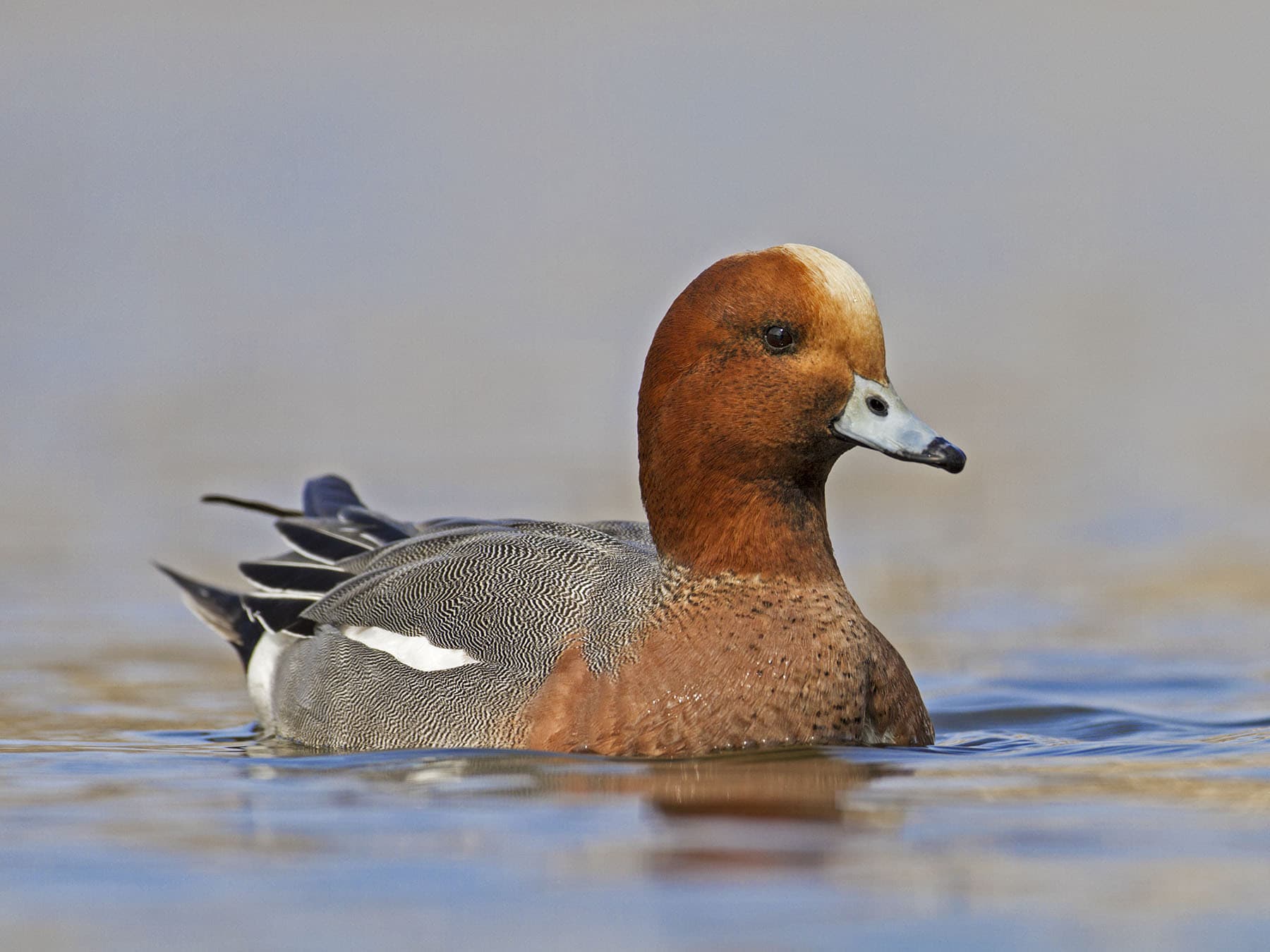
Eurasian Wigeon
Mareca penelopeLC
An uncommon resident, with numbers boosted in winter on Devon's estuaries and flooded fields. Whistling flocks favour the Exe.
Year-round
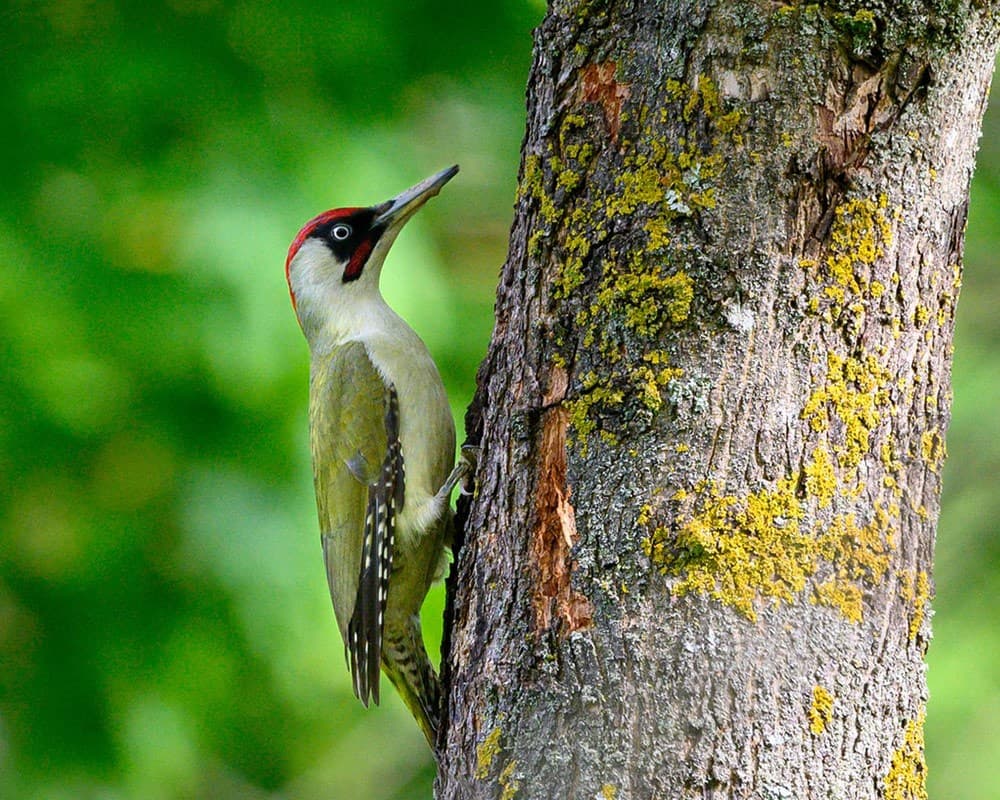
European Green Woodpecker
Picus viridisLC
Resident year-round, often heard giving its laughing 'yaffle' call across Devon's parklands and pastures. Feeds mainly on ants in short grassland.
Year-round
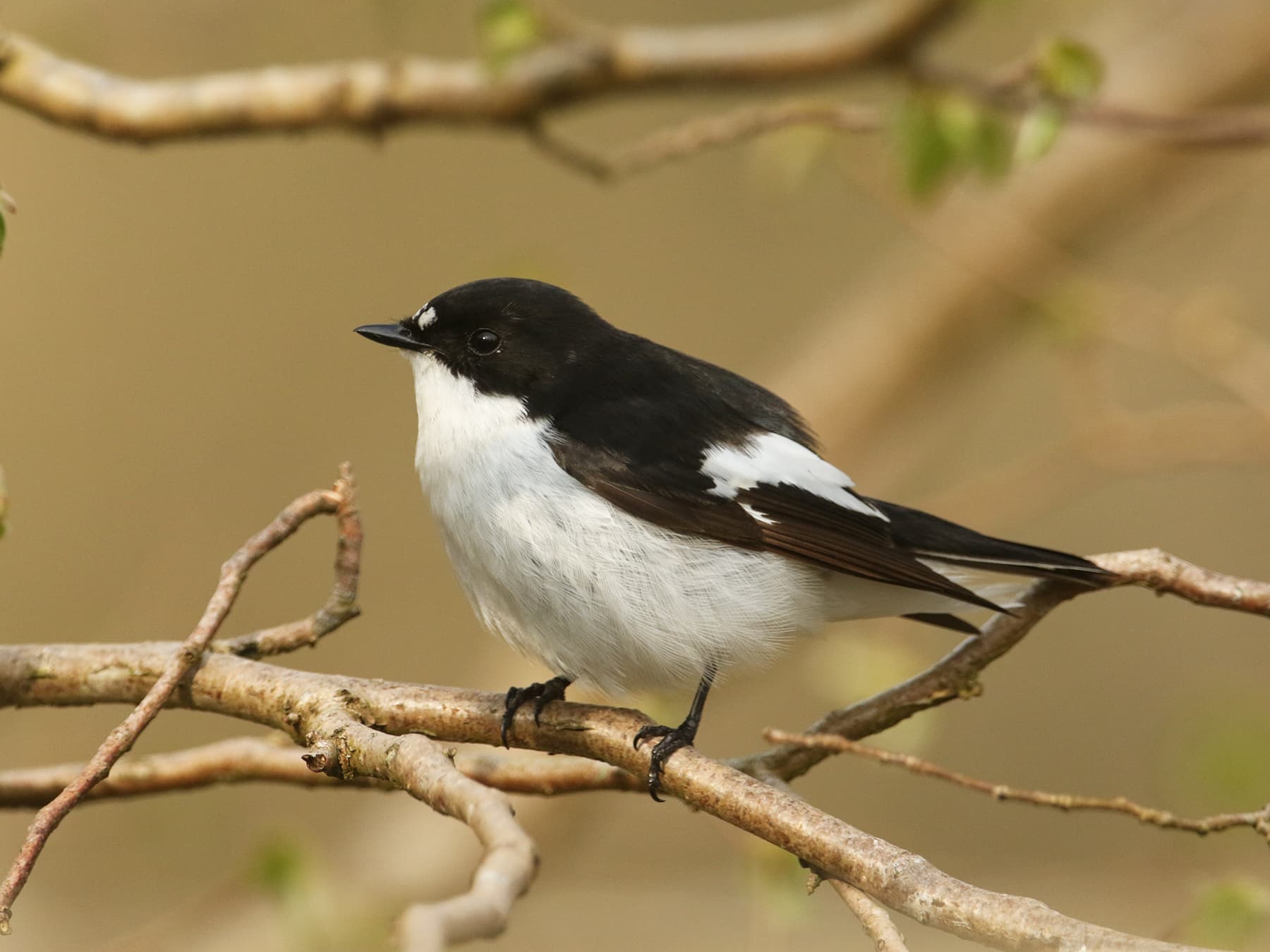
European Pied Flycatcher
Ficedula hypoleucaLC
An uncommon summer breeder favouring mature oak woodlands, particularly in the Dart and Teign valleys. Readily uses nestboxes.
Apr–Sep
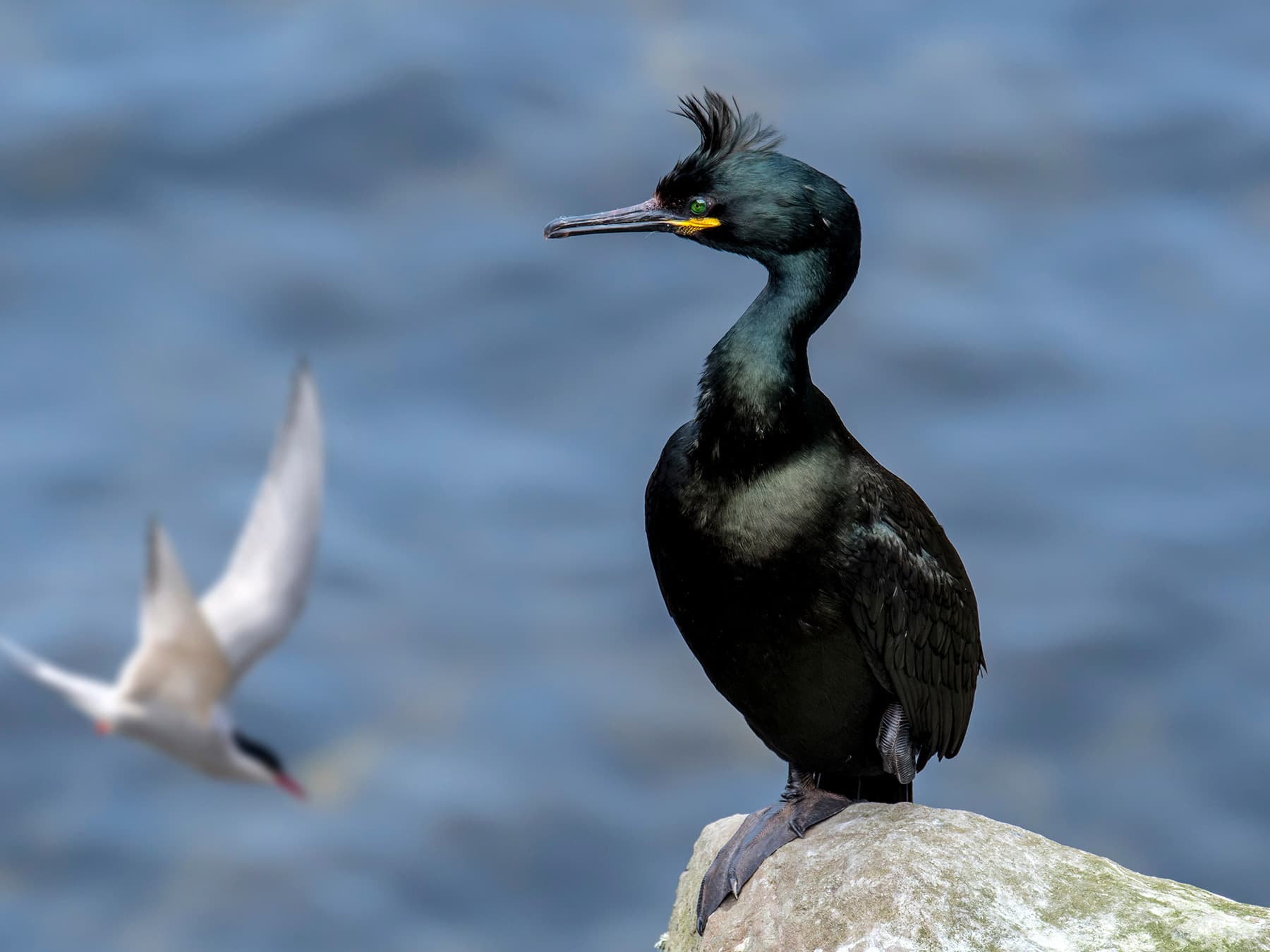
European Shag
Phalacrocorax aristotelisLC
Resident on Devon's rocky coasts, favouring cliffs and harbours. Smaller and darker than the Great Cormorant.
Year-round
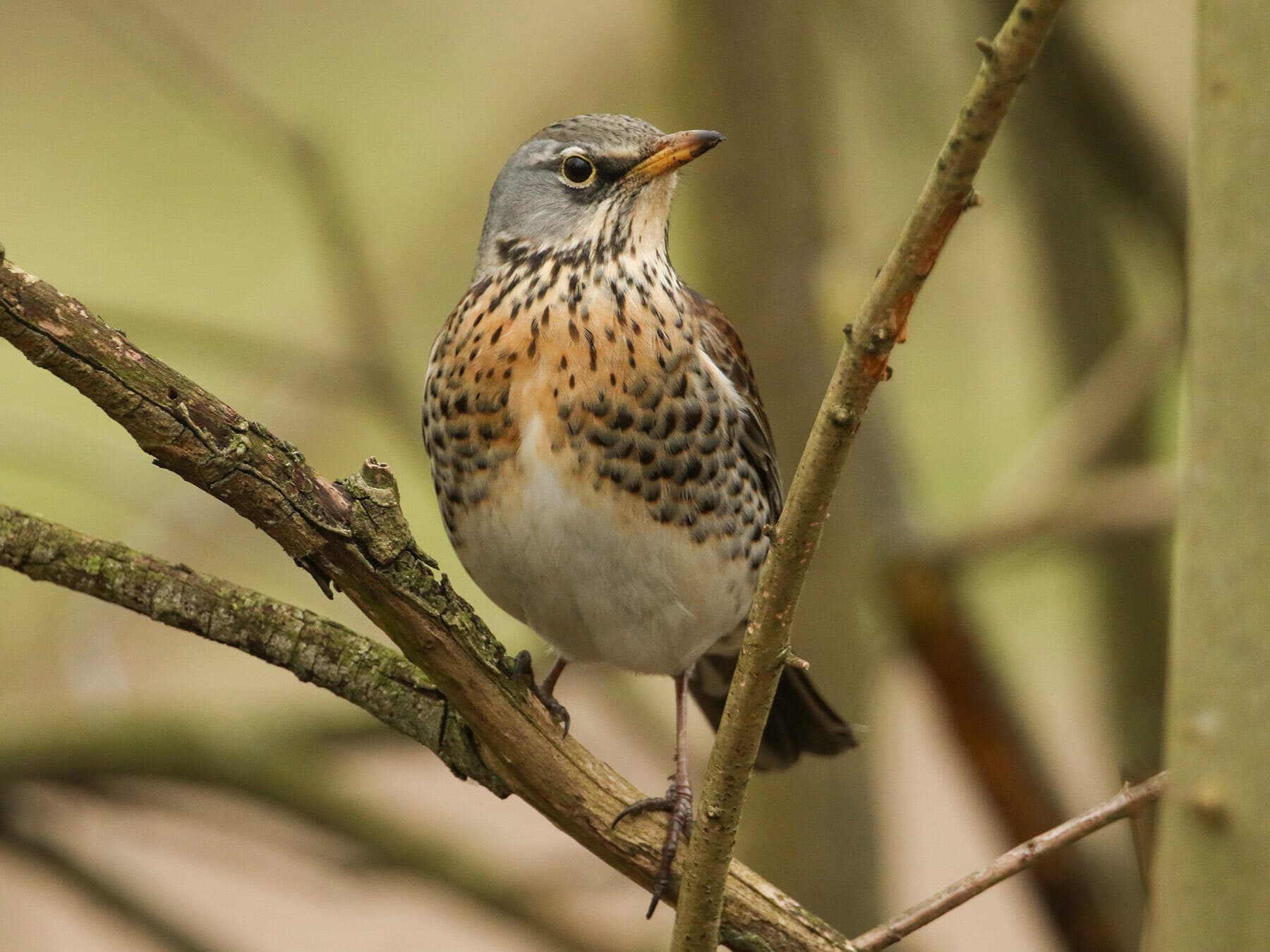
Fieldfare
Turdus pilarisLC
An uncommon winter visitor arriving from Scandinavia, often seen in flocks feeding on hedgerow berries across Devon's farmland from October to March.
Oct–Mar
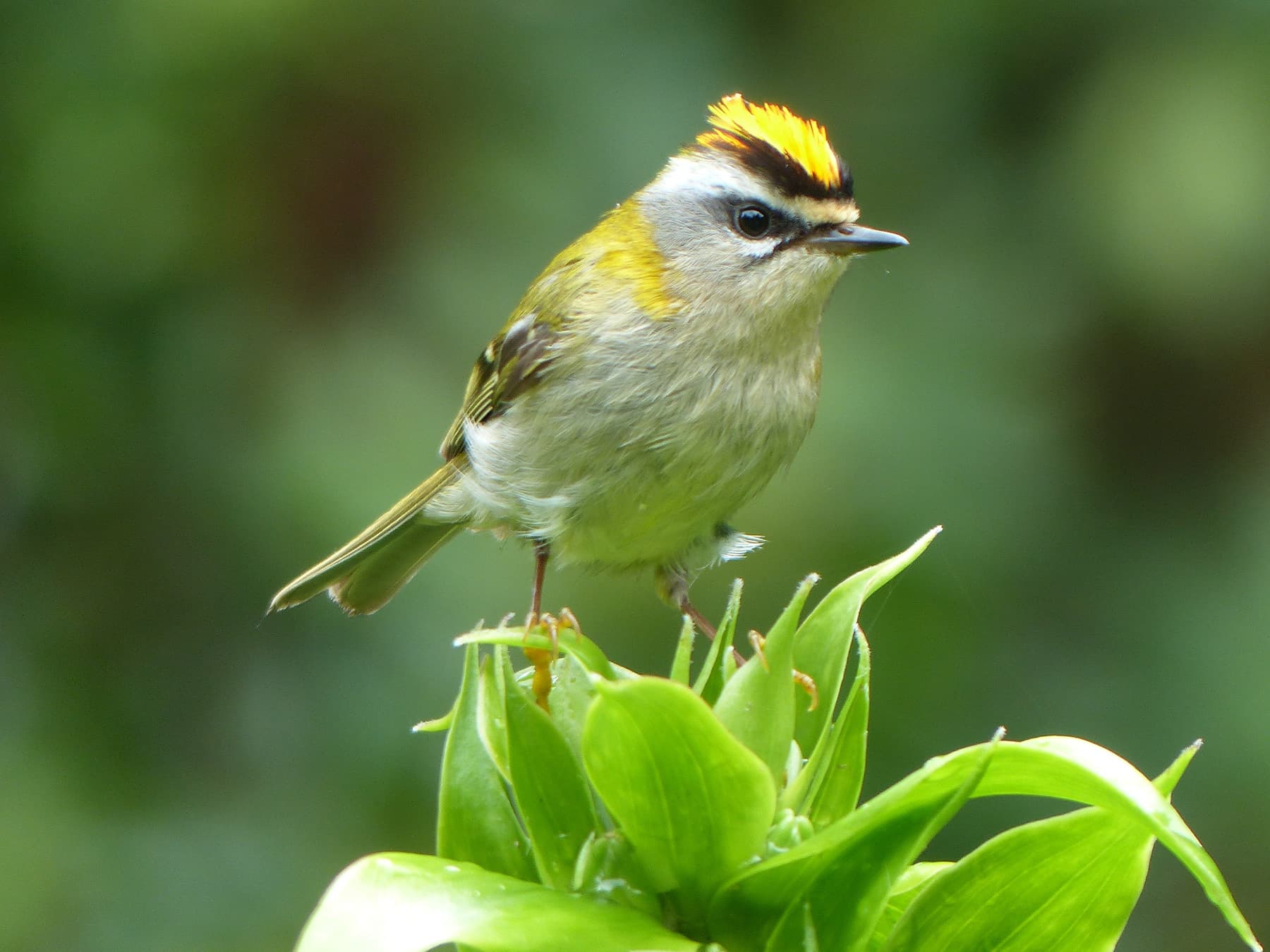
Firecrest
Regulus ignicapillaLC
An uncommon resident favouring evergreen woodland and sheltered valleys. Devon is a stronghold, with numbers boosted by autumn continental migrants.
Sep–Jul
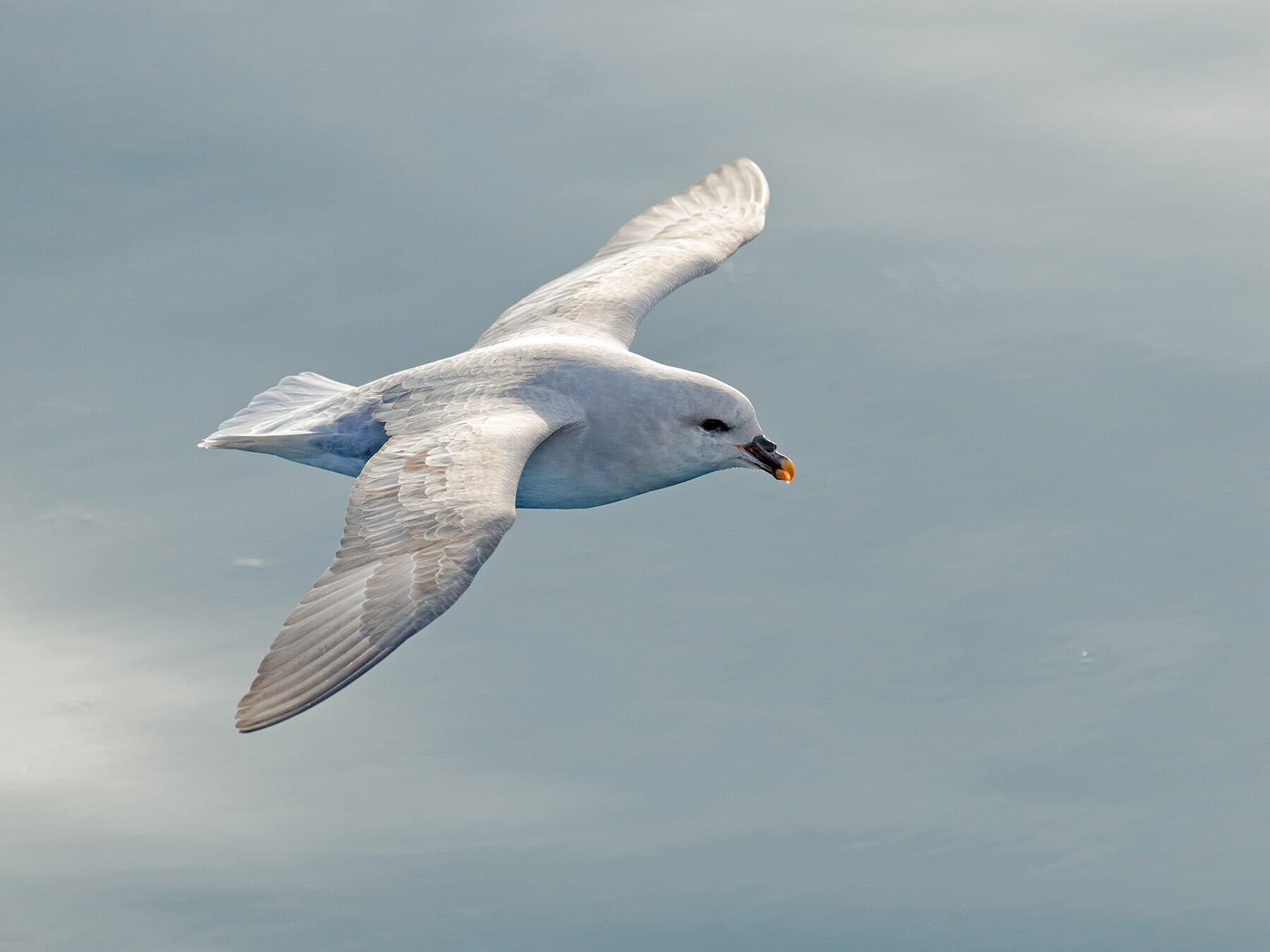
Fulmar
Fulmarus glacialisLC
Breeds on Devon's dramatic sea cliffs, notably at Hartland and Berry Head. Present most of the year but scarce in autumn.
Dec–Sep
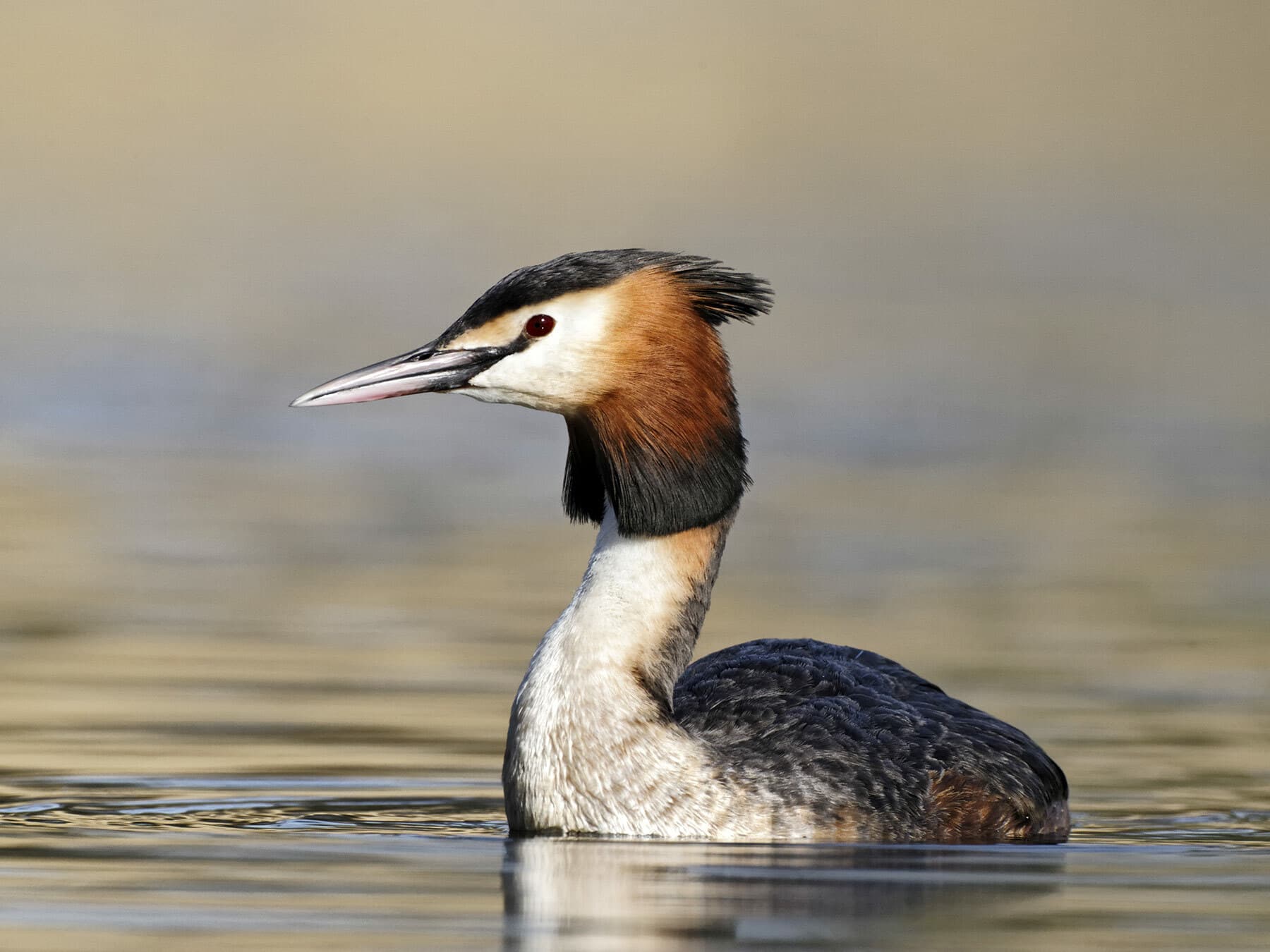
Great Crested Grebe
Podiceps cristatusLC
An uncommon year-round resident on Devon's larger lakes, reservoirs, and estuaries. Its elaborate courtship display is a highlight of spring.
Year-round
Spotted something?
Upload a photo to identify it
Identify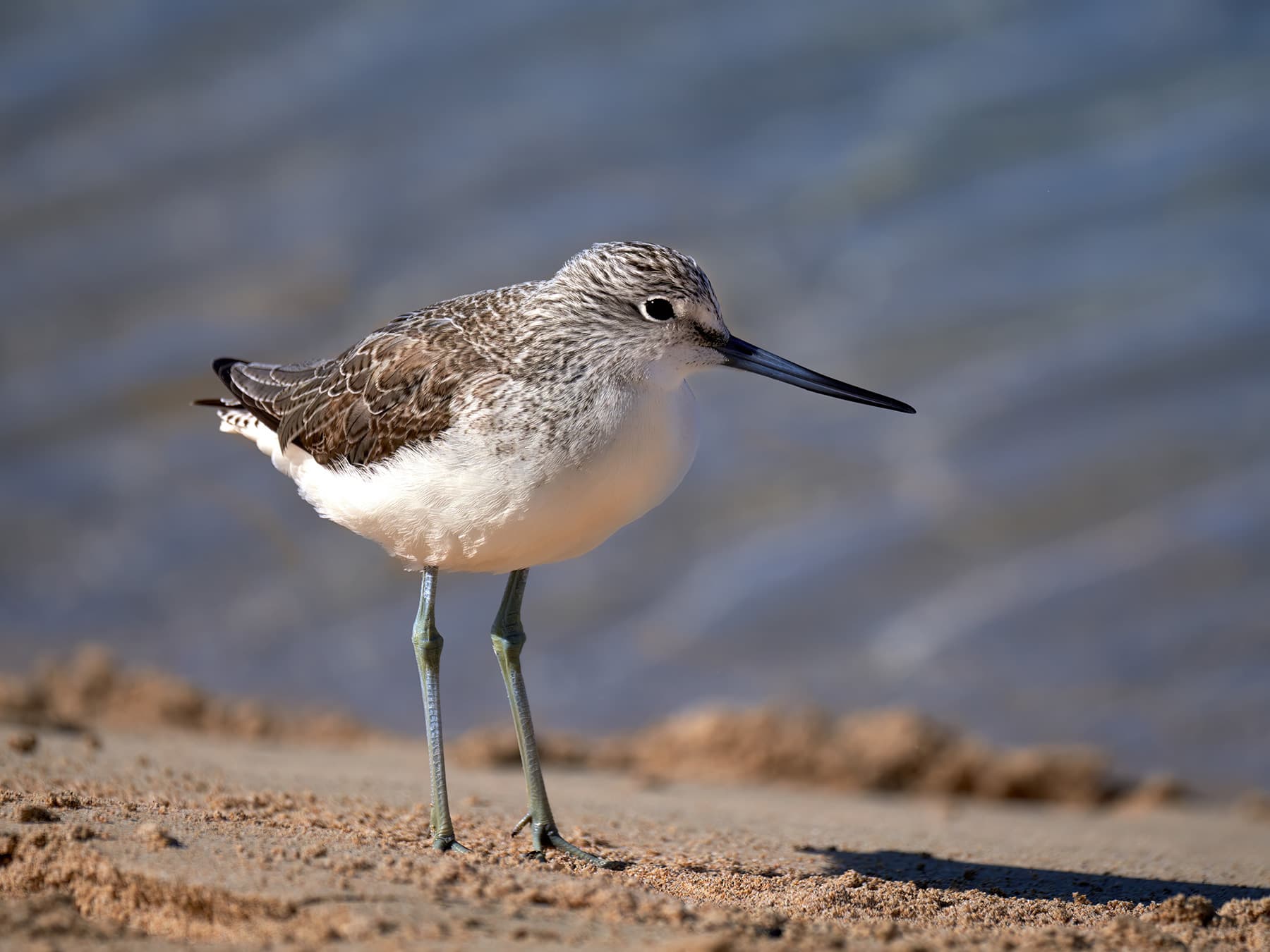
Greenshank
Tringa nebulariaLC
Present year-round on Devon's estuaries and coastal creeks, though never in large numbers. Elegant and long-legged, often seen wading in shallow tidal channels.
Year-round
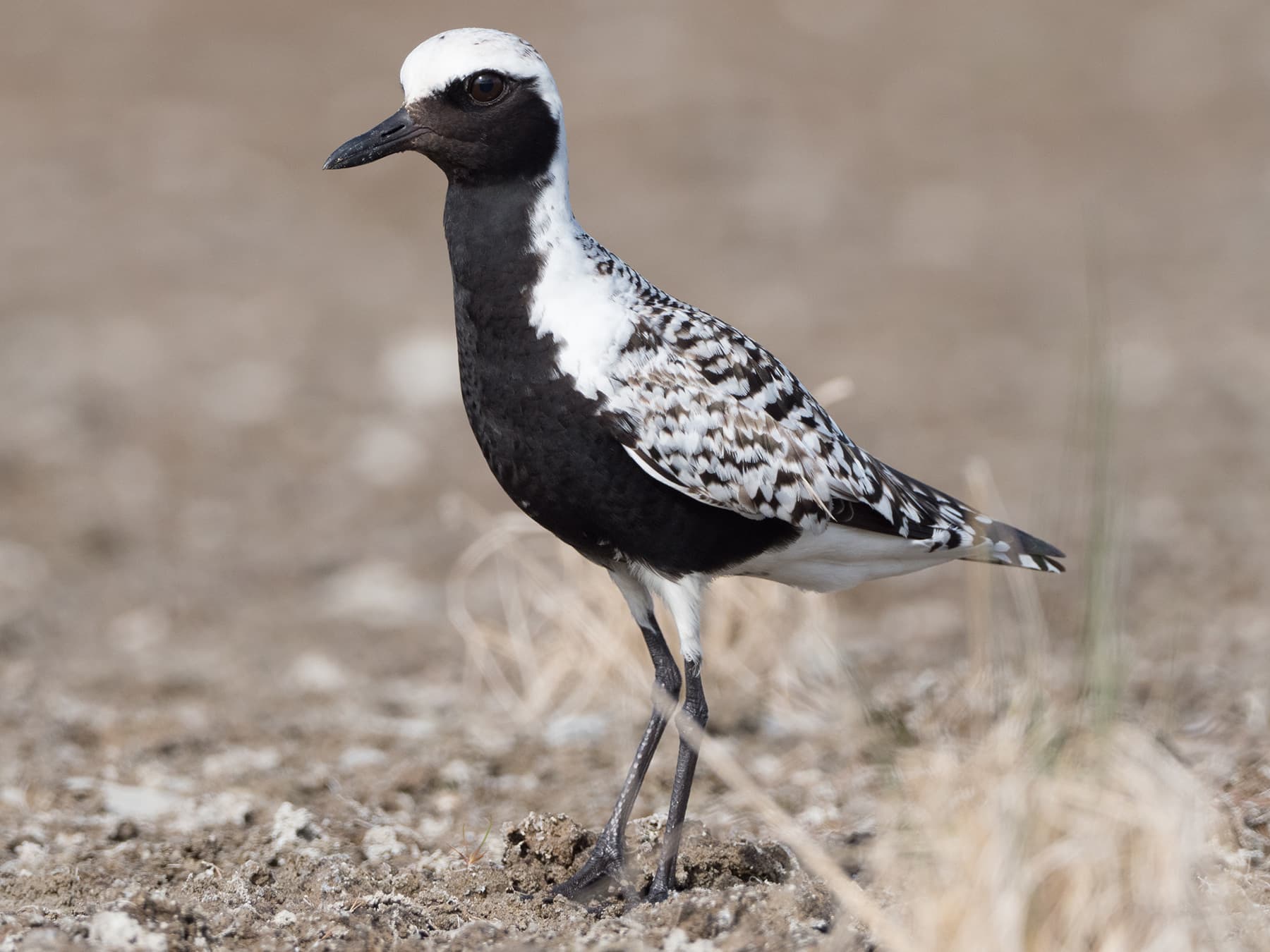
Grey Plover
Pluvialis squatarolaLC
Found on Devon's estuaries and mudflats for much of the year, with peak numbers in winter. The Exe Estuary is a favoured site.
Jul–May
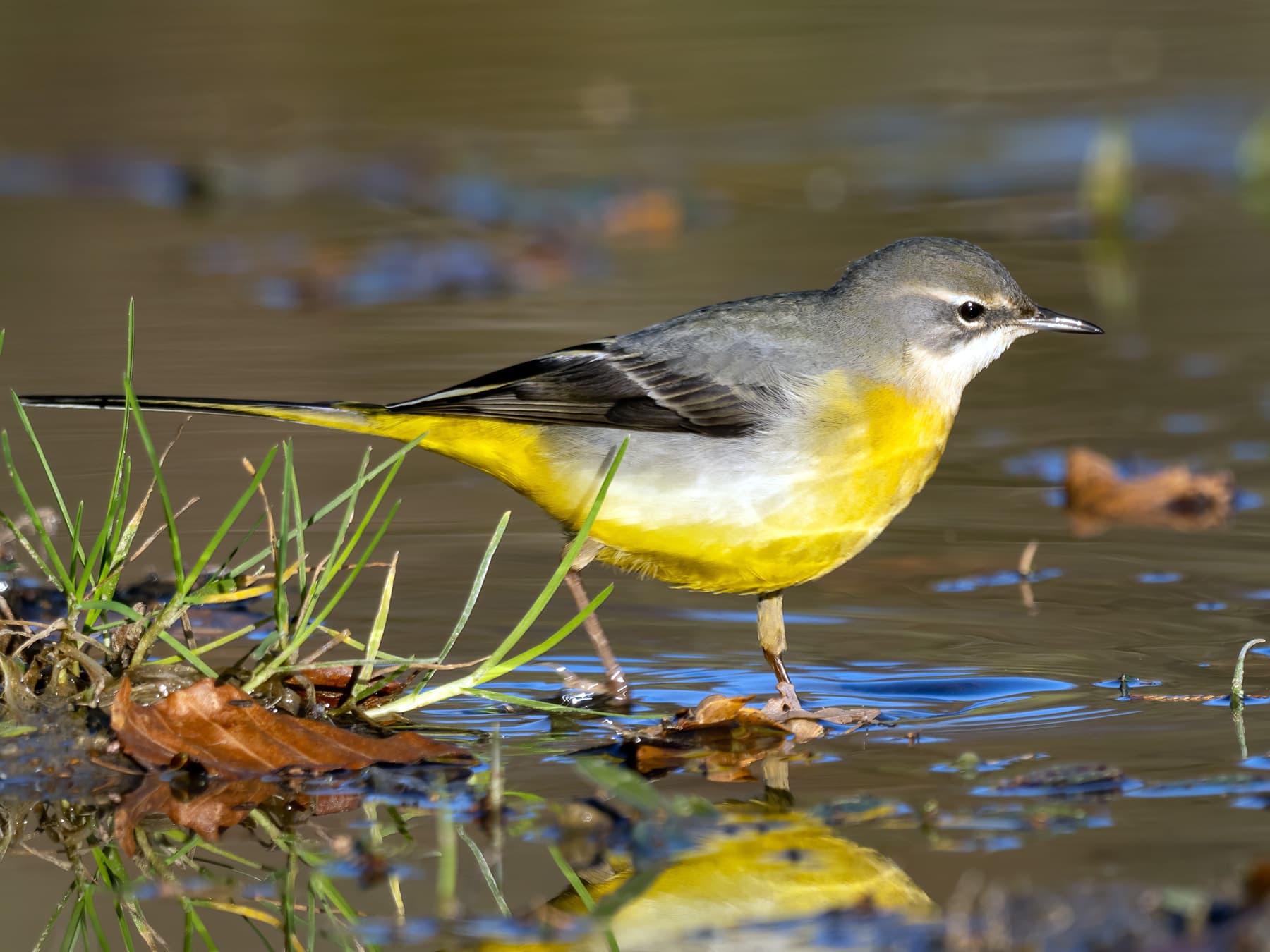
Grey Wagtail
Motacilla cinereaLC
An uncommon resident favouring Devon's fast-flowing streams and rivers, often seen bobbing on rocks. Moves to lowland areas in winter.
Year-round
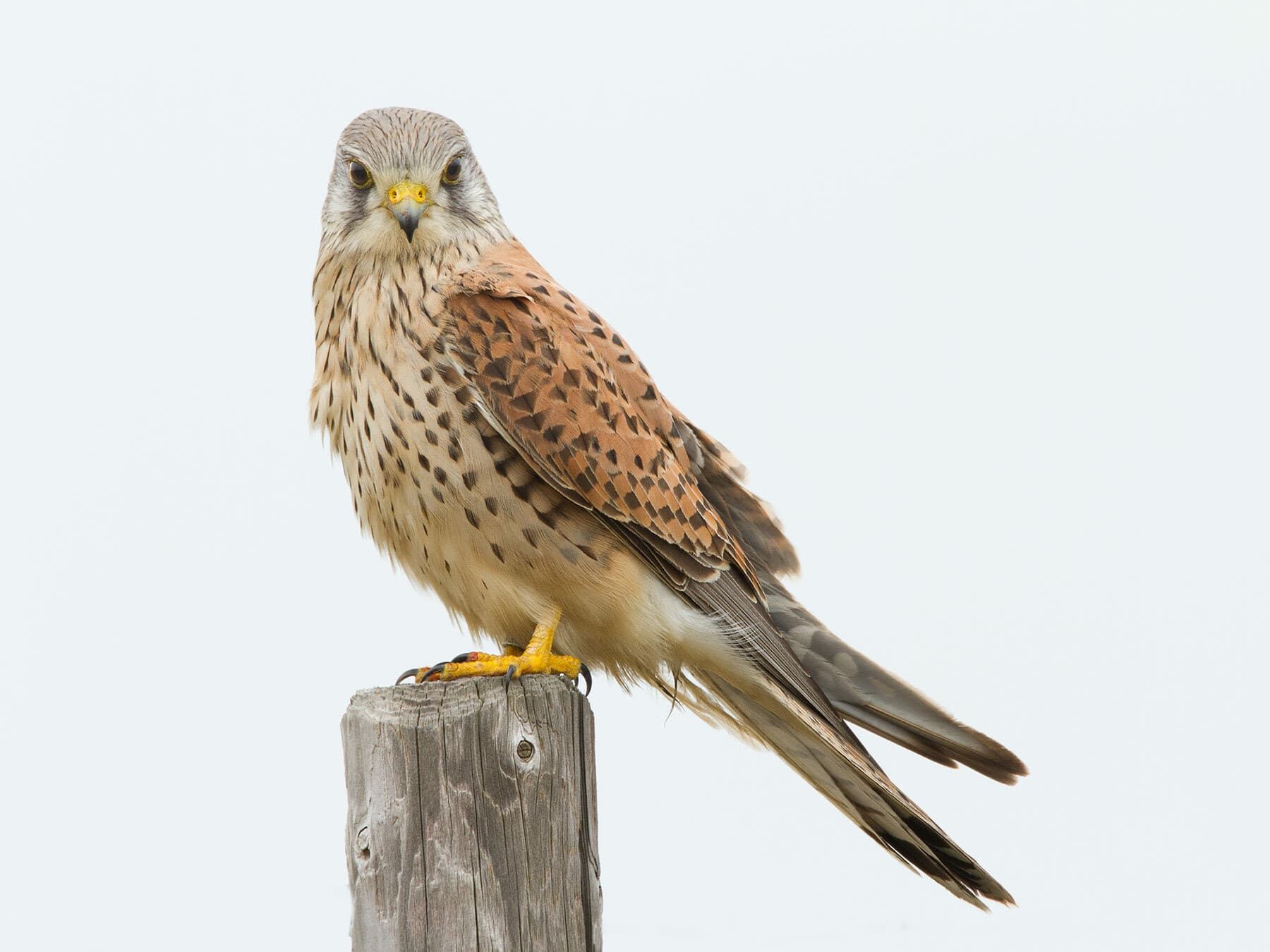
Kestrel
Falco tinnunculusLC
An uncommon resident, often seen hovering over Devon's roadside verges, farmland, and coastal grasslands while hunting for voles and small mammals.
Year-round
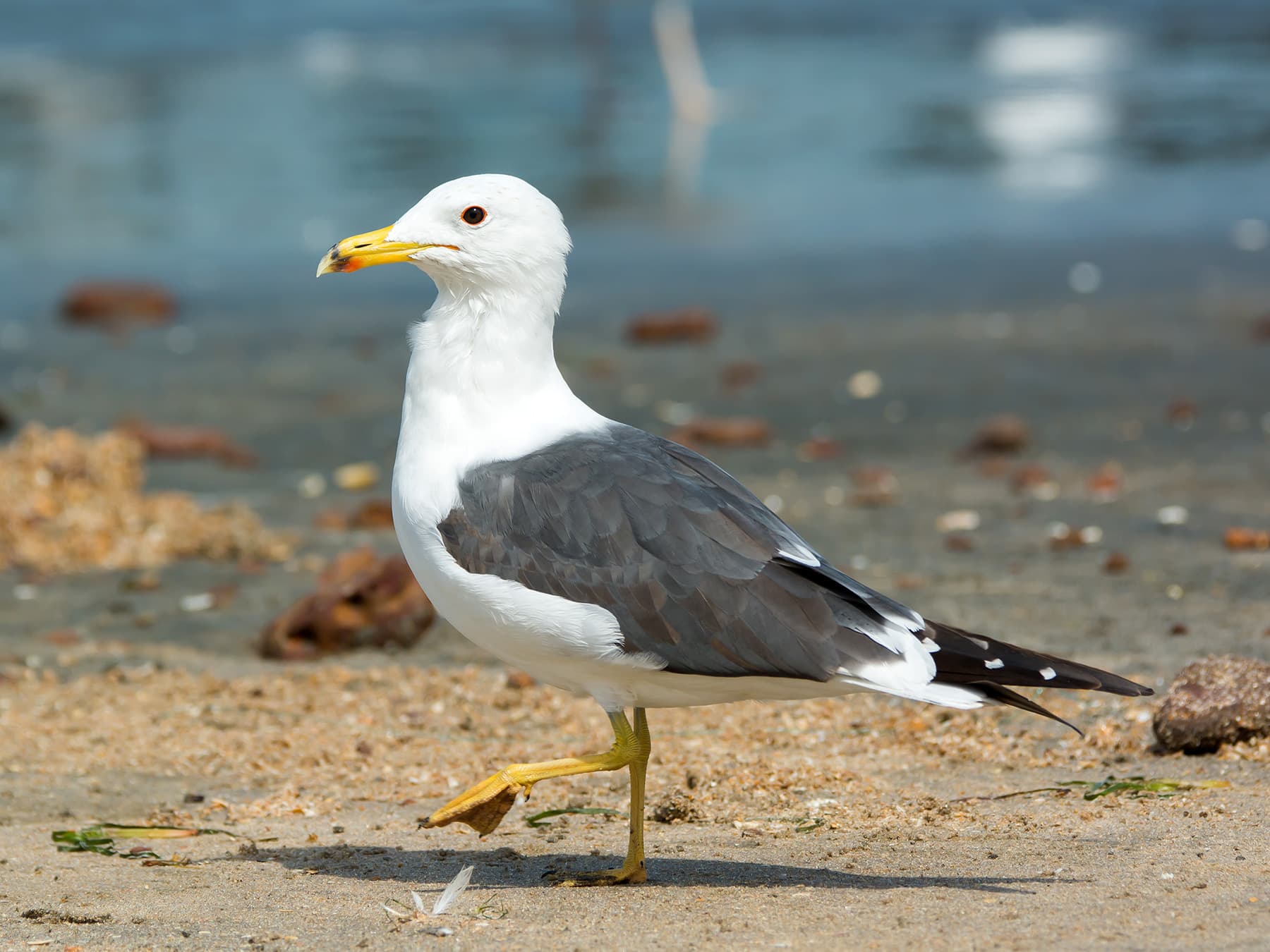
Lesser Black-backed Gull
Larus fuscusLC
Present year-round but most numerous from spring to autumn. Frequents estuaries, landfill sites, and coastal fields across Devon.
Year-round
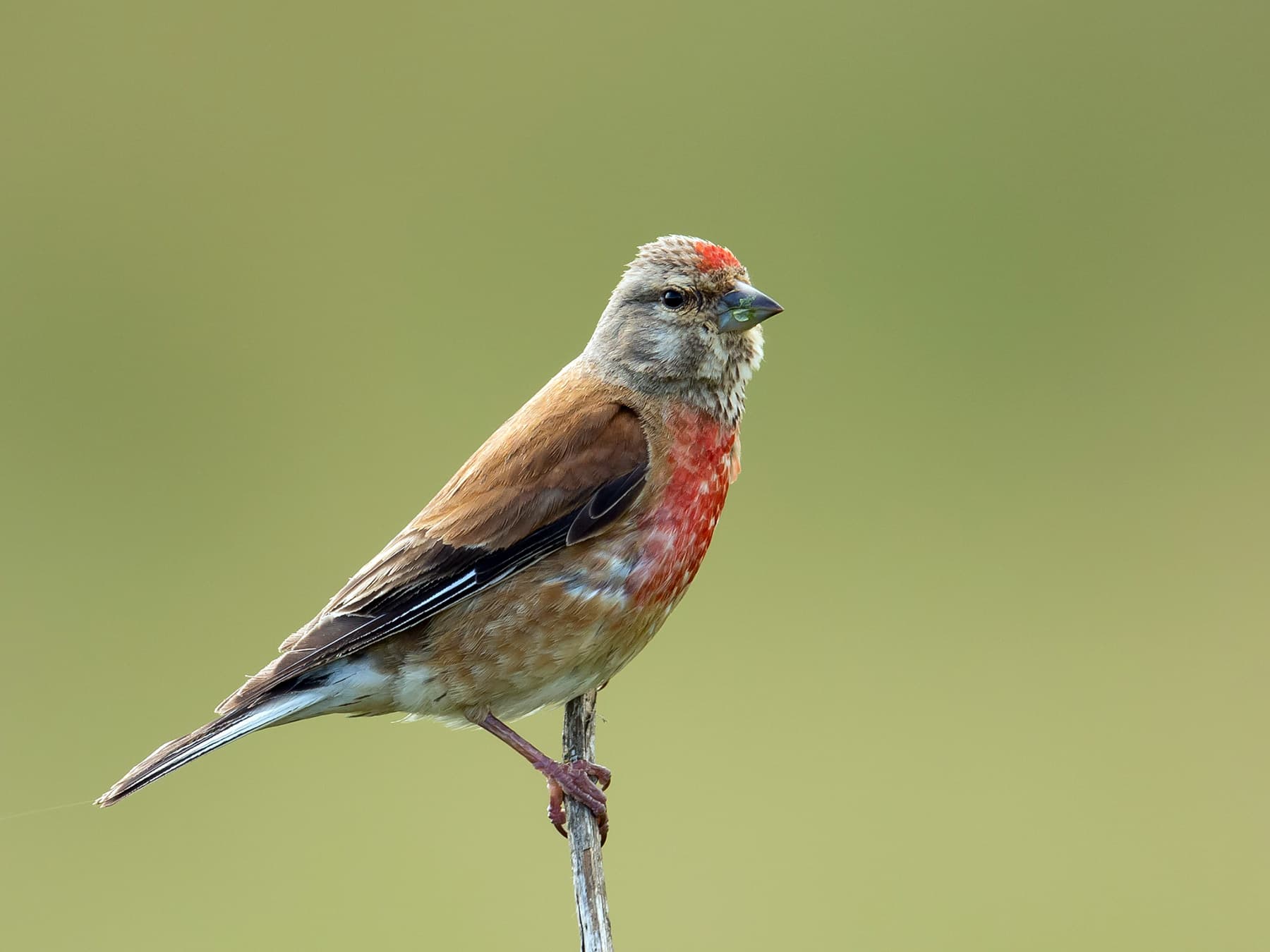
Linnet
Linaria cannabinaLC
Found year-round on coastal scrub, farmland, and gorse-covered commons. Numbers have declined but flocks still gather on stubble fields in winter.
Year-round
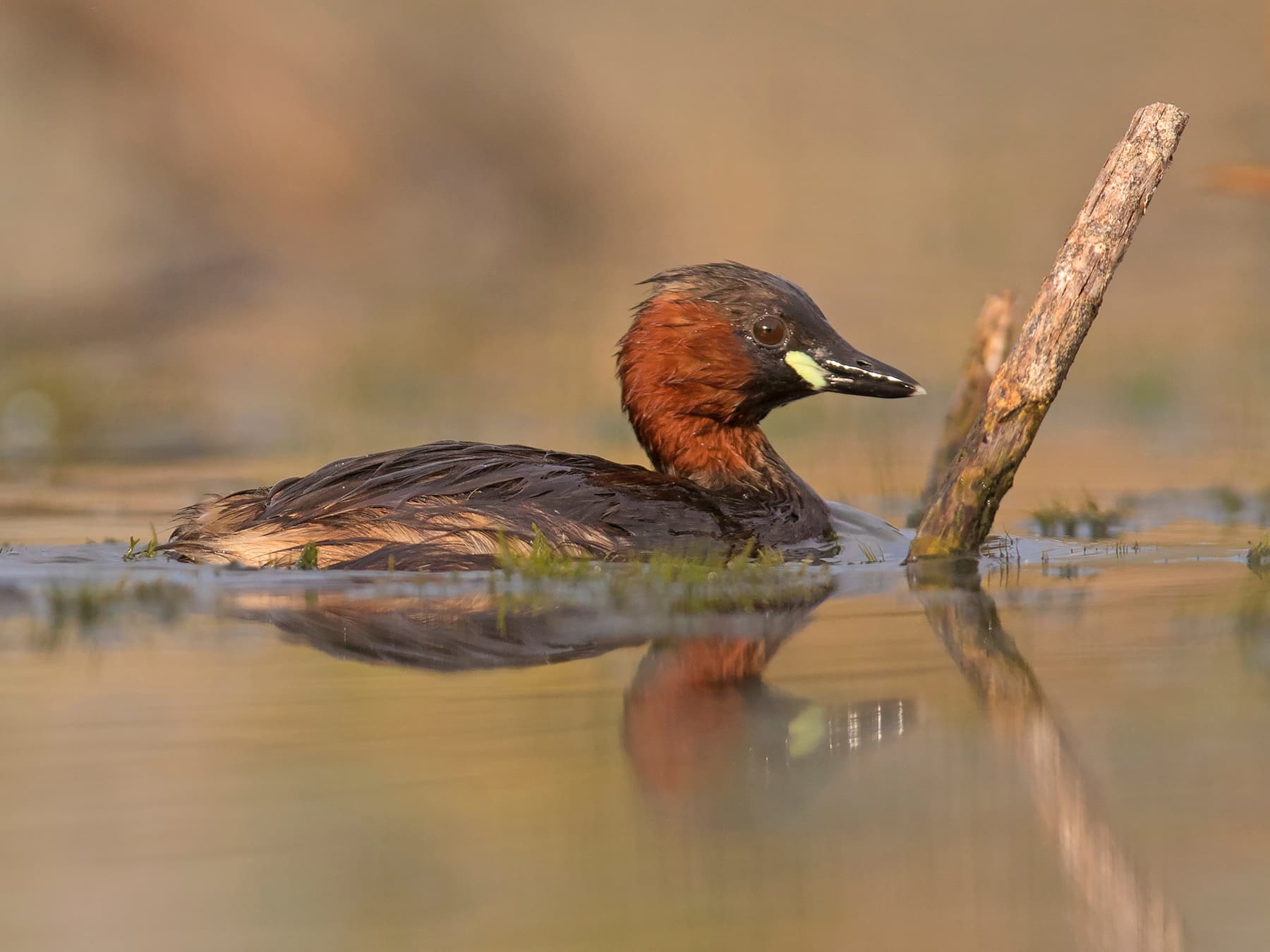
Little Grebe
Tachybaptus ruficollisLC
An uncommon but year-round resident on Devon's ponds, lakes, and sheltered waterways. Its distinctive whinnying call often reveals its presence.
Year-round
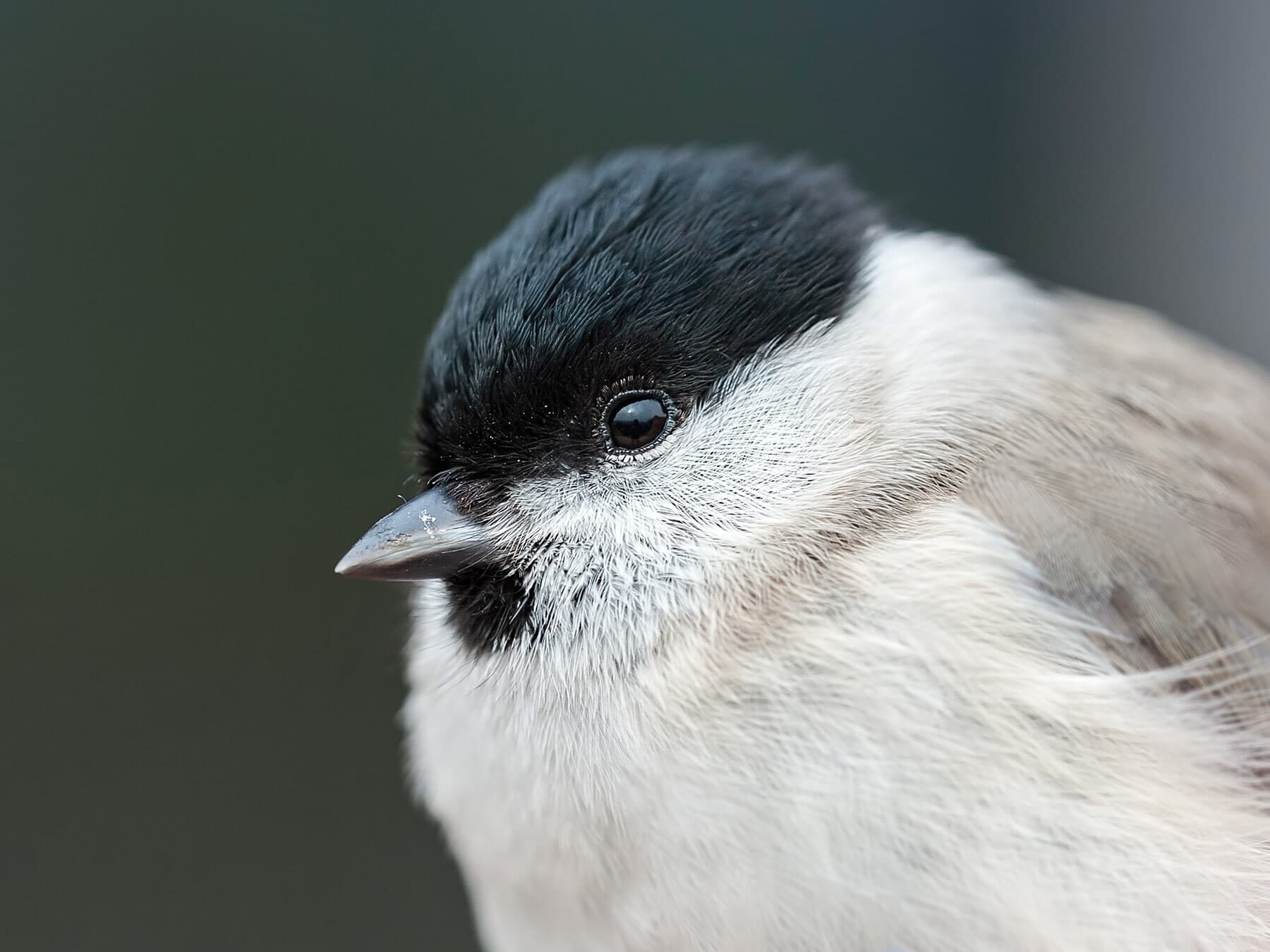
Marsh Tit
Poecile palustrisLC
An uncommon resident of Devon's mature deciduous woodlands and hedgerows. Sedentary and territorial, often found in the same patch year-round.
Year-round
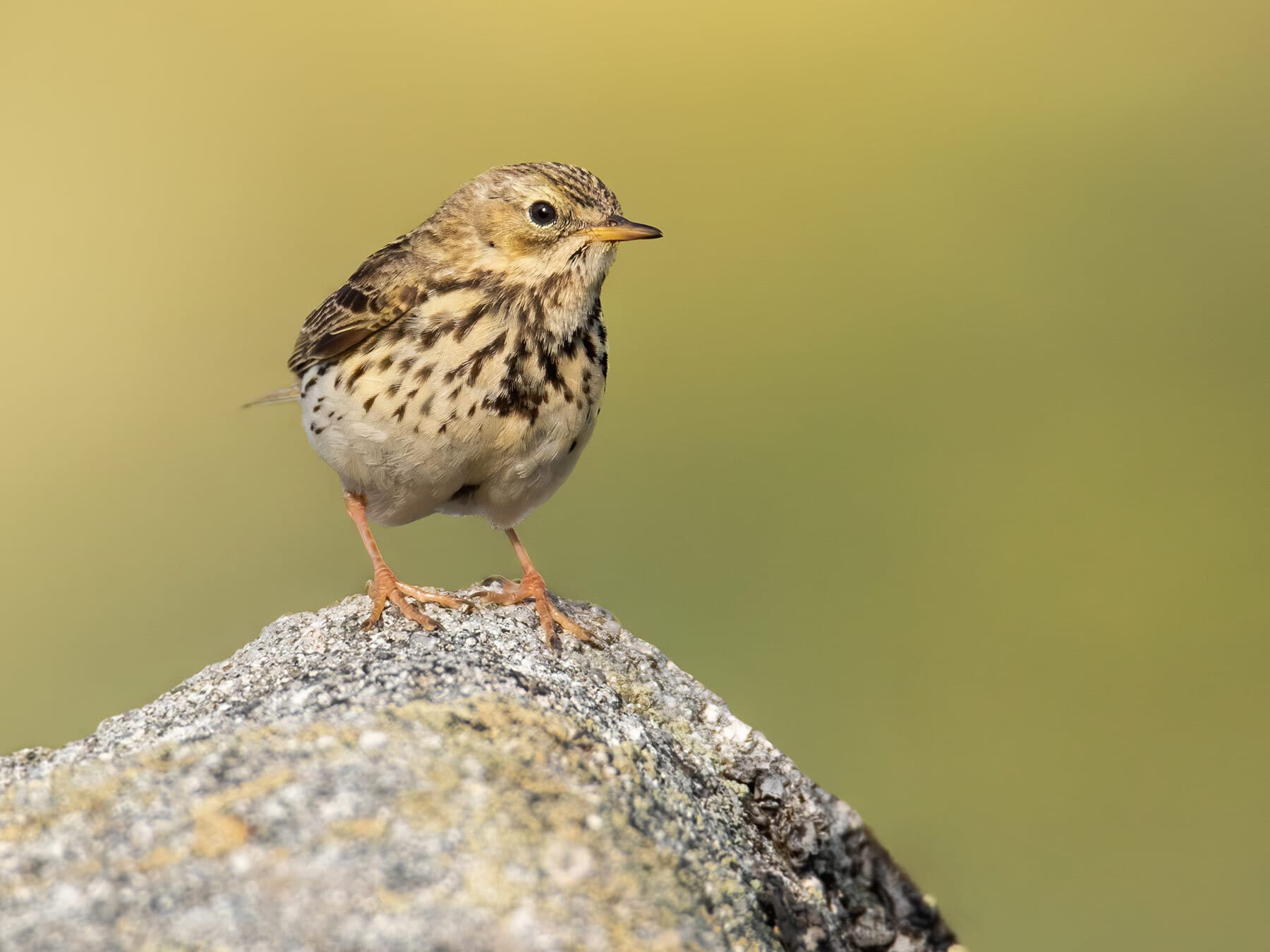
Meadow Pipit
Anthus pratensisLC
An uncommon resident of Dartmoor's open grasslands and coastal clifftops. Numbers swell in autumn with passage birds moving through.
Year-round
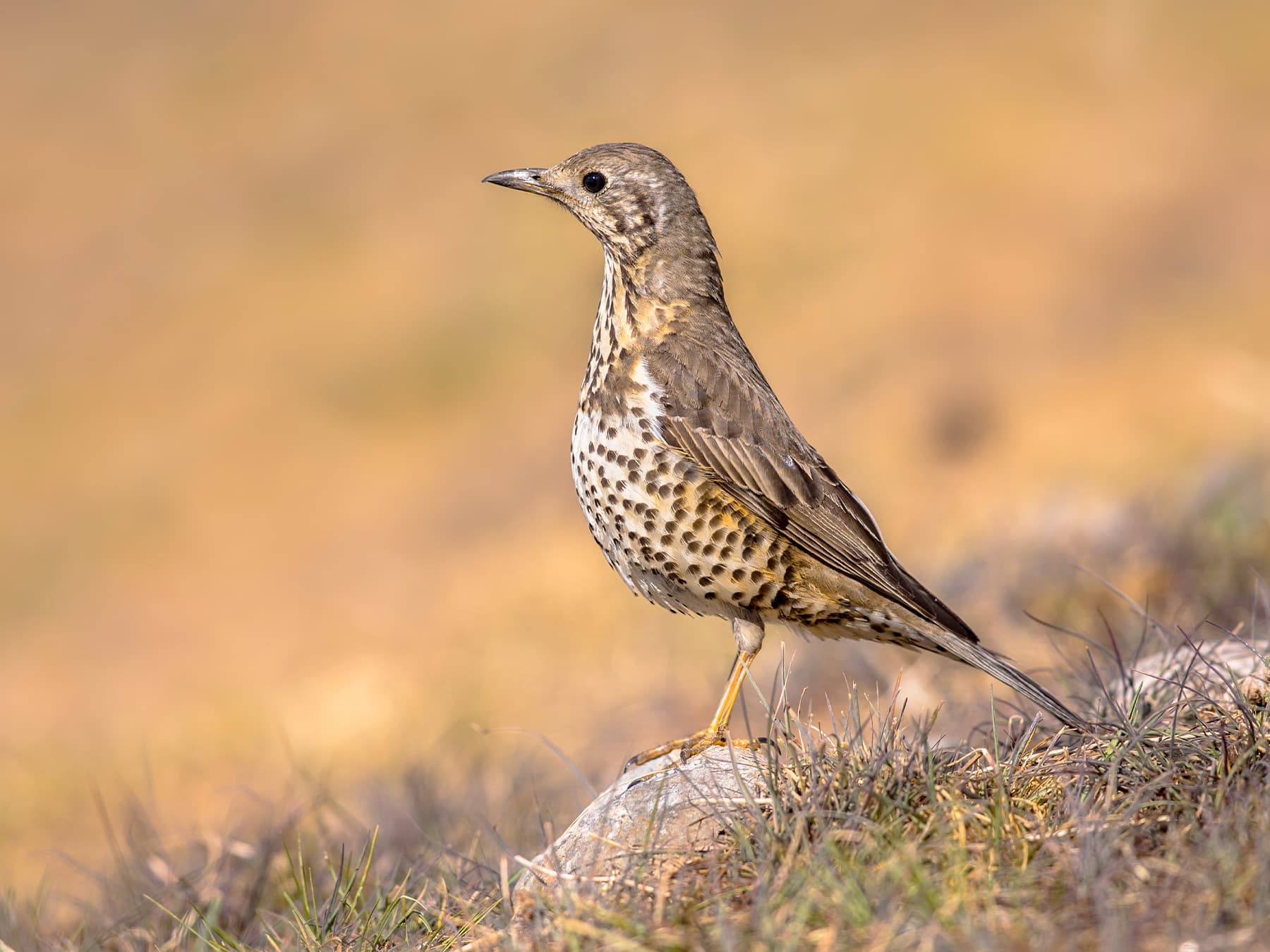
Mistle Thrush
Turdus viscivorusLC
An uncommon resident of parkland, orchards and open woodland. Often sings from treetops in late winter, earlier than most thrushes.
Year-round
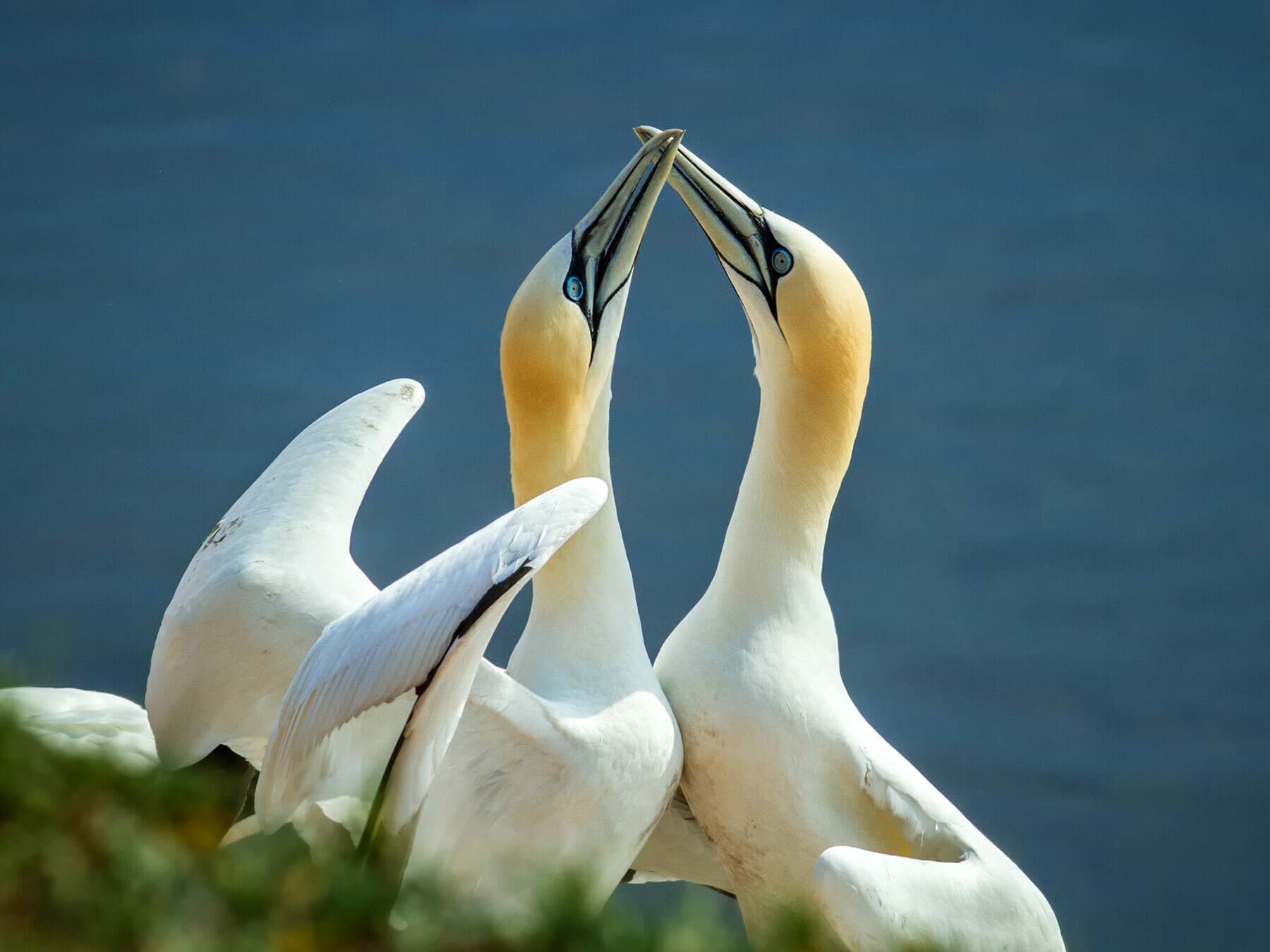
Northern Gannet
Morus bassanusLC
Seen offshore year-round, often plunge-diving spectacularly. Regularly observed from headlands such as Berry Head and Prawle Point.
Year-round
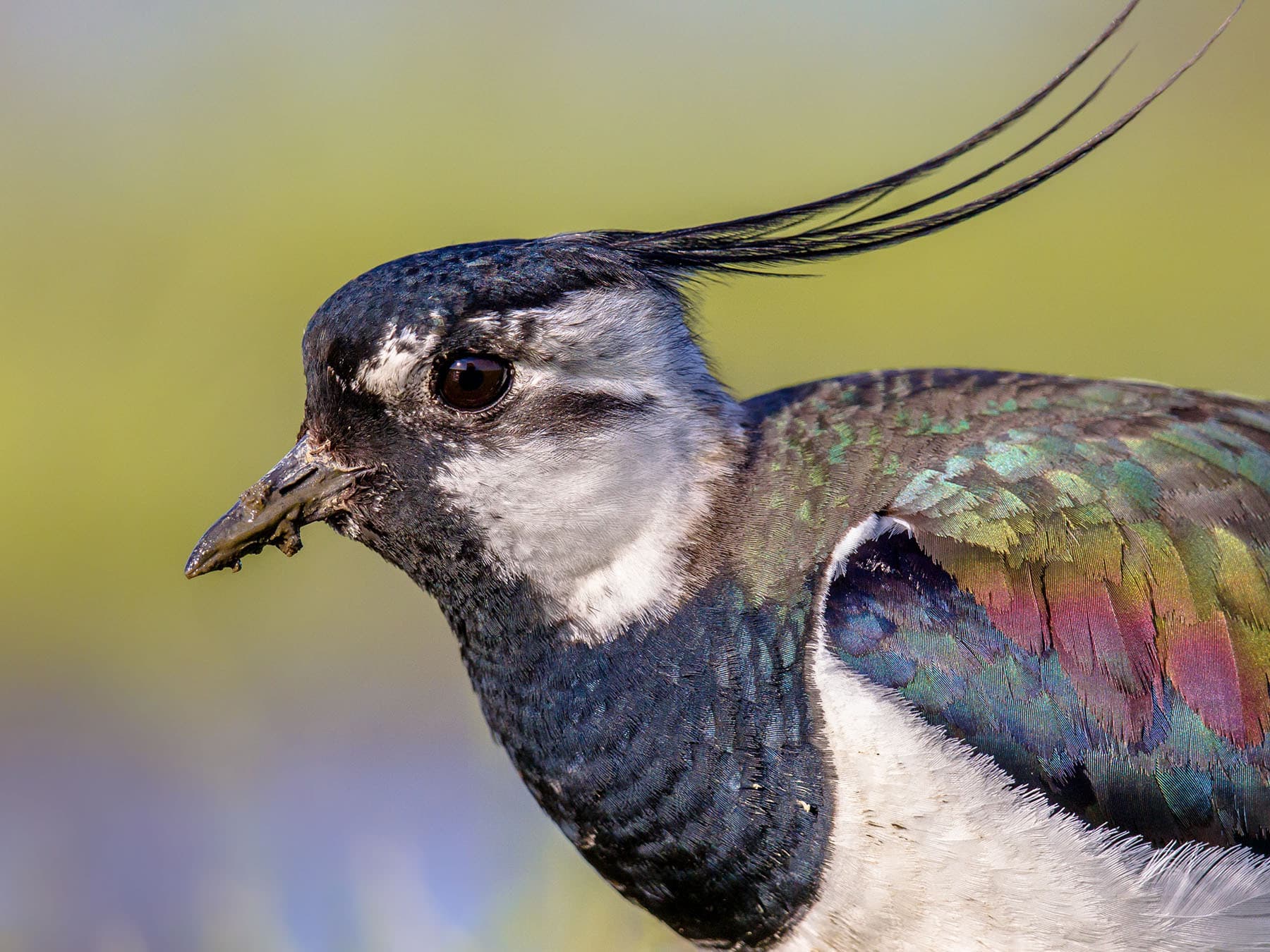
Northern Lapwing
Vanellus vanellusNT
A declining resident found on Devon's farmland and estuaries year-round. Winter flocks on the Exe can be impressive.
Year-round
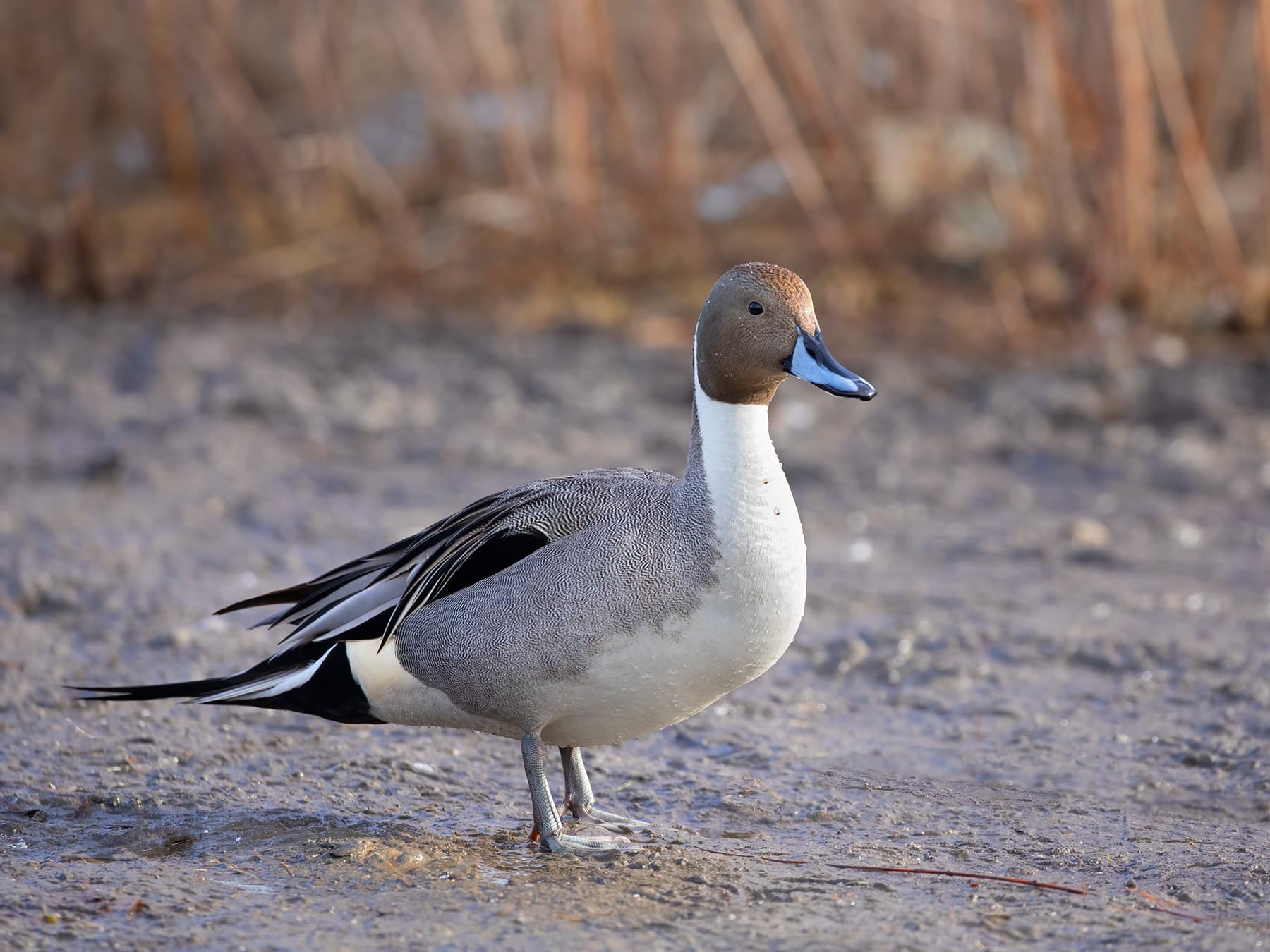
Northern Pintail
Anas acutaLC
An uncommon winter visitor to Devon's estuaries and coastal marshes. Elegant and long-tailed, favouring the Exe and Taw.
Sep–Apr
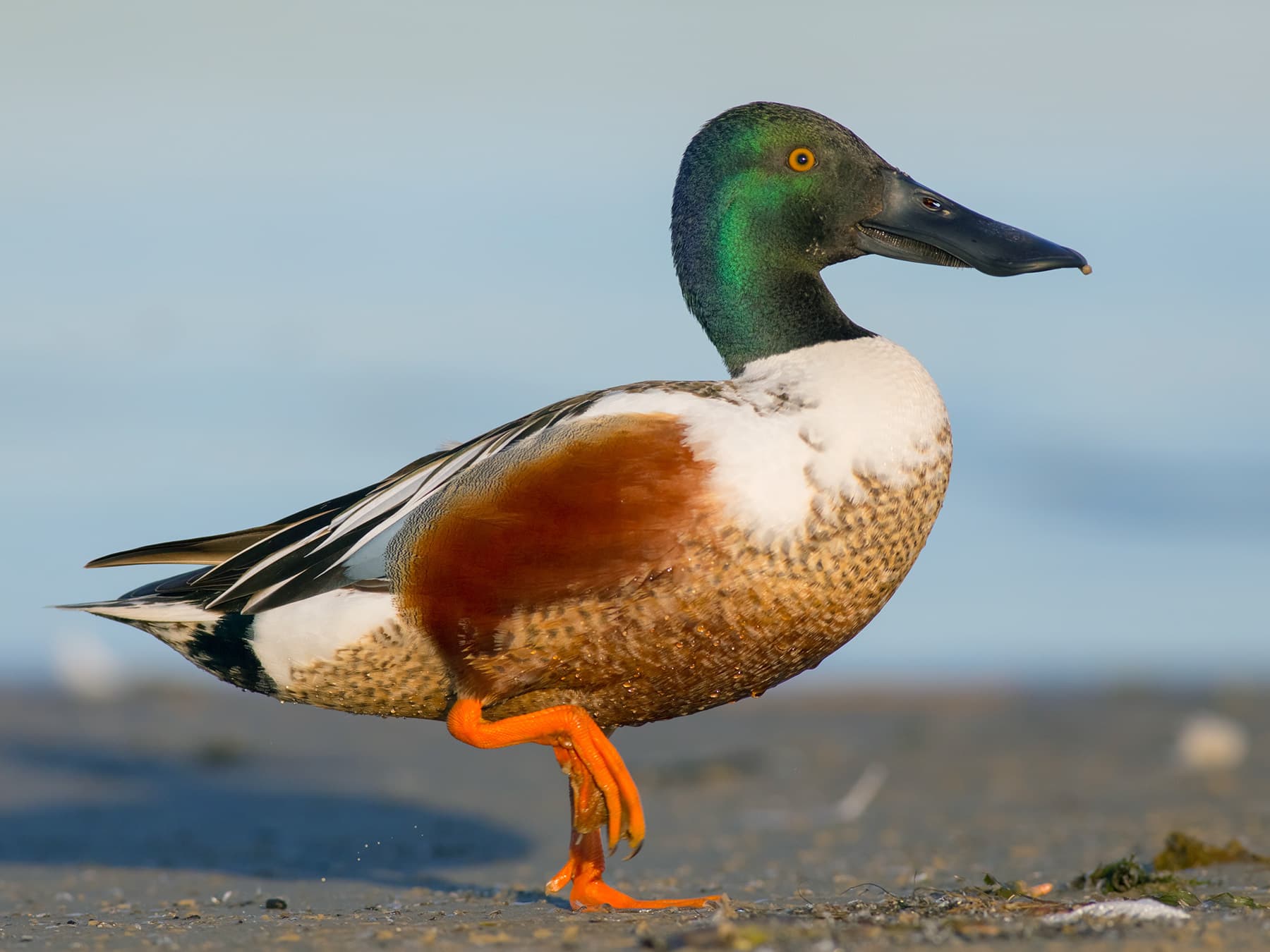
Northern Shoveler
Spatula clypeataLC
An uncommon resident found on Devon's wetlands and estuaries. Numbers increase in winter with continental arrivals.
Jul–May
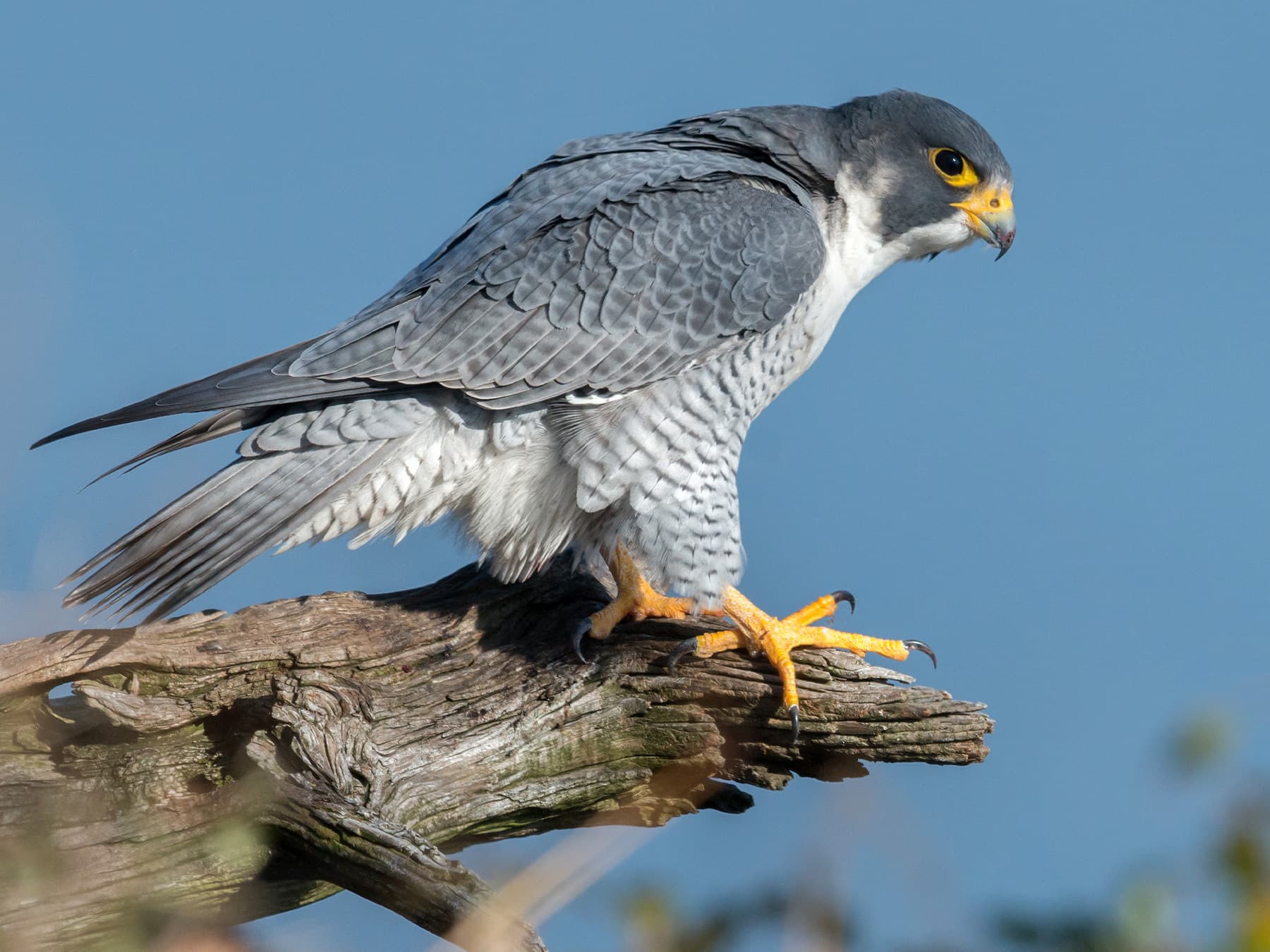
Peregrine Falcon
Falco peregrinusLC
An uncommon but increasing resident, nesting on Devon's sea cliffs and occasionally on urban buildings. Spectacular stoops on prey at high speed.
Year-round