Sandpipers & Snipes in Devon
23 species matching this filter.
Devon's diverse coastline, estuaries, and wetlands provide vital habitat for 21 species of sandpipers and snipes. The Exe Estuary, Taw-Torridge Estuary, and Slapton Ley are particularly important sites, attracting waders such as Bar-tailed Godwit, Black-tailed Godwit, Dunlin, and Curlew throughout the year. Scarcer visitors like Curlew Sandpiper and Greenshank add excitement during migration periods, while Eurasian Woodcock and Common Snipe can be found in the county's woodlands and damp meadows.


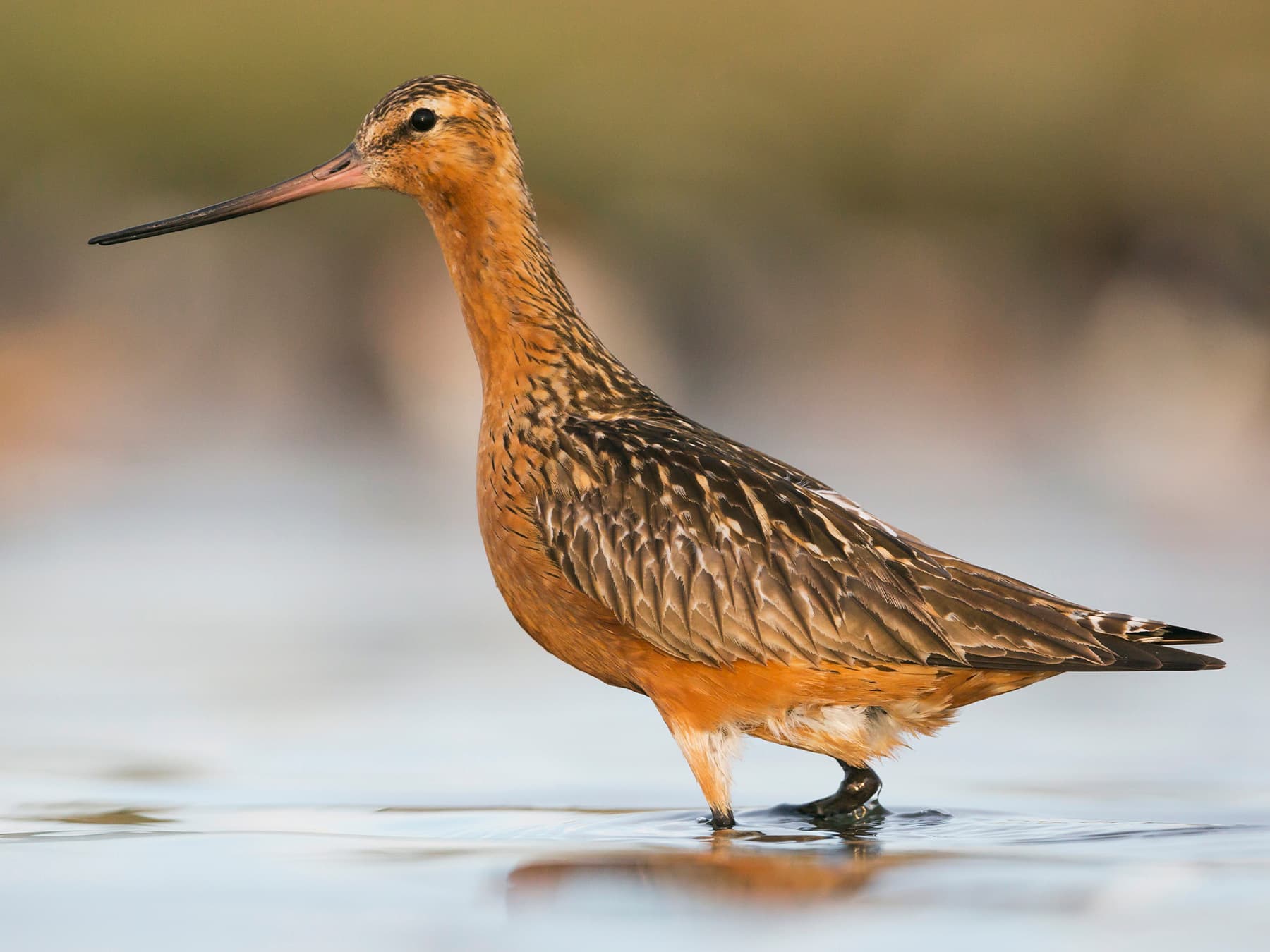
Bar-tailed Godwit
Limosa lapponicaNT
Frequents Devon's estuaries, especially the Exe and Taw-Torridge, probing mudflats with its upturned bill. Most numerous in winter and on autumn passage.
Jul–May
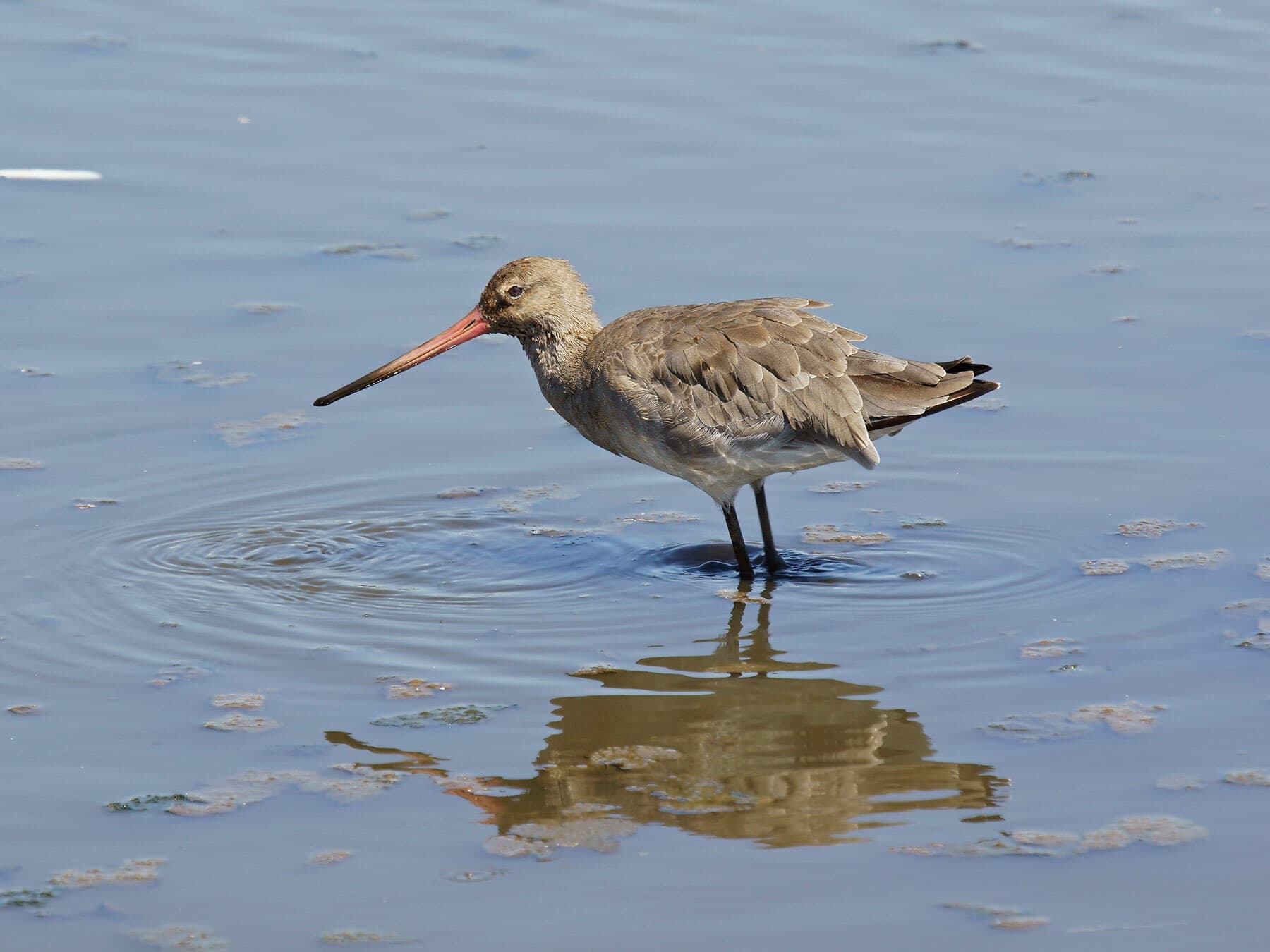
Black-tailed Godwit
Limosa limosaNT
A year-round presence on the Exe Estuary, one of the UK's key wintering sites. Feeds on mudflats in large flocks, with numbers peaking from autumn through spring.
Year-round
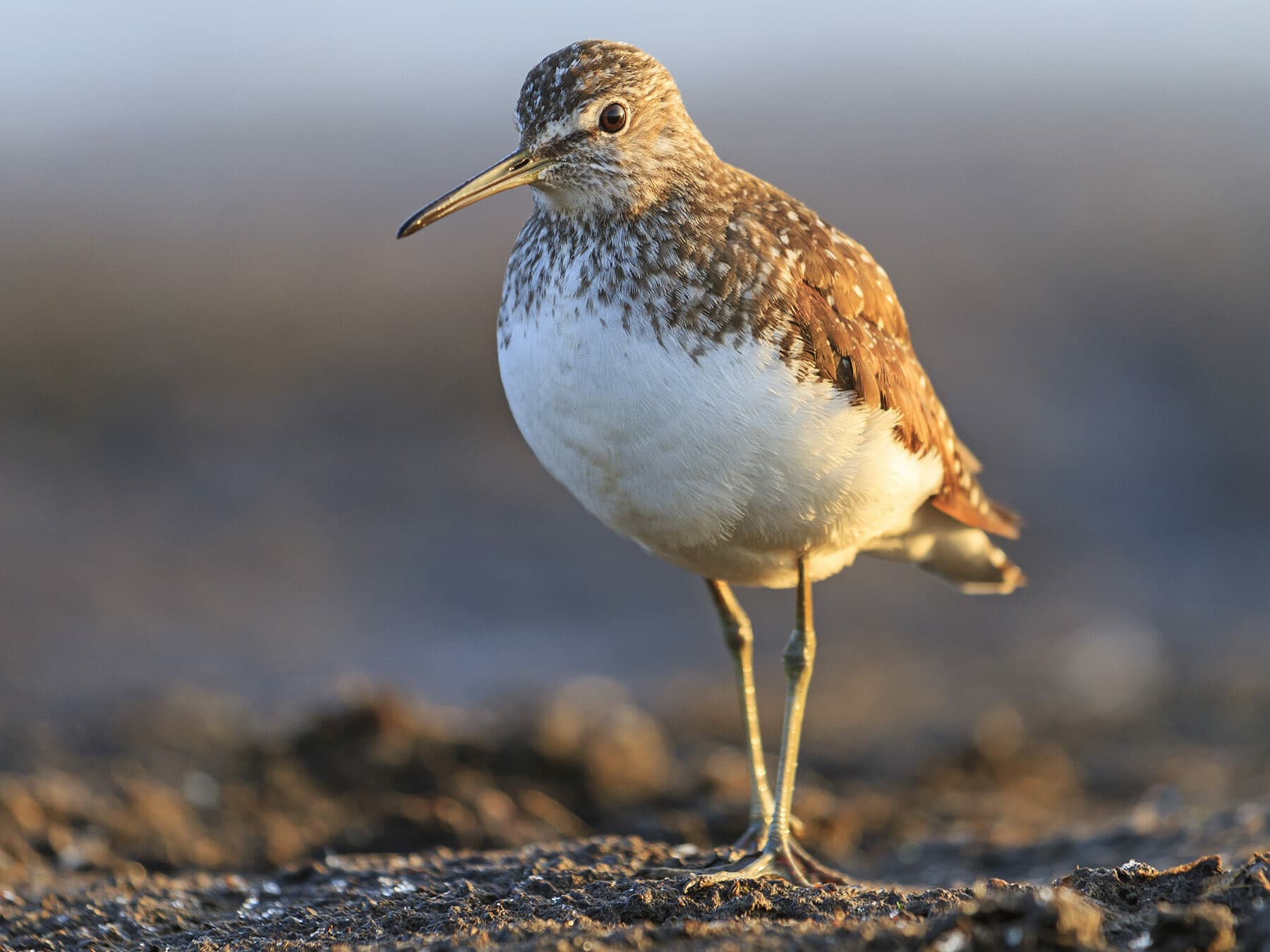
Common Sandpiper
Actitis hypoleucosLC
Bobs along Devon's rivers and rocky shores throughout the year. Breeds beside upland streams on Dartmoor and Exmoor, with wider dispersal in winter.
Year-round
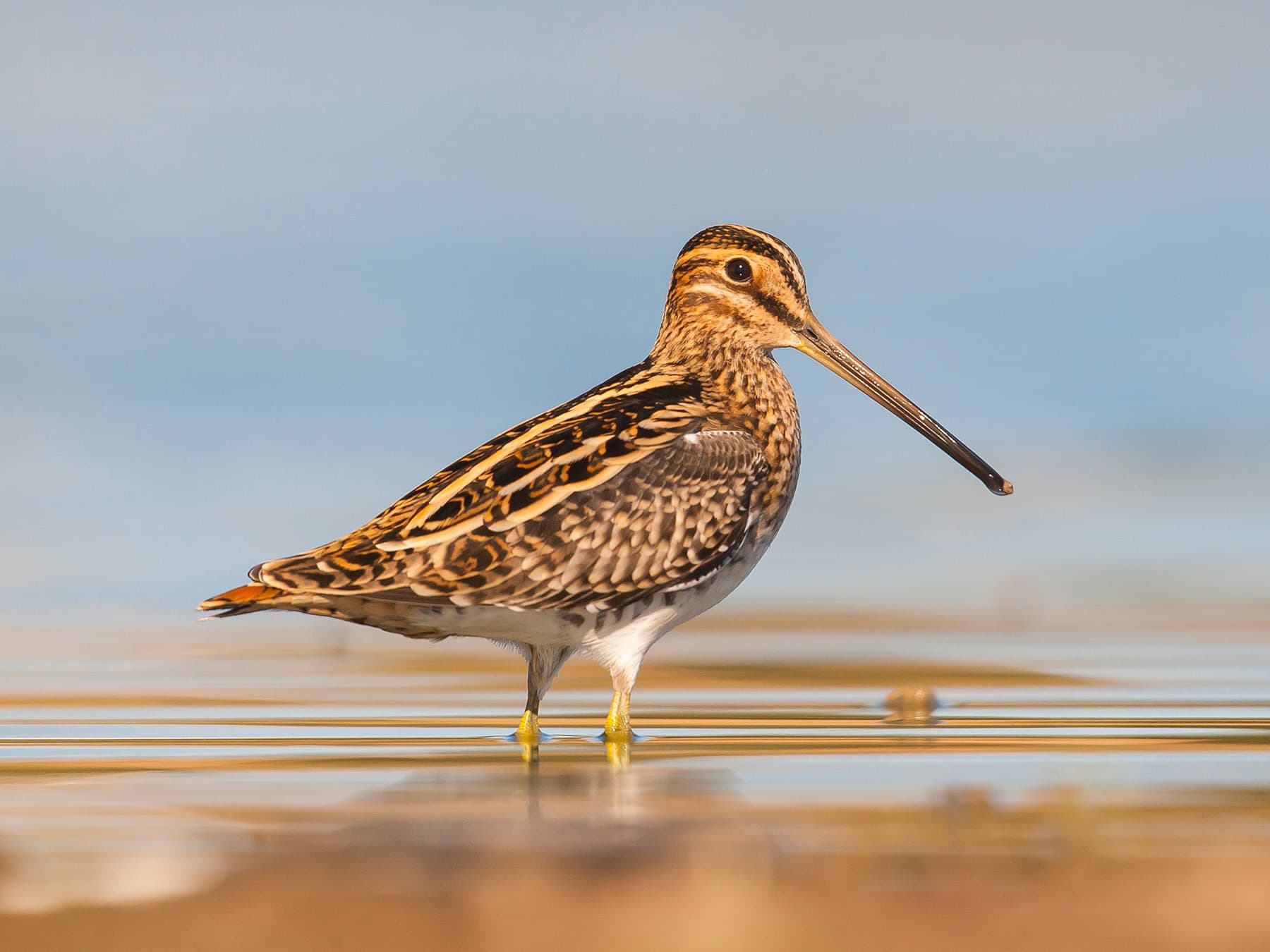
Common Snipe
Gallinago gallinagoLC
Found year-round in wet meadows, marshes and estuary margins. Its distinctive 'drumming' display flight can be heard over Devon's moorland bogs in spring.
Aug–Jun
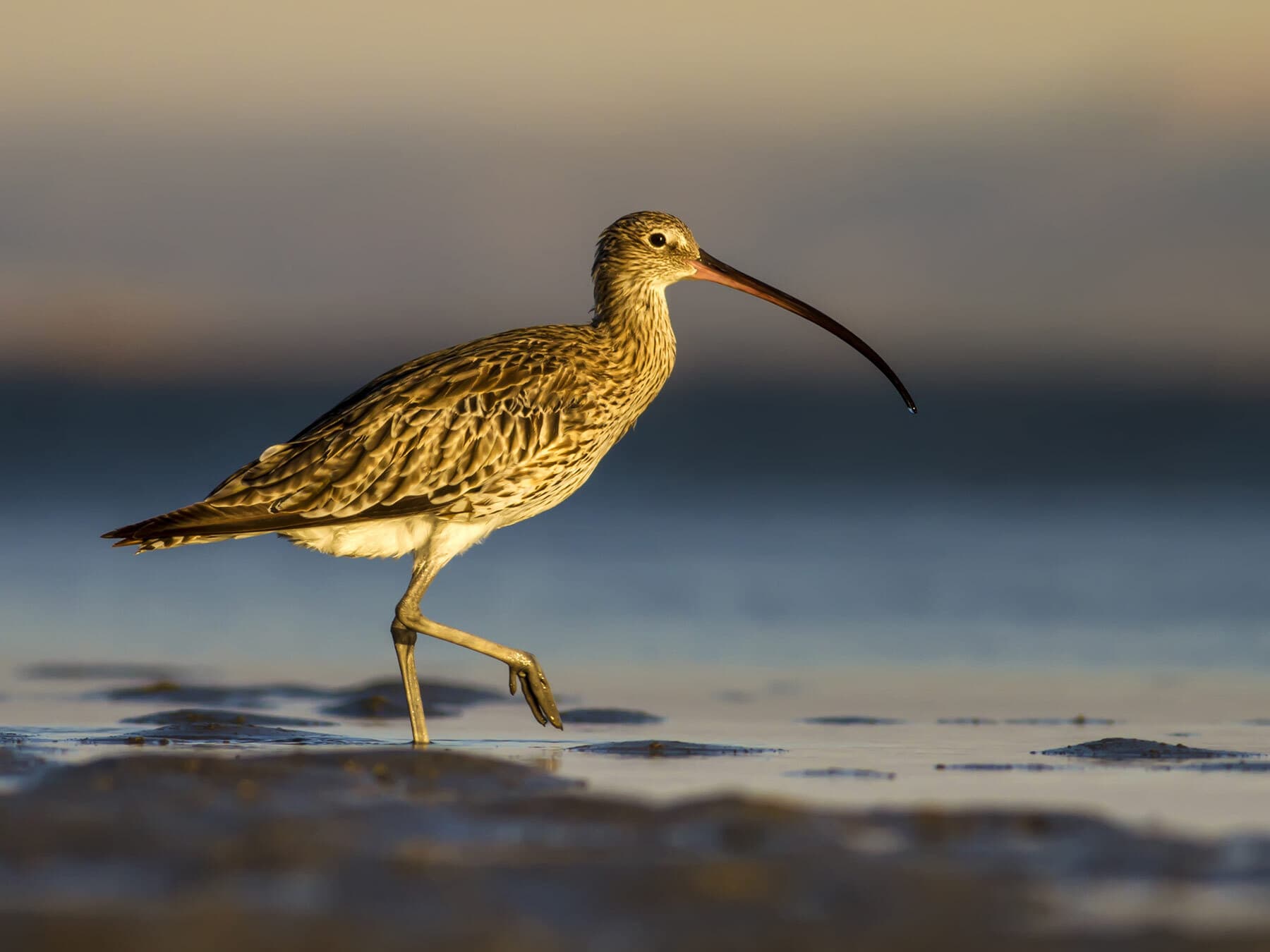
Curlew
Numenius arquataNT
Present year-round, breeding on Dartmoor and wintering on Devon's estuaries. Its evocative call is iconic across the county's moors.
Year-round
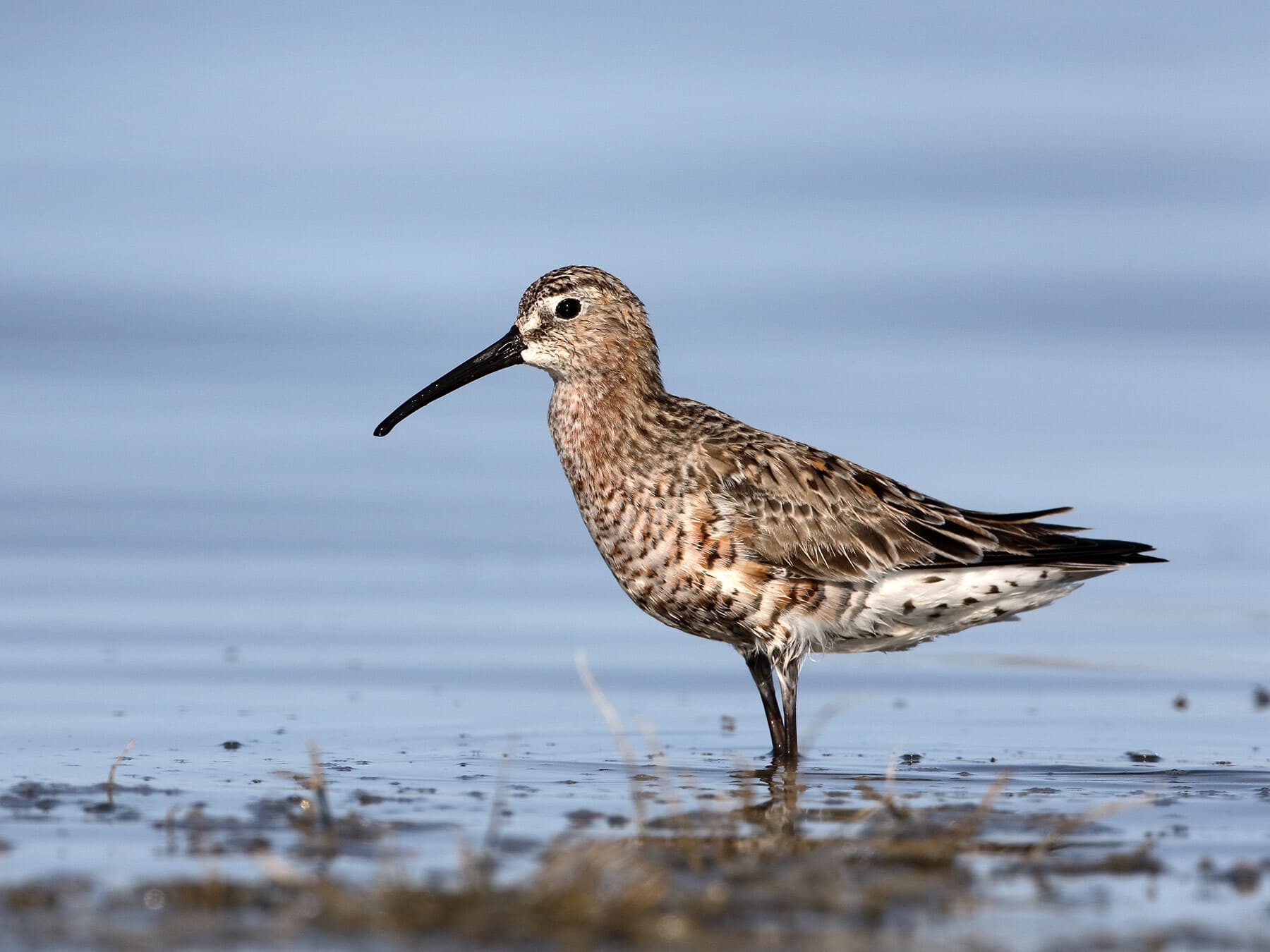
Curlew Sandpiper
Calidris ferrugineaNT
A rare autumn passage migrant, typically appearing on estuarine mudflats between August and October. Often found feeding alongside Dunlin on the Exe.
Aug–Oct
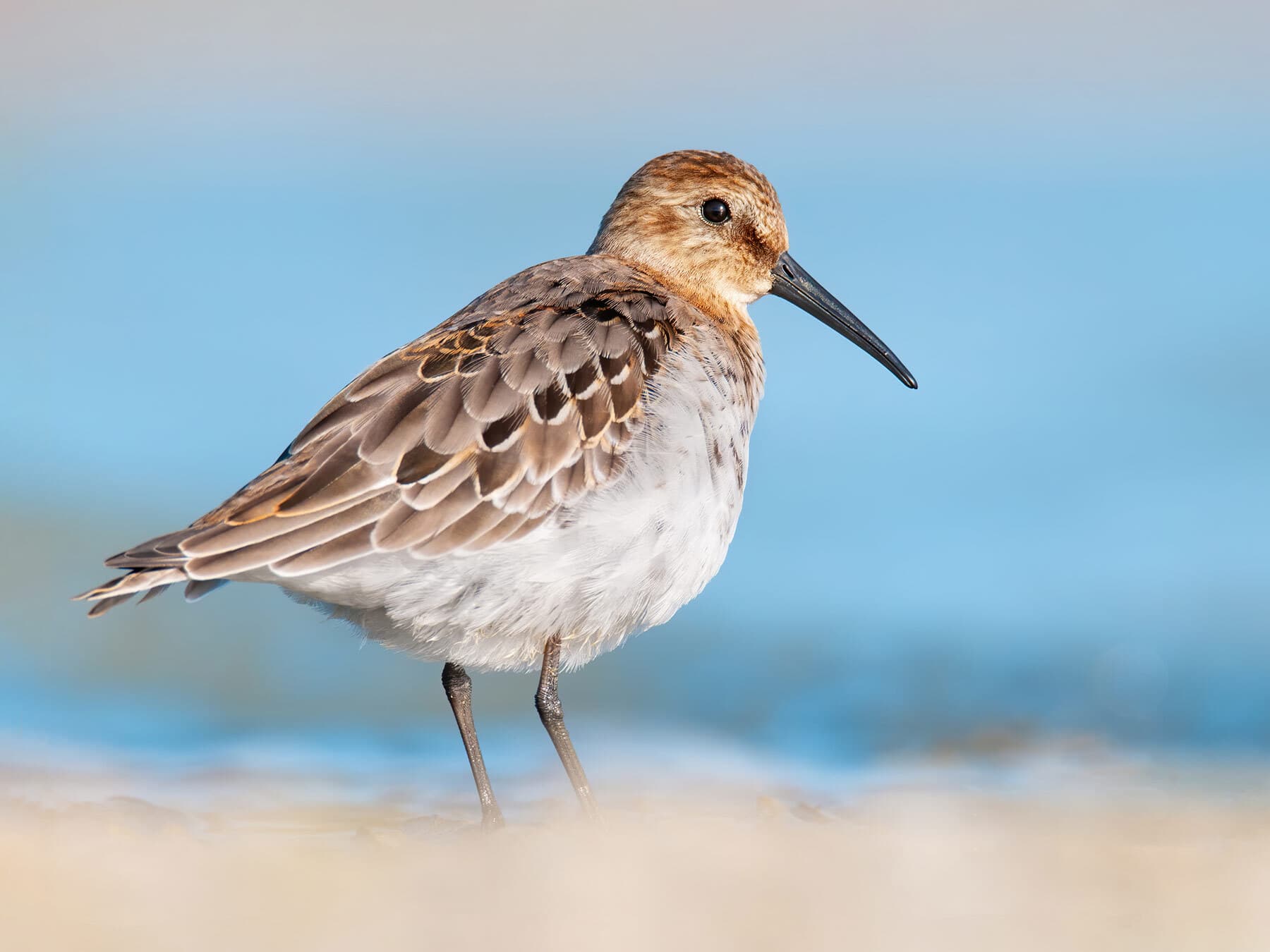
Dunlin
Calidris alpinaLC
Found year-round on Devon's estuaries, forming busy flocks on the Exe mudflats. Numbers peak in winter when Continental birds augment the resident population.
Year-round
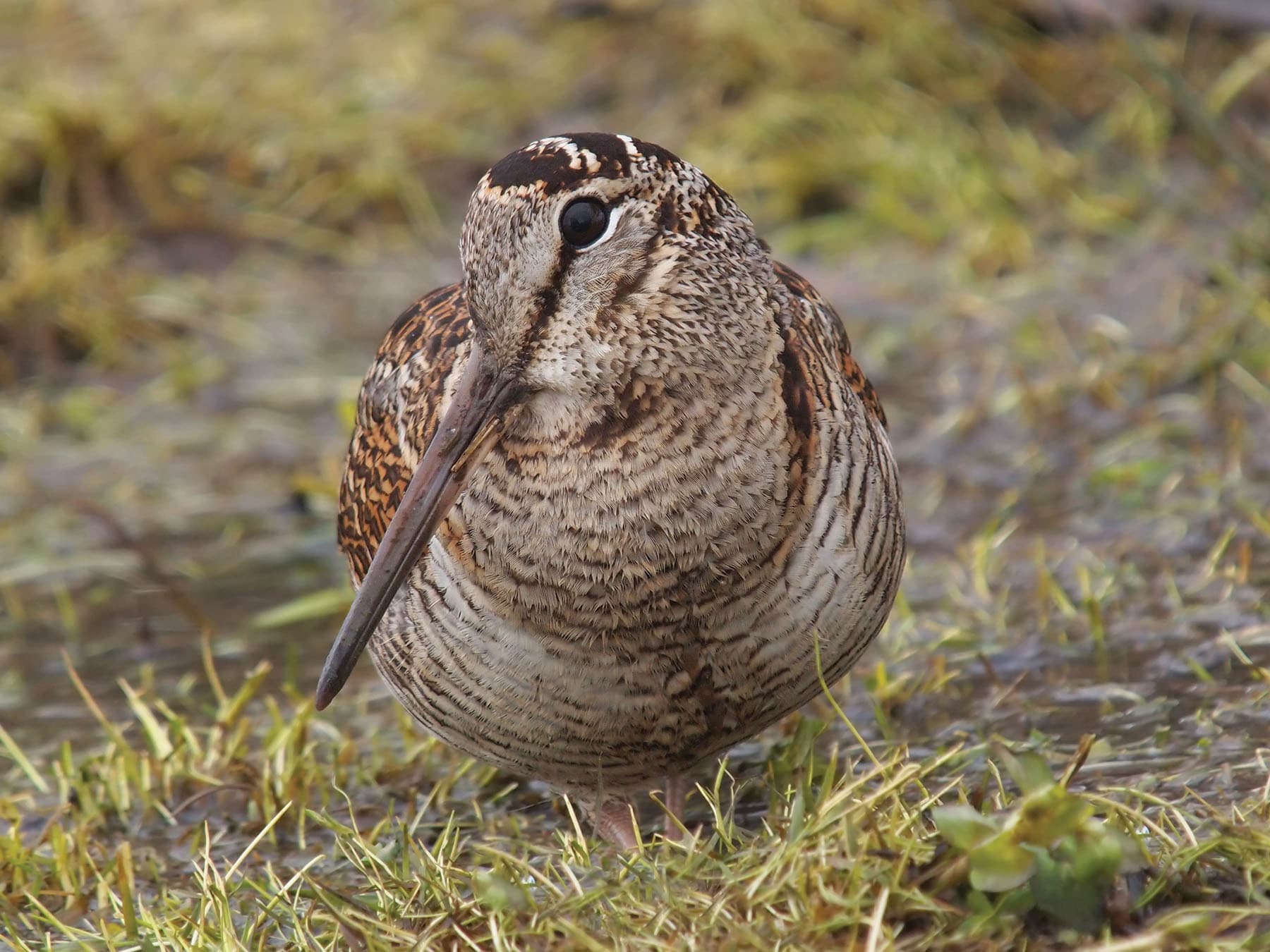
Eurasian Woodcock
Scolopax rusticolaLC
Winters in Devon's damp woodlands and hedgerows, often flushed unexpectedly from leaf litter. Most likely encountered during cold snaps from December to March.
Dec–Mar
Spotted something?
Upload a photo to identify it
Identify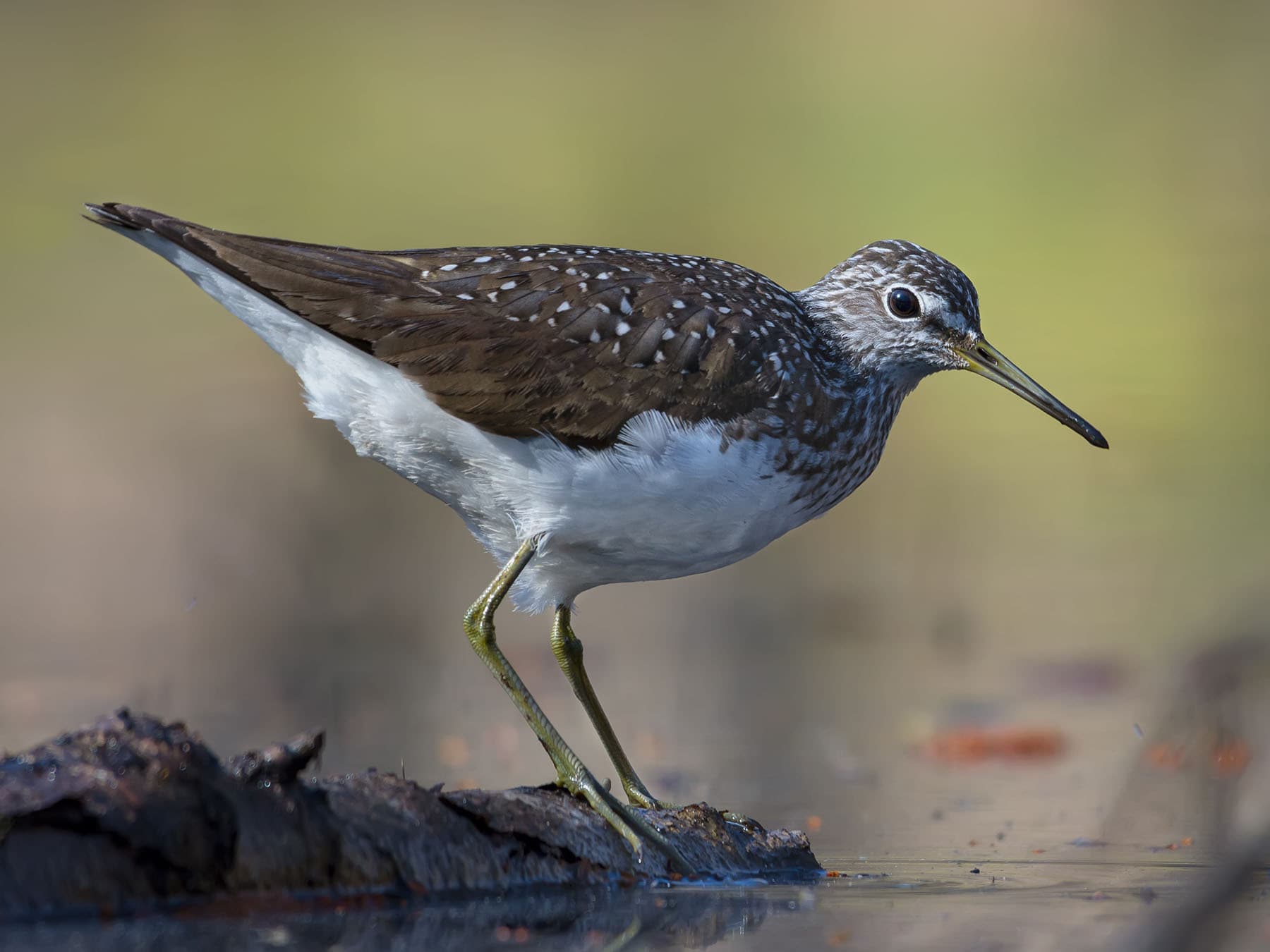
Green Sandpiper
Tringa ochropusLC
A scarce but regular visitor to freshwater pools, ditches and watercress beds. Most often seen during return migration in July–August and again in winter.
Jul–Apr
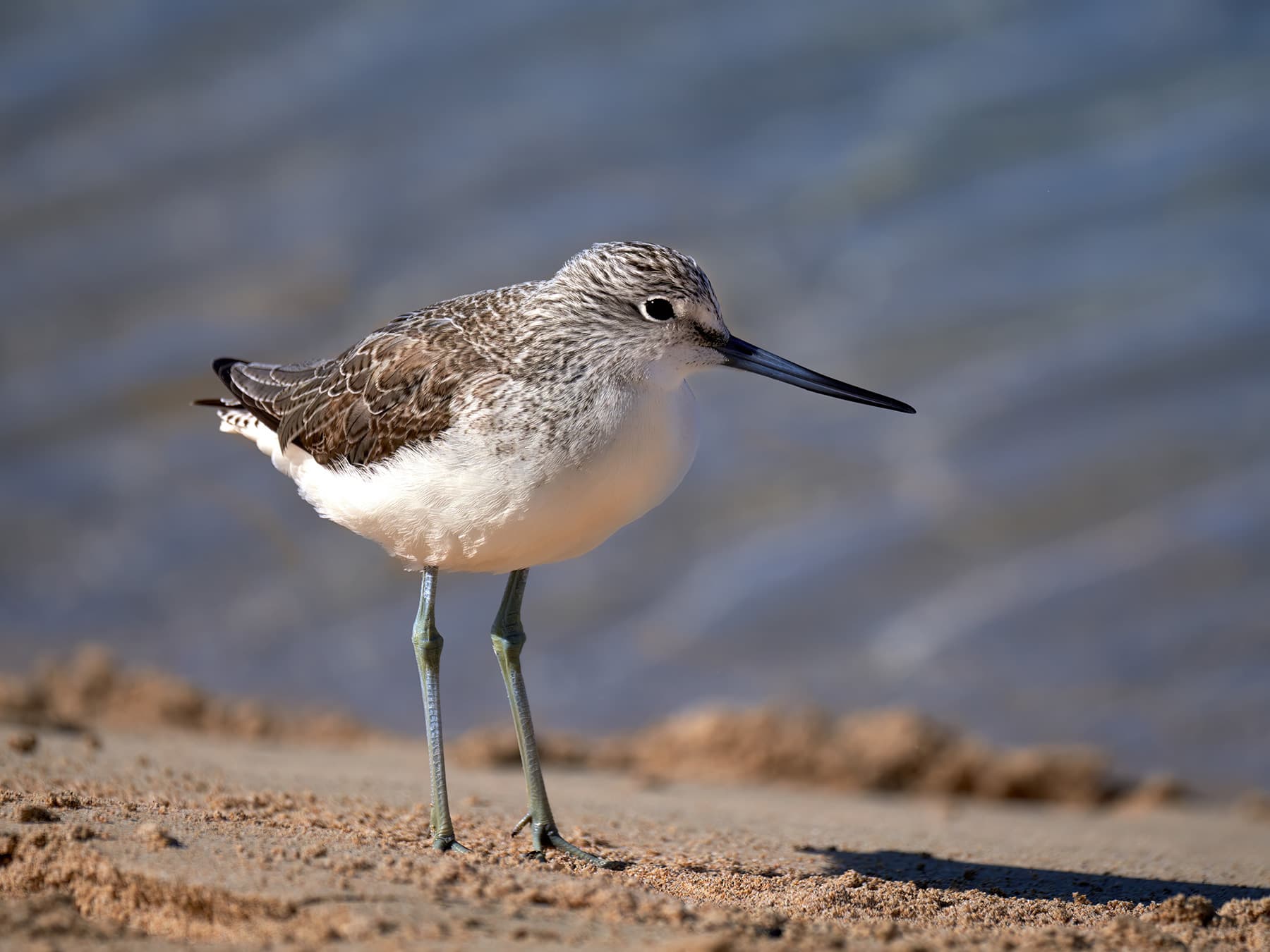
Greenshank
Tringa nebulariaLC
Present year-round on Devon's estuaries and coastal creeks, though never in large numbers. Elegant and long-legged, often seen wading in shallow tidal channels.
Year-round
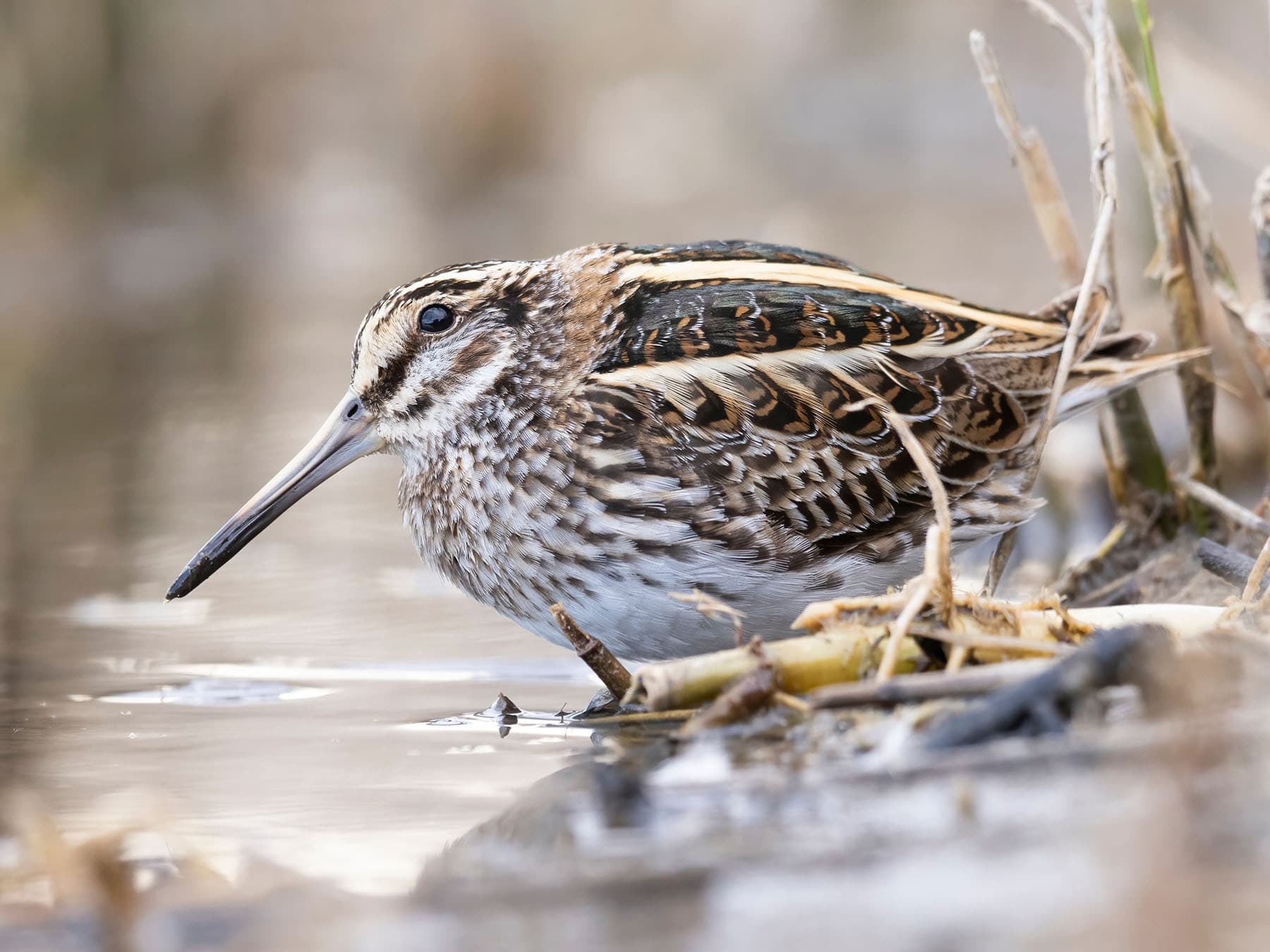
Jack Snipe
Lymnocryptes minimusLC
A secretive winter visitor to boggy marshes and wet meadows. Easily overlooked due to its skulking habits, typically flushing only at very close range.
Dec
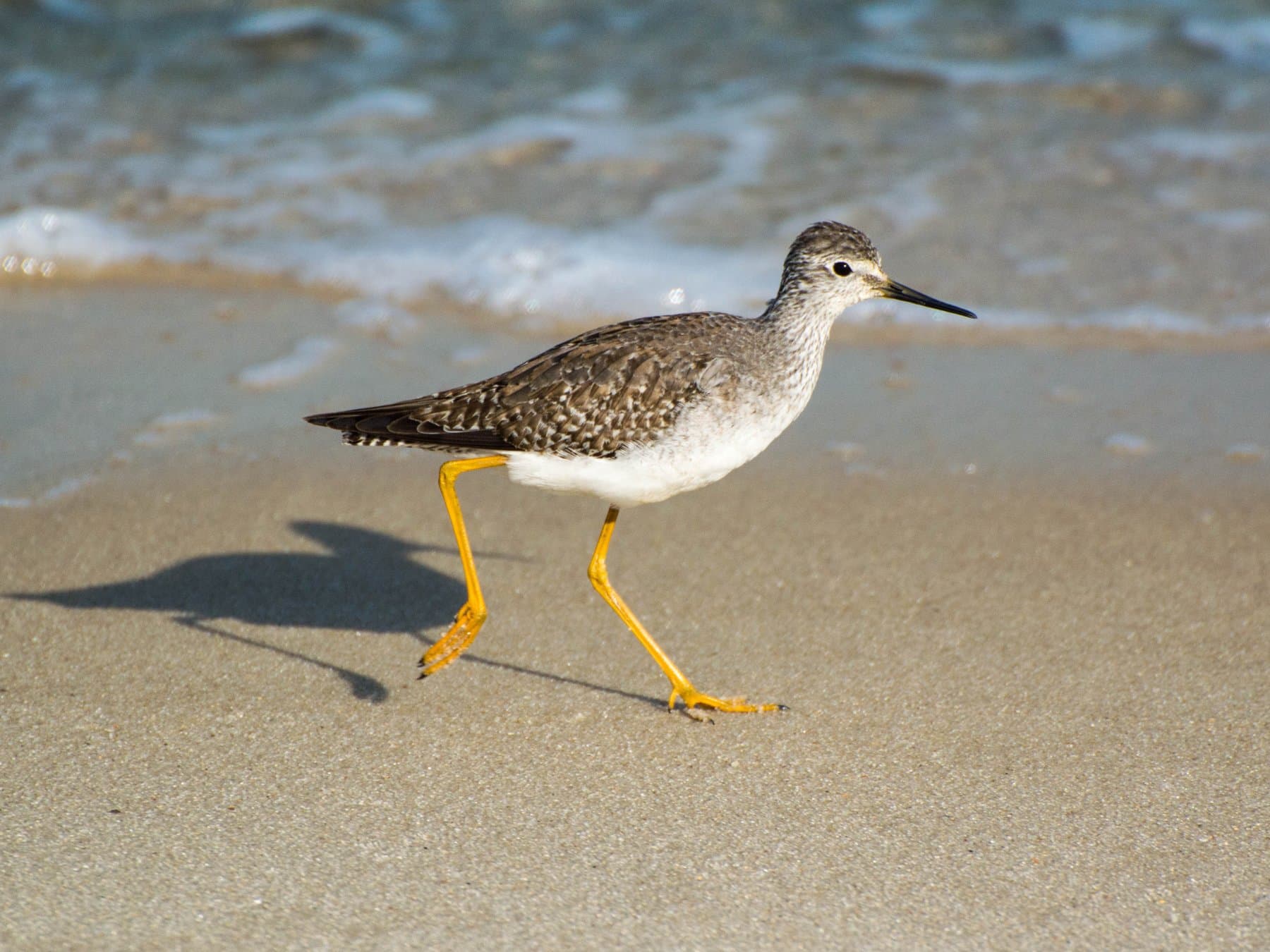
Lesser Yellowlegs
Tringa flavipesVU
A rare Nearctic wader occasionally turning up on spring passage. Any Devon record is exceptional and draws visiting birders to the county's coastal wetlands.
Apr
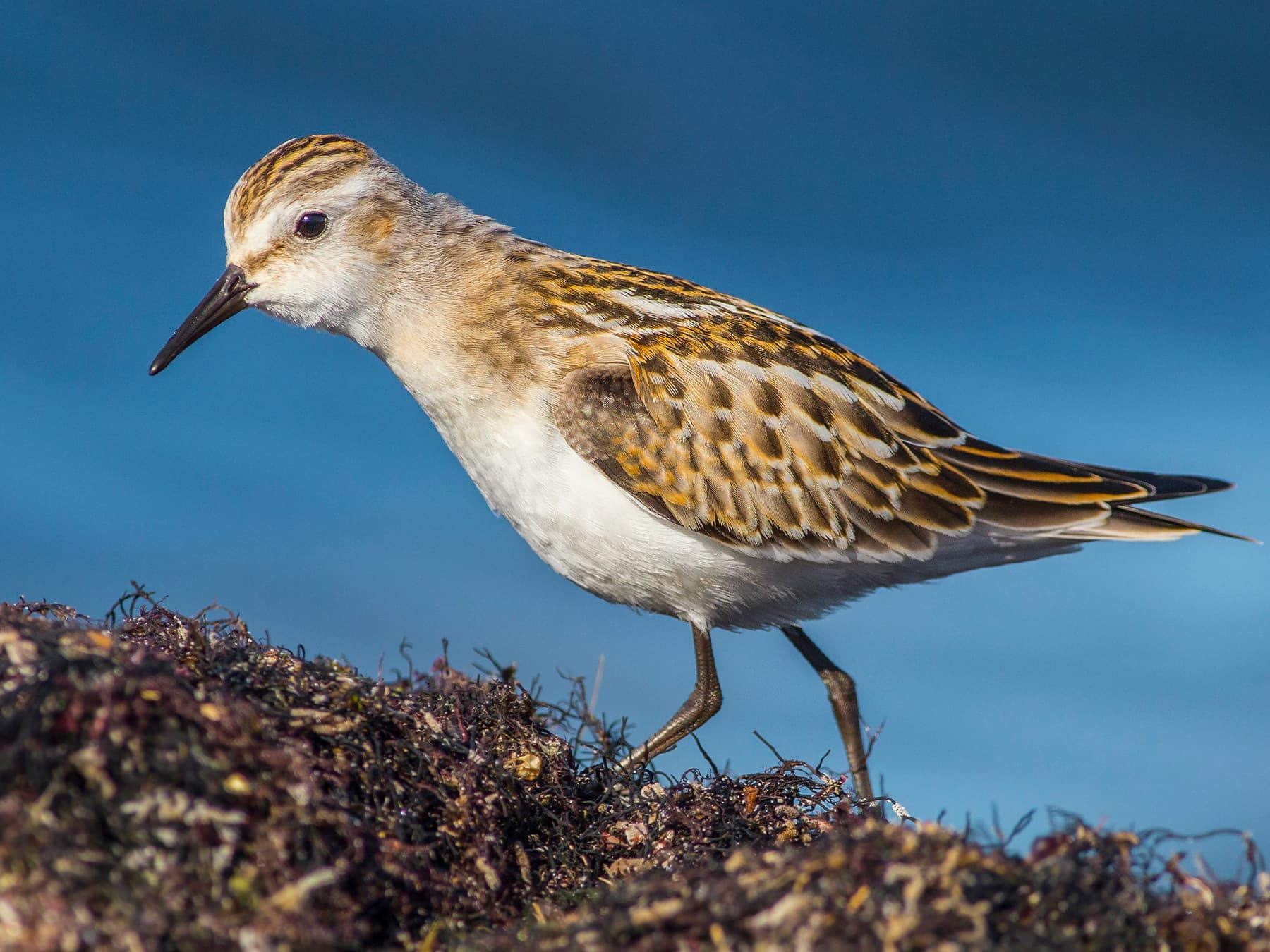
Little Stint
Calidris minutaLC
A rare passage migrant, mainly in autumn, picking through mudflats alongside Dunlin. Tiny size and delicate feeding action help distinguish it from commoner waders.
Aug–Jan
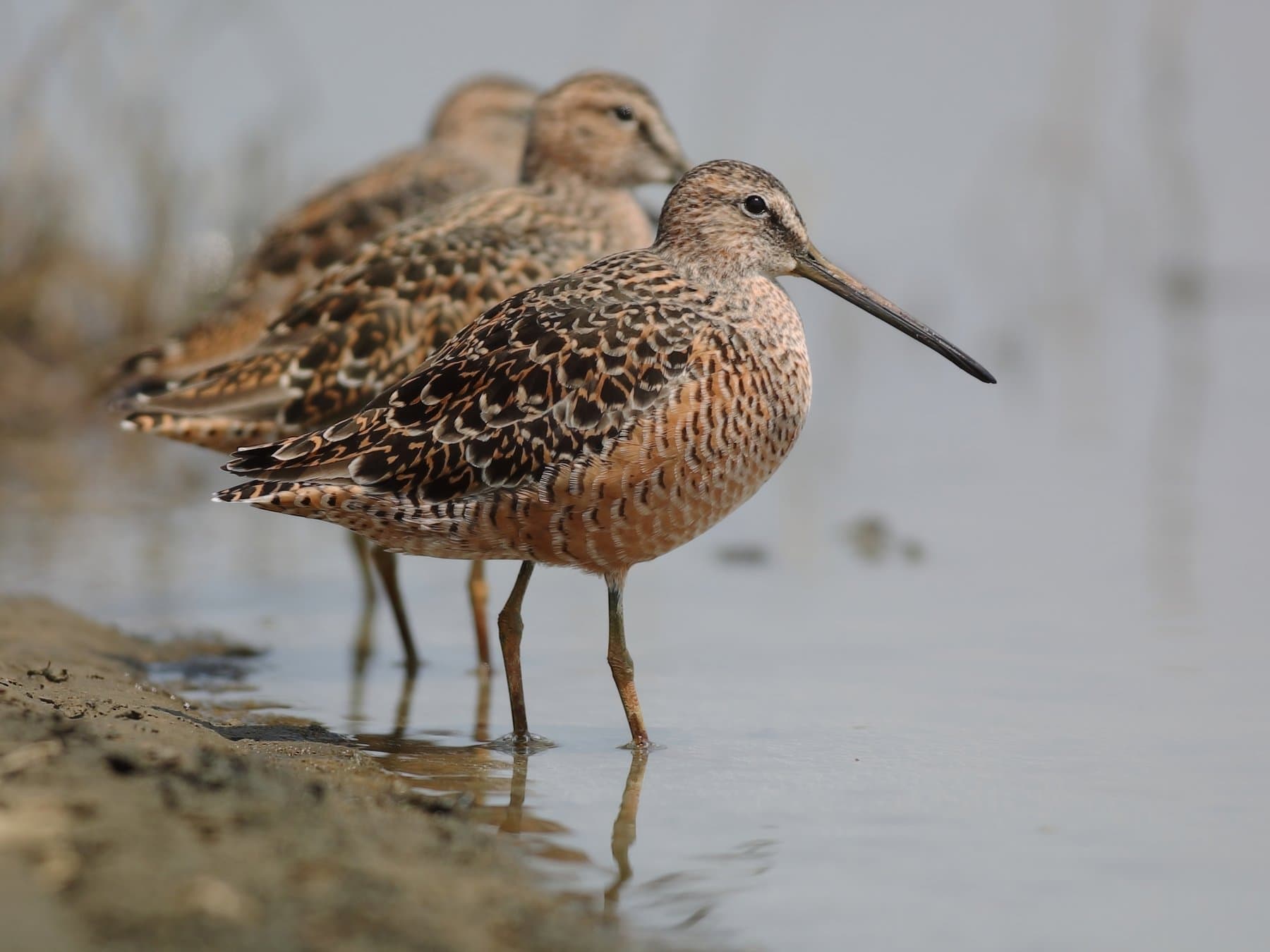
Long-billed Dowitcher
Limnodromus scolopaceusNT
A rare Nearctic vagrant occasionally recorded on Devon's estuaries and marshes, most likely in autumn. Any sighting generates considerable birding interest.
Oct–Feb
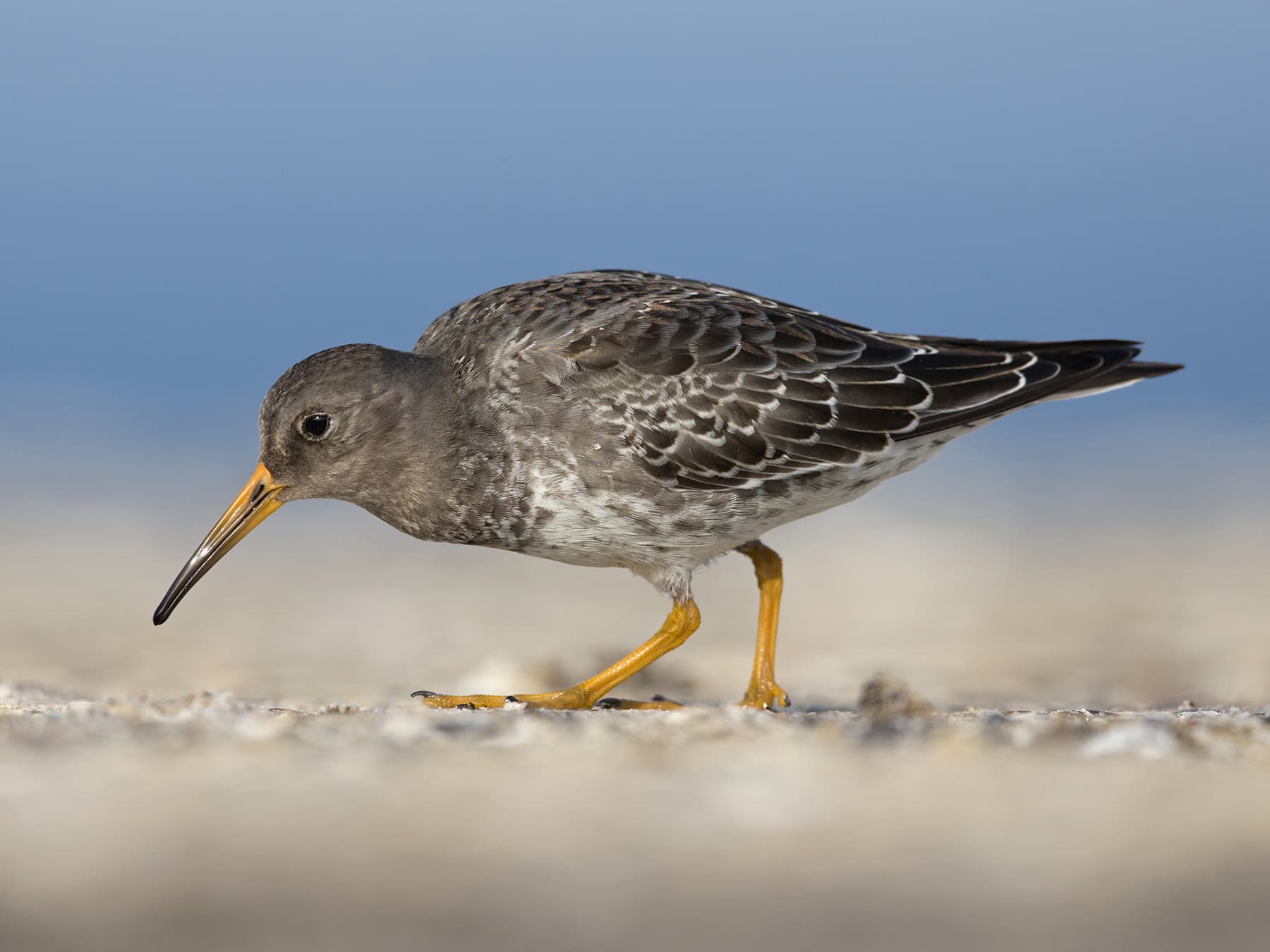
Purple Sandpiper
Calidris maritimaLC
A scarce winter visitor favouring rocky shorelines and breakwaters. Most reliably found along Devon's exposed north coast from November to March.
Nov–Mar
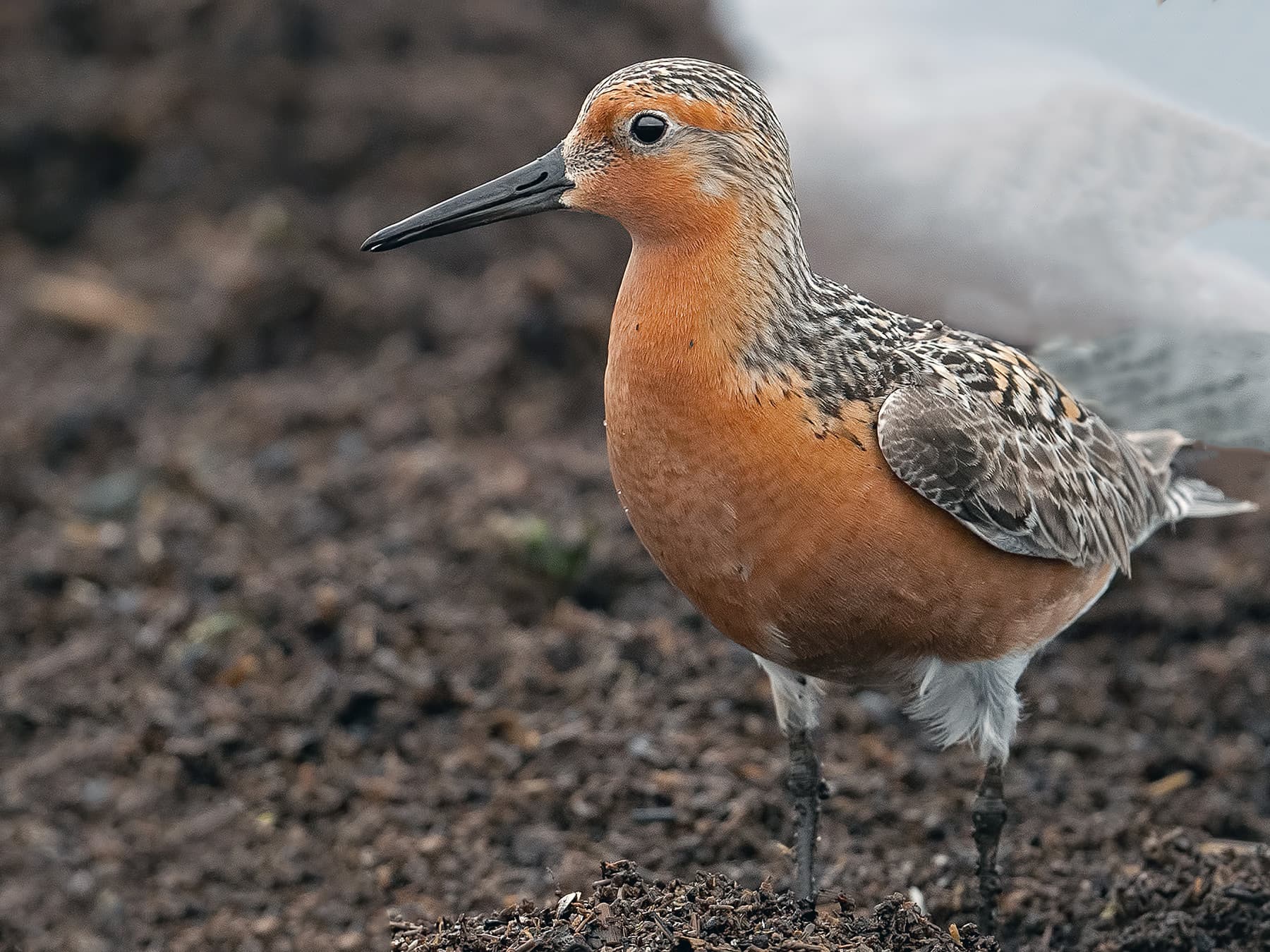
Red Knot
Calidris canutusNT
Scarce on Devon's estuaries compared to larger east coast sites. Small flocks occasionally appear on the Exe mudflats, mainly in winter and on passage.
Jul–Apr
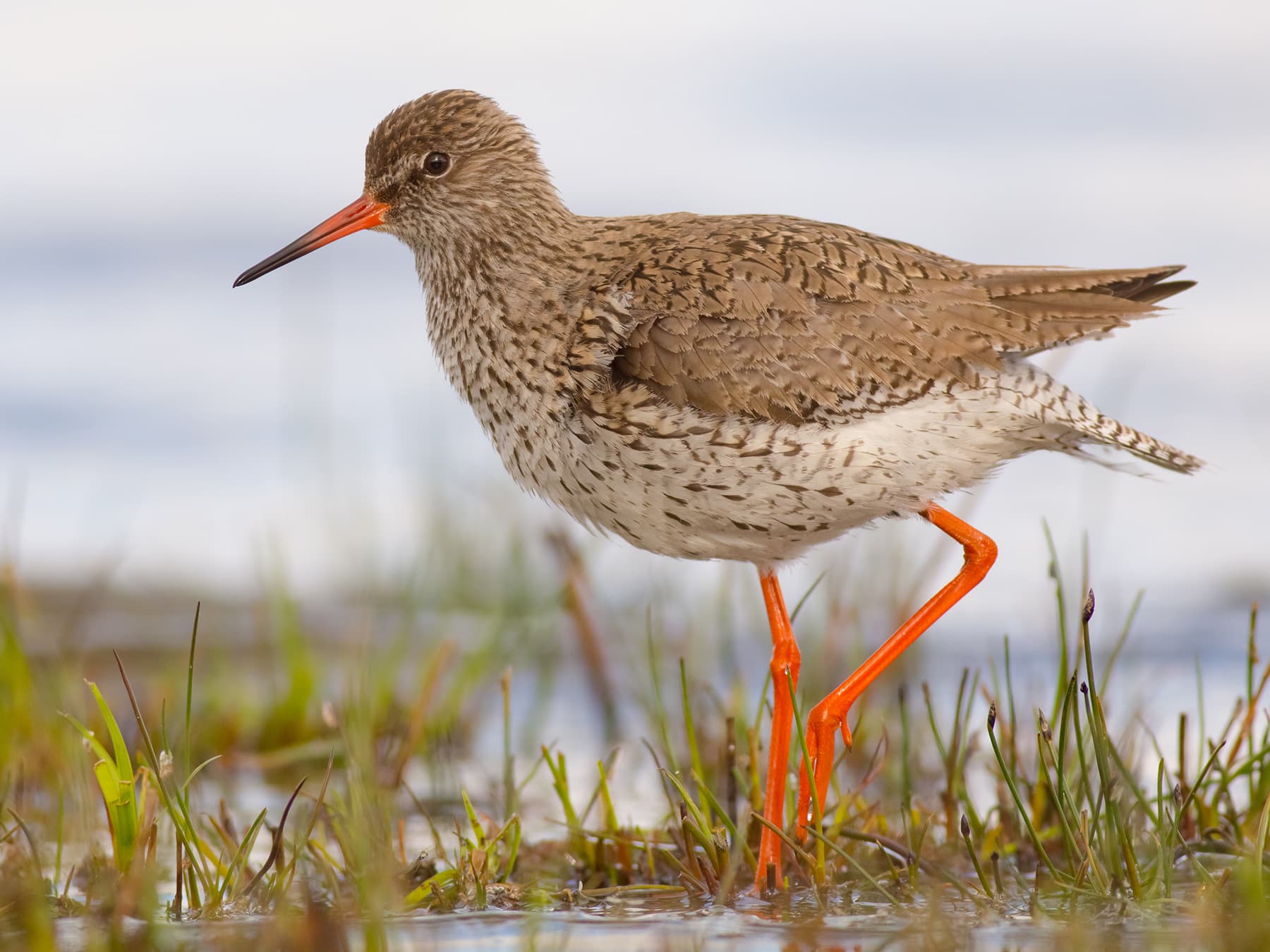
Redshank
Tringa totanusLC
Common on Devon's estuaries year-round, with its loud piping calls a familiar sound on the Exe and Taw mudflats. Numbers bolstered by winter visitors.
Year-round
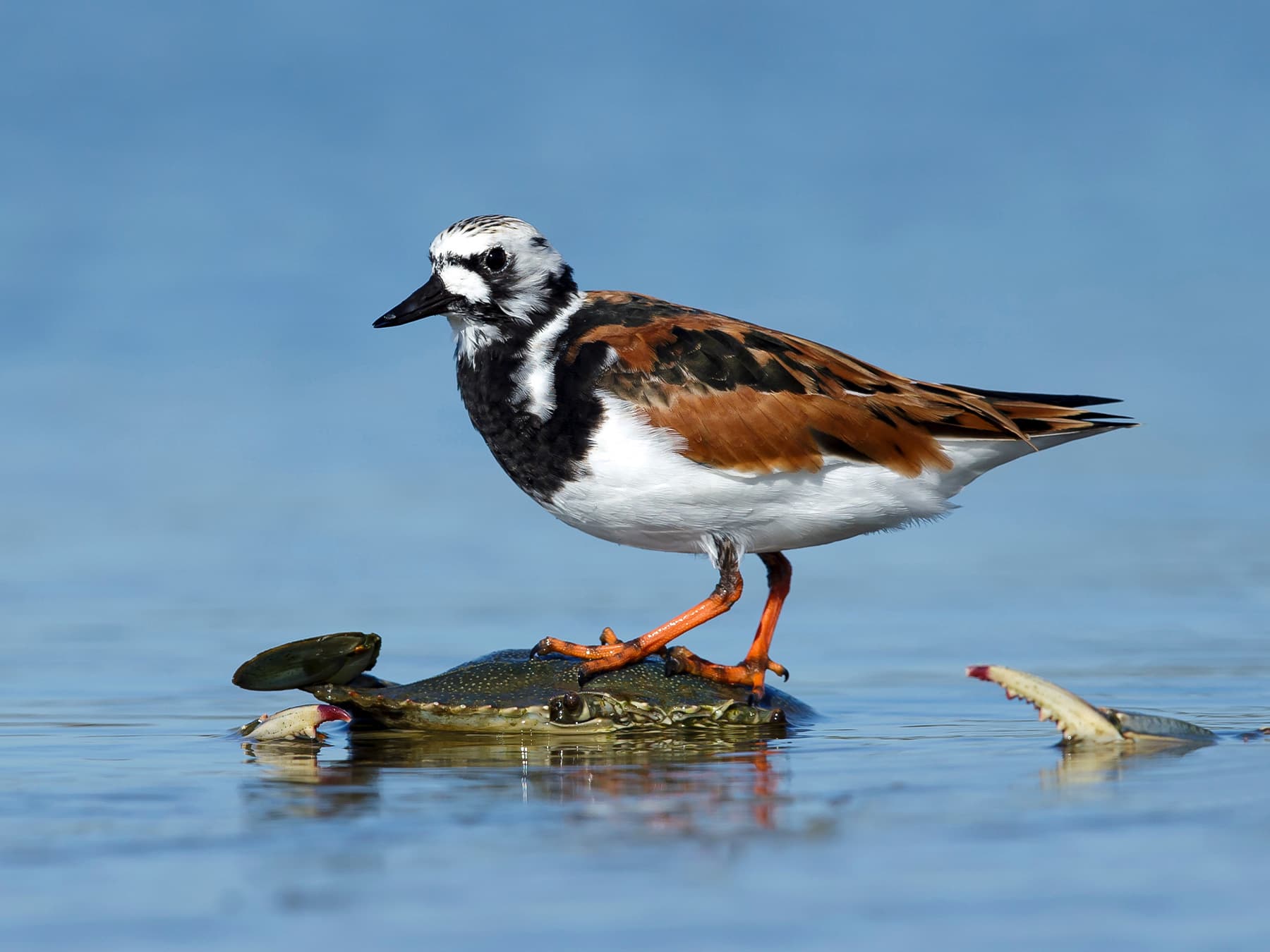
Ruddy Turnstone
Arenaria interpresLC
Forages along Devon's rocky shorelines and harbour walls, flipping stones and seaweed to find invertebrates. Present most months but absent in midsummer.
Jul–May
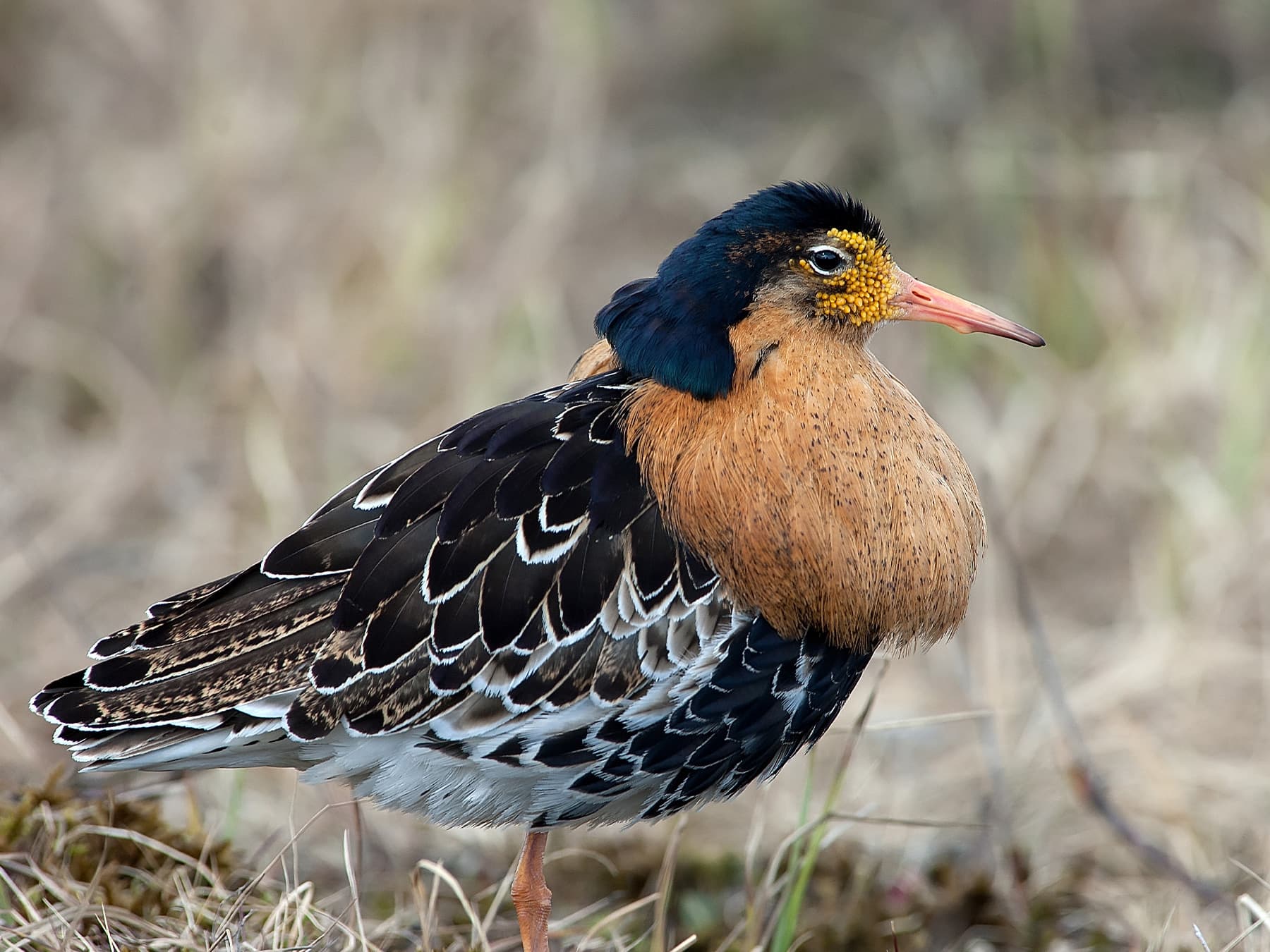
Ruff
Philomachus pugnaxLC
A scarce non-breeding visitor to freshwater marshes and estuary edges. Most records fall between autumn and early spring, often involving single birds.
Jul–Mar
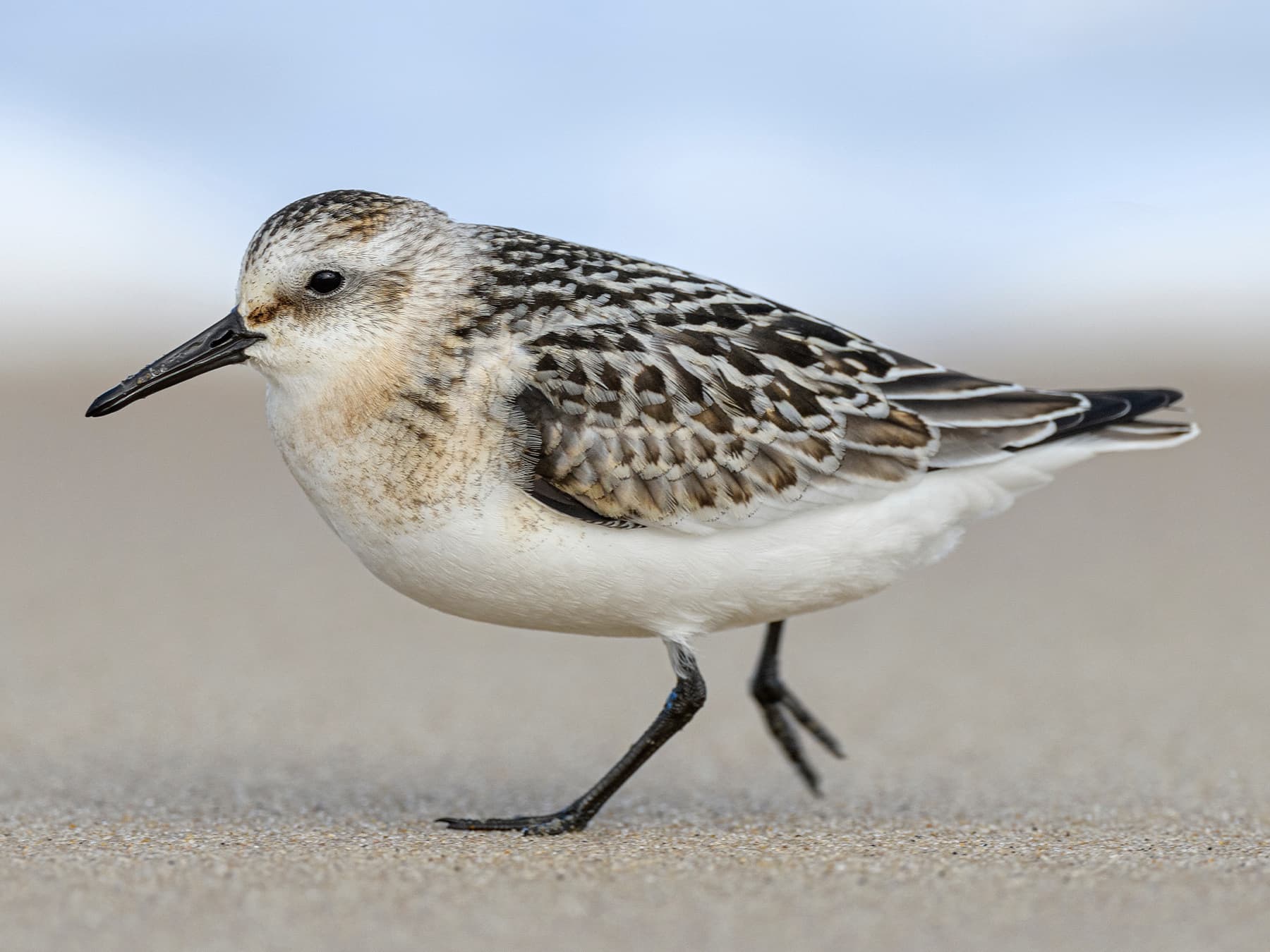
Sanderling
Calidris albaLC
Scarce but regular on Devon's sandy beaches, running rapidly along the tideline. Most likely on south coast beaches in winter and during passage periods.
Jul–May
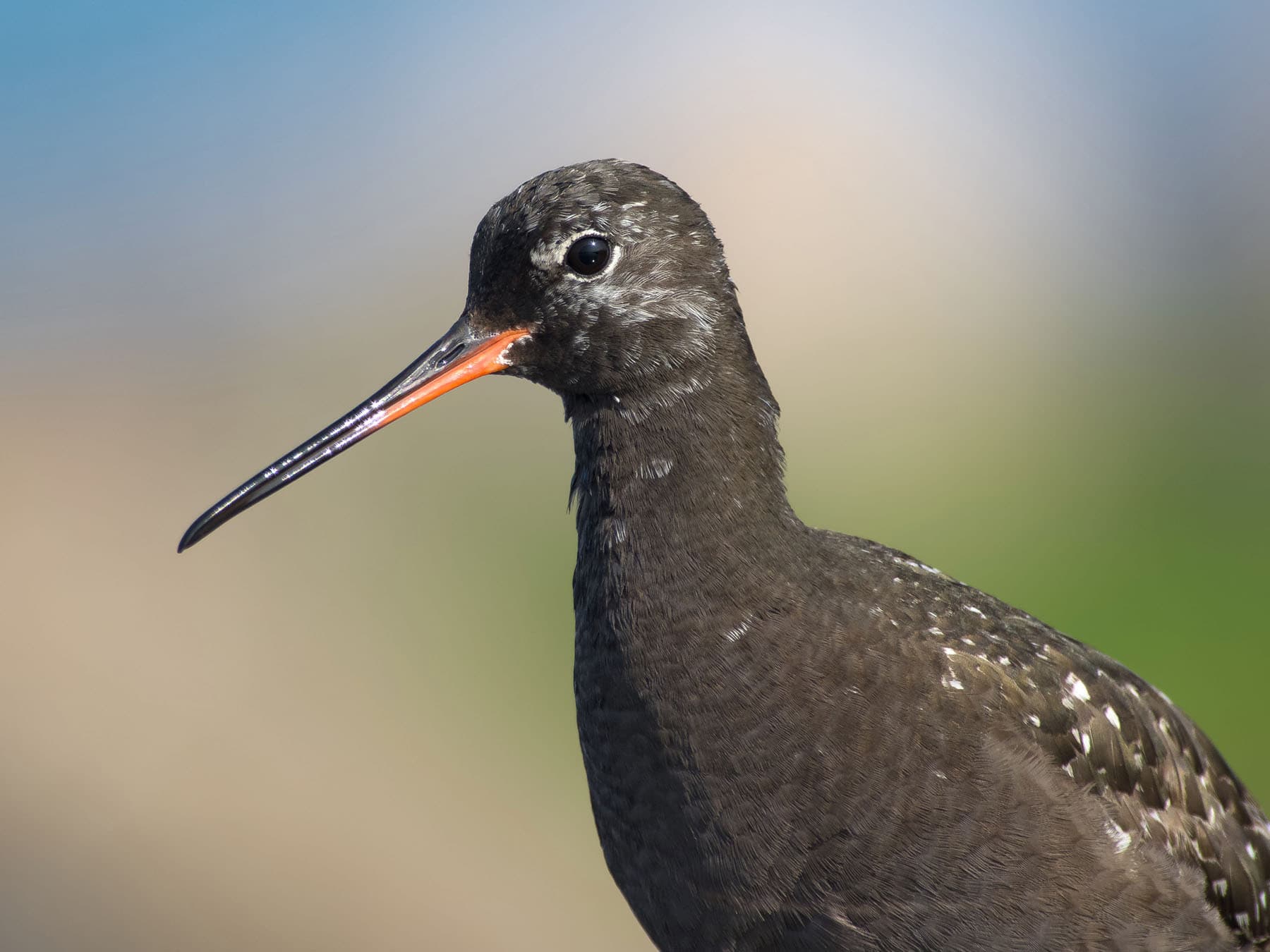
Spotted Redshank
Tringa erythropusLC
Scarce but regular on the Exe and other estuaries, often feeding apart from common Redshanks. Most likely seen in autumn passage and winter months.
Jul–Apr
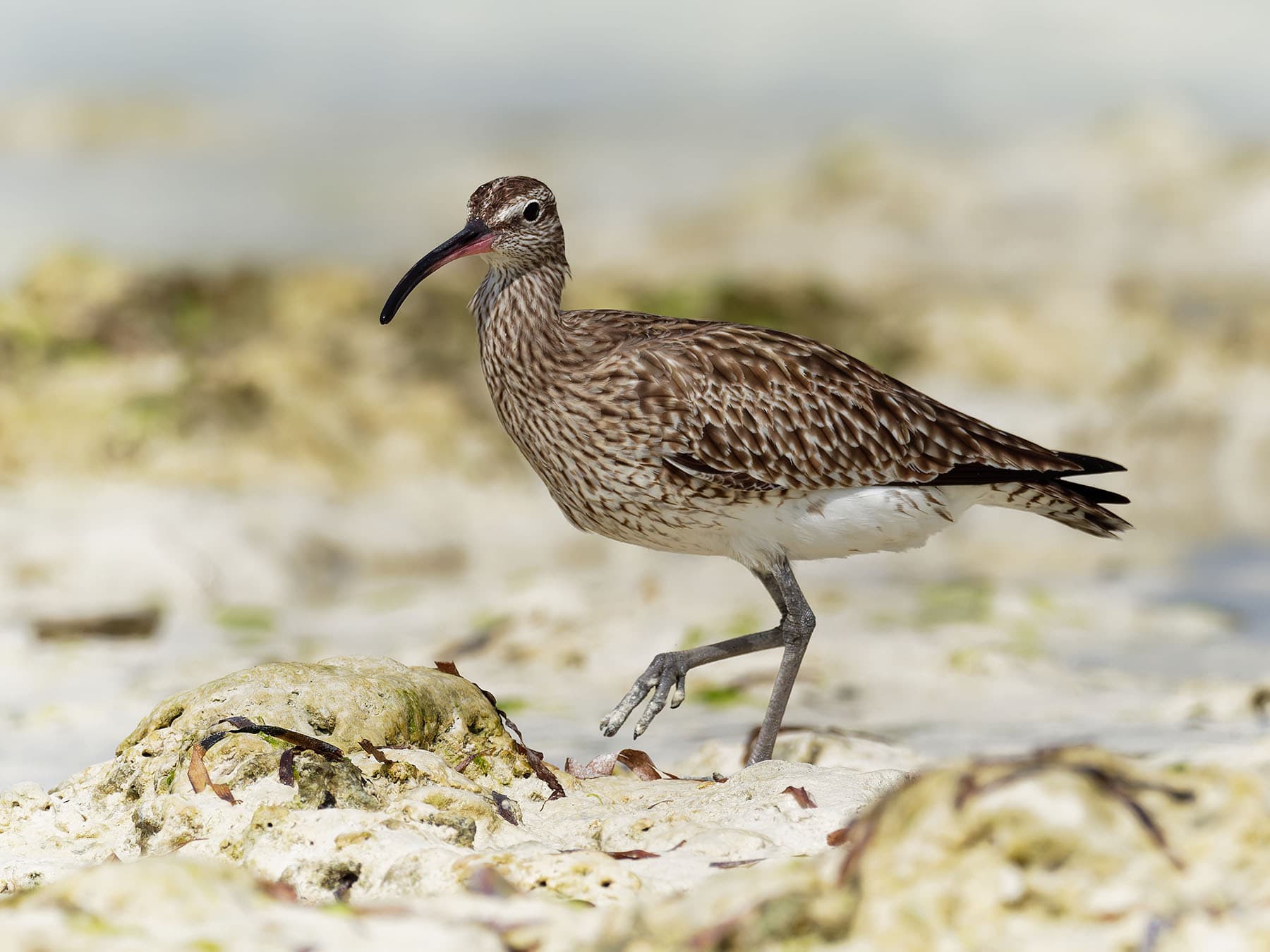
Whimbrel
Numenius phaeopusLC
Passes through Devon's estuaries and coasts mainly in spring and autumn. Its distinctive seven-note whistle aids identification.
Apr–Oct
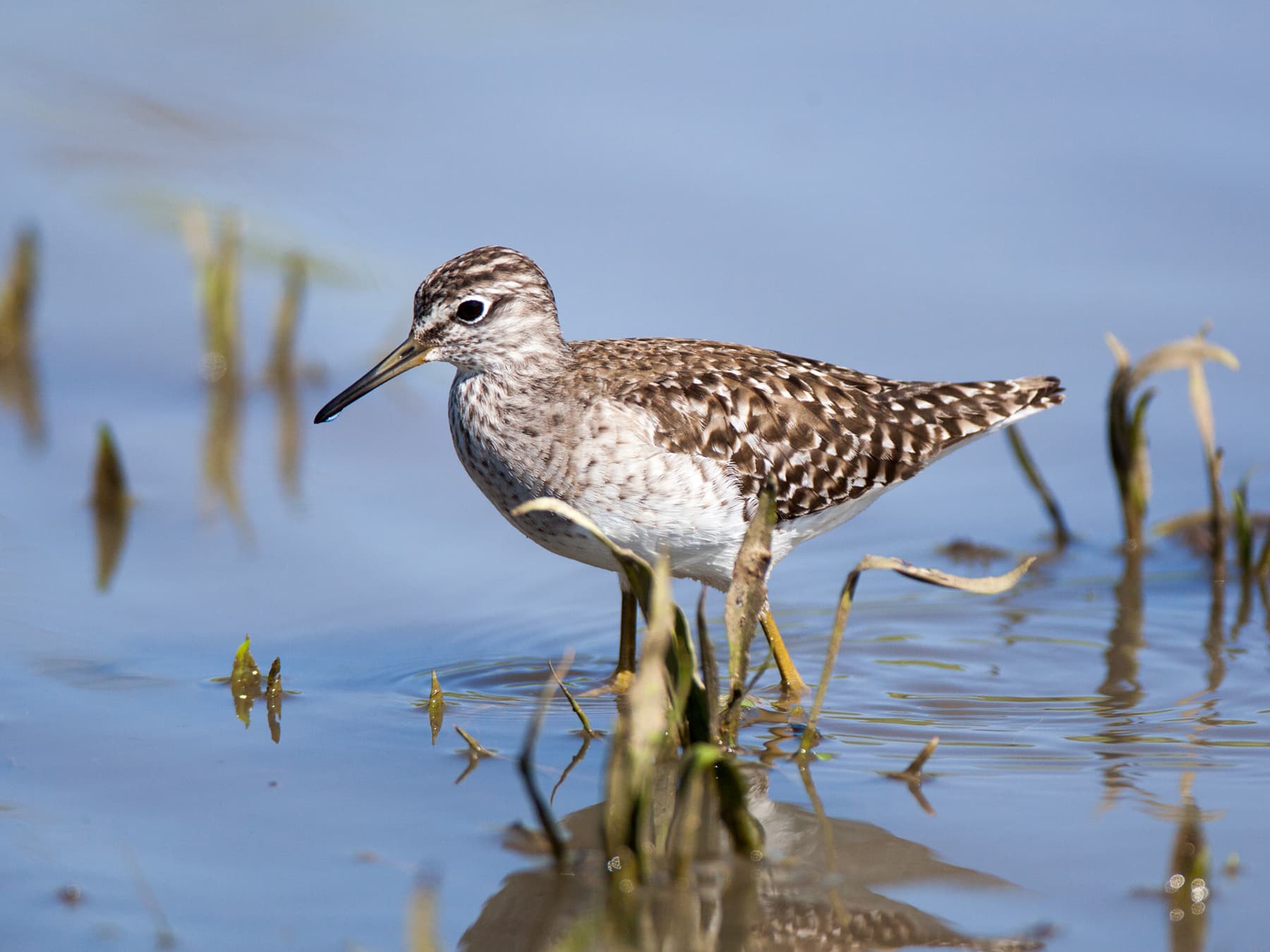
Wood Sandpiper
Tringa glareolaLC
A rare autumn passage migrant, typically appearing briefly at freshwater marshes and scrapes in August. Devon records are infrequent and highly prized by birders.
Aug