Sandpipers & Snipes in Cheshire
25 species matching this filter.
Cheshire's diverse wetlands, estuaries, and farmland provide vital habitat for 23 species of sandpipers and snipes. The Dee Estuary and Mersey Estuary are particularly important for wading birds, attracting species such as Dunlin, Curlew, Bar-tailed Godwit, and Black-tailed Godwit in impressive numbers. Inland marshes and river valleys also support breeding Common Snipe and Eurasian Woodcock, while passage migrants like Greenshank and Green Sandpiper can be spotted during spring and autumn.


Showing 1–23 of 25 species
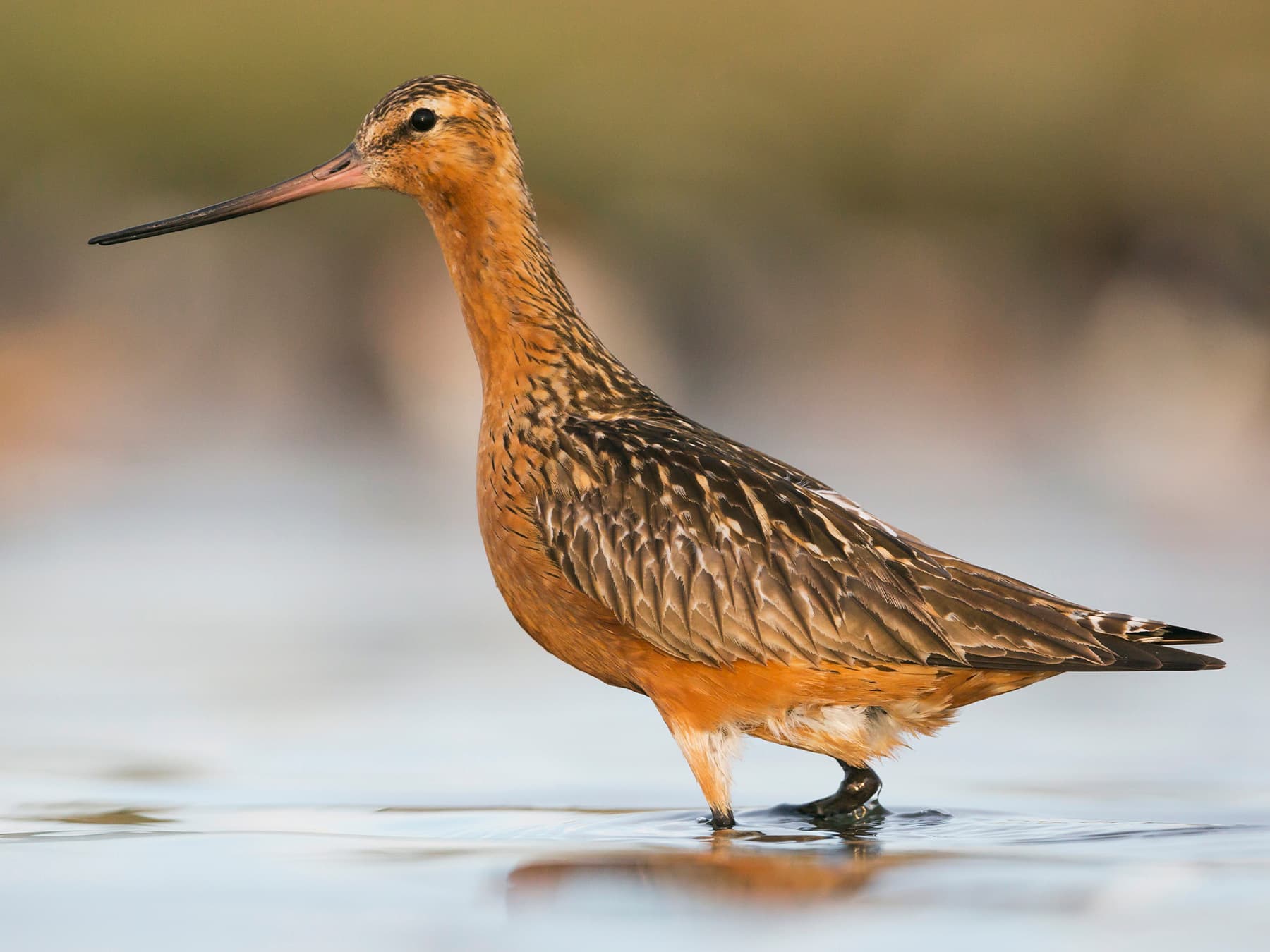
Bar-tailed Godwit
Limosa lapponicaNT
A rare visitor to the Dee Estuary and coastal marshes, mainly on passage from March to October.
Mar–Oct
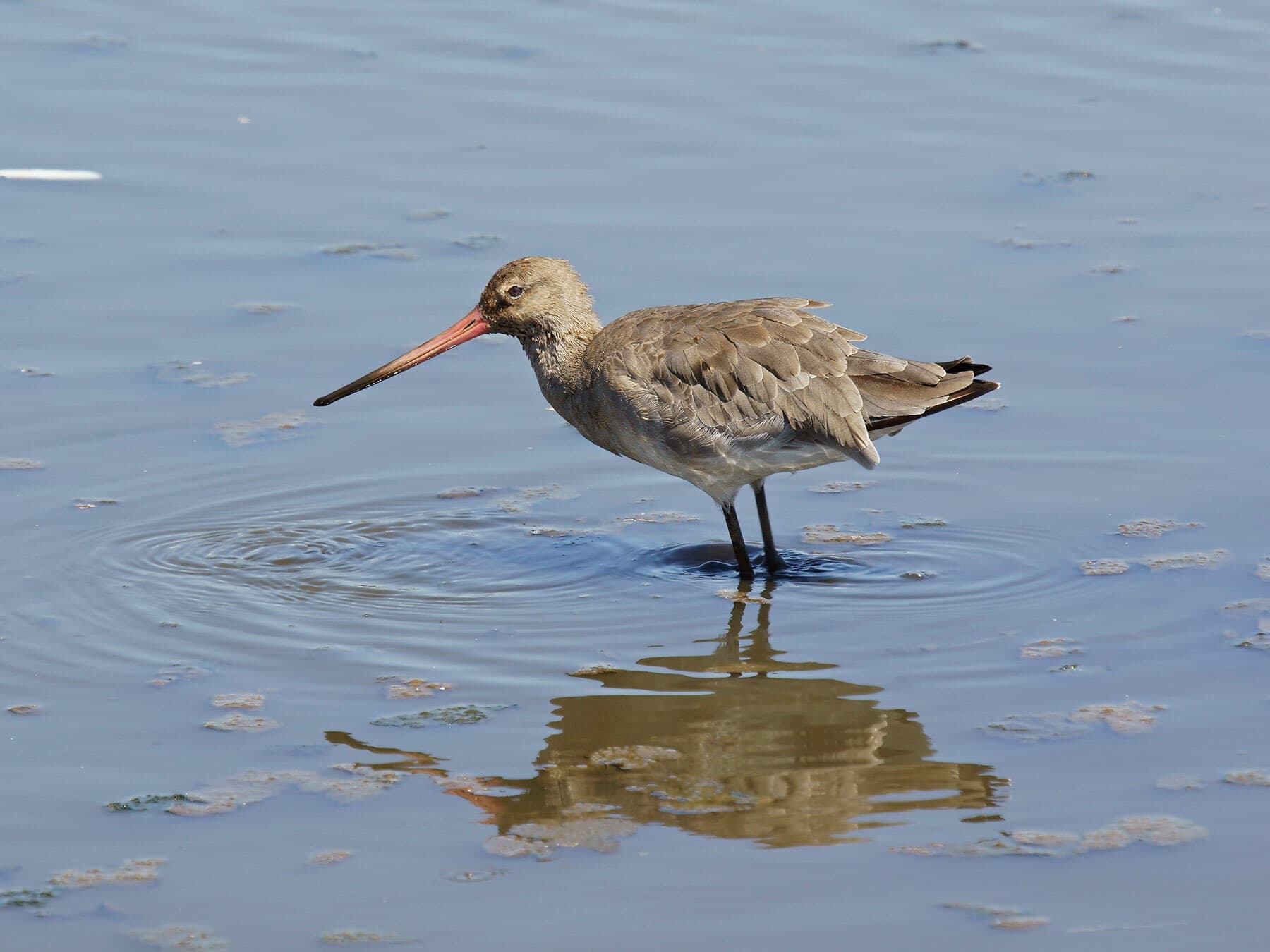
Black-tailed Godwit
Limosa limosaNT
An uncommon resident found year-round, favouring wet grasslands and estuarine habitats, particularly around the Dee Estuary.
Year-round
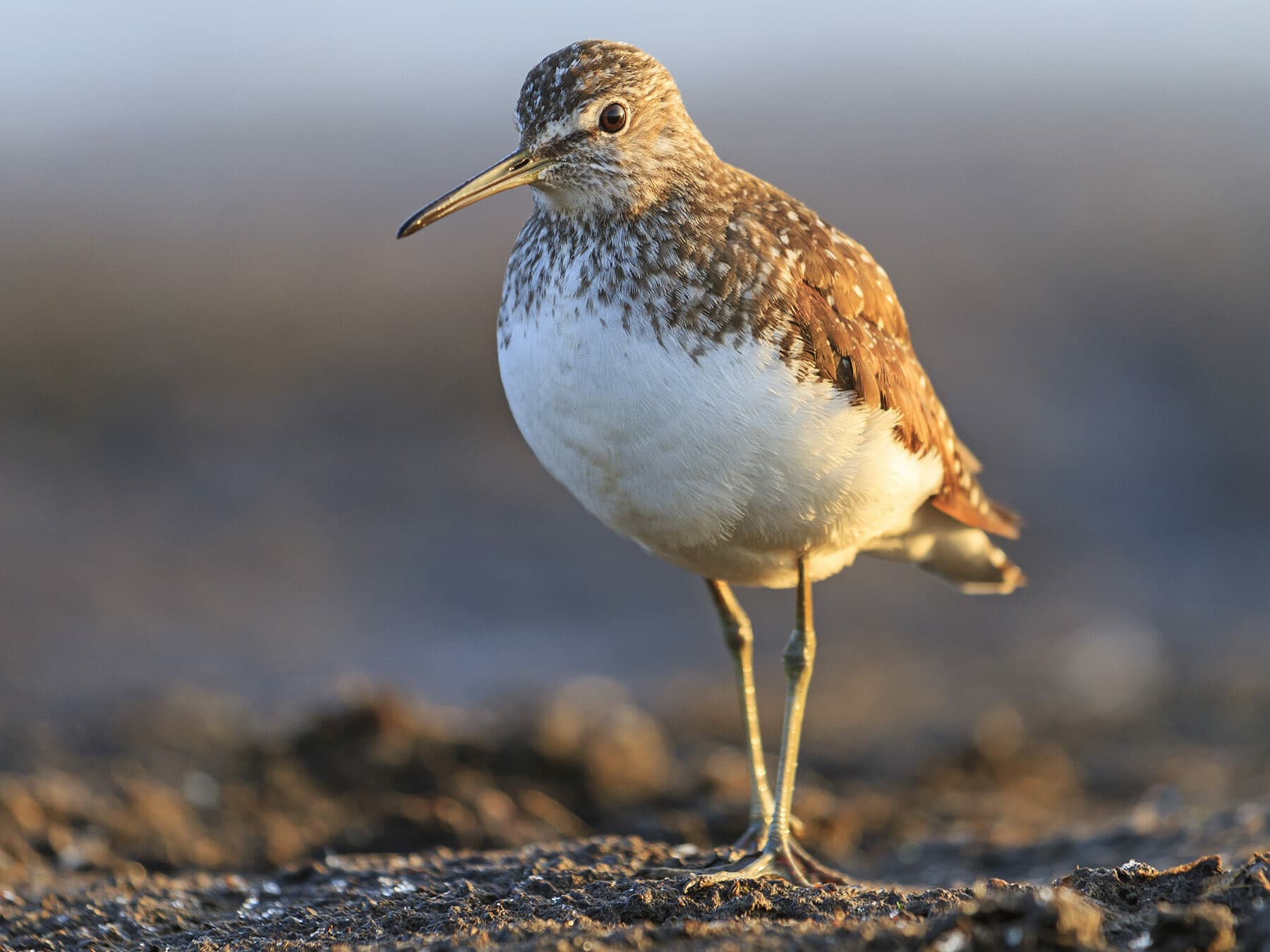
Common Sandpiper
Actitis hypoleucosLC
An uncommon summer breeder from April to October, bobbing along stony river edges and reservoir shorelines.
Apr–Oct
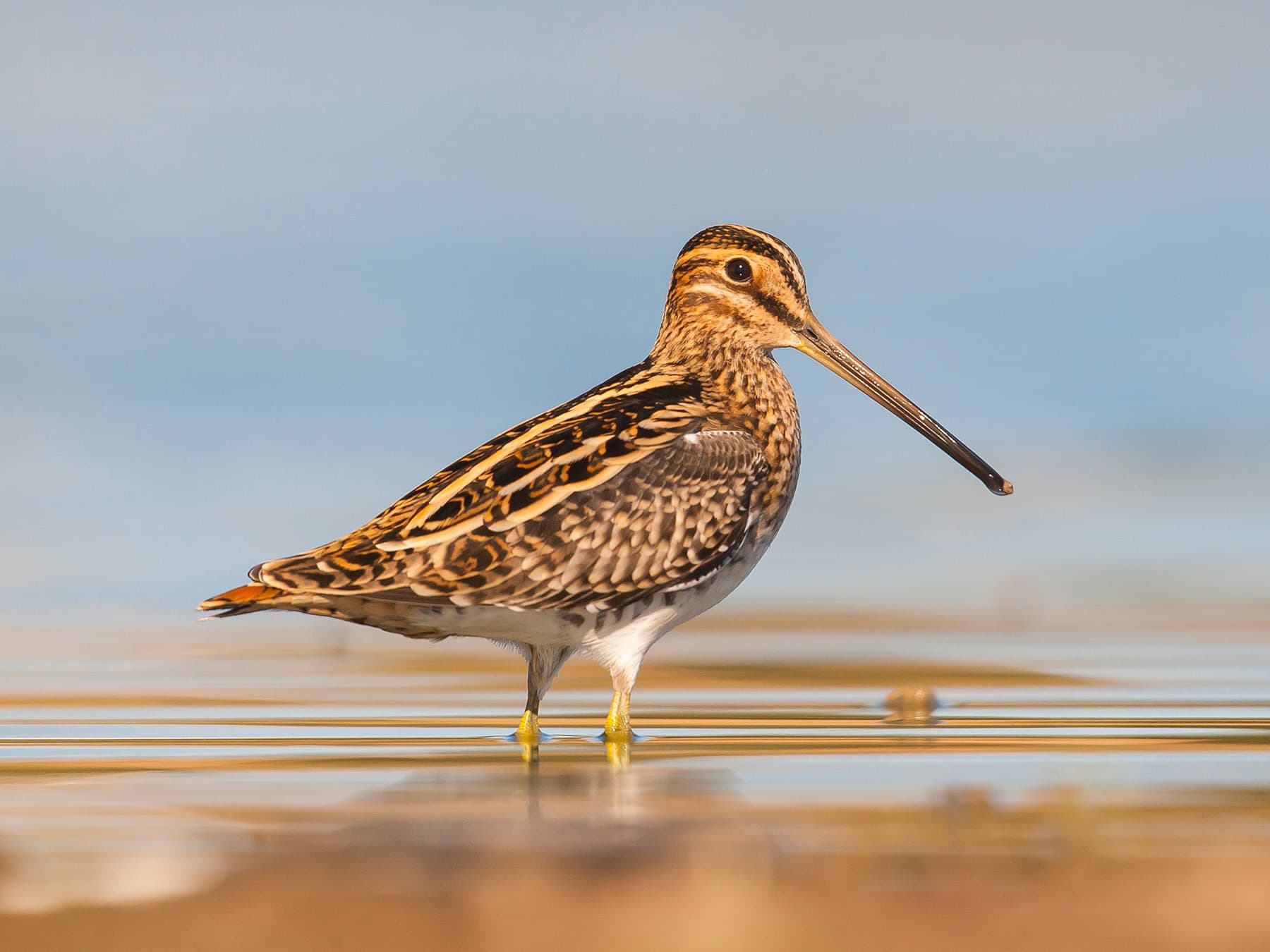
Common Snipe
Gallinago gallinagoLC
An uncommon resident breeding on damp moorland and wet grassland. More widespread in winter across lowland marshes and meres.
Year-round
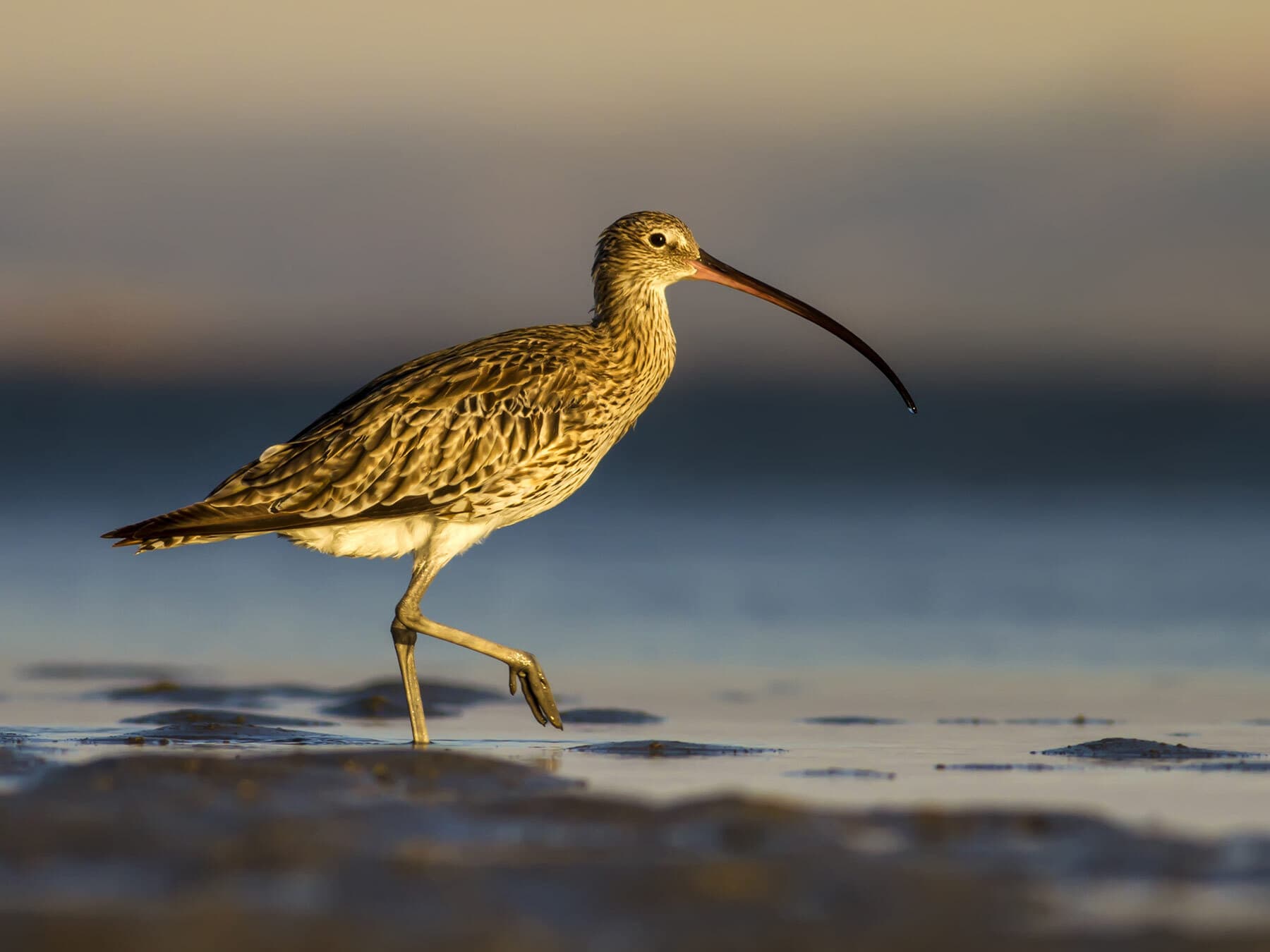
Curlew
Numenius arquataNT
An uncommon year-round resident, breeding on upland pastures in the east and wintering on estuarine mudflats. Numbers are declining.
Year-round
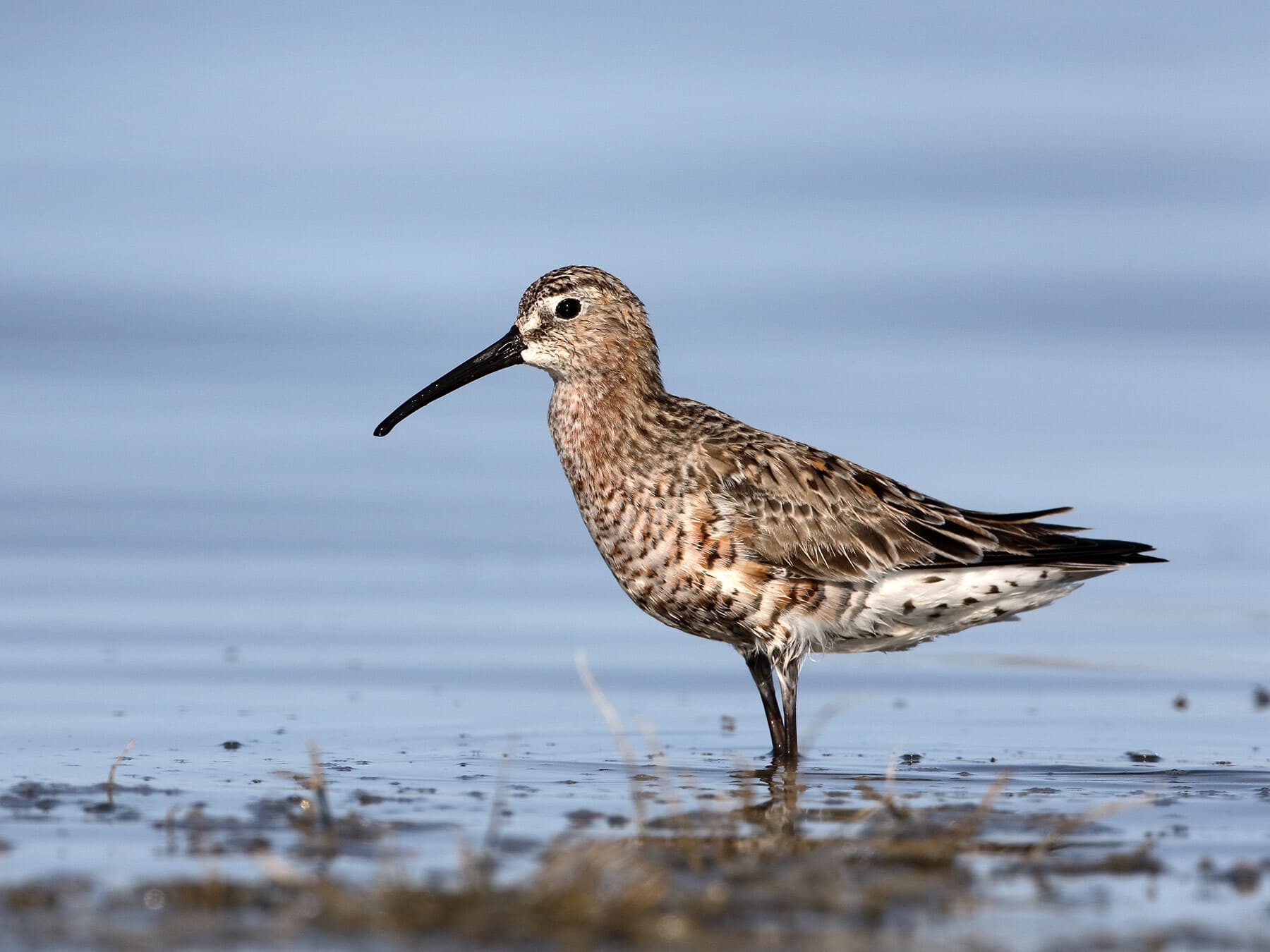
Curlew Sandpiper
Calidris ferrugineaNT
A rare passage wader in late summer and autumn, occasionally appearing at inland pools and muddy scrapes.
May–Oct
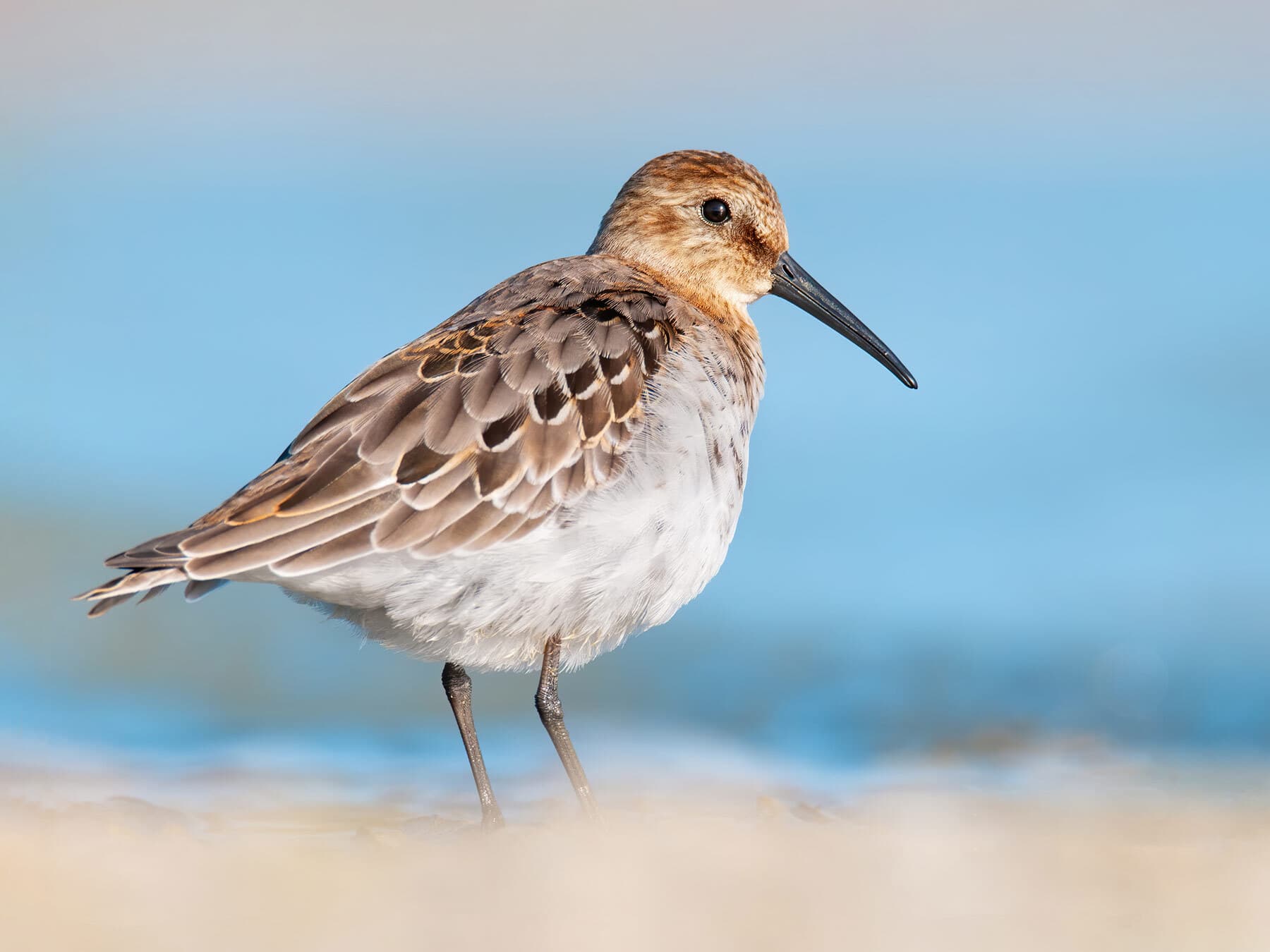
Dunlin
Calidris alpinaLC
Found year-round on the Dee and Mersey estuaries, favouring mudflats and saltmarshes. Numbers peak in winter with visiting flocks from northern breeding grounds.
Year-round
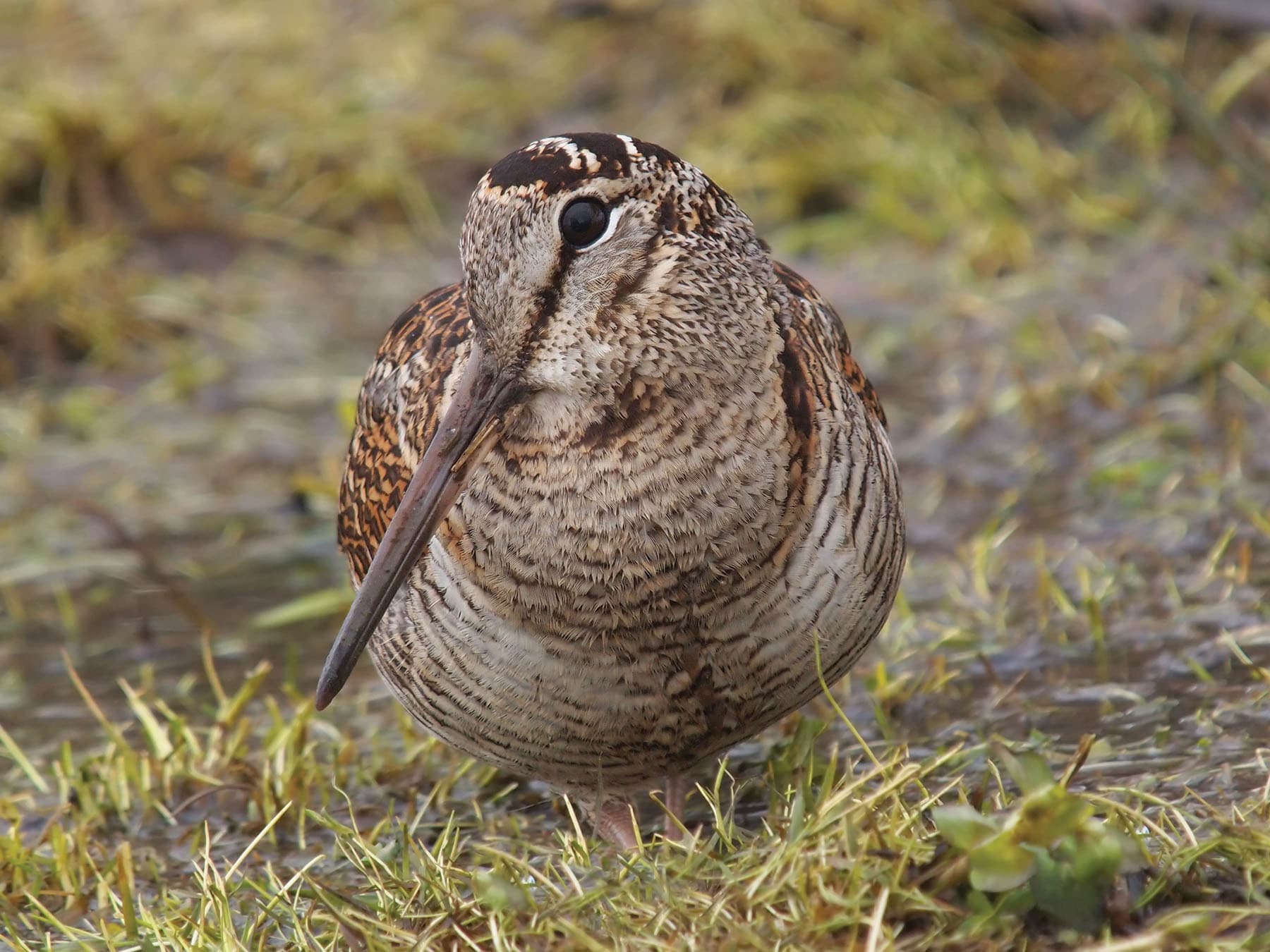
Eurasian Woodcock
Scolopax rusticolaLC
A rare non-breeding visitor to damp woodland, most likely encountered during winter months. Secretive and easily overlooked.
Nov–Jun
Spotted something?
Upload a photo to identify it
Identify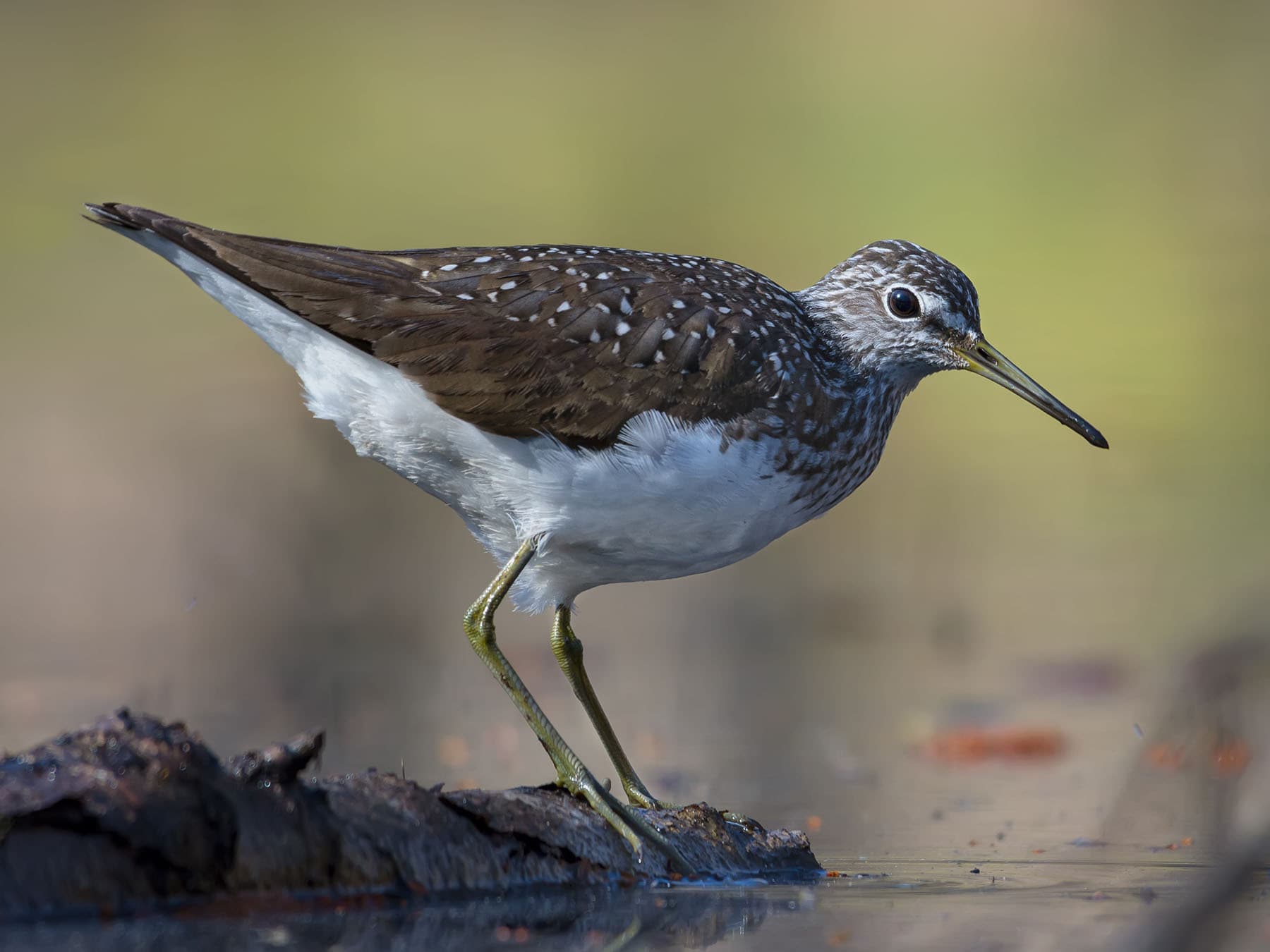
Green Sandpiper
Tringa ochropusLC
An uncommon but near year-round visitor to muddy pools, ditches and sewage works. Often flushed singly from waterside cover.
Jun–Apr
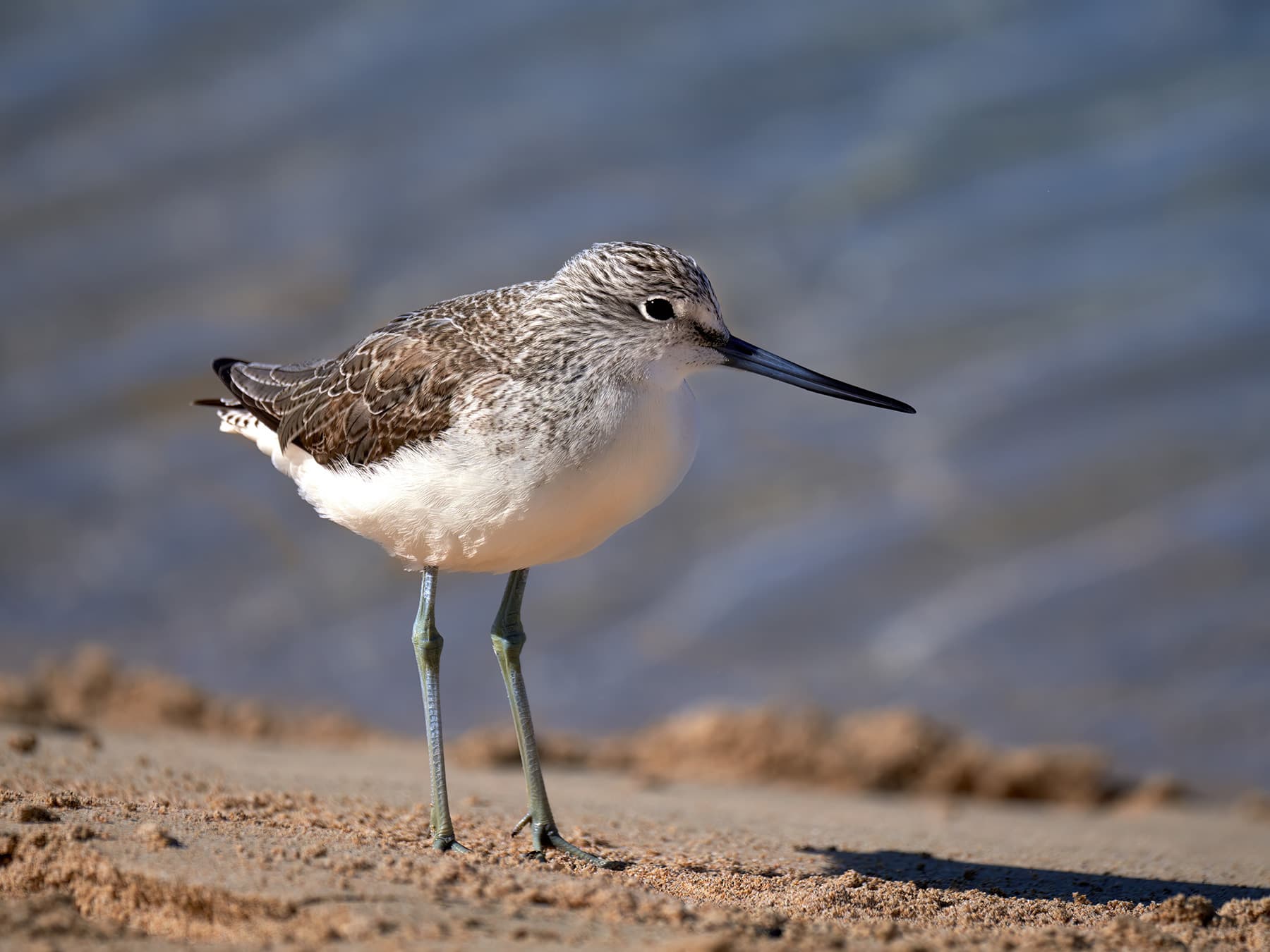
Greenshank
Tringa nebulariaLC
A rare visitor from April to October, passing through on migration and favouring shallow pools and reservoir edges.
Apr–Oct
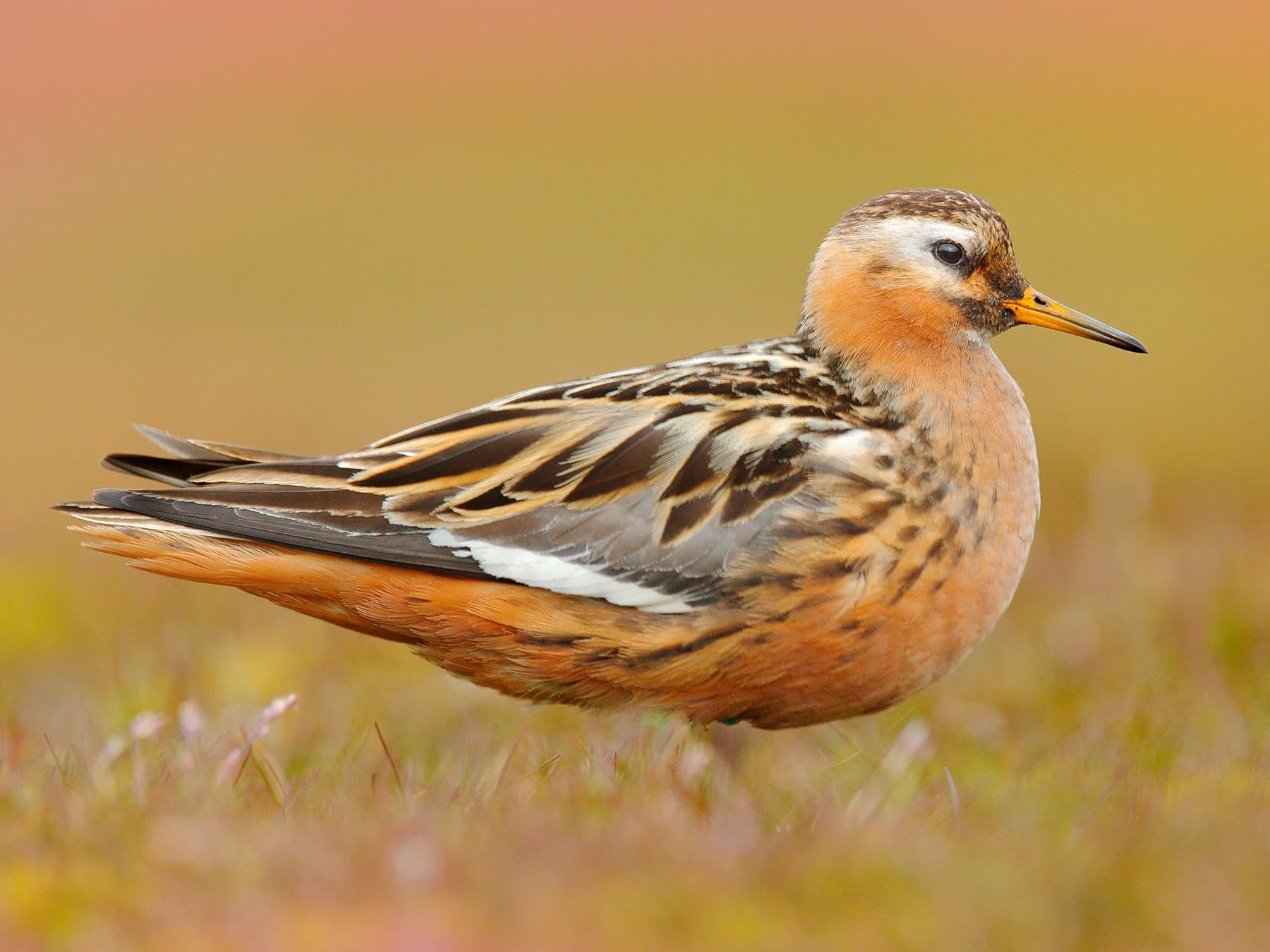
Grey Phalarope
Phalaropus fulicariusLC
A rare autumn passage visitor, occasionally storm-driven to Cheshire's coast and inland waters in October.
Oct
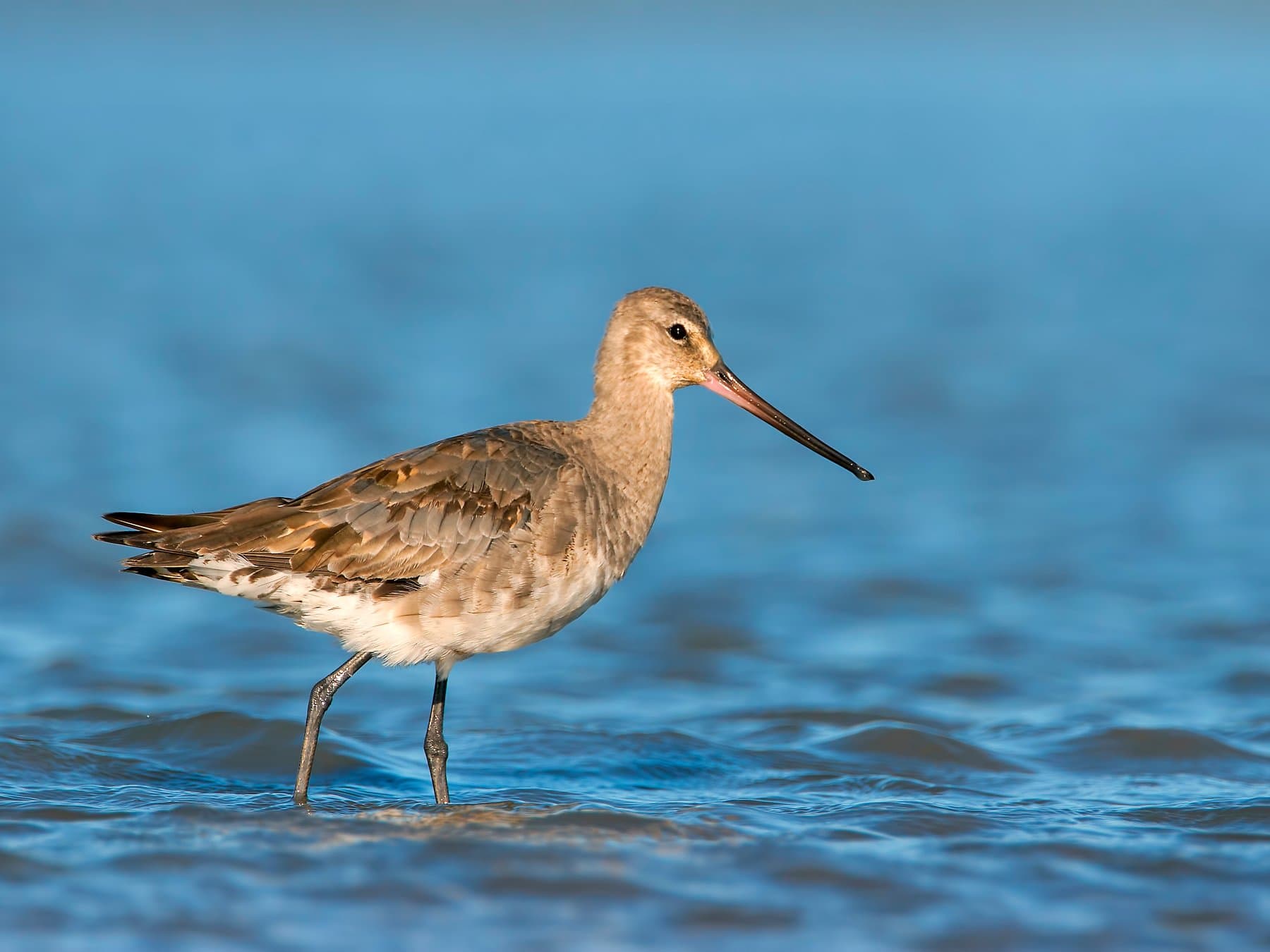
Hudsonian Godwit
Limosa haemasticaVU
An extremely rare transatlantic vagrant, with occasional August records at Cheshire's wetlands. A prized find for local birders.
Aug
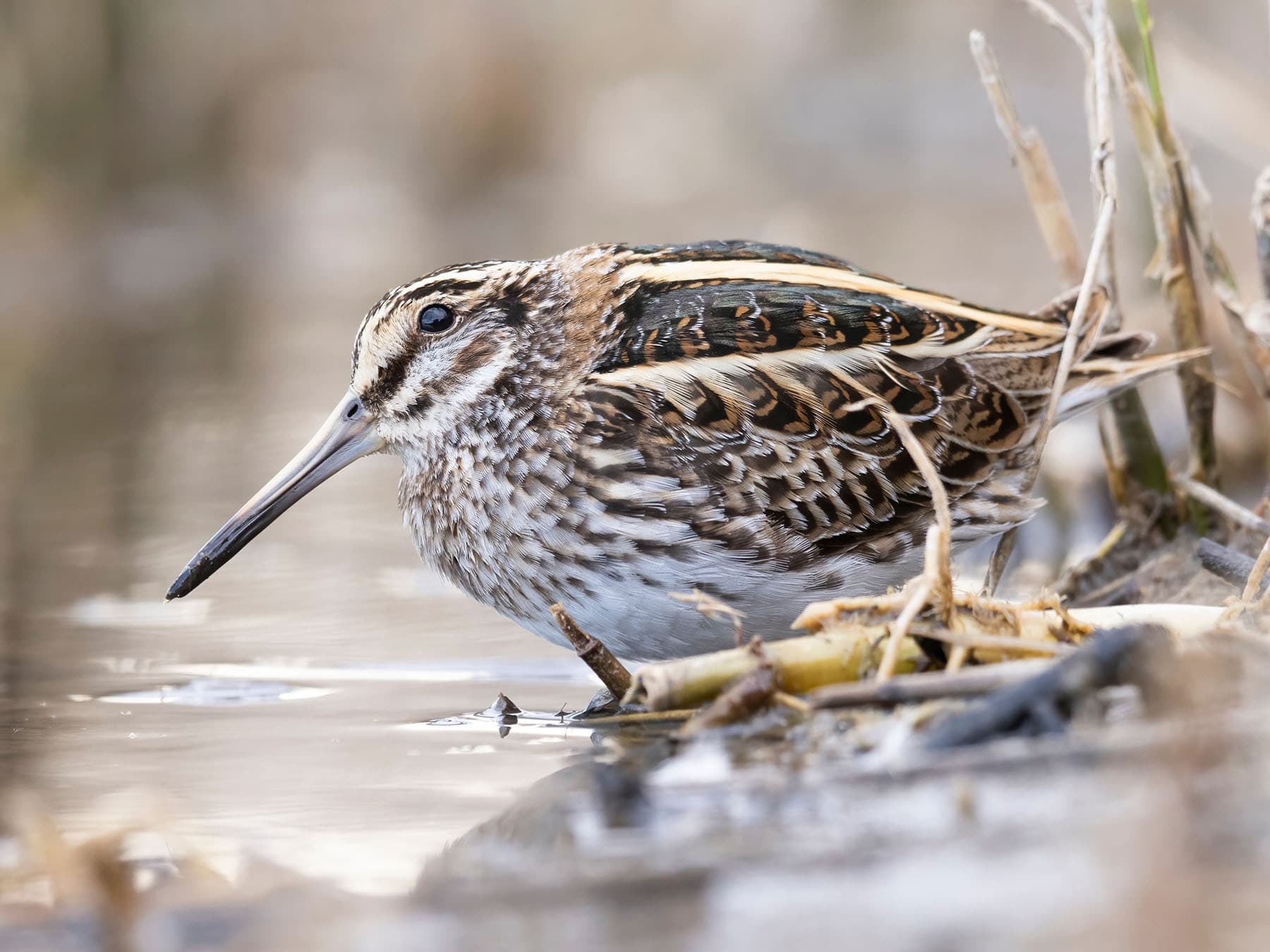
Jack Snipe
Lymnocryptes minimusLC
A rare but regular winter visitor to boggy margins and wet meadows. Secretive and easily flushed at close range.
Oct–Mar
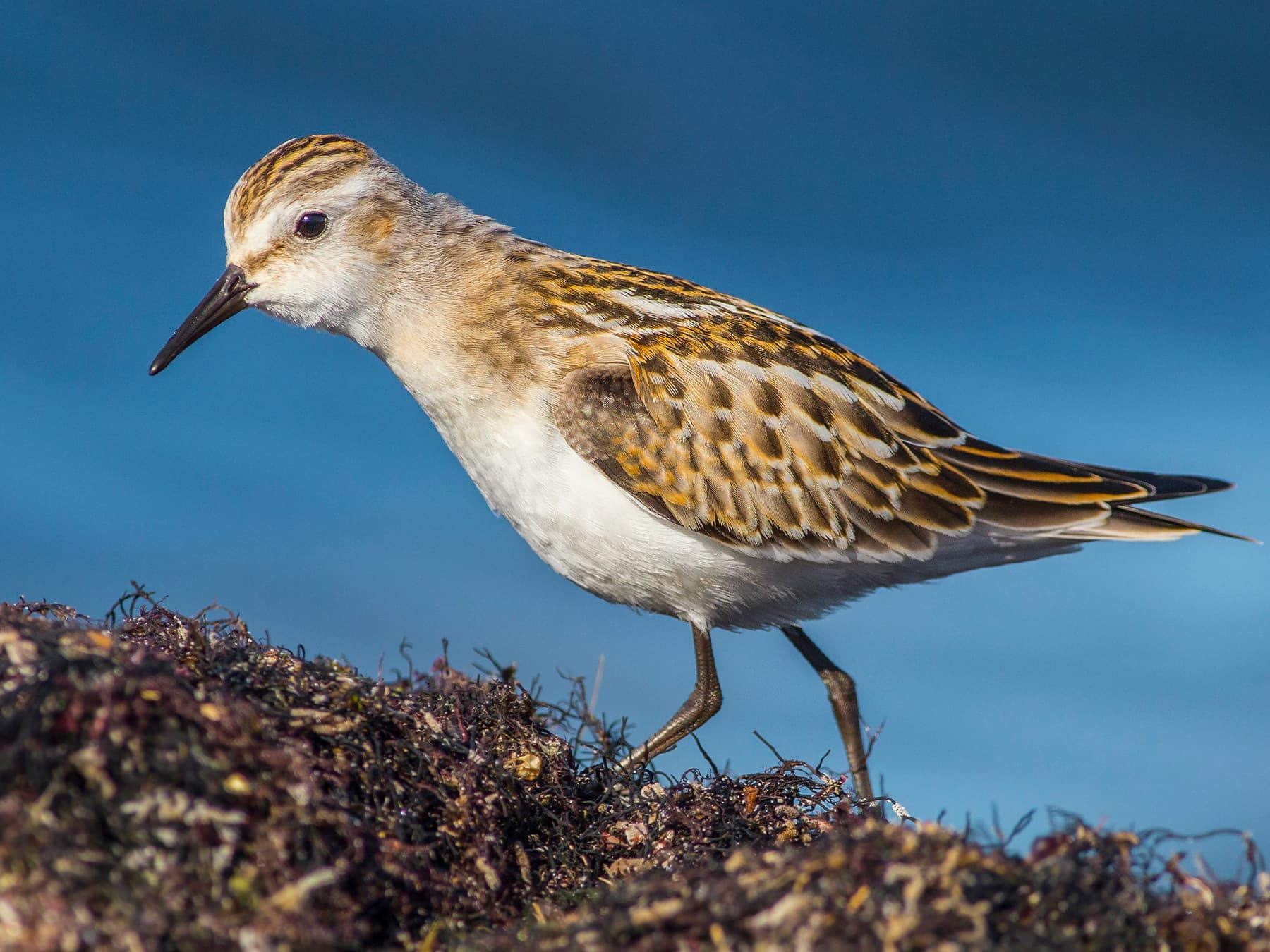
Little Stint
Calidris minutaLC
A rare autumn passage migrant, occasionally found picking through mud at pools and scrapes from August to October.
May–Oct
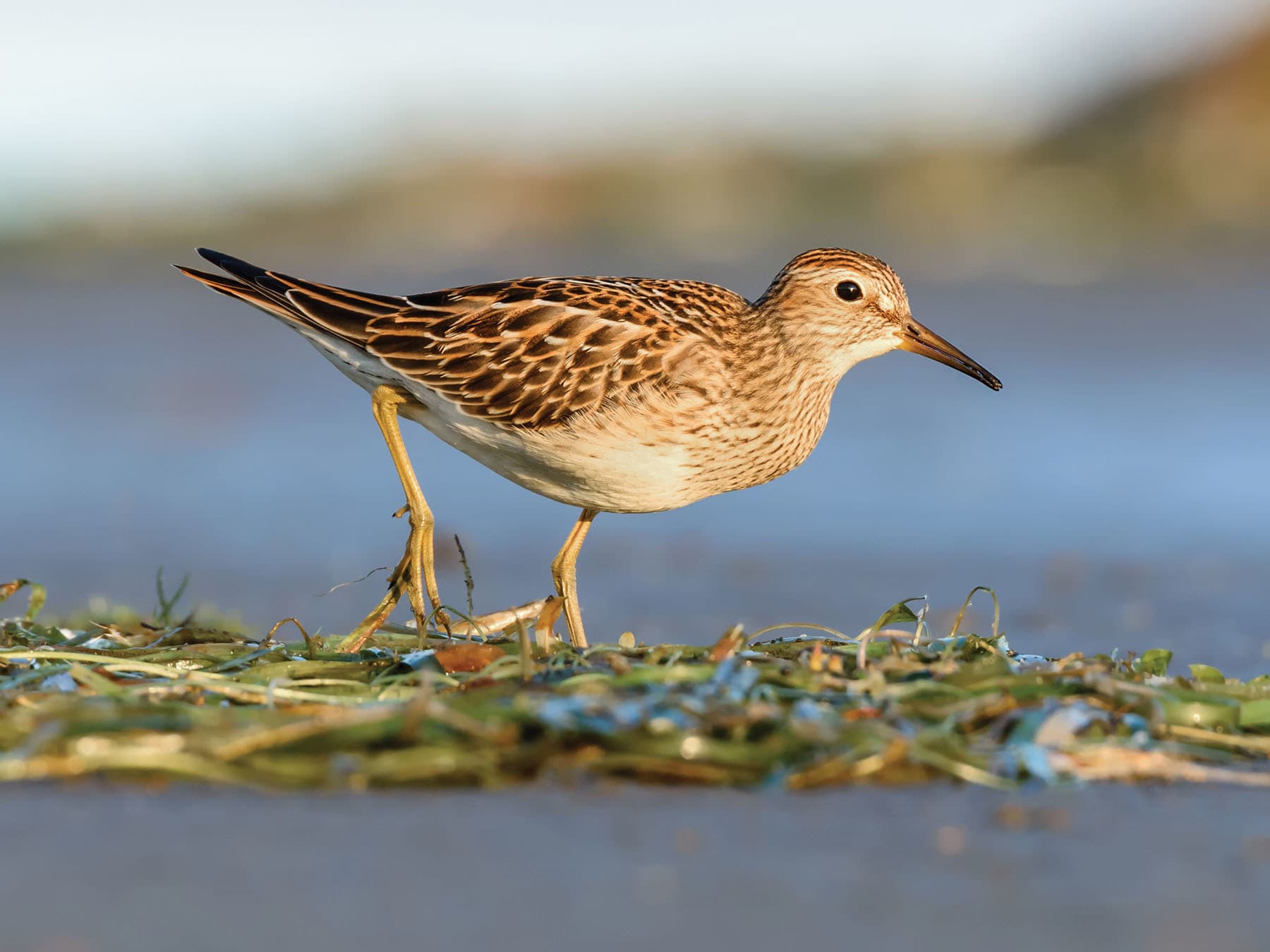
Pectoral Sandpiper
Calidris melanotosLC
A rare autumn passage visitor, occasionally turning up at Cheshire's freshwater pools and marshes in August and September.
Aug–Sep
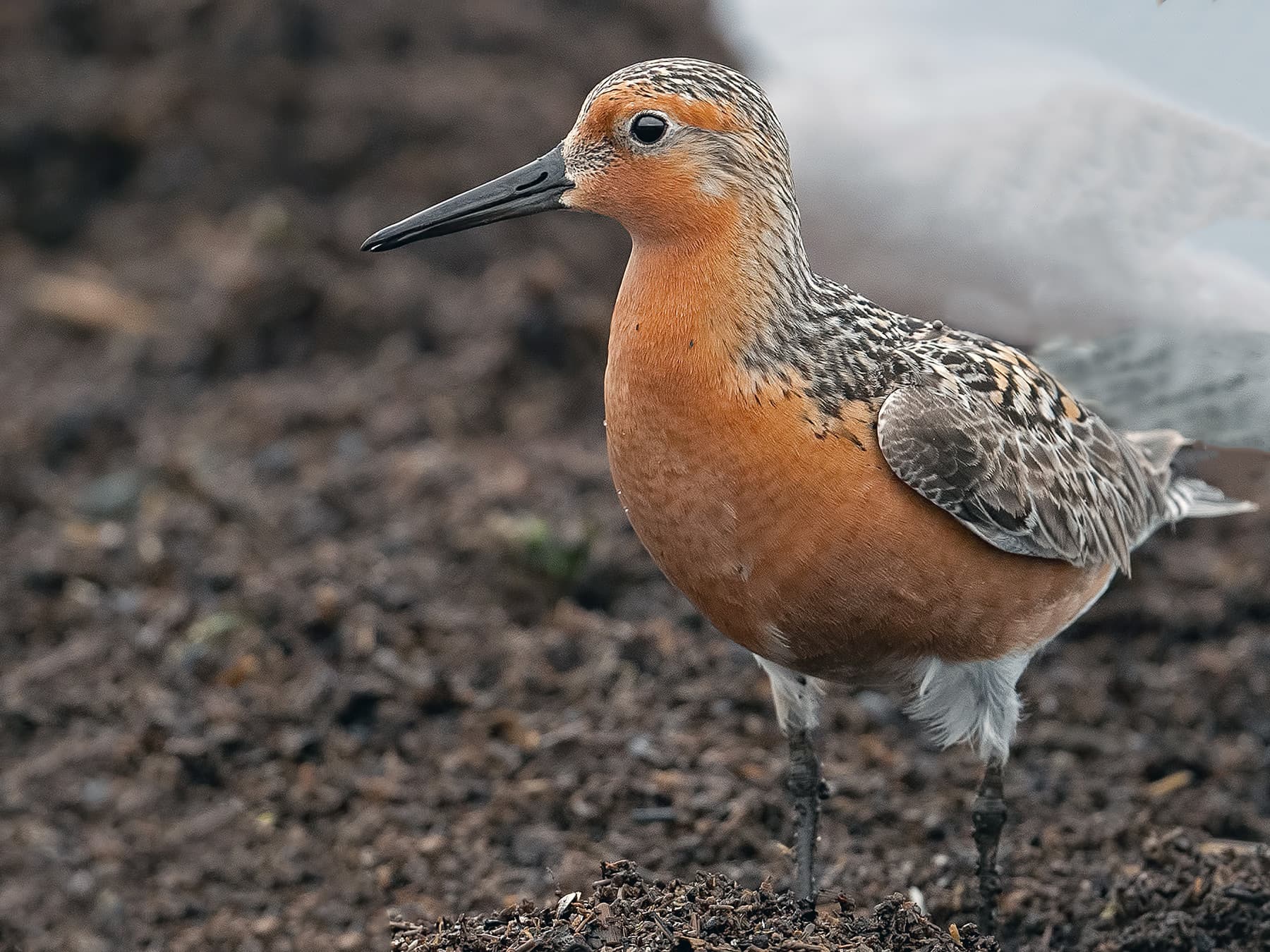
Red Knot
Calidris canutusNT
A rare visitor, occasionally seen on the Dee and Mersey estuaries. Most records fall between autumn and spring passage periods.
Feb–Dec
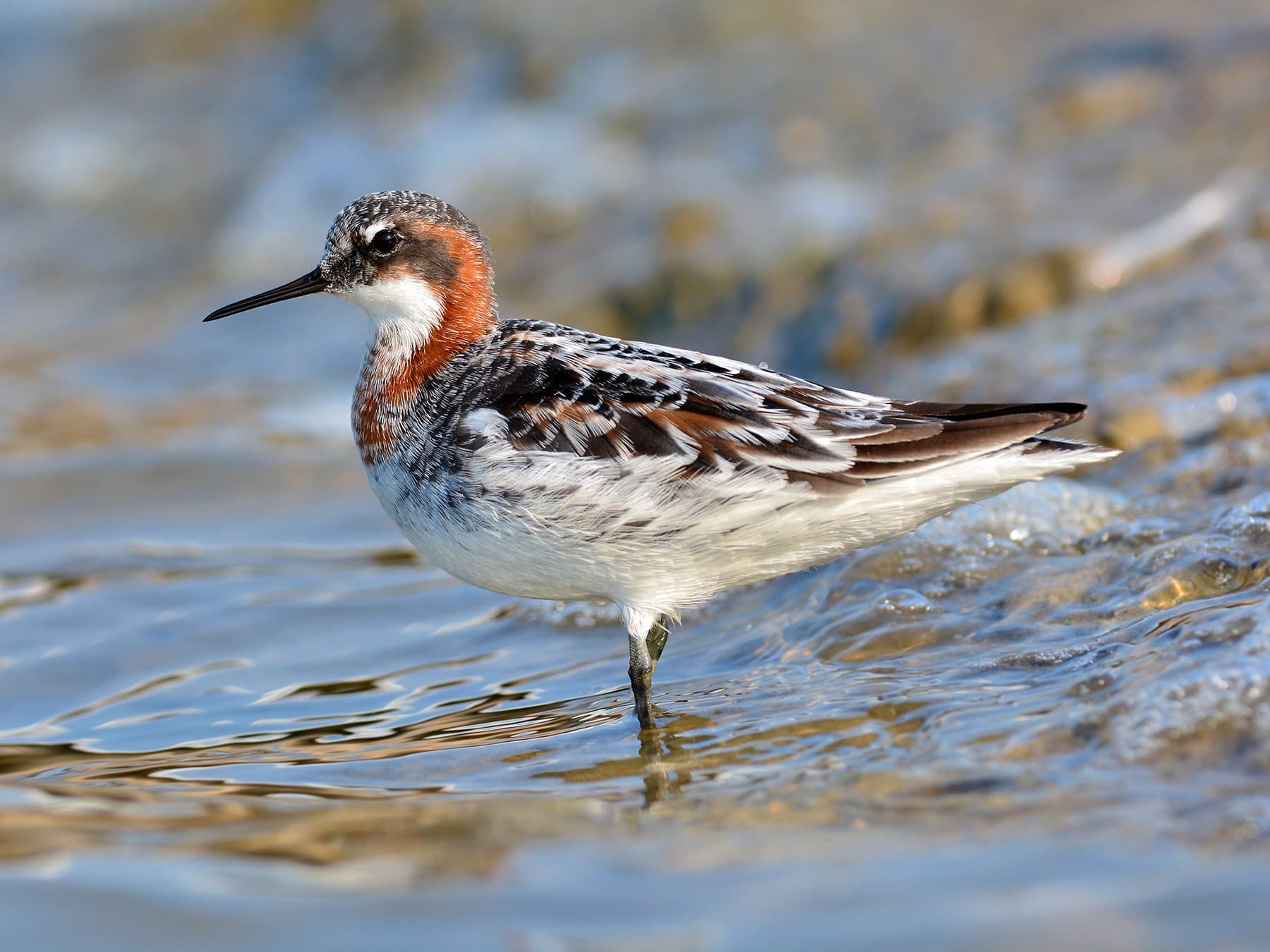
Red-necked Phalarope
Phalaropus lobatusLC
A rare September passage migrant, occasionally turning up at pools and meres. One of the county's scarcer wader visitors.
Sep
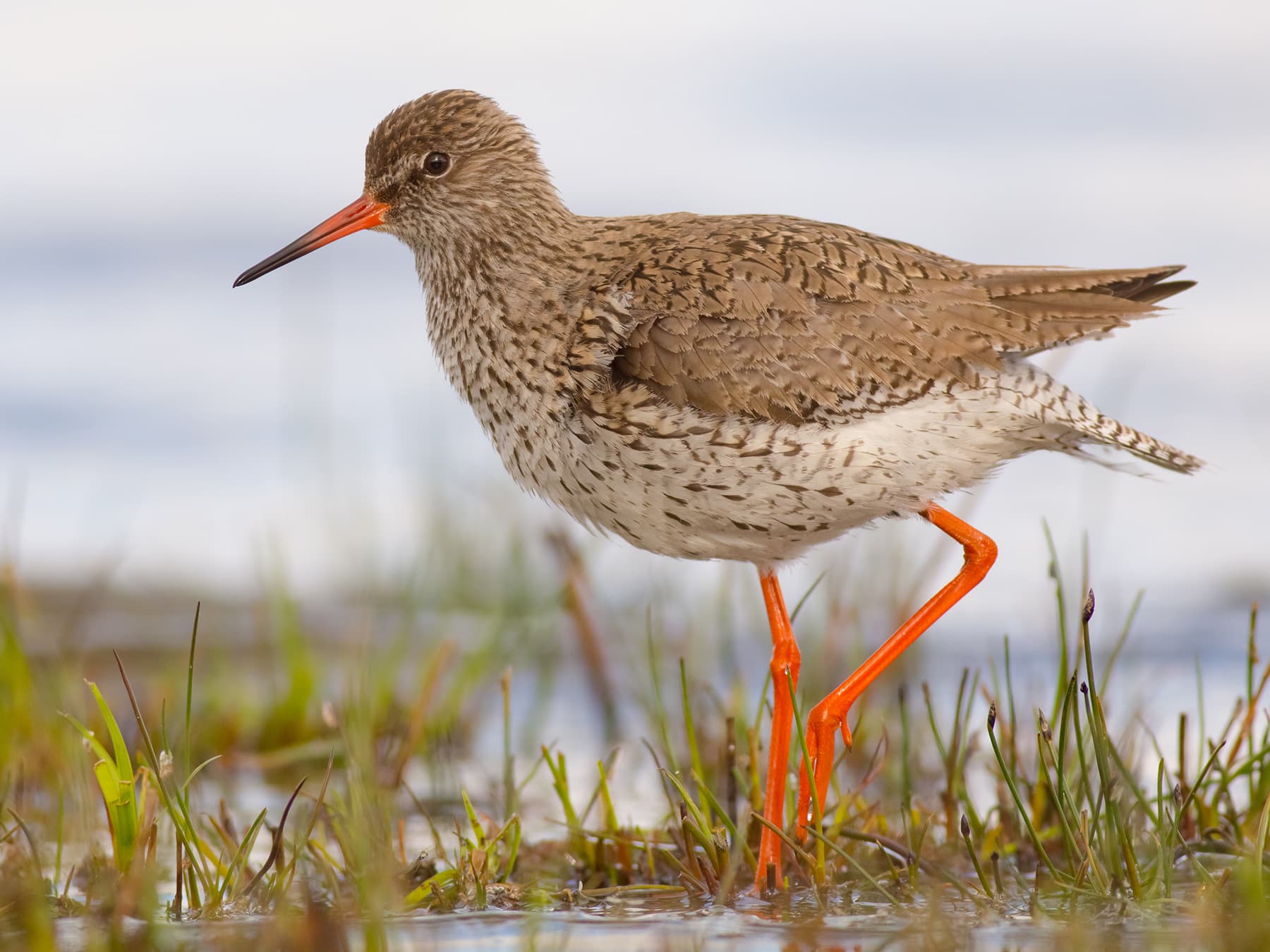
Redshank
Tringa totanusLC
An uncommon resident breeding on wet grassland and saltmarsh. Numbers swell in winter along the Dee and Mersey estuaries.
Year-round
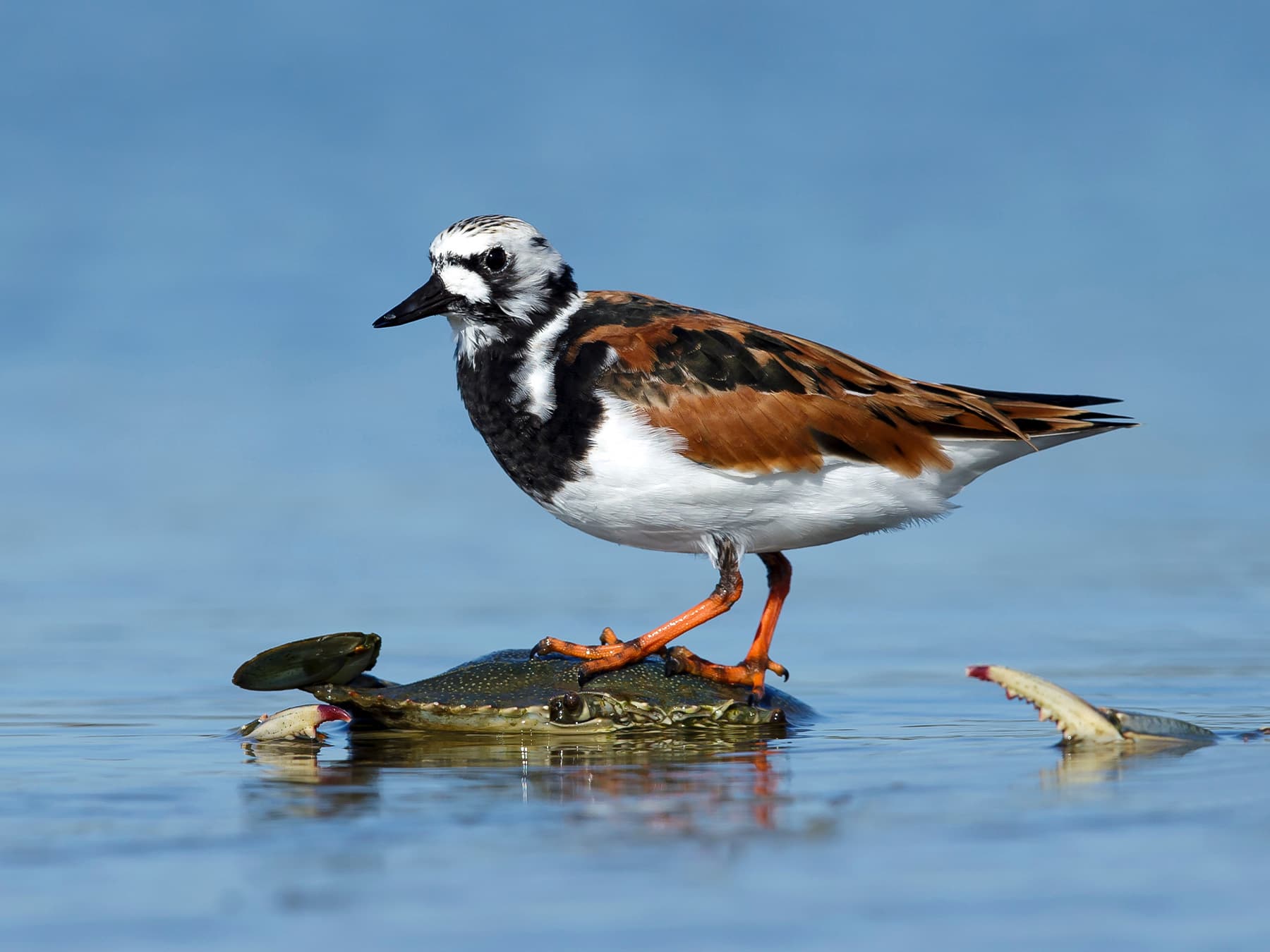
Ruddy Turnstone
Arenaria interpresLC
A rare non-breeding visitor to the Dee Estuary and rocky shores, present in winter and early spring.
Sep–Mar
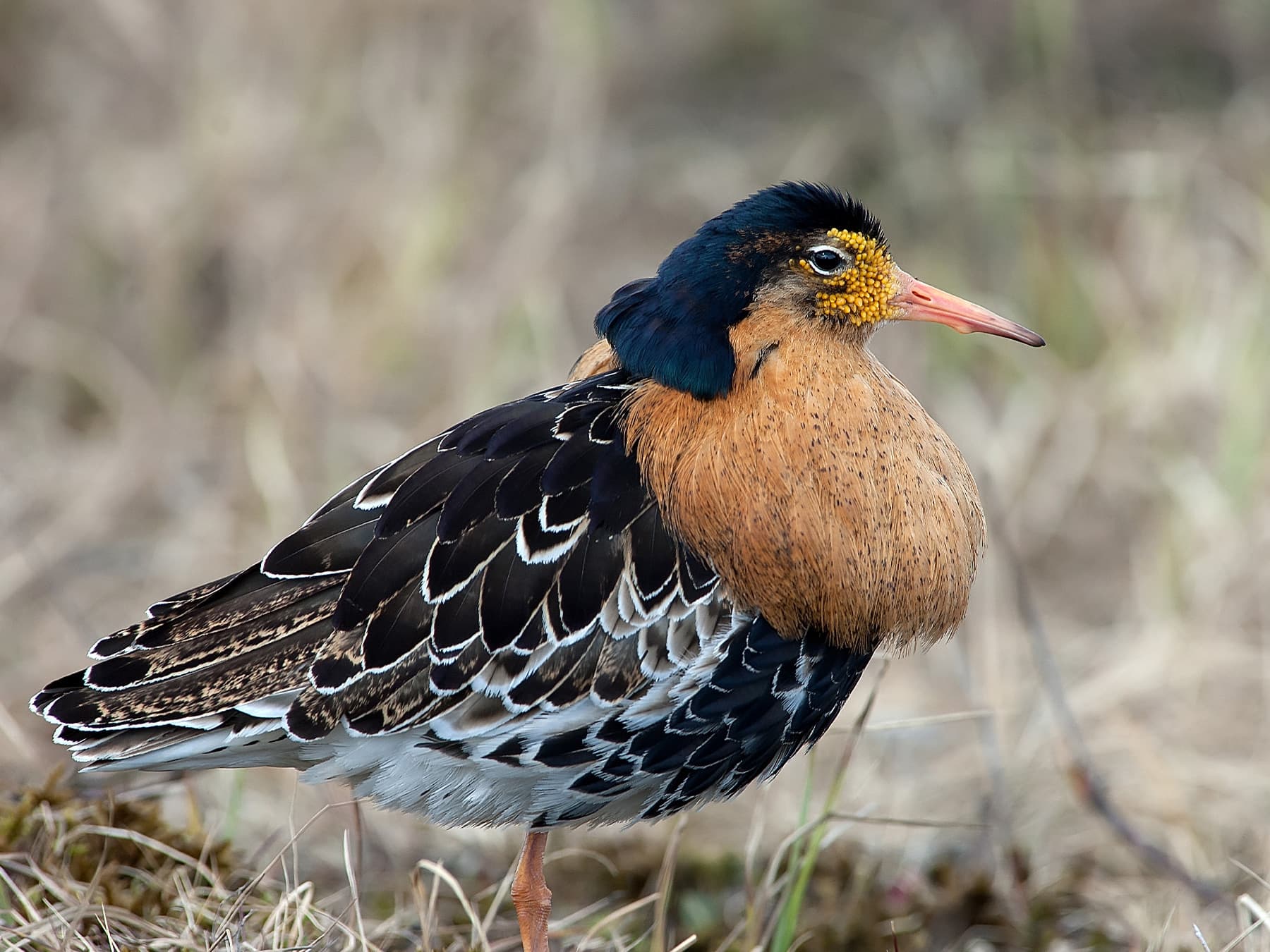
Ruff
Philomachus pugnaxLC
An uncommon resident of Cheshire's marshes and wet grasslands. Numbers peak on autumn passage at sites like Frodsham.
Year-round
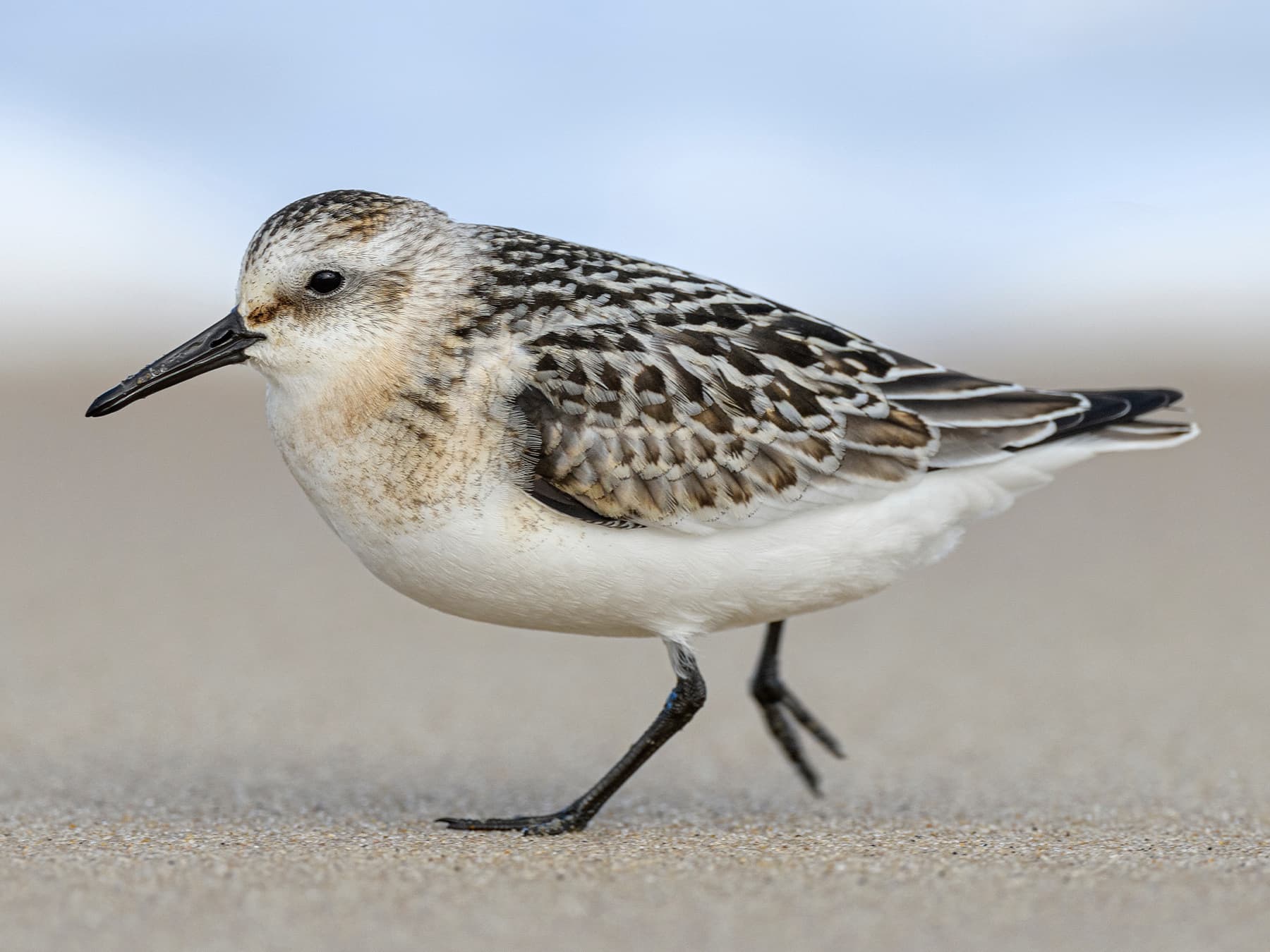
Sanderling
Calidris albaLC
A rare passage migrant in spring and late summer, sometimes stopping at reservoir margins and coastal mudflats.
May–Sep
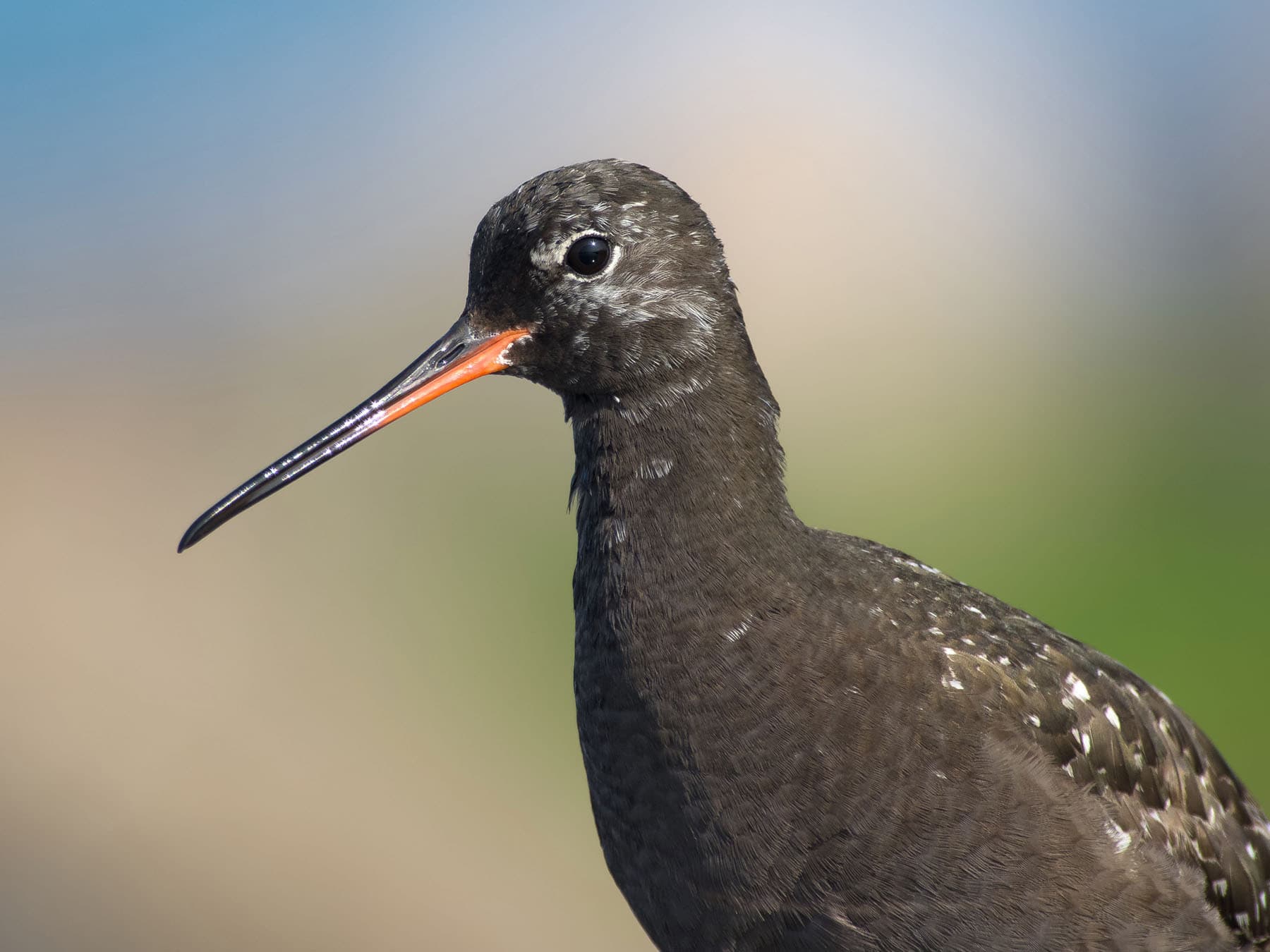
Spotted Redshank
Tringa erythropusLC
A rare visitor to Cheshire's marshes and estuaries, most likely on passage. Elegant dark plumage in summer aids identification.
Feb–Oct
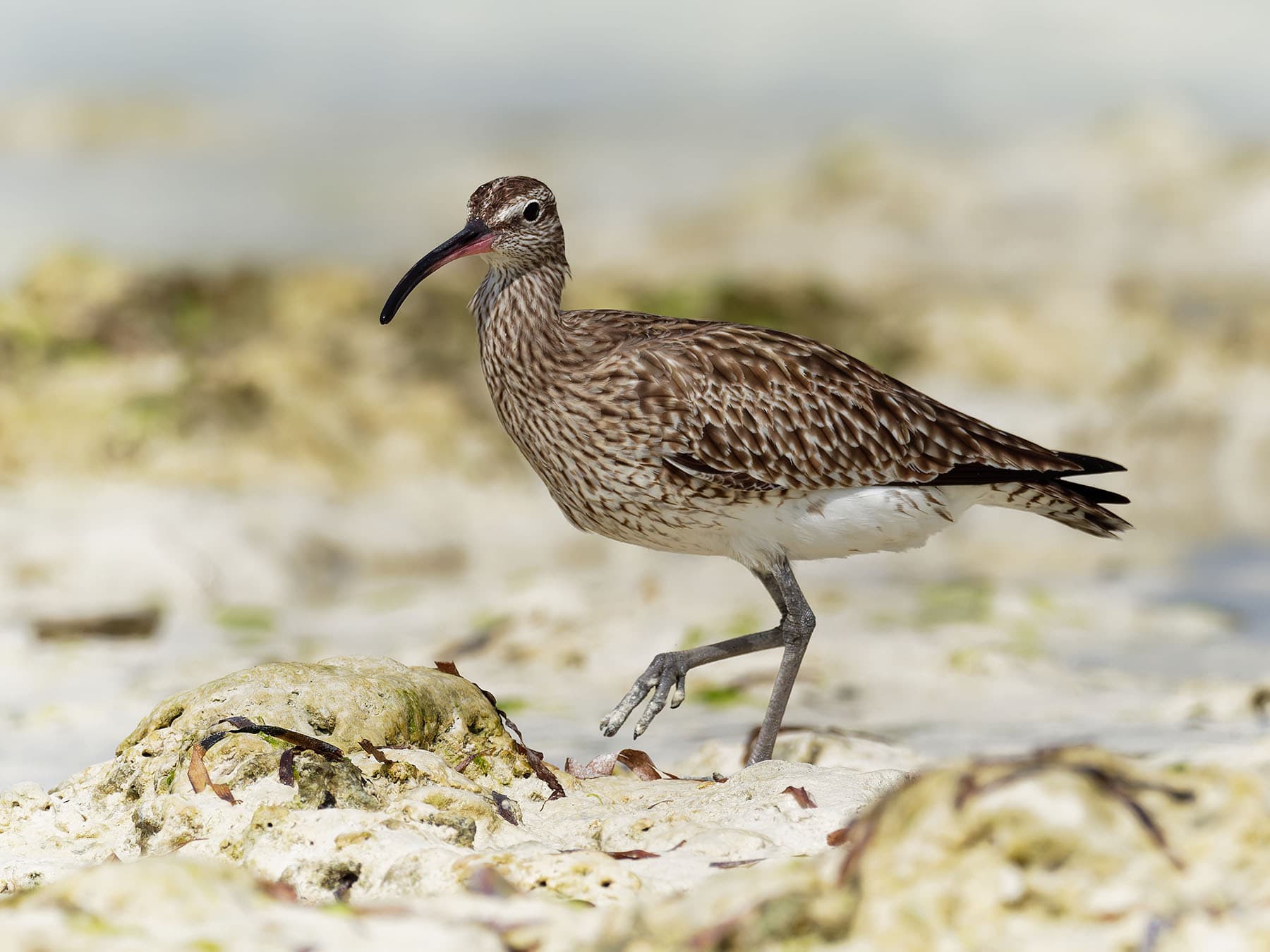
Whimbrel
Numenius phaeopusLC
A rare visitor mainly on spring and autumn passage, pausing at coastal marshes and meres. Its distinctive call aids detection.
Apr–Sep