Common Birds in United Kingdom
115 species matching this filter.
The United Kingdom is home to 115 commonly observed bird species, thriving across a rich tapestry of habitats from coastal estuaries and rolling farmland to ancient woodlands and bustling urban gardens. Familiar favourites such as the Great Tit, Magpie, and Common Starling can be spotted year-round, while seasonal visitors like the Fieldfare and House Martin add variety throughout the year. For a closer look at the species you're most likely to encounter in your back garden, explore our guide to 23 Common Garden Birds in the UK (Full Guide with Pictures).


Showing 93–115 of 115 species
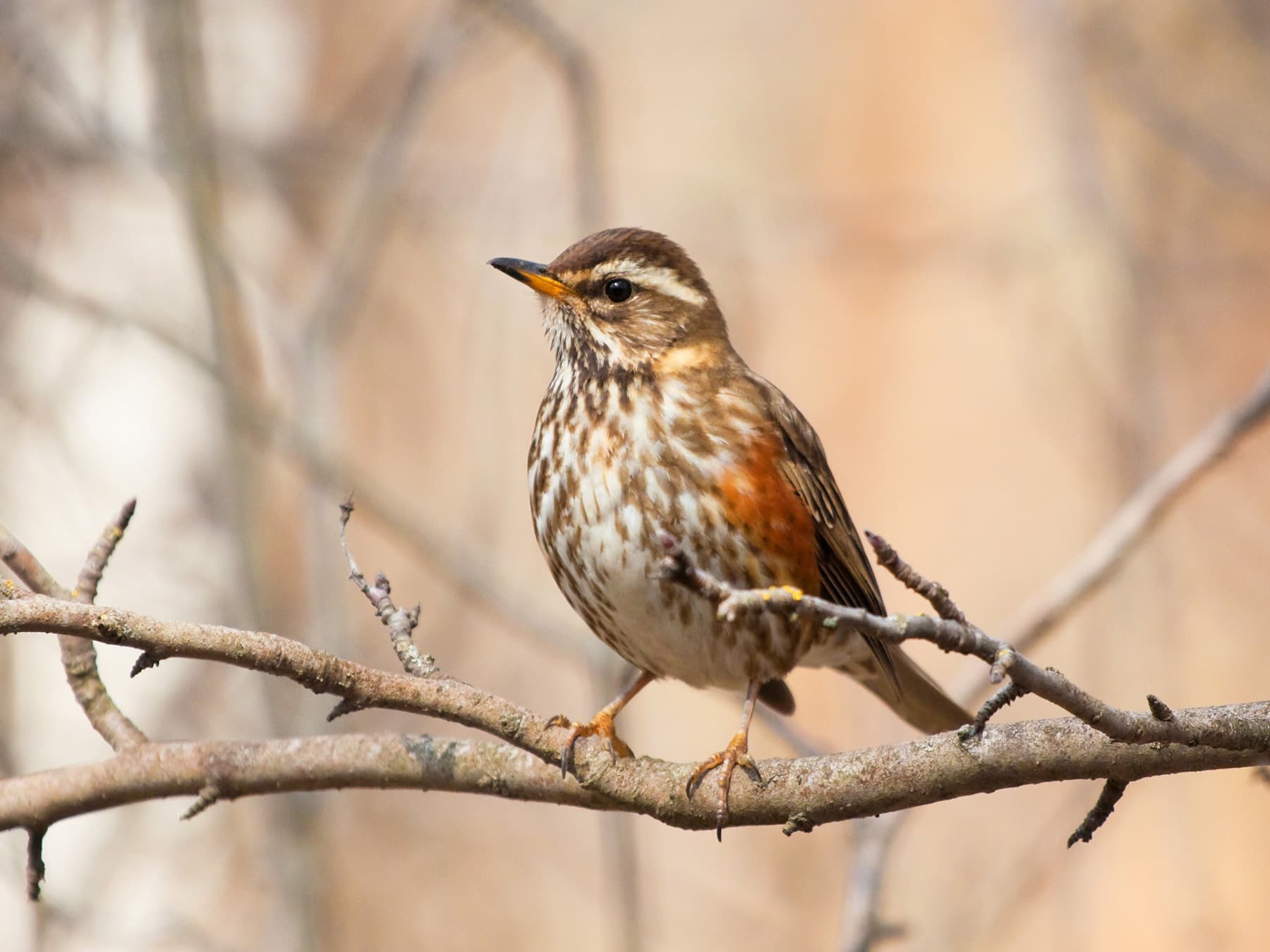
Redwing
Turdus iliacusNT
Mainly a common winter visitor from Scandinavia and Iceland, arriving in large numbers from October. A tiny breeding population exists in northern Scotland.
Sep–May
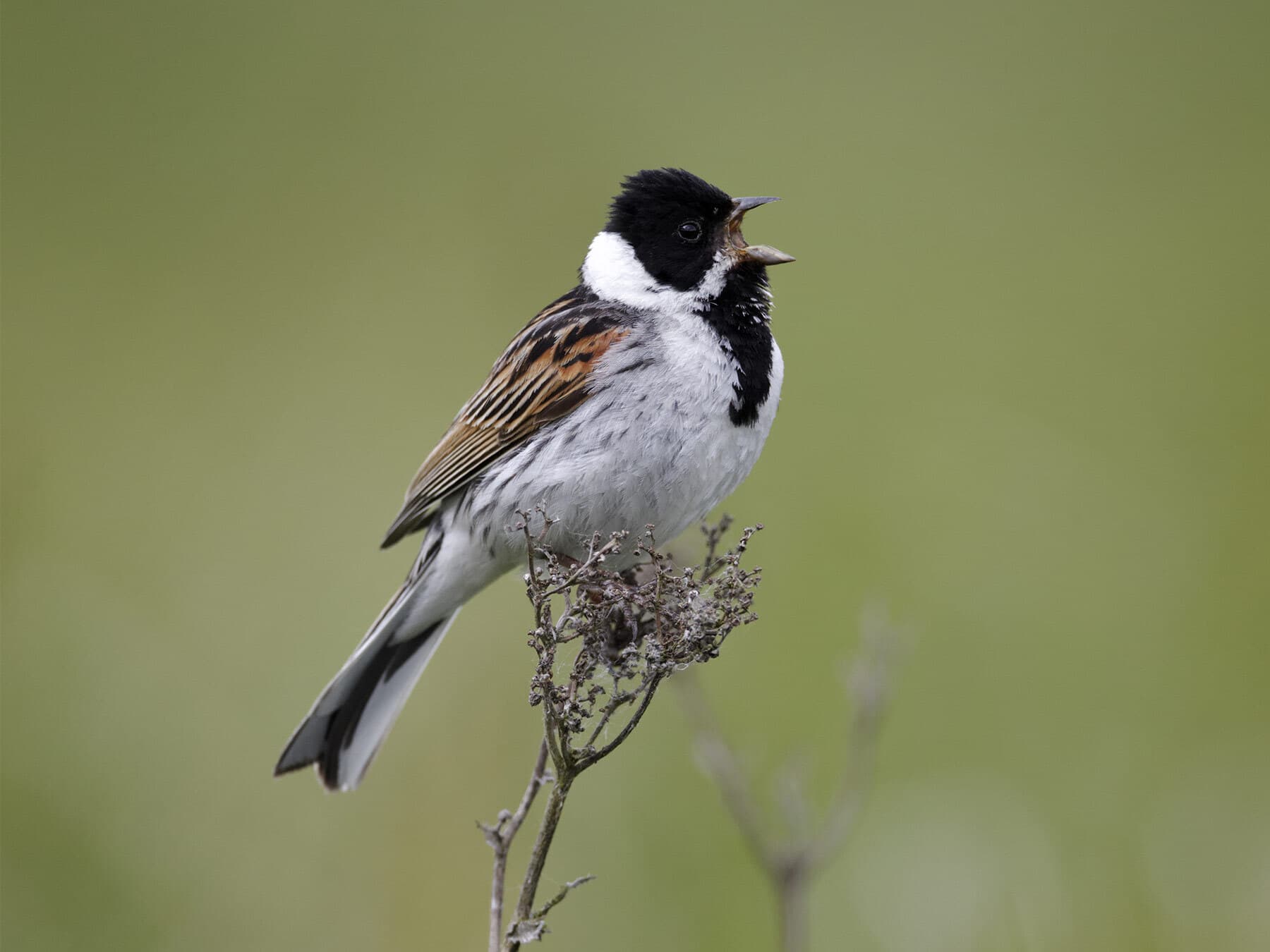
Reed Bunting
Emberiza schoeniclusLC
A common resident of reedbeds, marshes, and damp hedgerows. Males are recognised by their black head and white collar, singing from reed stems.
Year-round
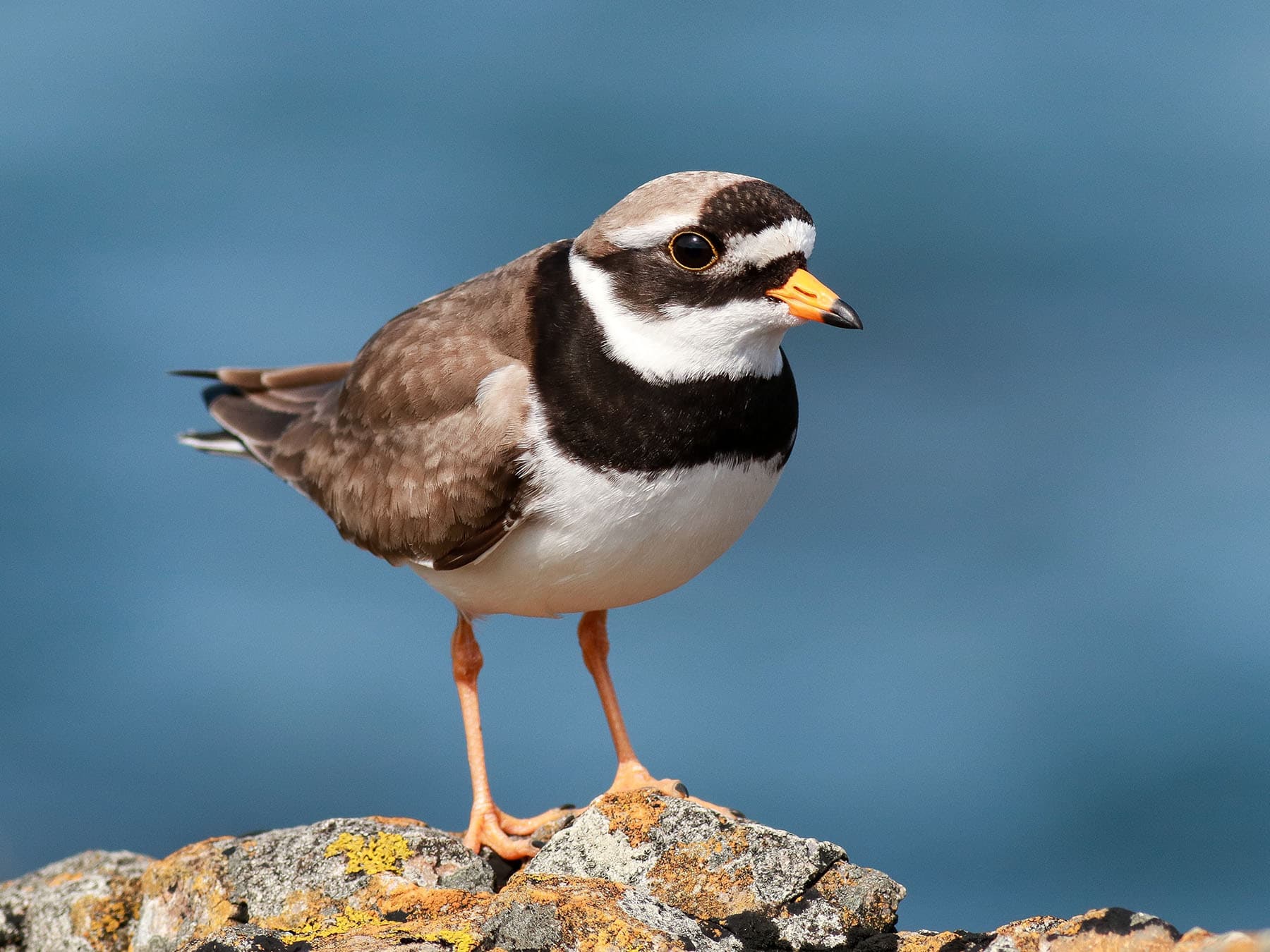
Ringed Plover
Charadrius hiaticulaLC
A common resident of sandy and shingle beaches, also found on inland gravel pits. Numbers increase in autumn and winter with arrivals from the Continent.
Year-round
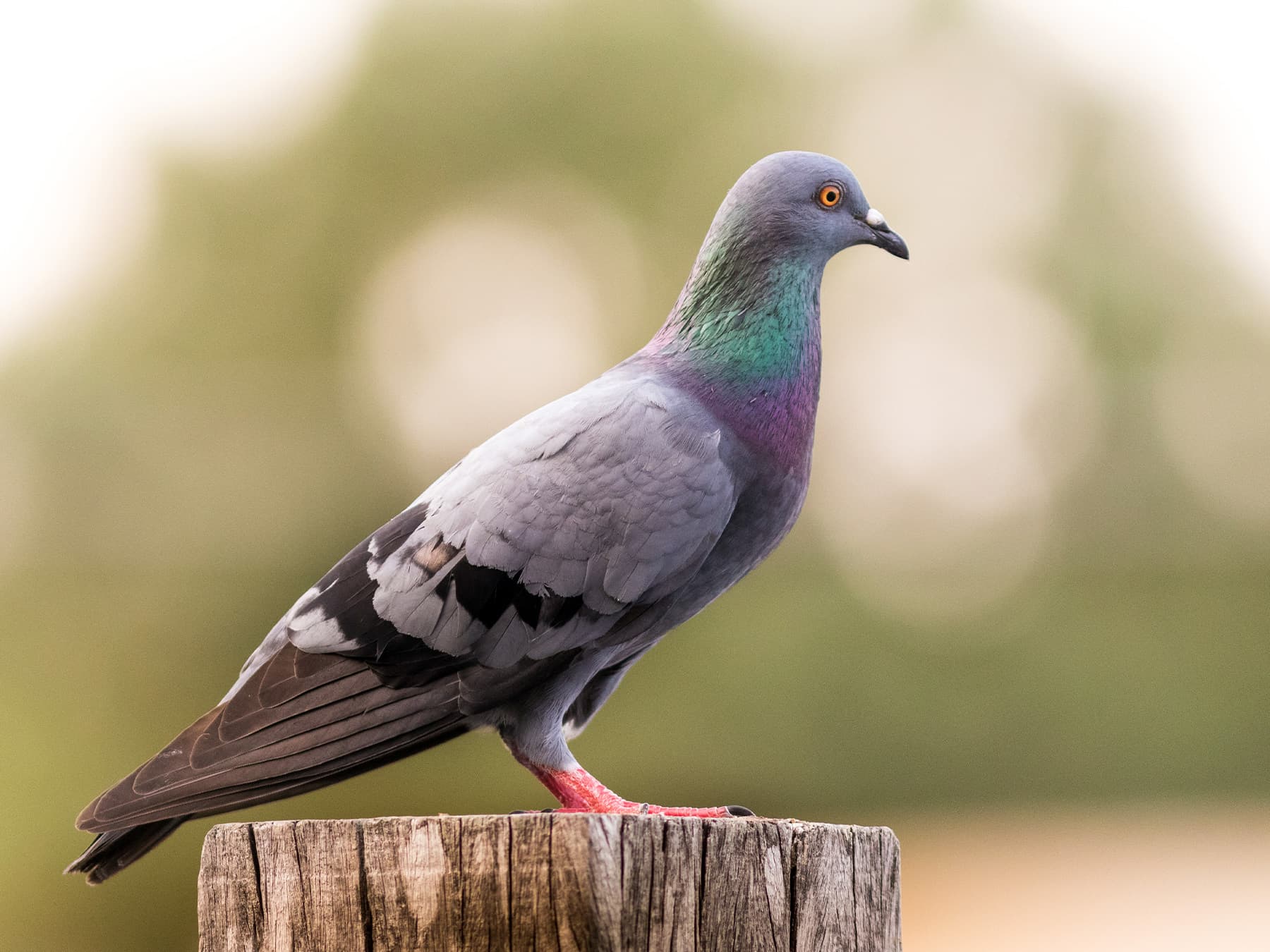
Rock Dove
Columba liviaLC
Ubiquitous in towns and cities as the feral pigeon; truly wild birds survive on remote Scottish and Irish sea cliffs.
Year-round
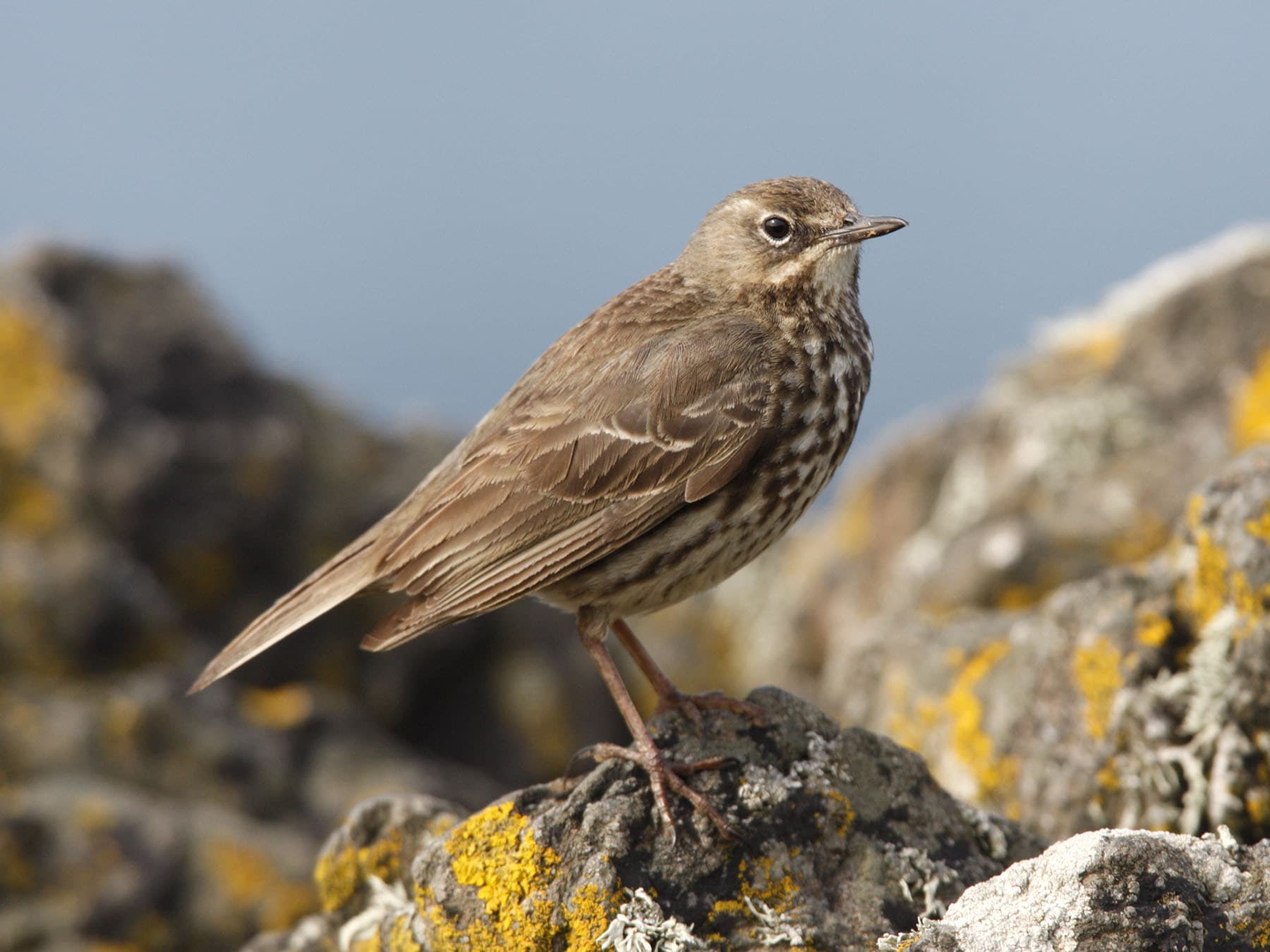
Rock Pipit
Anthus petrosusLC
A common resident of rocky coastlines year-round, foraging along wave-splashed shores and sea cliffs throughout Britain and Ireland.
Year-round
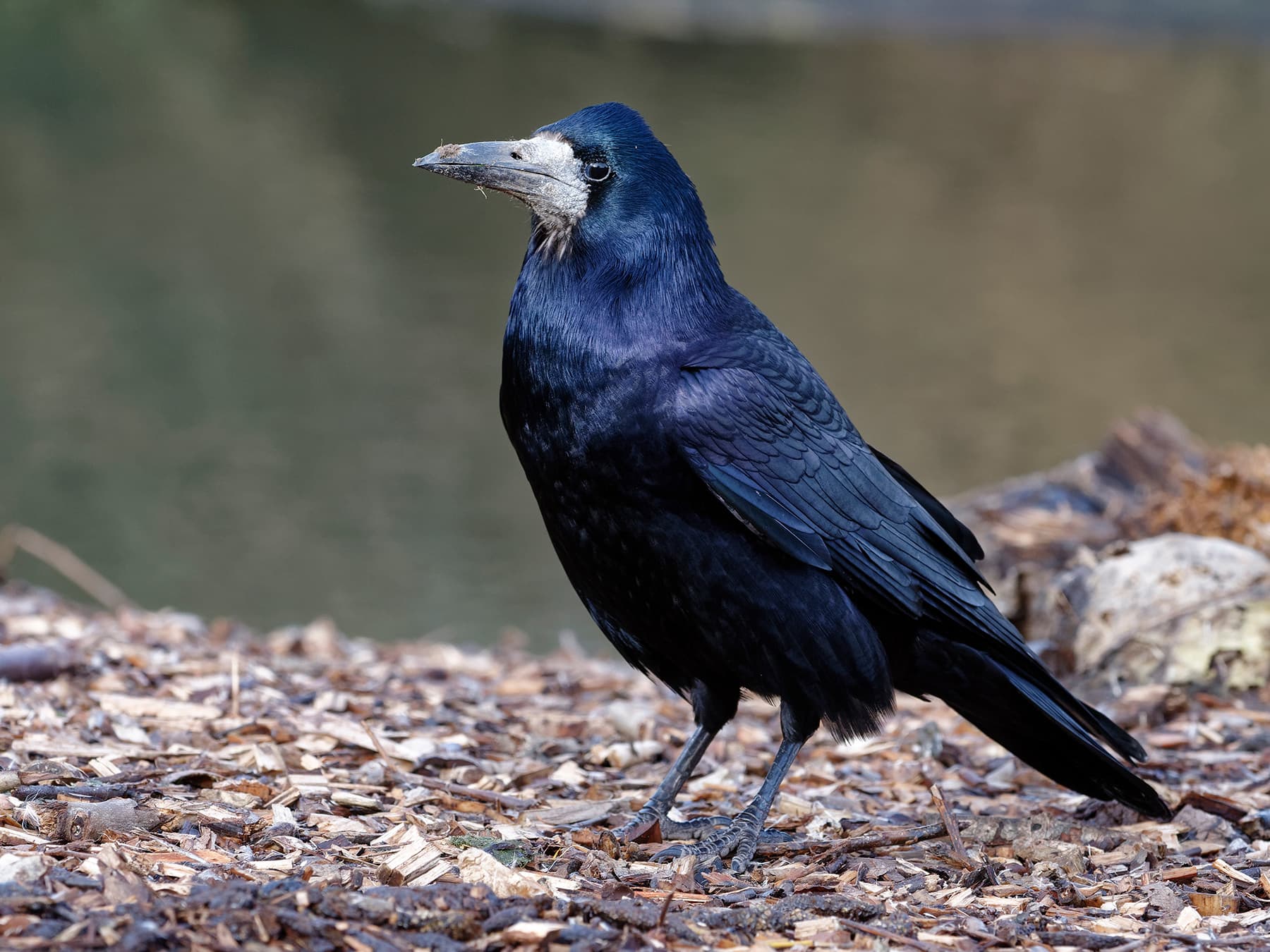
Rook
Corvus frugilegusLC
A gregarious resident of farmland and parkland, nesting in large, noisy rookeries. Bare-faced adults probe fields for invertebrates year-round.
Year-round
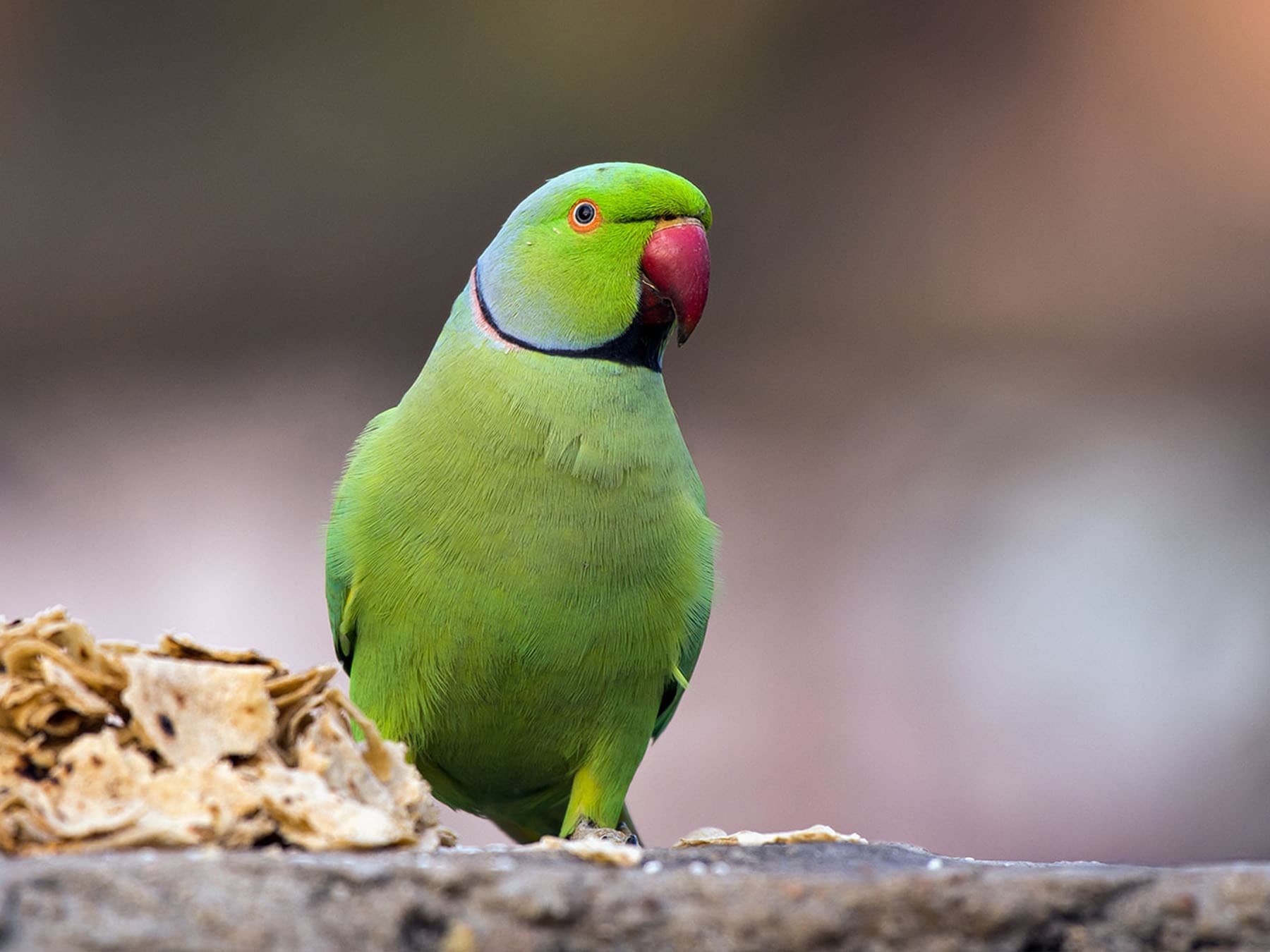
Rose-ringed Parakeet
Alexandrinus krameriLC
An established non-native resident, especially abundant in London and south-east England. Noisy flocks roost communally in large trees.
Year-round
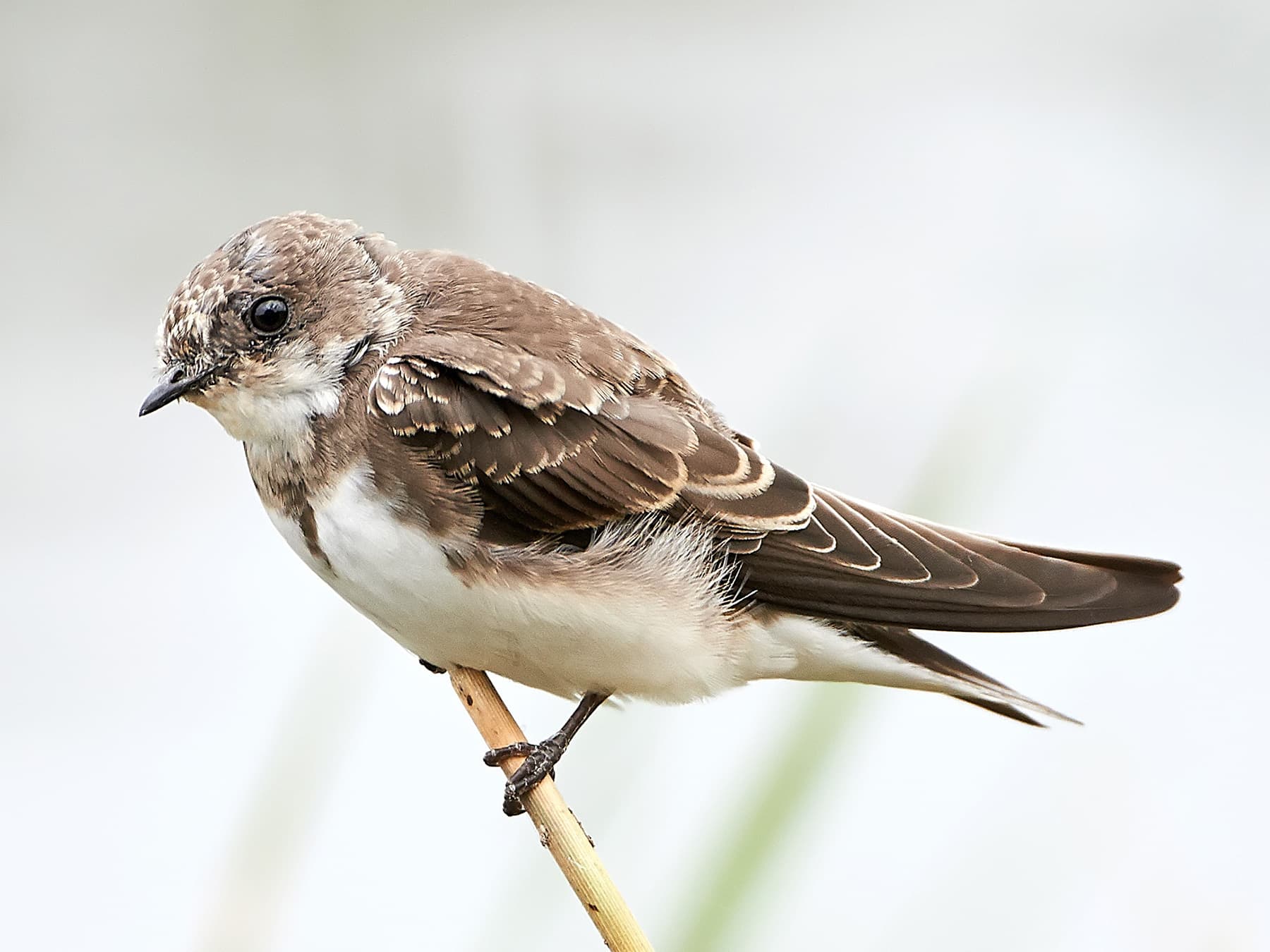
Sand Martin
Riparia ripariaLC
A common summer breeder nesting colonially in sandy riverbanks and quarry faces. Often the first hirundine to arrive in spring, from March onwards.
Mar–Oct
Spotted something?
Upload a photo to identify it
Identify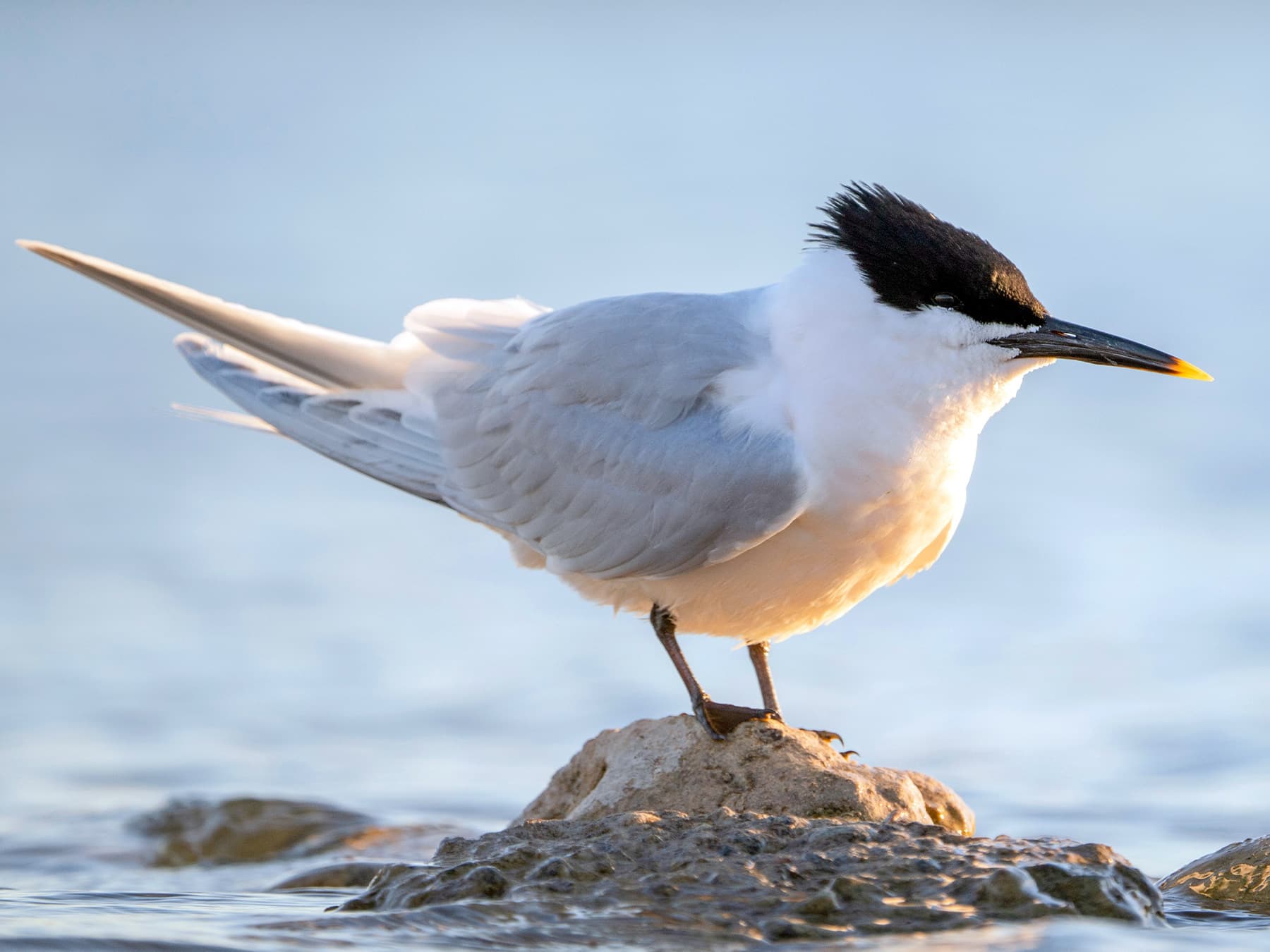
Sandwich Tern
Thalasseus sandvicensisLC
The earliest tern to return each spring, breeding in noisy colonies on shingle and sandy coasts. Present year-round, with numbers peaking in summer.
Year-round
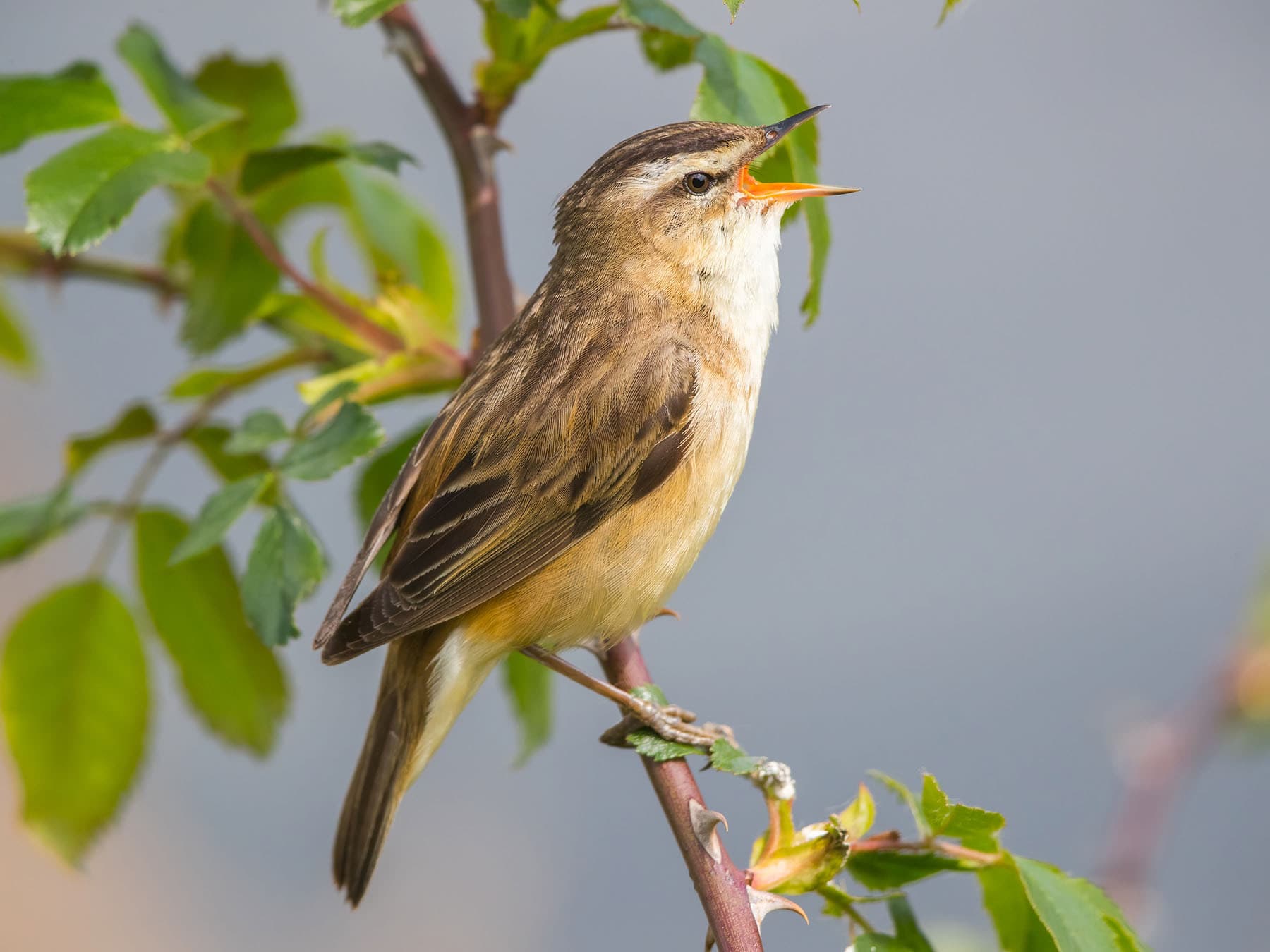
Sedge Warbler
Acrocephalus schoenobaenusLC
A common summer breeder in reedbeds, marshes, and waterside vegetation. Its chattering song is a characteristic sound of wetlands.
Mar–Oct
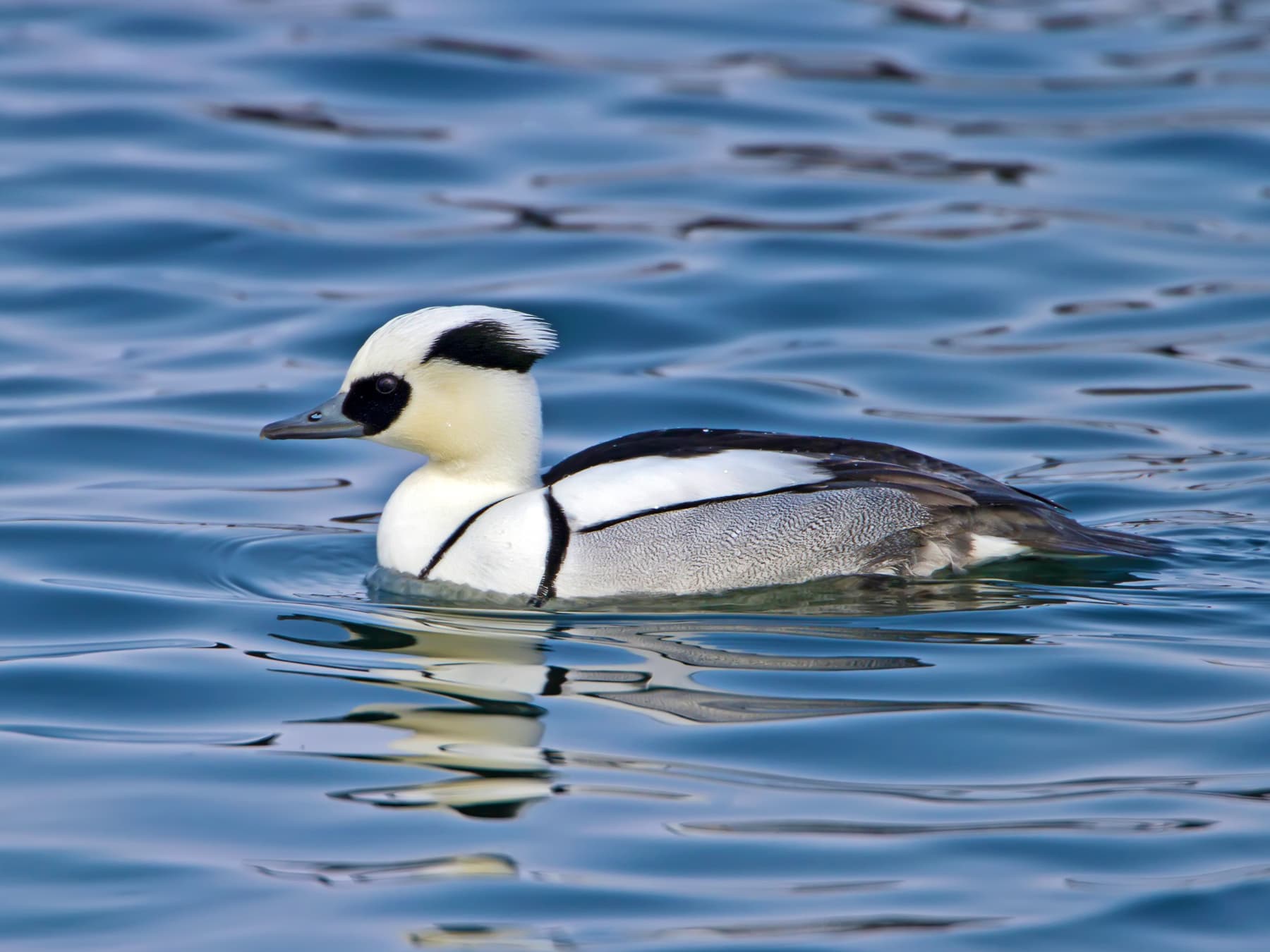
Smew
Mergellus albellusLC
A striking winter visitor to reservoirs and gravel pits, mainly in south-east England. The drake's crisp white plumage and dark mask are unmistakable.
Oct–Apr
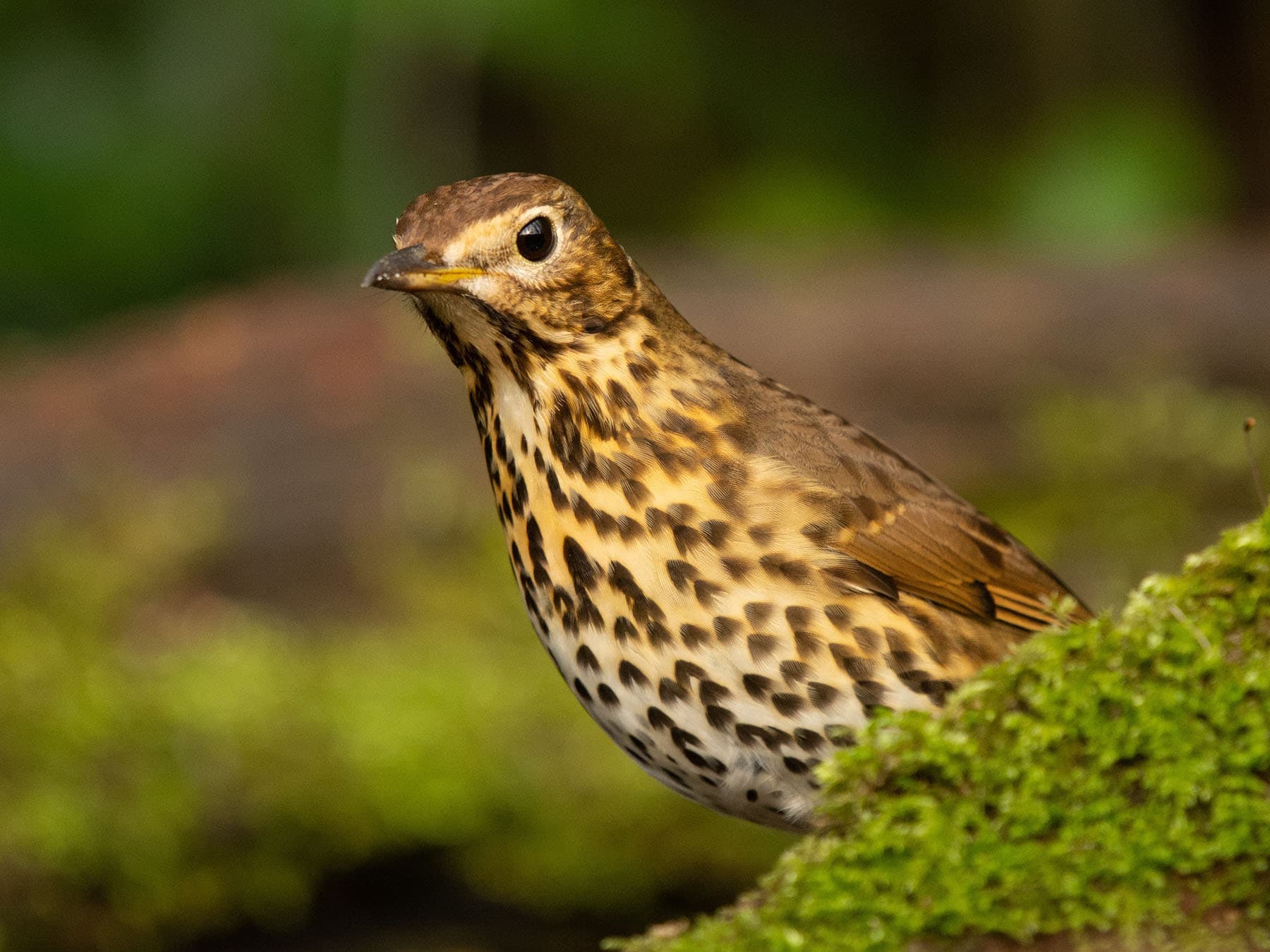
Song Thrush
Turdus philomelosLC
A common resident of gardens, woodlands and hedgerows, recognised by its rich, repeated song phrases. UK numbers are supplemented by Continental migrants in winter.
Year-round
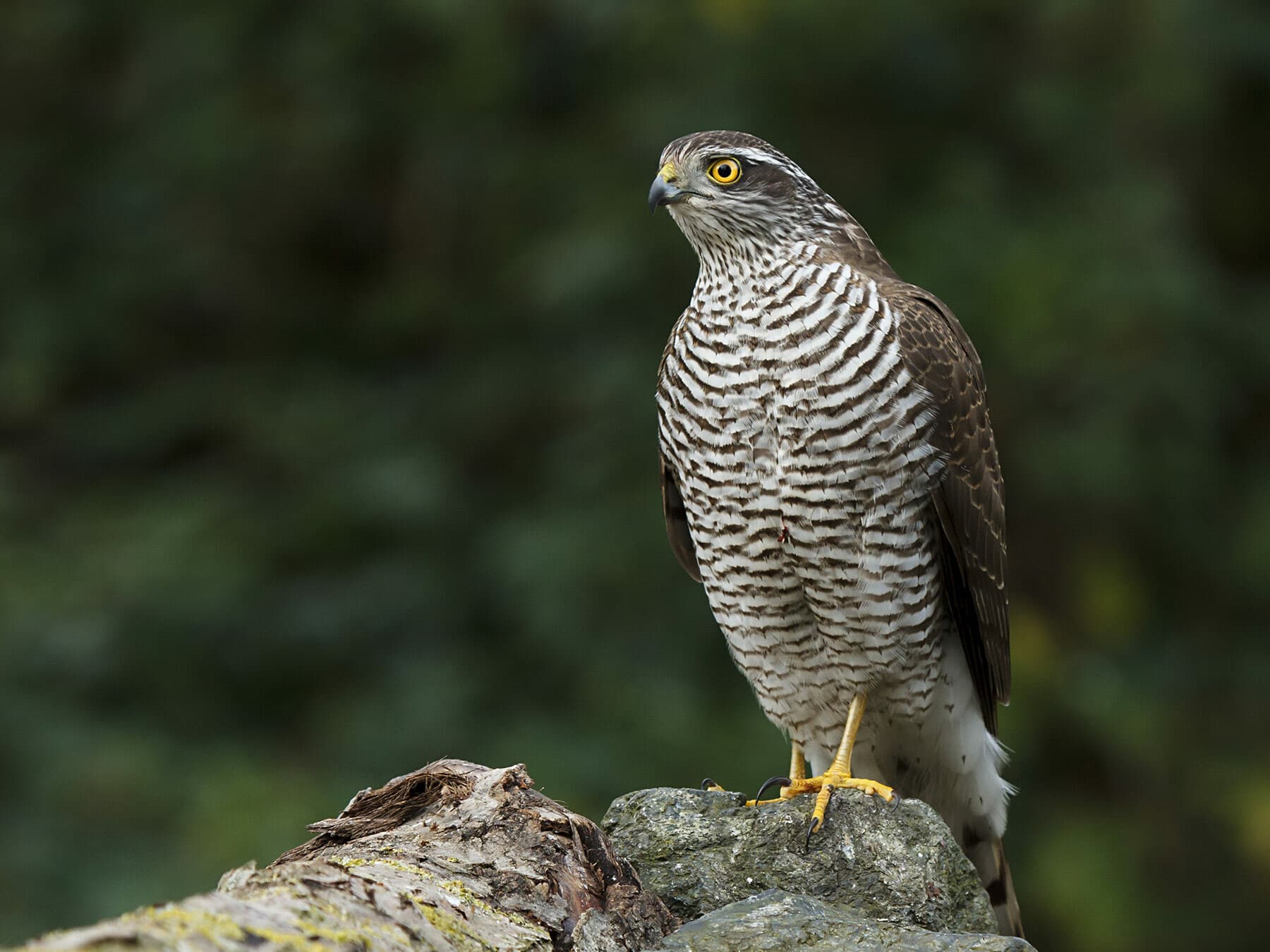
Sparrowhawk
Accipiter nisusLC
A common resident raptor found in woodland, farmland, and gardens. Often seen dashing along hedgerows in pursuit of small birds.
Year-round
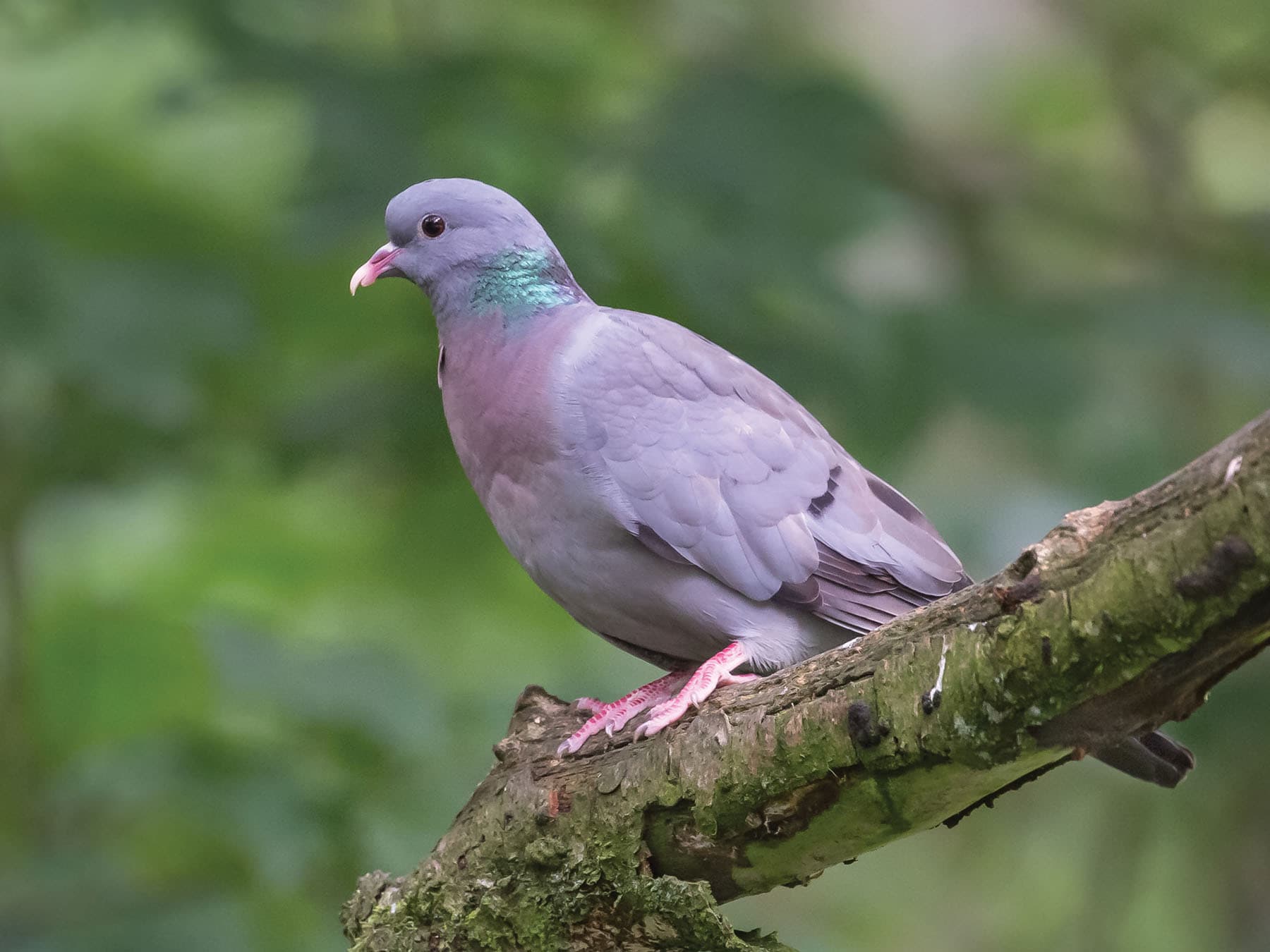
Stock Dove
Columba oenasLC
A common but often overlooked resident of farmland, parkland, and woodland edges. Nests in tree holes and old buildings across lowland Britain.
Year-round
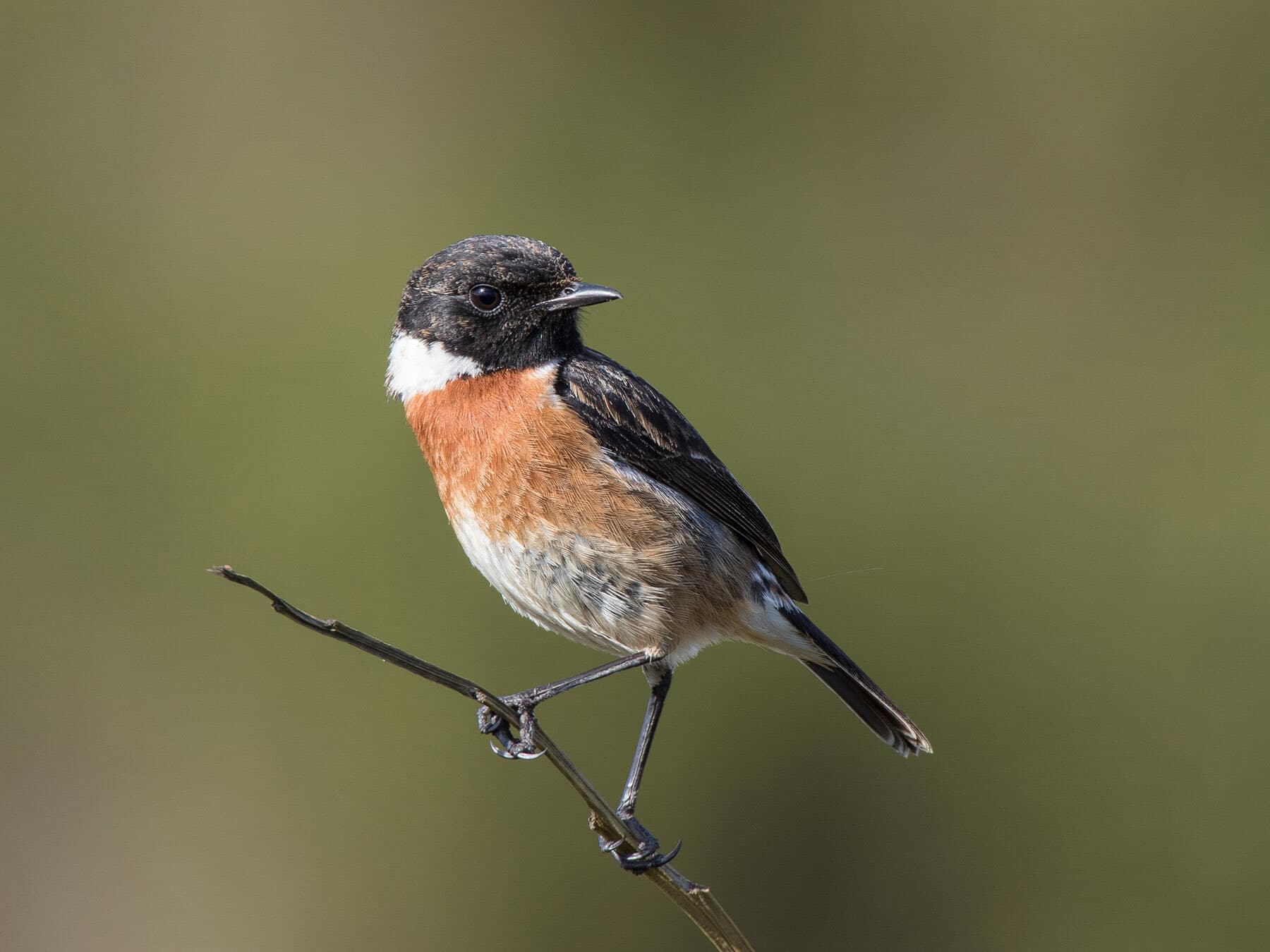
Stonechat
Saxicola torquatusLC
A common resident of gorse-covered heaths, coastal cliffs, and rough grassland. Males show a striking black head and orange breast.
Year-round
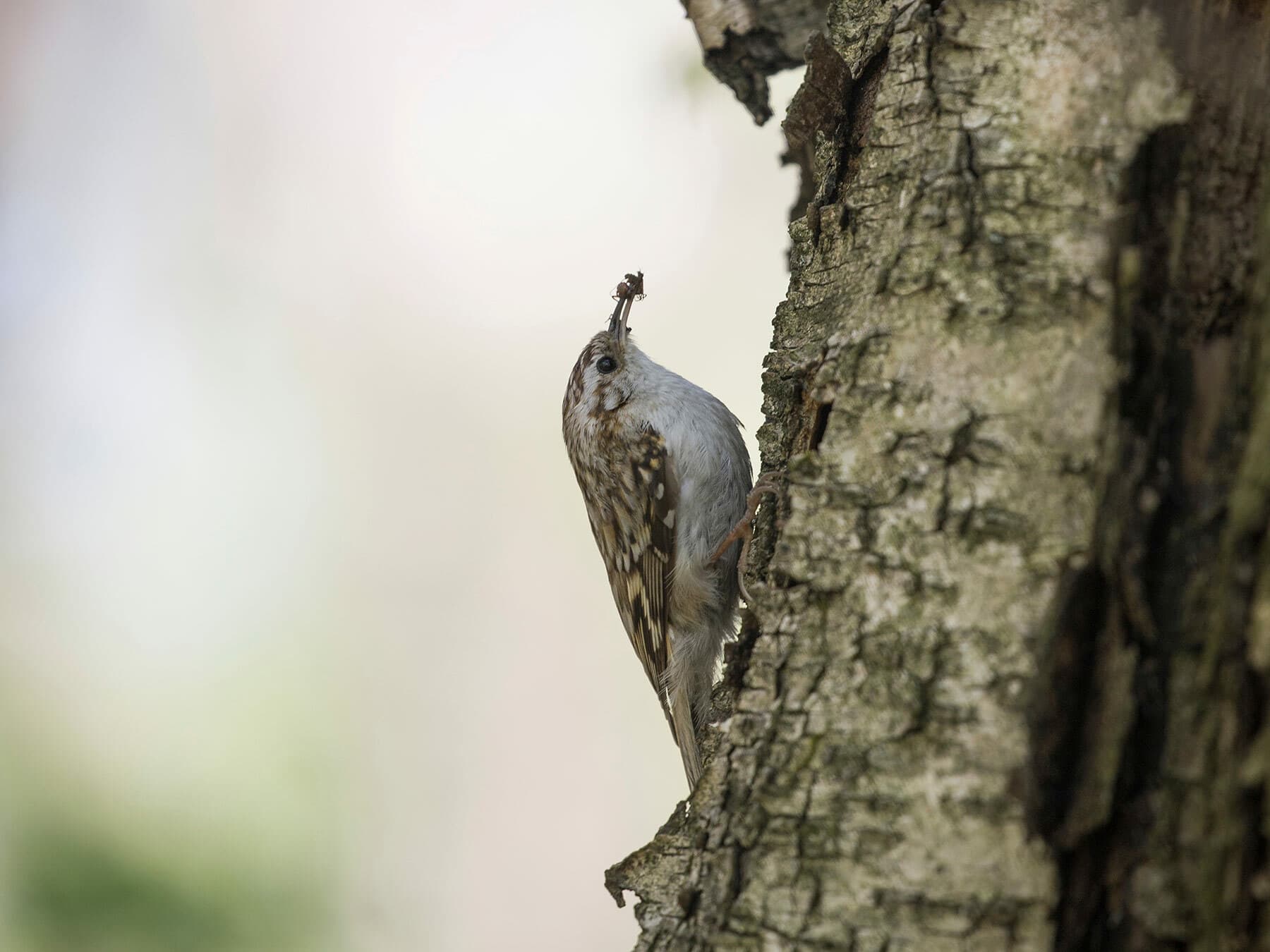
Treecreeper
Certhia familiarisLC
A common but unobtrusive resident of mature woodland, parks, and large gardens. Spirals mouse-like up tree trunks probing bark crevices for insects.
Year-round
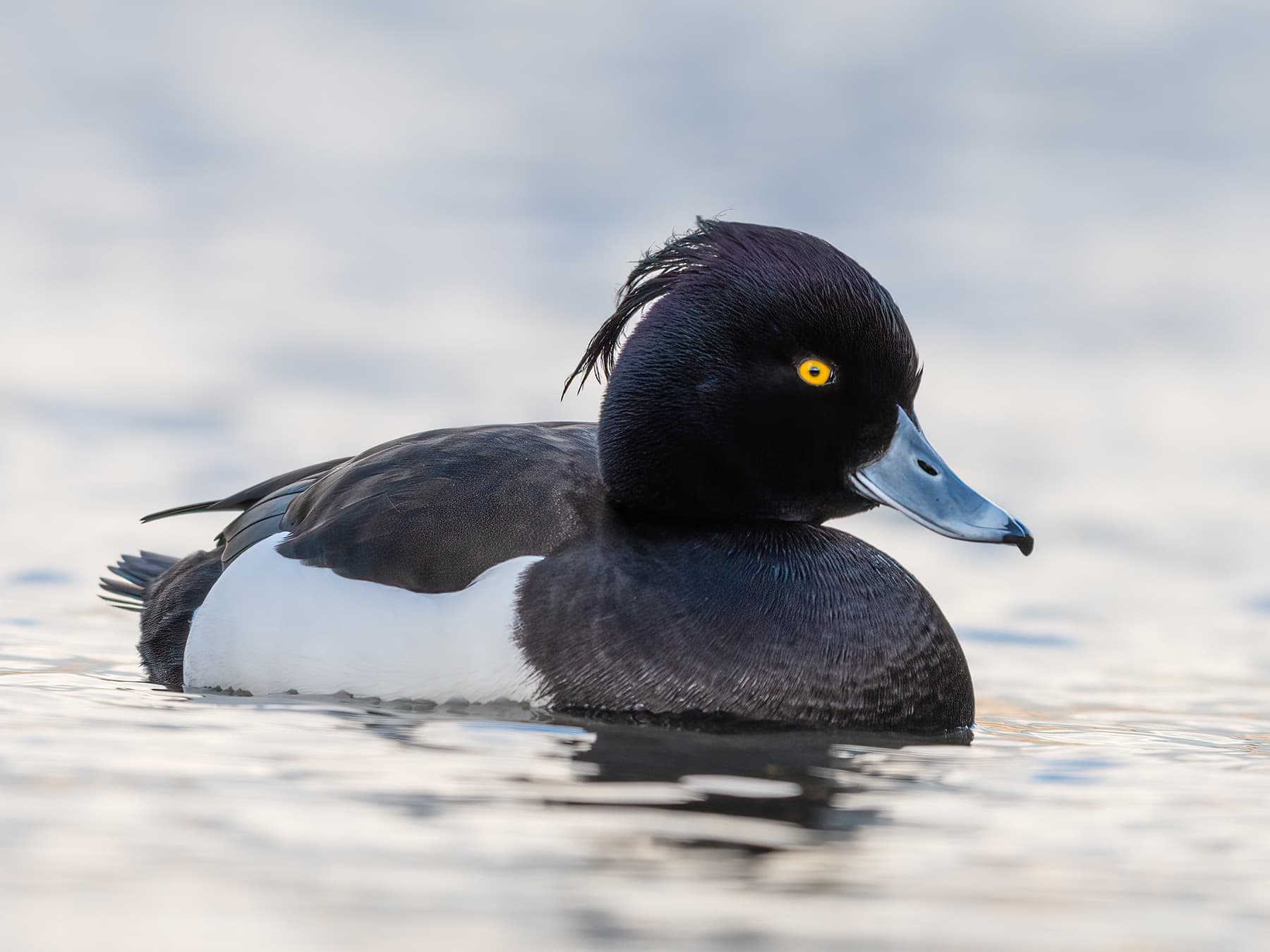
Tufted Duck
Aythya fuligulaLC
A familiar diving duck on lakes, reservoirs and park ponds year-round. Males sport a distinctive drooping head crest and striking black-and-white plumage.
Year-round
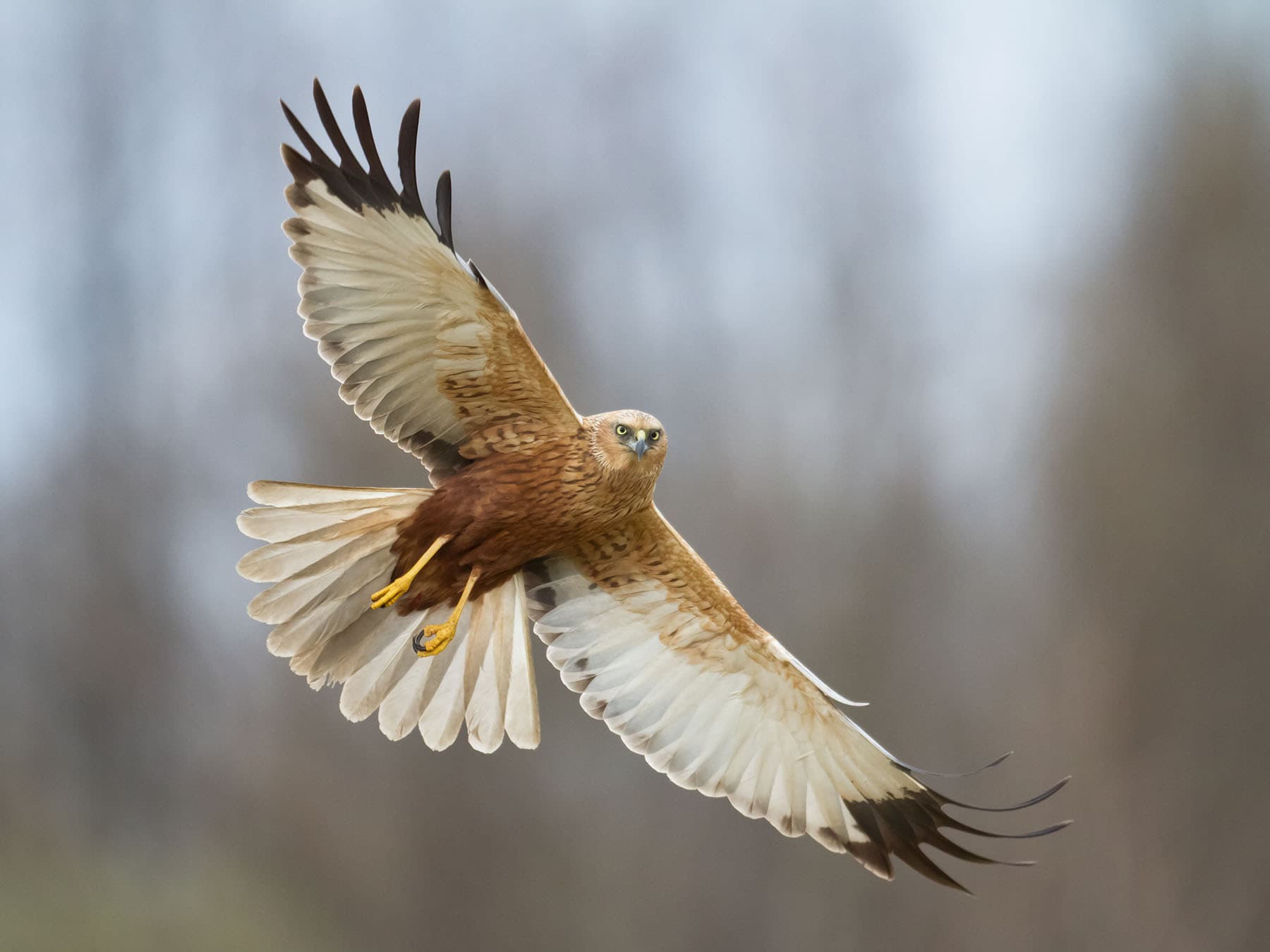
Western Marsh-harrier
Circus aeruginosusLC
A conservation success story, now commonly seen quartering over reedbeds and marshes, especially in East Anglia where it has spread steadily.
Year-round
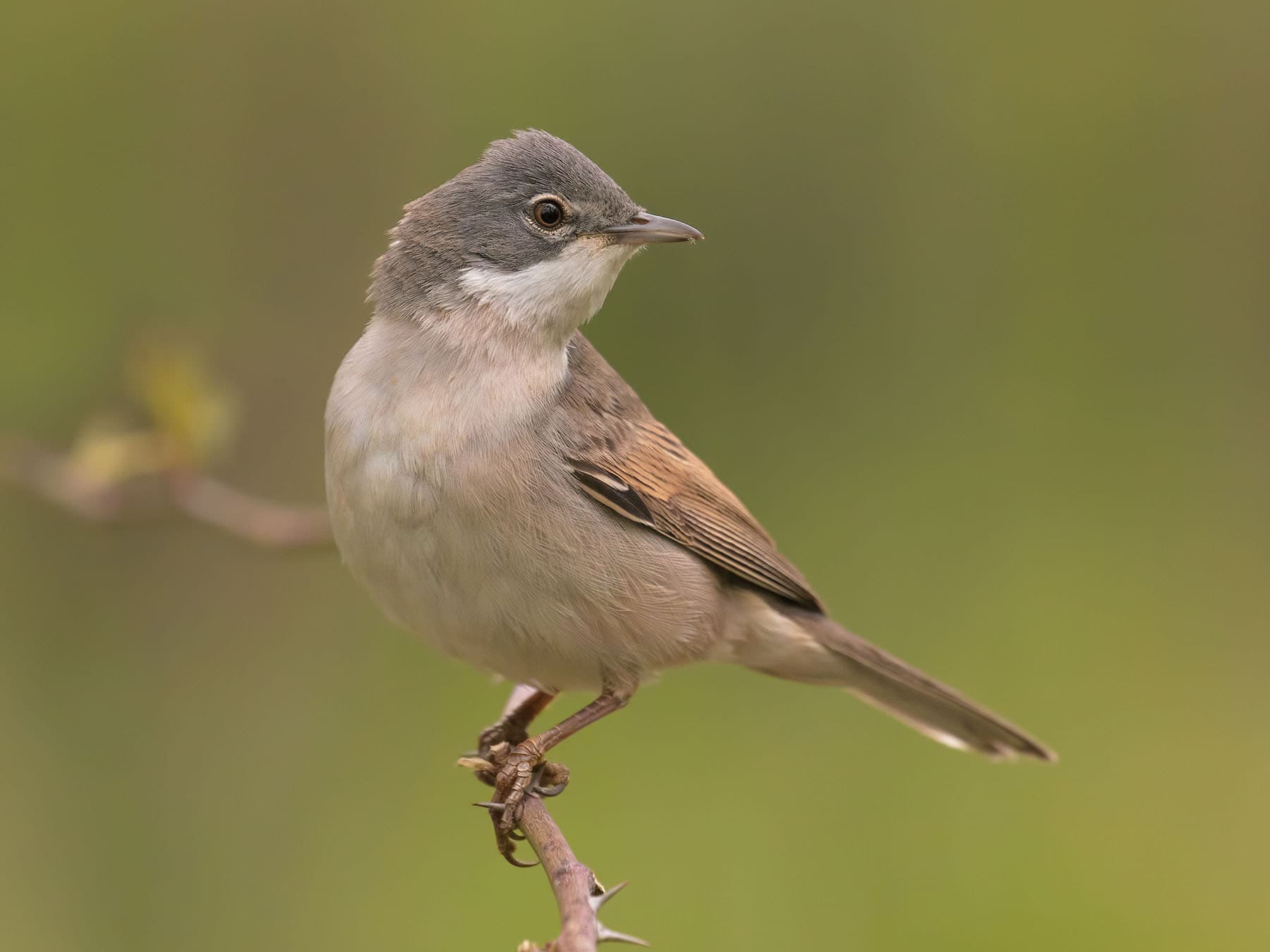
Whitethroat
Curruca communisLC
A common summer visitor to hedgerows and scrubby habitats. Its scratchy, energetic song is a hallmark of the British countryside from April.
Apr–Oct
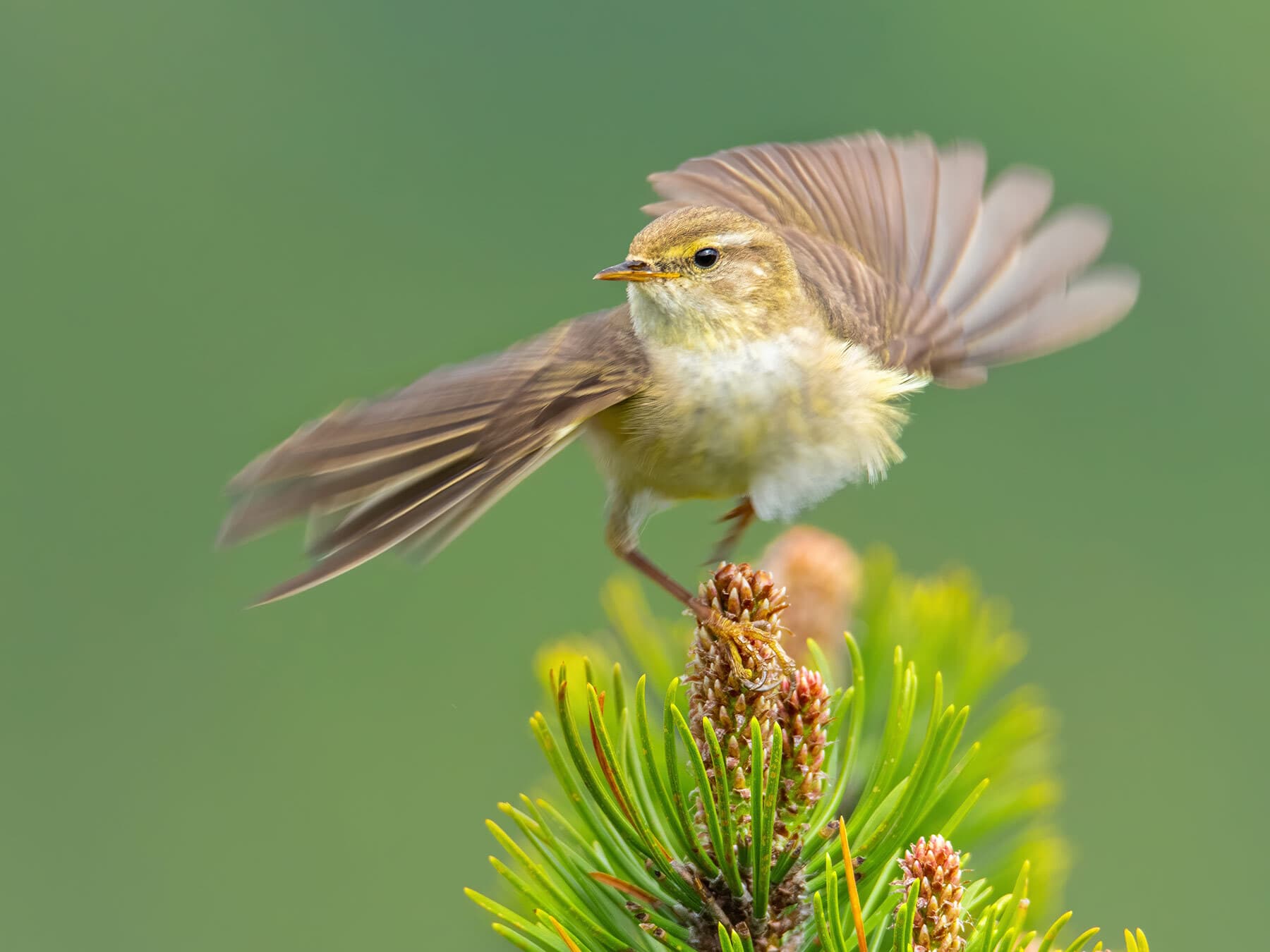
Willow Warbler
Phylloscopus trochilusLC
One of the most abundant summer migrants, filling woodlands, hedgerows and scrub with its sweet descending song from April onwards.
Mar–Nov
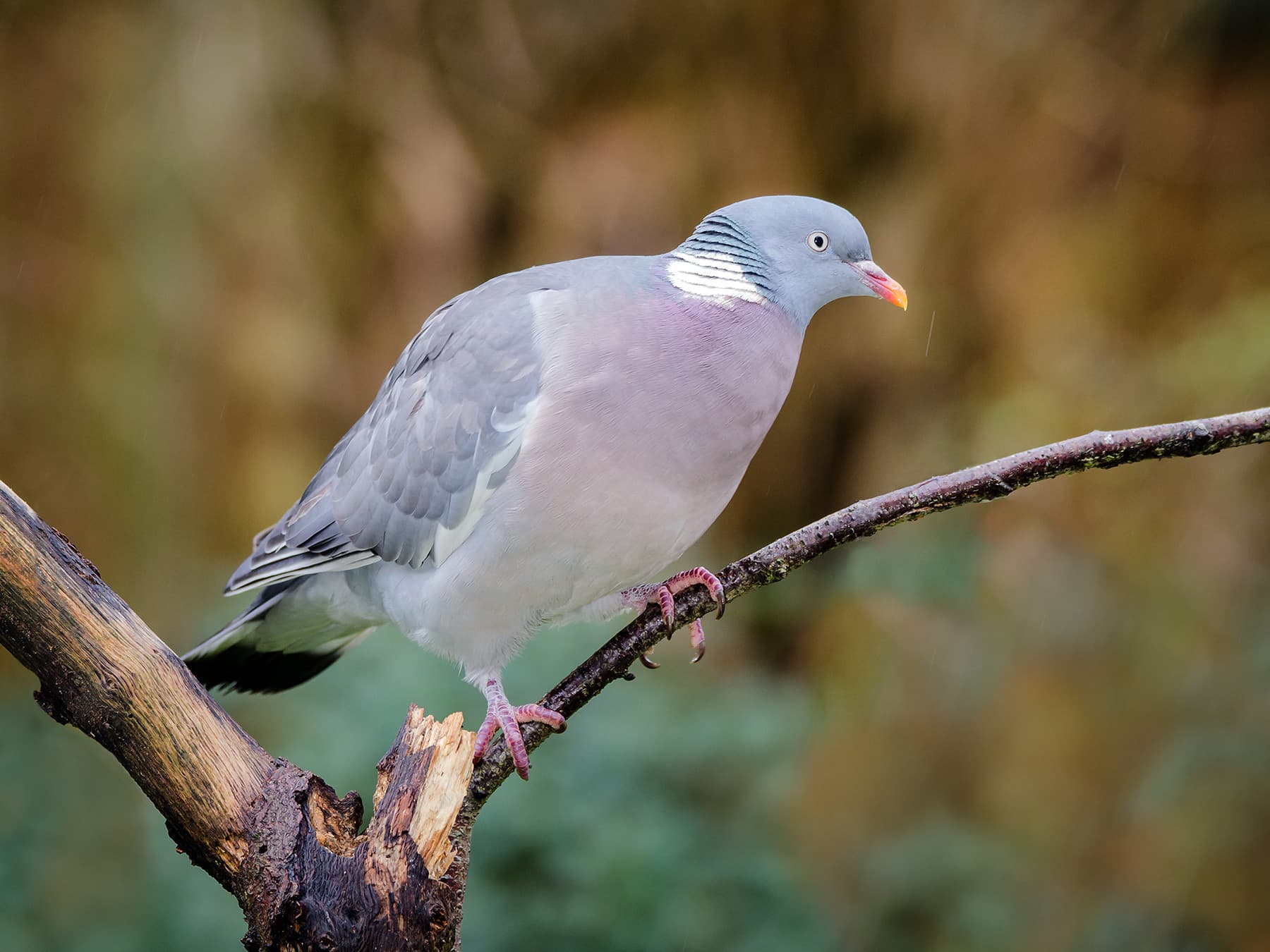
Woodpigeon
Columba palumbusLC
One of the UK's most abundant birds, found year-round in gardens, parks, woodlands, and farmland. Its numbers have increased significantly in recent decades.
Year-round
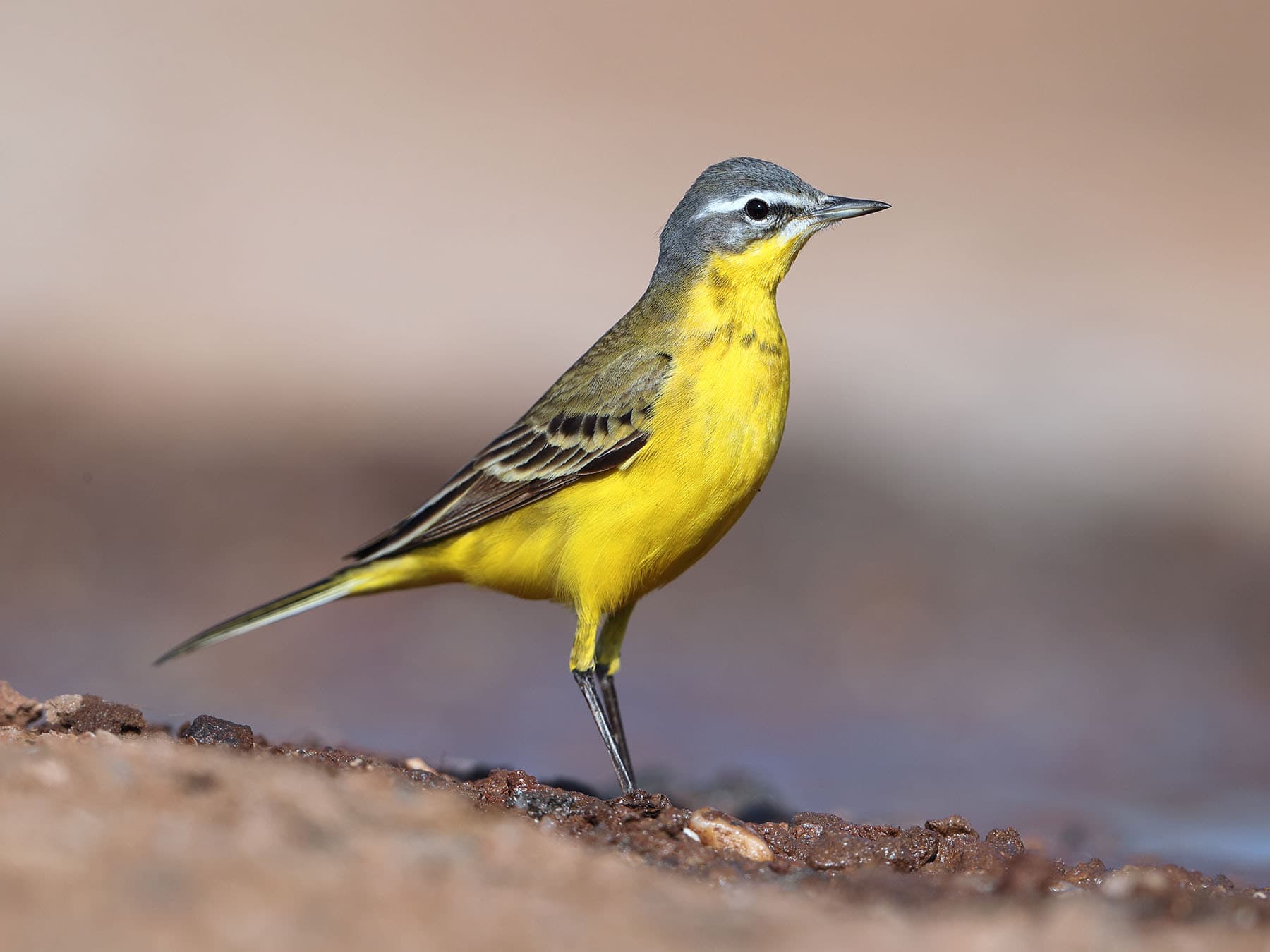
Yellow Wagtail
Motacilla flavaLC
A declining summer visitor to lowland wet meadows and arable fields, mainly in central and southern England. Departs for Africa by October.
Mar–Oct
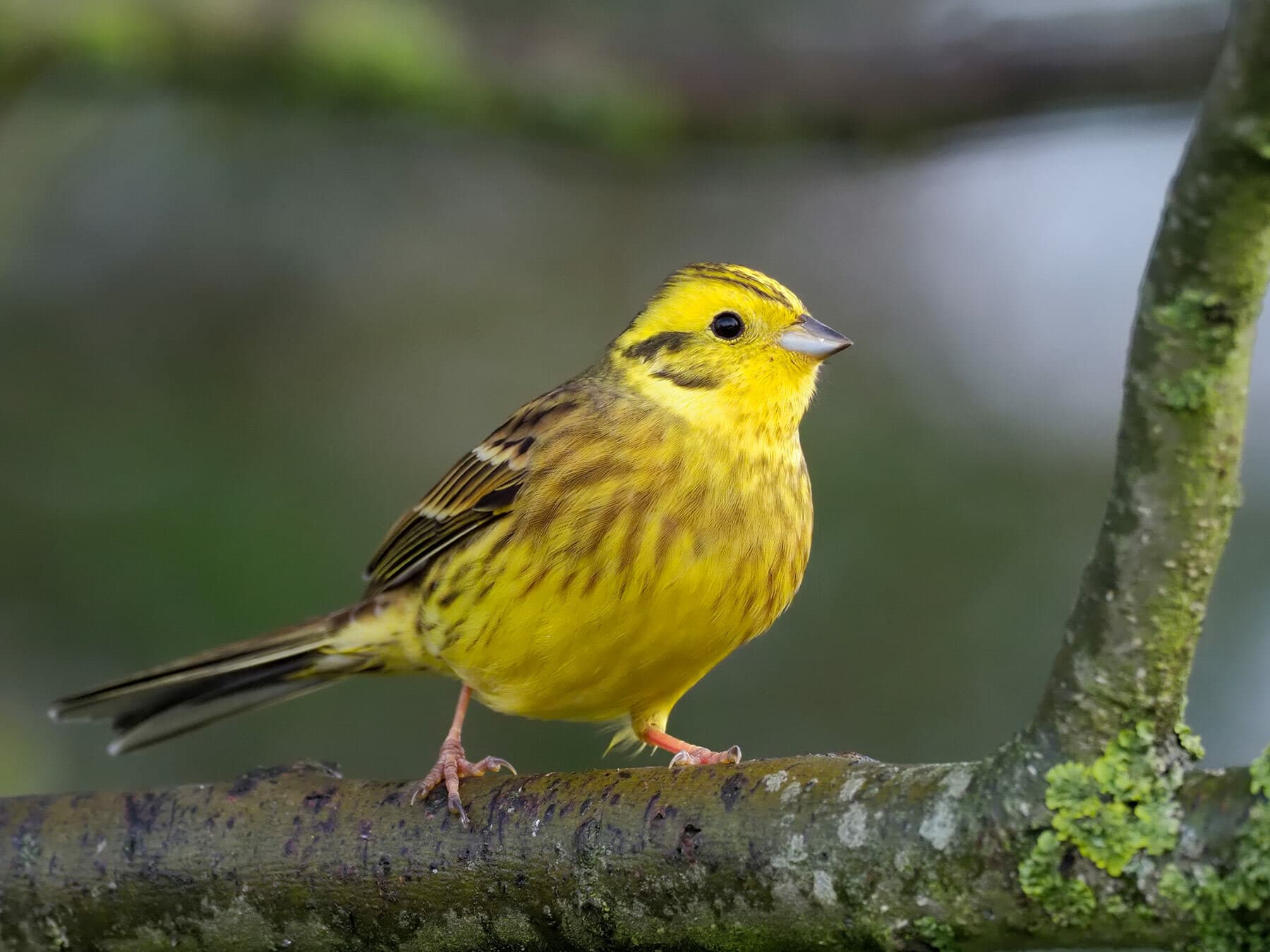
Yellowhammer
Emberiza citrinellaLC
A common resident of farmland hedgerows and field margins. Has declined significantly due to agricultural intensification but remains widespread.
Year-round