


Birds to See in Anguilla in September
19 bird species on our list for Anguilla are recorded regularly in September
Of these, the most often recorded are Lesser Yellowlegs, Semipalmated Sandpiper, Greater Yellowlegs, Least Sandpiper and Semipalmated Plover. New this month: Eurasian Collared Dove.
On the move in September
GBIF · SepAt their peak
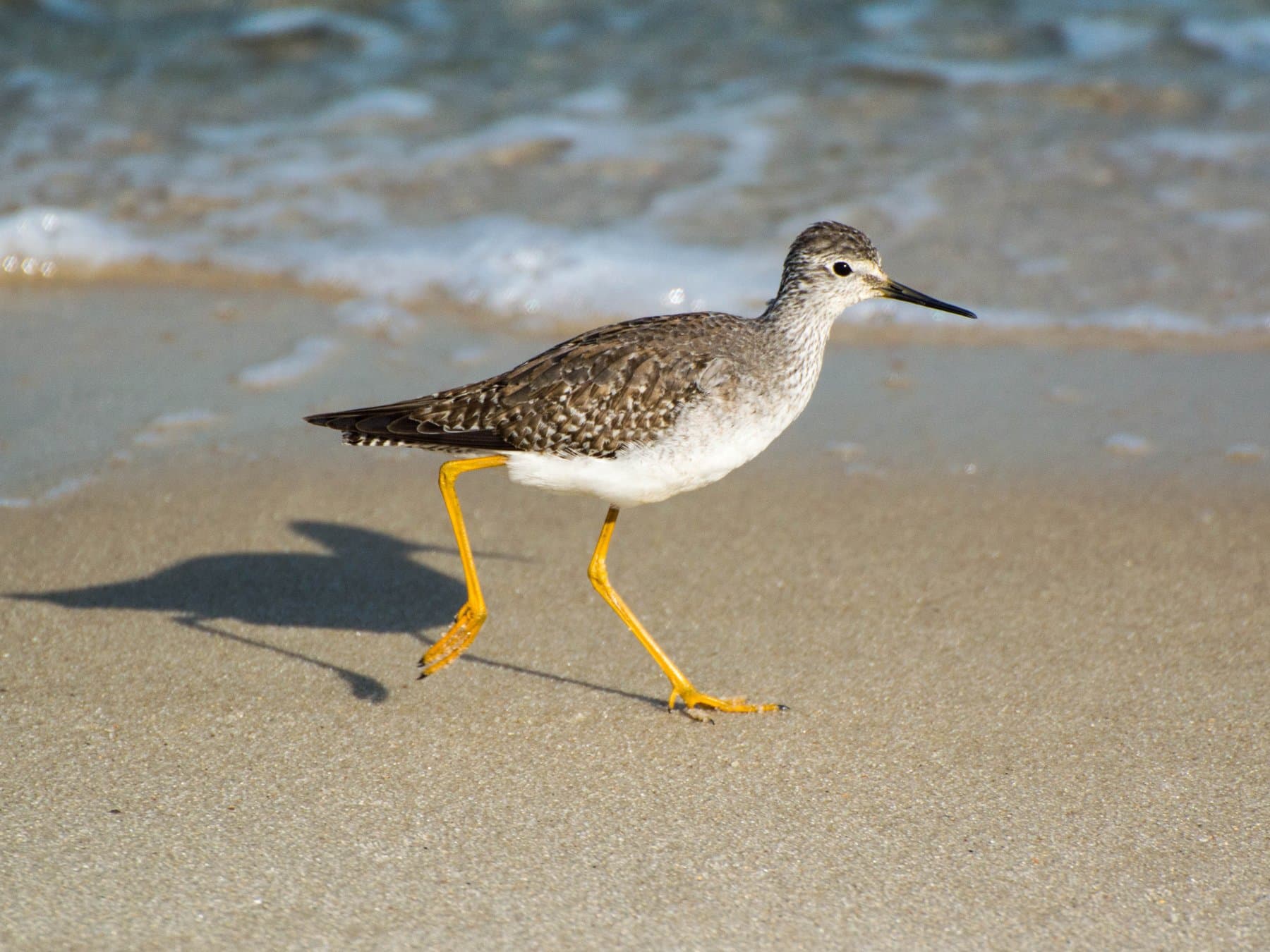 Lesser YellowlegsBusiest month of the year · All year
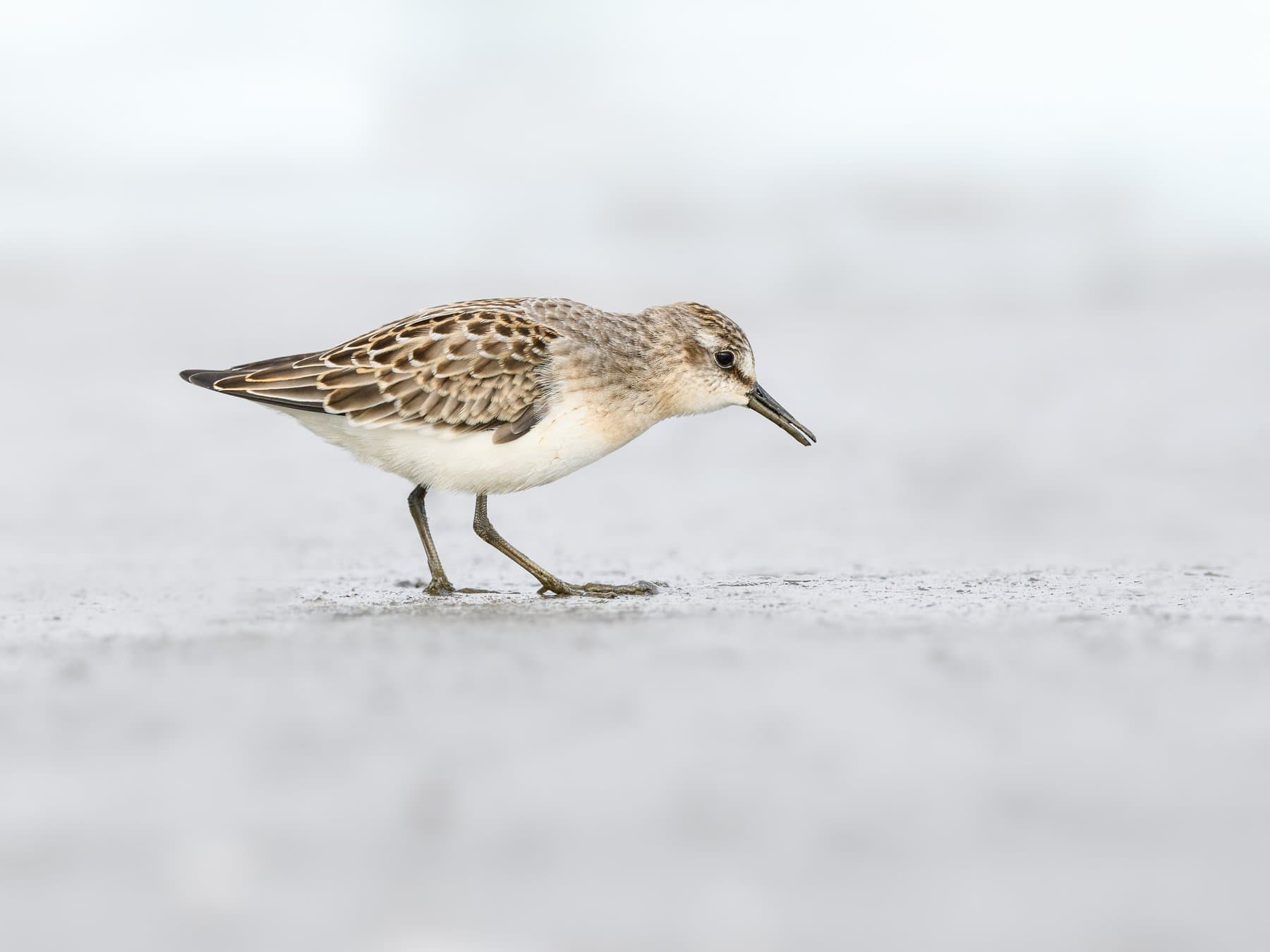 Semipalmated SandpiperBusiest month of the year · Jul–May
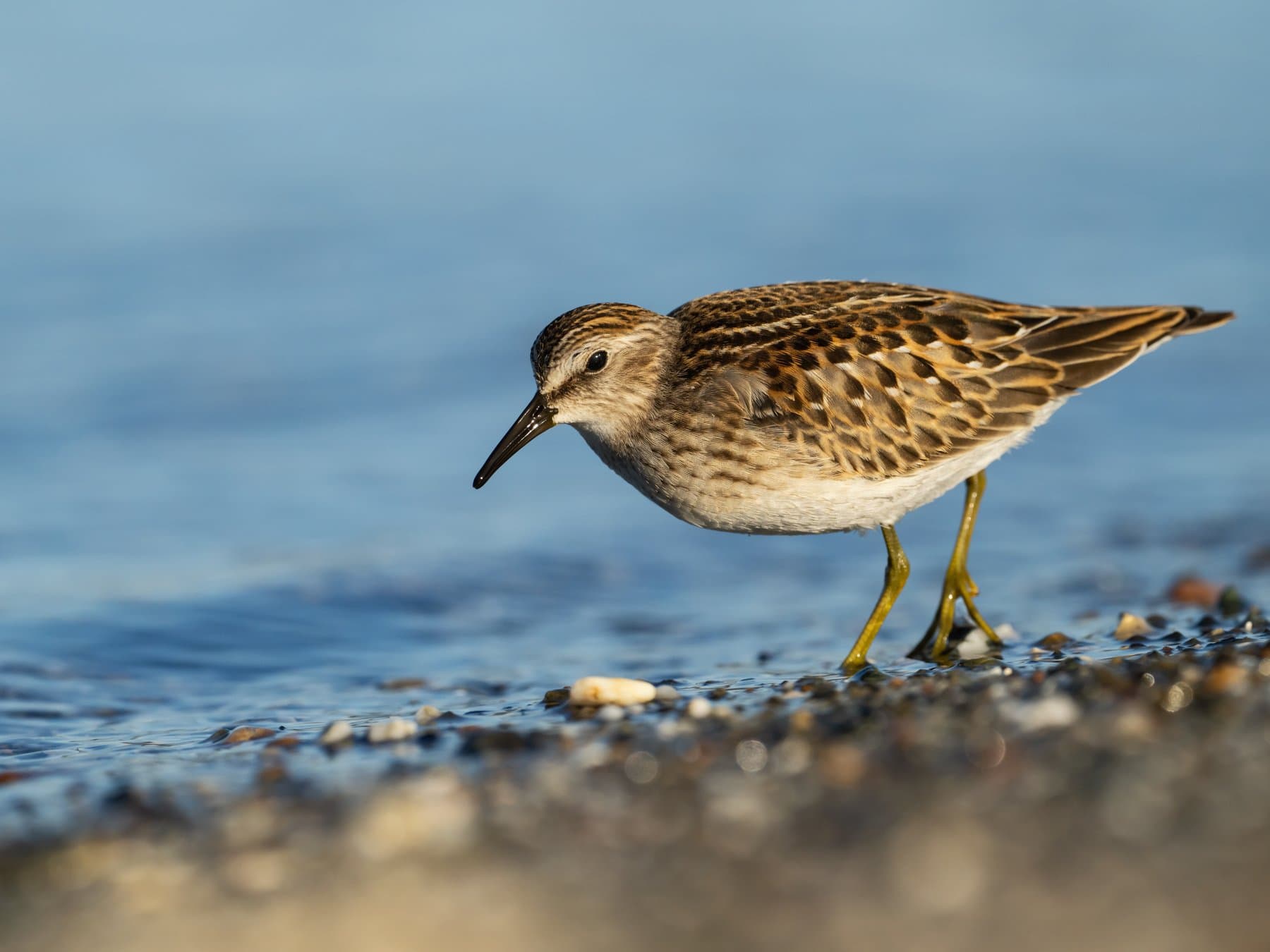 Least SandpiperBusiest month of the year · Jul–May
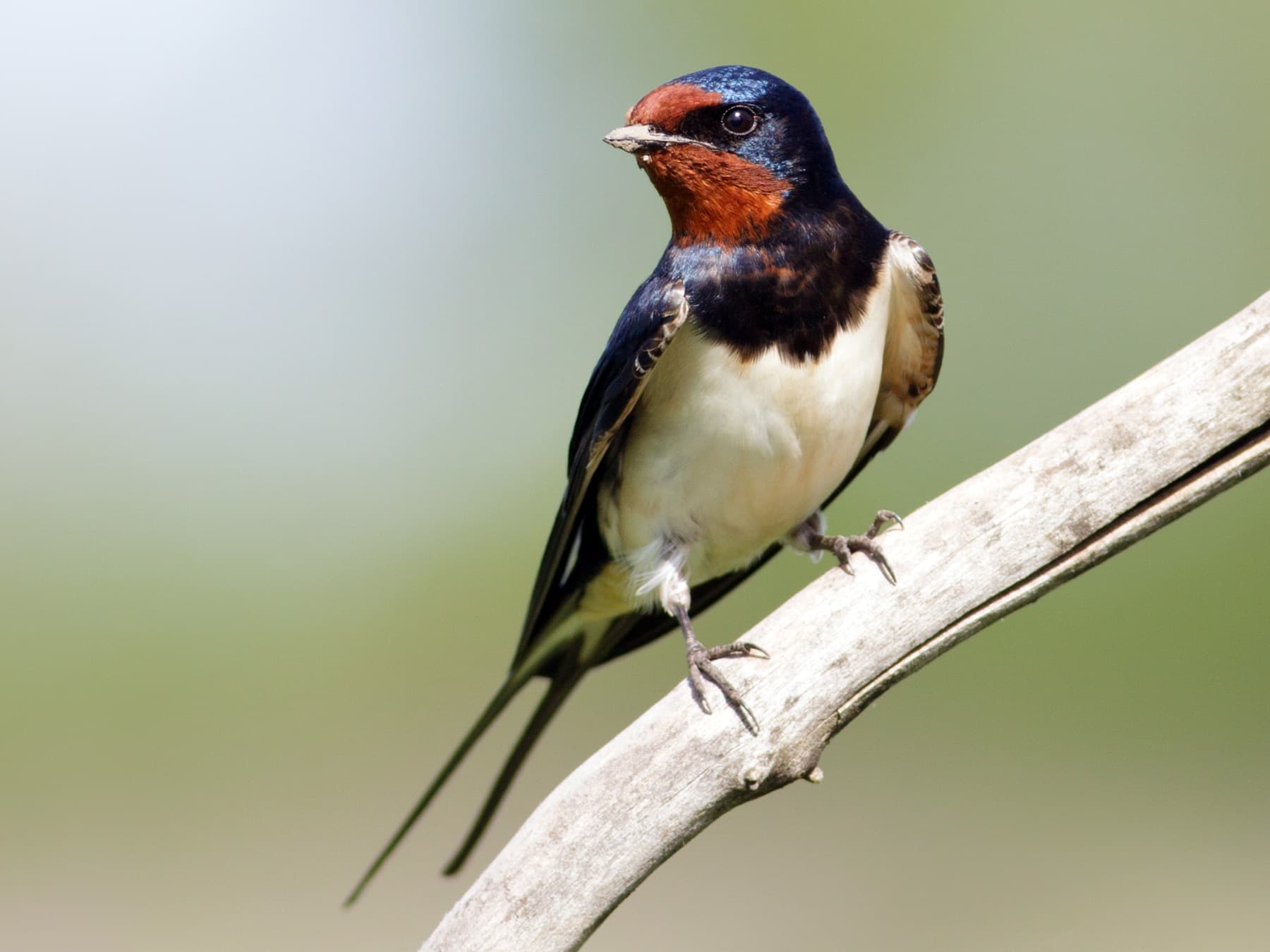 Barn SwallowBusiest month of the year · Aug–Jan
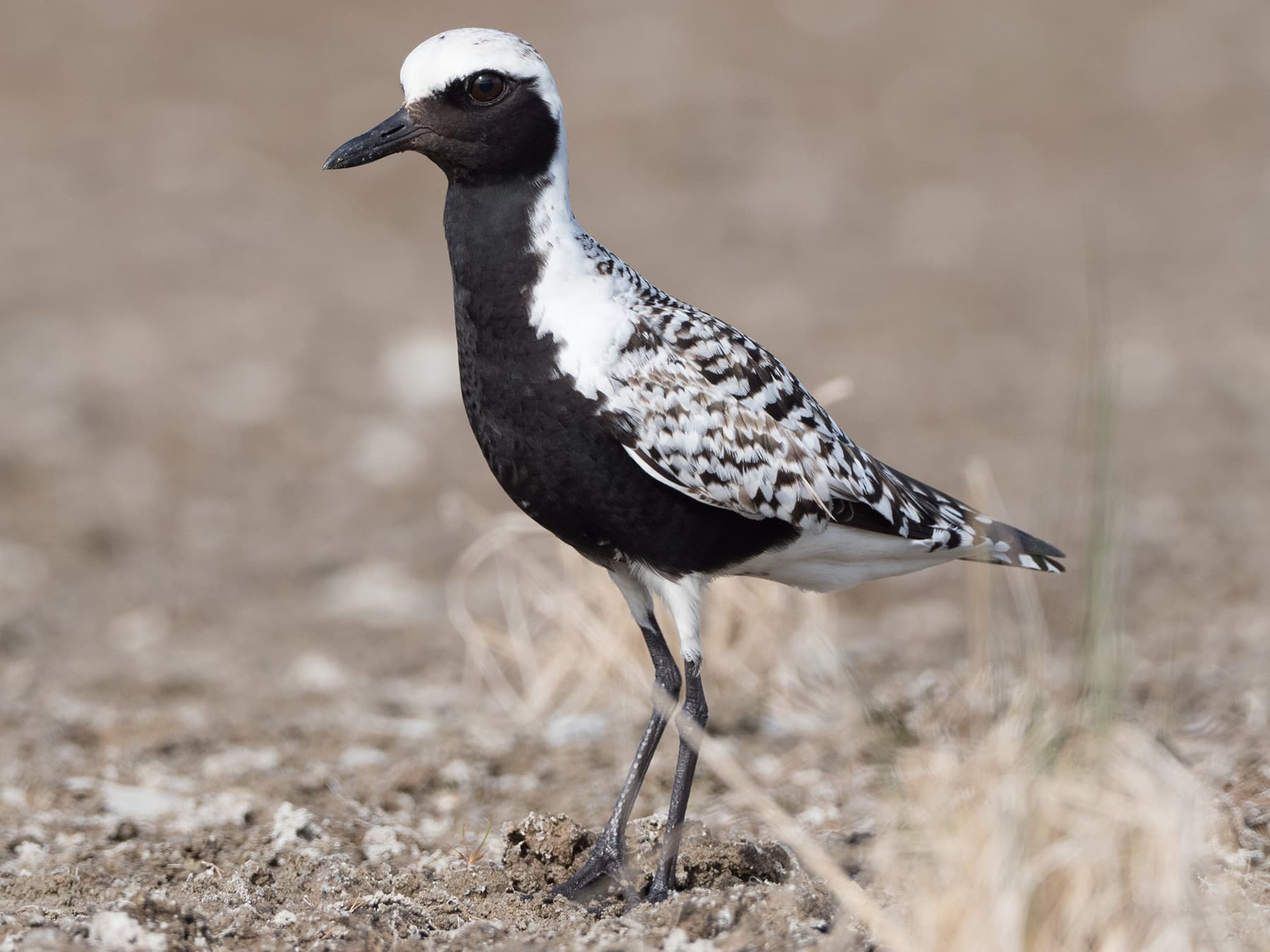 Grey PloverBusiest month of the year · Jul–May
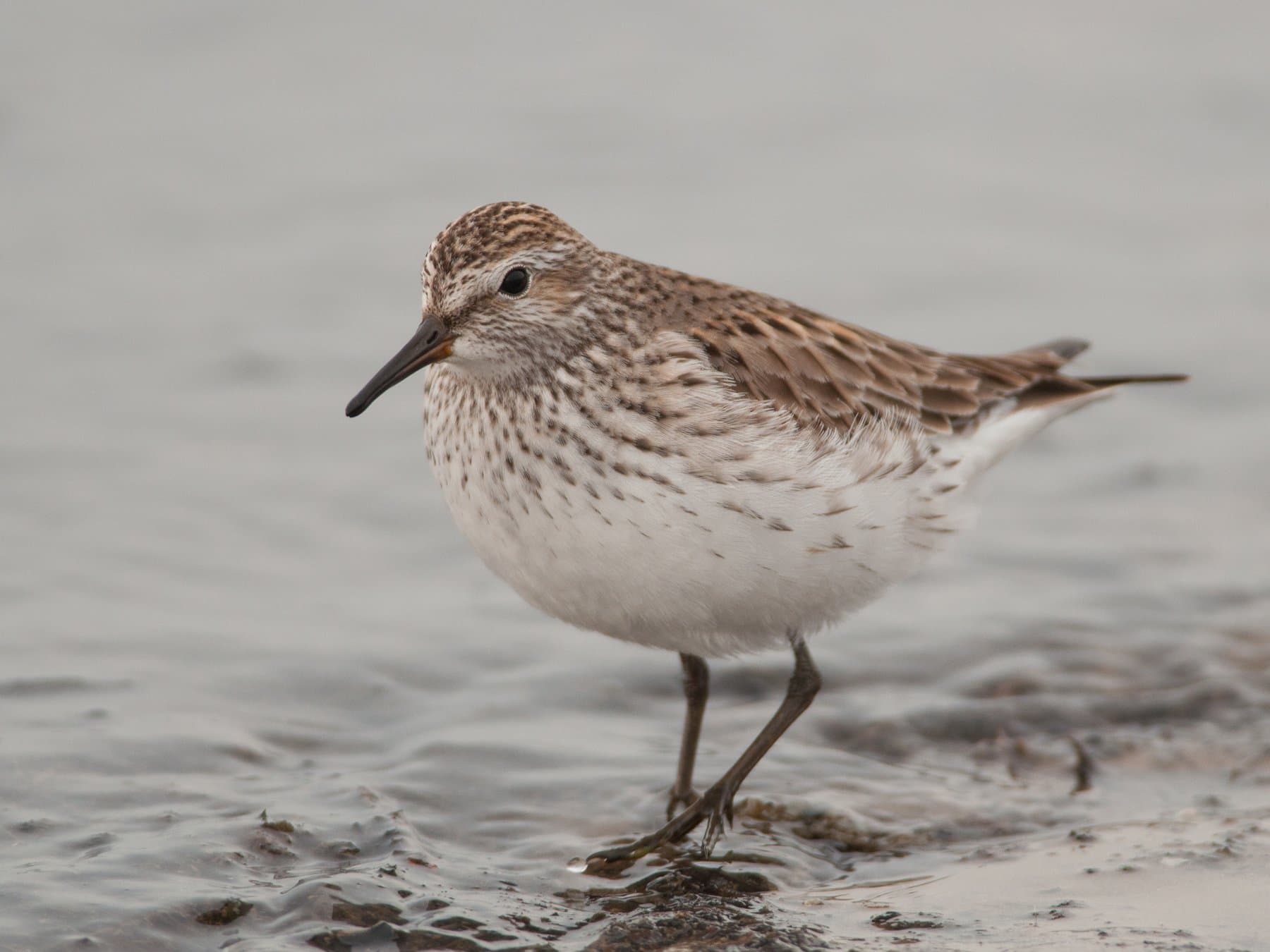 White-rumped SandpiperBusiest month of the year · Aug–Nov
Leaving soon
From Anguilla’s bird records, 2019–2024: arriving birds are regular this month but not last; leaving birds are regular this month but not next.
Other months
All 19 birds in September
19 birds
- Lesser YellowlegsTringa flavipesWinter visitorCommon23–27 cmRecorded all year · 5.45% in Sep
- Semipalmated SandpiperCalidris pusillaWinter visitorCommon15–18 cmRegularly Jul–May · 4.84% in Sep
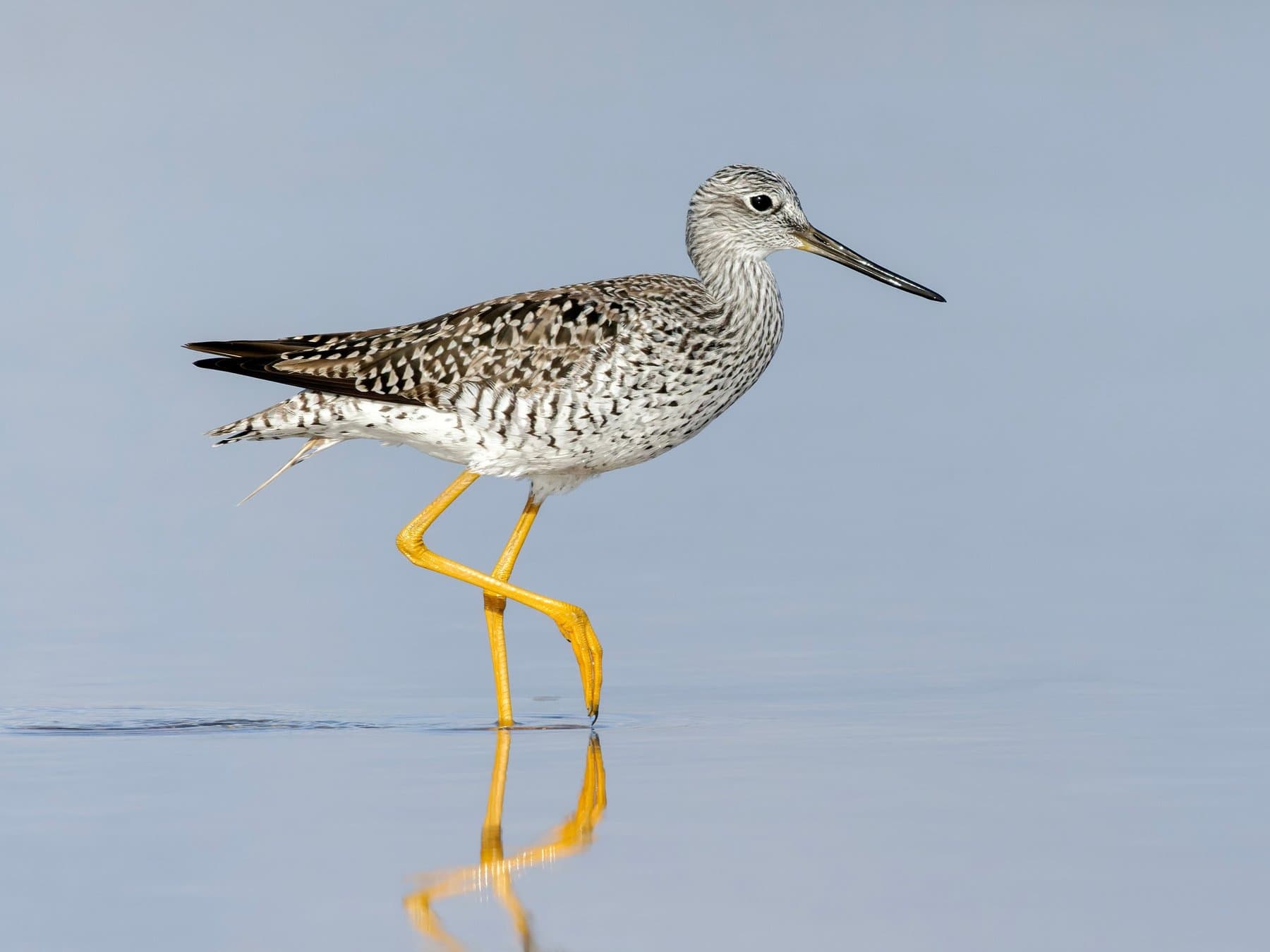 Greater YellowlegsTringa melanoleucaWinter visitorCommon29–40 cmRecorded all year · 3.94% in Sep
- Least SandpiperCalidris minutillaWinter visitorCommon13–15 cmRegularly Jul–May · 3.94% in Sep
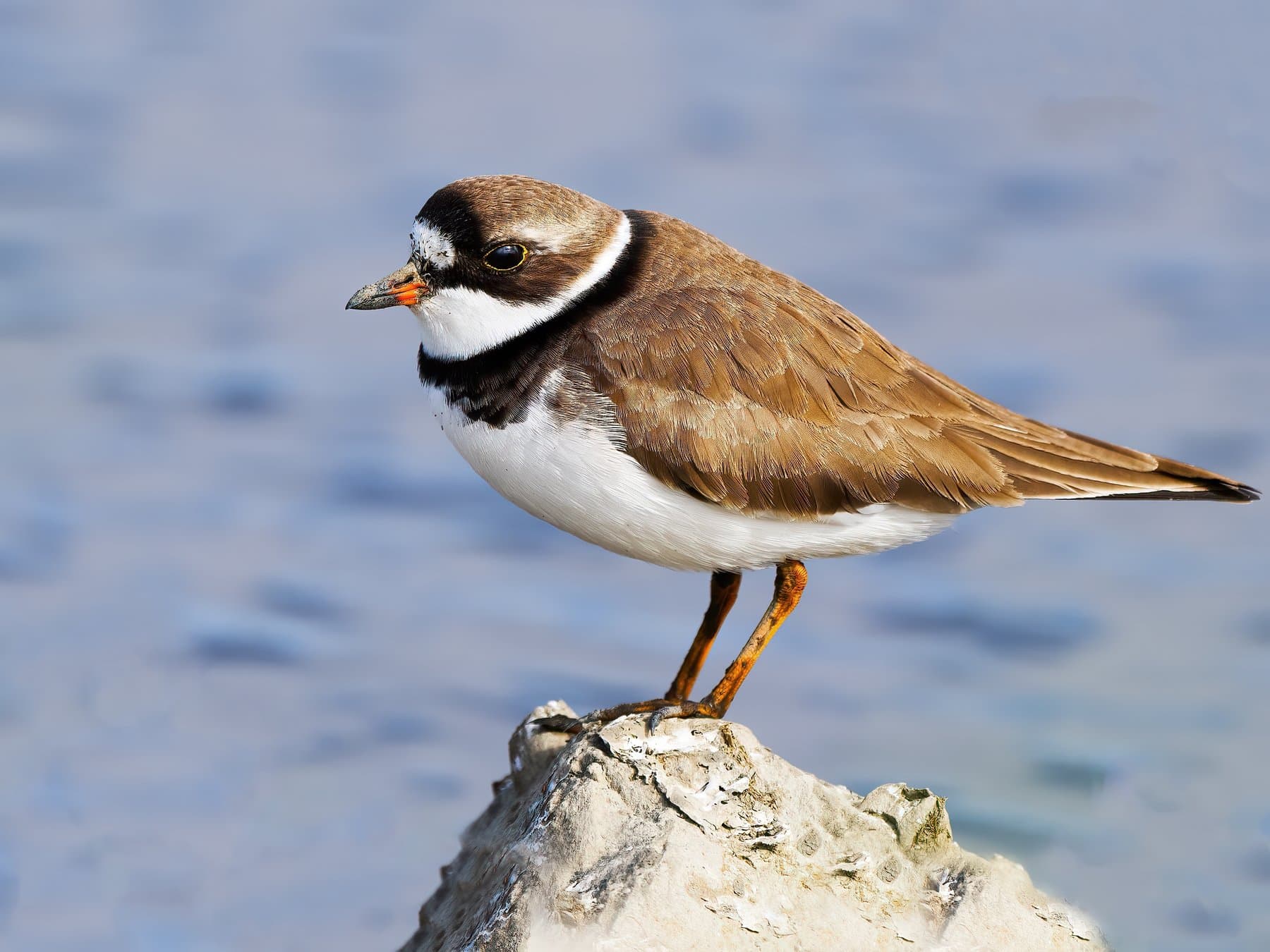 Semipalmated PloverCharadrius semipalmatusResidentCommon17–19 cmRecorded all year · 3.91% in Sep
- Barn SwallowHirundo rusticaPassage migrantCommon17–19 cmRegularly Aug–Jan · 2.93% in Sep
 Ruddy TurnstoneArenaria interpresResidentCommon21–24 cmRecorded all year · 2.34% in Sep
- Grey PloverPluvialis squatarolaWinter visitorCommon27–30 cmRegularly Jul–May · 2.22% in Sep
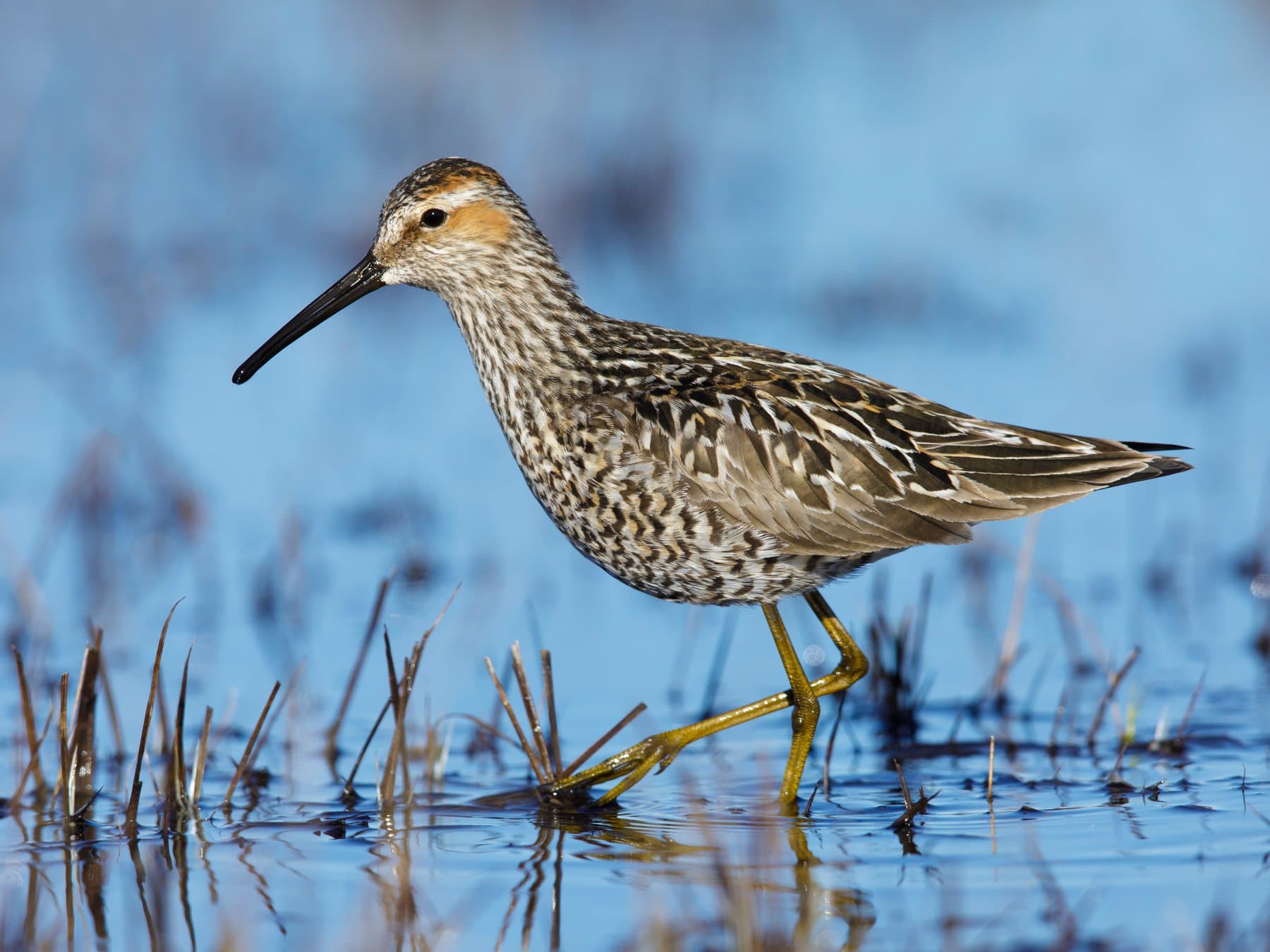 Stilt SandpiperCalidris himantopusWinter visitorCommon18–23 cmRegularly Aug–May · 1.63% in Sep
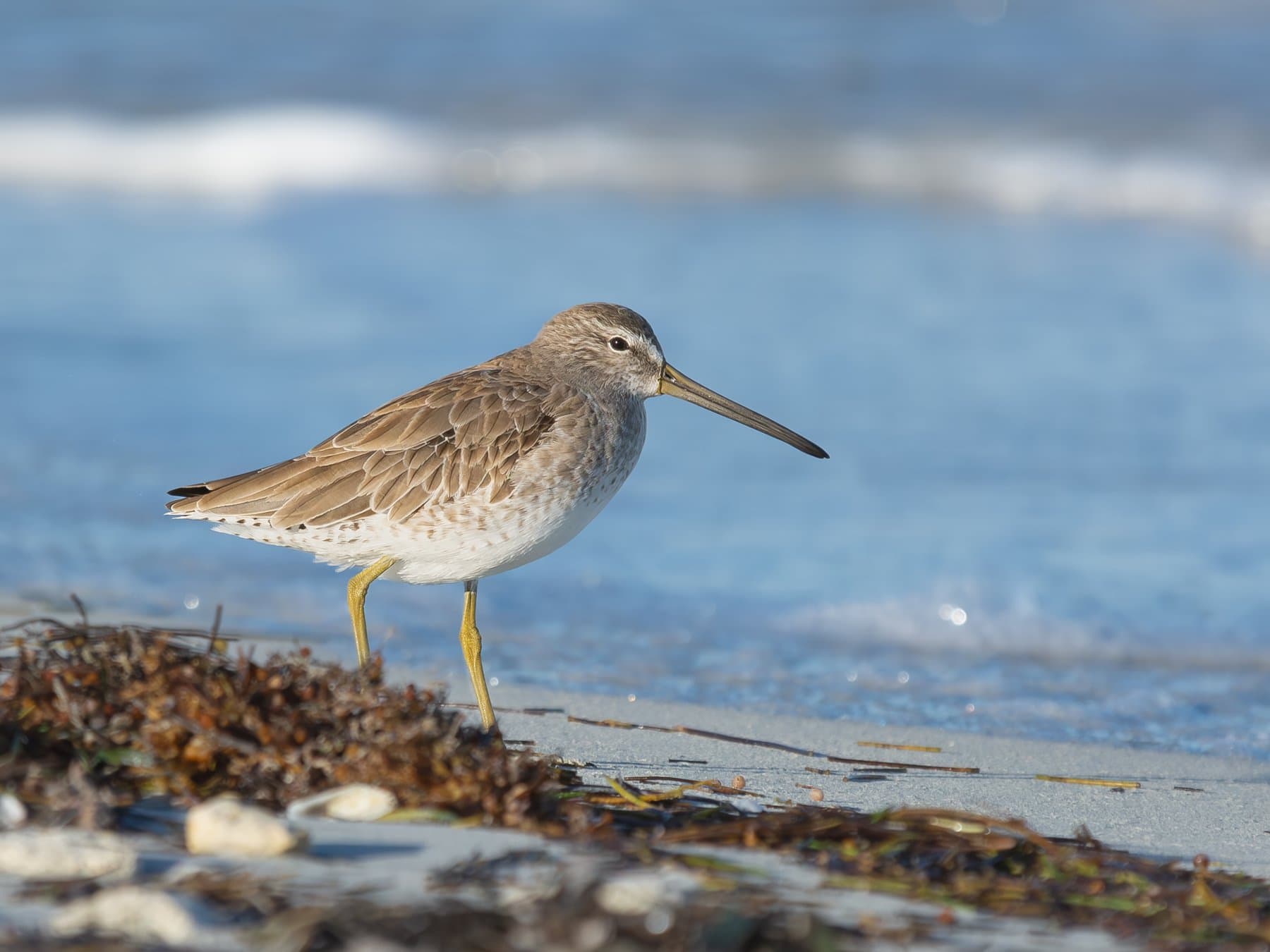 Short-billed DowitcherLimnodromus griseusPassage migrantCommon23–32 cmRegularly May–Feb · 1.26% in Sep
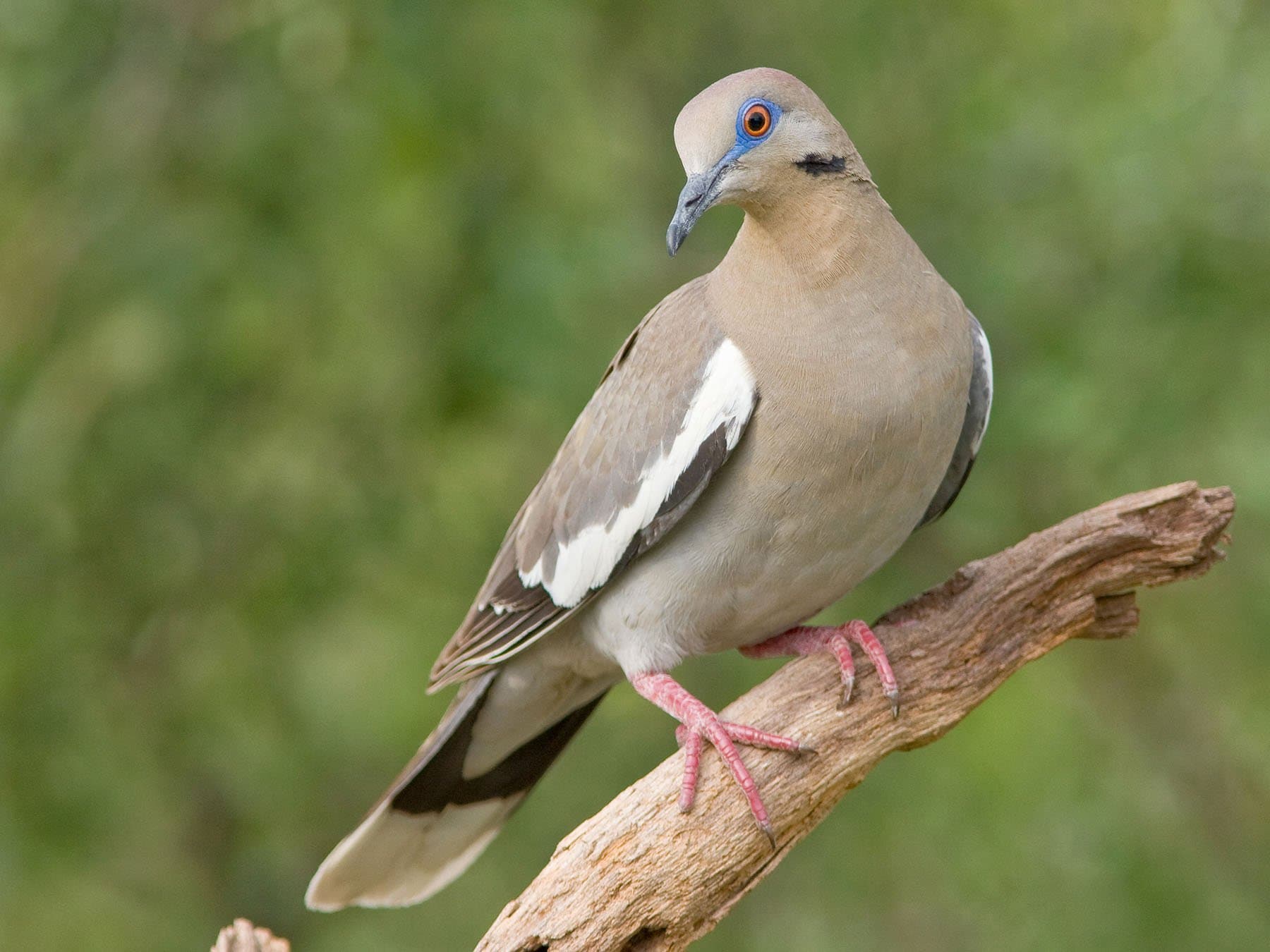 White-winged DoveZenaida asiaticaSummer visitorCommon27–30 cmRecorded all year · 1.23% in Sep
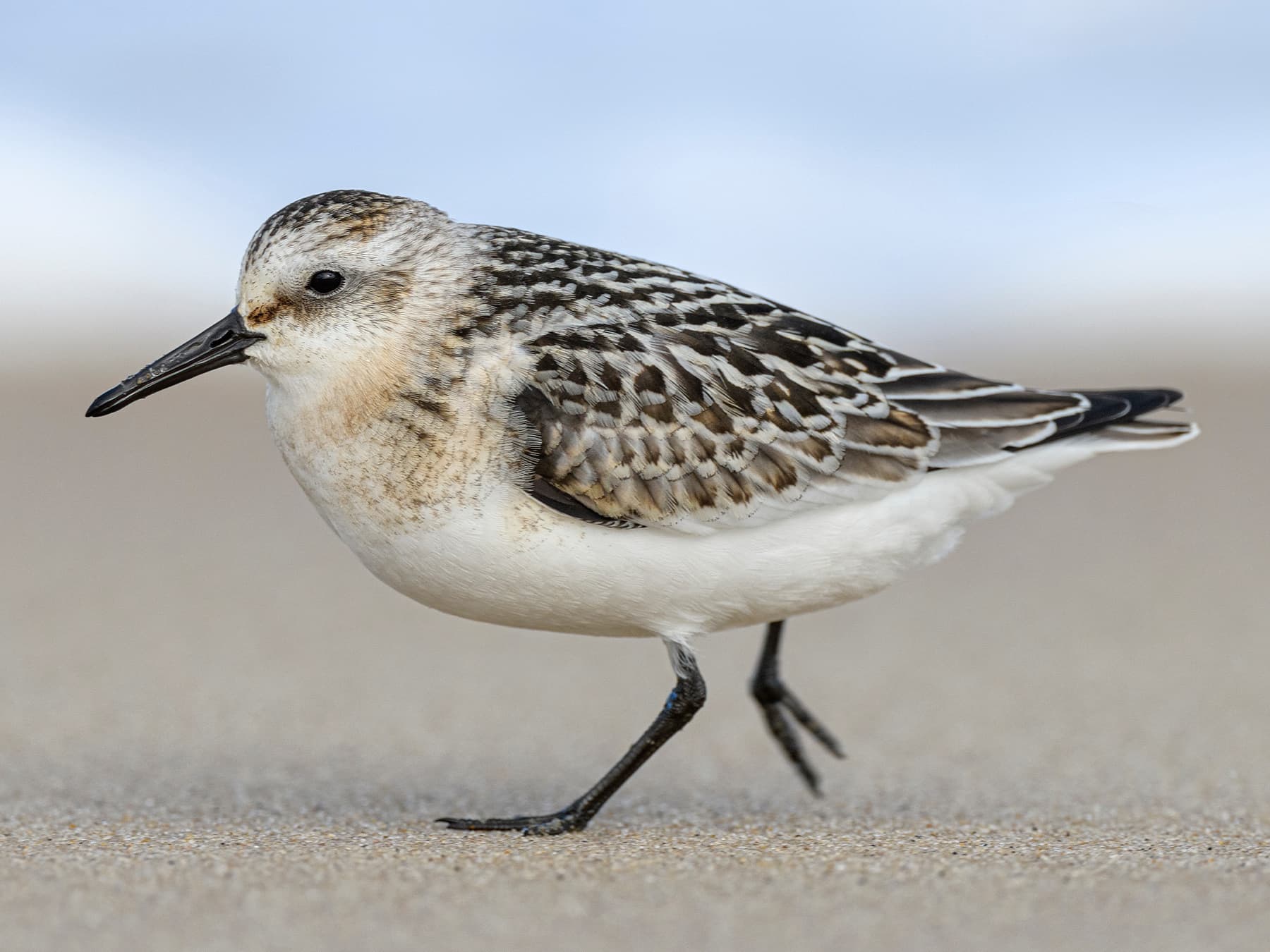 SanderlingCalidris albaWinter visitorCommon18–20 cmRegularly Aug–May · 1.14% in Sep
- White-rumped SandpiperCalidris fuscicollisPassage migrantCommon15–18 cmRegularly Aug–Nov · 0.99% in Sep
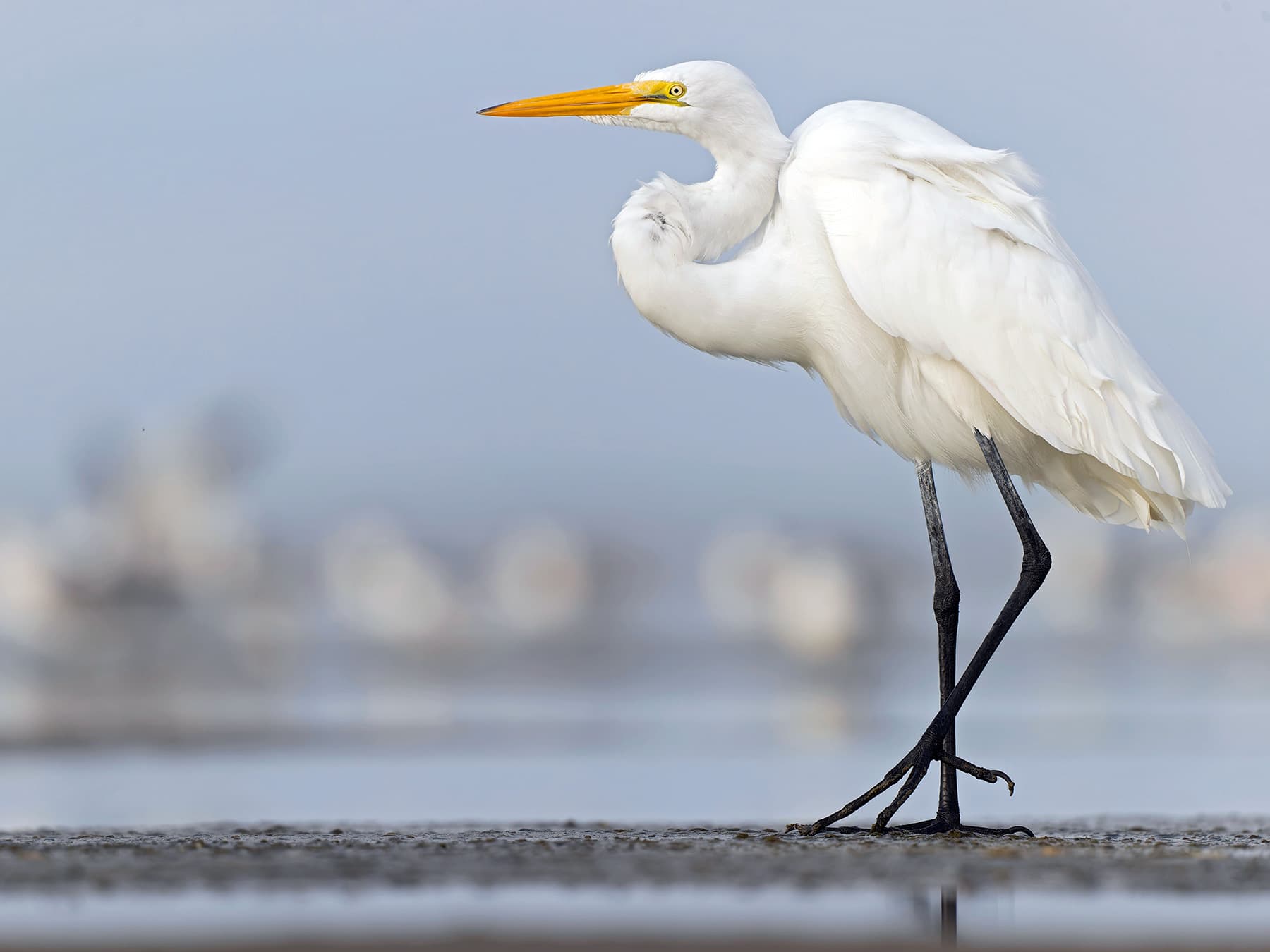 Great White EgretArdea albaResidentCommon80–104 cmRecorded all year · 0.77% in Sep
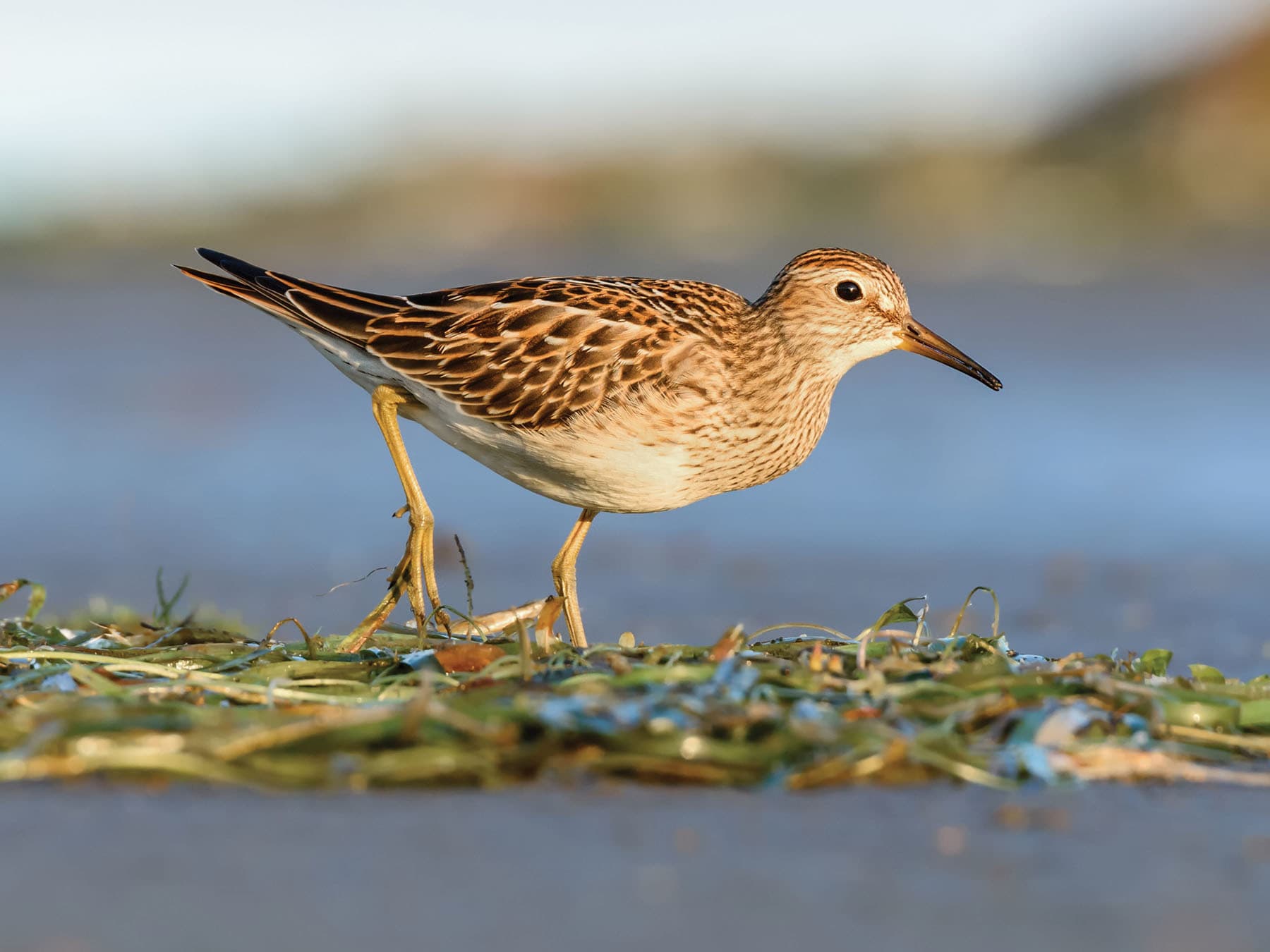 Pectoral SandpiperCalidris melanotosPassage migrantCommon19–23 cmRegularly Aug–Oct · 0.77% in Sep
 Sandwich TernThalasseus sandvicensisSummer visitorCommon36–41 cmRegularly Apr–Oct · 0.62% in Sep
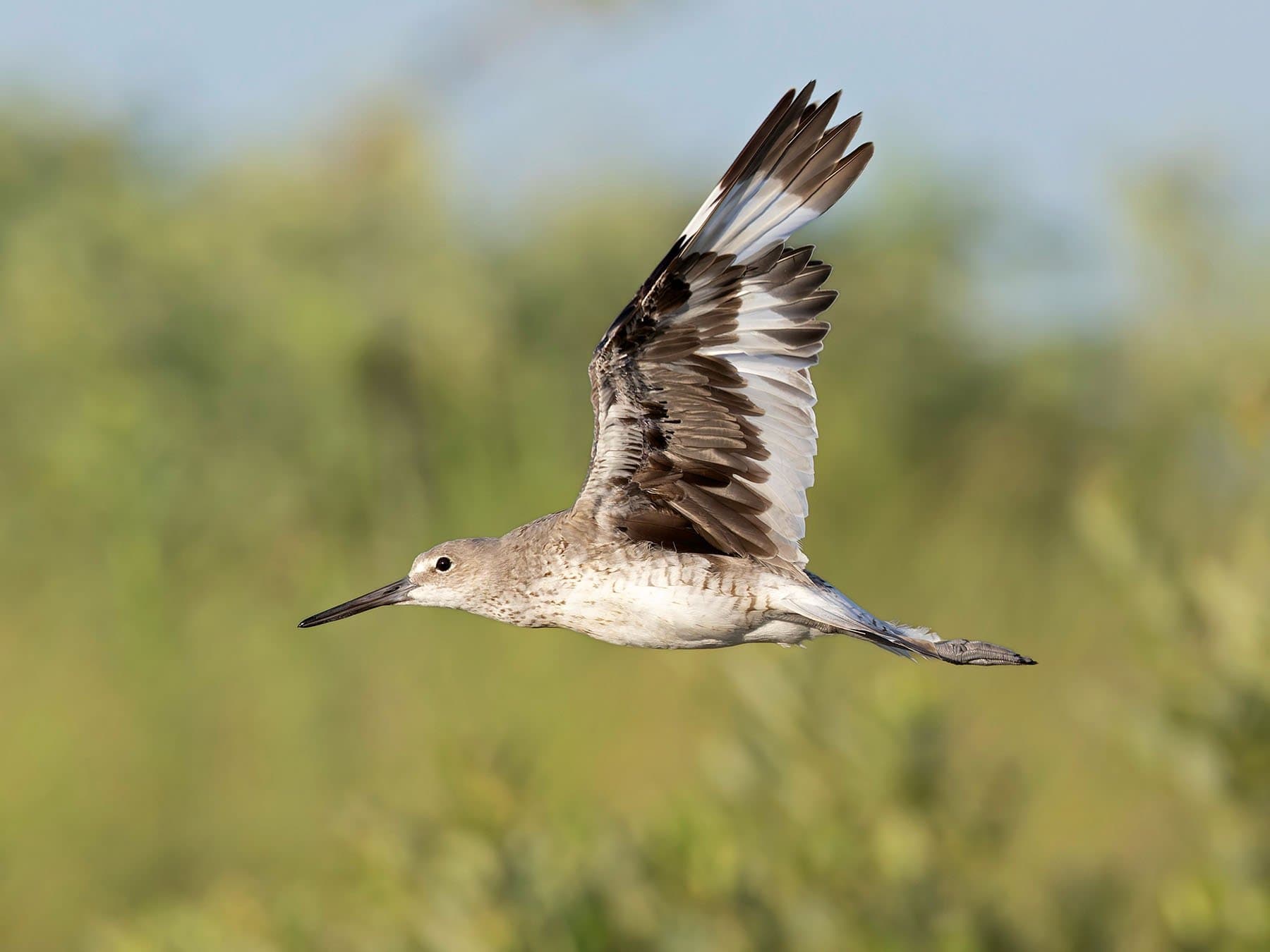 WilletTringa semipalmataSummer visitorCommon33–41 cmRegularly Apr–Sep · 0.43% in Sep
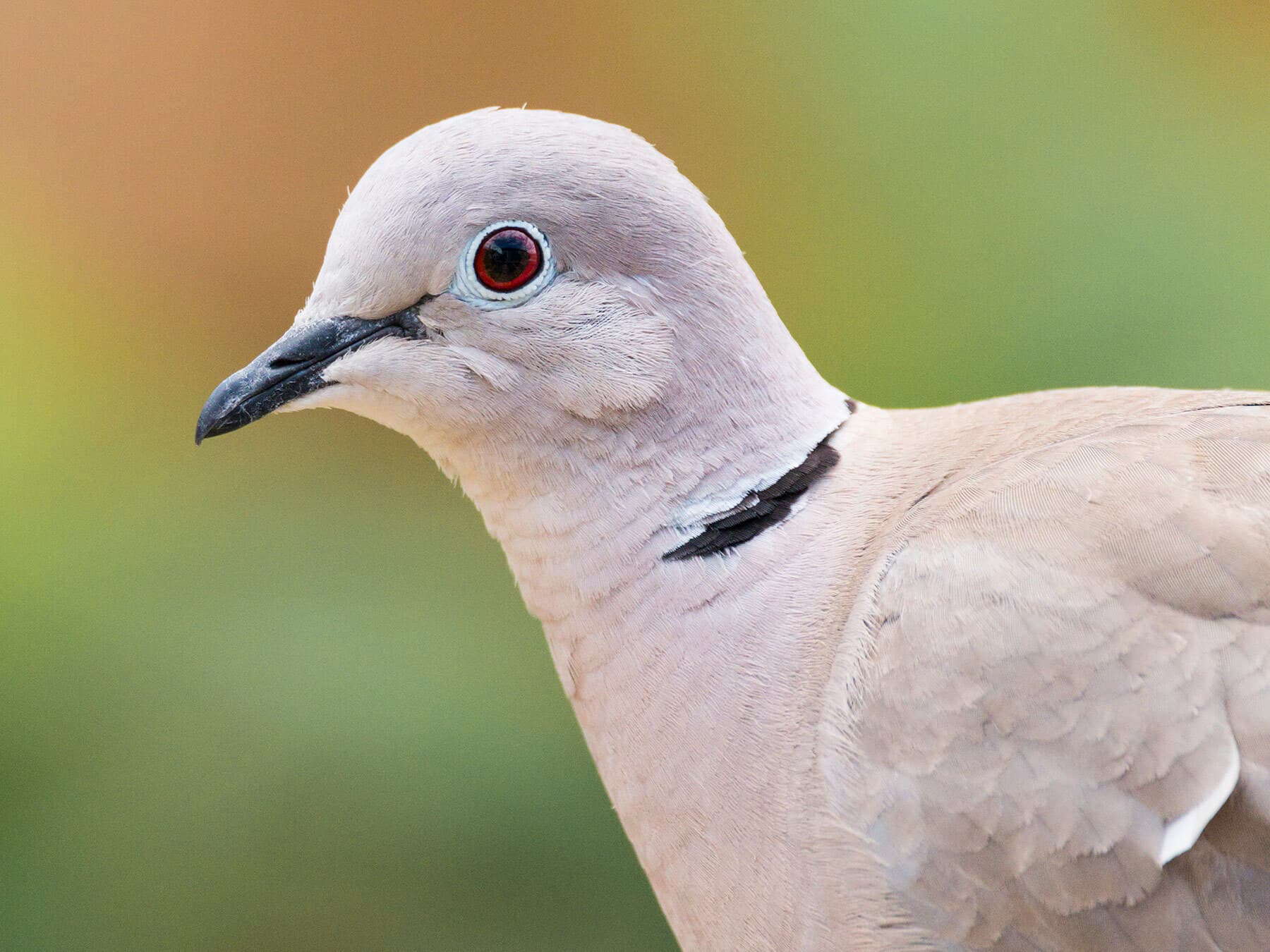 Eurasian Collared DoveStreptopelia decaoctoSummer visitorCommon30–32 cmRegularly May–Mar · 0.28% in Sep
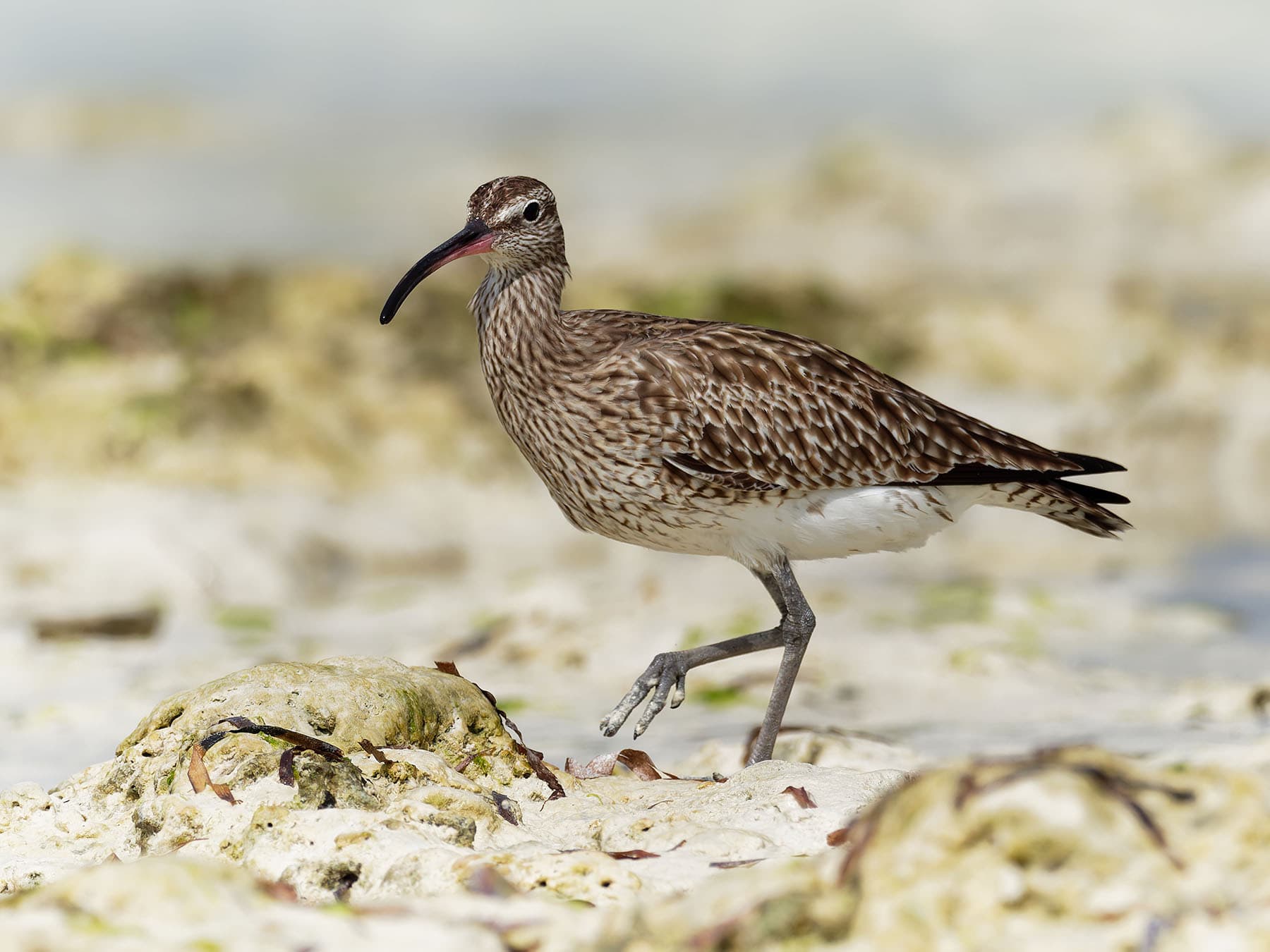 WhimbrelNumenius phaeopusPassage migrantUncommon40–46 cmRegularly Jul–Oct · 0.25% in Sep
Smallest to largest
Length, cm- Least Sandpiper 13–15 cm
- Semipalmated Sandpiper 15–18 cm
- White-rumped Sandpiper 15–18 cm
- Semipalmated Plover 17–19 cm
- Barn Swallow 17–19 cm
- Sanderling 18–20 cm
- Stilt Sandpiper 18–23 cm
- Pectoral Sandpiper 19–23 cm
- Ruddy Turnstone 21–24 cm
- Lesser Yellowlegs 23–27 cm
- Short-billed Dowitcher 23–32 cm
- Grey Plover 27–30 cm
- White-winged Dove 27–30 cm
- Eurasian Collared Dove 30–32 cm
- Greater Yellowlegs 29–40 cm
- Willet 33–41 cm
- Sandwich Tern 36–41 cm
- Whimbrel 40–46 cm
- Great White Egret 80–104 cm
Body length, bill to tail. Rare birds in grey.
Data: EOD – eBird Observation Dataset (Cornell Lab of Ornithology), accessed via GBIF.org, CC BY 4.0. Records from 2019–2024, aggregated and filtered by Birdfact. How these lists are made