


Uncommon Birds in South Lanarkshire
Our list for South Lanarkshire has 18 uncommon birds recorded regularly there: 7 residents, 5 passage migrants and 6 scarce visitors
Most likely in October
GBIF · OctShare of all bird records in South Lanarkshire in October, 2019–2024. Each month links to that month’s page.
All 18, most common first
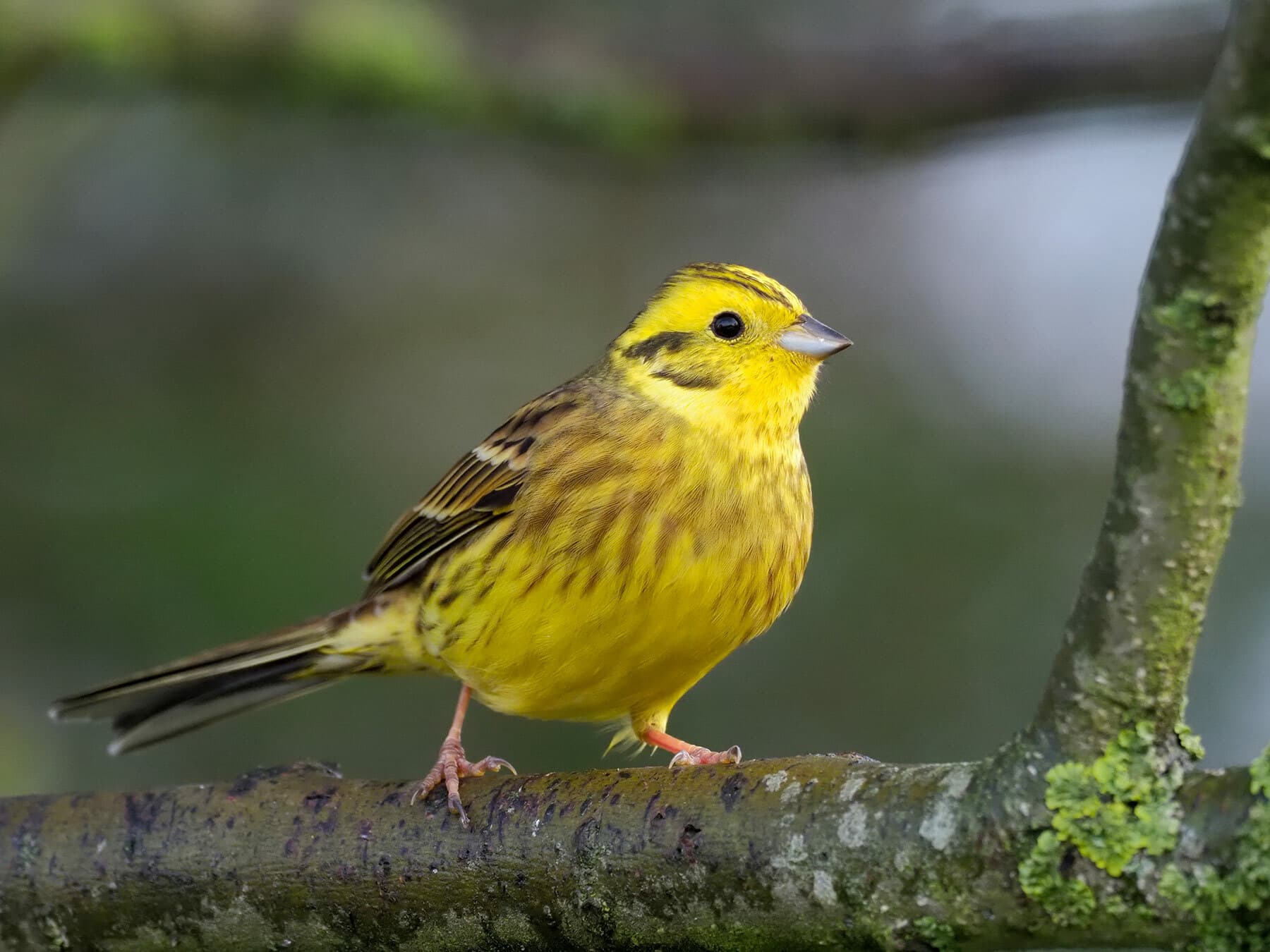 YellowhammerEmberiza citrinellaScarceUncommon16–17 cm
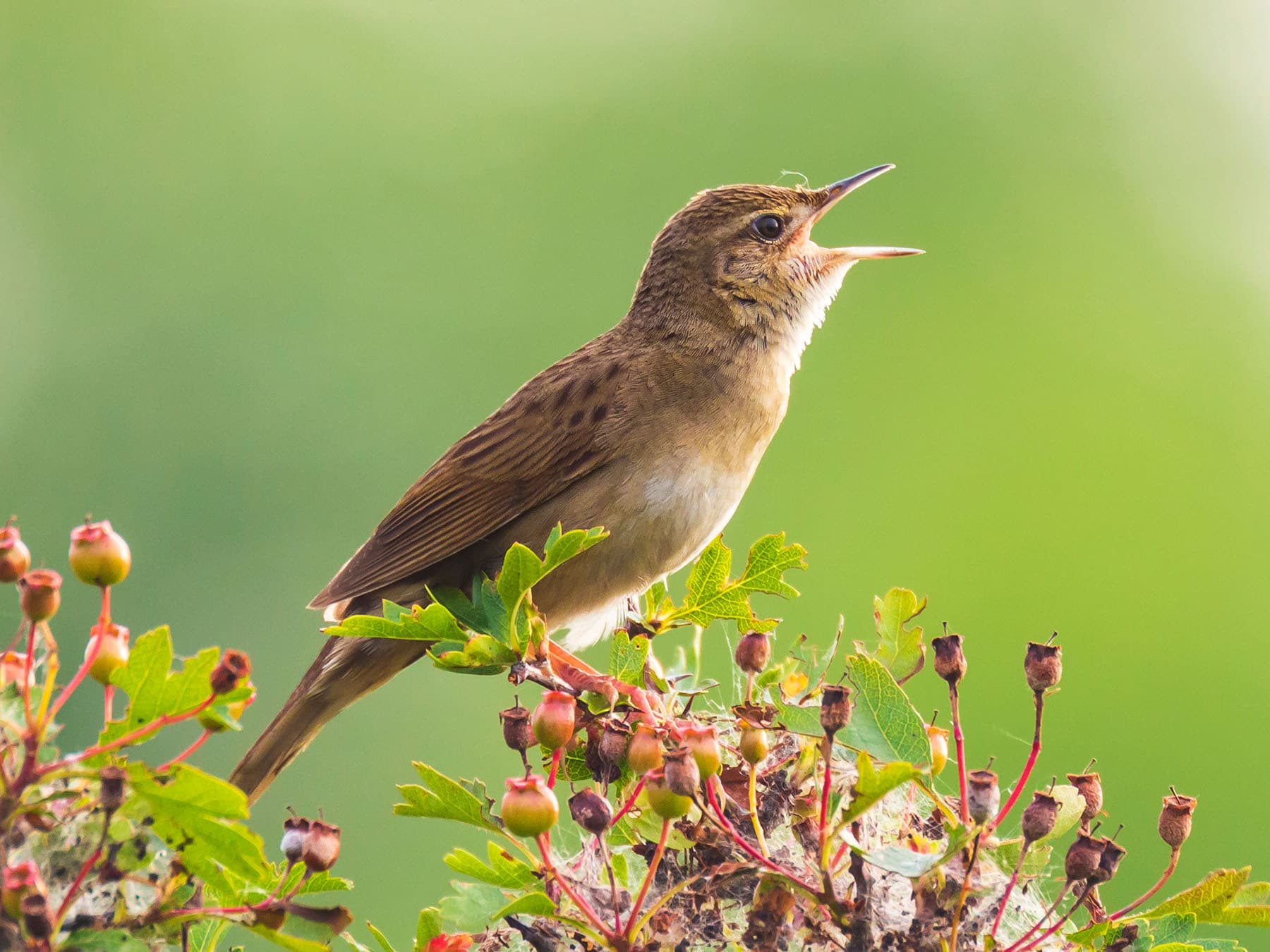 Grasshopper WarblerLocustella naeviaPassage migrantUncommon12–13 cmRegularly Apr–May
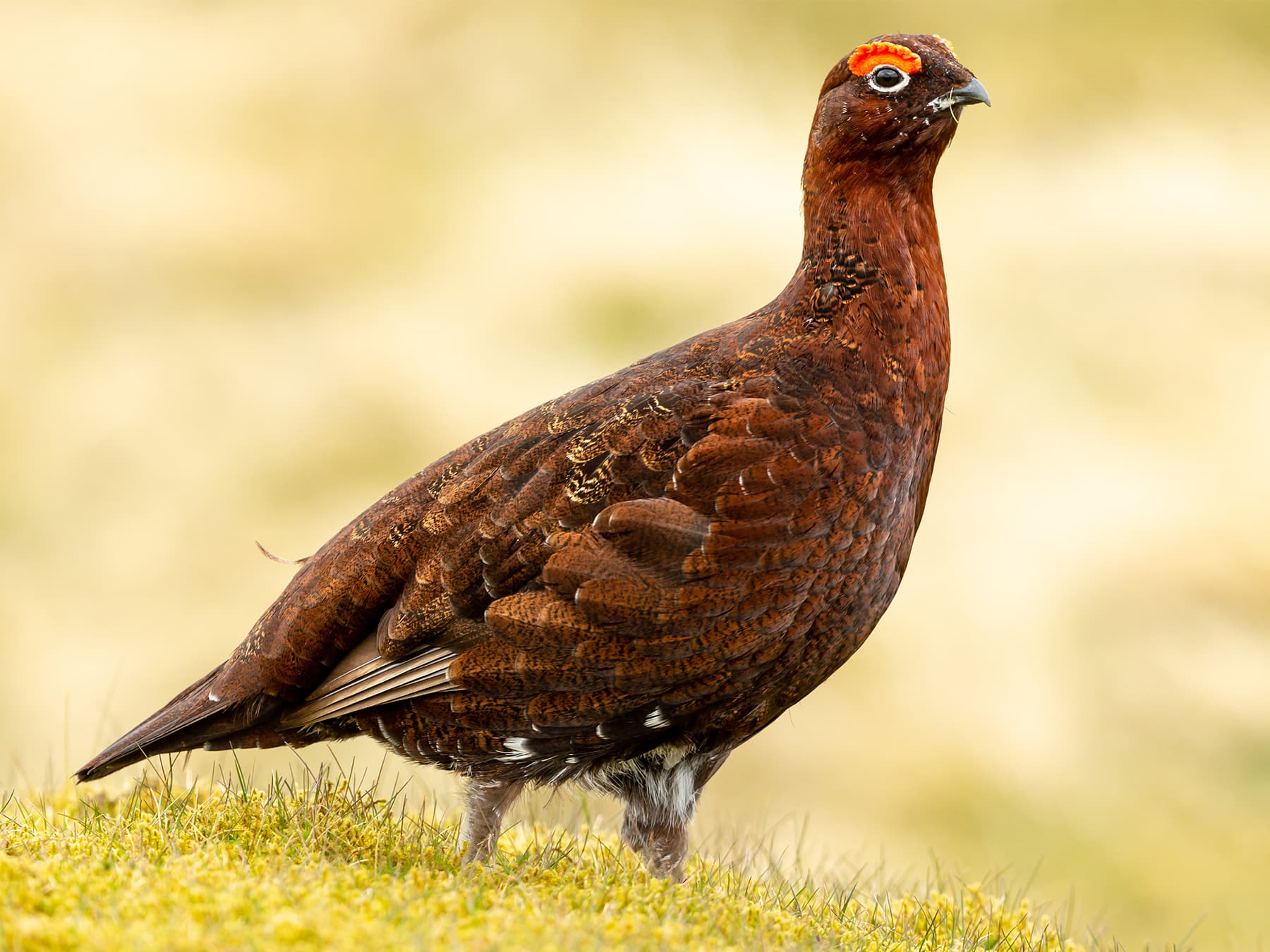 Red GrouseLagopus scoticaResidentUncommon37–42 cmRegularly Apr
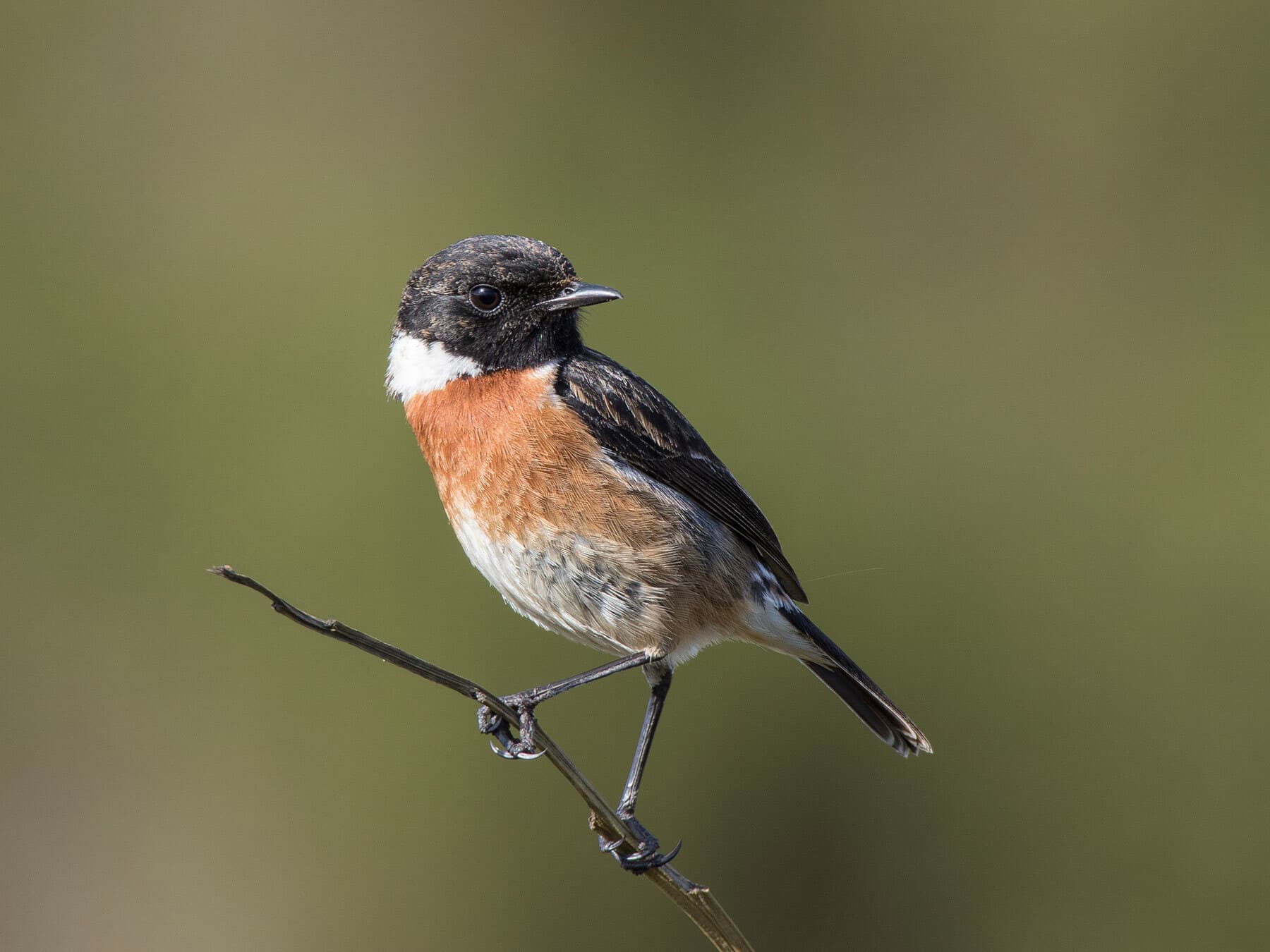 StonechatSaxicola rubicolaResidentUncommon12–13 cmRegularly Jun–Nov
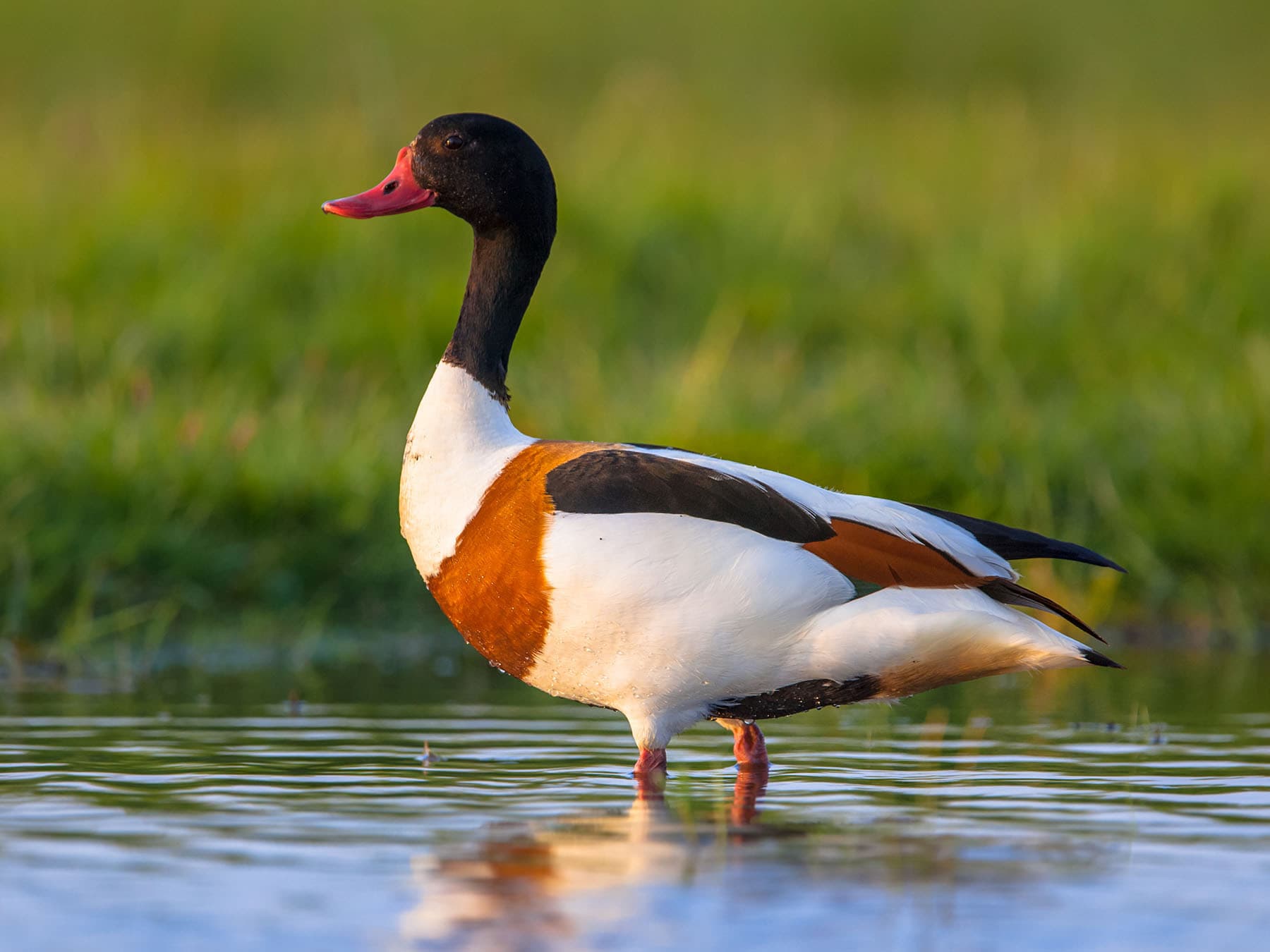 Common ShelduckTadorna tadornaScarceUncommon58–67 cm
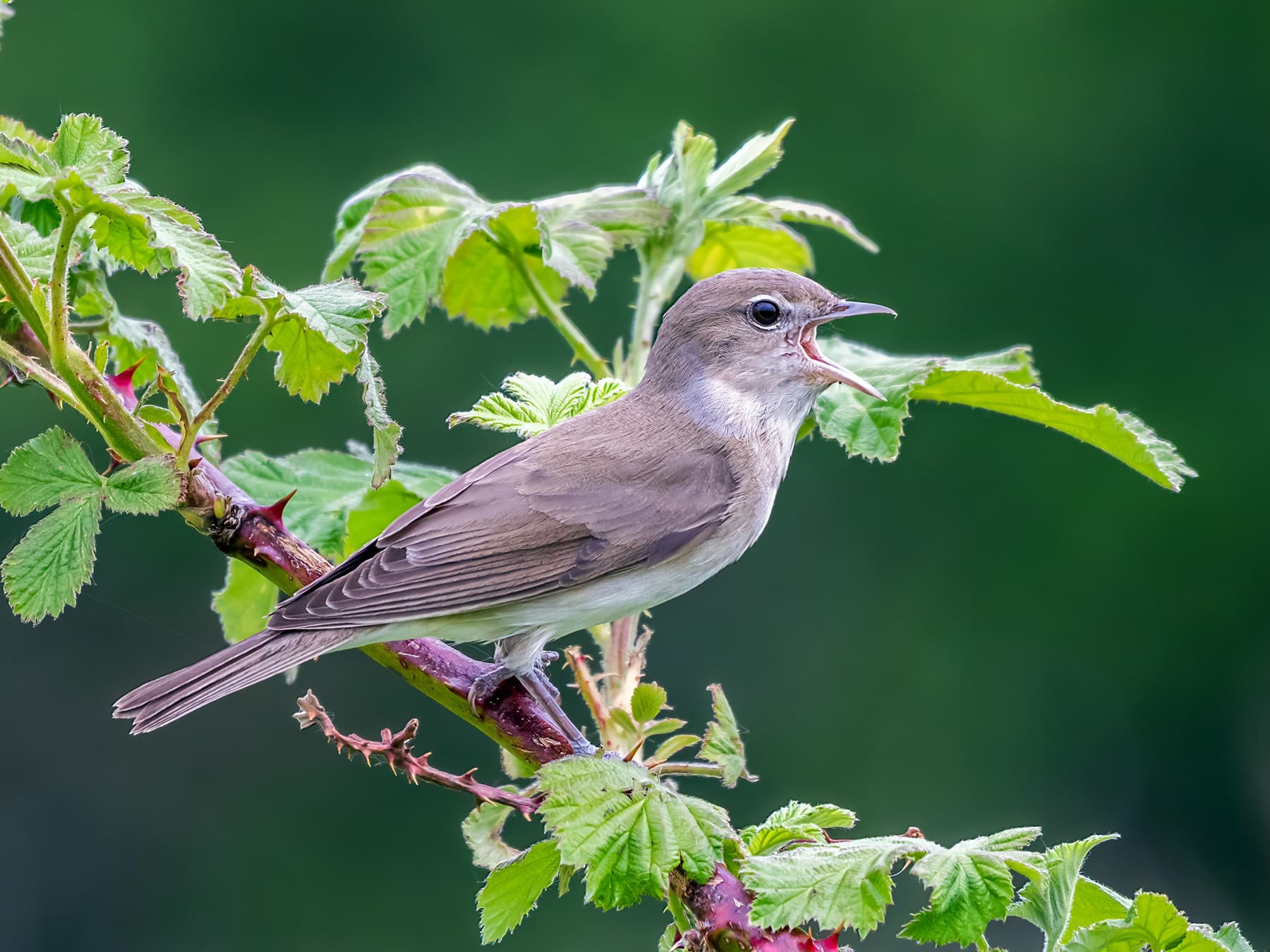 Garden WarblerSylvia borinPassage migrantUncommon14–15 cmRegularly May–Jun
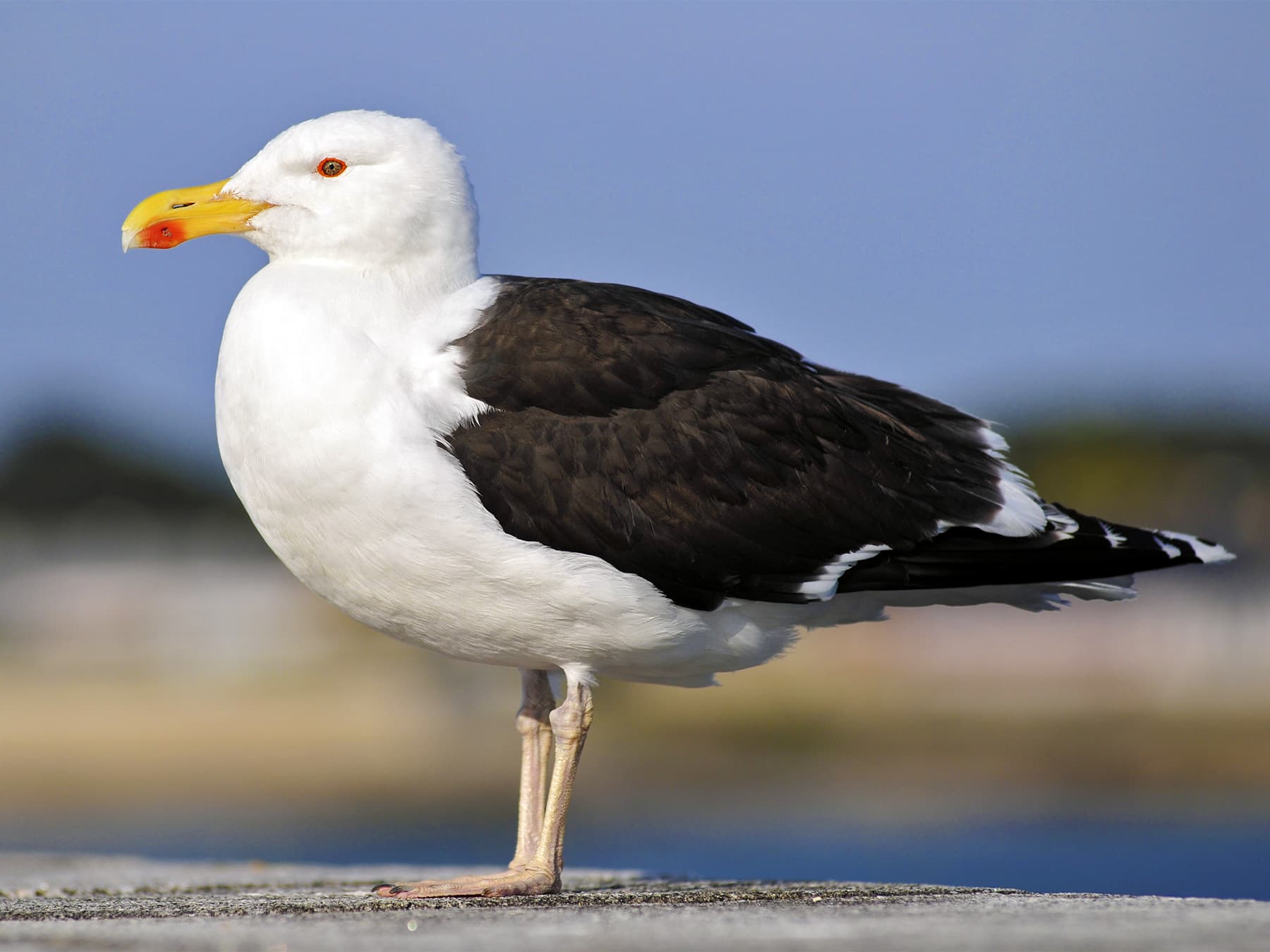 Great Black-backed GullLarus marinusResidentUncommon64–79 cmRegularly Jun
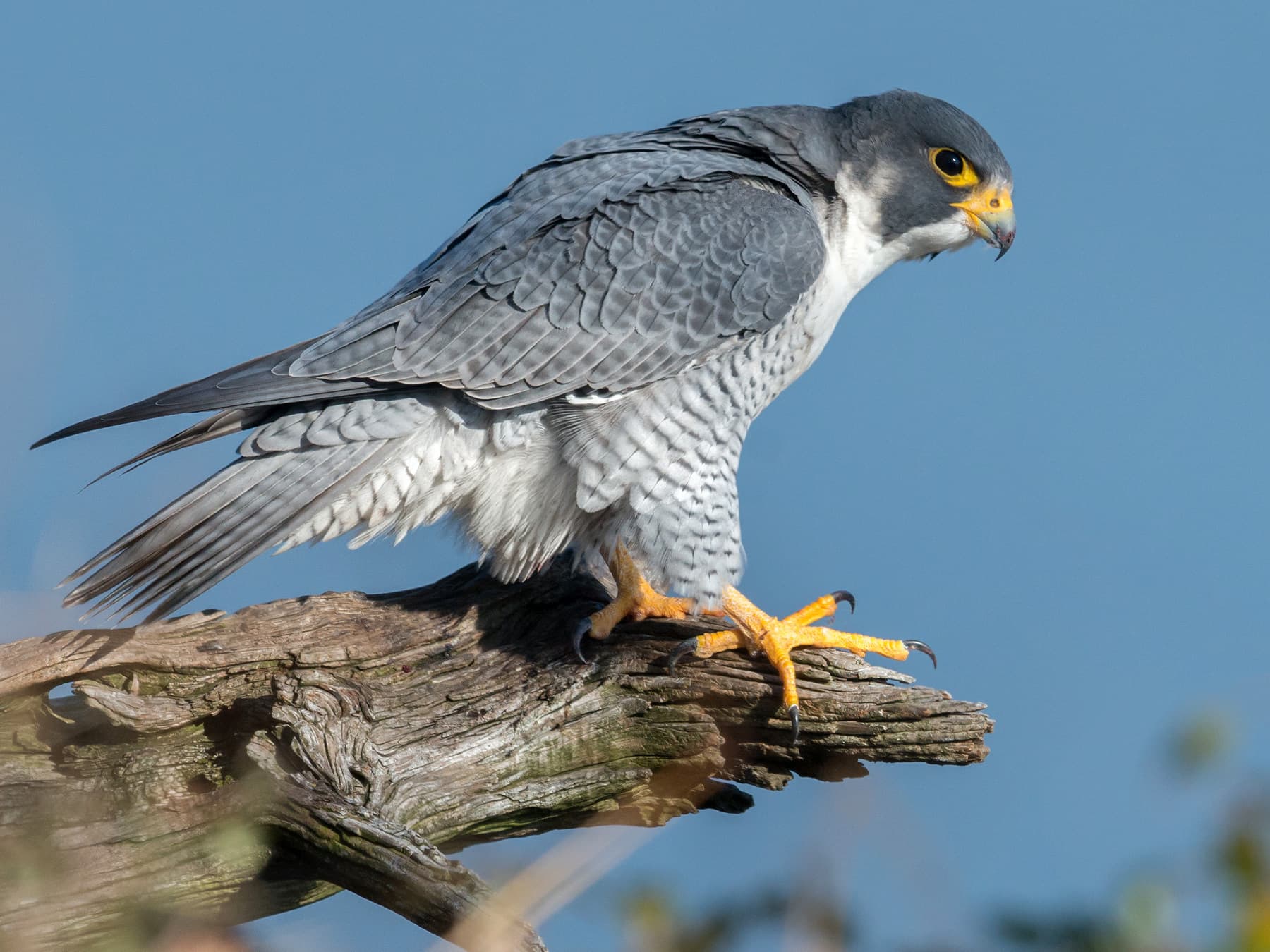 Peregrine FalconFalco peregrinusPassage migrantUncommon34–58 cmRegularly Oct
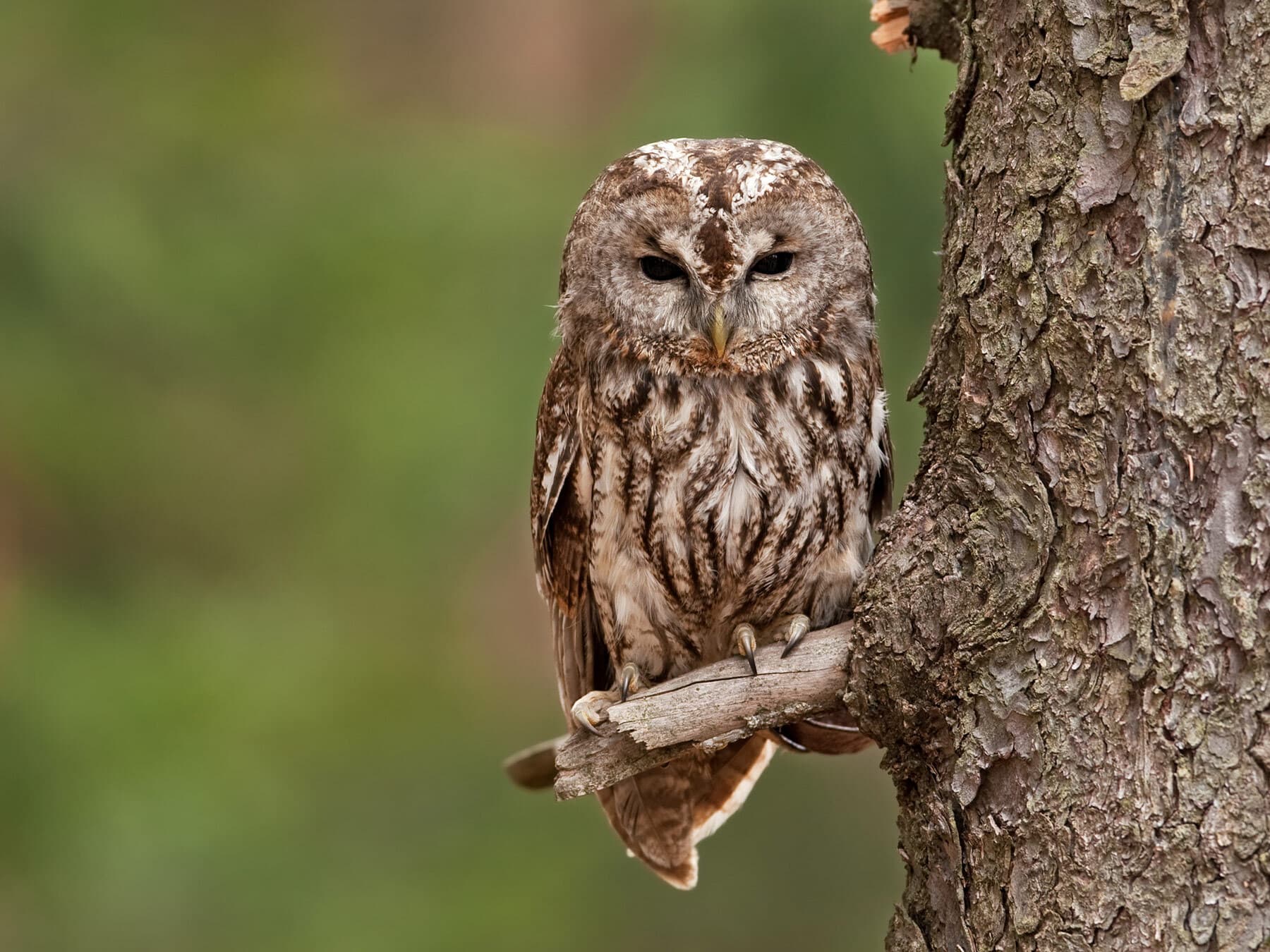 Tawny OwlStrix alucoResidentUncommon37–43 cmRegularly May
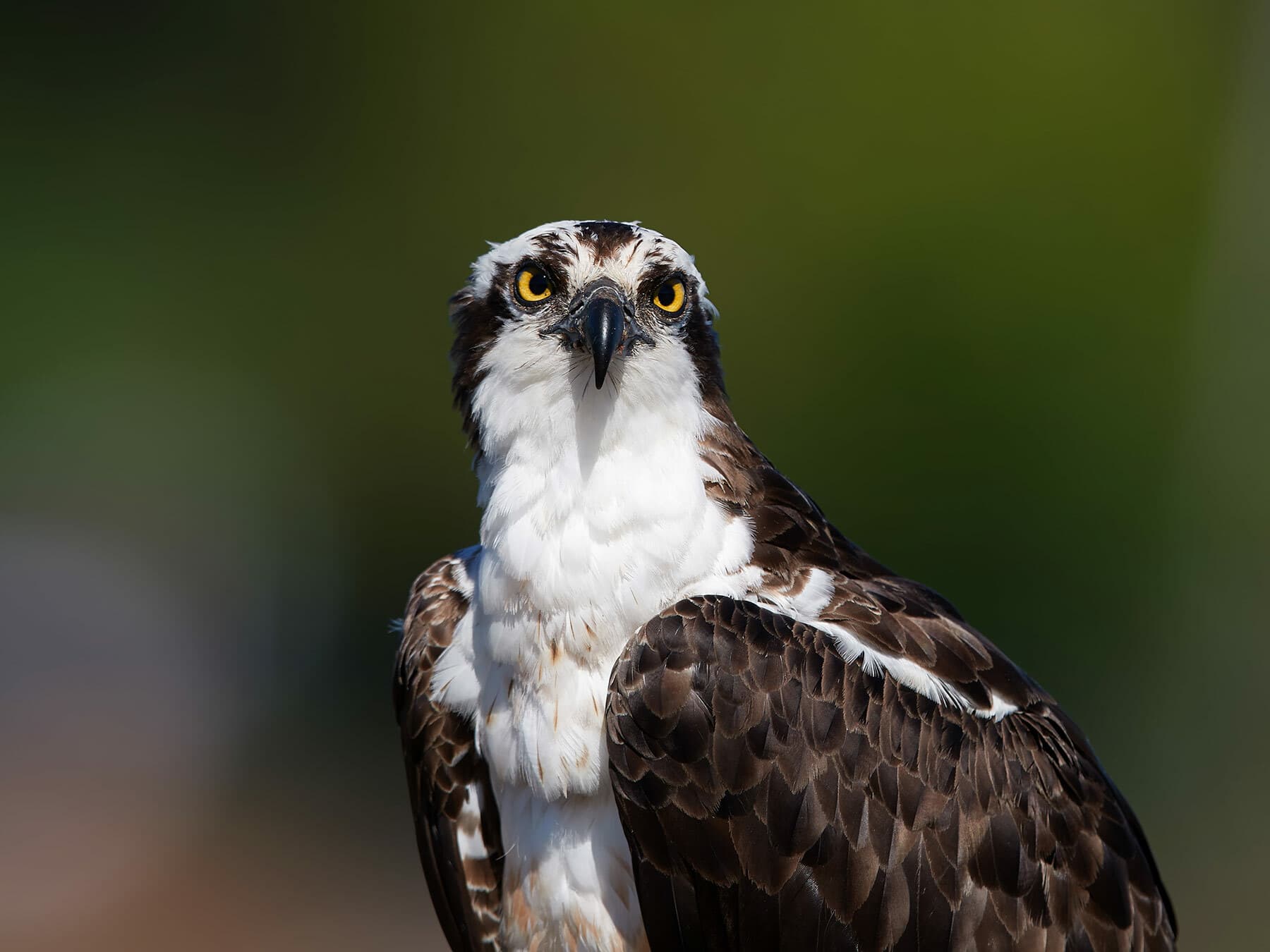 OspreyPandion haliaetusPassage migrantUncommon54–58 cmRegularly Aug
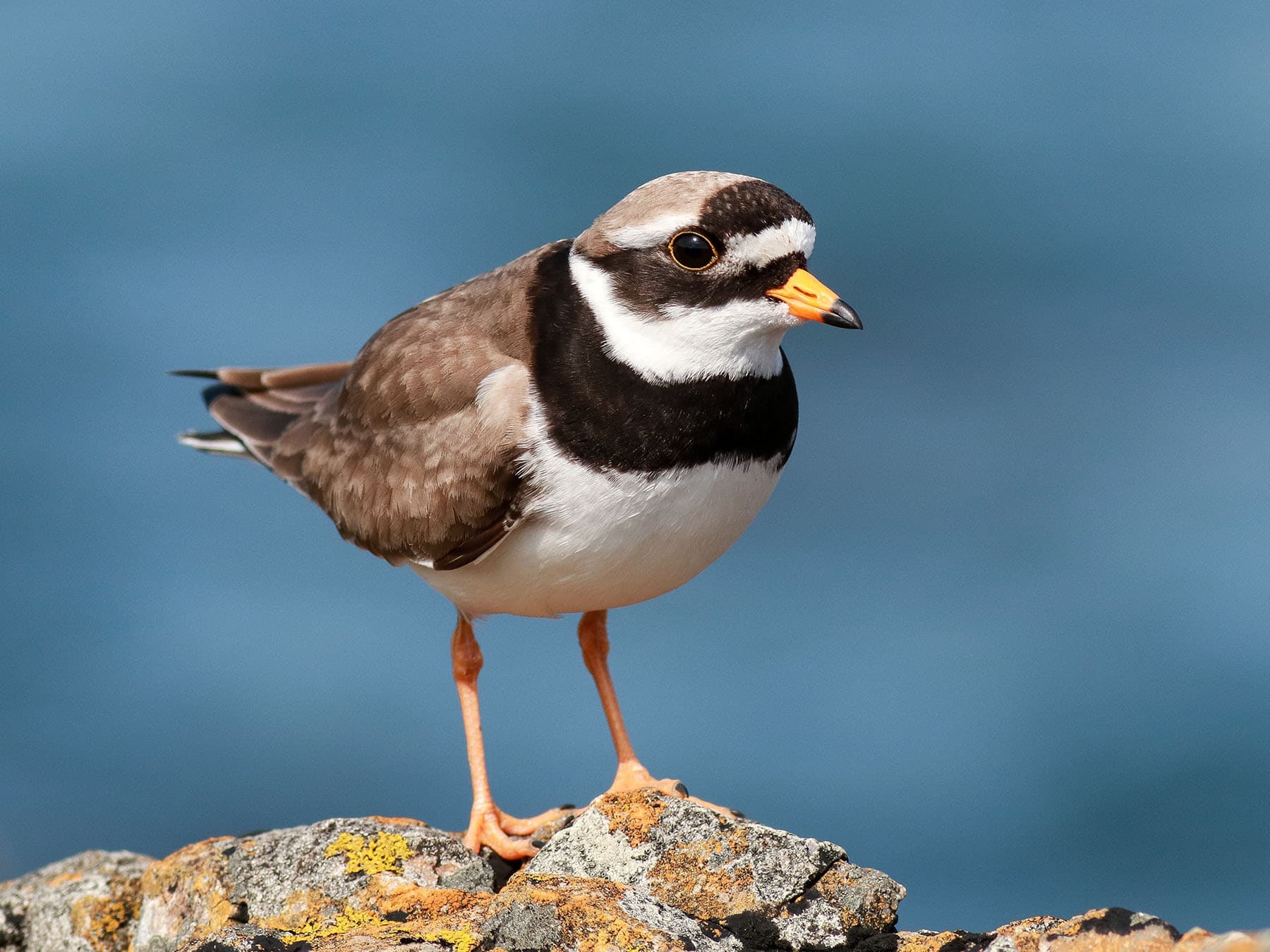 Ringed PloverCharadrius hiaticulaResidentUncommon17–19 cmRegularly Apr
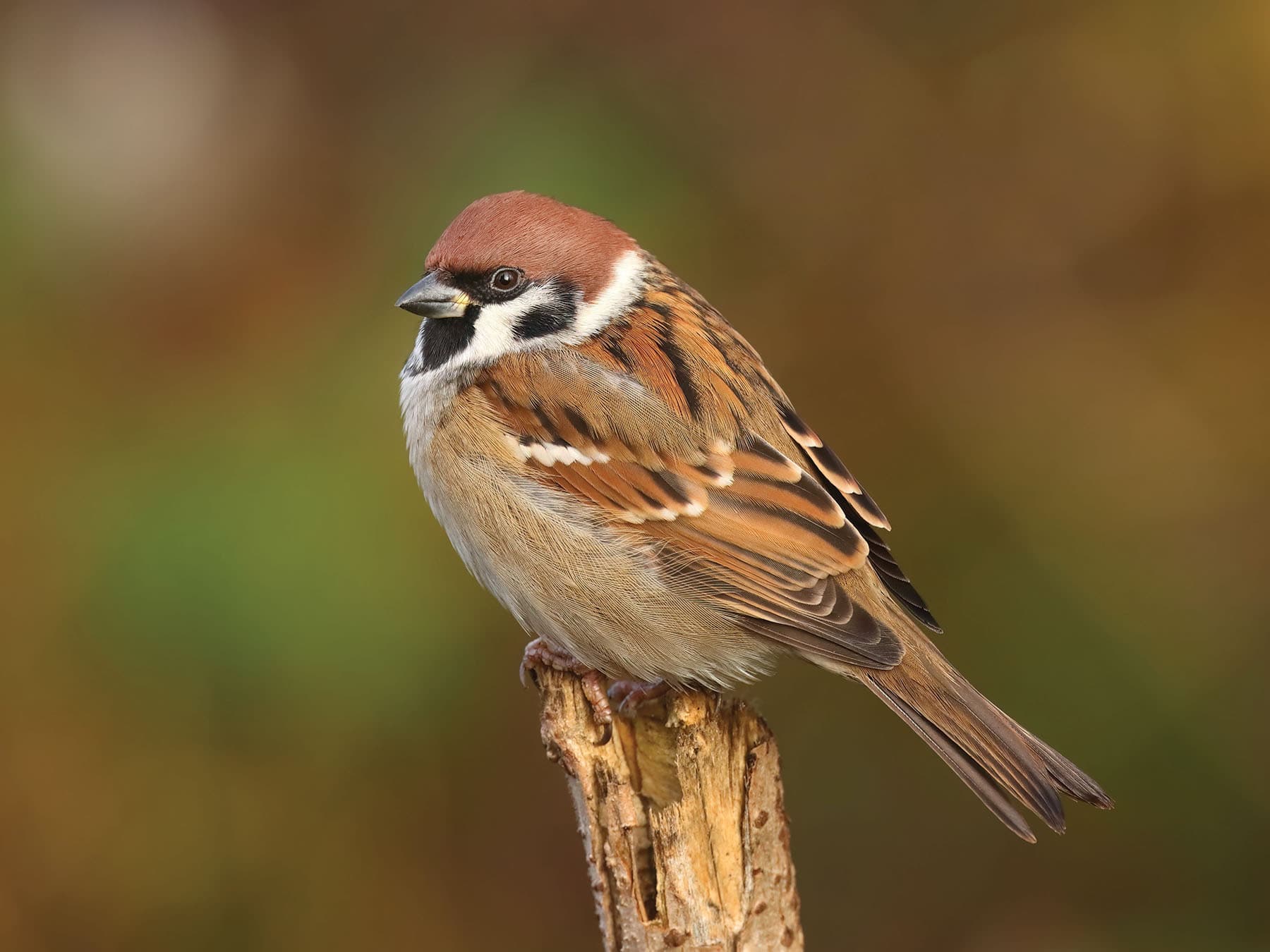 Eurasian Tree SparrowPasser montanusScarceUncommon13–14 cm
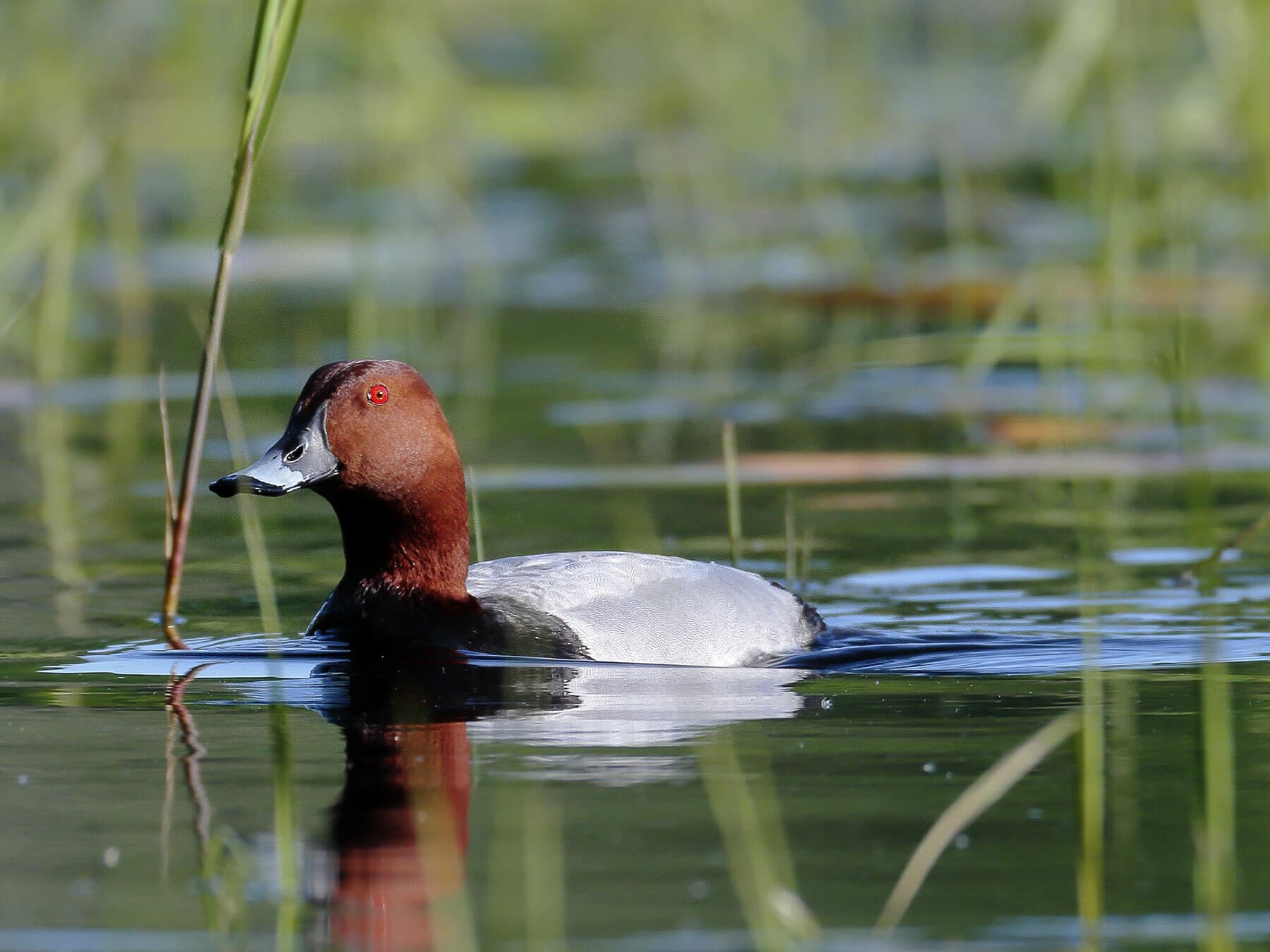 PochardAythya ferinaScarceUncommon42–49 cm
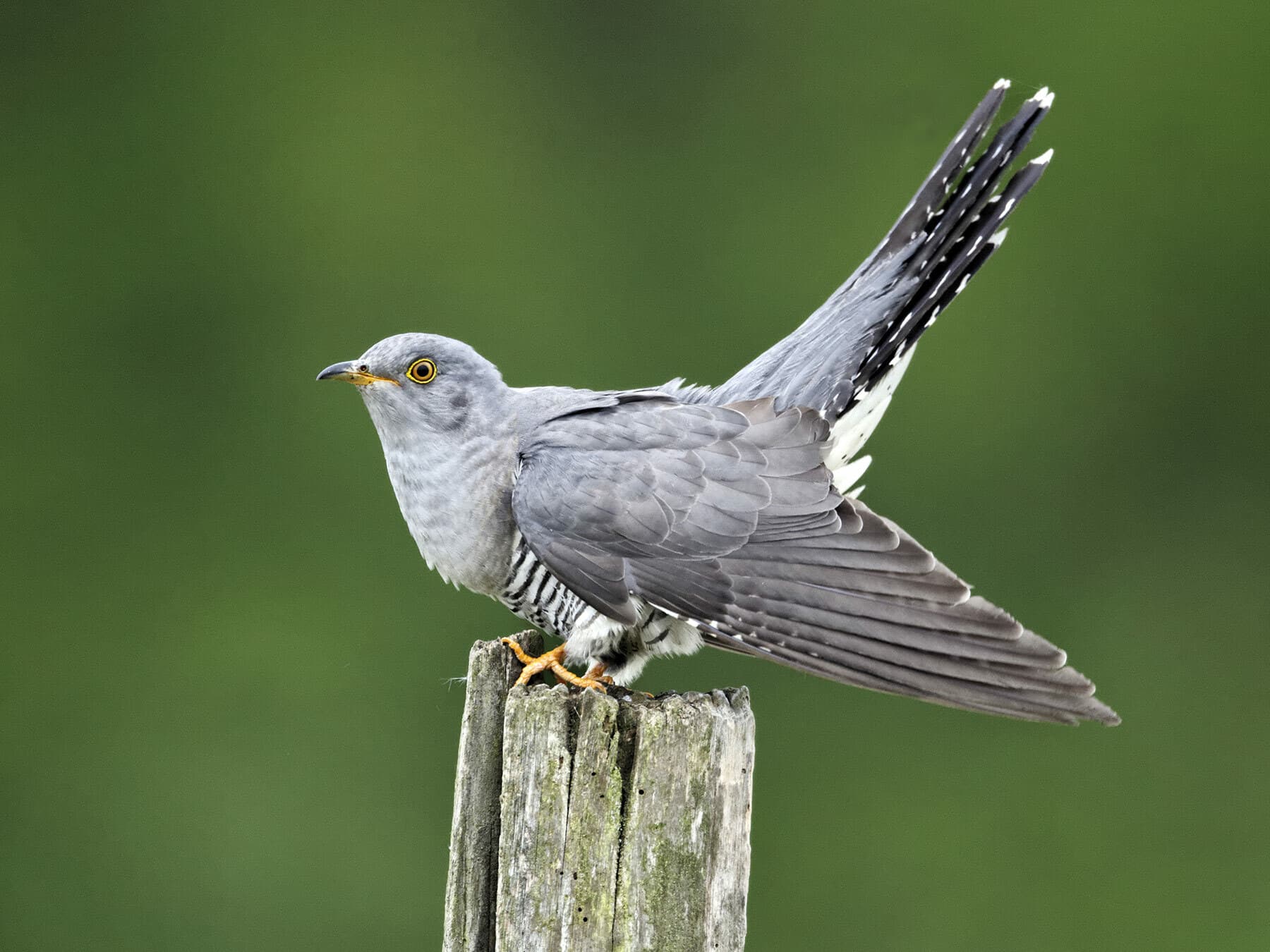 CuckooCuculus canorusScarceUncommon32–34 cmRegularly May
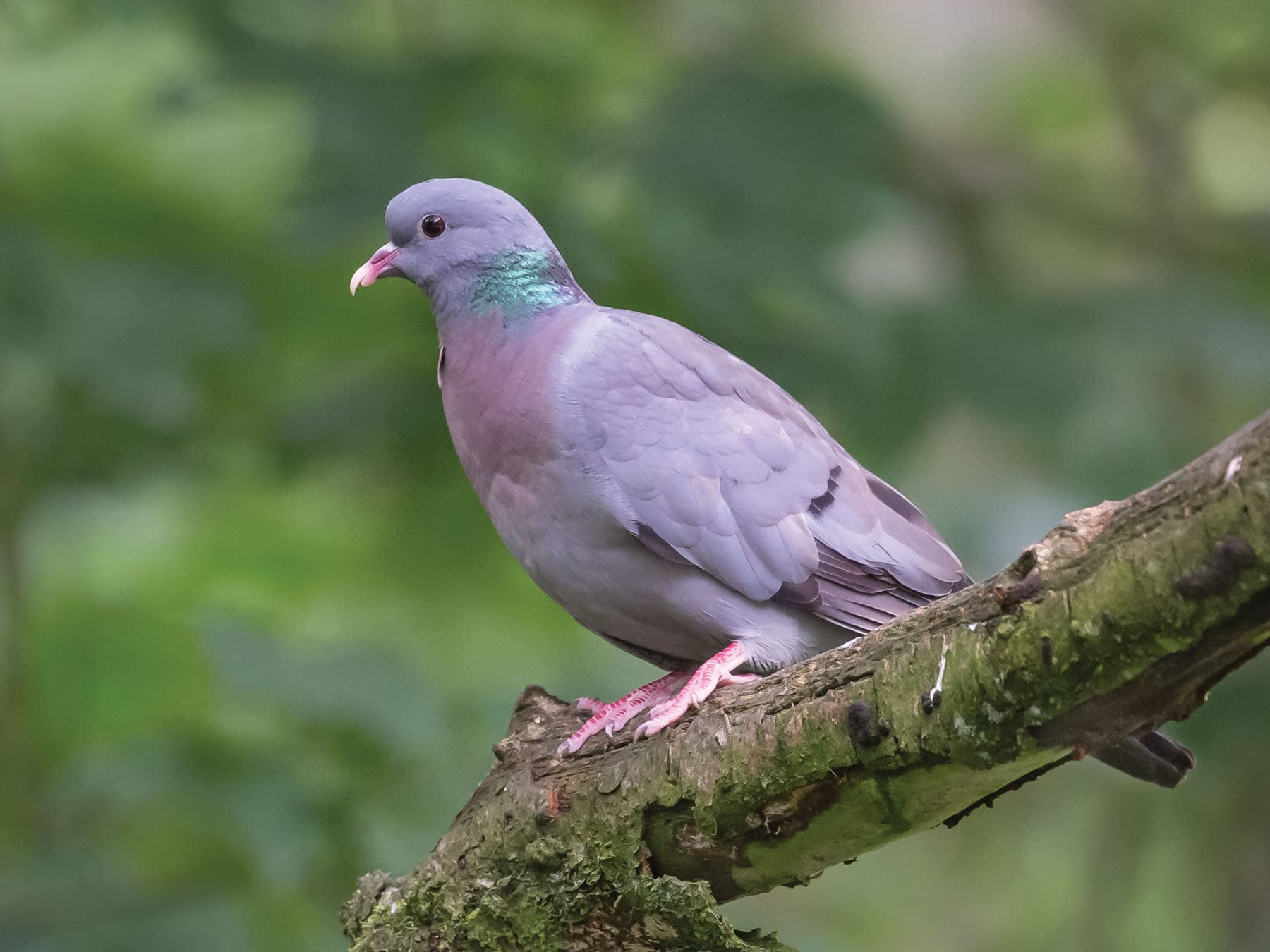 Stock DoveColumba oenasResidentUncommon32–34 cmRegularly May
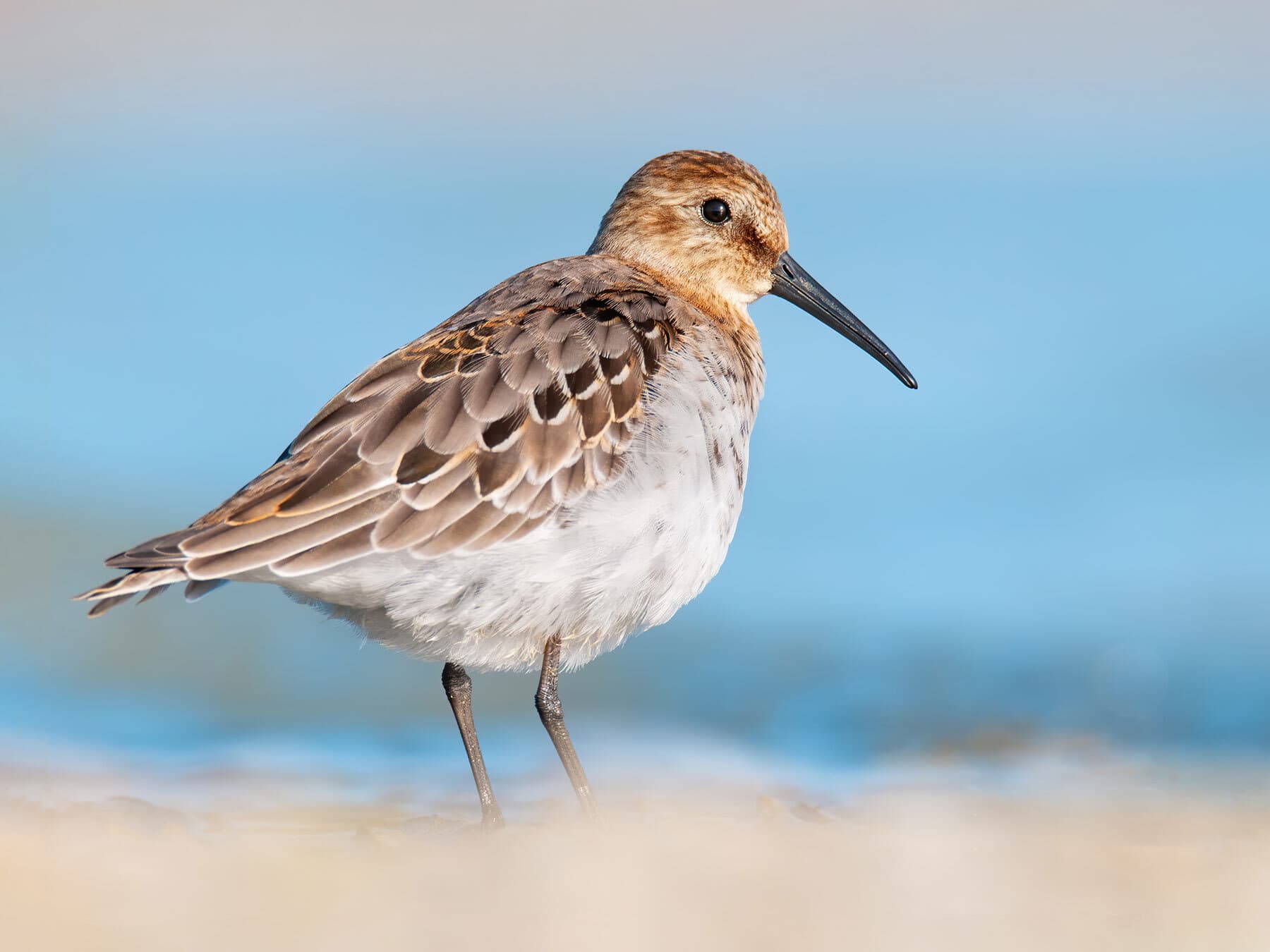 DunlinCalidris alpinaResidentUncommon16–22 cmRegularly Jul
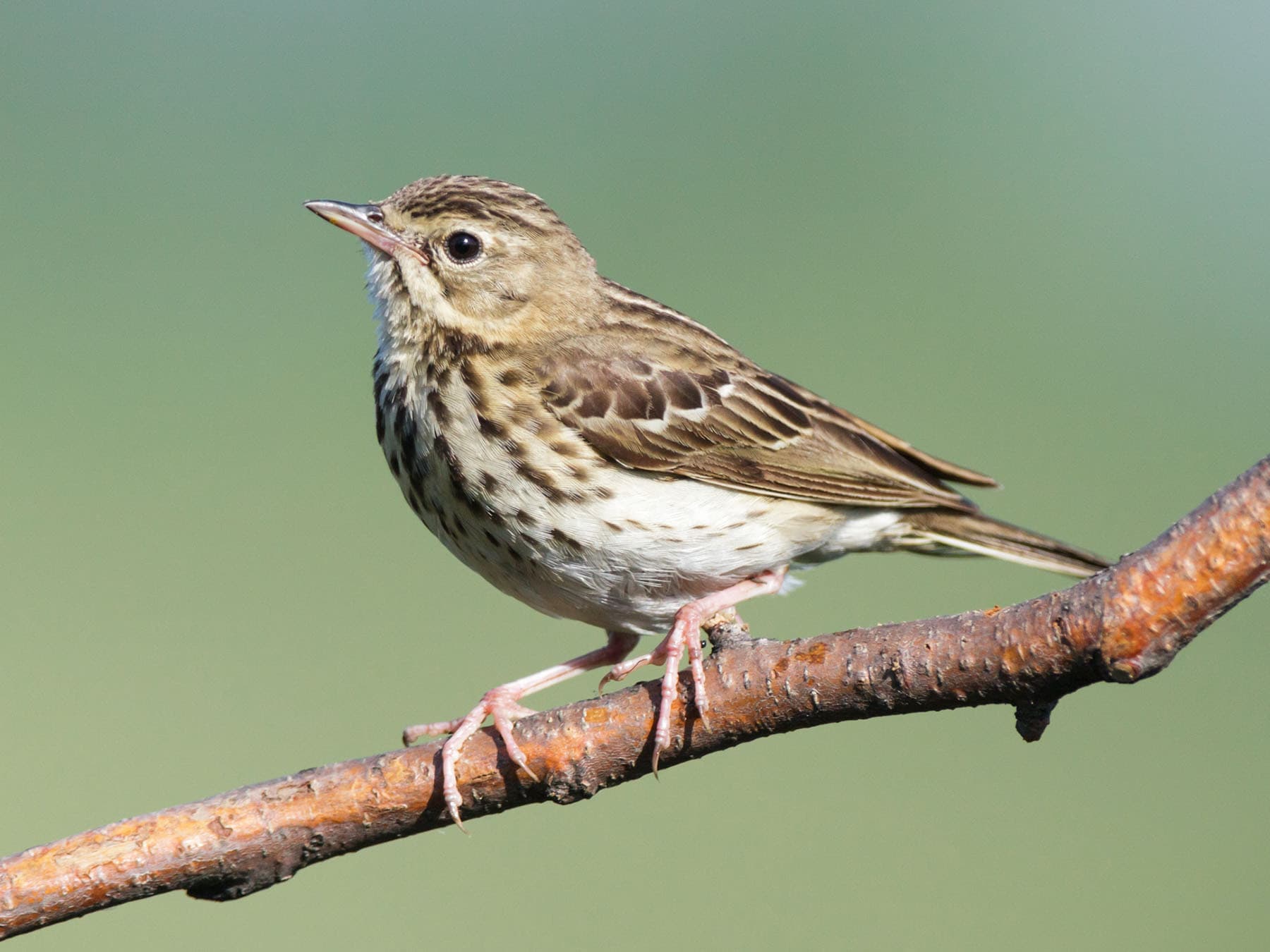 Tree PipitAnthus trivialisPassage migrantUncommon14–16 cmRegularly May
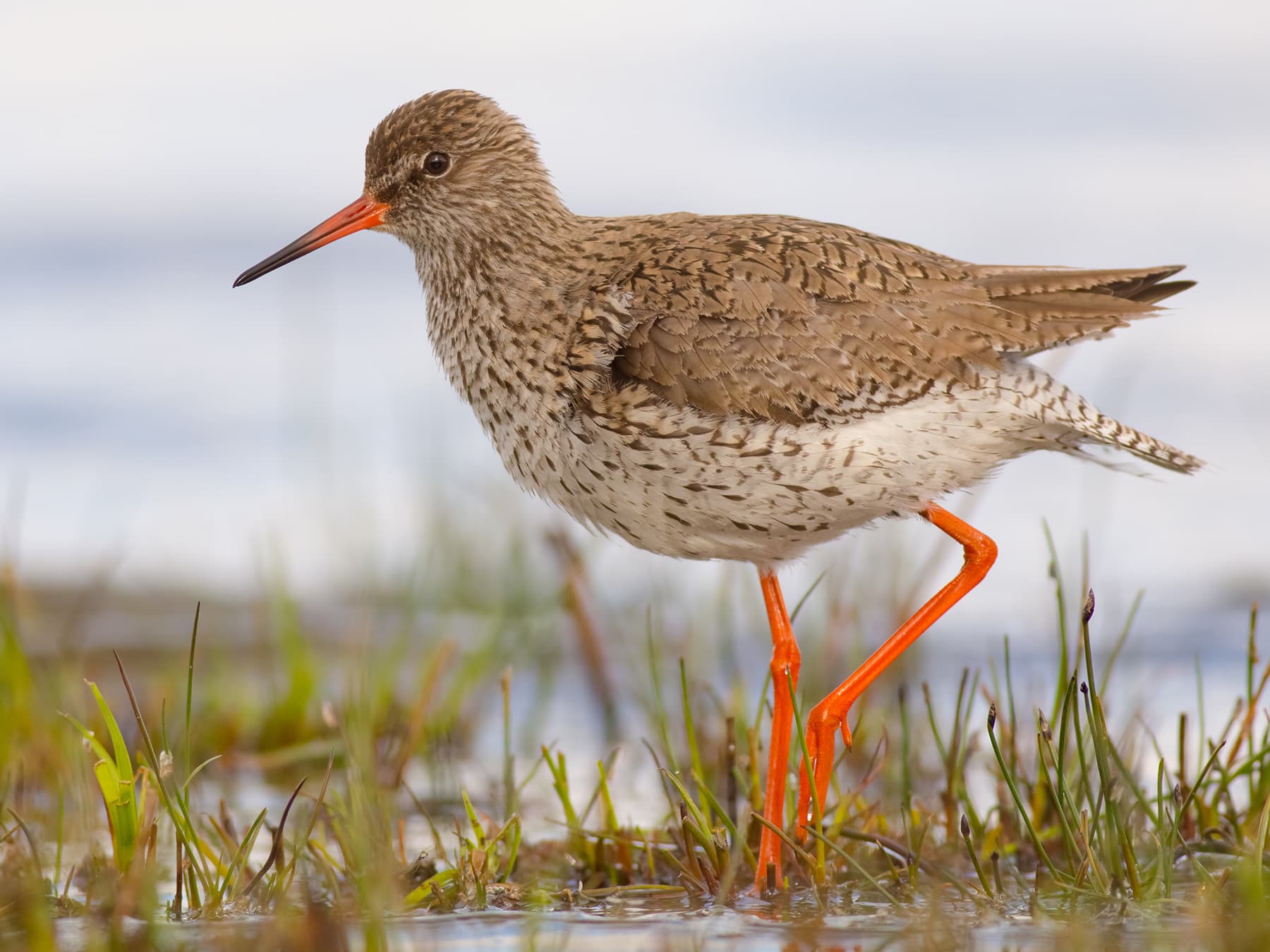 RedshankTringa totanusScarceUncommon27–29 cm
Smallest to largest
Length, cm- Stonechat 12–13 cm
- Grasshopper Warbler 12–13 cm
- Eurasian Tree Sparrow 13–14 cm
- Garden Warbler 14–15 cm
- Tree Pipit 14–16 cm
- Yellowhammer 16–17 cm
- Ringed Plover 17–19 cm
- Dunlin 16–22 cm
- Redshank 27–29 cm
- Cuckoo 32–34 cm
- Stock Dove 32–34 cm
- Red Grouse 37–42 cm
- Tawny Owl 37–43 cm
- Pochard 42–49 cm
- Peregrine Falcon 34–58 cm
- Osprey 54–58 cm
- Common Shelduck 58–67 cm
- Great Black-backed Gull 64–79 cm
Body length, bill to tail. Rare birds in grey.
Data: EOD – eBird Observation Dataset (Cornell Lab of Ornithology), accessed via GBIF.org, CC BY 4.0. Records from 2019–2024, aggregated and filtered by Birdfact. How these lists are made