Sandpipers & Snipes in Northamptonshire
22 species matching this filter.
Northamptonshire may be a landlocked county, but its network of reservoirs, gravel pits, river valleys, and wet meadows along the Nene and Welland attract a remarkable diversity of sandpipers and snipes. With 21 recorded species in this family, birdwatchers can encounter everything from the familiar Common Snipe and Eurasian Woodcock in damp woodland and marshland to scarcer passage migrants such as Curlew Sandpiper, Greenshank, and Bar-tailed Godwit at key wetland sites. Pitsford Reservoir, Stanwick Lakes, and the upper Nene valley gravel pits are particularly rewarding locations for observing these waders throughout the year.


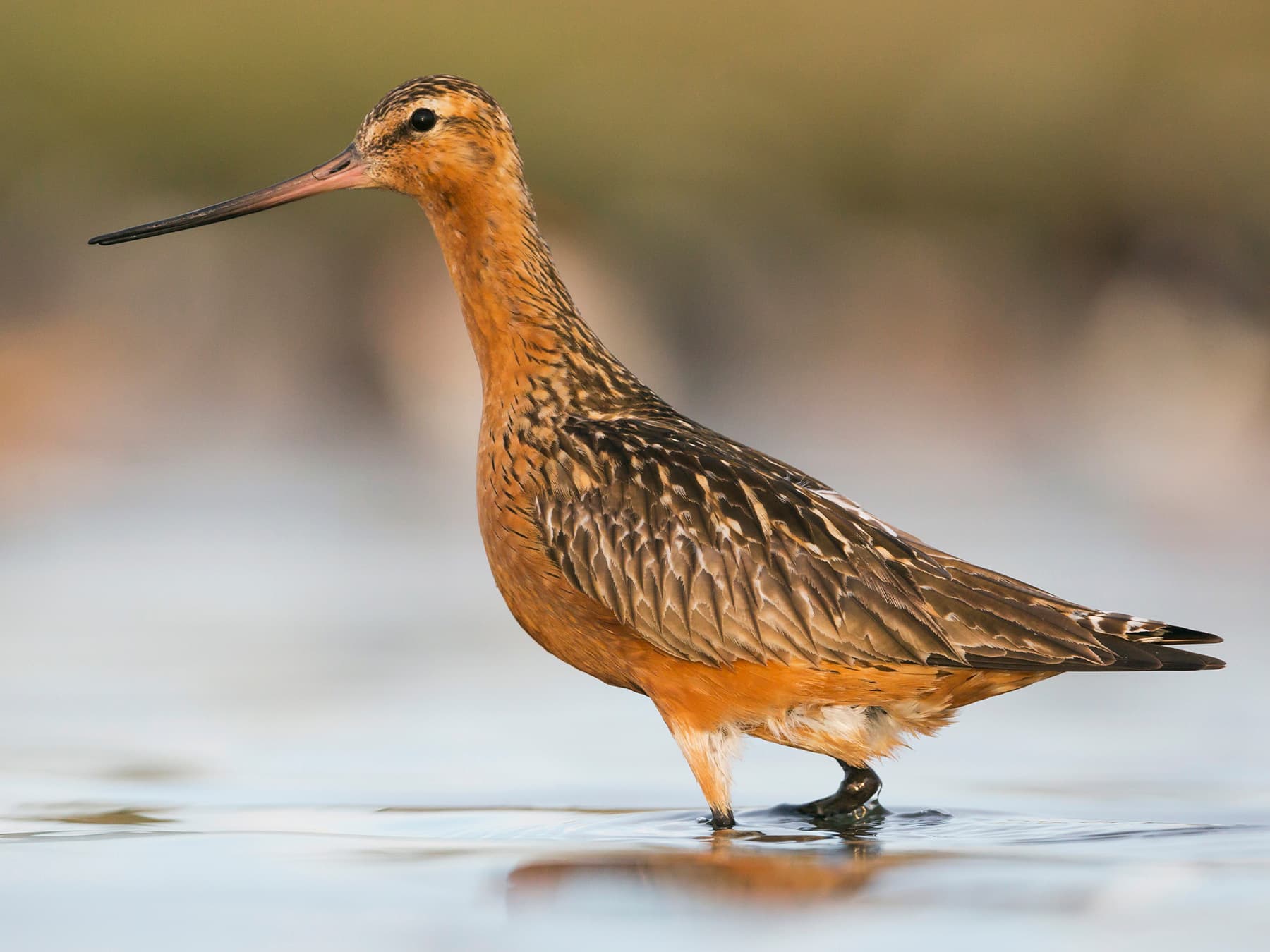
Bar-tailed Godwit
Limosa lapponicaNT
A rare spring passage wader, occasionally stopping at reservoir edges and flooded fields in April and May on northward migration.
Apr–May
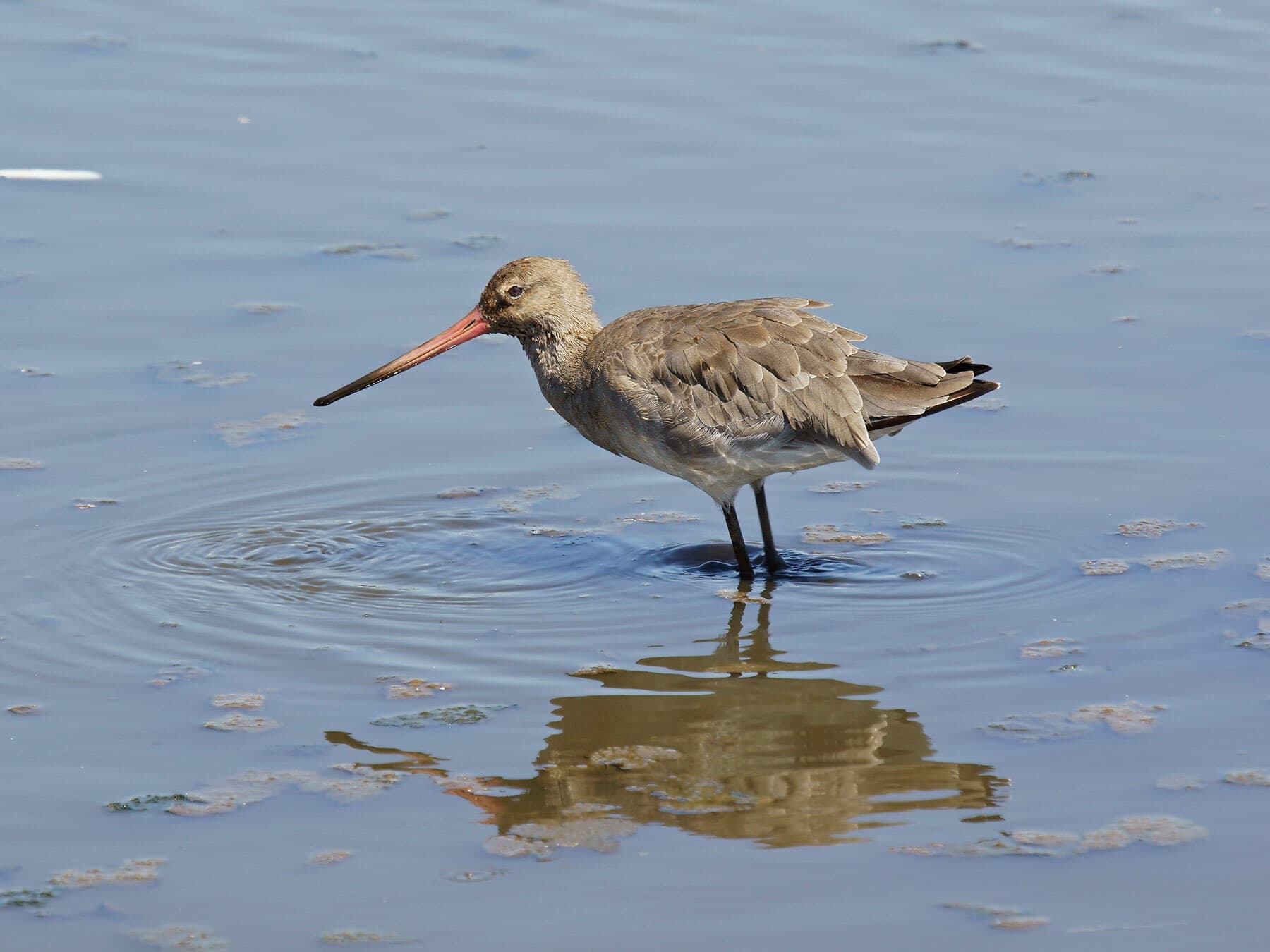
Black-tailed Godwit
Limosa limosaNT
A rare but regular visitor to reservoir margins and wet grassland, mainly on spring and autumn passage.
Jul–Apr
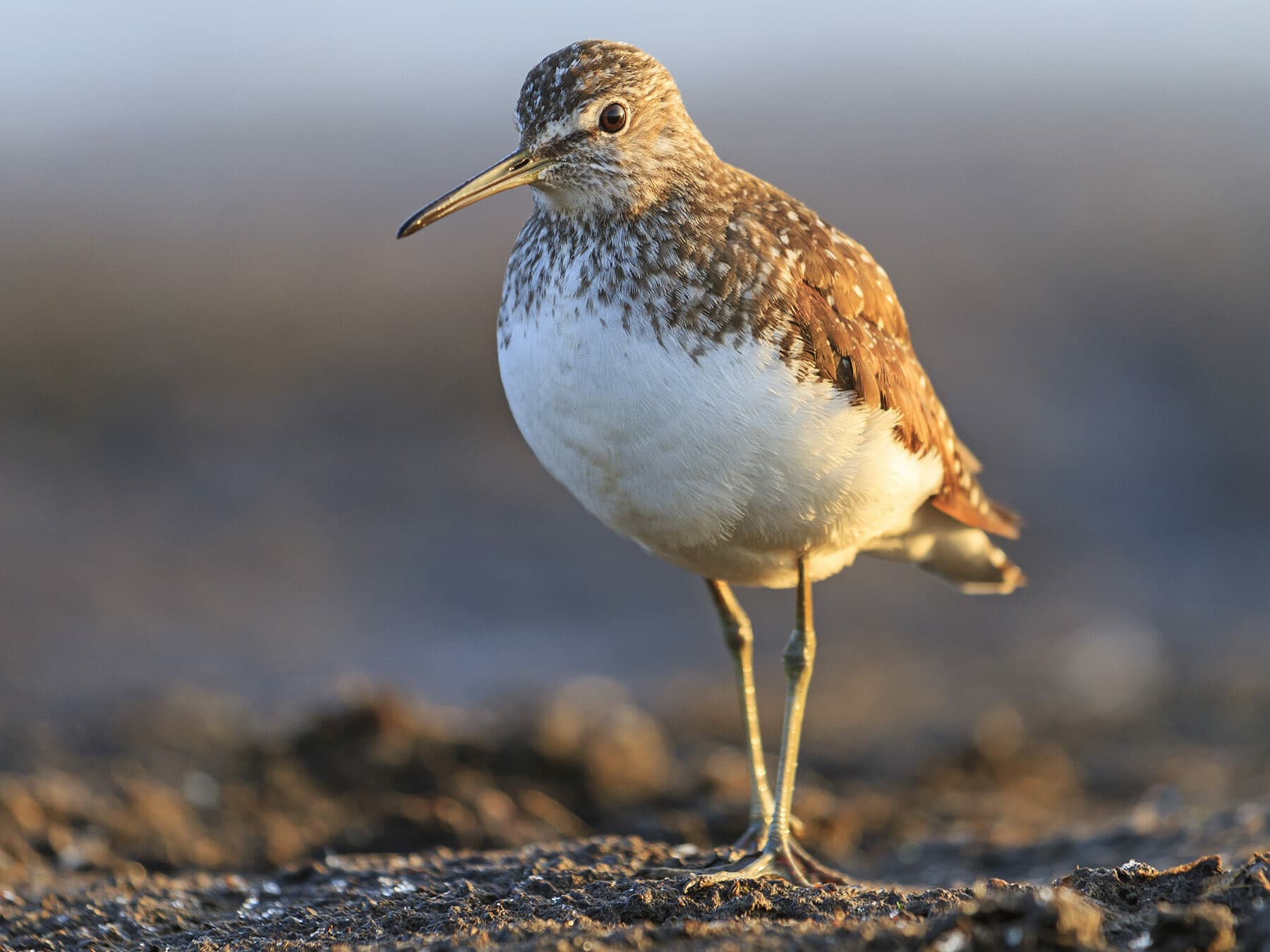
Common Sandpiper
Actitis hypoleucosLC
An uncommon summer visitor, bobbing along reservoir shores and gravel pit edges from April to September.
Apr–Sep
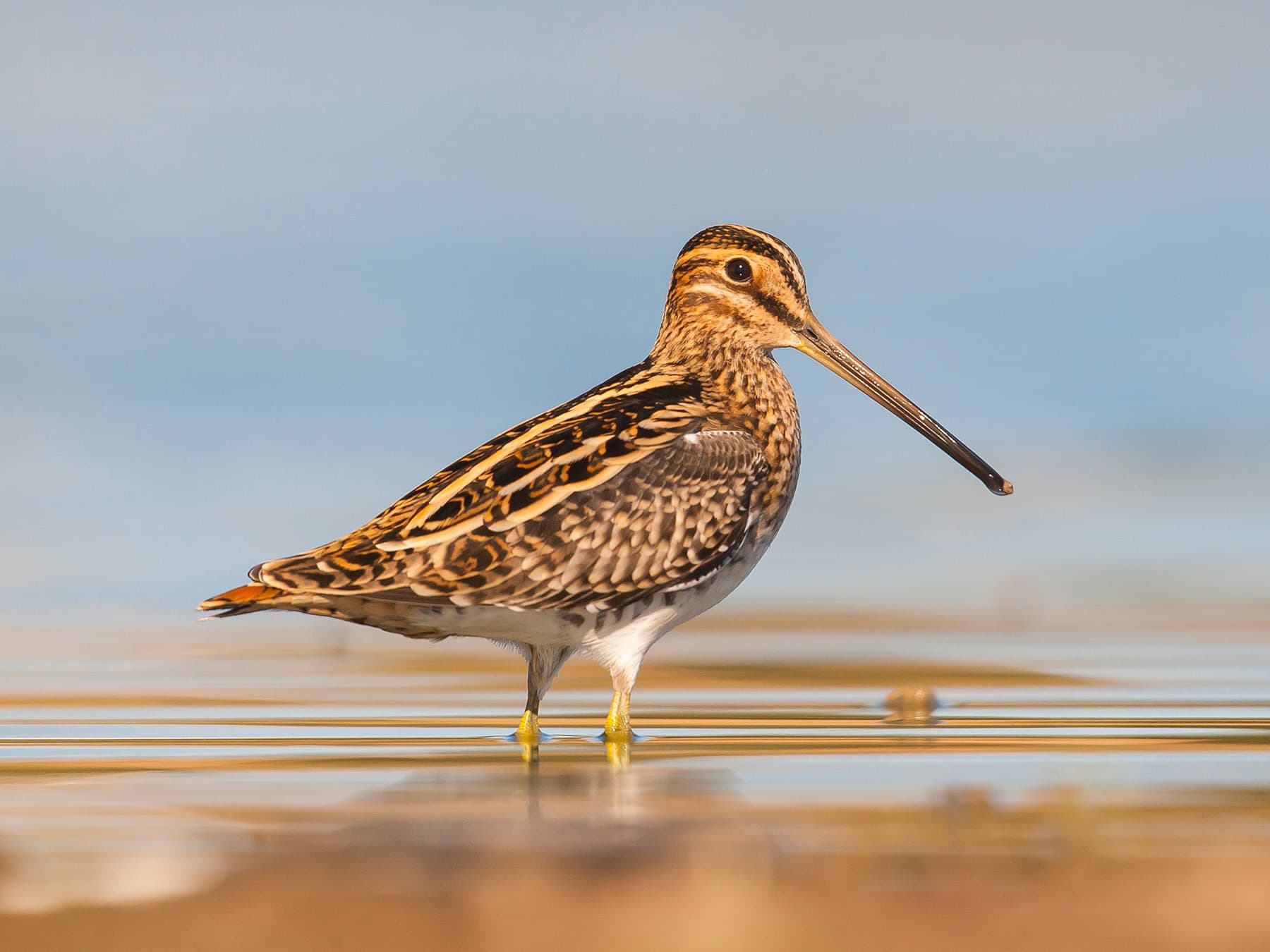
Common Snipe
Gallinago gallinagoLC
An uncommon resident of wet meadows and marshy areas, most conspicuous when flushed from waterside vegetation in winter.
Jul–May
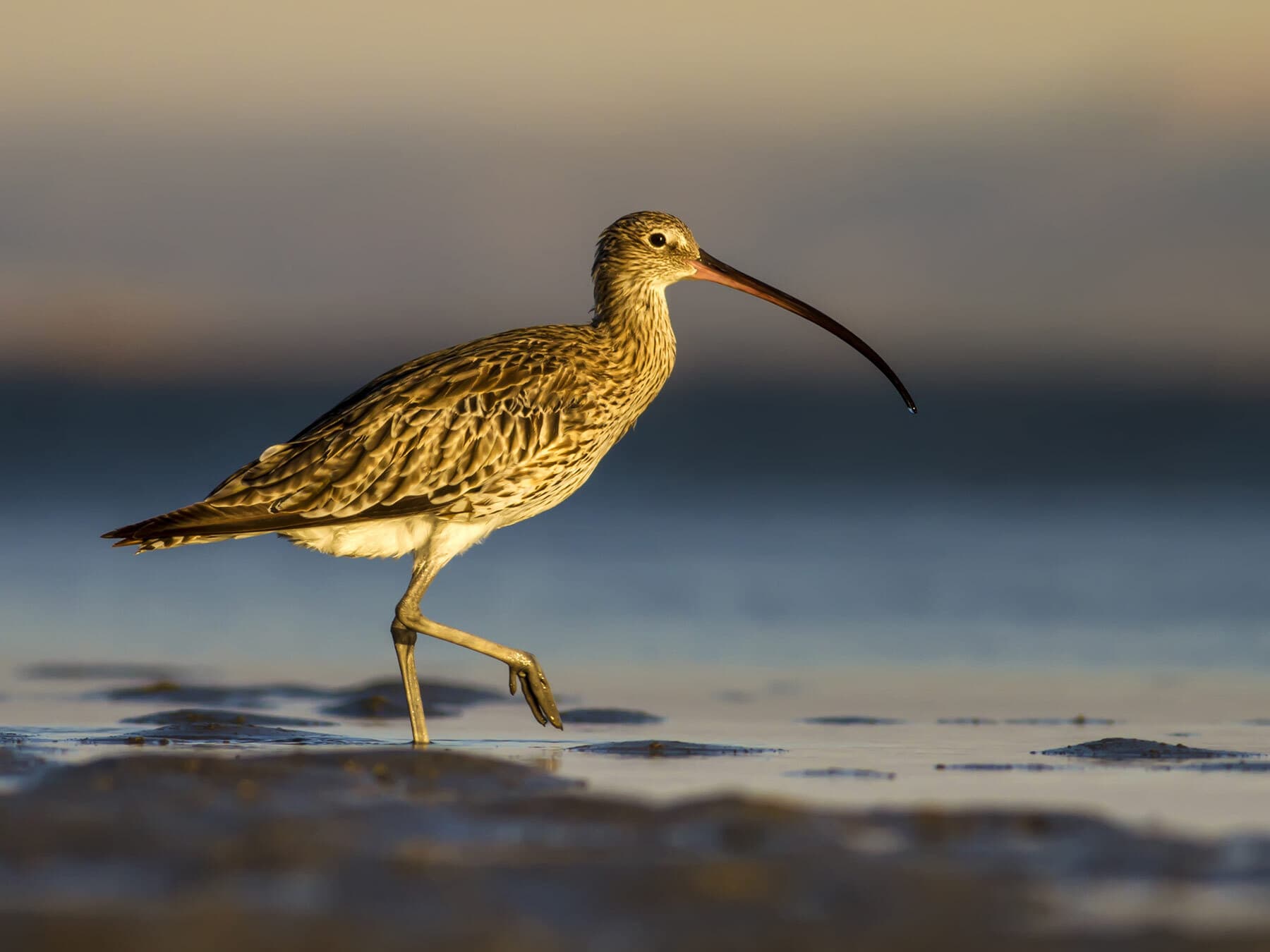
Curlew
Numenius arquataNT
A rare passage visitor, heard calling over wetlands and fields mainly in late winter and midsummer as it moves through.
Feb–Aug
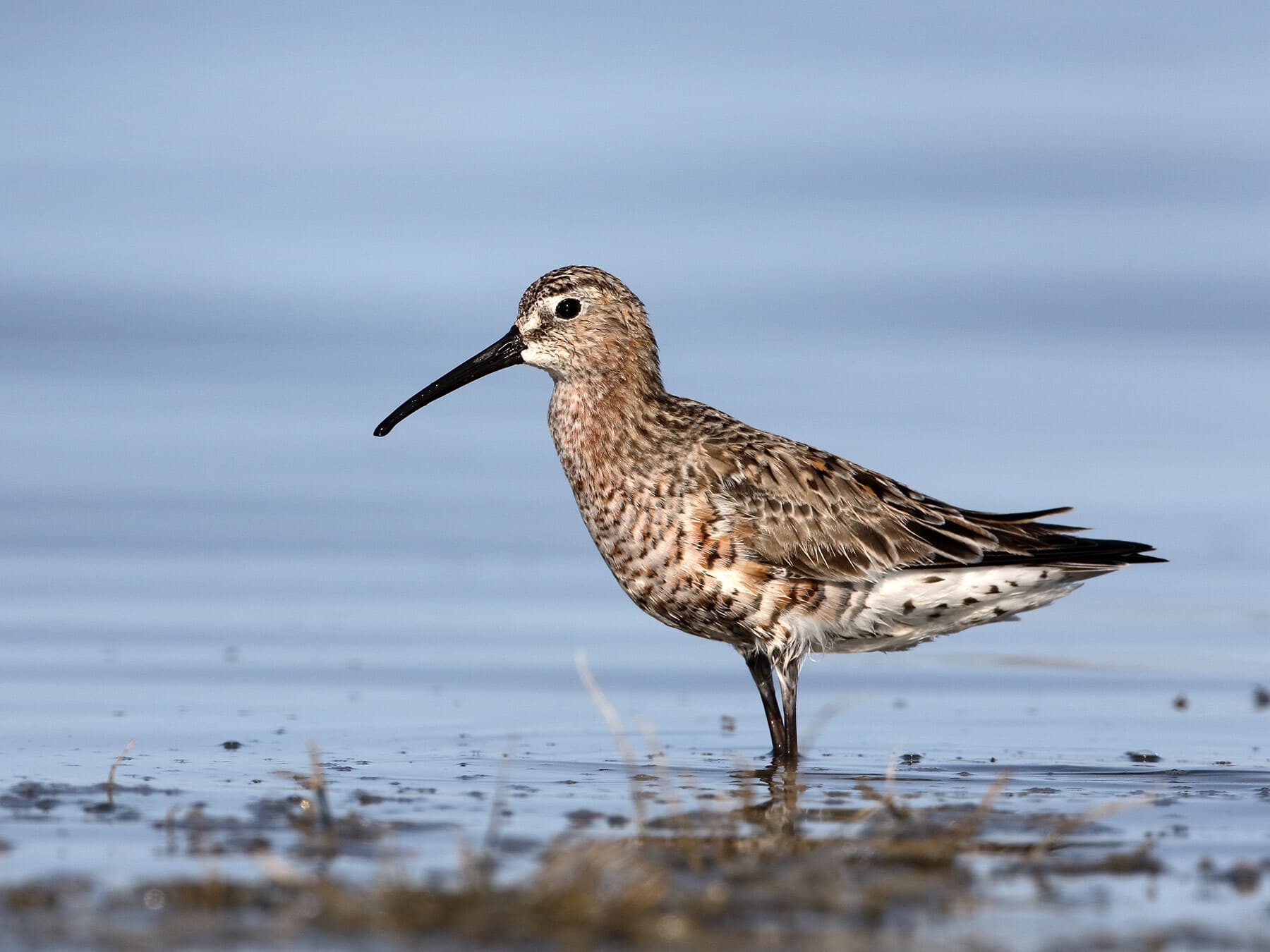
Curlew Sandpiper
Calidris ferrugineaNT
A rare autumn passage wader appearing briefly at muddy reservoir margins in September.
Sep
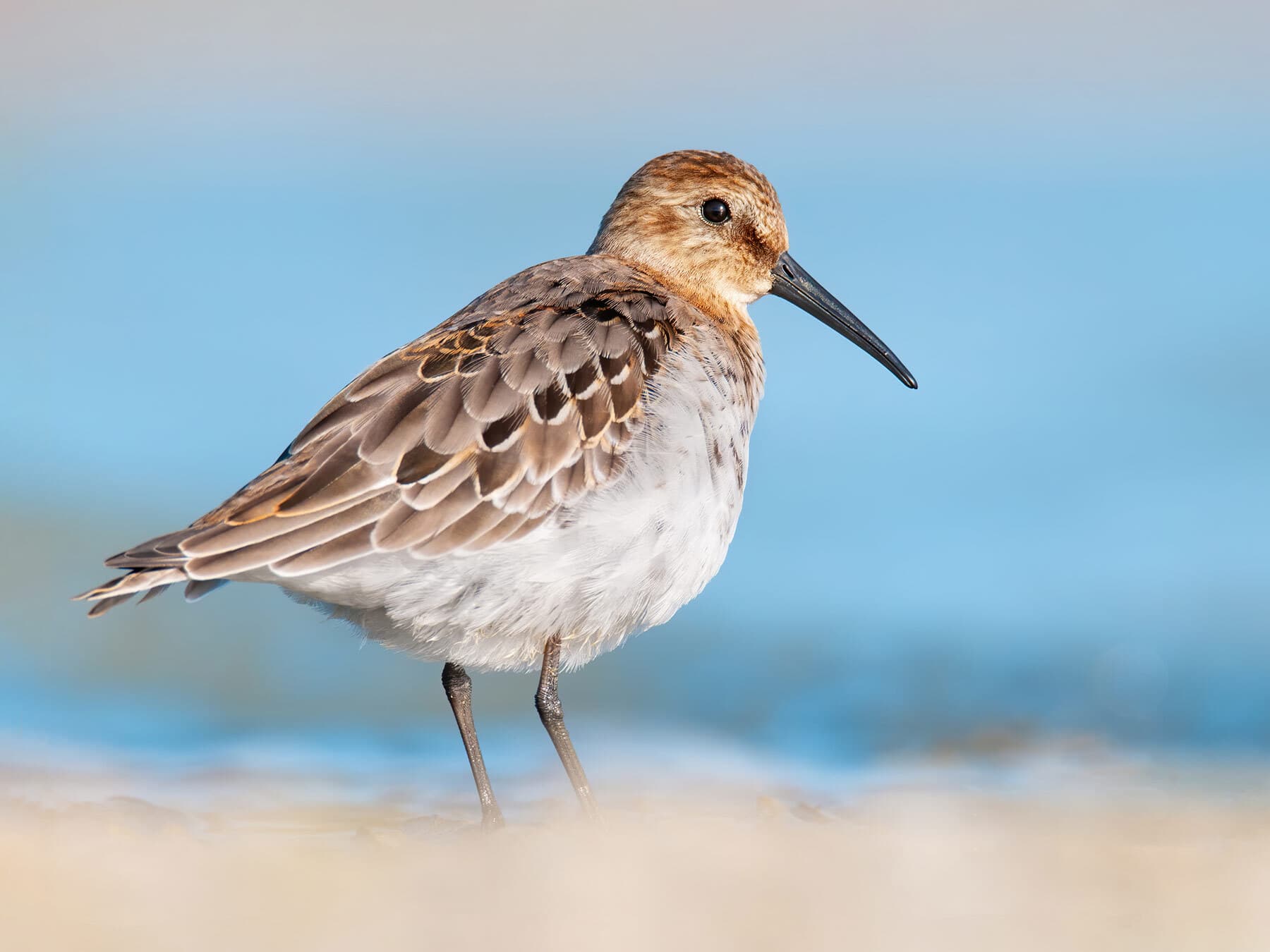
Dunlin
Calidris alpinaLC
A rare but year-round visitor to muddy reservoir edges and flooded fields, most often seen during autumn passage at sites like Pitsford.
Jul–May
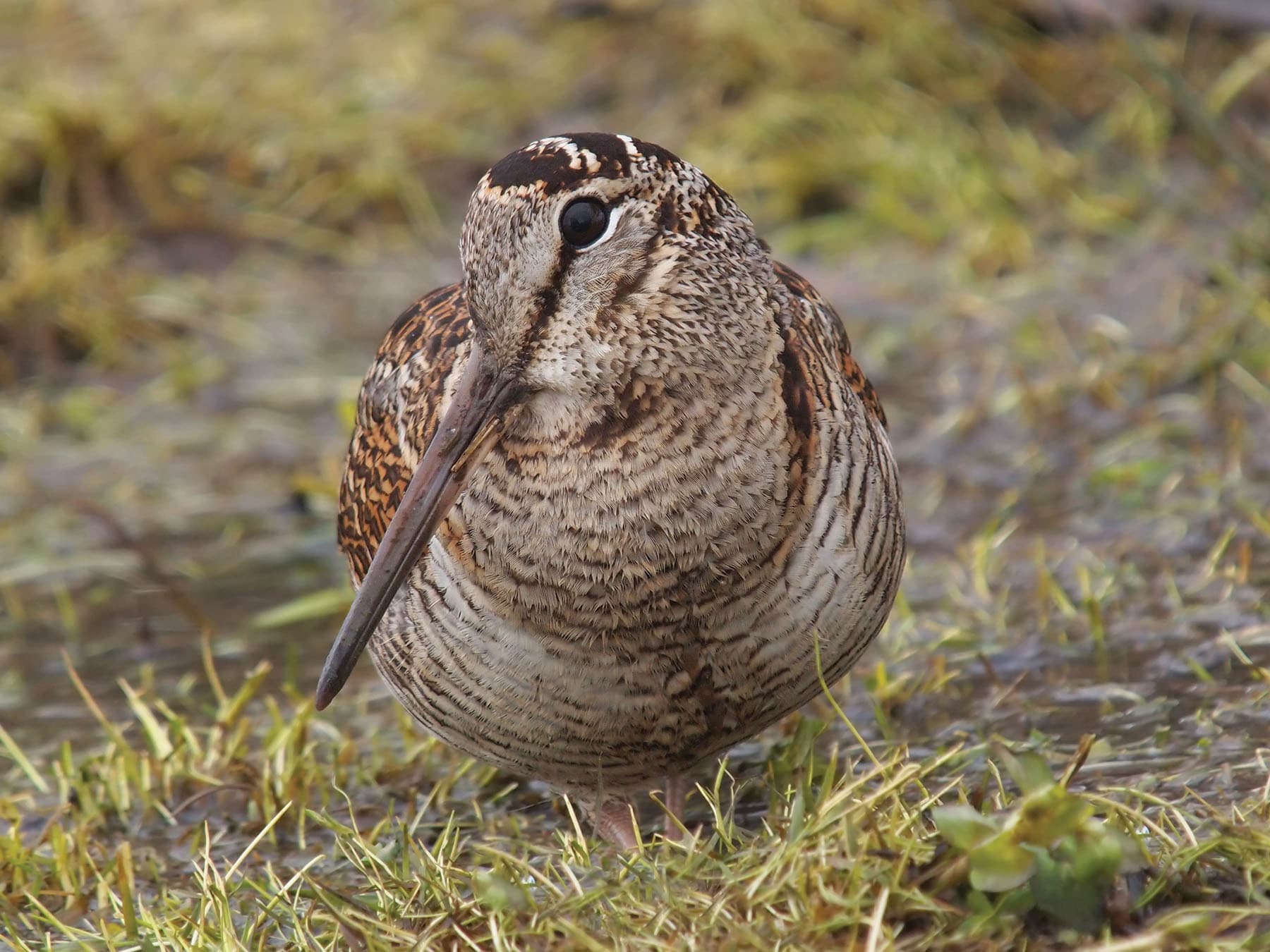
Eurasian Woodcock
Scolopax rusticolaLC
A rare non-breeding visitor to woodland and hedgerows in winter. Secretive and easily overlooked among leaf litter.
Nov–Feb
Spotted something?
Upload a photo to identify it
Identify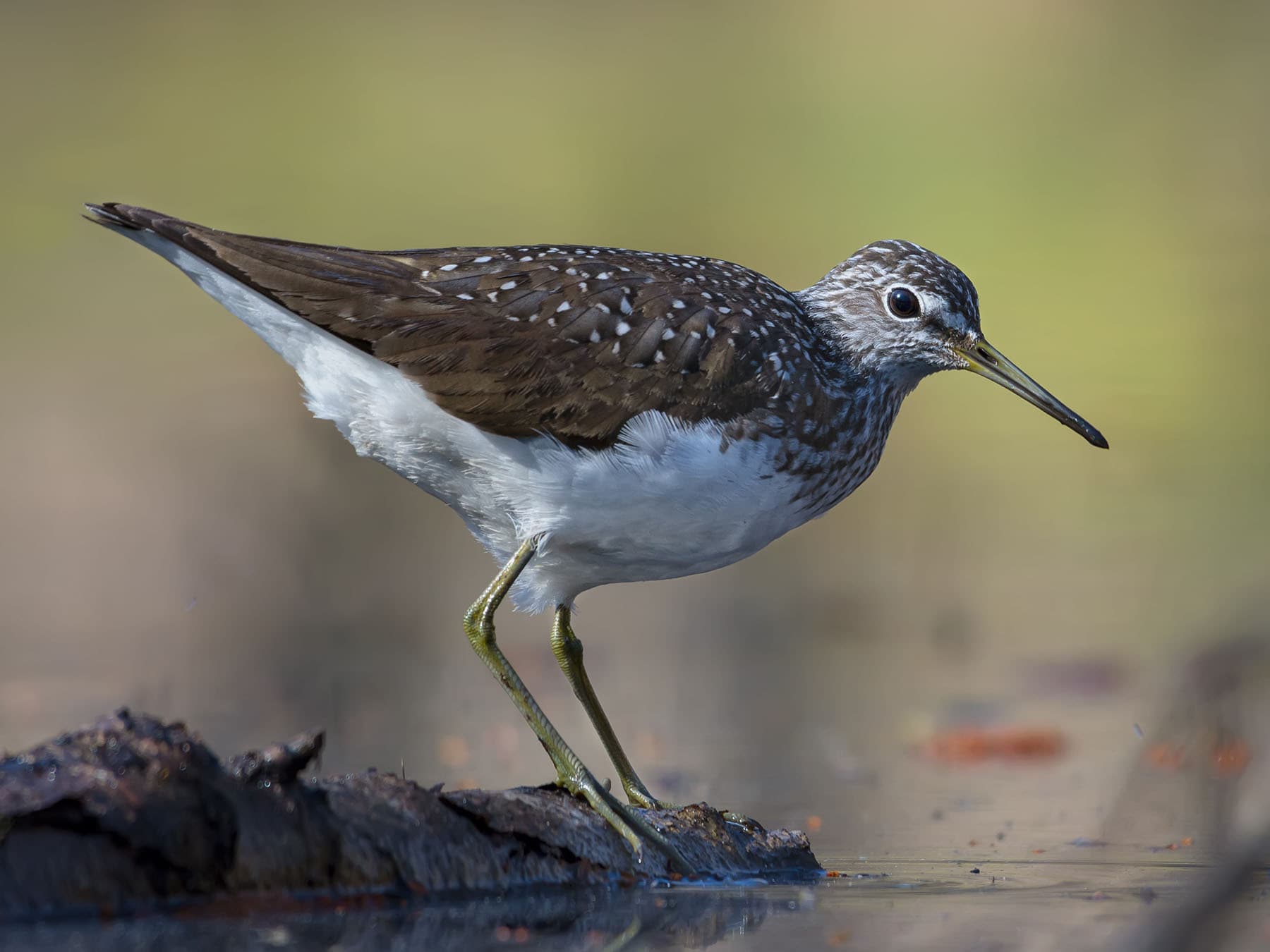
Green Sandpiper
Tringa ochropusLC
An uncommon but regular visitor to muddy reservoir edges and watercress beds, present most months except late spring.
Jul–Apr
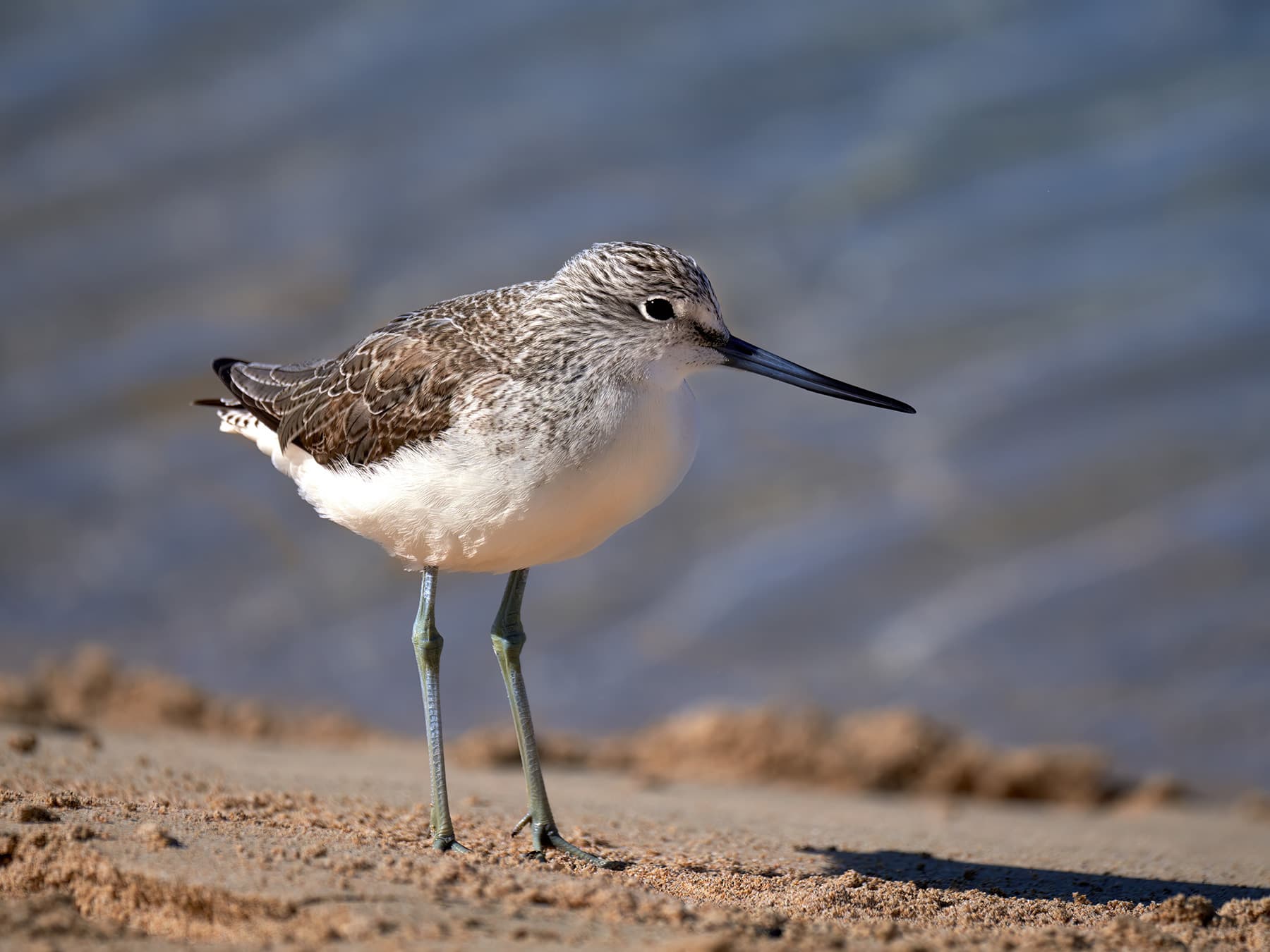
Greenshank
Tringa nebulariaLC
An uncommon visitor mainly on passage, favouring reservoir margins and gravel pits from late spring through autumn.
Apr–Oct
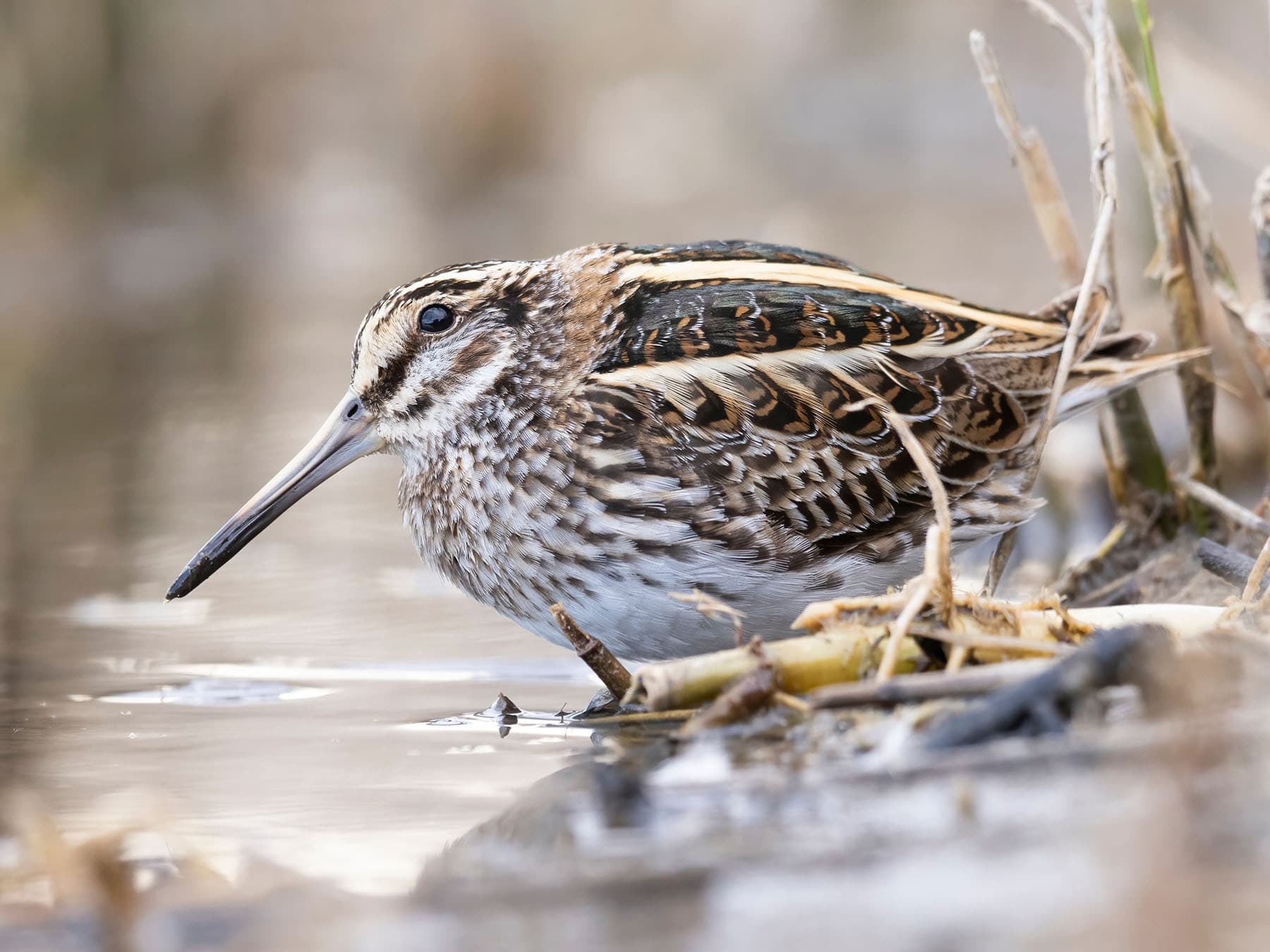
Jack Snipe
Lymnocryptes minimusLC
A secretive winter visitor to marshy areas and wet meadows, easily overlooked as it skulks in dense vegetation from October to March.
Oct–Mar
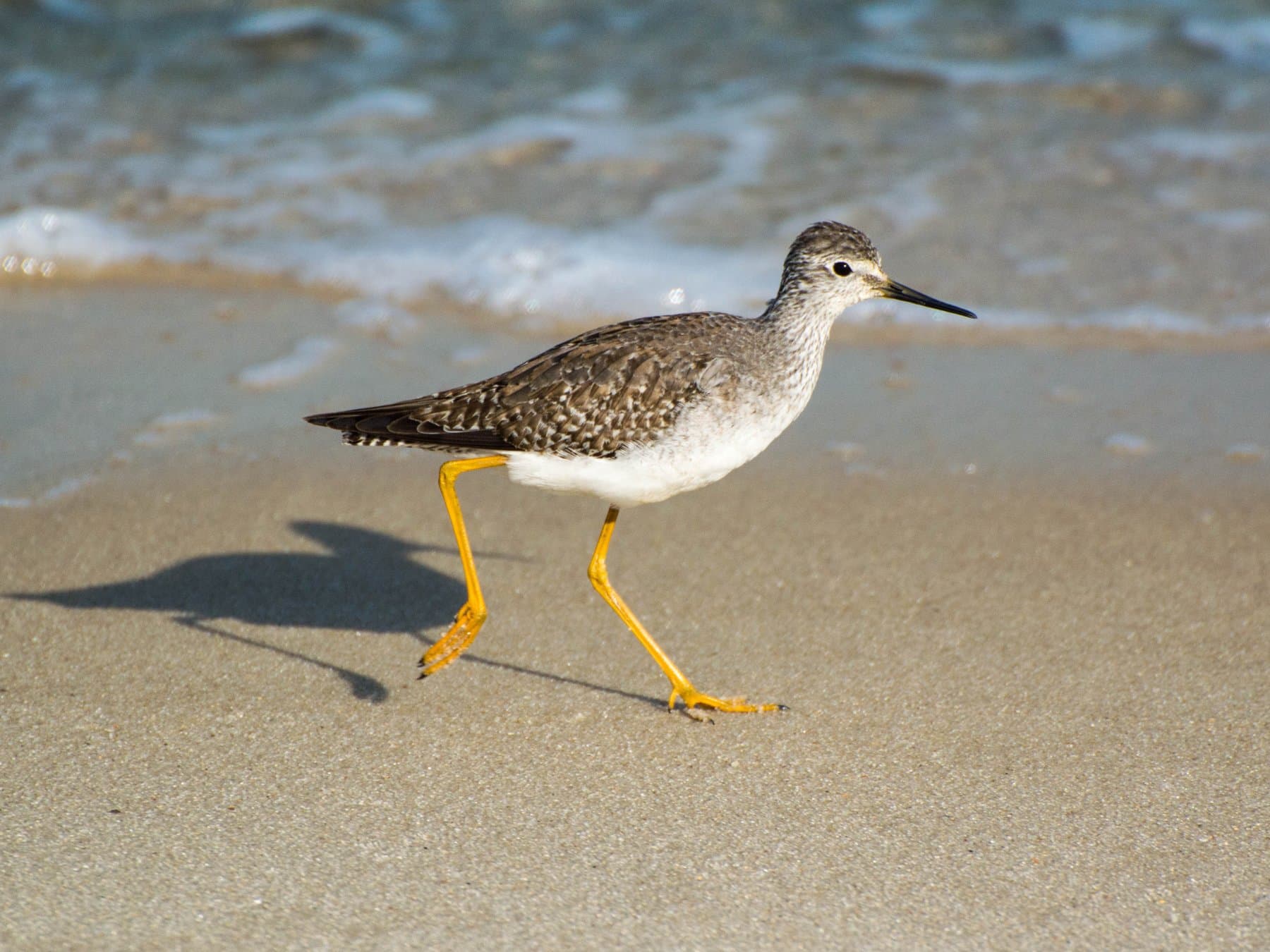
Lesser Yellowlegs
Tringa flavipesVU
A rare Nearctic wader occasionally turning up at reservoir margins and gravel pits on autumn passage, typically in August.
Aug
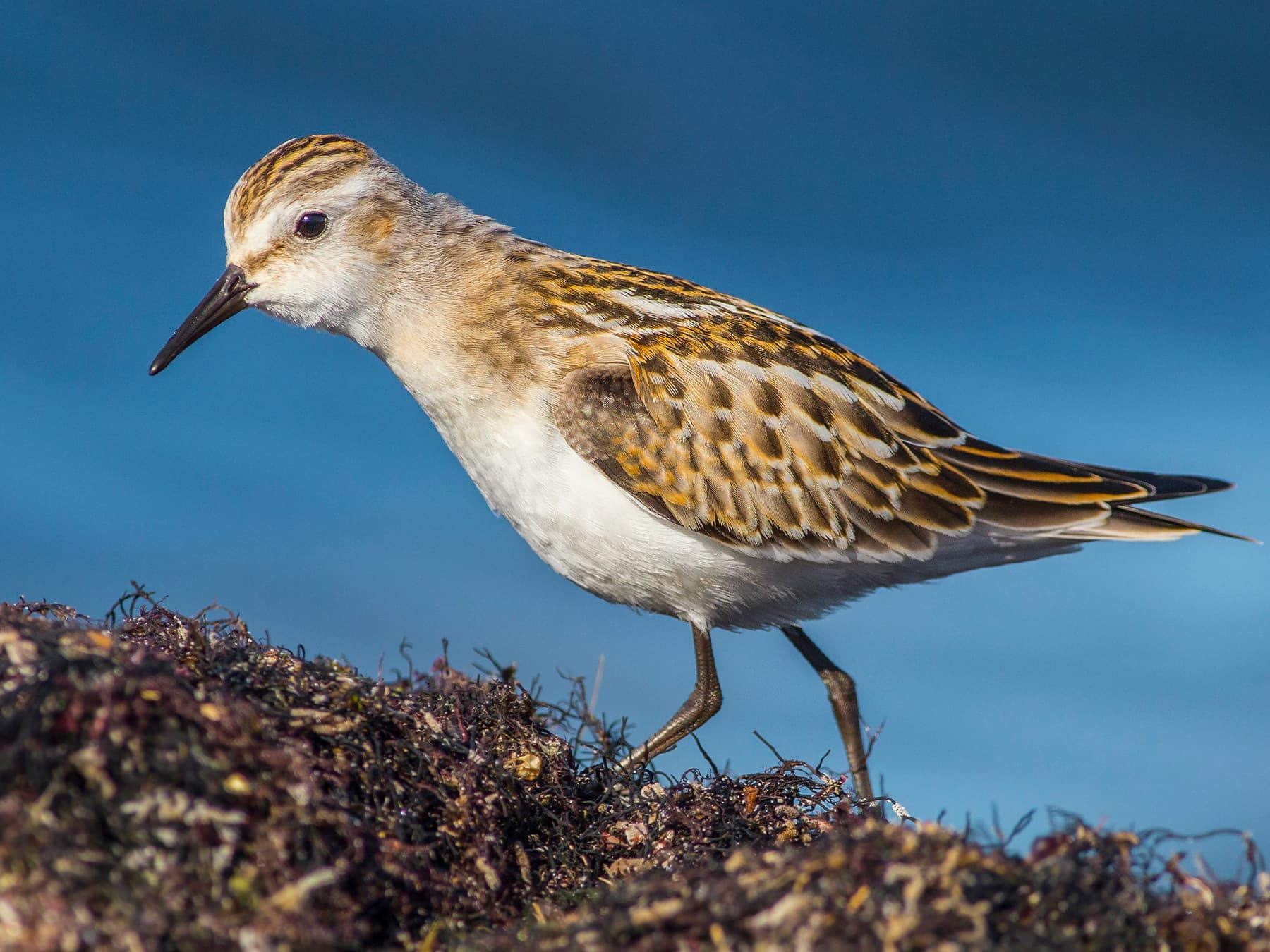
Little Stint
Calidris minutaLC
A rare autumn passage wader, occasionally appearing at reservoir mudflats in September on its southward migration from Arctic breeding grounds.
Sep
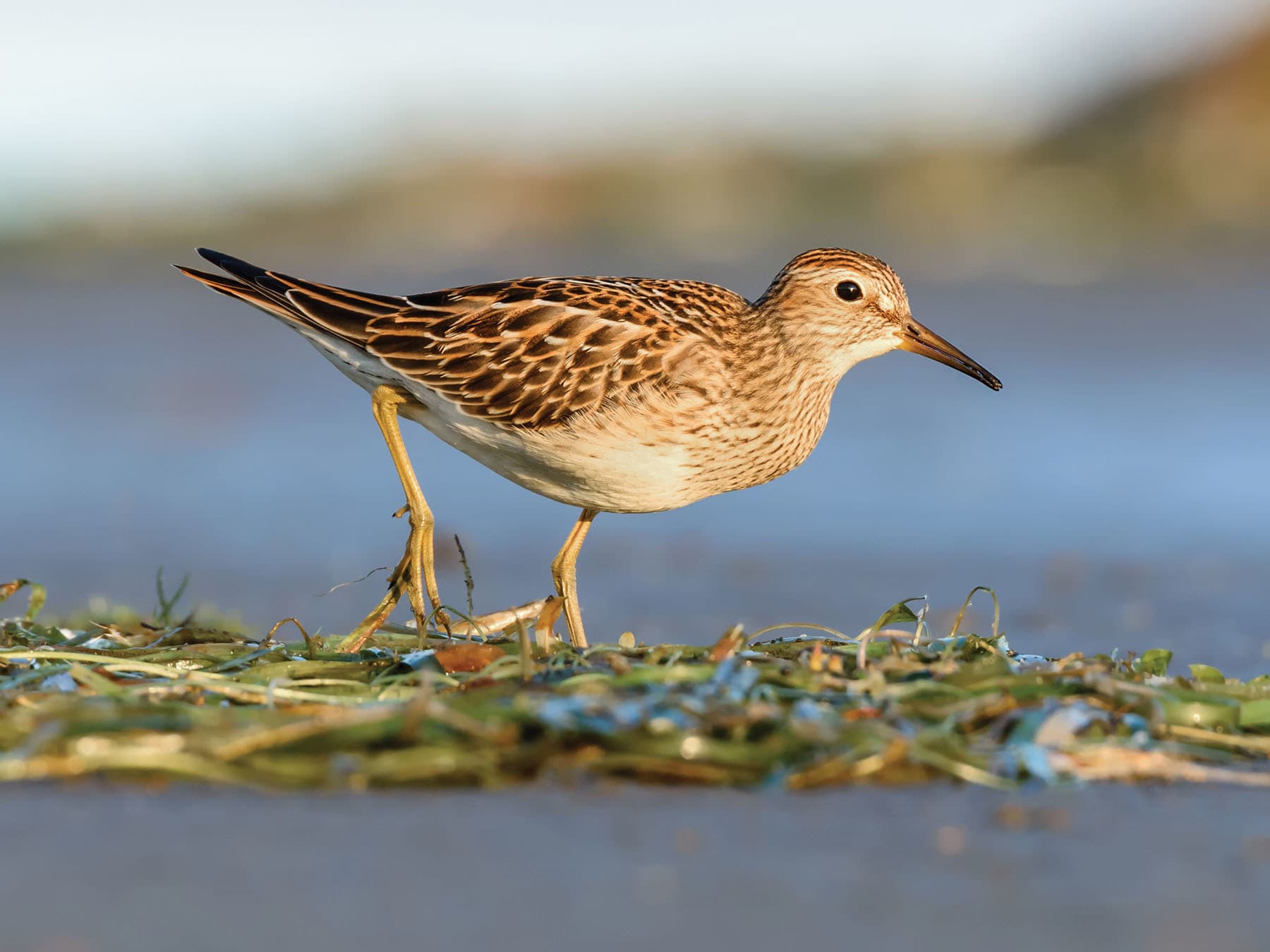
Pectoral Sandpiper
Calidris melanotosLC
A rare autumn passage vagrant from the Americas, occasionally found on muddy reservoir edges from August to October.
Aug–Oct
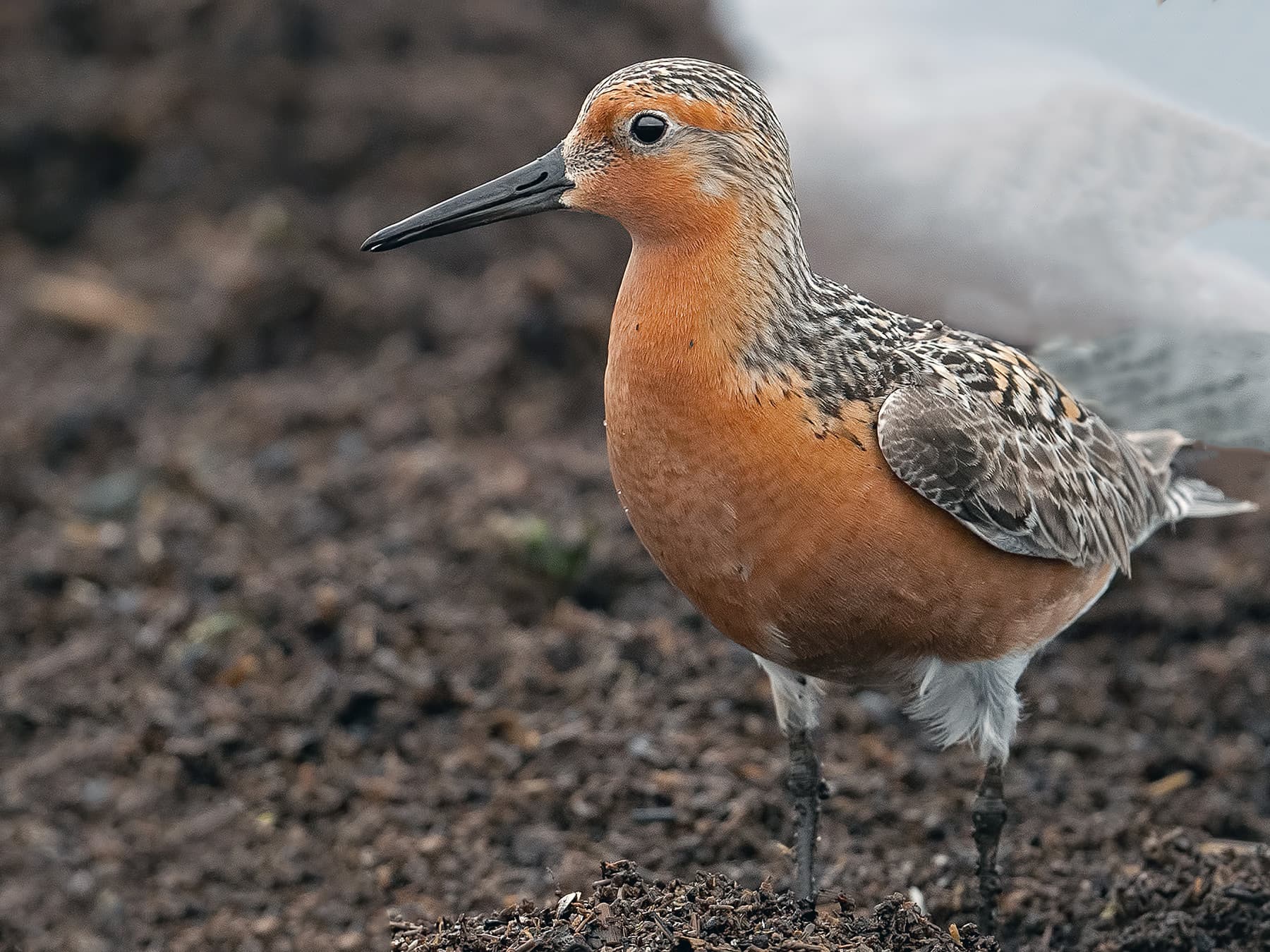
Red Knot
Calidris canutusNT
A rare spring passage visitor, occasionally stopping at reservoir margins and gravel pits in May during northward migration.
May
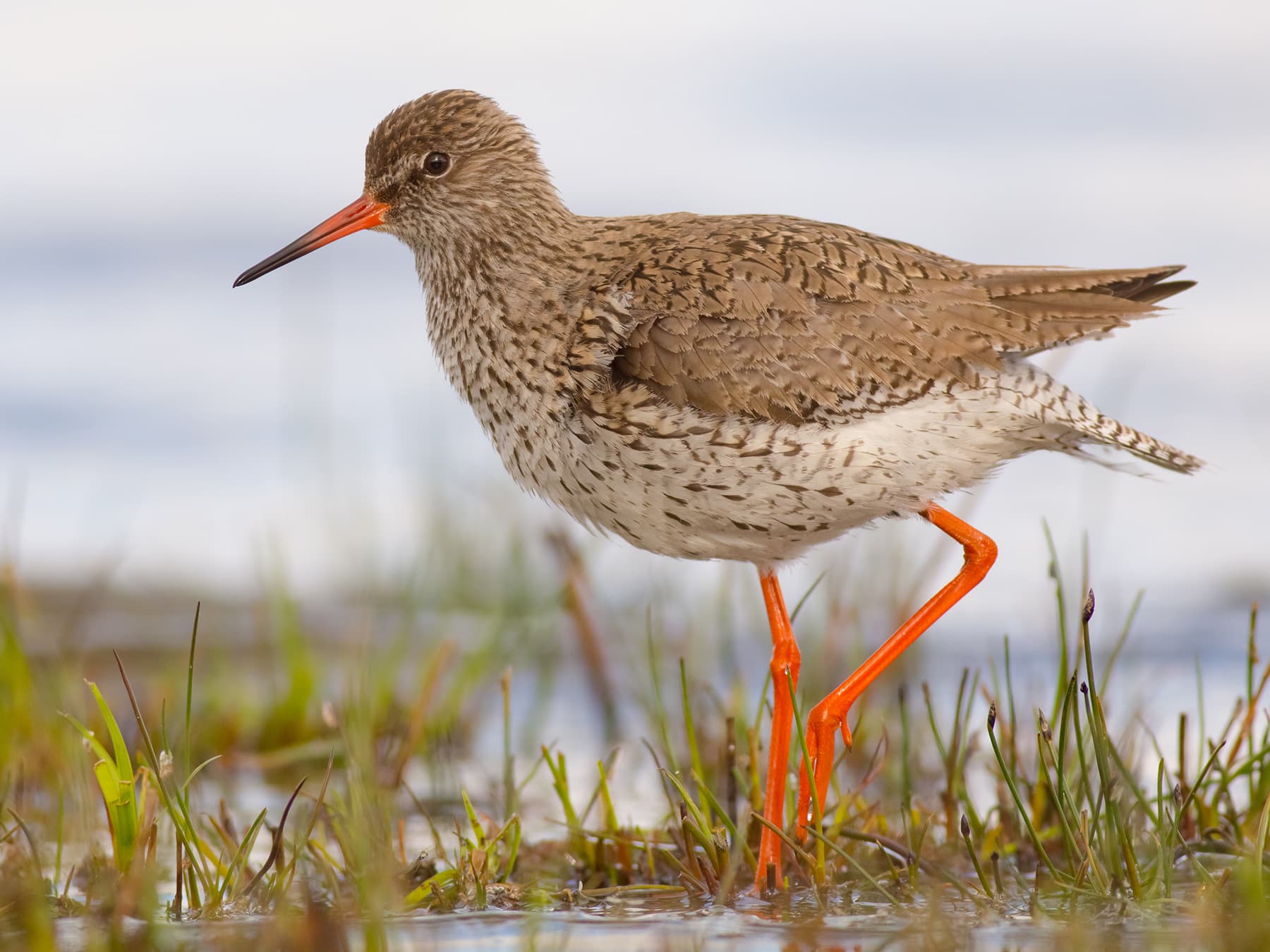
Redshank
Tringa totanusLC
An uncommon year-round resident breeding on wet grassland. Numbers bolstered in winter by birds from further north.
Year-round
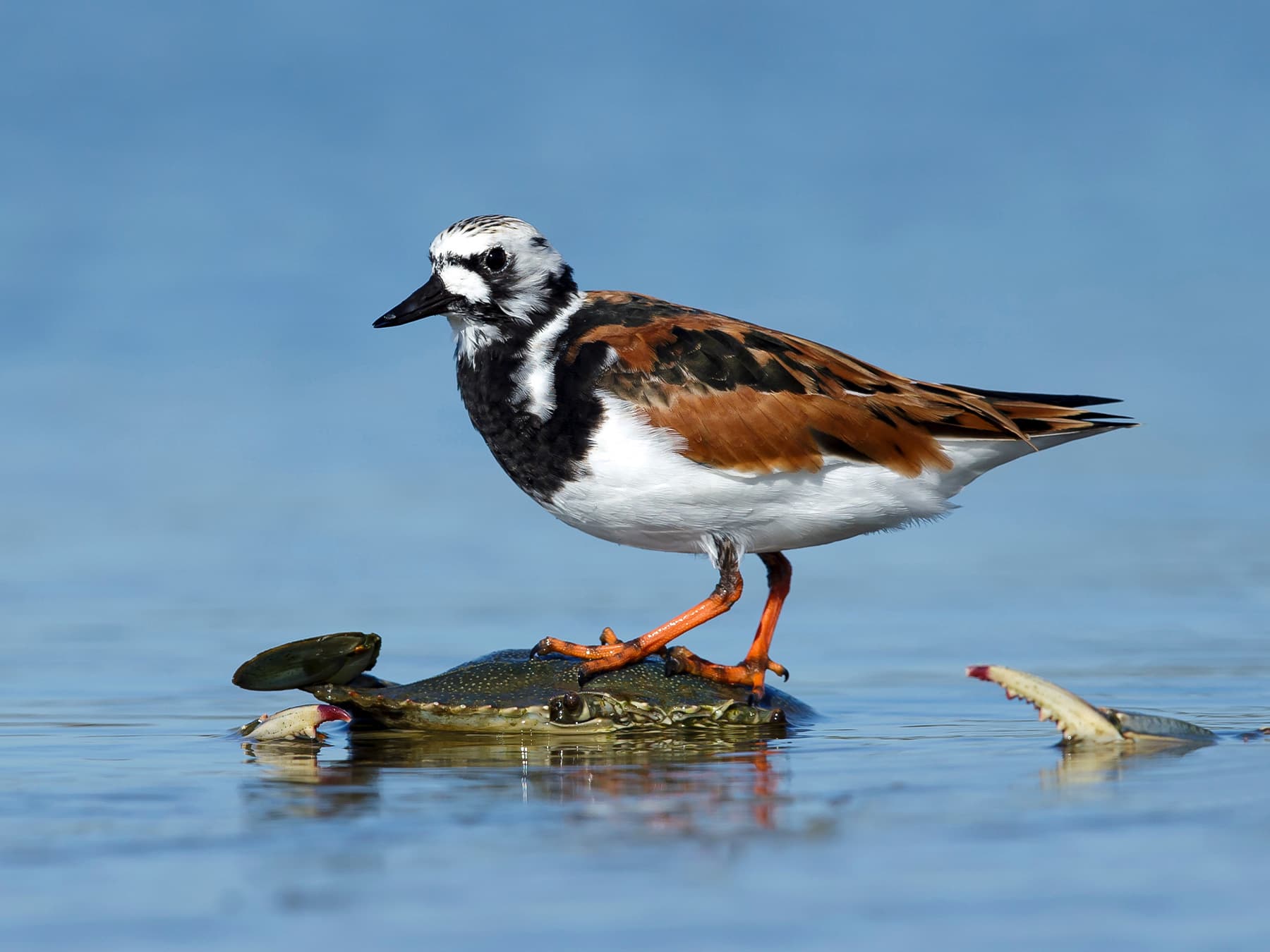
Ruddy Turnstone
Arenaria interpresLC
A rare passage visitor to reservoir edges in May and August, far from its usual coastal haunts.
May–Aug
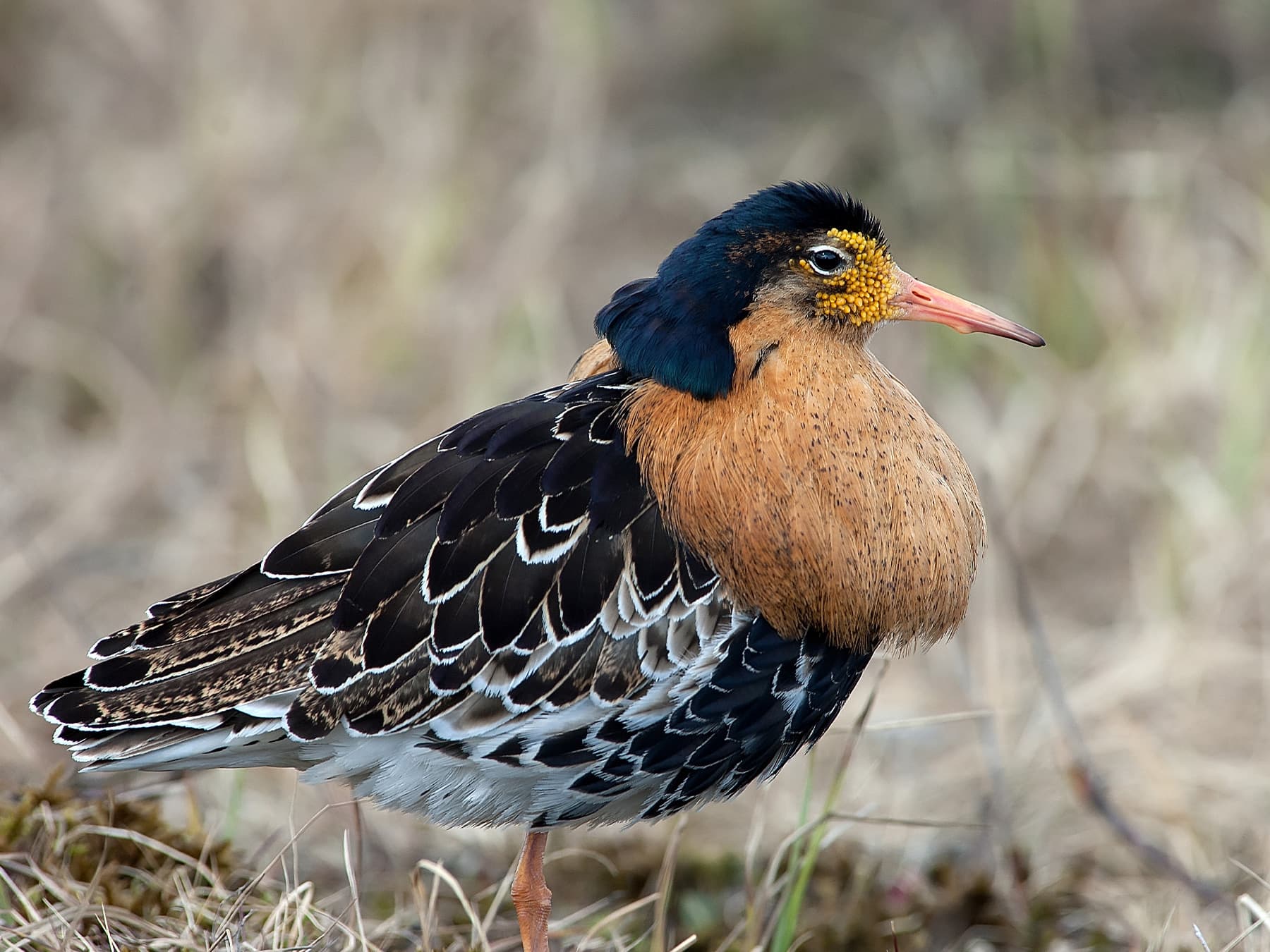
Ruff
Philomachus pugnaxLC
A rare visitor to shallow wetland margins, occurring mainly on spring and autumn passage at the county's reservoirs.
Mar–Dec
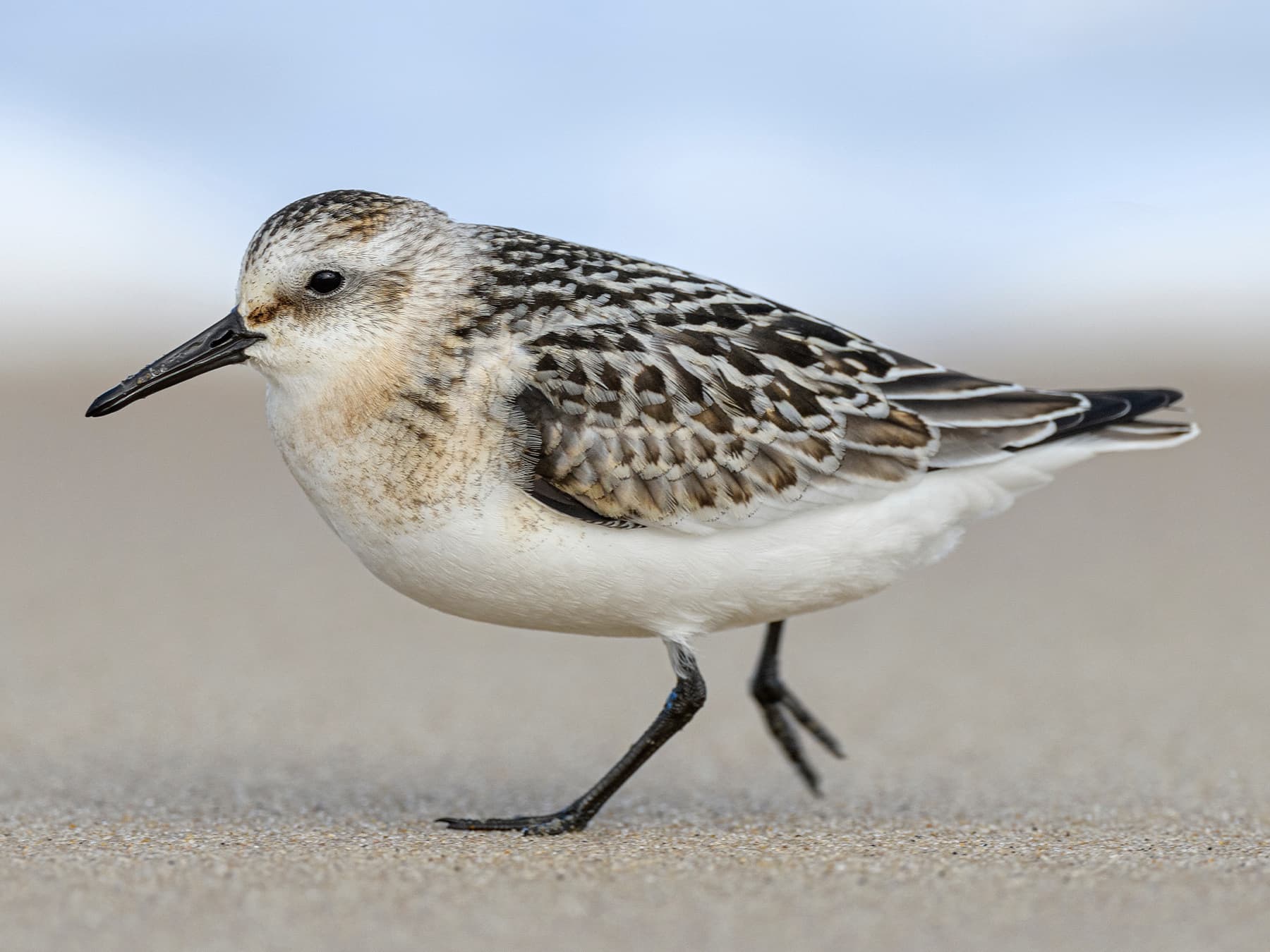
Sanderling
Calidris albaLC
Rarely recorded inland, this coastal wader occasionally stops at gravel pits and reservoirs on spring passage in May and June.
May–Jun
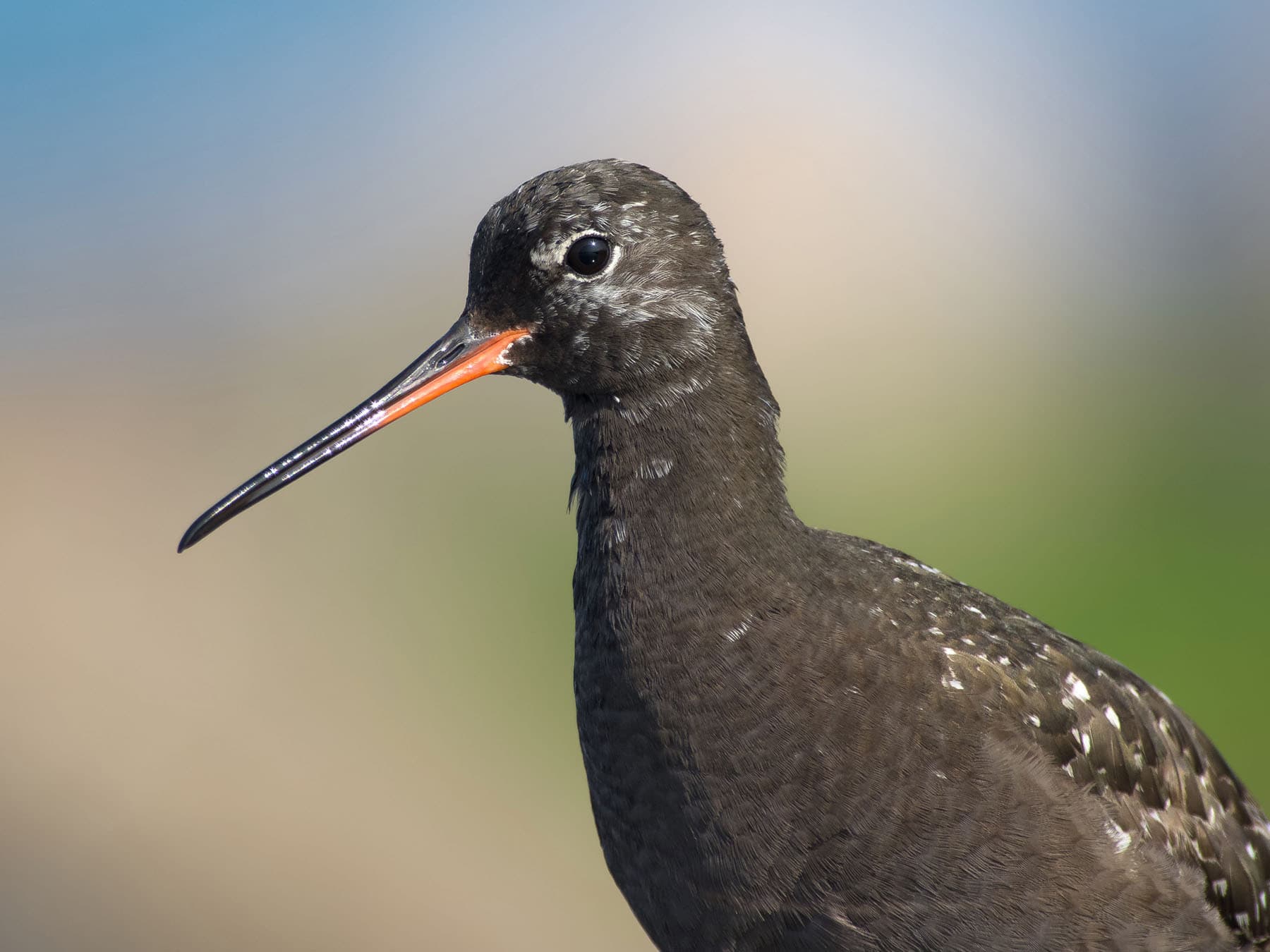
Spotted Redshank
Tringa erythropusLC
A rare autumn passage migrant, occasionally seen at reservoir and gravel pit margins from August to October.
Aug–Oct
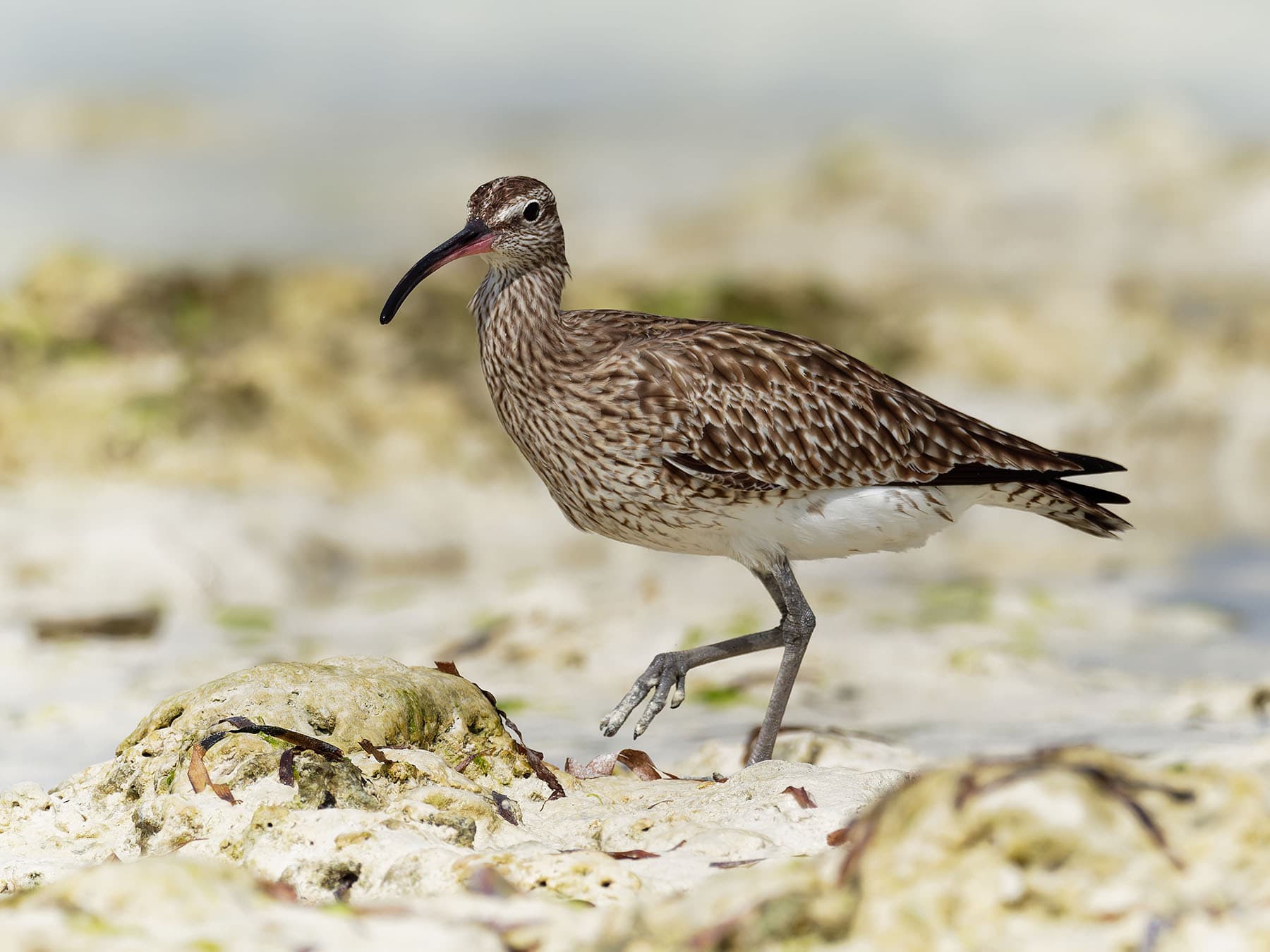
Whimbrel
Numenius phaeopusLC
A rare spring passage migrant, with small numbers passing through in April and May, often detected by their distinctive call.
Apr–May
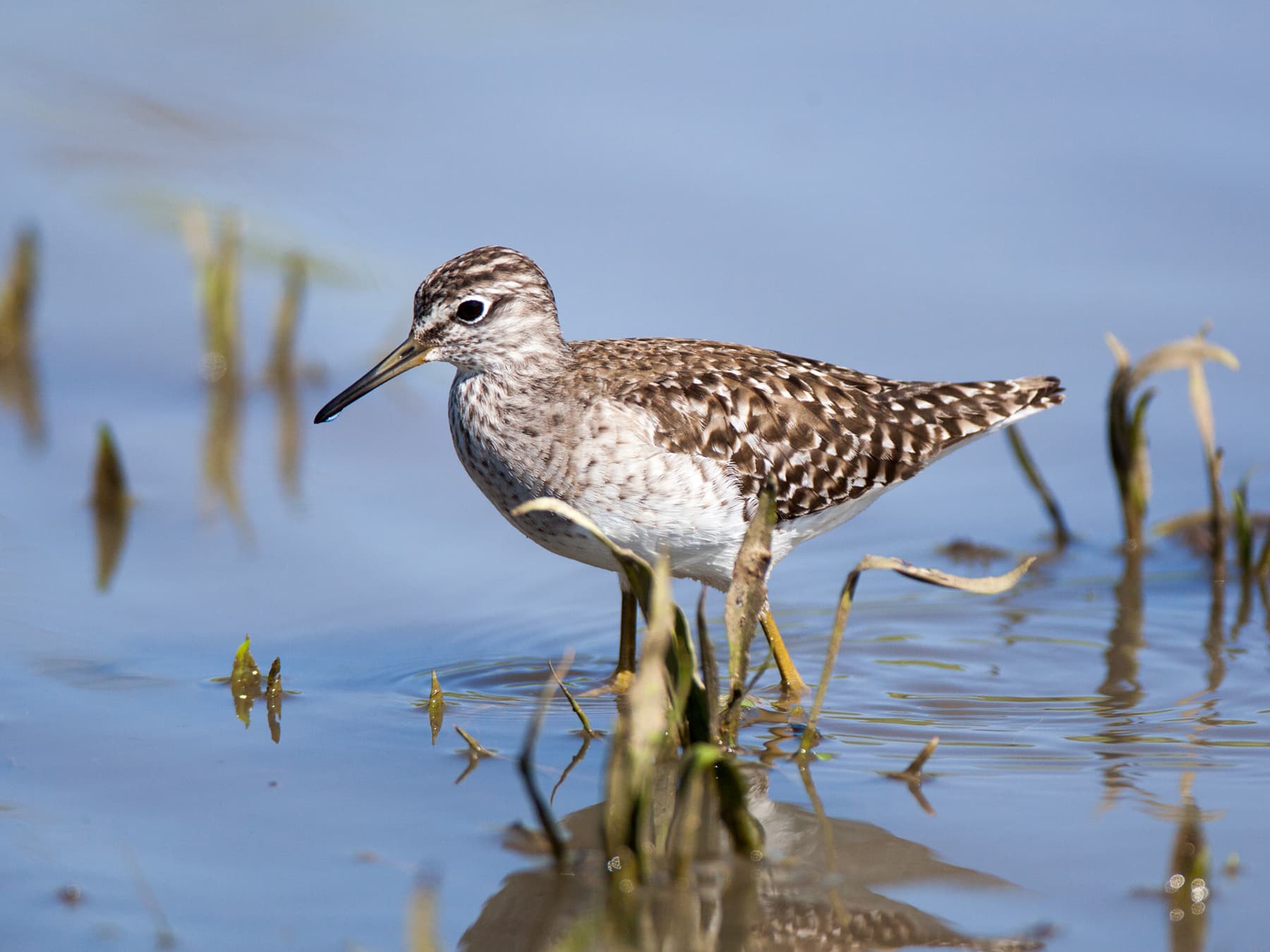
Wood Sandpiper
Tringa glareolaLC
A rare passage wader recorded at freshwater margins in May and again in August–September during return migration.
May–Sep