Birds in Devon
Explore 204 species found in this region.
Devon is one of the most rewarding counties in England for birdwatching, with around 200 species recorded across its diverse landscapes. From the rugged coastlines of Exmoor and the South Devon cliffs to the estuaries of the Exe and Taw, the county supports an impressive range of birdlife including waders such as the Northern Lapwing and Common Sandpiper, wildfowl like the Common Shelduck and Mandarin Duck, and occasional rarities such as the Great Grey Shrike. Whether exploring Dartmoor's upland heaths or the sheltered reedbeds of the Exe Estuary, birders will find something to enjoy in every season.
Visiting in September? Look out for Black Tern and Brent Goose arriving this month, and Common Redpoll and Egyptian Goose depart for the season.


Showing 185–204 of 204 species
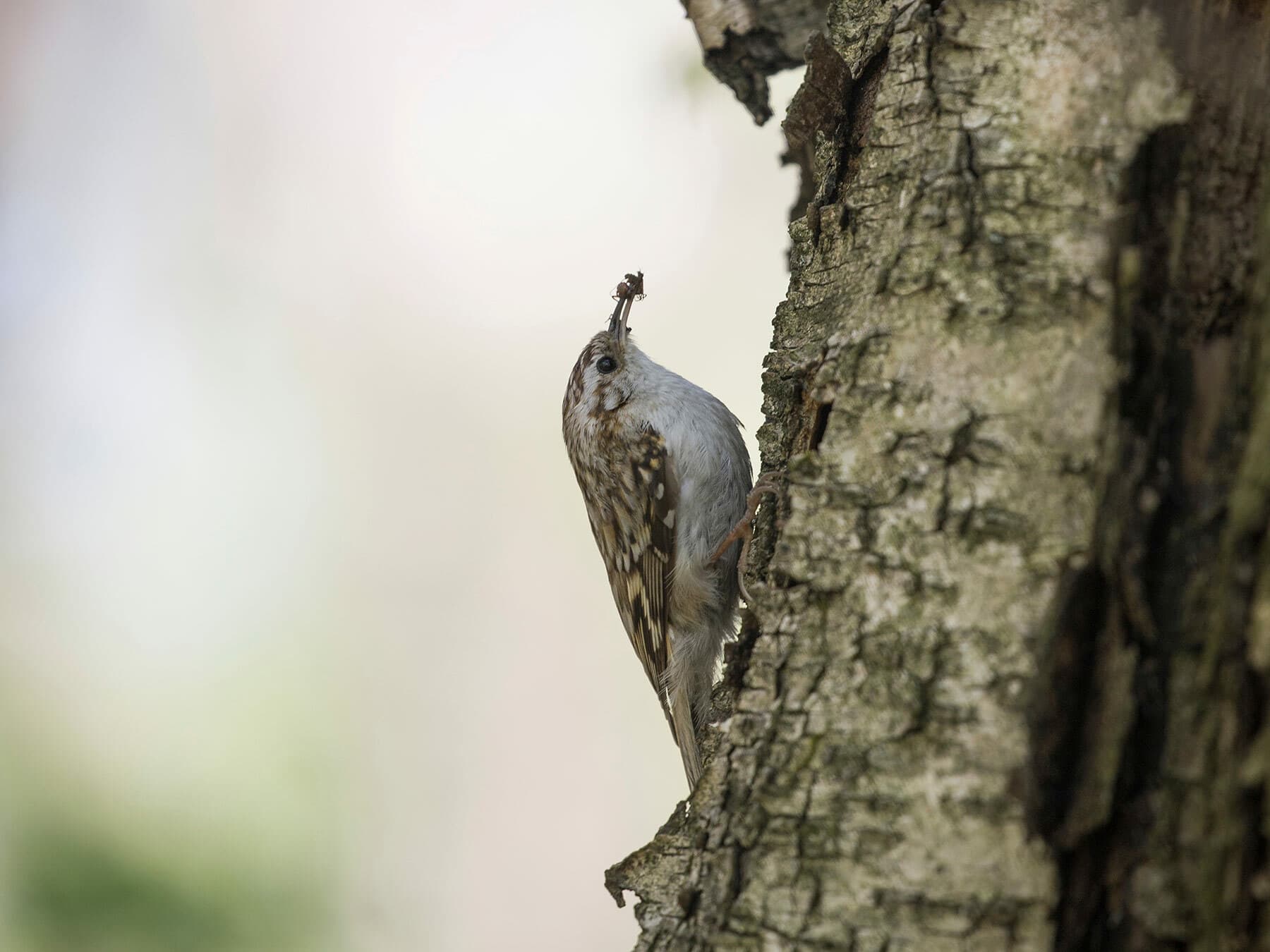
Treecreeper
Certhia familiarisLC
An uncommon but widespread resident, creeping mouse-like up tree trunks in Devon's woodlands and mature gardens throughout the year.
Year-round
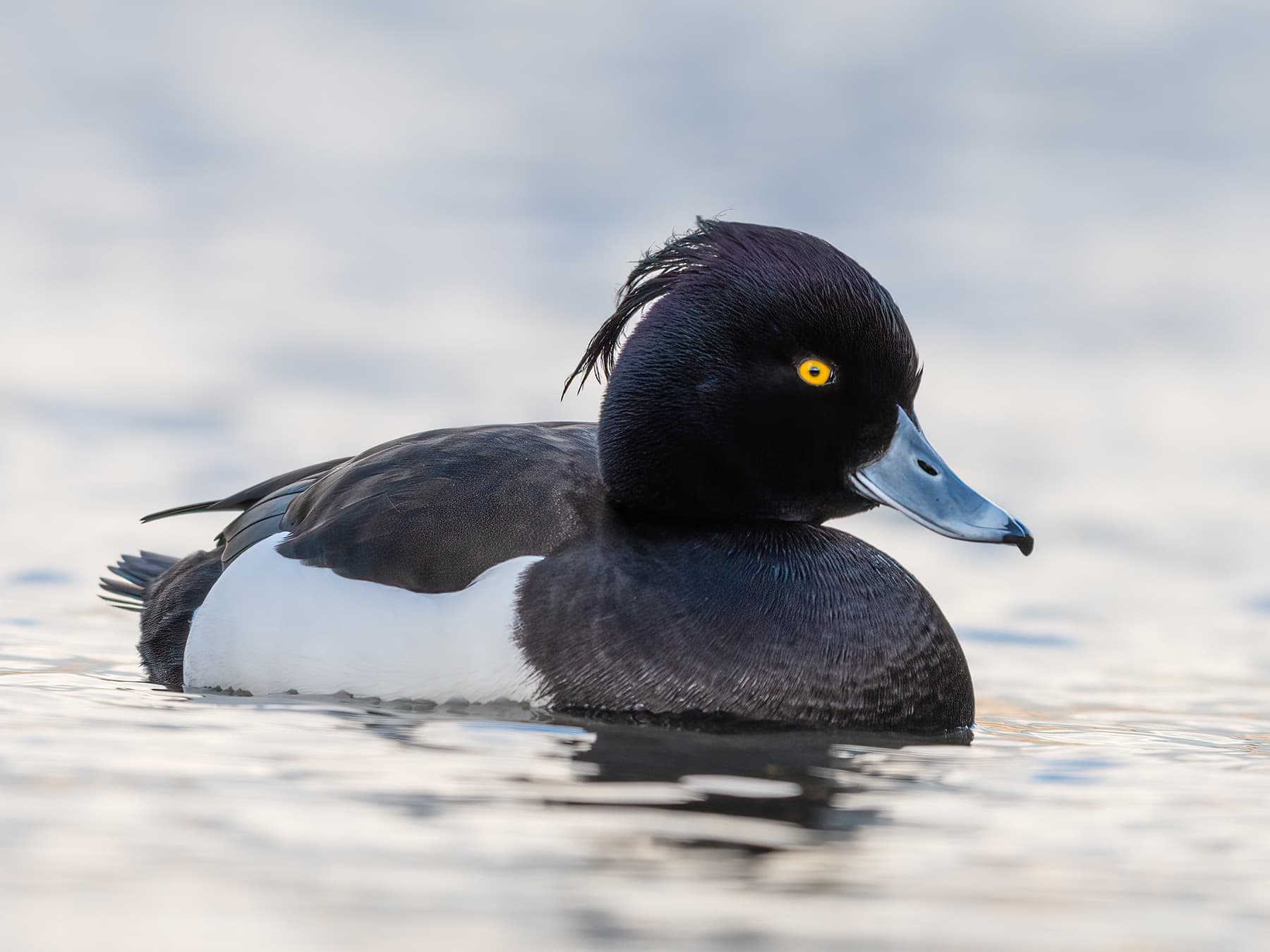
Tufted Duck
Aythya fuligulaLC
An uncommon year-round resident on Devon's lakes and reservoirs. Numbers peak in winter when birds gather on larger water bodies.
Year-round
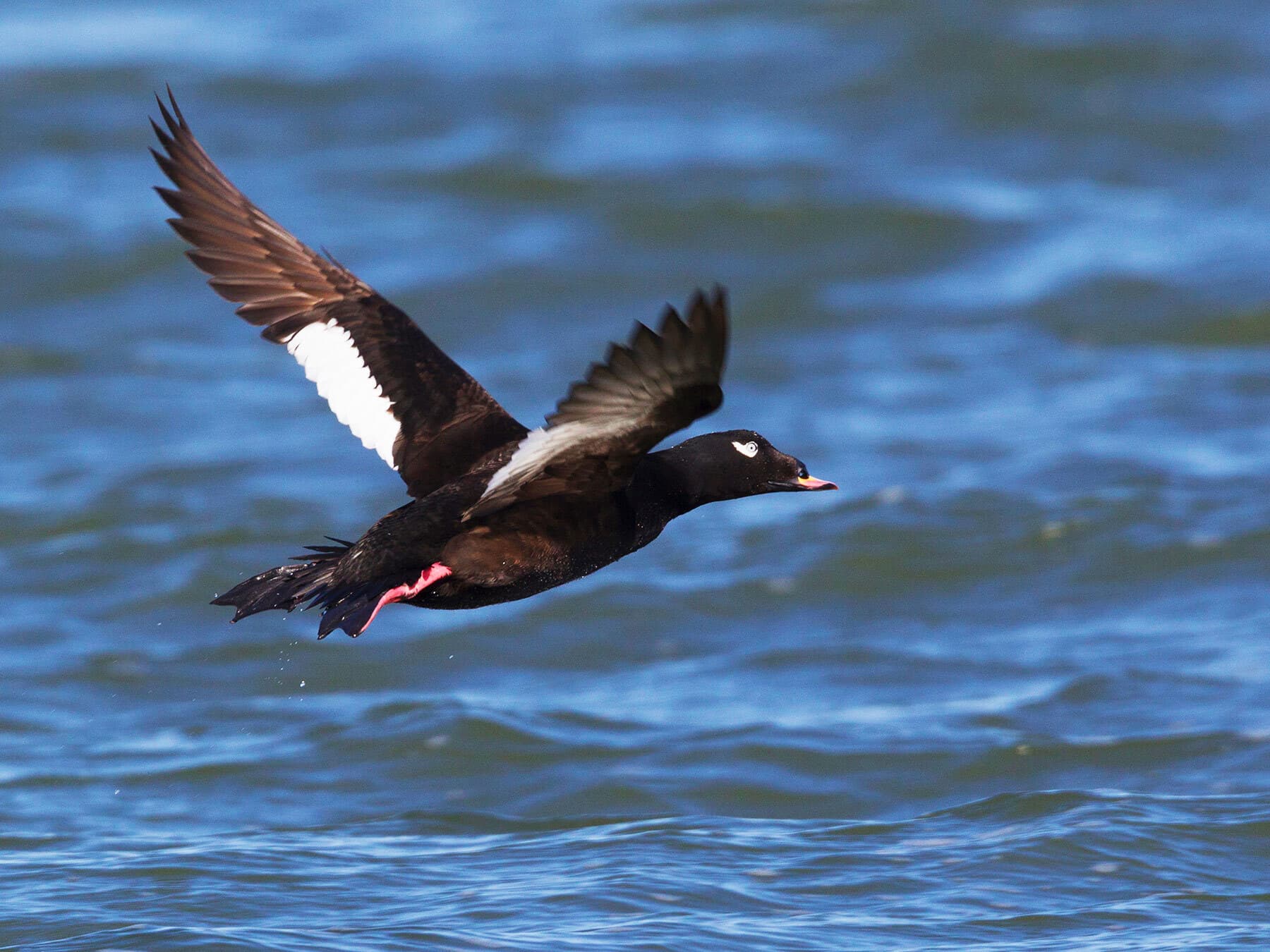
Velvet Scoter
Melanitta fuscaVU
A rare winter visitor to Devon's coastal waters. Usually found singly among Common Scoter flocks offshore.
Nov–Jan
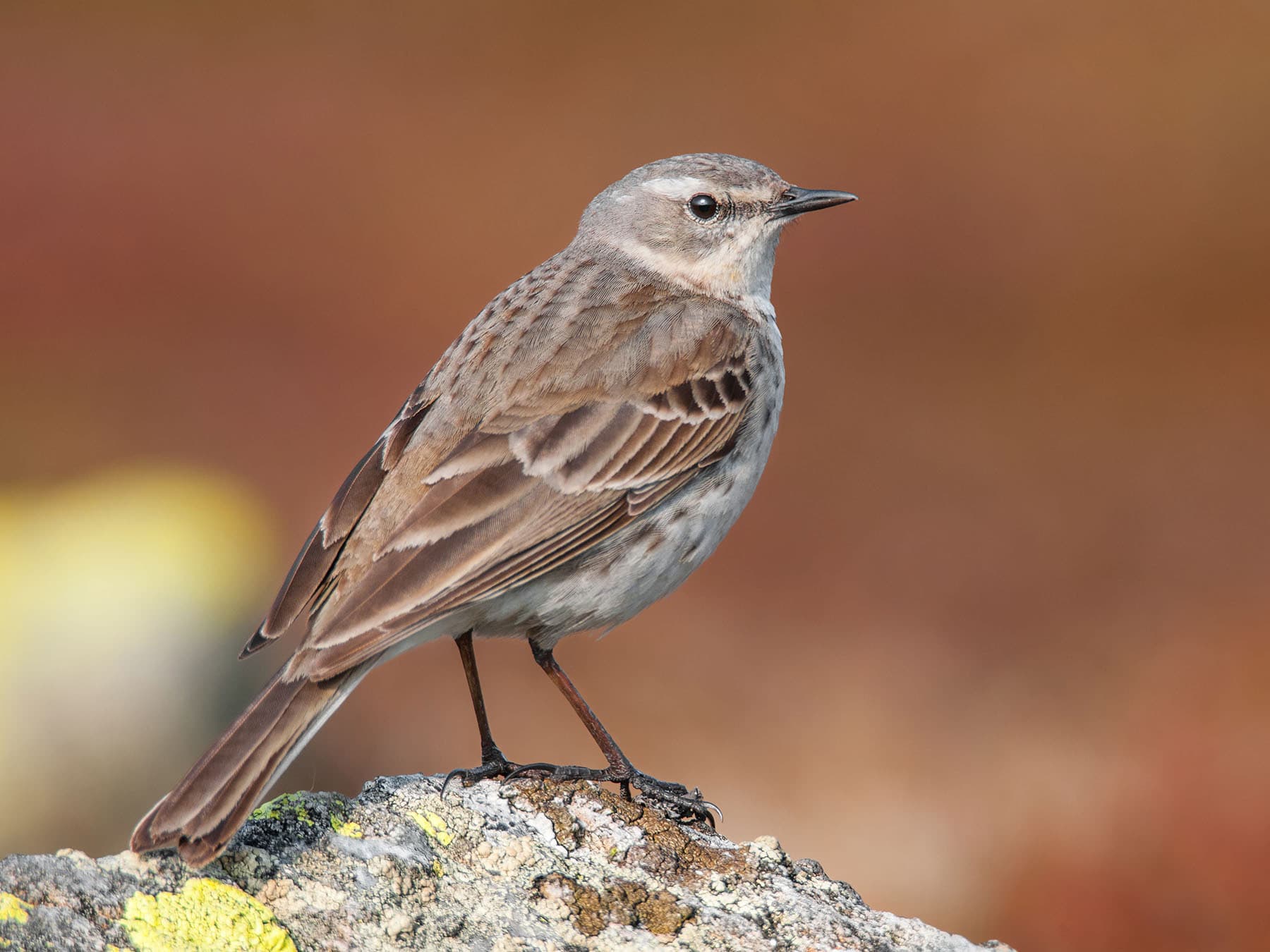
Water Pipit
Anthus spinolettaLC
A rare winter visitor to Devon's watercress beds and marshy stream edges, present from November to March.
Nov–Mar
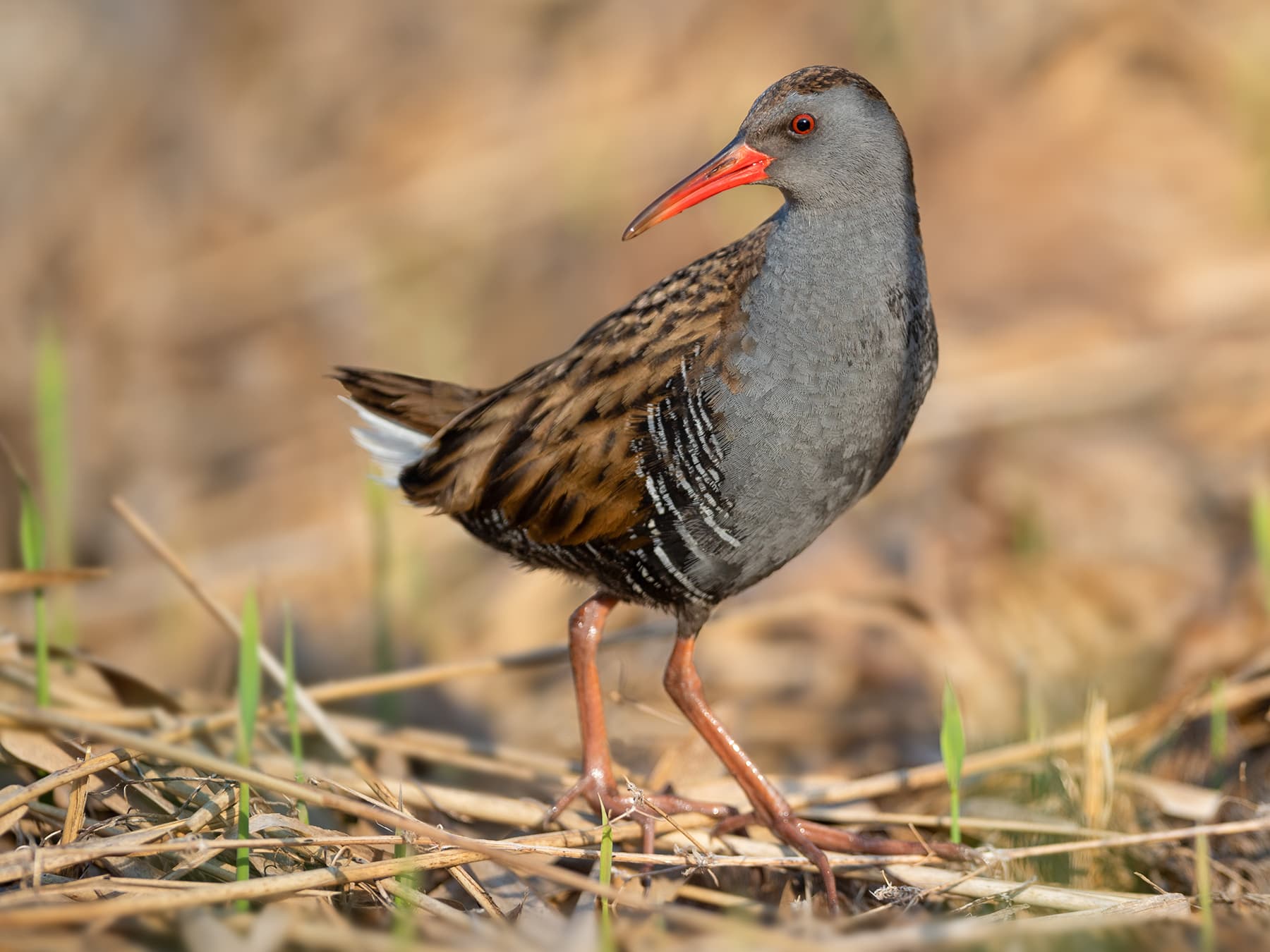
Water Rail
Rallus aquaticusLC
A secretive bird of Devon's reedbeds and marshes, more often heard than seen. Most frequently detected in winter months.
Aug–Apr
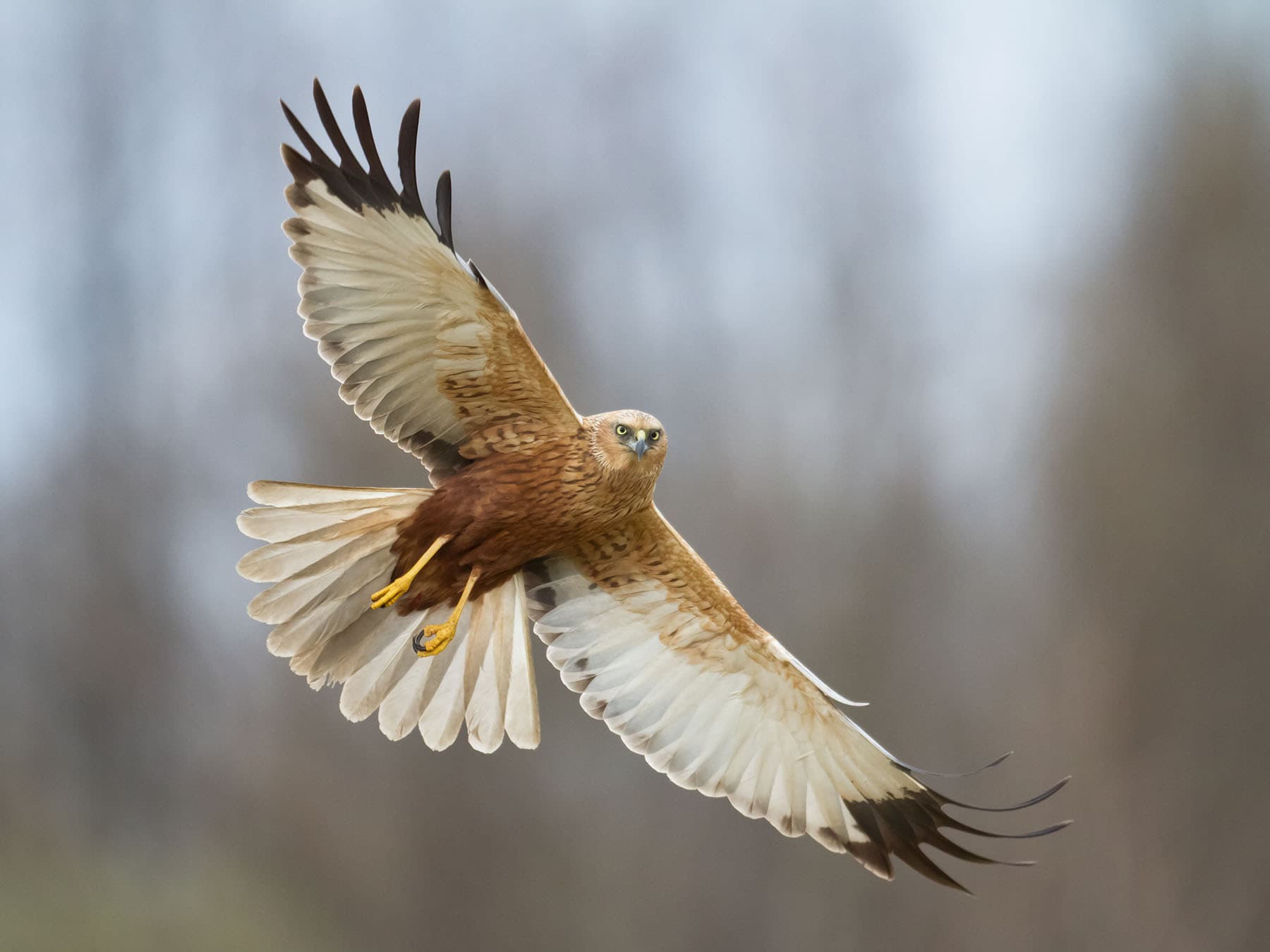
Western Marsh-harrier
Circus aeruginosusLC
A rare but increasingly seen resident, quartering reedbeds and marshes on Devon's estuaries and wetland reserves.
Jul–May
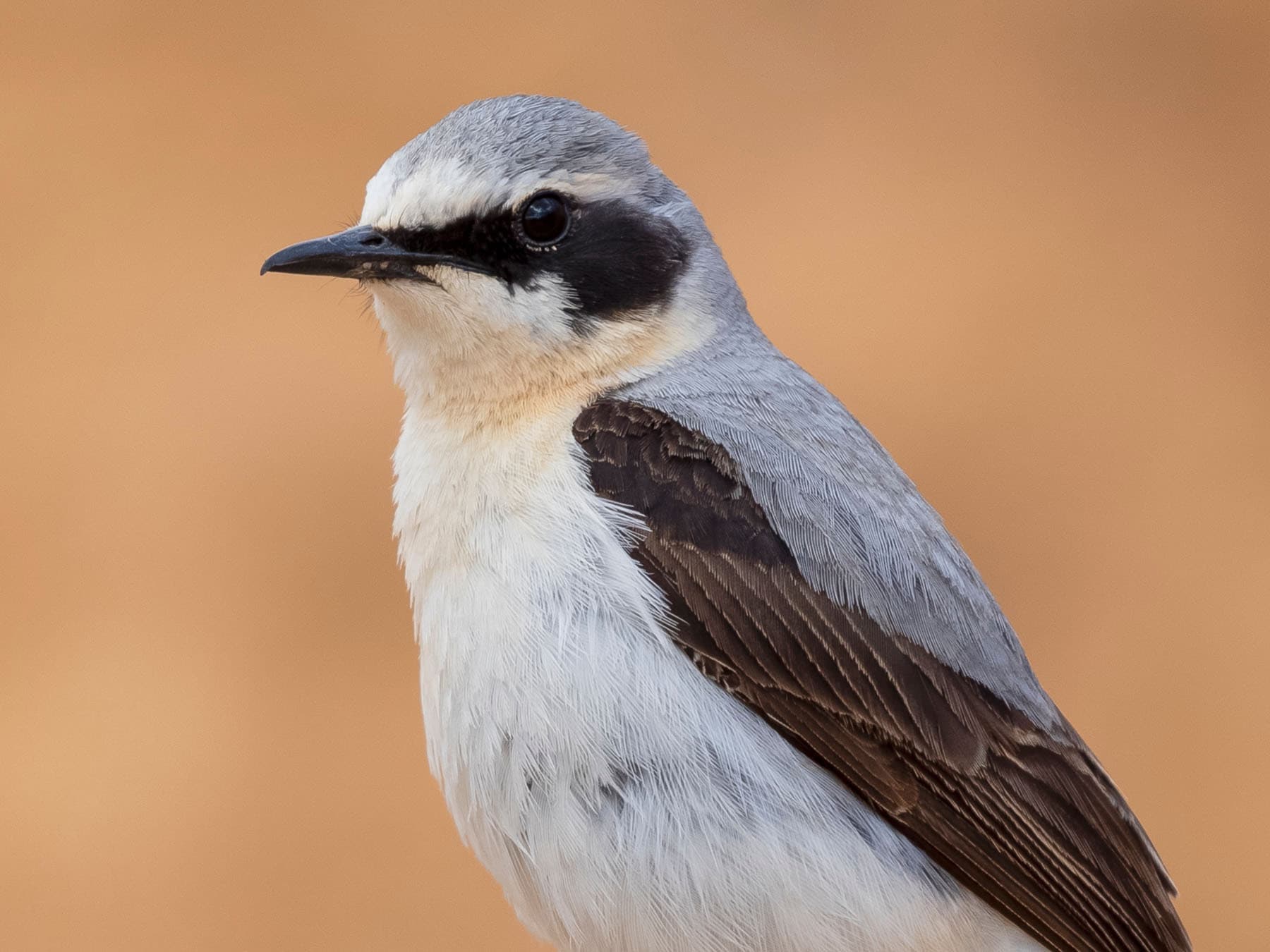
Wheatear
Oenanthe oenantheLC
An uncommon summer breeder on Dartmoor's open moorland and stone walls, also seen on coastal headlands during spring passage.
Mar–Oct
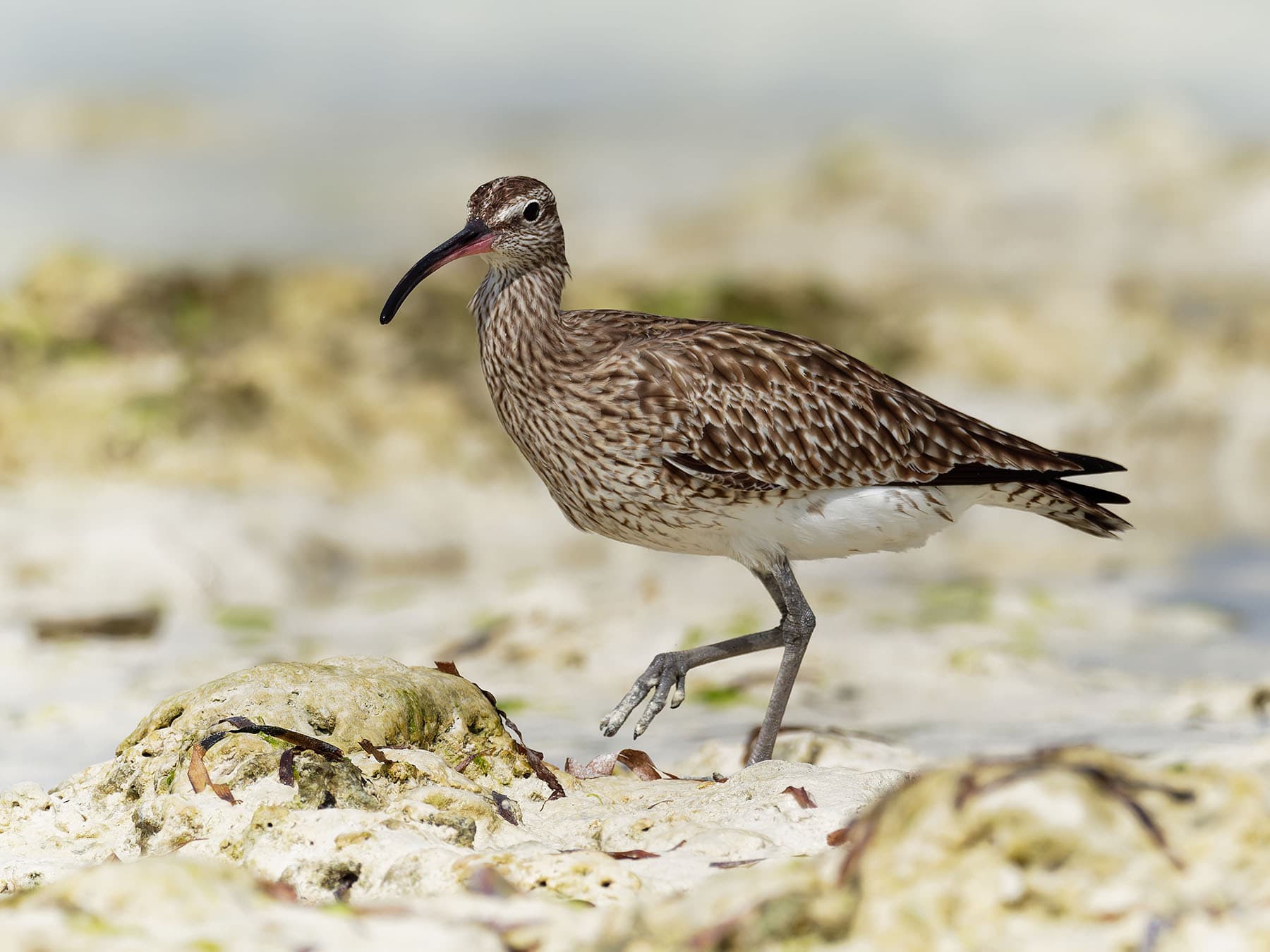
Whimbrel
Numenius phaeopusLC
Passes through Devon's estuaries and coasts mainly in spring and autumn. Its distinctive seven-note whistle aids identification.
Apr–Oct
Spotted something?
Upload a photo to identify it
Identify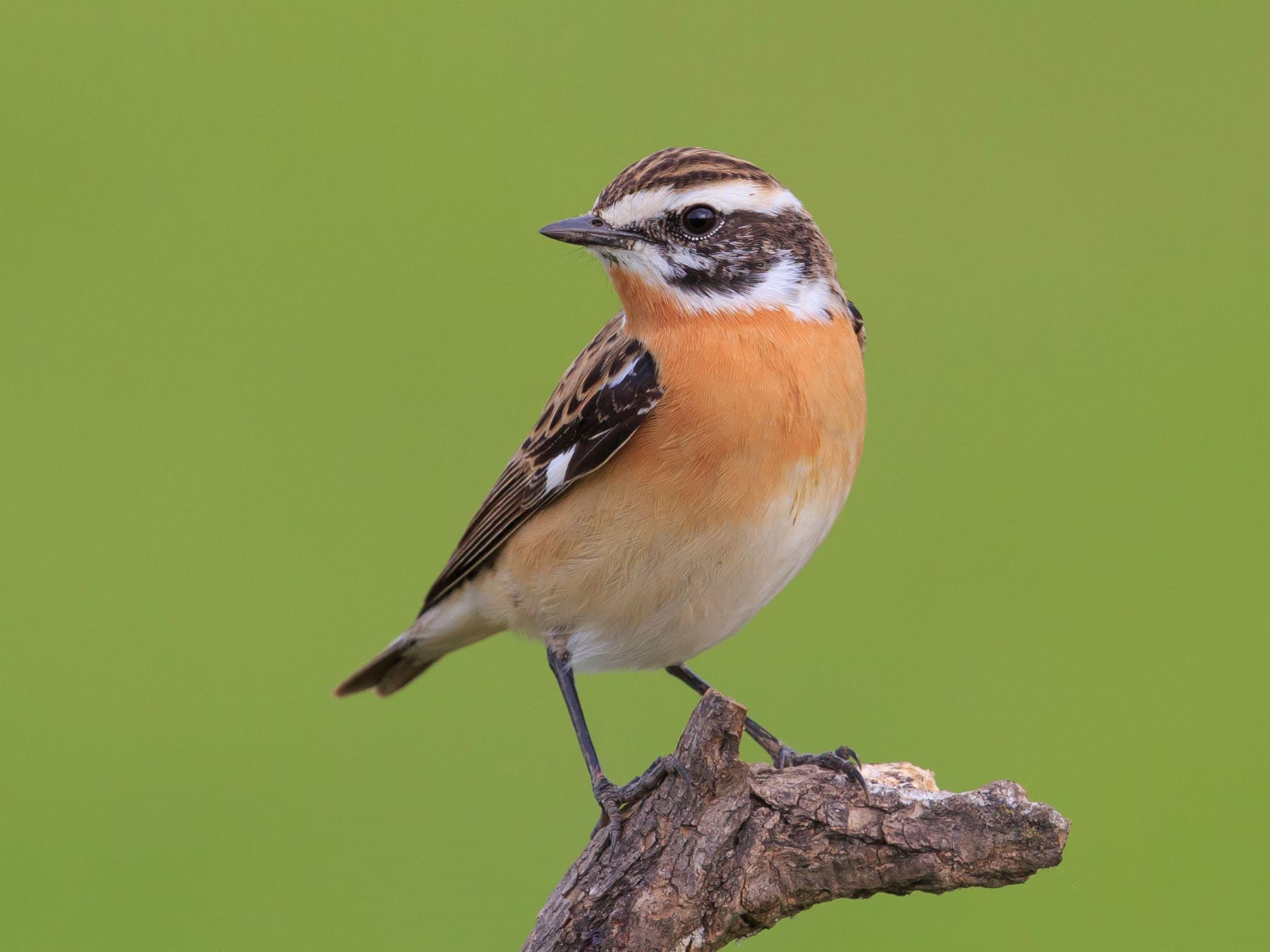
Whinchat
Saxicola rubetraLC
A rare and declining summer breeder on rough moorland margins, most likely encountered on Dartmoor's bracken-covered slopes.
Apr–Sep
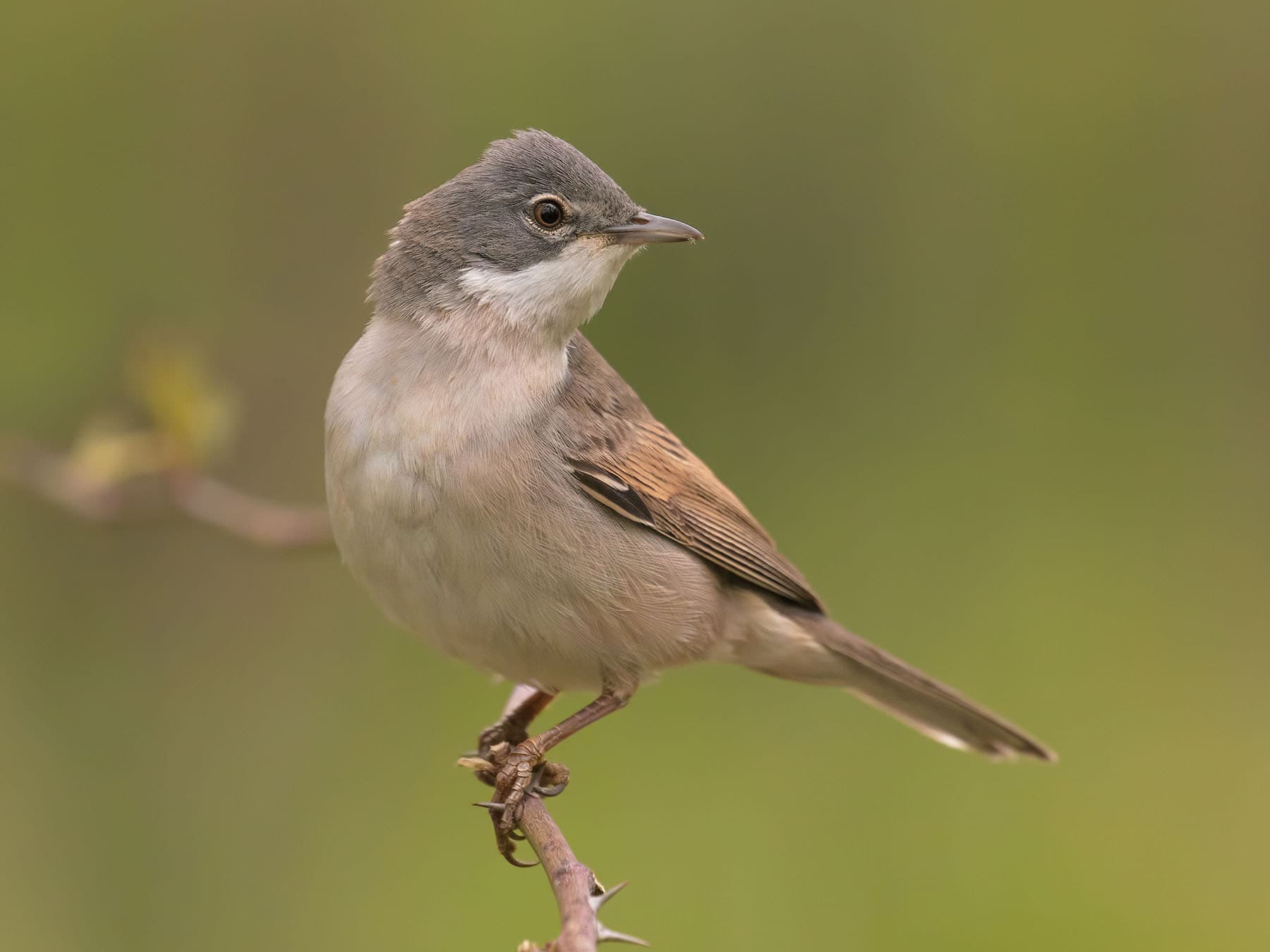
Whitethroat
Curruca communisLC
An uncommon summer visitor breeding in hedgerows, scrub and bramble patches. Its scratchy song is heard across Devon from April to September.
Apr–Sep
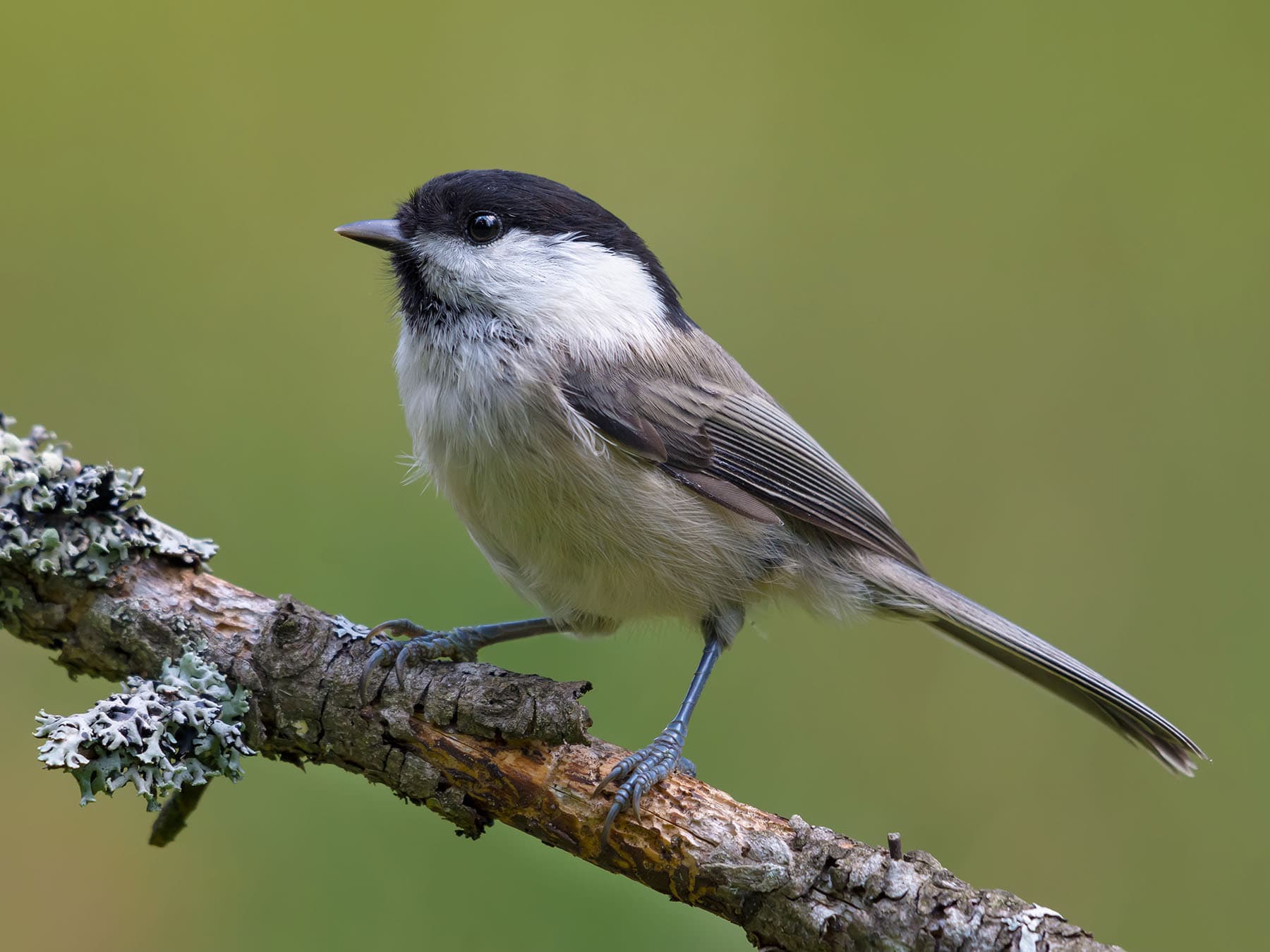
Willow Tit
Poecile montanusLC
A rare passage visitor in late winter, on the very edge of its declining UK range. Devon lies well south of its remaining strongholds.
Feb–Mar
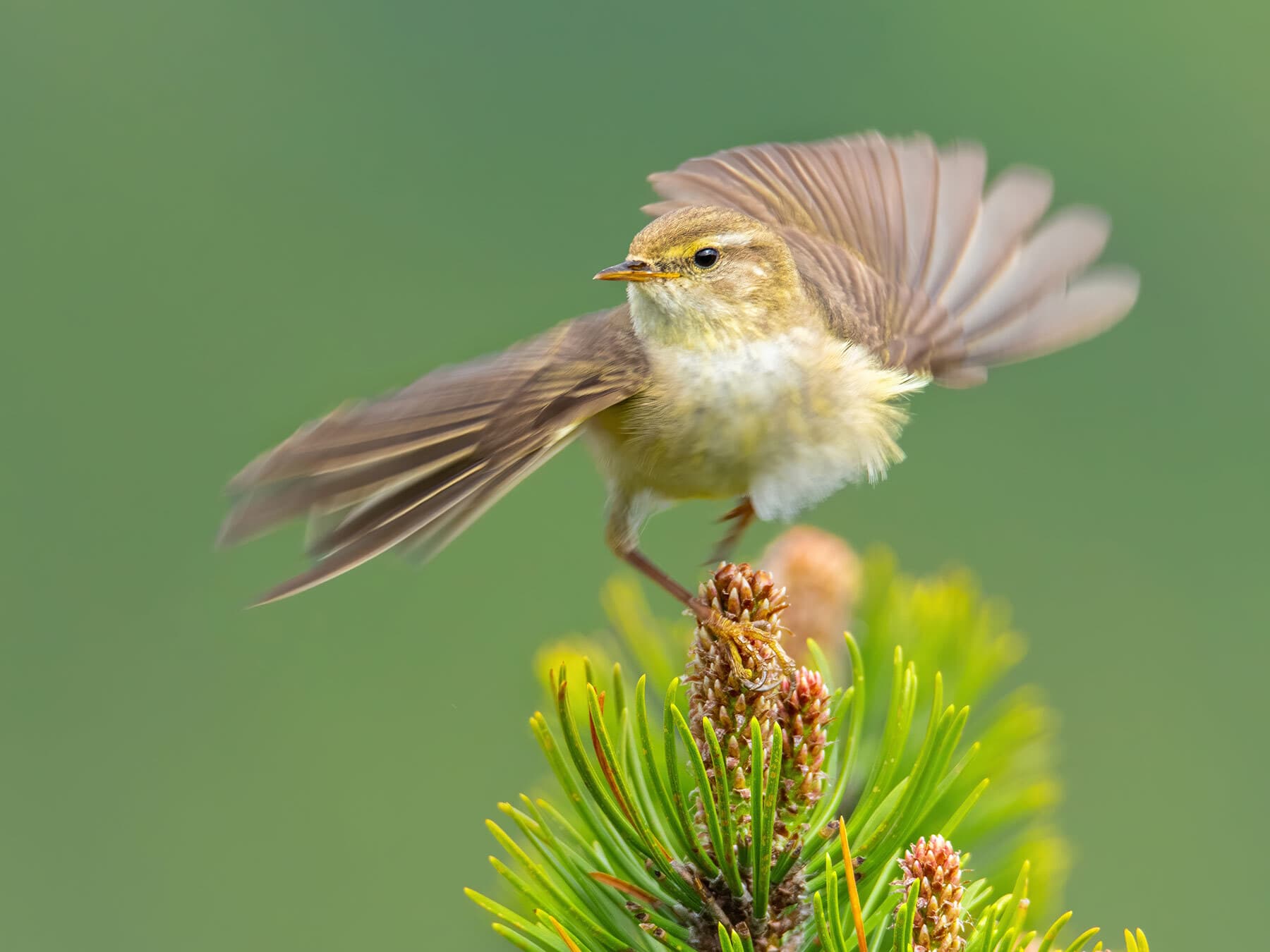
Willow Warbler
Phylloscopus trochilusLC
An uncommon summer breeder favouring scrubby woodland edges and moorland fringes. Numbers have declined in recent decades across Devon.
Mar–Oct
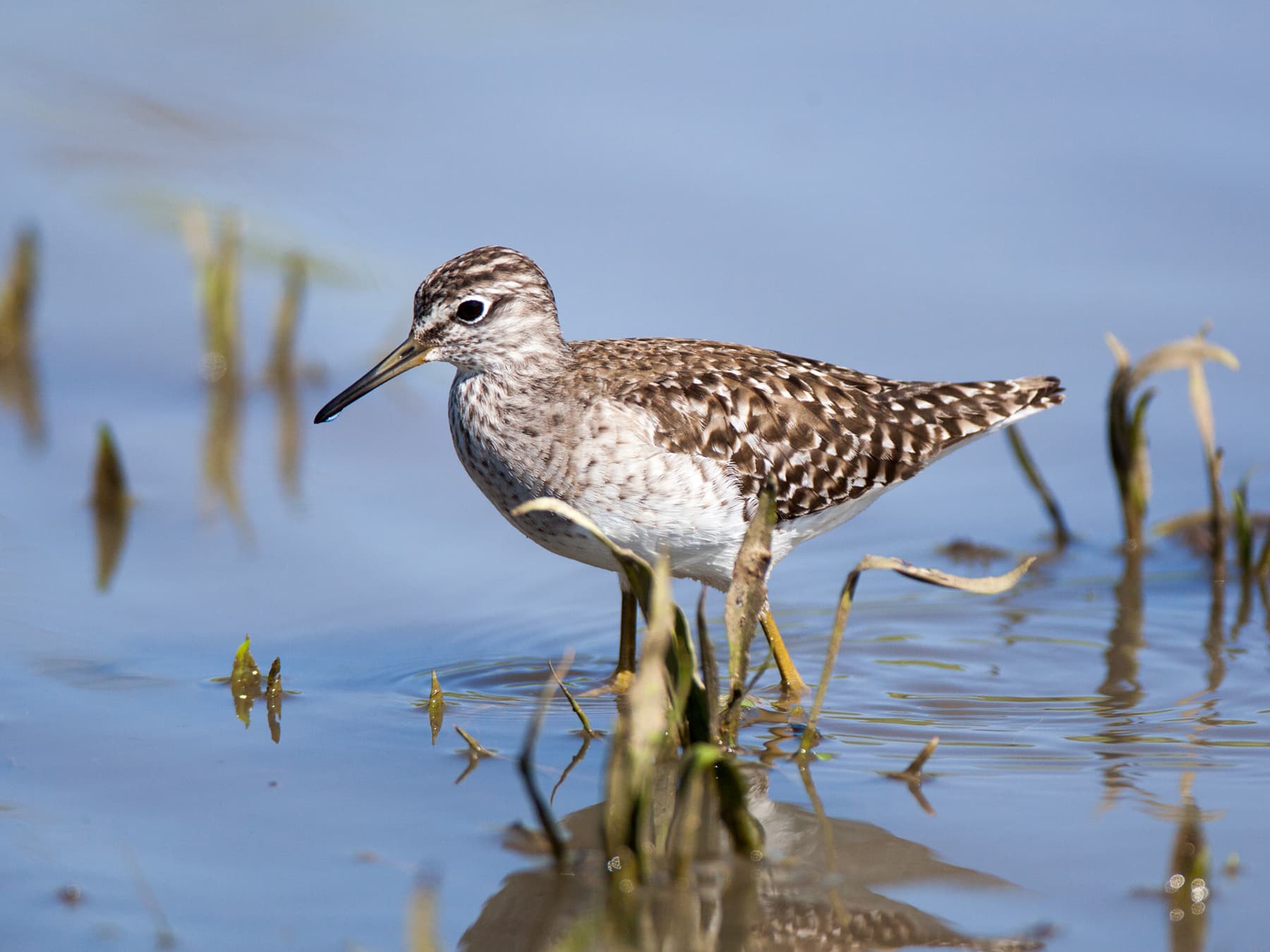
Wood Sandpiper
Tringa glareolaLC
A rare autumn passage migrant, typically appearing briefly at freshwater marshes and scrapes in August. Devon records are infrequent and highly prized by birders.
Aug
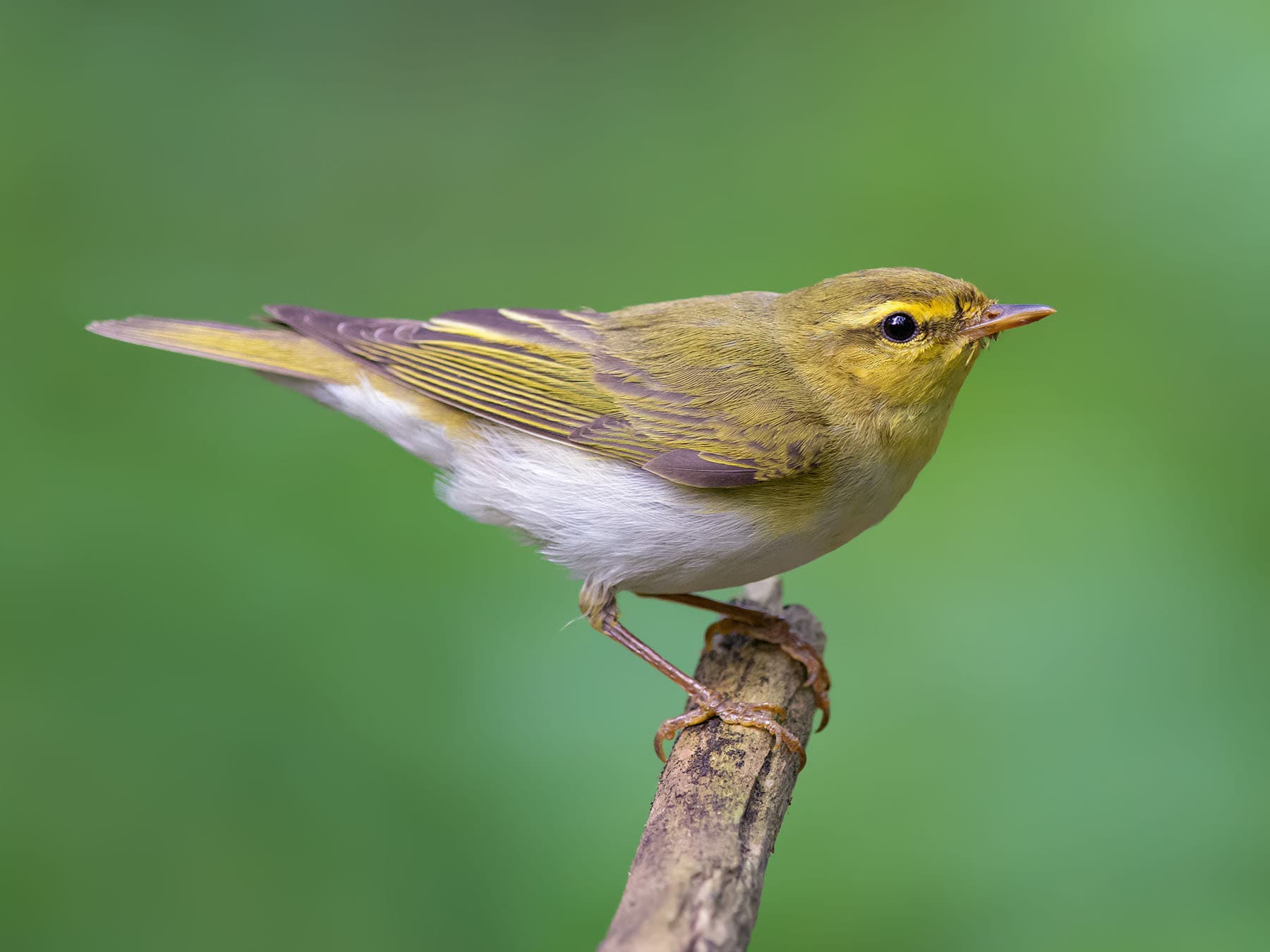
Wood Warbler
Phylloscopus sibilatrixLC
A rare and declining breeder in Devon's mature oak woodlands, mainly on Dartmoor's fringes. Present briefly from April to June.
Apr–Jun
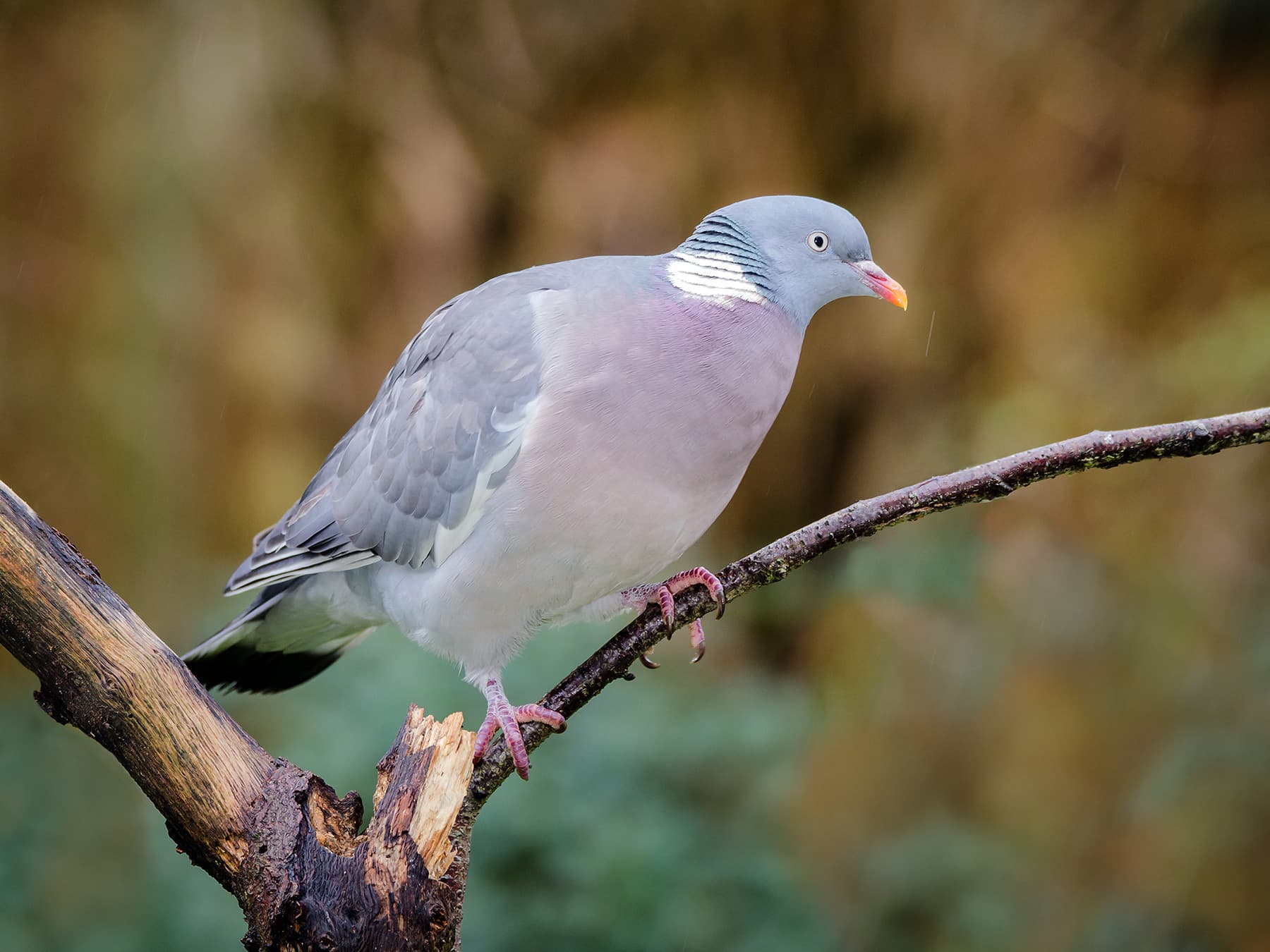
Woodpigeon
Columba palumbusLC
An abundant year-round resident found in woodlands, parks, gardens, and farmland across the county. Numbers swell in autumn with continental immigrants.
Year-round
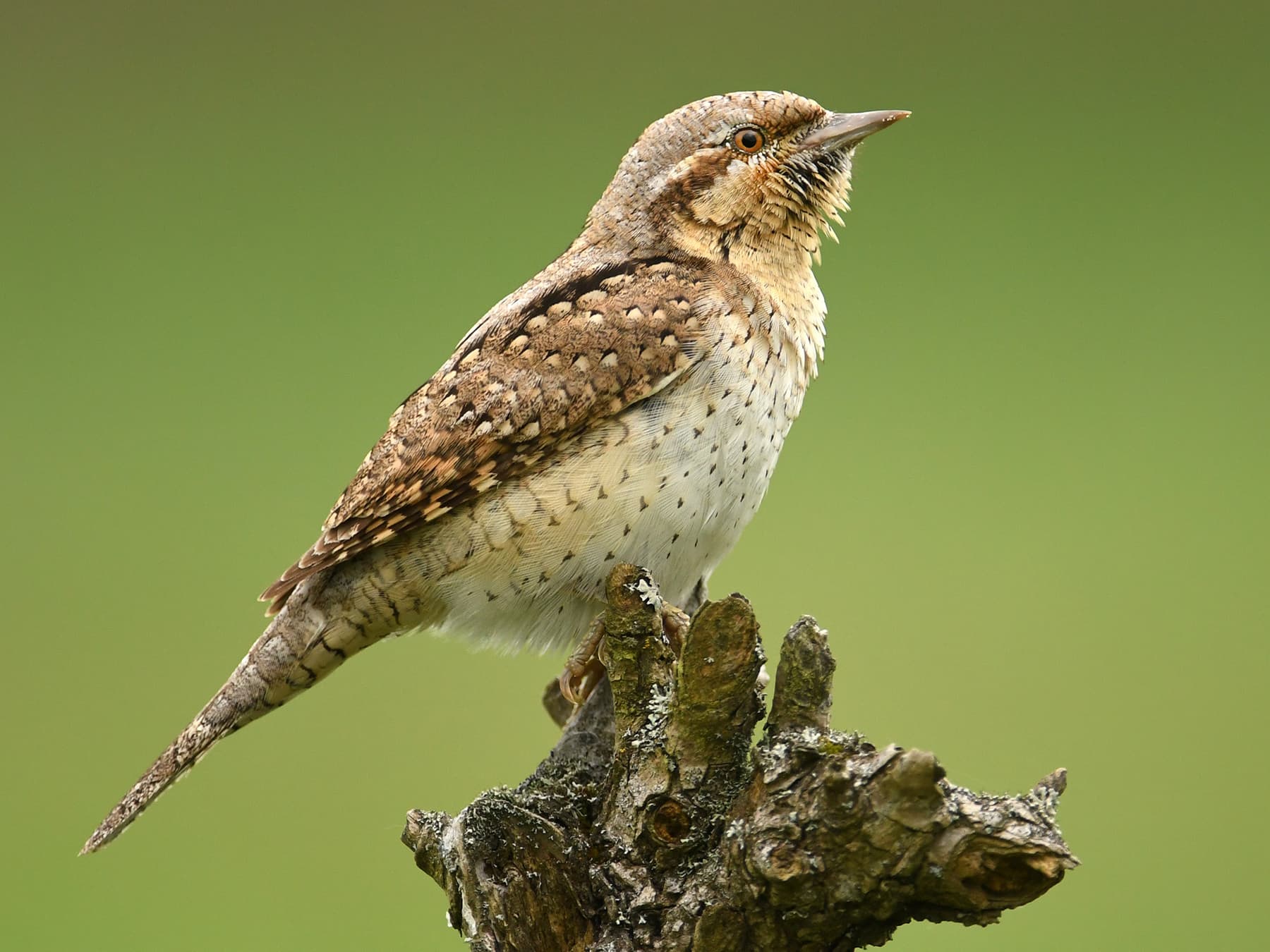
Wryneck
Jynx torquillaLC
A rare autumn passage migrant in August and September, turning up in coastal scrub and gardens during easterly winds.
Aug–Sep
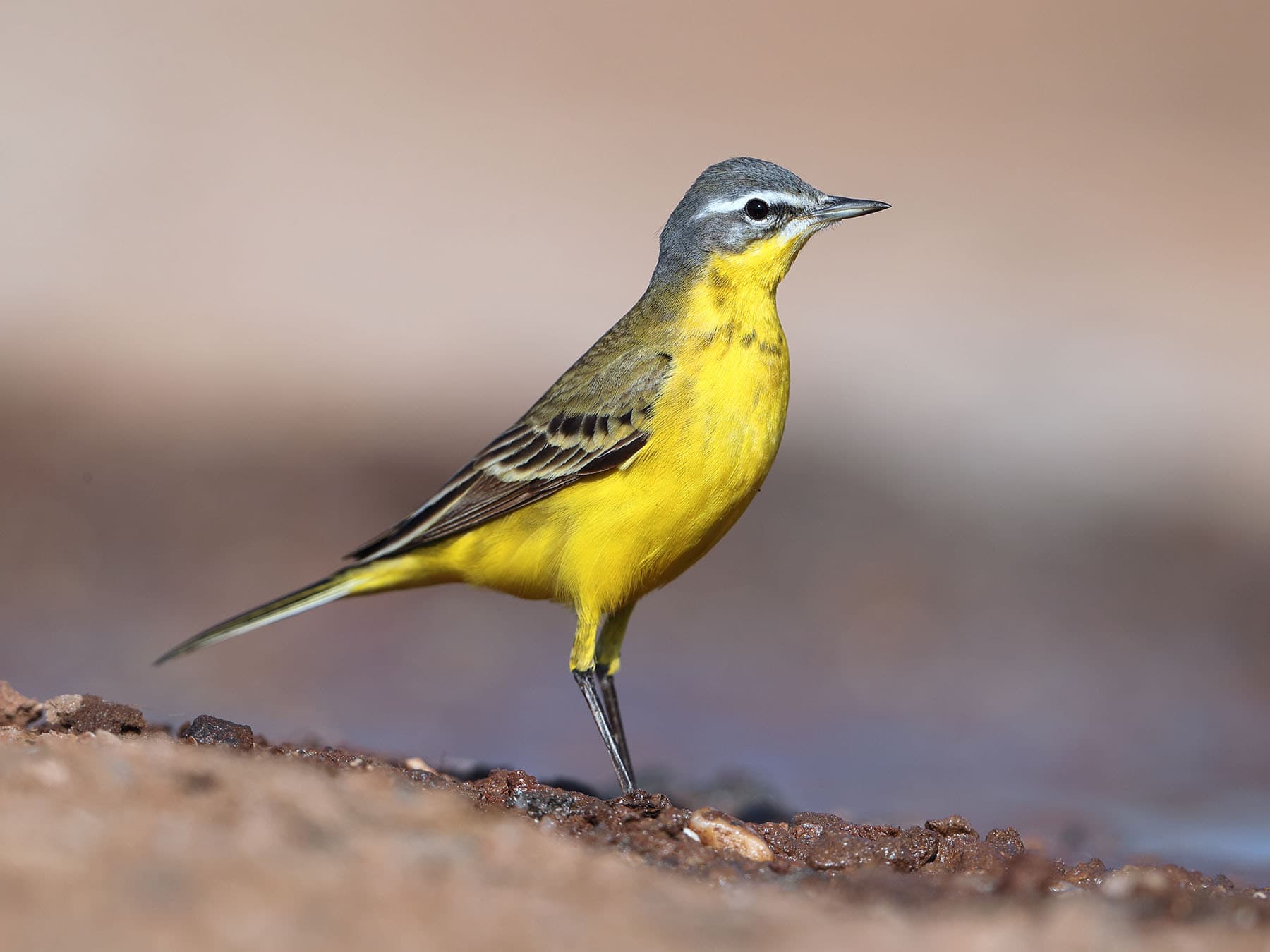
Yellow Wagtail
Motacilla flavaLC
A rare passage migrant through Devon in spring and autumn, occasionally seen on coastal fields and wetland margins.
Apr–Sep
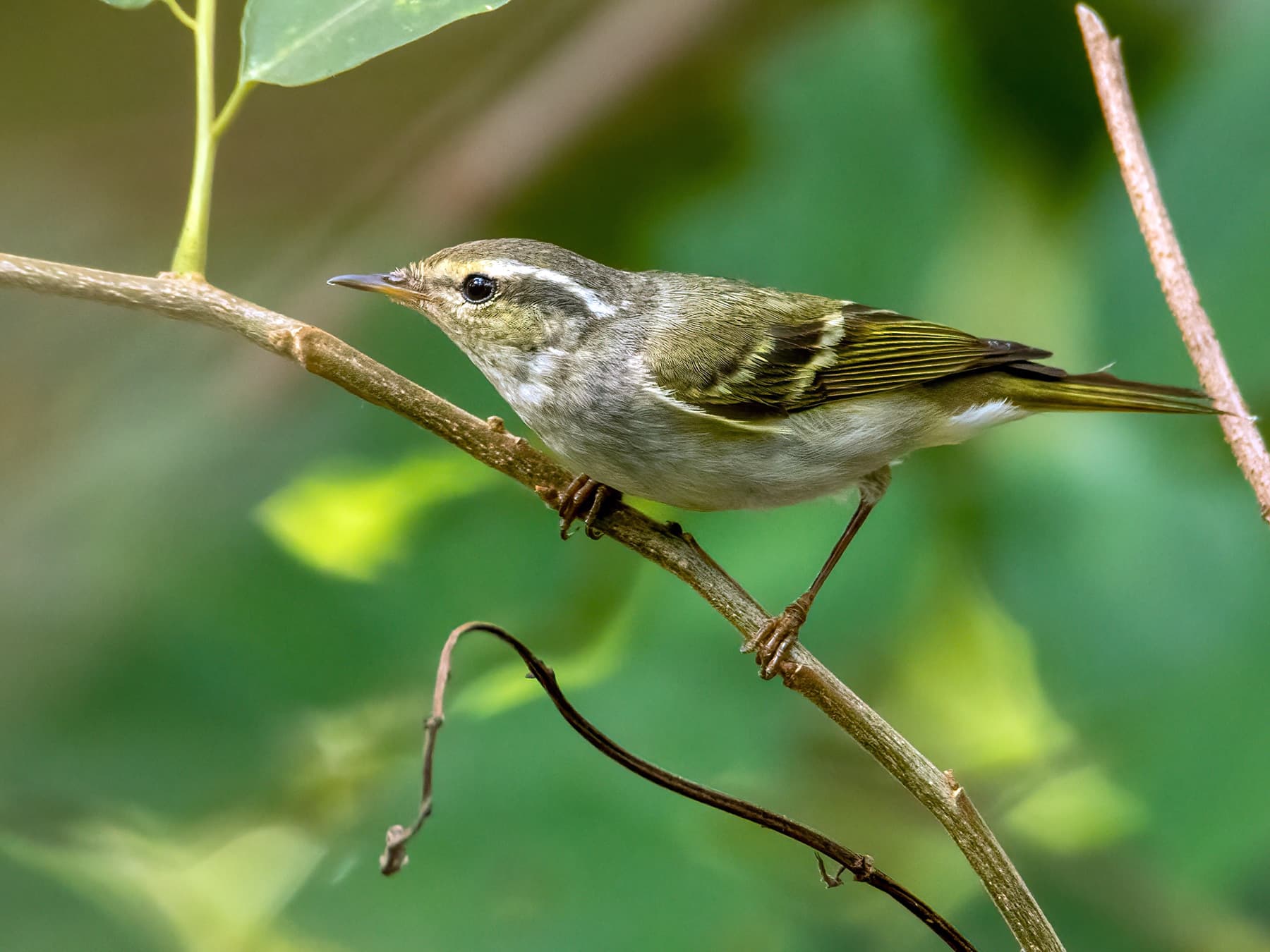
Yellow-browed Warbler
Phylloscopus inornatusLC
A rare autumn and winter visitor from Siberia, occasionally found in coastal scrub and gardens, mainly around October and November.
Oct–Jan
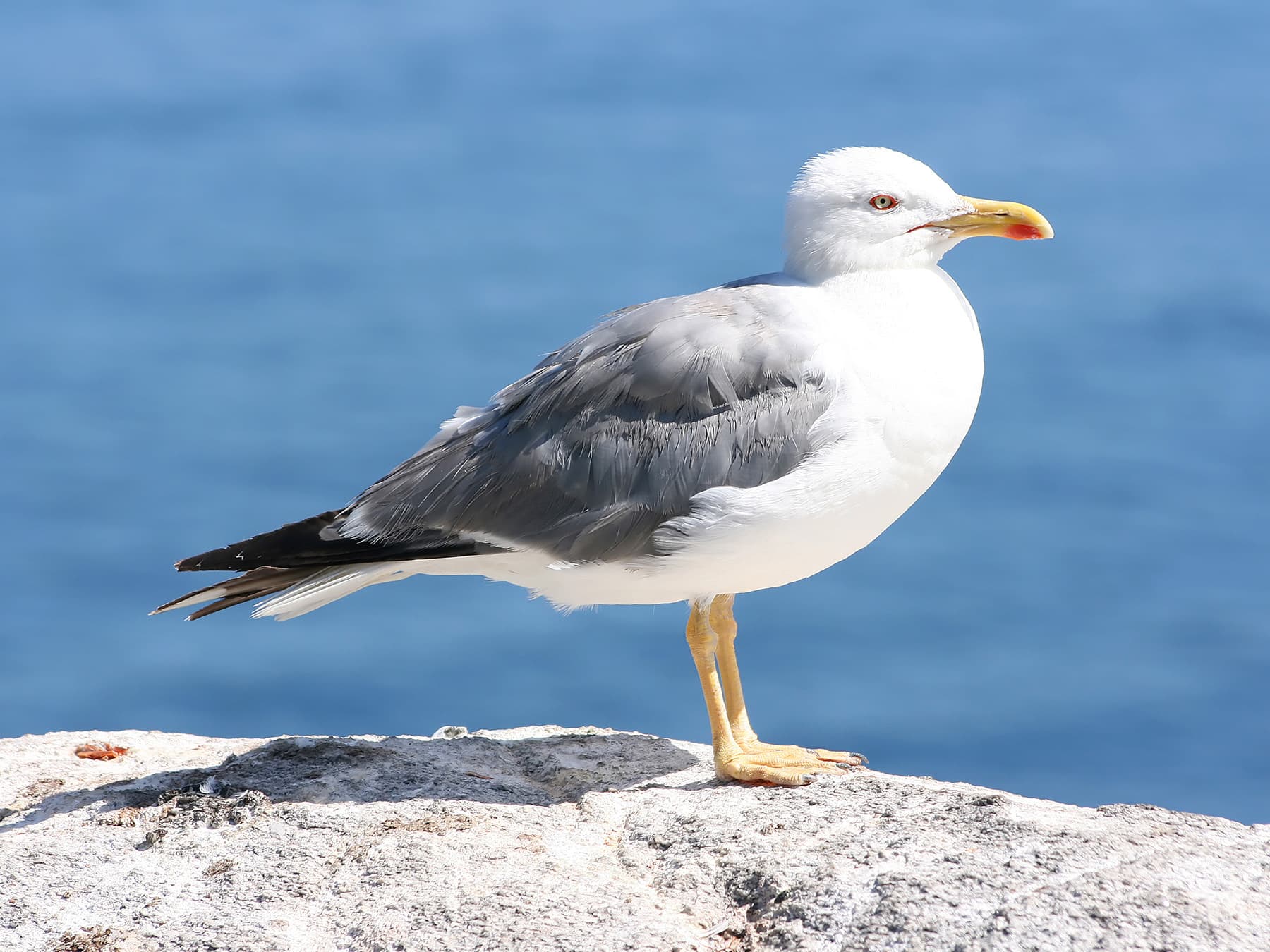
Yellow-legged Gull
Larus michahellisLC
An uncommon resident with additional rare passage birds in summer and autumn. Most reliably seen at coastal tips and harbours, peaking in late summer.
Jun–Apr
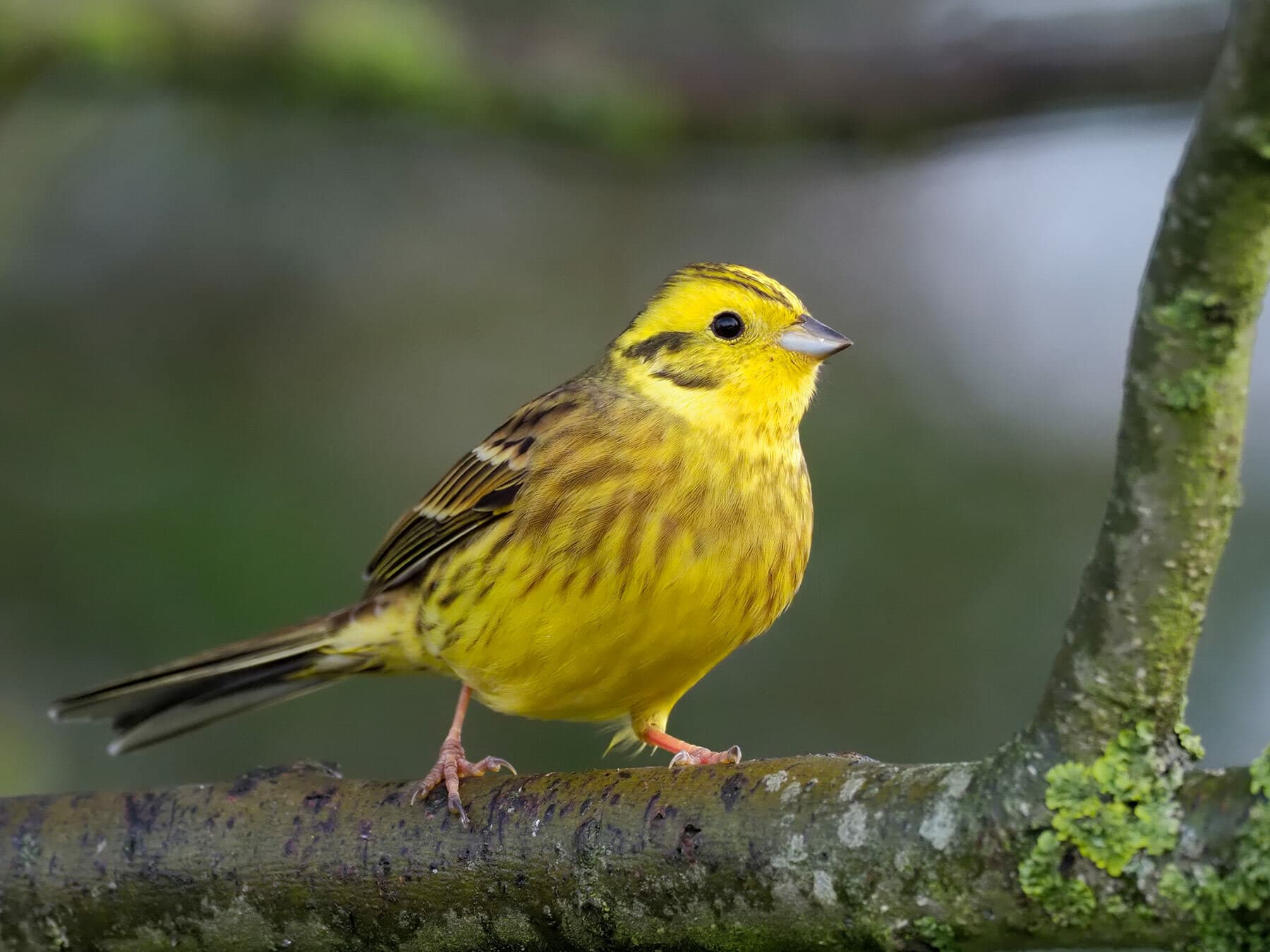
Yellowhammer
Emberiza citrinellaLC
An uncommon but year-round resident of hedgerows and arable farmland. Males sing their distinctive song from prominent perches in spring and summer.
Year-round