Sandpipers & Snipes in Cumbria
21 species matching this filter.
Cumbria's diverse landscapes — from the Solway Firth's expansive mudflats to the upland bogs of the Lake District and the Morecambe Bay coastline — provide outstanding habitat for sandpipers and snipes. With 21 recorded species in this family, the county hosts notable breeders such as the Curlew, Common Snipe and Dunlin on its moorlands, while passage and wintering visitors including Bar-tailed Godwit, Black-tailed Godwit and Greenshank frequent the estuaries and coastal marshes.


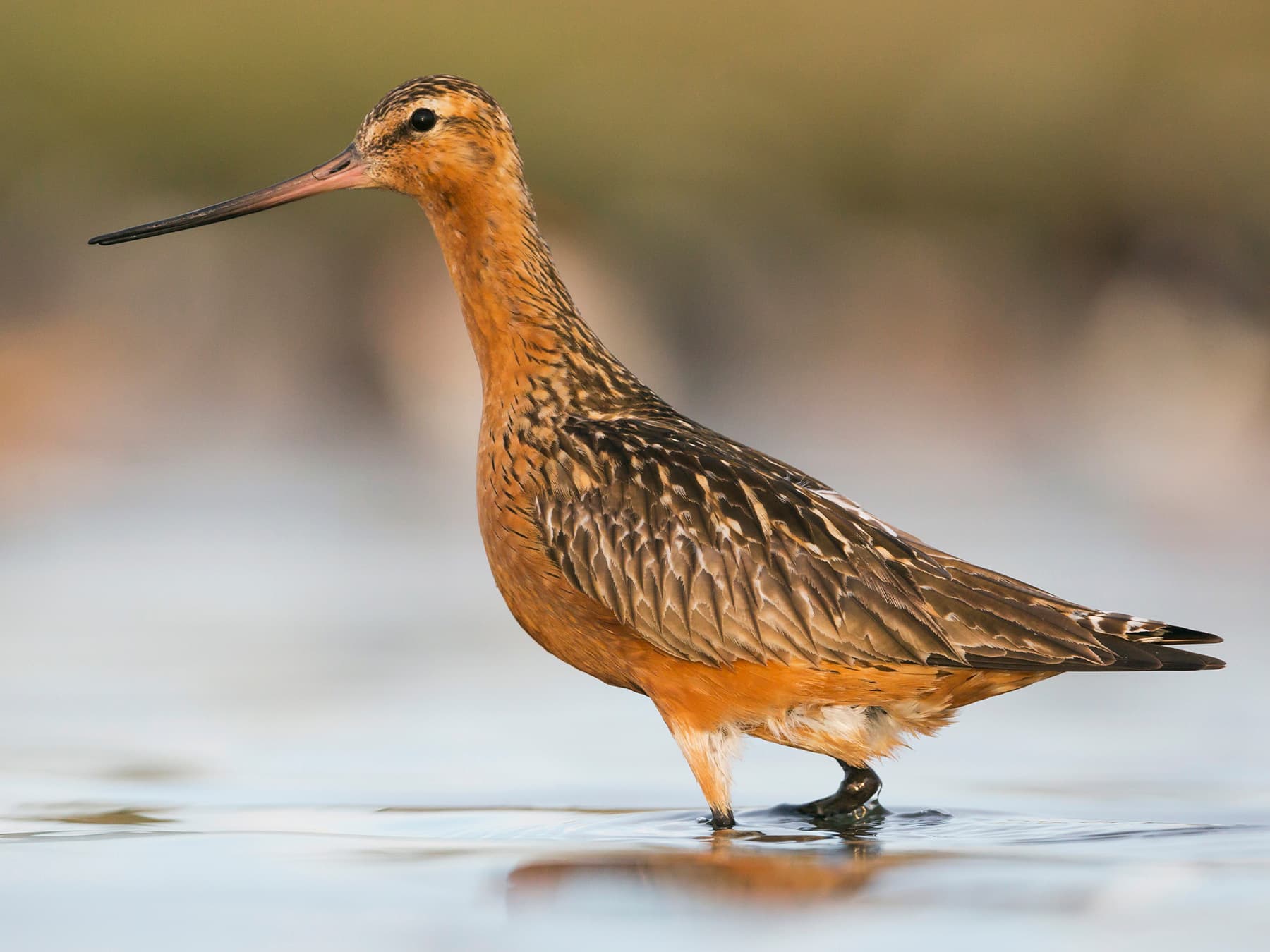
Bar-tailed Godwit
Limosa lapponicaNT
A rare but year-round visitor to Cumbria's estuaries, favouring the sandy shores and mudflats of Morecambe Bay and the Solway.
May–Mar
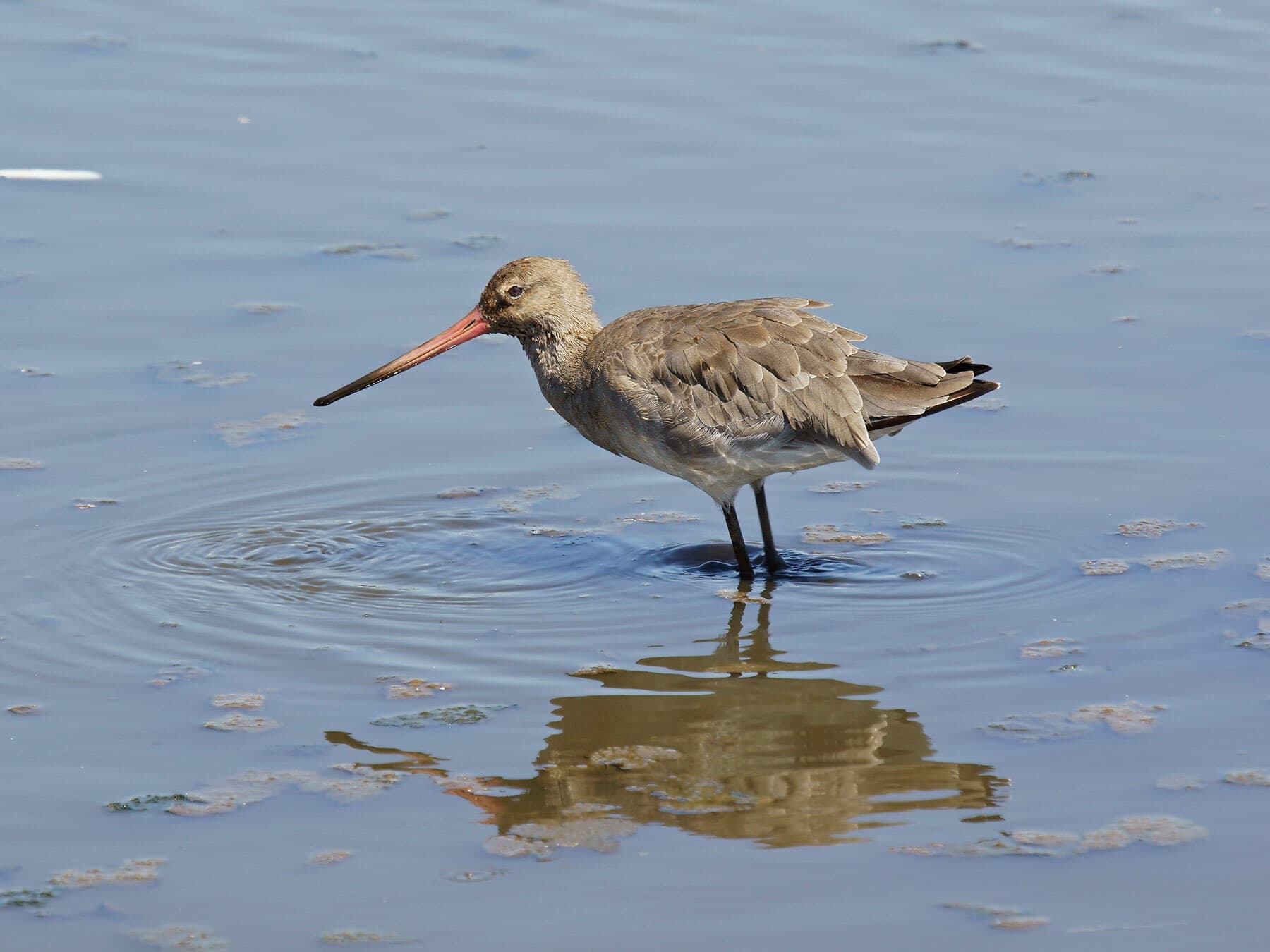
Black-tailed Godwit
Limosa limosaNT
Present year-round in small numbers on Cumbrian estuaries and coastal wetlands. A declining species nationally, making local sightings notable.
Year-round
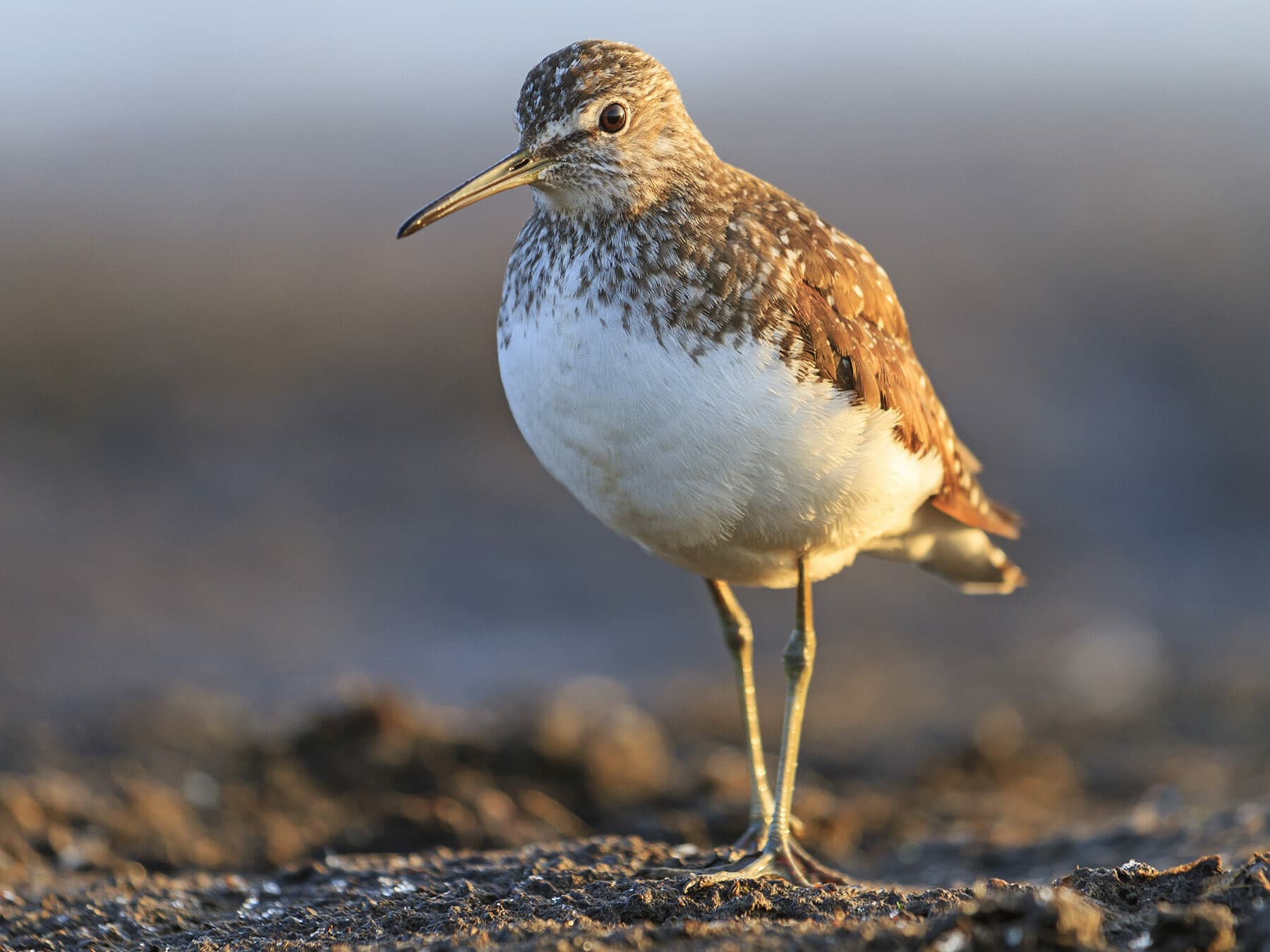
Common Sandpiper
Actitis hypoleucosLC
An uncommon summer breeder along Lake District rivers and stony lakeshores, bobbing characteristically on waterside rocks from April to September.
Apr–Sep
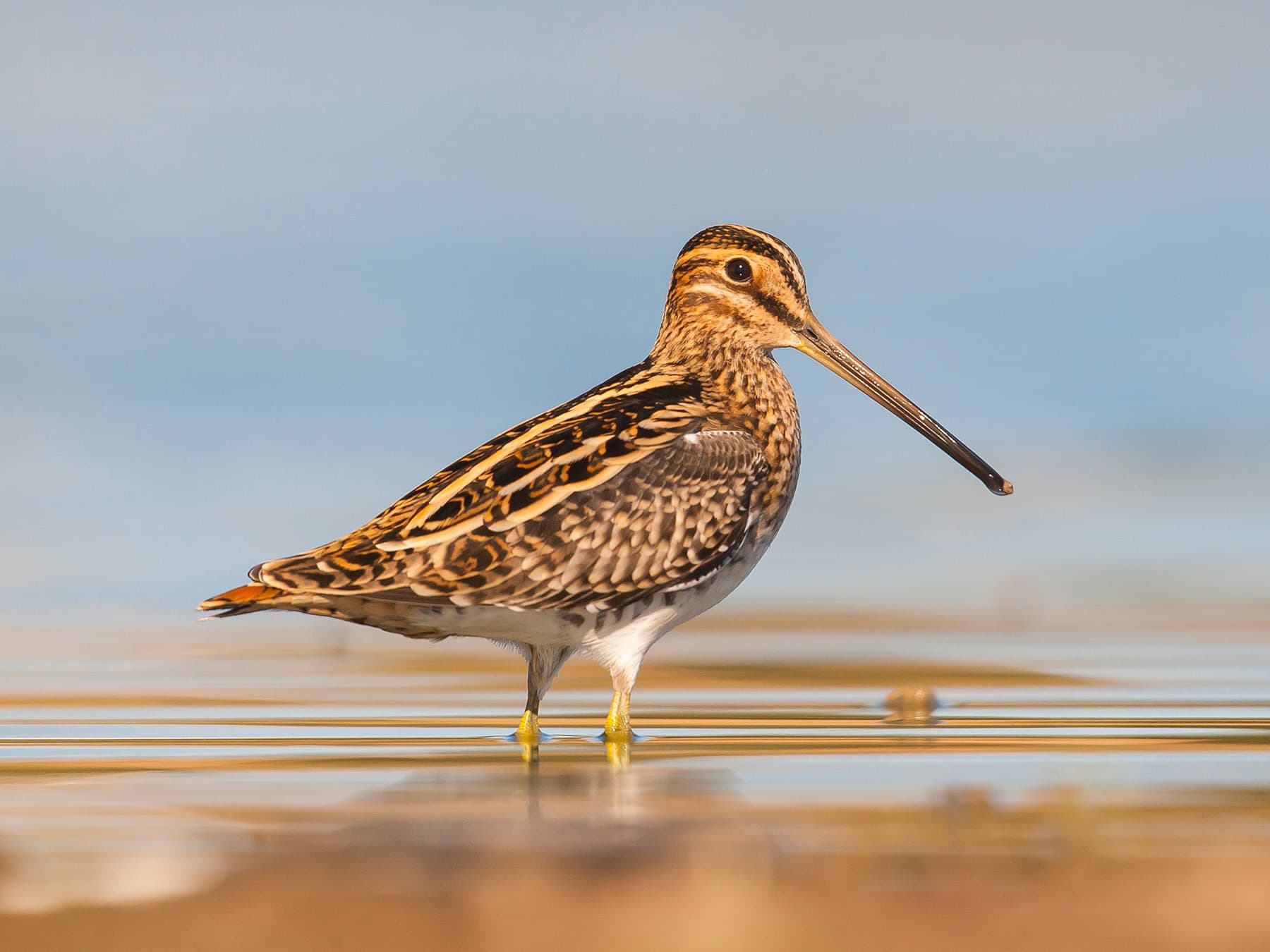
Common Snipe
Gallinago gallinagoLC
An uncommon resident breeding on damp moorland and rushy pastures. Its drumming display flight is a feature of upland Cumbria in spring.
Year-round
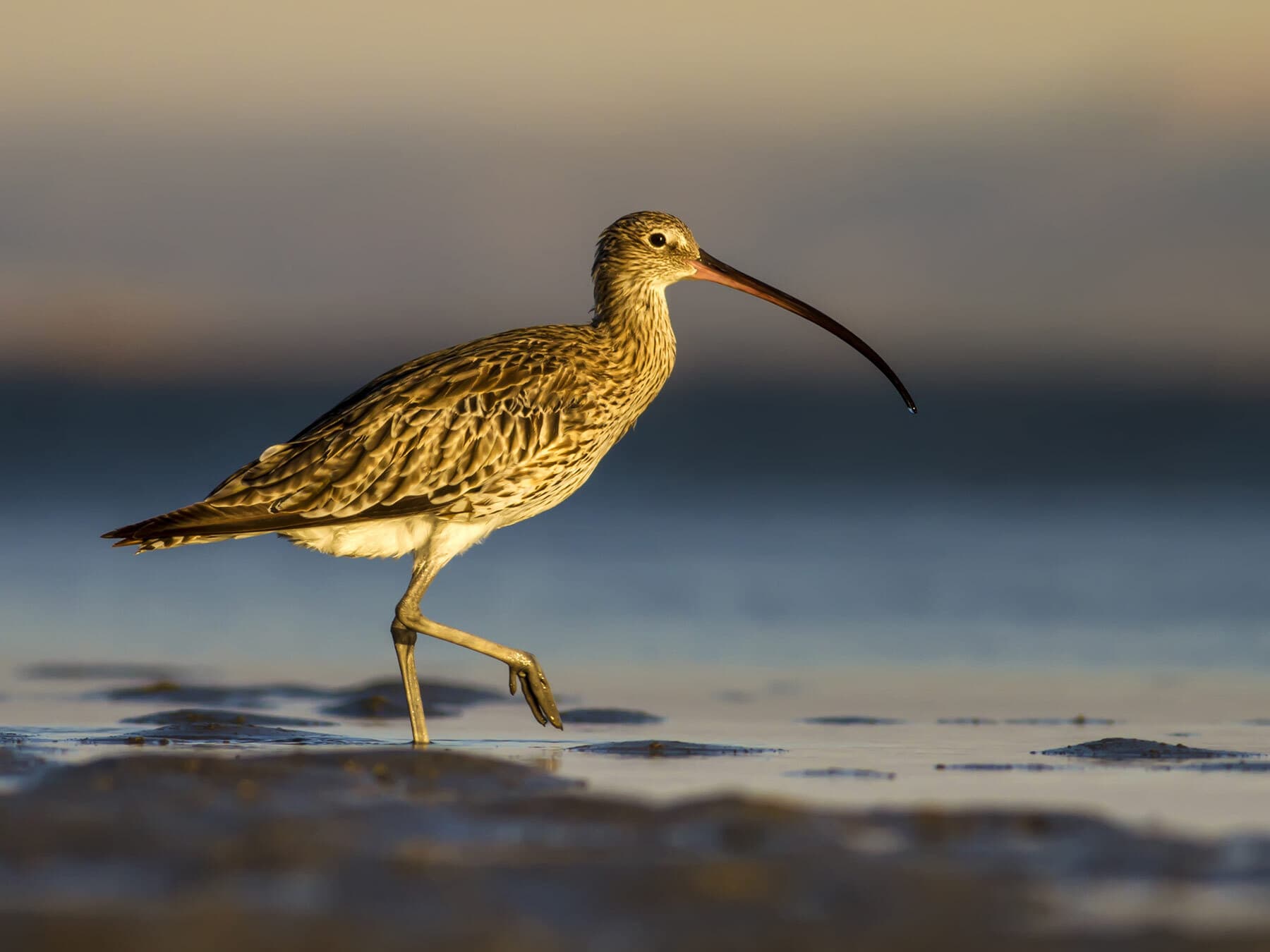
Curlew
Numenius arquataNT
A common resident whose evocative call defines Cumbria's moorlands and farmland. Winter flocks gather on Morecambe Bay and the Solway.
Year-round
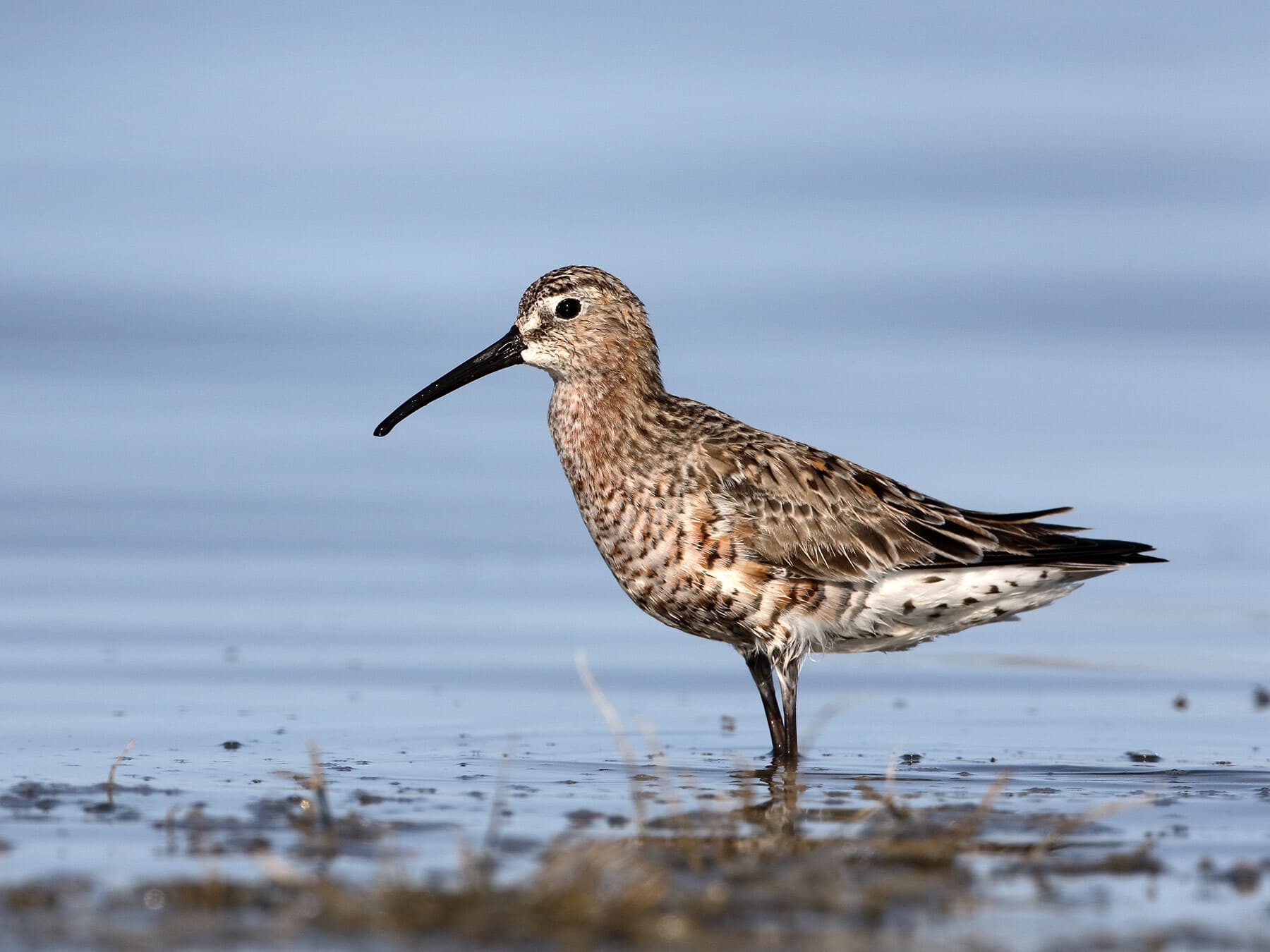
Curlew Sandpiper
Calidris ferrugineaNT
A scarce autumn passage migrant, briefly visiting coastal mudflats and estuarine margins in September.
Sep
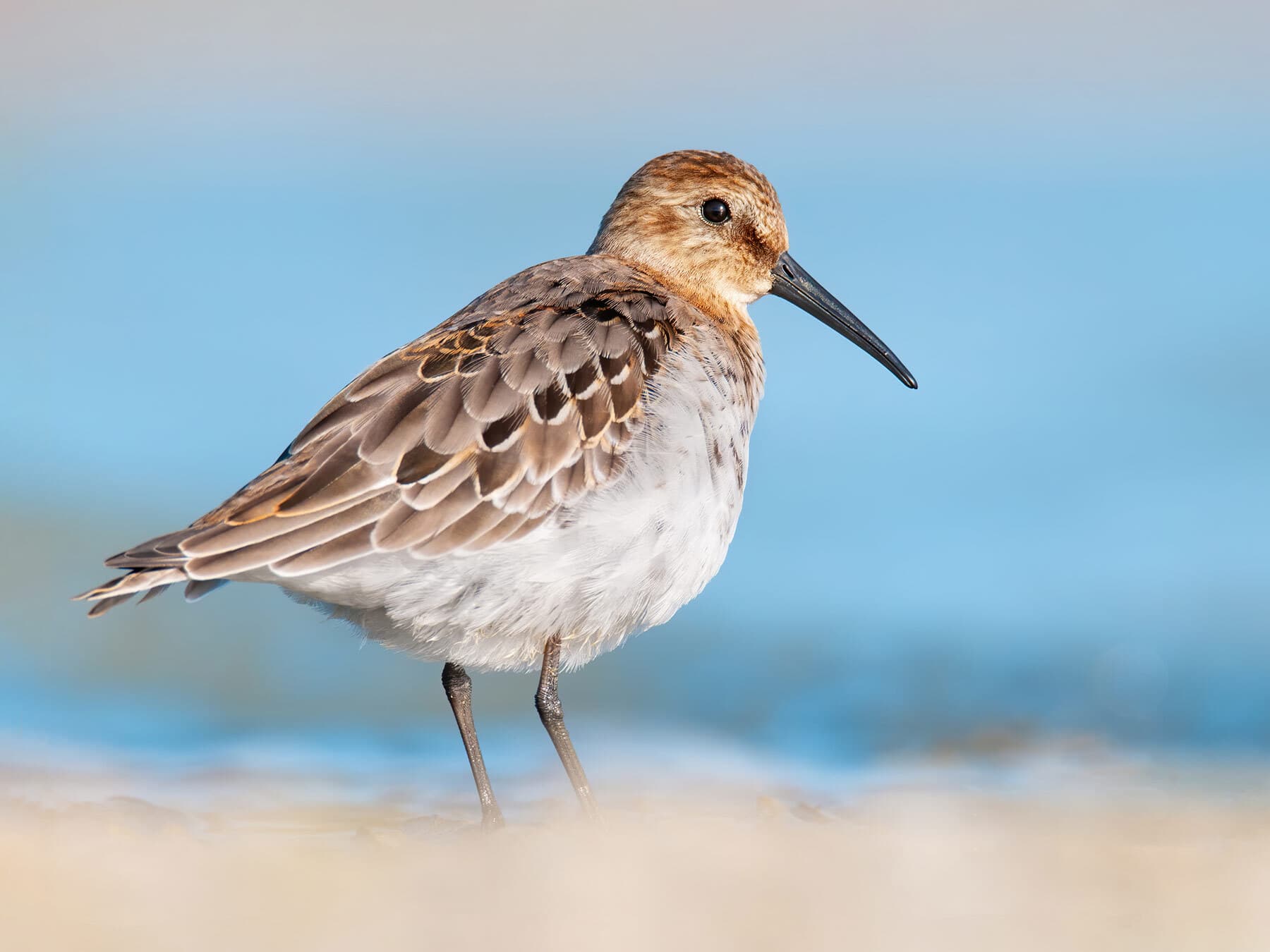
Dunlin
Calidris alpinaLC
An uncommon resident; breeds on upland moors in summer and gathers in flocks on estuarine mudflats through winter.
Year-round
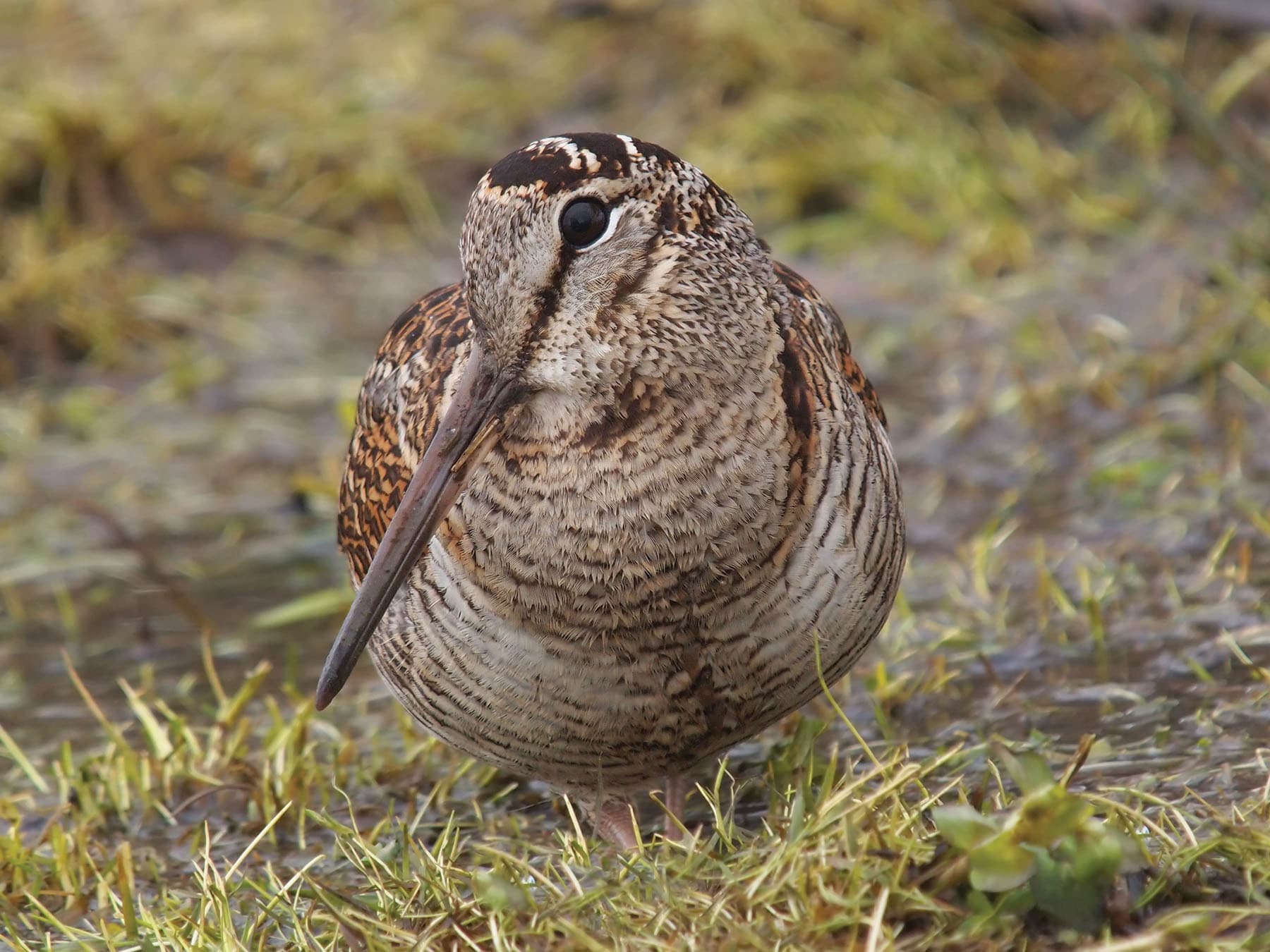
Eurasian Woodcock
Scolopax rusticolaLC
A rare non-breeding visitor to Cumbrian woodlands and damp fields in winter. Numbers bolstered by continental migrants during cold spells.
Nov–Mar
Spotted something?
Upload a photo to identify it
Identify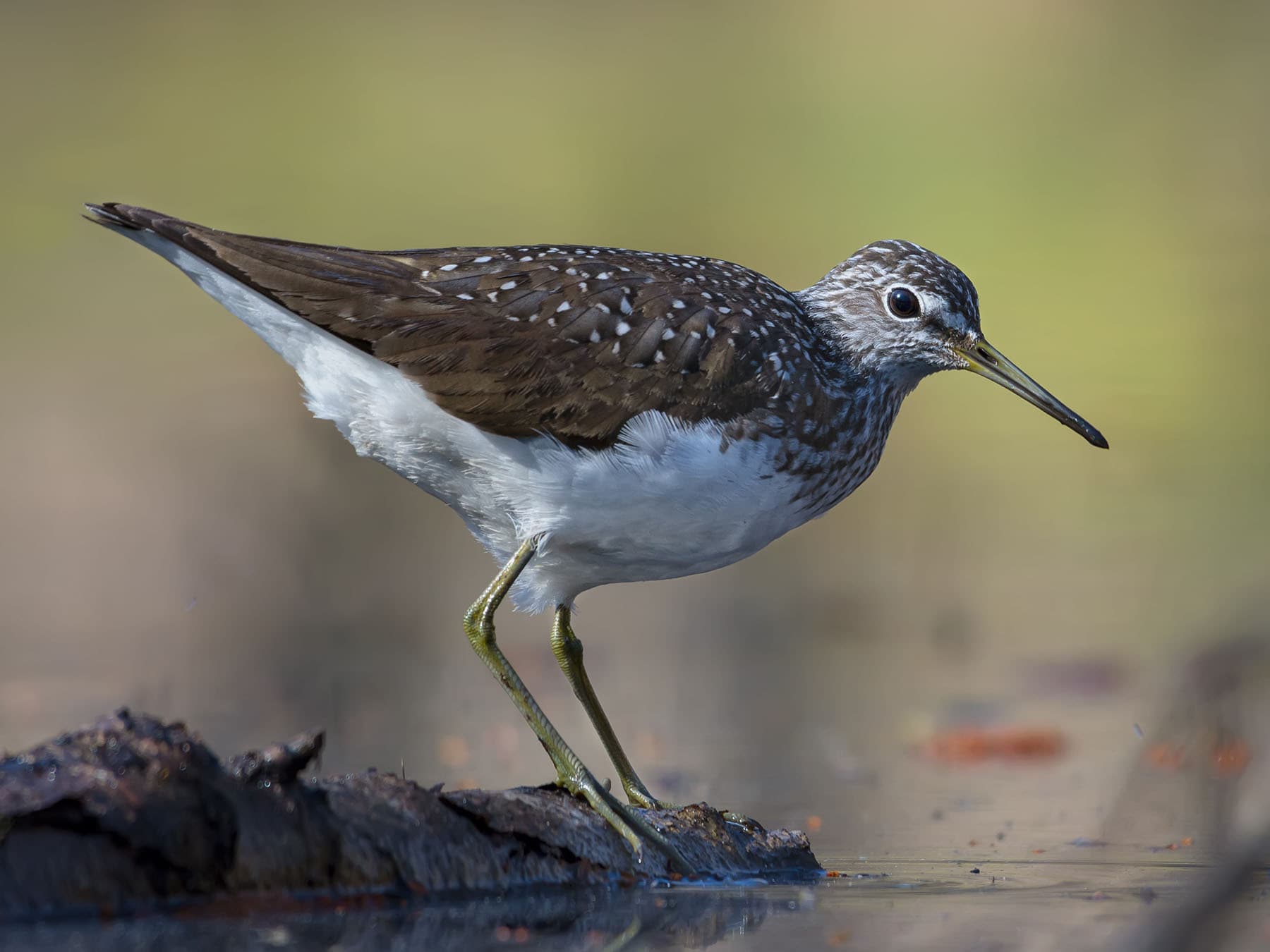
Green Sandpiper
Tringa ochropusLC
A rare visitor to freshwater margins and ditches, mainly on passage in spring and autumn. Often solitary and easily overlooked.
Mar–Oct
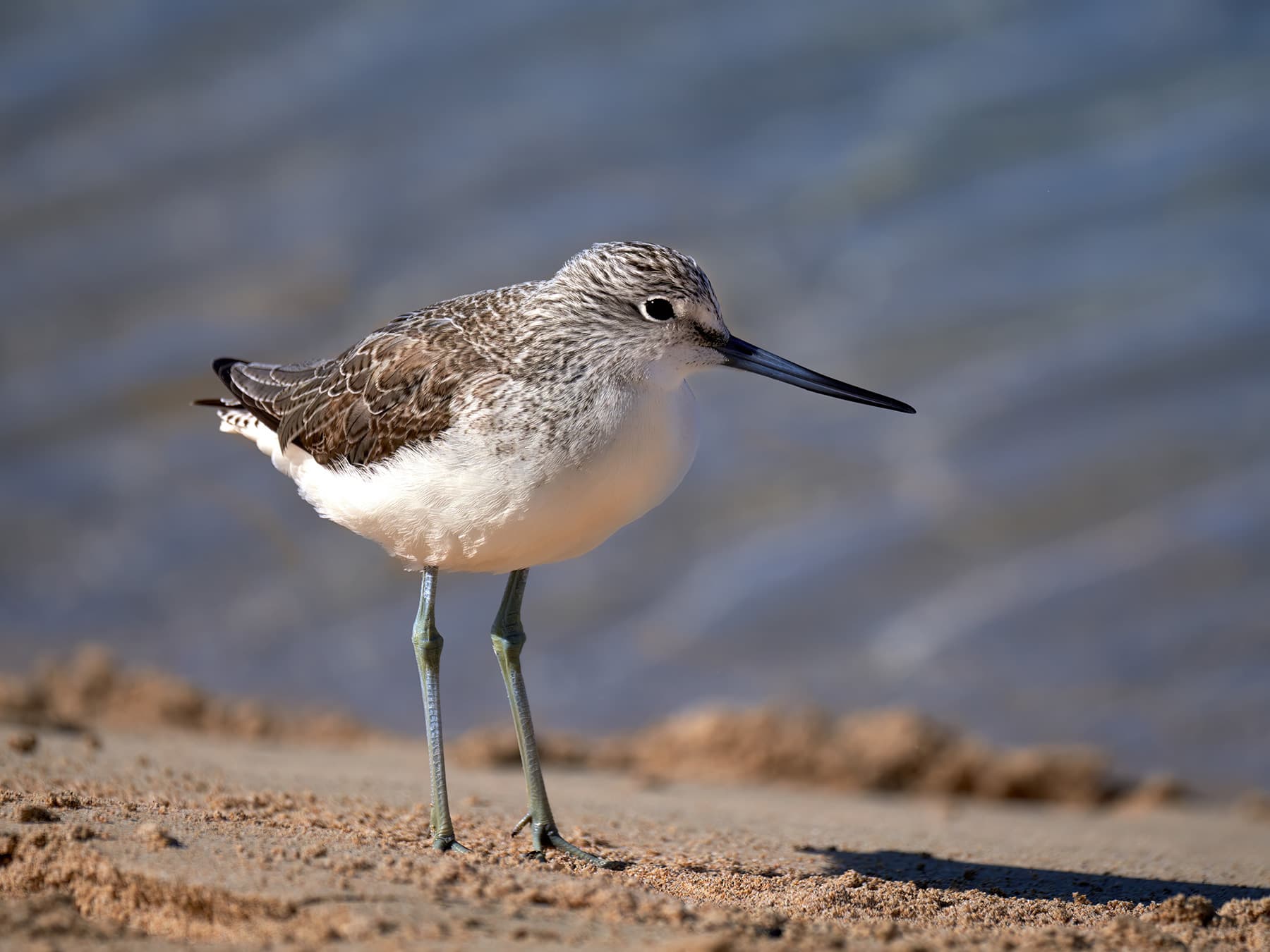
Greenshank
Tringa nebulariaLC
A rare non-breeding visitor to estuaries and lakeshores, most often seen during autumn passage on the Solway or inland wetlands.
Jul–Mar
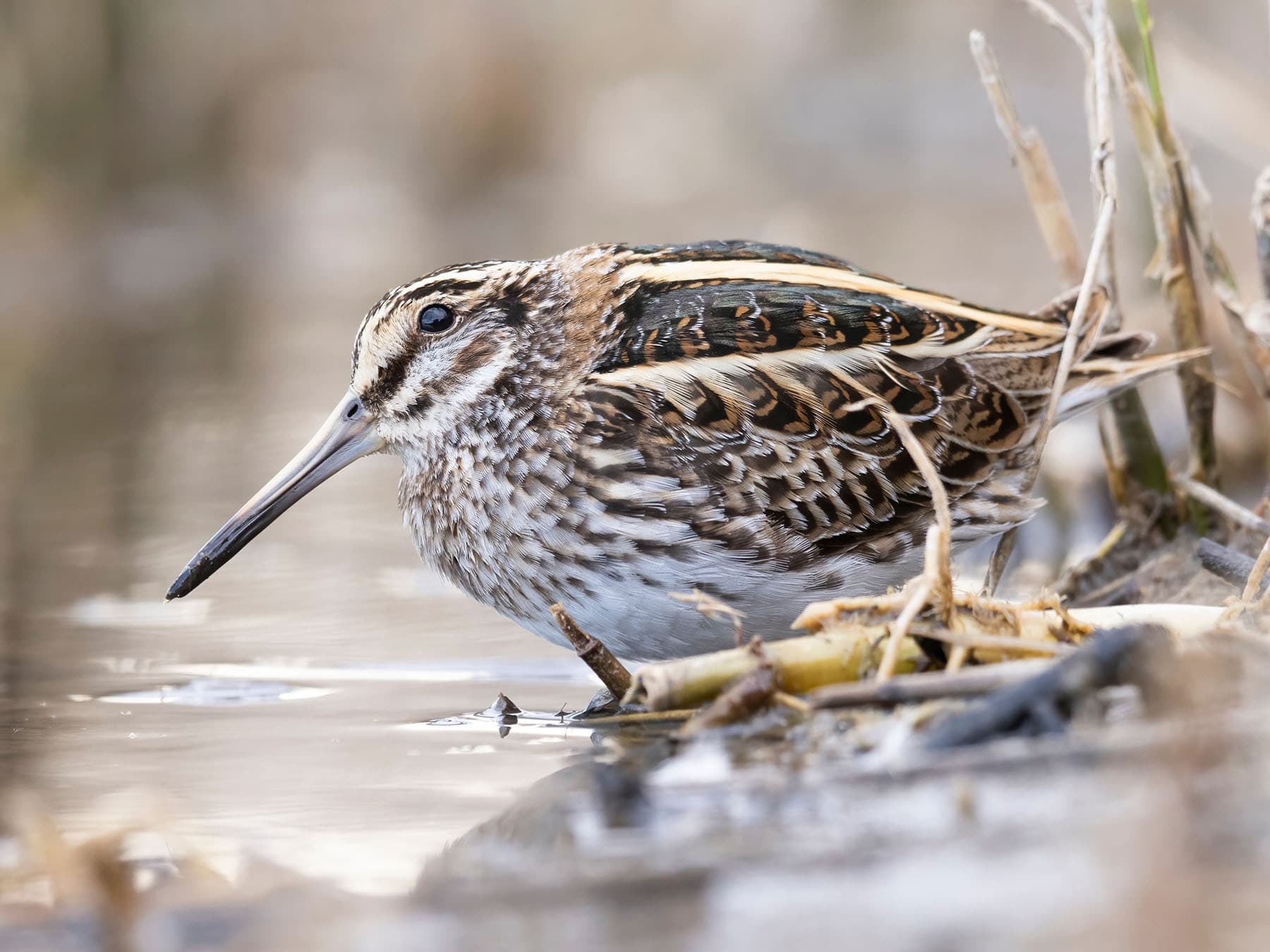
Jack Snipe
Lymnocryptes minimusLC
A secretive winter visitor to boggy marshes and wet meadows, rarely seen due to its cryptic habits. Most records from November to January.
Nov–Jan
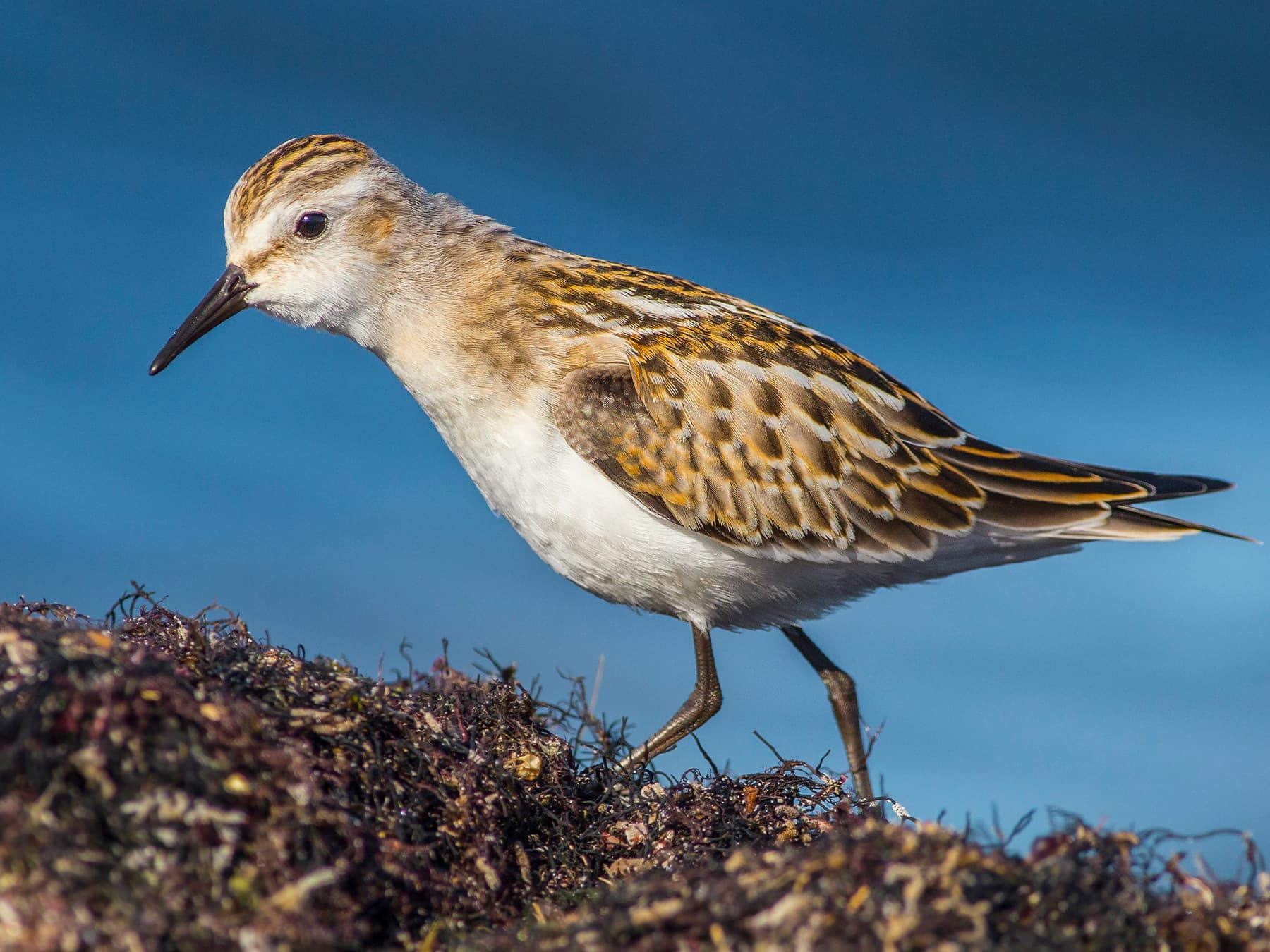
Little Stint
Calidris minutaLC
A rare autumn passage migrant, occasionally appearing on coastal pools and muddy fringes in September.
Sep
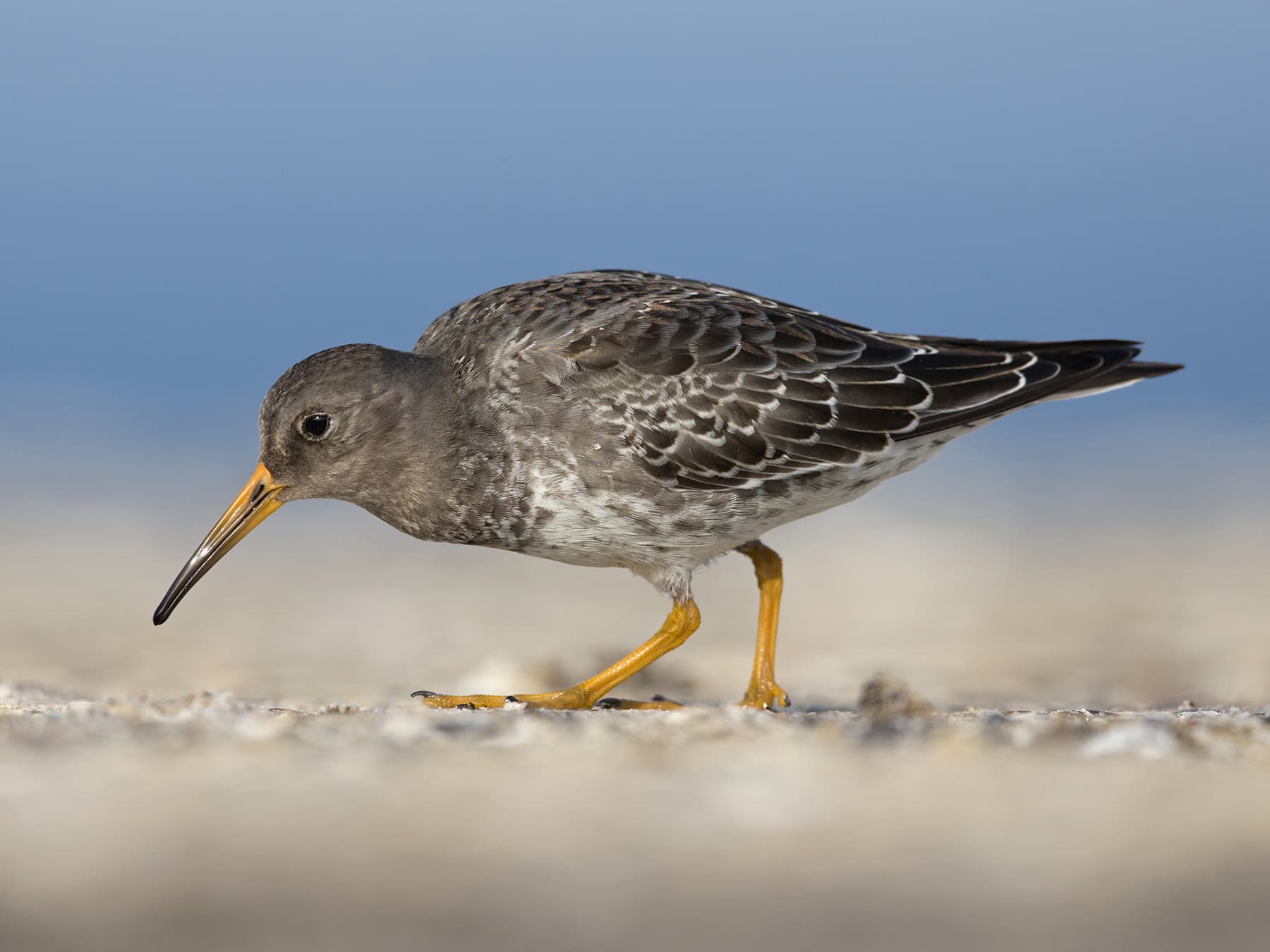
Purple Sandpiper
Calidris maritimaLC
A rare passage visitor to rocky shores and harbour walls along the Cumbrian coast, recorded mainly in midwinter.
Jan
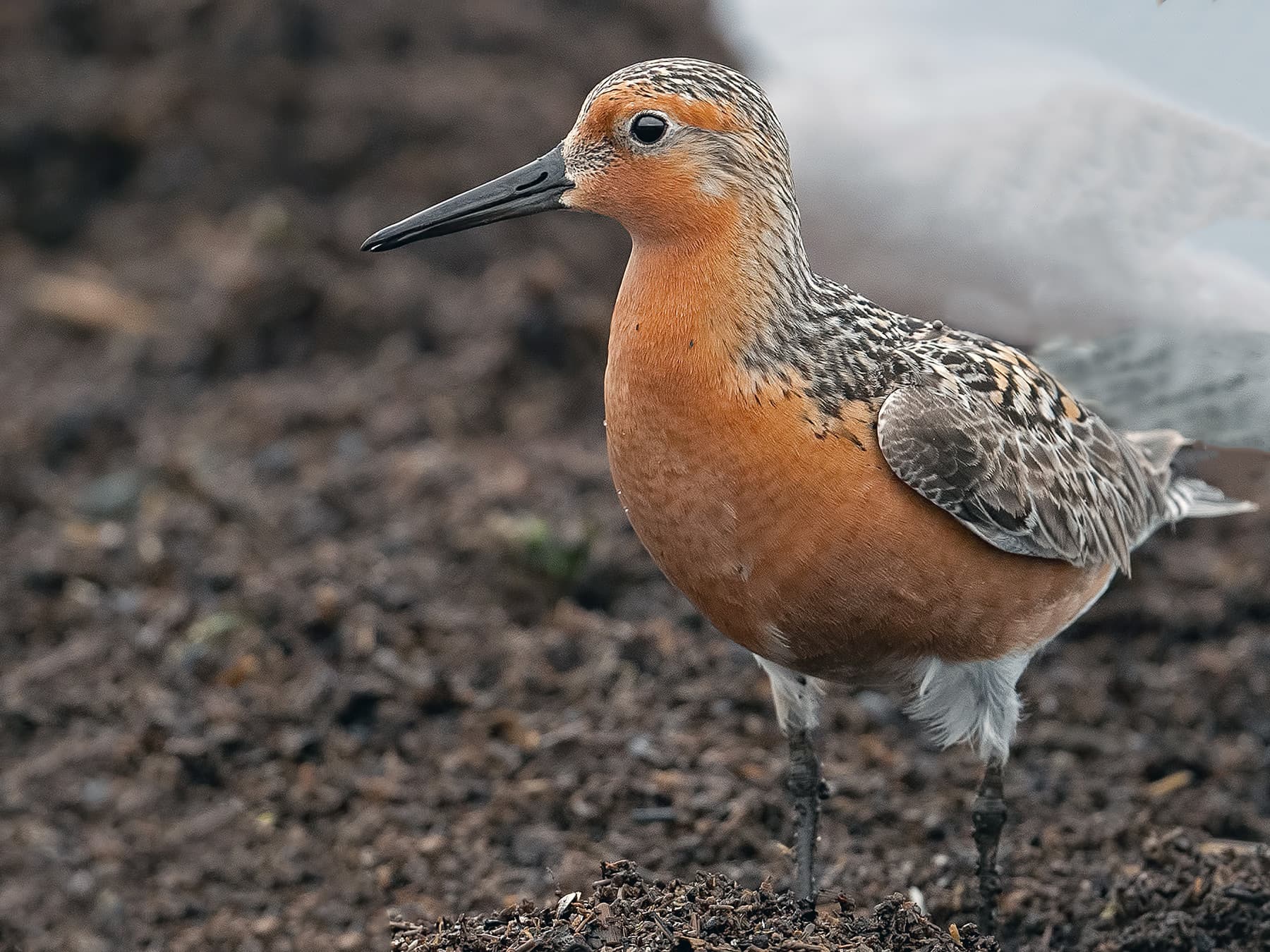
Red Knot
Calidris canutusNT
Found in small numbers on Morecambe Bay and Solway mudflats, mainly outside summer. Large winter flocks are increasingly scarce nationally.
Jul–May
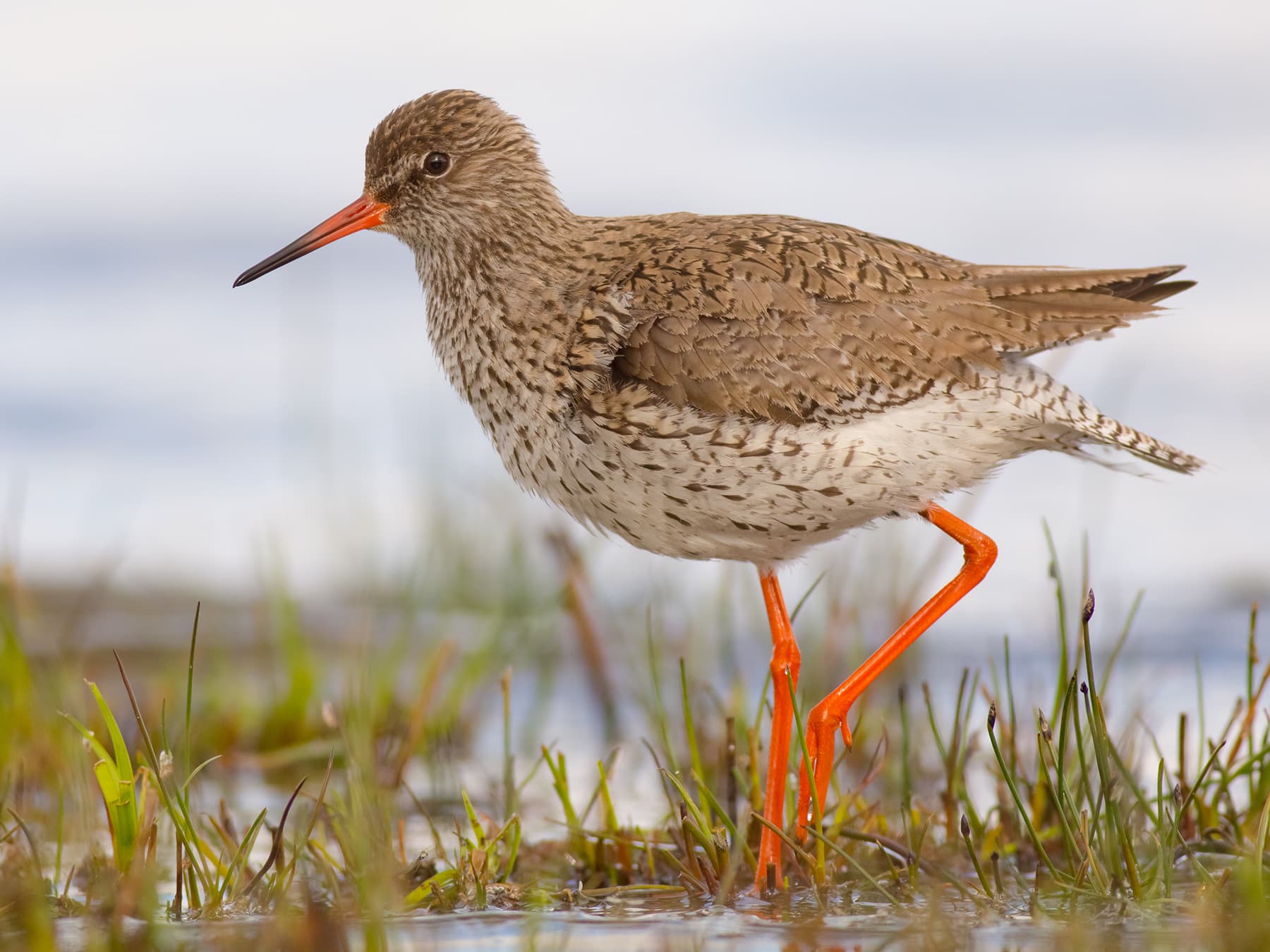
Redshank
Tringa totanusLC
An uncommon resident found on saltmarshes, estuaries, and wet grasslands. Breeds on coastal and upland pastures across Cumbria.
Year-round
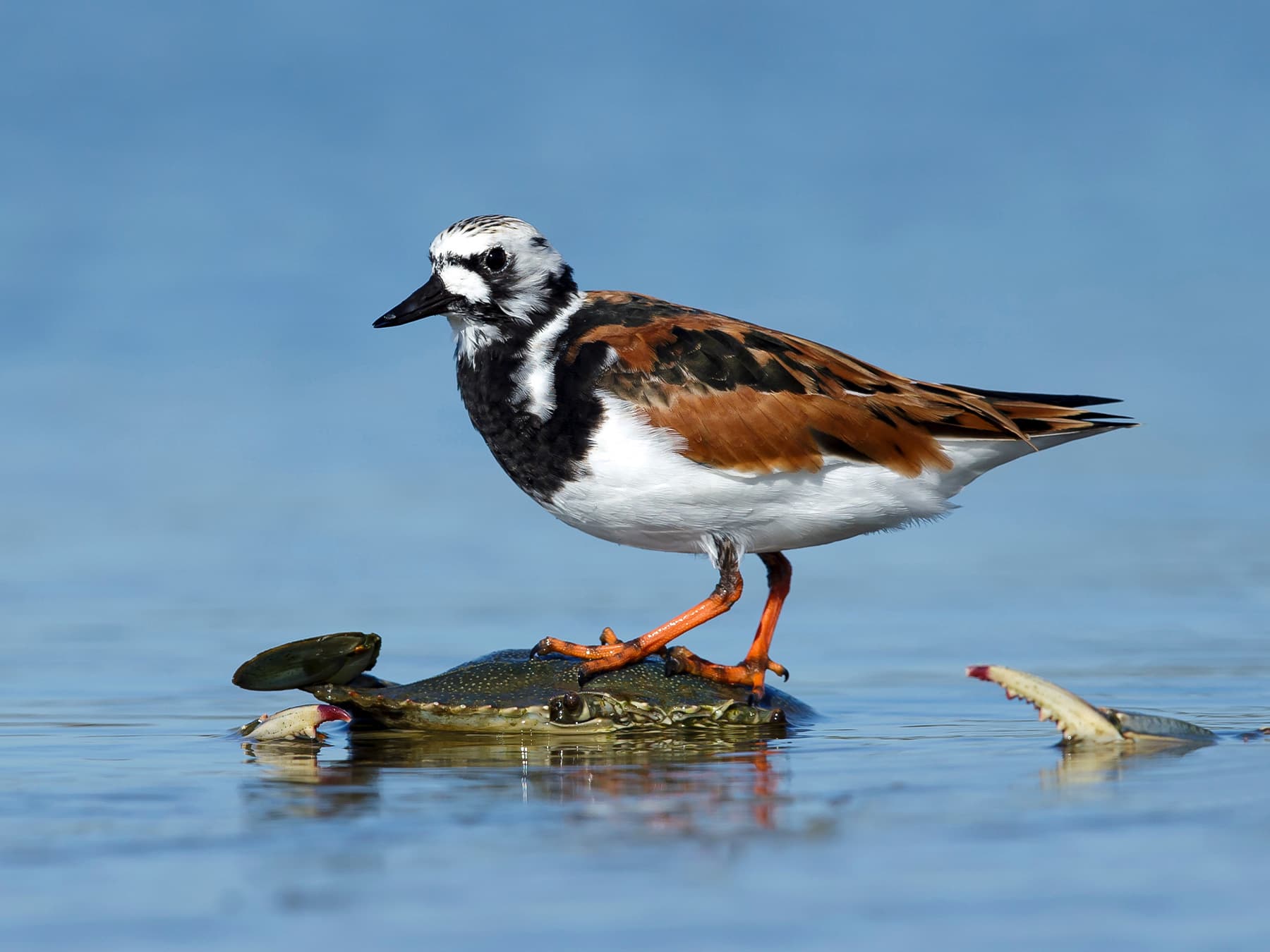
Ruddy Turnstone
Arenaria interpresLC
An uncommon resident of Cumbria's rocky coastlines, turning stones for invertebrates. Present most months except June on the Solway and west coast.
Jul–May
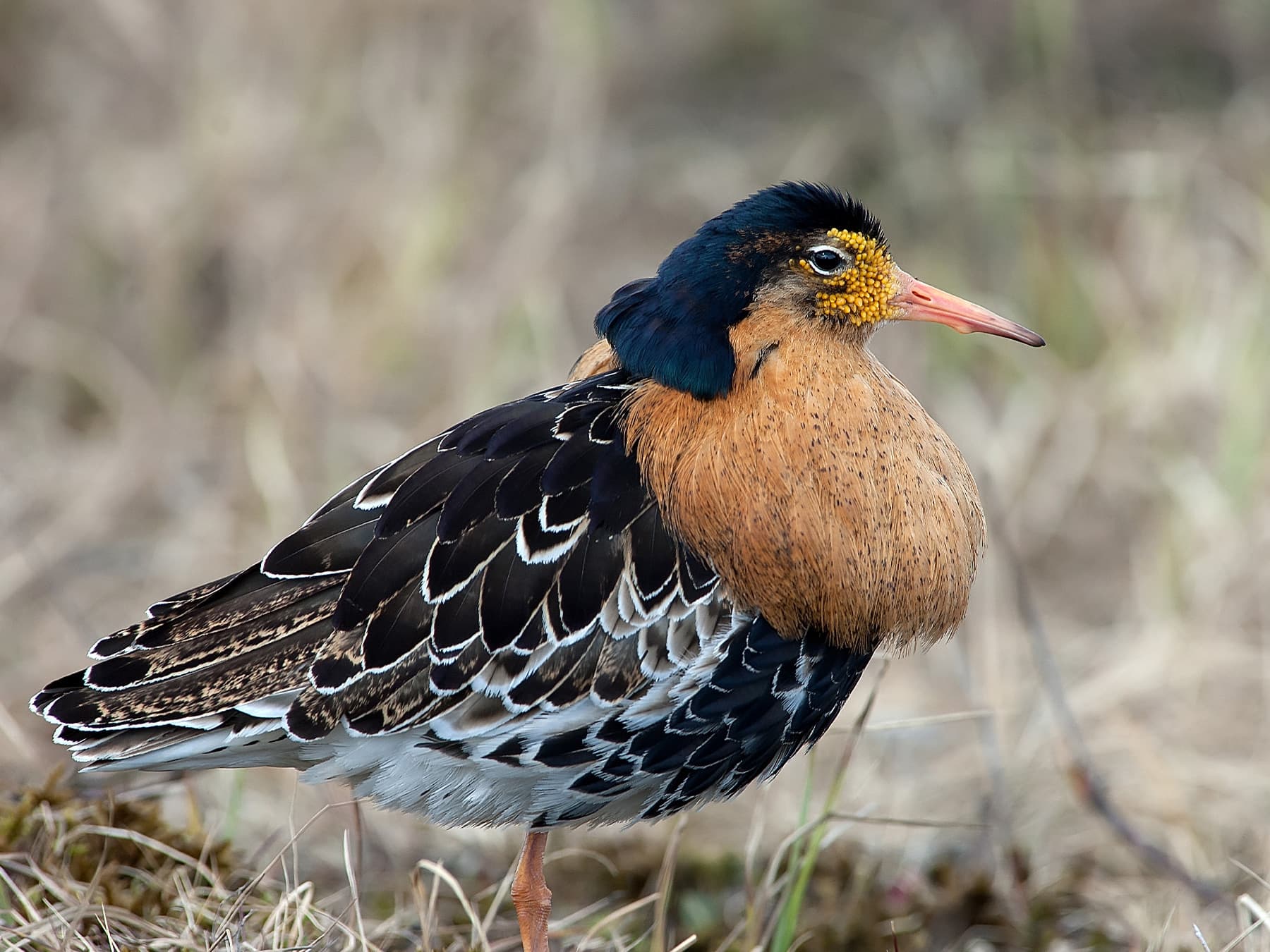
Ruff
Philomachus pugnaxLC
A rare wader found on coastal estuaries and inland pools, mainly on autumn passage. Morecambe Bay fringes offer the best chances.
Jul–Mar
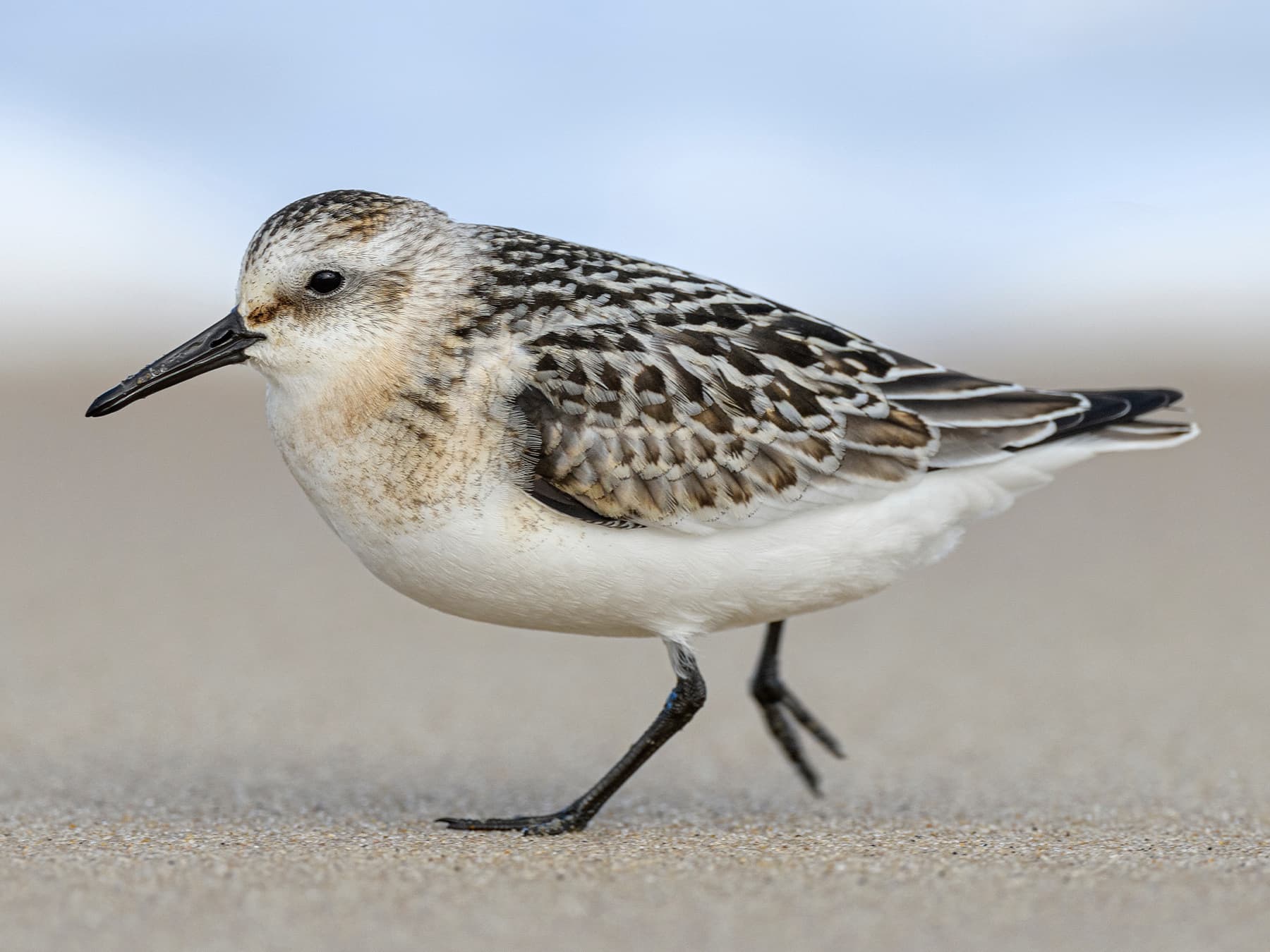
Sanderling
Calidris albaLC
A rare but year-round visitor to sandy beaches along the Cumbrian coast, often seen in small flocks running along the tideline.
Year-round
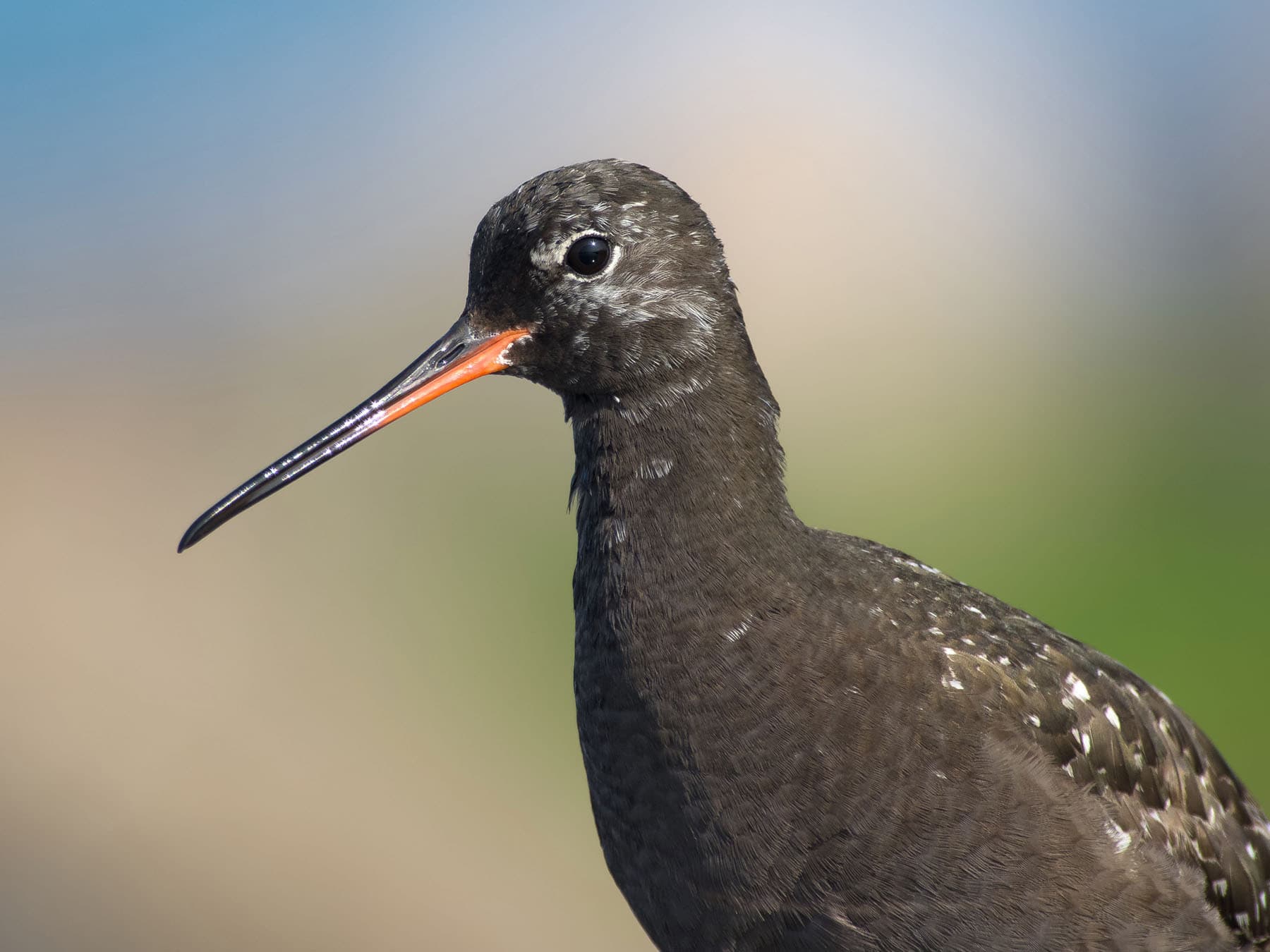
Spotted Redshank
Tringa erythropusLC
A rare autumn passage migrant, occasionally seen on Cumbrian estuaries in August. Longer-legged and darker than common Redshank.
Aug
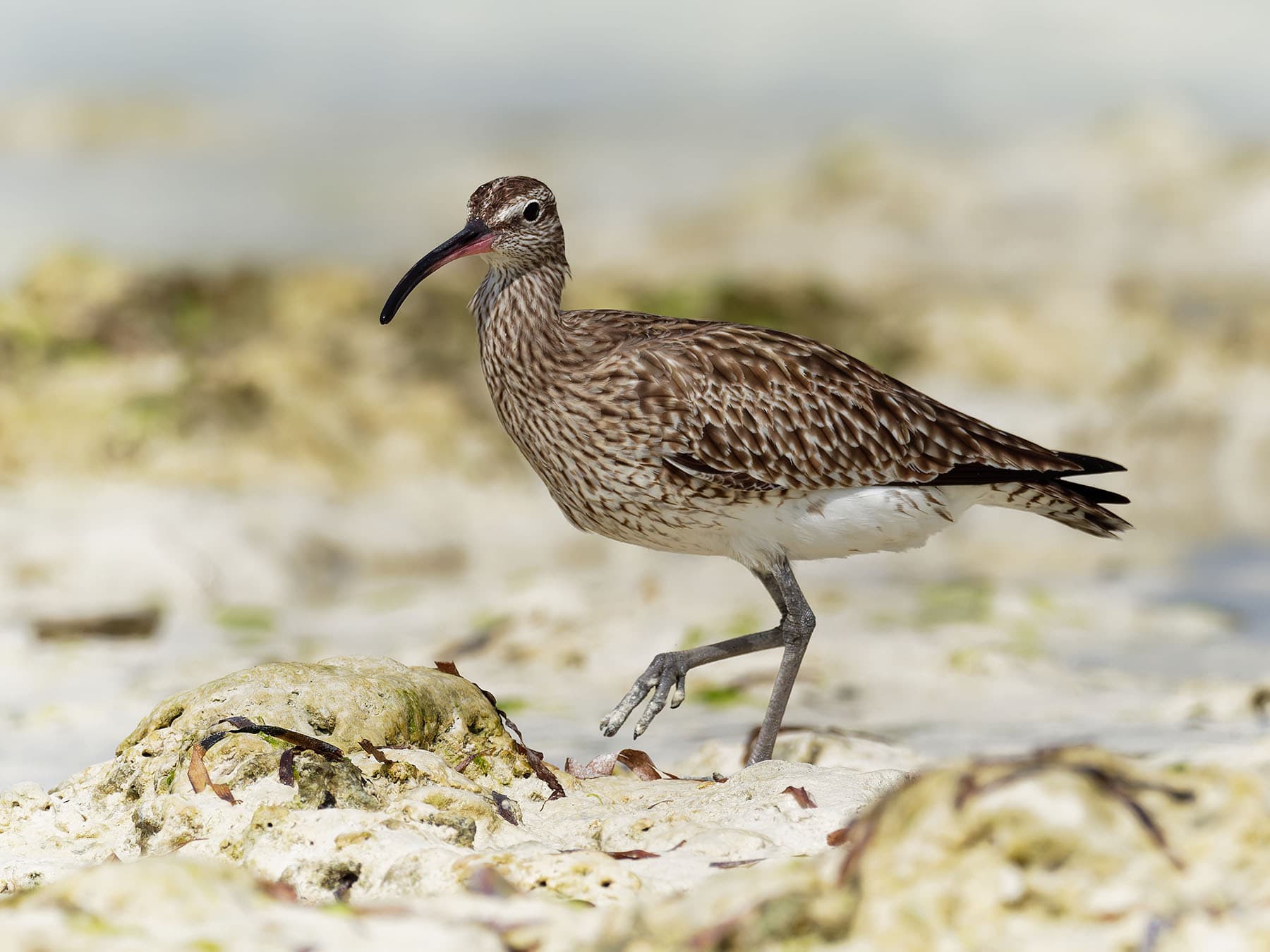
Whimbrel
Numenius phaeopusLC
A rare breeder on Cumbrian uplands, with most sightings during spring and autumn passage along the coast and estuaries.
Apr–Sep
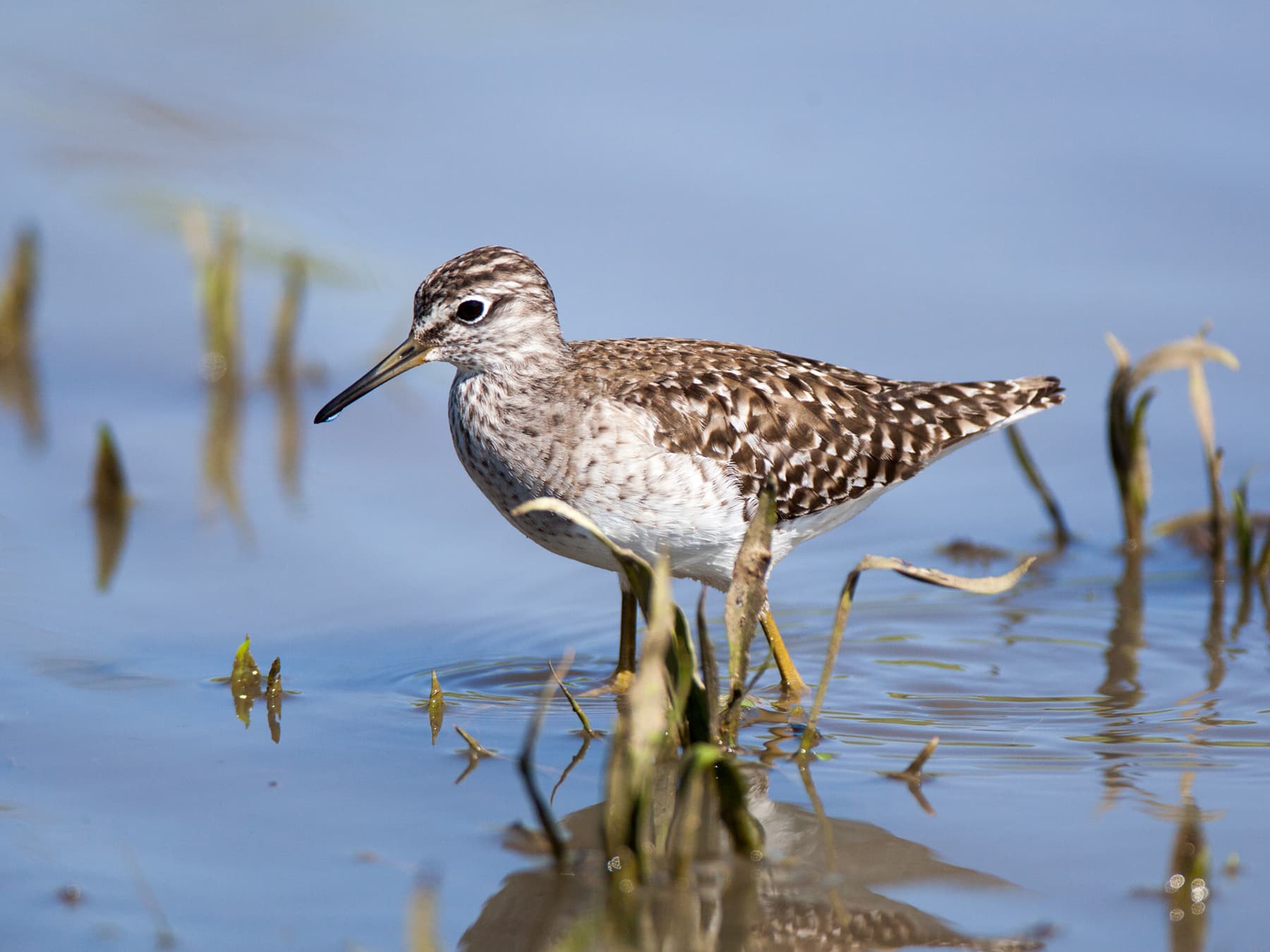
Wood Sandpiper
Tringa glareolaLC
A rare passage migrant through Cumbria in July and August, favouring freshwater pools and marshy edges on its southward journey.
Jul–Aug