Birds in Cheshire
Explore 182 species found in this region.
Cheshire is a rewarding county for birdwatchers, supporting 178 recorded species across a rich mosaic of habitats including meres, mosses, farmland, estuaries, and woodland. The Dee Estuary and wetlands such as those at Woolston Eyes attract notable species like Great White Egret, Hen Harrier, and Goldeneye, while resident birds such as Cetti's Warbler and Linnet can be found year-round. From wintering wildfowl to summer visitors like the Common Swift, Cheshire offers excellent birding opportunities throughout the seasons.
Visiting in August? Look out for Curlew Sandpiper and Dipper arriving this month, and Common Redpoll and Common Scoter depart for the season.


Showing 162–182 of 182 species
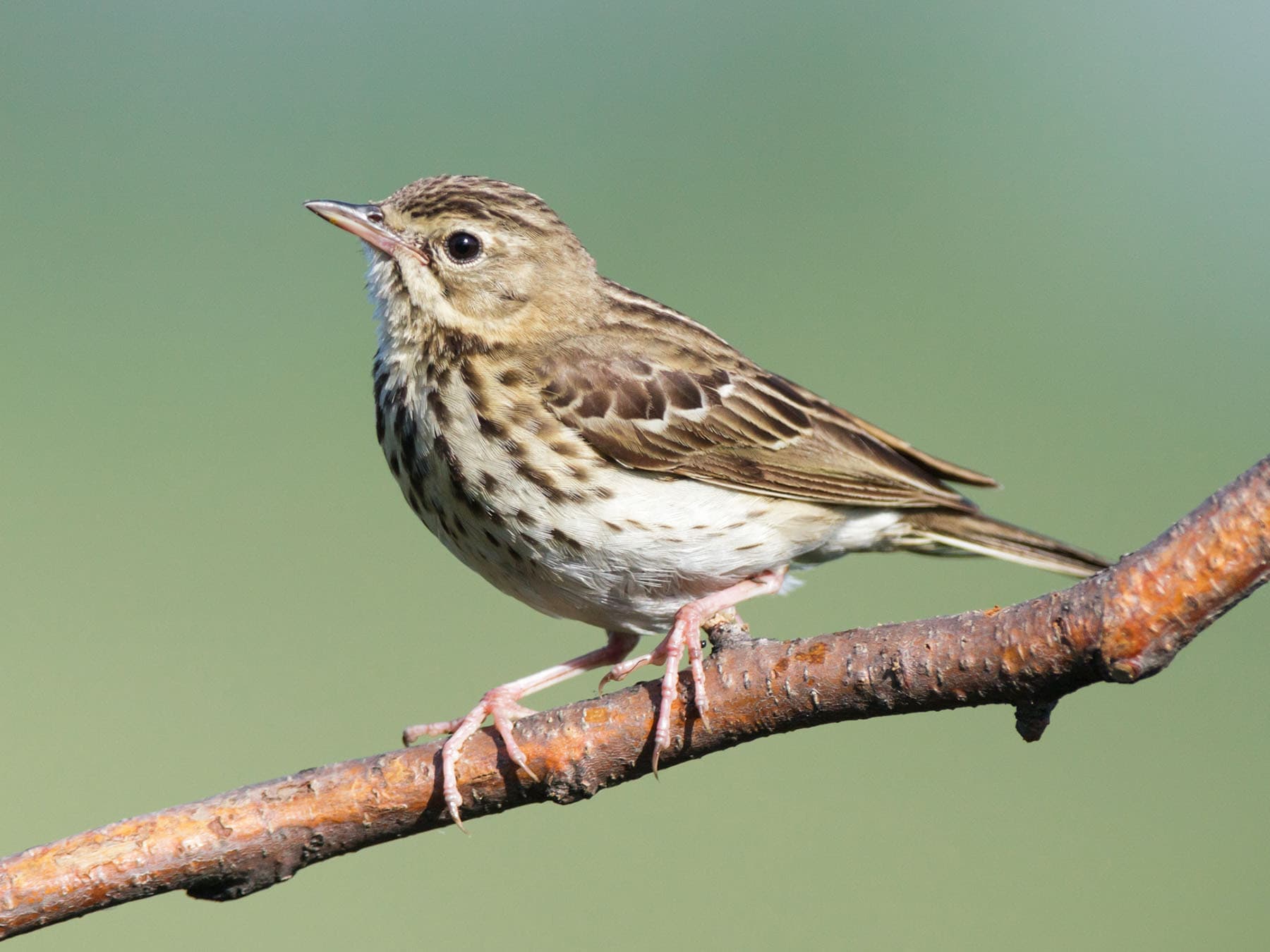
Tree Pipit
Anthus trivialisLC
A rare summer breeder found on wooded heathland and woodland clearings in the east, delivering its song in parachuting display flights.
Apr–Sep
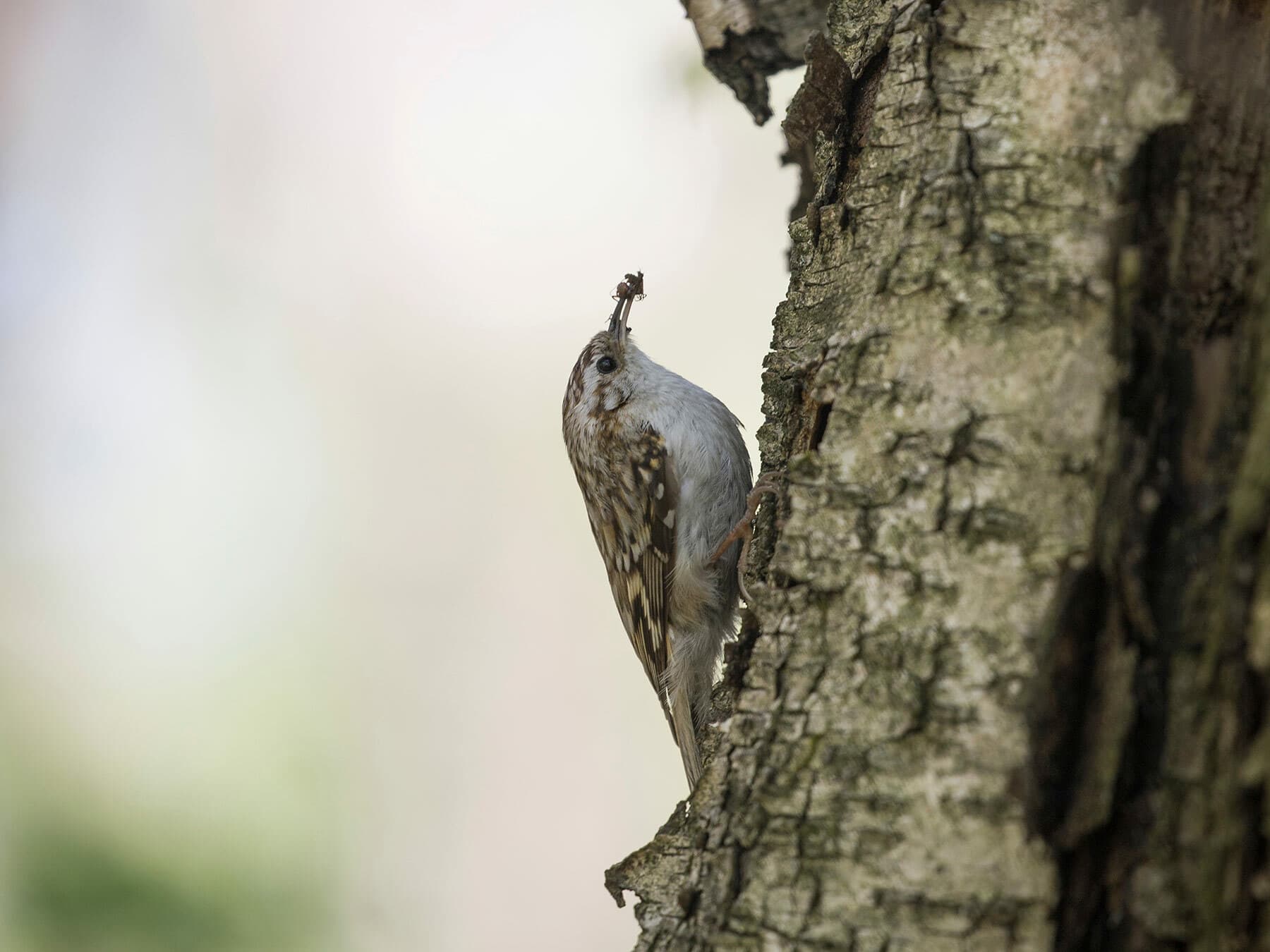
Treecreeper
Certhia familiarisLC
An unobtrusive resident of mature woodland, spiralling up tree trunks in search of insects throughout the year.
Year-round
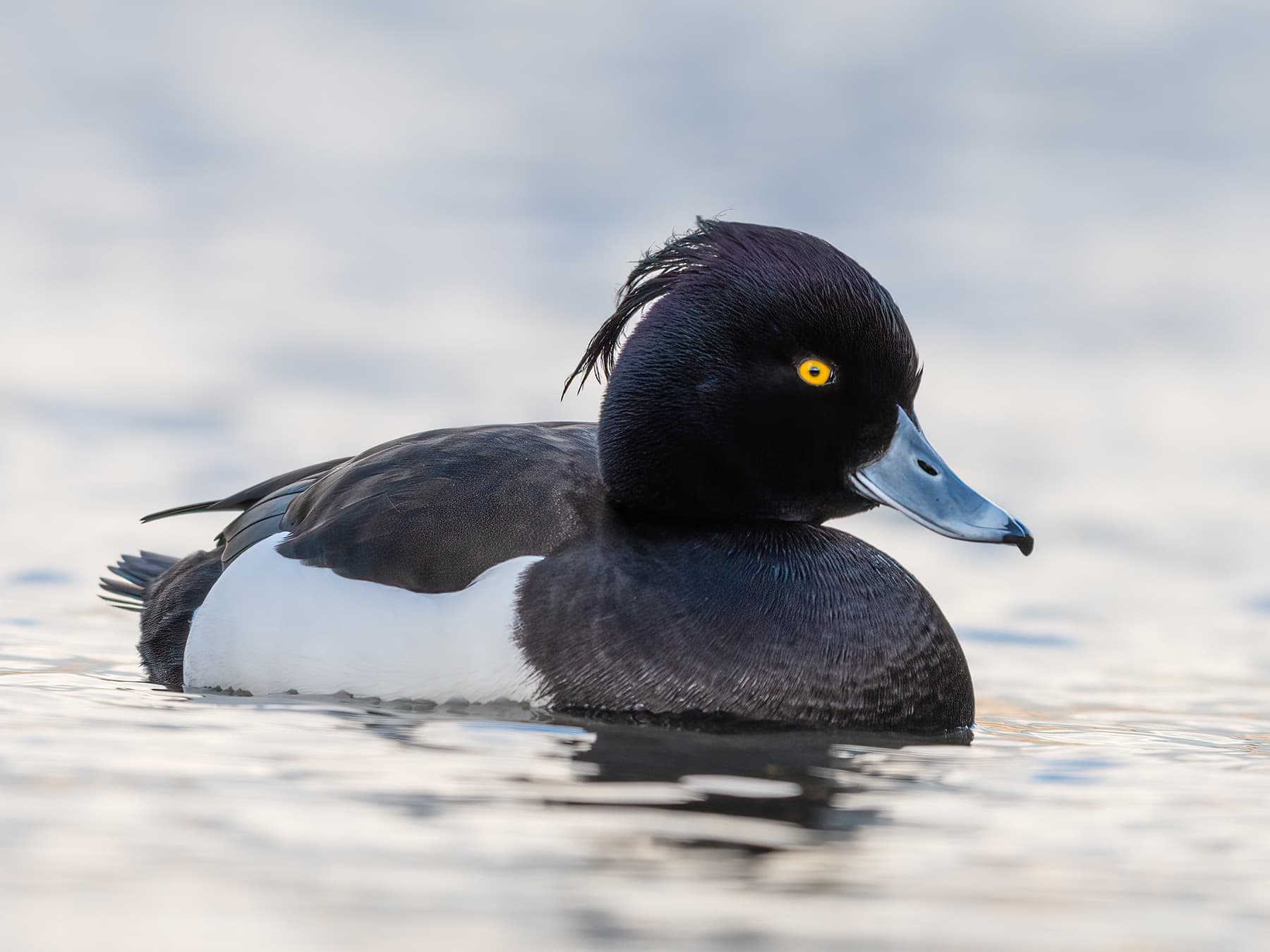
Tufted Duck
Aythya fuligulaLC
Common year-round on meres, reservoirs and park lakes. Breeds across the county and numbers swell in winter.
Year-round
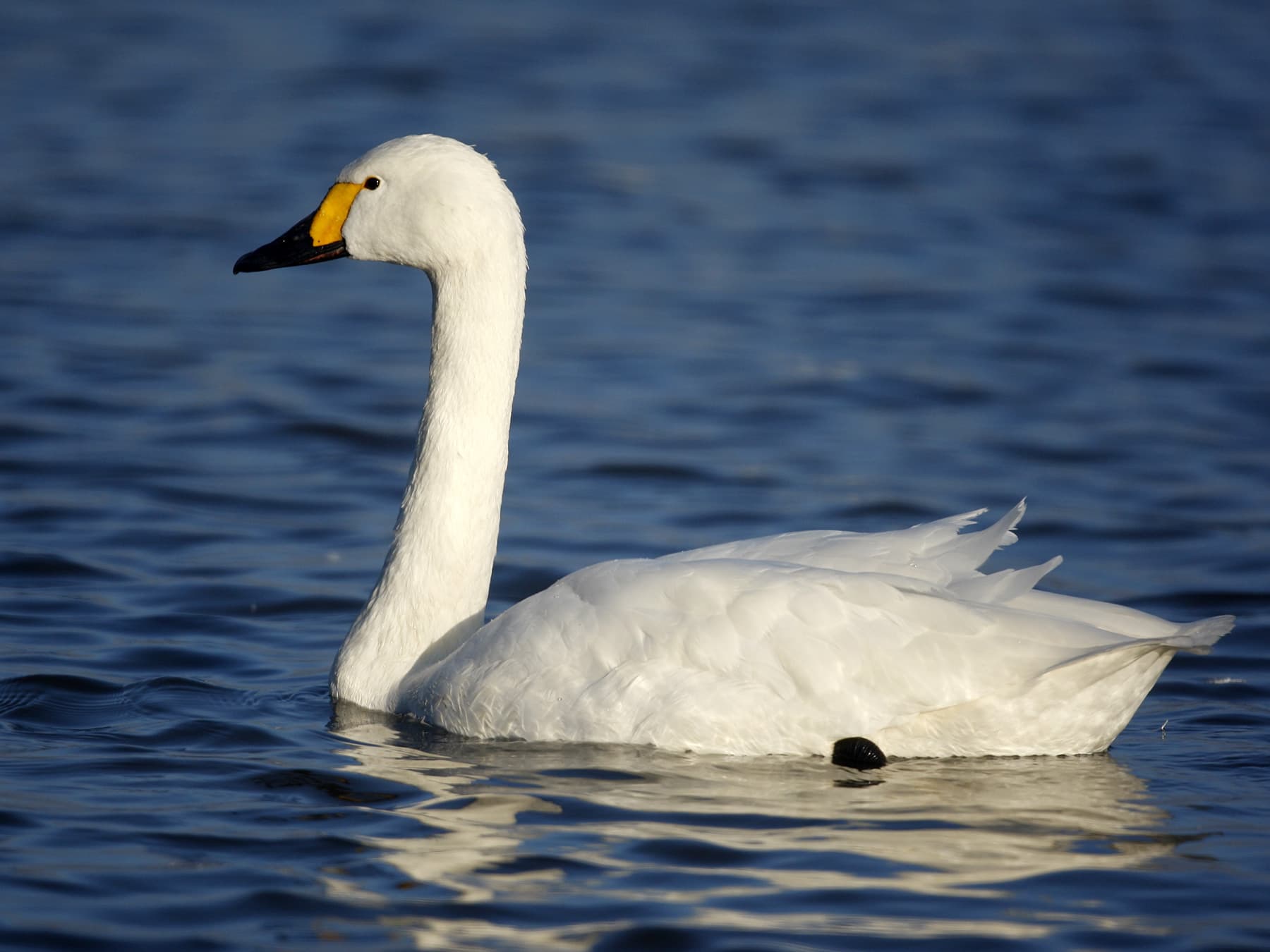
Tundra Swan
Cygnus columbianusLC
A rare passage visitor in midwinter, occasionally recorded on flooded fields or larger meres in January and February.
Jan–Feb
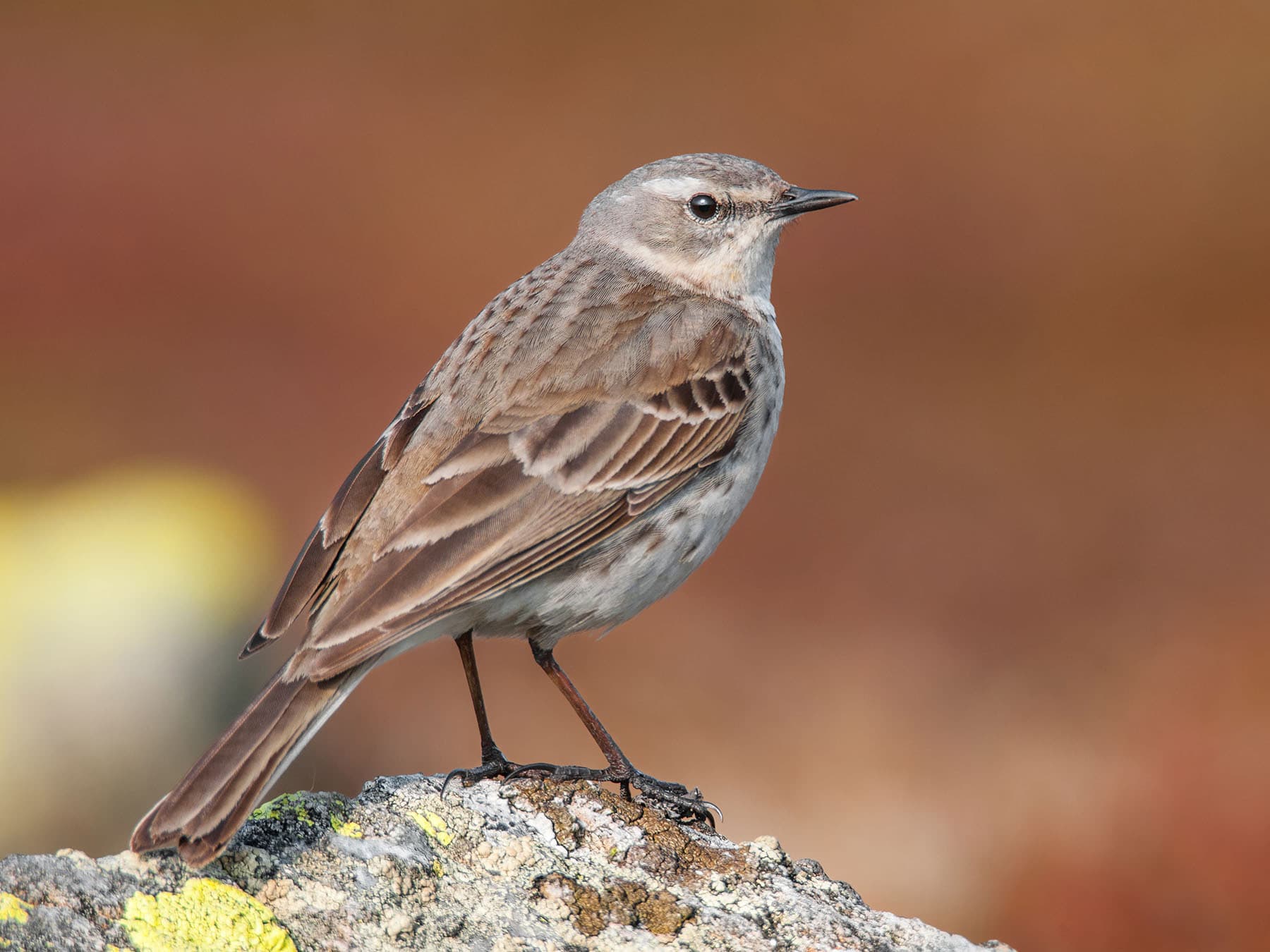
Water Pipit
Anthus spinolettaLC
A rare passage visitor recorded briefly in February and November. Look for it around watercress beds, reservoir margins, and muddy wetland edges.
Nov–Feb
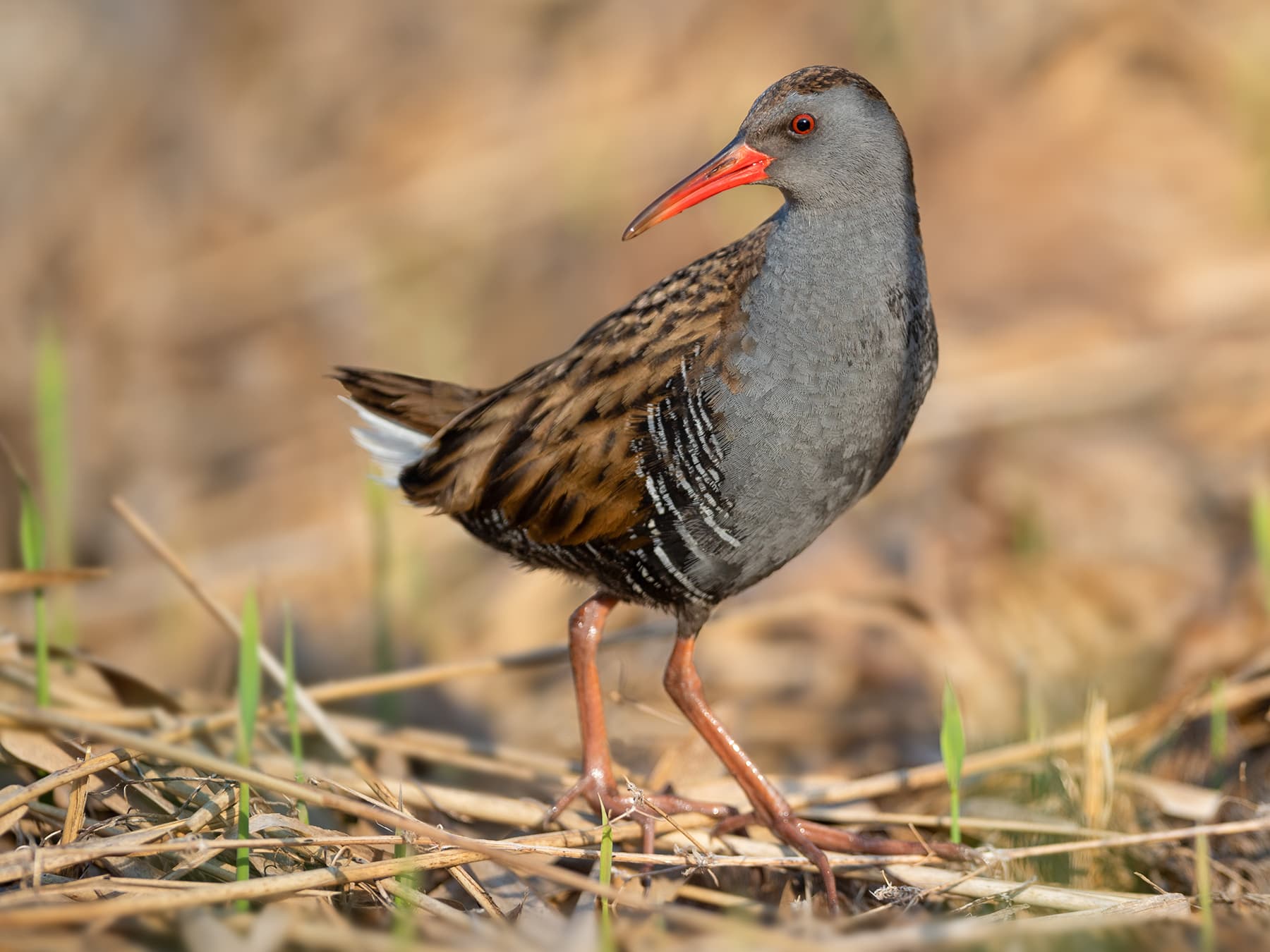
Water Rail
Rallus aquaticusLC
An uncommon but year-round resident of reedbeds and marshy wetlands. More often heard squealing than seen at sites like Woolston Eyes.
Year-round
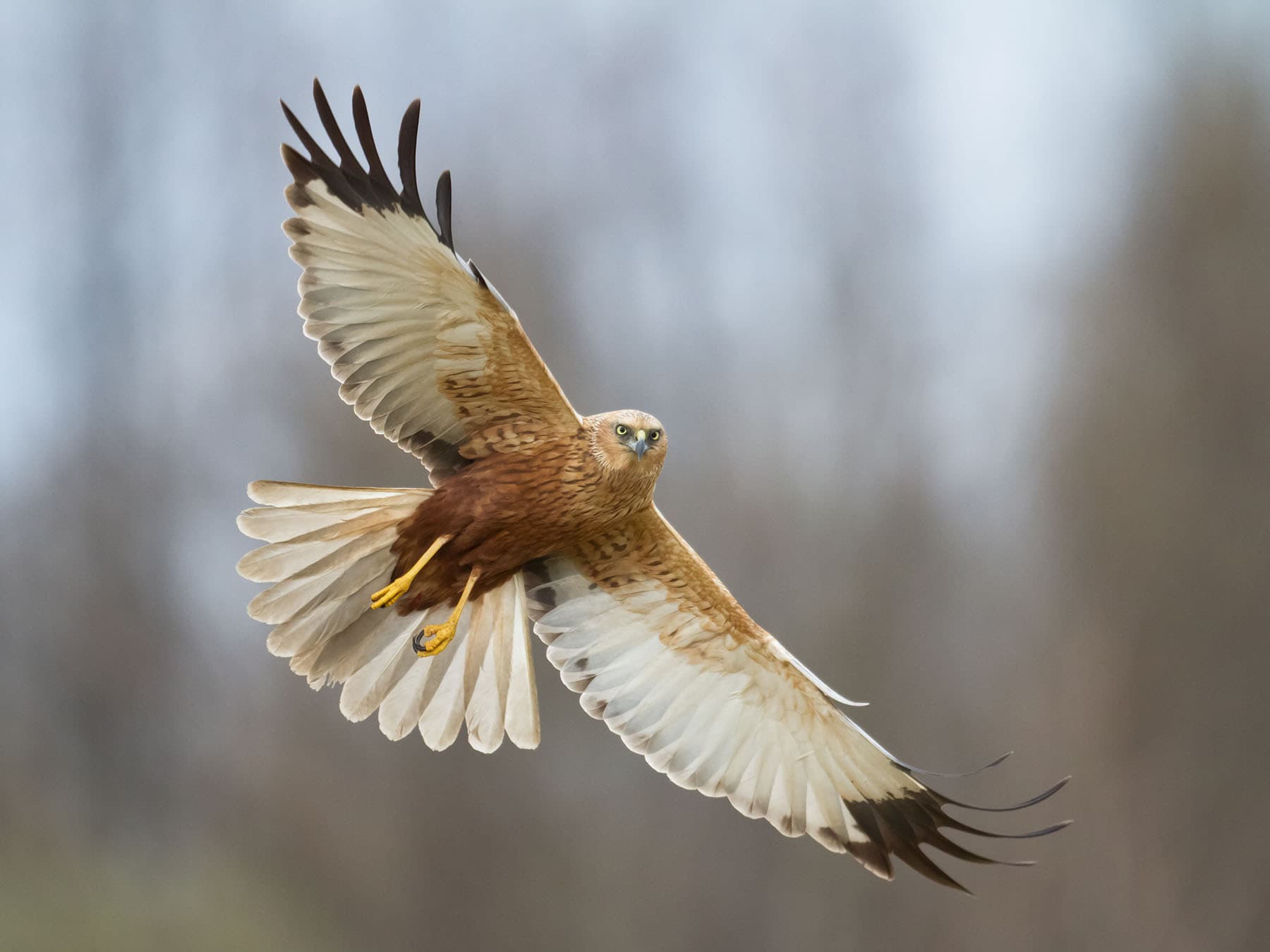
Western Marsh-harrier
Circus aeruginosusLC
An uncommon year-round resident, increasingly breeding at Cheshire's wetland reserves and quartering reedbeds with its distinctive tilting flight.
Year-round
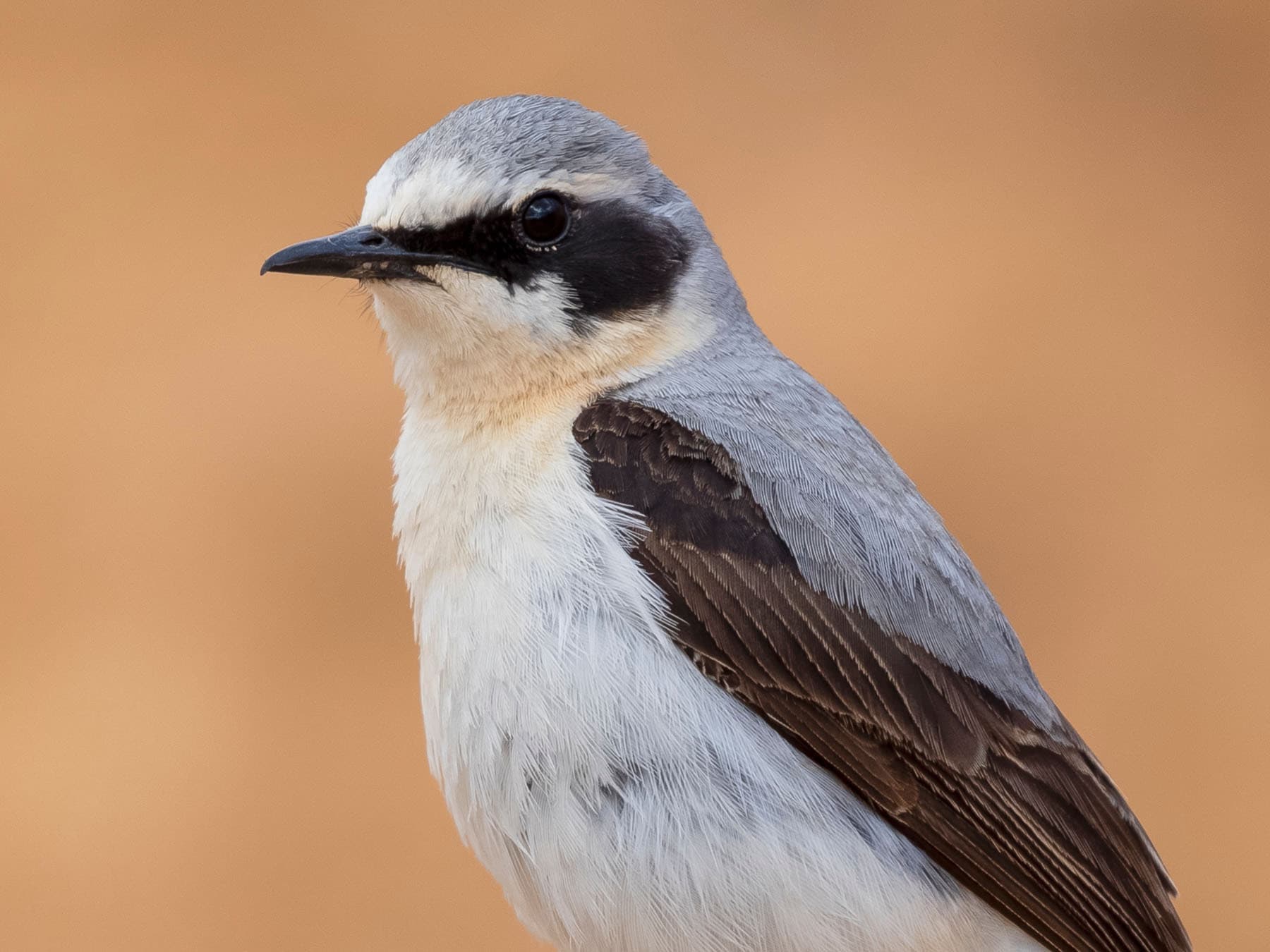
Wheatear
Oenanthe oenantheLC
An uncommon summer breeder on upland pastures and moorland fringes, also seen on passage across lowland fields.
Mar–Sep
Spotted something?
Upload a photo to identify it
Identify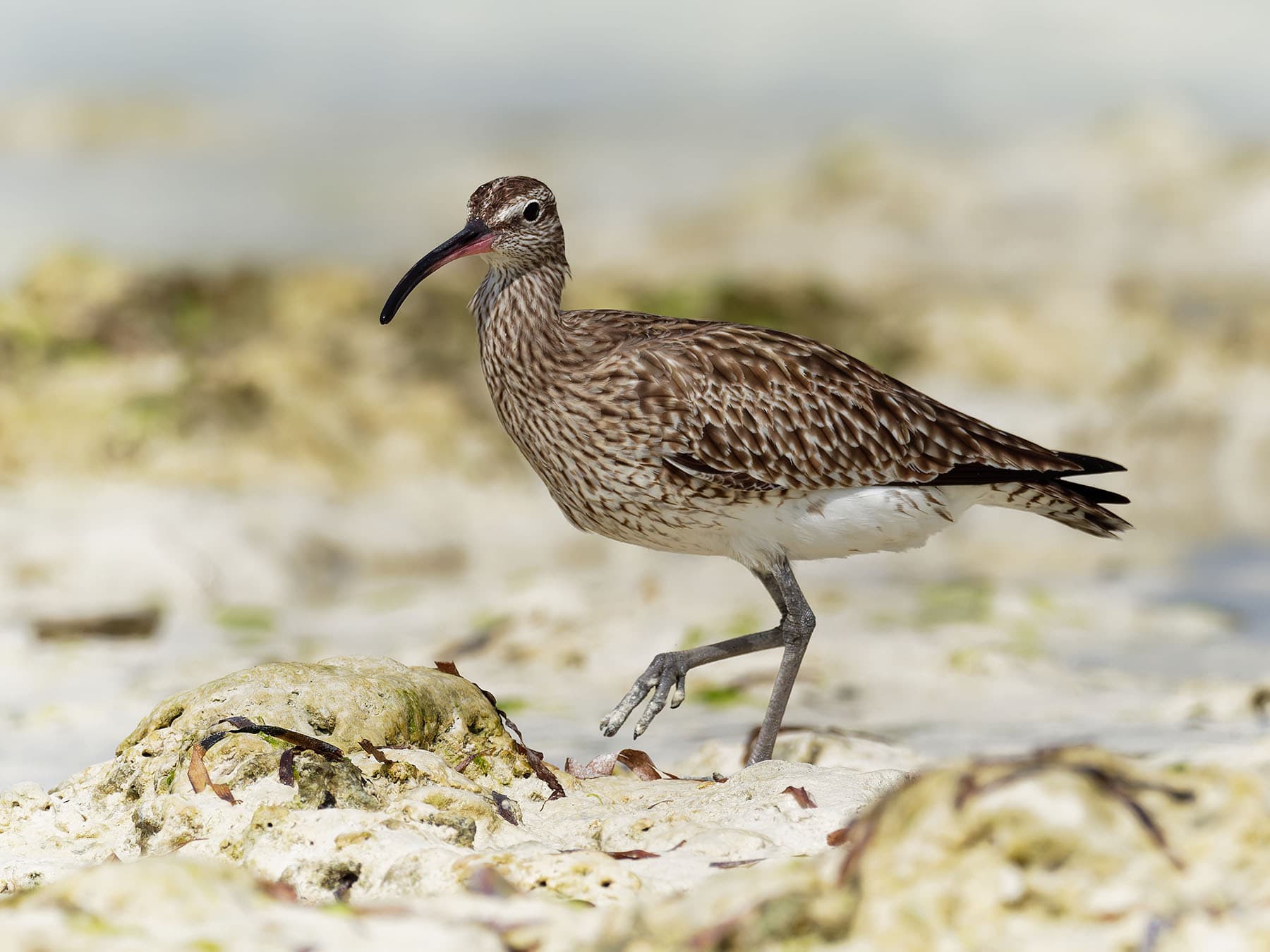
Whimbrel
Numenius phaeopusLC
A rare visitor mainly on spring and autumn passage, pausing at coastal marshes and meres. Its distinctive call aids detection.
Apr–Sep
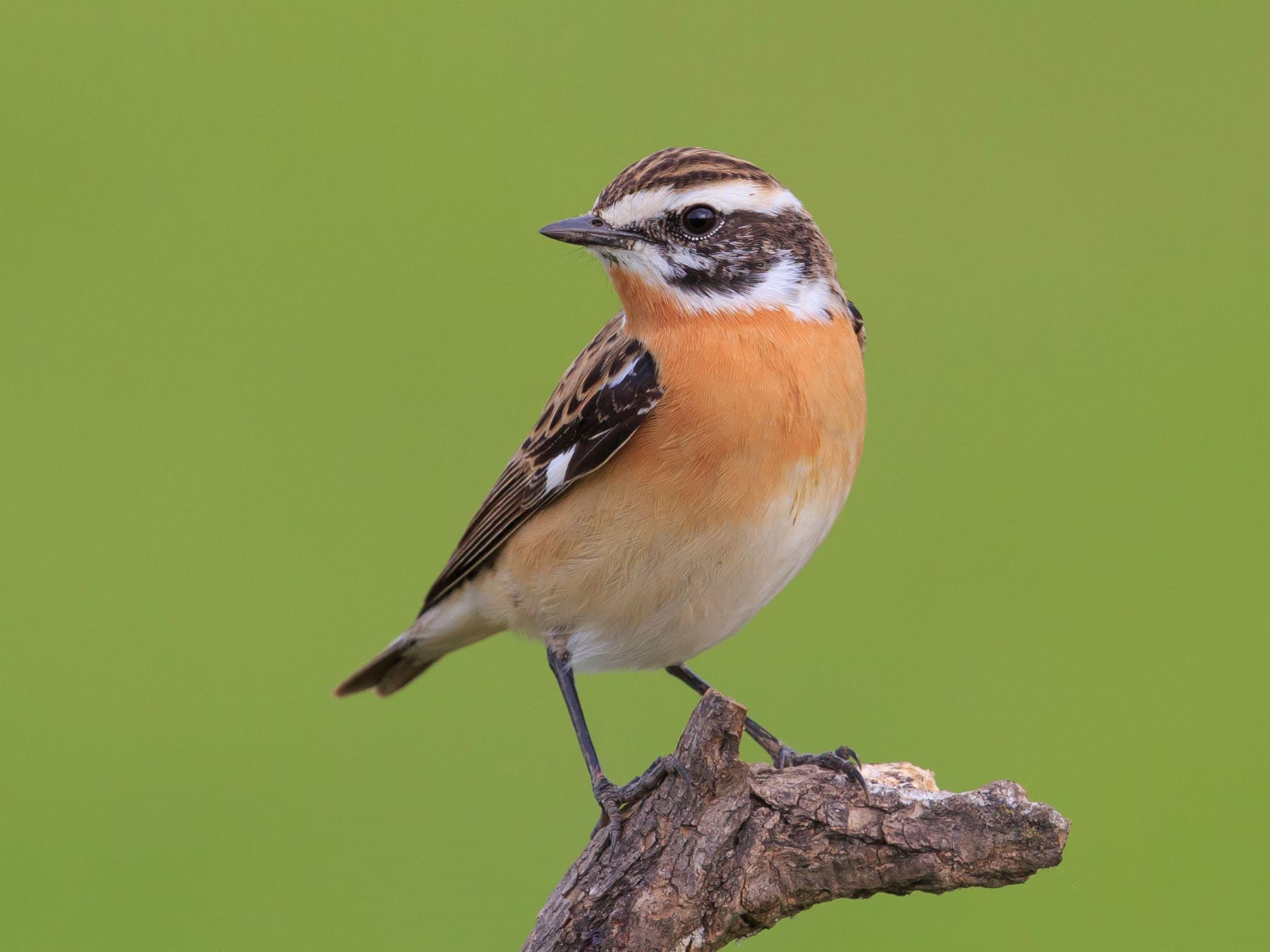
Whinchat
Saxicola rubetraLC
A rare passage migrant glimpsed briefly in spring and autumn on rough grassland and moorland edges.
Apr–Sep
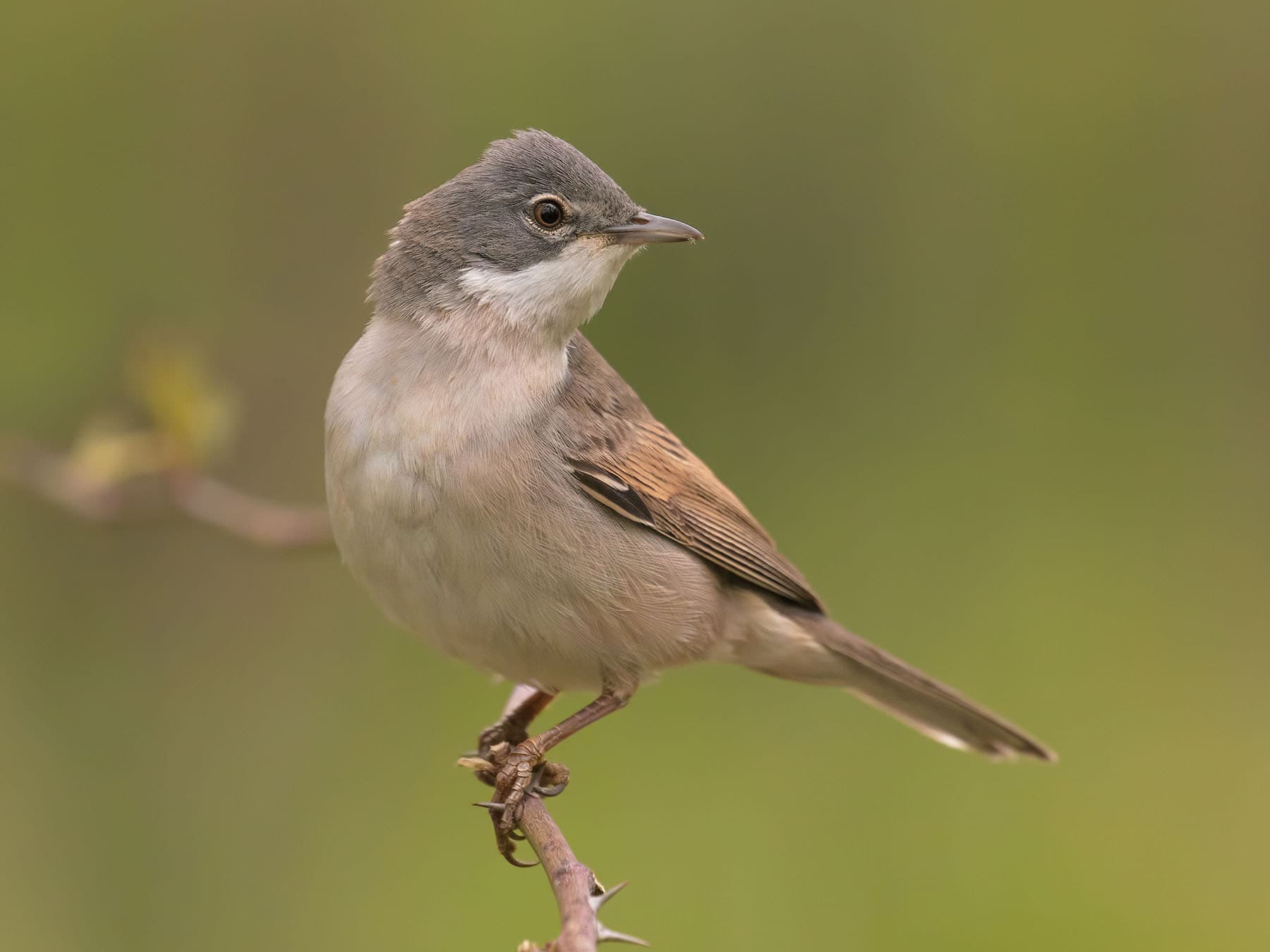
Whitethroat
Curruca communisLC
A common summer visitor breeding in hedgerows and bramble patches across Cheshire's farmland. Its scratchy song is a feature of country lanes.
Apr–Sep
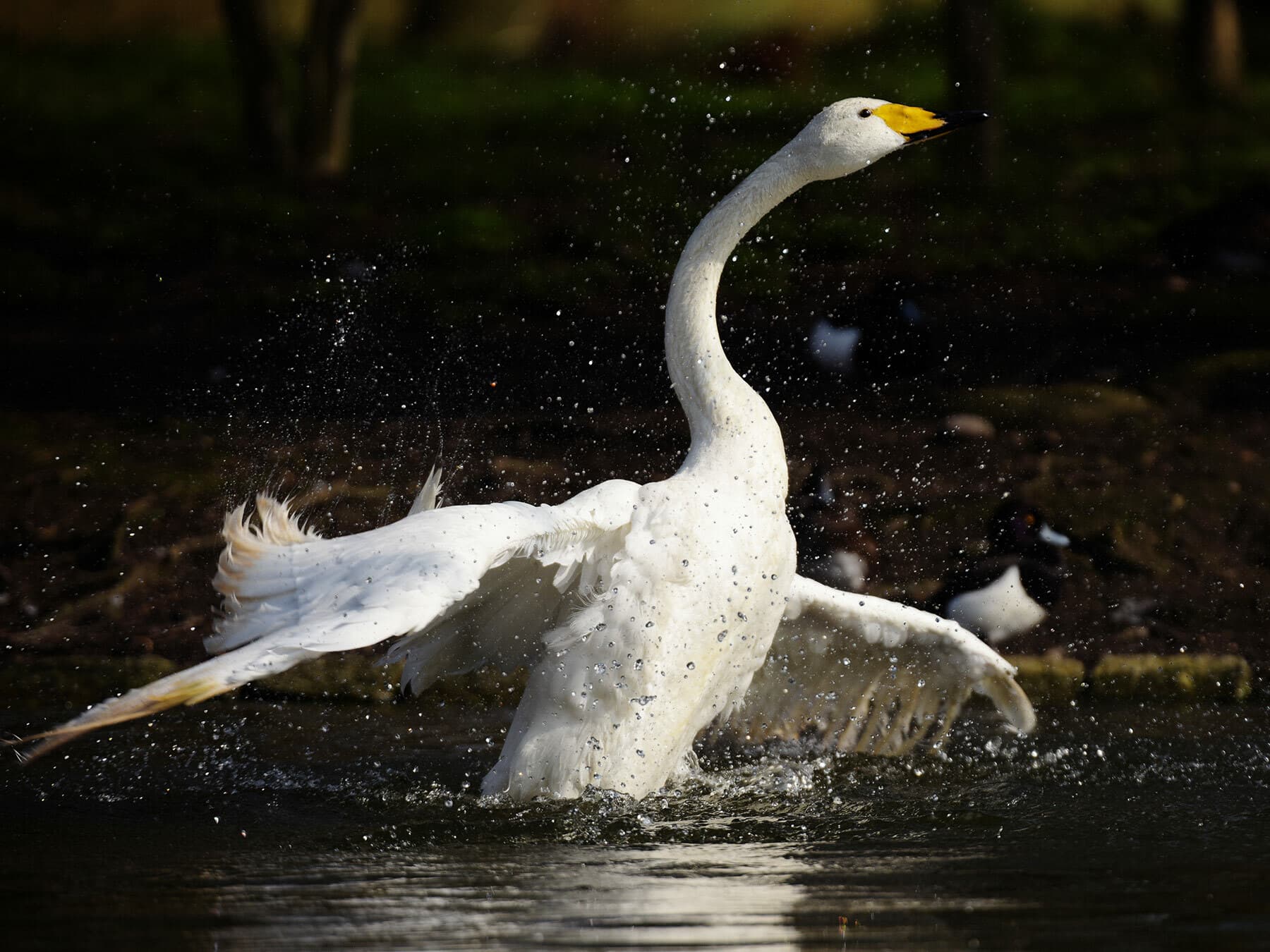
Whooper Swan
Cygnus cygnusLC
A rare winter visitor arriving from Iceland, sometimes seen on flooded pastures and larger meres from October to March.
Oct–Mar
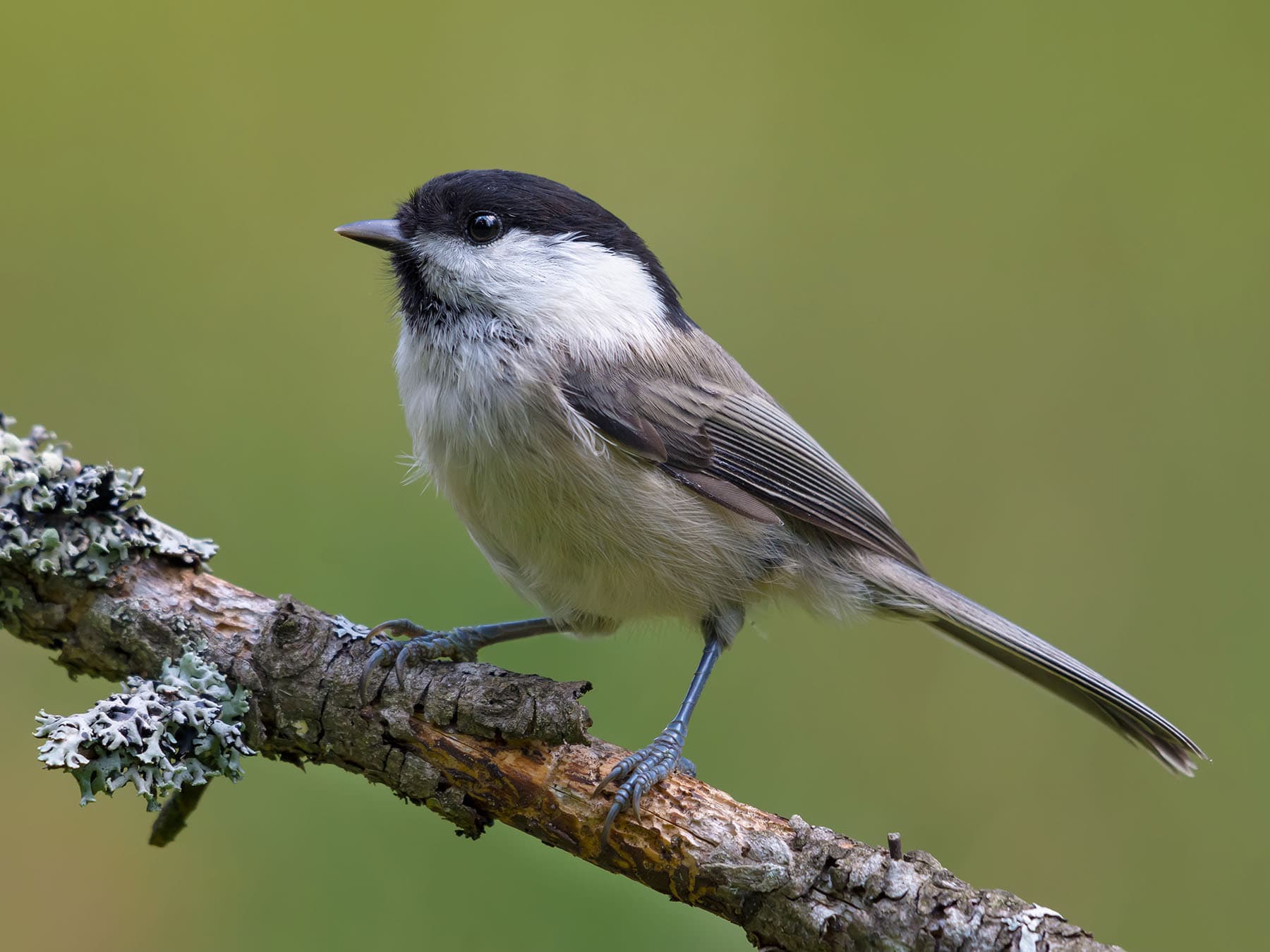
Willow Tit
Poecile montanusLC
A rare and rapidly declining resident, clinging on in damp woodland and scrubby hedgerows. Cheshire remains one of its last English strongholds.
Jul–May
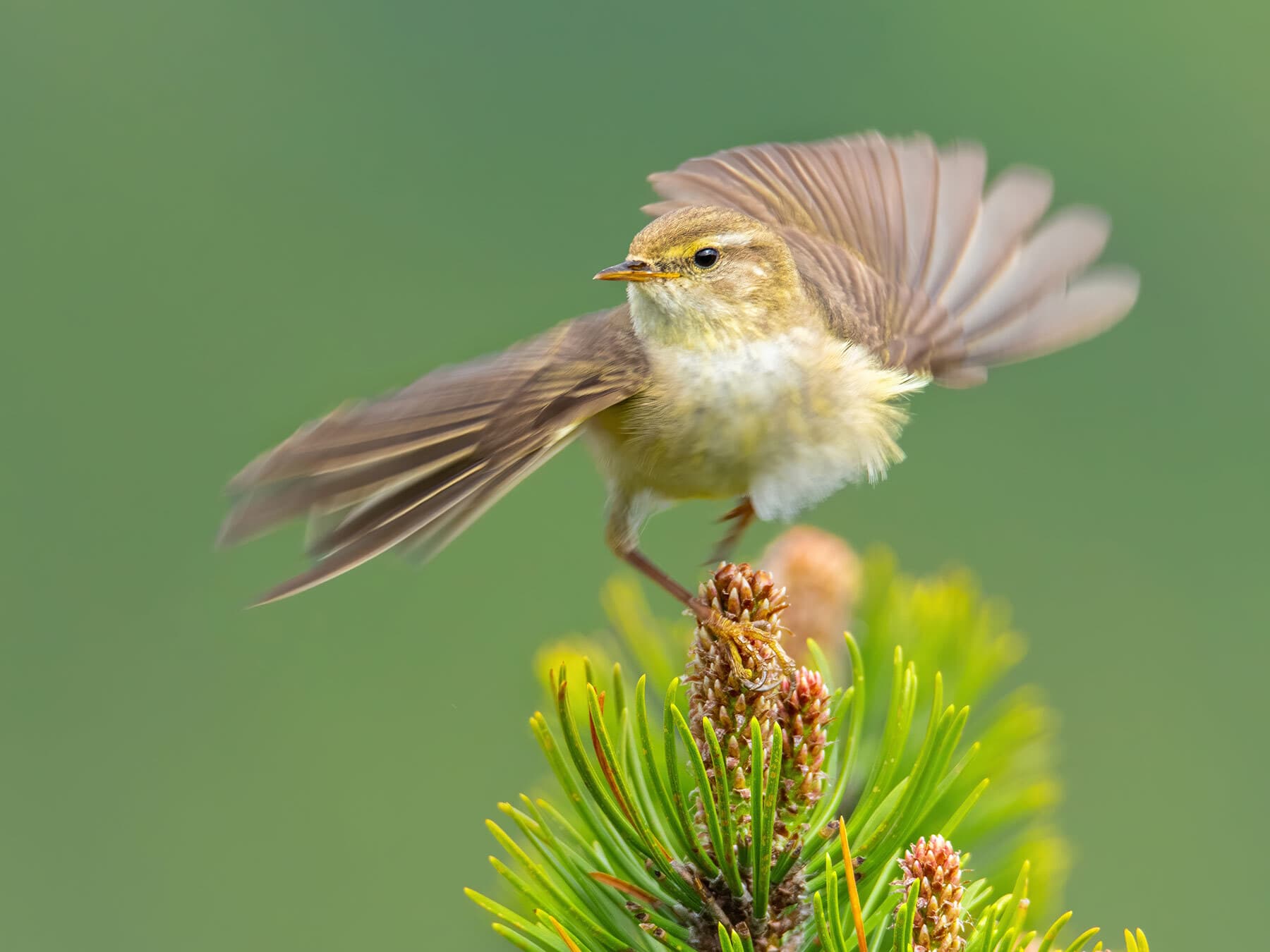
Willow Warbler
Phylloscopus trochilusLC
An uncommon summer breeder favouring scrubby woodland edges and hedgerows. Its gentle descending song is heard from March through to departure in September.
Mar–Sep
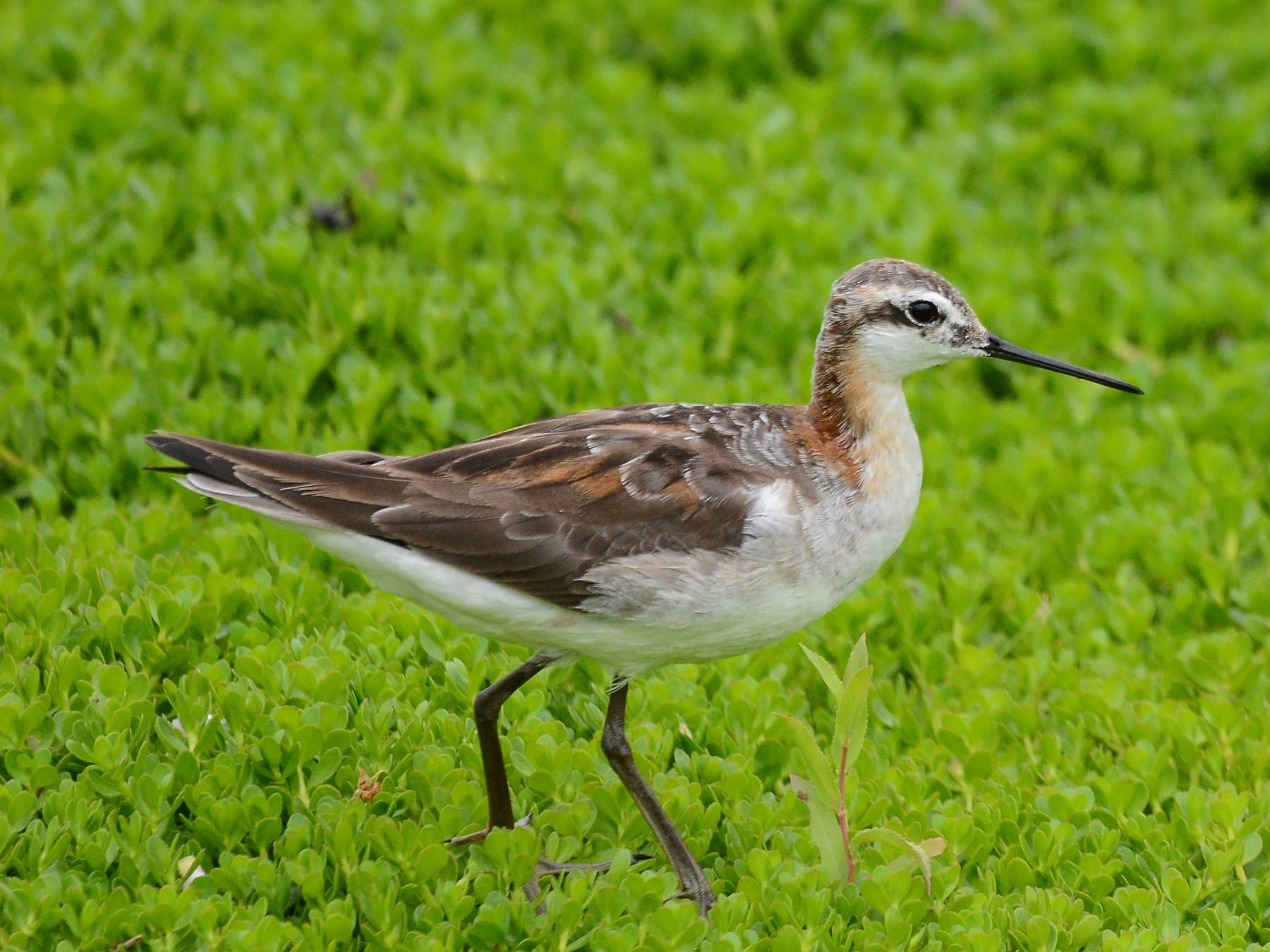
Wilson's Phalarope
Phalaropus tricolorLC
An extremely rare transatlantic vagrant, recorded on passage in September. A prized find at any Cheshire wetland.
Sep
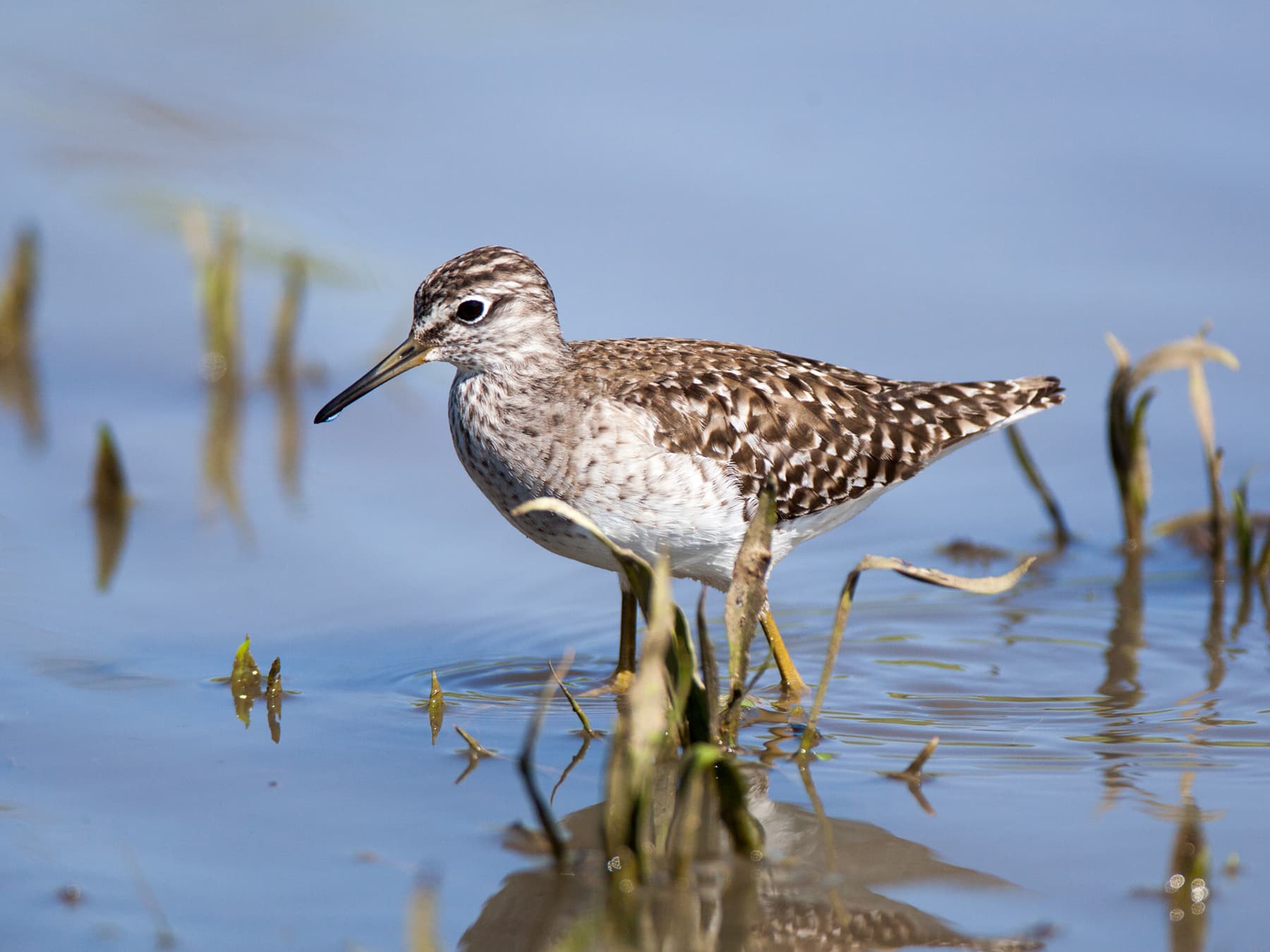
Wood Sandpiper
Tringa glareolaLC
A rare summer visitor from May to September, occasionally found at marshy pools and flooded fields on passage.
May–Sep
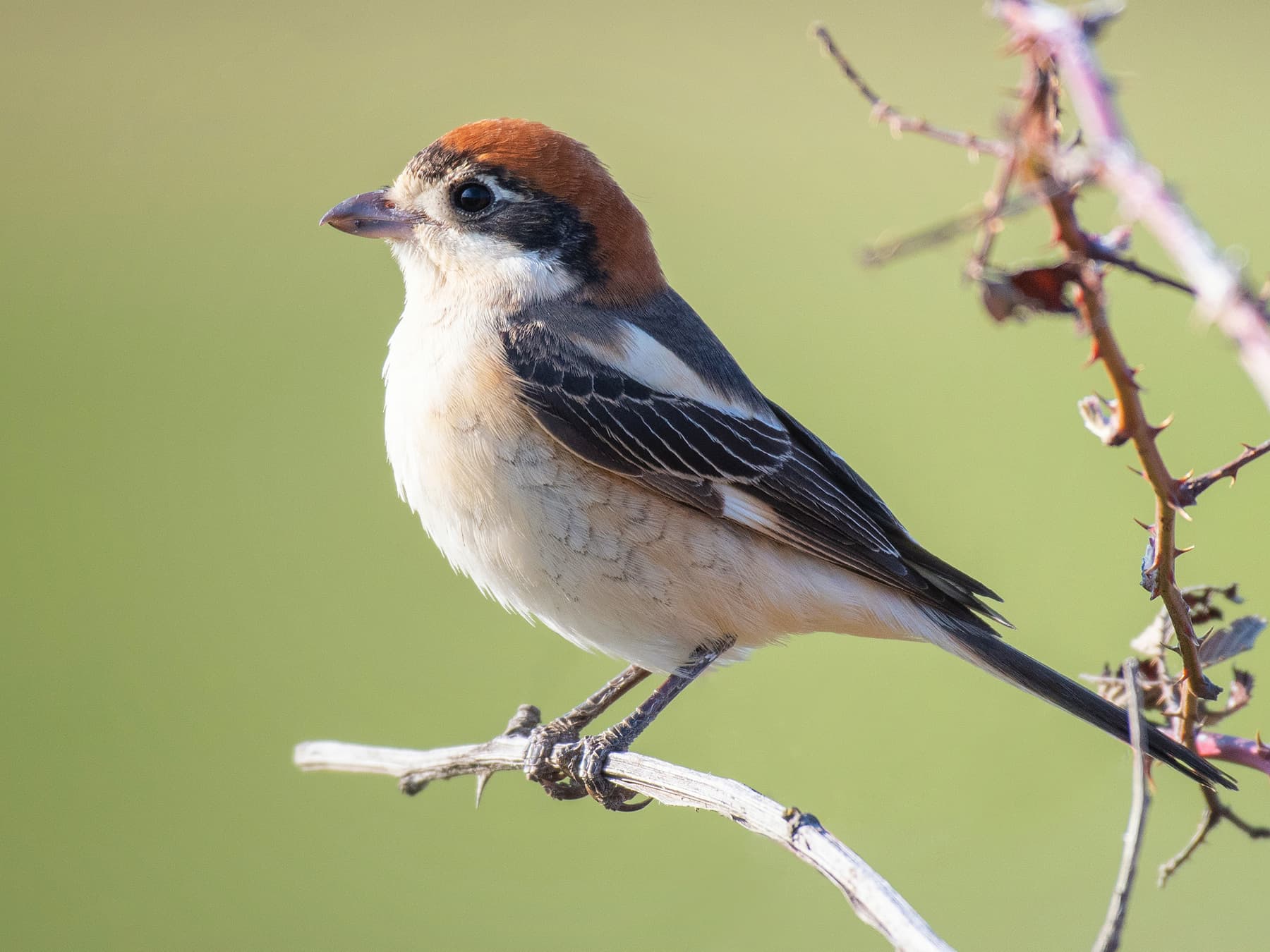
Woodchat Shrike
Lanius senatorNT
A rare overshooting migrant from southern Europe, recorded very occasionally in June — a genuine Cheshire rarity when it appears.
Jun
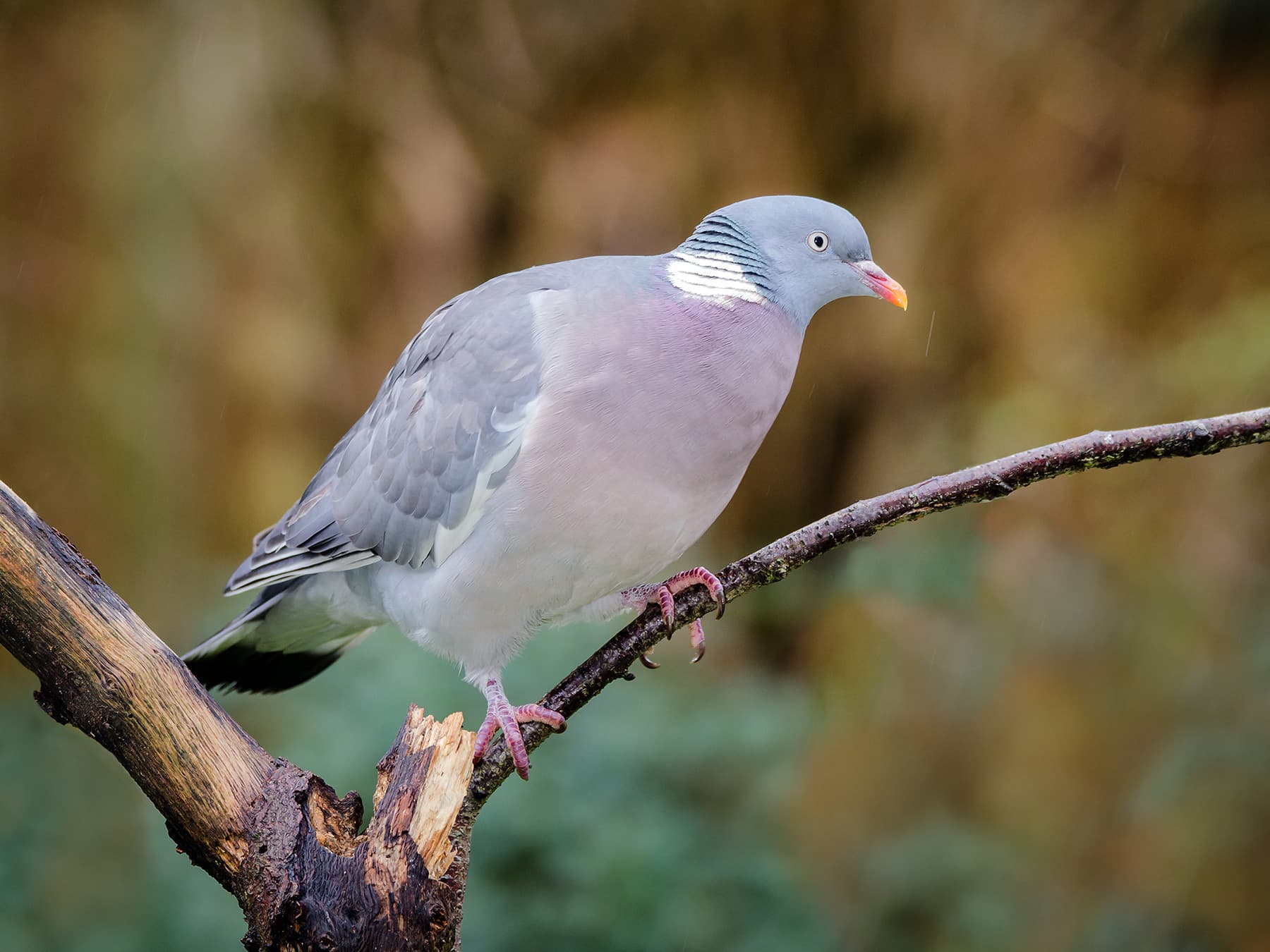
Woodpigeon
Columba palumbusLC
An abundant resident seen in virtually every habitat from town centres to deep woodland. Large autumn flocks gather on arable fields across the plain.
Year-round
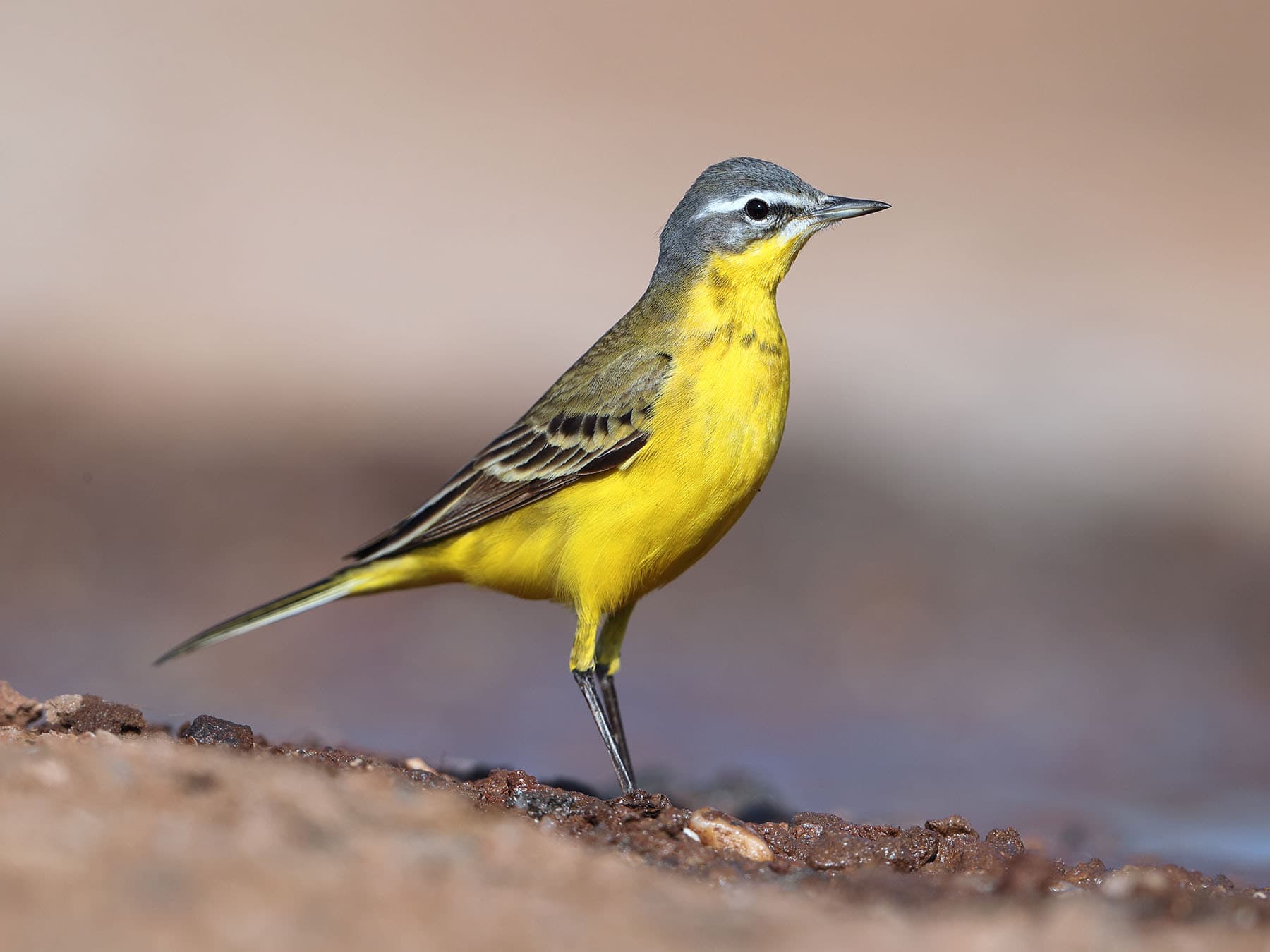
Yellow Wagtail
Motacilla flavaLC
An uncommon summer breeder favouring lowland pastures and arable fields, arriving in April and departing by September.
Apr–Sep
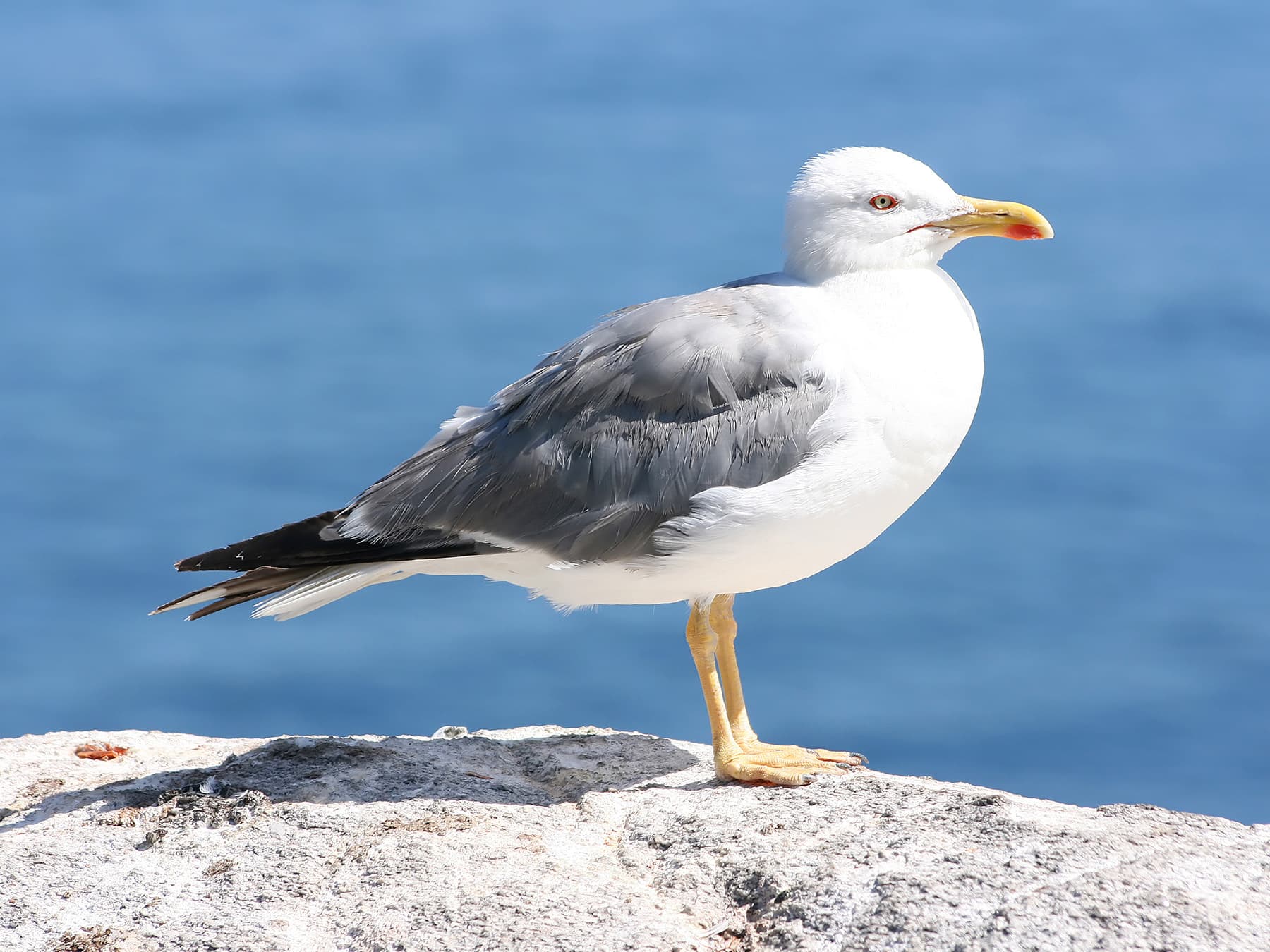
Yellow-legged Gull
Larus michahellisLC
A rare visitor found near reservoirs and the Dee Estuary, present most months but easily overlooked among commoner large gulls.
Jun–Apr
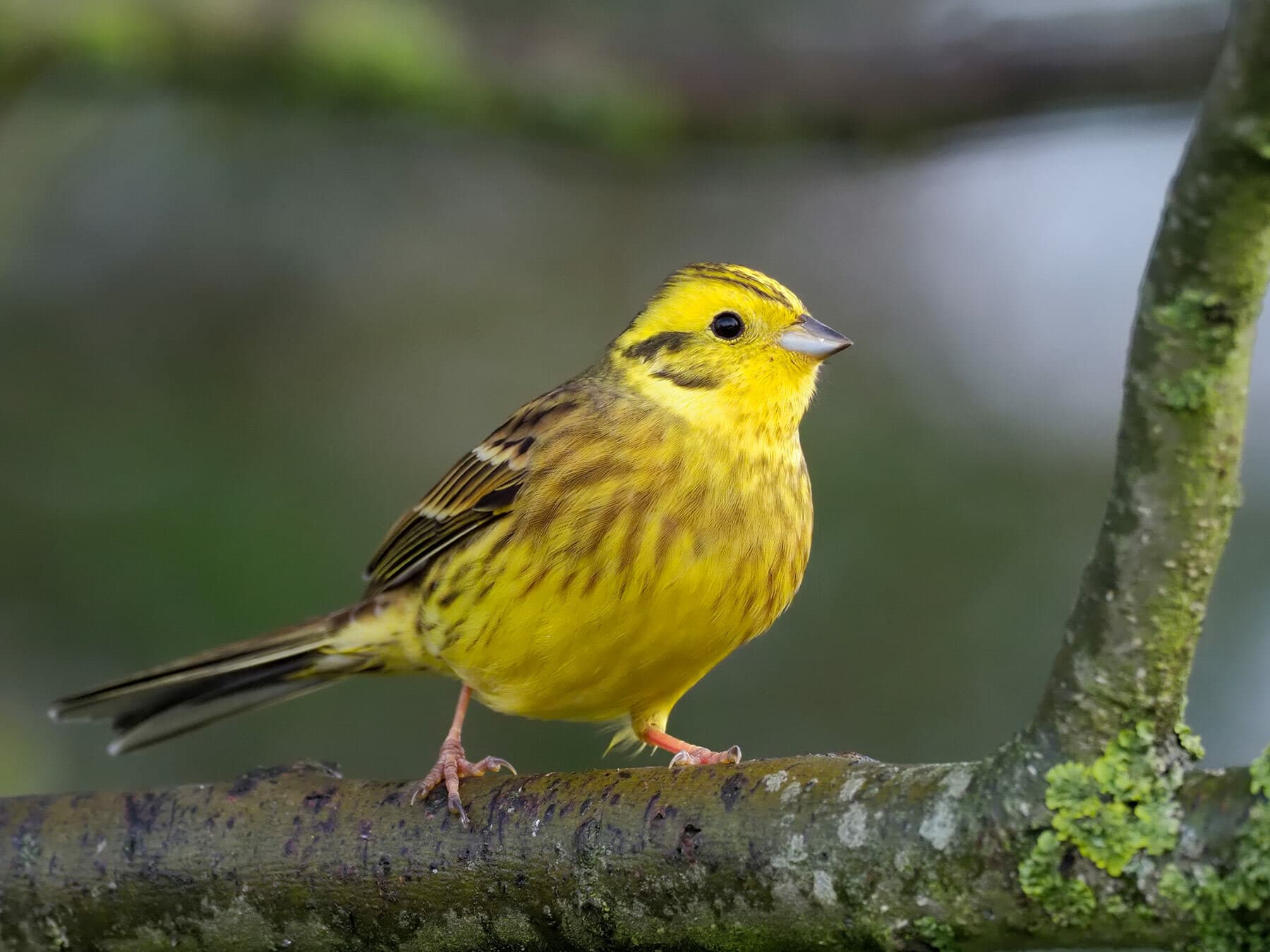
Yellowhammer
Emberiza citrinellaLC
Now rare in Cheshire, reflecting steep national declines linked to farmland habitat loss. Favours hedgerow-rich arable margins where still present.
Oct–Aug