


Rare Birds in Mongolia
Our list for Mongolia has 18 rare birds recorded regularly there: 16 passage migrants and 2 scarce visitors
All 18, most common first
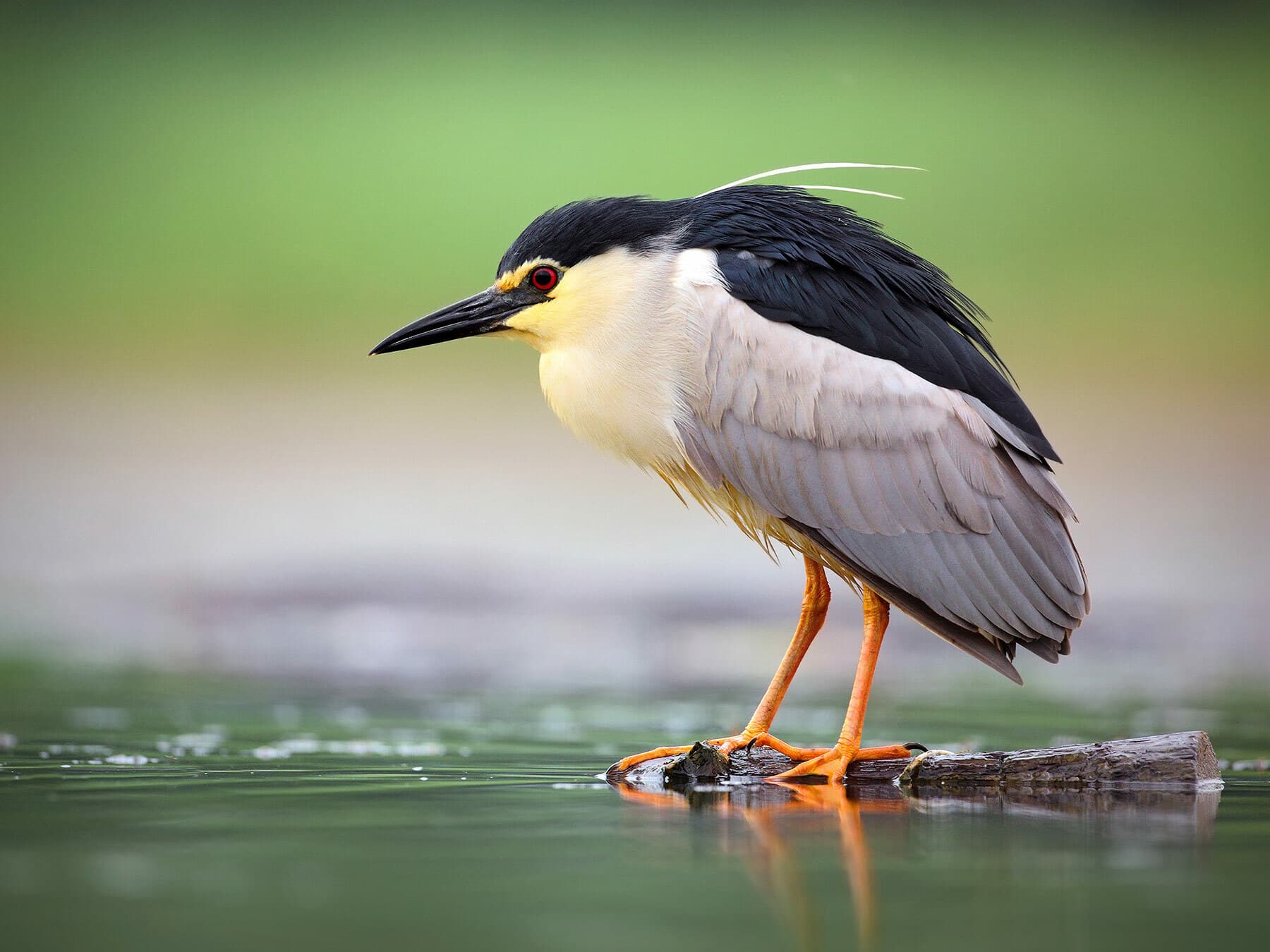 Black-crowned Night-heronNycticorax nycticoraxPassage migrantRare58–65 cmRegularly May–Jun
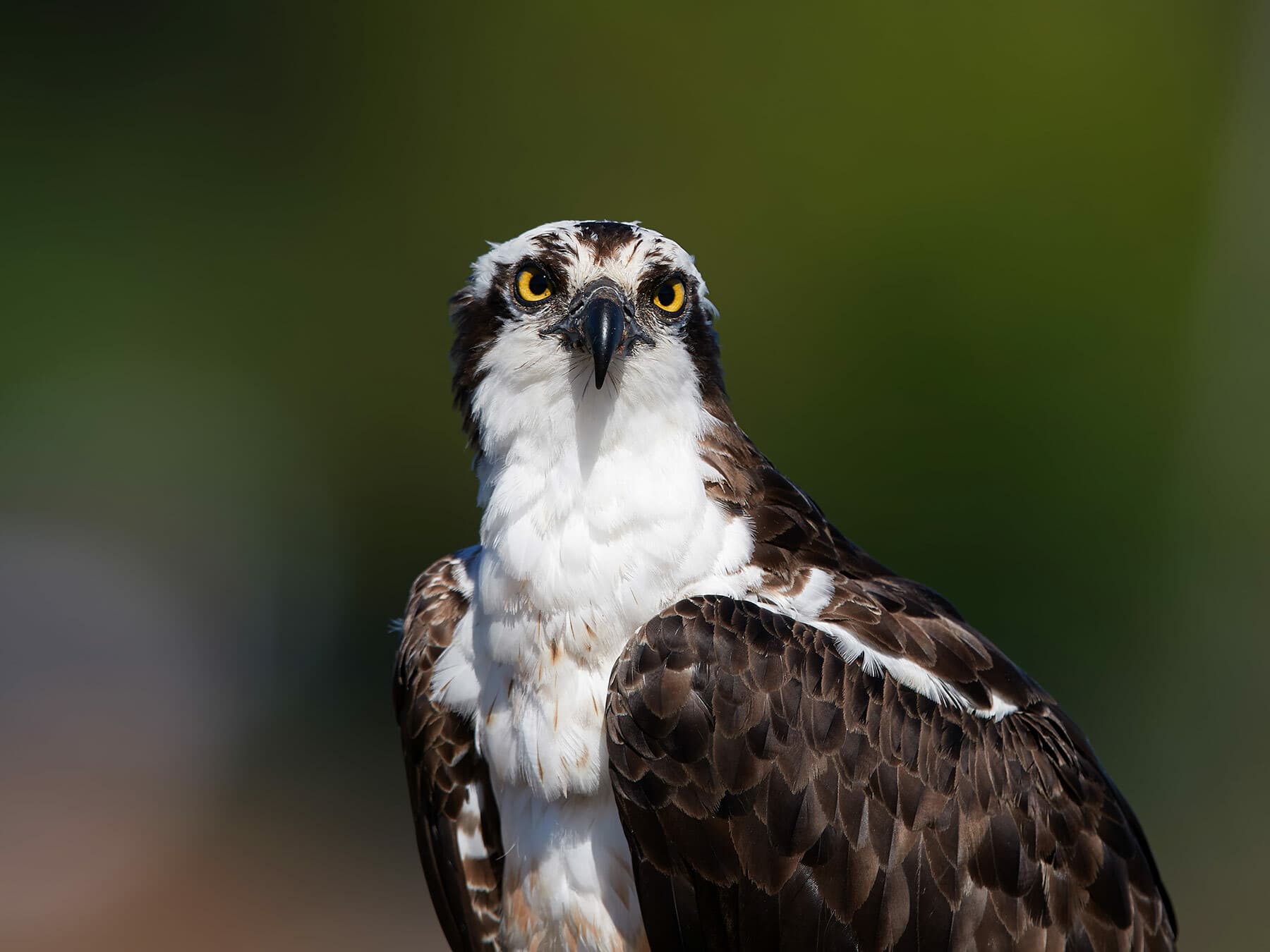 OspreyPandion haliaetusPassage migrantRare54–58 cmRegularly Apr–Sep
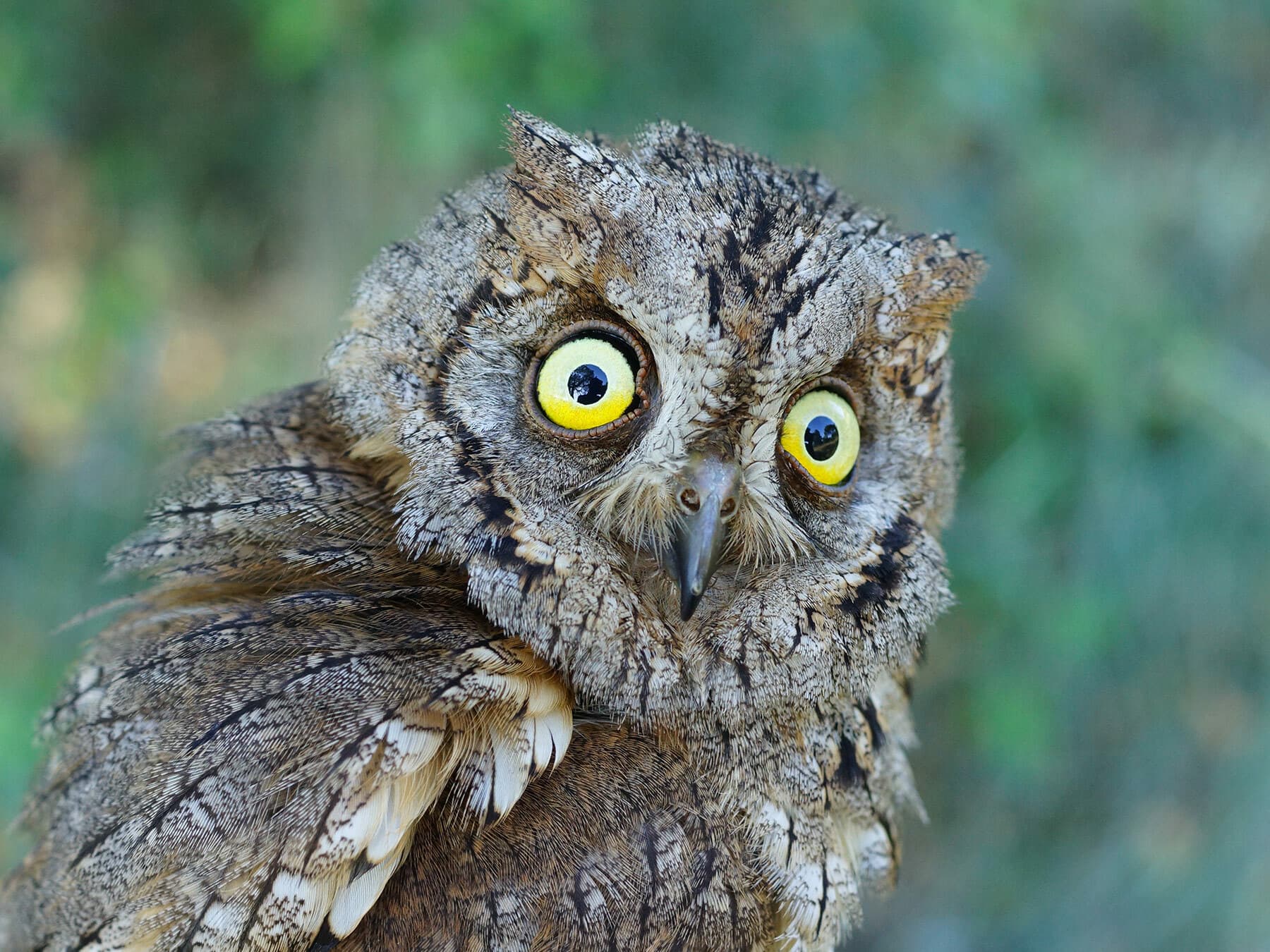 Eurasian Scops-owlOtus scopsPassage migrantRare19–21 cmRegularly Jun–Sep
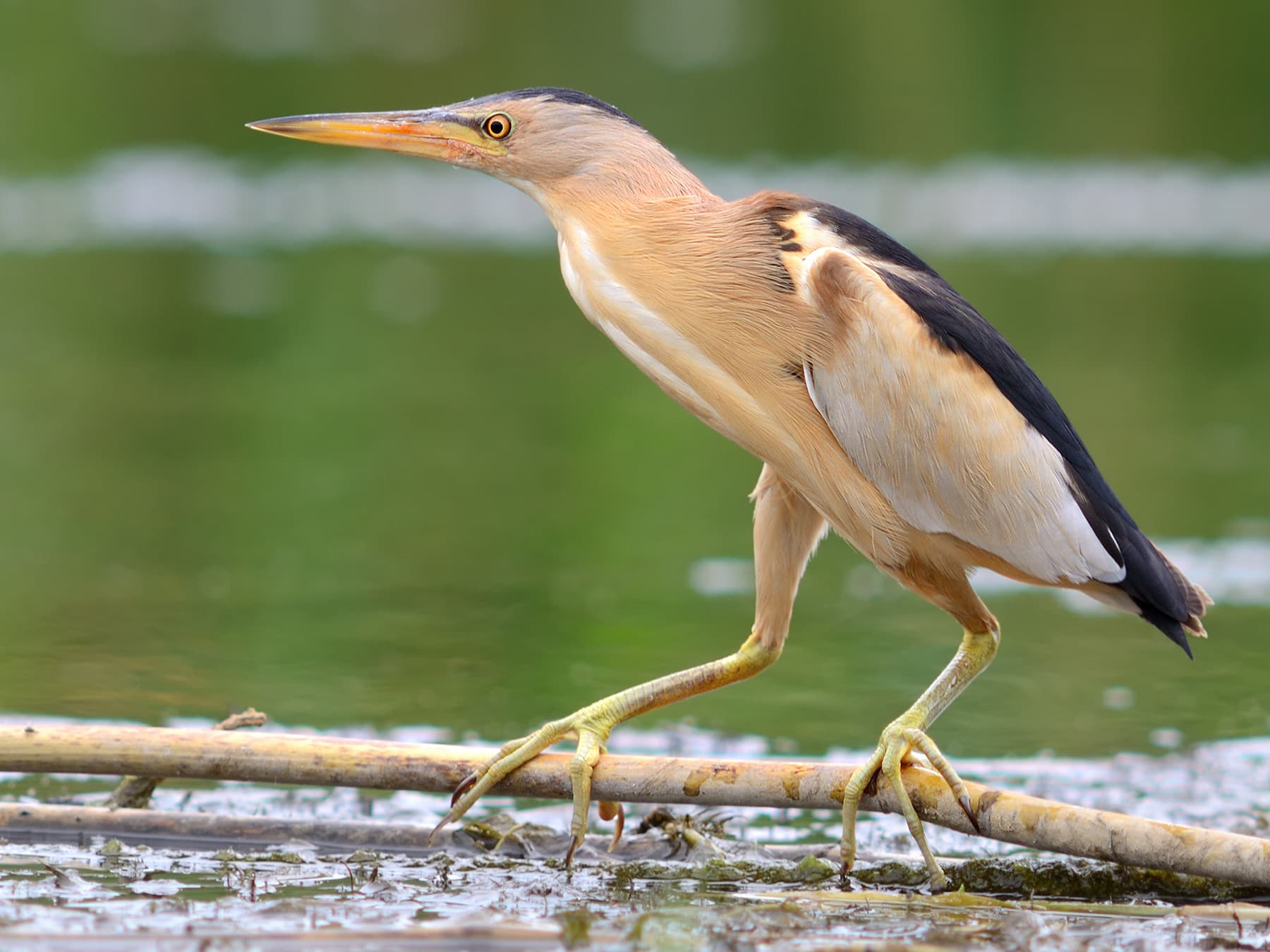 Little BitternIxobrychus minutusPassage migrantRare33–38 cmRegularly Jun
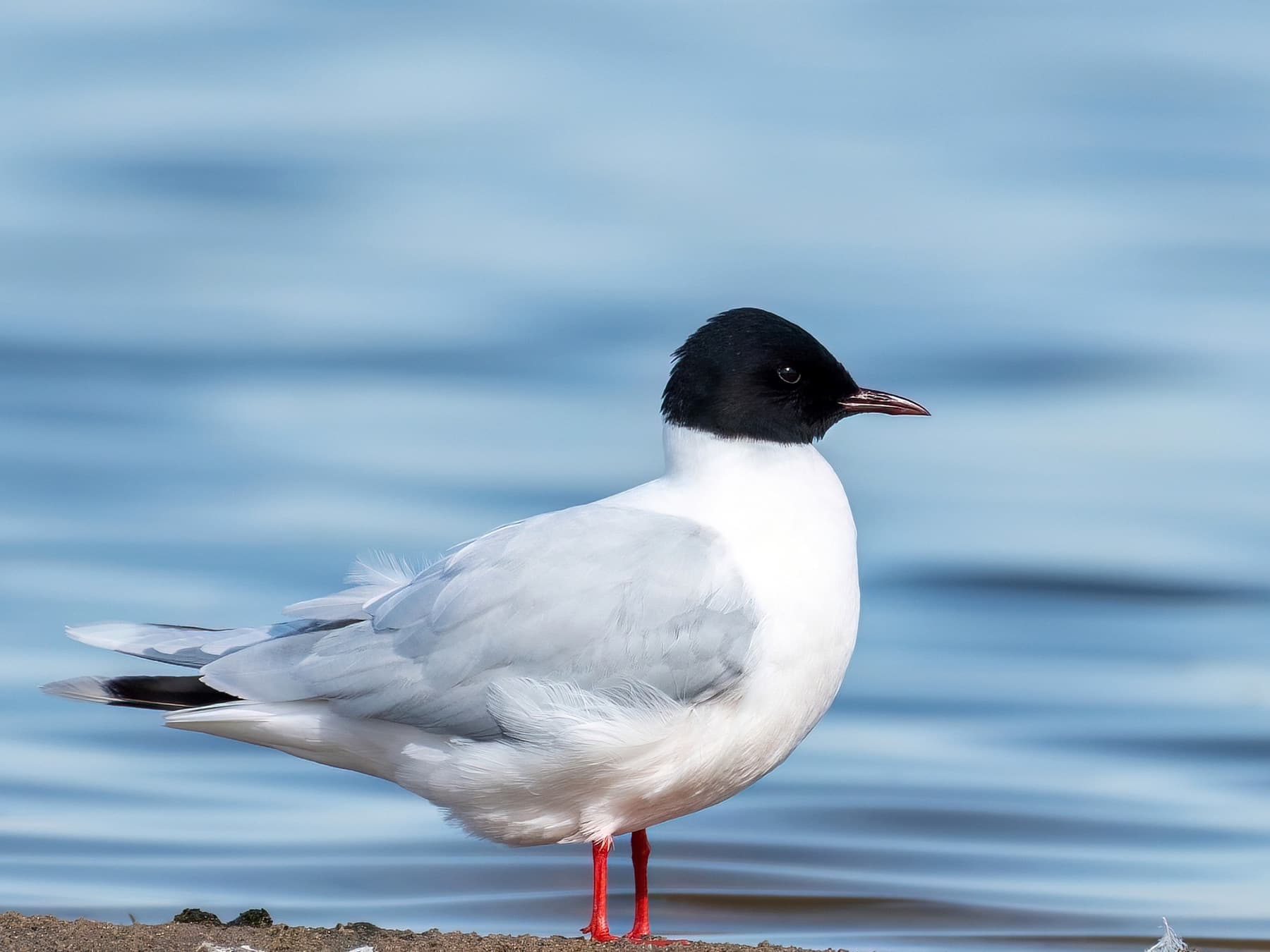 Little GullHydrocoloeus minutusPassage migrantRare25–30 cmRegularly May–Aug
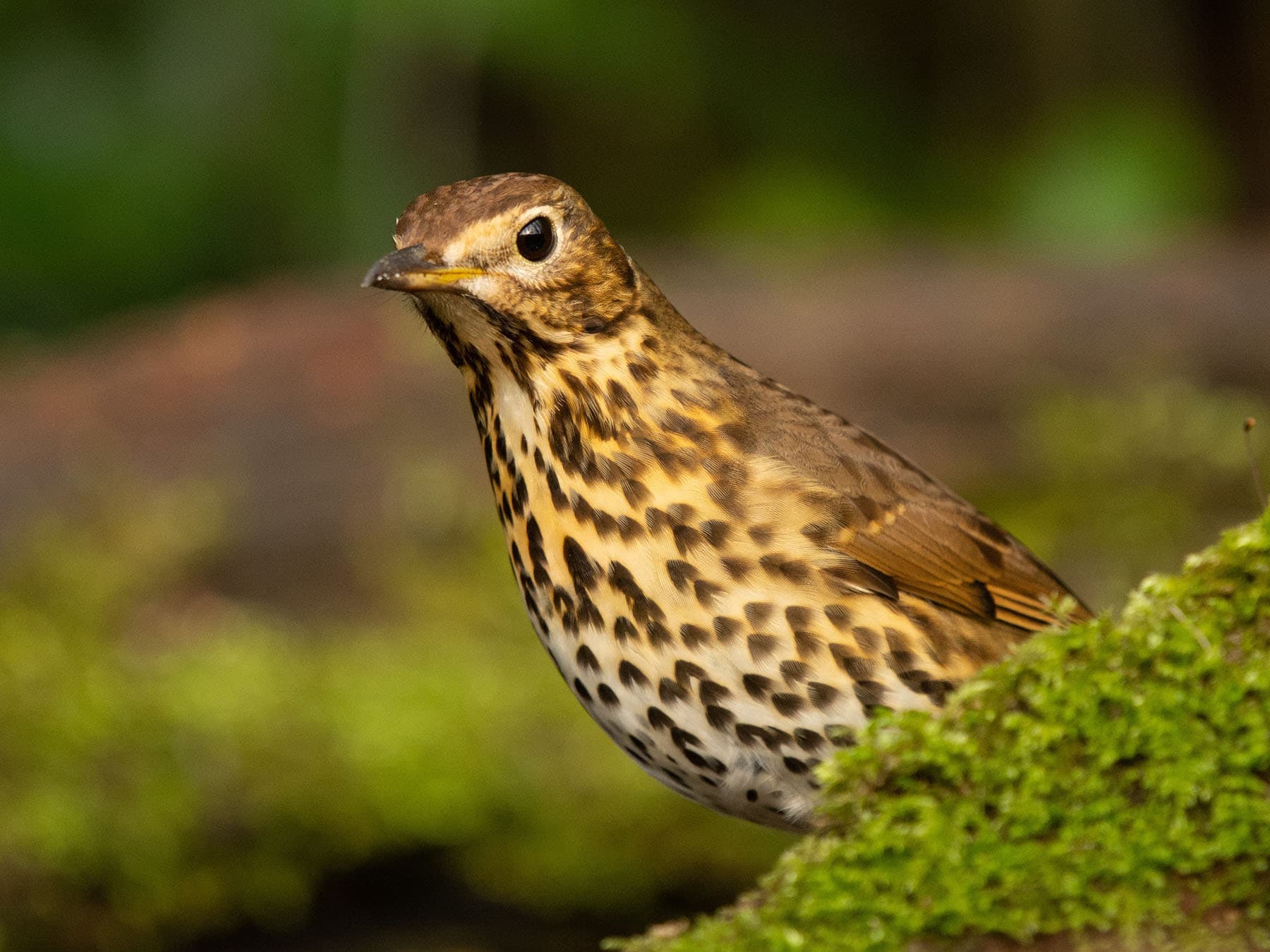 Song ThrushTurdus philomelosPassage migrantRare20–23 cmRegularly May–Sep
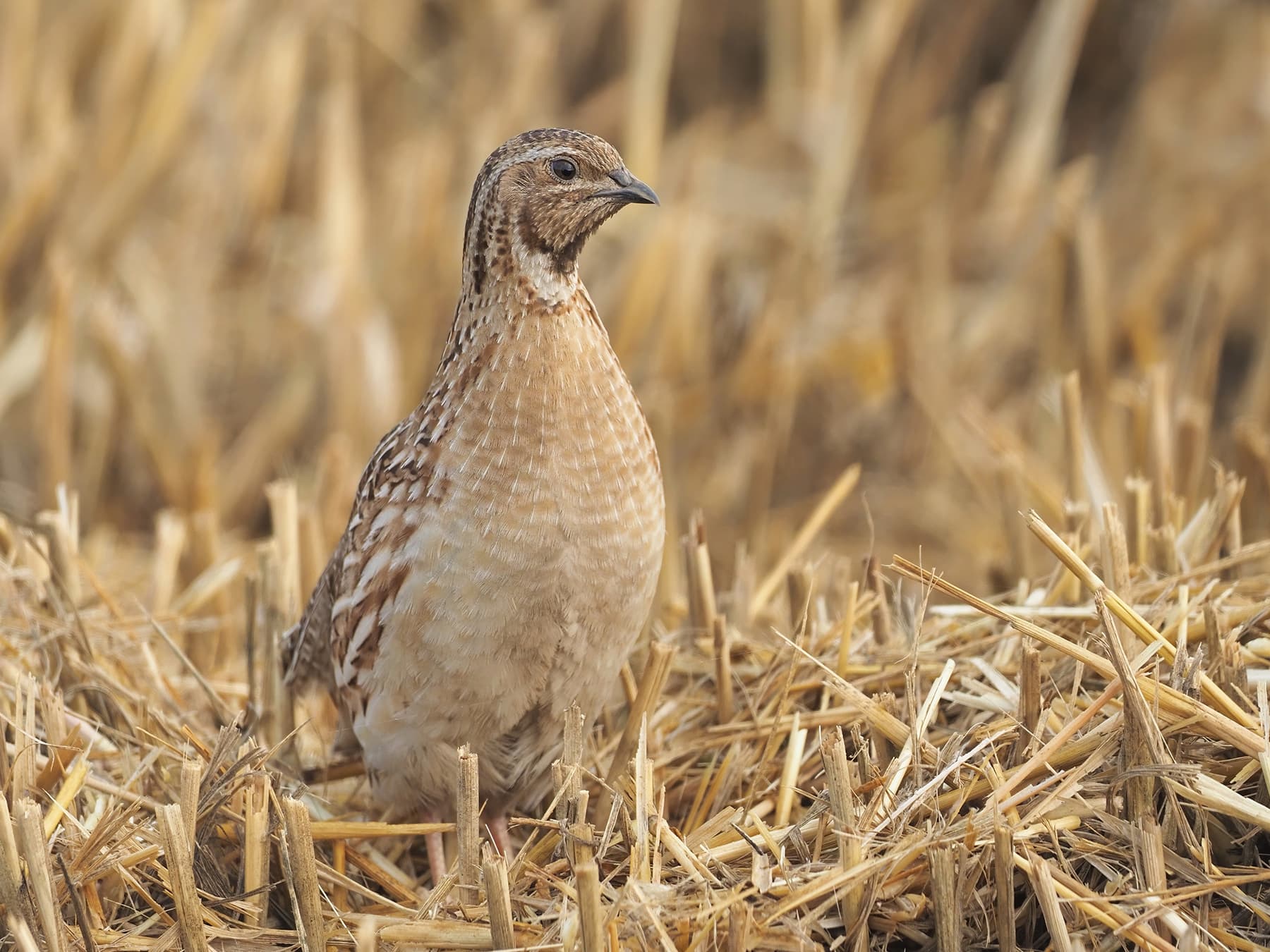 Common QuailCoturnix coturnixPassage migrantRare16–18 cmRegularly Sep
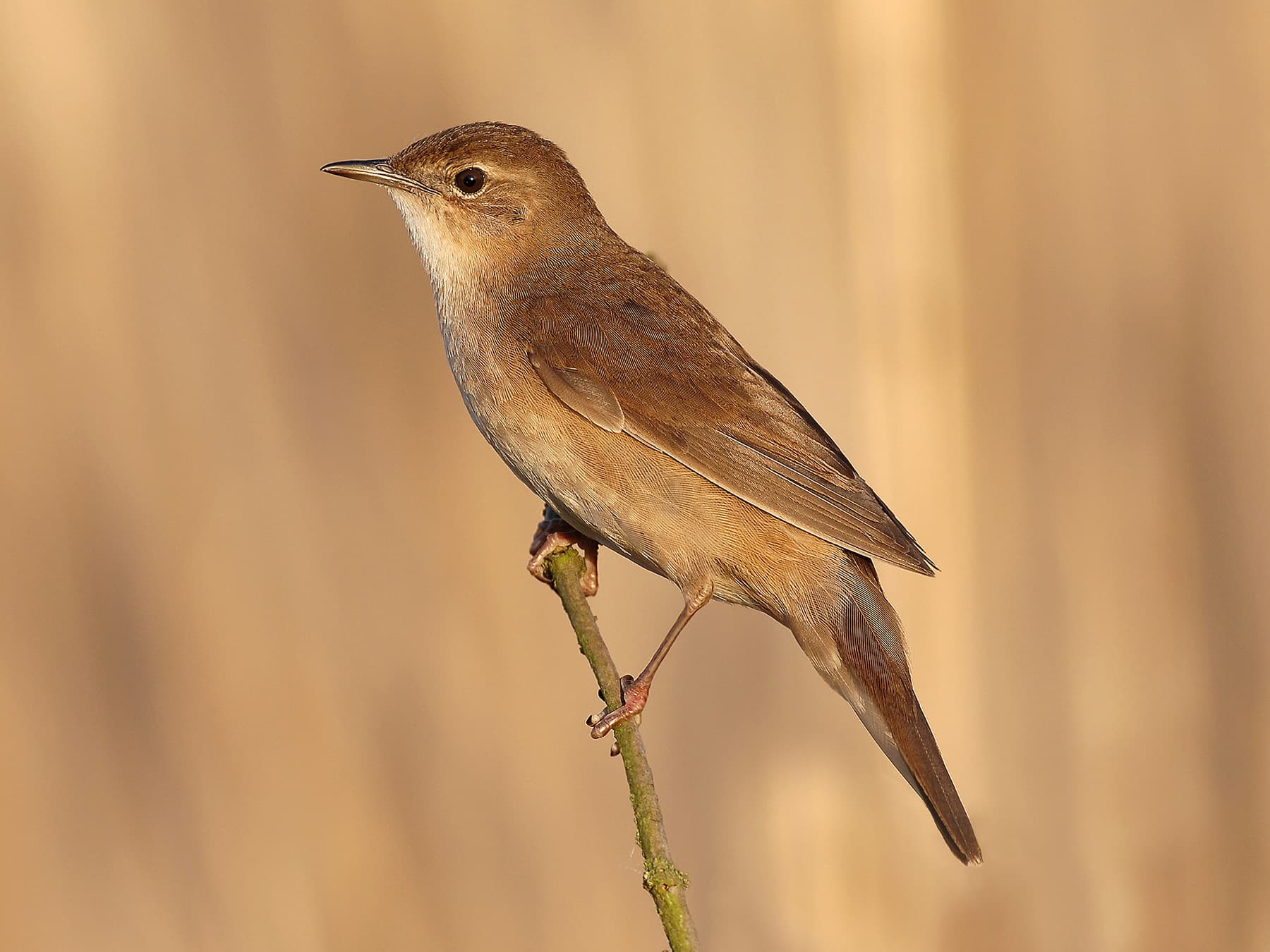 Savi's WarblerLocustella luscinioidesPassage migrantRare13–14 cmRegularly May–Aug
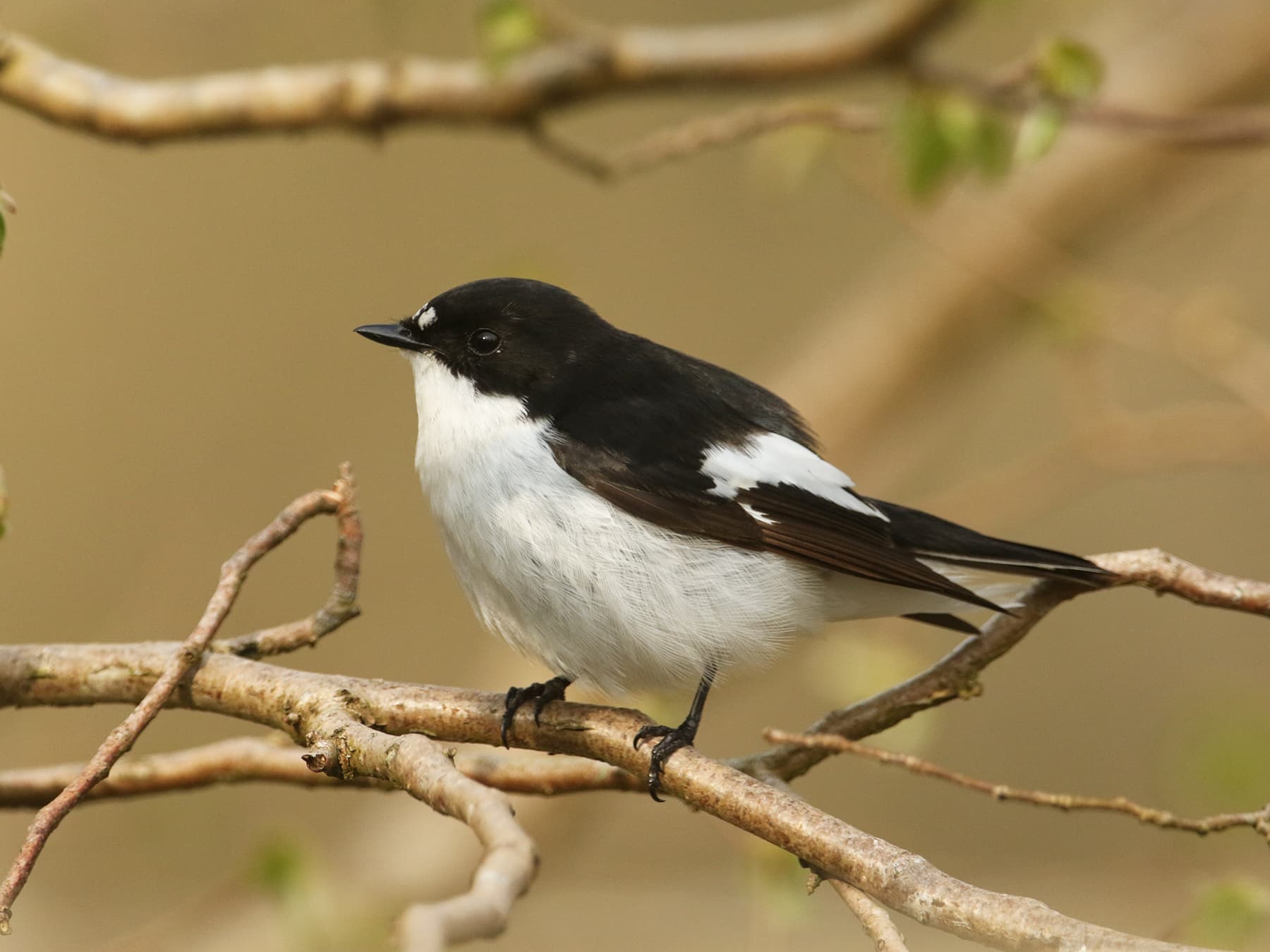 European Pied FlycatcherFicedula hypoleucaPassage migrantRare12–14 cmRegularly Sep
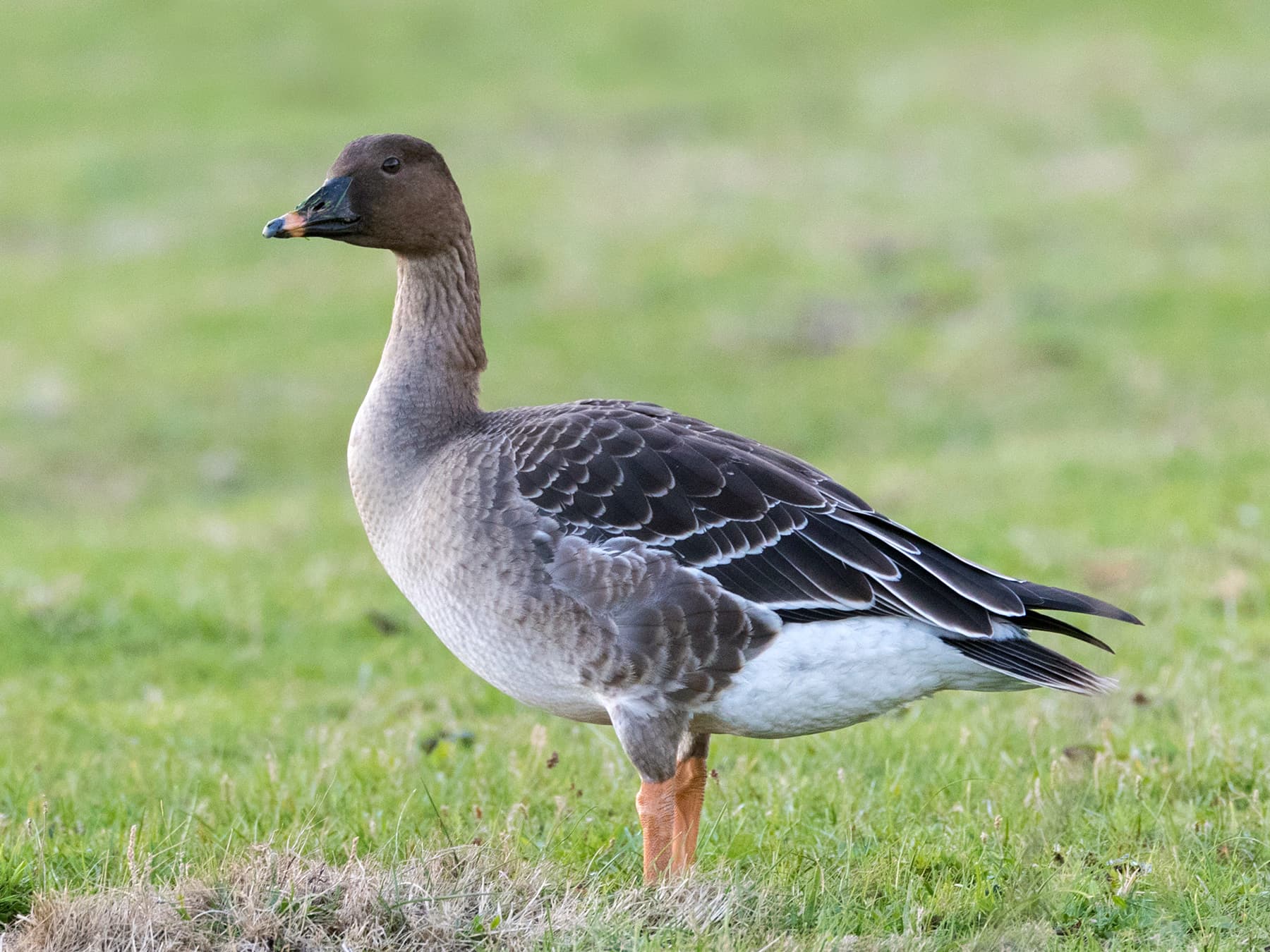 Tundra Bean GooseAnser serrirostrisScarceRare66–84 cmRegularly May
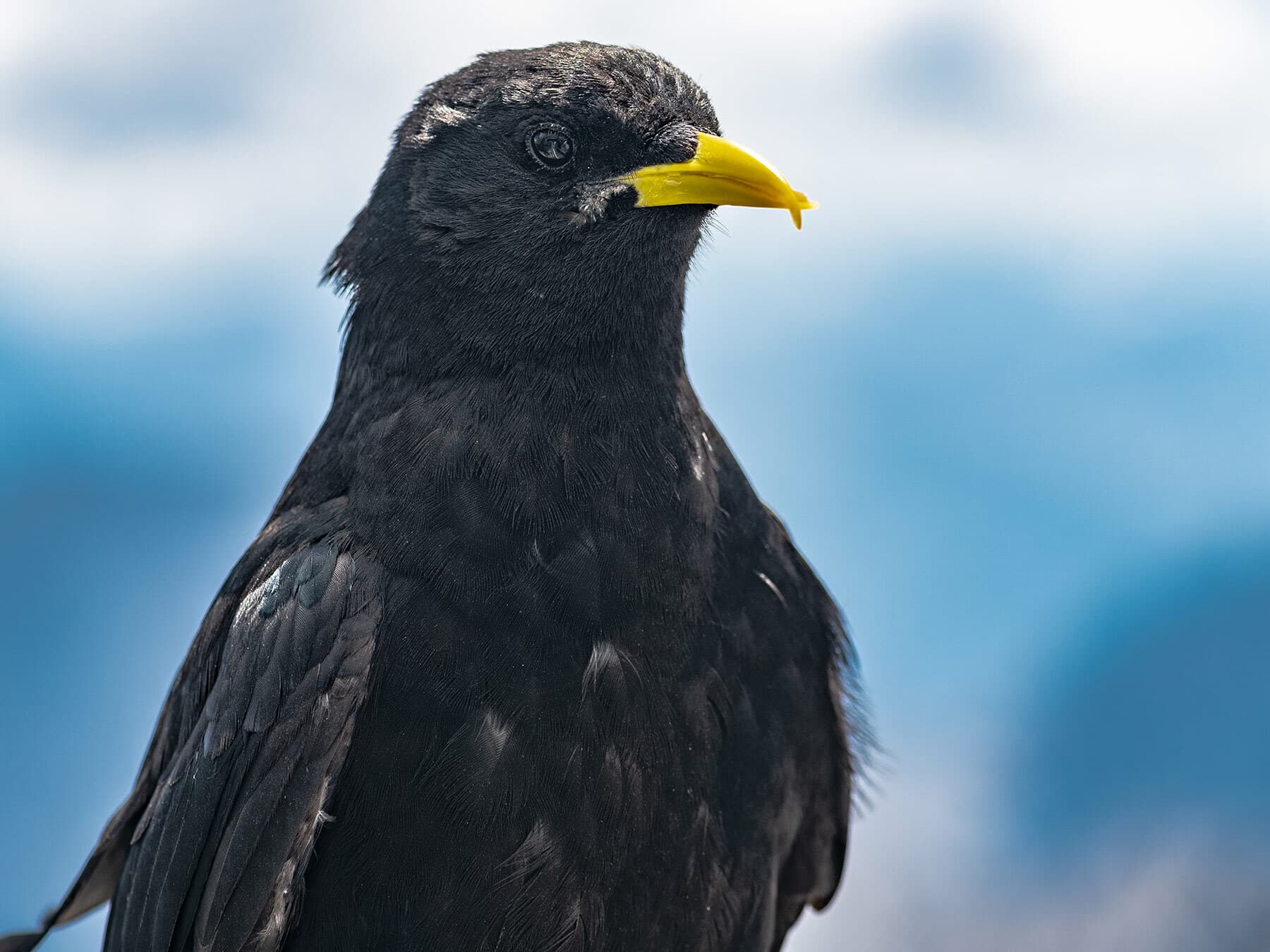 Alpine ChoughPyrrhocorax graculusScarceRare36–39 cm
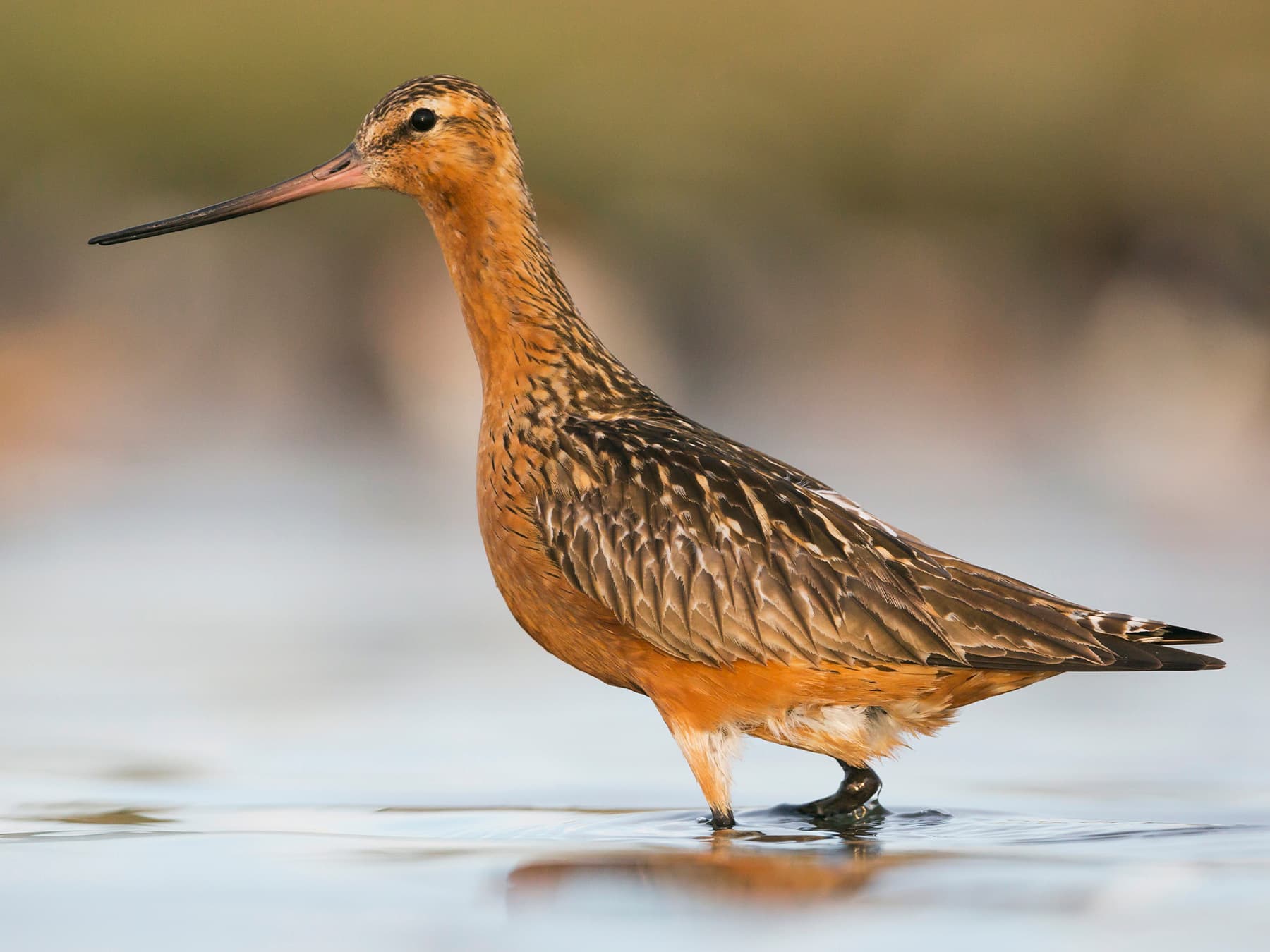 Bar-tailed GodwitLimosa lapponicaPassage migrantRare37–41 cmRegularly May–Aug
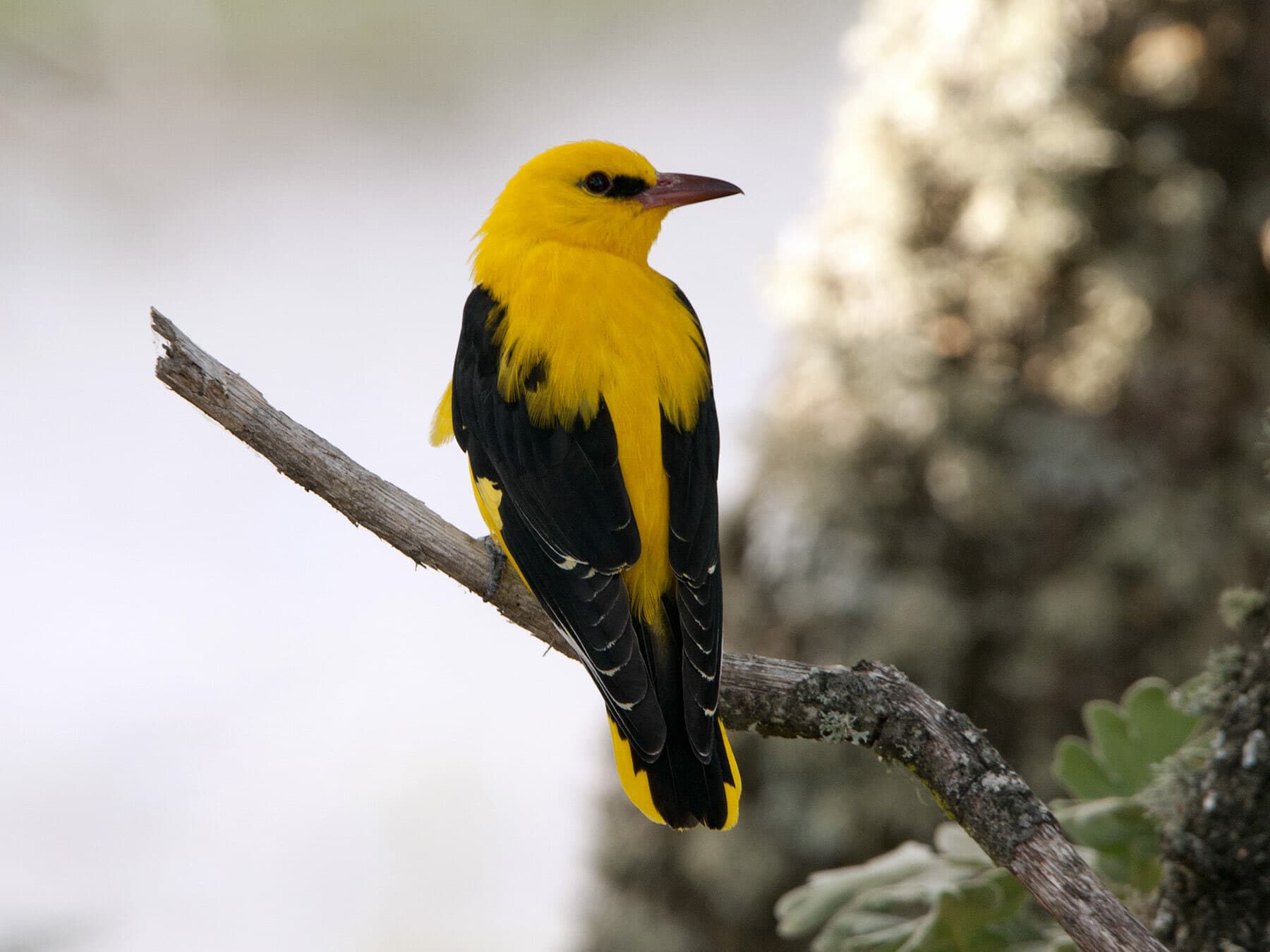 Golden OrioleOriolus oriolusPassage migrantRare22–24 cmRegularly Jun
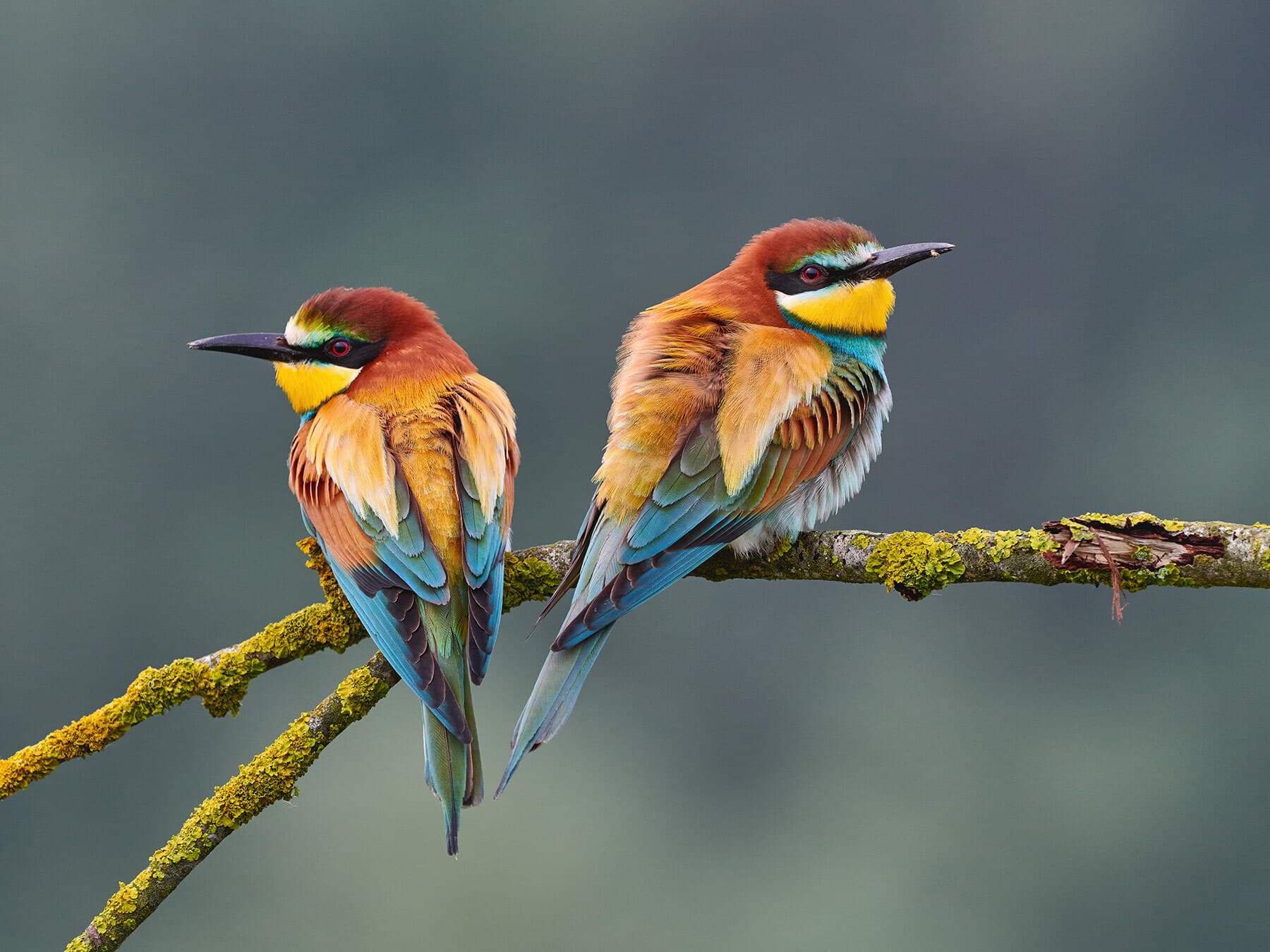 European Bee-eaterMerops apiasterPassage migrantRare27–29 cmRegularly Jul
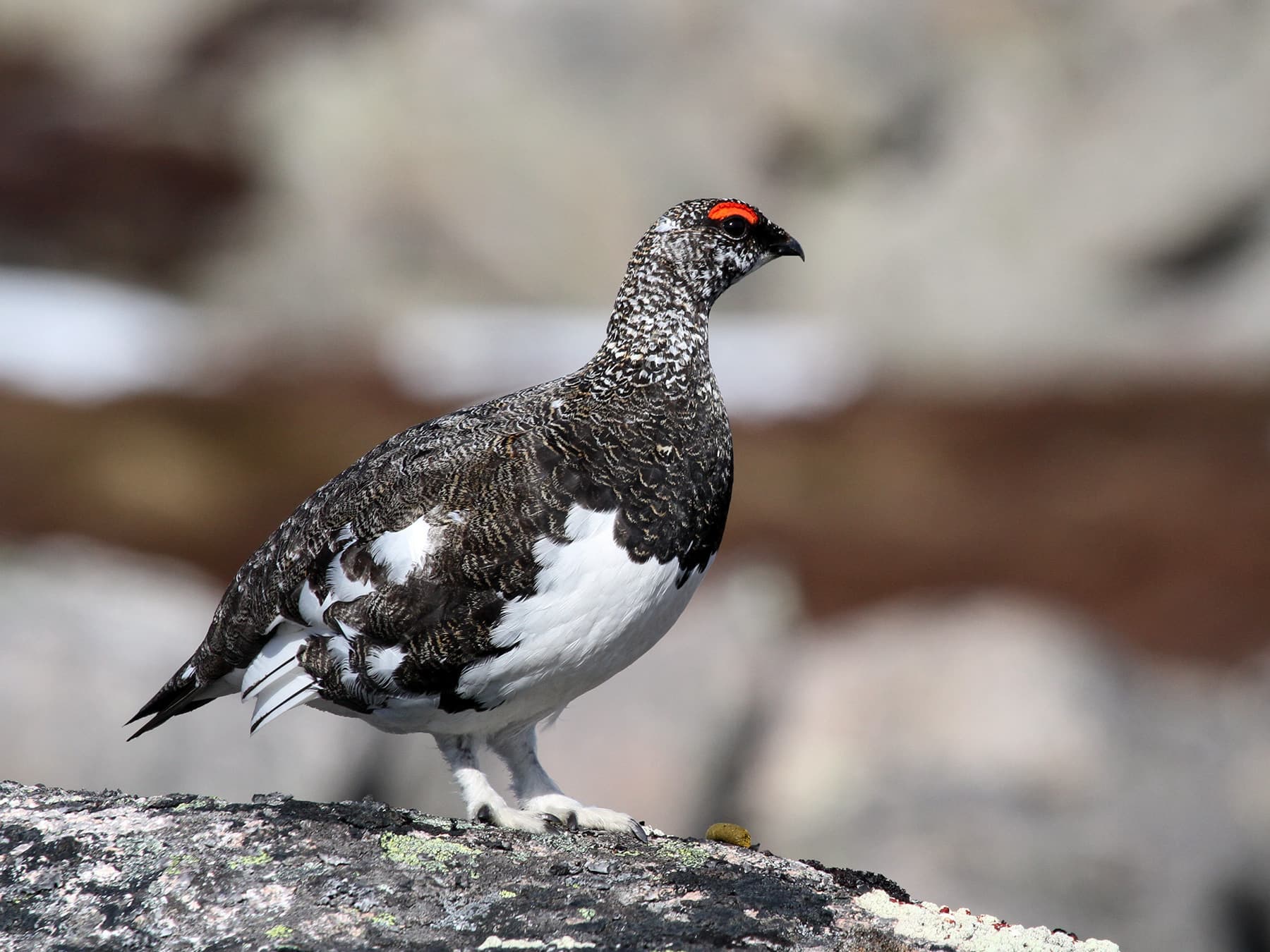 Rock PtarmiganLagopus mutaPassage migrantRare34–36 cmRegularly Jun
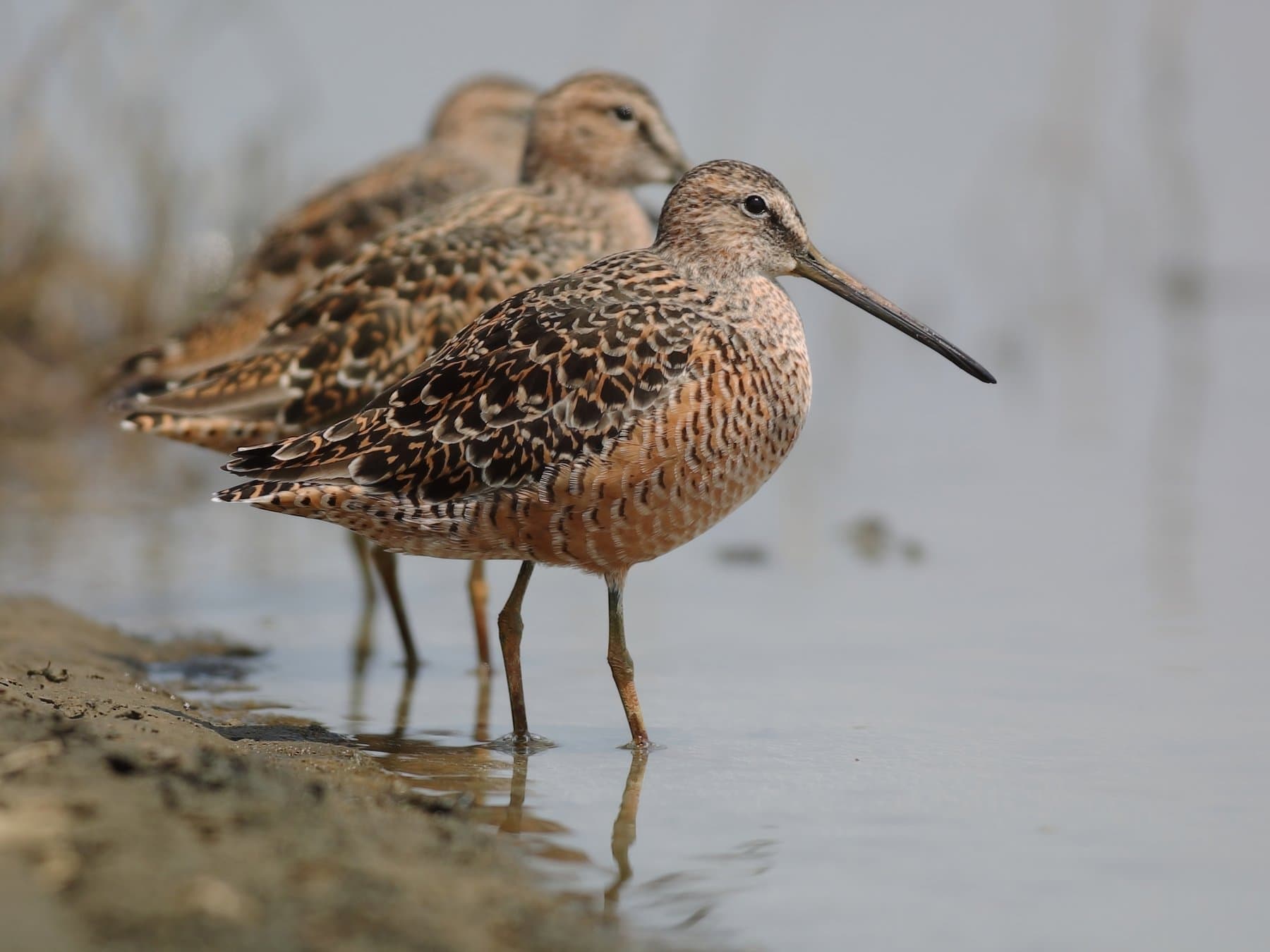 Long-billed DowitcherLimnodromus scolopaceusPassage migrantRare27–30 cmRegularly Jul
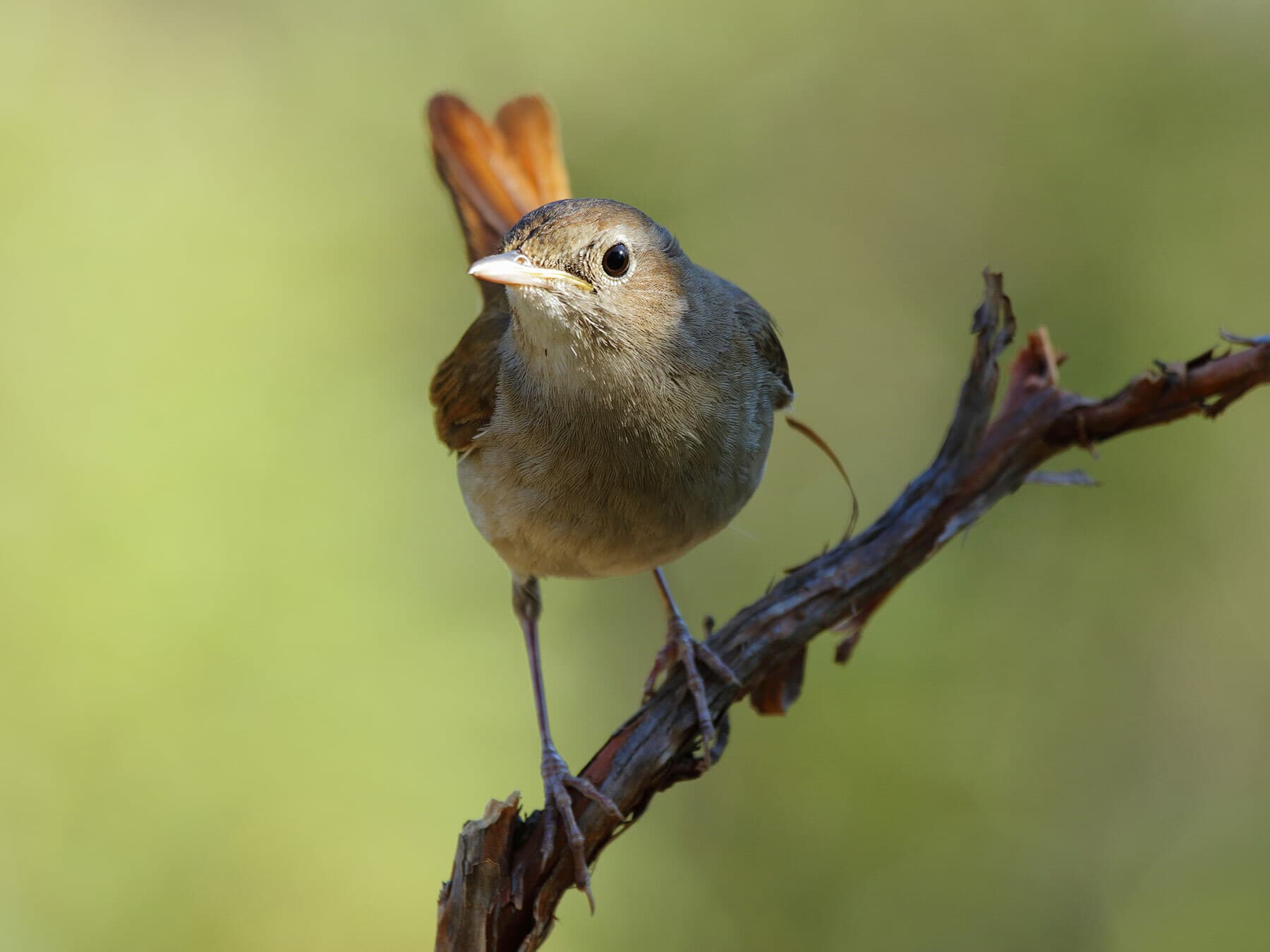 NightingaleLuscinia megarhynchosPassage migrantRare15–17 cmRegularly Jun–Jul
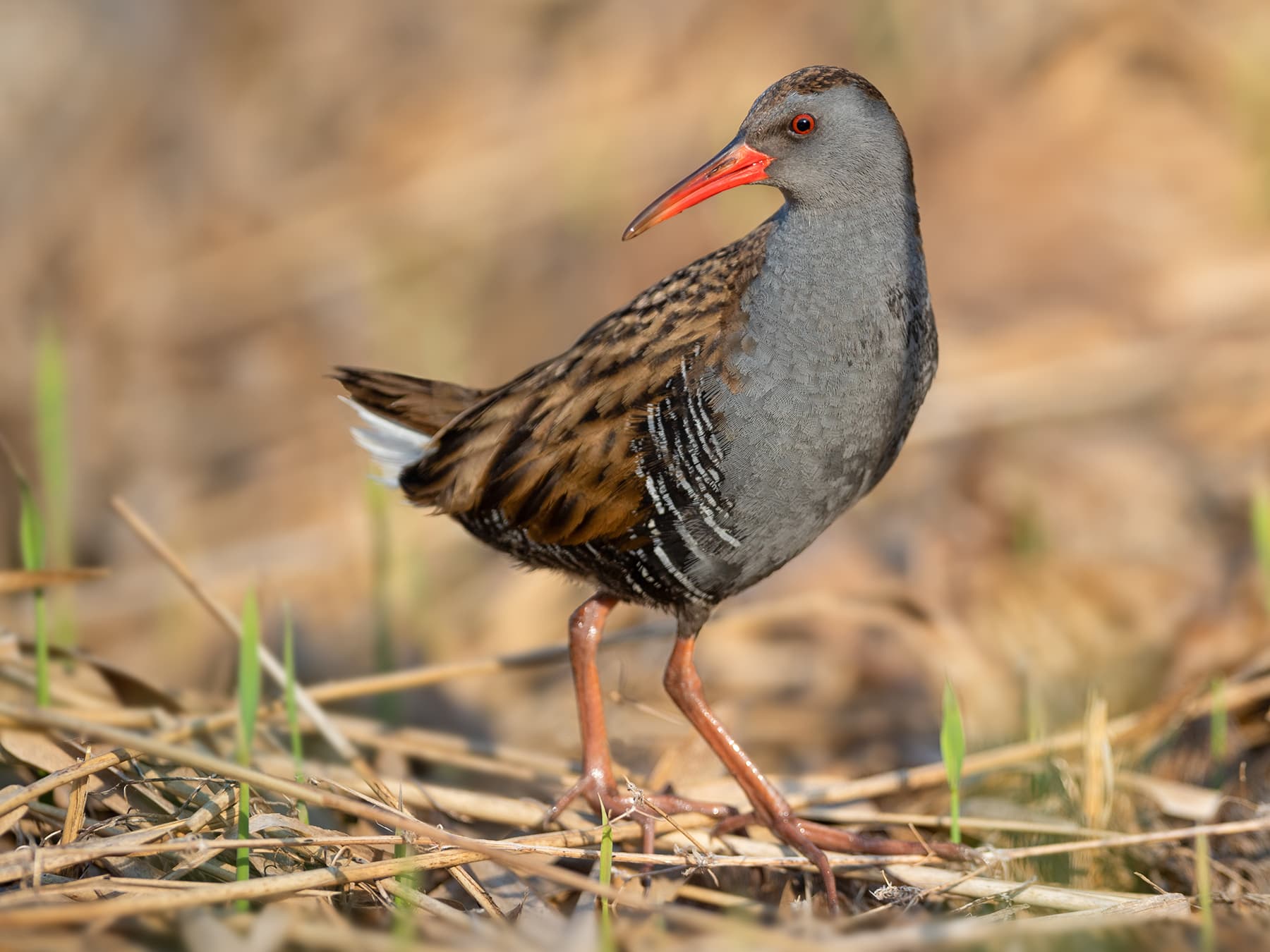 Water RailRallus aquaticusPassage migrantRare23–28 cmRegularly Jun–Sep
Smallest to largest
Length, cm- European Pied Flycatcher 12–14 cm
- Savi's Warbler 13–14 cm
- Nightingale 15–17 cm
- Common Quail 16–18 cm
- Eurasian Scops-owl 19–21 cm
- Song Thrush 20–23 cm
- Golden Oriole 22–24 cm
- Water Rail 23–28 cm
- Little Gull 25–30 cm
- European Bee-eater 27–29 cm
- Long-billed Dowitcher 27–30 cm
- Rock Ptarmigan 34–36 cm
- Little Bittern 33–38 cm
- Alpine Chough 36–39 cm
- Bar-tailed Godwit 37–41 cm
- Osprey 54–58 cm
- Black-crowned Night-heron 58–65 cm
- Tundra Bean Goose 66–84 cm
Body length, bill to tail. Rare birds in grey.
Data: EOD – eBird Observation Dataset (Cornell Lab of Ornithology), accessed via GBIF.org, CC BY 4.0. Records from 2019–2024, aggregated and filtered by Birdfact. How these lists are made