Sandpipers & Snipes in Tyne and Wear
21 species matching this filter.
Tyne and Wear's coastline, estuaries, and wetland habitats support an impressive diversity of sandpipers and snipes, with 21 species recorded across the county. The mudflats of the Tyne and Wear estuaries provide vital feeding grounds for waders such as Dunlin, Bar-tailed Godwit, and Curlew, while quieter inland waterways attract species like Common Sandpiper and Green Sandpiper. Passage migrants such as Curlew Sandpiper and Greenshank add seasonal variety, making the region a rewarding destination for wader enthusiasts throughout the year.


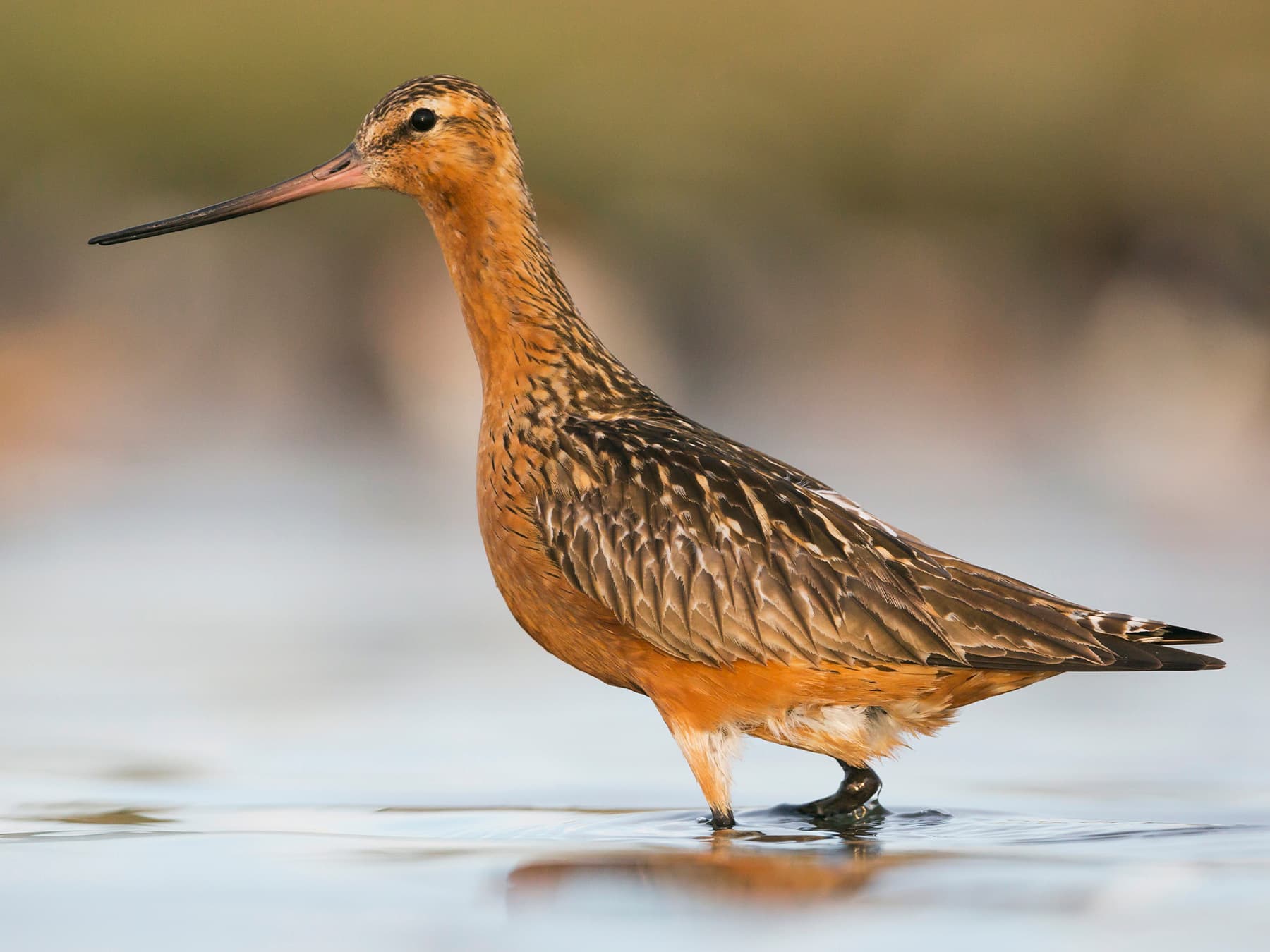
Bar-tailed Godwit
Limosa lapponicaNT
A rare non-breeding visitor to estuaries and mudflats, present from late summer through winter. Best looked for along the Tyne and Wear coastline.
Jul–Feb
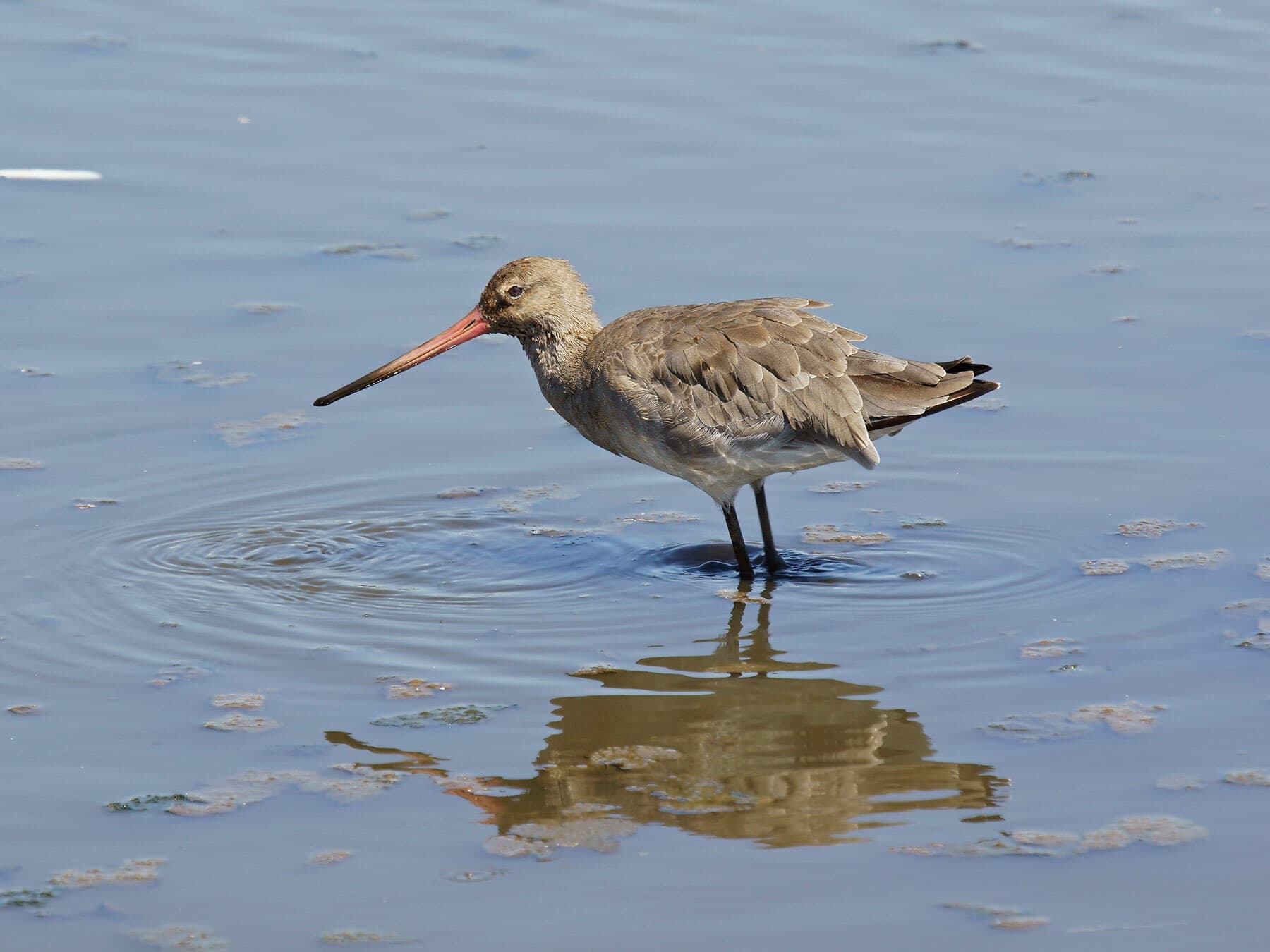
Black-tailed Godwit
Limosa limosaNT
A rare breeding visitor found on wet grasslands and estuarine margins from spring through autumn, with elegant black-and-white wing bars in flight.
Mar–Nov
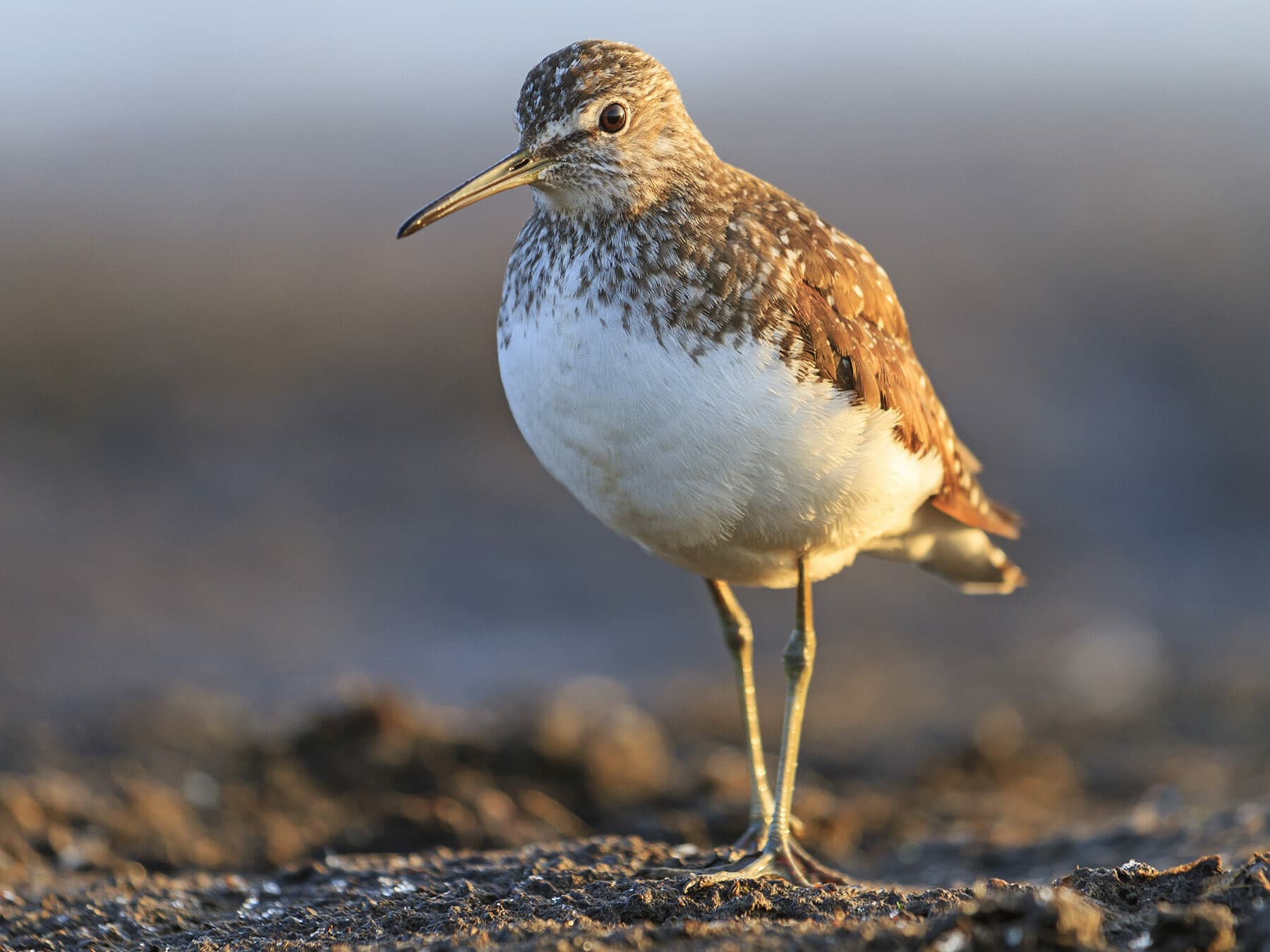
Common Sandpiper
Actitis hypoleucosLC
A rare breeding visitor, bobbing along stony riverbanks from April to September. Most likely along the upper Tyne tributaries.
Apr–Sep
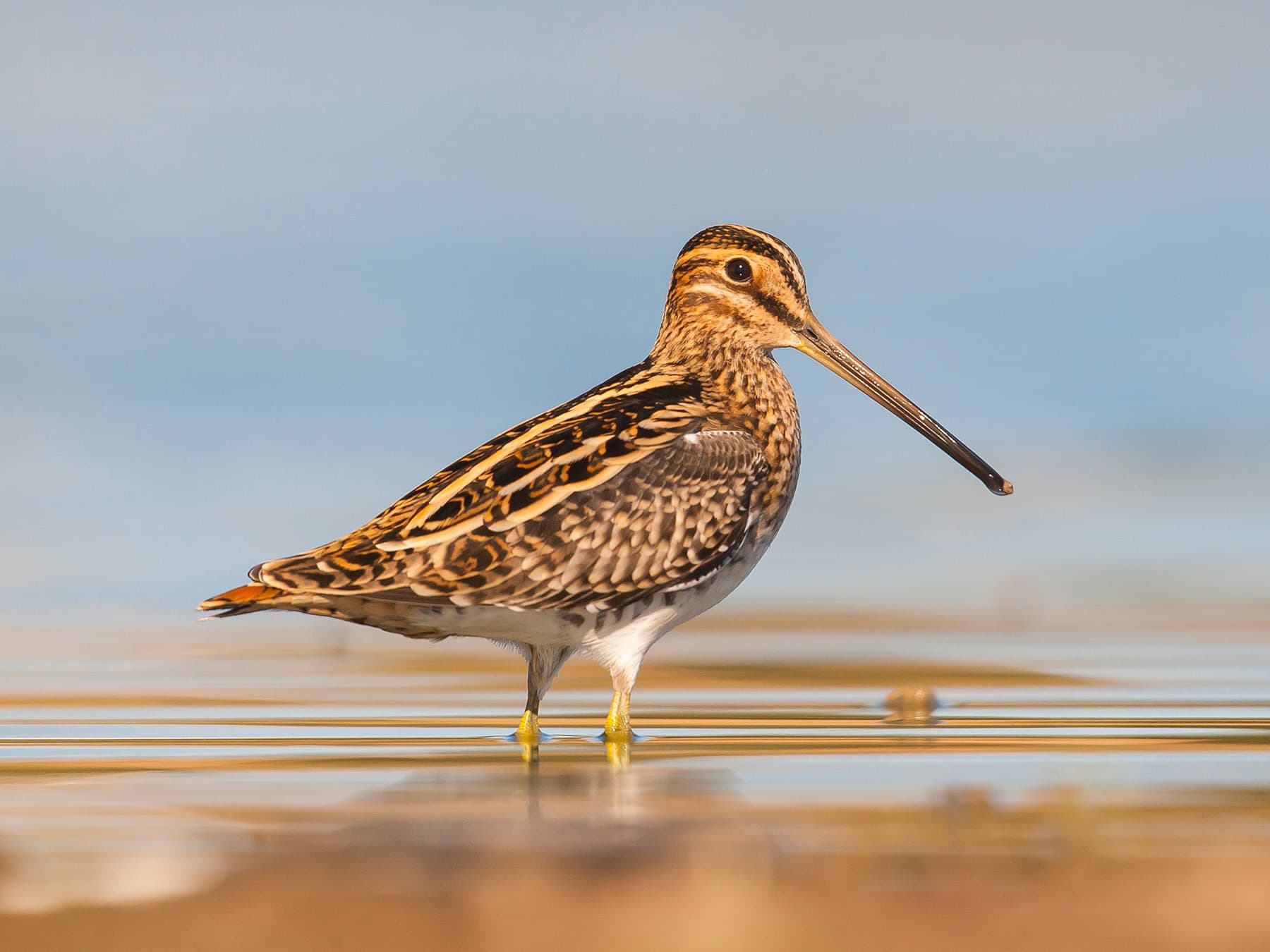
Common Snipe
Gallinago gallinagoLC
An uncommon resident of damp grasslands and marshy areas, often flushed from cover with its characteristic zigzag flight and rasping call.
Year-round
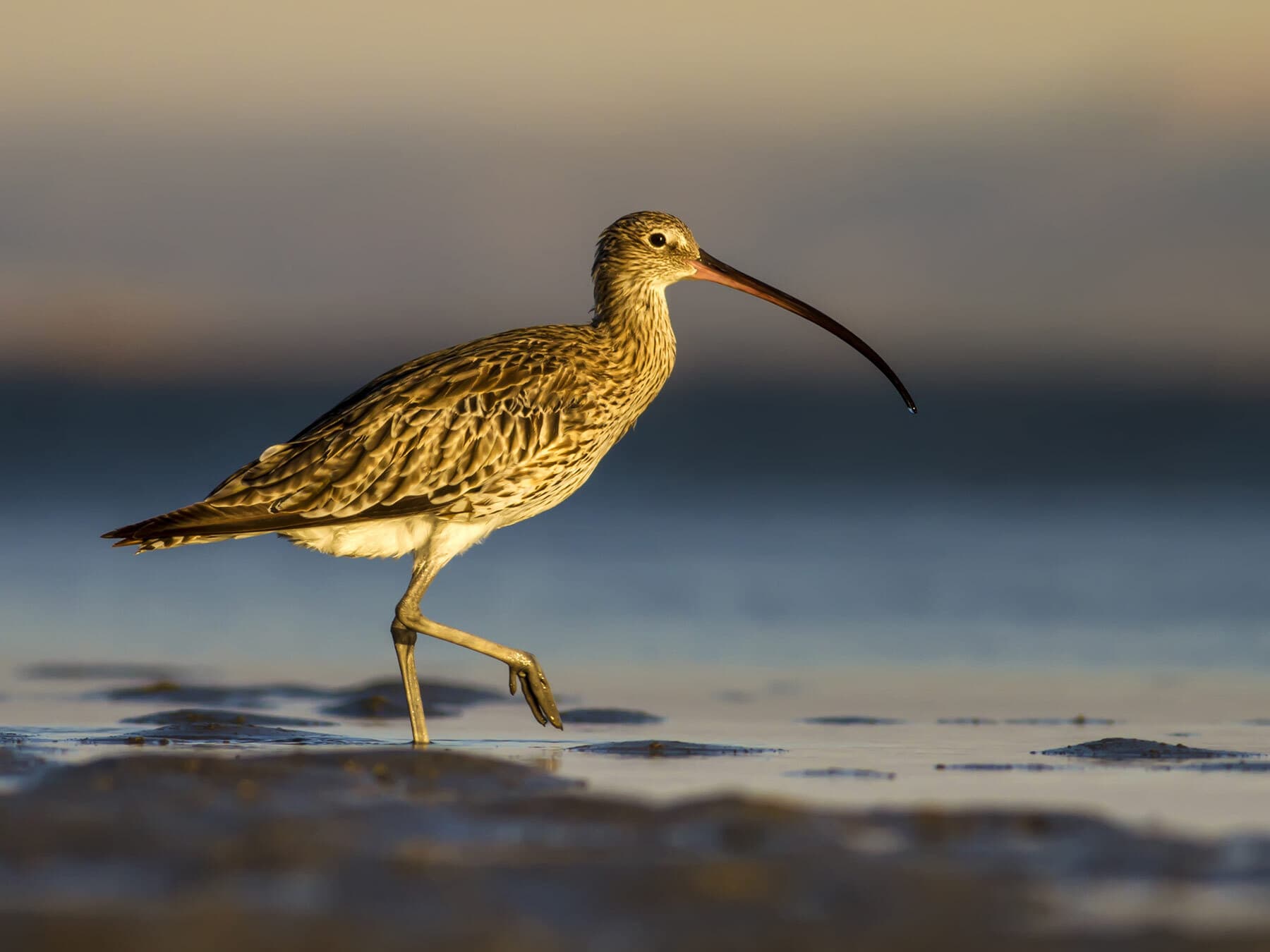
Curlew
Numenius arquataNT
A common year-round resident found on estuarine mudflats and coastal fields. Numbers bolstered in winter by continental birds at sites like the Tyne estuary.
Year-round
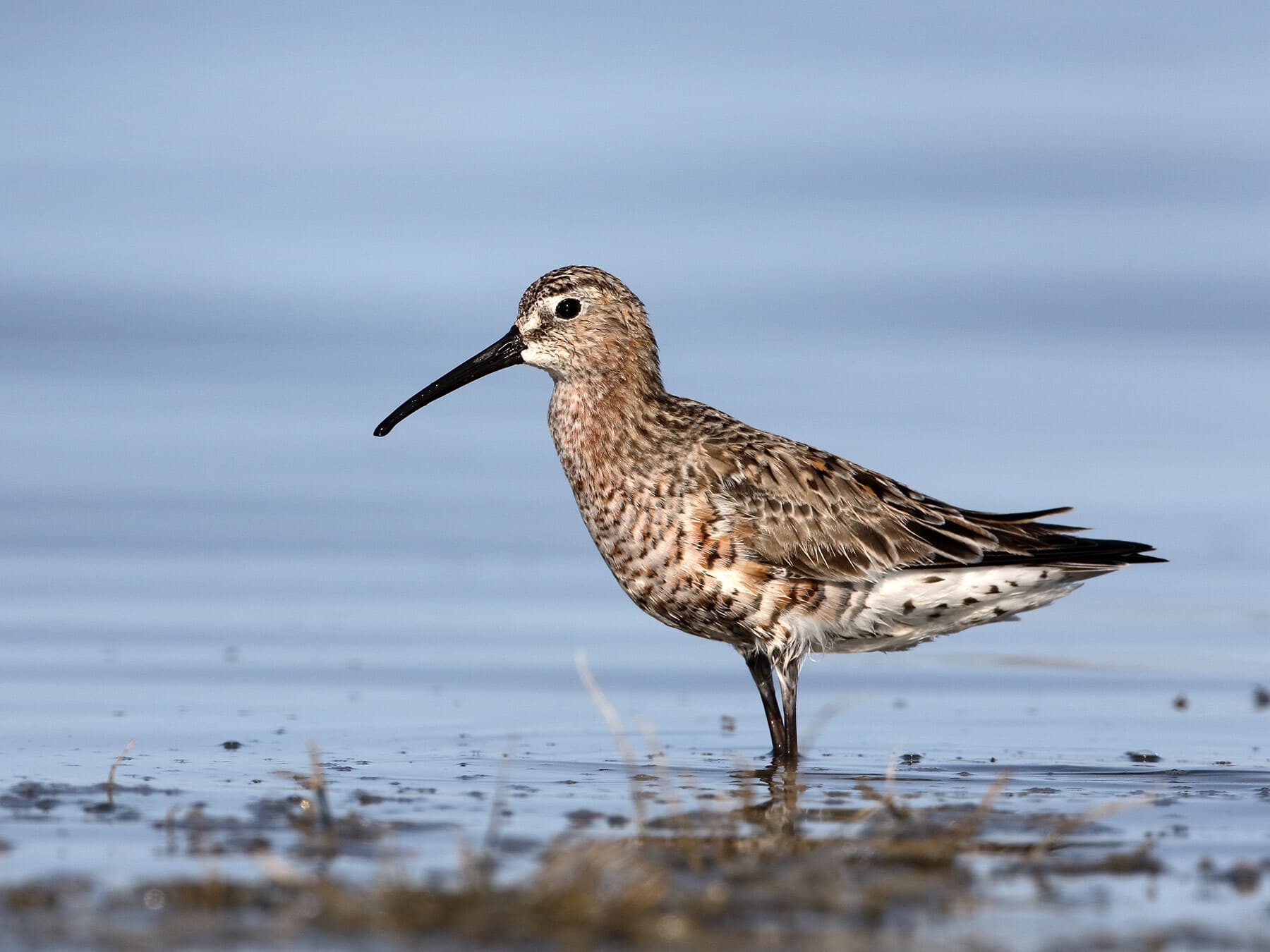
Curlew Sandpiper
Calidris ferrugineaNT
A rare autumn passage wader, appearing on coastal pools and mudflats in August–September, often among Dunlin flocks.
Aug–Sep
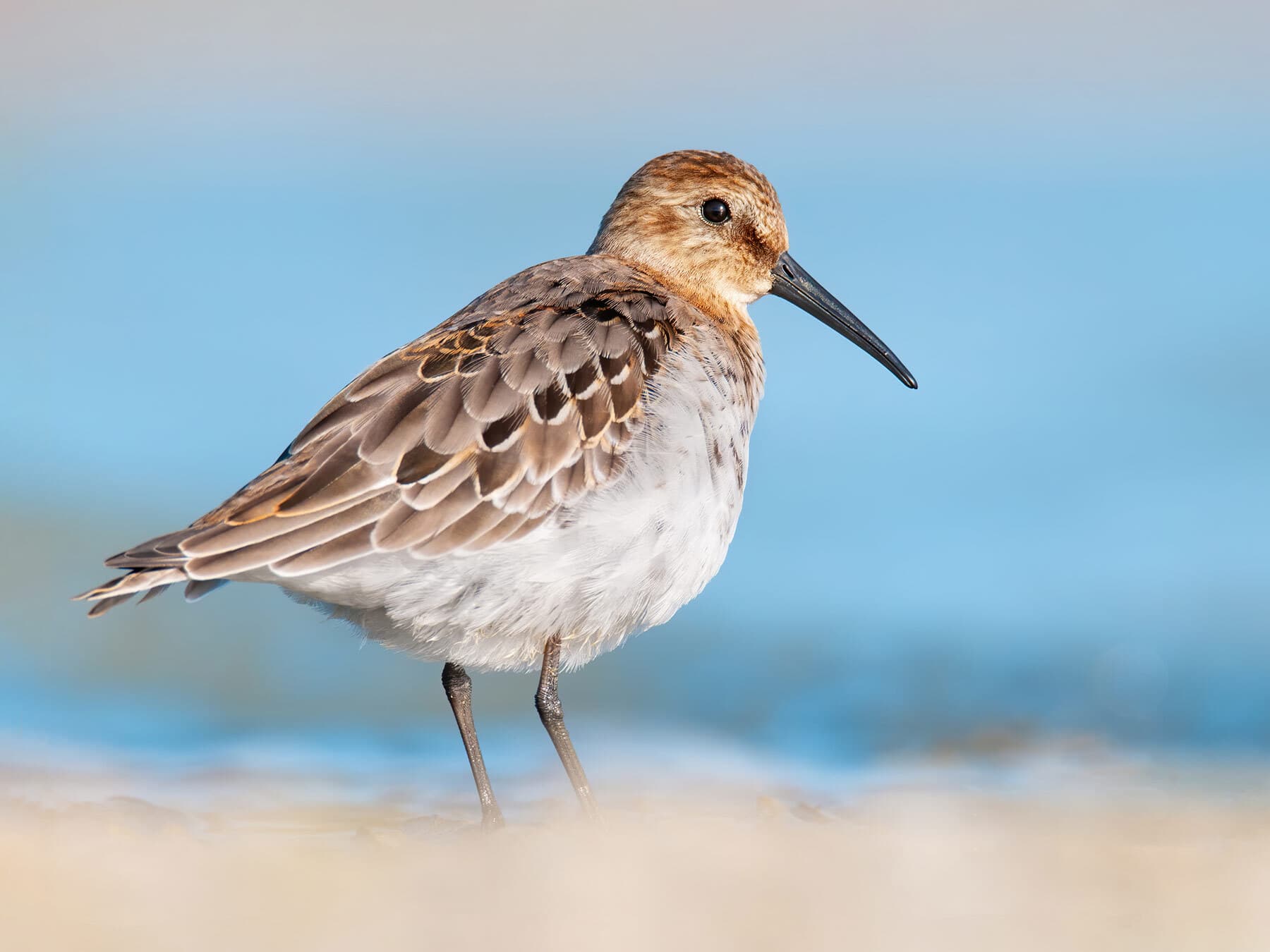
Dunlin
Calidris alpinaLC
An uncommon but year-round resident of estuaries and mudflats. Numbers peak in winter when passage and wintering birds join locals.
Year-round
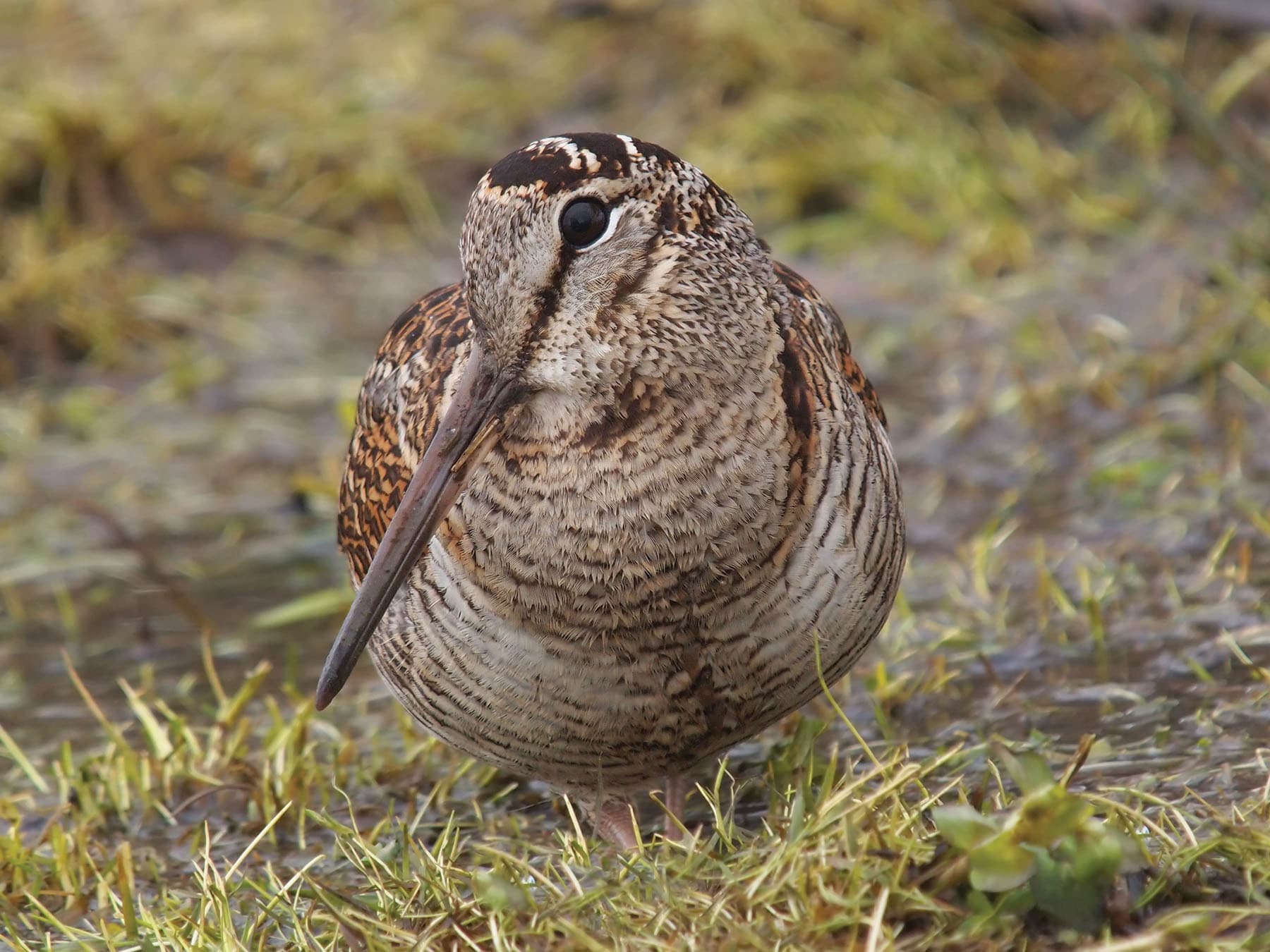
Eurasian Woodcock
Scolopax rusticolaLC
A rare winter visitor from October to March, skulking in woodland and damp scrubby areas. Cold-weather influxes can boost numbers.
Oct–Mar
Spotted something?
Upload a photo to identify it
Identify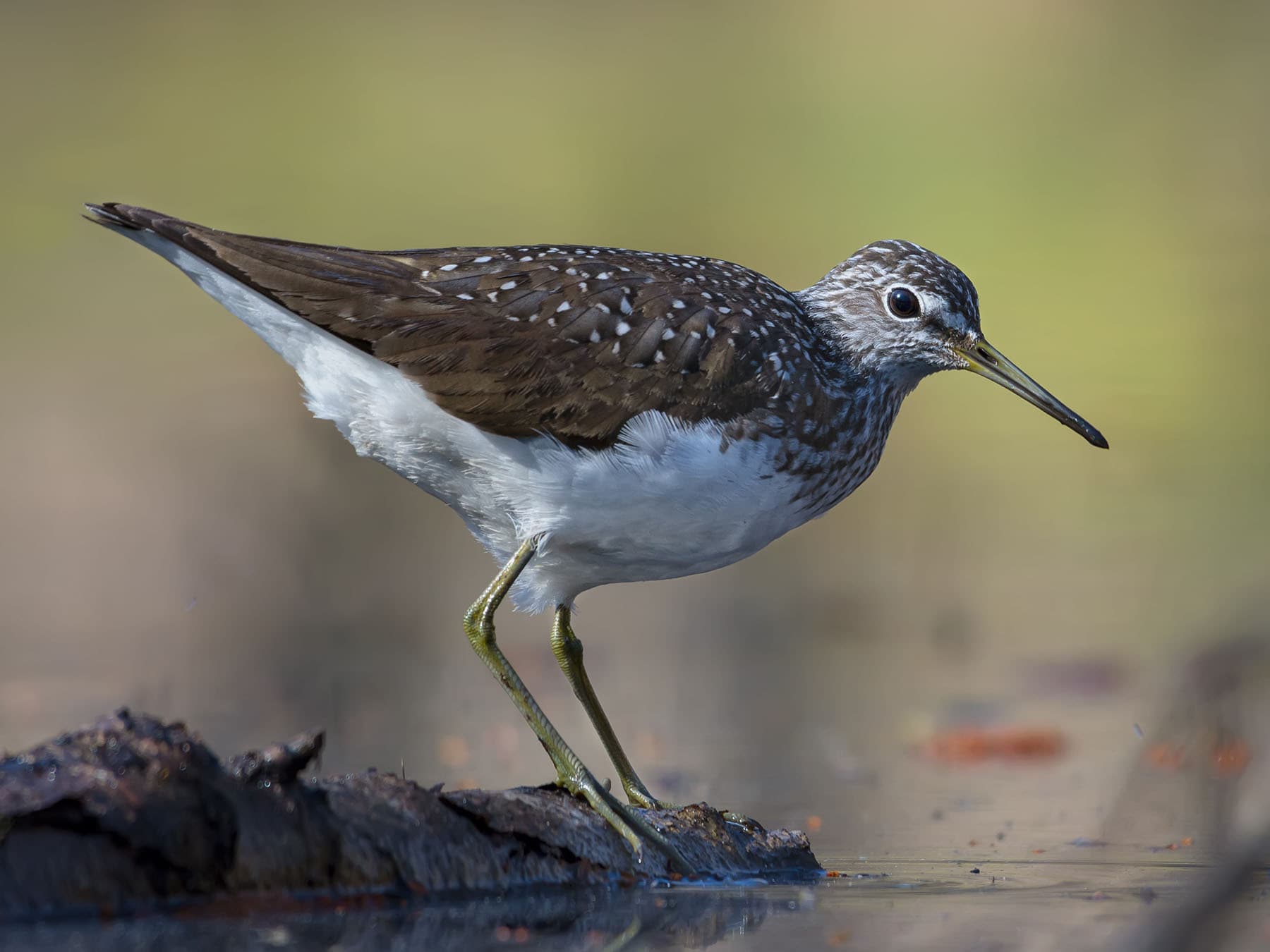
Green Sandpiper
Tringa ochropusLC
A rare visitor to freshwater pools and stream edges, most often seen during passage from midsummer into autumn, bobbing distinctively.
Mar–Nov
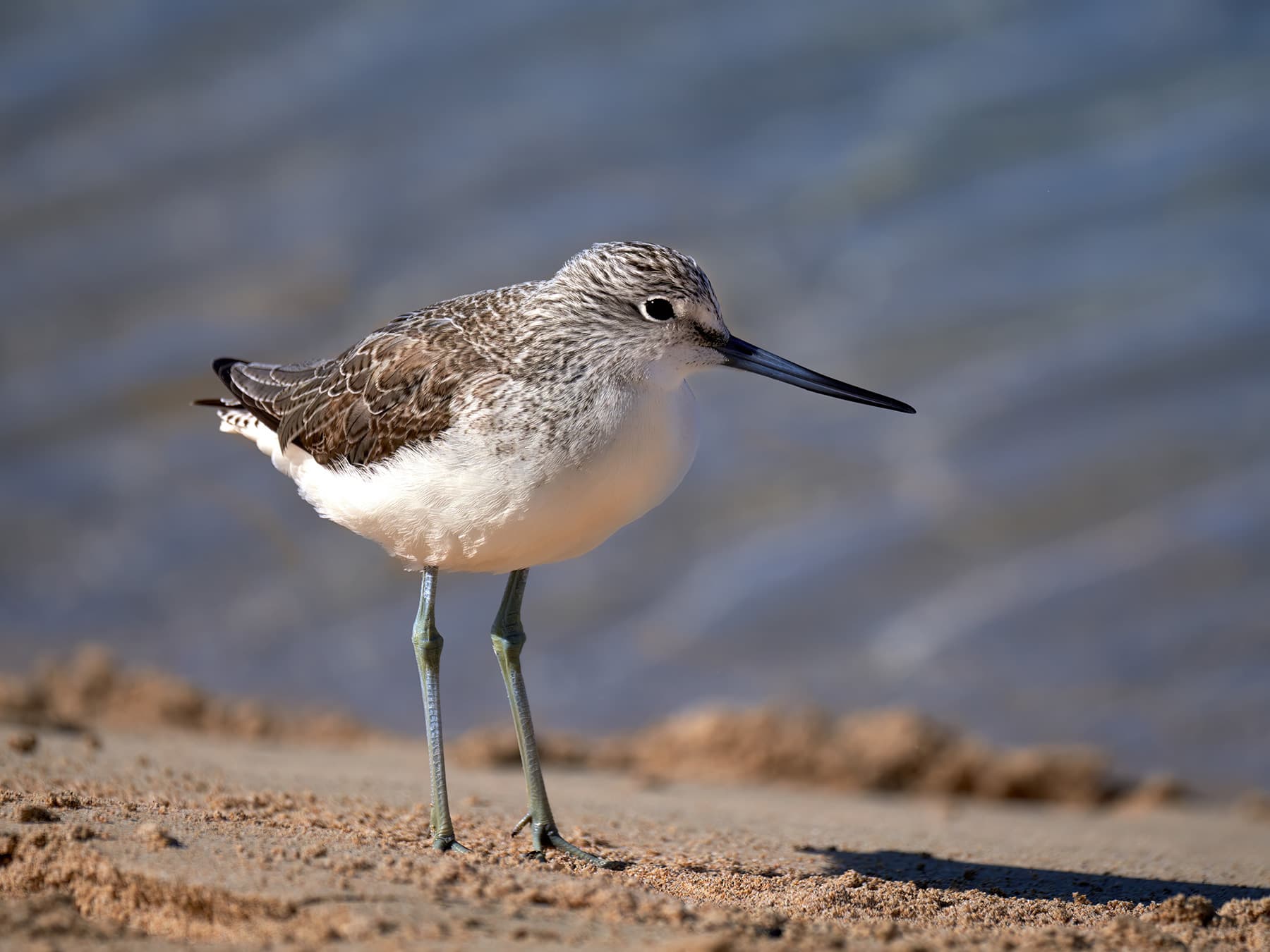
Greenshank
Tringa nebulariaLC
A rare passage migrant from July to October, pausing at coastal pools and estuarine mudflats on its southward journey.
Jul–Oct
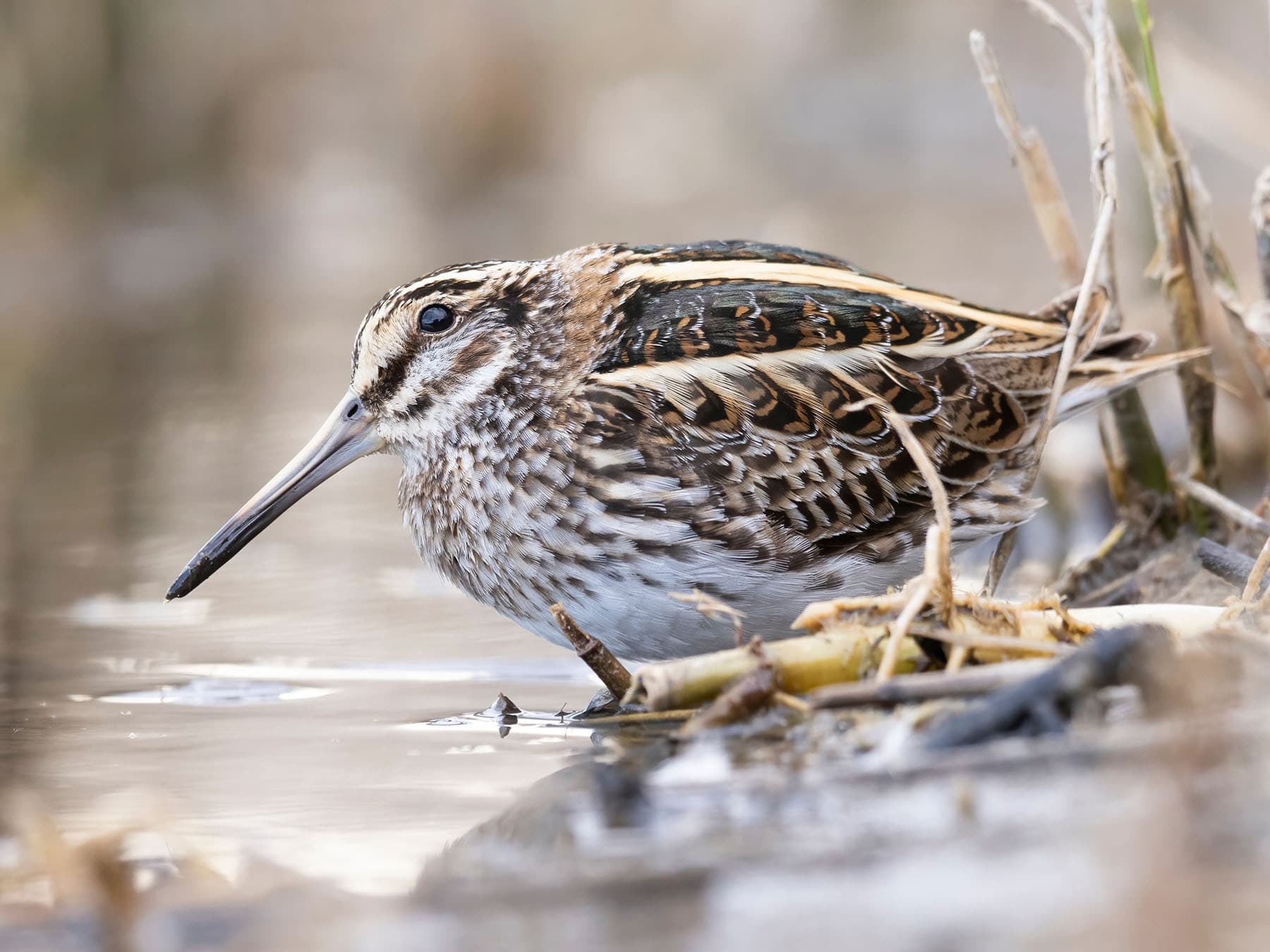
Jack Snipe
Lymnocryptes minimusLC
A secretive winter visitor to boggy margins and wetlands, rarely flushed from cover. Present from October to March but easily overlooked.
Oct–Mar
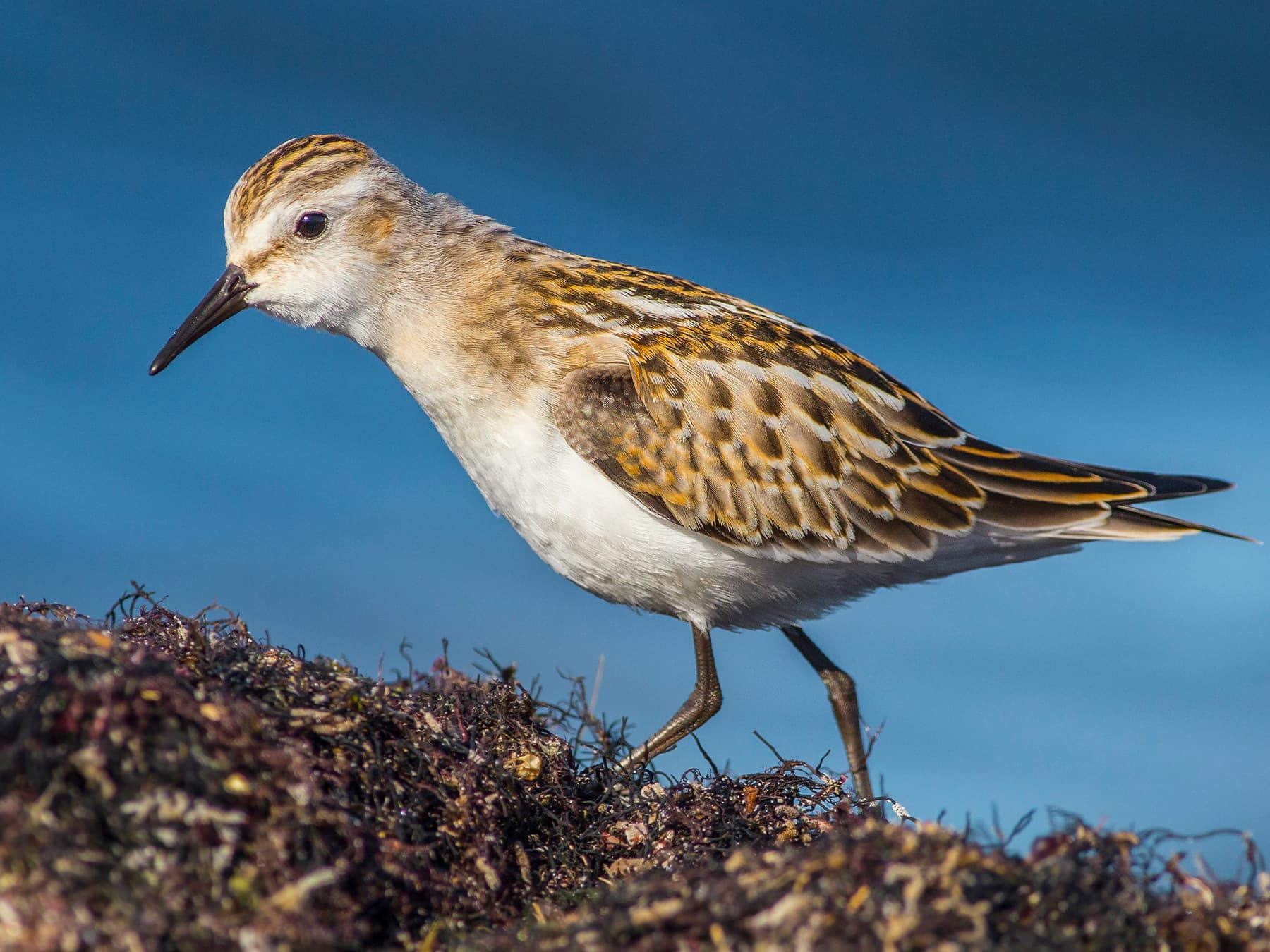
Little Stint
Calidris minutaLC
A rare autumn passage migrant, occasionally found on coastal scrapes and muddy pool edges in August and September.
Aug–Sep
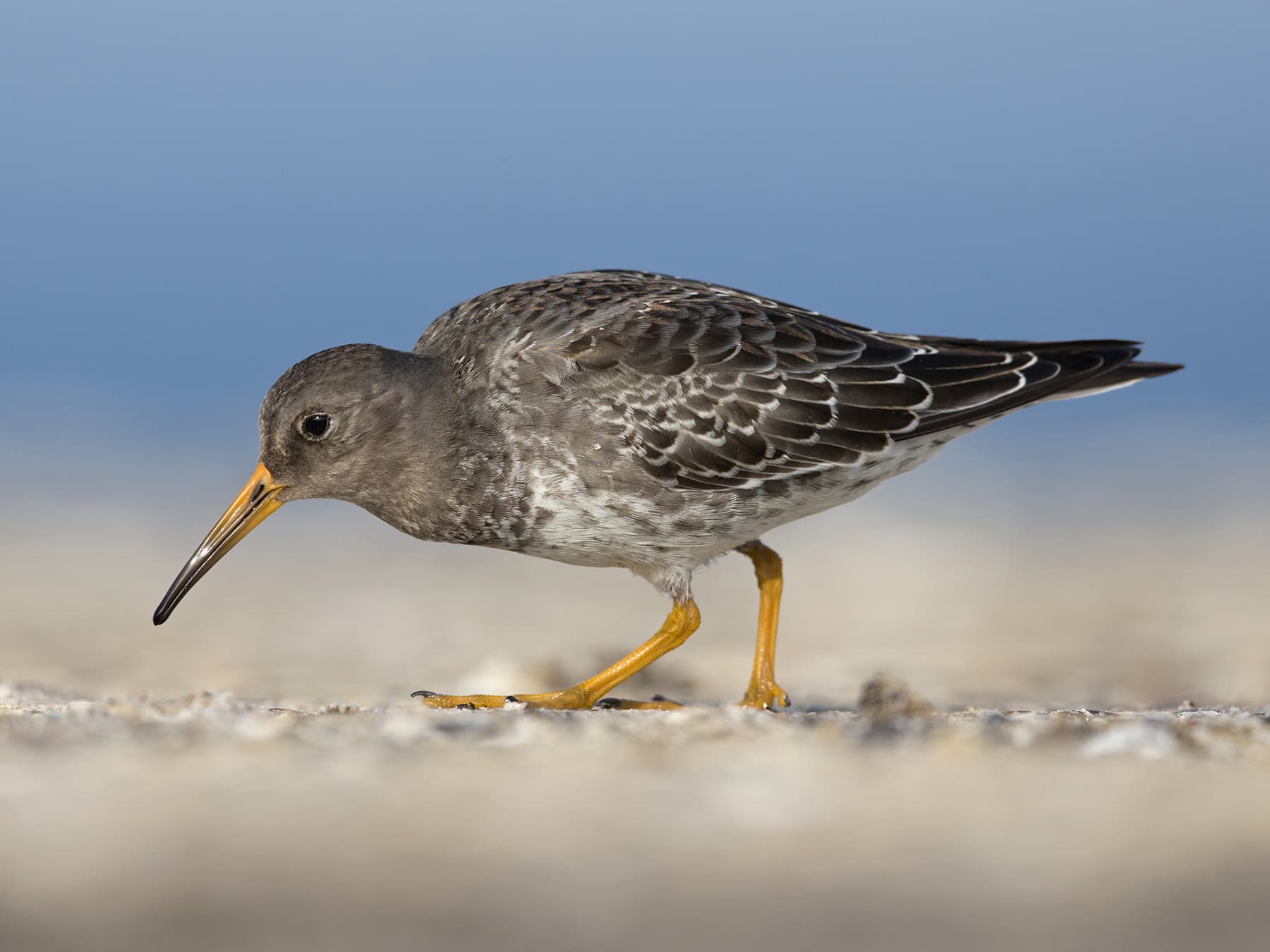
Purple Sandpiper
Calidris maritimaLC
An uncommon resident of wave-washed rocky shores and harbour walls, often seen alongside Turnstones on the region's piers and breakwaters.
Aug–May
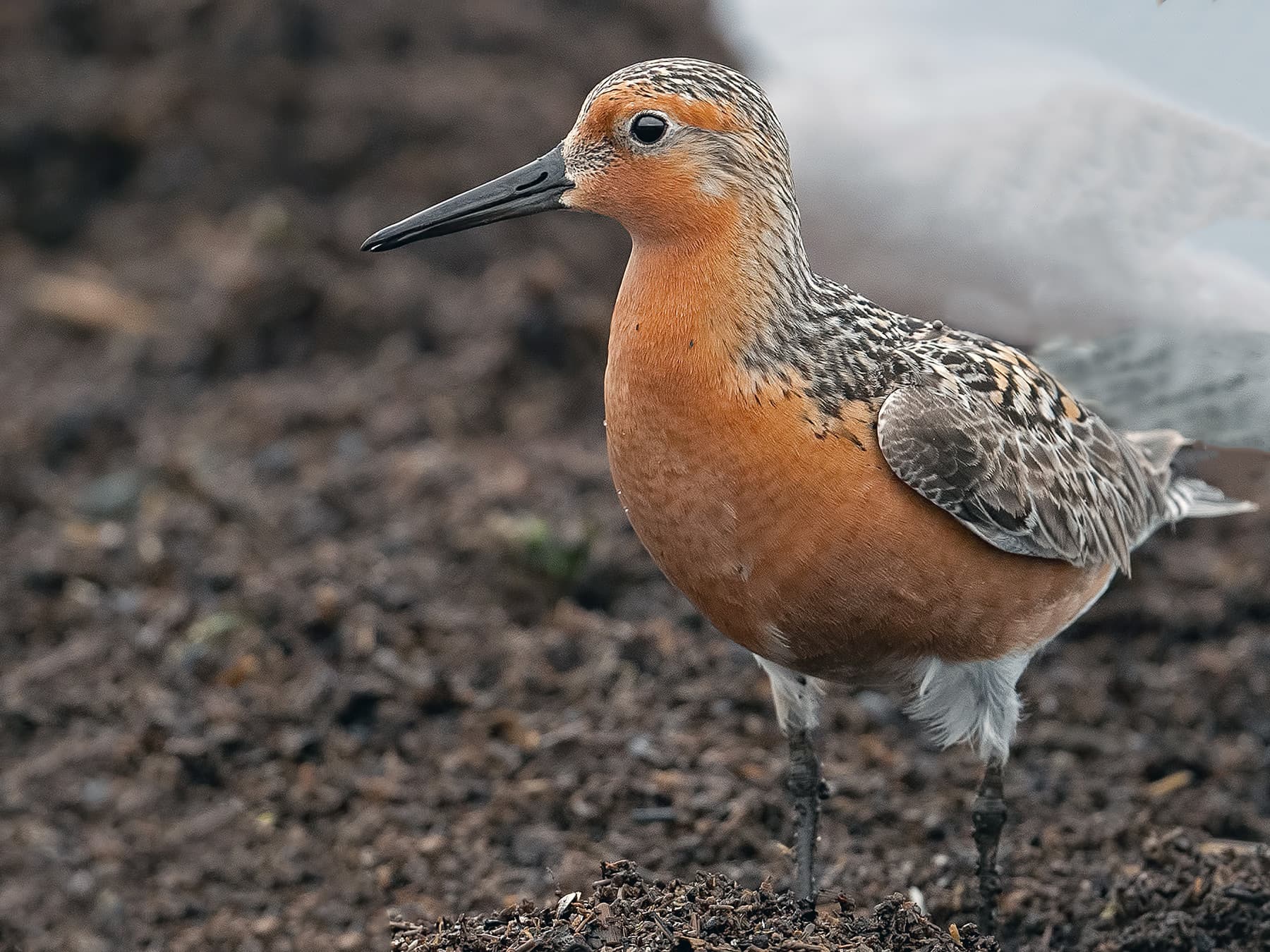
Red Knot
Calidris canutusNT
Small numbers occur year-round on tidal mudflats, though far scarcer here than on larger estuaries further south.
Year-round
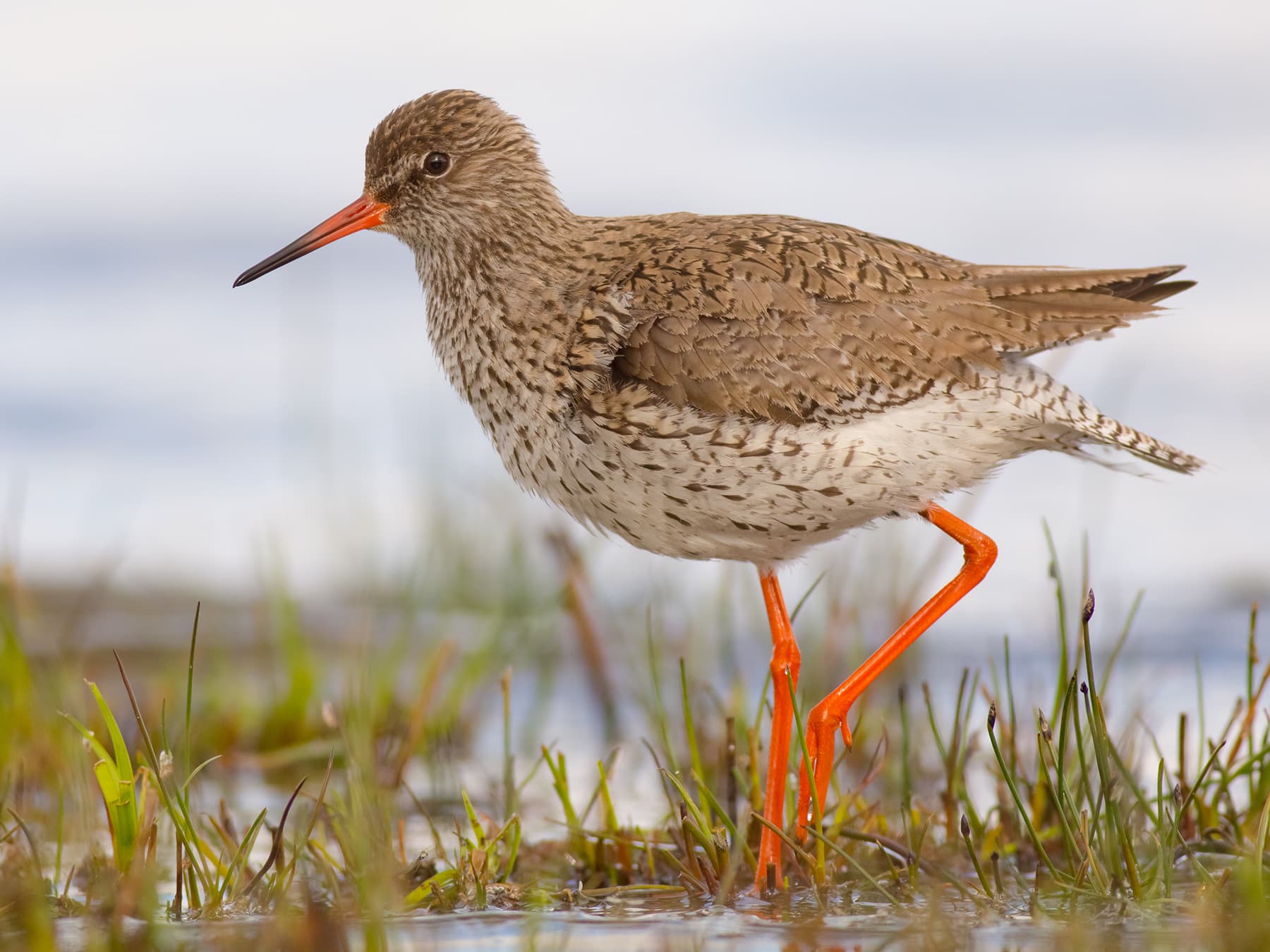
Redshank
Tringa totanusLC
A common year-round resident of estuaries, mudflats and coastal marshes. Its piping alarm call is a characteristic sound of the shoreline.
Year-round
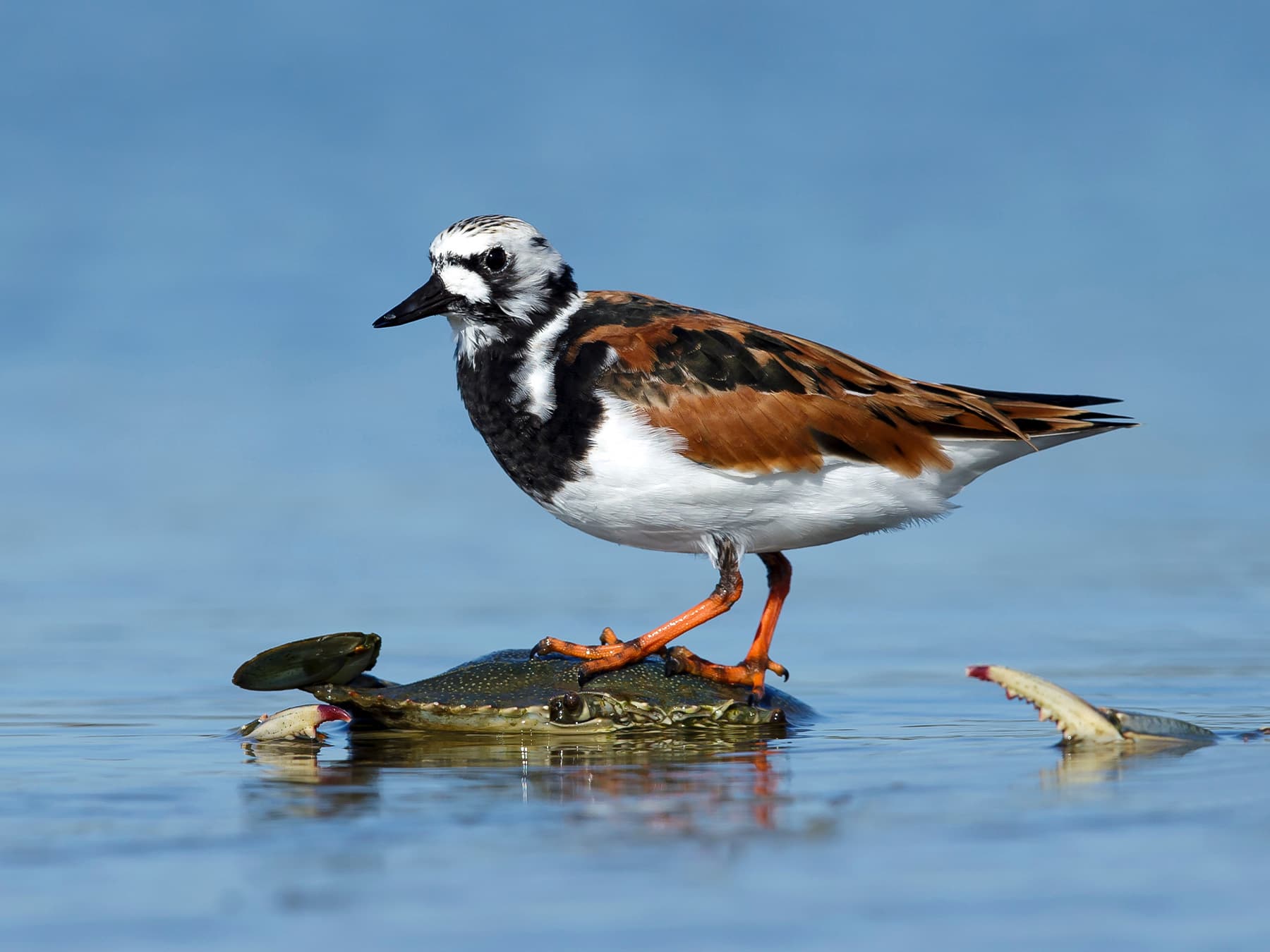
Ruddy Turnstone
Arenaria interpresLC
An uncommon resident of rocky shorelines, busily flipping stones and seaweed to find invertebrates along the Tyne and Wear coast.
Year-round
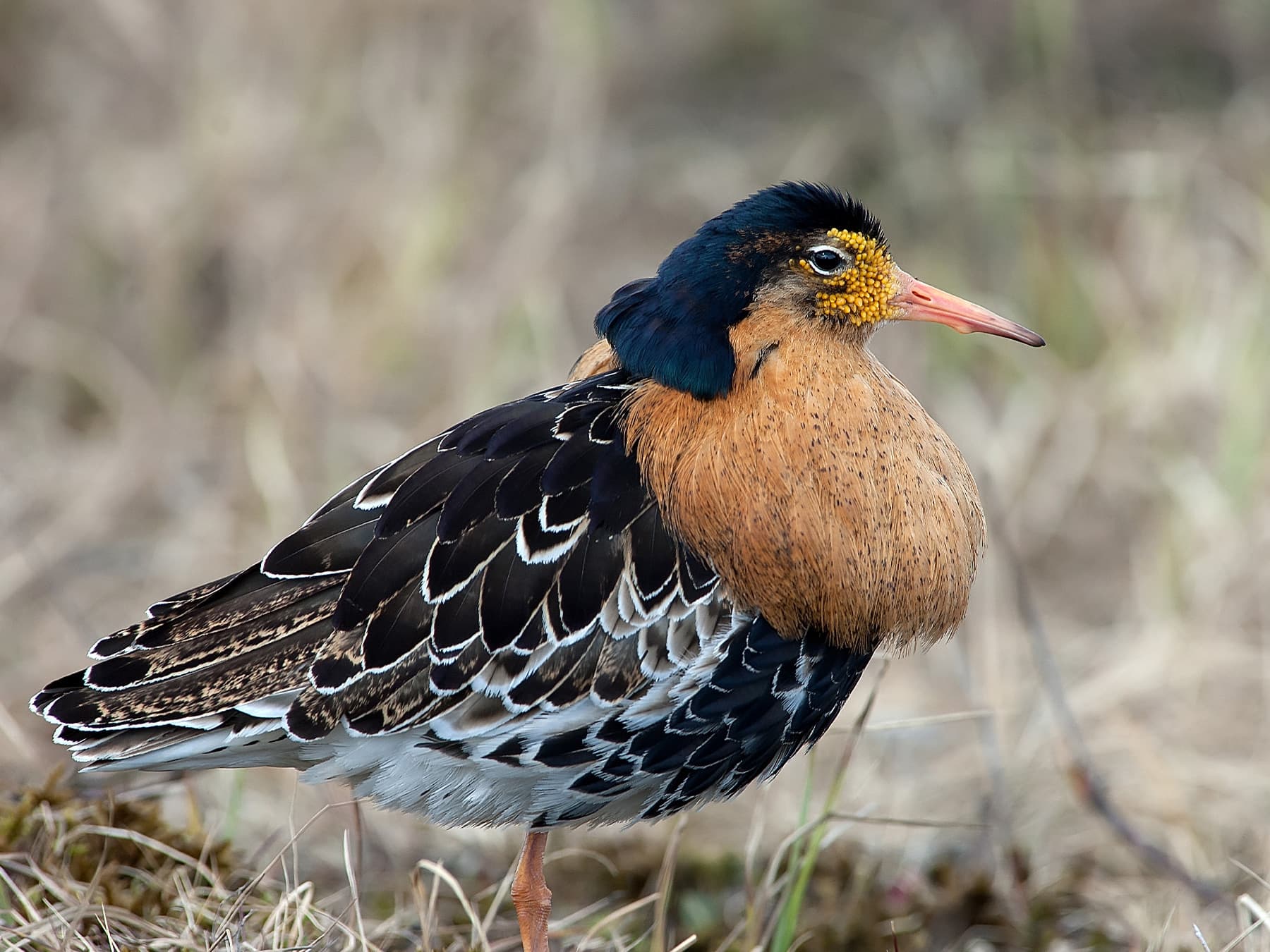
Ruff
Philomachus pugnaxLC
A rare autumn passage migrant from July to October. Occasionally stops at freshwater pools and muddy margins along the coast.
Jul–Oct
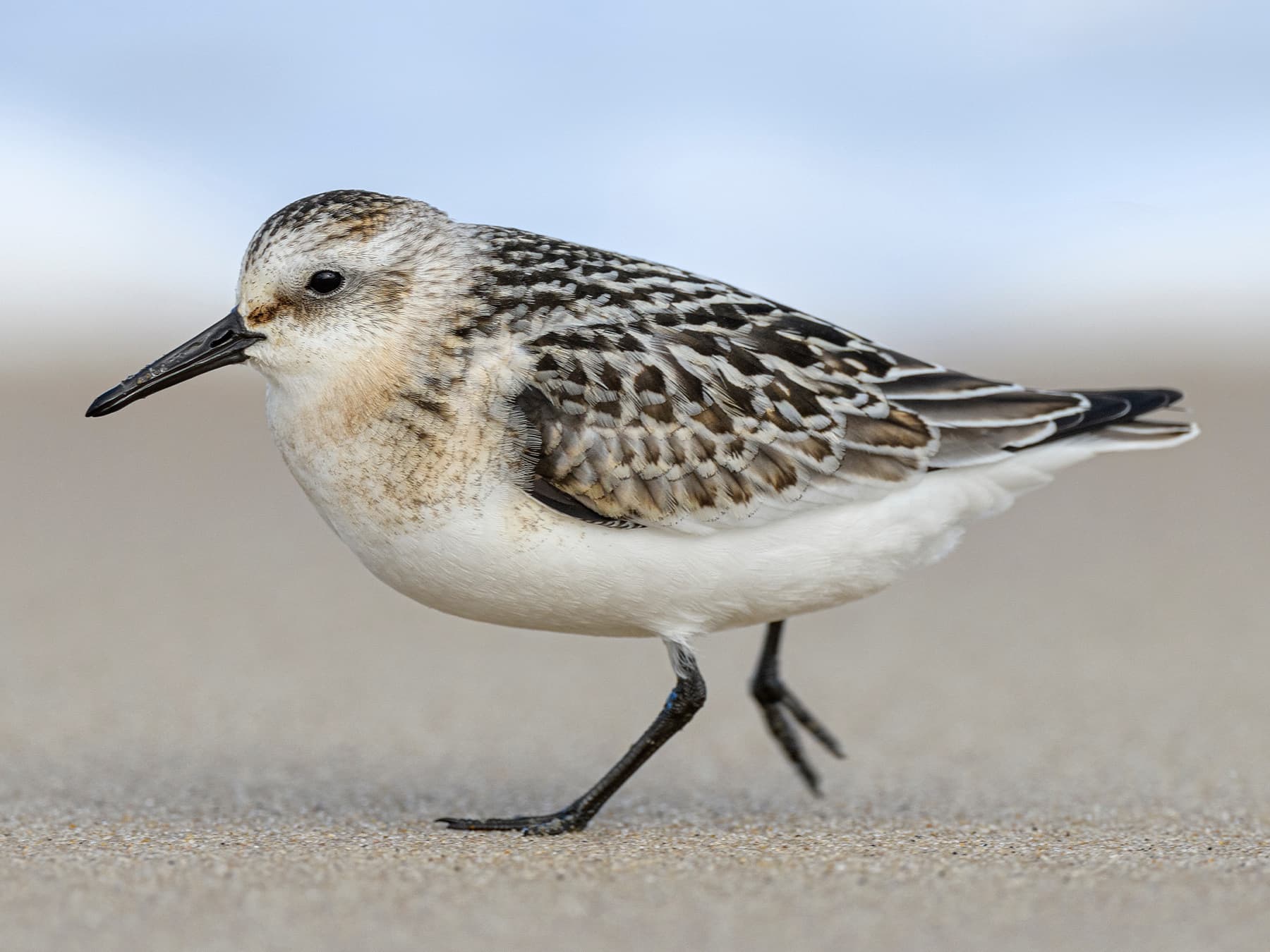
Sanderling
Calidris albaLC
Present year-round on sandy beaches, with flocks scurrying along the tideline at sites like Whitley Bay and South Shields.
Year-round
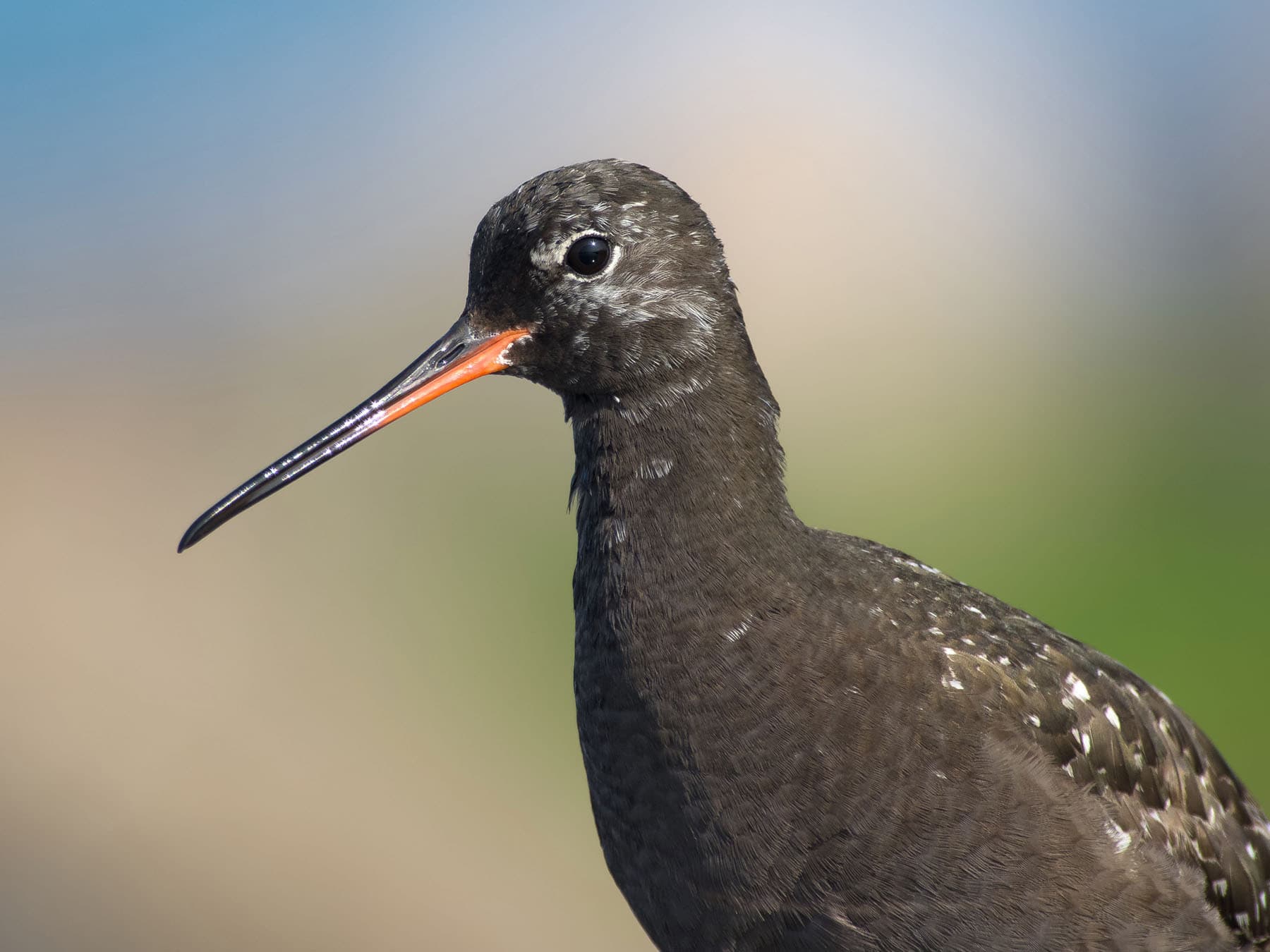
Spotted Redshank
Tringa erythropusLC
A rare autumn passage migrant, occasionally noted at coastal pools and estuarine mudflats in August and September.
Aug–Sep
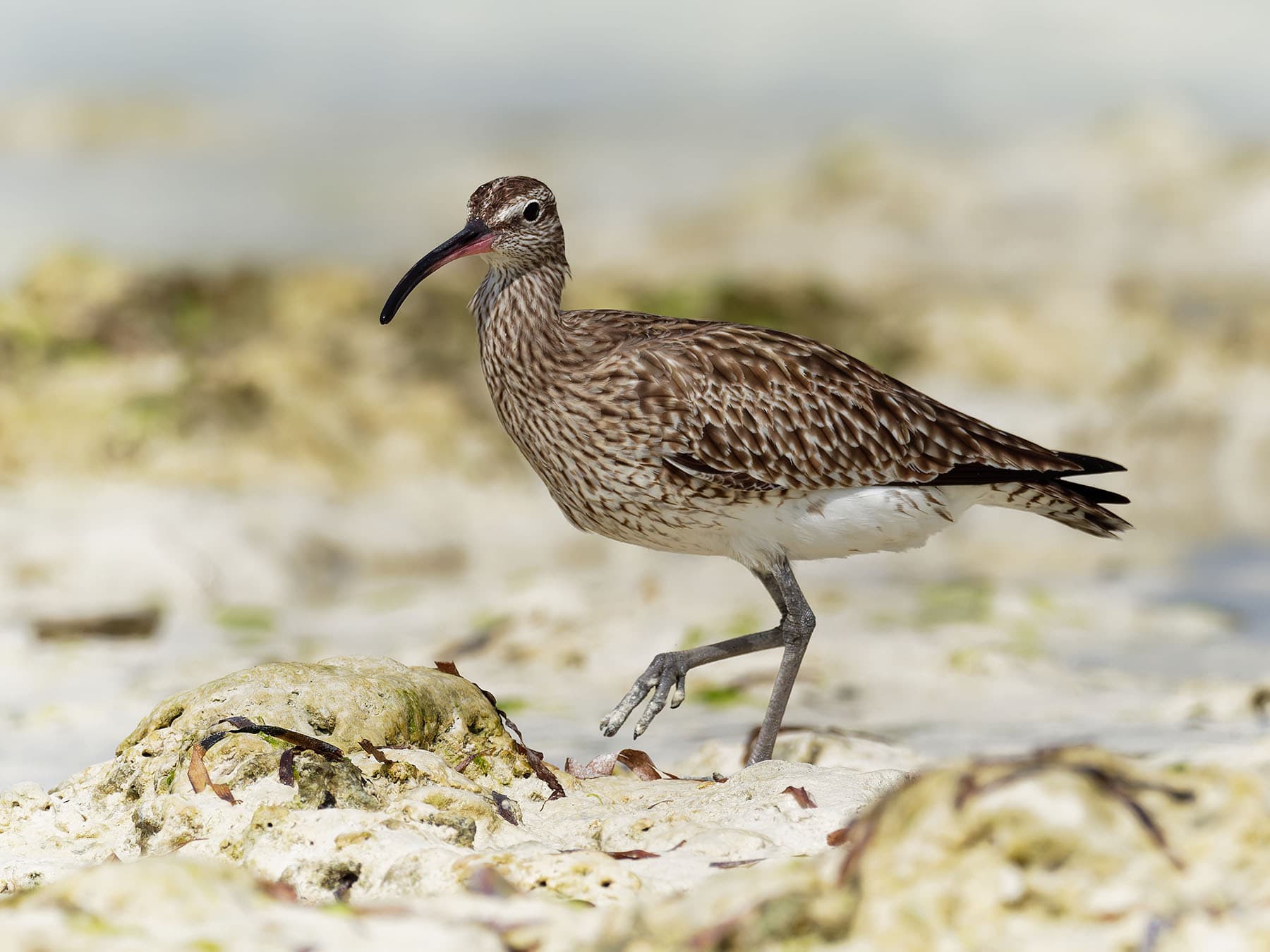
Whimbrel
Numenius phaeopusLC
An uncommon breeding visitor present from spring to early autumn, favouring coastal and upland habitats with its distinctive rippling call.
Apr–Sep
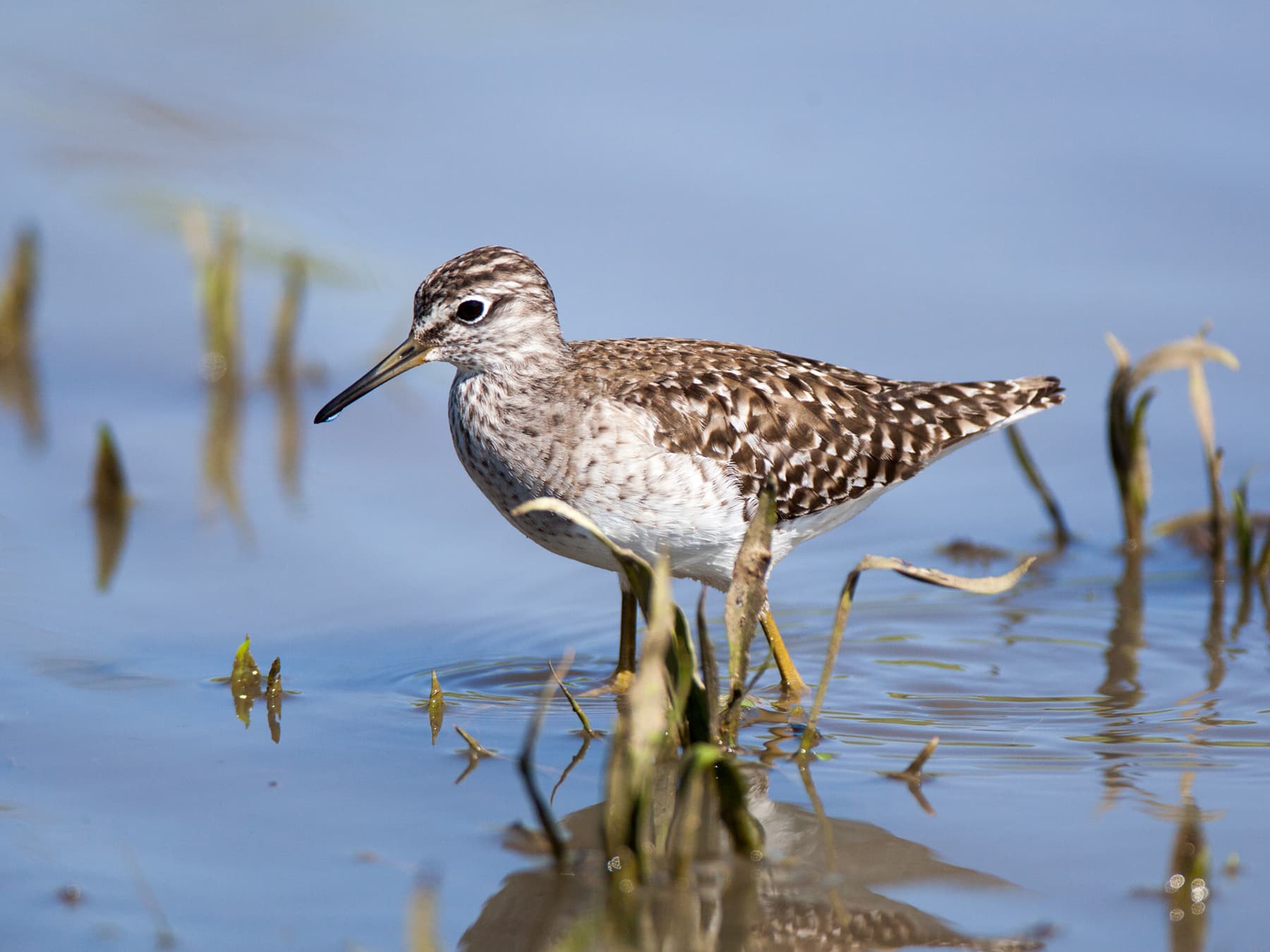
Wood Sandpiper
Tringa glareolaLC
A rare passage migrant seen briefly in May and again in July–August, favouring freshwater pools and marshy scrapes.
May–Aug