Birds in Northamptonshire
Explore 181 species found in this region.
Northamptonshire, often known as the county of spires and squires, supports a rich diversity of birdlife with 177 recorded species across its mix of rolling farmland, river valleys, reservoirs, and ancient woodlands. The county's wetland sites attract notable species such as Common Merganser, Northern Pintail, and Pink-footed Goose, while its hedgerows and woodlands are home to familiar residents like Great Tit, Magpie, and Eurasian Woodcock. From the wading Northern Lapwing on open fields to the striking Mandarin Duck along wooded waterways, Northamptonshire offers rewarding birdwatching throughout the year.
Visiting in July? Look out for Black-necked Grebe and Black-tailed Godwit arriving this month, and Avocet and Barn Owl depart for the season.


Showing 162–181 of 181 species
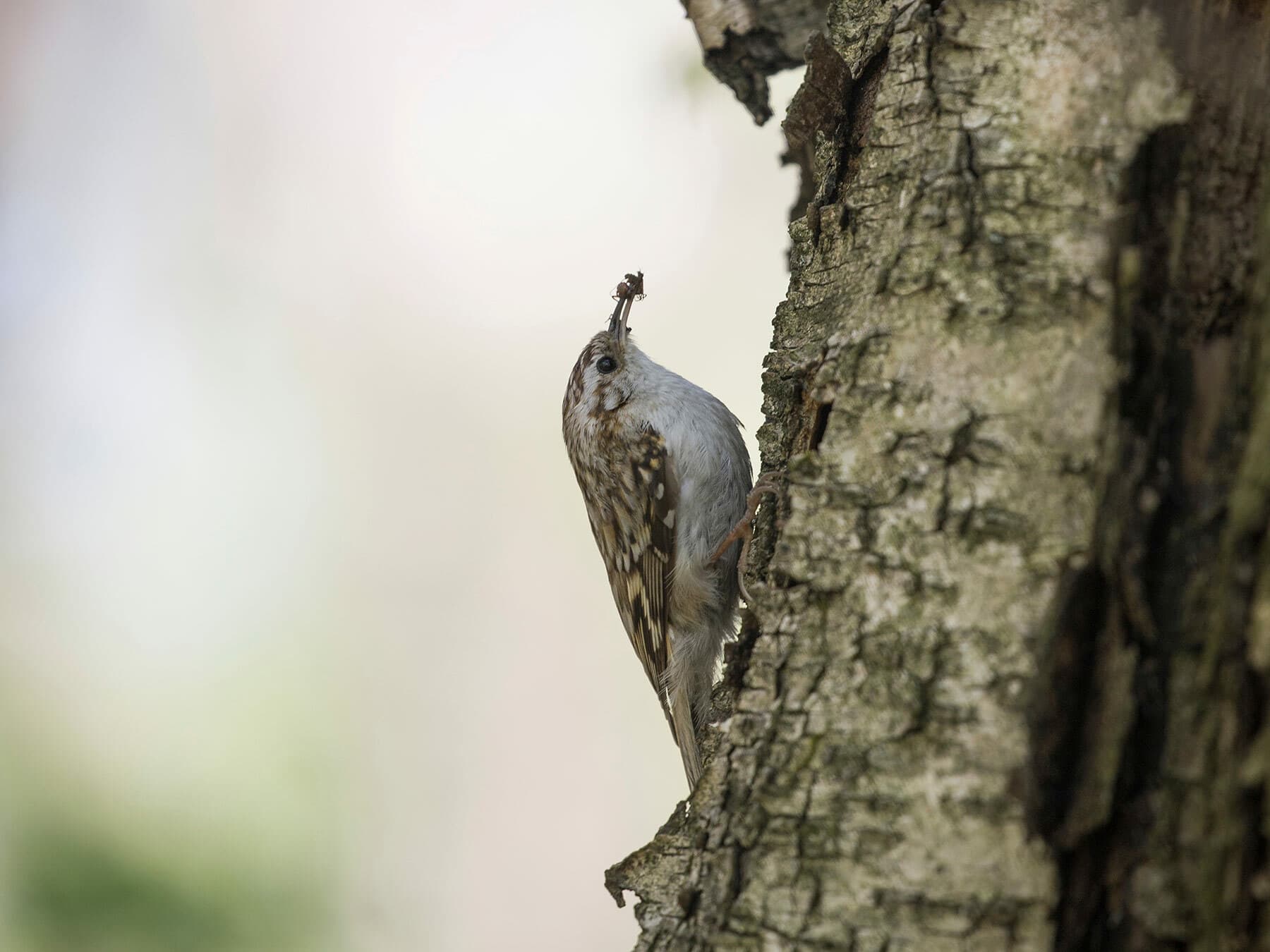
Treecreeper
Certhia familiarisLC
An uncommon but year-round resident, spiralling up tree trunks in mature woodland. Best found in the county's ancient woods like Salcey Forest.
Year-round
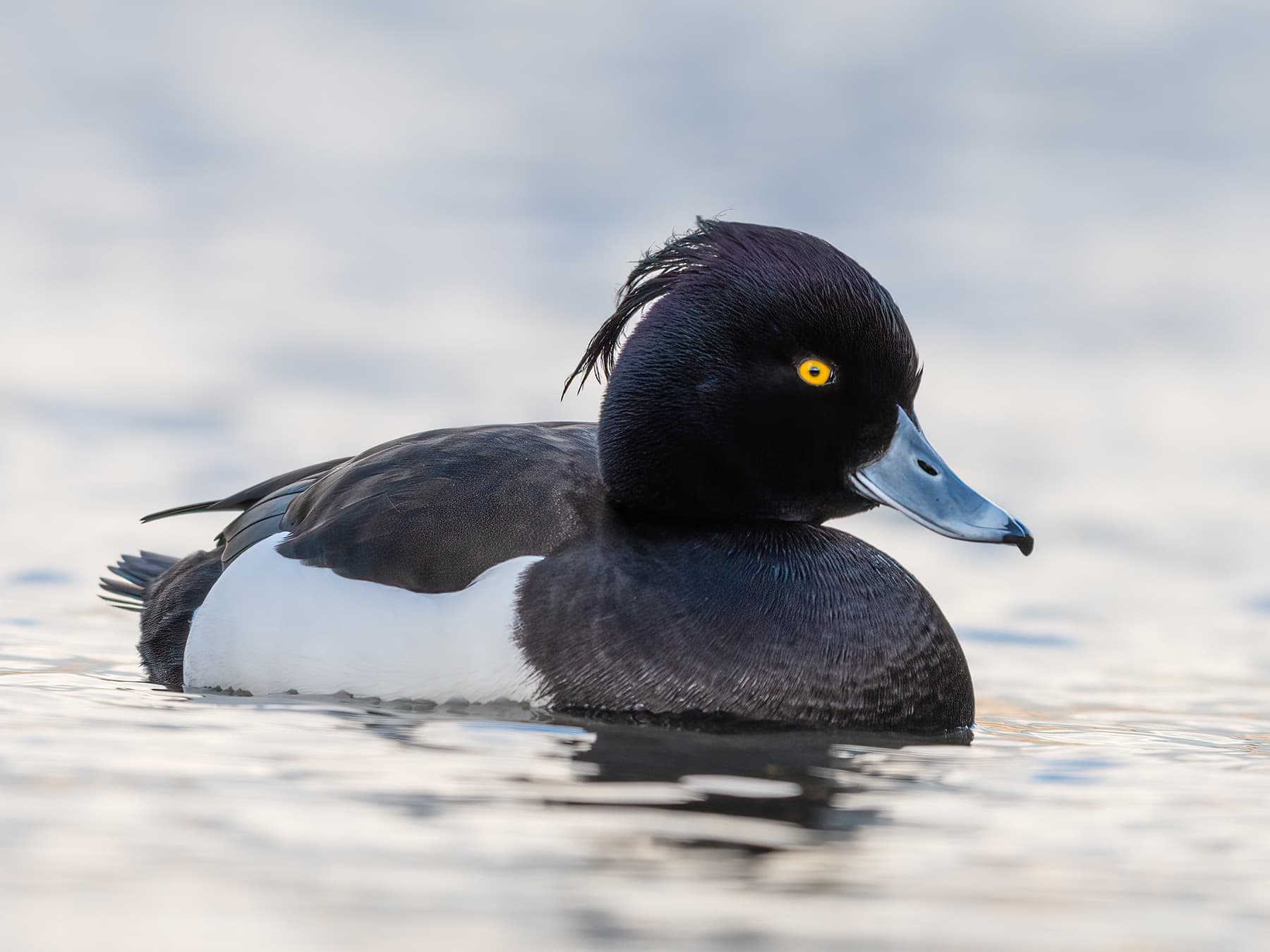
Tufted Duck
Aythya fuligulaLC
A common resident diving duck found on reservoirs, gravel pits and park lakes throughout the year. Breeds readily in the county.
Year-round
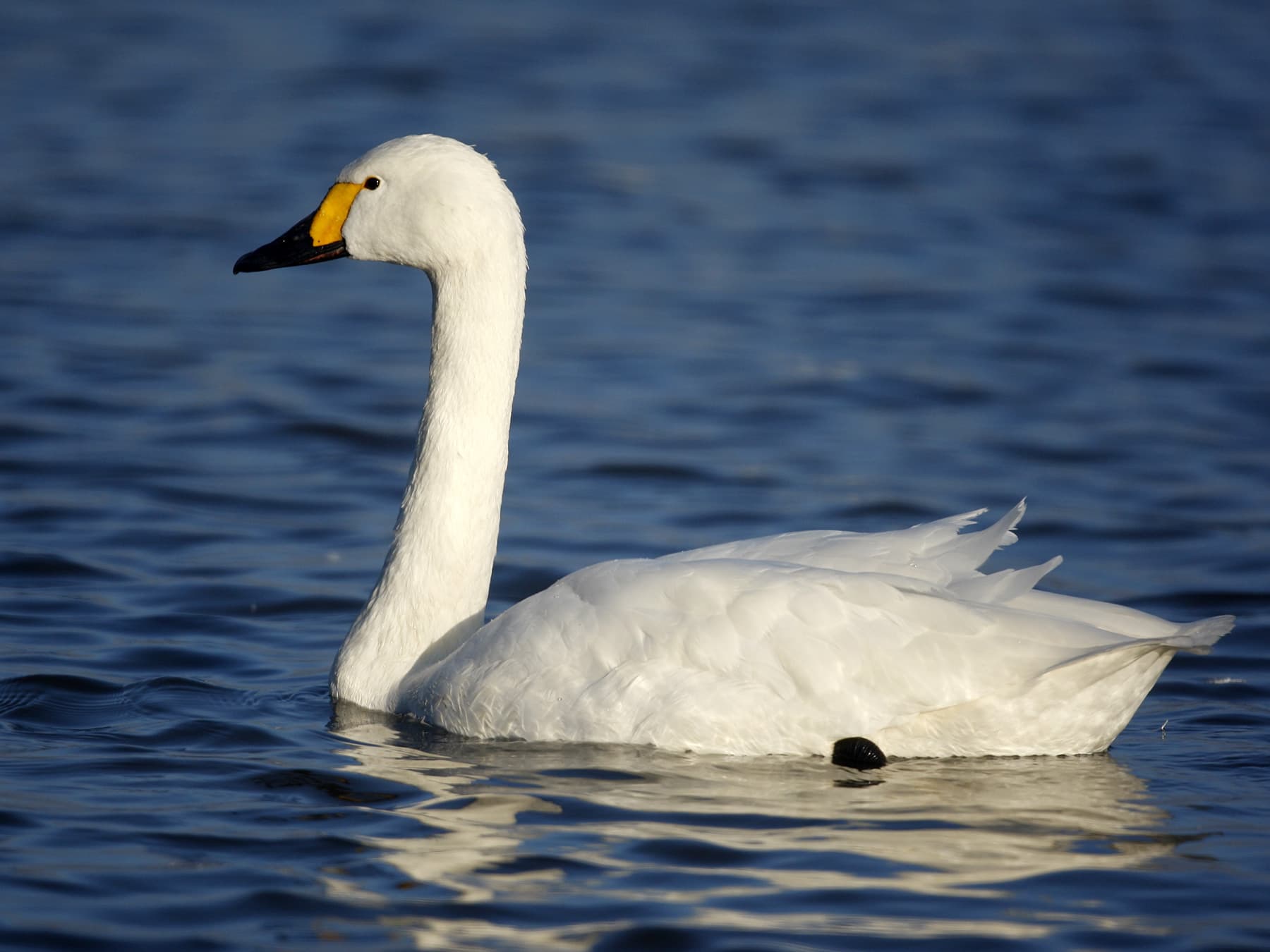
Tundra Swan
Cygnus columbianusLC
A rare winter visitor, occasionally turning up on larger reservoirs in November and December during cold spells.
Nov–Dec
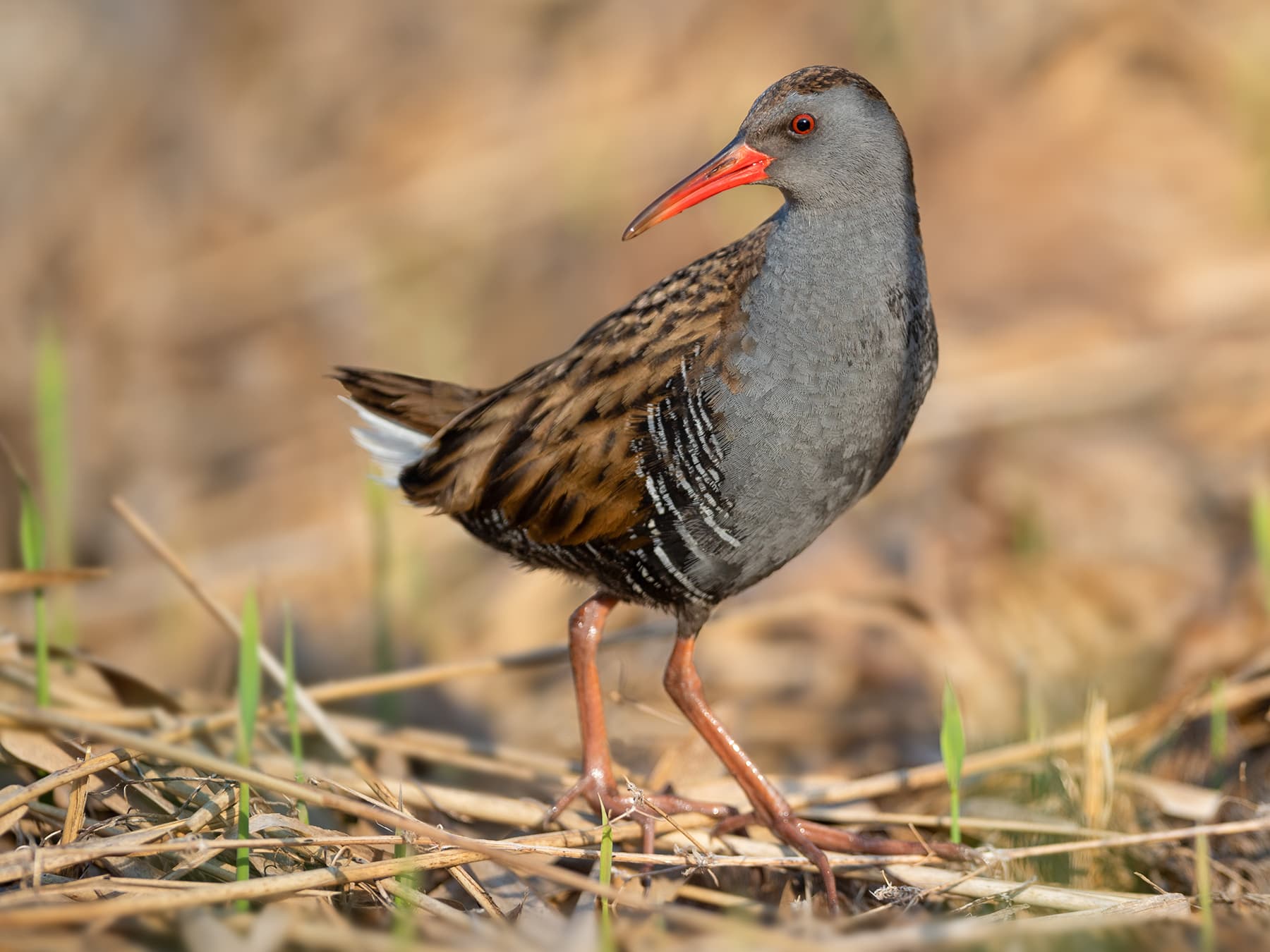
Water Rail
Rallus aquaticusLC
An uncommon but year-round resident of reedbeds and marshy margins, more often heard squealing than seen at sites like Pitsford.
Jul–Apr
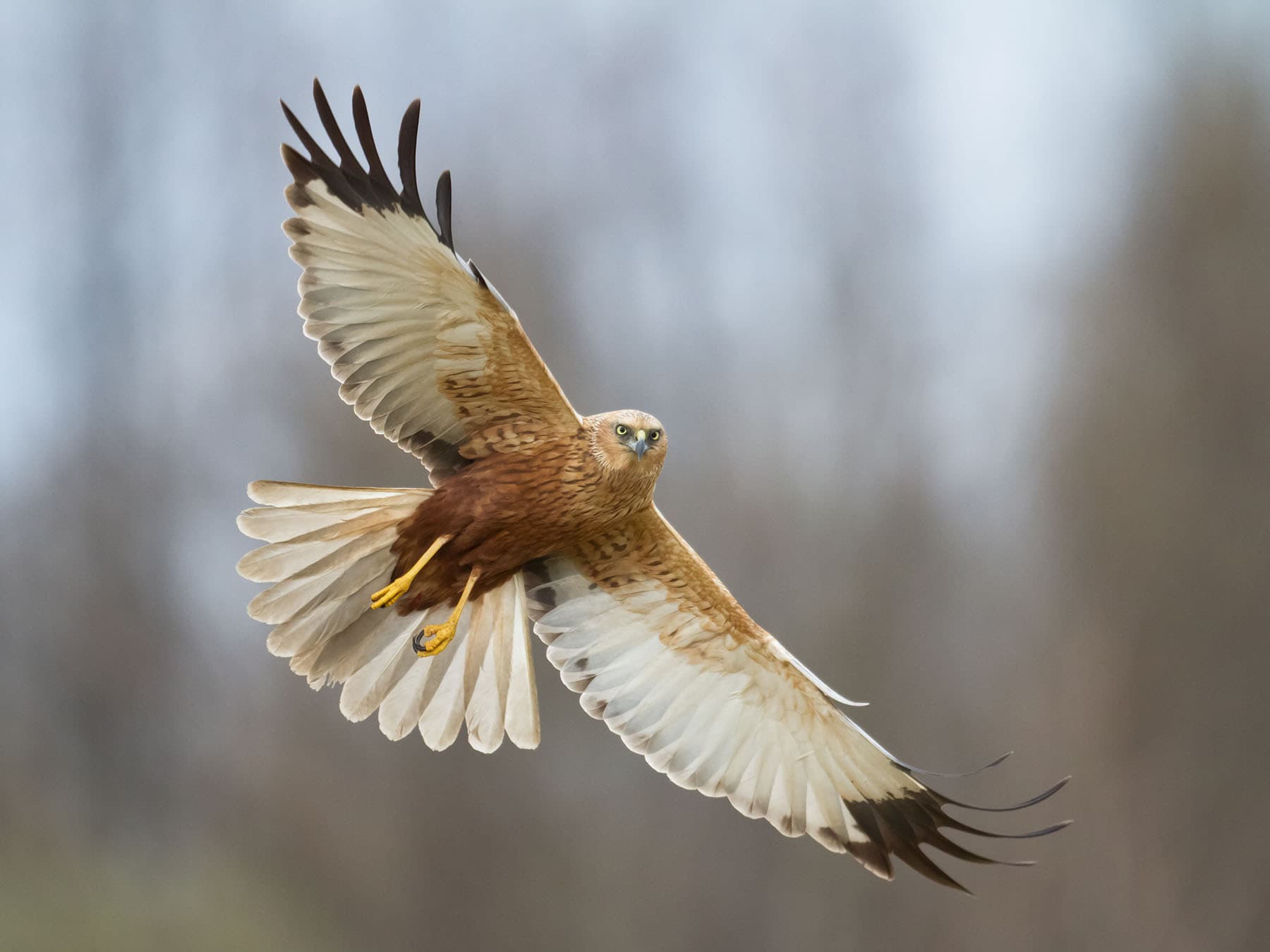
Western Marsh-harrier
Circus aeruginosusLC
A rare but increasingly recorded resident, hunting over reedbeds and marshes at key wetland sites outside the summer months.
Jul–Apr
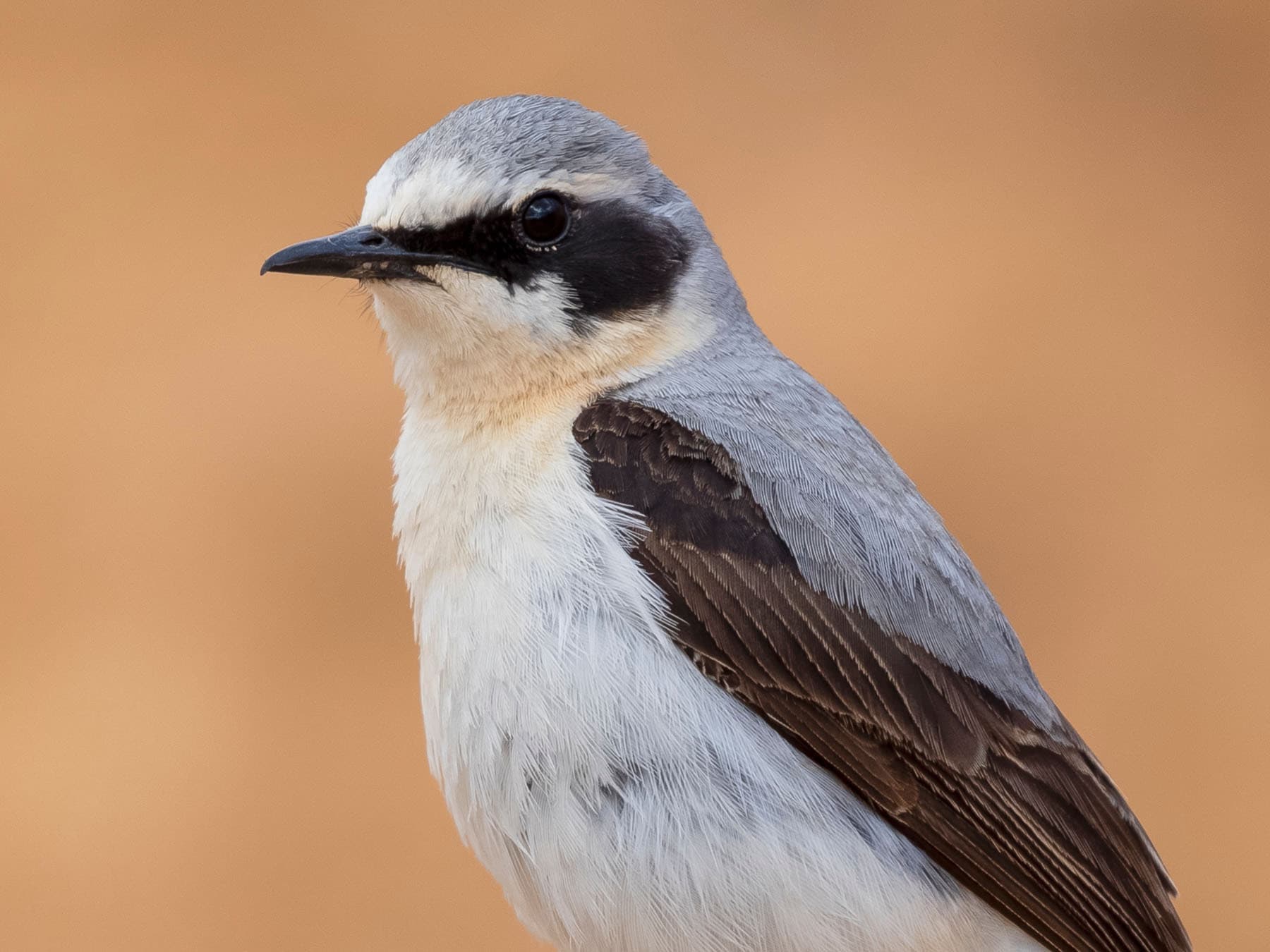
Wheatear
Oenanthe oenantheLC
A rare visitor seen on open farmland and reservoir margins during spring and autumn passage, pausing briefly on short turf and ploughed fields.
Mar–Oct
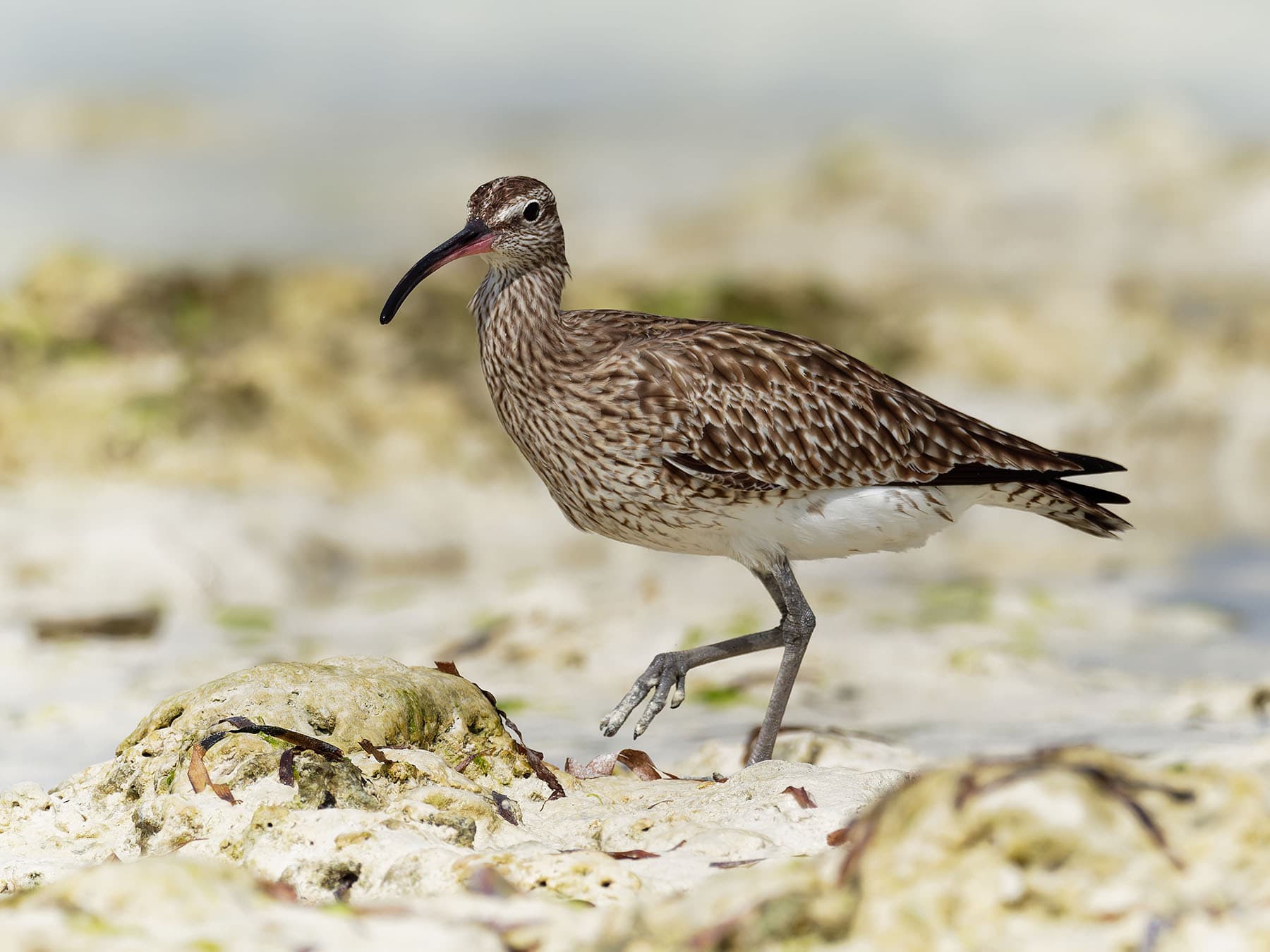
Whimbrel
Numenius phaeopusLC
A rare spring passage migrant, with small numbers passing through in April and May, often detected by their distinctive call.
Apr–May
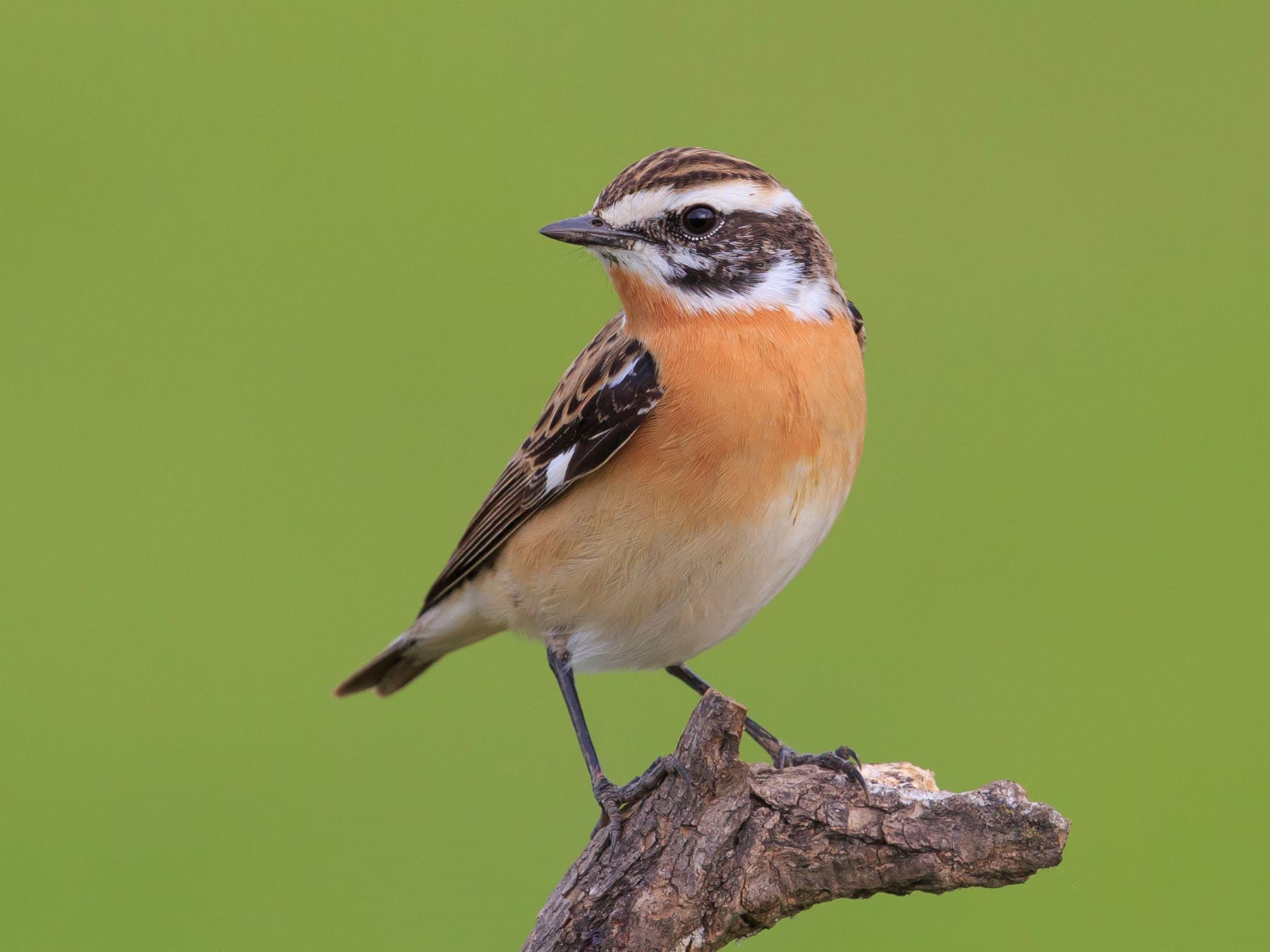
Whinchat
Saxicola rubetraLC
A rare autumn passage migrant in August and September, pausing briefly on rough grassland and scrubby field margins during southward migration.
Aug–Sep
Spotted something?
Upload a photo to identify it
Identify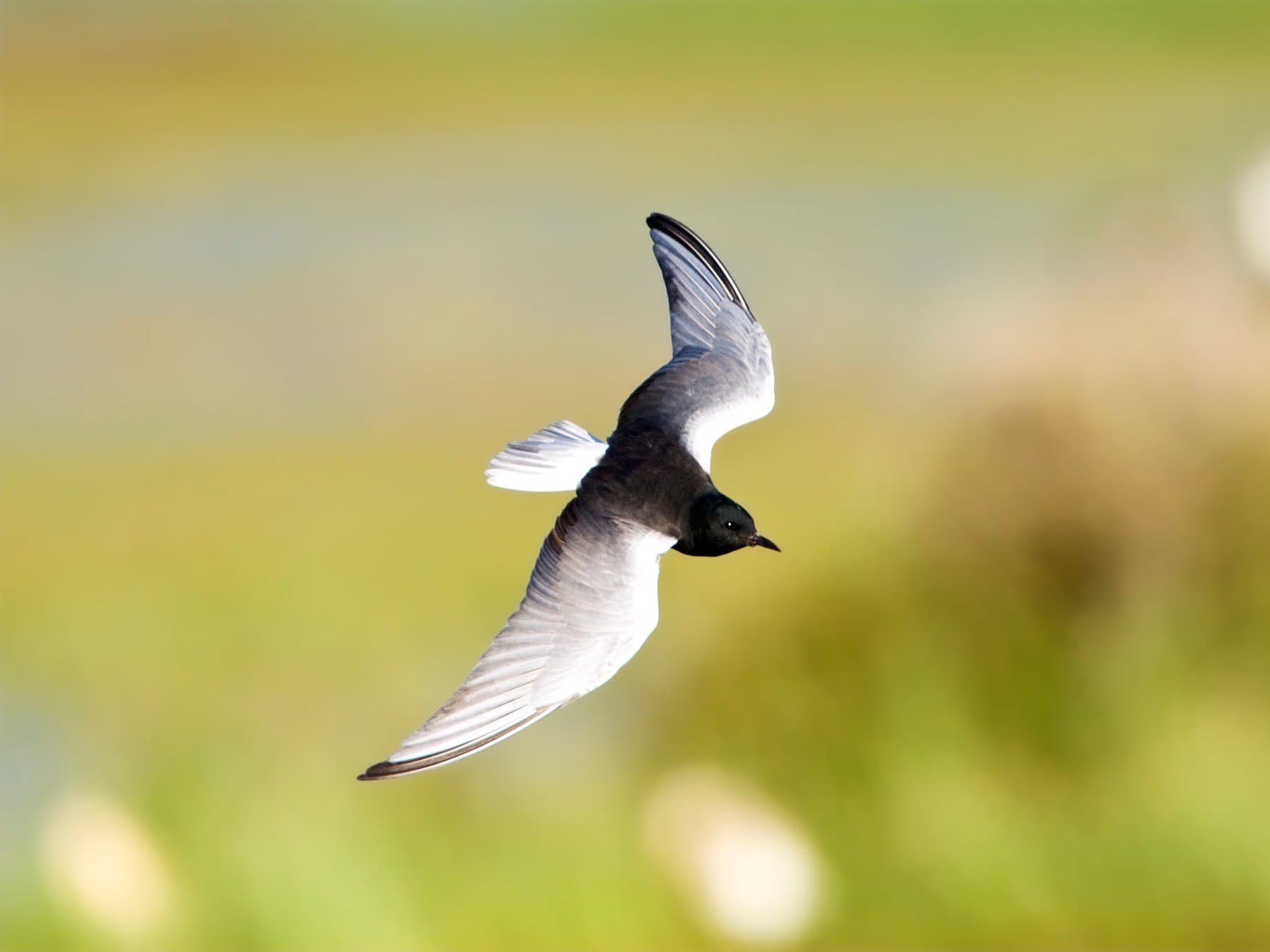
White-winged Tern
Chlidonias leucopterusLC
A rare passage vagrant, with occasional May records at the county's larger reservoirs such as Pitsford Water.
May
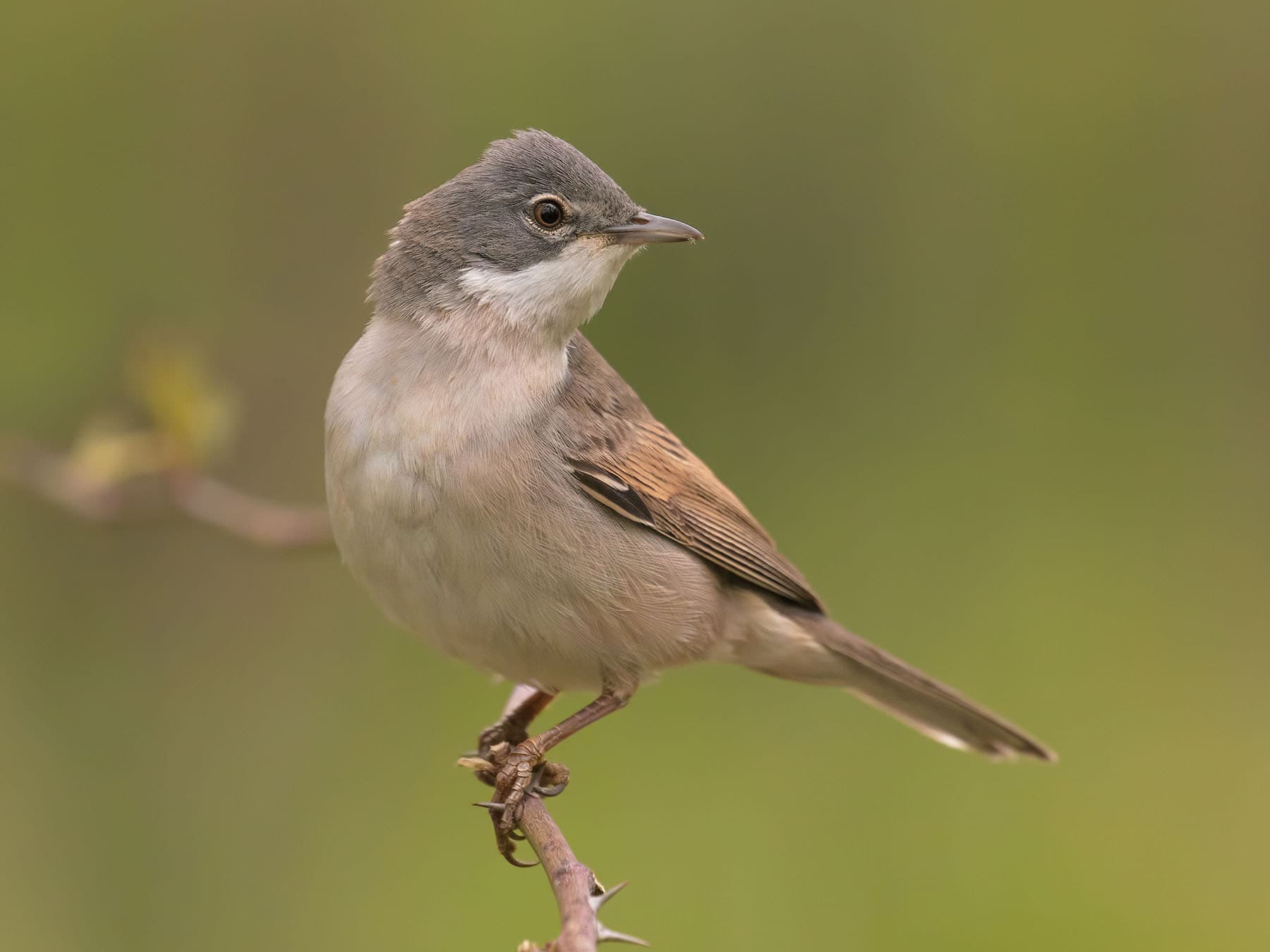
Whitethroat
Curruca communisLC
A common summer visitor breeding in hedgerows and scrubby margins across the county's farmland from April to September.
Apr–Sep
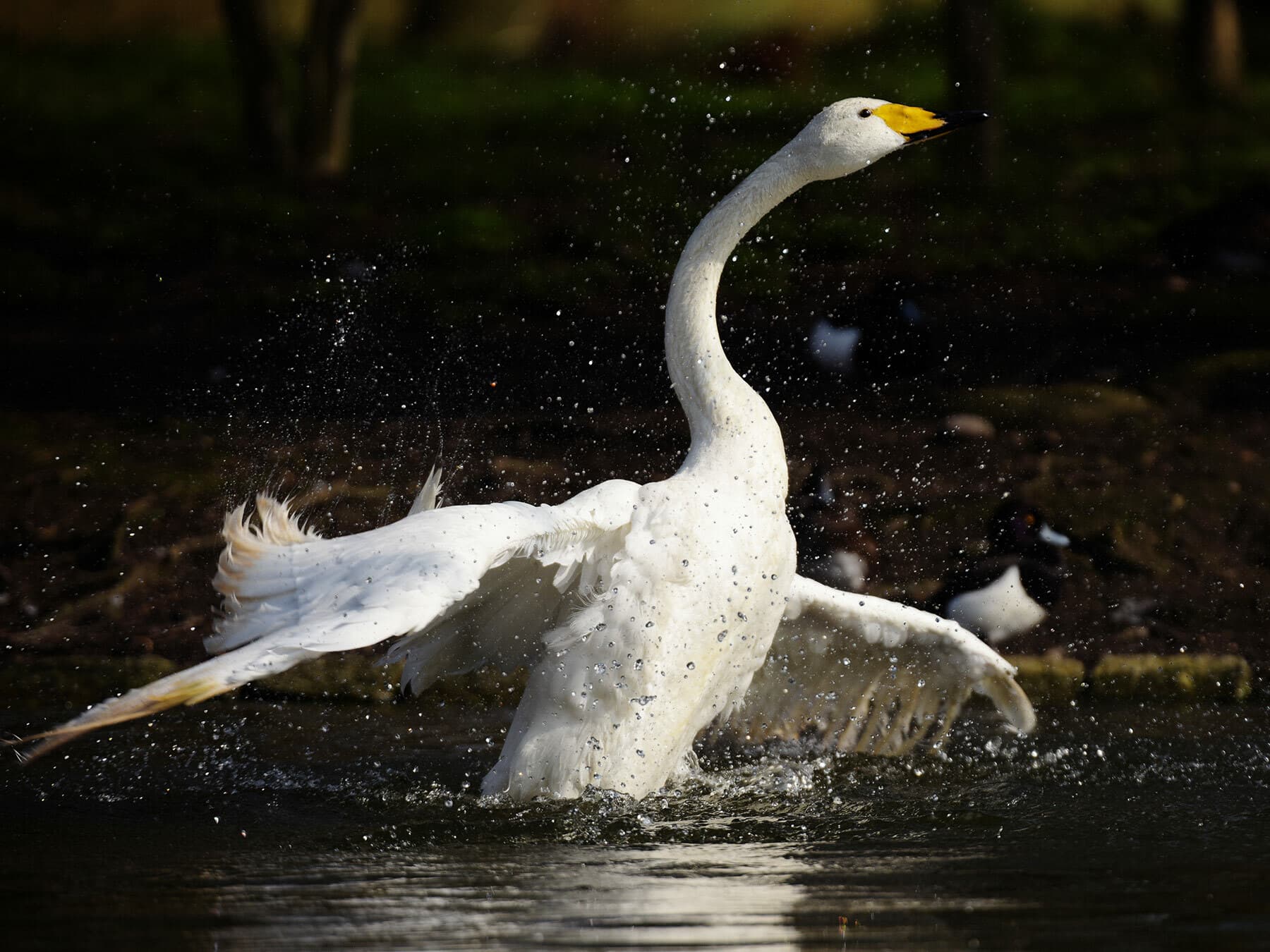
Whooper Swan
Cygnus cygnusLC
A rare passage visitor, occasionally seen on reservoirs and flooded fields in midwinter and during October movements.
Oct–Jan
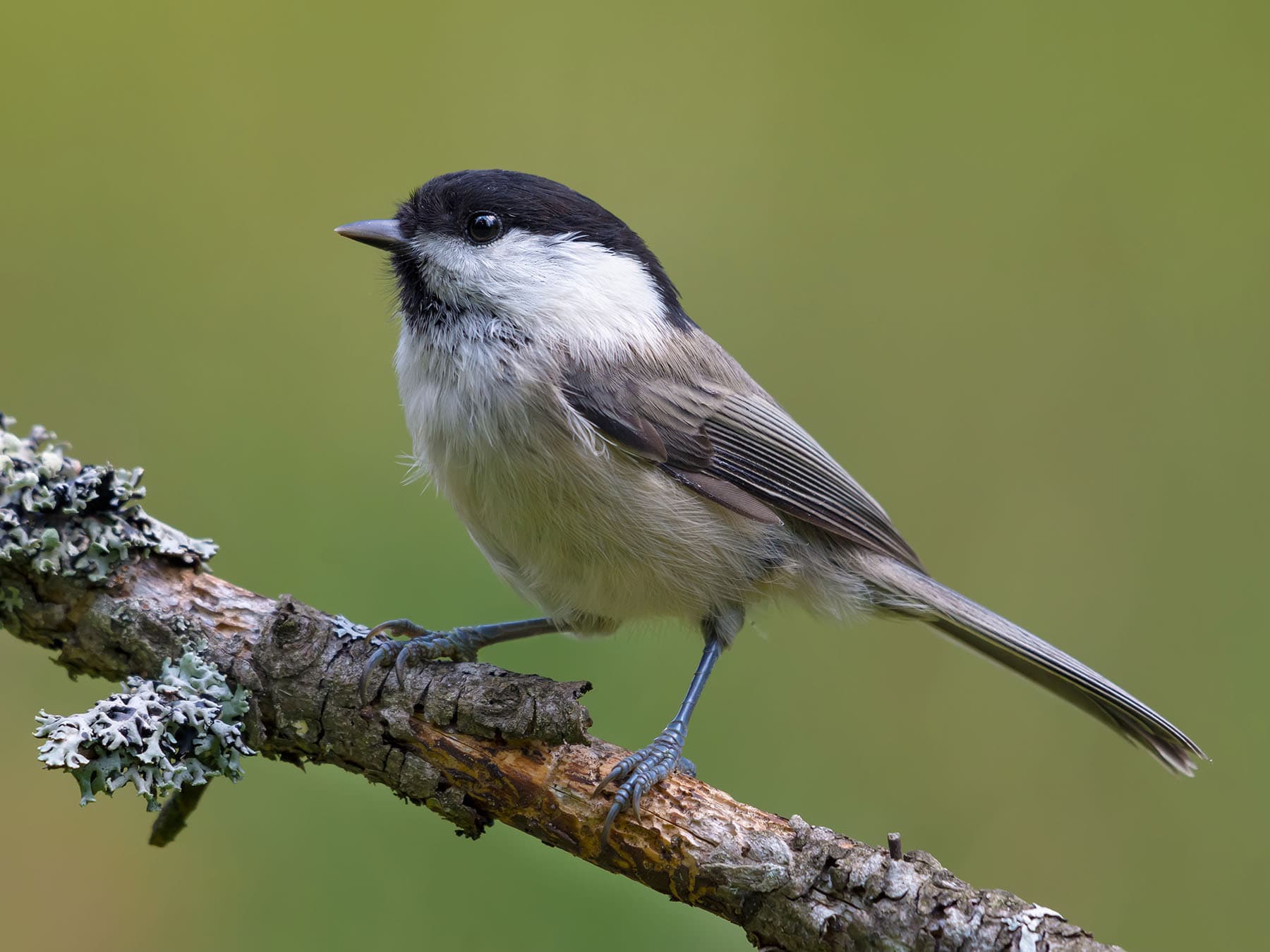
Willow Tit
Poecile montanusLC
A rare passage visitor, reflecting severe national decline. Occasionally recorded in spring and late autumn at damp woodland sites.
Dec–Apr
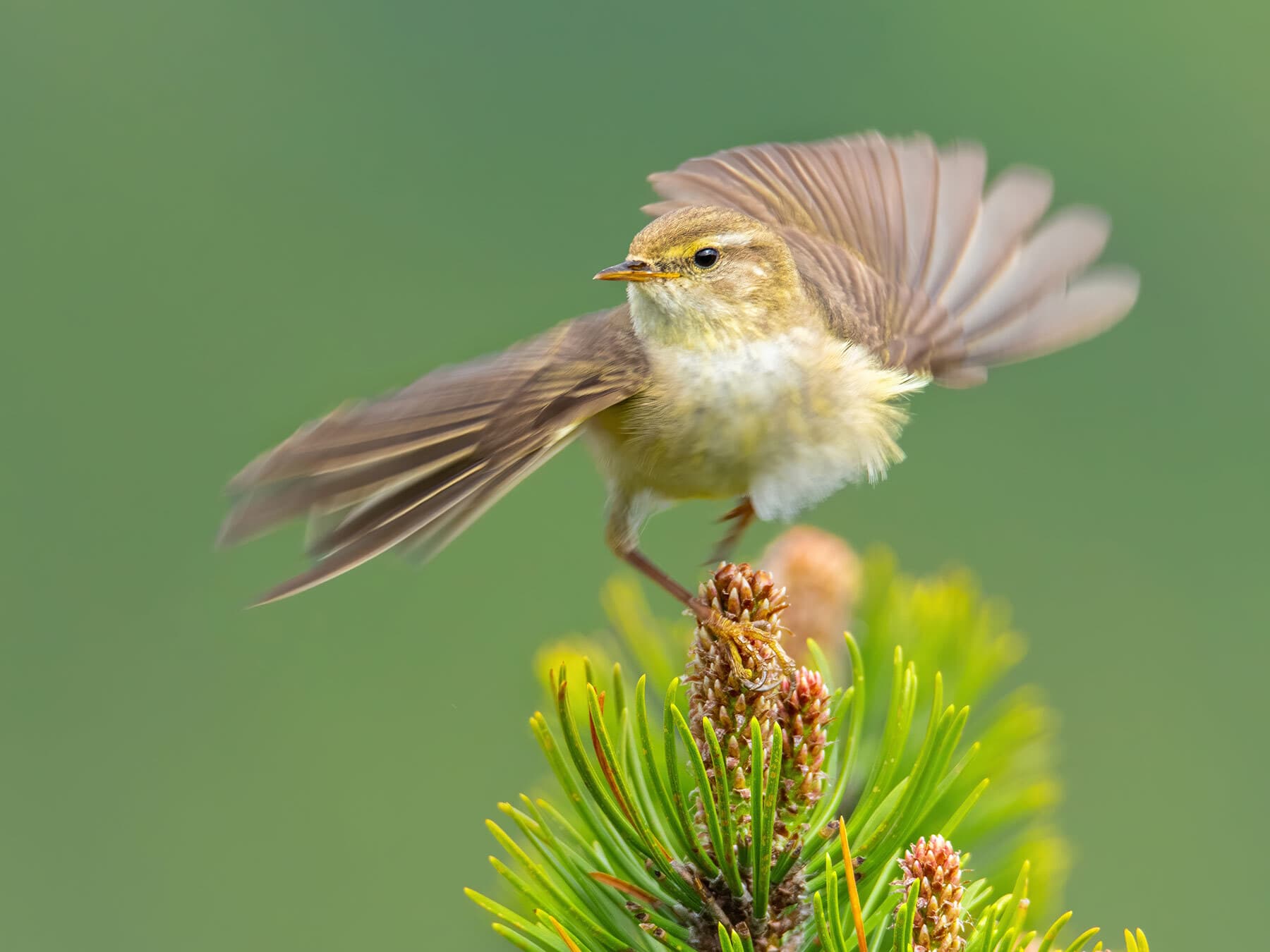
Willow Warbler
Phylloscopus trochilusLC
An uncommon summer breeder arriving from March, favouring scrubby woodland edges and young plantations. Has declined notably in lowland England.
Mar–Oct
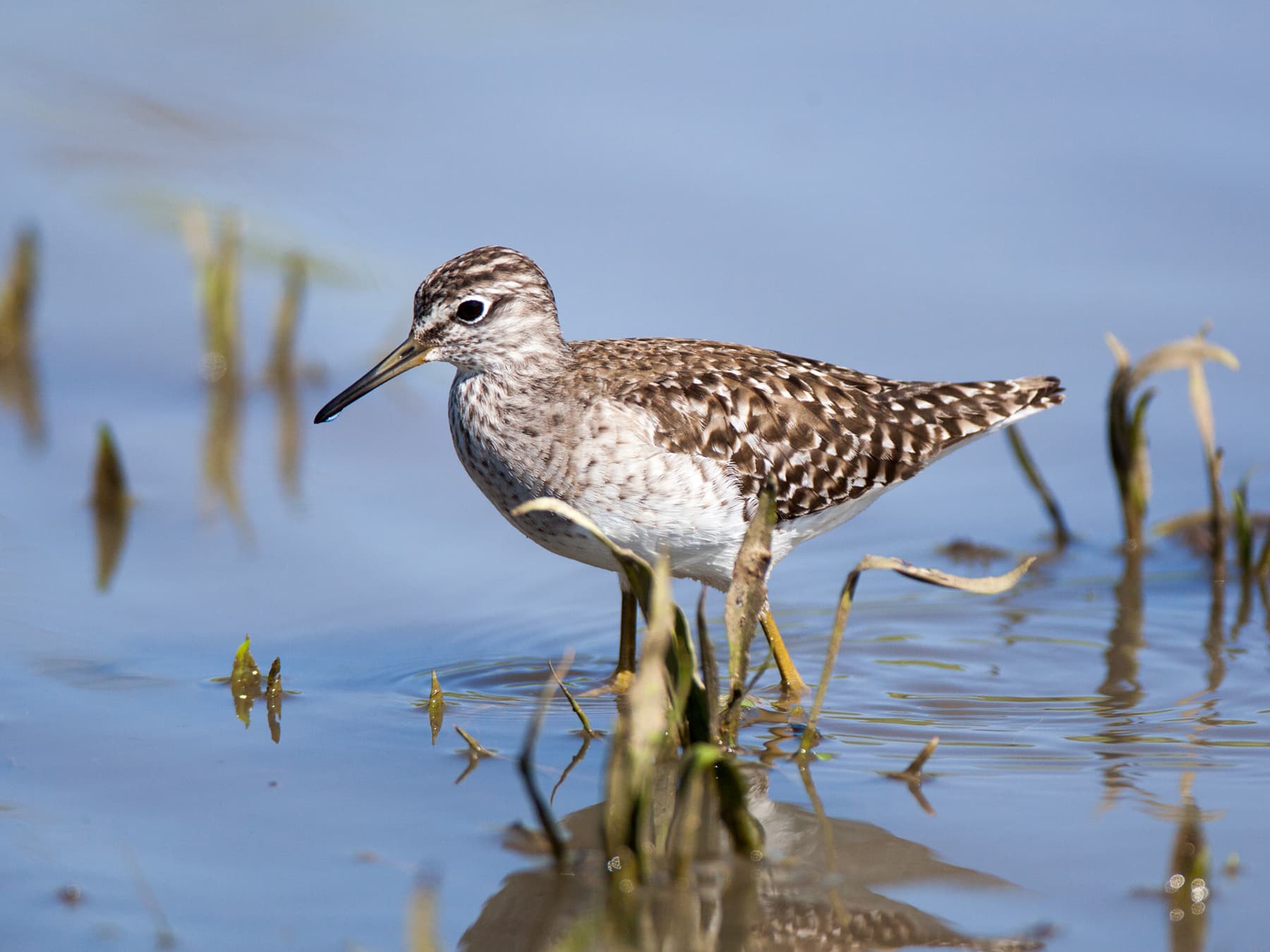
Wood Sandpiper
Tringa glareolaLC
A rare passage wader recorded at freshwater margins in May and again in August–September during return migration.
May–Sep
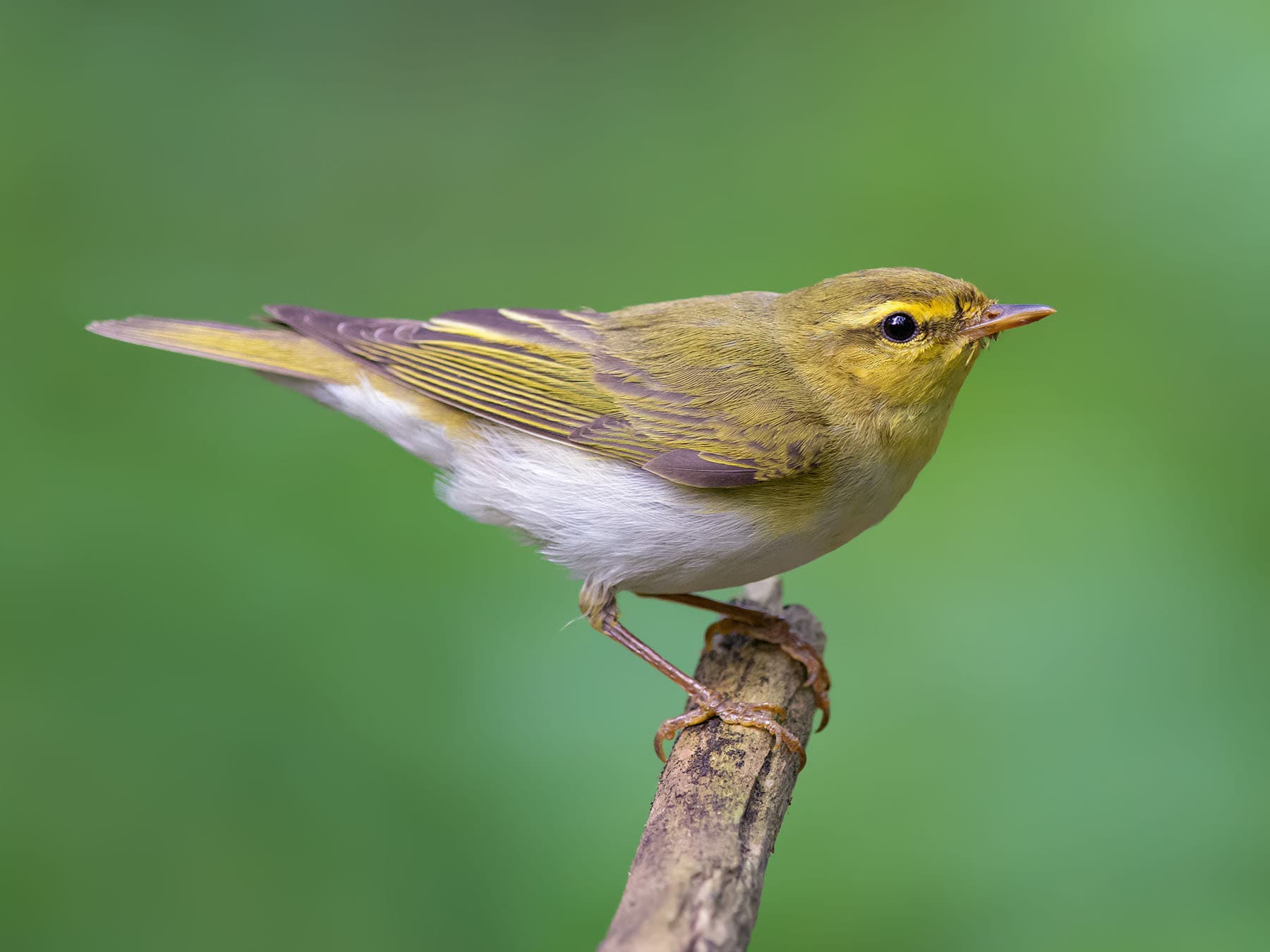
Wood Warbler
Phylloscopus sibilatrixLC
A rare passage migrant in May and June, occasionally singing briefly in mature woodland. No longer breeds regularly in the county.
May–Jun
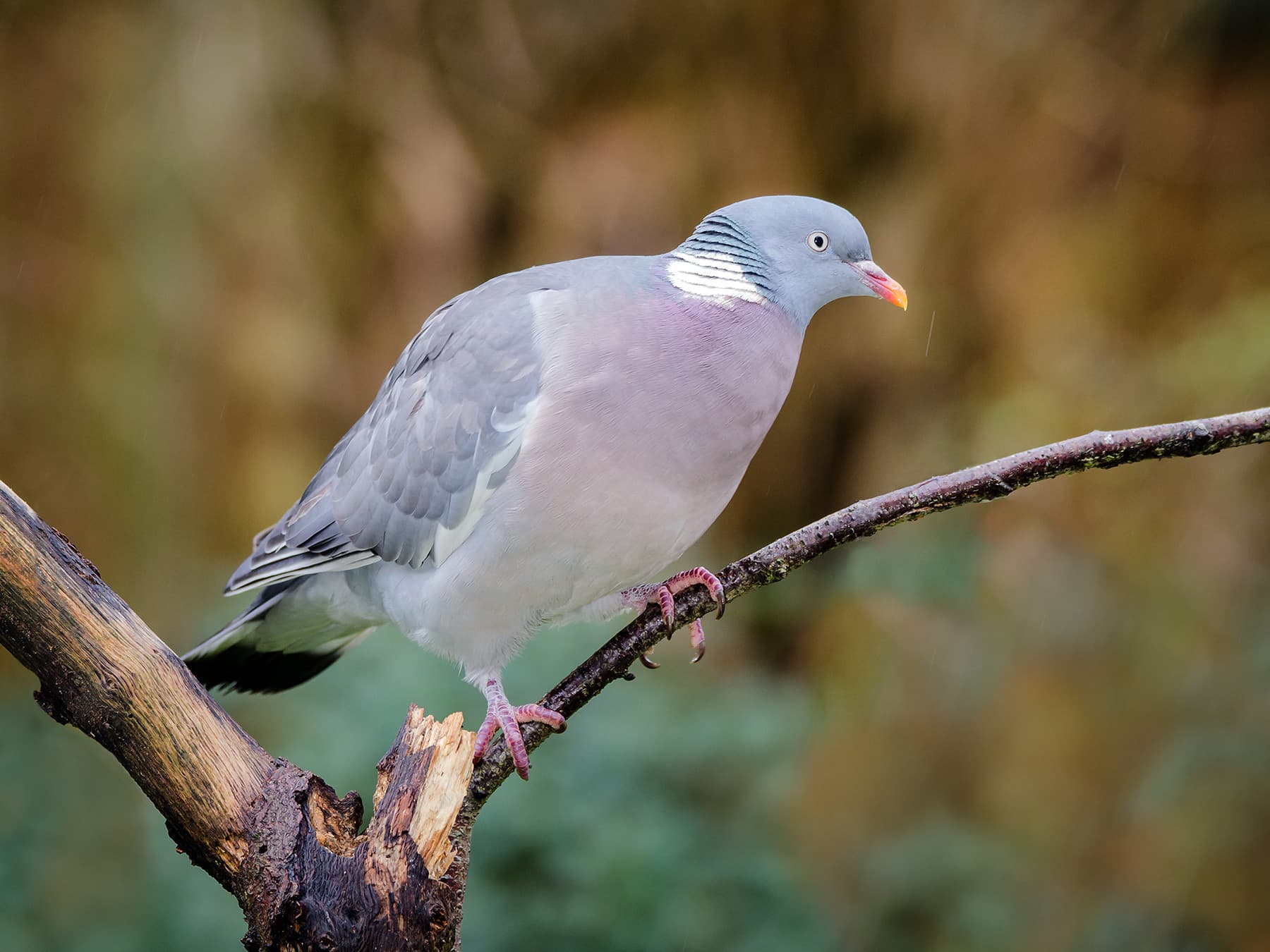
Woodpigeon
Columba palumbusLC
An abundant resident found in woodlands, parks, gardens, and farmland year-round. Large winter flocks gather on arable fields across the county.
Year-round
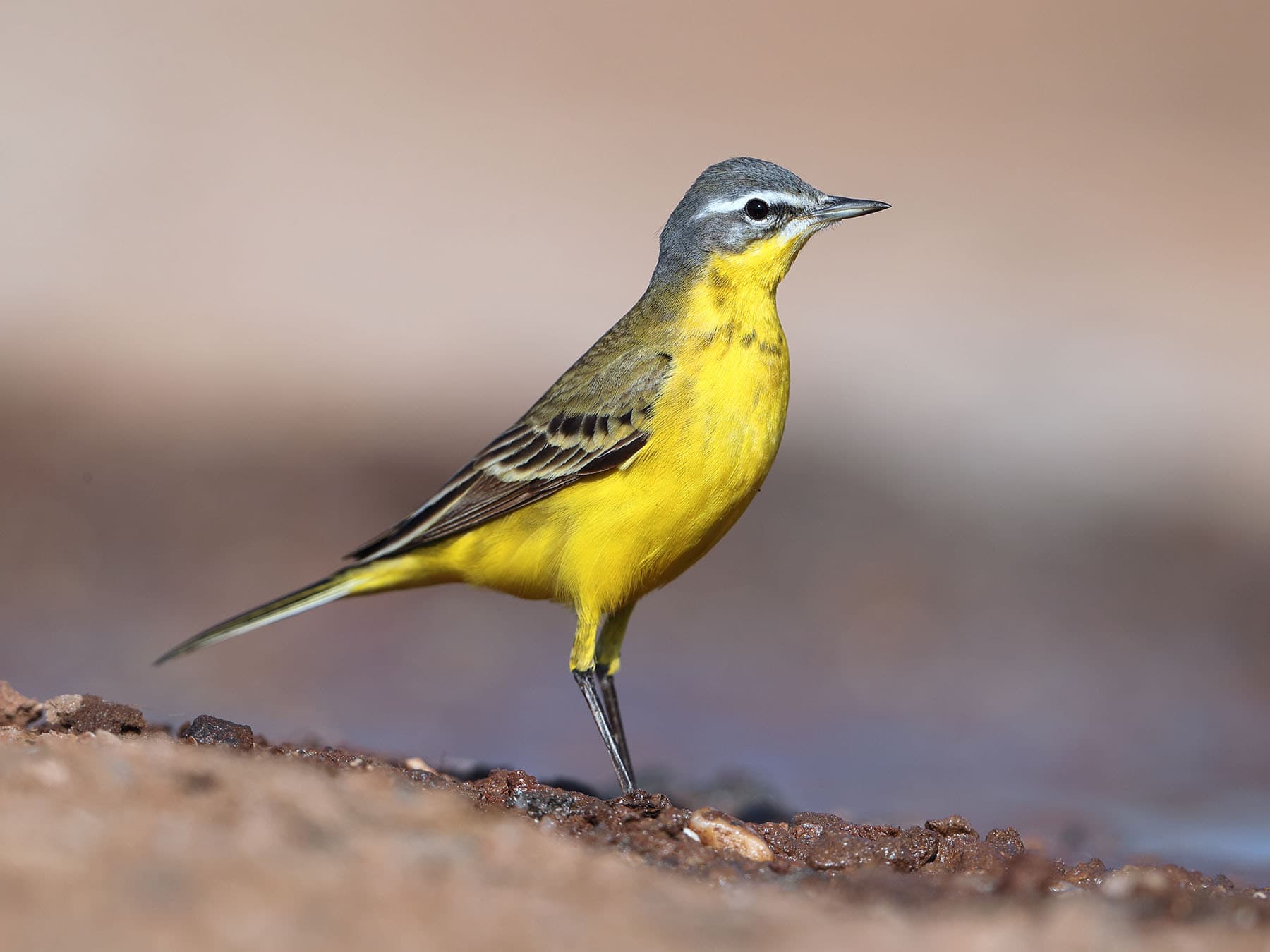
Yellow Wagtail
Motacilla flavaLC
An uncommon summer breeder favouring damp meadows and arable fields in the Nene Valley. Arrives in April and departs by September.
Apr–Sep
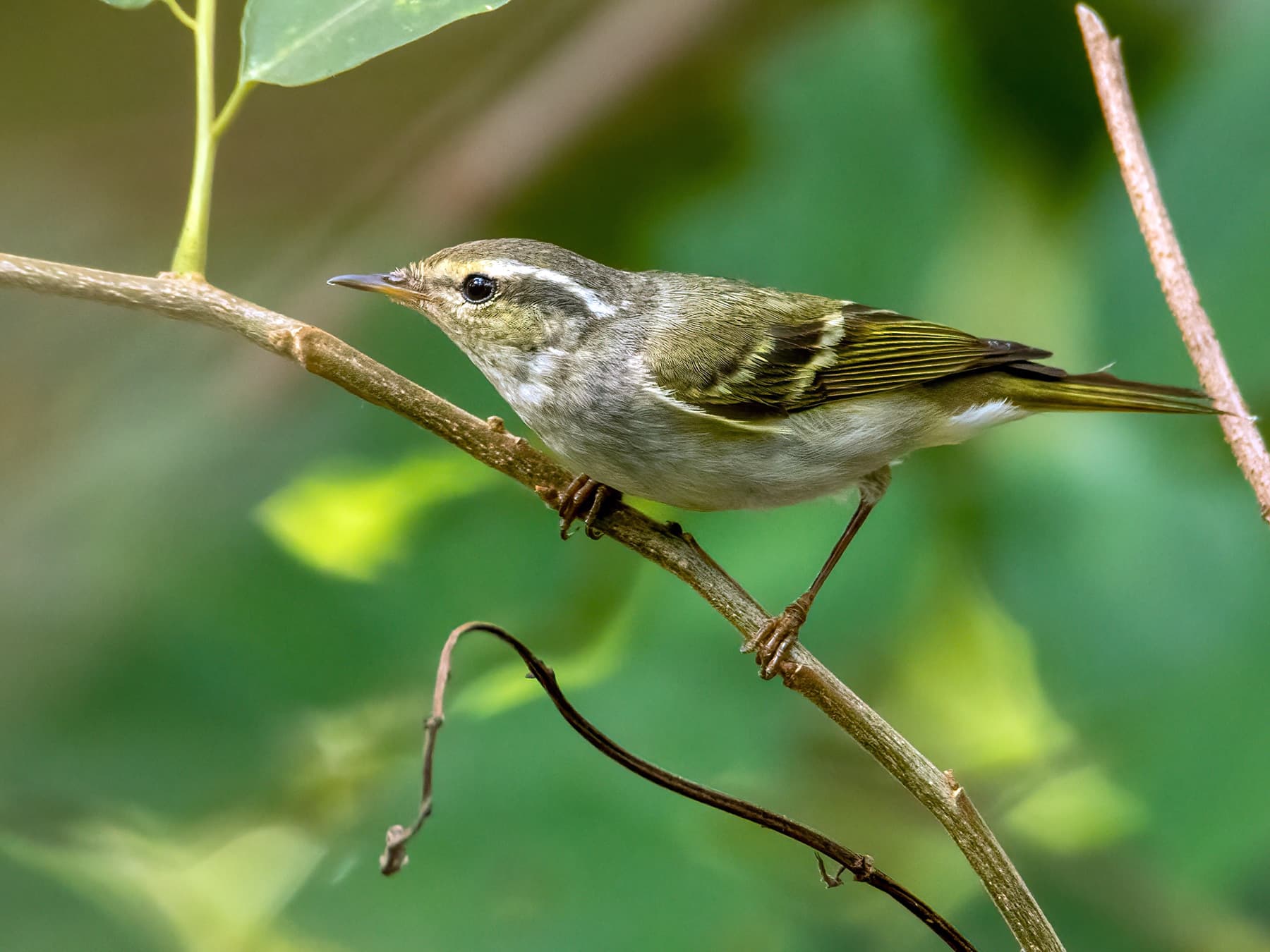
Yellow-browed Warbler
Phylloscopus inornatusLC
A rare passage vagrant, occasionally recorded in winter. This tiny Siberian warbler is a prized find in the county's scrubby hedgerows.
Jan
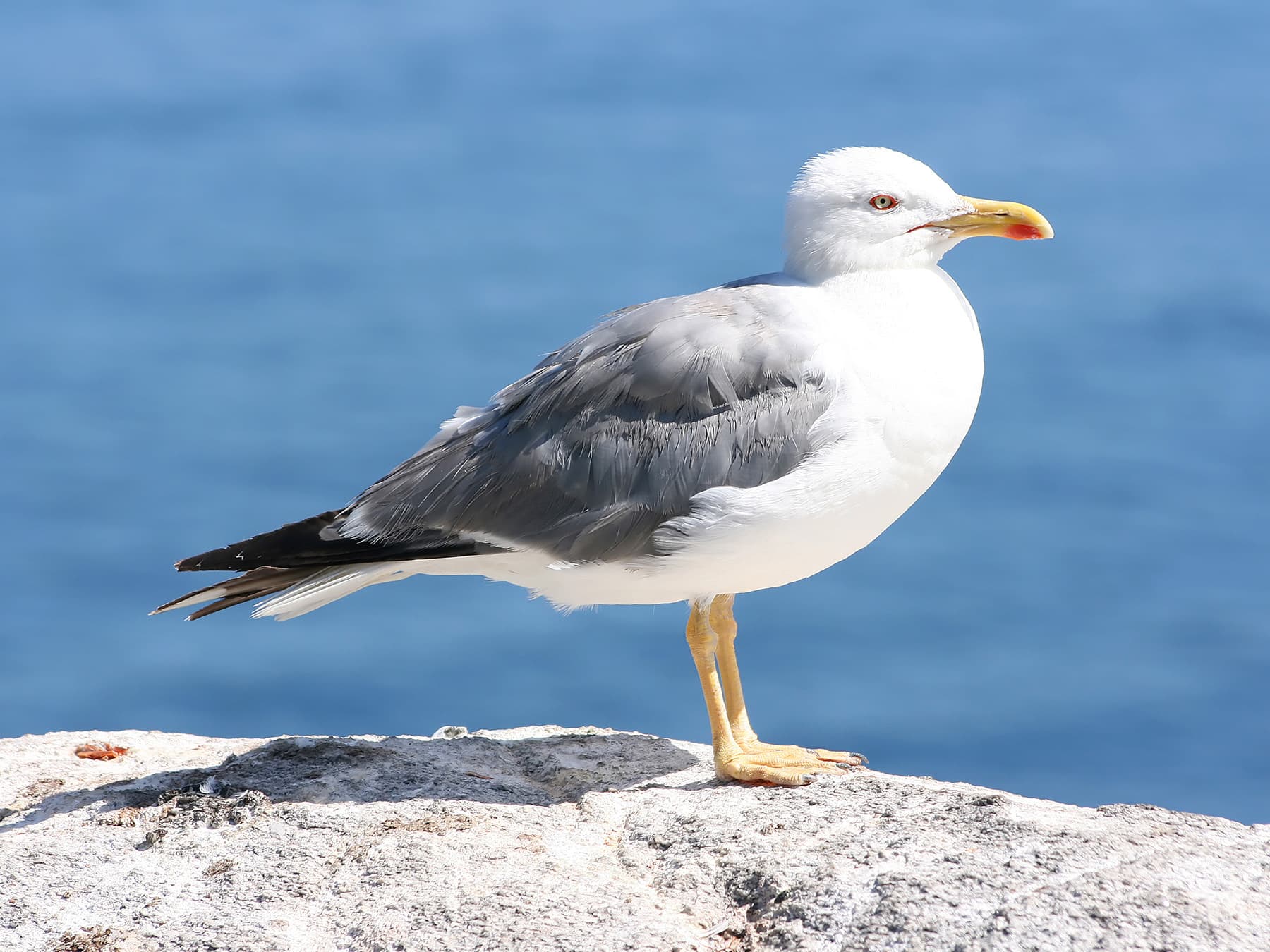
Yellow-legged Gull
Larus michahellisLC
A rare but year-round visitor to reservoirs and tips, most often picked out among flocks of other large gulls.
Apr
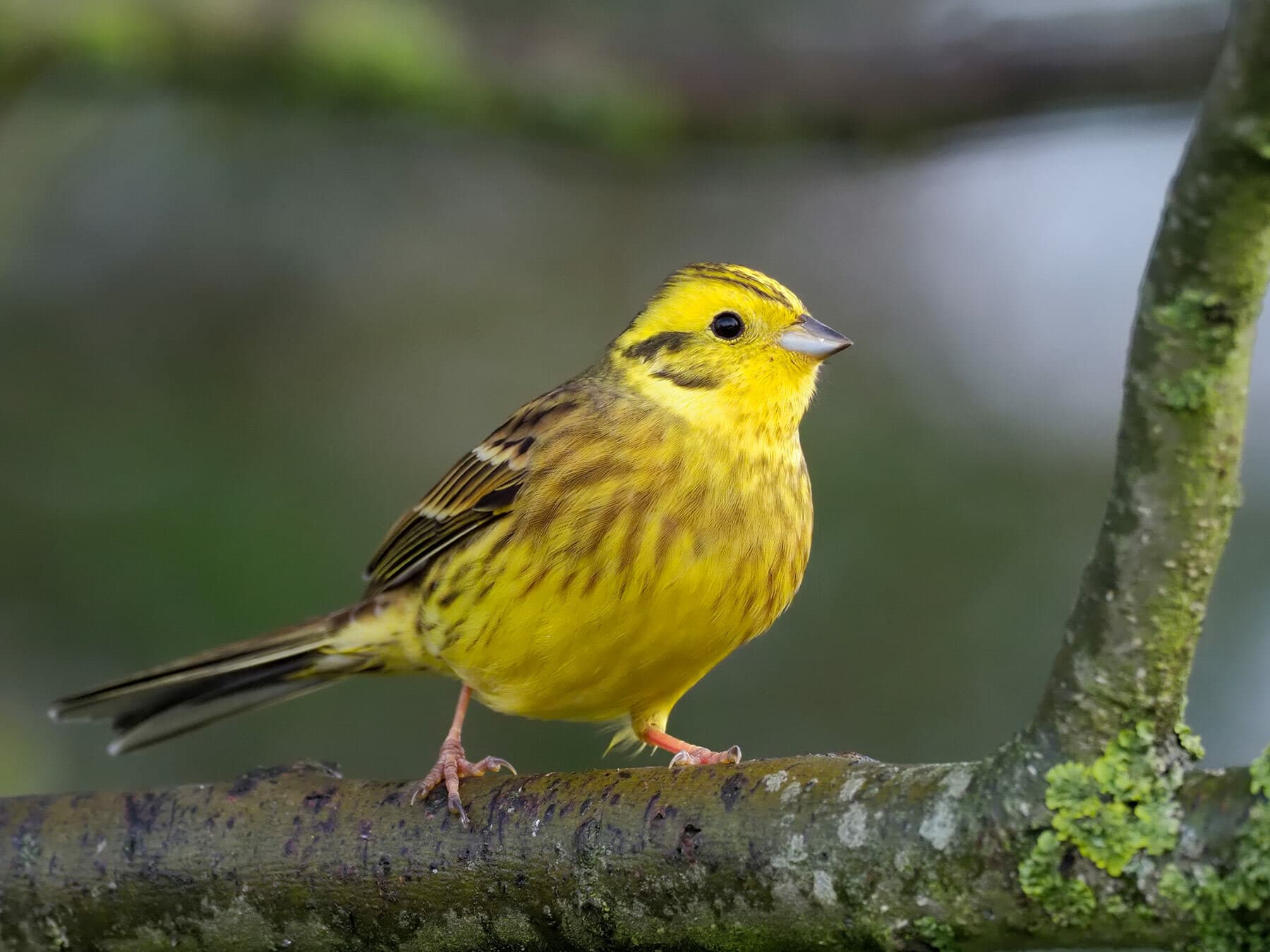
Yellowhammer
Emberiza citrinellaLC
An uncommon but year-round resident of arable farmland with hedgerows. Declining nationally, its bright song from hedgetops is increasingly scarce.
Year-round