Uncommon Birds in Lincolnshire
67 species matching this filter.
Lincolnshire's diverse landscapes — from the coastal marshes of The Wash to ancient woodlands and river valleys — support a fascinating array of uncommon bird species. With 67 uncommon species recorded, patient observers may be rewarded with sightings of striking birds such as the Eurasian Spoonbill, Great White Egret, and the elusive Cetti's Warbler. Woodland areas host Great Spotted and Green Woodpeckers, while quieter farmland edges still provide refuge for declining species like the Bullfinch and Eurasian Tree Sparrow.


Showing 47–67 of 67 species
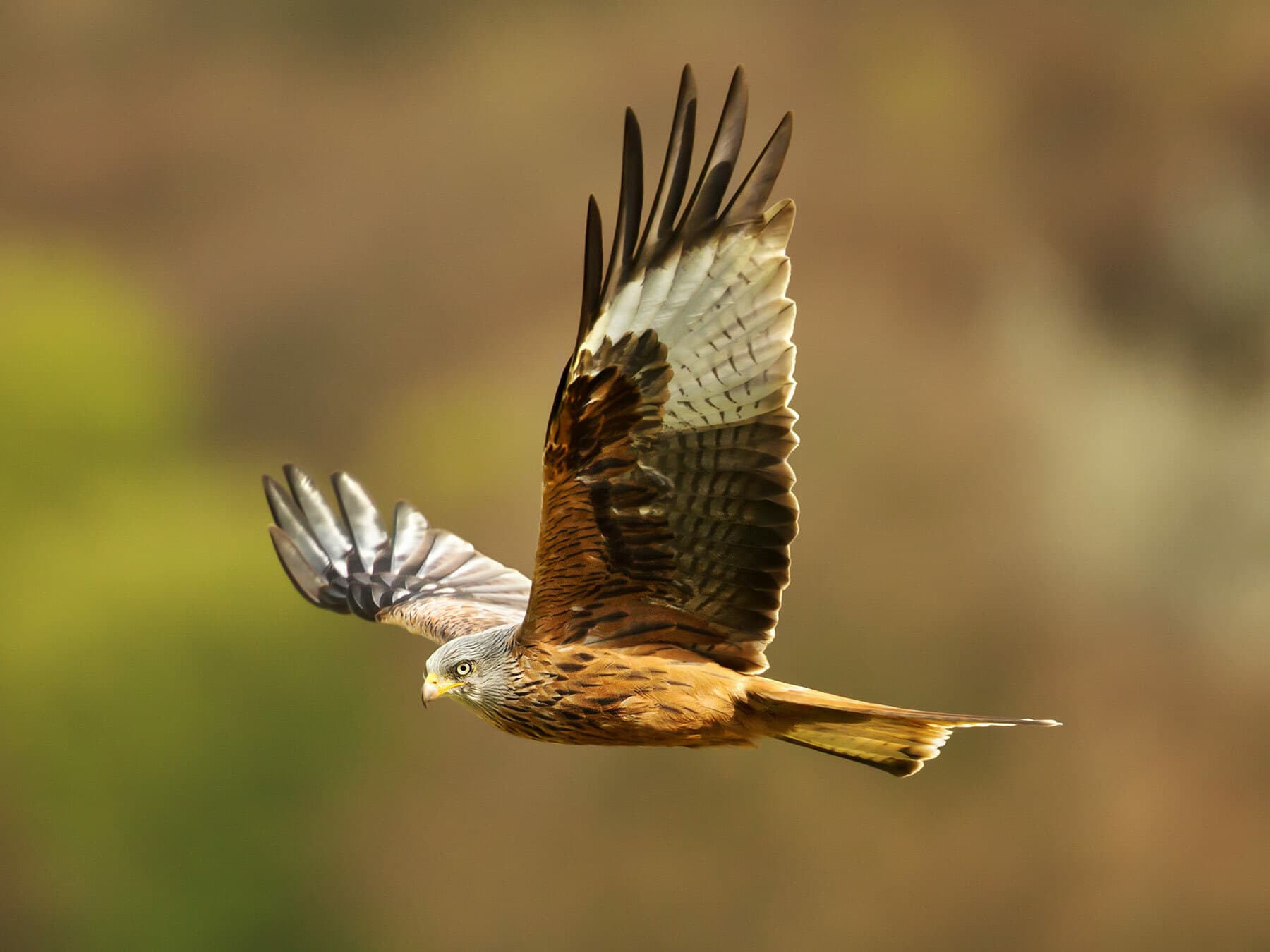
Red Kite
Milvus milvusLC
An uncommon but increasing resident, now regularly seen soaring over farmland and woodland edges across the county.
Year-round
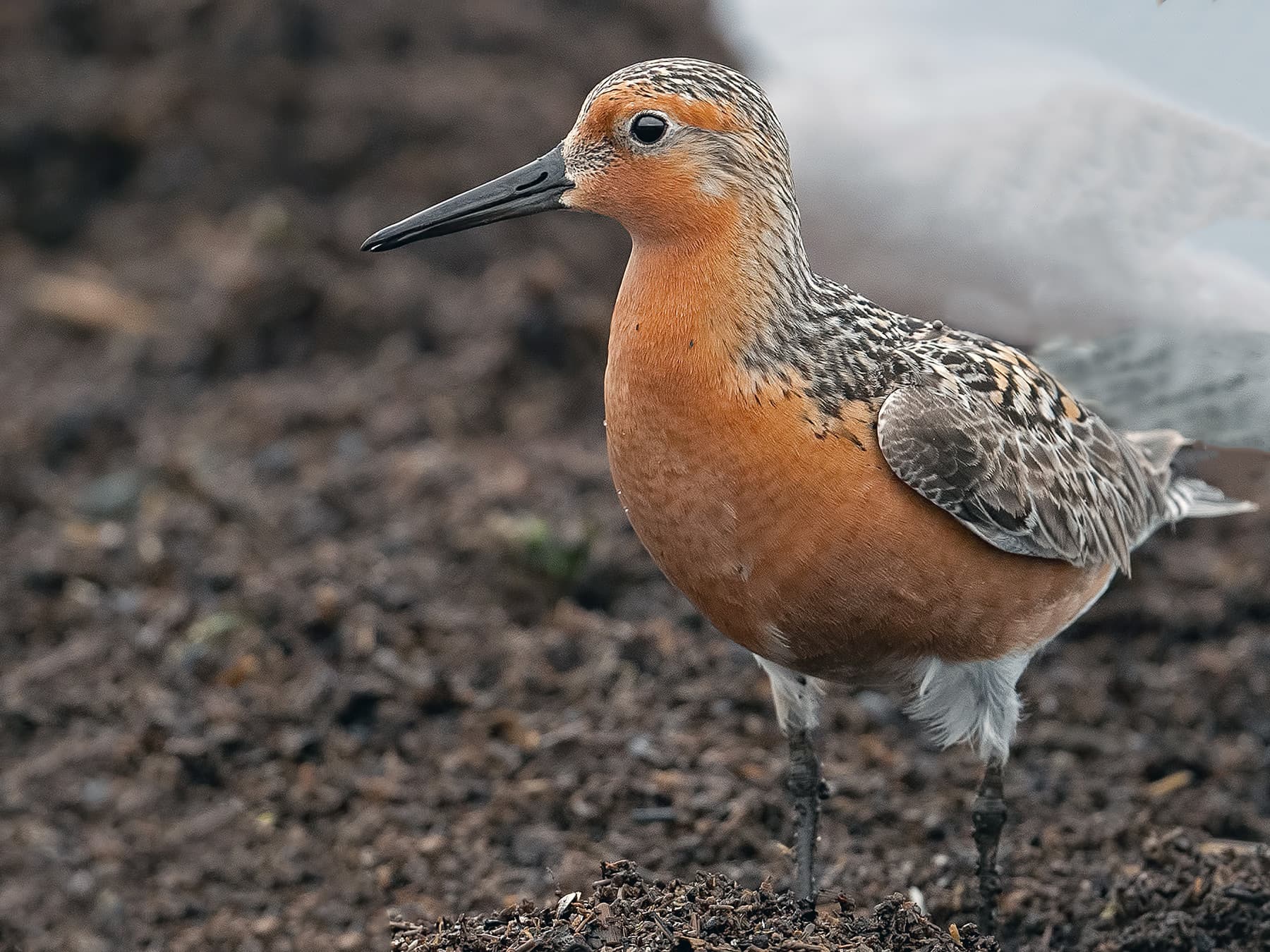
Red Knot
Calidris canutusNT
The Wash hosts internationally important wintering flocks. Spectacular dense formations swirl over mudflats, peaking from autumn to spring.
Year-round
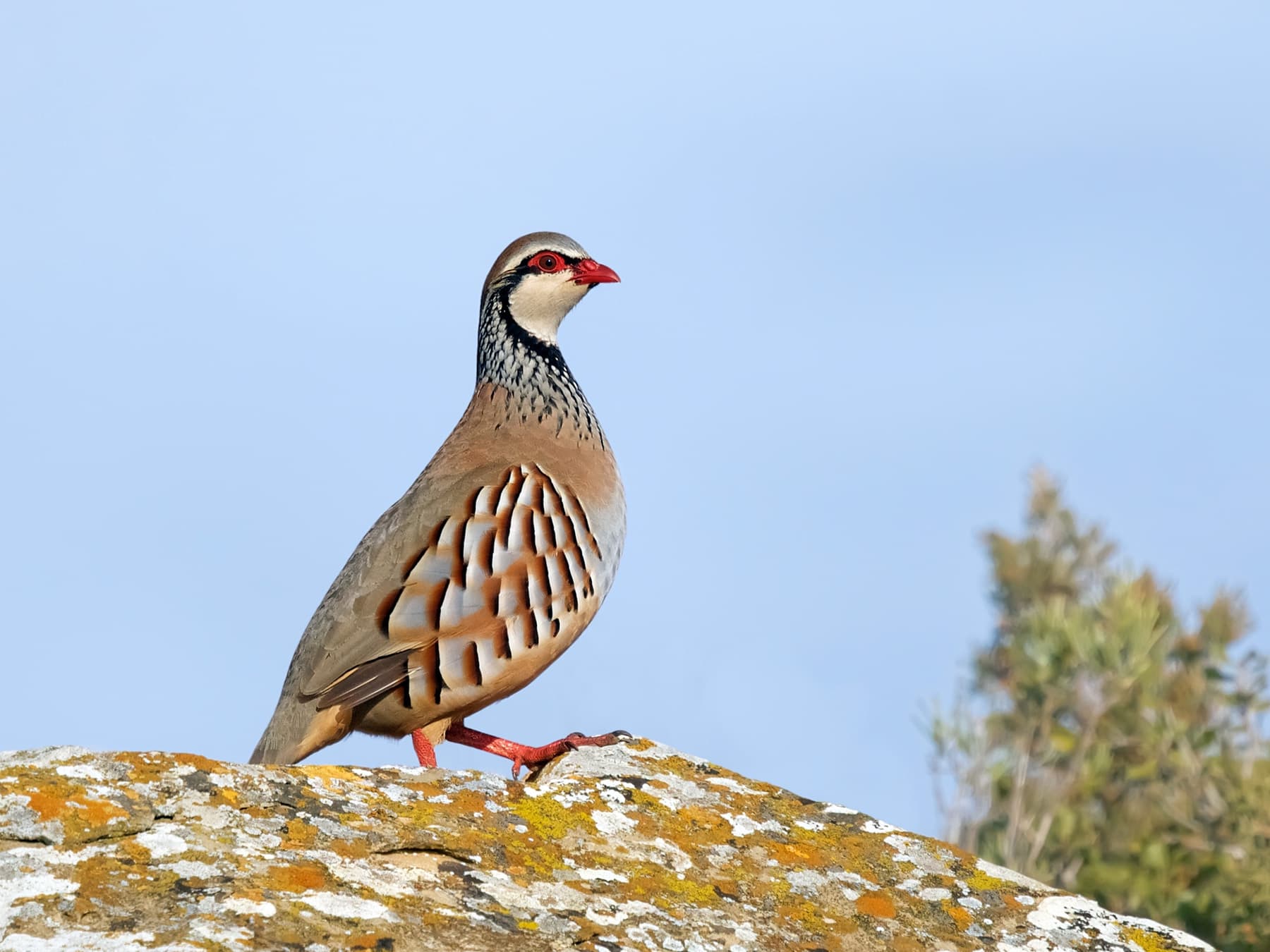
Red-legged Partridge
Alectoris rufaNT
An uncommon resident of arable farmland and field margins. An introduced species, it favours the open agricultural landscapes of the county.
Year-round
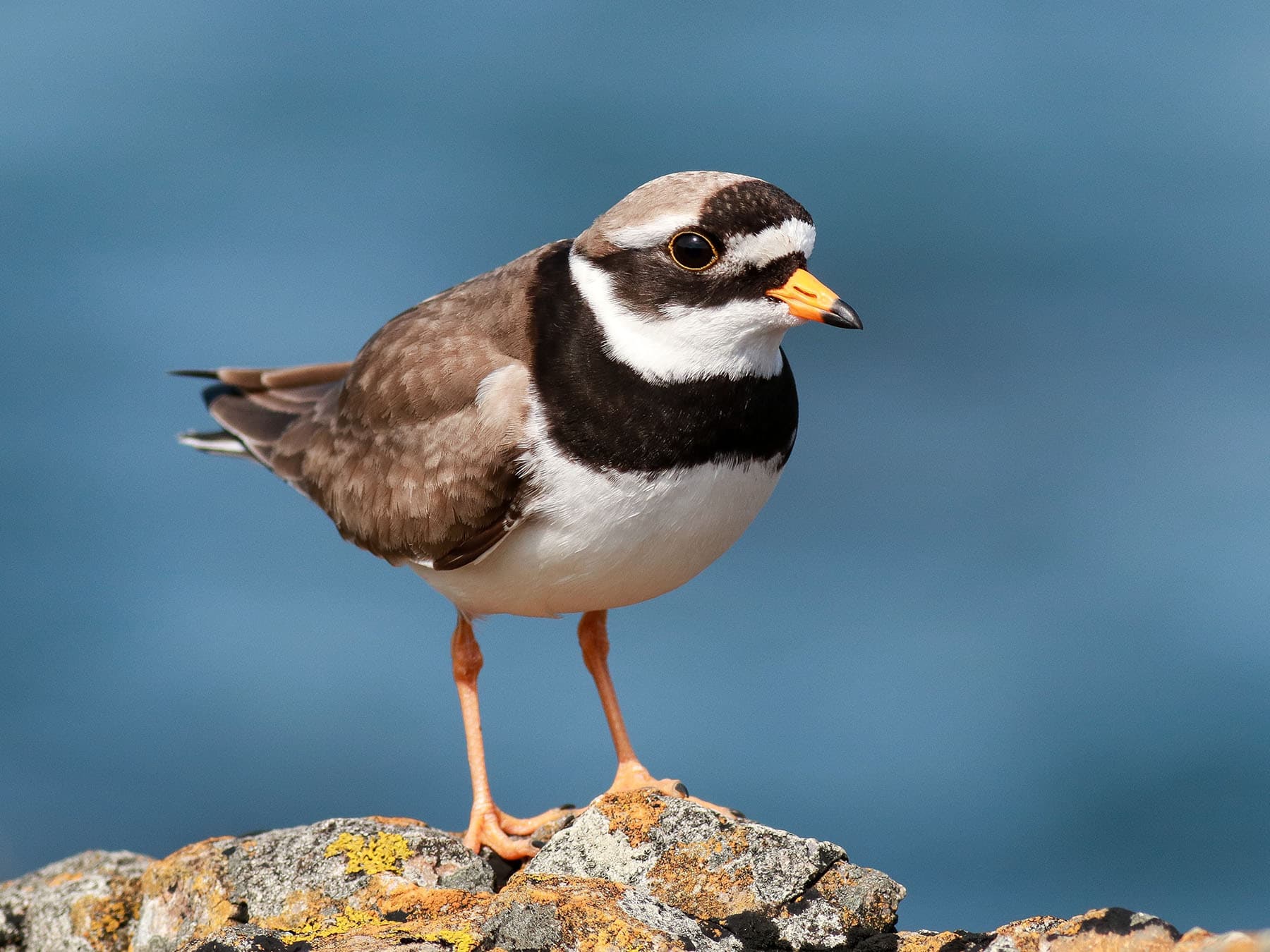
Ringed Plover
Charadrius hiaticulaLC
An uncommon resident, breeding on shingle beaches and bare ground along the coast. Winter flocks gather on the Wash mudflats.
Year-round
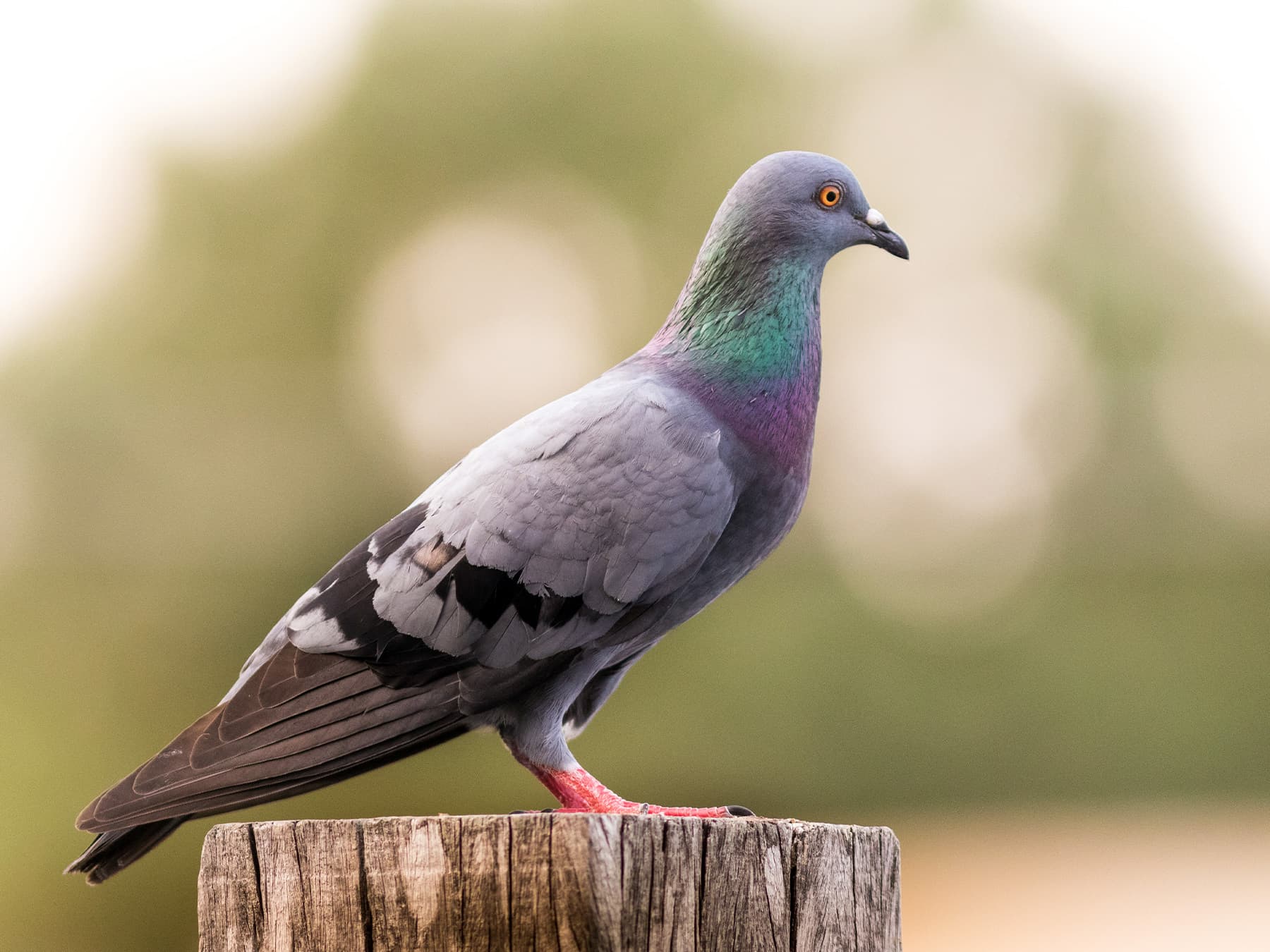
Rock Dove
Columba liviaLC
An uncommon resident found in towns and on coastal cliffs. Most birds are feral descendants rather than truly wild Rock Doves.
Year-round
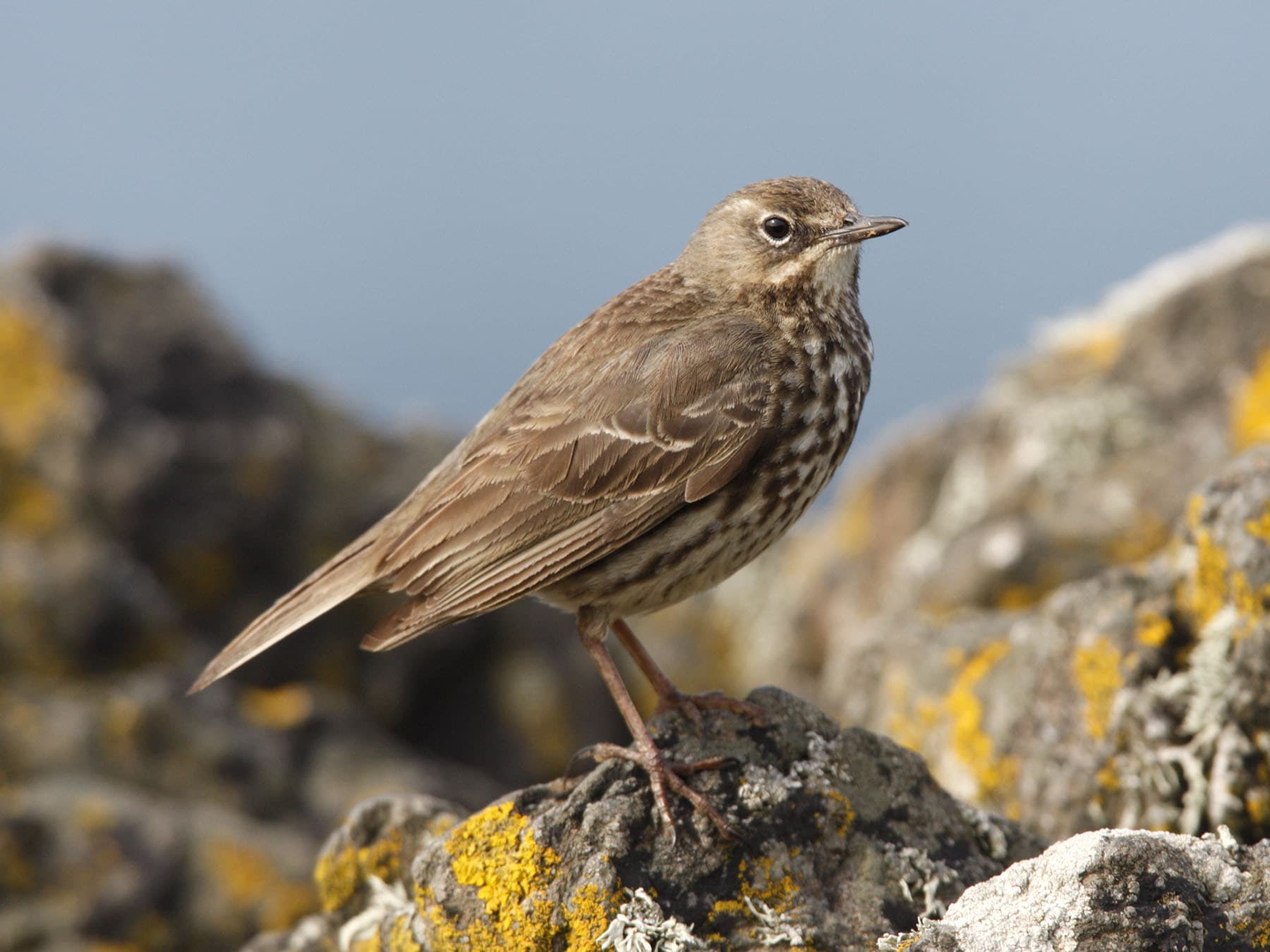
Rock Pipit
Anthus petrosusLC
An uncommon non-breeding visitor to the Lincolnshire coast, favouring rocky sea defences and saltmarsh edges from September to March.
Sep–Mar
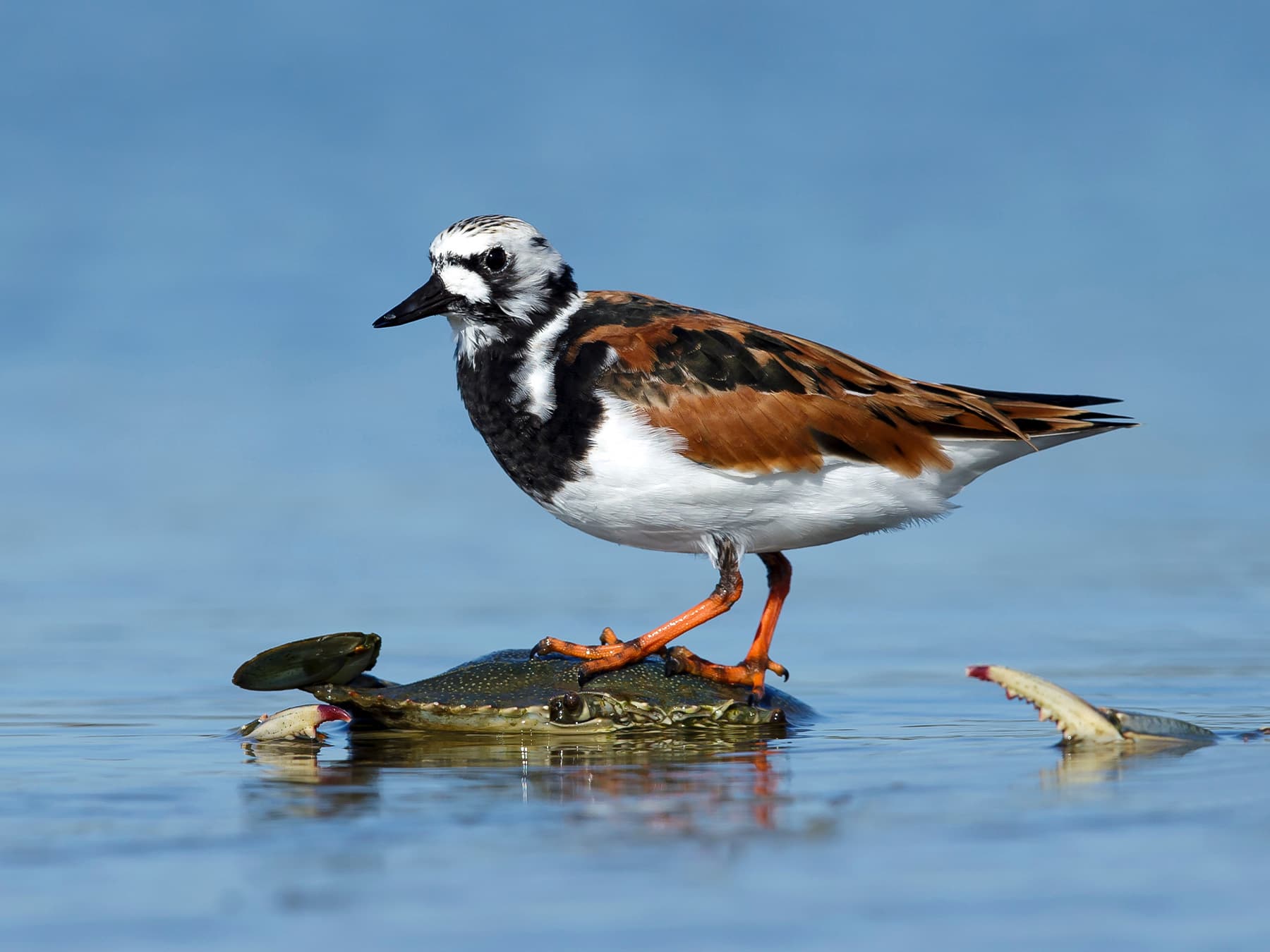
Ruddy Turnstone
Arenaria interpresLC
An uncommon but year-round presence along rocky groynes and mussel beds on the coast. Often feeds among seaweed at the tideline.
Year-round
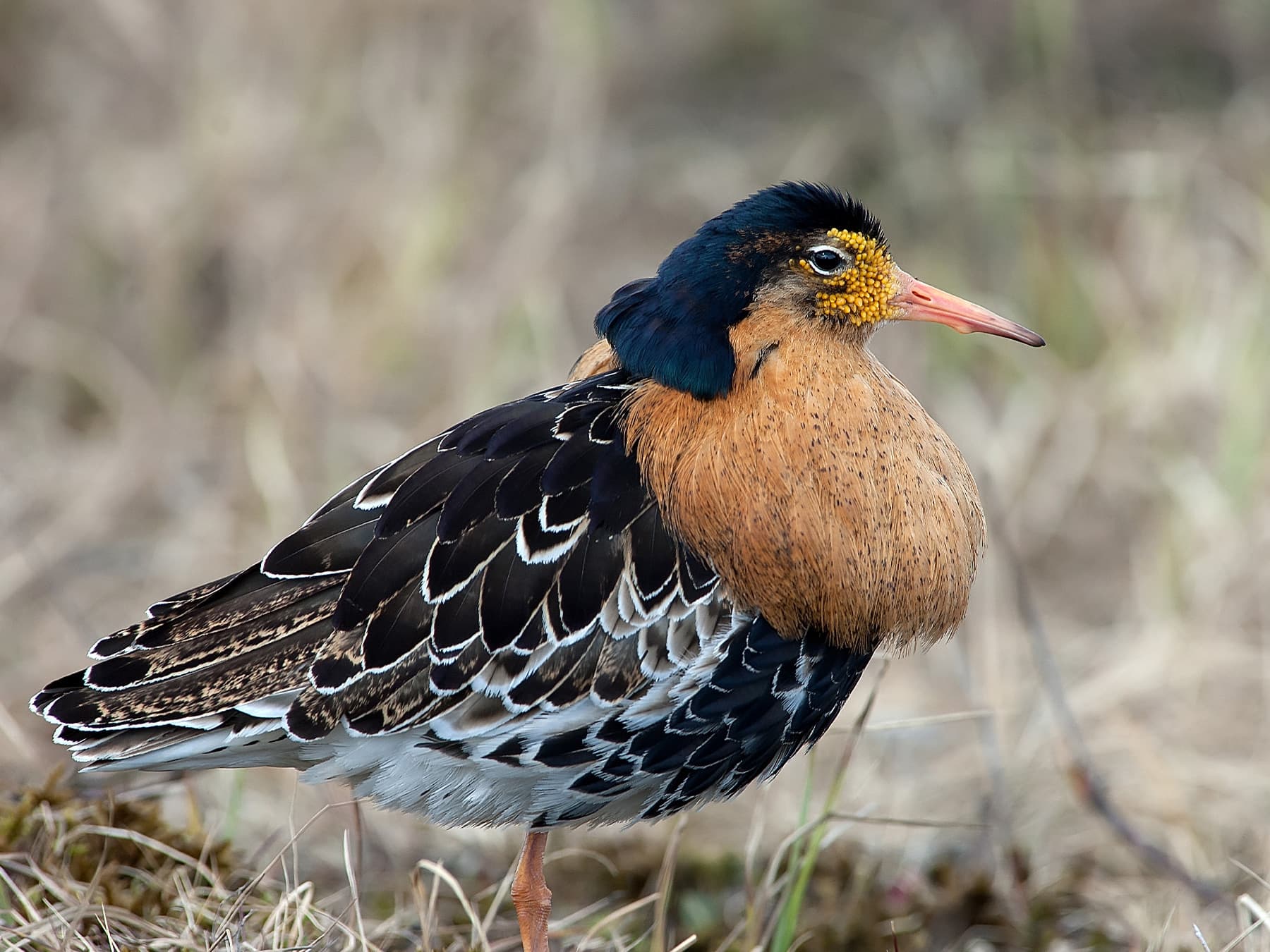
Ruff
Philomachus pugnaxLC
An uncommon year-round resident, with passage birds boosting numbers on coastal and fenland scrapes in spring and autumn.
Year-round
Spotted something?
Upload a photo to identify it
Identify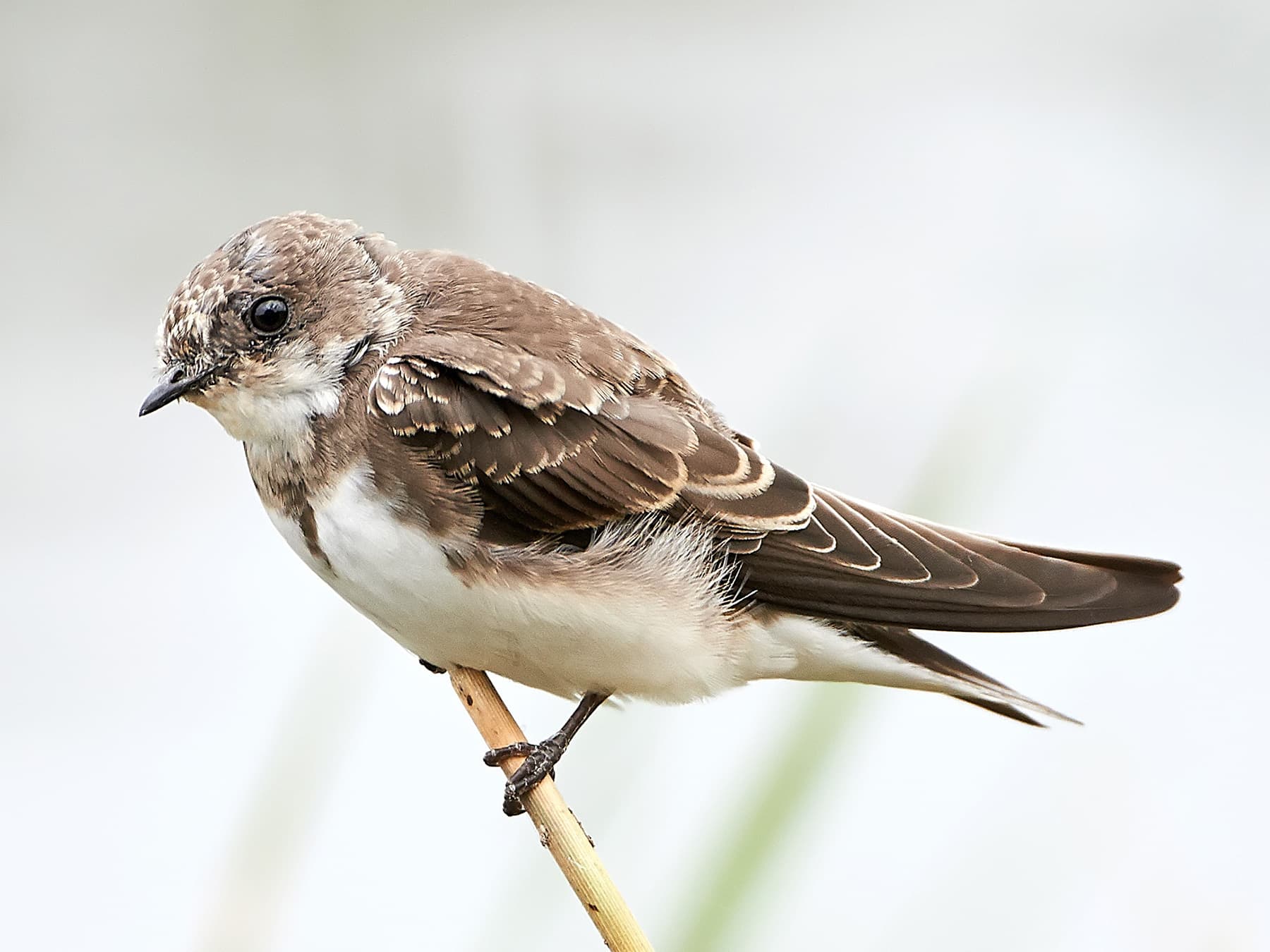
Sand Martin
Riparia ripariaLC
An uncommon breeding visitor, nesting in sandy riverbanks and gravel pits from March to September.
Mar–Sep
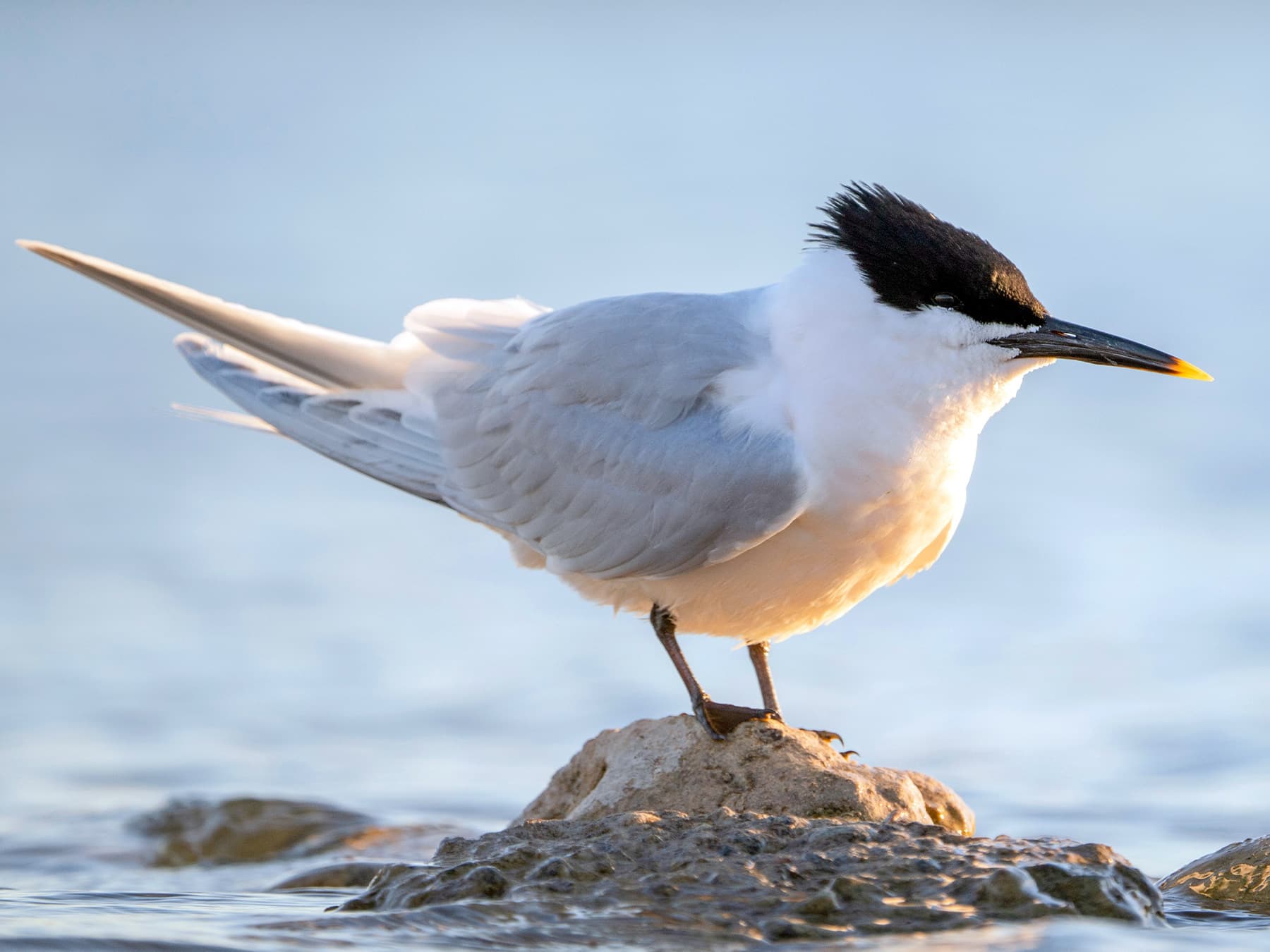
Sandwich Tern
Thalasseus sandvicensisLC
Breeds at coastal colonies and feeds offshore from May to October. Plunge-dives for fish along the Lincolnshire shoreline.
May–Oct
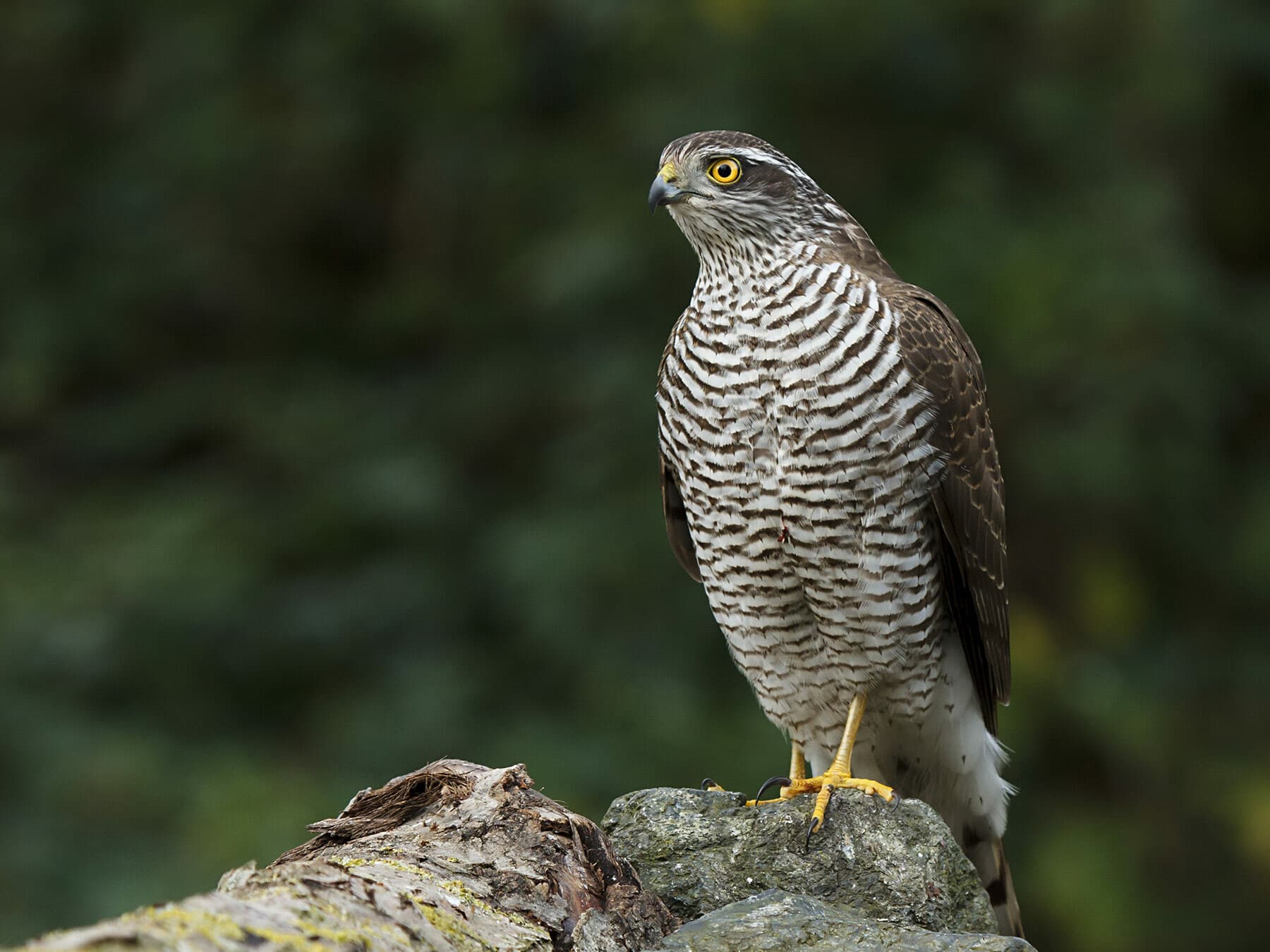
Sparrowhawk
Accipiter nisusLC
An uncommon but widespread resident, hunting small birds in woodland, hedgerows, and increasingly in gardens across the county.
Year-round
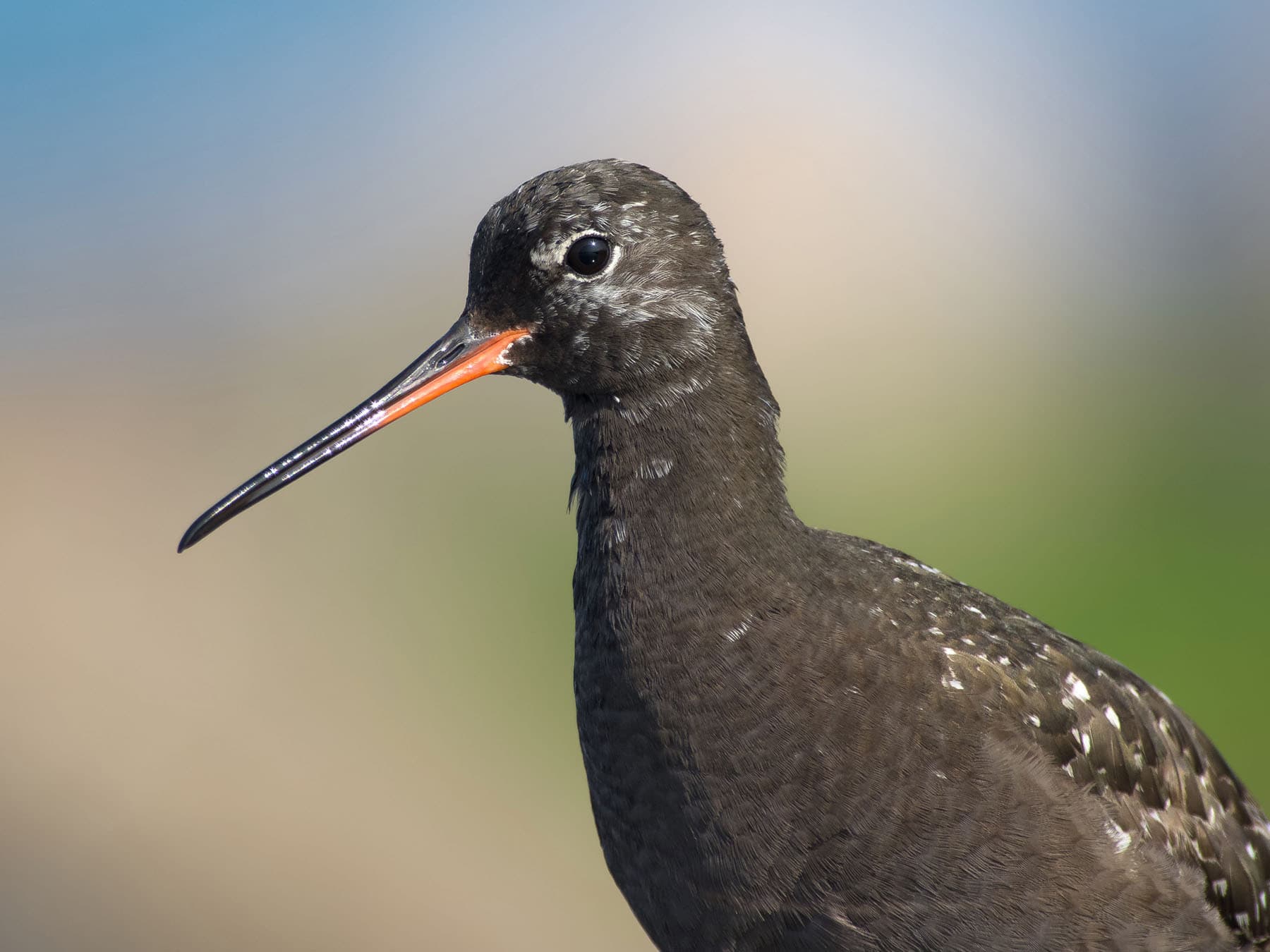
Spotted Redshank
Tringa erythropusLC
An uncommon year-round resident of coastal marshes and estuarine mudflats, most conspicuous on the Wash during autumn passage.
Year-round
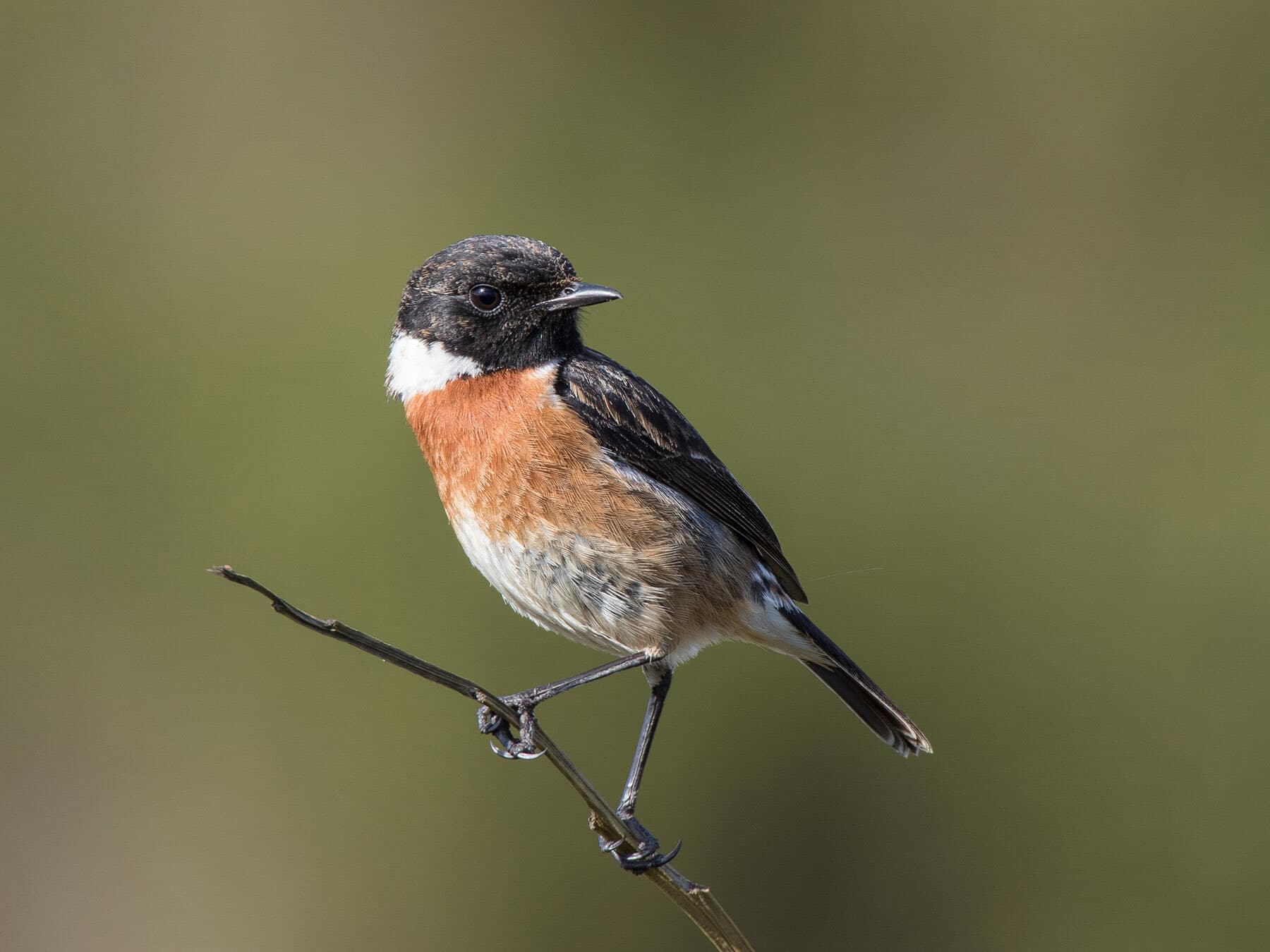
Stonechat
Saxicola torquatusLC
An uncommon resident of gorse-covered heaths and coastal scrub, present most months but scarce in midsummer.
Jul–May
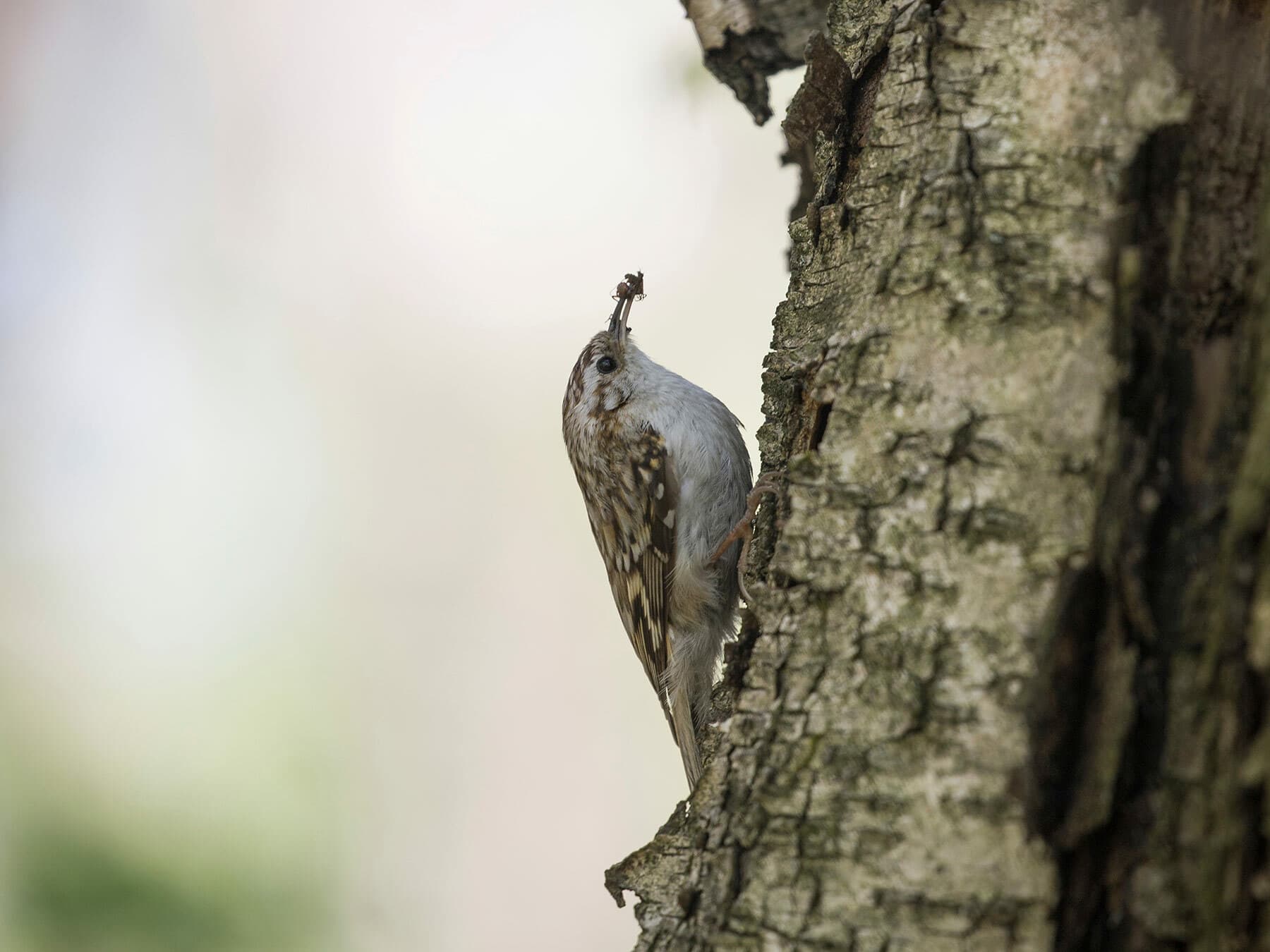
Treecreeper
Certhia familiarisLC
An unobtrusive year-round resident, spiralling up tree trunks in mature woodland and parkland across the county.
Year-round
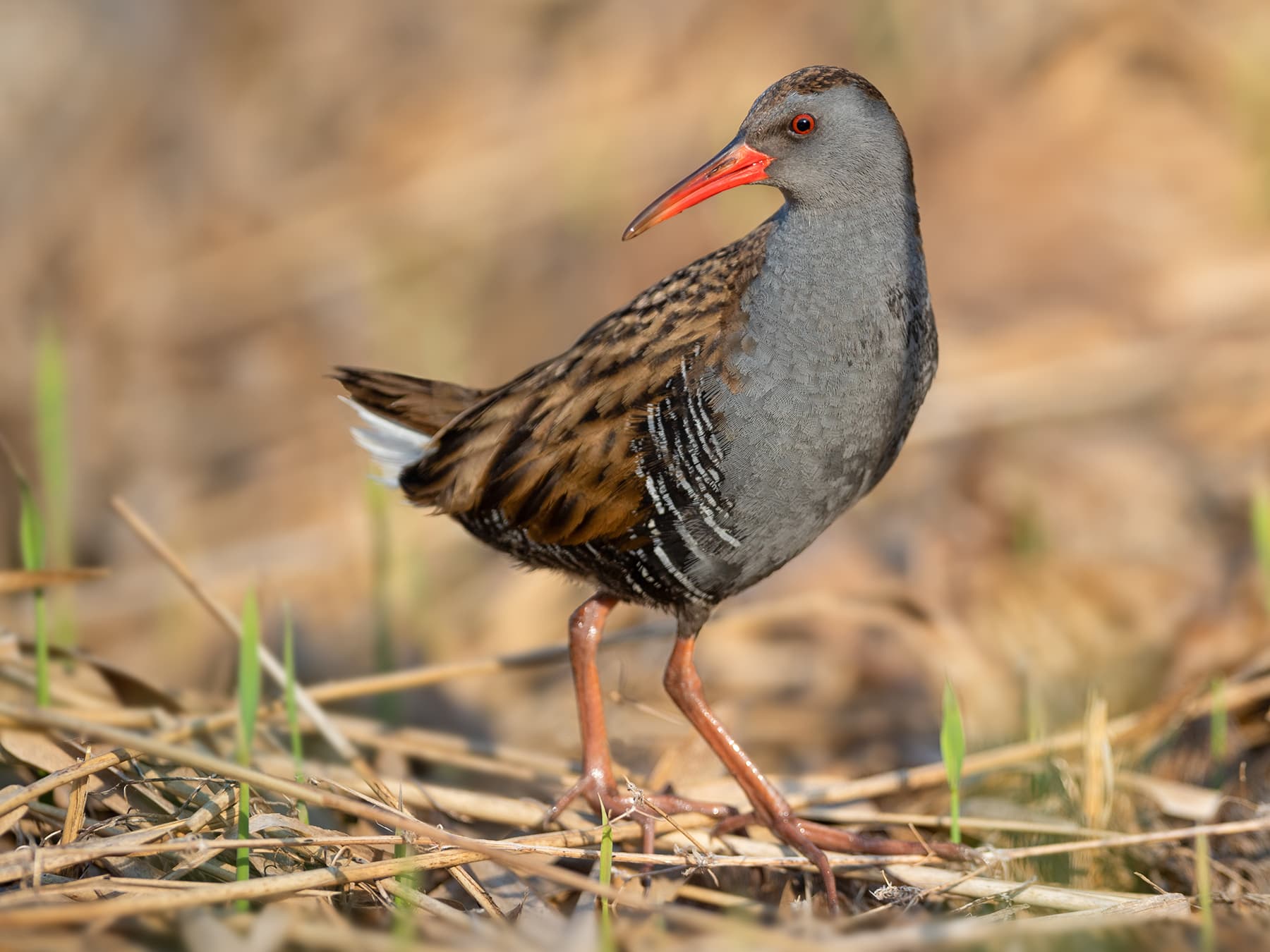
Water Rail
Rallus aquaticusLC
An uncommon but year-round resident of reedbeds and marshy ditches, more often heard giving its pig-like squeal than seen.
Year-round
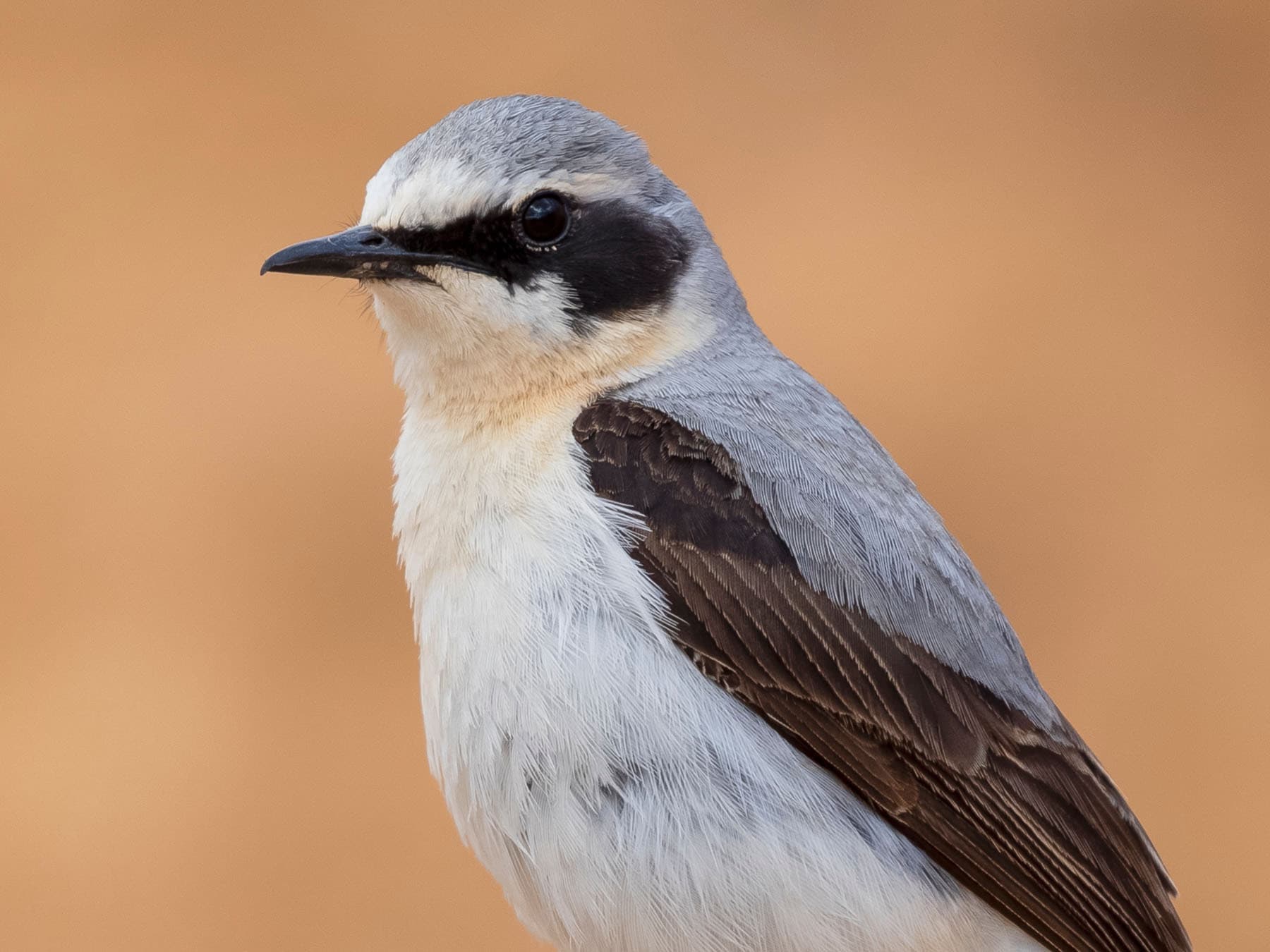
Wheatear
Oenanthe oenantheLC
An uncommon passage visitor to open coastal fields and ploughed land, mainly seen in spring and early autumn.
Mar–Oct
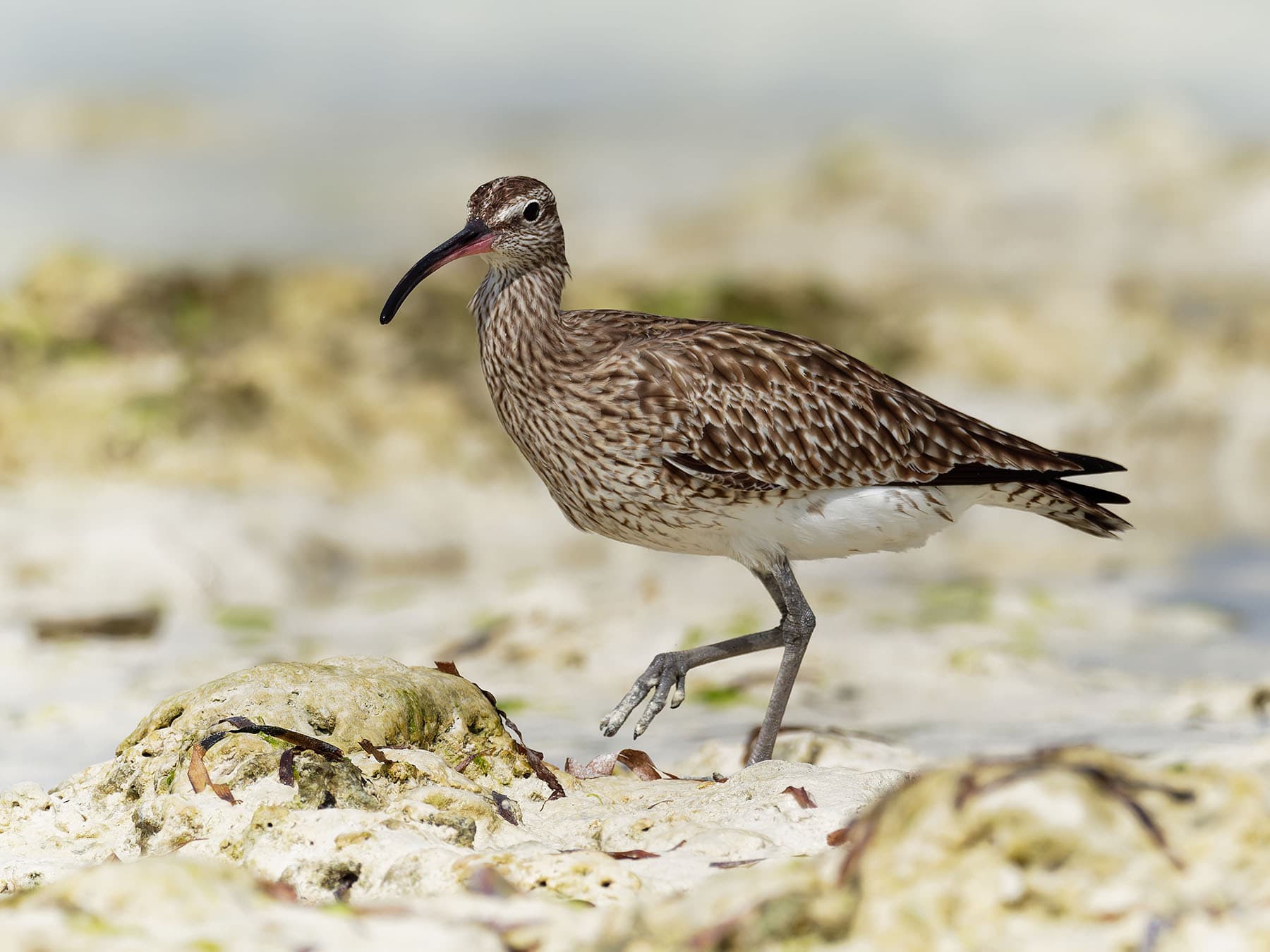
Whimbrel
Numenius phaeopusLC
Passes through coastal marshes and fields from April to October, with distinctive seven-note call. A scarce breeder in the county.
Apr–Oct
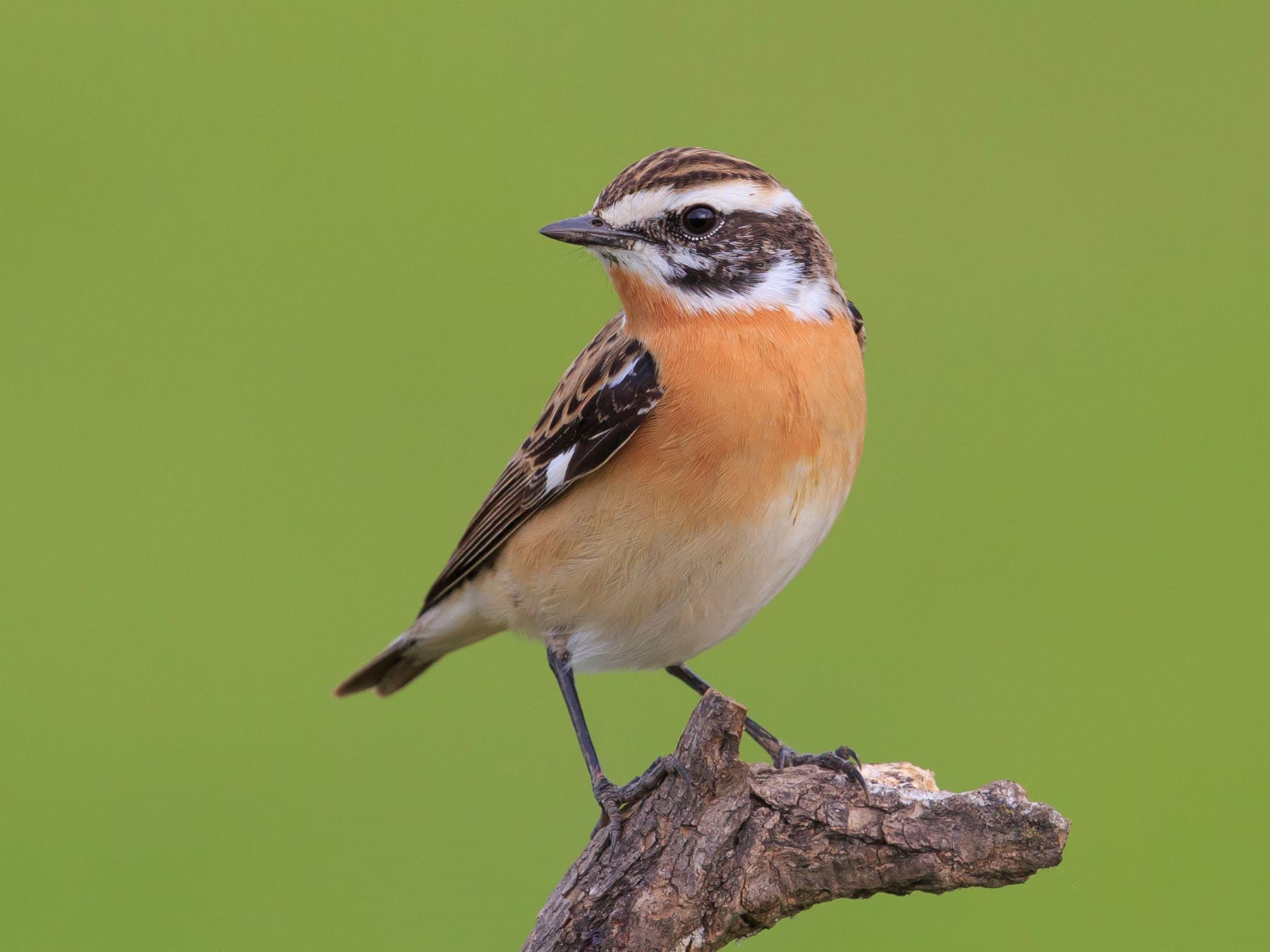
Whinchat
Saxicola rubetraLC
An uncommon passage migrant in spring and autumn, favouring rough grassland and coastal scrub. Most often seen in May and August–September.
May–Sep
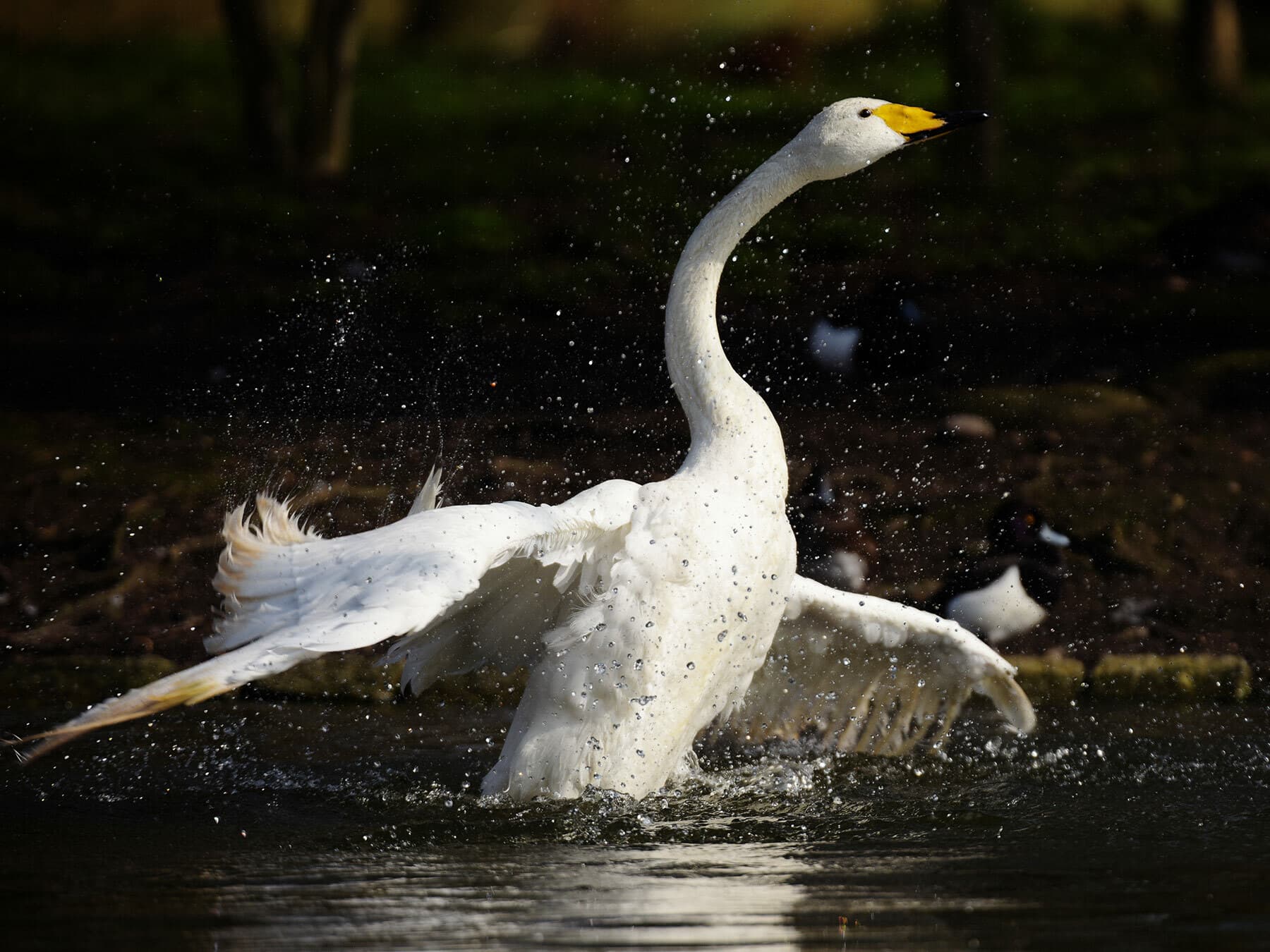
Whooper Swan
Cygnus cygnusLC
An uncommon resident, with wintering herds from Iceland gathering on fenland fields and washlands. Small numbers may summer.
Year-round
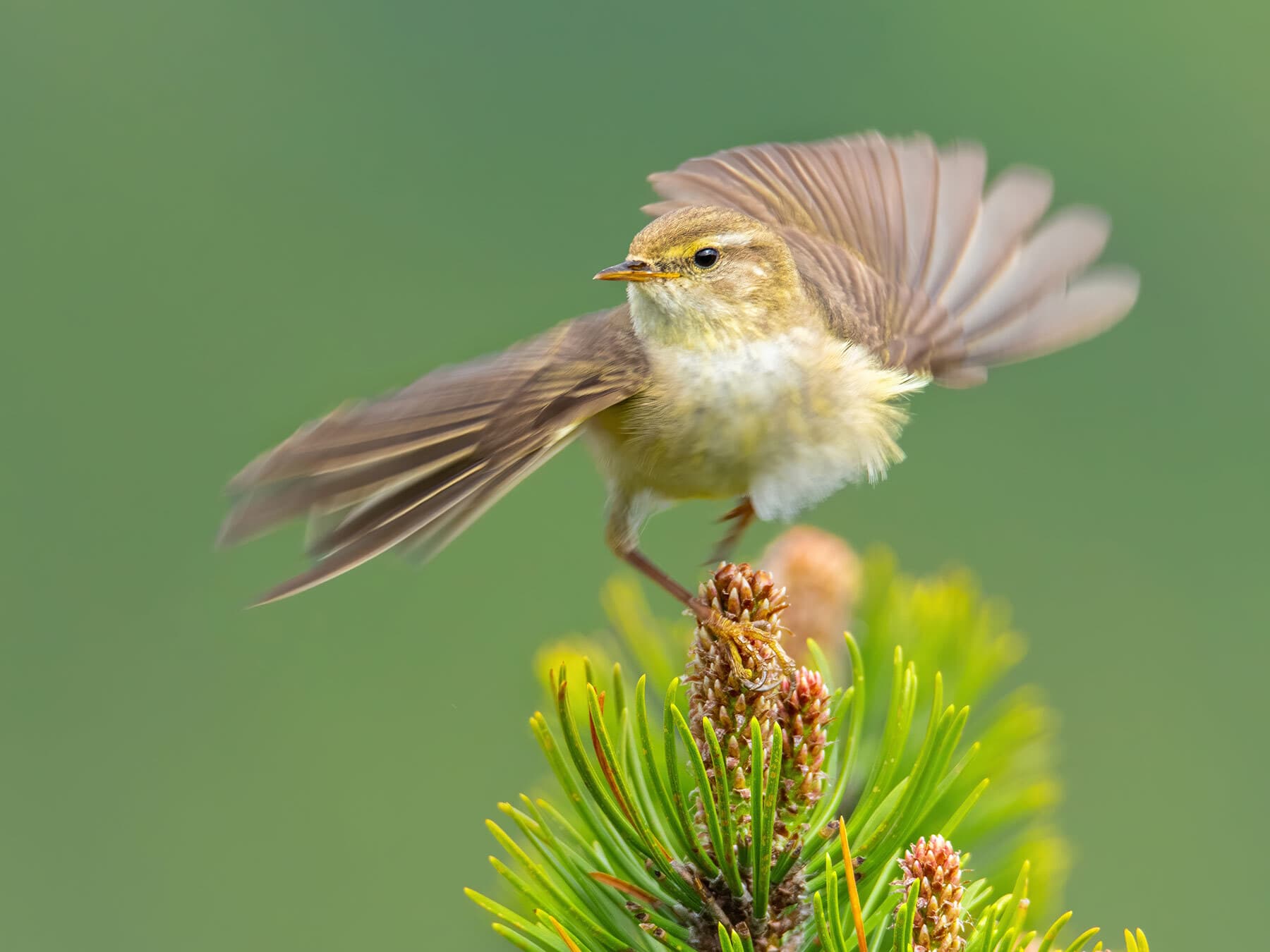
Willow Warbler
Phylloscopus trochilusLC
An uncommon breeding visitor from April to October, favouring woodland edges and scrubby hedgerows. Its descending song is a hallmark of spring.
Apr–Oct
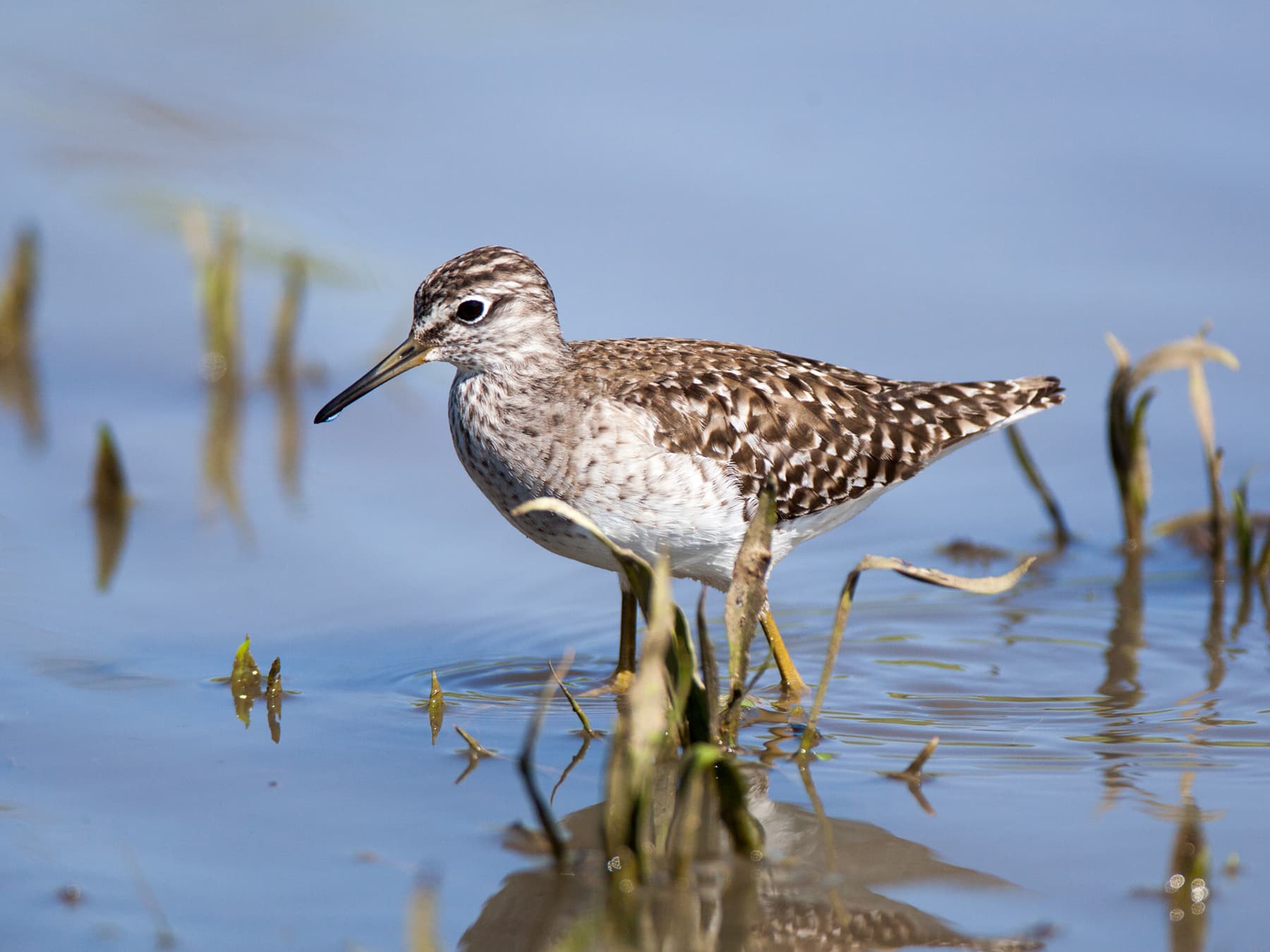
Wood Sandpiper
Tringa glareolaLC
An uncommon breeder from May to September, favouring marshy pools and wet meadows. A scarce but regular presence at key wetlands.
May–Sep