Uncommon Birds in Cumbria
64 species matching this filter.
Cumbria's diverse landscapes—from the Lake District's mountain tarns to the Solway Firth's expansive estuaries and the Eden Valley's rolling farmland—support a rich variety of birdlife beyond the commonly encountered species. Among the county's 64 uncommon birds, you can find elegant Blackcaps and Garden Warblers in woodland glades, Common Sandpipers along rocky lakeshores, and winter flocks of Fieldfares sweeping across hedgerow-lined fields. Species such as Common Merganser, Greylag Goose, and Common Shelduck highlight the importance of Cumbria's wetlands and coastal habitats for both breeding and wintering birds.


Showing 47–64 of 64 species
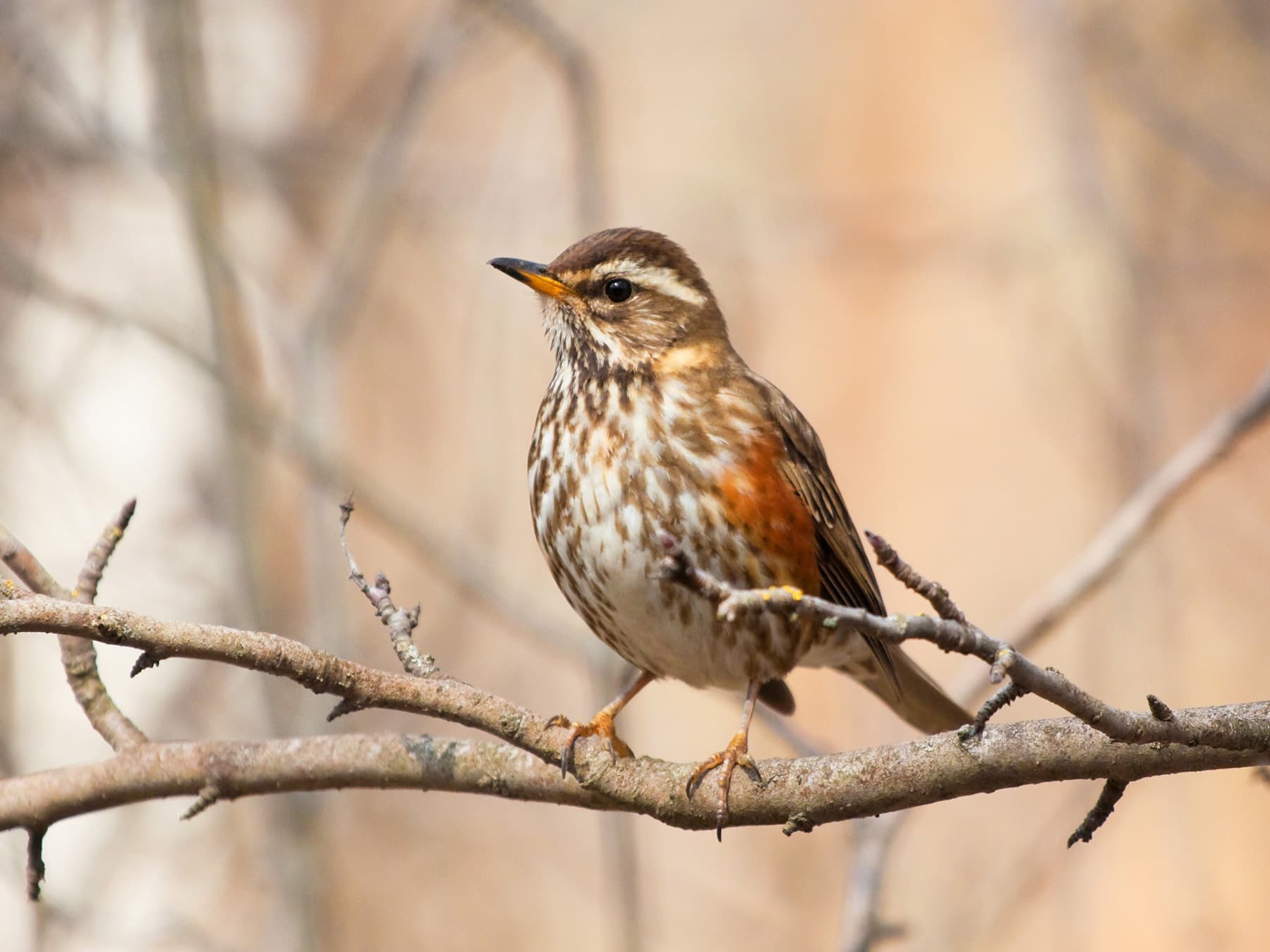
Redwing
Turdus iliacusNT
A winter visitor from Scandinavia, arriving from October. Feeds in hedgerows and fields, often alongside fieldfares.
Sep–Apr
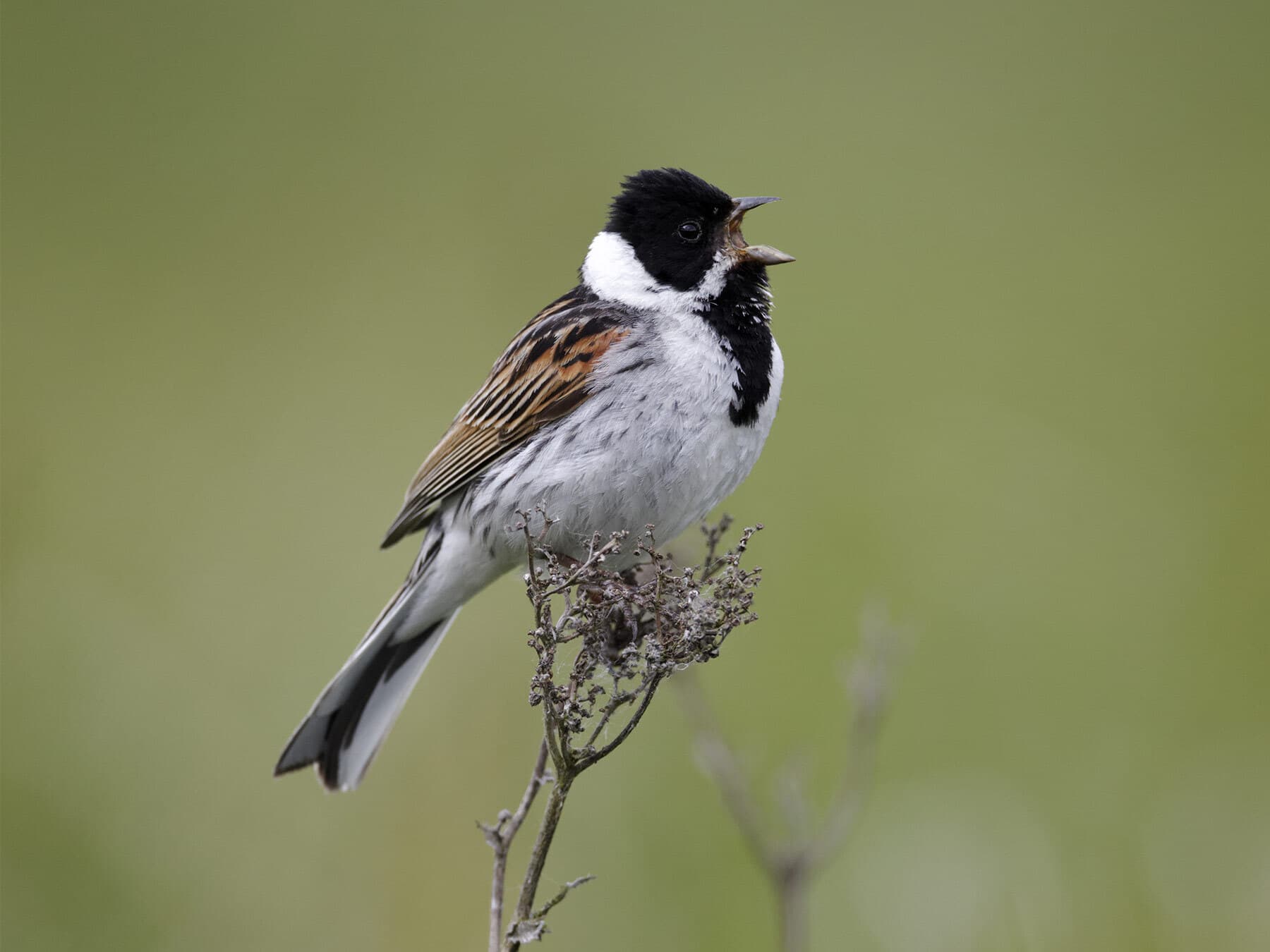
Reed Bunting
Emberiza schoeniclusLC
An uncommon year-round resident of reedbeds, boggy margins and damp farmland, often seen perched atop rushes around Cumbrian tarns.
Year-round
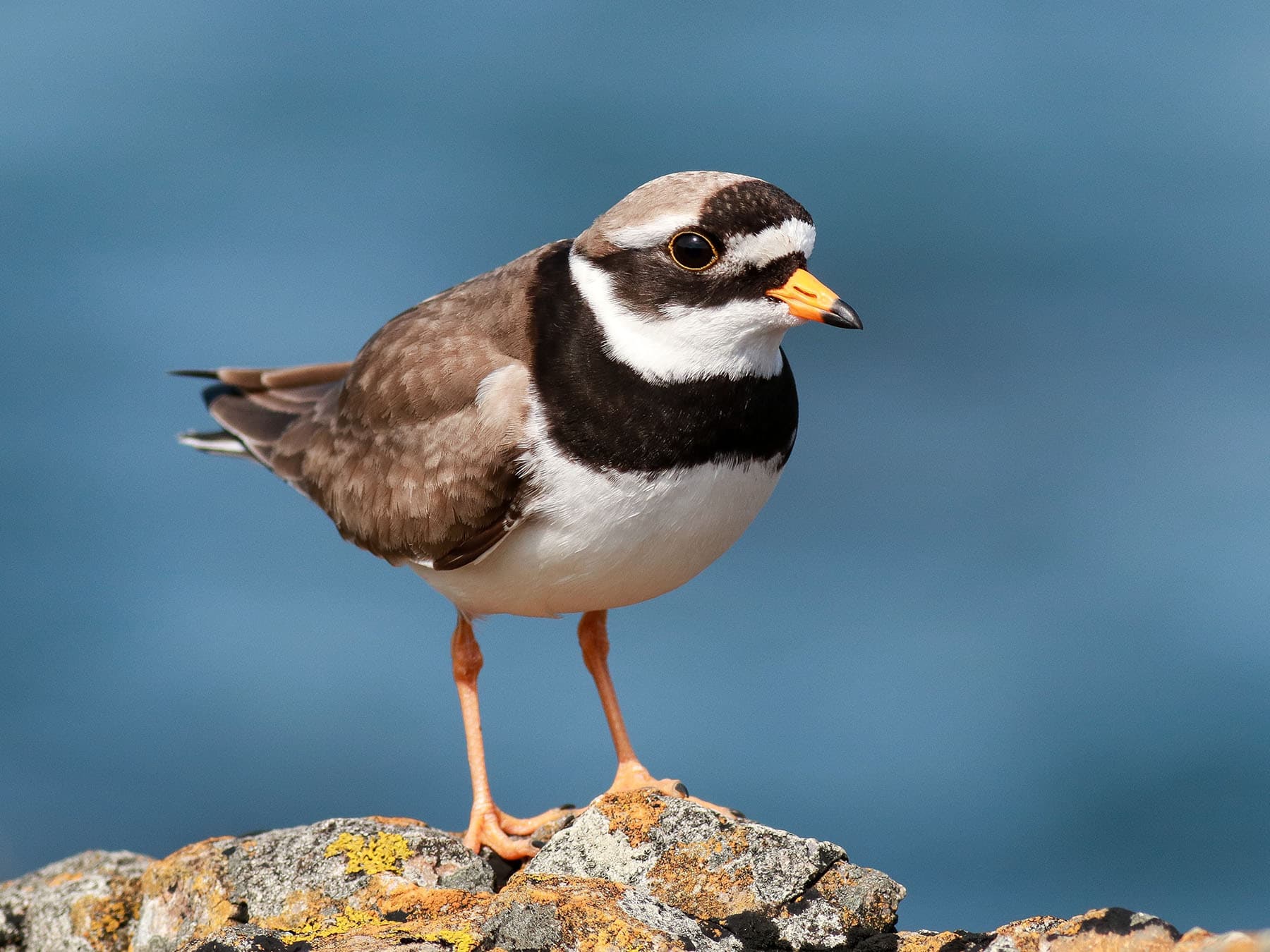
Ringed Plover
Charadrius hiaticulaLC
An uncommon resident of shingle beaches and estuarine shores. Breeds along the coast and passage birds boost autumn numbers.
Year-round
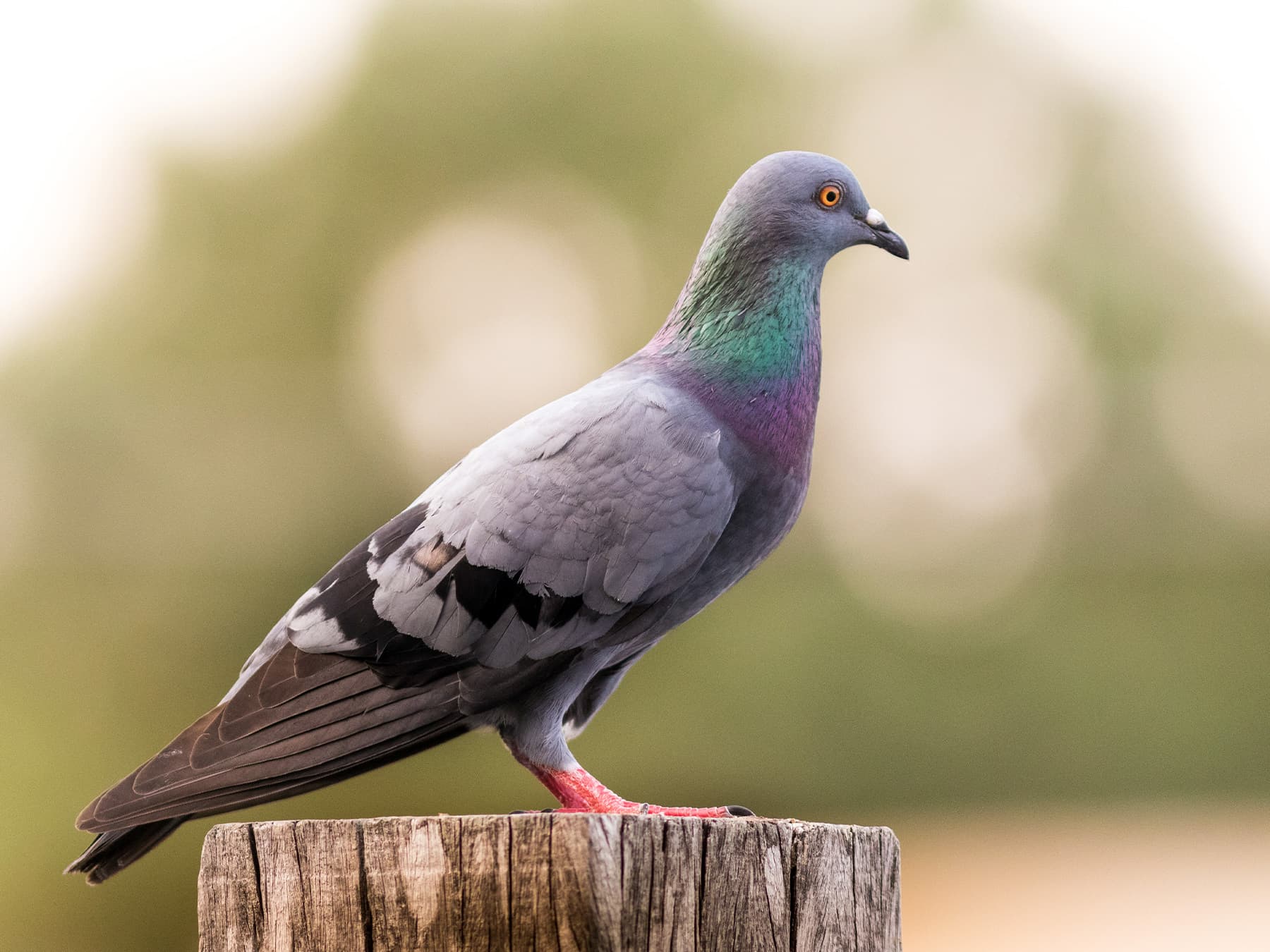
Rock Dove
Columba liviaLC
Feral populations are uncommon residents in towns and on coastal cliffs, with true wild birds very scarce.
Year-round
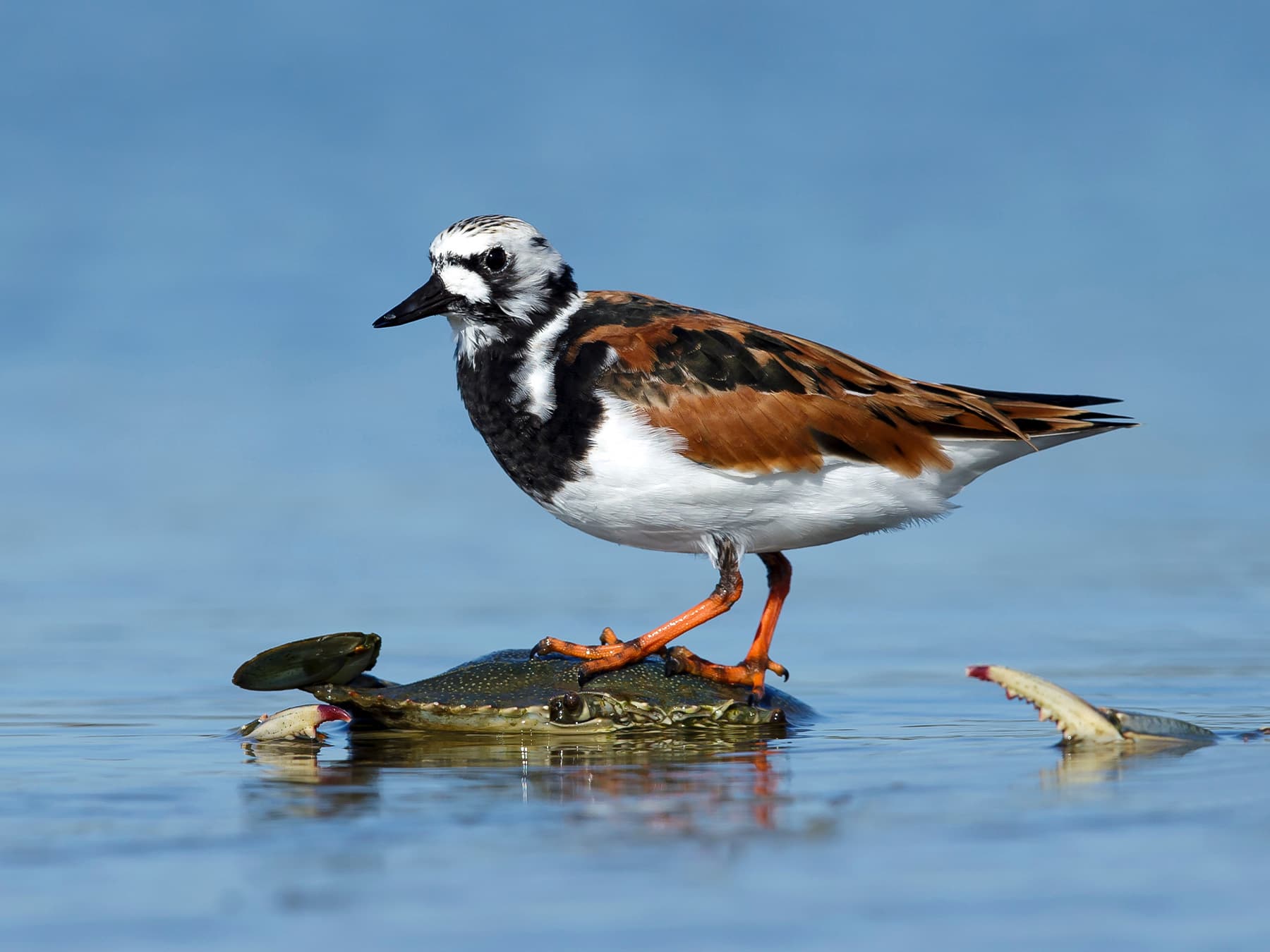
Ruddy Turnstone
Arenaria interpresLC
An uncommon resident of Cumbria's rocky coastlines, turning stones for invertebrates. Present most months except June on the Solway and west coast.
Jul–May
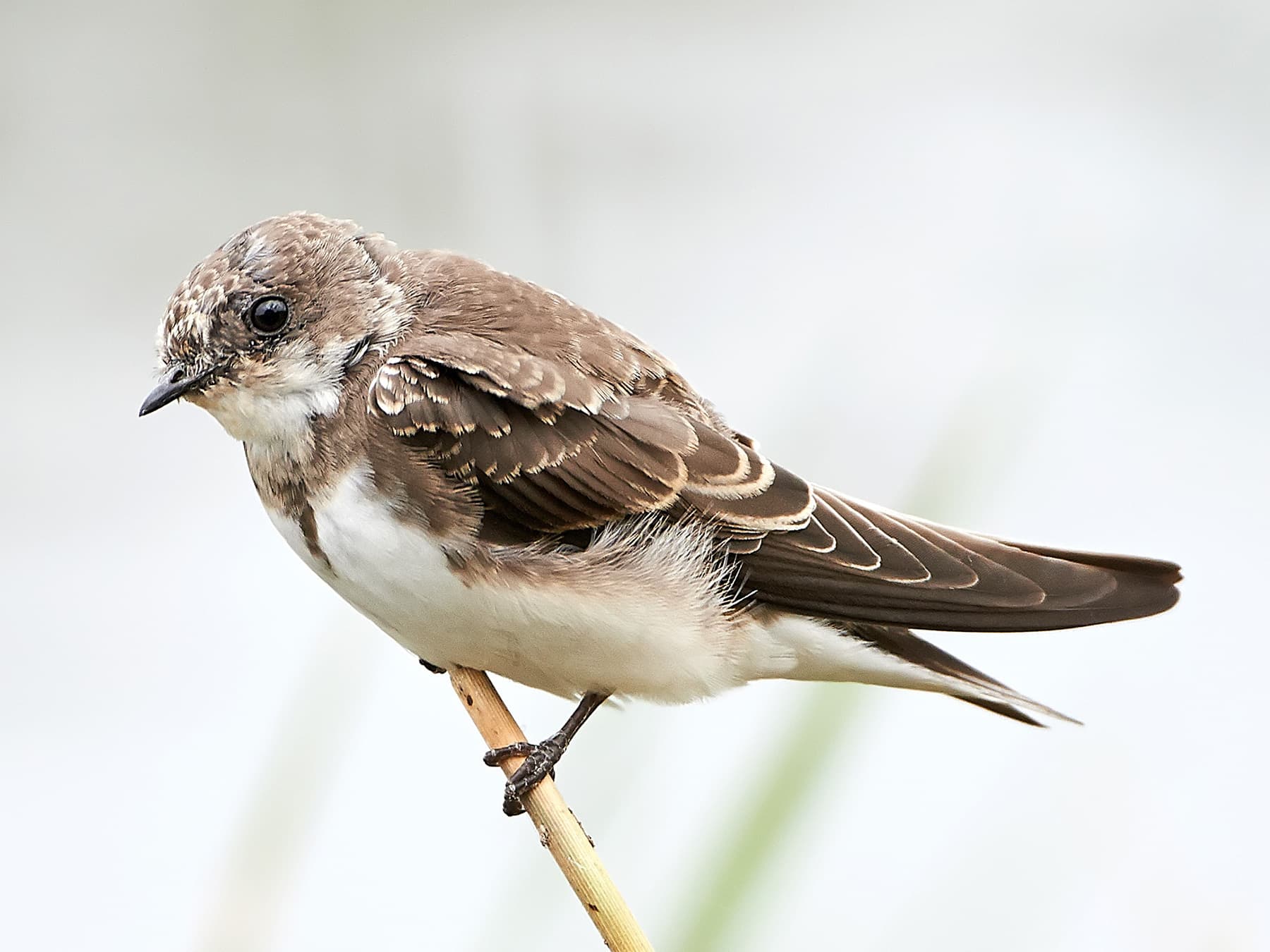
Sand Martin
Riparia ripariaLC
An uncommon summer visitor breeding in sandy riverbanks, often seen hawking insects over lakes and rivers from March.
Mar–Sep
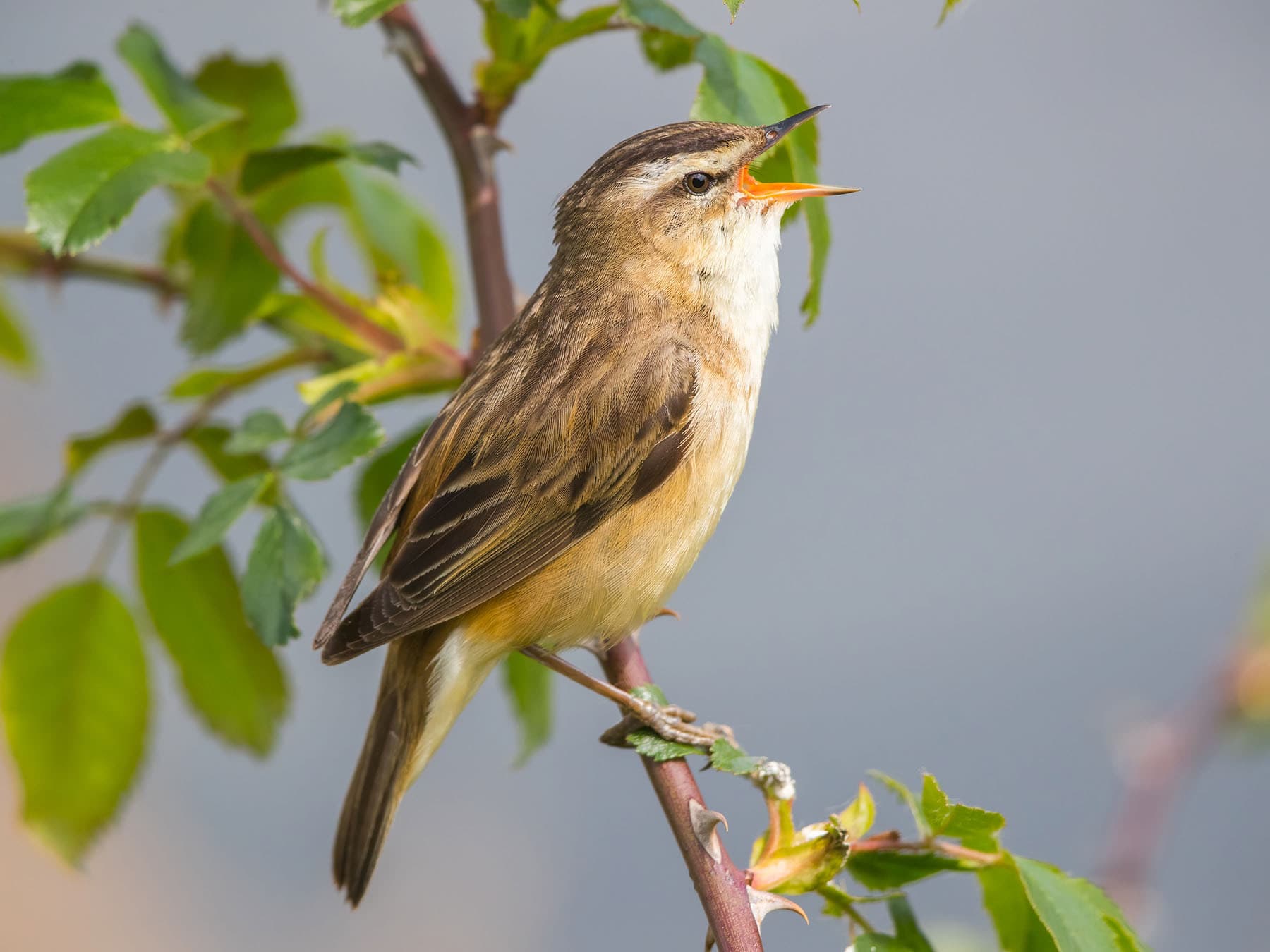
Sedge Warbler
Acrocephalus schoenobaenusLC
An uncommon summer breeder arriving in April, favouring reedbeds and waterside scrub around Cumbrian tarns and wetlands.
Apr–Sep
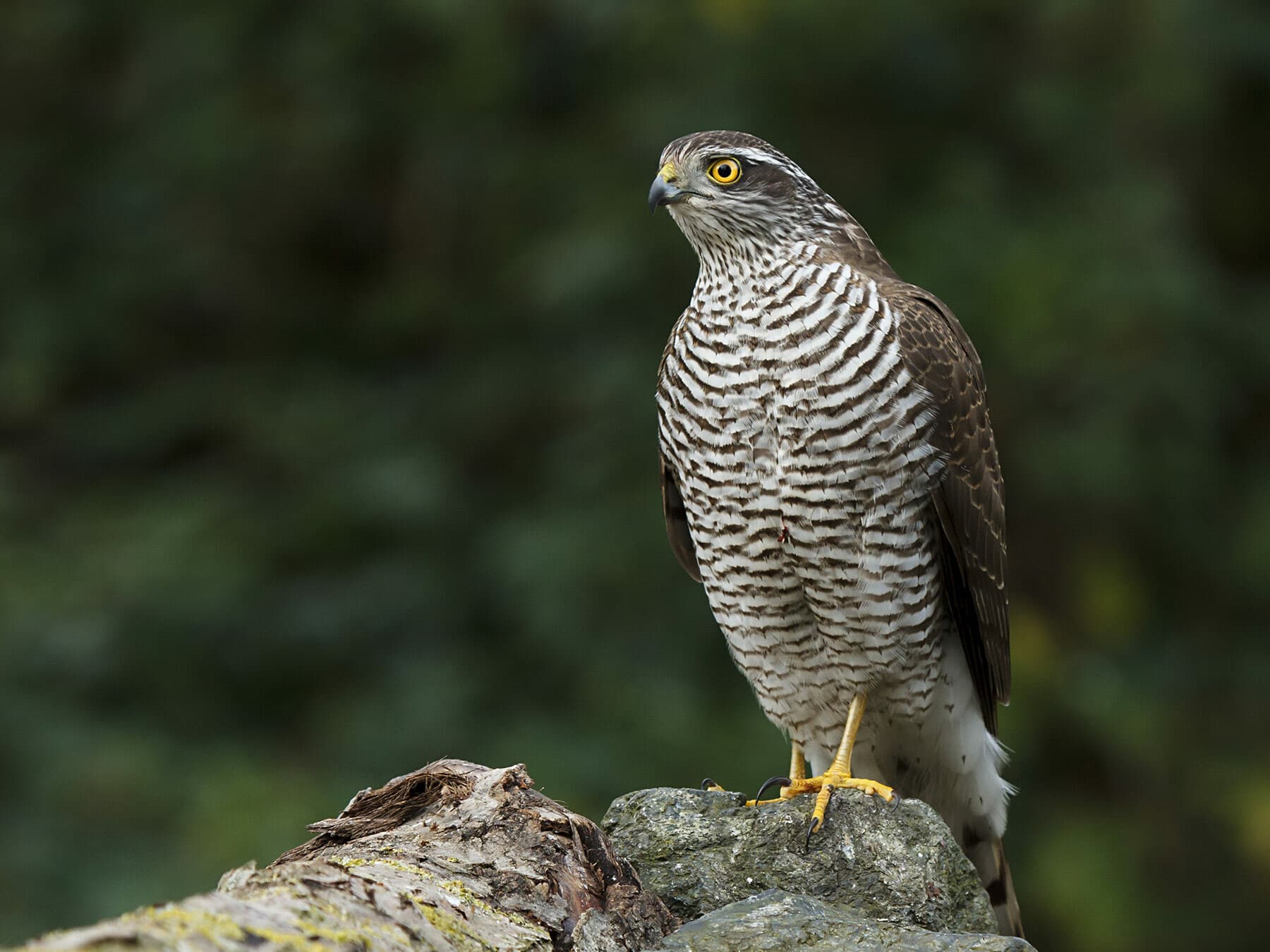
Sparrowhawk
Accipiter nisusLC
An uncommon but year-round resident, hunting through woodlands, hedgerows and gardens. Often seen dashing low along lanes and through farmyards.
Year-round
Spotted something?
Upload a photo to identify it
Identify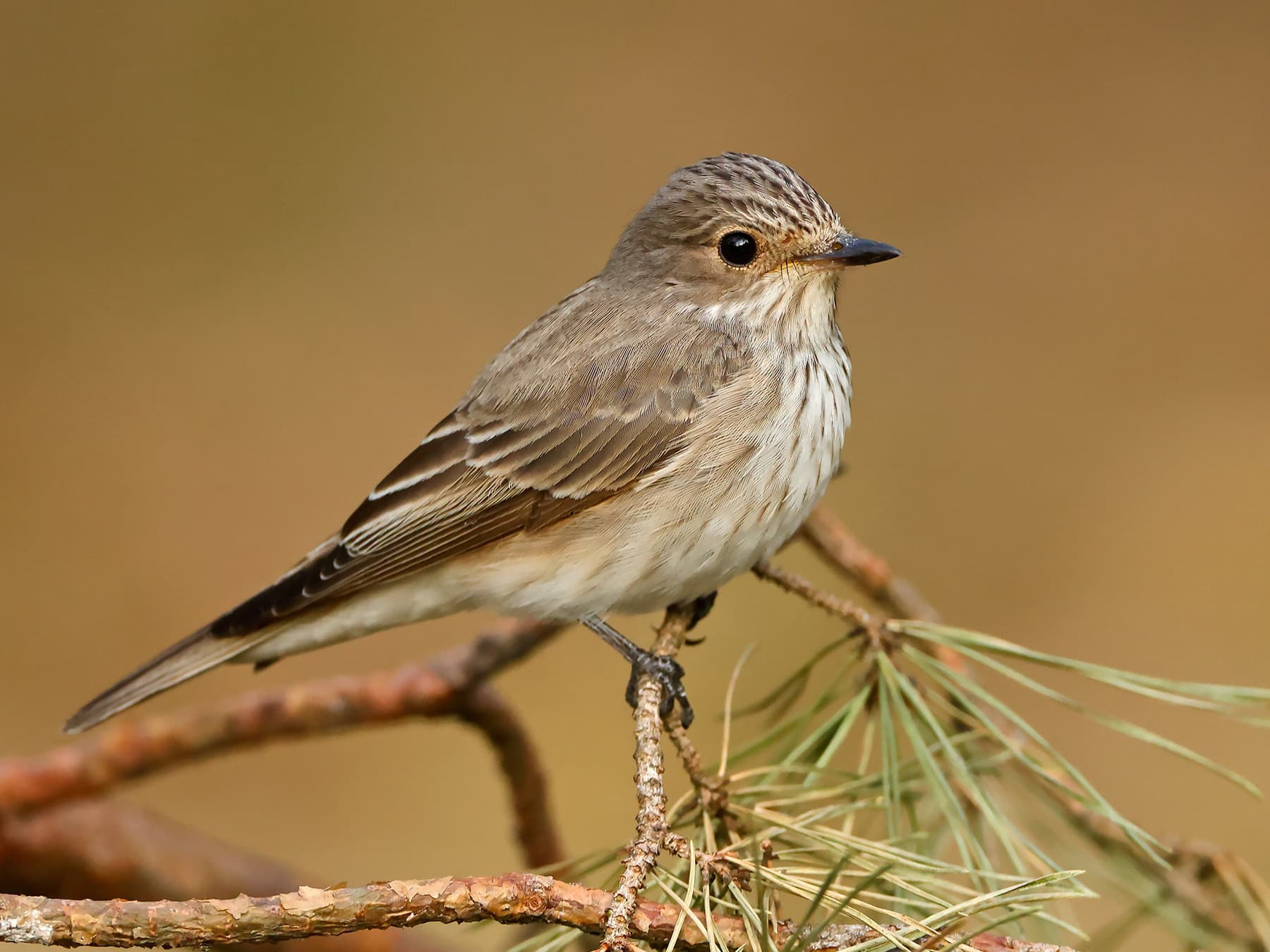
Spotted Flycatcher
Muscicapa striataLC
A declining summer visitor to open woodland edges and gardens, arriving in May. Sallies from exposed perches to catch insects.
May–Sep
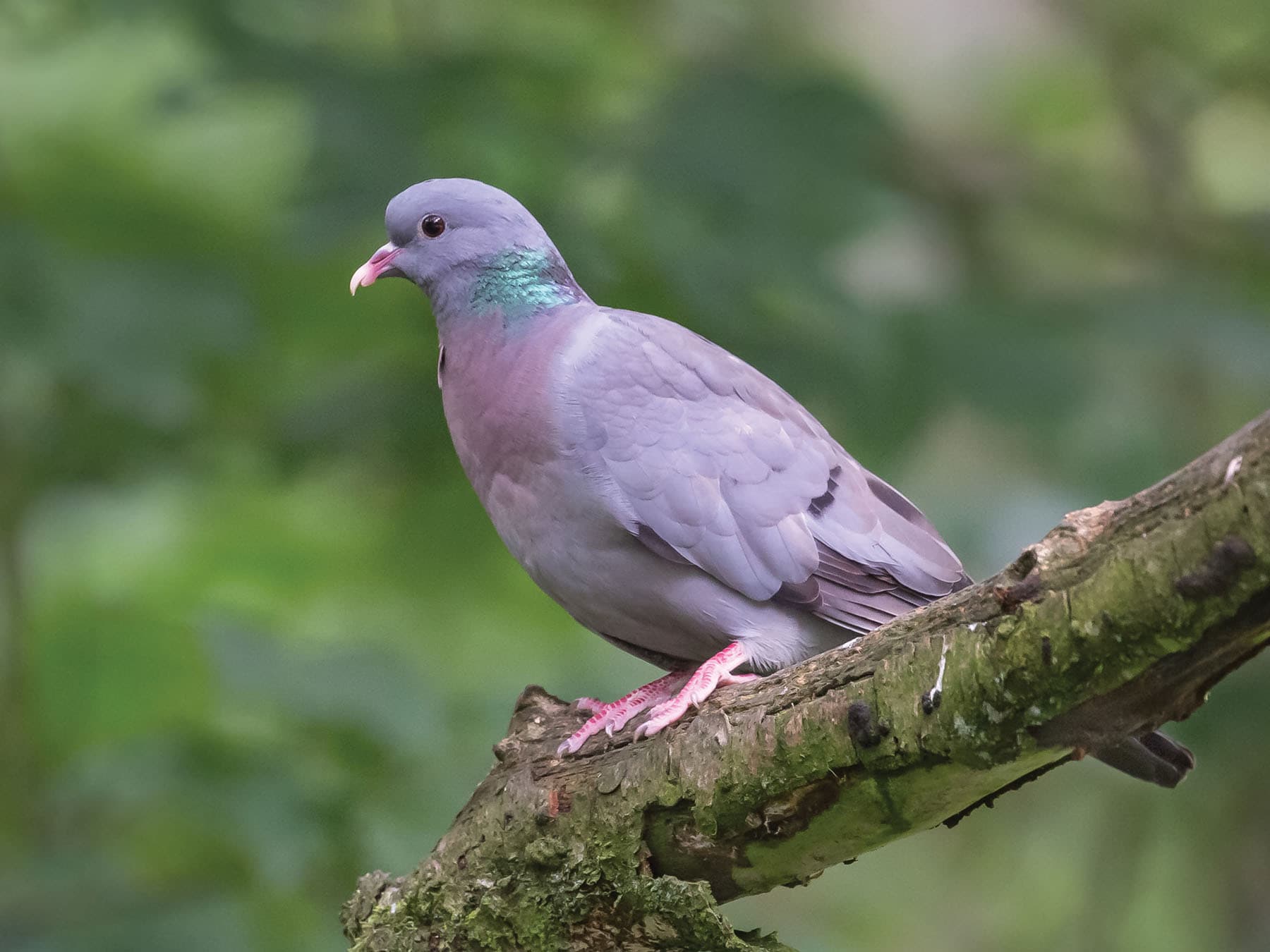
Stock Dove
Columba oenasLC
An uncommon resident of farmland and parkland with mature trees. Nests in tree holes and old buildings across the lowlands.
Year-round
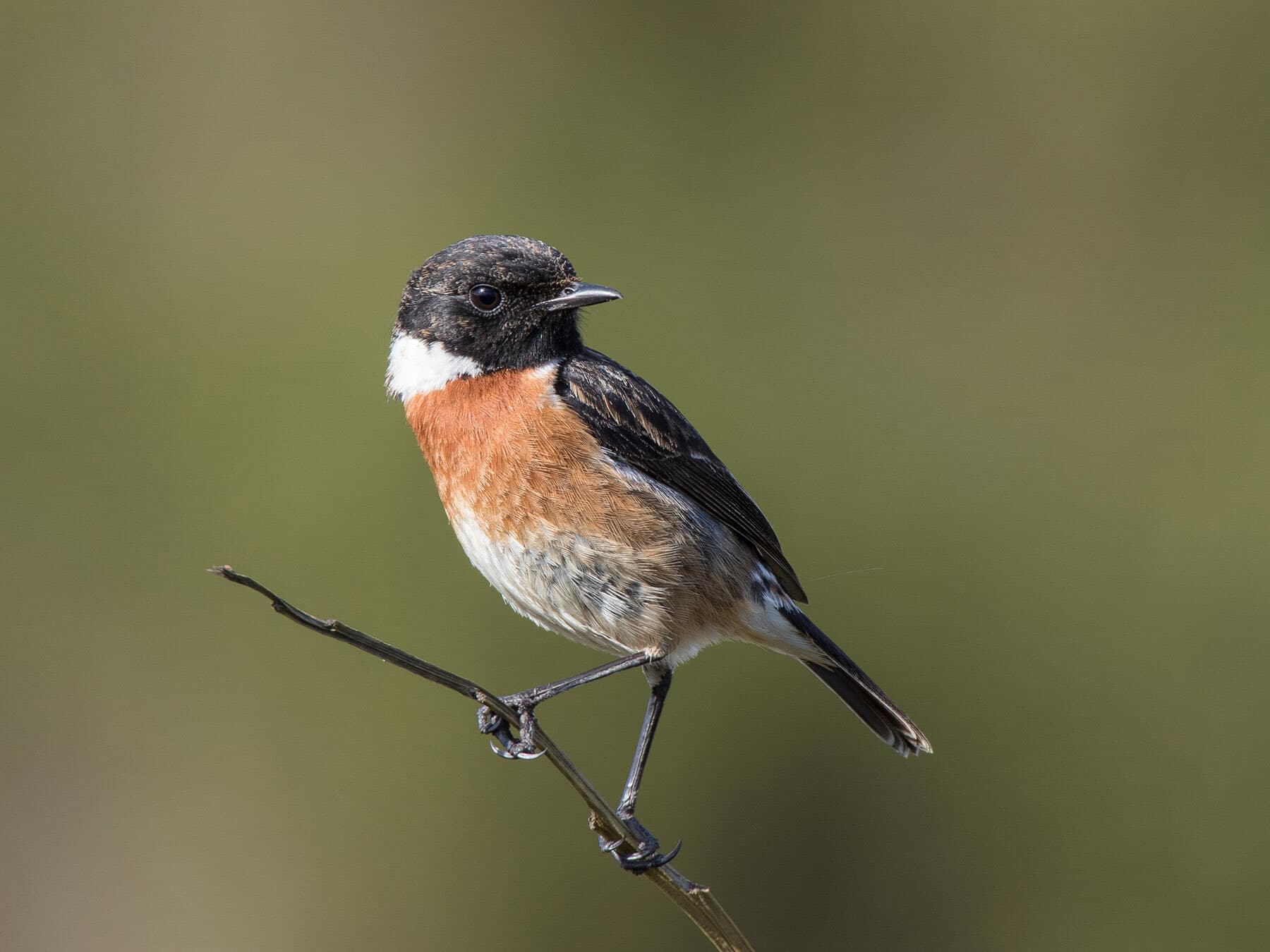
Stonechat
Saxicola torquatusLC
A hardy resident of gorse-clad commons and coastal scrub, perching prominently and flicking its tail with a sharp call.
Year-round
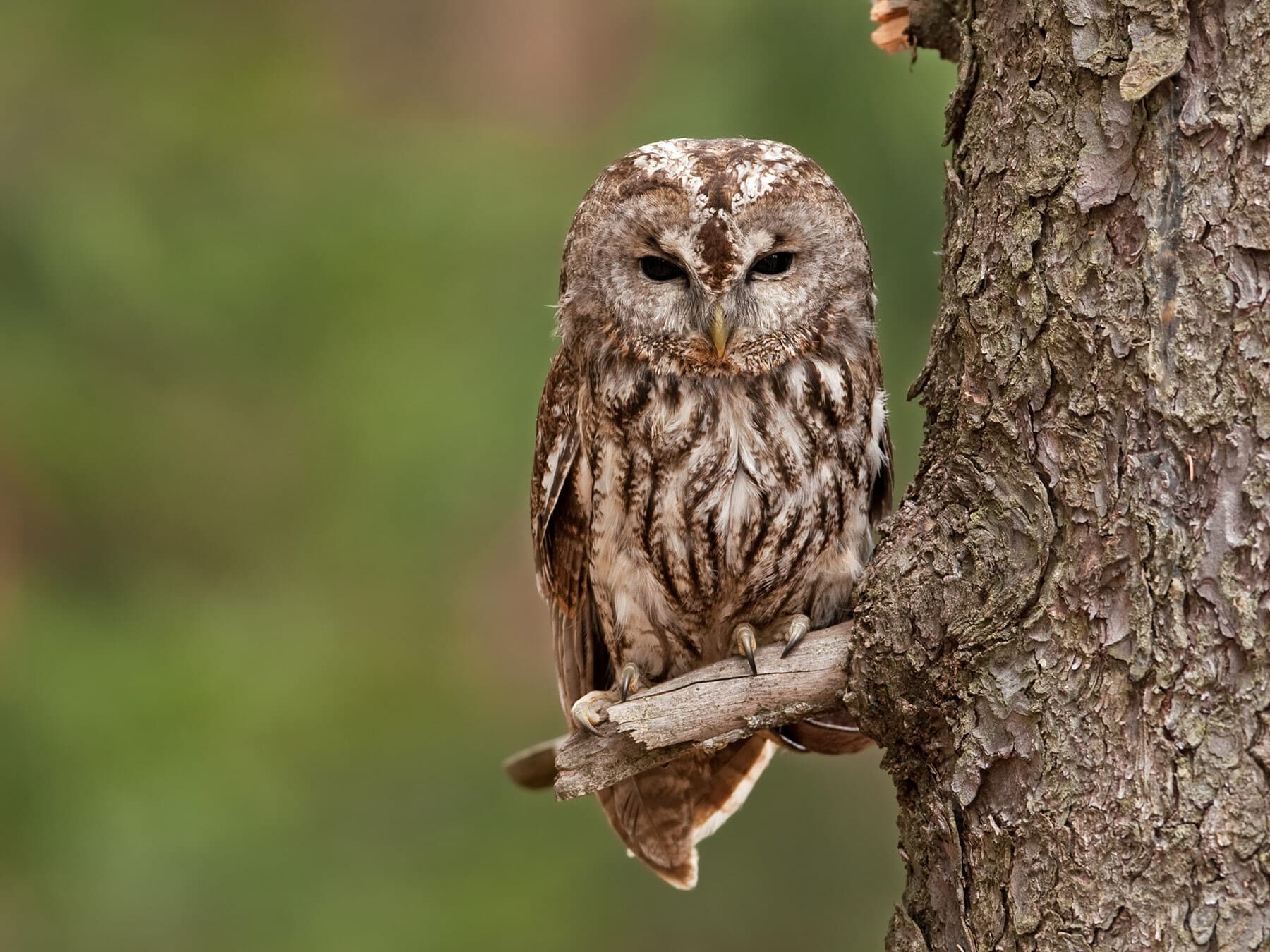
Tawny Owl
Strix alucoLC
An uncommon resident of mature broadleaved and mixed woodlands. Its distinctive hooting call is a familiar night-time sound in Cumbrian valleys.
Year-round
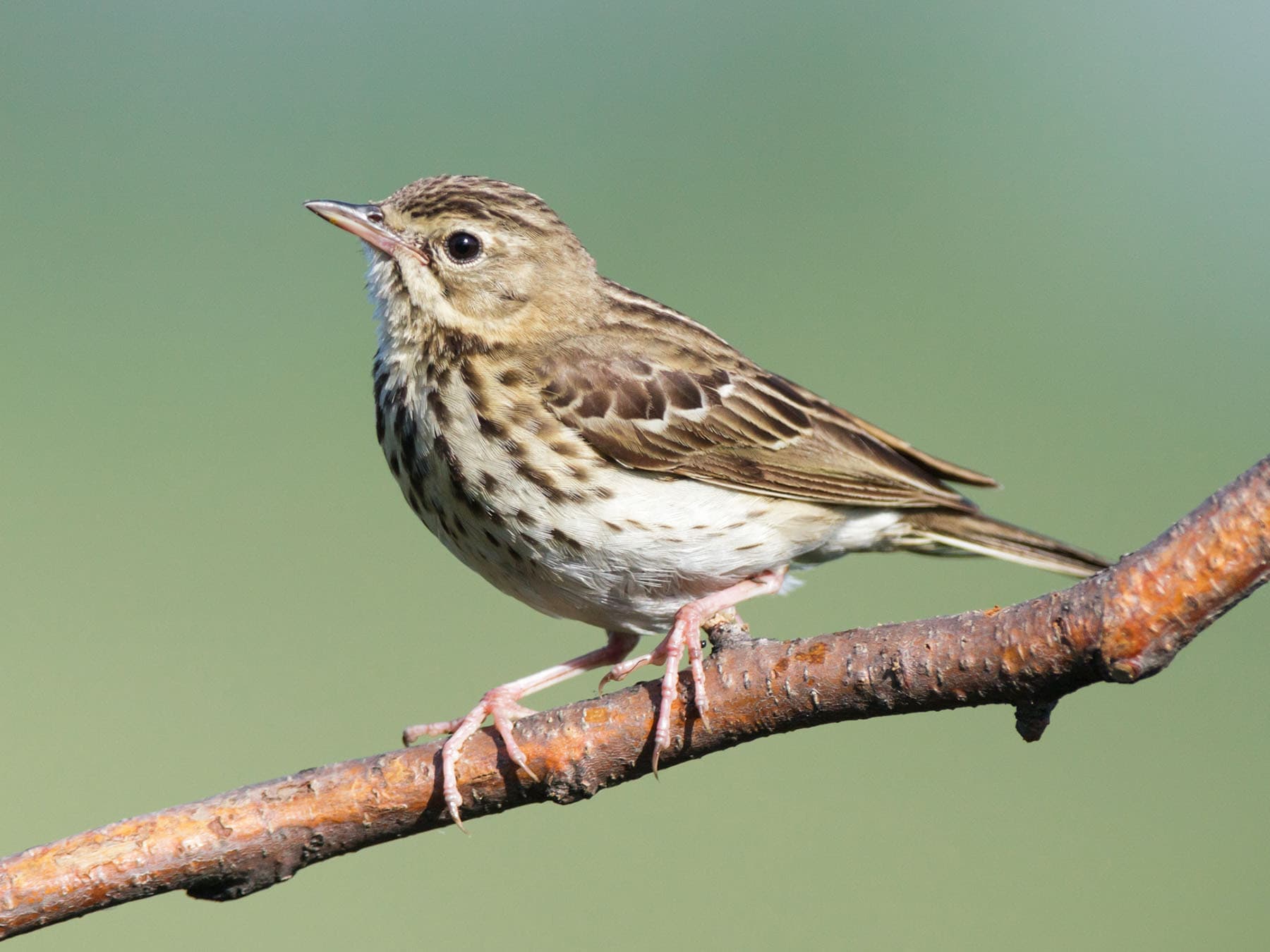
Tree Pipit
Anthus trivialisLC
An uncommon summer breeder arriving in April, favouring open woodland edges and fell-side clearings with scattered trees for its parachuting song flight.
Apr–Aug
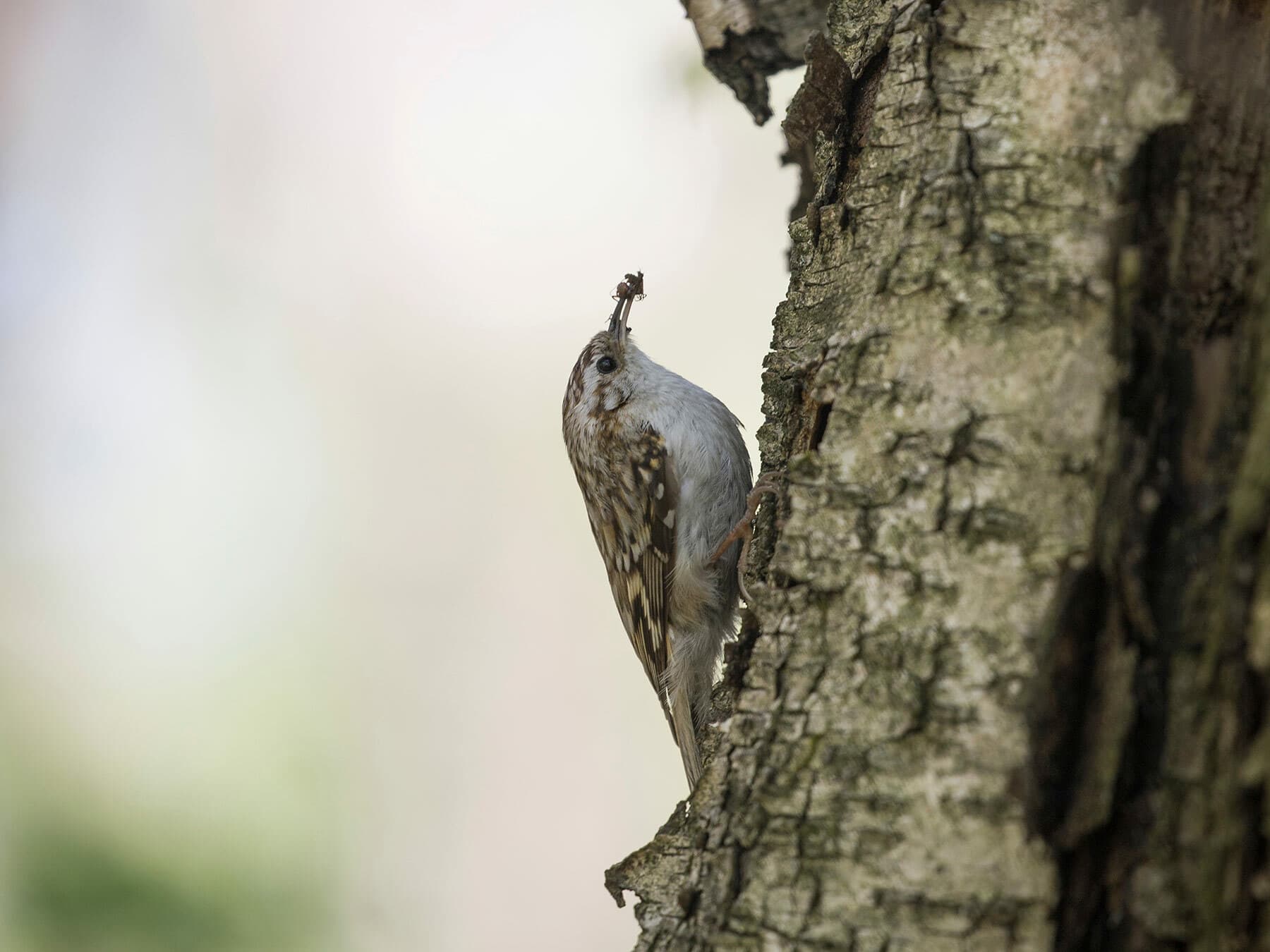
Treecreeper
Certhia familiarisLC
An unobtrusive resident creeping mouse-like up tree bark in Cumbrian woodlands. Easier to detect by its thin, high-pitched song.
Year-round
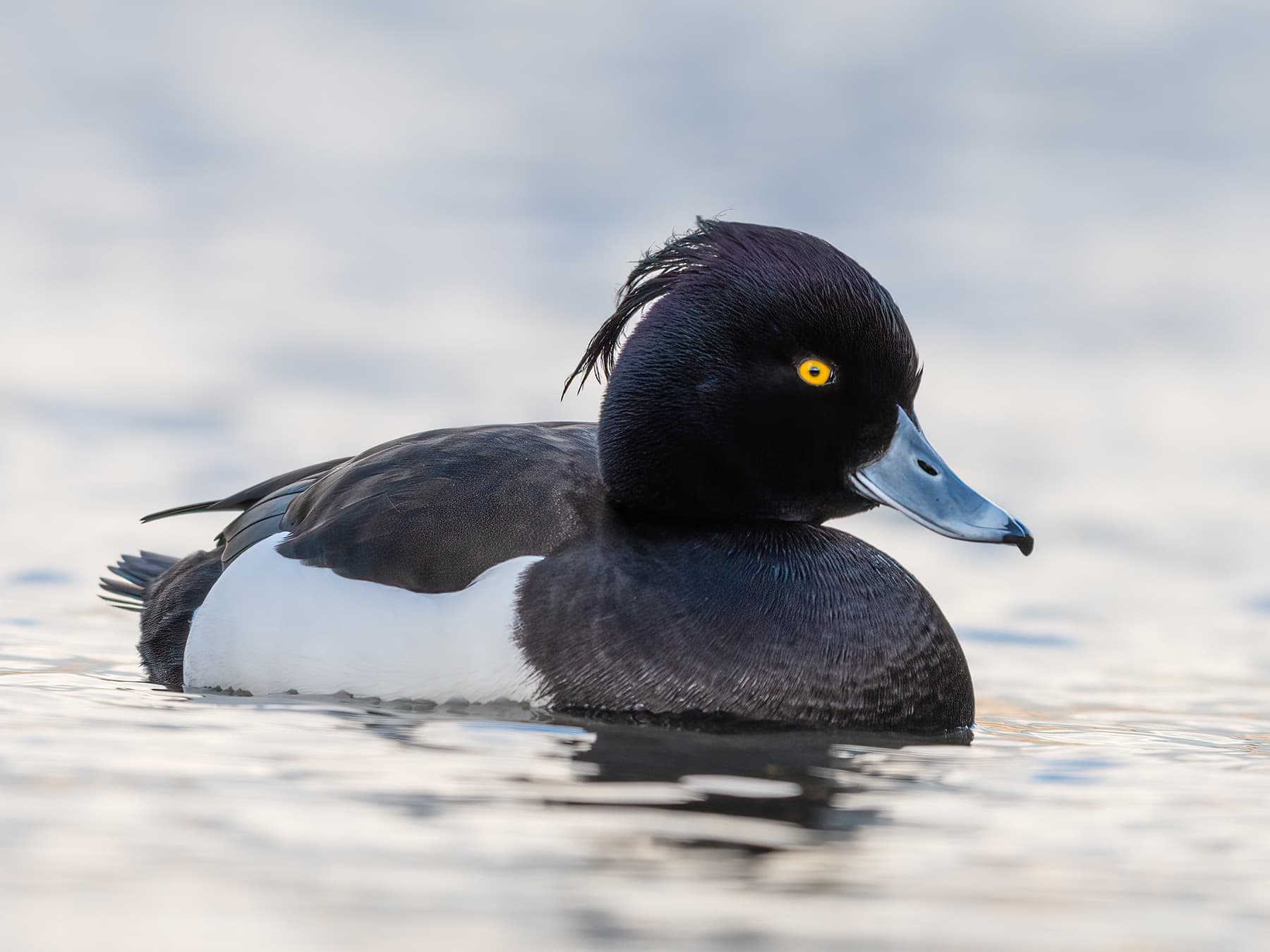
Tufted Duck
Aythya fuligulaLC
An uncommon year-round resident on lakes and tarns, diving for invertebrates across Cumbria's freshwaters.
Year-round
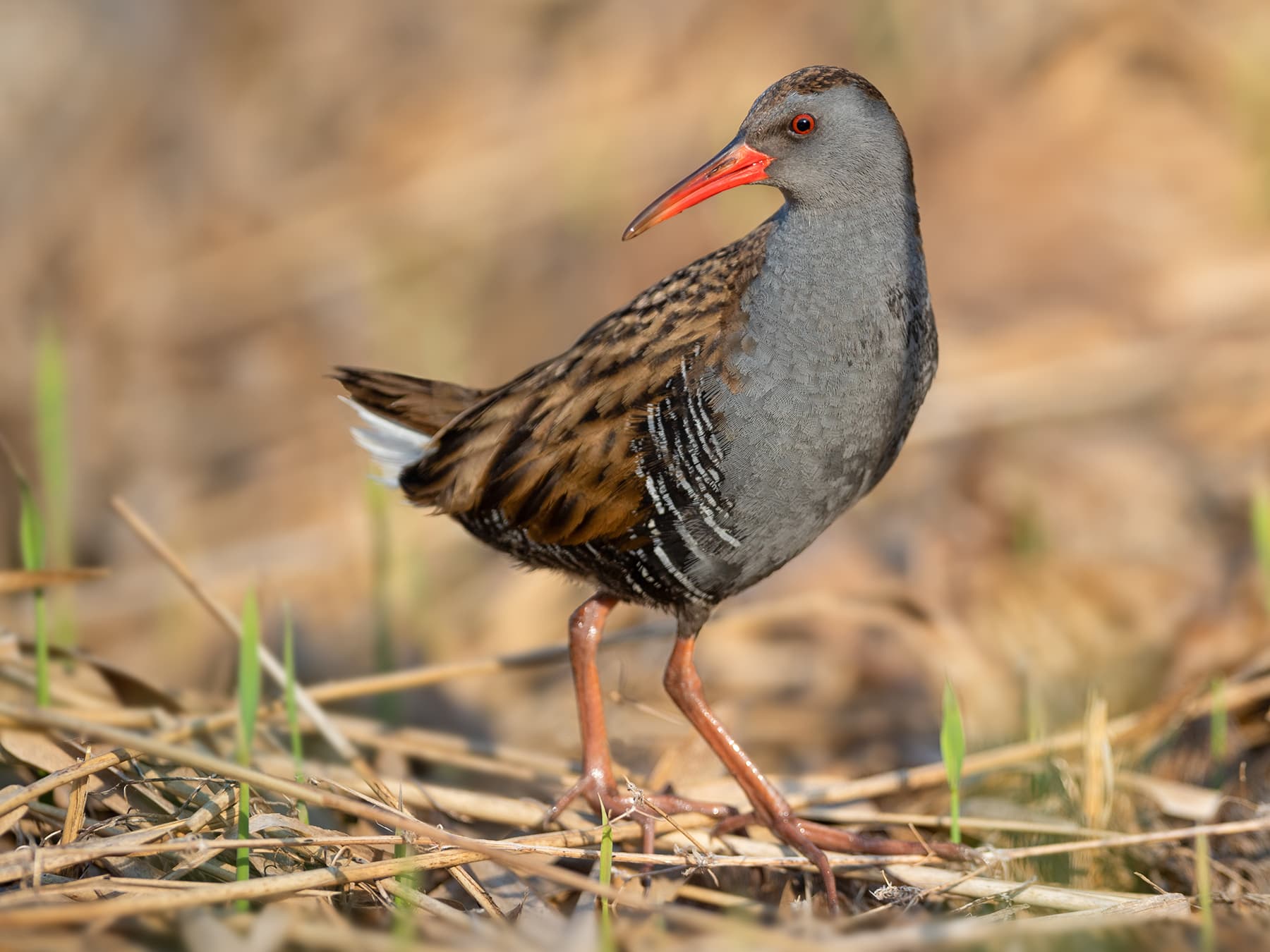
Water Rail
Rallus aquaticusLC
A secretive, uncommon resident of reedbeds and marshy margins, more often heard squealing than seen.
Year-round
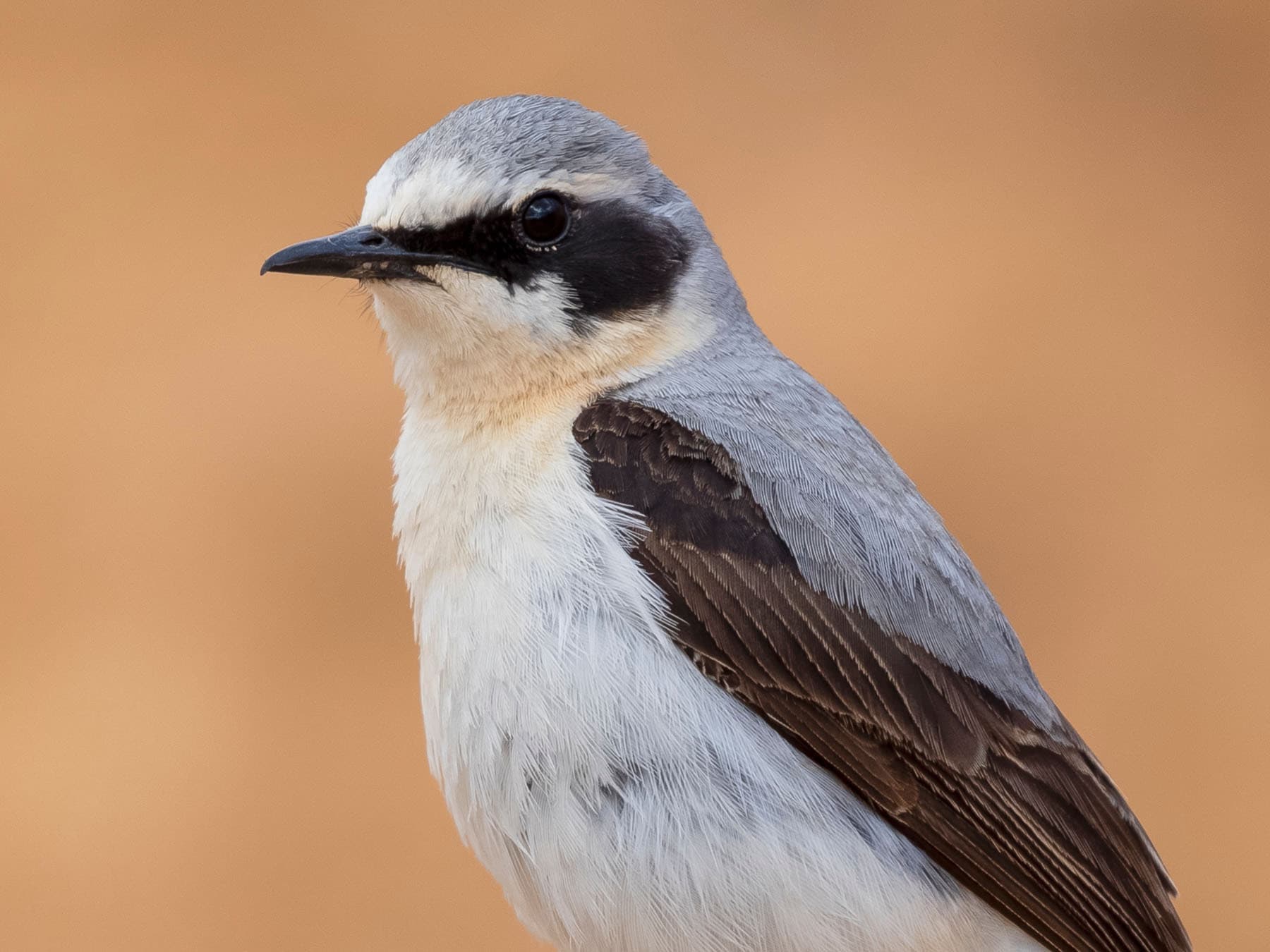
Wheatear
Oenanthe oenantheLC
A summer visitor to upland fell-sides and stone walls, arriving from March. Bobs and flashes its white rump on open ground.
Mar–Oct
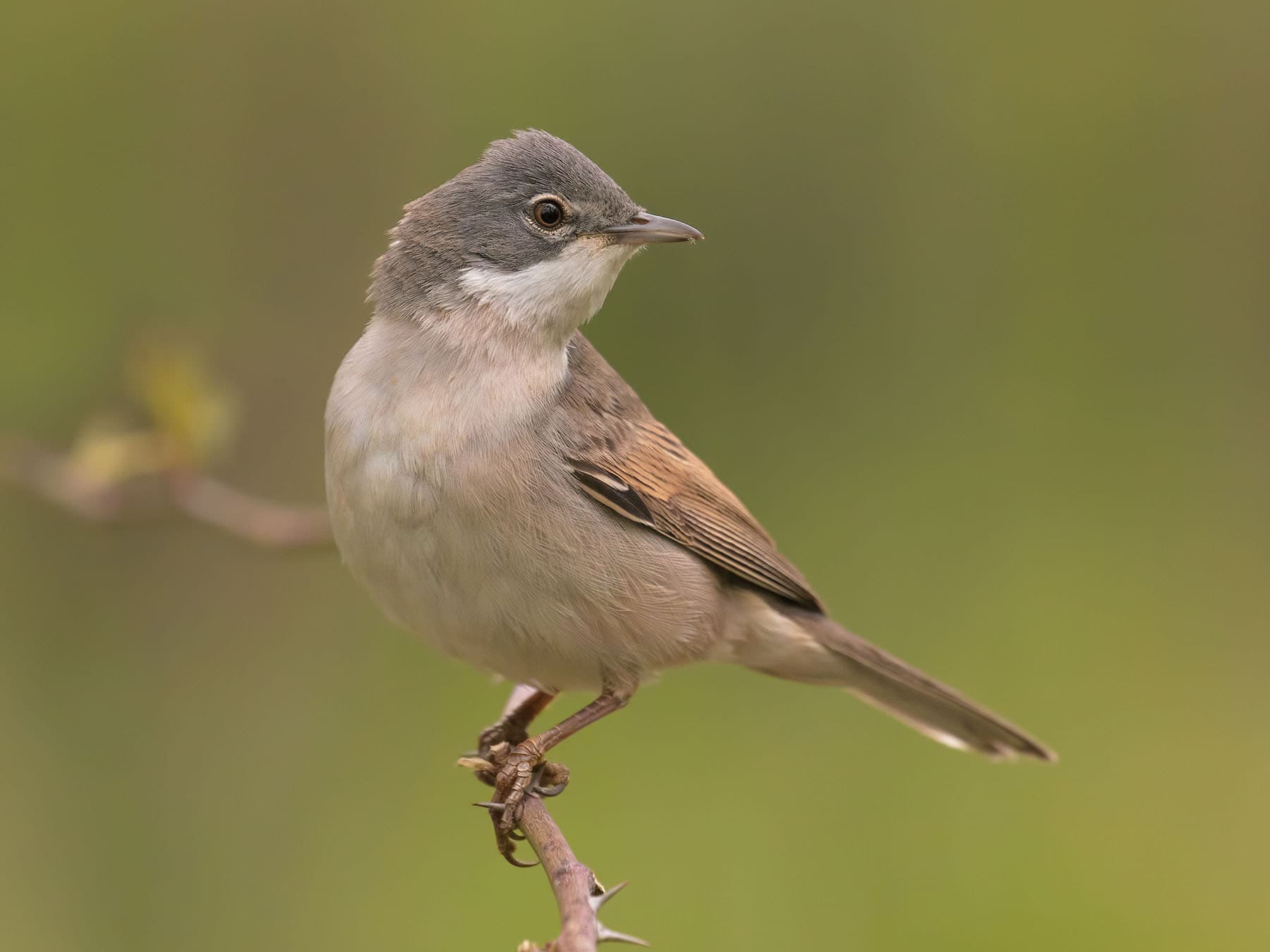
Whitethroat
Curruca communisLC
An uncommon summer breeder, singing from hedgerows and bramble patches in Cumbrian farmland from April to September.
Apr–Sep