Birds in Suffolk
Explore 226 species found in this region.
Suffolk is a remarkable county for birdwatching, with 218 recorded species thriving across its diverse landscapes of coastal marshes, estuaries, heathlands, and ancient woodlands. The county's renowned reserves, including RSPB Minsmere and the Suffolk Coast, attract an impressive range of birds from elegant Common Shelducks and Northern Lapwings on the wetlands to elusive Great Grey Shrikes on the heaths. Whether you're scanning mudflats for Common Sandpipers or listening for Eurasian Woodcock roding at dusk, Suffolk offers outstanding birding opportunities throughout the year.
Visiting in April? Look out for American Bittern and Common Redstart arriving this month, and Eurasian Woodcock and Great Grey Shrike depart for the season.


Showing 208–226 of 226 species
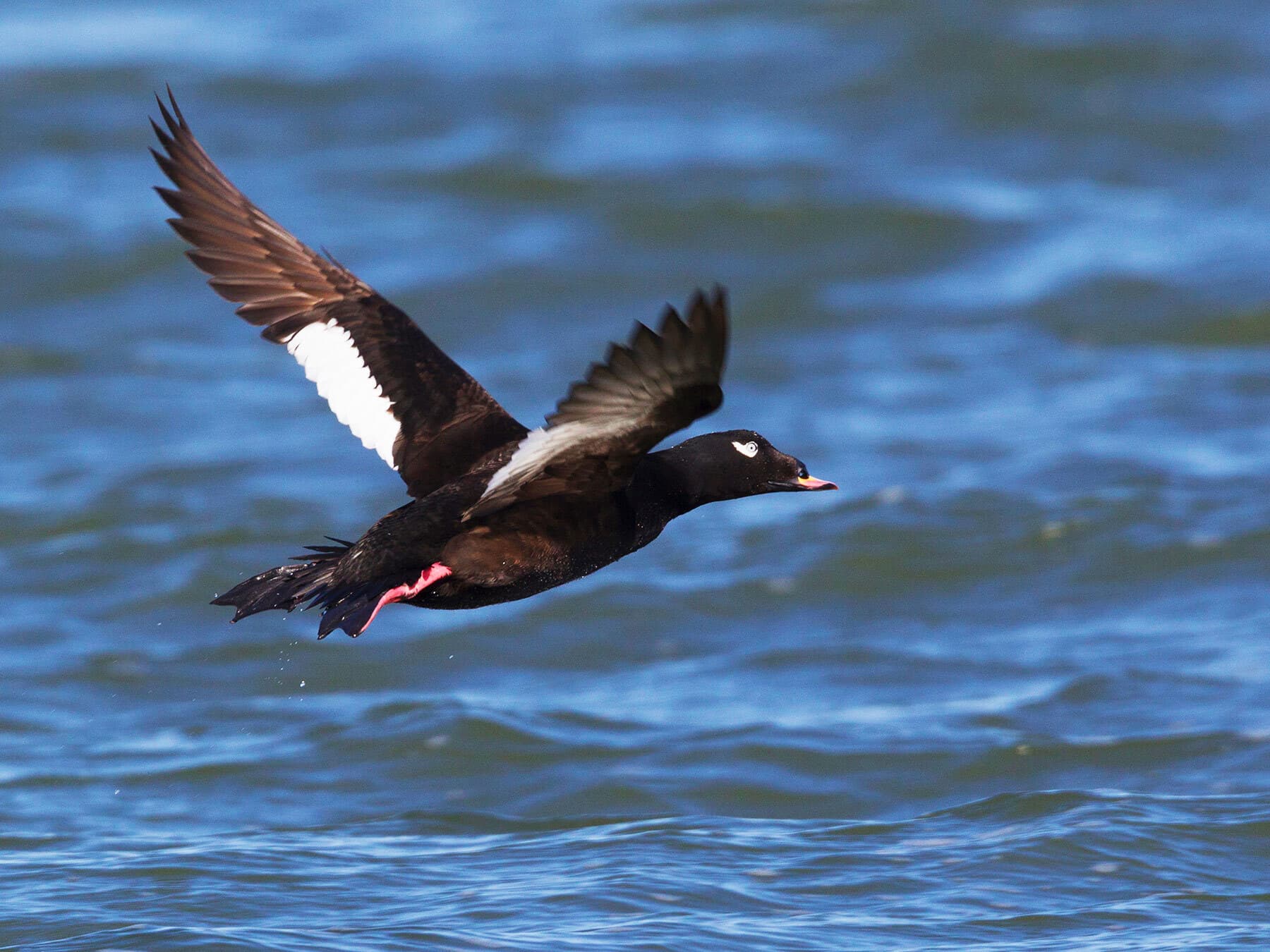
Velvet Scoter
Melanitta fuscaVU
A rare winter visitor to Suffolk's offshore waters, occasionally seen from coastal watchpoints. Most likely between November and January.
Nov–Jan
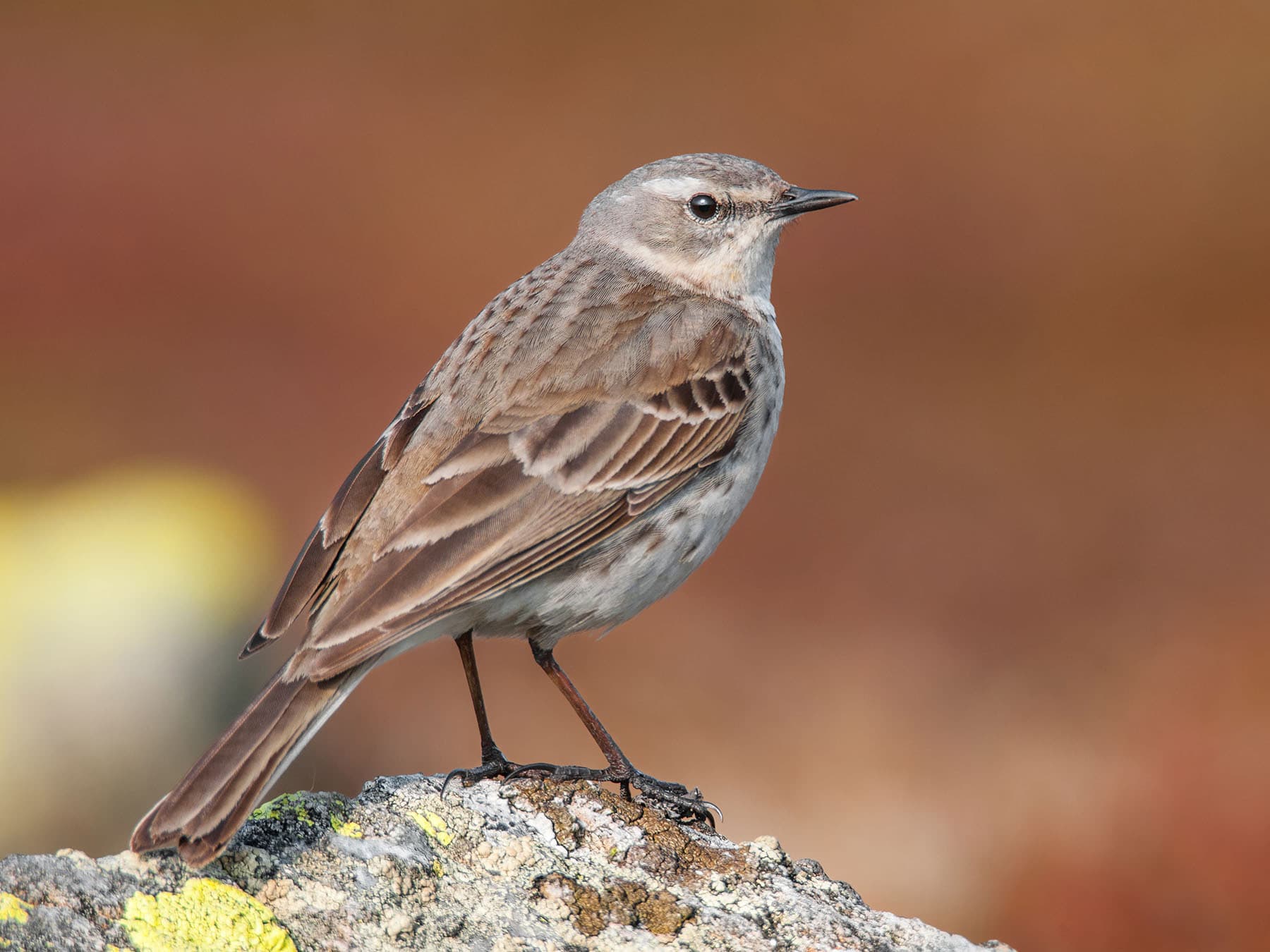
Water Pipit
Anthus spinolettaLC
A rare winter visitor to Suffolk's coastal marshes and watercress beds. Present from October to April, often near freshwater margins.
Oct–Apr
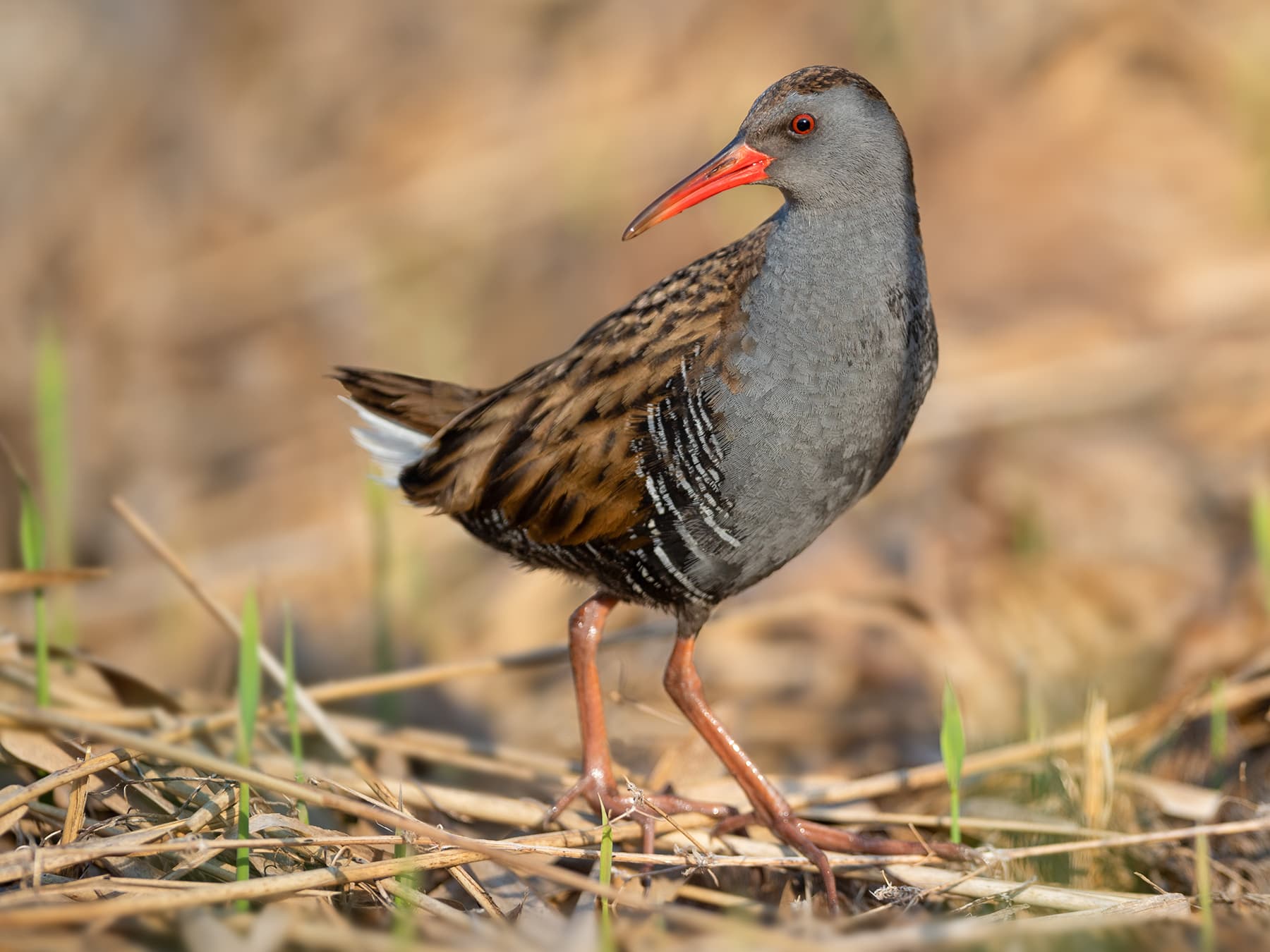
Water Rail
Rallus aquaticusLC
A secretive resident of Suffolk's reedbeds and marshes, more often heard giving its pig-like squeal than seen.
Year-round
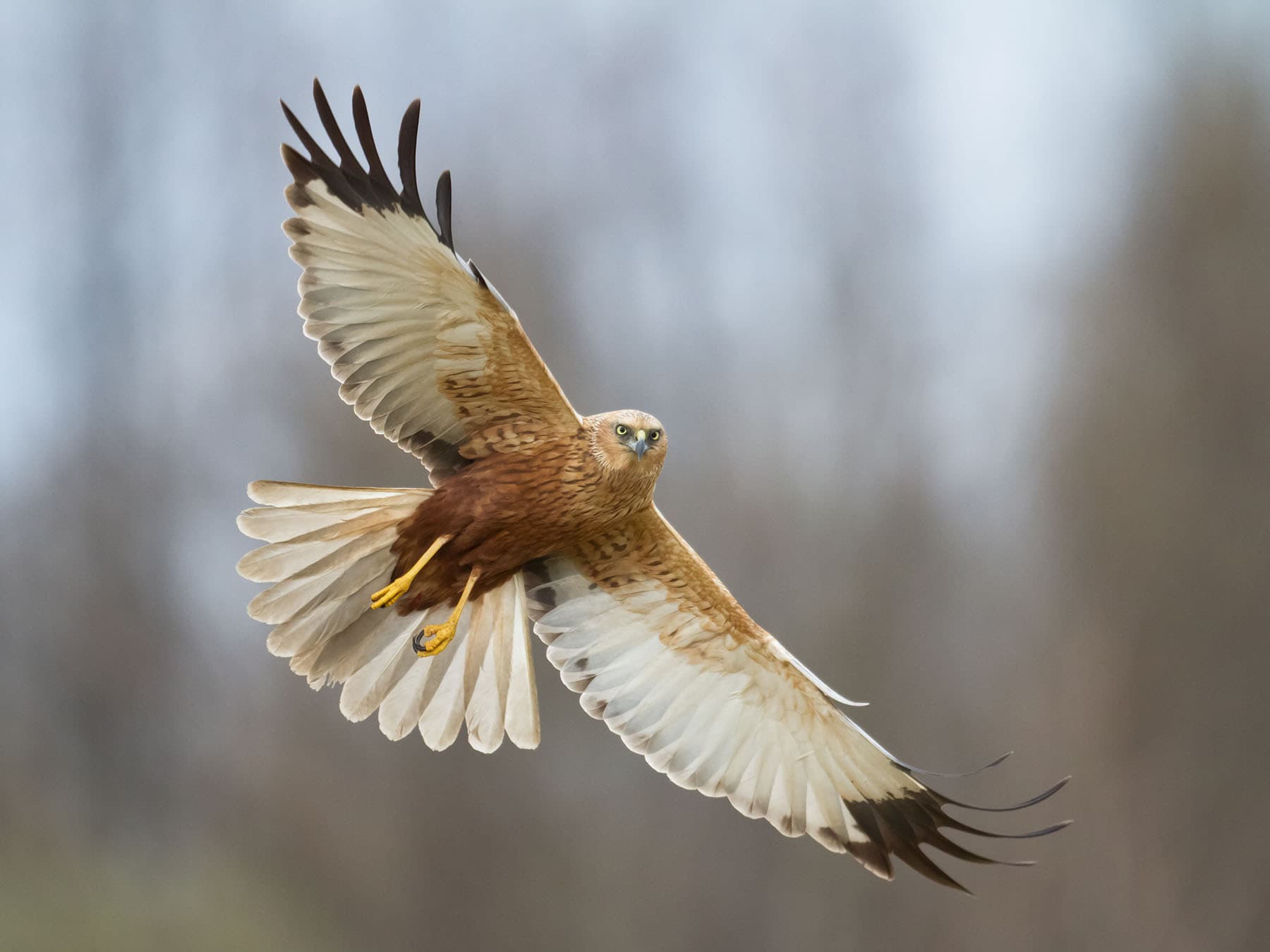
Western Marsh-harrier
Circus aeruginosusLC
A common resident of Suffolk's extensive reedbeds and coastal marshes. Minsmere and the Broads are key strongholds for this species.
Year-round
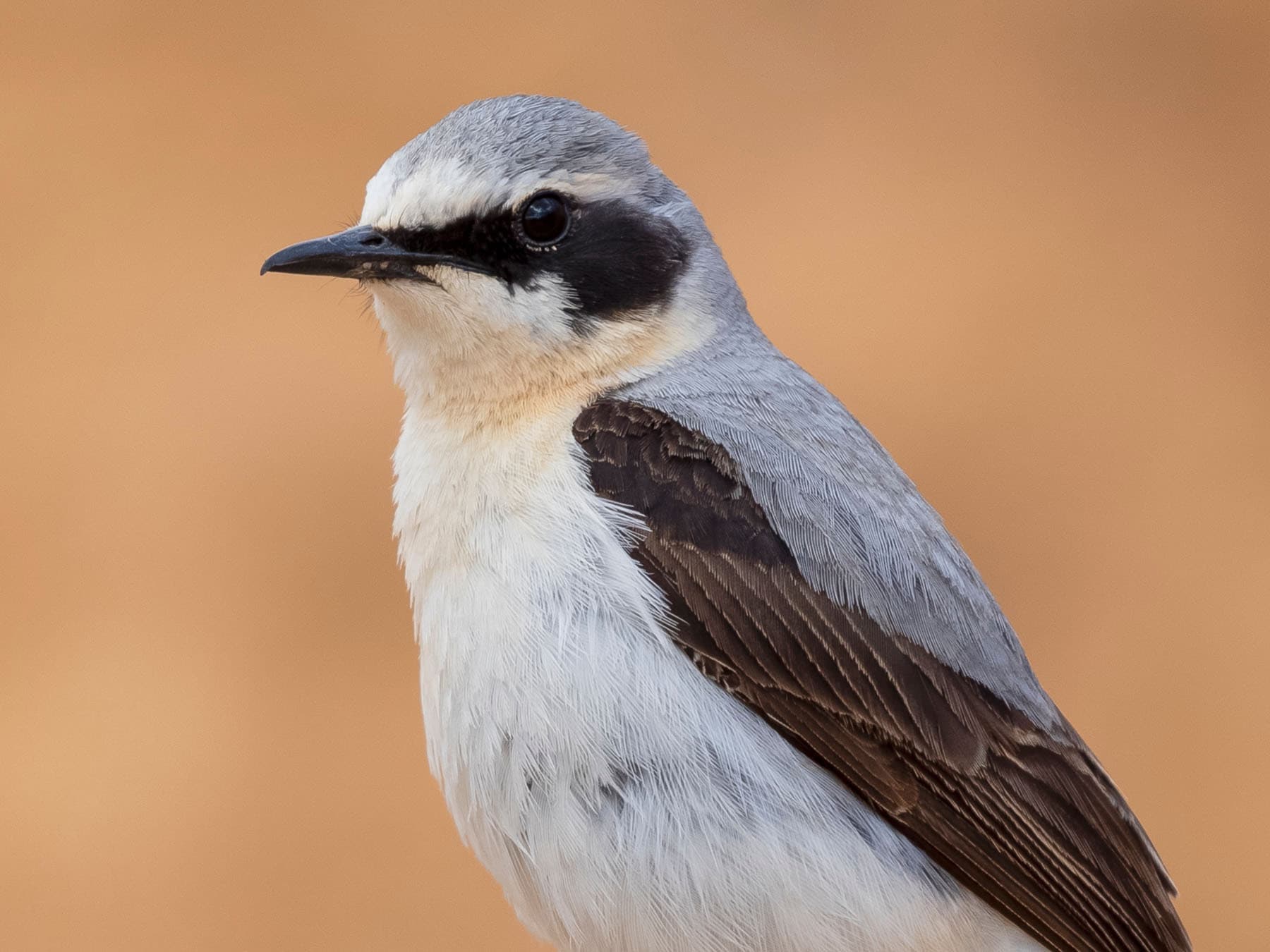
Wheatear
Oenanthe oenantheLC
An uncommon breeder found on Suffolk's coastal shingle and open grassland from March to October. Often bobs and flits low to the ground.
Mar–Oct
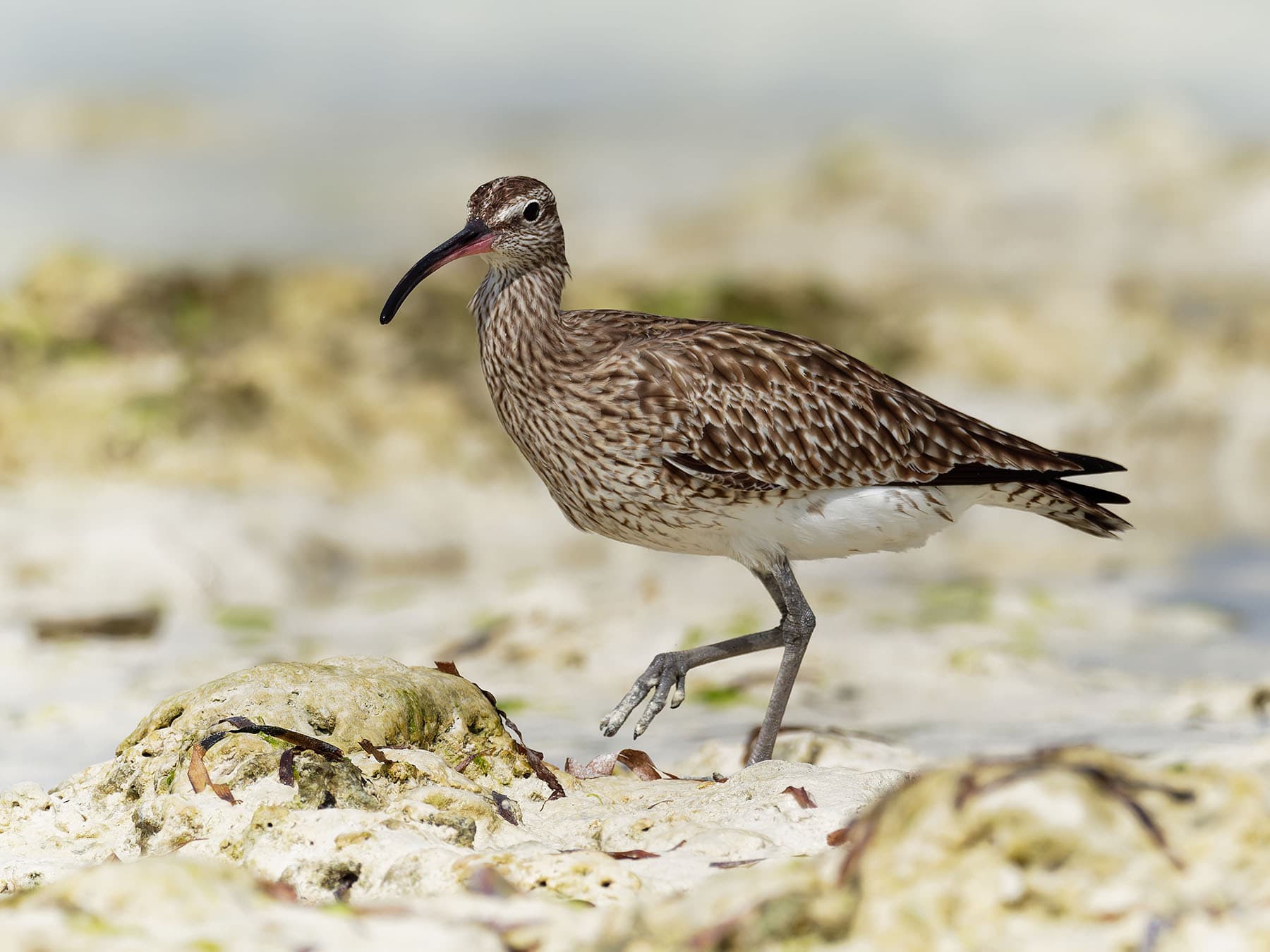
Whimbrel
Numenius phaeopusLC
An uncommon summer visitor, passing through coastal marshes and estuaries from April to September. Its distinctive rippling call carries across mudflats.
Apr–Sep
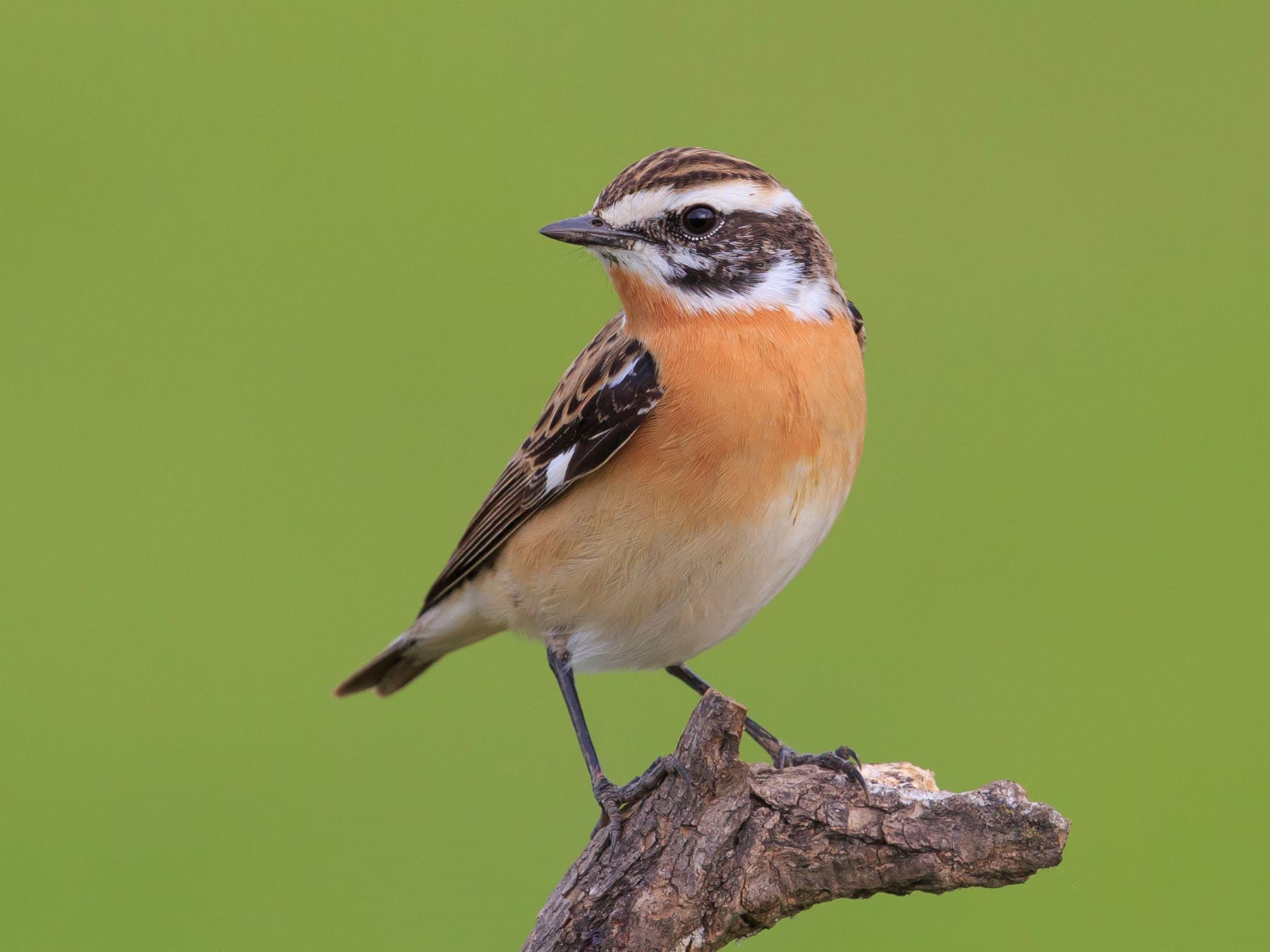
Whinchat
Saxicola rubetraLC
An uncommon passage migrant seen in spring and autumn on Suffolk's coastal scrub and marshes. Does not breed locally.
May–Oct
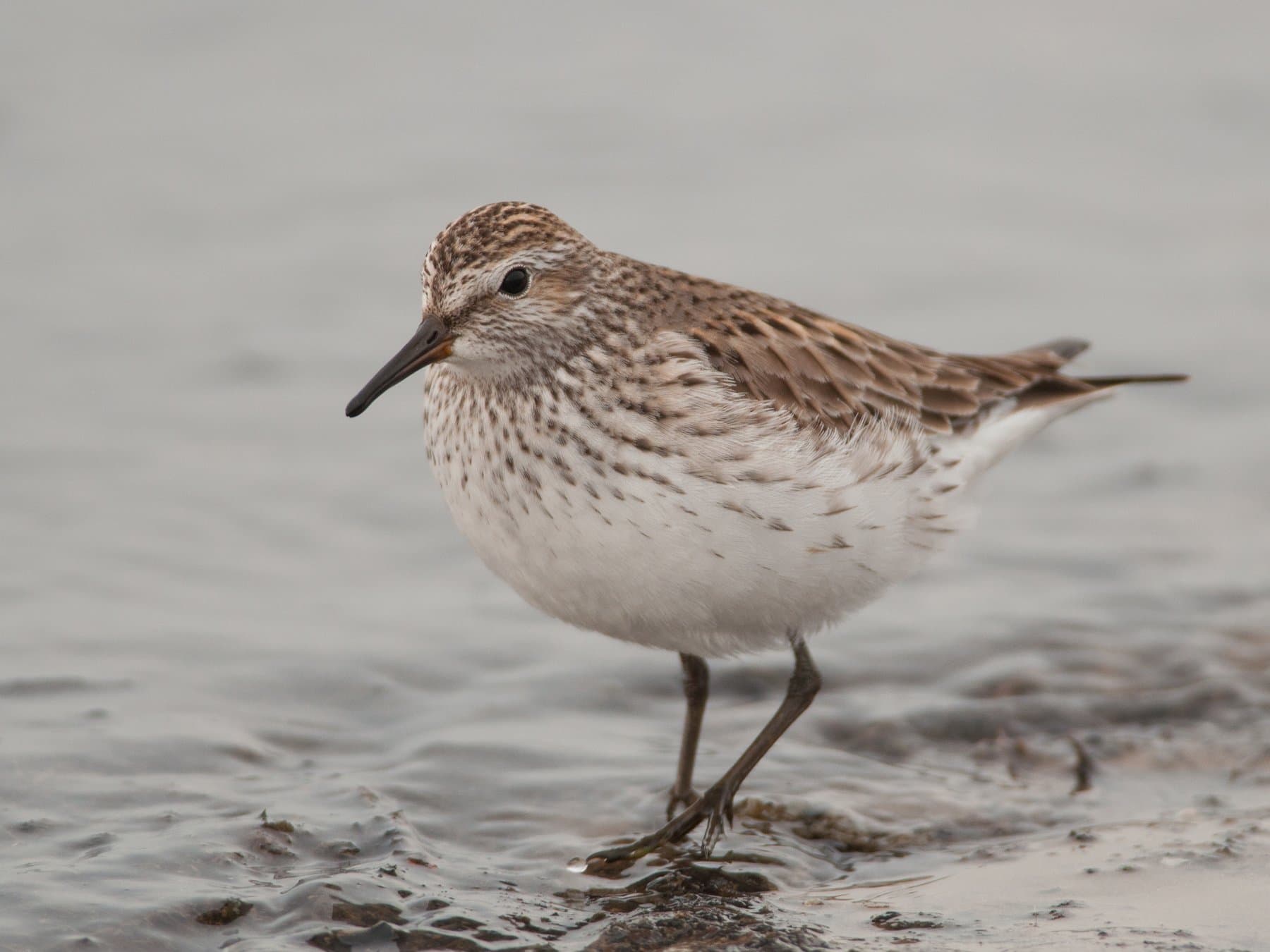
White-rumped Sandpiper
Calidris fuscicollisVU
A rare transatlantic vagrant occasionally recorded at coastal pools and lagoons, mainly in late summer. Always a notable Suffolk record.
Jul–Dec
Spotted something?
Upload a photo to identify it
Identify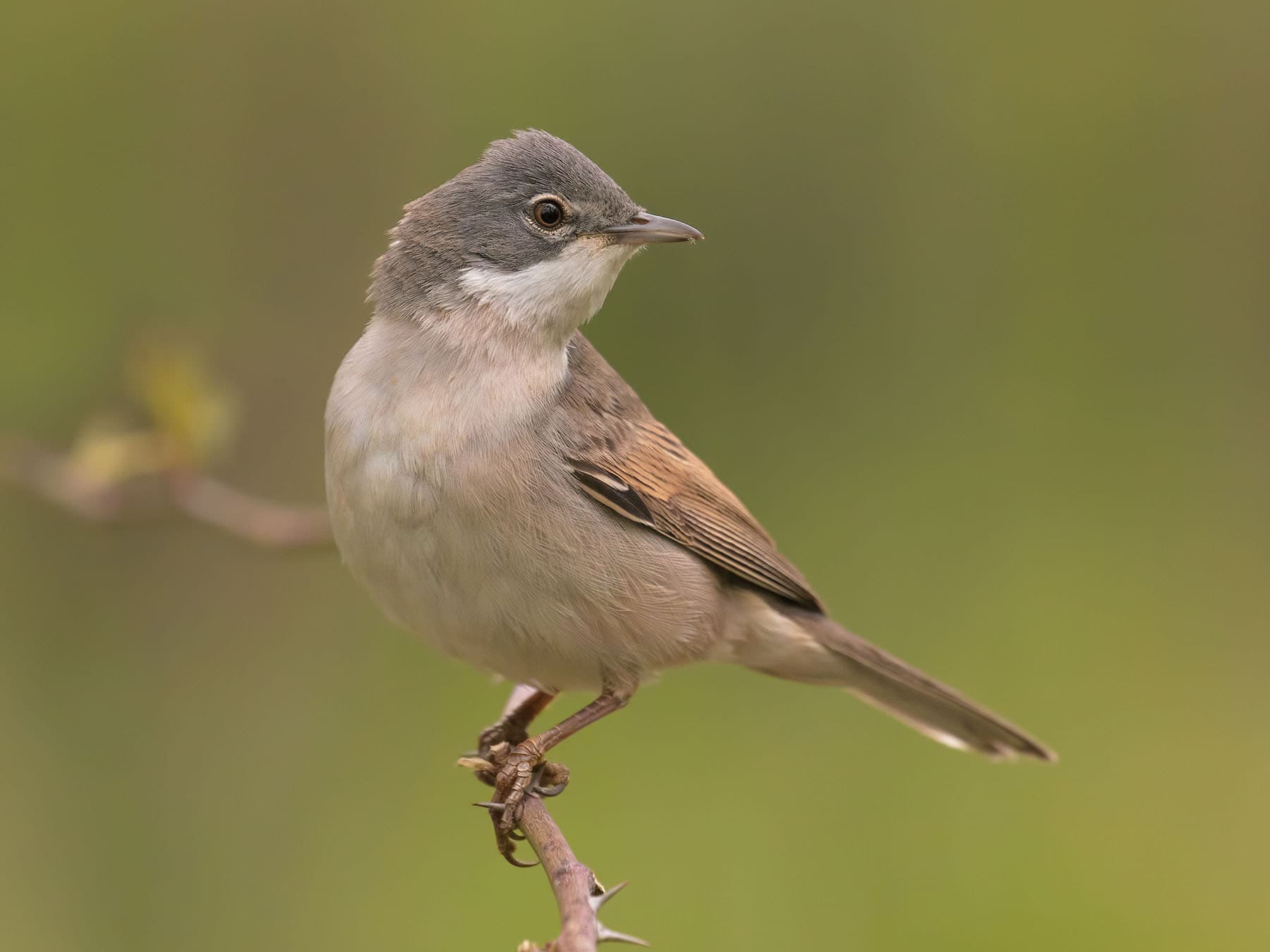
Whitethroat
Curruca communisLC
A common summer visitor breeding in hedgerows, scrub and field margins. Its scratchy song is a familiar sound across Suffolk farmland.
Apr–Sep
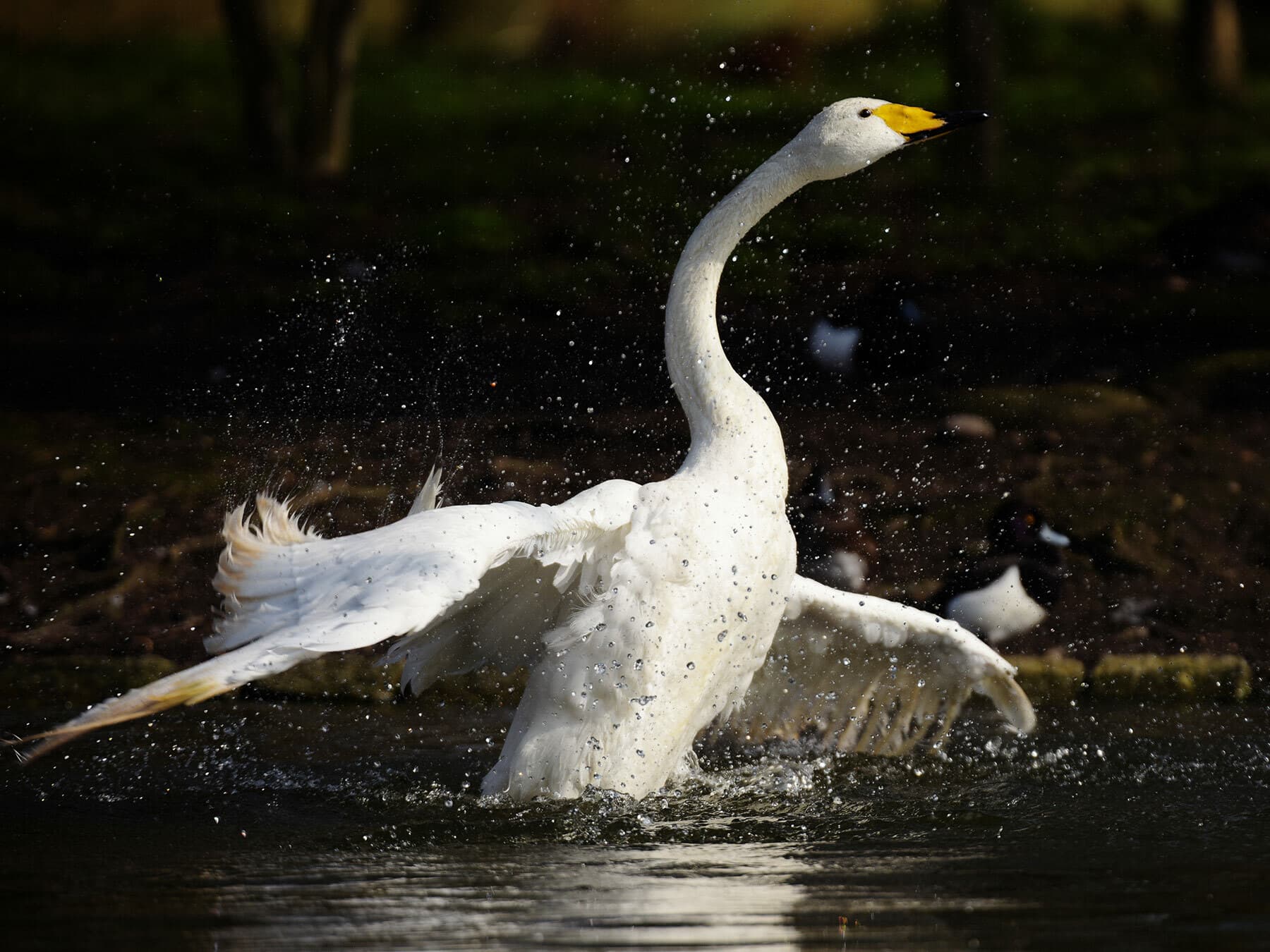
Whooper Swan
Cygnus cygnusLC
An uncommon winter visitor, arriving from Iceland and Scandinavia from October. Small herds favour the Ouse and Stour Washes and coastal grazing marshes.
Oct–Mar
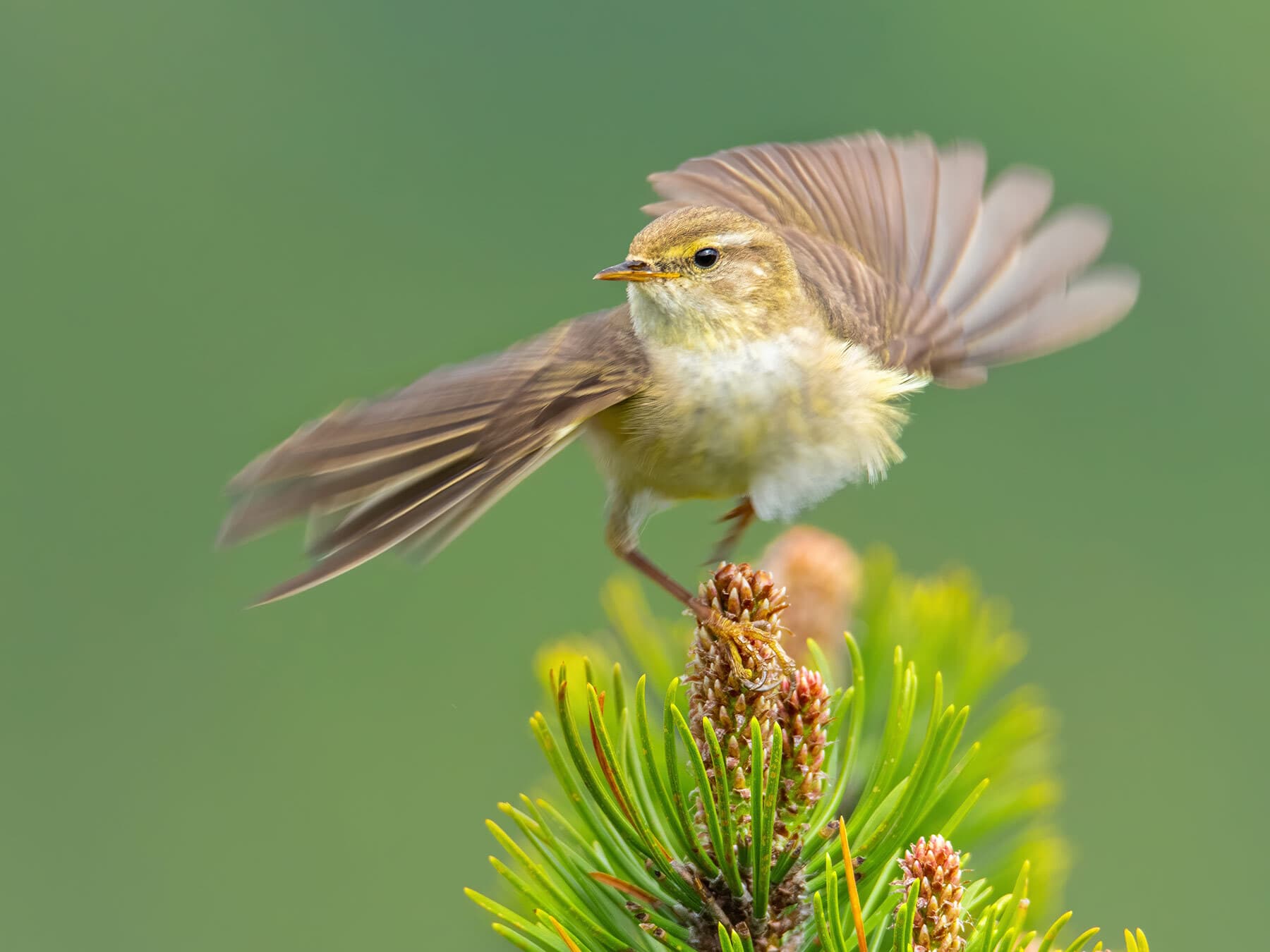
Willow Warbler
Phylloscopus trochilusLC
An uncommon breeding summer visitor, favouring scrubby woodland edges and heathland. Has declined notably in lowland Suffolk.
Apr–Oct
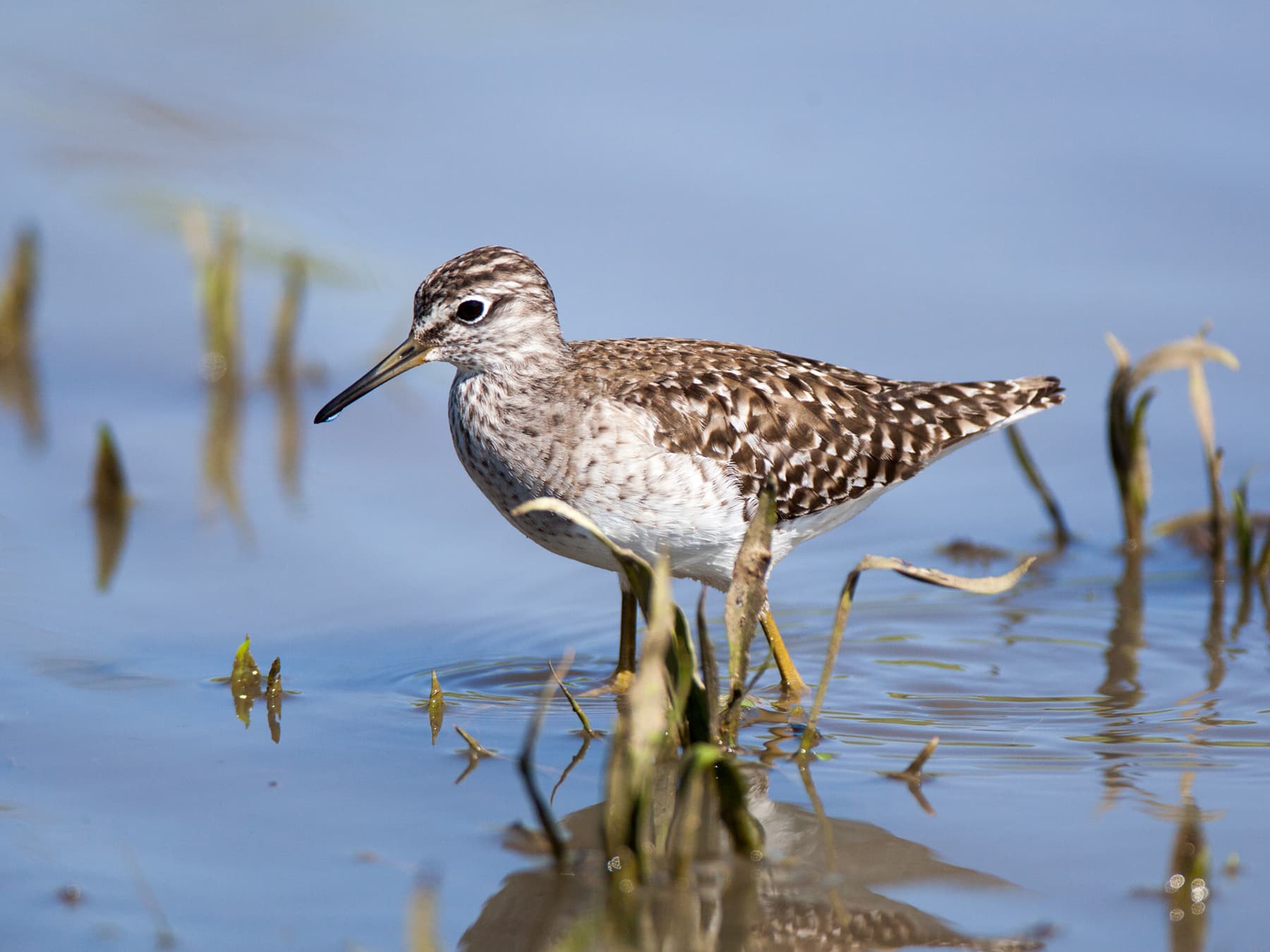
Wood Sandpiper
Tringa glareolaLC
A rare breeder and passage migrant, found at Suffolk's freshwater marshes and scrapes from April to September.
Apr–Sep
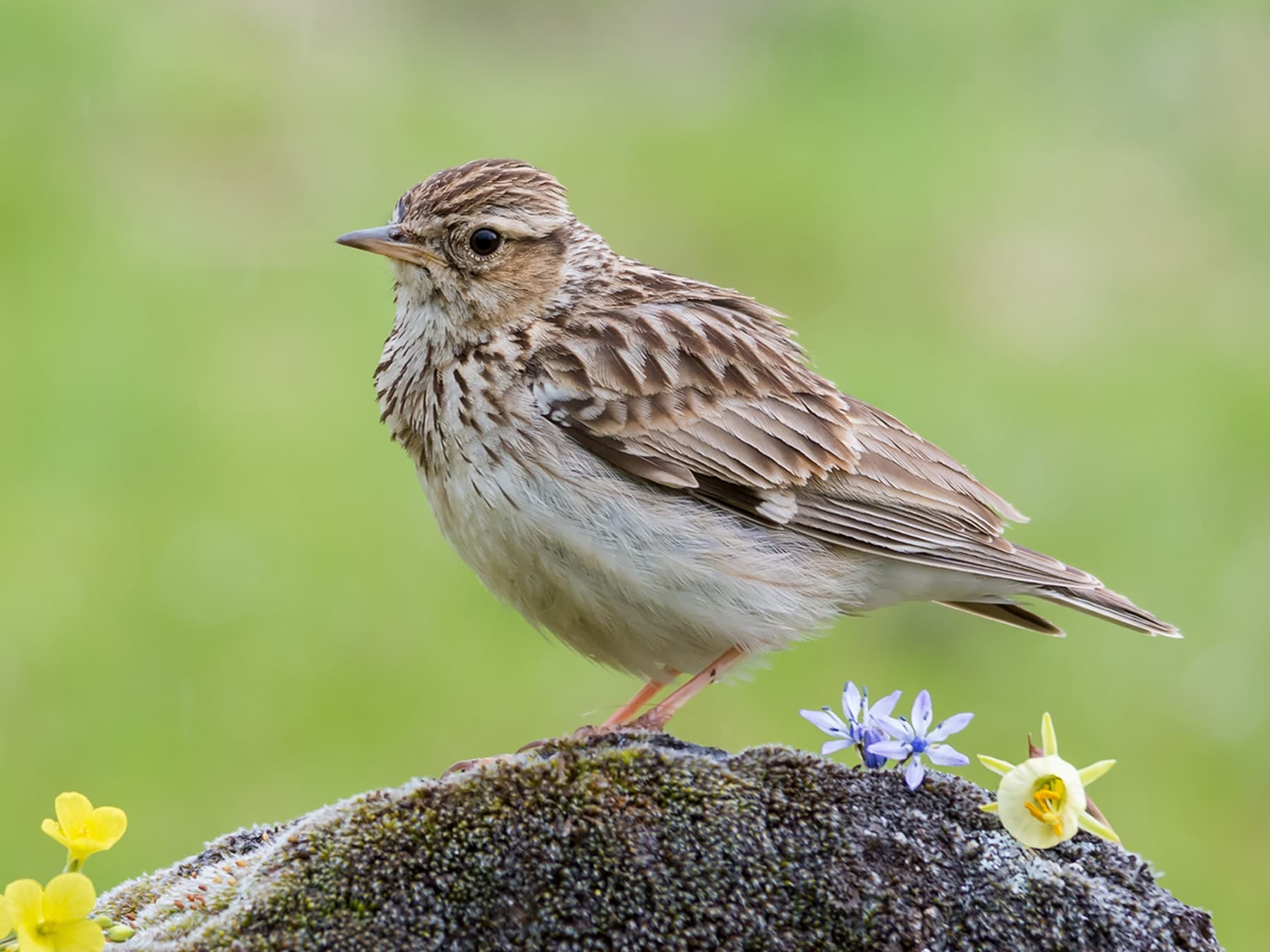
Woodlark
Lullula arboreaLC
An uncommon resident of Suffolk's Breckland and Sandlings heaths. Its melodious song can be heard from early spring over open sandy ground.
Jan–Nov
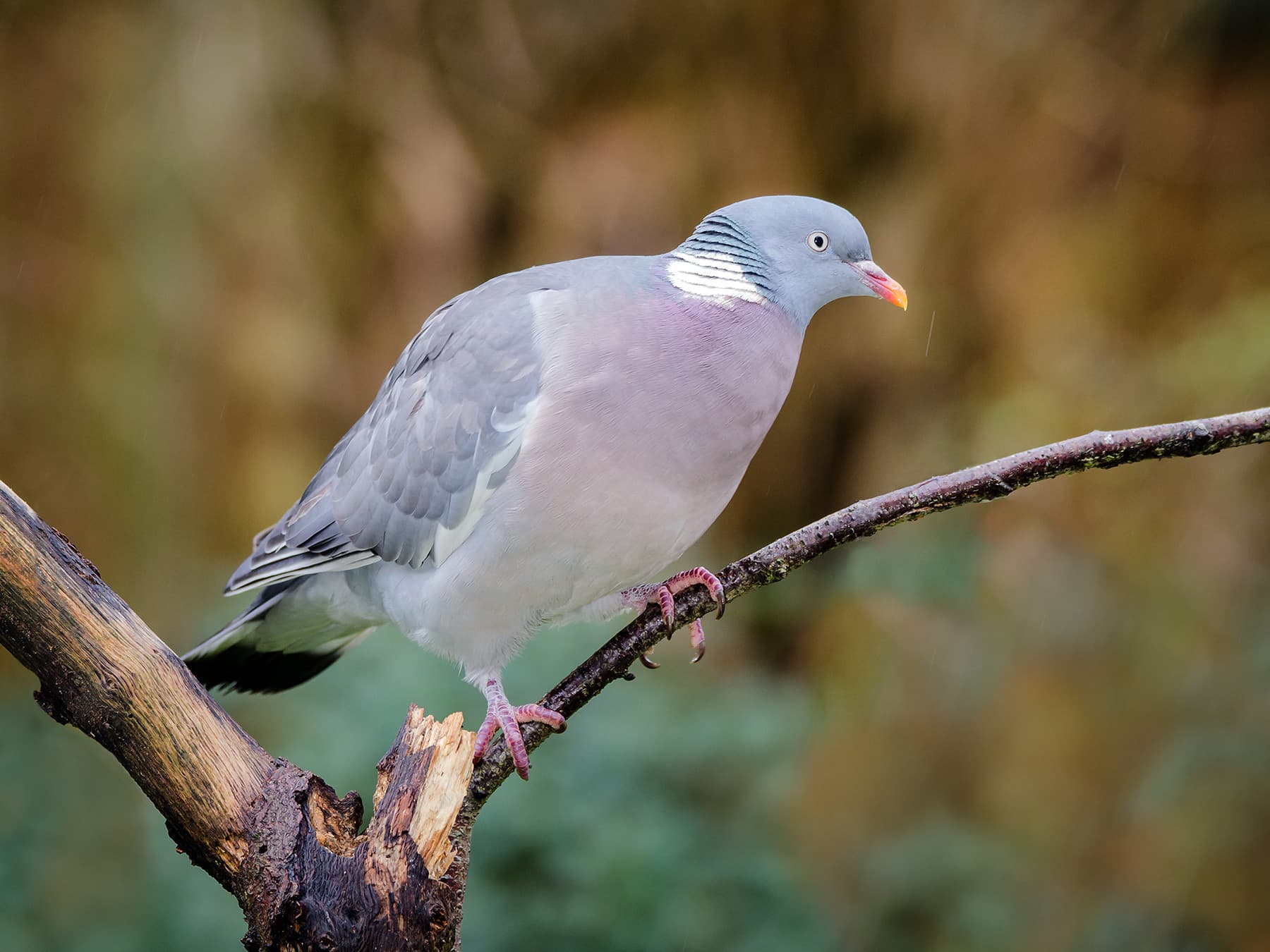
Woodpigeon
Columba palumbusLC
An abundant resident found in woodlands, farmland and gardens throughout Suffolk. Large autumn flocks gather on arable fields.
Year-round
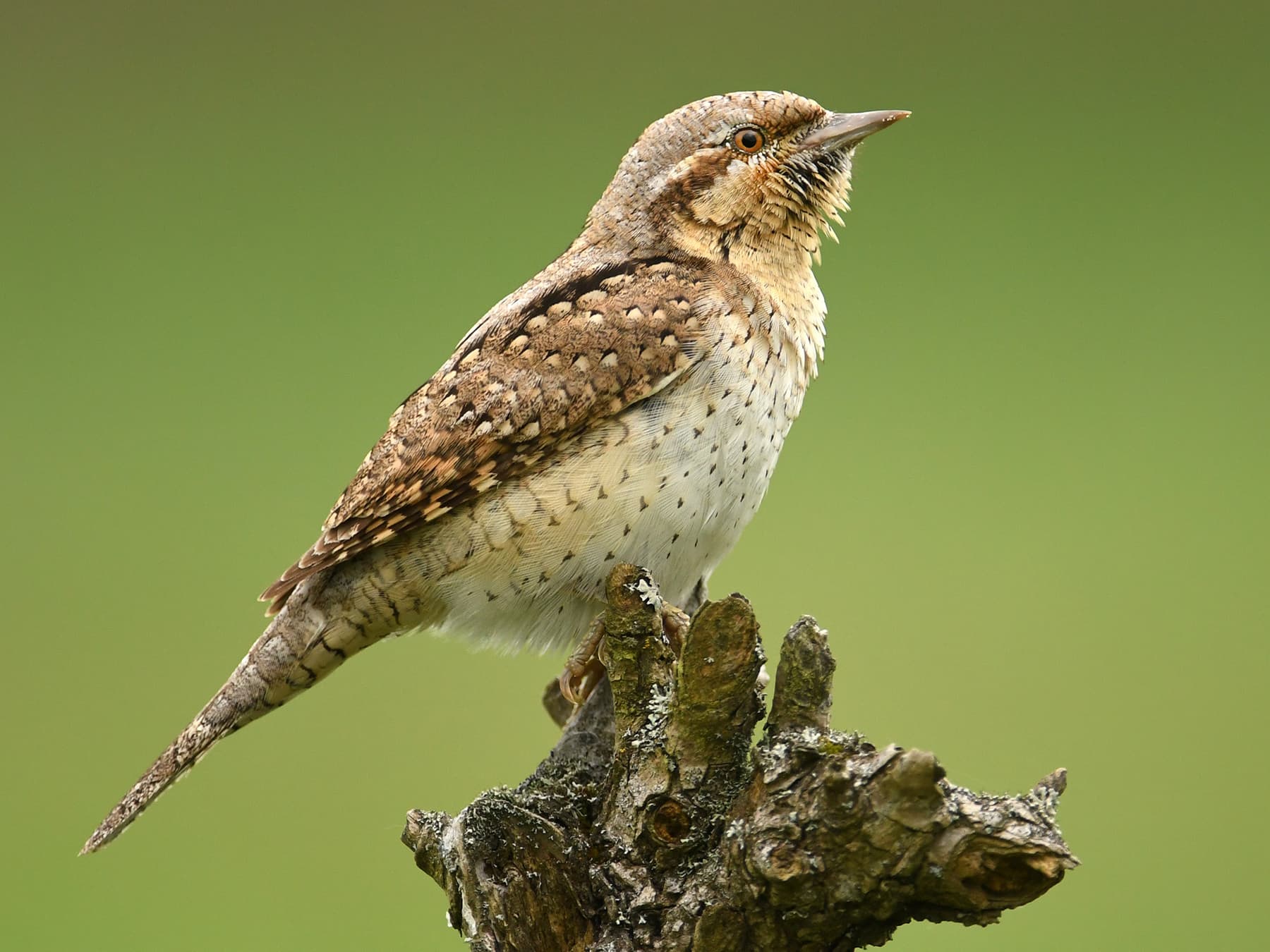
Wryneck
Jynx torquillaLC
A rare autumn passage migrant, most often found in coastal scrub and gardens during August and September.
Aug–Sep
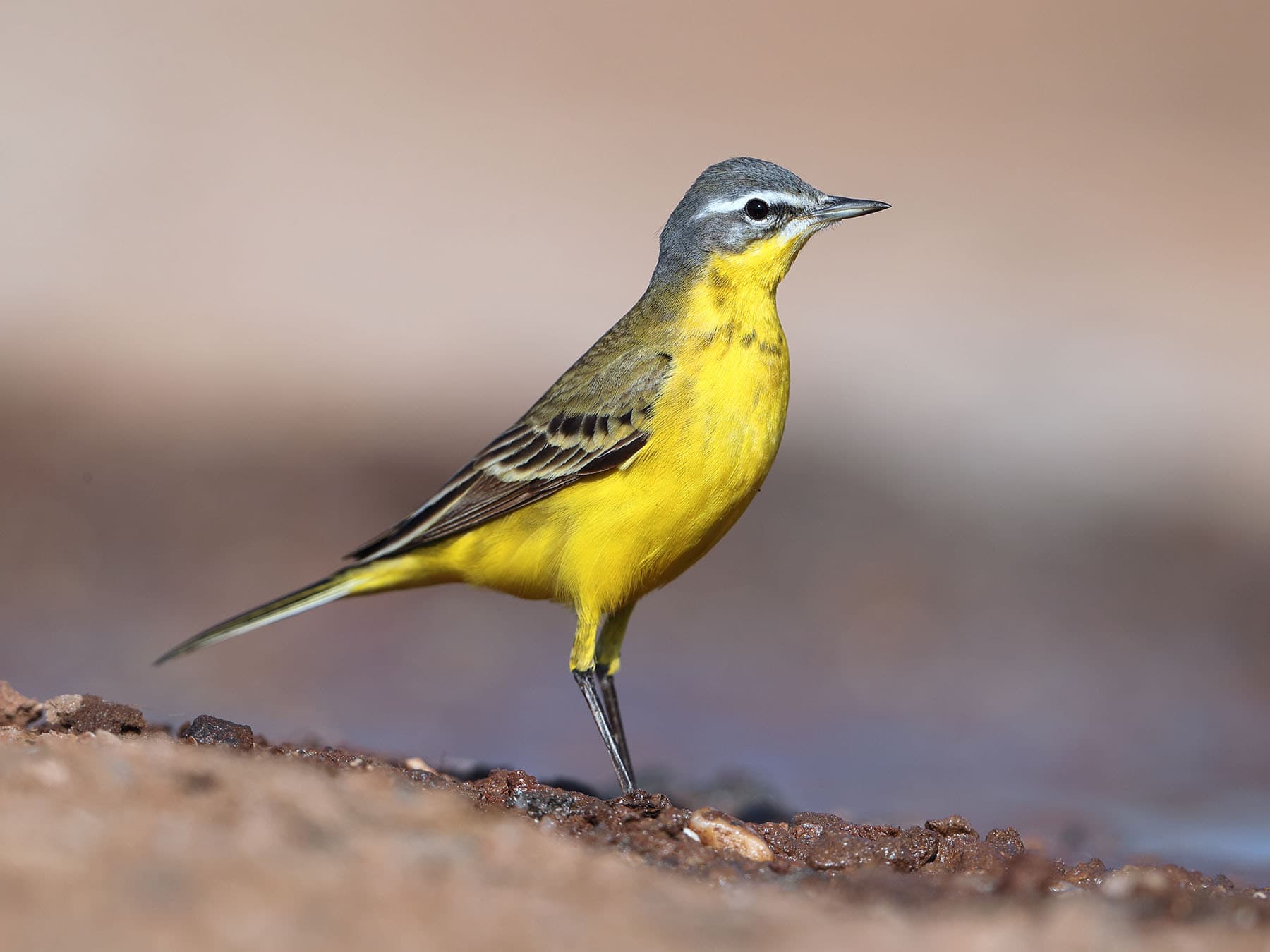
Yellow Wagtail
Motacilla flavaLC
An uncommon summer breeder on Suffolk's damp meadows and arable fields from April to September. Numbers have declined significantly in recent decades.
Apr–Sep
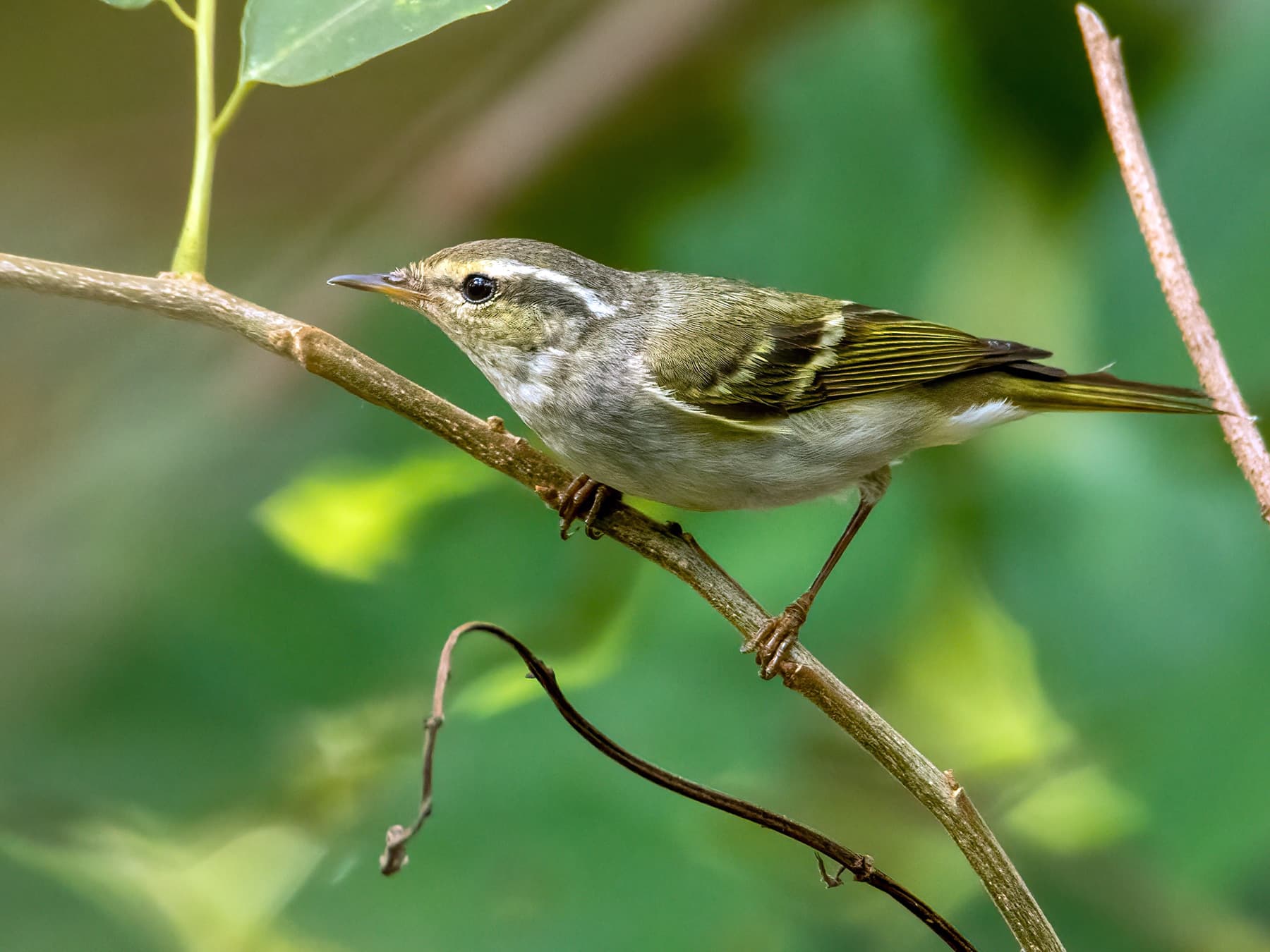
Yellow-browed Warbler
Phylloscopus inornatusLC
An uncommon autumn passage migrant in October, found in coastal scrub and woodland edges. A Siberian waif eagerly sought by birders.
Oct
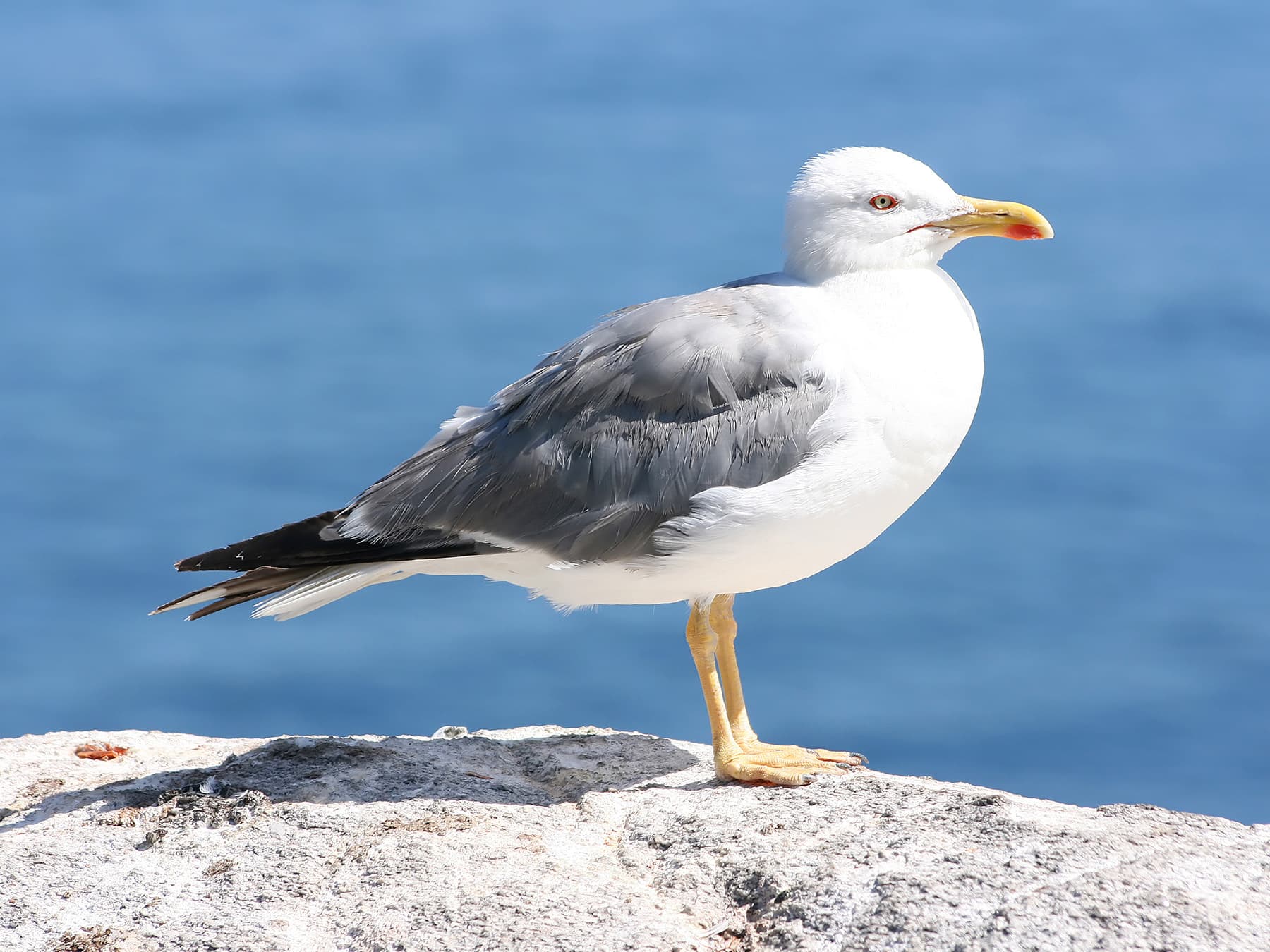
Yellow-legged Gull
Larus michahellisLC
A rare but regular visitor to Suffolk's coast and estuaries, present most months. Look for bright yellow legs and darker grey mantle than Herring Gull.
Jun–Apr
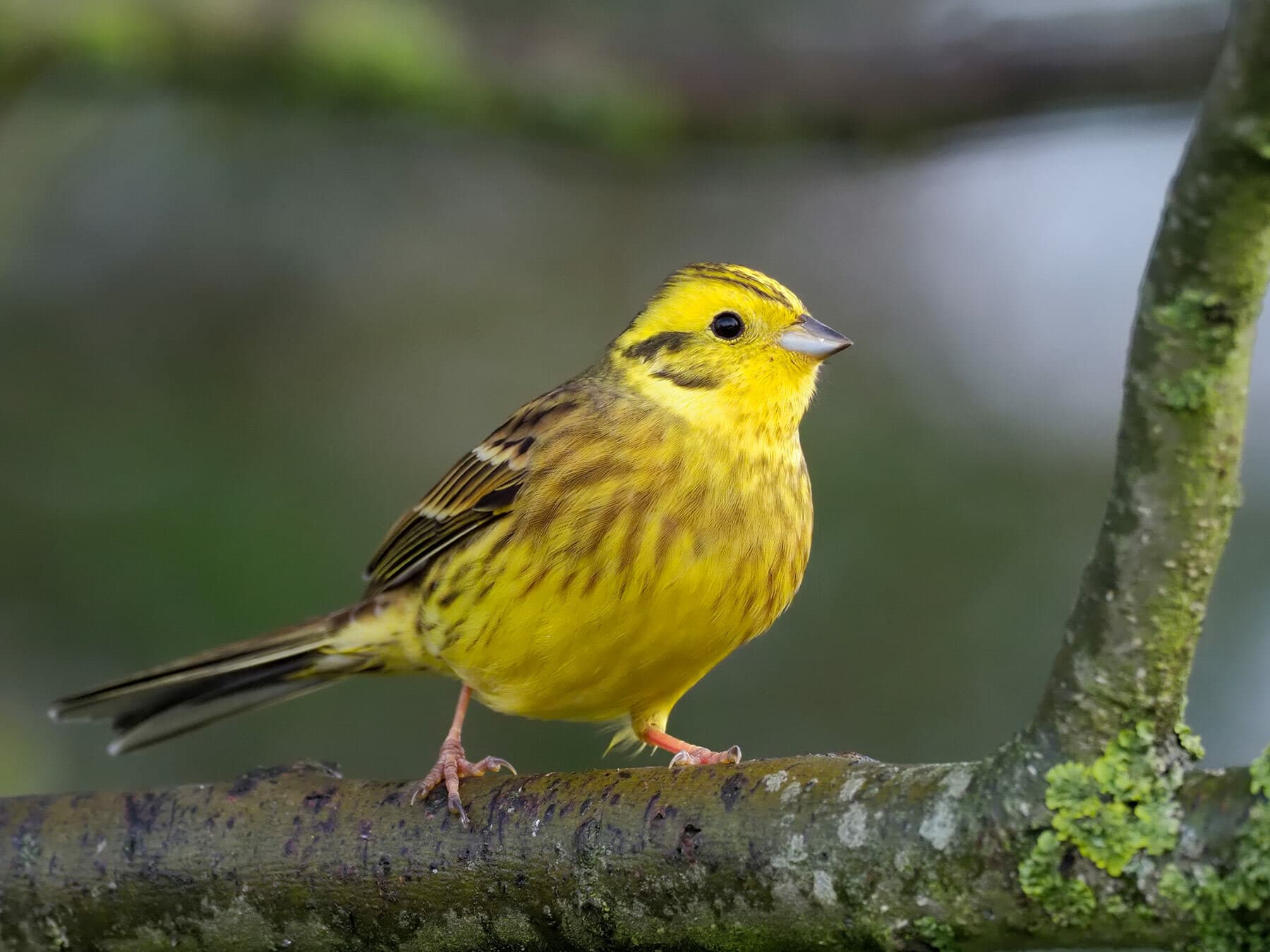
Yellowhammer
Emberiza citrinellaLC
An uncommon but year-round resident of Suffolk's arable farmland and hedgerows. Its bright yellow head and jangling song are distinctive.
Year-round