Sandpipers & Snipes in Nottinghamshire
20 species matching this filter.
Nottinghamshire supports an impressive diversity of sandpipers and snipes, with 20 species recorded across the county's river valleys, reservoirs, and wetland habitats. The Trent Valley and sites such as Attenborough Nature Reserve provide vital stopover and wintering grounds for waders including Black-tailed Godwit, Common Snipe, and Greenshank. Scarcer visitors such as Curlew Sandpiper and Bar-tailed Godwit add excitement during migration periods, while the Eurasian Woodcock can be found in the county's mature woodlands.


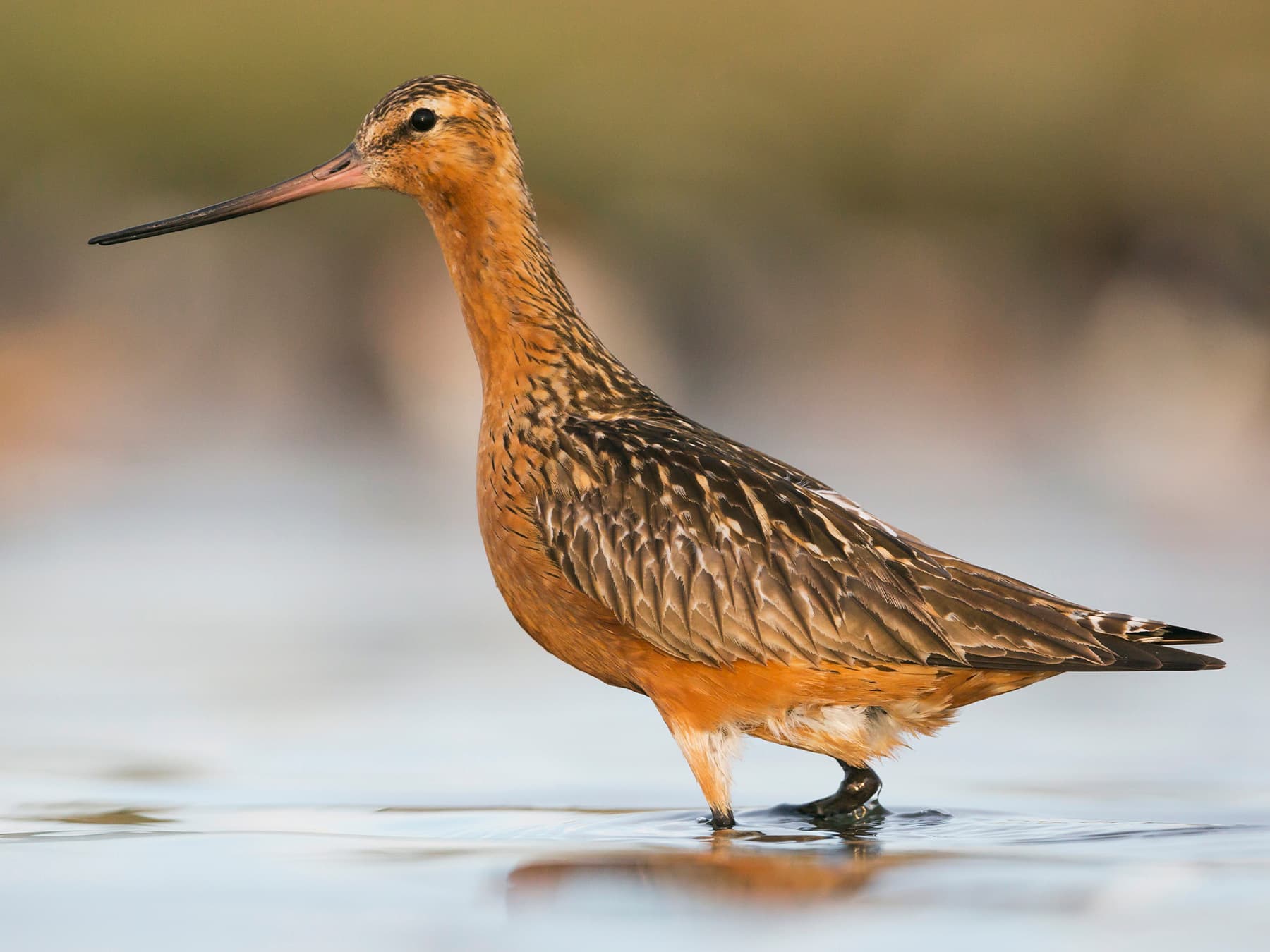
Bar-tailed Godwit
Limosa lapponicaNT
A rare spring passage visitor, occasionally stopping at wetland reserves like Attenborough in April on its way to Arctic breeding grounds.
Apr
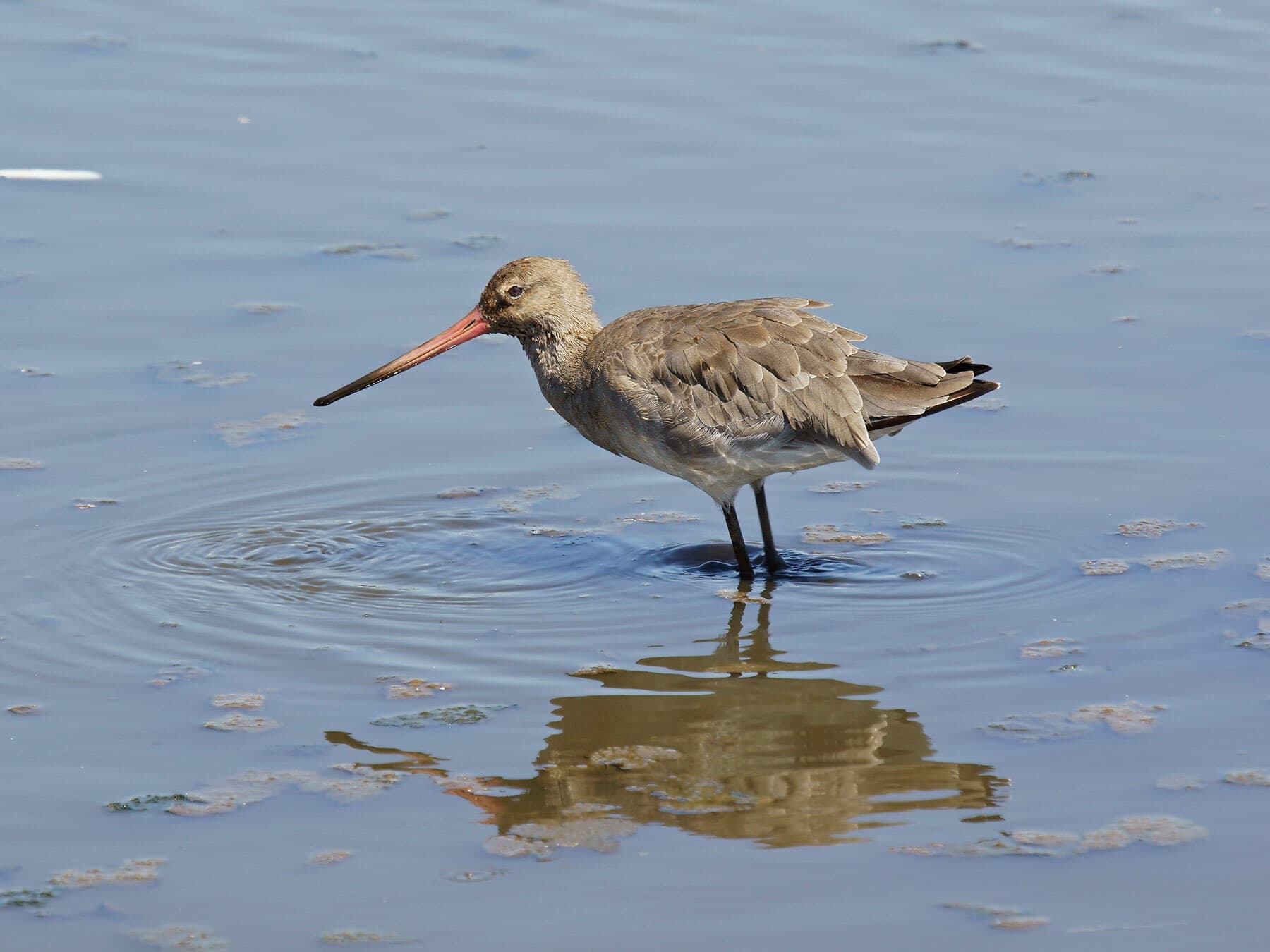
Black-tailed Godwit
Limosa limosaNT
A rare breeder at managed wetland reserves, present from April to October. Langford Lowfields is a key county site.
Apr–Oct
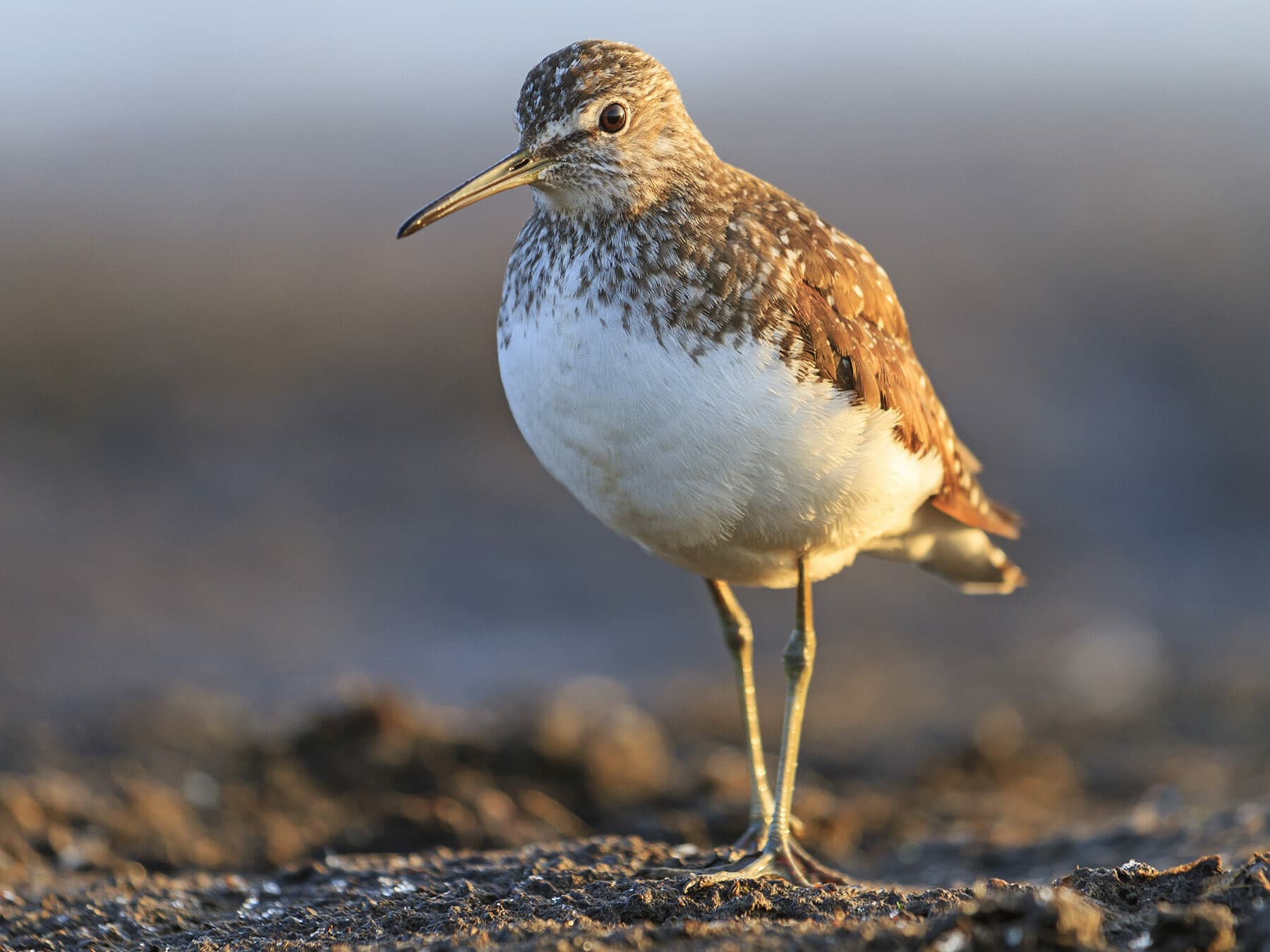
Common Sandpiper
Actitis hypoleucosLC
An uncommon breeder along rivers and gravel pits from April to October, often seen bobbing on rocks at the water's edge.
Apr–Oct
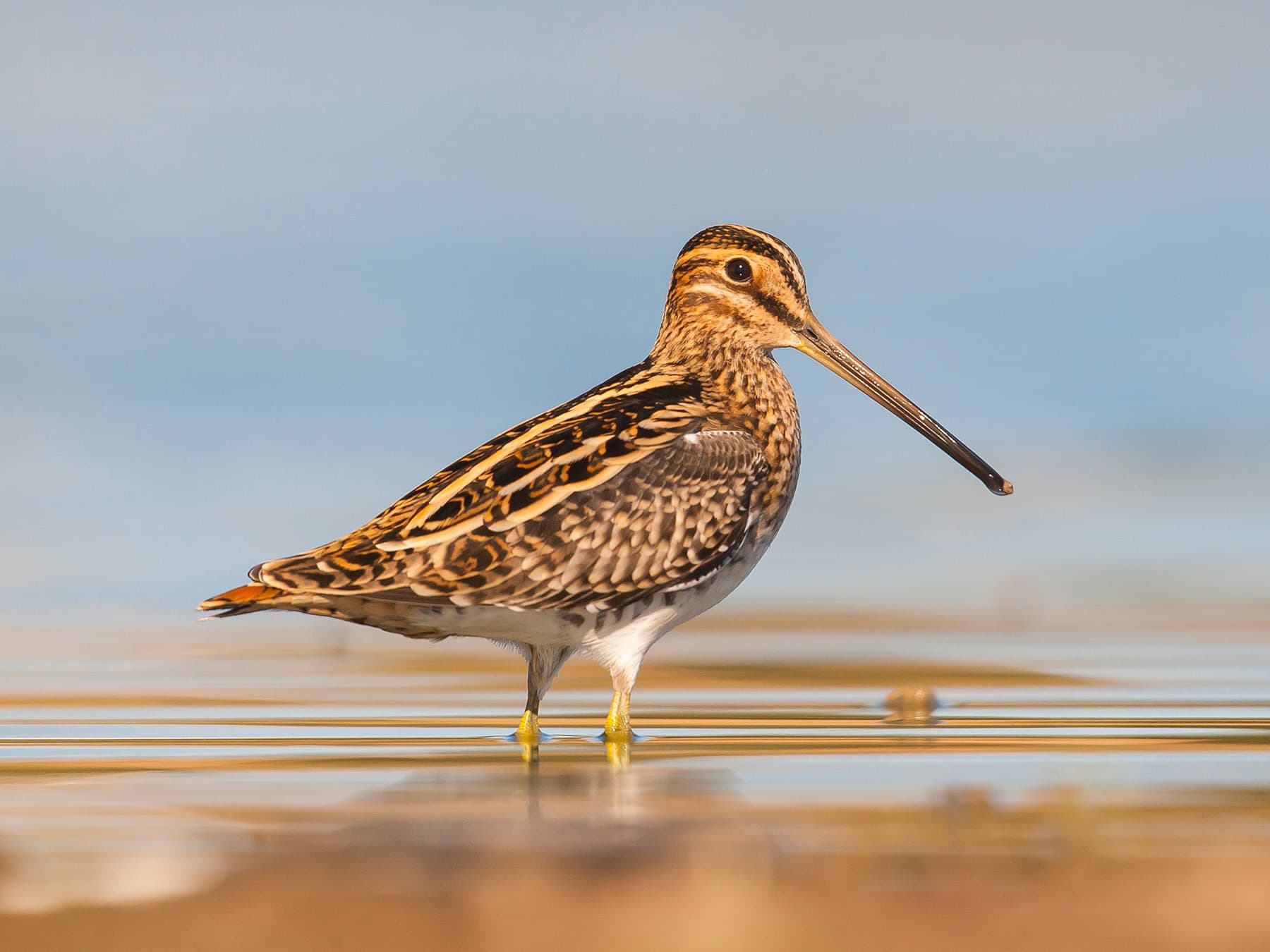
Common Snipe
Gallinago gallinagoLC
An uncommon resident found in marshy fields and wetland edges. Numbers increase in winter, with drumming displays heard over suitable bogs in spring.
Jul–May
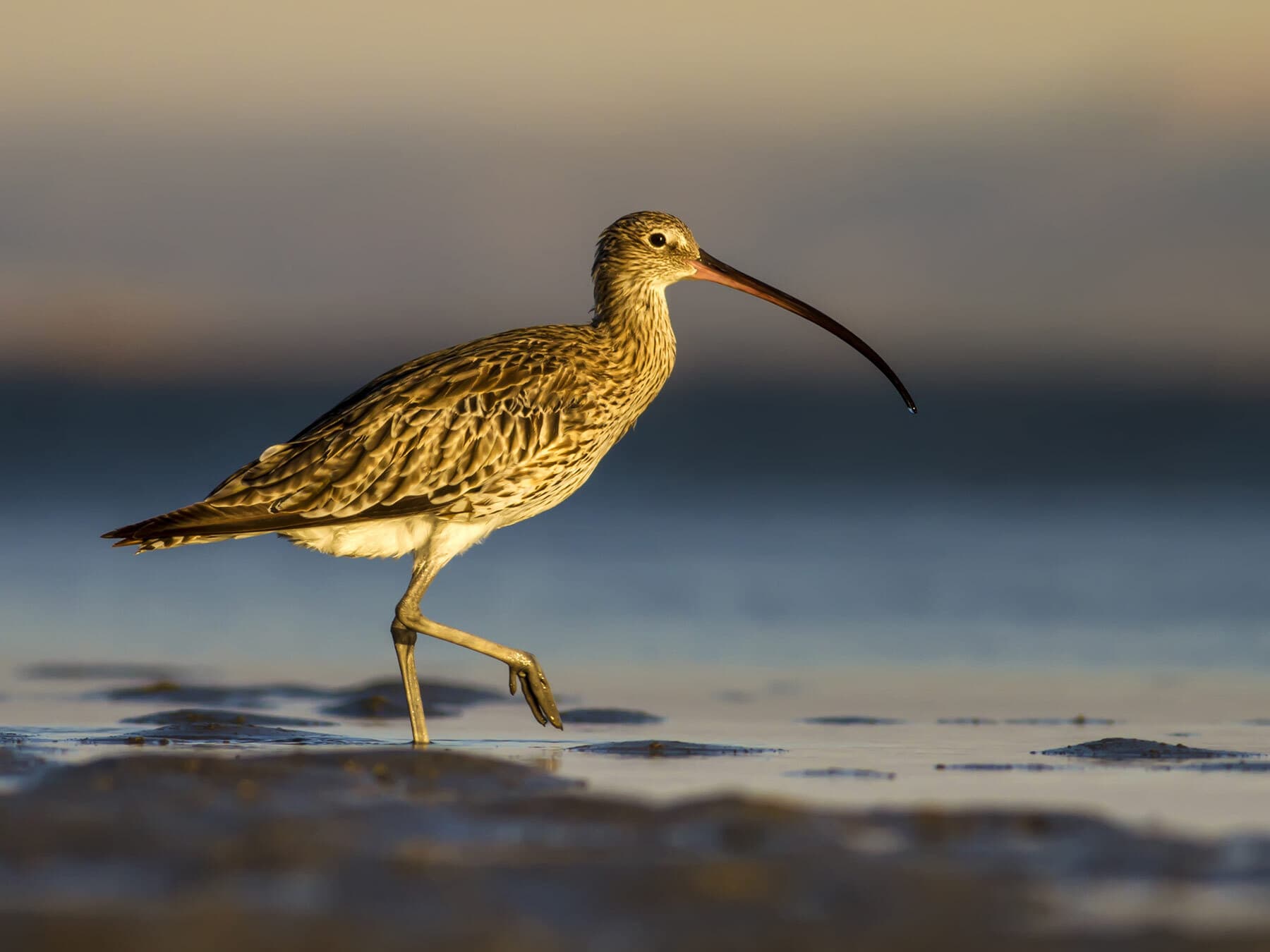
Curlew
Numenius arquataNT
A rare and declining resident, breeding on damp pastures in the north of the county. Passage birds visit Trent Valley wetlands.
Mar–Jan
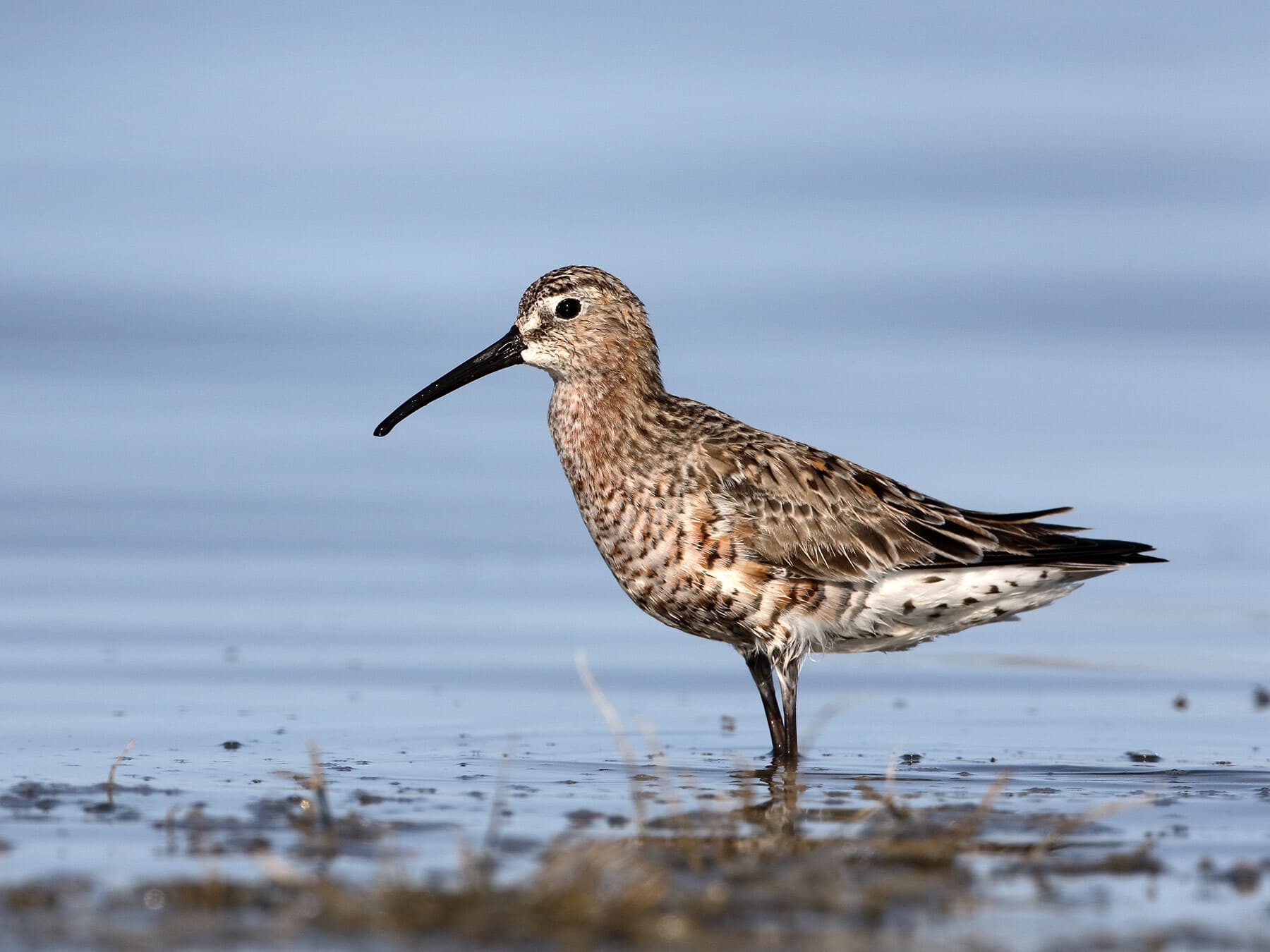
Curlew Sandpiper
Calidris ferrugineaNT
A rare passage wader in September and October, favouring exposed mud at reservoirs and gravel pits along the Trent Valley.
Sep–Oct
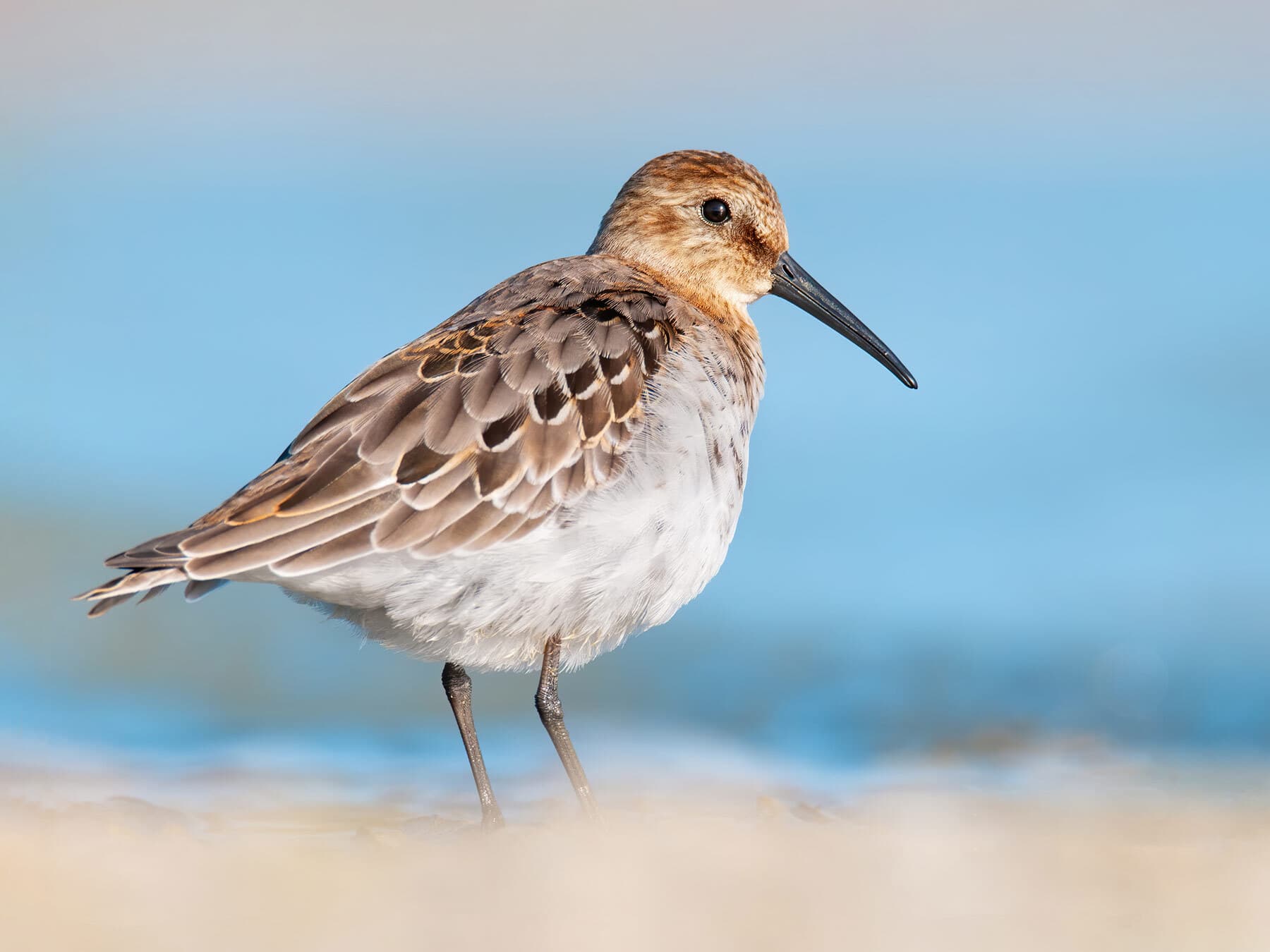
Dunlin
Calidris alpinaLC
A rare year-round presence at wetland sites, most often seen on passage or in winter at muddy reservoir margins.
Year-round
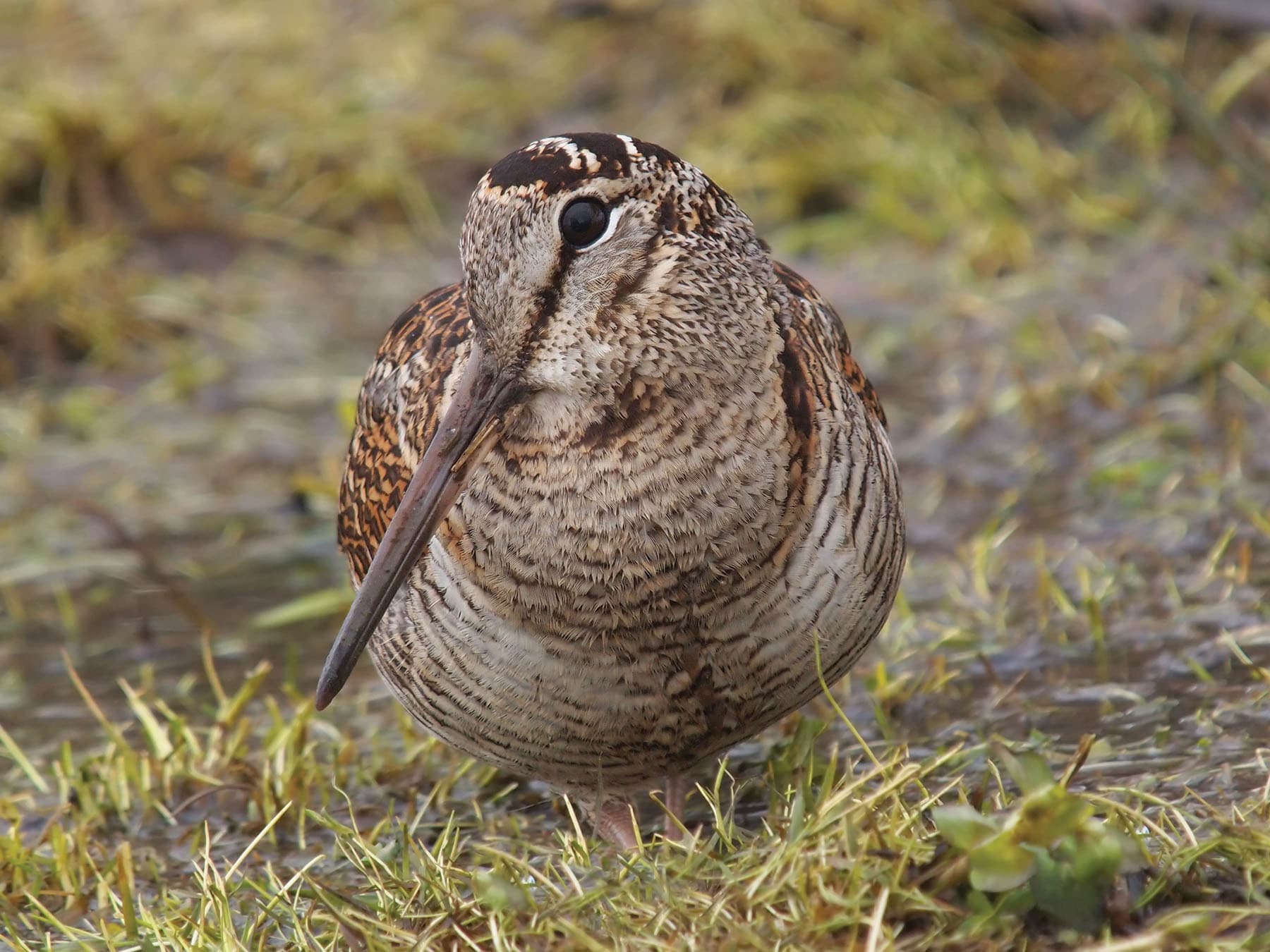
Eurasian Woodcock
Scolopax rusticolaLC
A secretive resident of damp woodland, most often encountered during winter when continental birds arrive and roding displays in spring.
Dec–Jul
Spotted something?
Upload a photo to identify it
Identify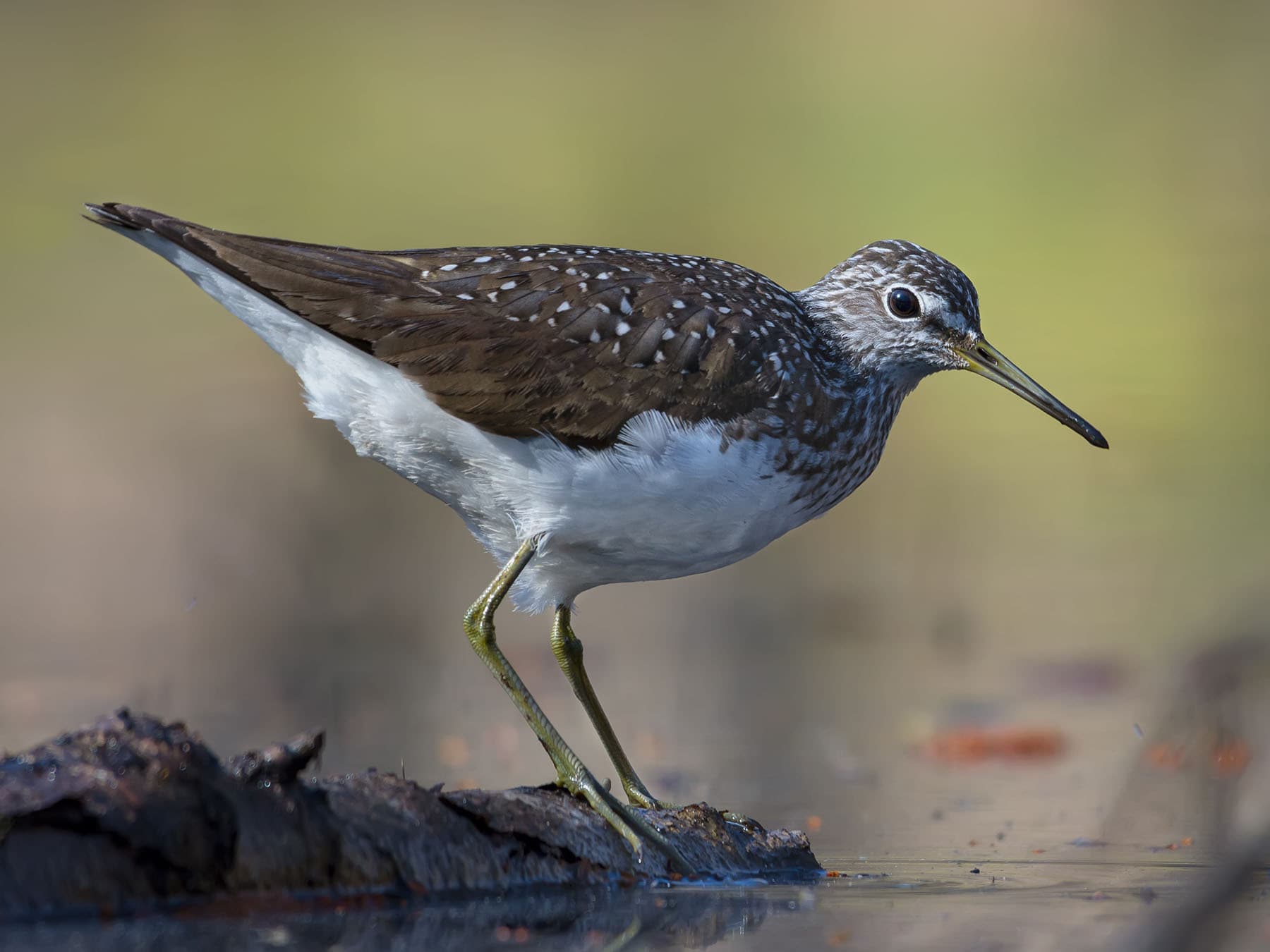
Green Sandpiper
Tringa ochropusLC
An uncommon but year-round visitor to muddy ditches and watercress beds. Often bobs along stream edges, flushing with a distinctive white rump.
Jun–Apr
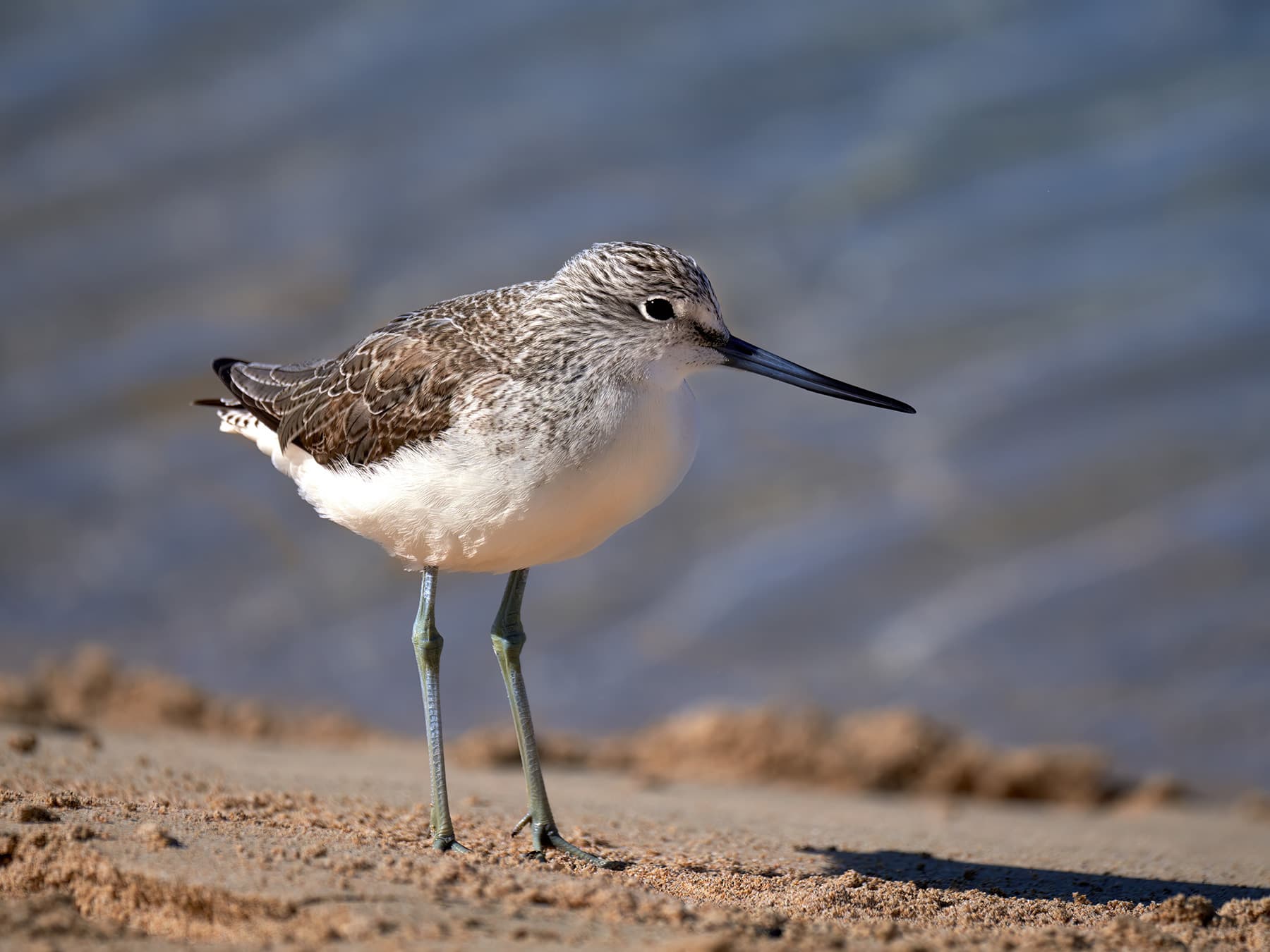
Greenshank
Tringa nebulariaLC
A rare breeder present from April to September, favouring gravel pits and reservoir margins. Its ringing call carries across the Trent Valley wetlands.
Apr–Sep
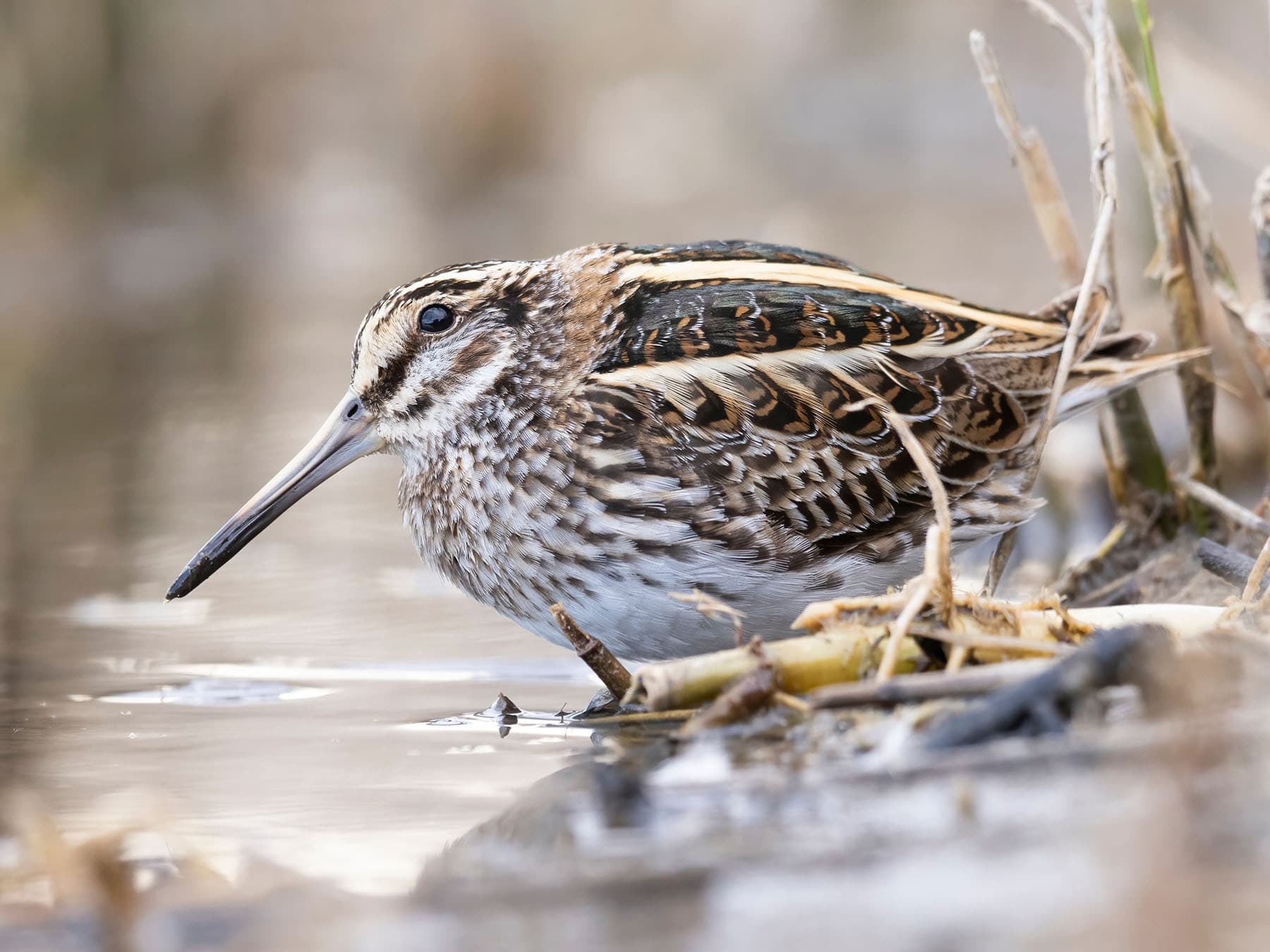
Jack Snipe
Lymnocryptes minimusLC
A secretive autumn passage visitor, rarely flushed from boggy margins at wetland sites in October. Easily overlooked due to its skulking habits.
Oct
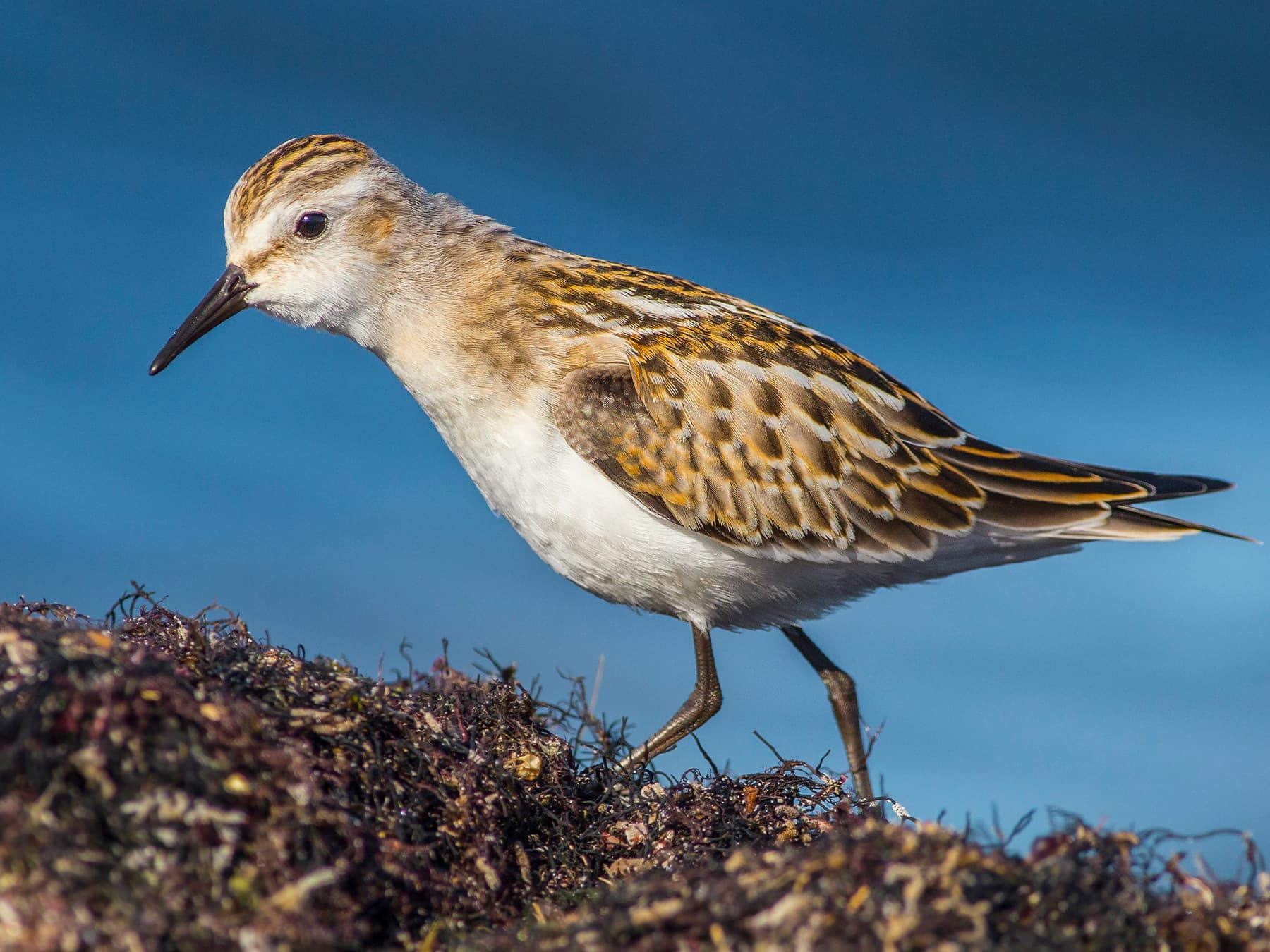
Little Stint
Calidris minutaLC
A rare autumn passage migrant in September and October, occasionally found feeding on muddy scrapes at county wetland reserves.
Sep–Oct
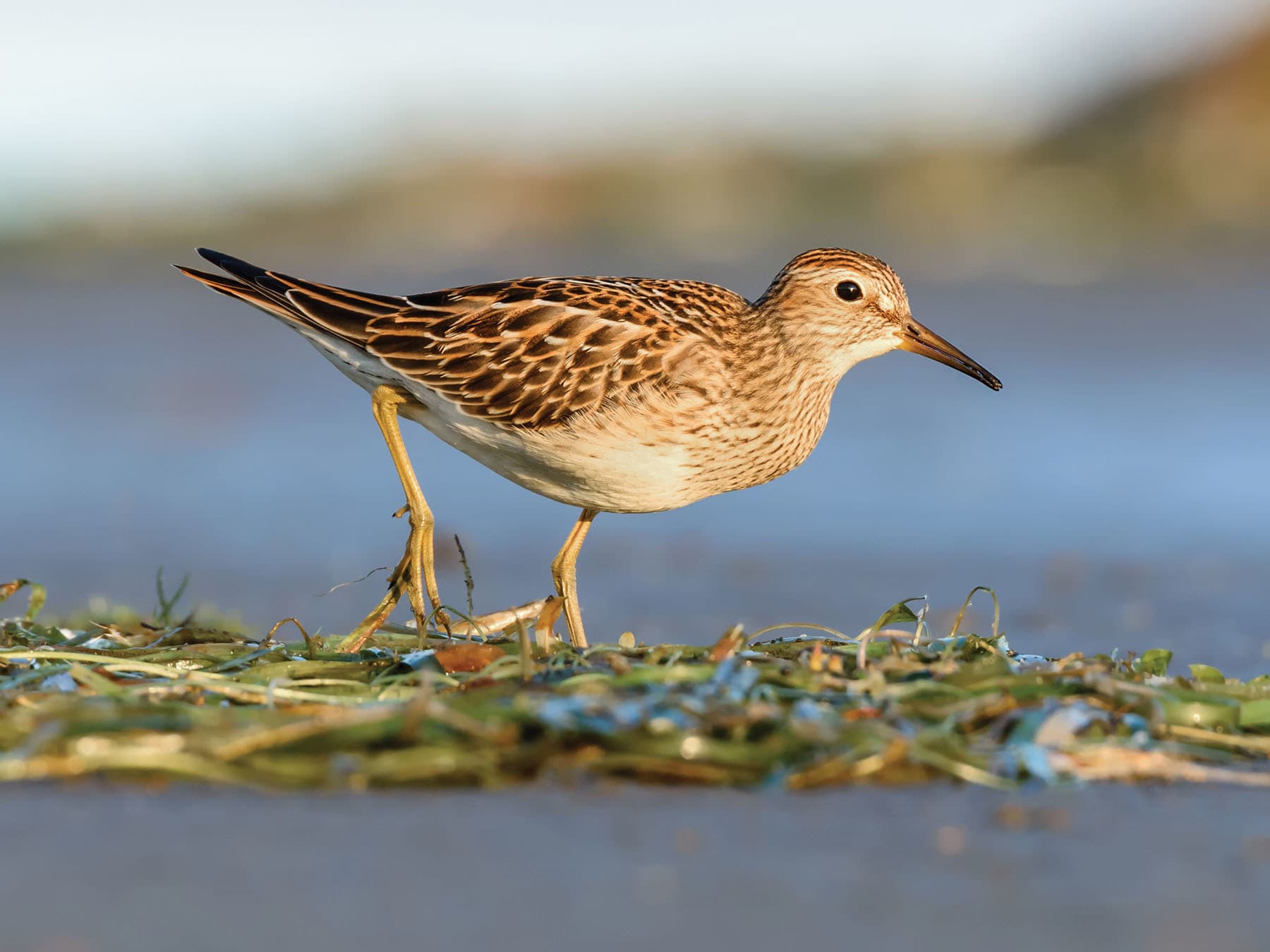
Pectoral Sandpiper
Calidris melanotosLC
A rare Nearctic vagrant appearing on autumn passage in September and October. A prized find at any of the county's wetland reserves.
Sep–Oct
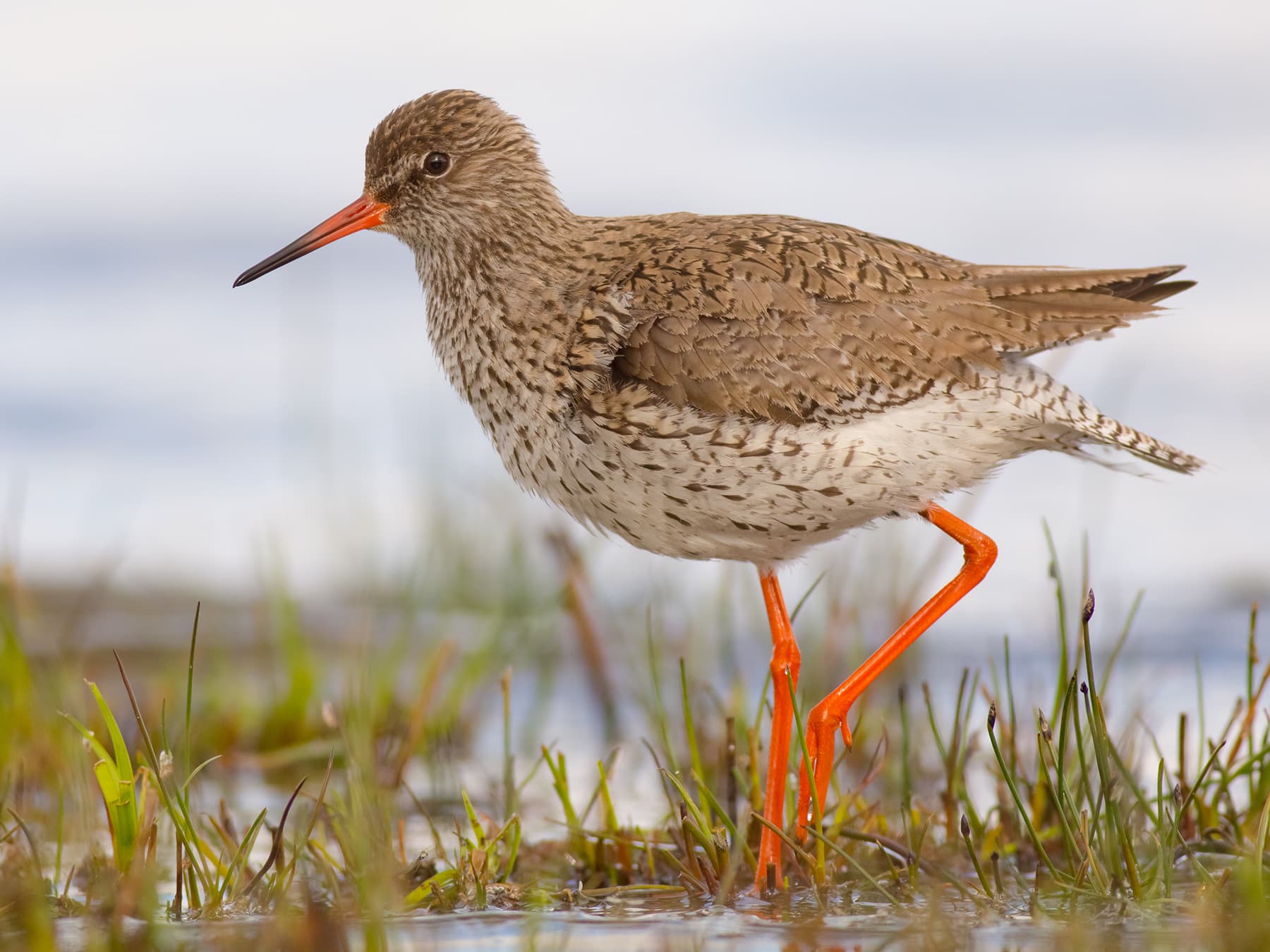
Redshank
Tringa totanusLC
An uncommon resident breeding on wet grasslands and marshes. Present all year at sites like the Idle Valley, with noisy alarm calls in spring.
Year-round
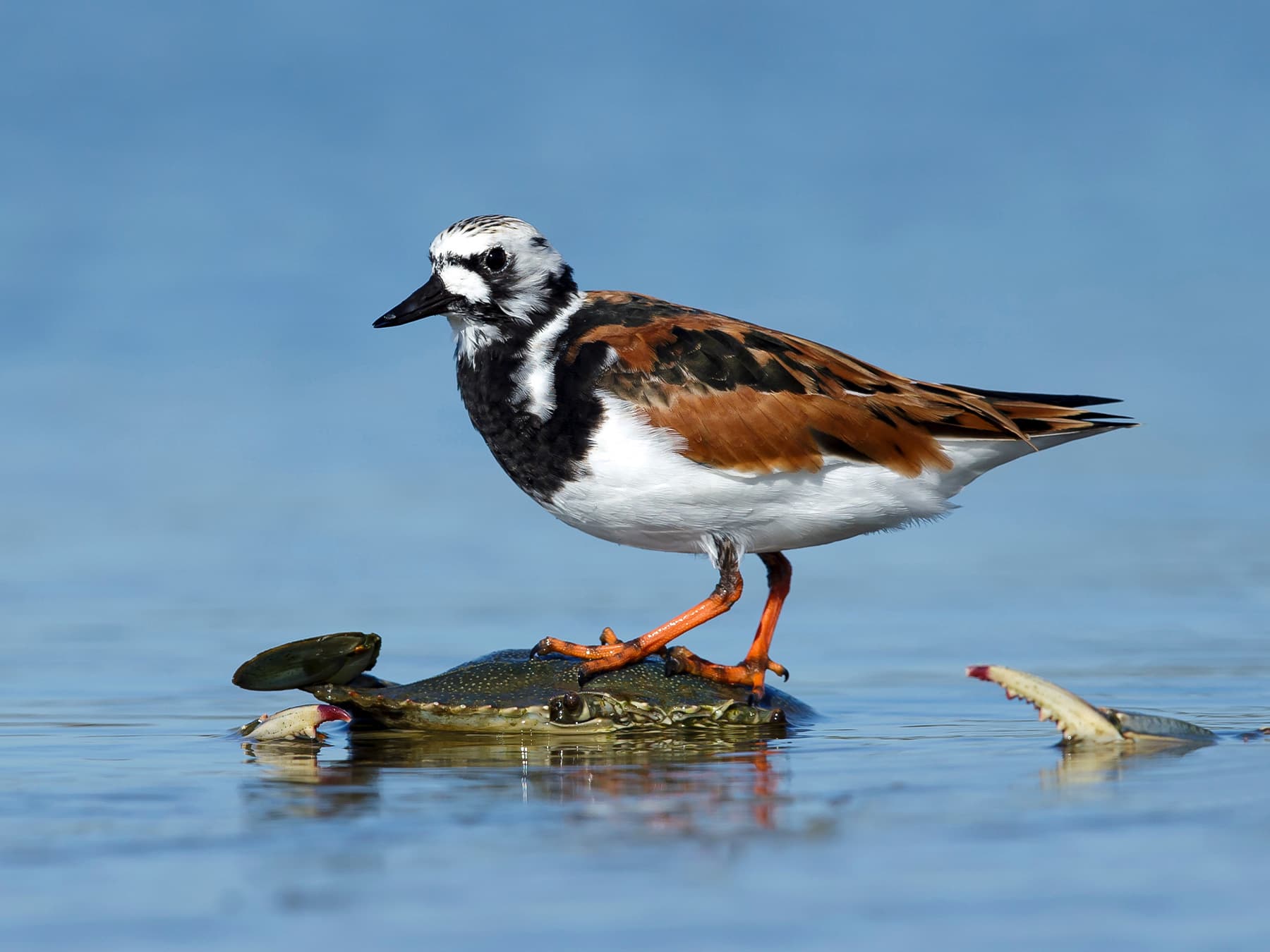
Ruddy Turnstone
Arenaria interpresLC
A rare passage visitor in May, this coastal wader occasionally turns up at inland reservoirs and gravel pits in the county.
May
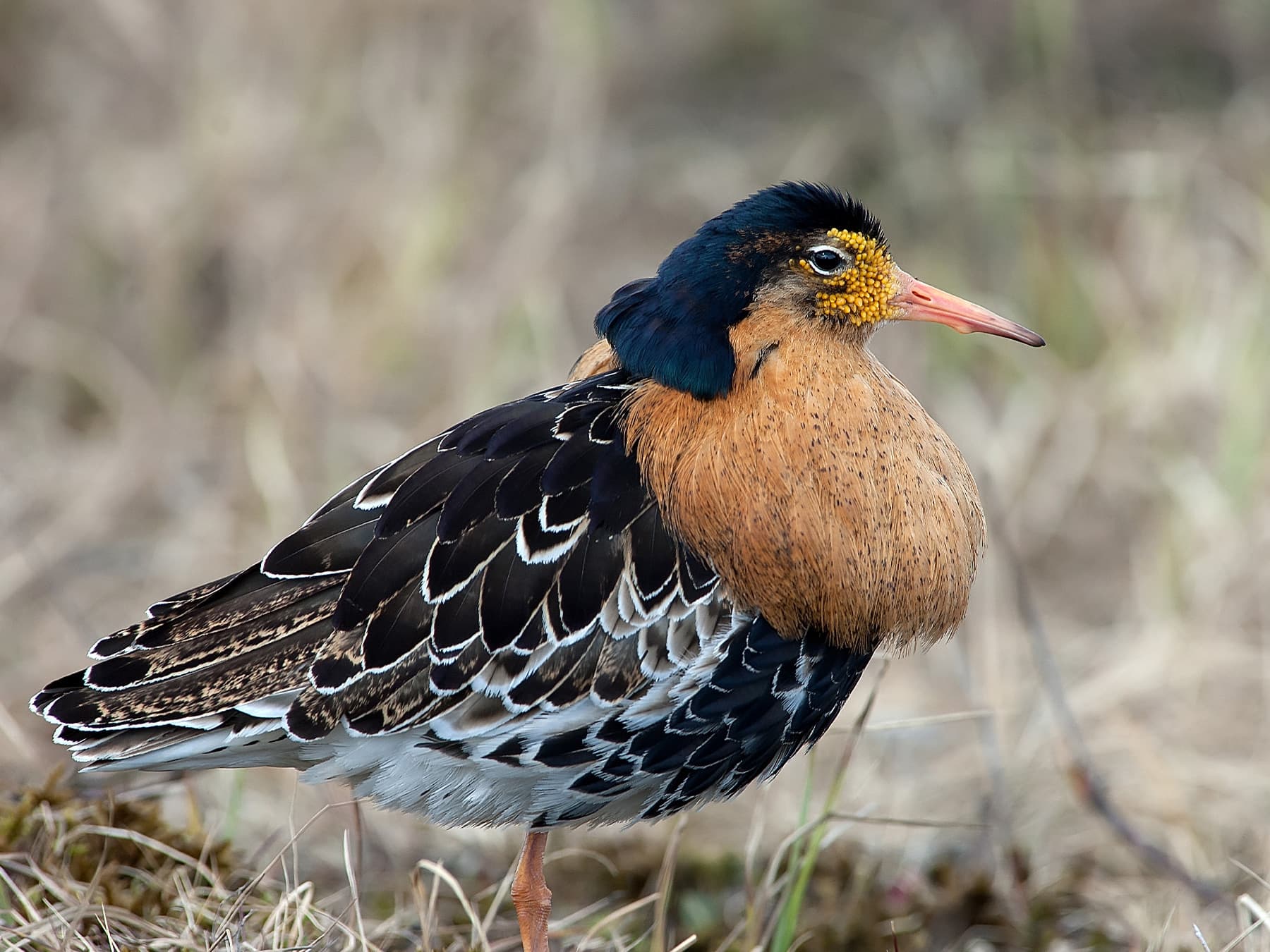
Ruff
Philomachus pugnaxLC
A rare but near year-round visitor to shallow scrapes and flooded fields. Small numbers linger at key wetland reserves along the Trent Valley.
Jul–May
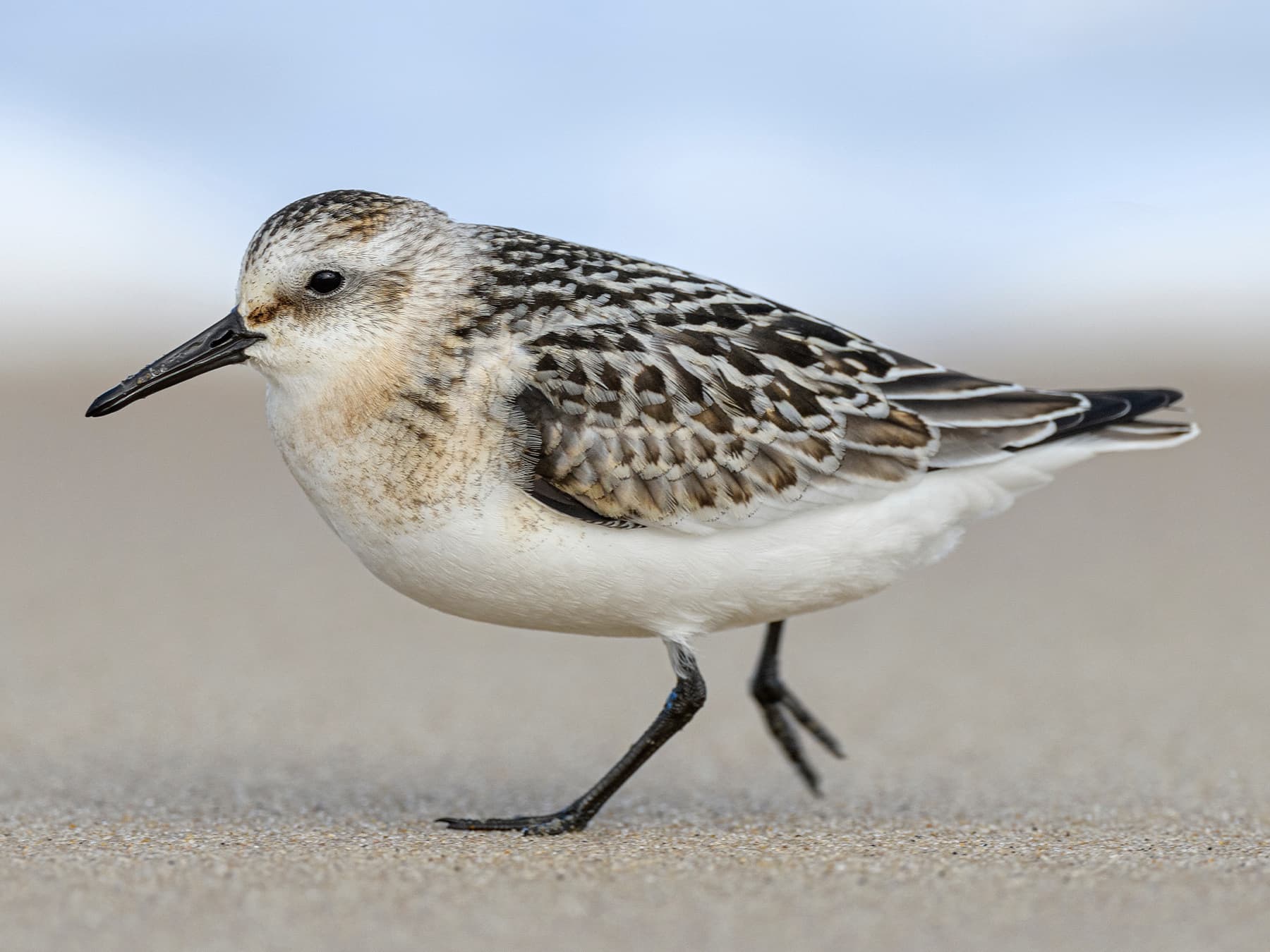
Sanderling
Calidris albaLC
A rare inland passage migrant, occasionally noted at reservoir edges and gravel pits in May. Far more typical on coastal beaches.
May
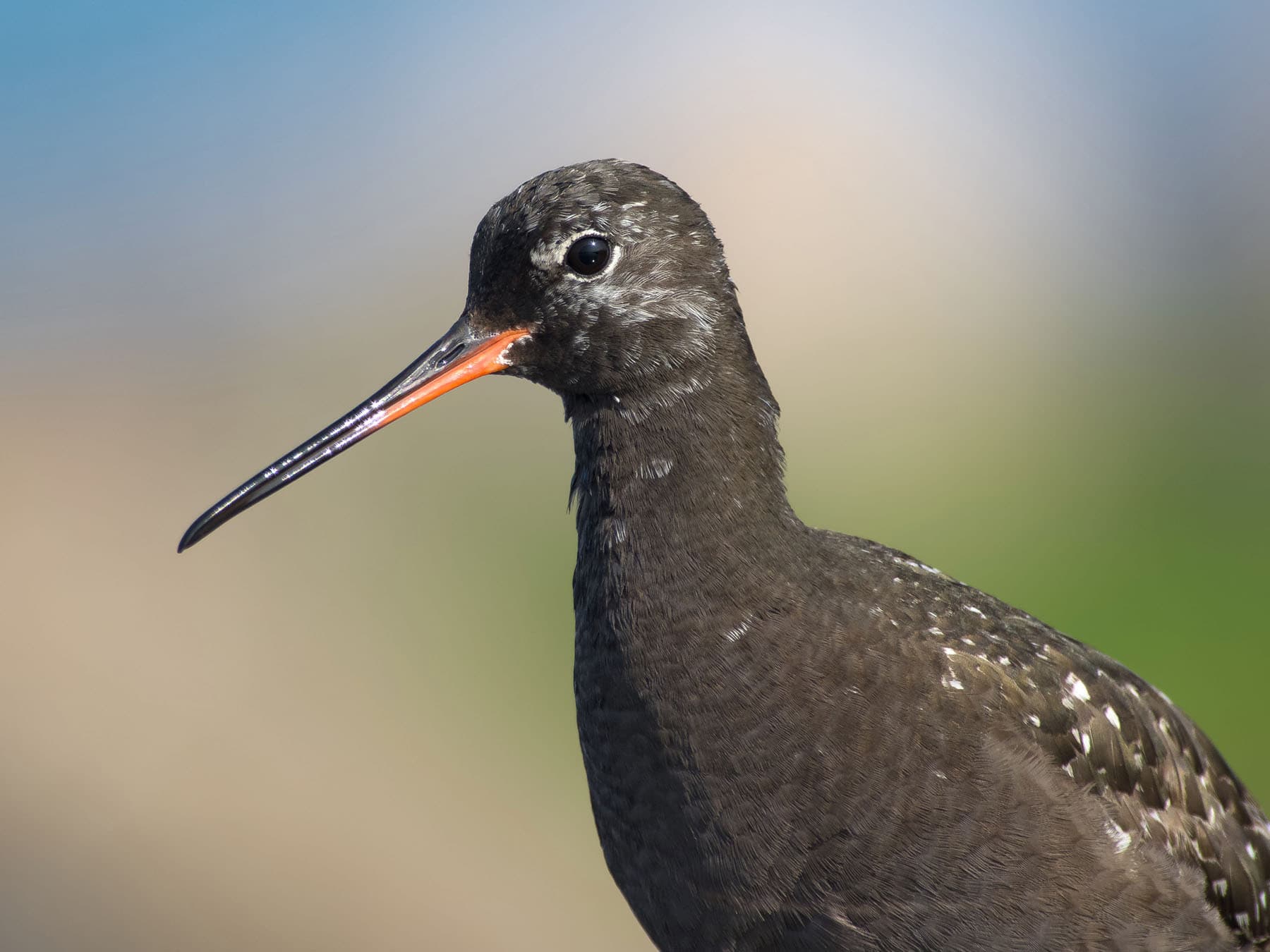
Spotted Redshank
Tringa erythropusLC
A rare autumn passage wader, occasionally stopping at muddy reservoir edges and gravel pits during September.
Sep
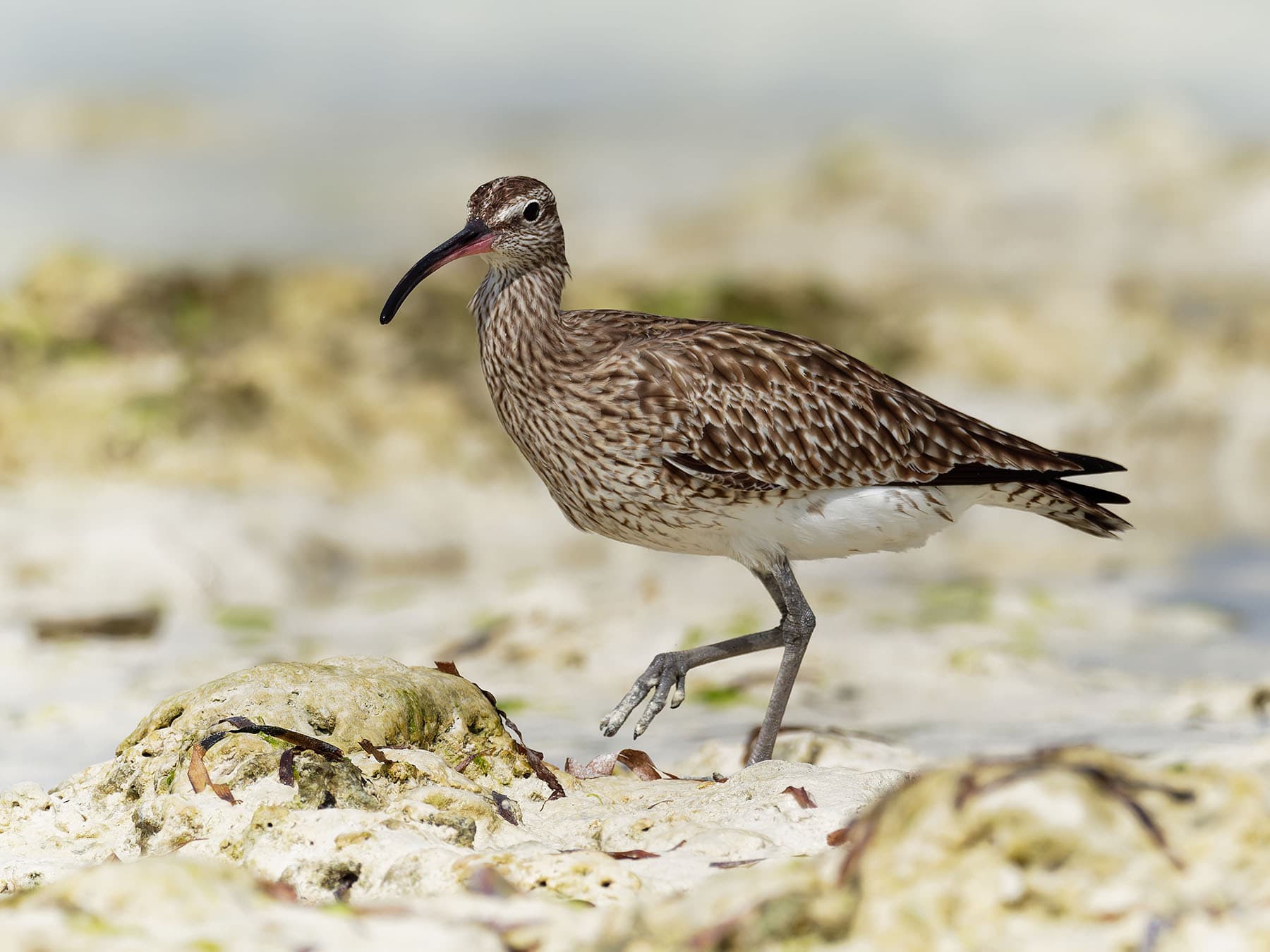
Whimbrel
Numenius phaeopusLC
A rare spring passage migrant in April and May, occasionally stopping at wetland sites and flooded fields en route north.
Apr–May
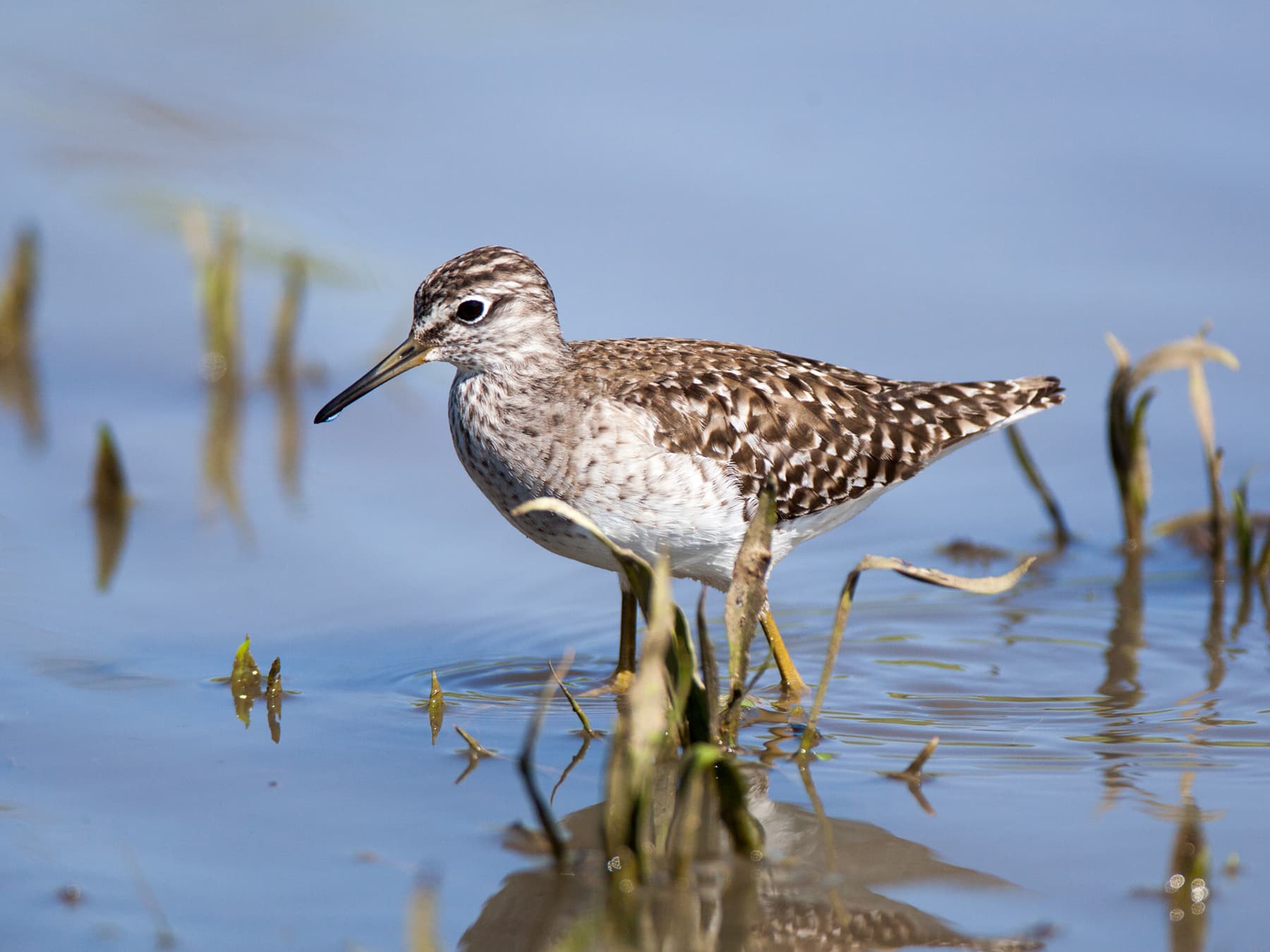
Wood Sandpiper
Tringa glareolaLC
A rare summer visitor from May to August, occasionally breeding at marshy pools and flooded gravel pits in the Trent Valley.
May–Aug