Birds in Wales
Explore 203 species found in this region.
Wales is home to an impressive diversity of birdlife, with 199 recorded species found across its rugged coastlines, estuaries, upland moors, and ancient woodlands. From wintering wildfowl such as the Pink-footed Goose and Northern Pintail on coastal wetlands to woodland favourites like the Great Tit and Eurasian Woodcock, the country offers exceptional birding opportunities year-round. Wales's varied habitats also support notable waders including the Northern Lapwing and Common Sandpiper, alongside more unexpected residents such as the Mandarin Duck.
Visiting in September? Look out for Black Tern and Brent Goose arriving this month, and Atlantic Puffin and European Storm-petrel depart for the season.


Get a monthly guide to birds in Wales
Find out which birds are visiting your area this month, with seasonal tips and garden advice
Get Your Free DigestShowing 185–203 of 203 species
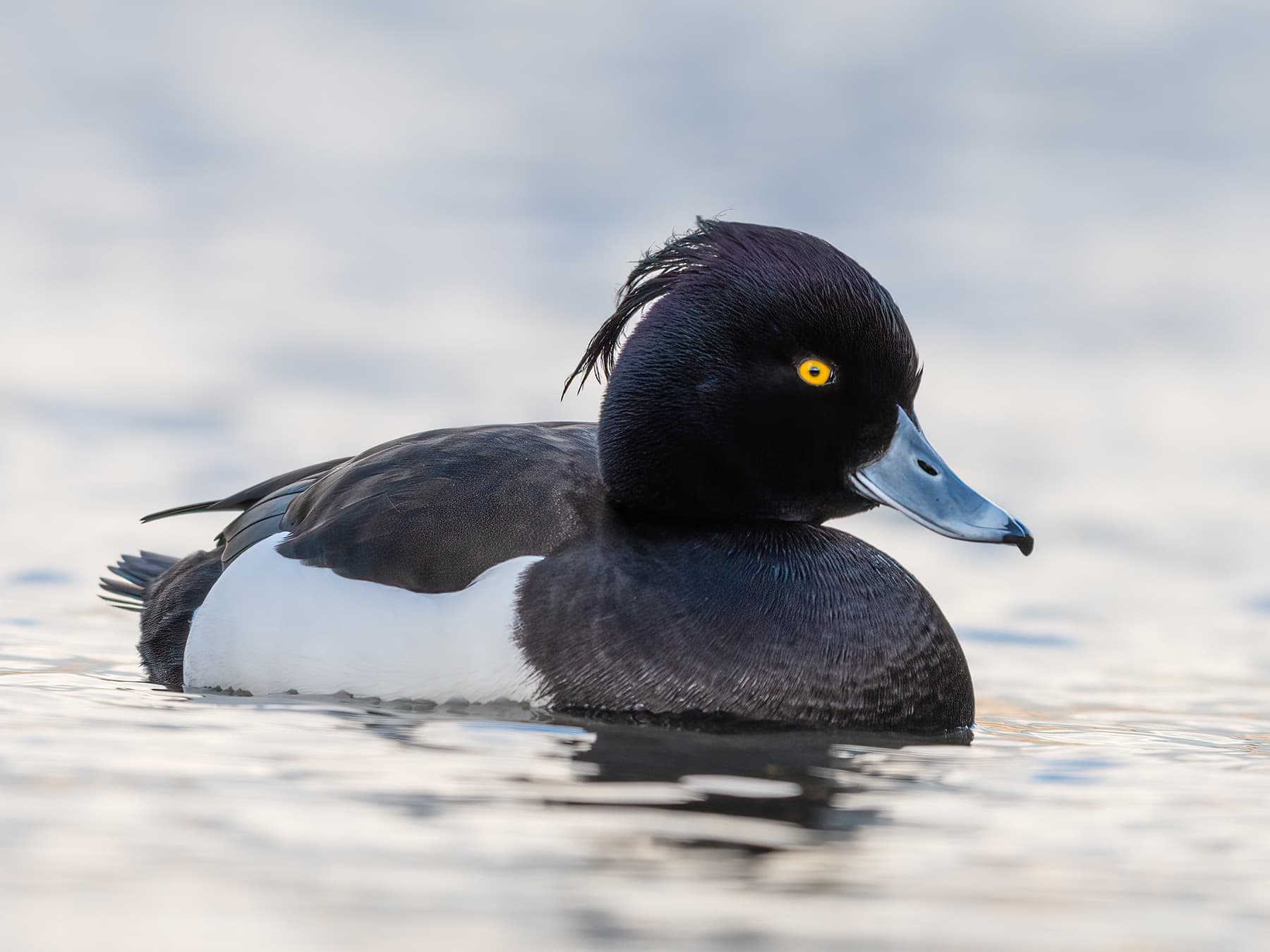
Tufted Duck
Aythya fuligulaLC
An uncommon resident found on lakes and reservoirs across Wales year-round. Males sport a striking black-and-white plumage with a drooping head tuft.
Year-round
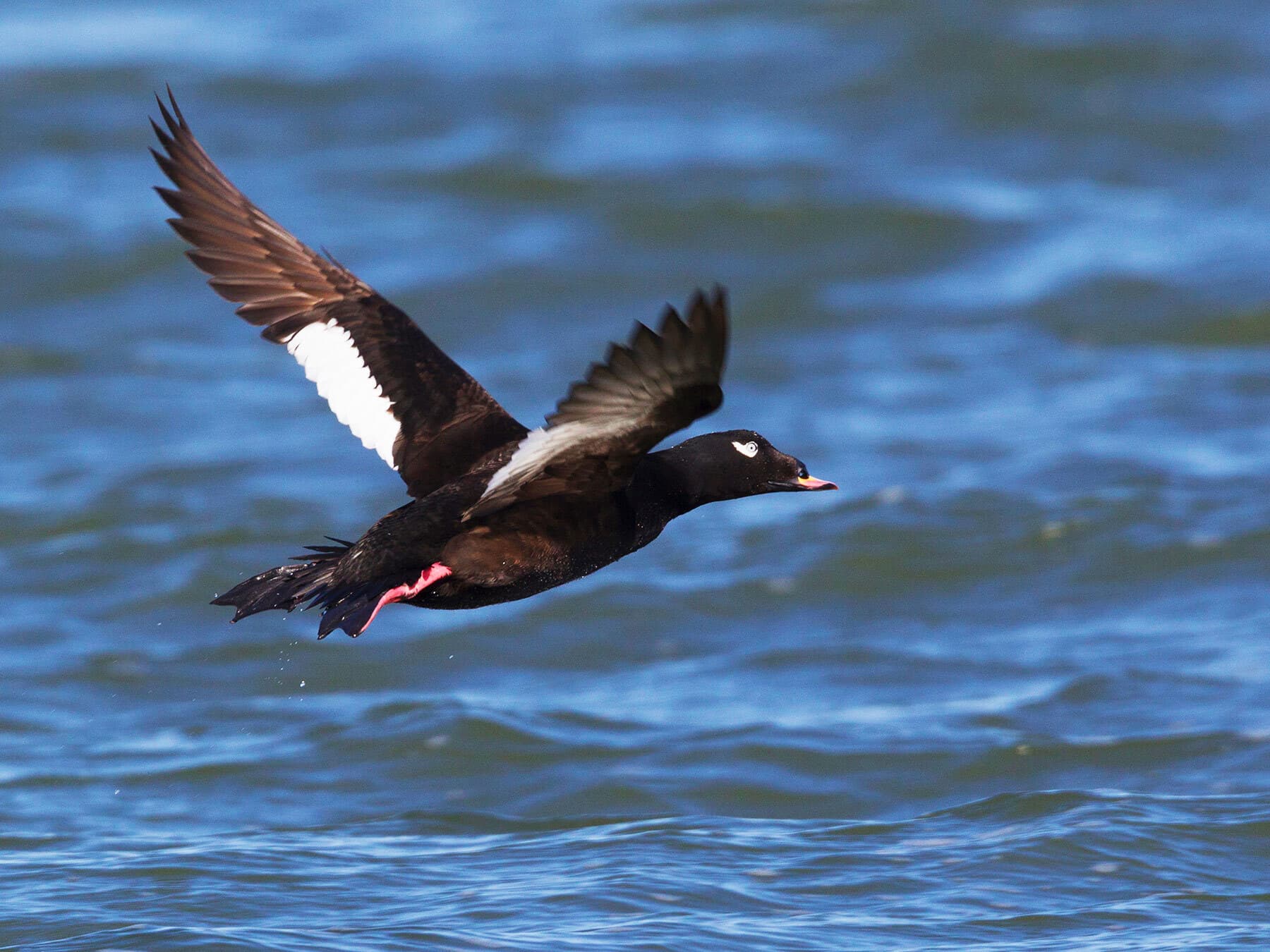
Velvet Scoter
Melanitta fuscaVU
A rare passage visitor in late winter, occasionally spotted among Common Scoter flocks off the Welsh coast in February and March.
Feb–Mar
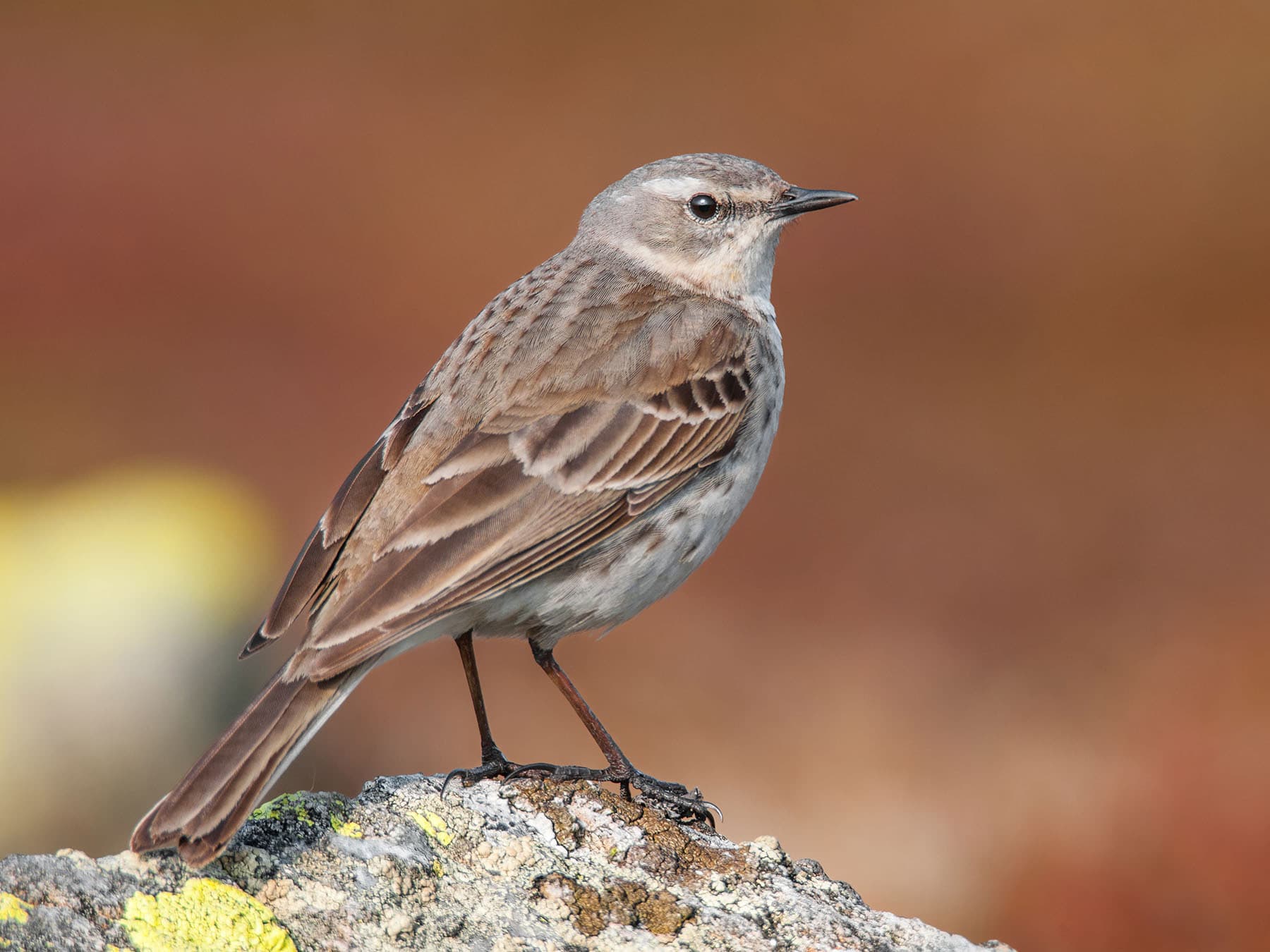
Water Pipit
Anthus spinolettaLC
A rare winter visitor, occasionally found at watercress beds and wetland margins in Wales during the coldest months.
Nov–Jan
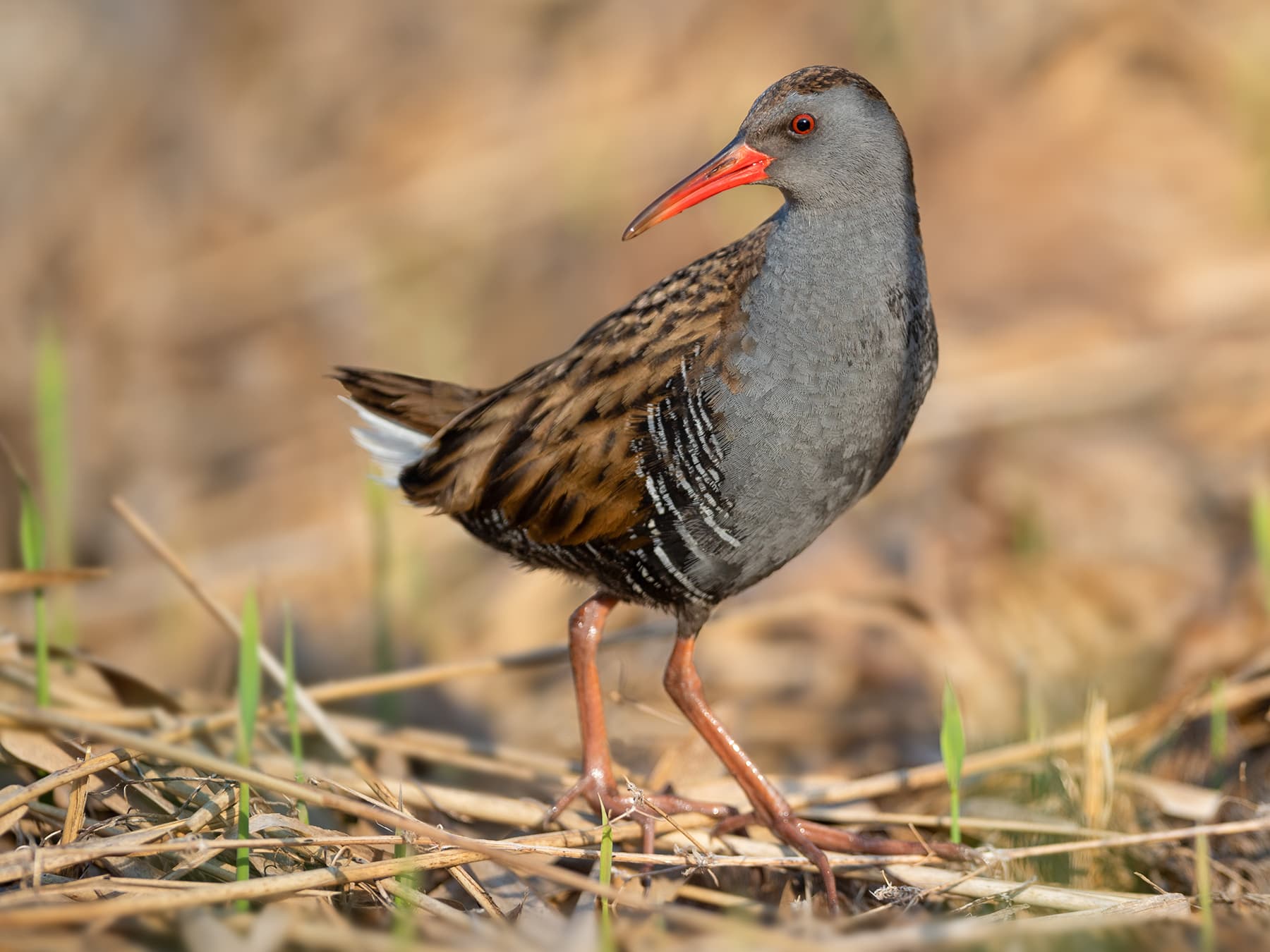
Water Rail
Rallus aquaticusLC
A secretive resident of Welsh reedbeds and marshes, more often heard than seen. Its pig-like squealing call carries across wetlands year-round.
Jul–Apr
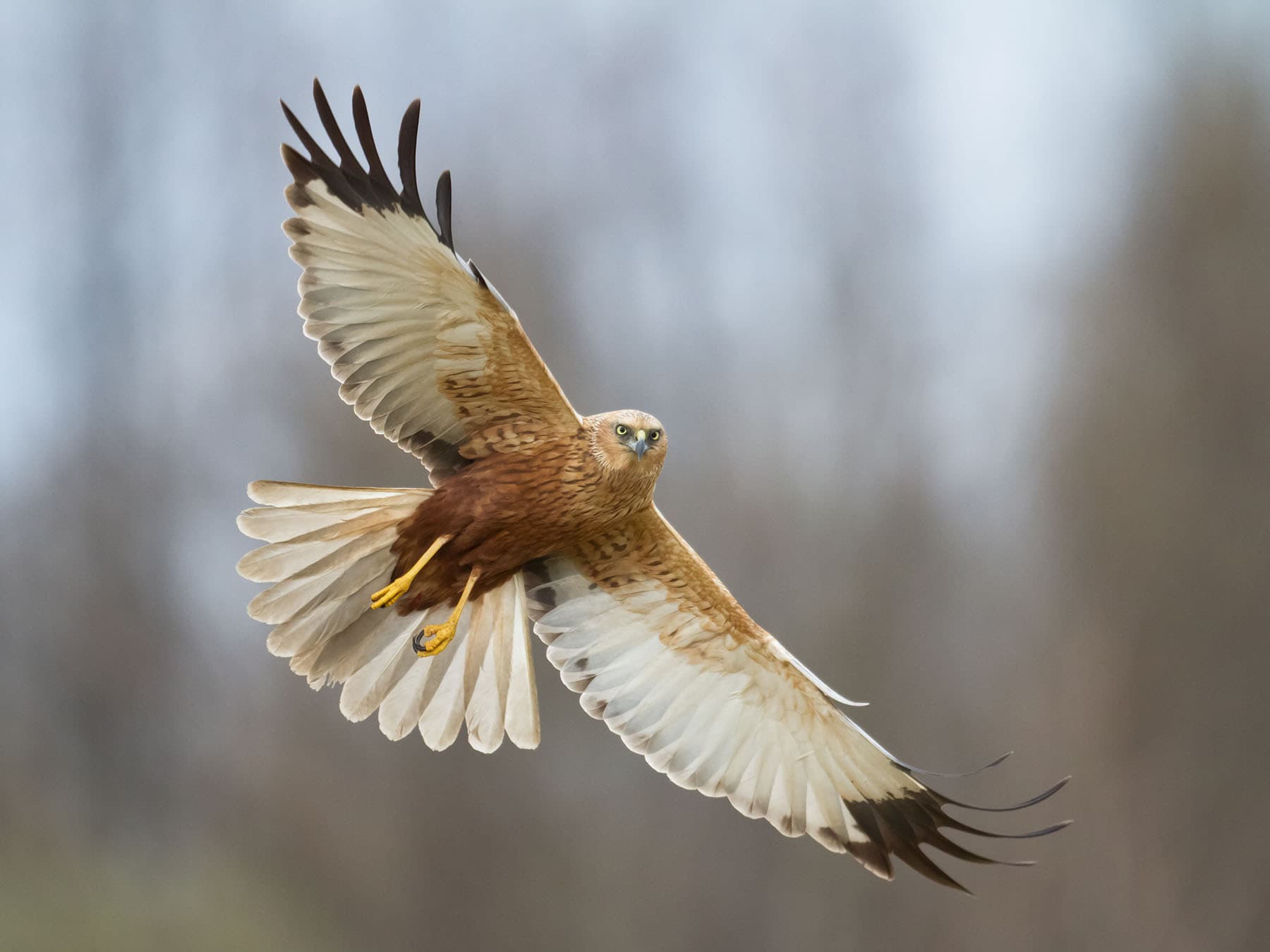
Western Marsh-harrier
Circus aeruginosusLC
A rare resident, slowly increasing in Wales as wetland habitats recover. Most often seen quartering over reedbeds and marshes.
Year-round
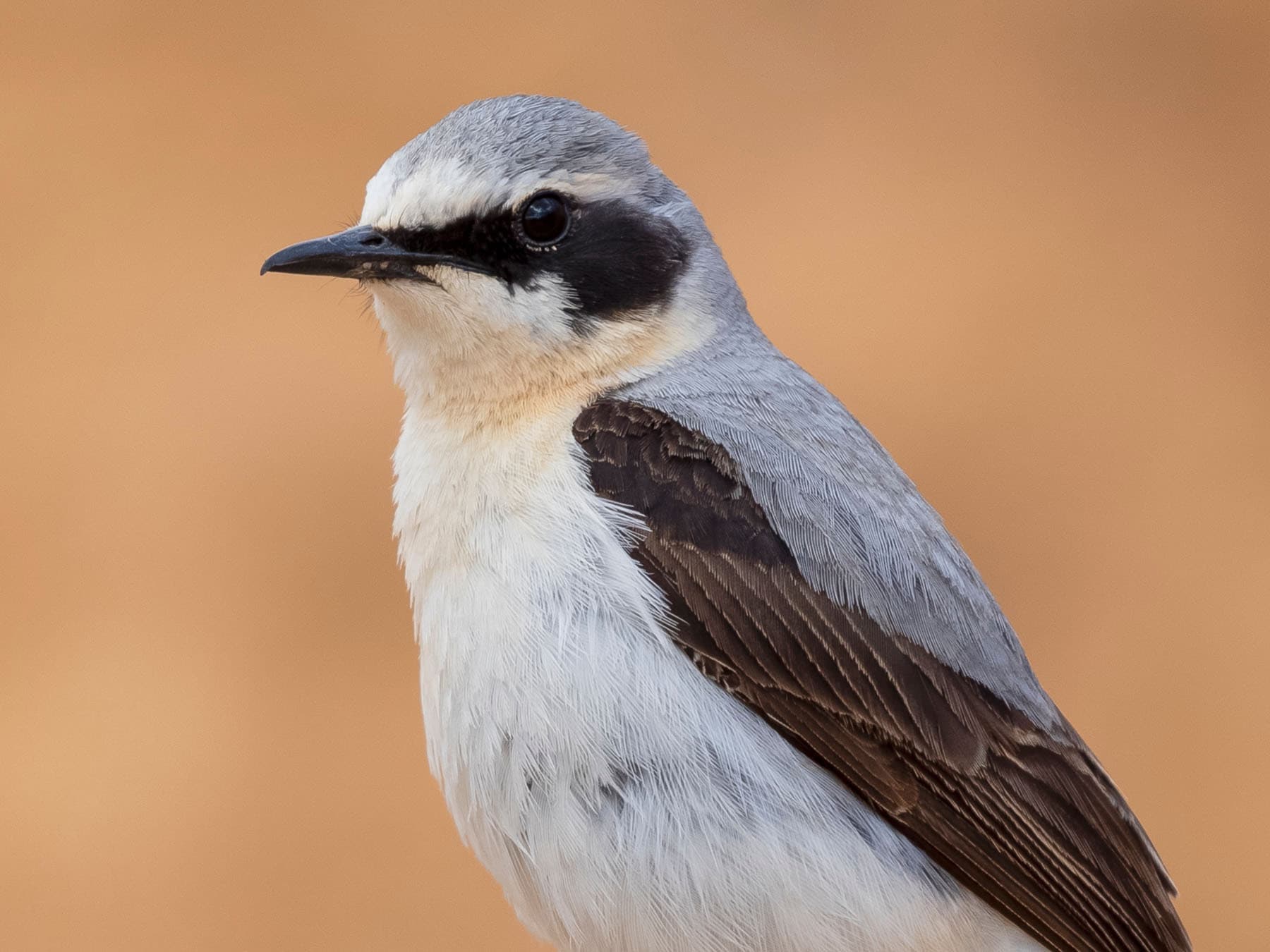
Wheatear
Oenanthe oenantheLC
Breeds on upland hillsides and coastal cliffs across Wales from March to October. Often seen bobbing on stone walls and rocky outcrops.
Mar–Oct
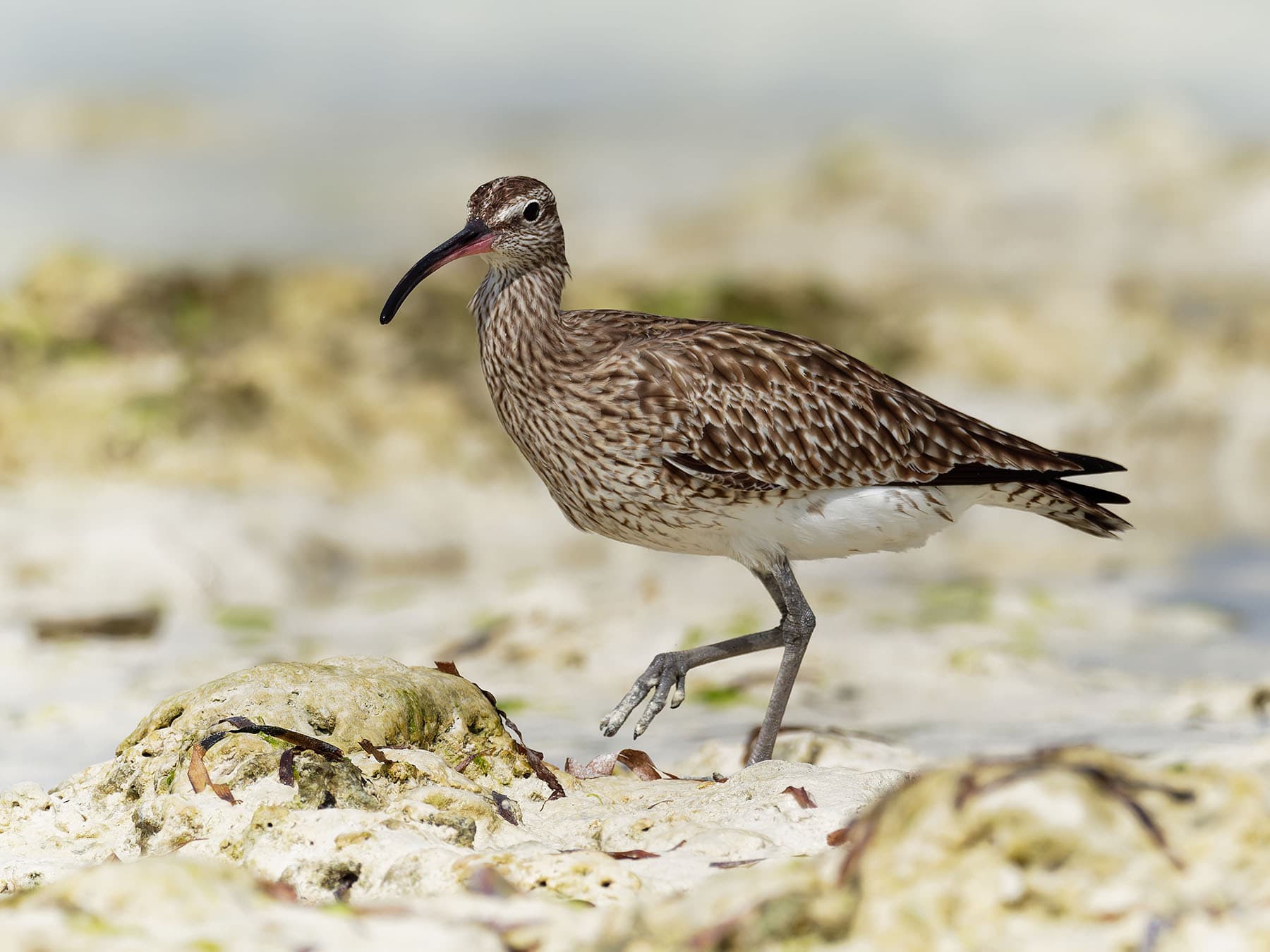
Whimbrel
Numenius phaeopusLC
An uncommon passage and breeding visitor, seen along the Welsh coast and uplands from April to September. Its distinctive seven-note whistling call aids identification.
Apr–Sep
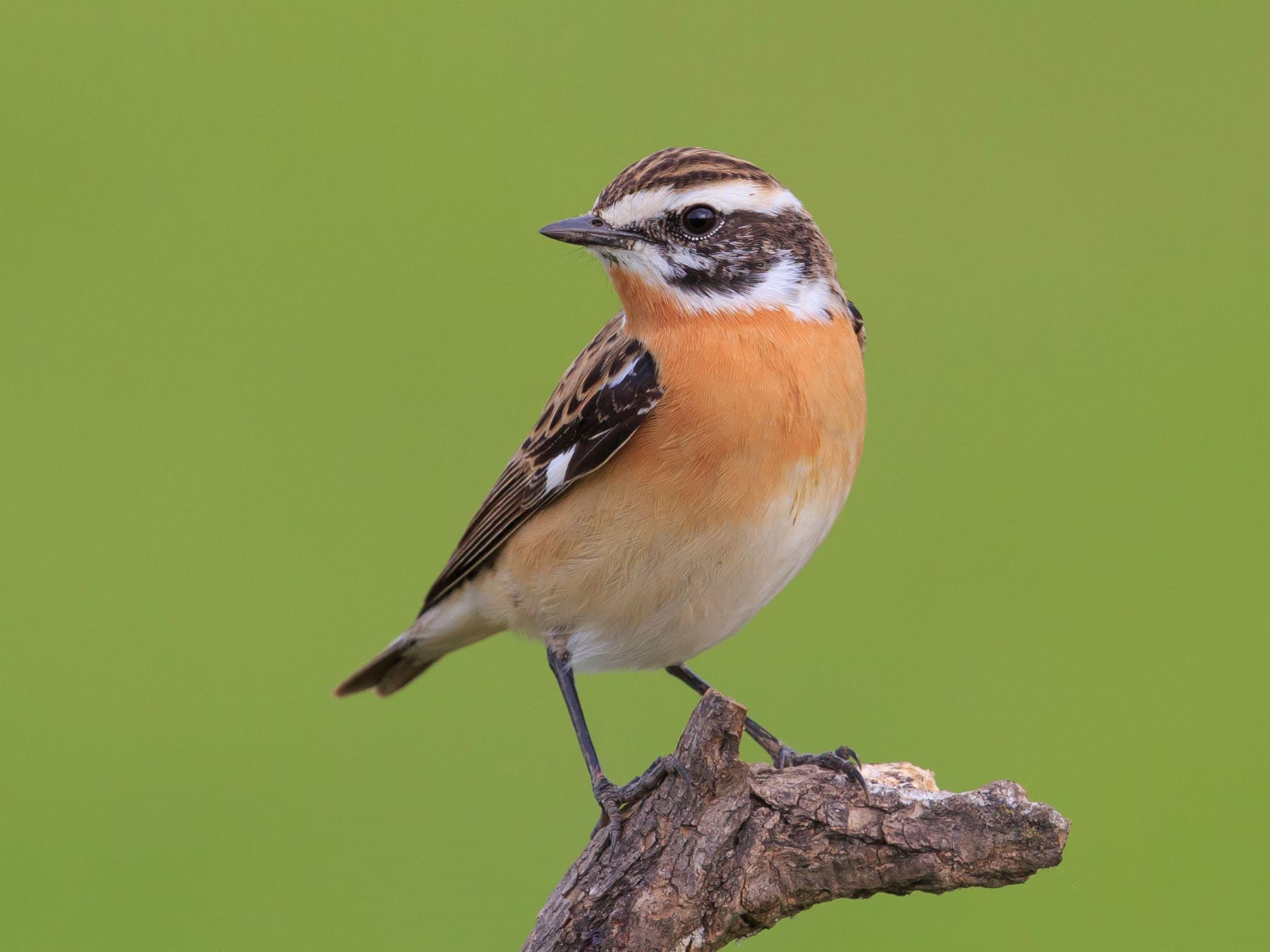
Whinchat
Saxicola rubetraLC
A scarce and declining summer breeder on Welsh upland margins, favouring bracken-covered hillsides and rough grassland.
Apr–Sep
Spotted something?
Upload a photo to identify it
Identify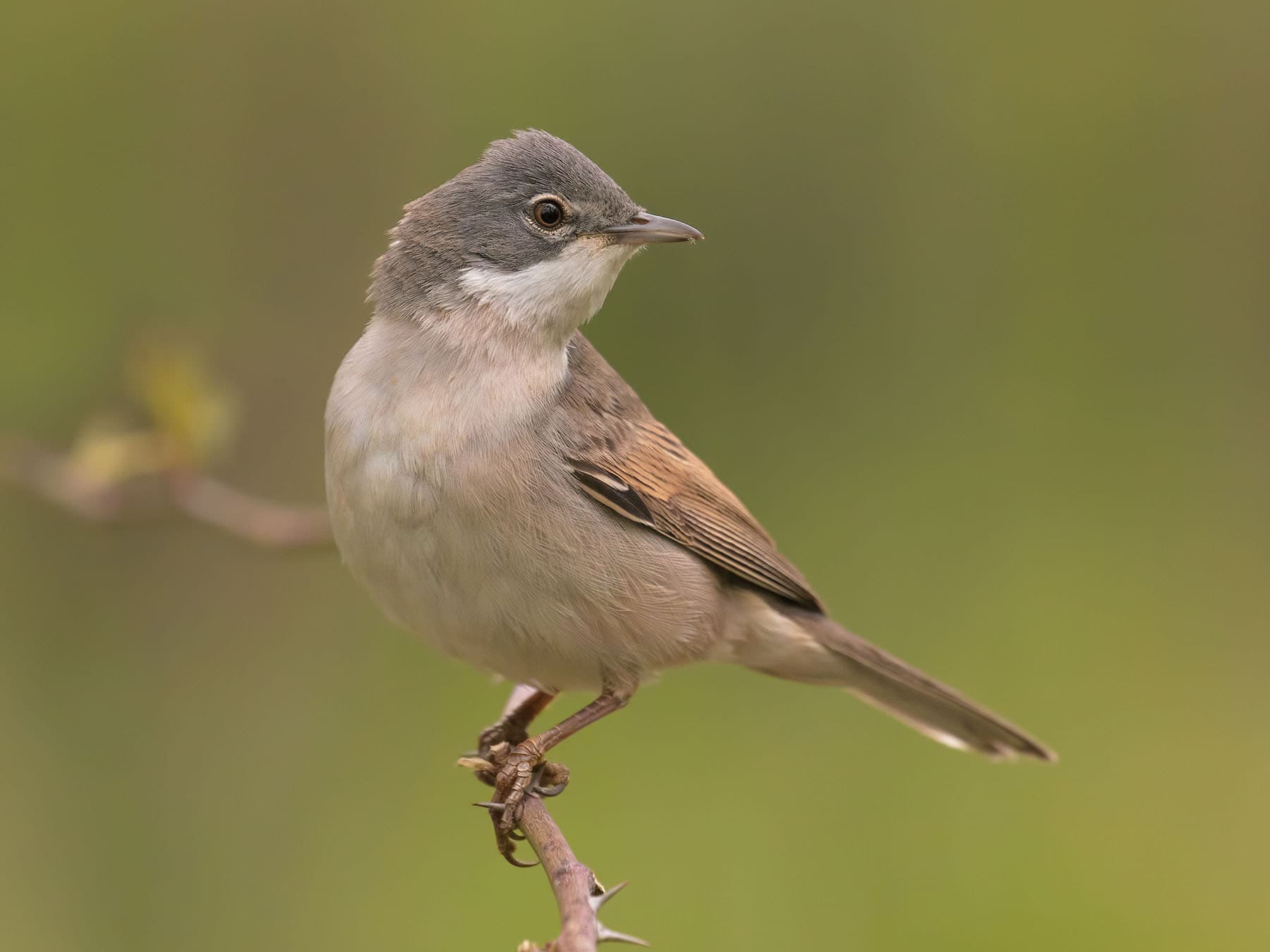
Whitethroat
Curruca communisLC
A summer visitor breeding in scrubby hedgerows and bramble patches from April to September. Males perform a distinctive dancing song flight.
Apr–Sep
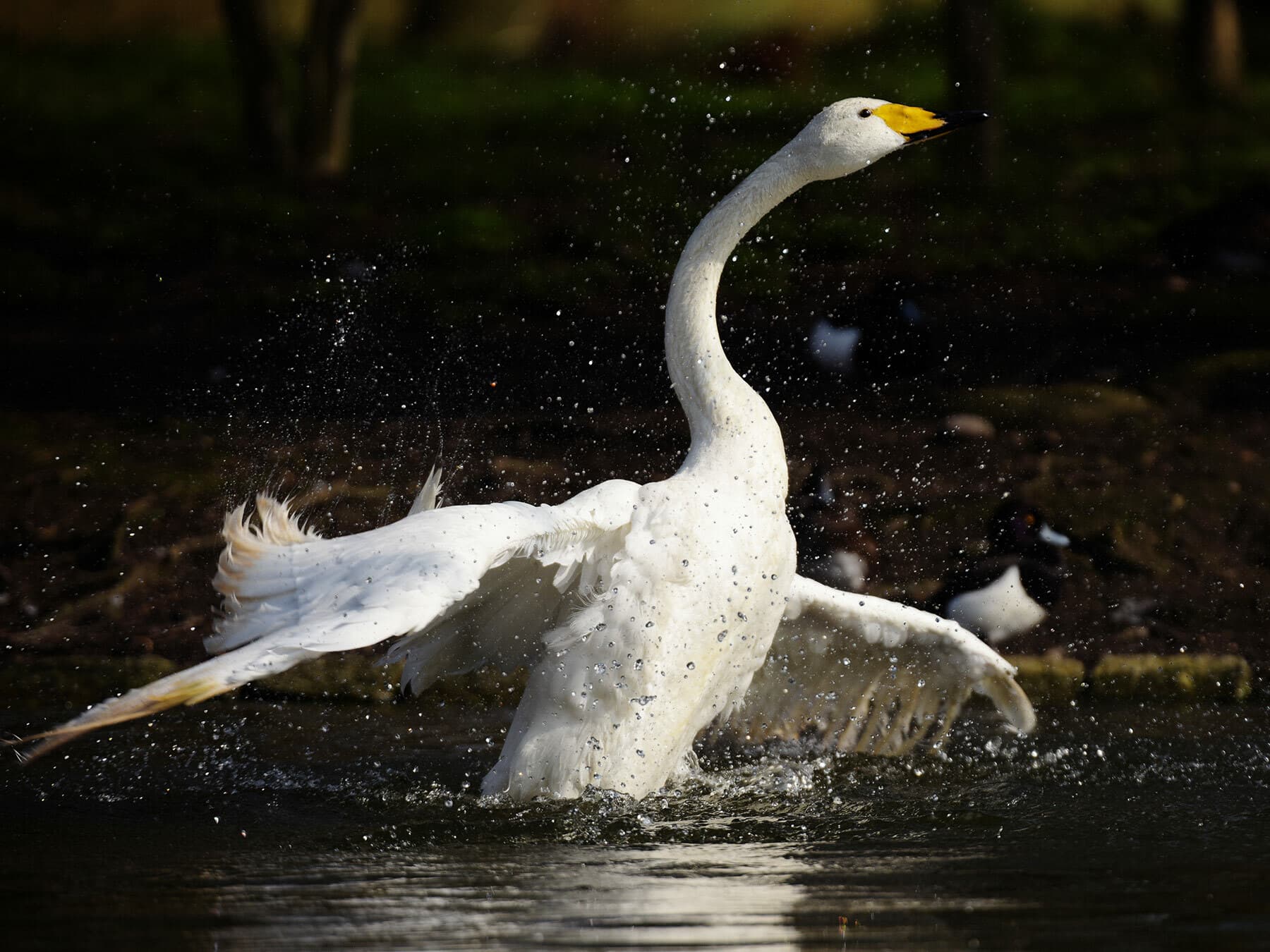
Whooper Swan
Cygnus cygnusLC
A rare winter visitor from Iceland, with small numbers found on flooded fields and estuaries between October and March. Bugling calls distinguish it from Mute Swan.
Oct–Mar
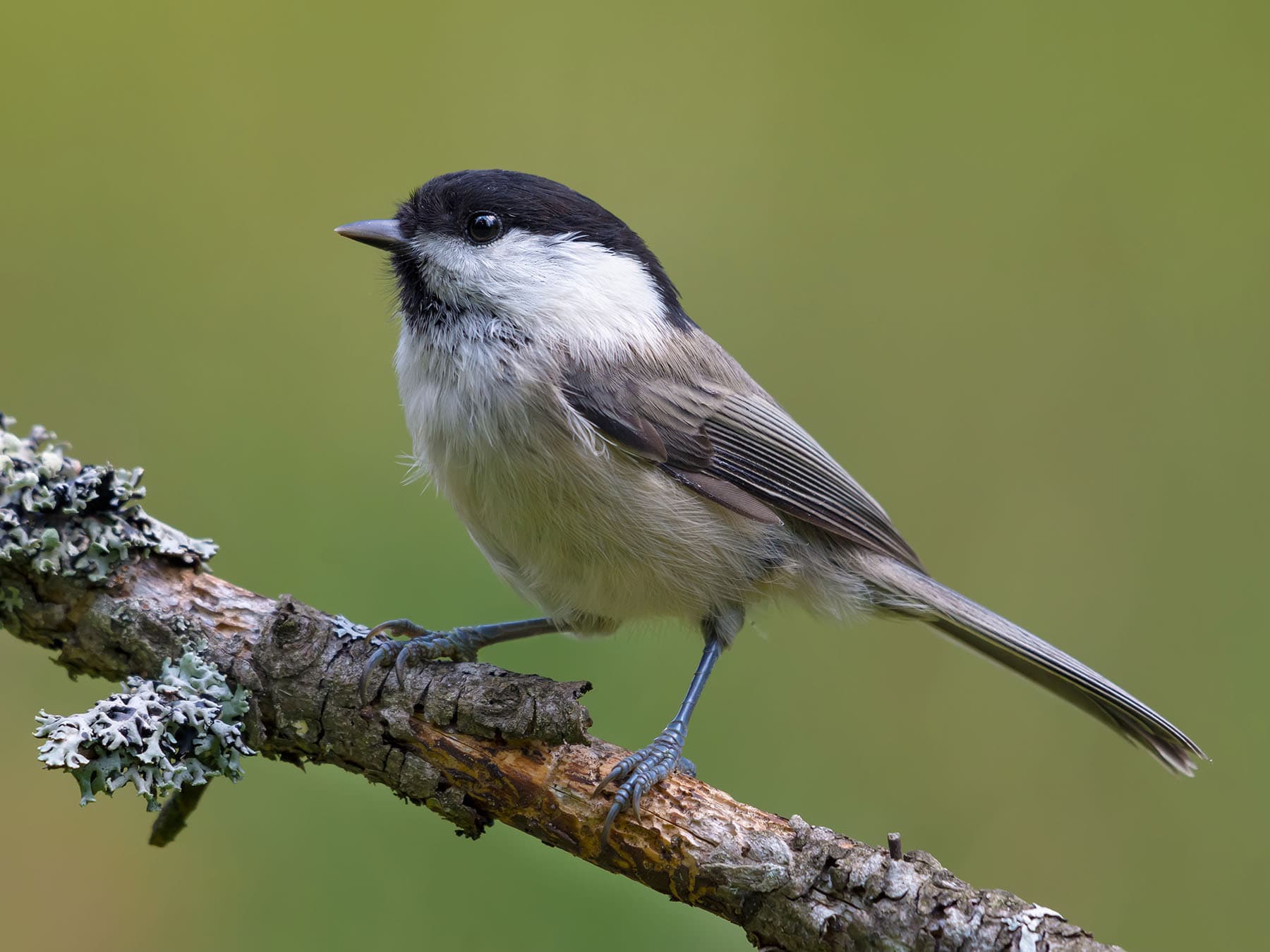
Willow Tit
Poecile montanusLC
A rare and severely declining resident, now one of Wales's scarcest breeding birds. Favours damp woodland with decaying birch and alder.
Sep–Apr
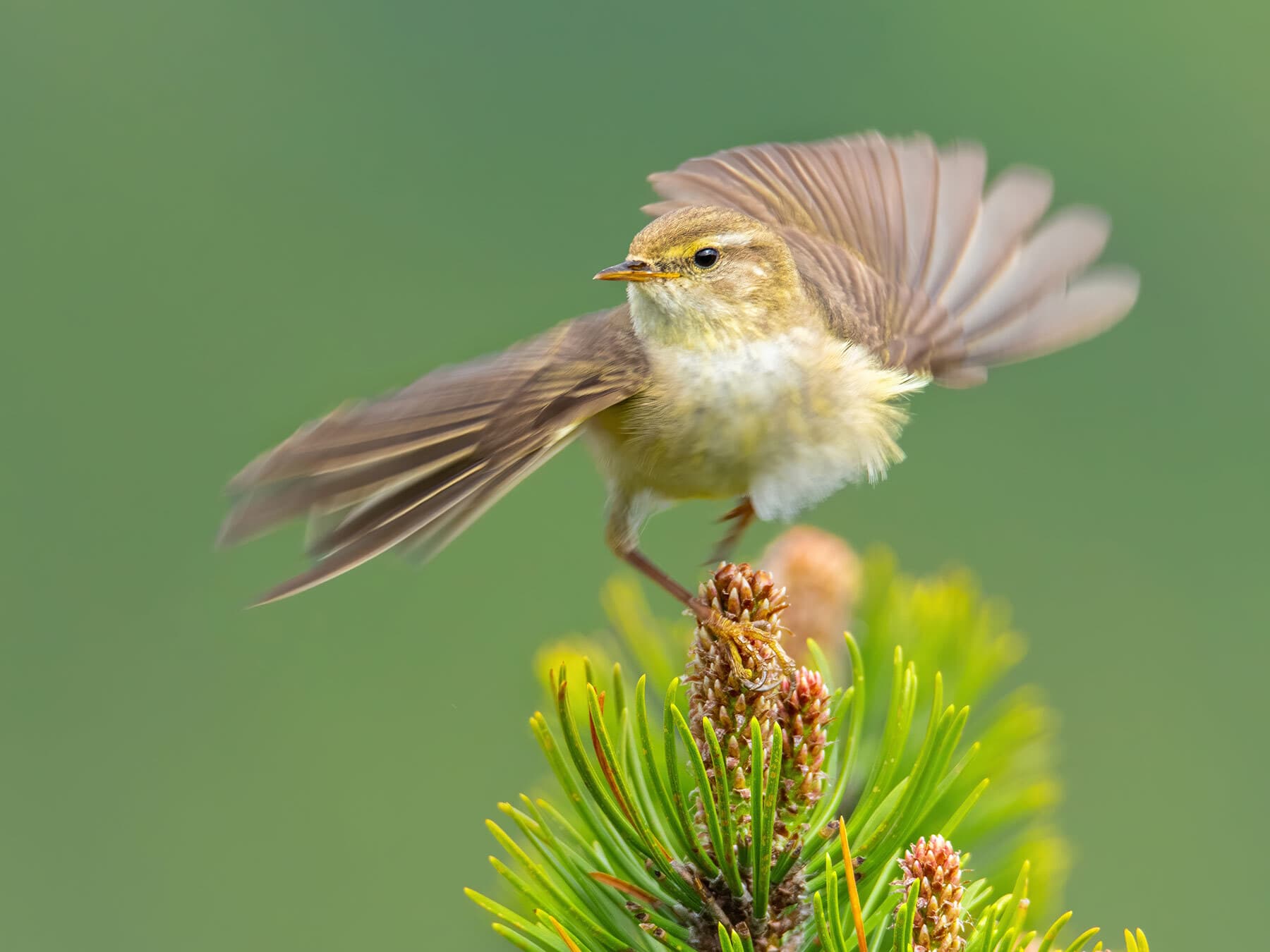
Willow Warbler
Phylloscopus trochilusLC
An uncommon summer breeder favouring scrubby hillsides and young woodland. Its gentle descending song is a hallmark of Welsh spring.
Mar–Sep
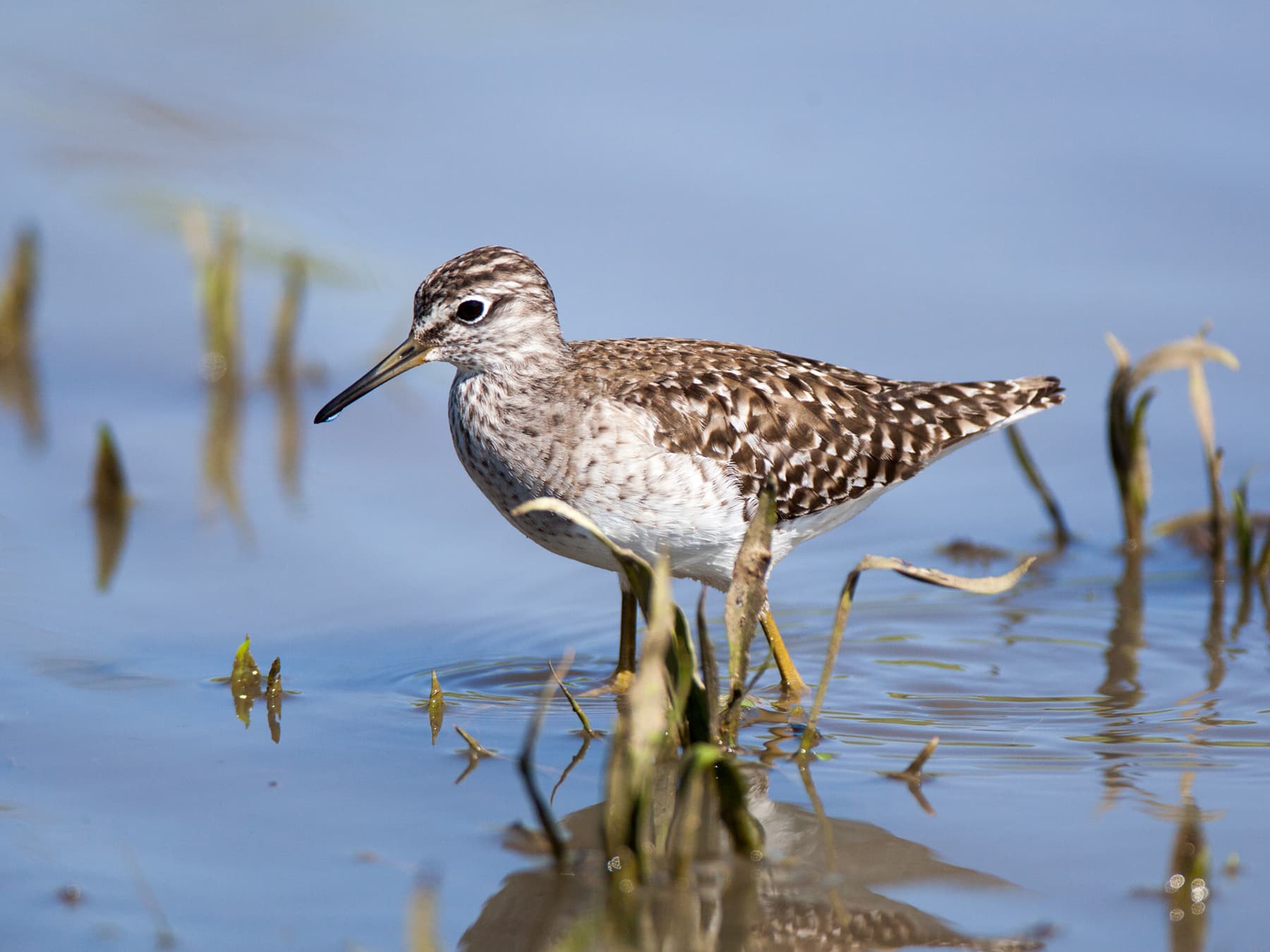
Wood Sandpiper
Tringa glareolaLC
A rare passage migrant, briefly visiting Welsh freshwater pools and marshes in August. A delicate, long-legged wader that favours shallow muddy edges.
Aug
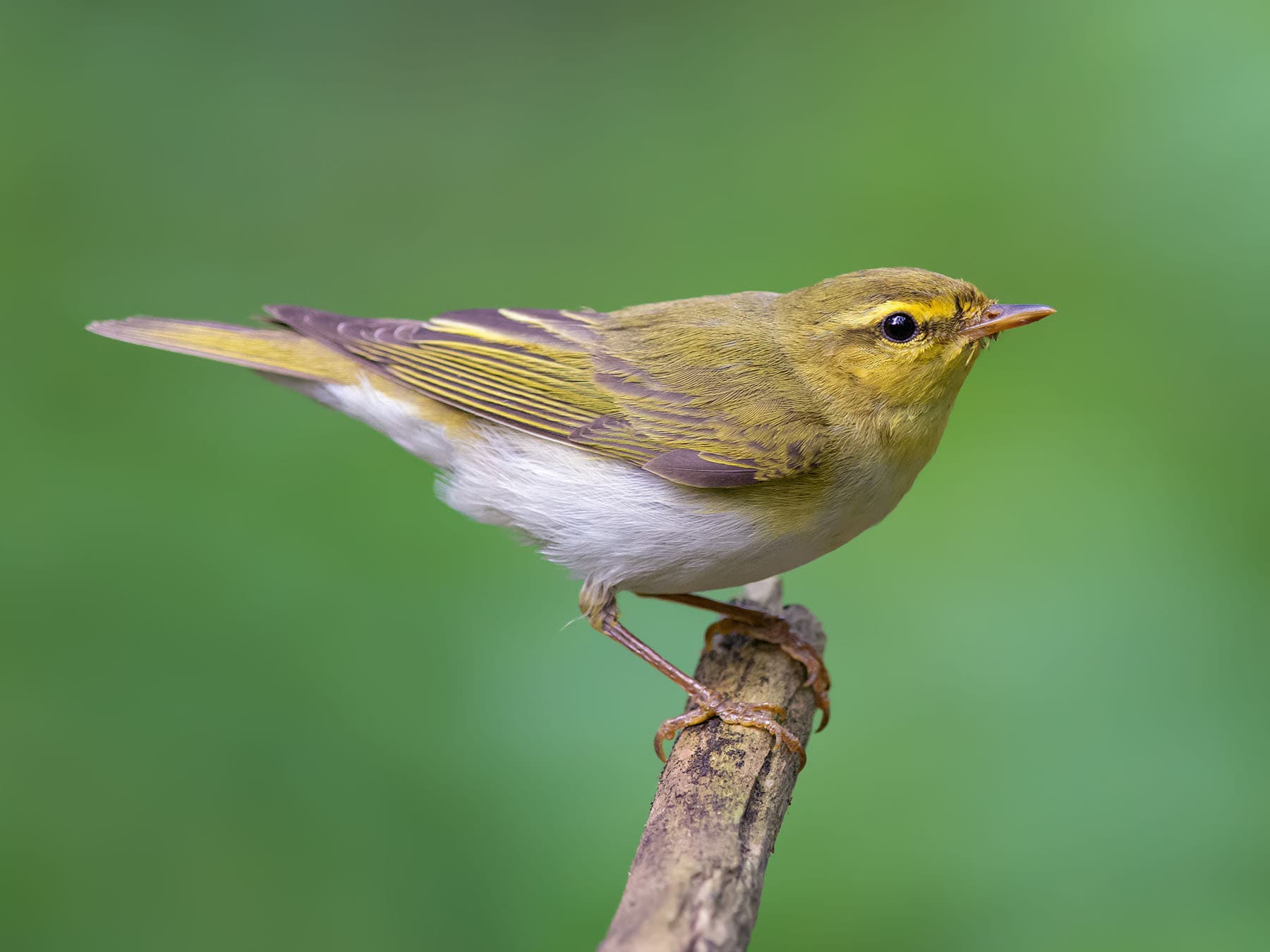
Wood Warbler
Phylloscopus sibilatrixLC
A rare and declining summer breeder in Welsh oak woodlands, a national stronghold. Its trilling song echoes through valleys from April.
Apr–Jul
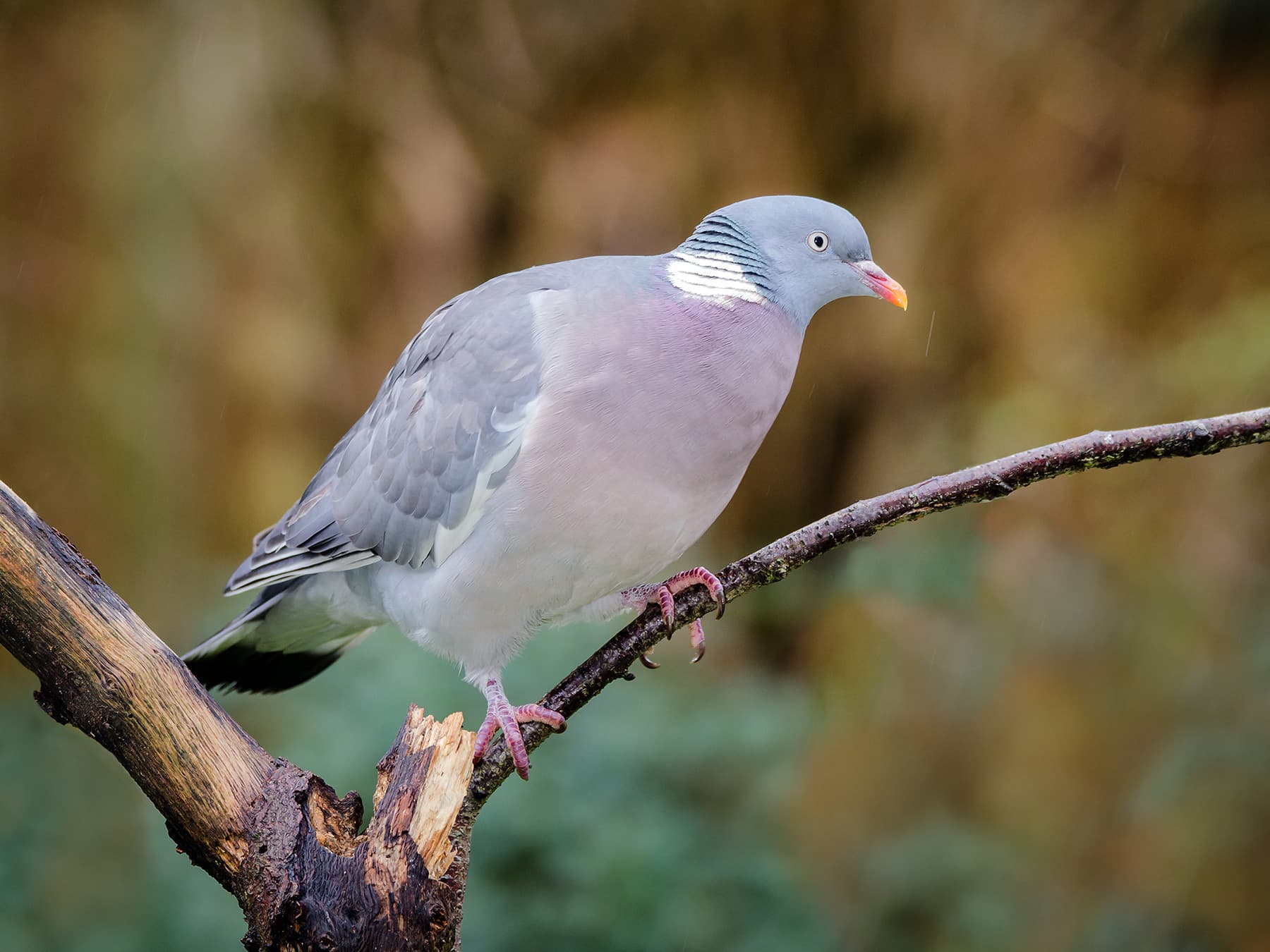
Woodpigeon
Columba palumbusLC
A common resident found year-round in farmland, gardens, and woodland throughout Wales. Its cooing song is a familiar countryside sound.
Year-round
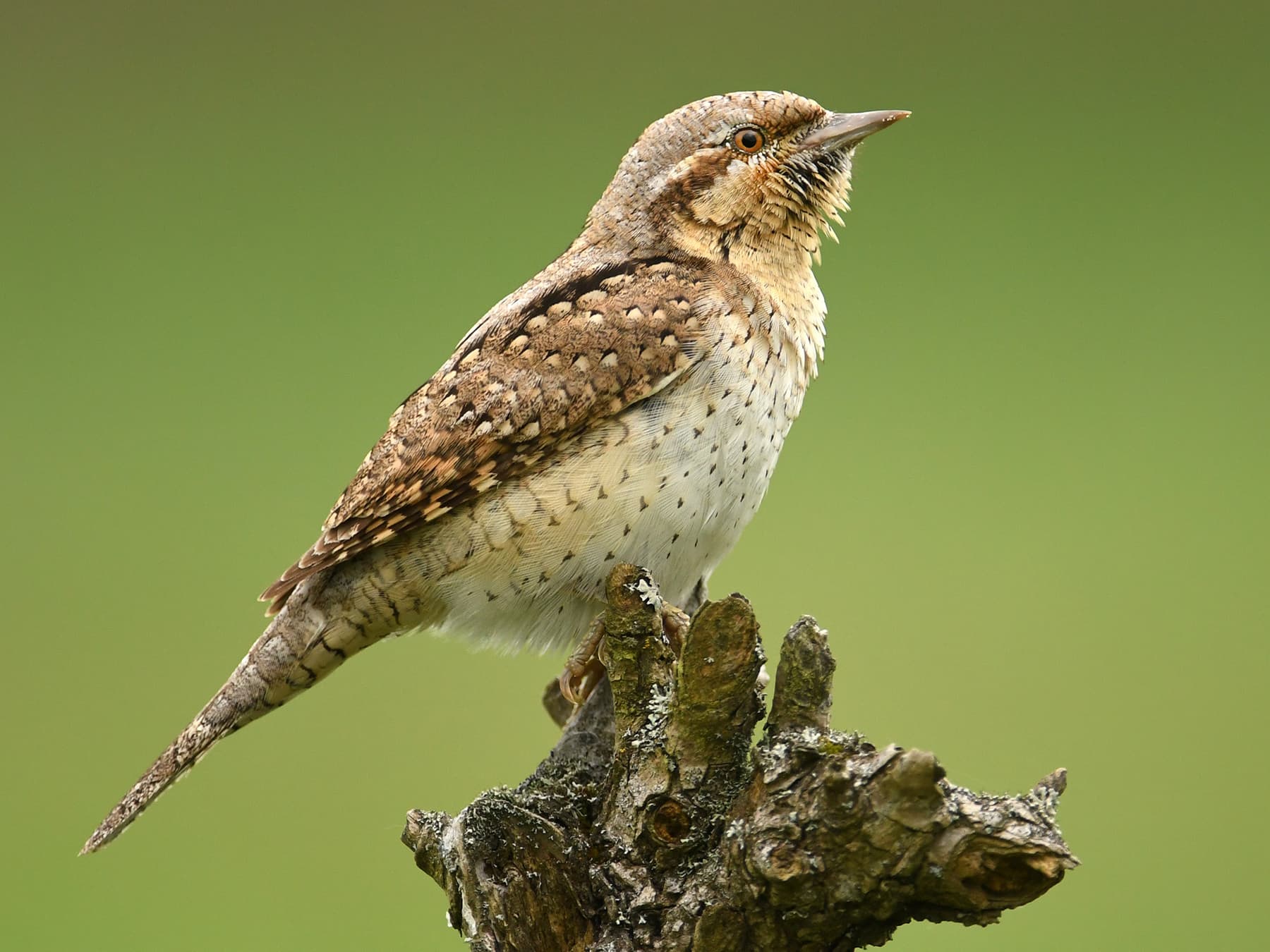
Wryneck
Jynx torquillaLC
A rare autumn passage migrant, occasionally turning up along the Welsh coast in September. Most records come from headlands and islands.
Sep
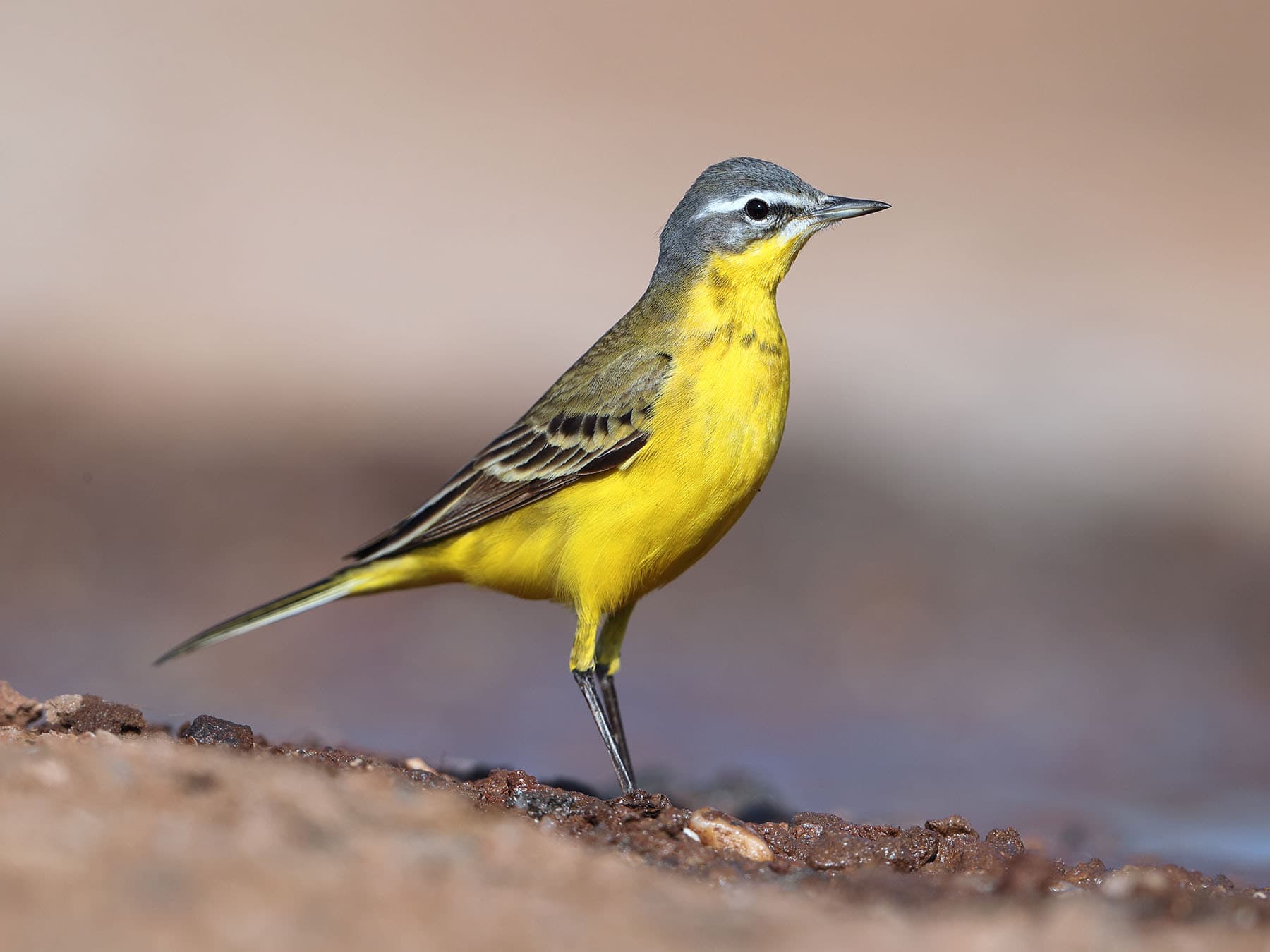
Yellow Wagtail
Motacilla flavaLC
A rare summer visitor to Welsh lowland pastures, now much declined as a breeding bird. The flavissima race is characteristic of Britain.
Apr–Sep
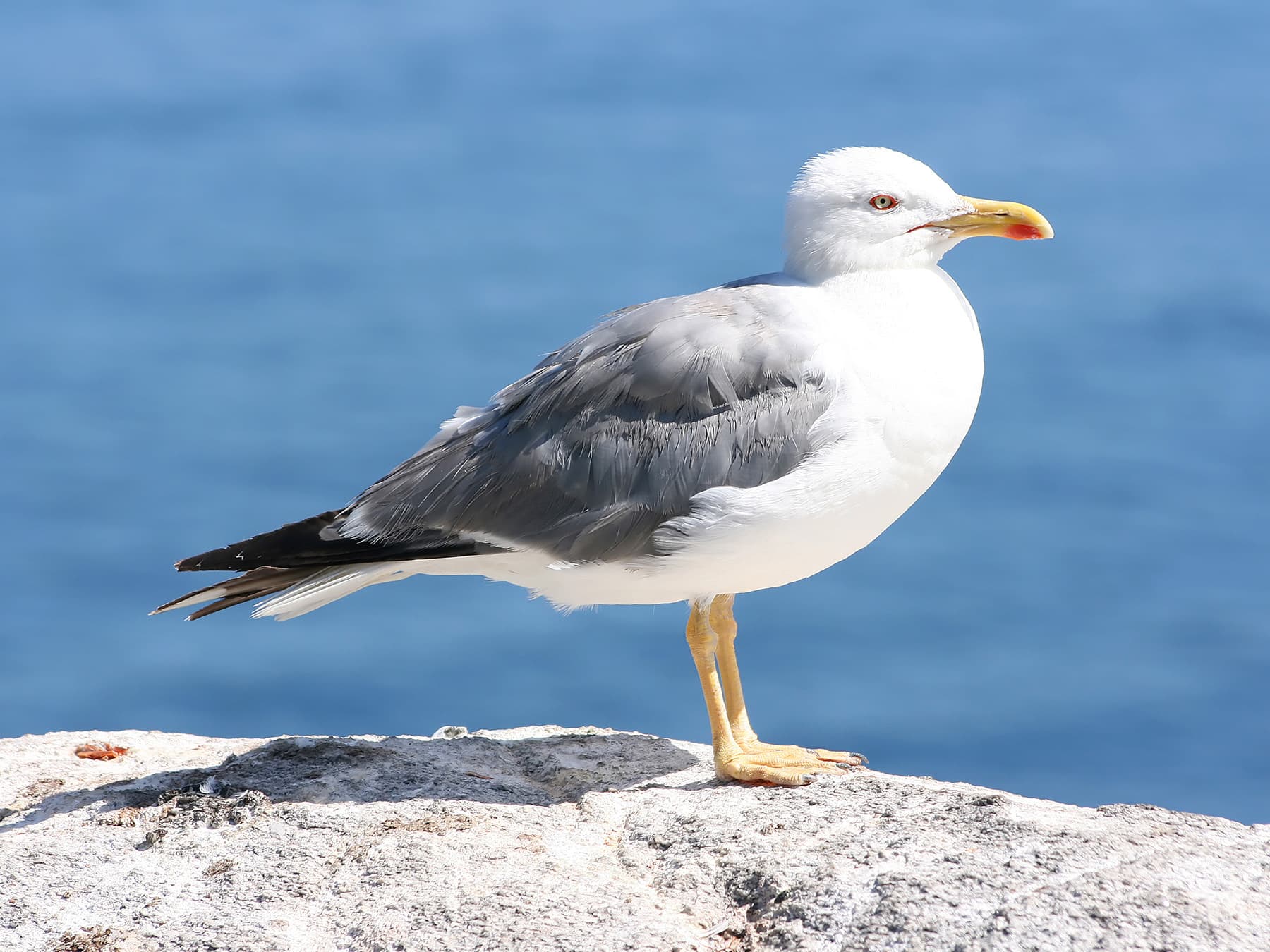
Yellow-legged Gull
Larus michahellisLC
A rare resident, found year-round among mixed gull flocks at tips, harbours, and estuaries. Identification requires careful observation.
Year-round
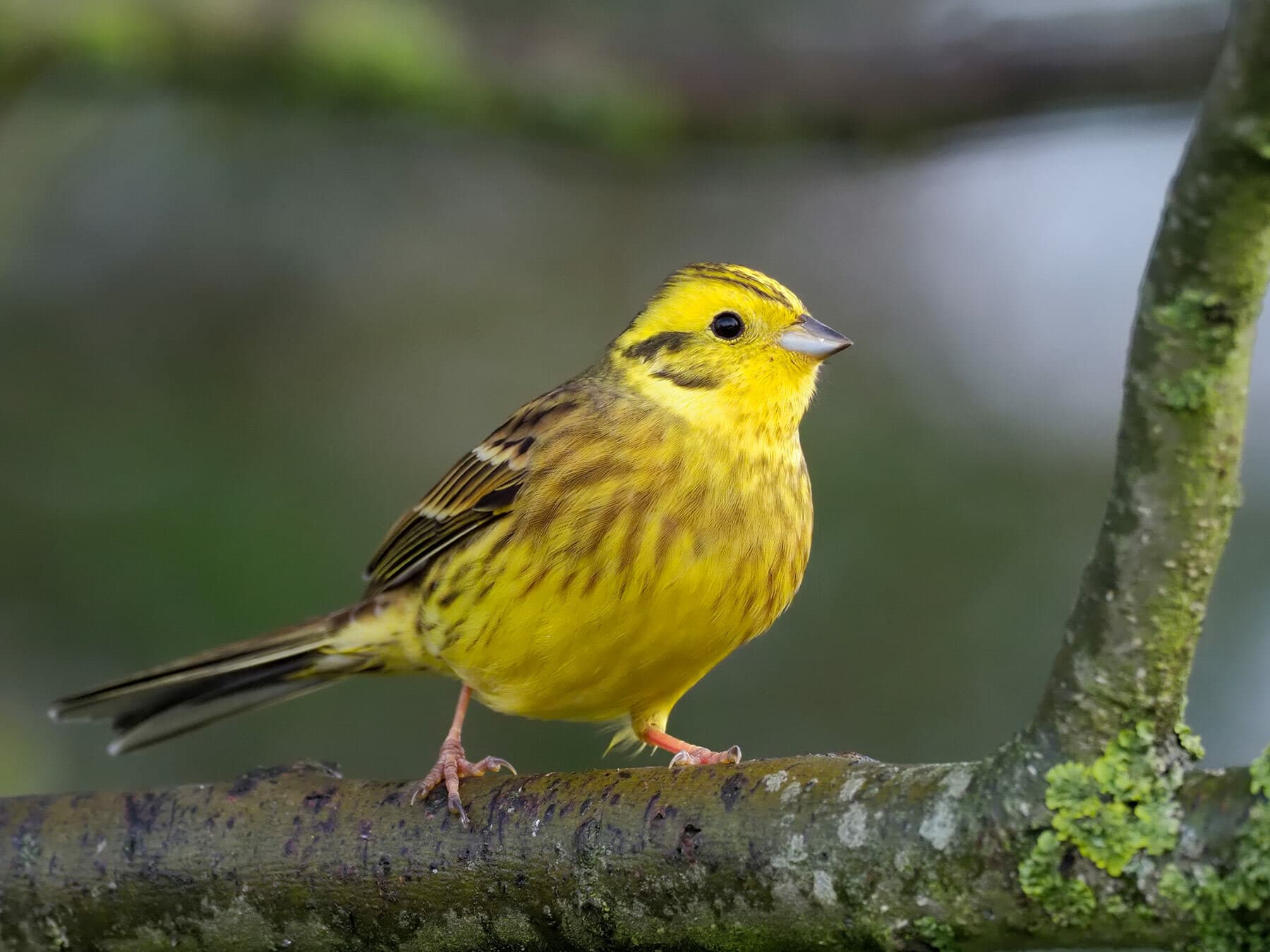
Yellowhammer
Emberiza citrinellaLC
A declining resident of Welsh farmland hedgerows, now rare and largely absent from western areas. Most likely found in the border counties.
Nov–Aug