Birds in Warwickshire
Explore 179 species found in this region.
Warwickshire, a landlocked county in the heart of England, supports a rich diversity of birdlife with 177 recorded species across its varied habitats. From the wetlands and reservoirs that attract wildfowl such as Common Merganser, Red-crested Pochard and Mandarin Duck, to the farmlands and woodlands home to familiar species like Great Tit, Magpie and Eurasian Woodcock, the county offers rewarding birdwatching throughout the year. Notable sites along river valleys and gravel pits also draw waders including Northern Lapwing and Common Sandpiper, making Warwickshire a surprisingly productive birding destination.
Visiting in July? Look out for Black-crowned Night-heron and Black-tailed Godwit arriving this month, and Avocet and Black Swan depart for the season.


Showing 162–179 of 179 species
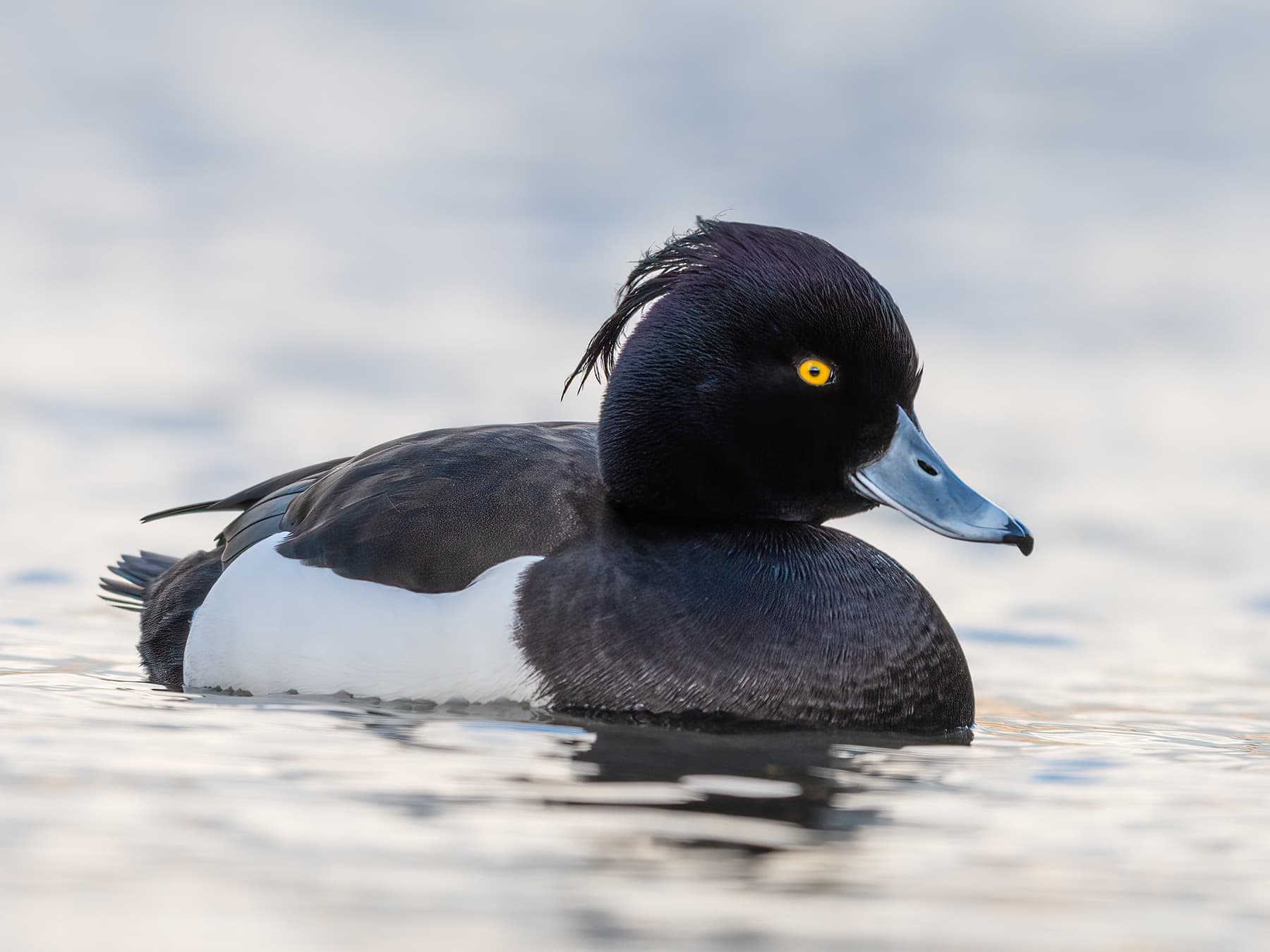
Tufted Duck
Aythya fuligulaLC
A common resident breeding on lakes and reservoirs across the county, with numbers boosted by winter visitors.
Year-round
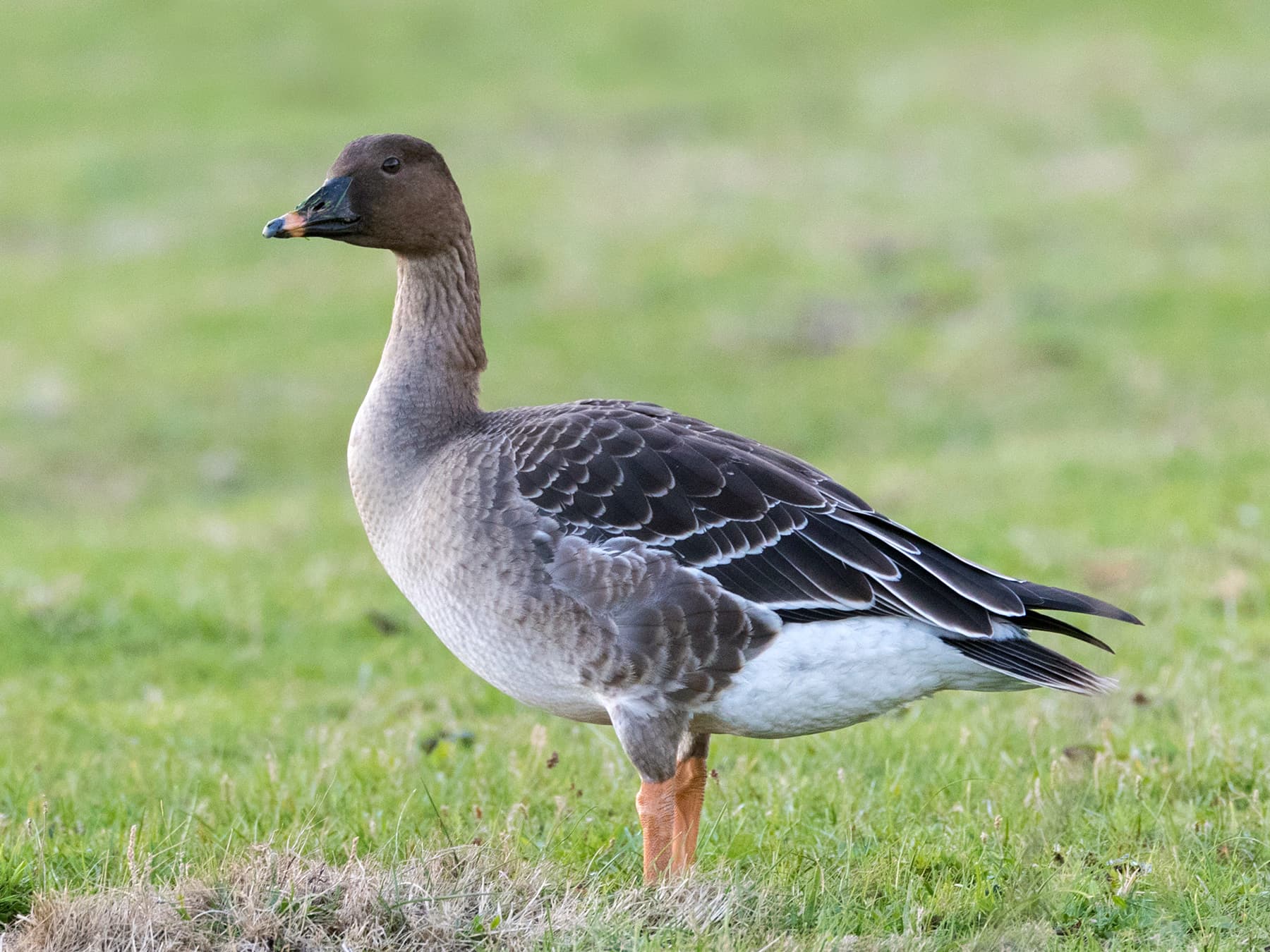
Tundra Bean Goose
Anser serrirostrisLC
A rare passage visitor, occasionally recorded at reservoirs and flooded fields in late summer and winter months.
Aug–Dec
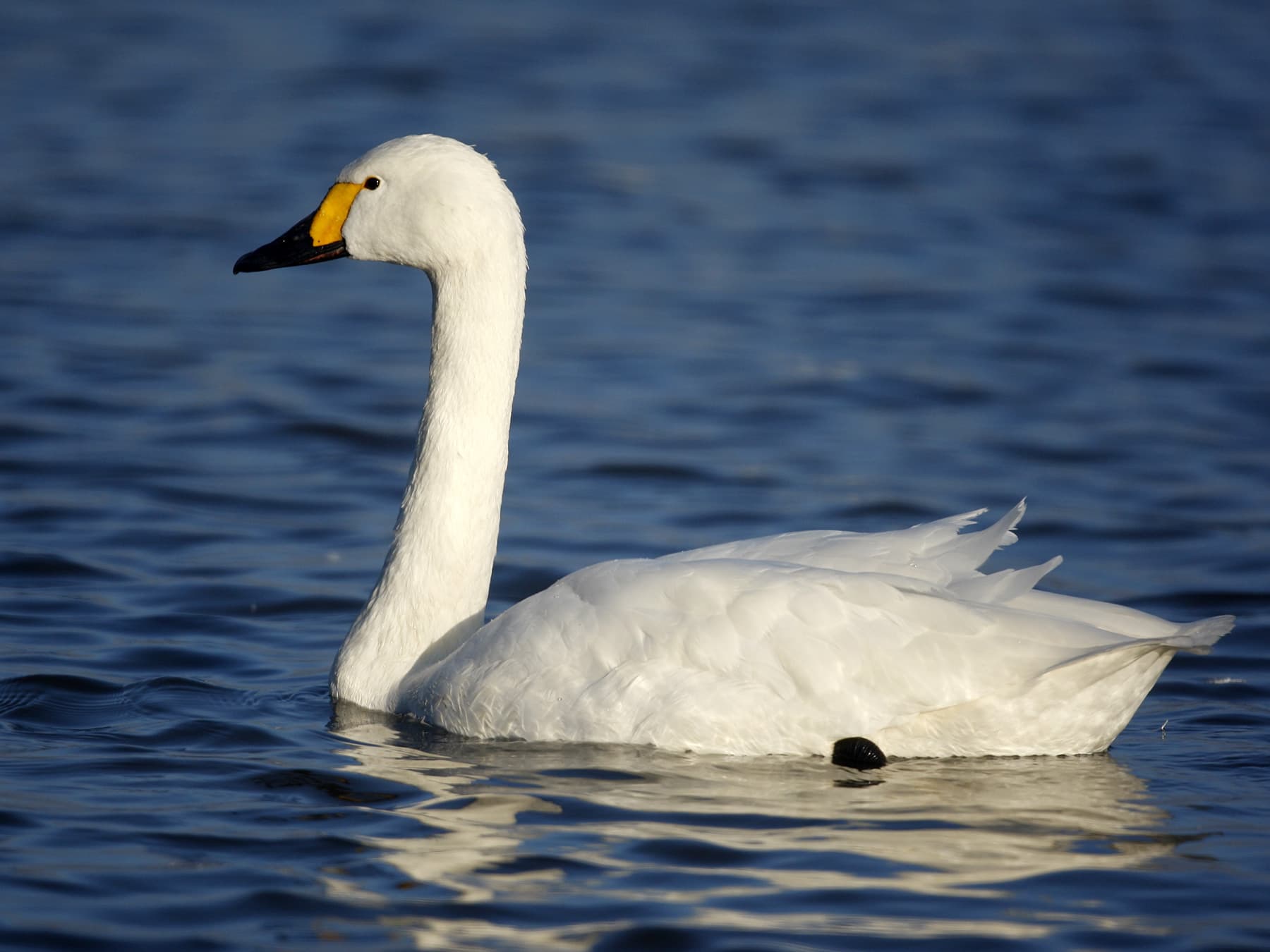
Tundra Swan
Cygnus columbianusLC
A rare passage visitor recorded in December. Small parties occasionally stop at Warwickshire's larger waters during cold winter movements.
Dec
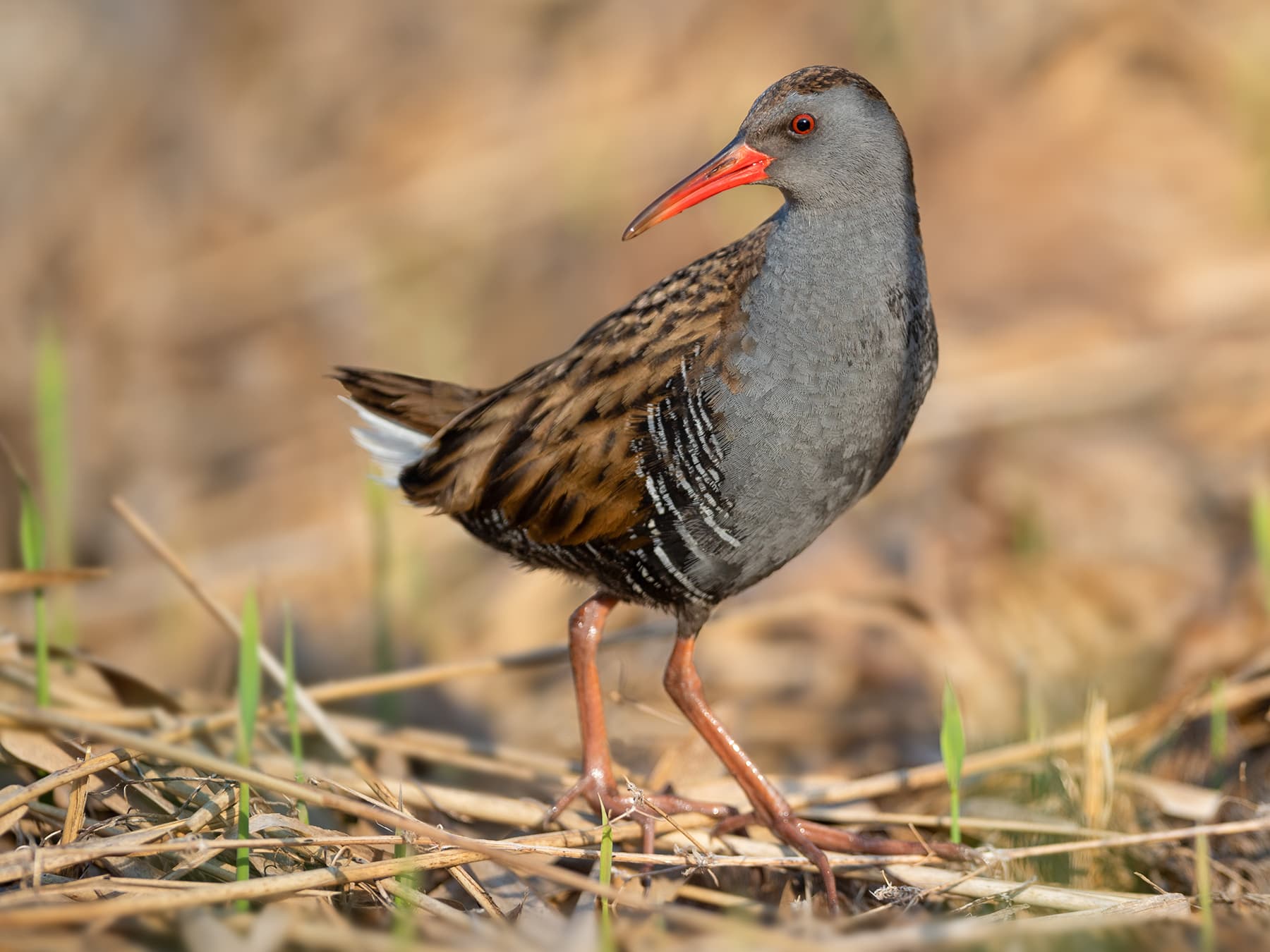
Water Rail
Rallus aquaticusLC
An uncommon but year-round resident, skulking in reedbeds and marshy margins at sites like Brandon Marsh and Draycote.
Year-round
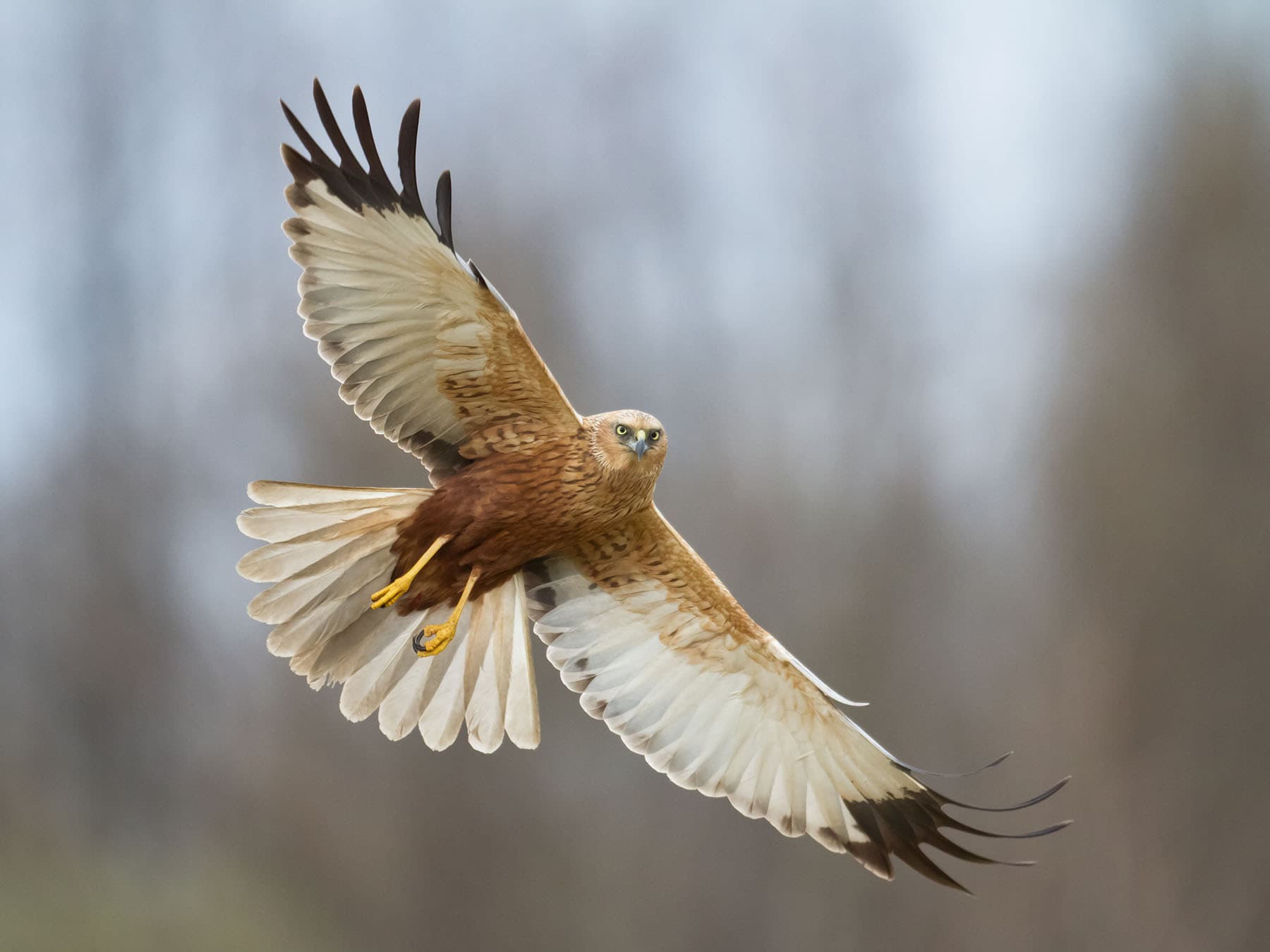
Western Marsh-harrier
Circus aeruginosusLC
A rare passage visitor, occasionally seen quartering reedbeds and marshes. Brandon Marsh and similar wetlands offer the best chances.
Nov–Jun
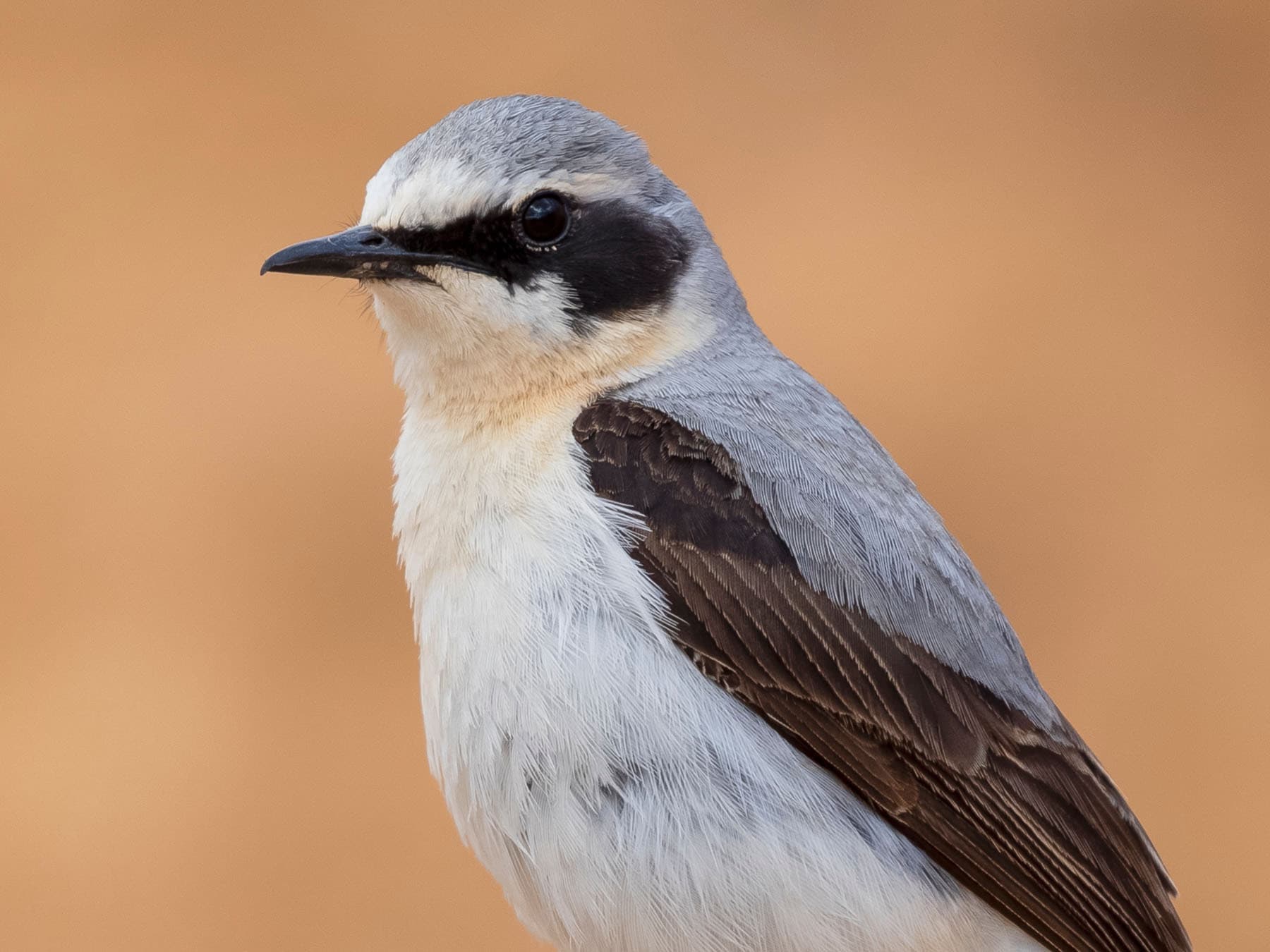
Wheatear
Oenanthe oenantheLC
A rare visitor seen on spring and autumn passage across open farmland and ploughed fields. Does not breed locally but passes through from March to May and August to September.
Mar–Sep
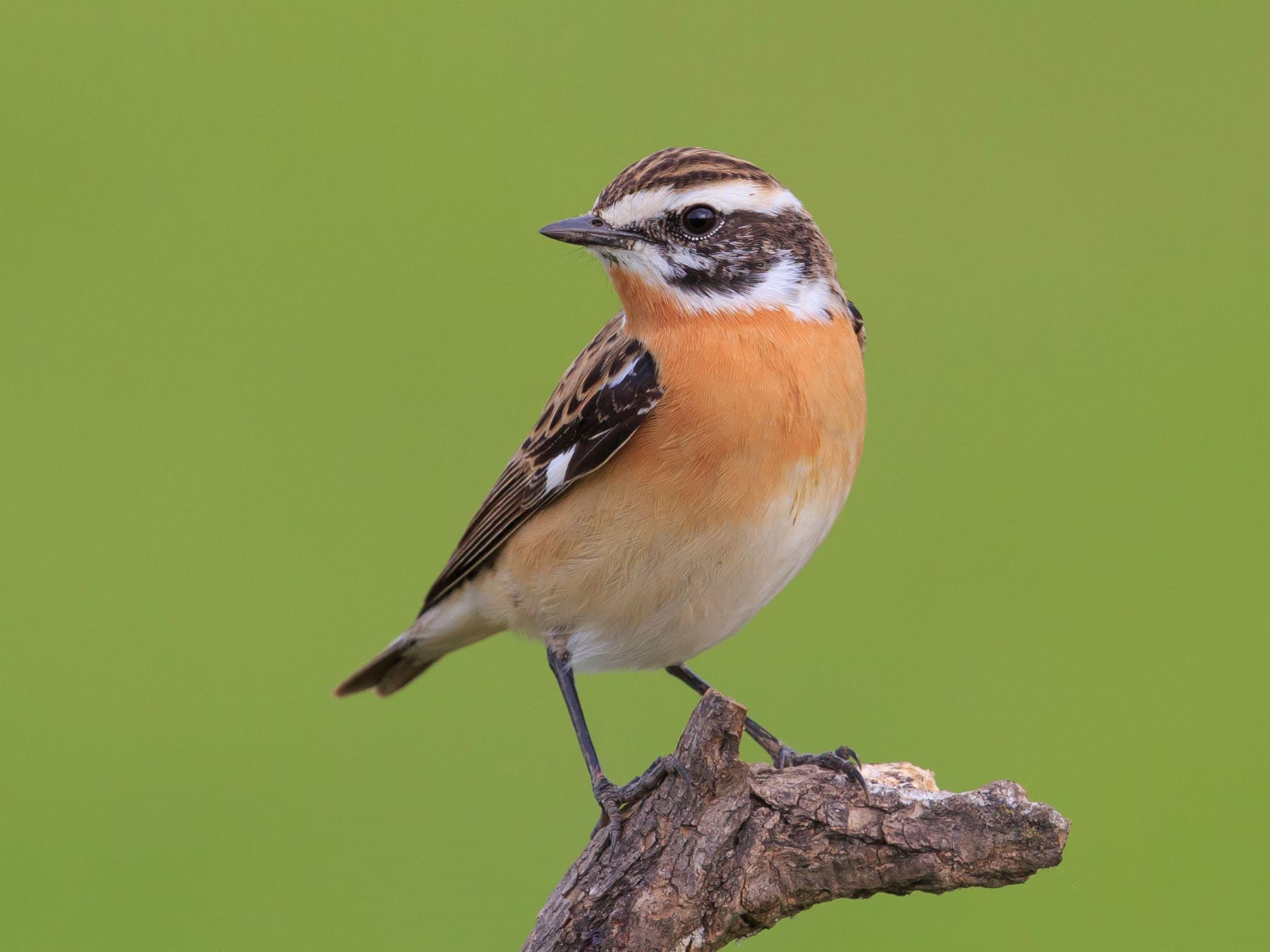
Whinchat
Saxicola rubetraLC
A rare passage migrant glimpsed briefly in May and September on open grassland and scrubby field margins, pausing on migration through the county.
May–Sep
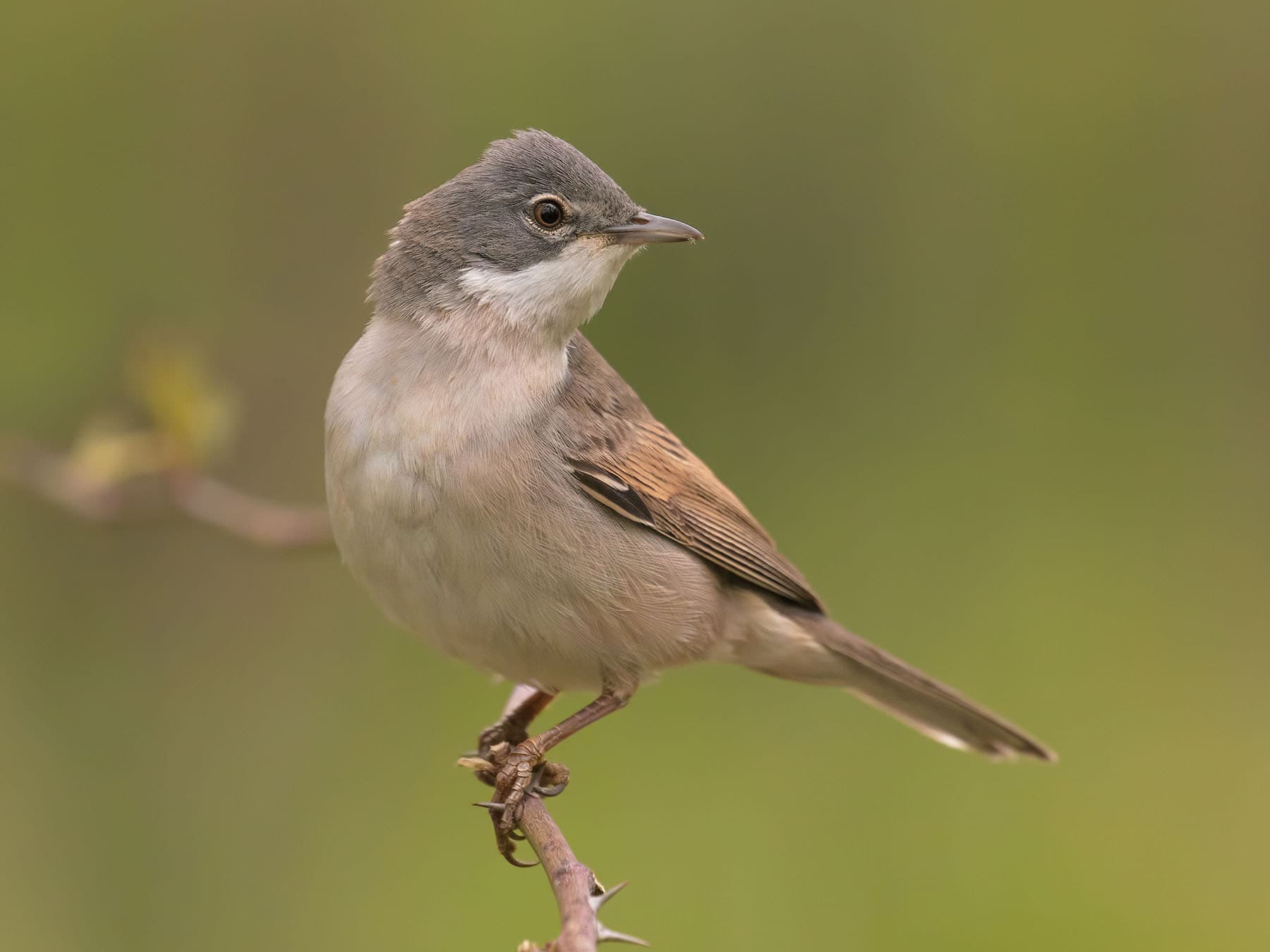
Whitethroat
Curruca communisLC
A common summer visitor breeding in hedgerows and scrubby margins across Warwickshire's farmland. Its scratchy song is characteristic of country lanes.
Apr–Sep
Spotted something?
Upload a photo to identify it
Identify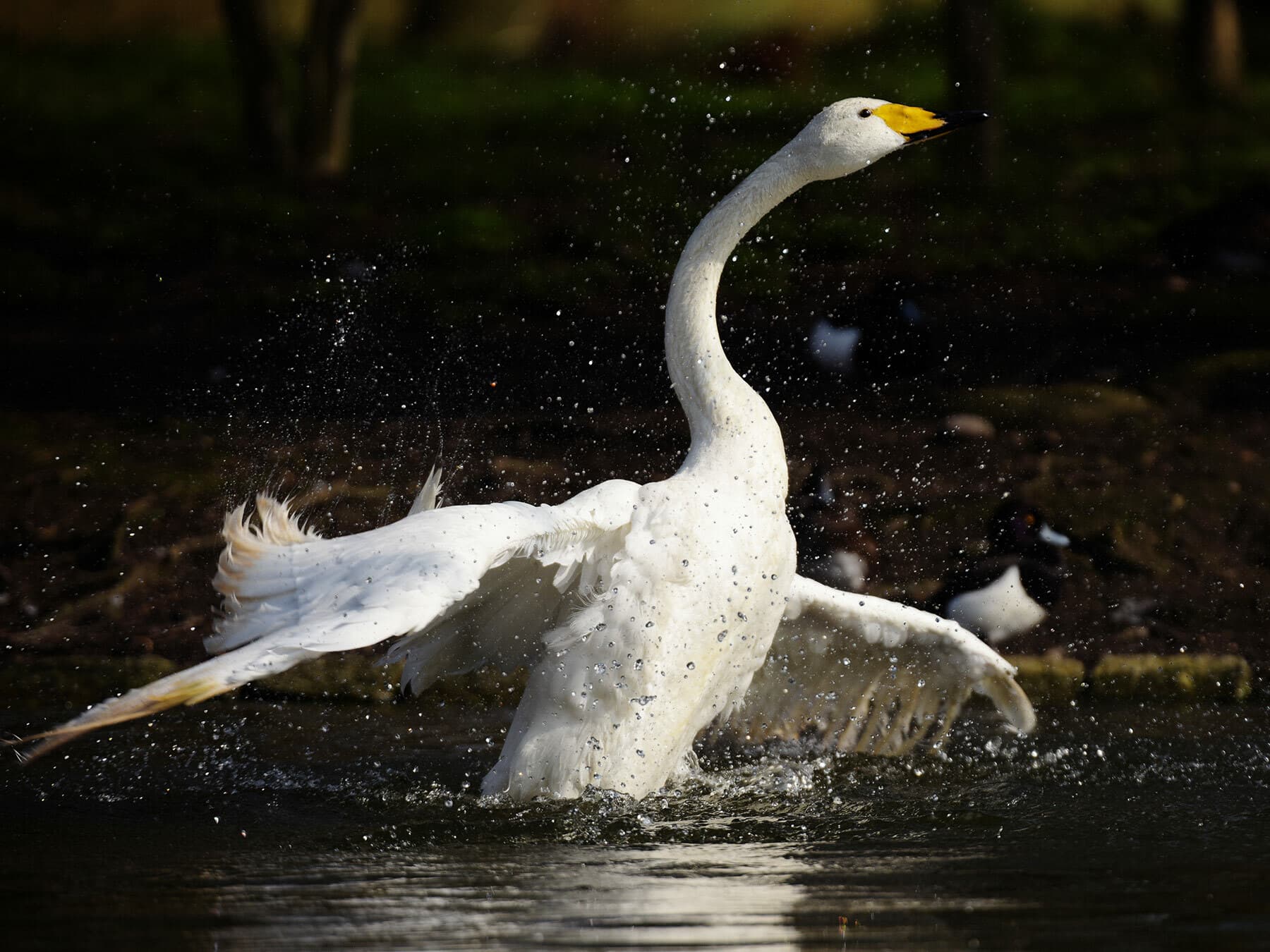
Whooper Swan
Cygnus cygnusLC
A rare winter visitor, occasionally seen on large reservoirs and flooded meadows between October and February.
Oct–Feb
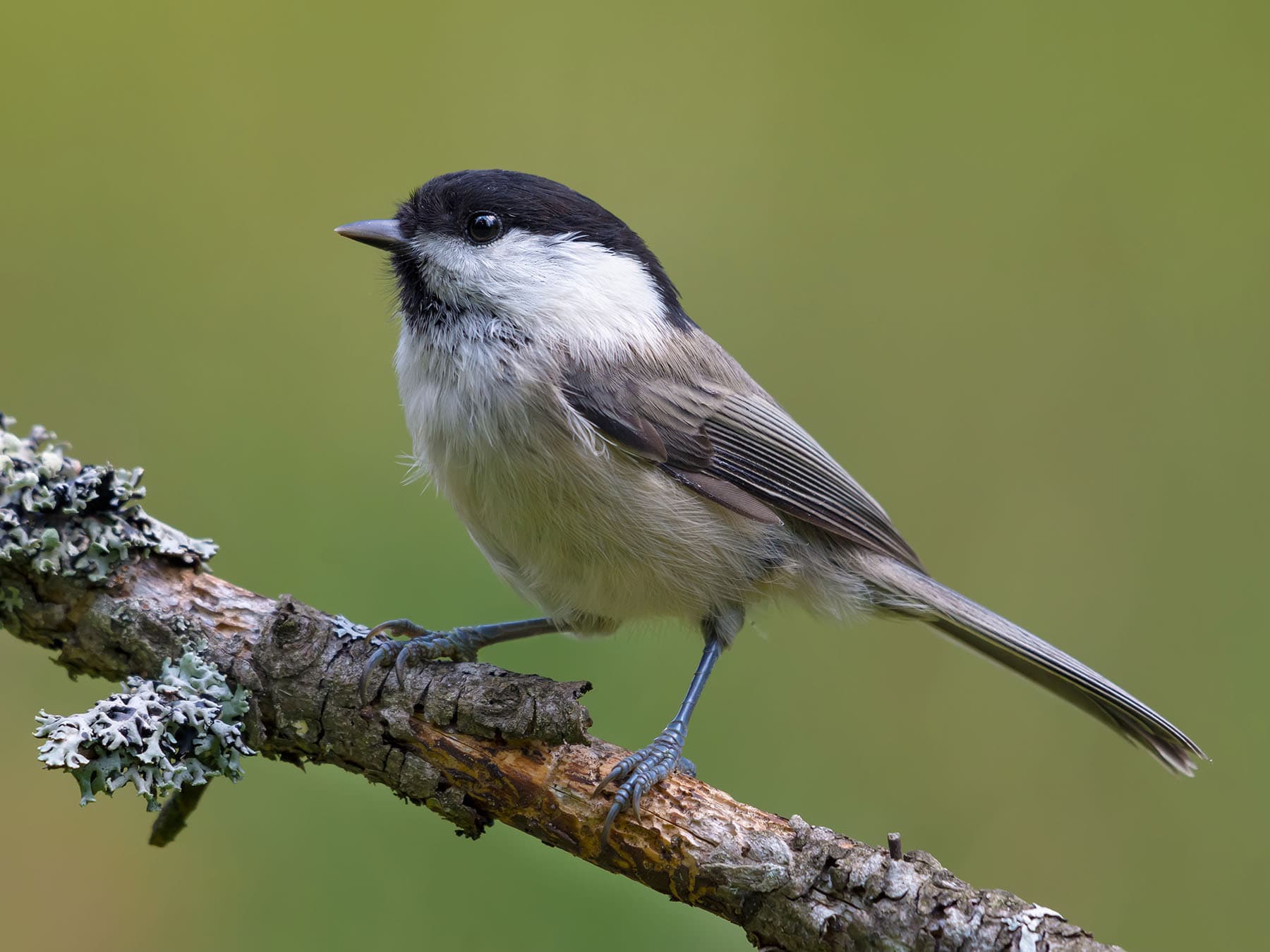
Willow Tit
Poecile montanusLC
A rare and rapidly declining resident, favouring damp woodland with decaying birch and alder. One of Warwickshire's most threatened breeding species.
Year-round
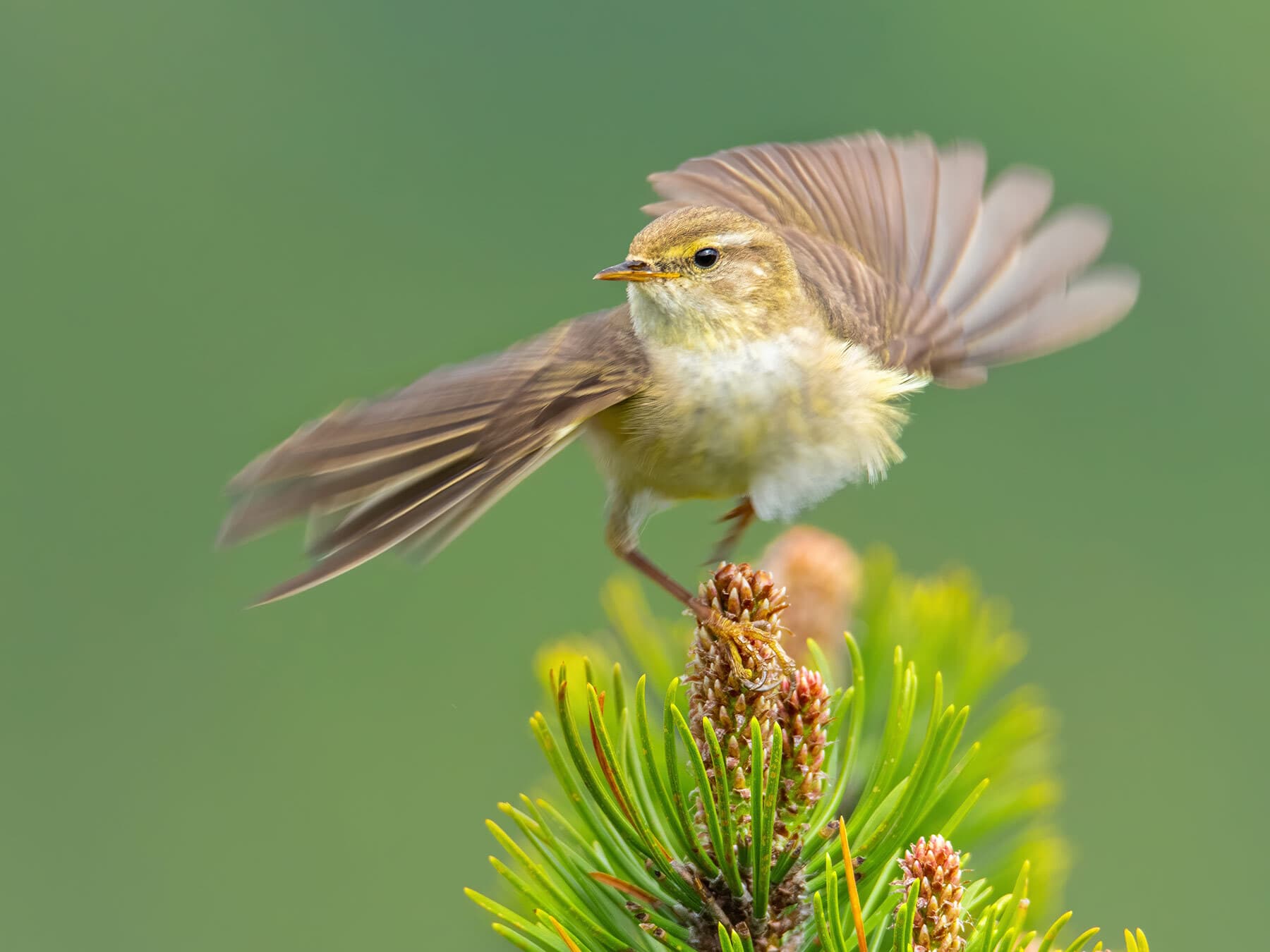
Willow Warbler
Phylloscopus trochilusLC
A common summer breeder arriving in April, favouring scrubby woodland edges and young plantations. Its gentle descending song is a hallmark of Warwickshire springs.
Apr–Sep
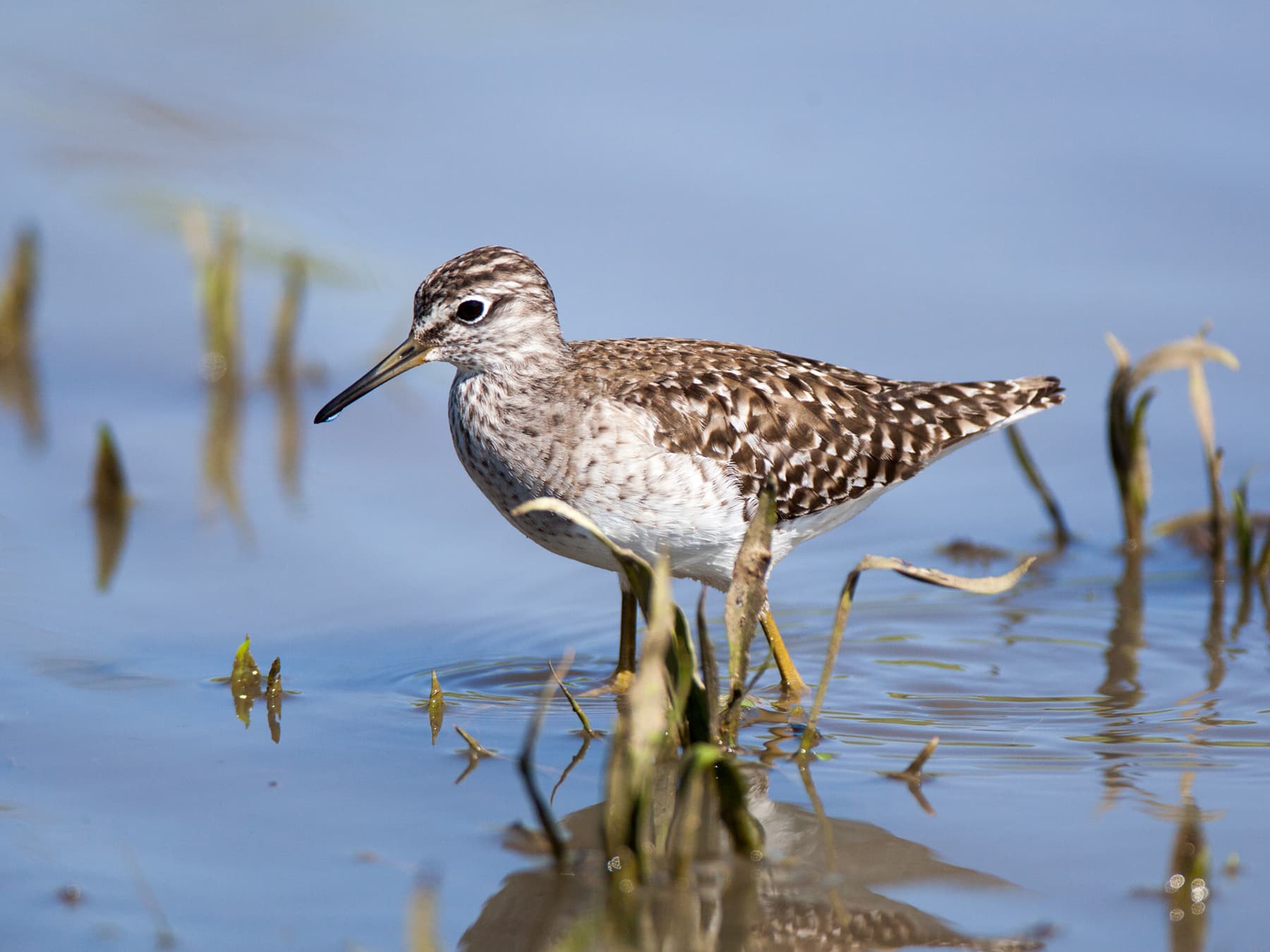
Wood Sandpiper
Tringa glareolaLC
A rare passage migrant noted in May and again in August–September. Favours muddy pool edges at gravel pits and reservoirs.
May–Sep
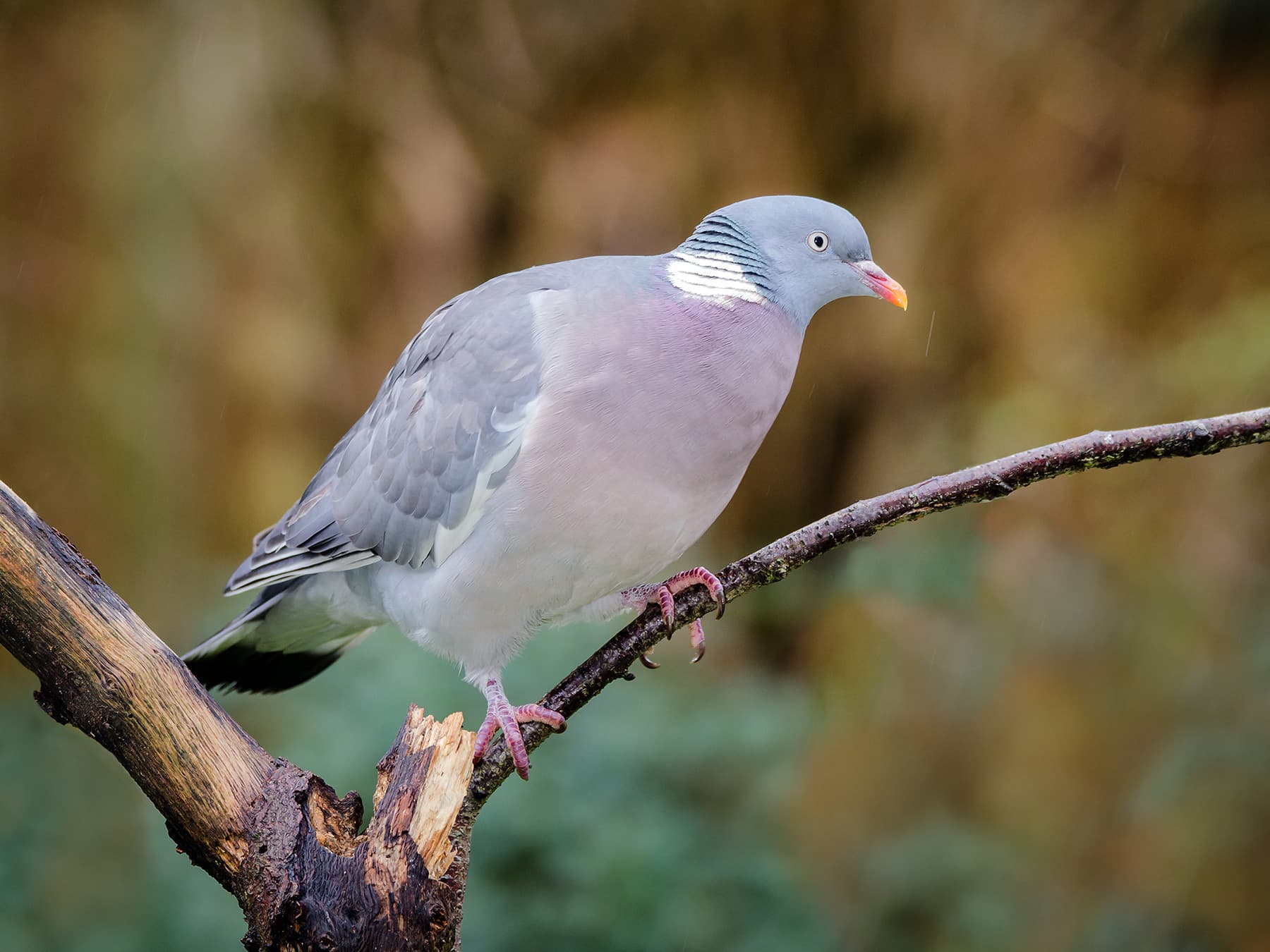
Woodpigeon
Columba palumbusLC
An abundant resident seen across virtually all Warwickshire habitats, from farmland and woodland to parks and urban gardens year-round.
Year-round
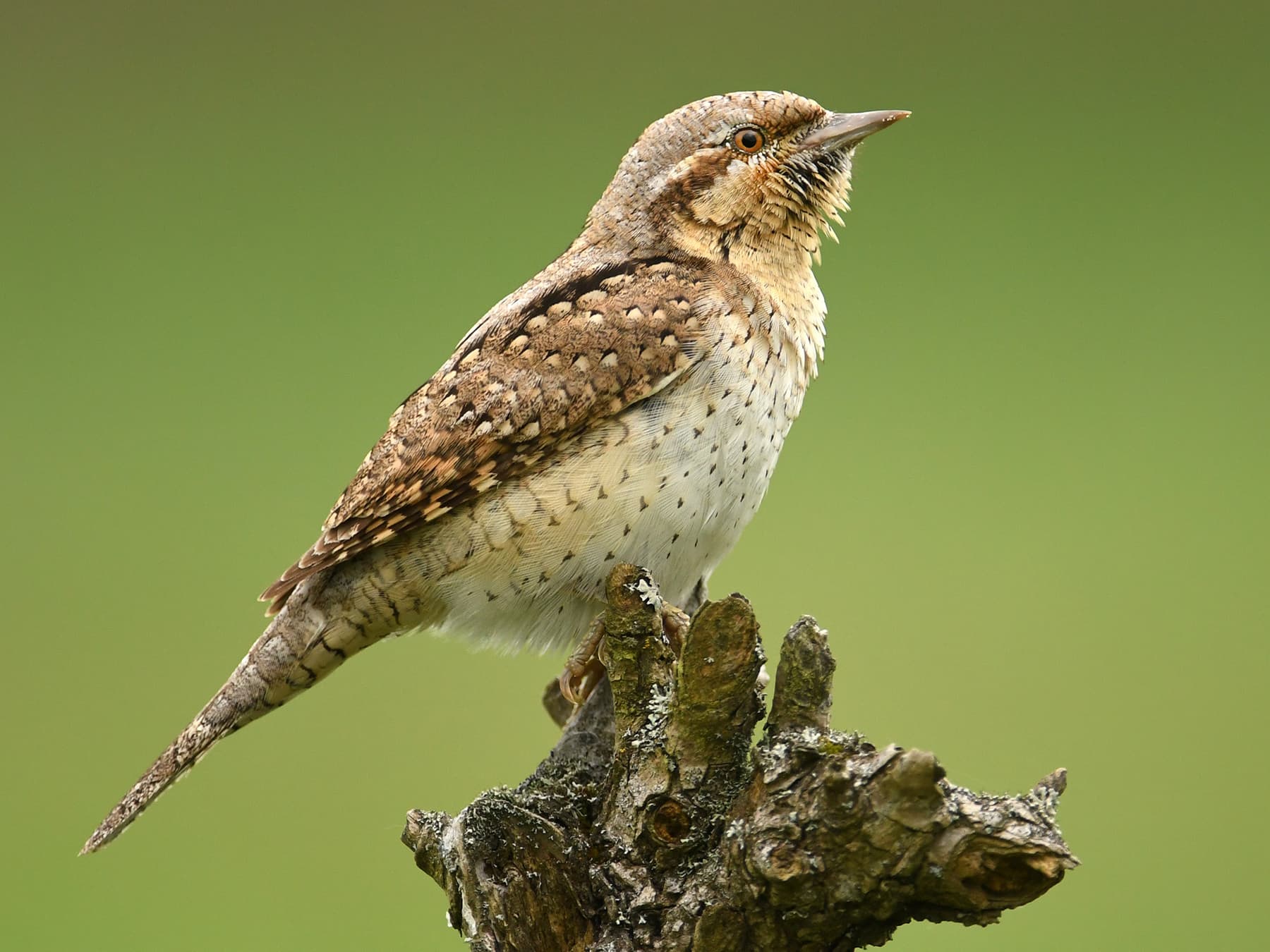
Wryneck
Jynx torquillaLC
A rare autumn passage migrant, with occasional September records. Once bred in Britain, it now appears only as a scarce visitor to Warwickshire.
Sep
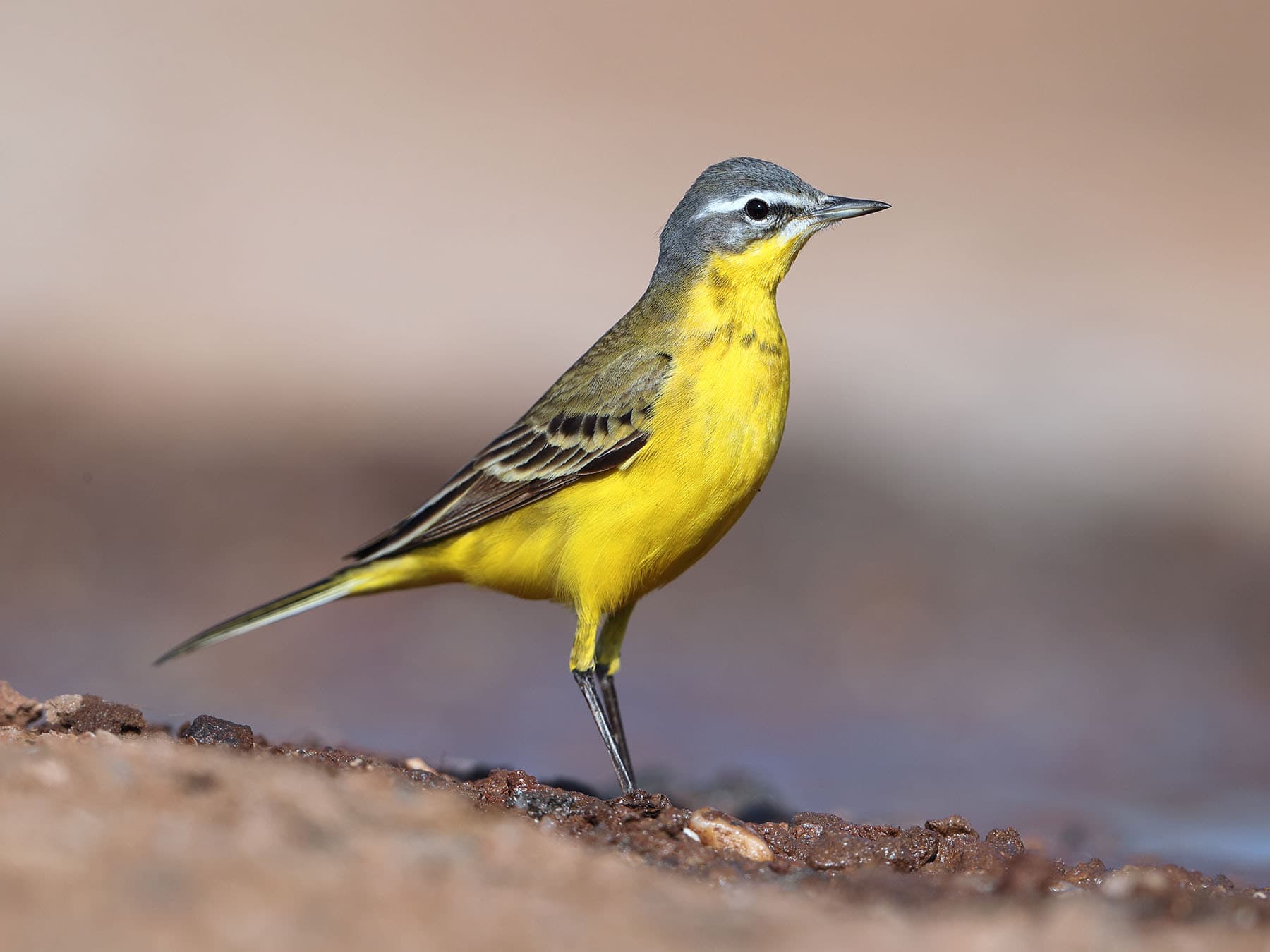
Yellow Wagtail
Motacilla flavaLC
An uncommon and declining summer breeder favouring lowland pastures and arable fields near water. Present from April to September in Warwickshire's river valleys.
Apr–Sep
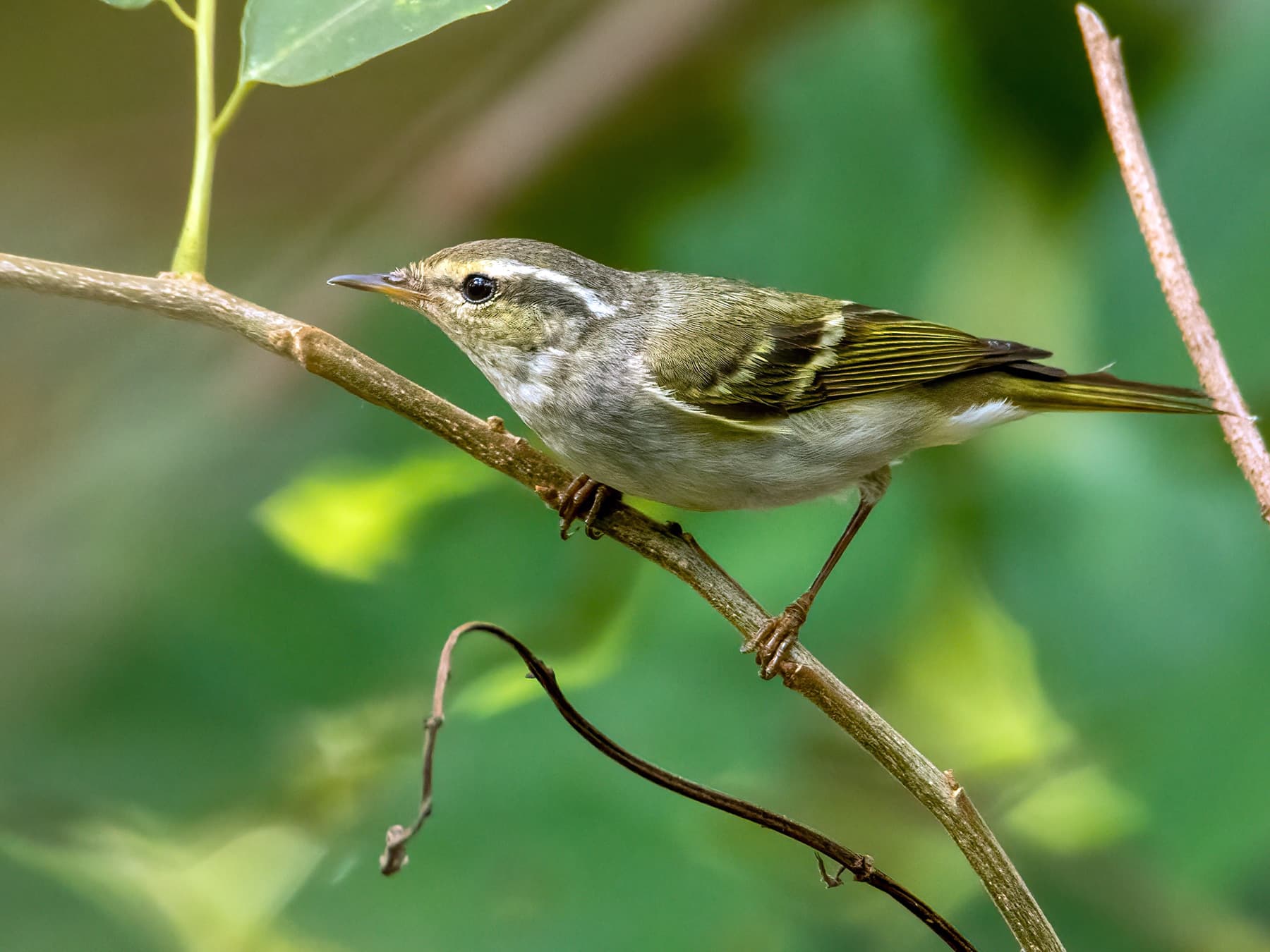
Yellow-browed Warbler
Phylloscopus inornatusLC
A rare vagrant from Siberia, occasionally turning up in October. Inland Warwickshire records are notable and attract keen birders to the county.
Oct–Jan
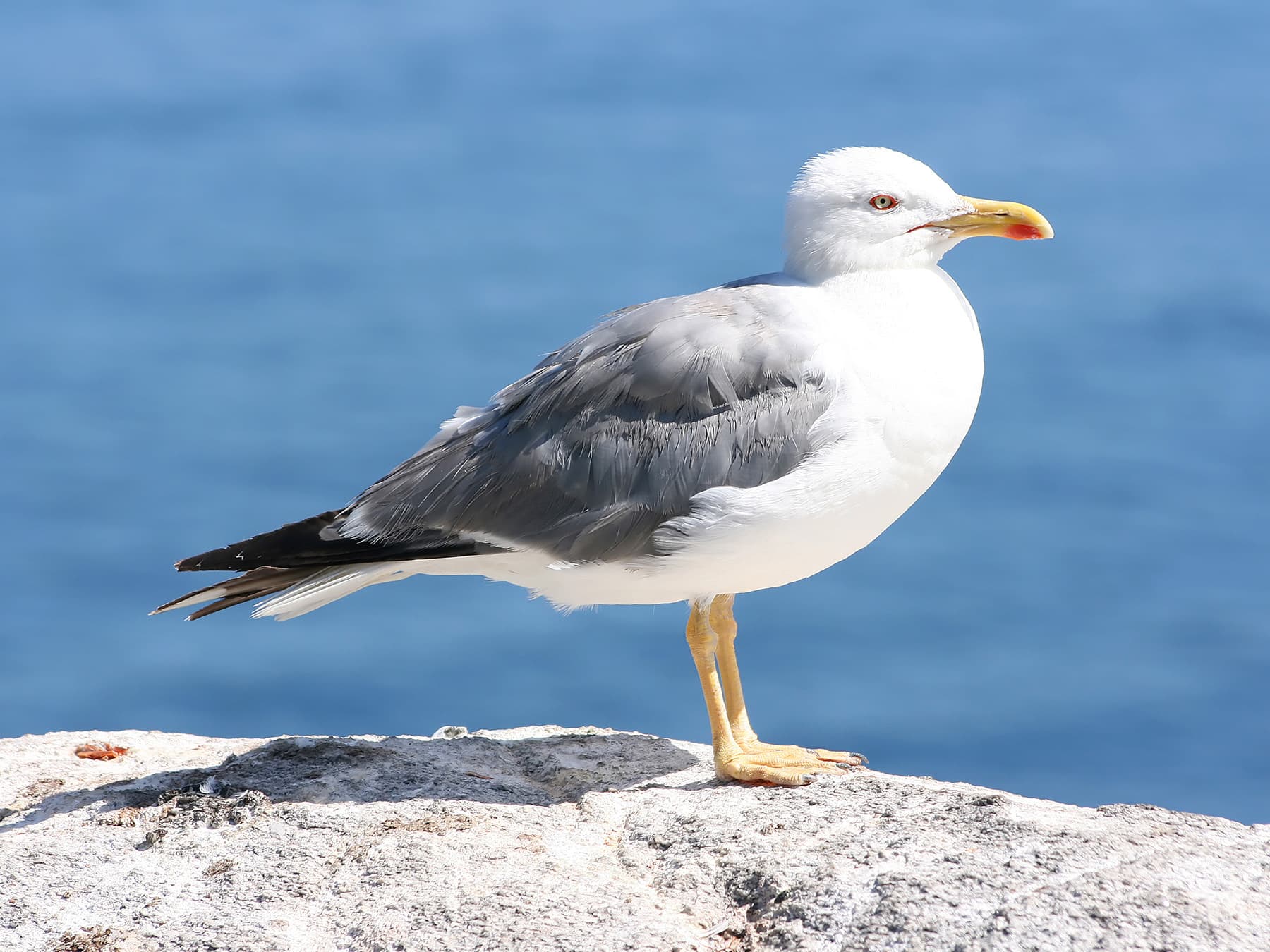
Yellow-legged Gull
Larus michahellisLC
A rare passage visitor recorded in late winter and autumn, picked out among gull roosts at larger reservoirs.
Nov–Mar
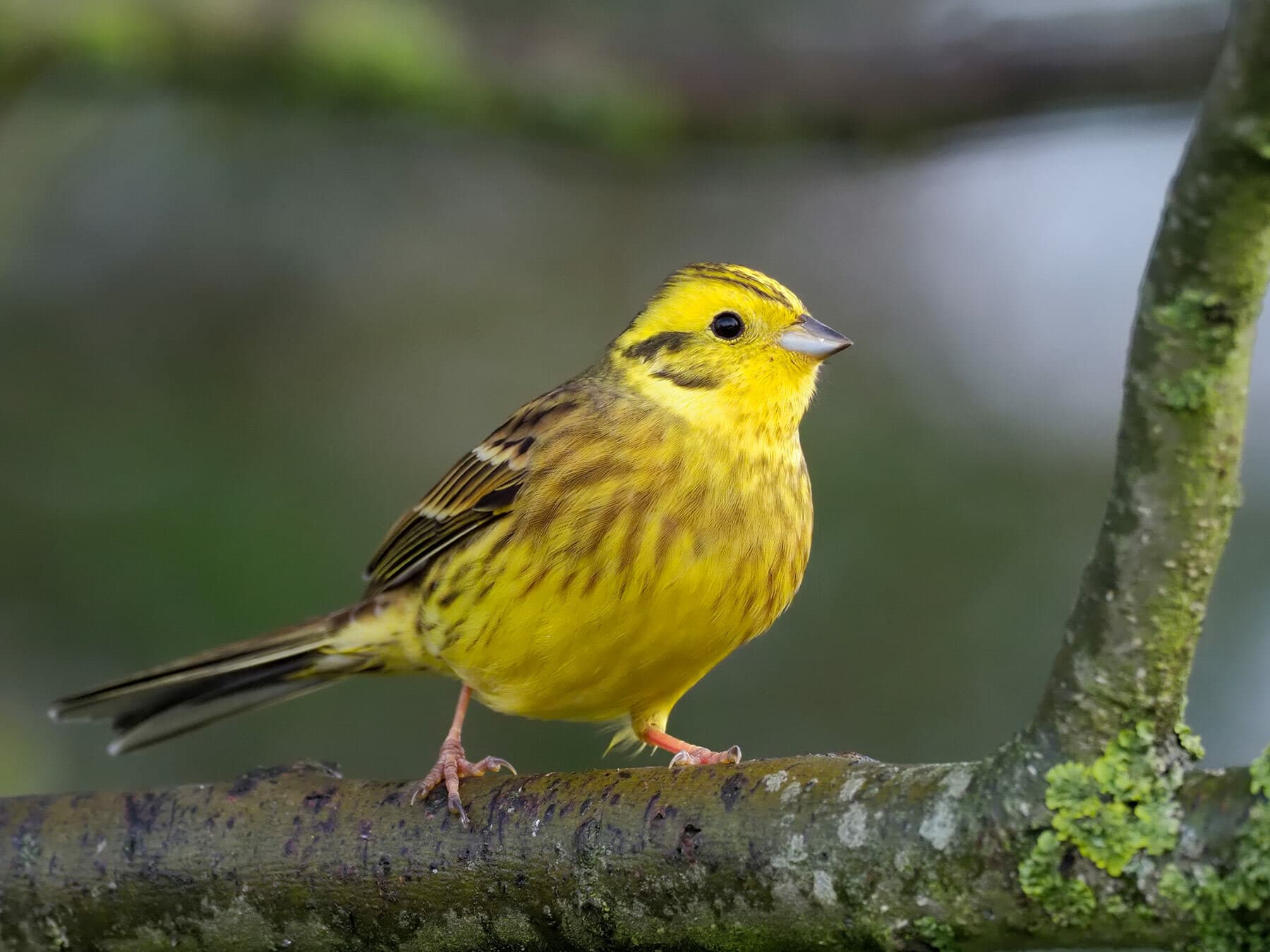
Yellowhammer
Emberiza citrinellaLC
An uncommon but characteristic resident of Warwickshire's farmland hedgerows. Its bright song from hedge-top perches enlivens arable landscapes year-round.
Year-round