Sandpipers & Snipes in Isle of Wight
19 species matching this filter.
The Isle of Wight's diverse coastal and wetland habitats make it an excellent destination for observing members of the sandpiper and snipe family, with 19 species recorded across the county. The island's estuaries, mudflats, and marshes — particularly around the Newtown Harbour and Brading Marshes — attract notable waders such as Bar-tailed Godwit, Black-tailed Godwit, Curlew, and Dunlin, especially during migration and winter months. Secretive species like Eurasian Woodcock and Jack Snipe can also be found in the island's woodland edges and damp grasslands.


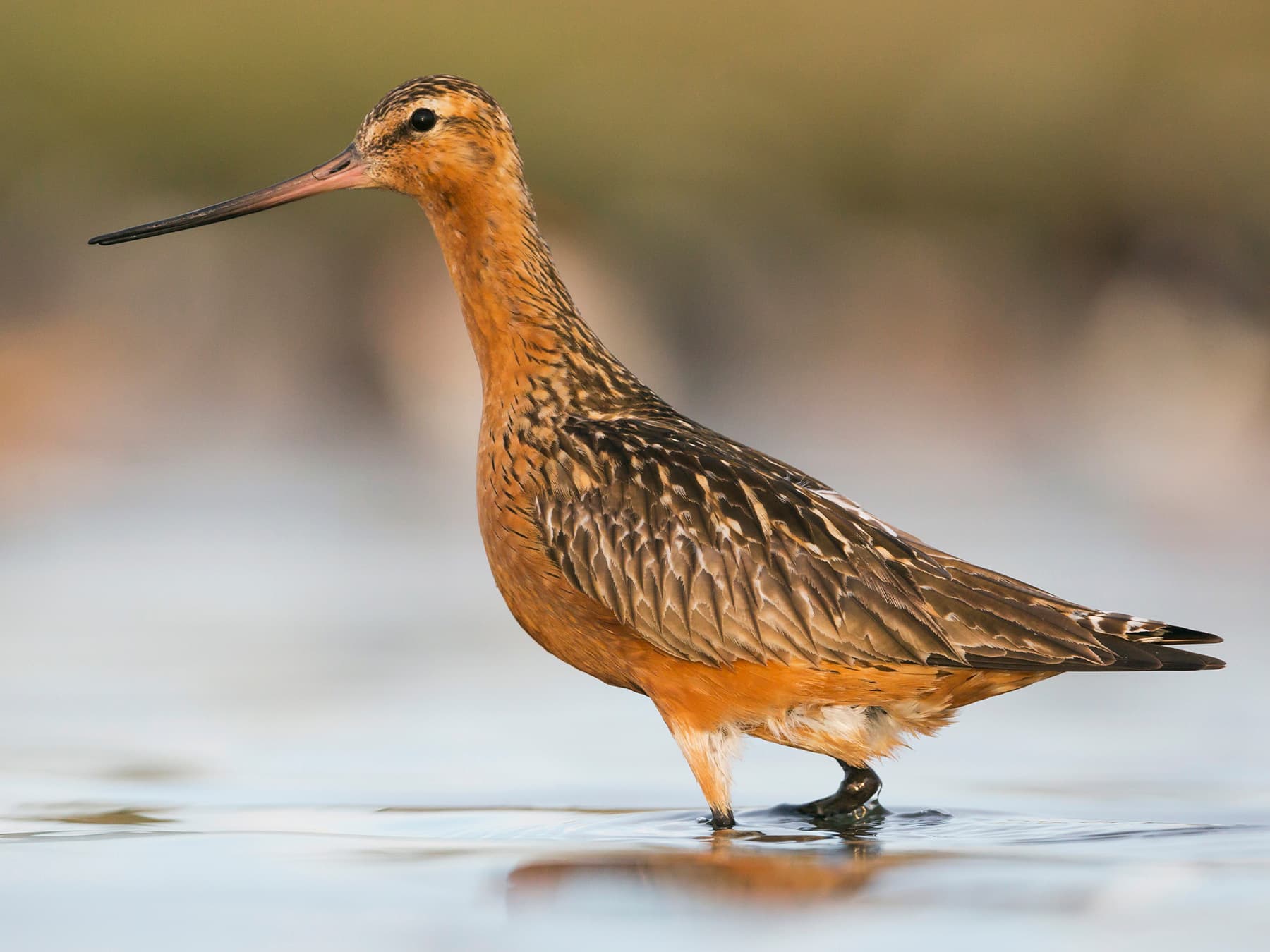
Bar-tailed Godwit
Limosa lapponicaNT
A rare passage wader seen on island estuaries and mudflats, mainly during spring and autumn migration in February, April, September and November.
Sep–Apr
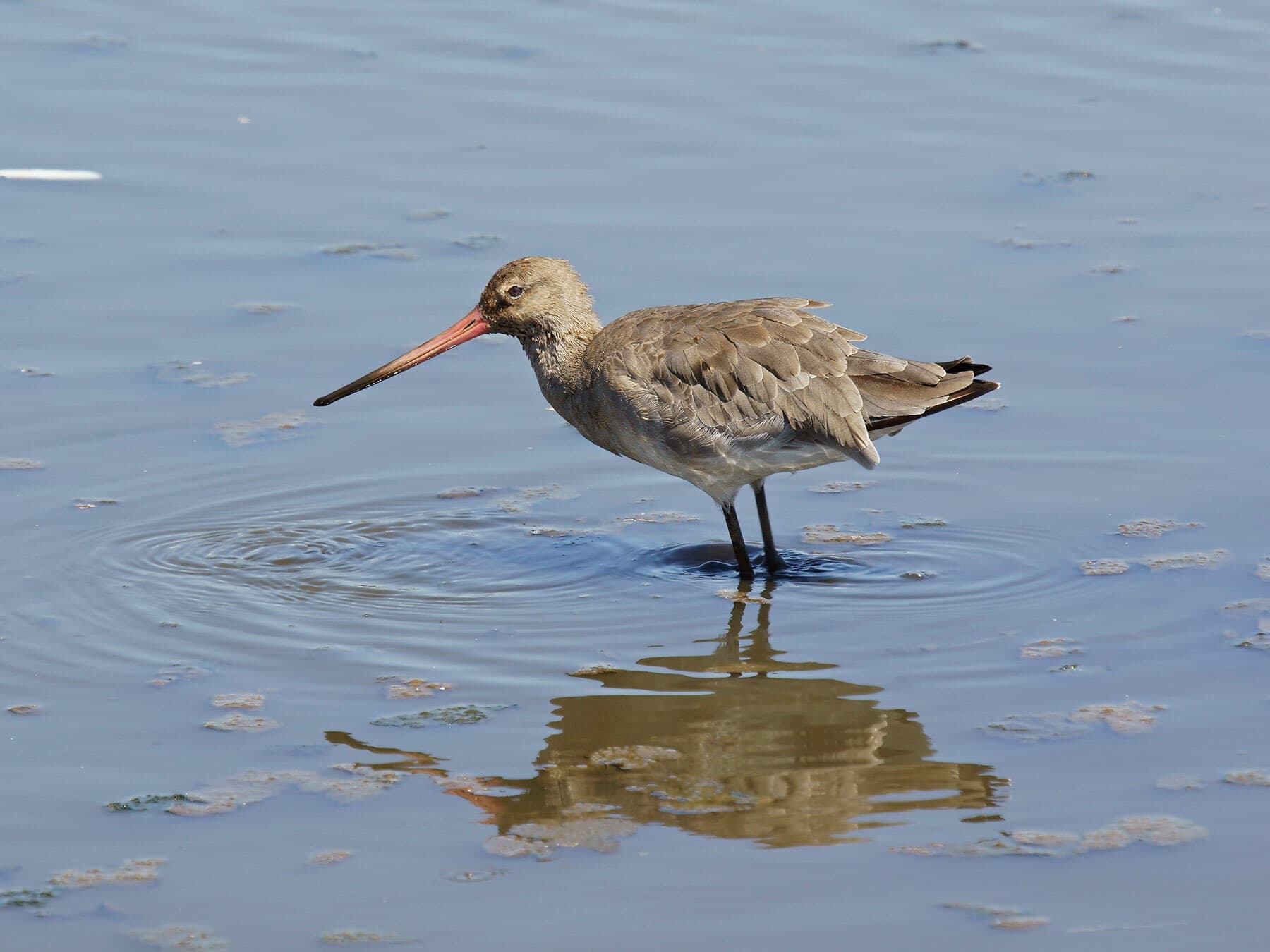
Black-tailed Godwit
Limosa limosaNT
An uncommon year-round resident of estuarine mudflats, with the Newtown and Brading marshes being key feeding sites.
Year-round
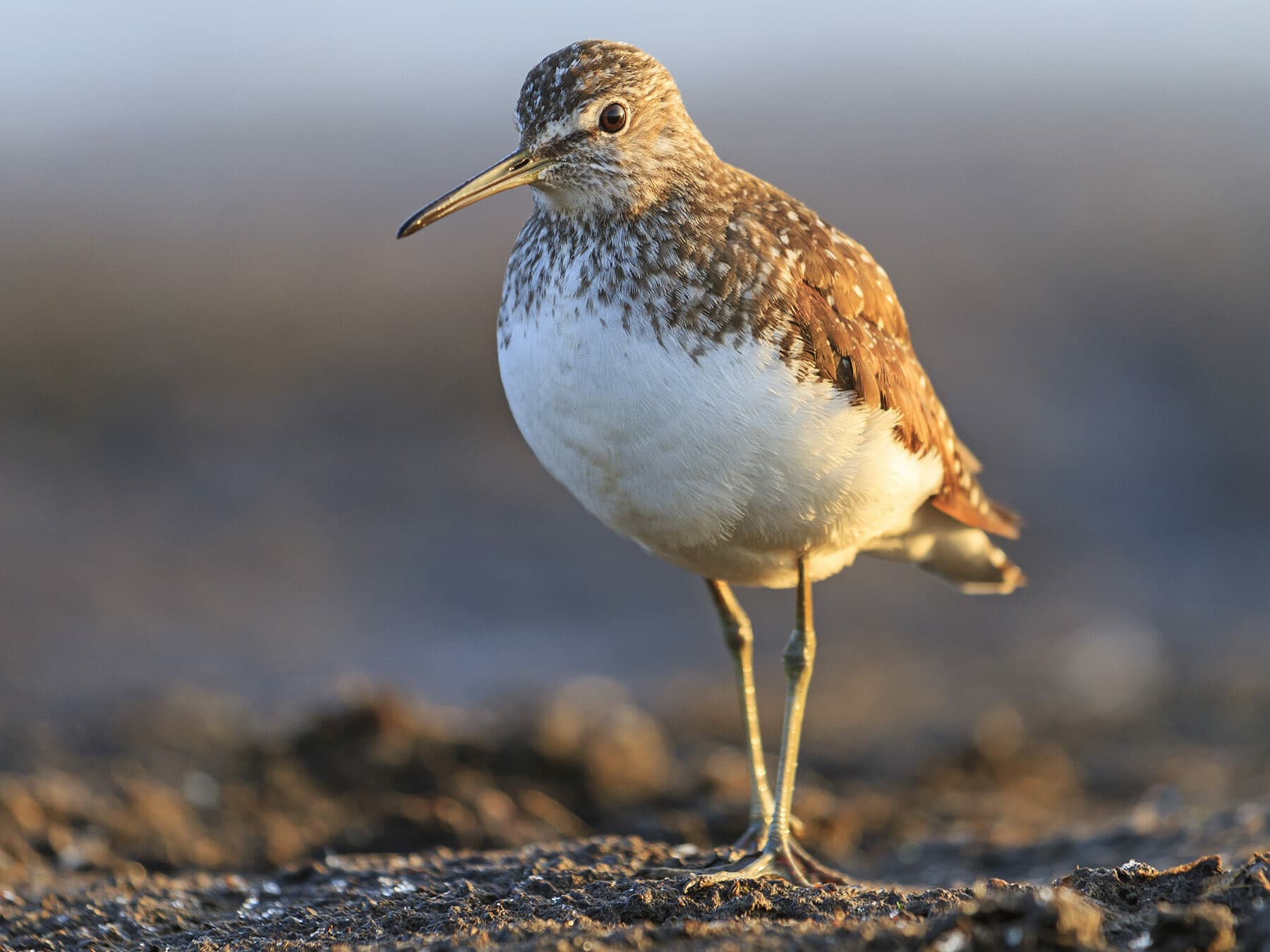
Common Sandpiper
Actitis hypoleucosLC
A rare visitor found bobbing along freshwater margins and coastal creeks, most likely seen during spring and autumn passage periods.
Feb–Nov
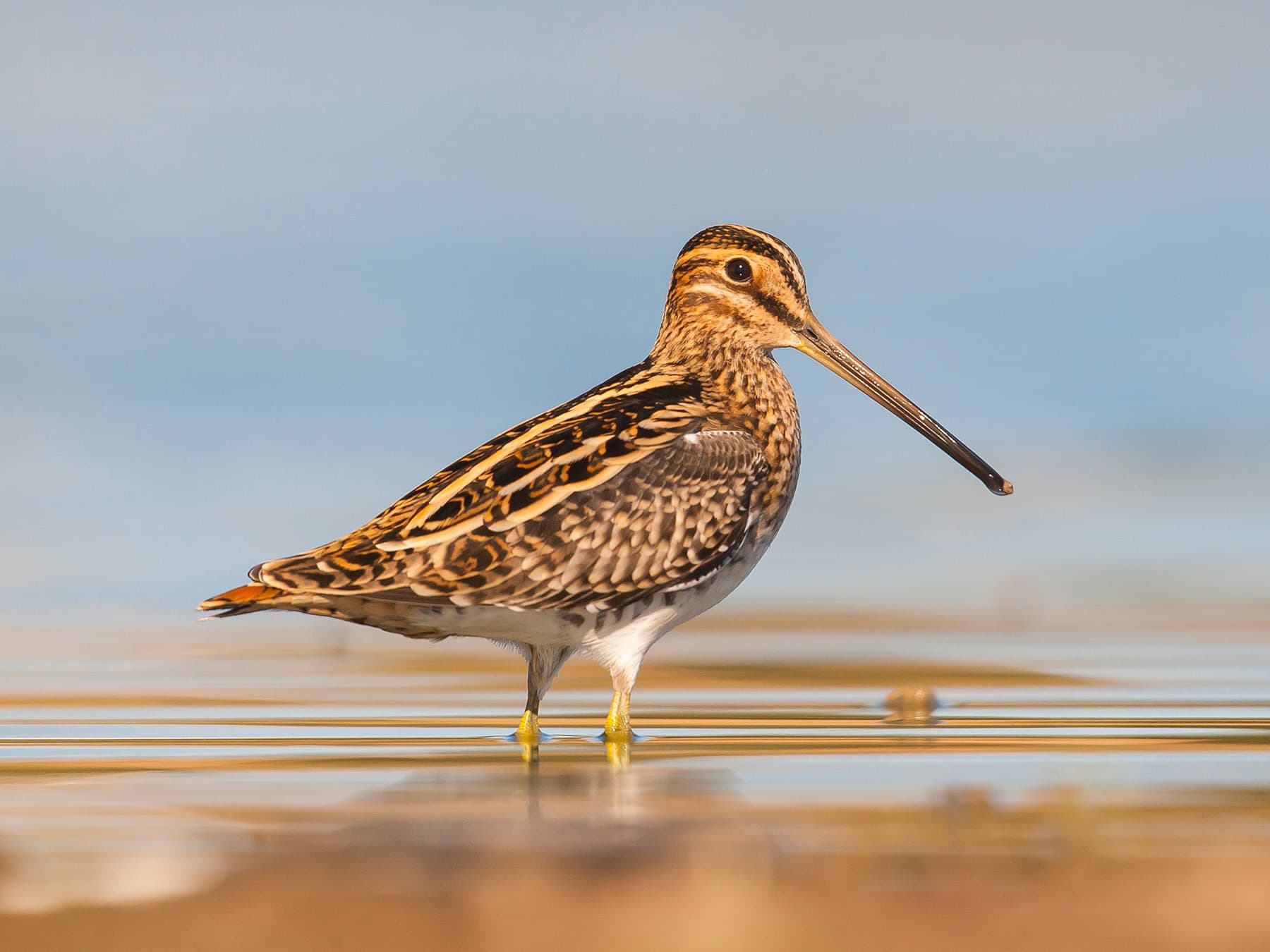
Common Snipe
Gallinago gallinagoLC
An uncommon non-breeding visitor to wet meadows and marshes, probing soft ground with its long bill from autumn through to spring.
Aug–Apr
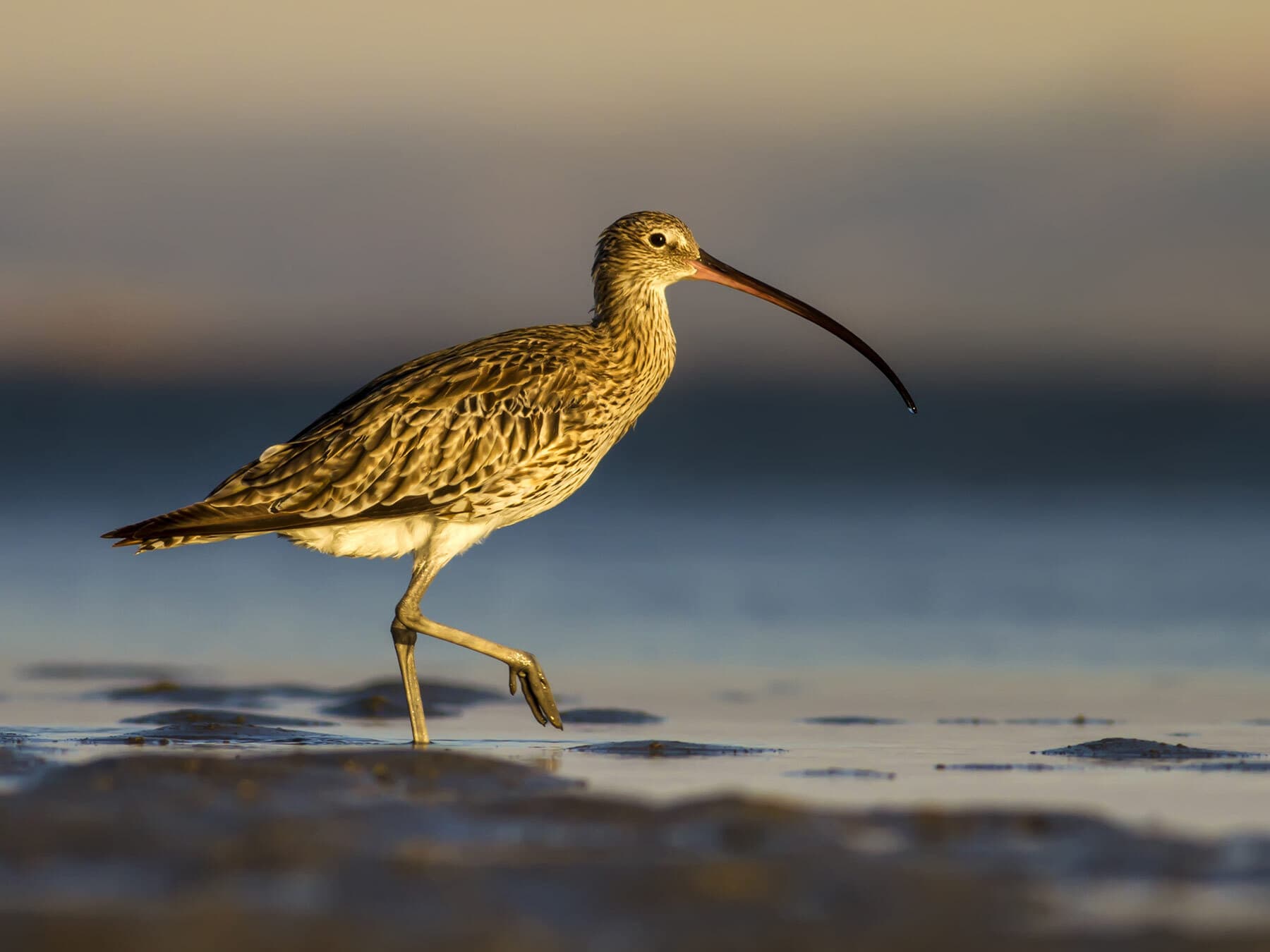
Curlew
Numenius arquataNT
Present year-round on estuaries and farmland, its evocative call a signature sound of the island's coast. Winter numbers boosted by continental birds.
Year-round
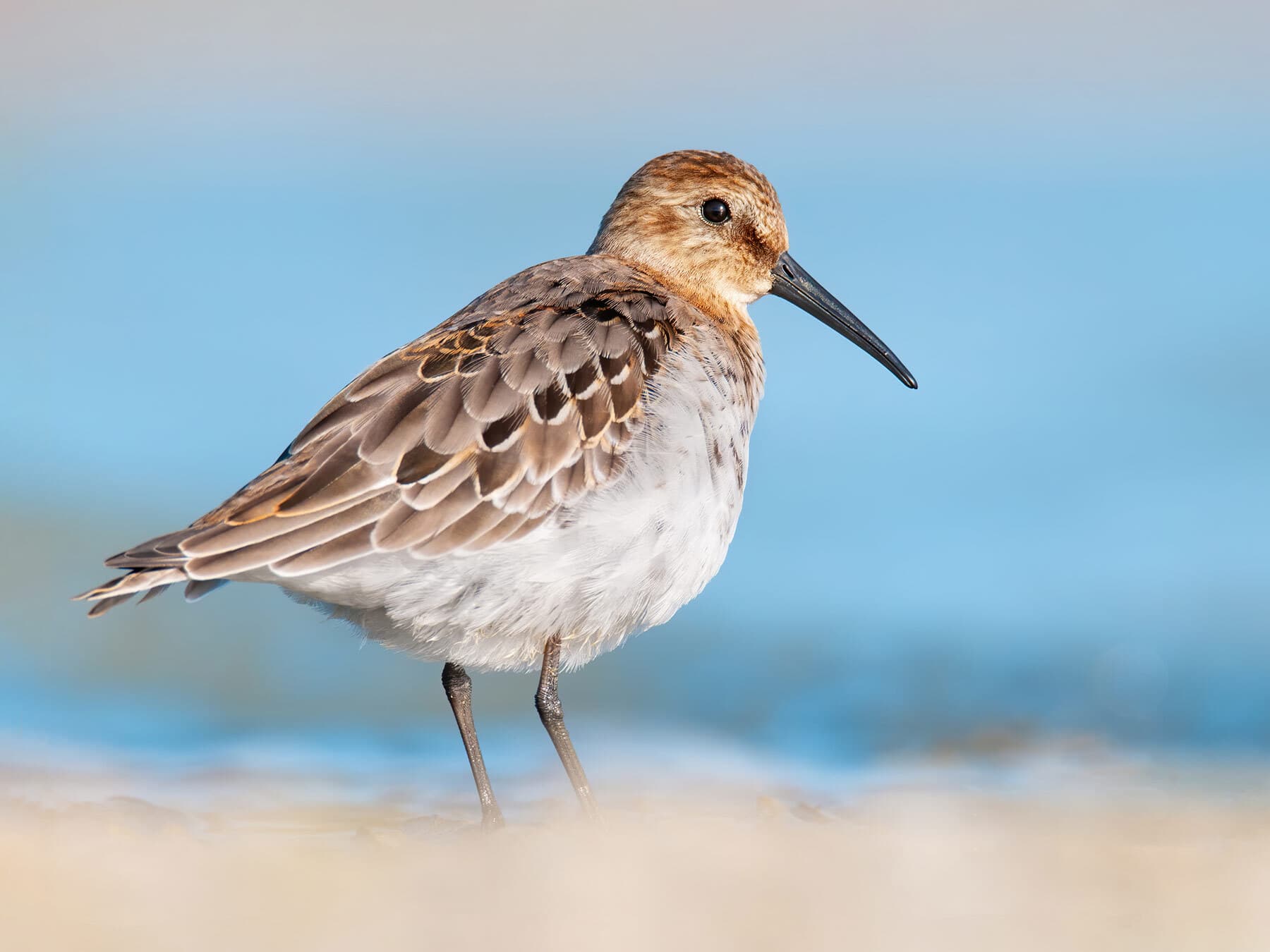
Dunlin
Calidris alpinaLC
An uncommon but year-round presence on the island's estuaries and mudflats, often seen in small flocks probing the shoreline.
Jul–May
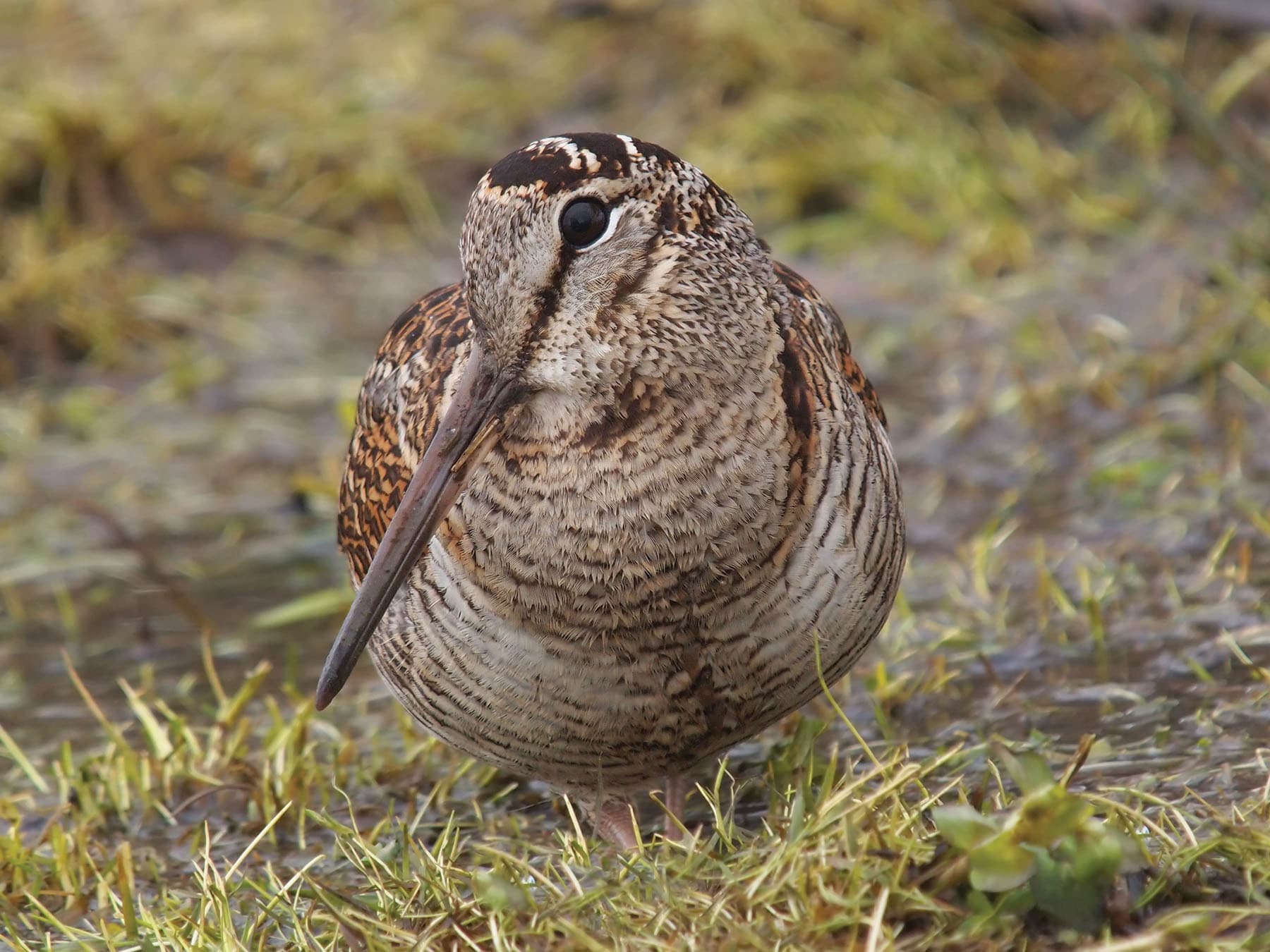
Eurasian Woodcock
Scolopax rusticolaLC
A rare passage record in June; more typically a winter visitor to the island's damp woodland and copses.
Jun
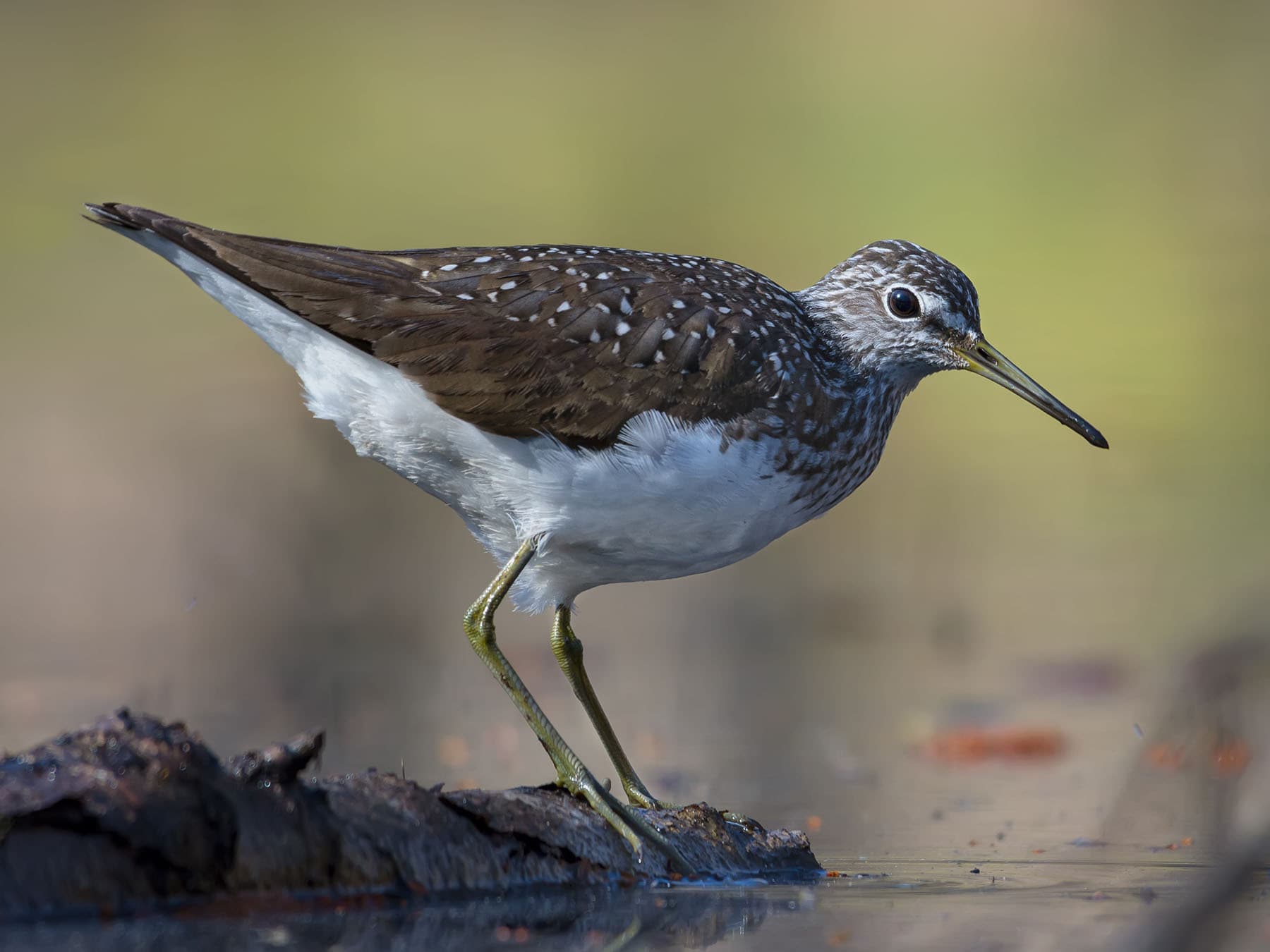
Green Sandpiper
Tringa ochropusLC
A rare breeder, found at freshwater pools and marshy streams. Most often seen during return passage from June to September.
Jan–Sep
Spotted something?
Upload a photo to identify it
Identify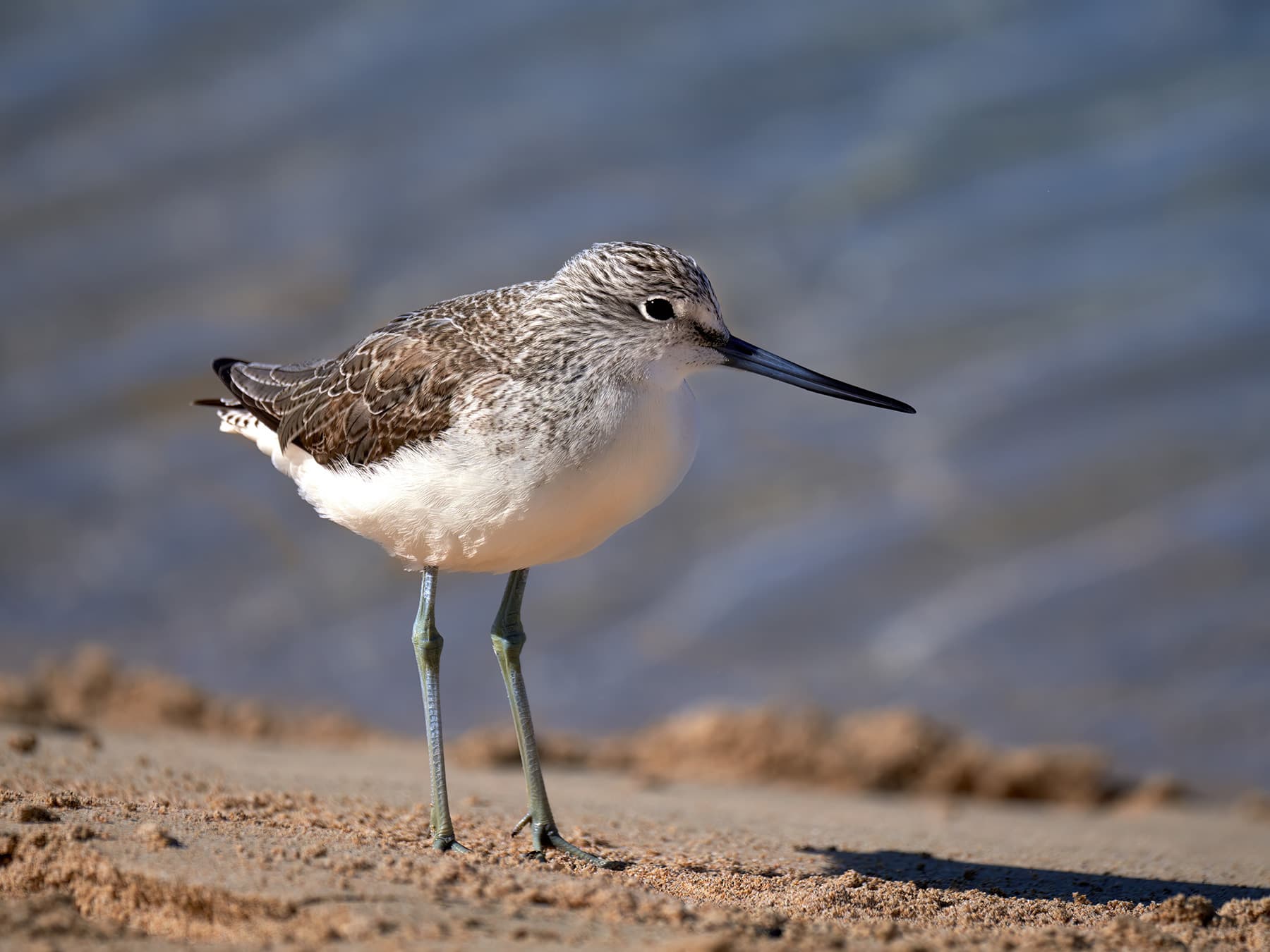
Greenshank
Tringa nebulariaLC
An uncommon but year-round presence on estuaries and tidal creeks, often feeding alone on mudflats with its distinctive upturned bill.
Year-round
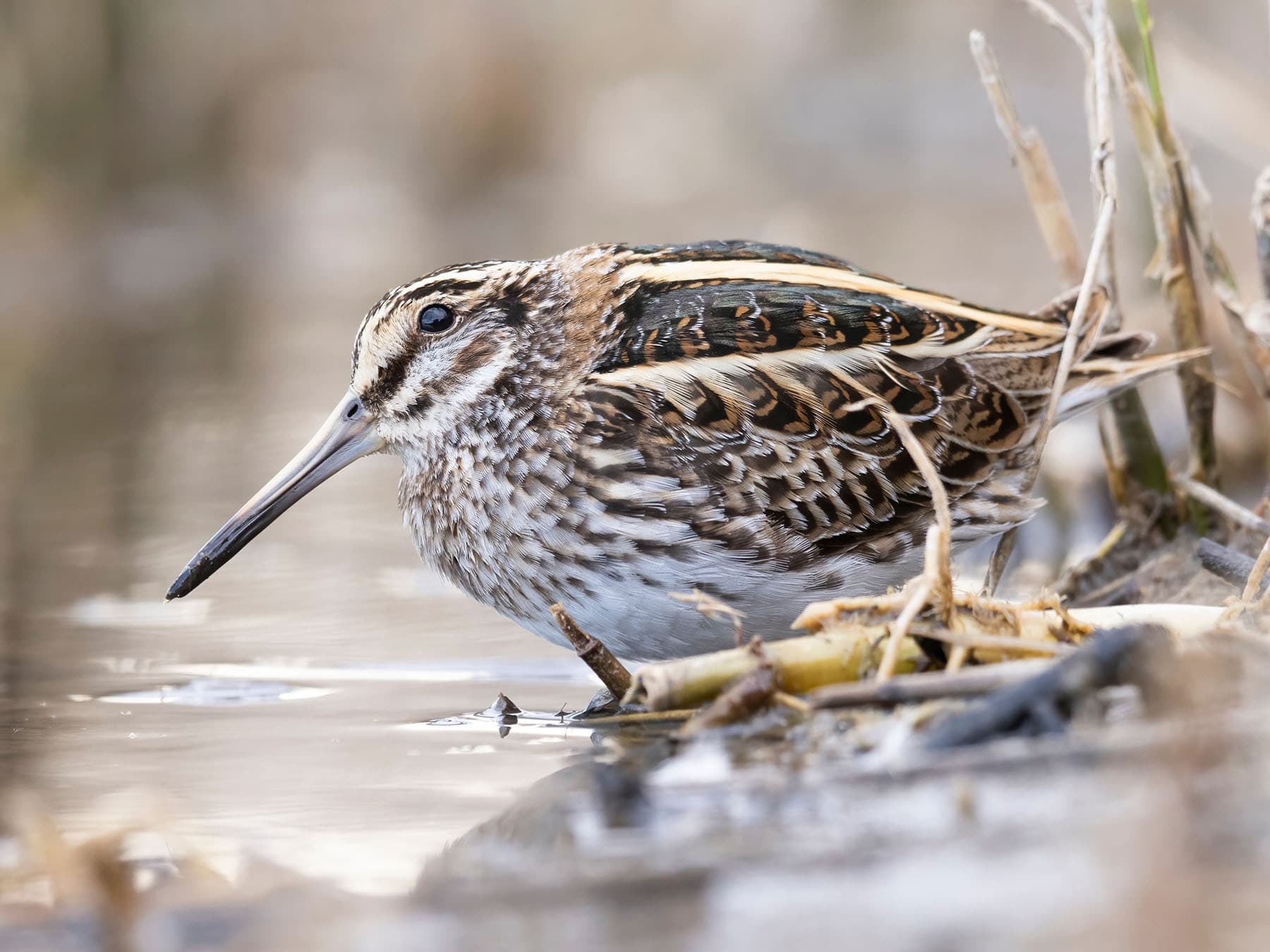
Jack Snipe
Lymnocryptes minimusLC
A secretive winter visitor to marshy areas and wet meadows, rarely flushed from cover in the island's wetlands between December and February.
Dec–Feb
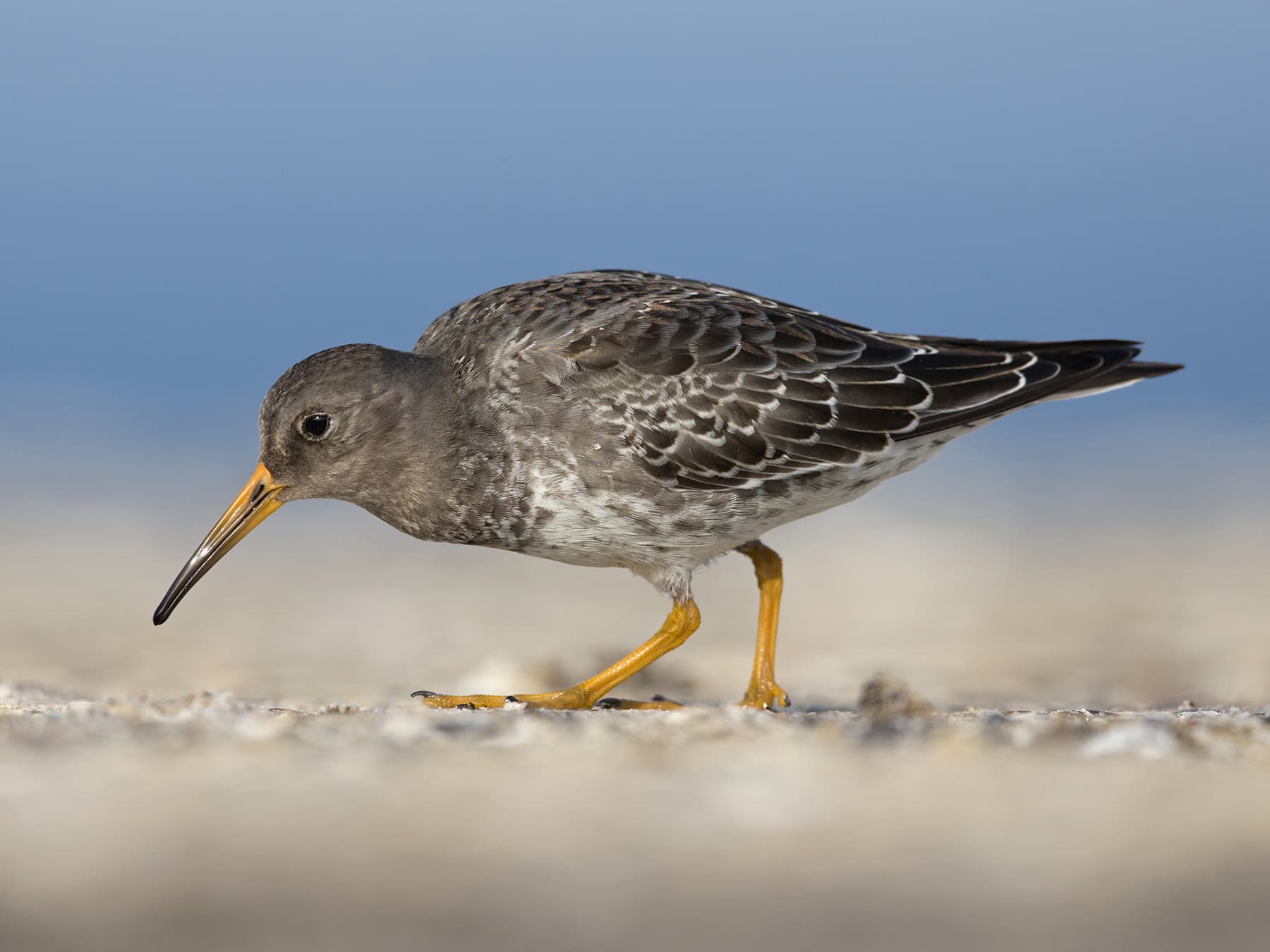
Purple Sandpiper
Calidris maritimaLC
A rare winter visitor to rocky shorelines and harbour walls, occasionally found at the island's more exposed coastal sites.
Dec–Feb
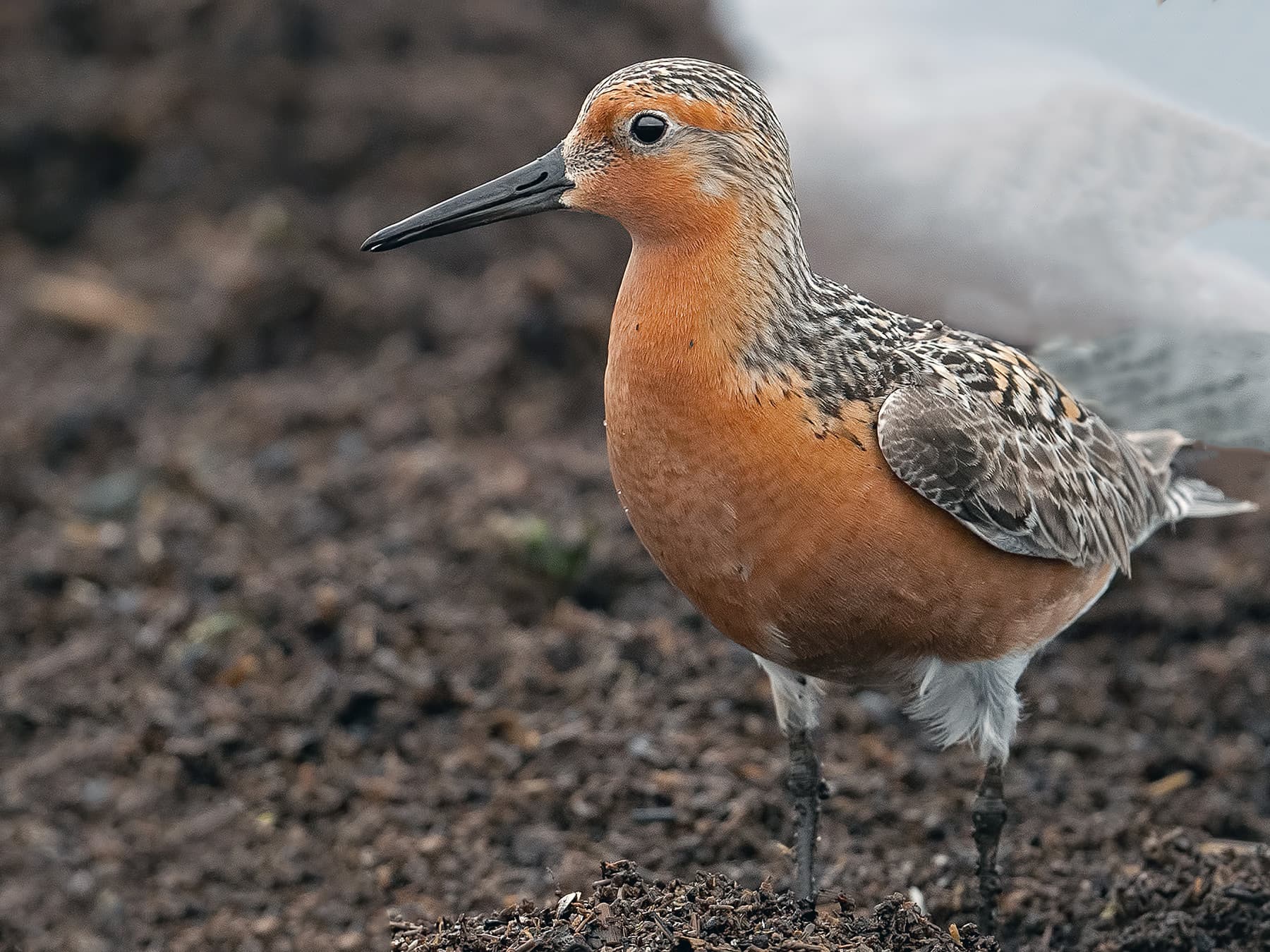
Red Knot
Calidris canutusNT
A rare non-breeding visitor to the island's mudflats and estuaries, most likely encountered in winter months among other wader flocks.
Aug–Mar
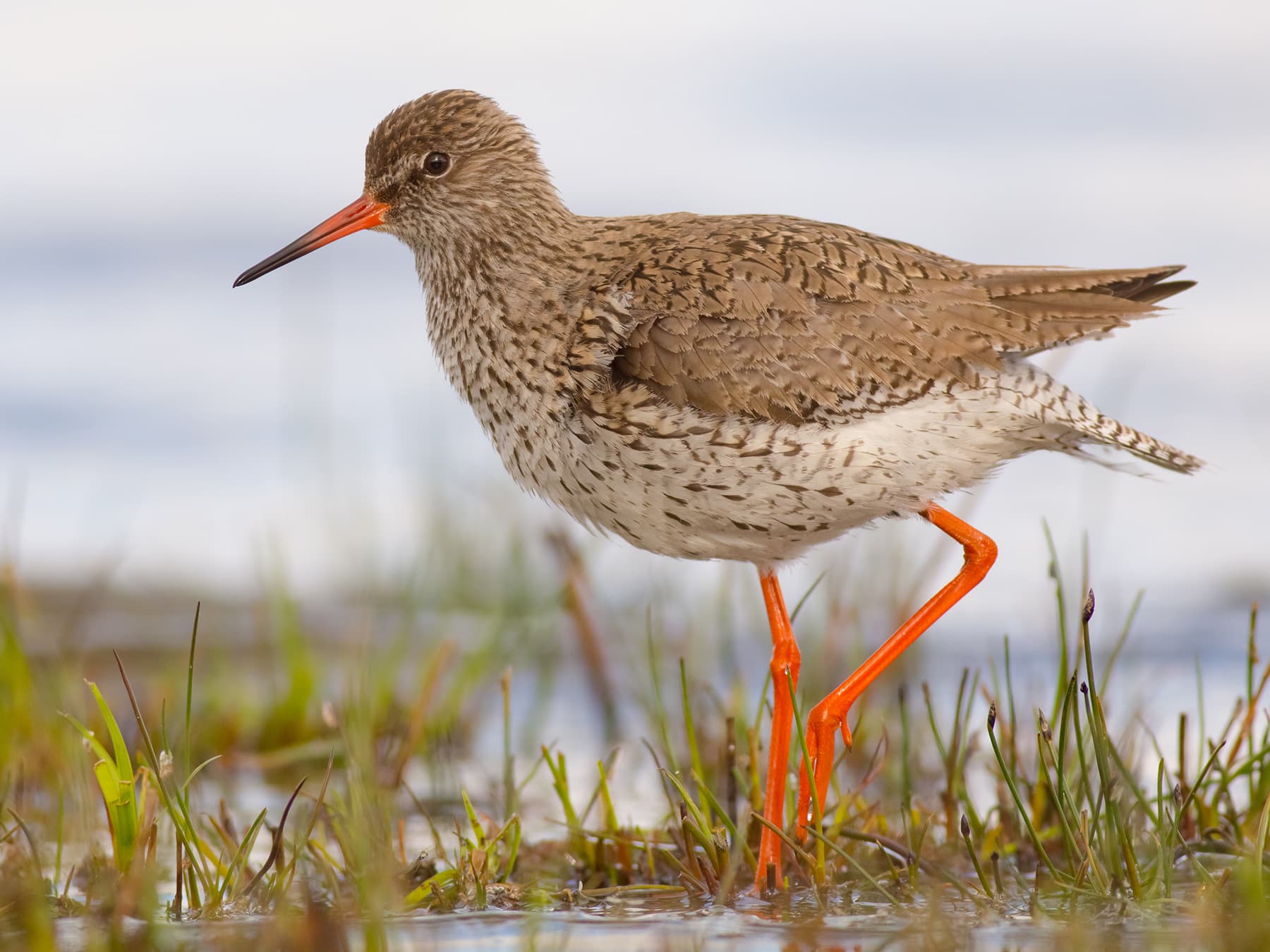
Redshank
Tringa totanusLC
A common resident of the island's estuaries and saltmarshes, easily recognised by its loud piping calls and bright orange-red legs.
Year-round
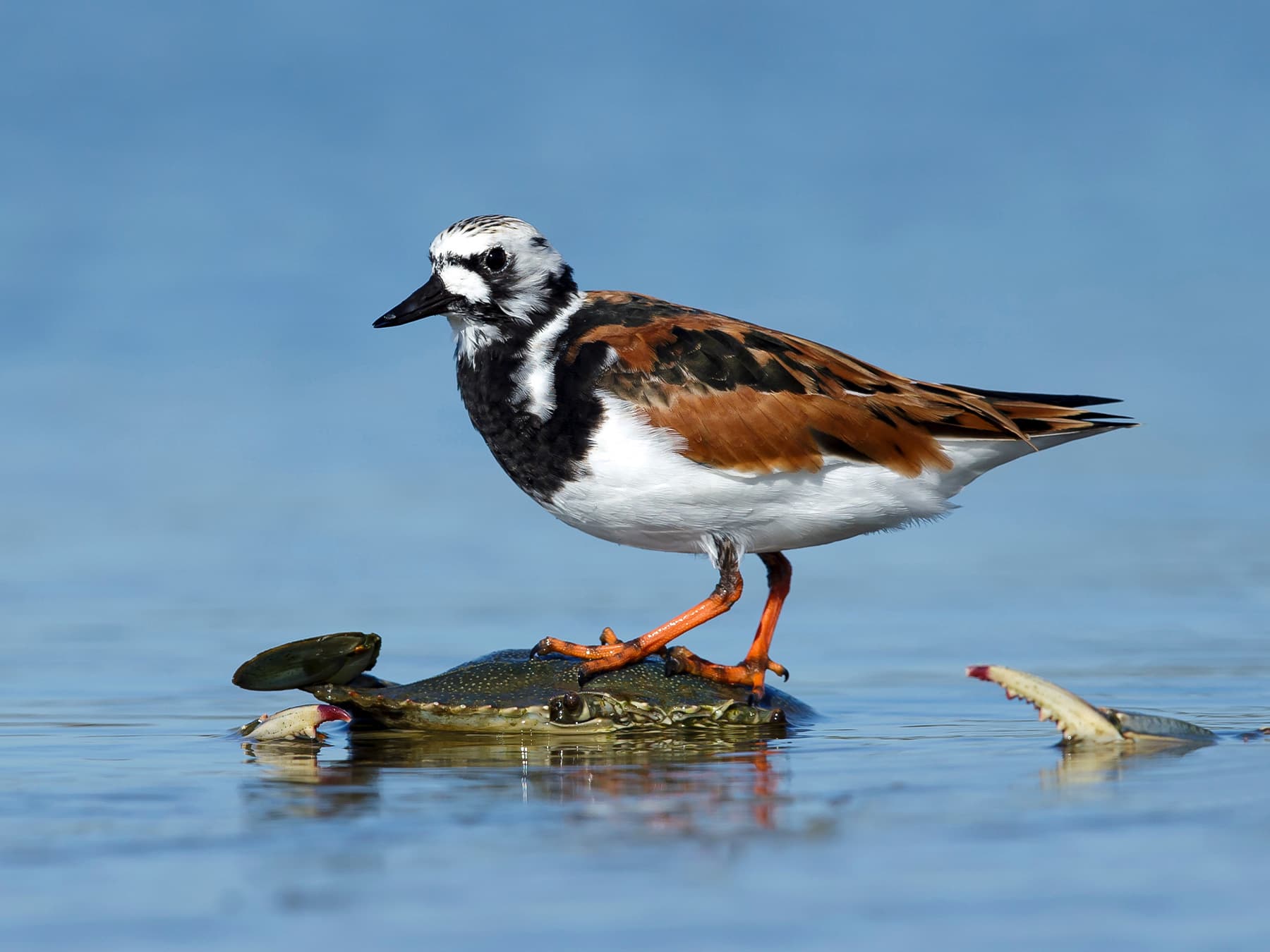
Ruddy Turnstone
Arenaria interpresLC
An uncommon but reliable shorebird, foraging on rocky coasts and seaweed-strewn beaches outside the breeding season.
Jul–Apr
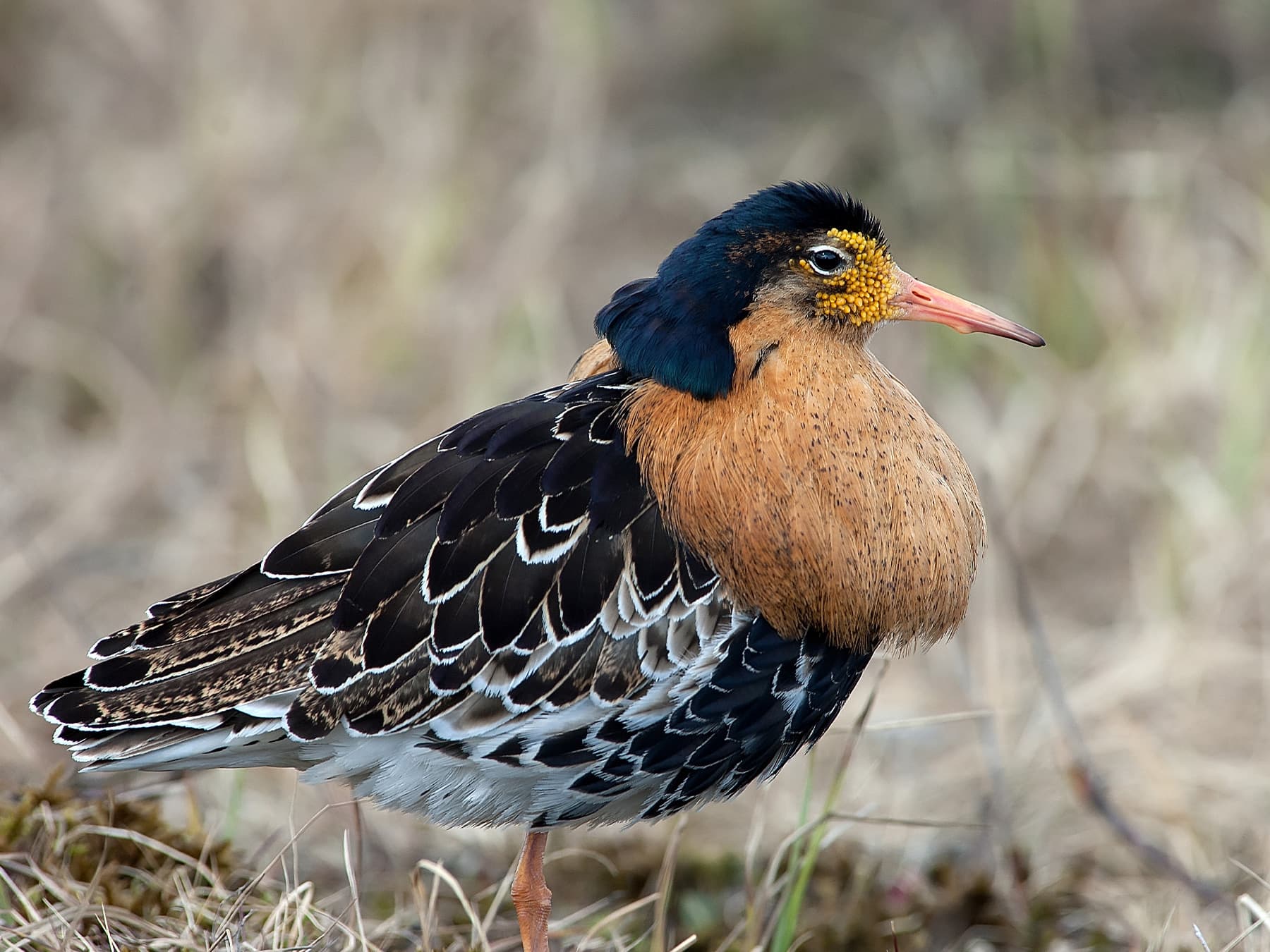
Ruff
Philomachus pugnaxLC
A rare autumn passage migrant, occasionally spotted on muddy pools and coastal lagoons during September.
Sep
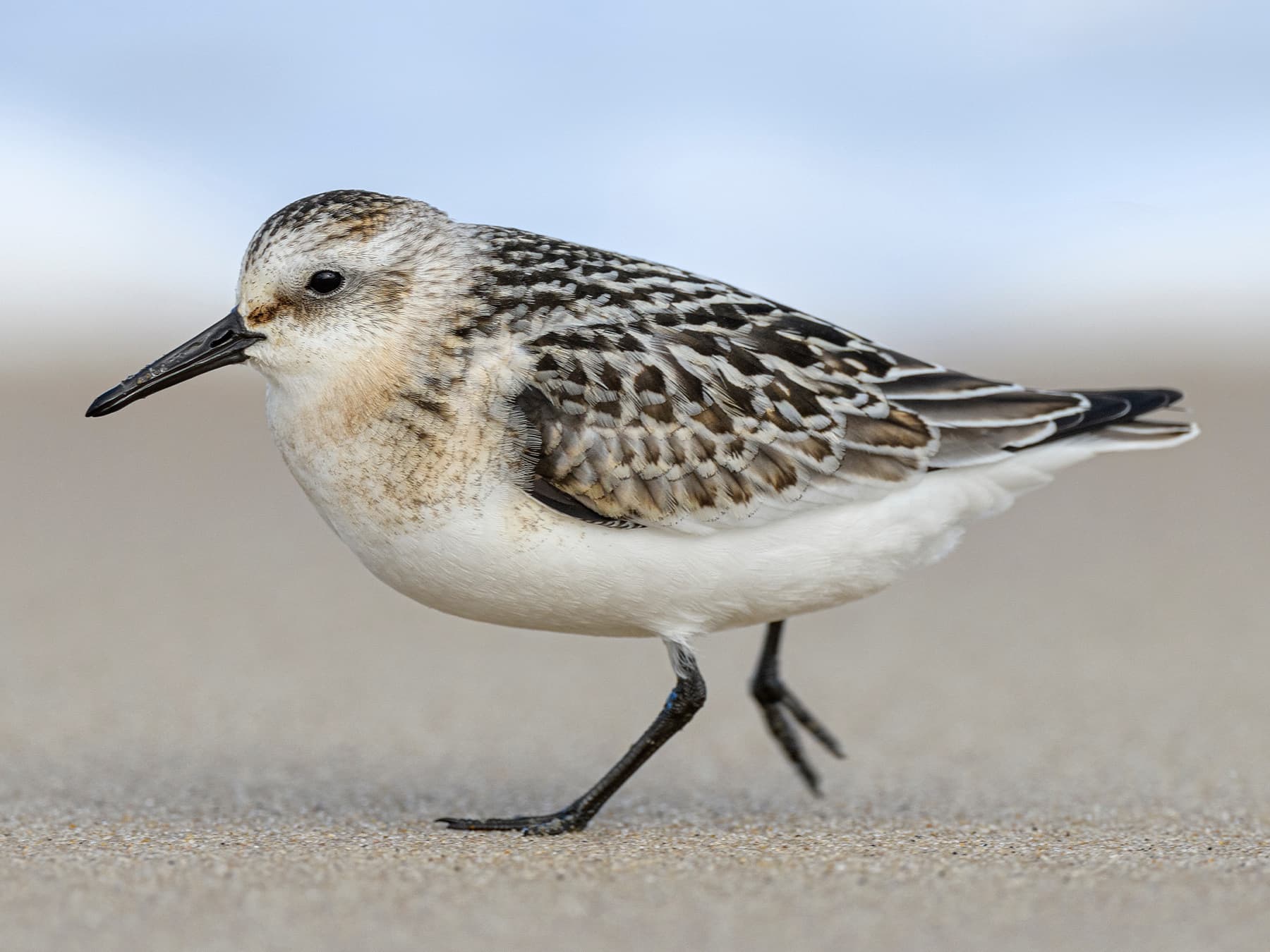
Sanderling
Calidris albaLC
An uncommon non-breeding visitor, scurrying along sandy beaches and shorelines from late summer through winter in its pale plumage.
Aug–Mar
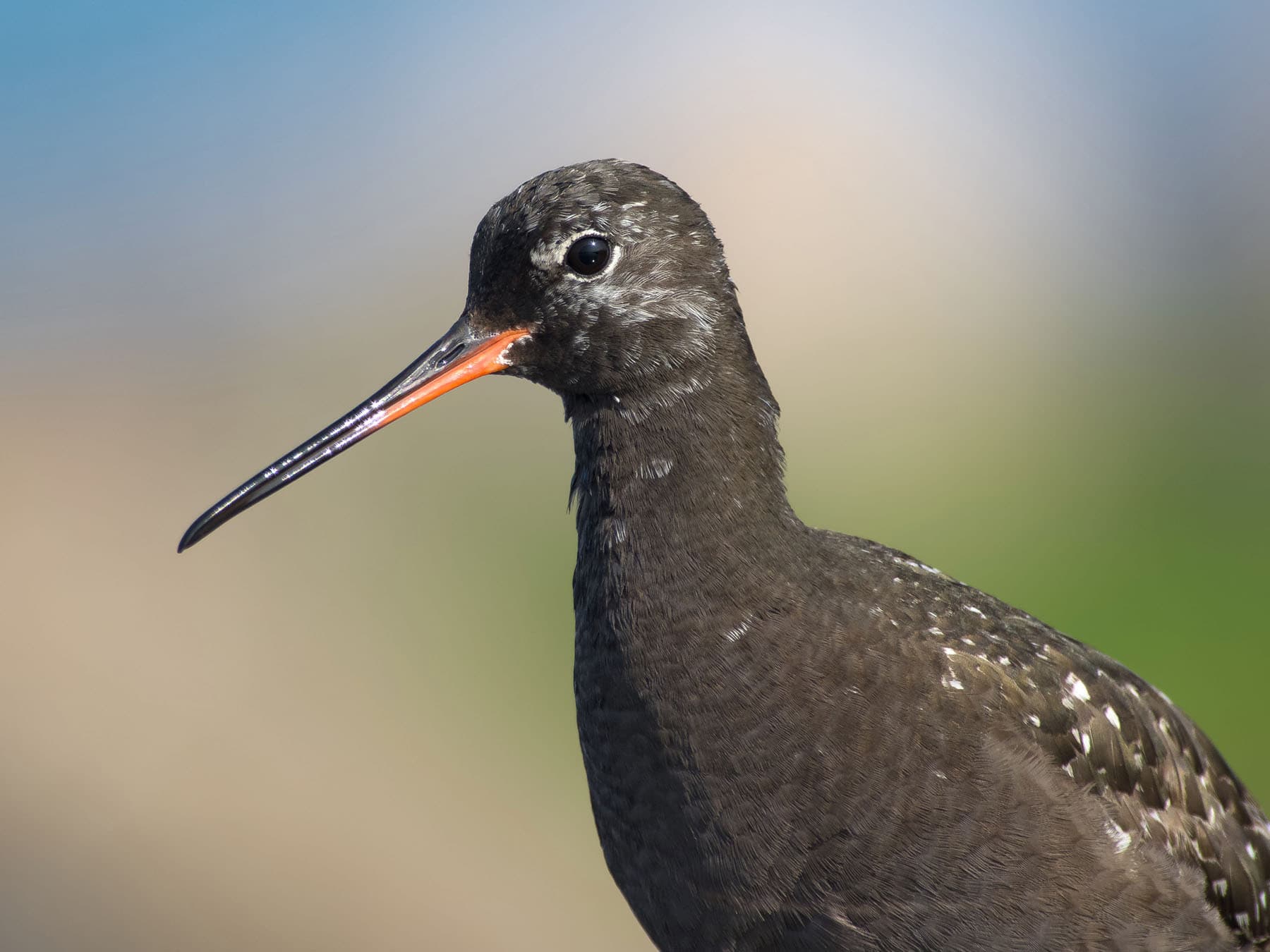
Spotted Redshank
Tringa erythropusLC
A rare but regular visitor to the island's estuaries, most likely at Newtown or Brading during autumn passage.
Jul–Mar
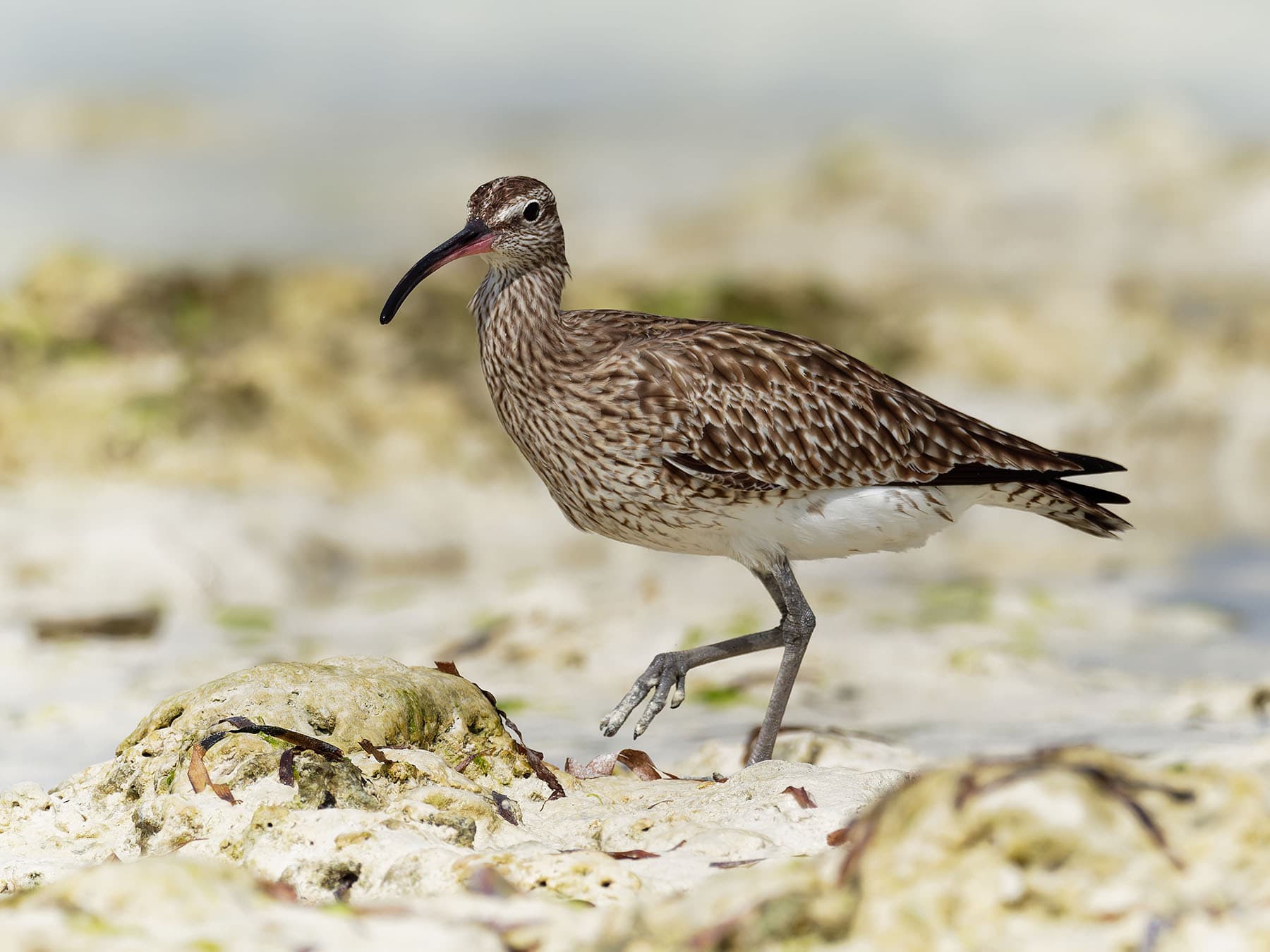
Whimbrel
Numenius phaeopusLC
An uncommon breeder, present from spring through autumn on coastal marshes and estuaries. Its trilling call carries far.
Apr–Nov
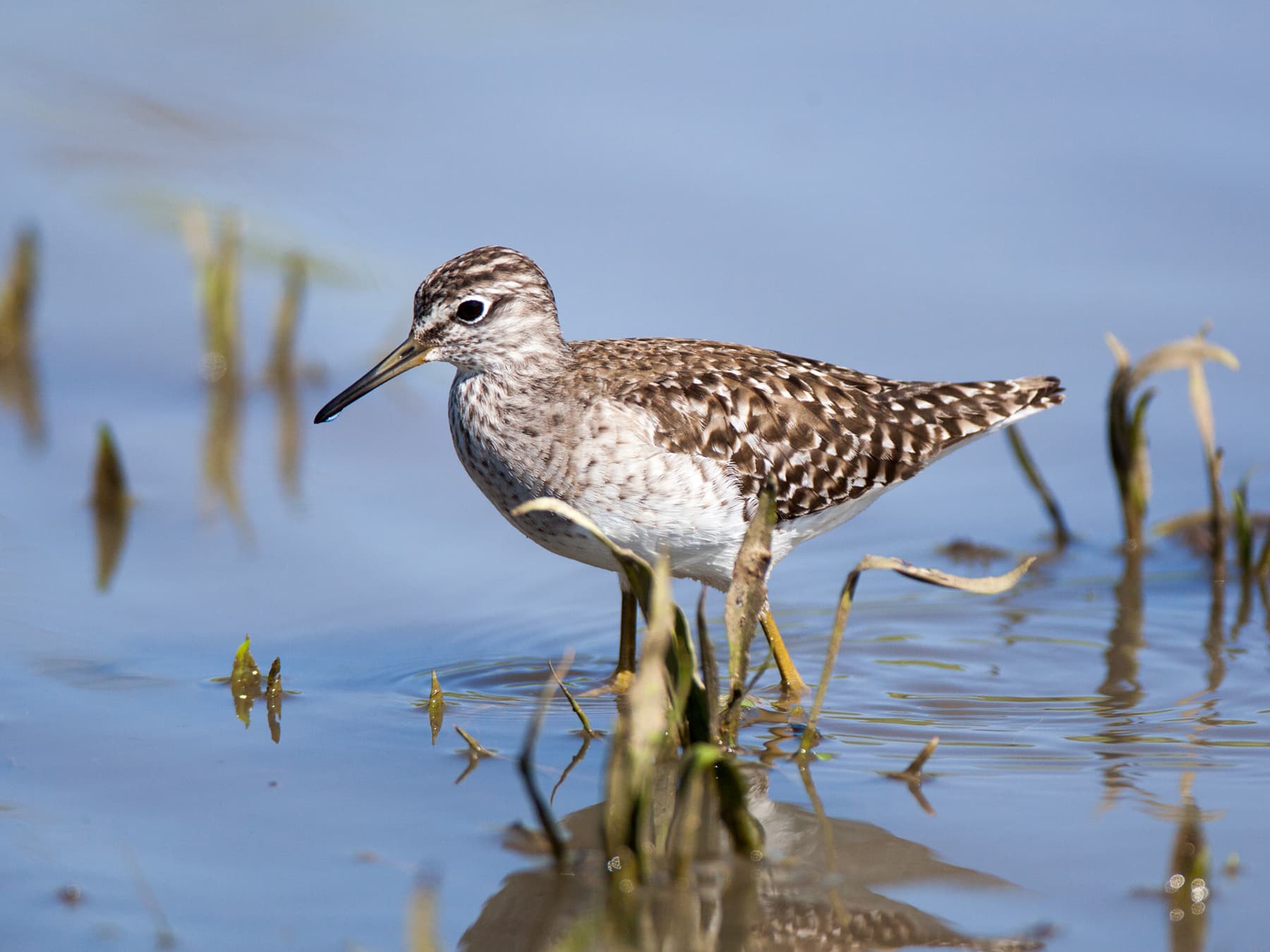
Wood Sandpiper
Tringa glareolaLC
A rare spring passage migrant, occasionally dropping in at freshwater pools and marshes in April on its way to northern breeding grounds.
Apr