Facts · Updated 8 Oct 2026
What is a Group of Ducks Called? Discover the Collective Nouns for Ducks
By the Birdfact teamChecked by Nathan Cope
On this page9 sections
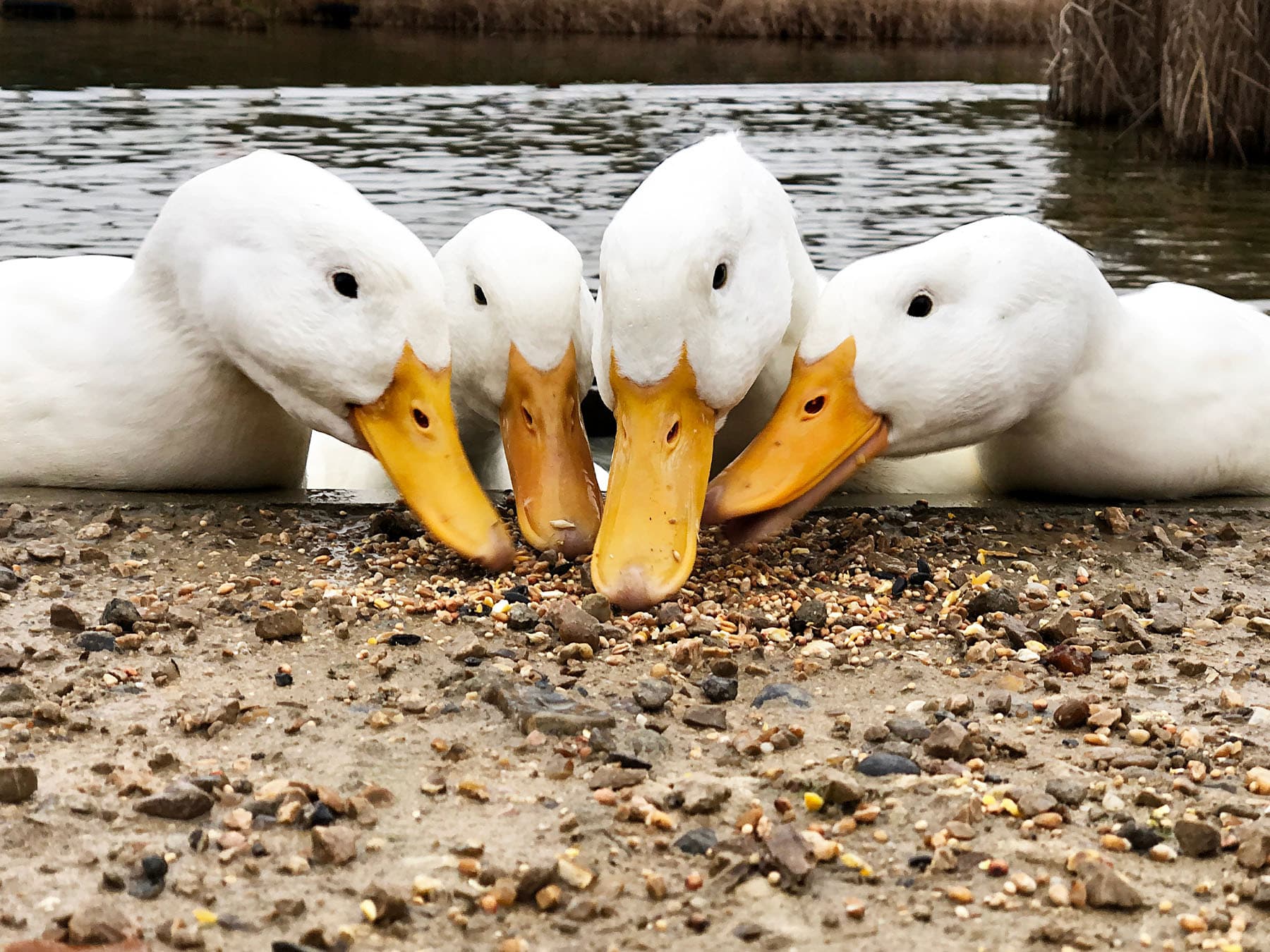
Ducks are noisy, sociable birds, frequently seen swimming together in close-knit groups bobbing in sync on the water, not totally unlike rubber ducks on a fairground Hook-a-Duck stall. But what’s the correct name for a group of ducks? We’ll be investigating all the different terms below, so read on to find out.
The collective noun for a group of ducks varies according to whether the ducks you’re looking at are swimming, flying, or waddling on land! These different terms include a raft, a paddling, a flight, a skein, a sord, a badling and a team, as well as the widely known ‘flock’.
Some of these are more obvious than others, with paddling and raft having clear visual connections to groups of ducks moving across water. Others are less clear and need a bit more unpicking, so join us as we answer more questions, along with information about flocking behavior below.
Different Names for Groups of Ducks
Groups of ducks are known by multiple different names, depending on location, and what they are doing. Read on to learn about the commonly used terms for groups of swimming ducks, flying ducks and ducks on land.
On Land
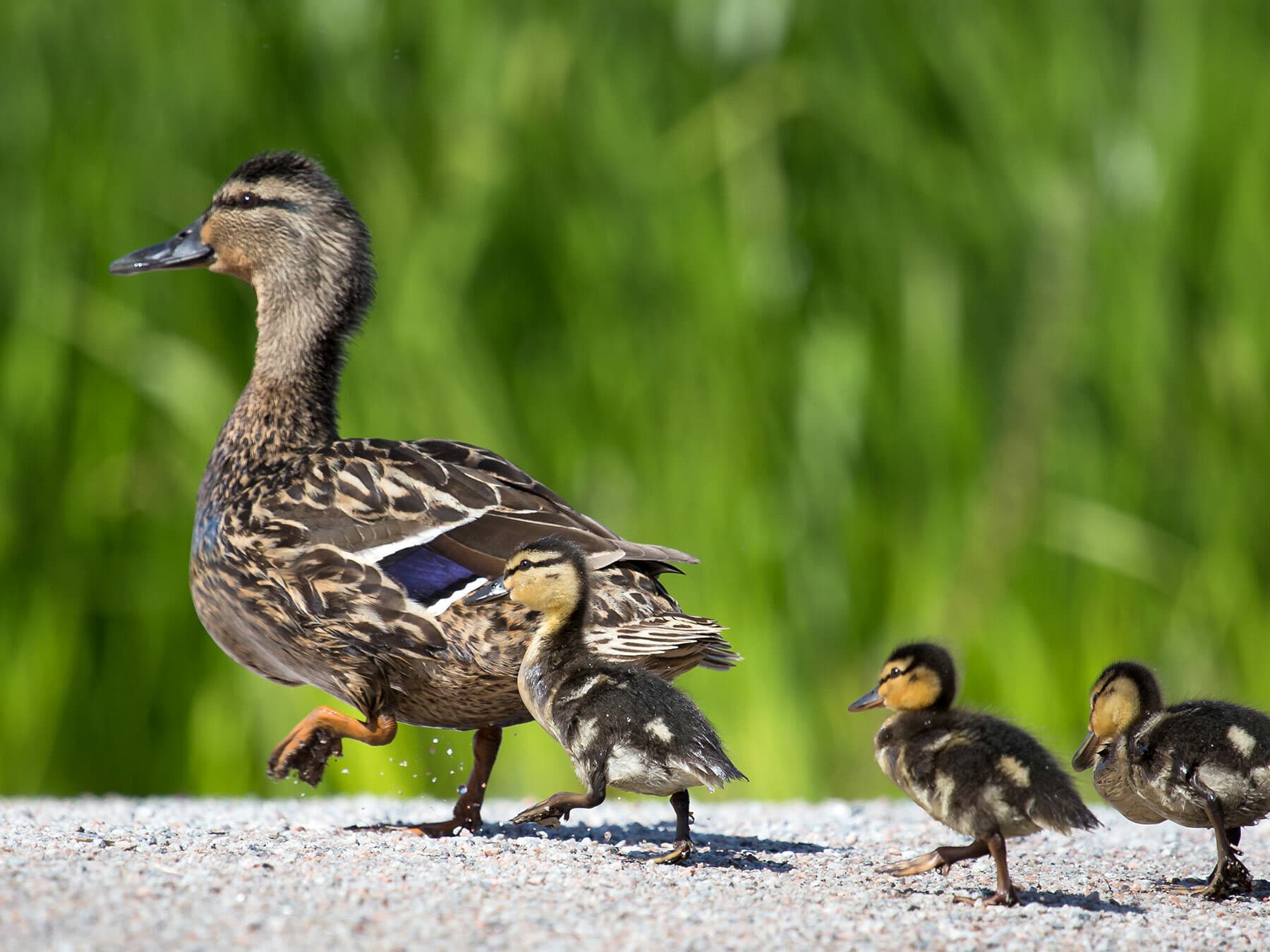
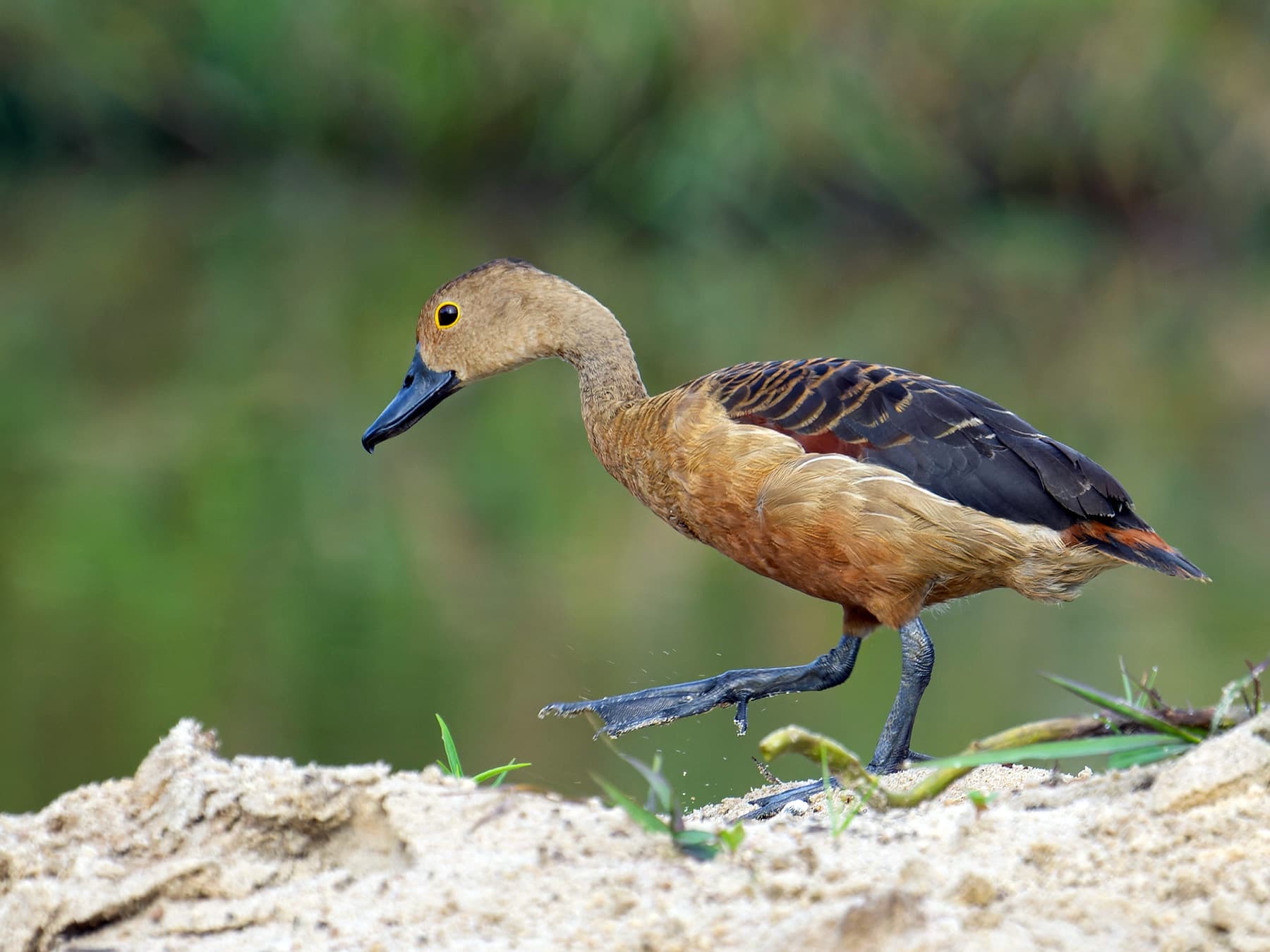
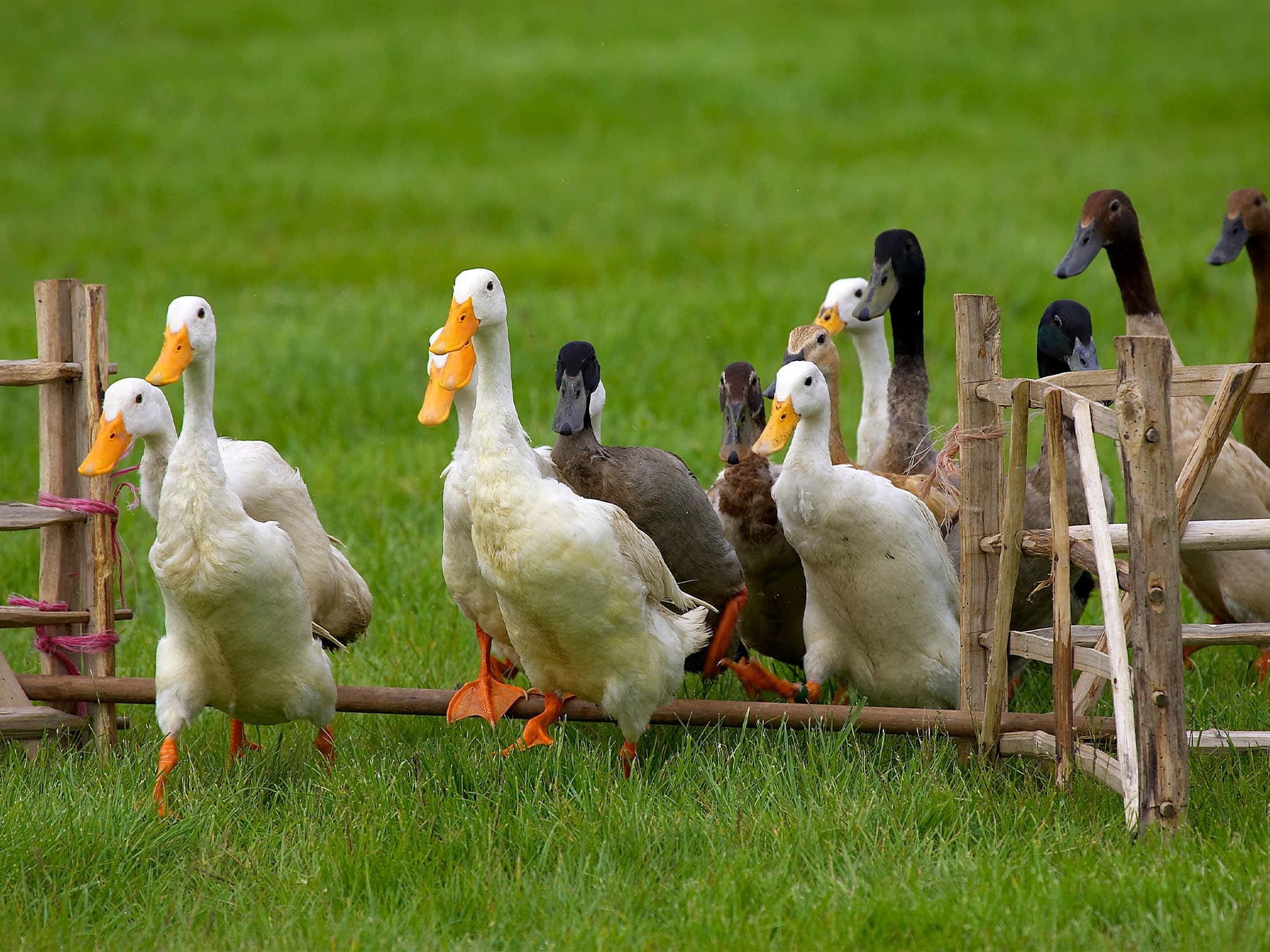
A waddling or a flock are the most common names given to a group of ducks on land, either walking, sitting, or standing still. Sord is another word for ducks out of water, but not one you’re likely to hear in general usage.
In Flight
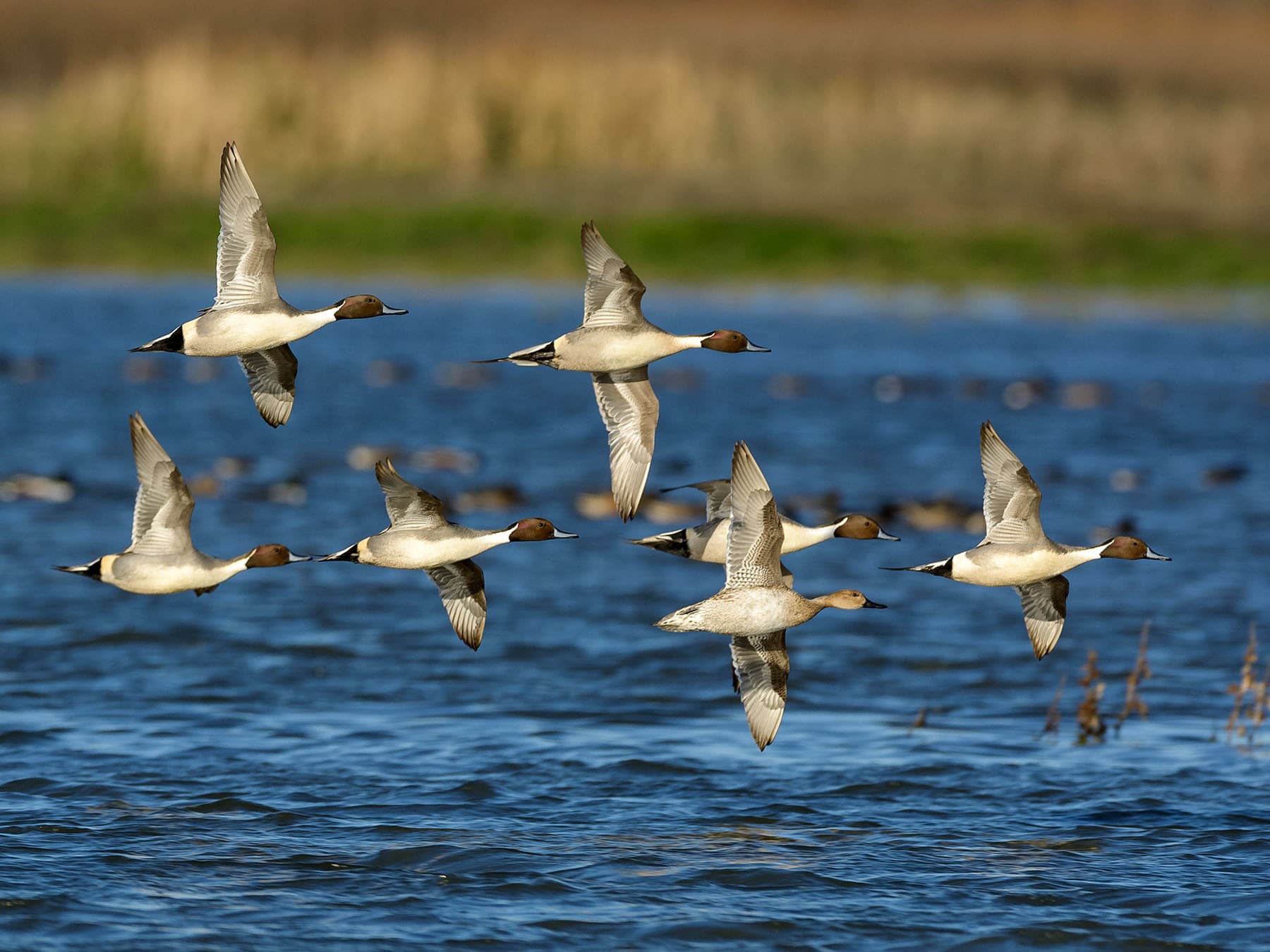
A flock, a flight, or a skein are the most commonly used terms for airborne ducks.
On Water
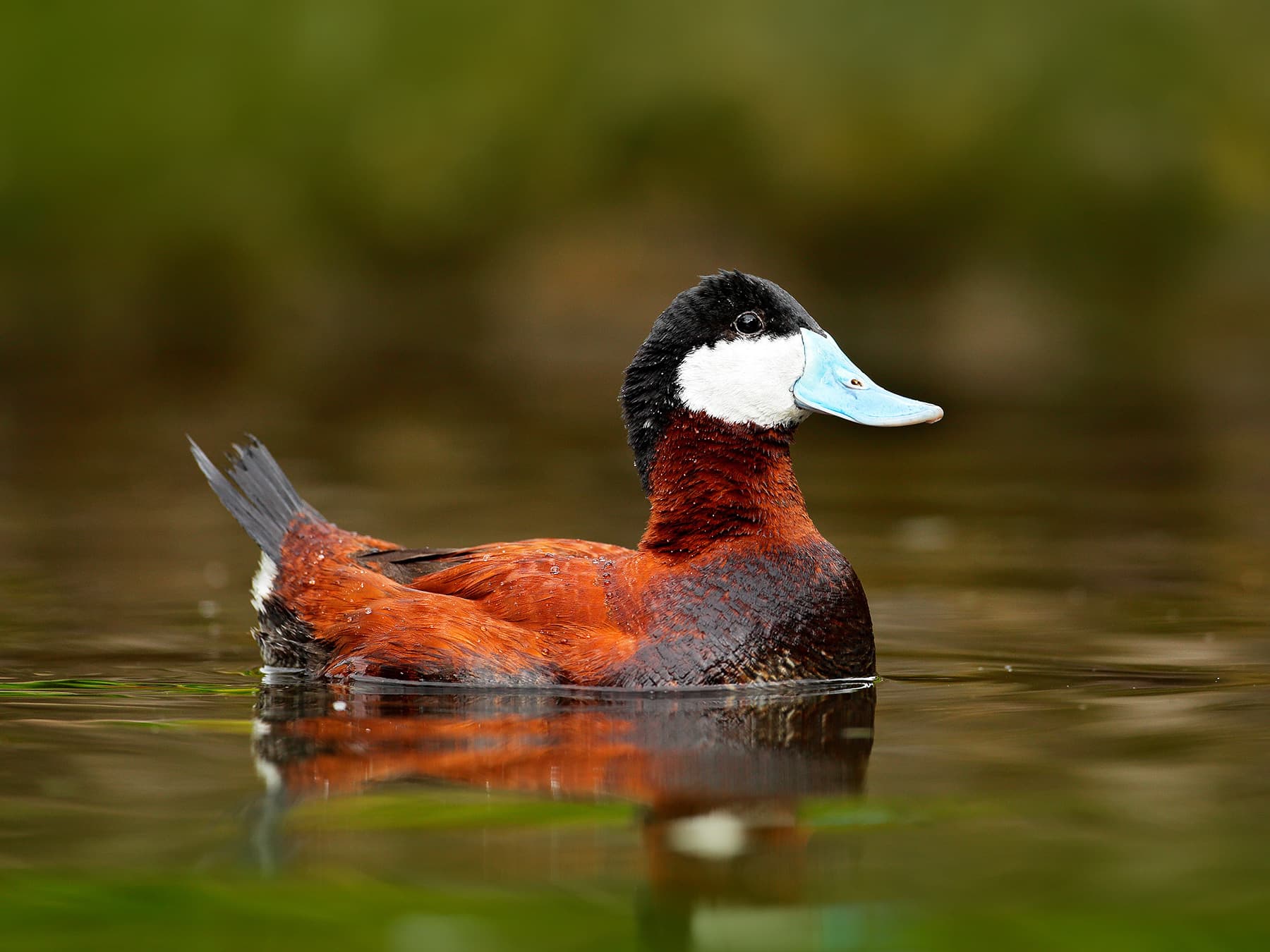
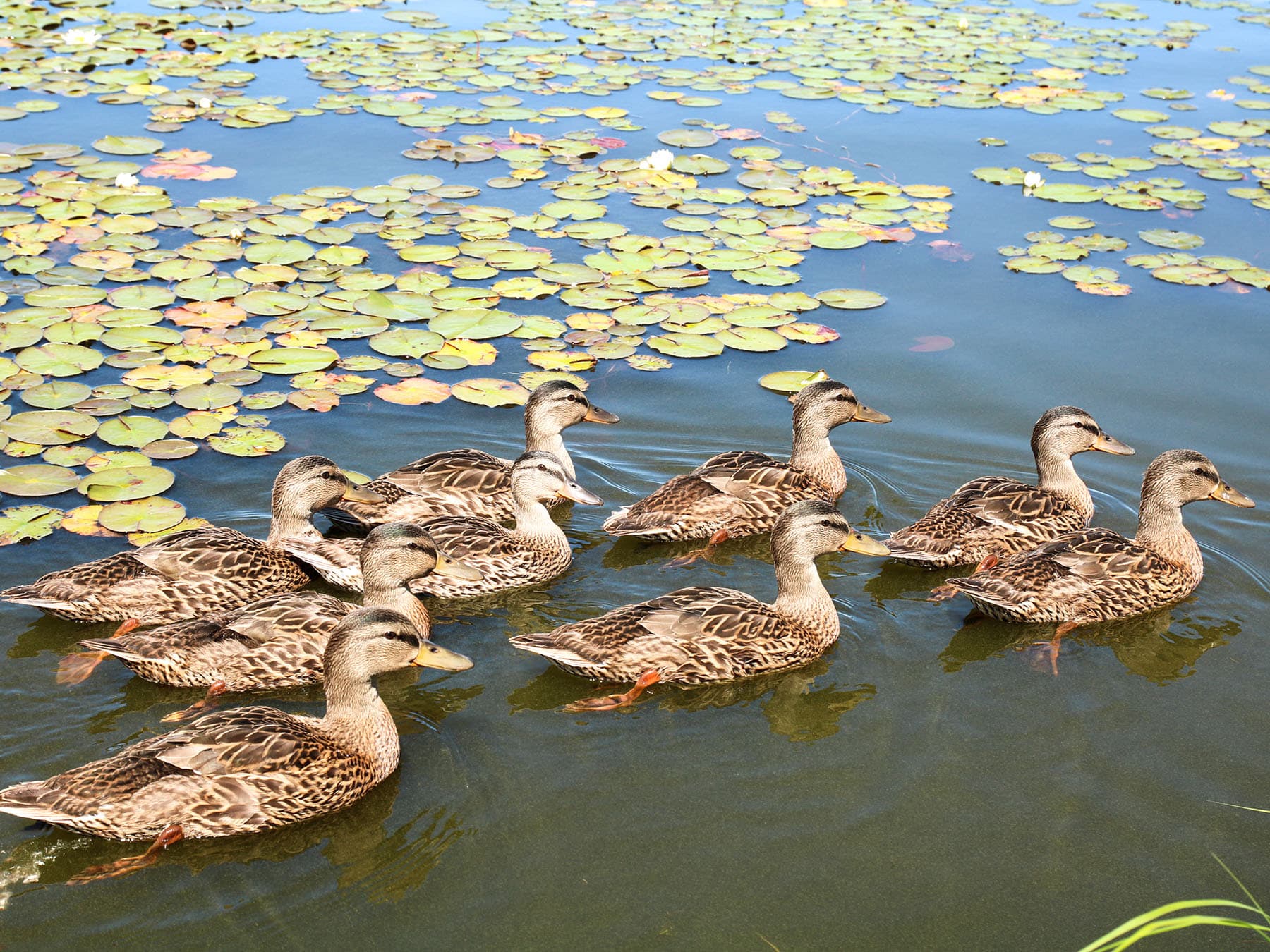
A raft, a paddling, and a badling are when talking about a group of ducks swimming on the water.
Other names that you might hear used to describe a group of ducks include:
- armada
- bed
- bevy
- brace
- brood
- bunch
- coil
- company
- curl
- daggle
- diving
- dopping
- flush
- game
- gang
- handle
- party
- posse
- wabbling
The Significance of Group Names
Collective nouns are used across the animal kingdom, from prides of lions, swarms of bees and huddles of walruses. These names use interesting colorful imagery that helps us to feel more connected to nature. But they also have practical uses, which we’ll discuss below, so keep reading!
Using collective nouns to describe groups of birds has various purposes. Firstly, using the correct term helps to provide an accurate description when recording your observations, helping to identify whether the birds you spotted were in flight, on land, or in water.
Quirky, interesting names, such as a parliament of owls, a charm of goldfinches, or a flamboyance of flamingos are memorable and make nature more accessible and intriguing. If you’re intrigued, then maybe you’re more likely to take an active interest in appreciating and protecting the world around you!
Etymology and Origin
While some of the names used for groups of ducks are self-explanatory or straightforward like raft and flock, others have a more deep-rooted etymology, and that’s what we’ll be looking at here, so keep reading to find out more.
Raft, used for ducks on the water, has fairly obvious meanings, reflecting how tightly packed groups of waterfowl resemble a raft afloat on the water's surface. Paddling symbolizes ducks propelled across a lake or river by quickly moving their webbed feet under the water’s surface.
For a group of ducks on land, the term ‘sord’, which has roots in Old French, means to rise up or surge and could refer to ducks moving from water to stand on dry land.
Skein is a word that specifically refers to ducks in flight. The original meaning of ‘skein’ is a length of yarn or wool, and is thought to have derived from the fact that the neat, V-shaped formation of flying ducks resembles a tight, straight piece of yarn. Skein is also used to describe a group of flying geese.
The term ‘brace’ refers to a pair of ducks and has origins in Old English and Anglo-French. It’s usually heard in a hunting context, where it means two and is used not only for ducks but also pheasants, grouse, and other game birds.
Behavioral Traits of Duck Groups
If you’ve ever fed ducks at a local pond, you’ll have probably noticed that even if you start with just a couple of interested birds, within no time you may be surrounded by hungry quacking beaks. This is one example of their natural instinct to flock together. Read on to learn more!
When breeding, ducks are pretty antisocial and intolerant of the company of other ducks. However, once their young have hatched and are gaining independence, things change pretty quickly, with large flocks forming. In many duck species, males spend time on molting grounds with other males, quietly waiting for their new plumage to come through.
Once males return to their breeding waters, there’s an altogether more communal feel to duck life, with groups ranging from less than ten to hundreds and even thousands of waterfowl swimming, foraging, and roosting together.
Ducks benefit in many ways from their close social interactions with other ducks. Companionship is important to the health and productivity of ducks, which thrive on the stimulation of living alongside other waterbirds.
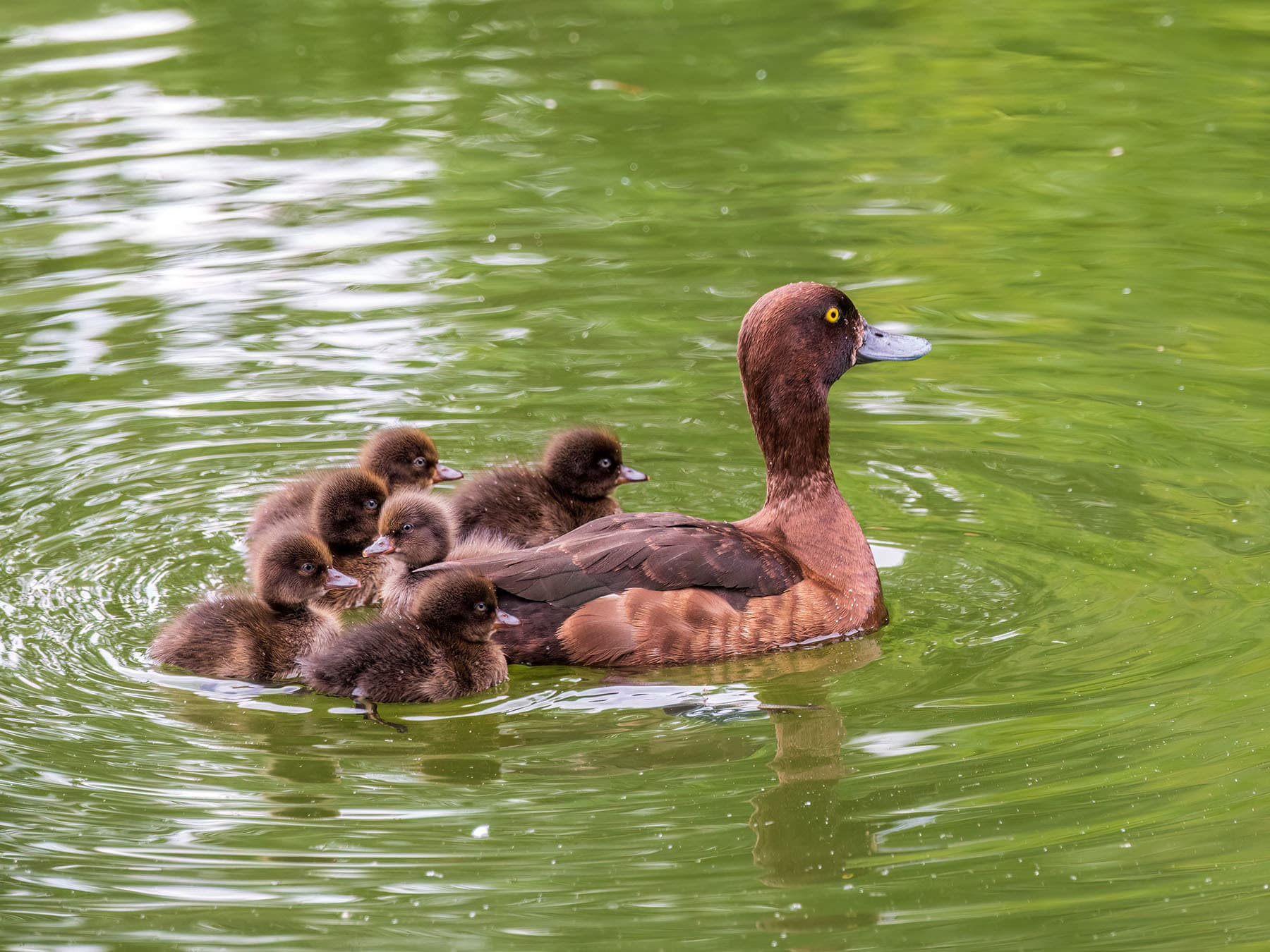
Safety is another key factor, with groups of ducks offering improved chances of defense against predators. When a sizable group of ducks swim with synchronized movements, it can confuse potential intruders, and lower their chances of a successful catch.
Foraging opportunities are also increased for paddlings of ducks, as they stand a greater possibility of spotting a food source with more eyes on the task or more feet stirring up potential underwater weeds.
Ducks in Popular Culture
Ducks feature in stories and rhymes heard in our earliest childhood, from the tale of the Ugly Duckling and the counting rhyme of Five Little Ducks. Friendly, sociable ducks, swimming together and looking out for each other has led to their enduring appeal. Read on for more insight into the place of duck groups in popular culture.
Ducks are mentioned in several idioms, such as getting your ducks in a row, or the concept of duckling syndrome. Both ideas refer to the group cohesion of ducks, and their nature to flock together and look to each other for order and guidance.
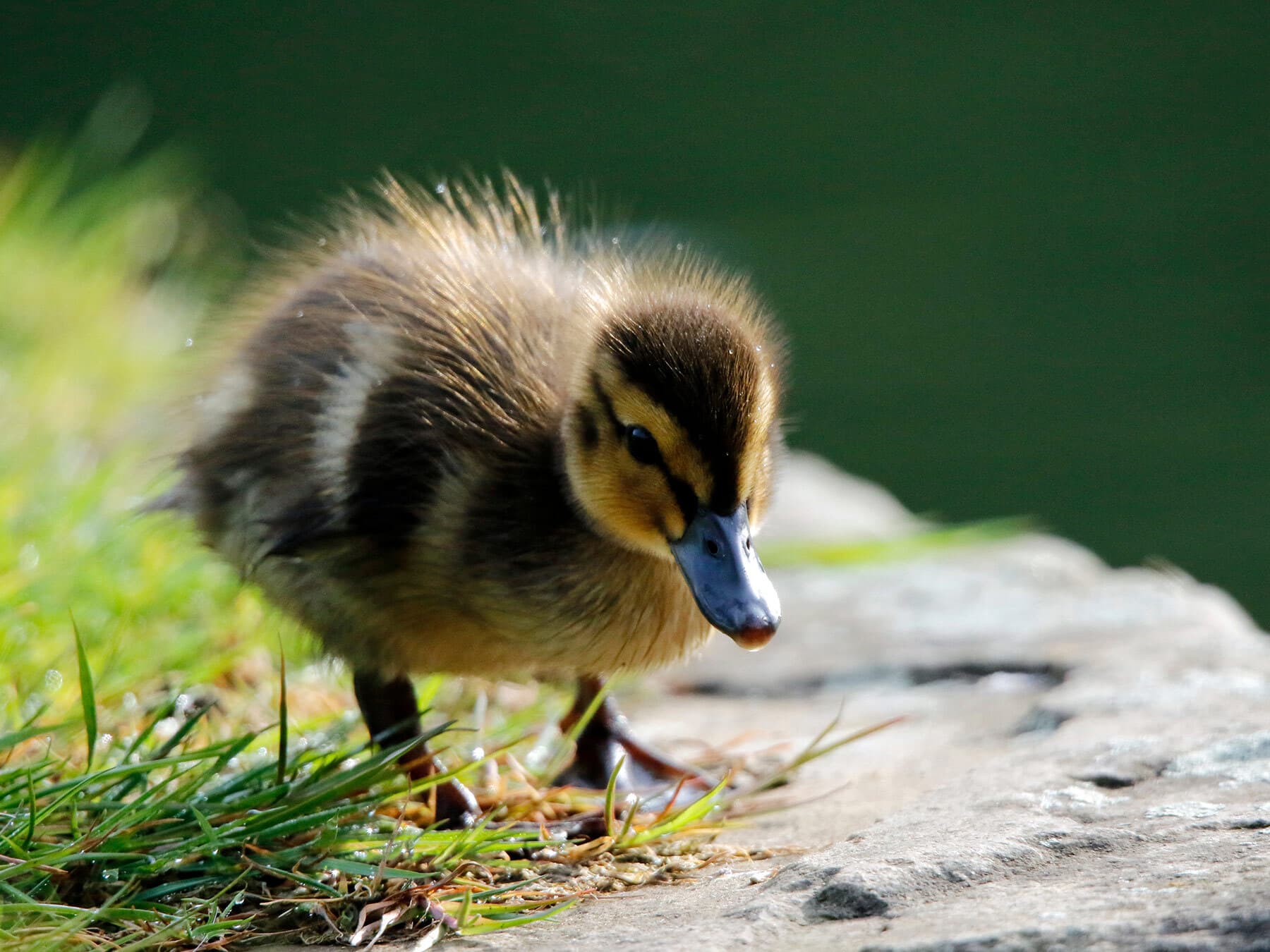
Ducklings are often depicted in cartoons as cute, fluffy, and innocent, for example, Donald Duck’s nephews, Huey, Dewey, and Louie, are always together, getting into mischief. Where one duckling is, the others are never far behind, mirroring the flocking nature of real-life ducks.
How to Spot a Group of Ducks
Birdwatchers don’t usually need to head further than their local pond to be able to observe ducks doing what they do best: swimming, foraging for food on land and water, and interacting with each other. Read on for some handy duck-spotting tips!
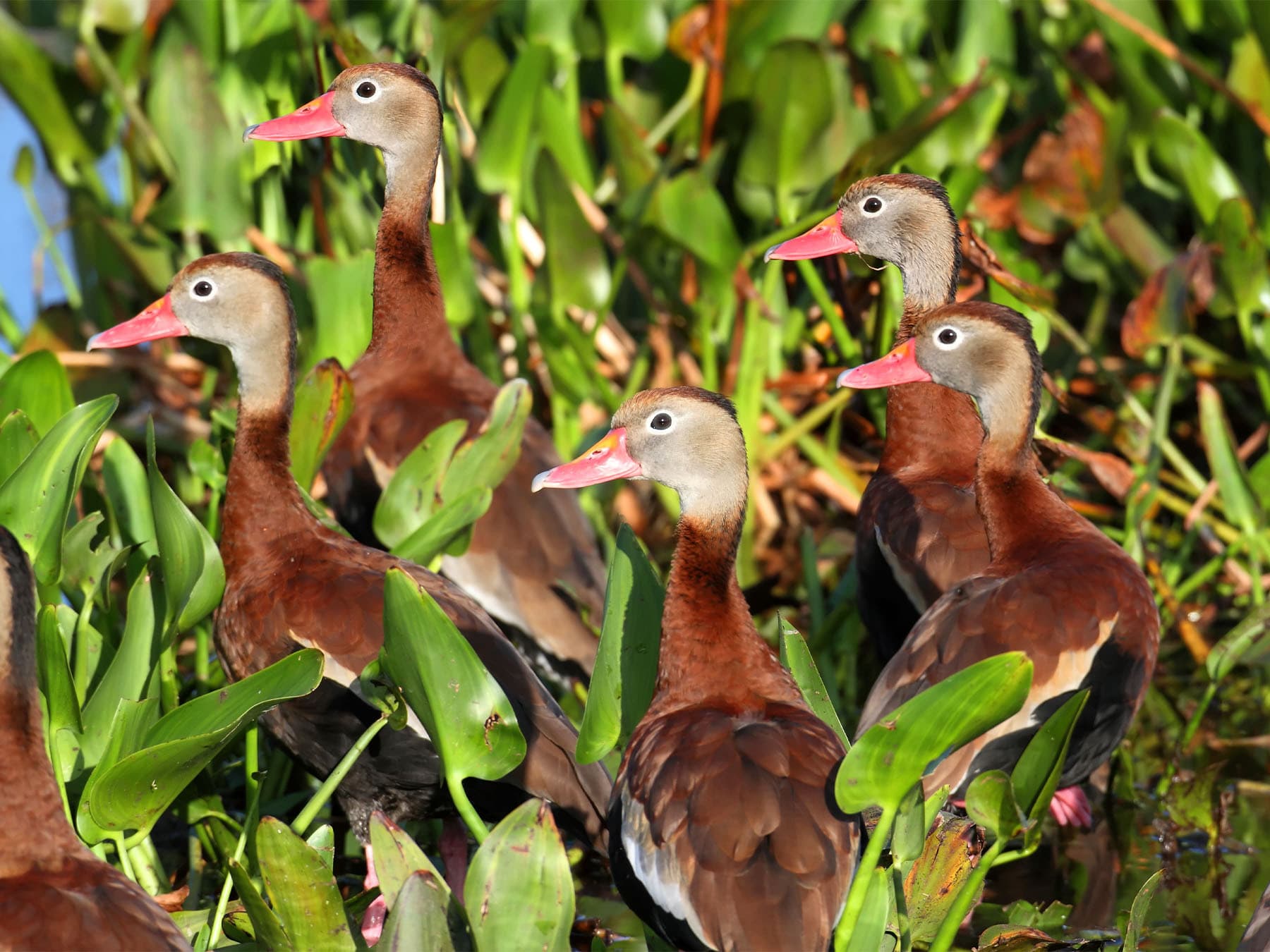
Ducks are sociable birds and hang out in large groups, for safety as well as companionship. They’re also adaptable birds, with even the smallest lakes or ponds offering a suitable habitat for foraging and nesting. Groups of ducks are easy to spot: they are visible and noisy and often have a colorful presence on any river, lake, or stream.
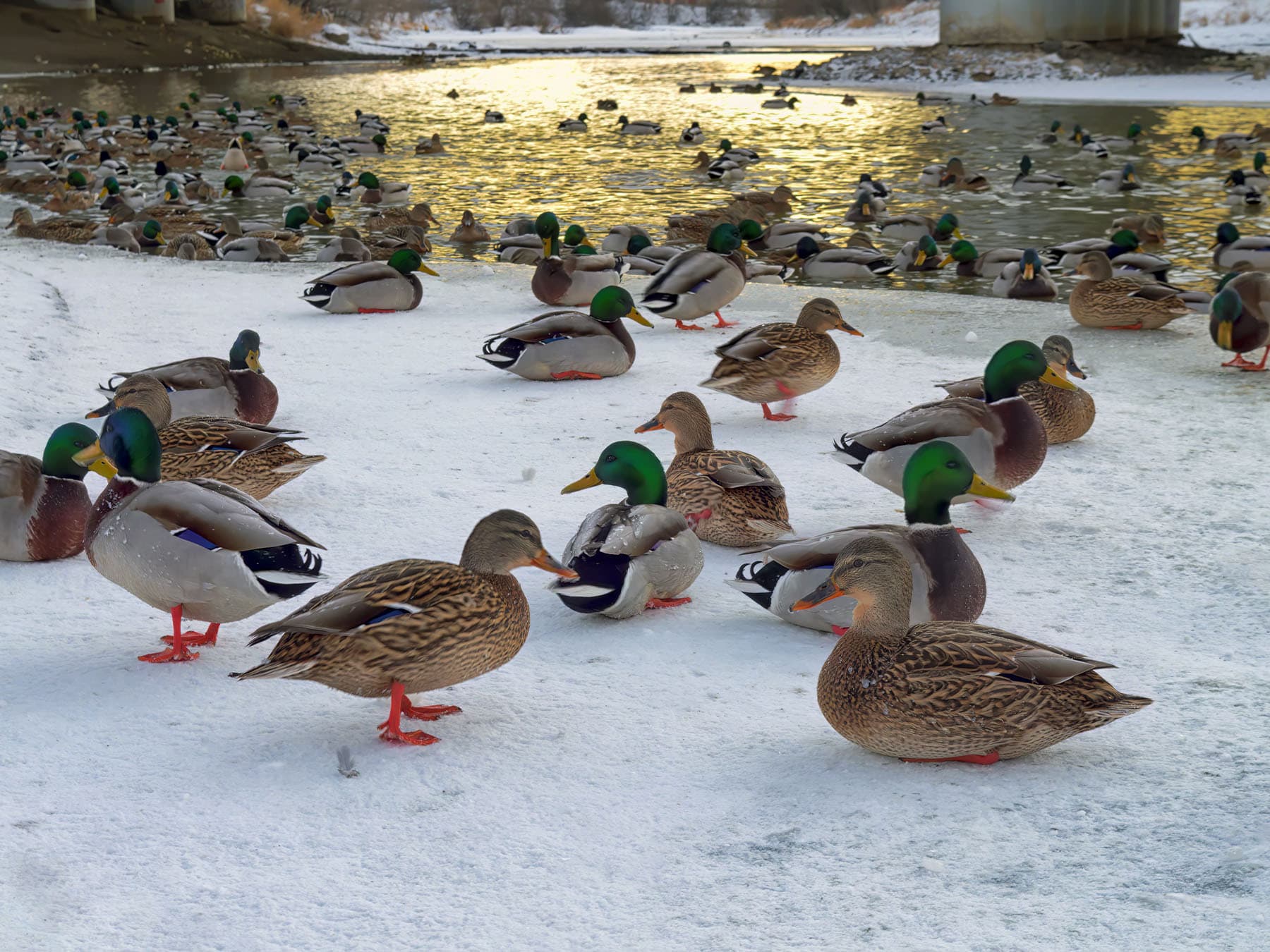
Winter is a particularly fruitful time for duck spotting, as year-round residents are joined on open waters by vast numbers of migratory visitors. Rafts of tens of thousands of ducks are not unusual, with multiple species frequently mingling together.
Conservation and Preservation of Ducks
Ducks are adaptable and can survive on small ponds as well as extensive, open waters. However, habitat loss is an issue that has huge potential to impact duck populations, with wetland degradation on migration routes a significant concern. We’ll take a look at conservation efforts that are ongoing to safeguard duck populations, so read on to learn more.
In winter, large groups of ducks congregate on open waters, enjoying the safety in numbers of being part of such a vast crowd. Wetlands en-route to wintering lakes offer vital stopover points as ducks take a break from their long migration flights to refuel, often gathering briefly in groups of tens of thousands or more.
Wetland preservation, to ensure that waters remain unpolluted and accessible for visiting and resident ducks, makes a valuable contribution to the survival of duck populations. Nature reserves and conservation efforts, including limits on hunting numbers, restrictions of development, and rewilding and restoration projects to improve habitat quality are all important collective efforts that can make a huge difference.
Summary
A vast raft of ducks foraging together on a lake is a memorable sight, even from a distance. Watching hundreds or thousands of ducks swimming together with synchronized movements can feel like you're watching an optical illusion unfolding on the water’s surface.
Smaller groups can be just as fascinating to observe as they touch down in quick succession onto their foraging waters or flocks flying overhead in V-shaped formations organized with military precision.
Watching the social interactions of ducks, whether it’s a pair, a family group, or a much larger paddling, raft, flock, or team, is an enjoyable experience, giving us valuable insight into duck behavior.
FAQs
How do you tell the difference between male and female ducks in a group?
Ducks are one of the bird families where it’s easiest to tell the difference between males and females. Males are typically more brightly colored, with bolder markings and patterns. In contrast, females are usually browner and duller in color and are often slightly smaller. Outside the breeding season, males and females gather to swim and forage together, regardless of their sex.
Why do ducks group together?
Ducks are social birds and group together for several reasons, including companionship and safety. Predators will have less success targeting a large group of ducks swimming together, and ducks at the outer fringes of the group act as lookouts, giving out warning signals when threats are noticed.
What's the largest group of ducks ever recorded?
In winter, vast rafts of tens of thousands of ducks can gather on open waters. With such large numbers, it’s perhaps not surprising that accurate numbers for such groups are unavailable. Chesapeake Bay hosts over 1 million ducks and geese each winter, including nearly 50,000 canvasbacks and around 25,000 black ducks.
Birds in this article
20 birds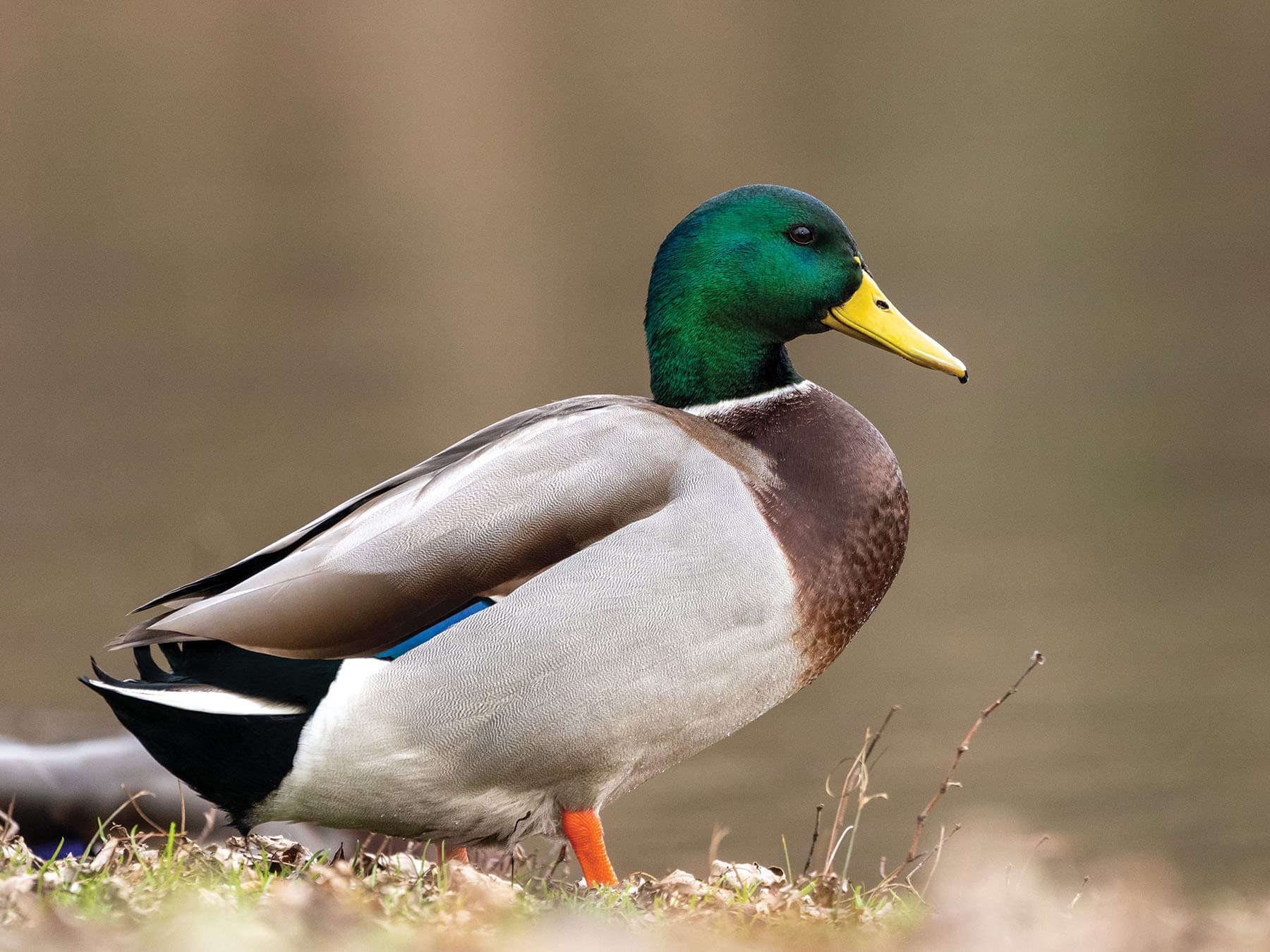 MallardAnas platyrhynchos50–65 cm · ducks, geese & swans
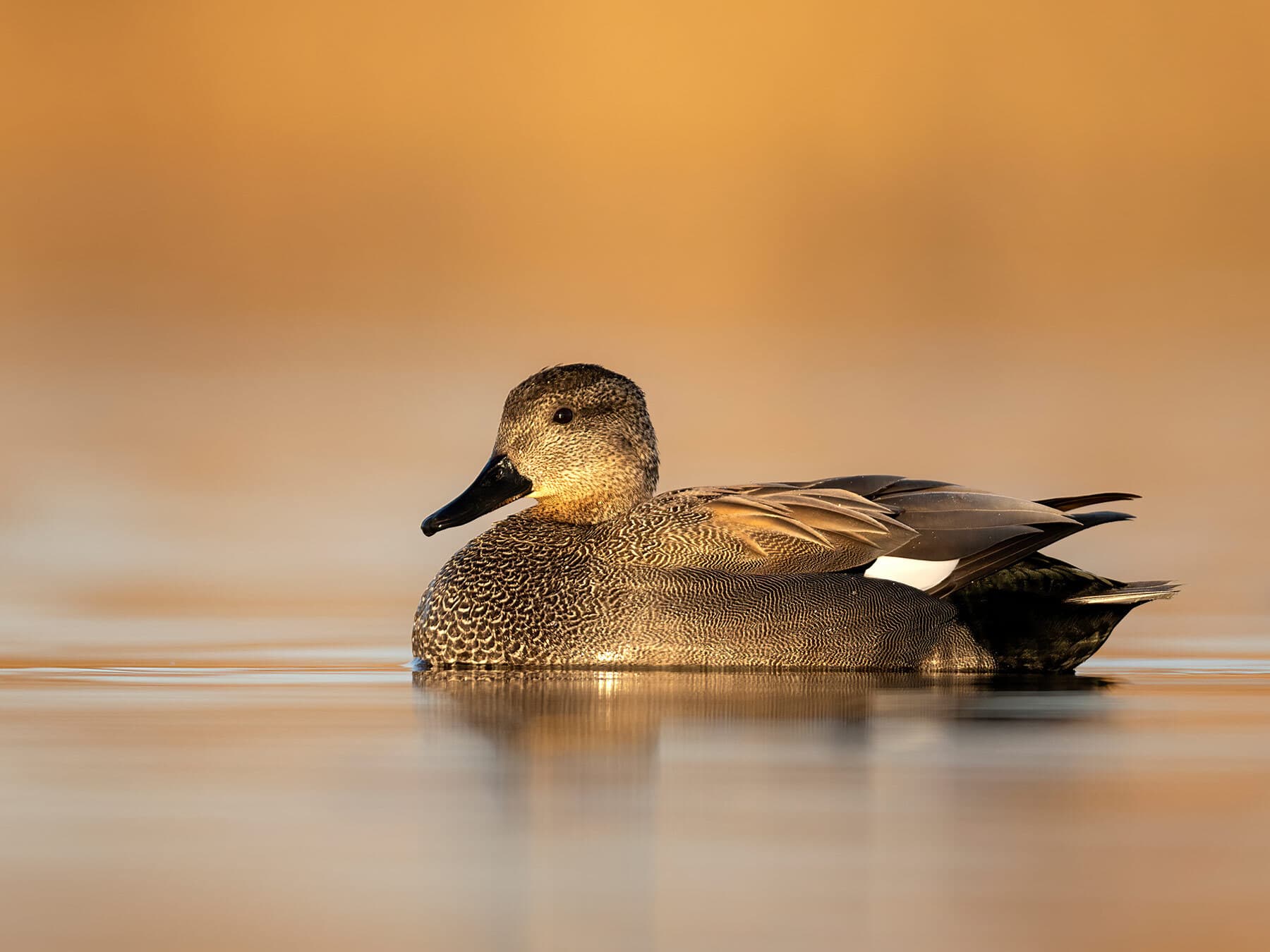 GadwallMareca strepera46–56 cm · ducks, geese & swans
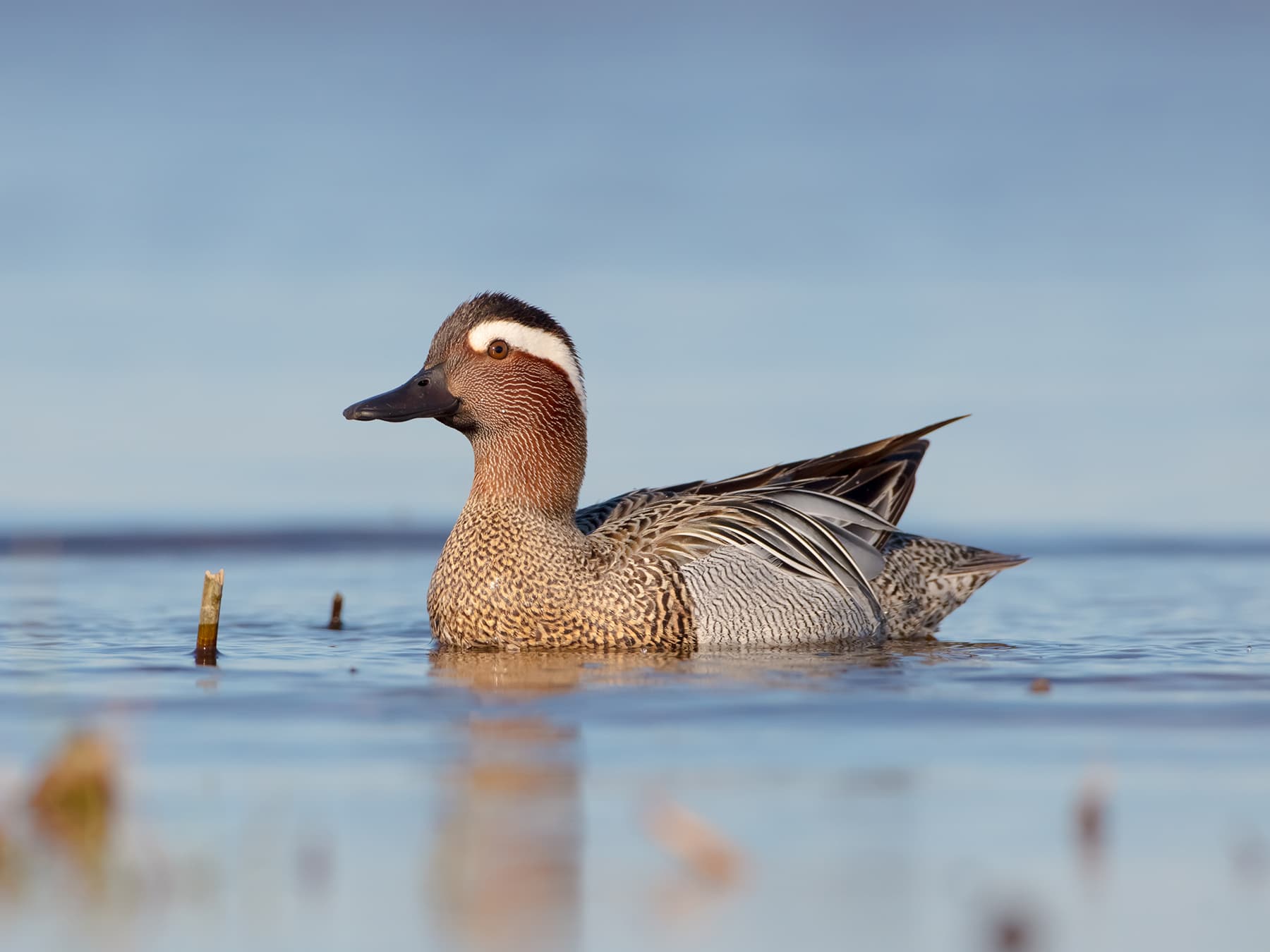 GarganeySpatula querquedula37–41 cm · ducks, geese & swans
See all 20 birds
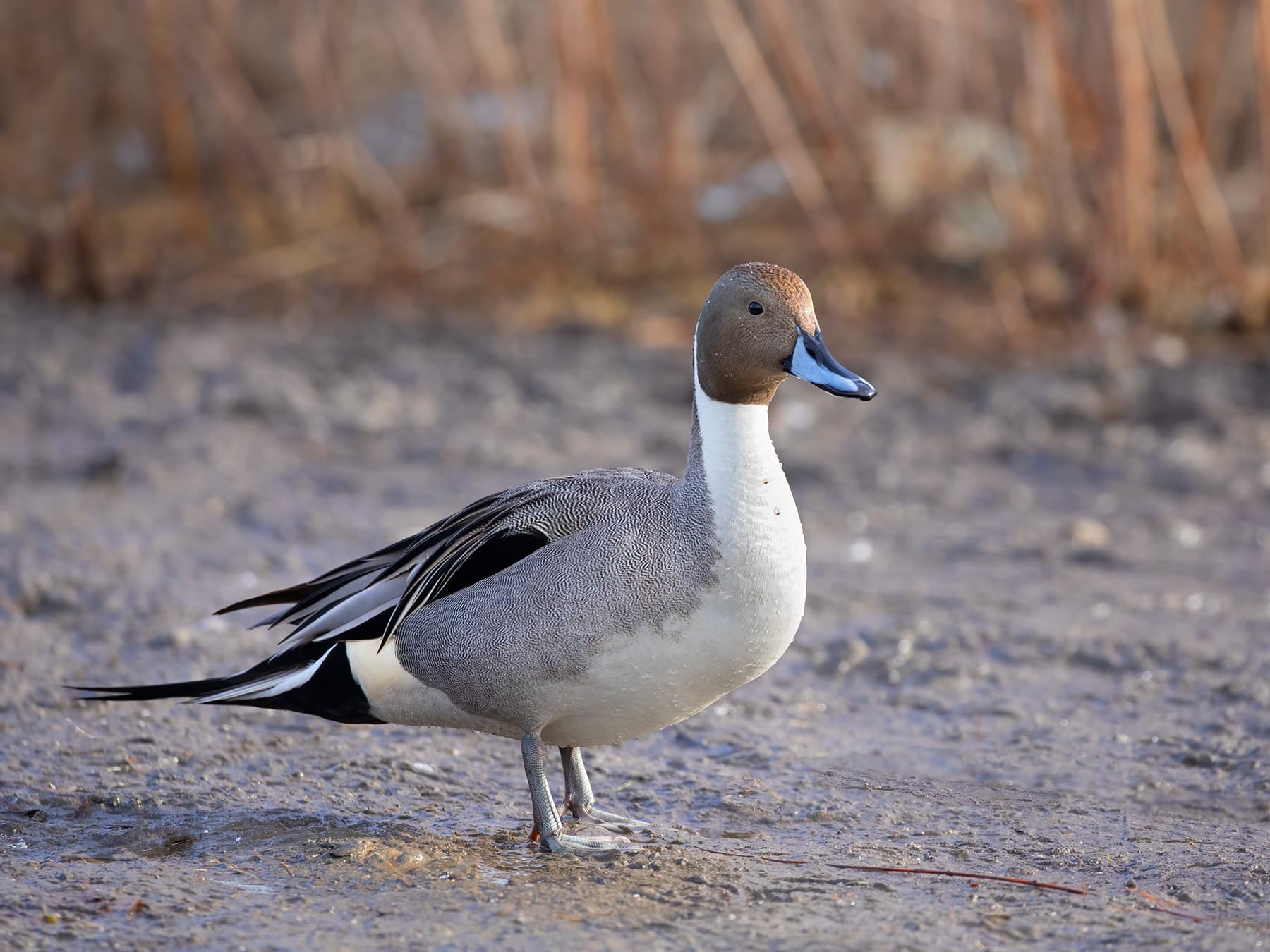 Northern PintailAnas acuta59–76 cm · ducks, geese & swans
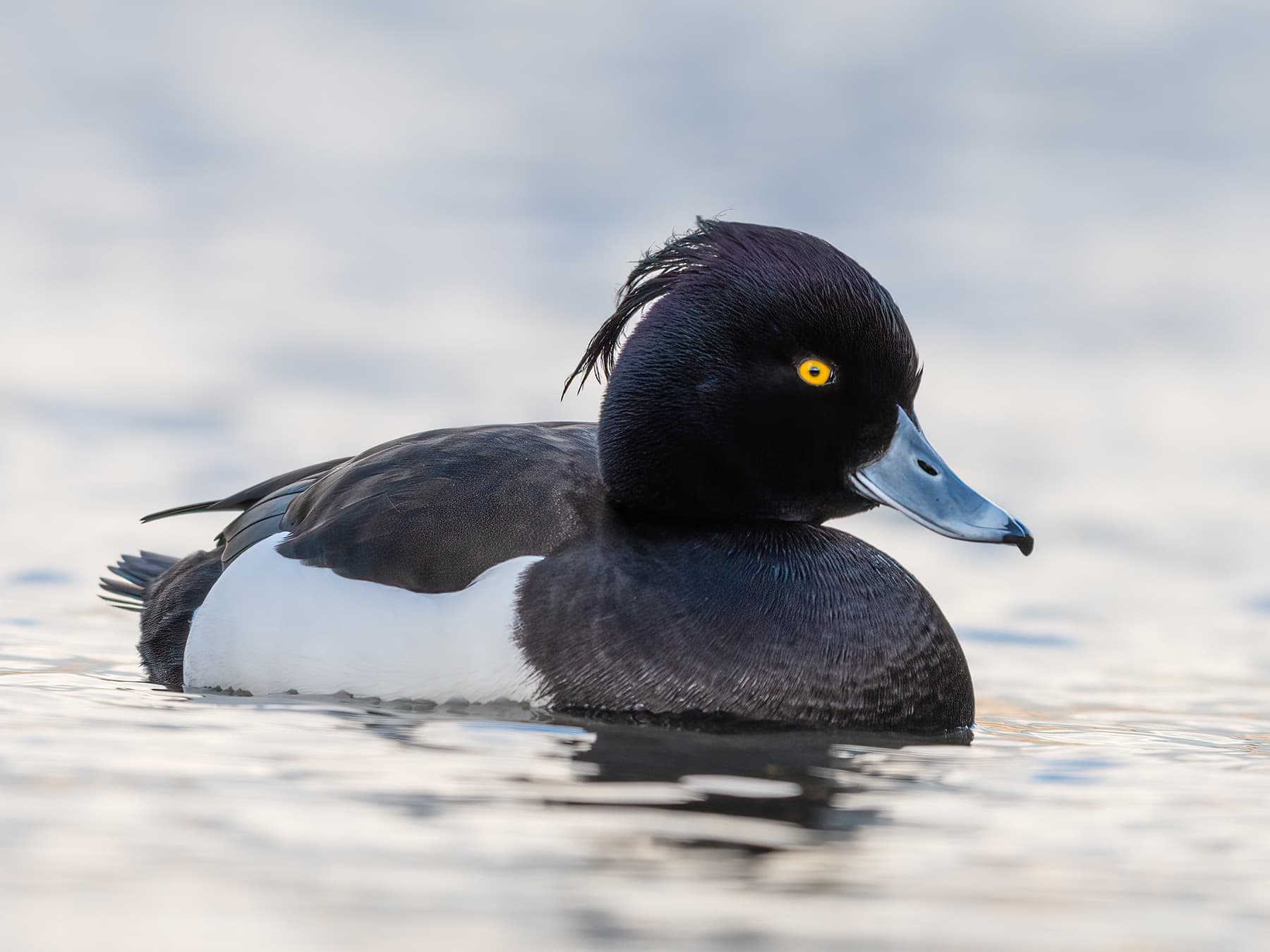 Tufted DuckAythya fuligula40–47 cm · ducks, geese & swans
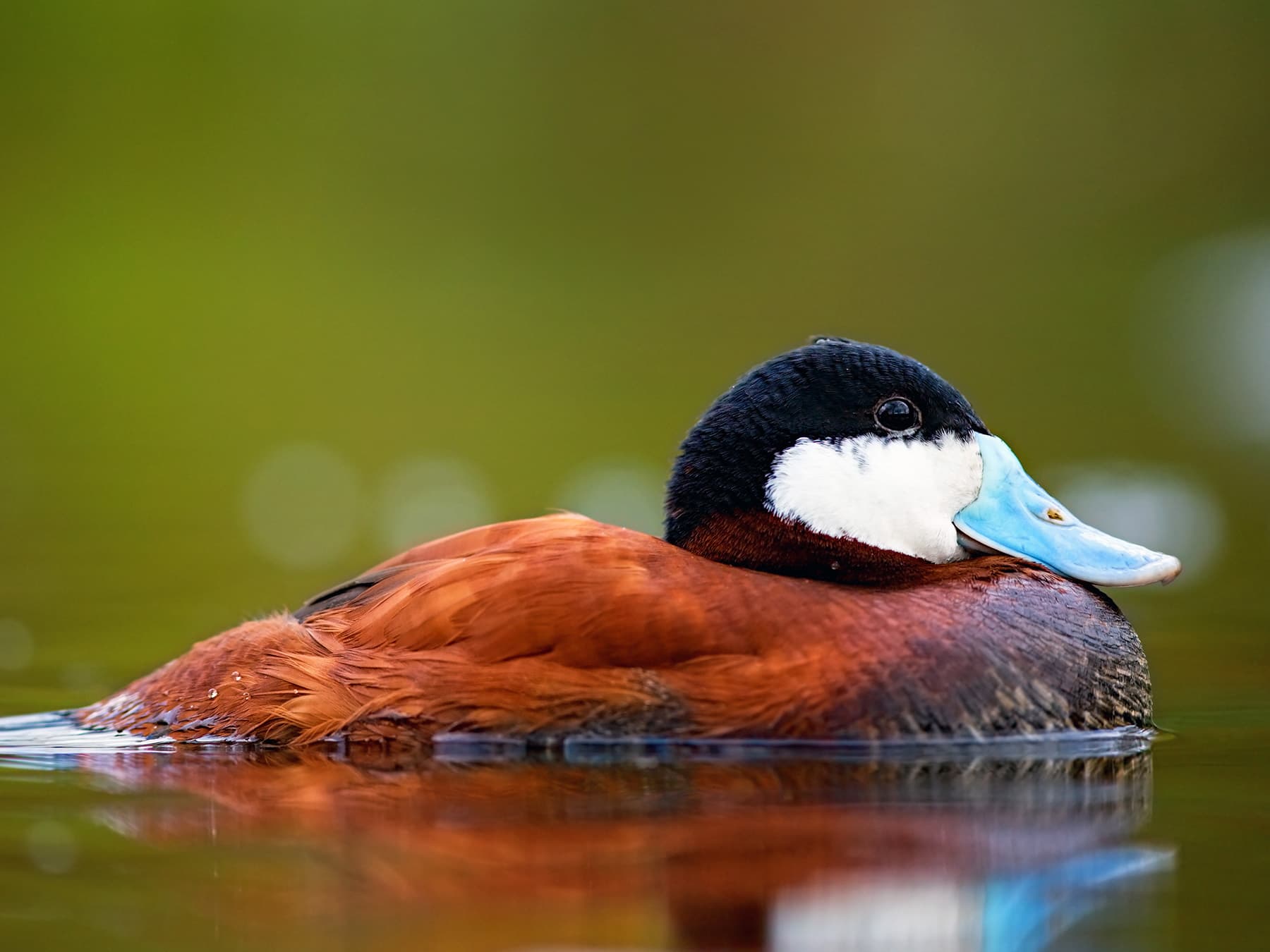 Ruddy DuckOxyura jamaicensis35–43 cm · ducks, geese & swans
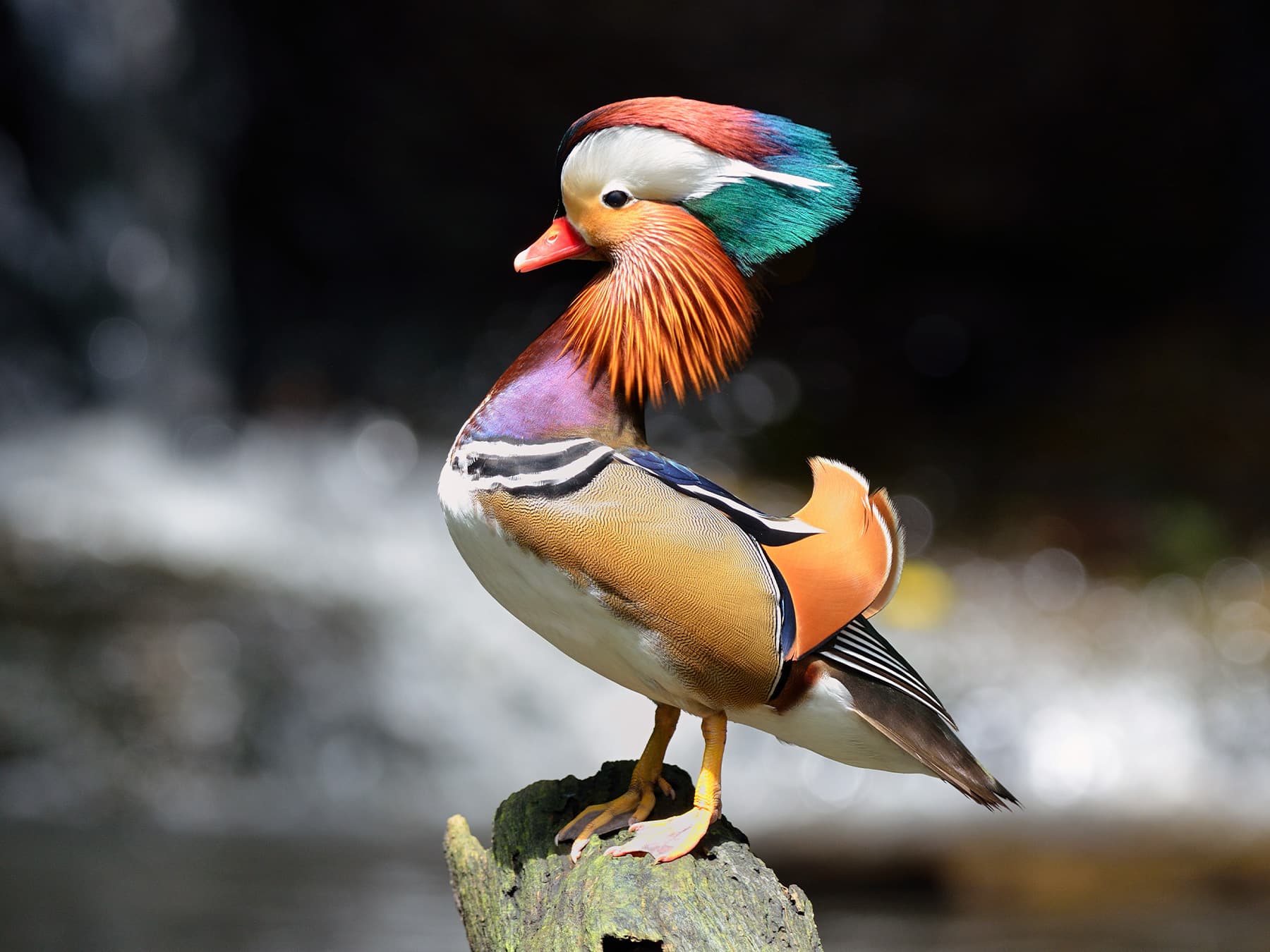 Mandarin DuckAix galericulata41–49 cm · ducks, geese & swans
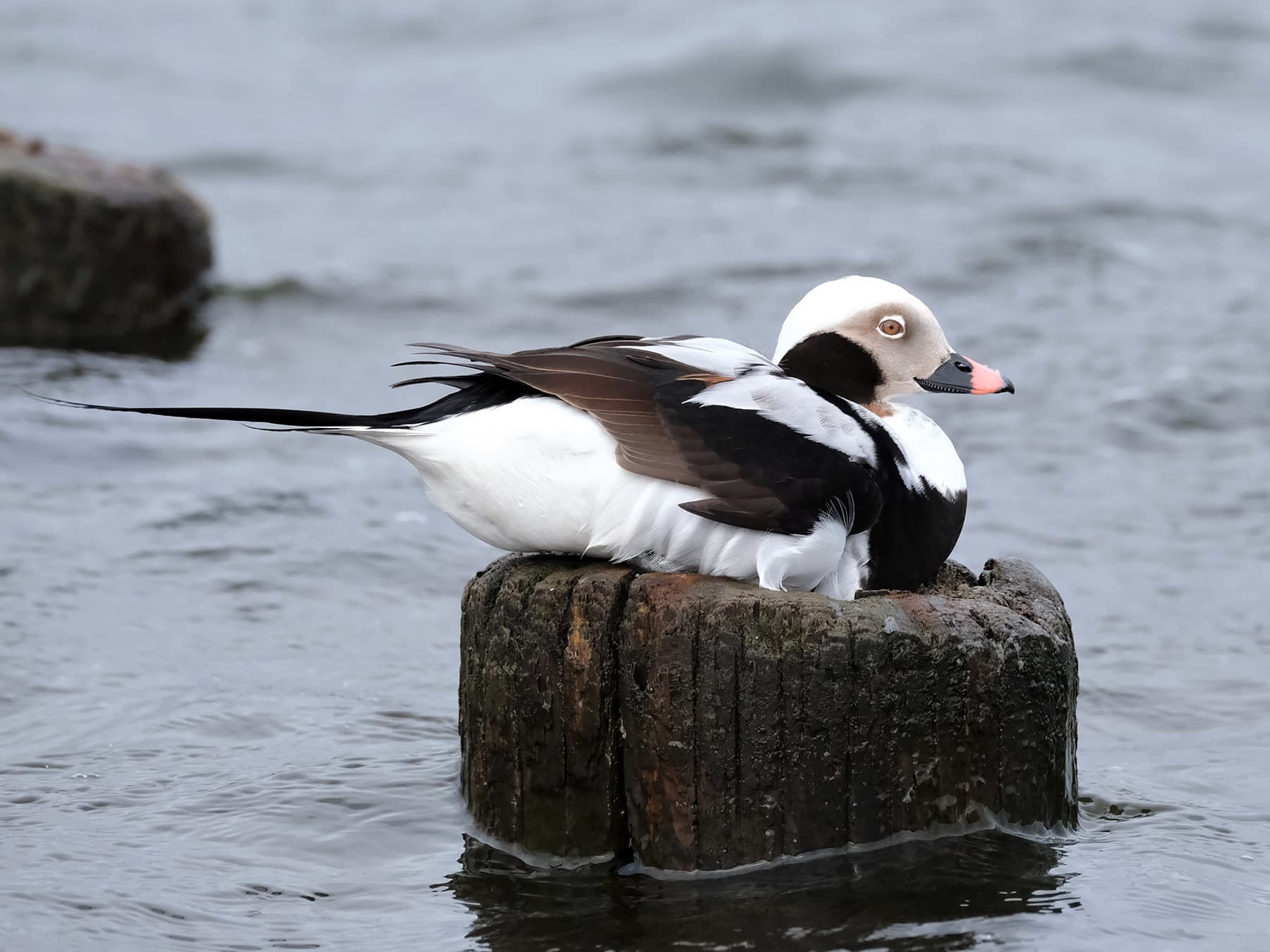 Long-tailed DuckClangula hyemalis37–60 cm · ducks, geese & swans
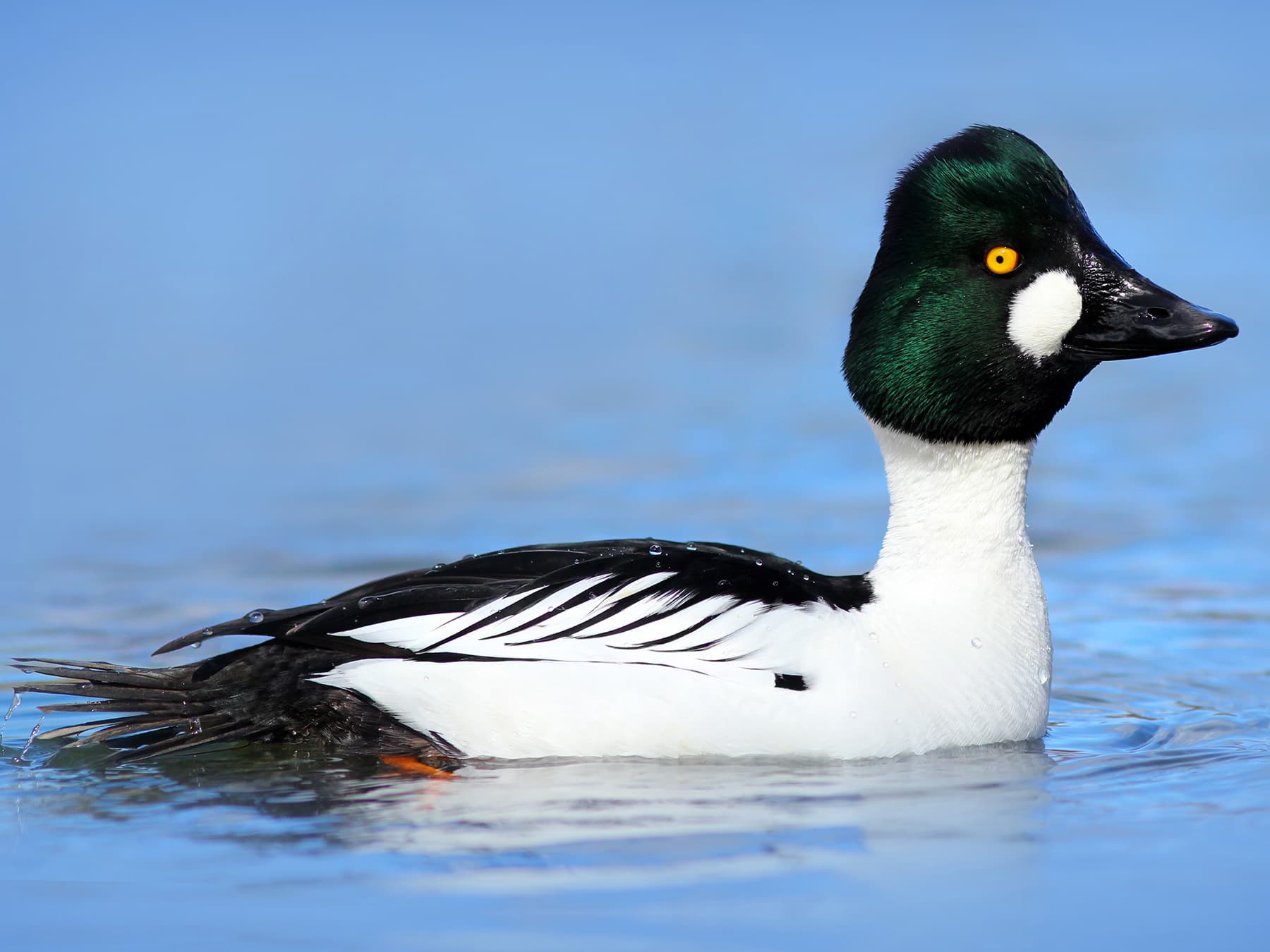 GoldeneyeBucephala clangula40–51 cm · ducks, geese & swans
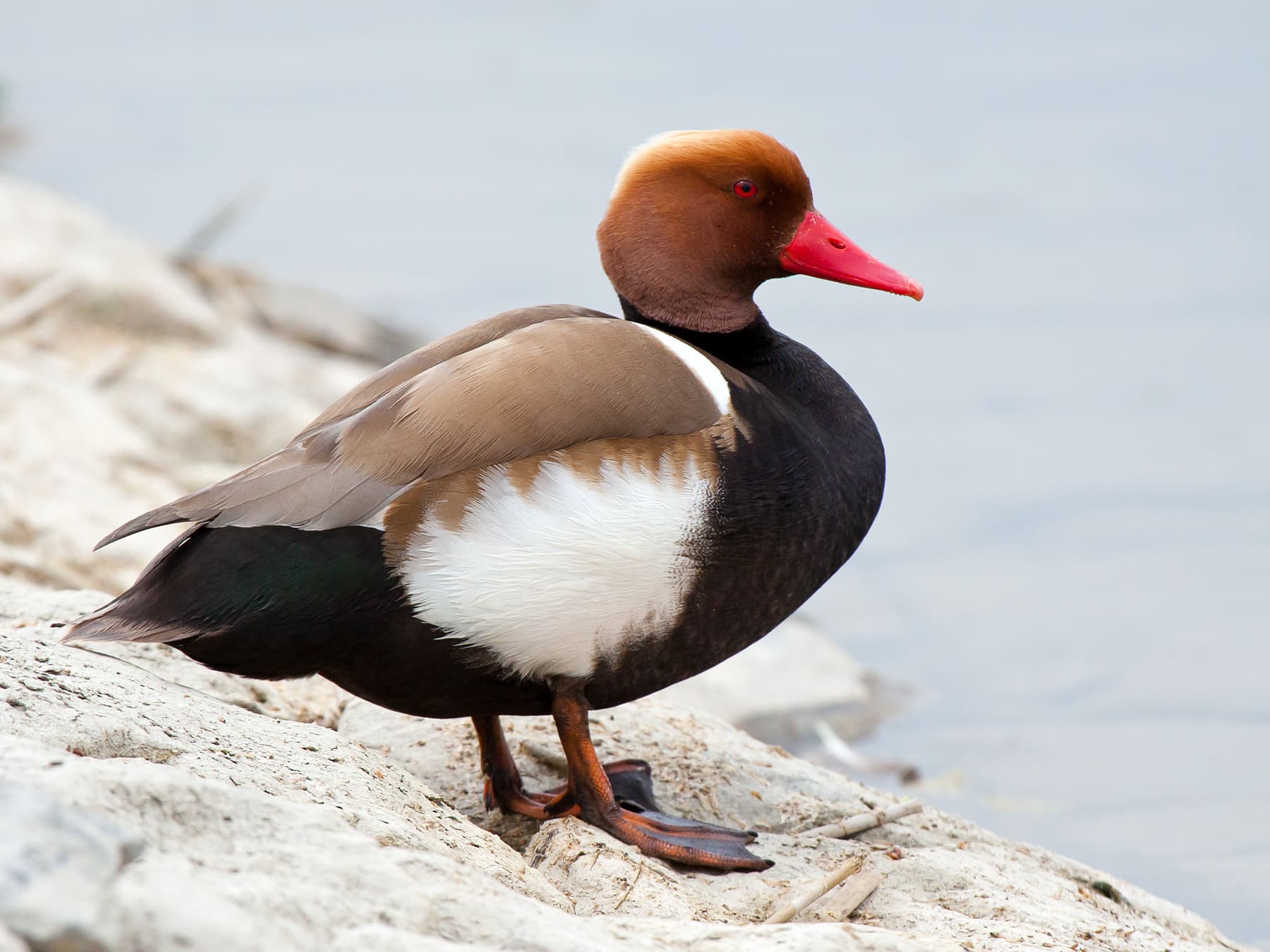 Red-crested PochardNetta rufina53–57 cm · ducks, geese & swans
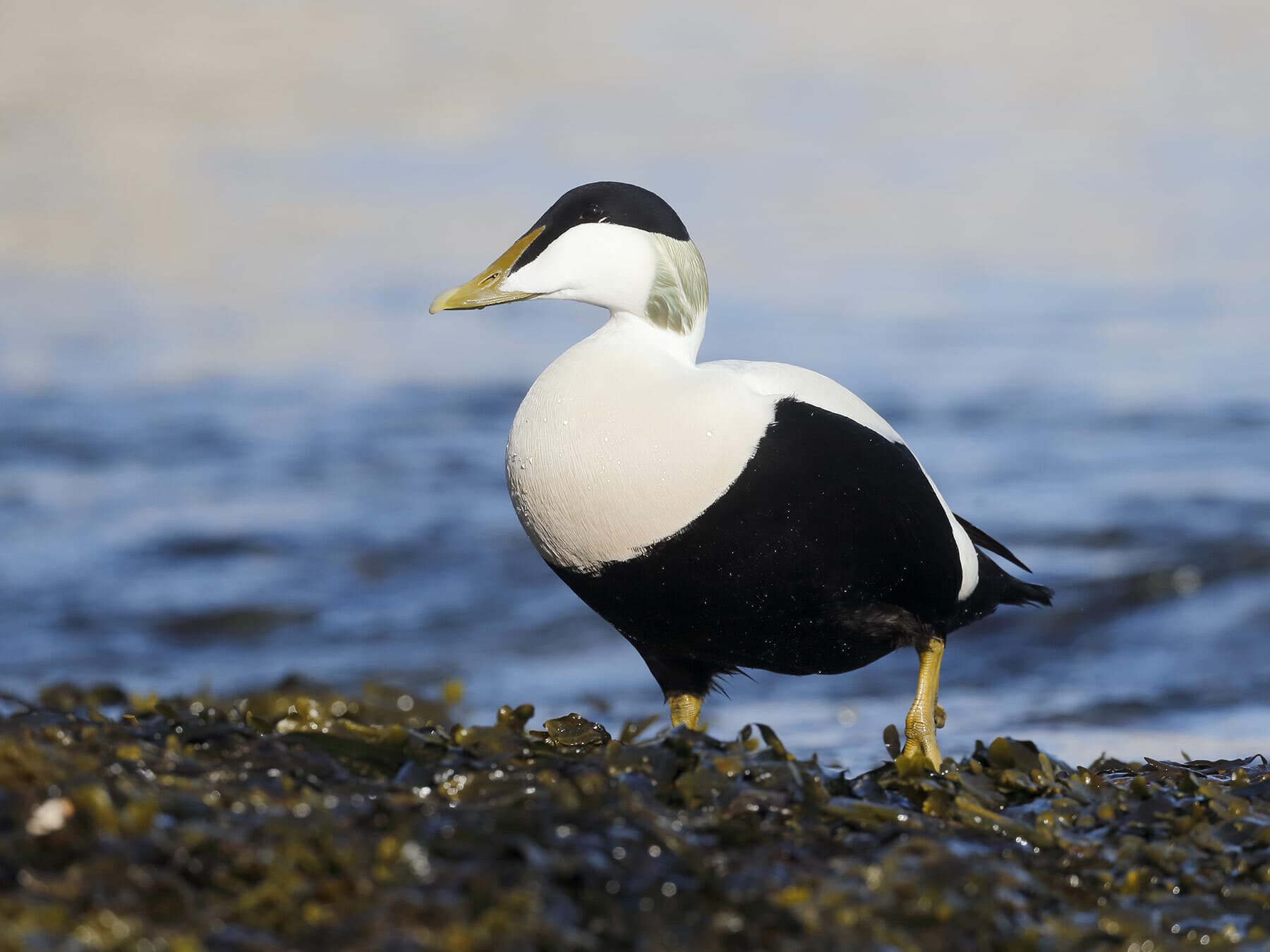 EiderSomateria mollissima50–71 cm · ducks, geese & swans
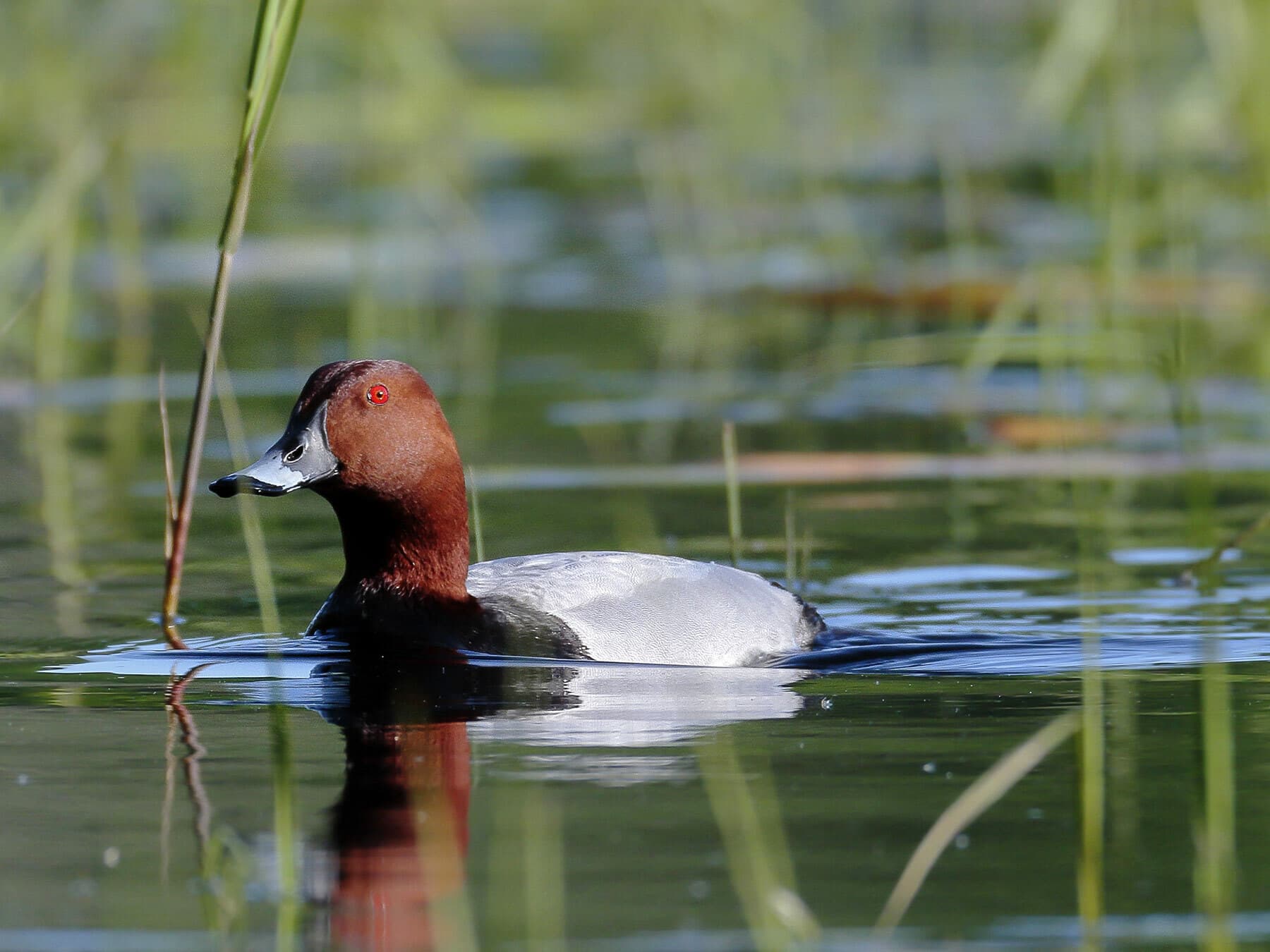 PochardAythya ferina42–49 cm · ducks, geese & swans
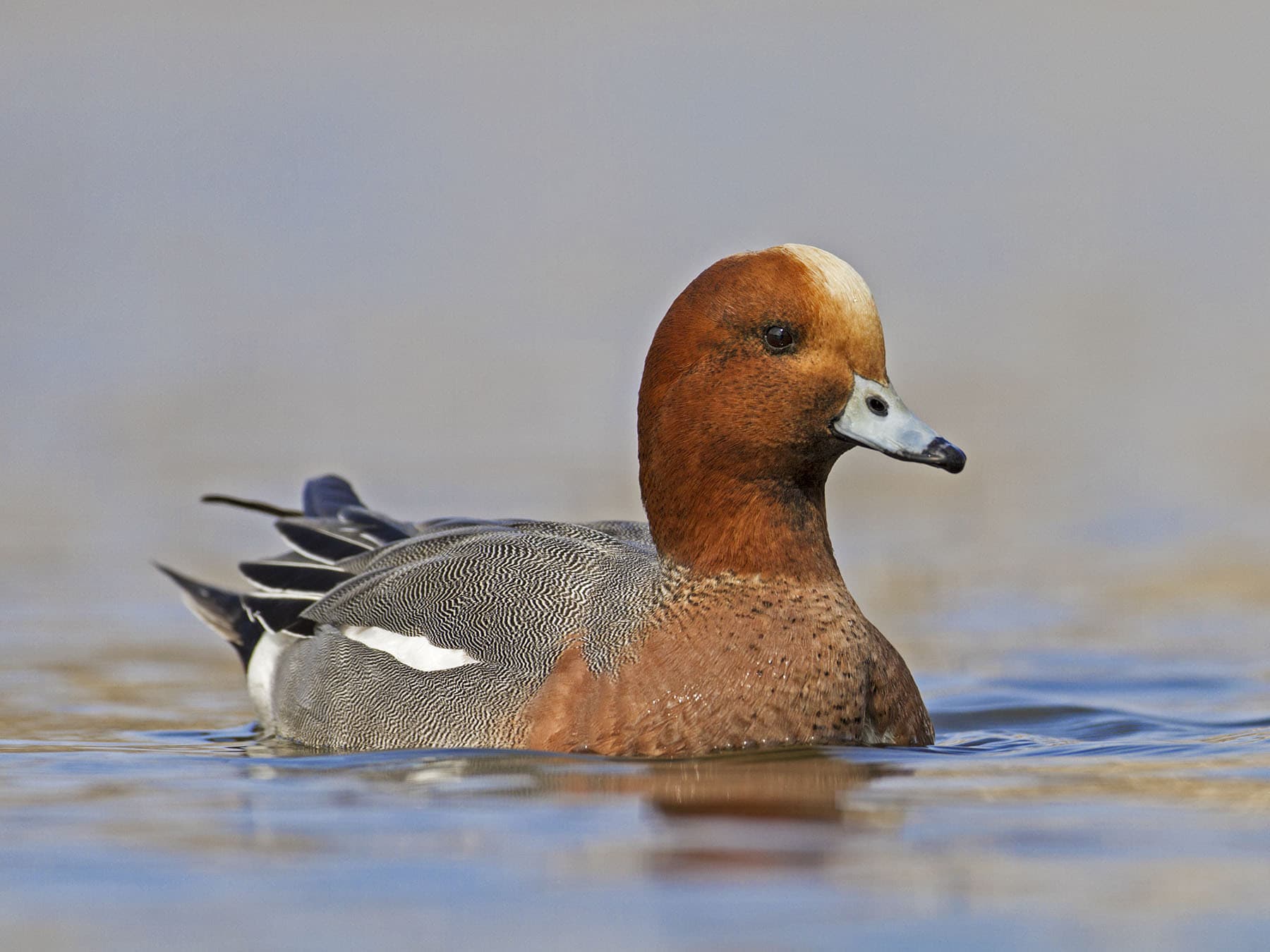 Eurasian WigeonMareca penelope42–51 cm · ducks, geese & swans
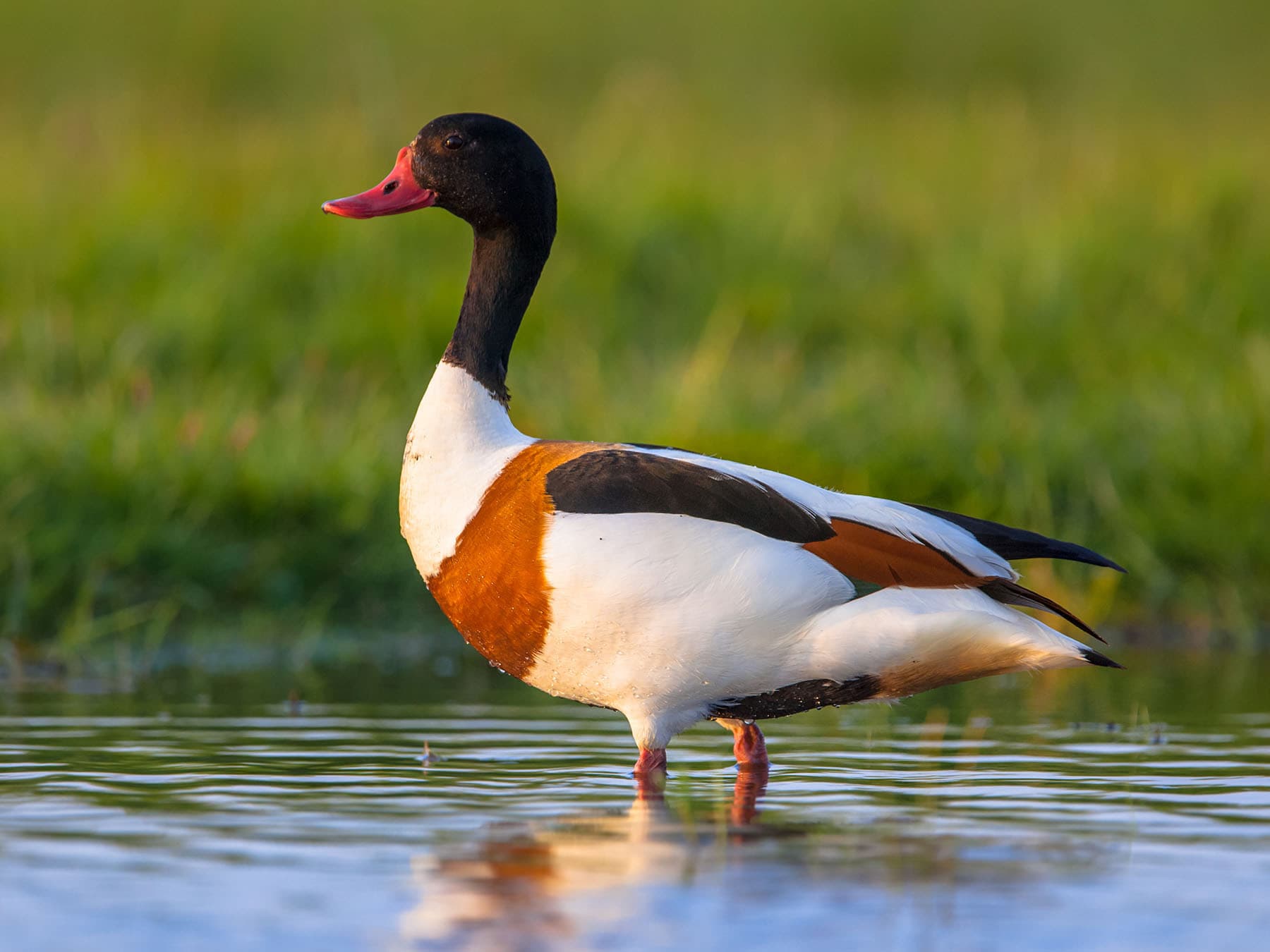 Common ShelduckTadorna tadorna58–67 cm · ducks, geese & swans
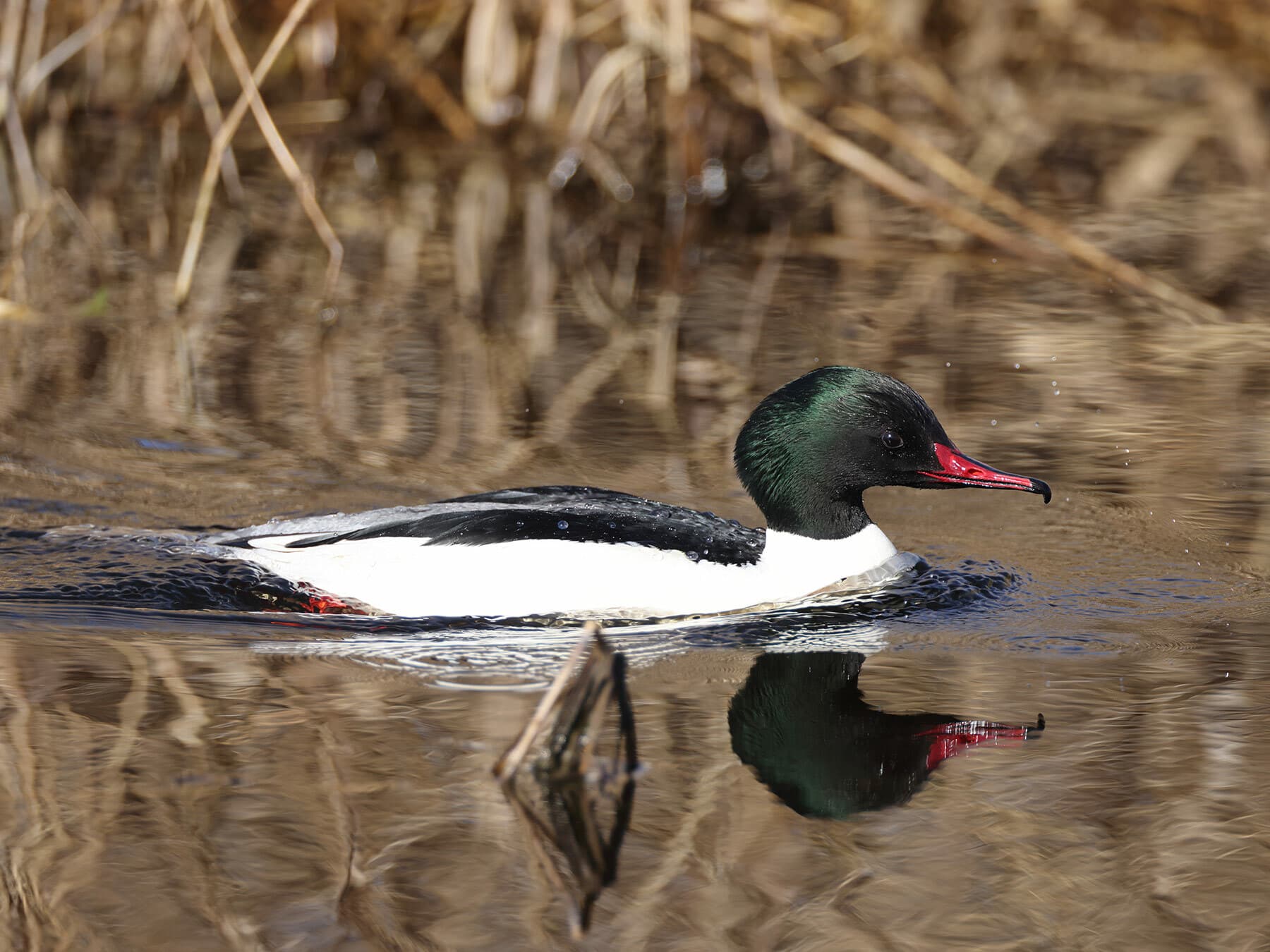 Common MerganserMergus merganser58–68 cm · ducks, geese & swans
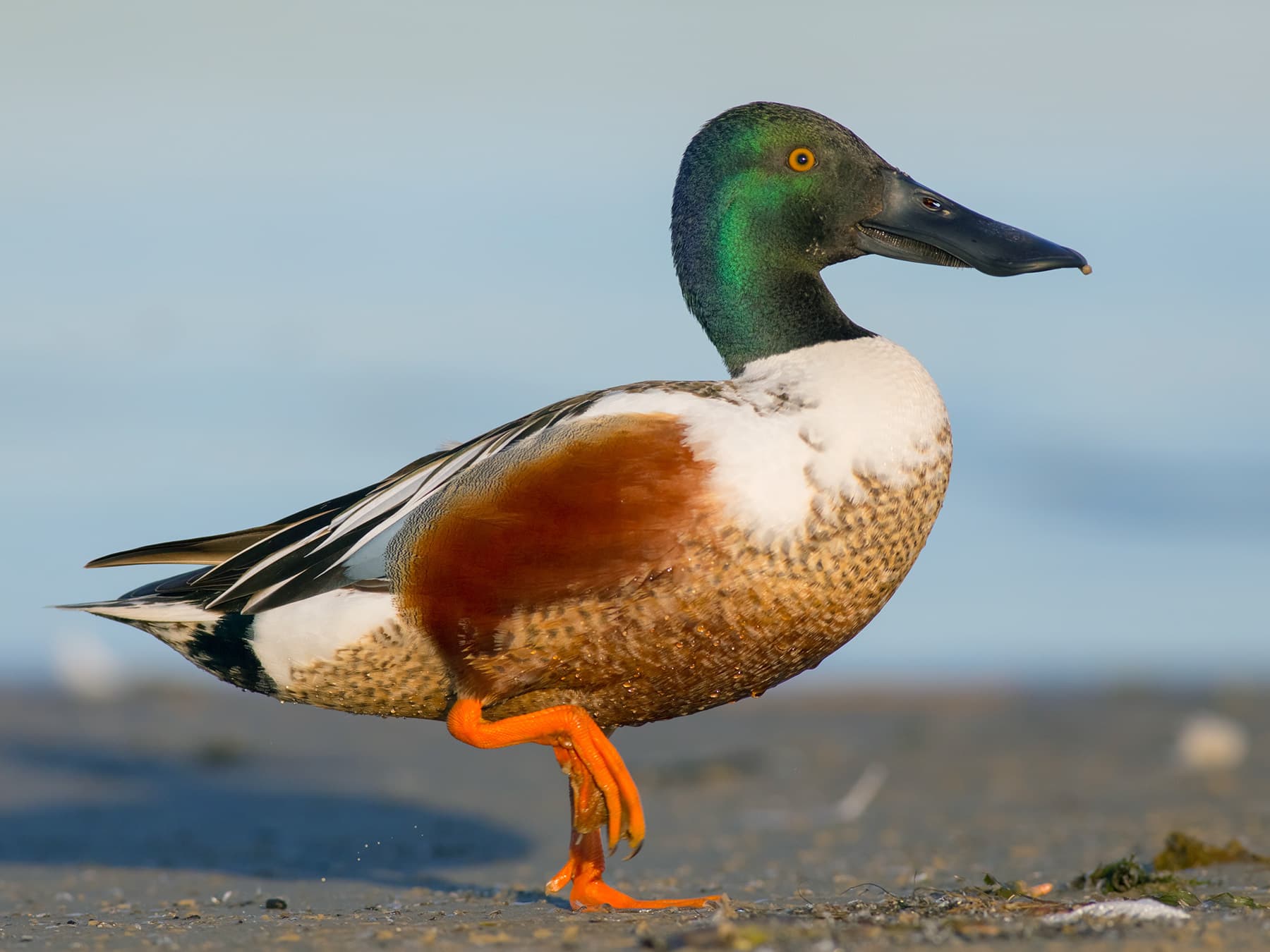 Northern ShovelerSpatula clypeata44–51 cm · ducks, geese & swans
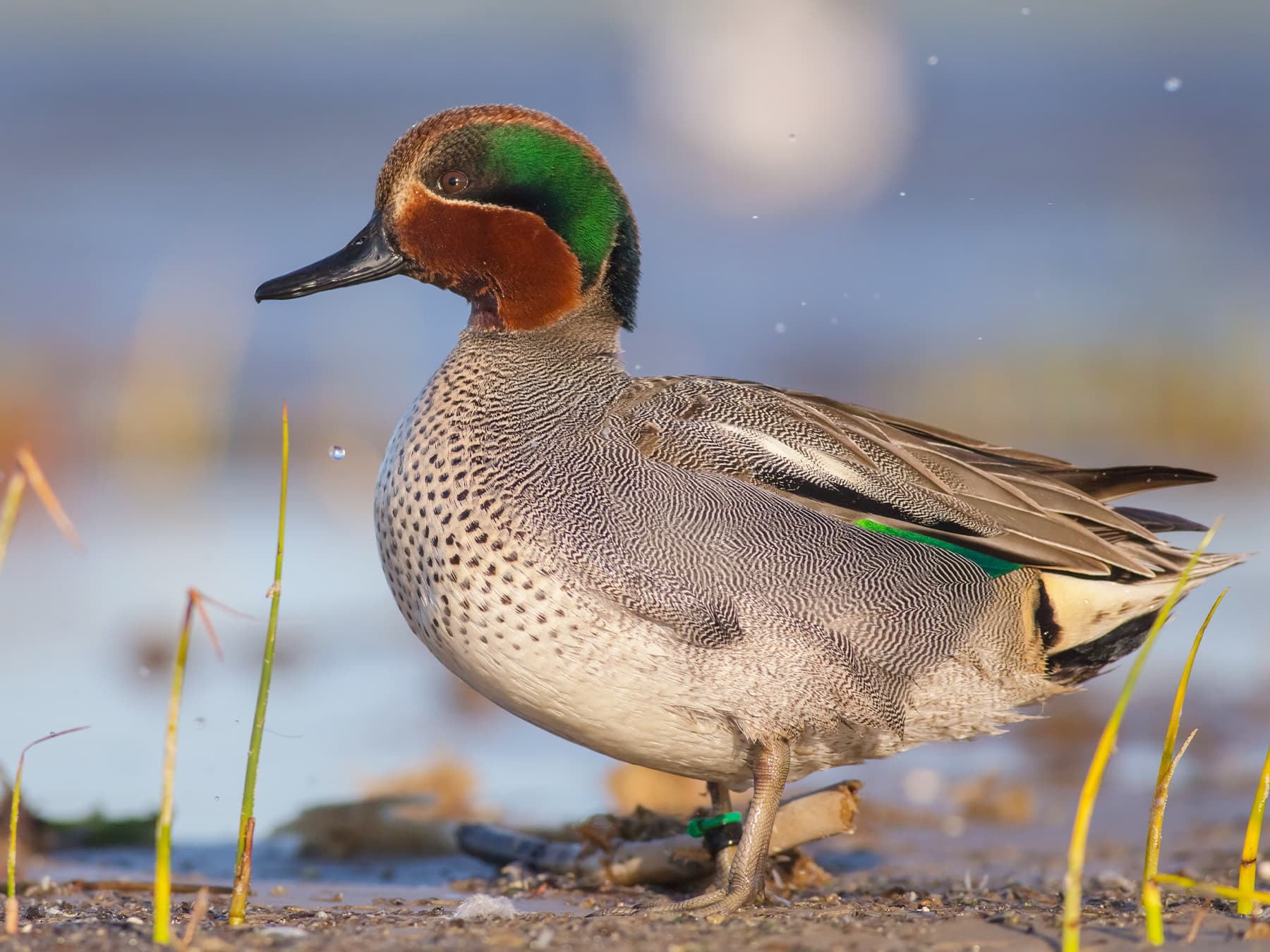 Eurasian TealAnas crecca34–38 cm · ducks, geese & swans
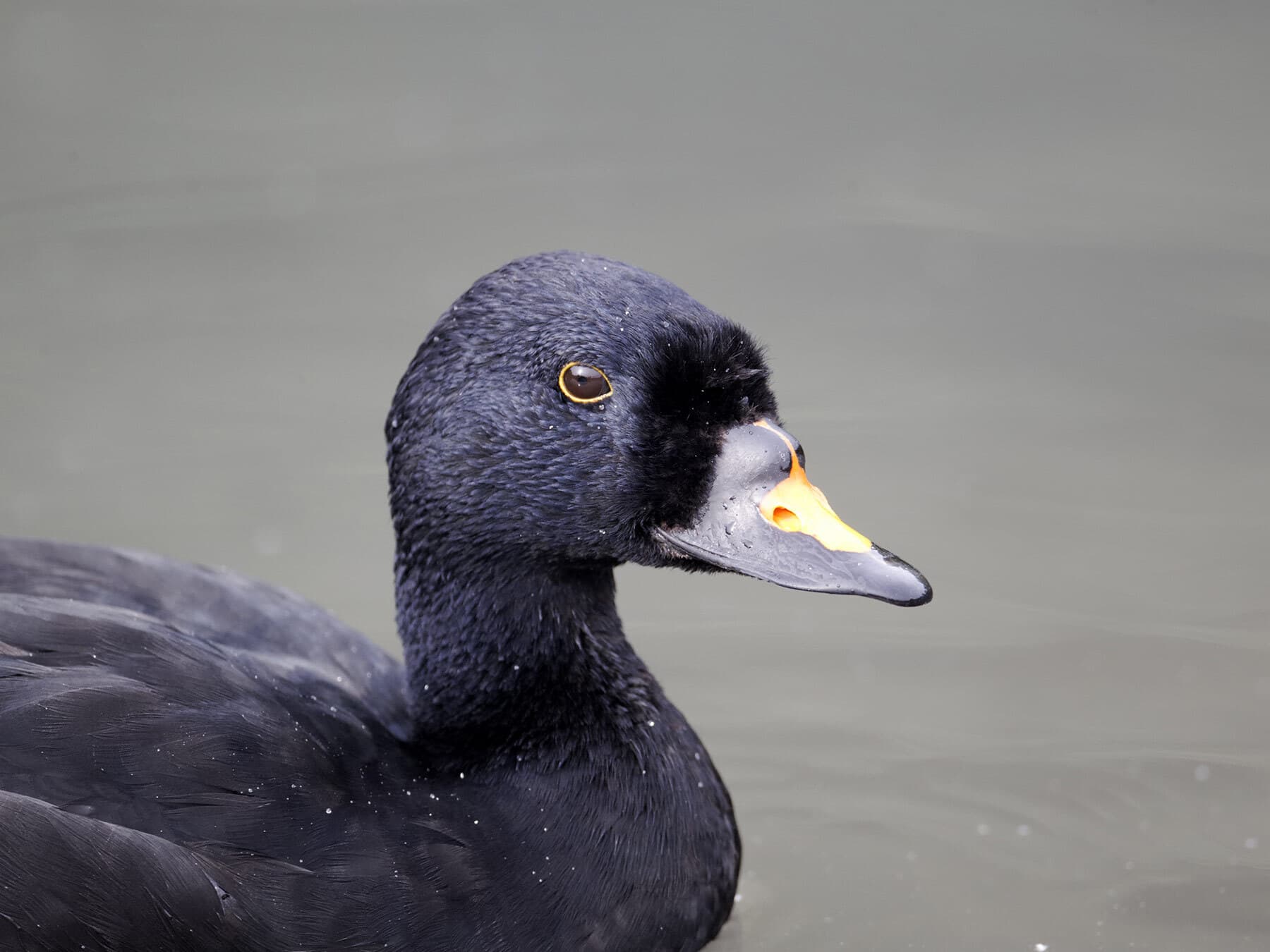 Common ScoterMelanitta nigra43–54 cm · ducks, geese & swans
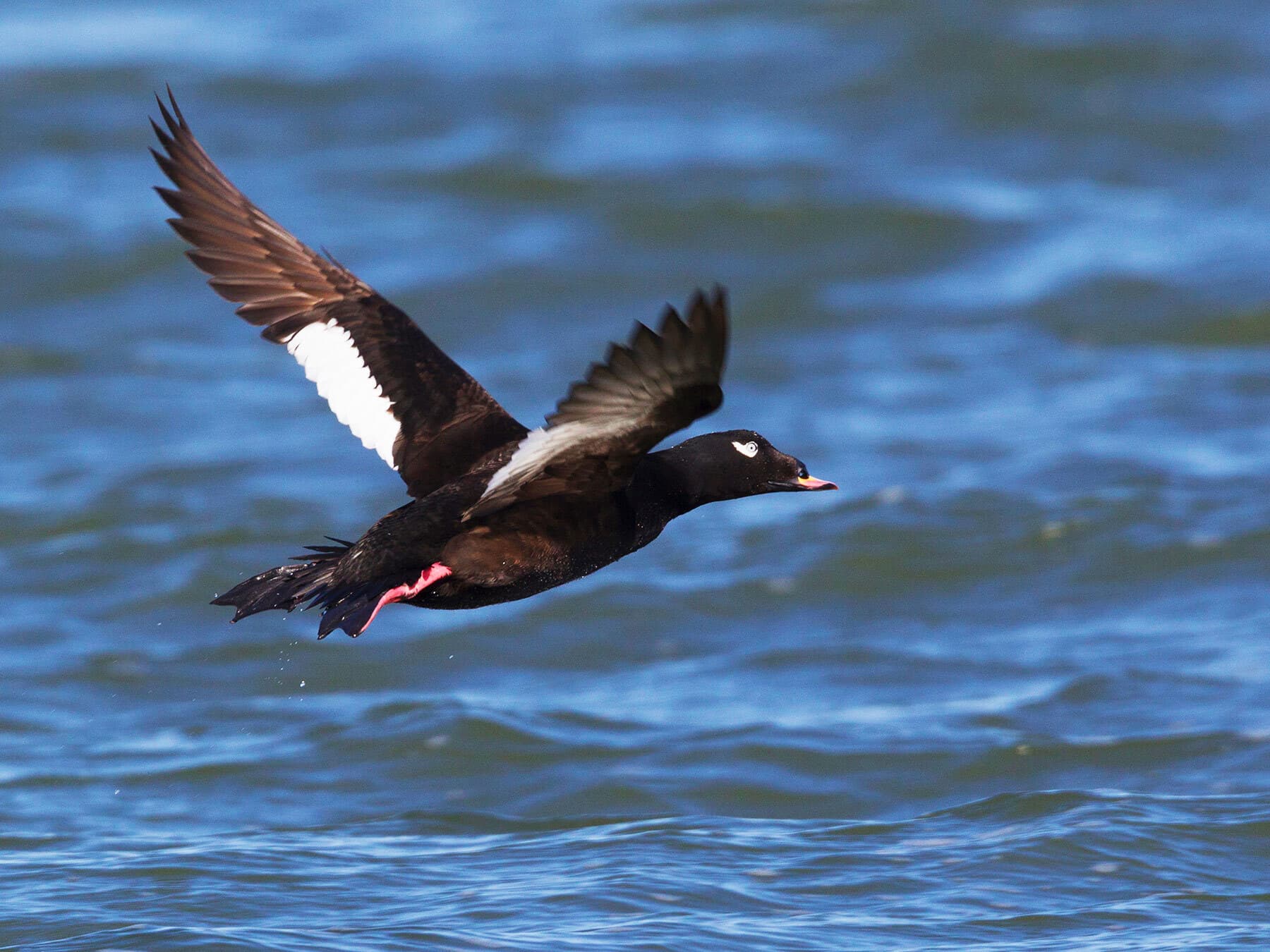 Velvet ScoterMelanitta fusca51–58 cm · ducks, geese & swans
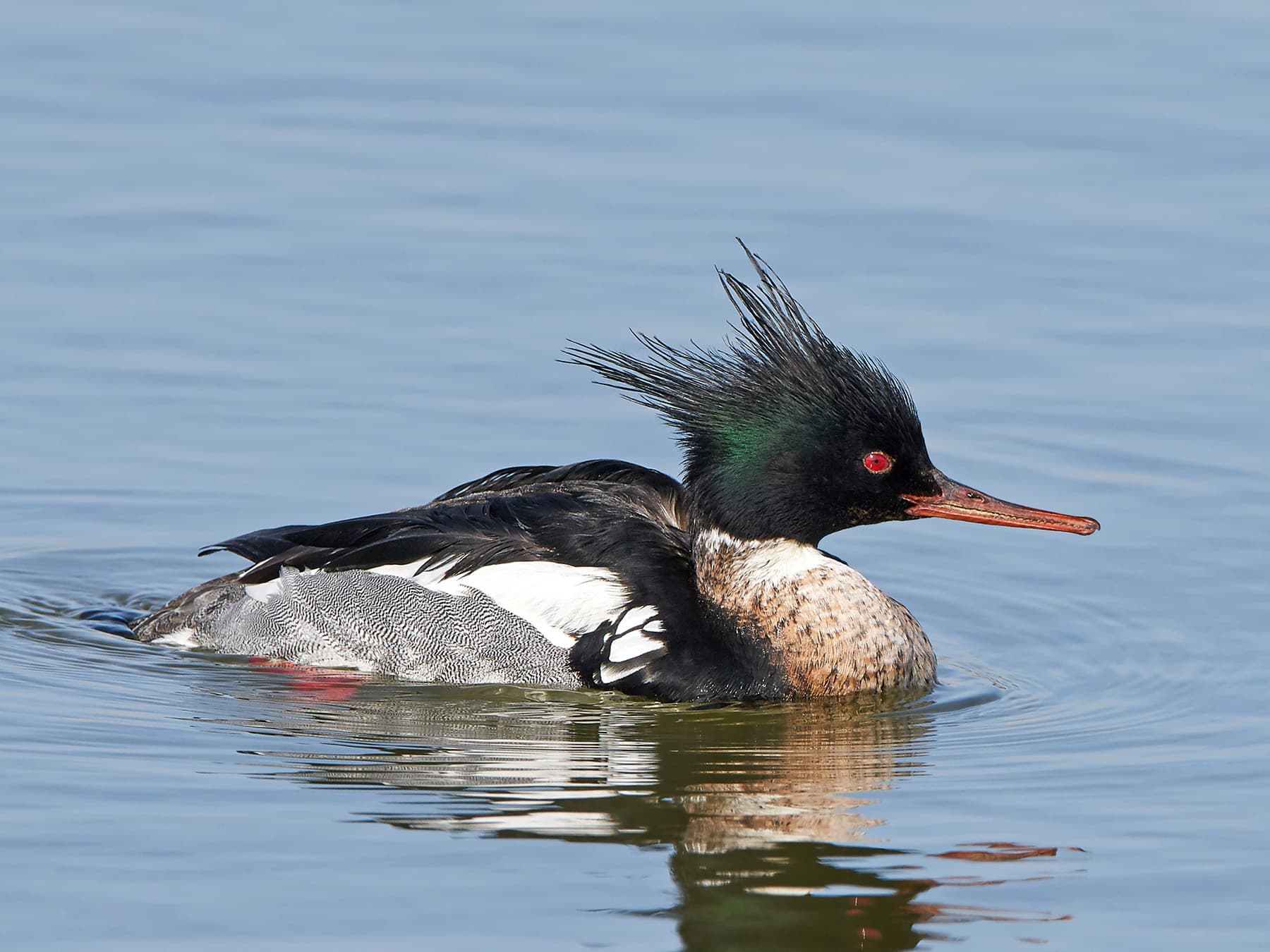 Red-breasted MerganserMergus serrator52–58 cm · ducks, geese & swans